
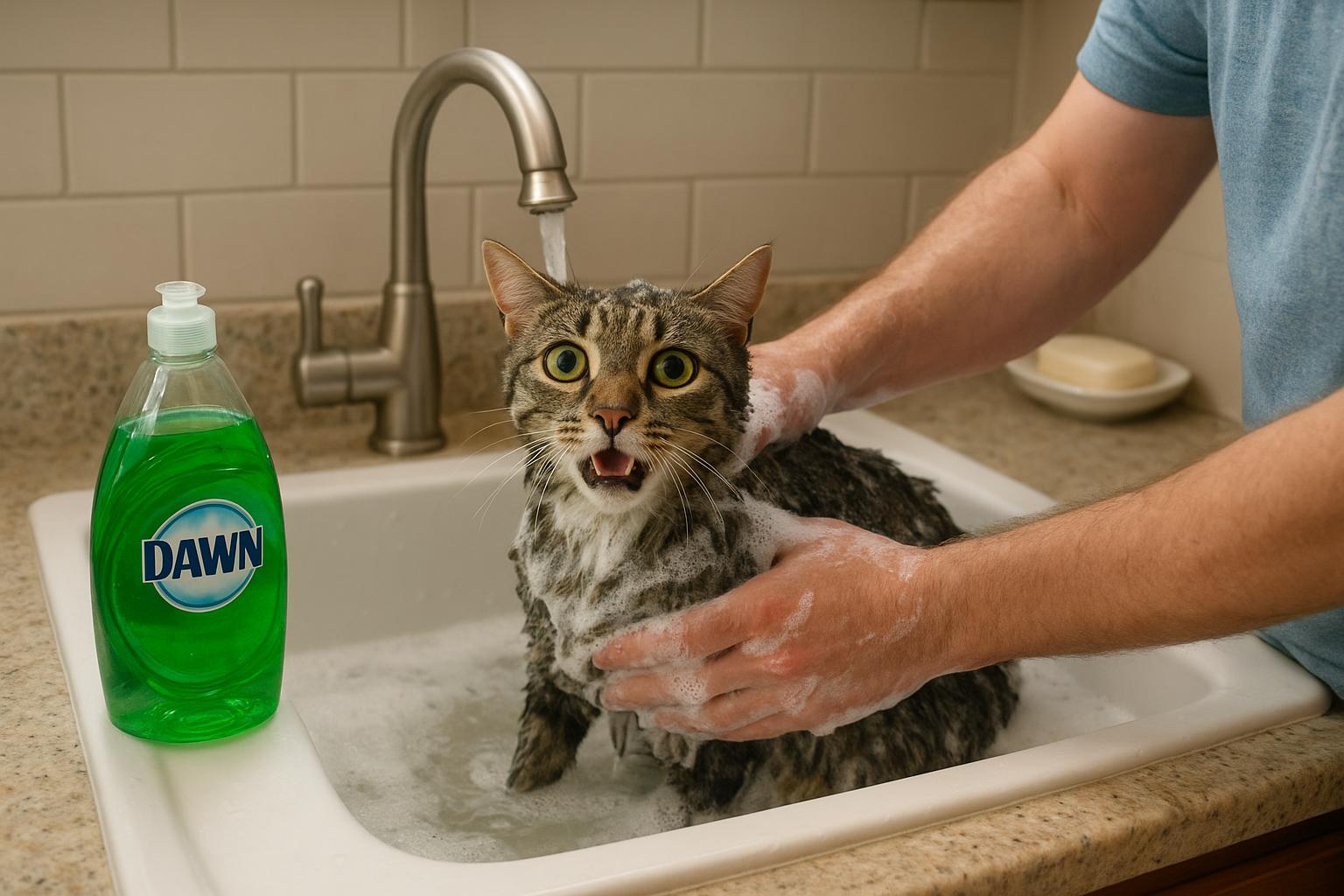
## Why People Use Dawn And Dish Soap For Flea Control
If you’ve ever fallen down the rabbit hole of home remedies for fleas, you’ve probably read about the humble dish soap. It’s one of those backyard-wisdom tips that gets tossed around between neighbors and online pet groups: a gentle bath with a bit of dish soap can help get rid of fleas on a cat. People reach for it because it’s cheap, widely available, and, in many cases, effective at physically removing fleas from the fur.
The science behind this is actually straightforward: many dish soap formulas reduce surface tension and strip oils, interfering with a flea’s ability to cling to hair and breathe. That’s why a carefully administered bath with the right product can immobilize and drown adult fleas long enough to allow removal with a comb and rinse.
### Is A Dish Soap Bath Safe For Cats?
Short answer: Sometimes, but with caveats. Long answer: a dish soap bath can be safe for a short, targeted flea treatment if you choose an appropriate product and follow careful steps. Not all dish soap is the same, and a cat’s skin is more sensitive than human skin. Harsh detergents, added fragrances, or moisturizing agents designed for human hands can irritate feline skin and strip natural oils excessively.
If your cat is fragile, very young, elderly, pregnant, has preexisting skin issues, or is showing signs of distress, do not attempt a DIY bath without veterinary guidance. Always prioritize the cat’s safety and comfort over immediate flea removal.
### When To Consider A Dish Soap Bath
– When you need a quick, emergency measure to remove fleas from a cat with no immediate access to veterinary flea products.
– For a targeted, single-use application as part of an integrated flea-control plan that includes environmental treatment.
– If the cat tolerates bathing and has no known skin allergies or medical conditions.
### When To Avoid A Dish Soap Bath
– On kittens under eight weeks old without vet approval.
– On cats with raw or cracked skin, severe dermatitis, or systemic illness.
– As a regular long-term flea-control strategy — there are safer, veterinarian-approved topical or oral products designed for ongoing protection.
## 1. Dawn Dish Soap Bath For Flea Control (Remedy)
Below is a formal, step-by-step protocol for a Dawn dish soap bath intended as an emergency or occasional flea-control method. This method focuses on minimizing risk while maximizing flea removal effectiveness. If you’re in doubt, consult your veterinarian before proceeding.
### Ingredients And Materials Required
– 1–2 teaspoons of a mild, plain dish soap (Dawn Original Blue is commonly recommended because it lacks added antibacterials or heavy perfumes)
– 2–3 cups of warm (not hot) water for mixing
– A shallow basin or sink, or a small tub large enough to contain the cat comfortably
– A soft washcloth
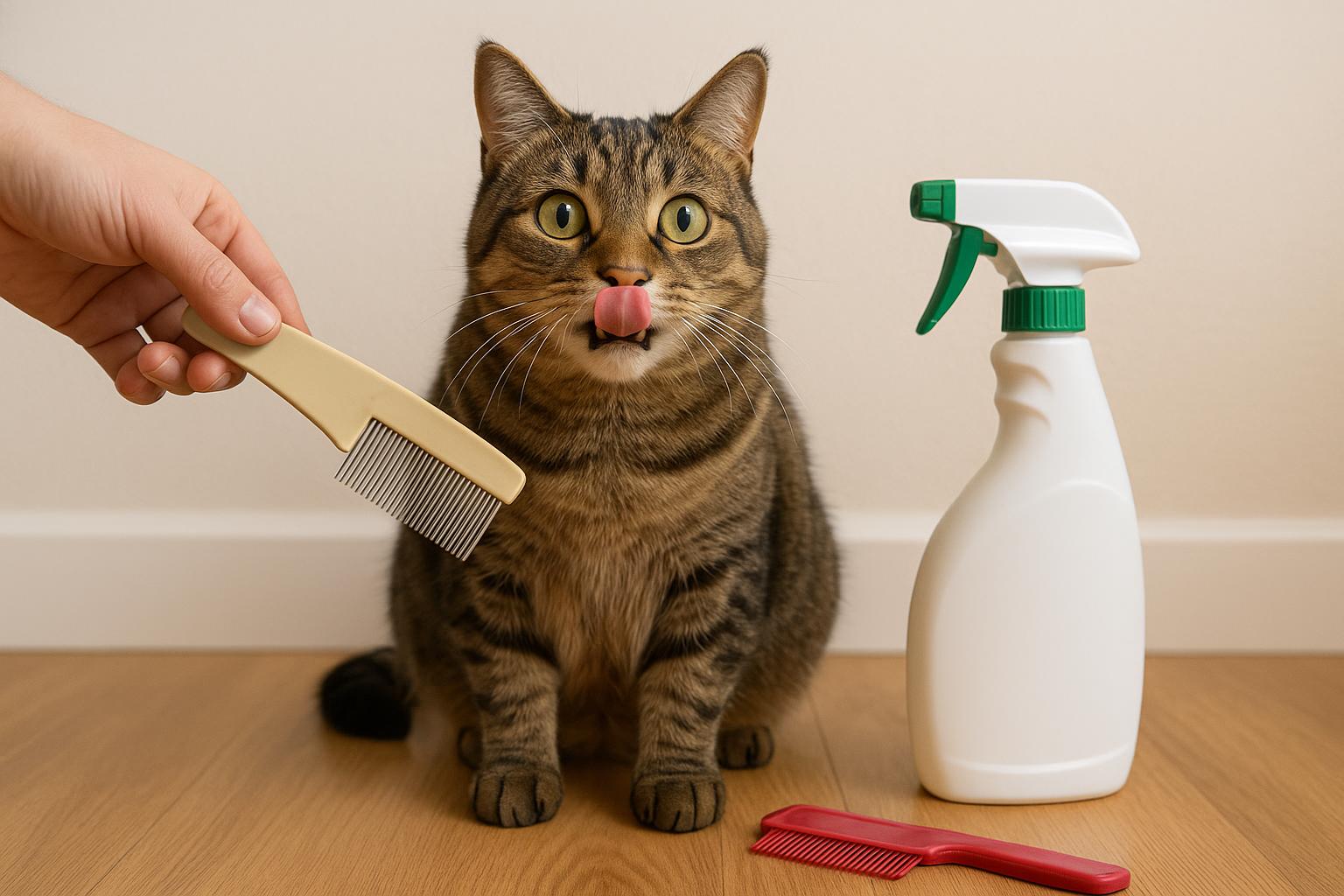
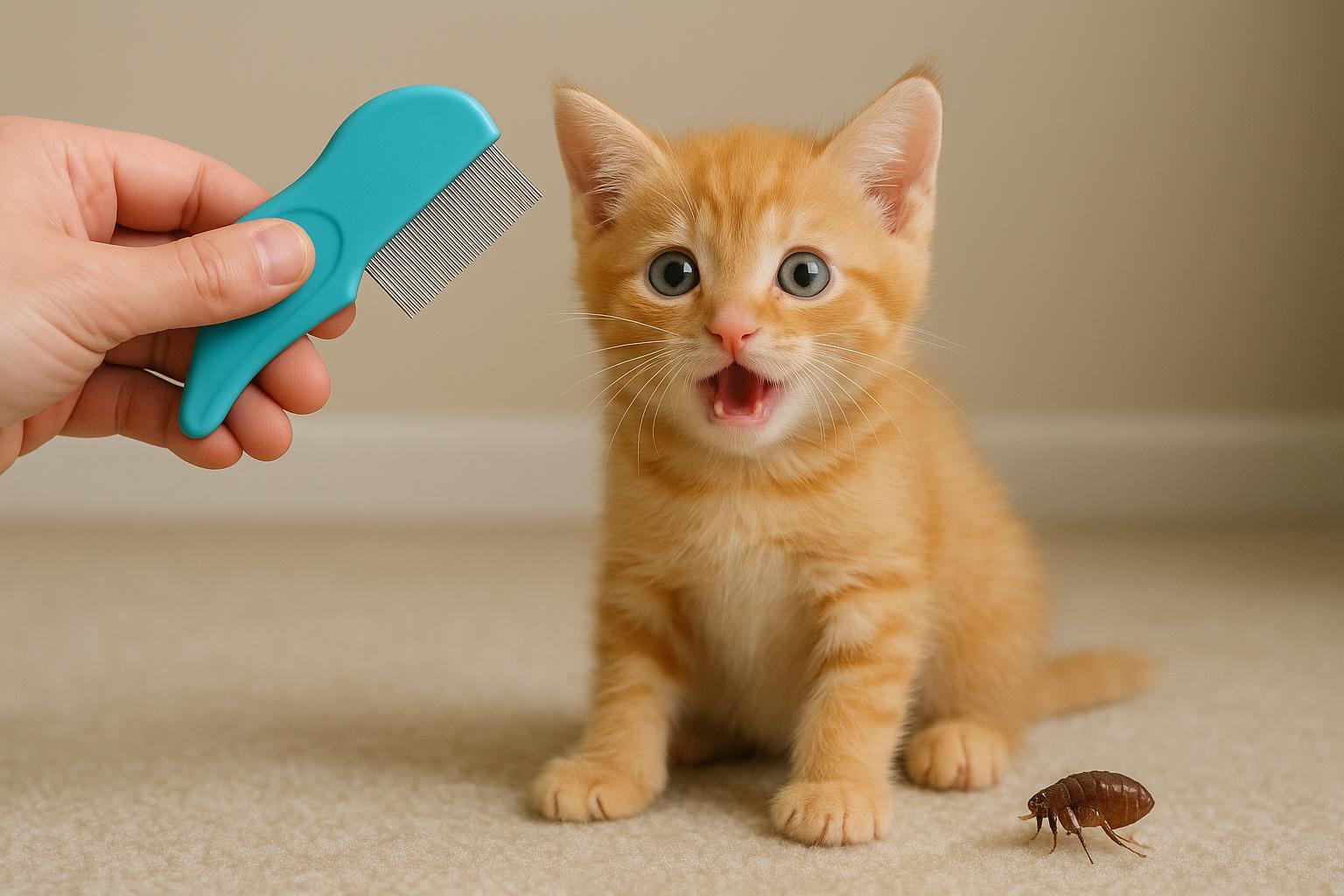
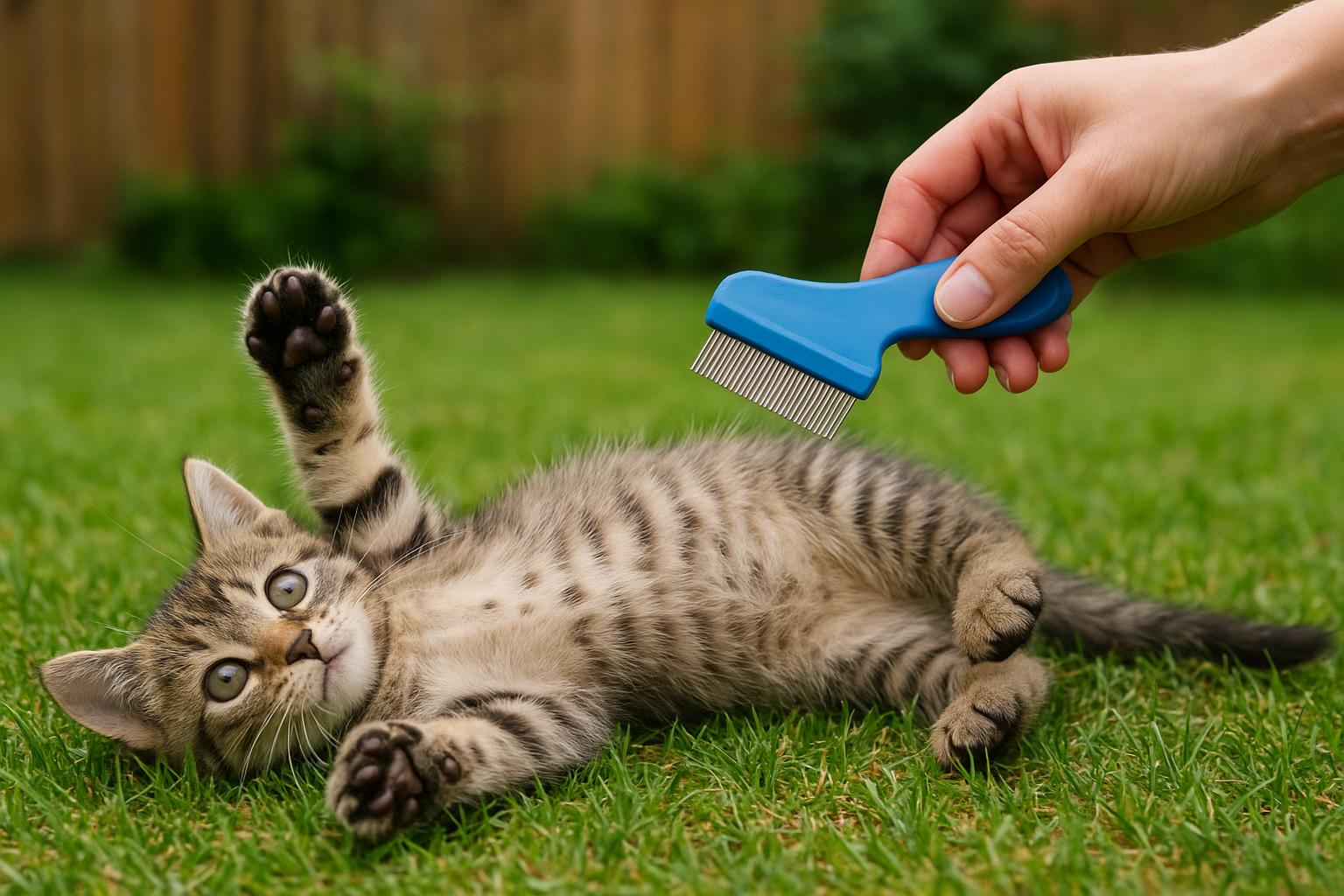
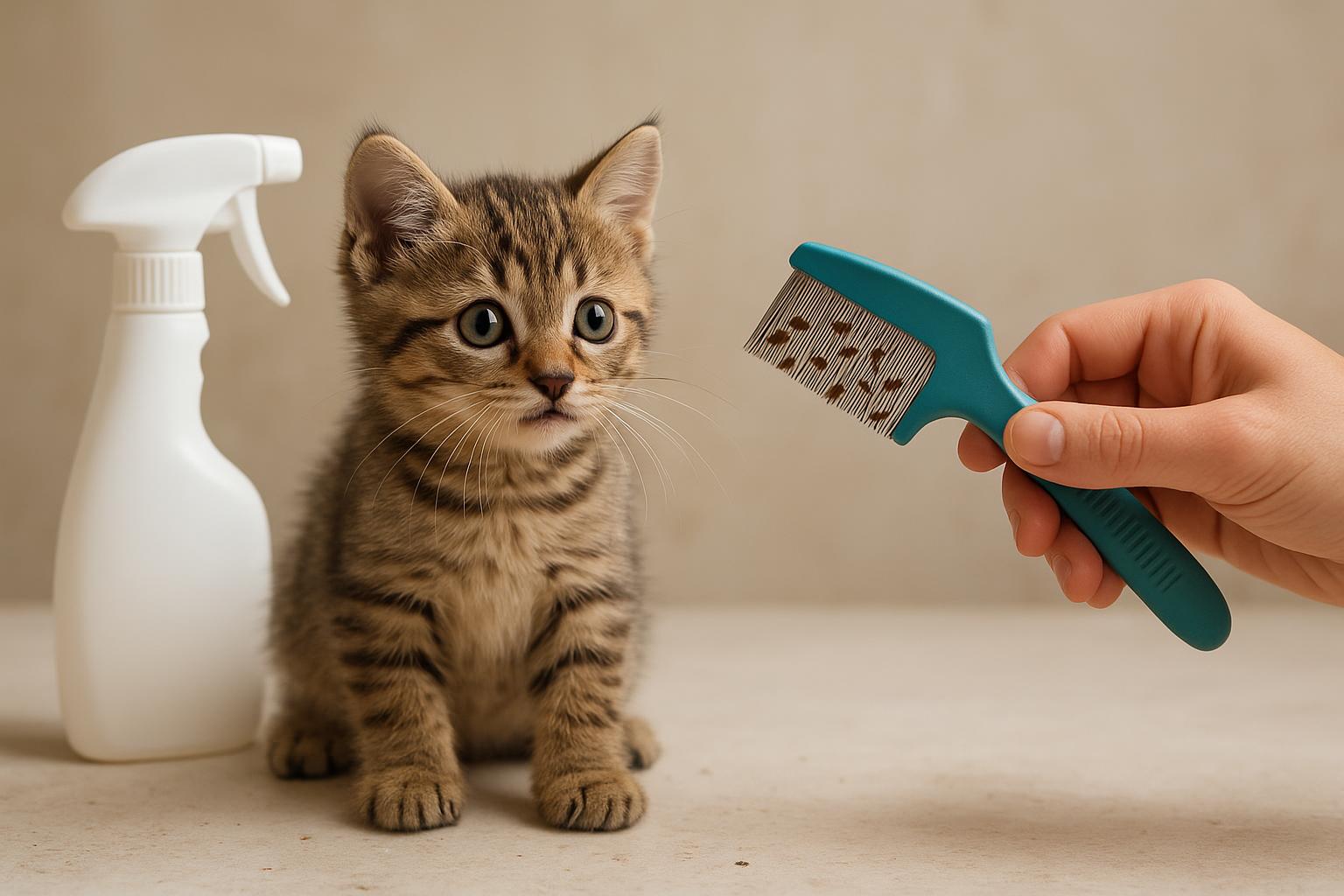
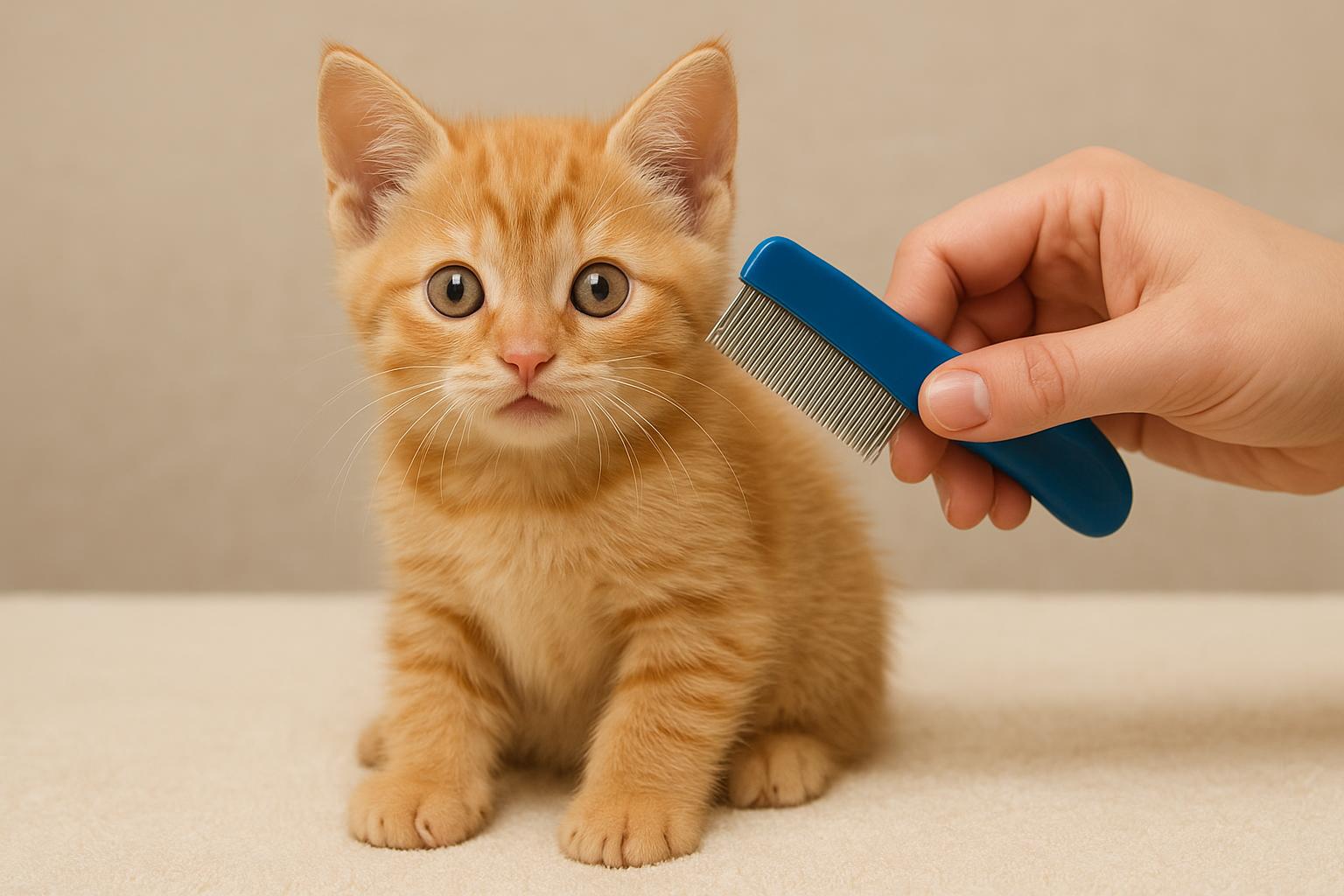
– A fine-toothed flea comb
– Towels (one for wrapping, one for drying)
– A pair of non-latex gloves (optional, for handling fleas)
– A shallow container to hold removed fleas for inspection or disposal
– Access to a leash or helper to gently hold the cat, if needed
### Step-By-Step Preparation And Application
1. Prepare the environment:
– Work in a warm, quiet room to reduce stress. Gather all materials within reach. Place towels on the floor to prevent slipping.
2. Verify the soap and water temperature:
– Mix 1–2 teaspoons of dish soap into 2–3 cups of warm water to create a light soapy solution. The solution should be mild and non-foaming initially; avoid making a bathtub full of suds.
3. Secure and calm the cat:
– Have a helper if possible. Gently wrap the cat in a towel with only the head exposed to calm them, and keep movements slow and soothing.
4. Wet the fur carefully:
– Using a cup or your hands, slowly wet the cat’s fur with plain warm water, avoiding the face, ears, eyes, and nose. Do not immerse the cat’s head.
5. Apply the dish soap solution:
– Apply the diluted dish soap with a wet washcloth or by gently working it into the areas where fleas are most concentrated—neck, back of the neck near the shoulders, base of tail, and under the belly. Work quickly but gently; you want to wet the fur and allow the soap to contact fleas without prolonged rubbing.
6. Allow contact time:
– Maintain contact for 3–5 minutes. This brief contact is intended to interfere with the fleas’ surface tension and mobility. Do not exceed reasonable contact time to avoid excessive drying of the skin.
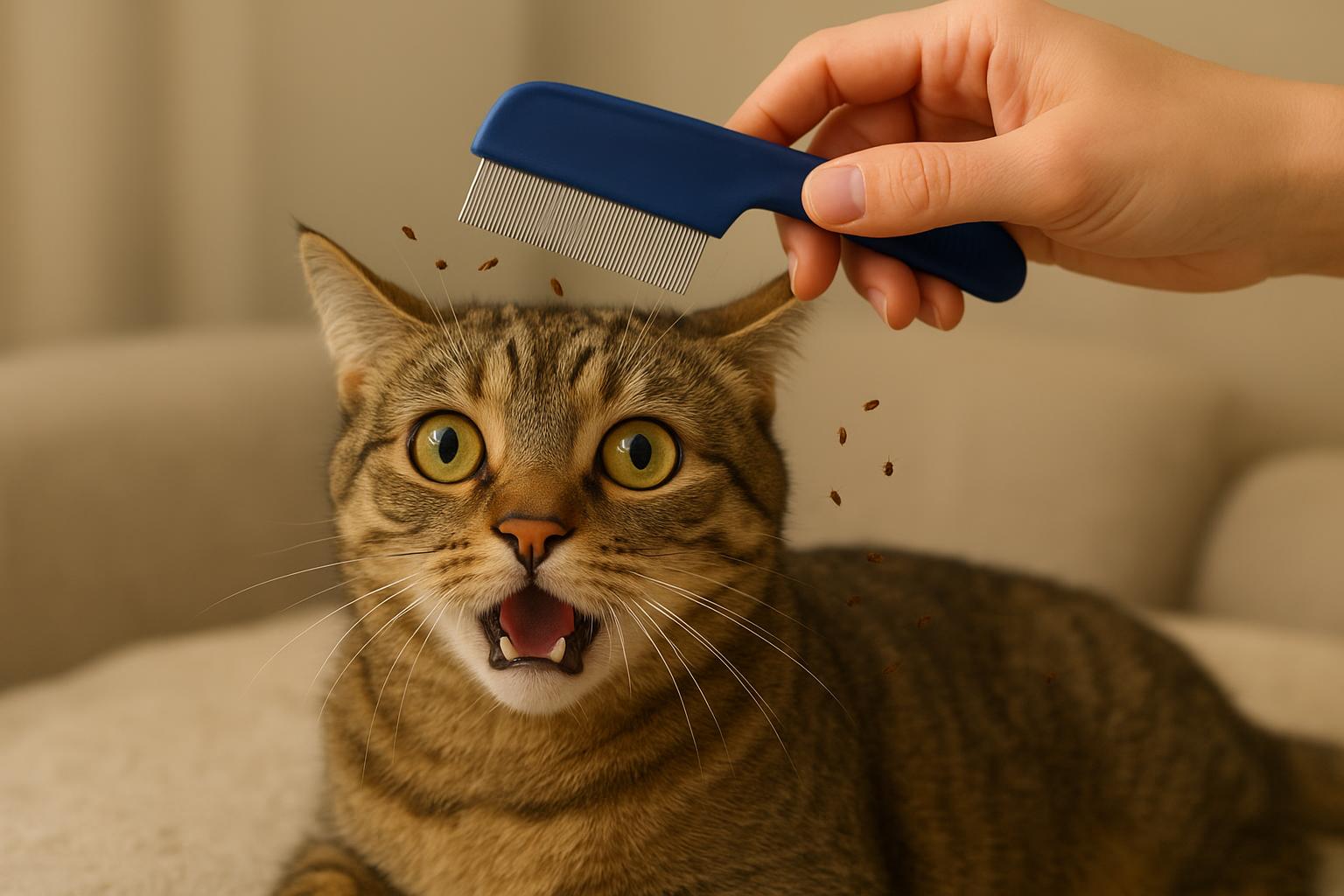
7. Comb and remove fleas:
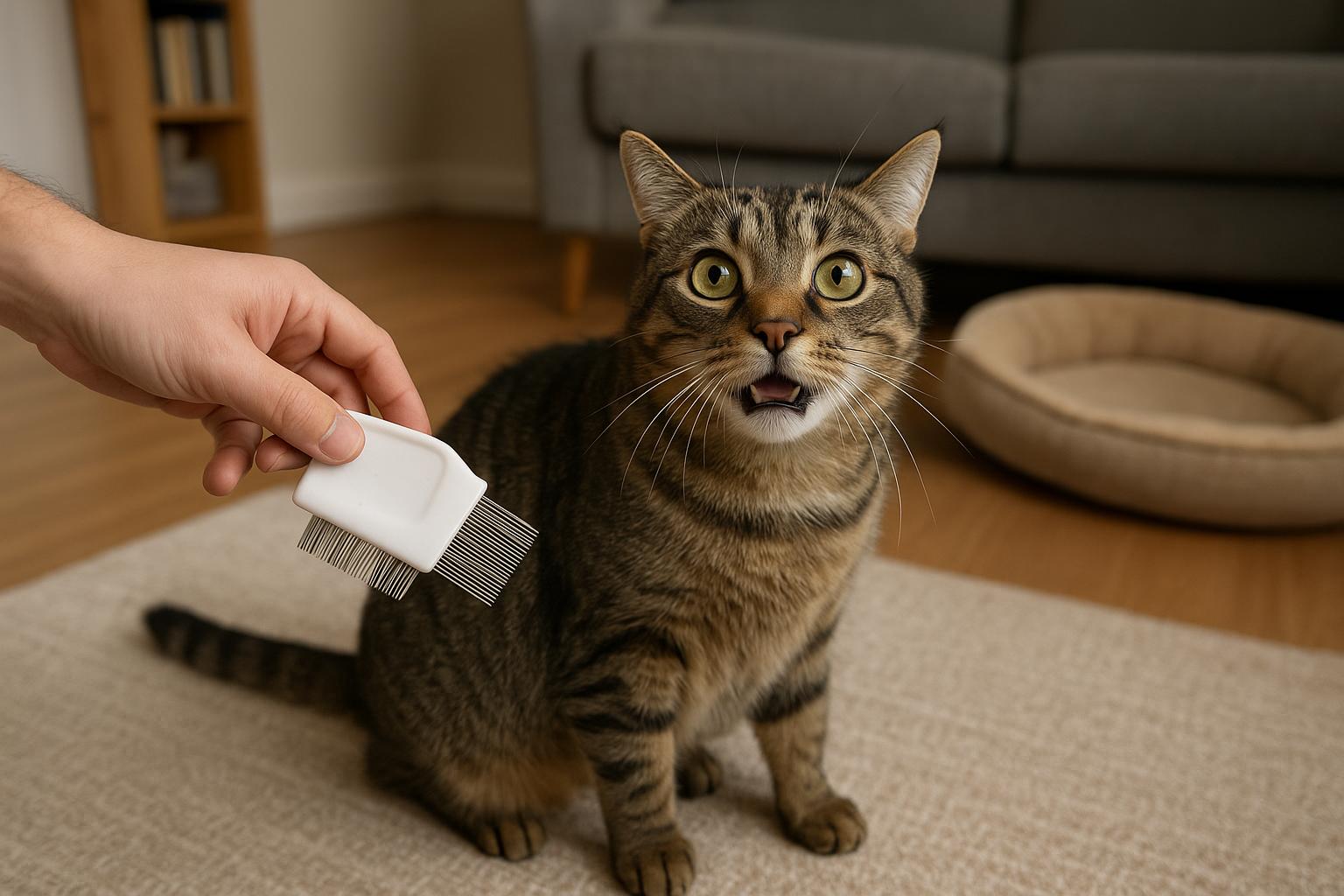
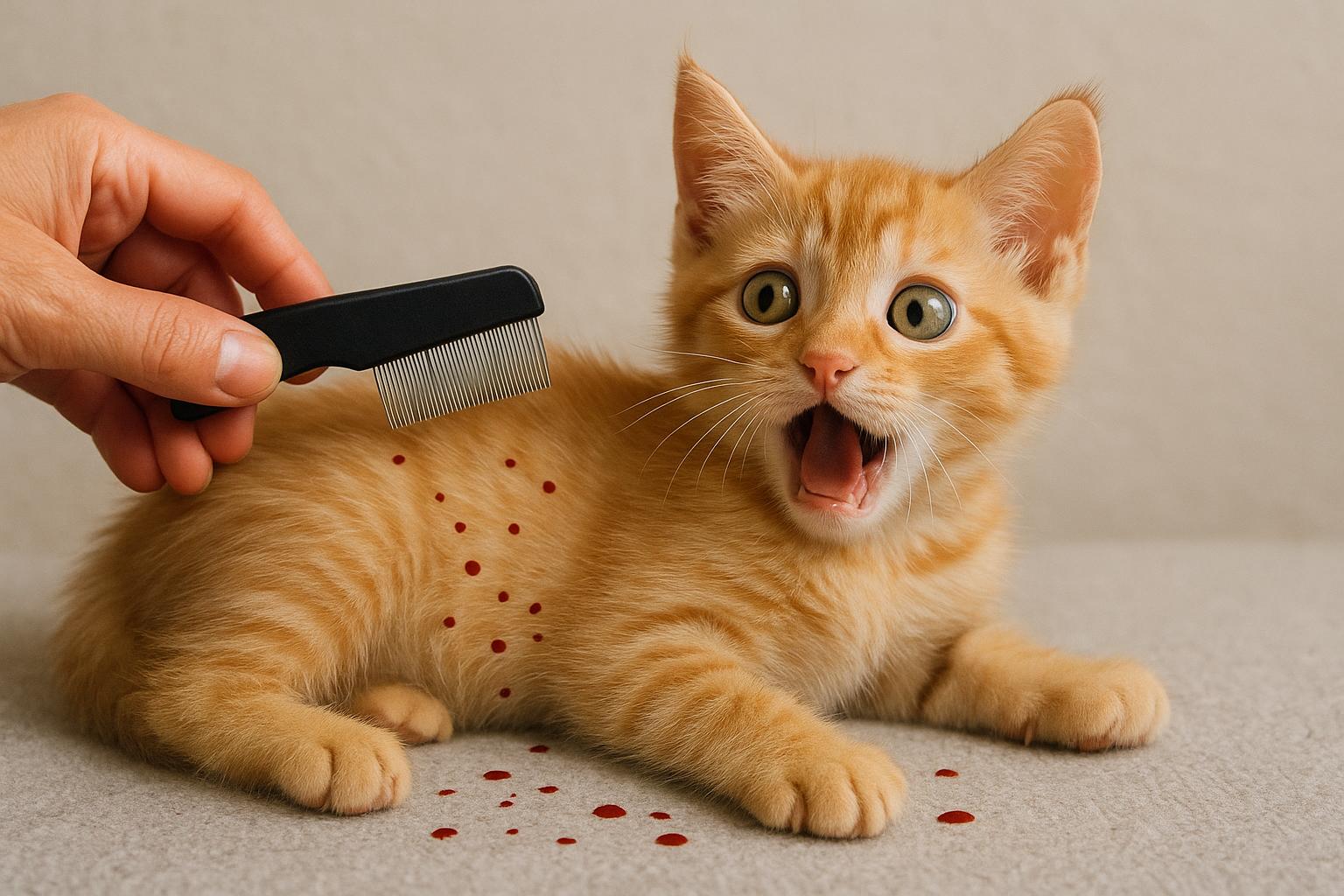
– While the soap is still present, use a fine-toothed flea comb to comb through the fur. Wipe off fleas into the shallow container and, if desired, drown them in soapy water for disposal.
8. Rinse thoroughly:
– Rinse all soap residue with warm water, ensuring no suds remain on the skin or coat. Residual soap can dry and irritate.
9. Dry and monitor:
– Towel-dry the cat gently and keep them in a warm area until fully dry. Inspect the skin for any signs of irritation or adverse reaction over the next 24–48 hours.
10. Follow-up care:
– Repeat combing daily for a week, and check bedding and environment for flea eggs and larvae. If fleas persist, seek veterinary-recommended flea control products.
#### Important Notes On Frequency And Safety
– This procedure should not be performed more than once weekly unless directed by a veterinarian. Overuse of dish soap can strip natural oils, causing dry, itchy skin and secondary infections.
– Do not use dish soap containing degreasers, heavy moisturizers, or added insecticides not intended for pets.
– Avoid applying any human flea treatments or home insecticides to a cat’s skin in combination with dish soap without explicit veterinary approval.
### How The Dish Soap Method Works (Brief Scientific Rationale)
The active mechanism is primarily physical, not chemical. Many dish soap formulations reduce the surface tension of water and disrupt the lipid coating on the flea’s exoskeleton. This prevents fleas from maintaining their grip on hairs and compromises their respiration, leading to immobilization. Subsequent combing and rinsing remove the fleas from the fur. This method targets adult fleas and does not affect flea eggs or pupae in the environment, so it must be part of a broader control strategy.
## Aftercare, Environmental Control, And When To Call The Vet
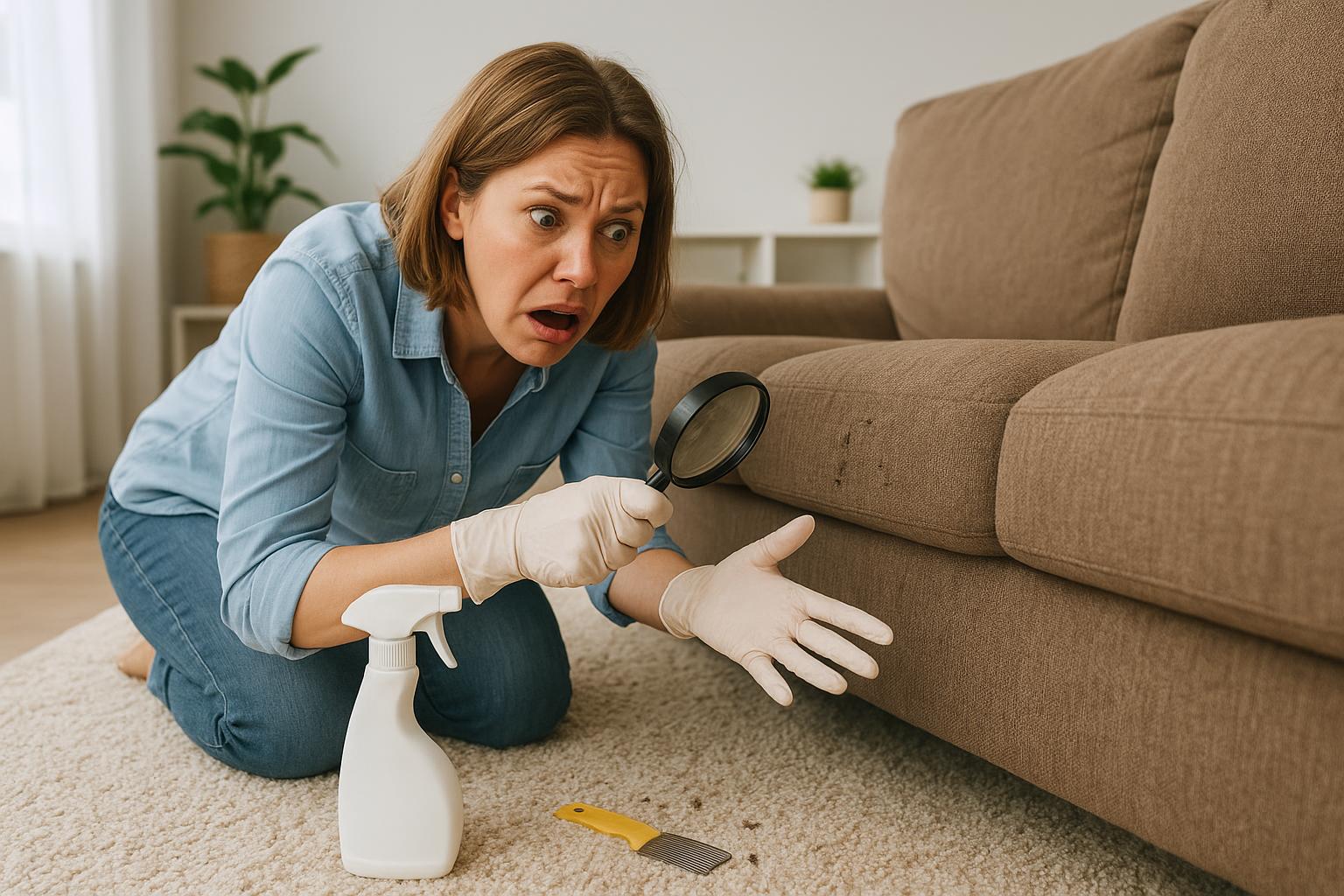
A dish soap bath addresses adult fleas on the animal but does not eliminate the infestation cycle. Wash pet bedding and vacuum carpets, upholstery, and cracks in floors. Consider using vet-recommended environmental treatments and flea preventives to interrupt reinfestation.
Watch the cat for signs of skin irritation, lethargy, vomiting, or excessive drooling after a dish soap bath. If you see any of these or if fleas remain after a careful application and follow-up combing, contact your veterinarian promptly.
#### Choosing The Right Product And Avoiding Pitfalls
Not all dish soap is suitable for use on cats. Products with added fragrances, antibacterial agents, moisturizers, or concentrated degreasers can be harmful. If you choose to use dish soap, opt for a simple, unscented formula and use the smallest effective amount. Remember: while dish soap can provide emergency relief, it is not a substitute for long-term, veterinarian-approved flea prevention tailored to your cat’s health status and lifestyle.
## Alternatives To A Dish Soap Bath
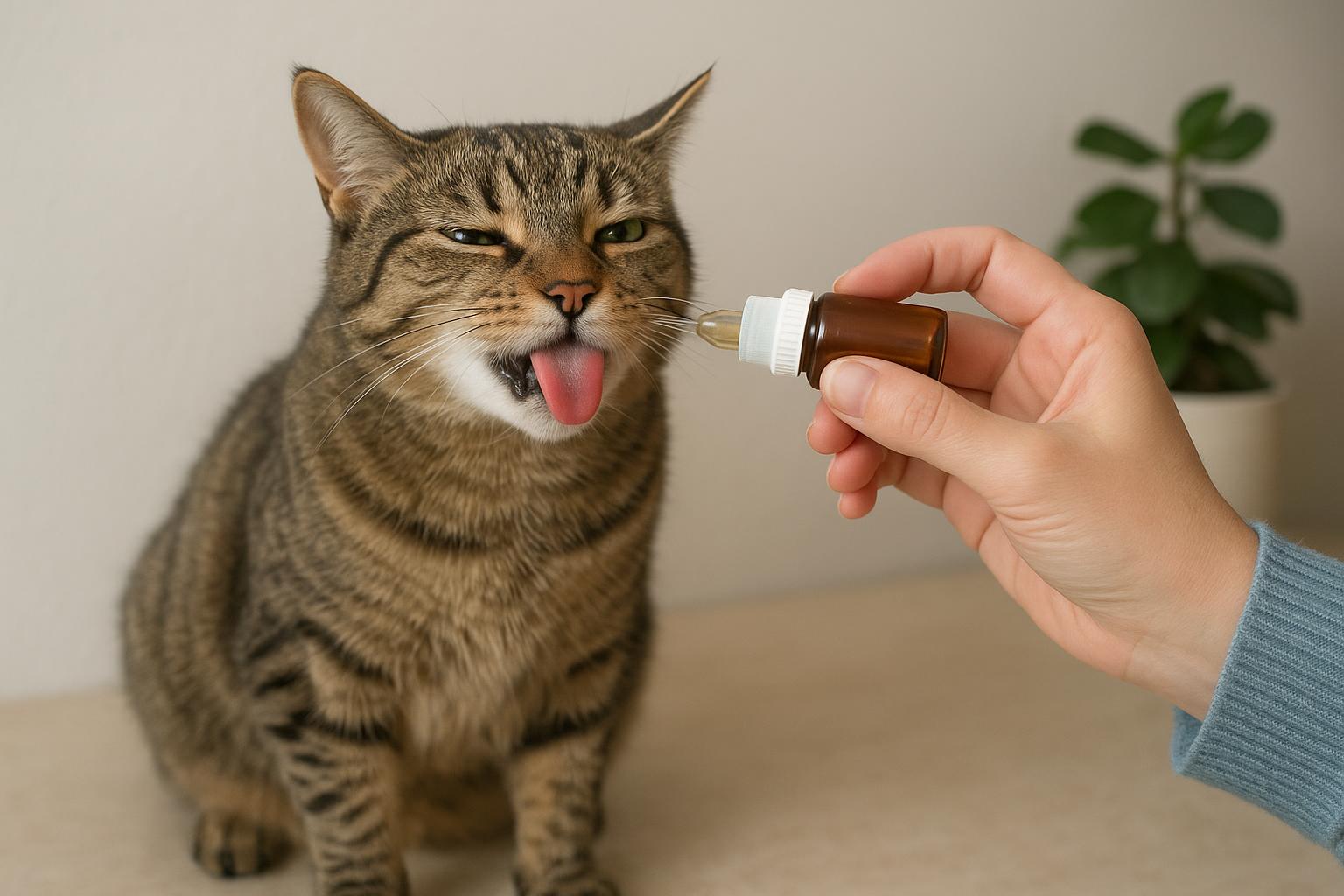
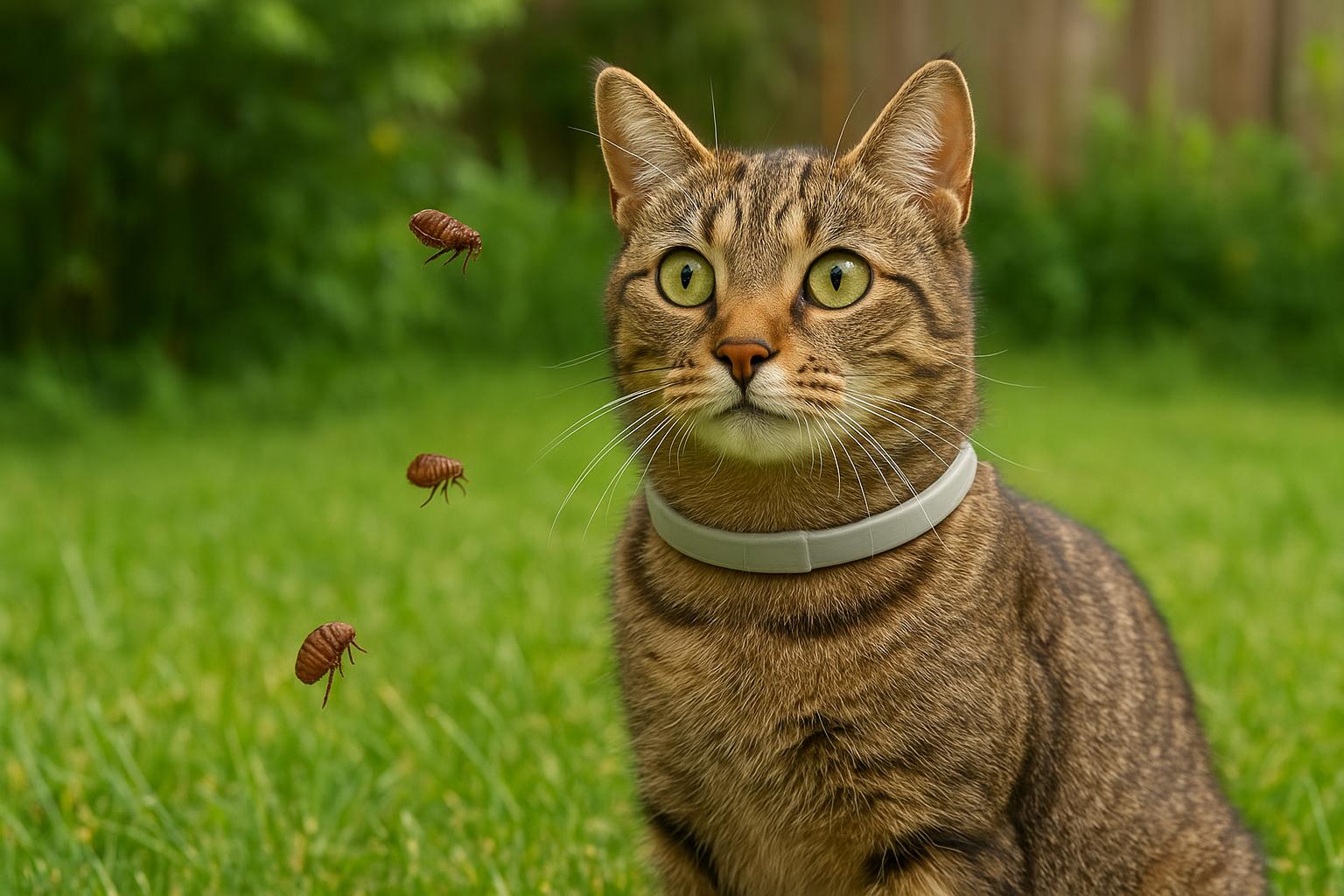
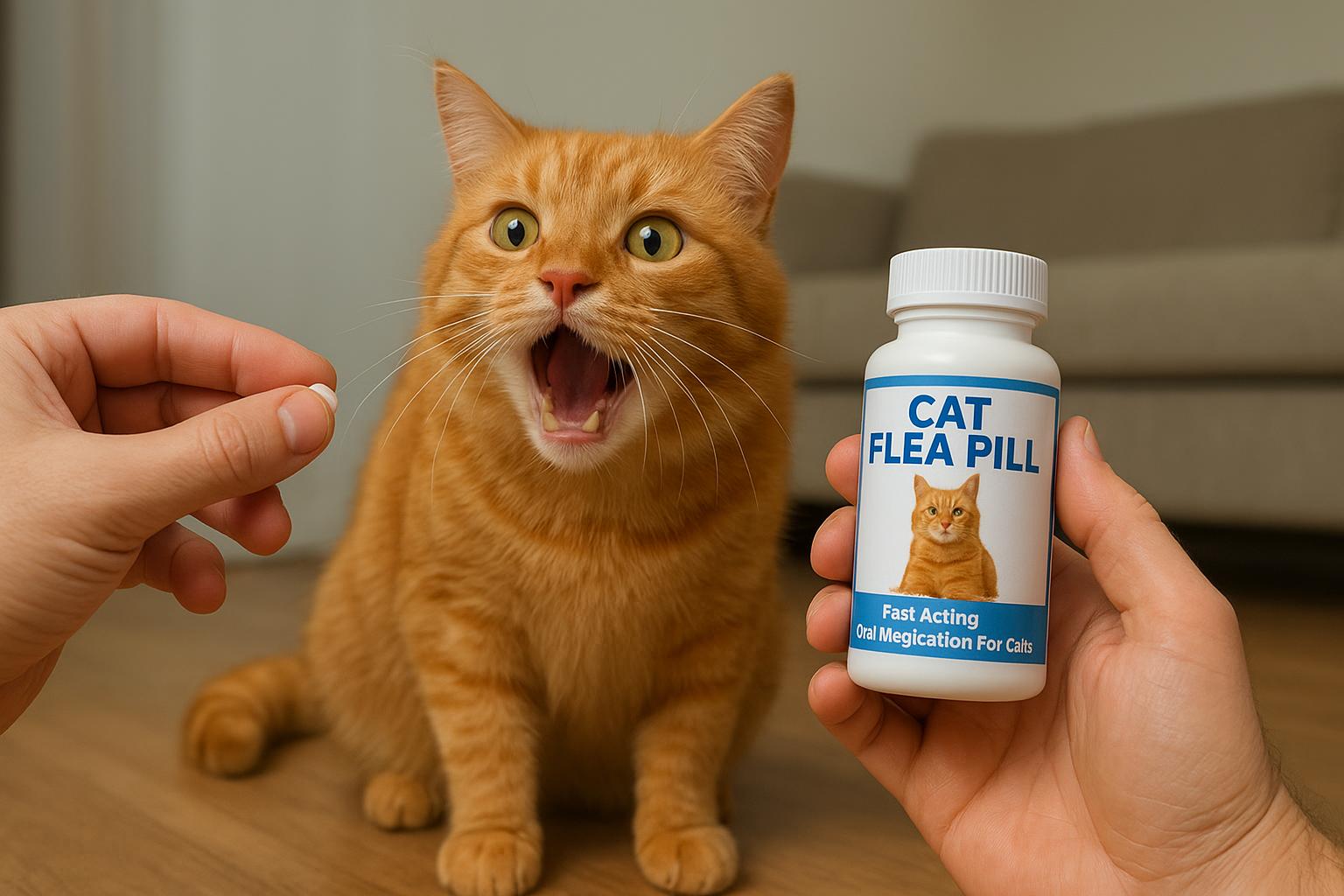
If you prefer to avoid household detergents, consult your veterinarian about safe alternatives: topical spot-on treatments, oral medications, medicated shampoos formulated for cats, or environmental insect growth regulators. These options are developed and tested specifically for feline use and are generally safer for ongoing protection.




Leave a Reply