
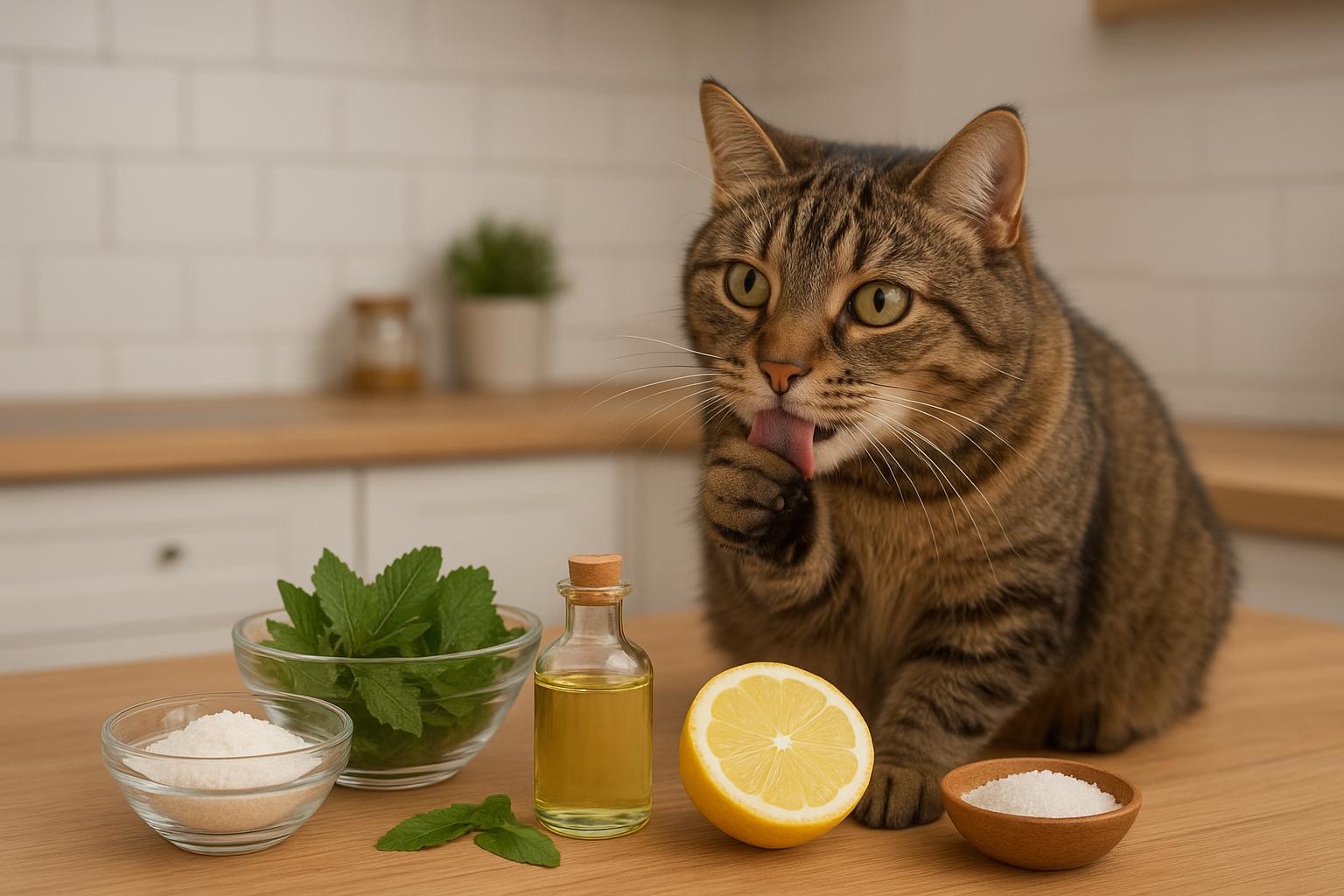
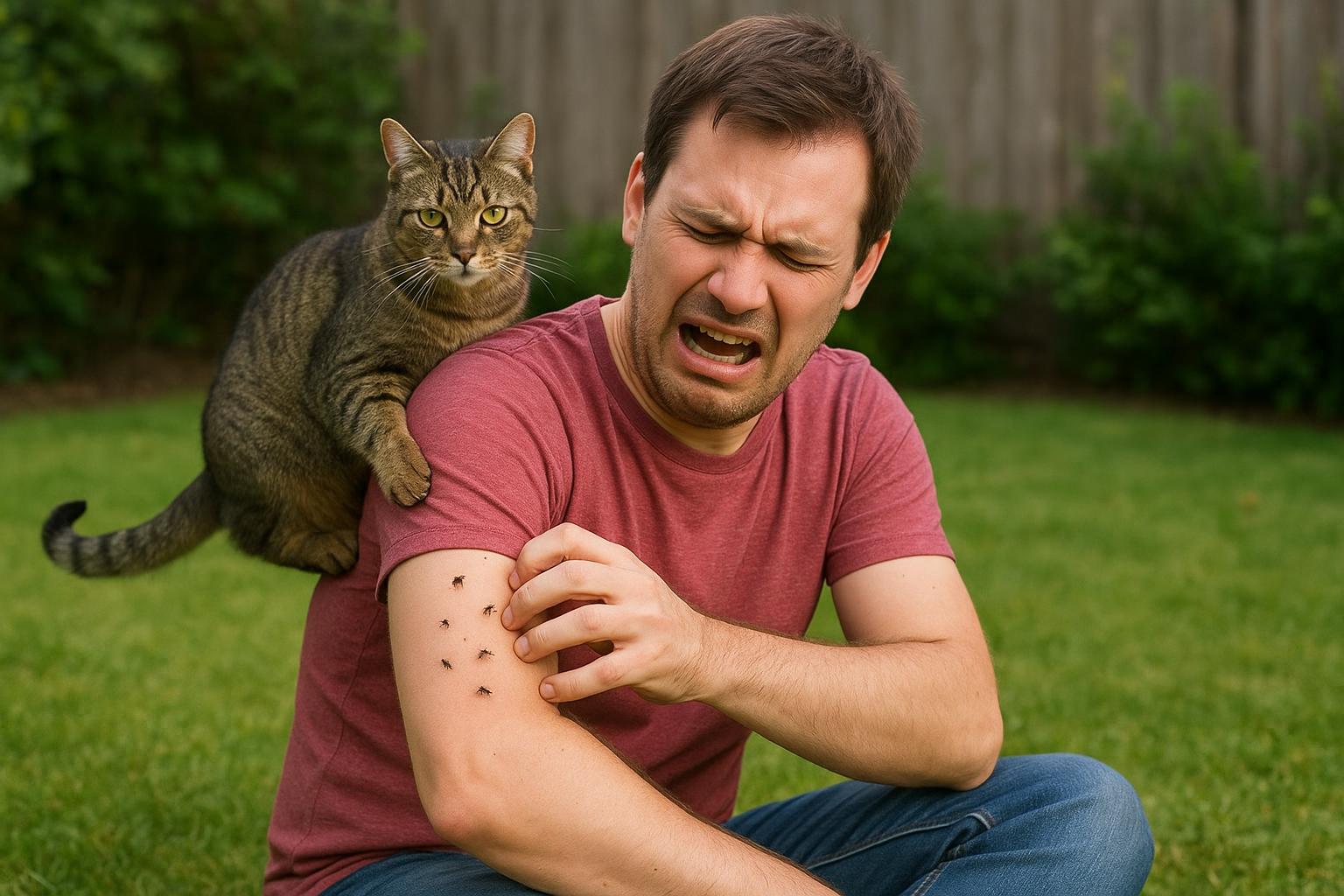
If your whiskered roommate has suddenly become a personal hot spot for tiny jumping vampires, you’re in the right place. This relaxed guide will walk you through gentle, effective approaches to cat flea care using natural home remedies that favor comfort, safety, and a little dignity for both of you. Think of it as a friendly toolbox—with the occasional dad joke—full of methods you can try before or alongside veterinary-approved treatments.
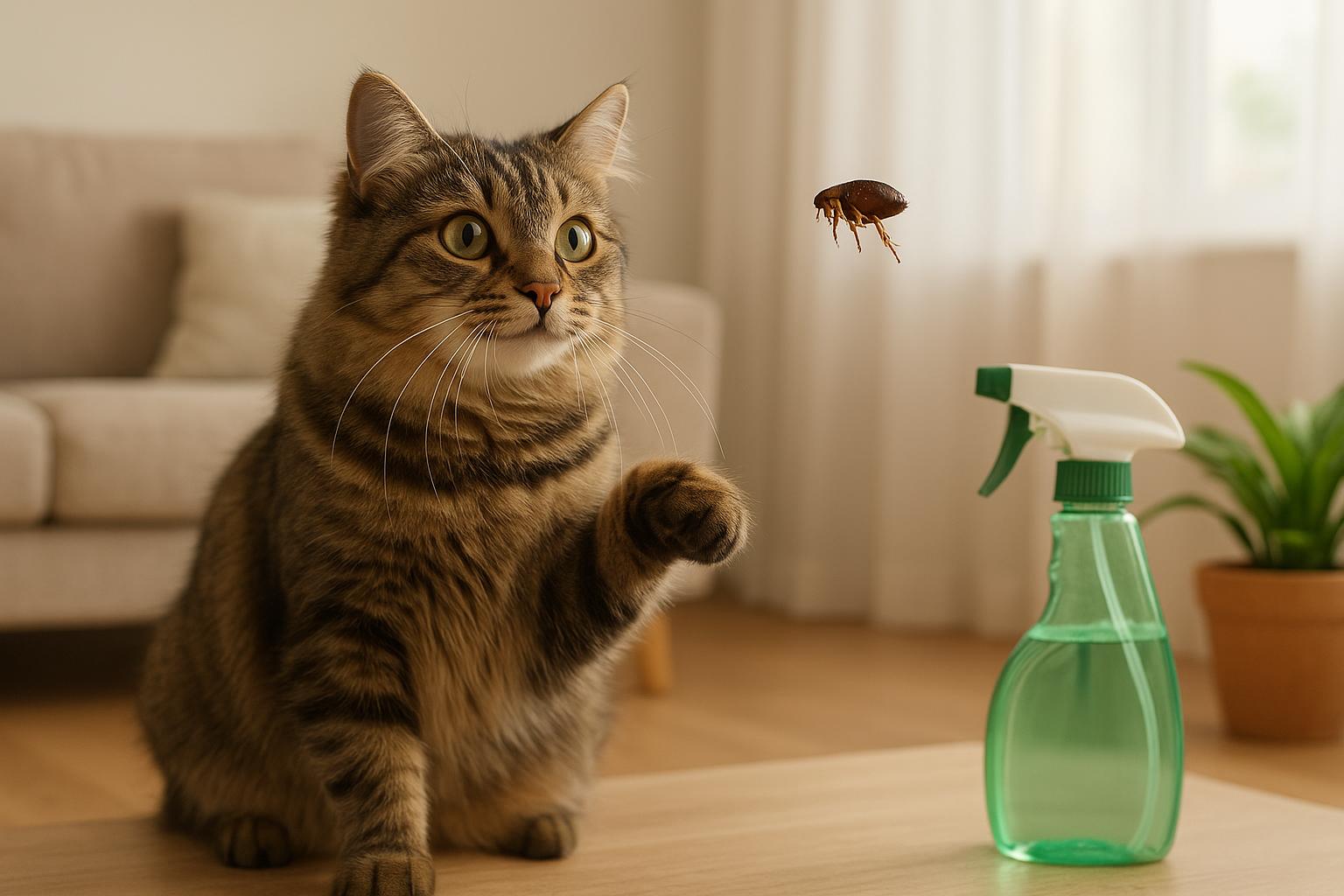
## 1. Cat Flea Care Remedy: Apple Cider Vinegar Repellent Spray
### Ingredients Or Materials
– 1 cup distilled or filtered water
– 1/4 cup apple cider vinegar (raw, unfiltered preferred)
– 1 teaspoon glycerin (optional, for mild skin soothing)
– A clean spray bottle
– Soft cloth or towel for application
### Step-By-Step Creation And Application
1. Sanitize the spray bottle with hot water and mild soap; rinse thoroughly.
2. Combine water and apple cider vinegar in the bottle. Add glycerin if you want a gentler finish.
3. Shake well to emulsify and label the bottle with the date (works best within two weeks).
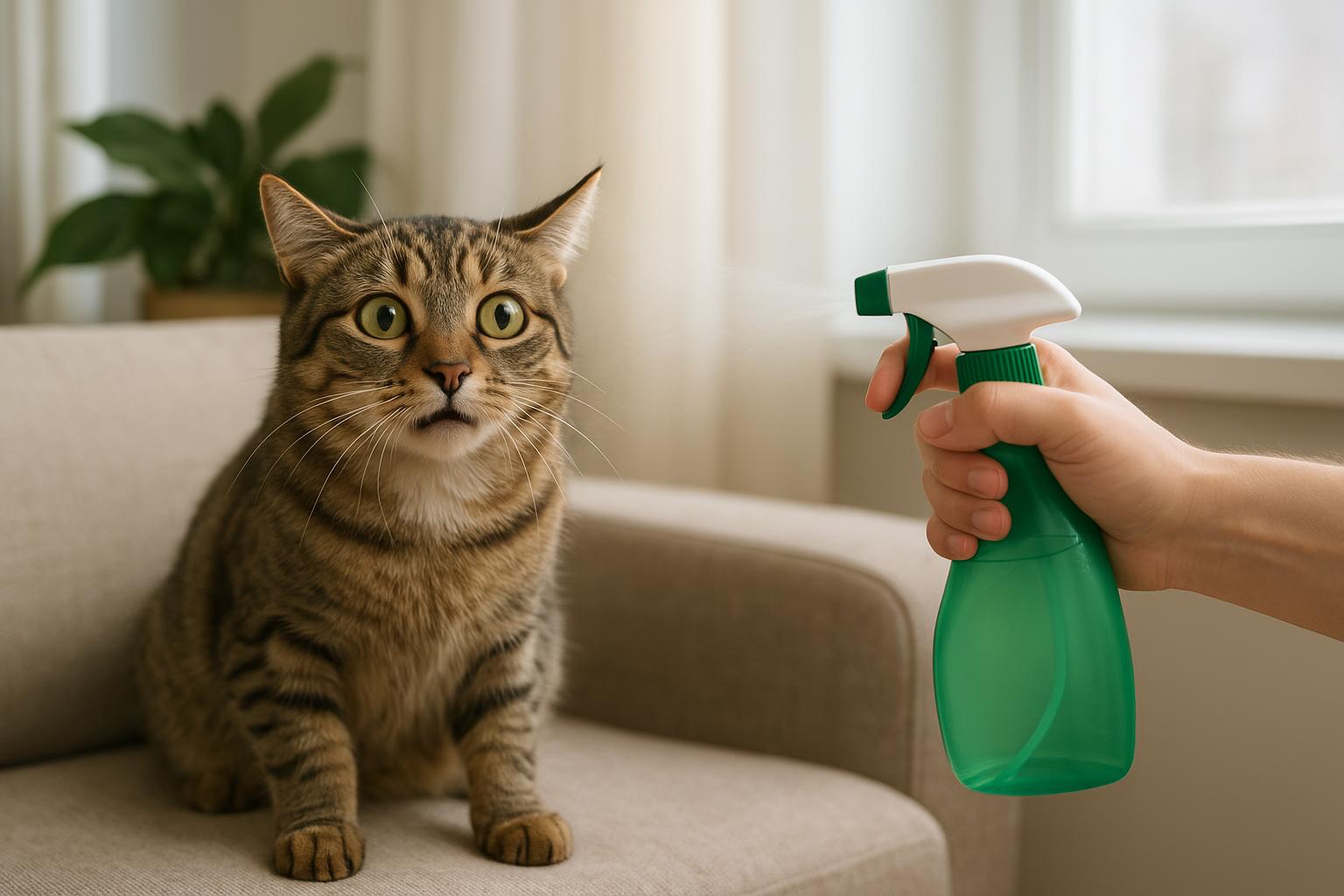
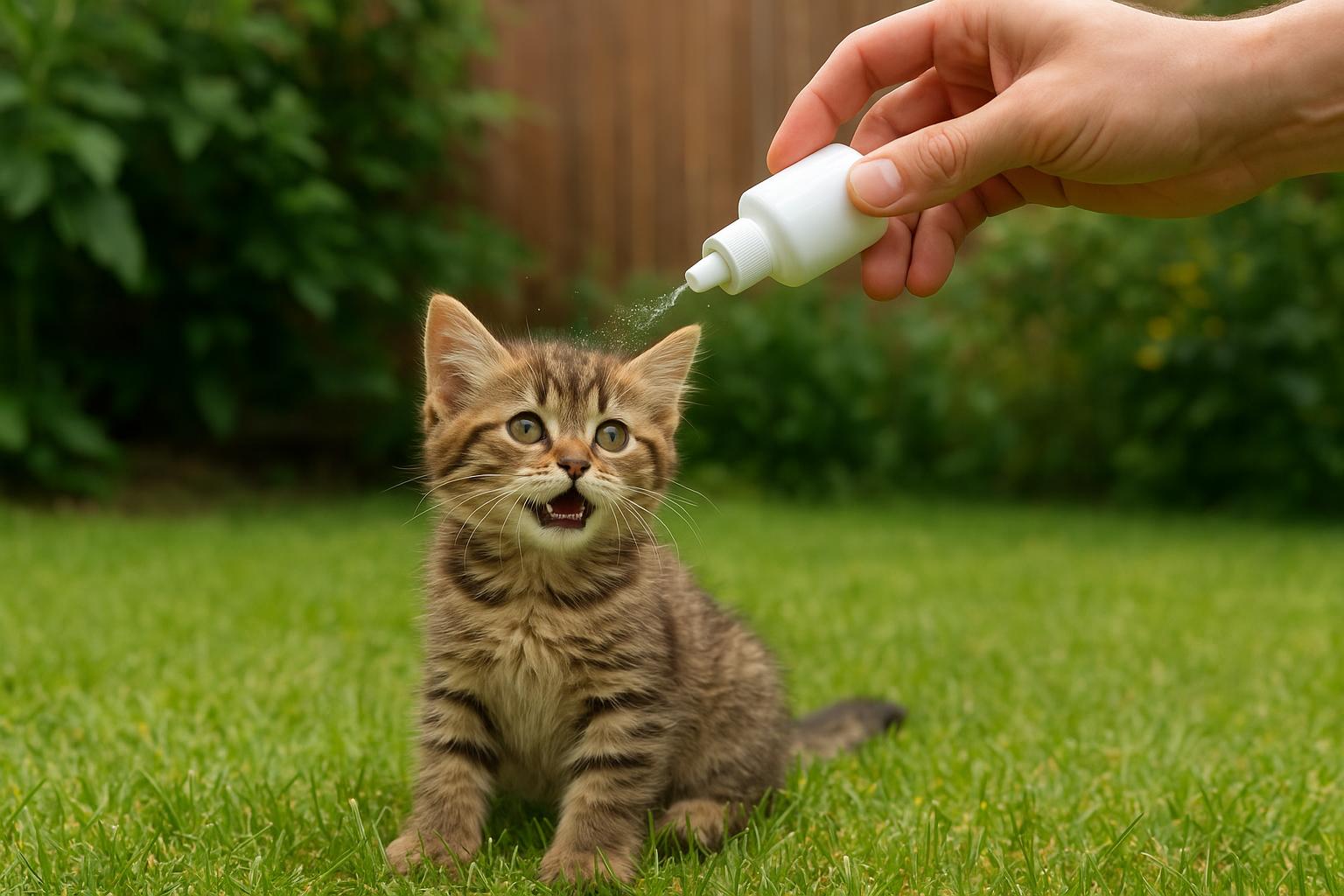
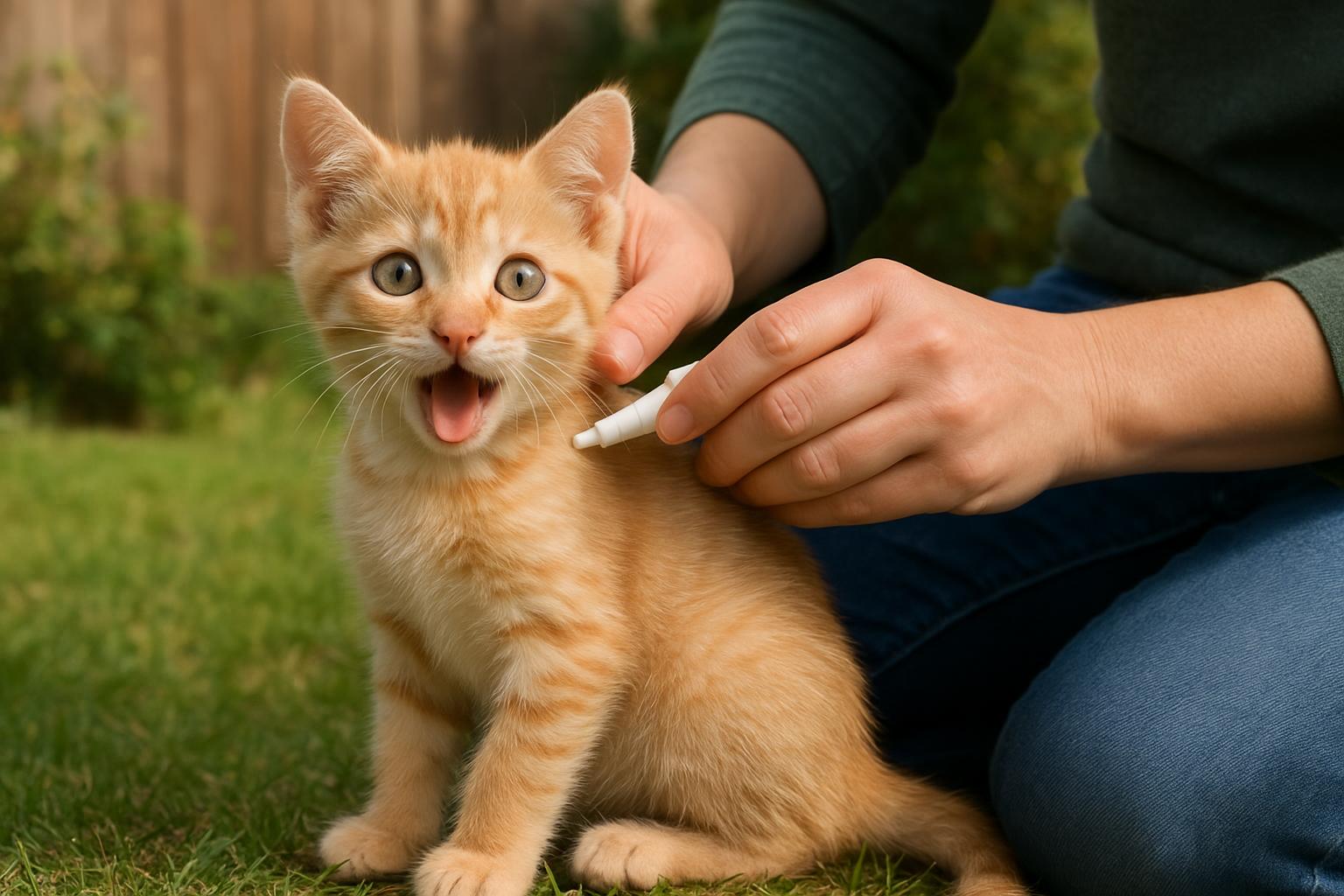
4. For application: lightly mist the cat’s fur from a short distance—not directly at the face, eyes, ears, or genitals. Focus on the neck and base of the tail where fleas often congregate.
5. After misting, gently rub a soft towel over the fur to distribute the solution. Do not bathe or rinse immediately unless the cat shows irritation.
6. Use once daily as a repellent. Stop use and rinse thoroughly if your cat develops redness or discomfort.
Safety Notes: Apple cider vinegar is mildly acidic and acts as a repellent rather than a flea killer. It is not a substitute for veterinary flea treatments in heavy infestations. Avoid contact with open wounds and do not use on kittens under 12 weeks or on cats with known skin sensitivity.
## 2. Cat Flea Care Remedy: Food-Grade Diatomaceous Earth (DE) Dusting
### Ingredients Or Materials
– Food-grade diatomaceous earth (not pool-grade)
– A small whisk or duster
– Latex gloves and a dust mask (for human safety)
– Vacuum cleaner with a HEPA filter
### Step-By-Step Creation And Application
1. Ensure you are using food-grade DE; pool-grade DE is chemically treated and unsafe.
2. Put on gloves and a dust mask to avoid inhaling fine particles.
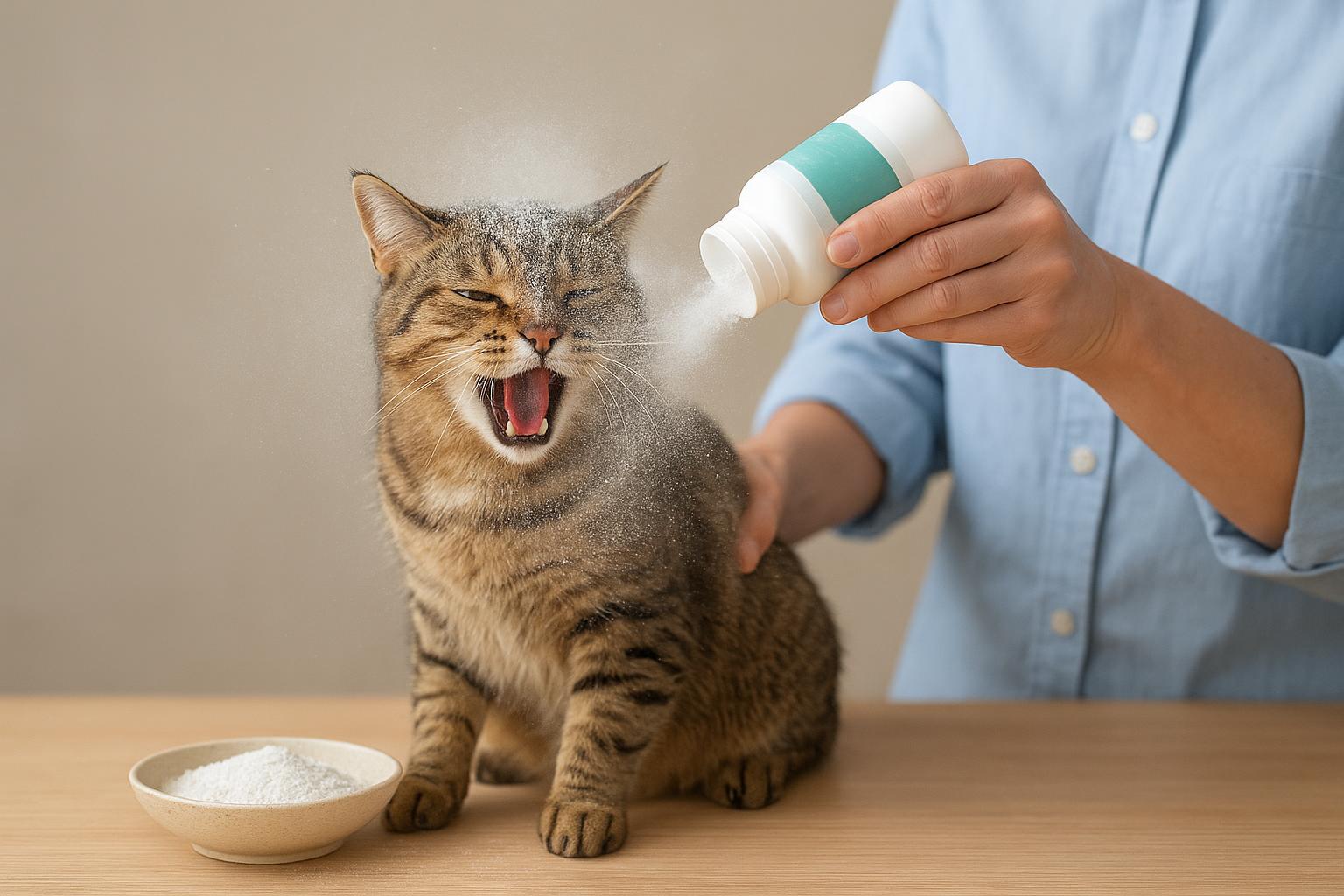
3. Lightly dust the cat’s sleeping areas (carpets, rugs, bedding seams). Do not directly coat the cat with a heavy layer; if applying to the animal, use a minimal dusting on a brush and comb through gently while avoiding the face.
4. Leave DE in place for 24–48 hours to allow it to desiccate fleas, larvae, and eggs in the environment.
5. After the treatment window, vacuum thoroughly, then dispose of vacuum bag or empty canister outside.
6. Repeat weekly for three weeks to disrupt the flea life cycle.
Safety Notes: DE works by drying out insects, not by chemical toxicity. Avoid extensive direct application to the cat’s fur—use the environment-first approach. Keep away from the cat’s nose and eyes. If your cat has respiratory issues, consult your vet before use.
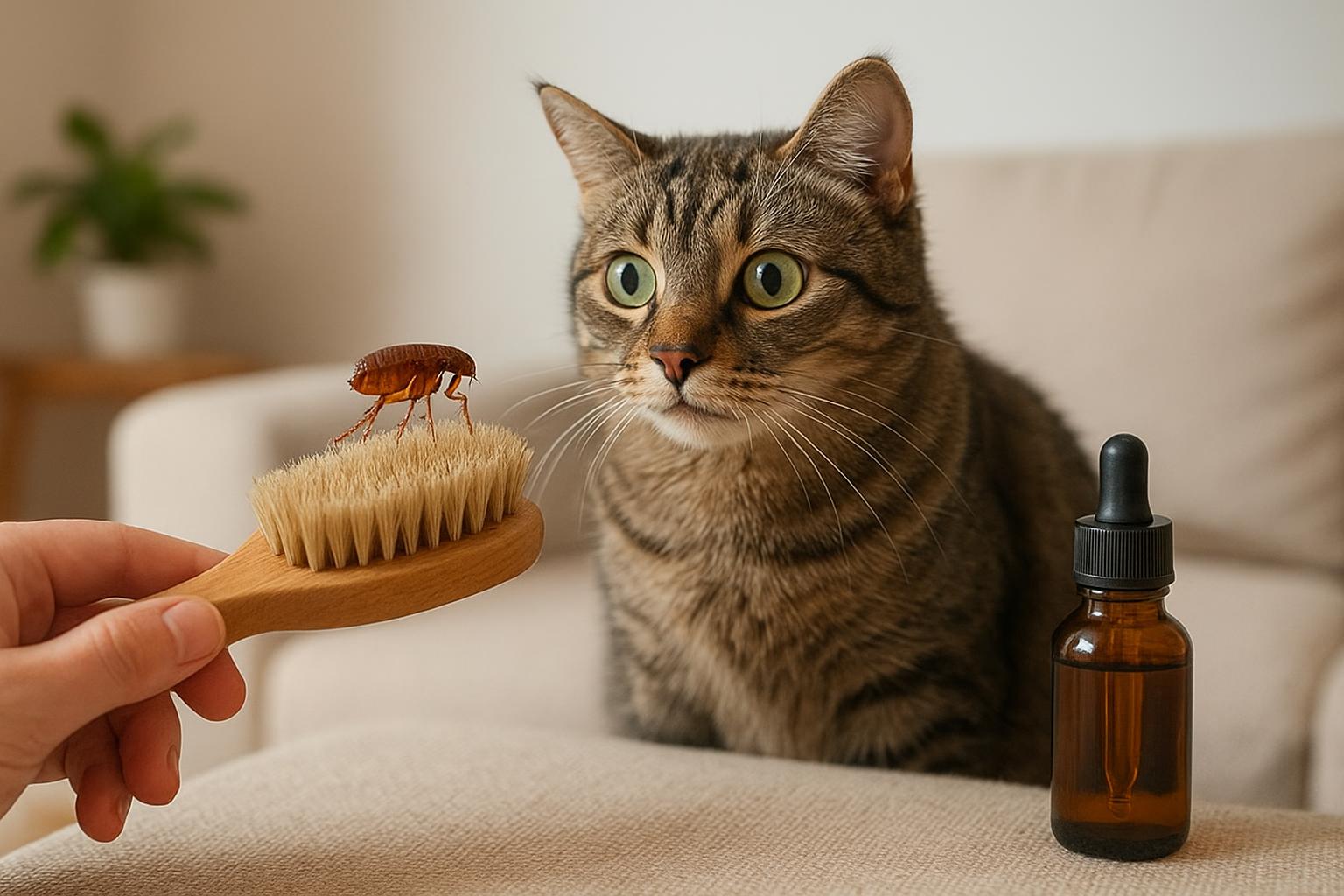
## 3. Cat Flea Care Remedy: Flea Comb And Home Washing Protocol
### Ingredients Or Materials
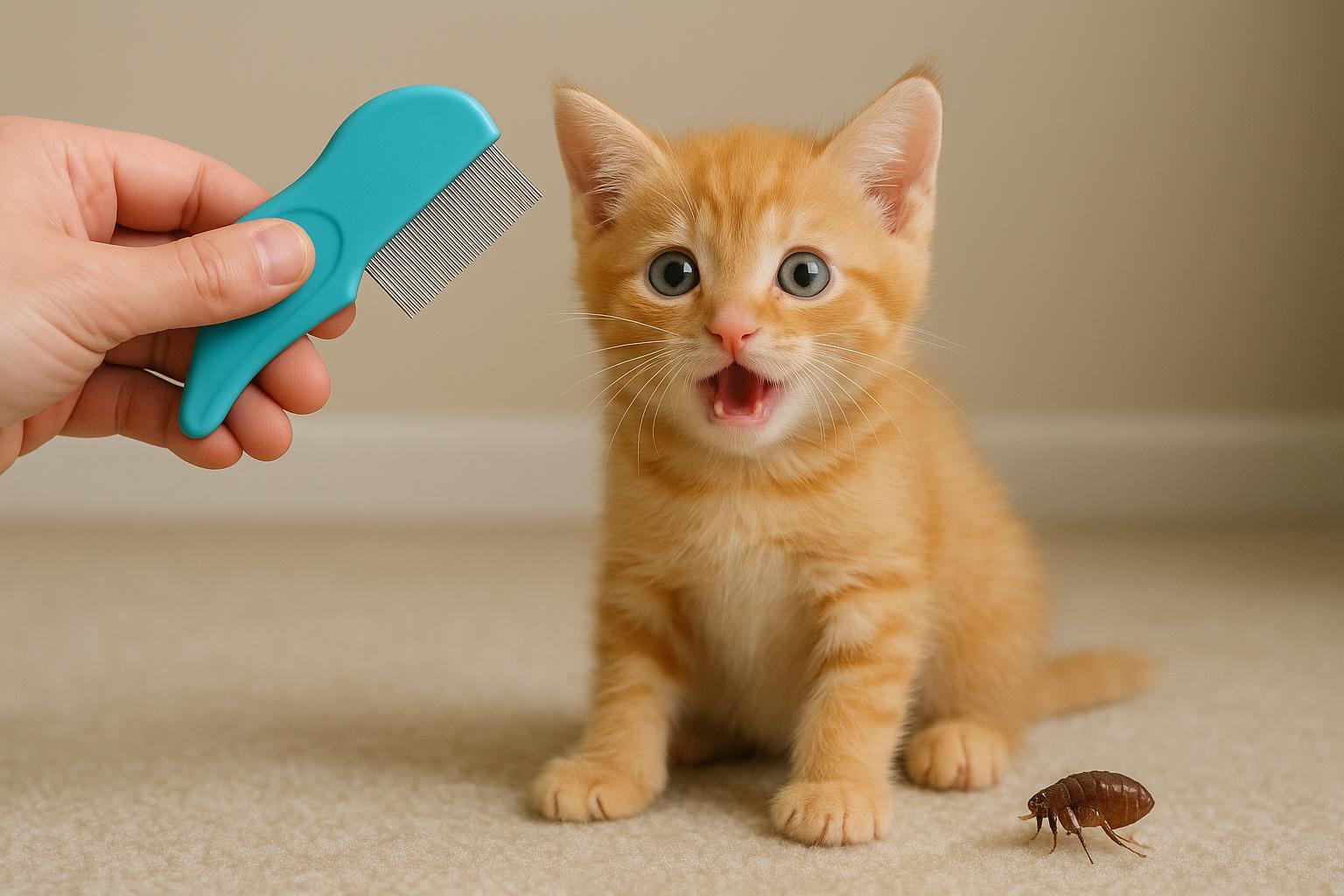
– Fine-tooth flea comb
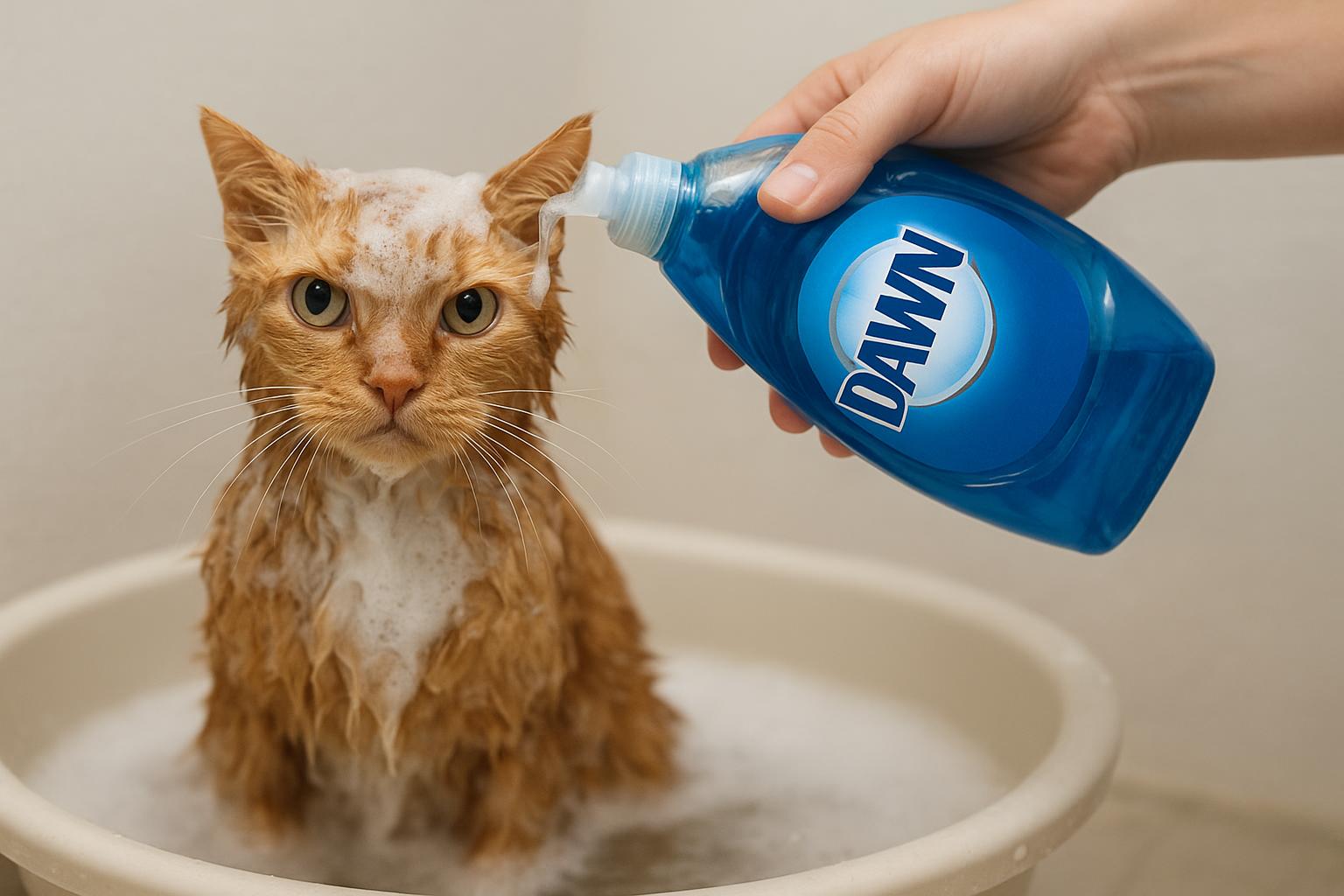
– Bowl of soapy water (dish soap works)
– Laundry detergent and hot-water setting for washing
– Garbage bag for disposal of removed fleas
– Vacuum cleaner
### Step-By-Step Creation And Application
1. Set up your grooming area with good light and a towel or non-slip mat.
2. Fill the bowl with warm water and a squirt of dish soap to trap and kill combed fleas.
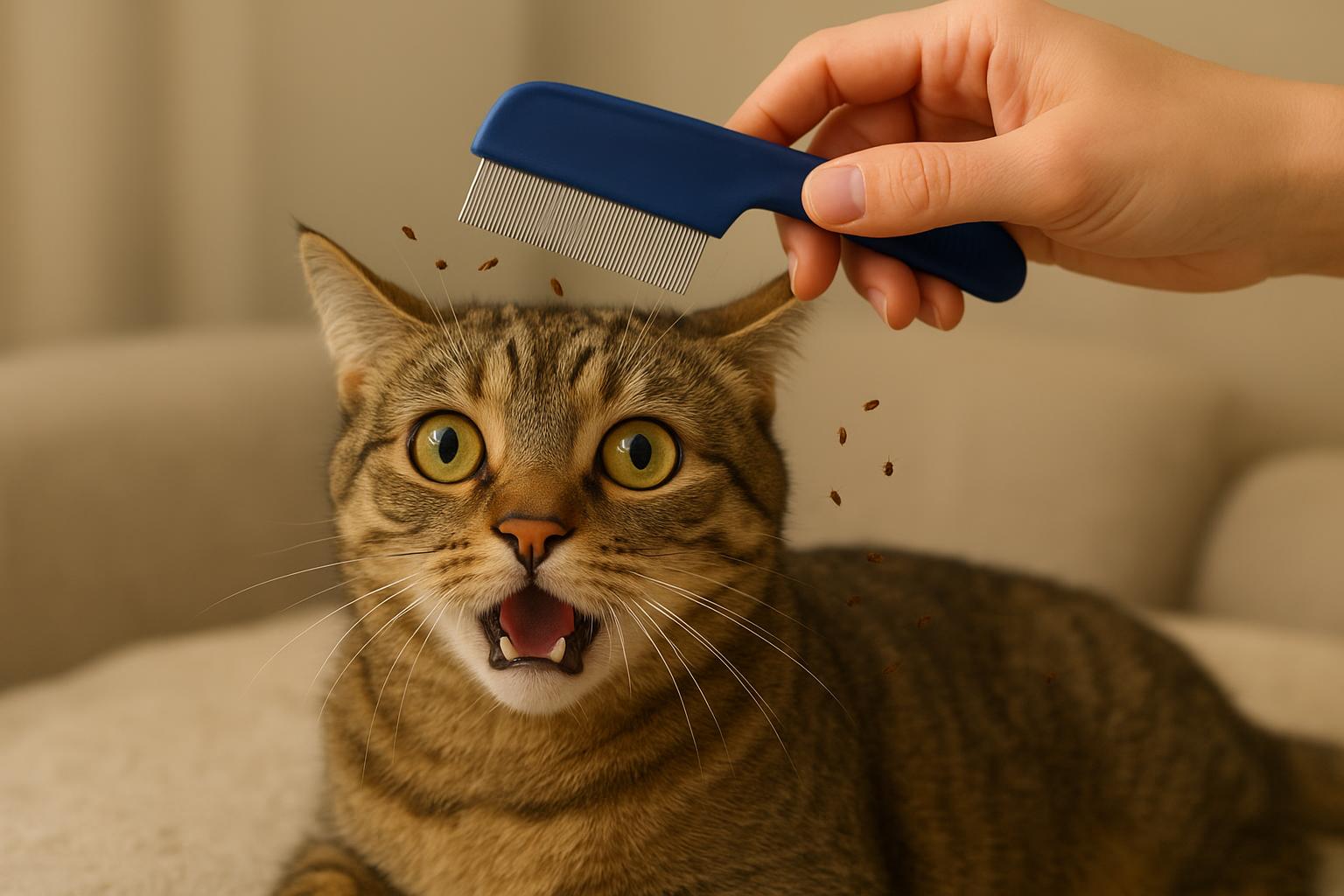
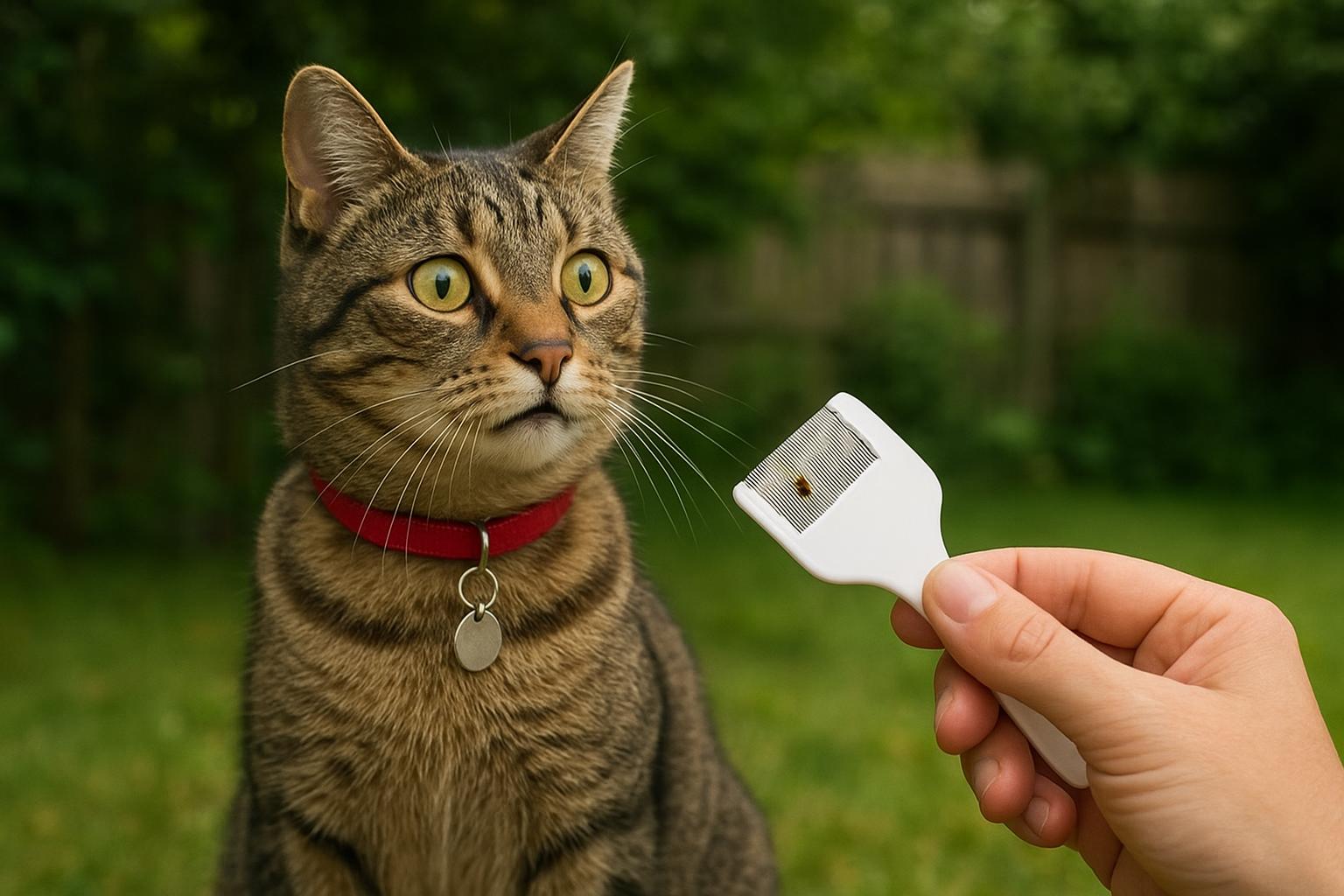
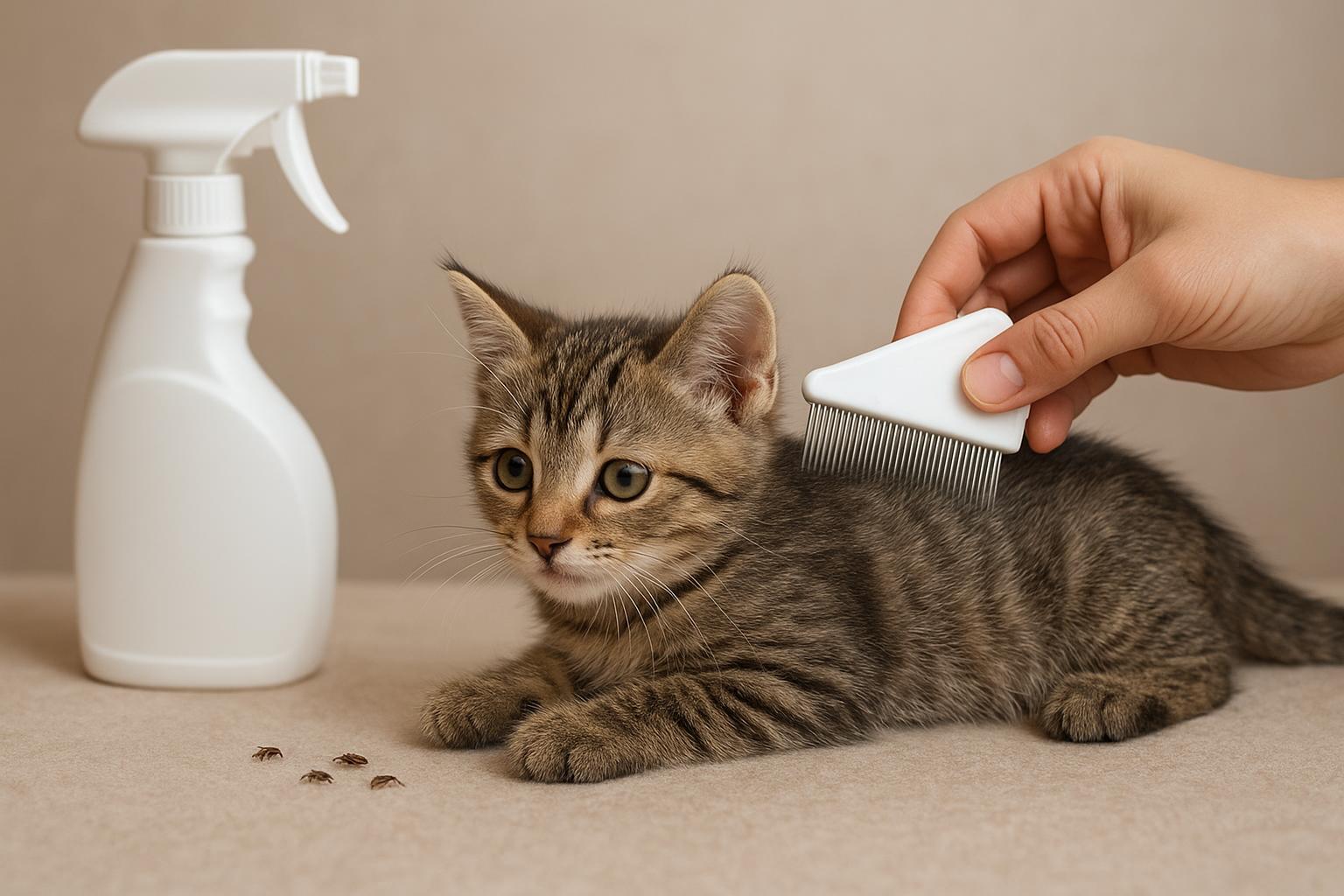
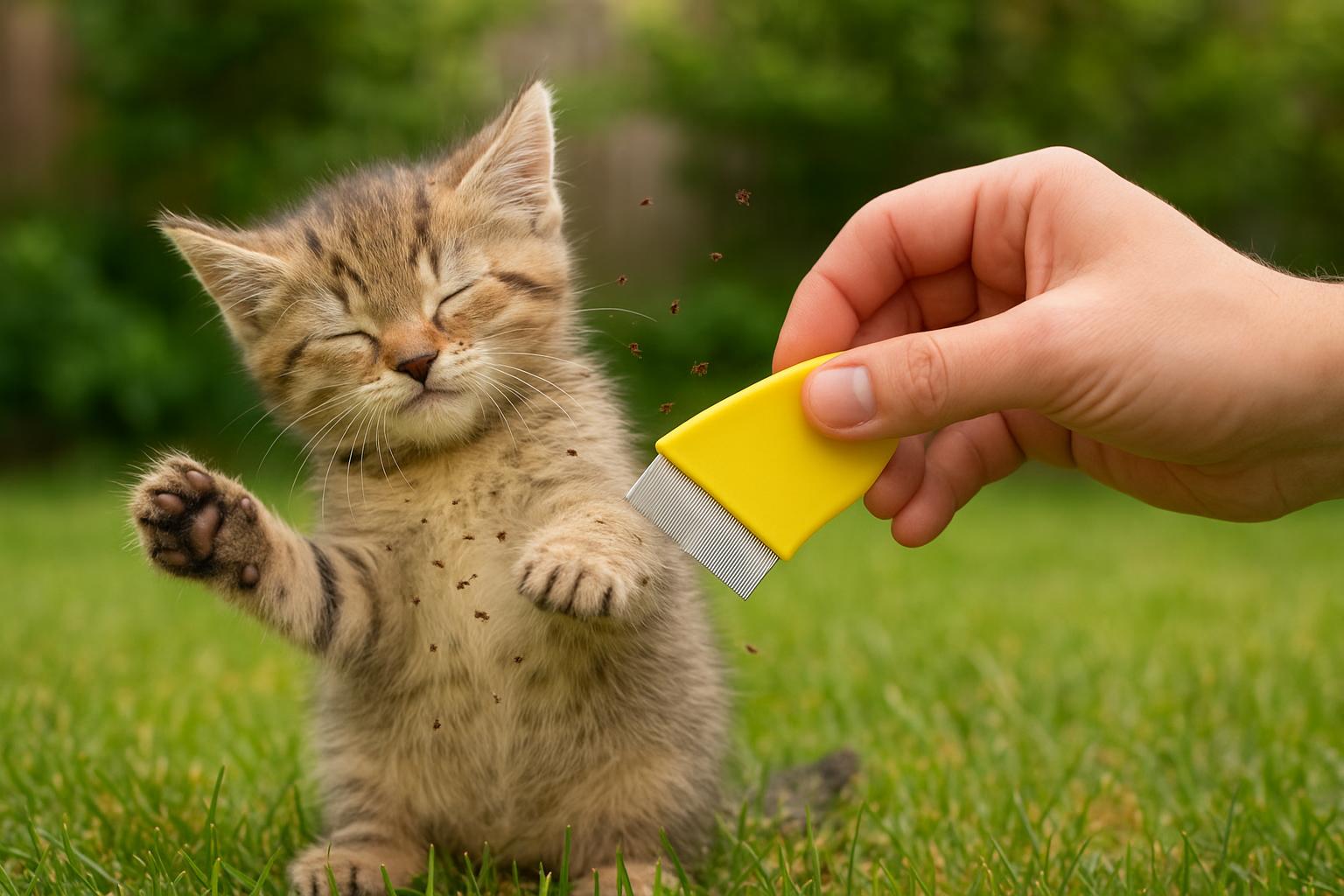
3. Slowly comb the cat from head to tail in short sections, paying careful attention to the shoulders, base of tail, and belly.
4. After each pass, swipe the comb through the soapy water to remove and drown fleas; seal them in a bag and dispose of it.
5. Wash all bedding, removable furniture covers, and soft toys in hot water and dry on high heat. Heat kills eggs and larvae.
6. Vacuum floors, upholstery, and crevices daily for one to two weeks, then at least twice weekly during an infestation. Dispose of vacuum contents promptly outside.
Application Notes: Flea combing combined with environmental cleaning is highly effective for small infestations and is perfectly safe for kittens and sensitive cats. Consistency is key—mechanical removal interrupts the life cycle without chemicals.
### How Fleas Work And Why Multiple Approaches Matter
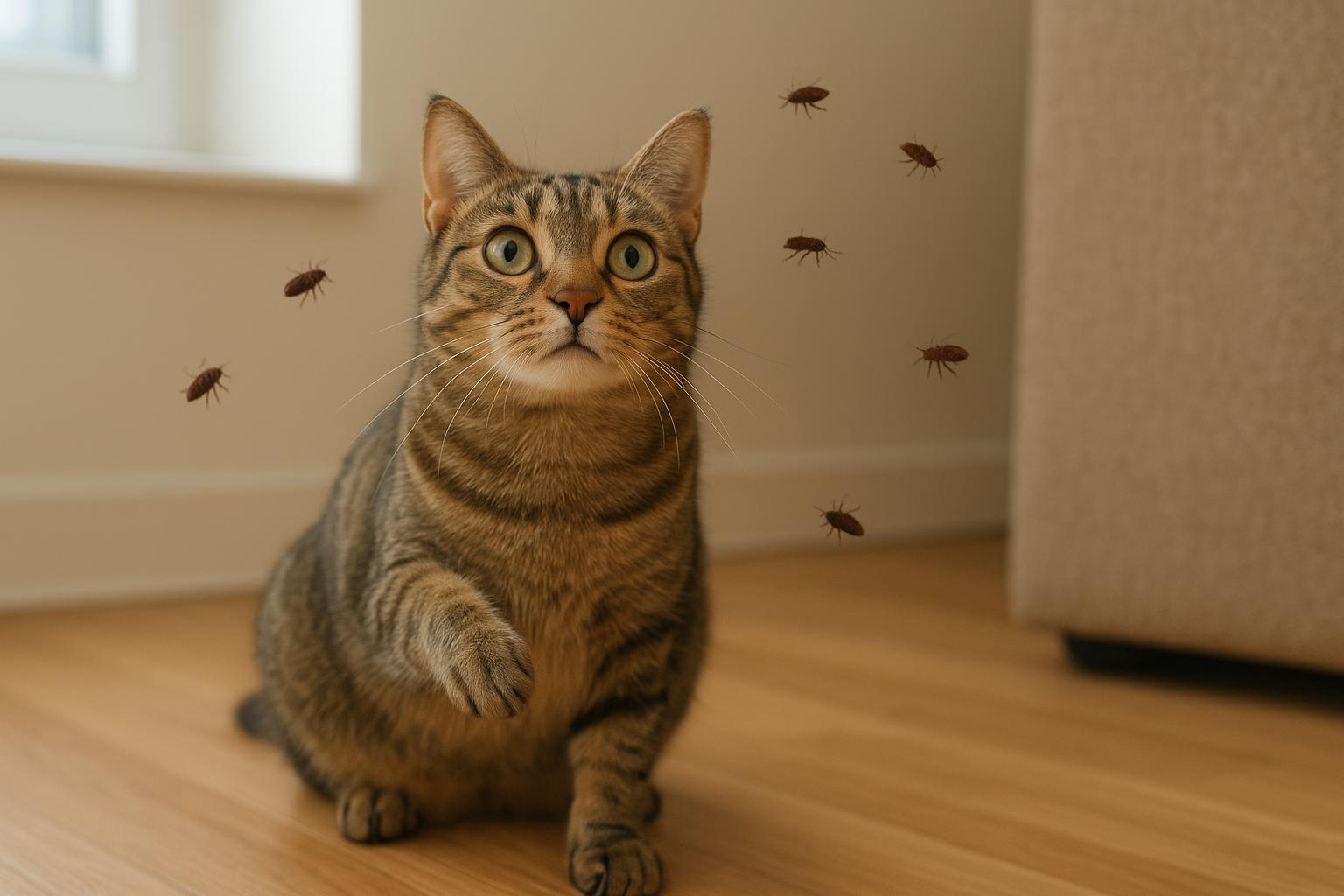
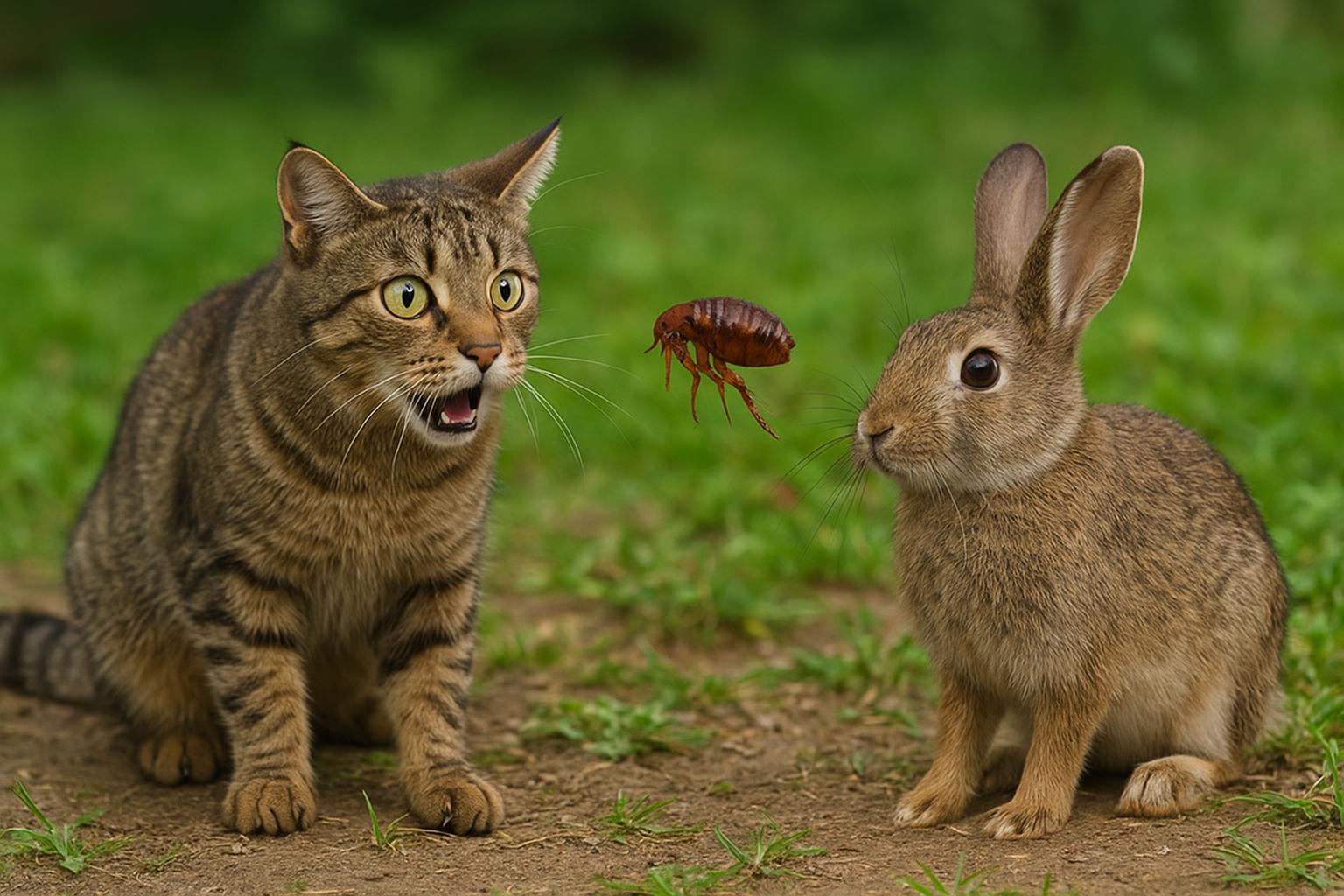
Fleas have a four-stage lifecycle: egg, larva, pupa, and adult. Eggs fall off the host into the environment; larvae feed on organic matter; pupae are encased in sticky cocoons, and adult fleas emerge when conditions and a host are present. That’s why single-action solutions rarely succeed. Good cat flea care addresses both the animal and the surrounding environment—your home, bedding, and yard—to break the lifecycle at multiple points.
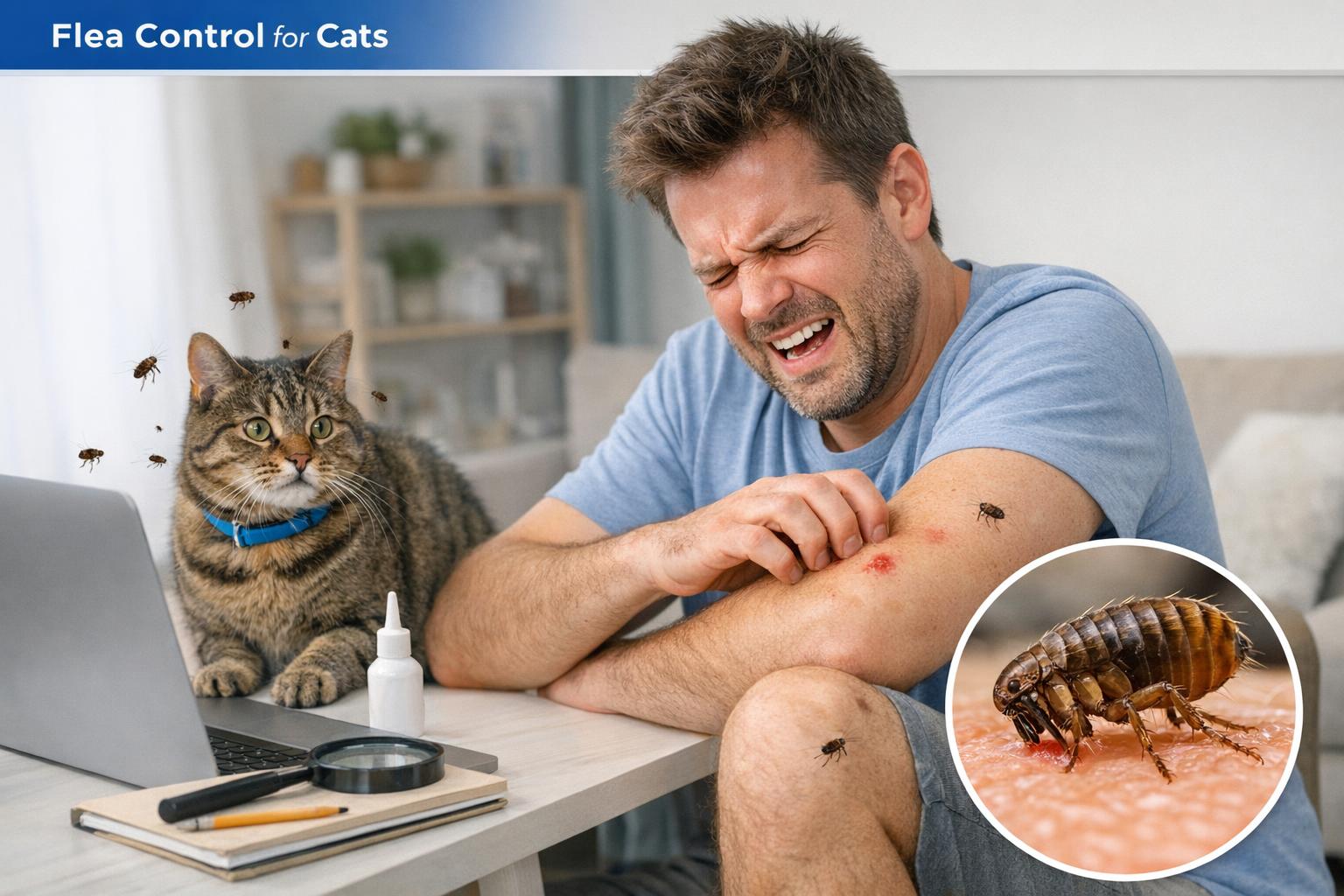
### Recognizing Fleas And Related Skin Issues
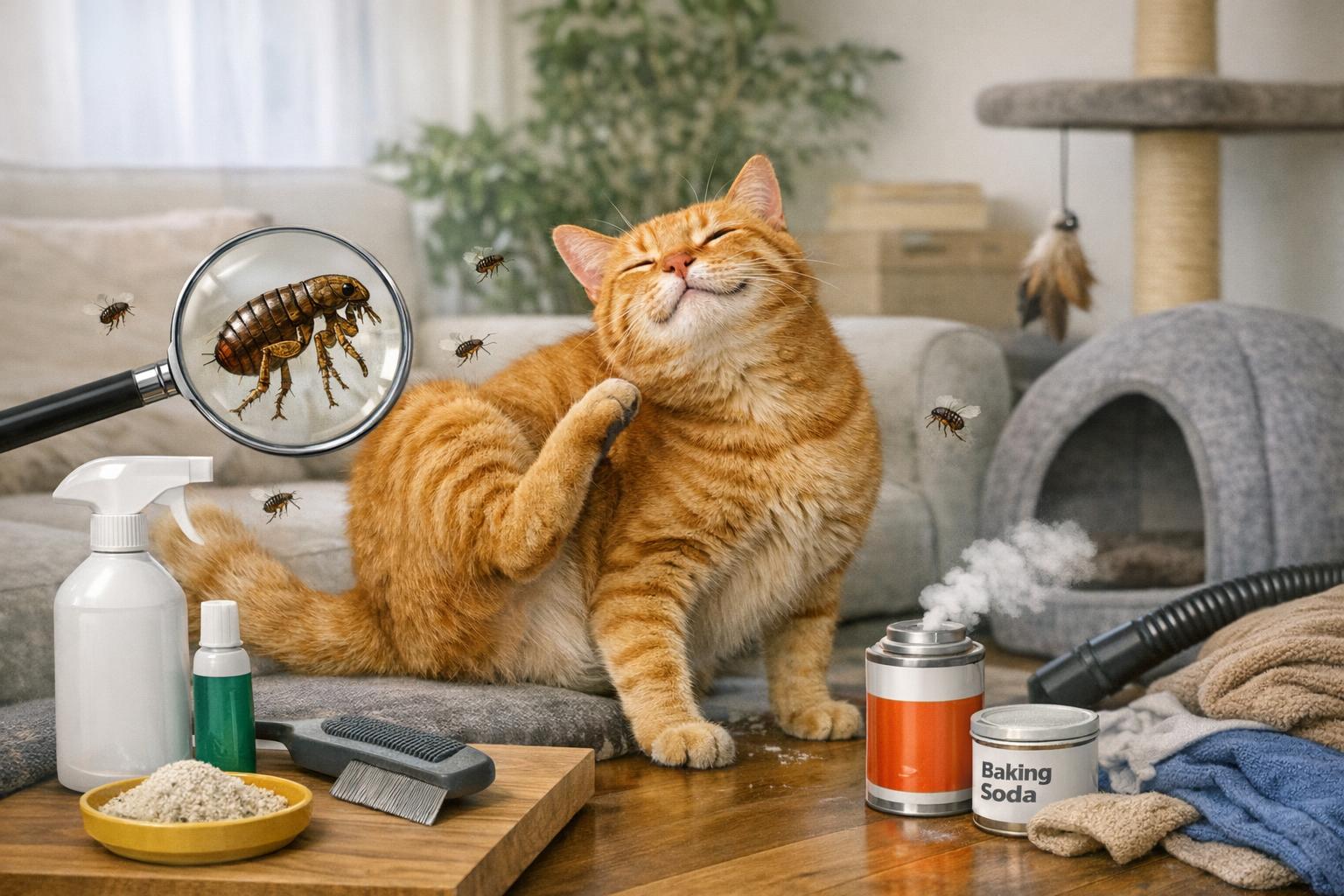
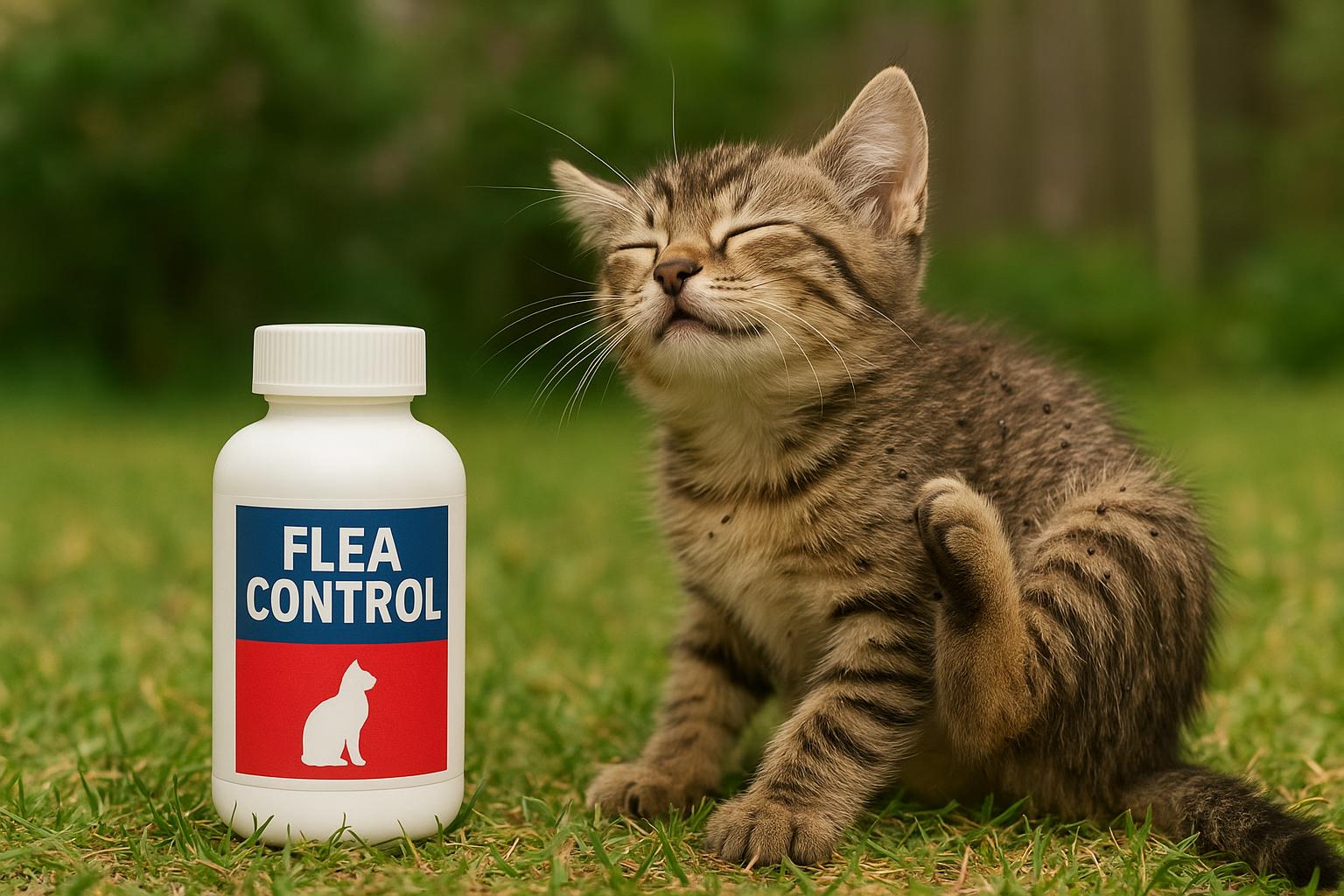
– Frequent scratching, biting, or excessive grooming.
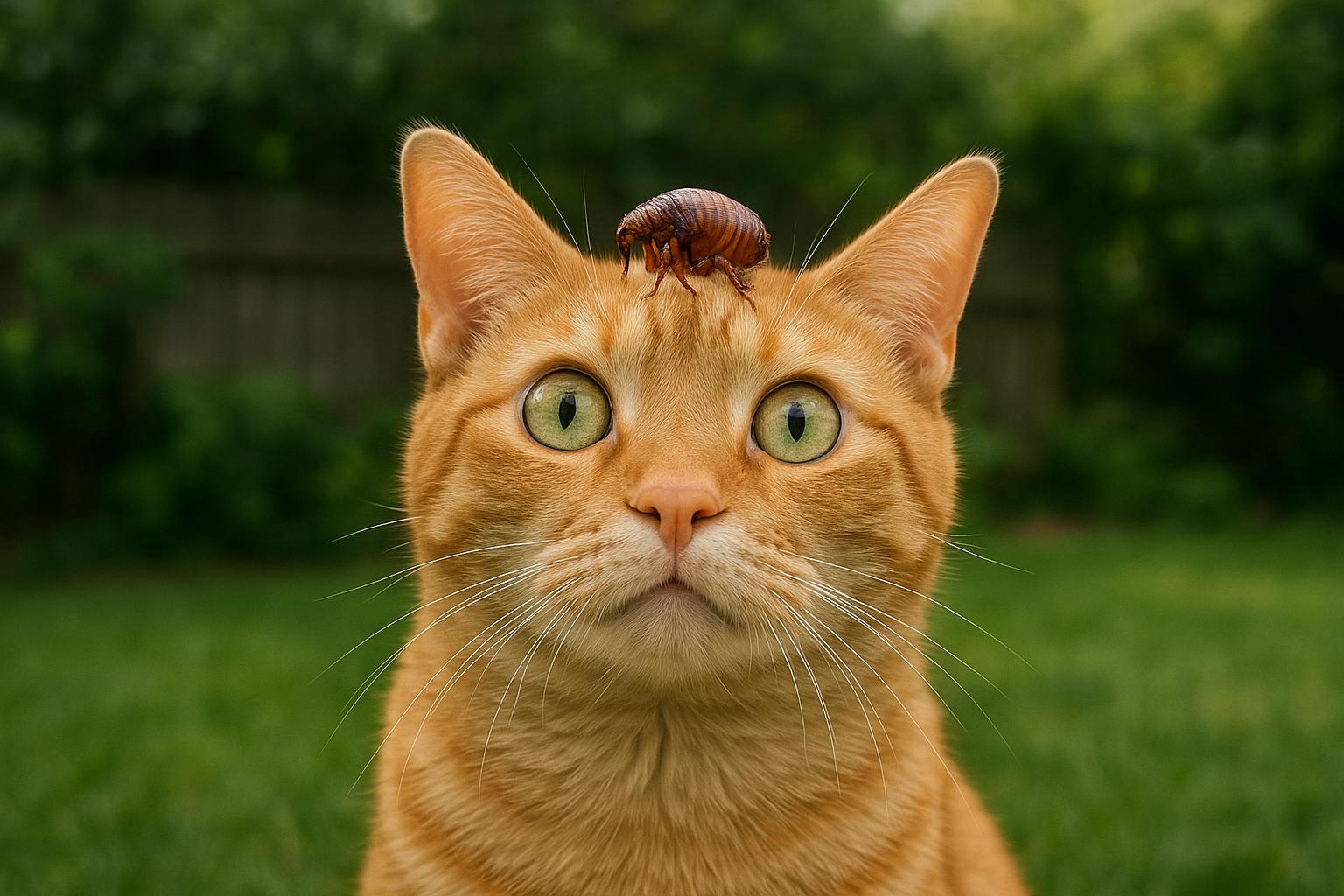
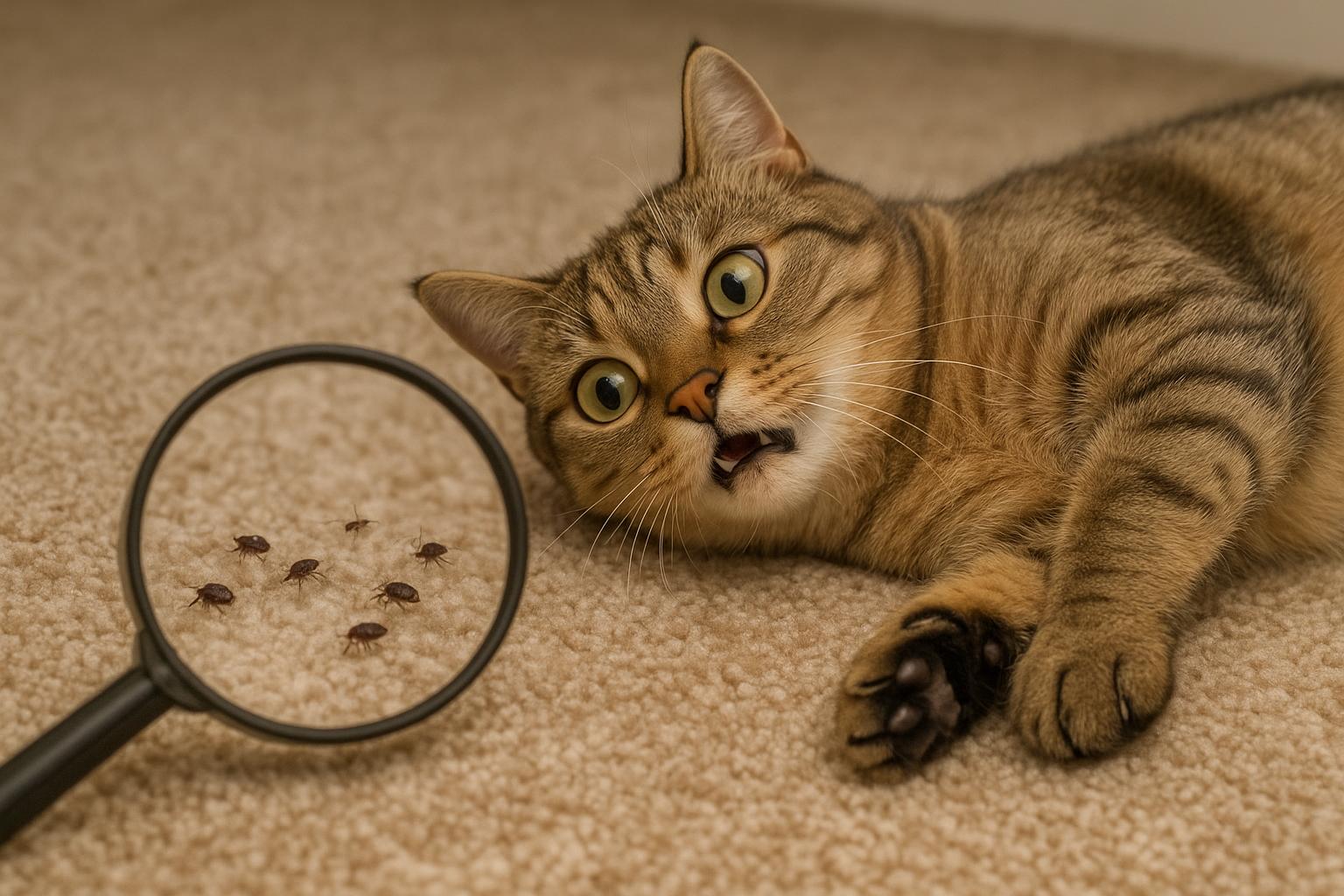
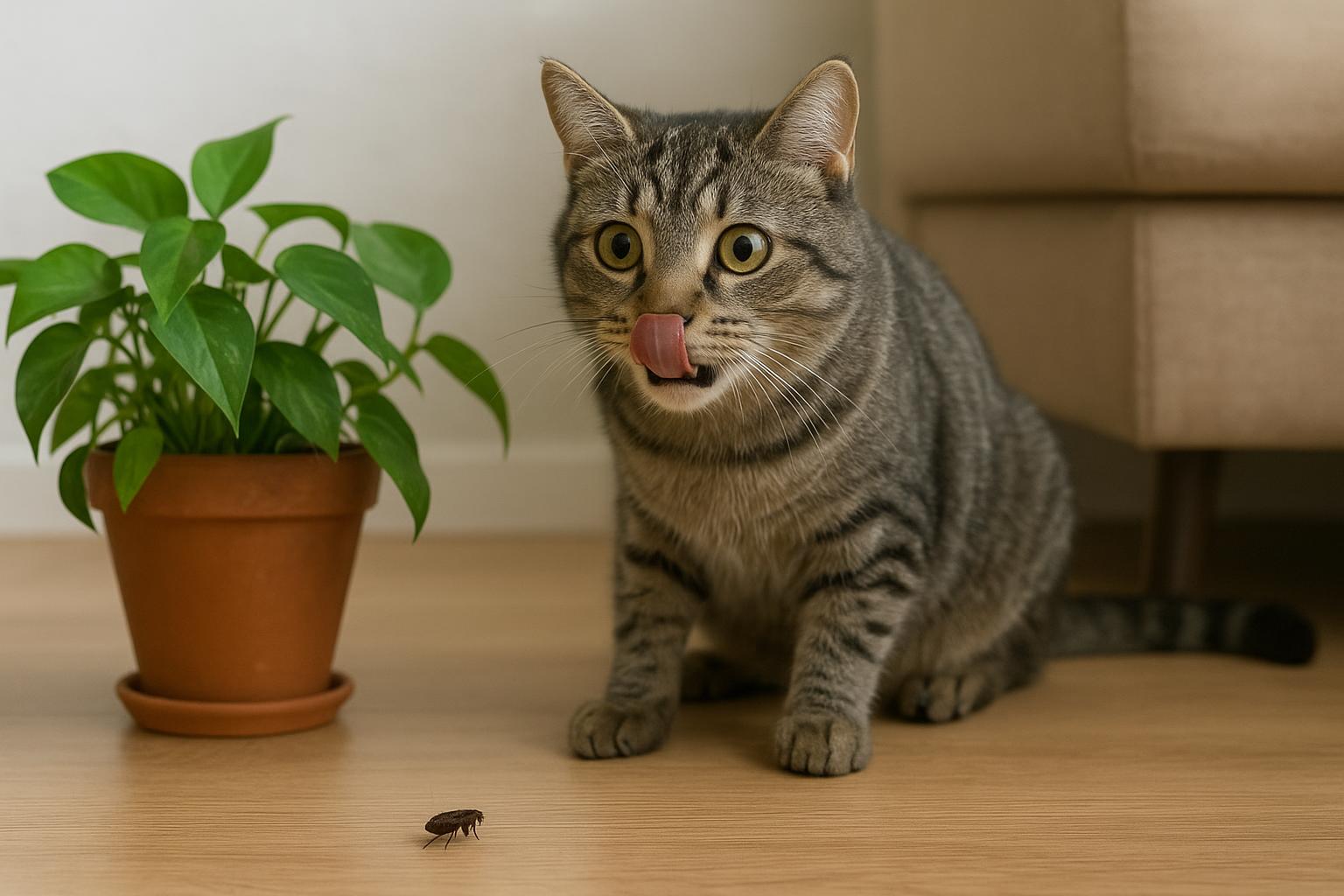
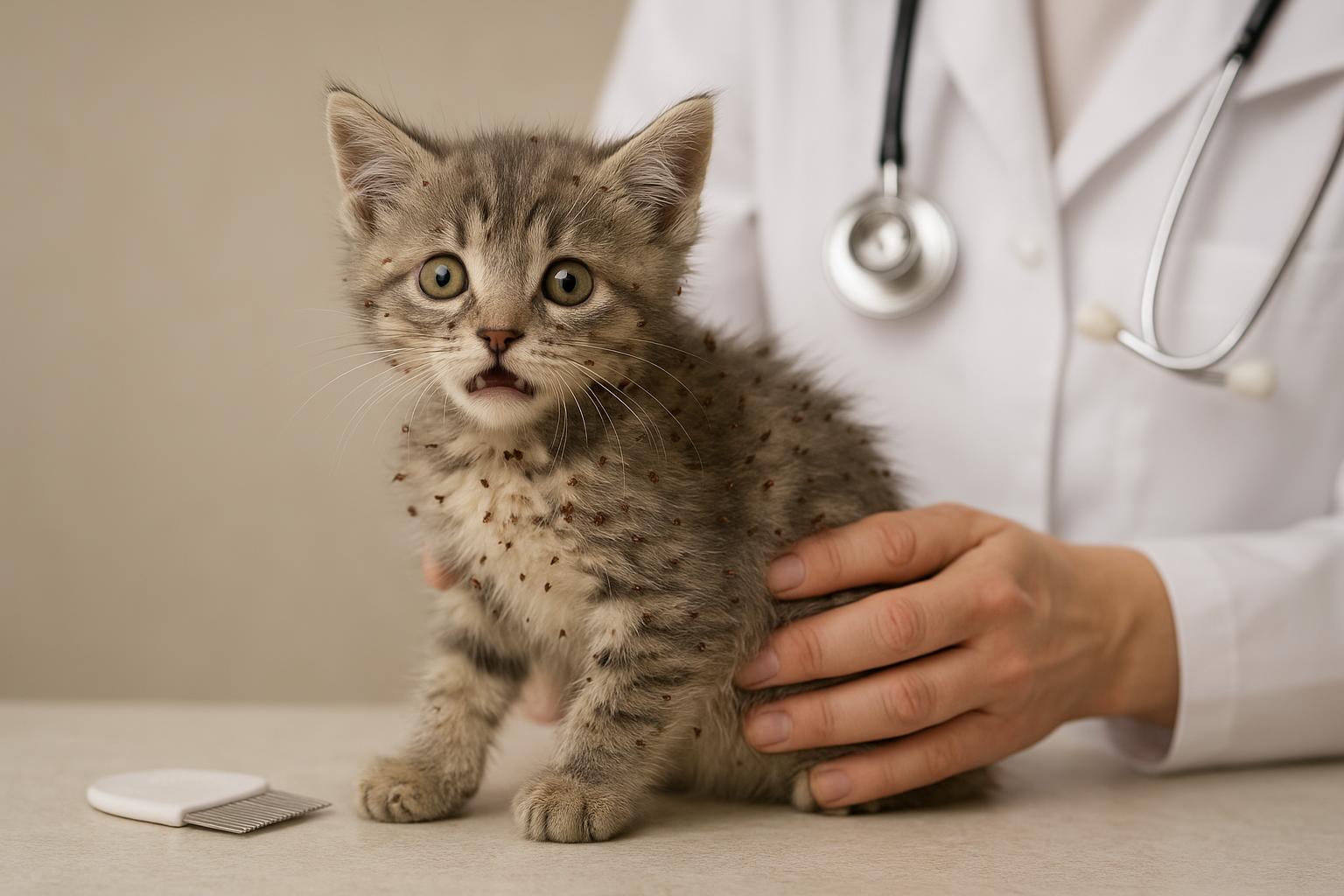
– Visible small, dark, fast-moving insects in the fur.
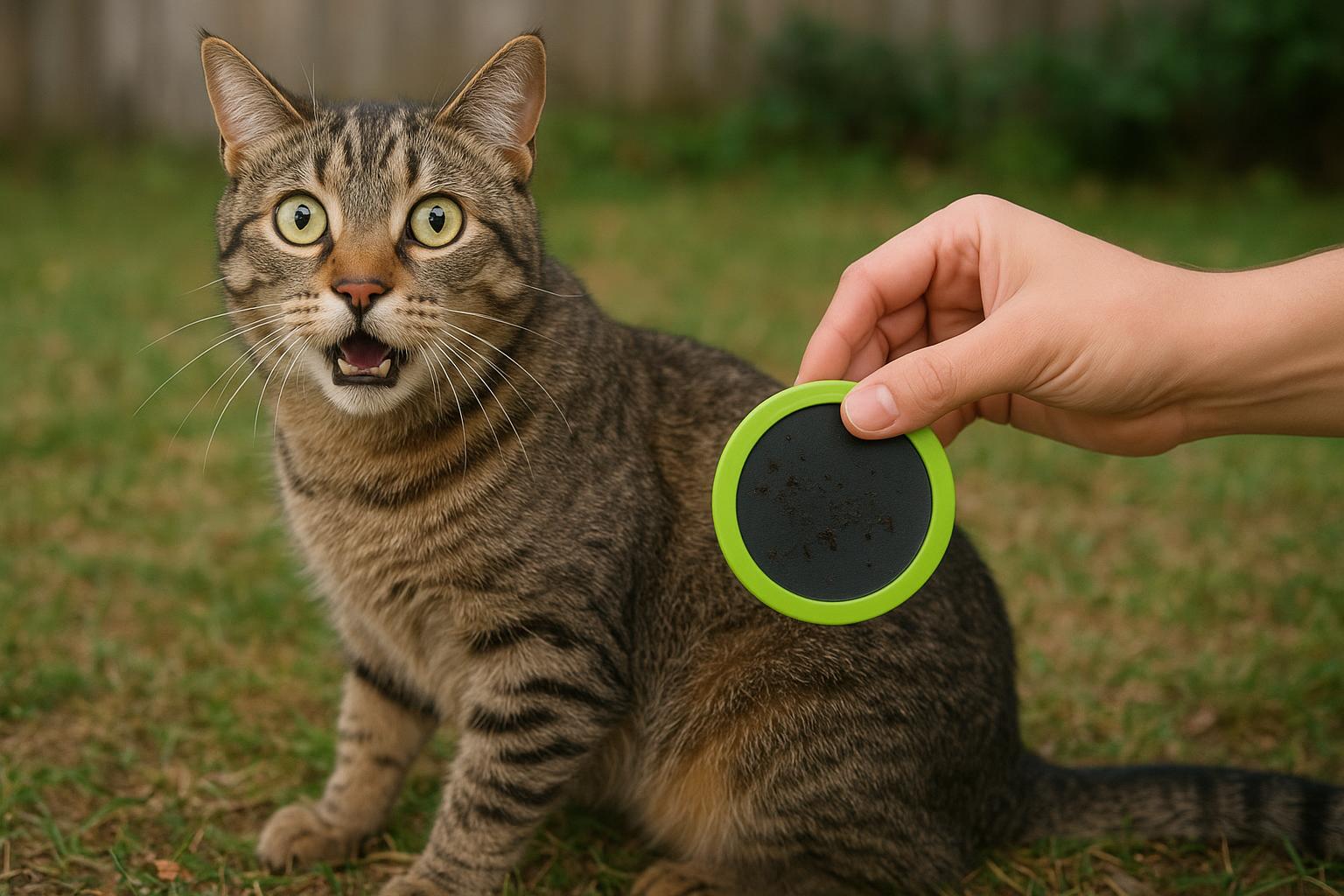
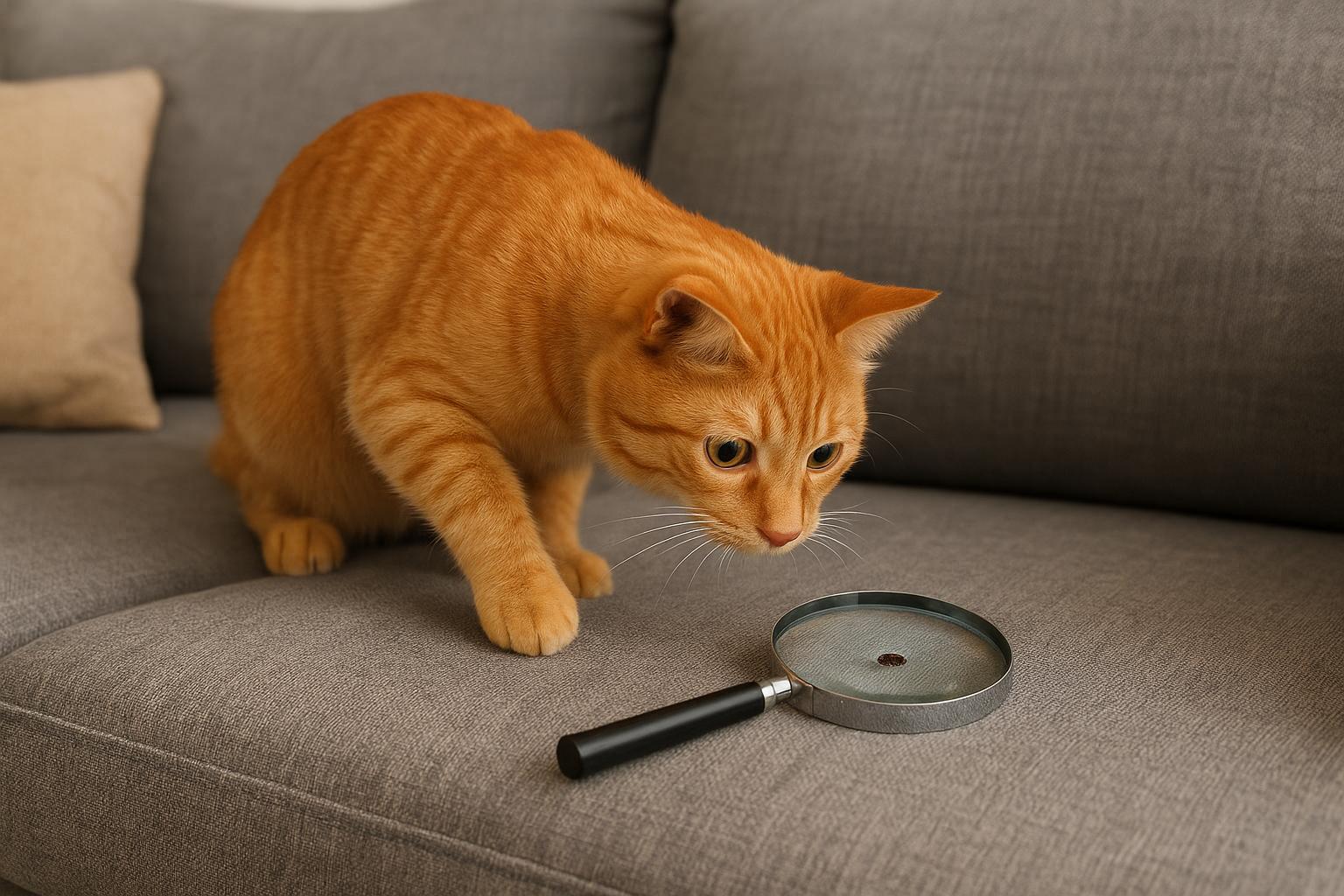
– Small black specks (flea dirt) that turn red when dabbed on wet paper (digested blood).
– Patchy hair loss or red, inflamed skin from constant scratching.
If you notice severe irritation, sores, or signs of anemia (pale gums, lethargy), seek veterinary attention immediately.
## Prevention Tips For Ongoing Cat Flea Care
– Maintain Regular Grooming: Weekly combing helps spot problems early.
– Wash Bedding Frequently: Hot-water washing at least once a week during high flea season.
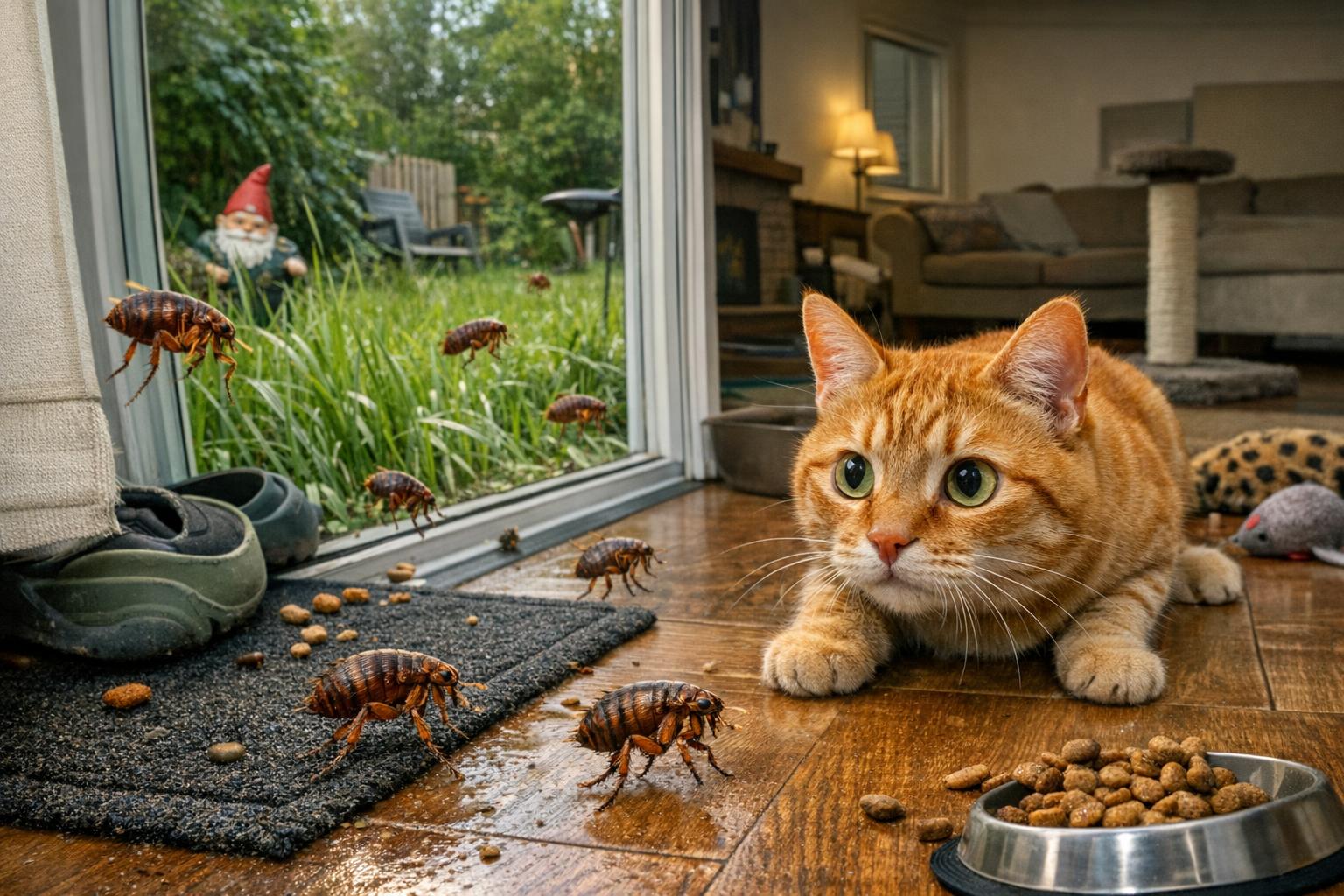
– Yard Maintenance: Keep grass short and remove leaf litter where fleas live; discourage wildlife that carry fleas.
– Limit Exposure: Be cautious around other animals and communal outdoor areas during peak flea months.
### Household Cleaning Priorities
– Vacuum daily in hot-weather periods or when treating an infestation; focus on baseboards, under furniture, and pet sleeping spots.
– Steam cleaning carpets can reach pupae in deeper layers. High heat will kill immature stages.
– Seal and store vacuum contents away from the home to avoid re-infestation.
#### Safety With Natural Products
Not everything labeled “natural” is harmless to cats. Avoid essential oils known to be toxic to felines (including tea tree, eucalyptus, and citrus oils). Always do a patch test and consult your veterinarian before introducing any topical product. For kittens, pregnant cats, or pets with chronic illness, professional guidance is especially important.
### When To Involve Your Veterinarian
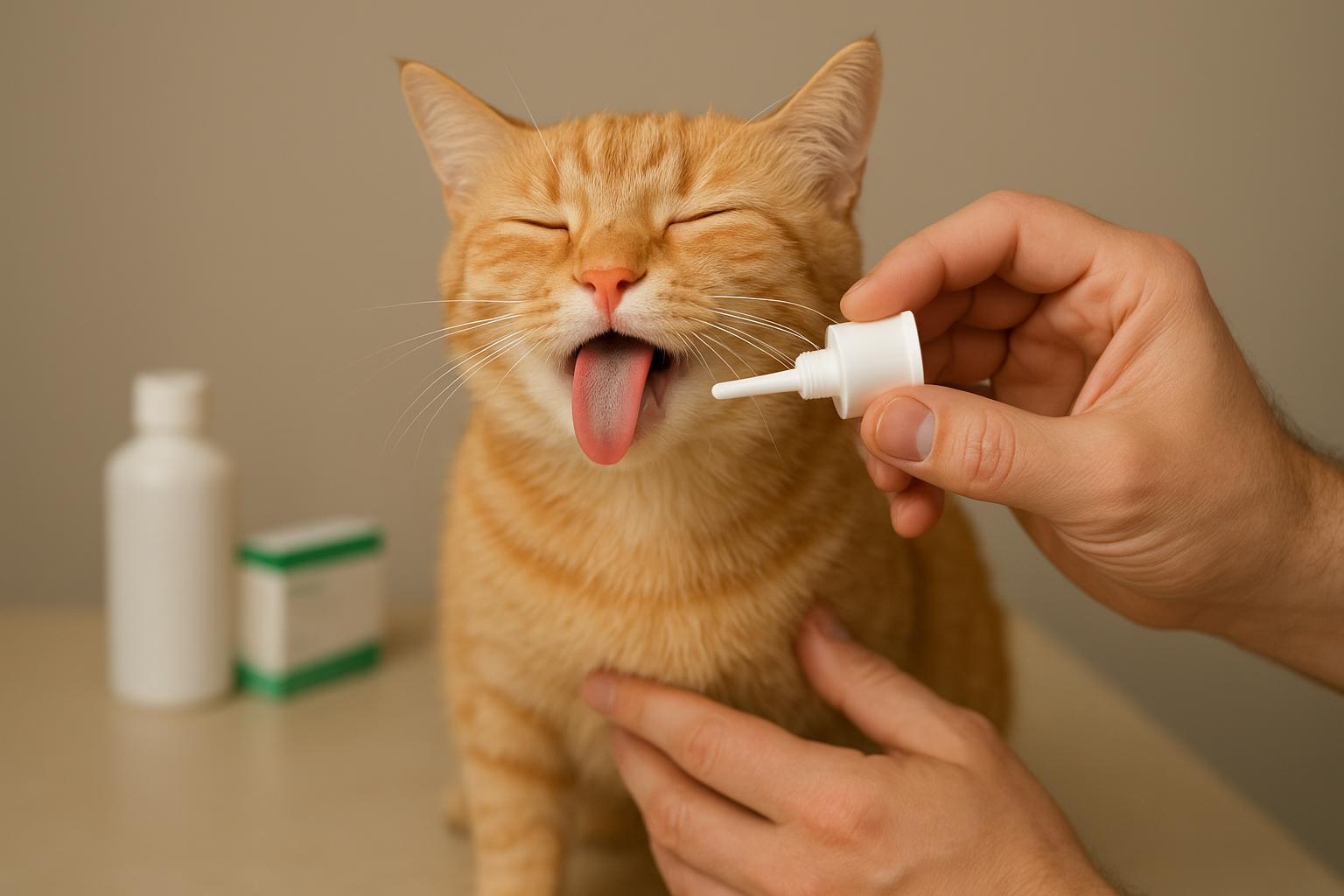
If natural home remedies and environmental controls do not reduce flea numbers within a week or two, or if your cat shows signs of infection, anemia, or severe skin damage, contact your veterinarian. Many modern veterinary products are designed to be safe and effective when used as directed; sometimes prescription treatment or oral/topical medications are the only way to fully resolve a heavy infestation.
A final pragmatic note—combining gentle, consistent home remedies with good household hygiene is the most realistic path to effective cat flea care. If progress stalls, don’t be stubborn—veterinary products exist for a reason, and your vet will help you balance efficacy with safety.





Leave a Reply