
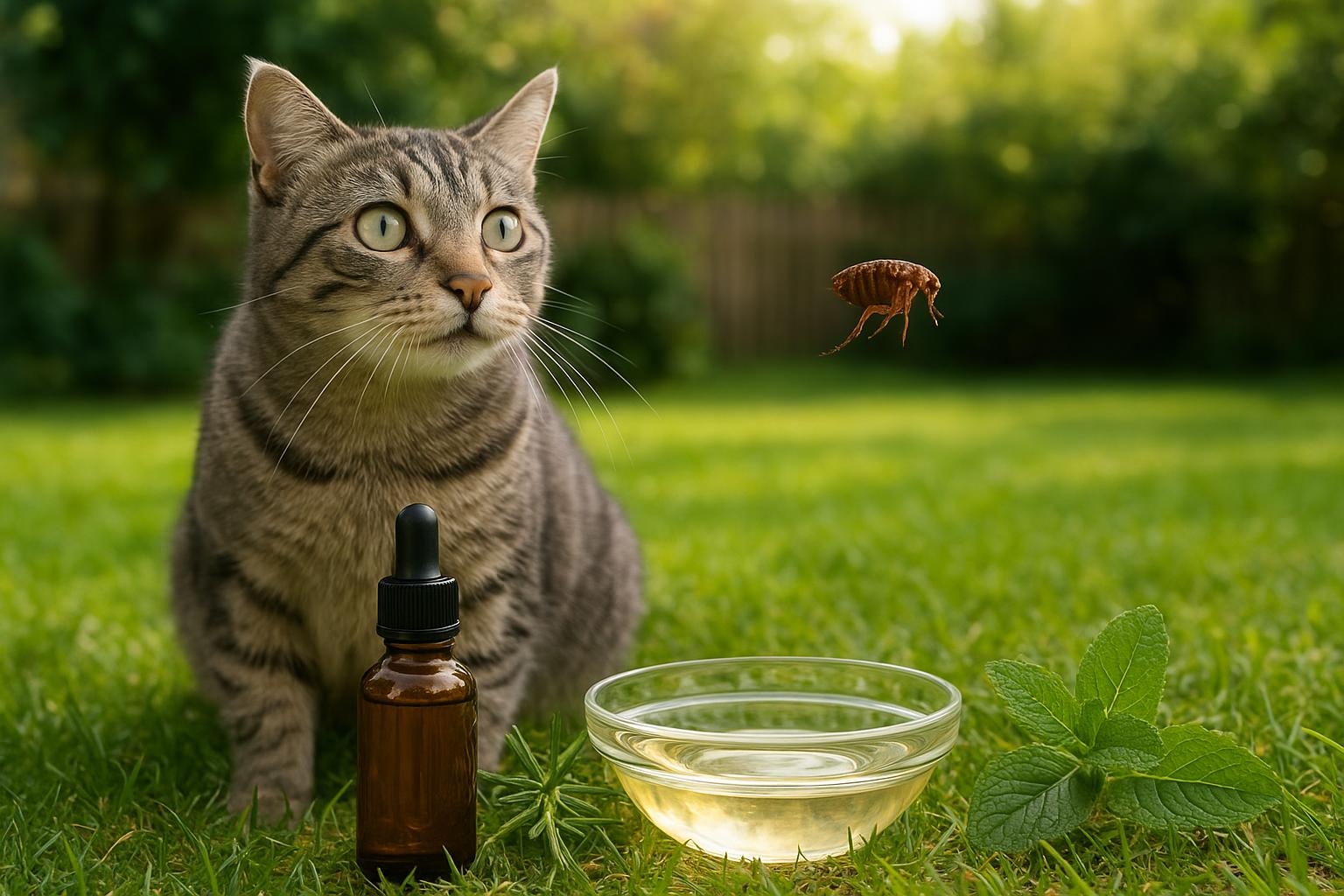
Kittens are tiny fluff-balls of mischief, curiosity, and, sometimes, a few uninvited guests: fleas. If you’ve ever watched a kitten scratch a little too enthusiastically, you know the sinking feeling when you realize those little critters can multiply fast. This article is your friendly, slightly cheeky guide to young cat prevention—practical steps to keep kittens flea-free, happy, and purring.
## Young Cat Prevention: Why Flea Control Matters
Fleas aren’t just annoying; they can cause serious problems in young cats. Kittens can develop itchy dermatitis, secondary infections from scratching, and even anemia when infestations are heavy. Plus, fleas can transmit tapeworms and make your household less hospitable for both pets and people. Good young cat prevention isn’t an overprotective hobby—it’s essential healthcare.
### Recognizing Flea Signs In Kittens
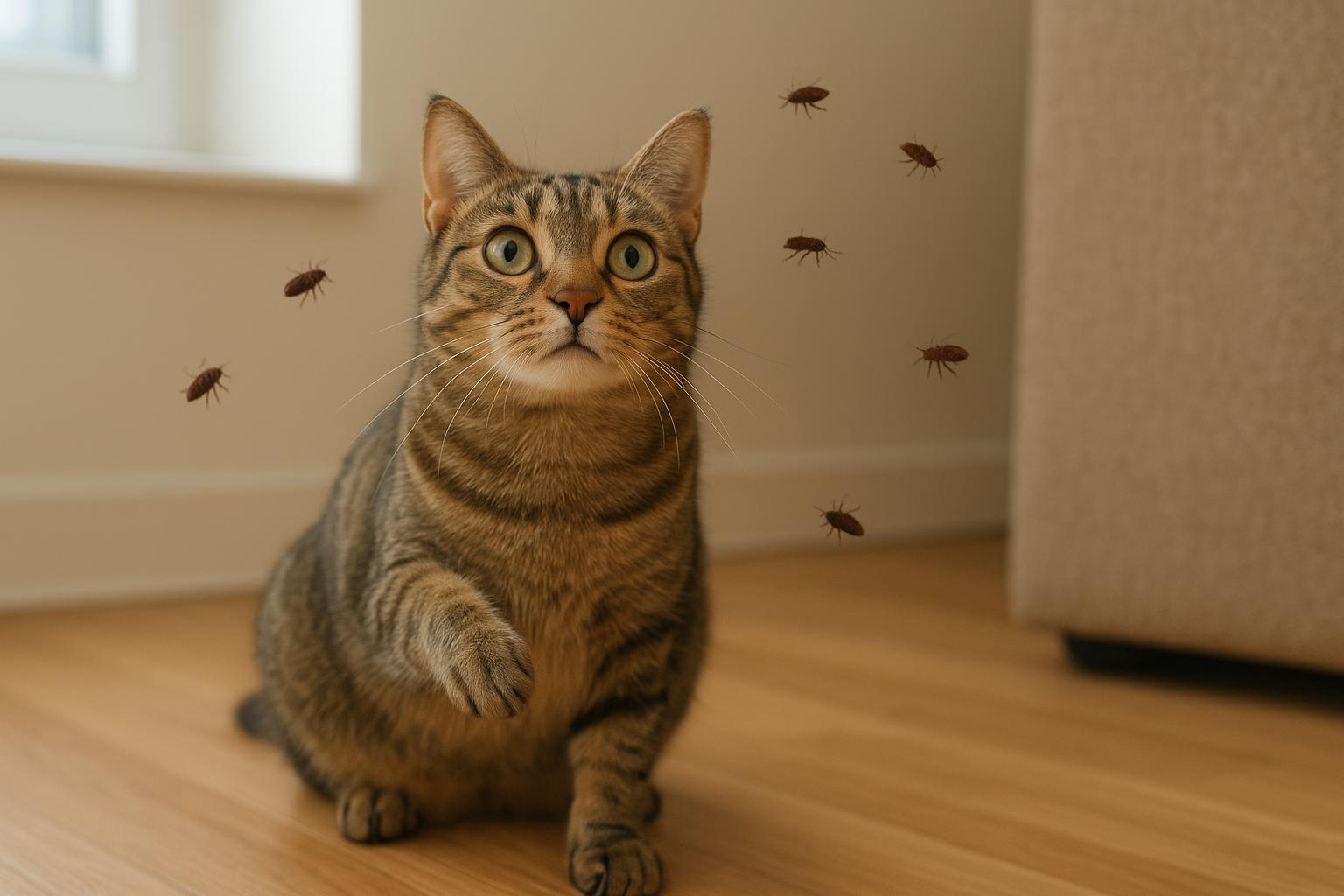
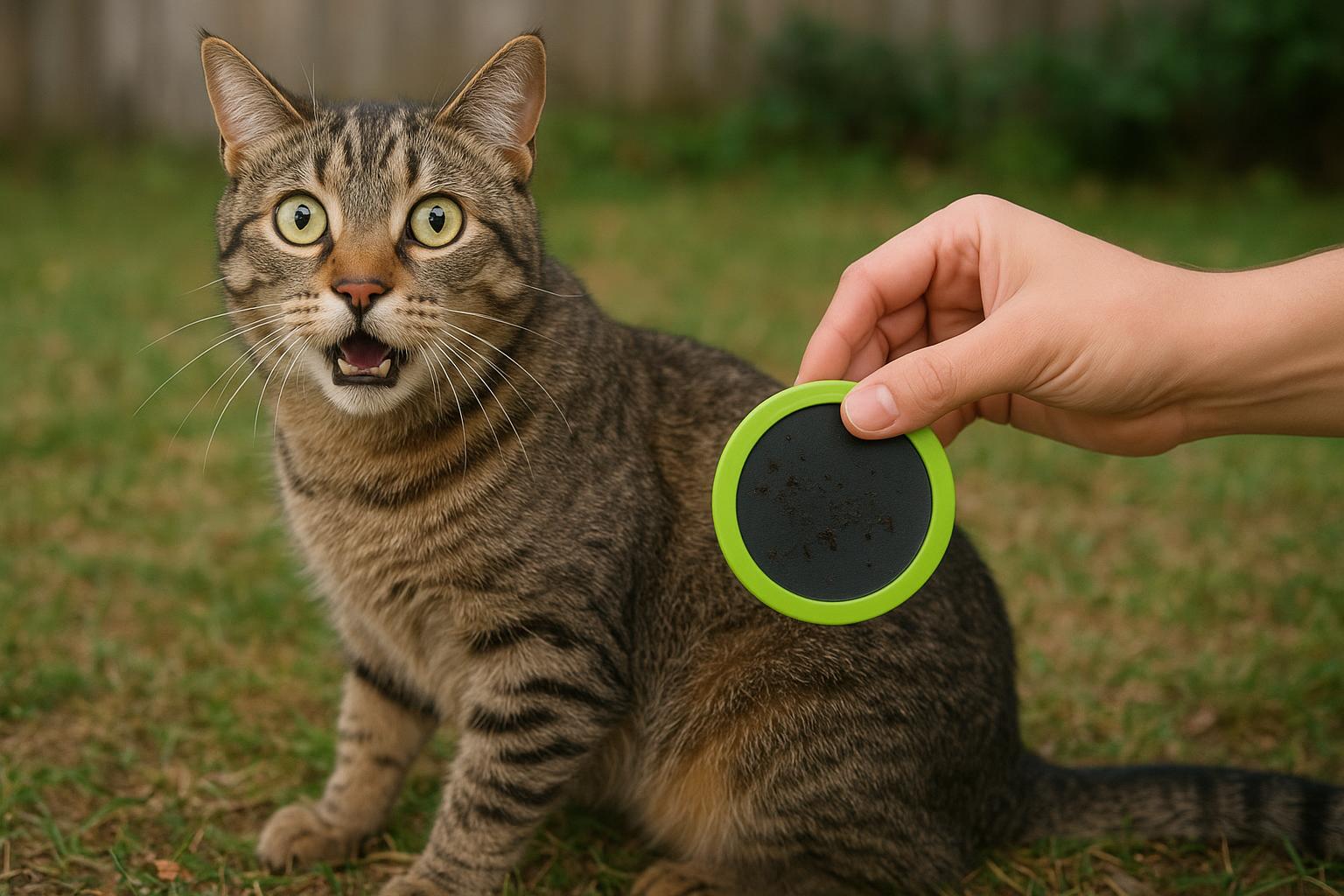
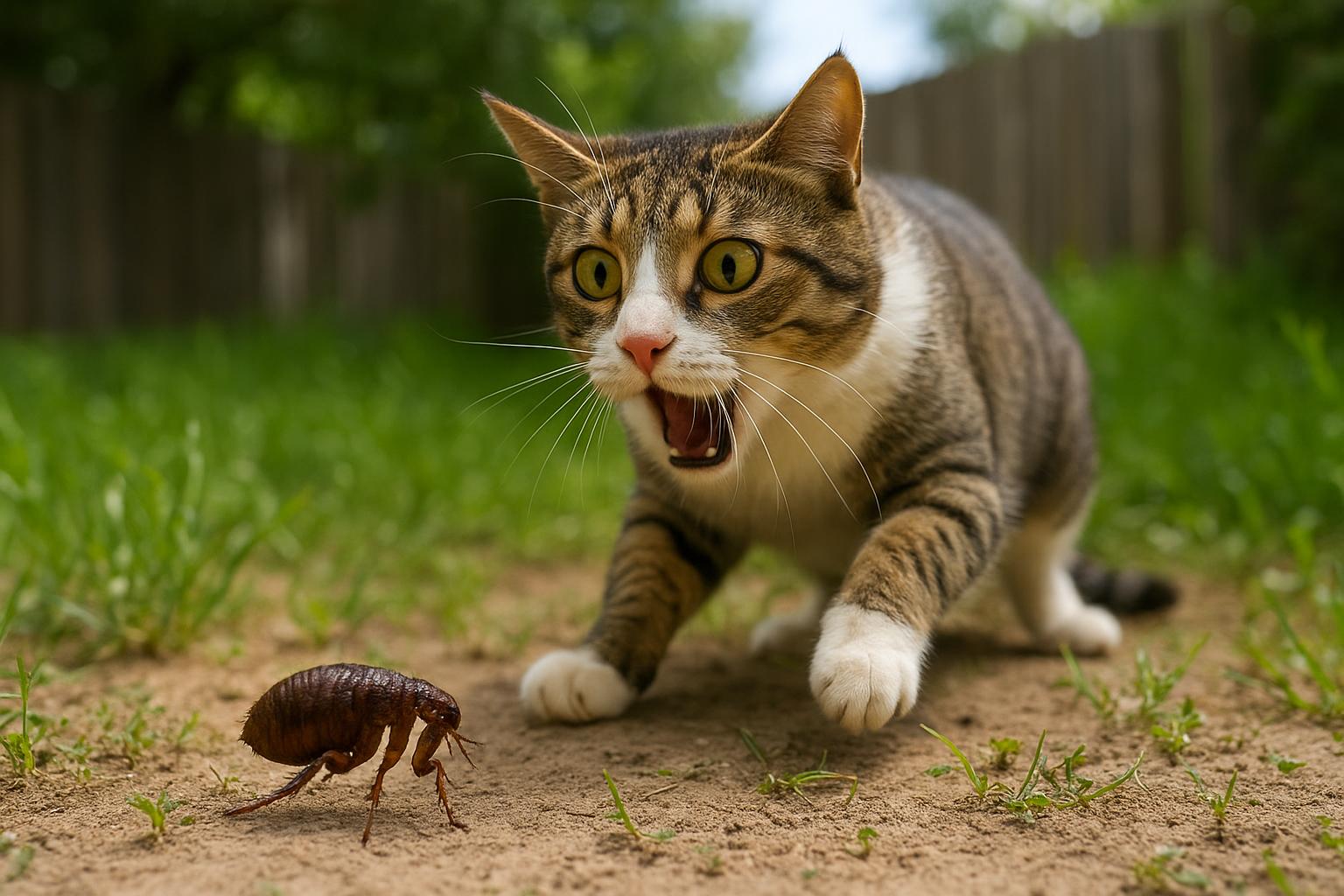
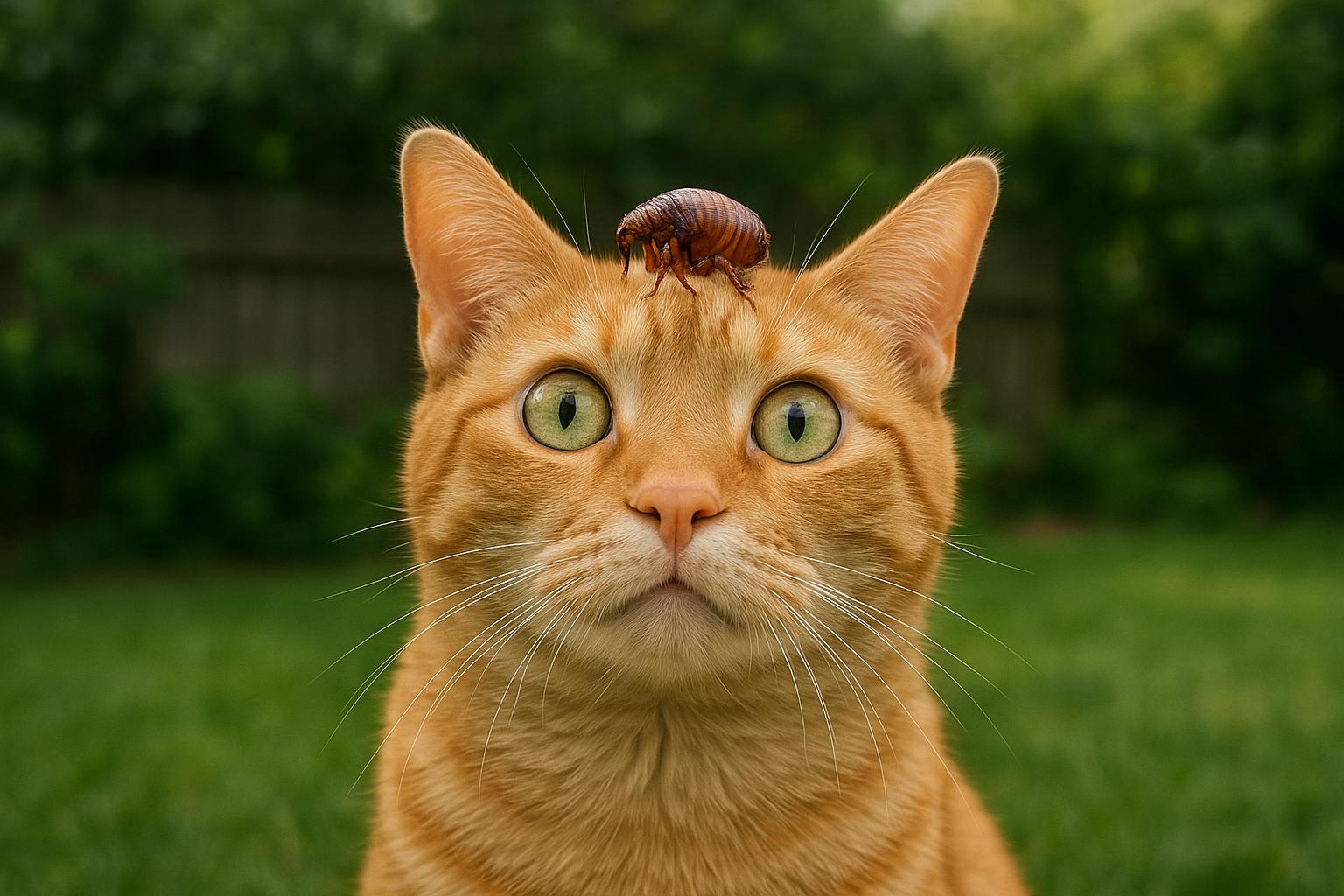
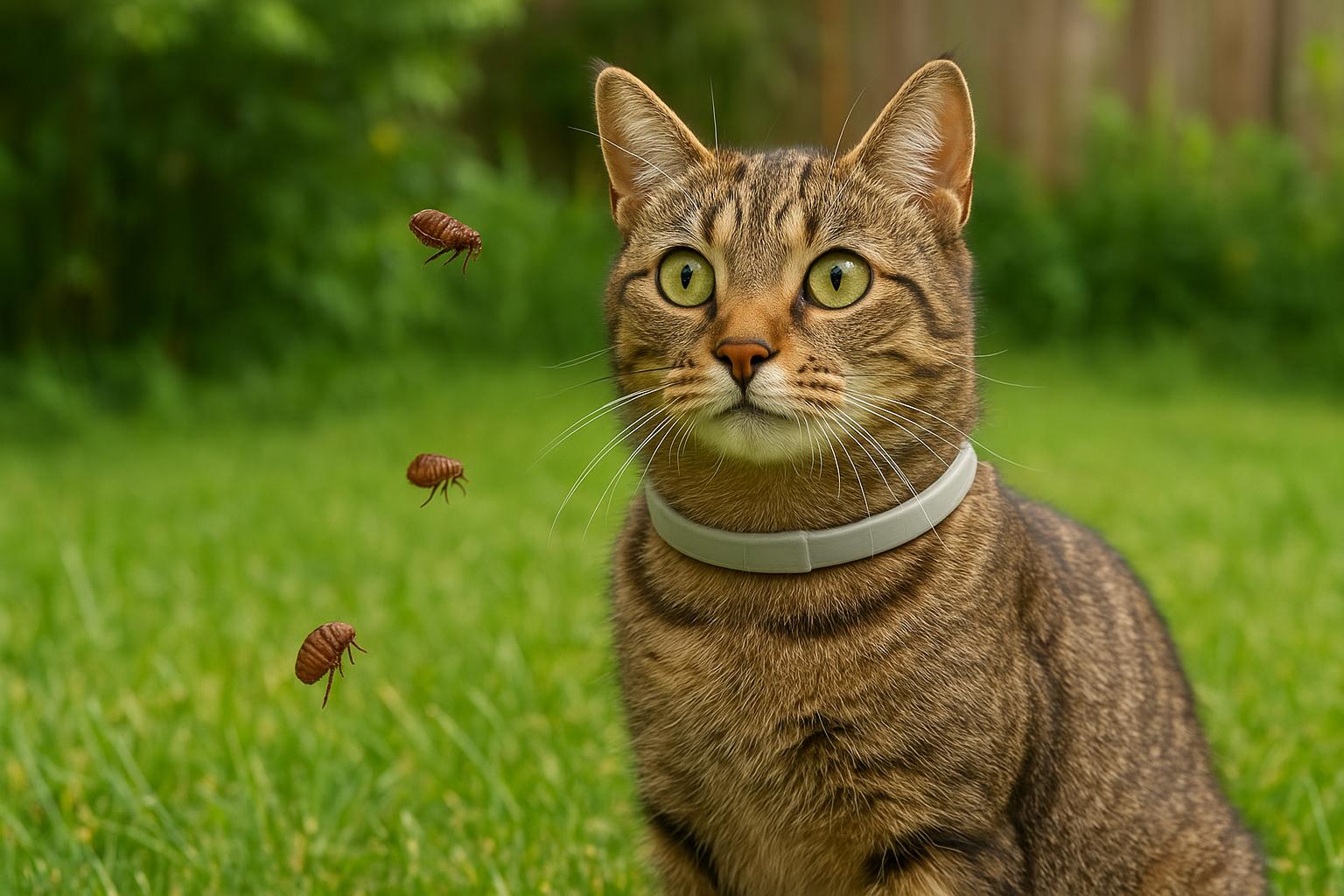
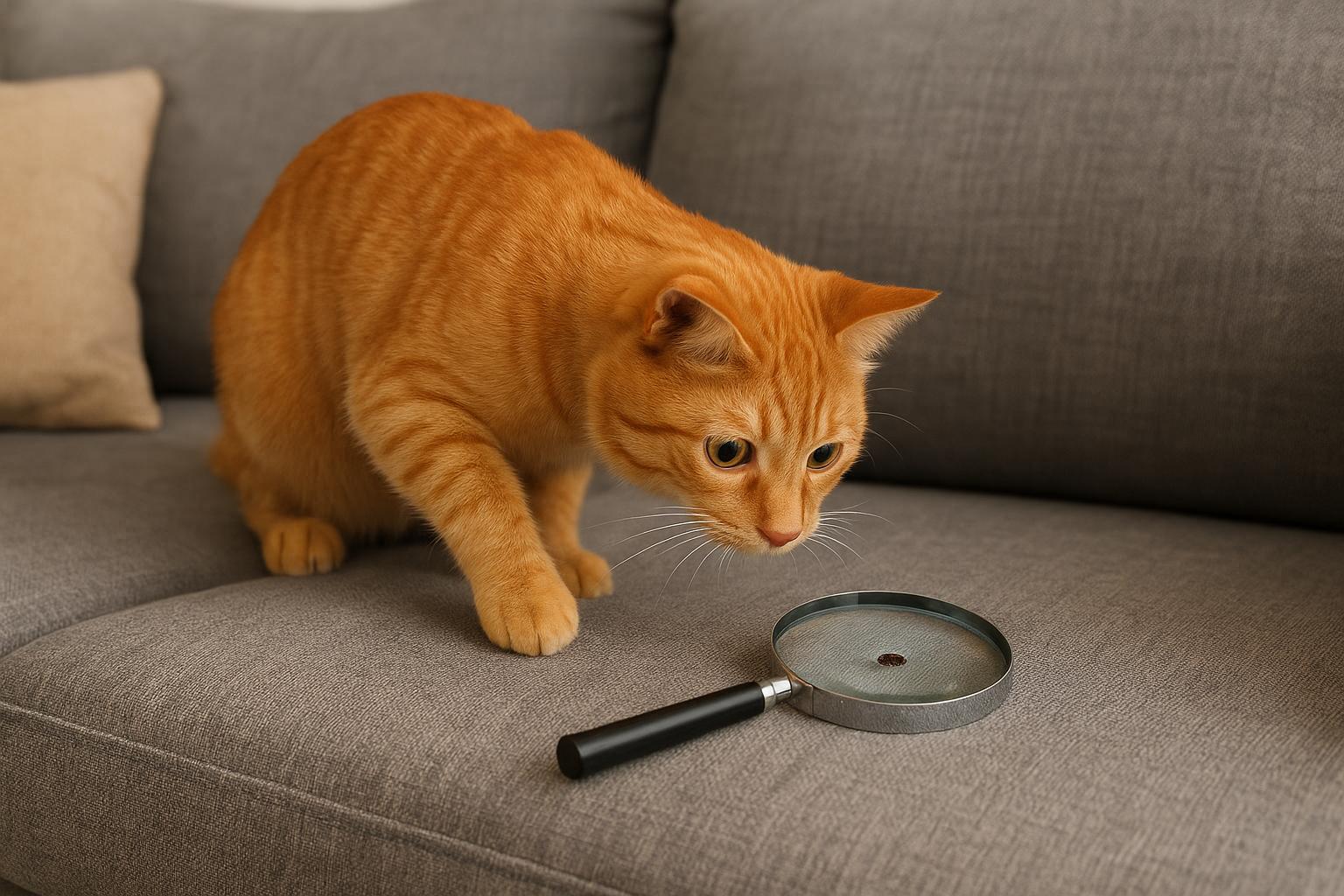
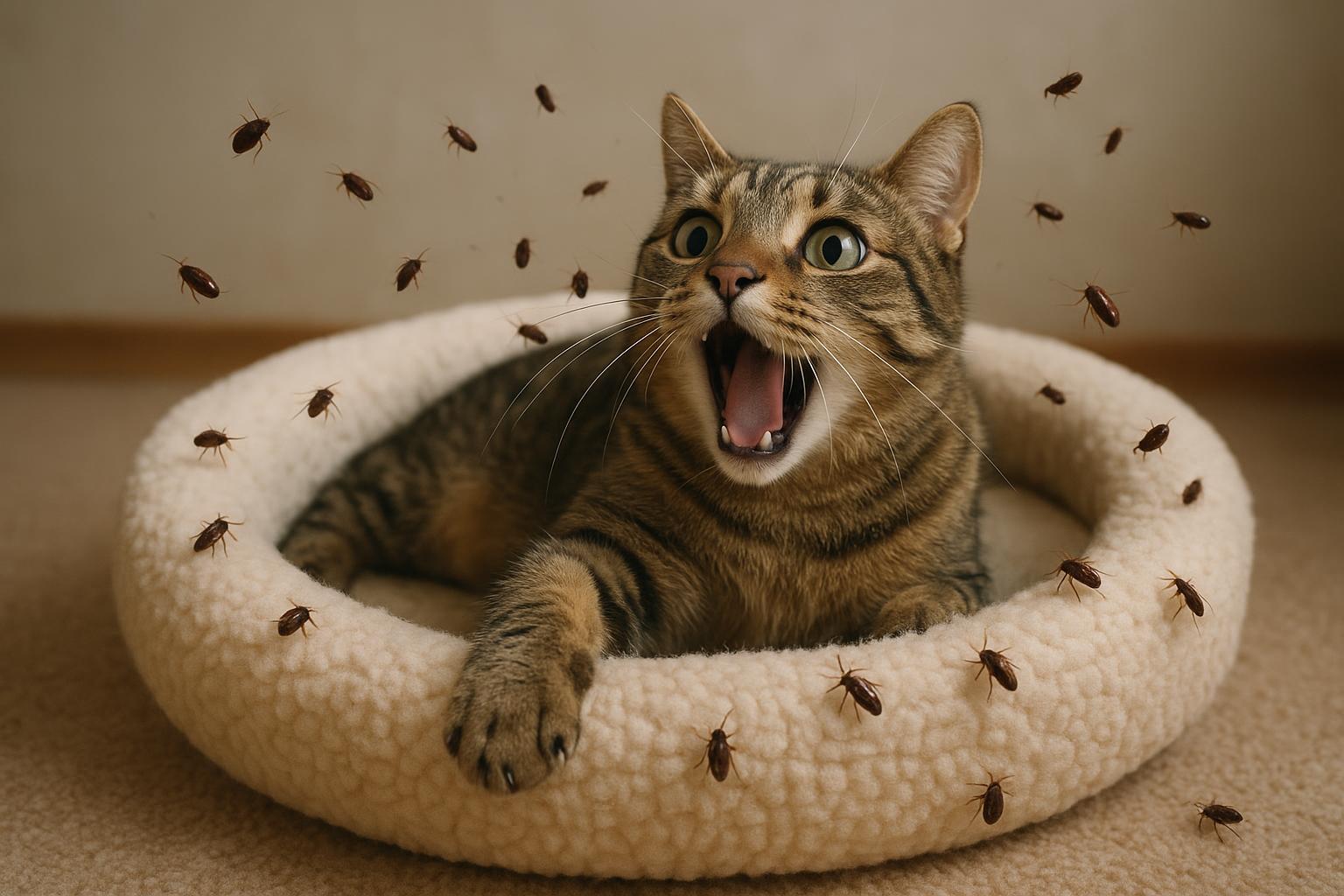
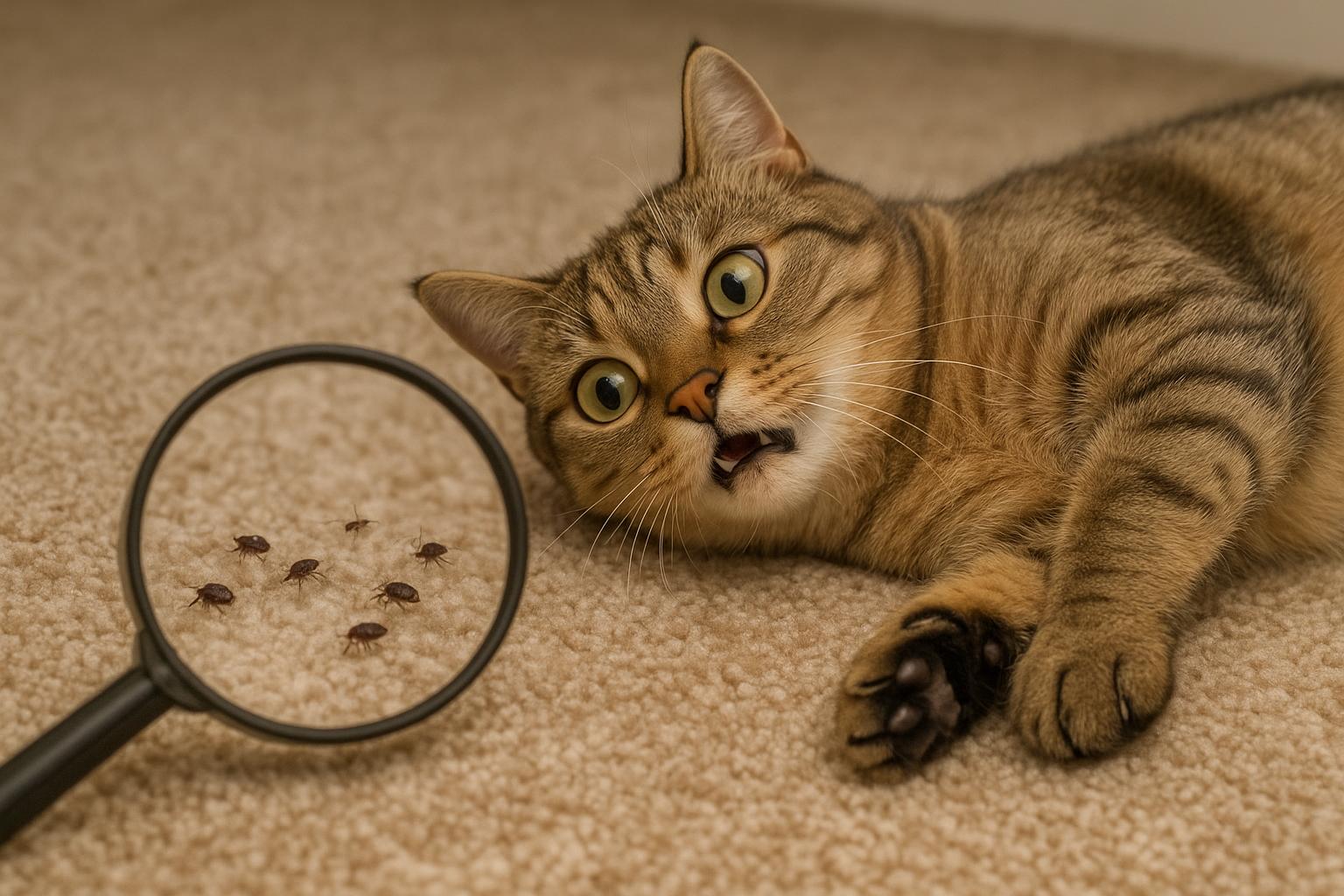
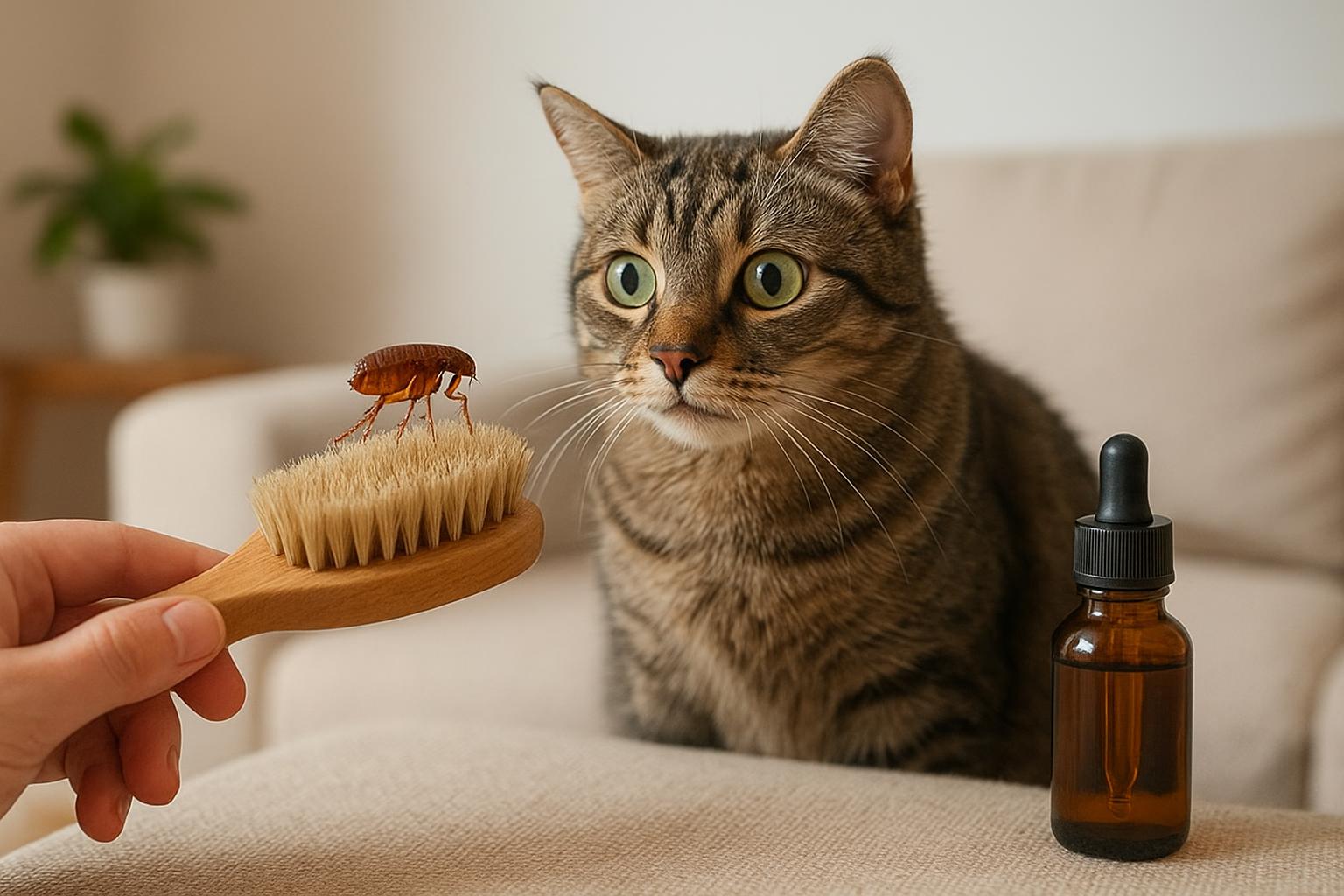
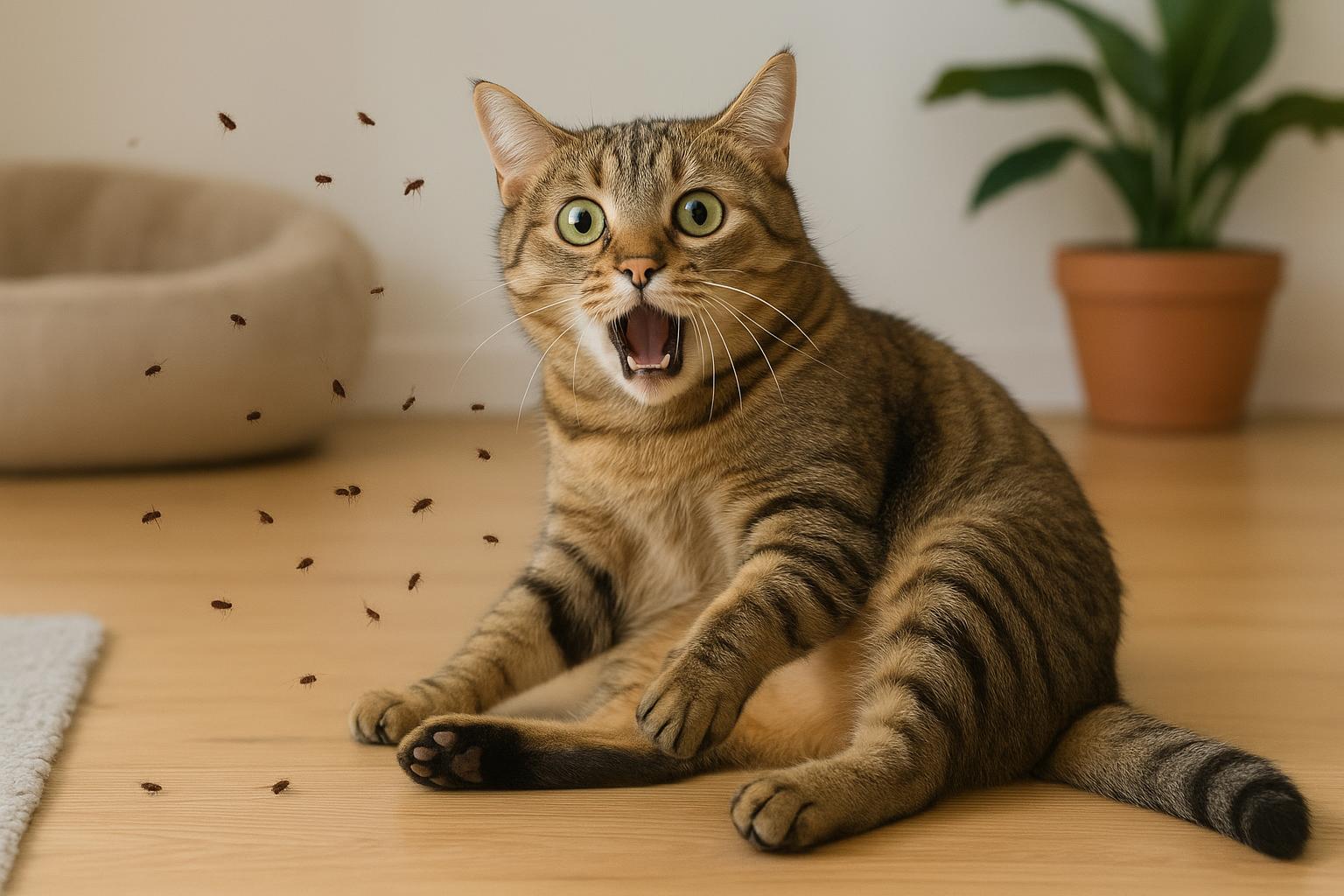
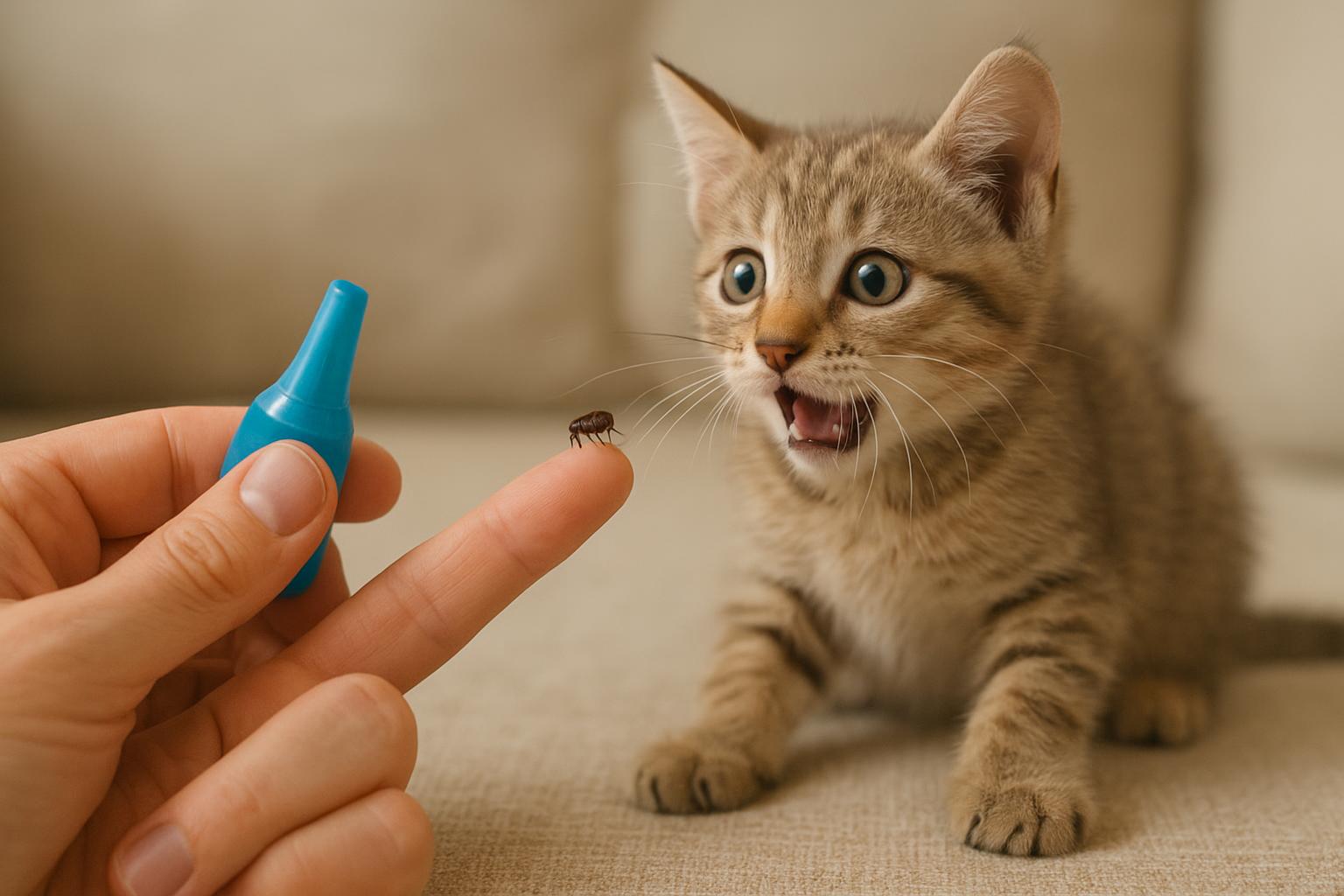
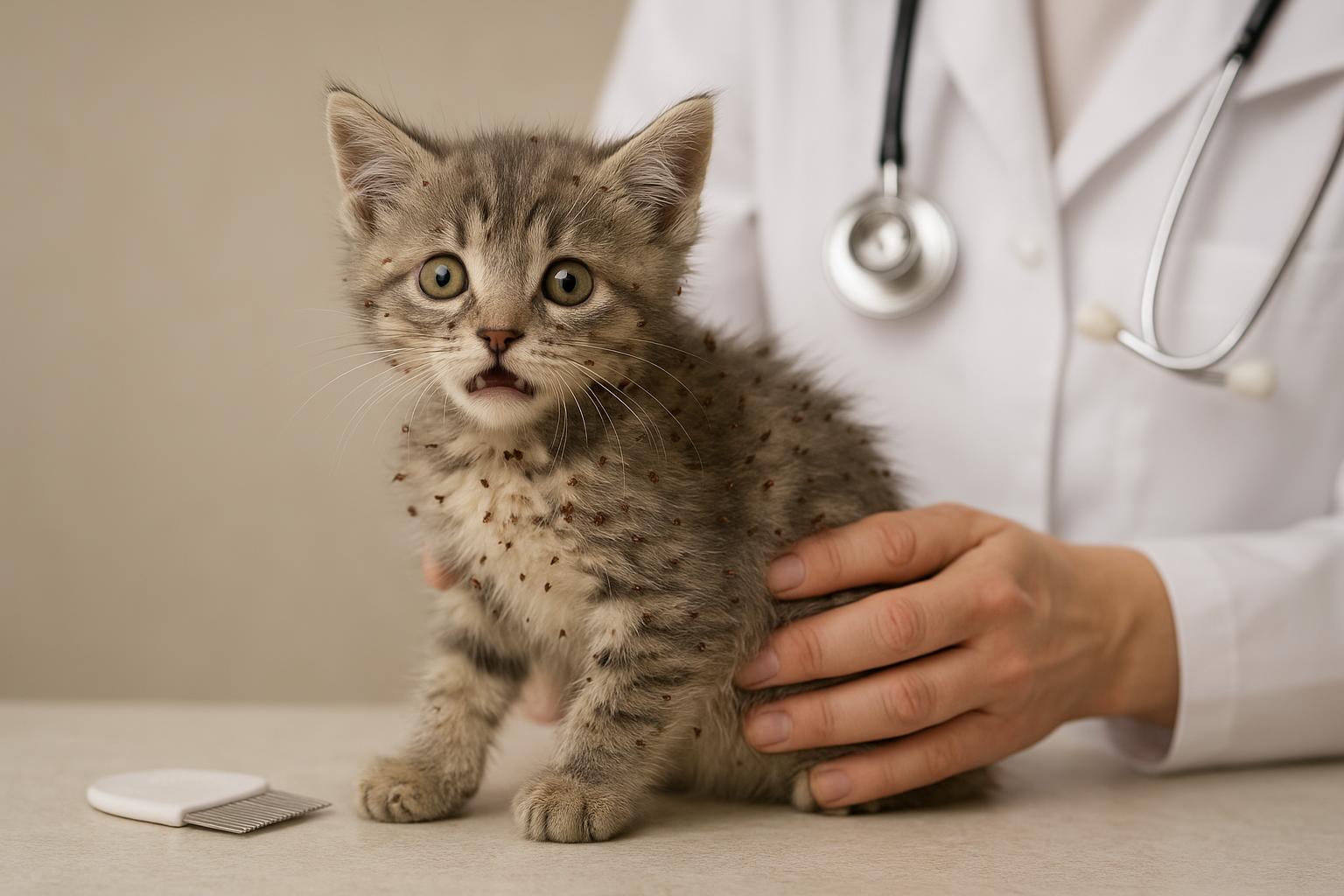
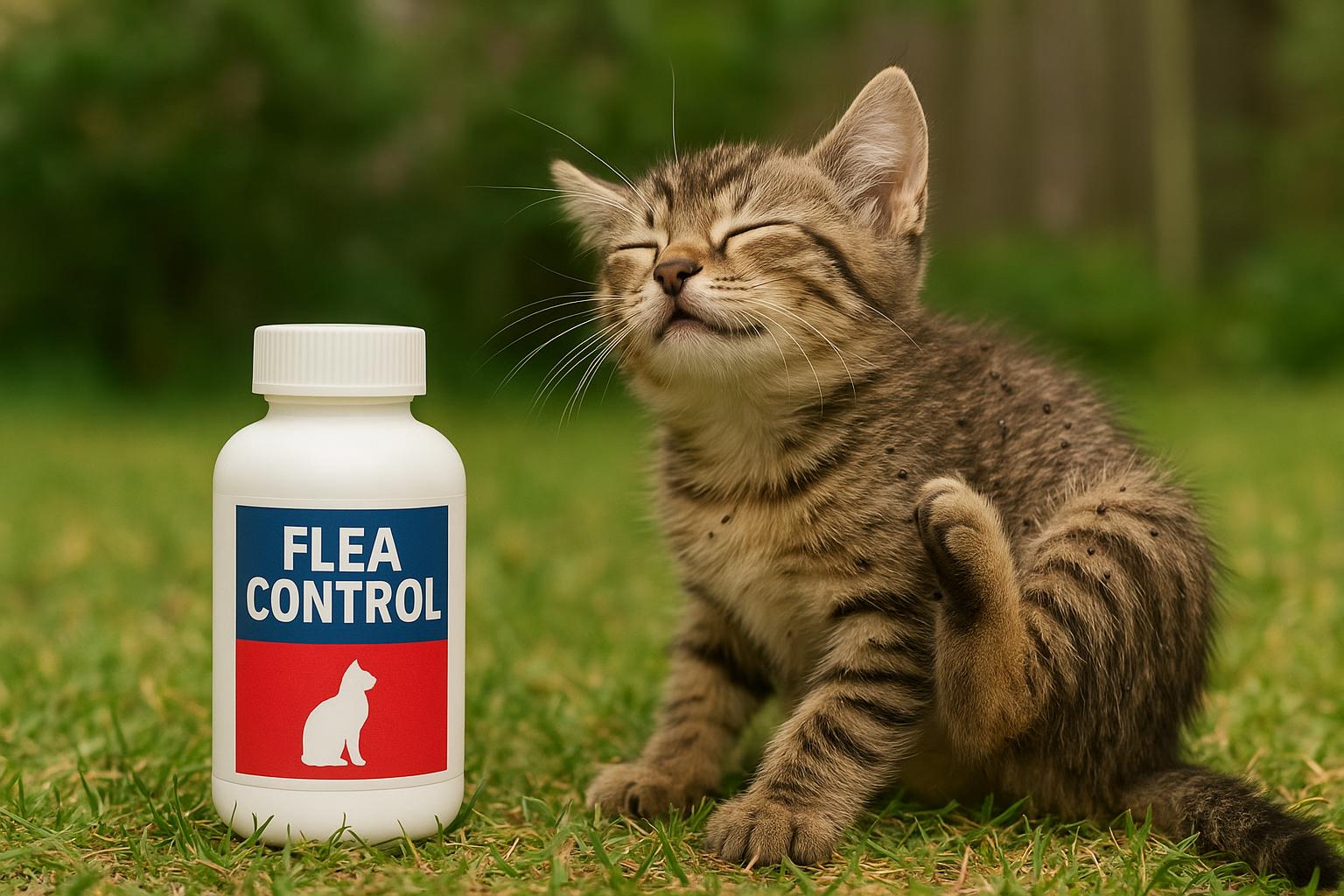
Kittens can’t tell you they have fleas, so learn these signals: frequent scratching or biting, small black specks (flea dirt) on the skin or in bedding, redness or scabs, and visible tiny dark insects moving through the fur. In pale kittens, anemia can present as weakness, pale gums, or decreased appetite. If you spot these, act quickly.
### Understanding The Flea Lifecycle
A little knowledge saves a lot of hassle. Fleas go through egg, larva, pupa, and adult stages. While you see the adults on your kitten, up to 95% of the population may be in the environment (bedding, carpets, furniture) as eggs or pupae. Effective young cat prevention treats both kitten and surroundings to break the cycle.
## Simple Home Strategies For Young Cat Prevention
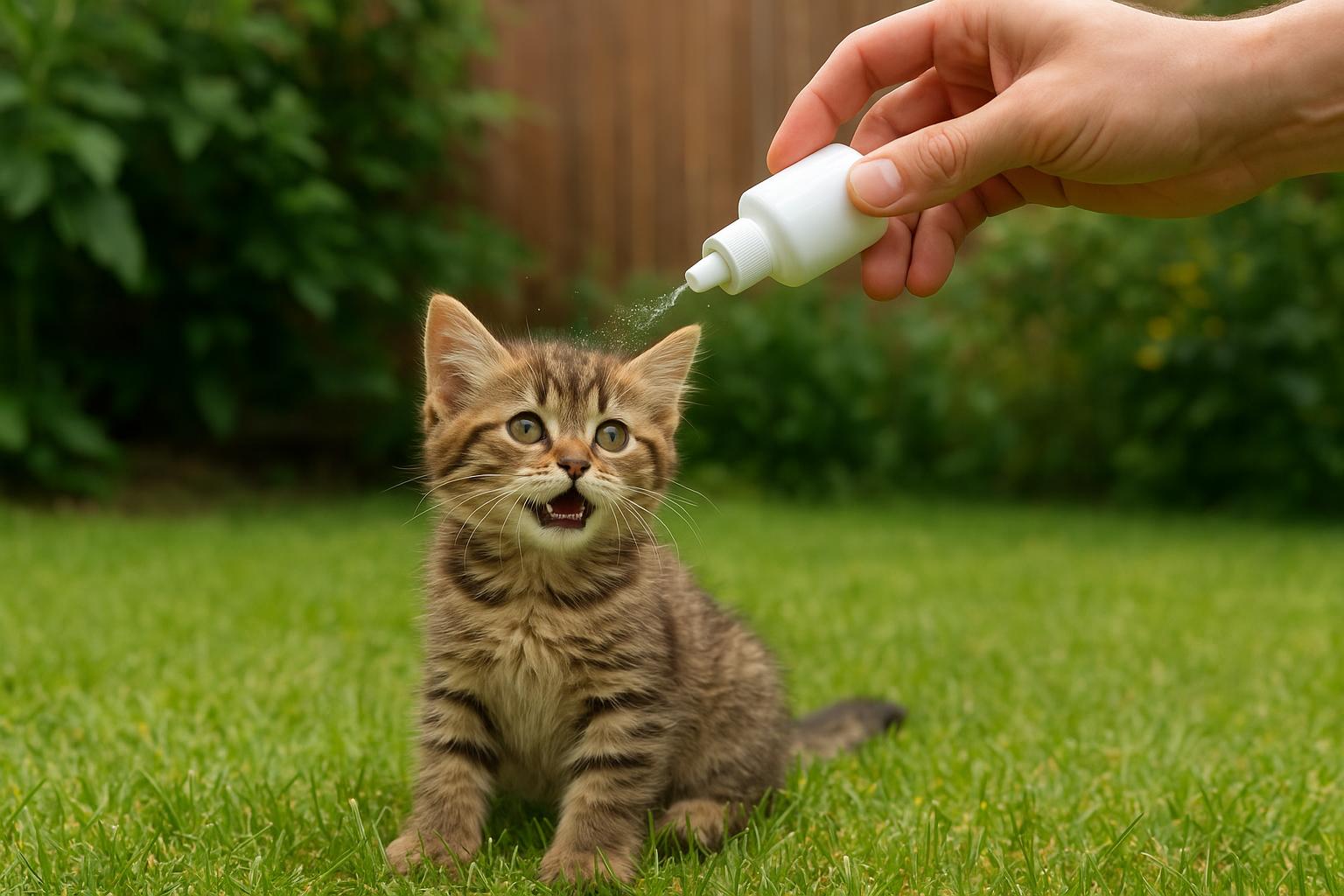
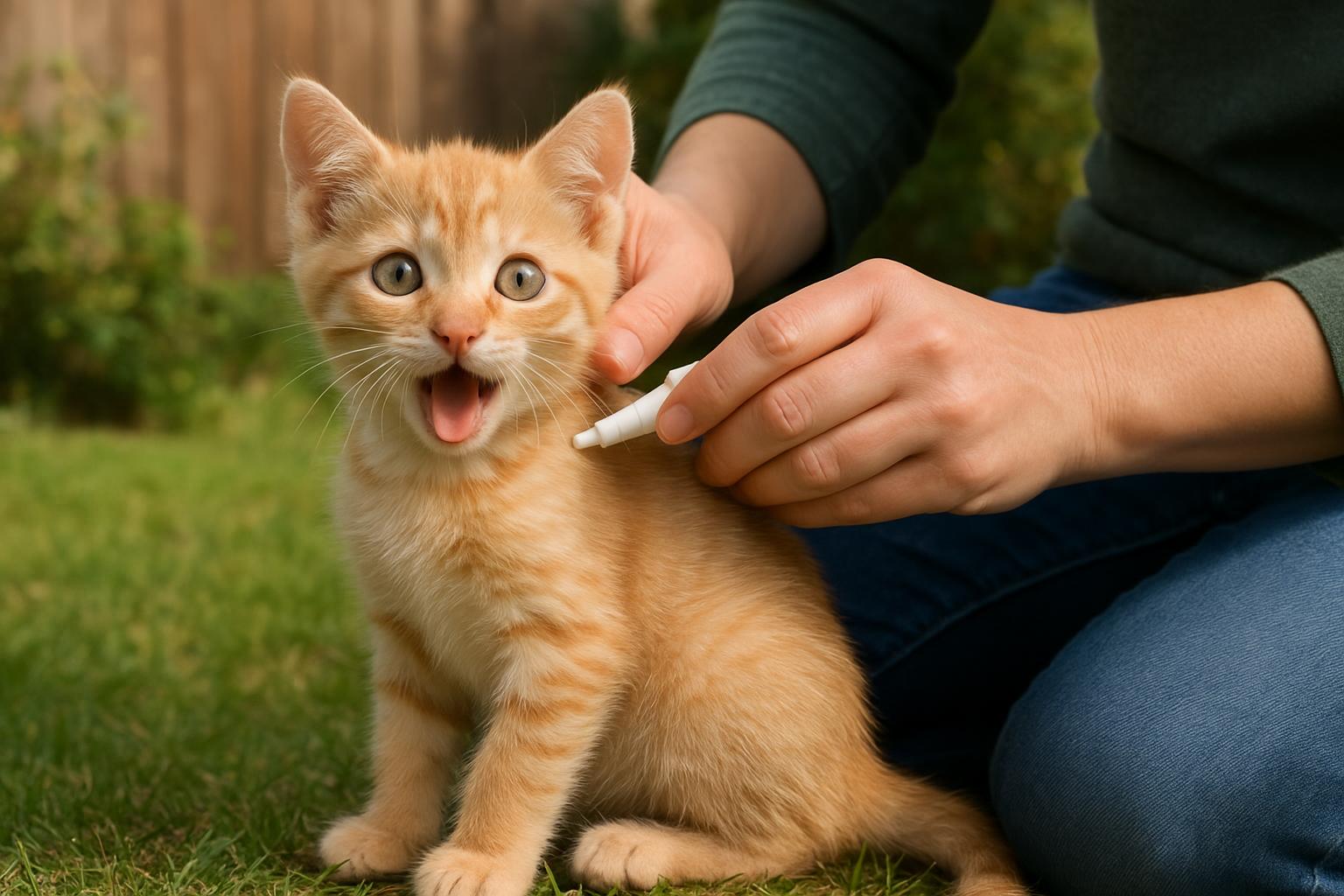
Prevention is easier, safer, and cheaper than emergency treatment. Start early—ask your veterinarian when it’s safe to begin preventative treatments for your kitten. Basic home habits can drastically reduce exposure and the chance of an outbreak.
### Routine Grooming And Inspection
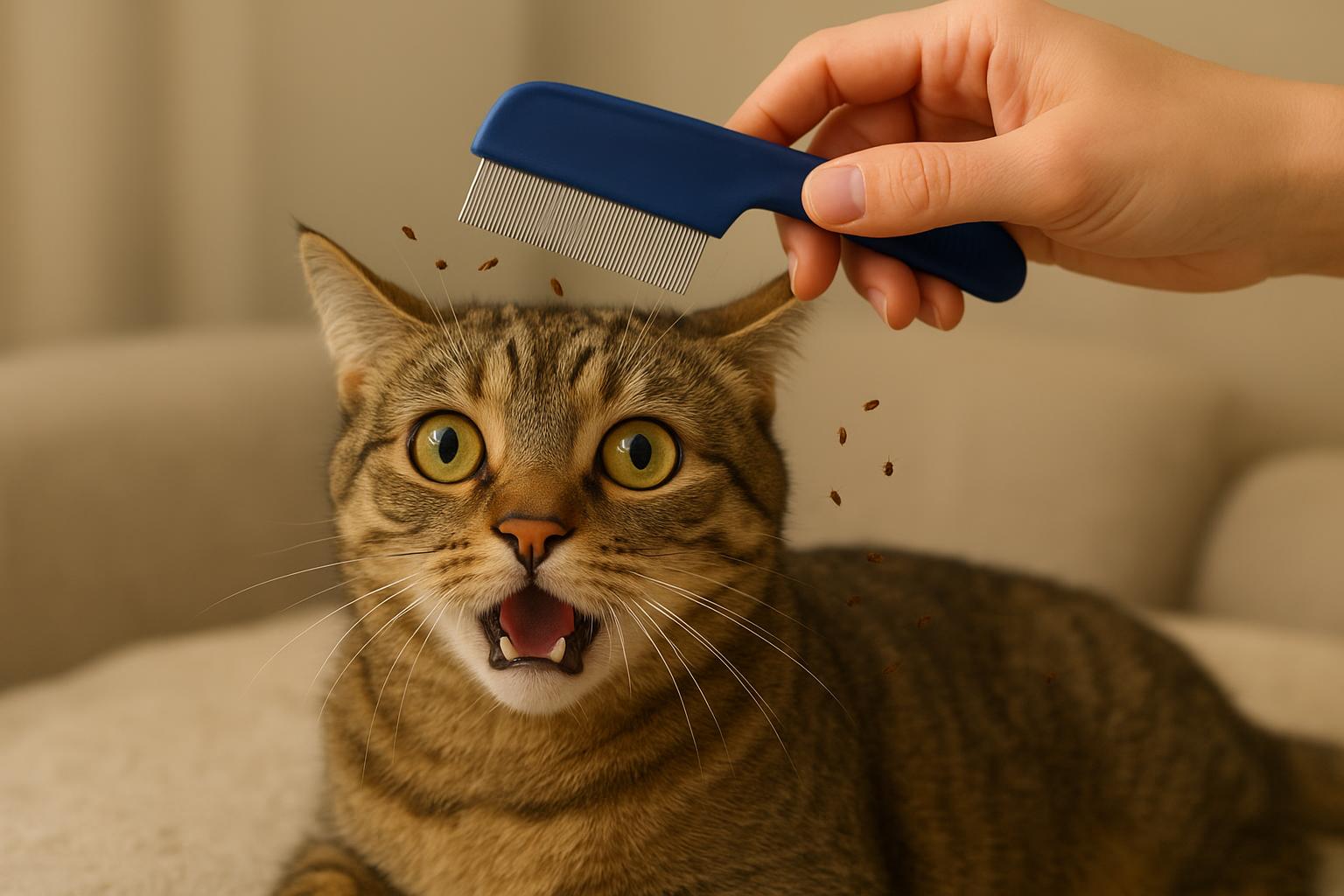
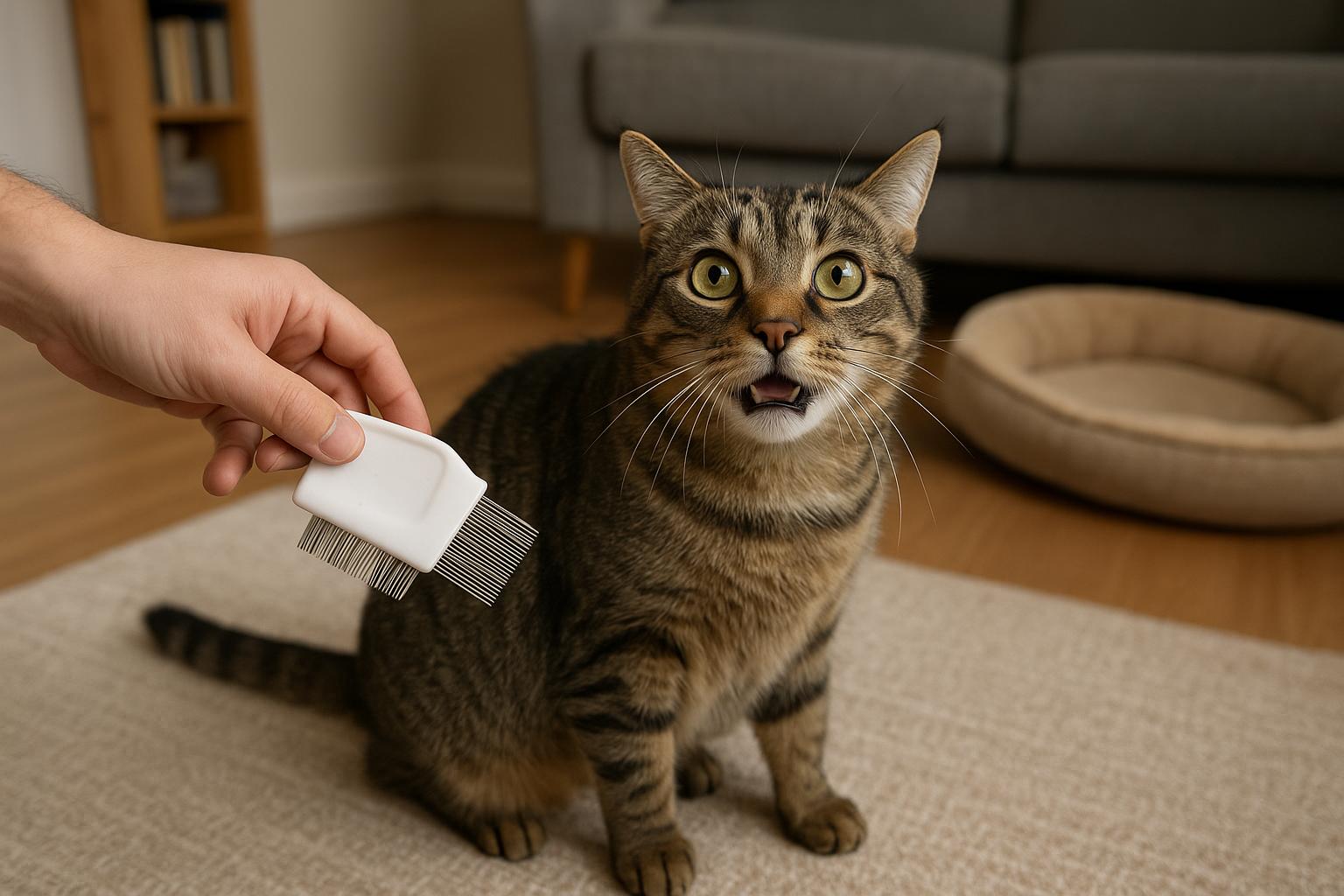
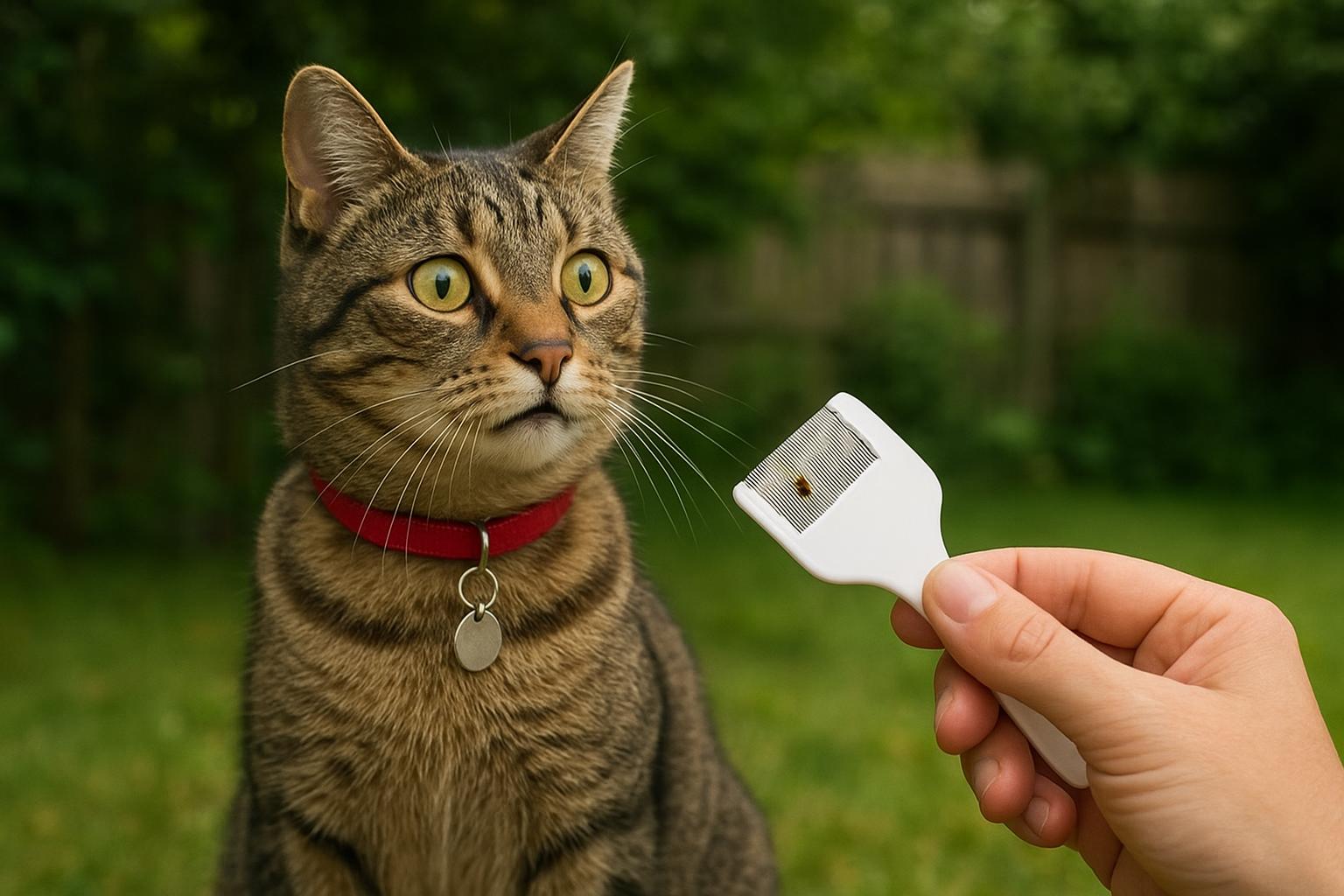
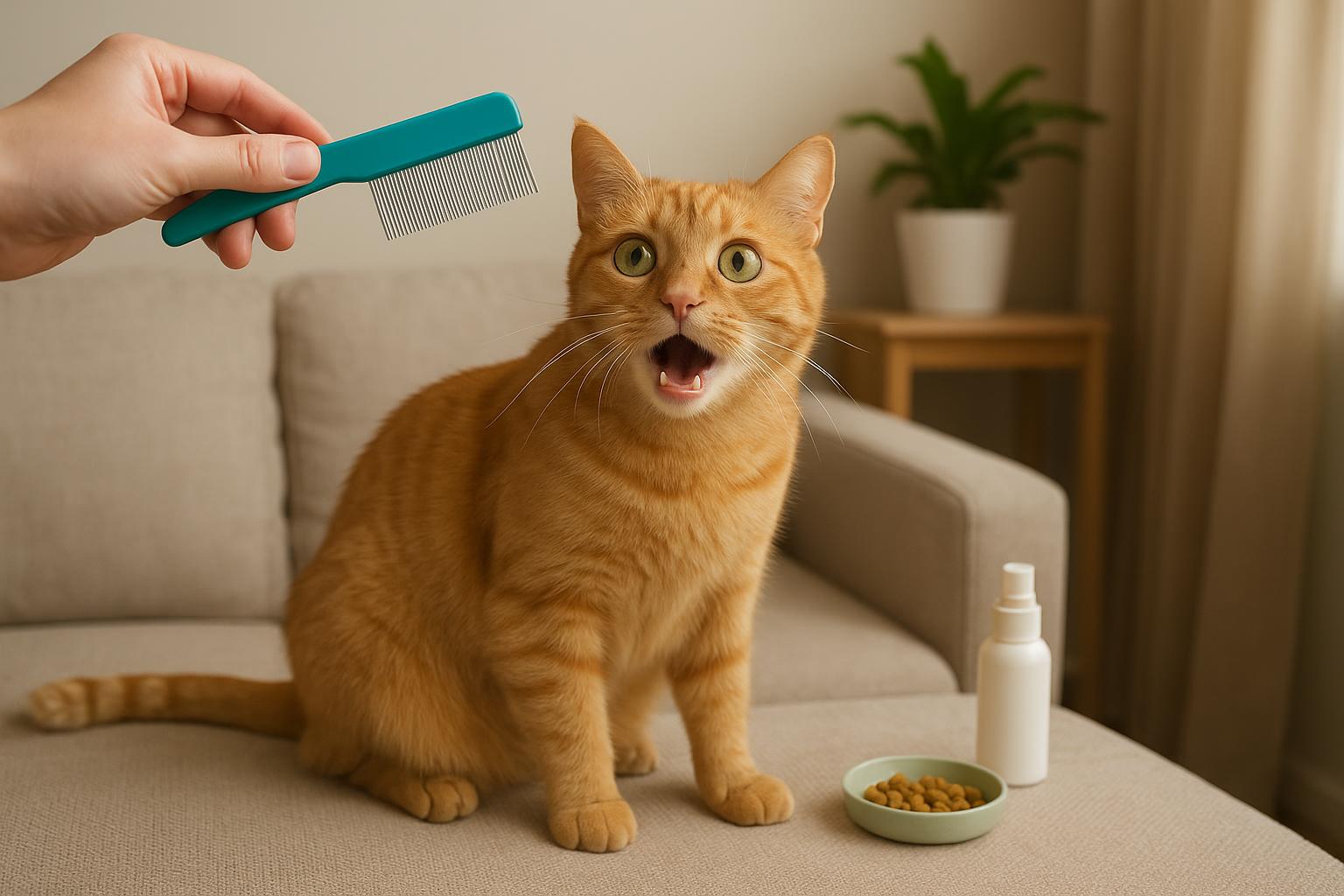
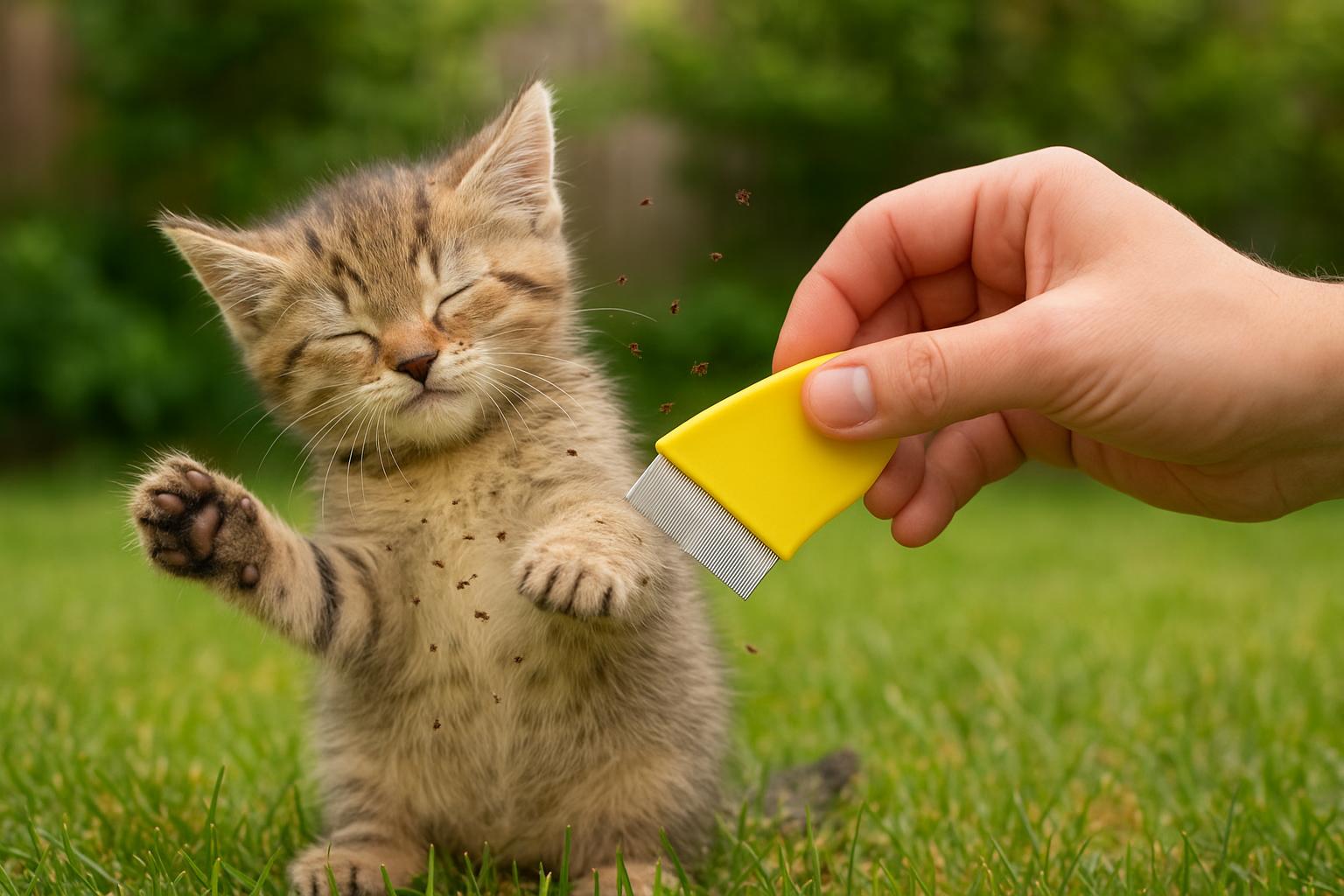
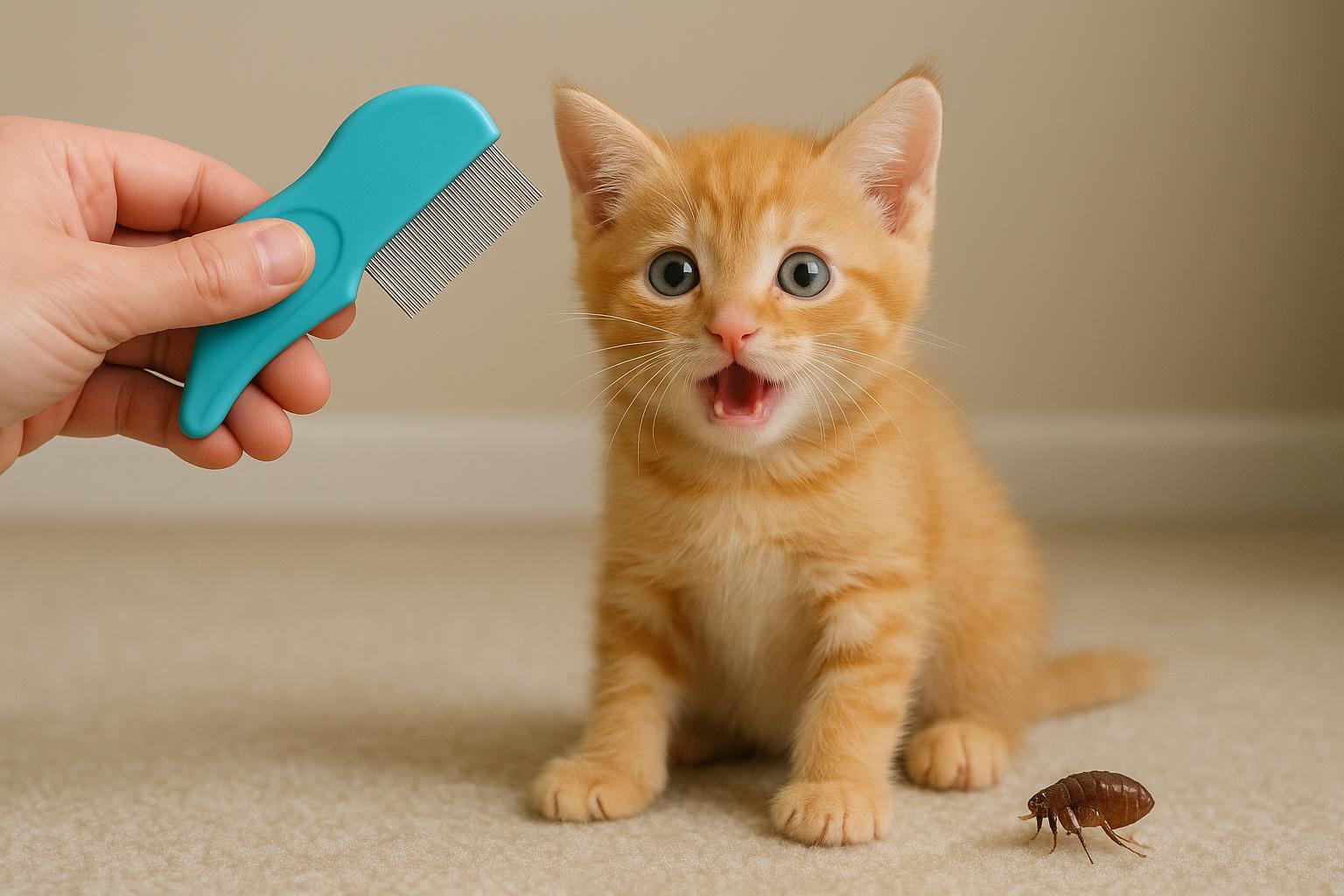
Groom your kitten with a flea comb at least twice a week in high-risk seasons. Even if you don’t find live fleas, discovering flea dirt means you should act. Grooming is also bonding time, which kittens usually tolerate better than, say, a wardrobe change.
### Household Cleaning And Yard Management
Clean bedding, vacuum carpets, and launder washable items on hot cycles. Outdoor areas should be kept tidy: mow grass, remove debris, and discourage wildlife that may carry fleas. These simple measures reduce the environmental reservoir of flea eggs and larvae.
### Minimize Cross-Exposure
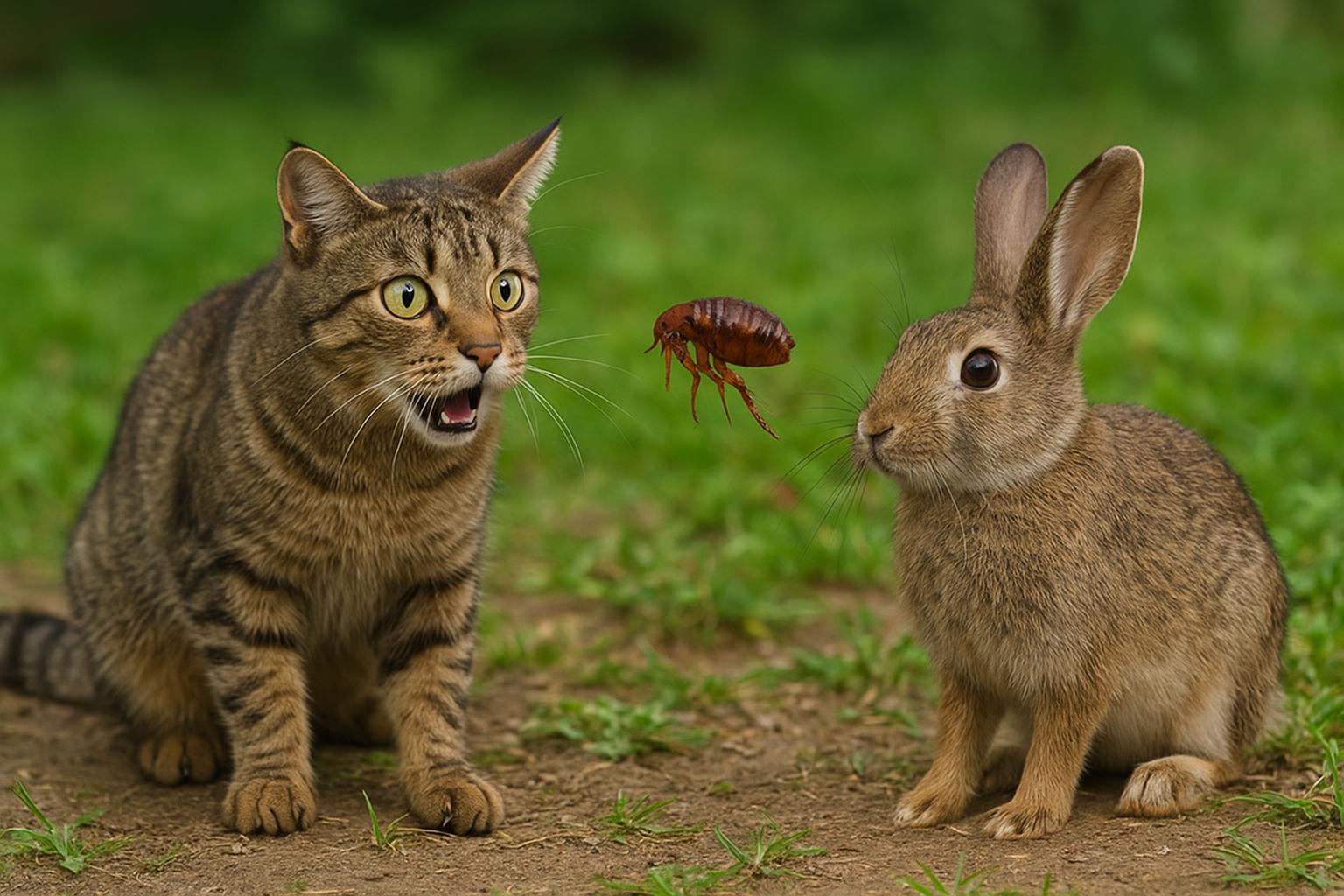
Limit your kitten’s contact with unfamiliar animals, especially feral or free-roaming adults. Inspect animals that visit your household. If you take your kitten to multi-cat environments (shelters, fosters, shows), always check them thoroughly afterward.
### When To Call The Vet
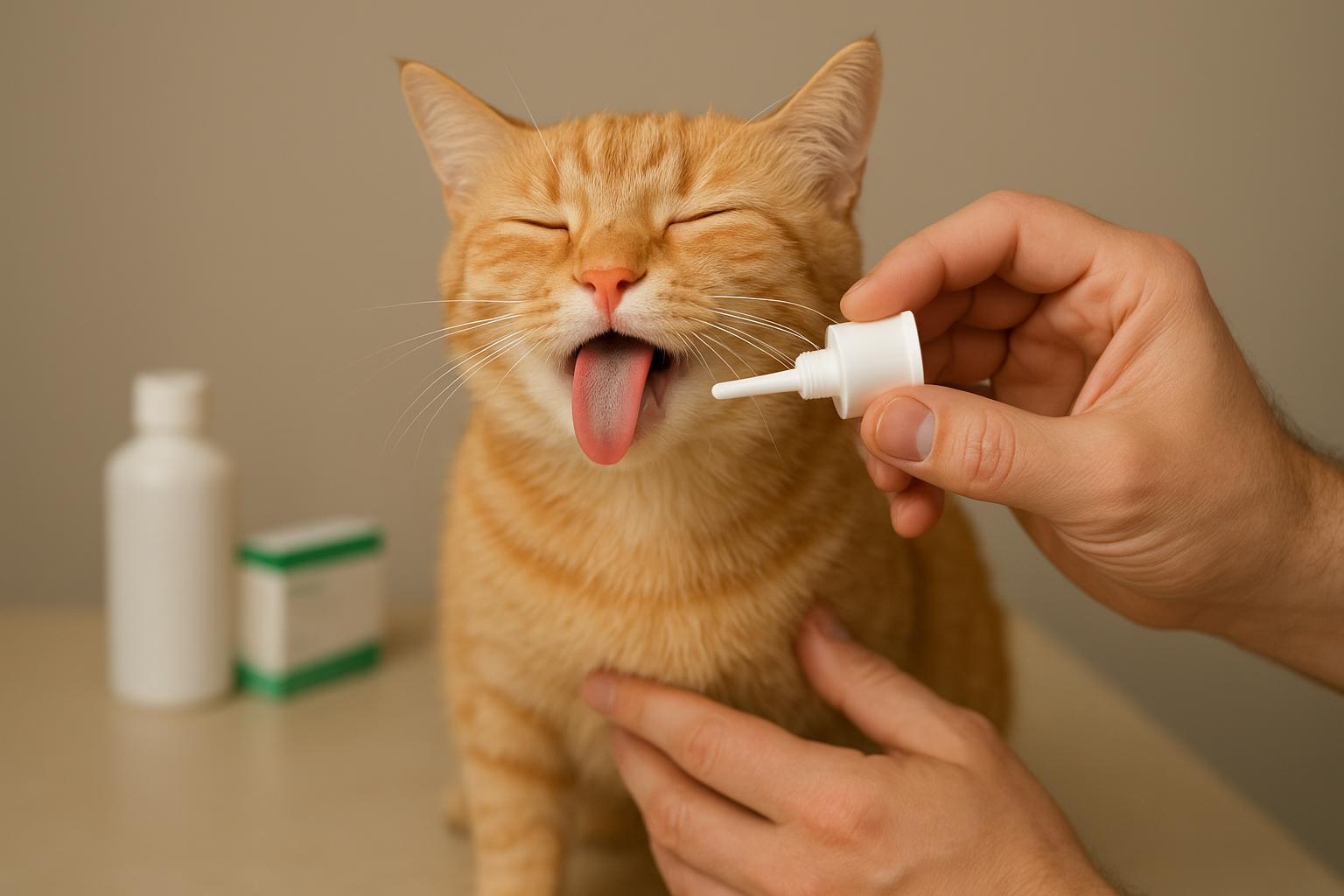
If your kitten shows signs of severe irritation, hair loss, visible anemia, lethargy, or if home measures don’t reduce fleas within a few days, contact your veterinarian immediately. Professional advice is essential for safe, effective treatment in very young or compromised kittens.
### Remedies 1 And 2: Natural Flea Spray And Comb Routine (Numbered Remedies)
Below are two practical remedies—one environmental (spray) and one direct (comb/bath protocol). Because multiple remedies are included, they’re numbered in the headlines. The following sections present ingredients/materials and step-by-step procedures. These remedies are safe when used as directed for kittens old enough for grooming and water exposure; always consult your vet before applying any product to very young kittens or those who are ill.
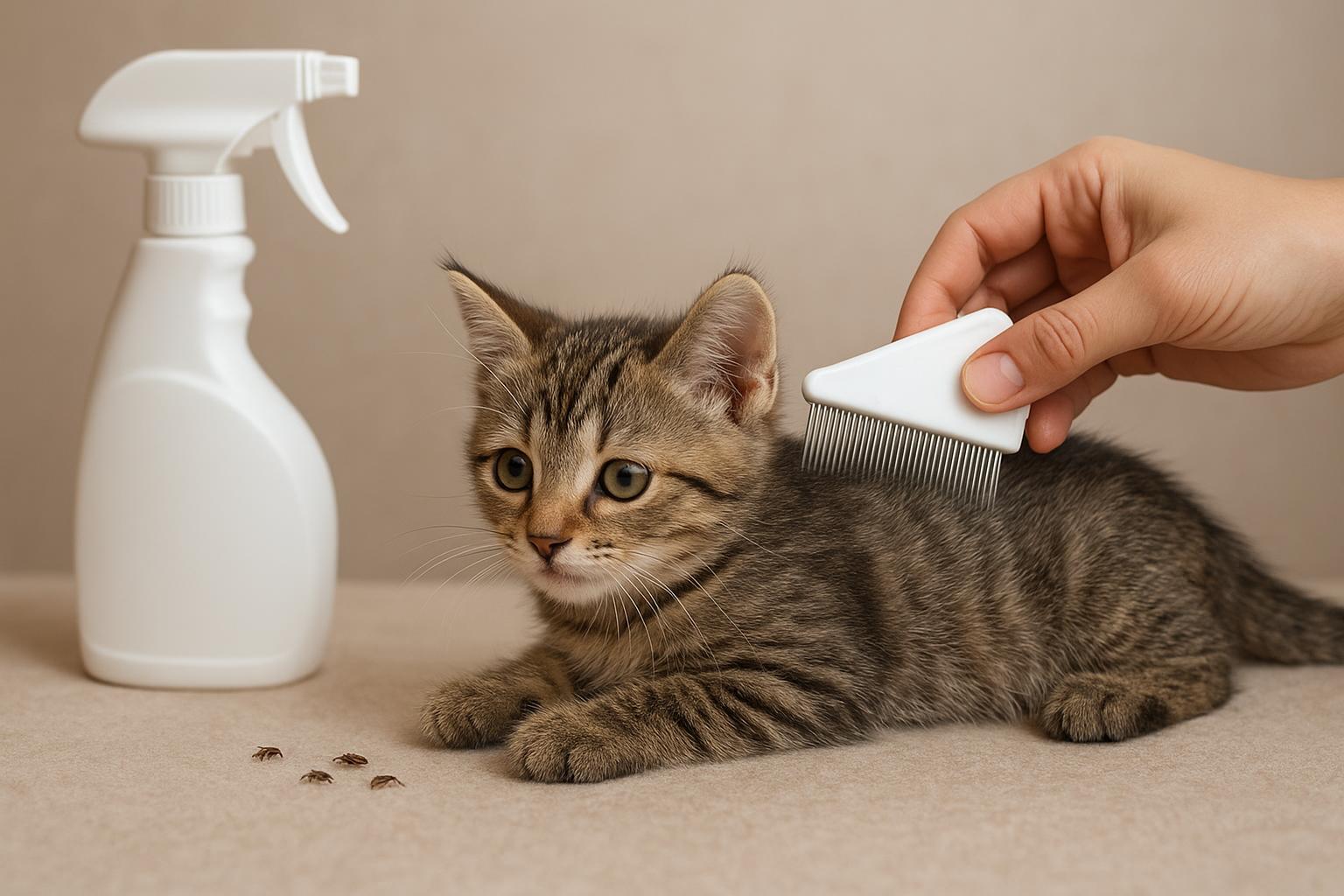
### Remedy 1: Homemade Flea Spray For Young Cat Prevention
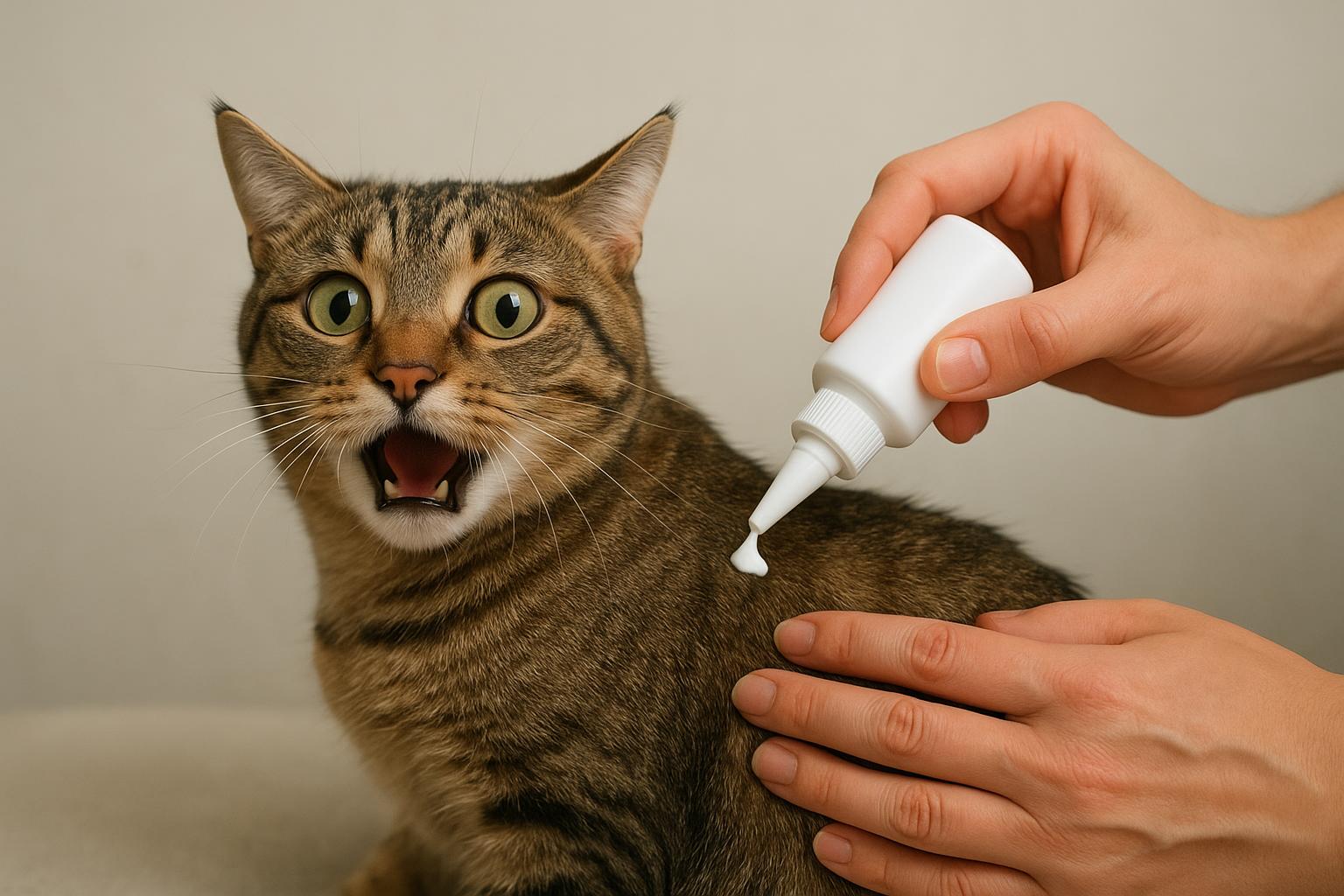
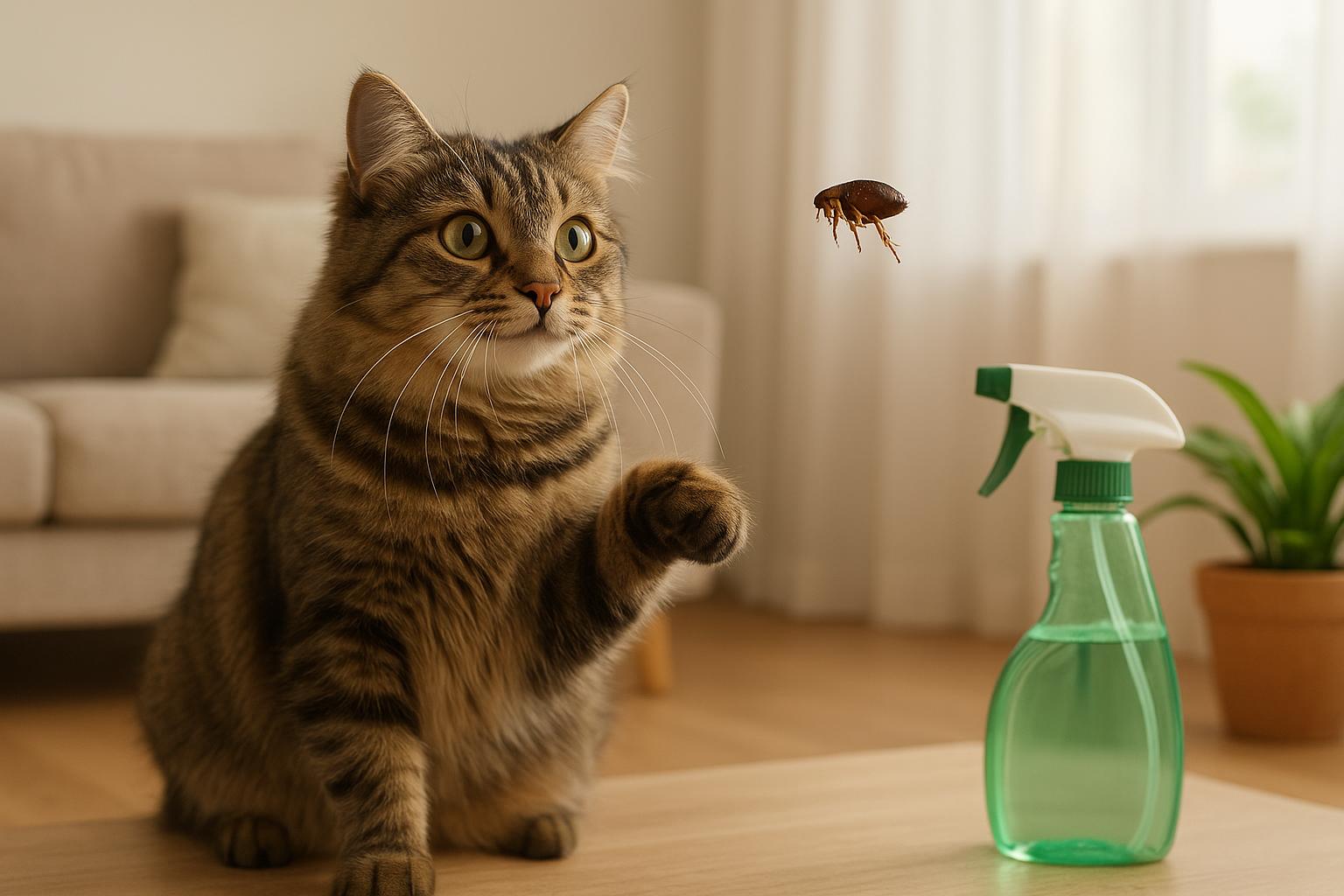
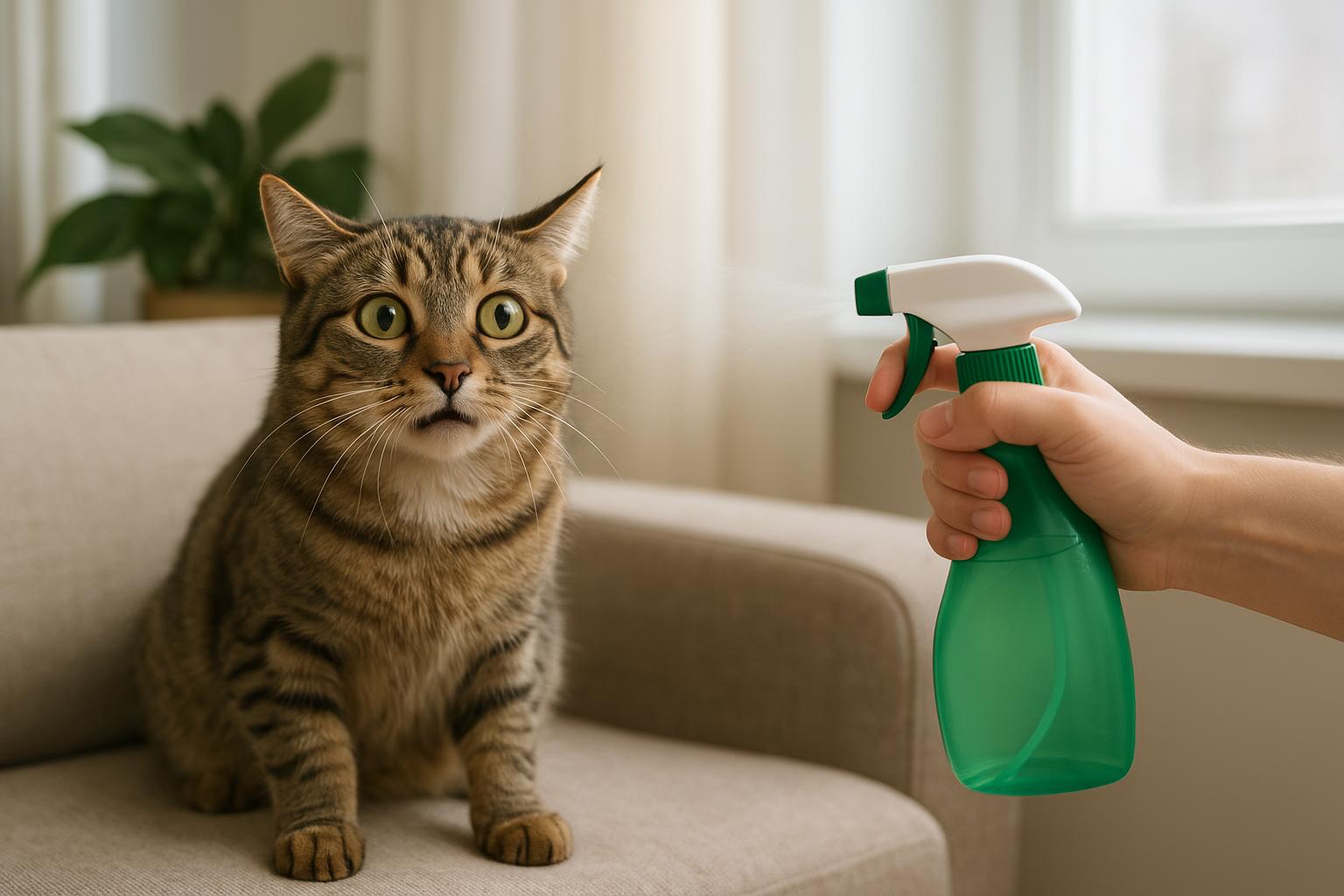
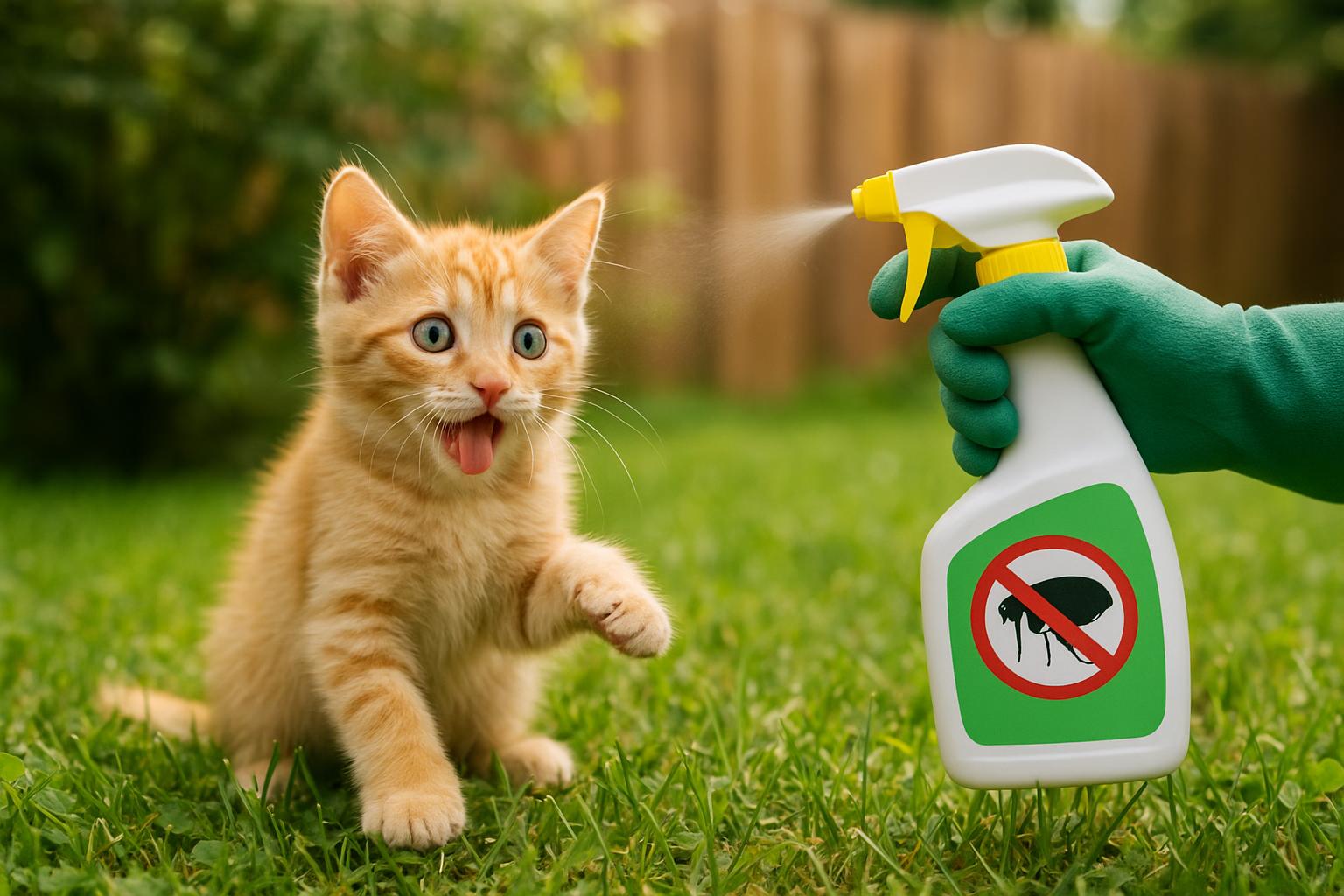
This spray is intended for bedding, carriers, and washable soft furnishings—not for direct application to the kitten’s skin. It reduces flea eggs and repels adults in the environment.
#### Ingredients And Materials
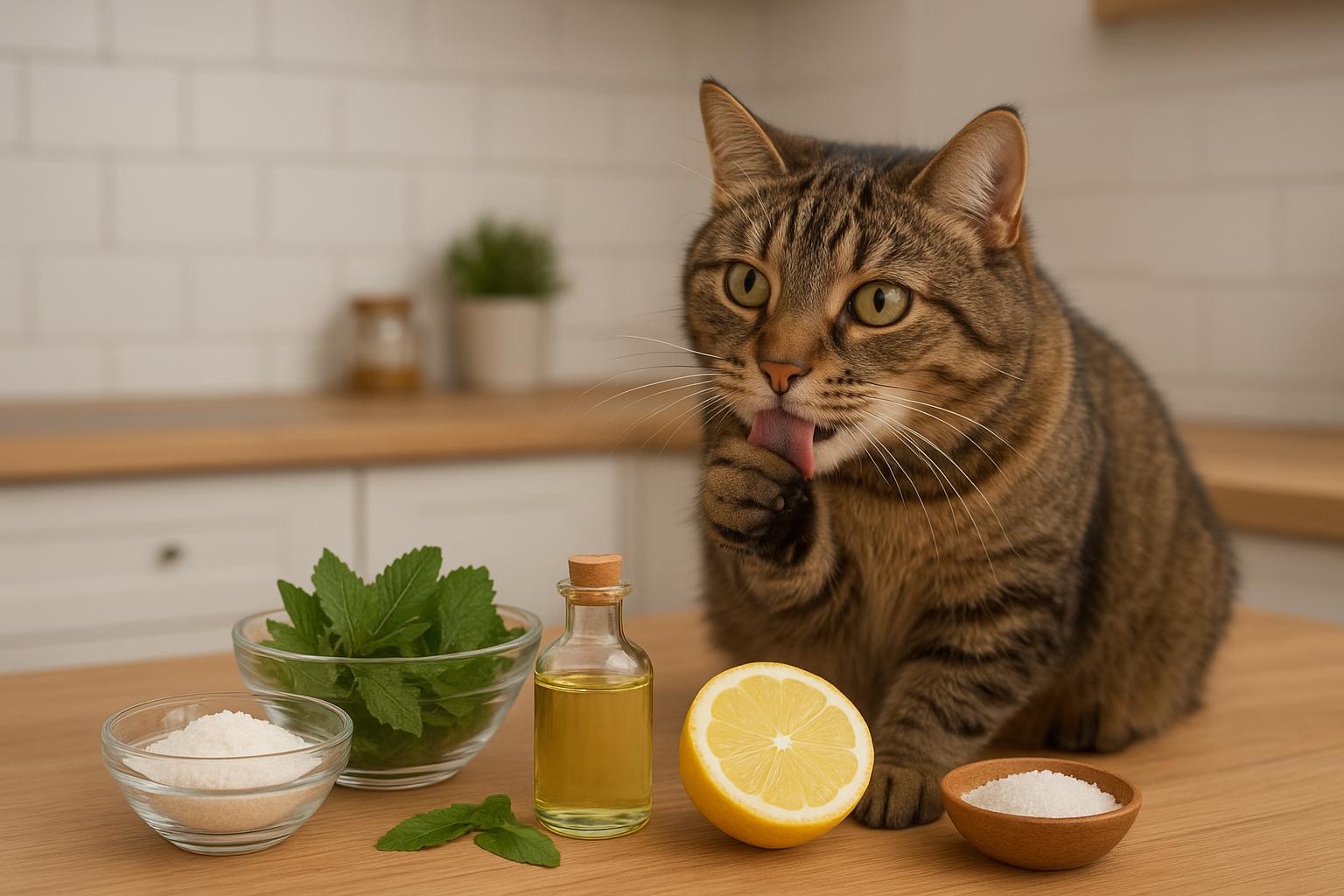
– 2 cups distilled water
– 1 cup white vinegar (5% acetic acid)
– 1/4 cup lemon juice (freshly squeezed)
– 1 tablespoon liquid castile soap (unscented preferred)
– Optional: 10 drops of cedarwood essential oil (use only if kitten-safe and after vet approval)
– Spray bottle (opaque or dark to protect any essential oils)
– Funnel and measuring cup
#### Preparation And Application Steps
1. Combine the distilled water and white vinegar in a clean container.
2. Add the lemon juice and liquid castile soap; stir gently to combine. If using cedarwood oil, add the drops now and mix well.
3. Using a funnel, pour the mixture into the spray bottle and label it clearly as “Flea Spray—Not For Kitten Skin.”
4. Before first use, test a small corner of fabric to ensure no discoloration or material reaction.
5. Apply to bedding, carrier interiors, and upholstered furniture by misting lightly—do not saturate fabrics. Avoid spraying near open food, water bowls, or where the kitten sleeps immediately; allow items to dry fully before reuse.
6. Use once weekly in high-risk periods and after vacuuming. Store in a cool, dark place and discard after two weeks; make fresh batches regularly.
Safety Notes (Formal): Vinegar and lemon juice lower surface pH and can deter fleas and affect eggs, but they are not insecticides. This spray reduces environmental numbers but does not replace veterinary-prescribed topical or oral products intended for kittens. Avoid use of essential oils around kittens unless your vet explicitly approves the specific oil and concentration.
### Remedy 2: Flea Comb And Bath Routine For Young Cat Prevention
This is a direct, kitten-friendly regimen to physically remove fleas and soothe irritated skin. It’s useful as both prevention and early treatment when fleas are detected.
#### Materials Required
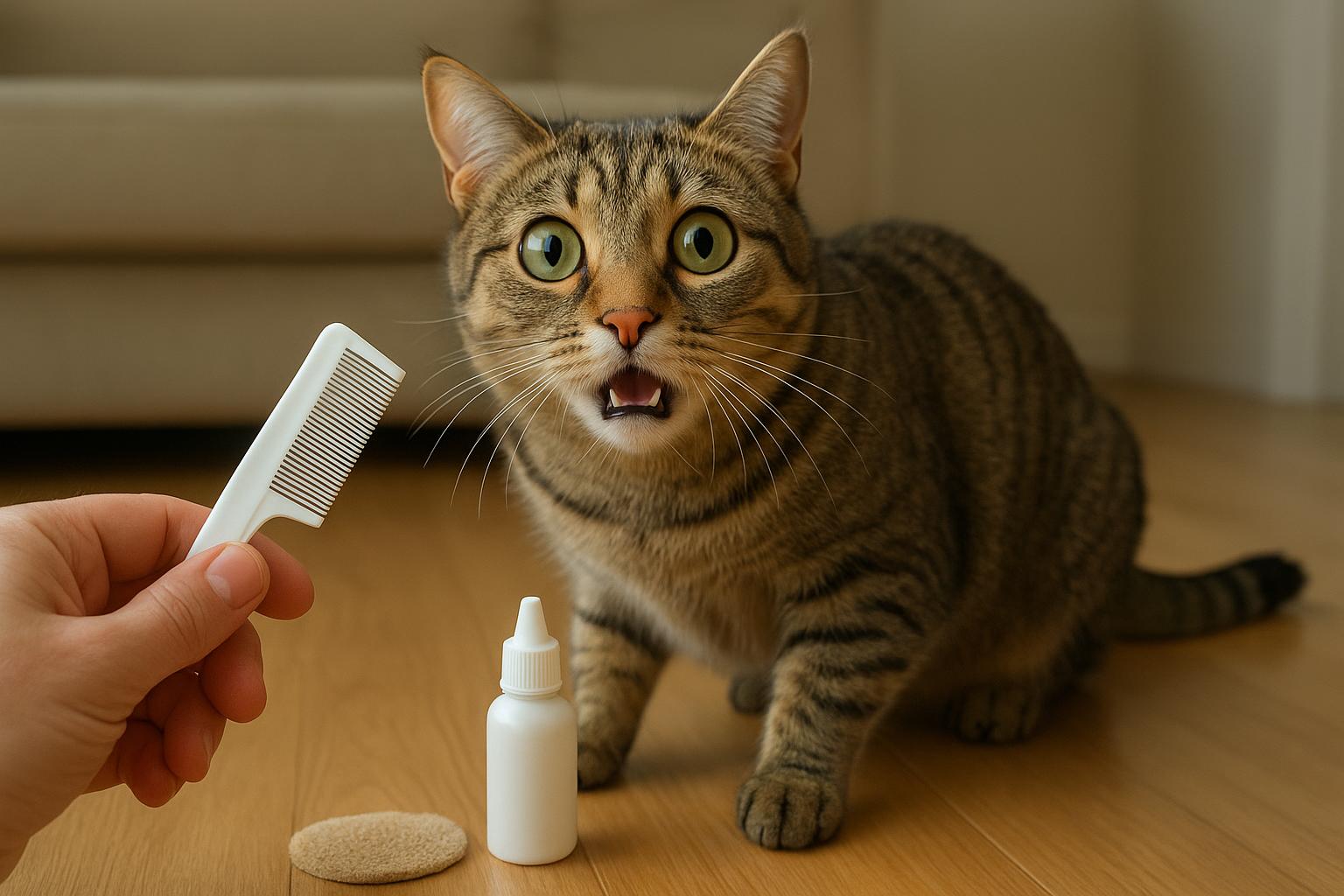
– Fine-toothed flea comb (metal teeth)
– Mild kitten-formulated shampoo (vet-approved)
– Large tub or sink with warm water (comfortable temperature)
– Towels for drying
– Disposable gloves (optional)
– Dish with soapy water to drown combed fleas
– Clean, warm area for post-bath rest
#### Step-By-Step Procedure
1. Prepare the space: Have towels, shampoo, and comb within reach. Fill the sink or tub with 3–4 inches of warm water—not hot.
2. Pre-comb: Before bathing, gently comb the kitten from head to tail over a white towel or sheet. Wipe the comb on the towel after each pass—if you see moving black specks, those are fleas. Drop any live fleas into the soapy water dish to ensure they don’t return.
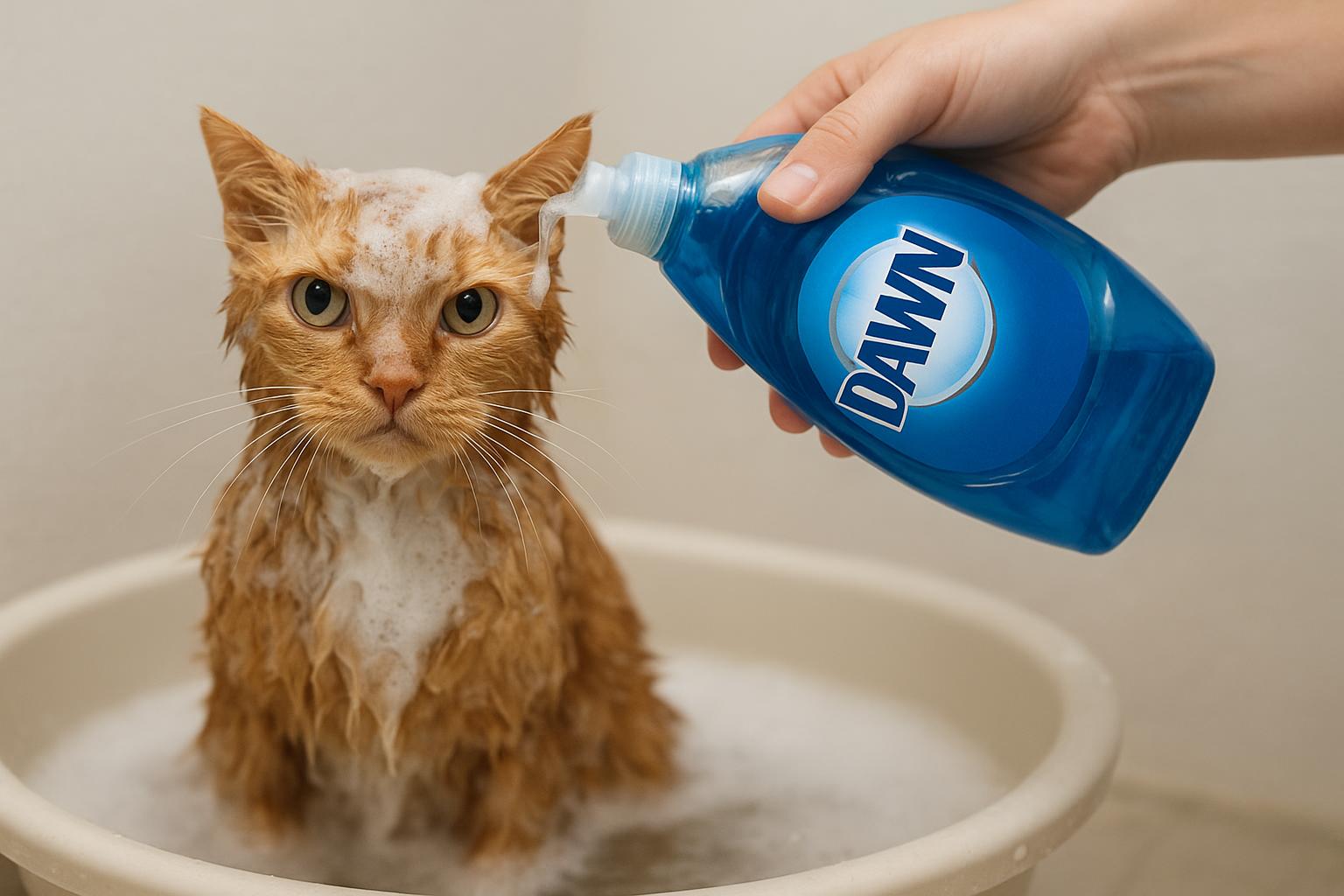
3. Bathing (if vet-approved for age): Wet the kitten slowly, keeping the head dry initially. Apply a small amount of kitten shampoo, lather gently, and rinse thoroughly. Avoid getting soap in the kitten’s eyes, ears, and mouth. Baths can help remove adult fleas and soothe skin but may be stressful—limit to when necessary and recommended by your vet.
4. Post-bath combing: After towel-drying, comb again to remove any remaining fleas. Repeat every 2–3 days for two weeks to catch newly hatched adults from the environment.
5. Observe and record: Note the number of fleas removed and any skin changes. If fleas persist despite diligent combing and environmental measures, seek veterinary treatment.
Clinical Note (Formal): Mechanical removal via combing is effective and safe. Baths can remove fleas but should be used judiciously to avoid hypothermia in young kittens. Use only shampoos formulated for kittens and follow veterinary advice regarding frequency and suitability.
### Additional Practical Tips And Common Mistakes
Kittens can pick up fleas from humans’ shoes, other pets, or wildlife. Don’t assume indoor-only means flea-free—fleas can hitch a ride on your clothing. Avoid using adult cat flea products on kittens unless explicitly allowed by the manufacturer and your vet; concentrations differ and can be toxic to very young animals. Also, don’t rely solely on DIY remedies for severe infestations—professional-grade flea control, prescribed by a veterinarian, may be required.
Maintain a simple record: date of first inspection, treatments performed, and any vet visits. This helps trace patterns and informs your young cat prevention plan moving forward.
If you’re fostering multiple kittens, quarantine new arrivals briefly and inspect them thoroughly. A little extra caution now prevents a major hassle later—and preserves your furniture and sanity.
Keep an eye on your kitten, act quickly at the first sign of trouble, and blend common-sense home care with professional guidance. Young cat prevention is about steady, smart routines—no need for drama, just a few practical habits and the right remedies when needed.




Leave a Reply