
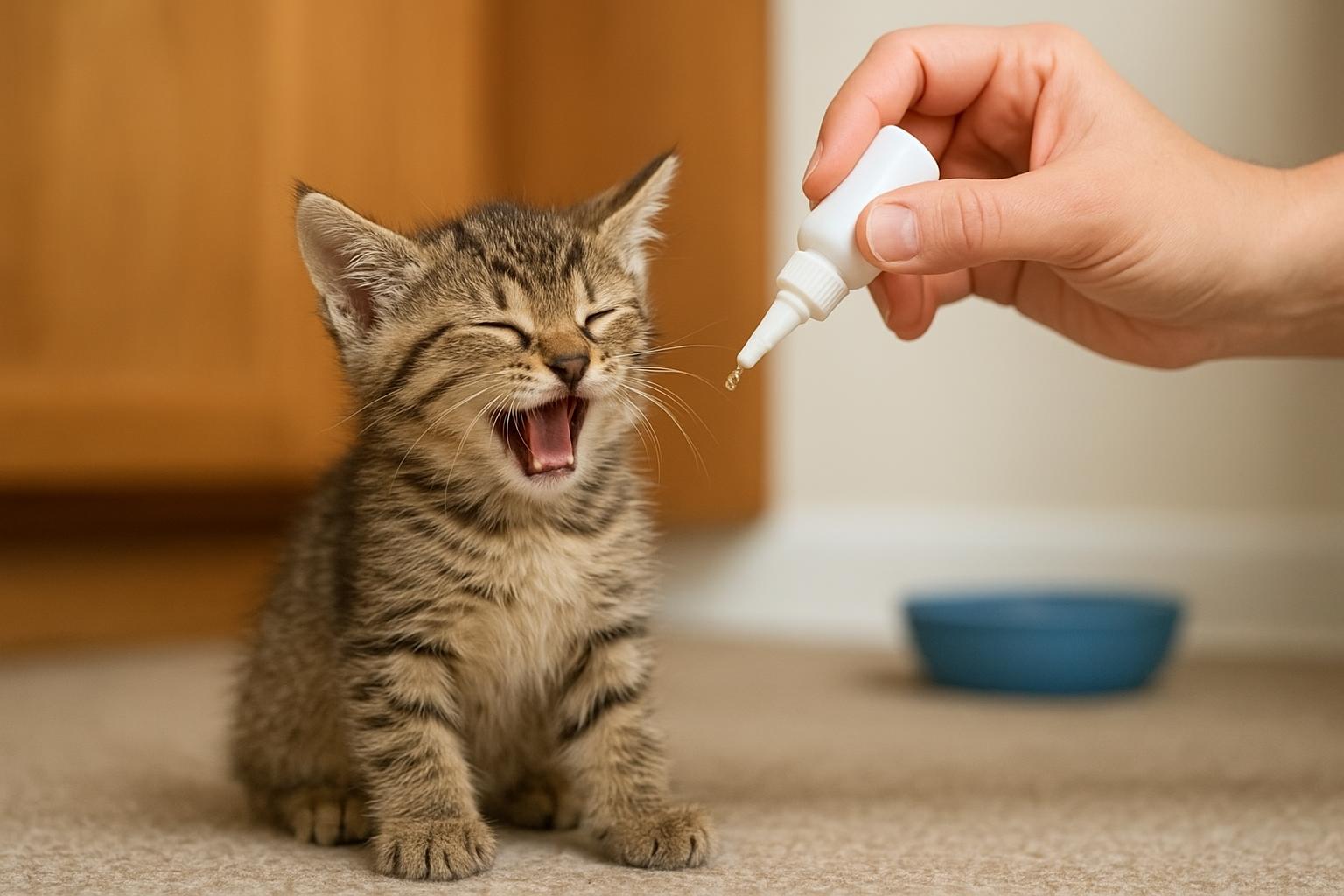
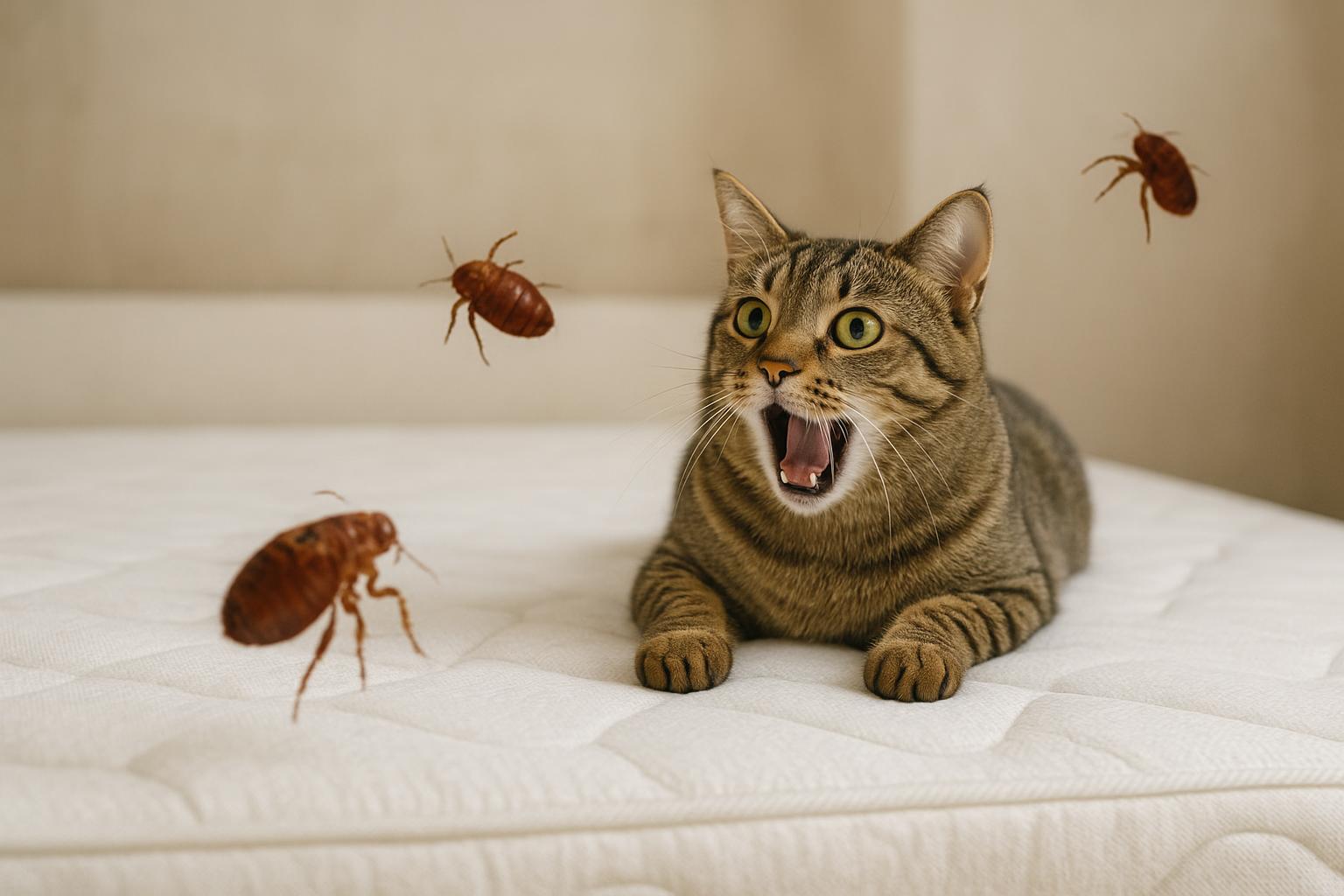
Kittens are tiny tornadoes of fluff, curiosity, and unfortunately, vulnerability — especially when it comes to fleas. If you’ve just discovered your little furball scratching like they’re trying out jazz hands, breathe. You can take meaningful steps at home today to help reduce discomfort and stop an infestation from spreading. This guide is relaxed, friendly, and—when it matters—firmly practical, packed with safe, tested approaches to give your kitten genuine flea relief.
## Quick Flea Relief For Kittens
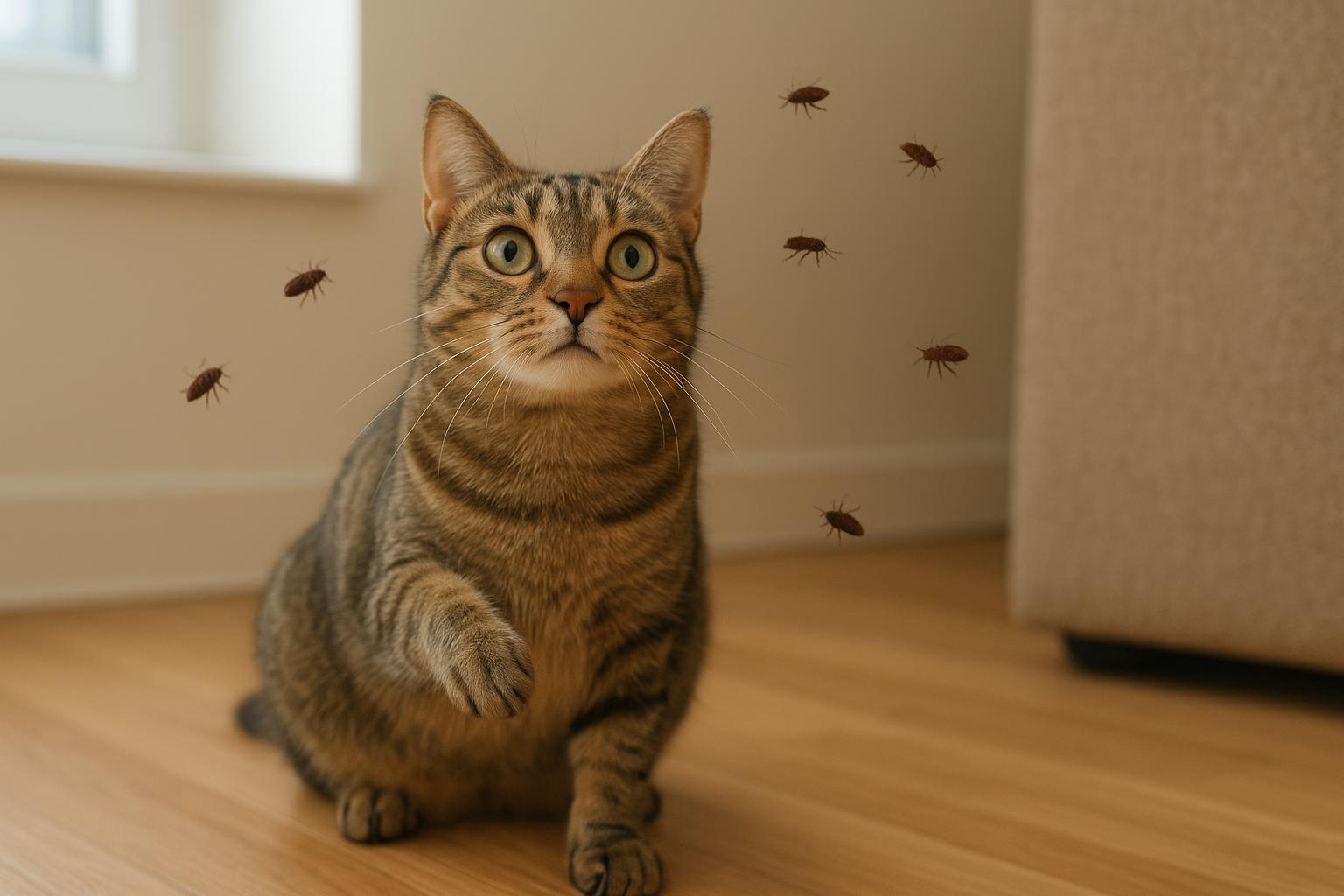
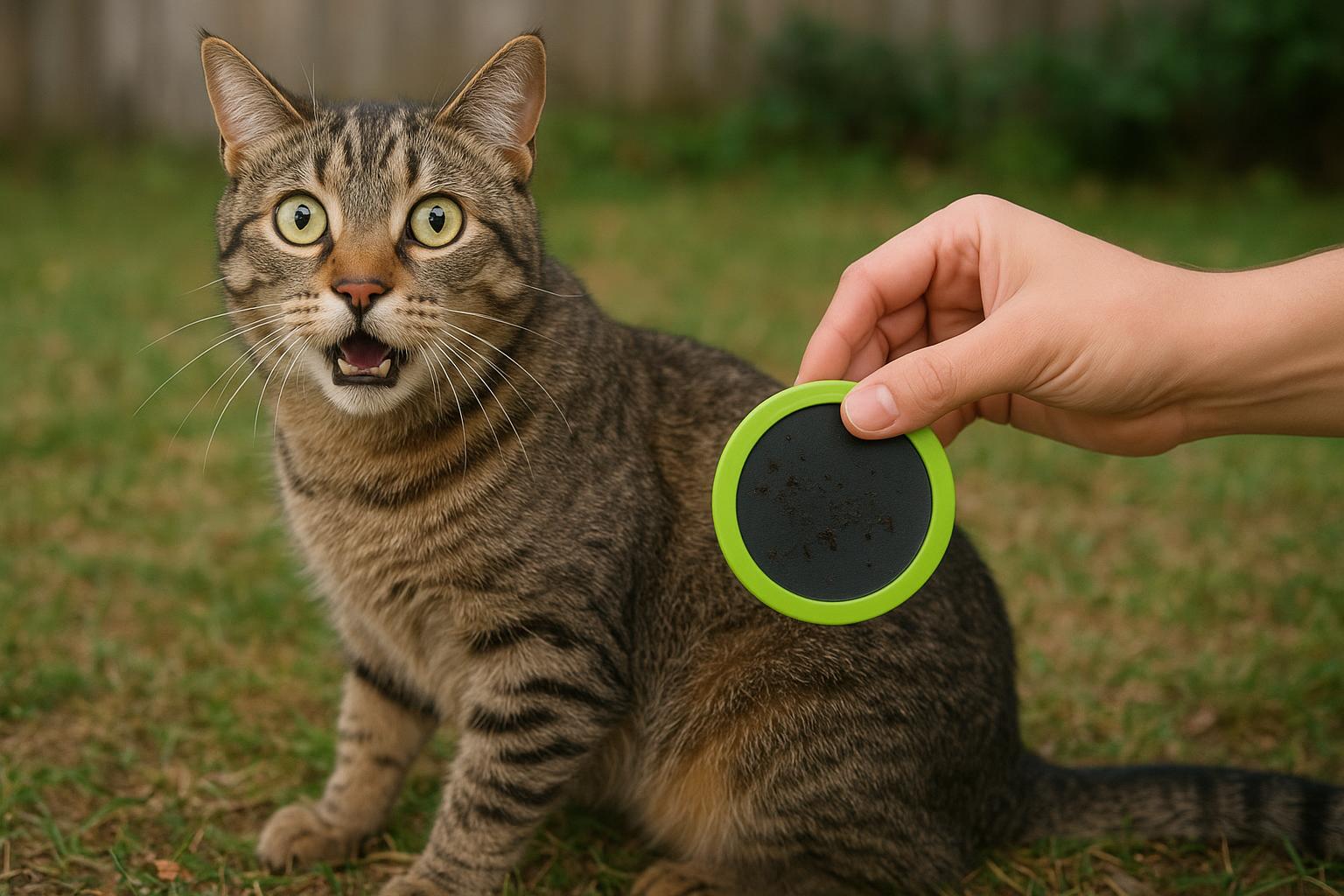
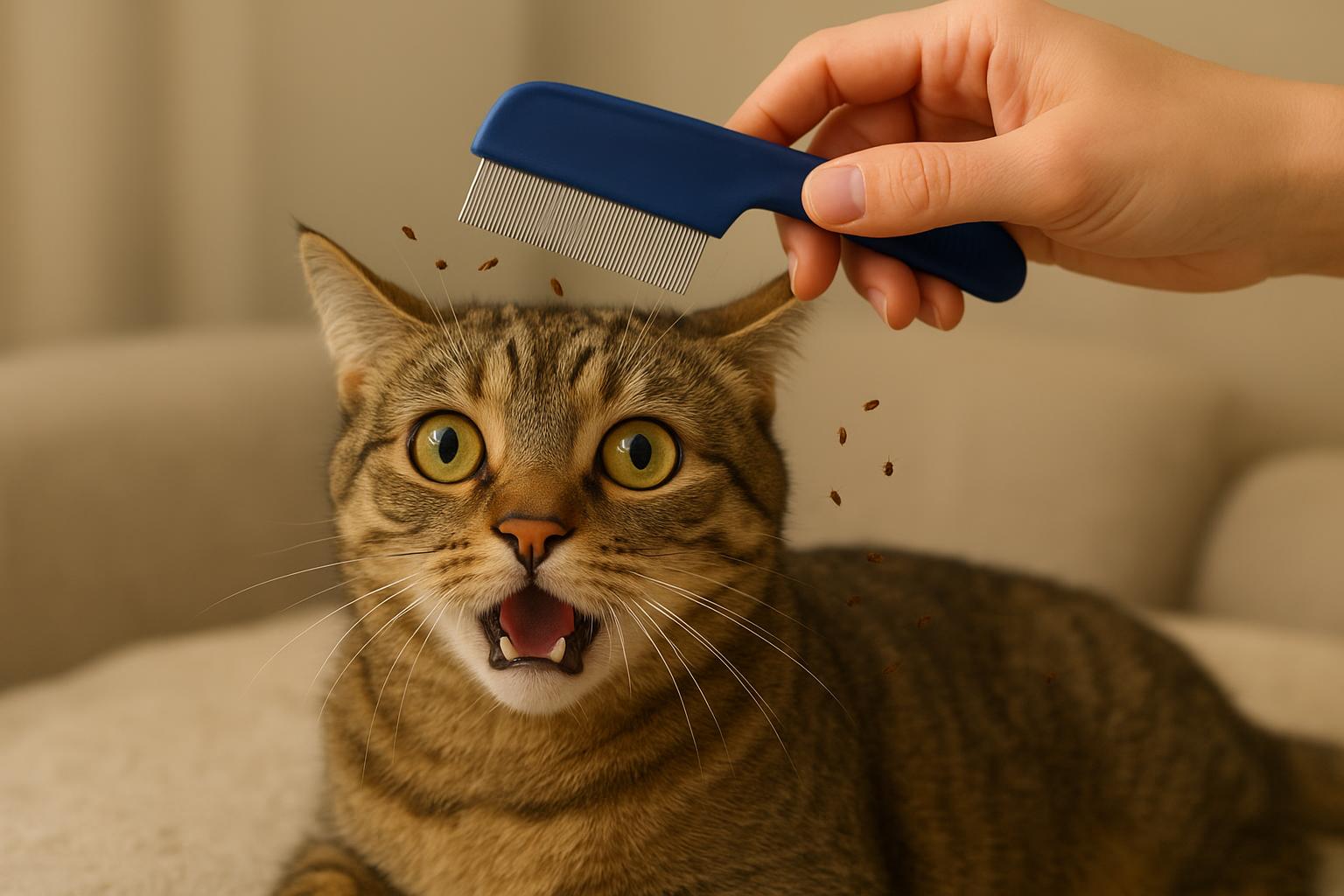
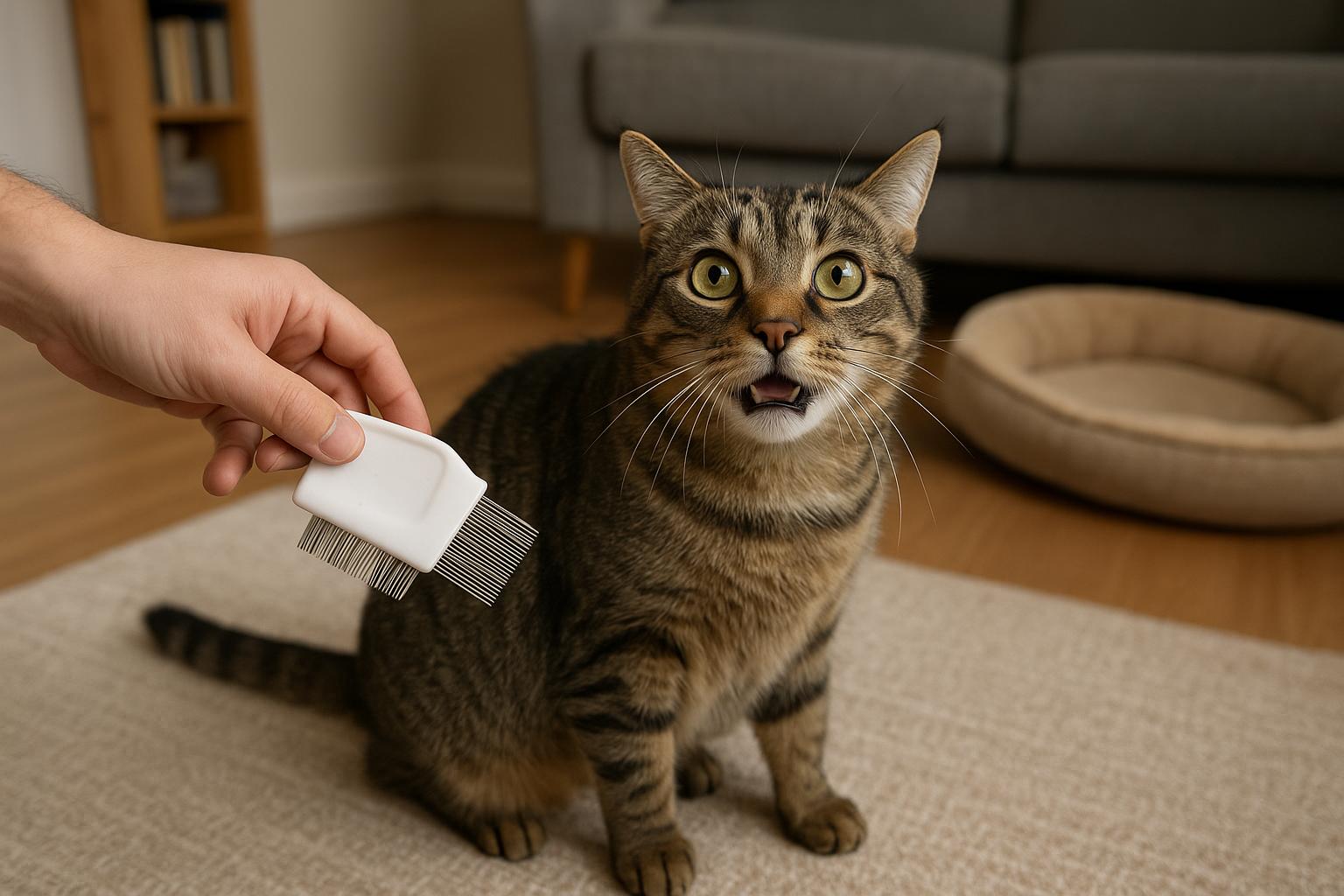
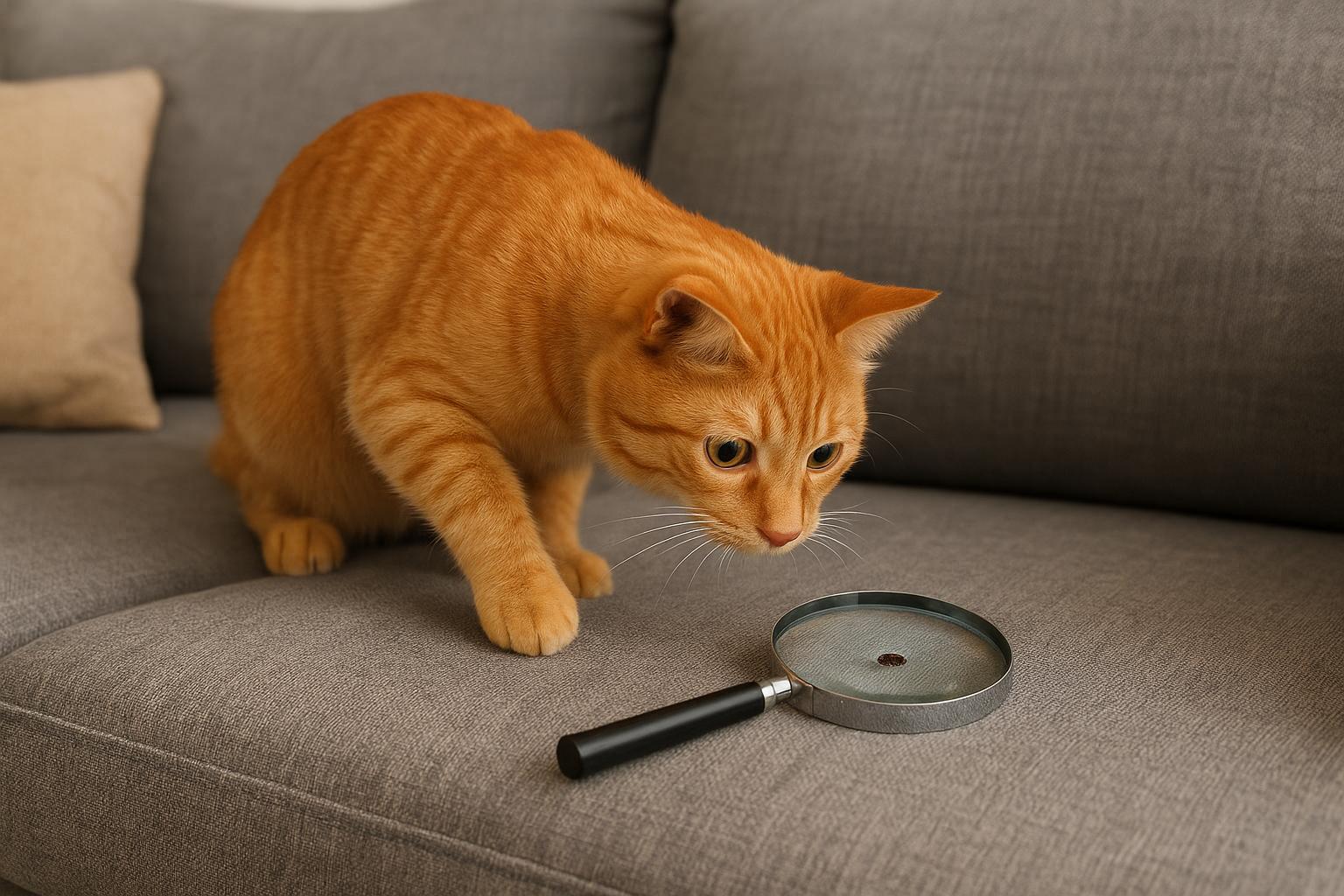
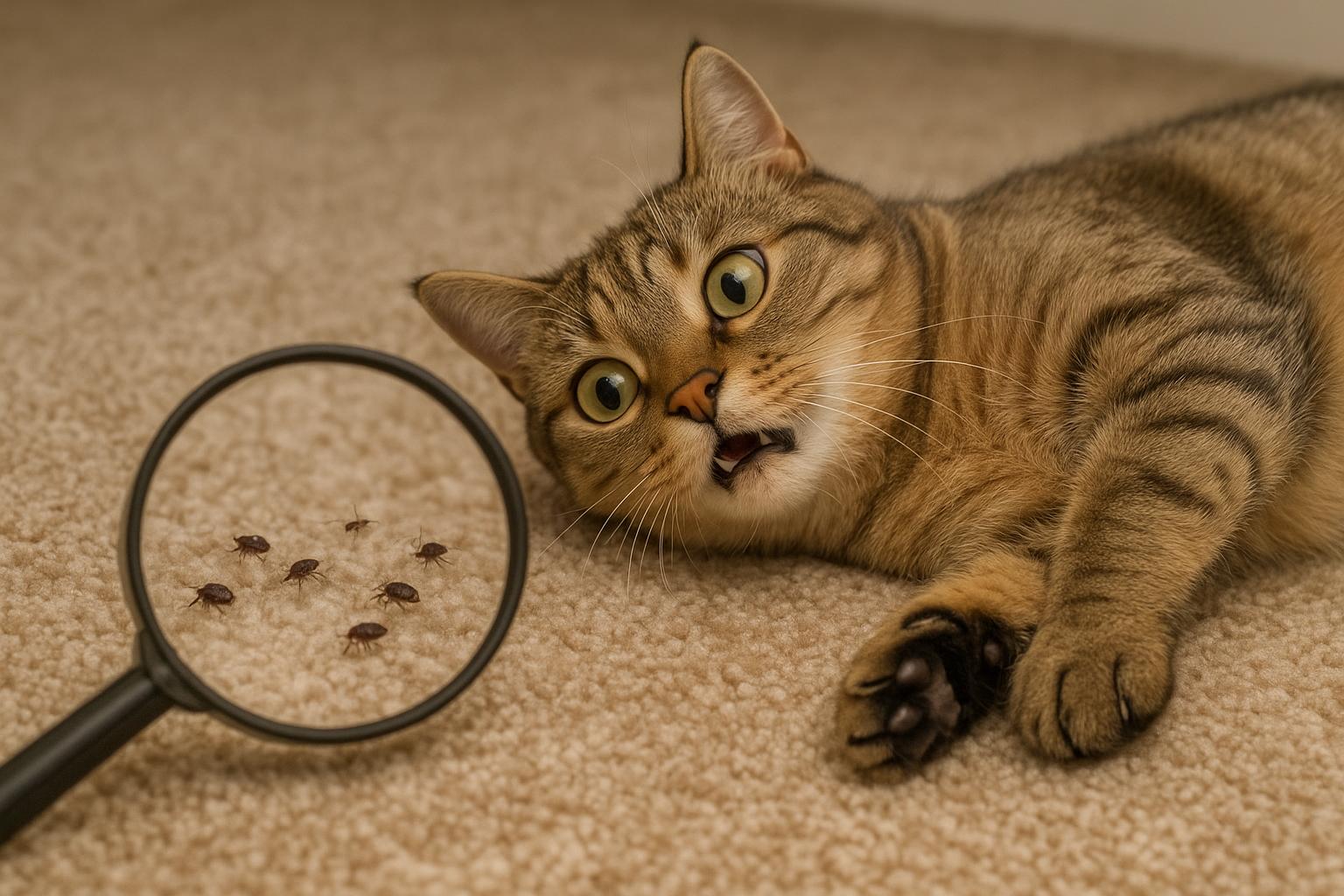
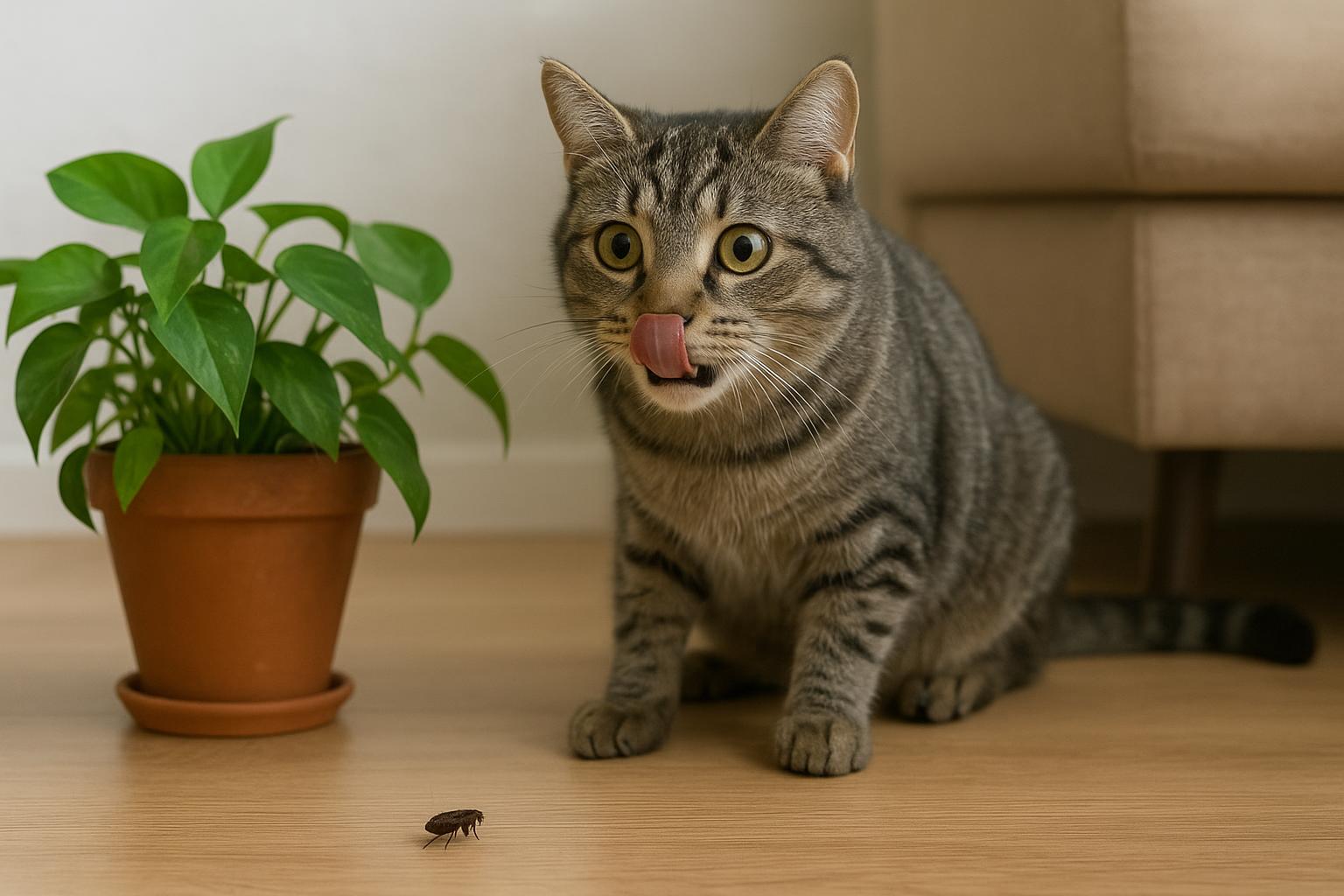
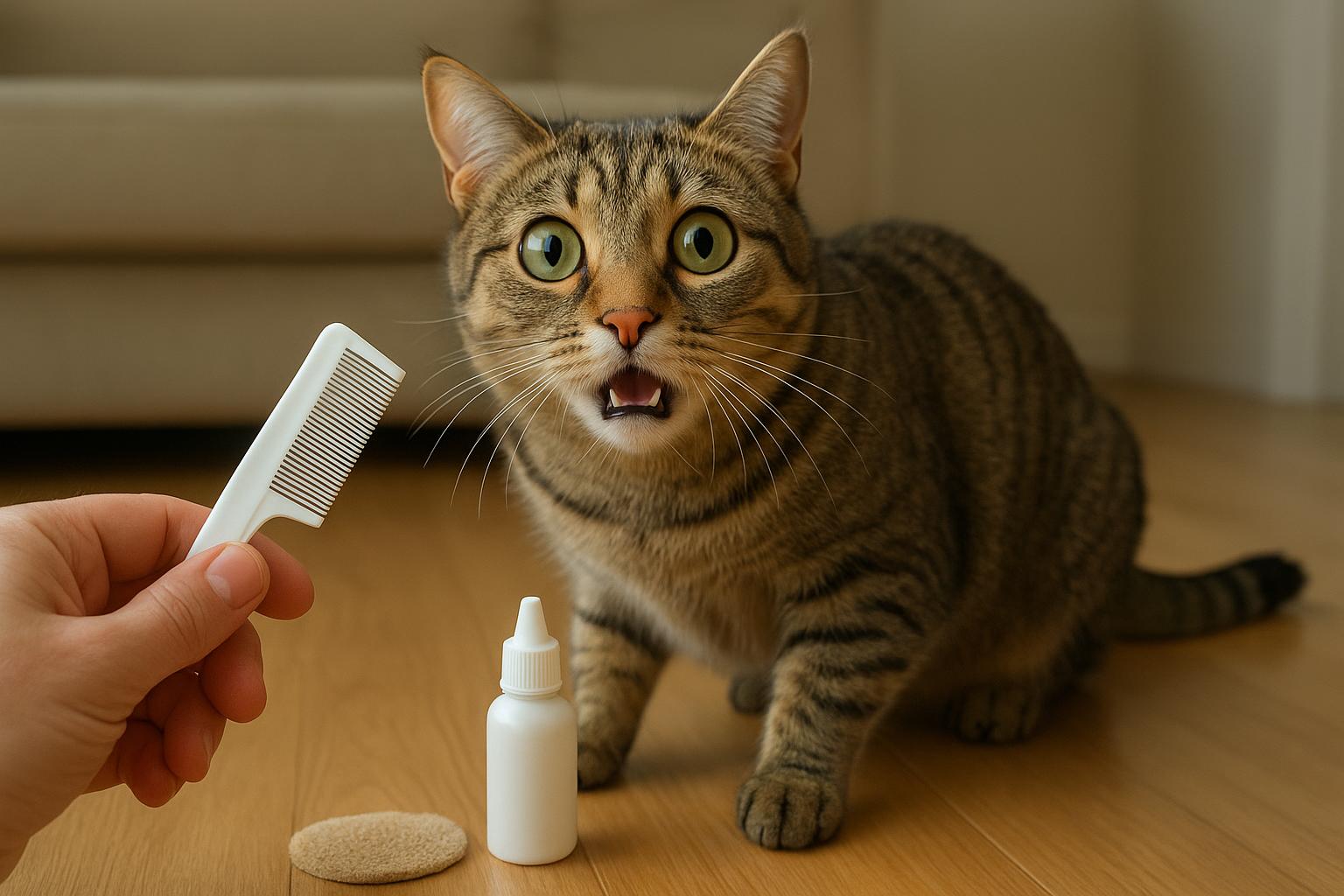
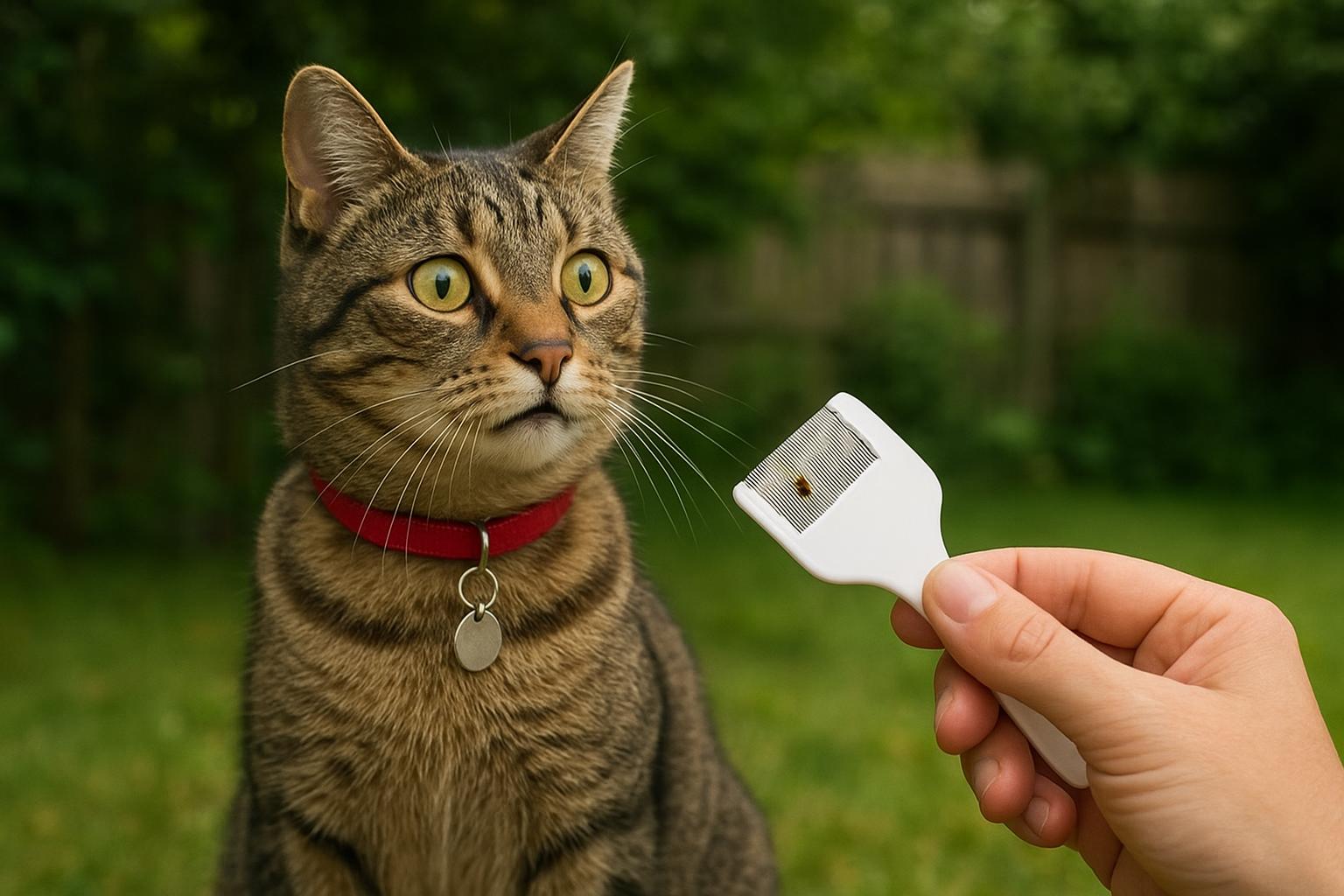
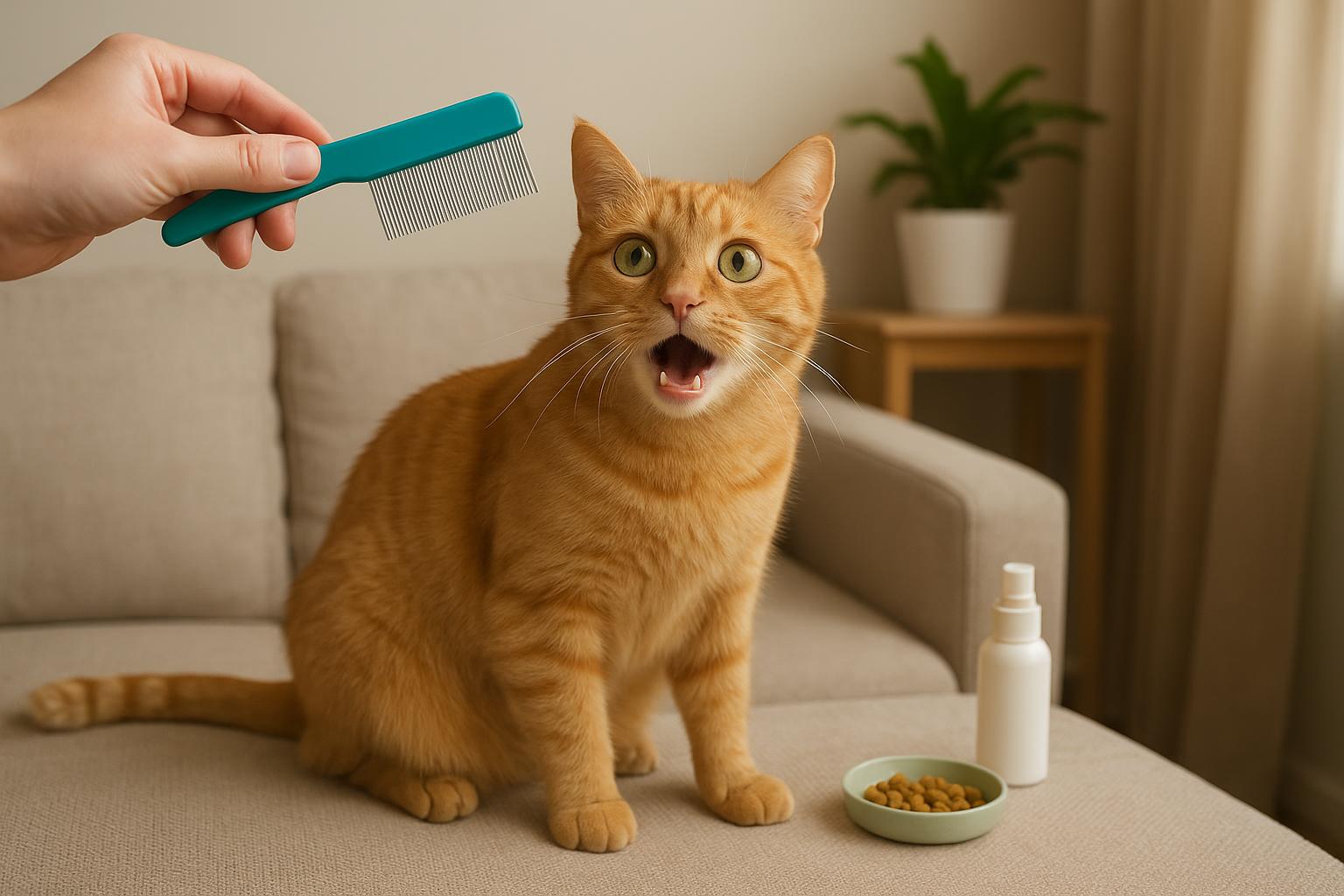
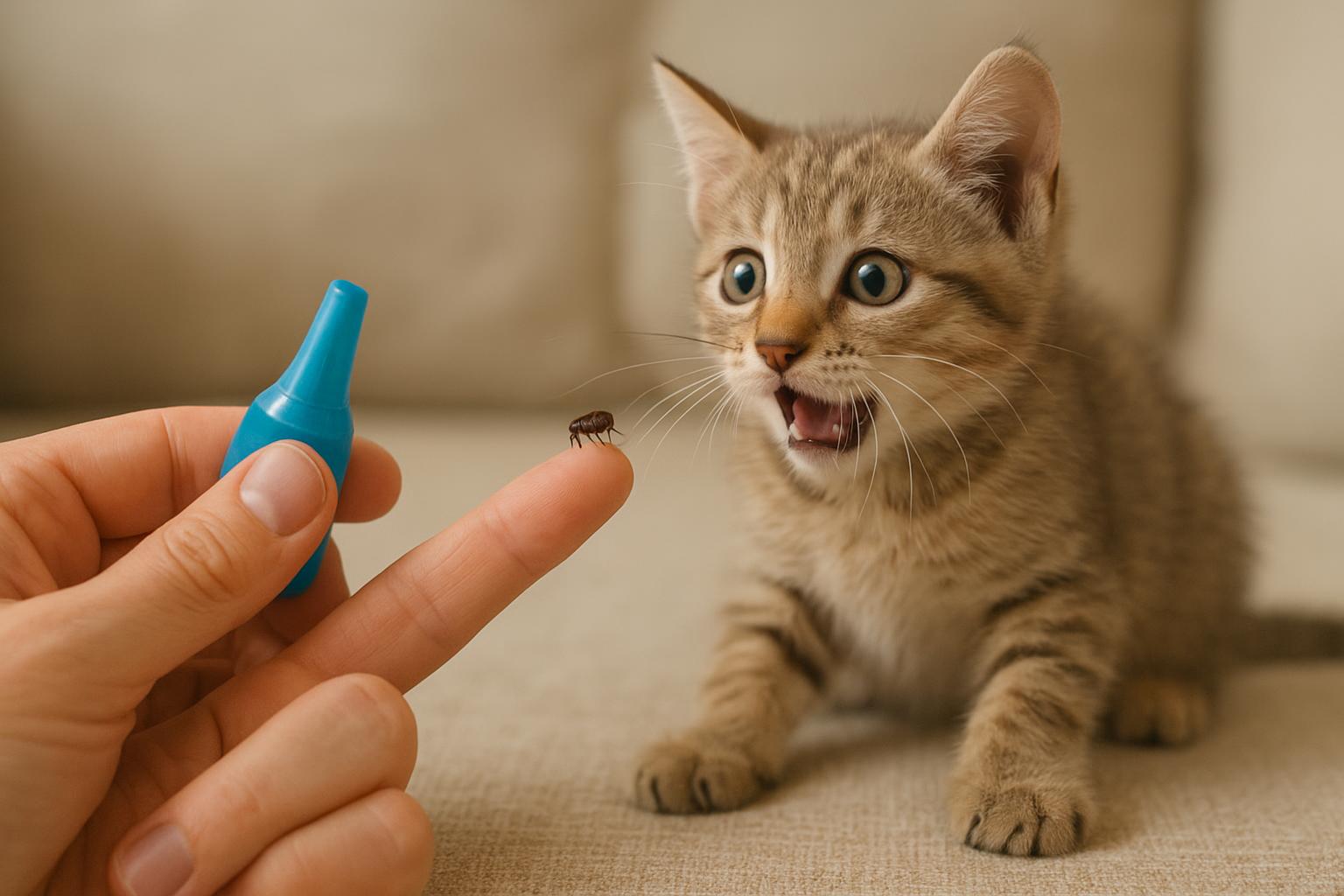
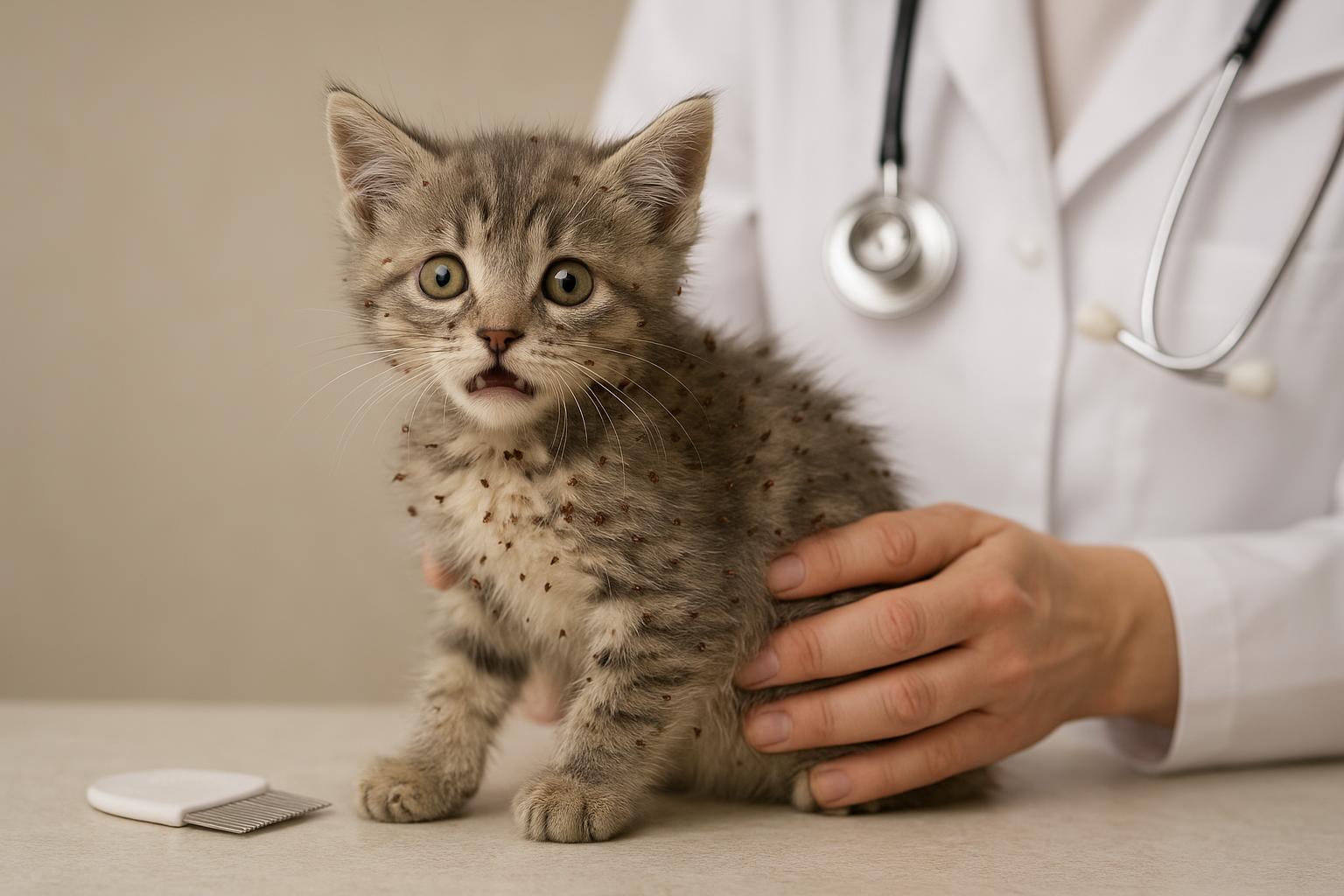
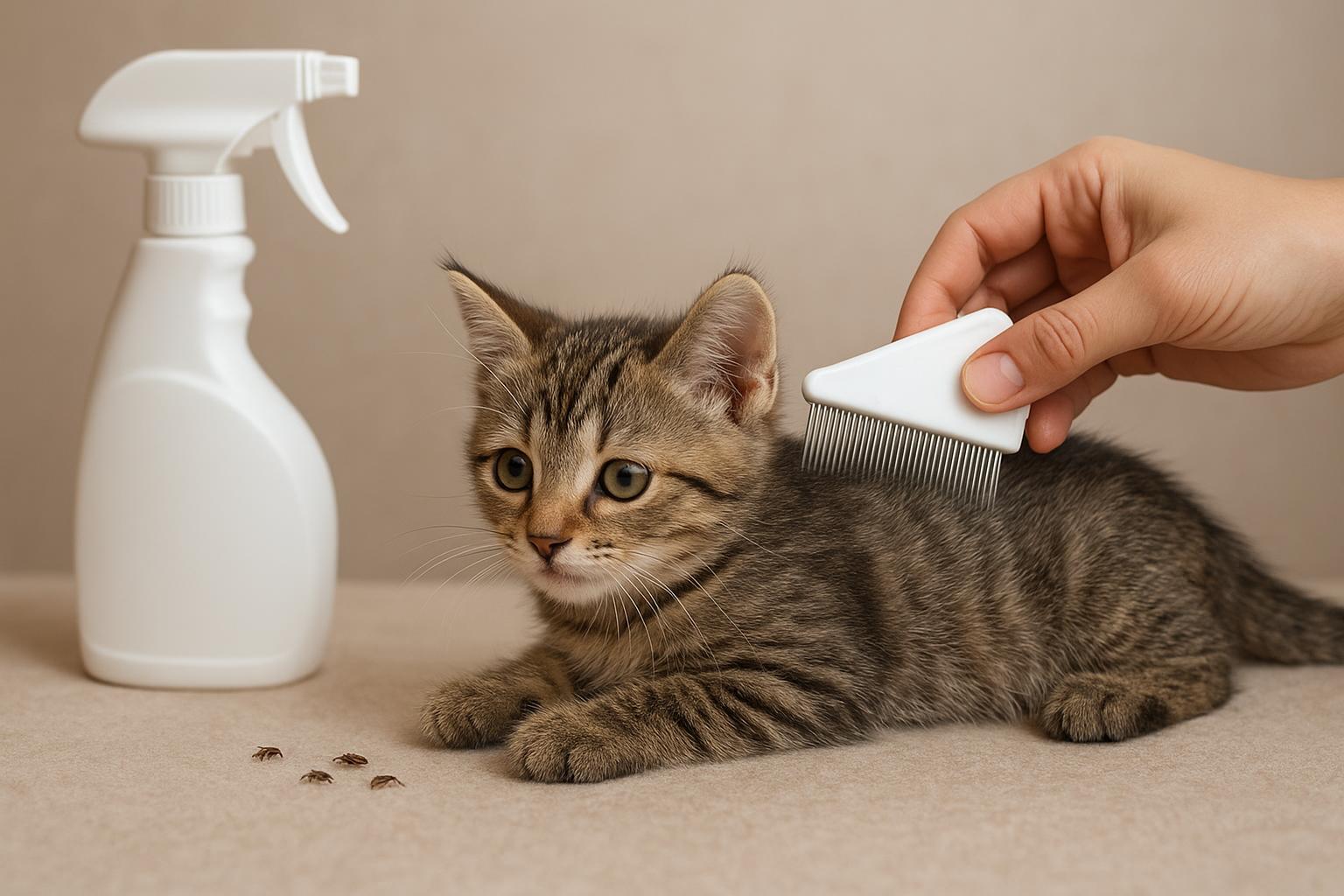
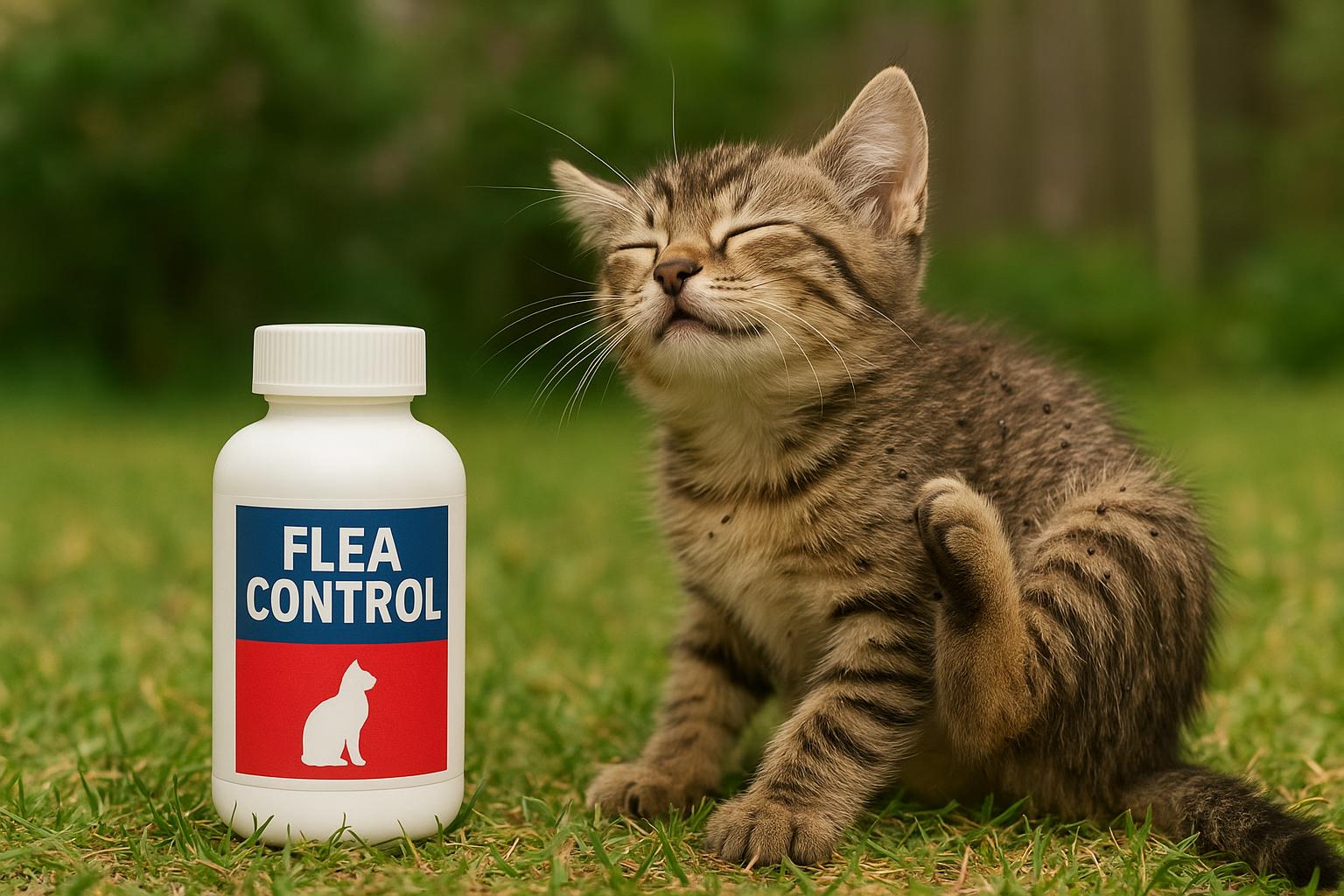
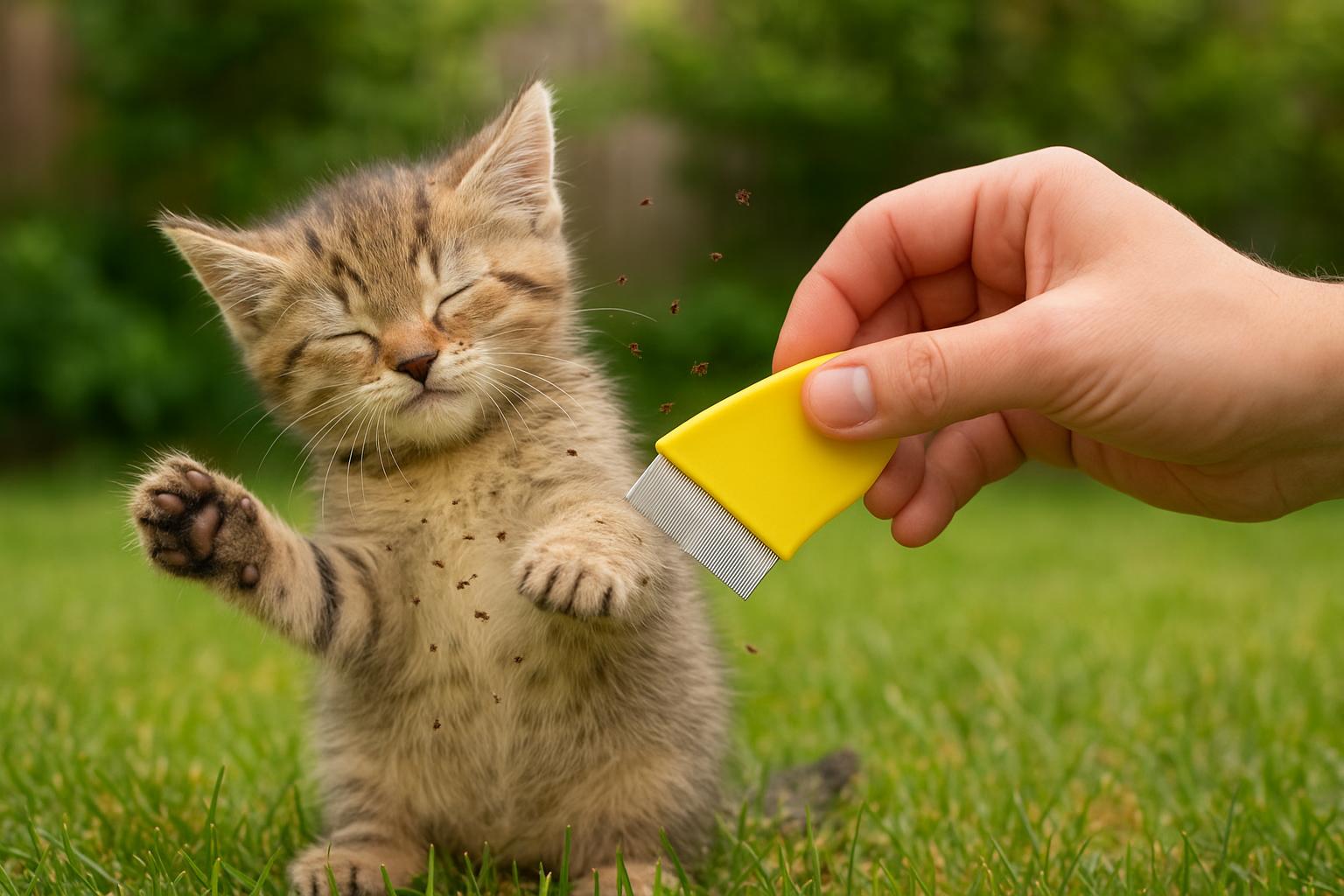
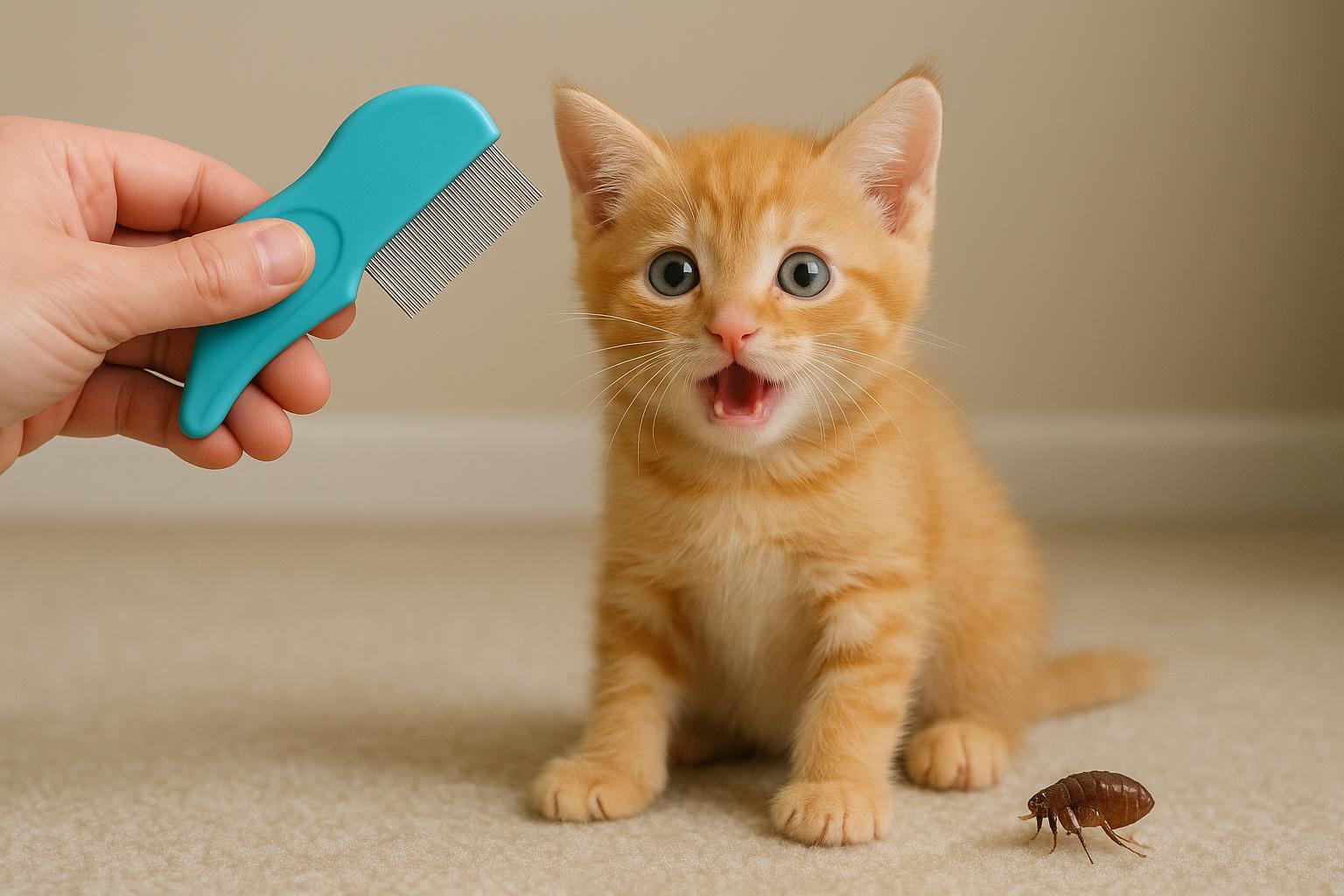
Fleas can arrive fast and multiply faster, so immediate action is wise. First things first: pick up your kitten and gently check the base of the neck, behind the ears, and along the belly. Fleas move quickly but their dark, tiny shapes or “flea dirt” (small black specks that look like pepper) are telltale signs. If you need instantaneous comfort for itching while you arrange a proper treatment, a thorough comb-through with a fine-toothed flea comb can provide real flea relief by removing live fleas and eggs.
### How To Assess Severity And Risk
Kittens under 8 weeks old are more vulnerable to dehydration and anemia from heavy flea infestations. Look for:
– Excessive scratching or biting
– Visible fleas or flea dirt
– Pale gums (a sign of anemia)
– Lethargy or decreased appetite
If you see severe signs or if your kitten is very young, contact a veterinarian immediately. Many over-the-counter chemicals that adults tolerate are unsafe for tiny kittens.
### When To Call The Vet
Contact your vet if:
– Your kitten is under 8 weeks and has fleas.
– You notice signs of anemia (pale gums, weakness).
– Over-the-counter or home measures don’t reduce the problem within 24–48 hours.
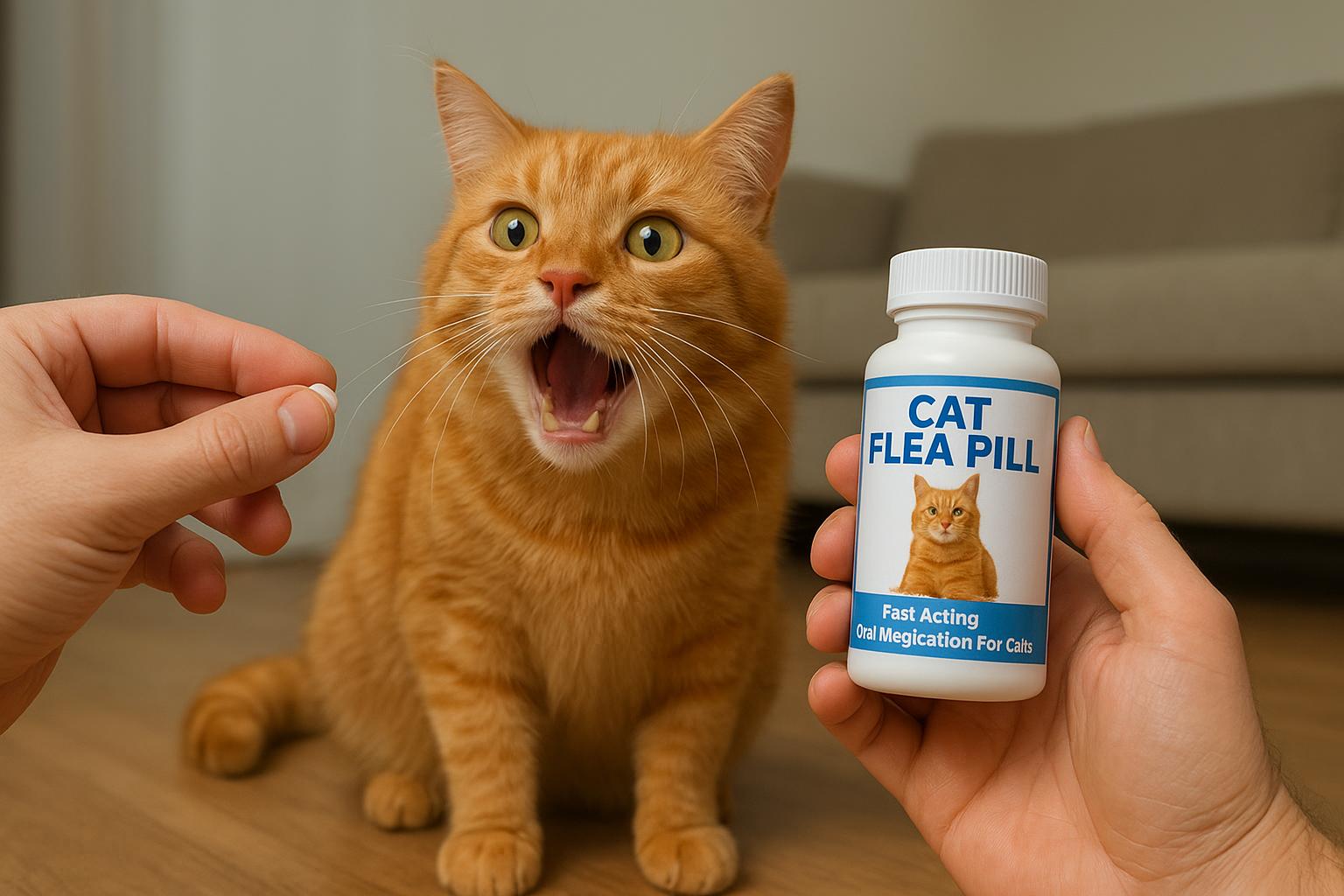
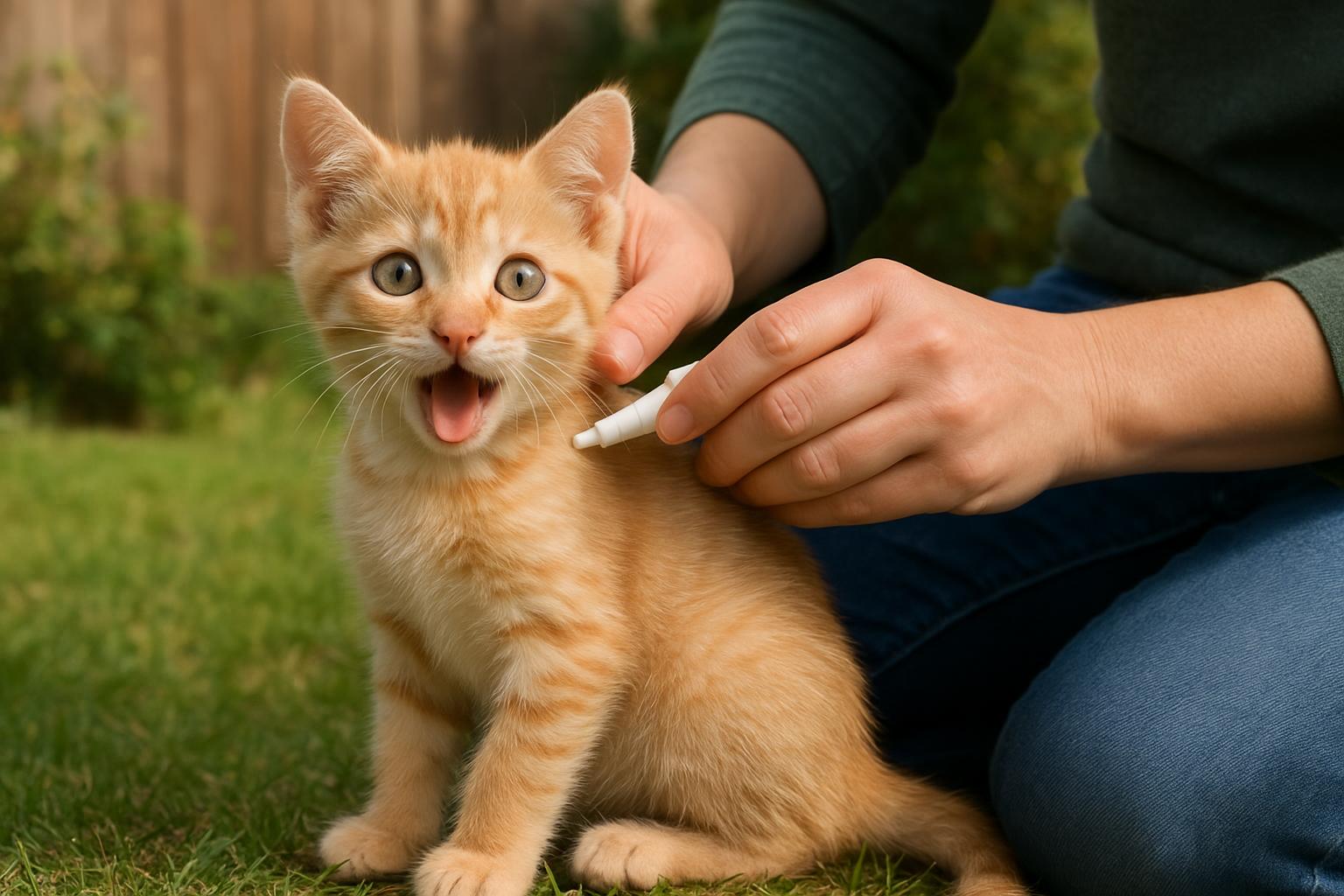
A vet can prescribe kitten-safe topical treatments or oral medications and check for flea-borne illnesses.
## Remedy 1: Home Flea Bath (Safe For Kittens Over 6 Weeks)
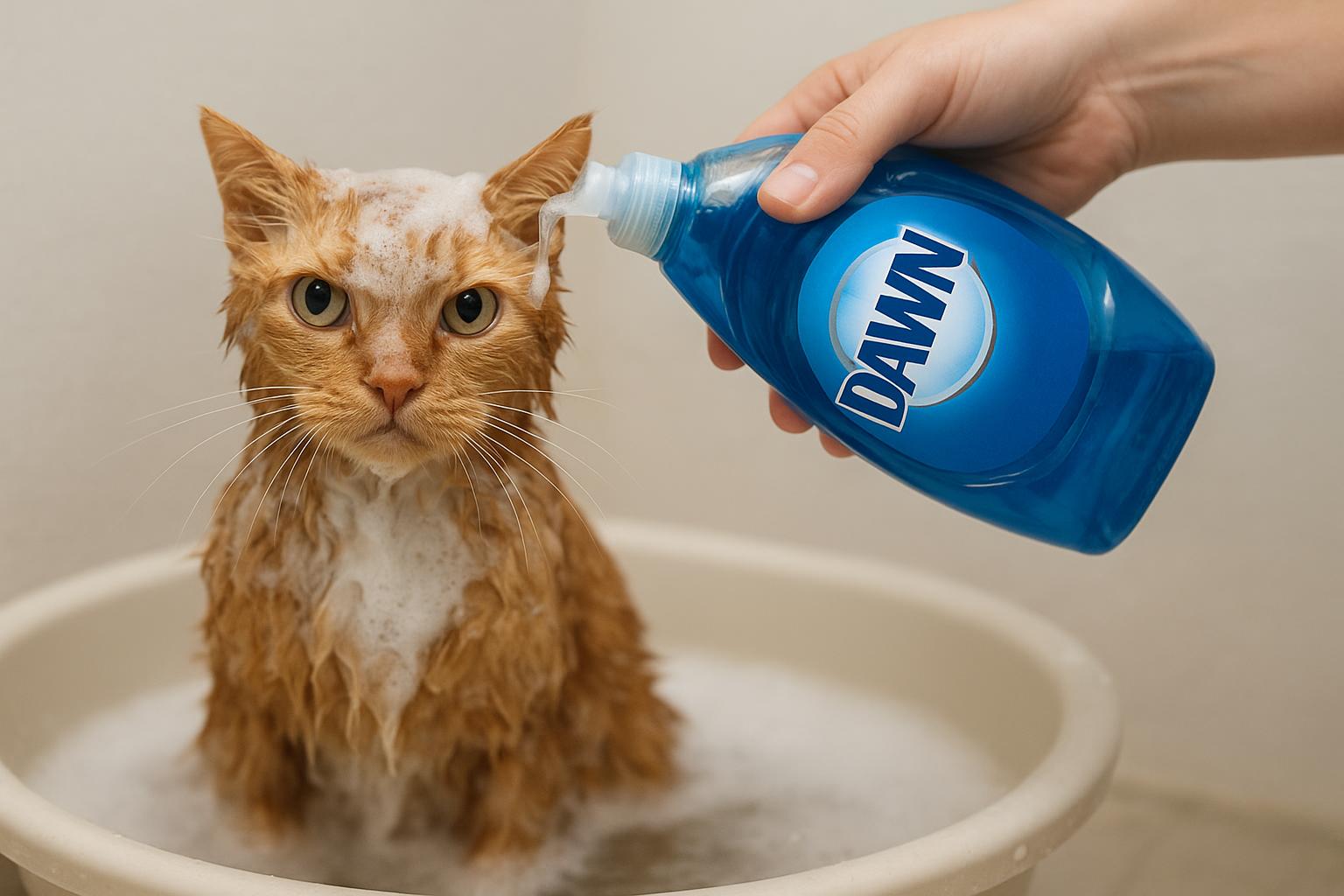
This is a practical, often effective first-line treatment for light infestations. A properly done flea bath physically removes fleas and soothes irritated skin. Use this method only for kittens at or older than your vet’s recommended age (commonly 6–8 weeks) and when the kitten is healthy.
### Ingredients And Materials
– Fine-toothed flea comb
– Mild dish soap (unscented, such as plain Dawn) or a kitten-safe shampoo recommended by your vet
– Warm water in a shallow basin
– Soft towel(s)
– A quiet, warm room to dry and calm the kitten
– Gloves (optional)
### Step-By-Step Bath Creation And Application
1. Prepare everything first: warm the water to slightly above room temperature and have towels ready. Kittens get cold quickly.
2. Place a towel in the basin to give traction and reduce stress.
3. Gently wet the kitten with warm water, avoiding the face. Support the body securely.
4. Apply a small amount of dish soap or kitten shampoo. Lather gently, focusing on areas where fleas congregate (neck, back, belly). Remain calm and speak soothingly.
5. Let the soap sit for 3–5 minutes—this actually helps suffocate fleas—while monitoring the kitten closely.
6. Rinse thoroughly with warm water until no soap remains.
7. Use the flea comb to remove any remaining fleas; dip the comb into soapy water between passes to kill what you comb out.
8. Dry the kitten thoroughly with warm towels and keep them in a warm, draft-free place until completely dry.
9. Repeat bathing every 3–4 days as needed, but do not over-bathe; consult your vet for frequency based on the kitten’s age and skin condition.
Note: Dish soap can be drying; if your kitten has sensitive skin or is very young, ask your vet for a medicated kitten-safe shampoo.
## Remedy 2: Environmental Flea Relief Plan (Numbered Home Treatment)
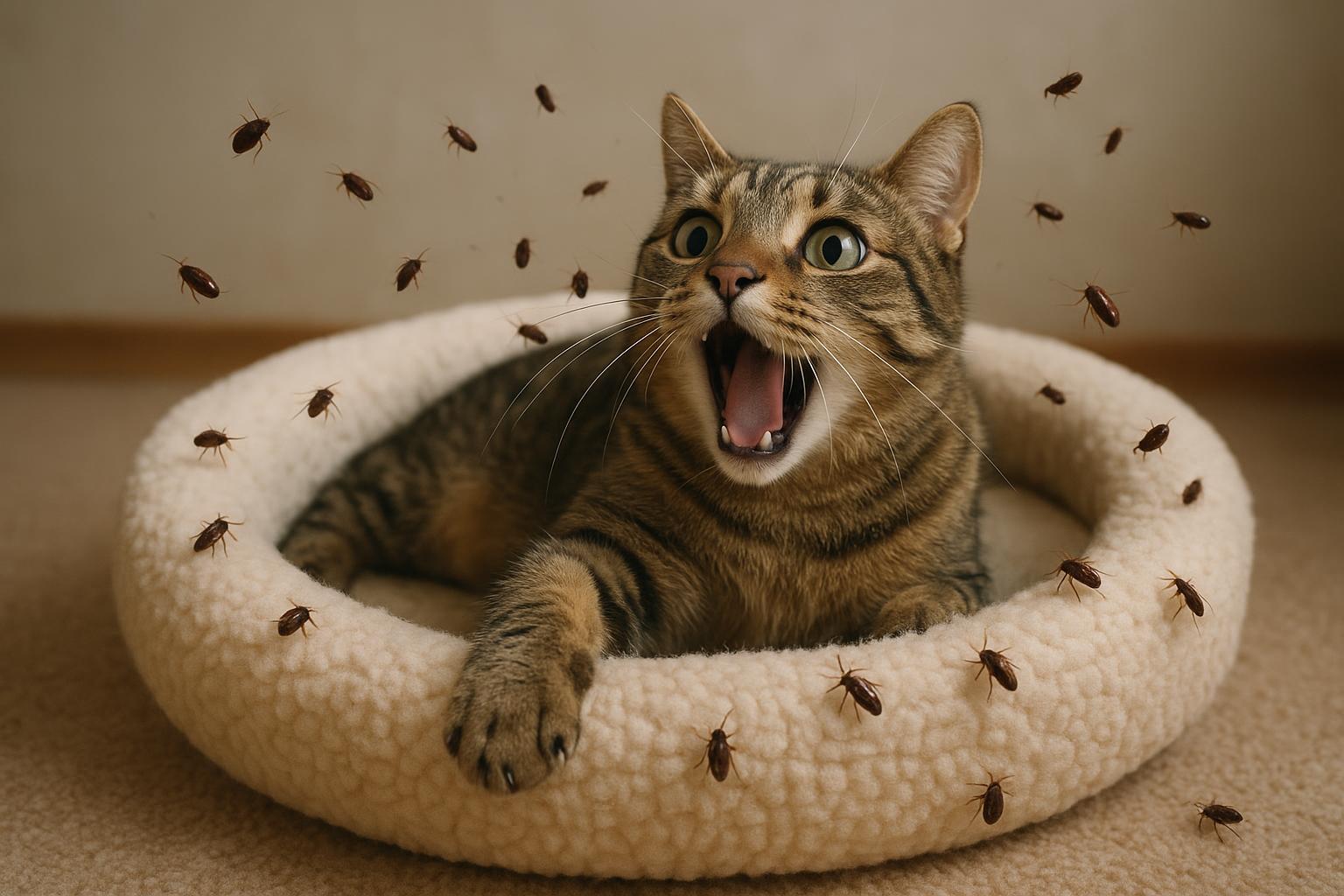
Treating the kitten is necessary, but failing to address the environment is why fleas keep coming back. This plan reduces flea numbers inside your home and offers sustained flea relief.
### Ingredients And Materials
– Vacuum (with a crevice tool)
– Hot-water-capable washer and dryer
– Fine-toothed flea comb
– Pet-safe insect growth regulator (IGR) product or diatomaceous earth labeled for pet environments (optional — use per label and safety guidance)
– Laundry detergent
– Trash bags
– Gloves and dust mask (if using diatomaceous earth)
### Step-By-Step Environmental Treatment
1. Strip bedding: Collect all bedding, soft toys, and washable surfaces that the kitten uses. Seal in a bag to prevent spreading while transporting to the laundry.
2. Wash on the hottest safe setting: Launder all washable items in hot water and dry on high to kill fleas and eggs.
3. Vacuum thoroughly: Vacuum carpets, rugs, baseboards, upholstery, and cracks where eggs and larvae hide. Use the crevice tool for edges and under furniture. Immediately seal and discard the vacuum bag or empty the canister into a sealed bag.
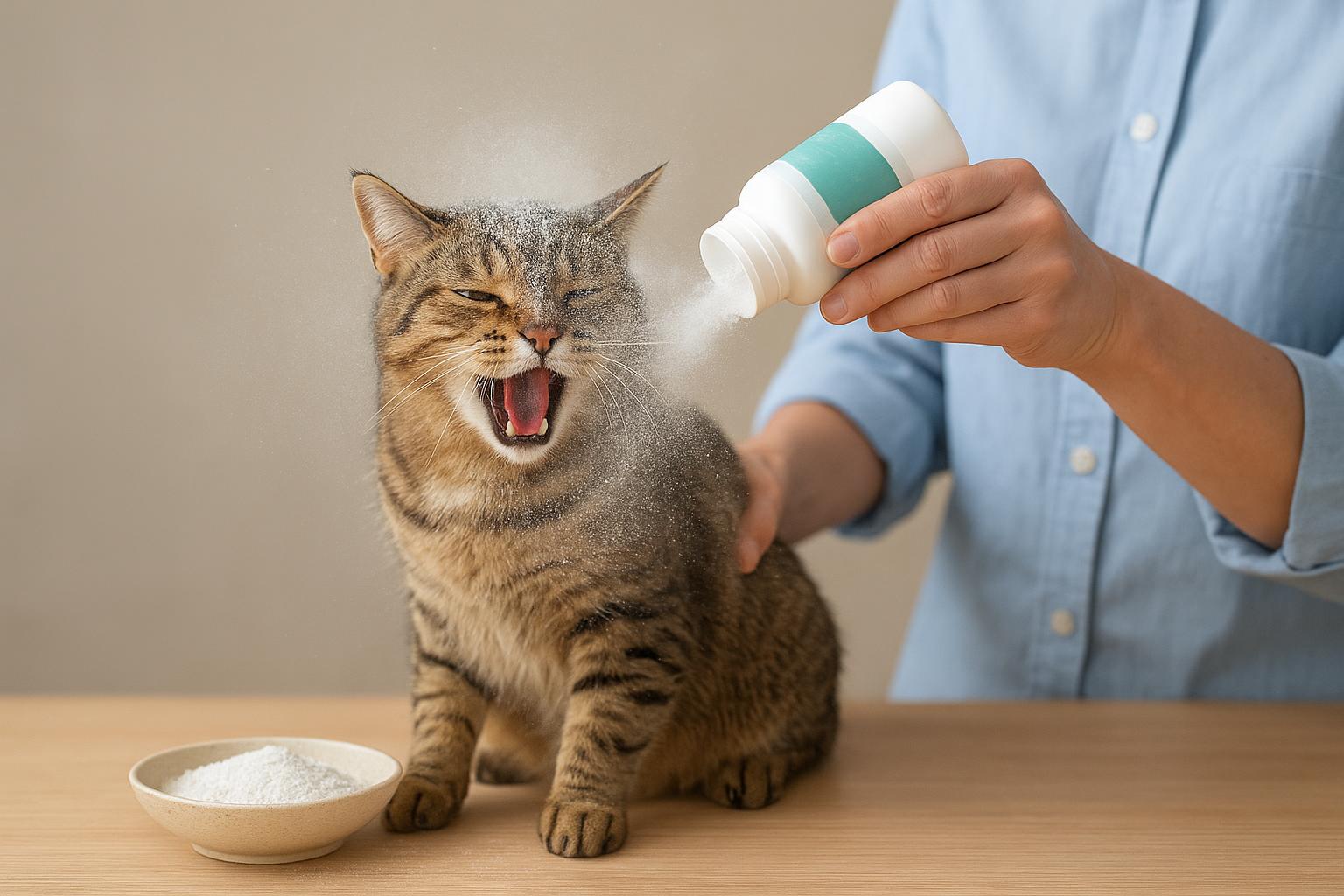
4. Apply IGR or diatomaceous earth carefully: For persistent infestations, apply an IGR labeled safe for households with pets to interrupt flea life cycles. If using food-grade diatomaceous earth, apply sparingly to carpets and rugs, leave a few hours, then vacuum. Use gloves and a dust mask, and avoid direct contact with kittens while powders are present.
5. Repeat cleaning: Vacuum daily for 1–2 weeks, and launder bedding frequently. Flea life cycles can last several weeks; diligence is key.
6. Monitor and reapply as needed: If live fleas persist after environmental steps, consult your vet about additional measures or professional pest control options safe for pets.
### Safety Notes For The Home Plan
– Never use adult flea products on kittens without vet approval.
– Pesticides for home use should be pet-safe; read labels and follow instructions closely.
– If you have multiple pets, treat all of them concurrently to prevent reintroduction.
### Using A Flea Comb Effectively
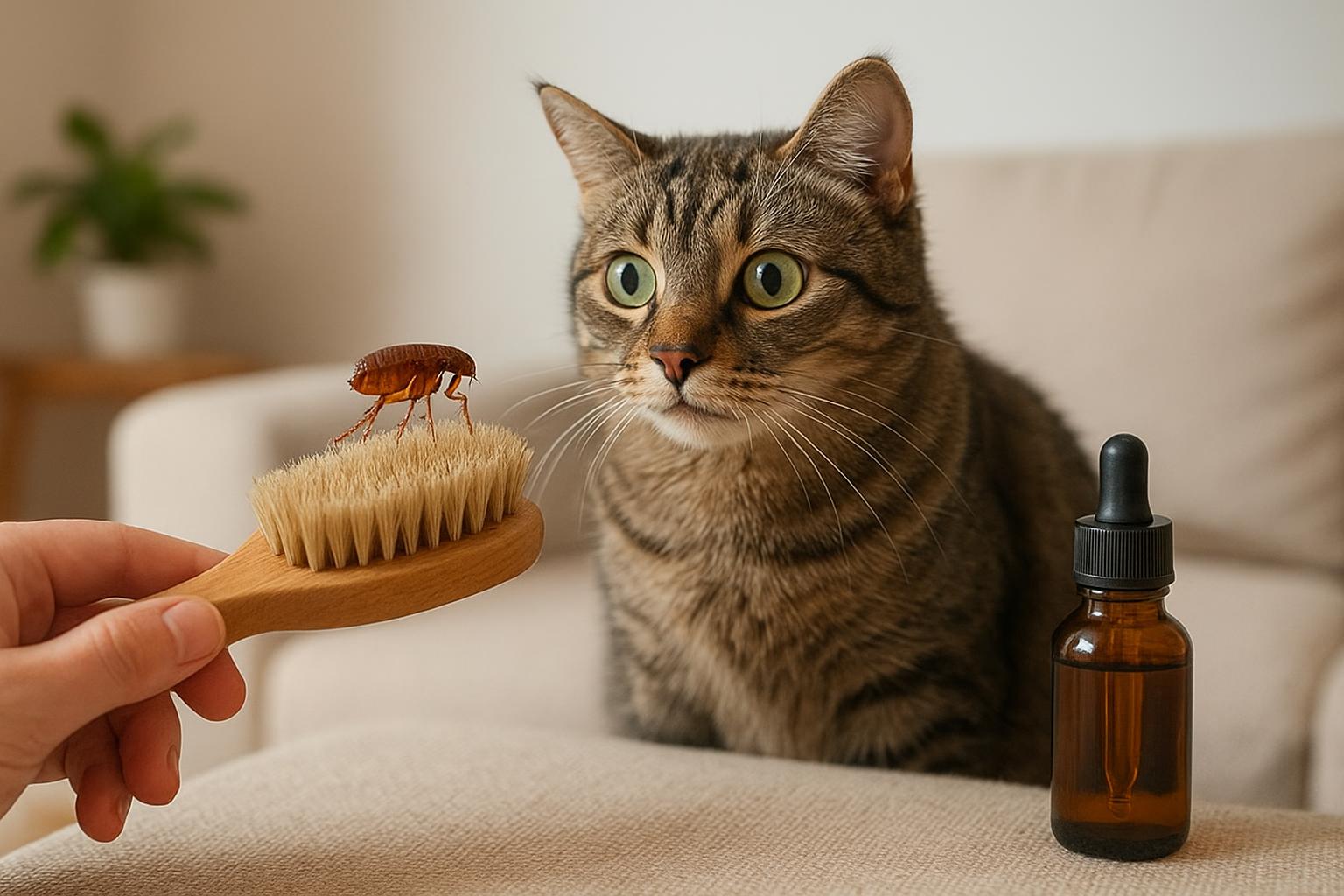
A flea comb is low-tech but highly effective and offers immediate comfort. Comb from head to tail, placing a white paper towel or shallow dish with soapy water under the comb to catch and drown fleas. Comb for 10–15 minutes several times a day until you no longer find live fleas.
#### When Over-The-Counter Products Are Unsafe
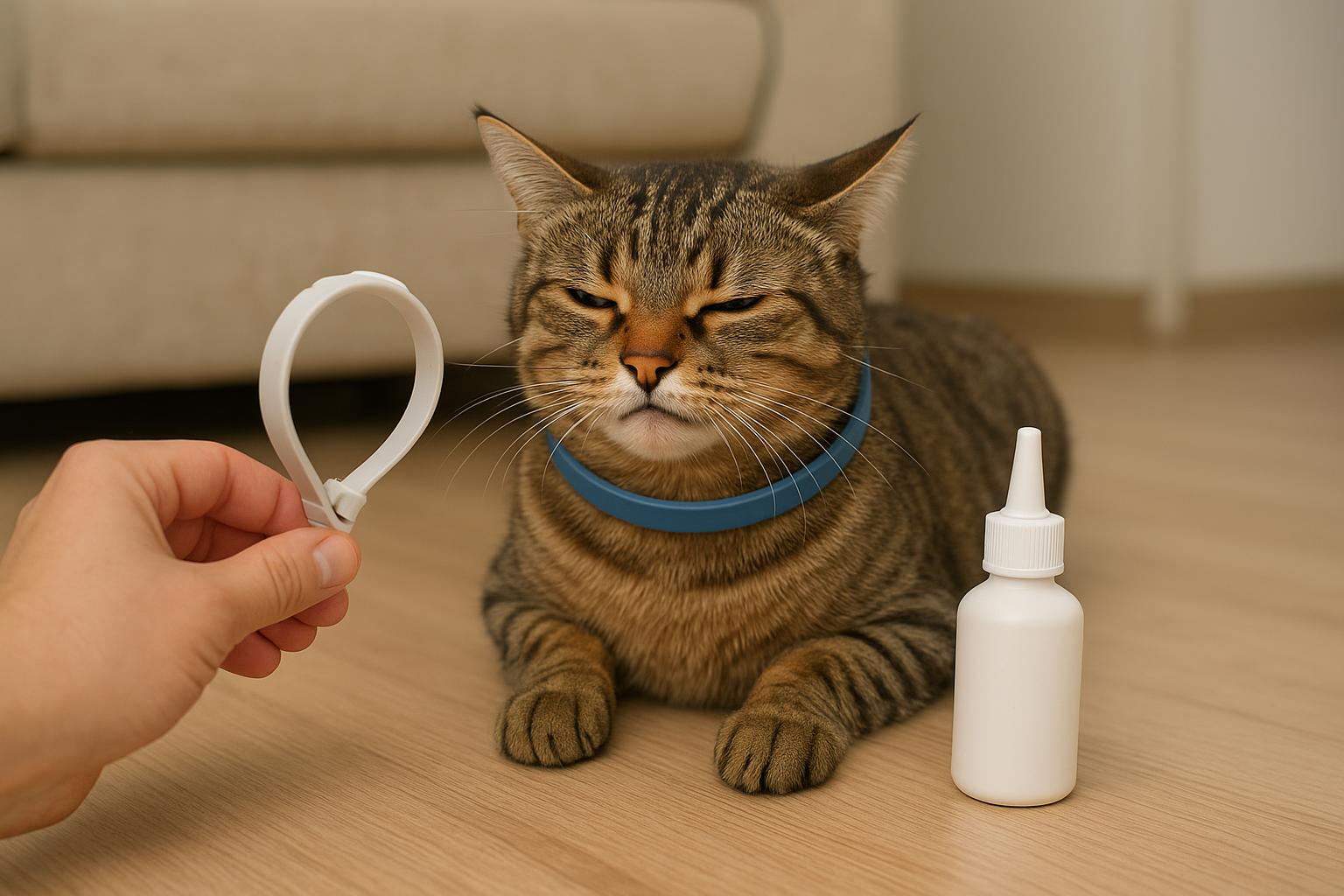
Many OTC spot-on treatments and collars are formulated for adult cats and dogs and contain concentrations that are toxic to kittens. Never apply dog products to cats. If you feel desperate, call your vet rather than guessing; it’s the safest way to secure reliable flea relief.
#### Considerations For Multi-Pet Households
If you have other pets, treat them per their species and age. Dogs and adult cats can carry fleas and re-infest kittens. Coordinate treatments and environmental cleanup for the whole household to achieve effective flea relief.
### Preventive Habits To Keep Fleas Away
– Maintain regular grooming with a flea comb.
– Wash bedding weekly.
– Keep yards tidy—long grass and leaf litter encourage fleas.
– Discuss long-term preventive options with your vet when the kitten is old enough.
A flea problem can feel overwhelming, but small, consistent actions at home can deliver genuine flea relief for your kitten. Act promptly, use gentle but effective methods, and when in doubt, contact your veterinarian — they are the best partner for keeping your tiny hunter itch-free and healthy.




Leave a Reply