
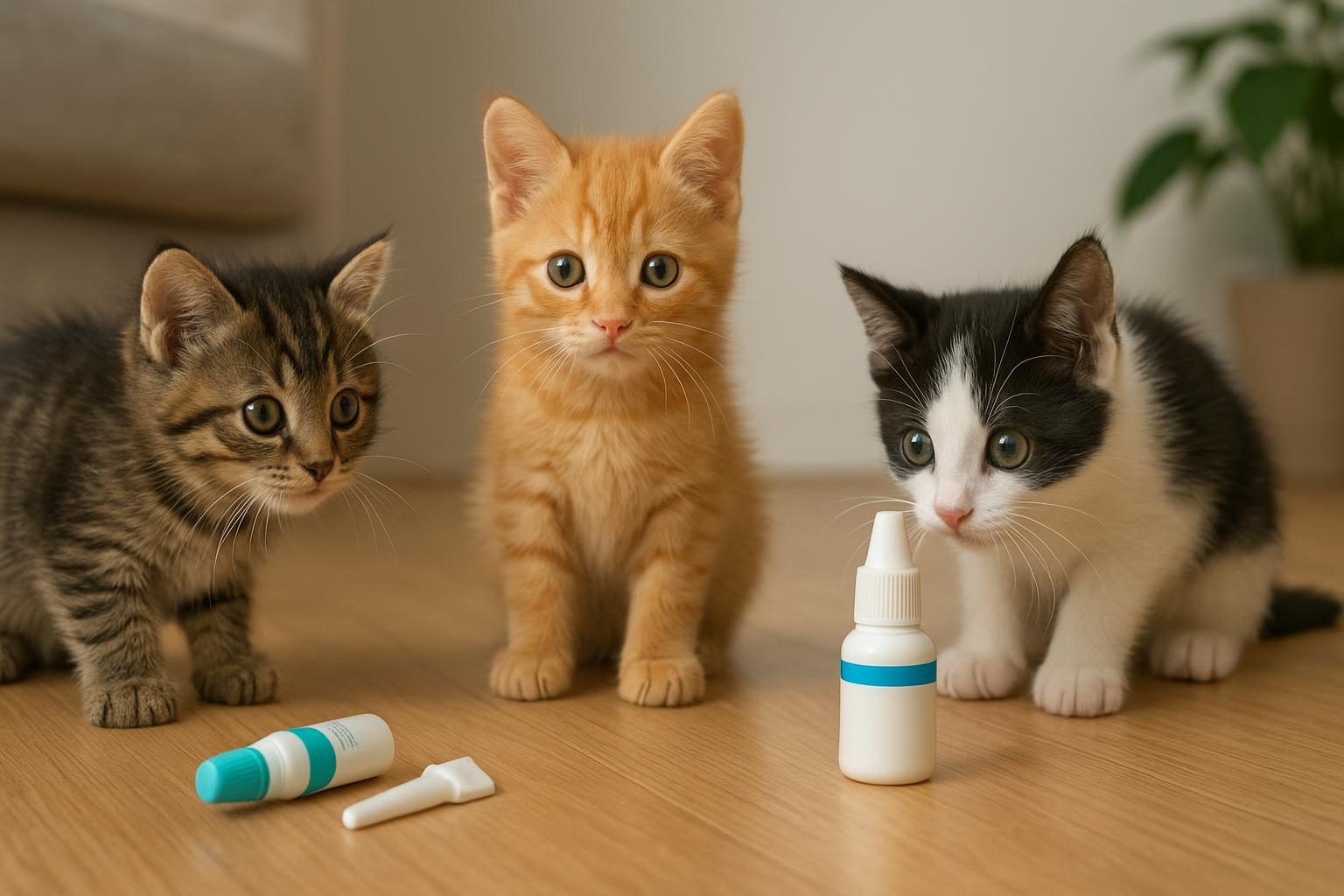
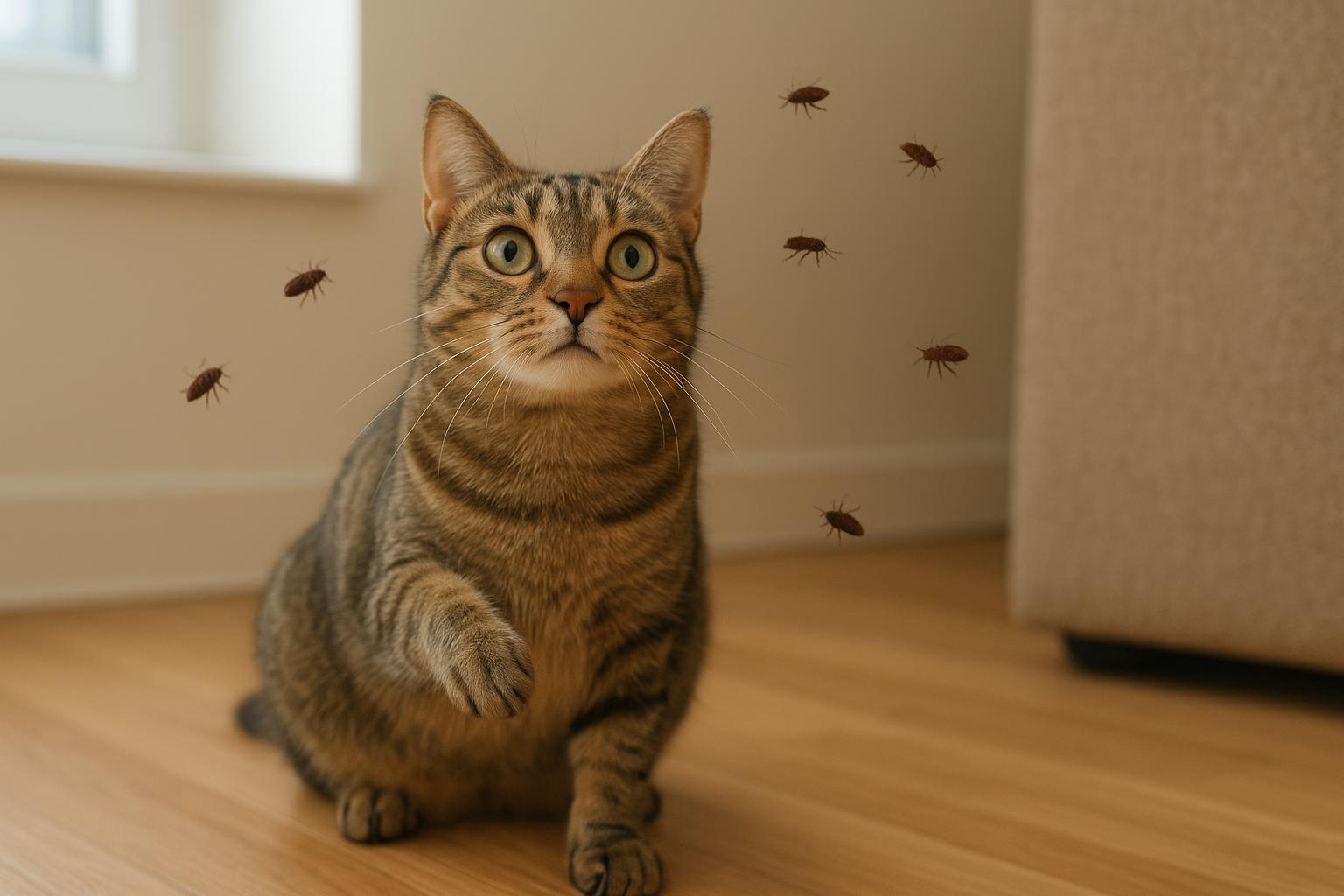
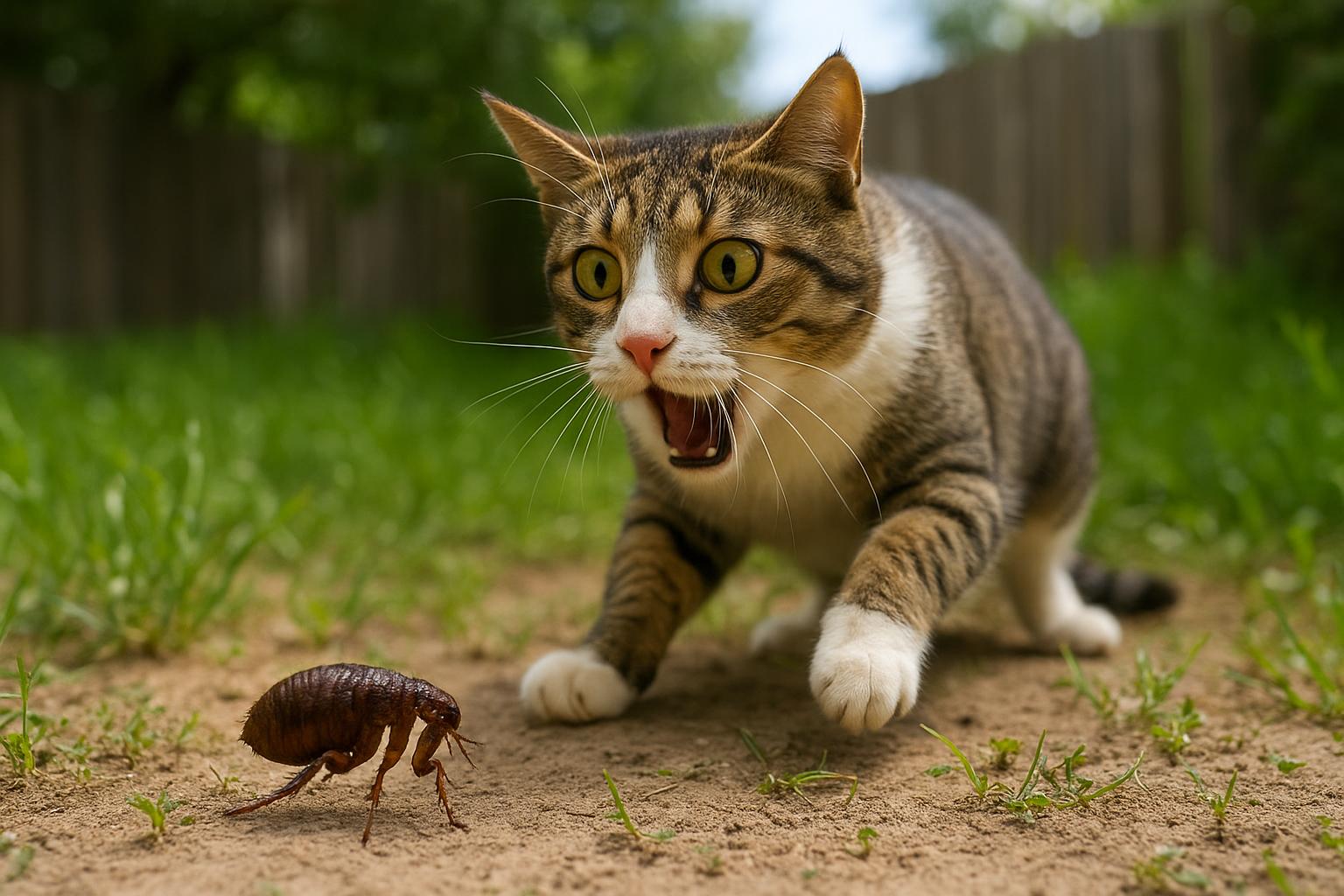
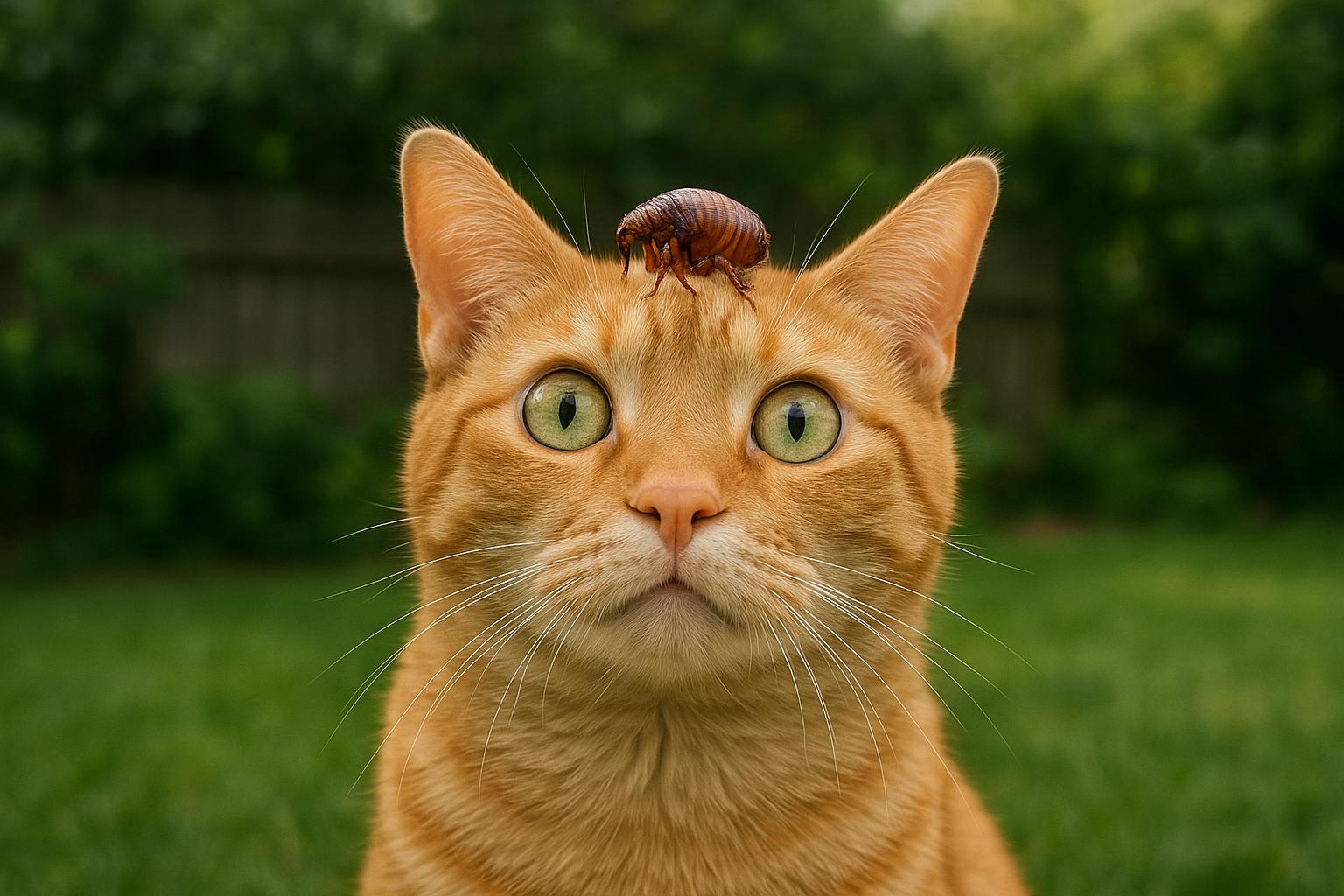
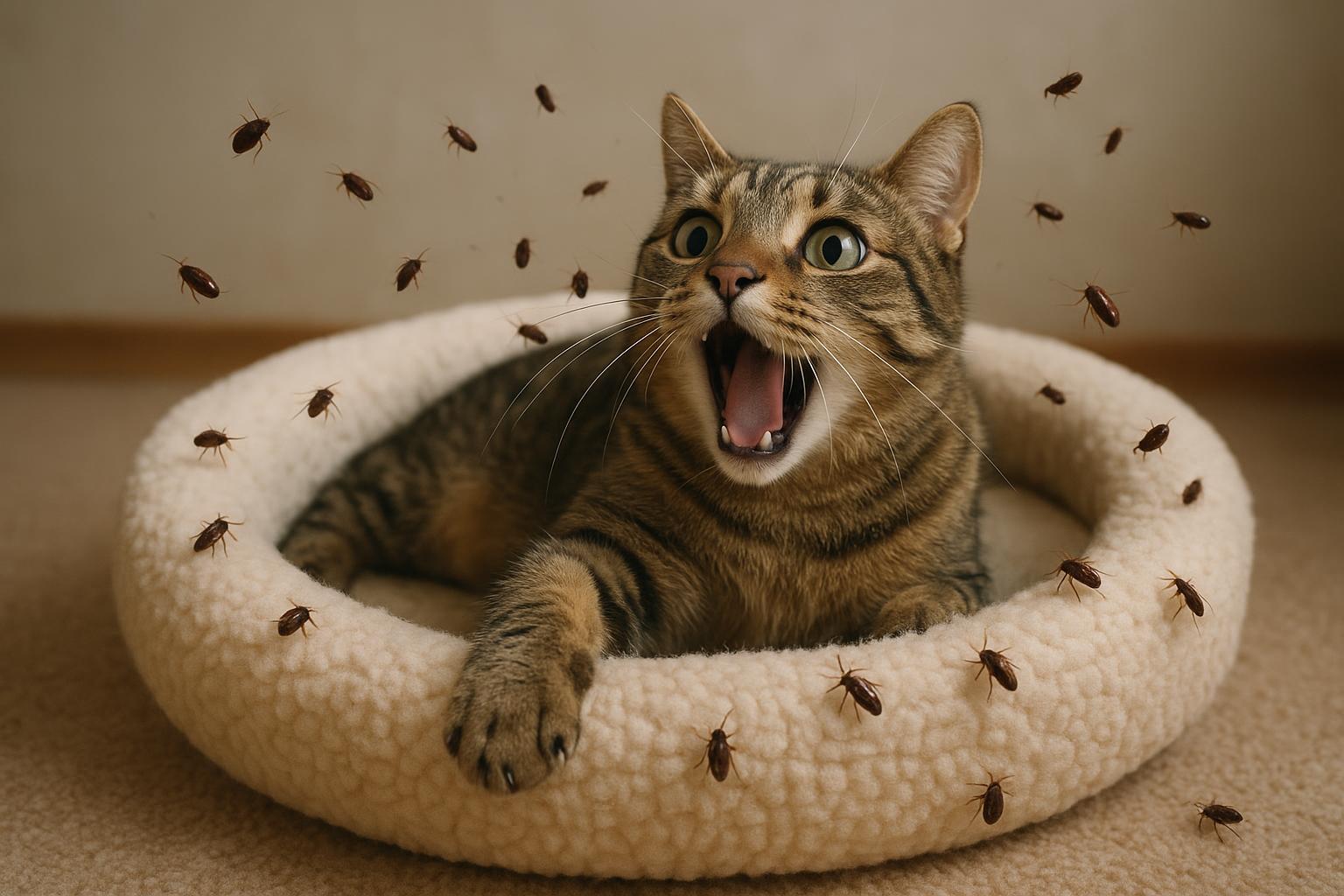
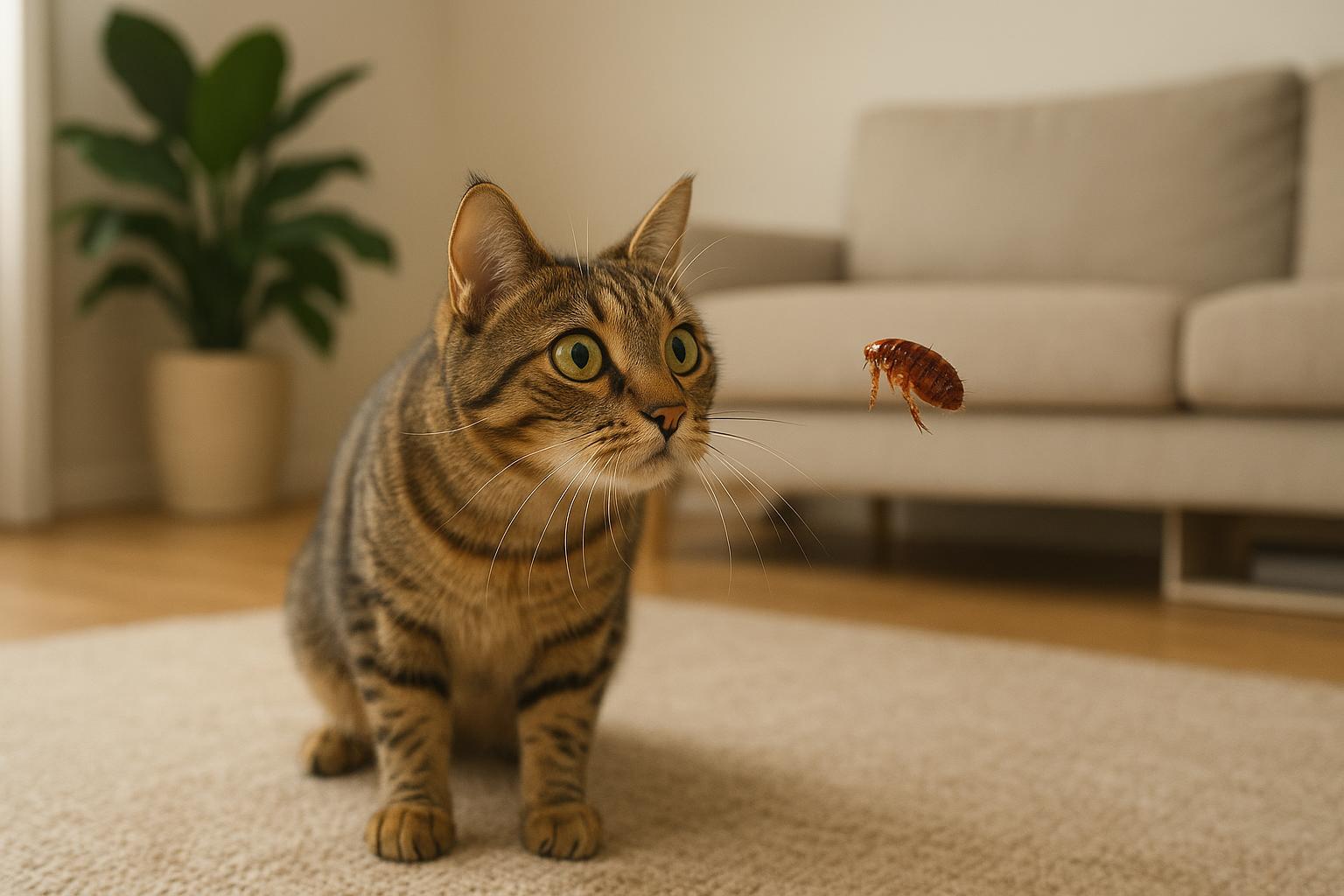
You just found a furry bundle of purring joy—and, uh-oh, some tiny party crashers called fleas. Before you panic, breathe. This guide is for people who want to protect their new kitten without turning the living room into a chemical lab or making their kitten wear socks forever. We’ll cover practical, responsible, and veterinarian-minded steps to keep your kitten healthy and flea-free, with an emphasis on kitten flea safety every step of the way.
## Kitten Flea Safety: What You Need To Know
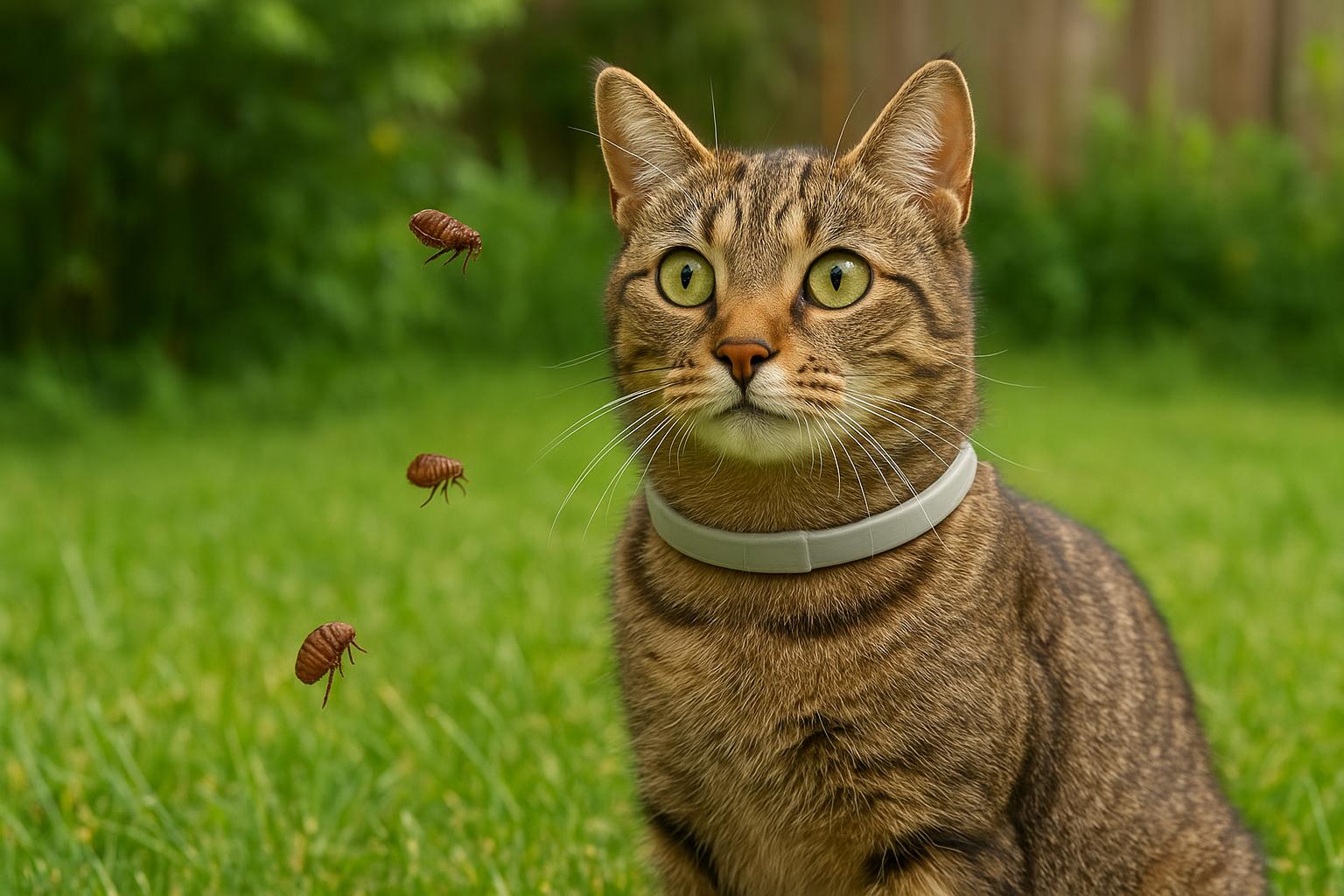
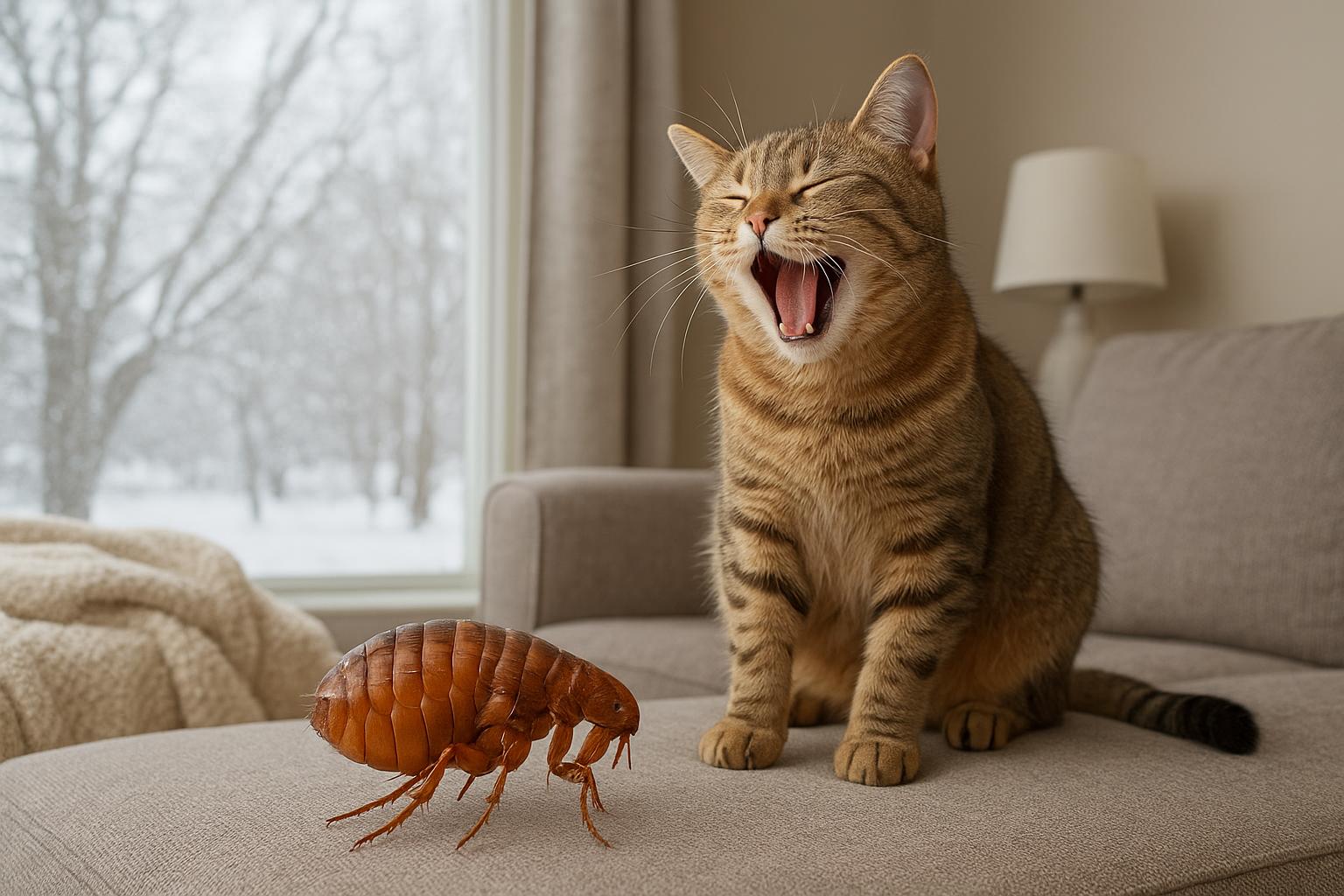
Kittens are not just small cats; they have different metabolisms and more sensitive skin. That’s why kitten flea safety is less about slapping on what worked for your adult cat and more about being deliberate, informed, and cautious. Fleas can cause itching, infections, and even anemia in young kittens. Some flea products are perfectly safe when used correctly, and some are absolutely not—especially those meant for dogs or for adult pets. You’ll want to balance efficacy with gentleness and always confirm product suitability for your kitten’s age and weight.
### 1. Vet-Approved Topical Treatments (Formal Guide)
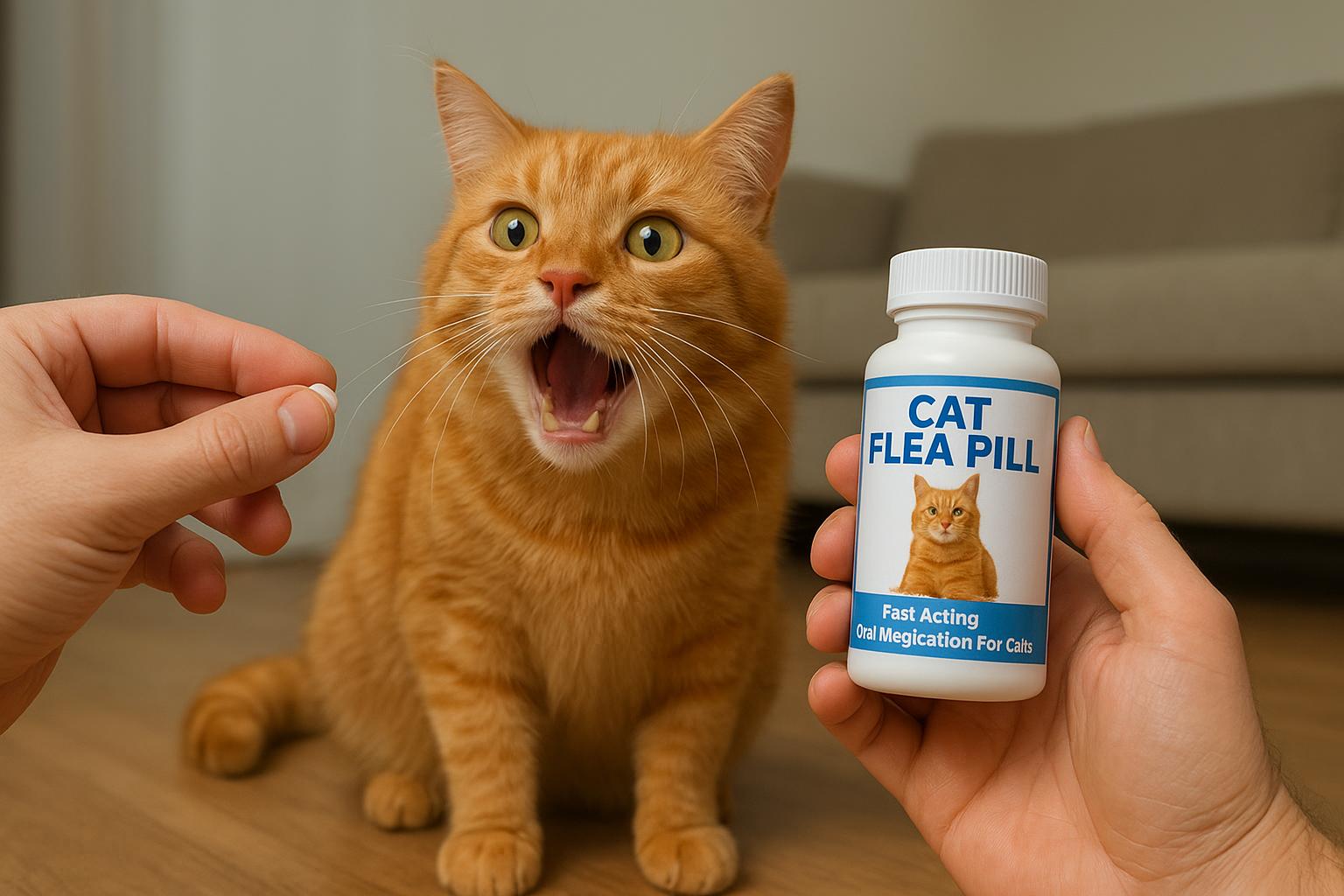
When you see fleas on a kitten, the most reliable path is a veterinarian-recommended treatment. Many over-the-counter products are labeled for kittens, but label reading alone isn’t enough. A vet will consider the kitten’s age, weight, general health, and potential exposure risks.
#### Materials Required
– Veterinarian-prescribed or -recommended topical flea medication labeled for kittens
– Gloves for the person applying the product
– A towel to calm the kitten if needed
– A scale (to confirm kitten’s weight if you’re unsure)
– Written instructions from your veterinarian or the product leaflet
#### Step-By-Step Application And Precautions
1. Confirm Approval: Have the vet confirm the product and dosage based on current weight. Many topical products are only approved for kittens older than 8 weeks or above a specific weight threshold.
2. Read Instructions: Carefully review the product’s leaflet for application site, frequency, and any contraindications.
3. Restrain Safely: Wrap the kitten gently in a towel if needed. Keep the kitten steady but not stressed.
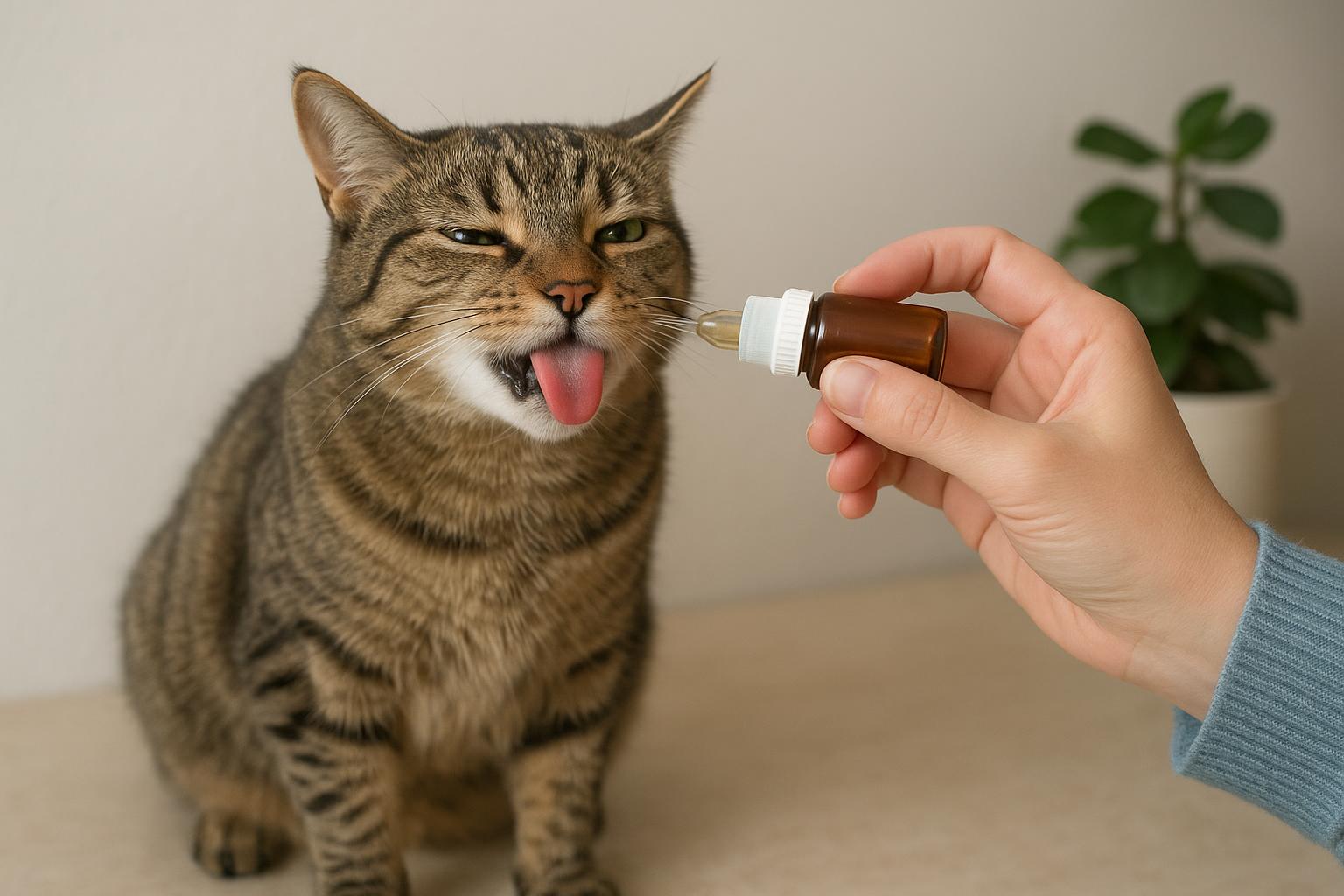
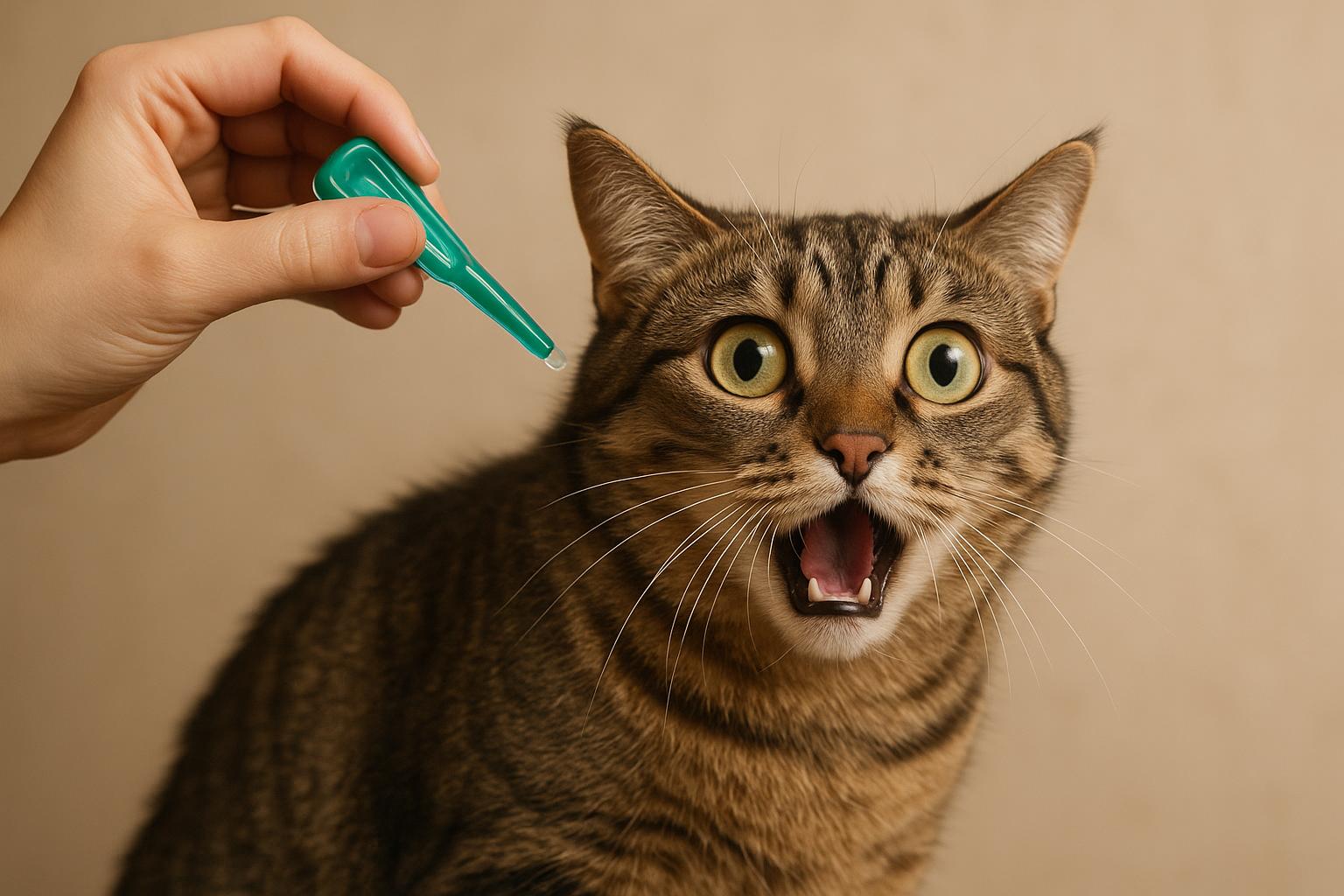
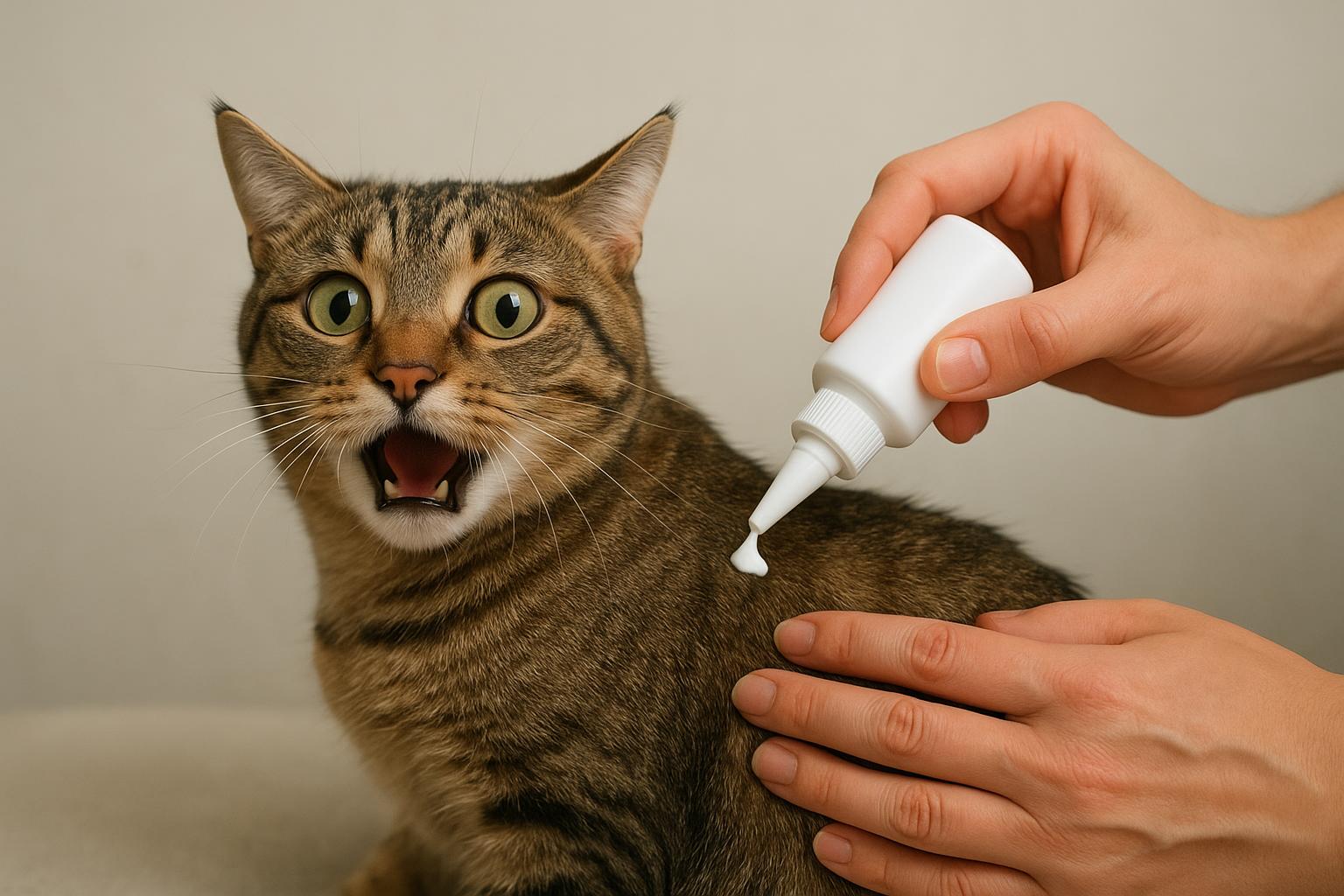
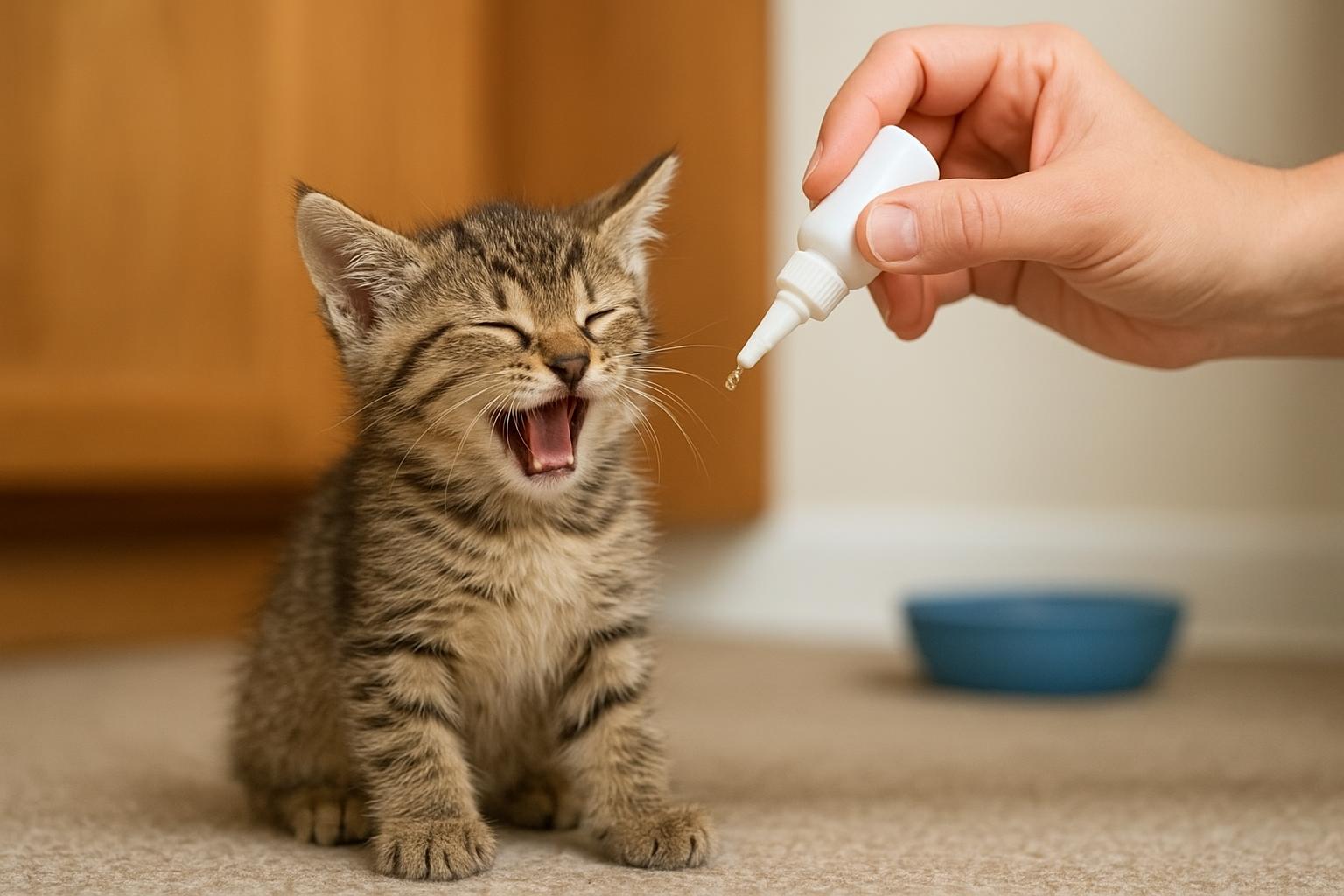
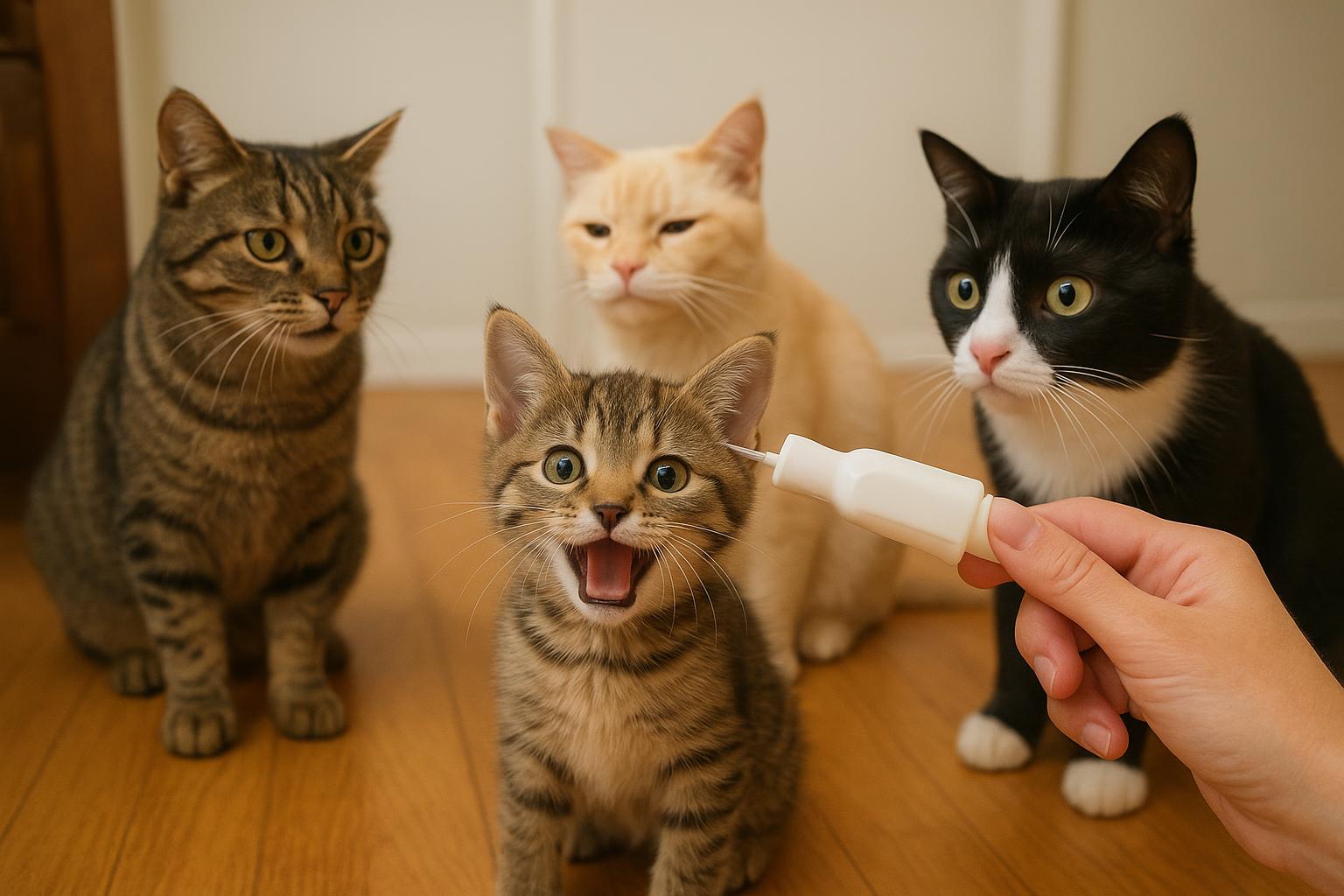
4. Apply Topically: Place the tip of the applicator directly on the skin at the base of the kitten’s neck (between the shoulder blades). Part the fur to get product on skin, not fur.
5. Prevent Licking: Keep the kitten from grooming the application site until it dries—usually a few hours. Do not bathe the kitten for at least 48 hours after application unless directed otherwise.
6. Observe: Monitor the kitten for 24–48 hours for any signs of adverse reaction (excessive drooling, tremors, vomiting, lethargy, or skin irritation). Contact your vet immediately if you notice concerning signs.
7. Follow Up: Reapply only as directed. Do not use repeat applications more often than the approved interval.
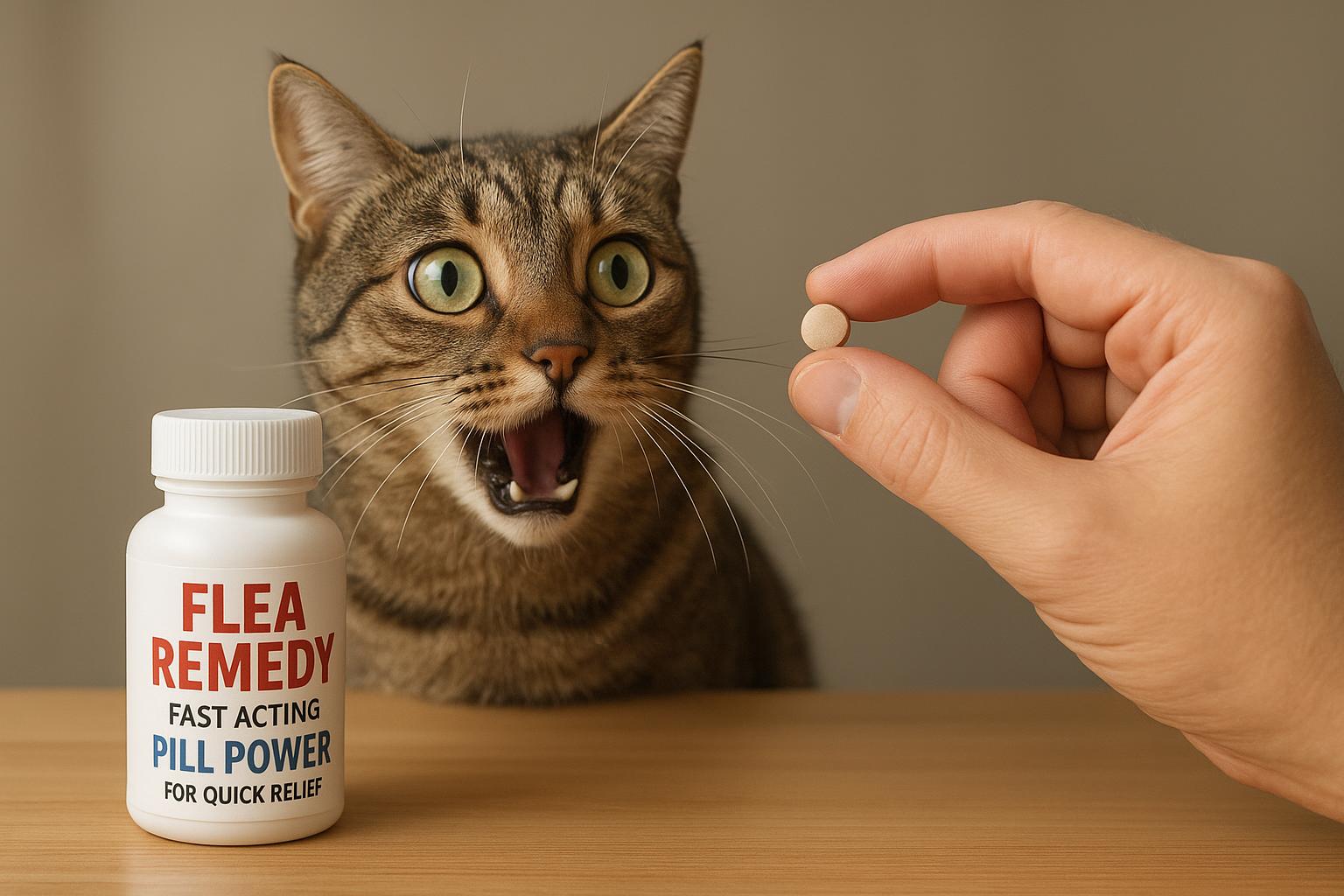
Important note: Never use dog-specific flea products on cats or kittens. Some dog products contain permethrin or other compounds highly toxic to felines. Kitten flea safety hinges on using products specifically labeled for kittens or prescribed by a veterinarian.
### 2. Home Care And Non-Chemical Remedies (Formal Guidance)
If your kitten is too young for chemical treatments or you prefer non-chemical approaches as supplementary measures, effective home care can reduce flea loads safely. These approaches are not always sufficient alone for heavy infestations but are valuable parts of an integrated plan.
#### Materials Required
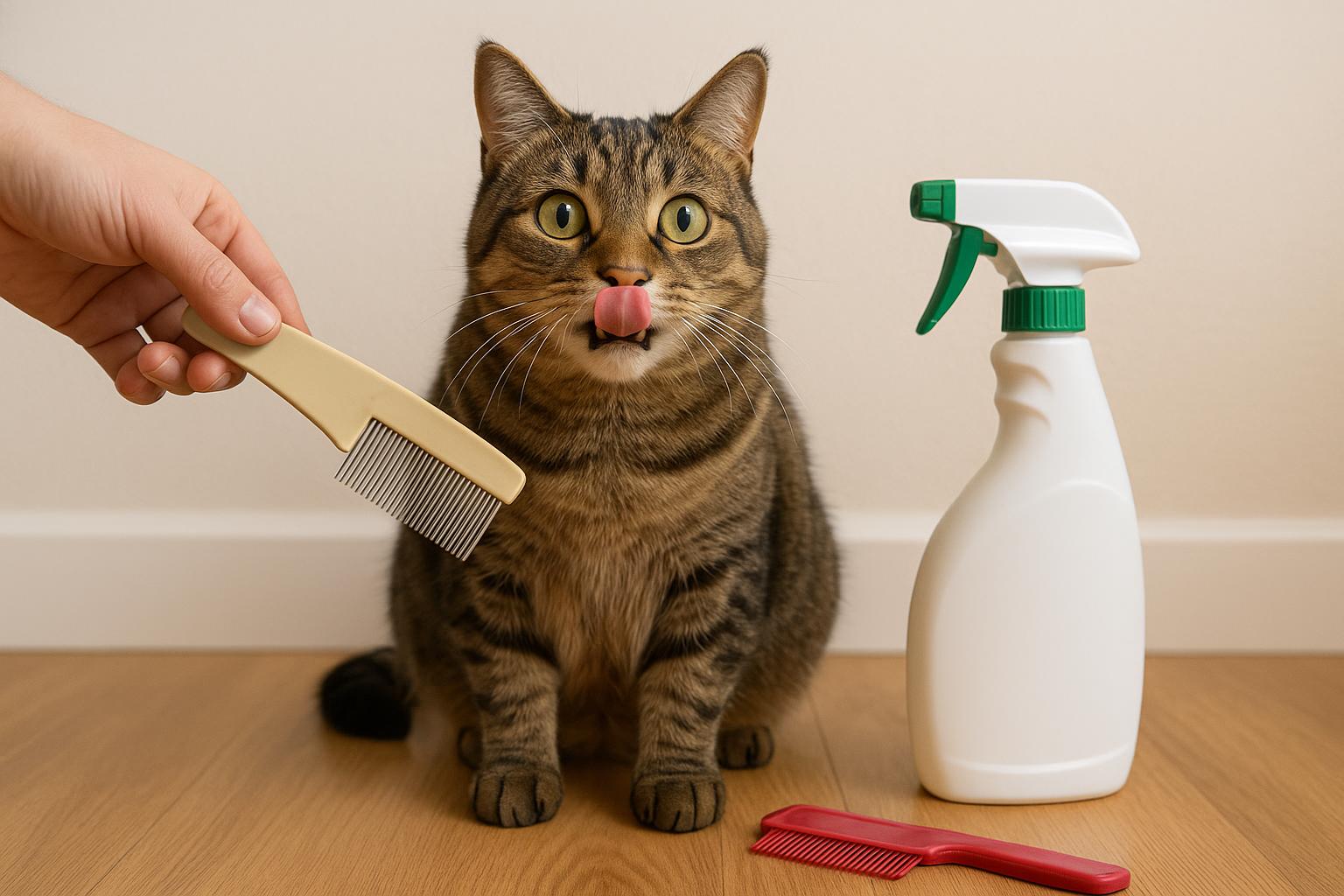
– Fine-toothed flea comb
– Mild kitten-safe shampoo (or veterinarian-approved dish-free soap)
– Warm water and a shallow basin or sink
– Towels for drying
– Safe, warm spot for the kitten to rest after bathing
– Vacuum cleaner with attachments
– Laundry detergent and hot water for bedding
#### Step-By-Step Creation And Application
1. Assess Age: Confirm kitten’s age. Very young kittens (under 4 weeks) may need specialized handling and should see a vet before bathing.
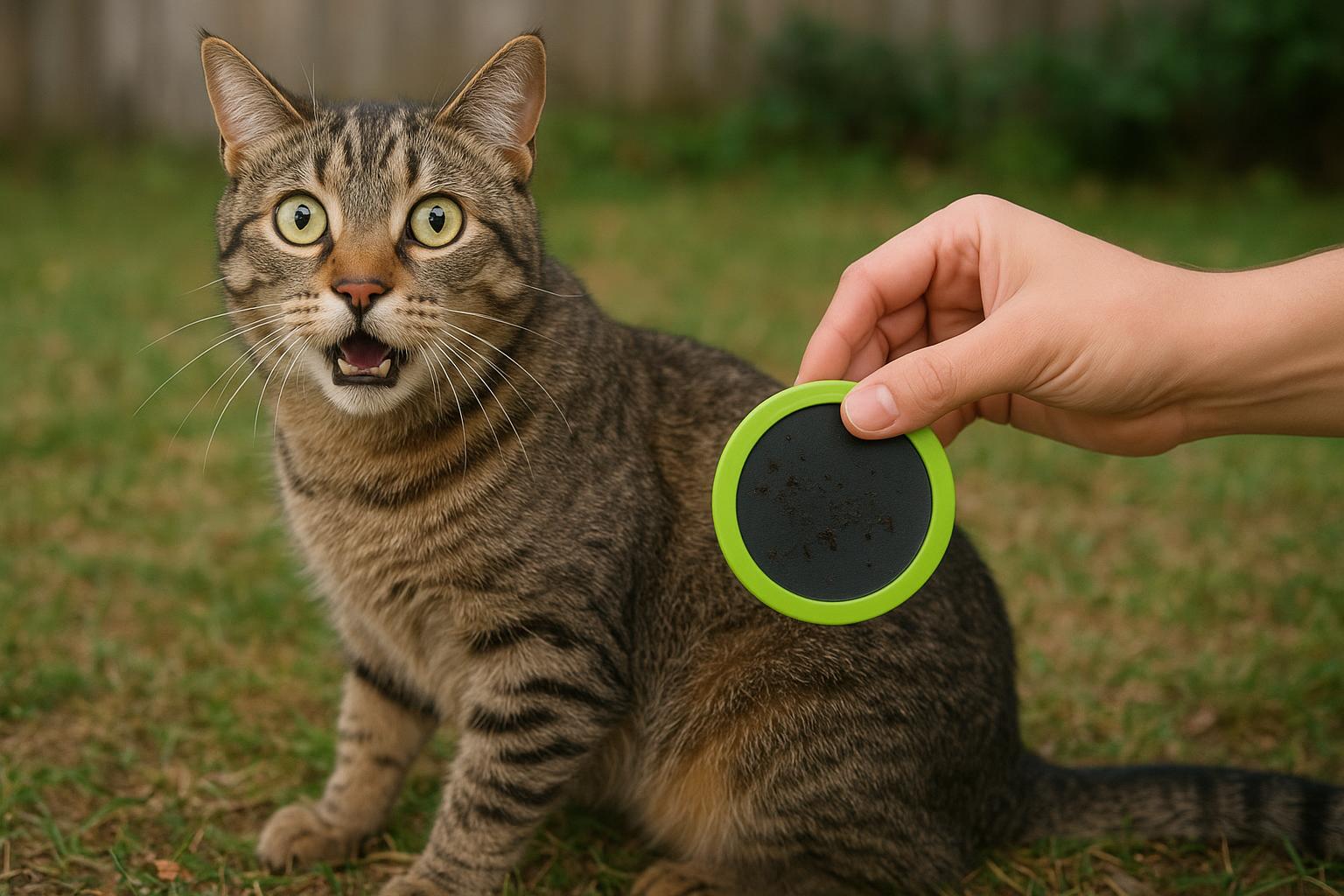
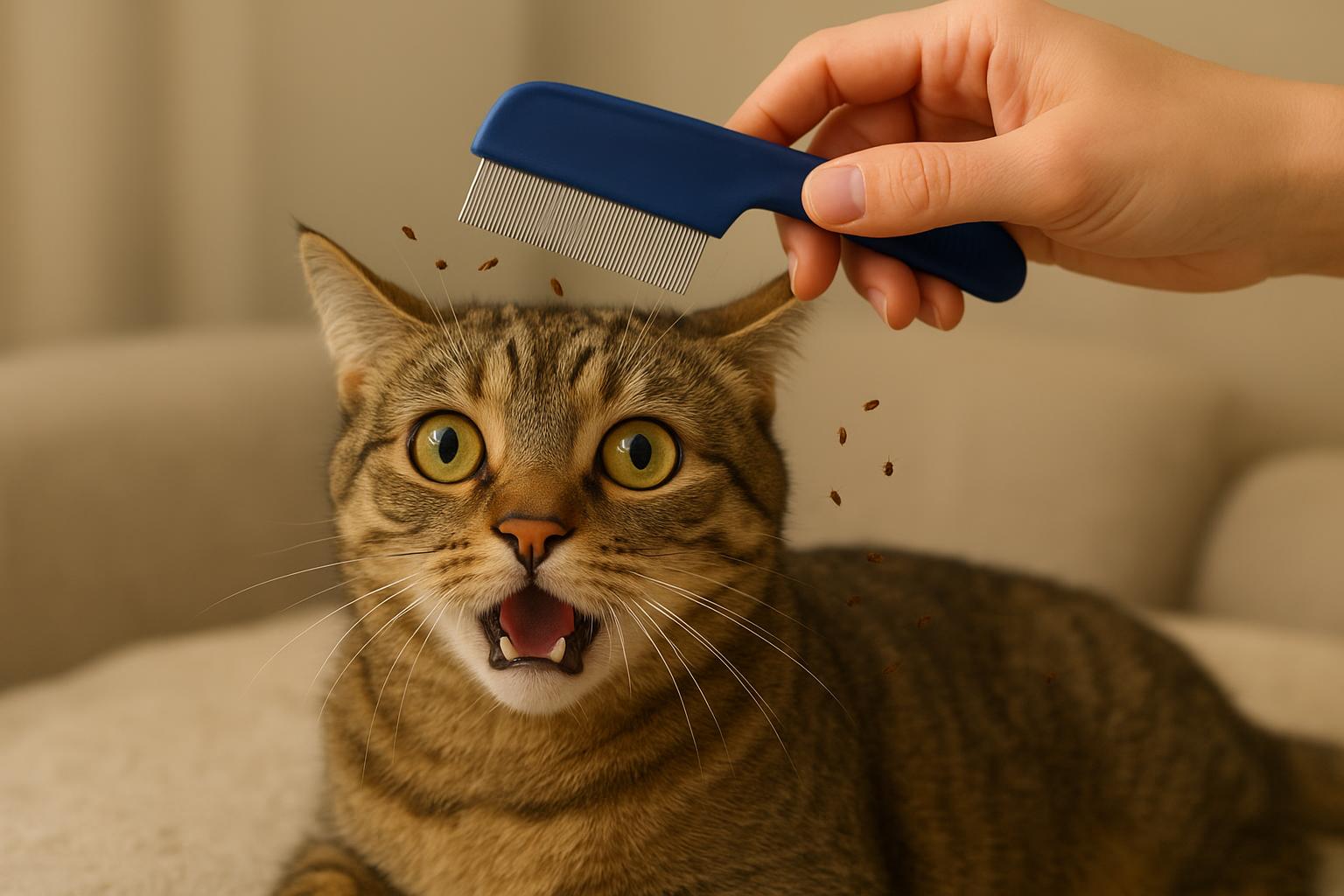
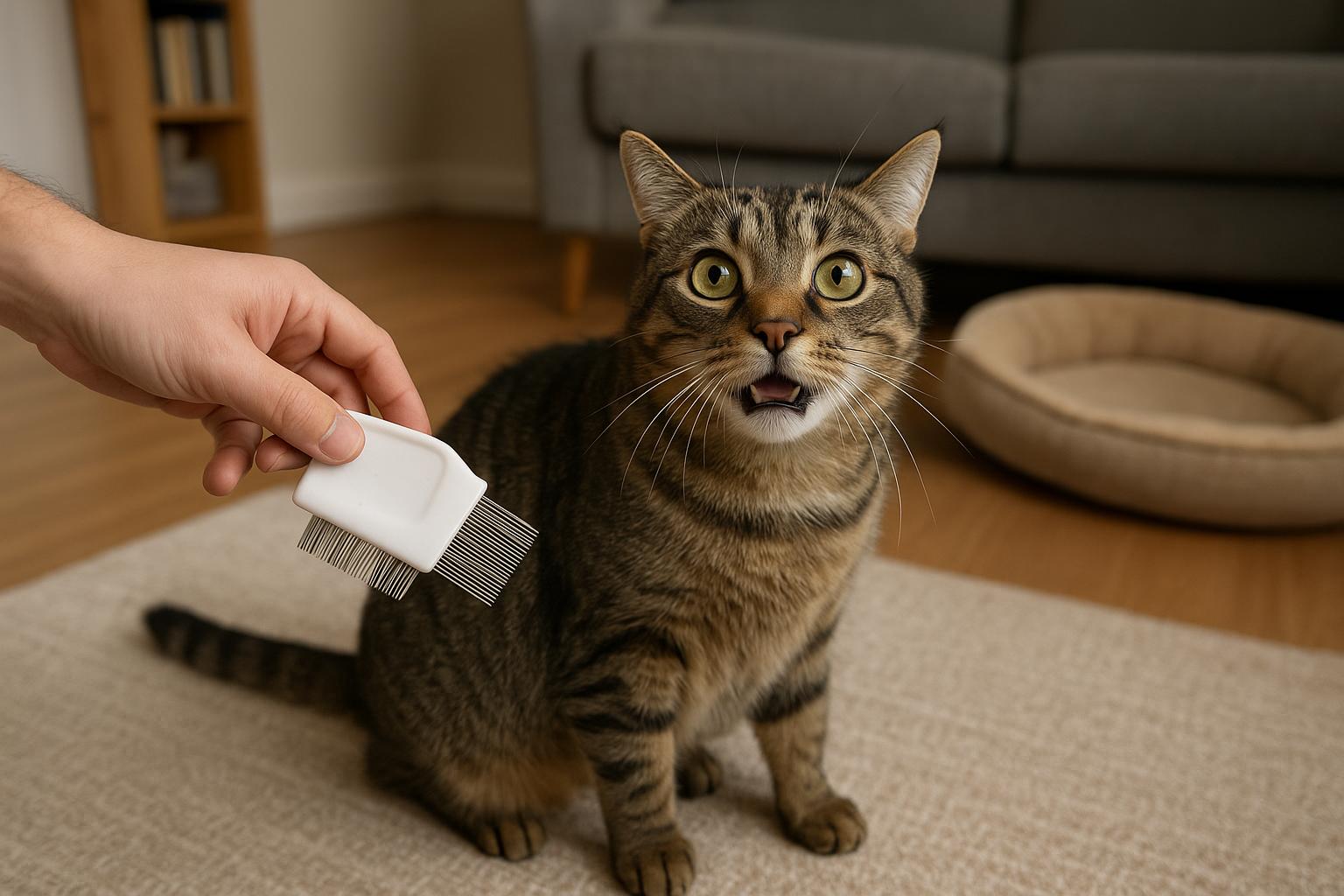
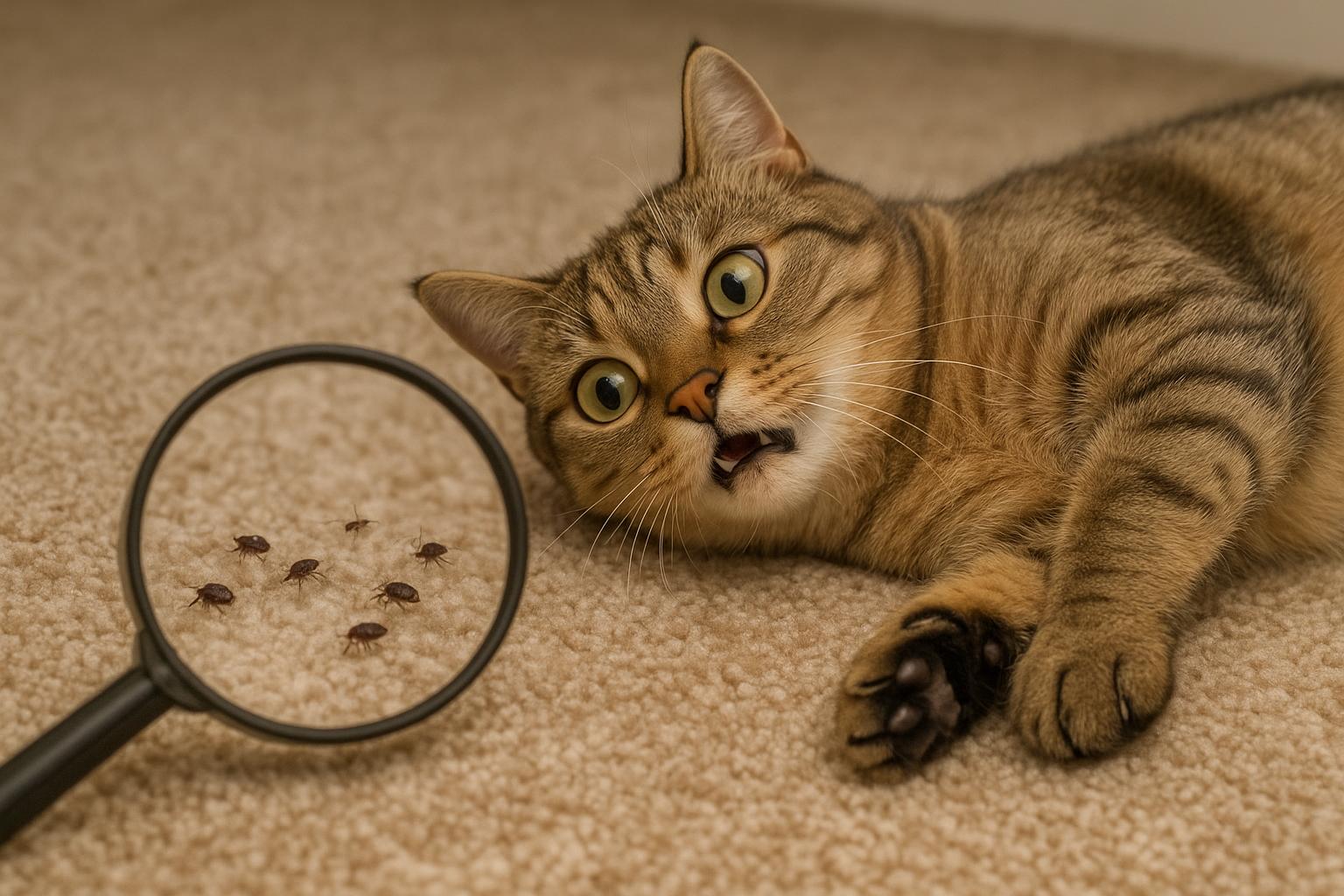
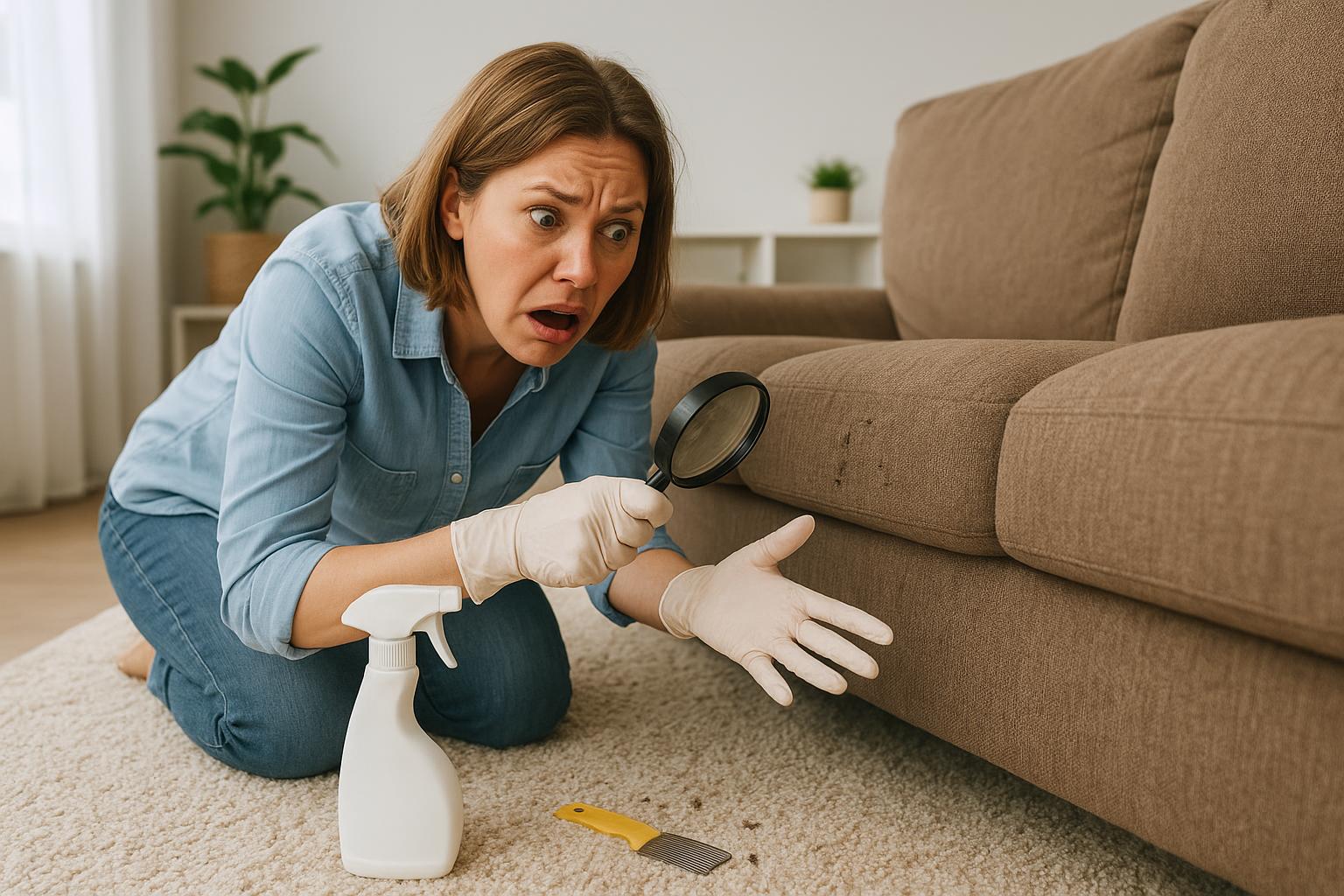
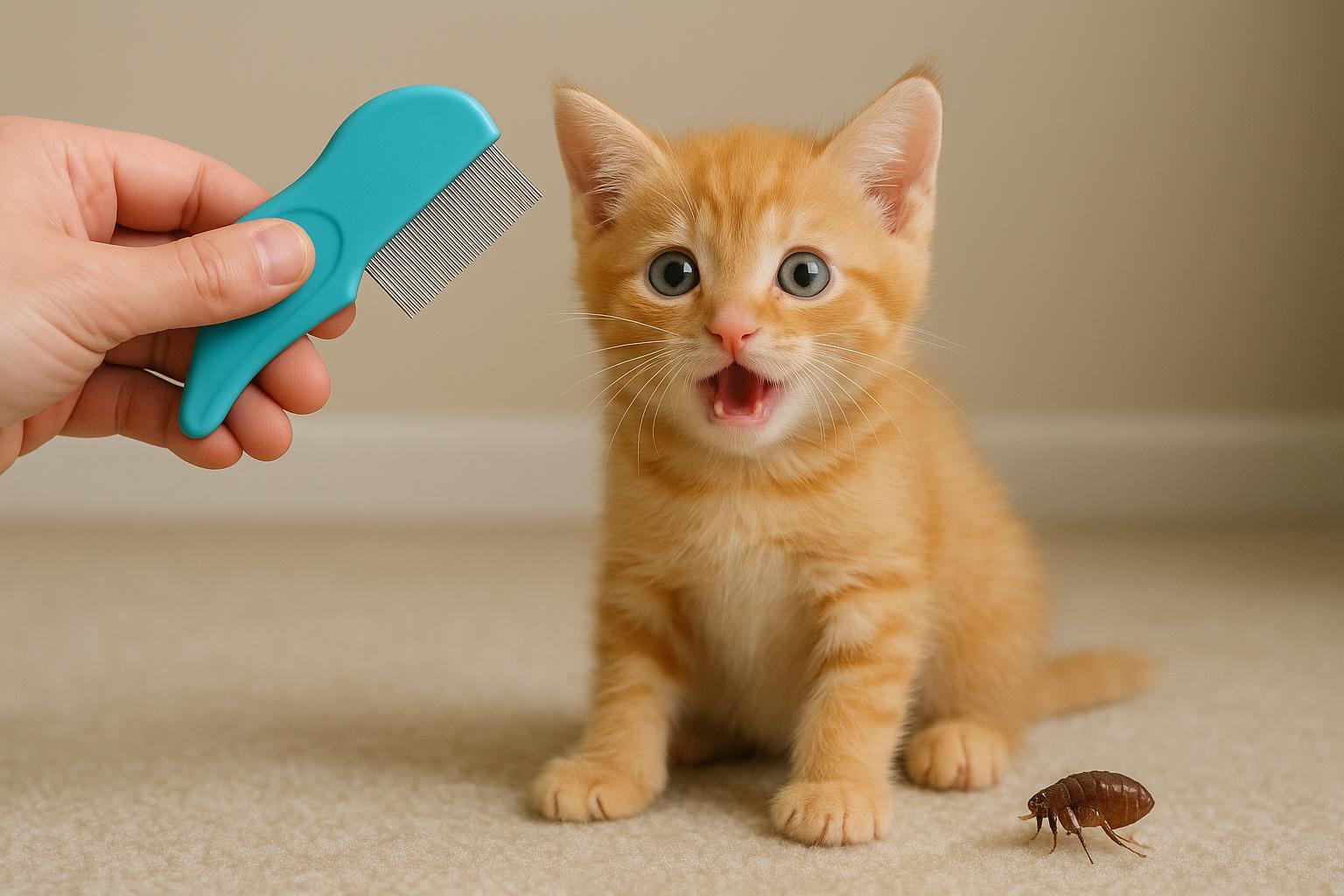
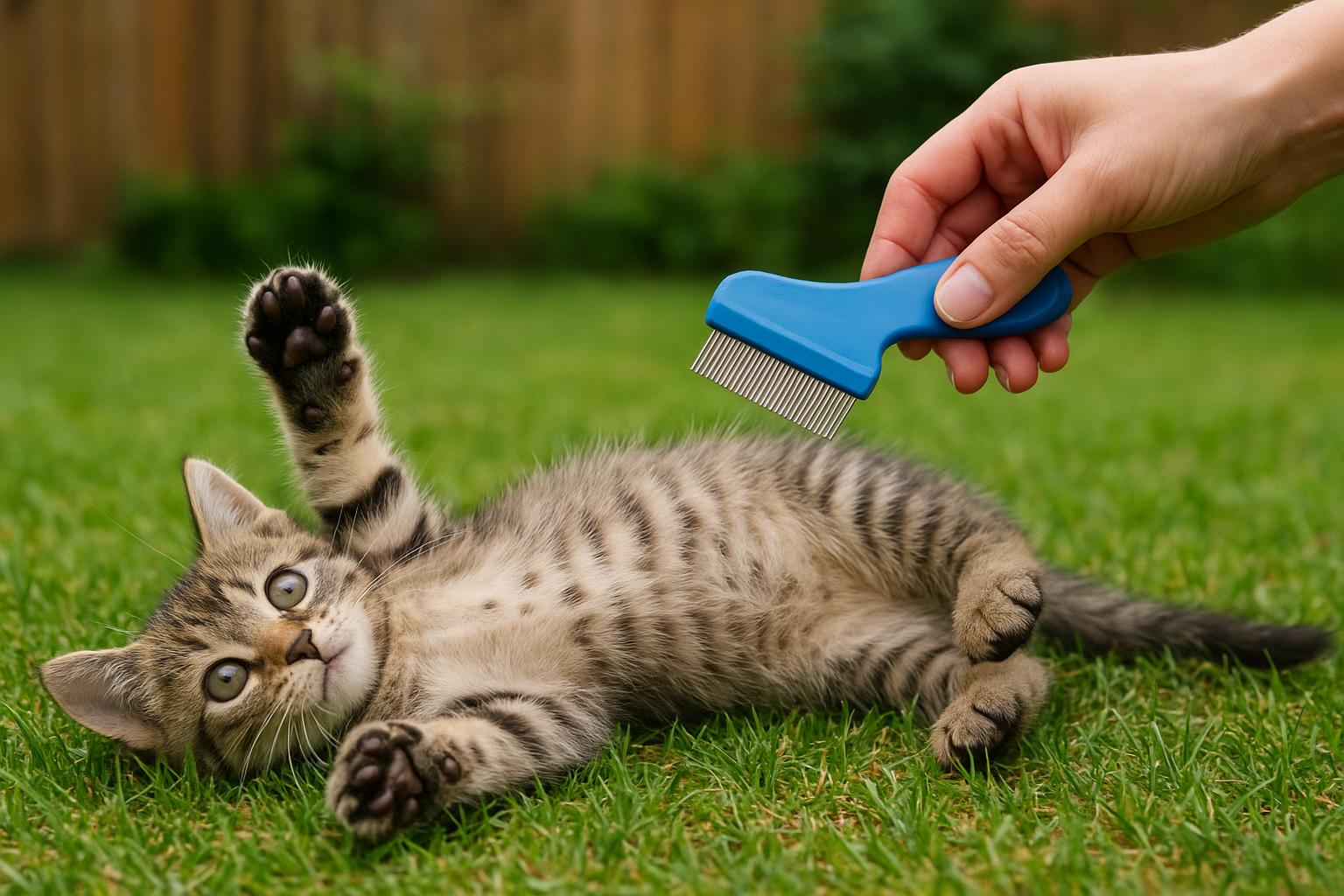
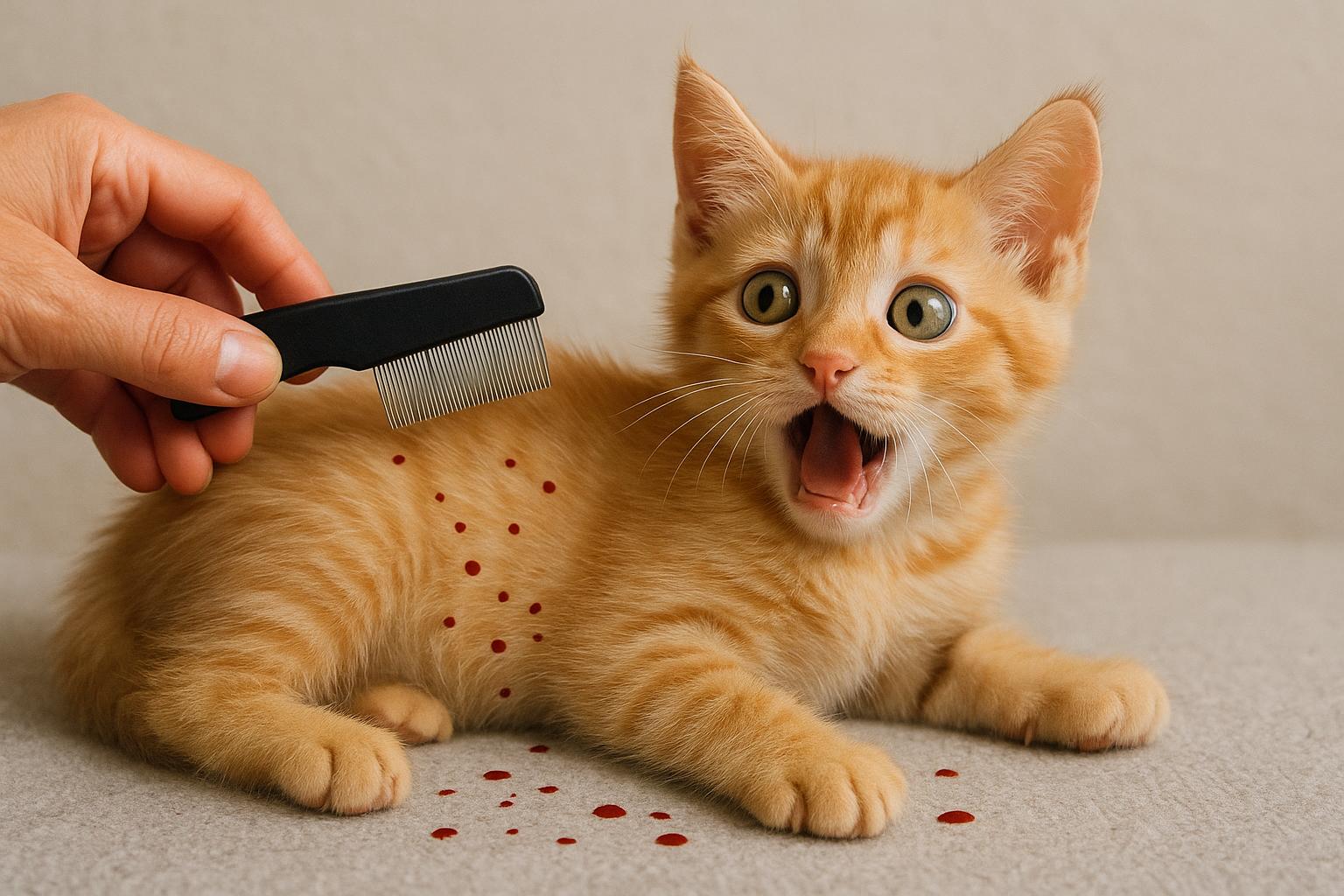
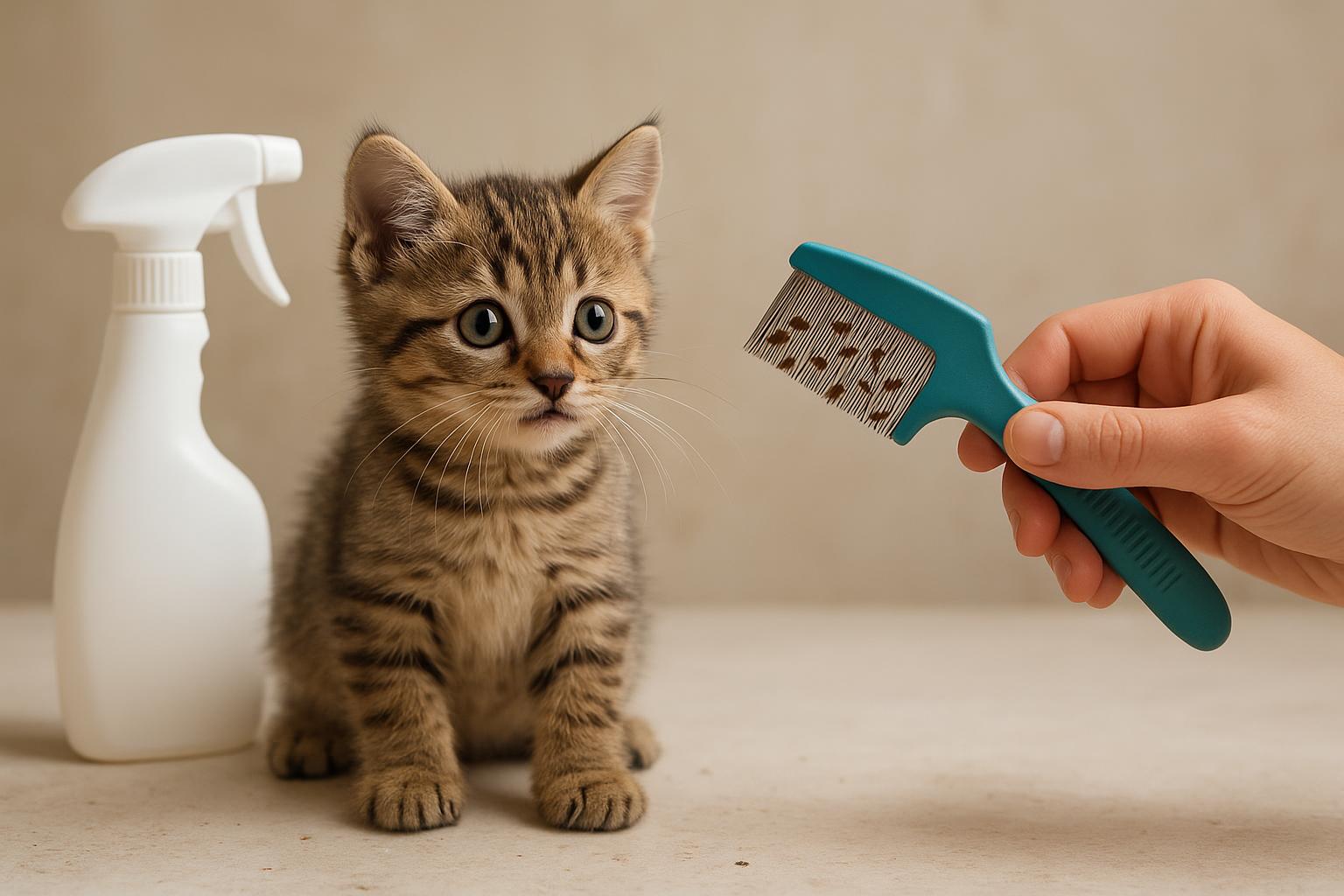
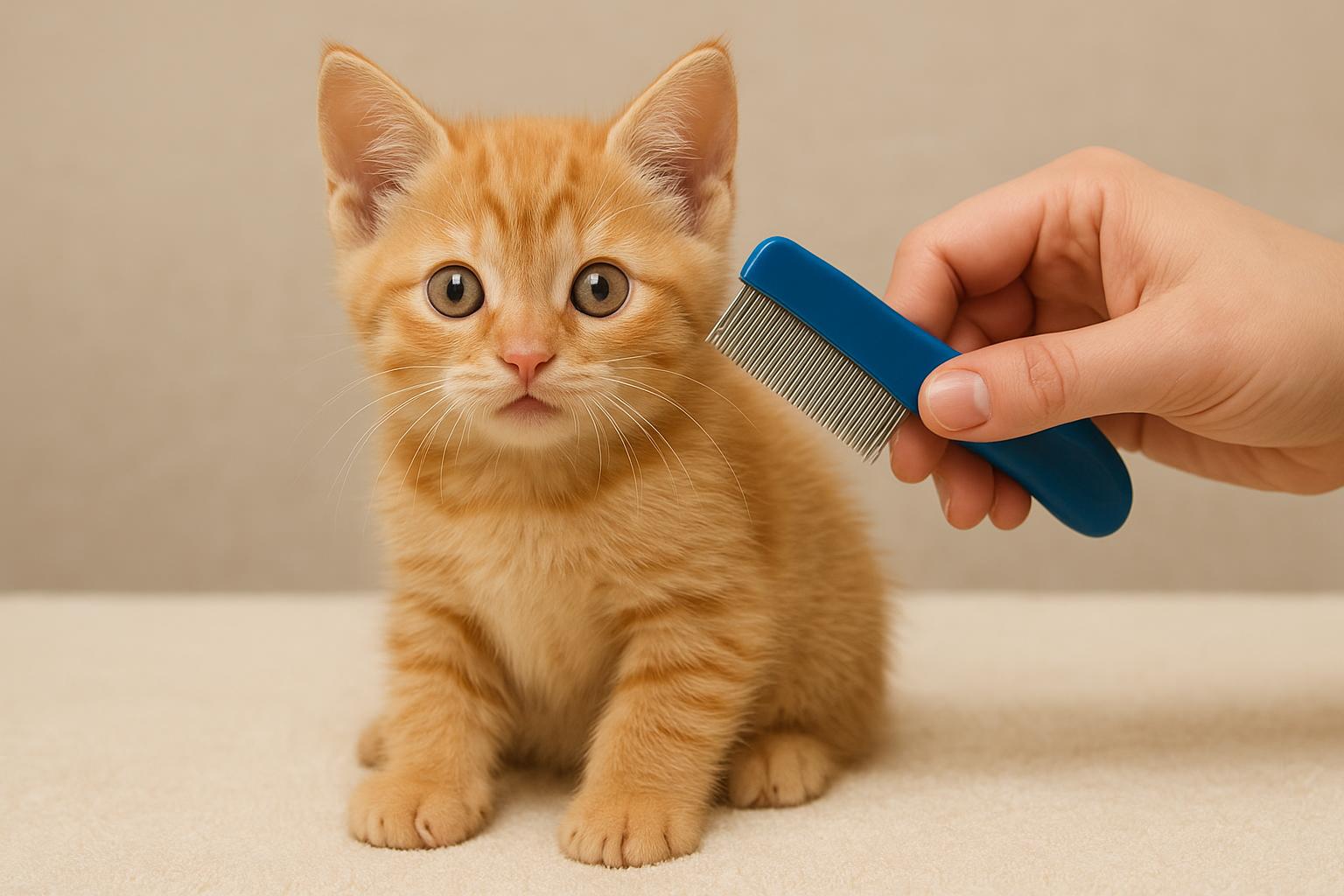
2. Flea Combing: Use a fine-toothed flea comb daily. Comb from head to tail, paying close attention to the neck and base of tail. Wipe the comb on a paper towel to check for black specks (flea dirt) or live fleas. Dispose of any fleas by drowning them in soapy water.
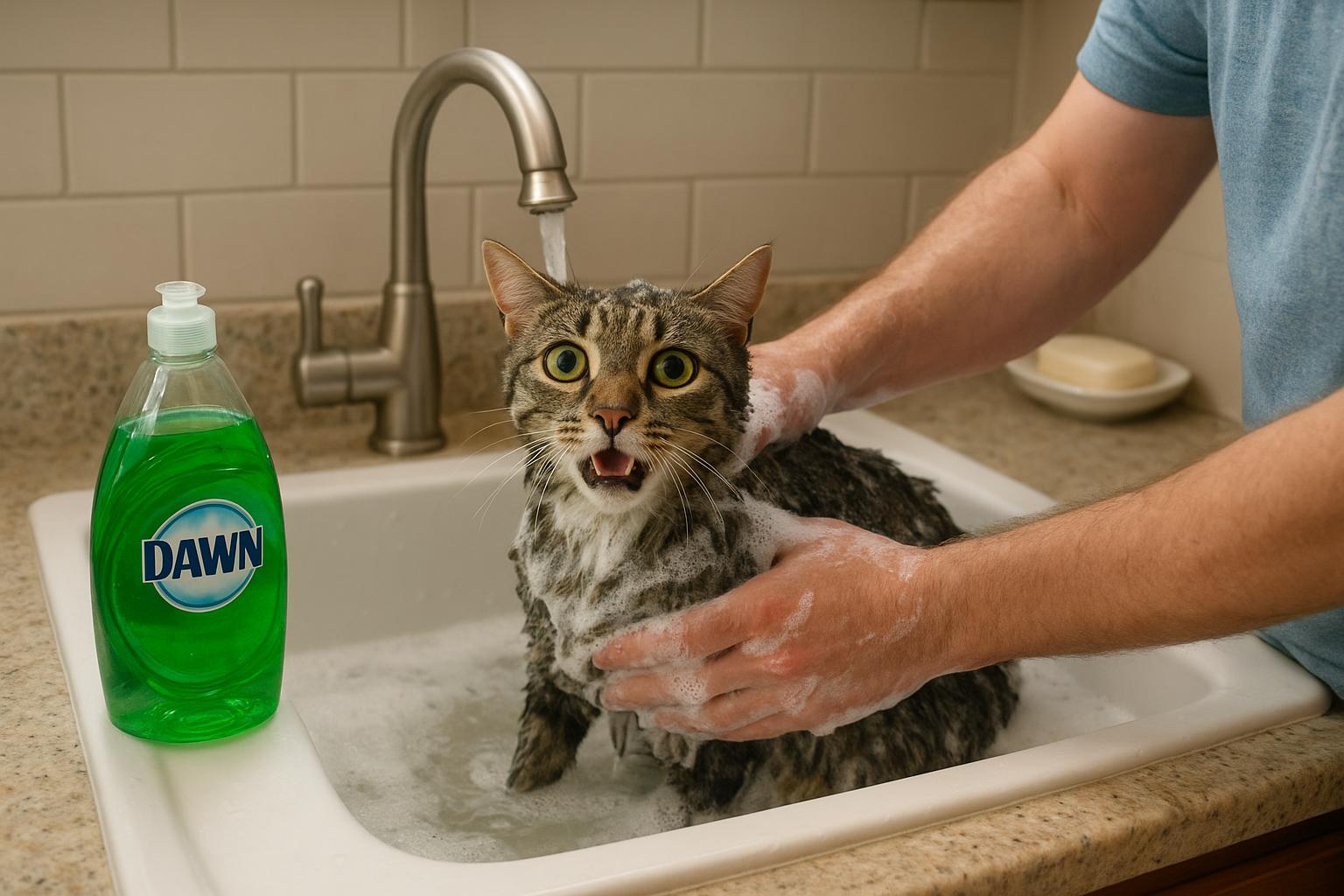
3. Bathing: For kittens old enough for a gentle bath (ask your vet if unsure), use warm water and a kitten-safe shampoo. Lather carefully and rinse thoroughly. Soap will drown and remove many fleas. Avoid extreme temperatures and keep the kitten warm until fully dry.
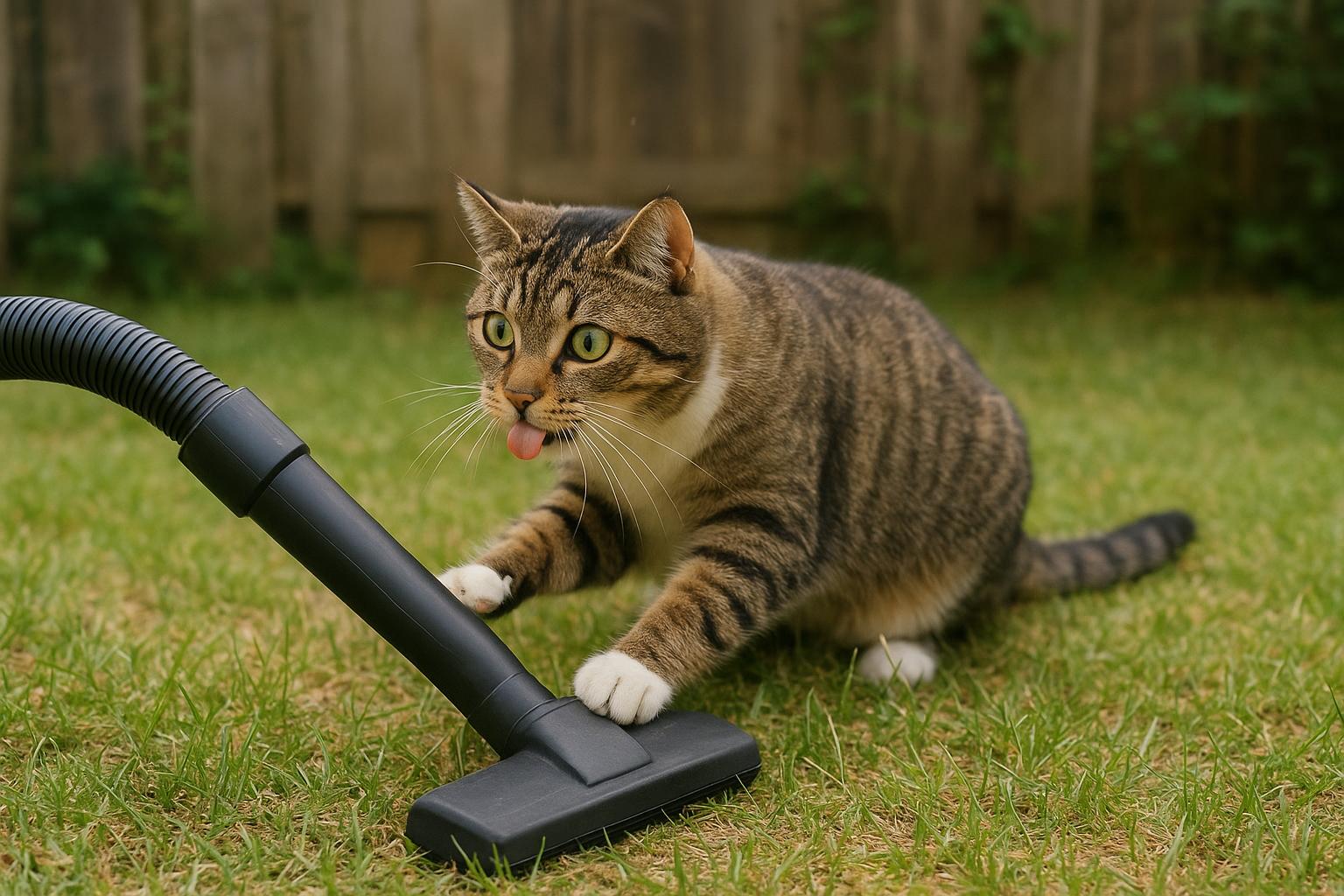
4. House Cleaning: Vacuum floors, furniture, and carpets, especially where the kitten spends time. Empty the vacuum immediately or seal its bag. Wash all kitten bedding in hot water and dry on high heat to kill eggs and larvae.
5. Environmental Control: Consider using vet-recommended environmental sprays or foggers only if they are safe for households with kittens and follow label instructions precisely. Many household insecticides are not safe around young kittens.
6. Repeat: Continue combing and cleaning for several weeks—flea eggs can hatch later. Persistence is key.
While home methods help, they often need to be paired with vet-approved treatment for full control in moderate to severe infestations. Always prioritize kitten flea safety by consulting your veterinarian before starting any home regimen.
## Understanding Risks And Misconceptions
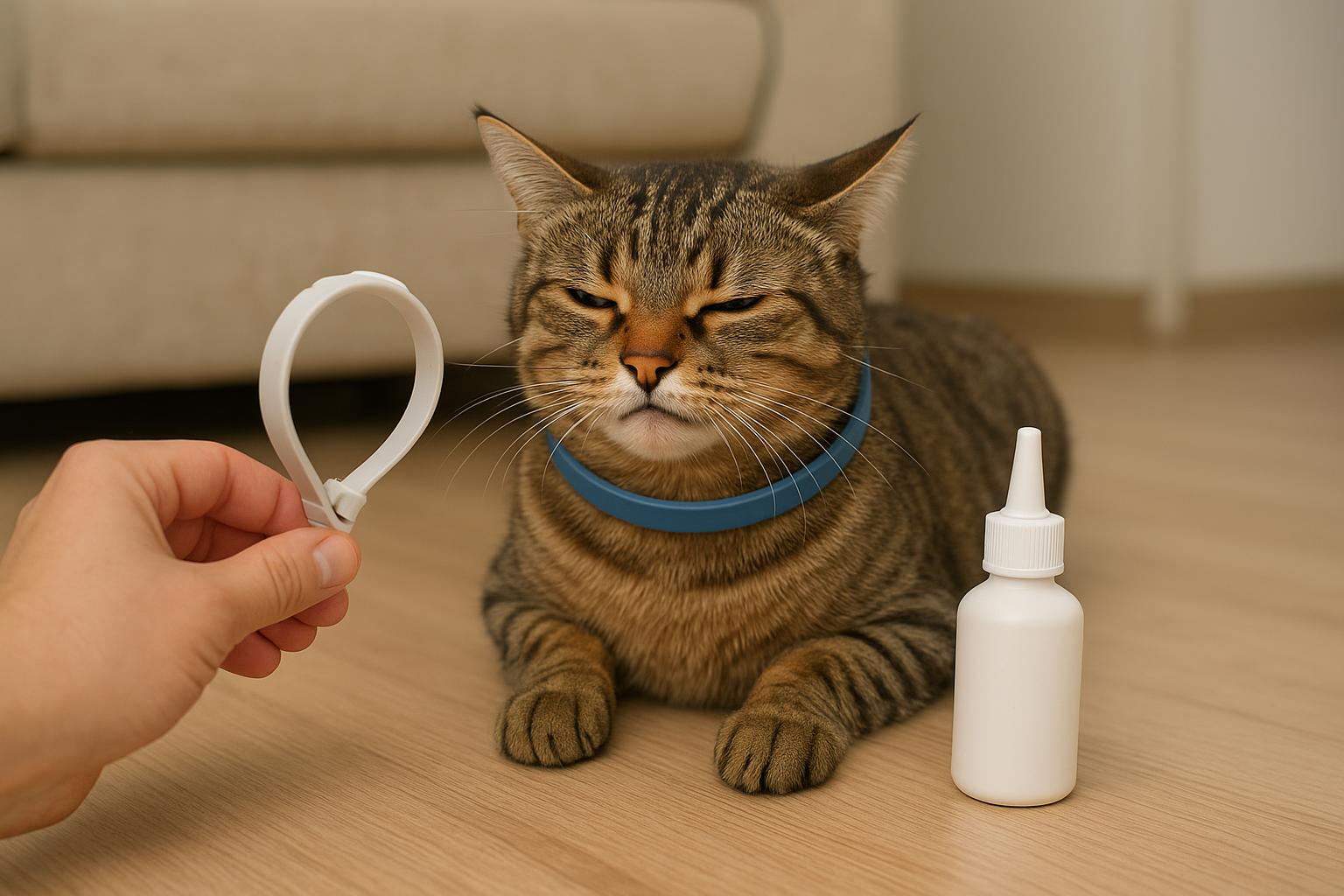
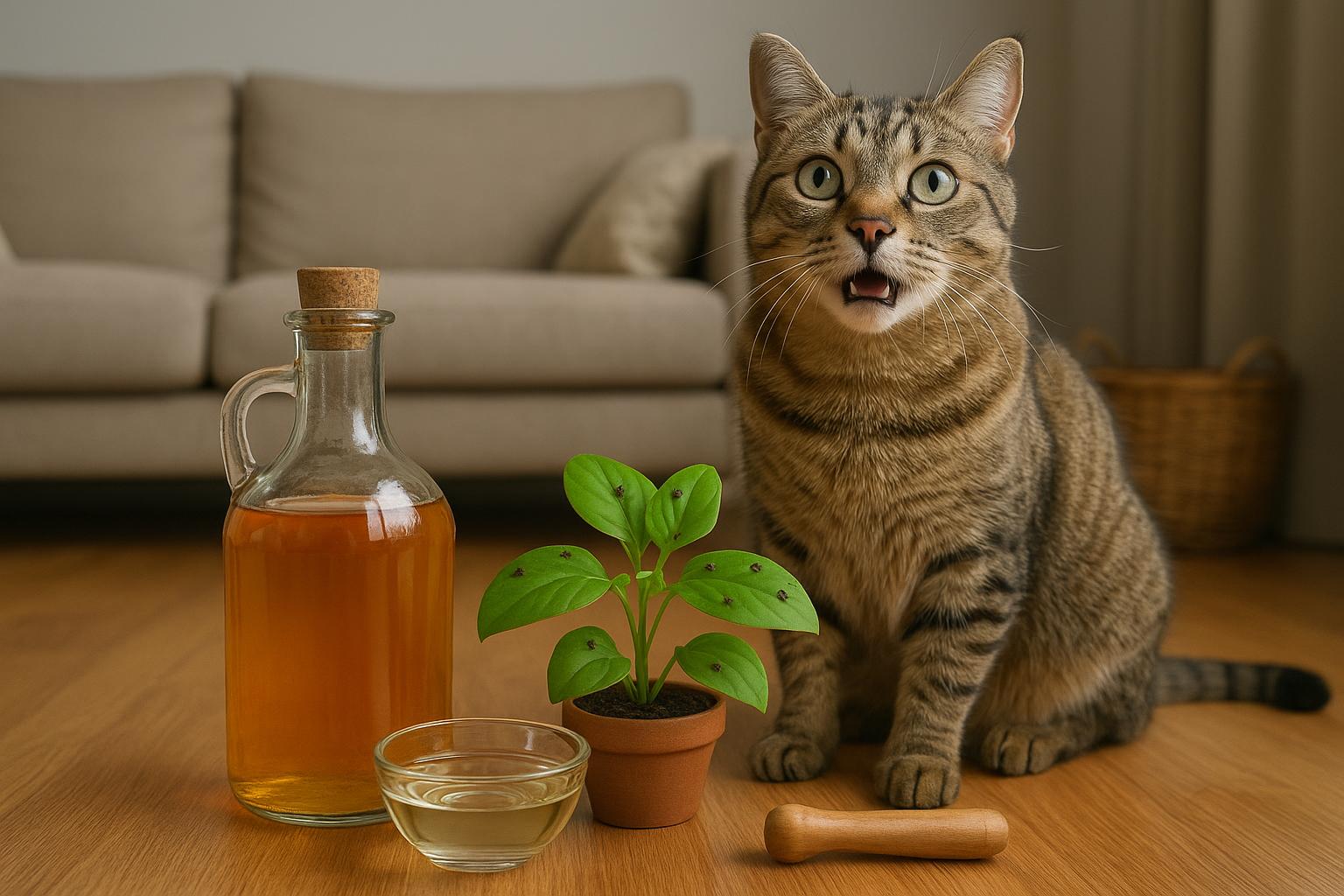
There’s a lot of folklore out there: some people swear by essential oils, human shampoos, or over-the-counter dog products. These can be risky. Essential oils like tea tree oil can be toxic to kittens. Human flea shampoos may contain harsh chemicals or fragrances that irritate young skin. And again: dog flea products can contain compounds that are deadly to cats. Prioritize kitten flea safety by avoiding unverified remedies and asking your veterinarian before trying alternative treatments.
#### Age And Weight Considerations
Kittens gain weight quickly, and many product instructions hinge on minimum age or weight. A product listed safe for “kittens 8+ weeks” is not necessarily safe for a 6-week-old. If you are uncertain about a kitten’s age, your vet can estimate it based on teeth and overall development.
#### Handling Multiple Pets
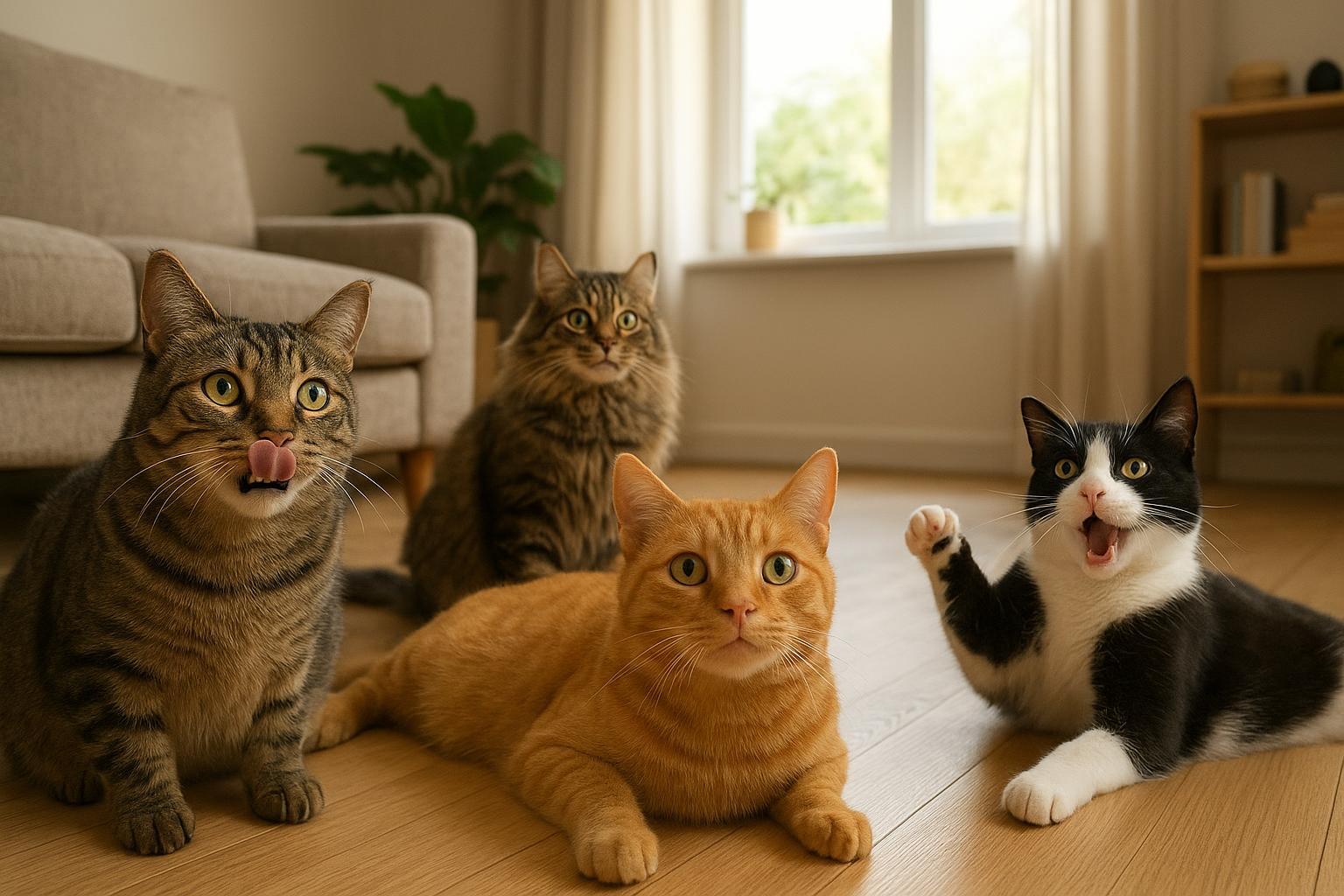
If you have other pets, treat them appropriately as well. An untreated dog or adult cat can reintroduce fleas. Always use species-appropriate products and coordinate timing so you’re not mixing chemicals dangerously in the house. Kitten flea safety includes managing the entire household’s flea status.
## When To Call The Veterinarian
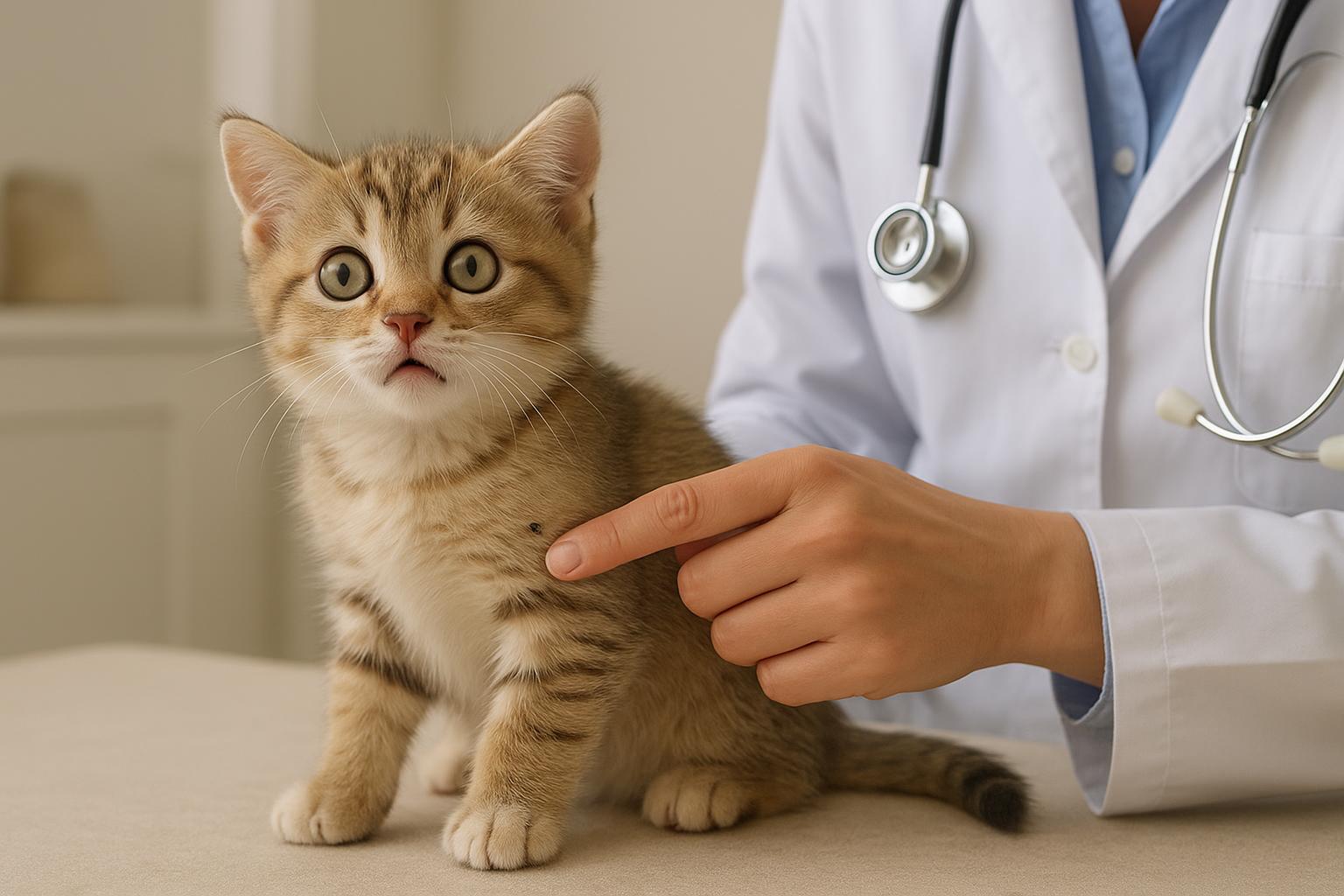
If your kitten is very young, extremely itchy, losing weight, showing pale gums (a sign of anemia), is lethargic, or has visible skin sores or infections, contact your veterinarian immediately. Prompt professional care reduces risks and ensures safe, effective treatment. Your vet can also recommend safe preventatives once your kitten reaches the appropriate age and weight.
## Practical Tips For Ongoing Kitten Flea Safety
– Start Preventative Plans Early: Once your kitten reaches the recommended age/weight, discuss ongoing preventive options with your vet to avoid future infestations.
– Check Regularly: Flea combing is quick and effective for early detection. Make it part of your cuddle routine.
– Keep Outdoor Exposure Controlled: Limiting unsupervised outdoor time reduces flea exposure. If you do let your kitten explore outside, inspect them afterward.
– Store Products Safely: Keep flea medications out of reach of kids and pets. Follow disposal instructions for used applicators.
A new kitten brings joy—and responsibility. With careful attention, vet guidance, and sensible home care, you’ll protect your kitten without overreacting. Remember: kitten flea safety is about the right product at the right time, used the right way. Your veterinarian is your best partner in making that happen.




Leave a Reply