

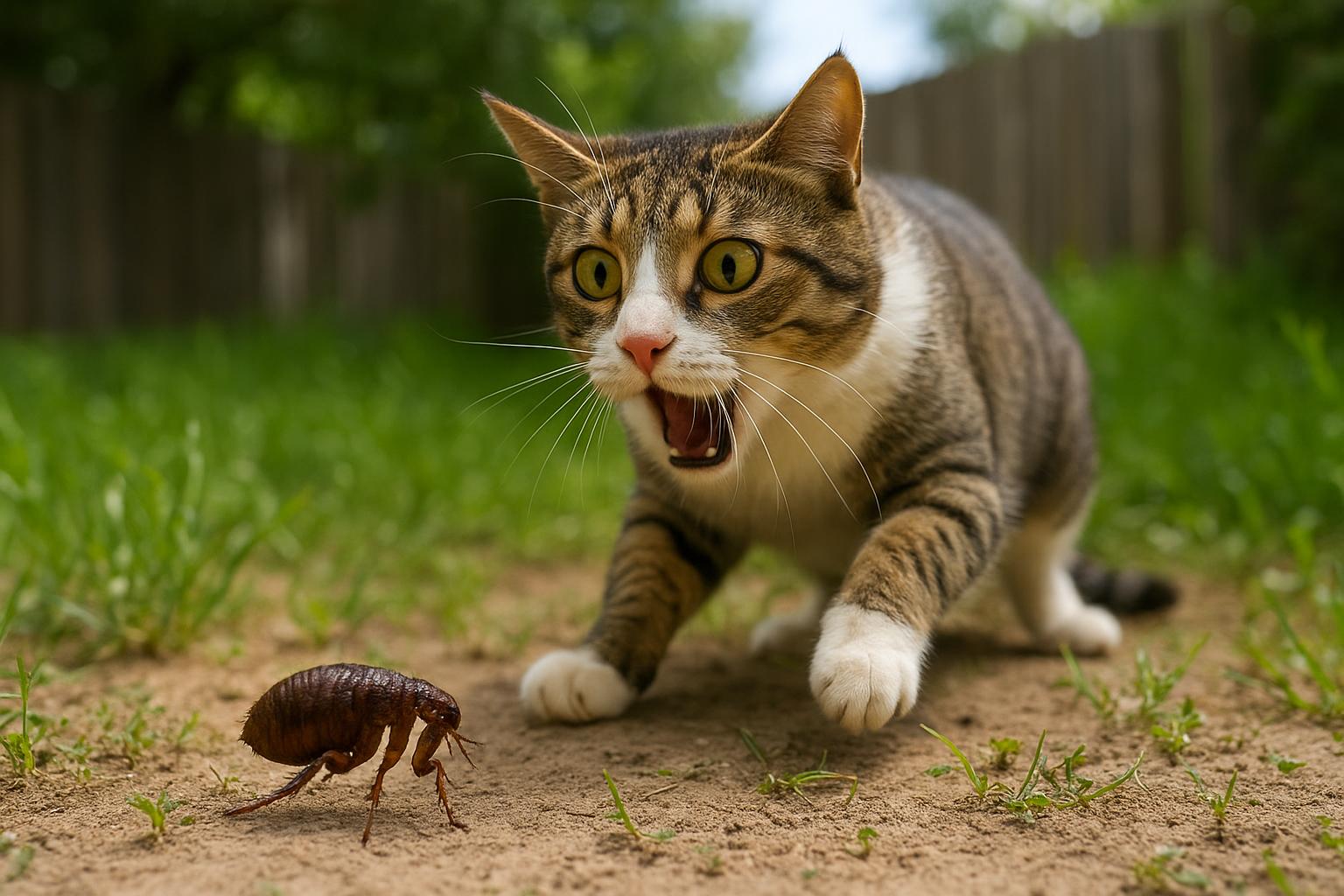
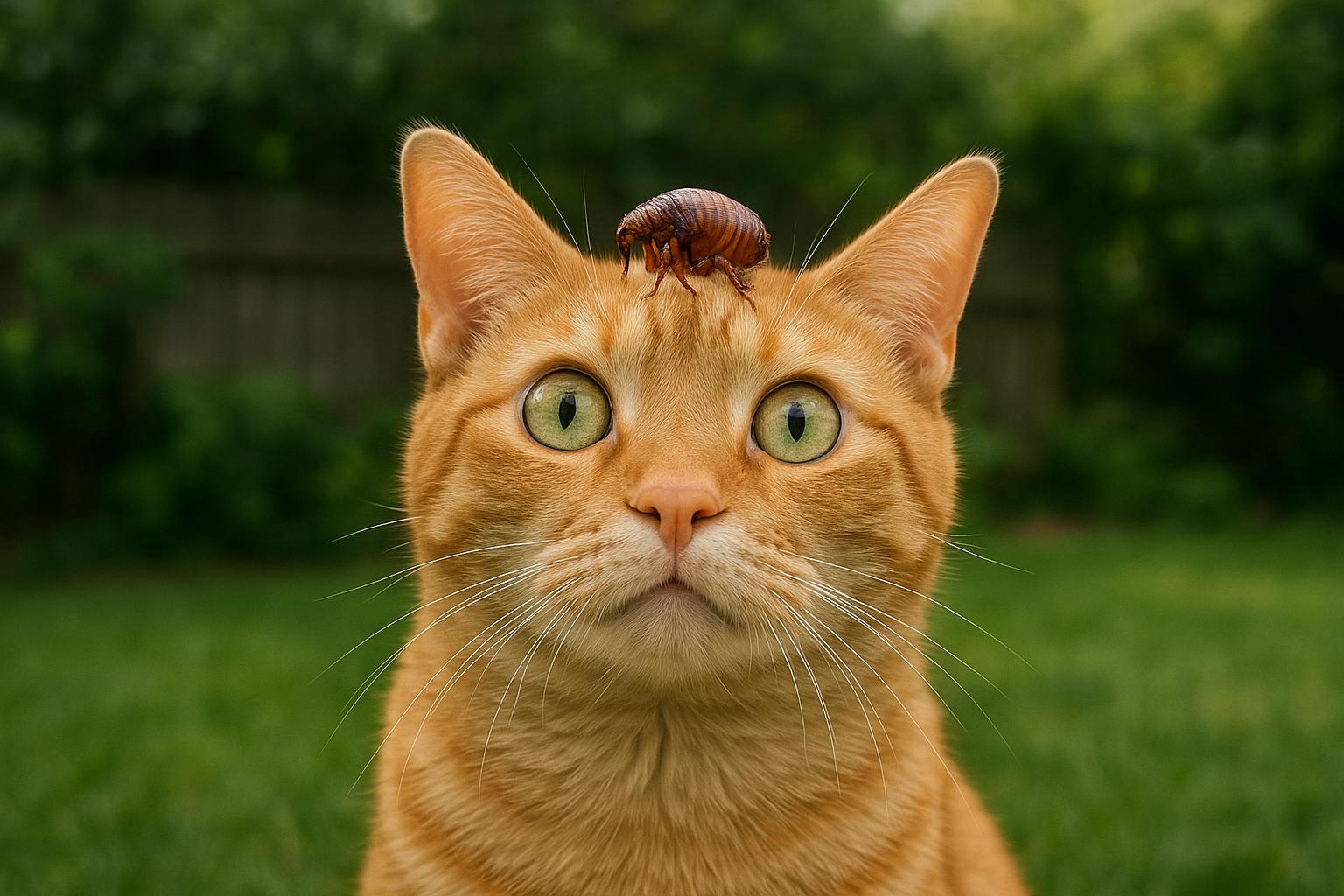
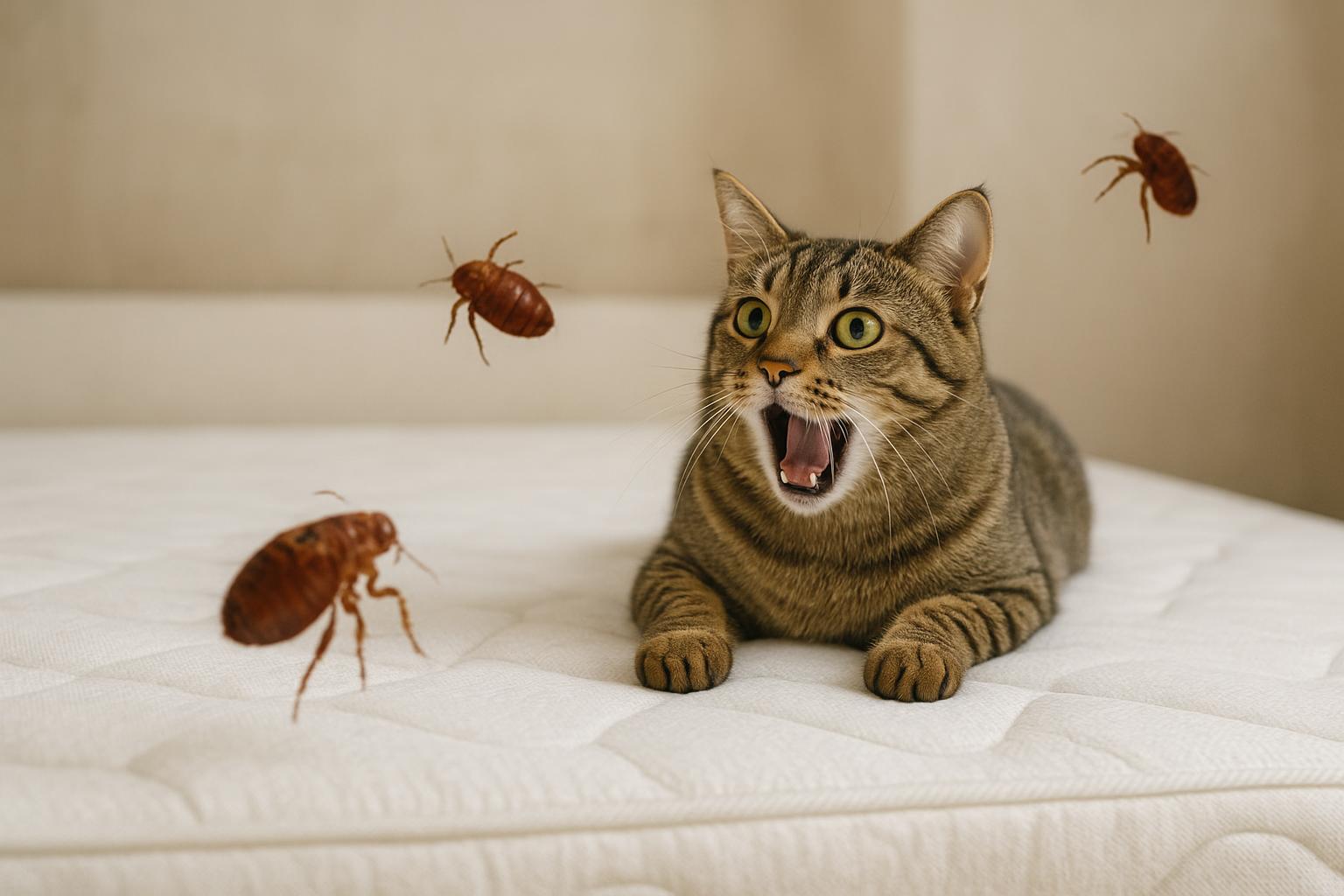
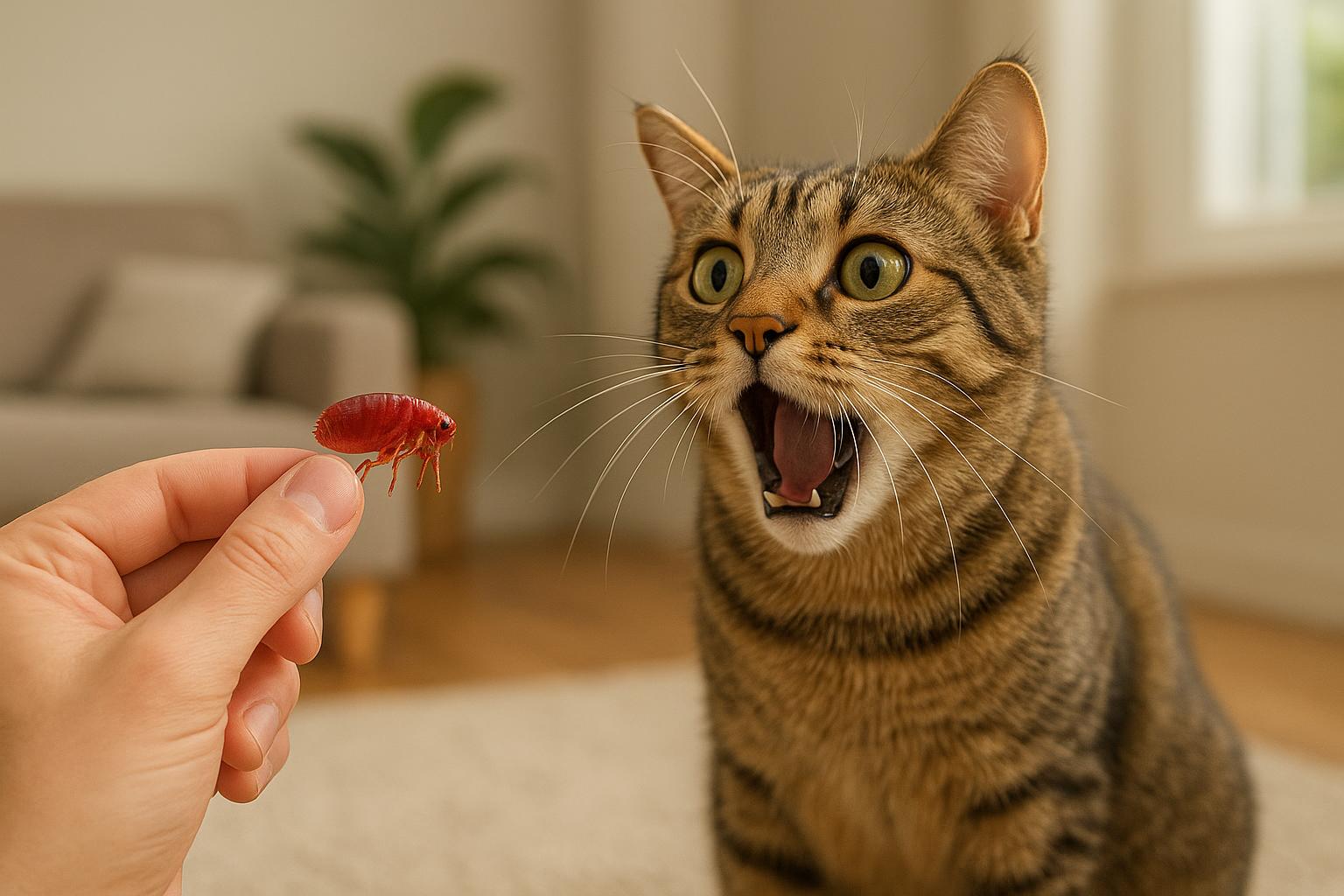
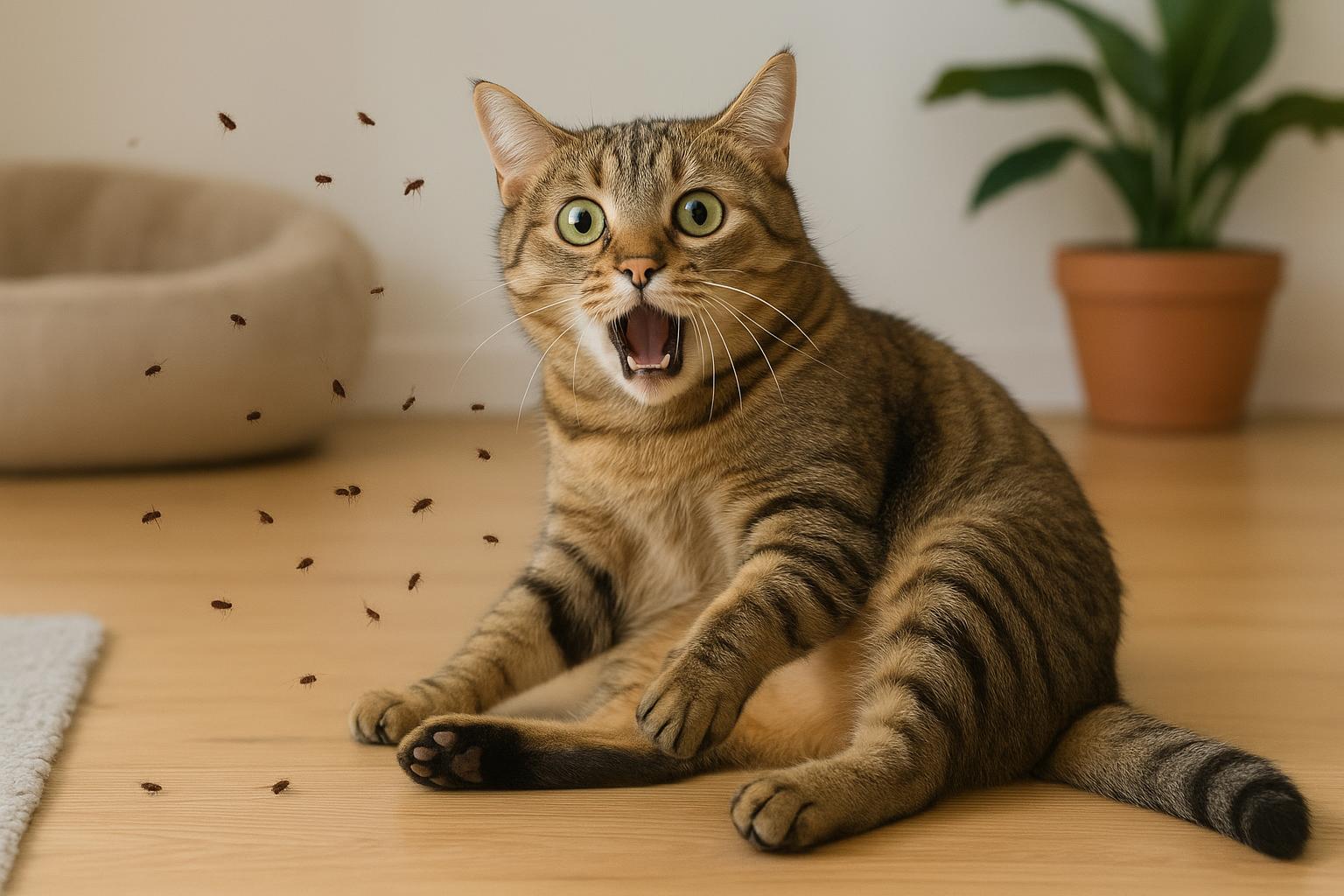
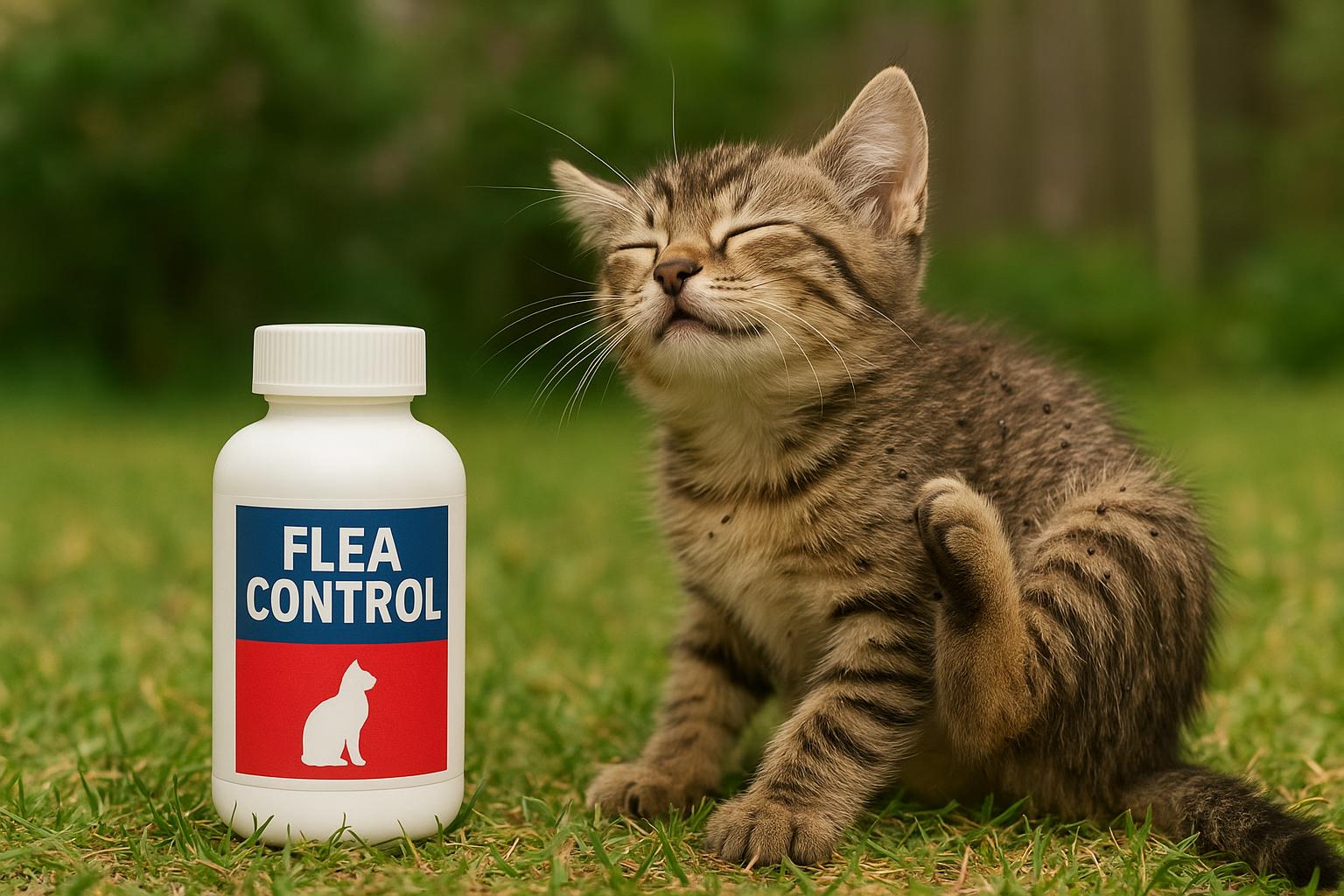
If your new kitten has suddenly turned into a tiny, furry back-scratcher, you’re not alone — fleas love a warm nap spot as much as your living room couch. A reliable kitten flea remedy is not just about comfort; it’s about health. Fleas can cause anemia in very young kittens, spread tapeworms, and make life miserable for everyone in the household. Below are two practical, safe approaches — one gentle DIY option for mild infestations and a formal, vet-approved topical solution for more serious cases. Read on, and breathe easier knowing there are humane, effective ways to help your pet.
## 1. Natural Kitten Flea Remedy: Apple Cider Rinse
### Why This Works
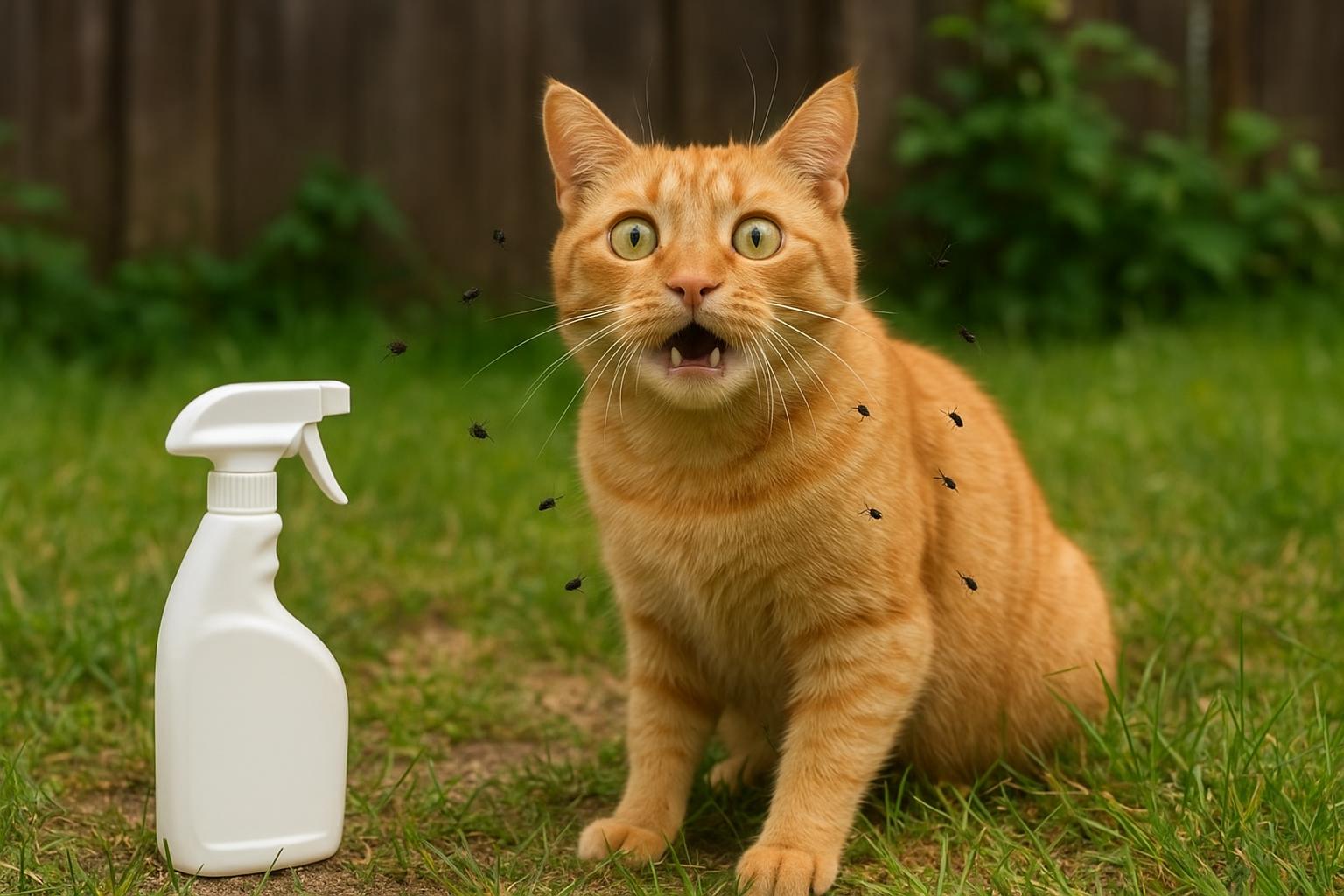
Apple cider vinegar (ACV) has a long history as a household pest deterrent because of its acidity and strong odor profile that fleas dislike. While ACV won’t kill an established heavy infestation instantly, a properly prepared rinse can help repel fleas, soothe irritated skin, and assist combing efforts. This kitten flea remedy is best used as part of an integrated approach — bathing with the rinse, combing with a flea comb, and treating the home environment.
#### Ingredients And Materials
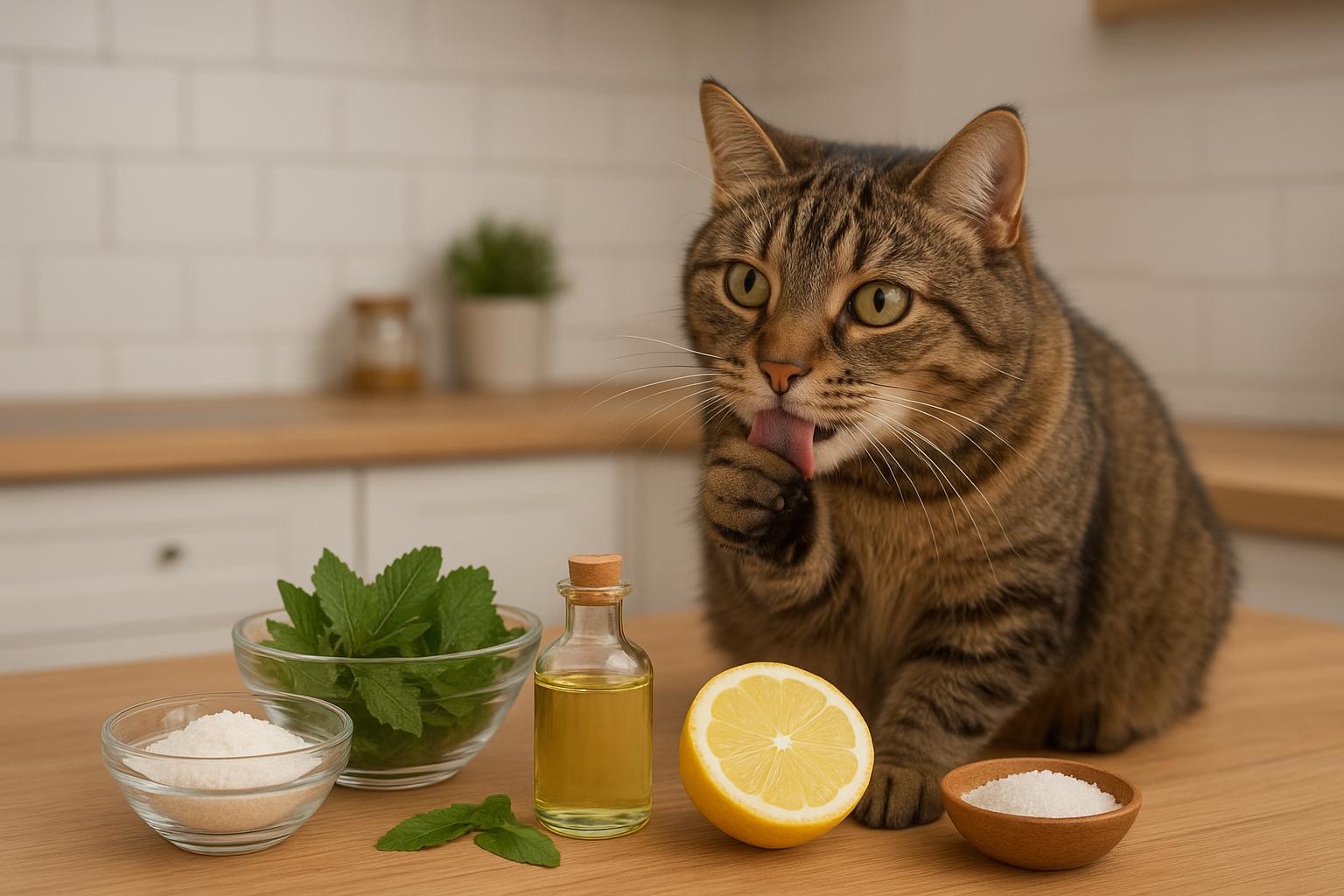
– 1 cup apple cider vinegar (with “the mother” preferred)
– 3 cups lukewarm water
– A clean spray bottle or a shallow bowl for rinsing
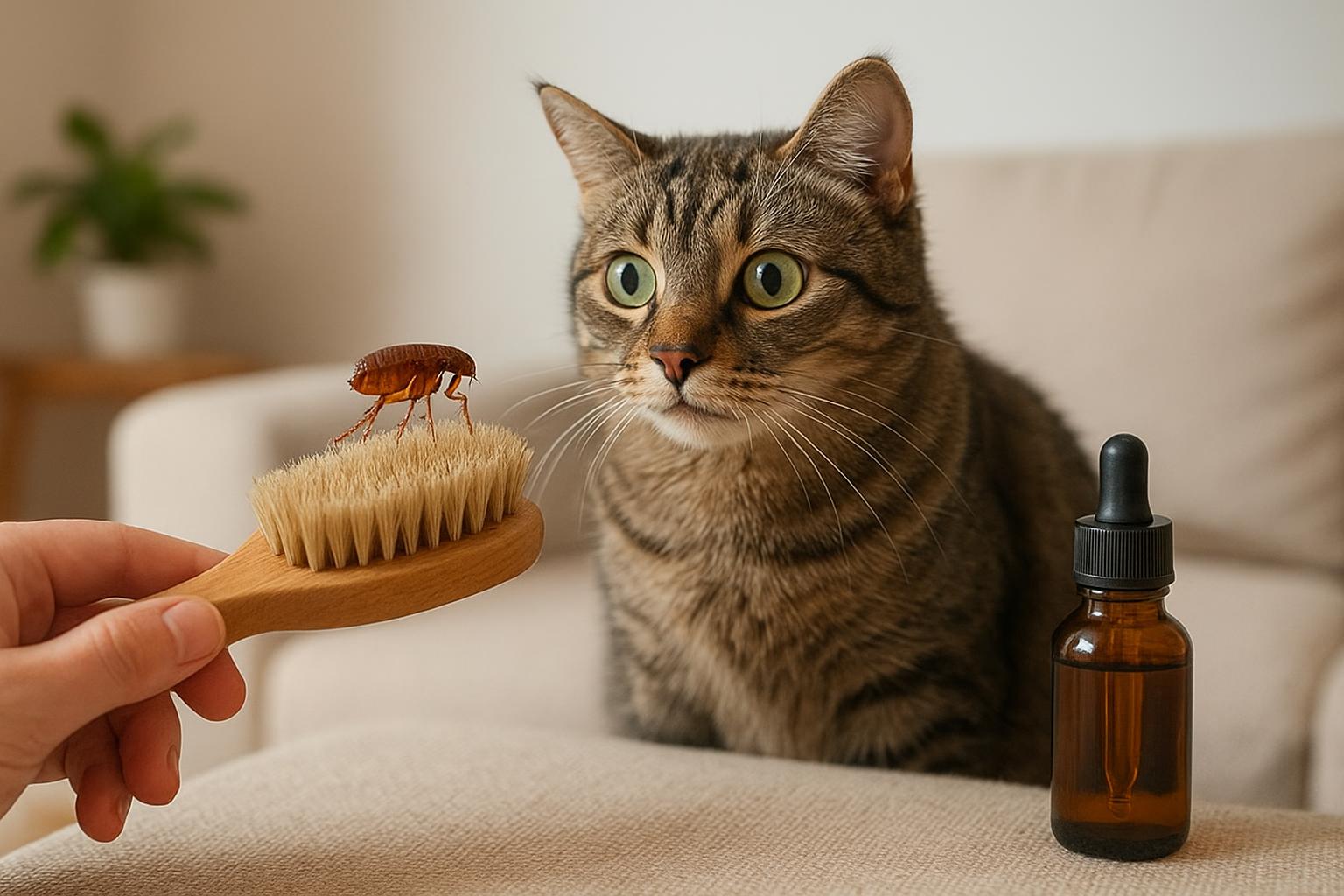
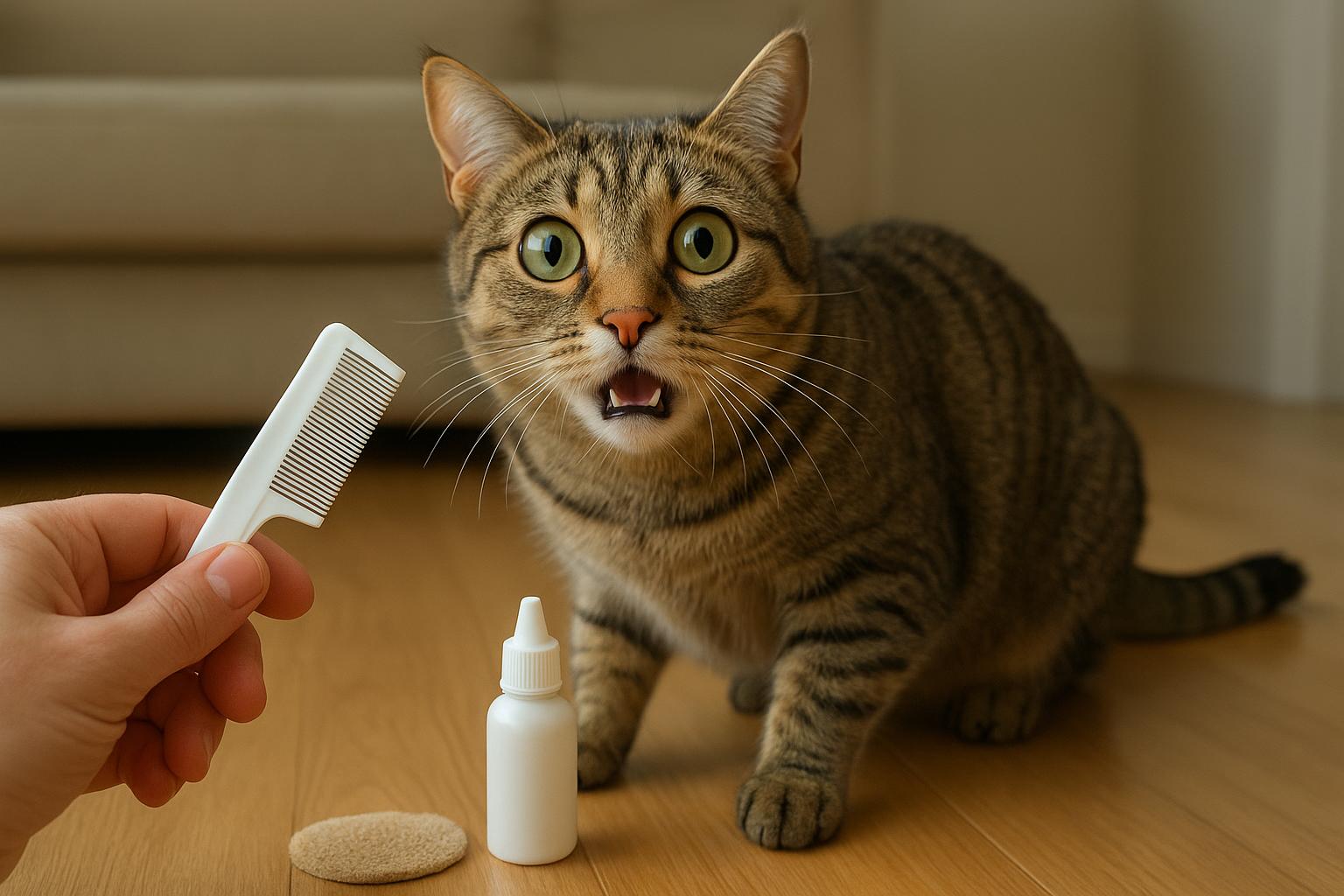
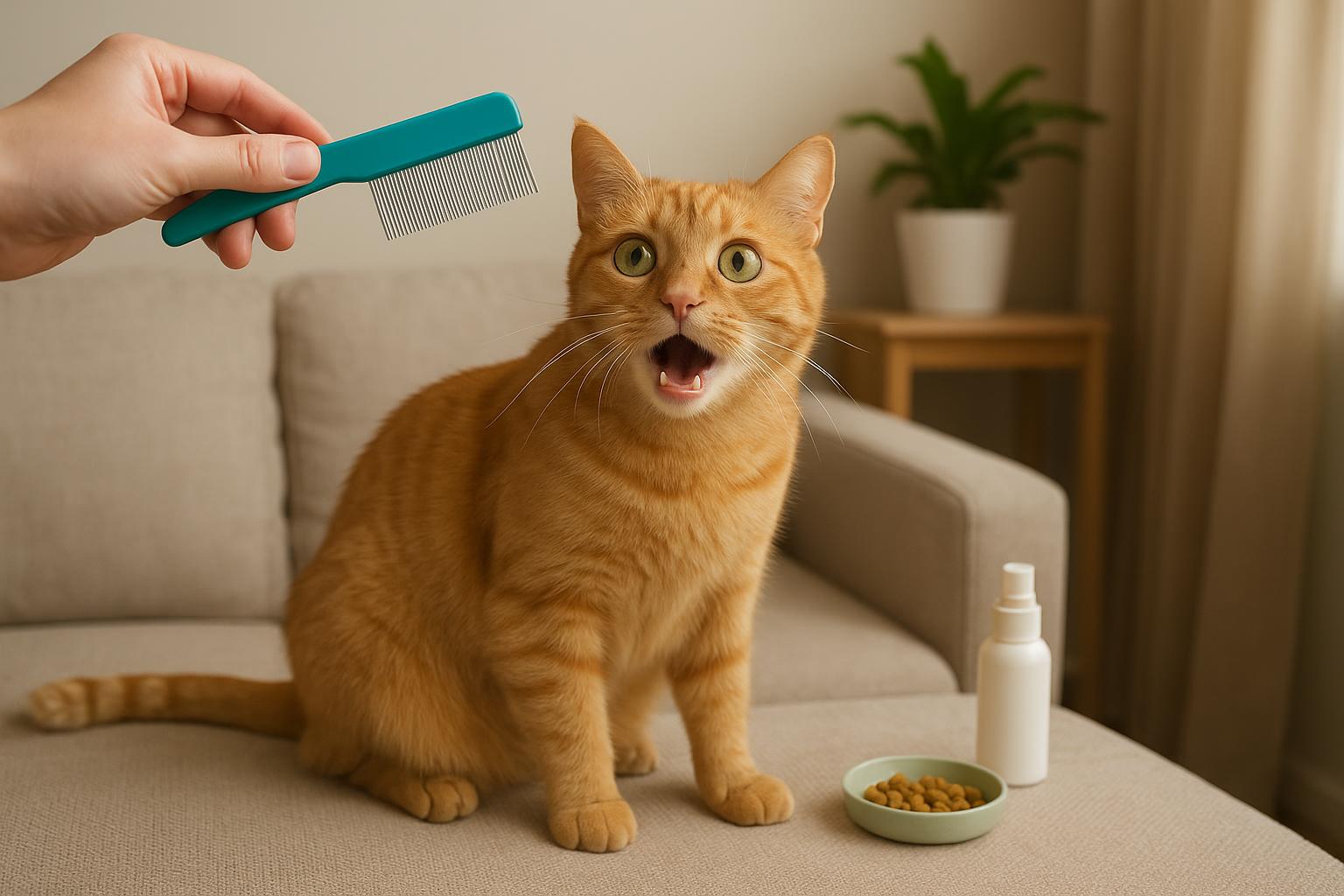
– A fine-toothed flea comb
– Two soft towels
– A small soft brush (optional)
– Treats and a calm space to keep your kitten comfortable
#### Step-By-Step Preparation And Application
1. Mix the vinegar and water at room temperature. Shake the spray bottle gently to combine. If using a bowl, pour the solution into the bowl for dipping a washcloth or for slow rinsing.
2. Gently brush your kitten to remove tangles. If your kitten is very young (under 8 weeks) or extremely nervous, skip bathing and consult your vet first.
3. Place the kitten on a non-slip surface with towels underneath. Keep one hand on them to provide comfort.
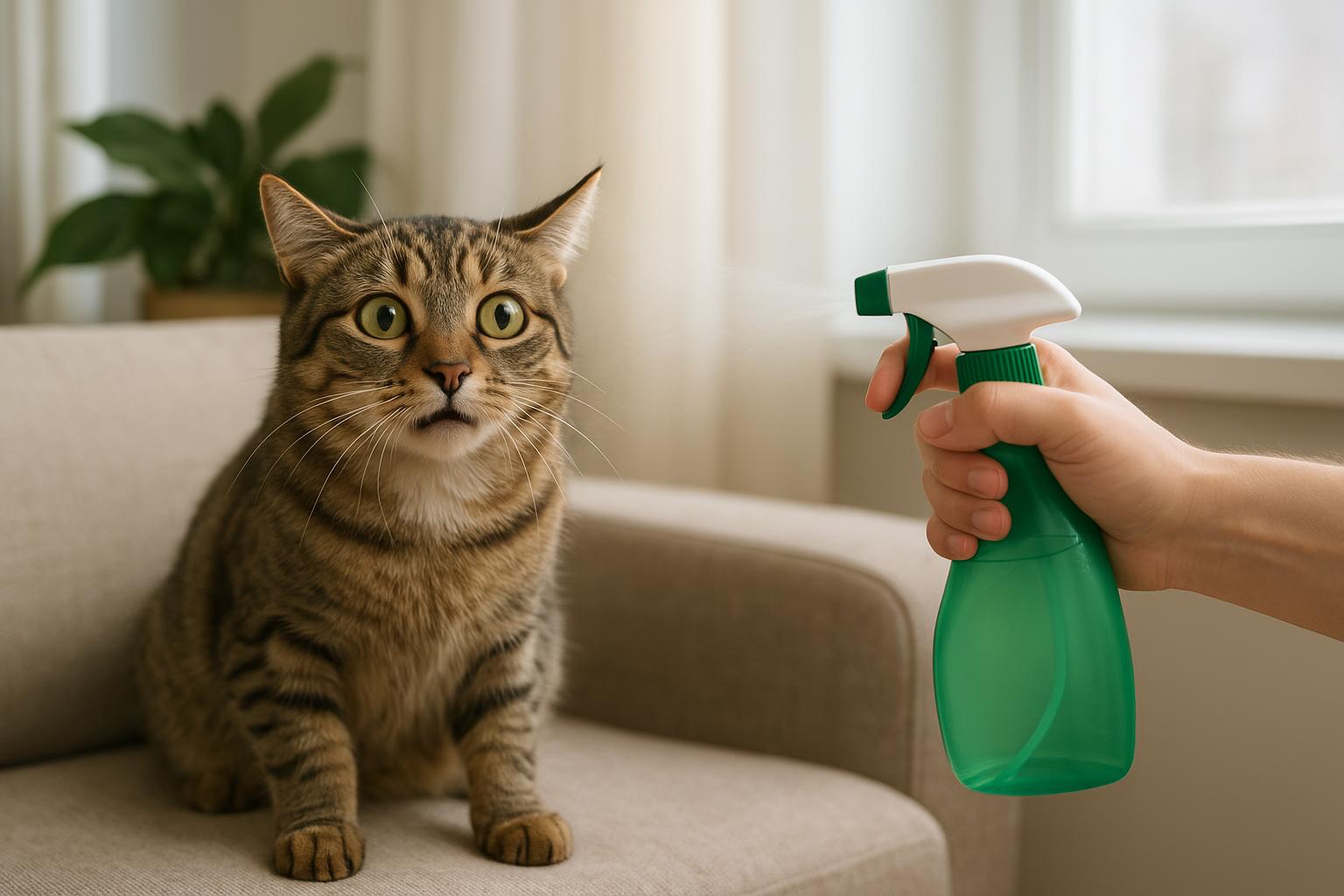
4. Lightly mist the kitten’s coat with the diluted ACV solution, avoiding the eyes, nose, mouth, and any open sores. If you’re rinsing, pour slowly and sparingly — kittens get cold quickly.
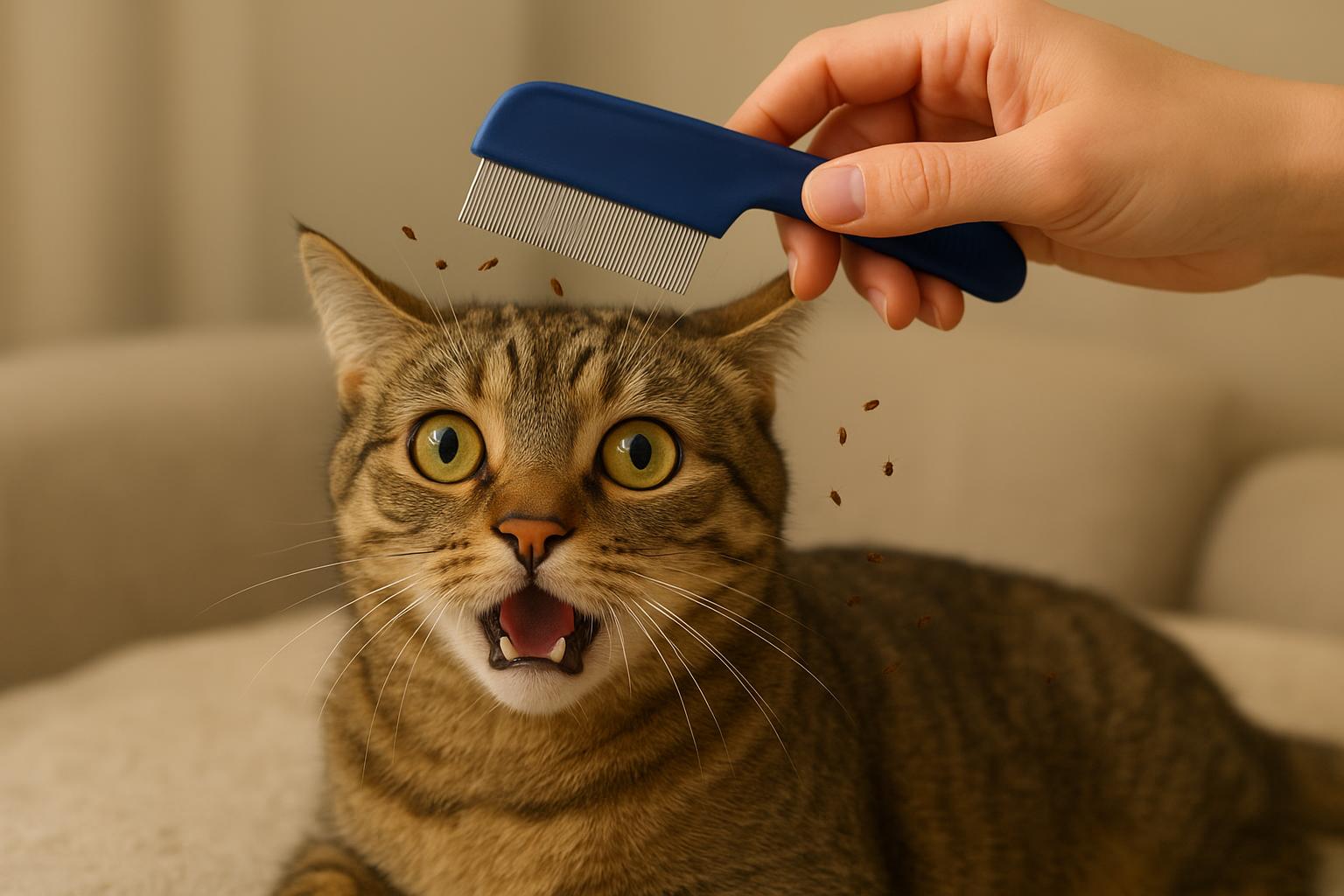
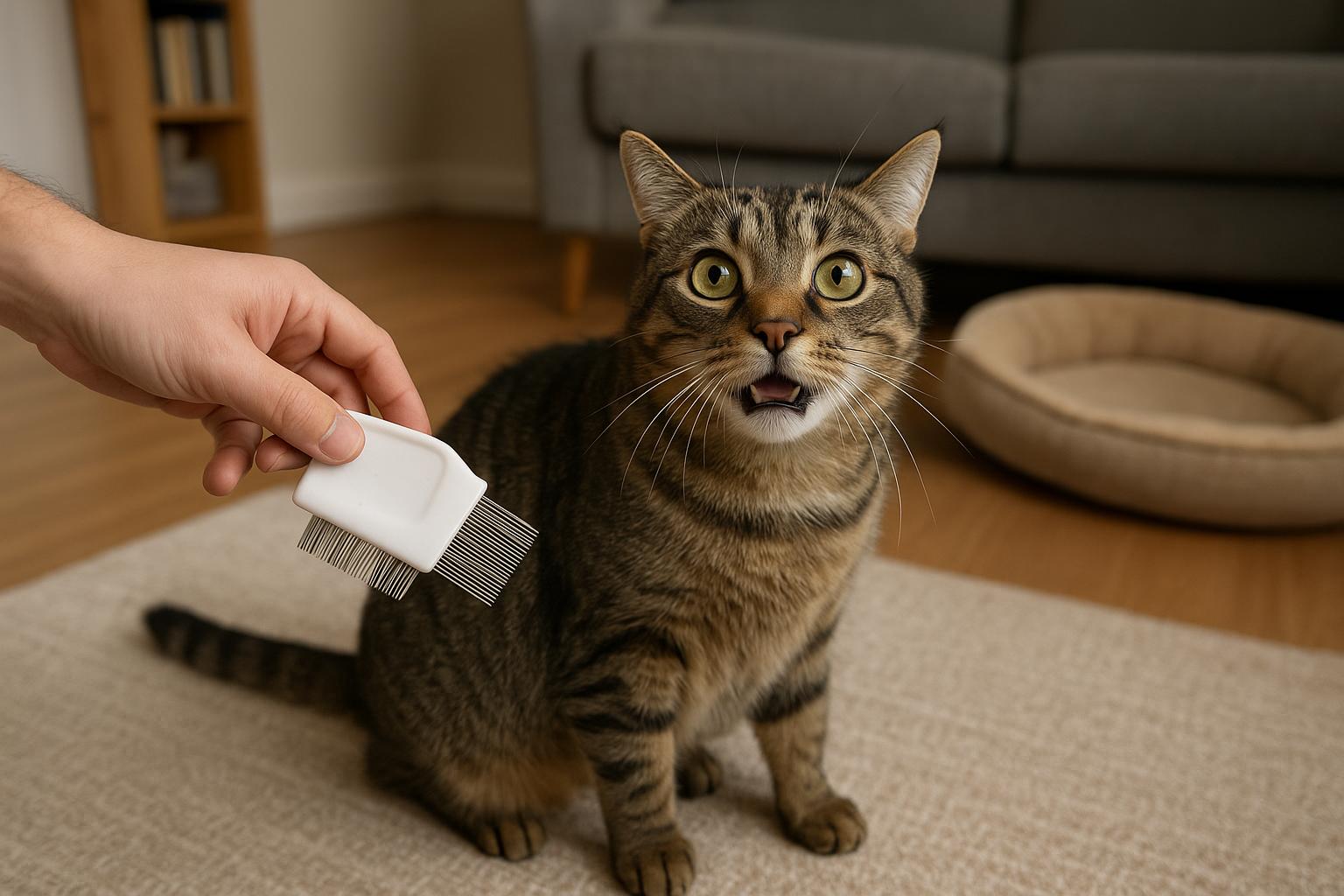
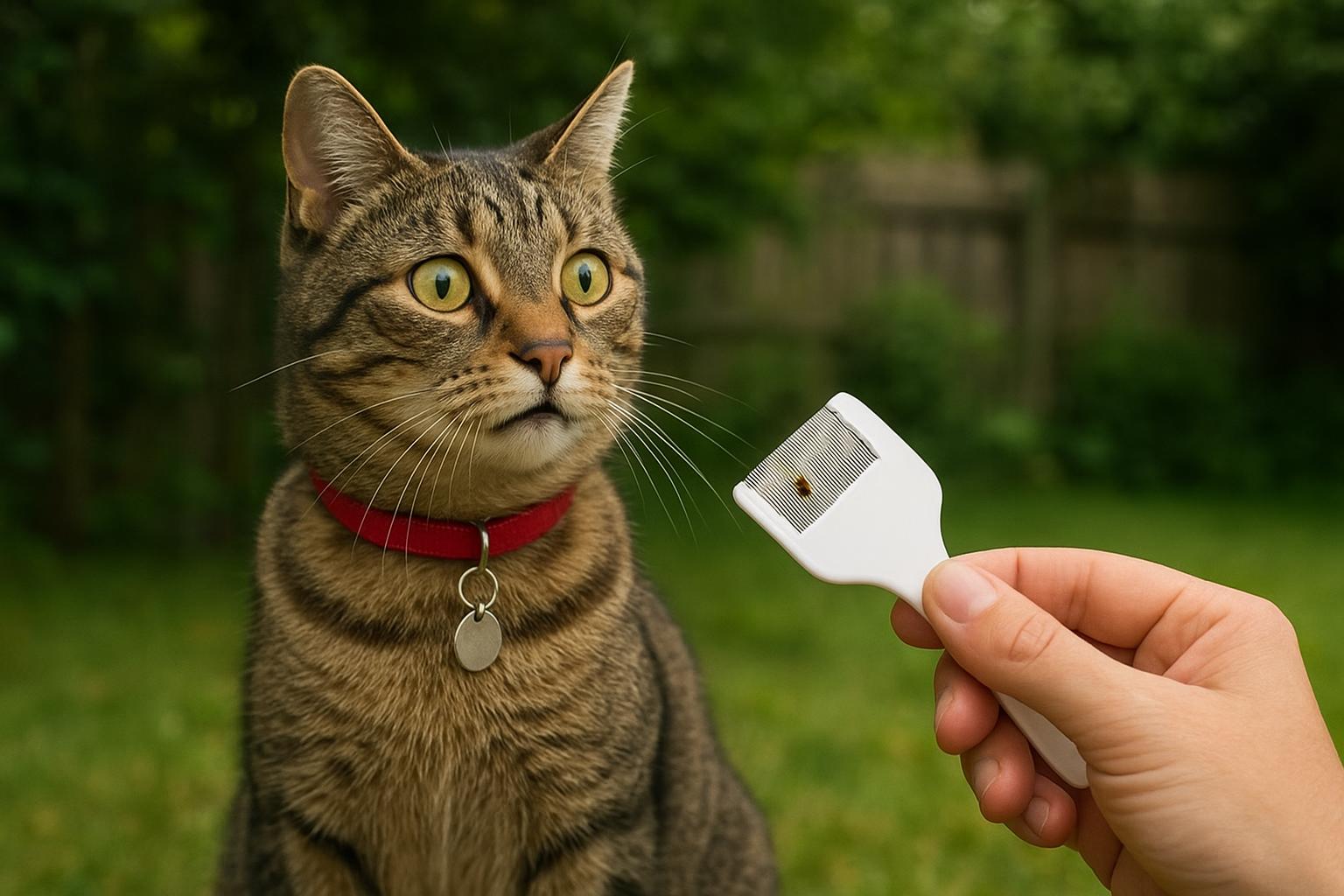
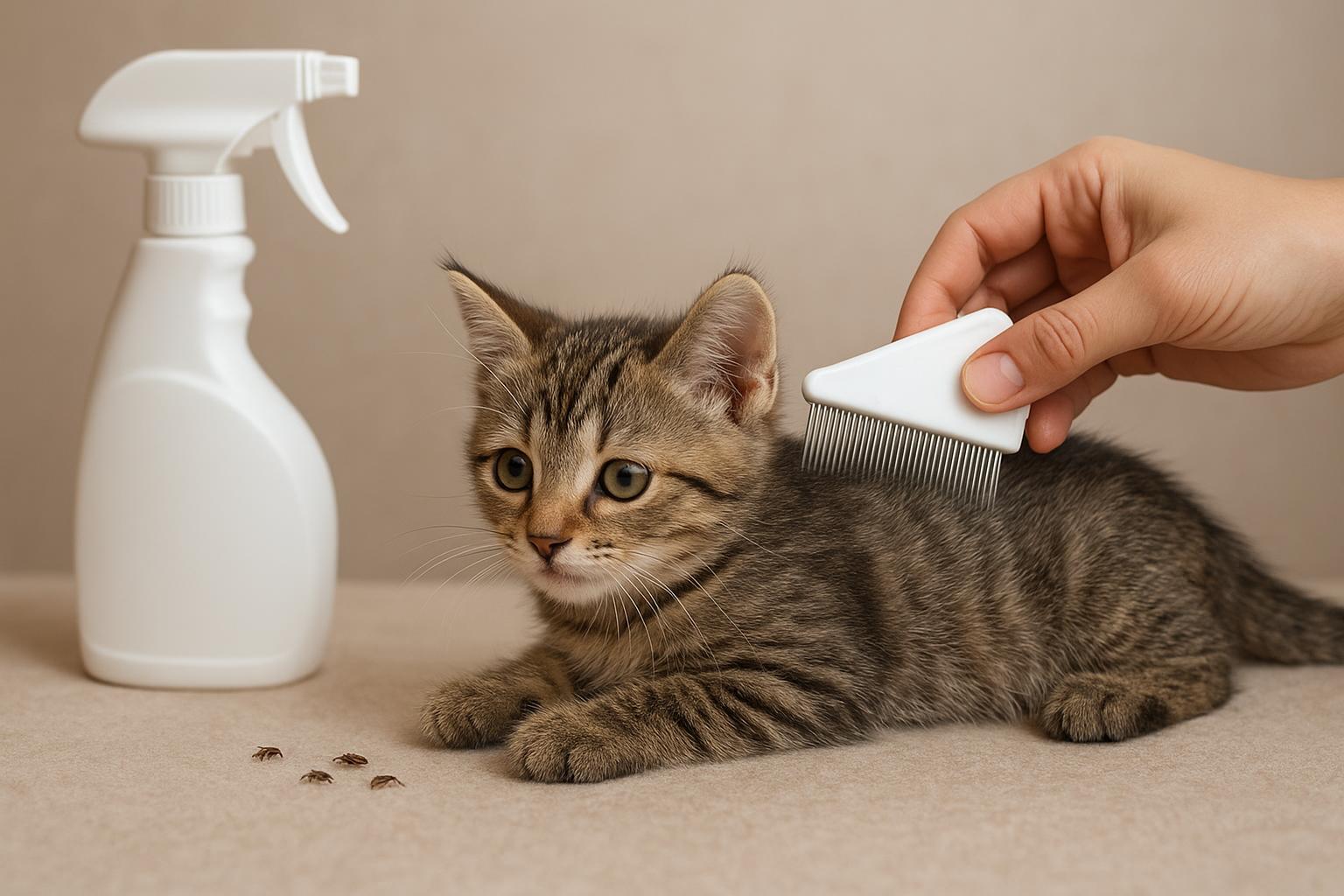
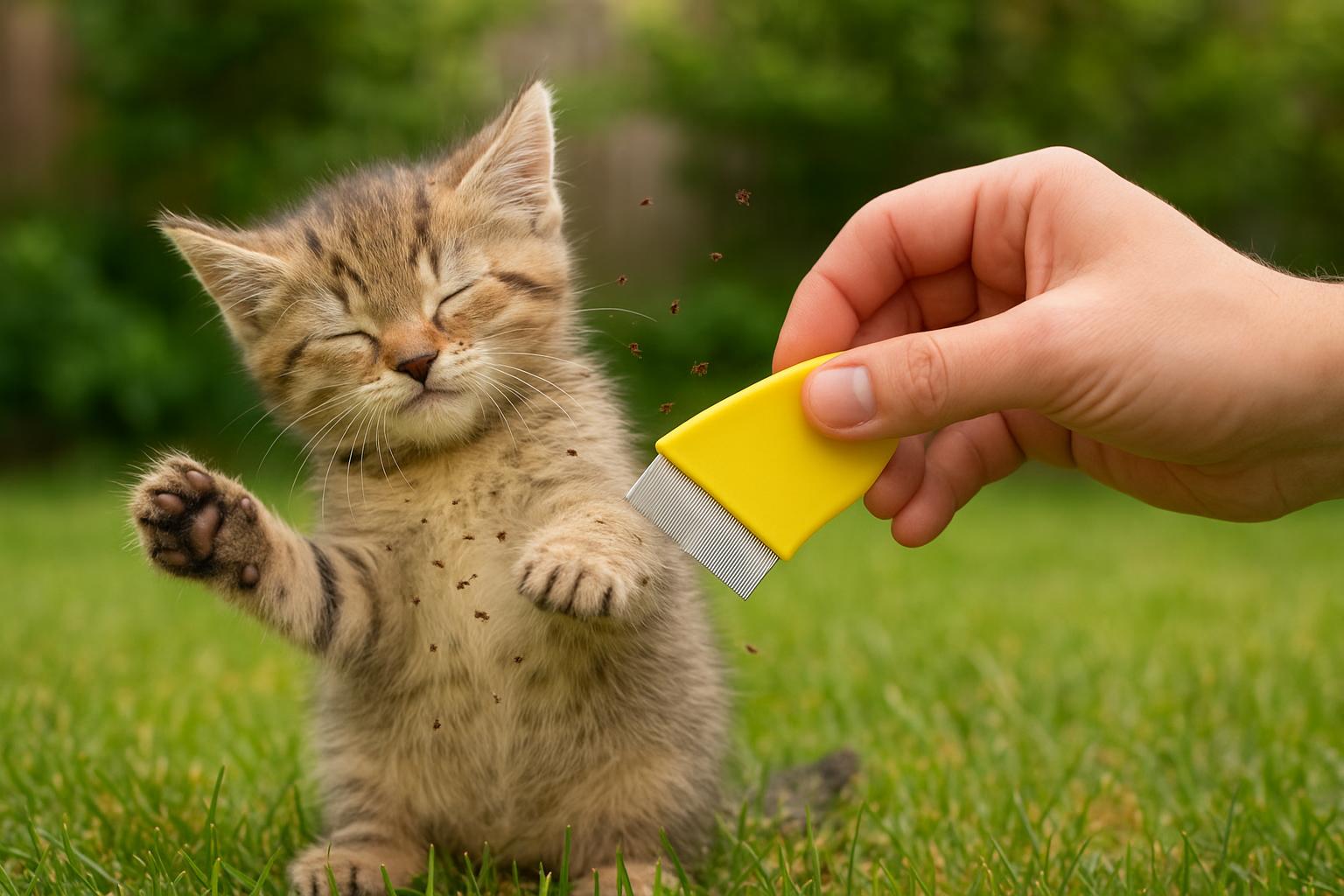
5. Allow the solution to sit on the fur for 3–5 minutes. During this time, use the flea comb to remove any loosened fleas. Dip the comb into soapy hot water between strokes to kill and remove fleas.
6. Rinse lightly with lukewarm water if needed, then towel dry. Keep the kitten warm until fully dry.
7. Repeat every 3–4 days for up to two weeks while you monitor flea counts and comfort. If fleas persist, escalate to a vet-approved treatment.
### Safety Notes
– This kitten flea remedy is for mild cases and for kittens old enough to be bathed safely. Avoid using undiluted vinegar or full-strength essential oils; these can irritate young skin and respiratory systems.
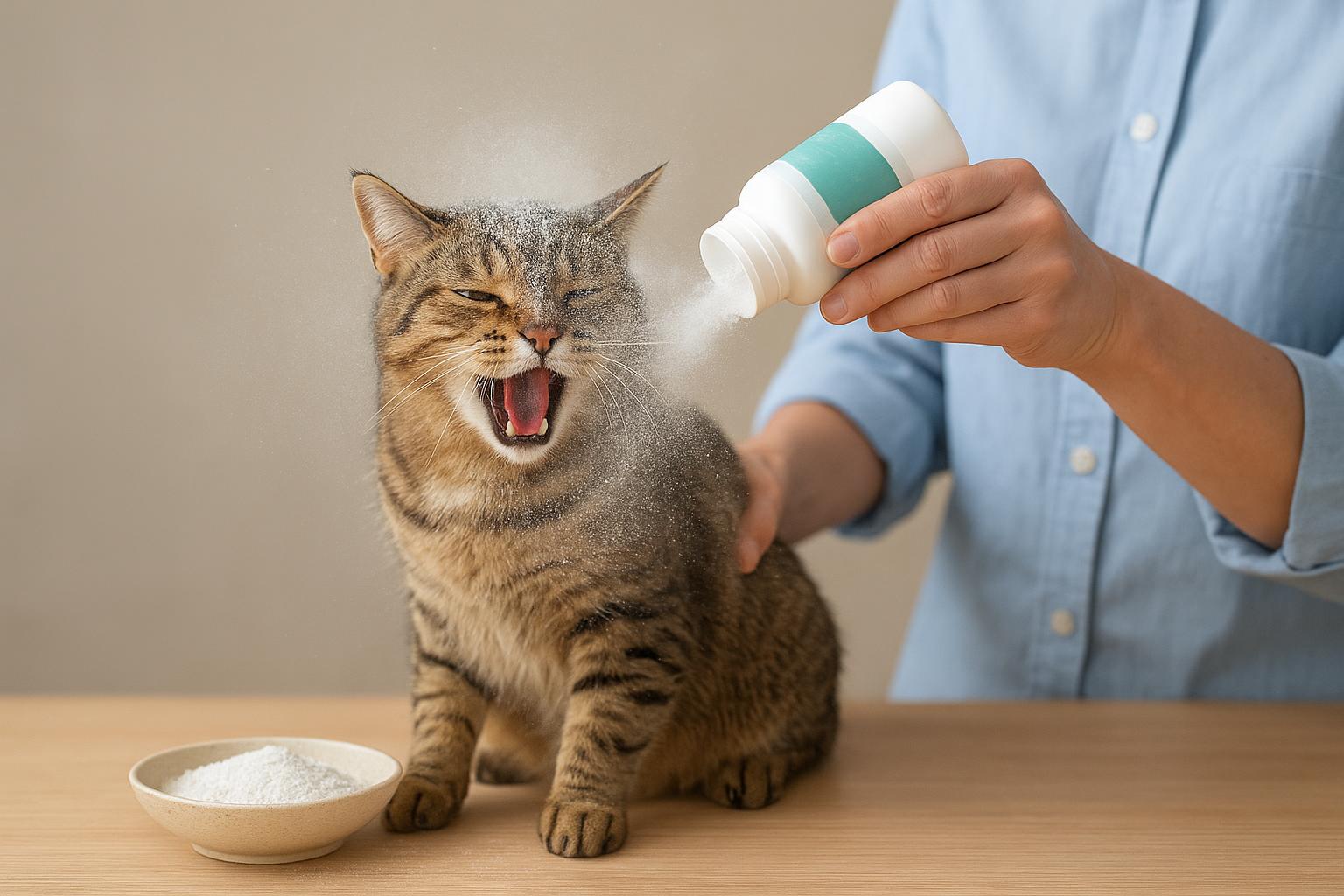
– Never use dog flea treatments on cats; many contain permethrin, which is toxic to cats. If you’re unsure of your kitten’s weight or age, call your veterinarian for guidance before applying any topical product.
– If your kitten appears anemic (pale gums, lethargic), seek immediate veterinary care.
## 2. Vet-Approved Topical Kitten Flea Remedy
### What Medications Are Safe For Kittens?
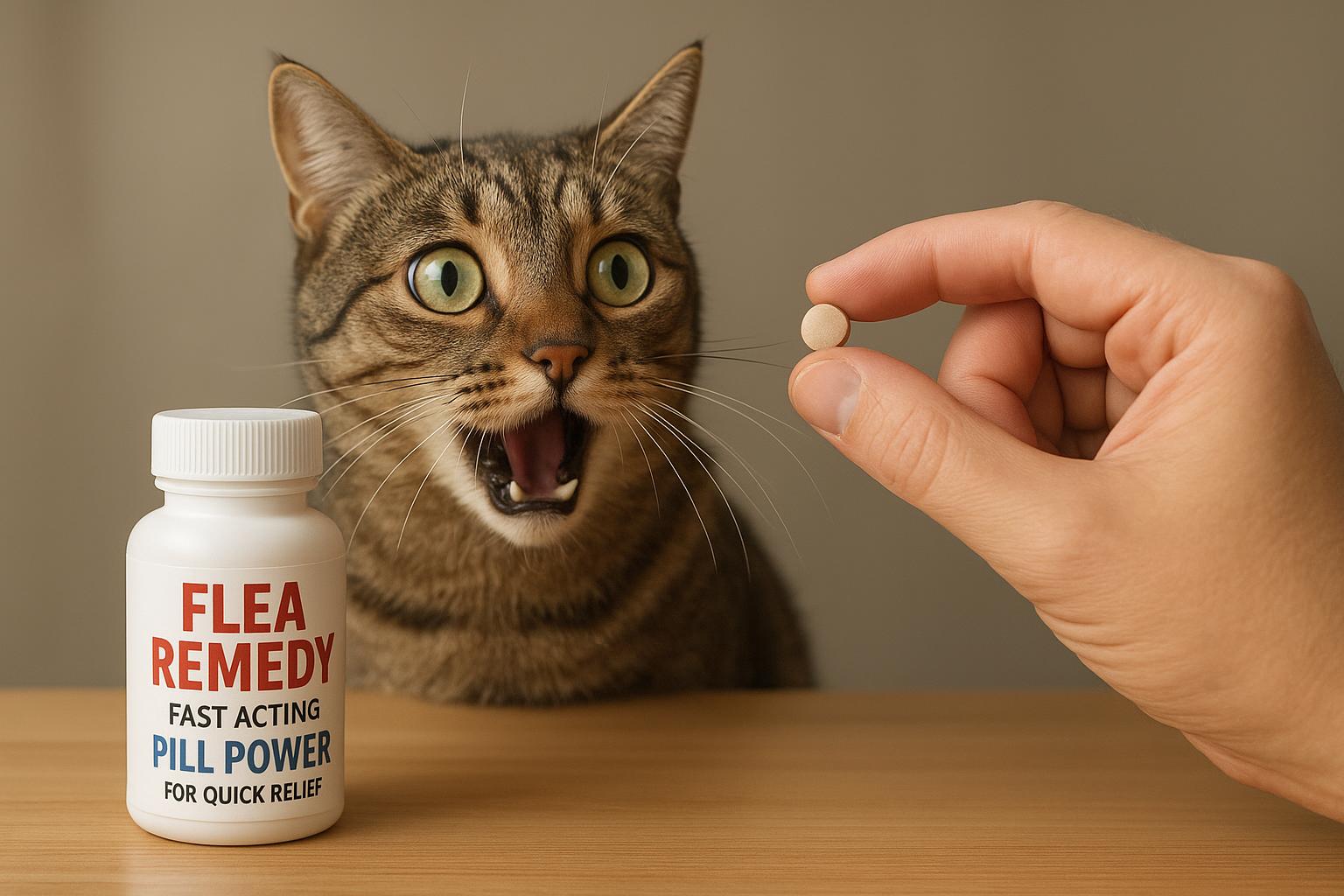
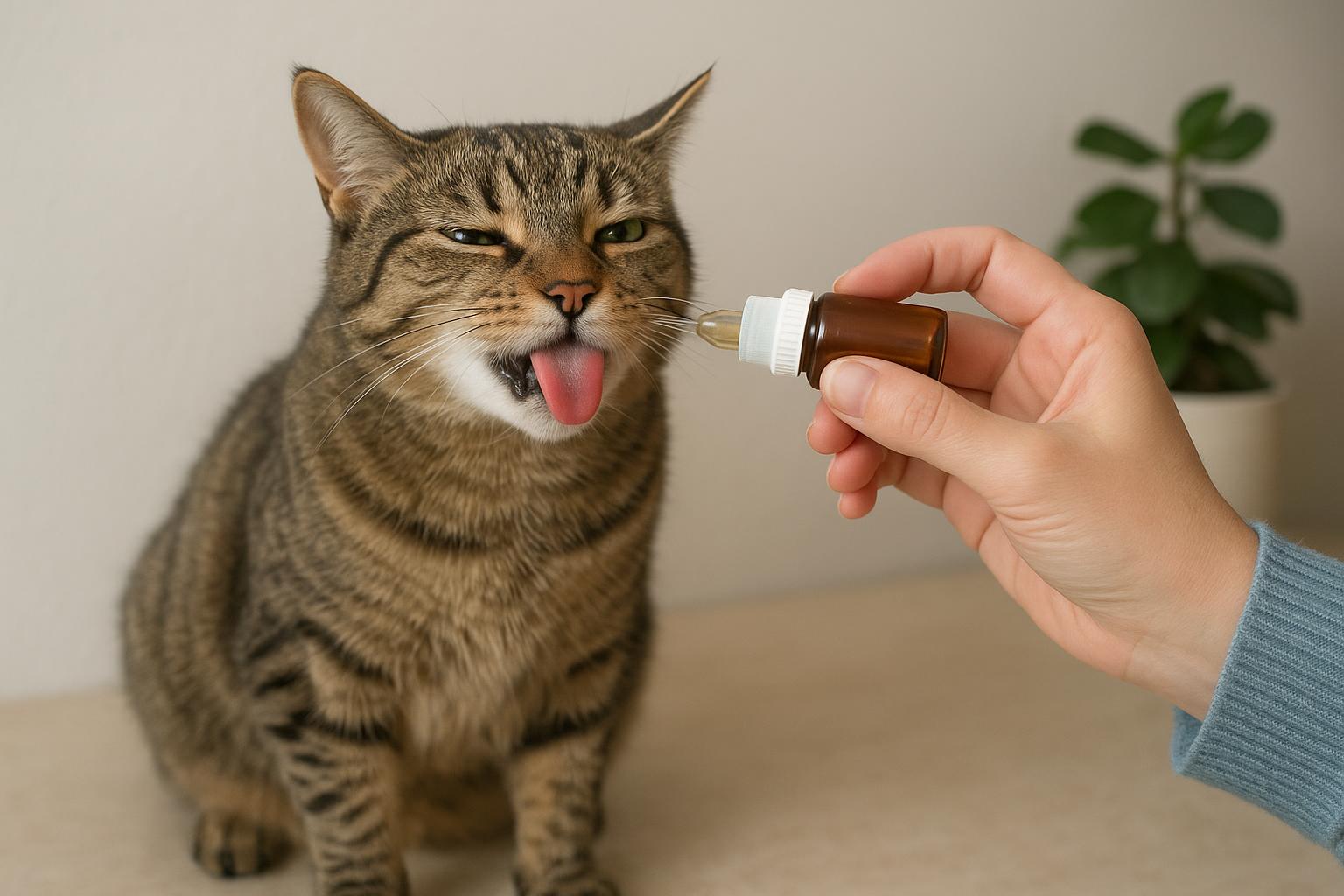
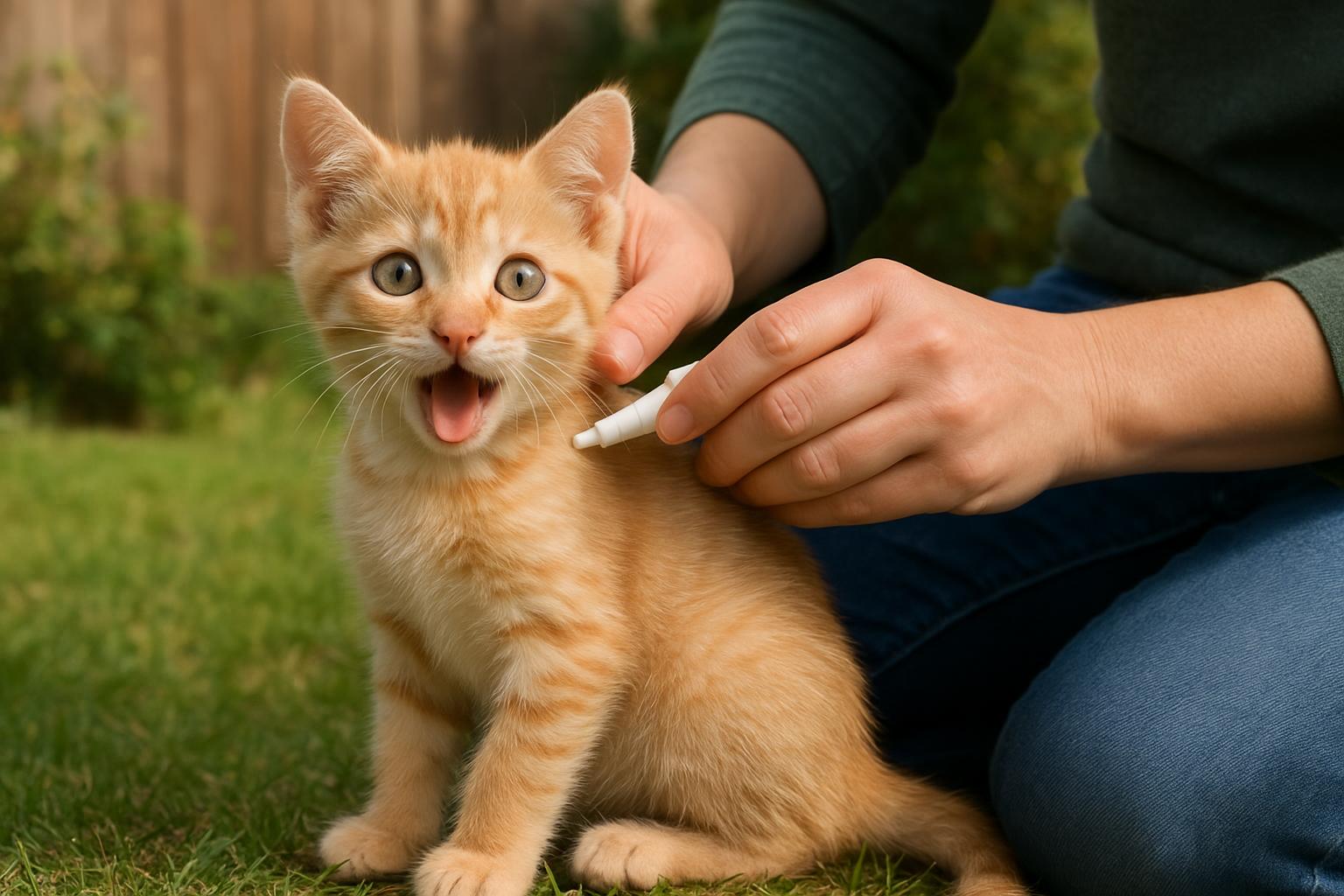
There are FDA- or EMA-approved topical formulations specifically labeled for kittens. These products typically contain active ingredients demonstrated to be safe and effective at specified ages and weights. Common active ingredients in kitten-safe products include selamectin, eprinomectin combined products, and certain concentrations of imidacloprid. Always use products labeled for the exact species (cat), life stage (kitten), and minimum weight.
#### Ingredients Or Materials
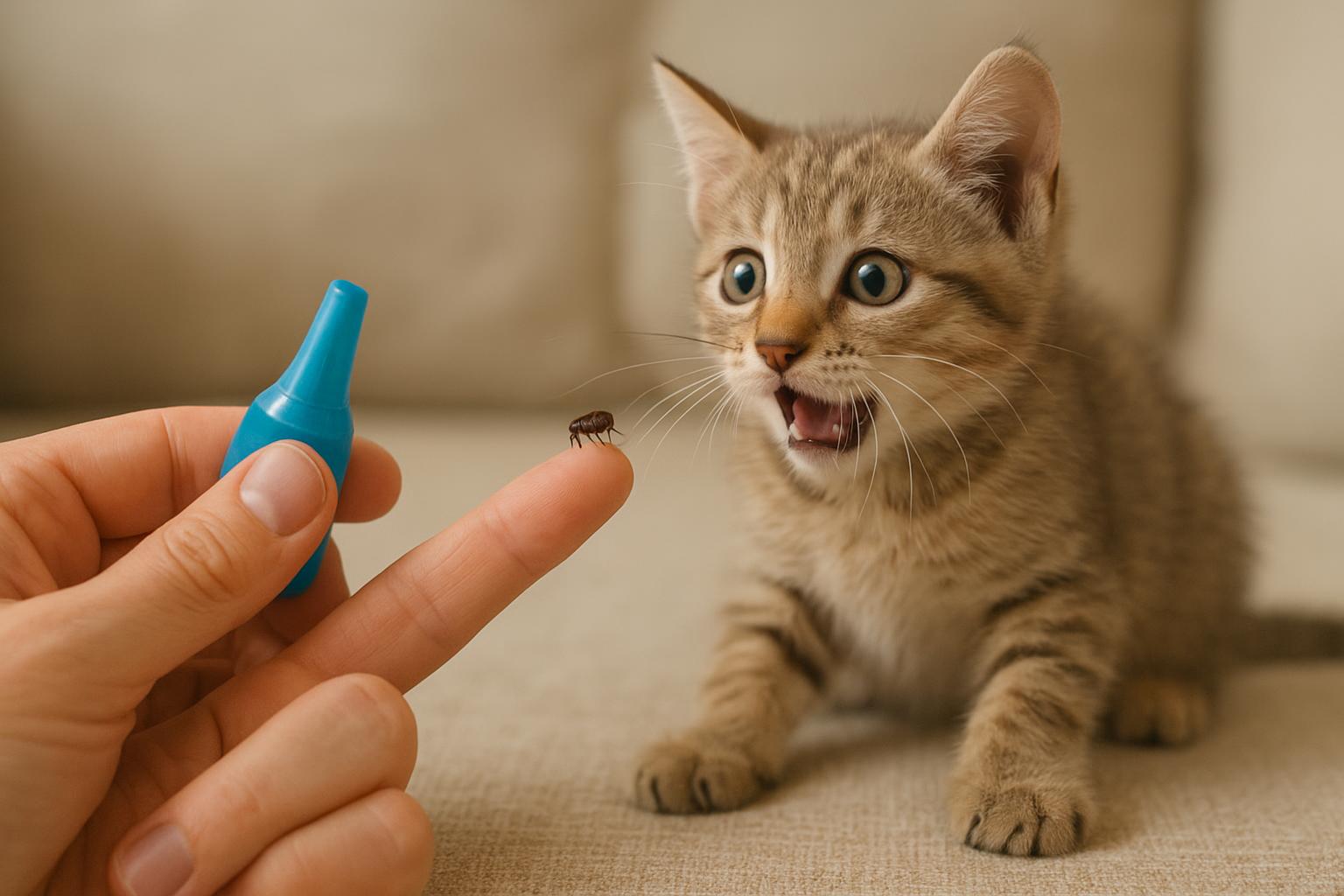
– Vet-recommended topical flea medication labeled for kittens (follow product label for minimum age/weight)
– Latex-free gloves (to protect your hands)
– Scissors (for opening seals, if necessary)
– A towel to wrap the kitten
– A calm, stable surface for application
#### Application Steps
1. Confirm Age And Weight: Check the medication label for the minimum age and weight. Do not use adult cat or dog formulations on kittens.
2. Prepare The Kitten: Keep your kitten dry. Avoid bathing for 24–48 hours pre- and post-application to ensure absorption.
3. Open The Applicator: Using scissors if needed, open the sealed tube. Don gloves to prevent transferring product onto your skin.
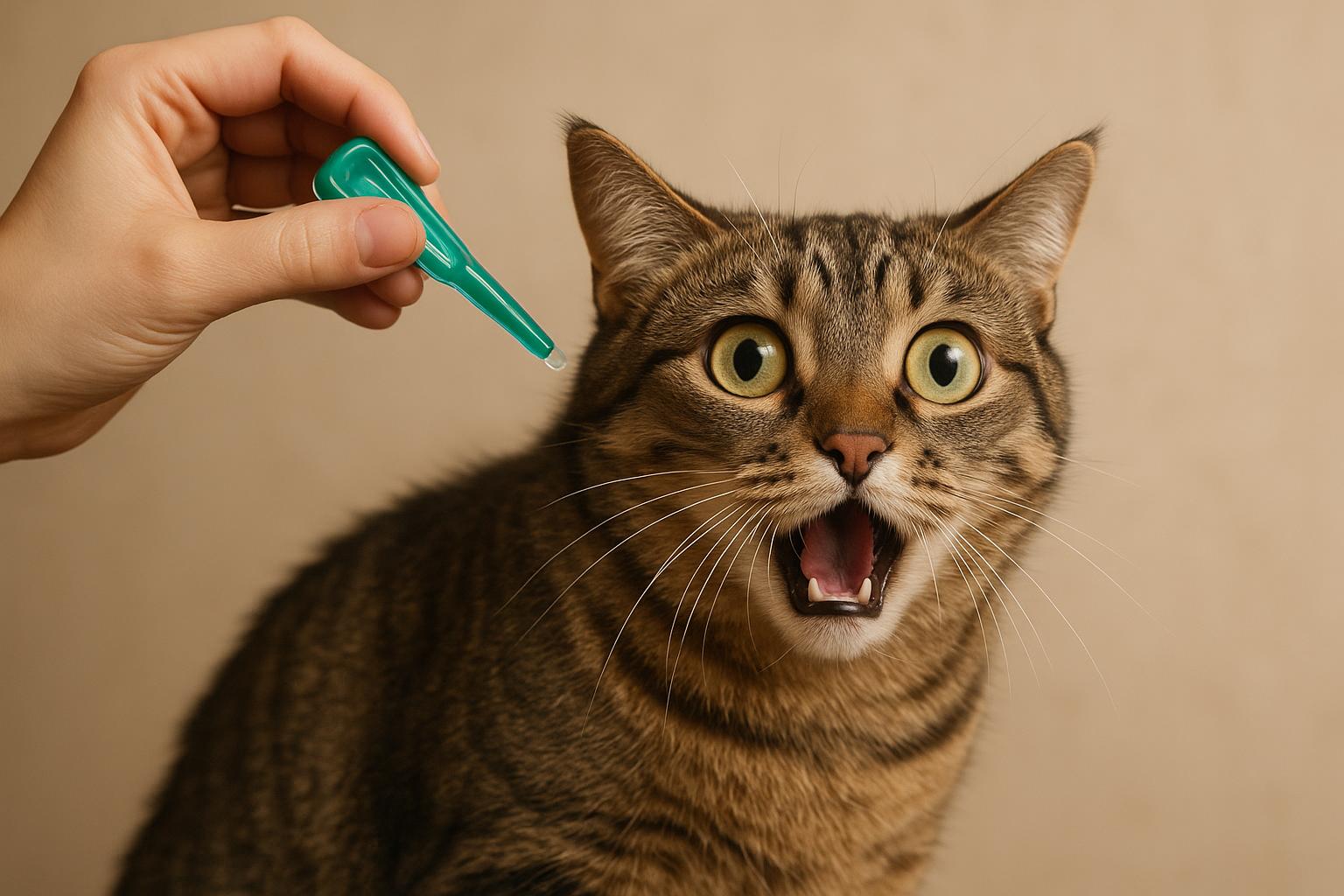
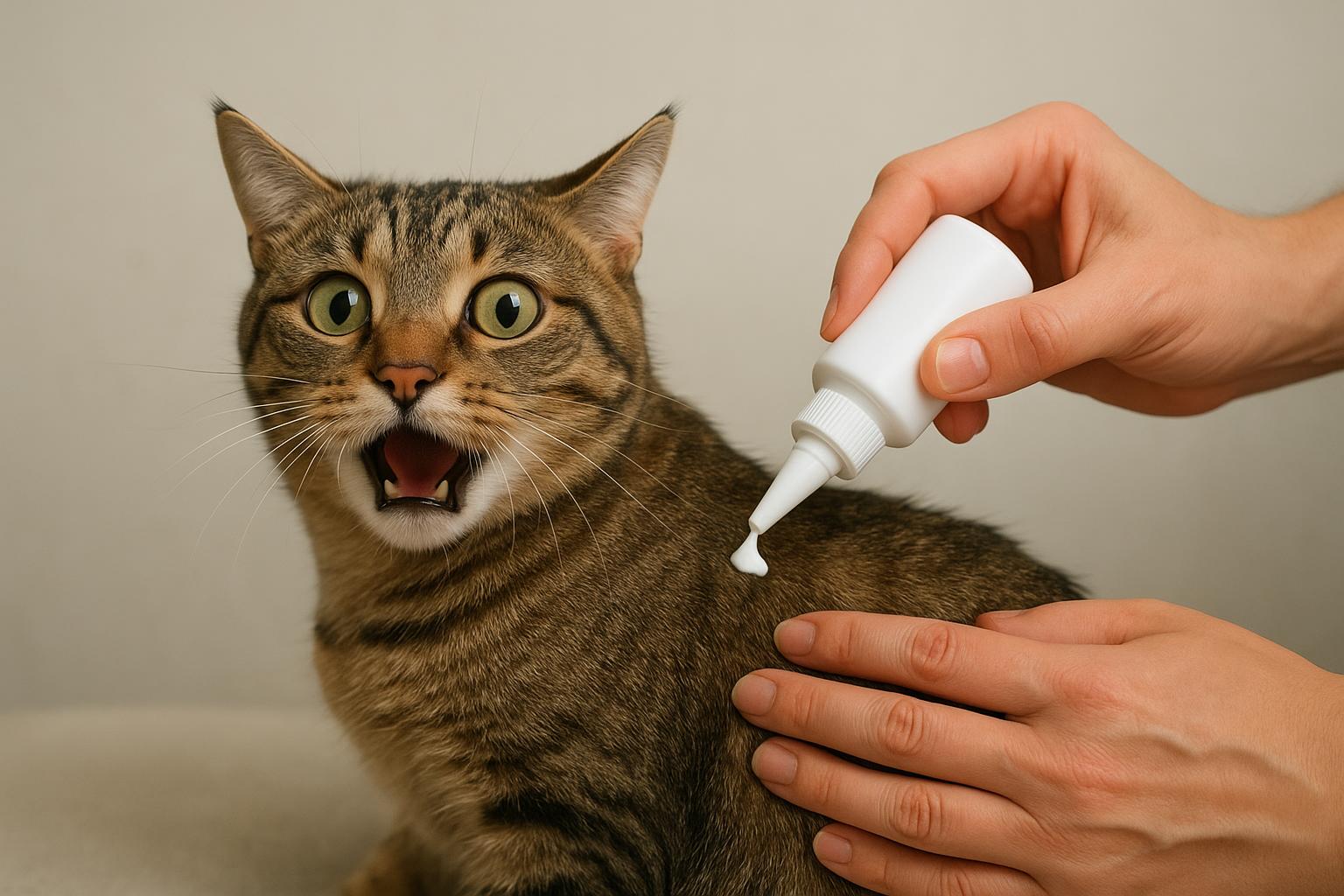
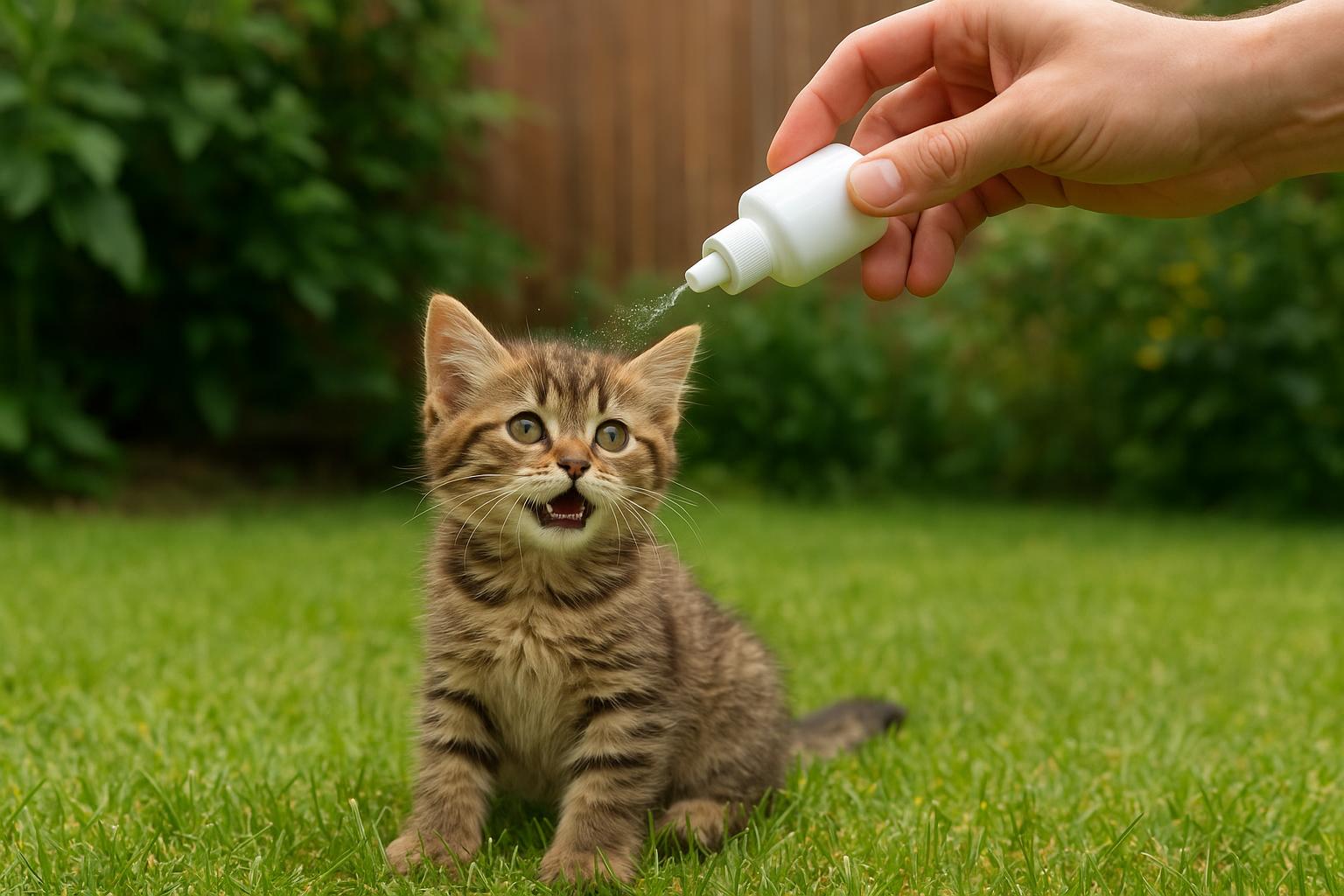
4. Apply At The Base Of The Neck: Part the fur at the back of the kitten’s neck, between the shoulder blades, and squeeze the full contents of the tube onto the skin. Apply directly to skin, not just the fur.
5. Prevent Ingestion: Keep the kitten from licking the application site until it is dry. Do not bathe the kitten for the period specified on the product label.
6. Repeat As Directed: Most topical products are monthly; follow label directions or your vet’s advice on reapplication intervals.
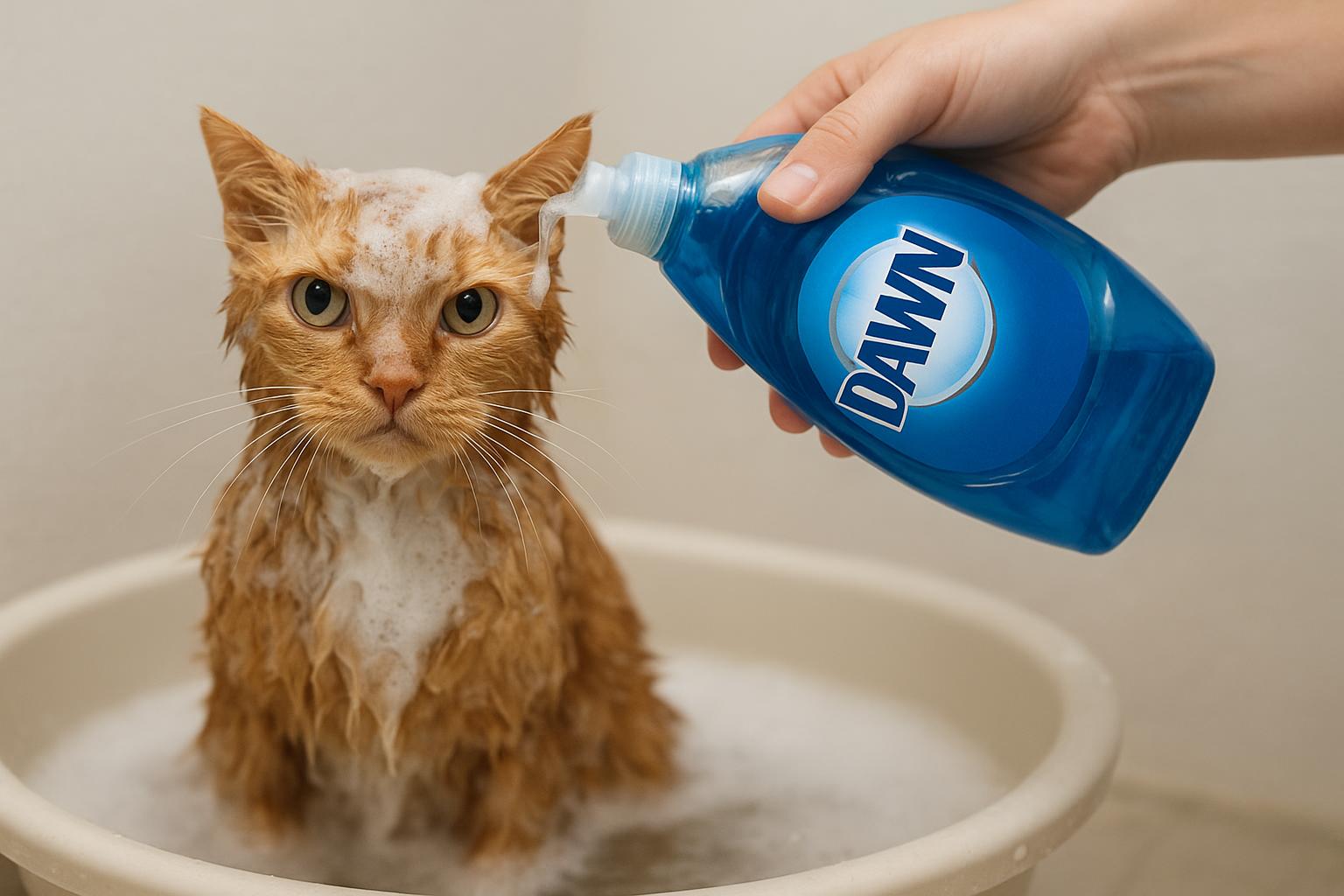
7. Monitor For Reactions: Watch for signs of intolerance — drooling, vomiting, heavy panting, tremors, or lethargy. If any adverse signs occur, bathe the area with mild dish soap to remove product and contact your veterinarian immediately.
### Age And Weight Considerations
Topical medications are formulated with kitten safety in mind, but dosing varies by product. Some are approved for use in kittens as young as 6–8 weeks; others require a heavier minimum weight. This kitten flea remedy must be chosen according to the manufacturer’s label and your veterinarian’s recommendation. For multiple-kitten litters, treat each kitten individually per label instructions.
### When To See A Veterinarian
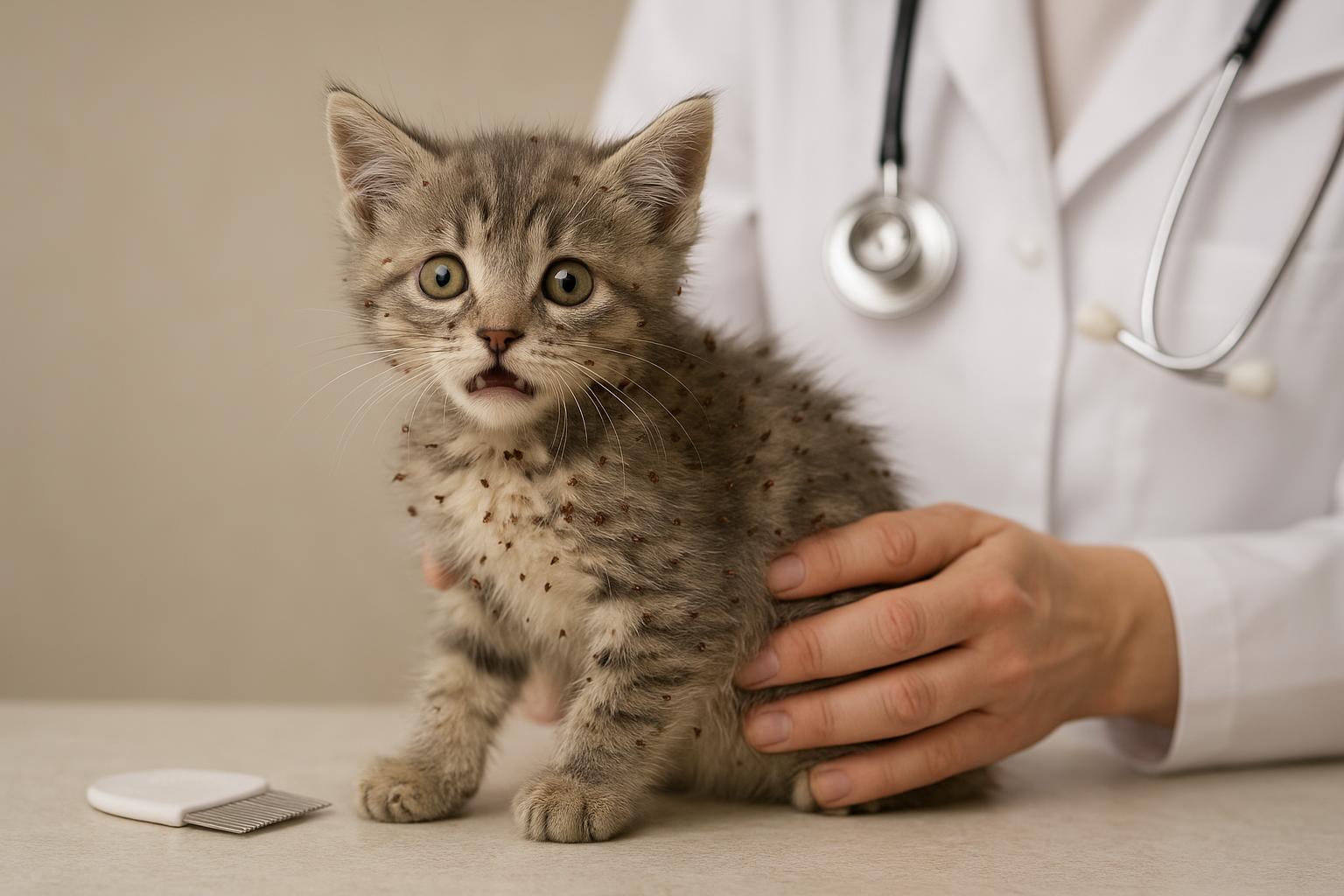
If you have followed a kitten flea remedy protocol (natural or topical) and the infestation is heavy, or if your kitten shows signs of anemia, skin infection, or persistent scratching after treatment, schedule a veterinary visit promptly. Also seek veterinary attention immediately if your kitten is under 6 weeks old — the threshold for topical treatments is different for neonates, and anemia risk is higher. If you notice gastrointestinal signs that could indicate tapeworms, your vet will recommend a dewormer that treats the specific parasite transmitted by fleas.
### Environmental Control And Household Steps
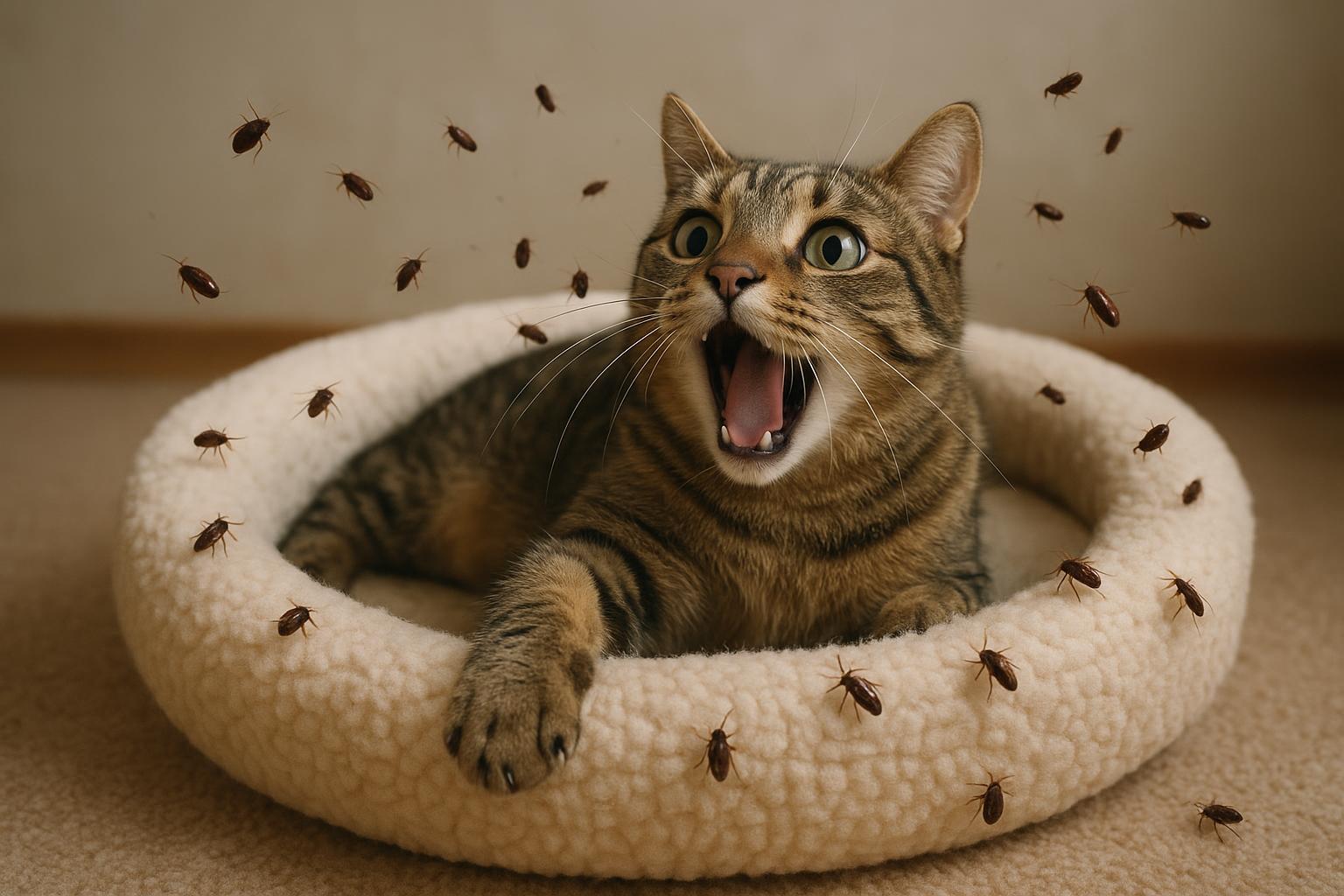
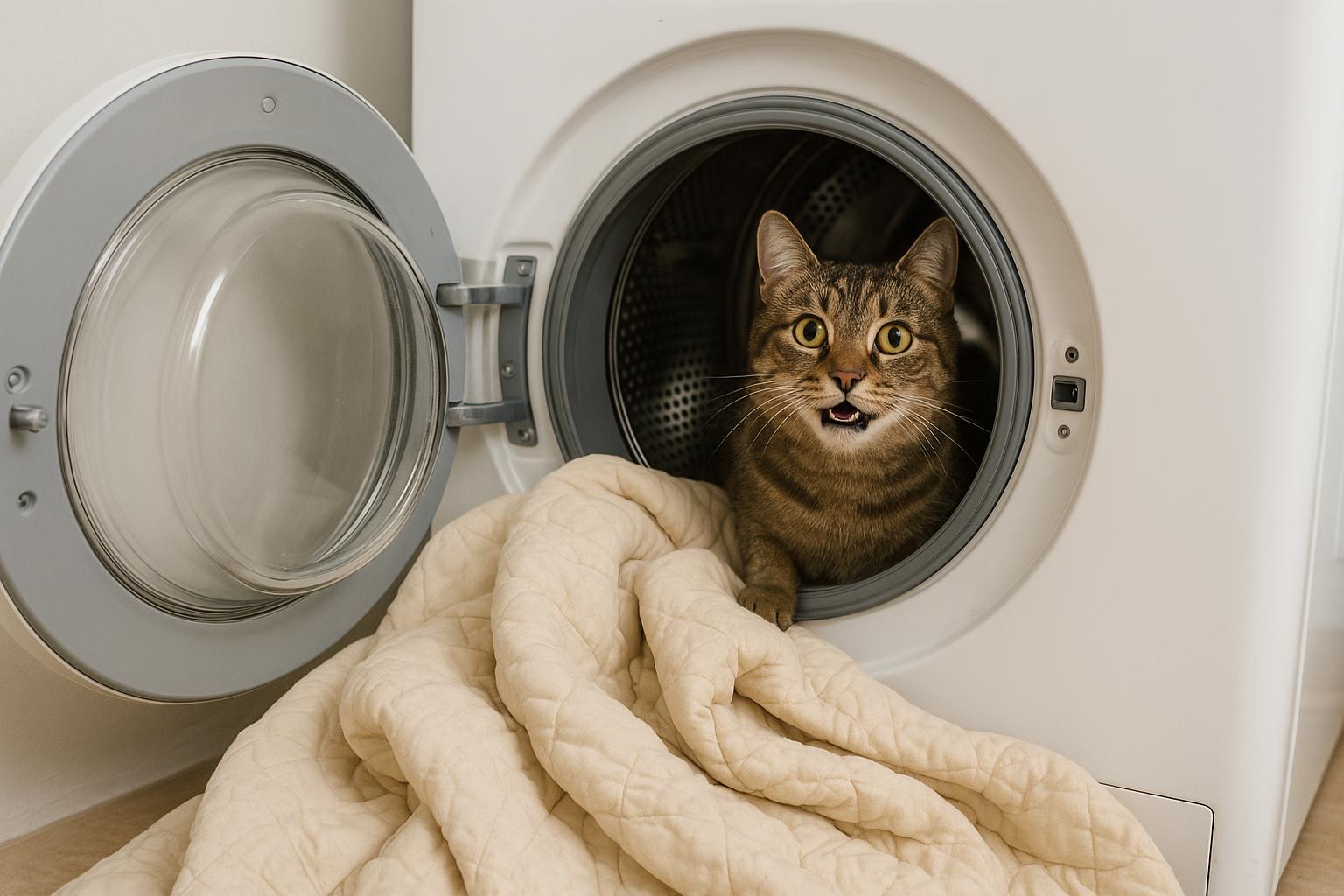
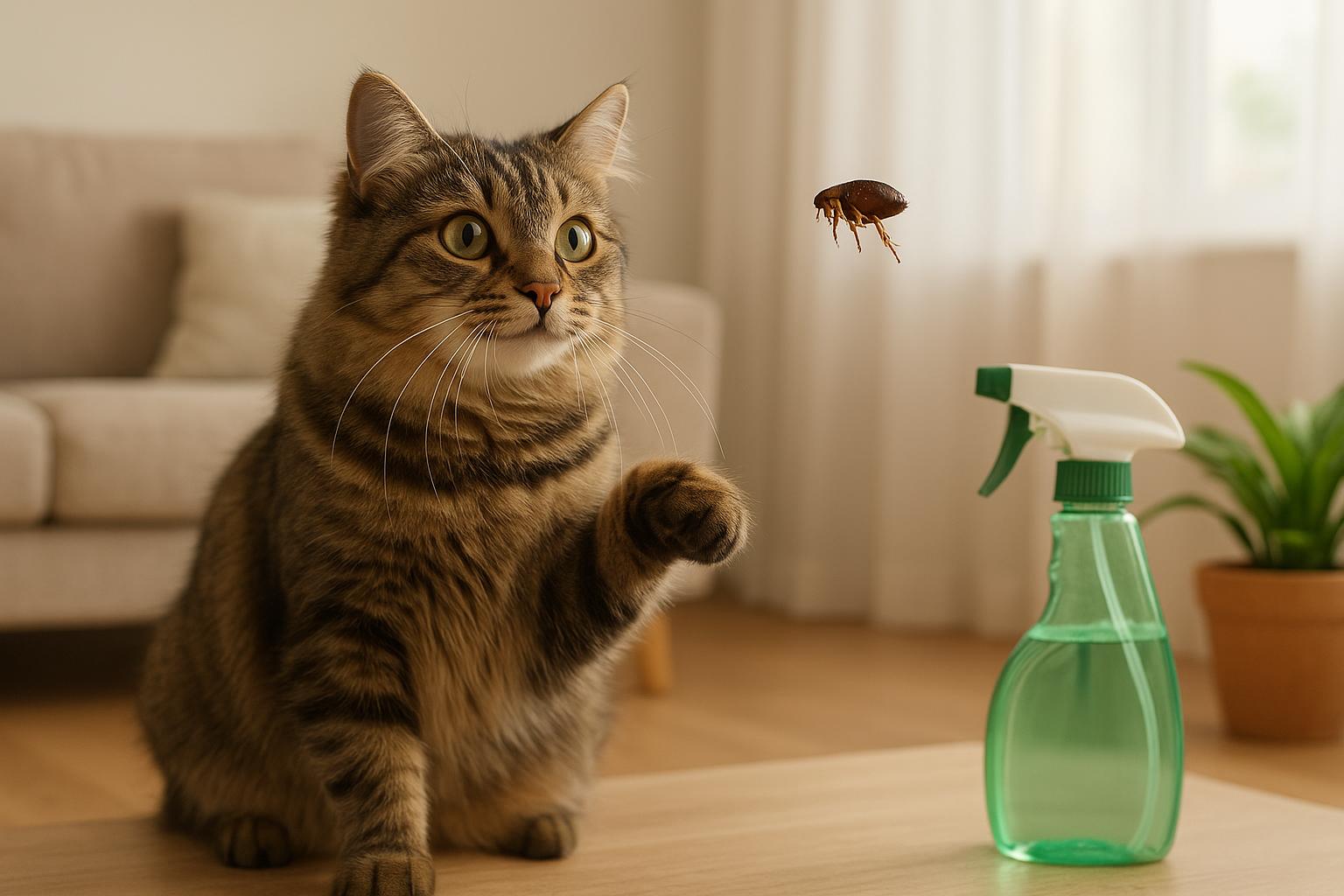
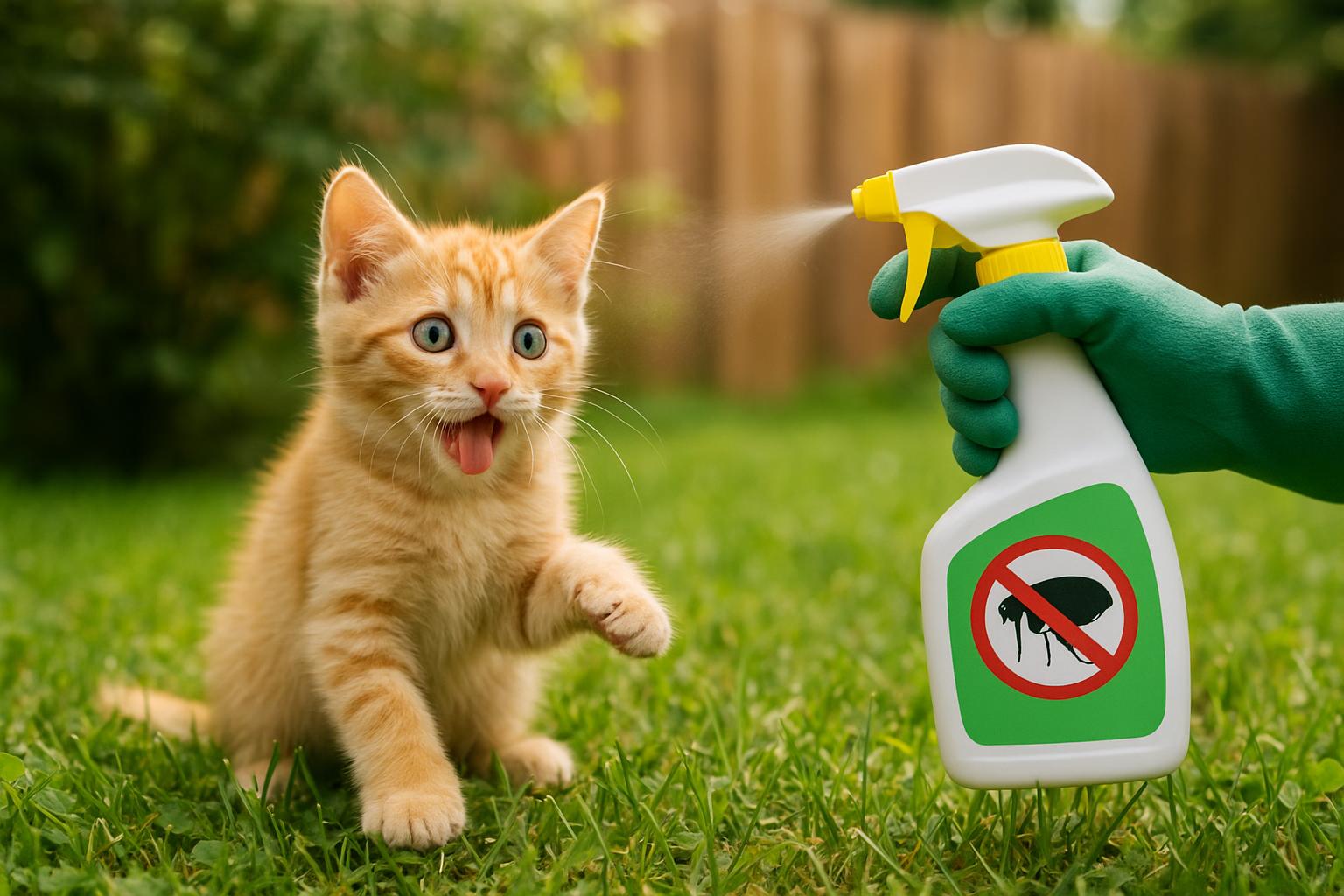
A complete kitten flea remedy plan includes treating the environment. Flea eggs, larvae, and pupae hide in carpets, bedding, and furniture. Vacuum regularly (dispose of vacuum bags or empty canisters promptly), wash pet bedding in hot water weekly, and consider a household flea spray or an insect growth regulator (IGR) for severe infestations. For multi-pet homes, ensure all animals are on appropriate flea control regimens — leaving other pets untreated defeats the remedy.
### Handling Multiple Kittens And Reinfestation Risk
Kittens groom each other and snuggle close, so treat all affected animals simultaneously. Reinfestation can occur from untreated wildlife (rodents, stray animals) or neighboring properties, so combine direct kitten treatment with home and yard strategies. Yard treatments should be pet-safe and used according to label instructions or done by a licensed pest professional.
### Monitoring Progress And Follow-Up
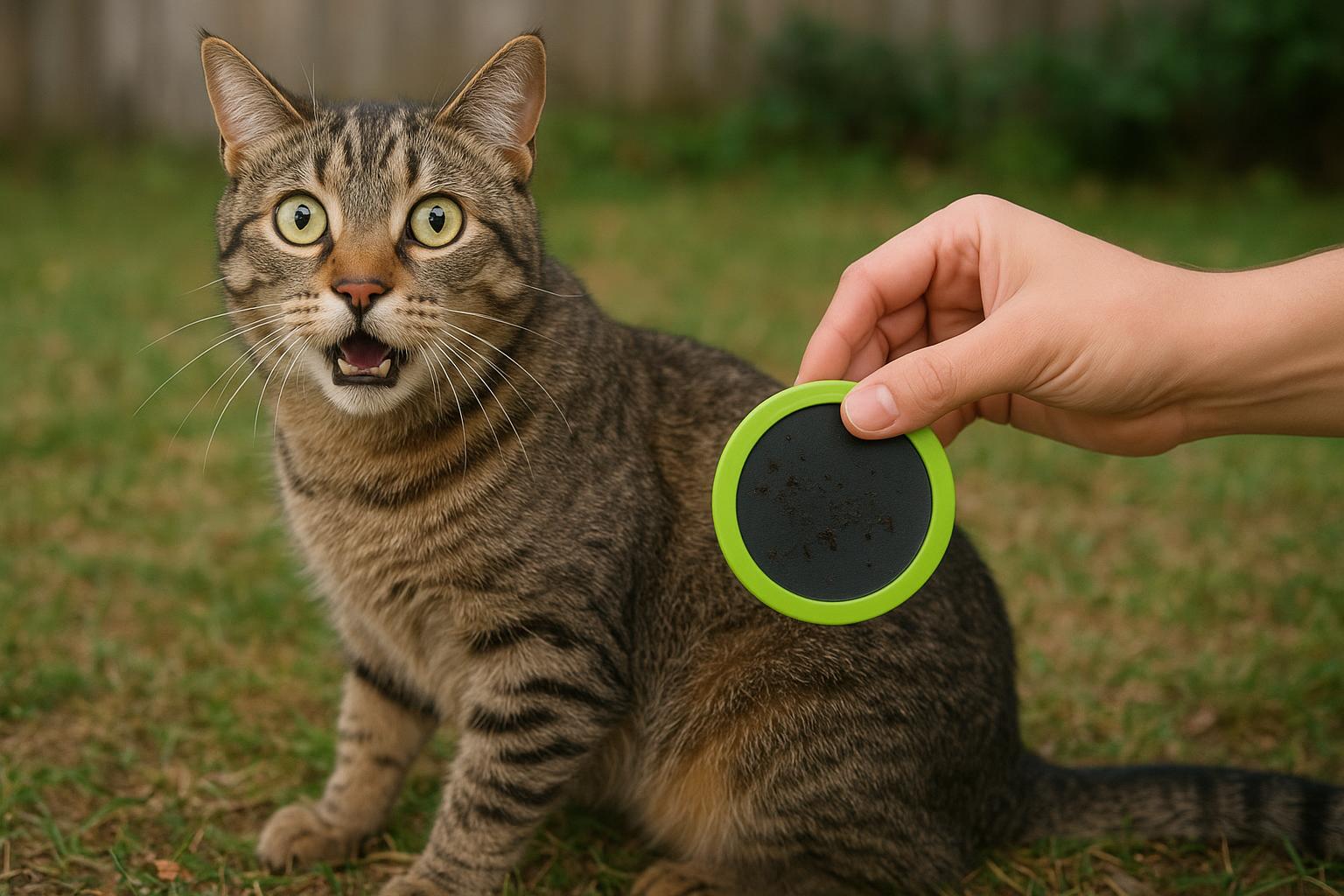
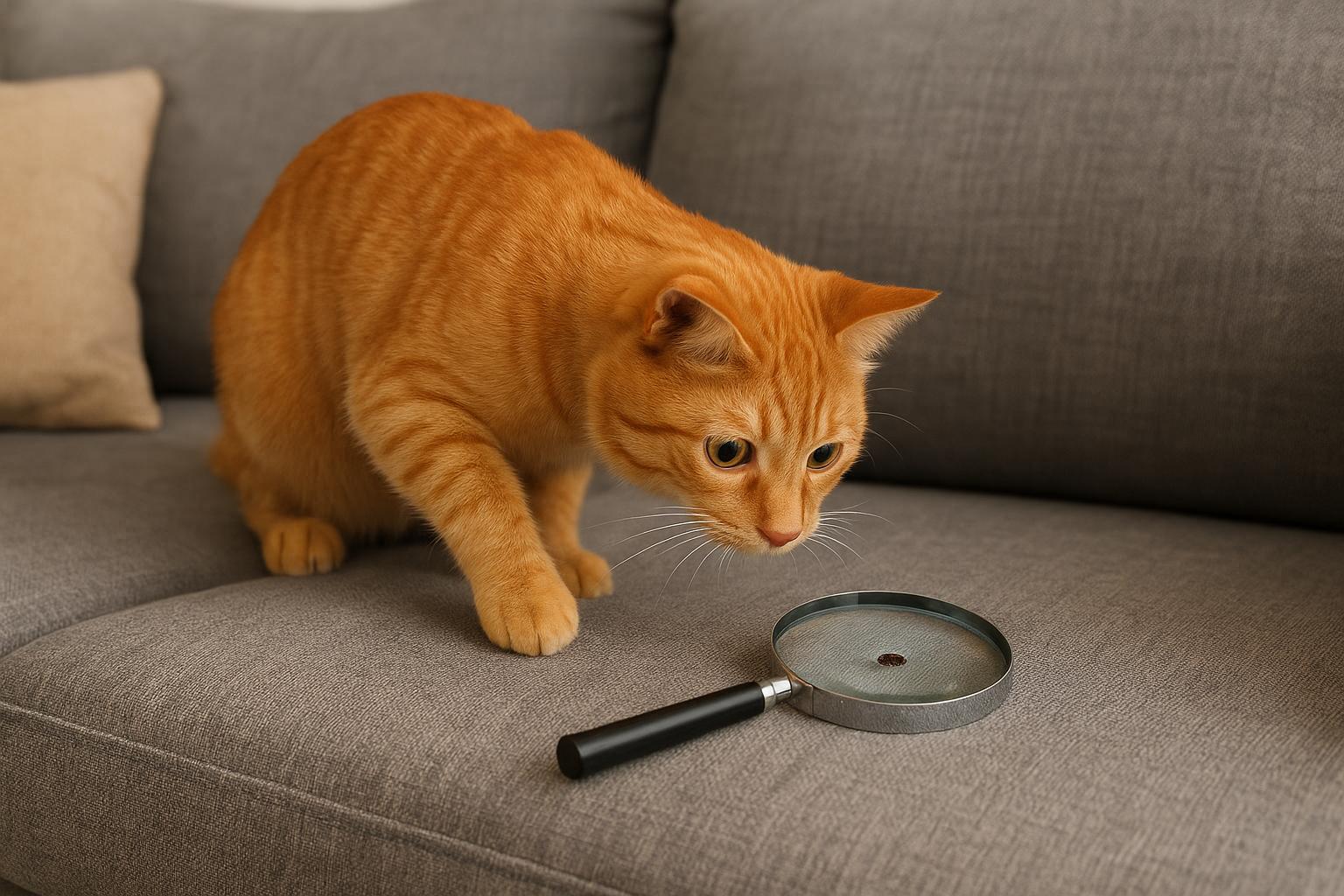
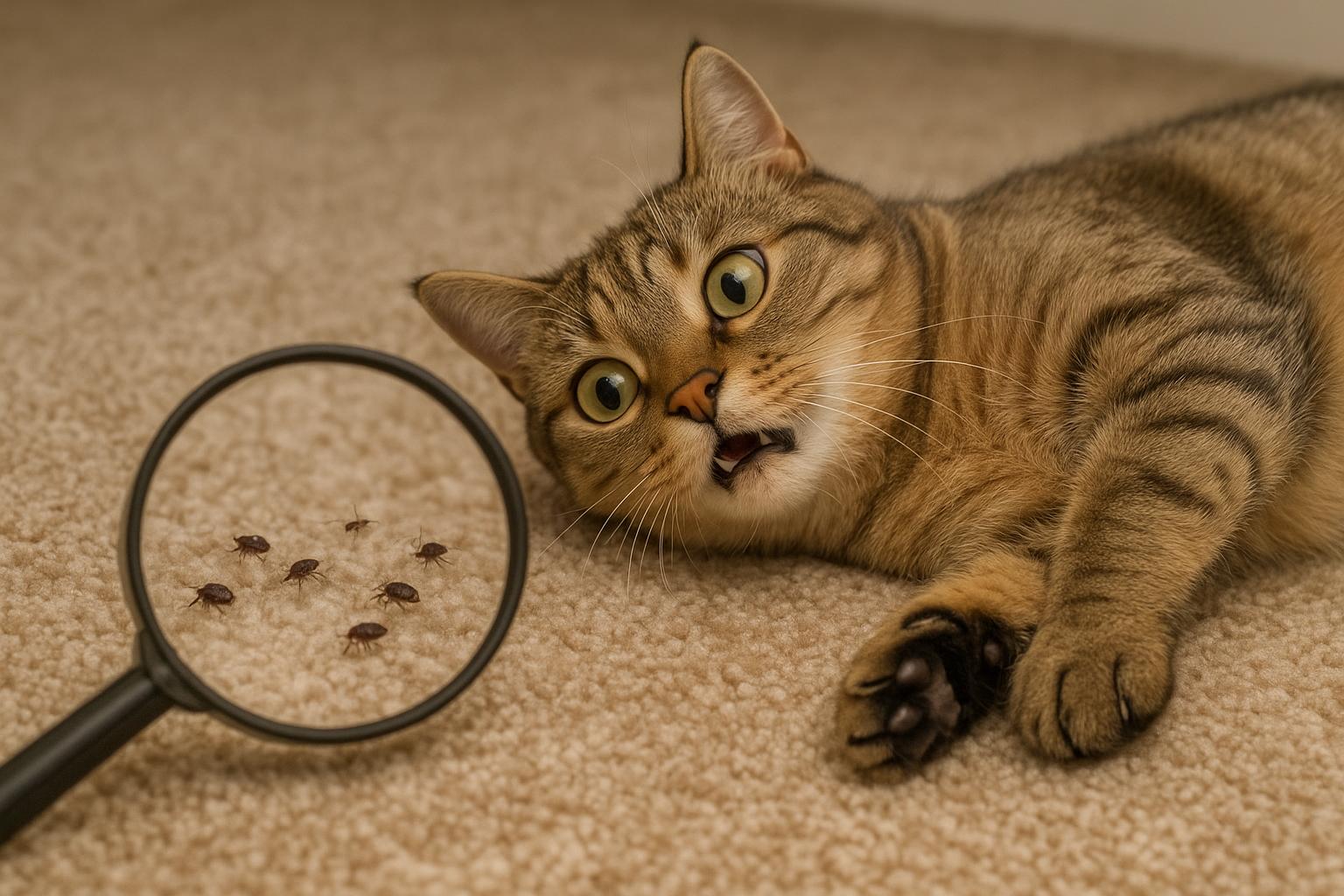
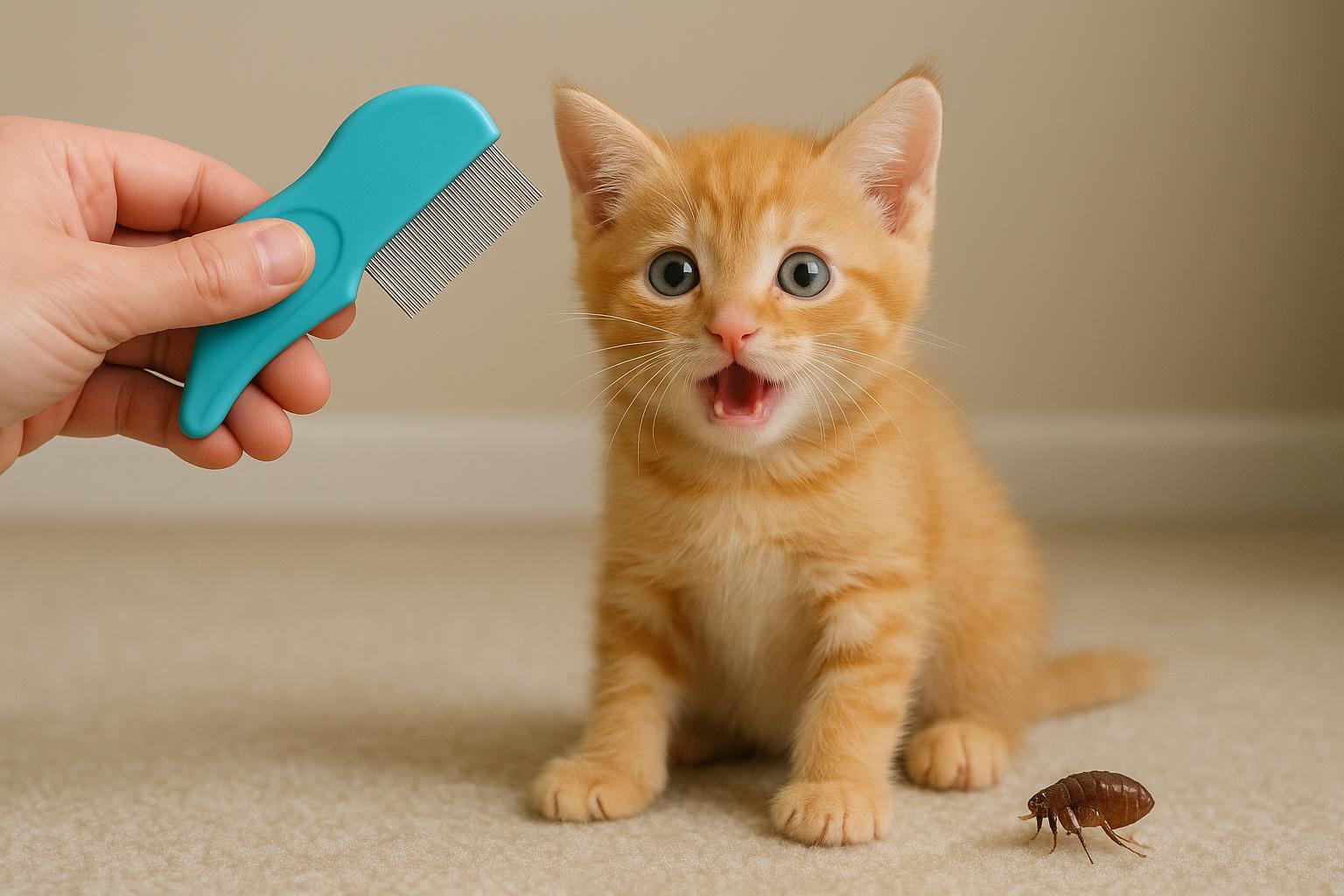
After implementing a kitten flea remedy, check your kitten daily. Use a flea comb over a light-colored towel to catch and inspect any fleas or flea dirt (black specks that turn red when wet). Clinical improvement — less scratching, better energy, and fewer fleas on combing — is expected within days for topical treatments and may take longer for natural approaches. If you don’t see steady improvement within a week for topical treatments or within two weeks for natural adjuncts, consult your vet for next steps.
A well-chosen, properly applied kitten flea remedy will reduce discomfort and protect your kitten’s health. If ever in doubt, your veterinarian is the best resource for tailoring a safe plan for your kitten’s age, weight, and household situation — and can help you laugh at the tiny flea circus while ensuring it’s short-lived.





Leave a Reply