
## Kitten Flea Care Basics: Why Fleas Matter
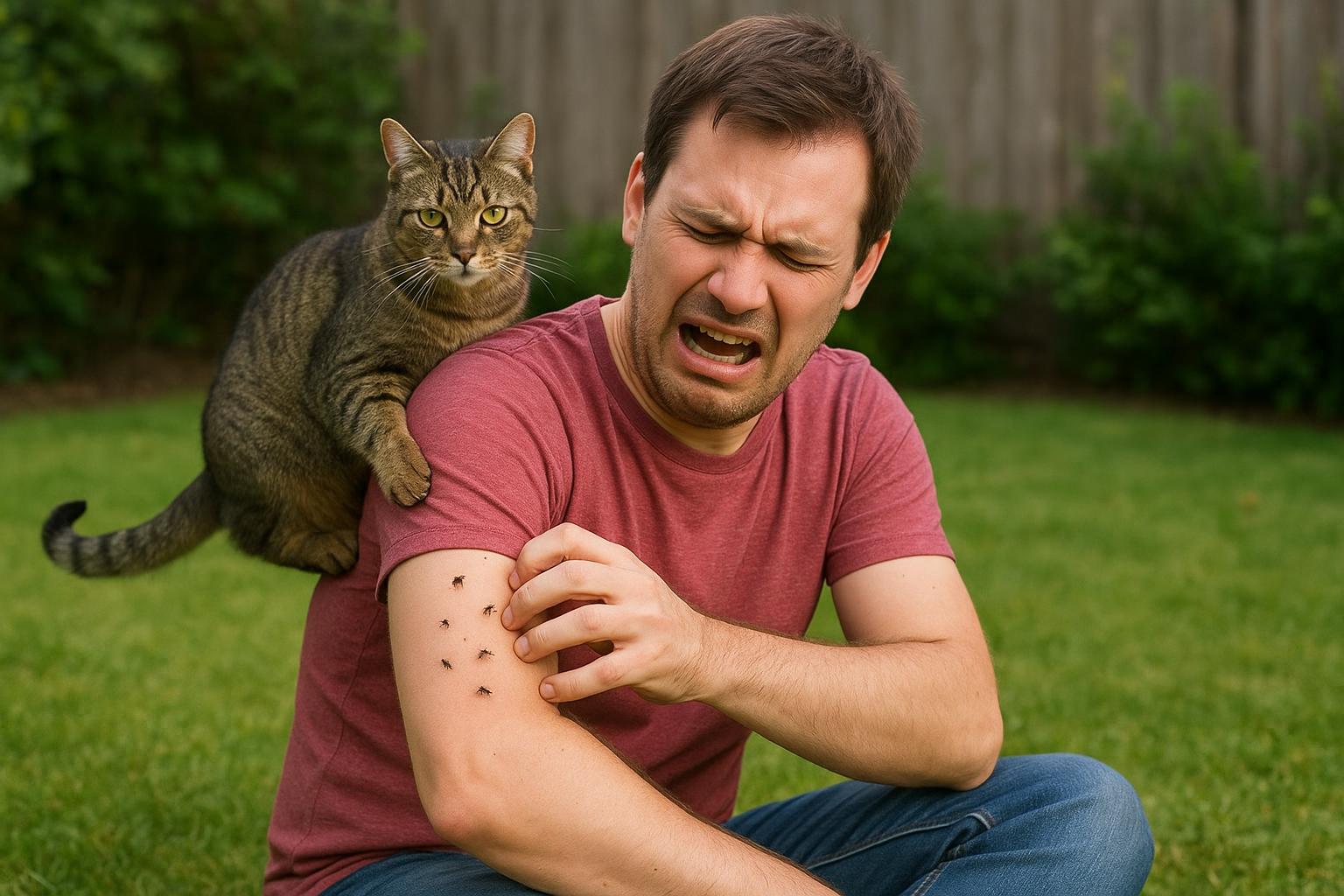
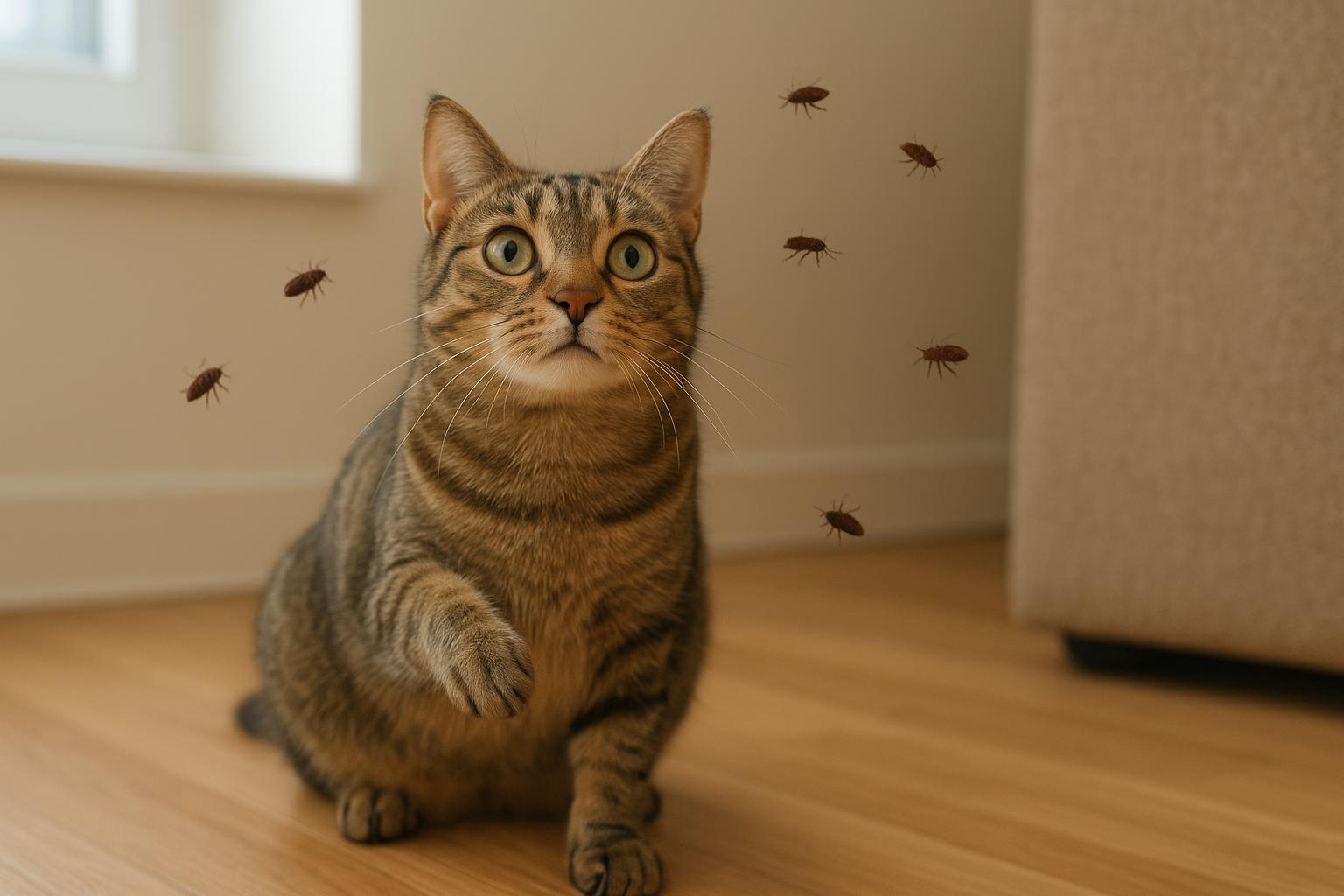
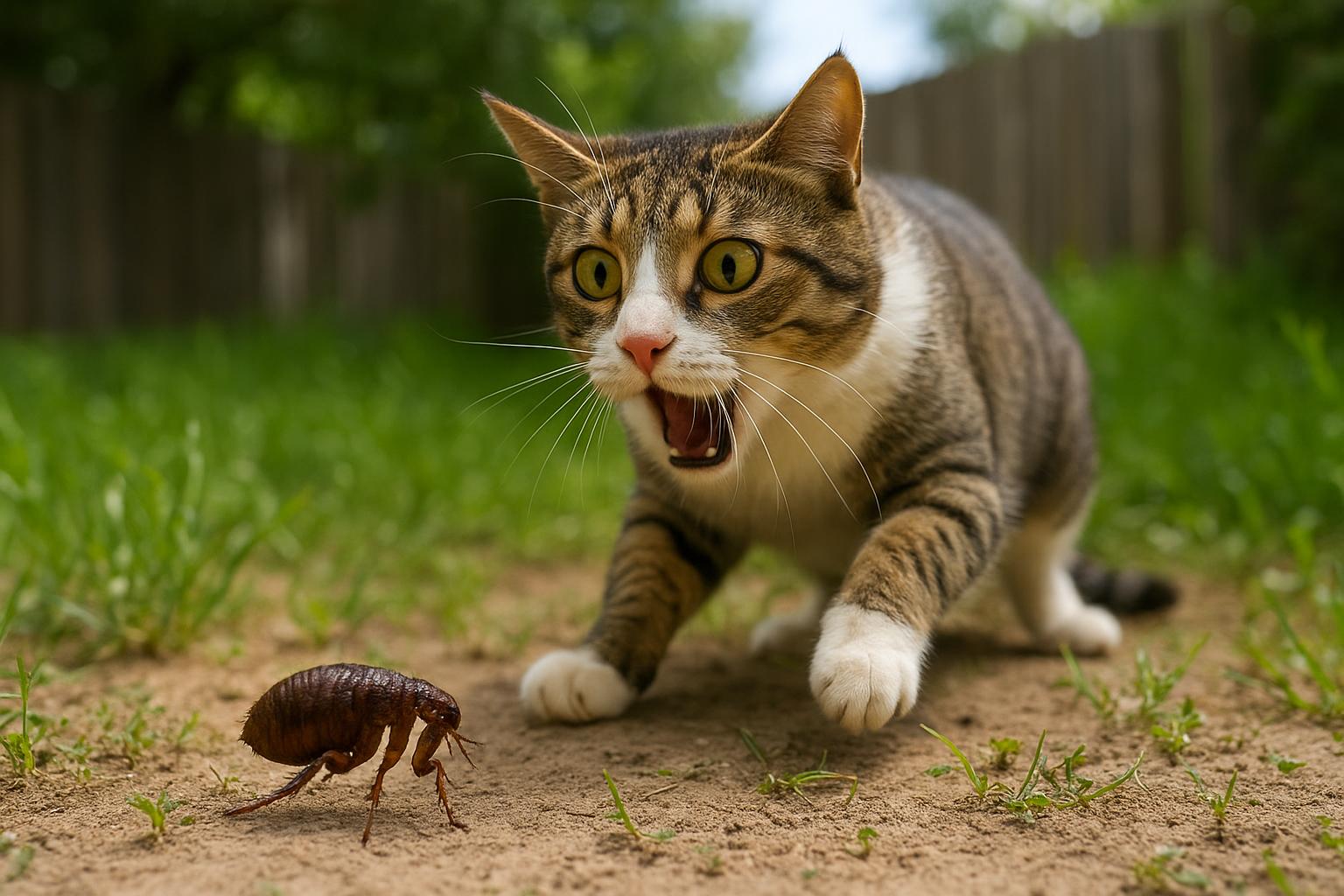
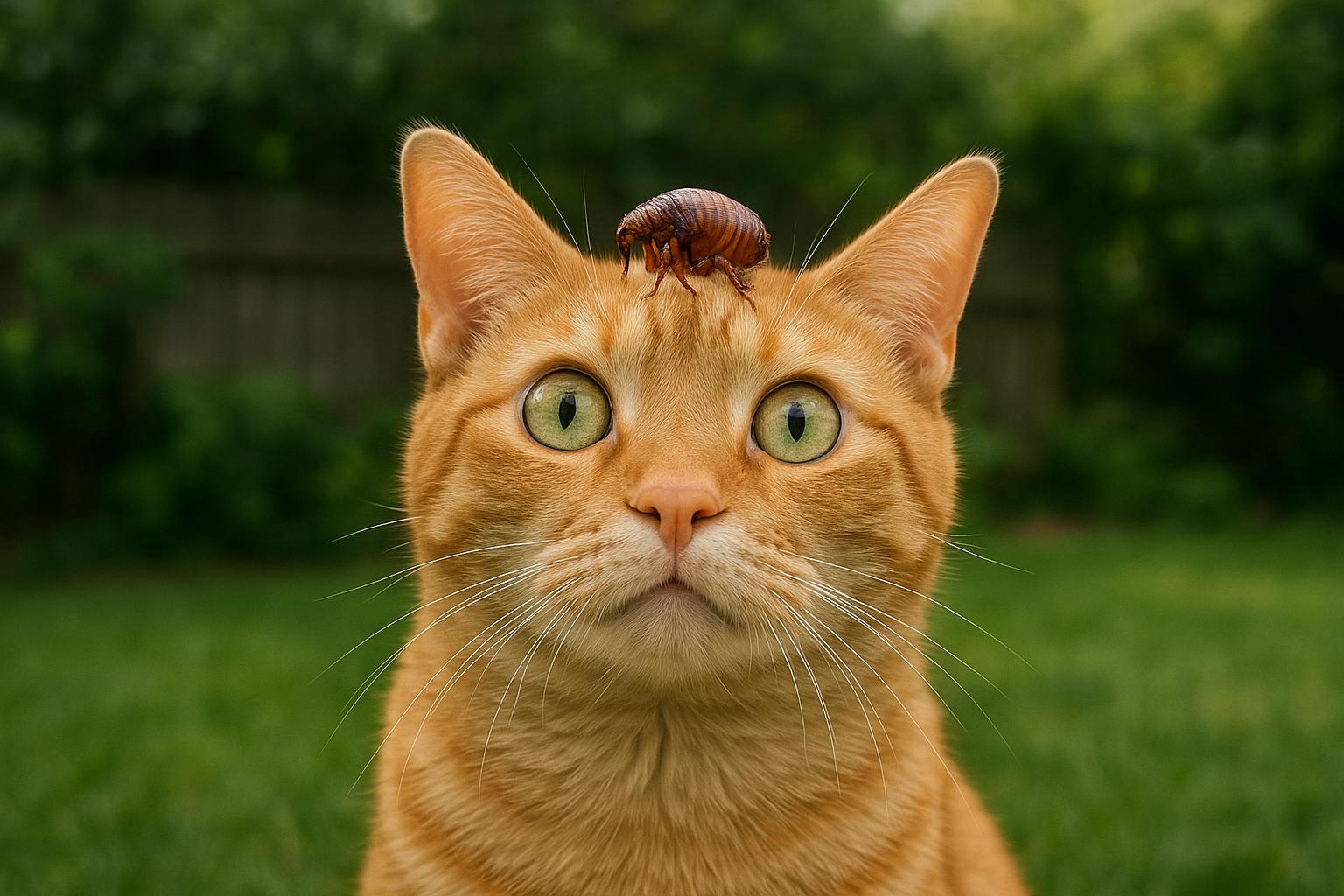
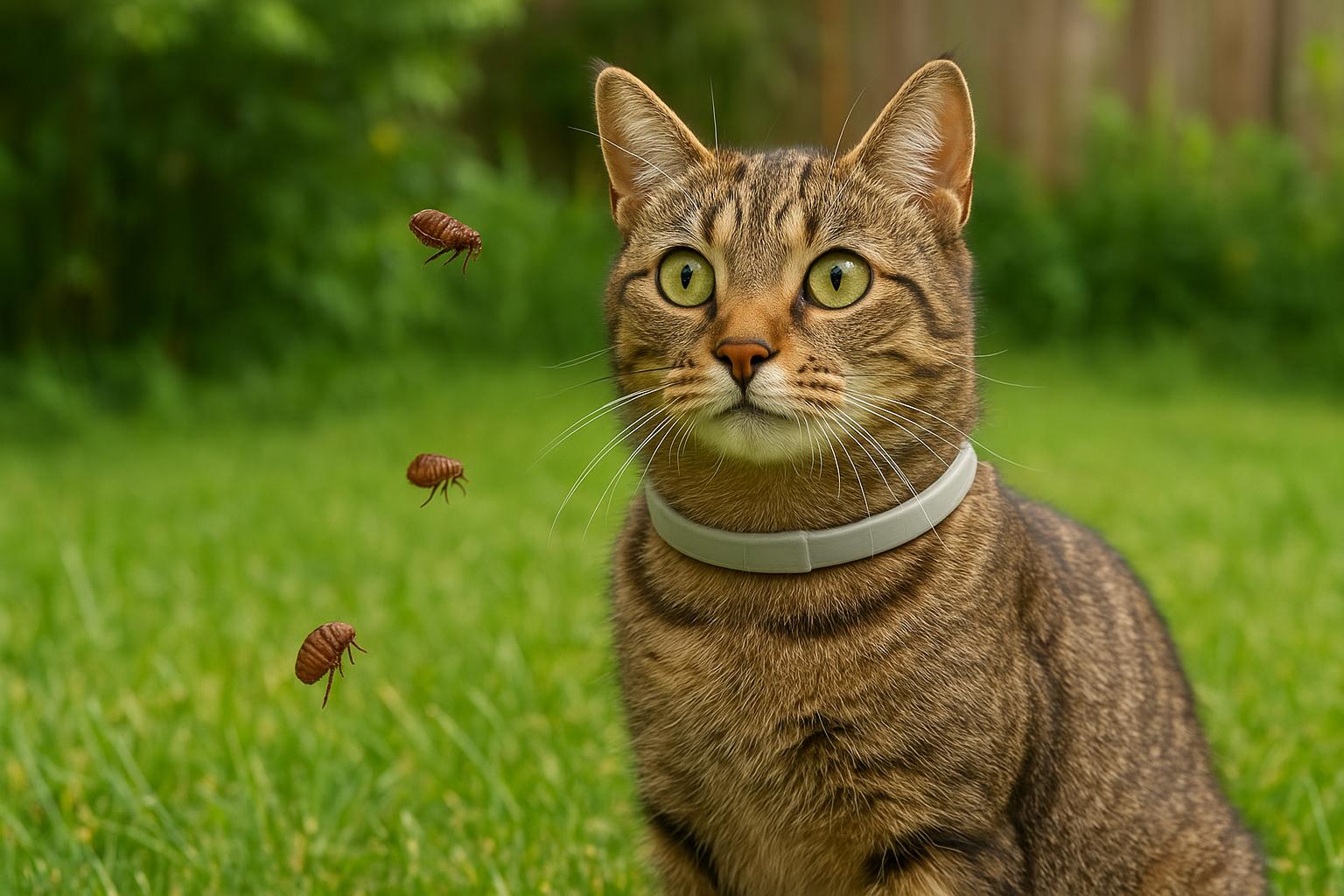
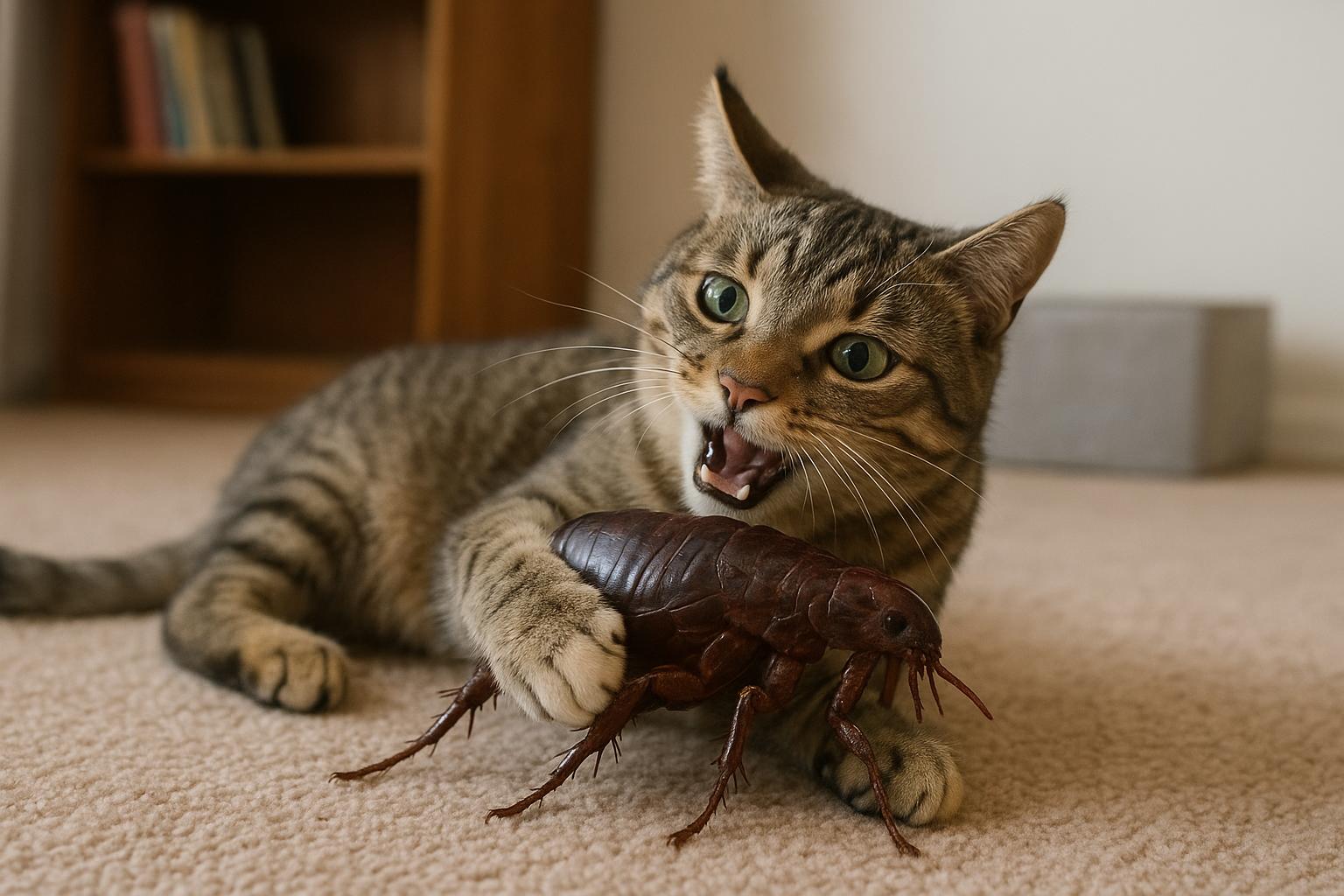
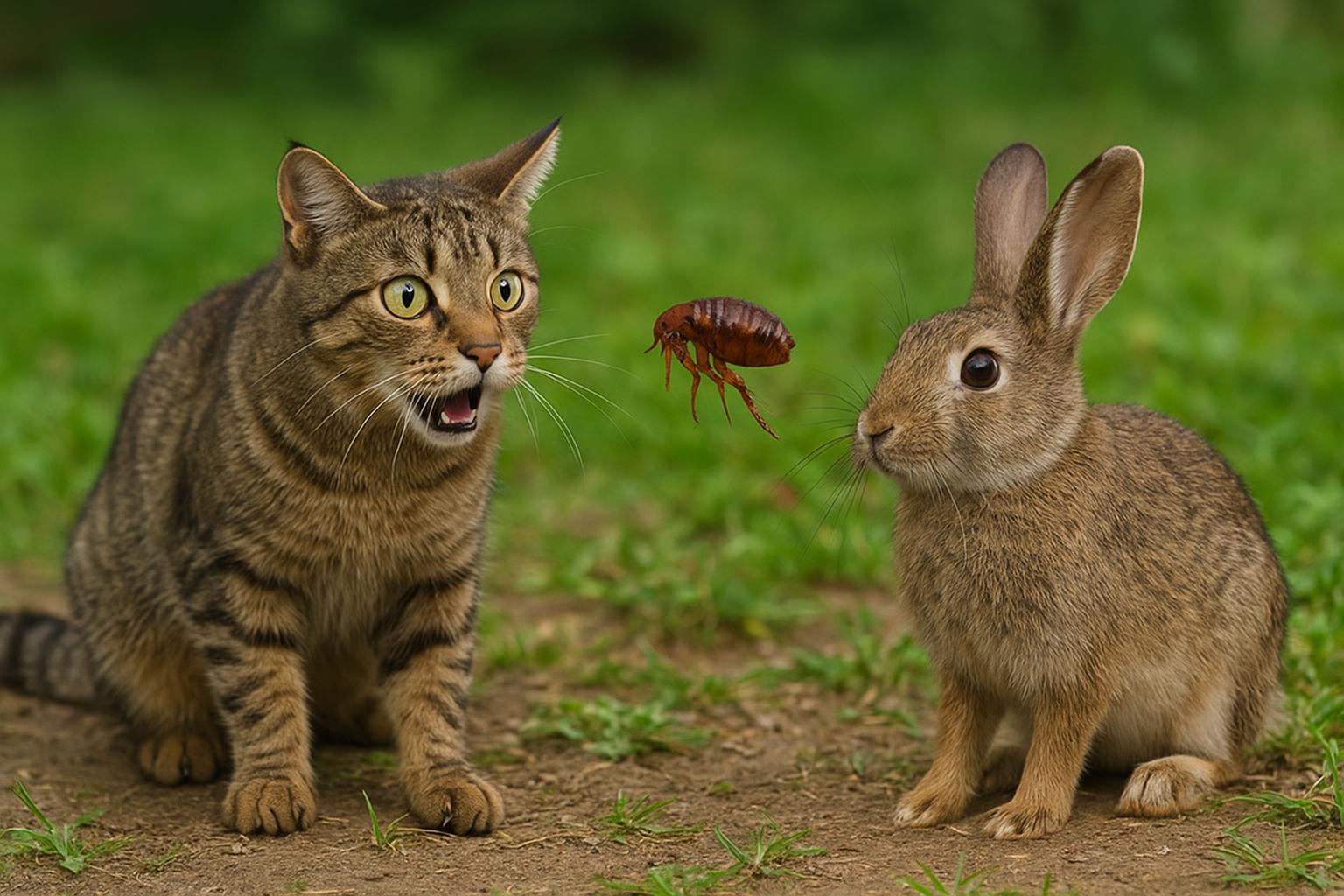
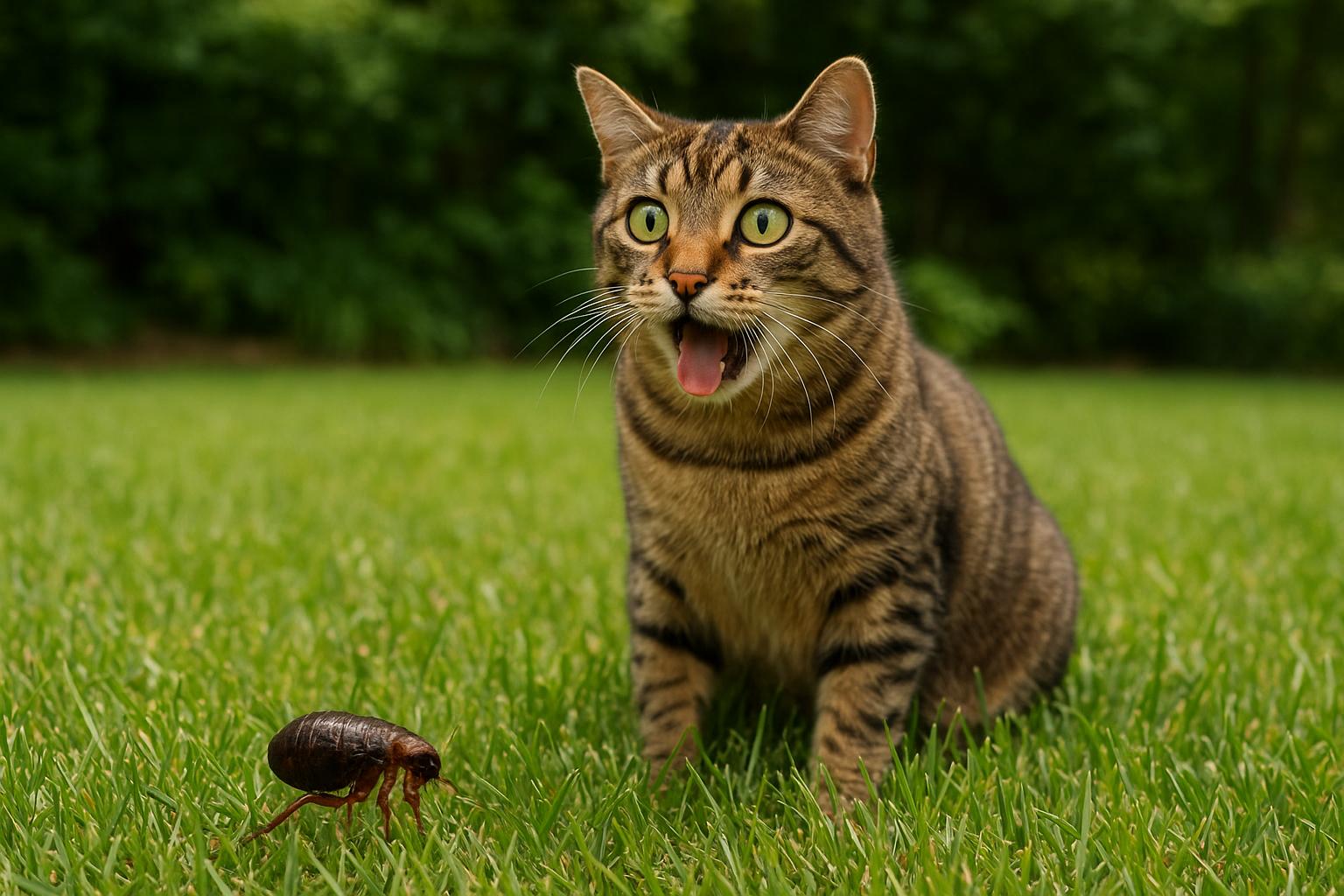
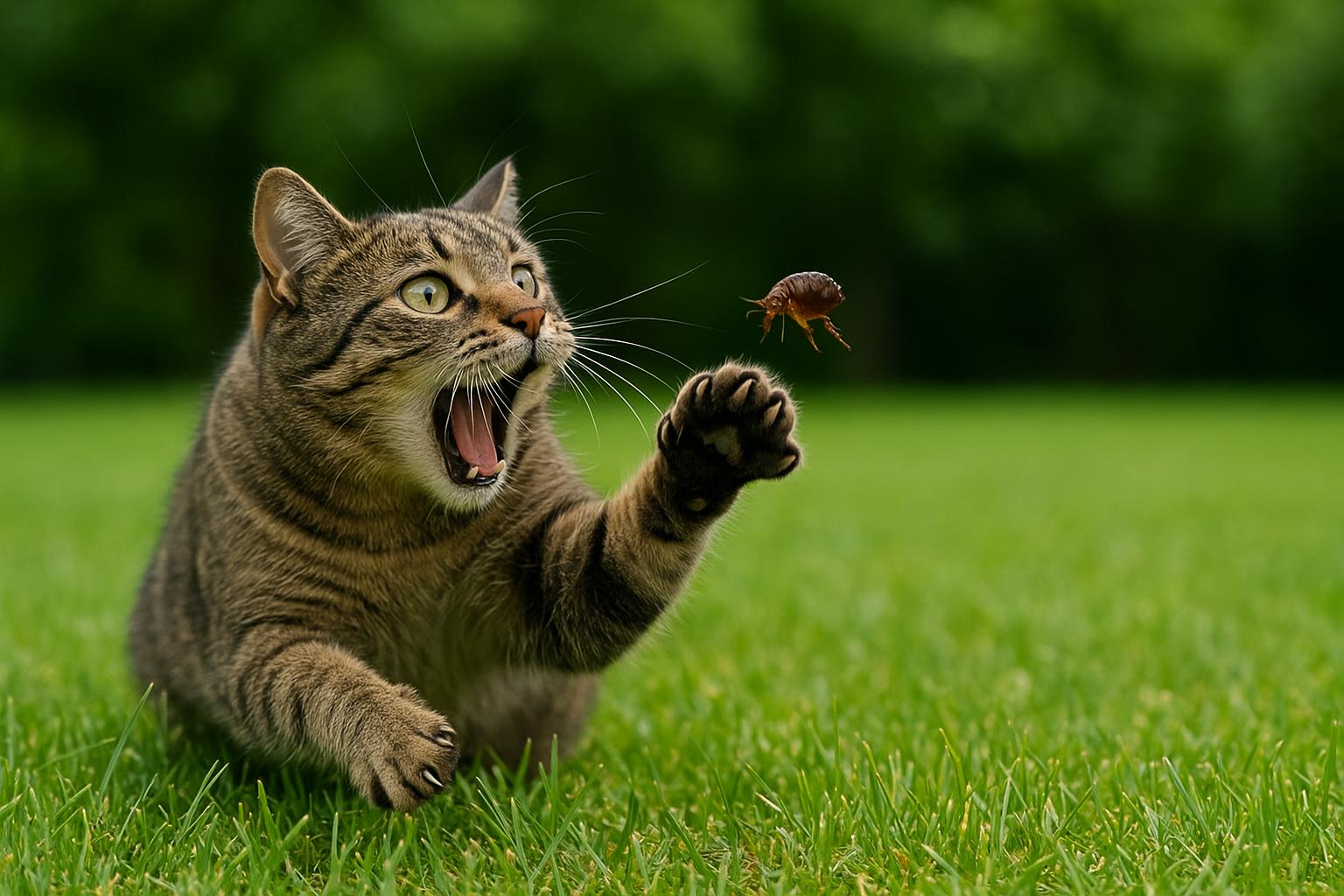
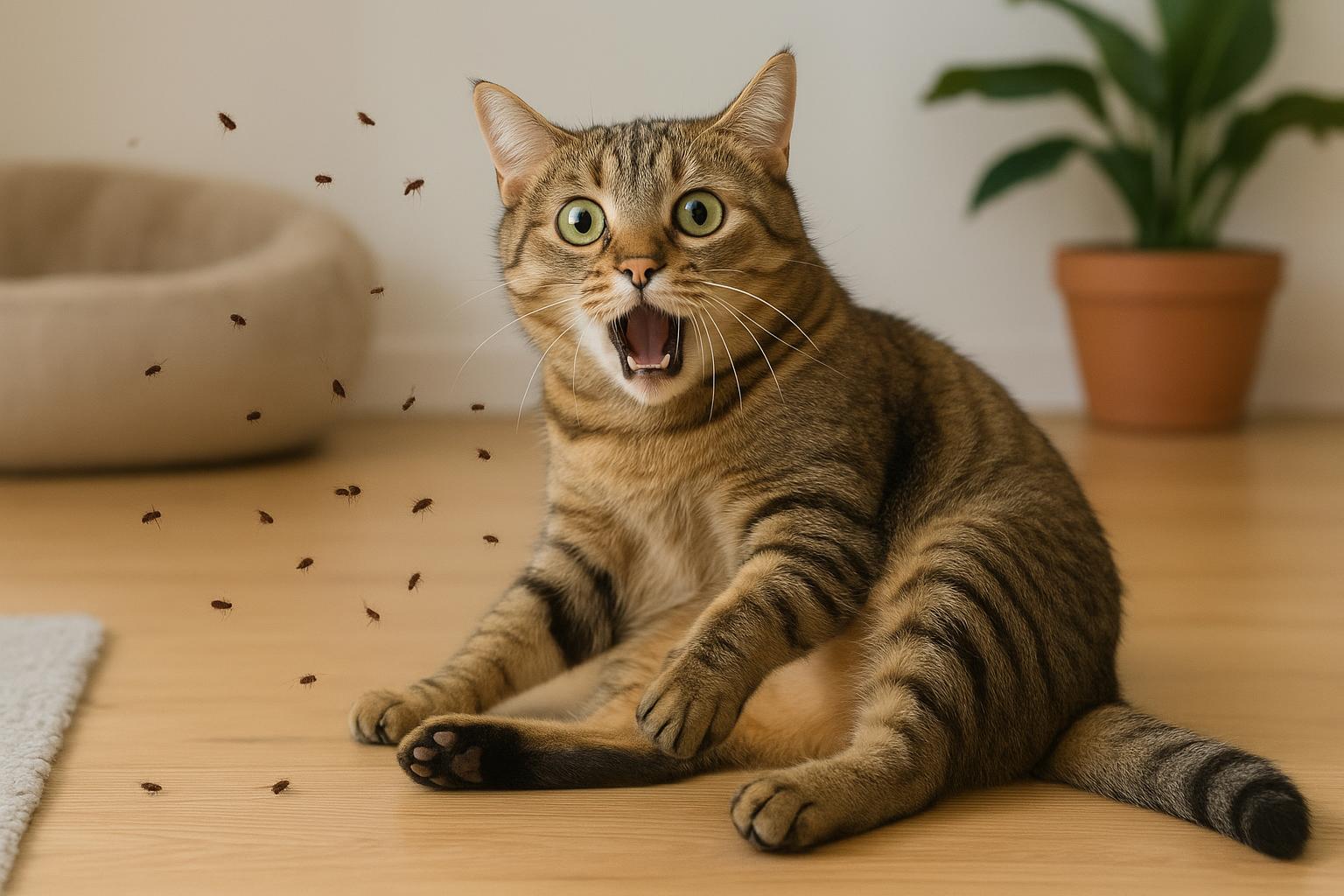
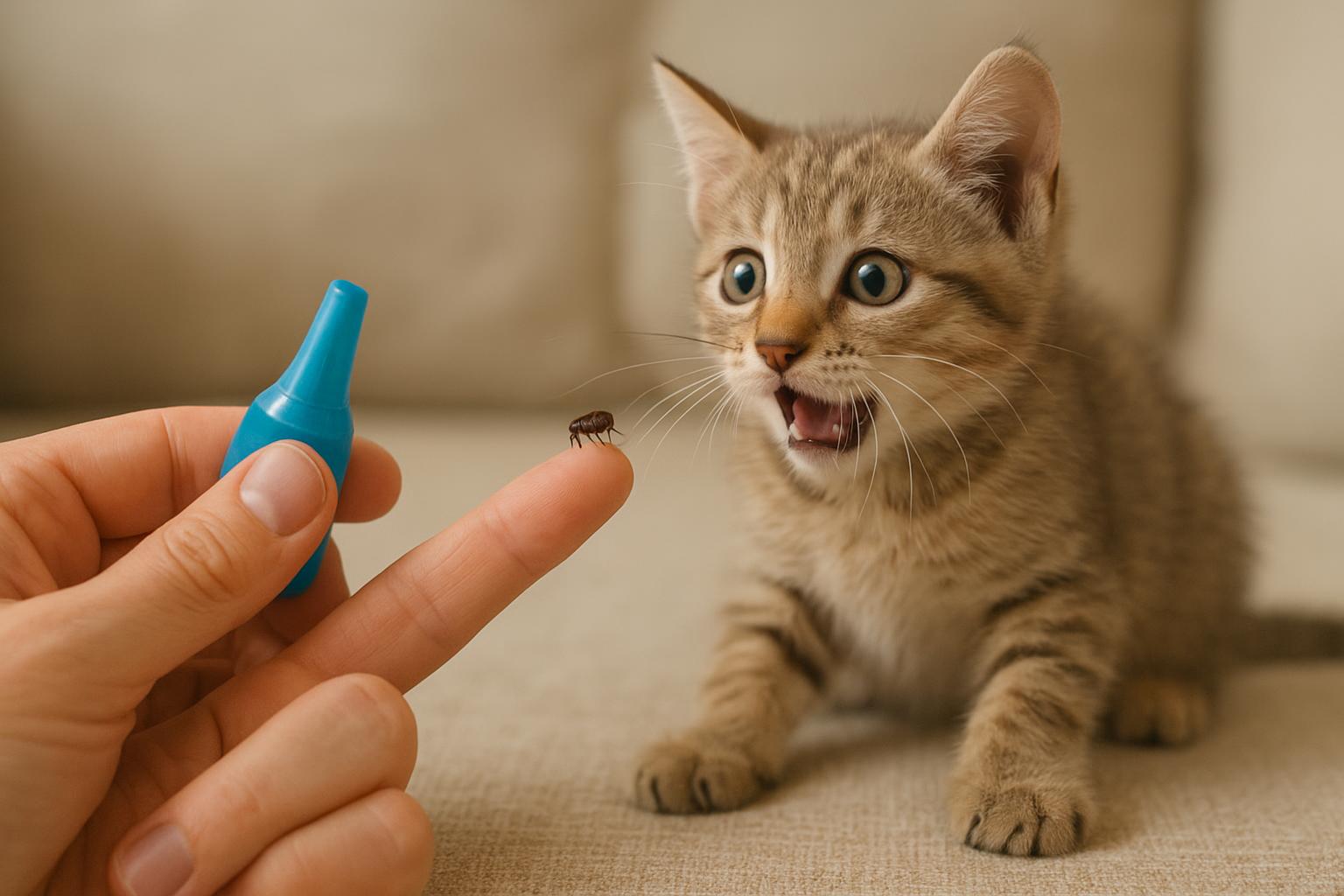
Bringing a kitten into your home is mostly purring and tiny mischief, but fleas can turn that sweetness into constant scratching and low-grade panic. Good kitten flea care starts with knowing what fleas look like, how quickly they reproduce, and the health risks they pose: anemia in very young kittens, skin irritation, and the potential to spread tapeworms. Think of fleas as tiny roommates who bring friends and never pay rent.
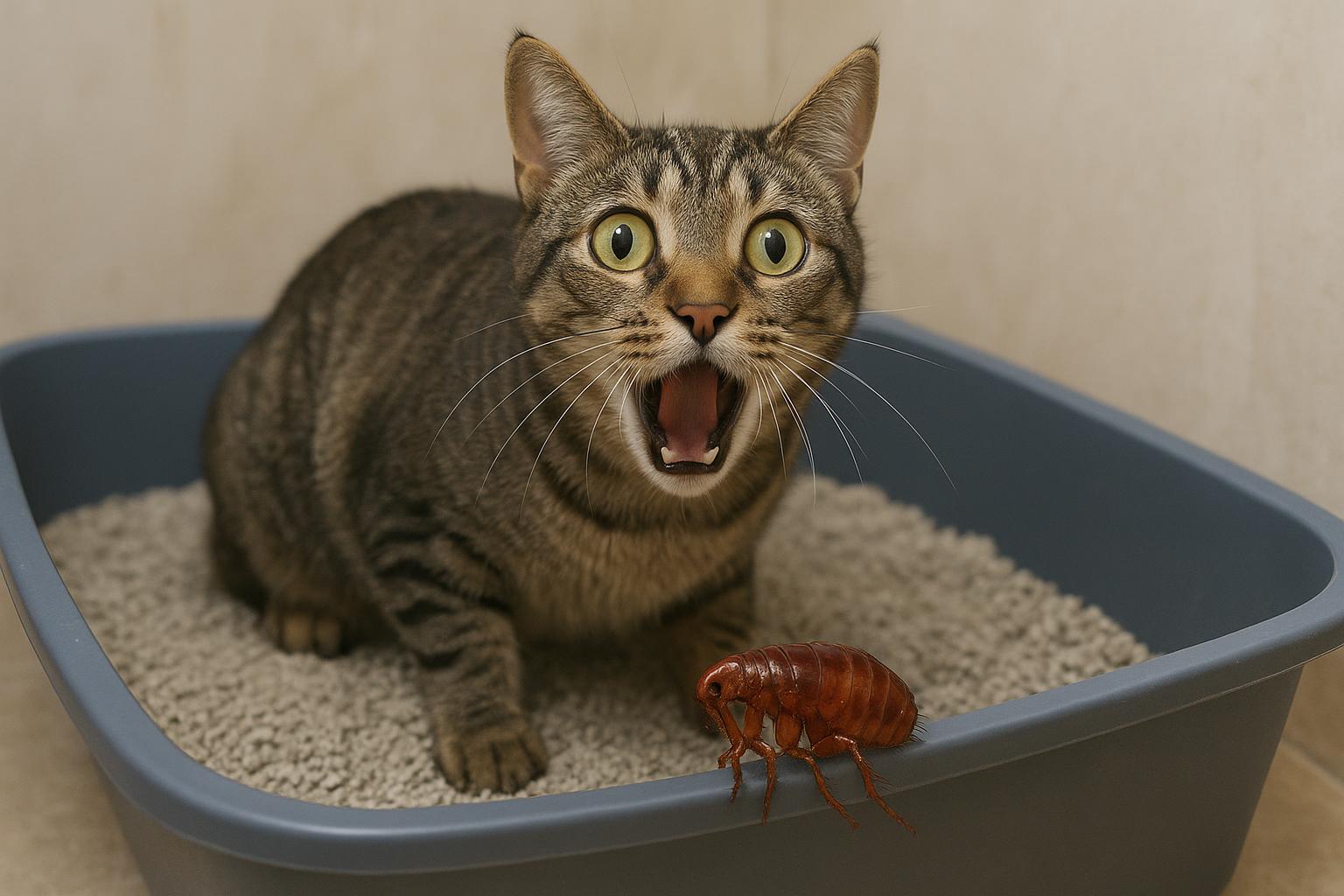
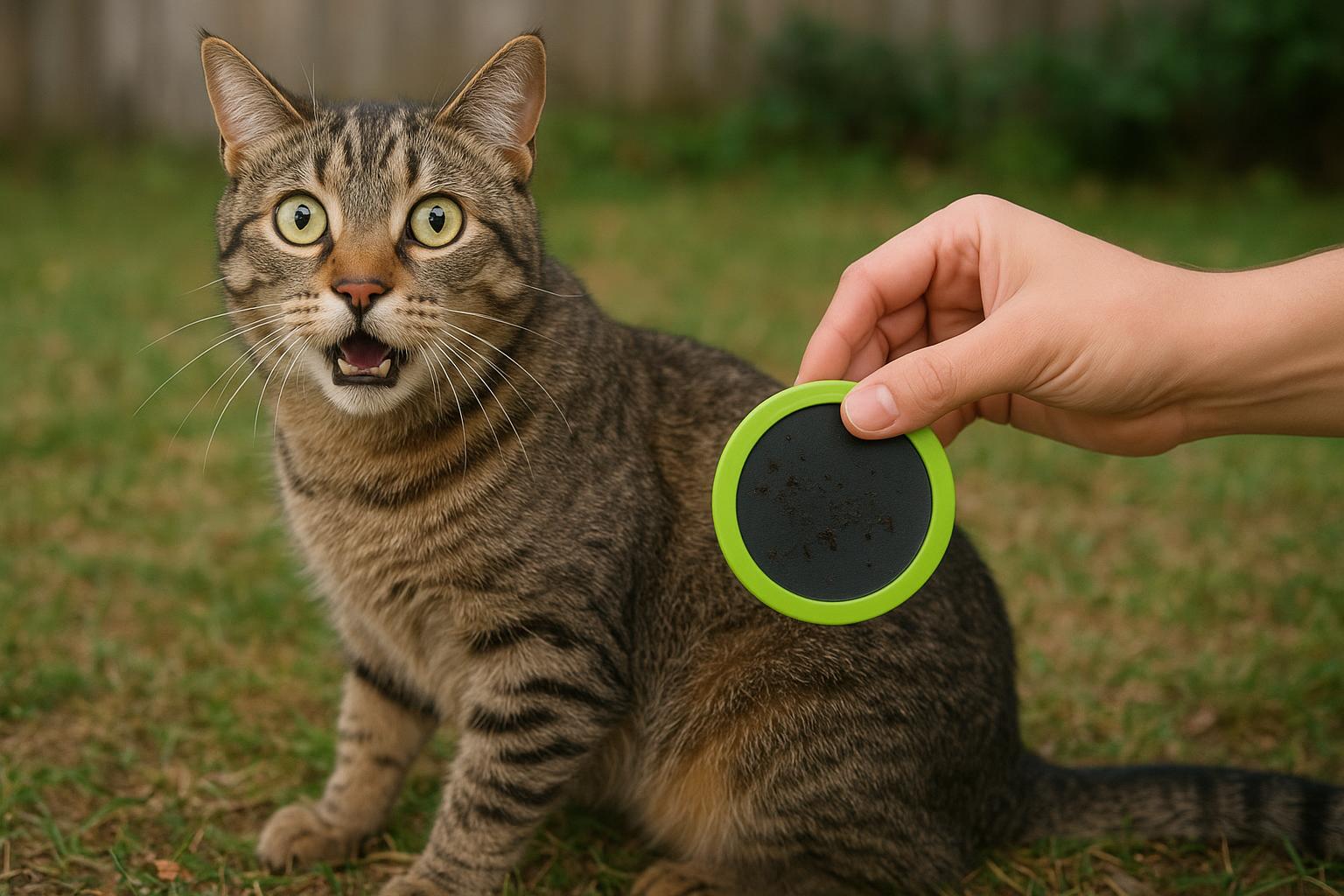
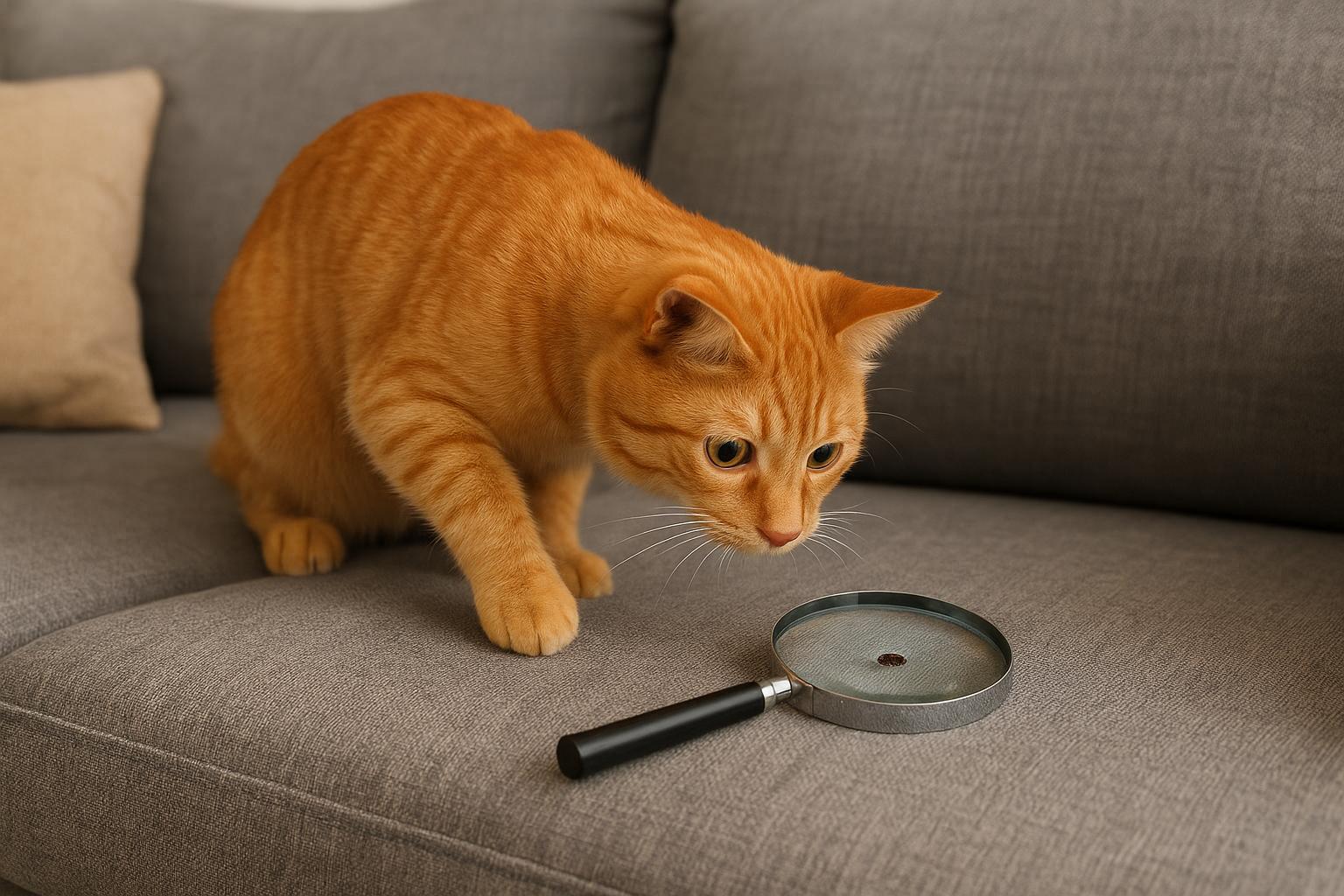
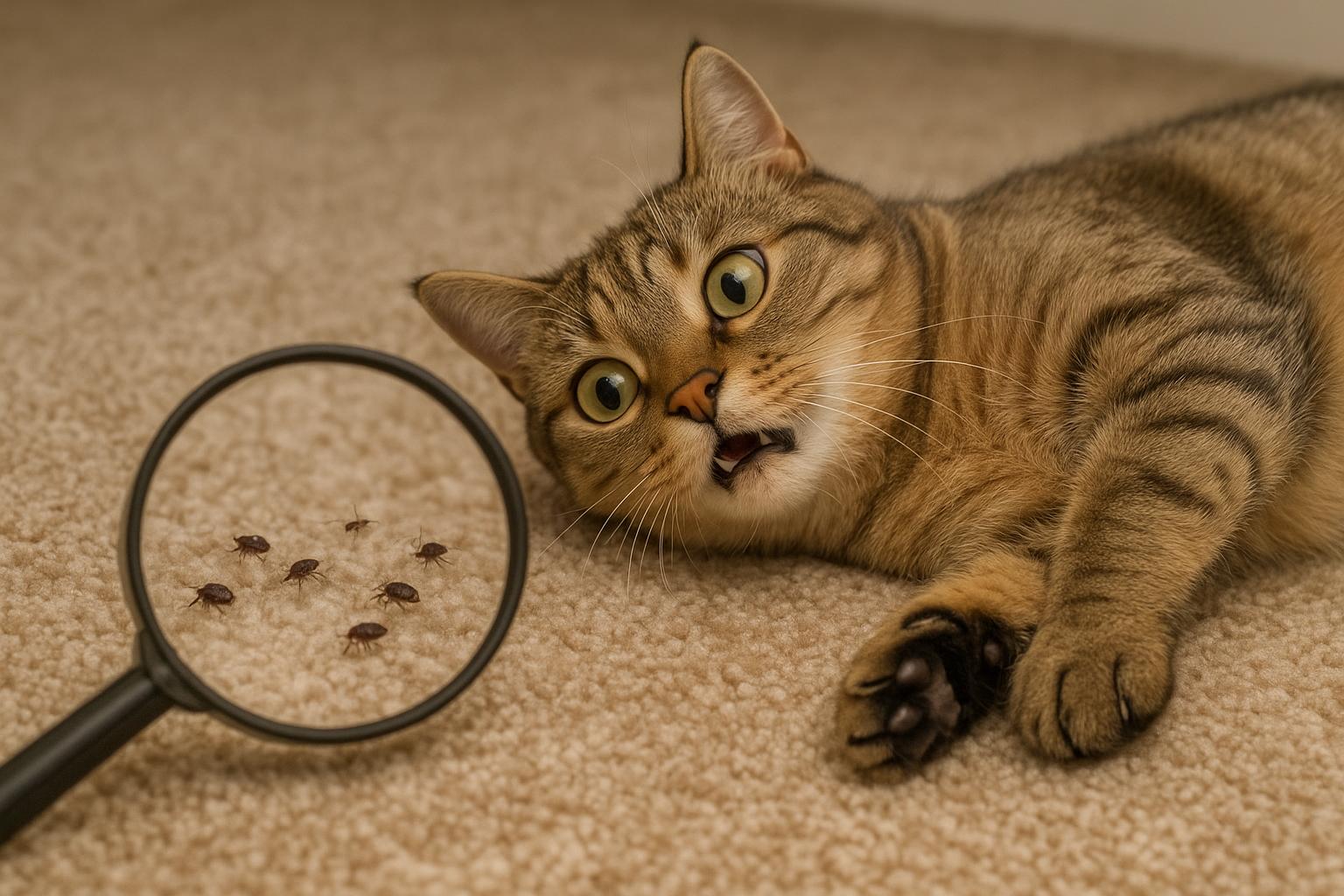
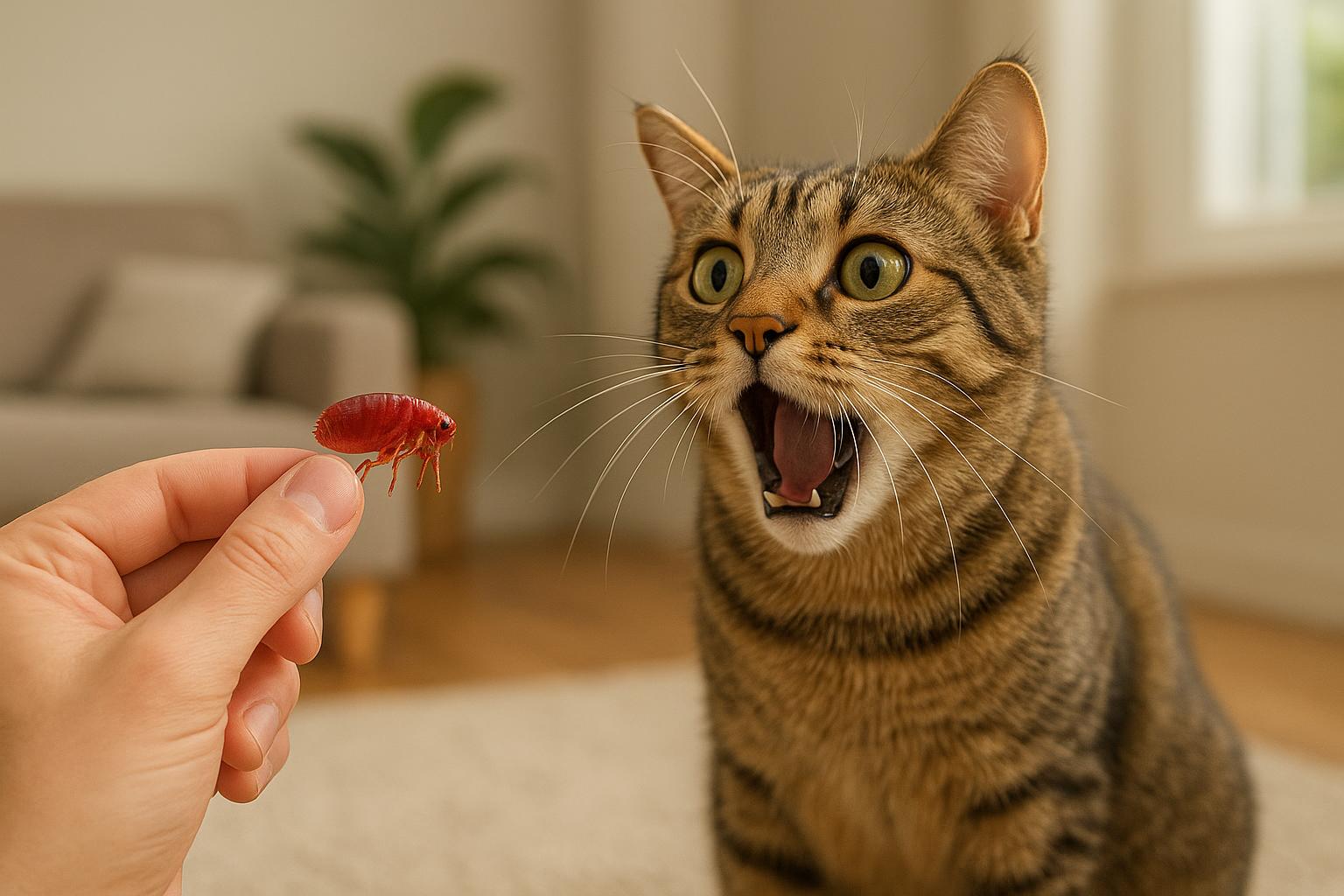
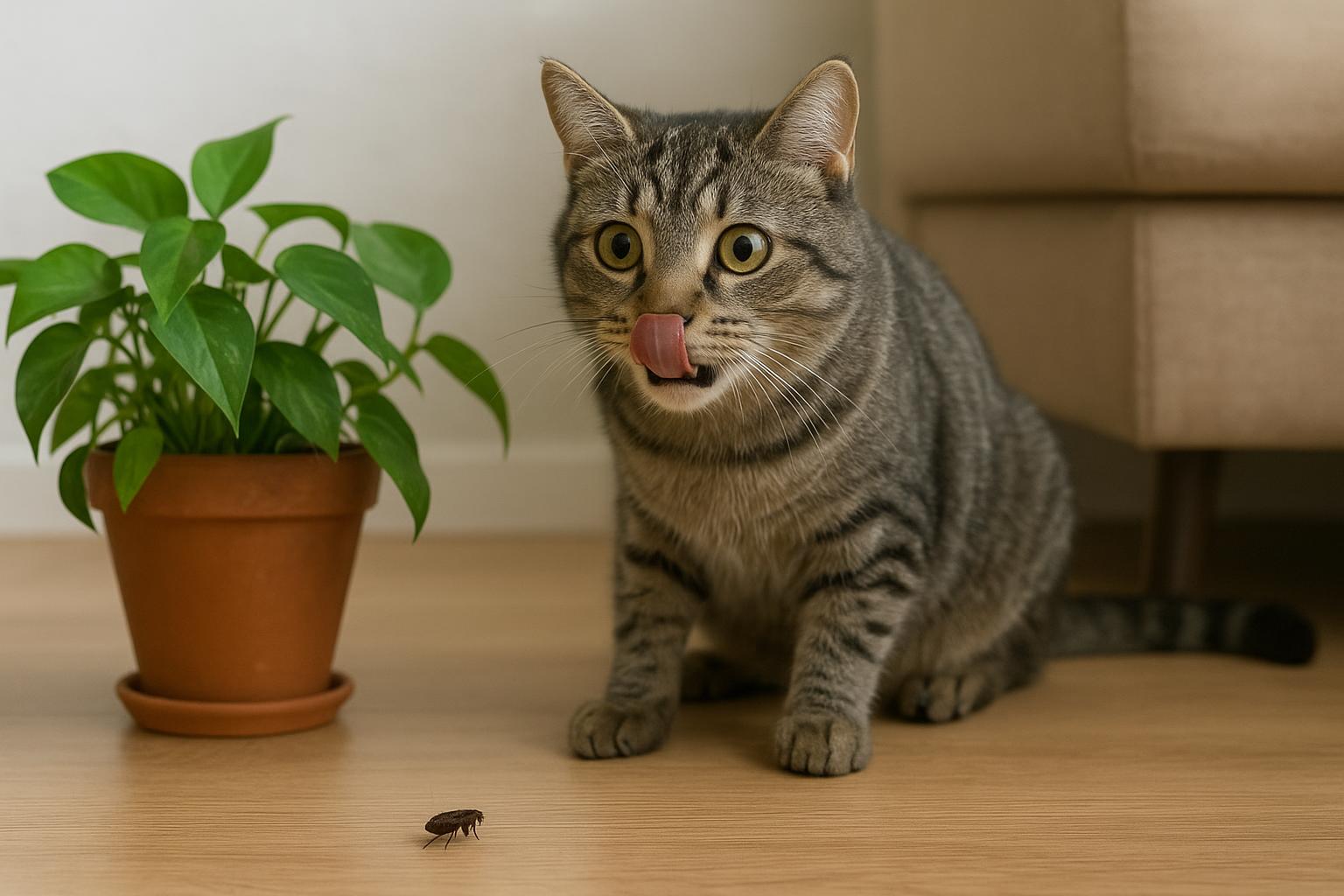
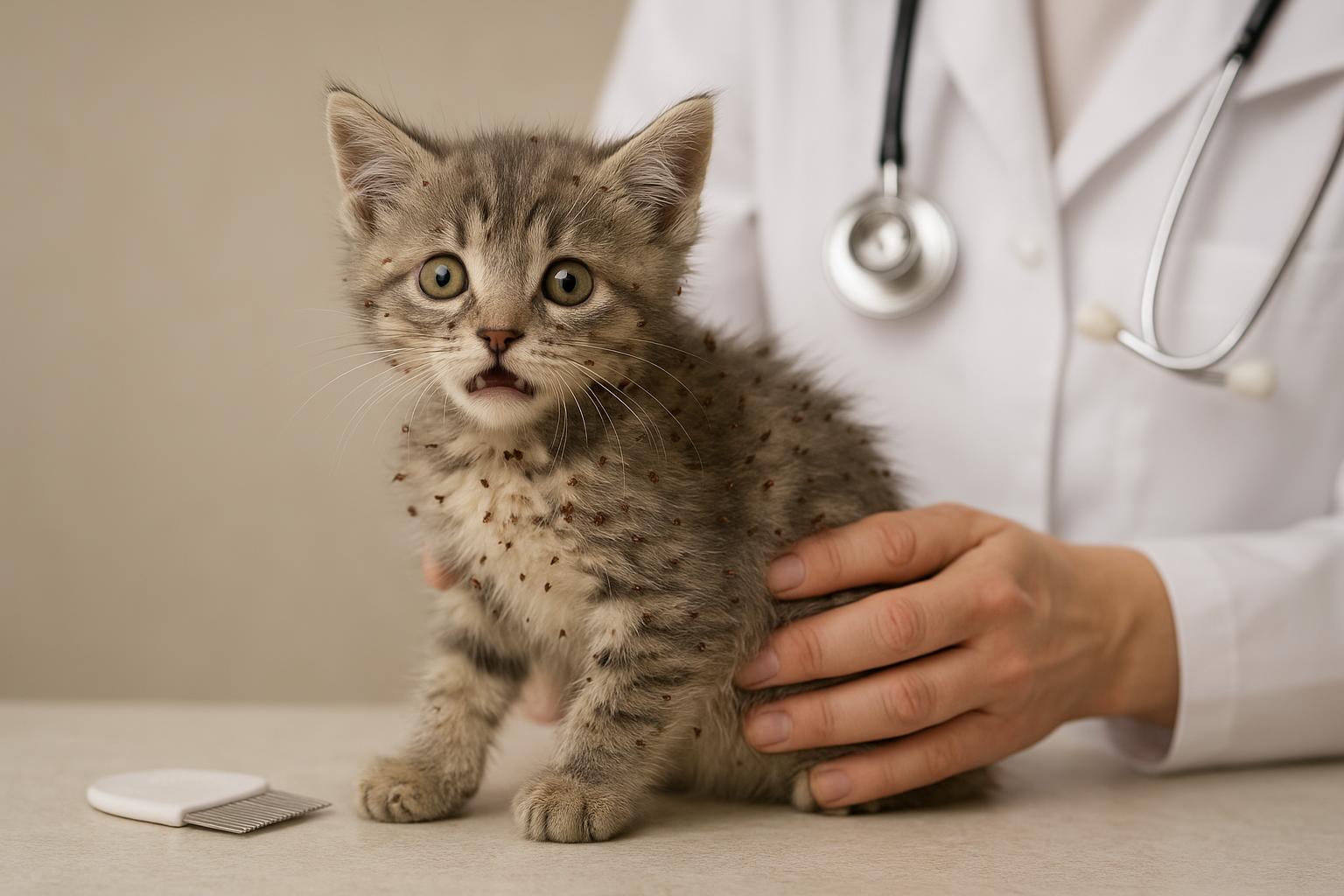
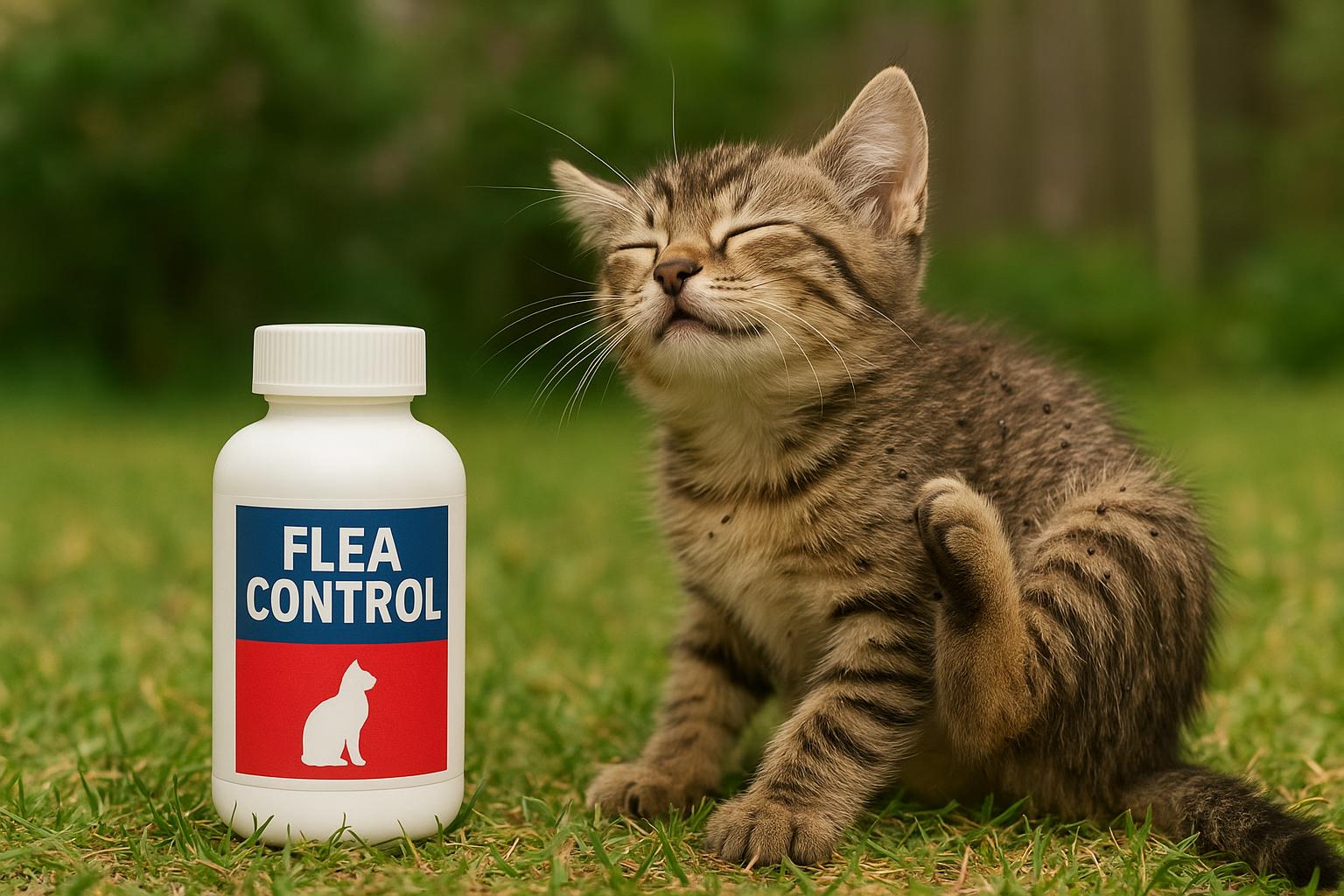
Spotting fleas early is the key. Look for fast-moving dark specks on the skin, red bumps, and pale gums in very young kittens. A telltale sign is “flea dirt” — small black specks that turn reddish when moistened (they’re digested blood). Regular checks and a simple flea comb are your best friends in practicing consistent kitten flea care.
## When A Flea Problem Is Serious
Kittens are vulnerable. If you see lethargy, pale gums, rapid breathing, or the kitten is underweight, contact your veterinarian immediately. Professional treatment may be necessary if fleas have caused anemia or if more than a few fleas are present. Your vet will recommend age- and weight-appropriate flea products — many adult cat flea medications are unsafe for kittens.
### How Fleas Affect Growing Kittens
Flea bites can lead to allergic dermatitis, secondary skin infections, and significant blood loss in very small kittens. Young animals can’t tolerate the same chemical load as adults, so kitten flea care must balance effectiveness and safety. This is why non-chemical interventions are especially important for neonates and under-8-week-old kittens.
### Flea Comb For Kittens: Tool Basics
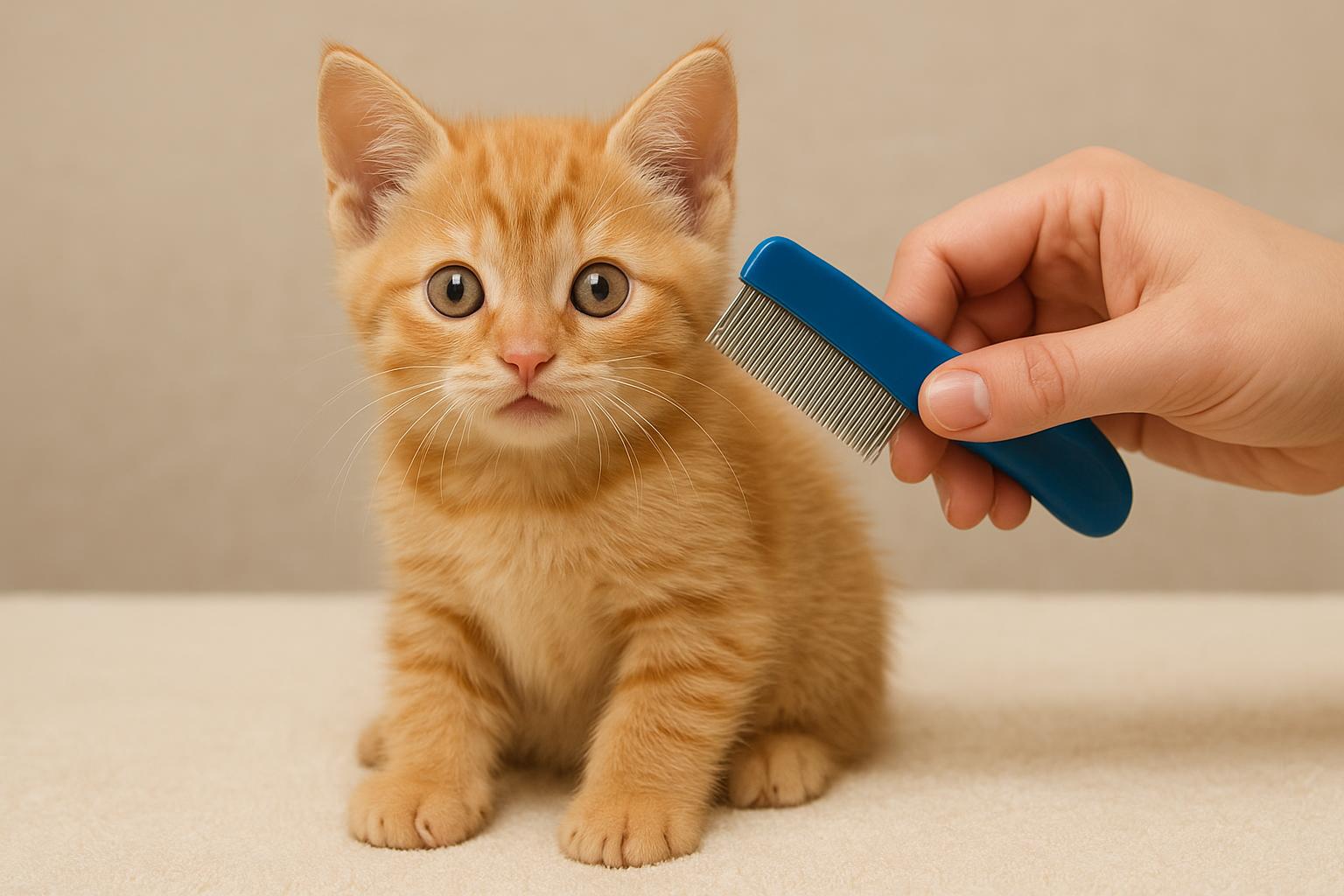
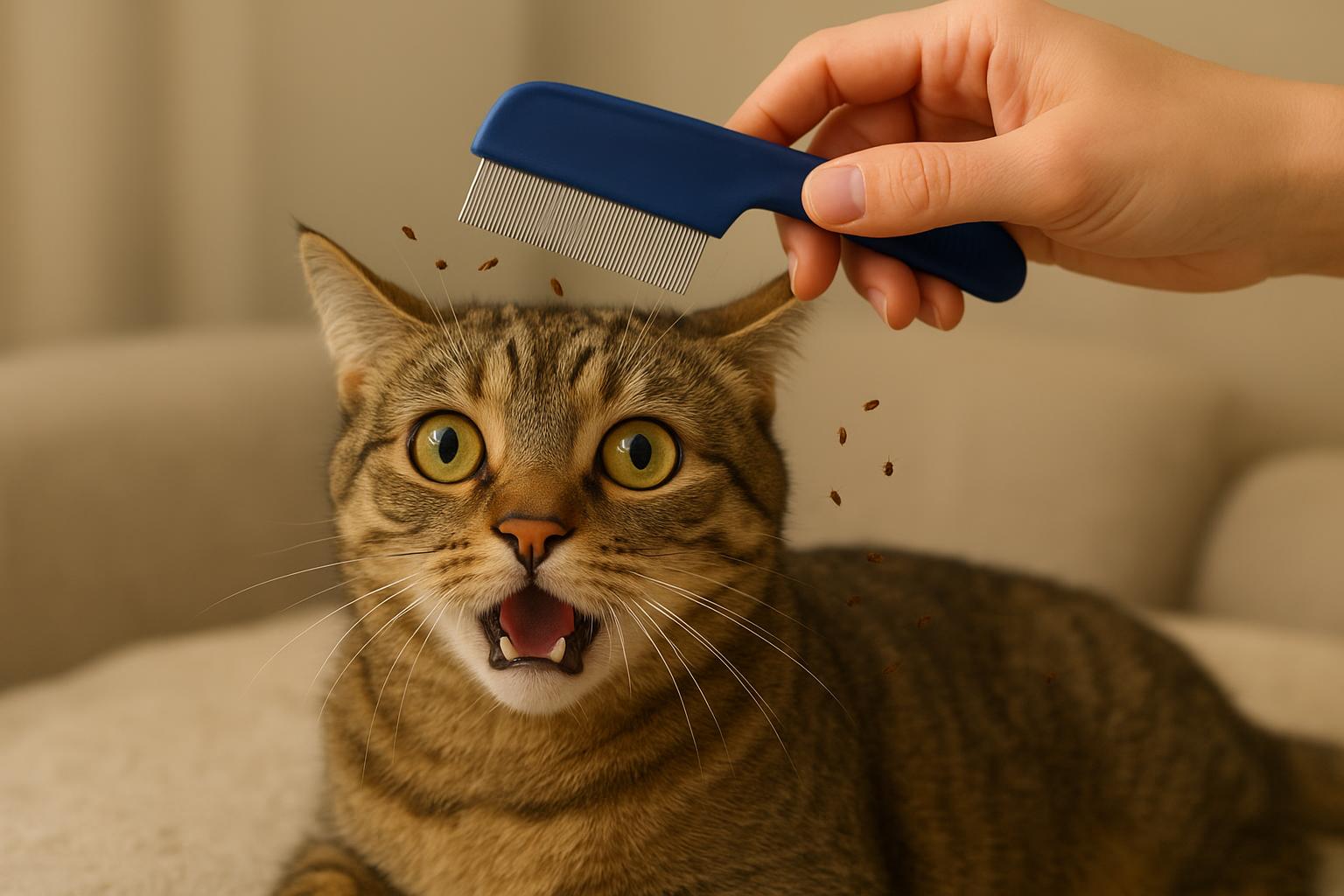
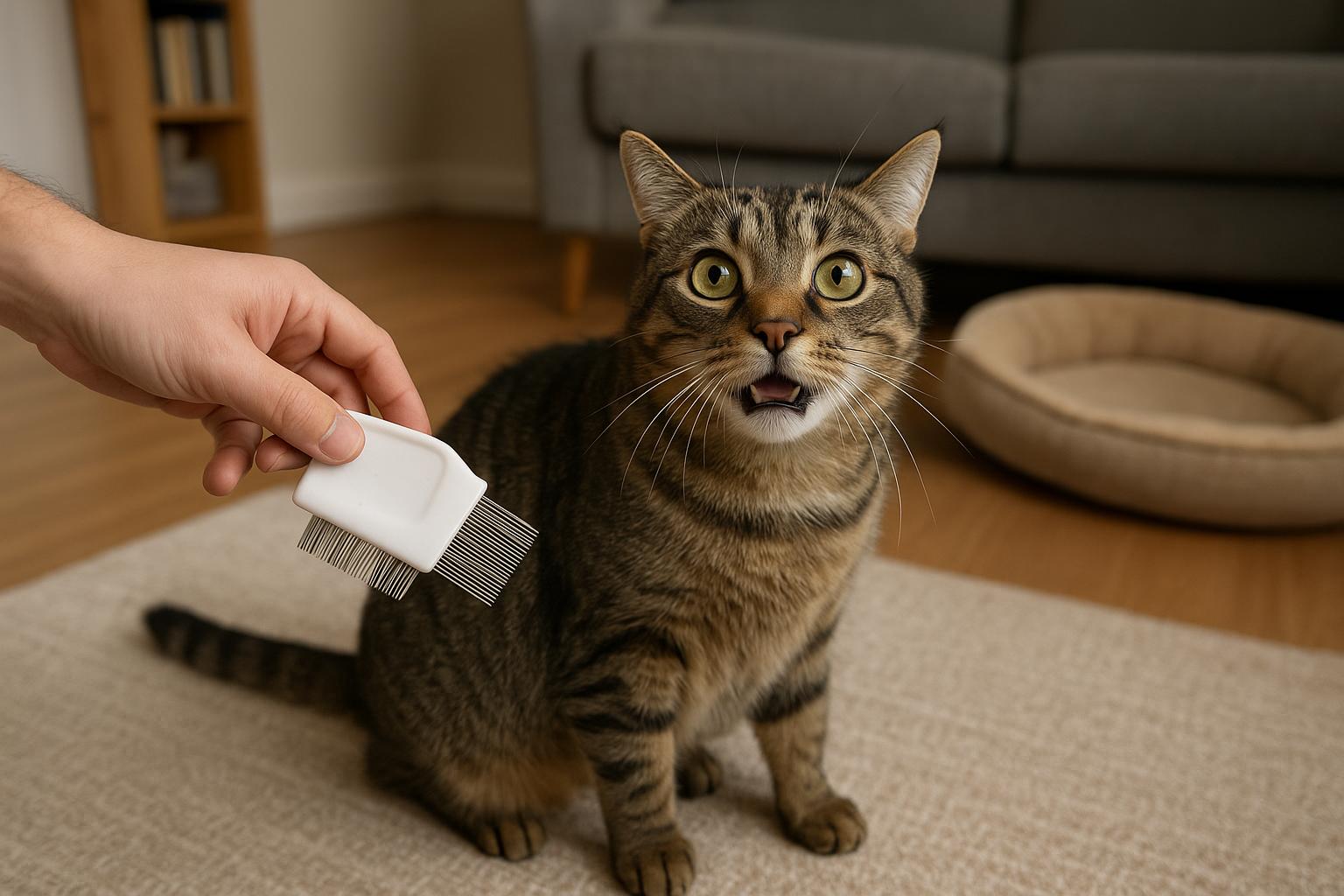
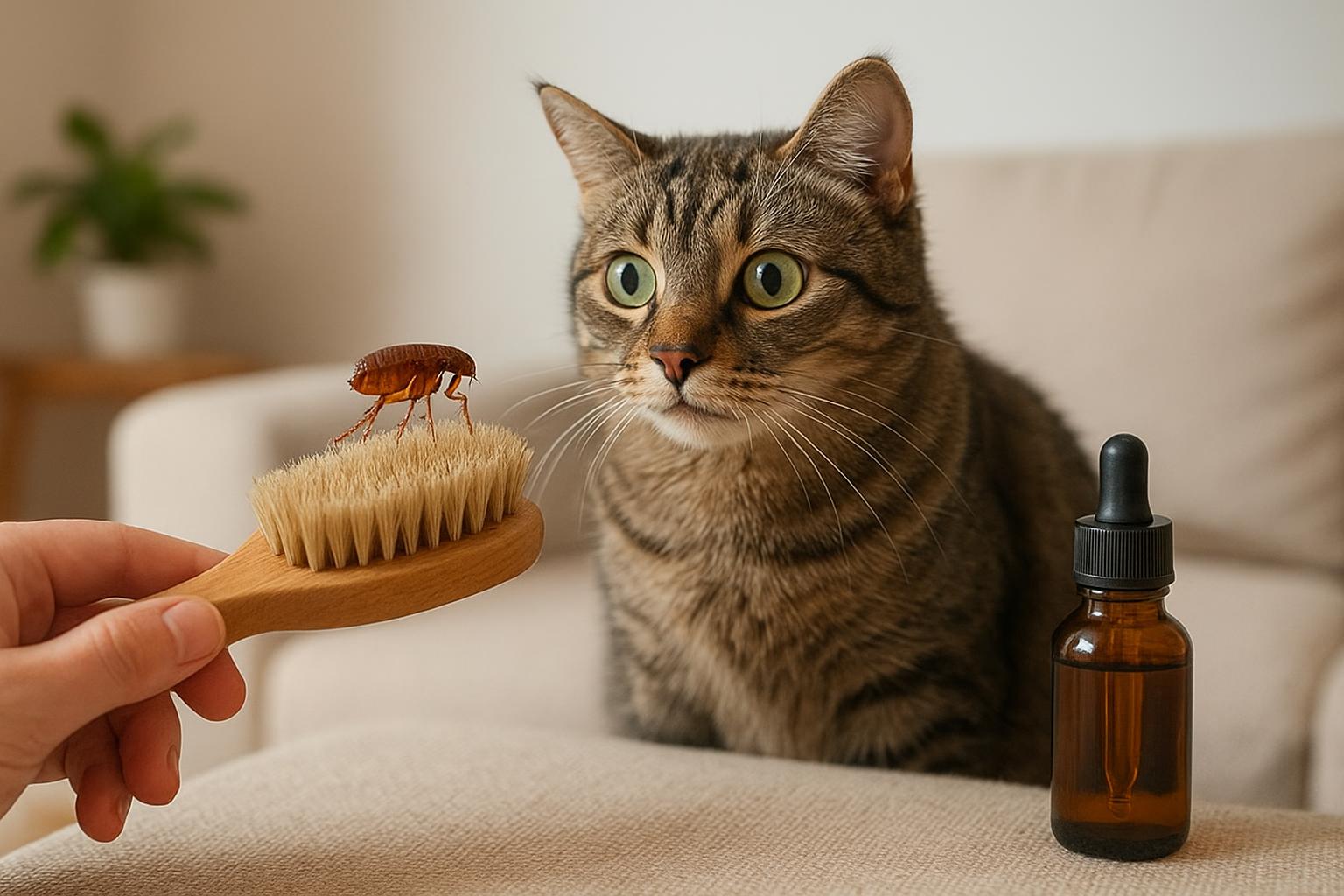
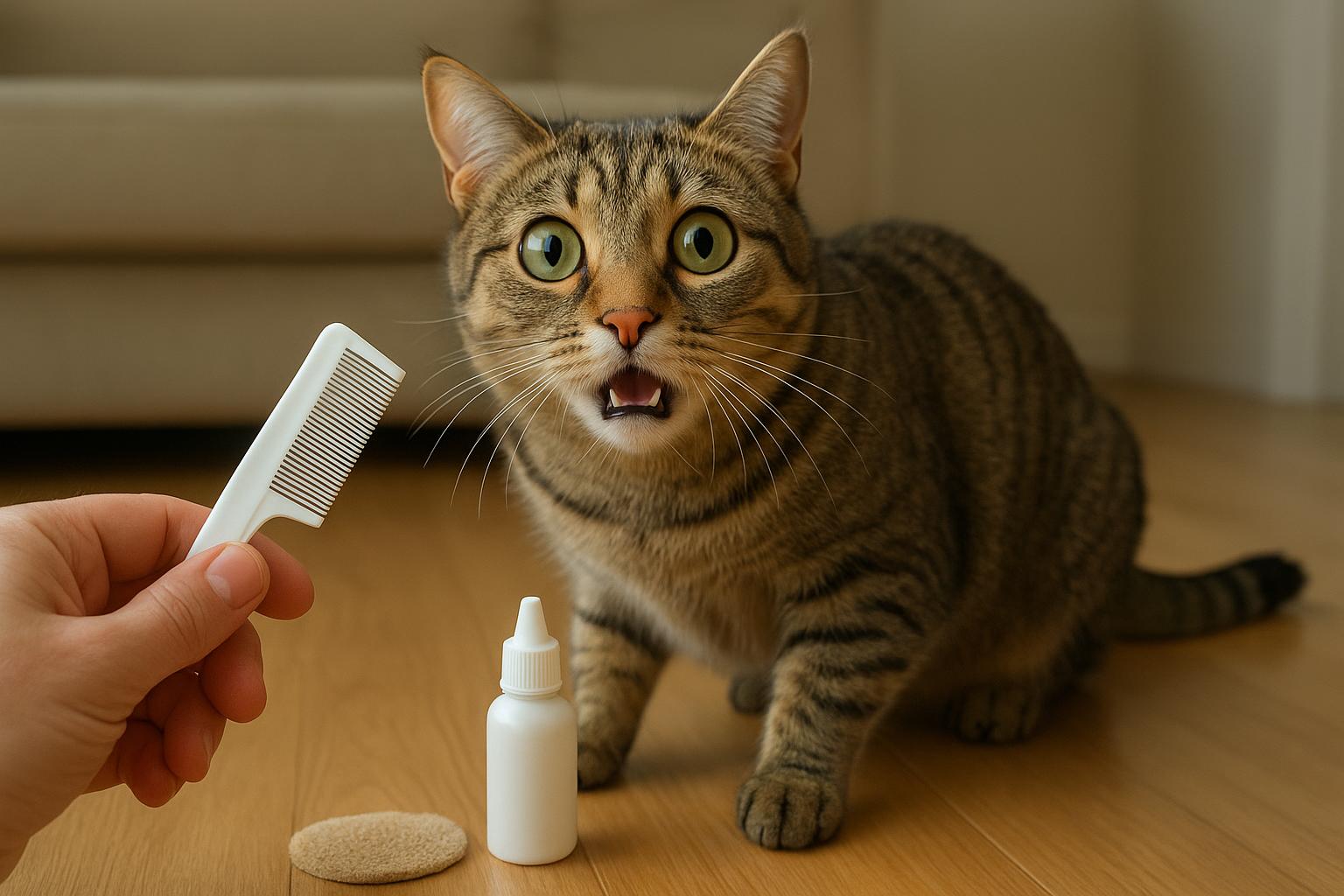
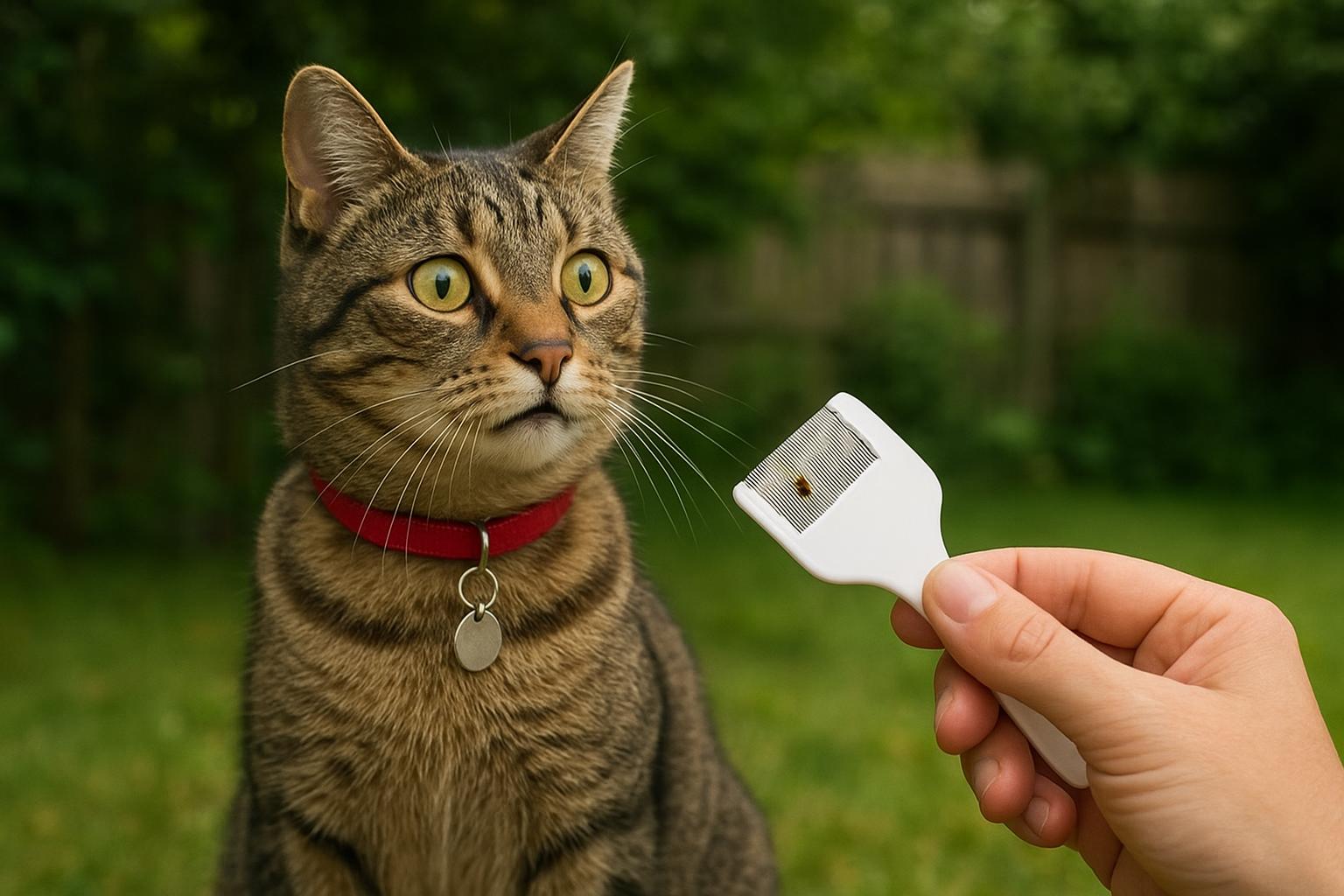
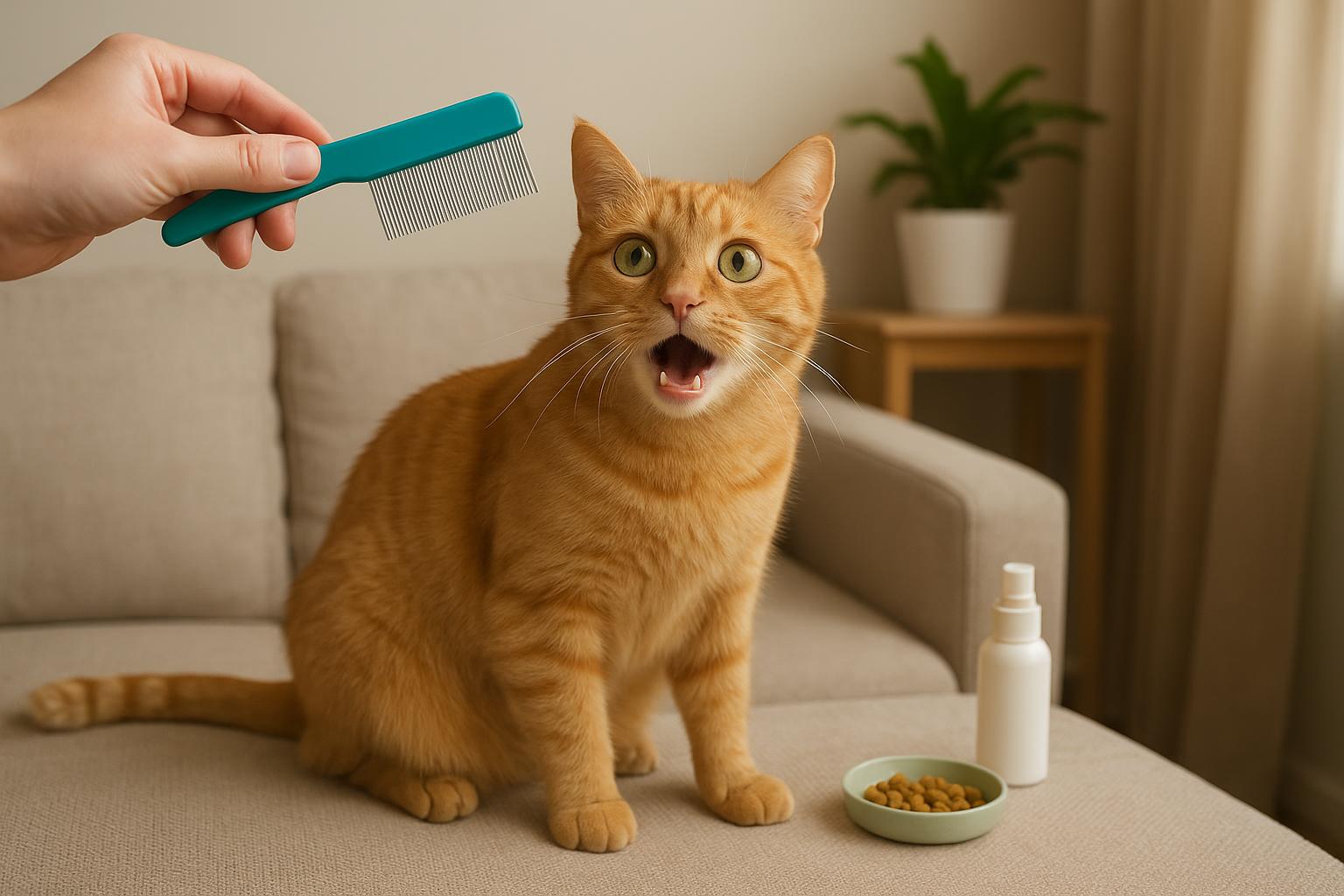
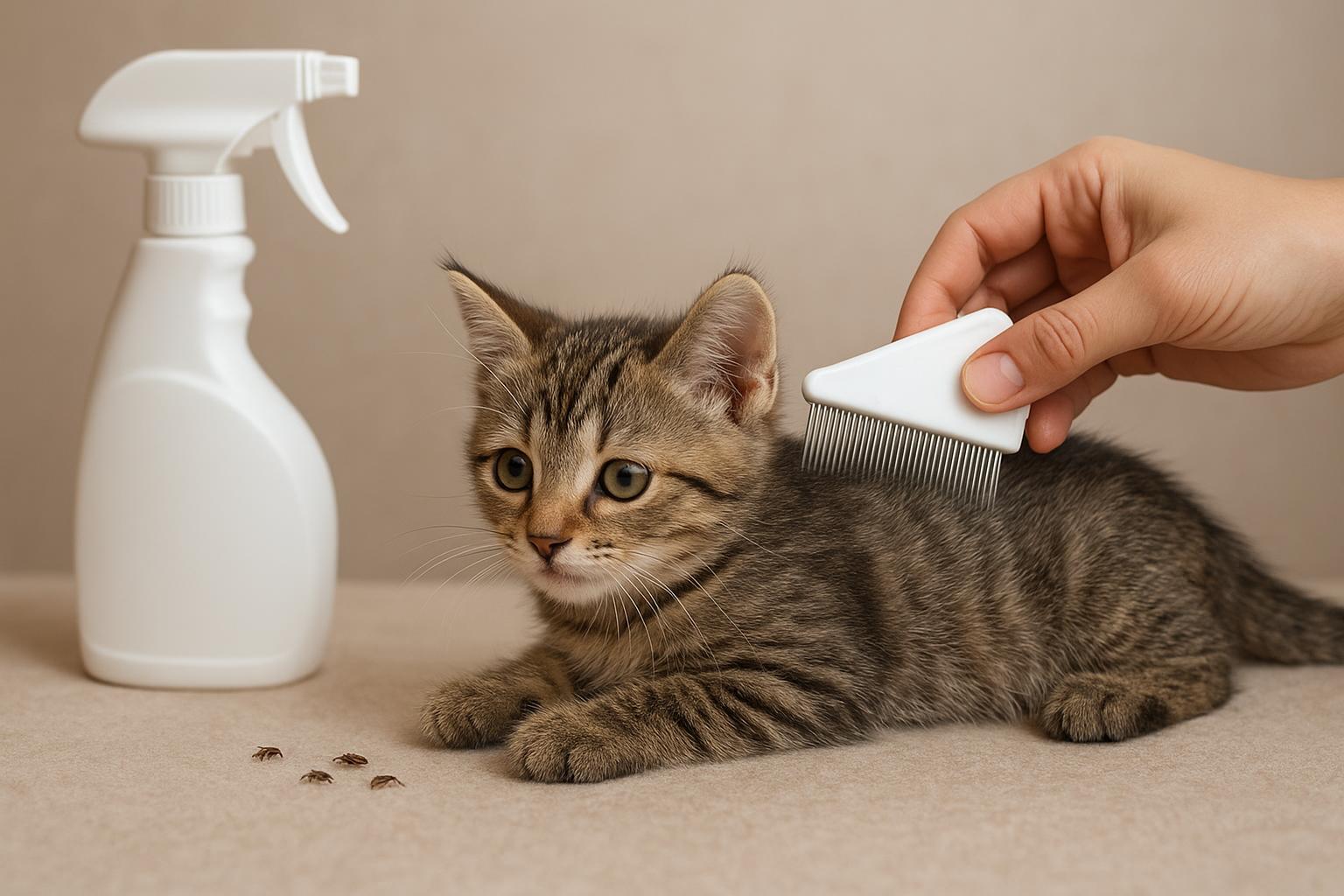
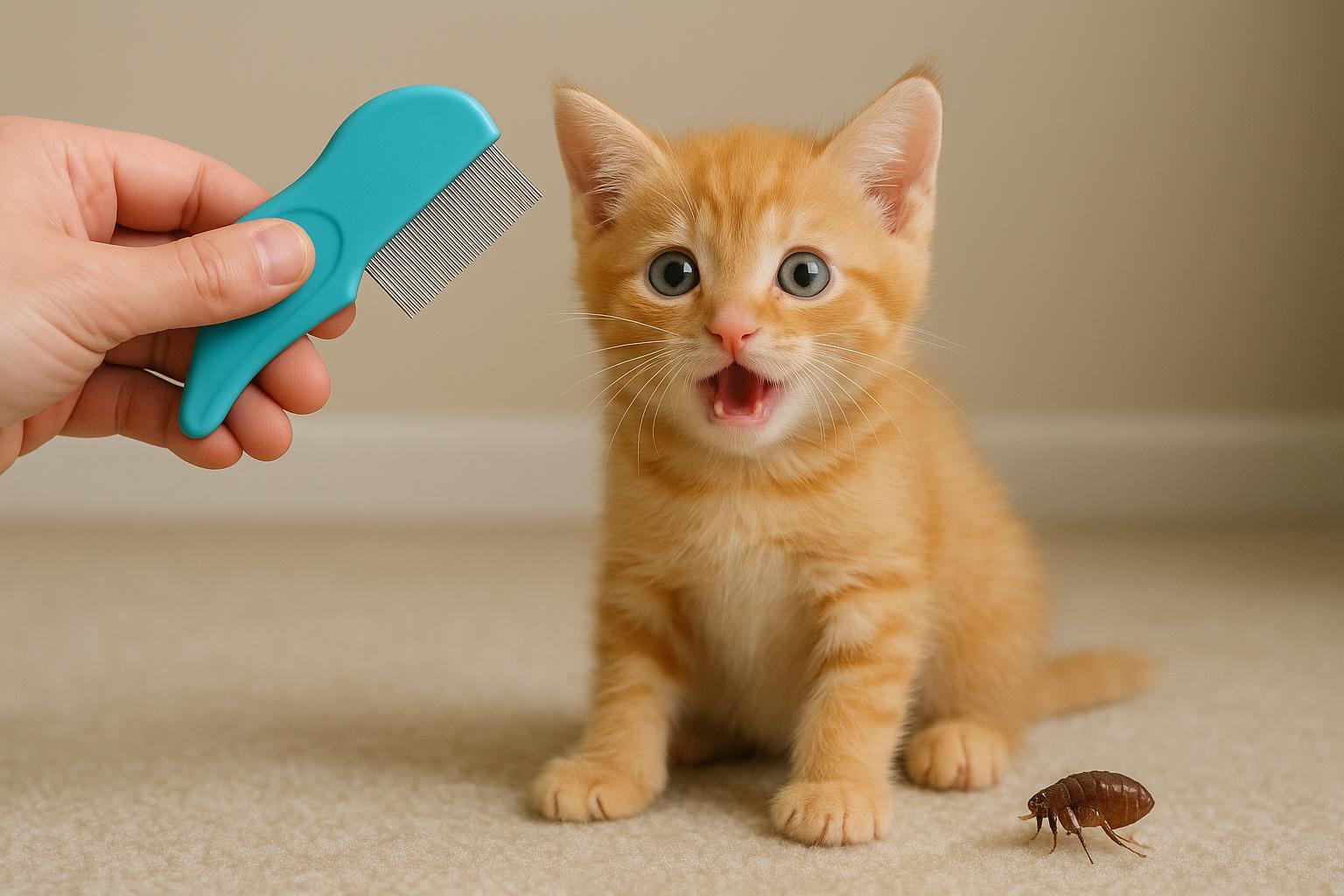
A fine-toothed flea comb is a low-risk, high-reward tool. It’s safe for kittens of any age and doesn’t require vet approval. When used regularly, it physically removes adult fleas and flea dirt, giving you a quick picture of how bad the infestation (if any) is. Flea combs are inexpensive and portable — perfect for daily checks during the first months.
#### Choosing The Right Flea Comb
Select a metal-toothed, fine-gauge comb with closely spaced teeth. Plastic combs can work but may not be as effective at trapping tiny flea babies. Look for a comb with a comfortable handle and teeth that won’t snag delicate kitten fur. If the kitten has long hair, a detangling step before combing can help.
## Remedy 1: Flea Combing And Safe Bathing (Step-By-Step)
This is a cornerstone of kitten flea care — a formal, systematic approach that minimizes risk and maximizes effectiveness for kittens too young for many chemical treatments.
### Materials Needed
– Fine-toothed metal flea comb
– Shallow basin or sink
– Mild kitten-safe shampoo (fragrance-free, tearless; vet-recommended)
– Towels (at least two)
– A bowl of warm water and paper towels or cloth for wiping removed fleas
– Rubber gloves (optional)
– A safe container (for immobilizing the kitten briefly, if needed — like a towel burrito)
– A bright lamp or natural sunlight for inspection
### Step-By-Step Creation And Application
1. Prepare the area: Choose a warm, draft-free room and lay down towels to prevent the kitten from slipping. Have everything within arm’s reach.
2. Pre-comb detangling: If the kitten has medium or long fur, gently brush to remove tangles. Keep this calm and reassuring.
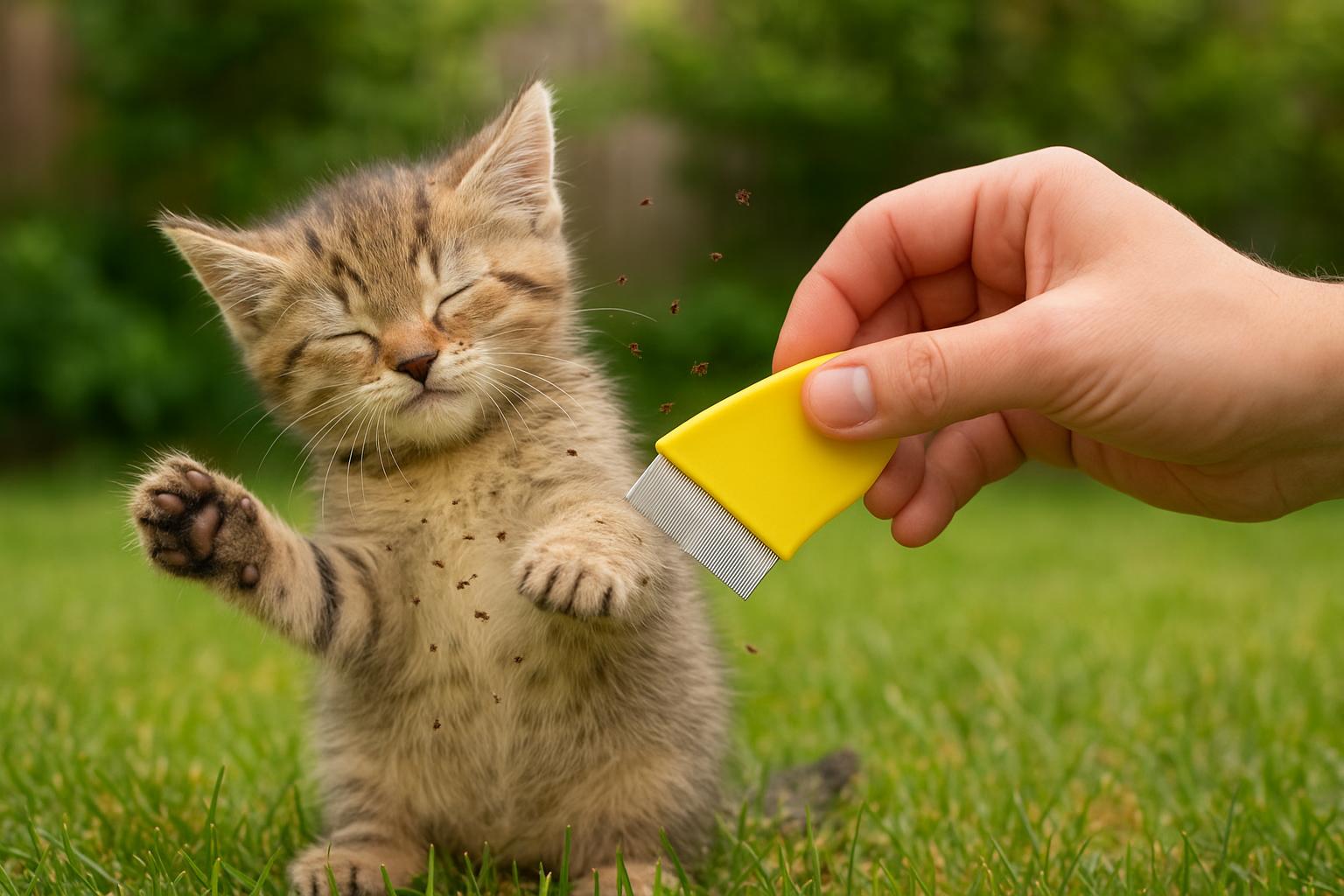
3. Flea combing technique: Hold the kitten securely but gently. Comb from head to tail in short strokes, keeping teeth flat against the skin to trap fleas. After each stroke, inspect the comb. Wipe trapped fleas into the bowl of warm soapy water or onto a damp paper towel — fleas drown quickly in water.
4. Frequency: Comb thoroughly once daily until no live fleas are seen for at least two weeks. After that, reduce to checking 2–3 times per week as a prevention routine.
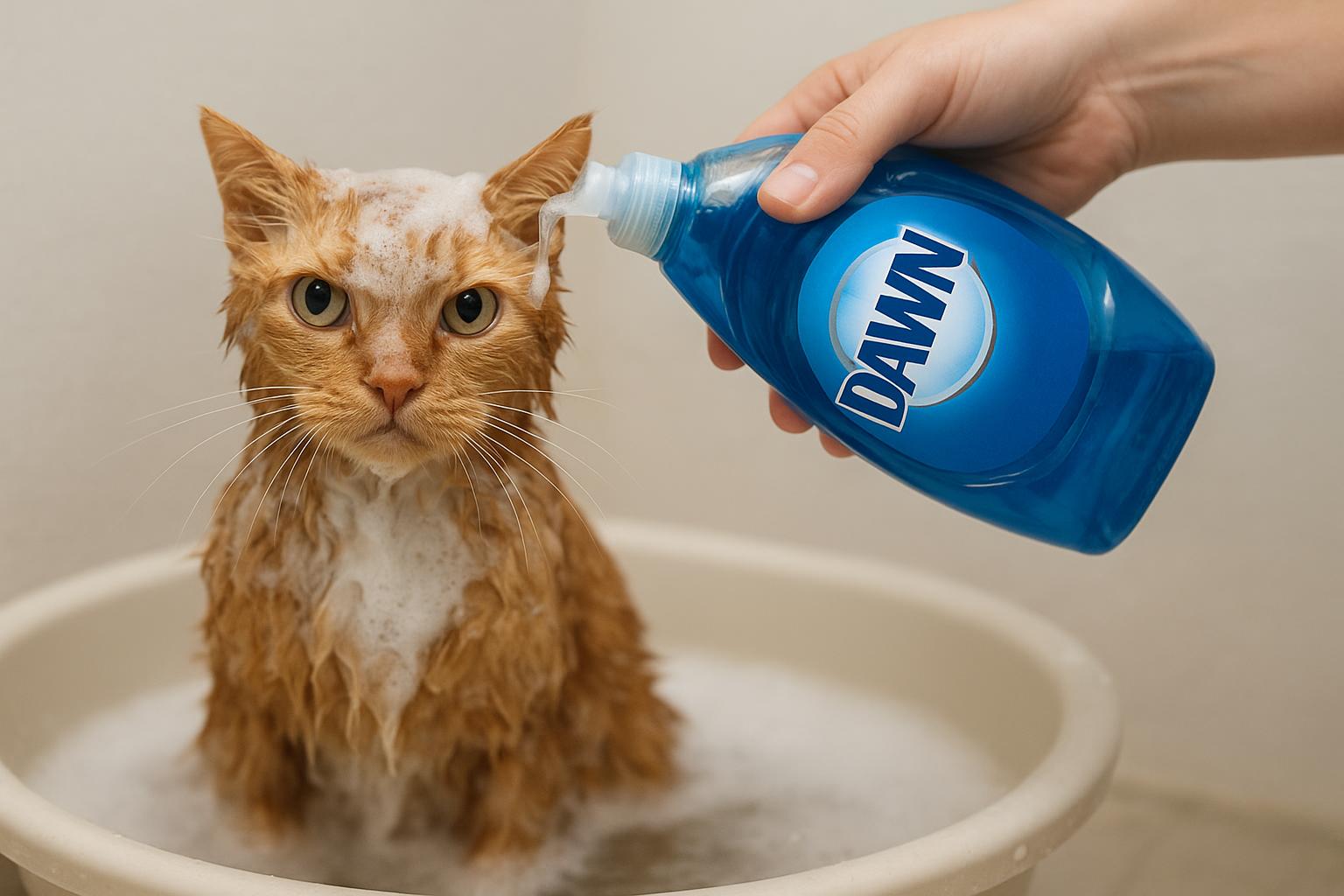
5. Bathing (if needed and kitten is old enough): Use kitten-safe shampoo per the product directions. Avoid water that’s too hot or too cold. Lather gently, focusing on areas where fleas congregate (base of tail, belly). Rinse thoroughly and dry immediately with towels and a warm room to prevent chilling. Baths can stress kittens — do only if fleas aren’t controlled by combing alone or on vet advice.
6. Monitor: Track results in a simple log — date and number of fleas found. If numbers don’t decrease after consistent combing and bathing, consult your vet.
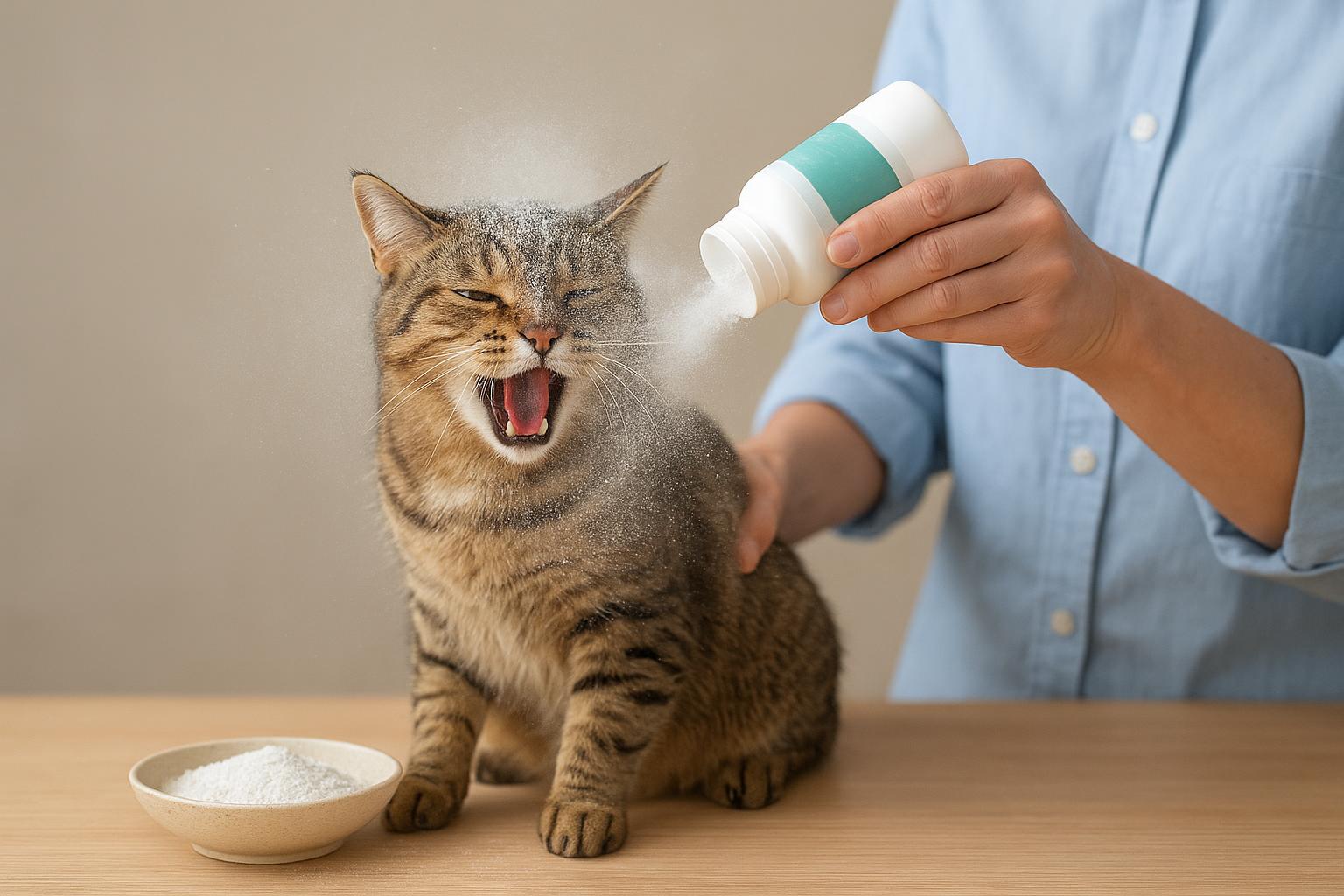
When discussing the solution above, it’s important to be precise: do not use adult flea shampoos, essential oils, or over-the-counter dog products on kittens without veterinary approval. Many of those substances can be toxic to felines.
#### Safe Handling Tips During Treatment
Keep a calm voice, move slowly, and reward the kitten after each session with gentle petting. If multiple kittens are present, isolate and treat them individually so you know who needs follow-up. Dispose of combed-off fleas promptly and clean the comb with boiling water or alcohol between uses.
## Remedy 2: Home And Yard Management (Numbered)
Treating the kitten is only half the battle. Flea eggs and larvae in the environment will reinfest your kitten if not addressed. This remedy focuses on environmental control to complement direct kitten flea care.
### Materials Needed
– Vacuum cleaner with strong suction and brush attachment
– Laundry detergent and hot-water washer/dryer access
– Enclosed trash bags for vacuum contents and bedding
– Food-grade diatomaceous earth (optional and used with caution)
– Indoor flea traps (shallow dish with soapy water and a small lamp)
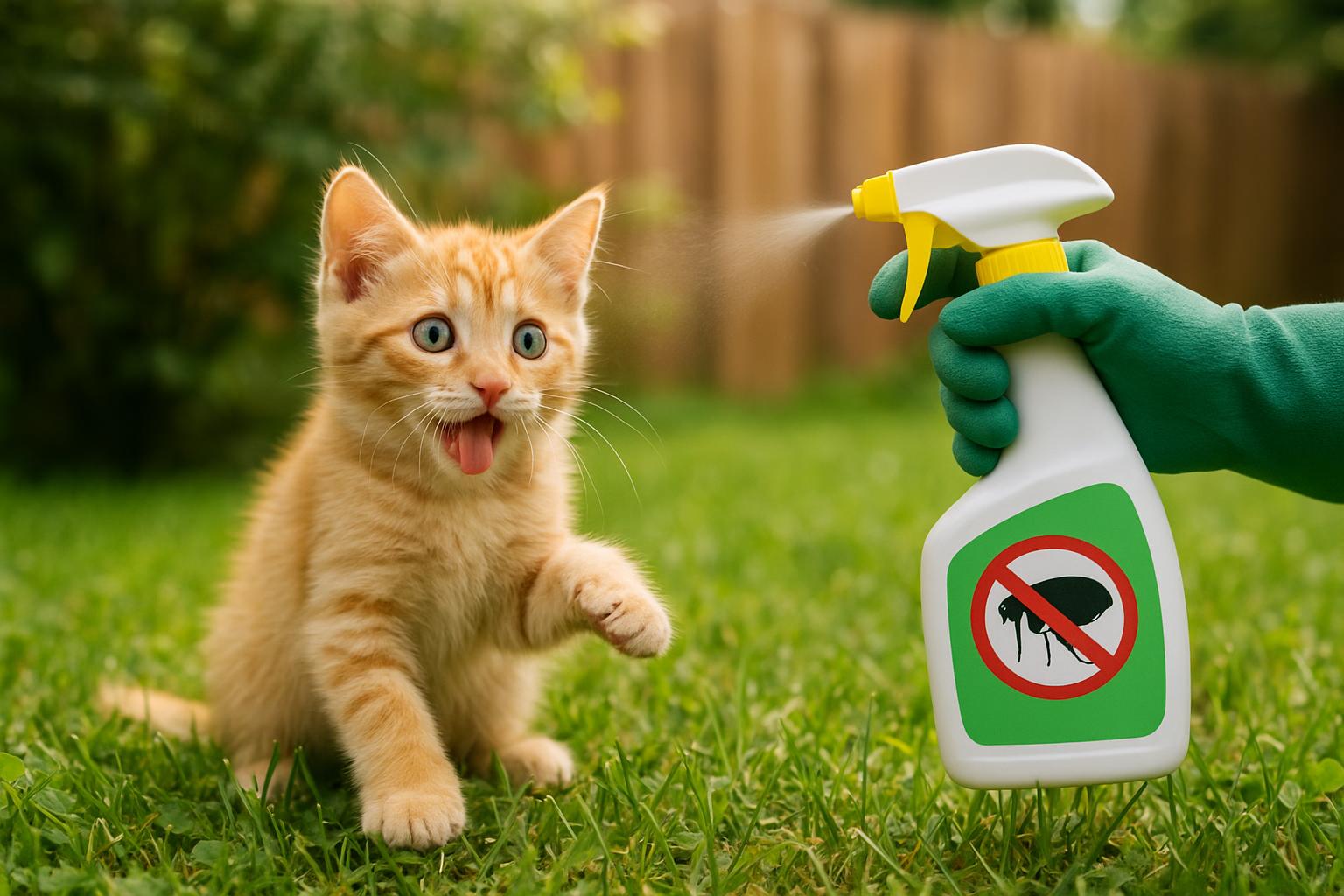
– Pet-safe yard treatments (vet-recommended or professional services)
### Step-By-Step Application
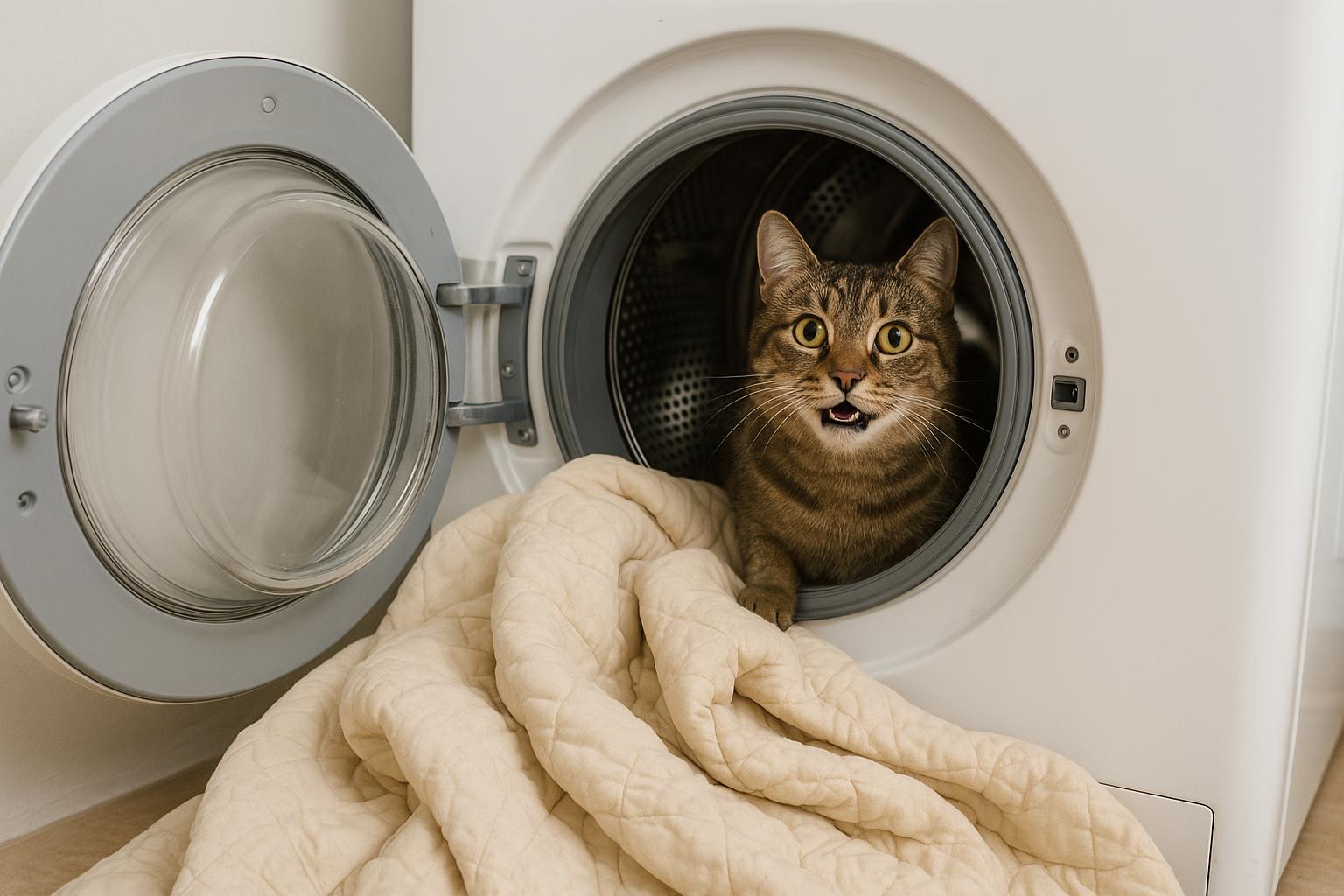
1. Wash bedding: Remove all kitten bedding, blankets, and soft toys. Wash in the hottest water safe for the fabric and tumble dry on high heat. Heat kills all stages of fleas.
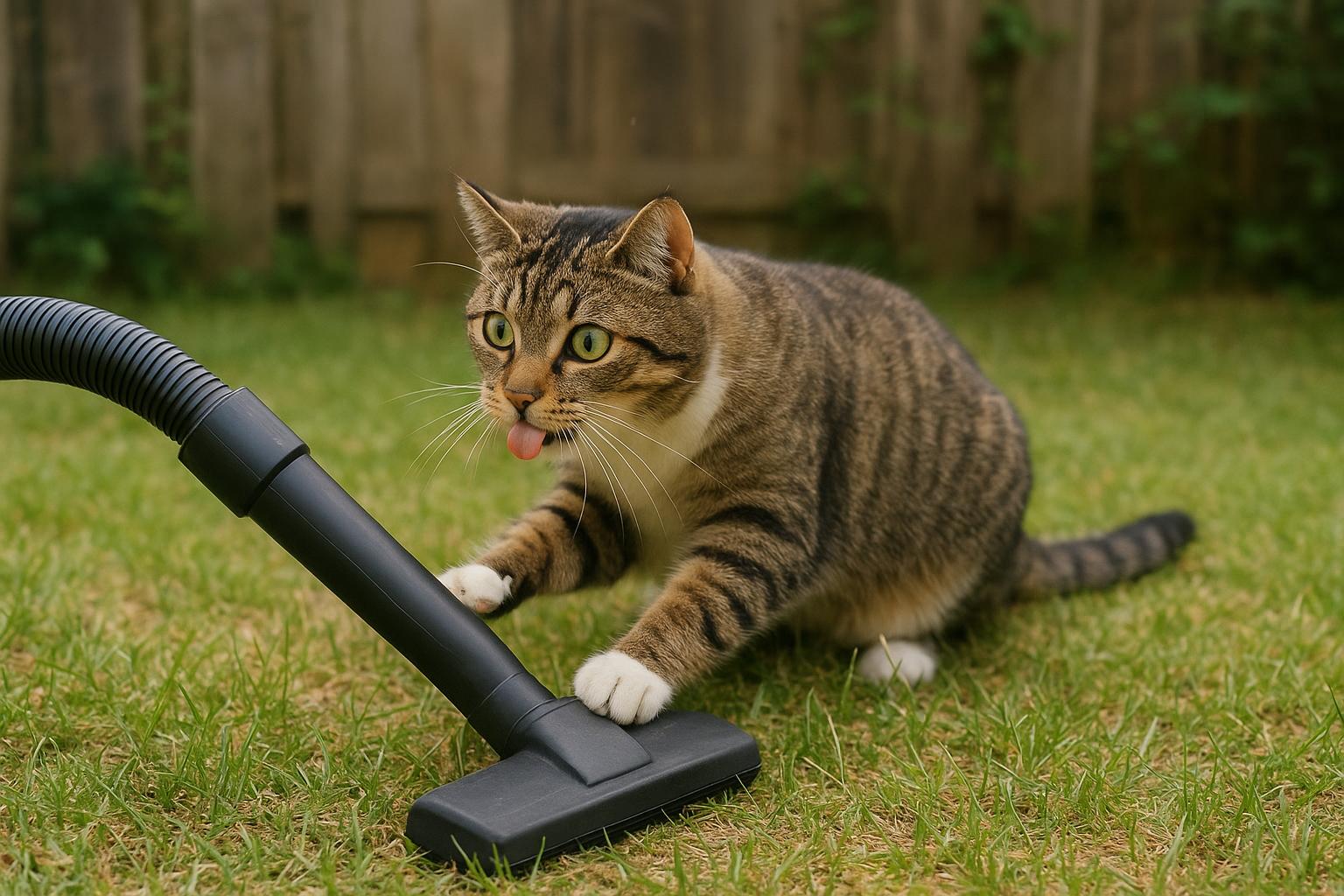
2. Vacuum thoroughly: Focus on areas where the kitten roams — carpets, rugs, upholstered furniture, and cracks in hardwood floors. Vacuuming removes eggs, larvae, and some adults. After vacuuming, immediately empty the vacuum into a sealed bag and dispose of it outdoors.
3. Targeted use of diatomaceous earth: If you choose to use food-grade diatomaceous earth, apply it sparingly to carpets and pet-free areas, following manufacturer instructions. Avoid applying directly to kittens, and prevent inhalation by humans and pets. Sweep up and vacuum after several hours.
4. Use traps for adults: Place a shallow dish of soapy water under a lamp at night in an area where fleas are suspected. Fleas are attracted to the warmth and light and will jump into the water.
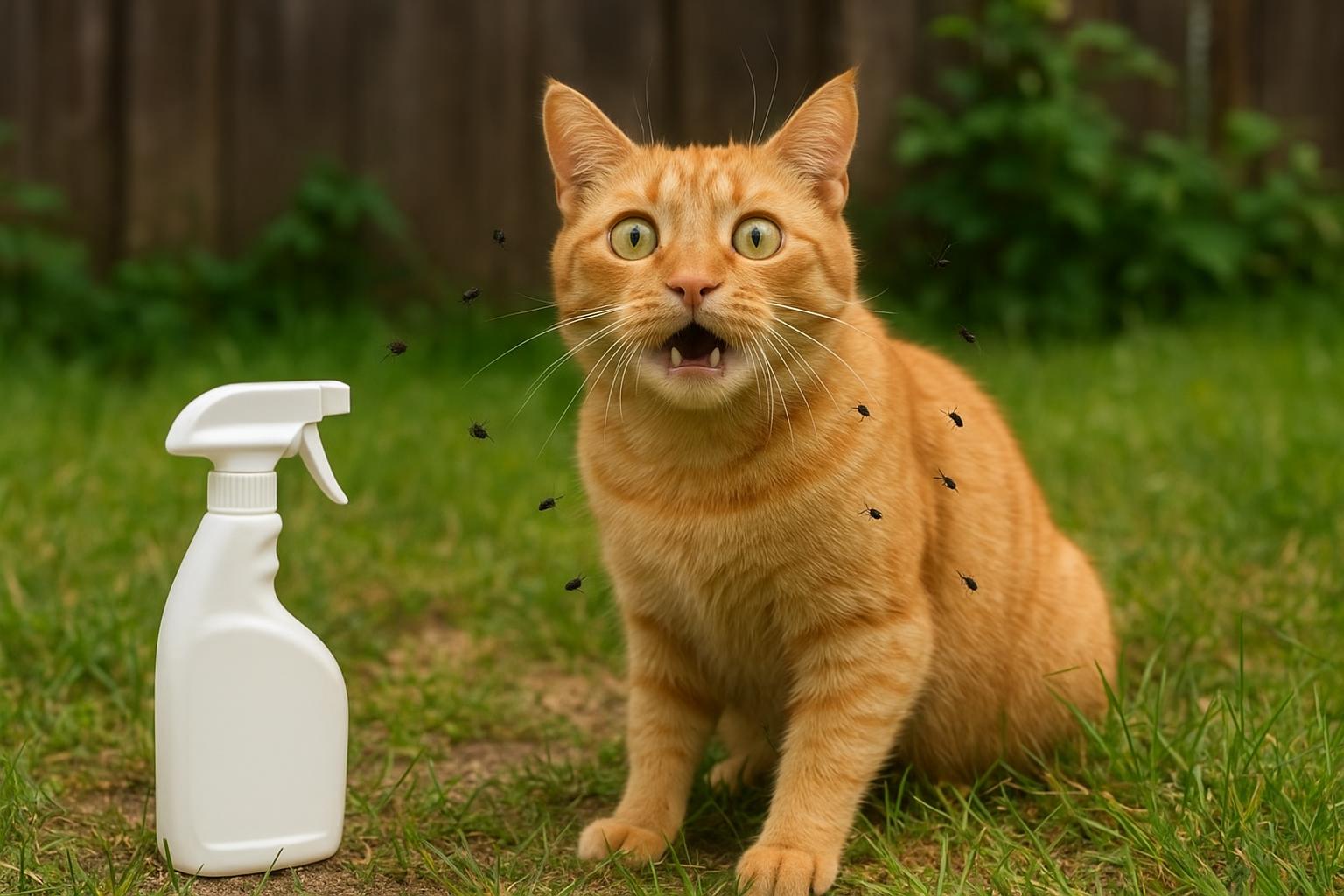
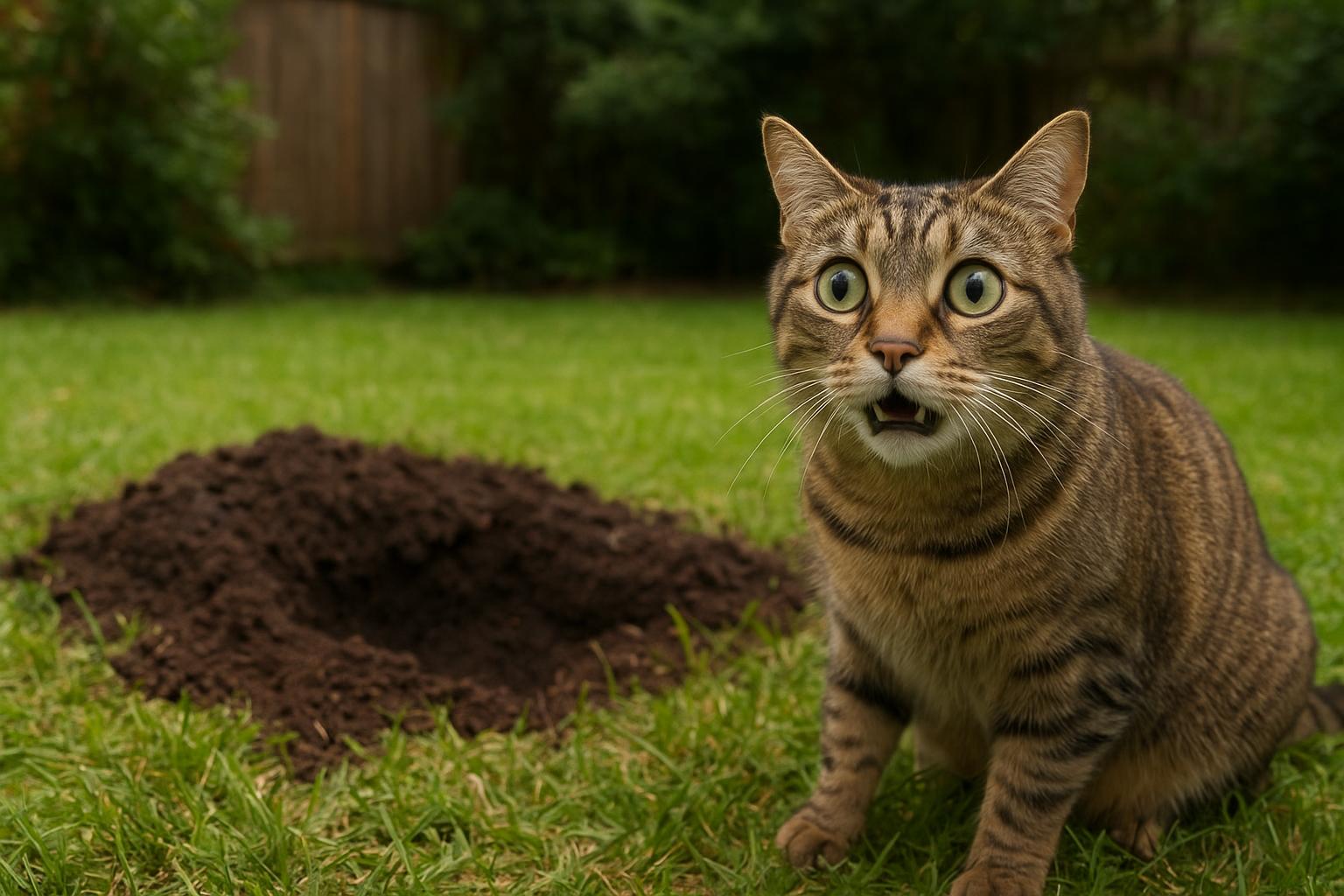
5. Yard care: Keep grass short and debris cleared. If the yard is heavily infested or you have wildlife vectors, consult a professional for pet-safe yard treatments. Many flea issues originate from wildlife such as rodents, opossums, or feral cats frequenting your property.
6. Treat other pets: Any resident dogs or adult cats should be treated with vet-approved flea control to prevent cross-reinfestation. Never apply dog flea products to cats.
### Monitoring The Environment
Maintain a routine: vacuum carpets at least twice a week during an infestation, and launder bedding weekly. Environmental control typically takes 4–6 weeks to fully interrupt a flea life cycle, because eggs in hidden spots may hatch over time.
### When To Consider Chemical Treatments
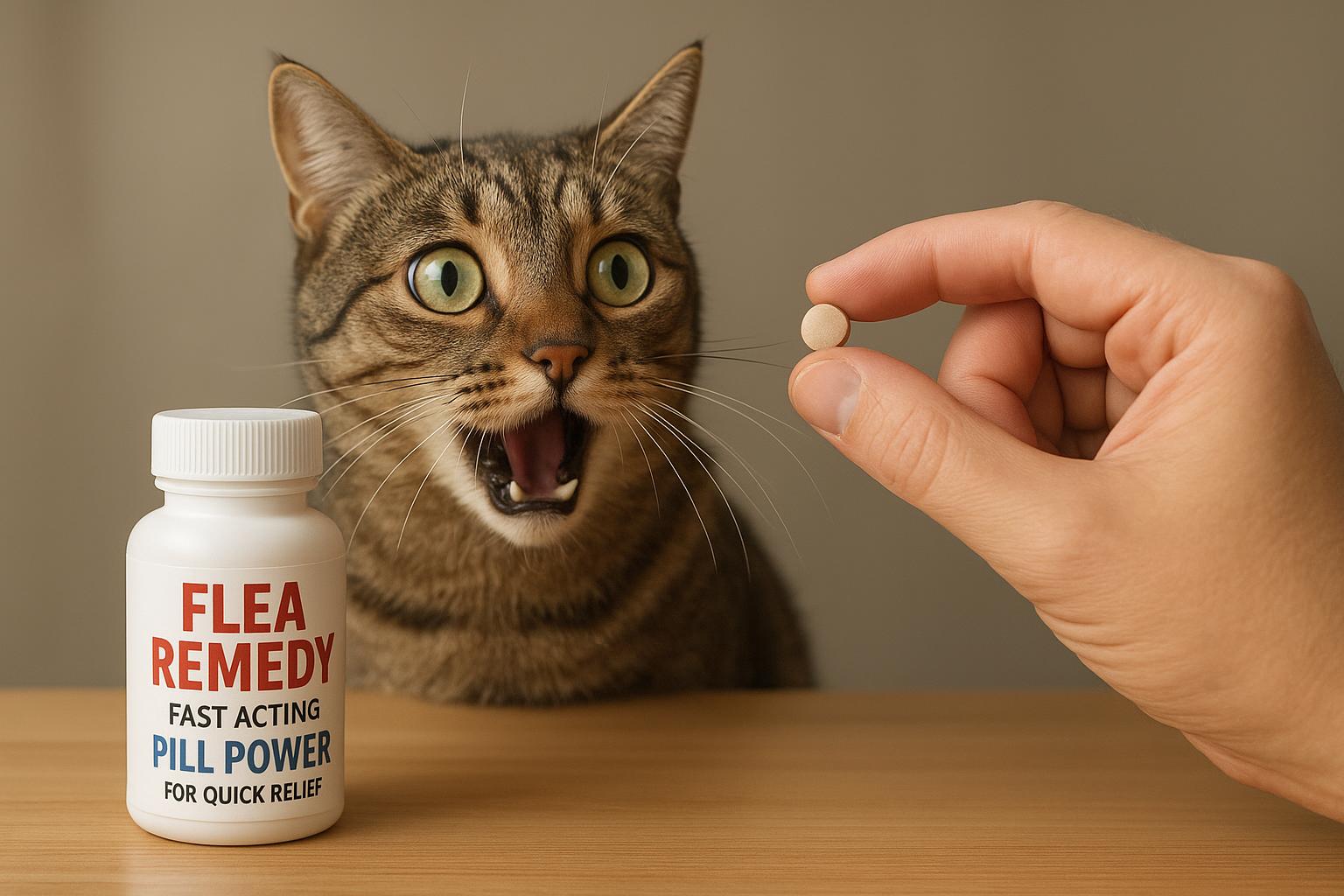
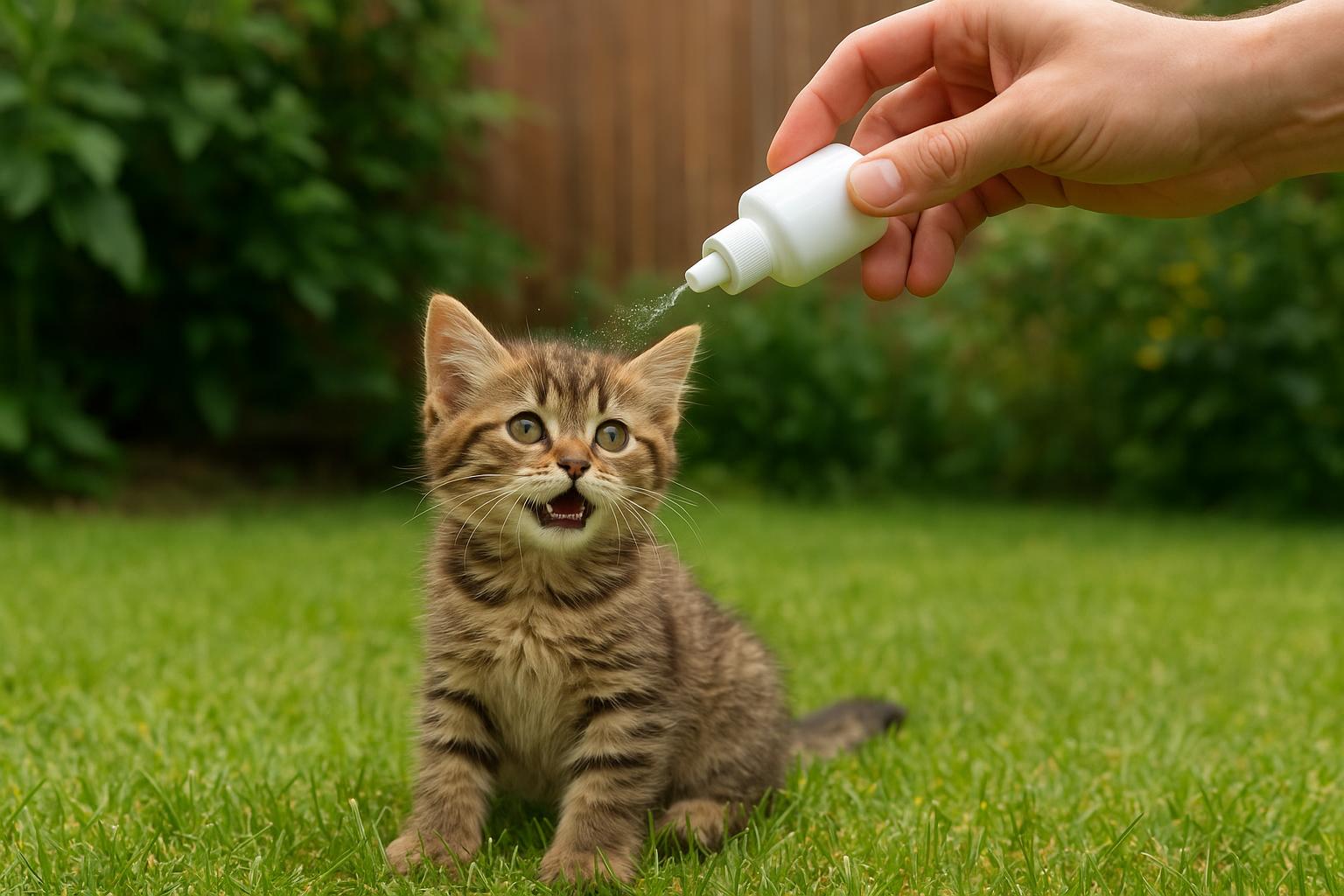
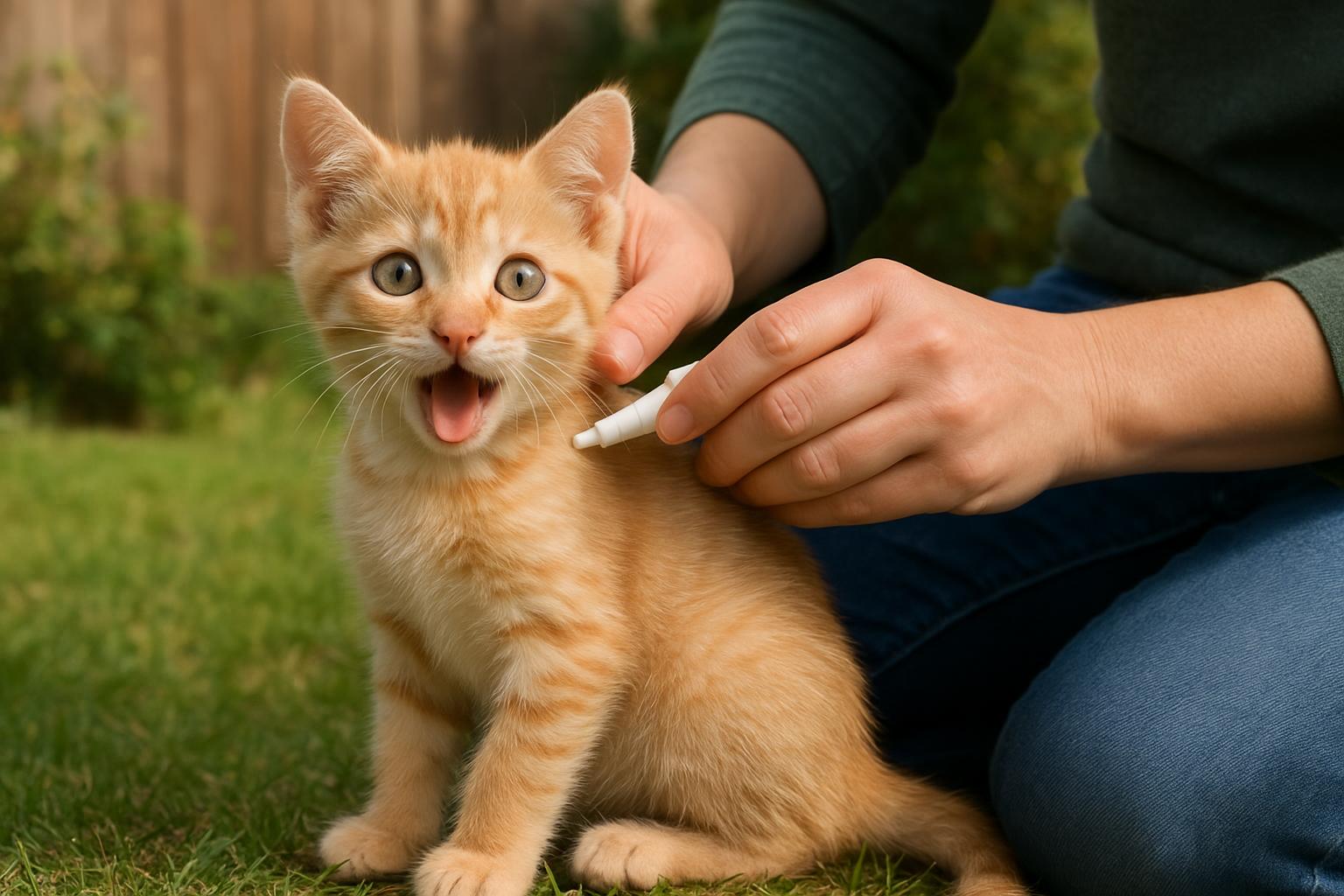
For moderate to severe infestations, your veterinarian can prescribe kitten-safe topical or systemic flea medications appropriate for the kitten’s age and weight. Do not use over-the-counter products intended for dogs, and do not apply multiple products simultaneously without vet guidance. Professional pest control may be necessary for heavy home infestations, but always choose services that use pet-safe treatments and notify the company of kittens in the house.
### Preventive Maintenance
Once the immediate problem is under control, integrate kitten flea care into your routine: monthly checks with the flea comb, washing bedding regularly, and keeping an eye on outdoor wildlife vectors. If you adopt more kittens or introduce new pets, perform a quarantine-and-check period before allowing free mingling.
#### Notes On Natural Remedies And Myths
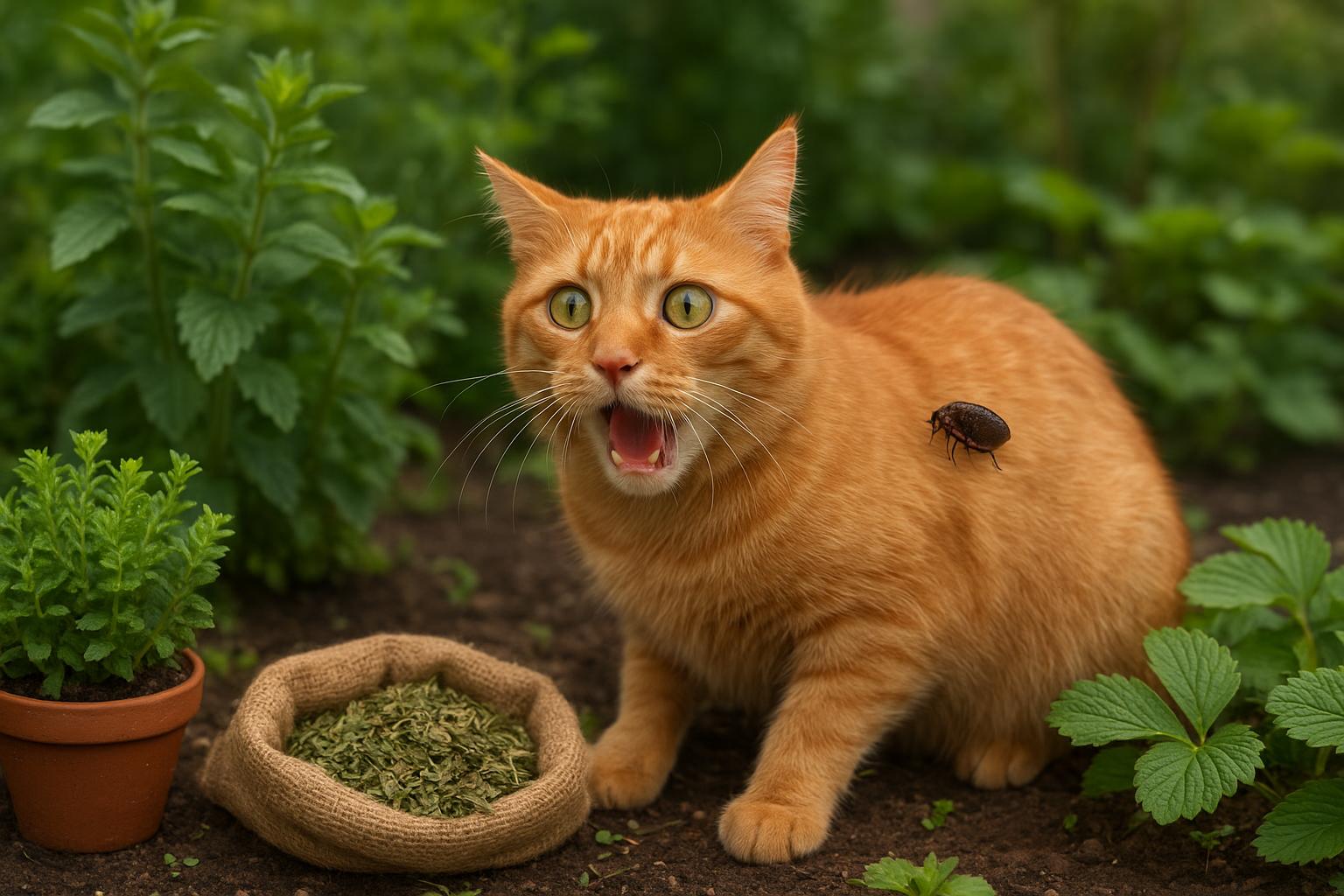
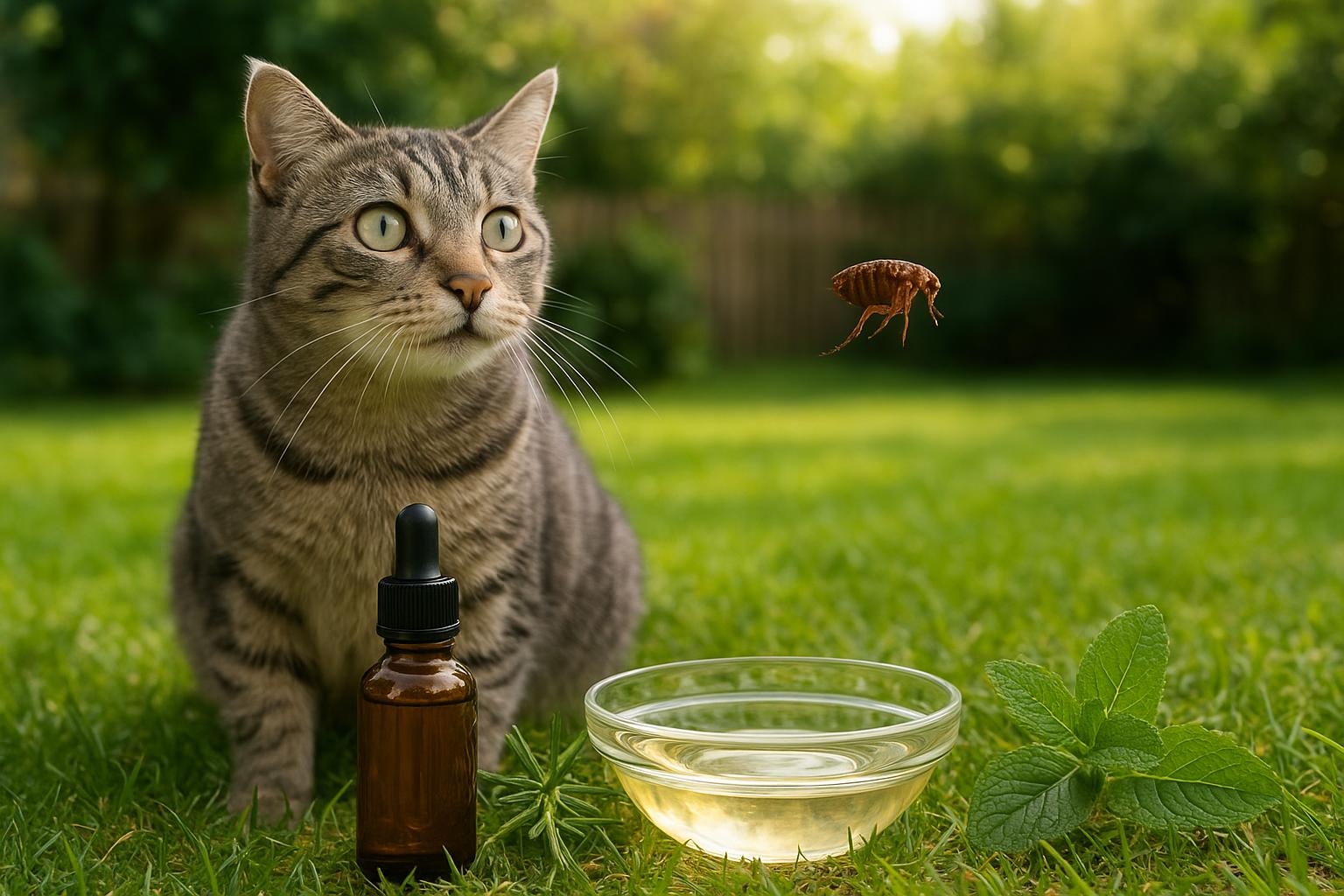
There are many internet “solutions” that are unsafe — including using tea tree oil, citrus concentrates, or human flea products. These can be toxic to kittens. Natural does not equal safe. Always verify any remedy with a veterinarian. For kitten flea care, prioritize proven physical methods (combing, washing, environmental control) and vet-approved products when necessary.
### Preventing Reinfestation From Wildlife
As a backyard wildlife specialist, I can’t resist saying: fences and exclusion methods help, but wildlife is persistent. Seal potential denning sites under porches, secure garbage, and avoid leaving pet food outdoors. If you feed wild birds, place feeders away from foundations and ground-level cover where fleas and rodents can thrive. Reducing wildlife visitation reduces flea pressure.
## How To Keep Flea Combing Pleasant For Kitten And Keeper
Make sessions short and positive. Use treats (if age-appropriate), a warm lap, and a soft voice. Start when the kitten is relaxed after eating or a nap. Even five minutes daily pays dividends for both detection and bonding — think of flea combing as a mini-spa treatment with the added benefit of pest control.
Remember: consistent kitten flea care is less dramatic than a full chemical blitz and often safer for the tiniest members of the household. If at any point you’re unsure, your veterinarian is the best next step.




Leave a Reply