
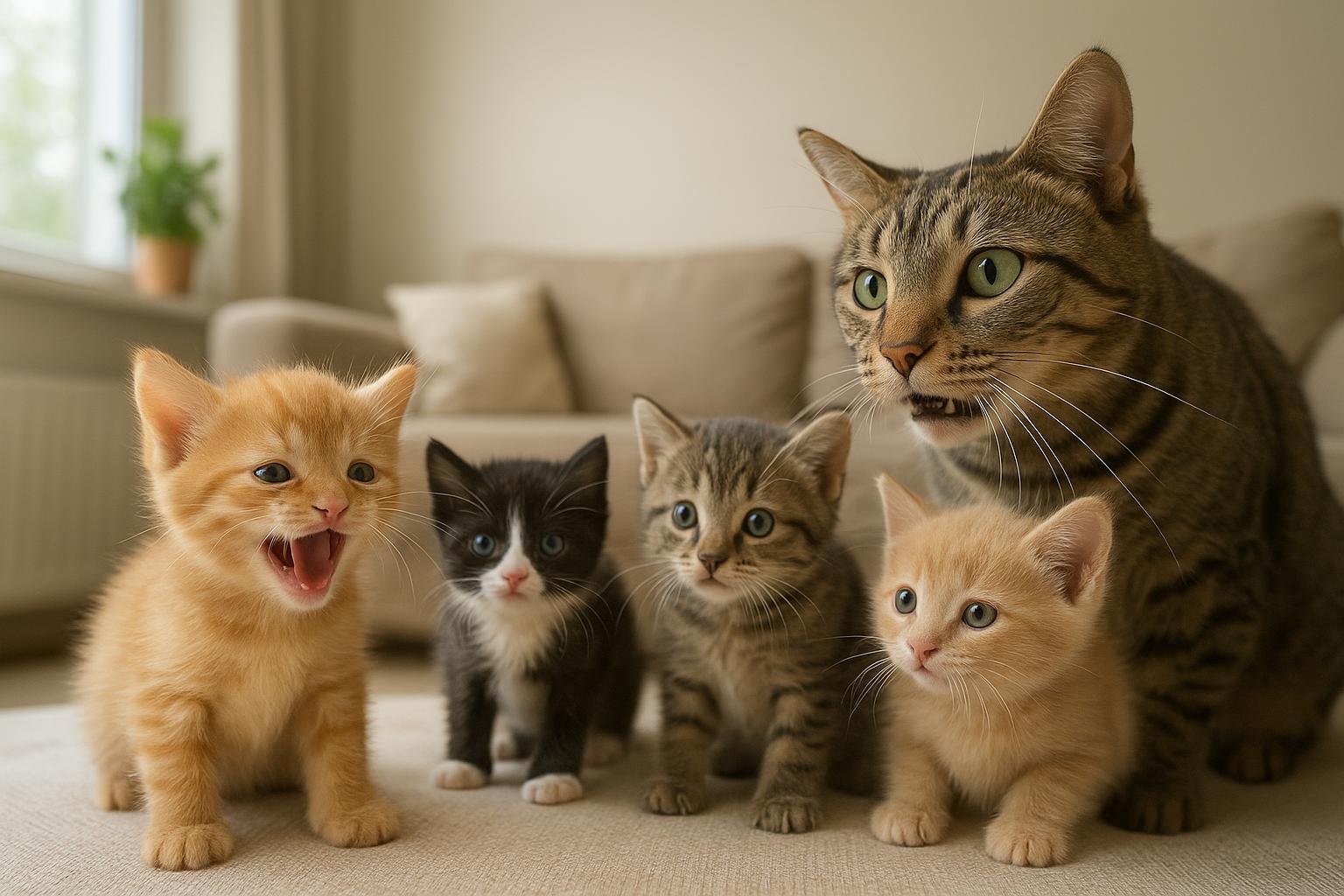
Most kitten caretakers have heard the scary-sounding rumor that fleas kill kittens. It’s an alarming thought — tiny bites turning into something fatal — and it’s worth unpacking calmly so you can protect your fuzzball without panicking or making dangerous treatment choices.
## Fleas Kill Kittens: Separating Myth From Reality
### Why The Myth Spreads
People mix up correlation with causation. A weak, undernourished, or very young kitten can die while also having fleas, and it’s easy to assume fleas were the direct cause. Social media loves a dramatic headline — “fleas kill kittens” is sticky and shareable. Reality is more nuanced.
### What Fleas Actually Do
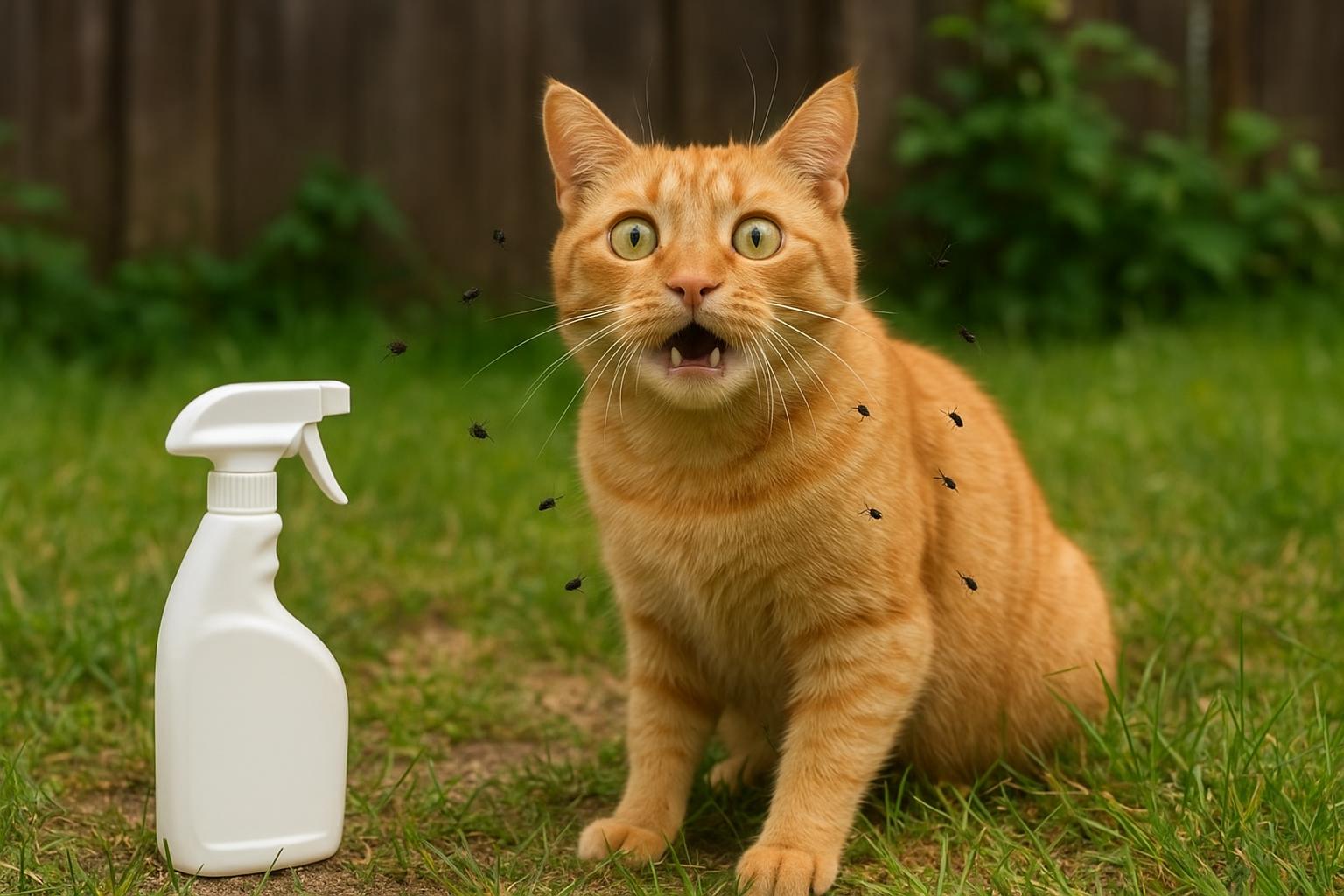
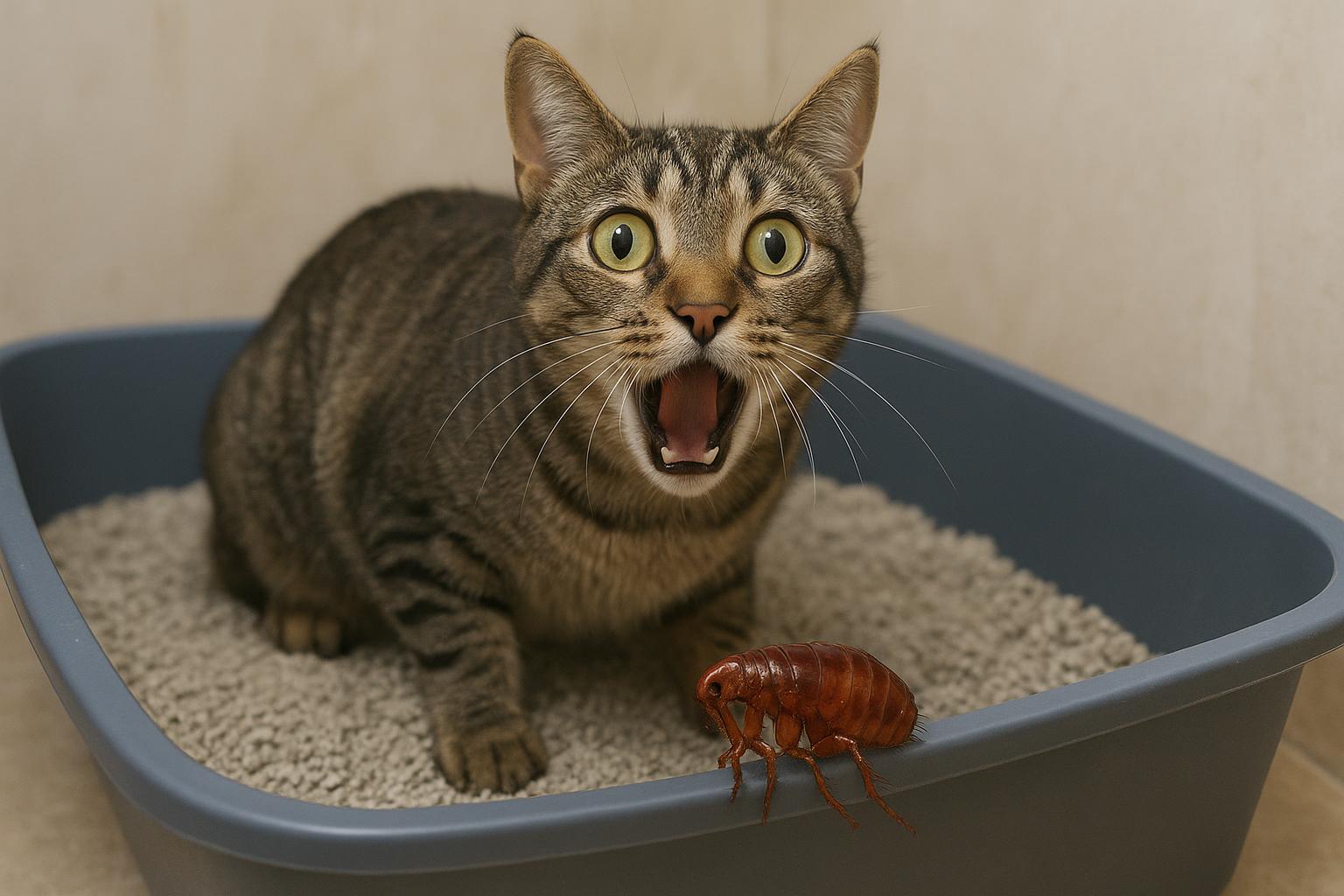
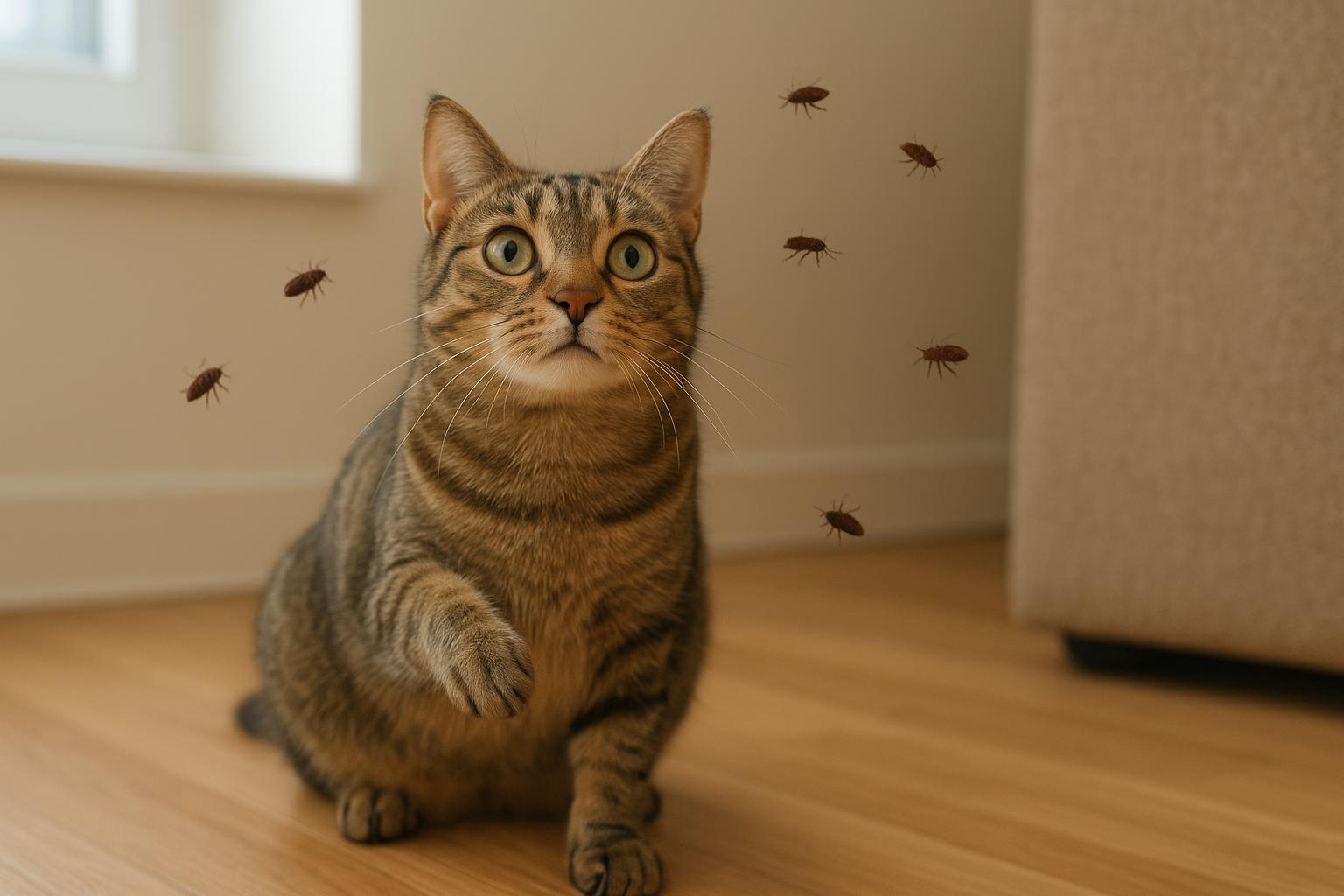
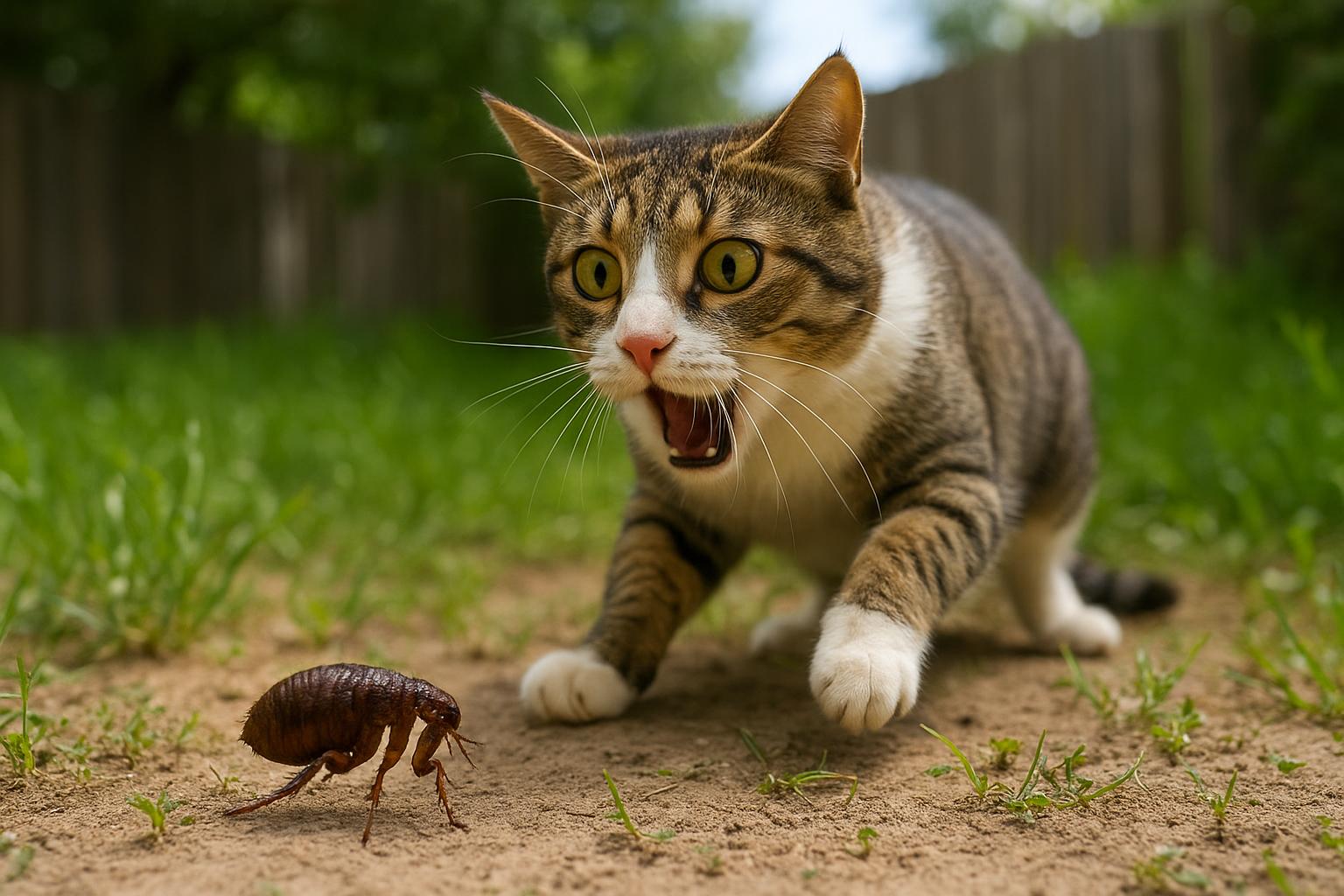
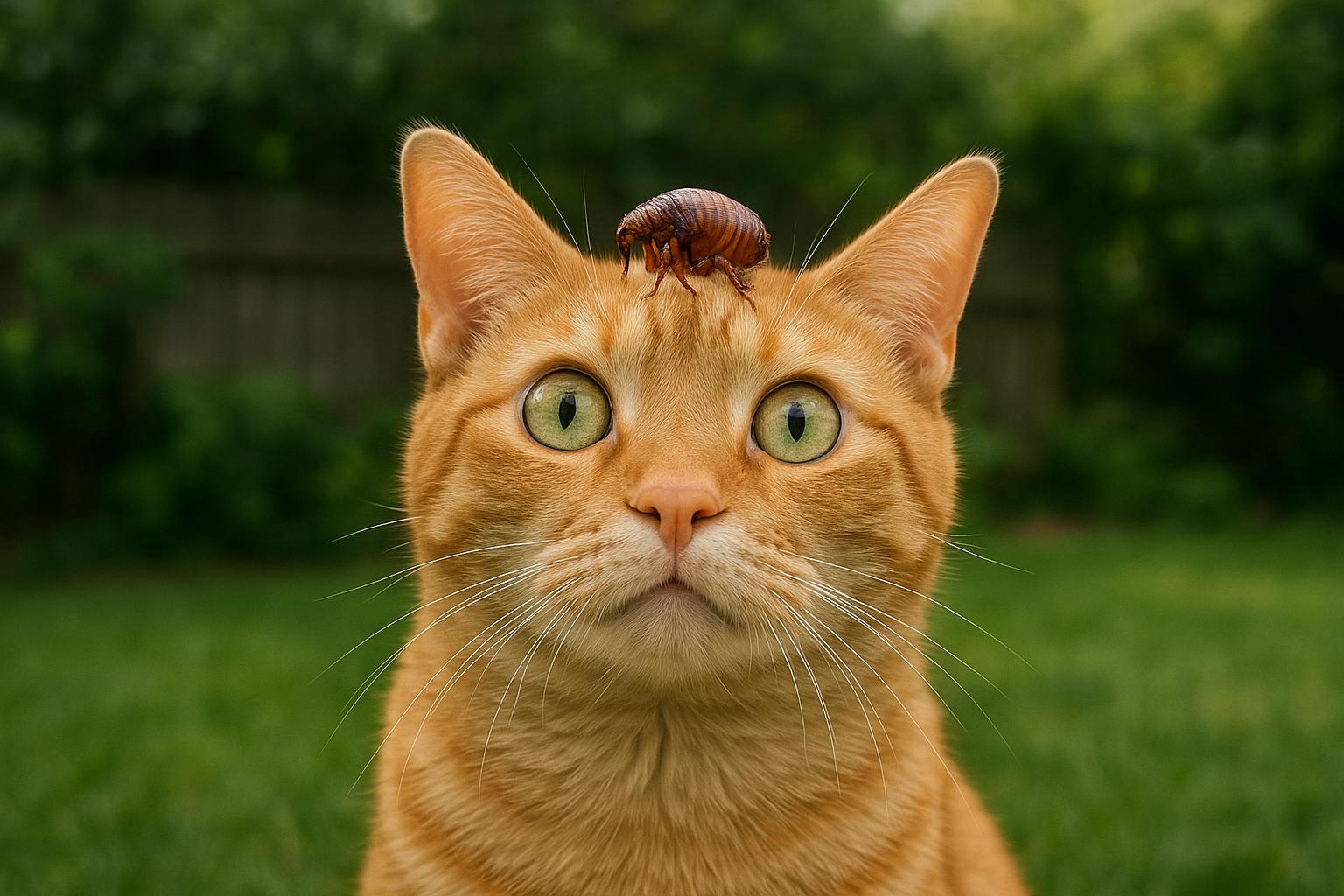
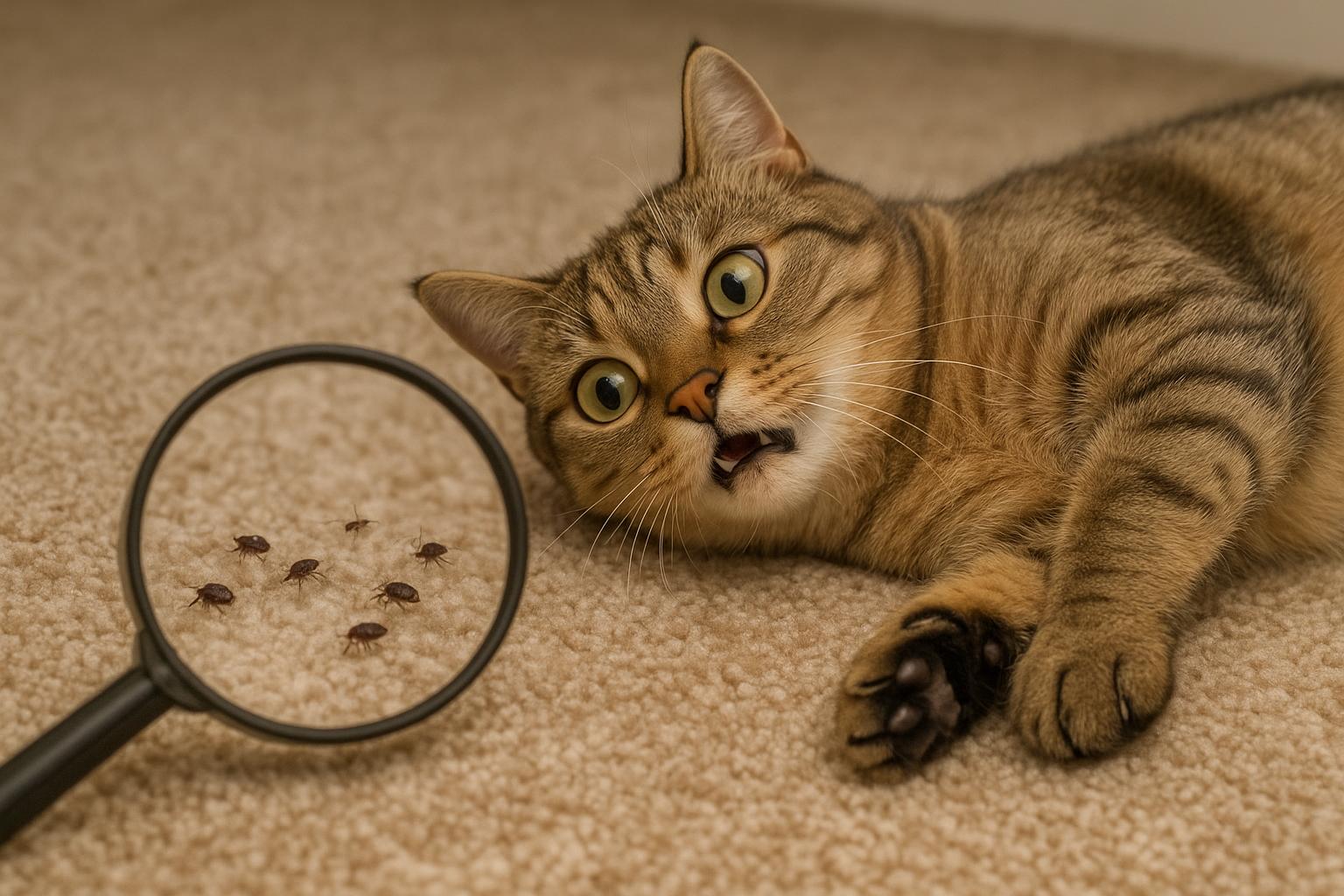
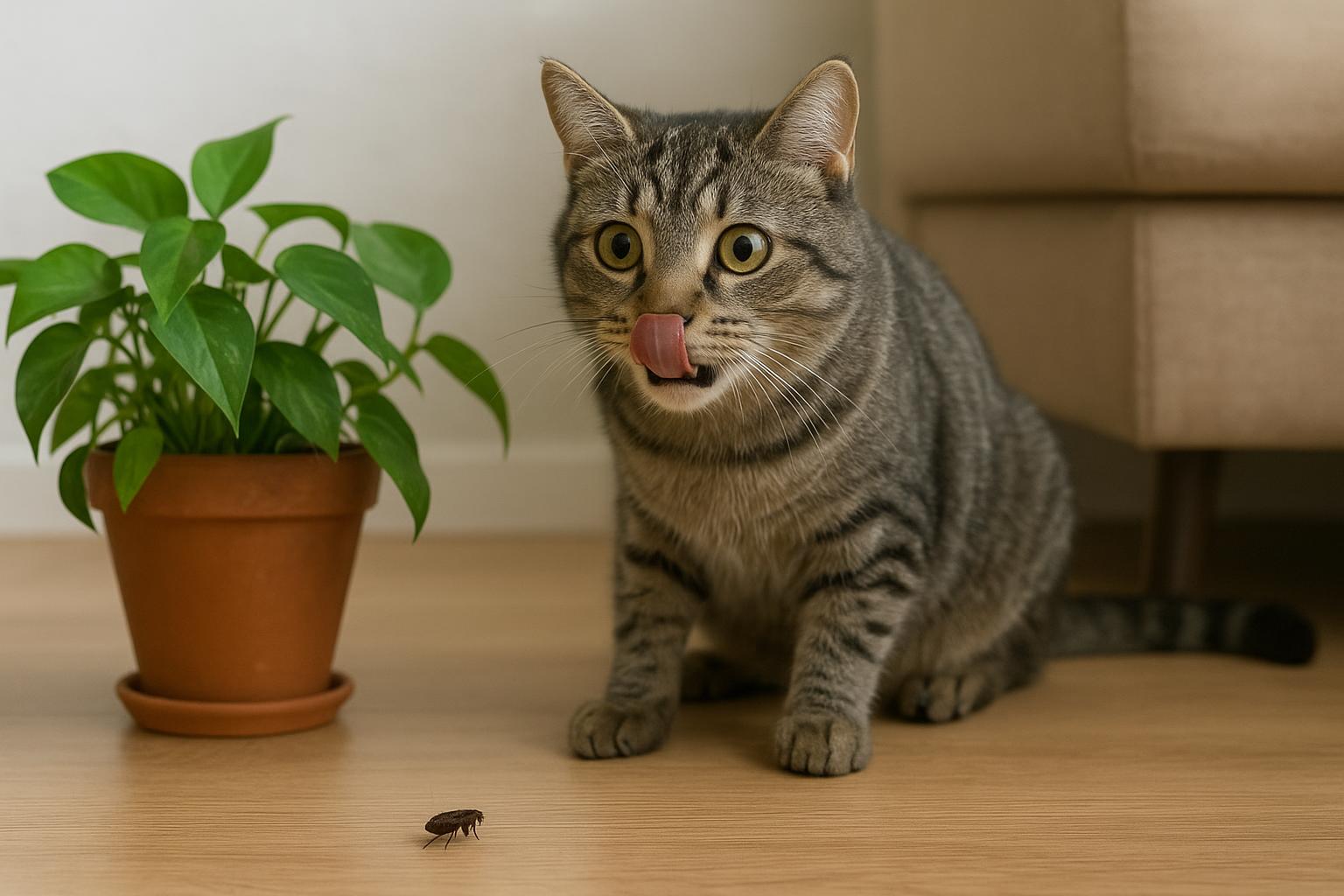
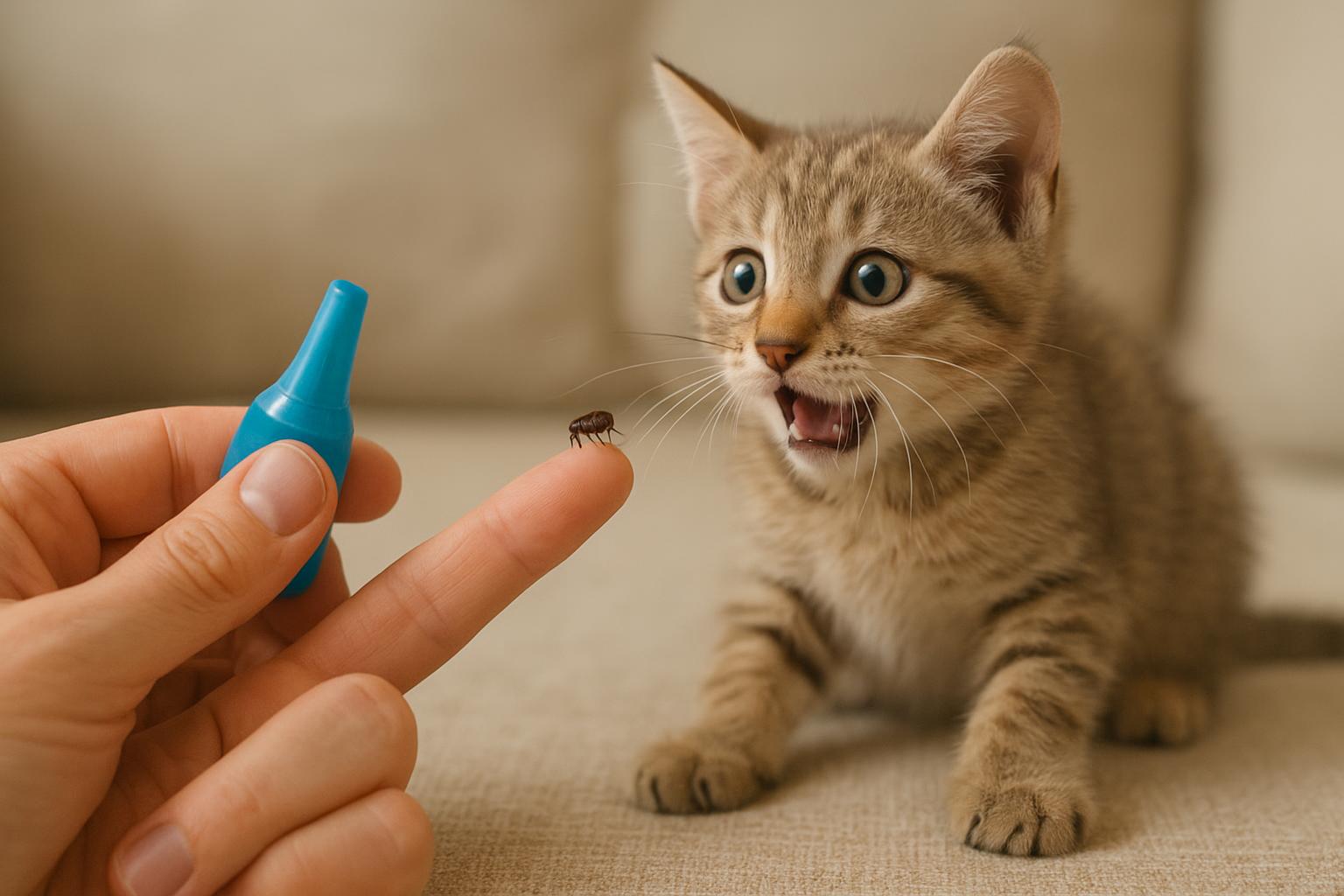
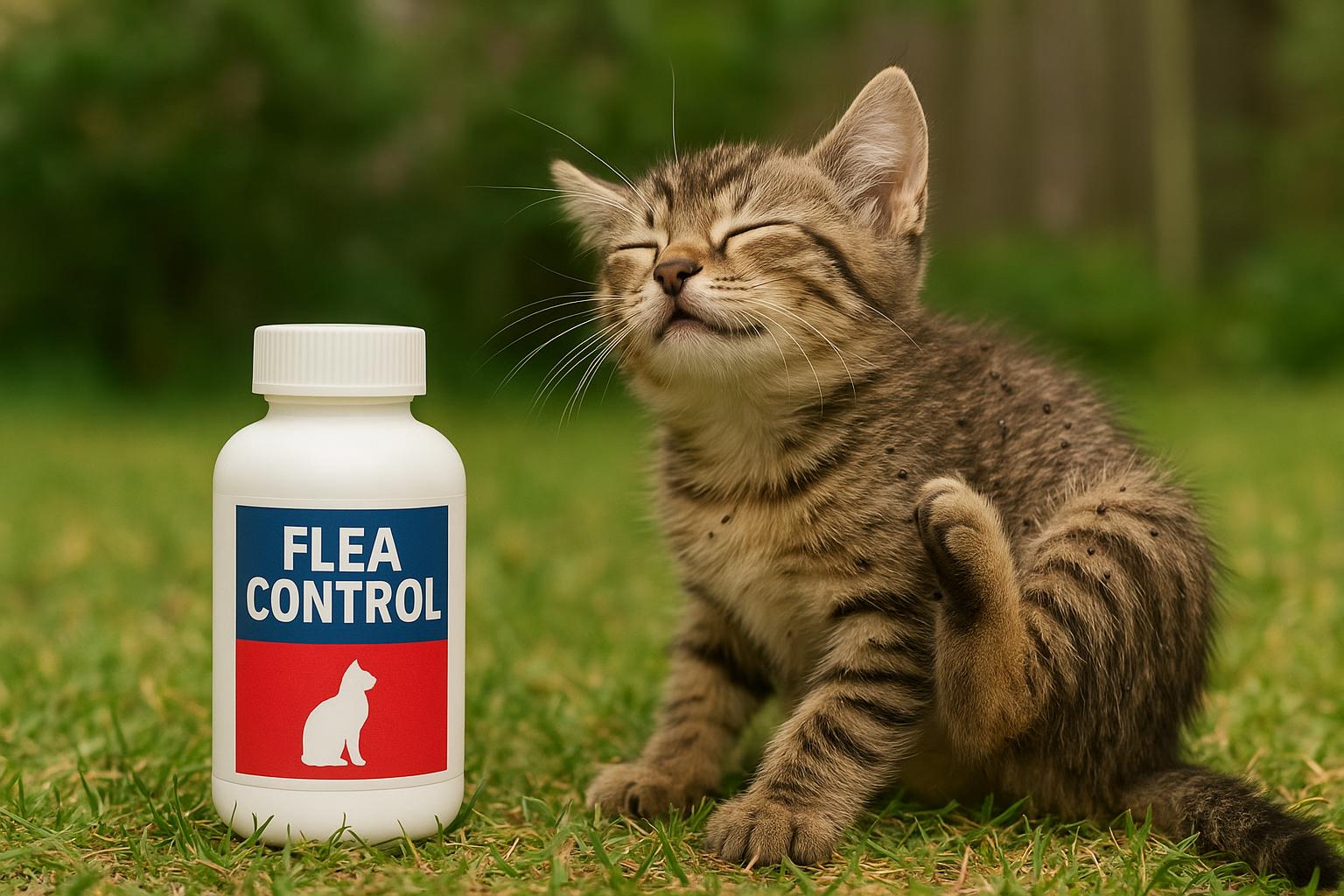
Fleas are blood-feeding parasites. In small numbers on a healthy adult cat they’re mostly a nuisance; on a tiny kitten, heavy infestations can cause real harm. Fleas cause:
– Blood loss leading to anemia in severe cases.
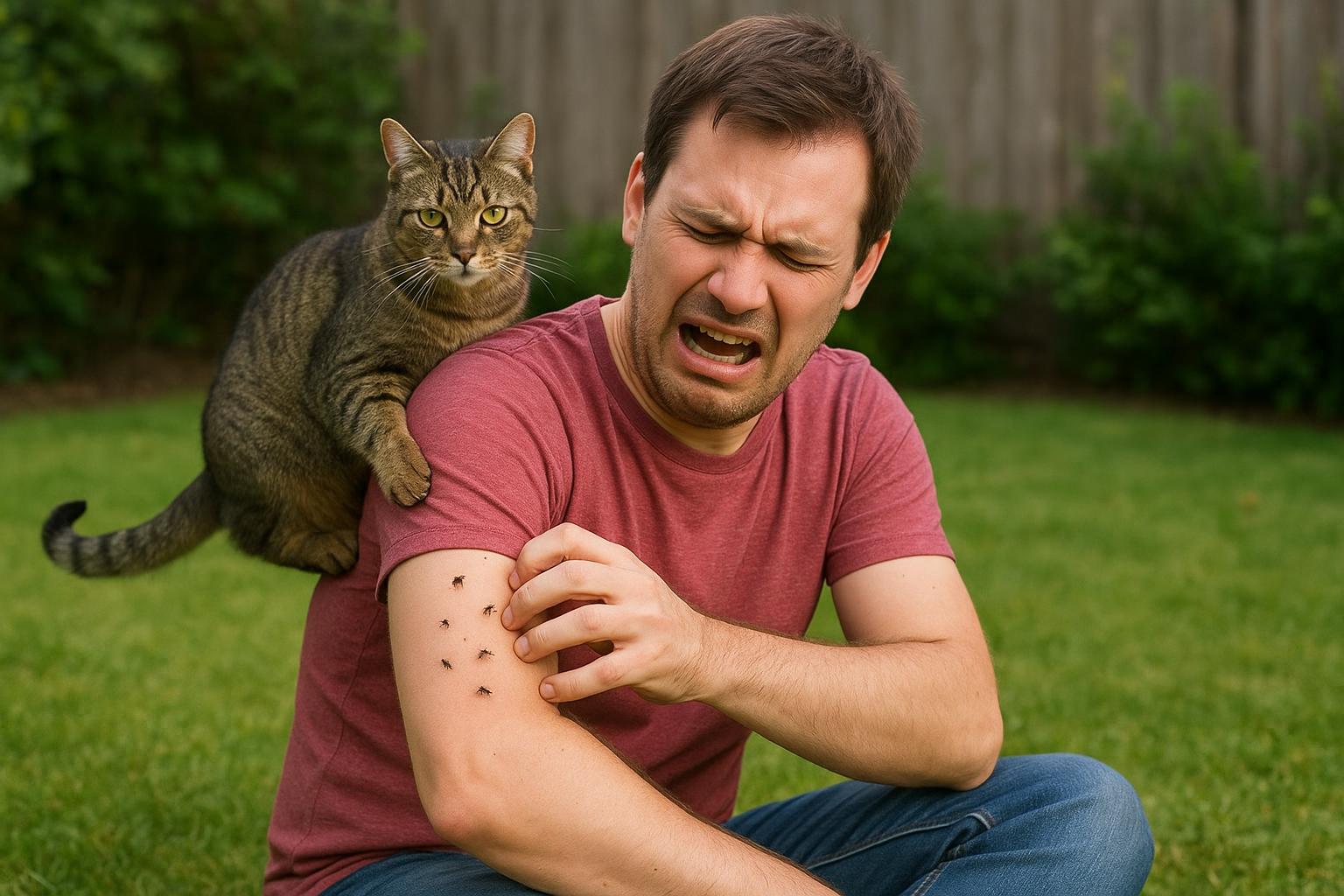
– Intense itching, which can cause skin wounds and secondary infections.
– Transmission of tapeworms (via ingestion of flea parts during grooming).
– Potential bacterial infection or allergic reactions in susceptible animals.
#### How Much Is Too Much?
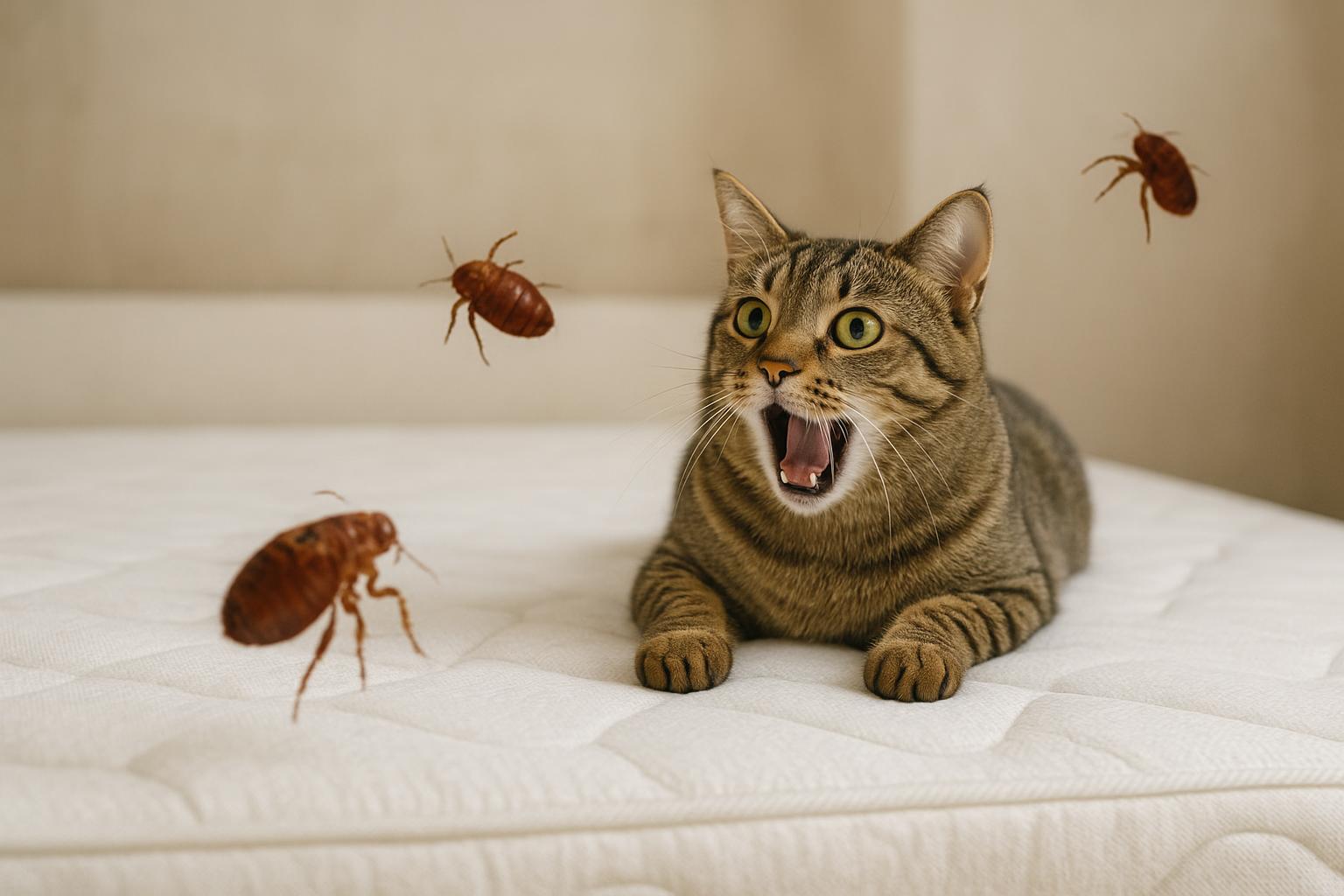
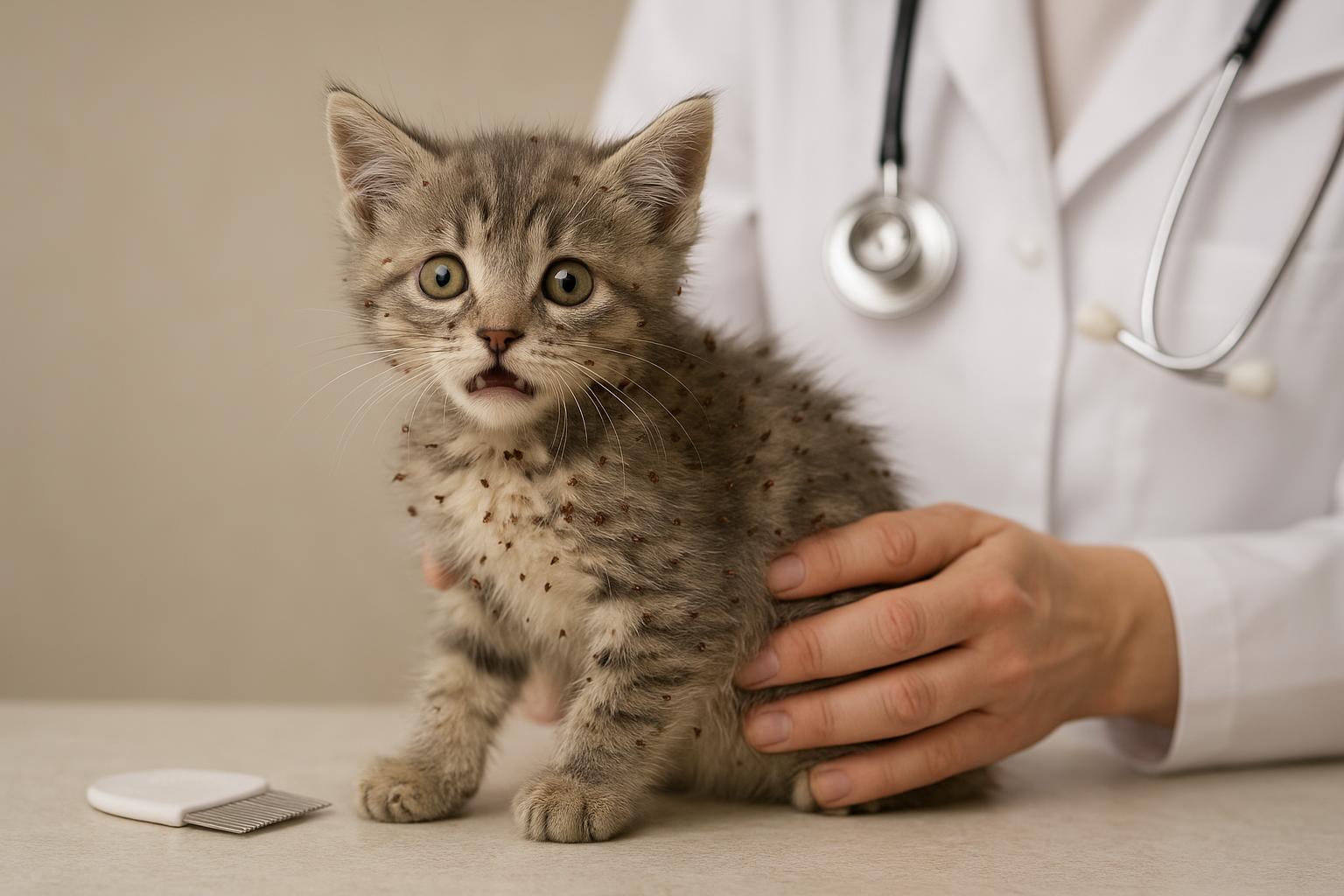
A couple of fleas on a healthy, nursing kitten usually won’t be fatal. But dozens or hundreds of fleas sucking blood from a kitten under four weeks old can produce dangerous anemia, which can contribute to weakness, hypothermia, and, in severe cases, death if not treated.
## Common Myths About Fleas And Kittens
### Myth: Small Numbers Of Fleas Are Always Harmless
Not always. Even a small visible flea count could mean more hidden eggs and larvae in the environment. But “fleas kill kittens” only applies in the context of heavy infestation plus other risk factors (very young age, poor body condition, preexisting illness).
### Myth: Natural Home Remedies Are Harmless
People love DIY fixes. Some are benign, some are ineffective, and a few can be toxic. Essential oils, human flea shampoos, or dog-specific treatments can be dangerous to kittens. Take the “natural” label with skepticism and check with a vet.
### Myth: Immediate Full Bathing Is Always Best
Bathing a hypothermic, dehydrated, or very young kitten can be risky. Warmth, careful fluid management, and gentle flea removal are often more immediately important than a long bath.
## What To Watch For: Signs Fleas Are Causing Serious Harm
### Physical And Behavioral Signs
Keep an eye out for:
– Pale gums or tongue (a sign of anemia).
– Lethargy or collapse.
– Rapid breathing or elevated heart rate.
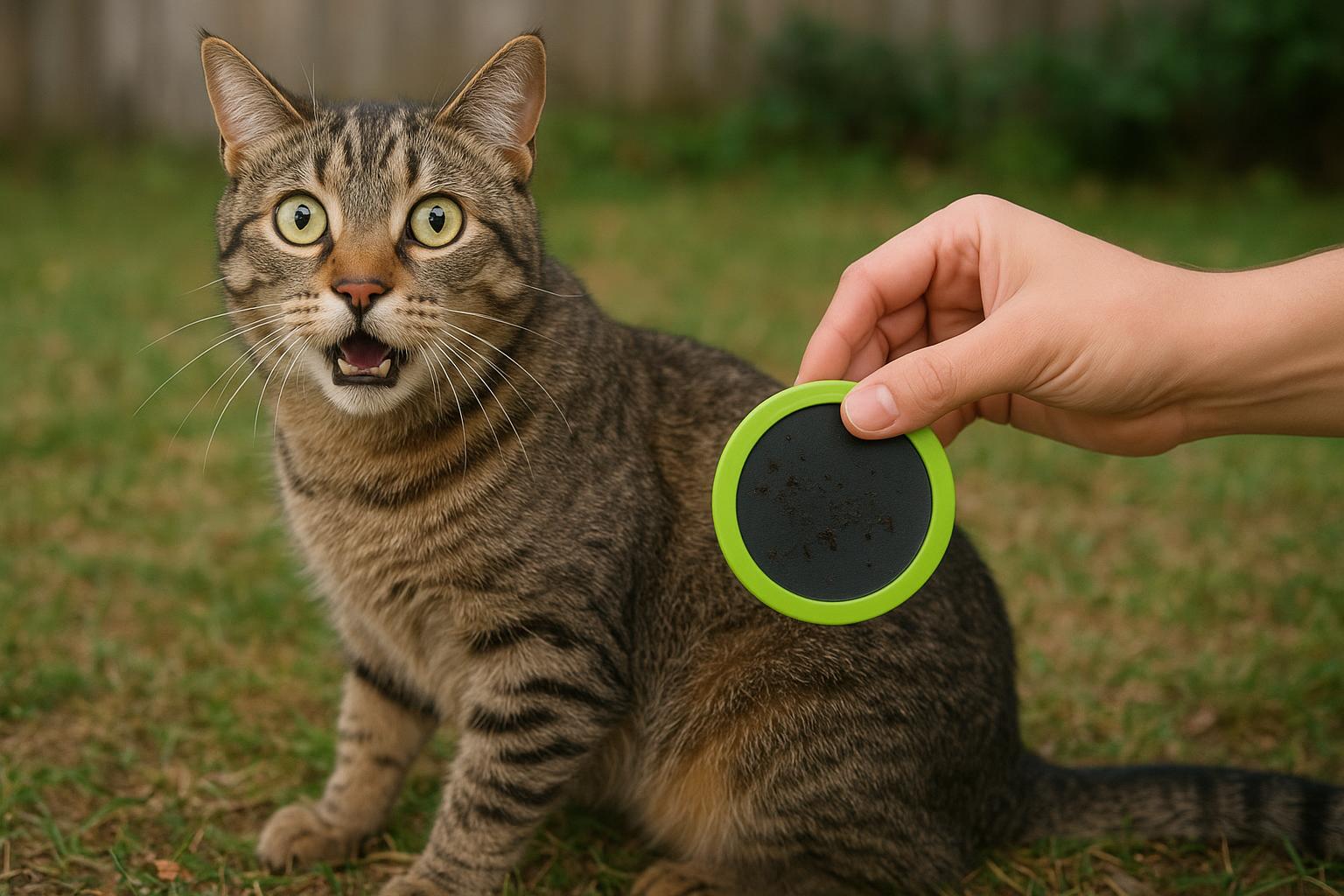
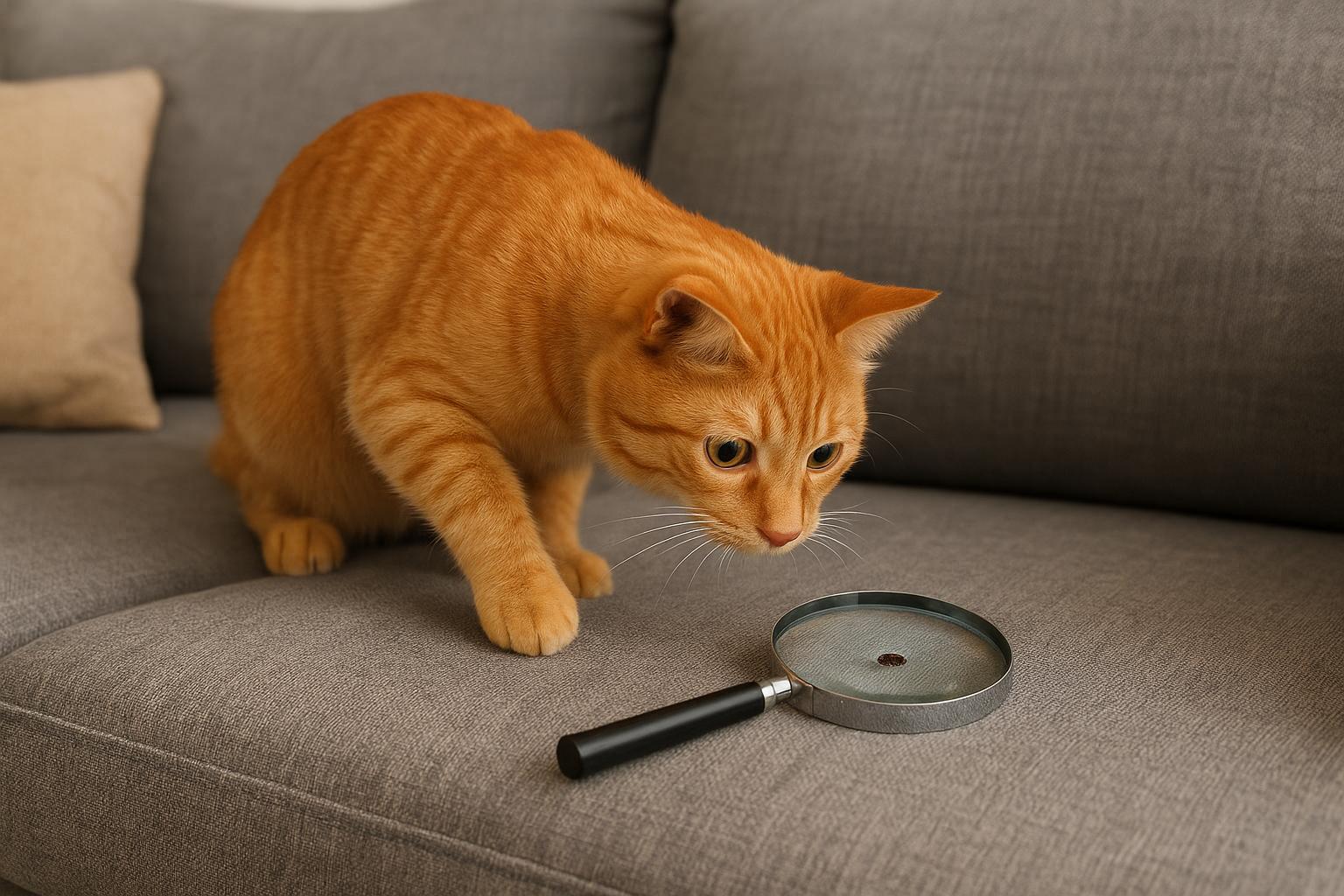
– Visible heavy flea load, flea dirt, or excessive scratching.
– Weight loss or failure to nurse.
### Environmental Clues
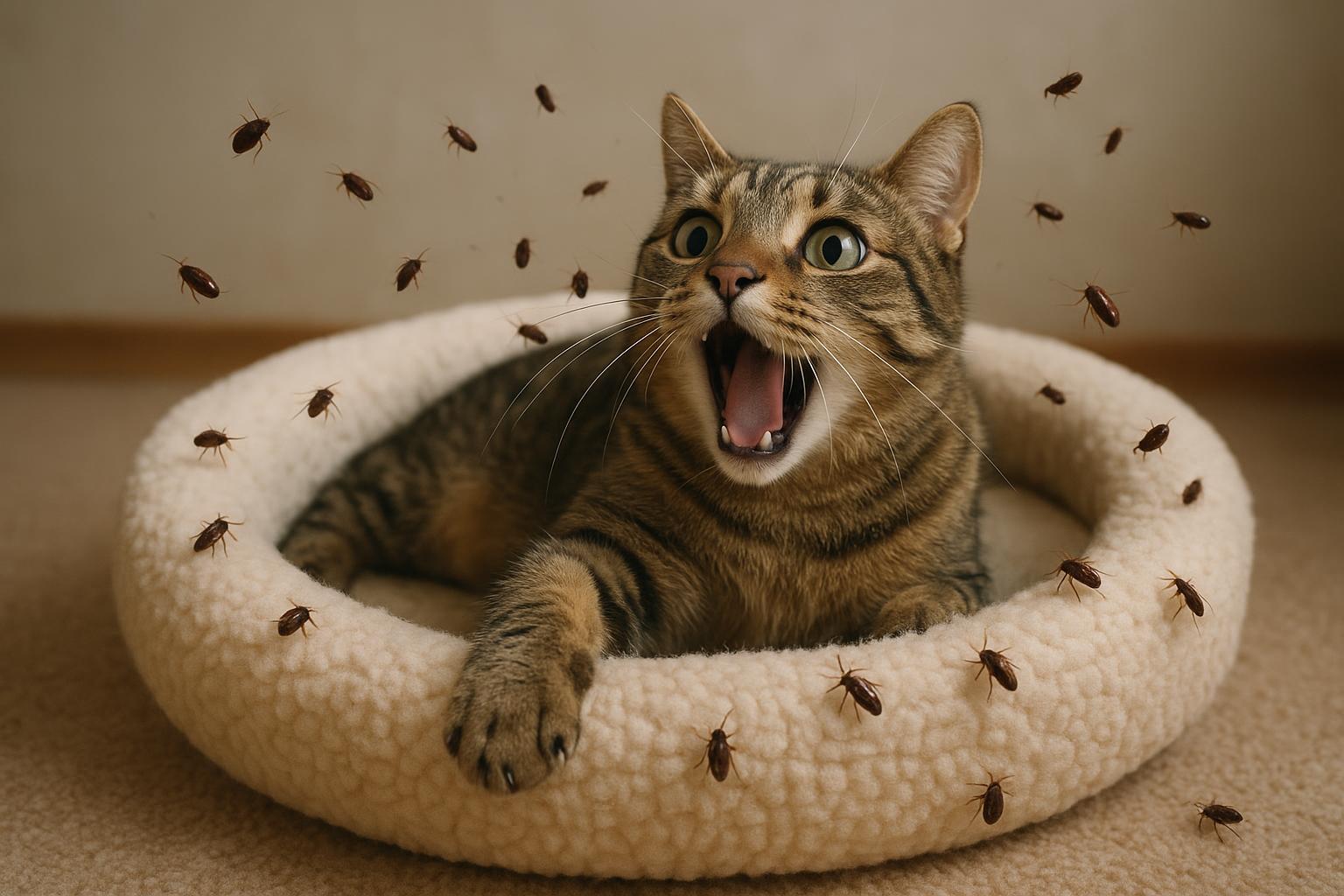
If mother cat is flea-infested, the nest is likely infested. Eggs and larvae hide in bedding, carpets, and cracks. Treating the animal without addressing the environment often fails.
## 1) Remedy 1: Safe At-Home Supportive Care For Mild Infestation
(Note: This is supportive care for mild infestations or while waiting for a vet appointment. For very young, weak, or heavily infested kittens, contact a veterinarian immediately.)
### Materials And Ingredients
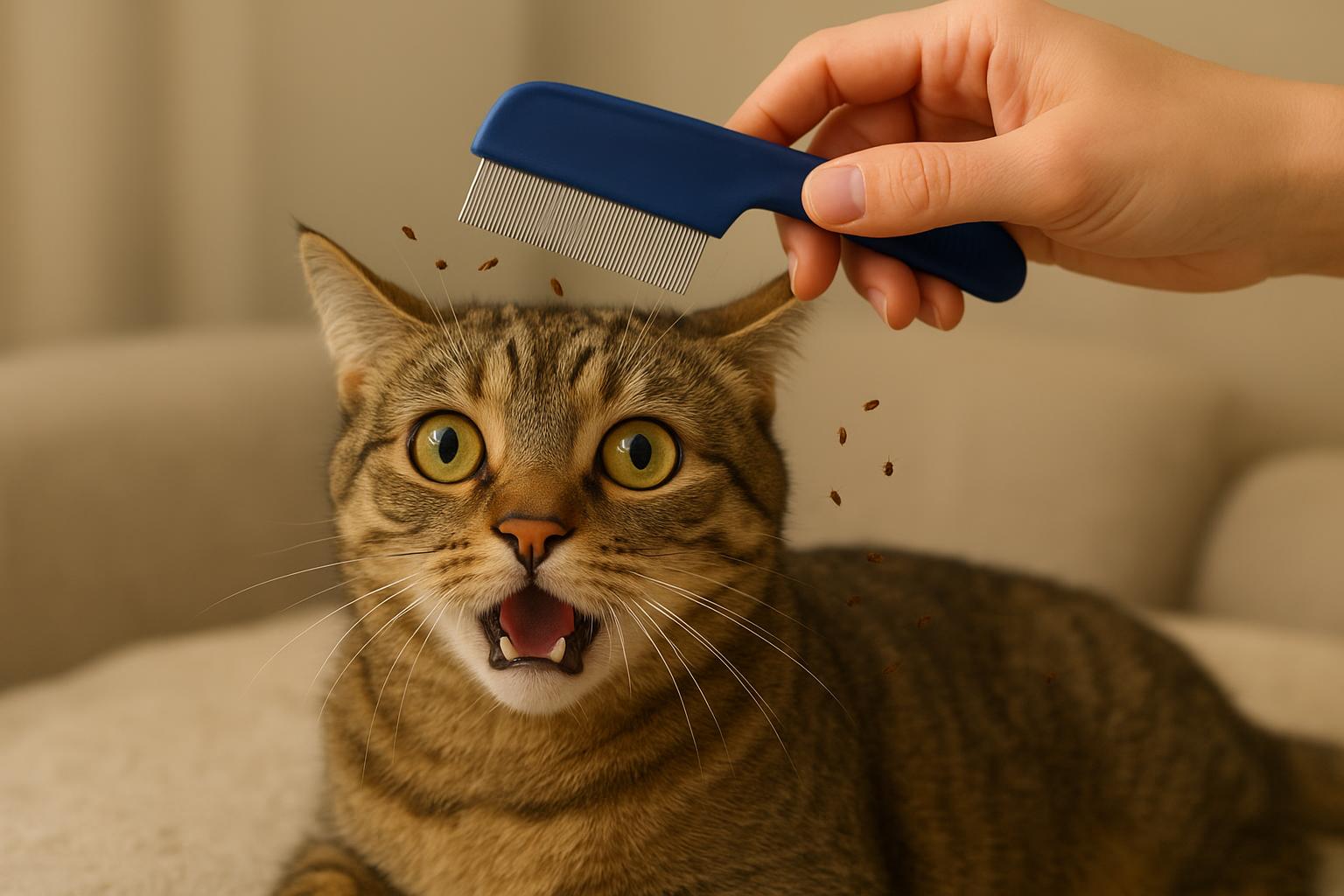
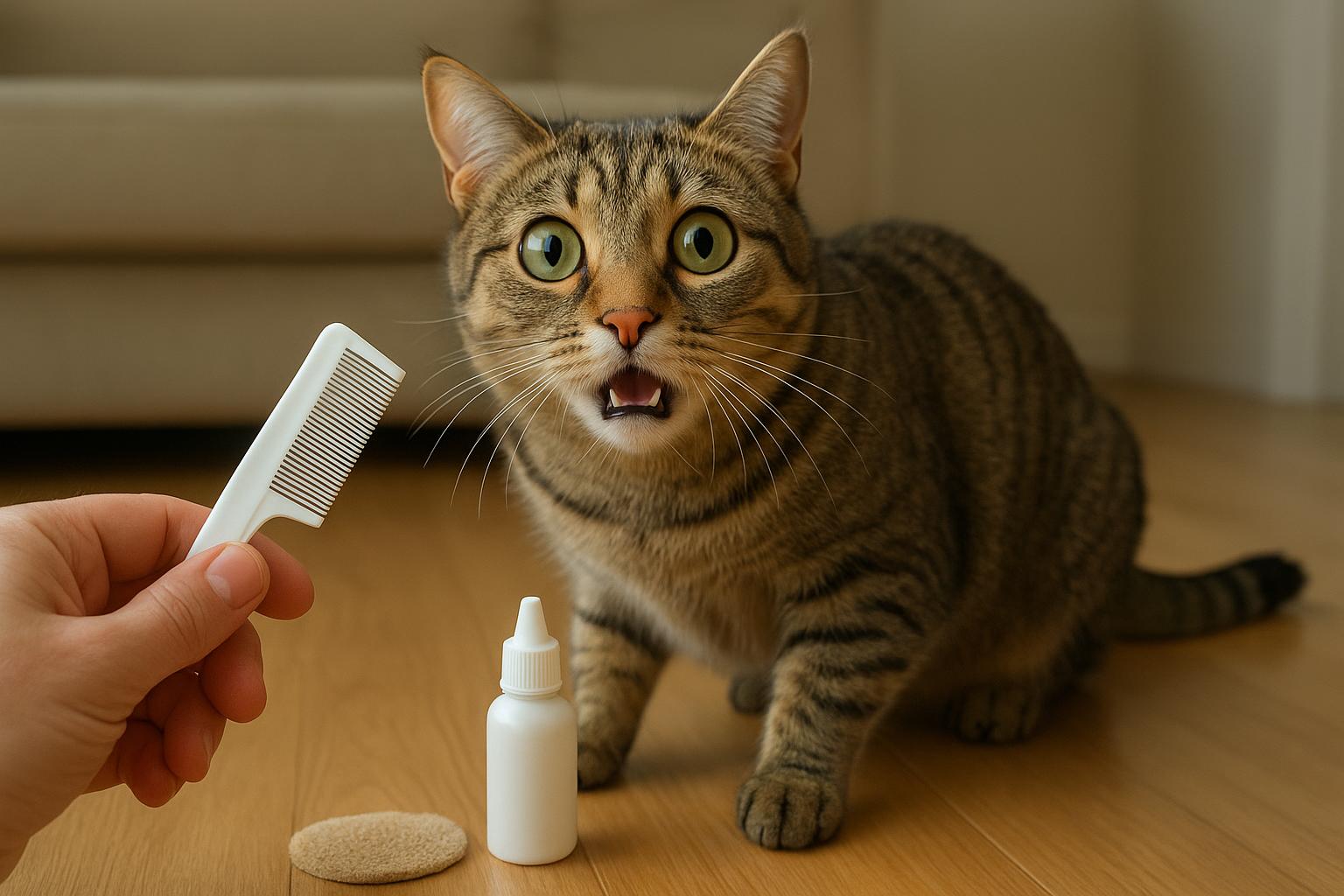
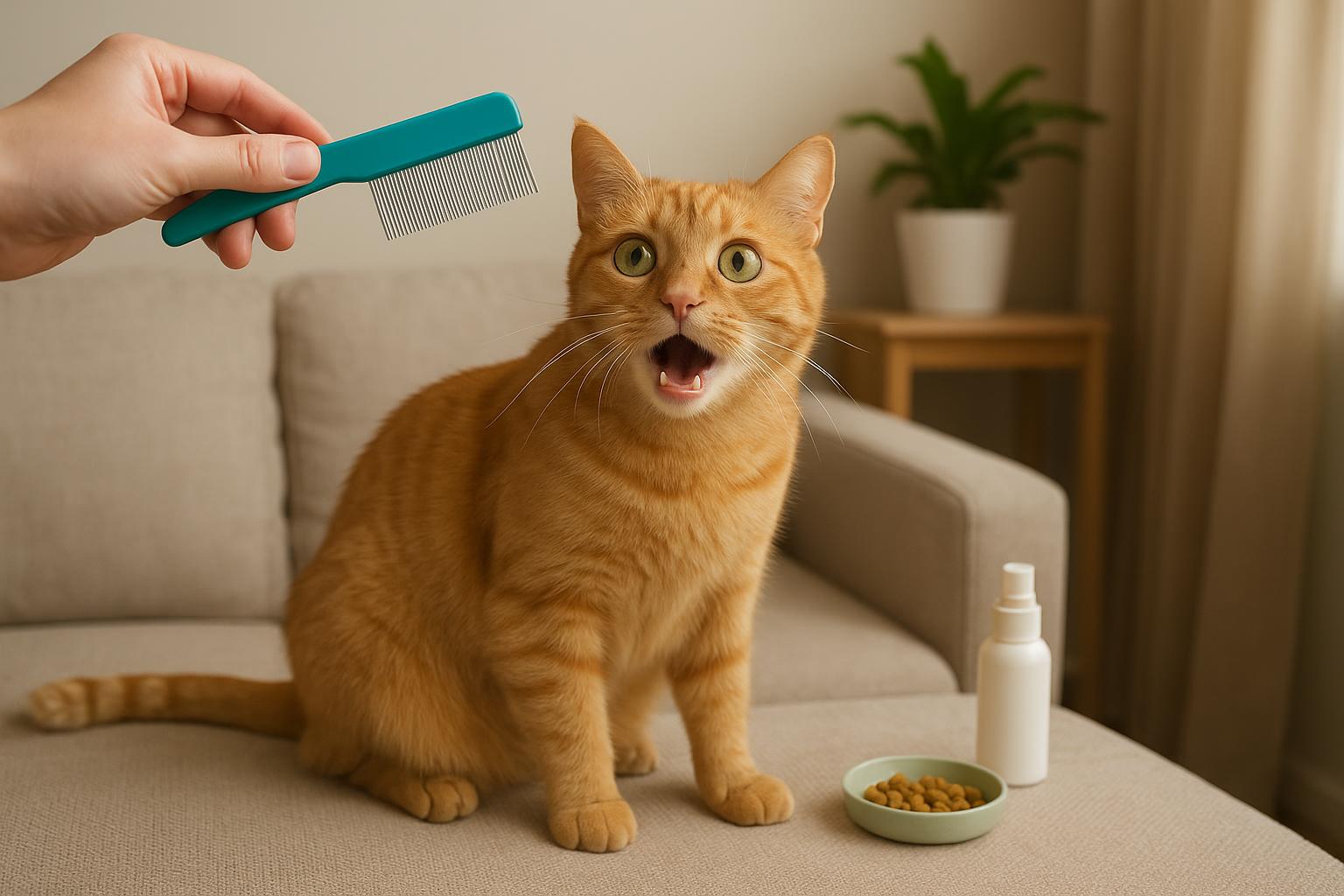
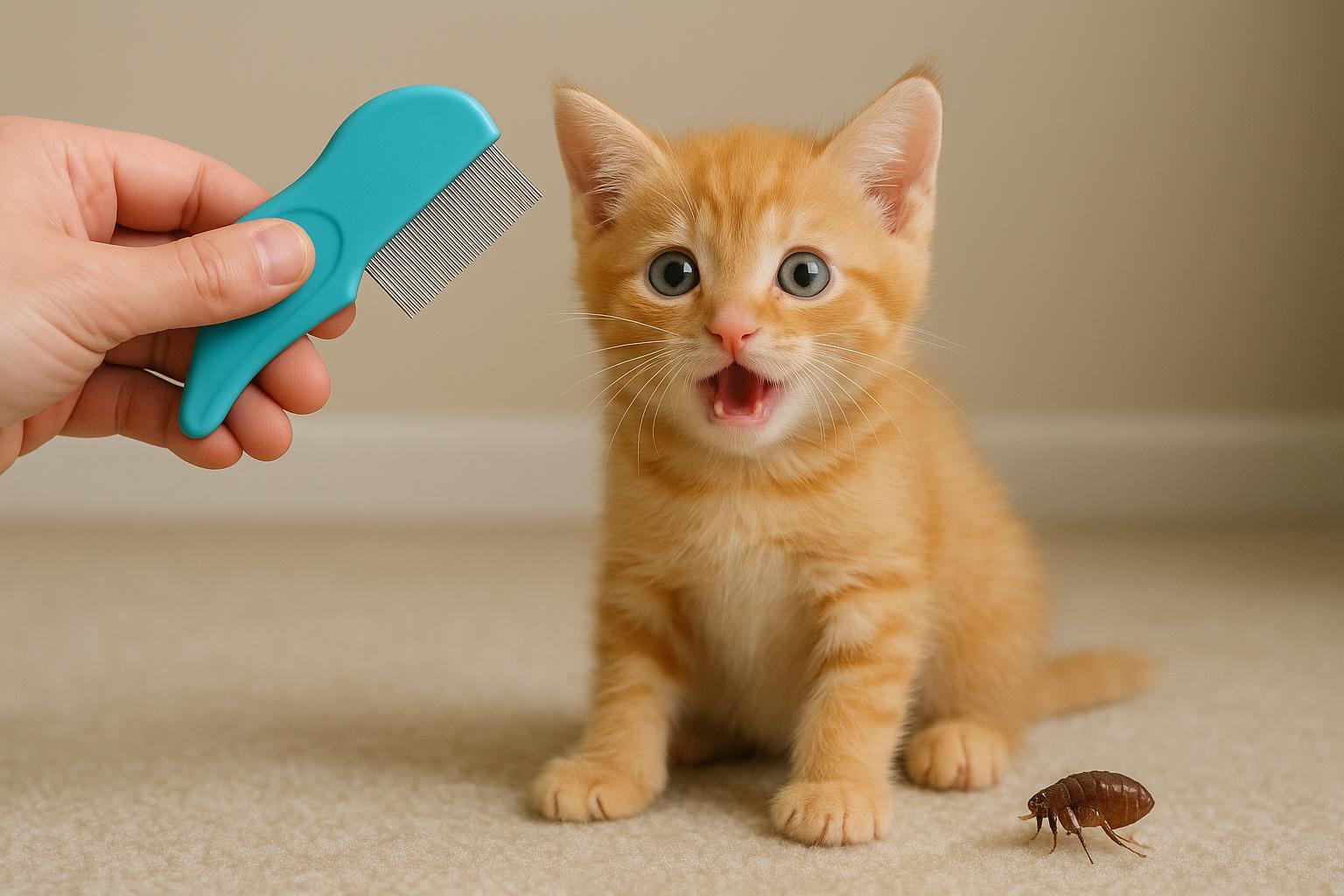
– Fine-toothed flea comb (specifically designed for kittens).
– Warm water (not hot) and soft towels.
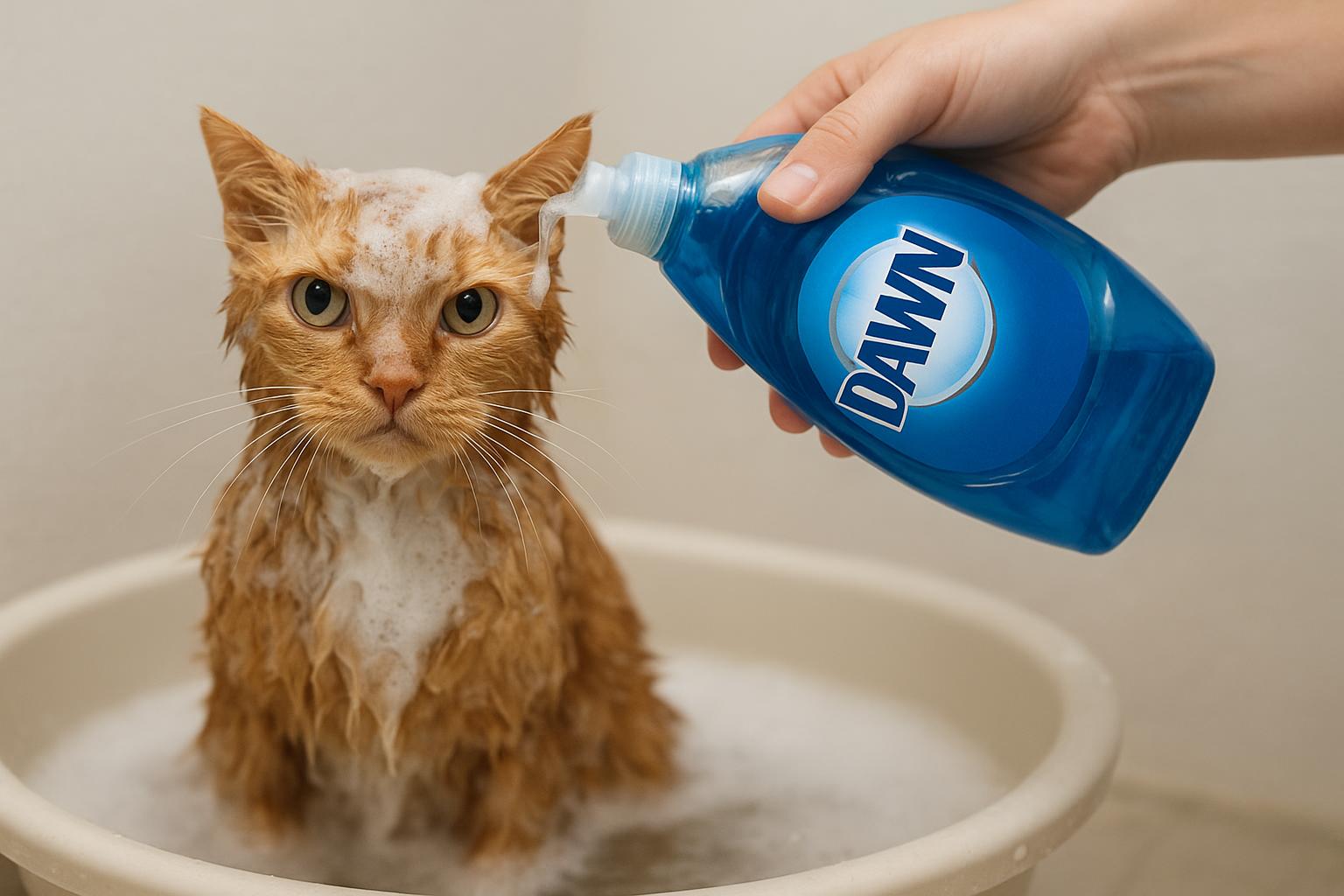
– Dish soap with mild surfactant (unscented, used sparingly) or kitten-safe mild shampoo (only if recommended by a vet).
– A shallow basin or sink with slip-resistant towel.
– Disposable gloves.
– Clean warm bedding and small heat source (hot water bottle wrapped in towel or heating pad set low).
– Scale to weigh kitten (grams or ounces) if available.
– Contact information for your veterinarian and emergency clinic.
### Step-By-Step Creation And Application (Formal)
1. Prepare a warm, draft-free area with clean towels and a heat source set to a safe, low temperature. Kittens cannot regulate body temperature well; warmth reduces stress.
2. Put on disposable gloves to maintain hygiene and avoid transferring flea debris.
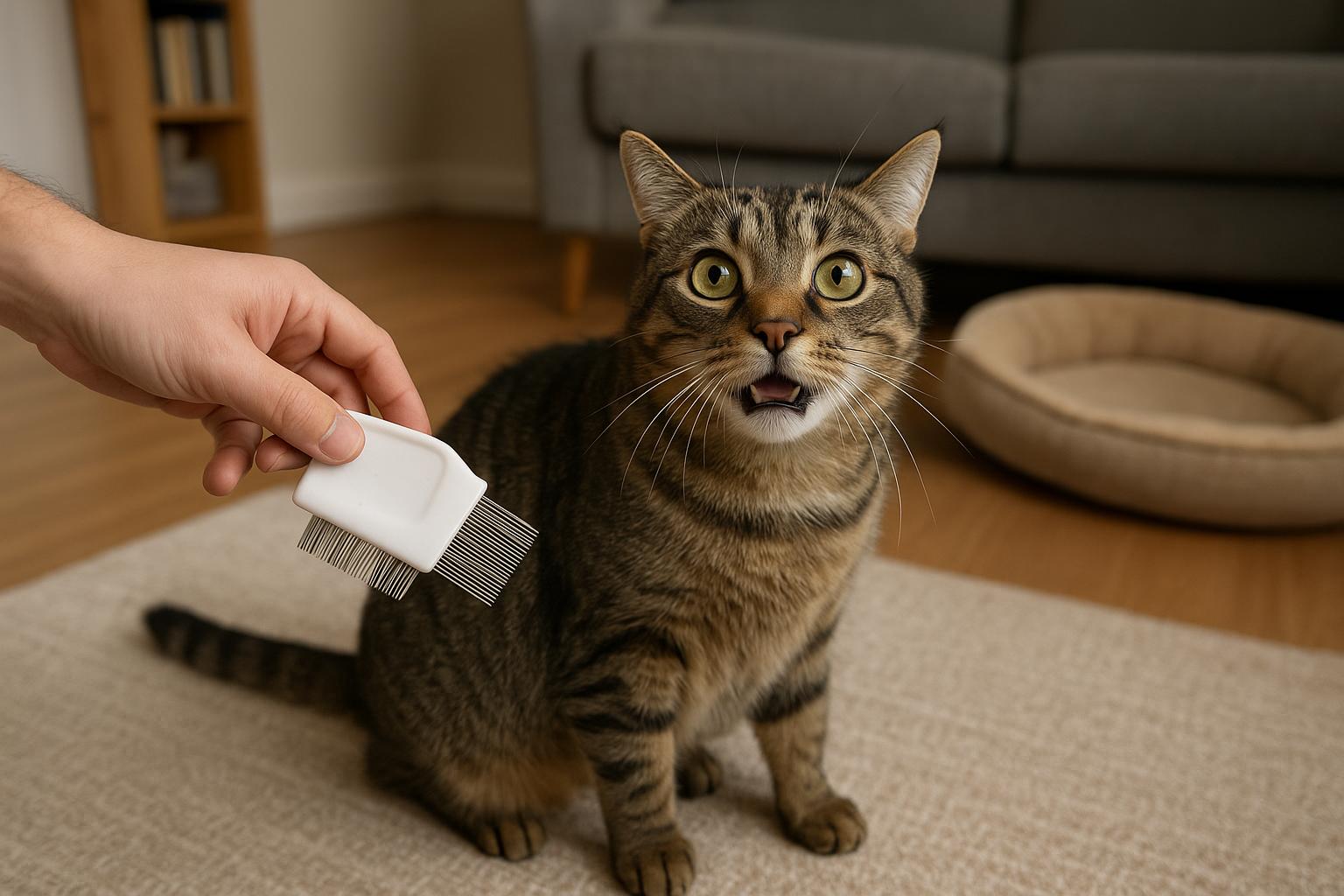
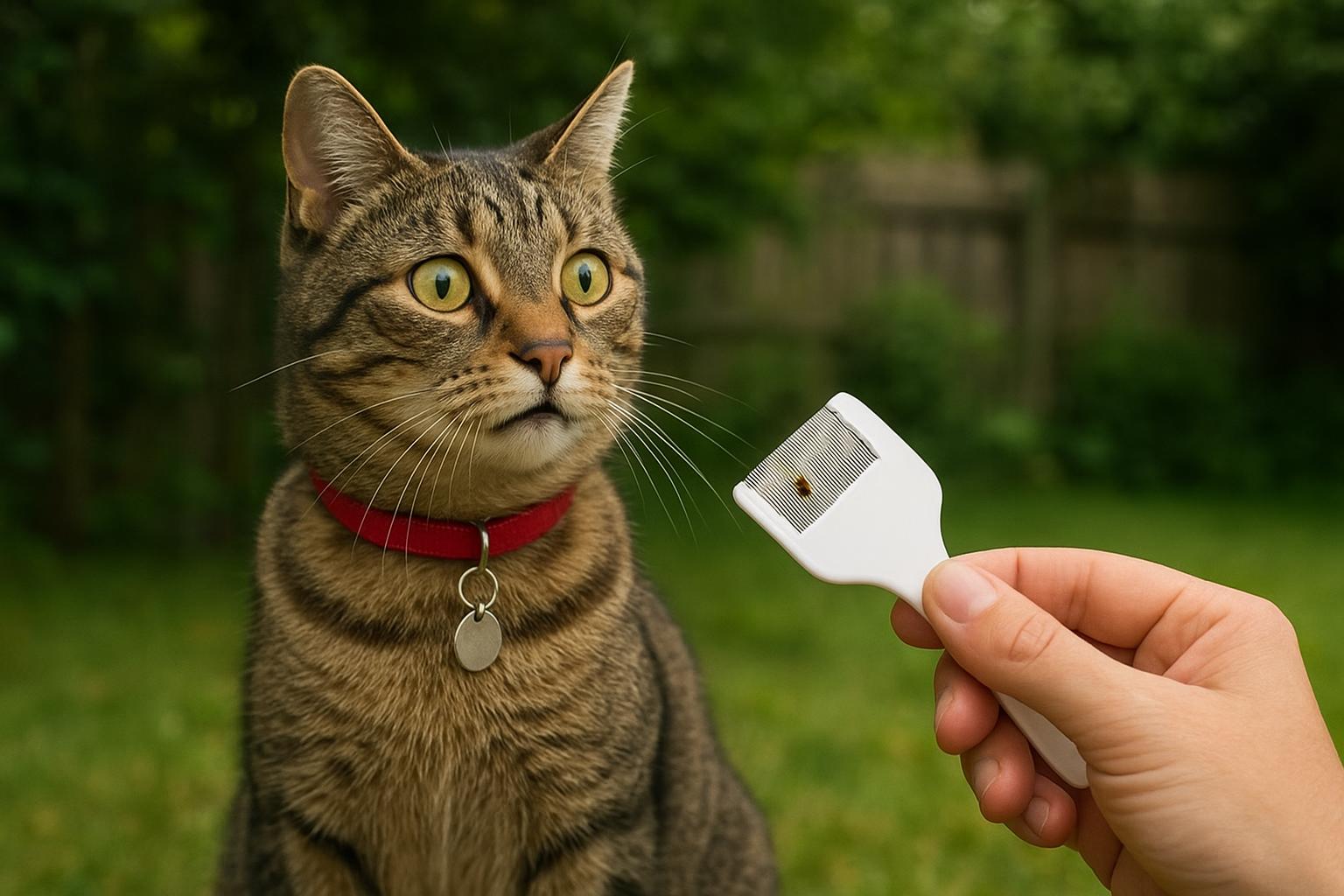
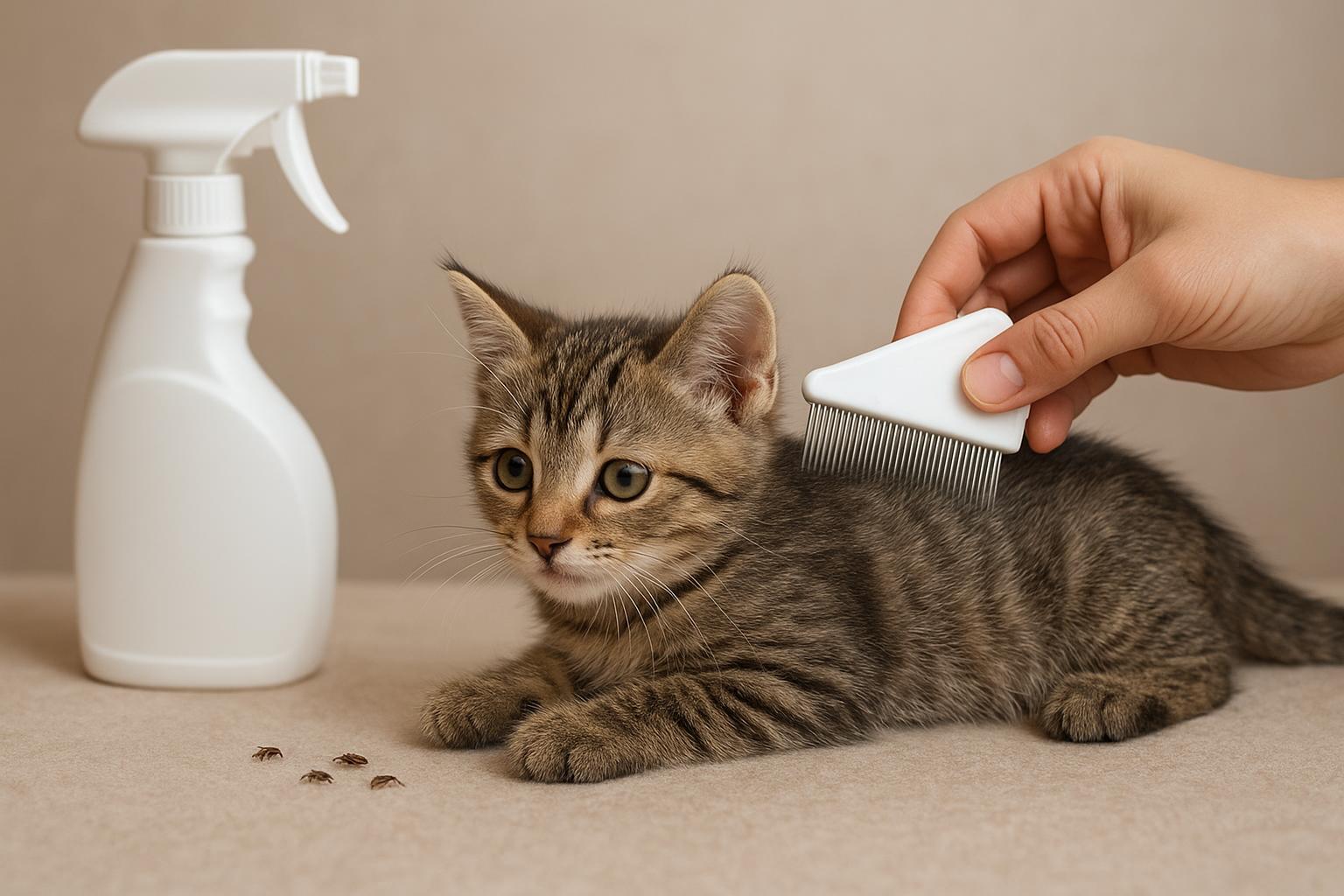
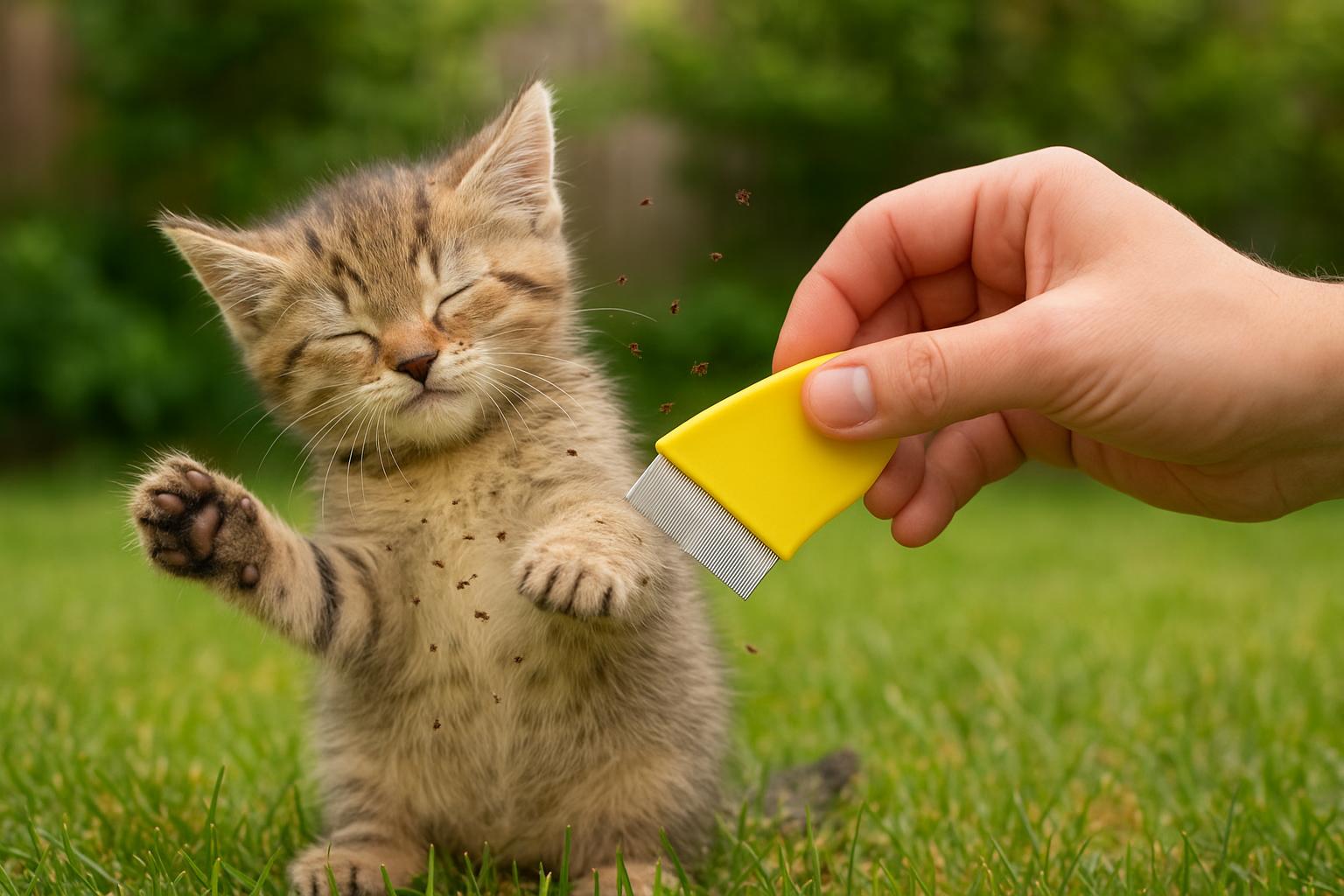
3. Use the flea comb over a light-colored towel to catch fleas and flea dirt. Comb from head to tail, holding the skin gently to avoid pinching.
4. After each stroke, dip the comb into warm soapy water to drown and remove fleas. Dispose of the water safely.
5. If fleas are numerous and the kitten is stable, you may perform a very brief sponge bath: wet only the soiled areas with warm water and a tiny amount of mild dish soap or kitten shampoo, lather gently, and rinse thoroughly. Minimize time wet; dry immediately and warmly.
6. Keep the kitten warm and monitor for signs of distress or increased lethargy. Weigh the kitten periodically to ensure it is nursing or gaining weight.
7. Replace bedding and treat environment: wash nest materials in hot water and vacuum carpets and furniture. Dispose of vacuum bag contents or empty canister outdoors.
8. Contact your veterinarian for follow-up. If the kitten shows pale gums, collapse, or fails to improve, seek emergency care promptly.
## 2) Remedy 2: Veterinary-Approved Treatments And When To Use Them
### Materials And Ingredients
– Vet-prescribed flea medication (topical or oral formulation appropriate for the kitten’s age and weight).
– Clean towels and gloves for administering topical treatments.
– Medication syringe or pill popper, if oral medication is prescribed.
– Scale to confirm weight for accurate dosing.
– Medical record with vaccination and health history.
### Step-By-Step Application And Protocol (Formal)
1. Visit a veterinarian for assessment: the vet will evaluate anemia, dehydration, underlying illness, and the severity of infestation.
2. The veterinarian prescribes an age- and weight-appropriate treatment. Follow the exact product label and your vet’s instructions. Do not substitute human or dog products.
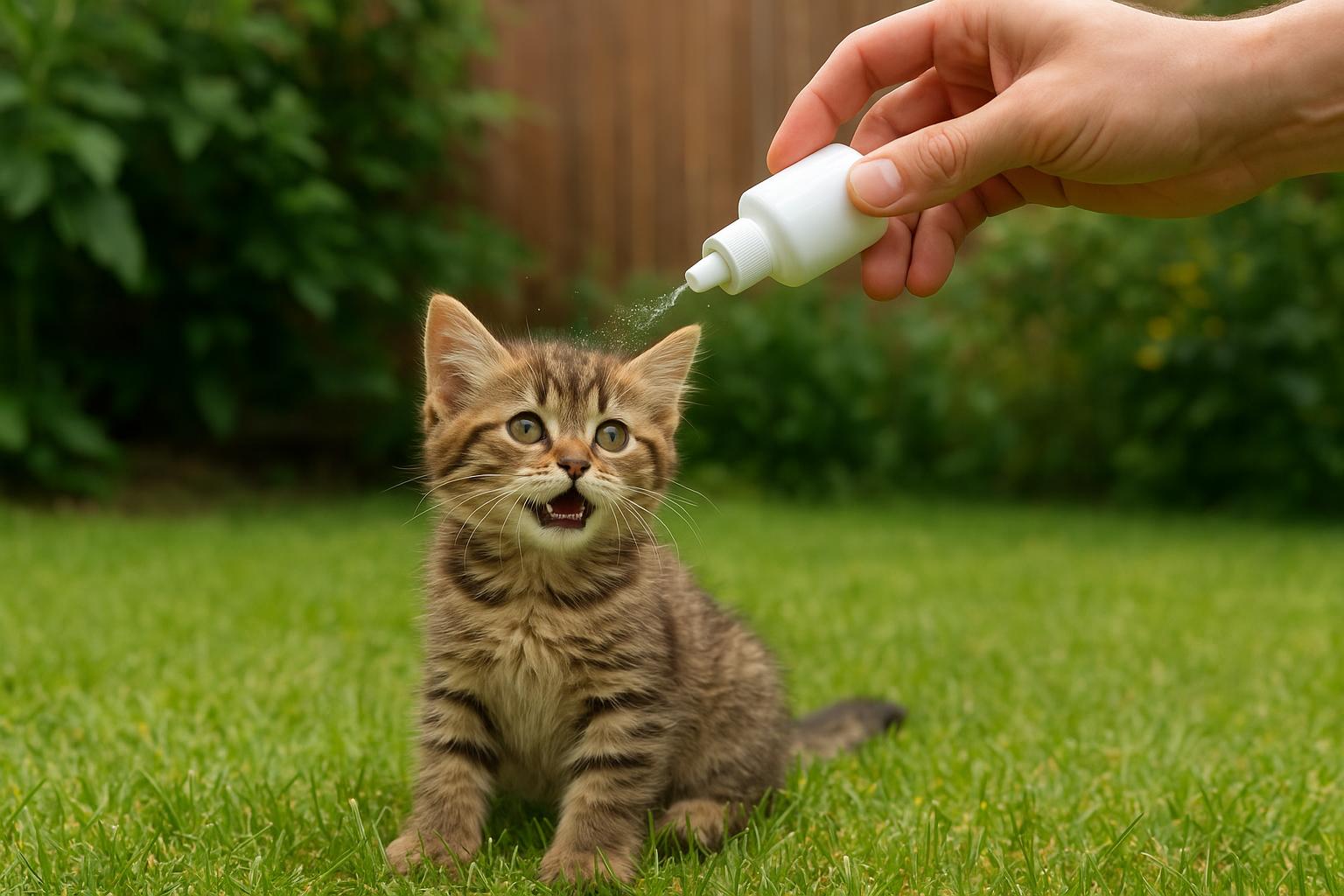
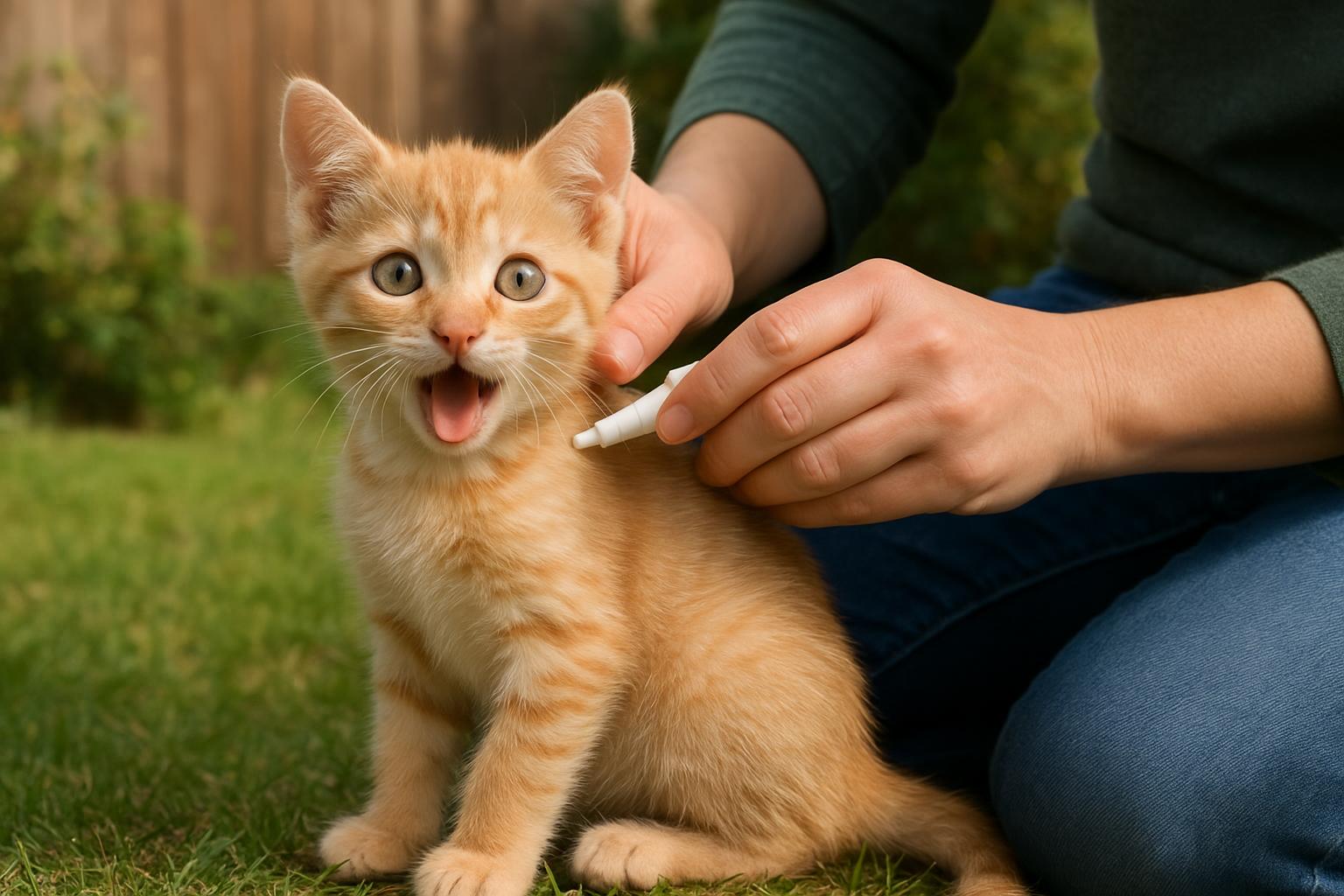
3. For topical products: confirm the application site (usually the skin at the back of the neck). Part the fur, apply the full dose directly to the skin, and prevent licking of the area until it dries. Wear gloves; avoid touching the area.
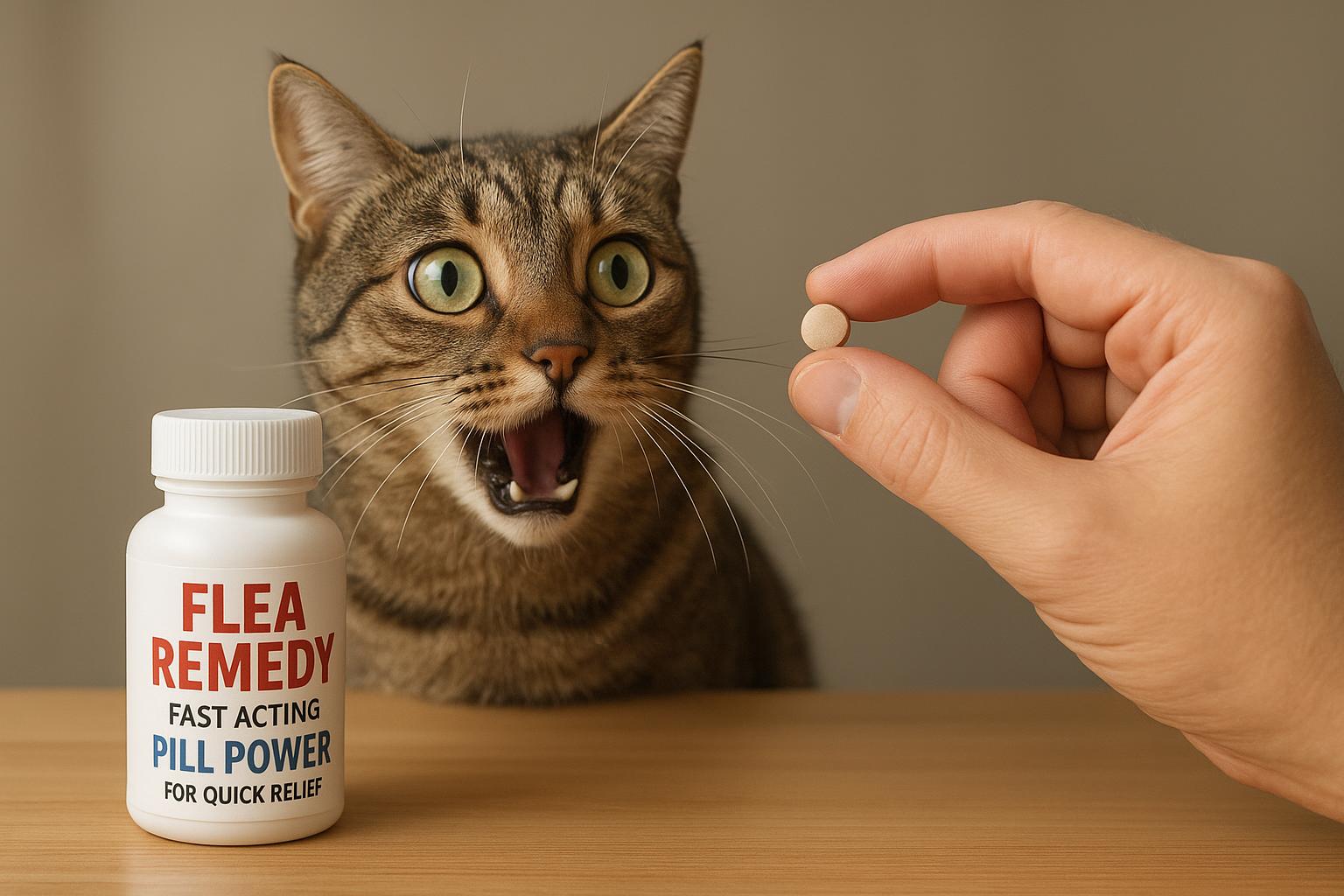
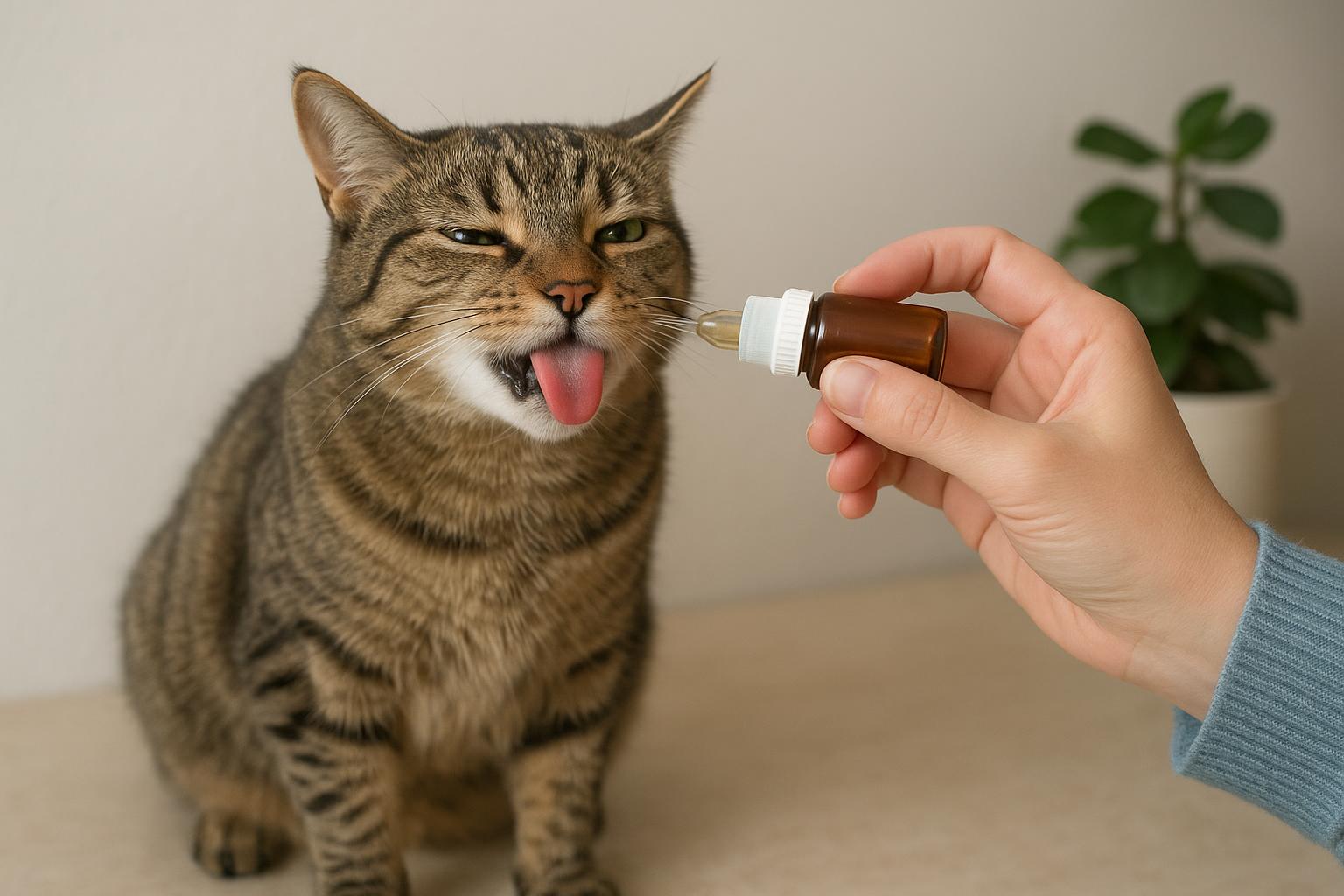
4. For oral products: confirm the full recommended dose. Administer as directed by the vet; ensure the kitten swallows the dose. Observe for any adverse reaction for at least 24–48 hours.
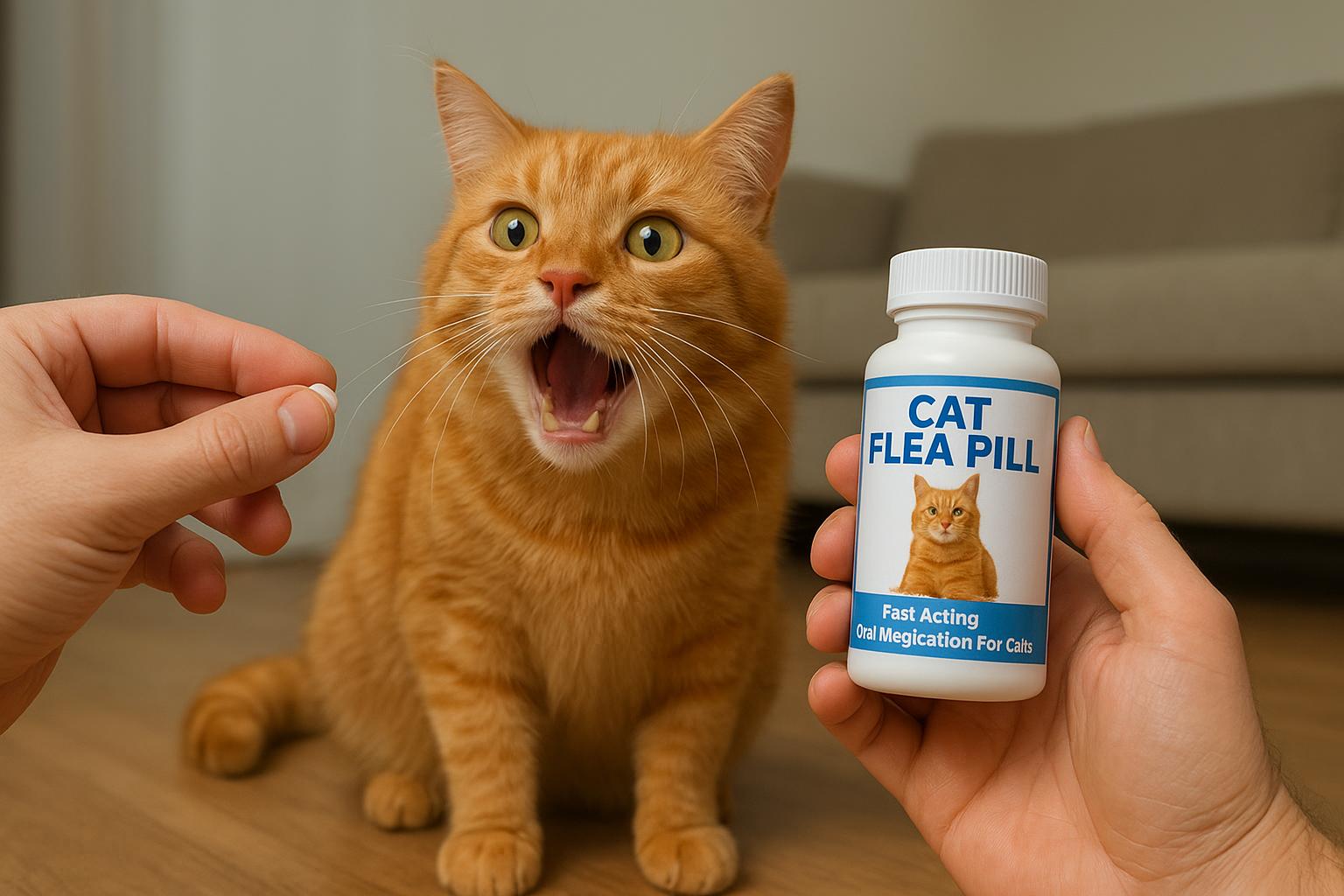
5. For immediate flea knockdown in severe infestations, vets may use fast-acting oral drugs or nitenpyram-type medications under supervision. These provide rapid relief but often require follow-up for environmental control.
6. Monitor and return for rechecks as recommended. Address anemia or dehydration with supportive care (fluids, warming, nutritional support) or intensive care if necessary.
### When Emergency Care Is Required
If a kitten is pale, very weak, cold, or not nursing and you suspect a heavy flea burden, this can rapidly become life-threatening. Emergency interventions may include intravenous fluids, blood transfusion in severe anemia, warmth, and controlled flea elimination. These are medical procedures that require veterinary facilities.
## How To Manage The Environment Without Going Overboard
### Practical Steps For The Home
– Wash all bedding and fabrics at high heat and dry thoroughly.
– Vacuum floors, furniture, and crevices daily for at least two weeks; empty vacuum contents outdoors.
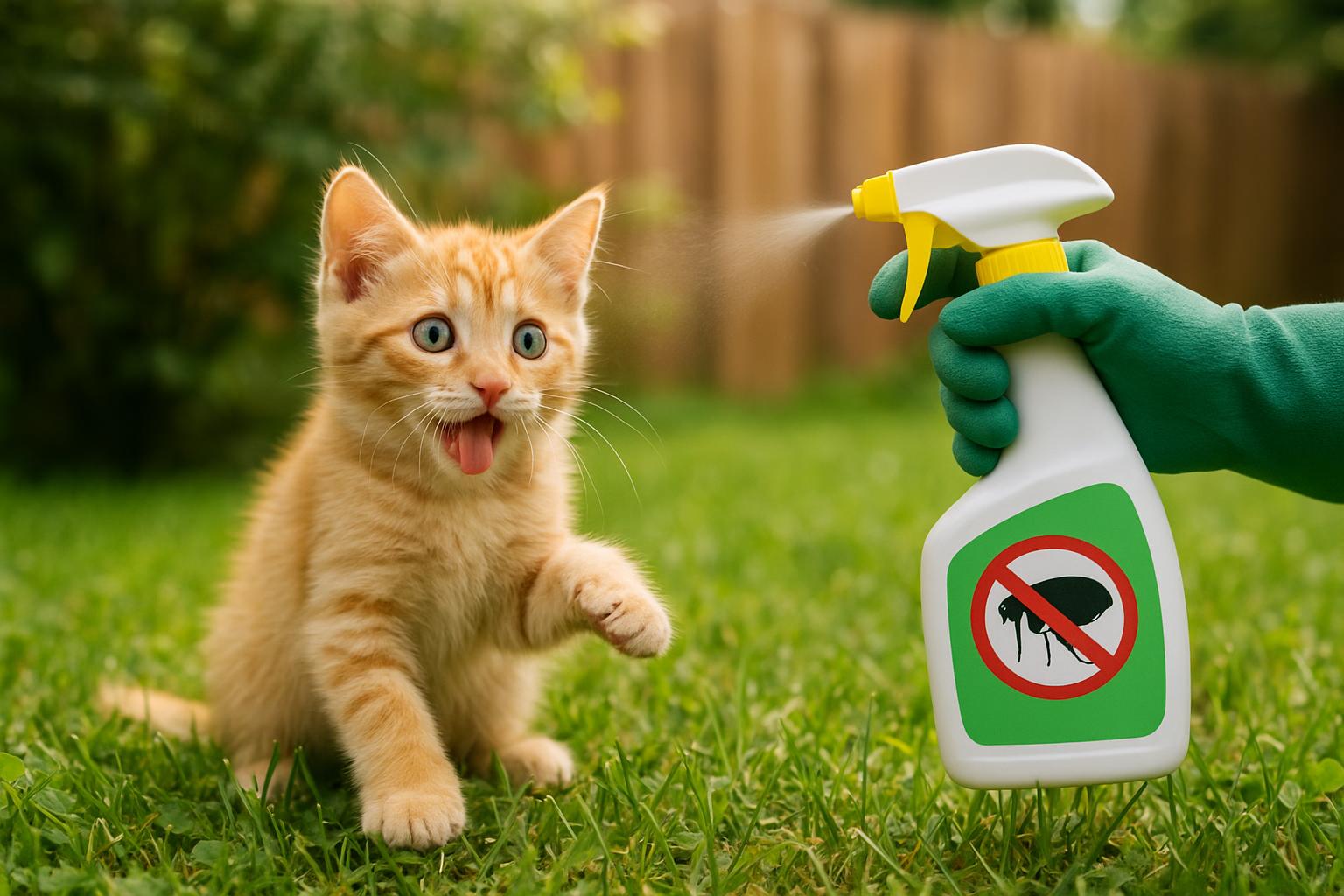
– Consider treating the indoor environment with products labeled for indoor flea control or consult a pest professional if infestation is extensive.
– Treat other pets in the household with vet-approved products to stop re-infestation.
#### Timing And Persistence
Flea eggs hatch over weeks, so persistence matters. Repeat treatments and environmental cleaning per product directions and your vet’s plan.
## Preventing Panic And Preventable Harm
Fleas are a real risk to young kittens, but “fleas kill kittens” as an undifferentiated headline is misleading. The true danger is heavy infestations compounded by young age, poor nutrition, or untreated anemia. The safest approach is calm, prompt action: remove fleas gently, keep kittens warm and fed, clean their environment, and get veterinary advice early rather than trying risky home “cures.”
## When To Call The Vet Immediately
– Kitten is under 8 weeks old and shows signs of weakness, pale gums, or collapse.
– You see heavy flea loads on a small kitten.
– The kitten will not nurse or is losing weight.
– Any signs of infection, fever, or severe skin wounds.
Remember, a quick vet visit can be the difference between a close call and a tragedy — and it spares you the guesswork and the dread of the phrase “fleas kill kittens” hanging over your head like an ominous cartoon flea. Keep calm, act promptly, and get professional guidance when in doubt.




Leave a Reply