
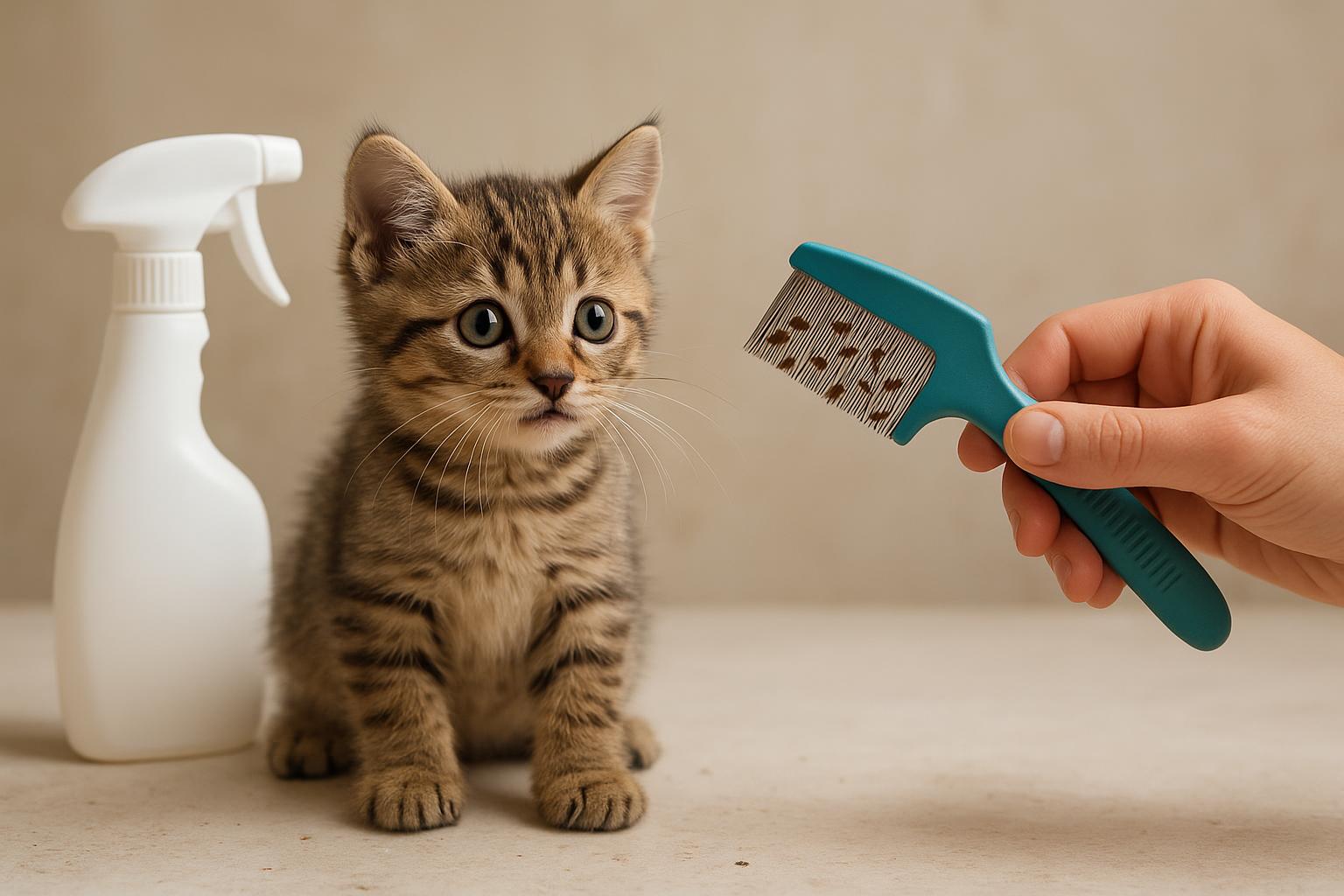
Kittens are adorable, curious, and frequently determined to find every dust bunny and sunbeam in the house. What they aren’t looking for is a tiny, biting parasite that can turn a playful kitten into a weak, itchy patient. Understanding the flea danger to kittens’ health is essential for every caregiver, whether you’ve just brought home a neonate or are fostering a litter. Read on to learn how to spot problems early and take decisive action—before those fleas graduate from annoying to dangerous.
## Flea Danger To Kittens Health What You Must Know Today
### Why Fleas Pose A Serious Threat To Kittens
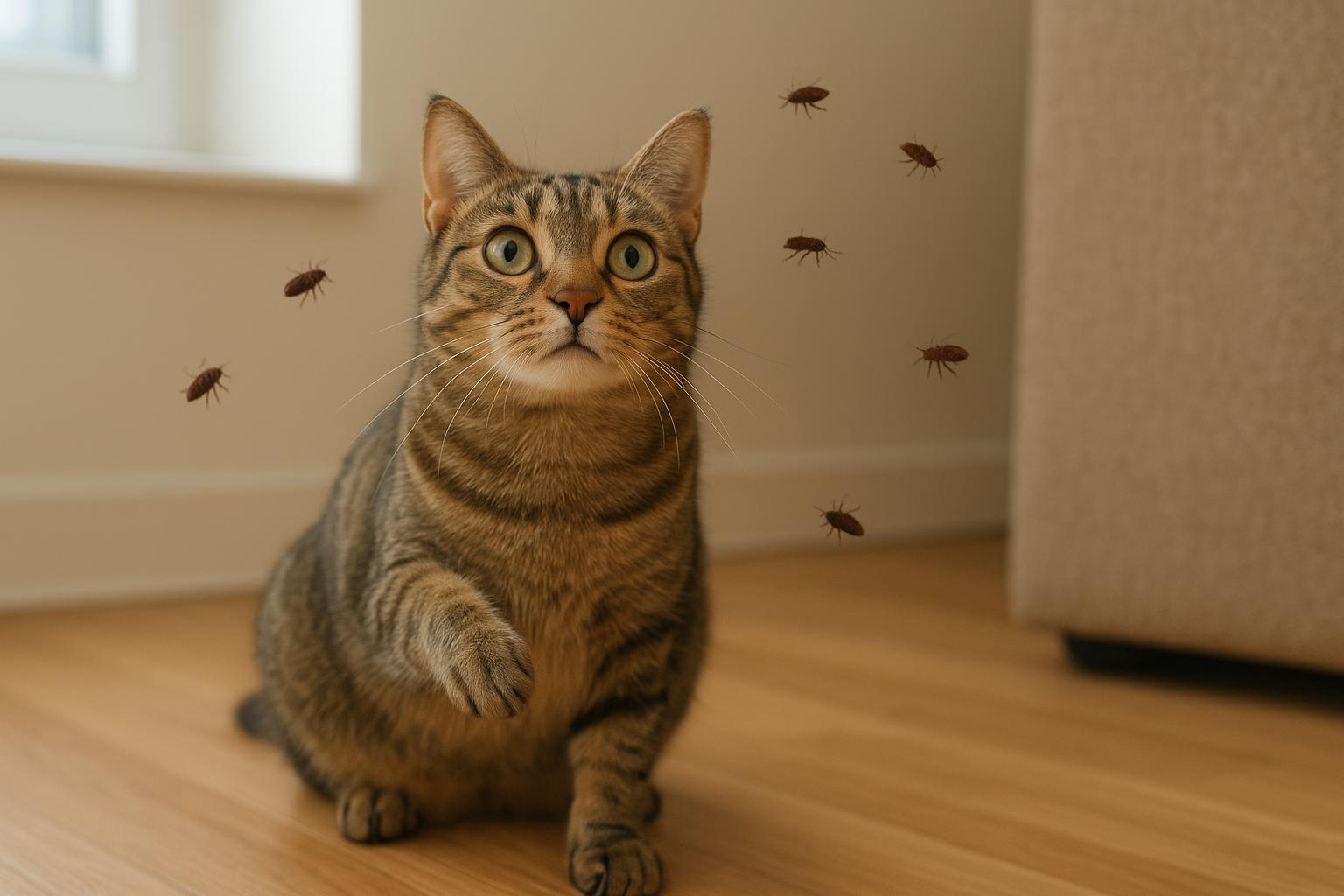
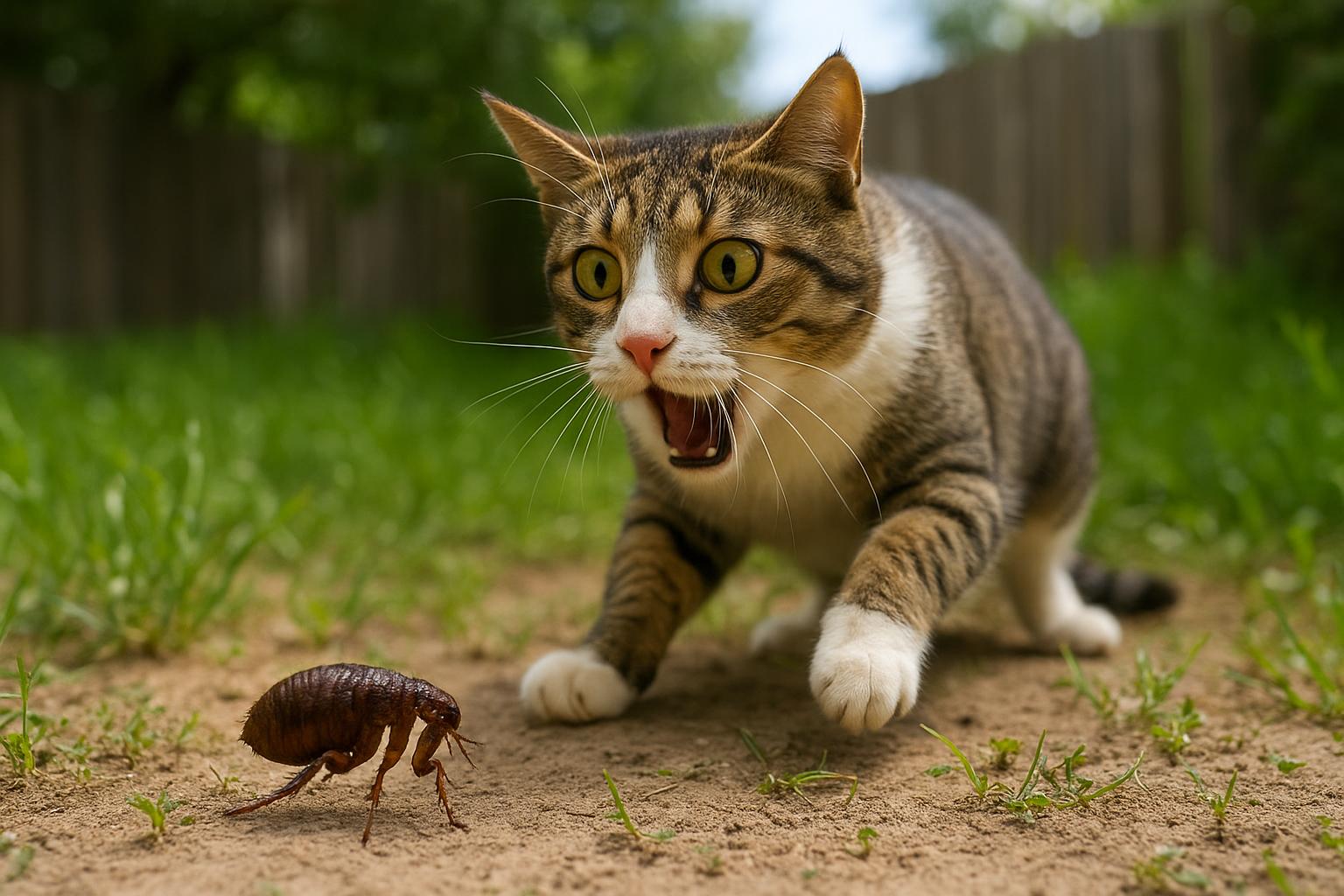
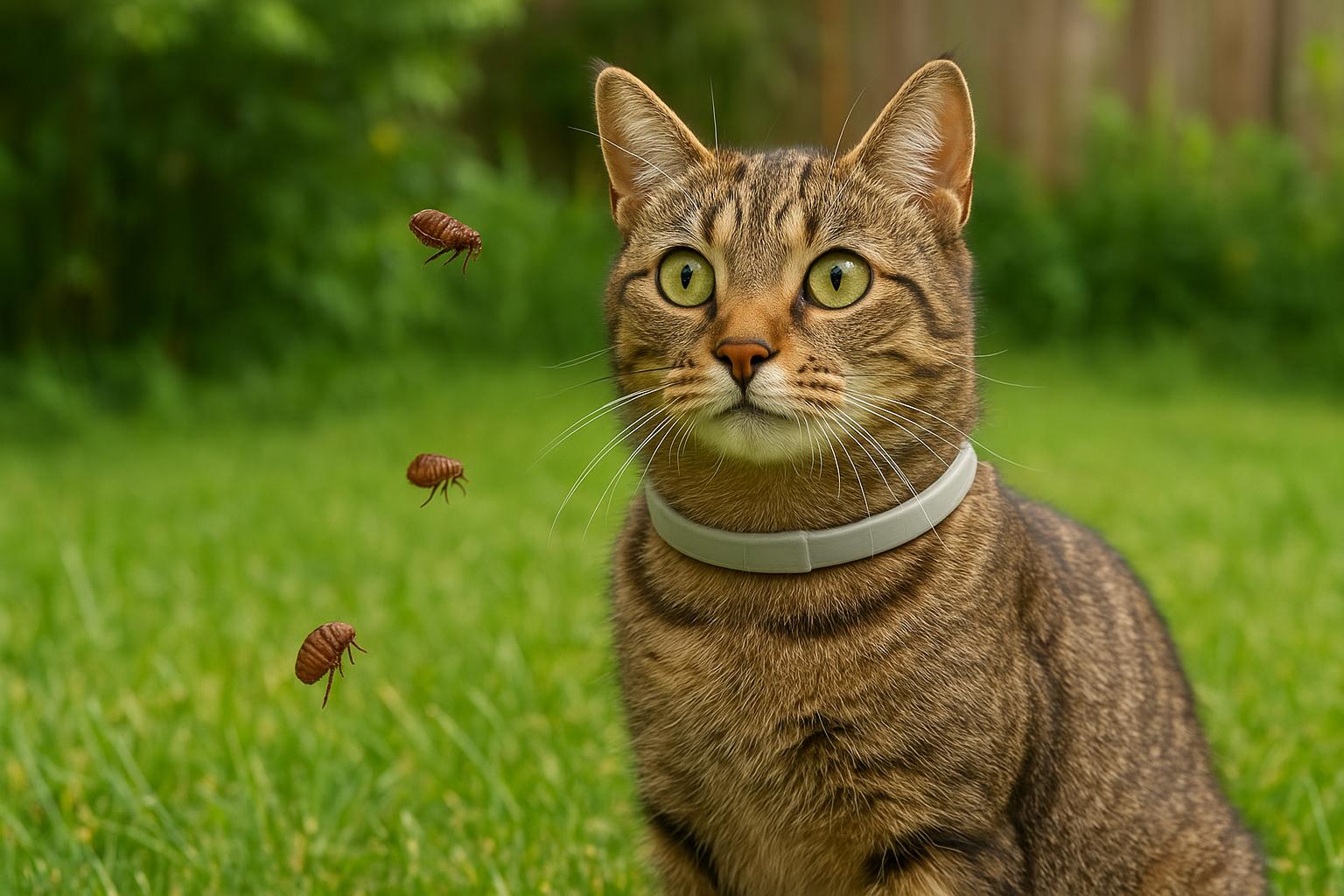
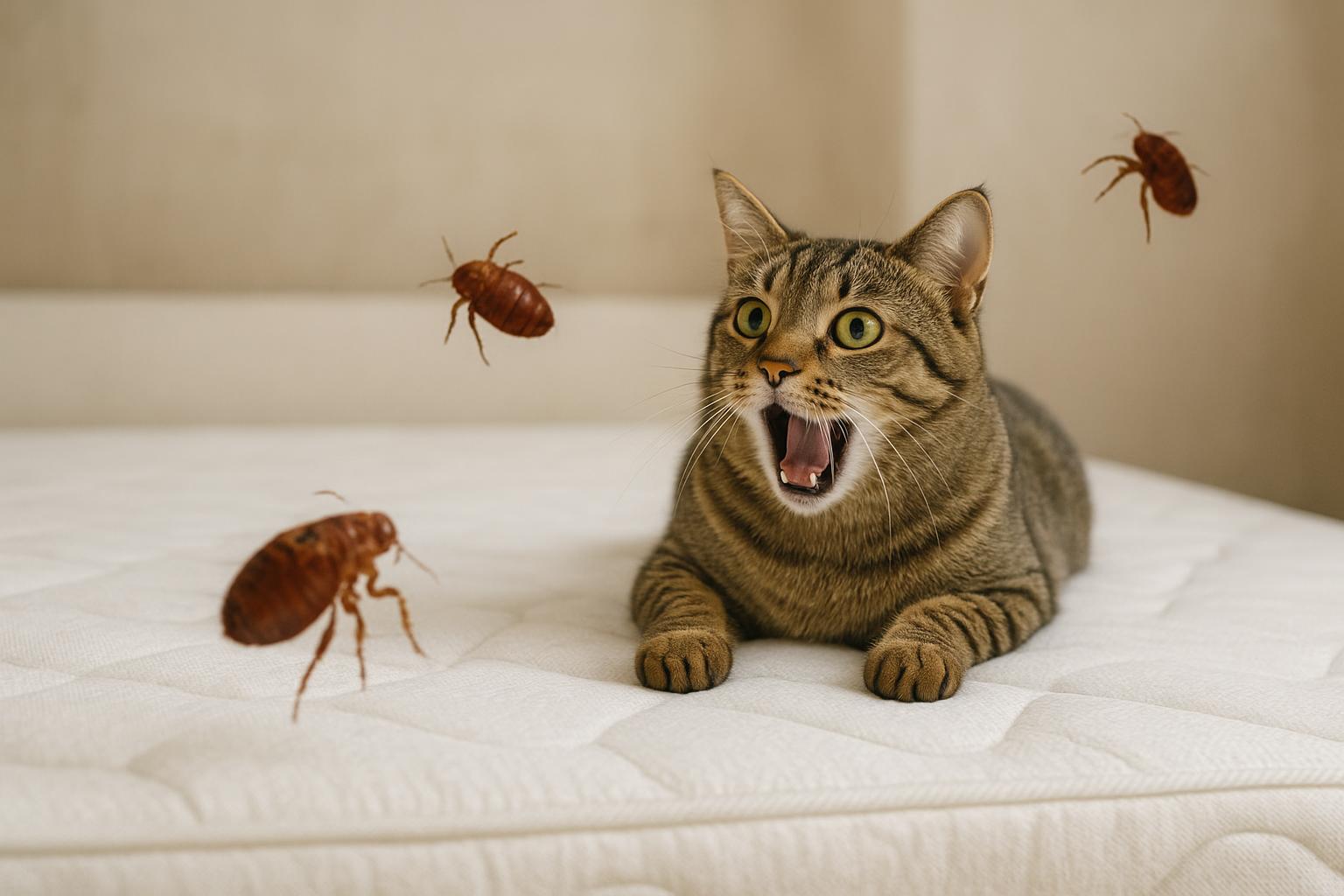
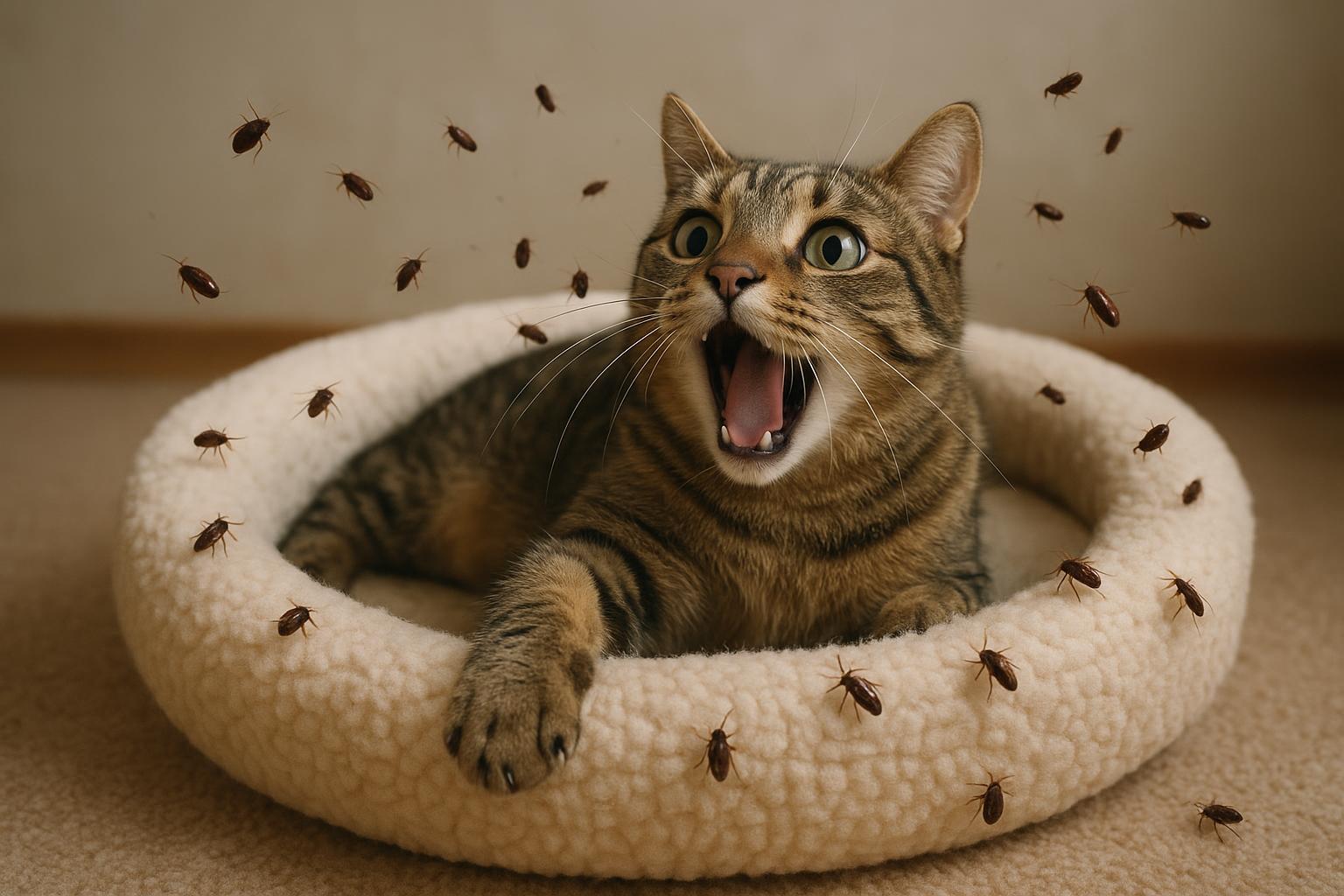
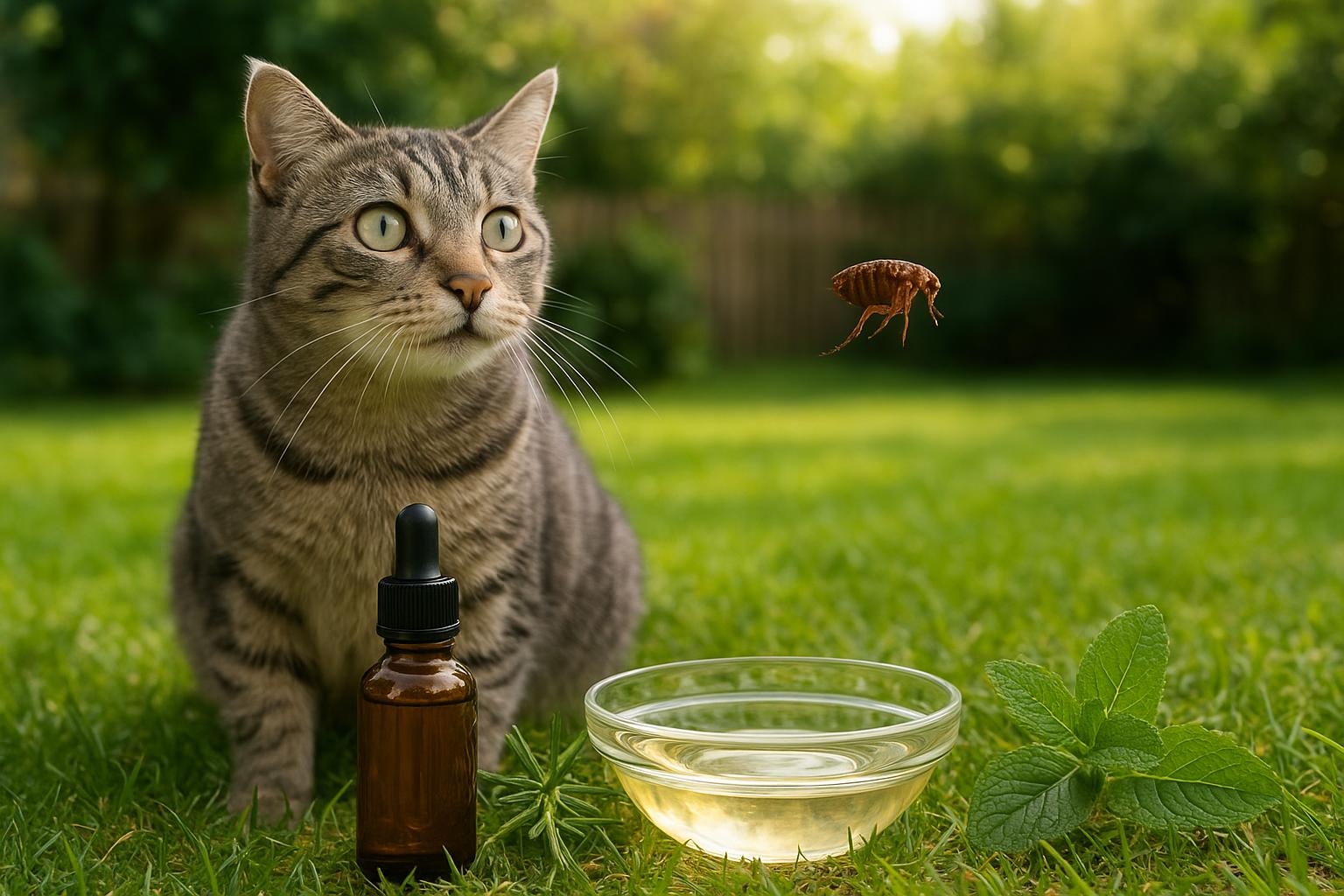
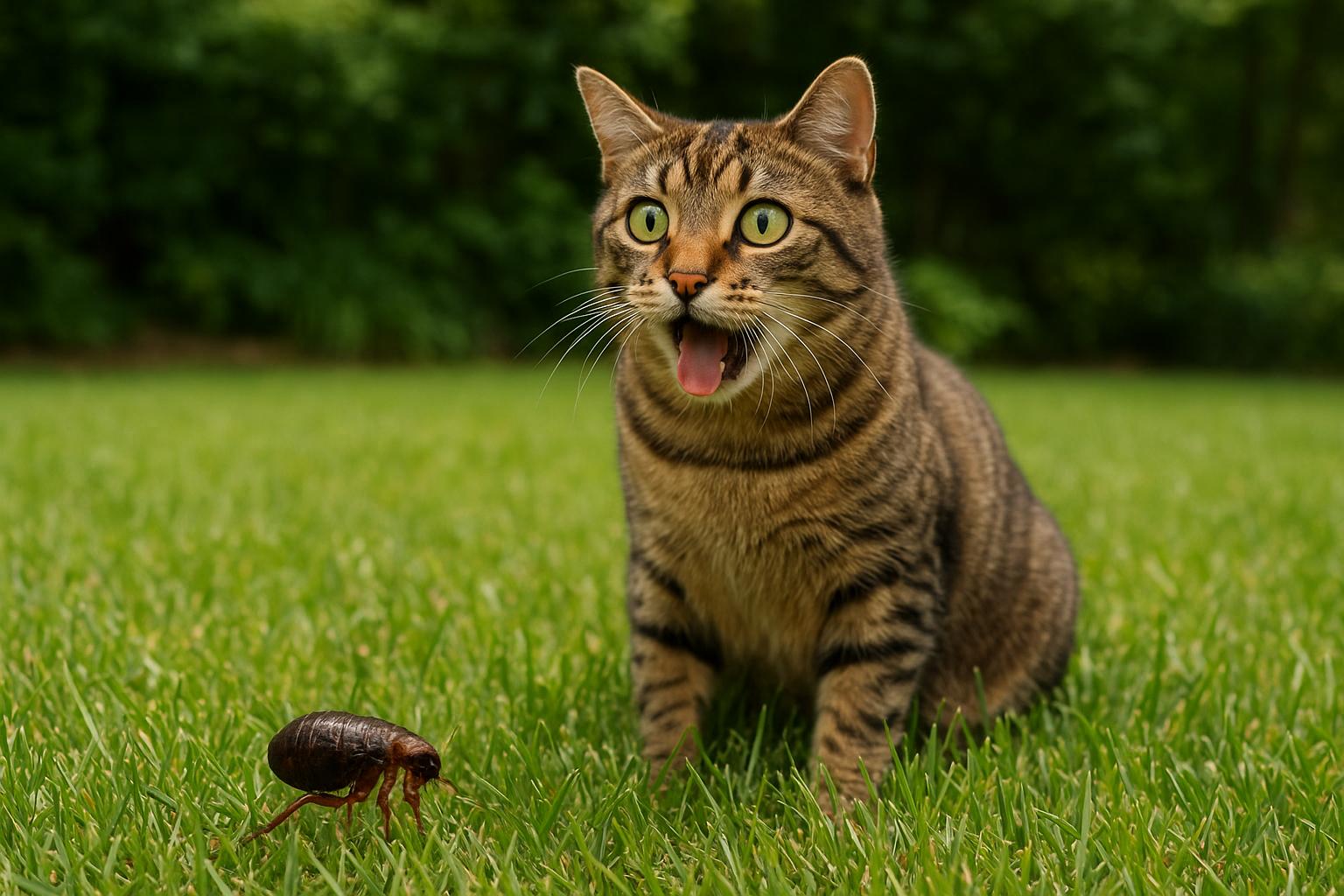
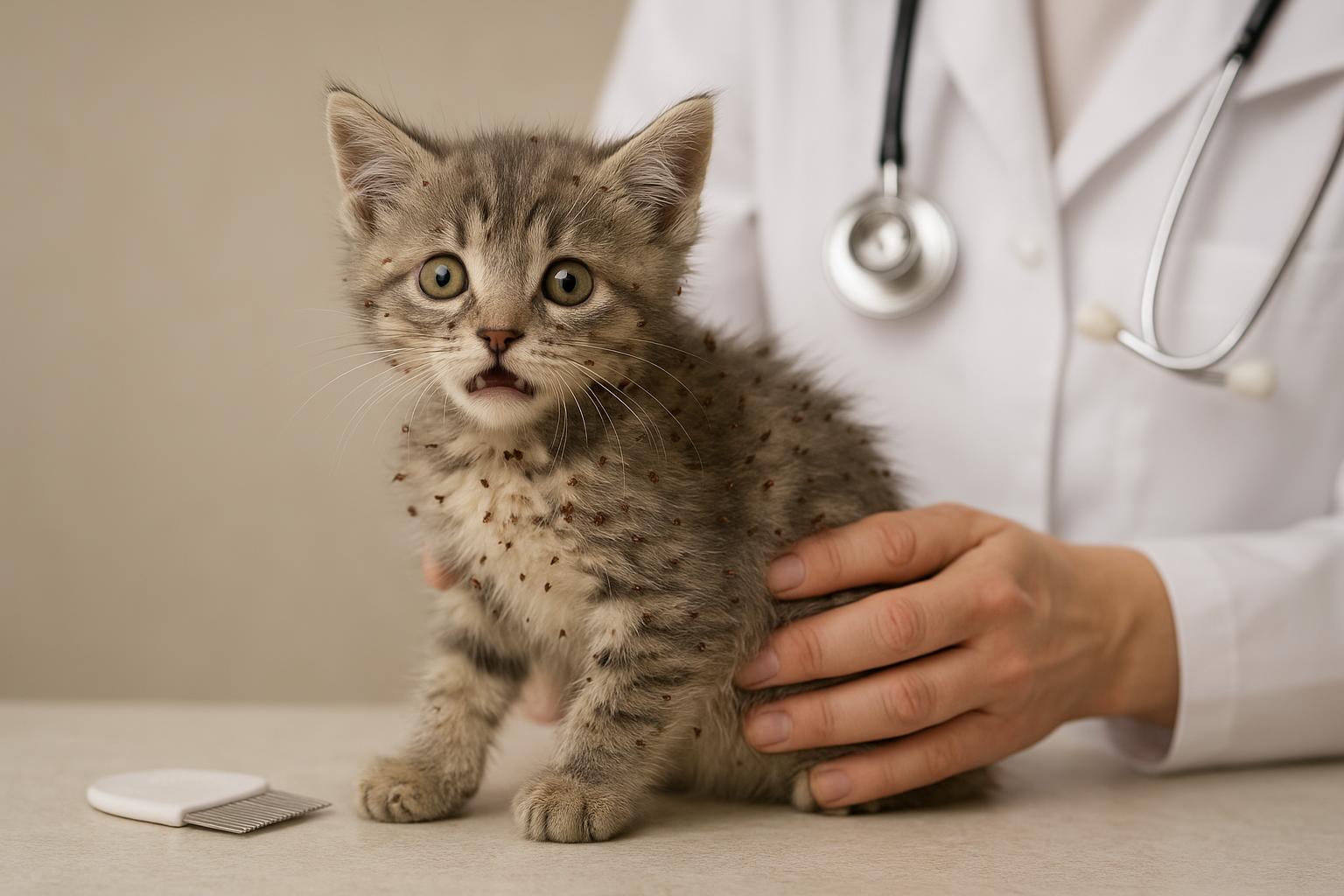
Fleas may seem like small nuisances, but their impact on young cats can be outsized. The flea danger is real because kittens have small bodies, fast metabolism, and immature immune systems. A heavy infestation can lead to severe blood loss, anemia, and secondary infections. Even a single flea bite can trigger allergic reactions in sensitive kittens, with symptoms that range from intense itching to hair loss and skin lesions.
### How Fleas Affect Kittens Differently Than Adult Cats
Kittens aren’t just miniature adults. They tolerate less blood loss and can become anemic more quickly. The flea danger increases when you consider nursing mothers: fleas on a queen can transfer to her kittens, and a single untreated environment can keep reinfesting the litter. Additionally, fleas carry tapeworm eggs; kittens groom themselves and ingest fleas, introducing another health risk.
### Signs And Symptoms To Spot Early
Keep a close eye on behavior and appearance. Early recognition of flea problems reduces long-term consequences.
#### Pale Gums And Lethargy
Pale gums, weakness, and rapid breathing can signal anemia. These symptoms require urgent attention.
#### Intense Scratching And Open Sores
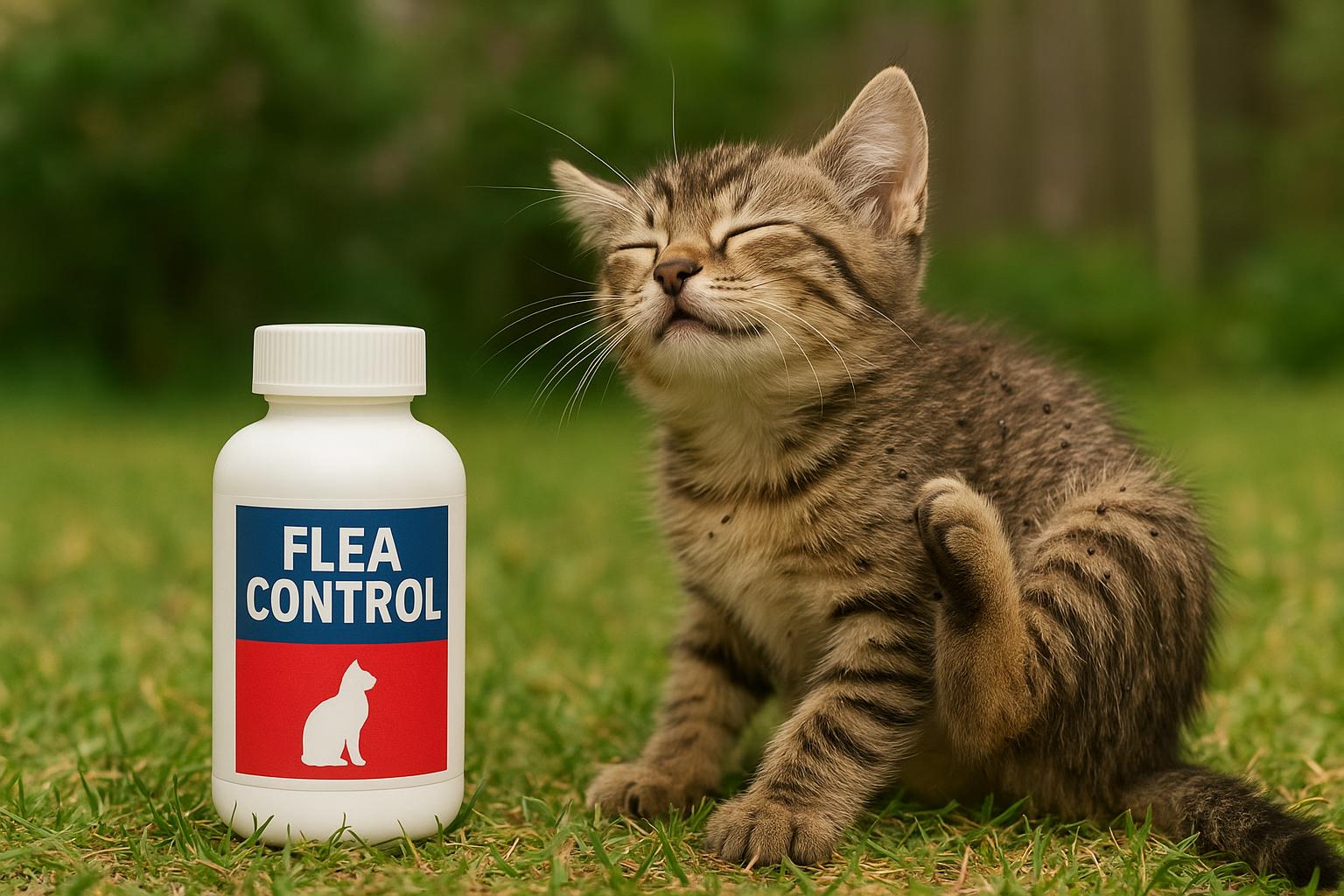
Repeated biting and scratching create sores that invite bacterial infection. Left untreated, this can escalate.
#### Visible Fleas Or Flea Dirt
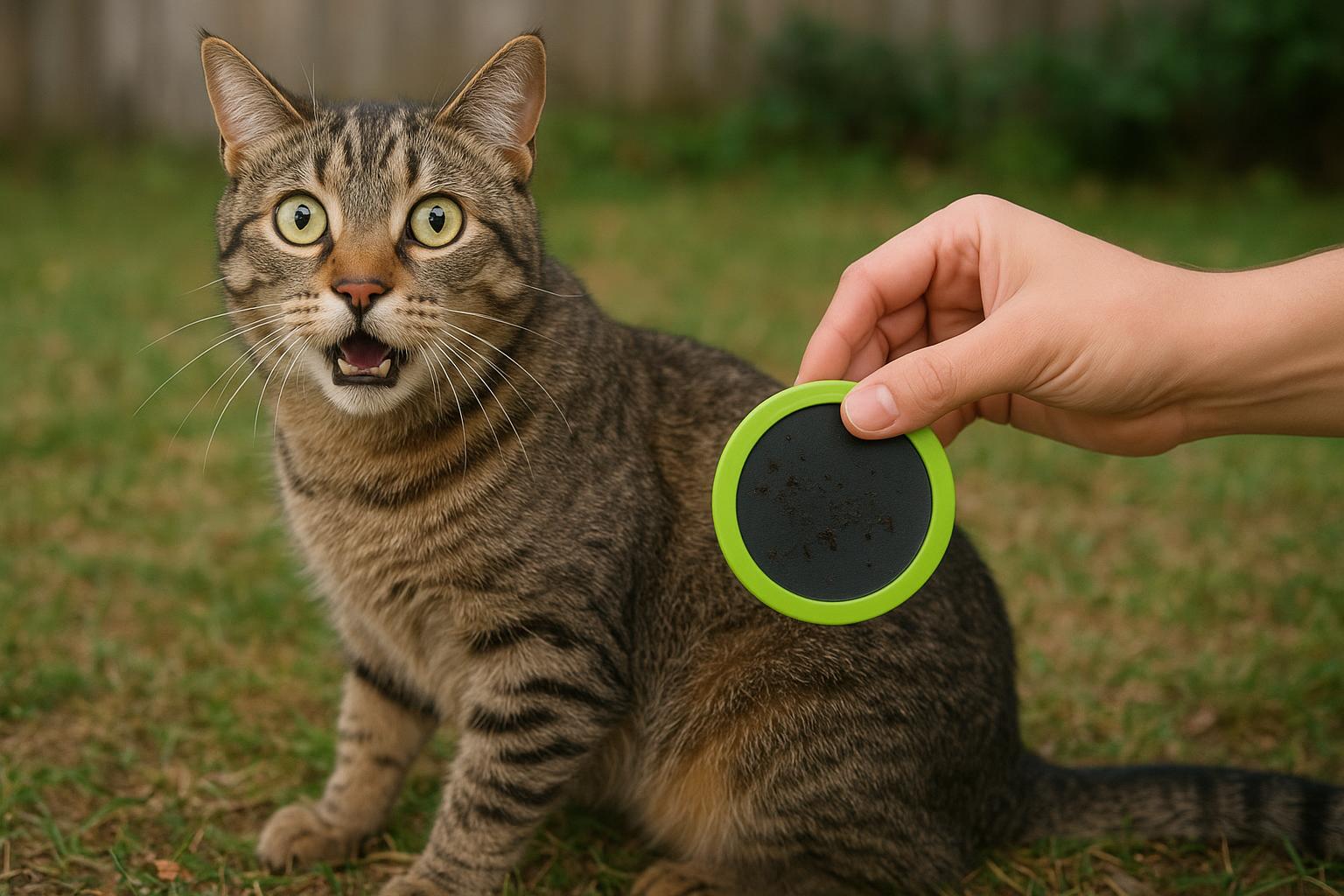
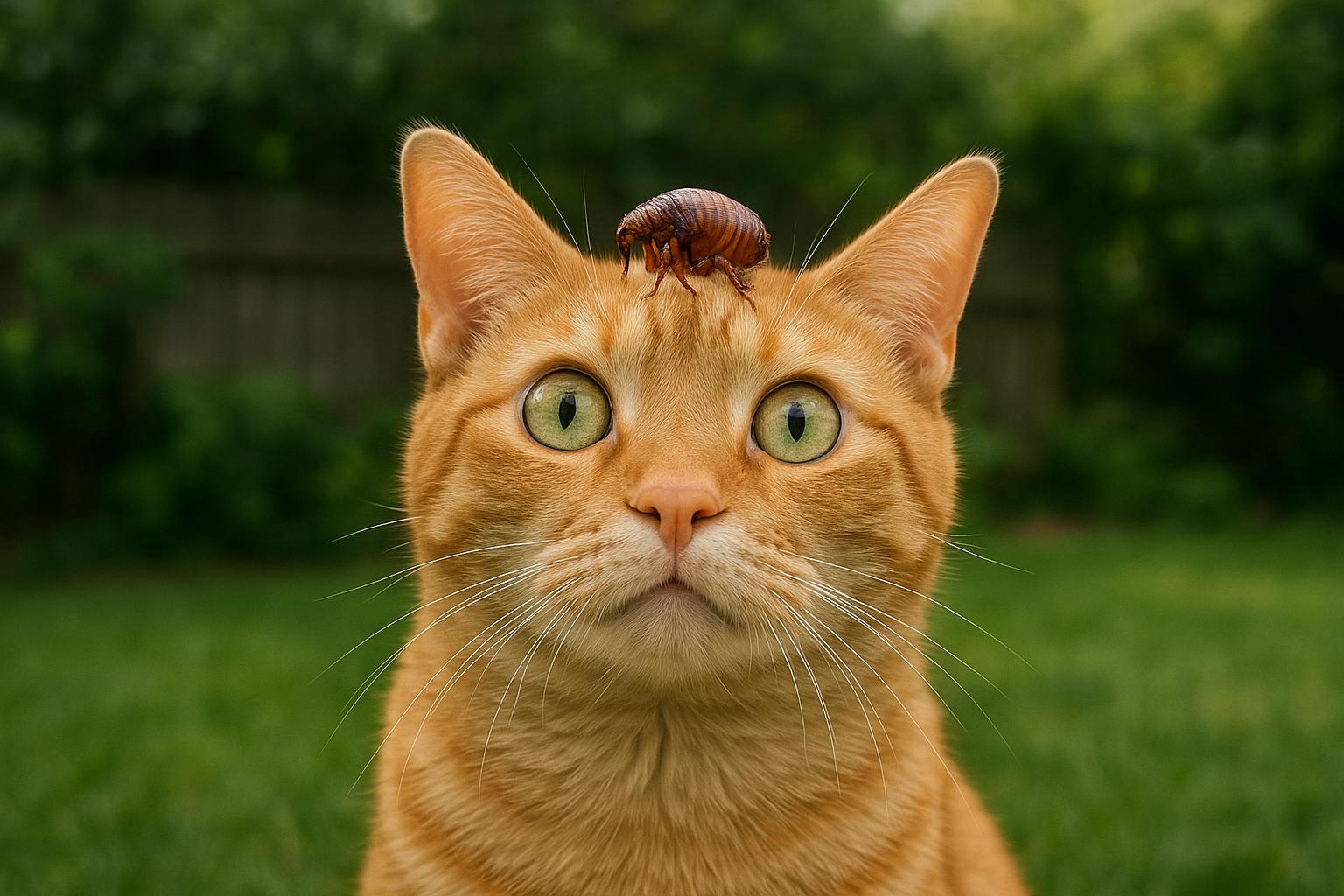
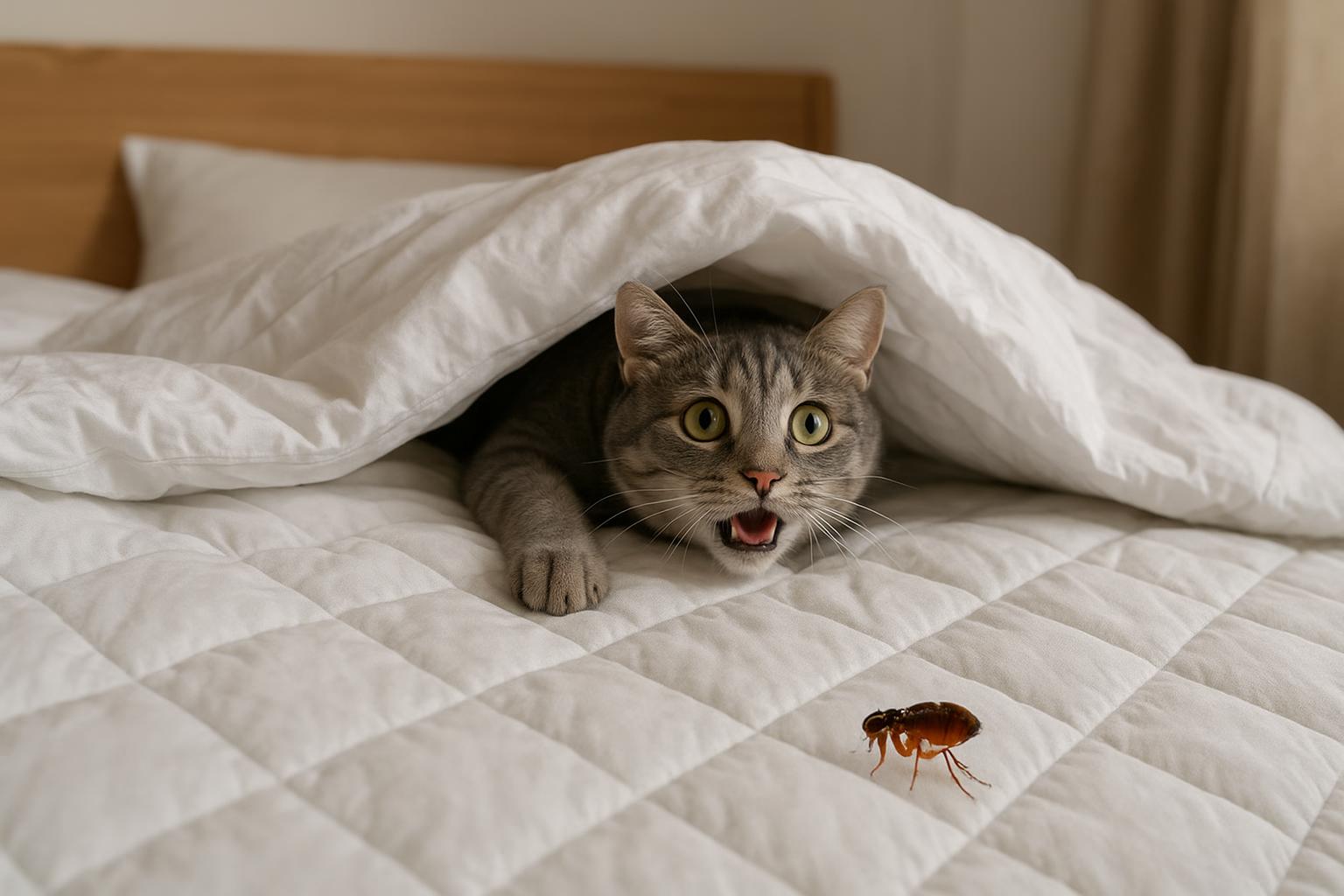
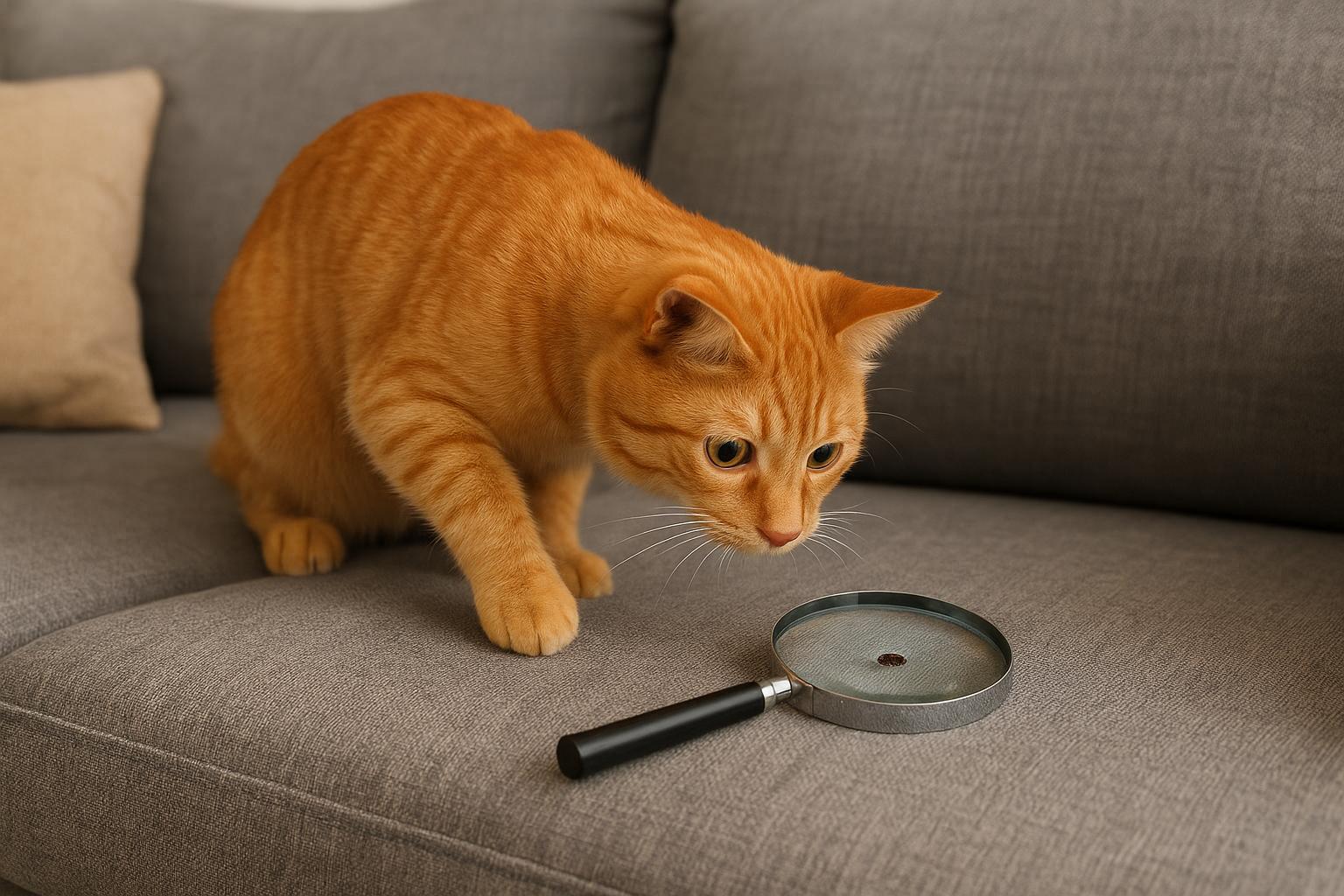
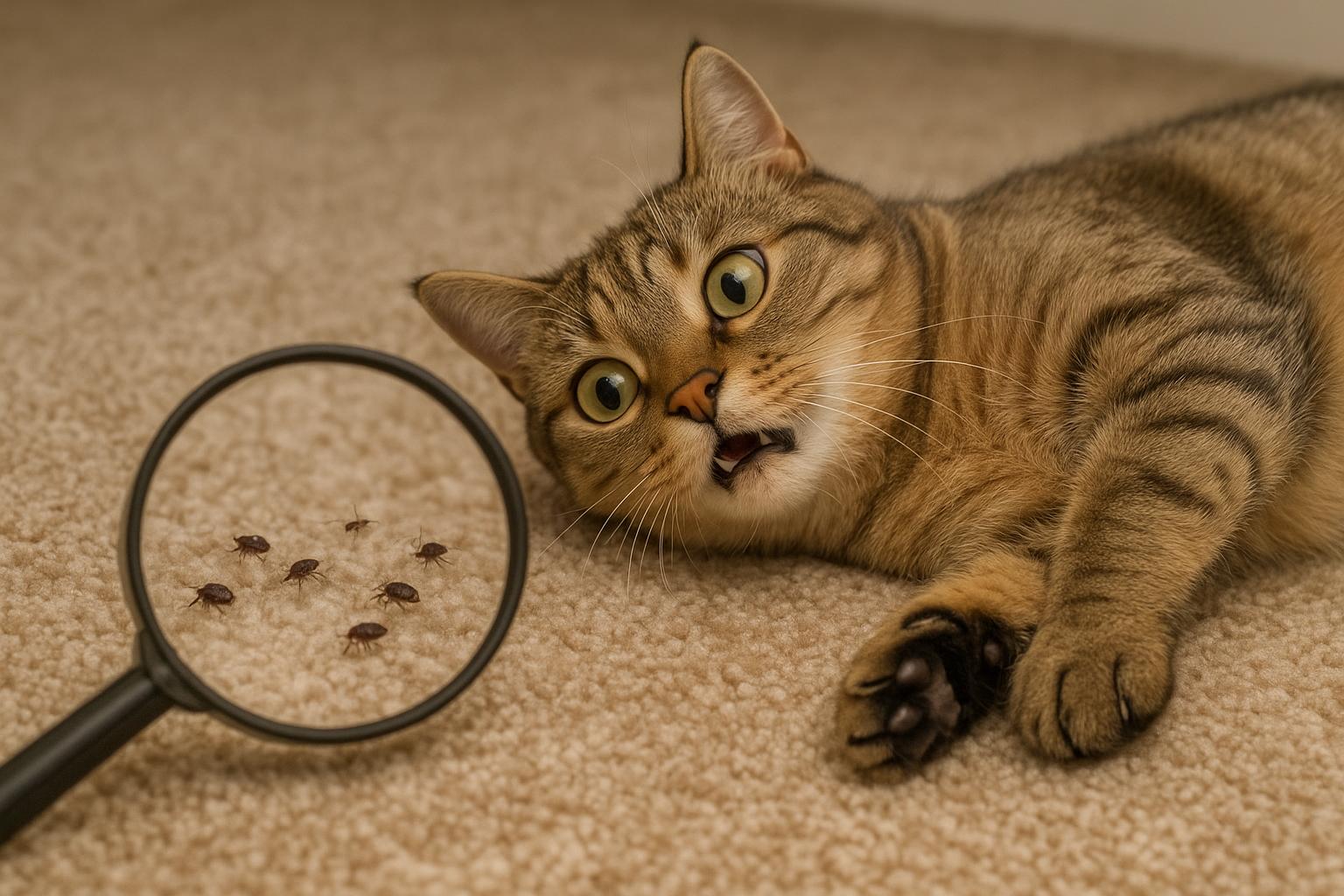
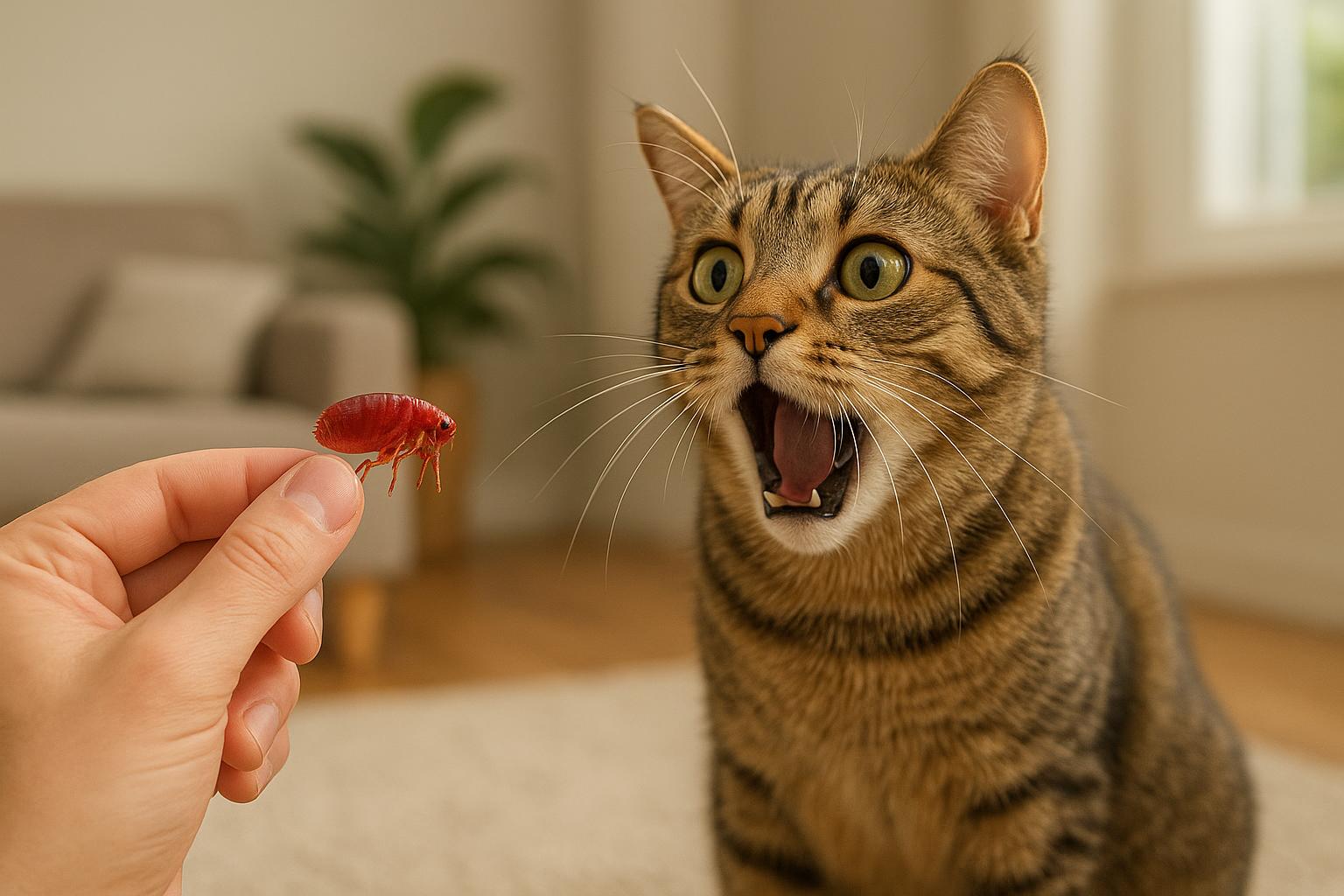
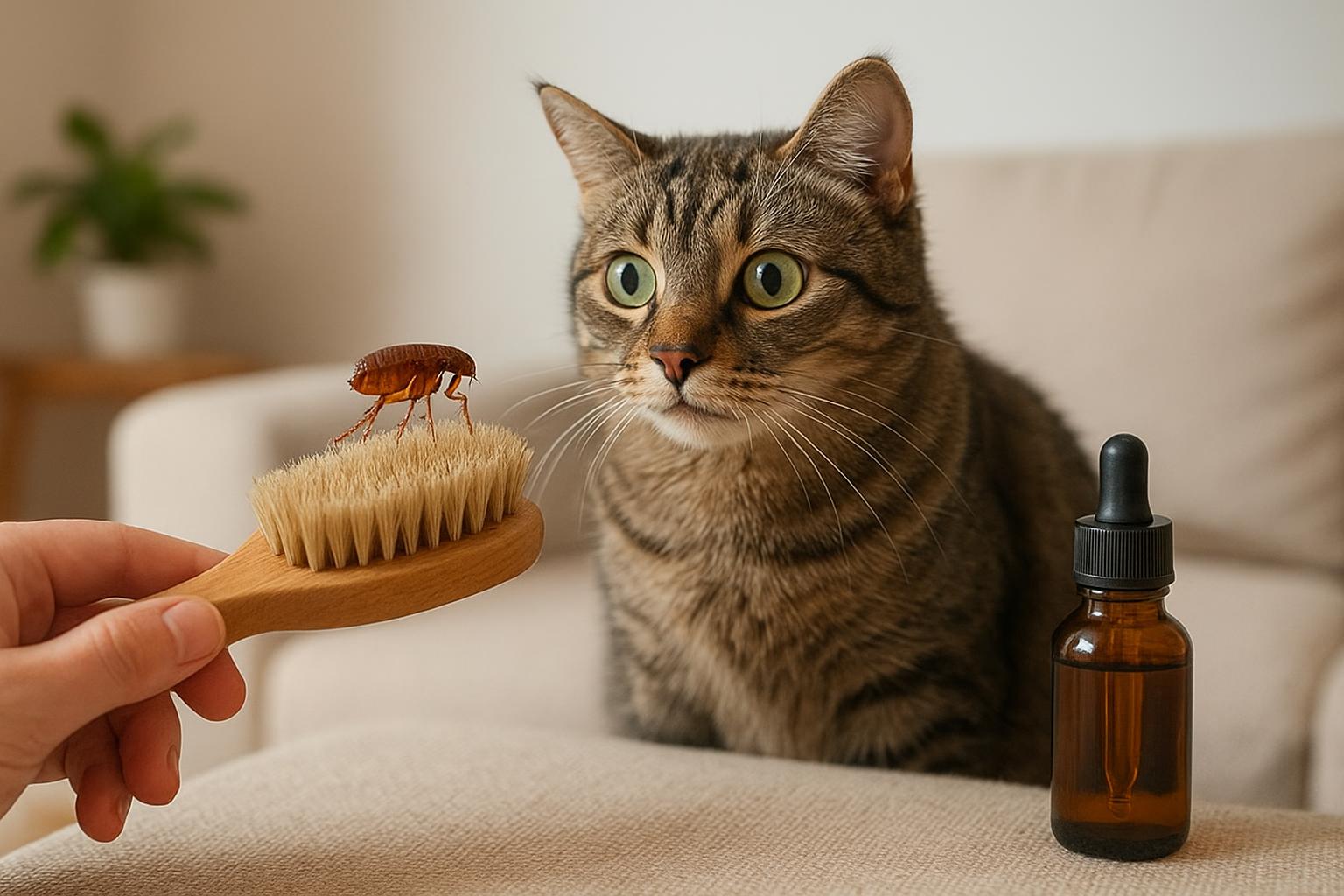
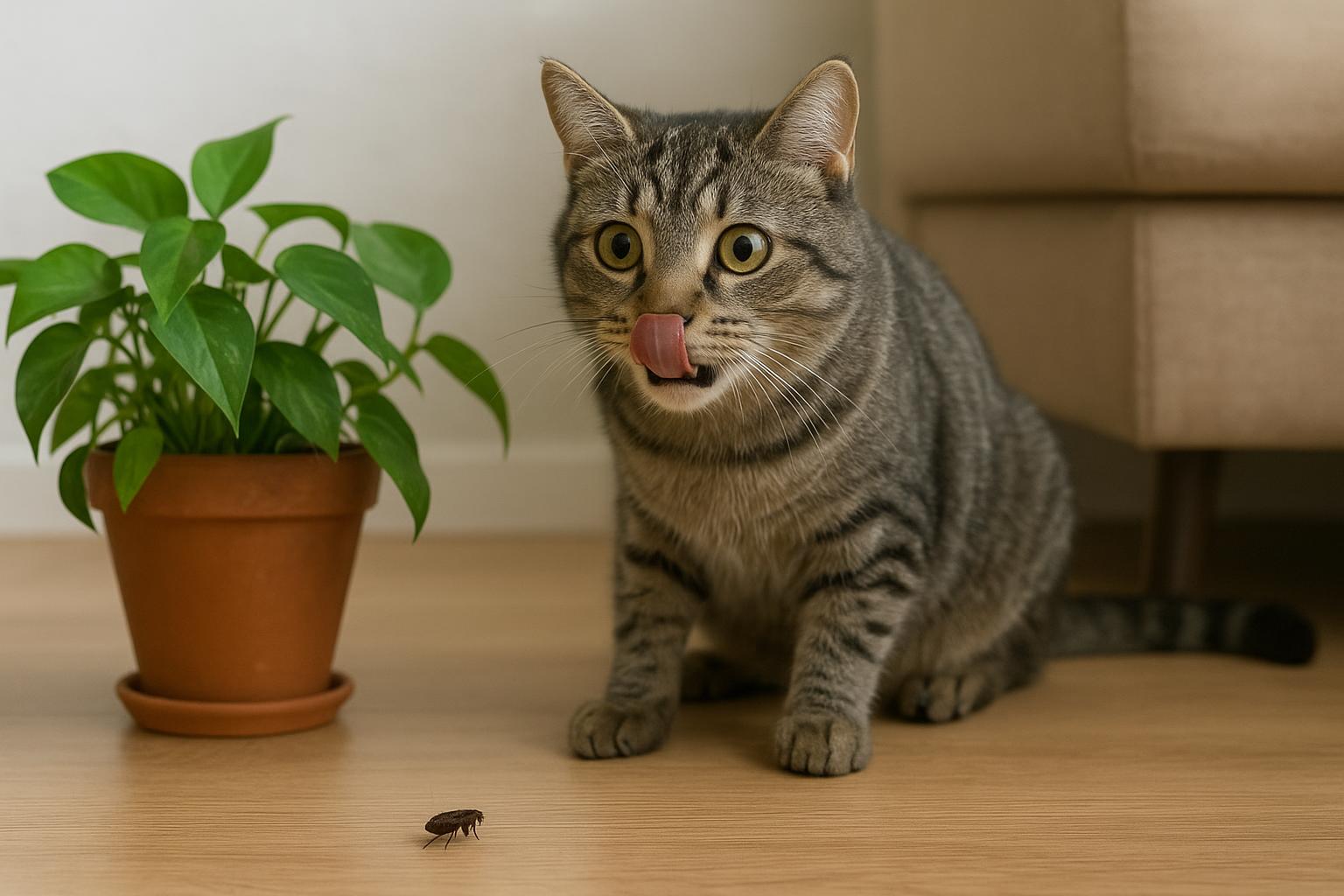
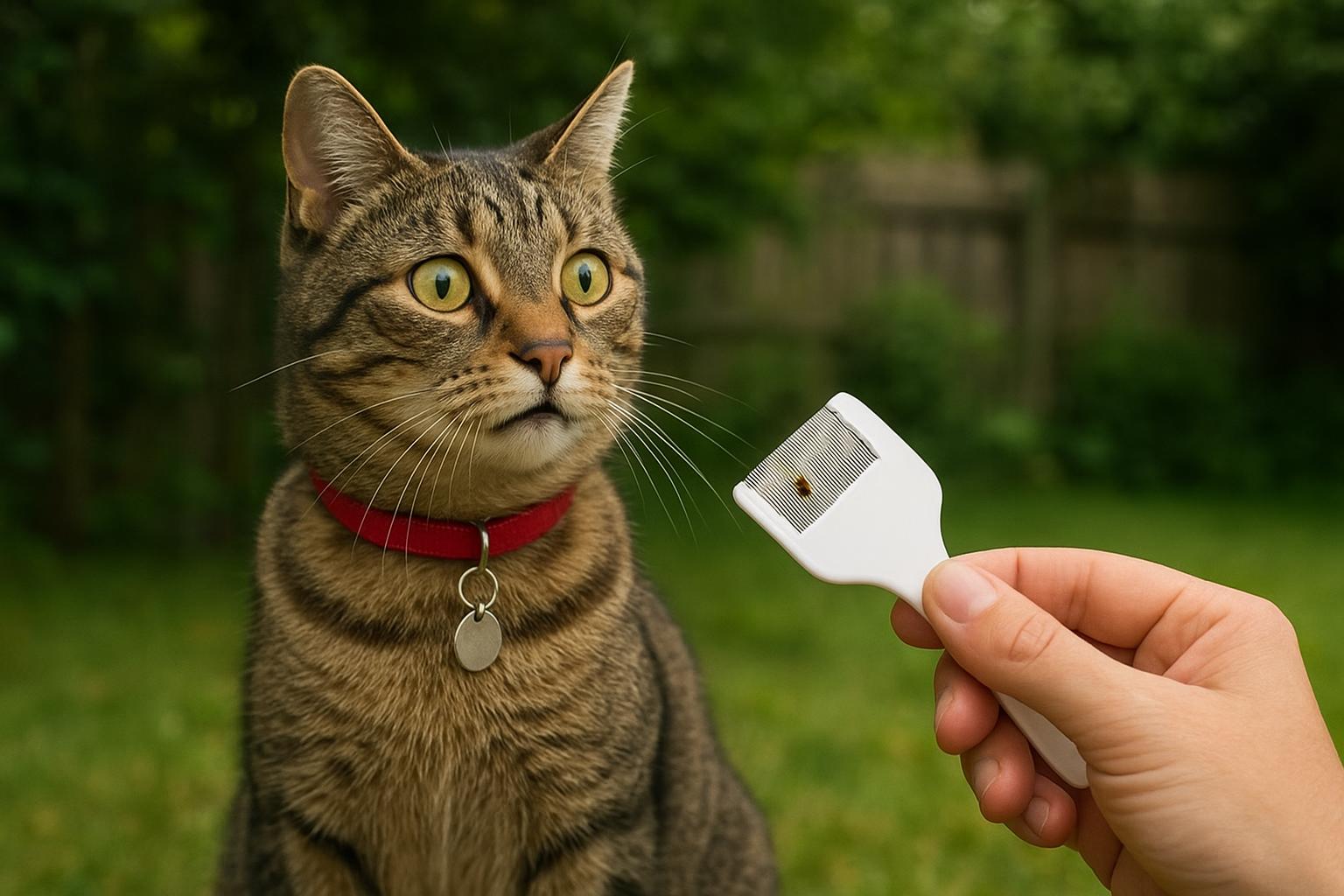
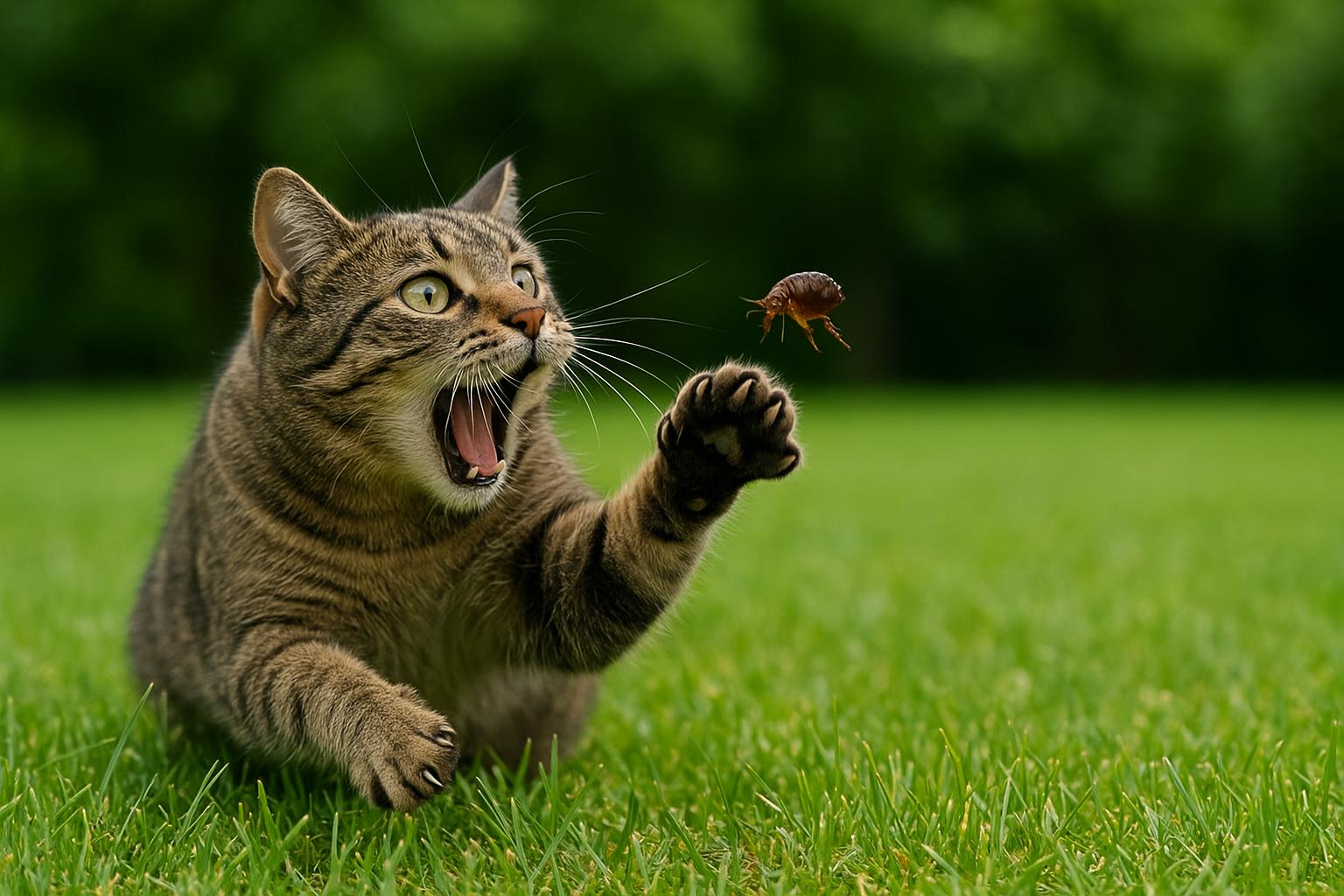
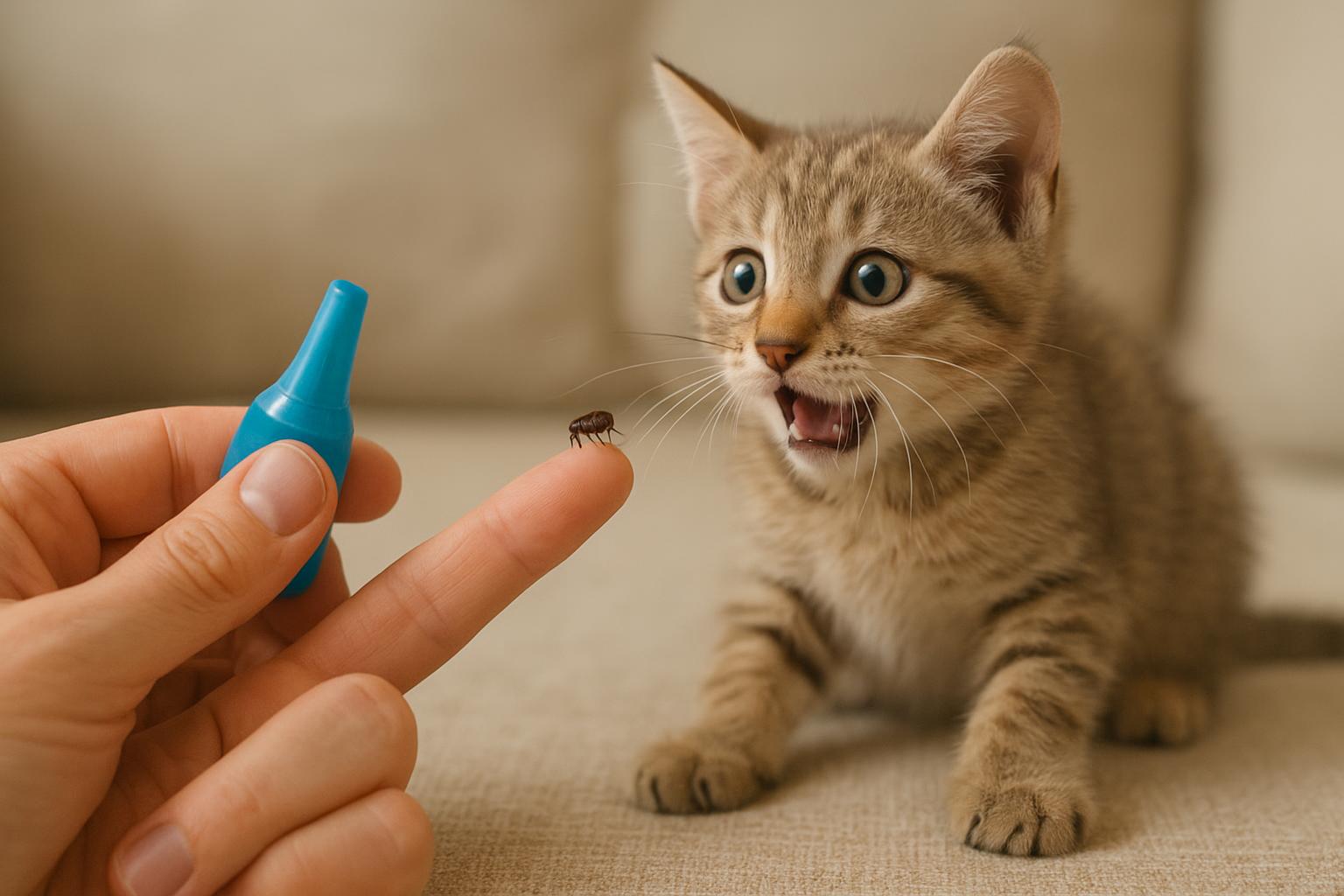
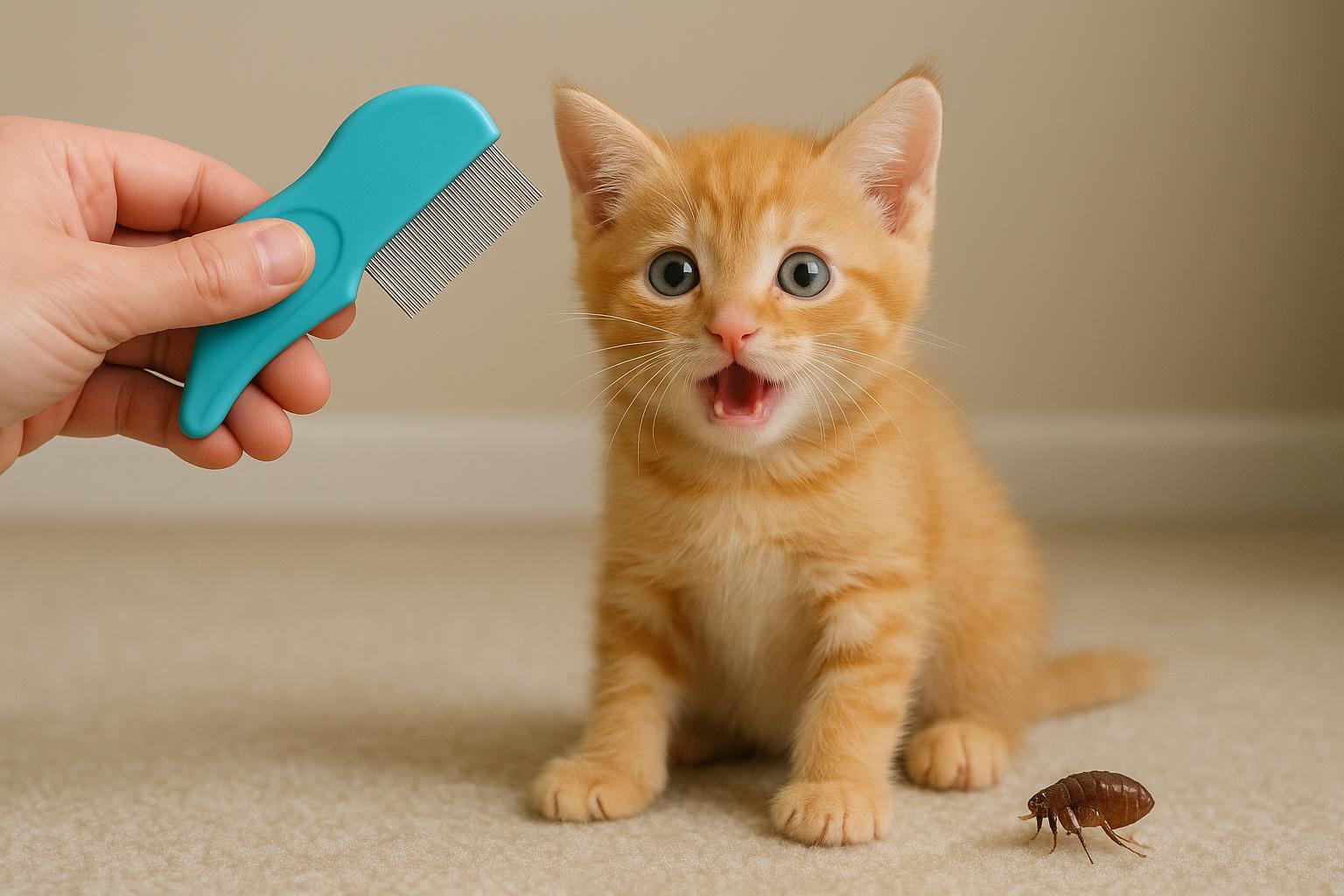
Fleas look like tiny, dark fast-moving specks. Flea dirt (small black specks that turn red when wet) is a reliable sign.
#### Weight Loss Or Poor Growth
A kitten that is not gaining weight appropriately might be suffering from parasitic stress or secondary infections resulting from the flea burden.
### When To Call The Vet
If you spot pale gums, weakness, rapid breathing, or if the kitten is very young (under 8 weeks) and heavily infested, seek veterinary help immediately. The flea danger for neonates and young kittens can progress rapidly and become life-threatening.
## Remedy 1: Home Bath Treatment For Mild Flea Cases
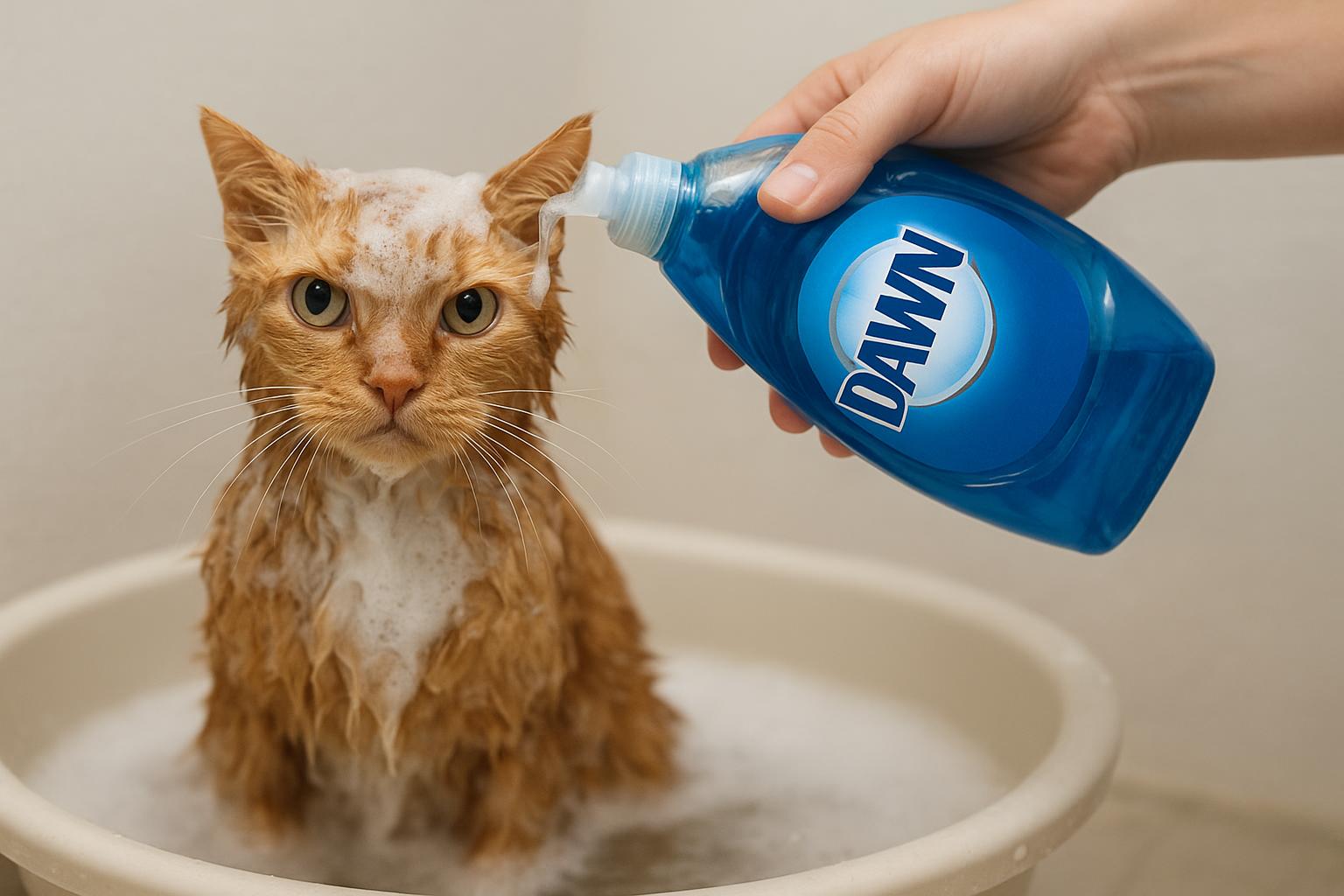
This remedy is for mild infestations on kittens old enough to be handled and bathed safely (consult your vet if the kitten is under 8 weeks or shows signs of anemia). The instructions below are precise—follow them exactly to minimize stress and maximize safety.
Ingredients / Required Materials:
– A kitten-safe mild shampoo (specifically labeled for kittens or for flea control by a veterinarian)
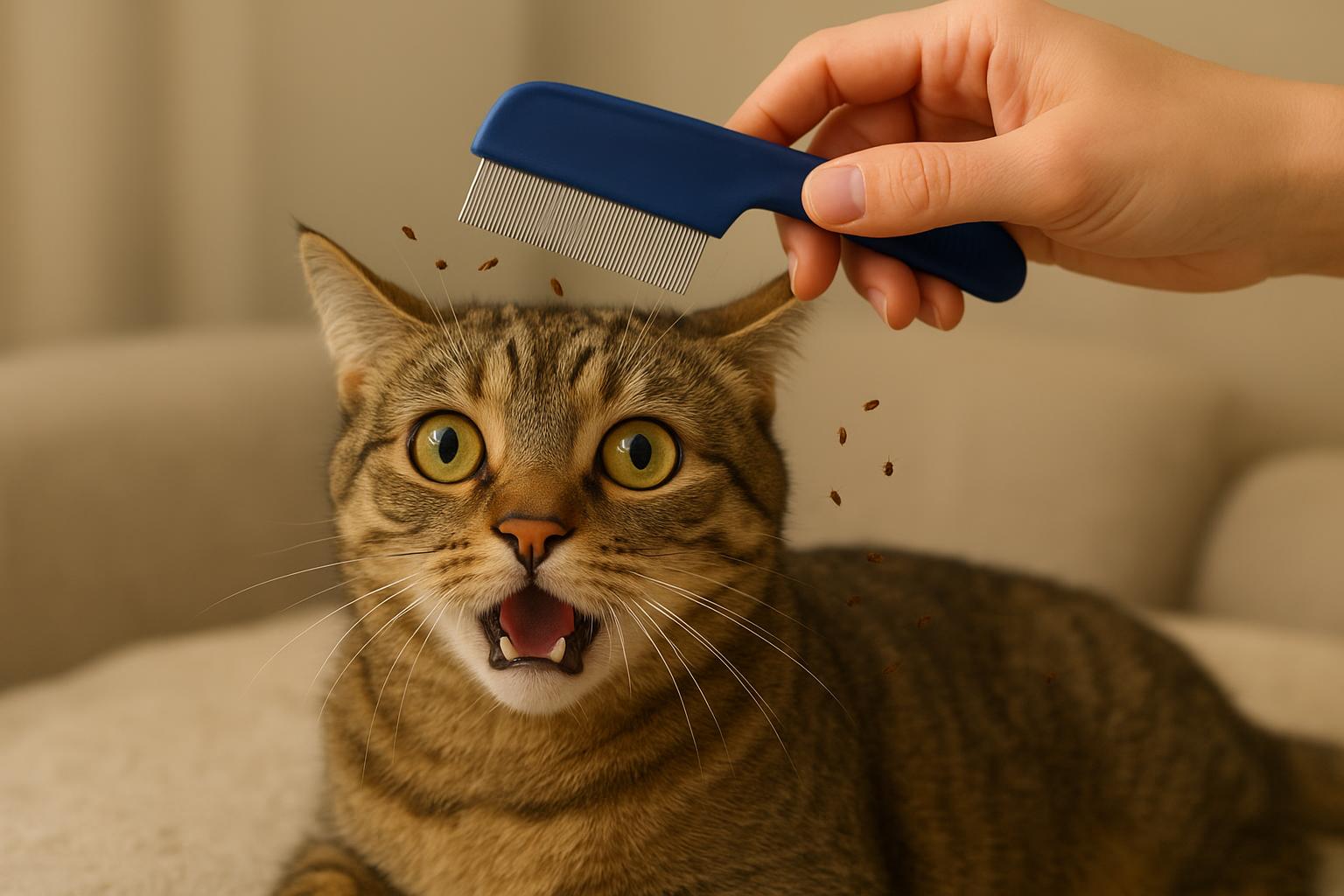
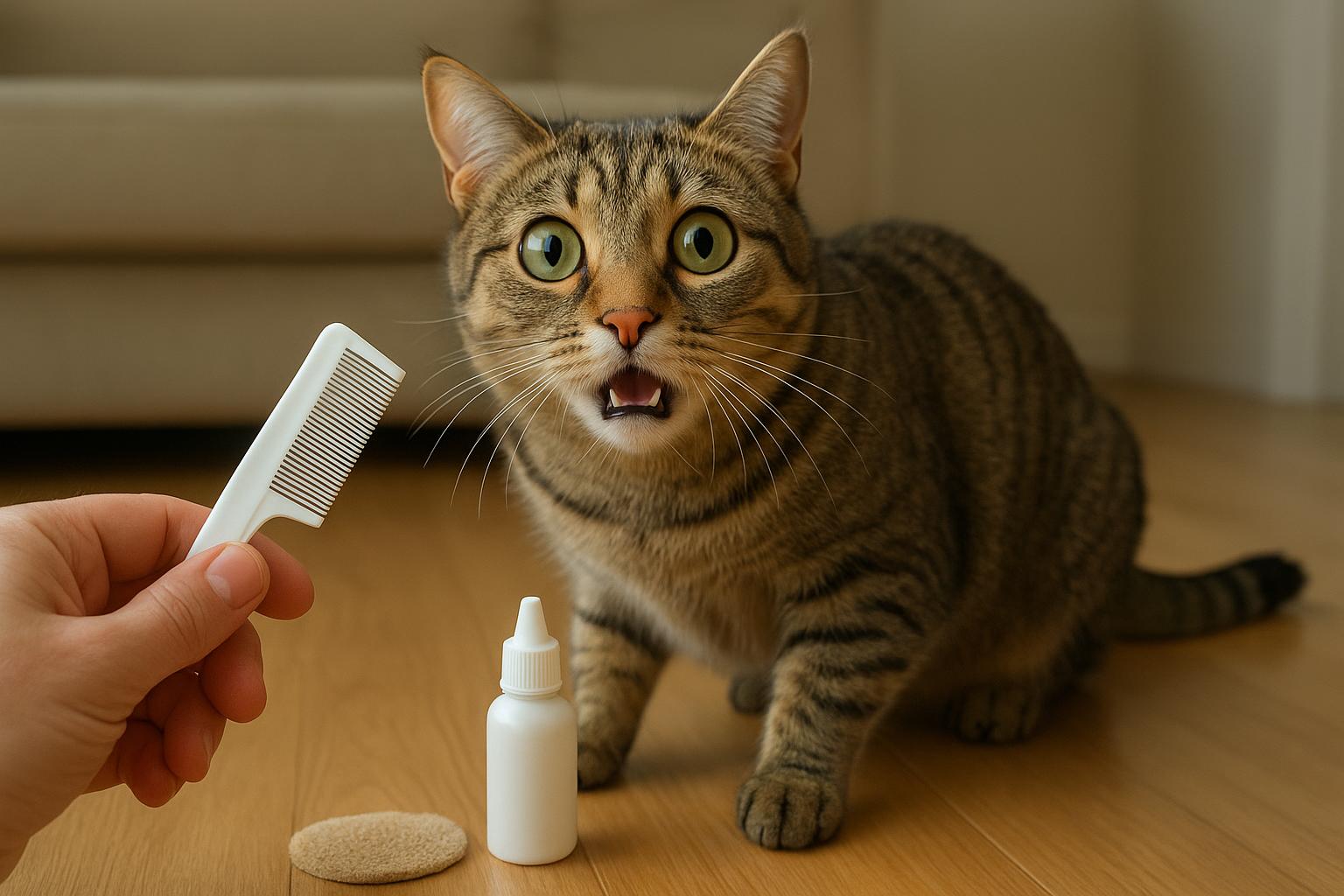
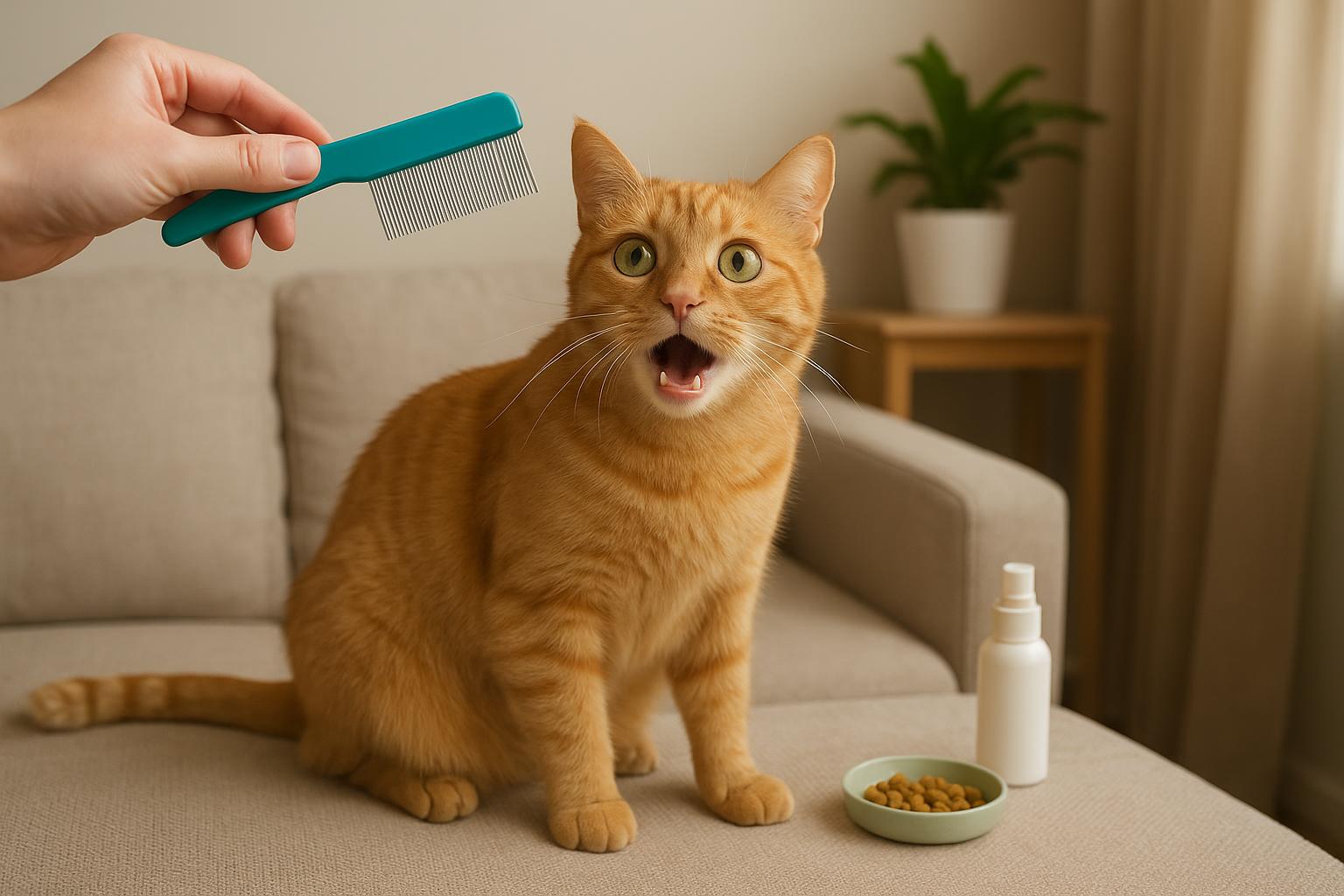
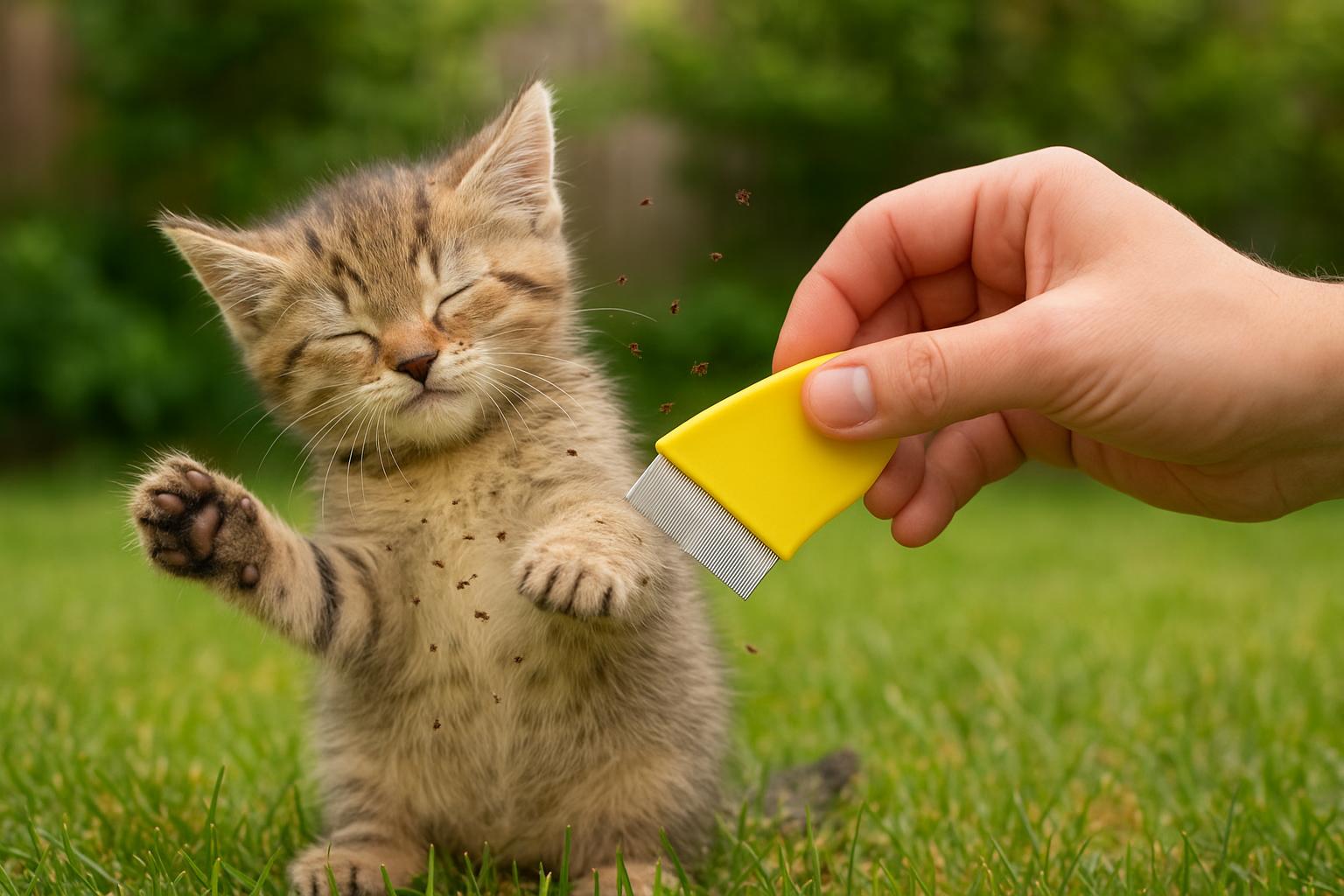
– A fine-toothed flea comb
– Warm water (not hot)
– Two towels (one for drying, one for a warm surface)
– A clean, warm, draft-free area
– Soft gloves (optional for handling)
– A small bowl of saline or clean water for eye/face rinsing (if needed)
Step-by-Step Creation And Application:
1. Prepare the space: Warm the room to about 75–80°F (24–27°C). Lay one towel on a flat surface to keep the kitten secure and another nearby for drying.
2. Check the kitten: Confirm there are no signs of anemia (pale gums, weakness). If present, skip home treatment and go to a vet.
3. Wet the kitten gently with warm water, avoiding the head and ears initially.
4. Apply a pea-sized amount of kitten-safe shampoo and lather gently, focusing on the neck, back, and tail base. Keep lather away from eyes, nose, and mouth.
5. Let the shampoo sit for the manufacturer-recommended duration—do not exceed this time. This is important for safety and efficacy.
6. Rinse thoroughly with warm water until the water runs clear. Residual shampoo can irritate skin and cause hypothermia in small kittens.
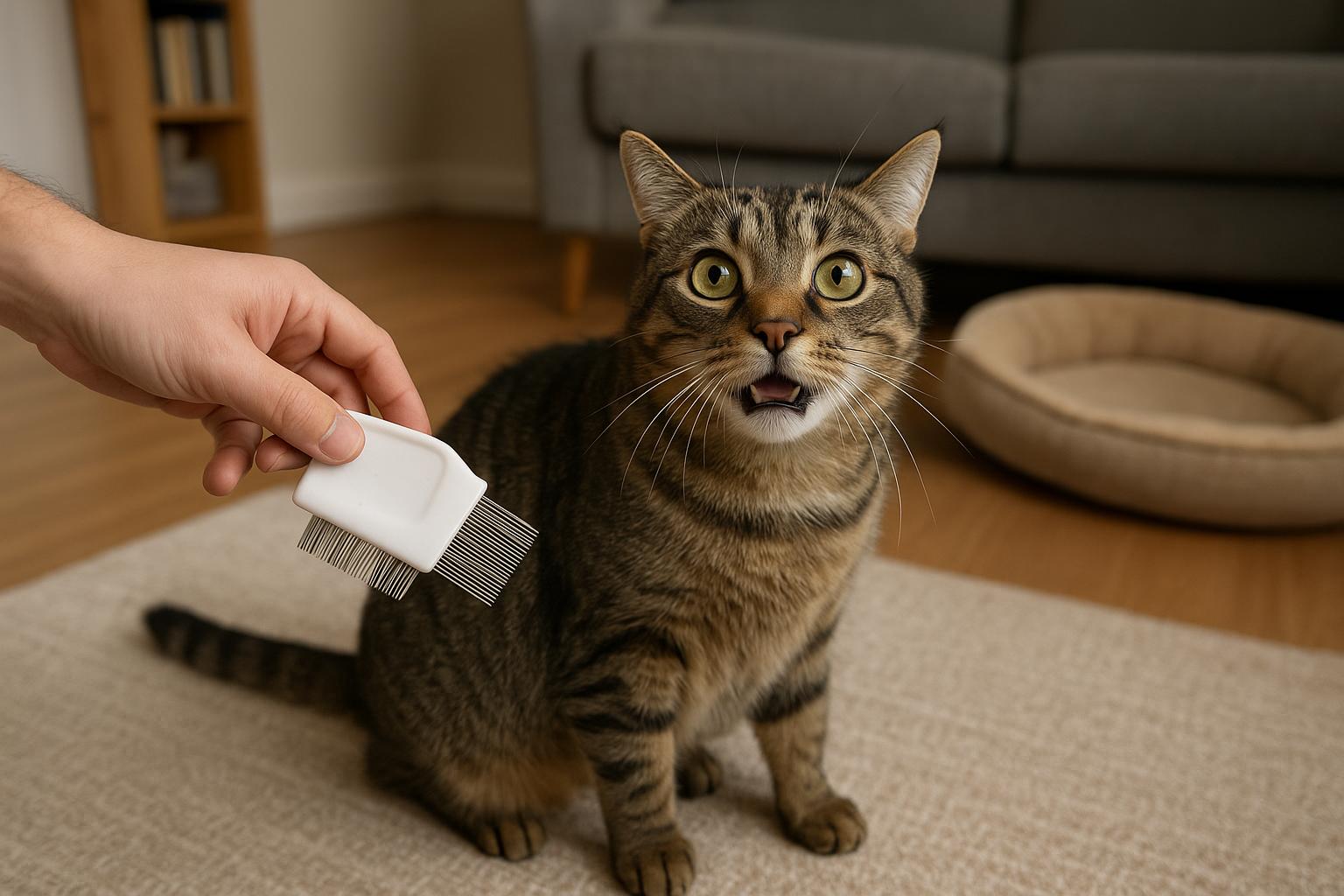
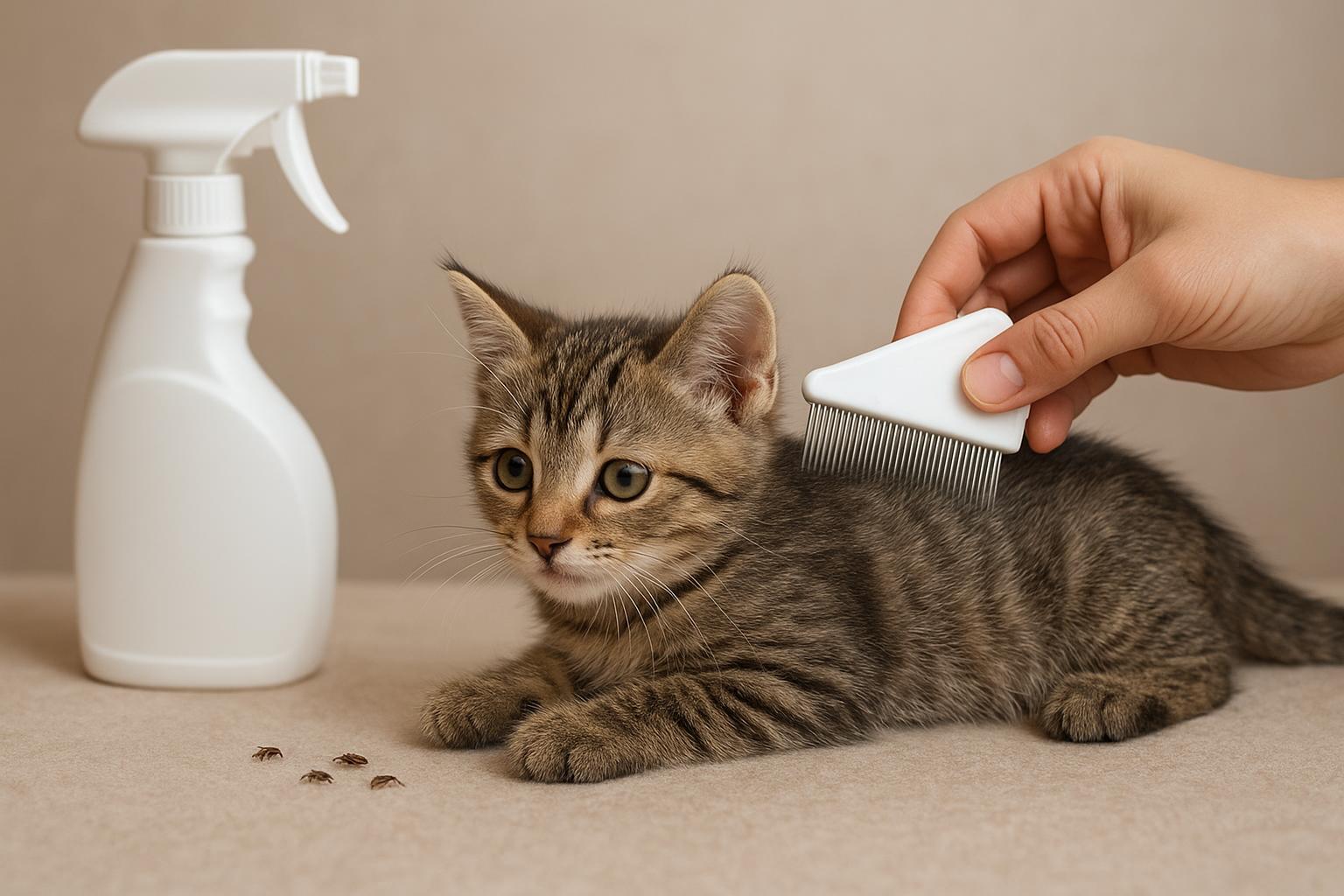
7. Use the flea comb over the wet fur, rinsing the comb into the bowl to check for fleas and flea dirt. Comb from head to tail; work in segments.
8. Dry the kitten thoroughly with the towel and keep them warm until fully dry. Avoid hair dryers unless on the lowest heat and distance with supervision.
9. Repeat combing daily for a week and monitor the kitten’s weight, energy, and gums.
Note: This is a supportive measure for mild infestations. It will remove live fleas and some eggs and help relieve discomfort, but environmental control and possibly veterinary flea treatments are often necessary to fully eliminate the flea danger.
## Remedy 2: Veterinary-Approved Treatments And When To Use Them
When fleas are more than a nuisance, formal veterinary treatment is the required response. This section outlines professional options and how to implement them safely.
Materials / Requirements:
– Veterinary consultation and prescription (for age-appropriate products)
– Vet-recommended topical spot-on, oral medication, or injectable product
– Flea comb
– Record of vaccination and deworming status for the kitten
– Follow-up monitoring plan
Step-by-Step Application And Protocol:
1. Schedule a veterinary exam. The vet will assess anemia risk, overall health, age, and weight, and will recommend an age-appropriate product.
2. Administer prescribed treatment strictly according to the vet’s instructions. Many flea products are age- or weight-specific; never improvise dosing.
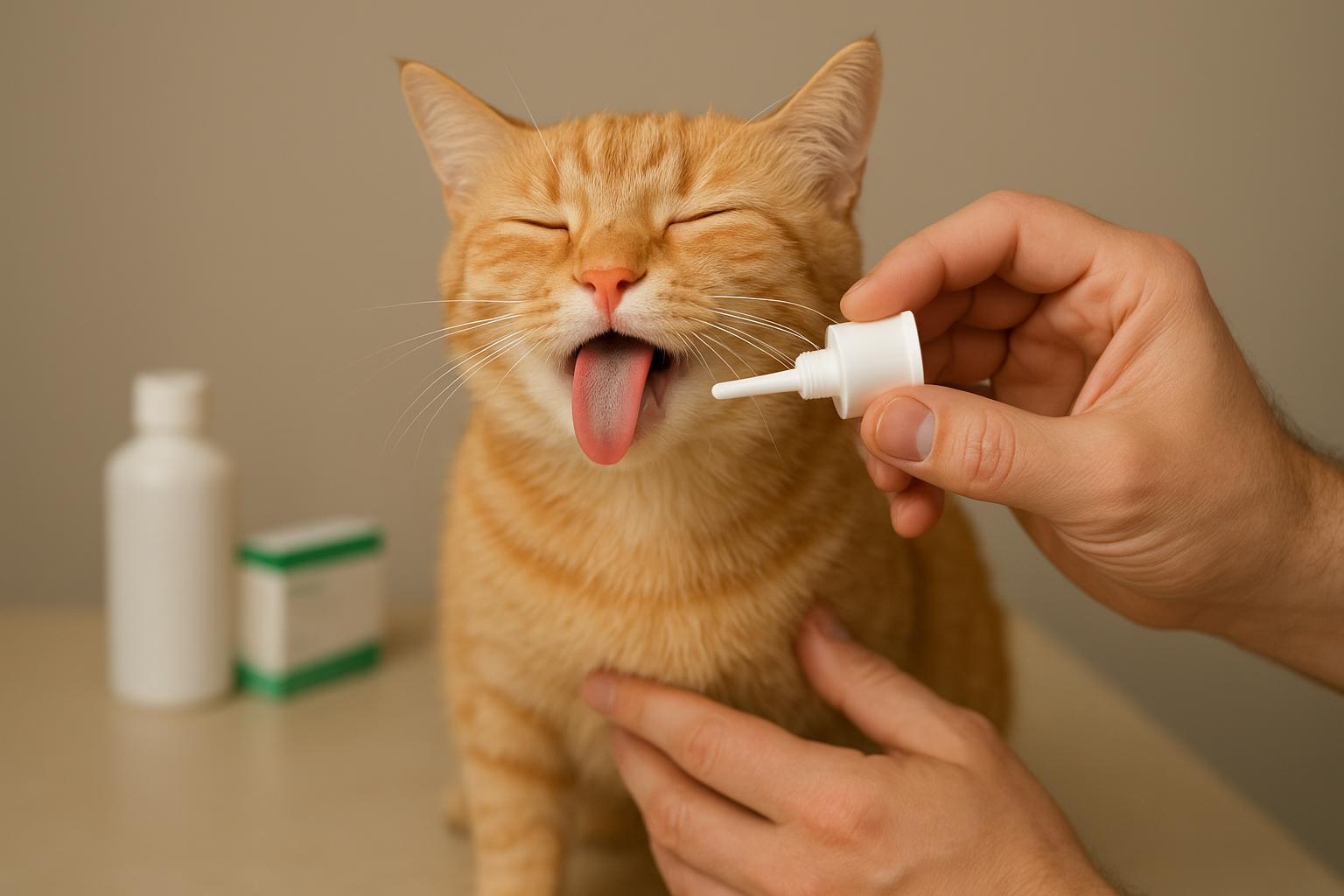
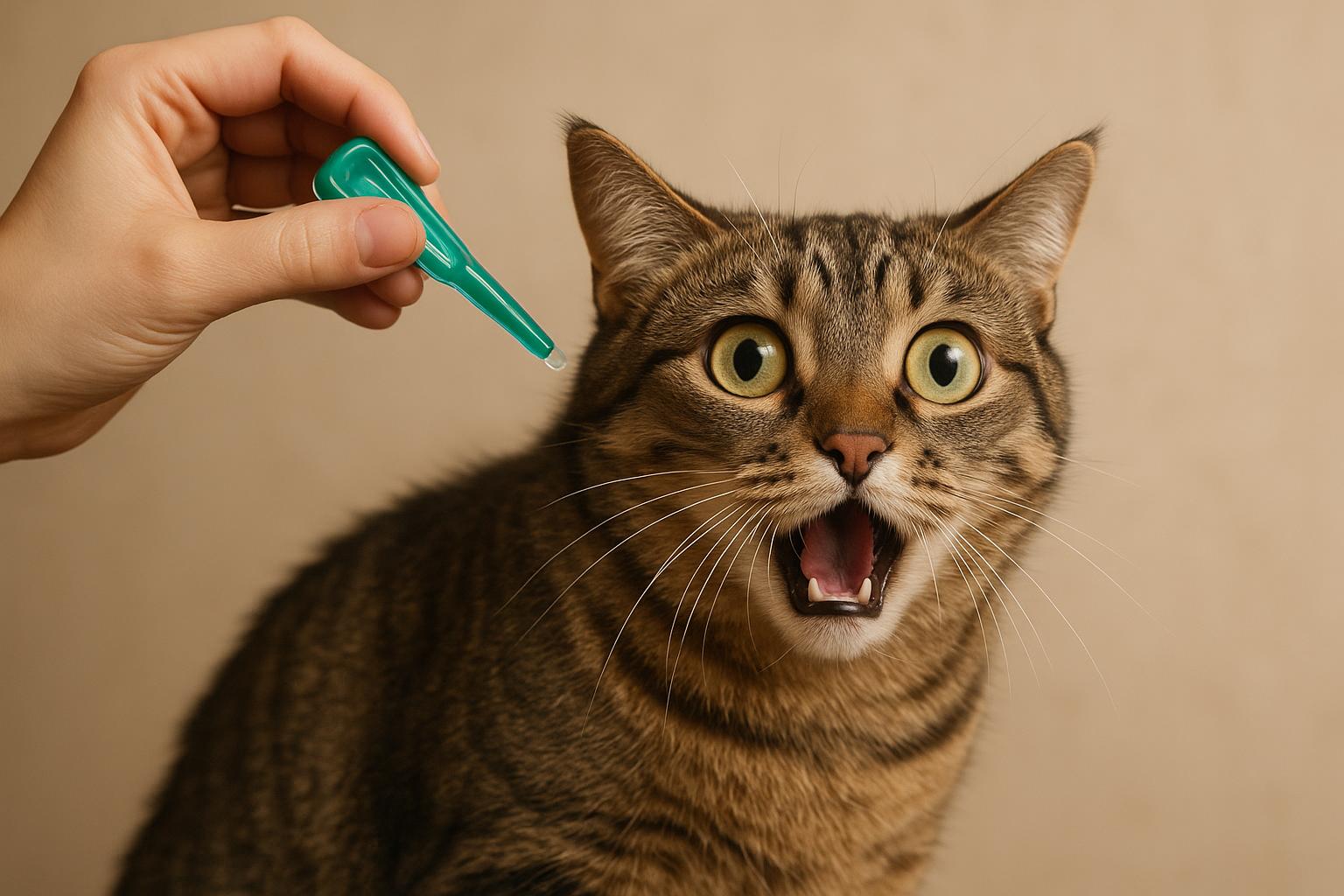
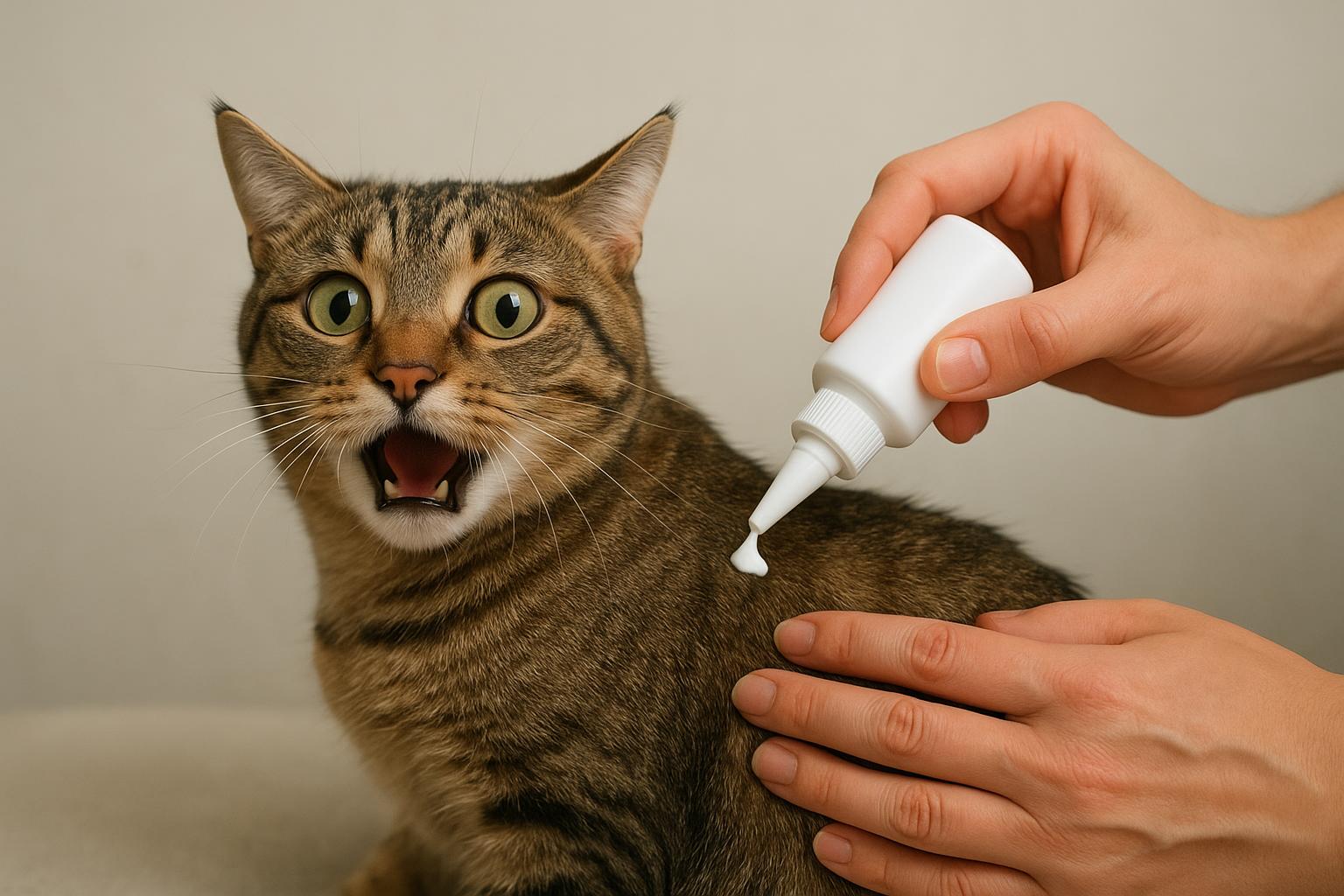
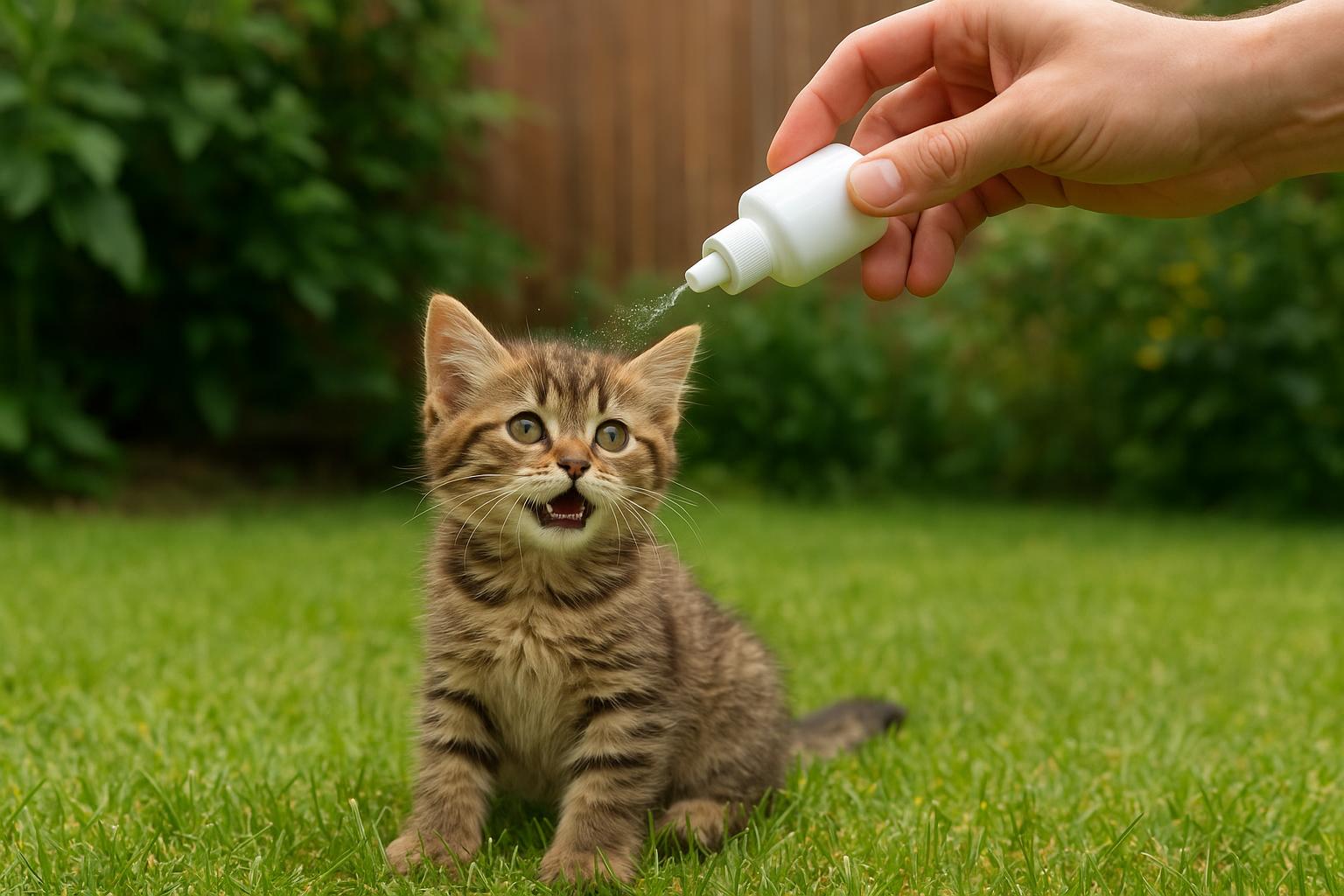
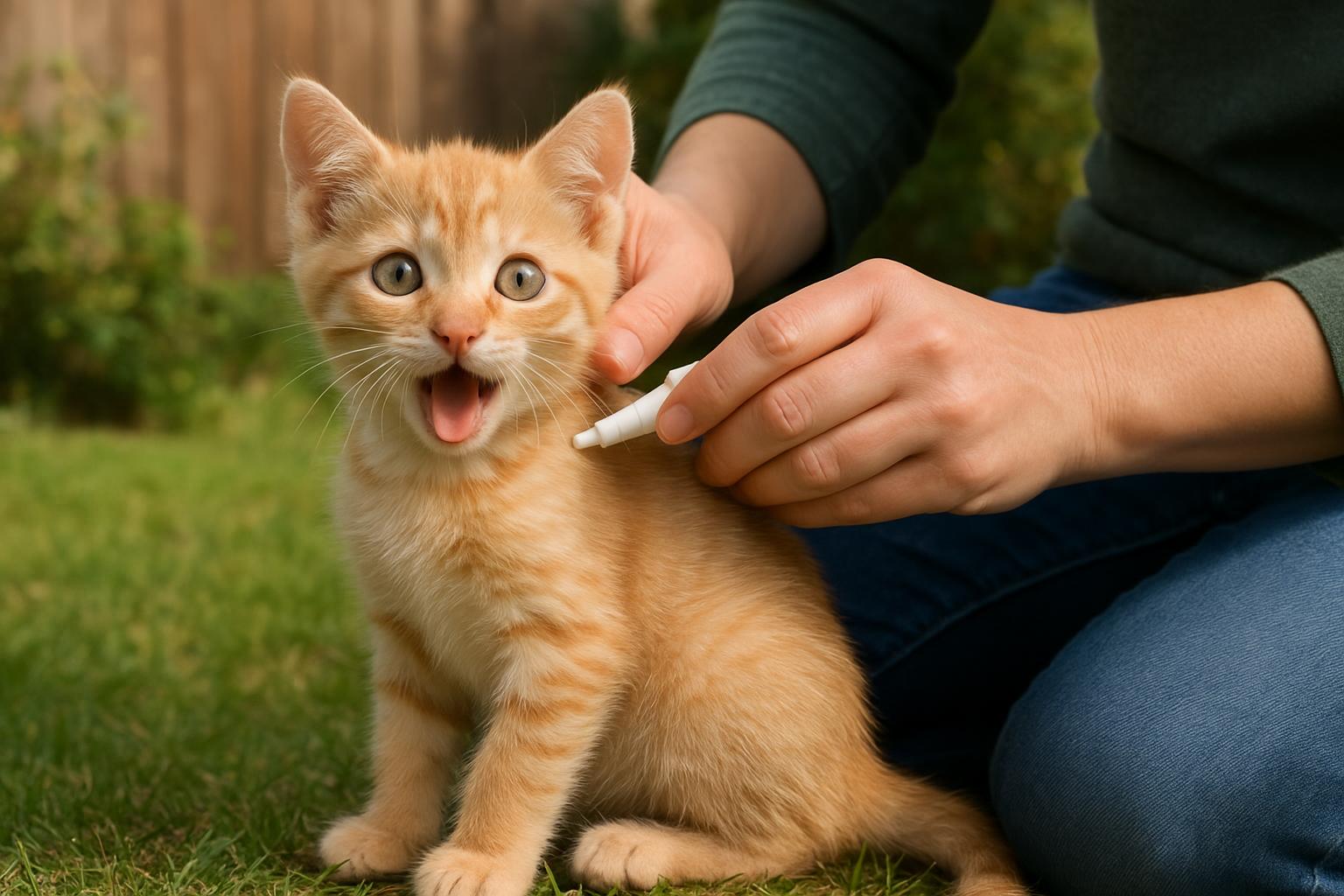
3. If using topical spot-on: Part the fur at the base of the kitten’s neck and apply directly to the skin. Ensure the kitten cannot lick the application site until it dries.
4. If using oral medication: Follow guidance on food requirements and potential side effects. Supervise the kitten while administering pills or liquids.
5. Record treatment date and plan for follow-up doses as prescribed. Some products require monthly reapplication.
6. Monitor the kitten for adverse reactions for 24–72 hours post-treatment. If you see vomiting, extreme lethargy, tremors, or other concerning signs, contact your vet immediately.
7. Combine veterinary treatment with environmental measures (see below) to break the flea life cycle and reduce reinfestation.
Professional flea treatments are highly effective at reducing the flea danger quickly and safely when used as directed. They also often cover prevention of flea-borne tapeworms and minimize the risk to nursing kittens when used under veterinary guidance.
### Environmental Control: How To Remove Fleas From Your Home
Treating the kitten is only one side of the battle; the environment harbors eggs, larvae, and pupae that can keep reinfesting your pet.
Materials / Requirements:
– Vacuum cleaner with attachments
– Hot water and pet-safe laundry detergent
– Washing machine and dryer (or a warm drying method)
– Carpet cleaning or steam-cleaning option (if available)
– Insect growth regulator (IGR) or vet-approved home spray (if recommended by your vet)
– Trash bags
Step-by-Step Home Control:
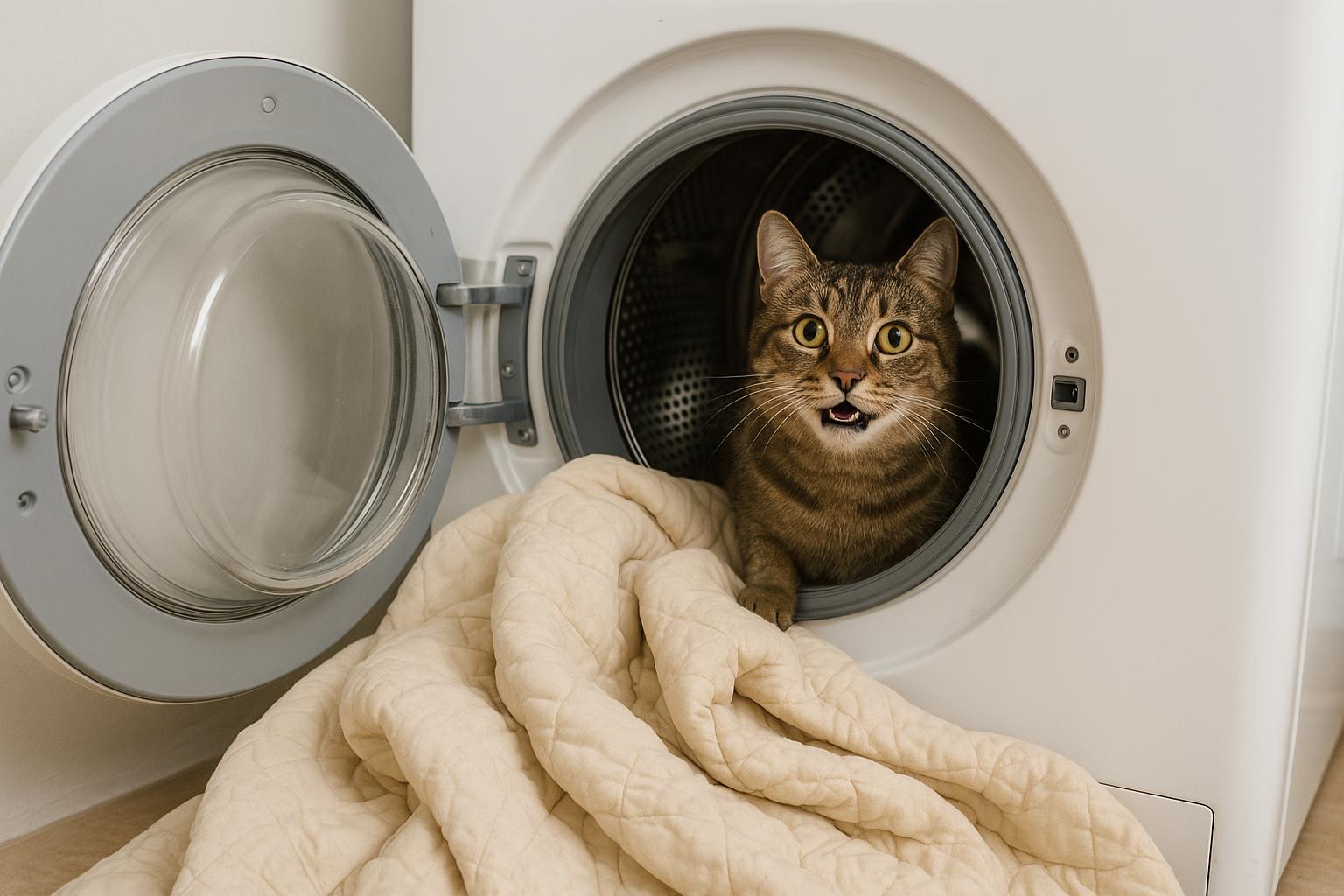
1. Wash all bedding, blankets, and removable cushions in hot water and dry on high heat. Do this weekly during treatment.
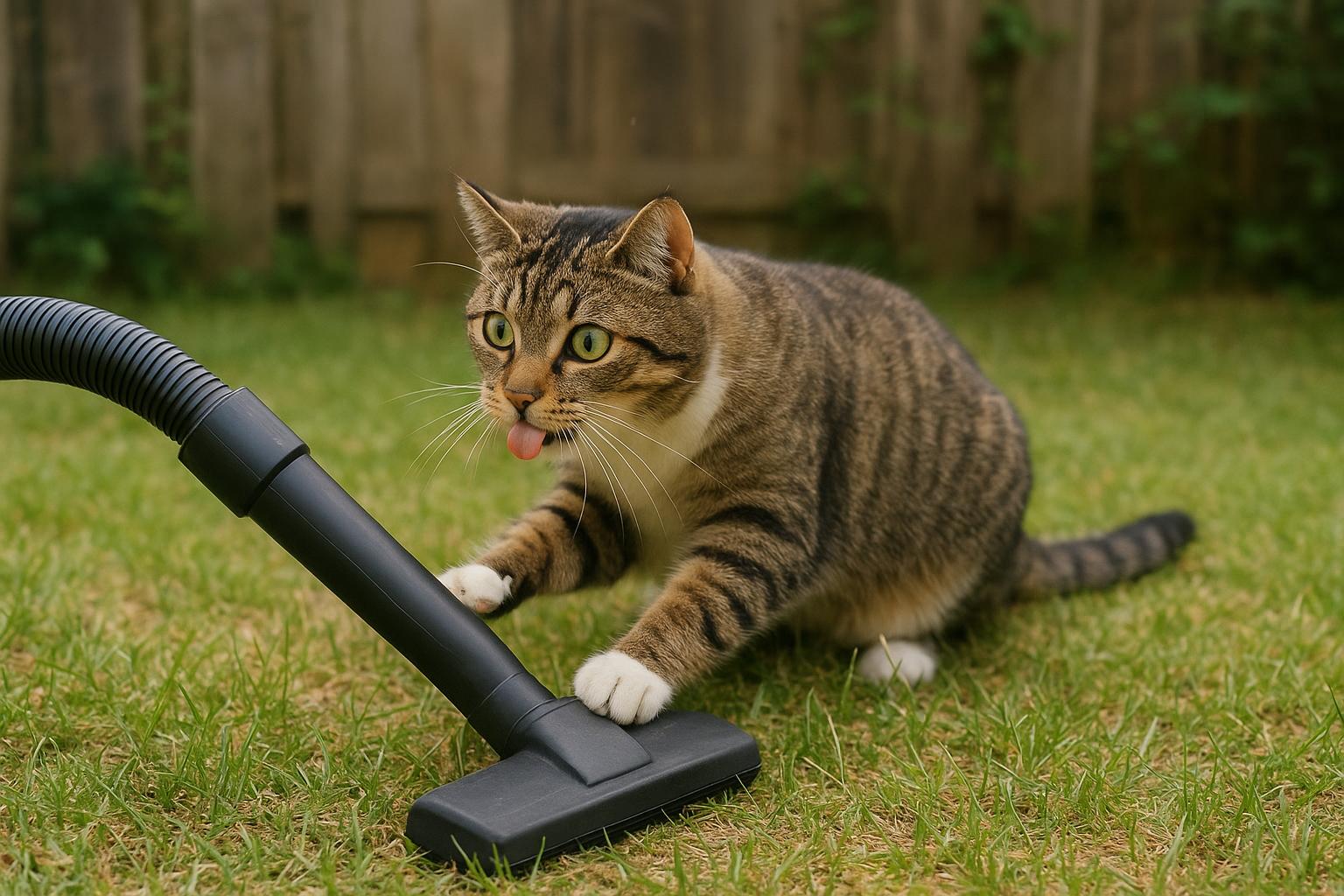
2. Vacuum carpets, rugs, and upholstered furniture thoroughly, including cracks and under furniture. Empty the vacuum or dispose of the bag immediately into an outdoor trash can.
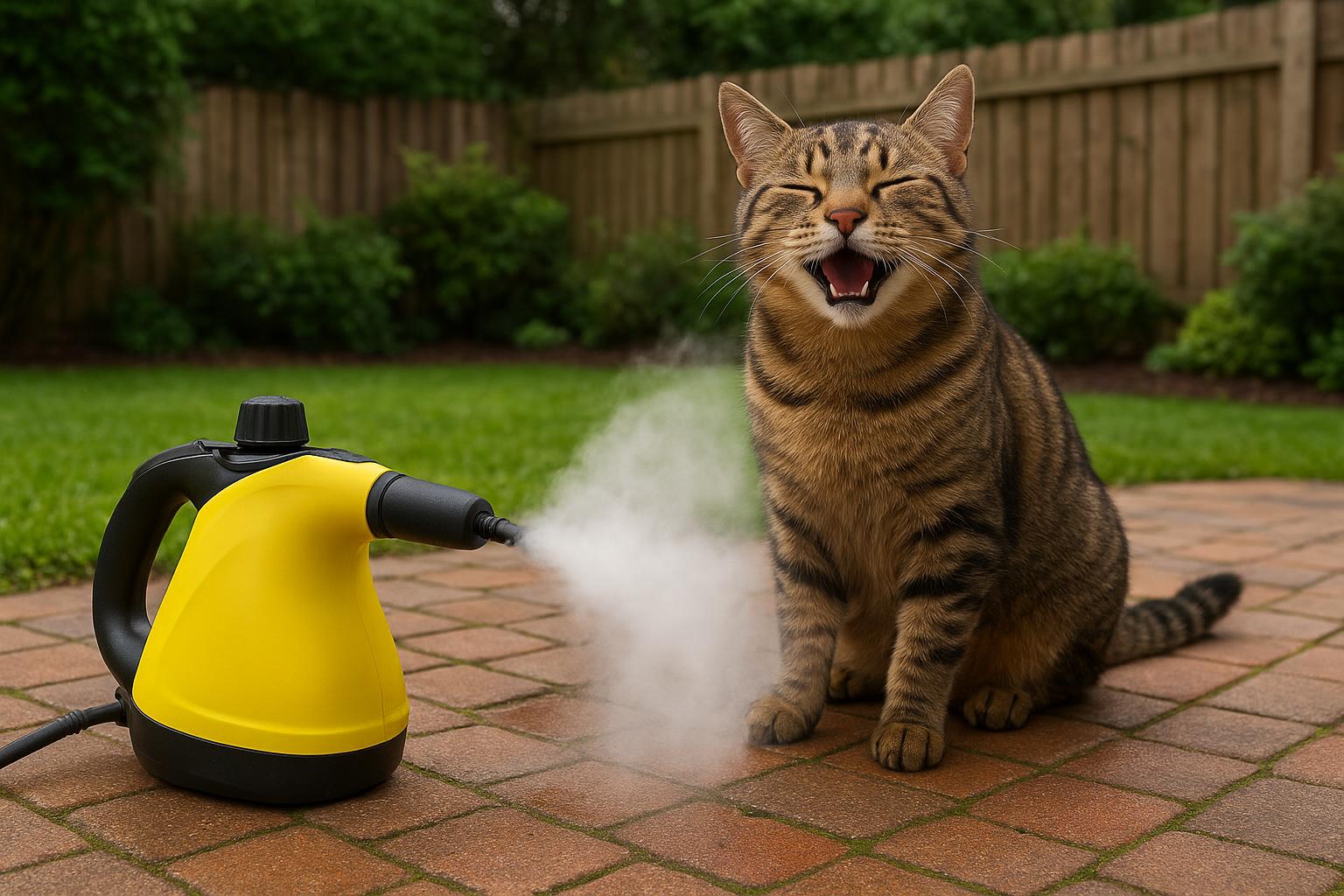
3. Use a steam cleaner on carpets and upholstery where possible—the heat kills eggs and larvae.
4. Consider a vet-recommended insect growth regulator spray for persistent infestations. Apply according to instructions and keep kittens away until safe per label directions.
5. Maintain regular vacuuming and bedding washing for several weeks to break the flea lifecycle.
### Preventing Future Flea Problems
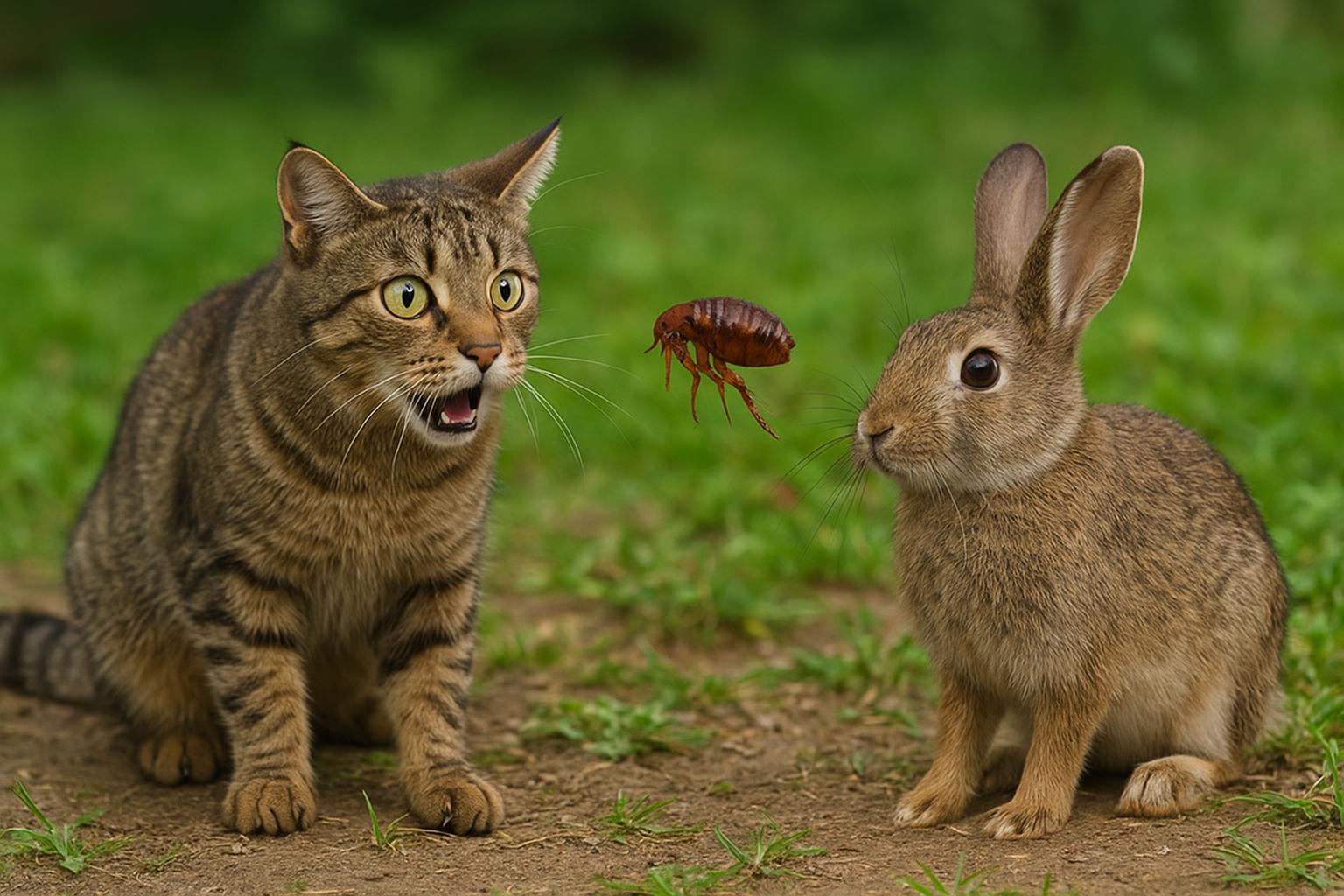
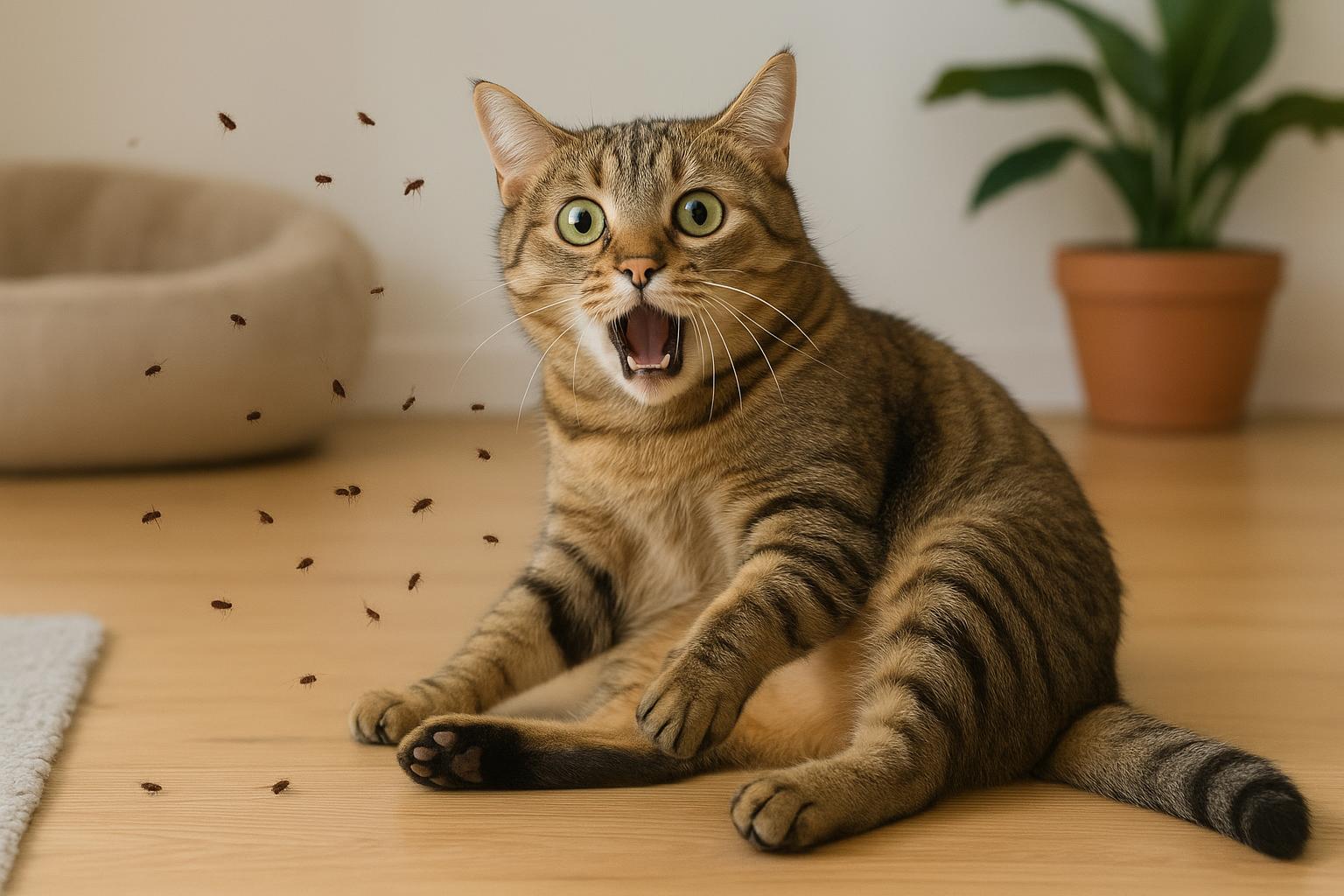
Preventing reinfestation is easier than battling a full-blown outbreak. Keep outdoor access supervised, check new animals before introducing them to the home, and maintain regular flea prevention tailored to your kitten’s age and veterinary advice. Remember that indoor-only kittens can still experience the flea danger if fleas hitch a ride on clothing, other pets, or wildlife.
A little vigilance now saves a lot of stress later—your kitten will thank you with purrs instead of uncomfortable, itchy tantrums.



Leave a Reply