
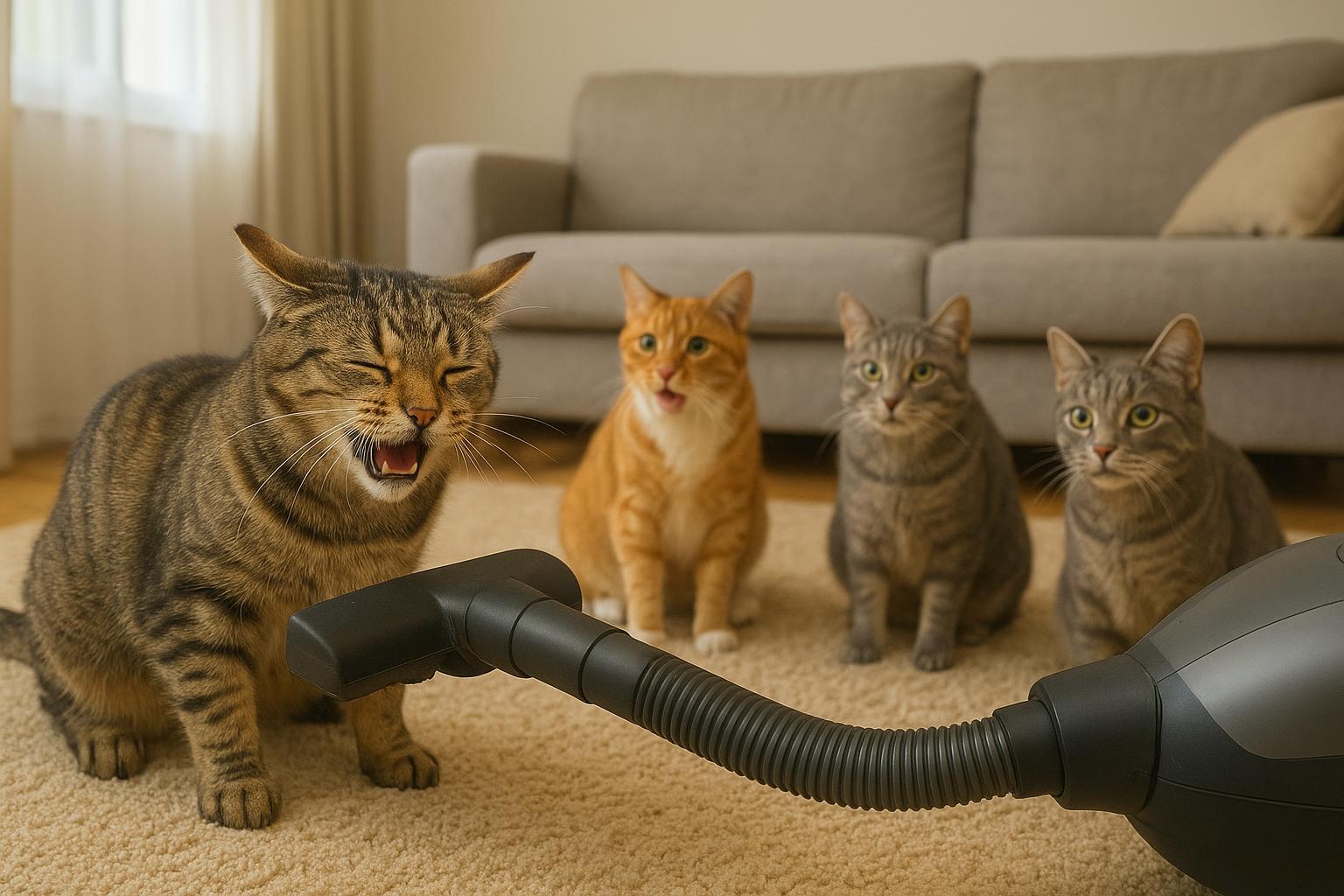
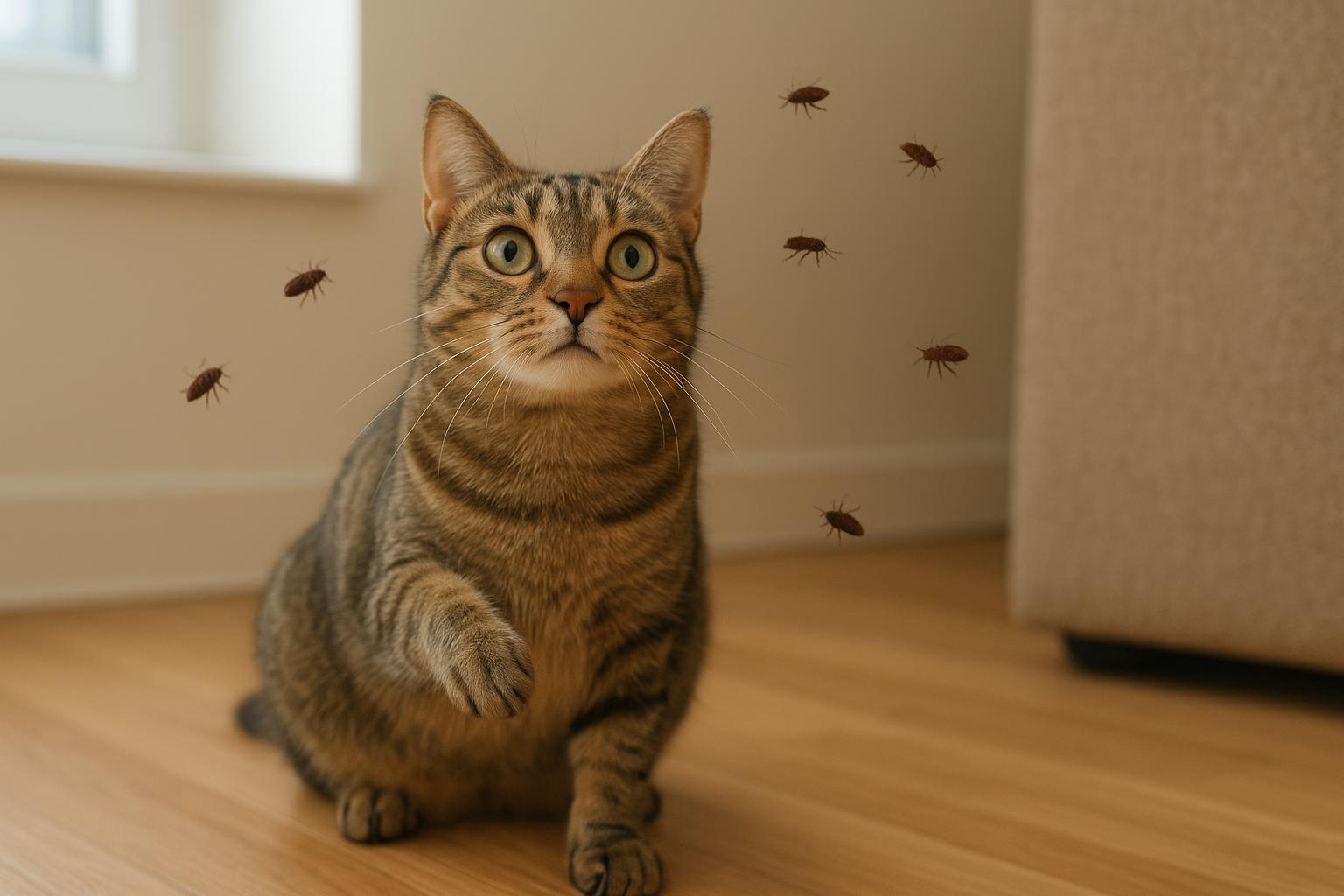
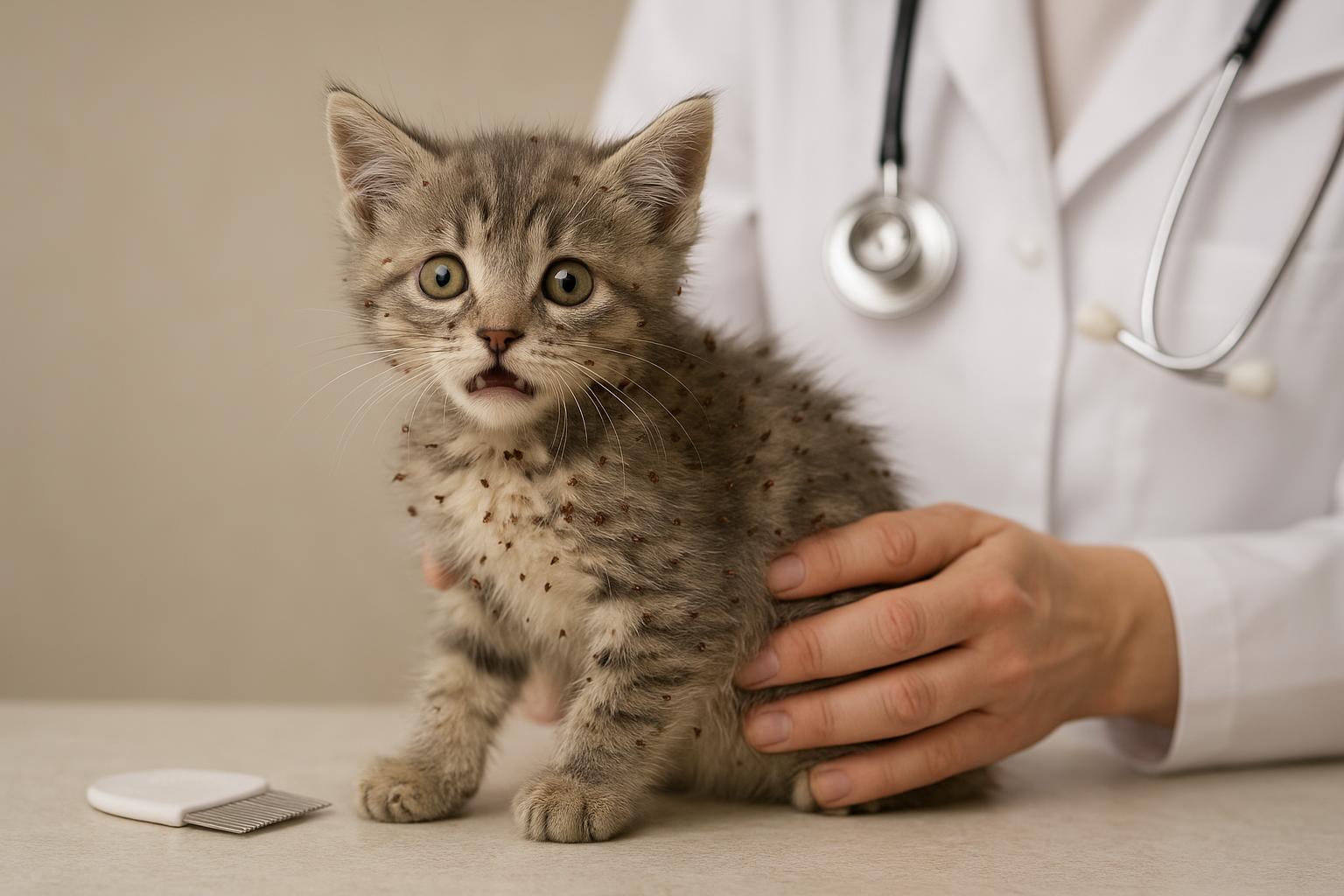
If your cat has been doing the itchy dance and you’ve spotted those tiny, dark specks that move when you squint at them, welcome to the club nobody wants to join. Fleas are small, stubborn, and prolific. The good news: a thoughtful, methodical approach that centers on regular cleaning—especially the right way to vacuum—will break their lifecycle and dramatically reduce the problem. You don’t need to upend your life or your living room decor; you mostly need a plan and a trusty machine.
## Vacuum Fleas Safely For Effective Cat Flea Control
Vacuuming is one of the most powerful non-chemical tools for flea control in the home. When you vacuum fleas from carpets, furniture, and pet bedding you physically remove adult fleas, eggs, and larvae from the environment. This reduces the population and the chances of reinfestation while you use other control measures on your cat. For many pet owners, “vacuum fleas” becomes almost a mantra—because repeatedly and properly vacuuming will make a real difference.
Use this strategy as part of an integrated approach: treat your cat as recommended by your veterinarian, address outdoor hotspots, and keep the indoor environment inhospitable for fleas. Think of vacuuming as a short, sharp strike against the flea lifecycle—about precision and consistency more than brute force.
### Why Vacuuming Works Against Fleas
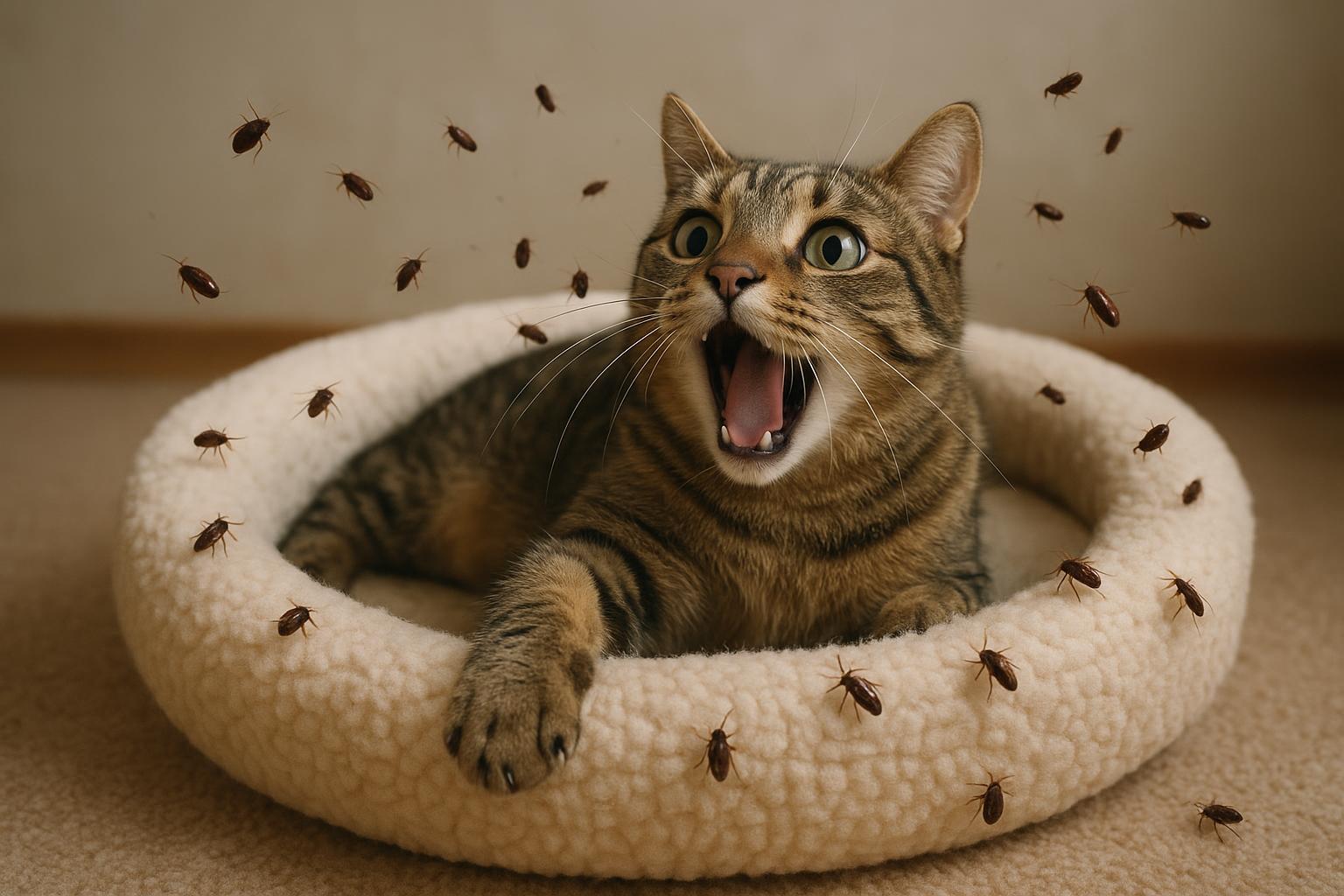
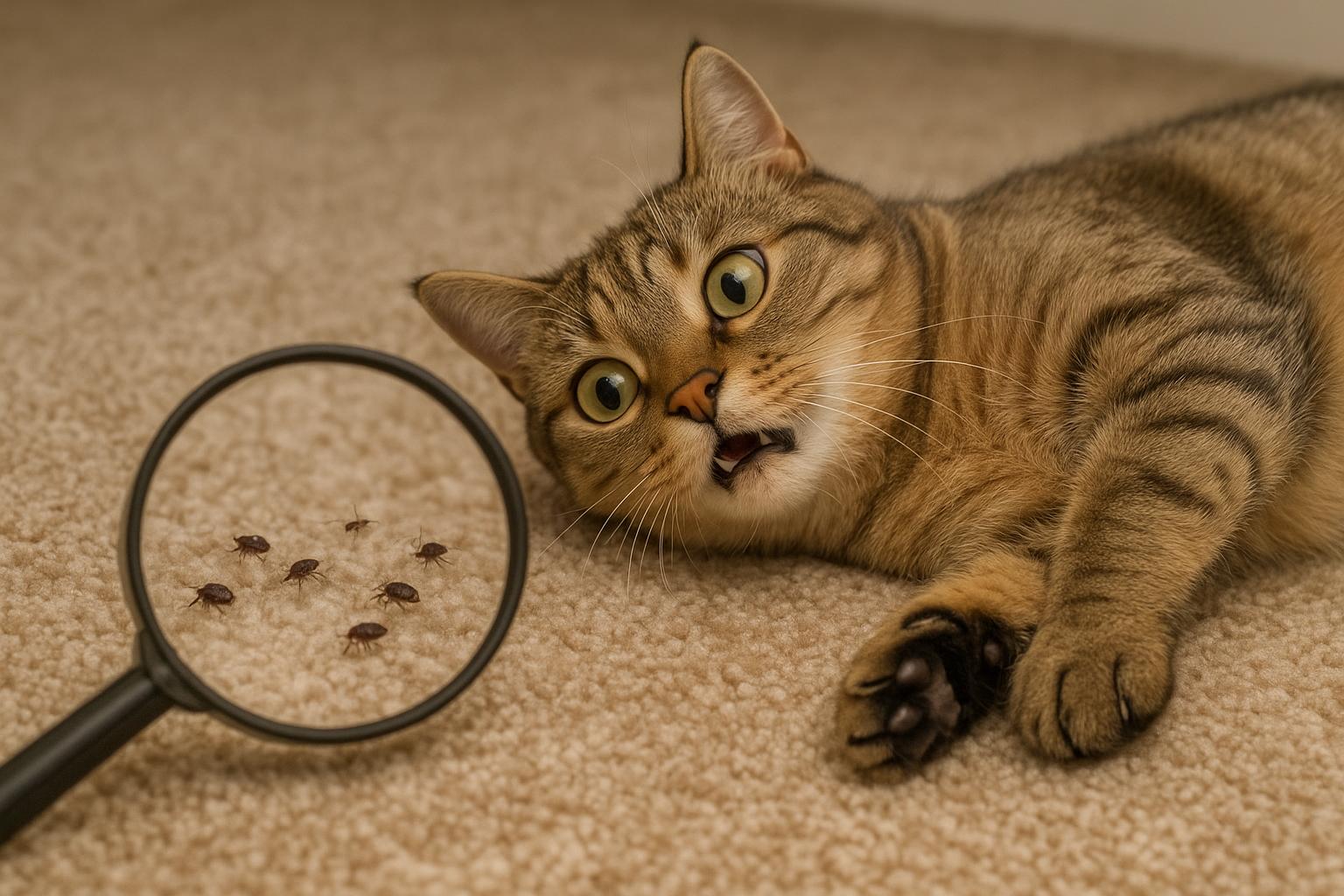
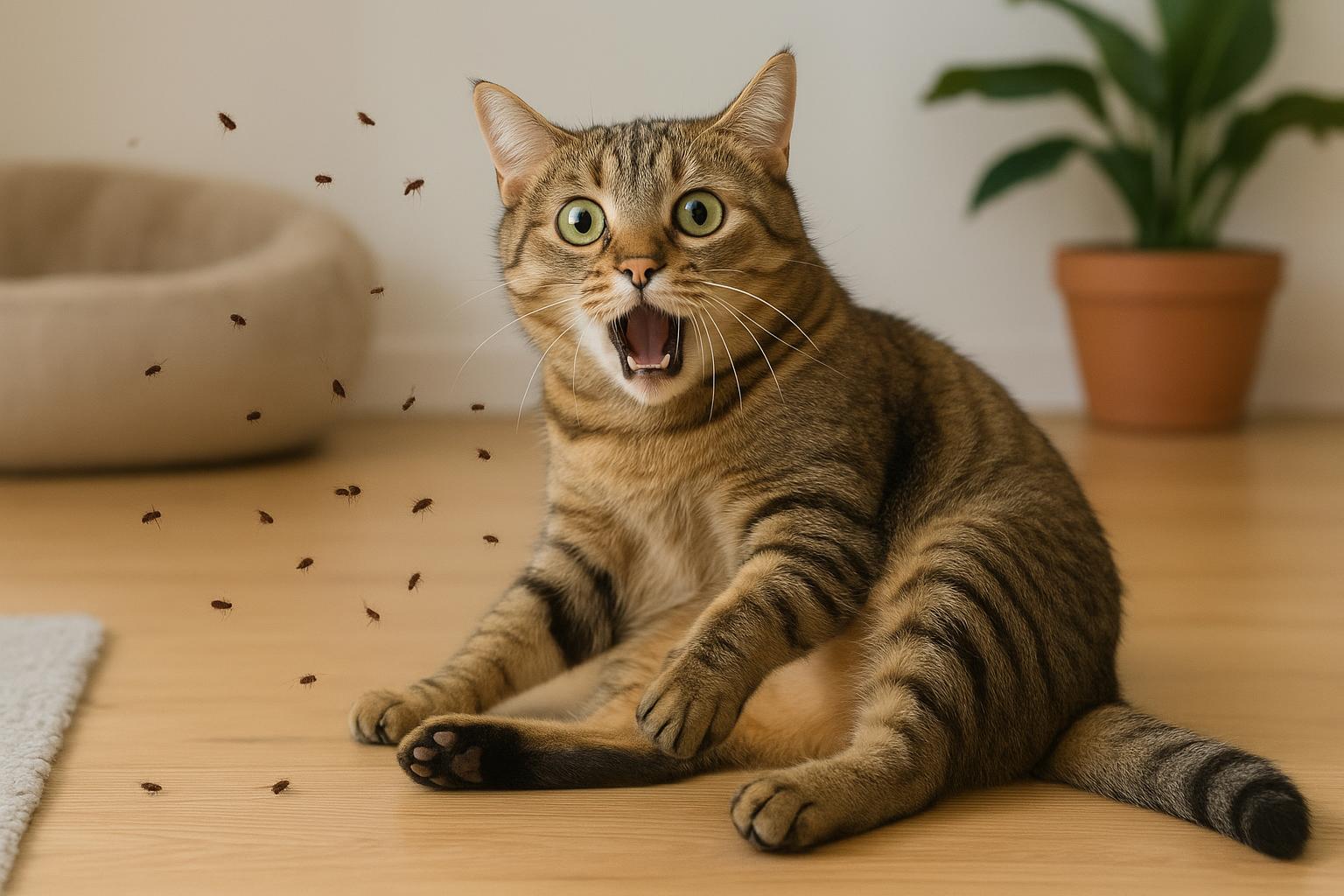
Fleas spend a surprising amount of their lives off the host. Adults jump onto a pet to feed but then return to the environment to reproduce. Eggs are tiny and fall into carpets, pet bedding, and crevices. Larvae feed on organic debris—so that hair, dander, and dead skin on your rug is a smorgasbord for them. Vacuuming removes the organic material and physically lifts eggs, larvae, and some adults into the bag or canister. Frequent removal interrupts the lifecycle.
The key to vacuuming correctly is to target the right areas and to do it often enough. High-traffic pet zones, under furniture, along baseboards, and anywhere your cat naps should be vacuumed multiple times per week during an infestation. When you vacuum fleas, you’re reducing the habitat and food sources the immature stages need to develop into biting adults.
#### What Happens To Flea Eggs And Larvae
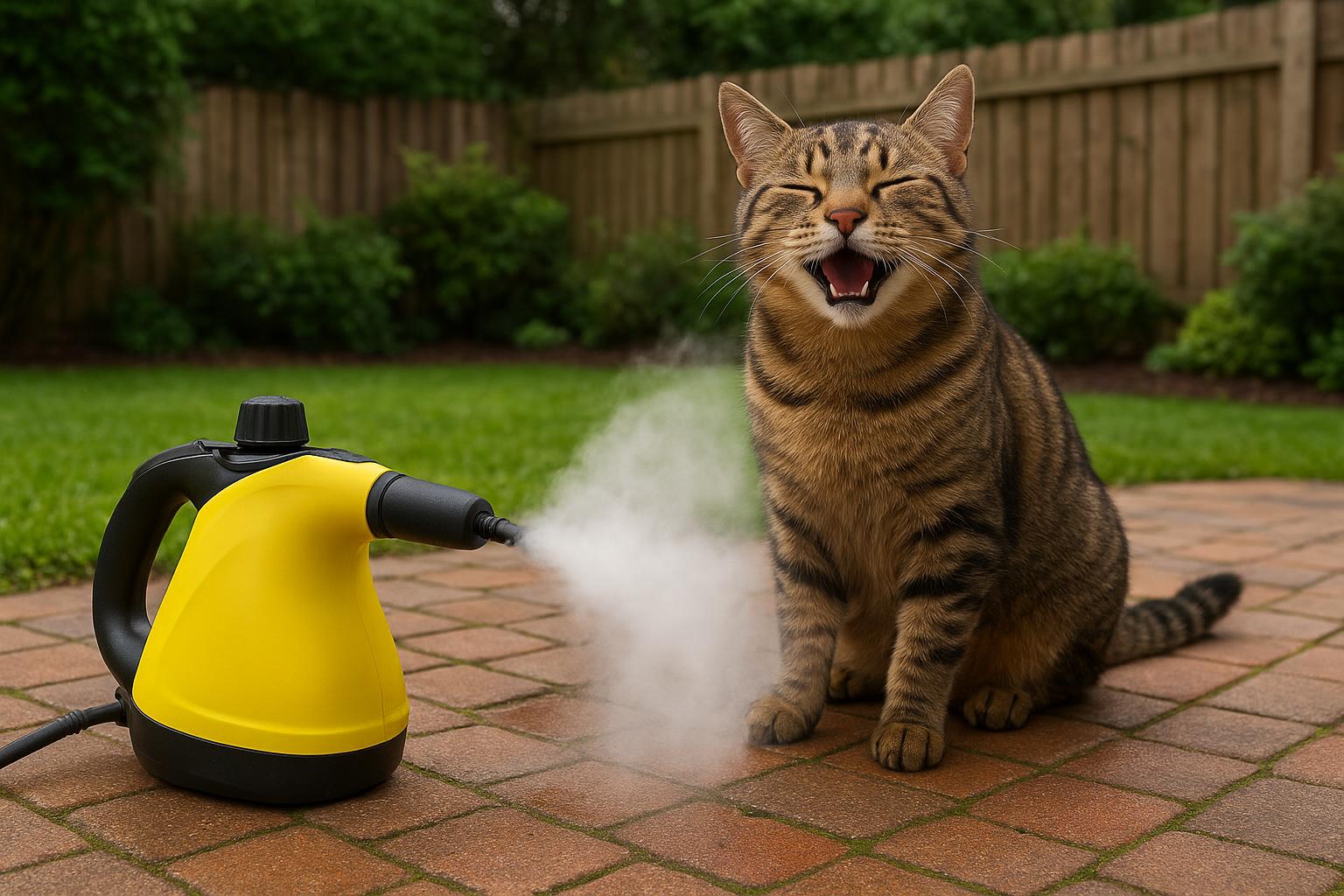
When you vacuum fleas from fabrics and floor coverings, the larvae and eggs often end up in the vacuum bag or canister. They may survive initial capture if conditions are favorable, so it’s important to dispose of contents promptly and safely. Using a vacuum with strong suction and a HEPA filter helps capture finer particles and eggs. Steam-cleaning or laundering removable fabrics complements vacuuming because heat kills both immature and adult fleas.
### Remedy 1: Vacuum-Centric Home Treatment
Materials / Ingredients:
– A vacuum cleaner with a strong motor and good suction (canister or upright)
– Crevice tool and upholstery attachments
– Disposable vacuum bags or a canister you can thoroughly empty
– Gloves
– Trash bag for disposal
– Pet-safe disinfectant wipes (optional for hard floors)
Procedure (formal and procedural):
1. Prepare the Area: Remove small objects and toys from floors. Pick up pet bedding, blankets, and removable covers.
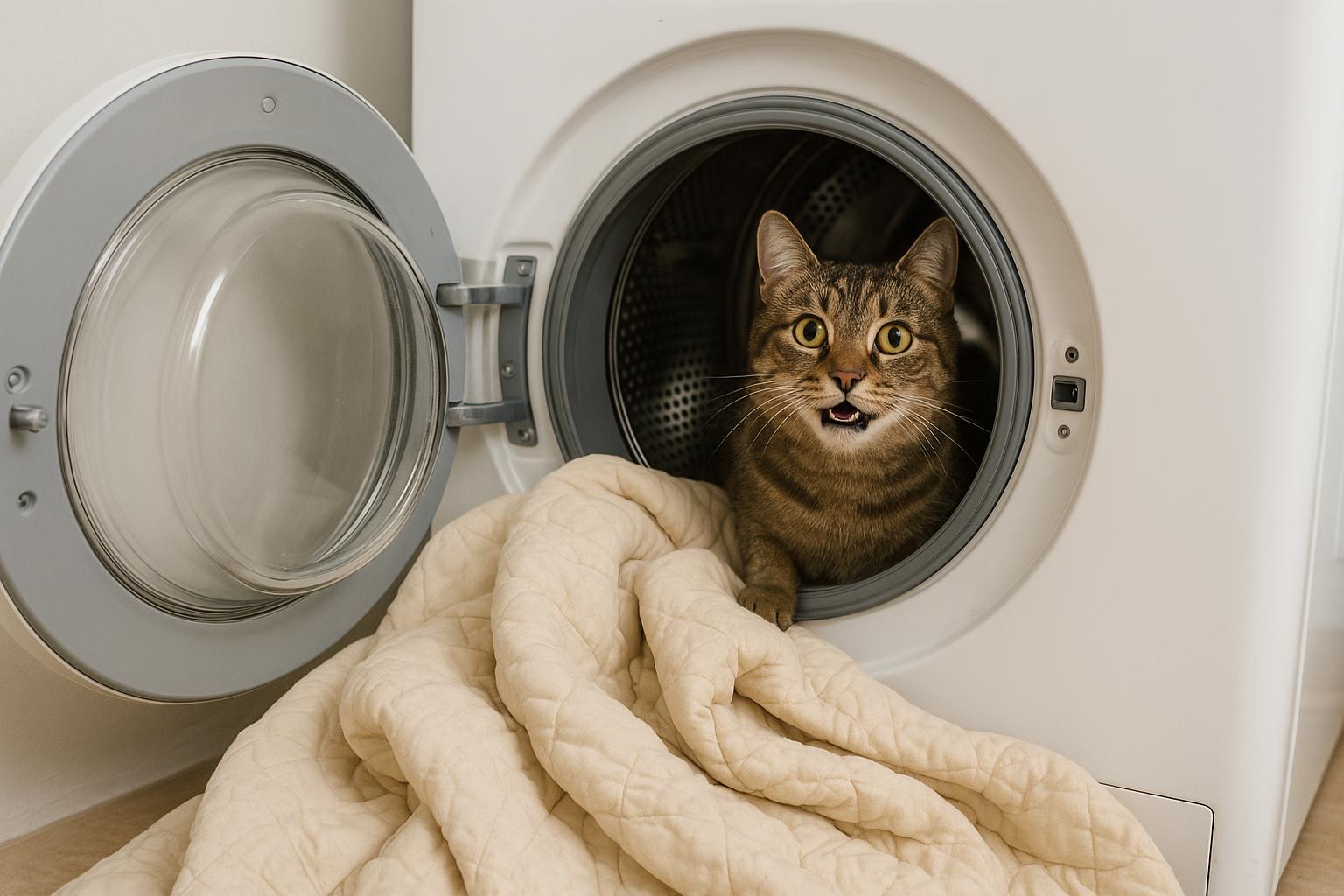
2. Treat Bedding: Place pet bedding and washable fabrics into sealed bags and launder on hot water with detergent and tumble dry on high heat for at least 30 minutes. This step kills fleas at all stages.
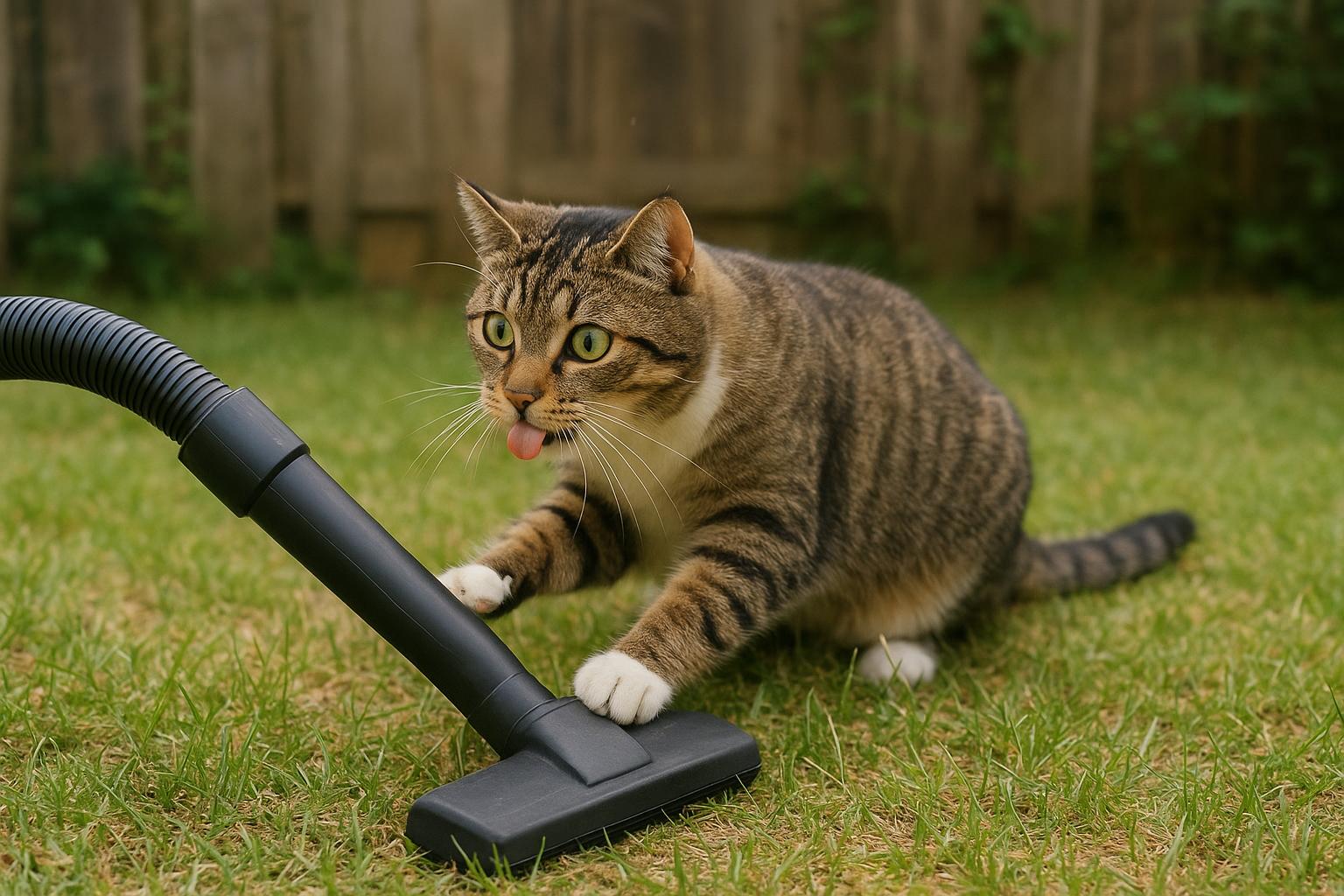
3. Vacuum High-Priority Zones: Using the crevice tool and upholstery attachment, vacuum along baseboards, under and around furniture, and wherever your cat rests. Move slowly—suction needs time to pull eggs and larvae from deep fibers. When you vacuum fleas in these zones, do multiple slow passes instead of a single quick sweep.
4. Clean Furniture: Vacuum upholstered furniture and cushions; unzip cushions if possible to access inner seams.
5. Empty Safely: Immediately remove and seal disposable bags or empty the canister into a plastic trash bag. Tie the bag and dispose of it outdoors. If using a bagless vacuum, dump contents into a trash bag, seal, and discard promptly.
6. Repeat Schedule: Vacuum the whole house thoroughly at least three times per week for the first two to four weeks, then reduce frequency as the infestation subsides. Consistency is essential because new eggs can hatch days later.
7. Maintain: Continue vacuuming pet-frequent areas weekly thereafter to keep flea populations suppressed.
### Remedy 2: Vacuum Fleas Plus Chemical Control
Materials / Ingredients:
– Vacuum cleaner with attachments
– Insecticide labeled for indoor use against fleas (e.g., an IGR—Insect Growth Regulator—combined product; always follow label)
– Protective gloves and a mask when applying chemicals
– Pet-safe exclusion plan (move pets to a separate room or outdoors during application)
– Broom and dustpan for precleaning (optional)
Procedure (formal and regulatory-sensible):
1. Select Approved Products: Choose an insecticide specifically labeled for indoor flea control that includes an IGR (e.g., methoprene, pyriproxyfen) to prevent eggs and larvae from maturing. Read the label thoroughly for site approvals, safety instructions, and re-entry times.
2. Pre-Vacuum: Before applying chemicals, vacuum carpets, rugs, and upholstery to remove as many fleas, eggs, and larvae as possible. Focus on cracks, crevices, and under furniture. When you vacuum fleas prior to treatment, it increases the likelihood that the insecticide contacts remaining individuals and developmental stages more effectively.
3. Apply Insecticide According To Label: Apply the product exactly as directed. Use a crack-and-crevice injector for baseboards and under furniture as recommended. Ensure you treat pet resting areas with approved products and avoid over-application.
4. Isolate Pets And People: Keep pets and people out of treated areas for the time specified on the product label. Ventilate rooms as recommended.
5. Post-Treatment Vacuuming: After the labeled re-entry time has passed and the manufacturer allows it, vacuum again to remove dead fleas and remaining debris. Dispose of vacuum contents as in Remedy 1.
6. Follow-Up Treatments: Many treatments require a second application after two to four weeks to break the lifecycle. Adhere strictly to label intervals.
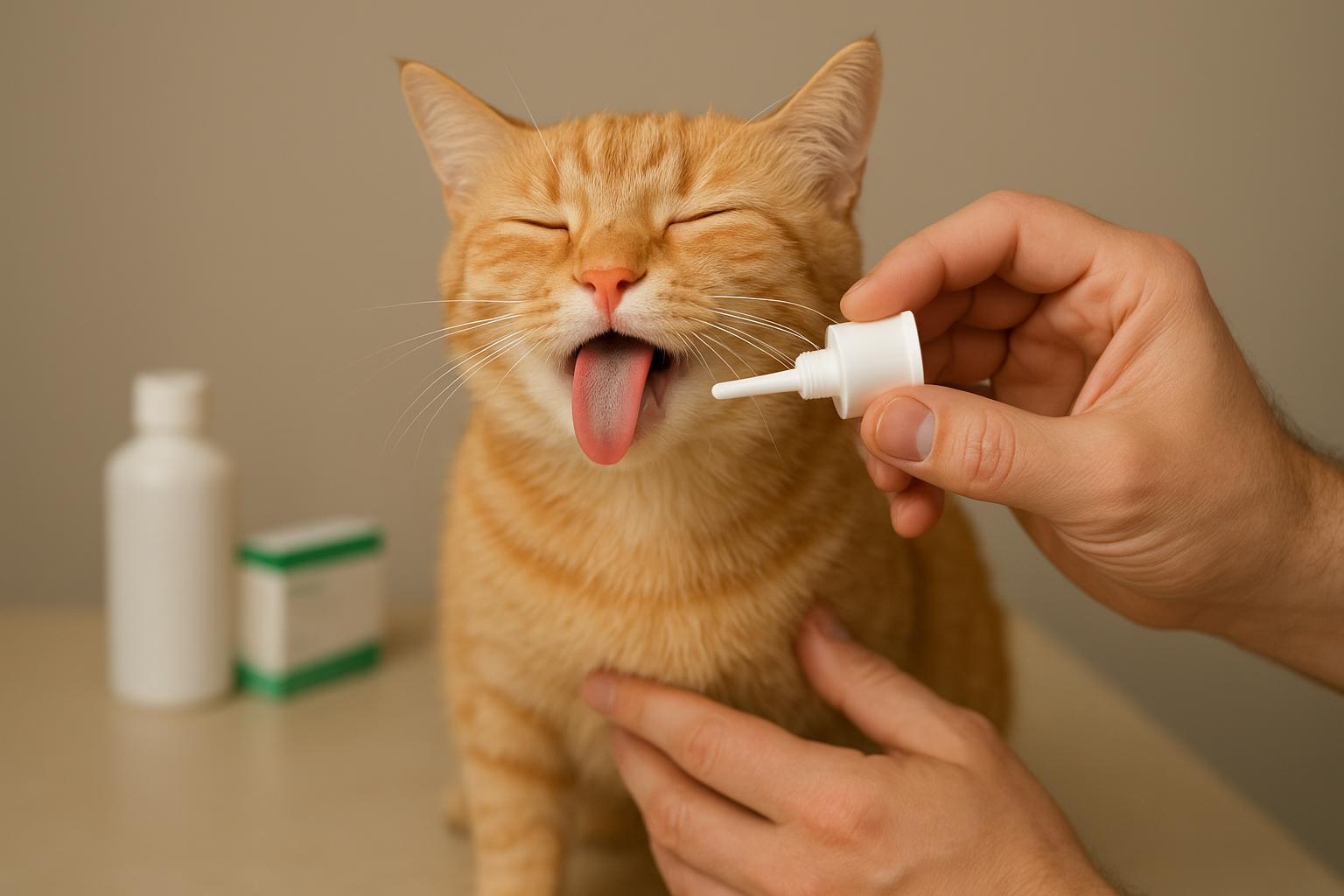
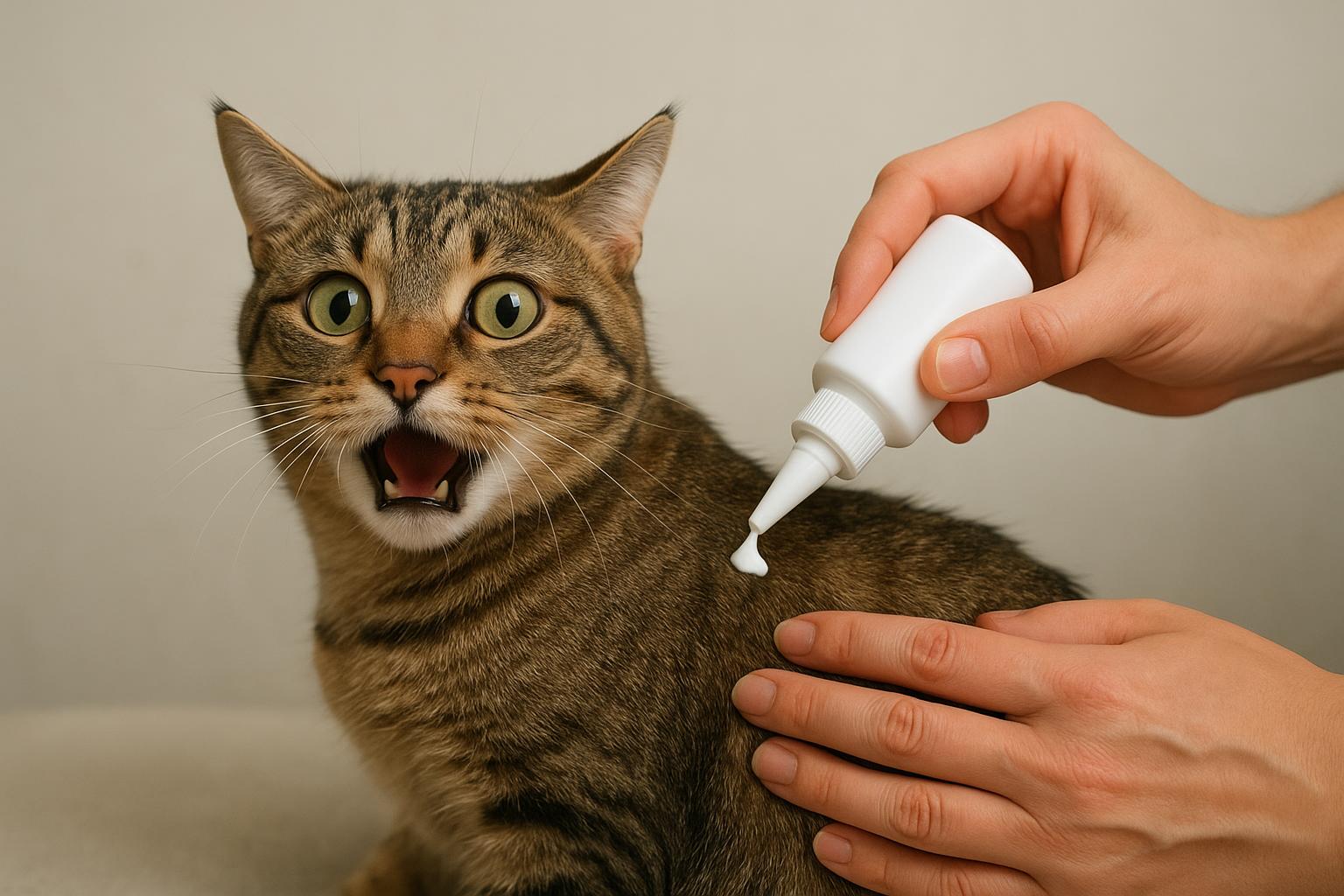
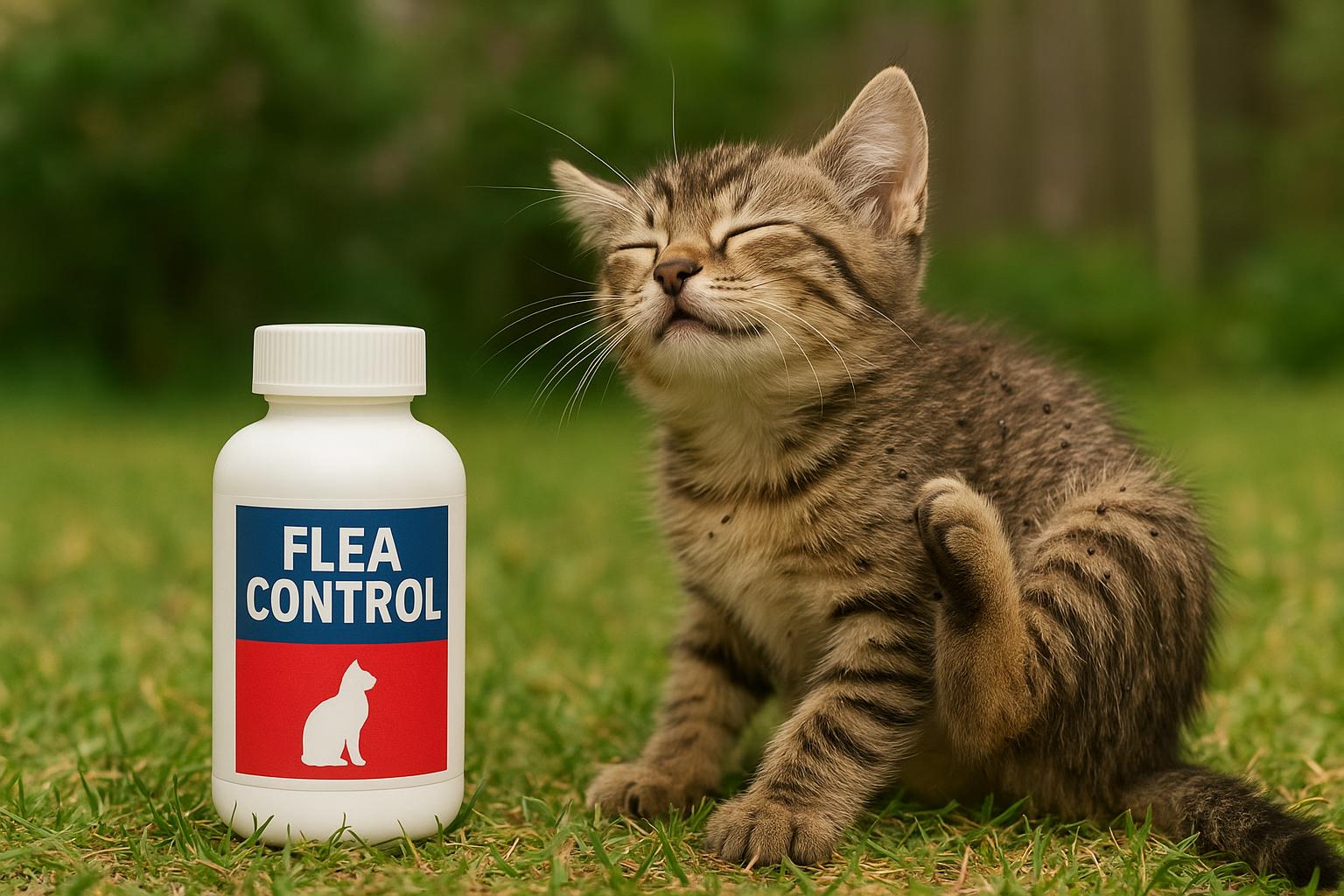
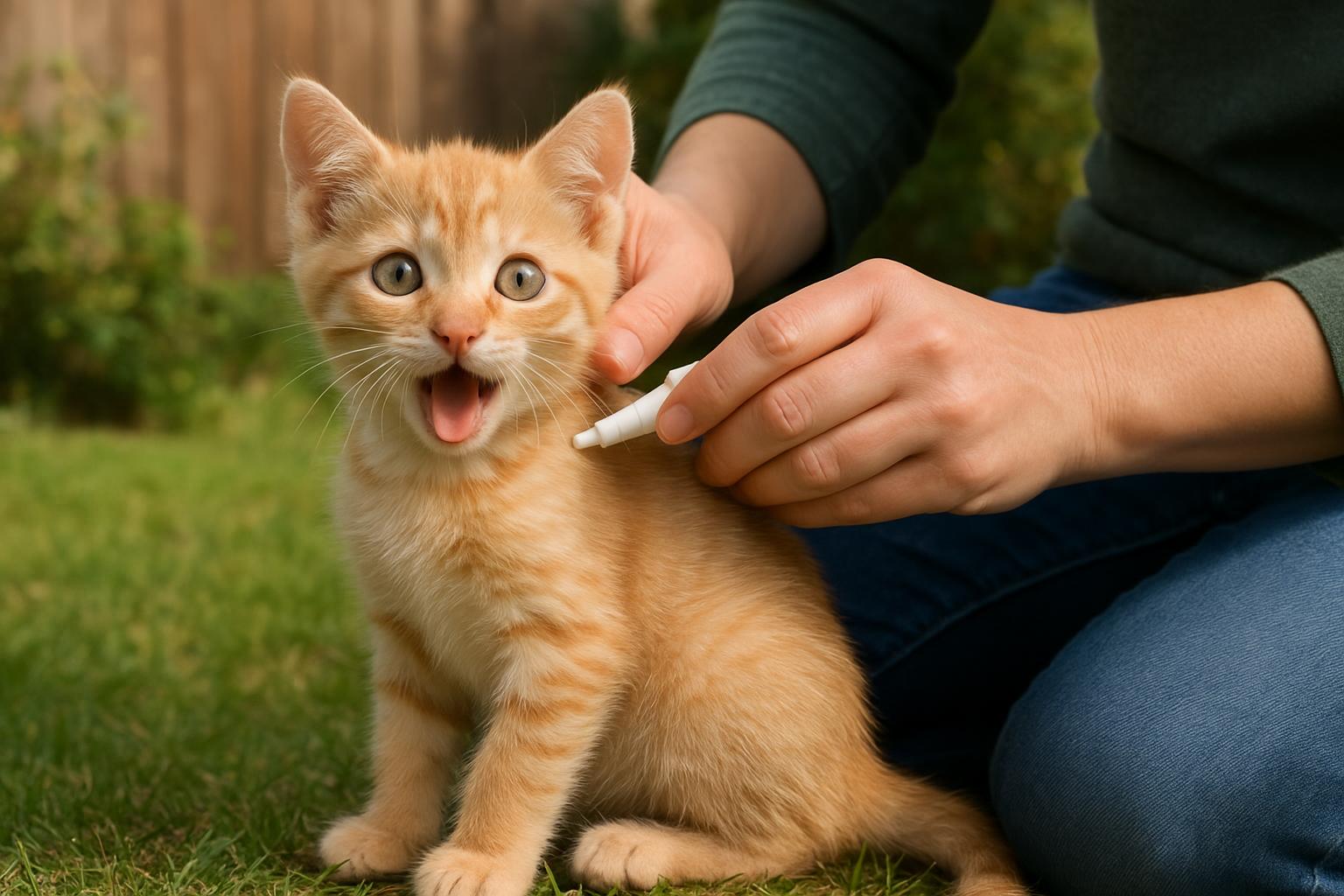
7. Veterinary Coordination: Coordinate chemical control with your veterinarian to ensure your cat is on an appropriate topical or oral flea preventive so it is protected while the home environment is being treated.
#### Best Vacuum Attachments And Timing
Not all vacuums are created equal. A machine with a spinning brush or beater bar can be more effective at agitating carpet fibers and dislodging eggs and larvae. For delicate rugs or upholstery, use the upholstery tool and take slower passes to let the suction work. A HEPA filter helps trap fine particles and dander, which reduces the food source for flea larvae.
Timing matters: vacuum in the morning and evening when pets are likely to rest, and schedule thorough cleanings during peak flea seasons or right after a confirmed infestation. Continue to vacuum even after treating animals at the vet—environmental control and host treatment must go hand-in-hand.
#### Aftercare And Monitoring
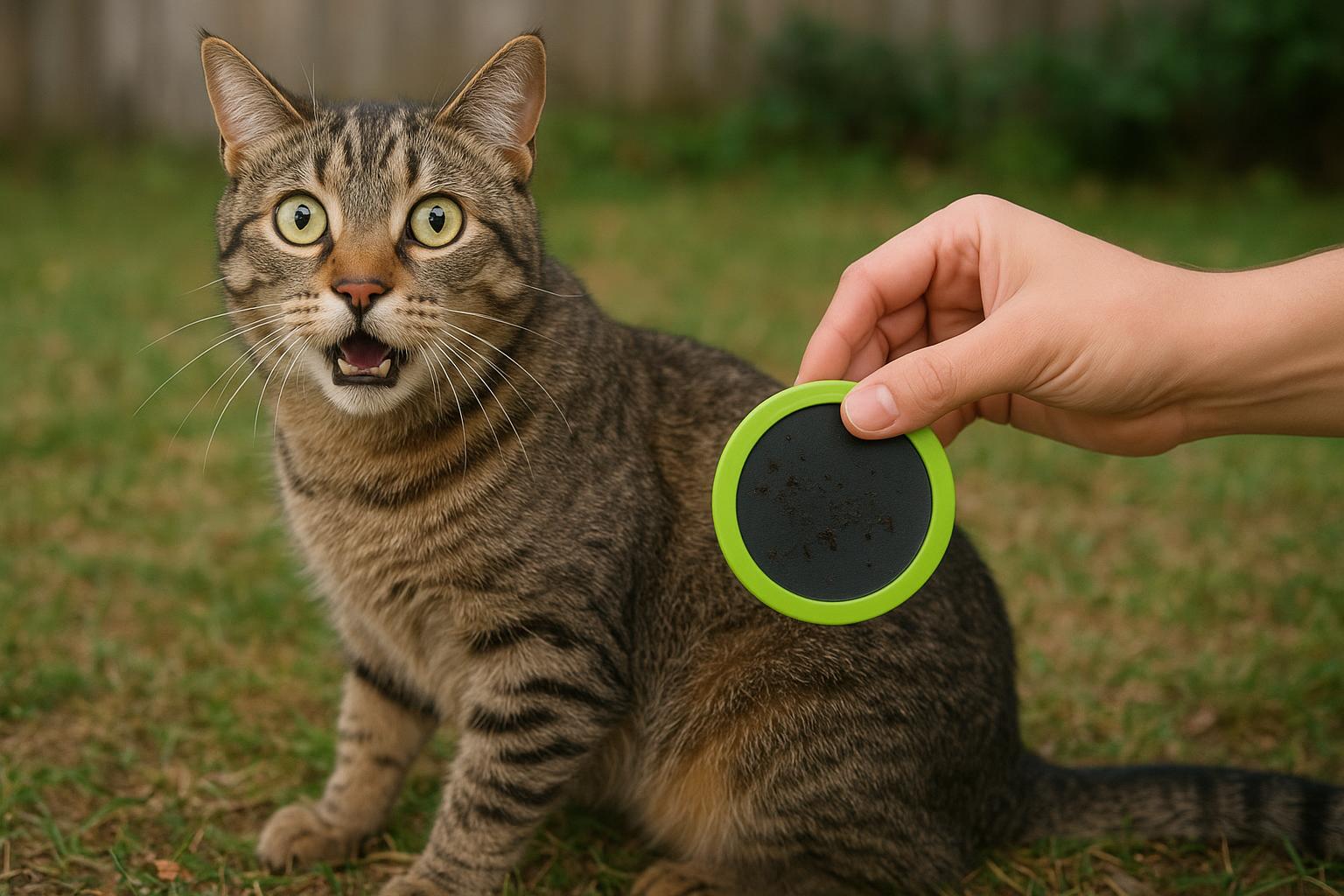
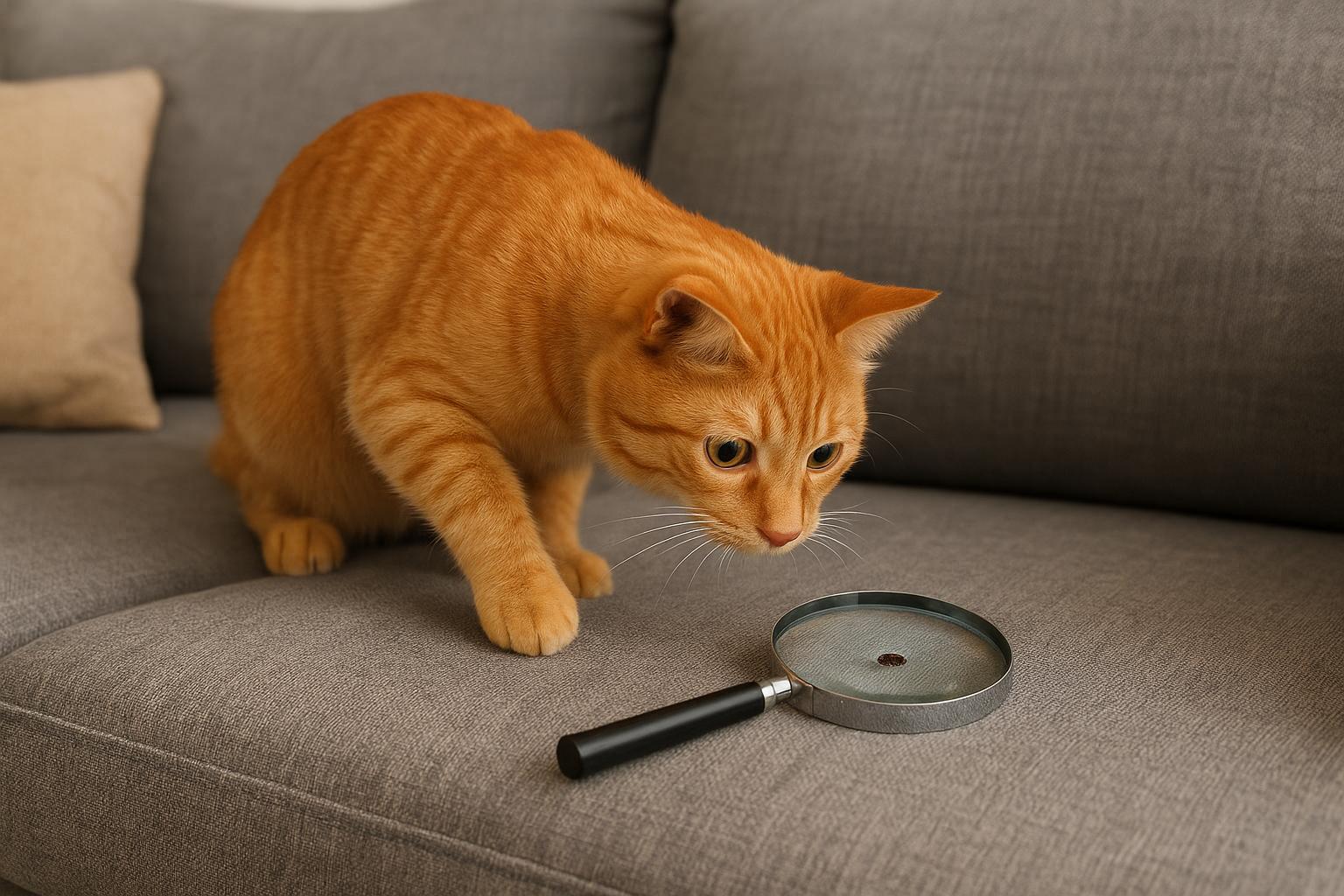
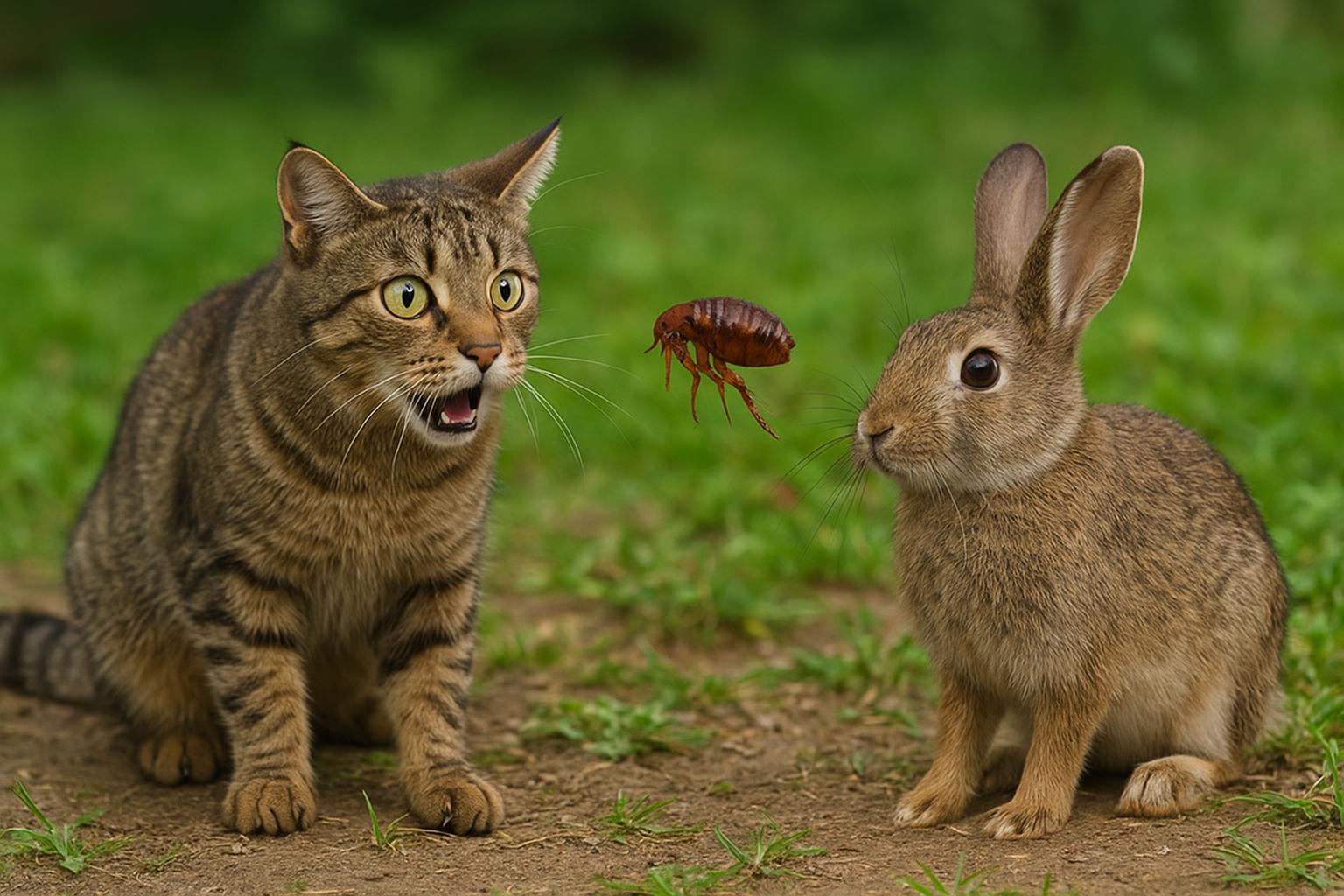
Monitor your cat’s behavior and inspect bedding and carpets weekly during and after treatment cycles. Flea traps—simple sticky cards placed near floors—can help you gauge adult flea activity. If you still see fleas after several rounds of vacuuming and treatment, consult your veterinarian or a pest management professional. Persistent infestations sometimes require professional-grade treatments or an assessment of outdoor reservoirs (shaded yards, under decks, or wildlife activity).
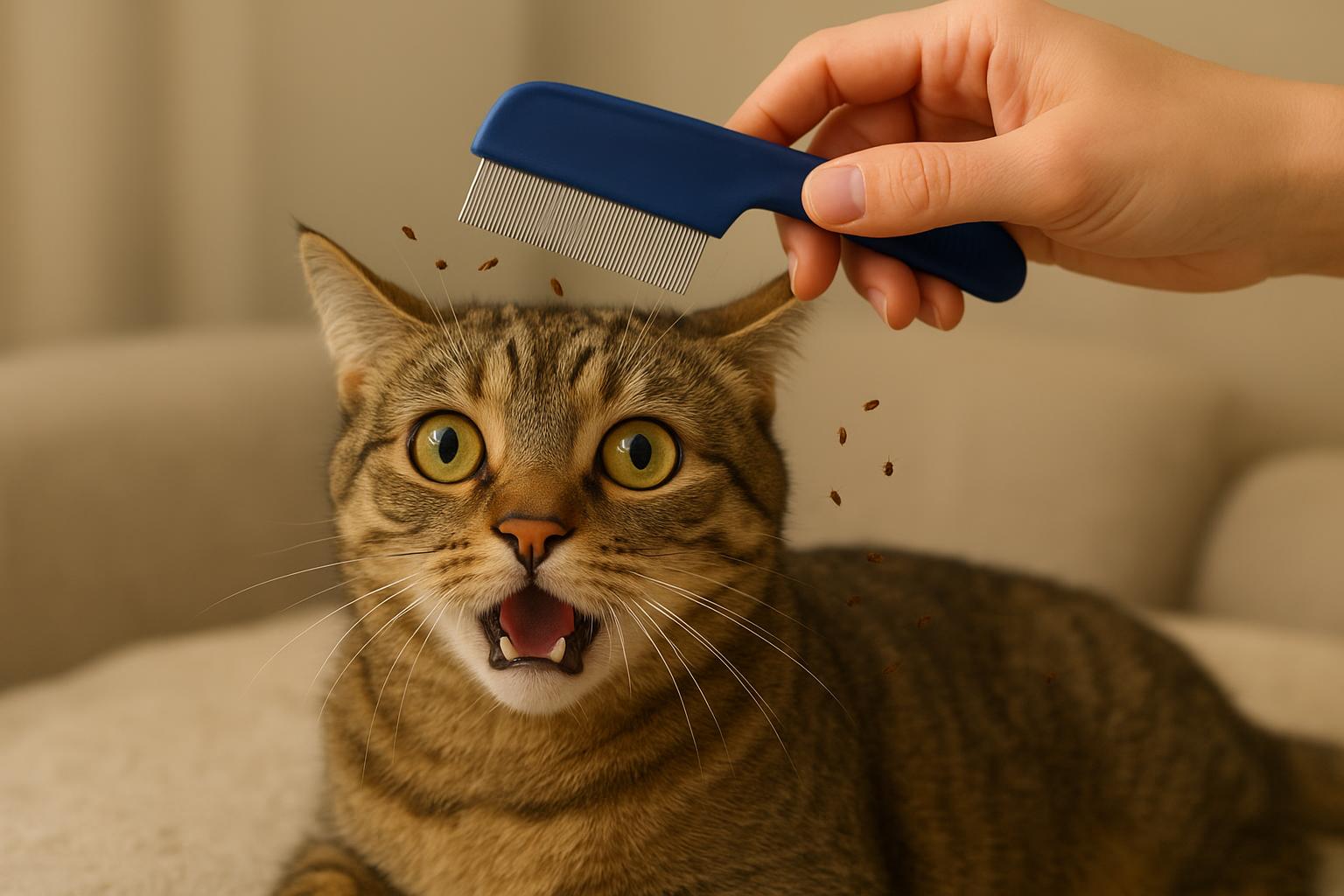
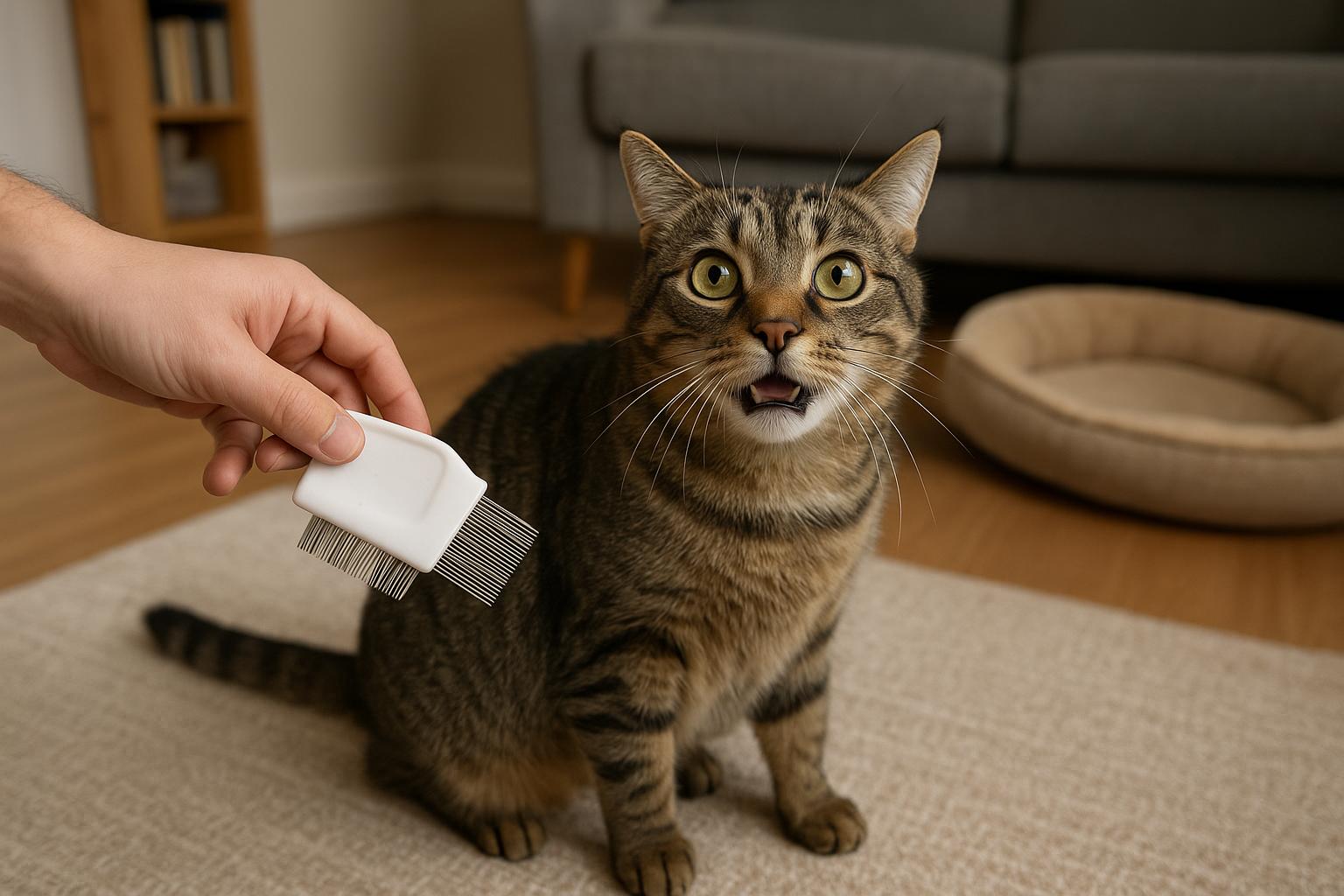
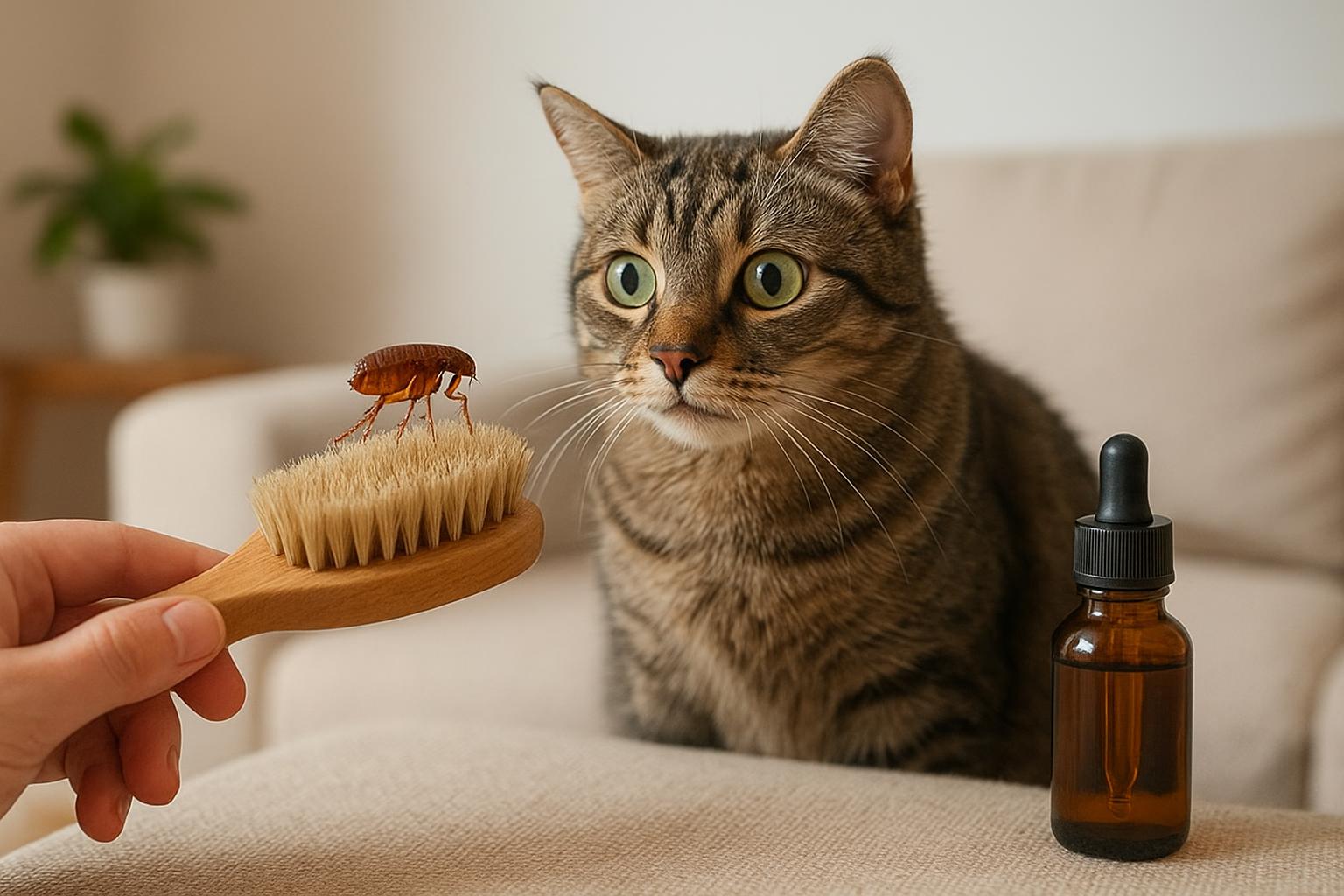
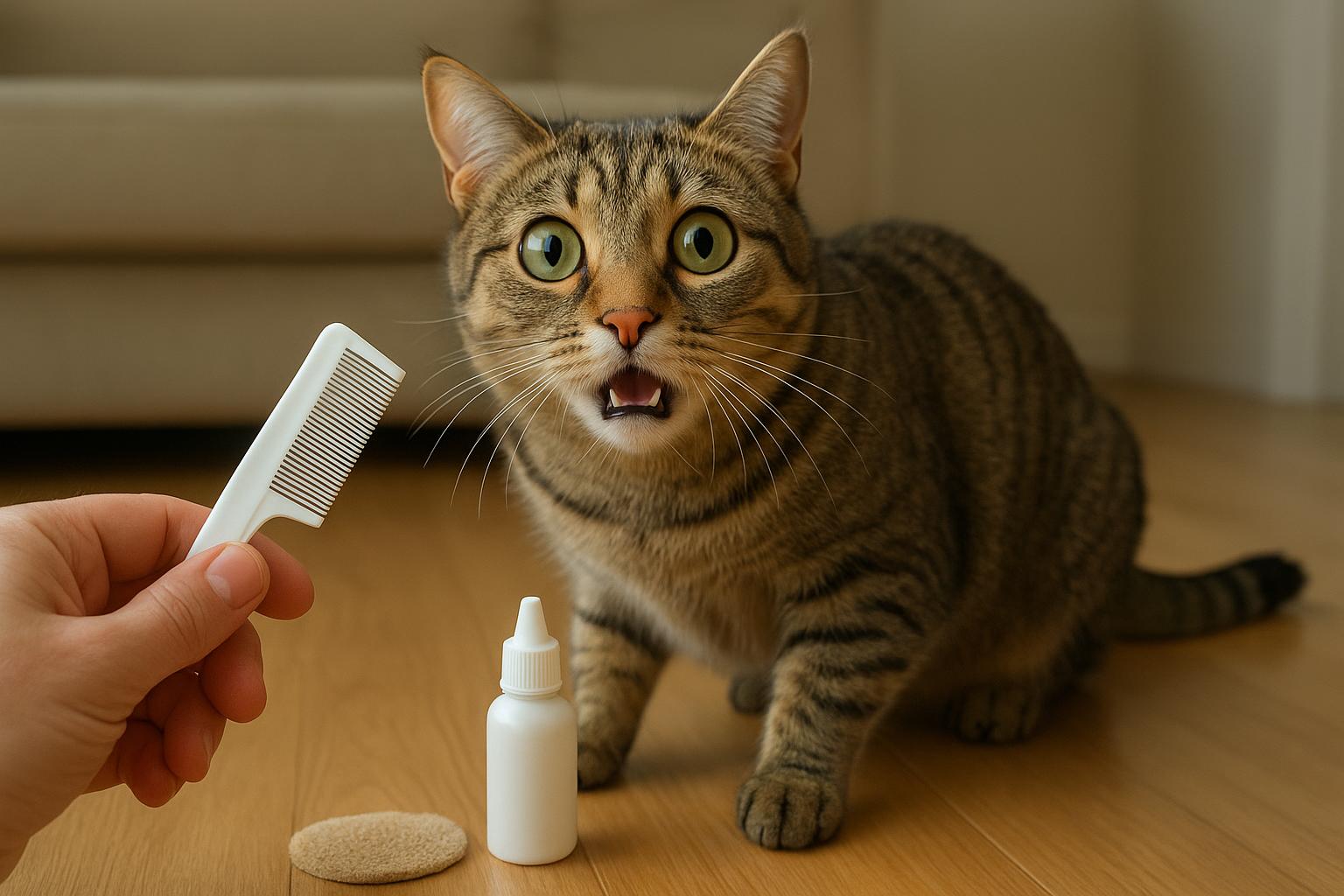
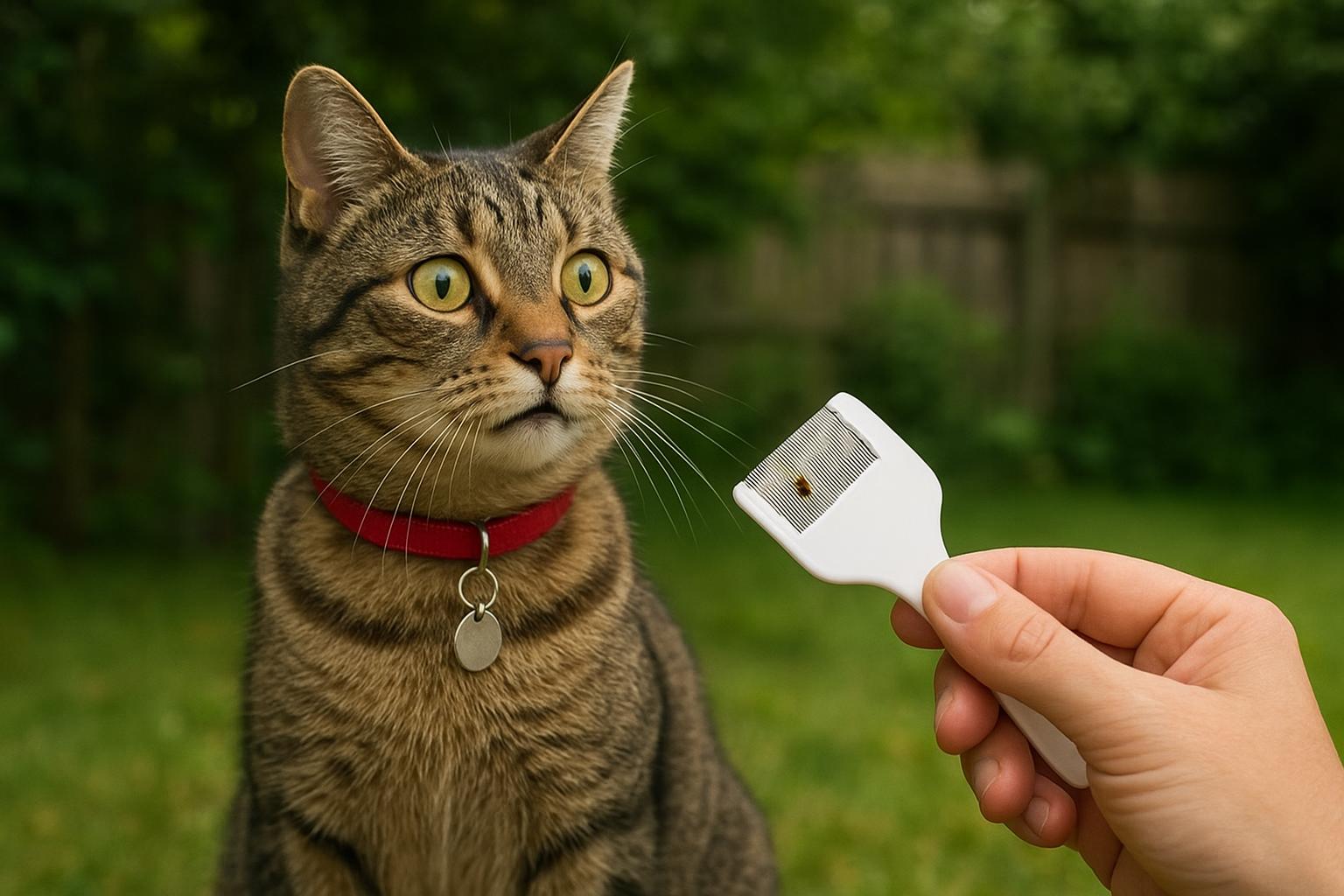
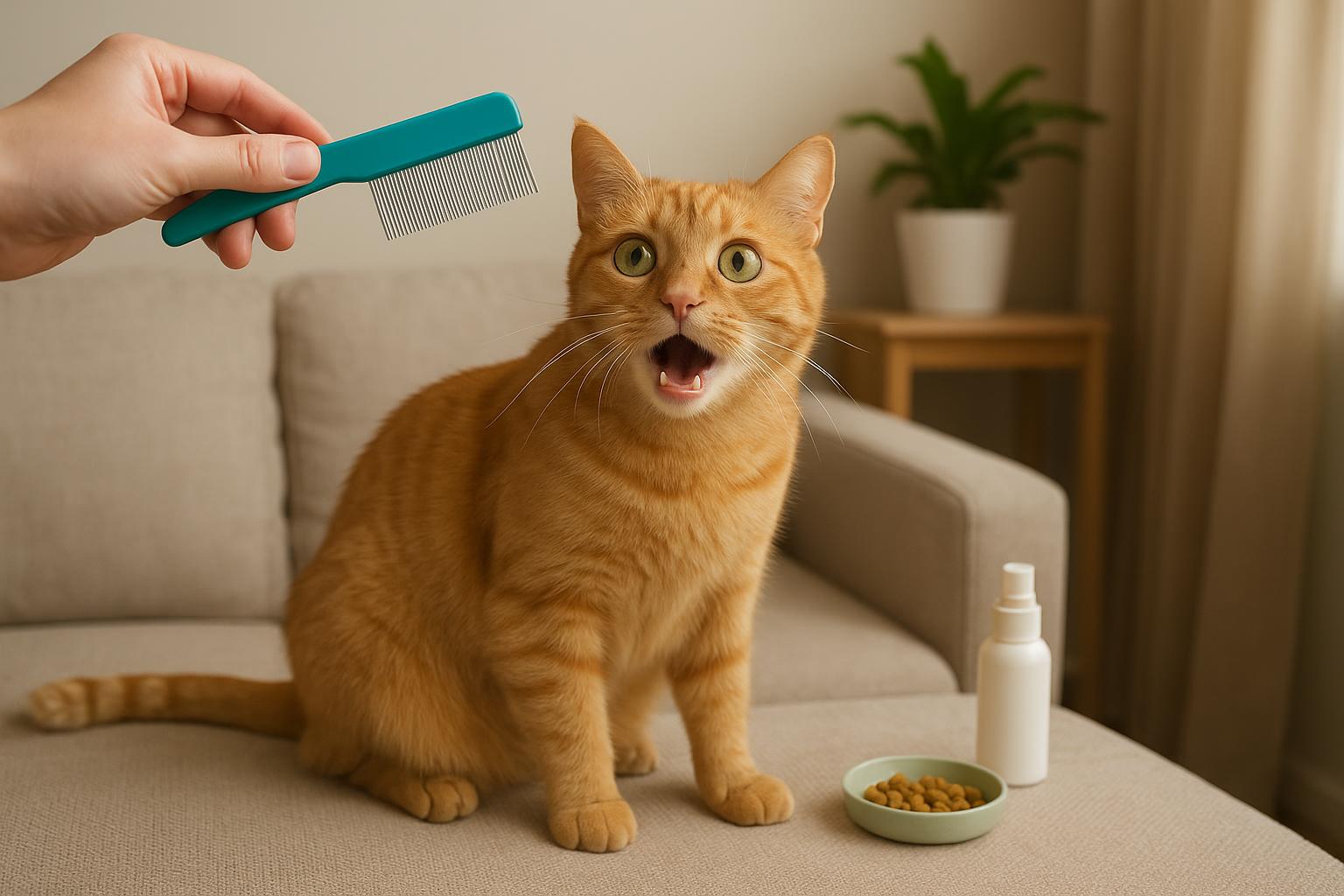
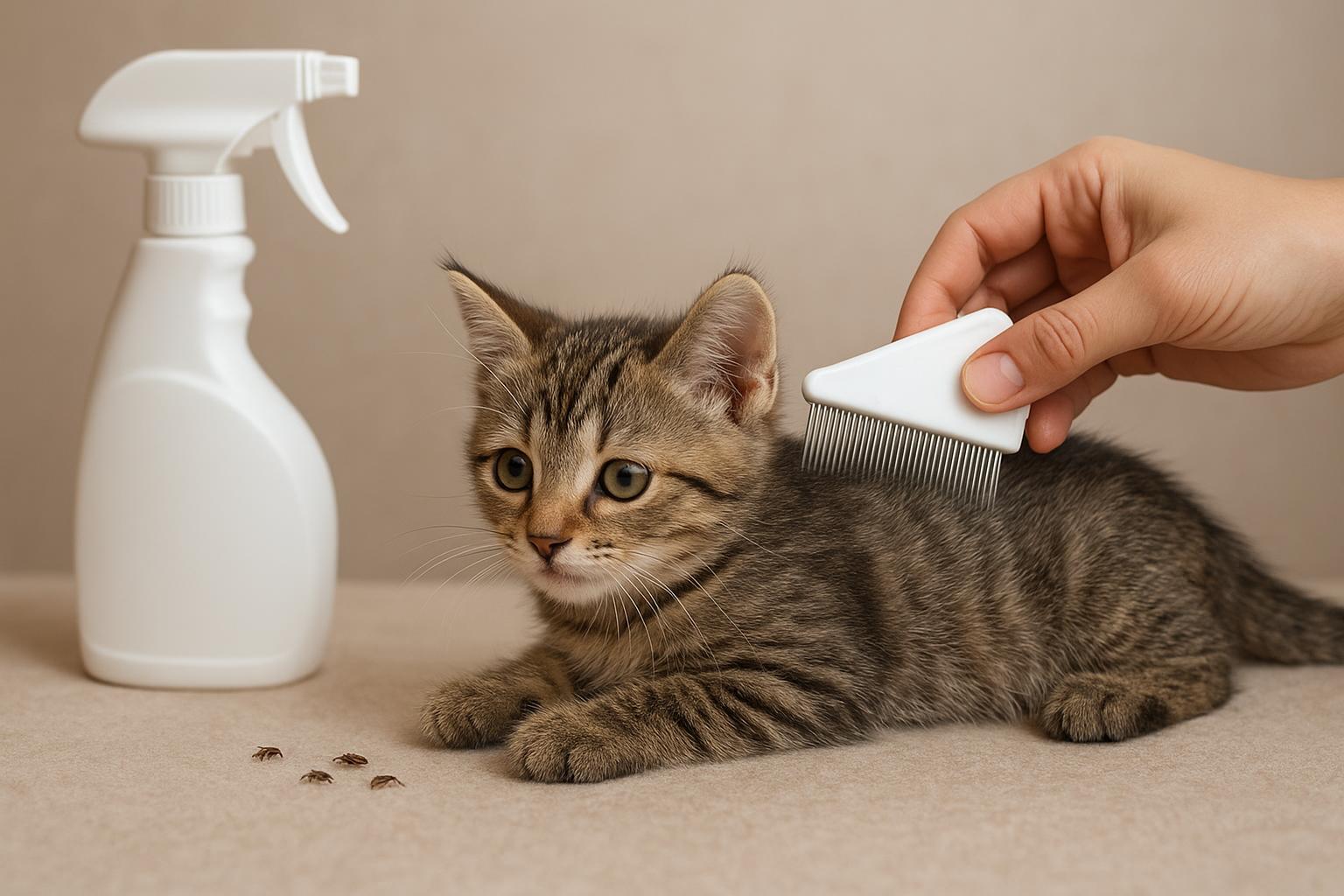
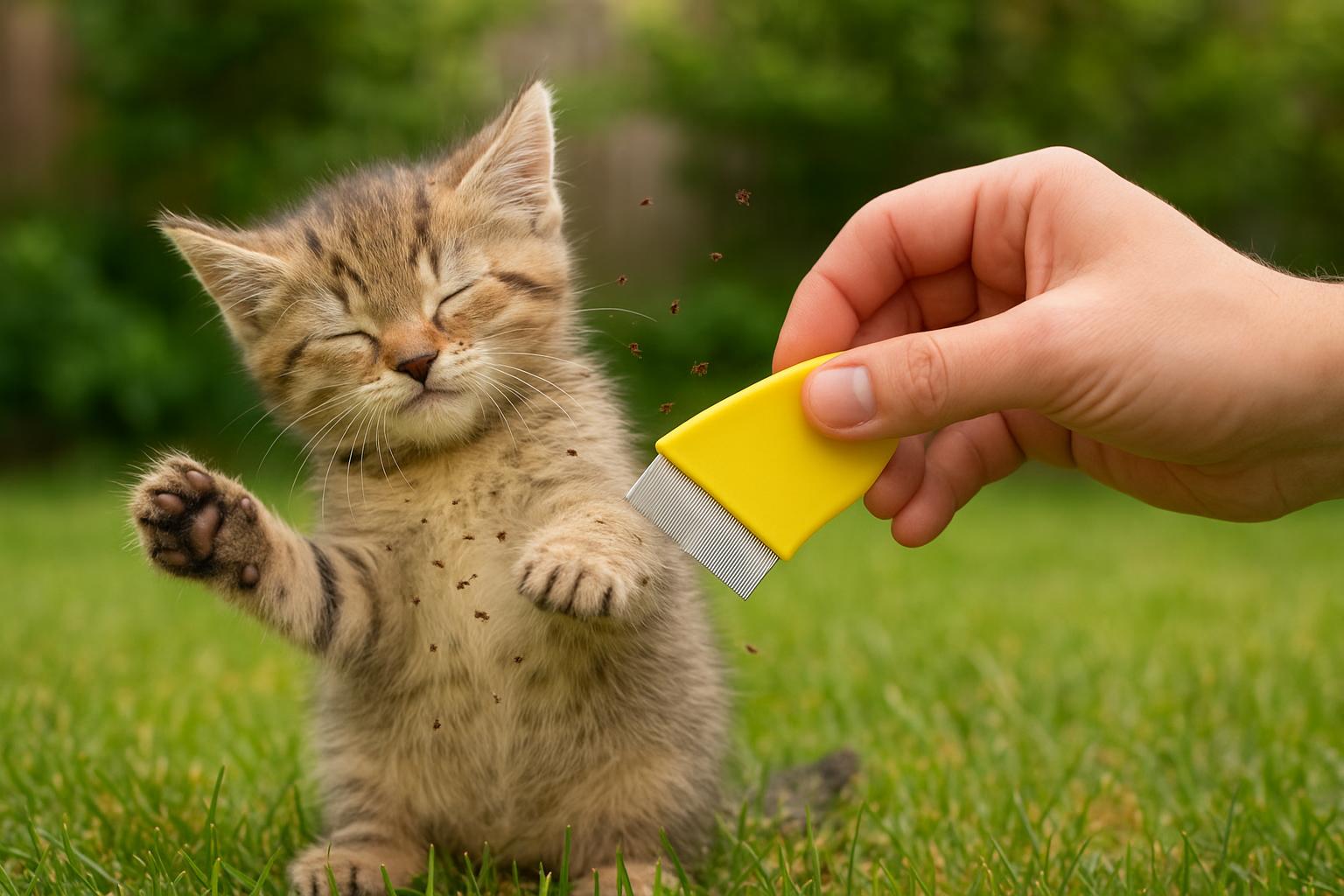
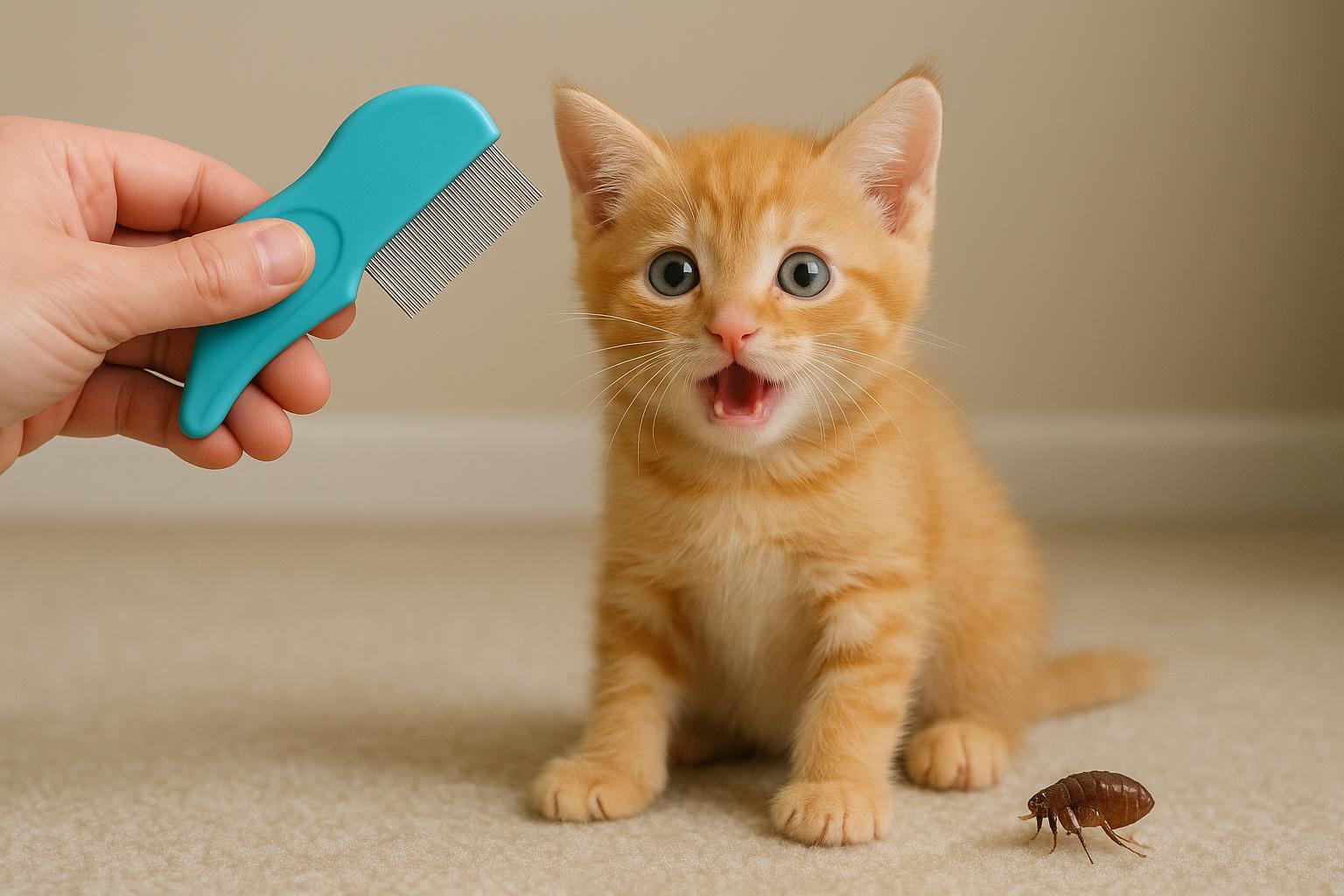
Keep grooming tools, collars, and pet furniture part of the routine inspection. Regular grooming with a fine-toothed flea comb is both soothing for your cat and an early detection tool for survivors. When you vacuum fleas regularly and combine that with veterinarian-approved preventives, you substantially reduce the odds that fleas will regain a foothold.
A consistent, calm approach beats panic every time. Your cat will appreciate the fewer bites, and your floors will look nicer too—bonus.



Leave a Reply