

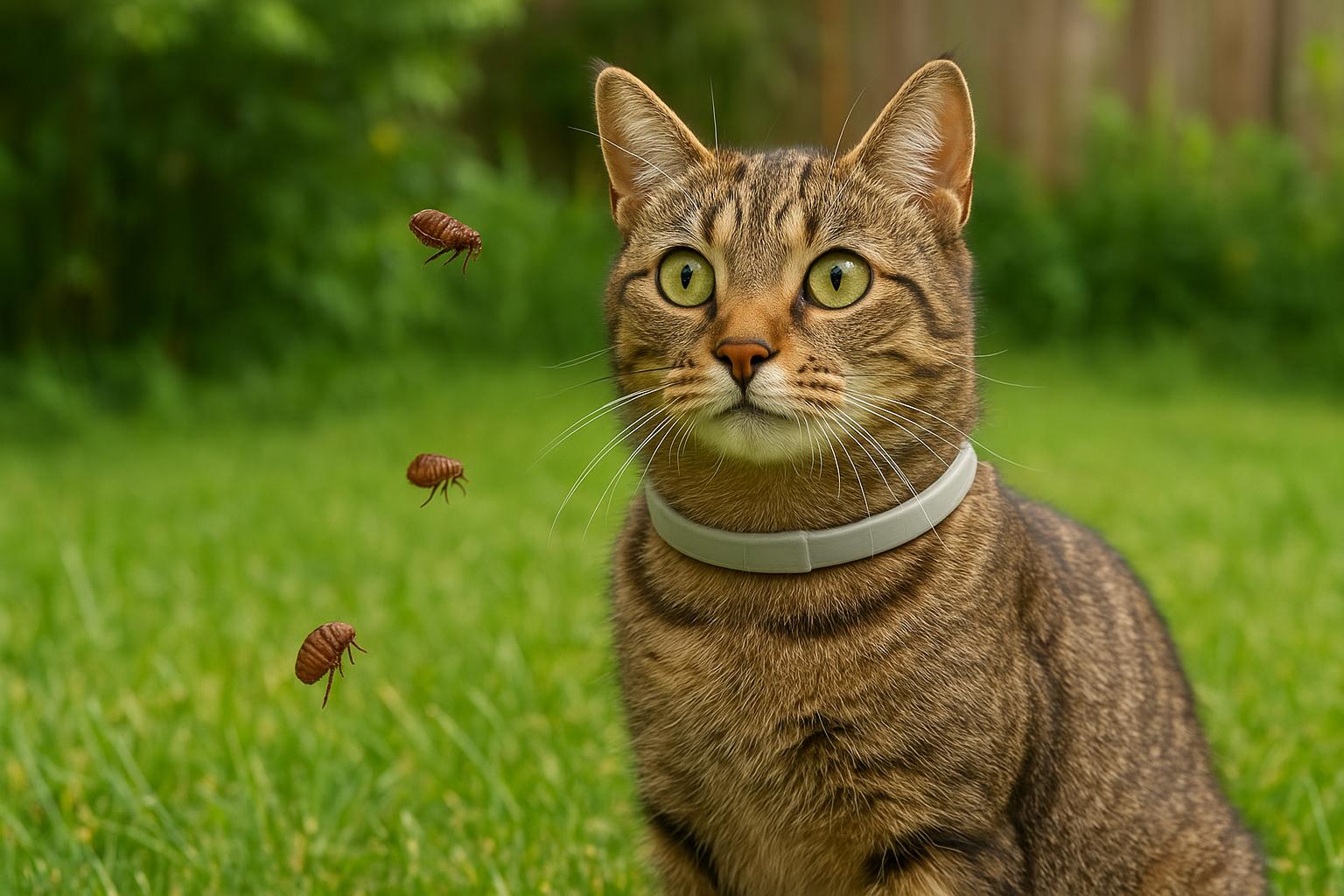
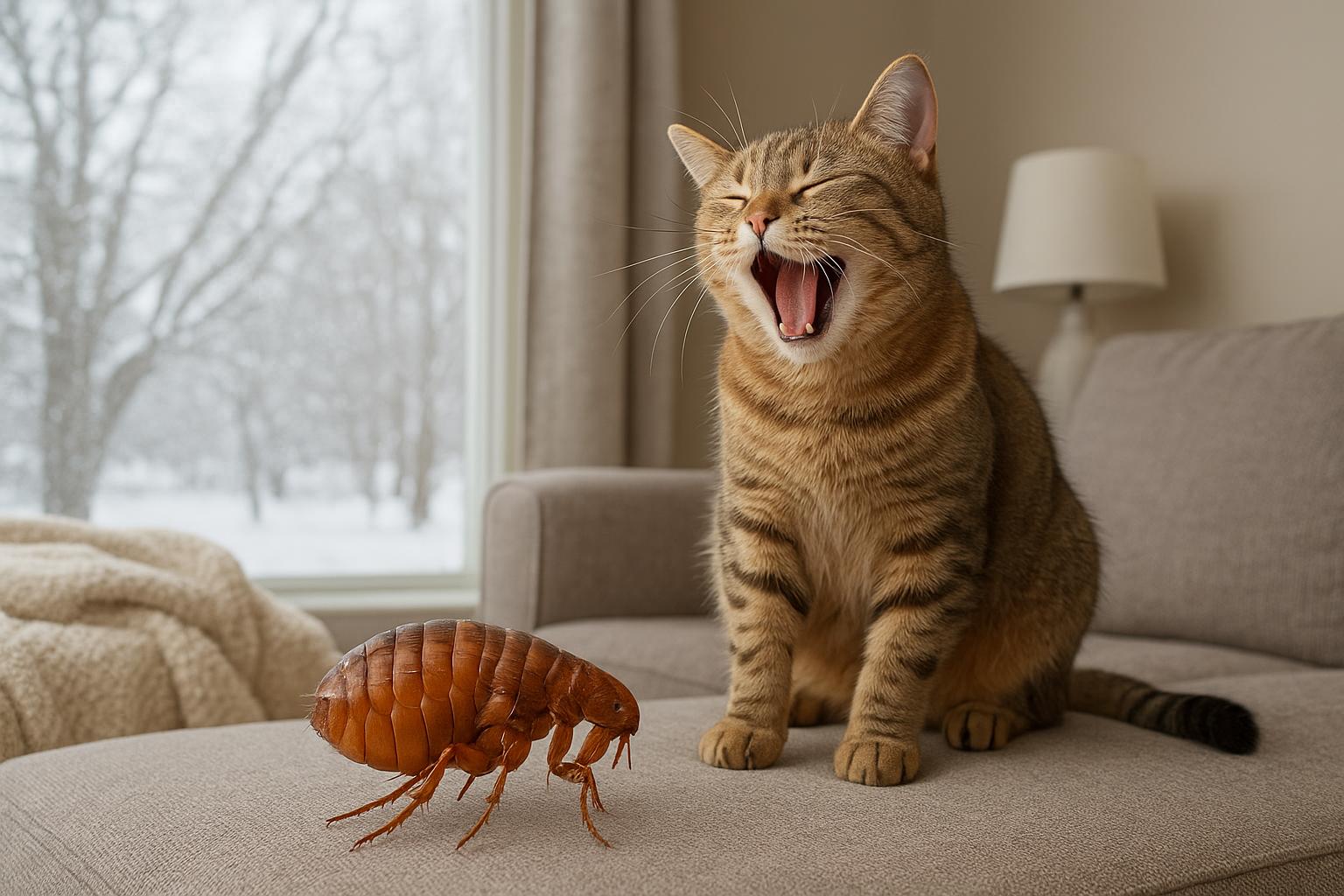
Hello and welcome — grab a cup of tea (or your preferred beverage) and let’s get comfortable talking about something tiny that frankly should stay off the couch: fleas. This piece digs into flea biology, practical detection tips, and clear, actionable house flea control remedies so you can spare your pets, your family, and your sanity.
## Understanding Flea Life Span And Why It Matters
Understanding the flea life span is the foundation of any effective control program. Fleas aren’t just pesky jumpers; they pass through four life stages (egg, larva, pupa, adult), and each stage responds differently to cleaning, chemicals, and time. Adult fleas live off a host and breed quickly, but most of the population in an infestation is often eggs and larvae hidden in carpets, pet bedding, furniture seams, and cracks.
A typical flea life span can be as short as a few weeks in warm, humid, host-rich environments — or stretch to several months when conditions are poor. The pupal stage, inside a cocoon, is especially stubborn because pupae can remain dormant for weeks or even months until vibrations, carbon dioxide, or warmth signal a host is present. That’s why one quick treatment rarely resolves an infestation.
### Flea Life Cycle: Timelines And Vulnerable Stages
– Eggs: Laid on the host but fall into the environment. Hatch in 2–14 days depending on temperature and humidity.
– Larvae: Feed on organic debris and adult flea feces. This stage lasts roughly 5–20 days.
– Pupae: Encased in sticky cocoons; highly resistant and can delay emergence. Dormancy may persist for weeks to months.
– Adults: Once they find a host, adults begin feeding and mating within 24–48 hours.
Knowing the flea life span helps you time your interventions for maximum effect — for instance, scheduling repeat treatments to hit newly emerged adults before they lay more eggs.
### Factors That Affect Flea Life Span
Several environmental and biological factors shorten or lengthen the flea life span:
– Temperature and Humidity: Warm, humid conditions accelerate development and shorten life cycles; cold and dry slow things down.
– Host Availability: Fleas on a frequently groomed or treated pet may have reduced survival. Conversely, abundant hosts promote rapid population growth.
– Environment: Thick carpets, clutter, and shaded outdoor areas provide safe havens for eggs and larvae.
– Species Variation: While the cat flea is common in homes and versatile in host choice, other species have different preferences and development speeds.
## How To Recognize A Flea Problem
A reliable early-warning system helps you act before three-legged pounce mode commences on every guest. Look for:
– Excessive scratching or hair loss on pets, especially around the tail base, groin, and neck.
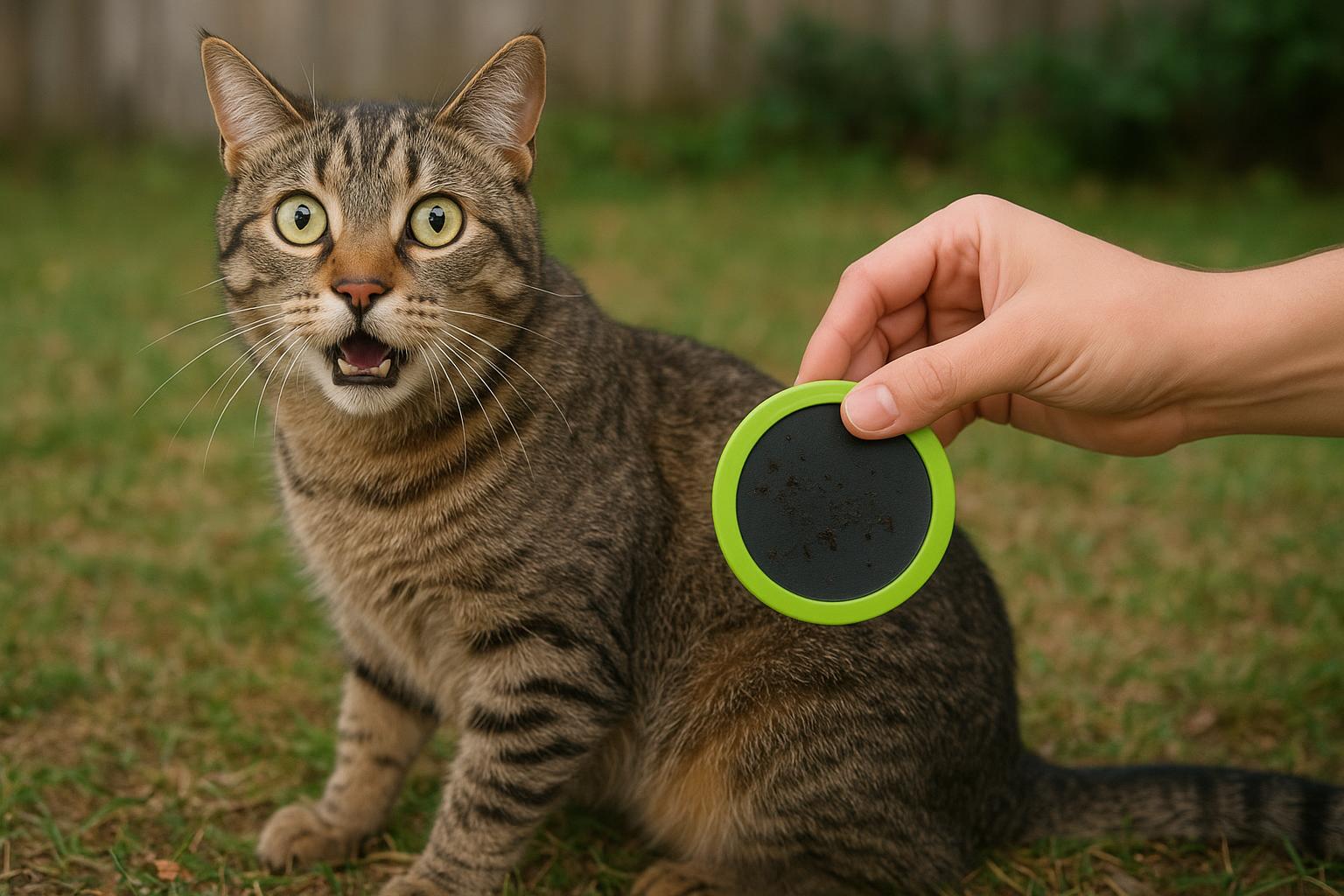
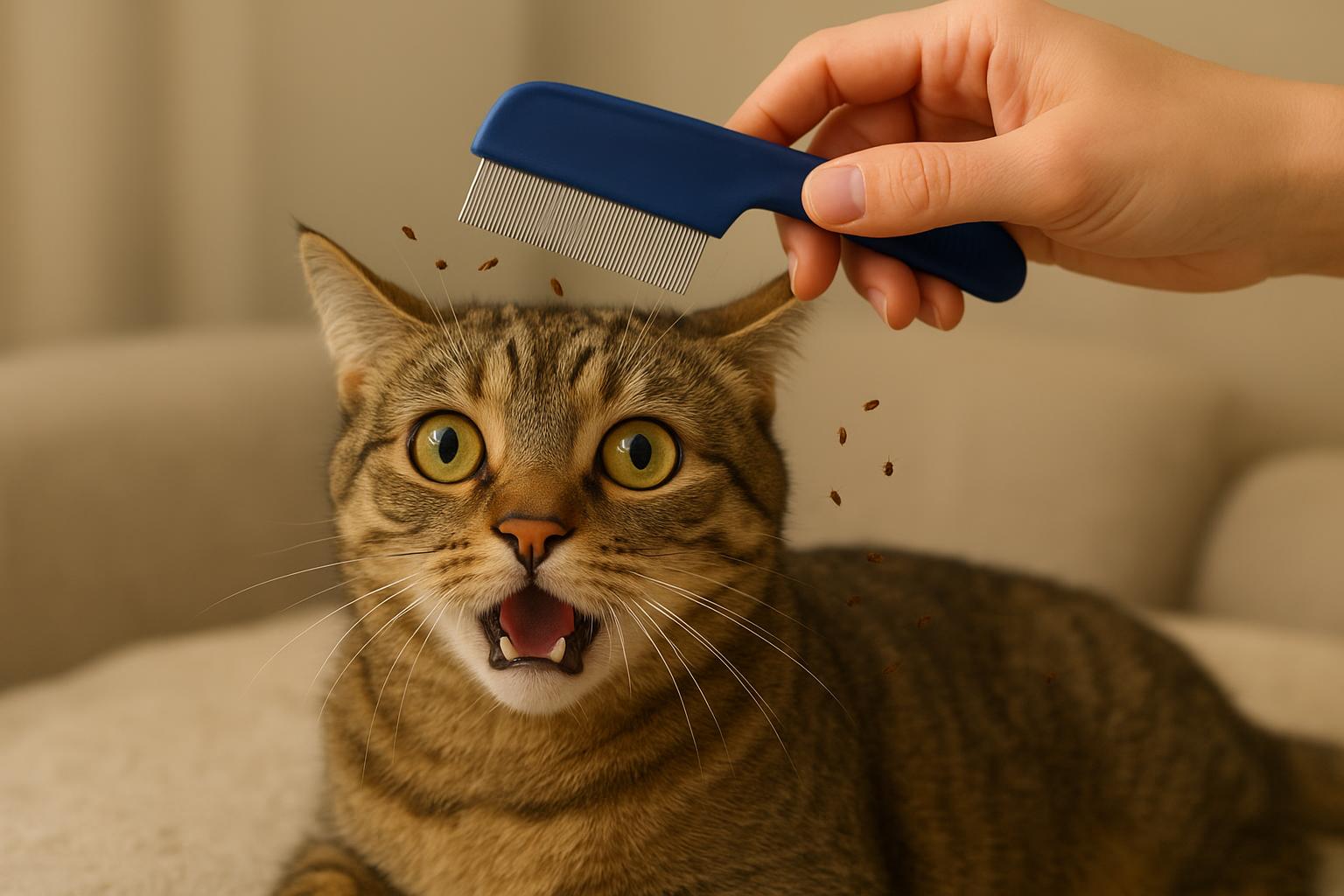
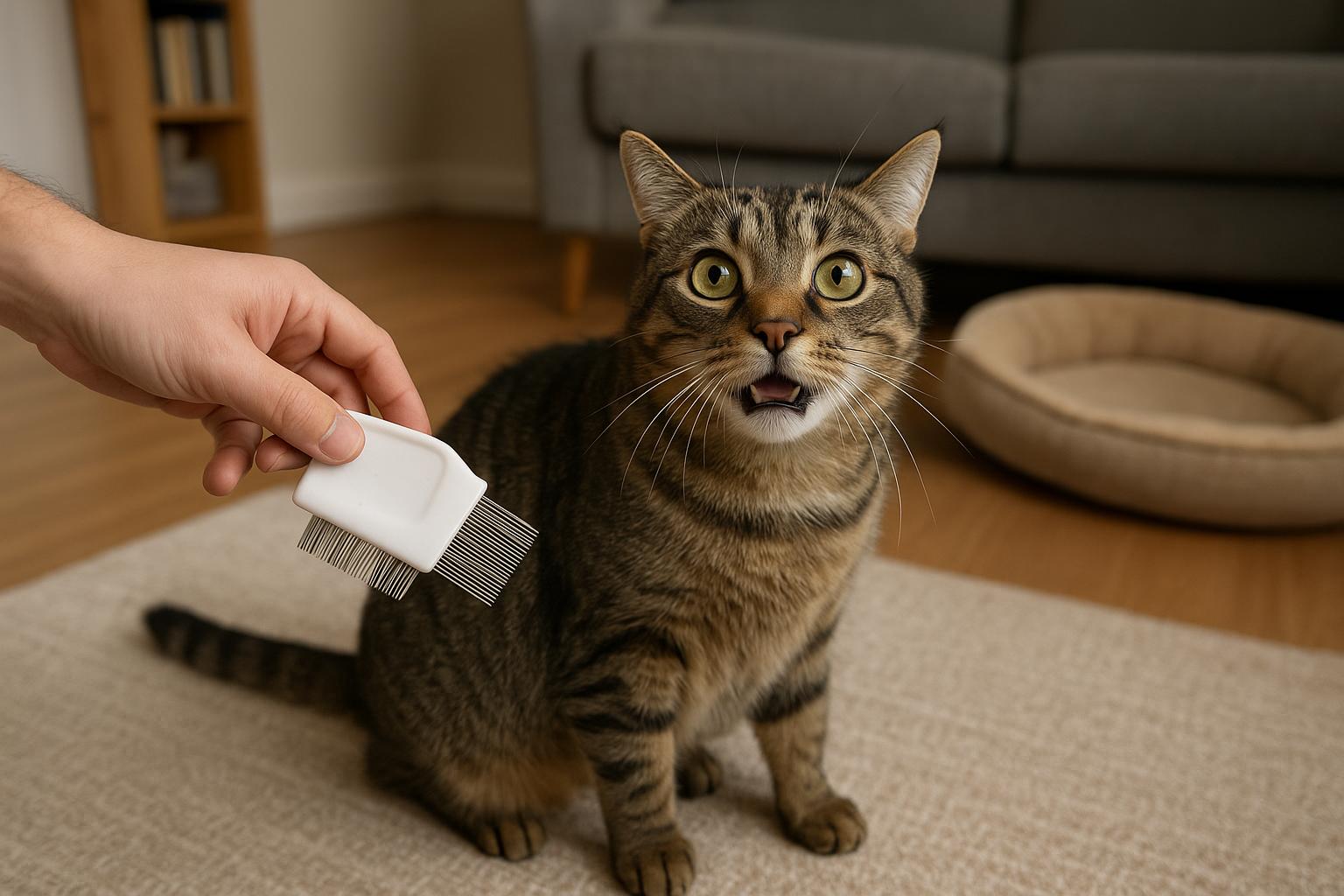
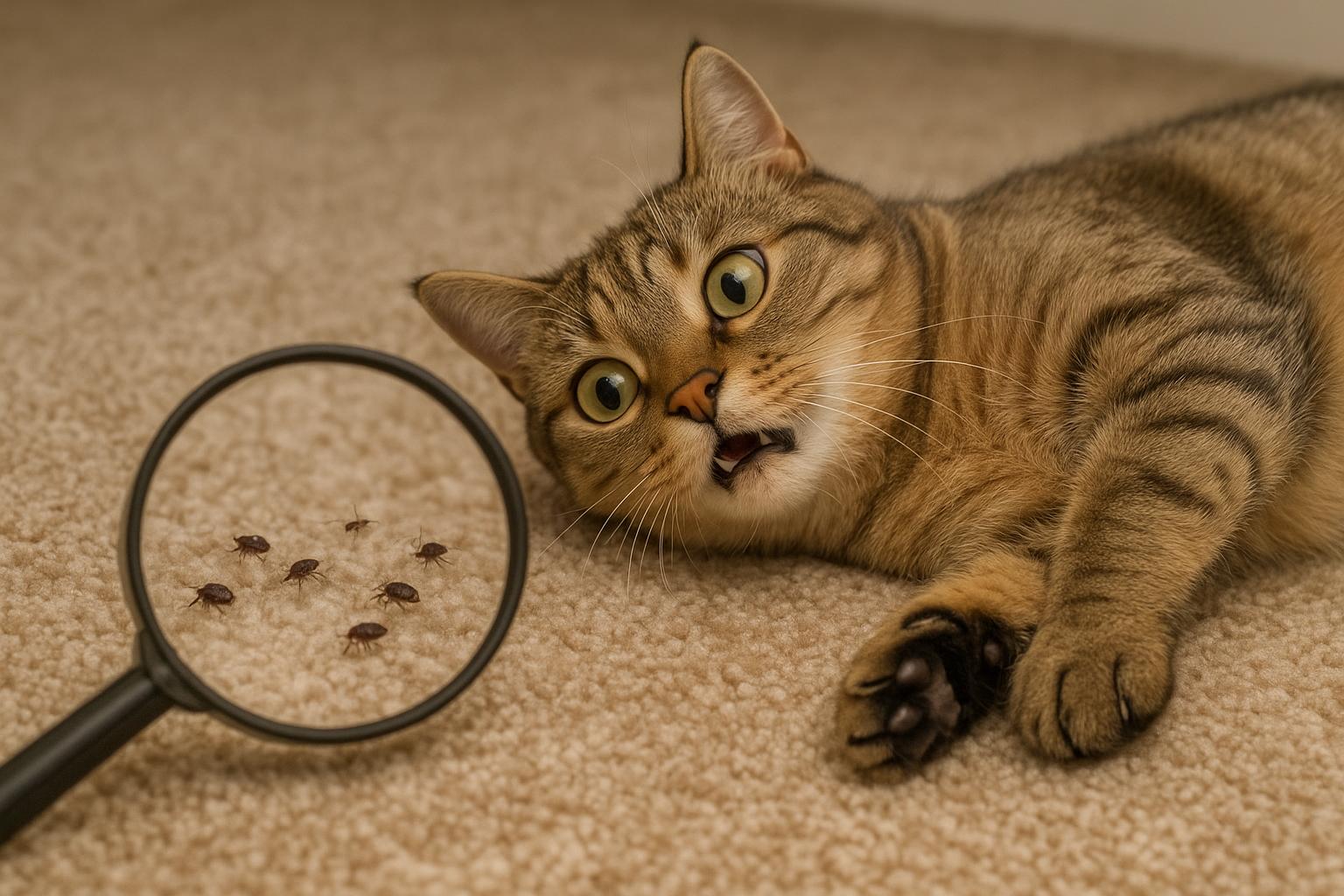
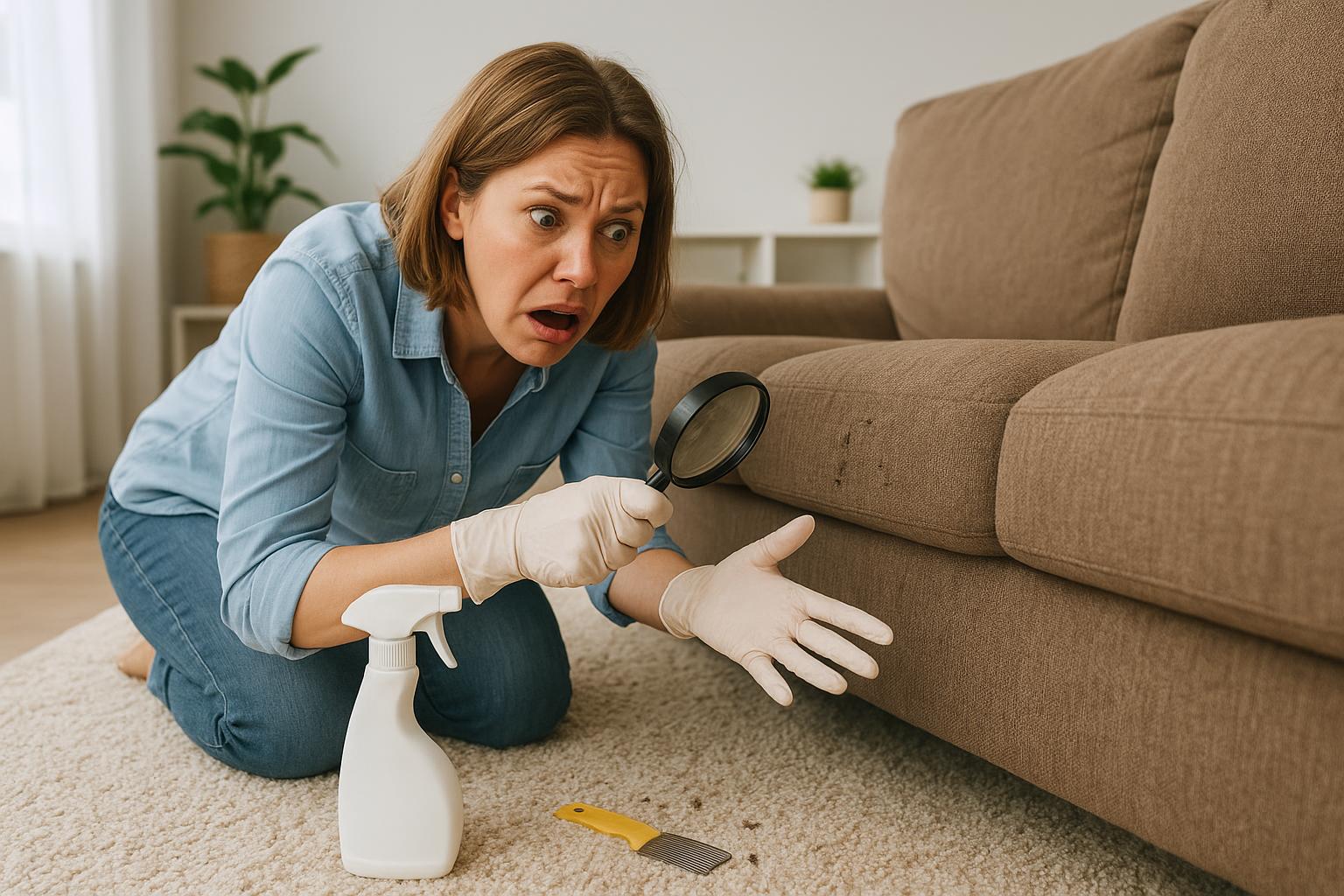
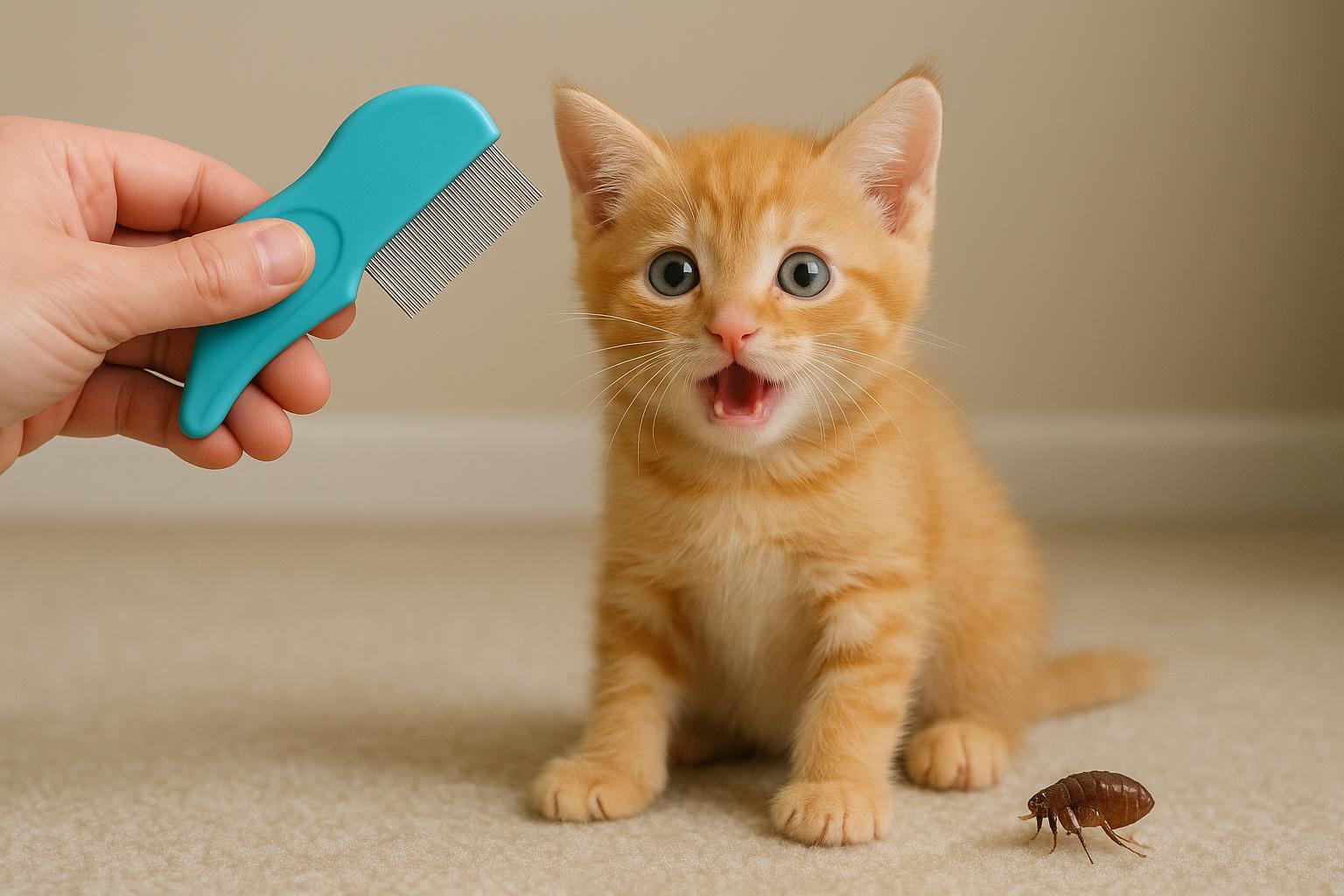
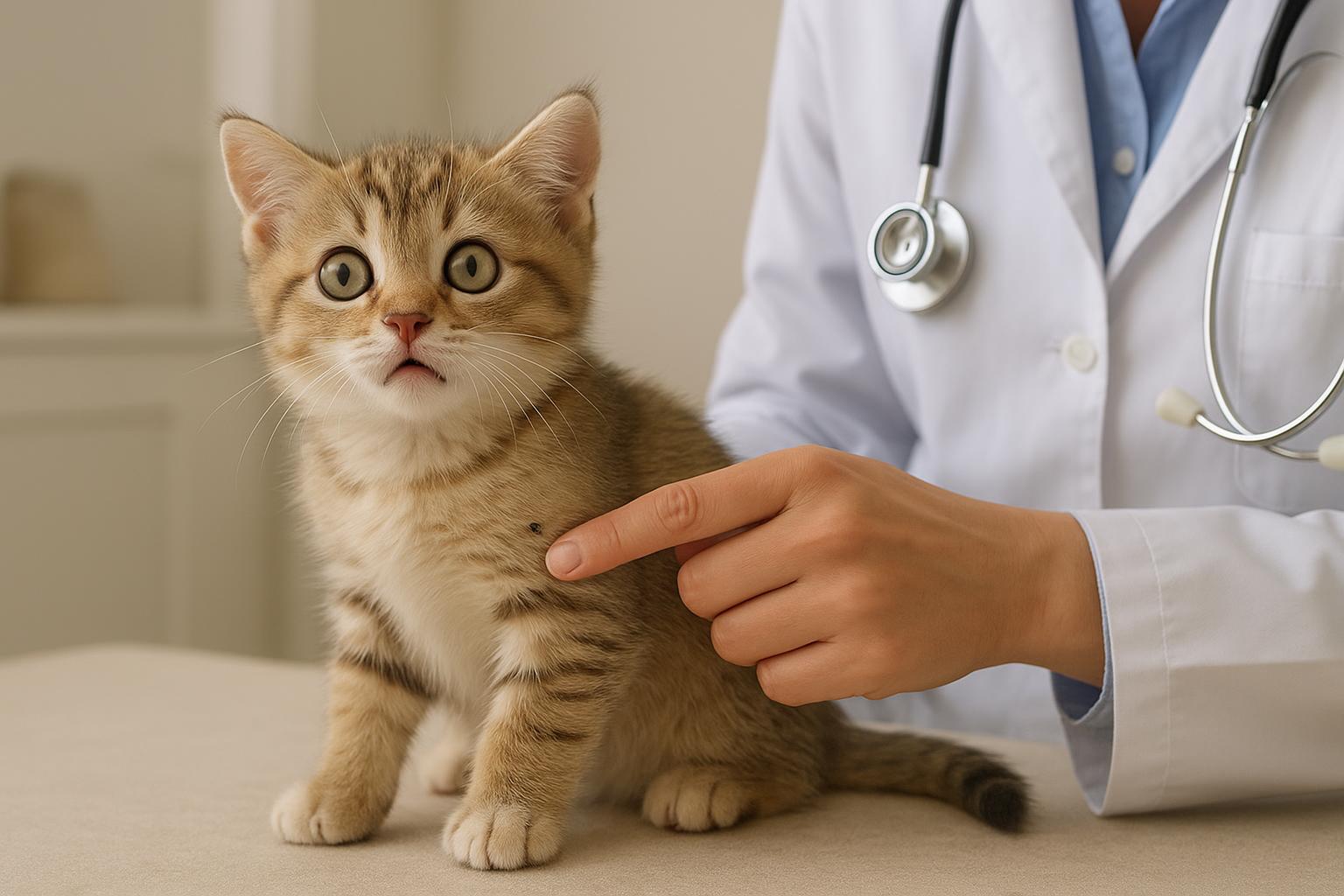
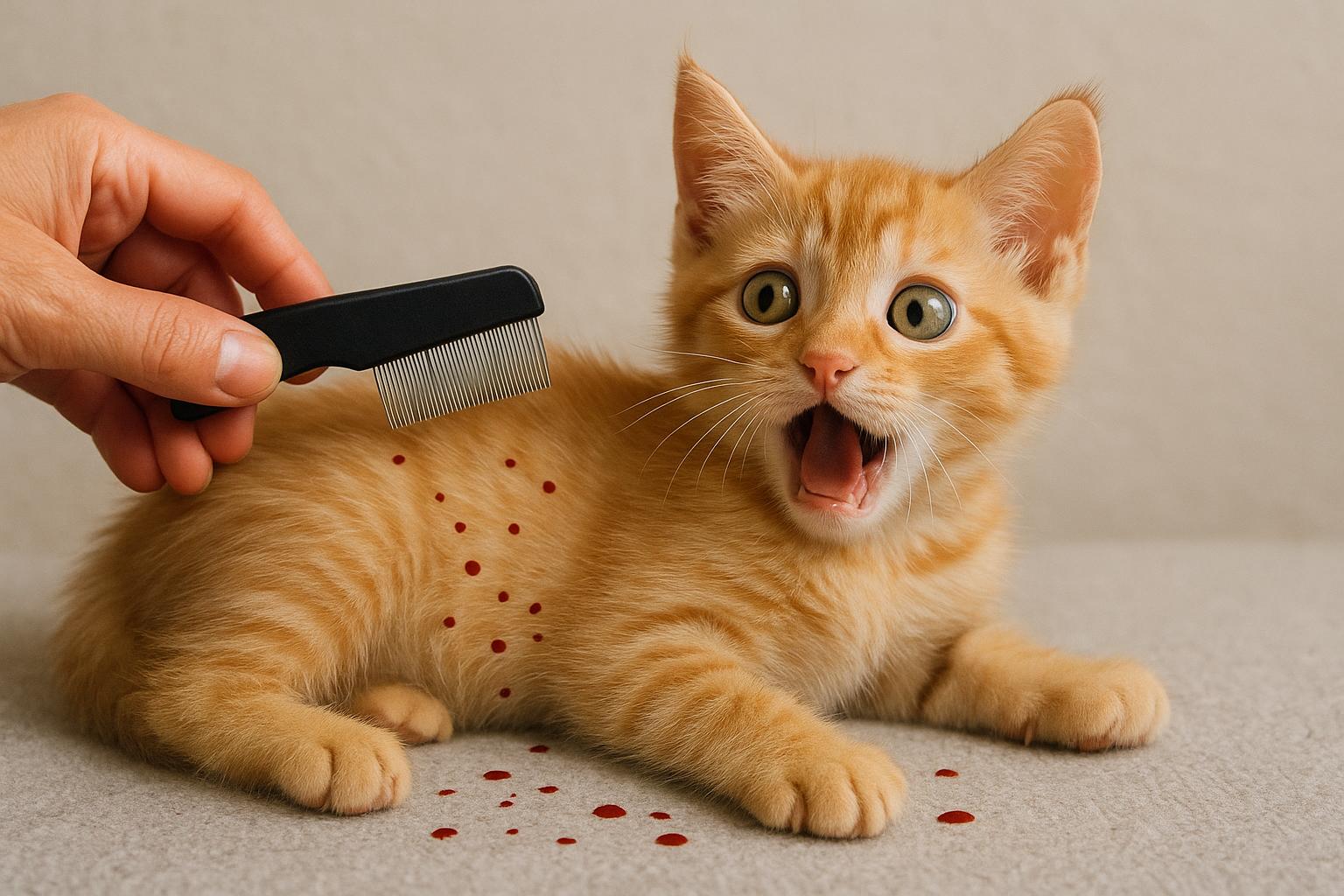
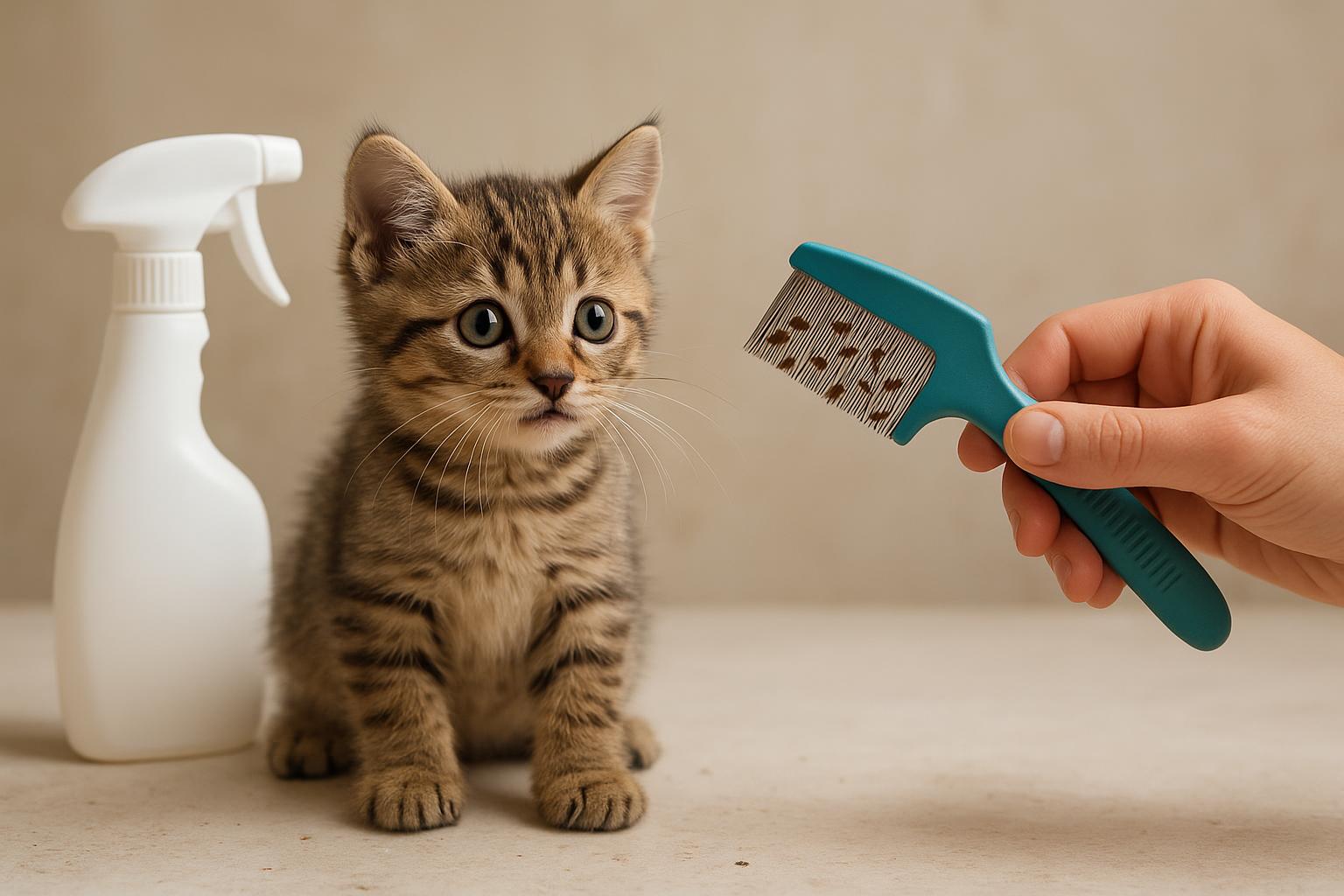
– Small dark specks in pet fur (flea dirt) — place on a damp paper towel; it’ll dissolve to show reddish tint.
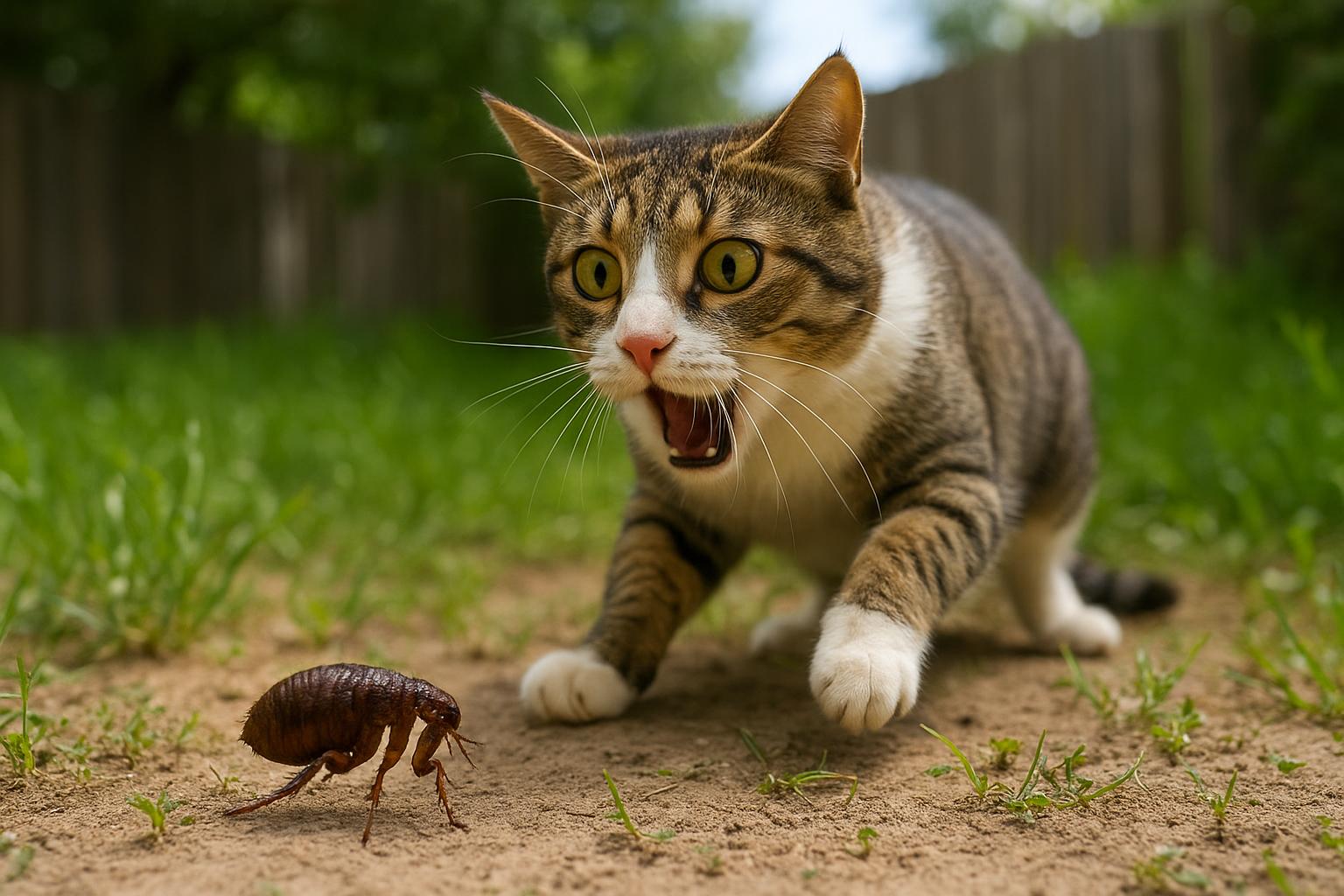
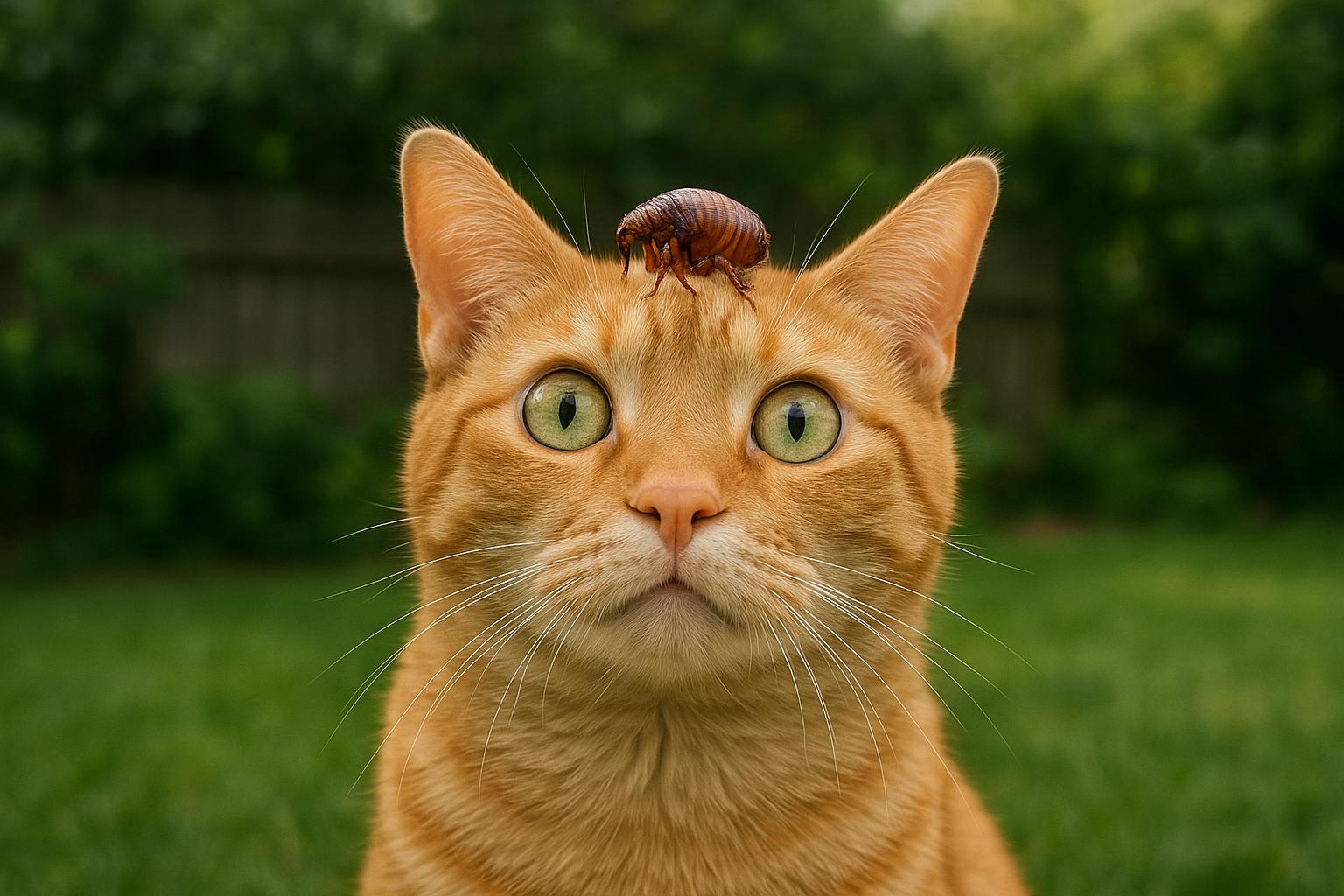
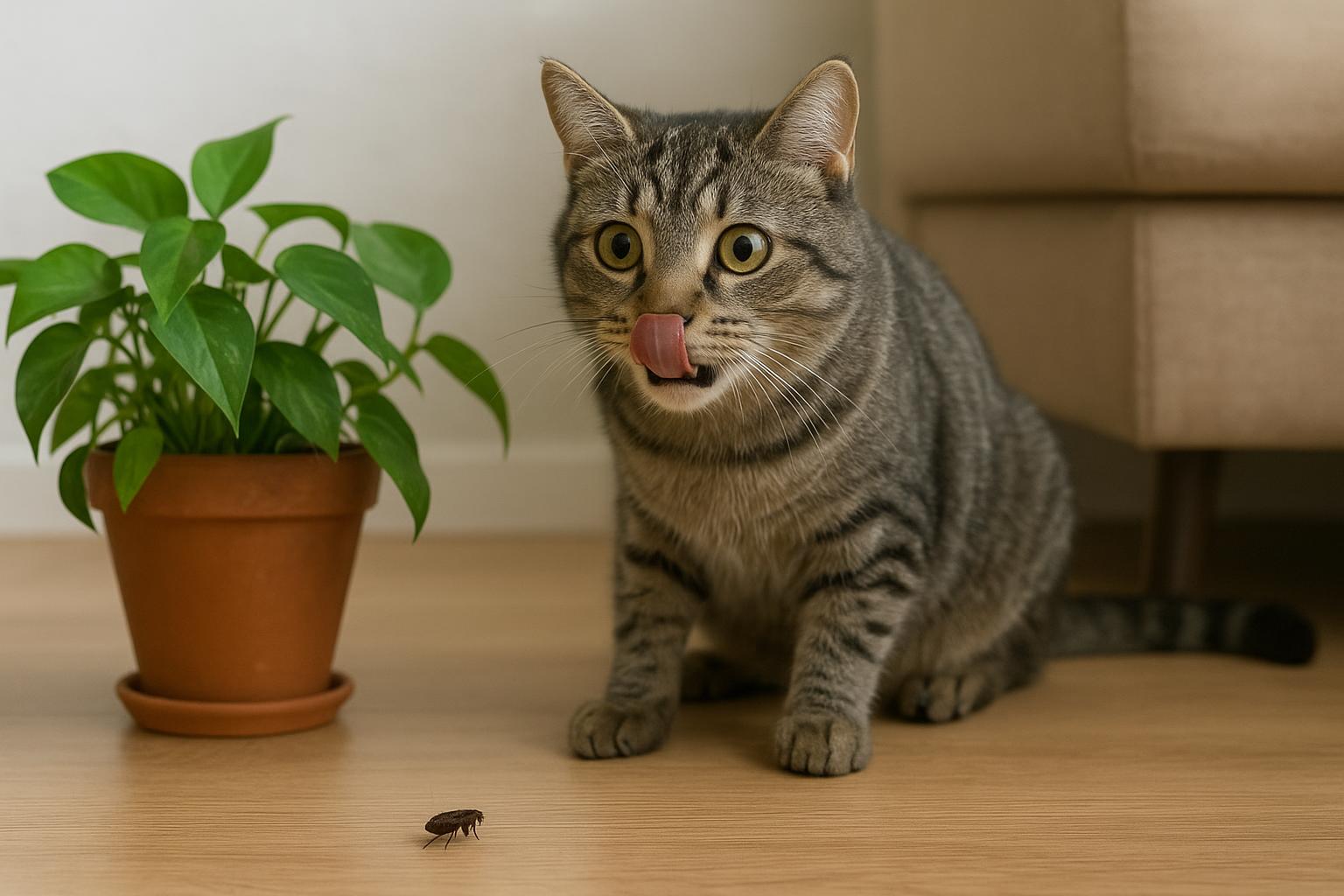
– Adults hopping on pets or people, especially after outdoor exposure.
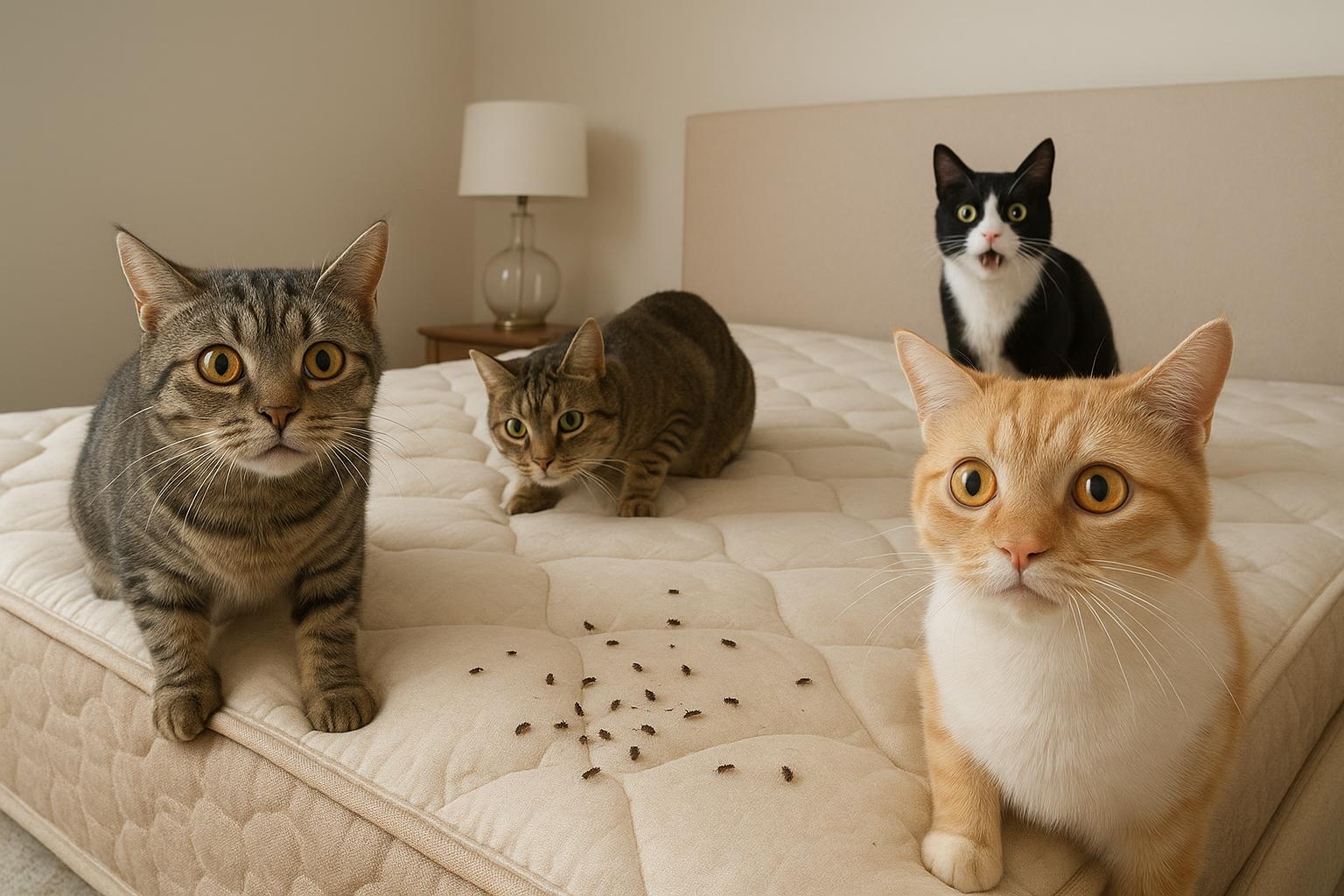
– Bite clusters on humans (ankles and lower legs are common) and pet bedding with tiny black specks.
## House Flea Control Strategies
Controlling fleas in the home requires an integrated approach that targets the different life stages described by the flea life span. Below are two practical, proven remedies: one you can perform at home with careful application, and another describing professional insecticide protocols when infestations exceed home-control capacity.
## Remedy 1: Home Treatment Using Vacuuming, Washing, And Diatomaceous Earth
Materials/Ingredients:
– High-powered vacuum (with crevice tool)
– Plastic garbage bags
– Hot water washing machine access (140°F/60°C ideally)
– Pet-safe laundry detergent
– Food-grade diatomaceous earth (DE) — not pool-grade
– Stiff brush or broom
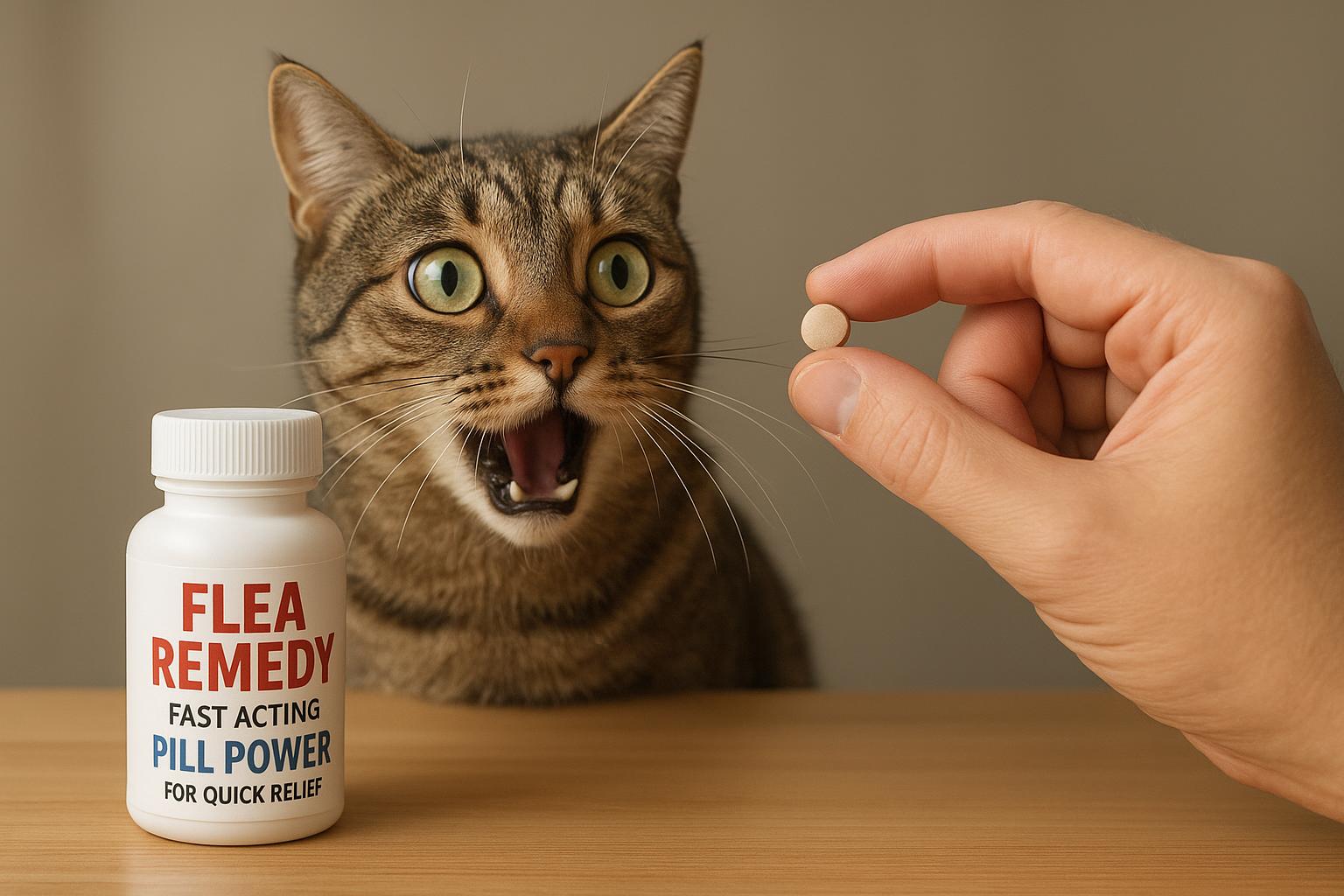
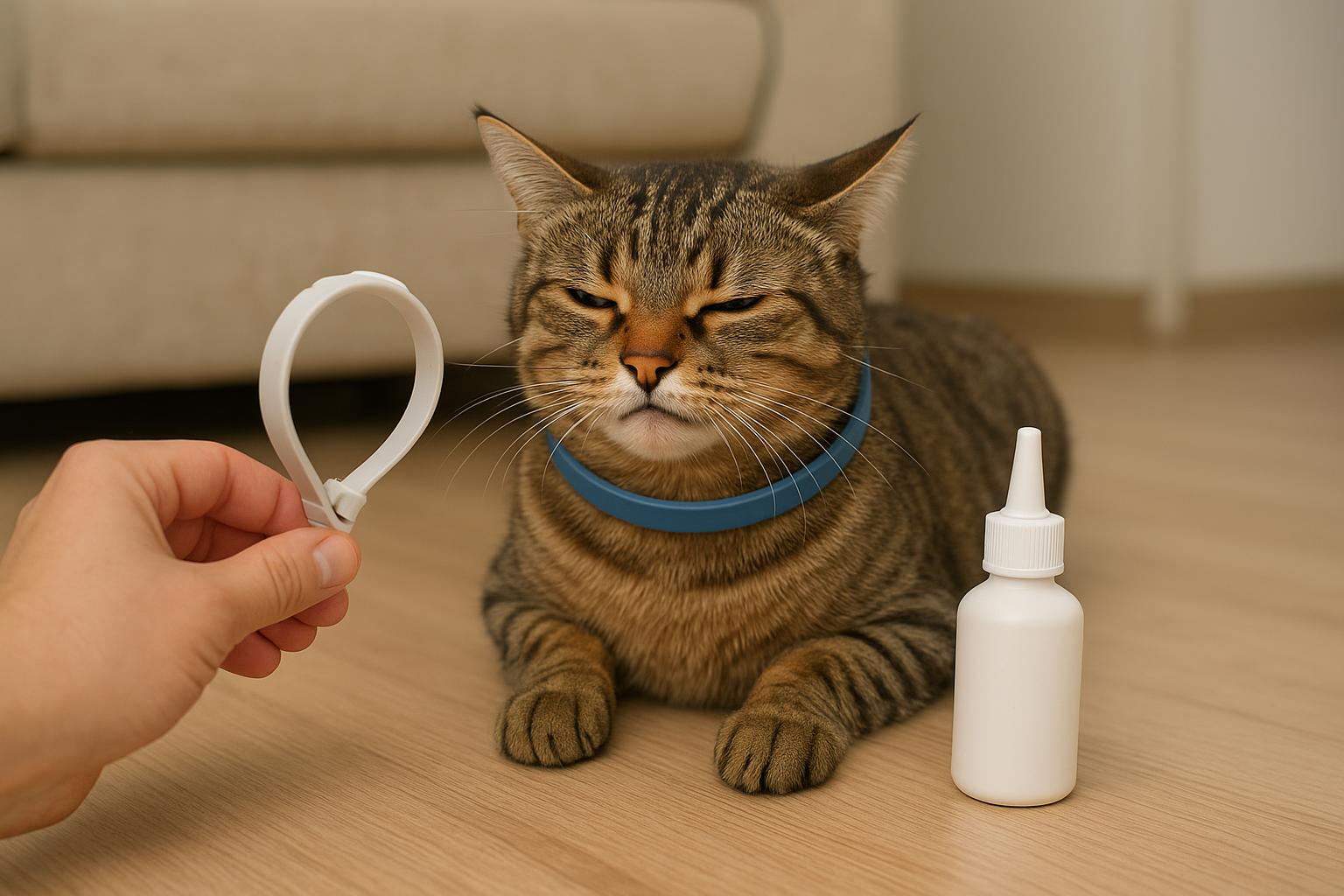
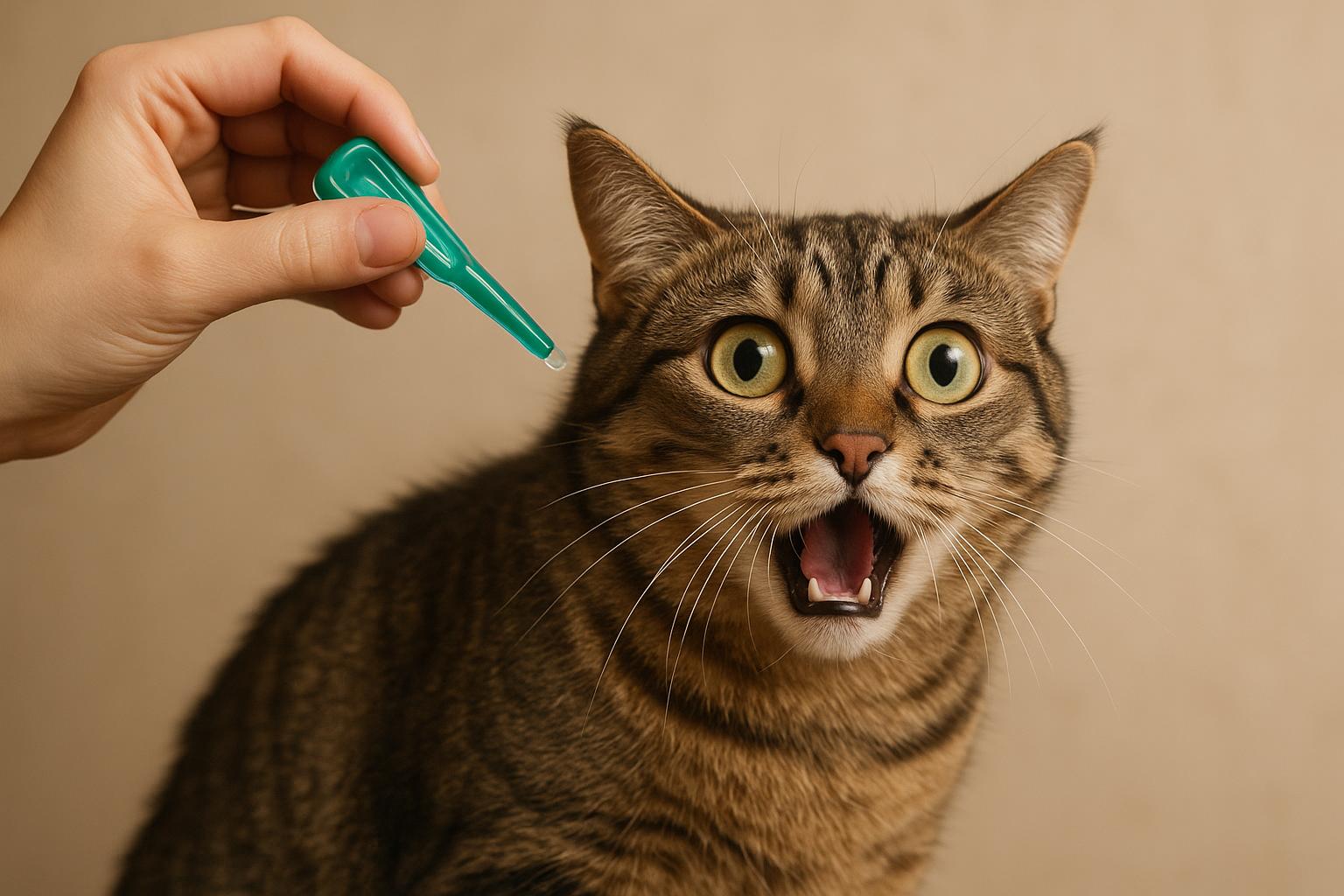
– Pet flea treatment (topical or oral) prescribed or recommended by your veterinarian
– Gloves, dust mask, and eye protection
Step-by-Step Creation And Application:
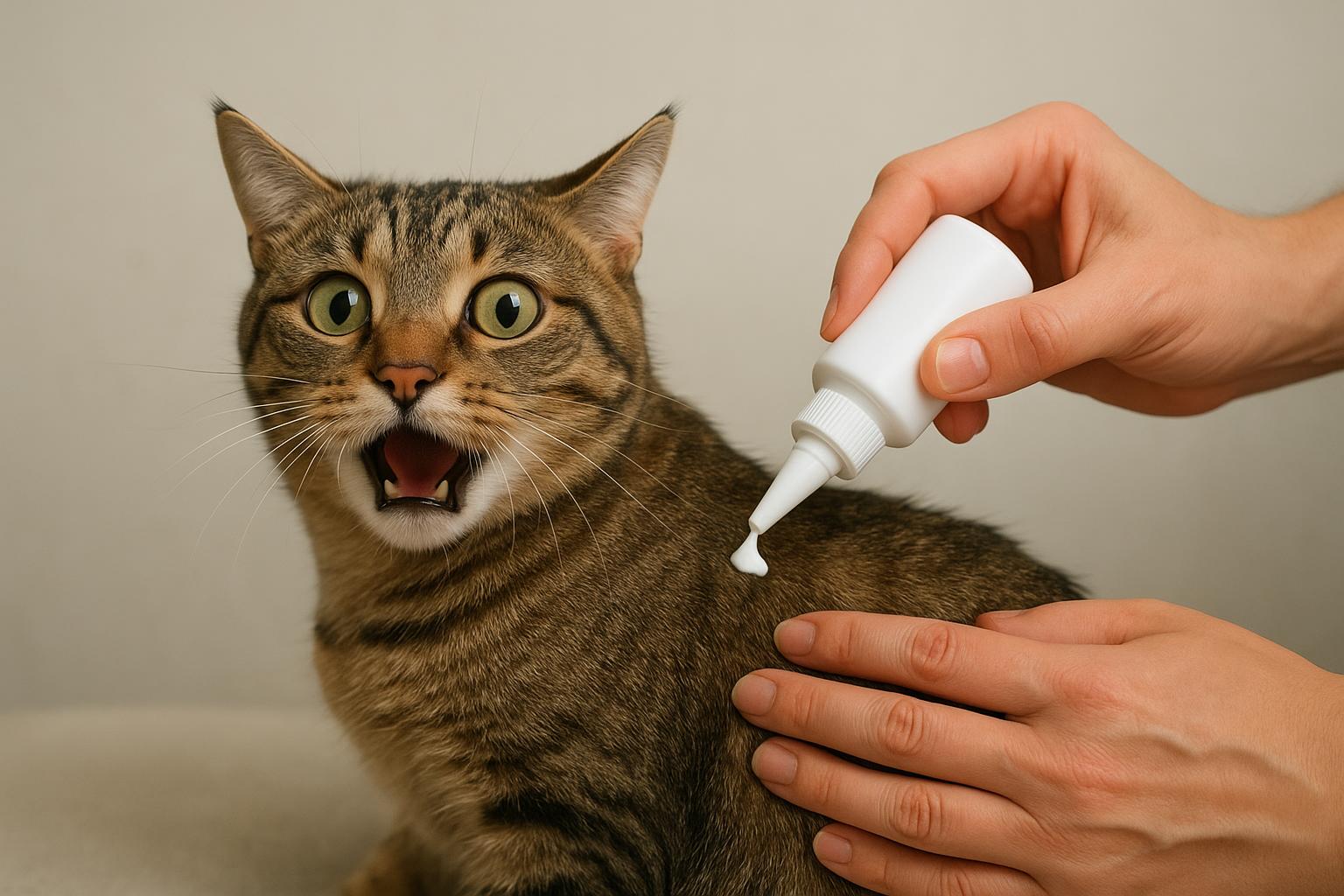
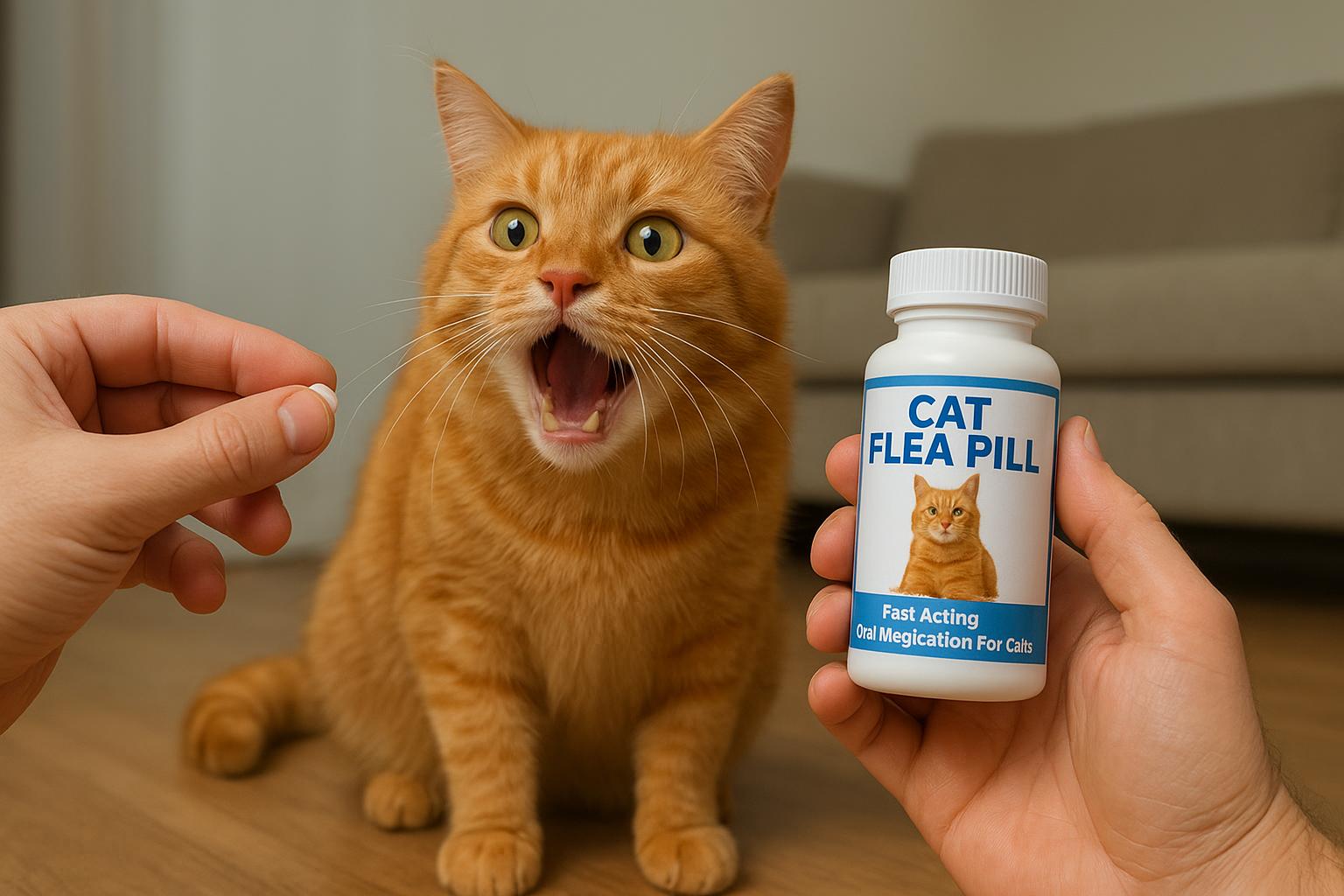
1. Prepare Pets: Before treating the house, treat all pets with veterinarian-approved flea control (topical or oral). This reduces the number of adult fleas feeding and laying eggs.
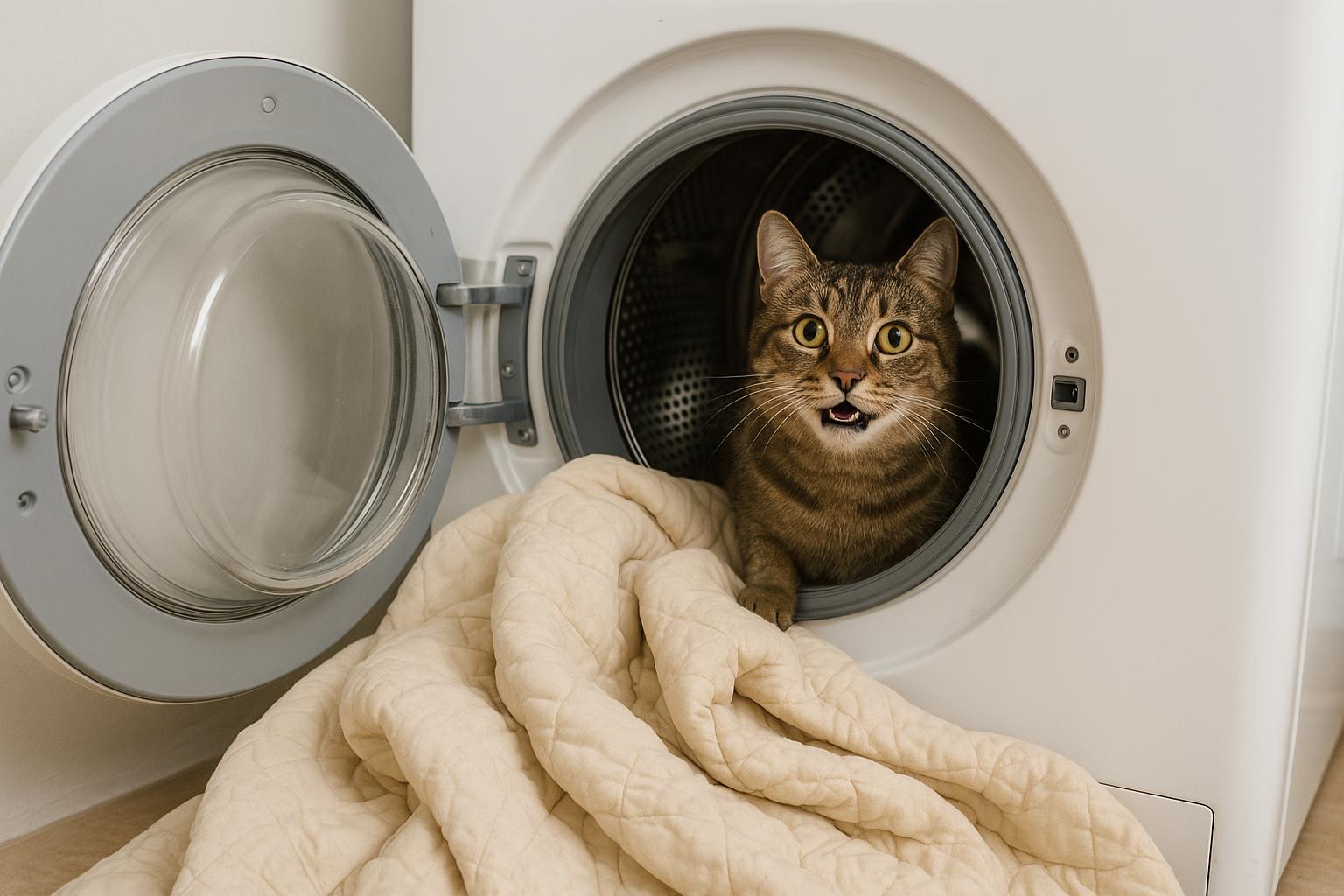
2. Remove And Wash Fabrics: Collect pet bedding, throw blankets, cushion covers, and any washable rugs. Wash on the highest safe temperature (hot water) and dry on high heat for at least 30 minutes. Bag washed items in sealed plastic bags until the house treatment is complete to prevent recontamination.
3. Declutter And Expose: Remove clutter from floors and under furniture so vacuuming and treatment reach hiding spots. Use a stiff brush to loosen debris in carpet fibers and furniture seams.
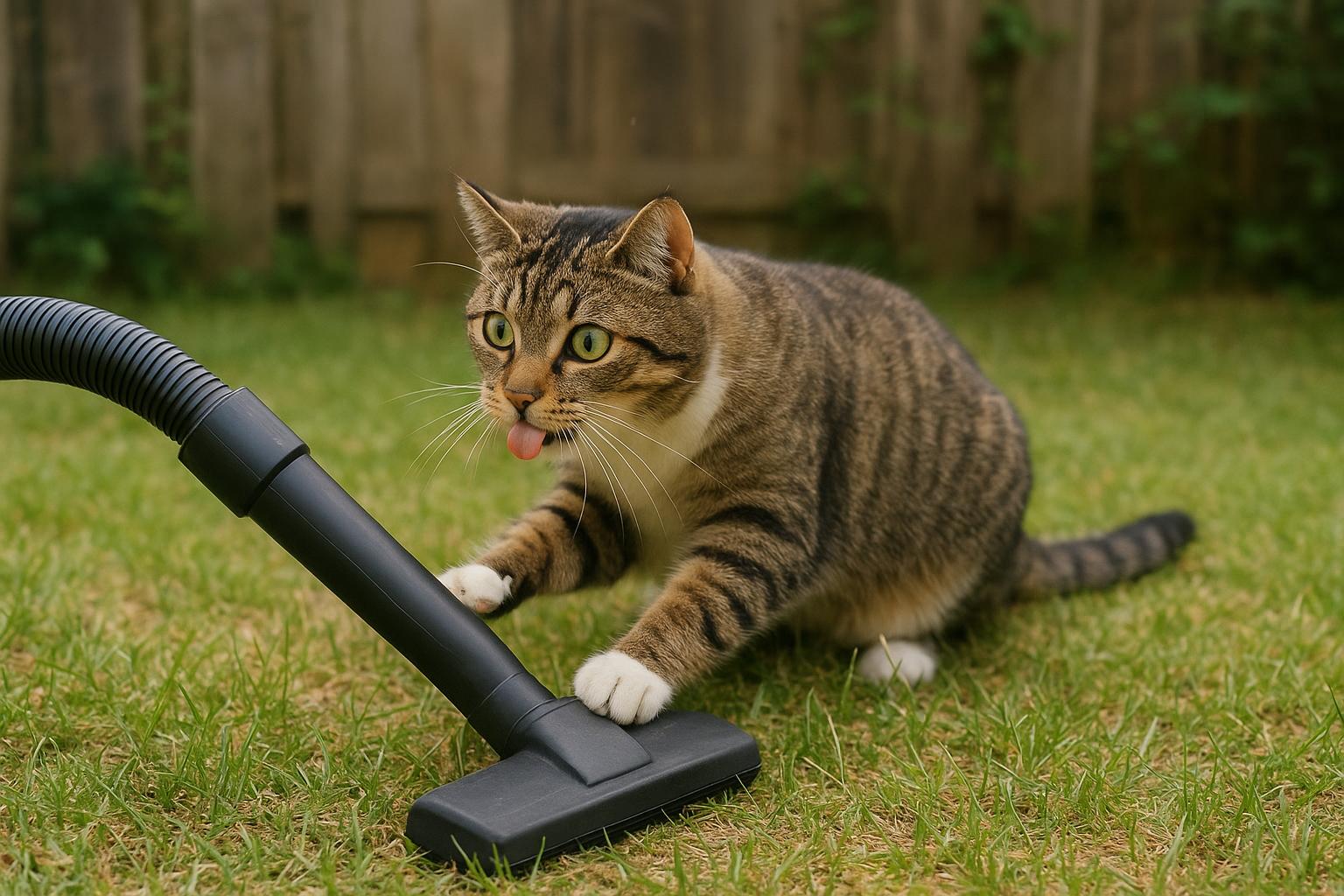
4. Vacuum Thoroughly: Vacuum all carpets, rugs, upholstery, baseboards, and cracks. Spend extra time on pet-favored areas and along edges where larvae thrive. Empty vacuum canister or replace the bag immediately into a sealed plastic bag and discard outdoors.
5. Apply Diatomaceous Earth: Wearing a mask and gloves, lightly dust food-grade DE into carpets, along baseboards, and in cracks. Apply a thin layer — the goal is contact, not a deep blanket. Leave DE for 48–72 hours; it desiccates larvae and adults on contact.
6. Re-Vacuum: After 72 hours, vacuum again thoroughly to collect DE and dead fleas; discard vacuum contents sealed. Repeat vacuuming every 3–4 days for two weeks.
7. Repeat Cycle: Because of the pupal dormancy described by the flea life span, repeat washing, vacuuming, and DE application every 10–14 days for at least six weeks. This timing targets newly emerging adults before they lay more eggs.
8. Maintain Pet Treatments: Continue veterinarian-recommended flea control on pets throughout the house treatment period to prevent reinfestation.
Notes and Safety:
– DE can be drying and irritating if inhaled; use protective equipment.
– Use only food-grade DE indoors; other grades may contain harmful additives.
– This method is effective for light-to-moderate infestations and as a preventive maintenance program.
#### Safety Precautions For Home Treatments
– Keep DE away from eyes and noses of children and pets.
– Avoid over-applying insecticidal dusts in humid areas where they clump and become ineffective.
– Always follow label instructions on pet treatments; consult your veterinarian before changing regimes.
## Remedy 2: Professional Insecticide Program (When To Call A Pro)
Materials/Ingredients (Typical Professional Toolkit):
– Residual insecticide sprays labeled for indoor use (pyrethroid or neonicotinoid blends)
– Insect growth regulator (IGR) or insect development regulator (IDR) spray (e.g., methoprene or pyriproxyfen)
– Wet-tablet or fogger equipment for crack-and-crevice applications
– Professional-grade vacuuming equipment and HEPA filters
– Safety gear and EPA-approved protective equipment
Step-by-Step Professional Application (Formal Procedure):
1. Inspection And Assessment: The technician inspects all rooms, pet sleeping areas, and potential outdoor harborages. They estimate infestation severity and identify target zones.
2. Preparation Instructions For Occupants: Homeowners are provided a prep list: remove toys and foodstuffs from treatment areas, secure fish tanks, and follow pet treatment schedules (often treating pets 24–48 hours before or after chemical application per product labeling).
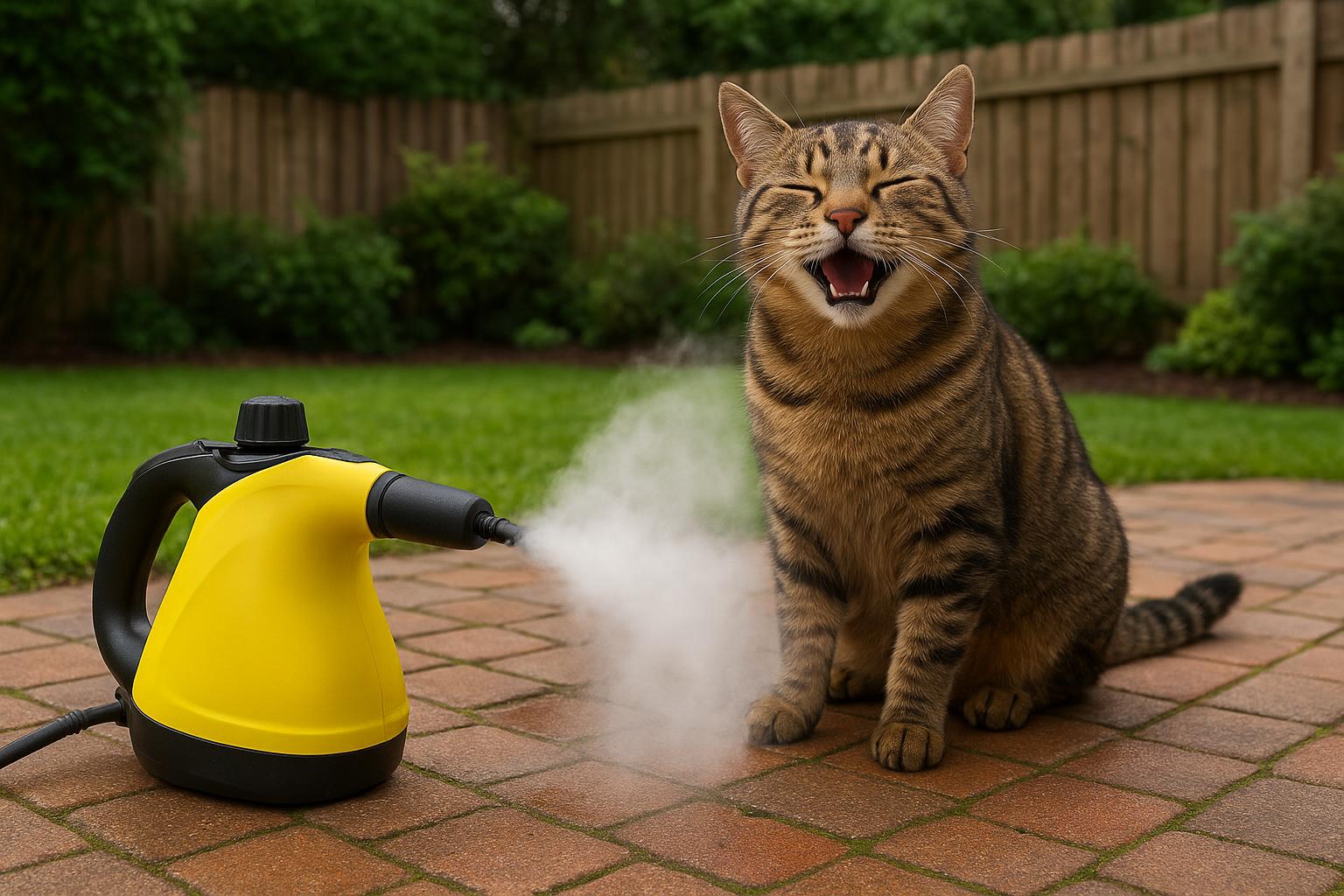
3. Initial Mechanical Reduction: Professionals perform a heavy vacuuming pass and may advise or include furniture steaming to reduce immediate adult populations.
4. Residual Insecticide Application: A licensed applicator applies a labeled residual insecticide to carpets, baseboards, furniture seams, and other harborage zones. These products are selected for long-lasting efficacy and pet/human safety when used properly.
5. IGR/IDR Application: An insect growth regulator is applied to disrupt the flea life span by preventing pupae from developing into reproductive adults. This is critical because IGRs affect eggs and larvae that conventional adulticides often miss.
6. Crack And Crevice Treatments: Targeted treatments to hidden areas ensure pupae in cocoons are exposed to active ingredients when they attempt to emerge.
7. Follow-Up Visits: A professional program commonly includes at least one follow-up visit 2–3 weeks after the initial service, and sometimes additional follow-ups, to ensure newly emerged adults are controlled and the flea life span cycle is broken.
8. Post-Treatment Guidelines: Technicians provide occupants with re-entry times, pet reintroduction guidelines, and maintenance recommendations such as continued pet flea prevention and routine vacuuming.
When To Choose Professional Treatment:
– Heavy or prolonged infestations that persist despite home efforts
– Households with multiple pets and indoor/outdoor animal traffic
– Situations with vulnerable residents (infants, immunocompromised individuals) where swift control is necessary
### Preventing Reinvasion: Small Habits, Big Payoff
Prevention is less dramatic than eradication, but far less stressful. Regularly treat pets year-round, wash pet bedding weekly, maintain yard cleanliness (mow, remove debris, treat shady nesting spots), and vacuum often. If you understand the flea life span and maintain these small habits, you’ll dramatically reduce the chance of a repeat performance.
Remember, fleas reproduce fast, hide well, and can test your patience. But with a clear plan, careful timing, and occasional professional help, your home will reclaim its sofa and your pets will get back to lounging — without the tiny freeloaders.













Leave a Reply