
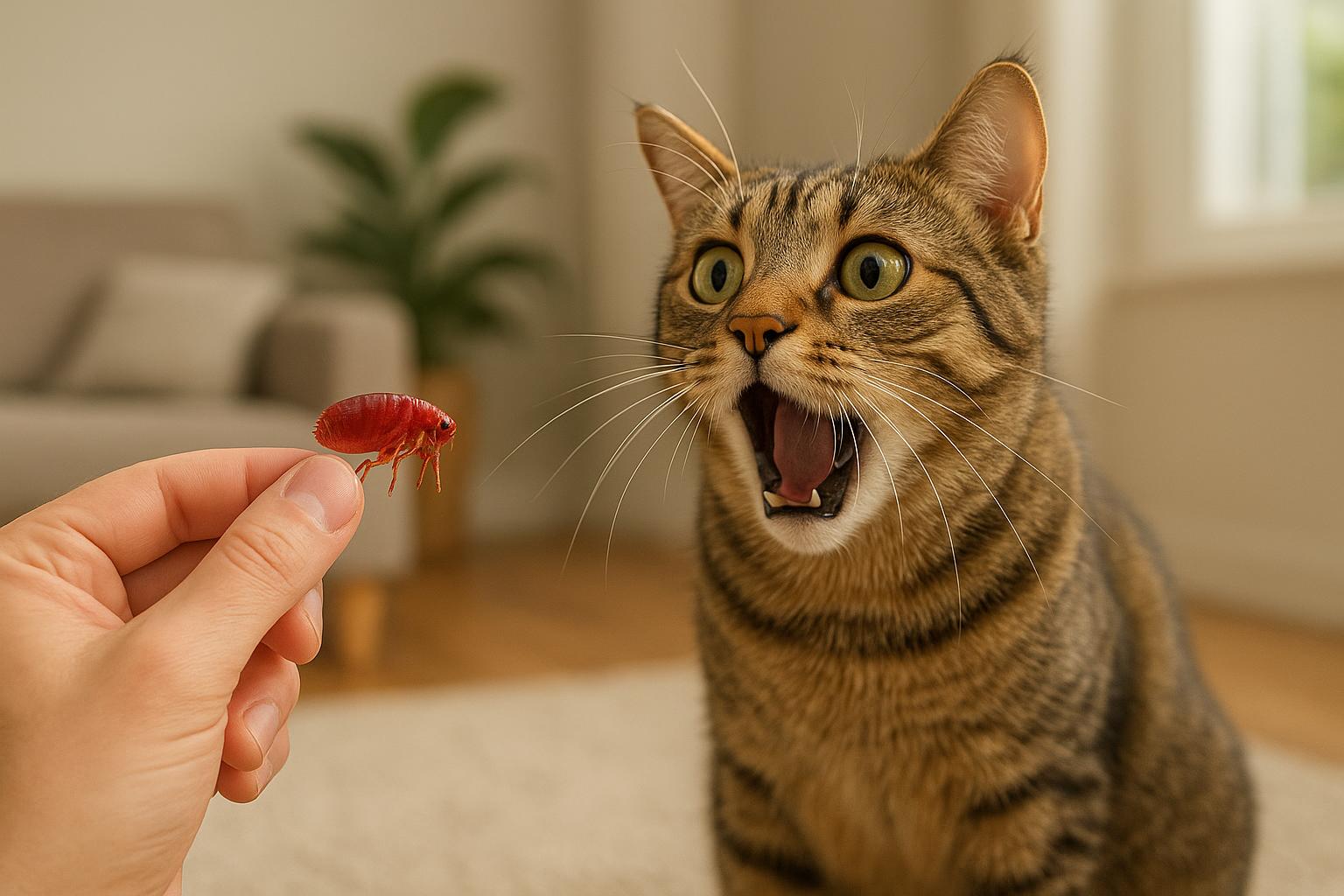
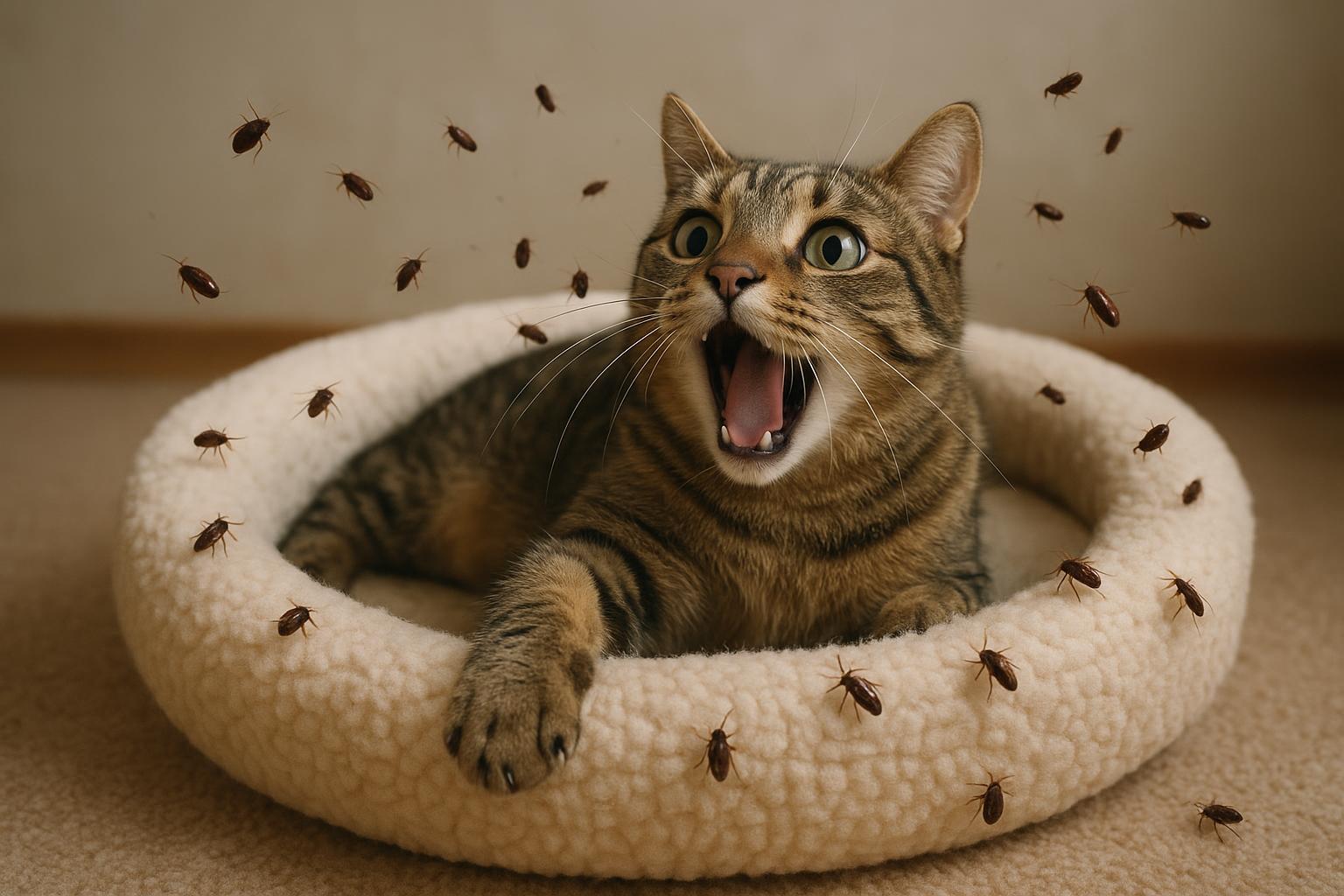
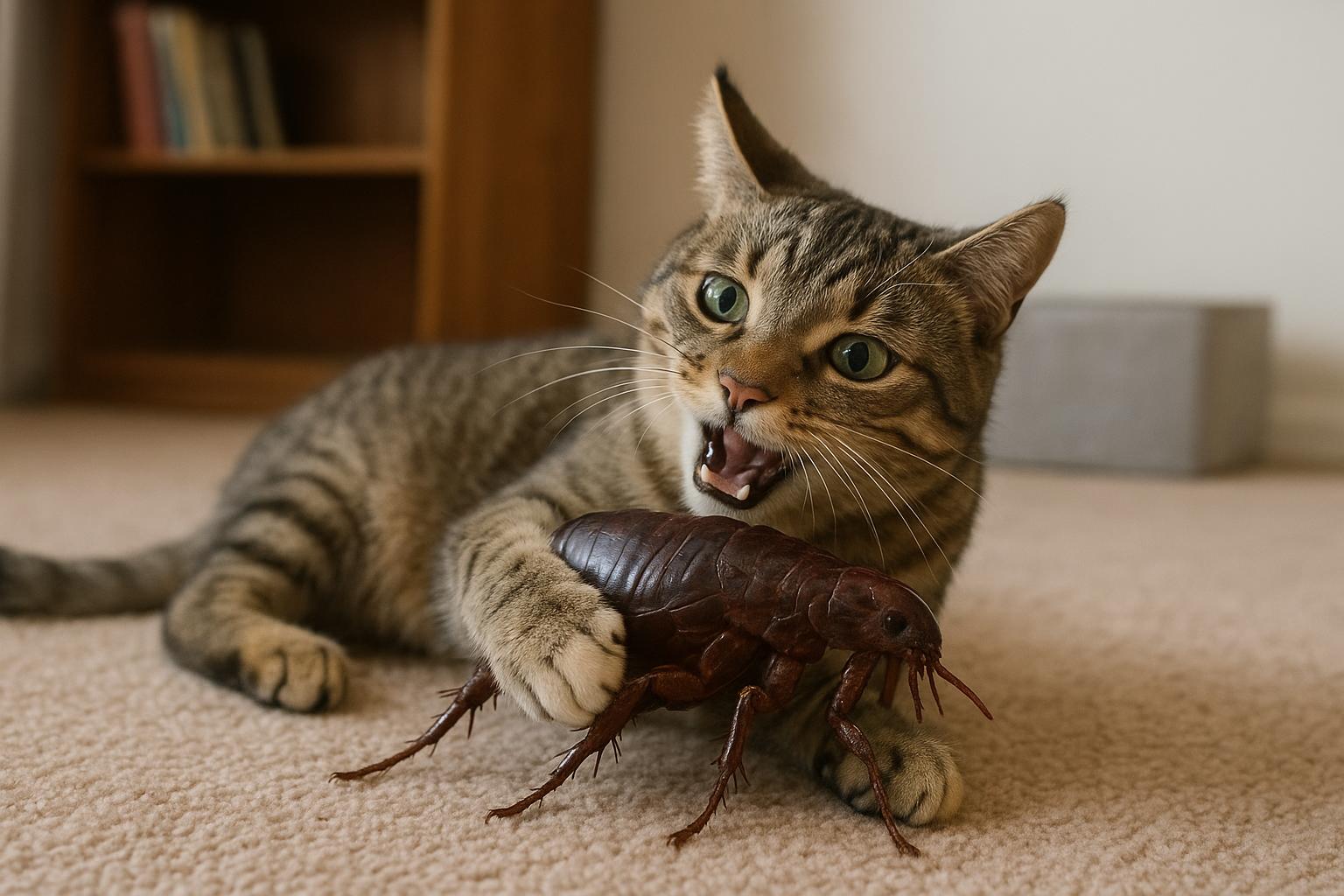
You’ve found the tiny terrors — itchy bites, furry friends doing the flea dance, and that nagging feeling that something is jumping around your carpet. Don’t panic. With a bit of elbow grease, smart tactics, and a few trusted products, you can get your home back under control without turning into an exterminator-in-residence. I’ll walk you through why these critters show up, how to spot them, and three proven remedies (with materials and step-by-step instructions) to evict them for good.
## Why Fleas Suddenly Invade Your Home
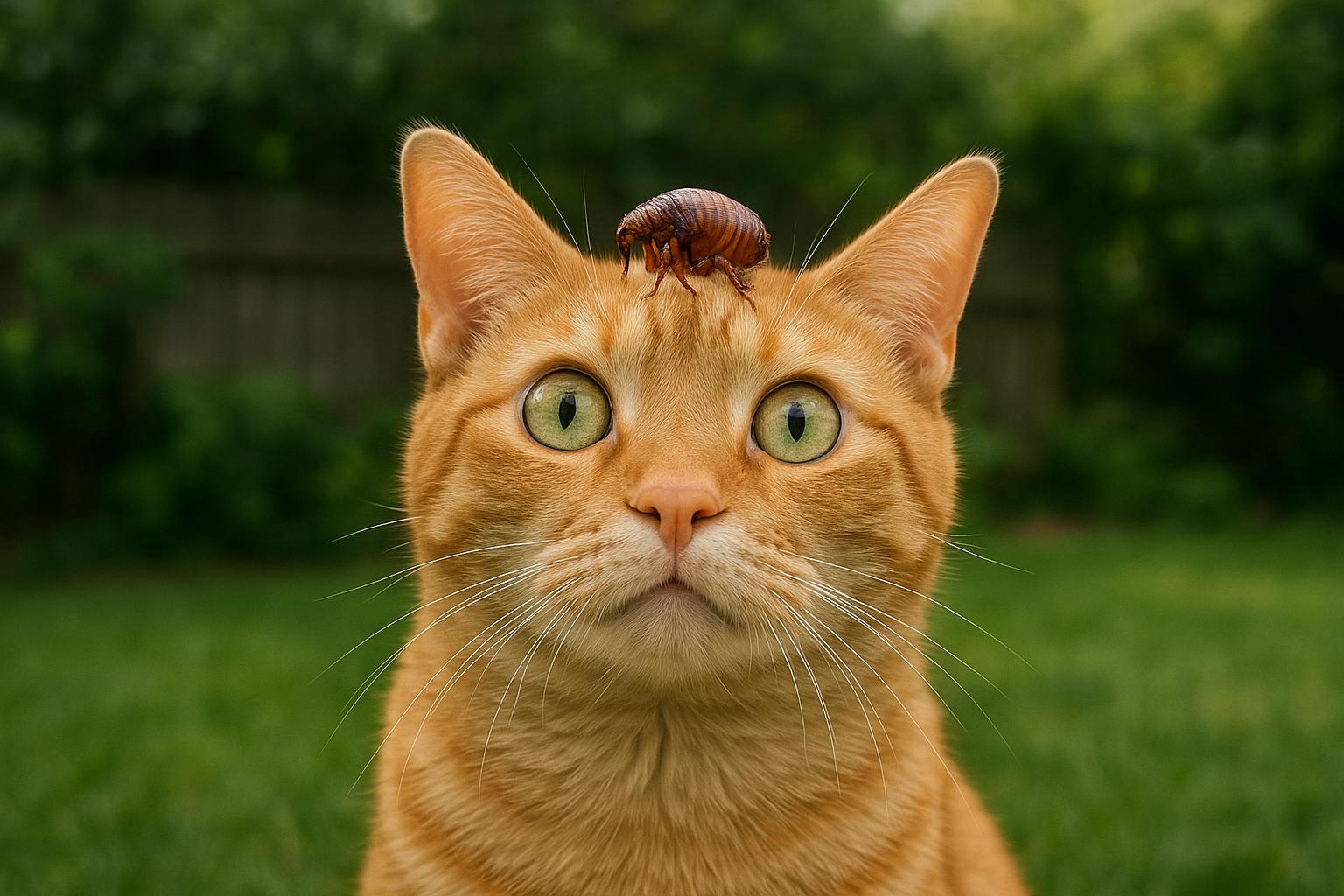
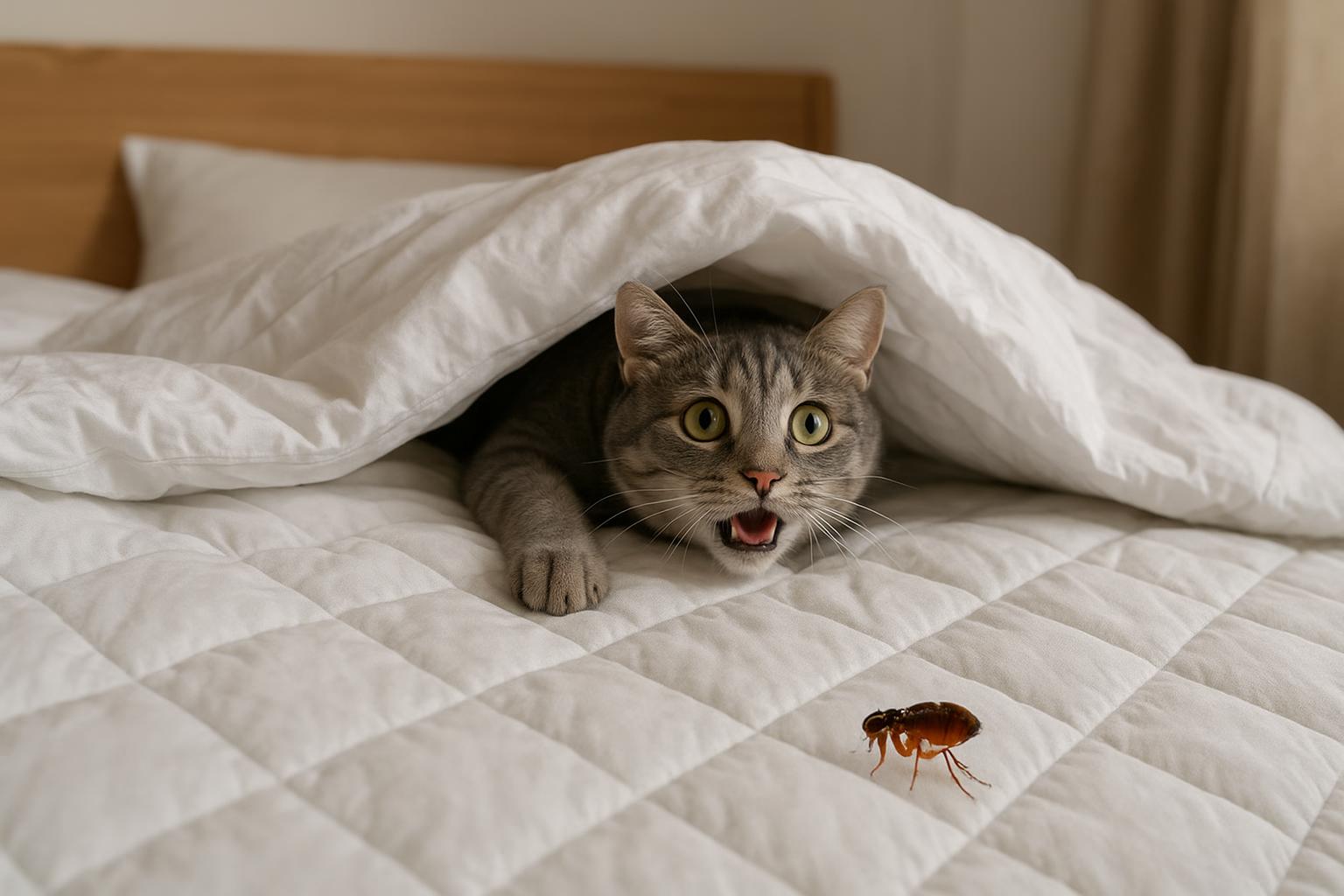
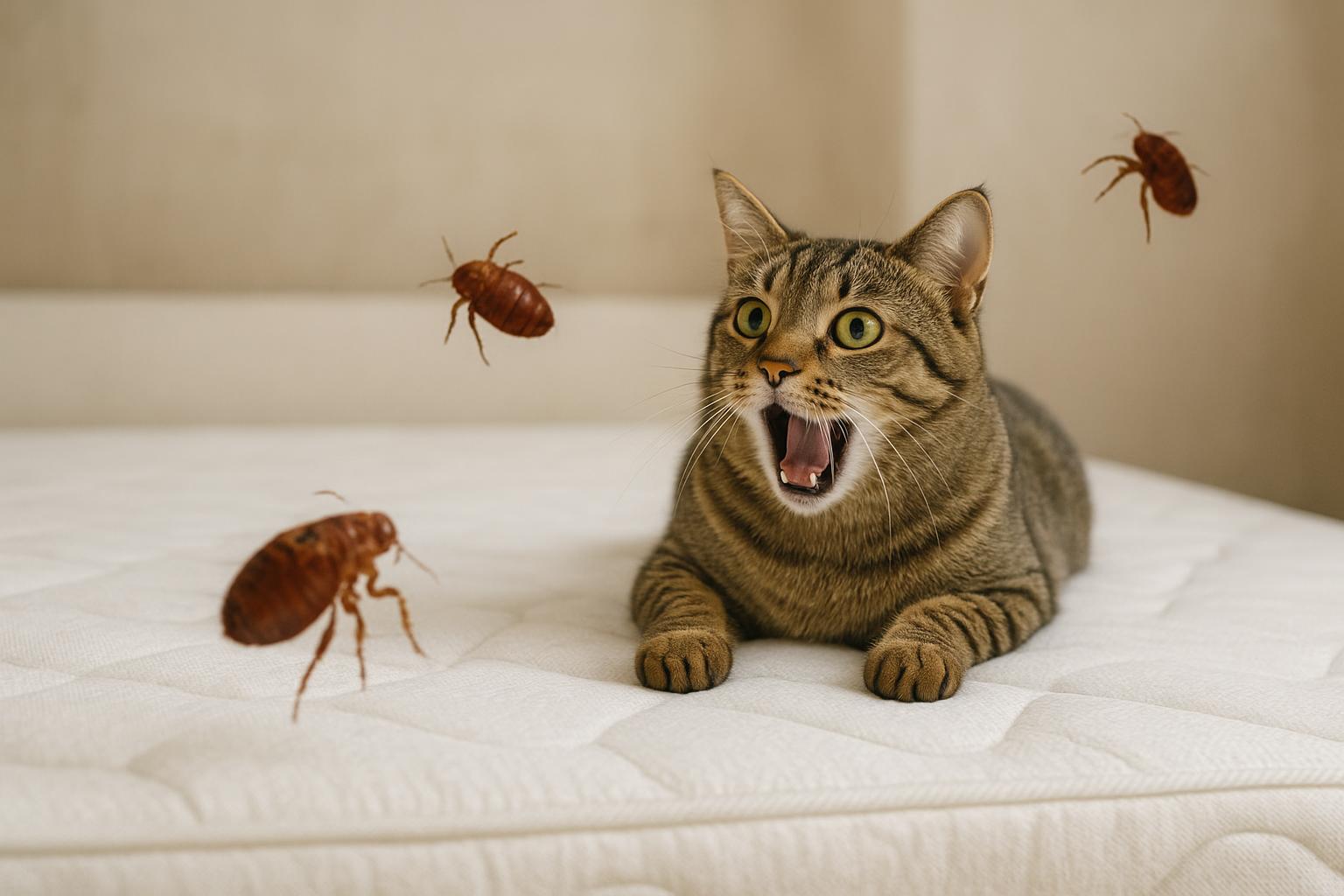
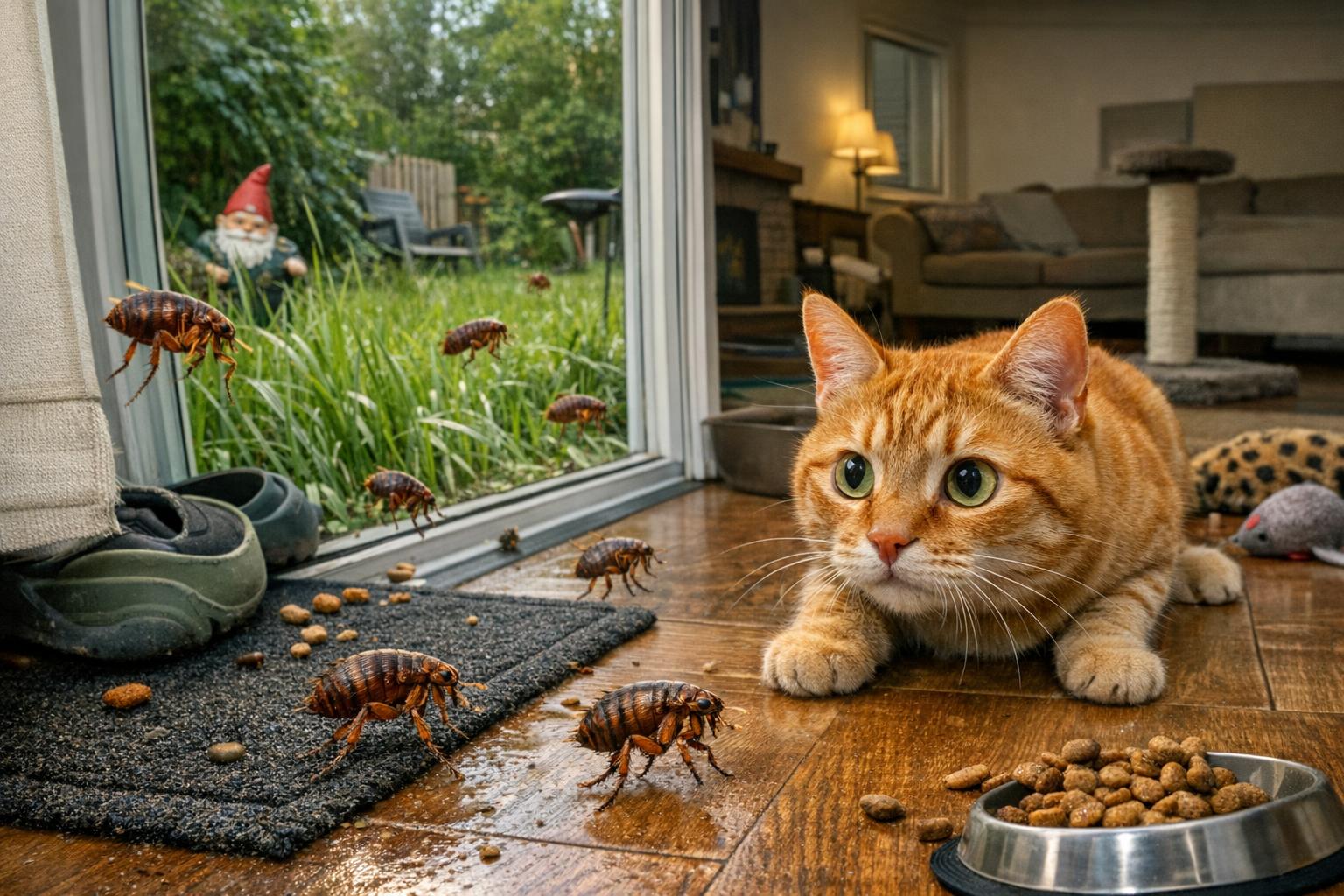
Fleas don’t show up because your house is messy; they show up because conditions are right — warm, humid, and close to a food source: your pet. These tiny insects are exceptionally good at hitchhiking on animals (and sometimes humans) and can survive in carpets, upholstery, and bedding until they find a meal. Understanding their life cycle — eggs, larvae, pupae, and adults — is the secret to beating them. Treating only the adults is like mowing the weeds and leaving the roots.
### Signs Of Flea Infestation
Spotting a problem early saves time and heartache. Look for:
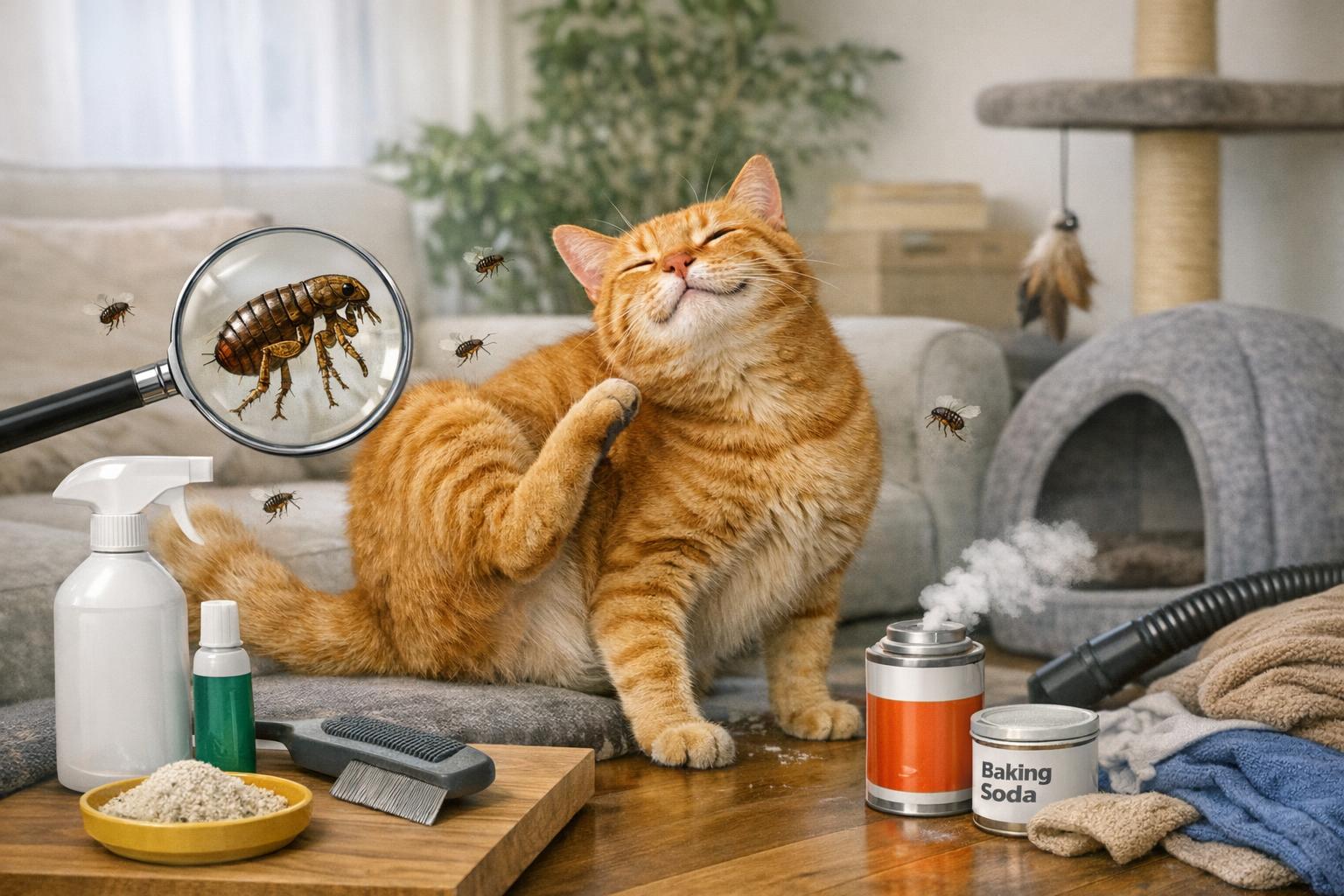
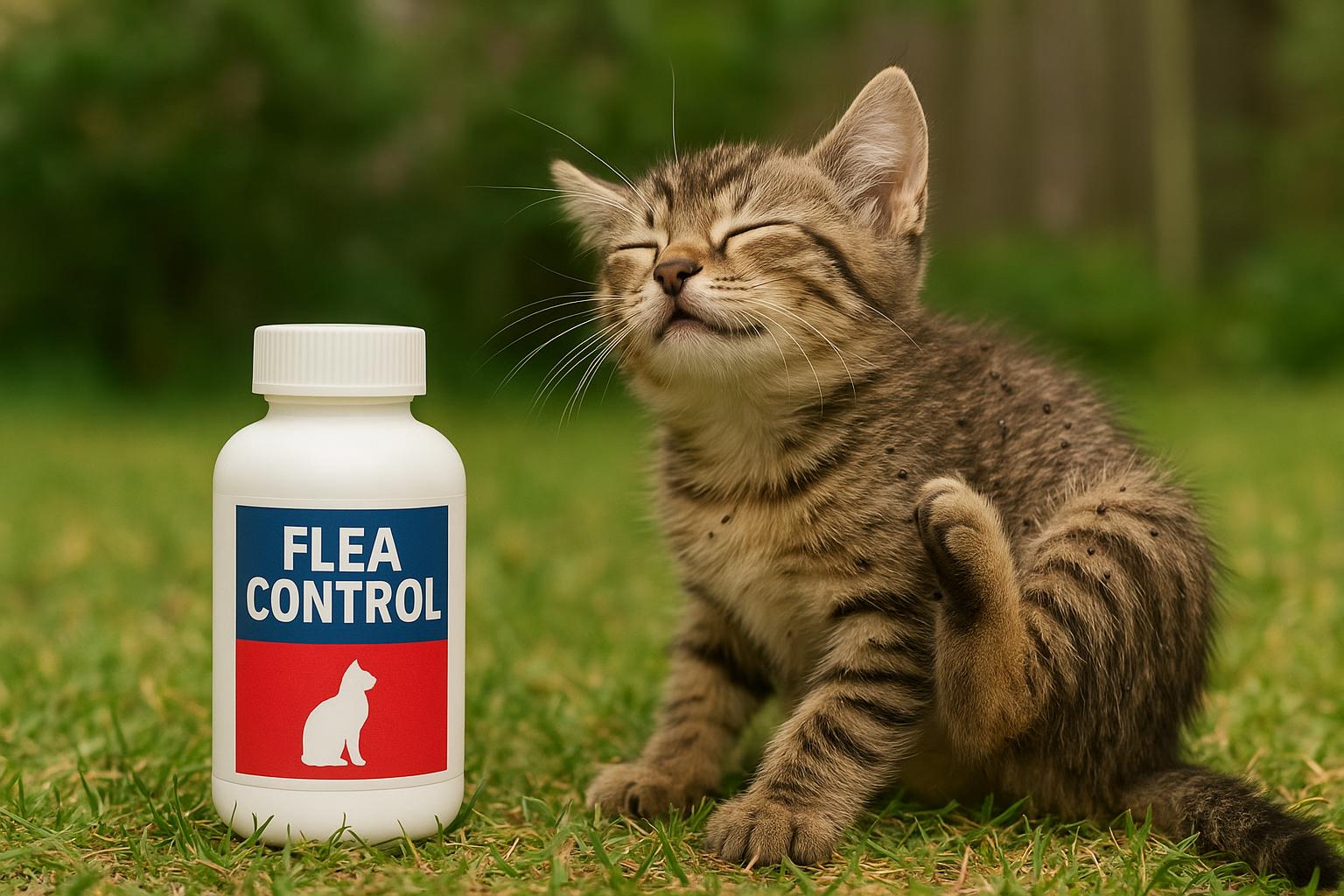
– Pets scratching more than usual, chewing at feet or tail base.
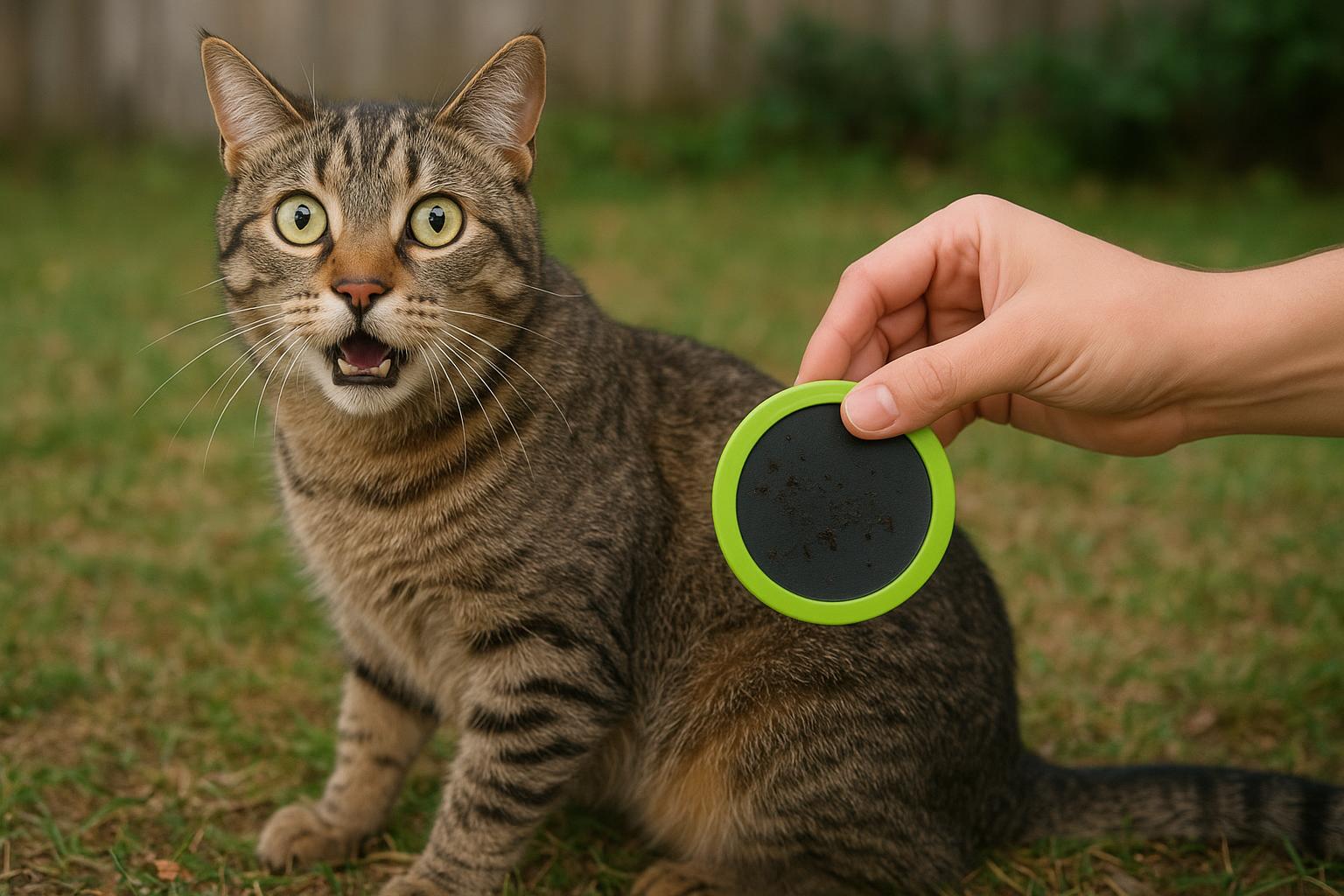
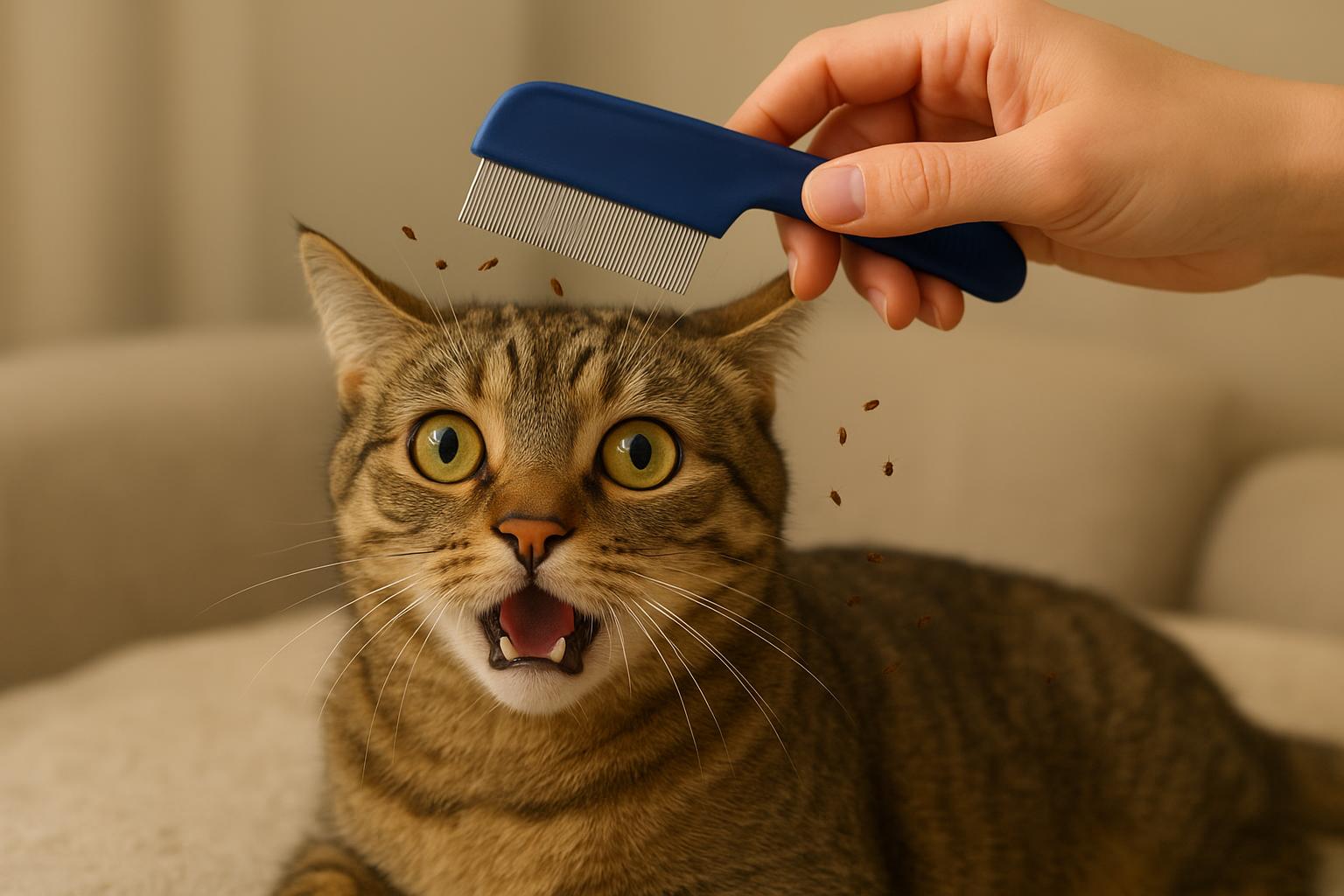
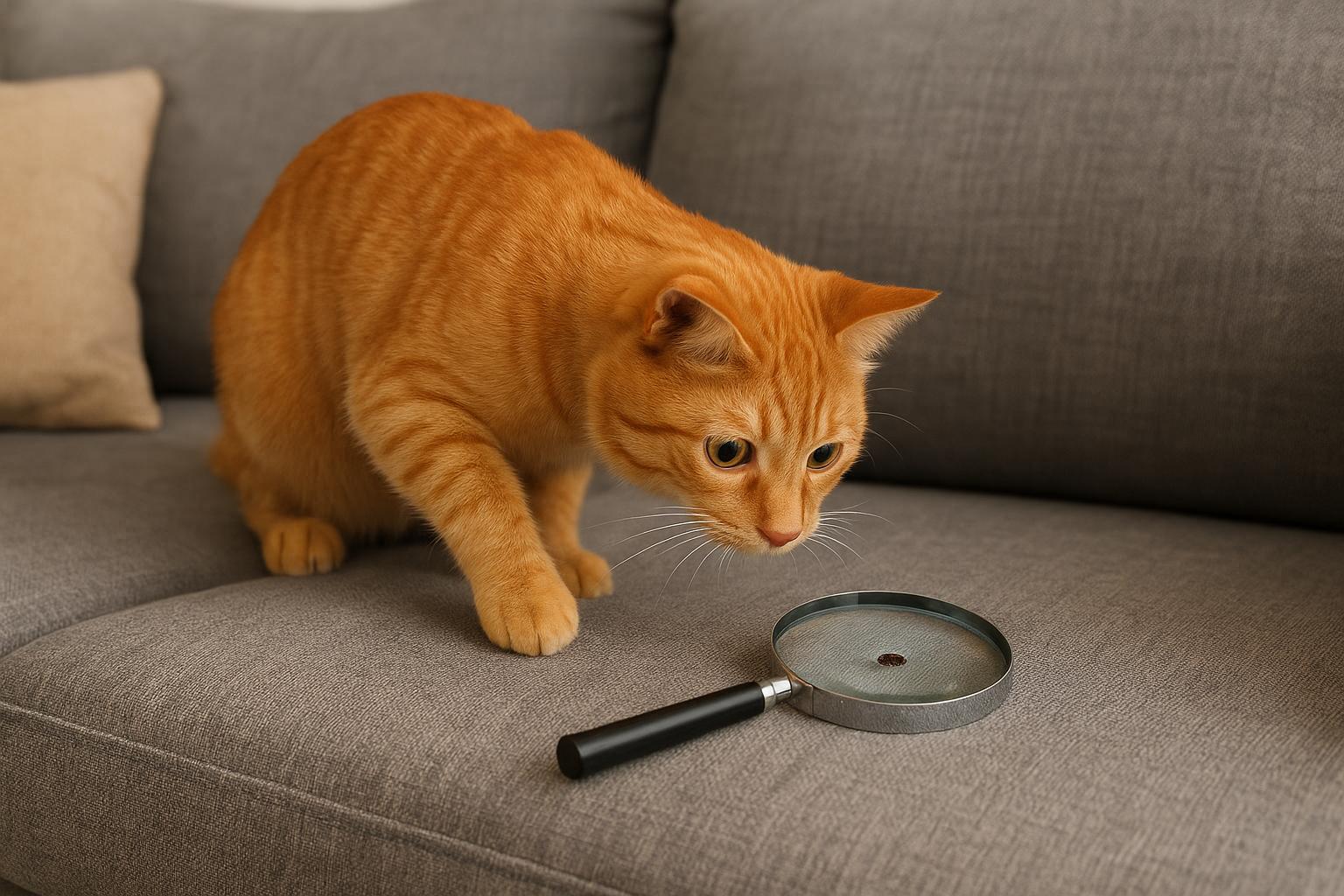
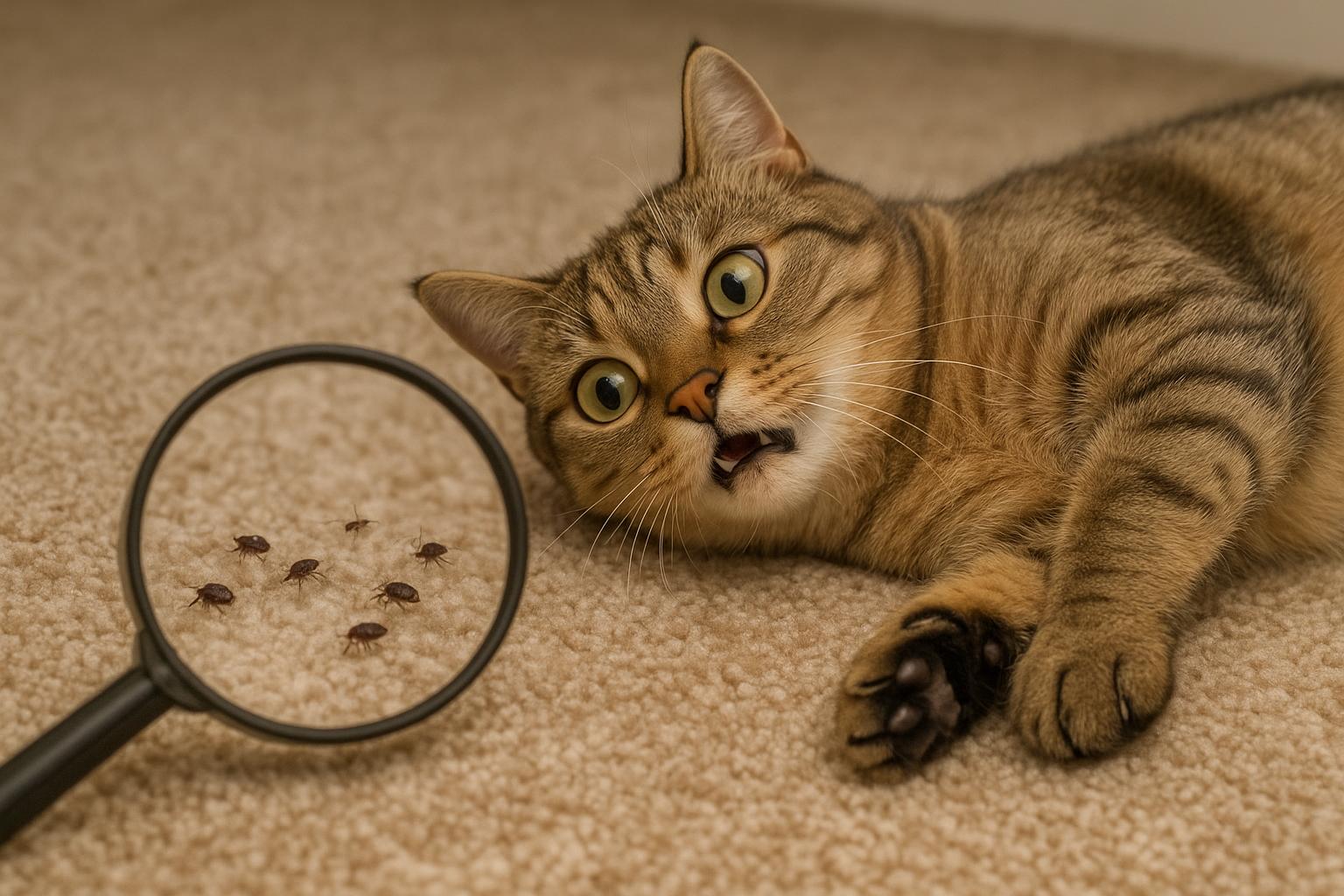
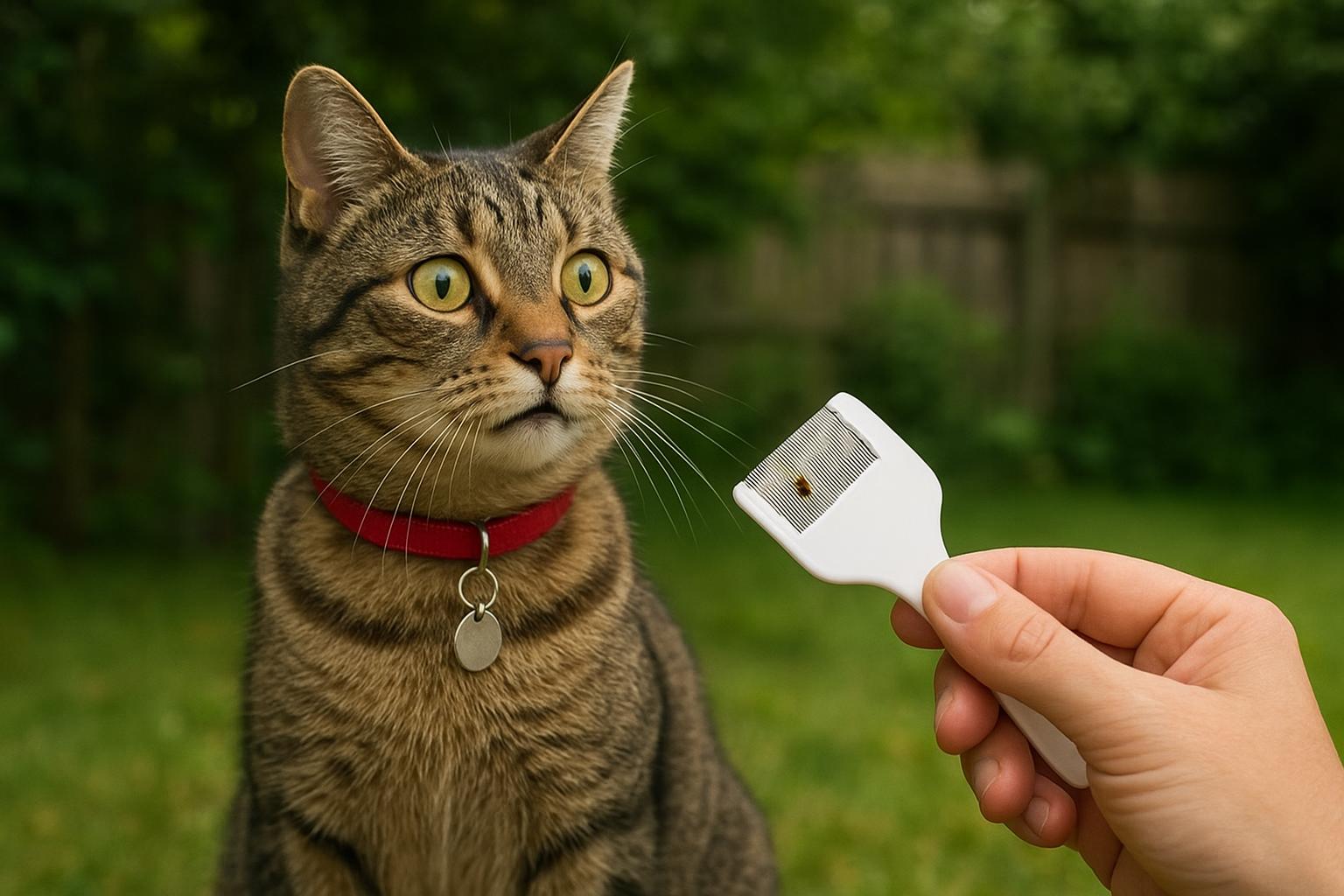
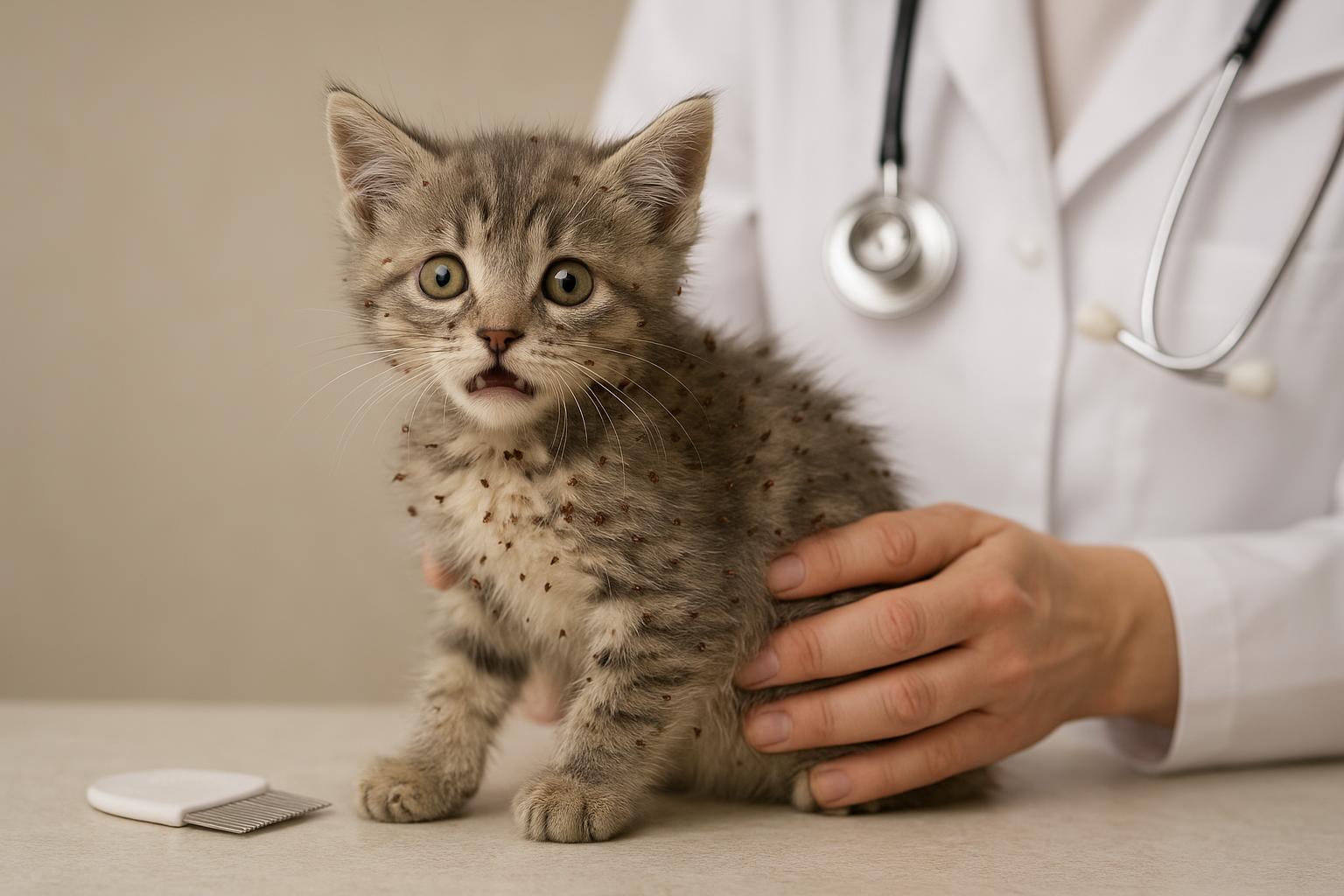
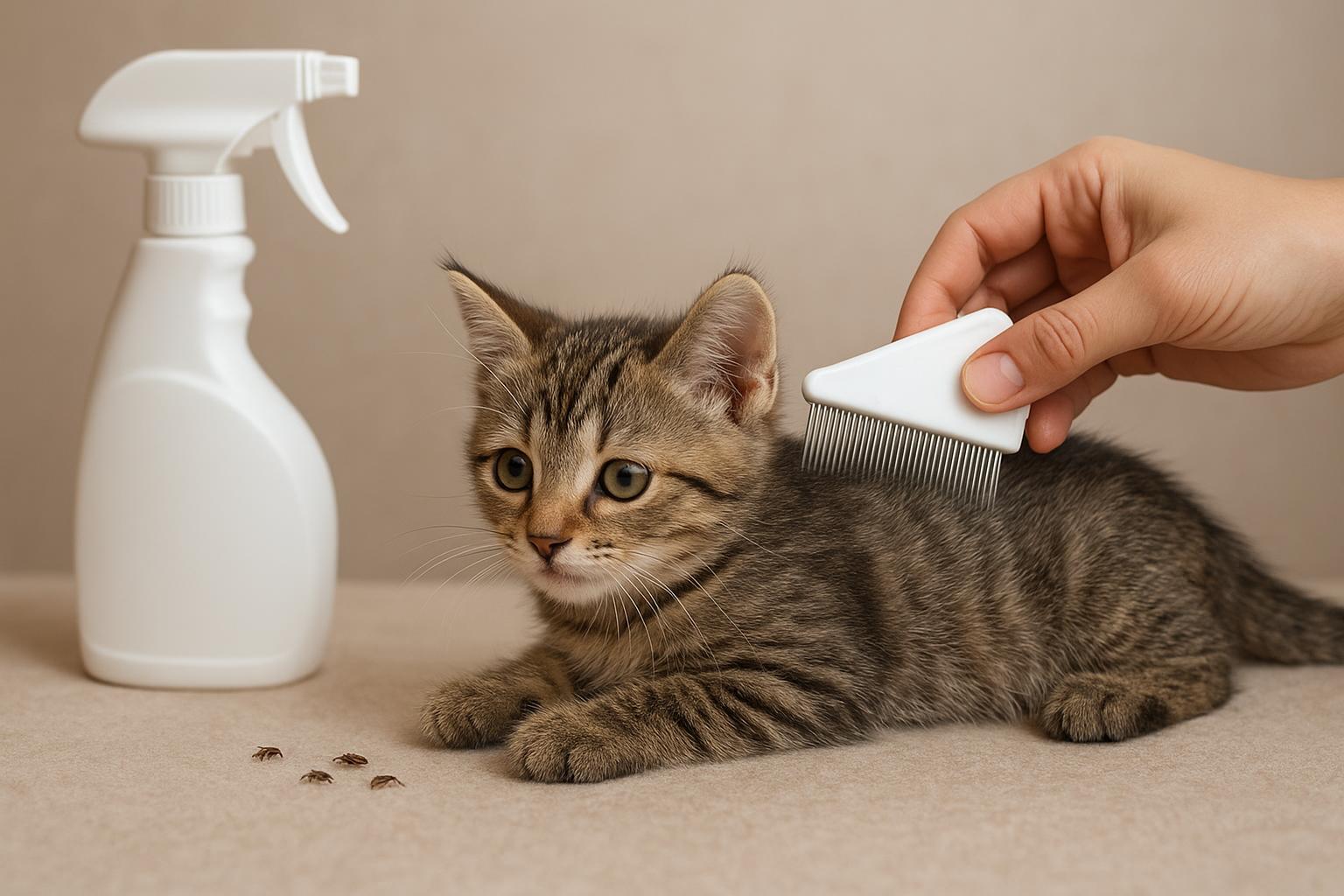
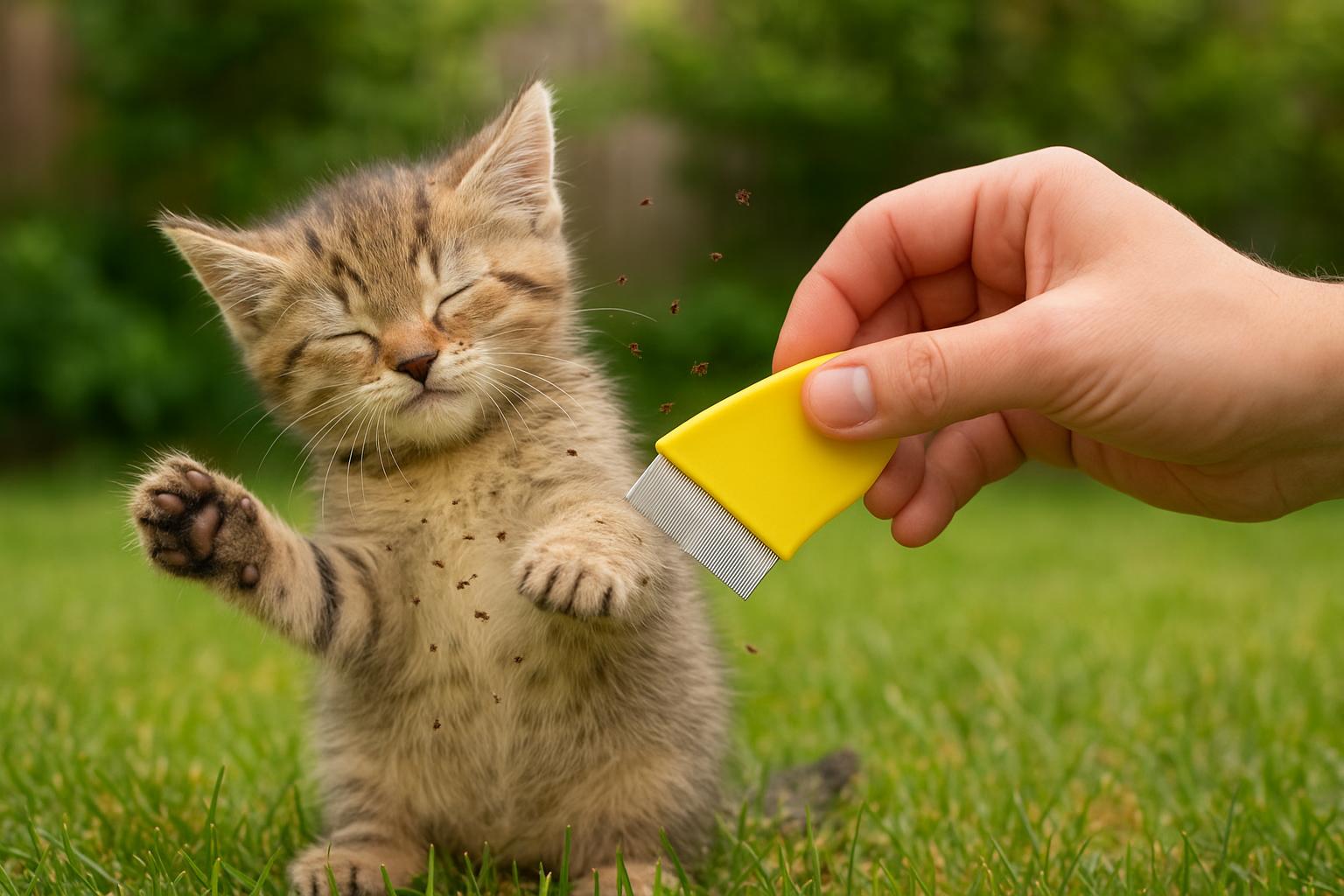
– Small dark specks (flea dirt) on pet fur or bedding — if you wet it, it looks like tiny red smears.
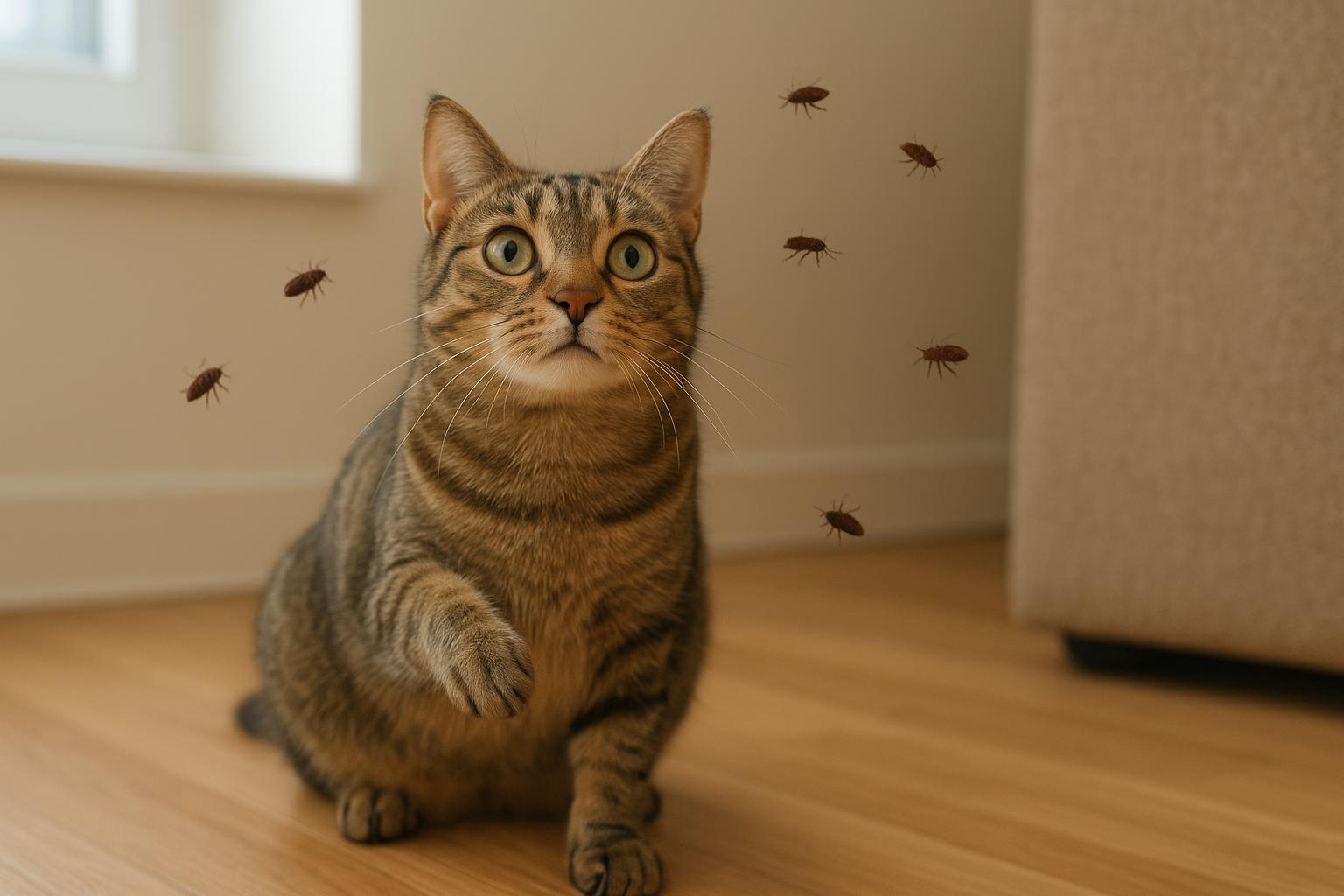
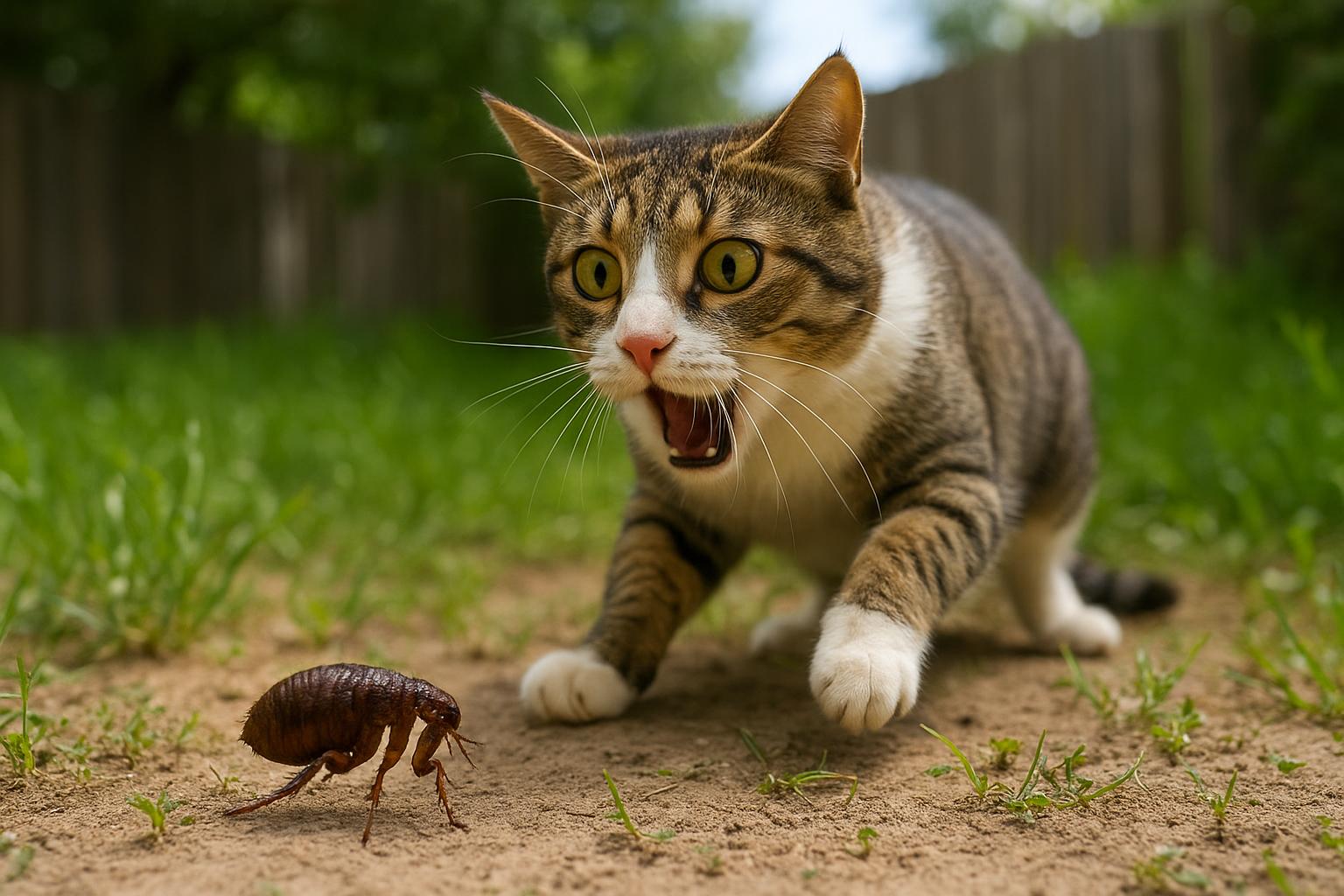
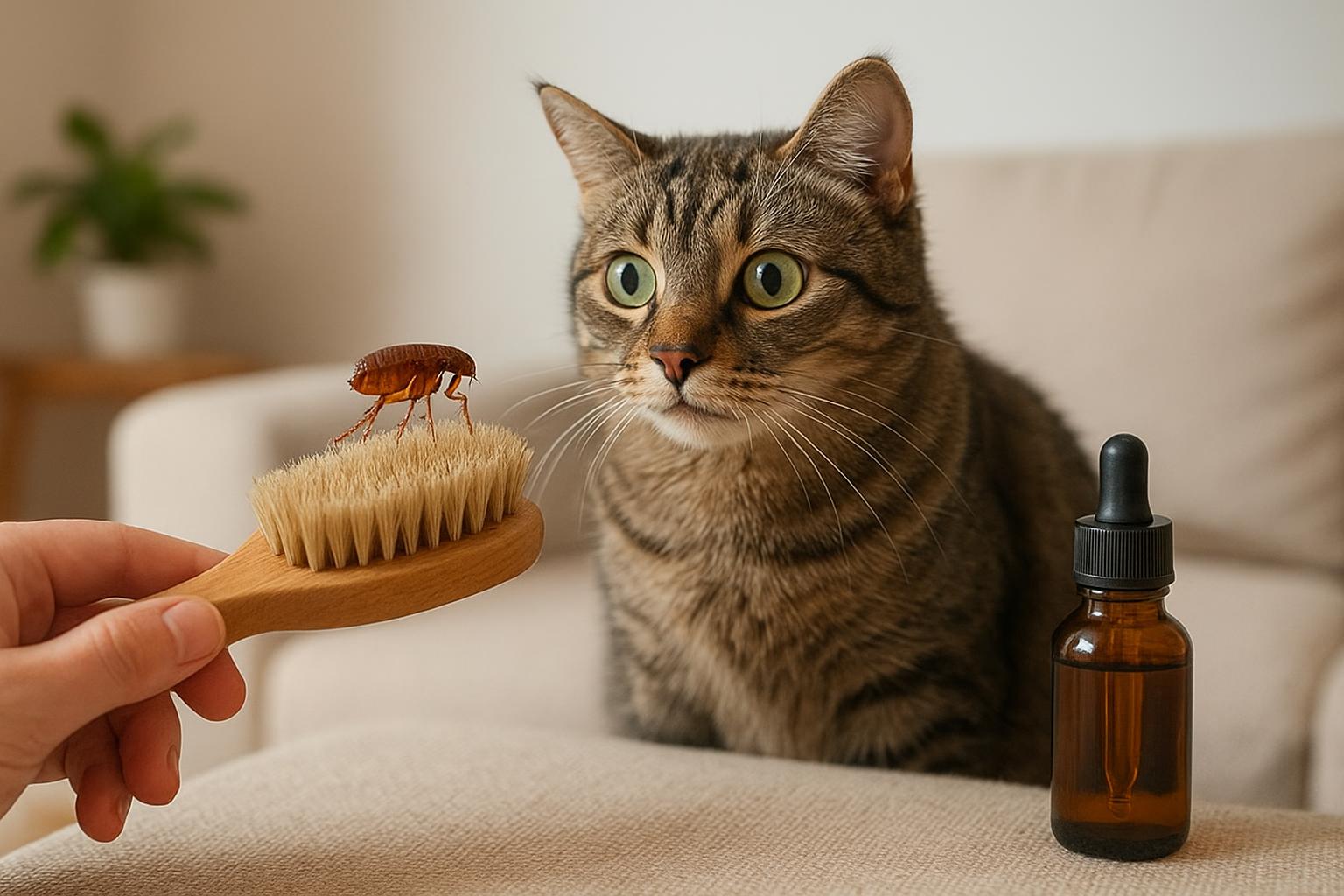
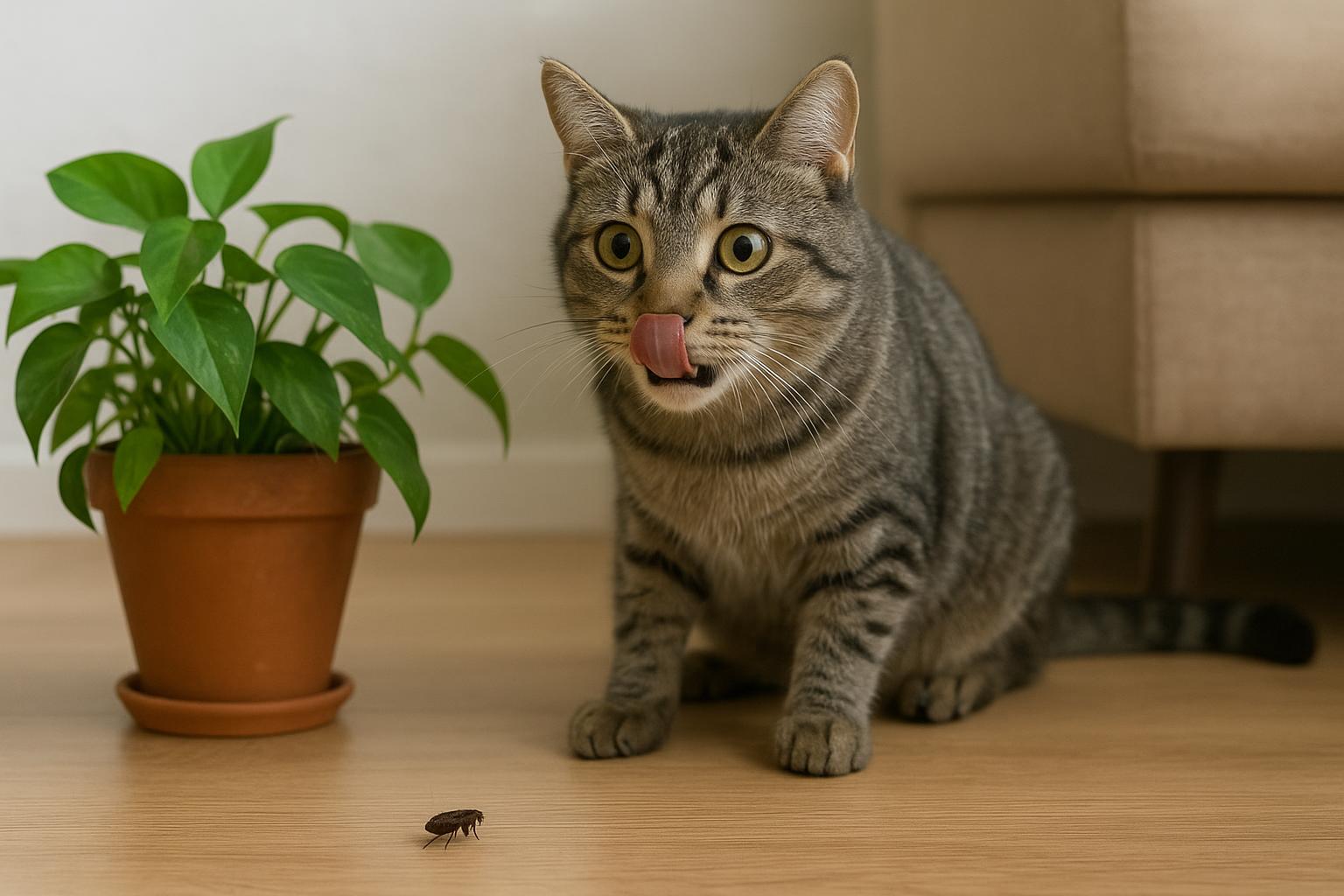
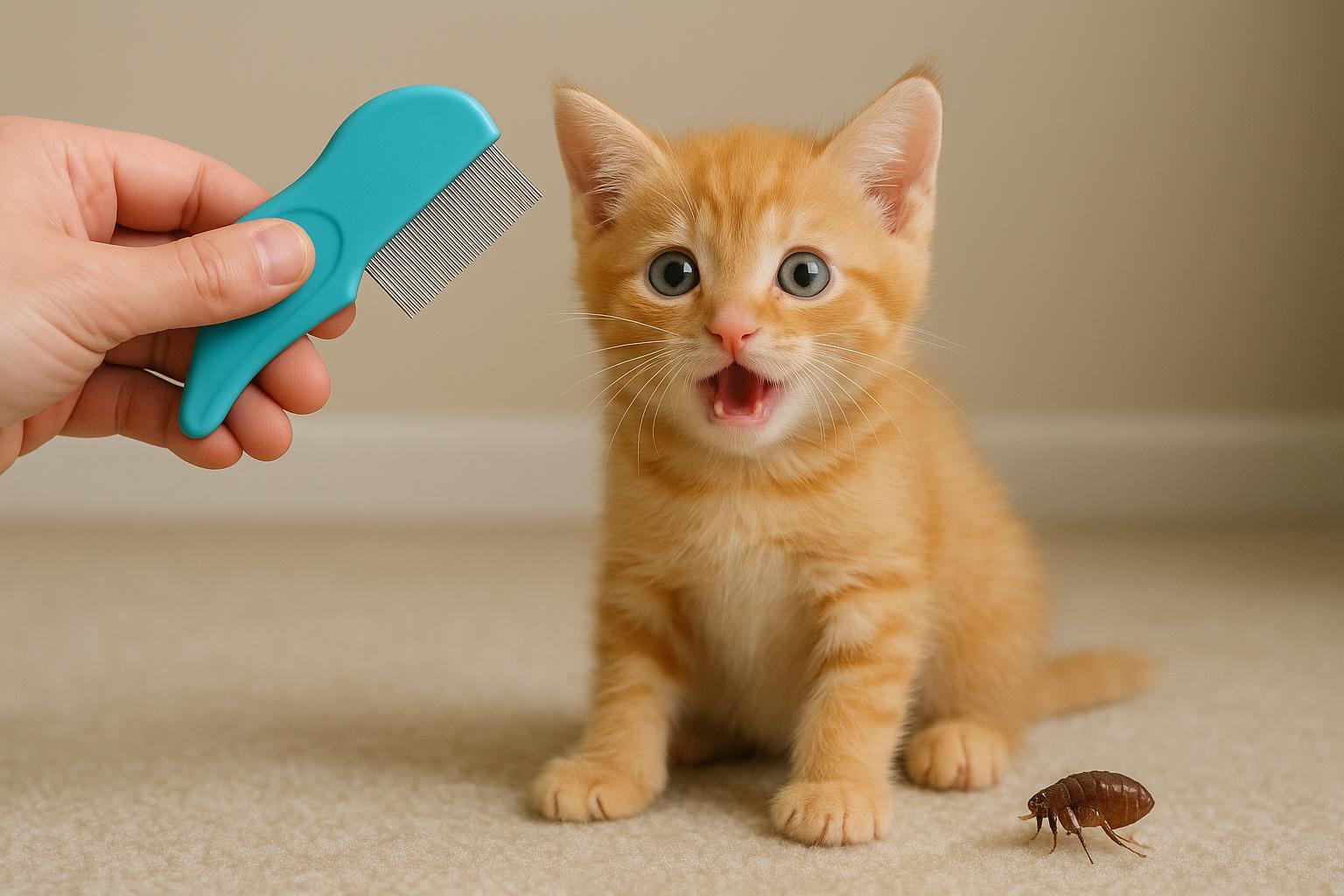
– Tiny fast-moving insects on pets, carpets, or baseboards.
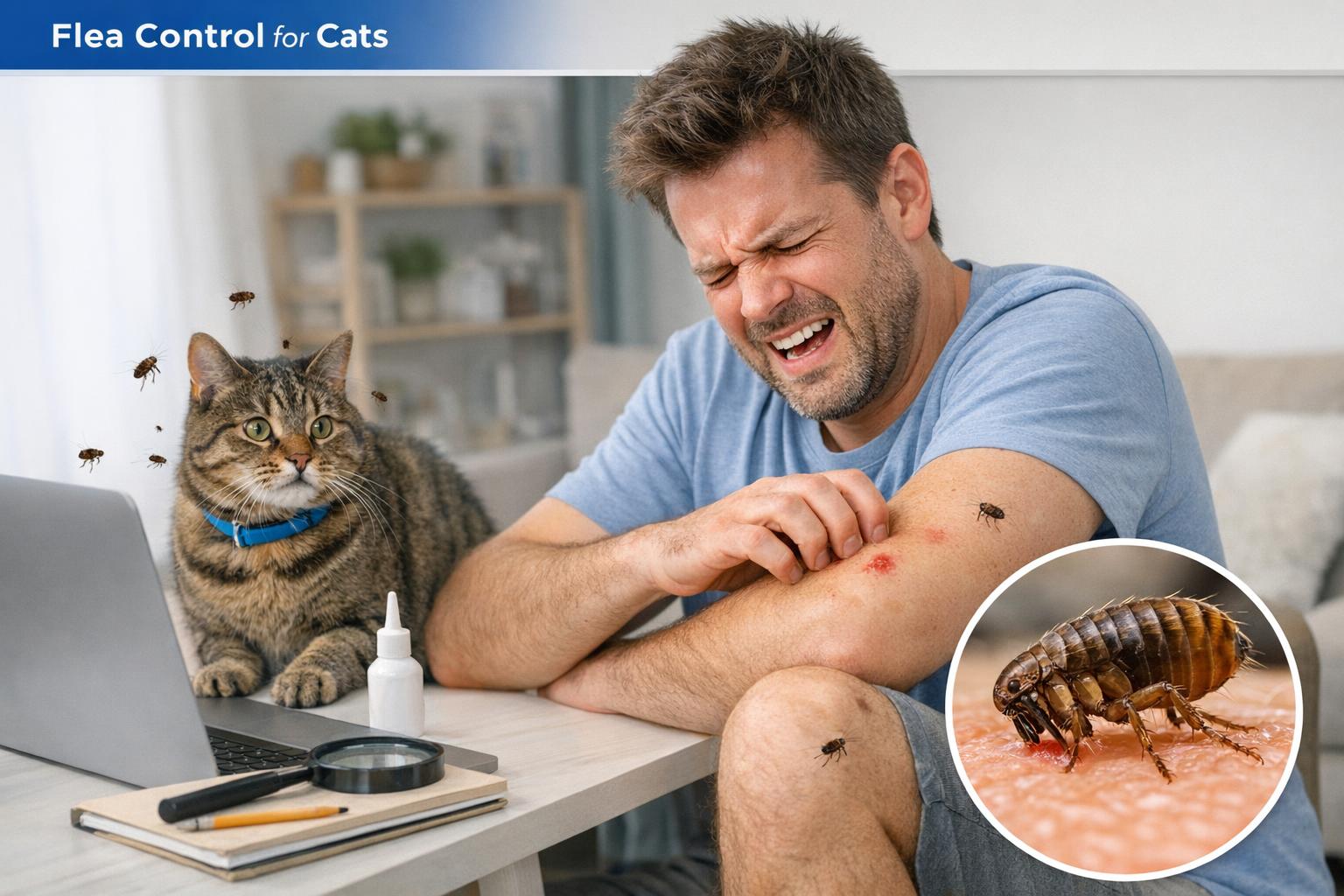
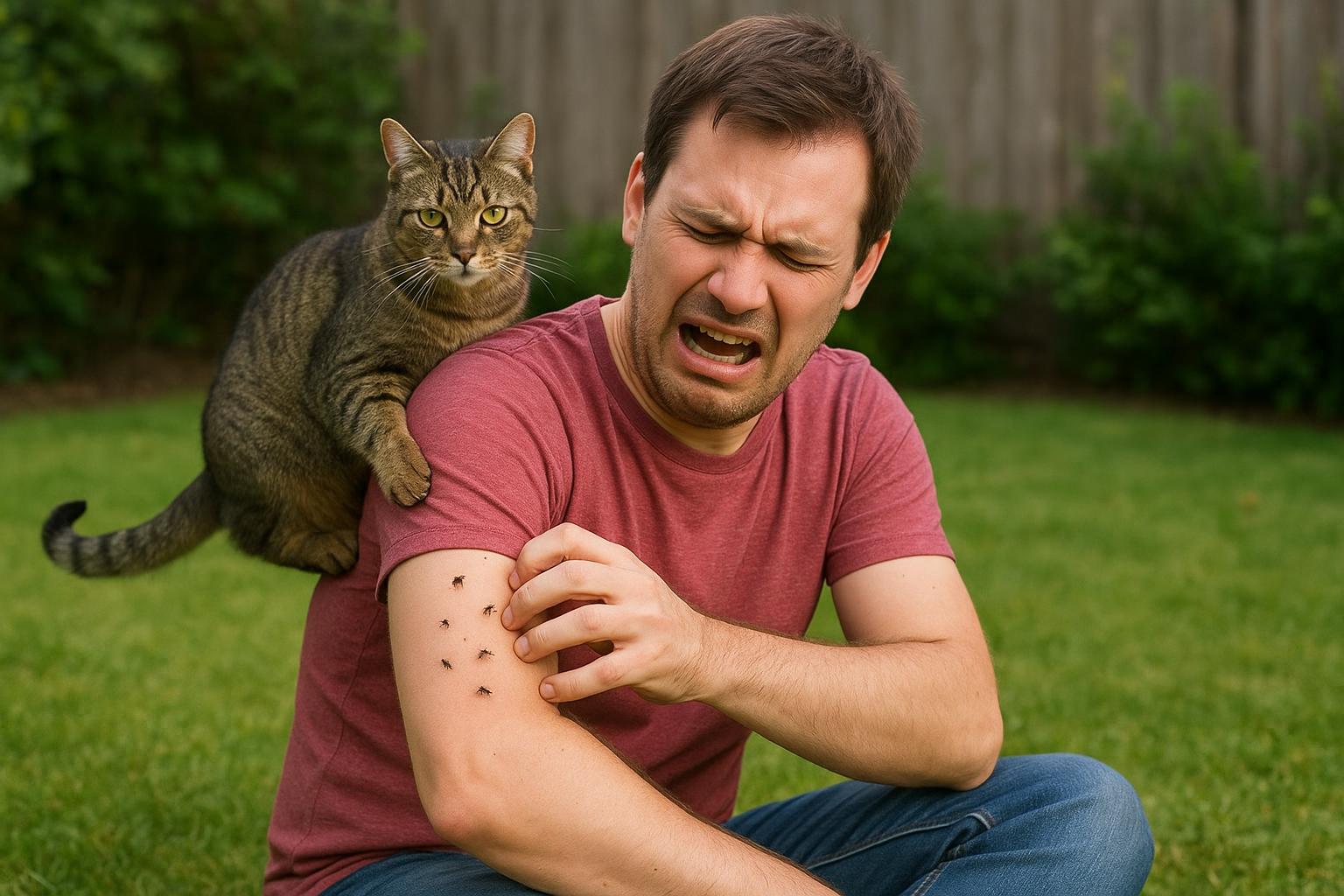
– Bites on people clustered around ankles or lower legs.
If you see any of these signs, assume there are hidden eggs and larvae in fabrics, carpets, and cracks.
## Remedy 1: Vacuuming, Steam Cleaning And Washing (Home Treatment)
This is the baseline protocol — non-chemical, highly effective when done thoroughly and repeatedly.
Materials Required:
– Vacuum cleaner with strong suction and a hose attachment
– Disposable vacuum bags or a sealable trash bag for emptying
– Hot water washer and dryer access
– Steam cleaner (optional but recommended for carpets)
– Laundry detergent and pet-safe fabric spray (optional)
Step-By-Step Application:
1. Formal Preparation: Put on gloves. If you have pets, confine them to a single room or outdoors during treatment to avoid re-contamination.
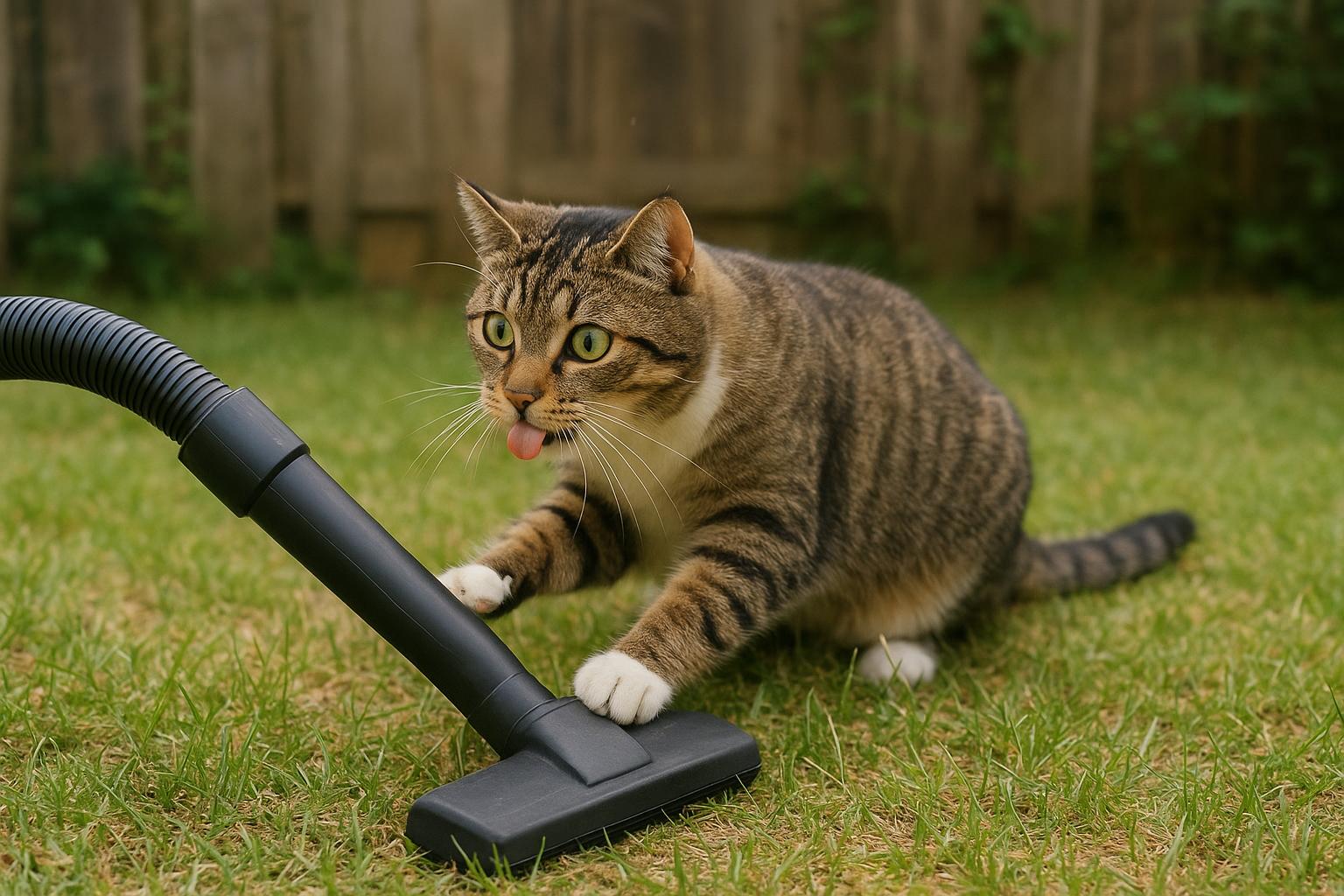
2. Vacuuming: Vacuum all carpets, rugs, upholstered furniture, pet bedding, and along baseboards. Use the crevice tool to reach edges and under furniture. Vacuum slowly to pick up eggs and larvae. Repeat daily for at least two weeks.
3. Disposal: Immediately remove and seal the vacuum bag or empty the canister contents into a sealable trash bag. Tie it tightly and place it in an outside bin. This prevents captured fleas from escaping back into the house.
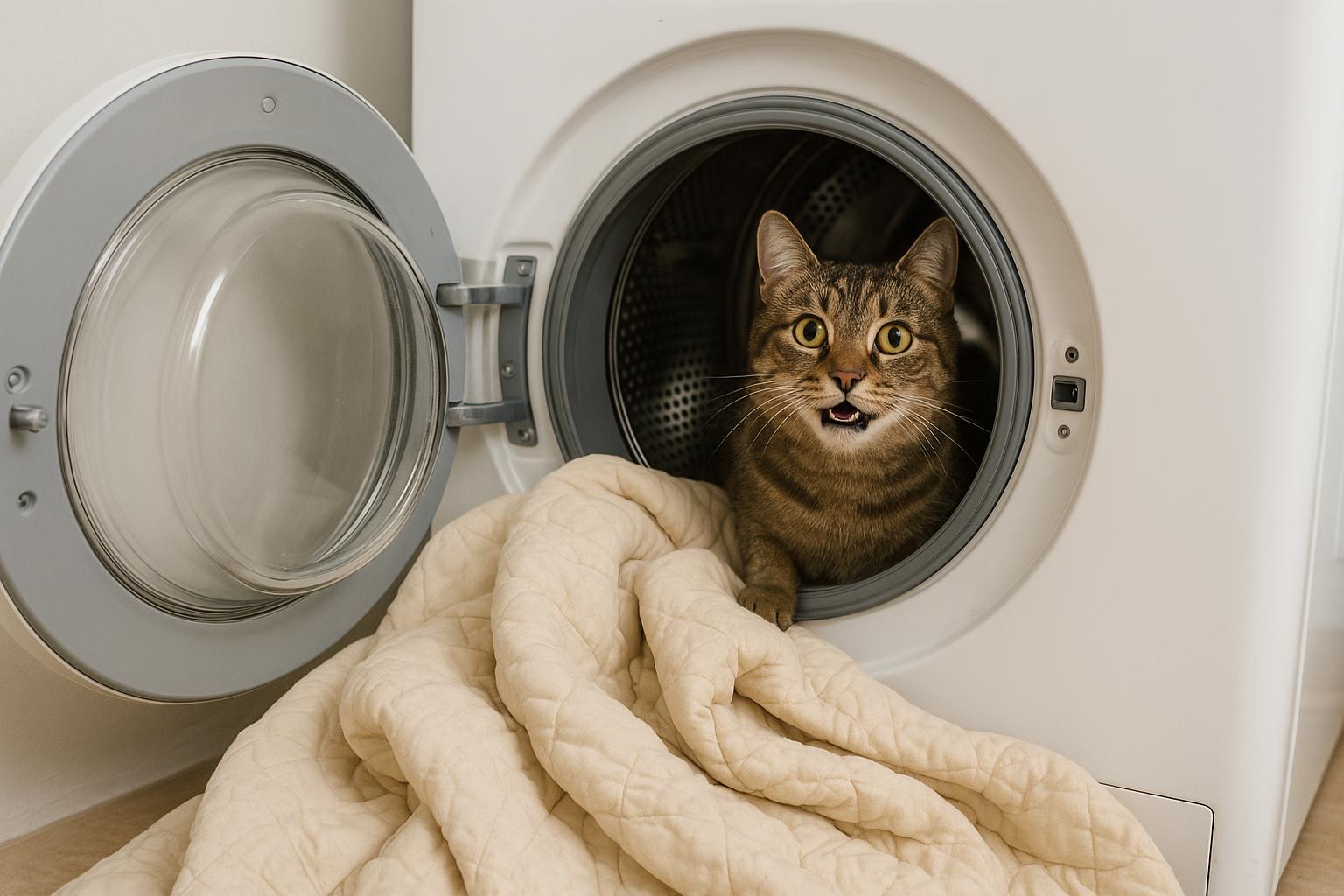
4. Washing: Wash pet bedding, human bedding, removable cushion covers, and washable rugs in the hottest water safe for the fabric. Dry on the highest safe heat setting for at least 30 minutes; heat kills eggs and larvae.
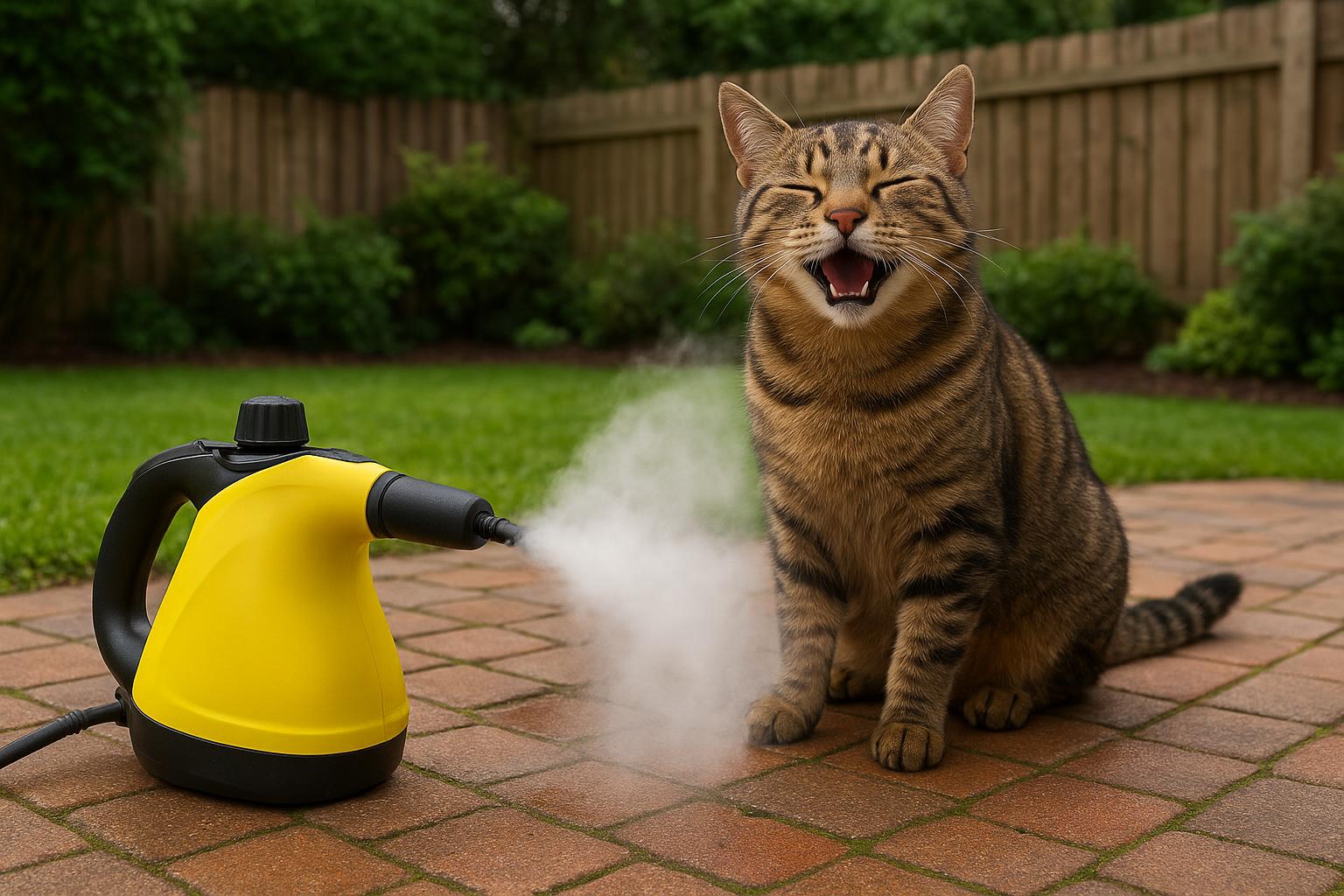
5. Steam Cleaning: Where possible, steam clean carpets and upholstery. High-temperature steam penetrates deeper than household irons and will kill adults, larvae, and eggs that vacuuming might miss.
6. Repeat Schedule: Carry out vacuuming and washing every 2–3 days during the first two weeks, then twice weekly for another two weeks. Flea pupae can hatch later; consistent treatment prevents re-establishment.
## Remedy 2: Diatomaceous Earth Or Salt (Desiccant Treatment)
A non-toxic mineral-based option that dehydrates insects. This remedy is highly effective when applied correctly and used with mechanical cleanup.
Materials Required:
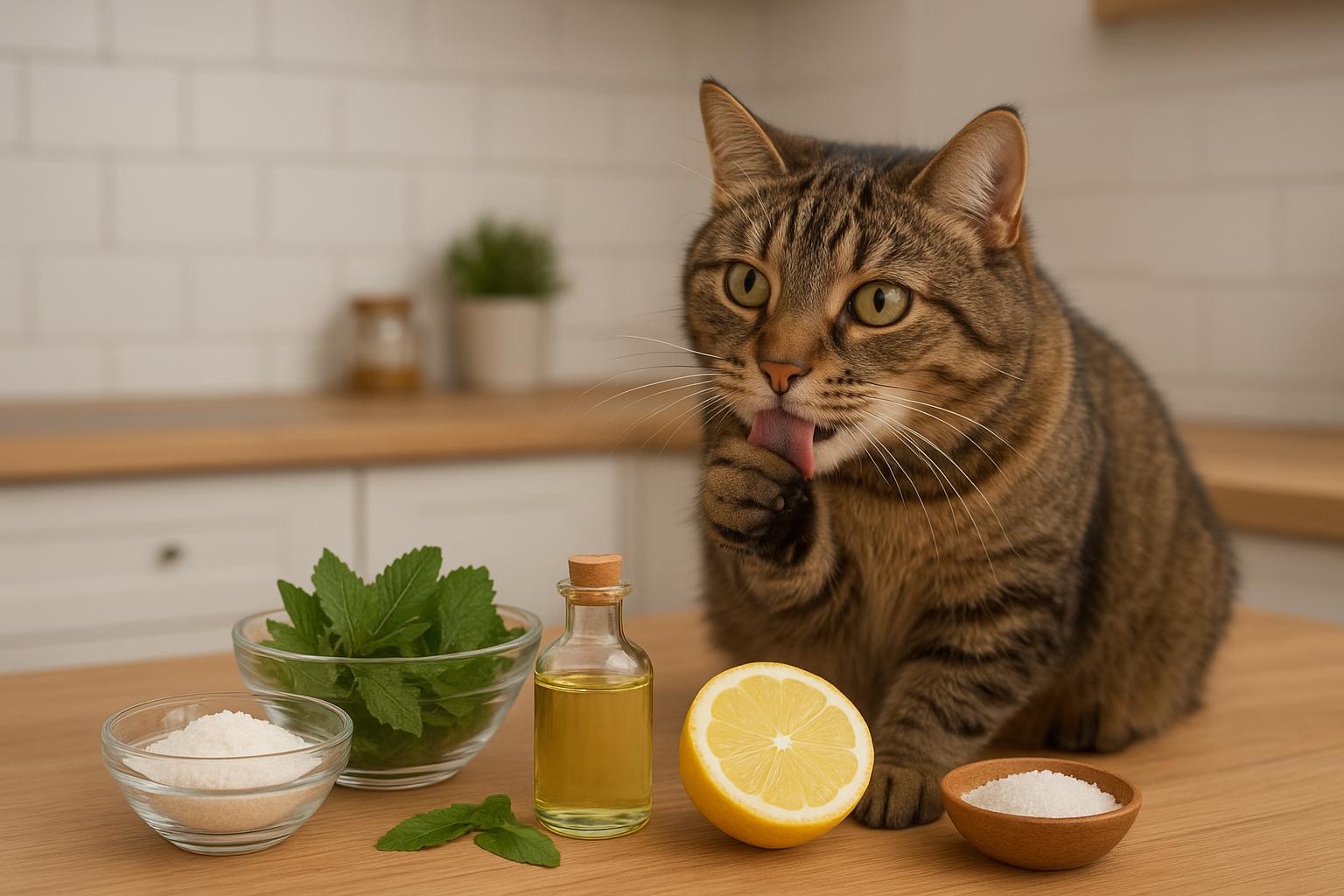
– Food-grade diatomaceous earth (DE) or finely ground table salt
– Handheld duster or talc-style shaker for even application
– Vacuum cleaner and broom
– Disposable gloves and dust mask (DE can be dusty)
Step-By-Step Application:
1. Formal Preparation: Choose a dry day. Remove children and pets from treated rooms until dust settles and you’ve vacuumed thoroughly.
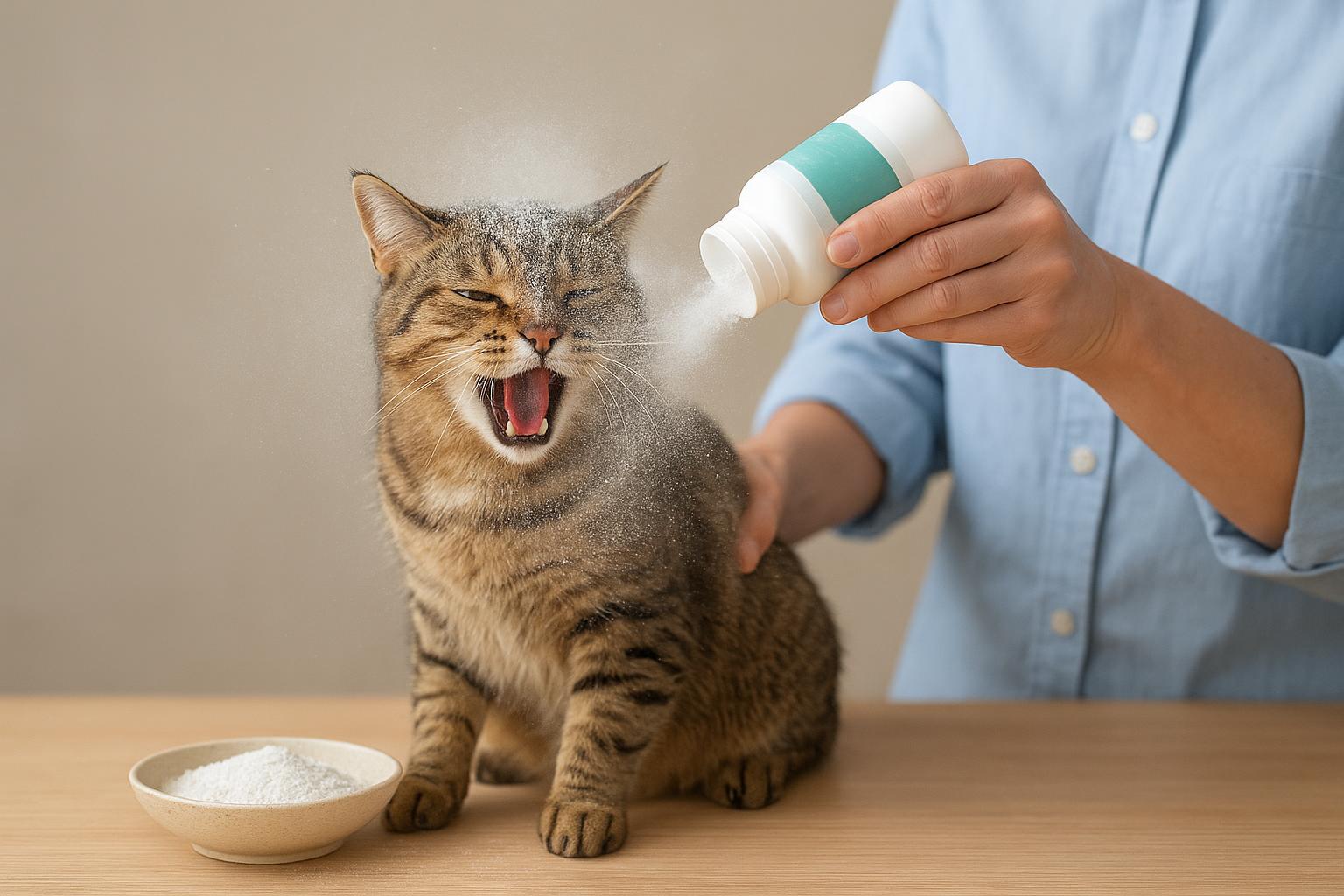
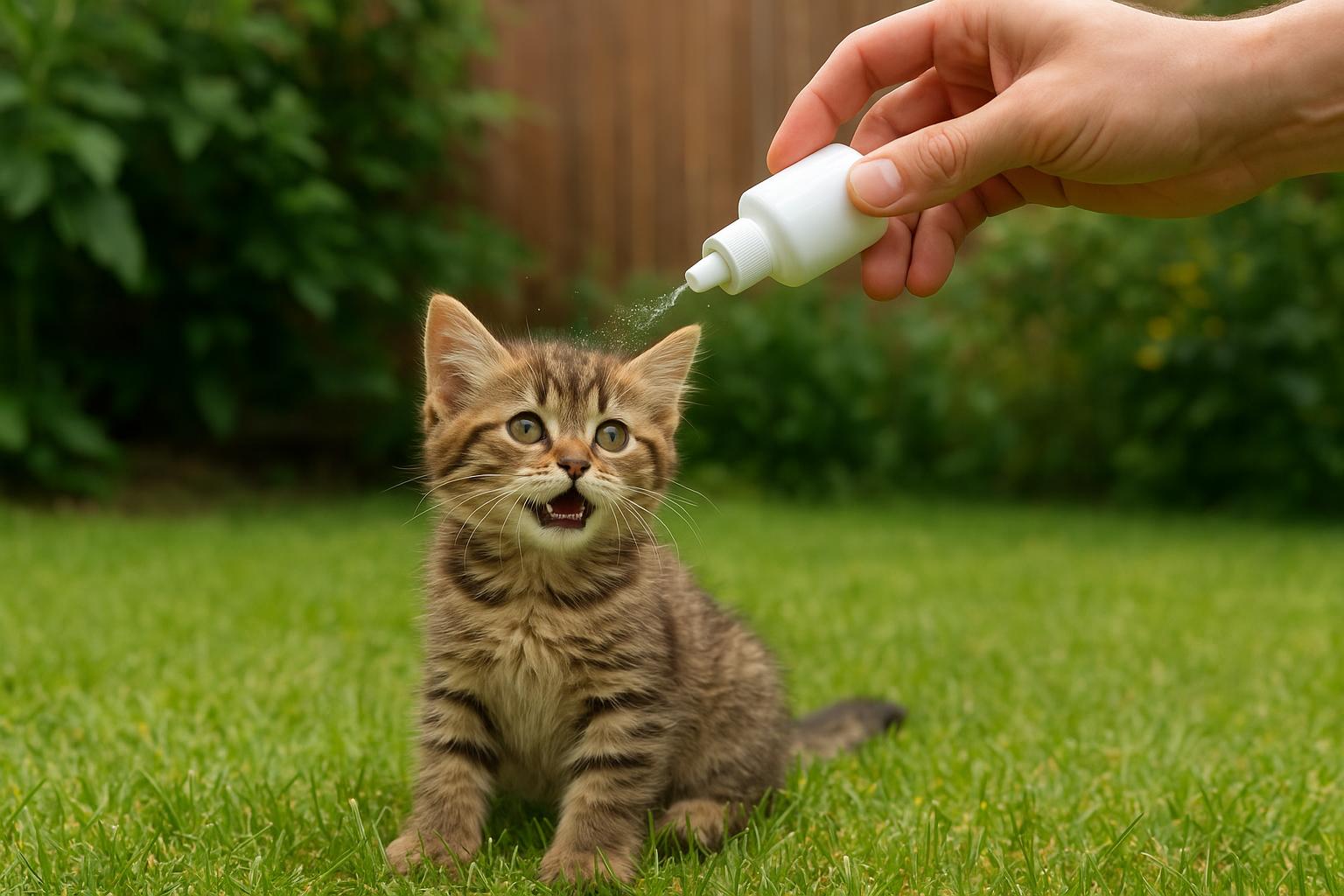
2. Application: Lightly dust carpets, rugs, and upholstered furniture with a thin layer of DE or salt. Use a shaker to distribute evenly; do not mound it. Concentrate on pet resting spots, under furniture, and along baseboards.
3. Exposure Time: Allow the dust to sit for 24–72 hours. The abrasive particles damage the flea exoskeleton and induce desiccation.
4. Removal: Vacuum up the powder thoroughly, then seal and dispose of the vacuum bag contents outside. Repeat application if necessary in 7–10 days to capture newly hatched fleas.
5. Safety Note: Use only food-grade DE for homes. Avoid inhaling the dust; wear a mask.
## Remedy 3: Insect Growth Regulators And Spot Treatments (Chemical Control)
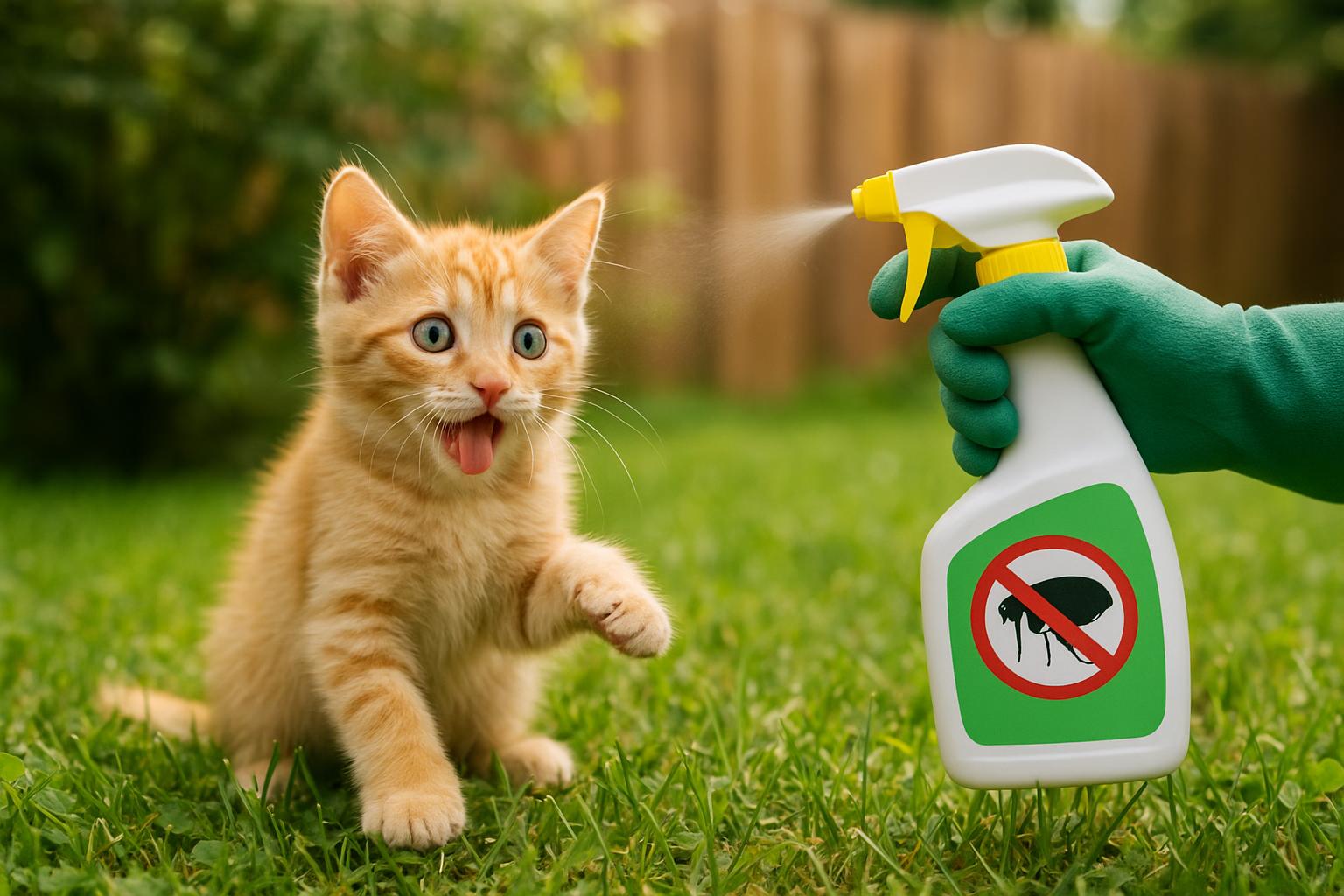
When infestations are moderate to severe, targeted chemical controls are necessary. These methods must be used responsibly and according to label directions.
Materials Required:
– Insect Growth Regulator (IGR) spray (pyriproxyfen or methoprene)
– Adulticide spray or fogger labeled for indoor flea control (permethrin or similar)
– Pet spot-on or oral flea medication prescribed by a veterinarian
– Gloves and eye protection
Step-By-Step Application:
1. Formal Assessment: Identify all areas of activity. Read product labels thoroughly for application rates, animal safety, and re-entry intervals.
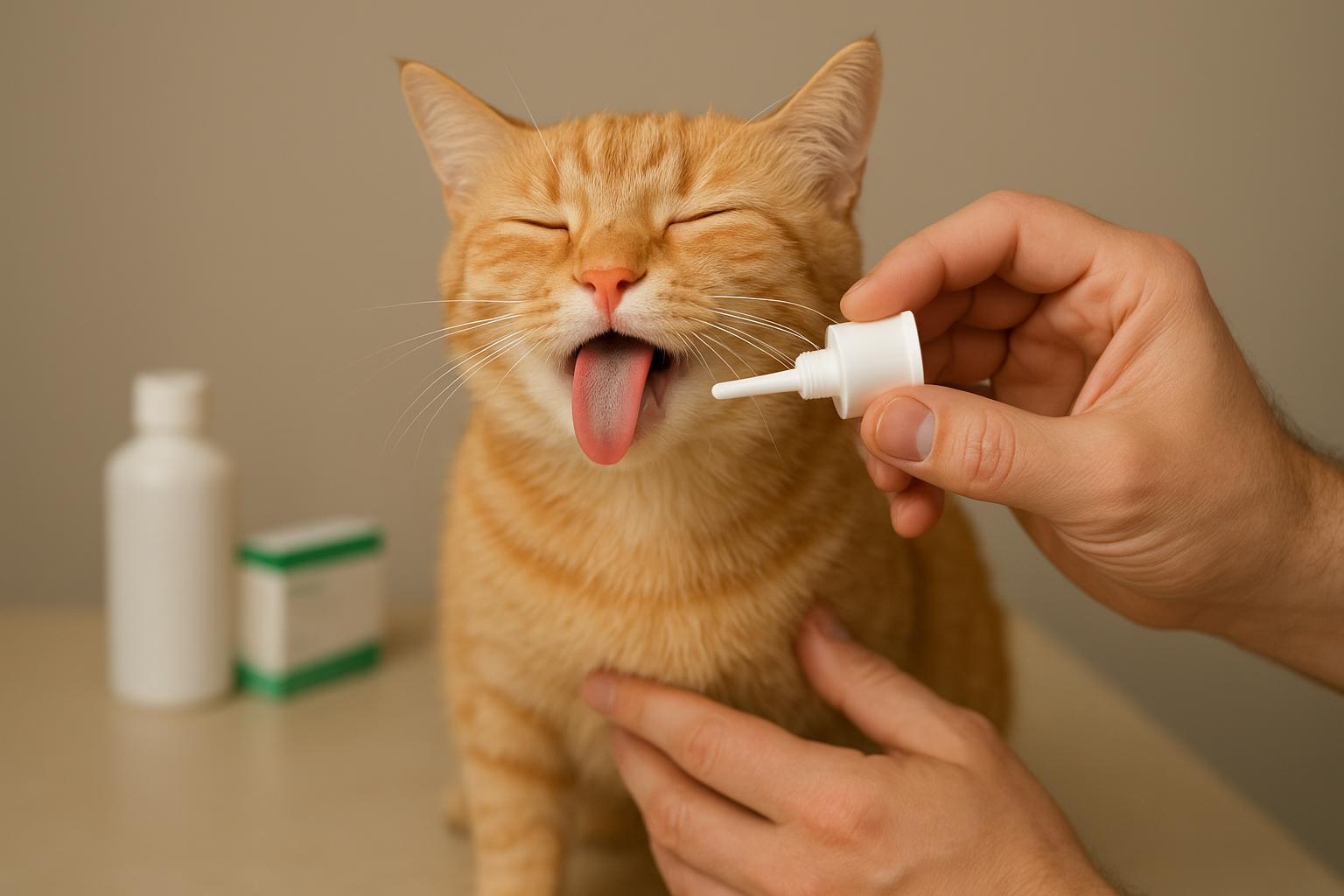
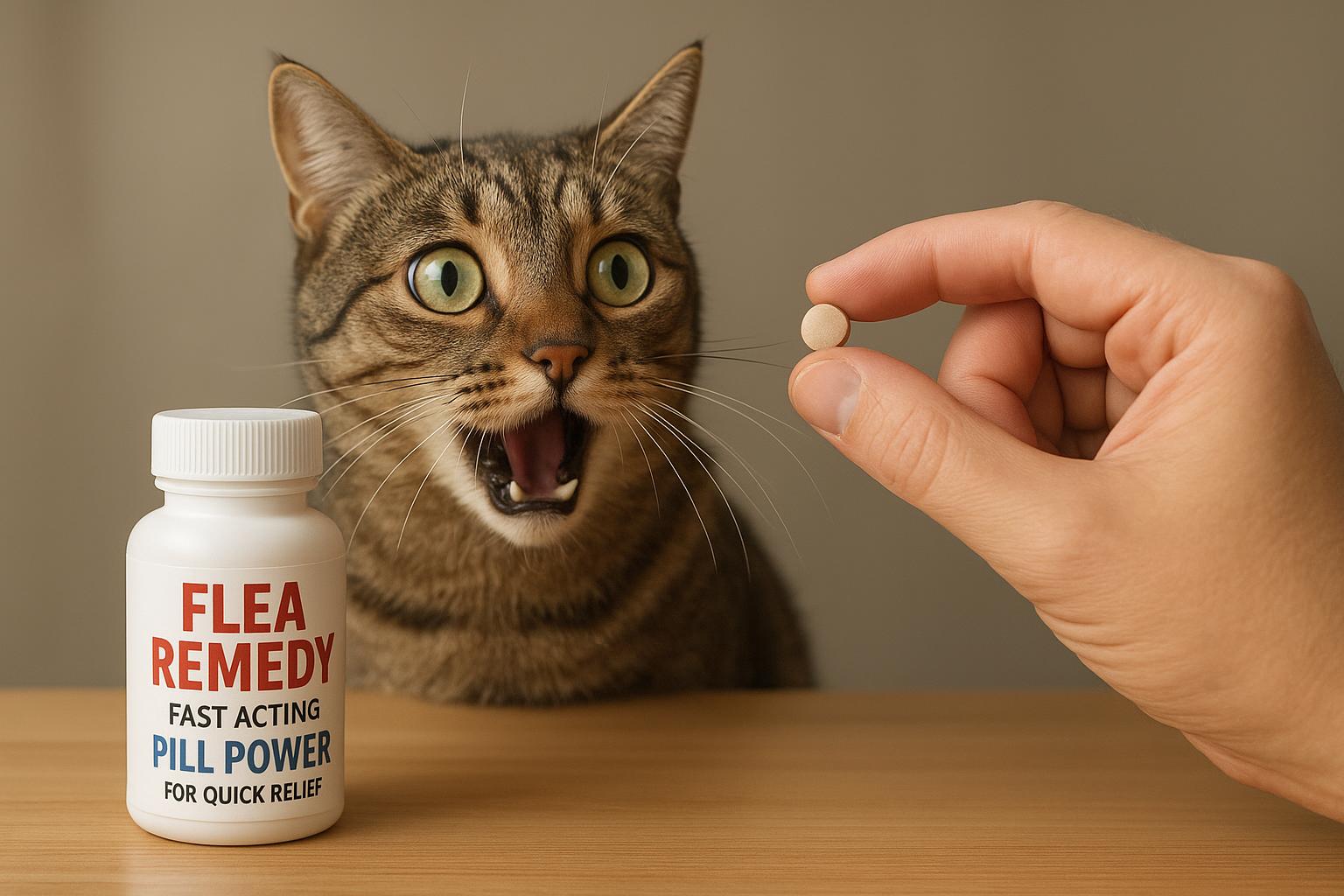
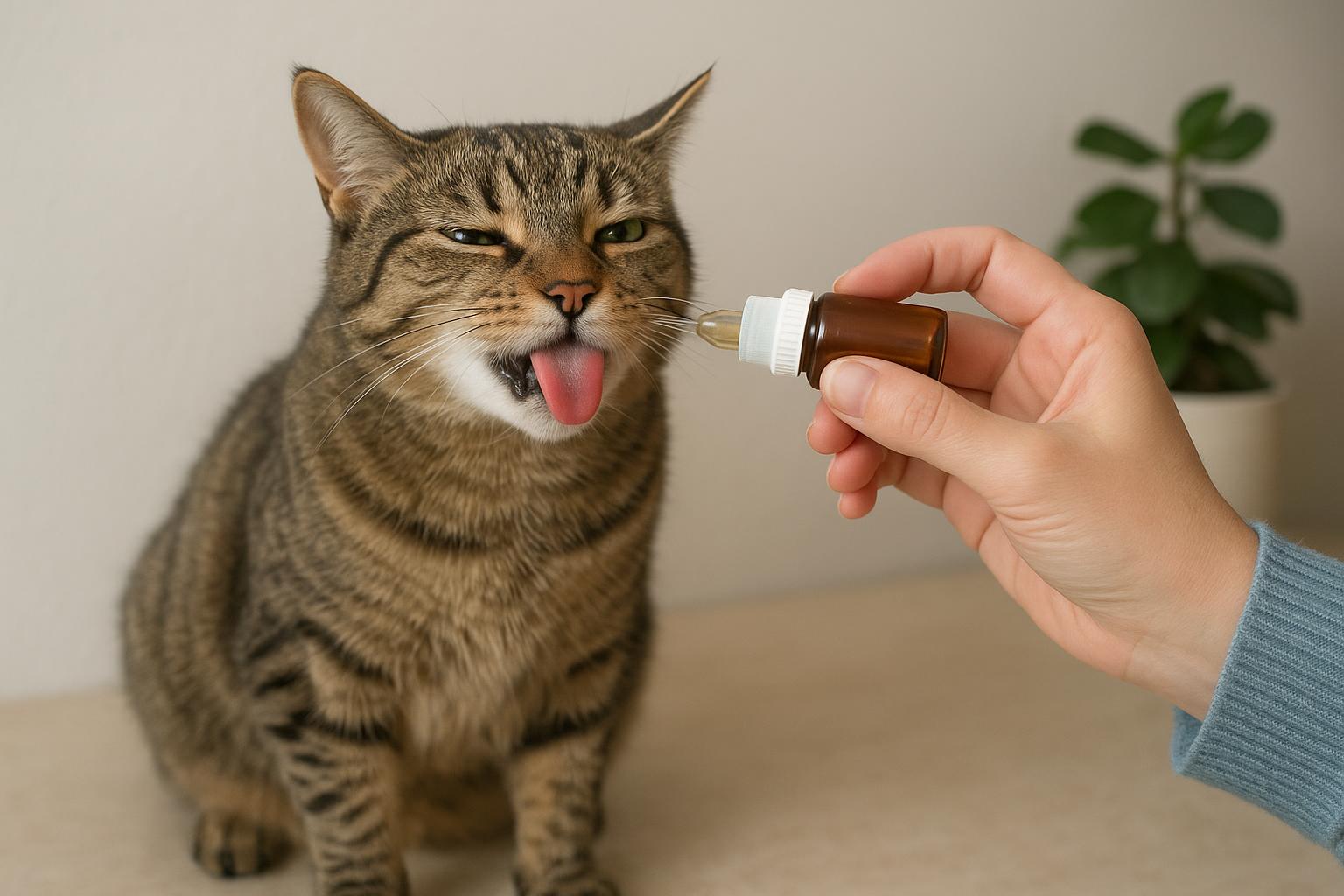
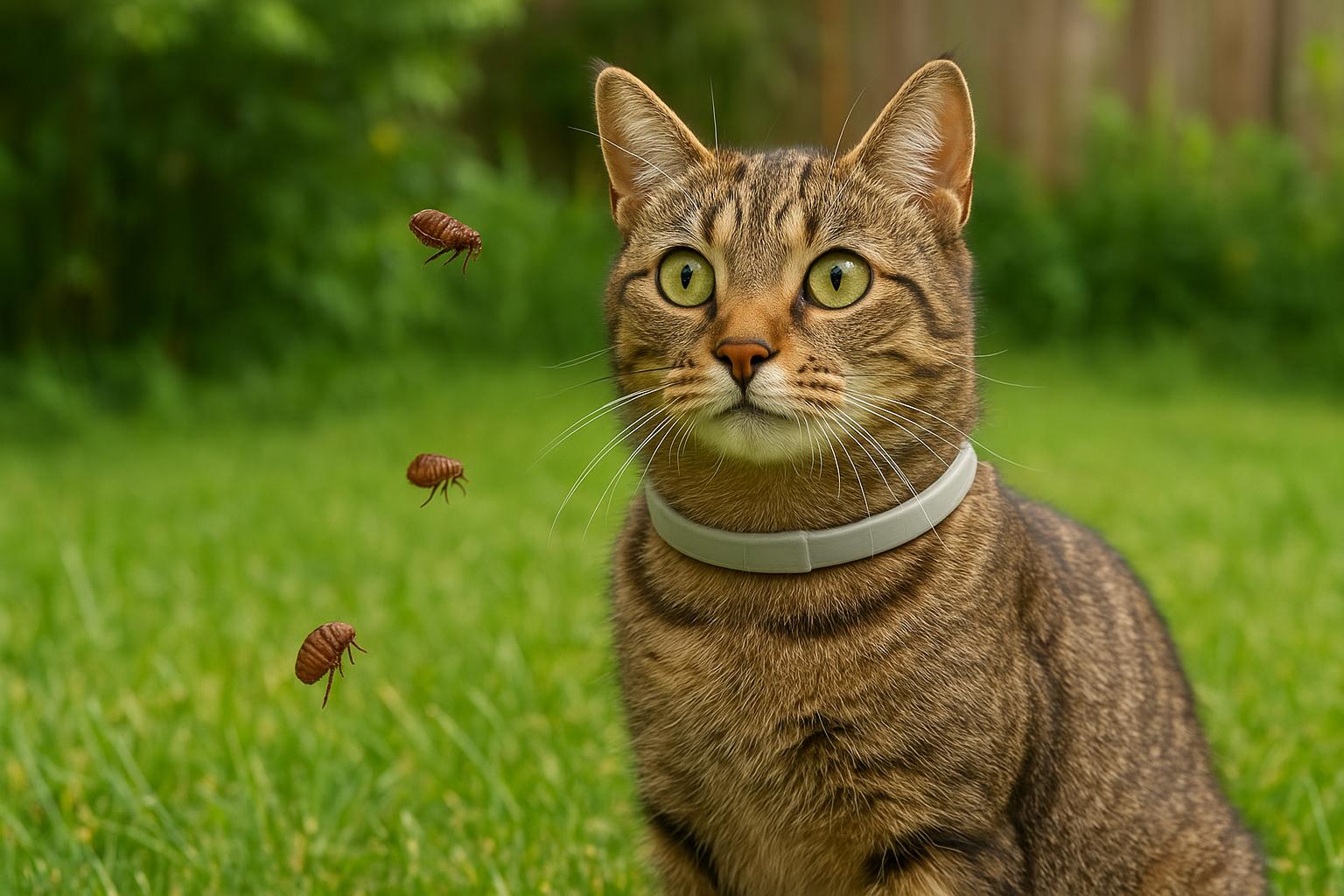
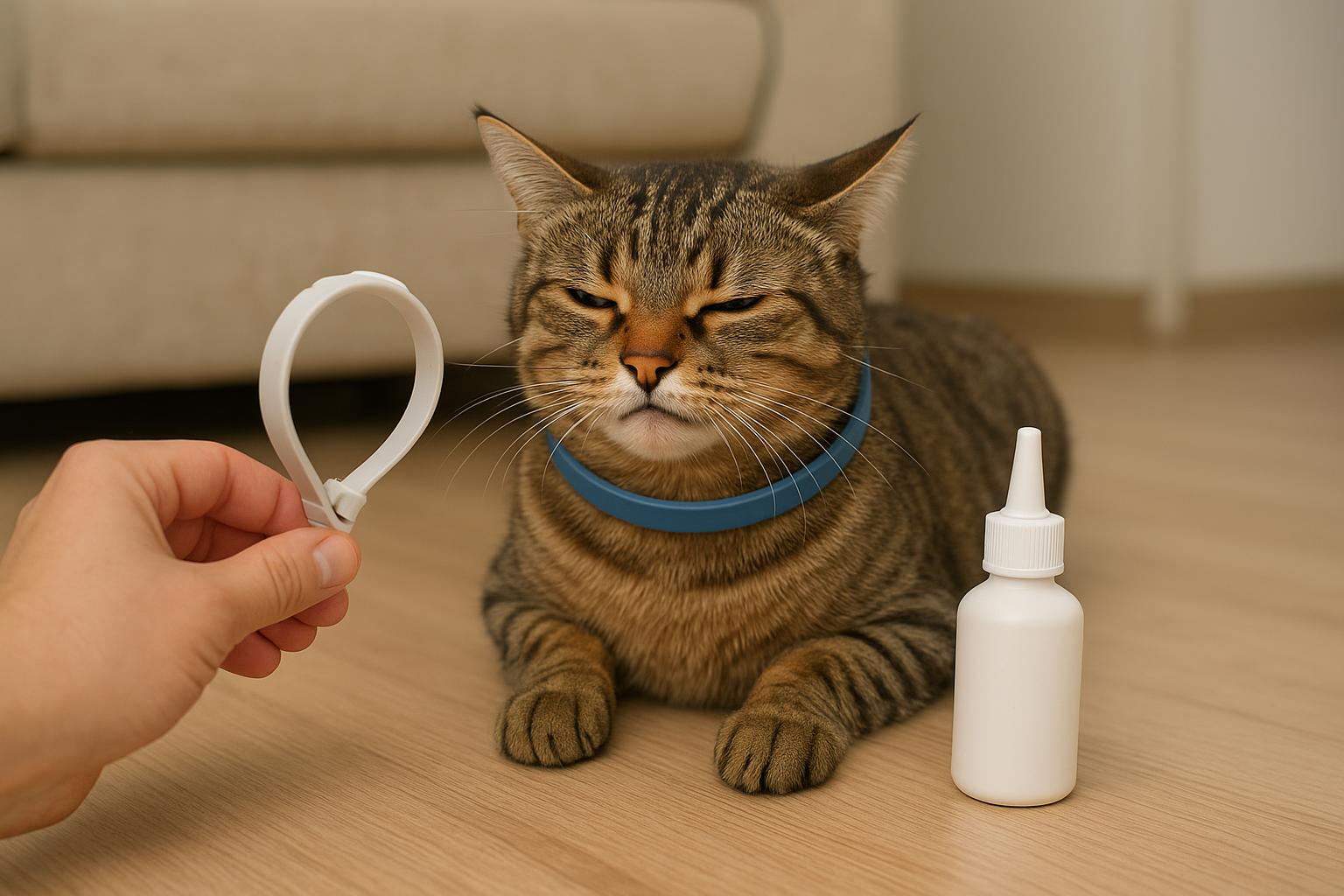
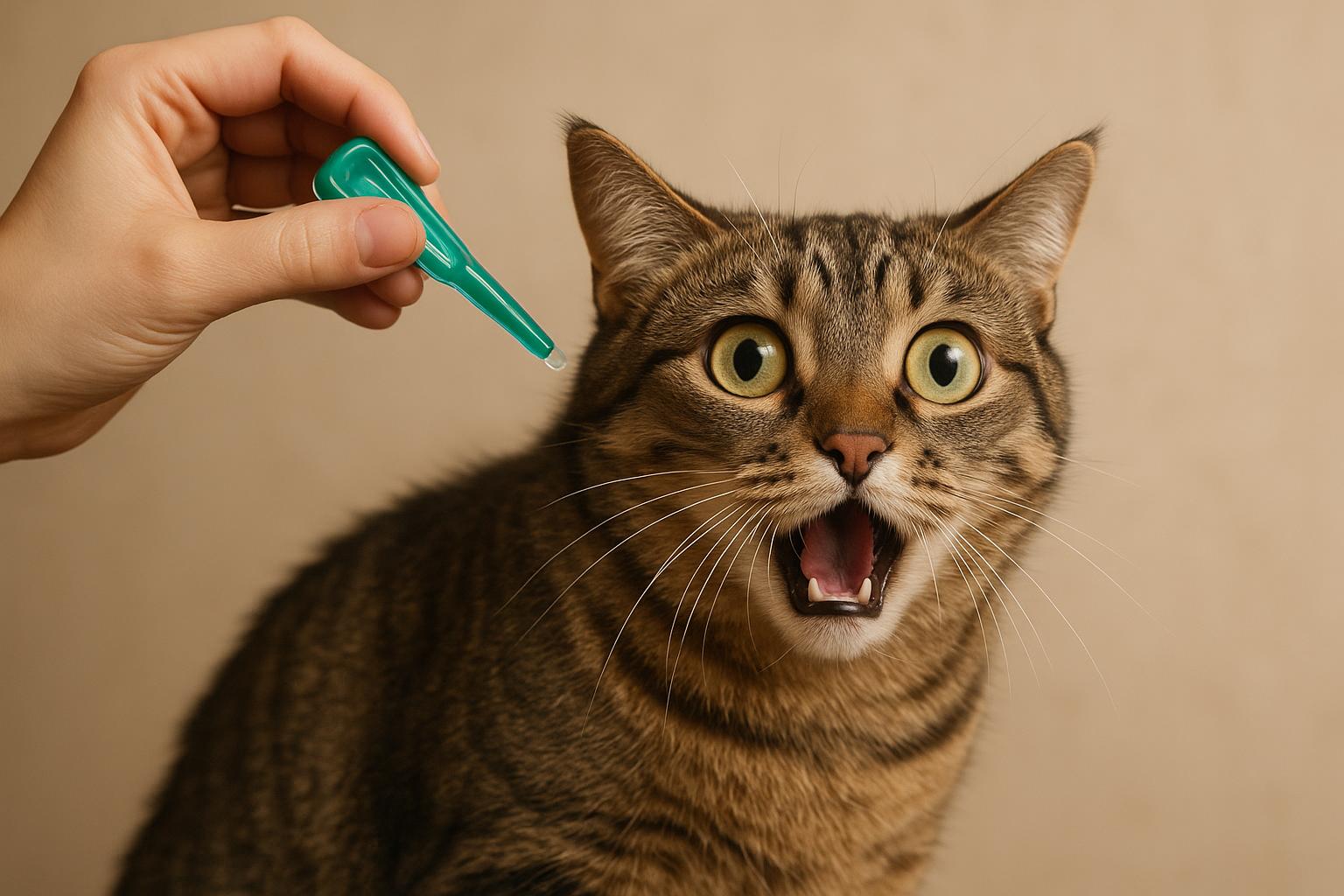
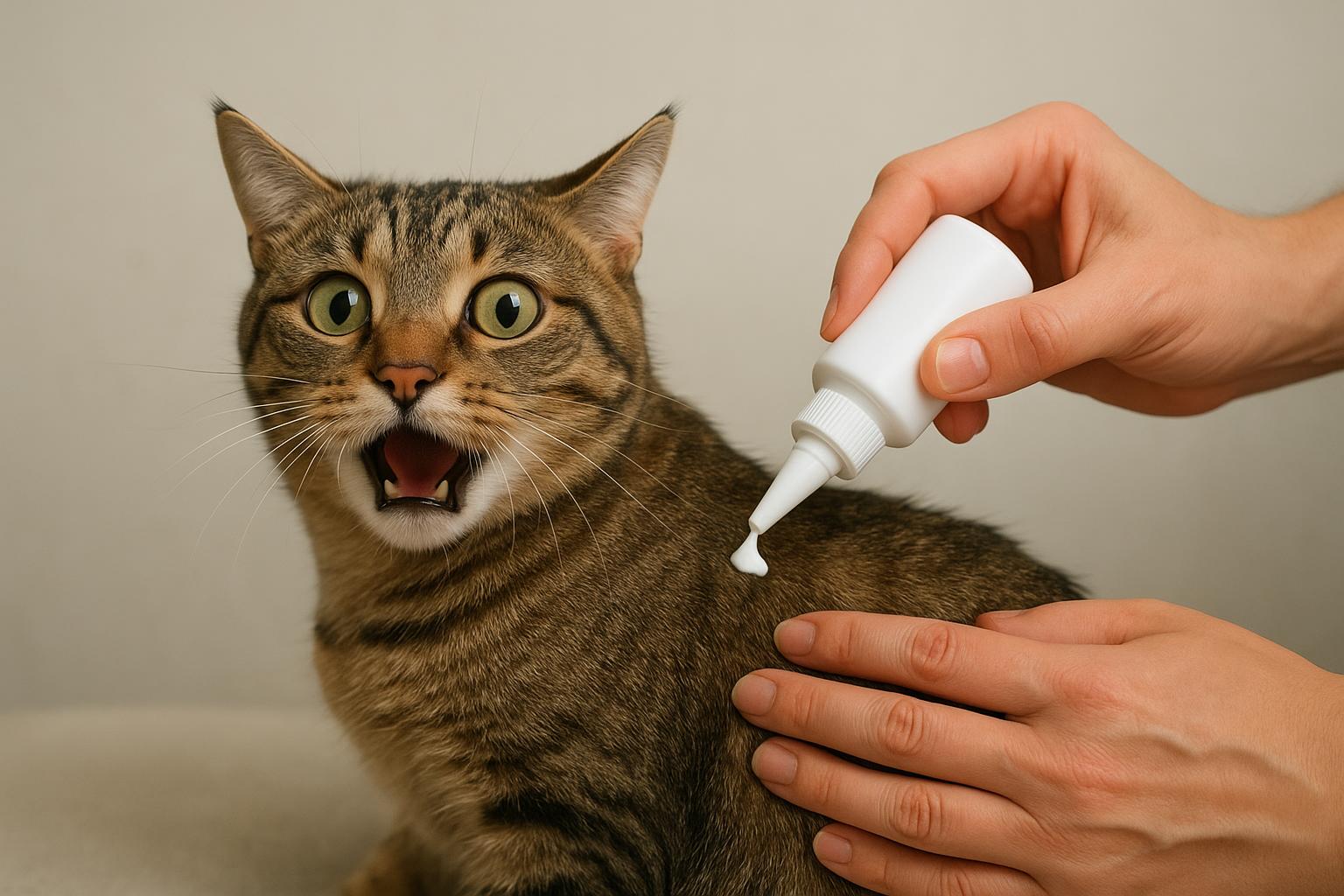
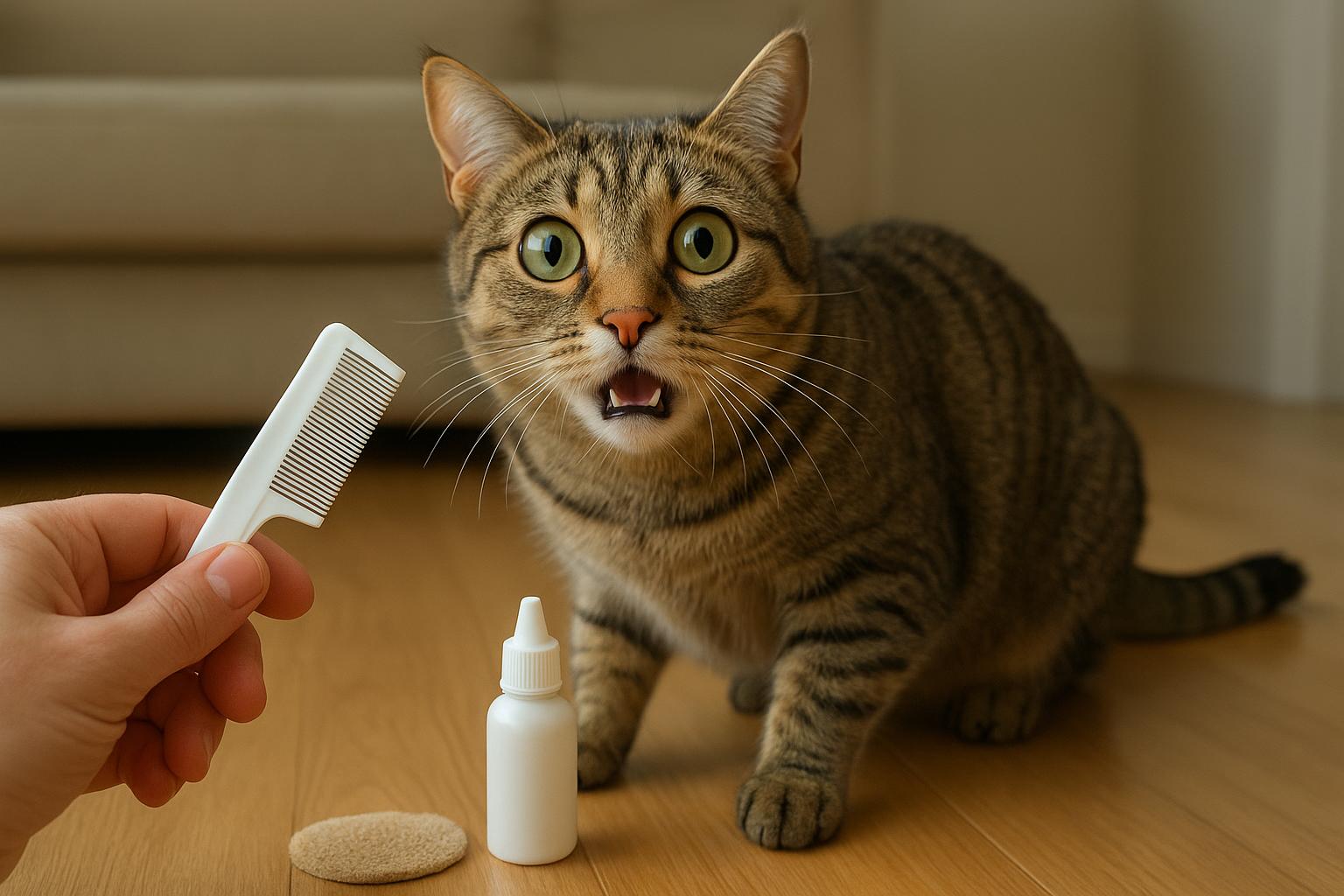
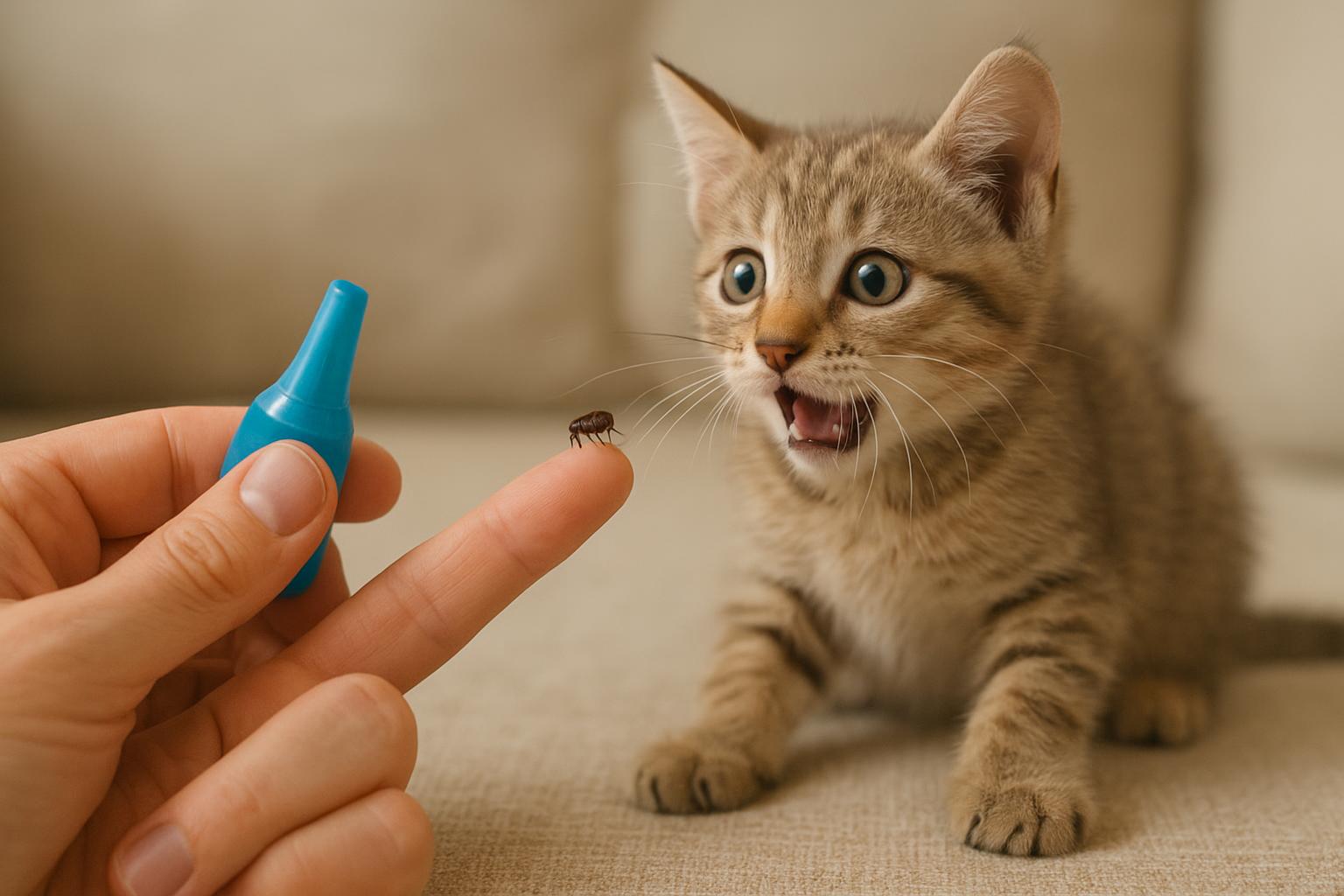
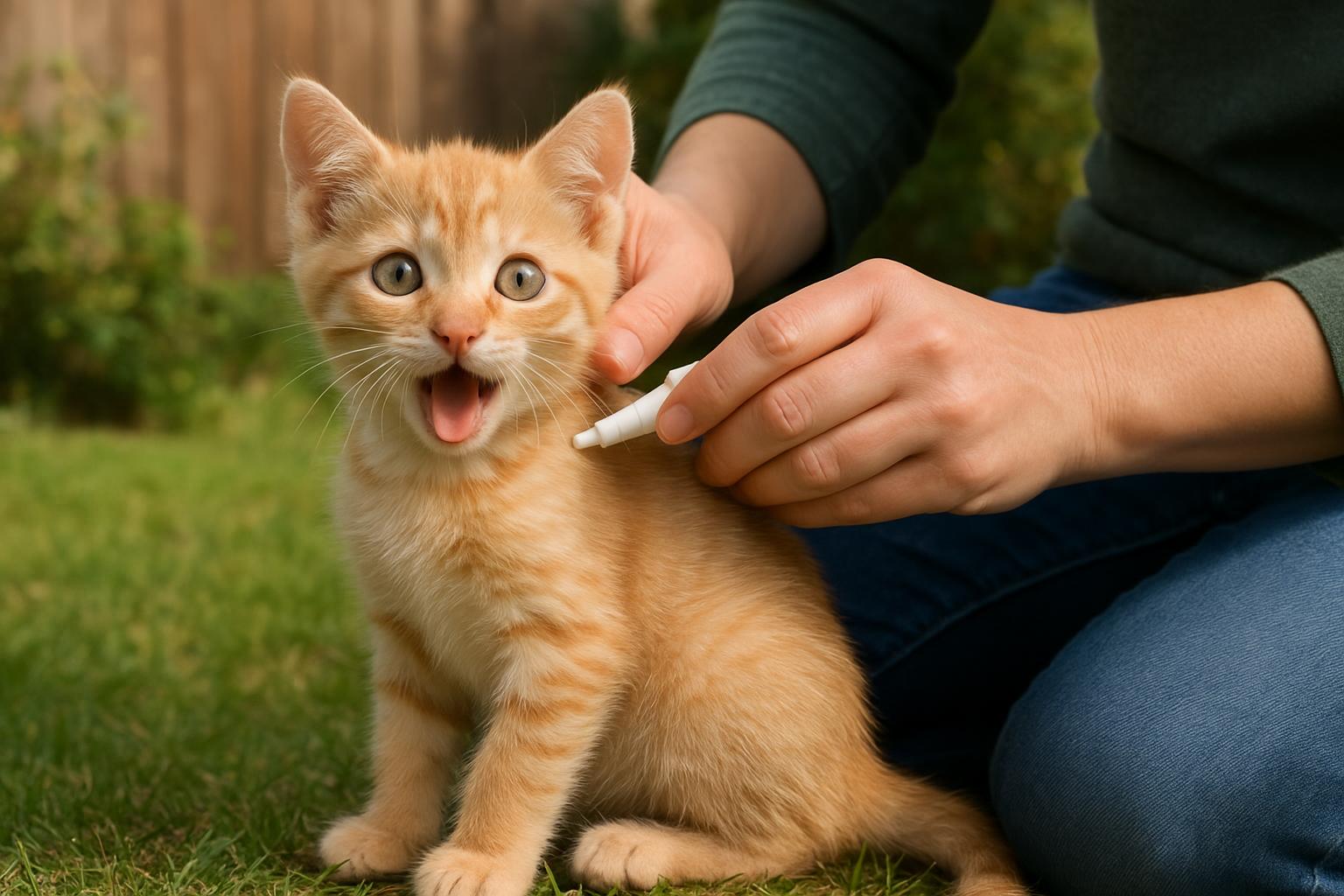
2. Pet Treatment: Before treating the home, treat all pets with veterinarian-recommended spot-on, oral, or collar treatments that kill adult fleas and/or prevent reproduction. This stops the continuous introduction of new adults into the environment.
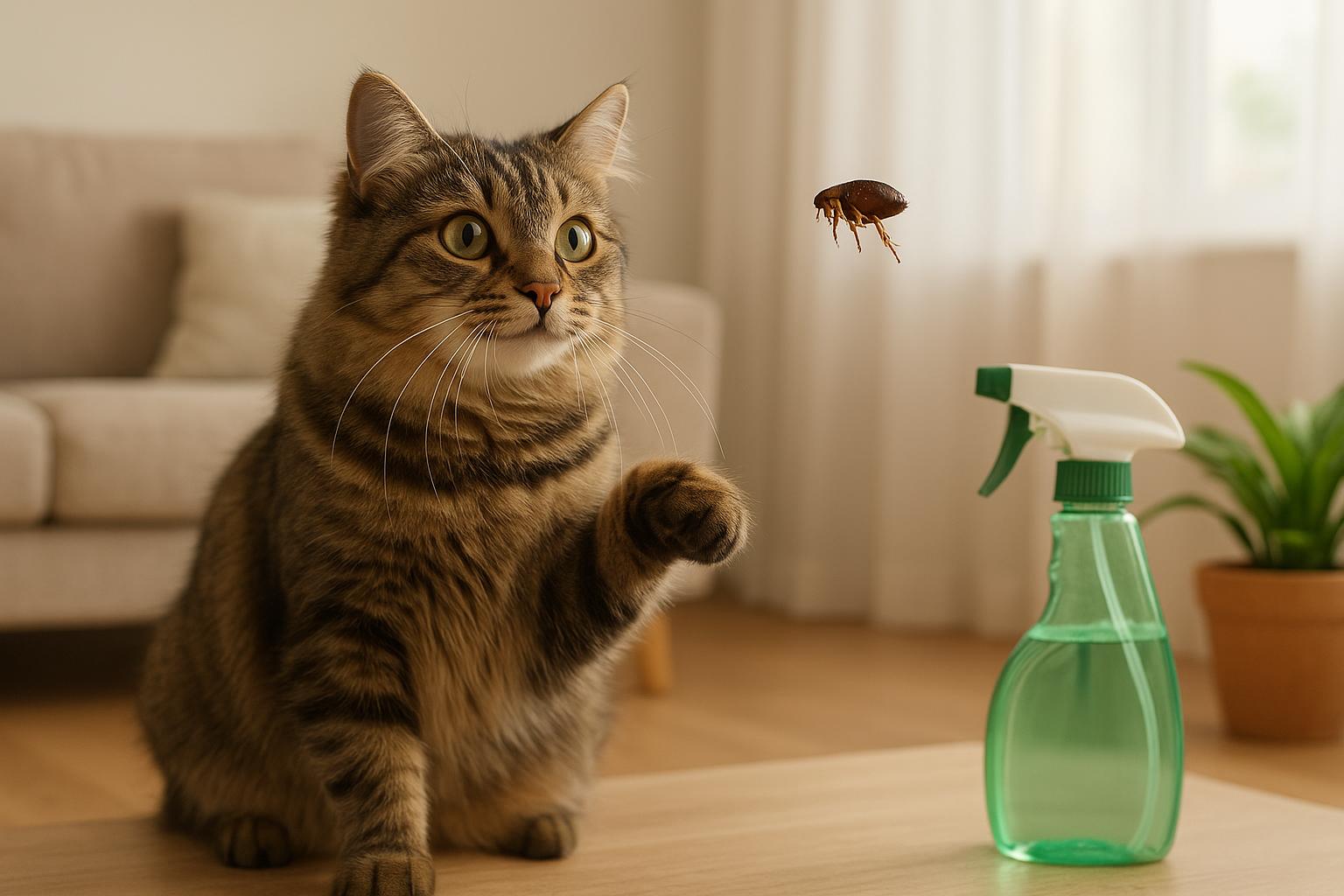
3. Apply IGR: Spray IGR in carpets, under furniture, and along baseboards. IGRs prevent eggs and larvae from maturing into adults, breaking the life cycle.
4. Apply Adulticide: Use an adulticide in heavily infested zones as directed. For severe infestations, treat furniture and carpet seams. Allow treated areas to dry completely before allowing people or pets back in the room.
5. Follow-Up: Reapply IGRs according to label intervals (often 30–90 days) to intercept late-hatching pupae. Monitor improvement over 2–3 weeks; adult populations should drop rapidly when pets are protected and the environment is treated.
### When To Call A Professional
If you see continued high flea activity after 3–4 weeks of diligent treatment, or if there are health concerns for pets or family members, call a licensed pest management professional. Professionals can use higher-grade treatments and offer targeted strategies for persistent infestations.
## Safety And Pet Considerations
Flea treatments must be safe for people and pets. Use only labeled products and follow vet guidance for young, elderly, pregnant, or medically compromised animals. Never combine topical products without professional advice; some combinations can be toxic. Ensure treated areas are well-ventilated, and restrict pet access until products have dried or cleared according to label instructions. If accidental exposure occurs, contact a veterinarian or poison control for instructions.
### Preventing Reinfestation
Prevention is simpler — and cheaper — than full eradication.
– Maintain regular pet flea prevention year-round as recommended by your vet.
– Vacuum frequently, especially in pet-frequented areas.
– Wash pet bedding weekly in hot water.
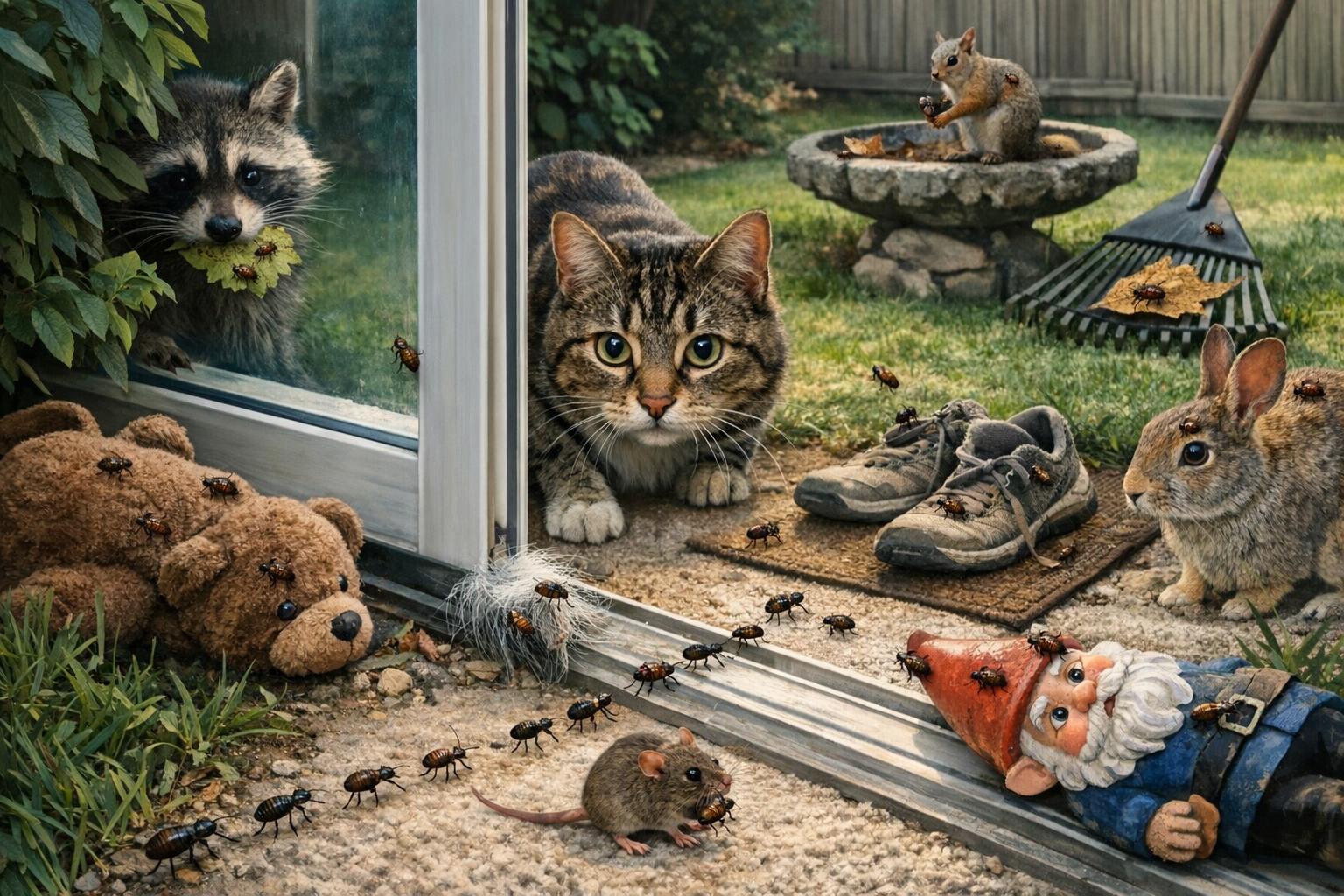
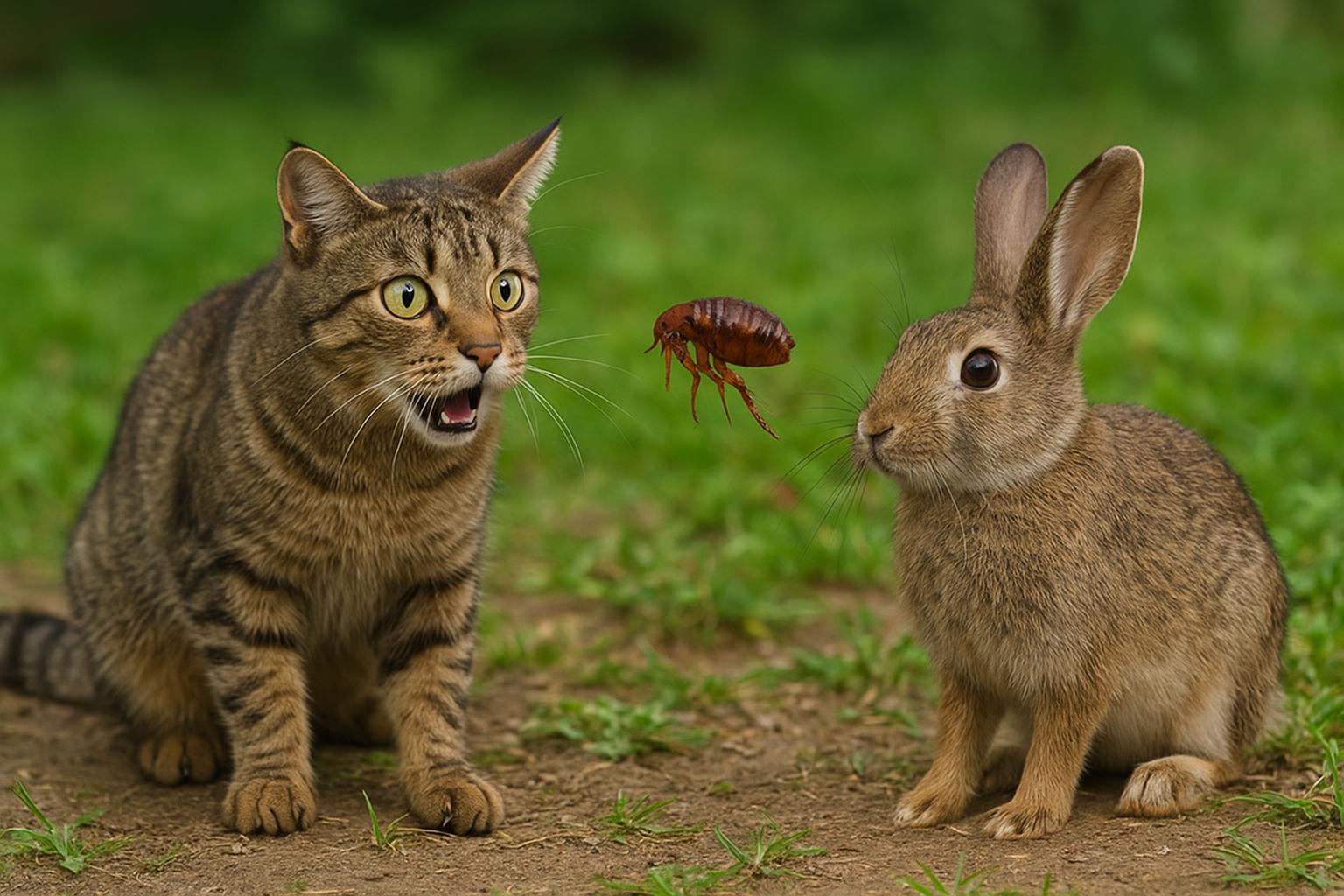
– Keep lawns trimmed and discourage wildlife that can carry fleas from entering yards.
– Check new pets or second-hand furniture for signs of fleas before introducing them indoors.
## Quick Troubleshooting And Common Mistakes
– Skipping pet treatment: Treating the environment without protecting pets leads to failure.
– Using the wrong grade of DE: Non-food-grade products can be hazardous.
– Neglecting hidden spots: Fleas love under furniture, along baseboards, and in carpet seams.
– Not sealing vacuum waste: Live fleas can escape an open vacuum canister if not disposed of properly.
If you stick to the life-cycle approach — attack adults on the pet, remove eggs and larvae from the environment, and prevent new introductions — you’ll dramatically increase the odds of success. A bit of patience and a methodical plan will get your home back to bite-free bliss.




Leave a Reply