
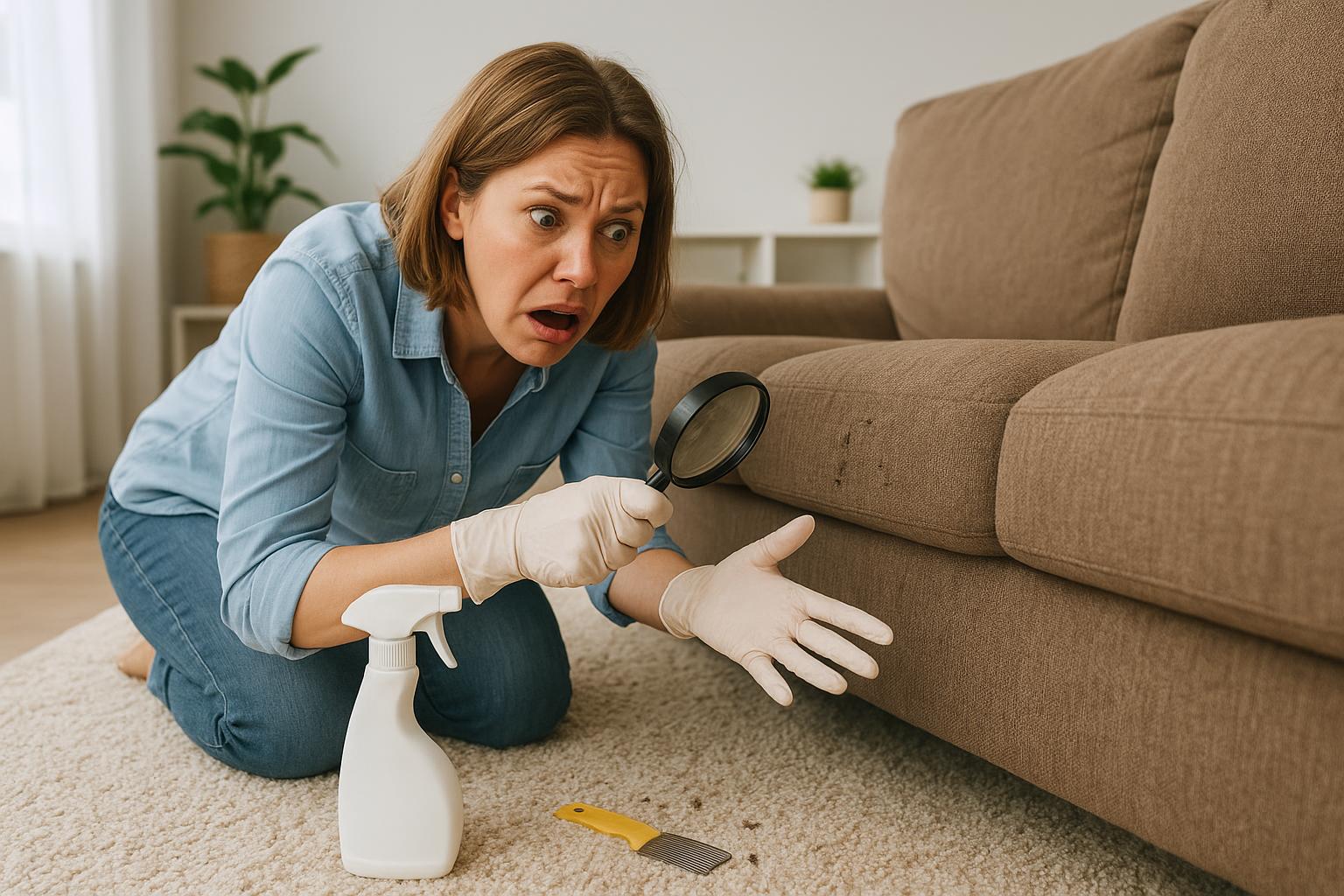
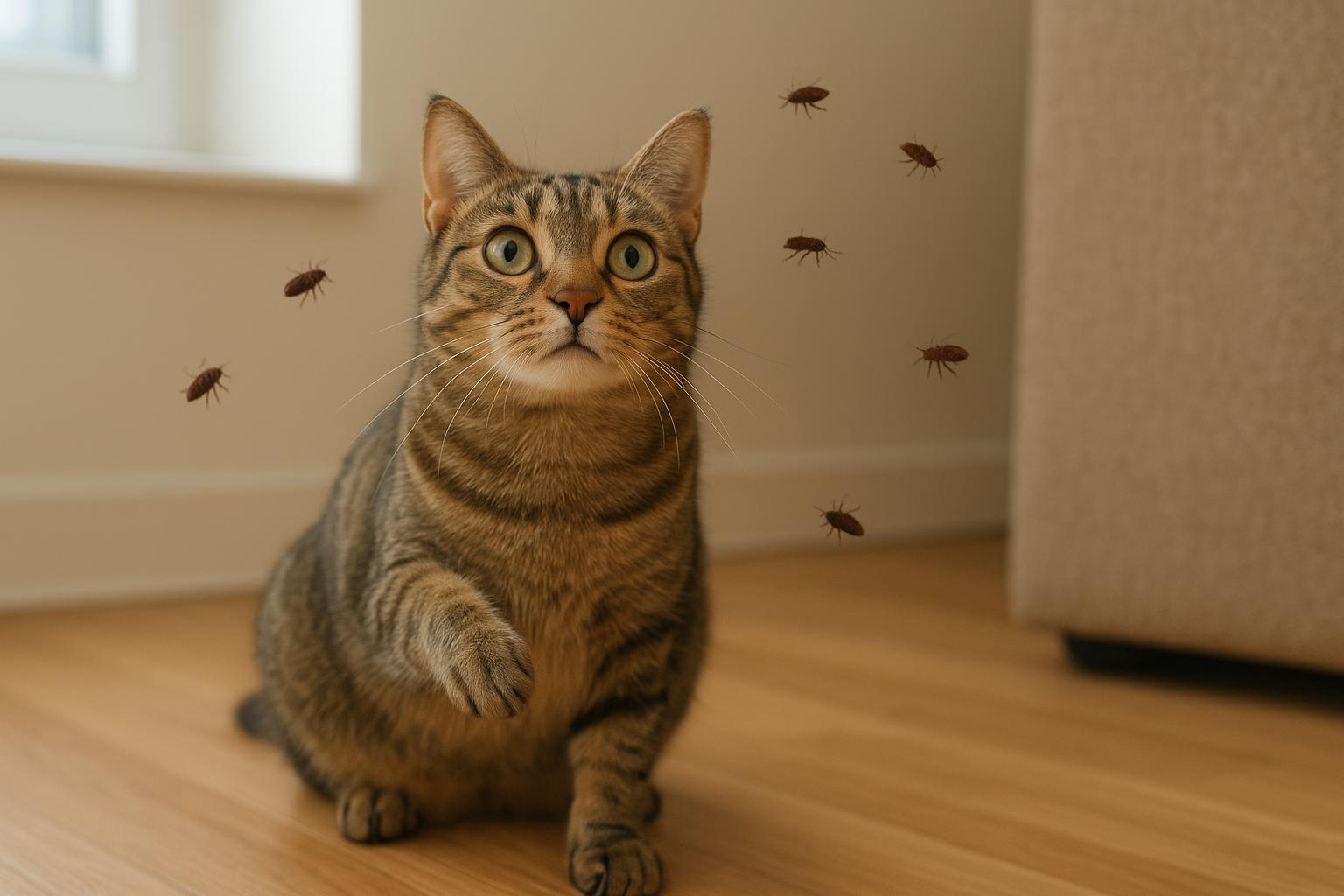
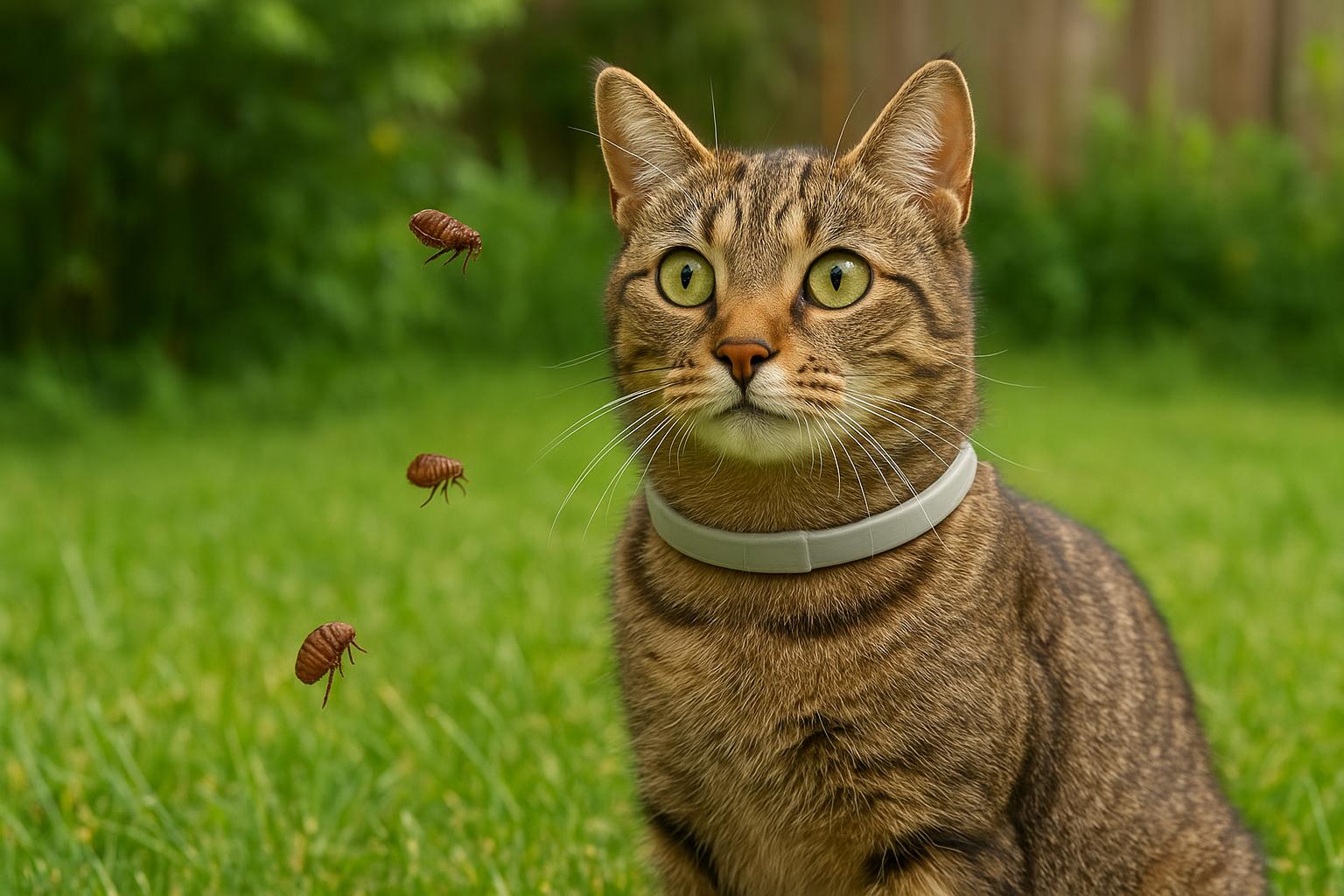
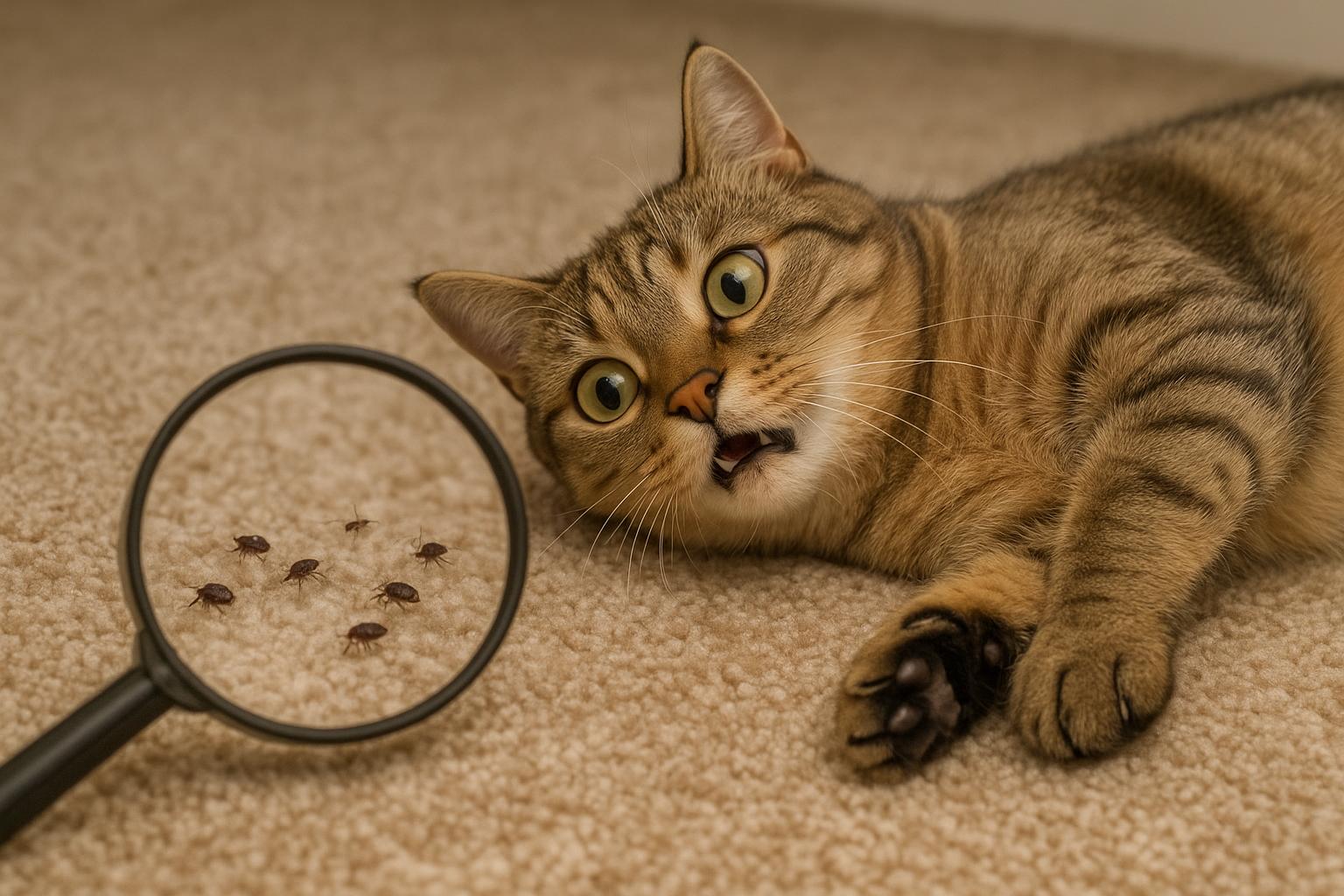
If your home suddenly feels like a tiny nightclub for biting insects, you’re not alone. Fleas are persistent, sneaky, and impossible to invite politely to leave. This guide will help you remove fleas from your home with step-by-step clarity, a touch of humor, and—when it counts—straightforward, practical instructions. Read on and arm yourself with knowledge, supplies, and a plan.
## 1. Effective Chemical Treatment To Remove Fleas
Chemical treatment is often the quickest way to get a heavy flea infestation under control. Use this approach when infestations are widespread or when pets and people are getting lots of bites. Be formal and careful: follow labels and safety guidance exactly.
### Materials And Safety Precautions
– Pet-safe flea treatment products (vet-recommended spot-on or oral medication)
– Home flea spray containing an adulticide plus an Insect Growth Regulator (IGR) such as pyriproxyfen or methoprene
– Vacuum cleaner with strong suction and disposable bags or a canister you can empty into a sealed bag
– Rubber gloves, long sleeves, and a mask (PPE)
– Stiff brush for agitating carpets and upholstery
– Laundry detergent and access to hot water and dryer
– Accessible outdoor area to air out treated items
– Optional: professional-grade perimeter spray or hire a licensed applicator
Safety first: Do not apply pet flea products intended for dogs to cats. Keep pets and children out of treated rooms until dry and ventilated. Follow label directions precisely for concentration, coverage, and re-entry times.
### Step-By-Step Application
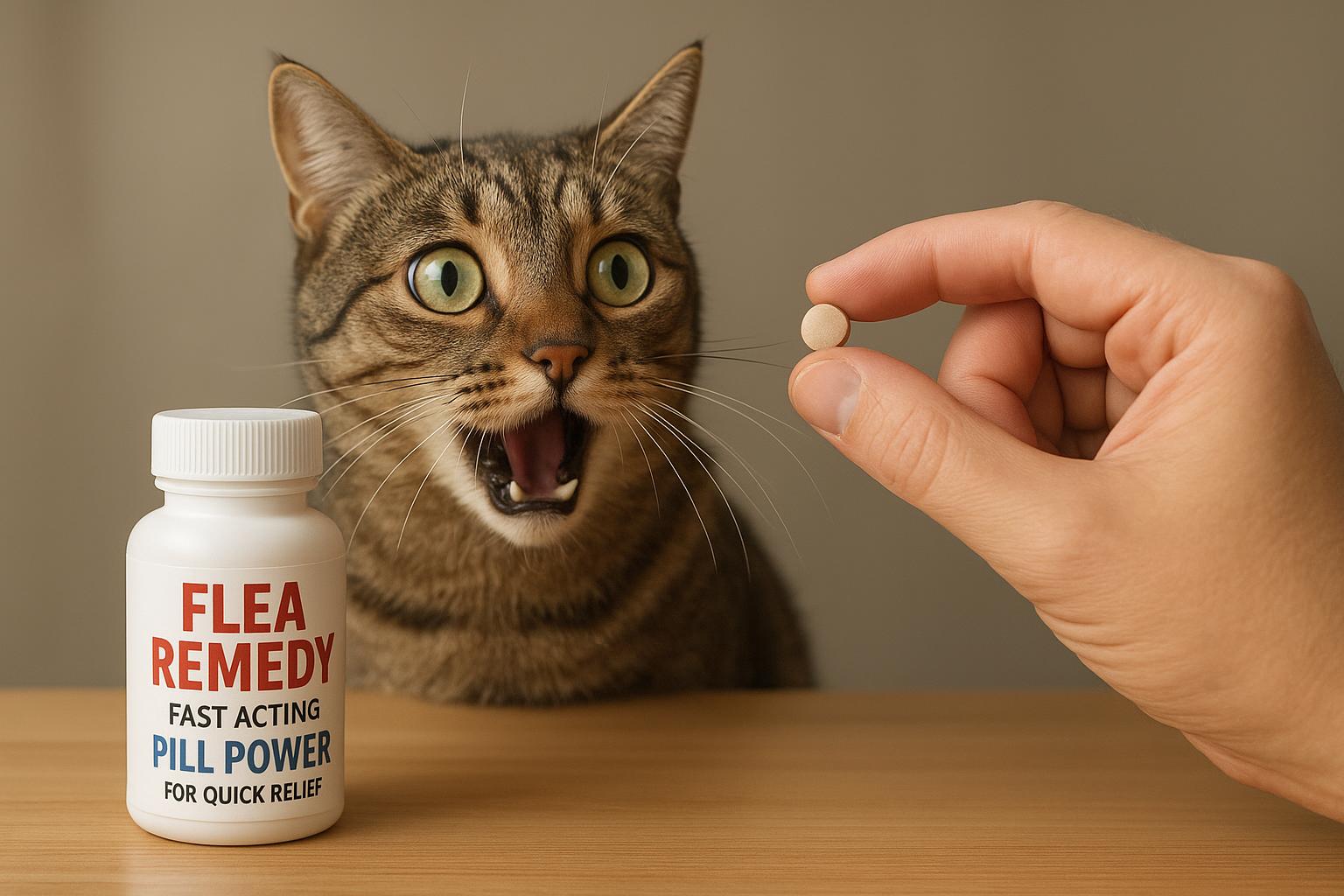
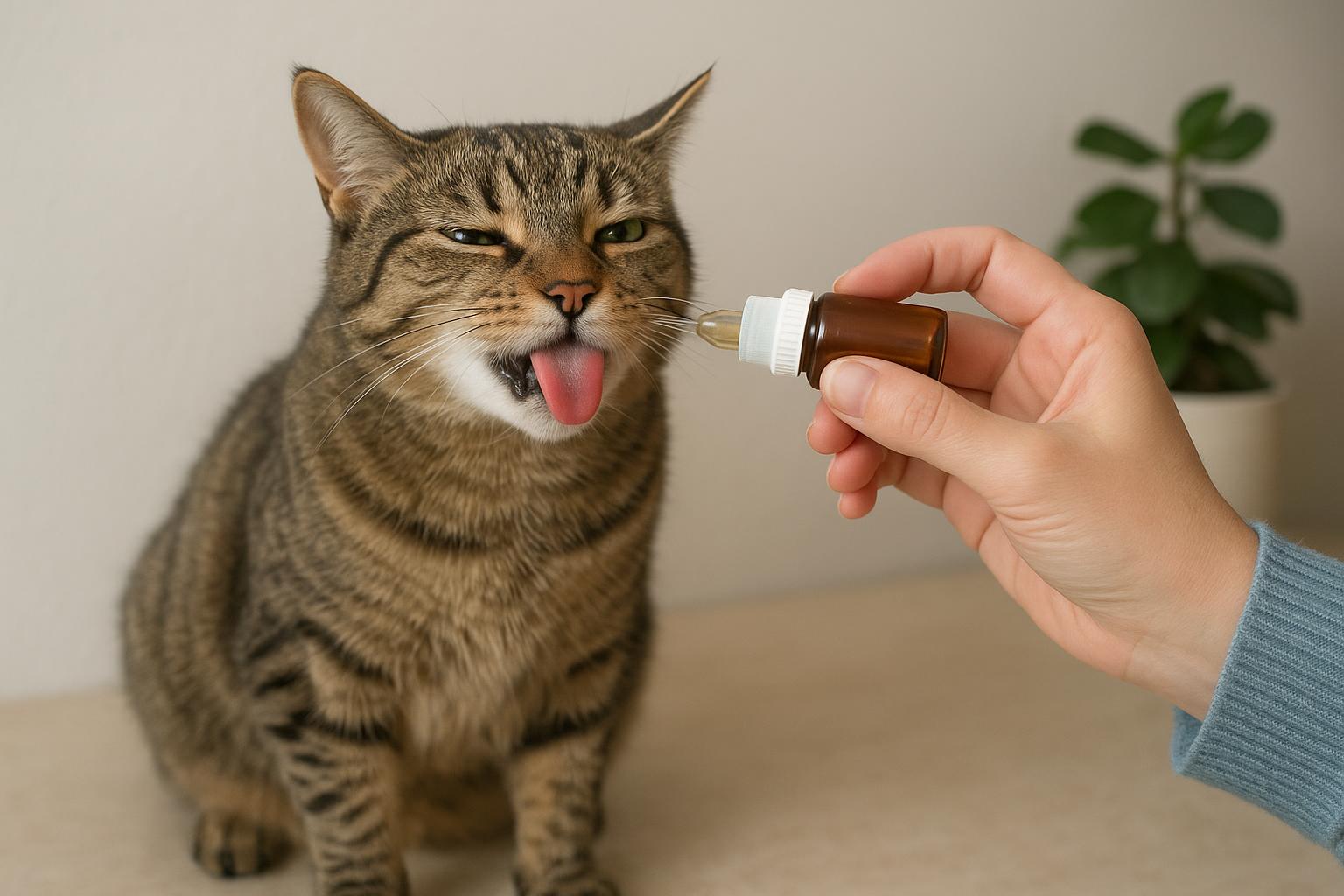
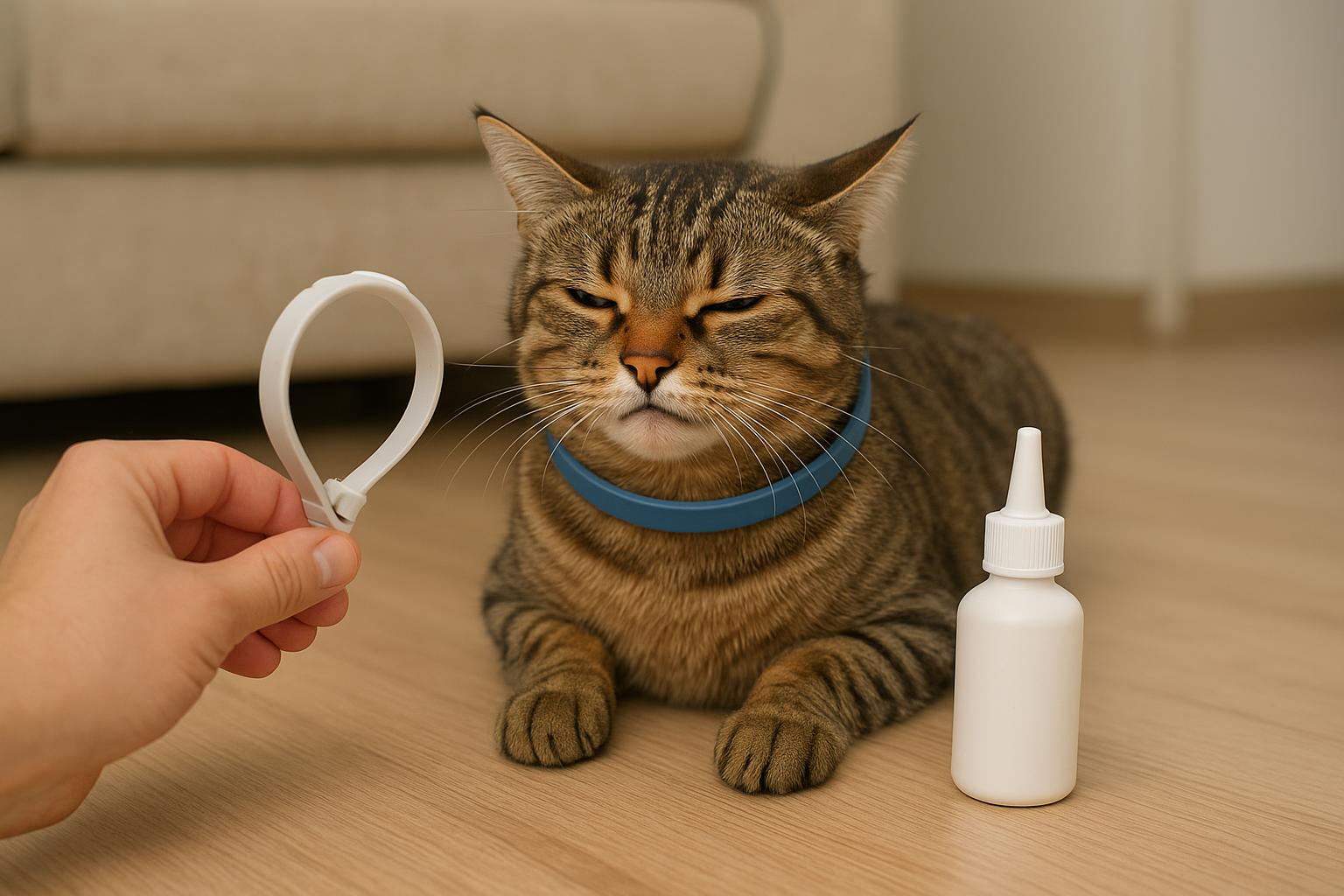
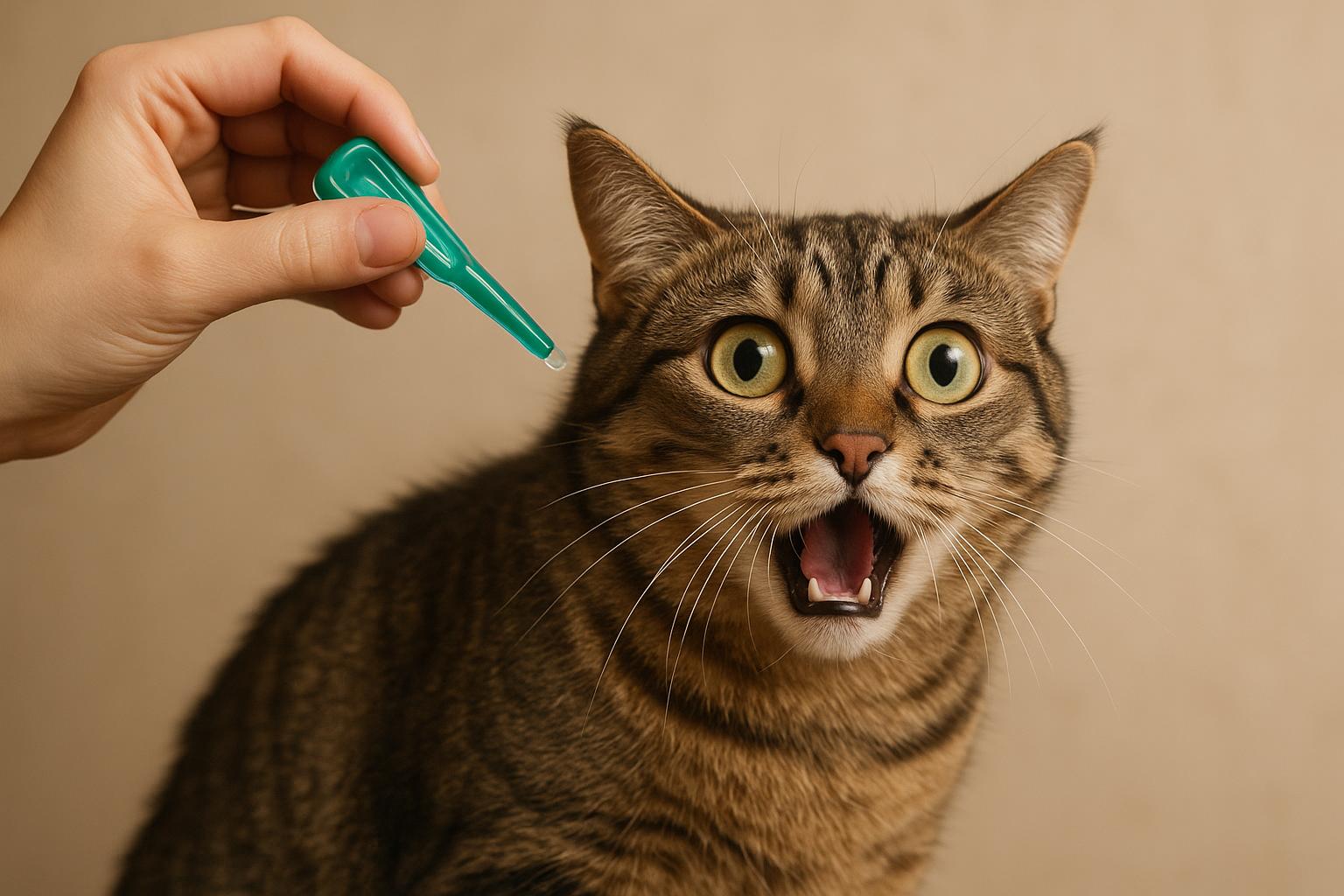
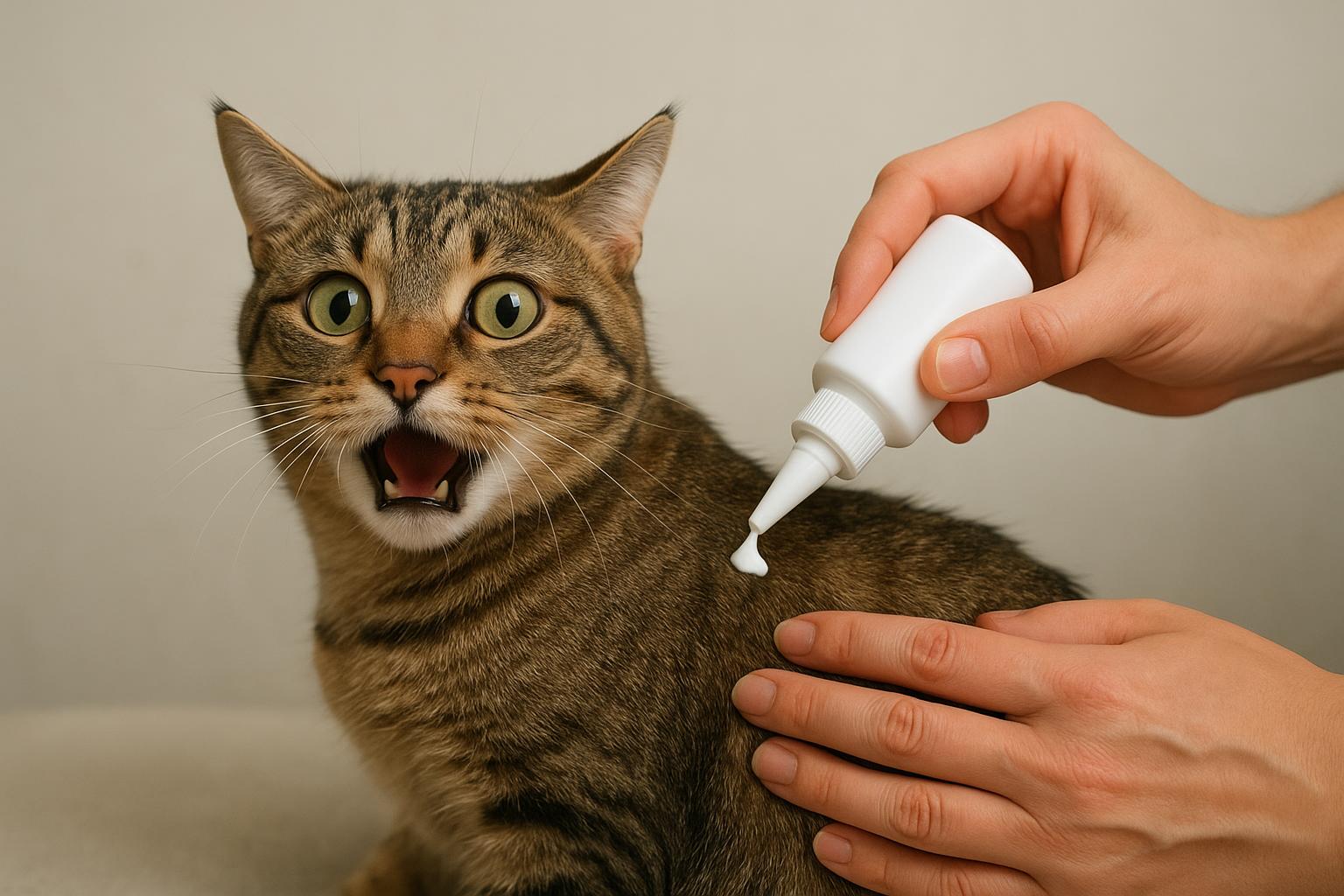
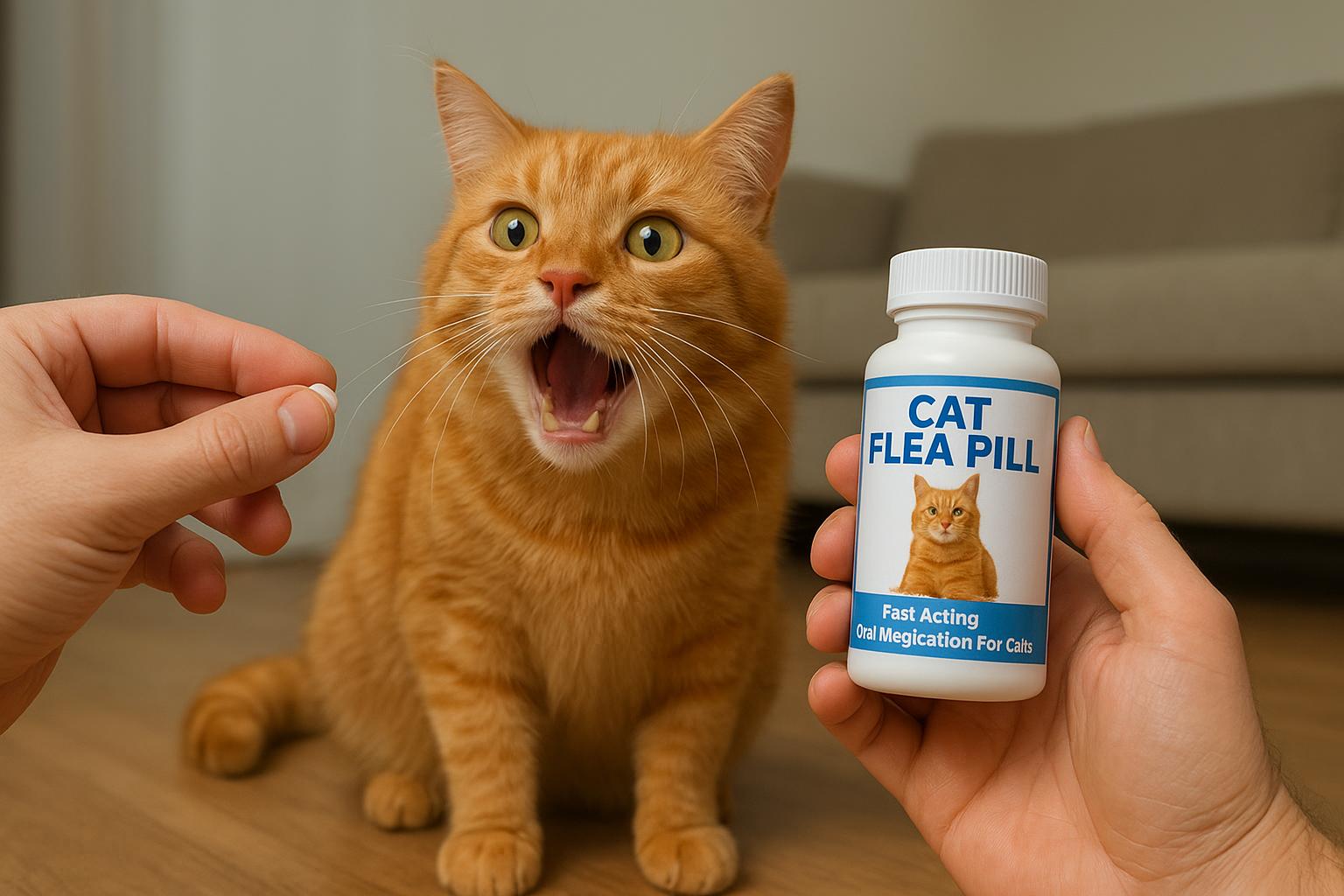
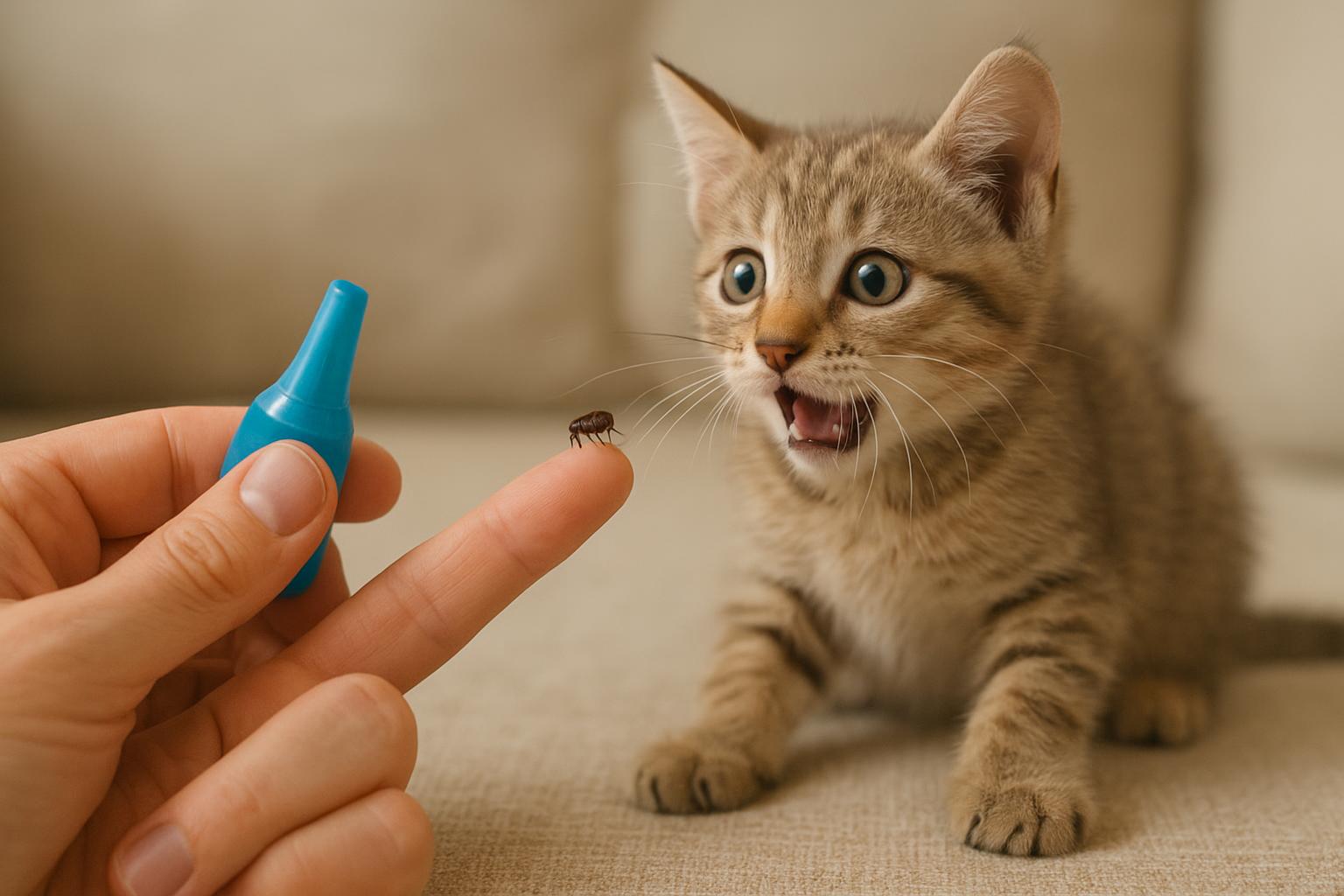
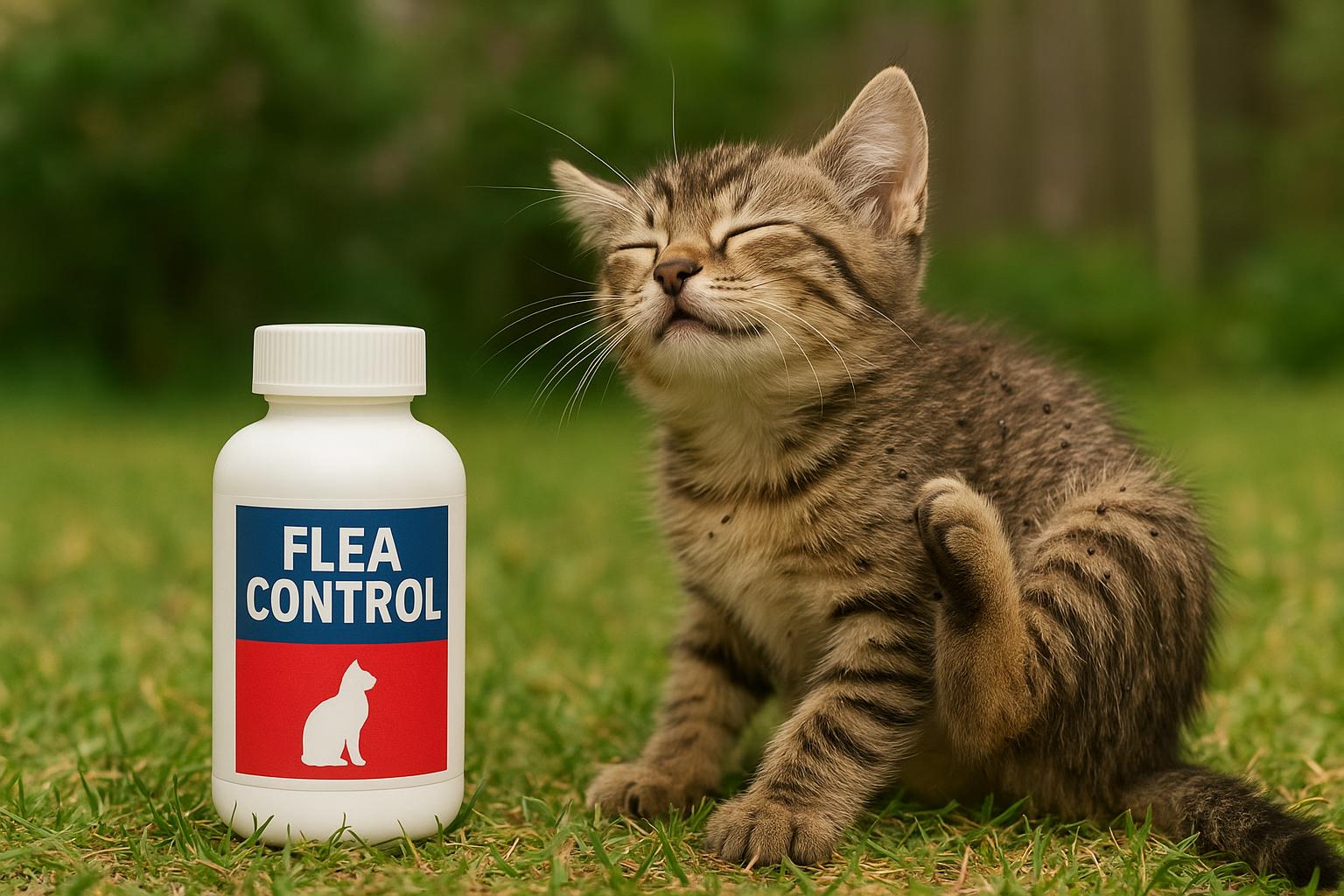
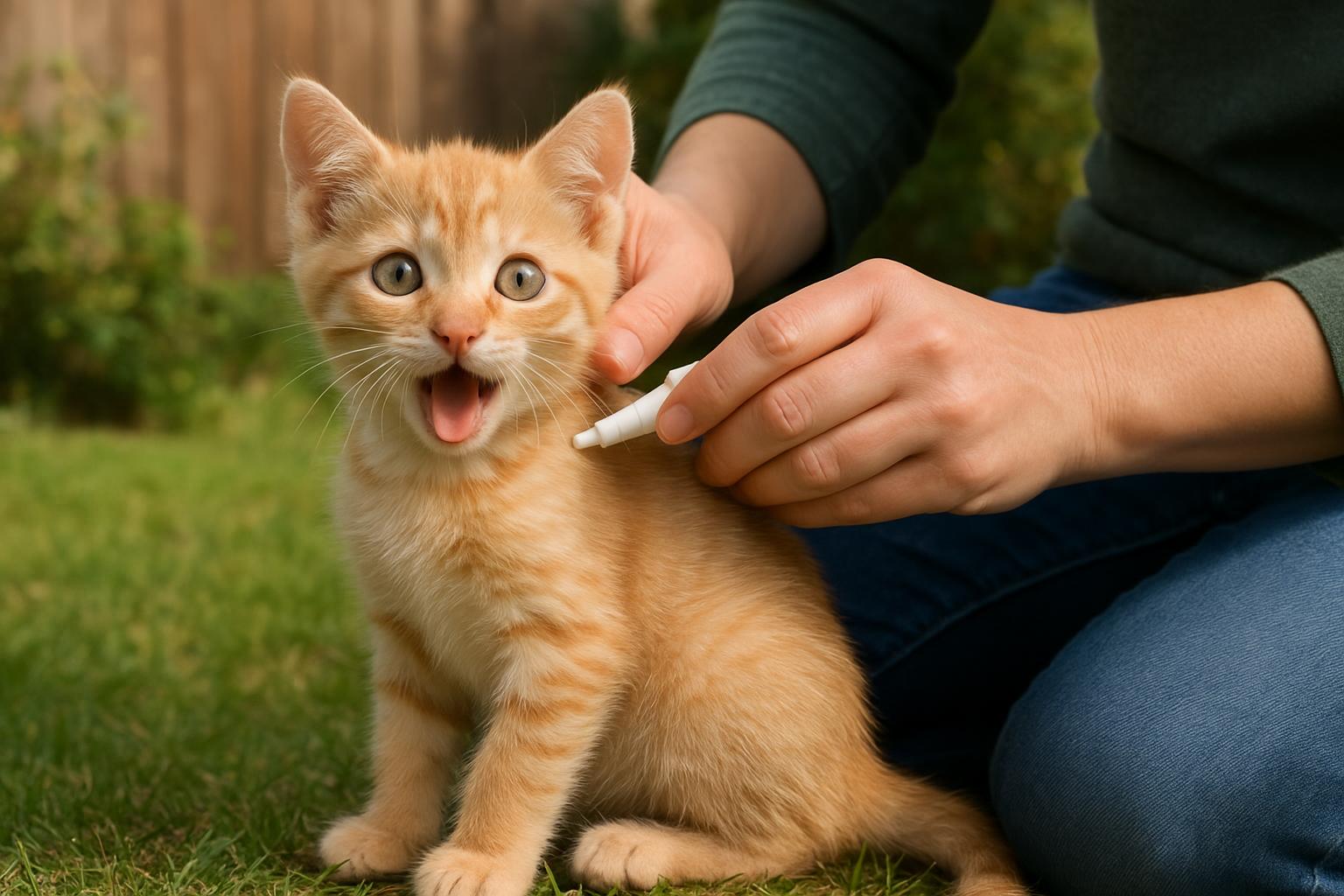
1. Treat Pets First: Have your veterinarian recommend and administer a reliable, fast-acting flea medication to all pets in the household. Oral treatments or vet-approved topical products reduce the number of fleas that can reproduce inside your home.
2. High-Heat Laundry: Remove all bedding, pet beds, throw blankets, and washable rugs. Wash in the hottest water safe for the fabric and dry on high heat for at least 30 minutes. This kills fleas at all life stages.
3. Vacuum Thoroughly: Vacuum every carpet, rug, upholstered surface, baseboard, and crevice. Use attachments for furniture and under cushions. Empty or seal vacuum contents immediately after use and dispose of them outside.
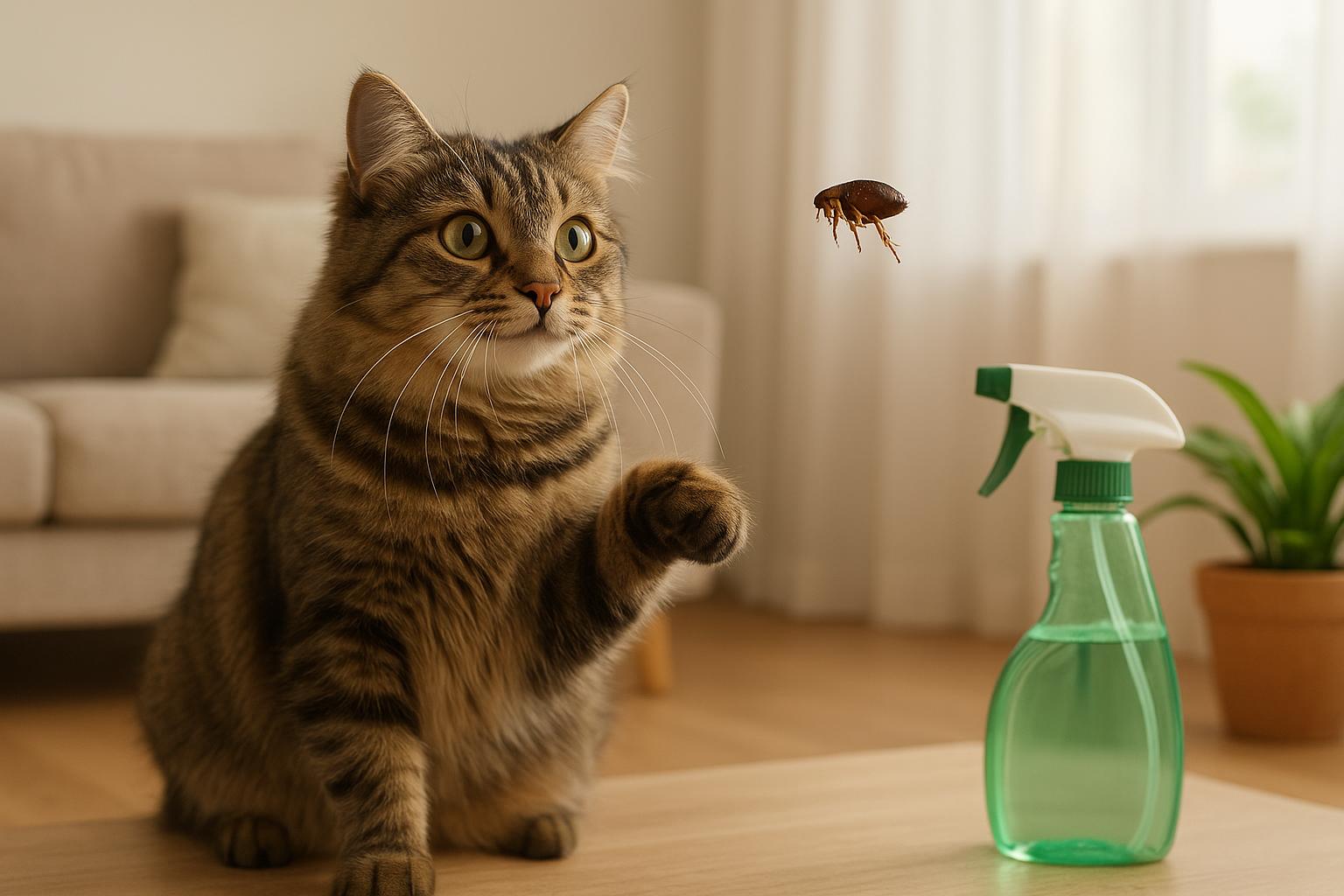
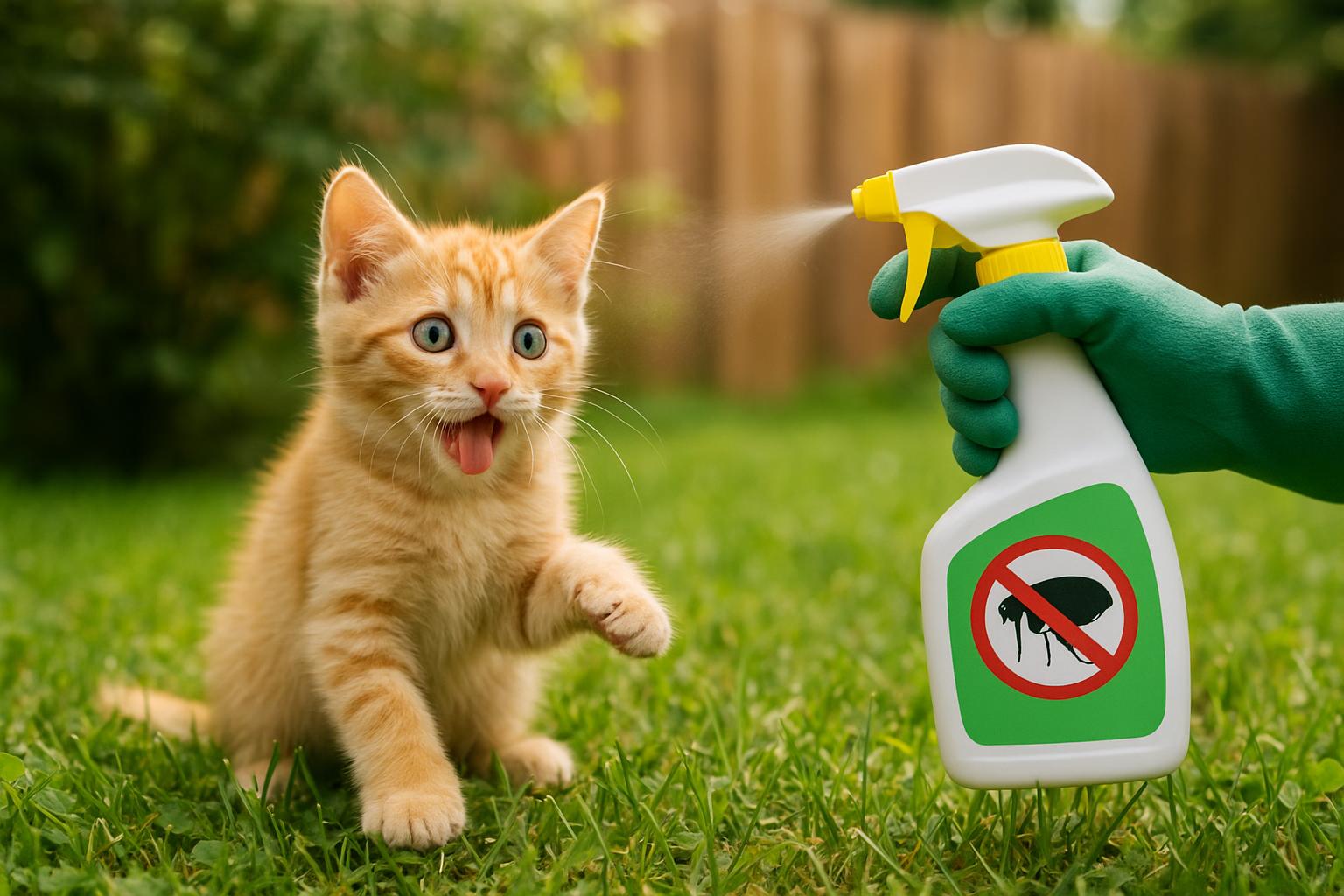
4. Apply Home Spray With IGR: Use a registered indoor flea spray that contains both an adulticide (to kill jumping fleas now) and an IGR (to prevent eggs and larvae from developing). Apply to carpets, floor edges, furniture, and pet resting areas per label — usually from a distance in a sweeping motion. Do not oversaturate.
5. Treat (If Needed) With Targeted Products: For heavy infestations, consider spot-treating dog beds, heavily infested rugs, and pet crate areas with directed sprays or dusts labeled for those uses.
6. Re-Vacuum On Schedule: Vacuum daily for at least two weeks to remove dead fleas and dislodge eggs and larvae. Replace or wash vacuum bags/filters frequently.
7. Repeat According To Label: Most products require a follow-up application after 2–4 weeks to catch newly emerged adults that survived as eggs or pupae. Use only approved re-treatment intervals.
#### When To Repeat Treatment
Treatment should be repeated according to the product label and according to how severe the infestation is. Generally, a second application at the 2–4 week mark plus continued weekly vacuuming will break the life cycle. If people or pets continue to be bitten after two well-applied treatments and good cleaning, consult a professional pest control service.
#### For Pet Safety
Never use sprays or powders labeled for the home directly on animals unless explicitly stated safe for pets. Use veterinarian-approved products for animals. Keep pets off treated areas until the spray is dry and well-ventilated.
## 2. Natural Treatment Options To Remove Fleas
If you prefer fewer chemicals, natural remedies can be effective, especially for light to moderate infestations or as part of a long-term prevention plan. These methods can take longer and require consistent repeating, but they reduce reliance on synthetic pesticides.
### Materials And Ingredients
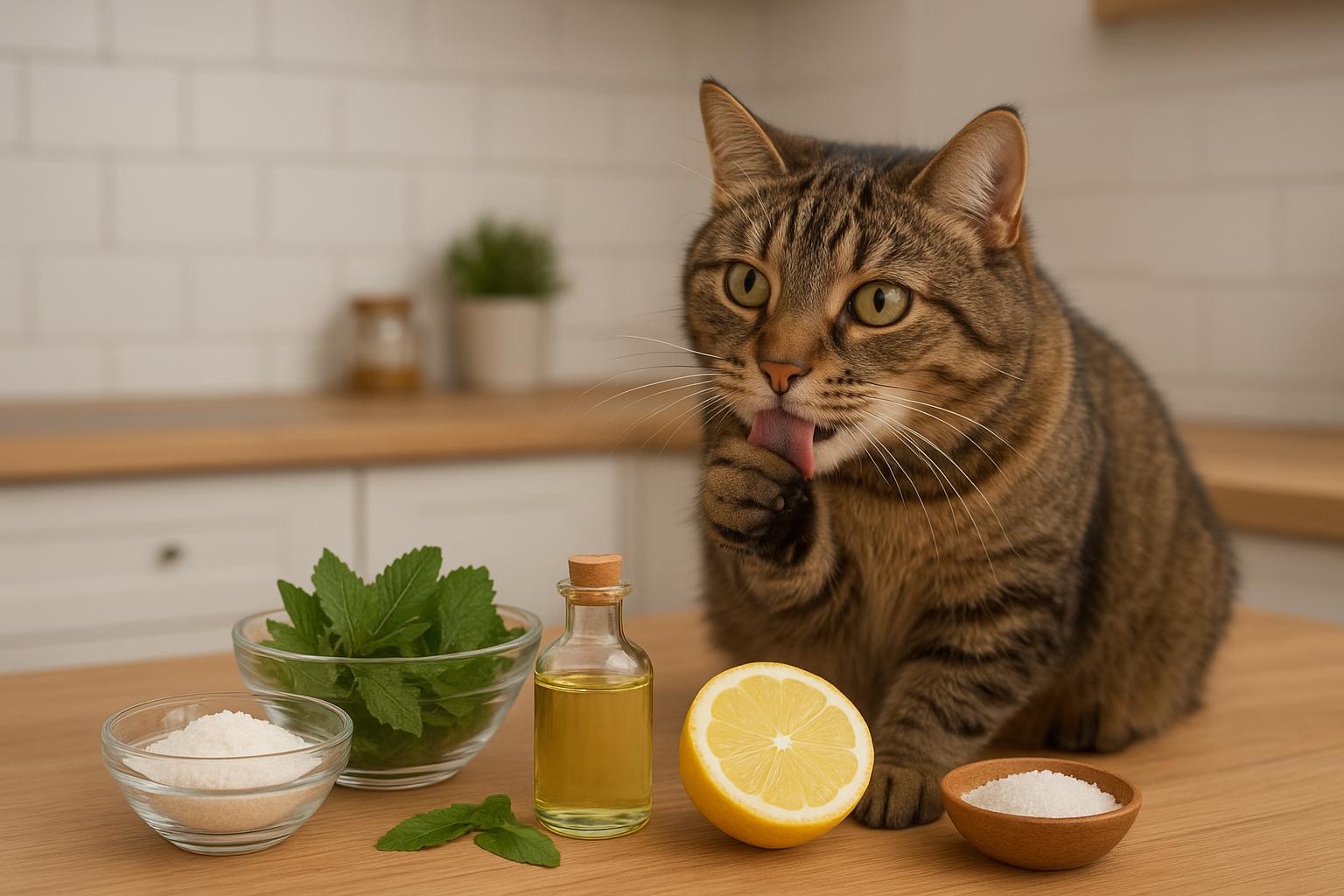
– Food-grade diatomaceous earth (DE)
– Fine salt or borax (desiccant)
– Tray-style flea traps (or shallow dishes, tap water, dish soap)
– Stiff broom or carpet brush
– Steam cleaner (high heat)
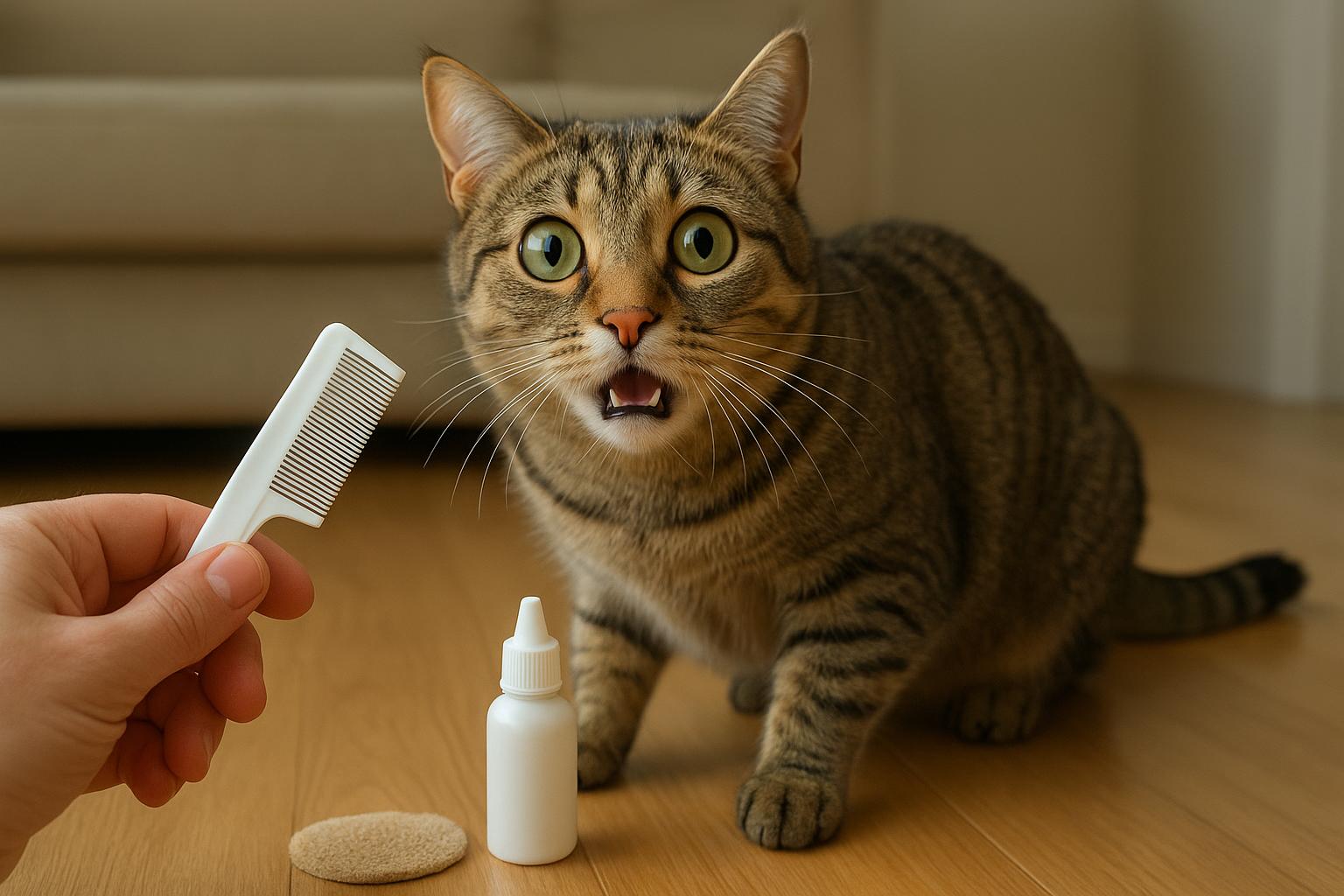
– Flea comb and gentle shampoo for pets
– Hot-water wash and dryer access for fabrics
– Nematodes (for yard treatment) — optional for outdoor control
Note: Use food-grade DE, not pool-grade. DE irritates lungs—wear a mask when applying.
### Step-By-Step Application
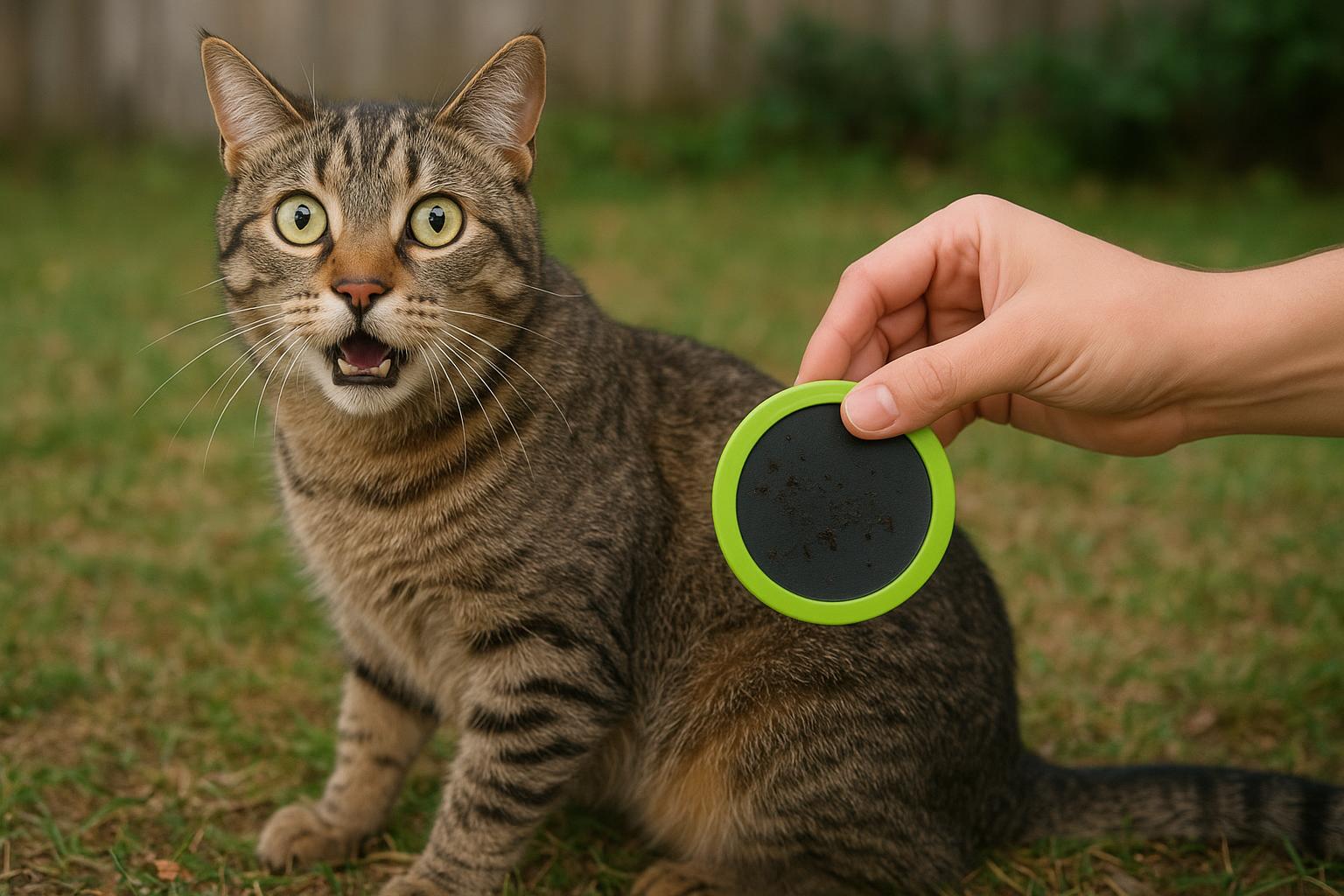
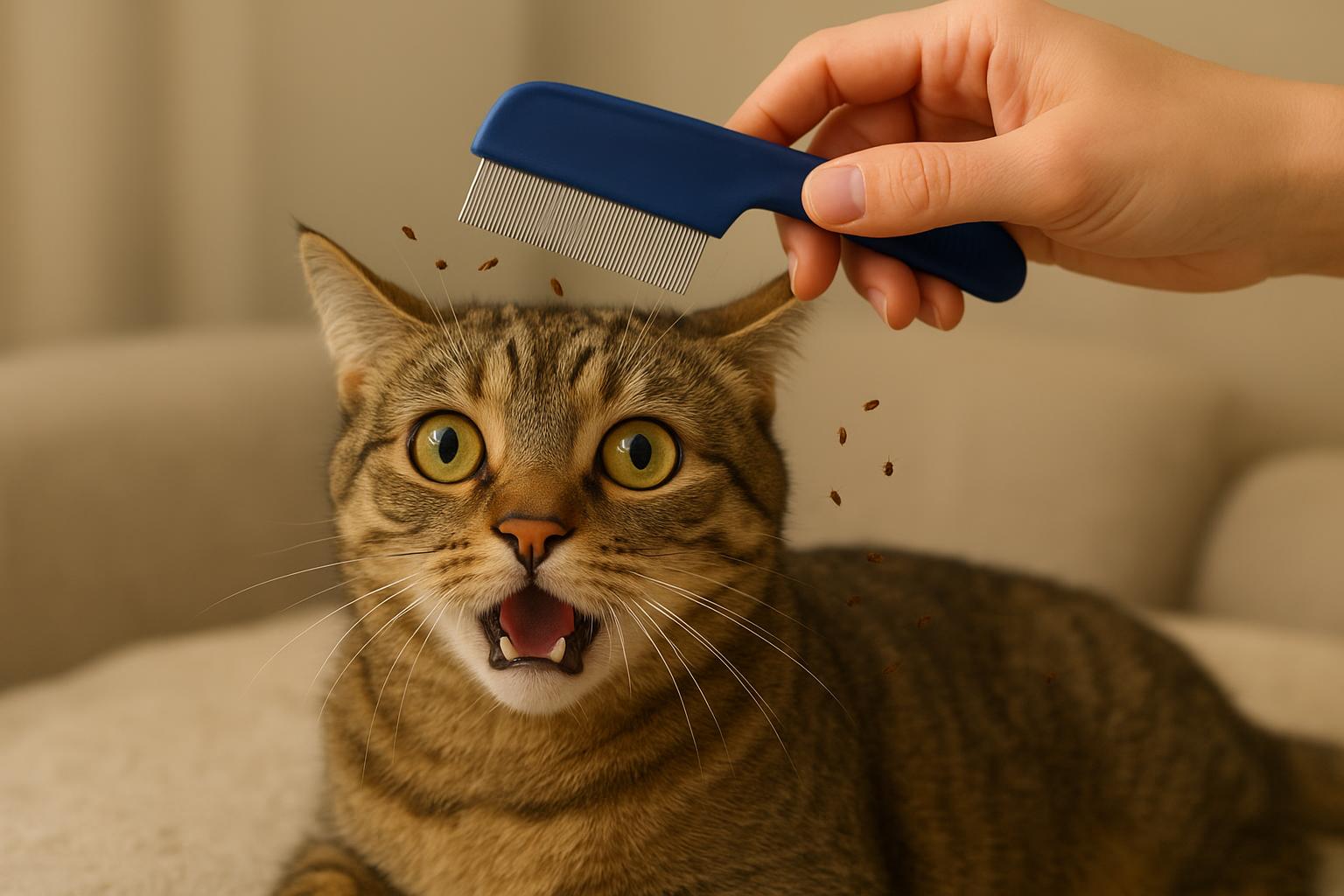
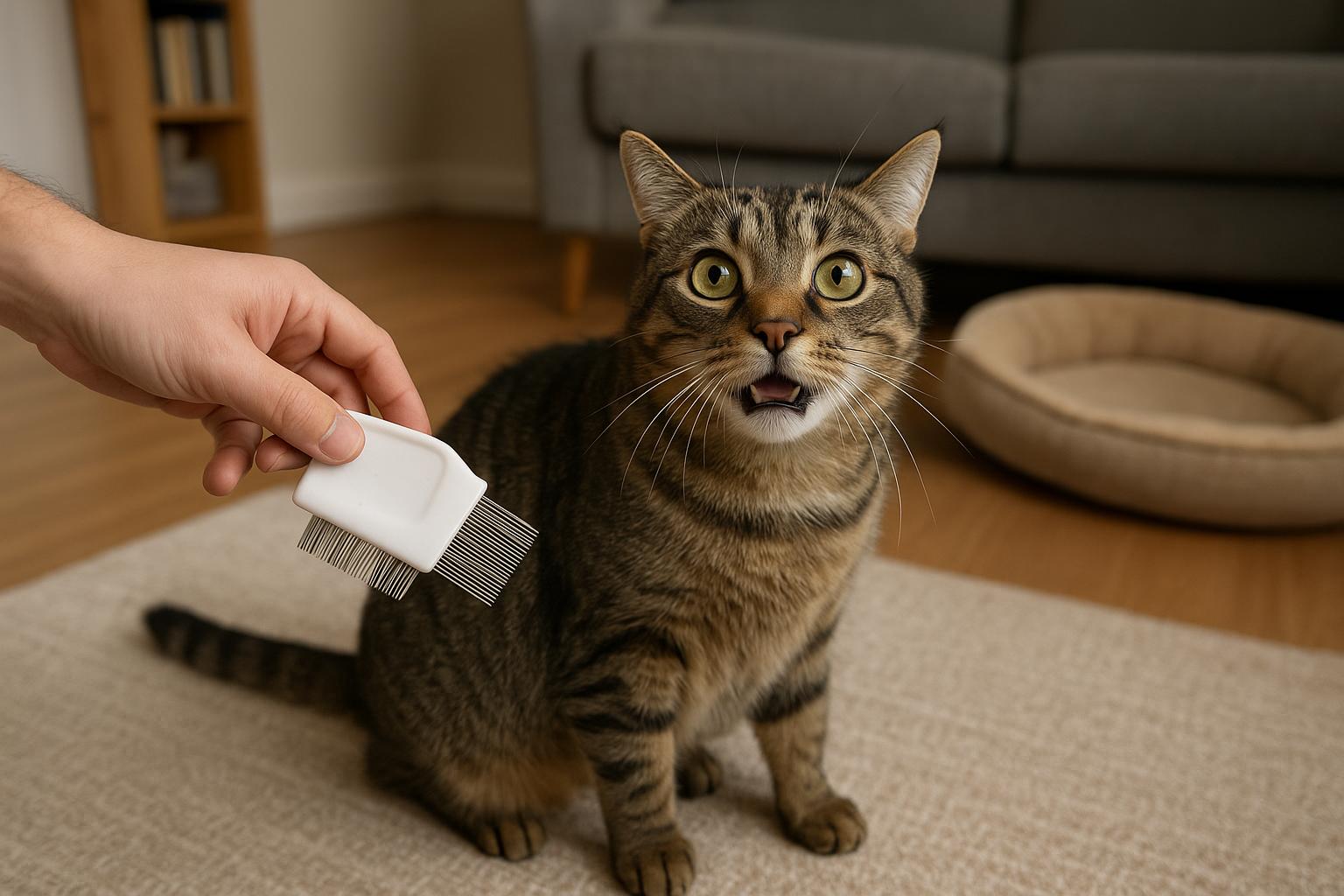
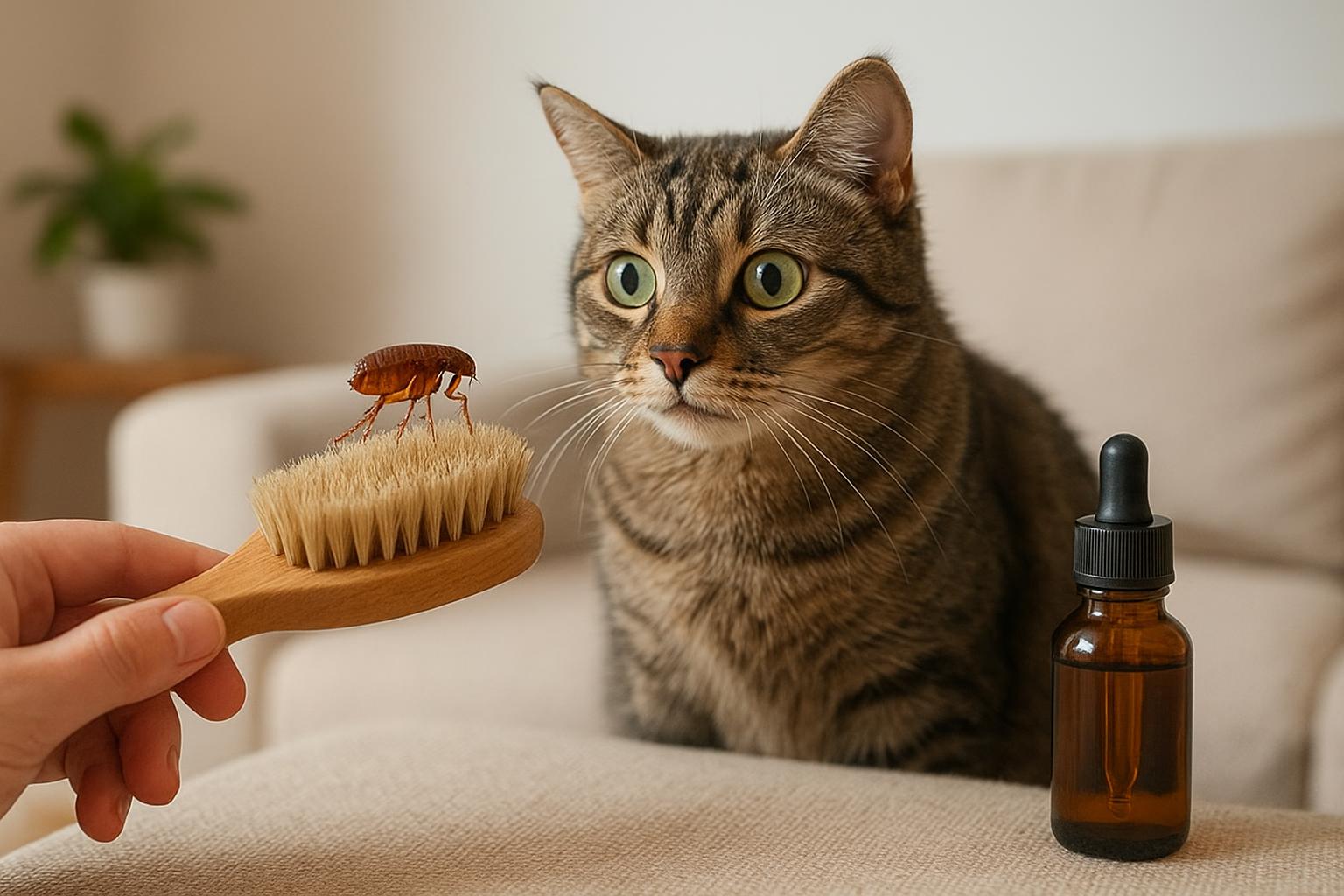
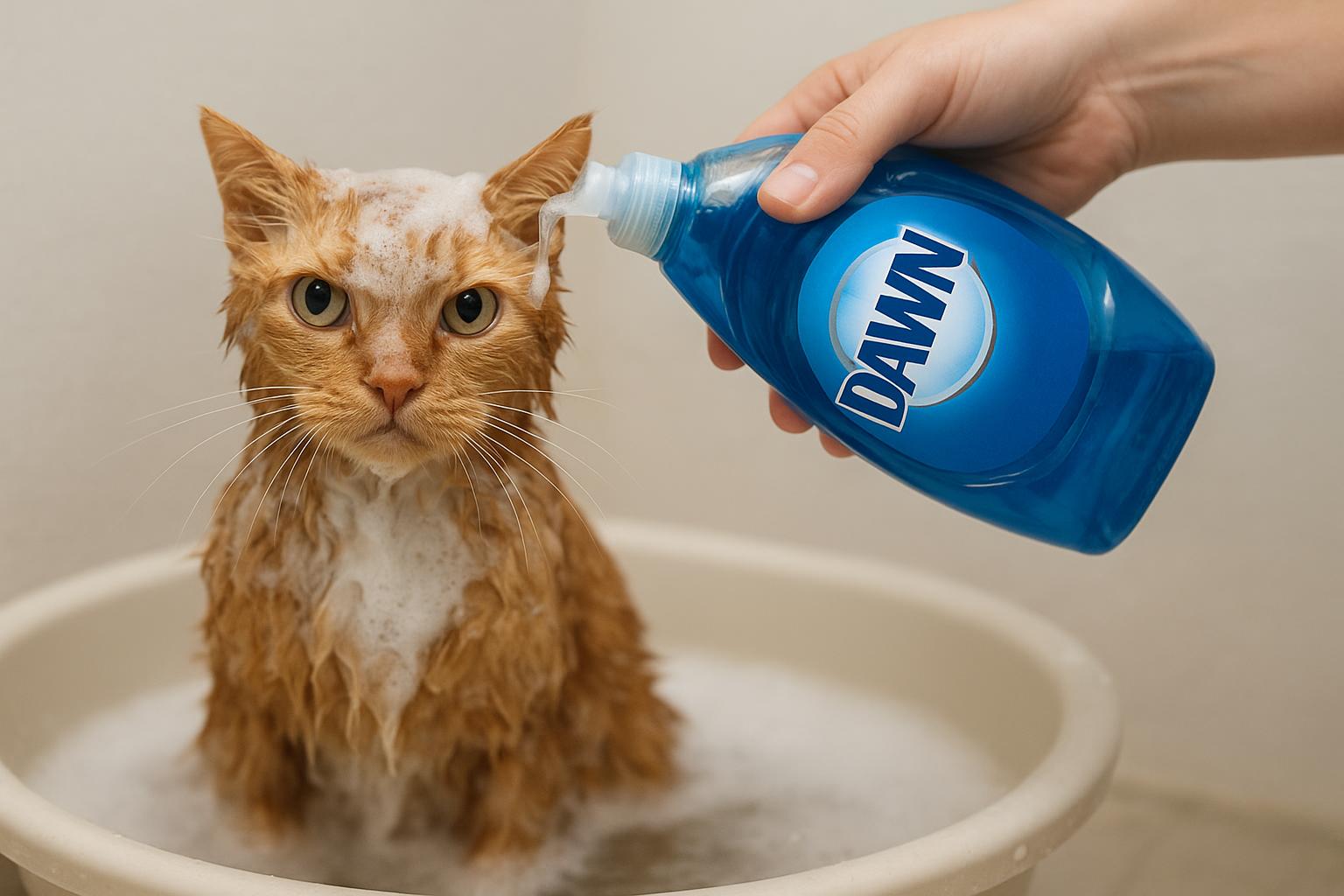
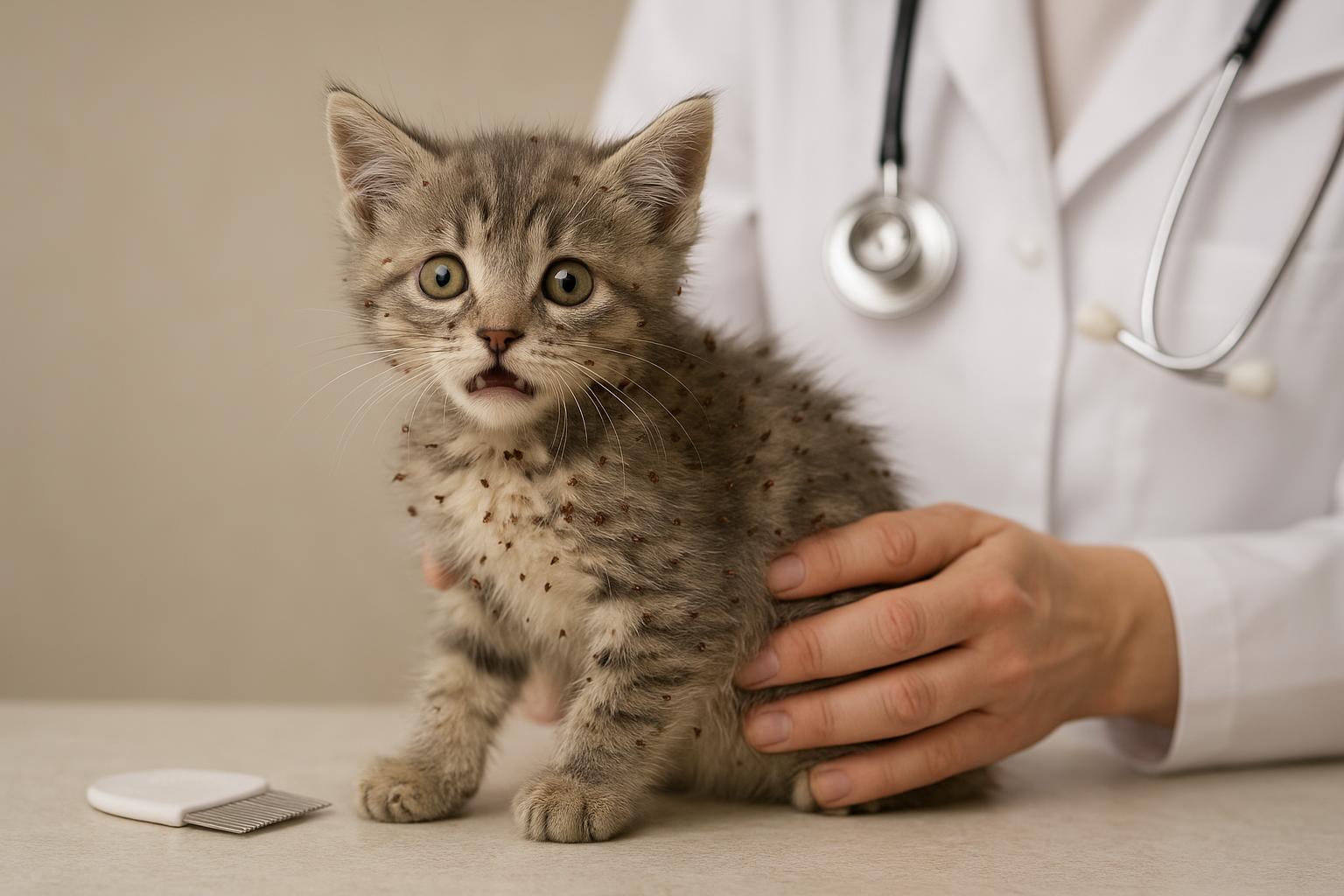
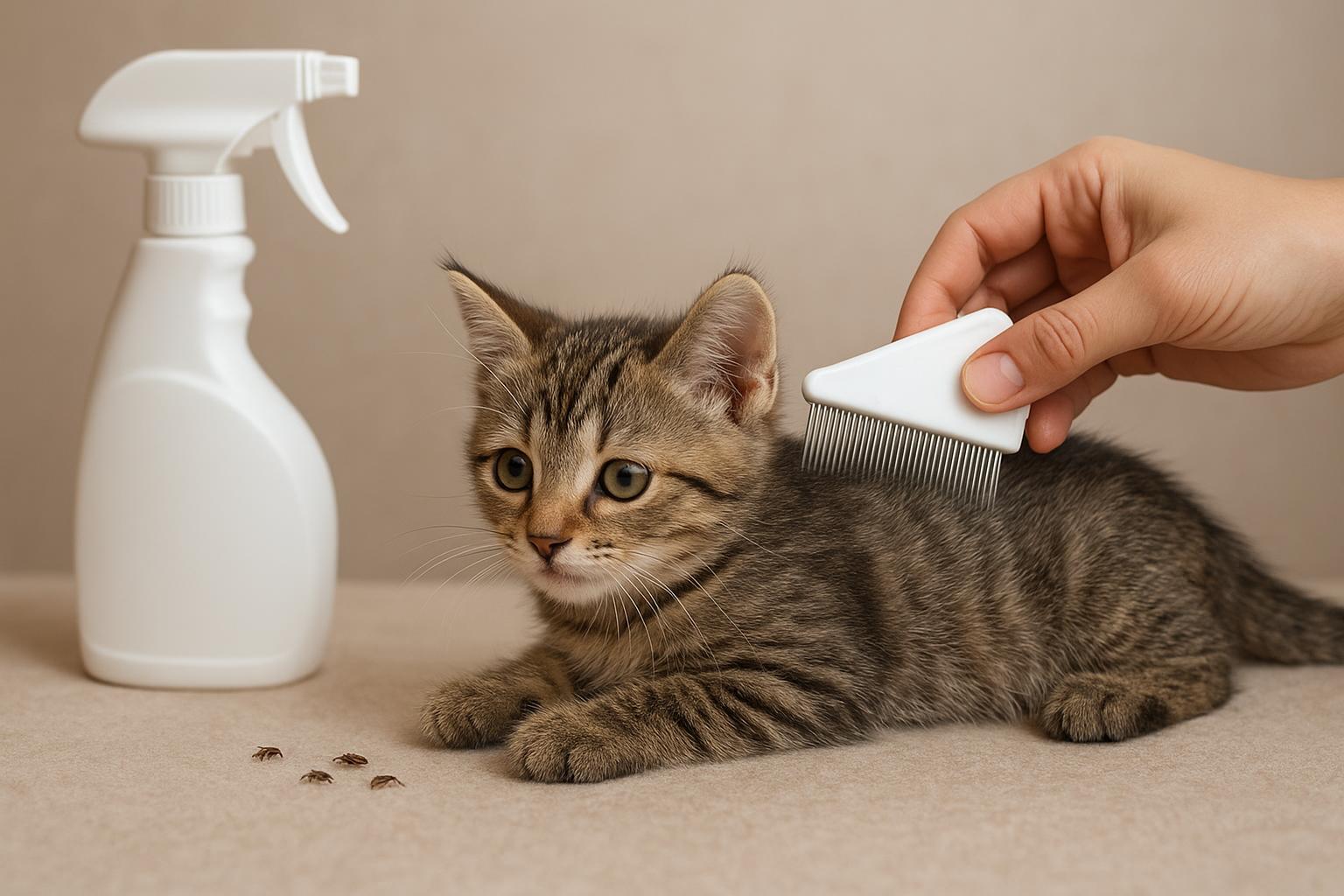
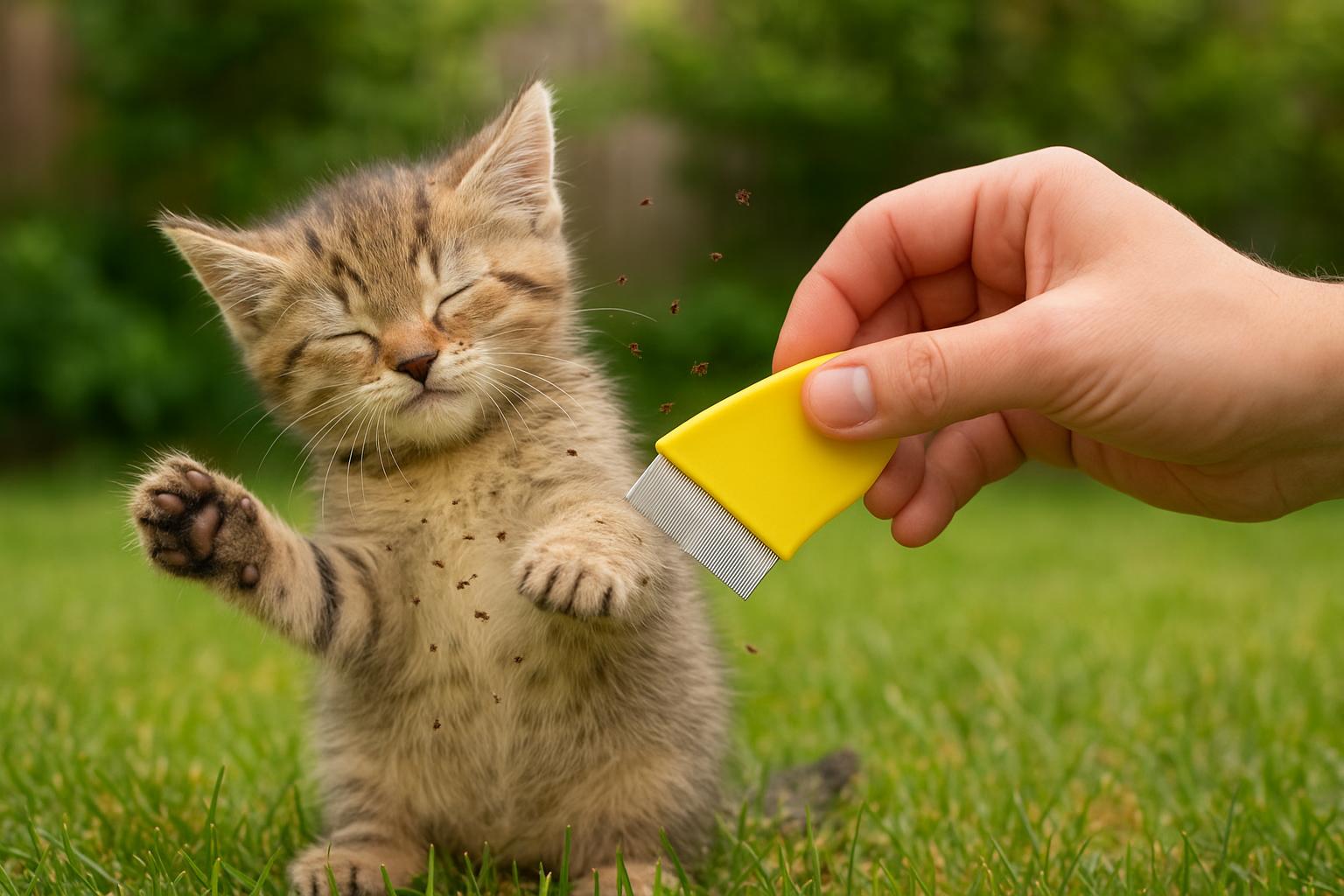
1. Treat Pets With Non-Chemical Methods First: Bathe pets with a medicated or flea-specific shampoo, comb with a fine-toothed flea comb, and remove fleas by hand. For cats and dogs, follow up with vet-recommended topical or oral preventives if necessary—natural methods for the environment do not replace veterinary flea control.
2. High-Heat Fabric Cleaning: As with chemical treatment, wash all fabrics and pet bedding in hot water and dry on high heat to kill eggs and larvae.
3. Vacuum To Remove Debris: Vacuum thoroughly to reduce flea populations and to remove eggs and larvae that are easy to pick up. Empty vacuum outside.
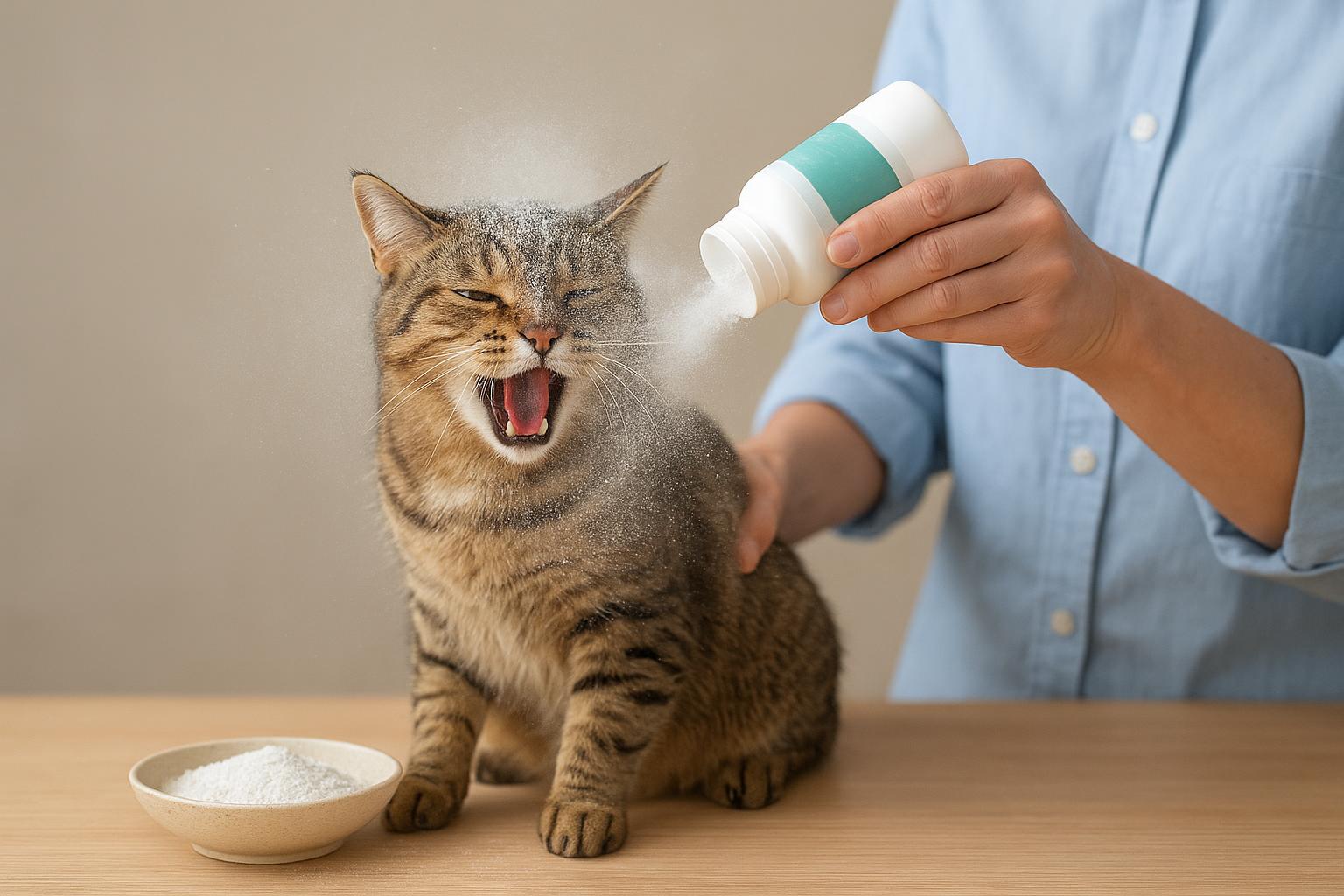
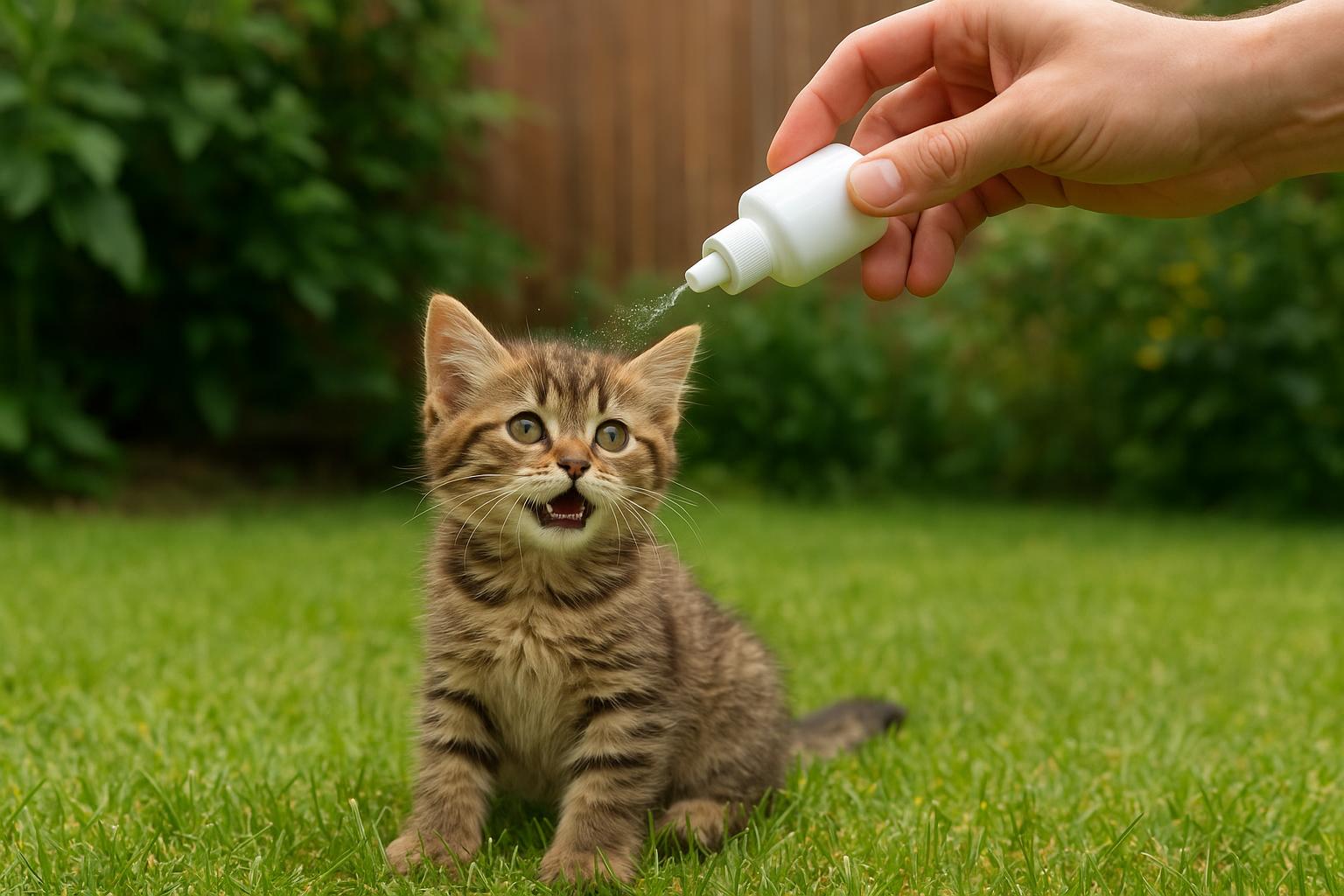
4. Apply Diatomaceous Earth Or Desiccant Powder: Lightly sprinkle DE or fine salt/borax onto carpets, rugs, and pet resting areas. Work it into the fibers with a stiff brush. Leave for at least 24–48 hours (longer is better), then vacuum thoroughly. Repeat weekly for several weeks to target newly hatched fleas.
5. Steam Clean Carpets And Upholstery: Steam cleaning at high temperature kills flea eggs, larvae, and adults in carpet fibers where powders may not penetrate. Follow with vacuuming.
6. Use Flea Traps Overnight: Place shallow bowls of soapy water under small nightlights near floors; fleas are attracted to light and warmth and will jump into the water and drown. This helps monitor and reduce adults.
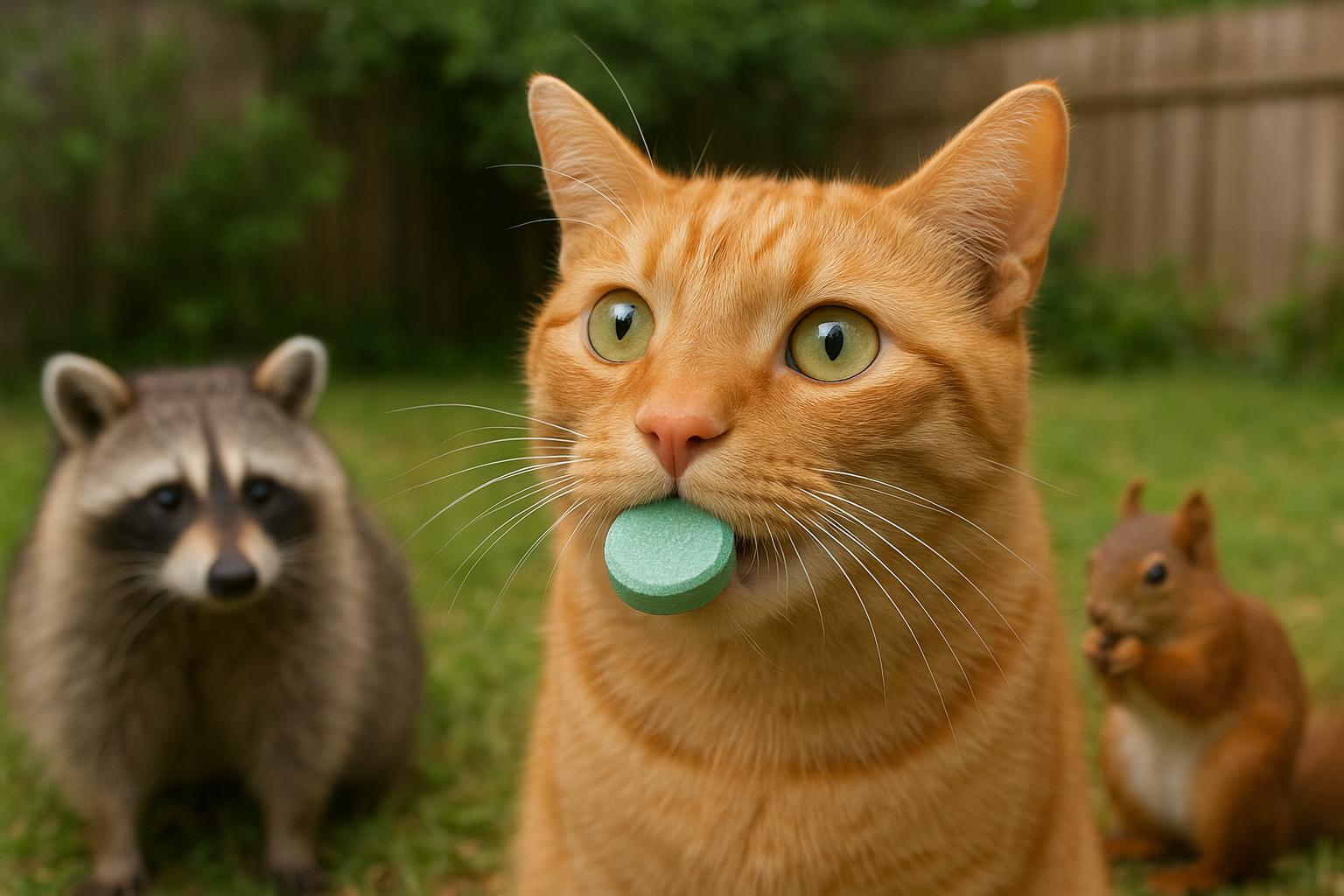
7. Outdoor Yard Care: For outdoor infestations, keep lawn mowed, remove leaf litter, and consider beneficial nematodes applied to moist soil in shady areas to target flea larvae. Restrict wildlife access to your yard to reduce reinfestation.
8. Repeat And Monitor: Natural methods require repetition: repeat DE/salt applications and steam/vacuum cycles weekly for 4–6 weeks while continuing pet grooming and monitoring.
#### How Diatomaceous Earth Works
Diatomaceous earth is a microscopic fossil powder that physically abrades the waxy coating of insect exoskeletons, causing dehydration and death. It is not a chemical poison, but it requires dry conditions and direct contact to be effective. DE works slowly and is best used in combination with vacuuming and heat treatment.
### 3. Prevention To Keep Fleas From Returning
Keeping fleas out is easier than fighting a full-on invasion. Prevention programs are an essential long-term piece of most successful strategies to remove fleas and keep them away.
#### Home And Yard Maintenance
– Vacuum frequently, paying special attention to edges, under furniture, and pet areas.
– Wash pet bedding weekly in hot water.
– Keep grass trimmed and remove debris where wildlife and rodents might nest.
– Consider a perimeter treatment for the yard or habitat modification to make your property less inviting to wildlife carriers.
#### Pet Care And Regular Treatments
– Use year-round vet-approved flea preventives for all pets in the home.
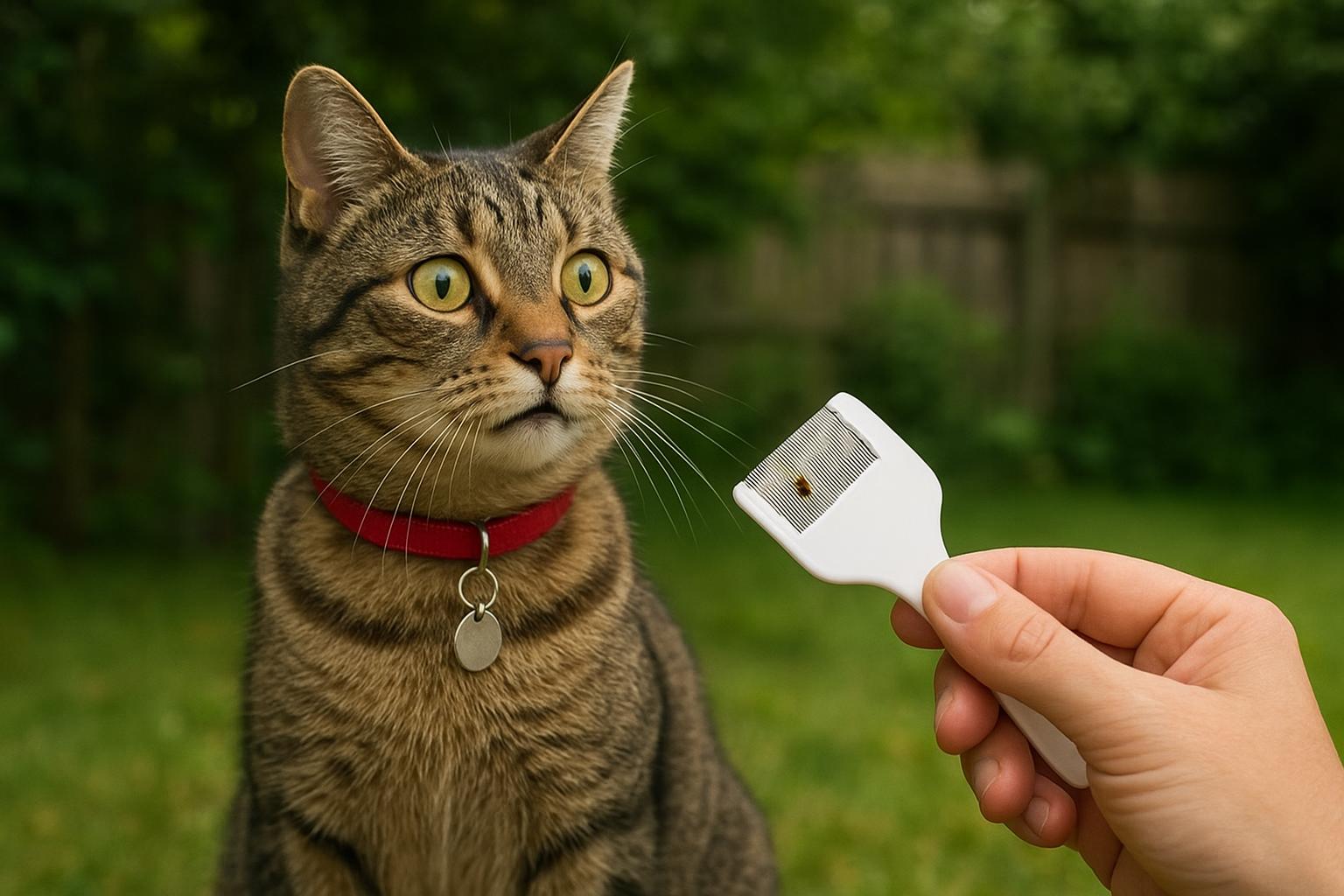
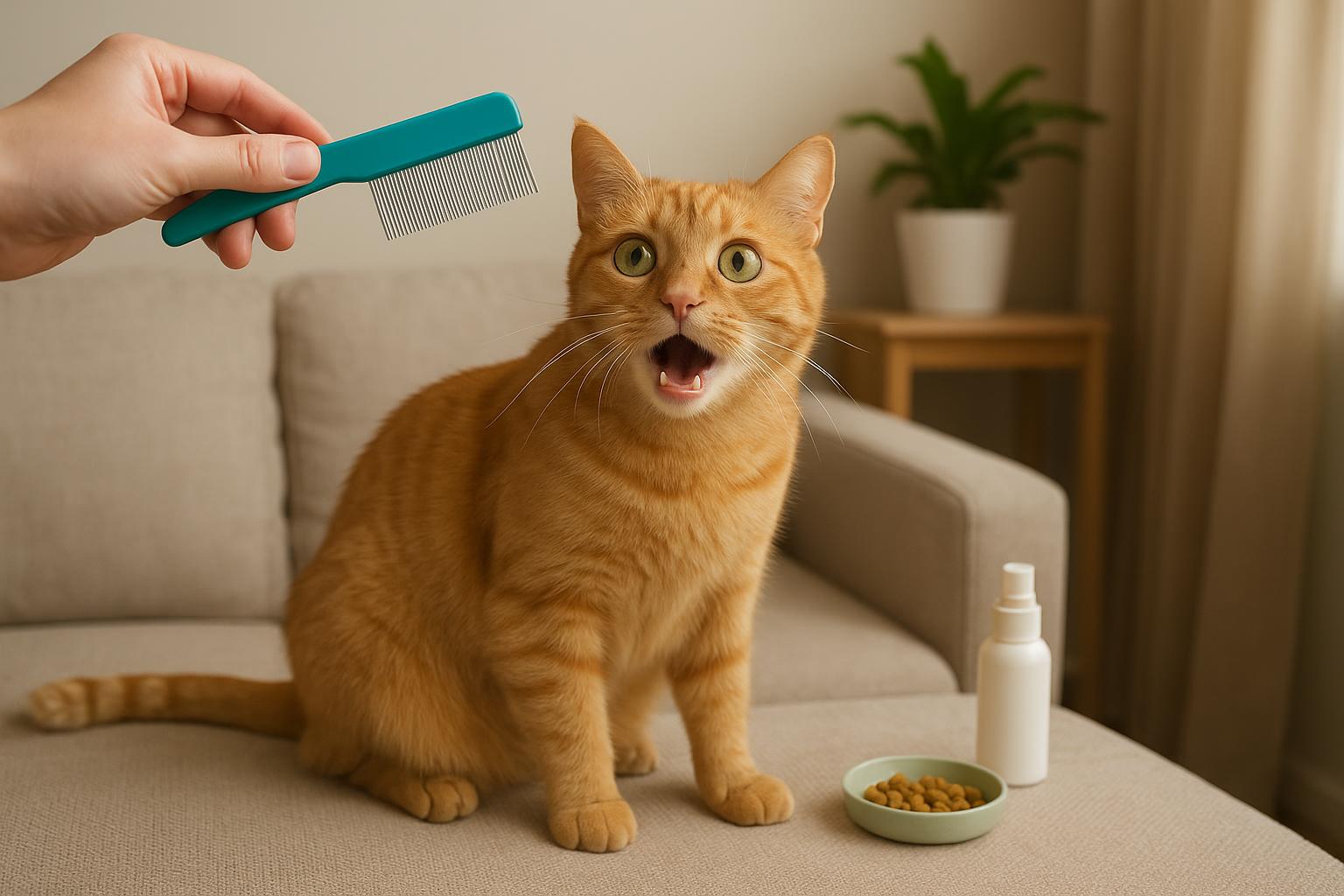
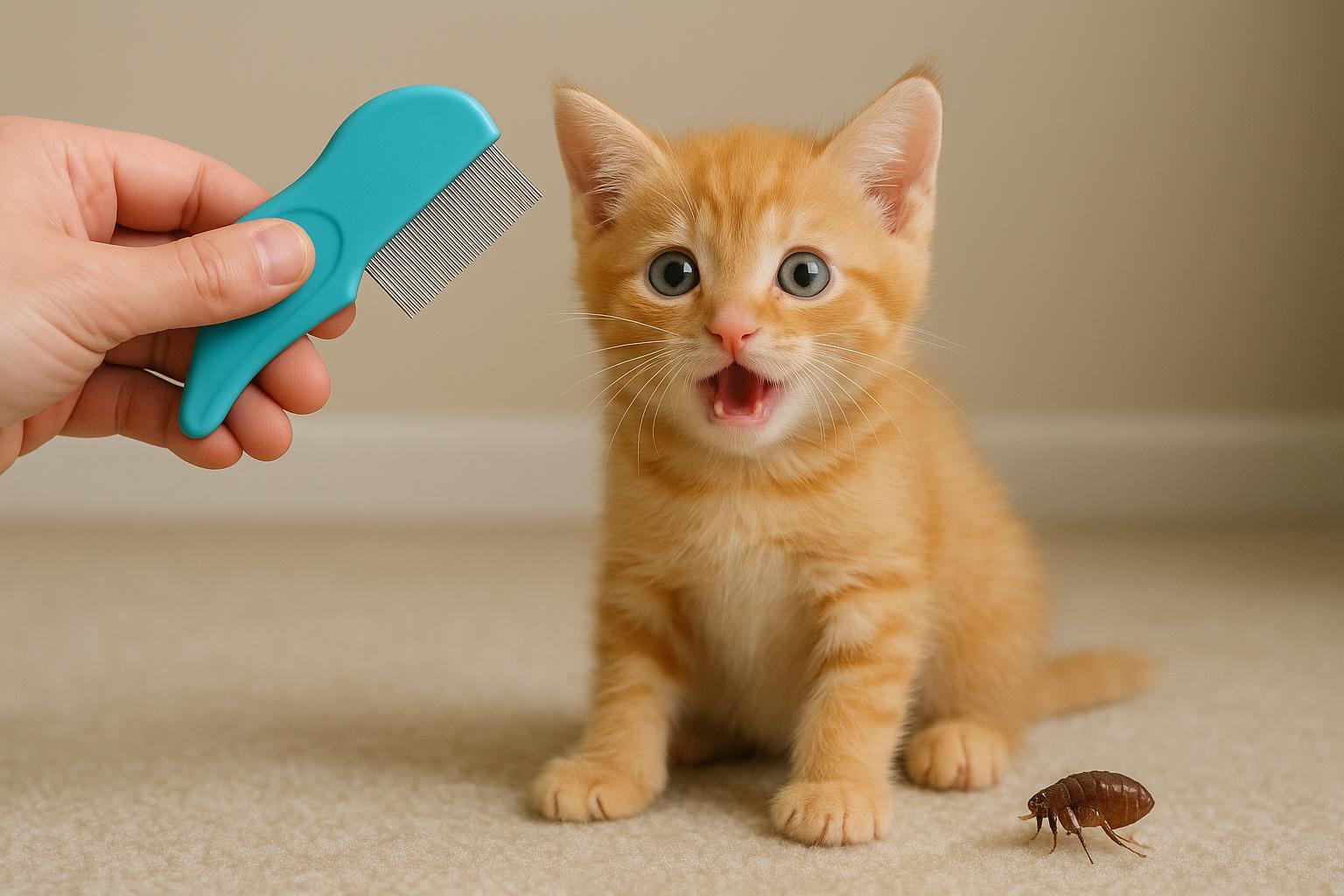
– Groom pets weekly with a flea comb to catch hitchhikers early.
– Check pets after outdoor excursions in tall grass or wildlife-prone areas.
#### When To Call A Professional
If you have tried thorough cleaning, recommended pet treatments, and repeated home or natural treatments for several weeks without improvement, it’s time to call a licensed pest control operator. Professionals have access to stronger products and can treat hidden harborages such as wall voids, attics, and deep upholstery using integrated pest management techniques.
You can remove fleas from your home using either targeted chemical treatments or natural strategies, but the most reliable success comes from combining pet care, cleaning, and environmental control. If the infestation is severe, involve your veterinarian and consider a professional pest control service to protect your family and pets.




Leave a Reply