
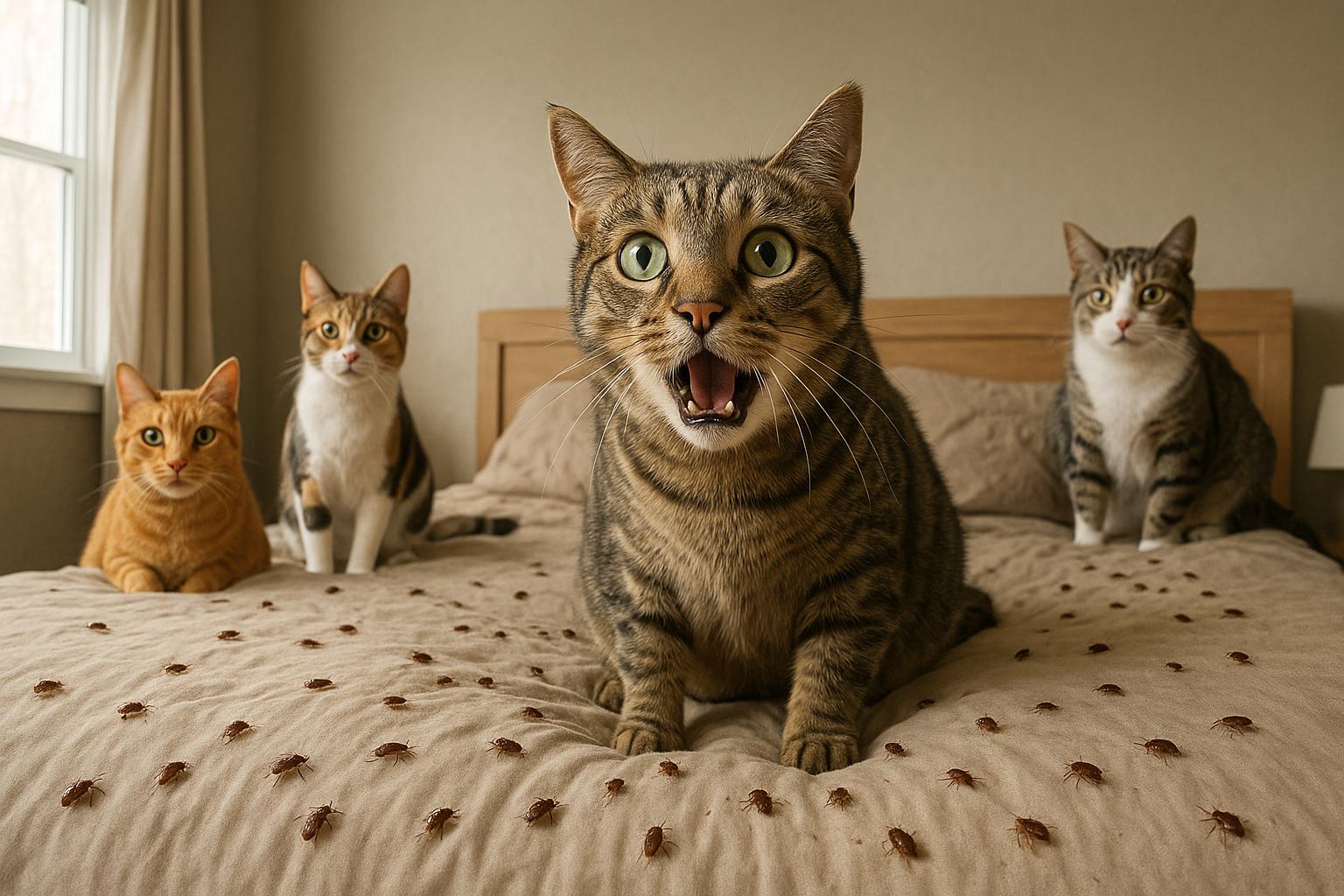
Hey there, cat person — let’s get cozy and tackle something that shouldn’t be part of your cat’s bedtime stories.
Flea Beds Warning Unmask Hidden Cat Bedding Fleas Today
## Flea Beds: How To Spot Hidden Cat Bedding Fleas
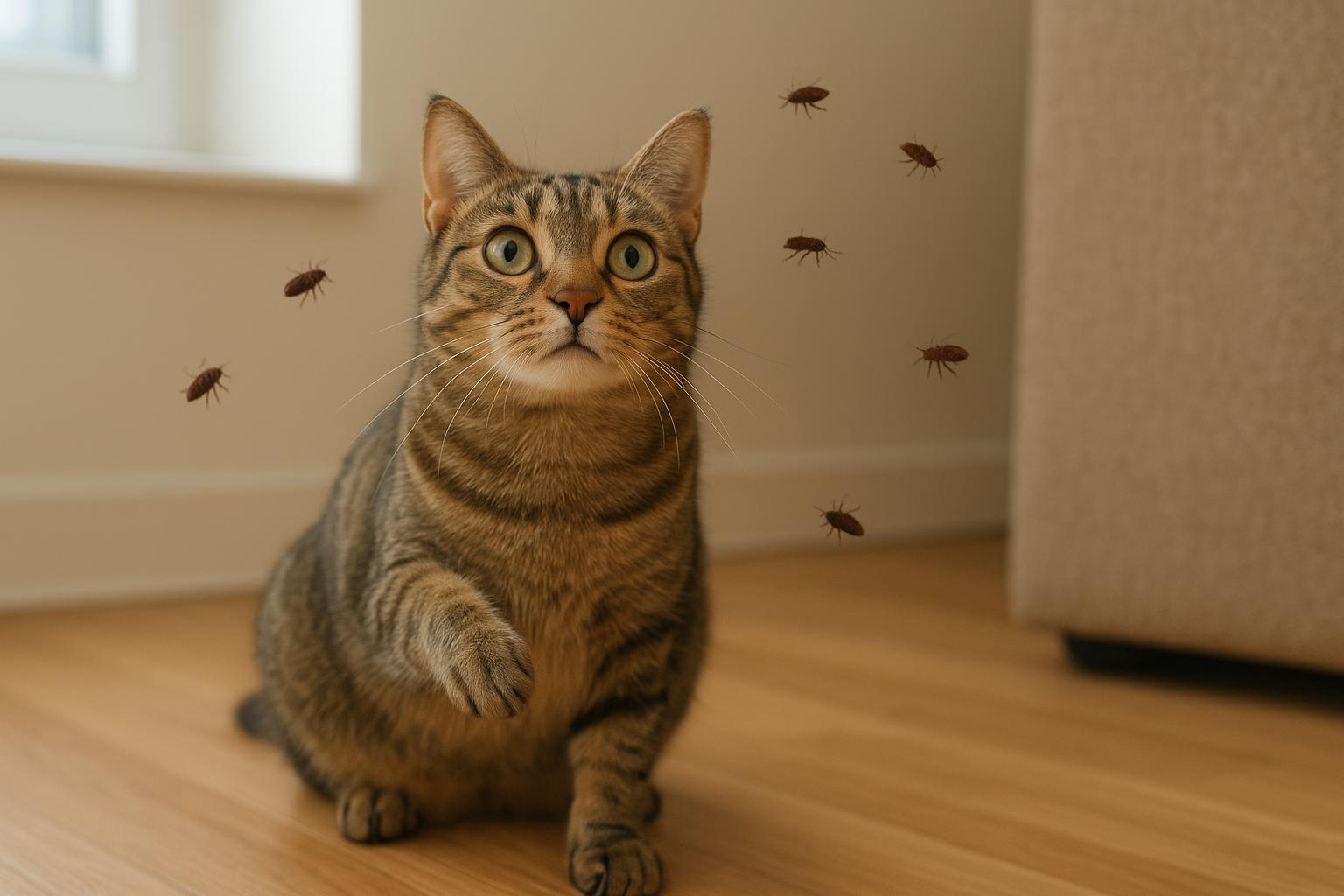
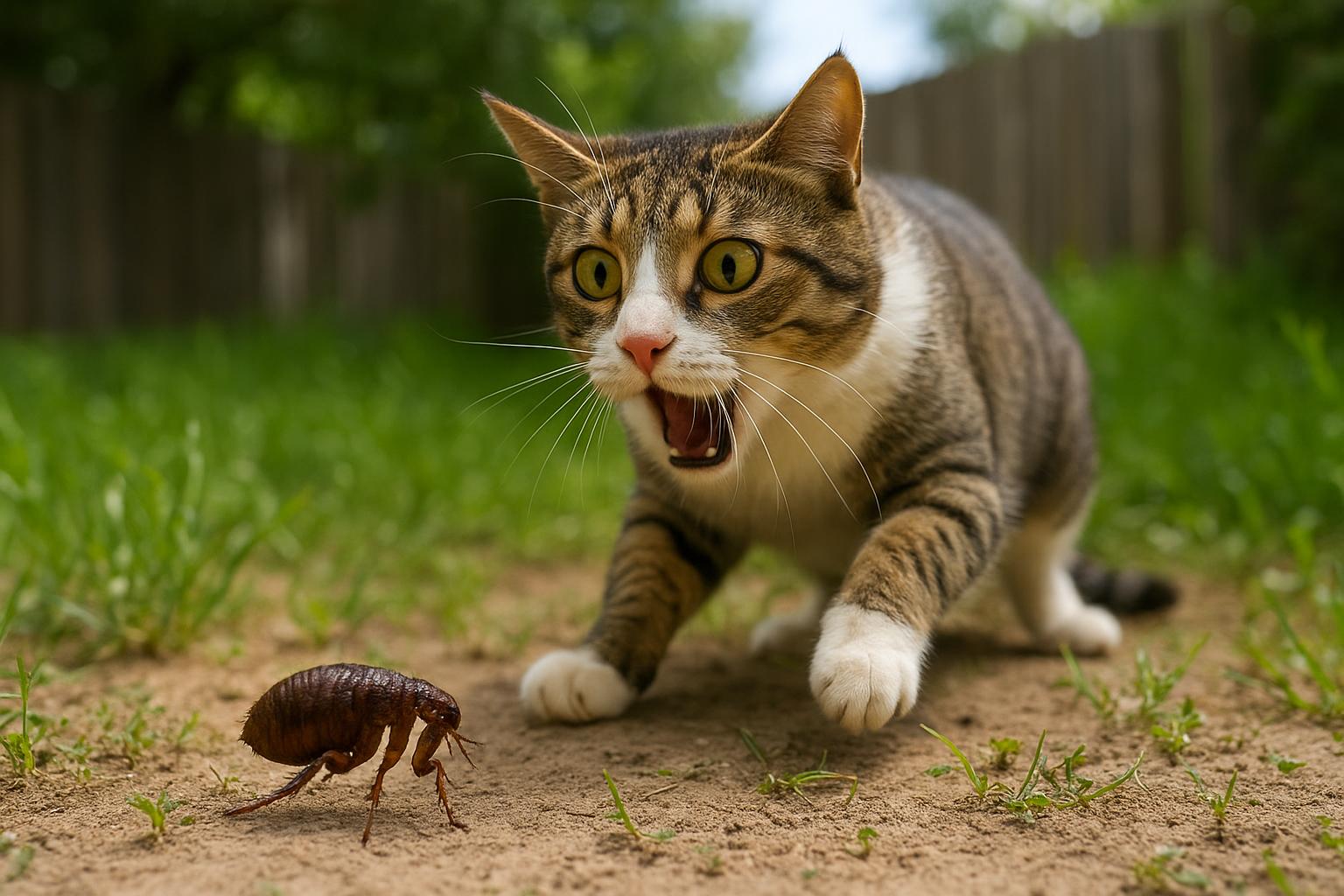
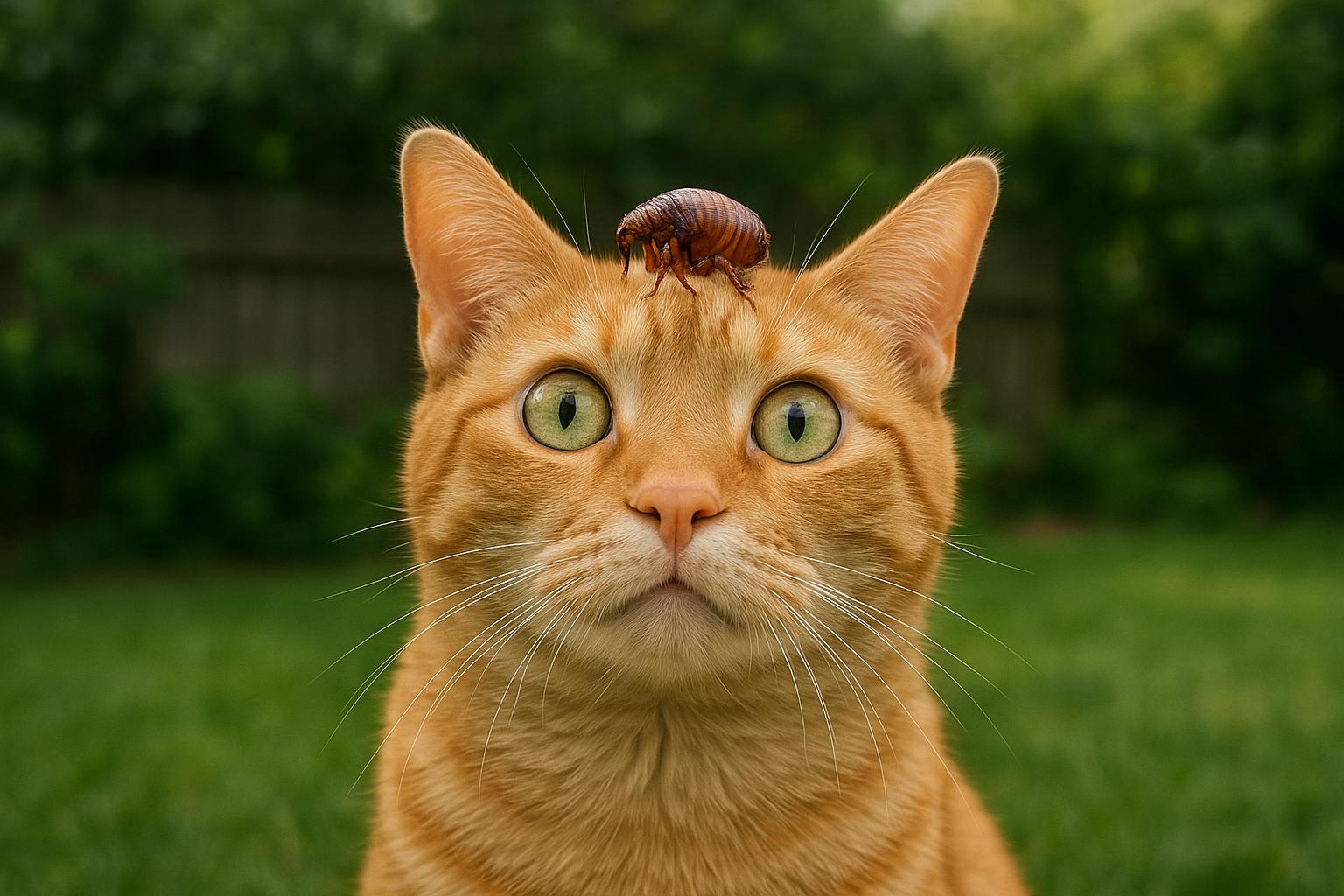
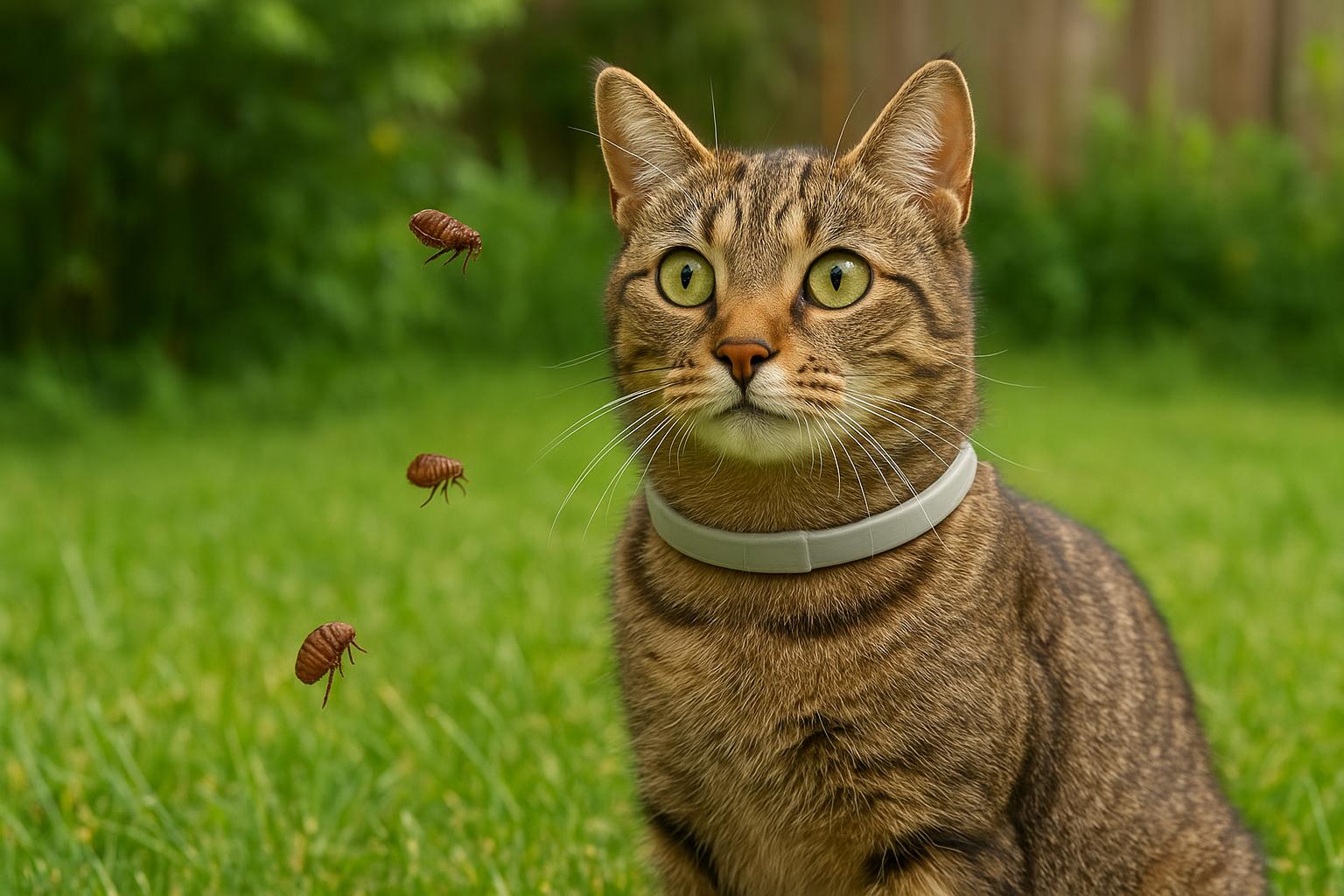
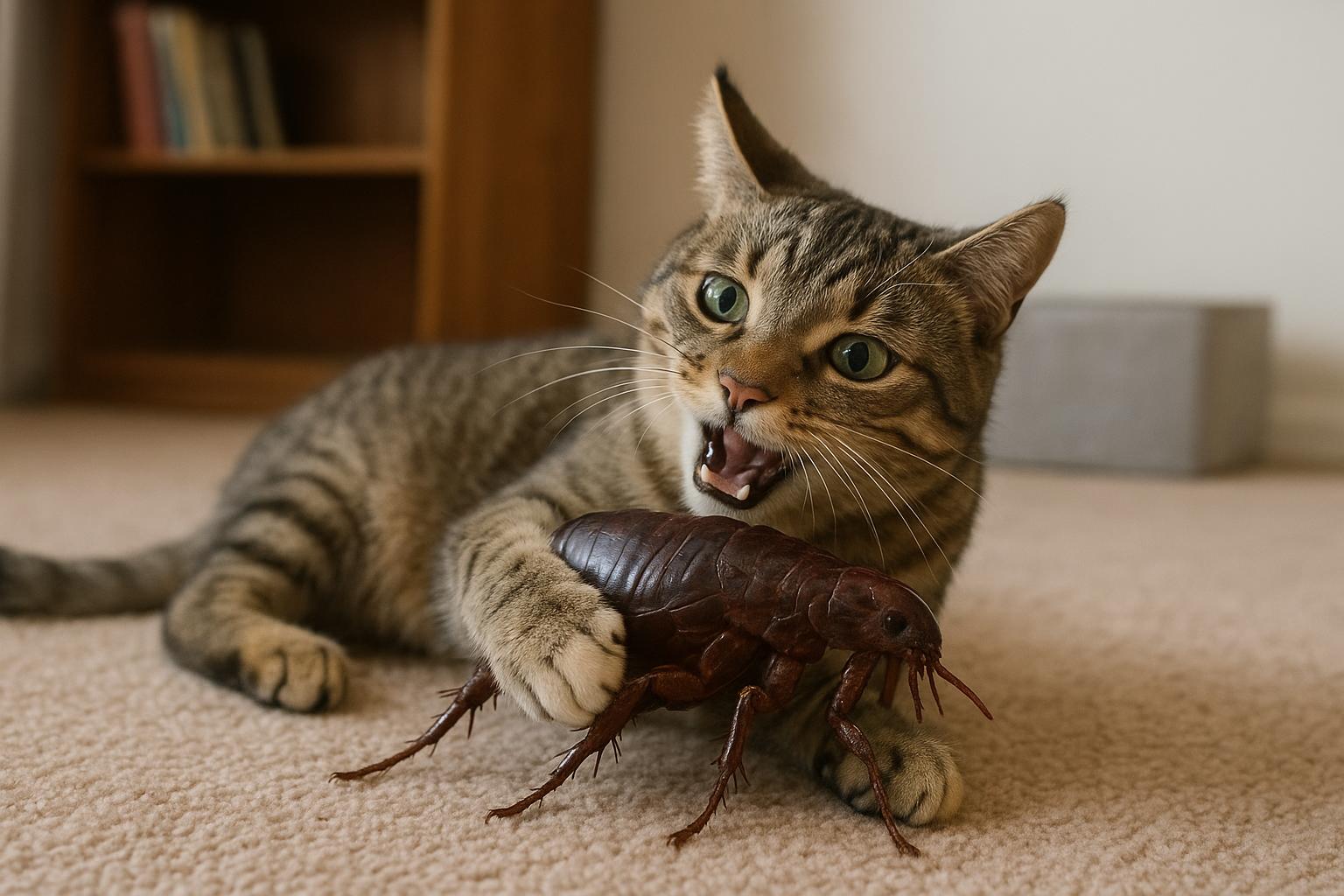
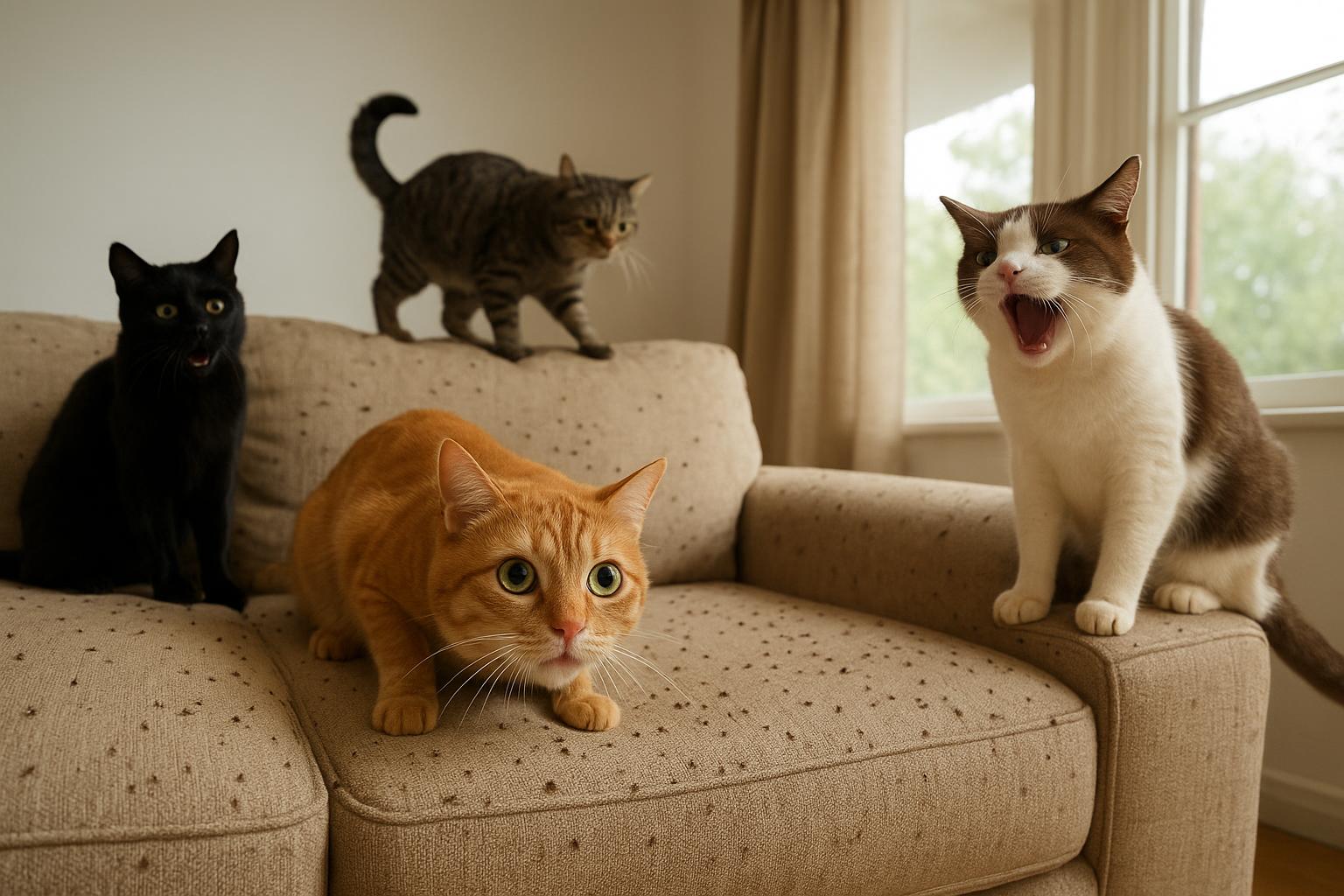
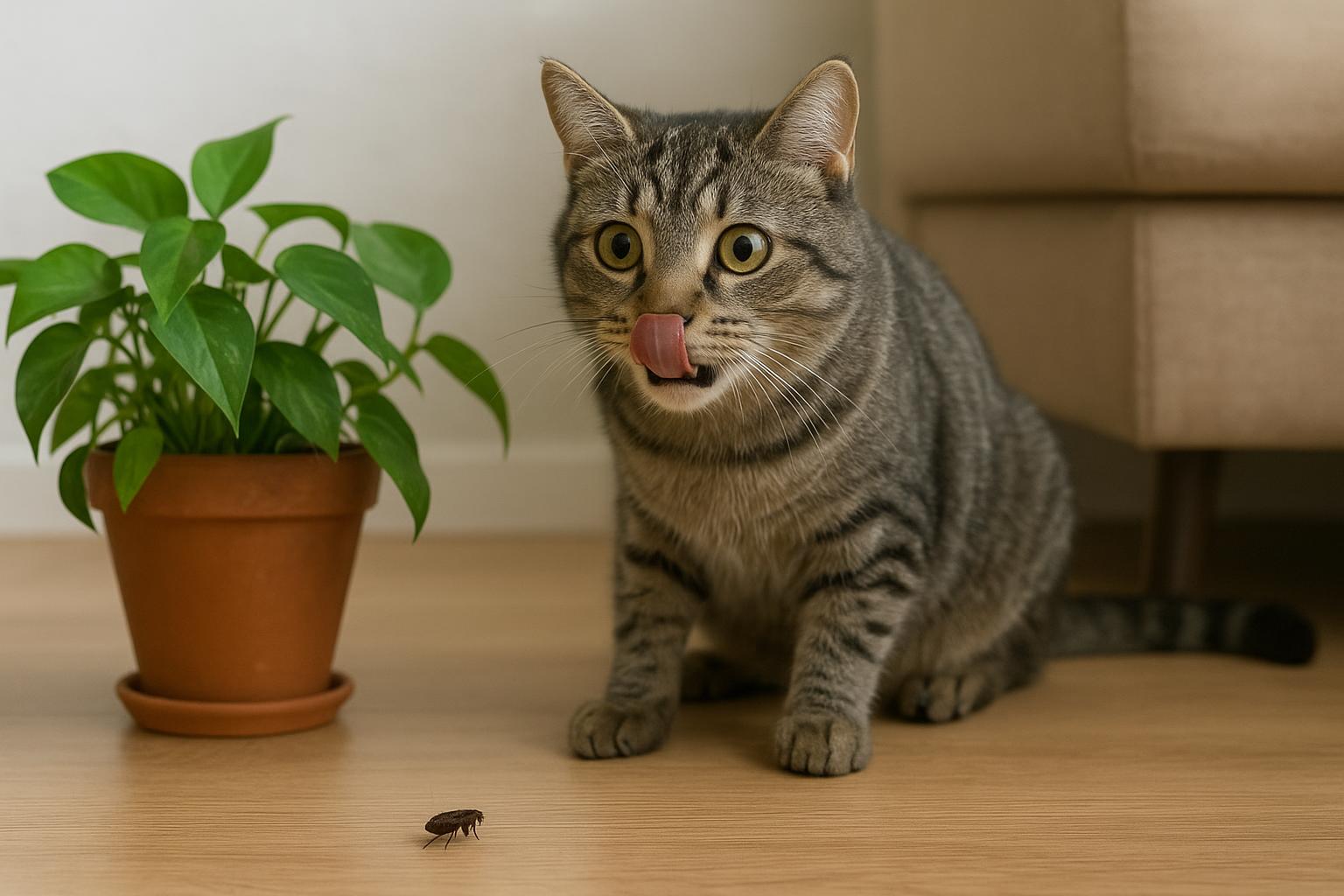
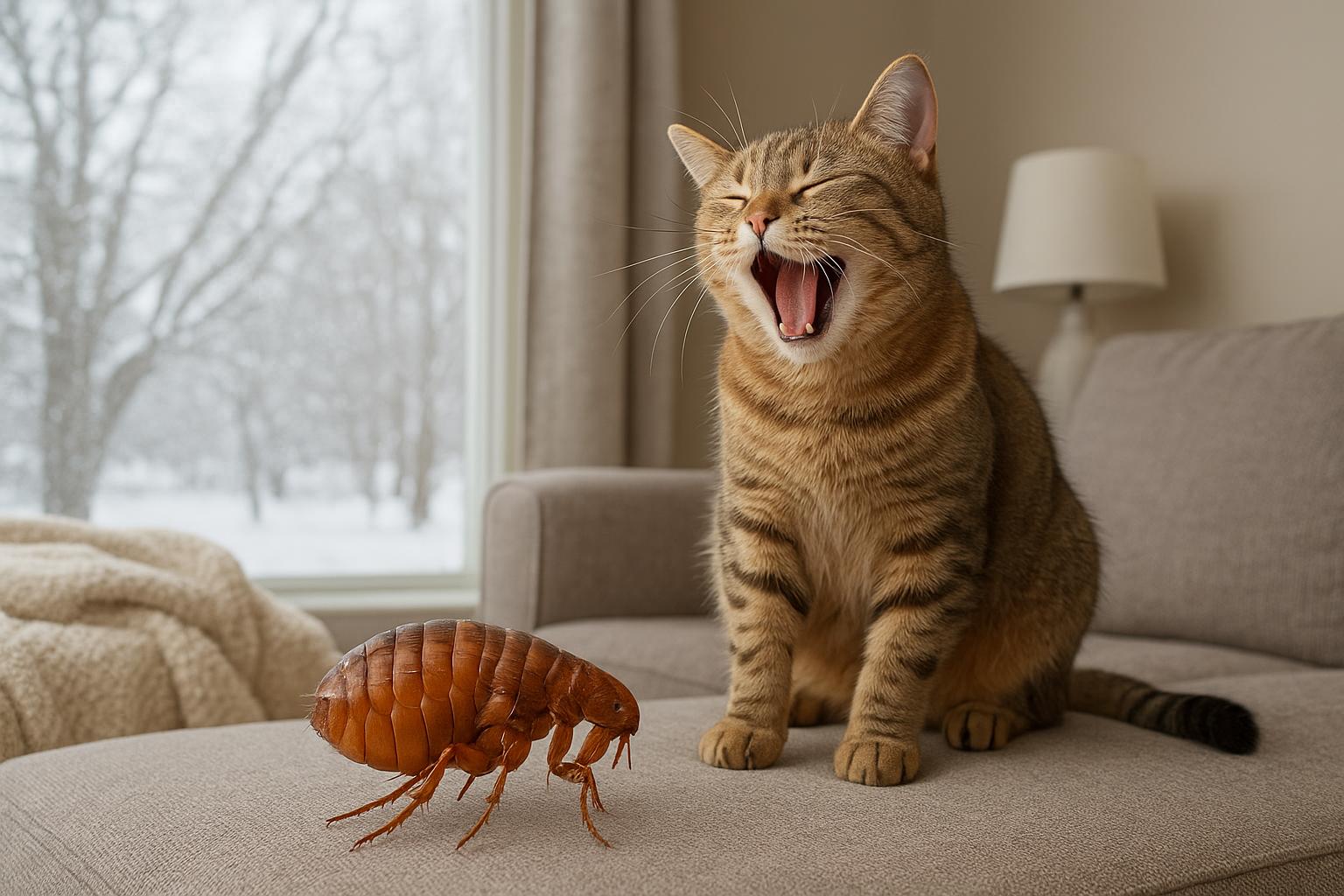
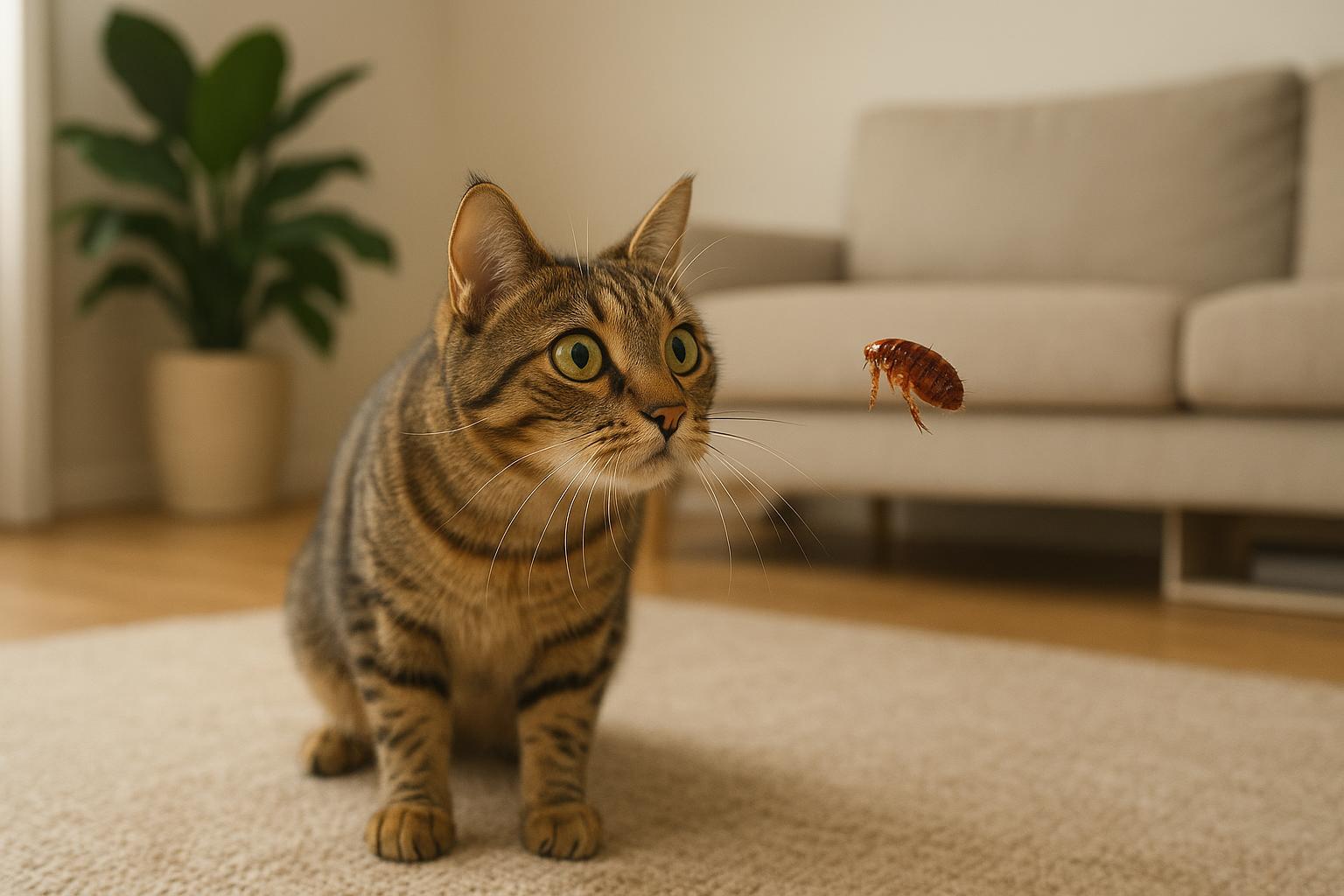
Fleas are tiny, fast, and surprisingly dramatic guests. The phrase flea beds should make any pet owner pay attention — those soft, warm places your cat cherishes can hide a multi-stage flea population: eggs, larvae, pupae, and adult jumpers. Adult fleas feed on your cat, but most of a flea infestation actually lives off the pet in the environment, especially in bedding. Recognizing an infestation early saves time, money, and a lot of itchy evenings.
### Early Signs And Subtle Clues
You don’t always see fleas bouncing like popcorn. Look for:
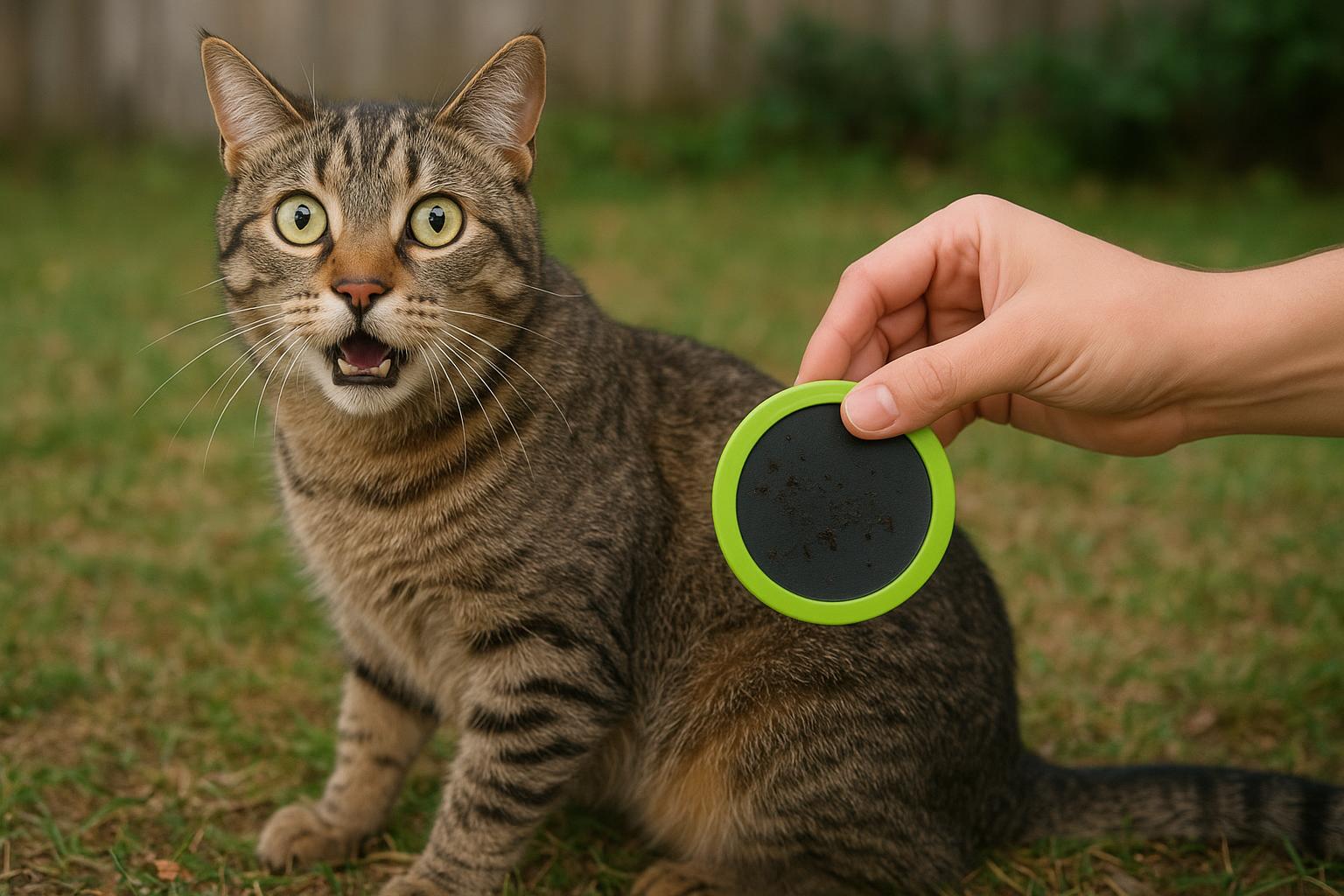
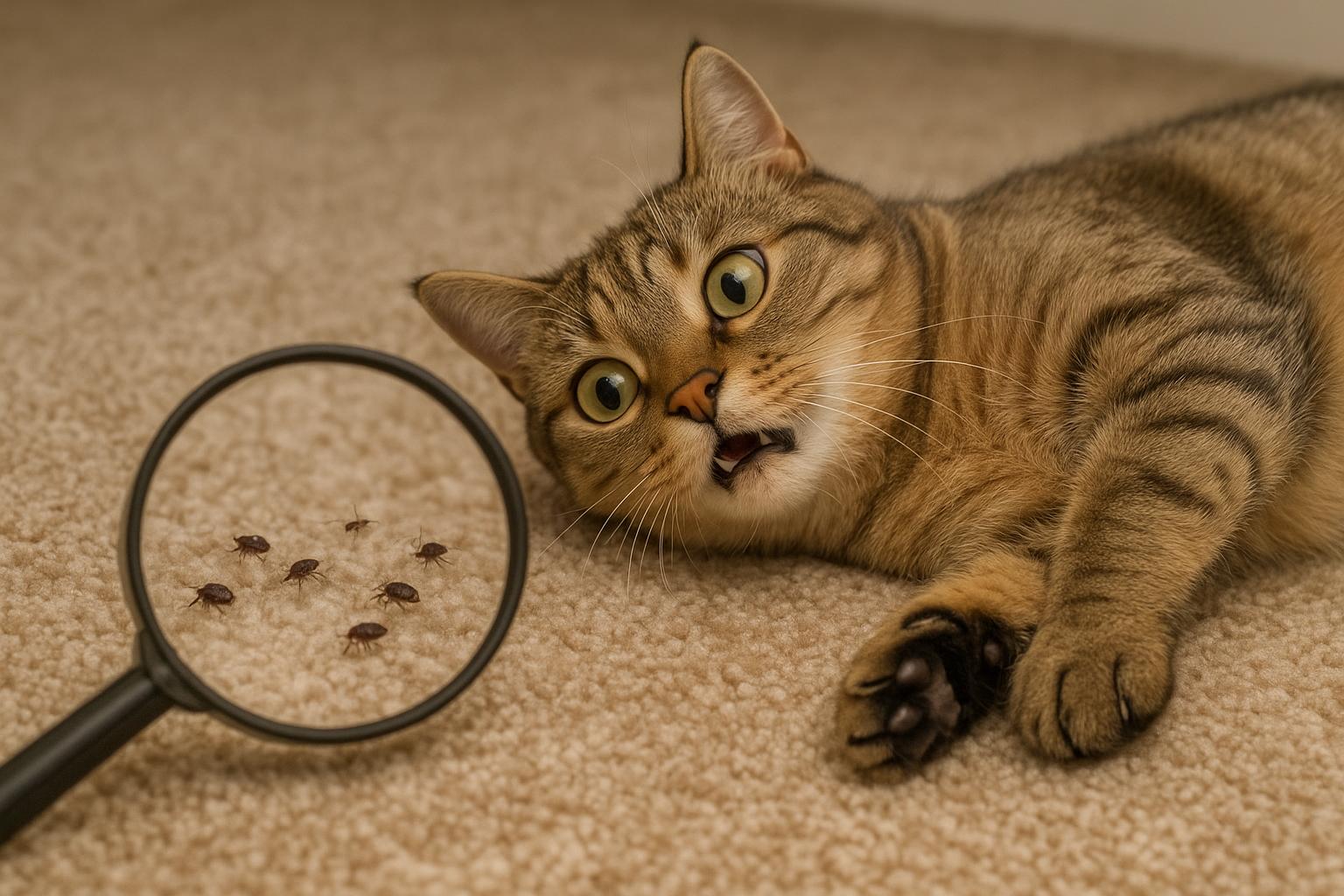
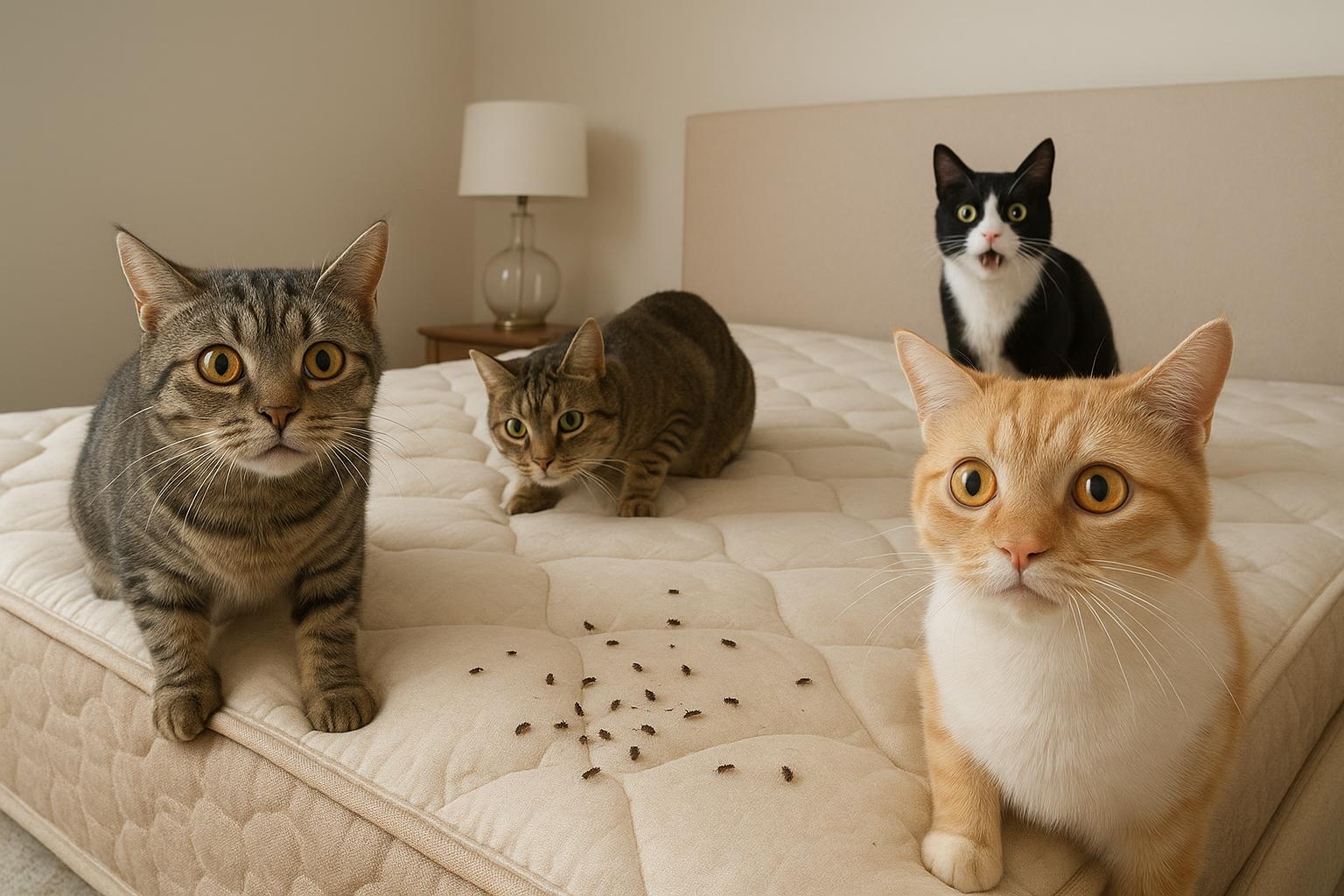
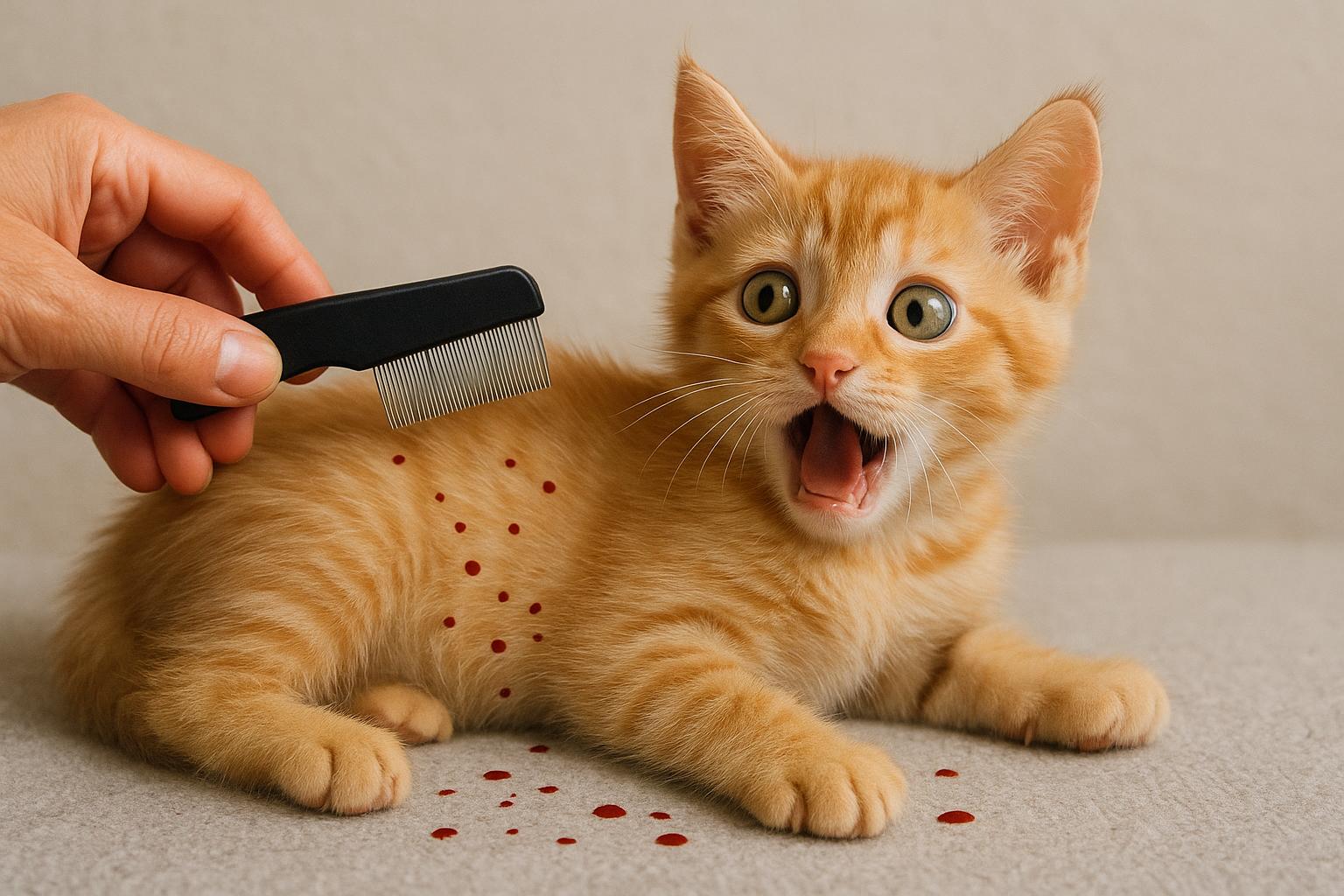
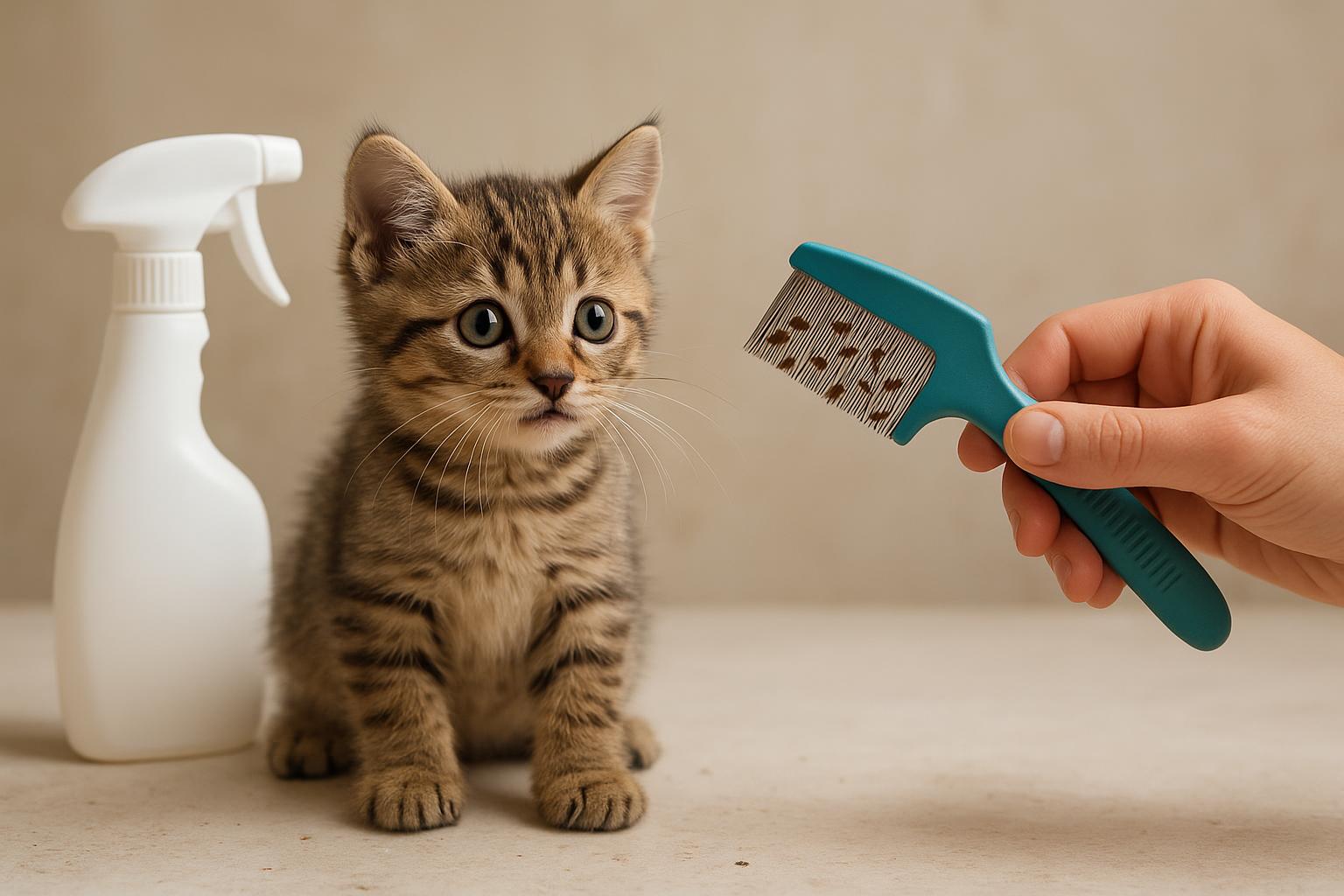
– Flea dirt: tiny black specks (dried blood) on bedding or fur that turn reddish when moistened.
– Increased scratching, grooming, or hair loss, especially around the back, tail base, and neck.
– Tiny pale eggs or small white grubs tucked in seams or fabric folds.
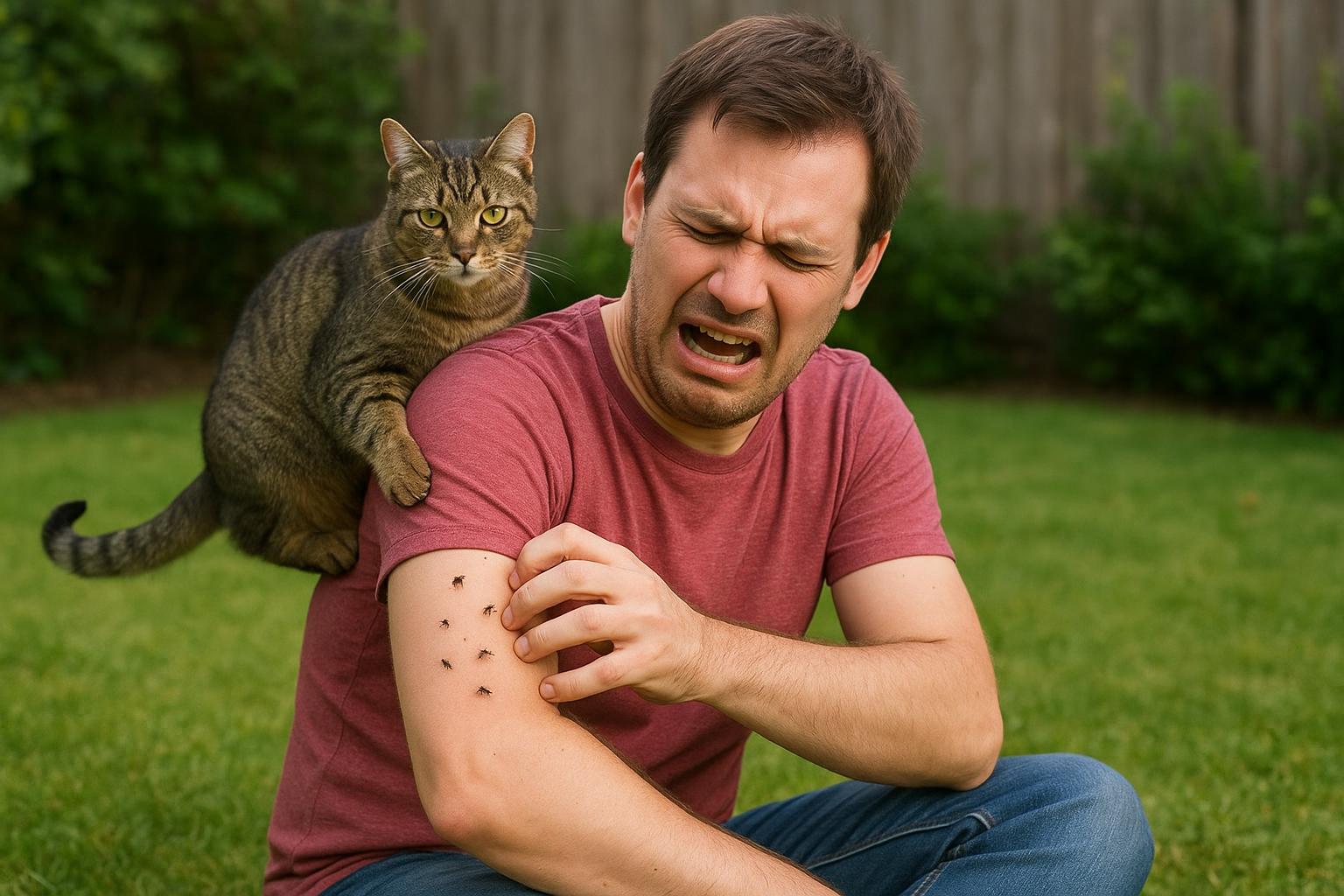
– Red, itchy spots on humans who may have been bitten — especially near ankles or feet.
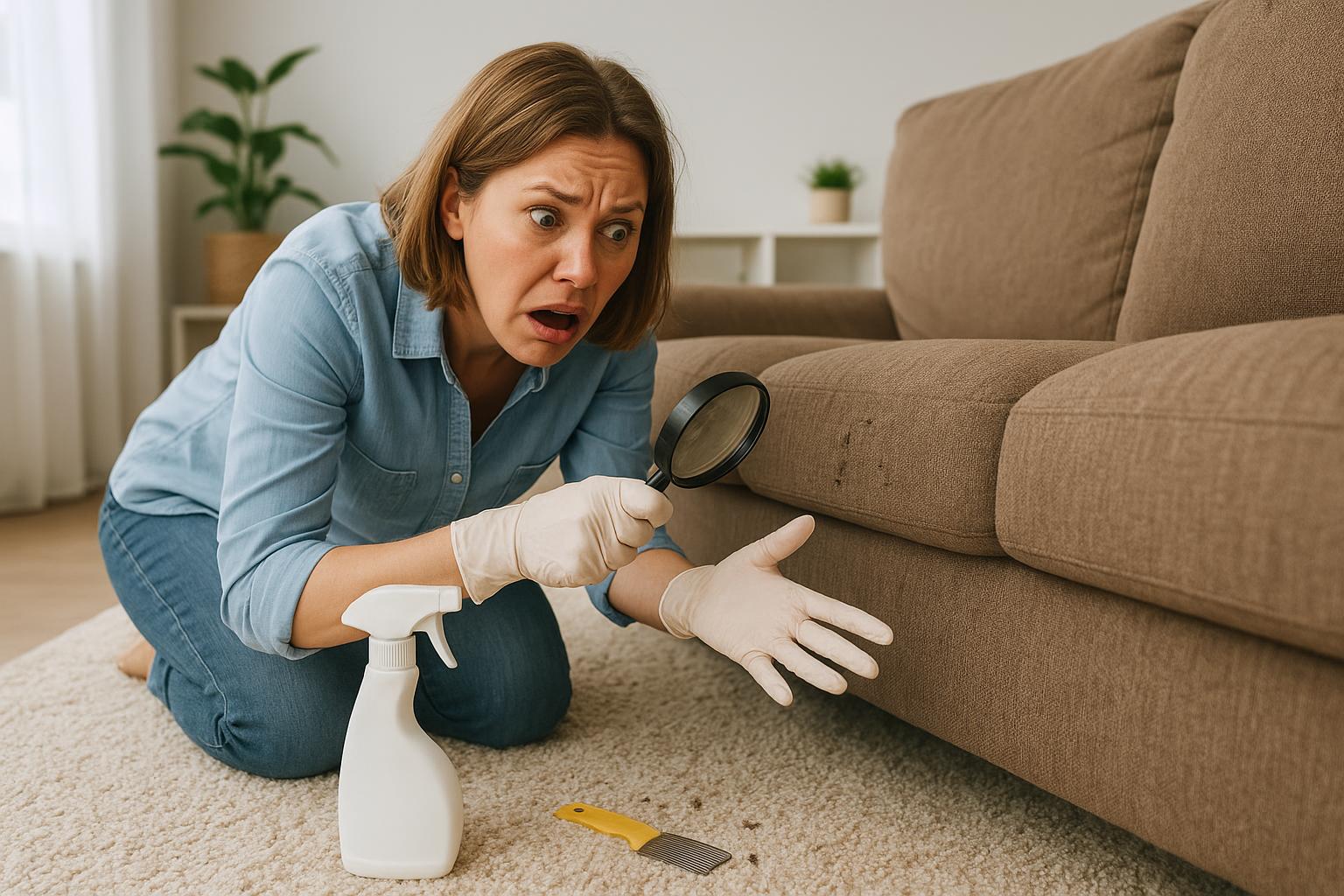
Finding flea dirt on the cushion seams or your cat’s favorite blanket is a strong indicator that flea beds are present and should be treated.
### Why Cat Beds Become Flea Magnets
Fleas seek warmth, hiding places, and a steady blood source. Cat bedding offers all three. Fabrics trap humidity, fibers hide eggs and larvae, and seams provide protection for developing pupae. Fleas prefer daytime shadows and are often more concentrated where cats nap repeatedly. Left unchecked, a few adult fleas can lead to thousands of offspring in weeks, turning a single bed into an infestation hub.
## Remedy 1: Natural Home Wash For Flea Beds
If you prefer a gentler, low-toxicity approach, a thorough cleaning routine can reduce flea numbers significantly. This remedy focuses on mechanical removal and safe, pet-friendly washing.
Materials/Ingredients:
– Hot water (as hot as the fabric label allows)
– Laundry detergent (regular, enzyme-based if available)
– White vinegar (optional)
– Baking soda (optional)
– Stiff brush or fabric brush
– Hot dryer or sun exposure
– Sealed plastic bags or storage containers
Step-by-Step Creation And Application:
1. Remove all bedding, cushions, and fabric toys from the area. Place them in sealed bags to prevent fleas hopping off while you handle them.
2. Shake items outdoors vigorously to dislodge fleas, eggs, and larvae. Use a stiff brush to clean seams and zippers where eggs may lodge.
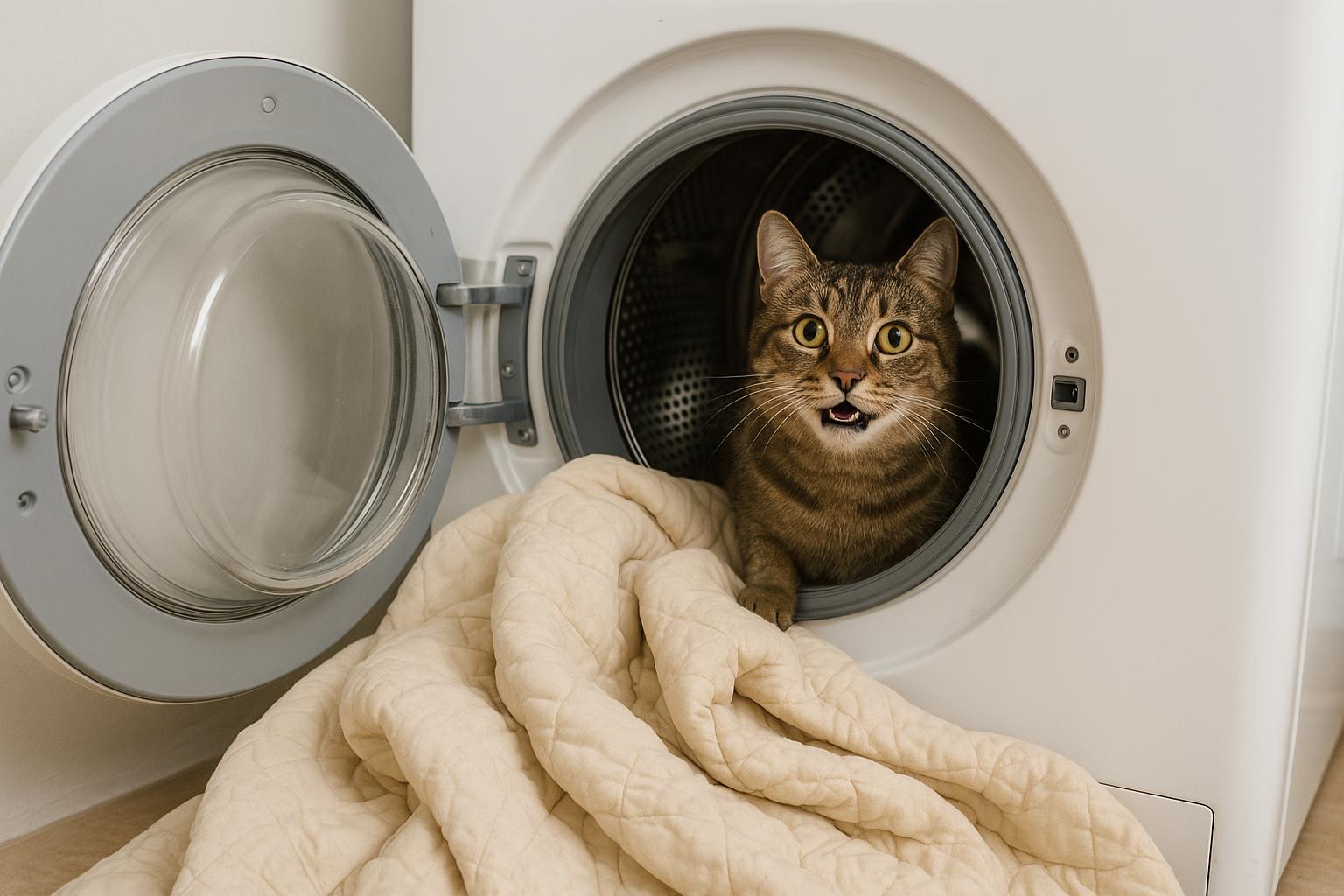
3. Wash fabrics on the hottest cycle allowed by the care label. Hot water is critical — aim for at least 130°F (54°C) where safe for the material. This temperature will kill adults, larvae, and eggs.
4. Add 1 cup of white vinegar to the rinse cycle if the fabric tolerates it; vinegar can help loosen flea dirt and deter some parasites. Optionally, sprinkle baking soda on heavily soiled areas before washing to boost cleaning.
5. Dry immediately on the highest heat setting safe for the item. High dryer heat for 20–30 minutes is effective at killing fleas that survive the wash. If dryer use is impossible, expose bedding to strong sunlight for several hours, flipping to ensure even heating.
6. Store clean items in sealed containers or bags until you’re confident the environment is clear to prevent reinfestation.
7. Repeat every 3–7 days for three cycles to catch newly hatched fleas from pupae that may survive the first treatments.
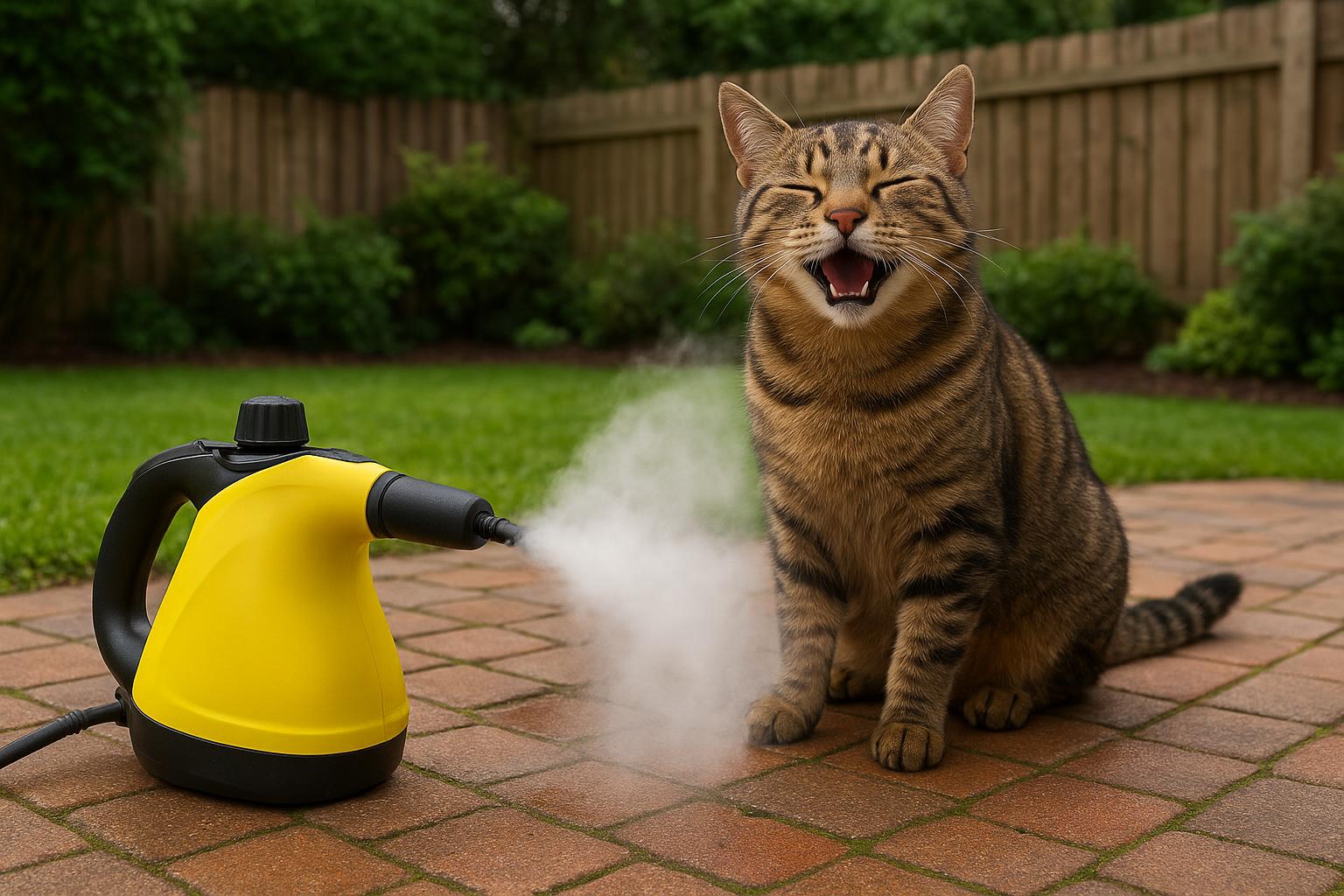
This method reduces flea populations substantially and is safe for households with sensitive pets or people. However, it’s most effective when combined with environmental cleaning (vacuuming, steam cleaning) and direct treatment of the host animal.
## Remedy 2: Professional And Chemical Treatments For Flea Beds
When infestations are established or a fast, comprehensive solution is needed, professionally recommended products and pest control interventions are appropriate. These measures are more formal and require exact application and safety adherence.
Materials/Ingredients:
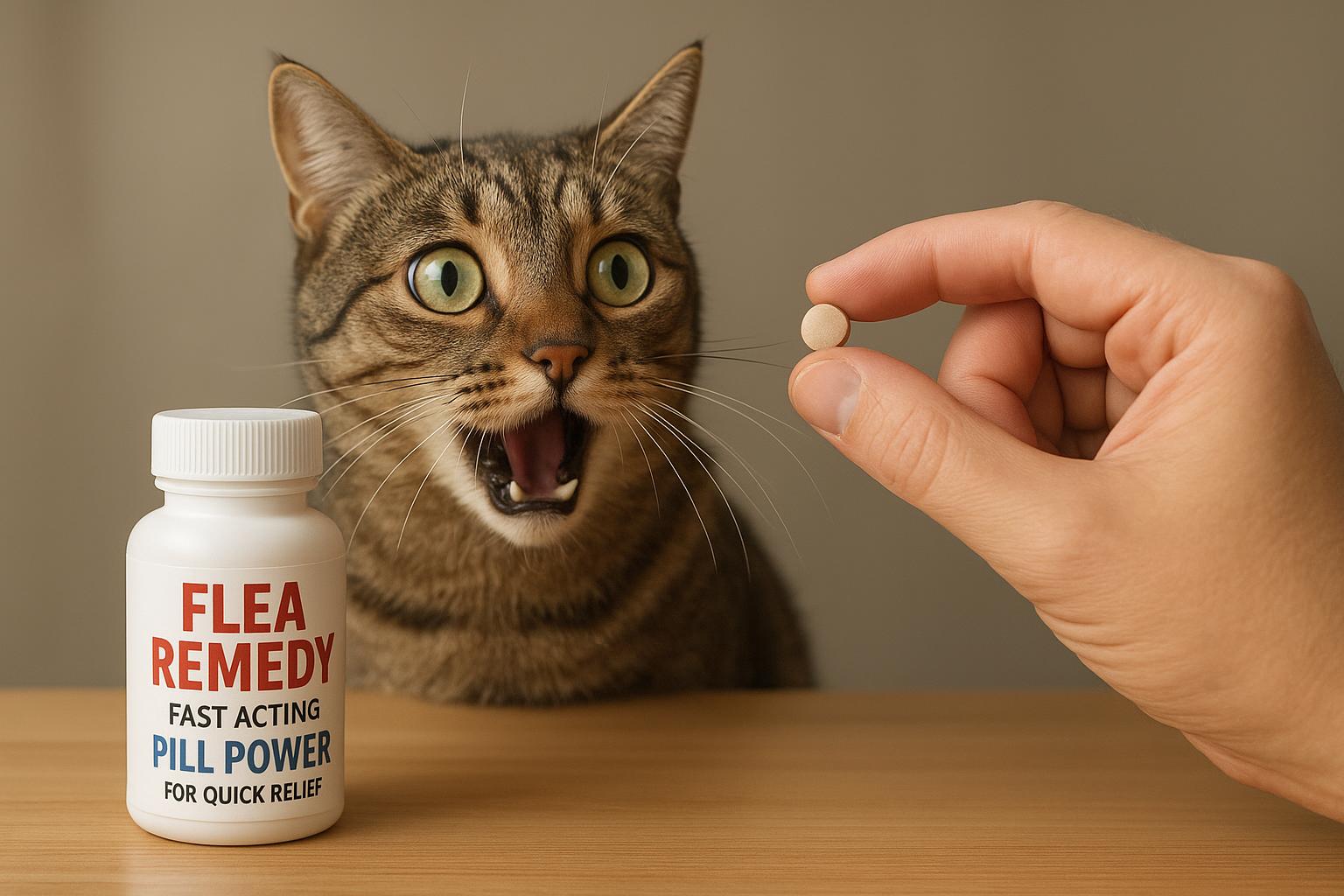
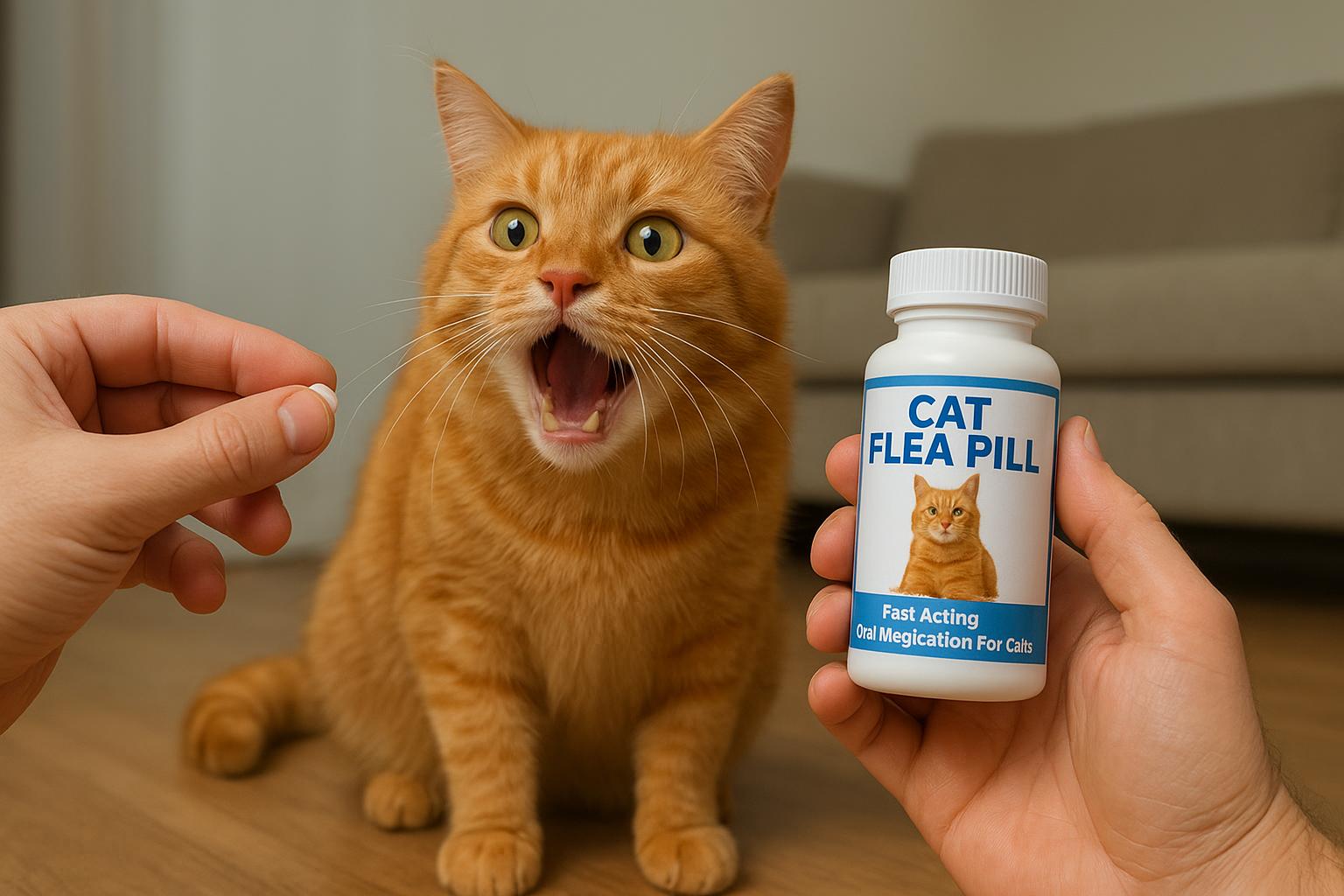
– Veterinary-prescribed topical or oral flea medication for the cat (e.g., fipronil, imidacloprid, selamectin, fluralaner — as prescribed)
– Environmental insecticide with an IGR (insect growth regulator) labeled for indoor use (e.g., methoprene, pyriproxyfen)
– Home fogger or spray applicator (for the product chosen), according to label
– HEPA vacuum cleaner
– Protective gloves and, if recommended, a mask
– Professional exterminator contact information
Step-by-Step Creation And Application:
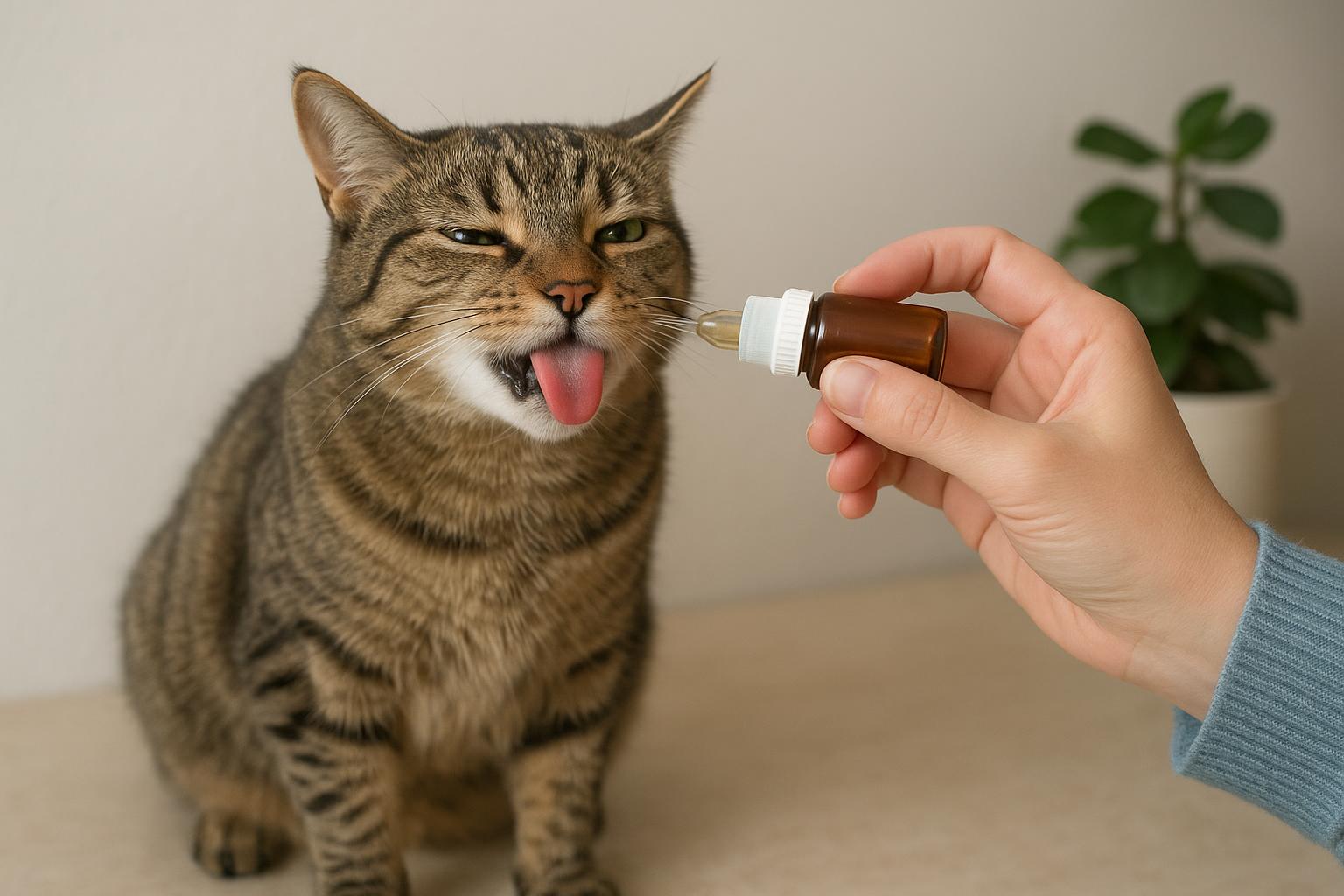
1. Consult your veterinarian. Do not give any flea medication to your cat without veterinary approval, especially for kittens, pregnant animals, or those with health issues. The correct systemic or topical product is essential for safety and efficacy.
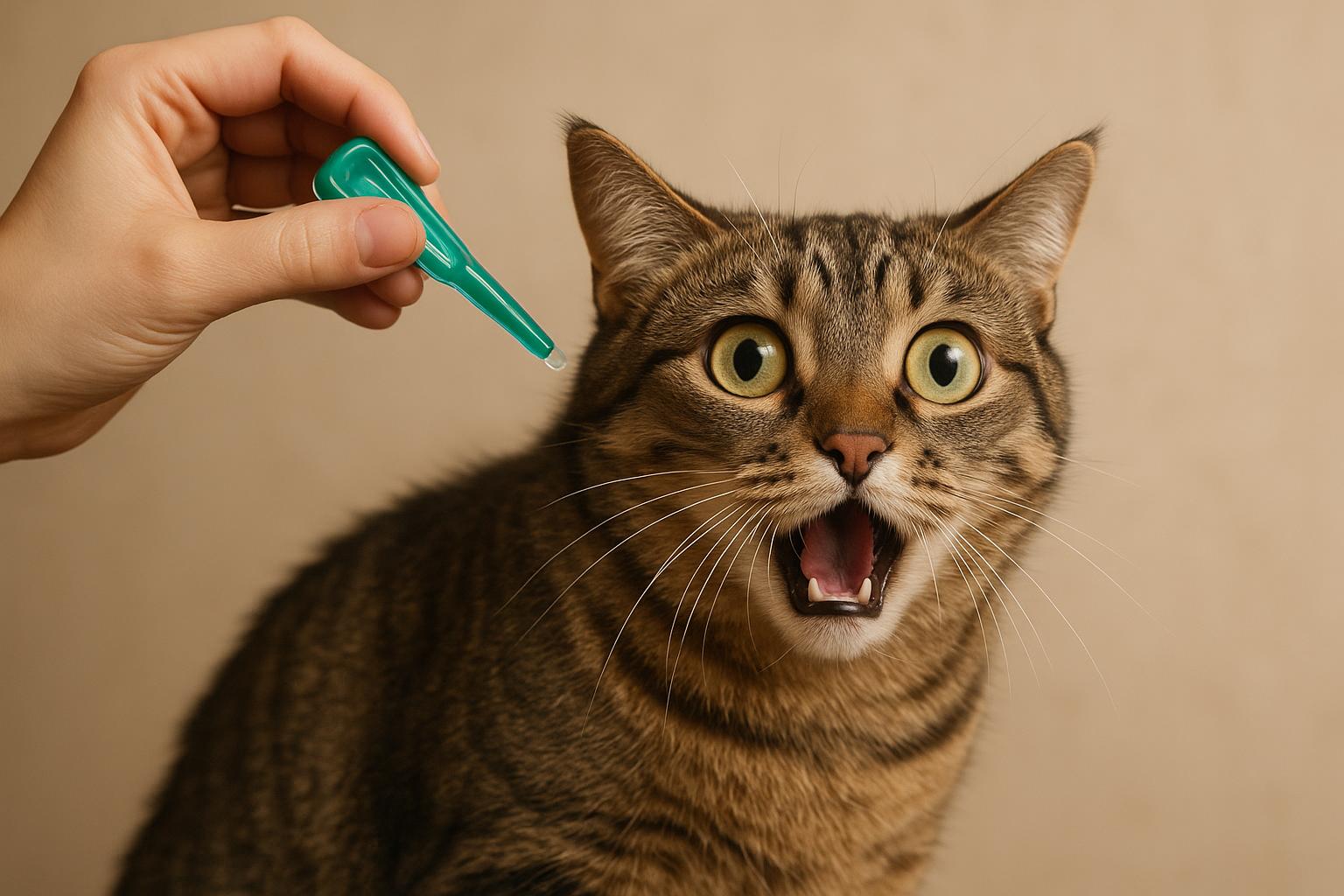
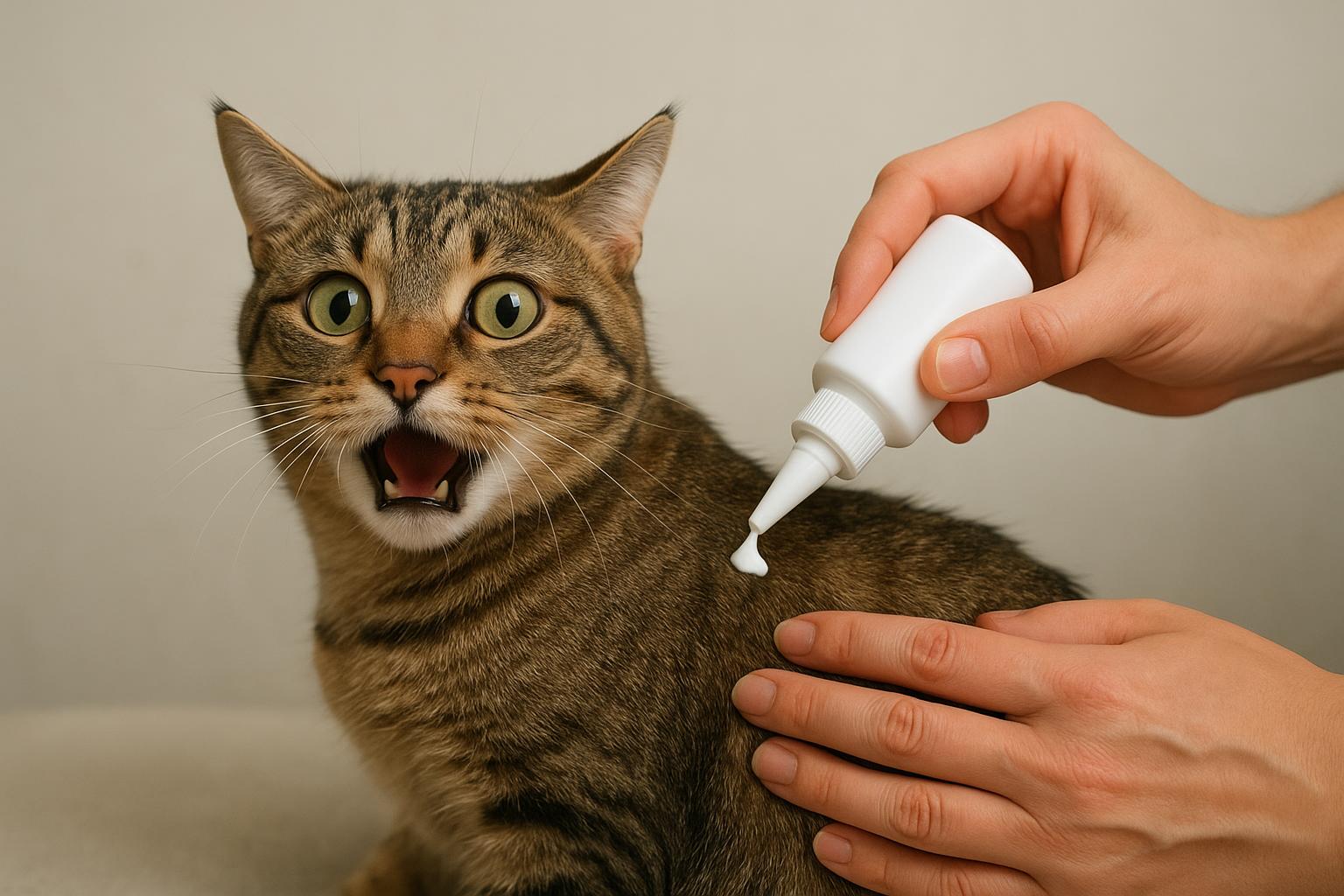
2. Treat the animal as directed by the veterinarian and product label. Many modern oral or topical treatments kill fleas within hours and prevent development for weeks to months. Maintain regular dosing schedules.
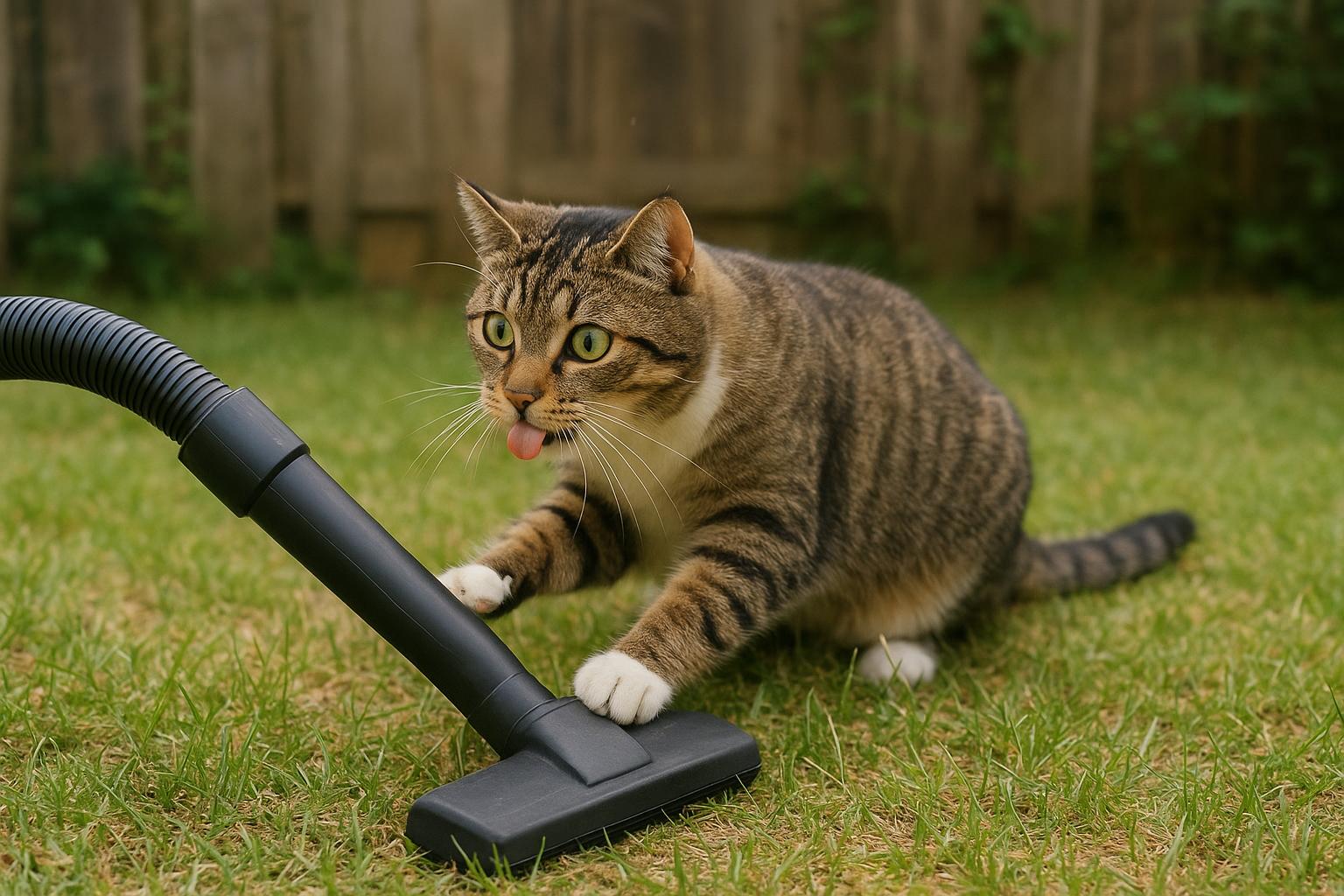
3. Thoroughly vacuum the entire home, focusing on carpet, upholstery, cracks, and especially cat bedding areas. Use a HEPA vacuum if possible and empty the canister or replace the bag outside immediately to prevent reinfestation.
4. Apply an environmental insecticide labeled for indoor use that includes an IGR. Follow the manufacturer’s instructions precisely: calculate square footage, wear protective gear, and ventilate the area as directed. IGRs prevent eggs and larvae from maturing, breaking the lifecycle.
5. Treat or isolate bedding according to label instructions — some products allow spraying fabric items in-place; others require removing and washing. Do not apply veterinary products intended for animals onto fabrics unless specified safe.
6. Consider a professional exterminator for heavy infestations. Pest control professionals can apply targeted treatments and advise on integrated pest management; ensure they use pet-safe, approved products and notify you of re-entry times.
7. Continue monitoring and re-treating according to product timelines. Combine chemical treatments with mechanical cleaning to manage pupae, which can be resistant to some sprays until they emerge.
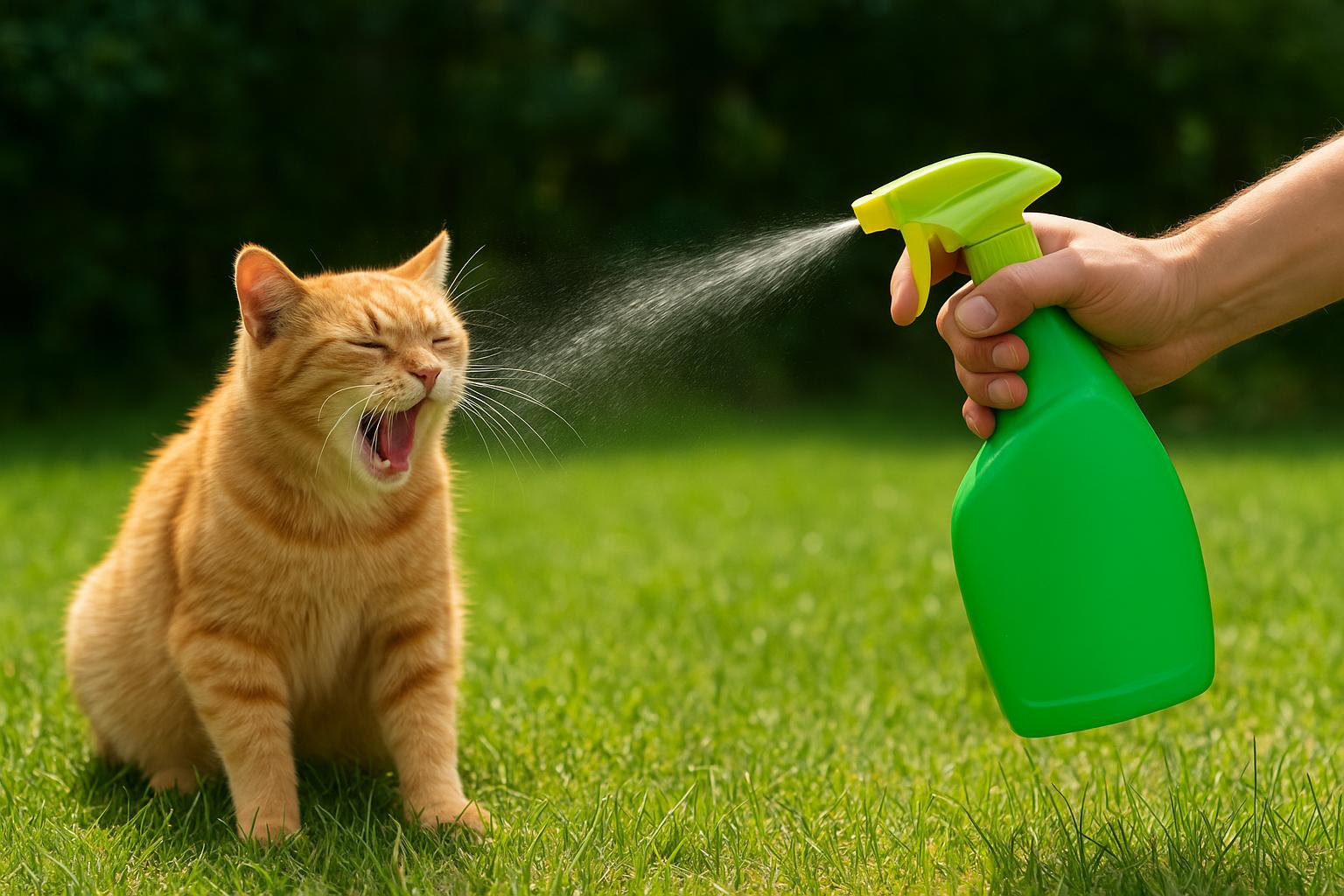
Safety Note: Always follow labels and veterinary guidance. Misuse of chemical products can harm pets and people. Keep animals out of treated areas until products are fully dry and safe.
### Daily Habits To Reduce Reinfestation
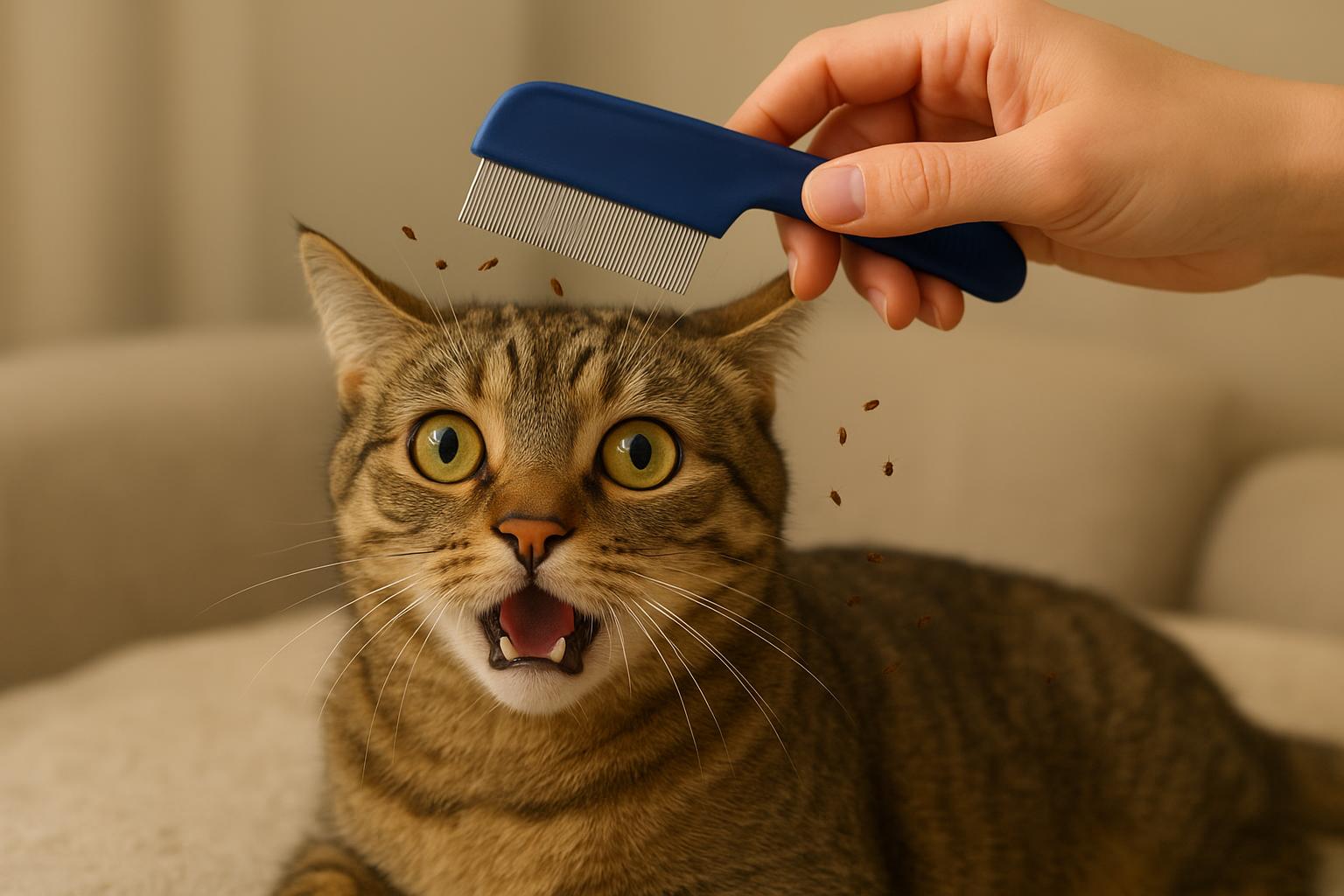
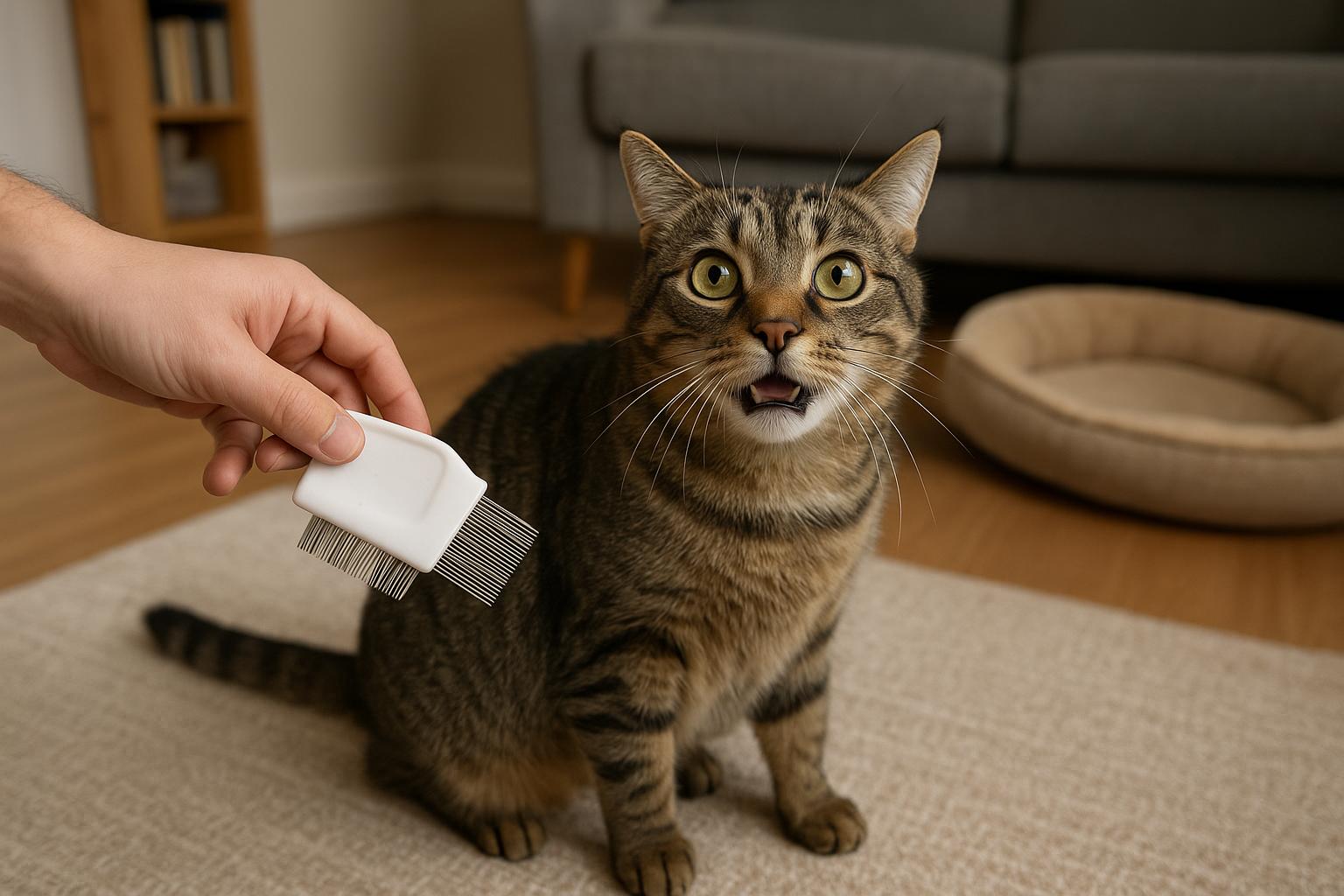
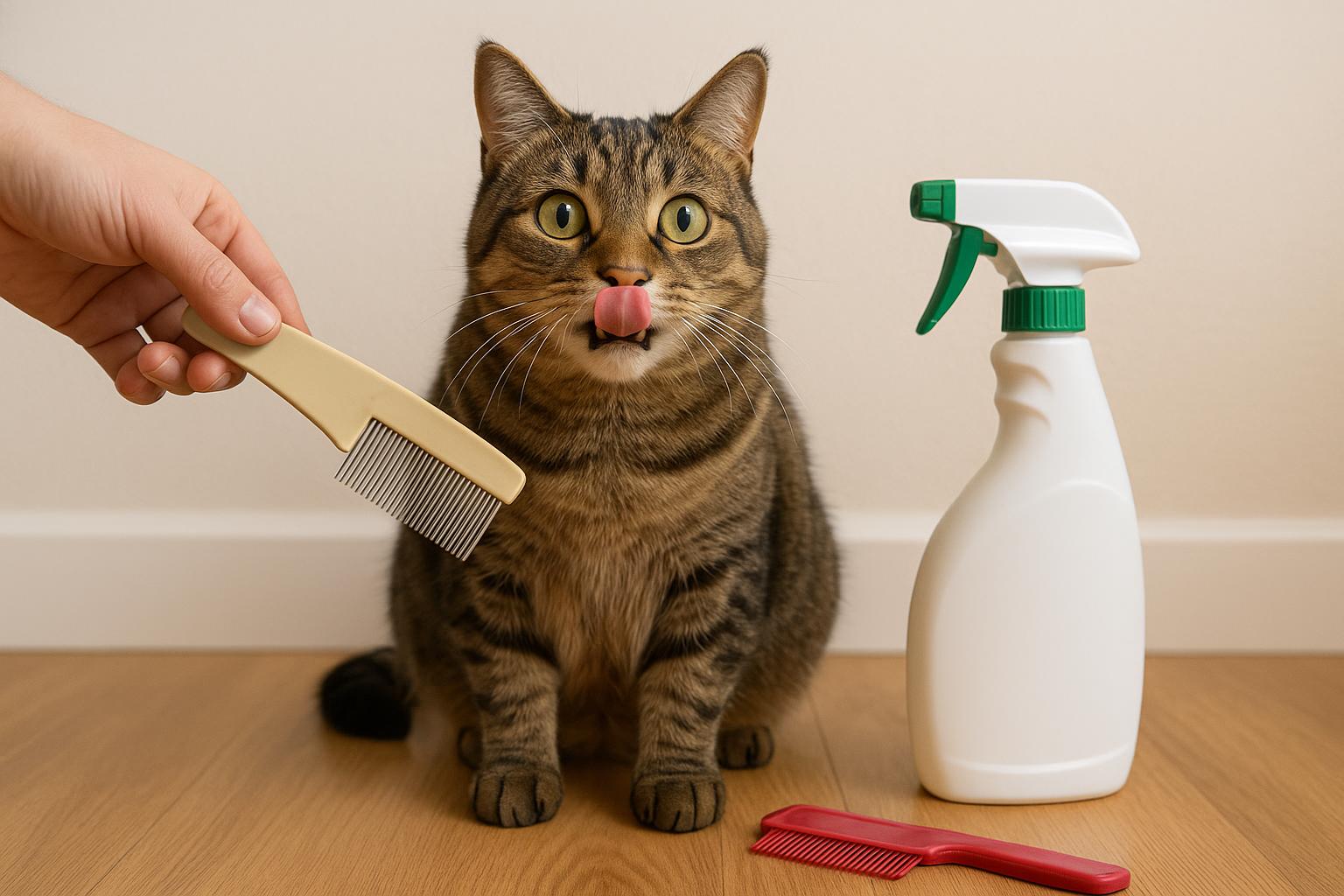
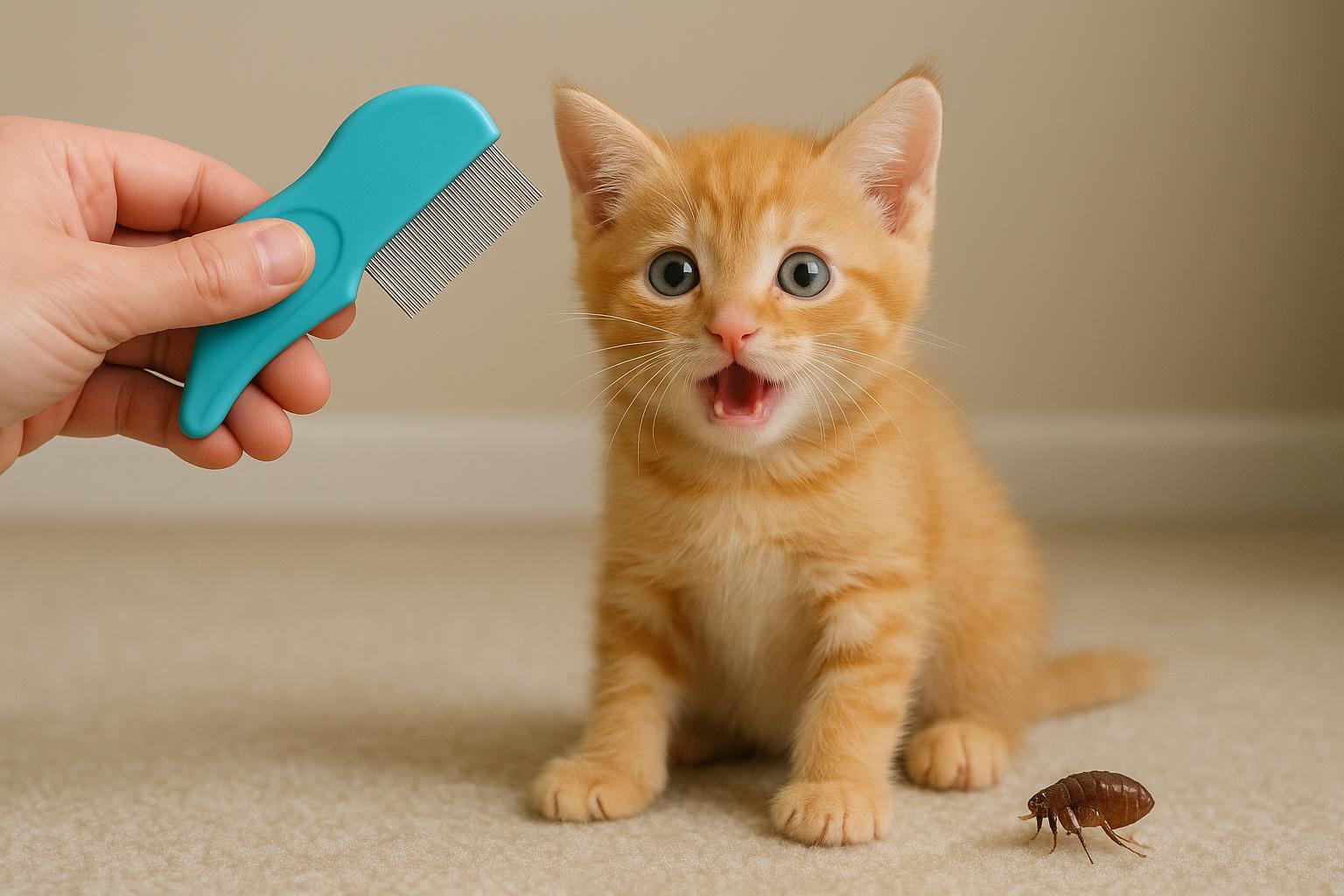
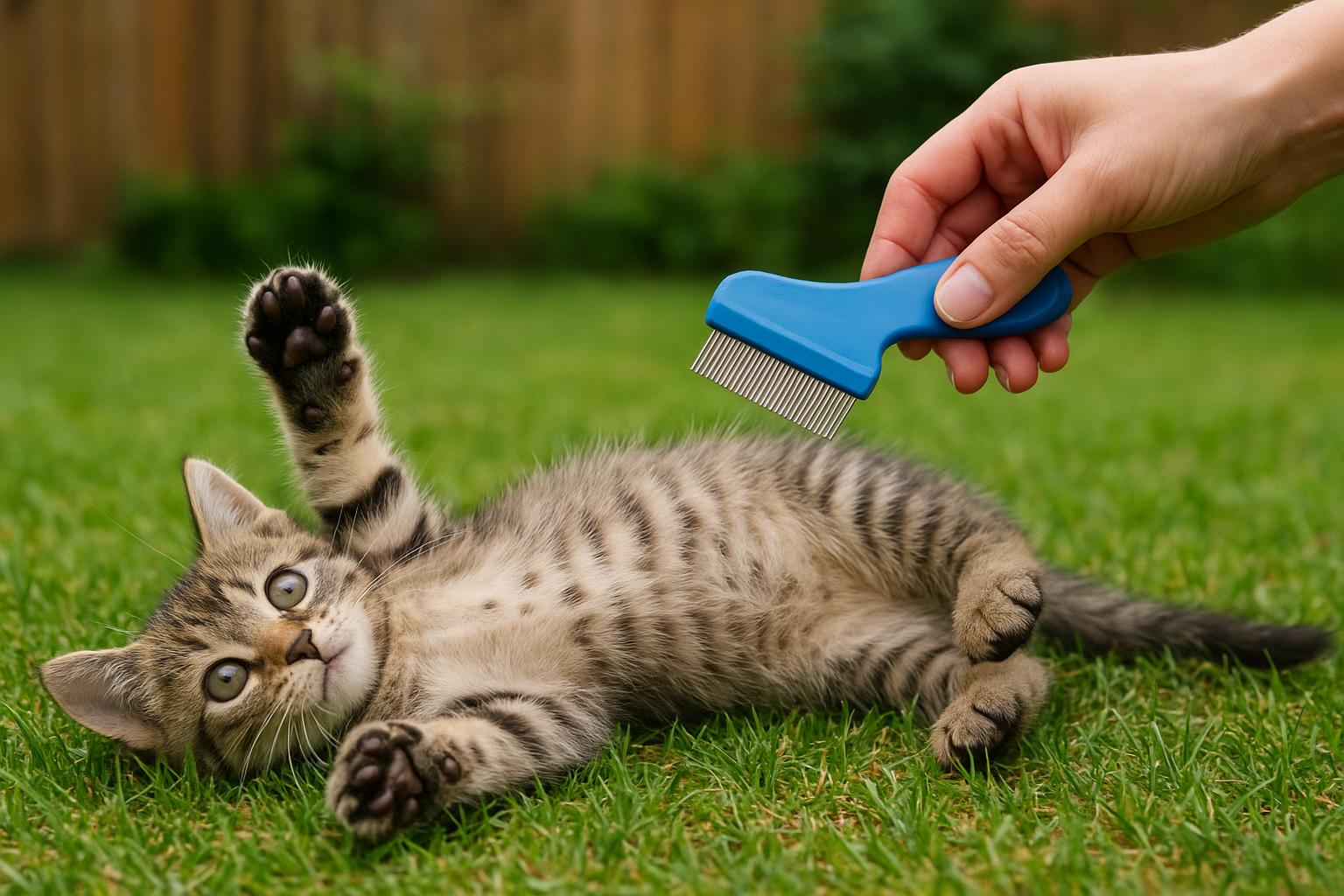
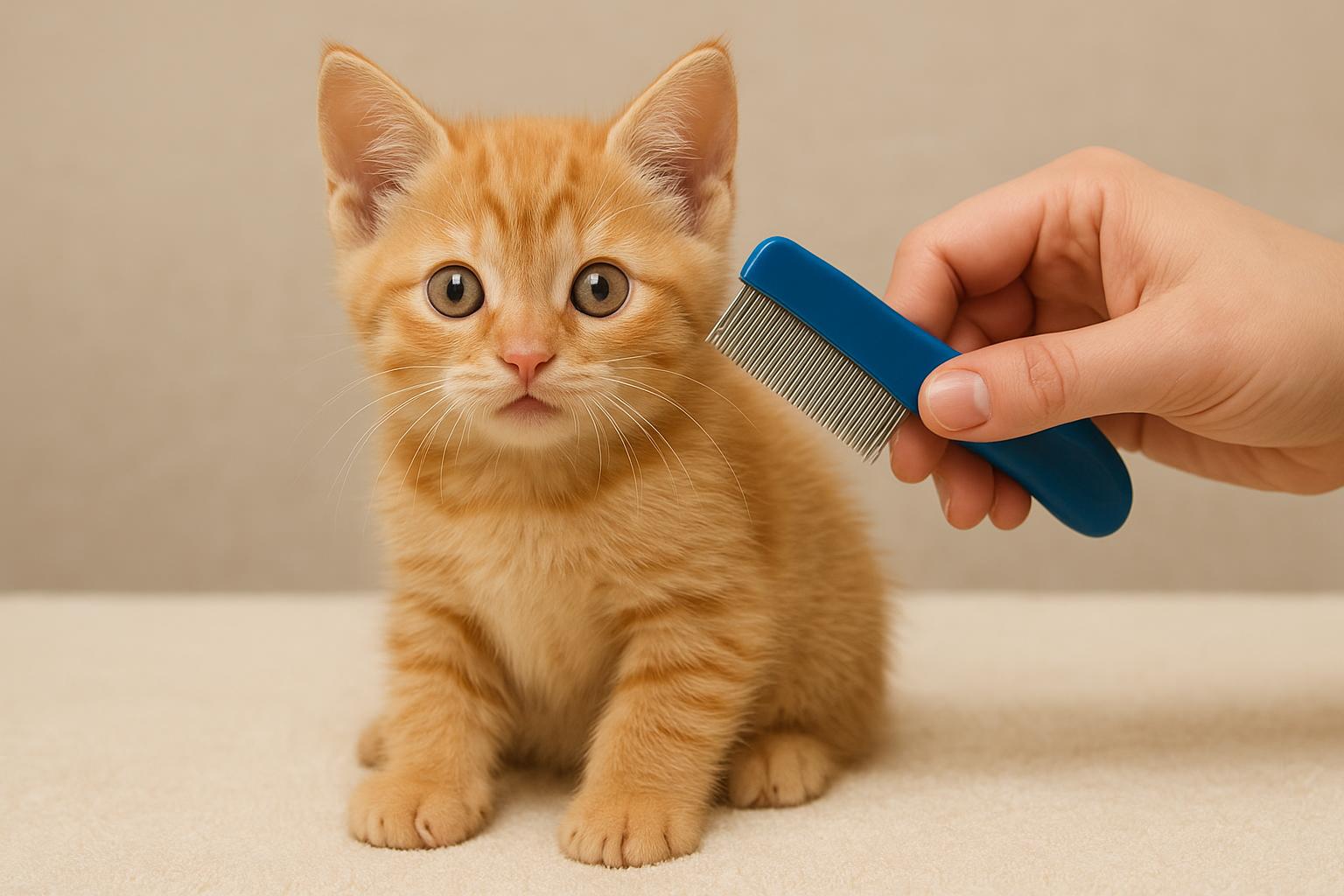
Small habits add up. Vacuum high-traffic areas daily for a week, then at least twice weekly during warm months. Wash bedding regularly and rotate sleeping spots so fleas don’t find an undisturbed refuge. Use a flea comb daily after treatments to remove remaining adults; dip combings in soapy water to ensure trapped fleas drown. Keep grass and shrubs trimmed outside — fewer brushy hiding places reduce the chance of fleas transferring indoors.
### How To Use Flea Traps And Monitors
Sticky traps with a light source can attract jumping fleas at night; they’re inexpensive monitors but won’t stop an infestation alone. Place traps near suspected flea beds to measure activity before and after treatments. If you still catch fleas after repeated treatments, pupae in the environment may be the culprit and will require follow-up cleaning and possibly professional assistance.
#### When To Call A Vet Or Exterminator
If your cat is losing hair, appears anemic, has persistent skin infections, or the infestation resists repeated cleaning and proper veterinary flea treatment, contact your veterinarian. For severe home infestations where multiple pets are affected or fleas are present throughout rooms despite treatment, hire a licensed pest control professional. Provide them with your treatment history and product names so they can create an effective plan.
Keep in mind that complete elimination often requires a two-pronged approach: treating the animal and treating the environment. Flea beds are just one piece of the puzzle — but they’re an important one.


















Leave a Reply