

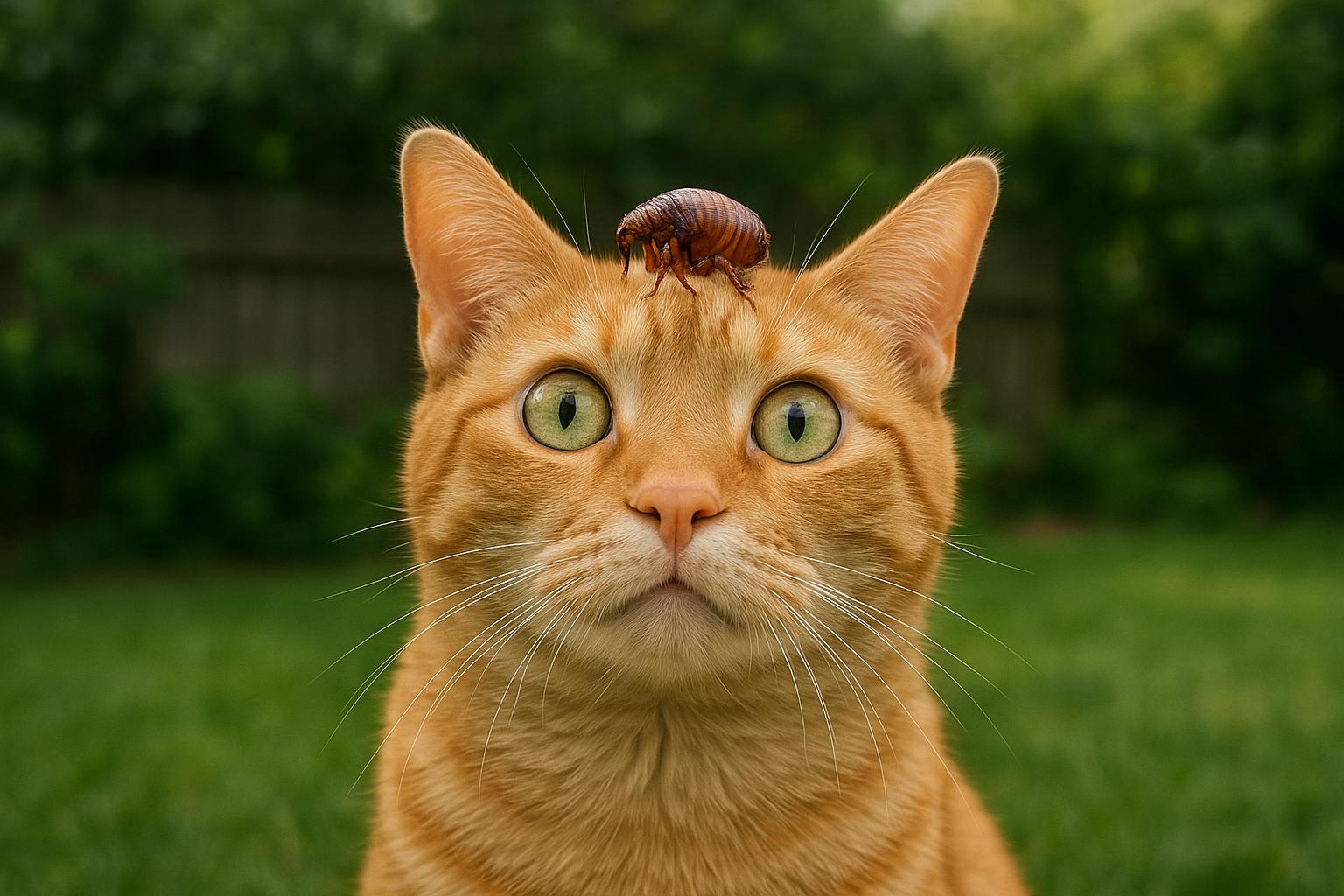
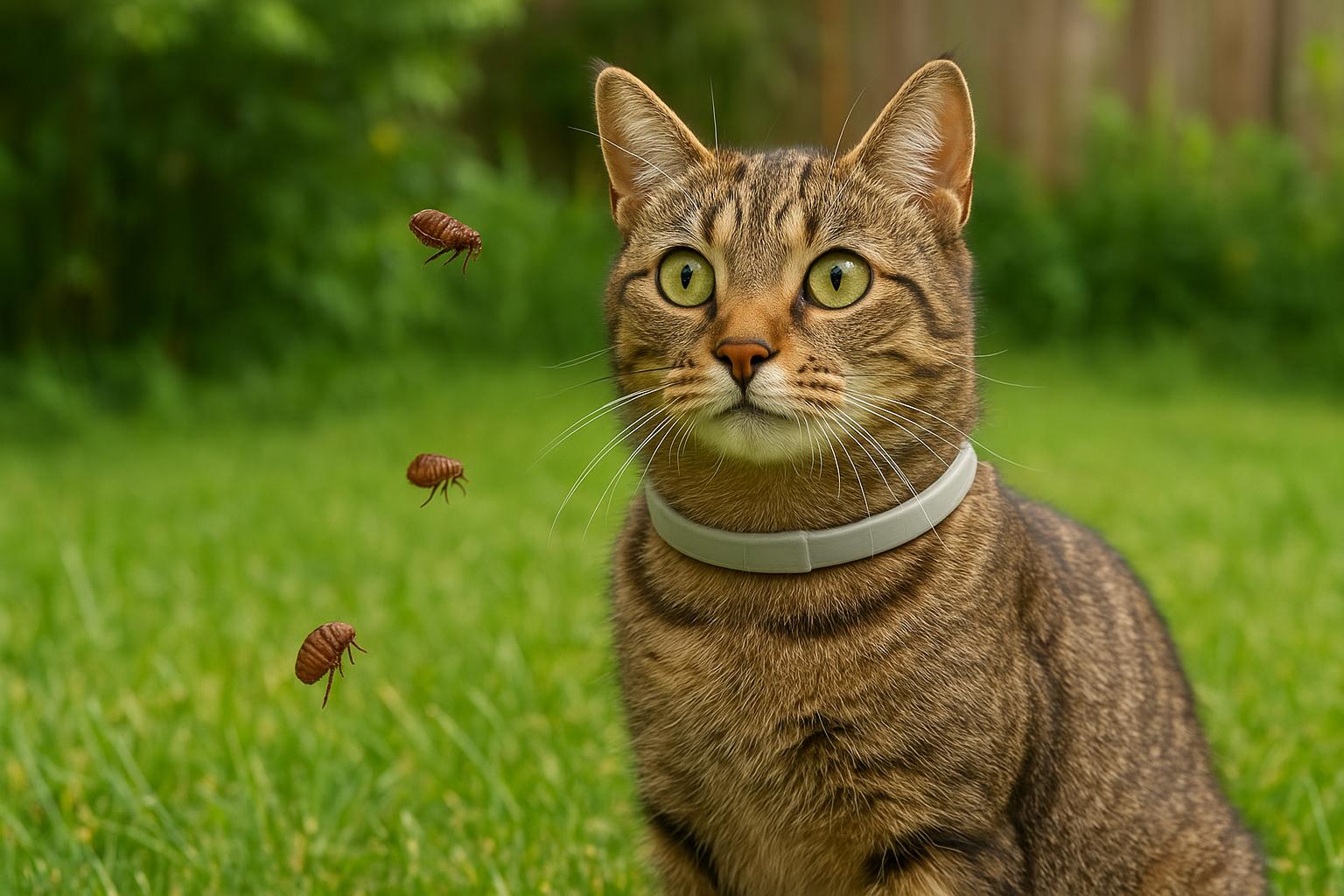
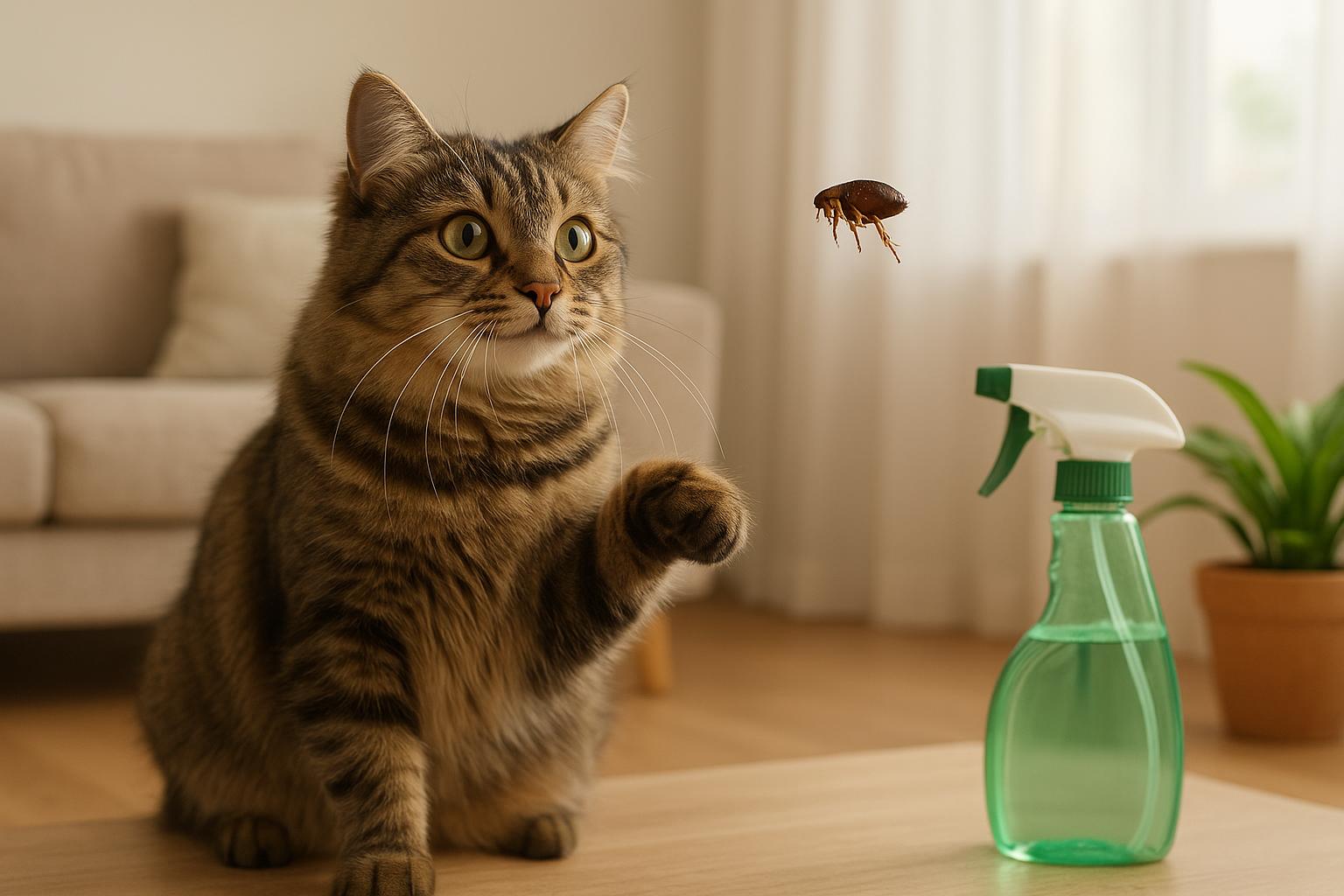
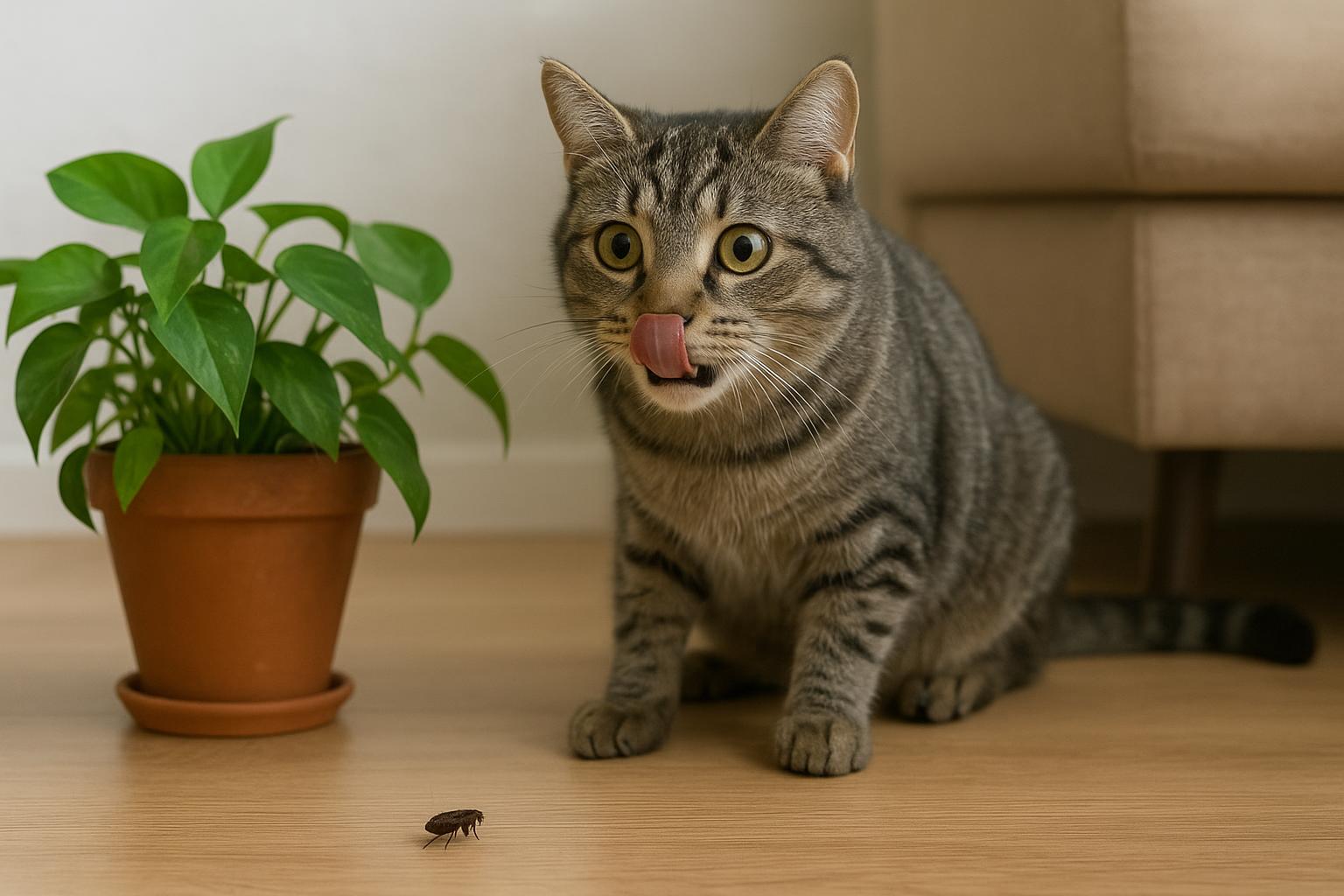
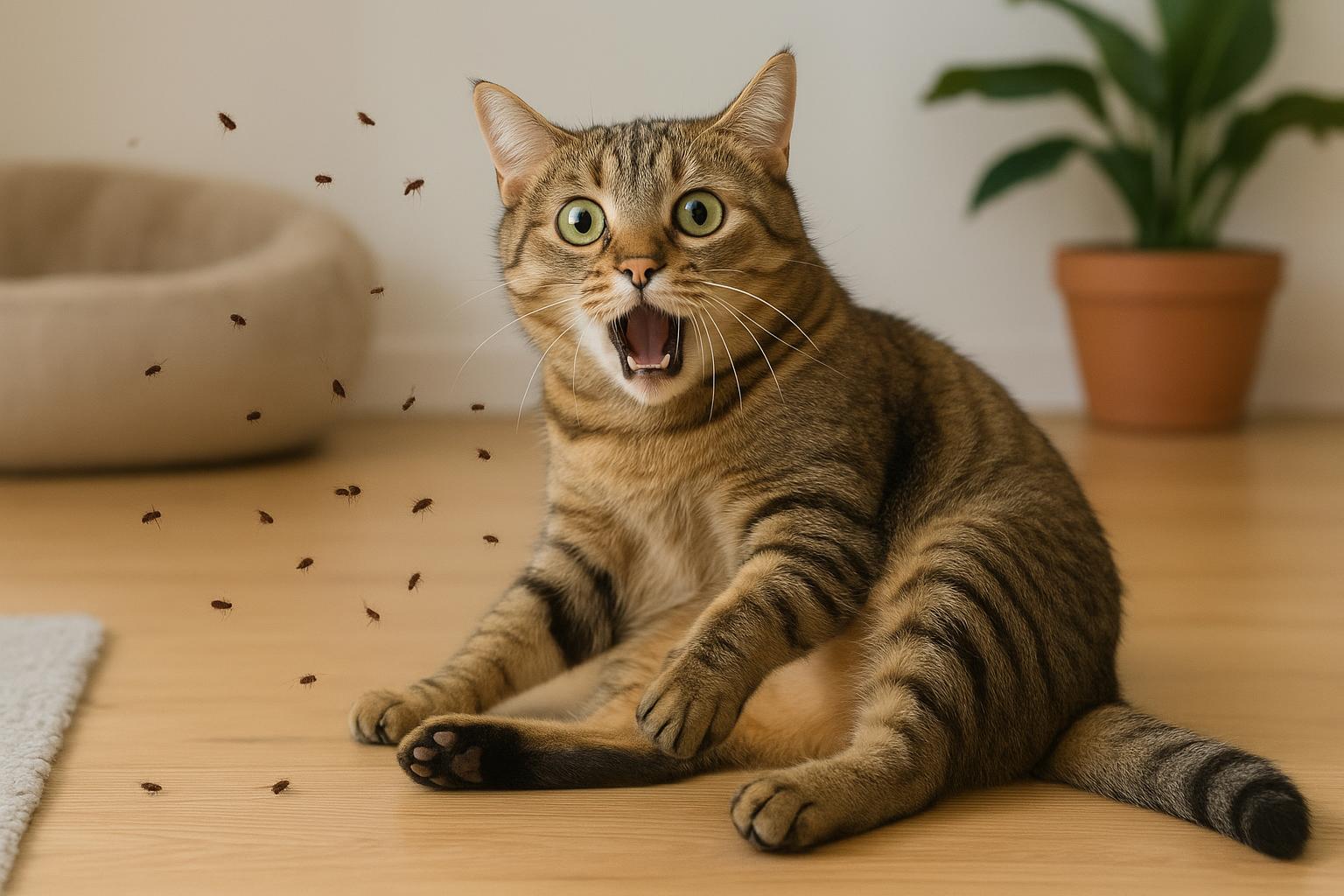
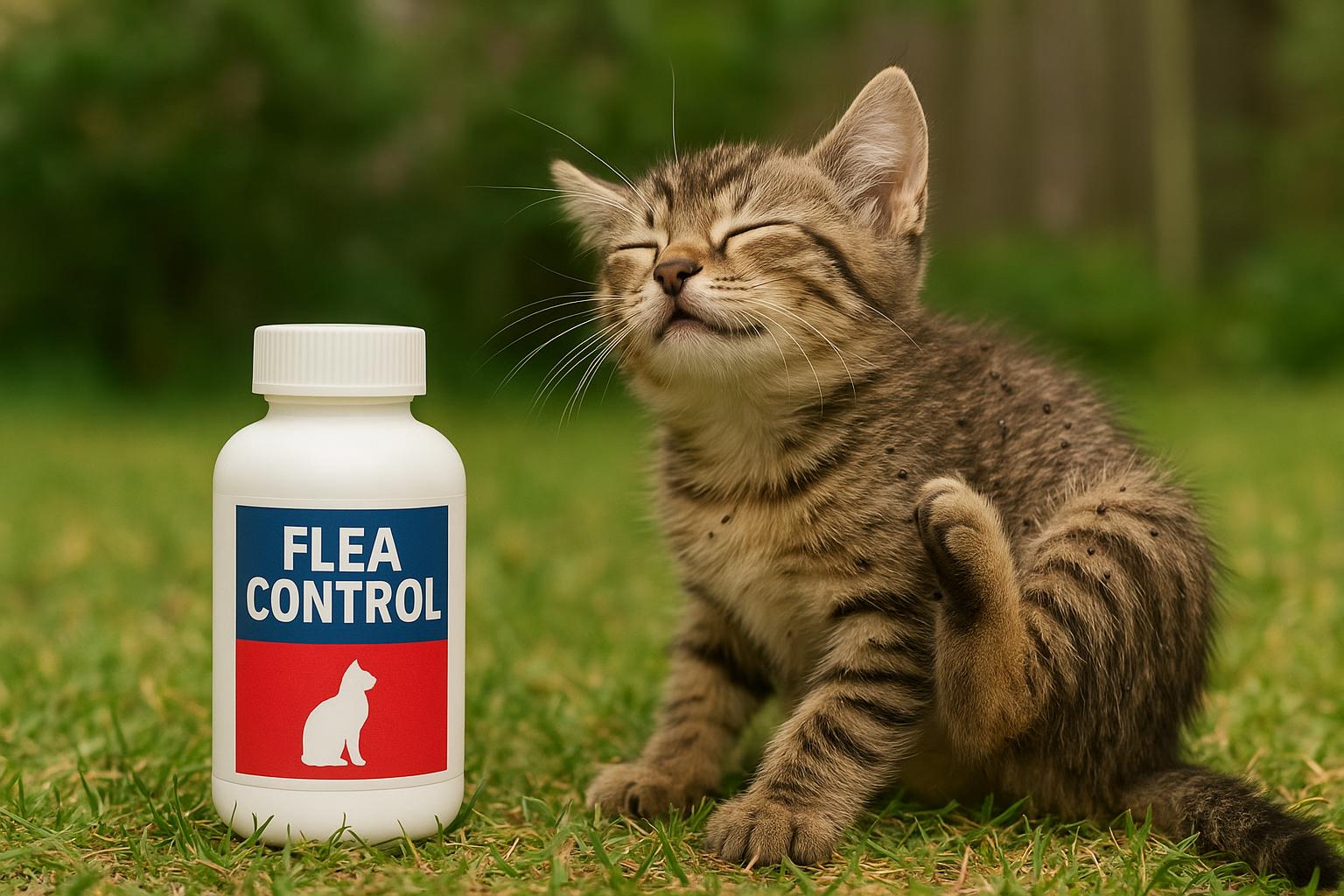
If your whiskered roommate is scratching more than a DJ at a retro disco, you’re in the right place. Fleas are the kind of tiny freeloaders nobody invited, and when they show up, a reliable topical solution can bring fast relief. This article walks through practical tips, safe application protocols, and two solid remedies—one vet-grade spot-on and one gentle, soothing DIY topical—for swift flea relief and skin comfort.
## 1 Topical Cat Treatment: Vet-Approved Spot-On Application
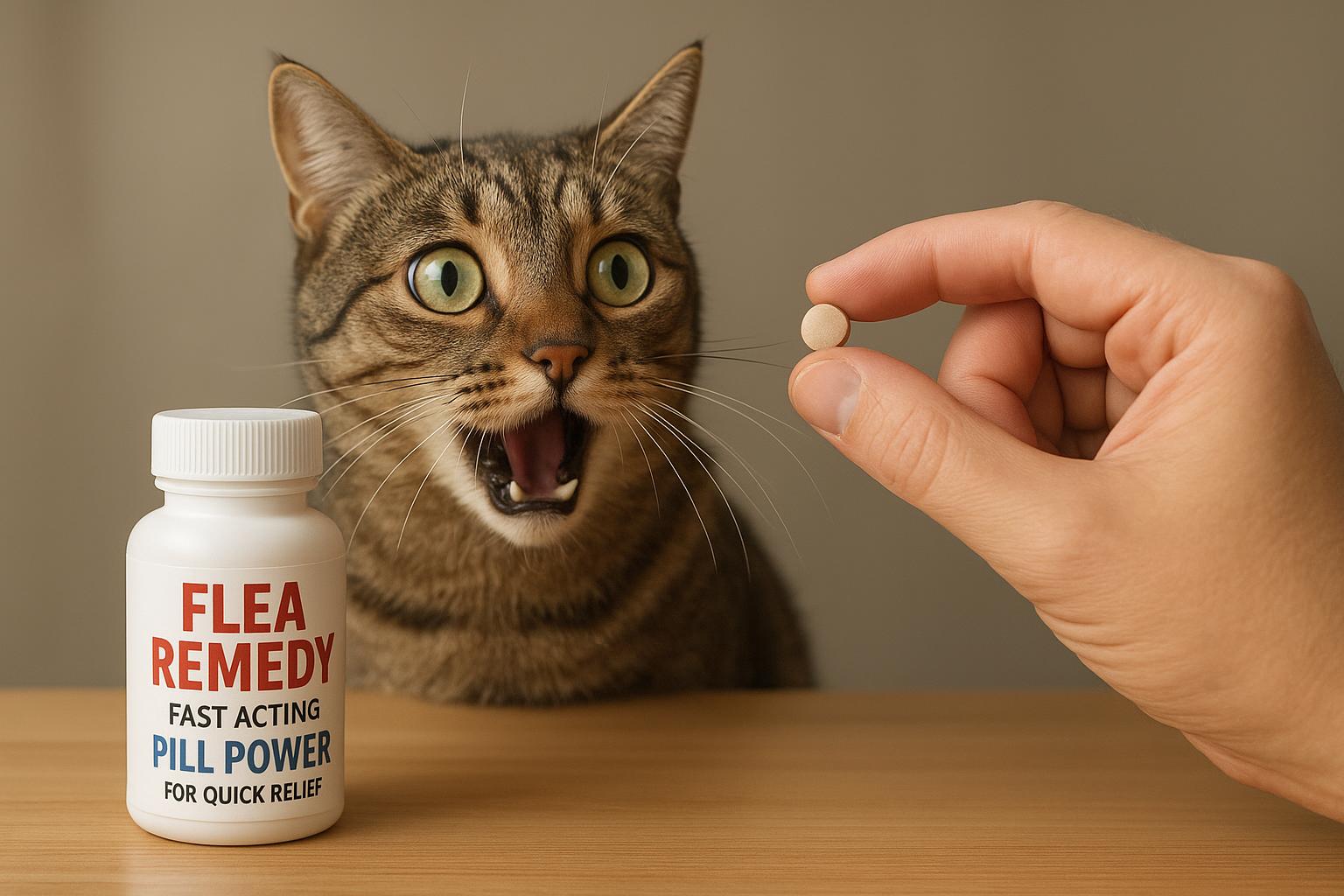
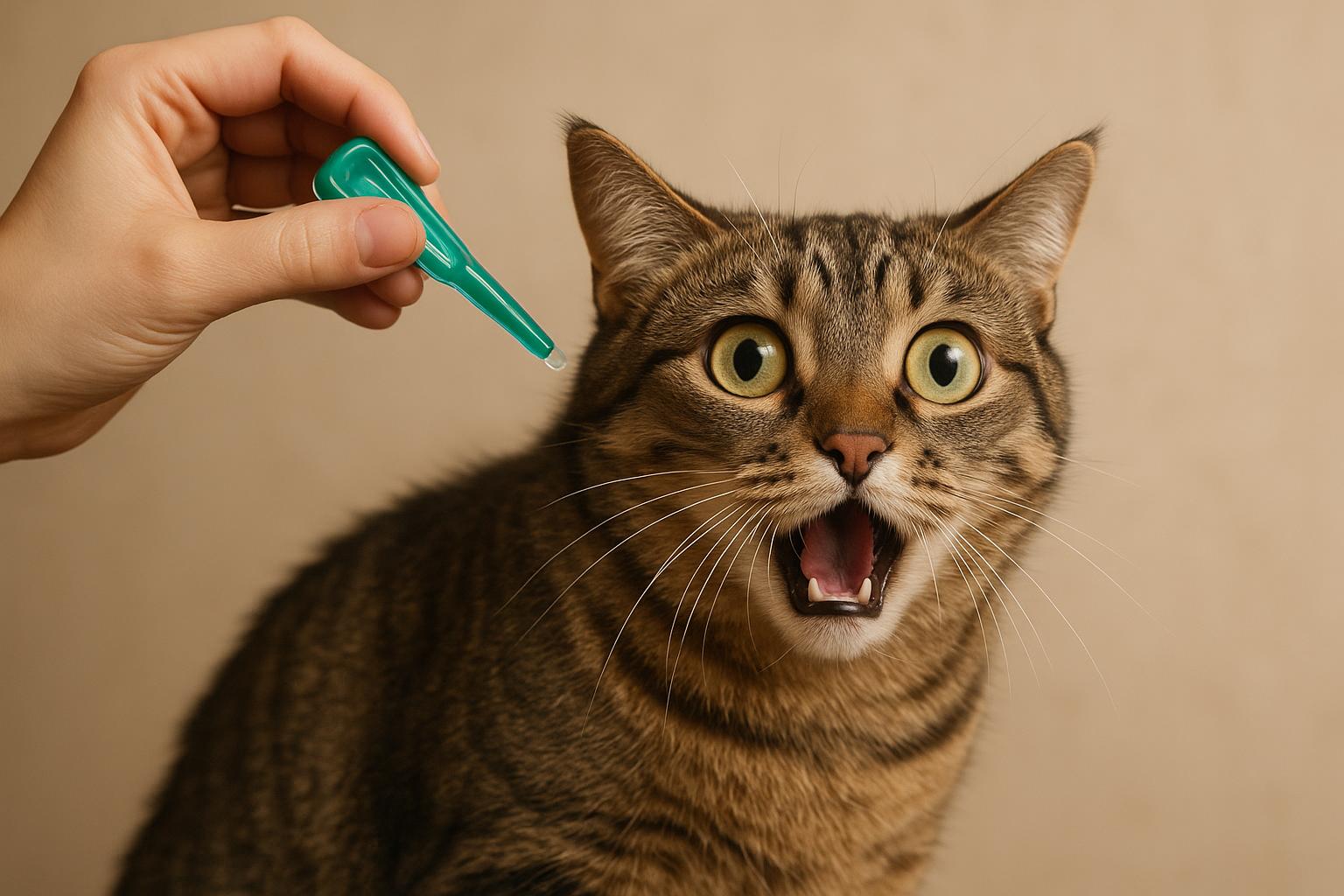
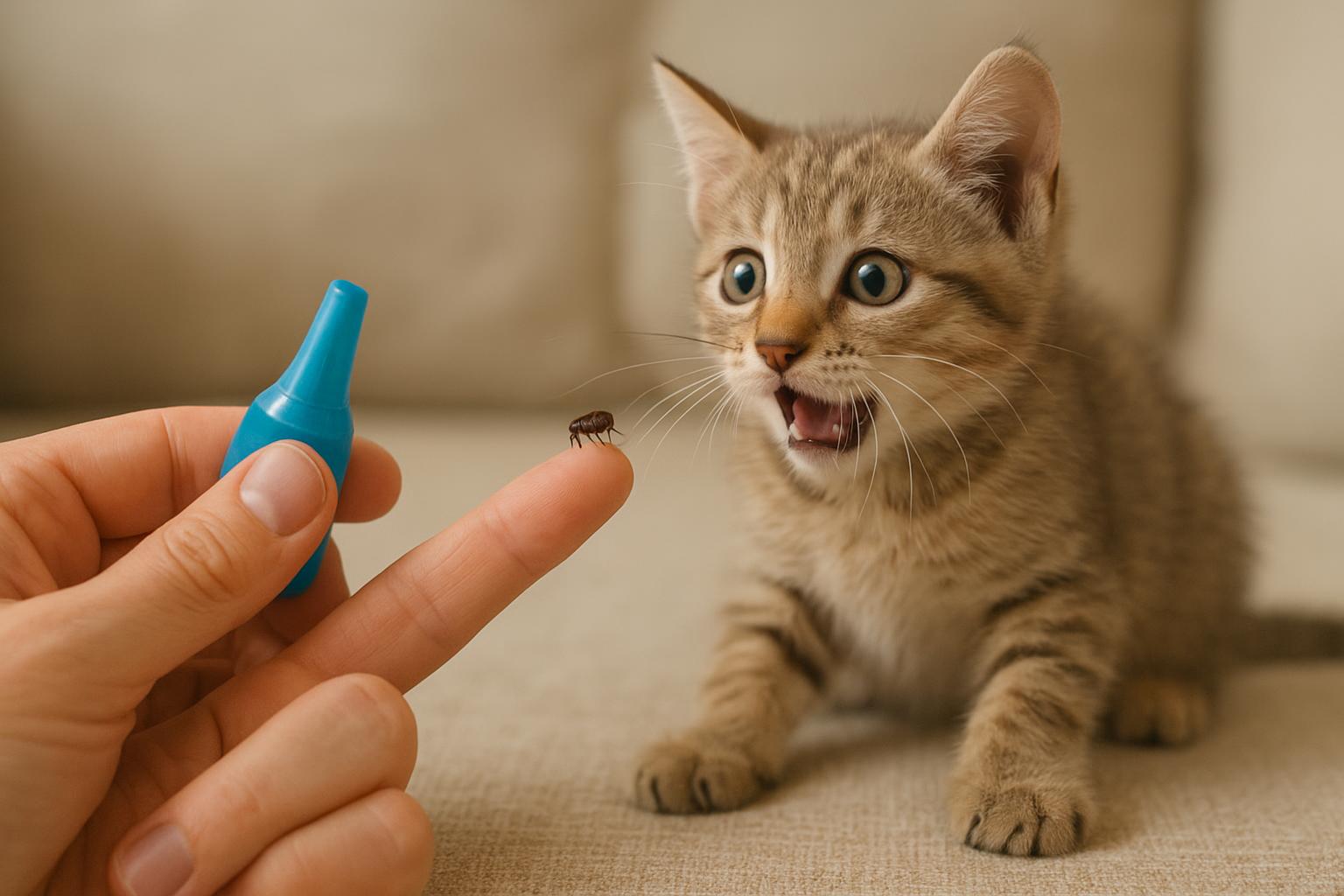
When speed and efficacy matter, a properly applied vet-recommended topical cat treatment remains the gold standard. These spot-on products contain insecticides designed to kill adult fleas, prevent larvae from developing, and sometimes even repel ticks. They’re formulated specifically for cats and applied to a small area on the skin to give whole-body protection.
### How Topical Cat Treatment Works
Spot-on products typically contain active ingredients that spread through the natural oils of the cat’s skin and fur. After application, the active compound begins killing fleas within hours, and many products continue to protect for a month or longer. Choosing a product labeled for cats is crucial—some dog formulations contain chemicals toxic to cats.
#### Materials You’ll Need
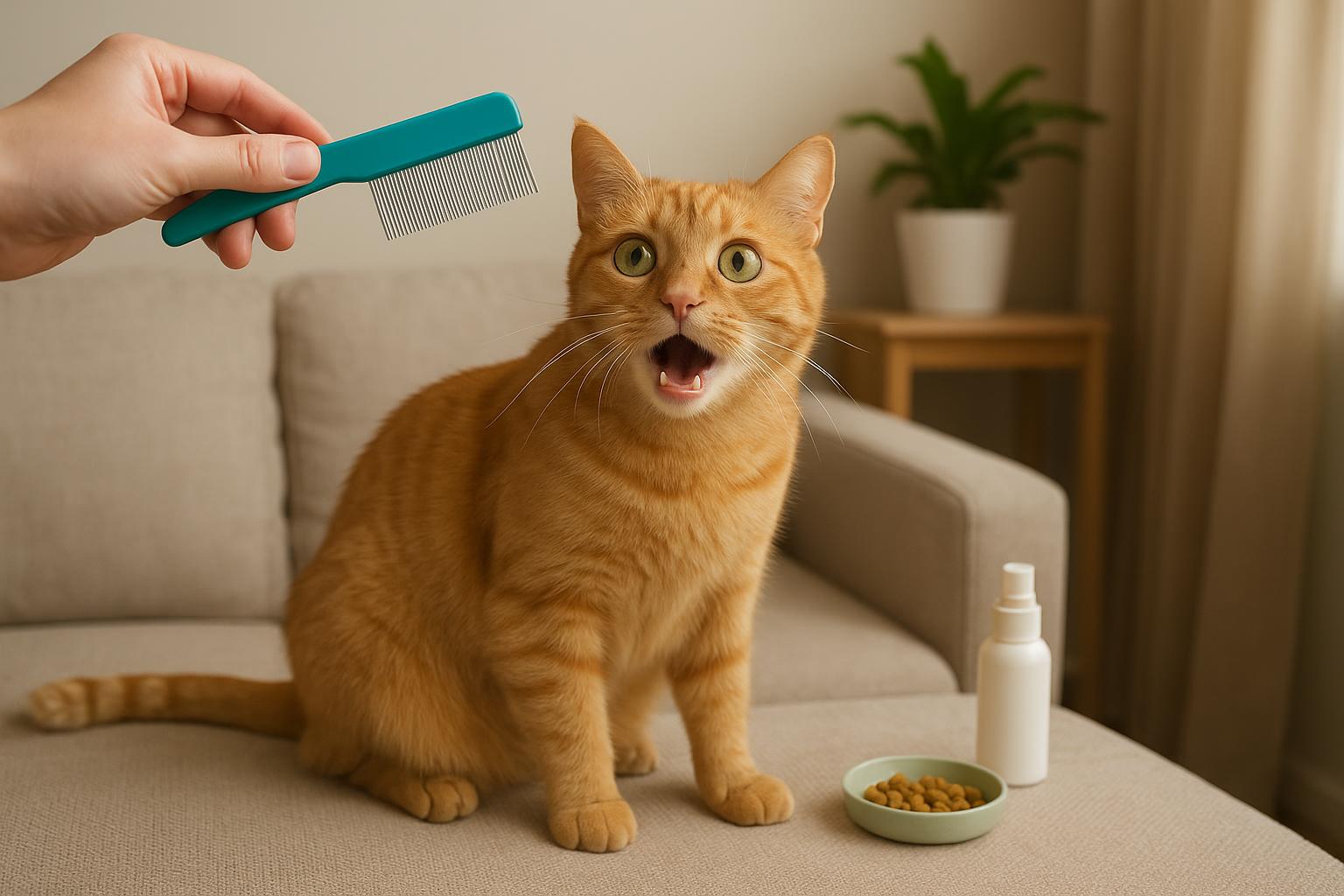
1. Vet-recommended spot-on topical product labeled for cats (dose matched to your cat’s weight)
2. Disposable gloves
3. Clean towel
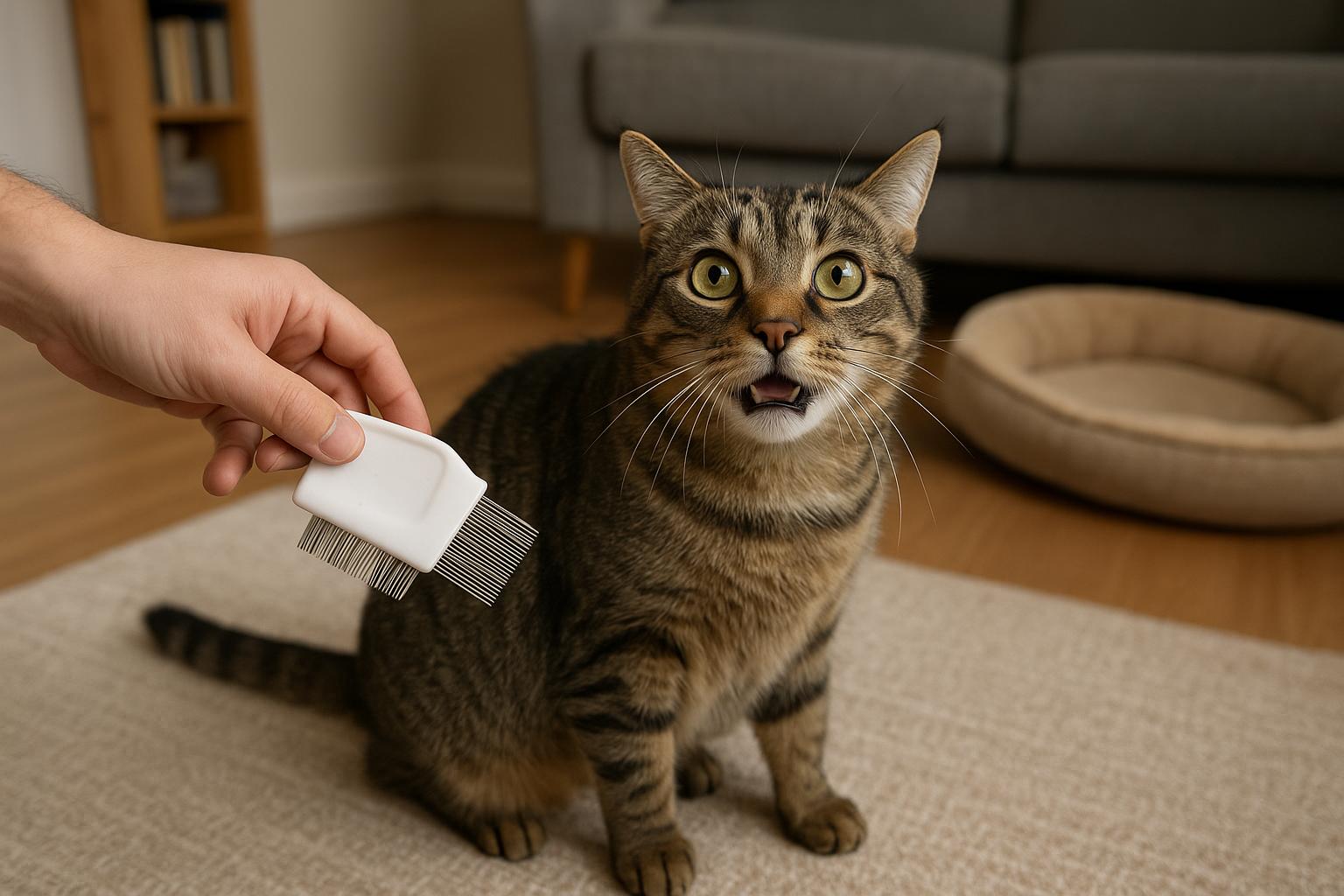
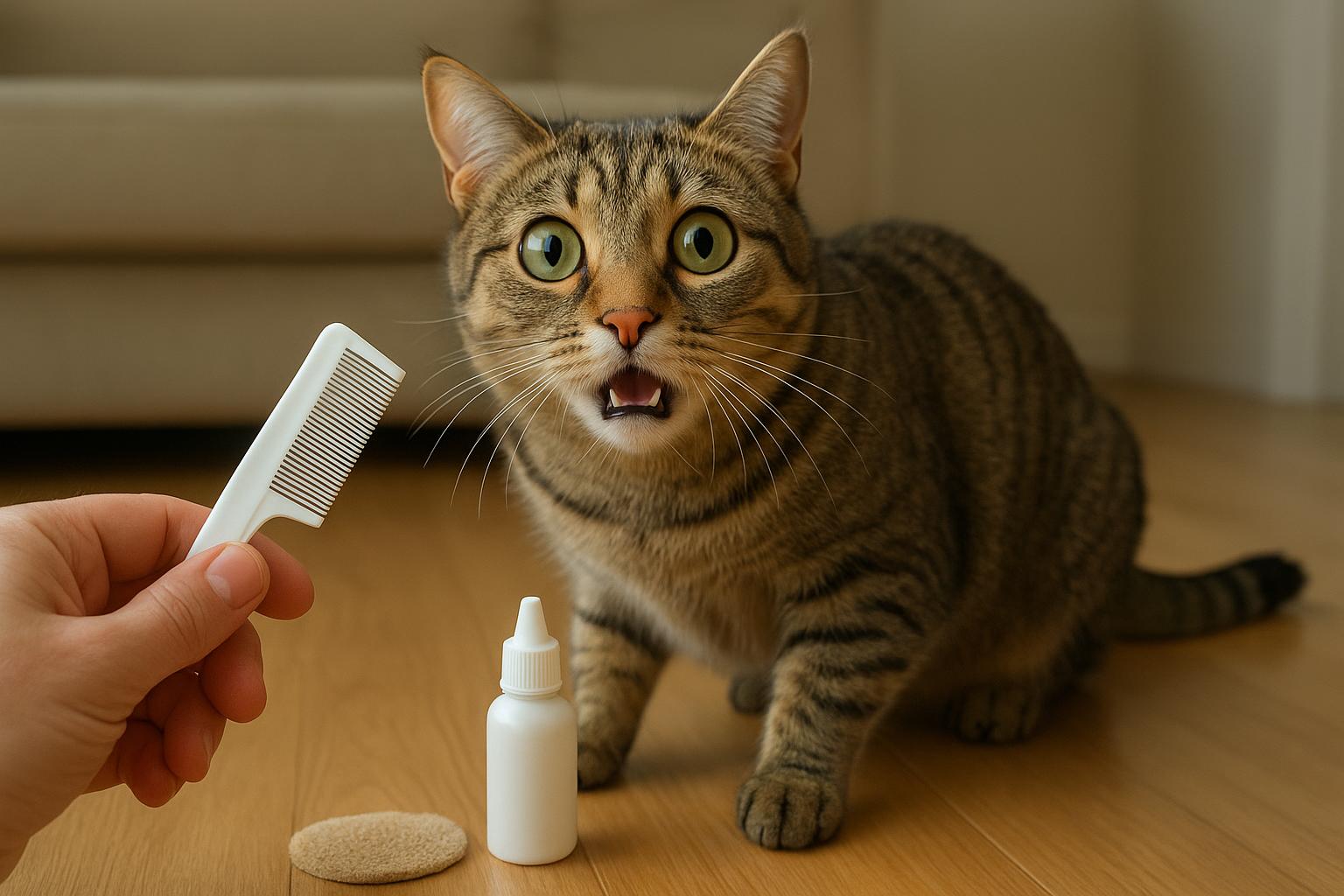
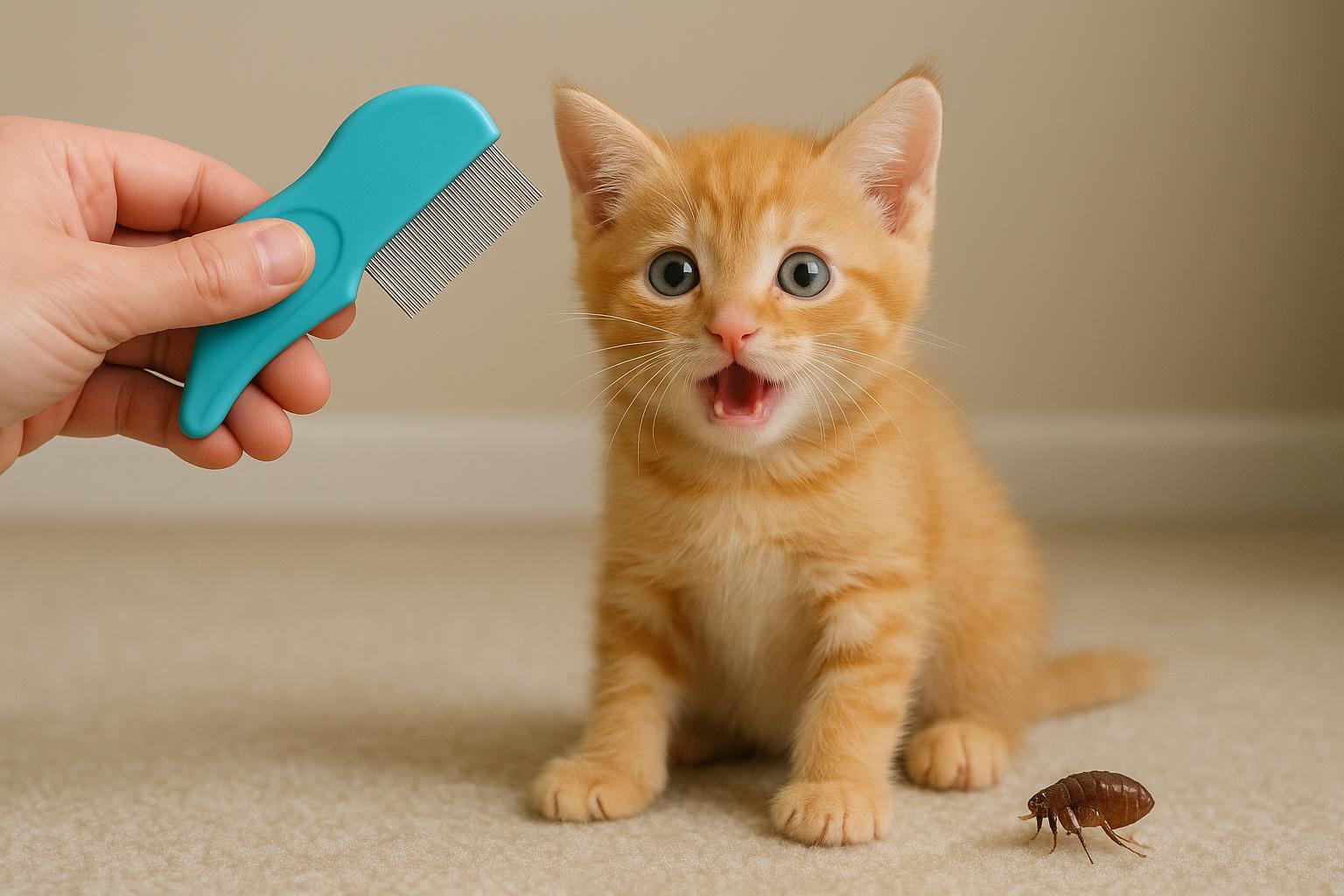
4. Fine-toothed flea comb
5. Treats for positive reinforcement
6. Garbage bag for packaging used applicators
#### Step-By-Step Application (Formal Instructions)
1. Read the label carefully and confirm the product is for cats and matches your cat’s weight. If your cat is under veterinary care, pregnant, nursing, or under 8 weeks old, consult your vet first.
2. Prepare the area: choose a calm, well-lit spot and lay down a towel. Have treats ready to reward calm behavior.
3. Put on disposable gloves. Break open the applicator as instructed on the package.
4. Restrain your cat gently but securely. A helper can be useful for nervous kittens. Position your cat so you can part the fur between the shoulder blades.
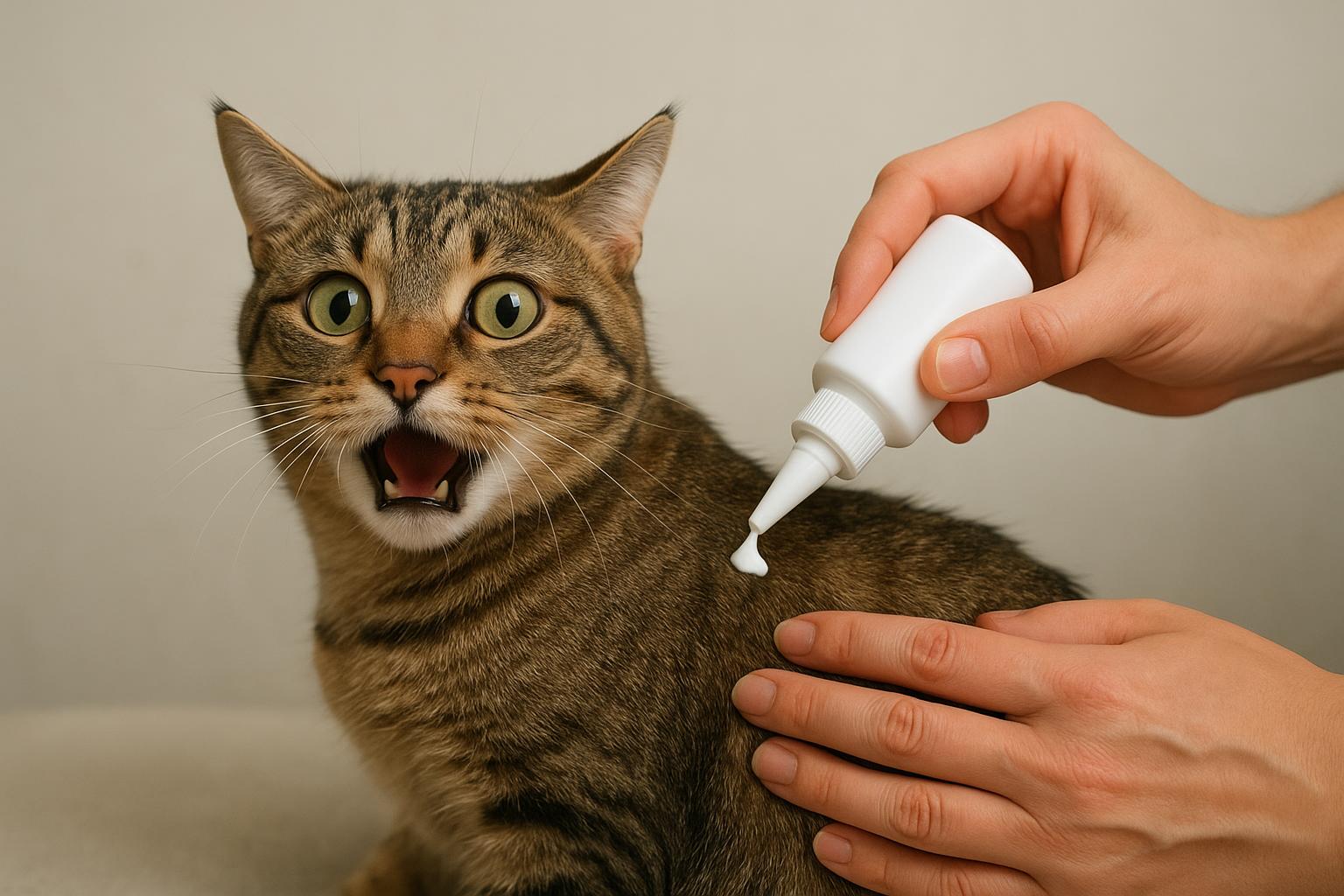
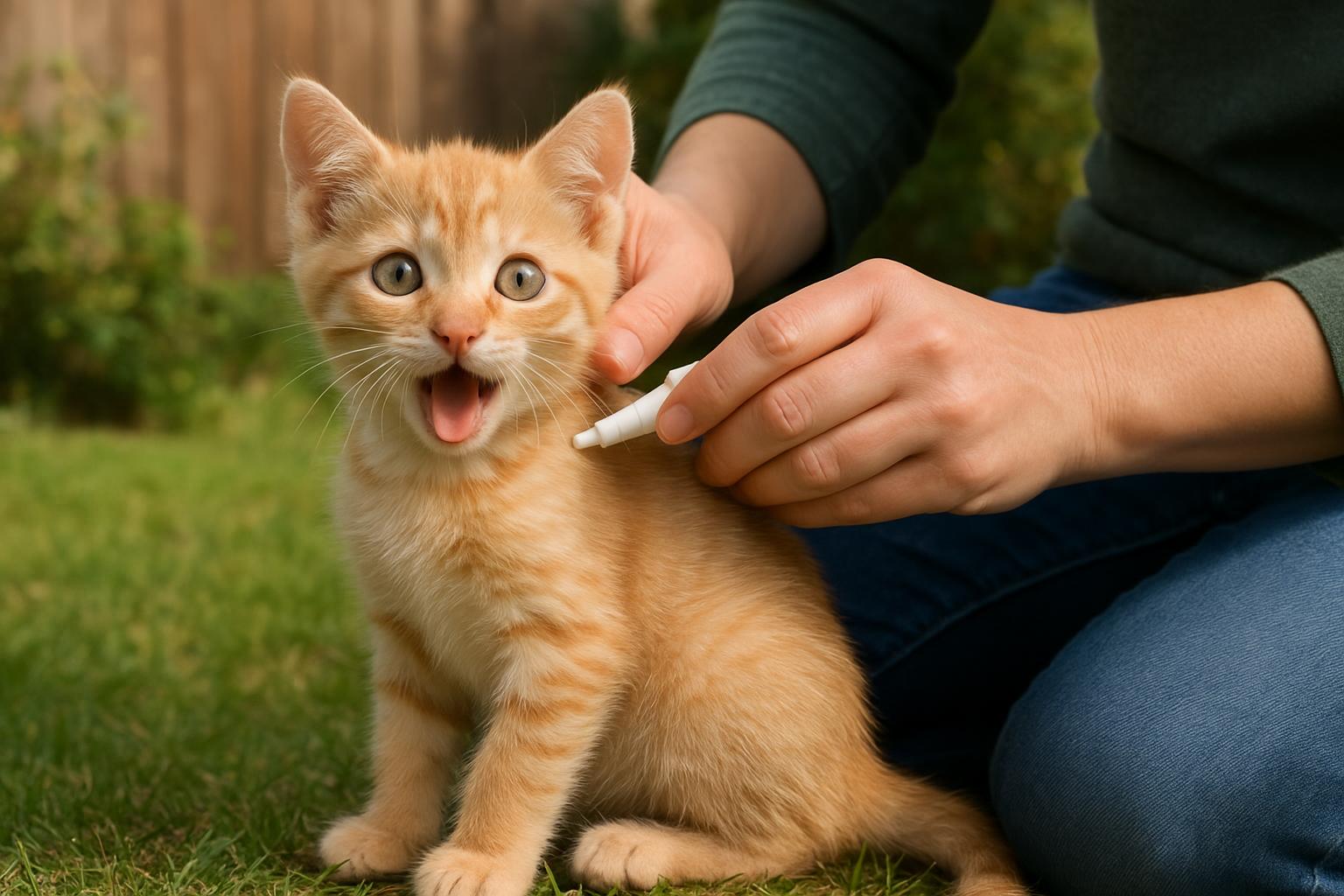
5. Part the fur until you see skin. Apply the entire contents of the applicator directly to the skin at the base of the neck. Do not apply to hair—direct skin contact is required for proper absorption.
6. Allow the area to dry and prevent the cat from grooming the application site for at least 24 hours if the product specifies. Monitor your dog or other pets to avoid transfer if they groom each other.
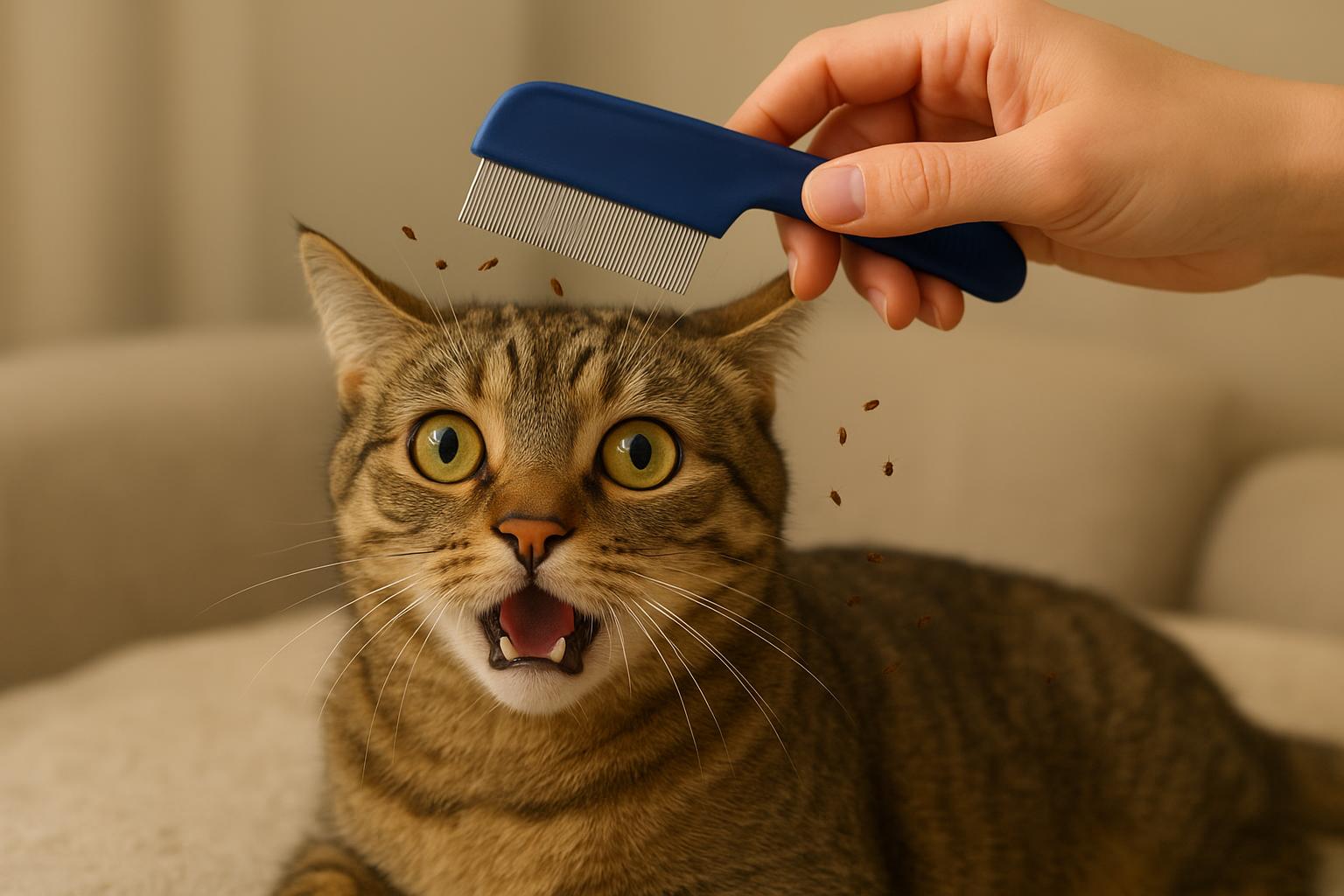
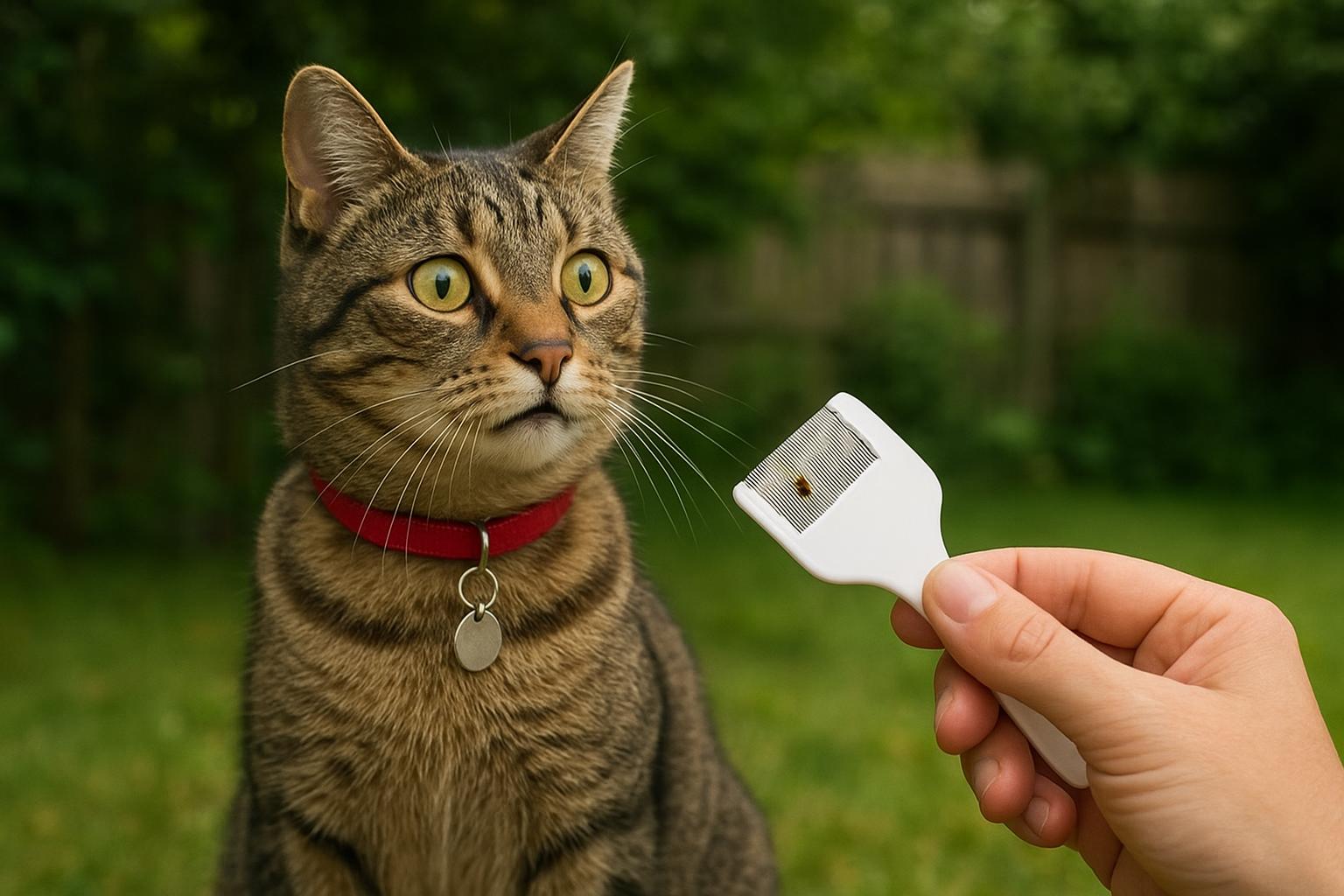
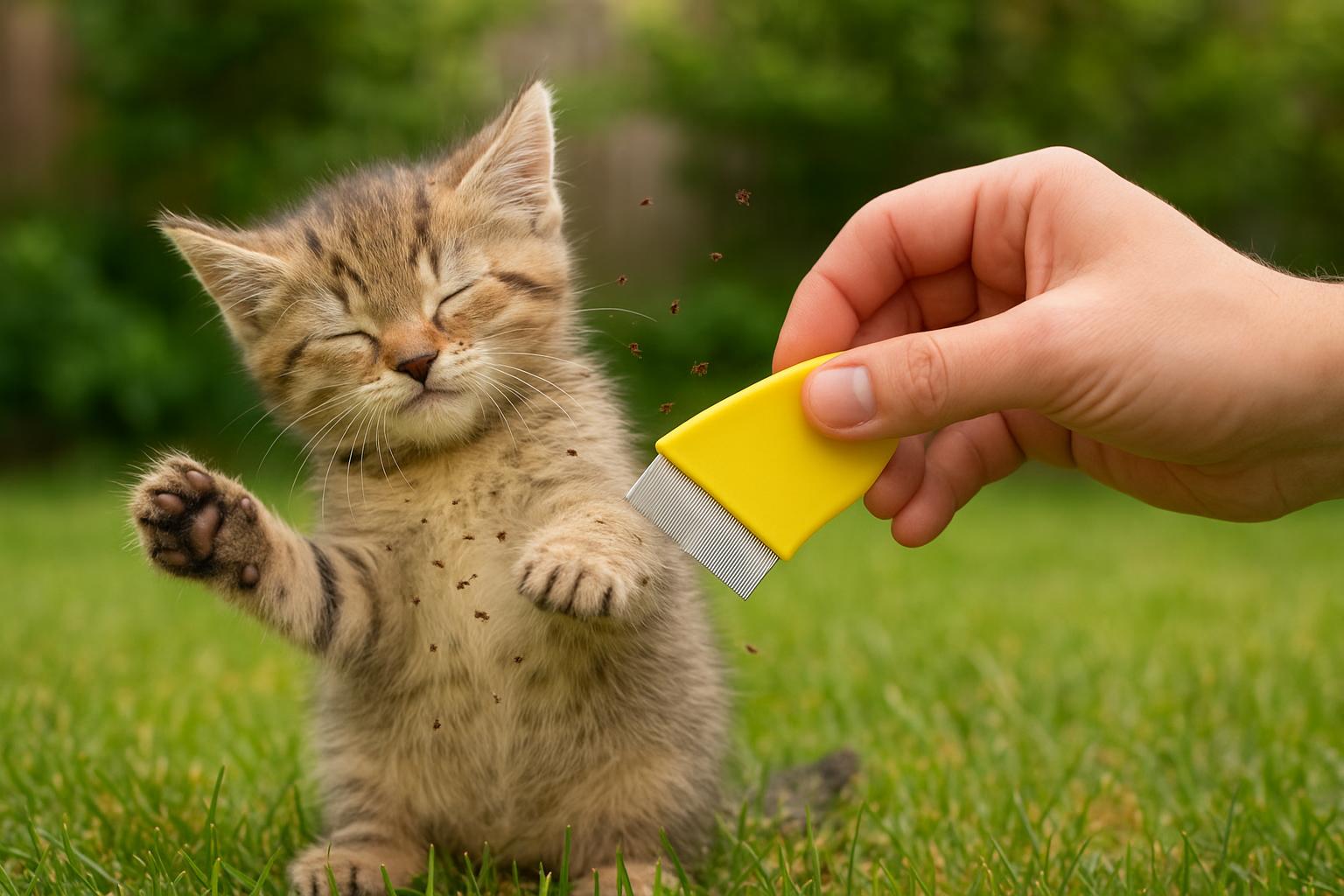
7. Use a flea comb after 24–48 hours to remove dead fleas and flea debris. Dispose of used applicators in a sealed bag and wash your hands thoroughly.
8. Note the application date and follow the manufacturer’s recommended reapplication schedule—typically every 4 weeks for most products.
### Safety Tips And Common Mistakes
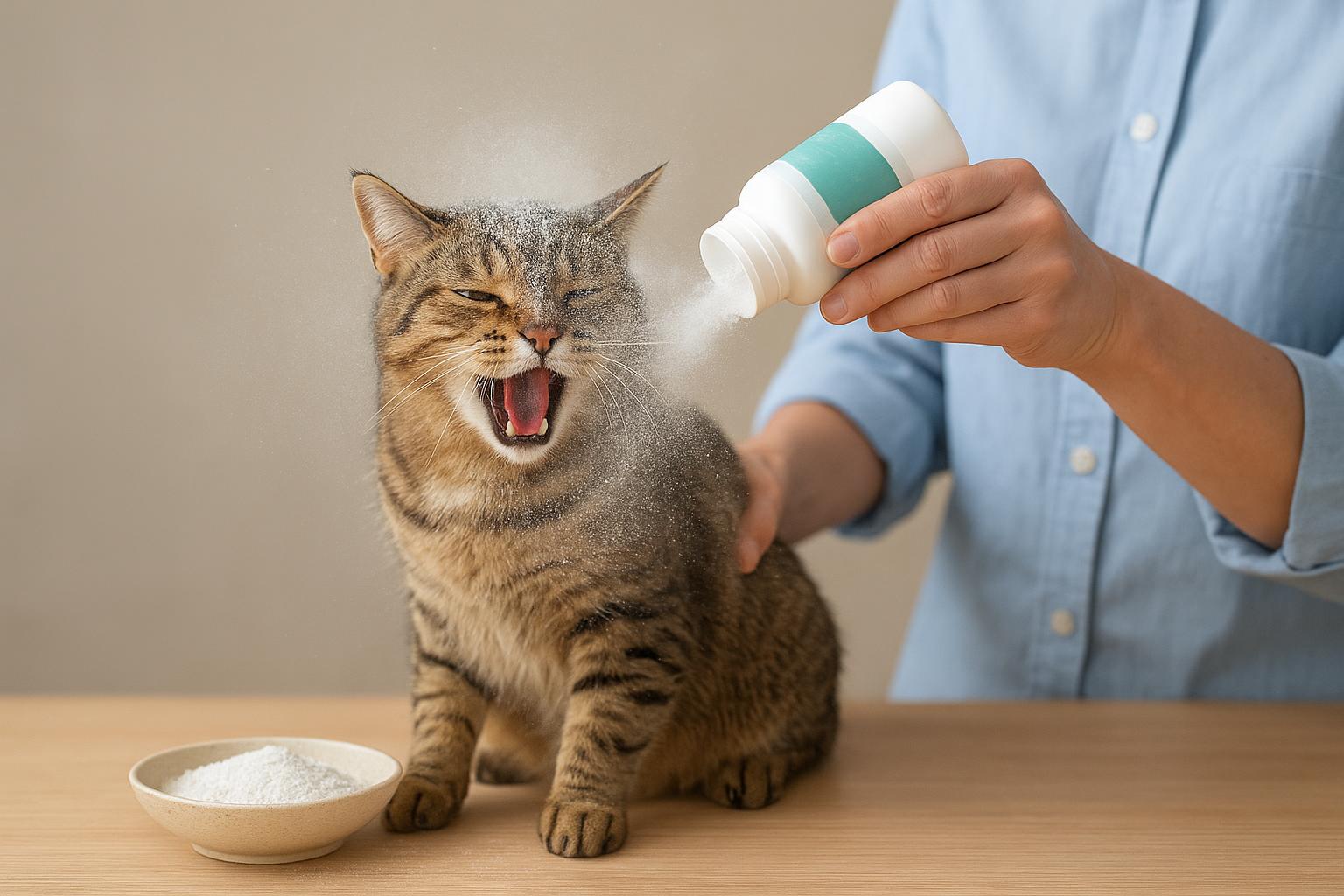
Applying too many spot-on treatments, using dog products on cats, or splitting applicators between animals can be dangerous. If you notice any signs of adverse reaction—excessive drooling, tremors, lethargy, vomiting, or skin irritation—contact your veterinarian immediately. Never bathe your cat with medicated shampoos or give other flea medications unless advised by a vet; combining treatments can lead to toxicity.
## 2 Safe Soothing Topical Cat Treatment (DIY)
Sometimes you need immediate relief for itchy, irritated skin while waiting for a vet appointment or between monthly flea treatments. This mild, non-pesticide topical rinse can soothe inflammation and help clean the coat. It is not a replacement for insecticidal flea control but can be a safe complementary approach.
### What This DIY Topical Cat Treatment Does
The DIY topical is formulated to calm irritated skin, remove debris and flea dirt, and provide a moisturizing barrier. It contains no essential oils, pyrethrins, or other substances harmful to cats. Use it as a short-term adjunct—not as the primary flea-killing strategy.
#### Ingredients And Materials
– 1 cup distilled water (sterile base to prevent contamination)
– 2 tablespoons colloidal oatmeal (finely ground, soothing)
– 1 tablespoon pure aloe vera gel (no additives, no alcohol)
– 1 teaspoon glycerin (pharmaceutical grade; optional for moisture)
– Clean spray bottle (100–200 ml)
– Microfiber towel and a soft brush
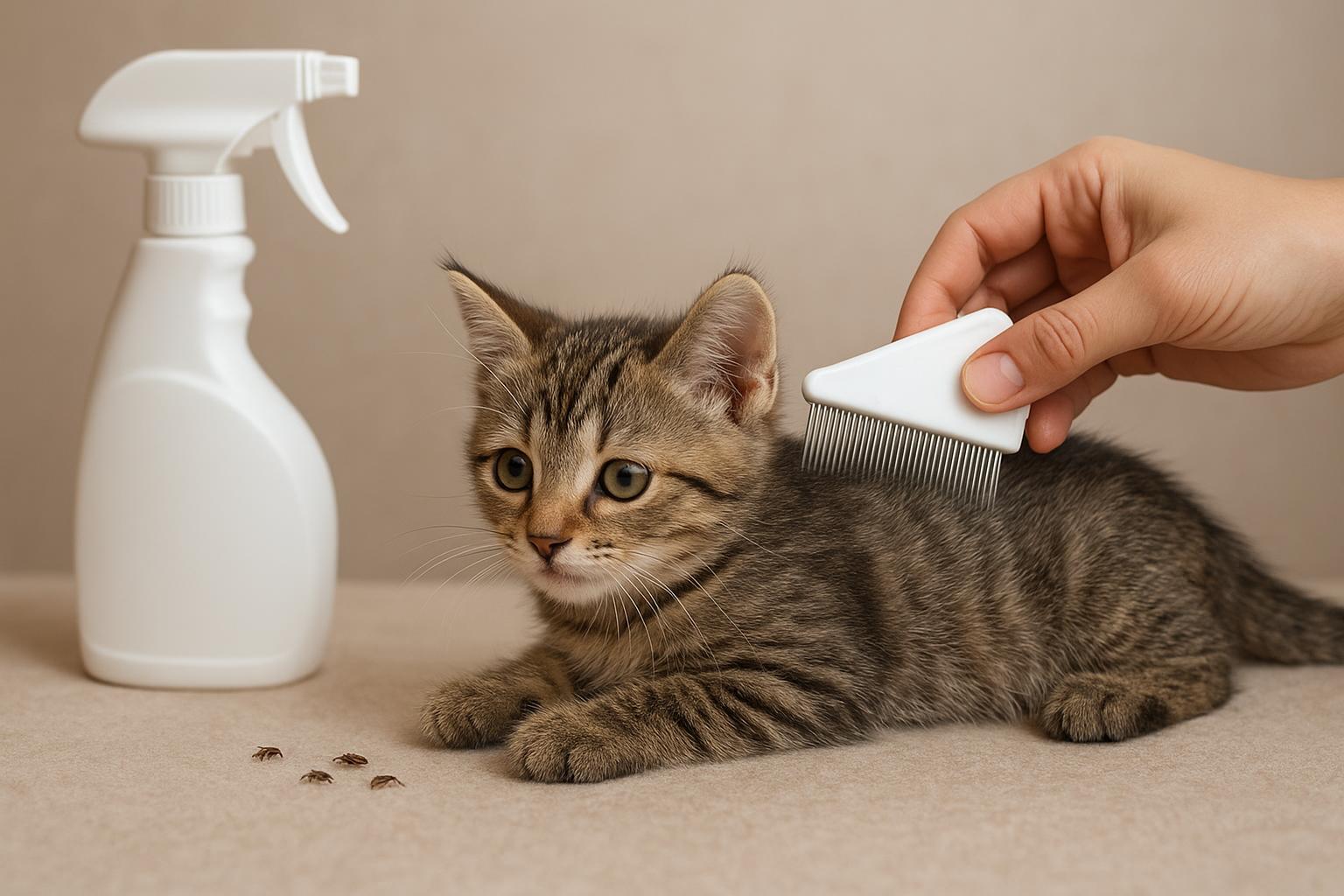
– Fine-toothed flea comb
– Gloves
#### Preparation Steps (Creation)
1. Heat the distilled water to warm (not hot). Pour into a clean bowl.
2. Whisk in the colloidal oatmeal until dissolved and the mixture becomes milky.
3. Allow the mixture to cool to lukewarm. Stir in the aloe vera gel and glycerin until homogeneous.
4. Strain through a clean coffee filter if you see any particulate matter. Funnel into the spray bottle.
5. Label the bottle with the date and store in the refrigerator for up to 7 days—discard if it develops an off smell or cloudiness.
#### Application Steps (Formal Guidance)
1. Test a small area: Spray a tiny amount onto a patch of your cat’s neck and wait 24 hours to check for sensitivity.
2. Preparation: In a calm room, place a towel on your lap and gently restrain the cat. Offer treats to keep them relaxed.
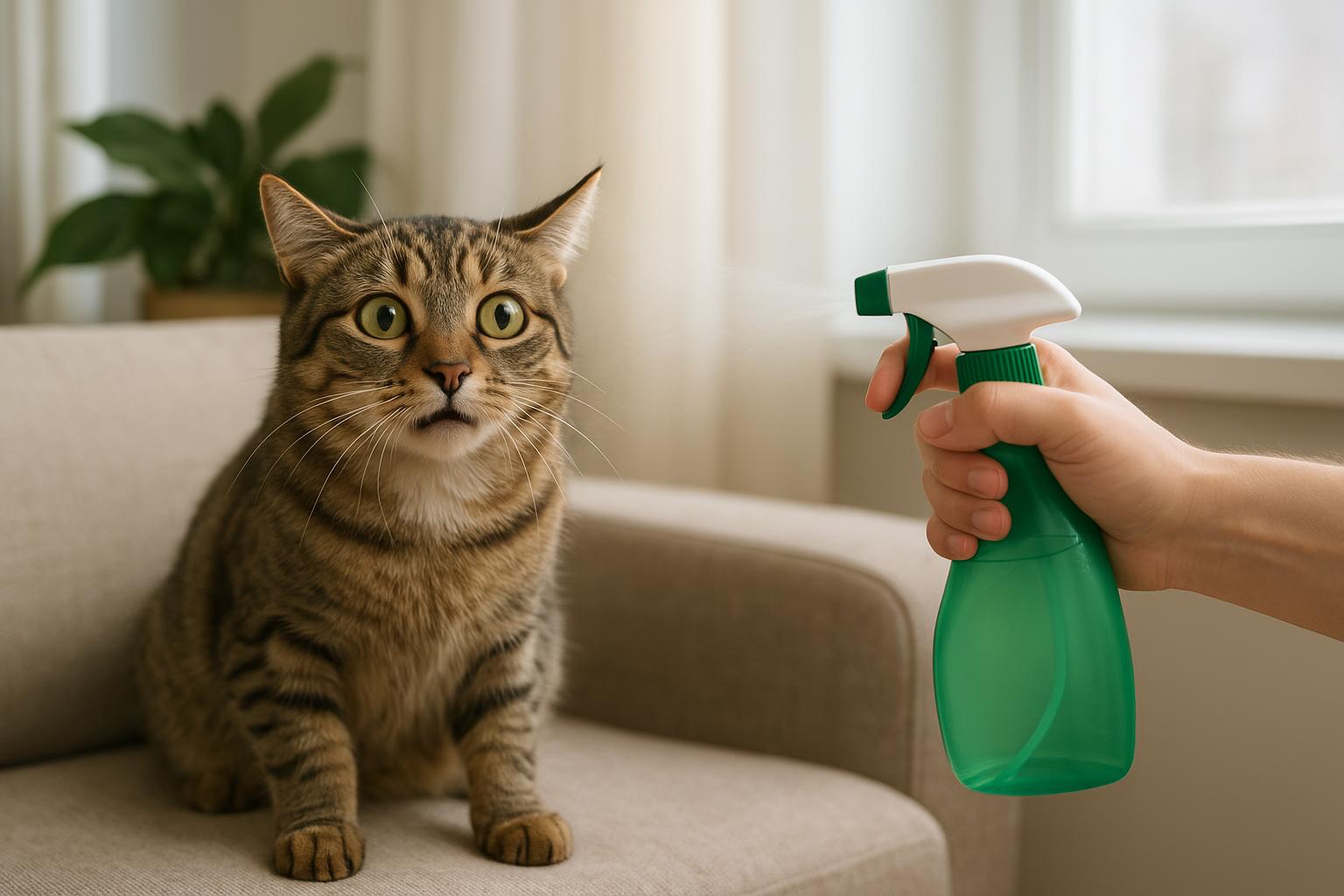
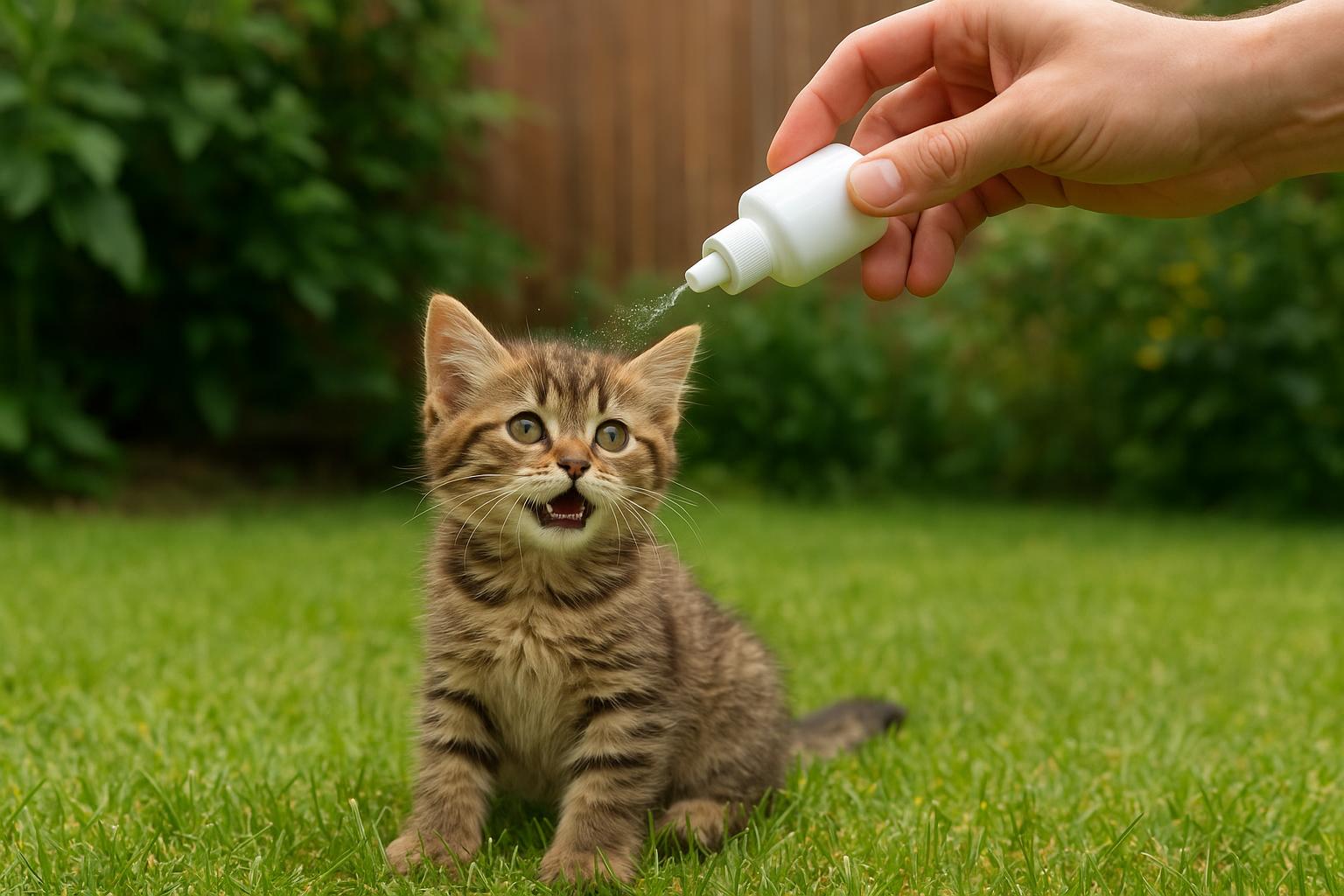
3. Application: Lightly mist the coat, avoiding the face, eyes, and inner ears. Focus on areas of irritation and where fleas congregate (base of tail, belly, neck).
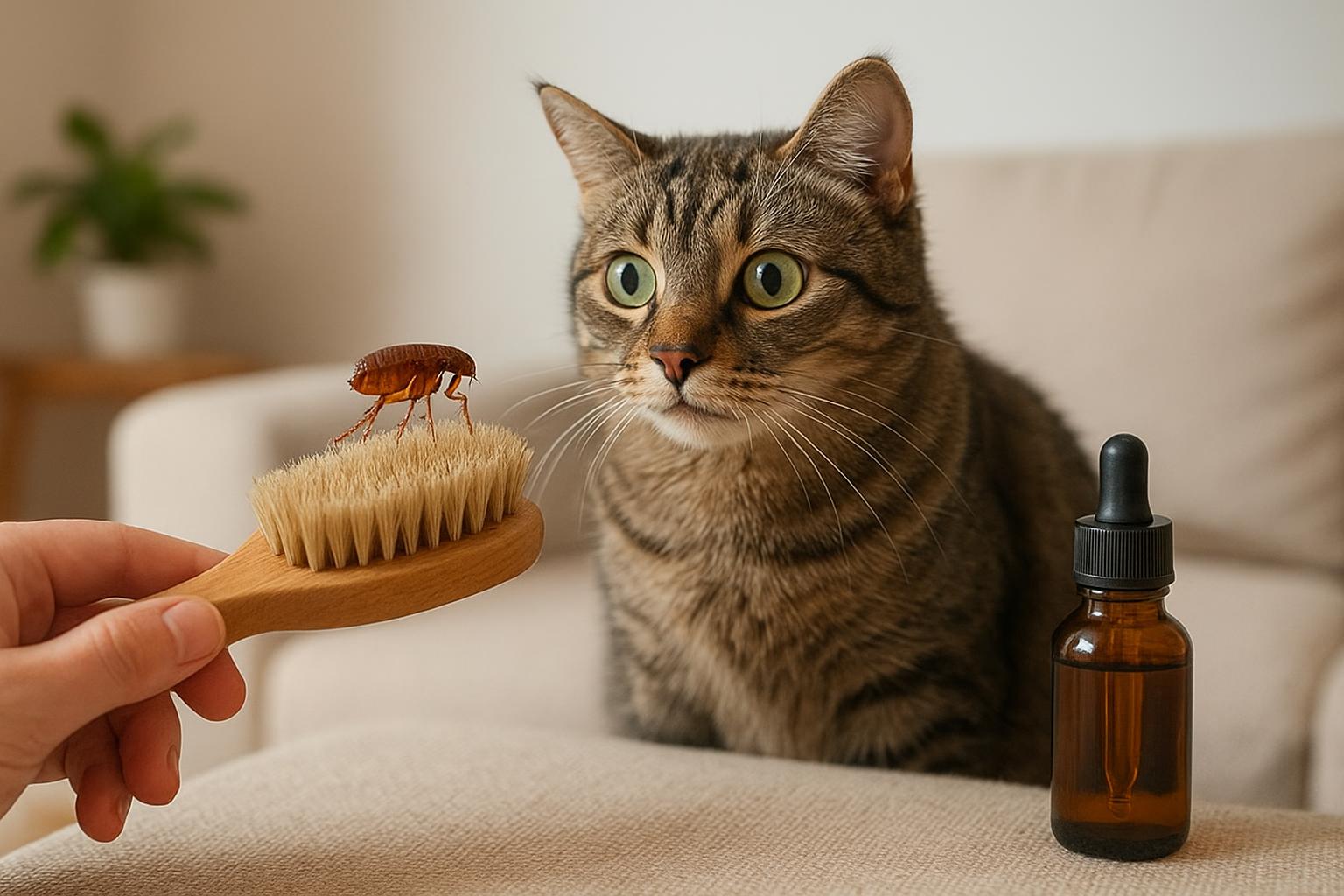
4. Massage gently with a soft brush to work the soothing mixture toward the skin. Use the flea comb to remove dead fleas and flea debris.
5. Allow the coat to air dry or pat dry with a towel. Do not rinse—this topical is meant to remain on the skin briefly to hydrate and soothe.
6. Apply up to twice a week as needed, but stop use if irritation occurs and consult your veterinarian.
### When To Use DIY And When To Call The Vet
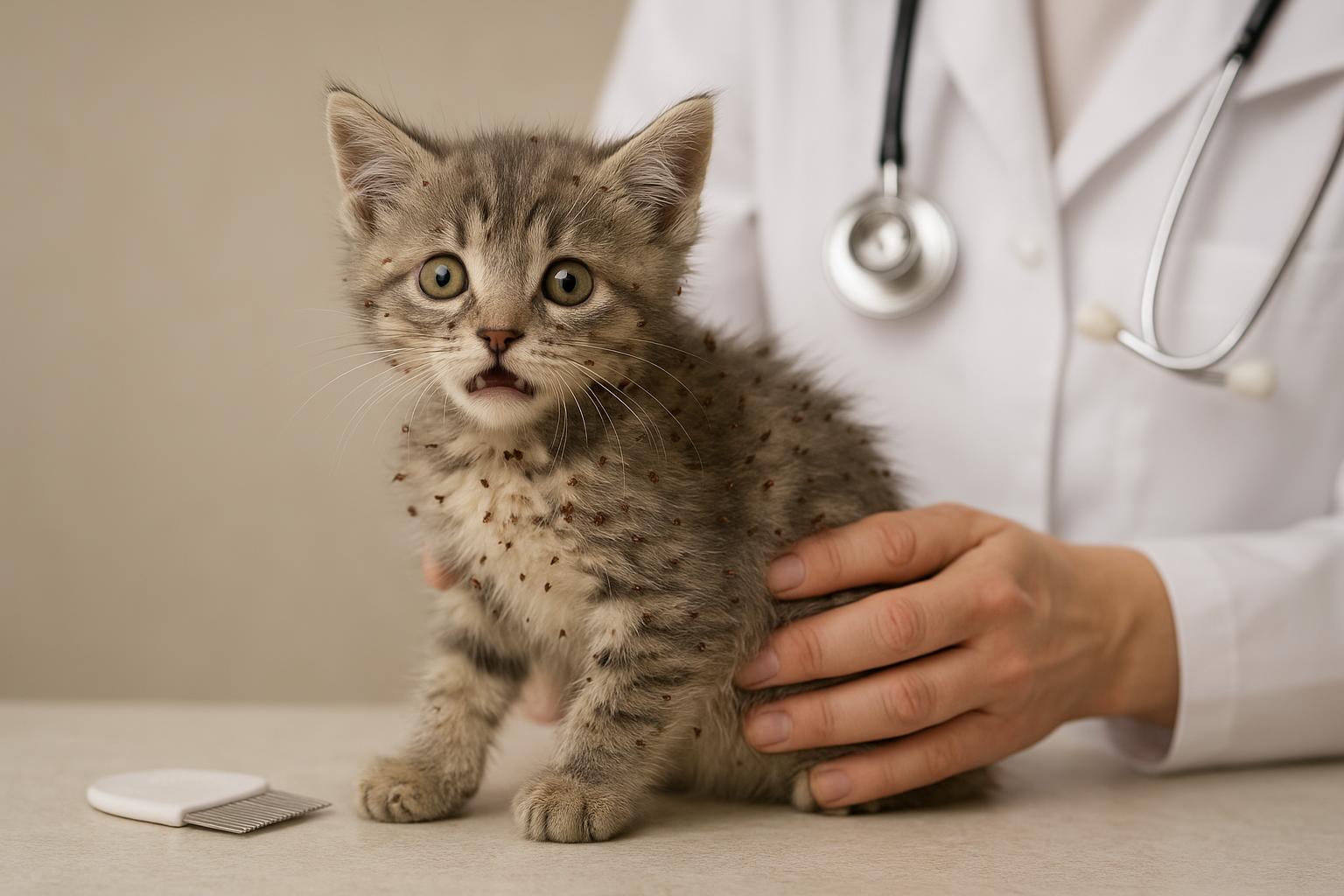
The DIY topical cat treatment is intended for symptomatic relief—redness, dry patches, and mild irritation. If you see extensive hair loss, open sores, signs of systemic illness, or a heavy flea infestation, seek veterinary care. Professional treatment is often necessary to address the life cycle of fleas and prevent secondary infections.
### Choosing The Right Commercial Topical Cat Treatment
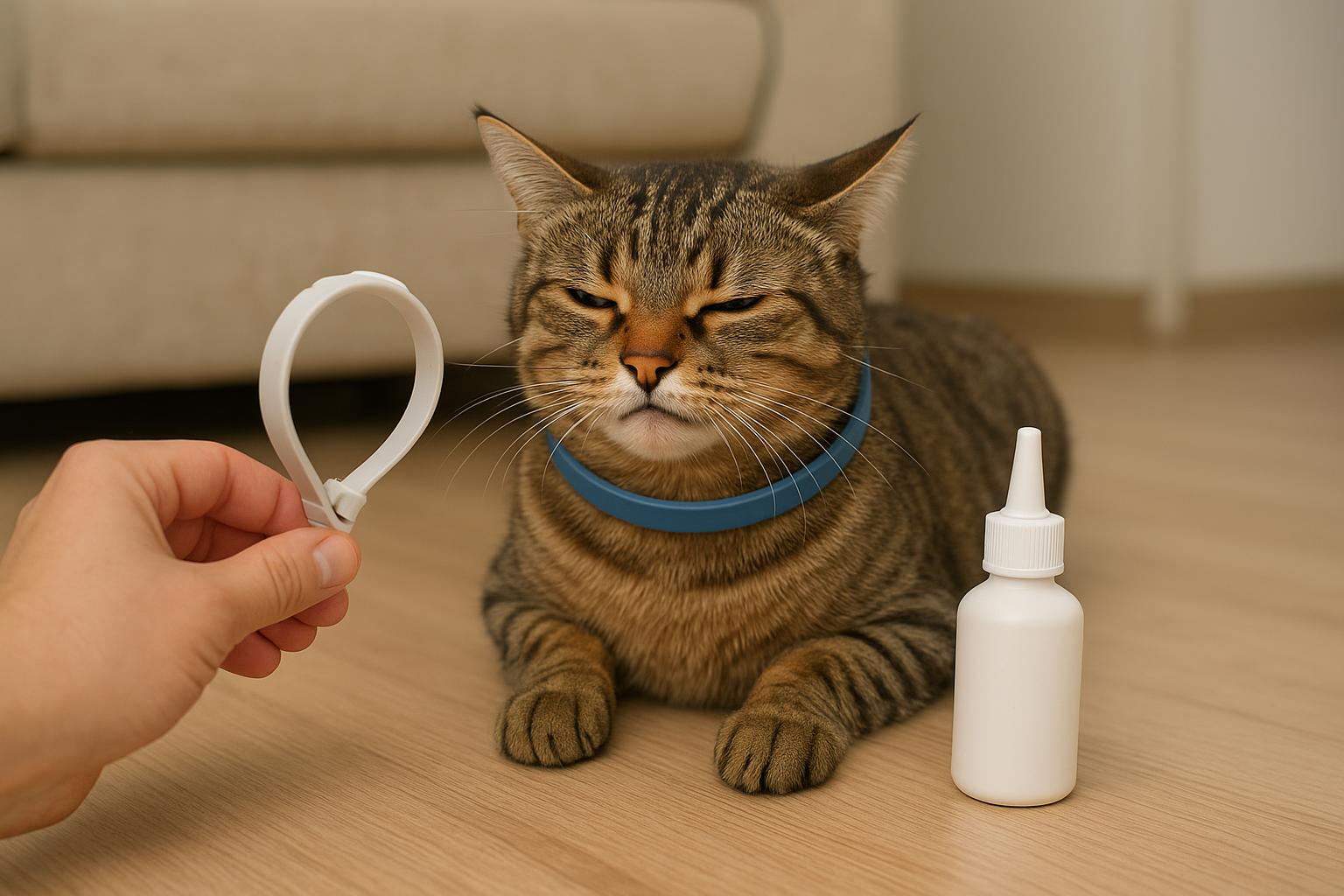
There are several classes of active ingredients in spot-on products—selamectin, fipronil, imidacloprid, selamectin/sarolaner combinations, and others. Your veterinarian will help pick an agent safe for your cat’s age, health status, and lifestyle. Non-prescription products are available, but veterinary guidance ensures correct dosing and reduces the chance of adverse effects.
#### Hints For Success
– Always match product to species and weight.
– Apply to dry skin; bathing within 24–48 hours of application can reduce efficacy.
– Keep other pets from grooming the application site for several hours.
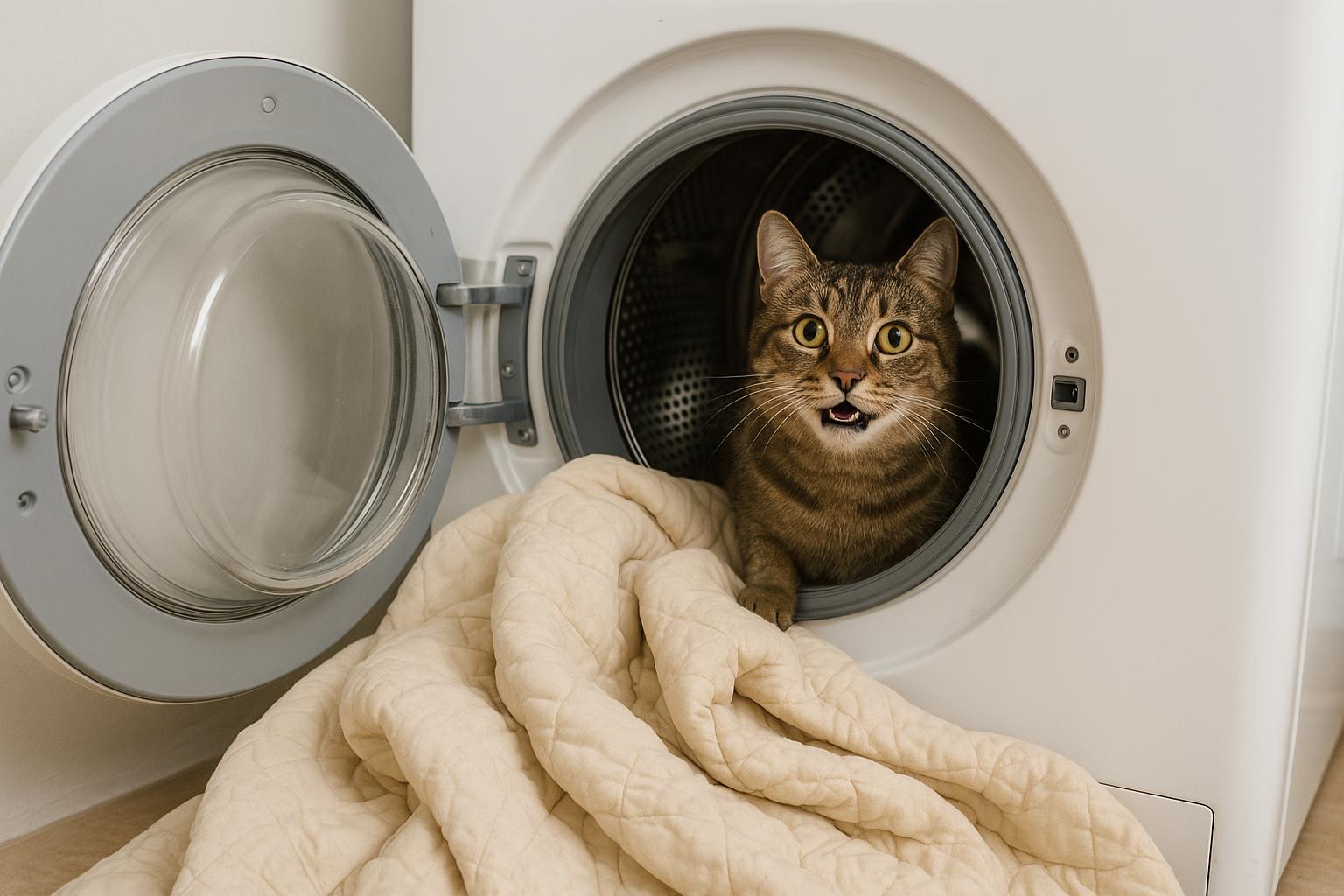
– Treat the environment: vacuum regularly and wash bedding in hot water to disrupt the flea life cycle.
### Troubleshooting Topical Cat Treatment
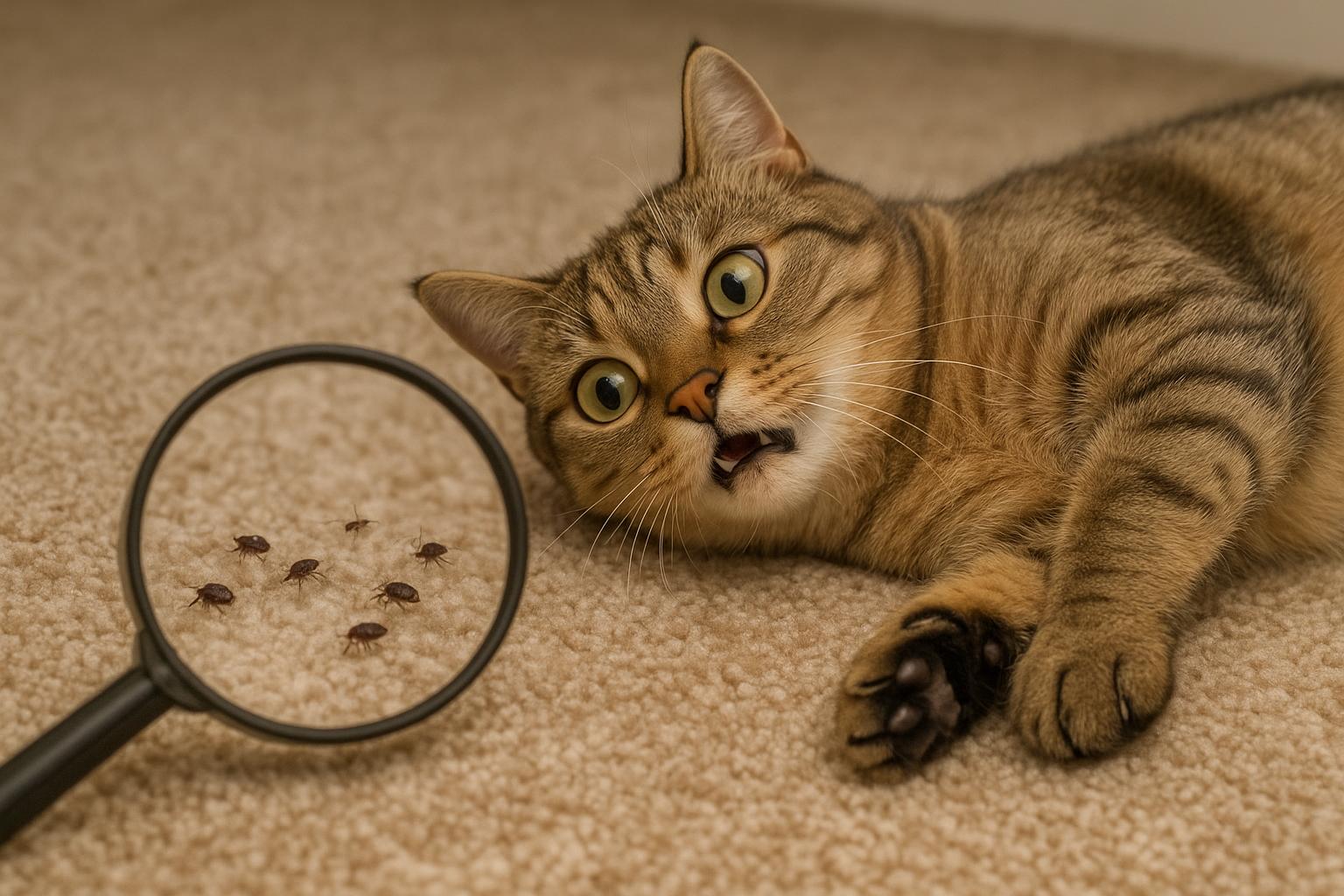
If fleas persist after two treatments spaced according to the product label, re-evaluate: Are you treating all pets, and is the environment being managed? Heavy indoor infestations may require a household treatment plan, including vacuuming, washing textiles, and sometimes professional pest control. Never increase dosage or frequency beyond label directions without veterinary approval.
### Final Practical Notes (A Little Light Relief)
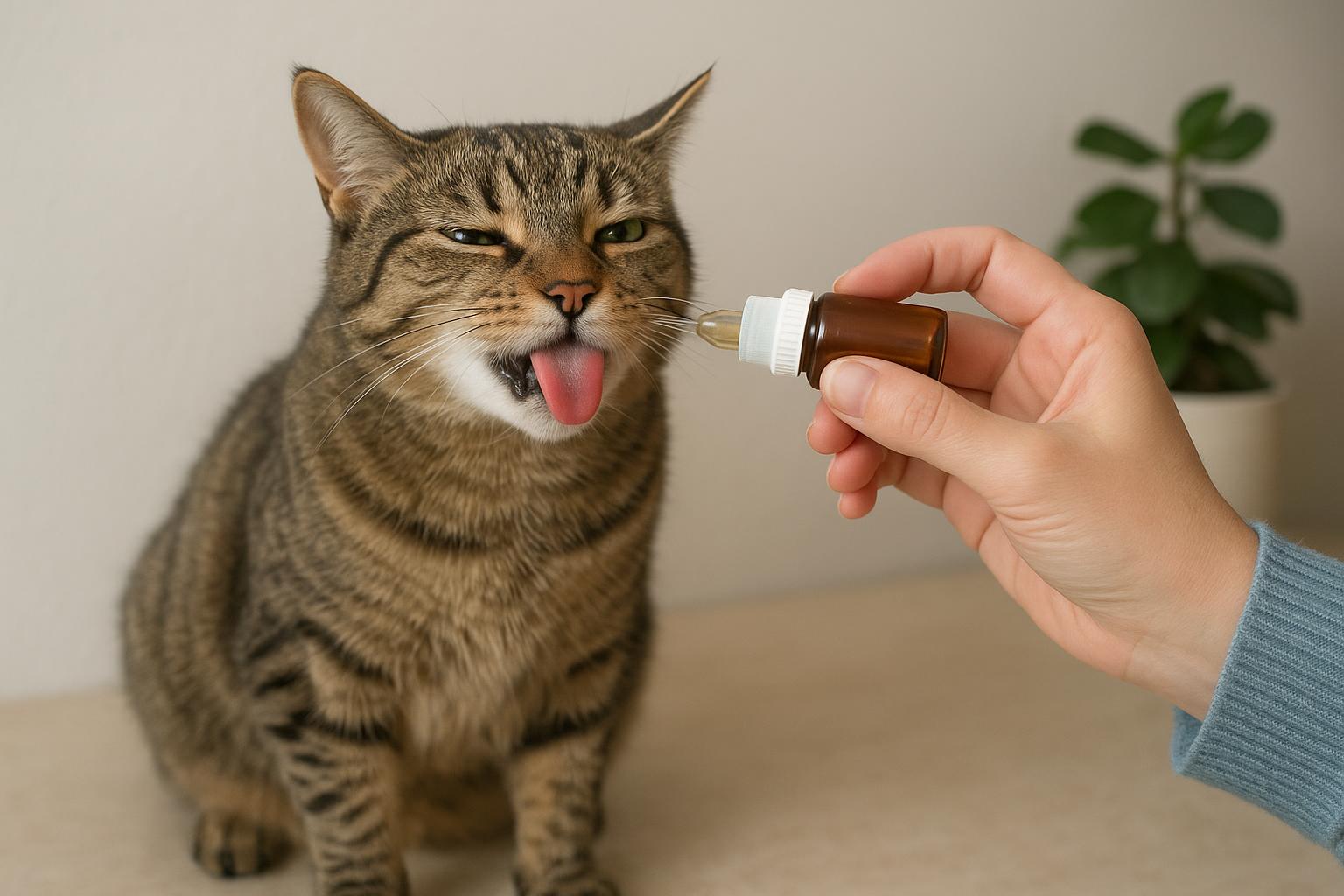
Cats can be picky about being handled, and applying treatments can be a team sport. Bribe them with their favorite snack, enlist a patient helper, and remember: the goal is to make the experience as low-stress as possible for both of you. A correctly applied topical cat treatment paired with environmental steps gets your feline back to elegant nonchalance quicker than you can say “scratch no more.”







Leave a Reply