
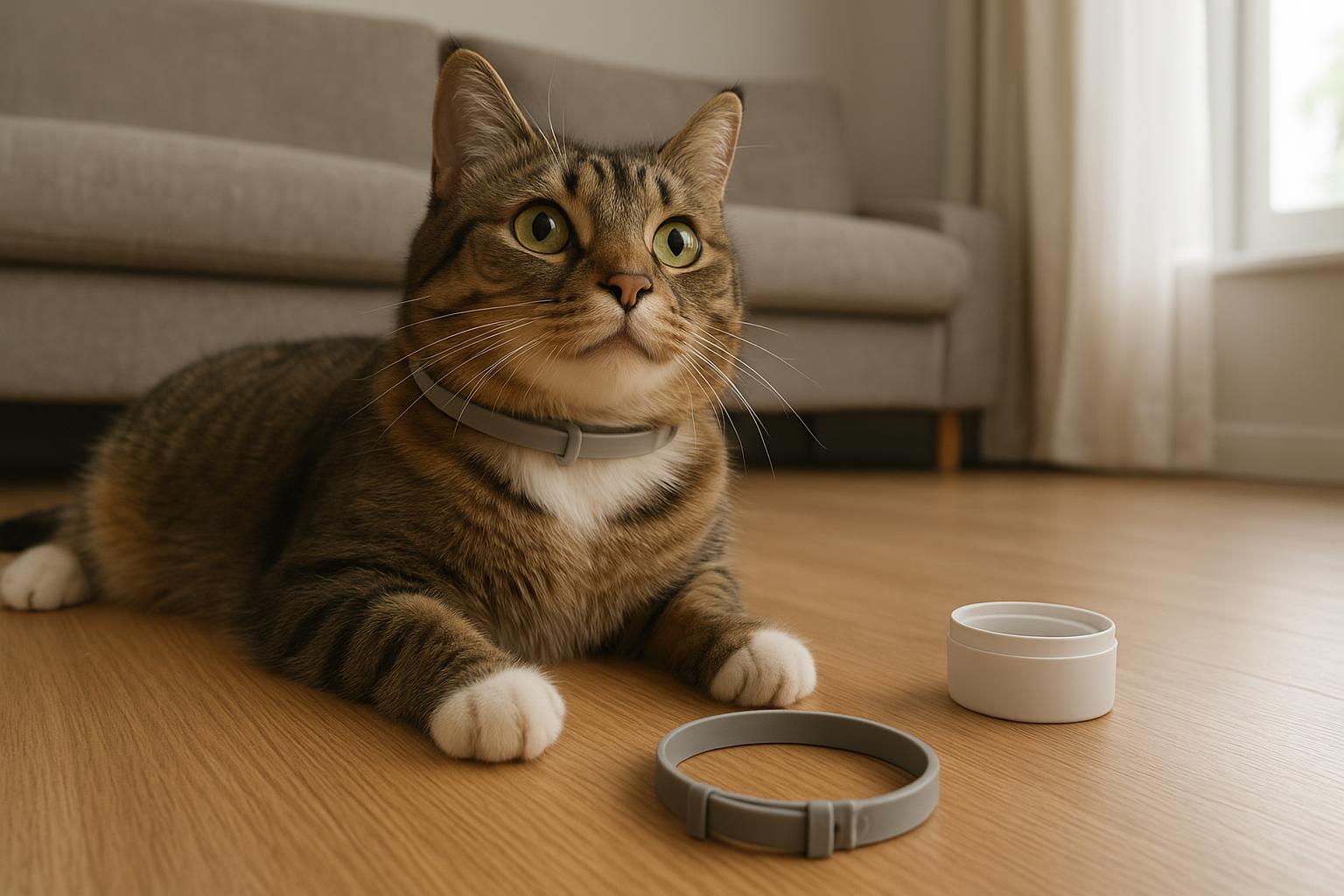
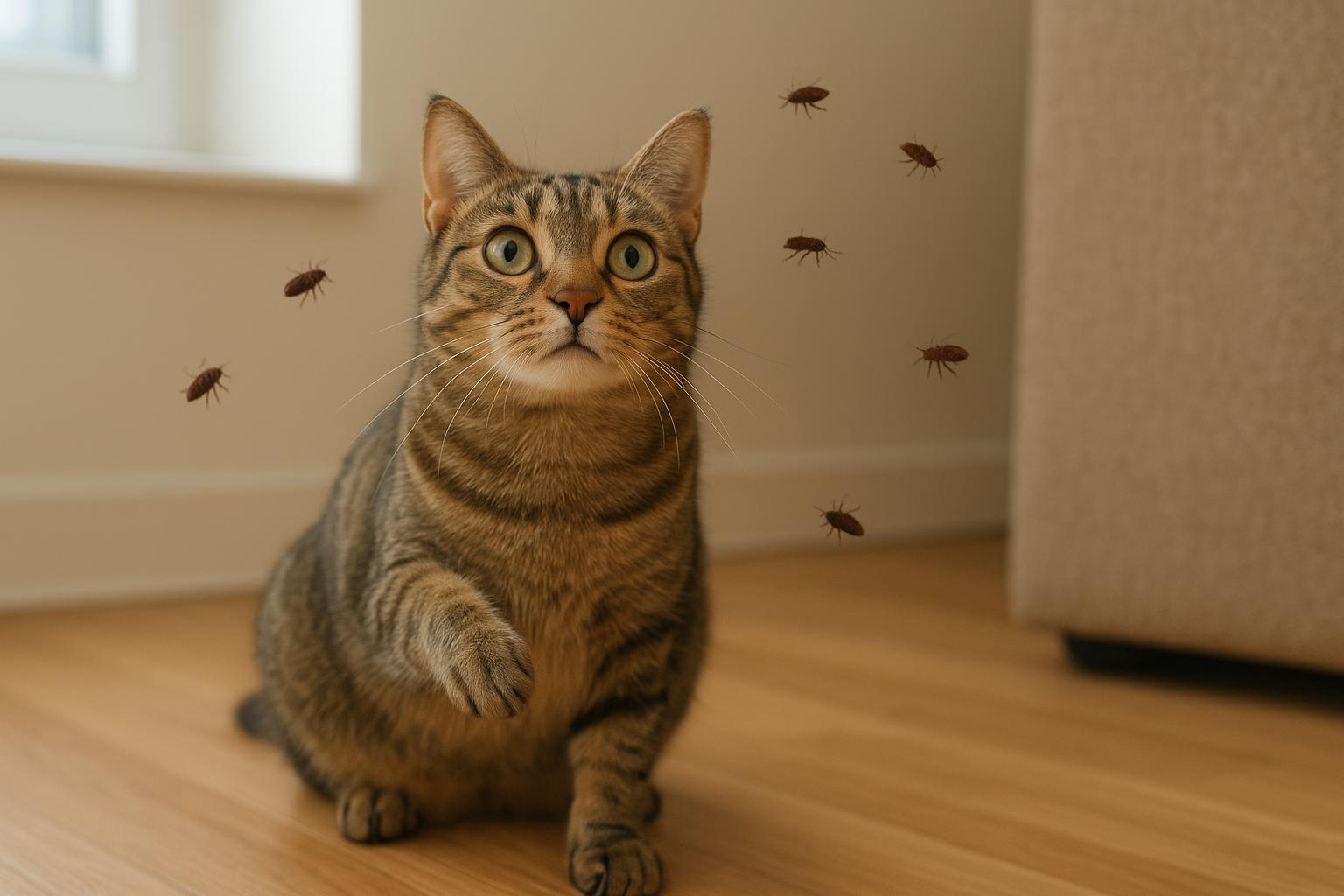
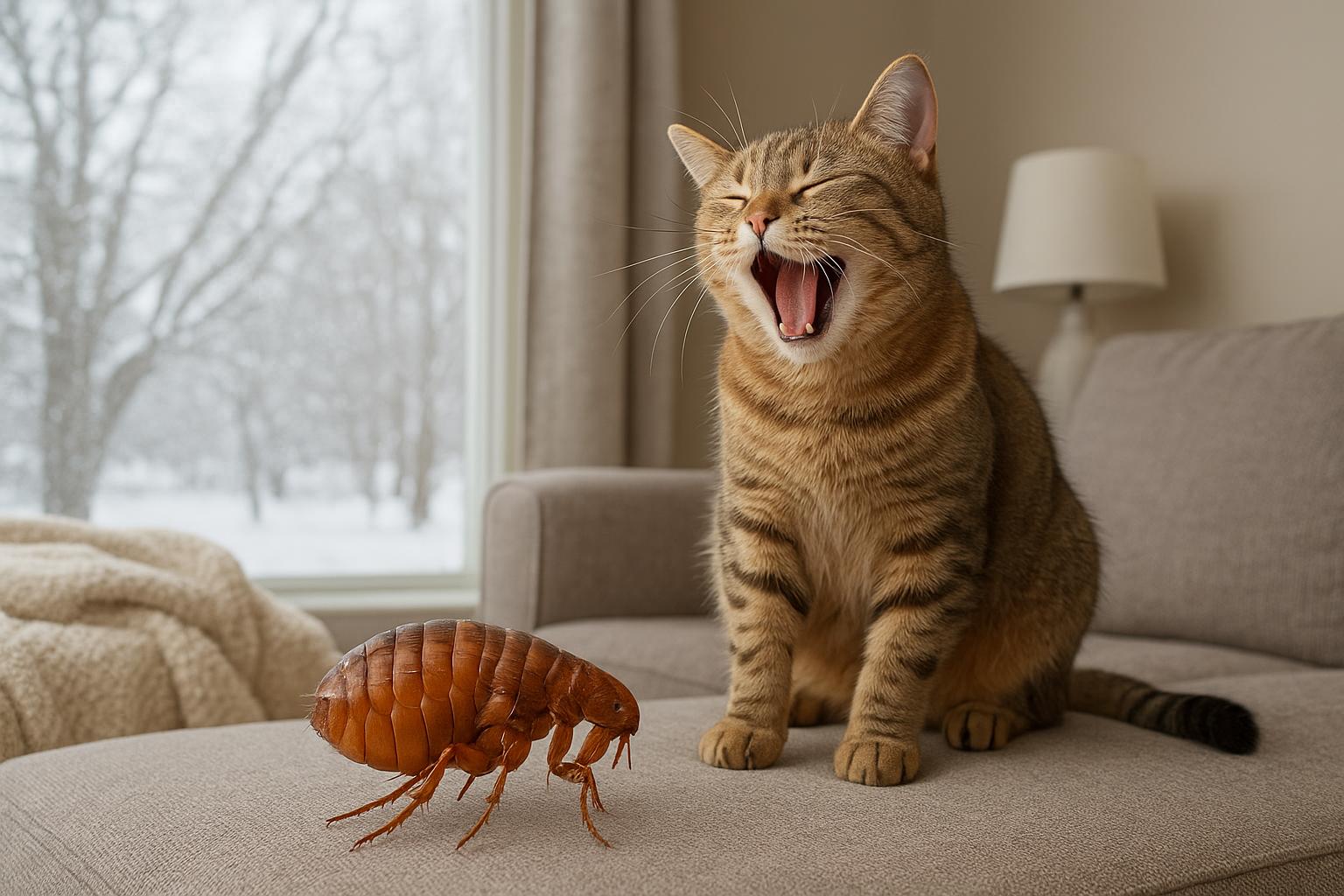
Fleas are the tiny freeloaders nobody invited, yet somehow your cat ends up hosting the whole neighborhood. If you’re hunting for something effective, convenient, and not likely to send you googling vet terms at midnight, a well-chosen collar can be a major asset. This guide walks you through what a top flea collar does, how to pick one, safety concerns, and a couple of practical remedies you can do at home to support flea control.
## Top Flea Collar For Cats: How They Work And Why They Matter
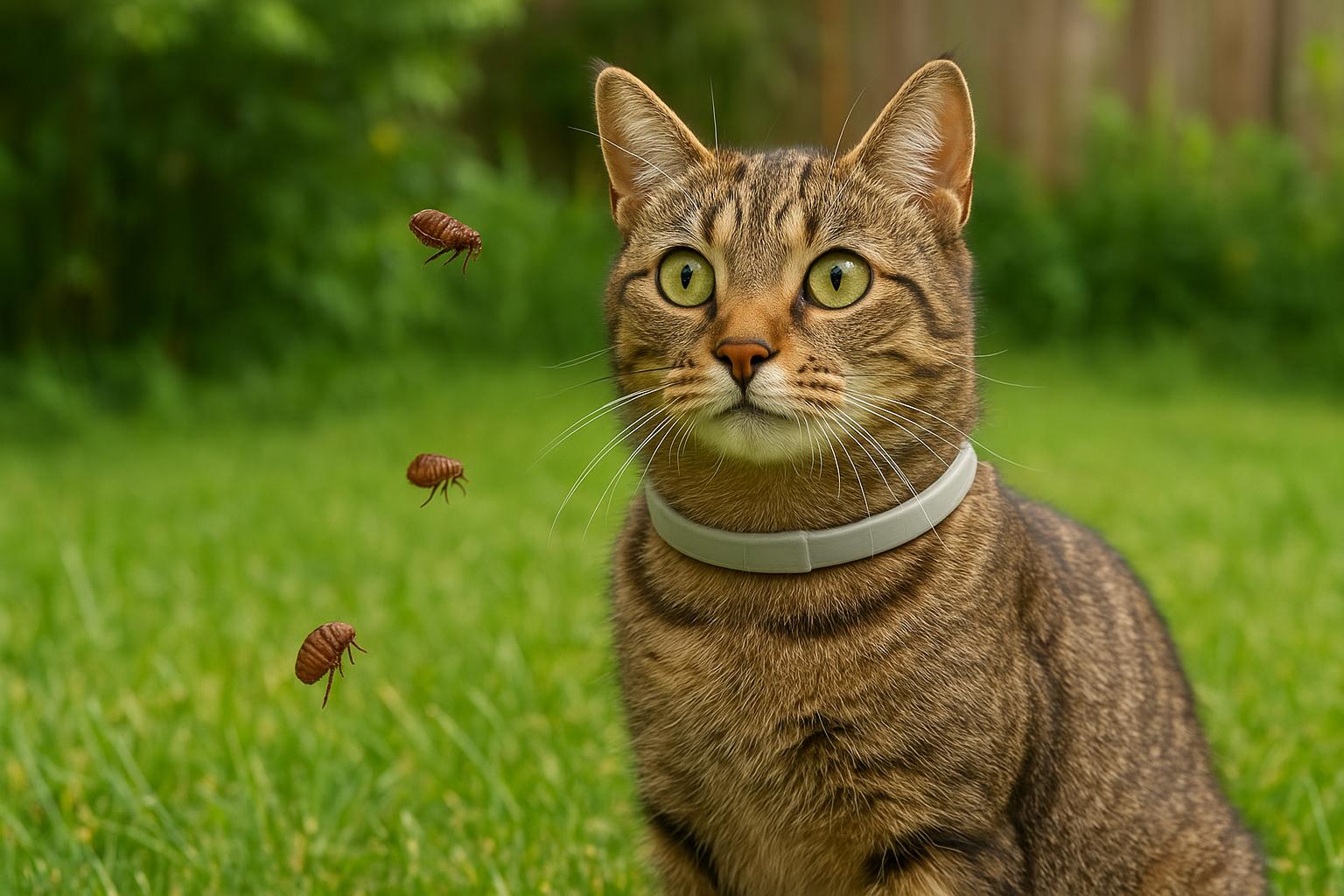
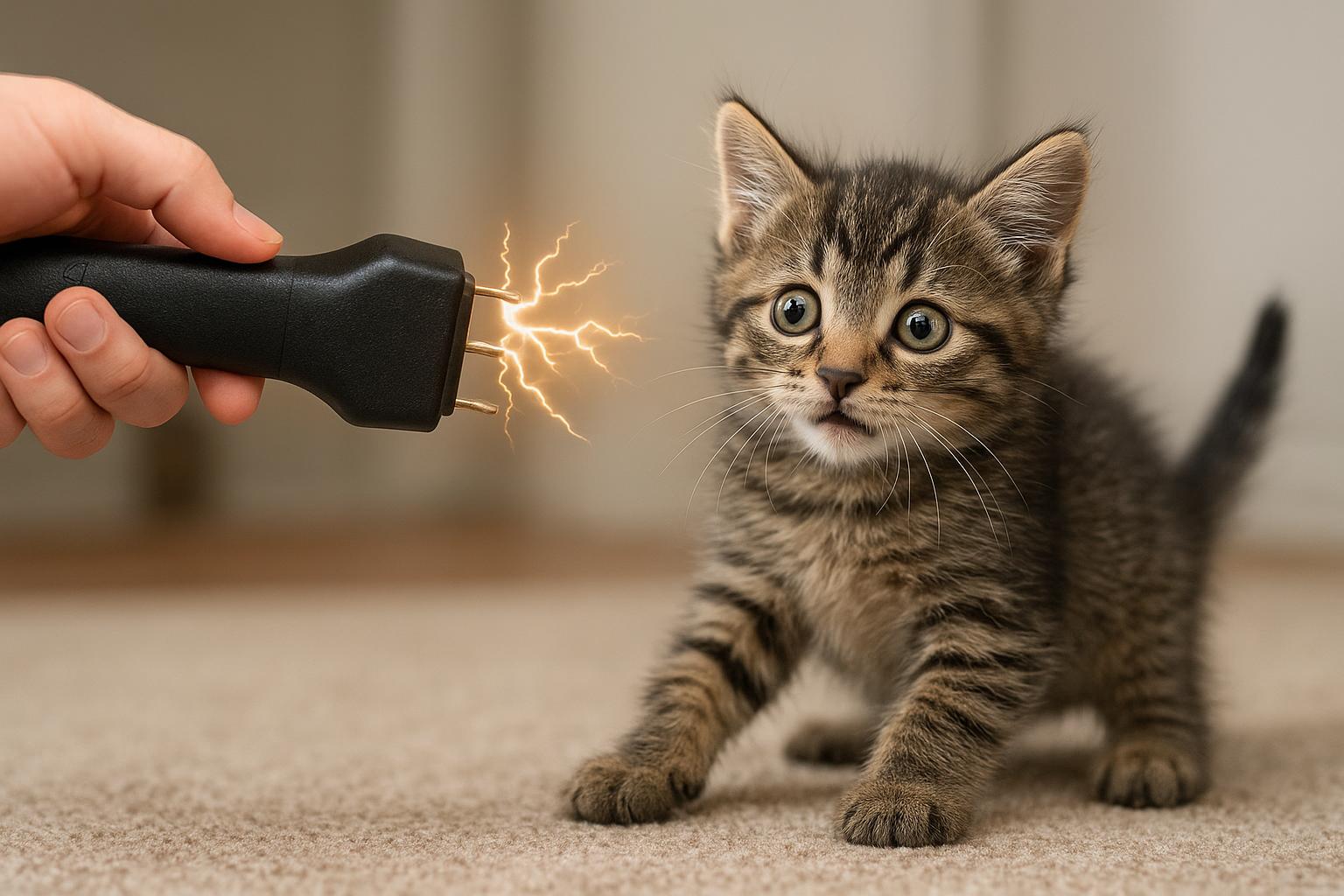
A top flea collar provides continuous protection by slowly releasing active ingredients that either repel, kill, or disrupt the life cycle of fleas. Some collars release insecticides that affect the flea’s nervous system; others spread growth regulators that prevent eggs and larvae from maturing. Because collars sit on the neck and act systemically or locally over the skin and coat, they can protect cats for months without daily fuss.
Choosing a top flea collar is about matching the mechanism—repellent, insecticide, or growth regulator—with your cat’s lifestyle and the level of infestation. Long-haired cats, indoor-outdoor cats, multi-pet households, and cats with medical sensitivities all have different needs.
## What To Look For When Choosing A Top Flea Collar
– Duration: How long will it protect? Some collars last 3 months, others up to 8 months.
– Active Ingredients: Read labels for vet-approved compounds. Different chemicals have different safety profiles for cats.
– Water Resistance: Outdoor kitties need collars that keep working after a bath or rain.
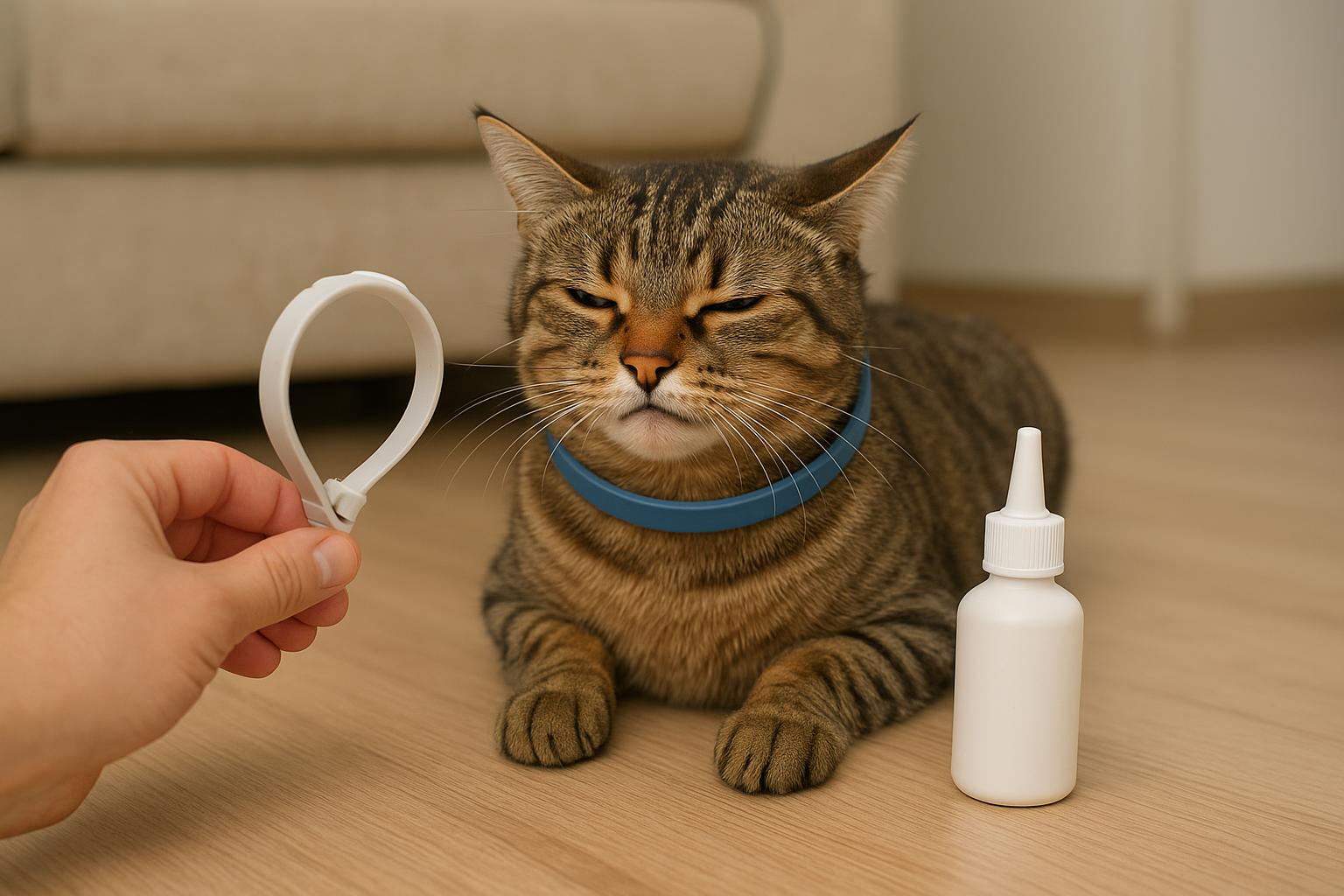
– Fit And Comfort: A collar should be snug but not tight—easy to slide two fingers between collar and neck.
– Safety Features: Look for breakaway clasps to prevent choking or snagging.
### Types Of Active Ingredients And Safety Notes
– Insecticides (e.g., synthetic pyrethroids and similar compounds): Effective at killing fleas, but some cats may be sensitive. Avoid products labeled for dogs only; many dog-formulated collars contain compounds toxic to cats.
– Insect Growth Regulators (IGRs): These don’t kill adult fleas immediately but prevent eggs and larvae from developing, which lowers infestation over time.
– Natural or Plant-Based Repellents: Often less potent and shorter-lived. Be cautious with essential oils—many are toxic to cats and should not be used without vet approval.
### Signs A Collar Is Right For Your Cat
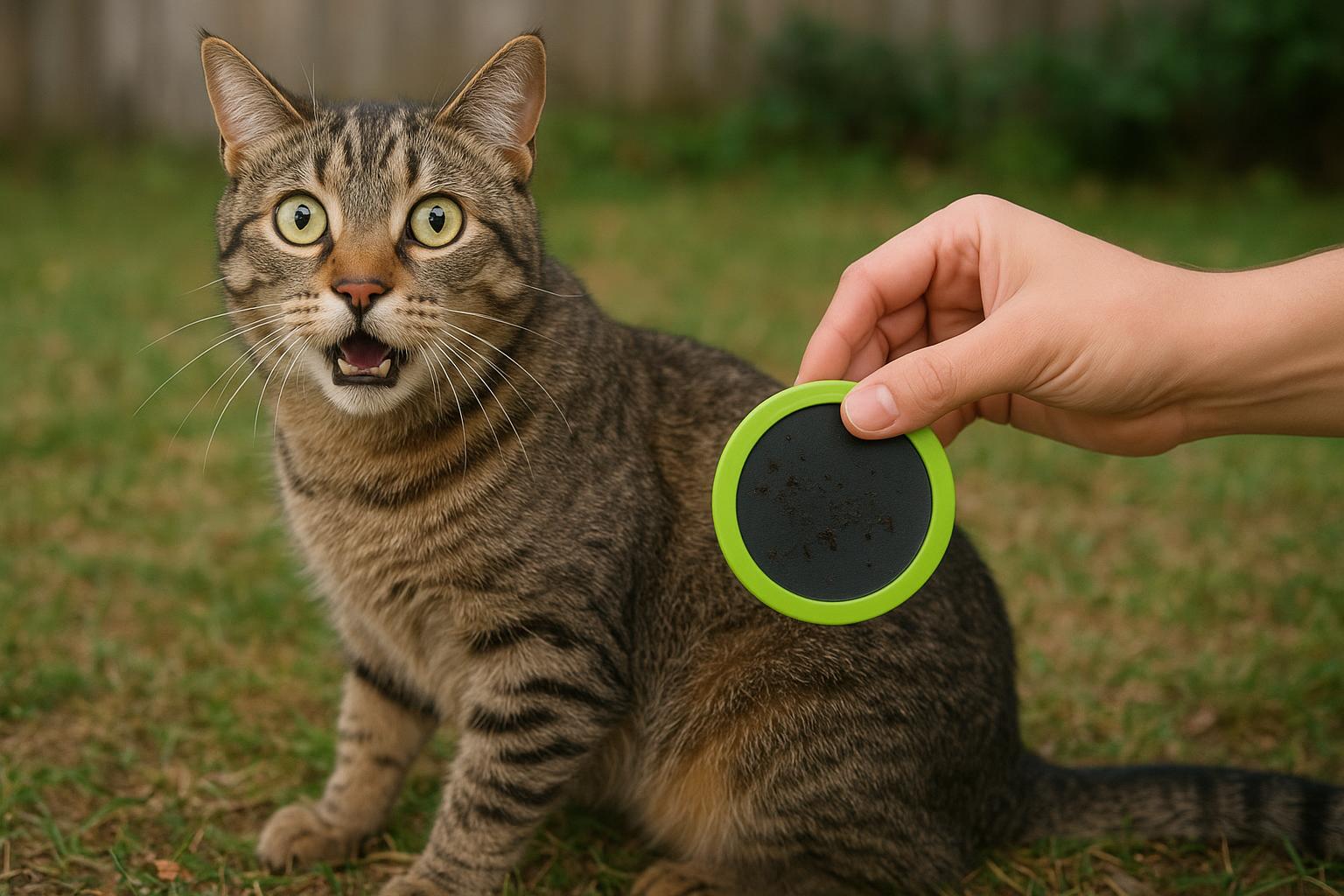
– Fewer fleas visible on combing and scratching decreases.
– No signs of skin irritation under the collar.
– Pets in the household show reduced flea presence.
### When A Top Flea Collar Might Not Be Enough
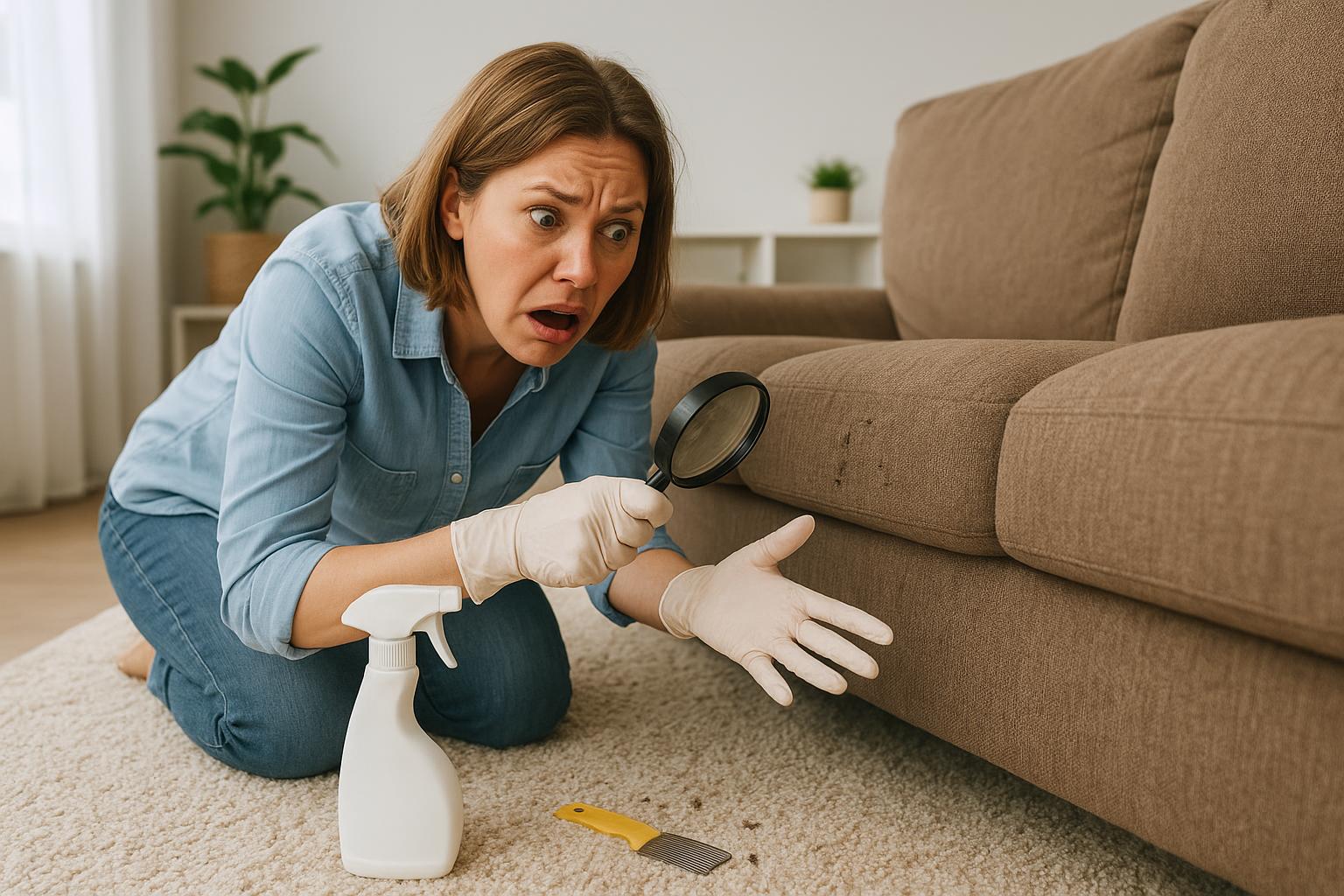
If your home has an established infestation (lots of fleas, eggs in the carpet, multiple pets showing symptoms), a collar alone may not clear the problem. Integrated pest management—treating the animal and the home—is often necessary.
### When To Consult A Vet
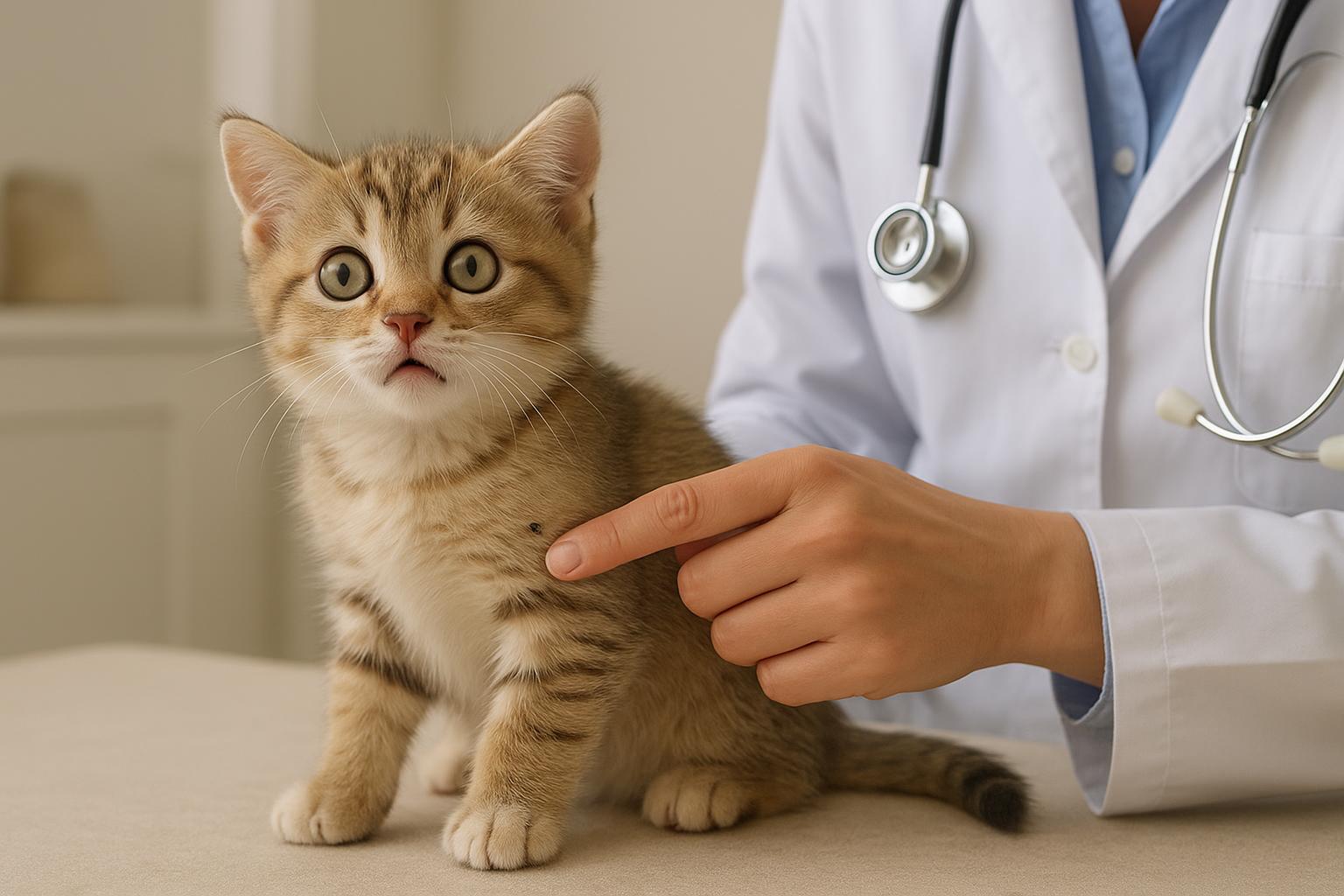
If your cat has seizures, is pregnant, nursing, very young, elderly, or on other medications, check with a veterinarian before using any flea collar or topical product.
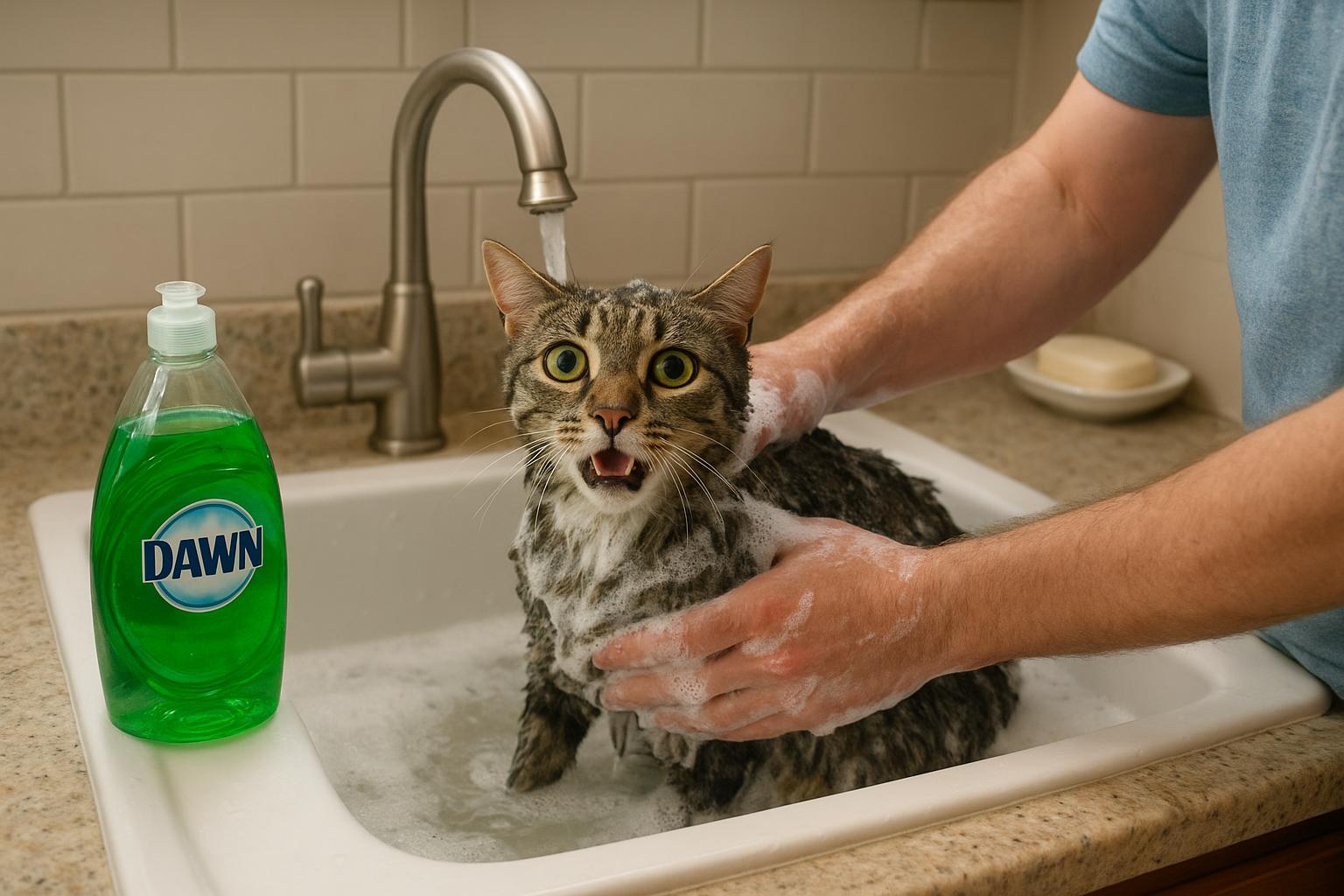
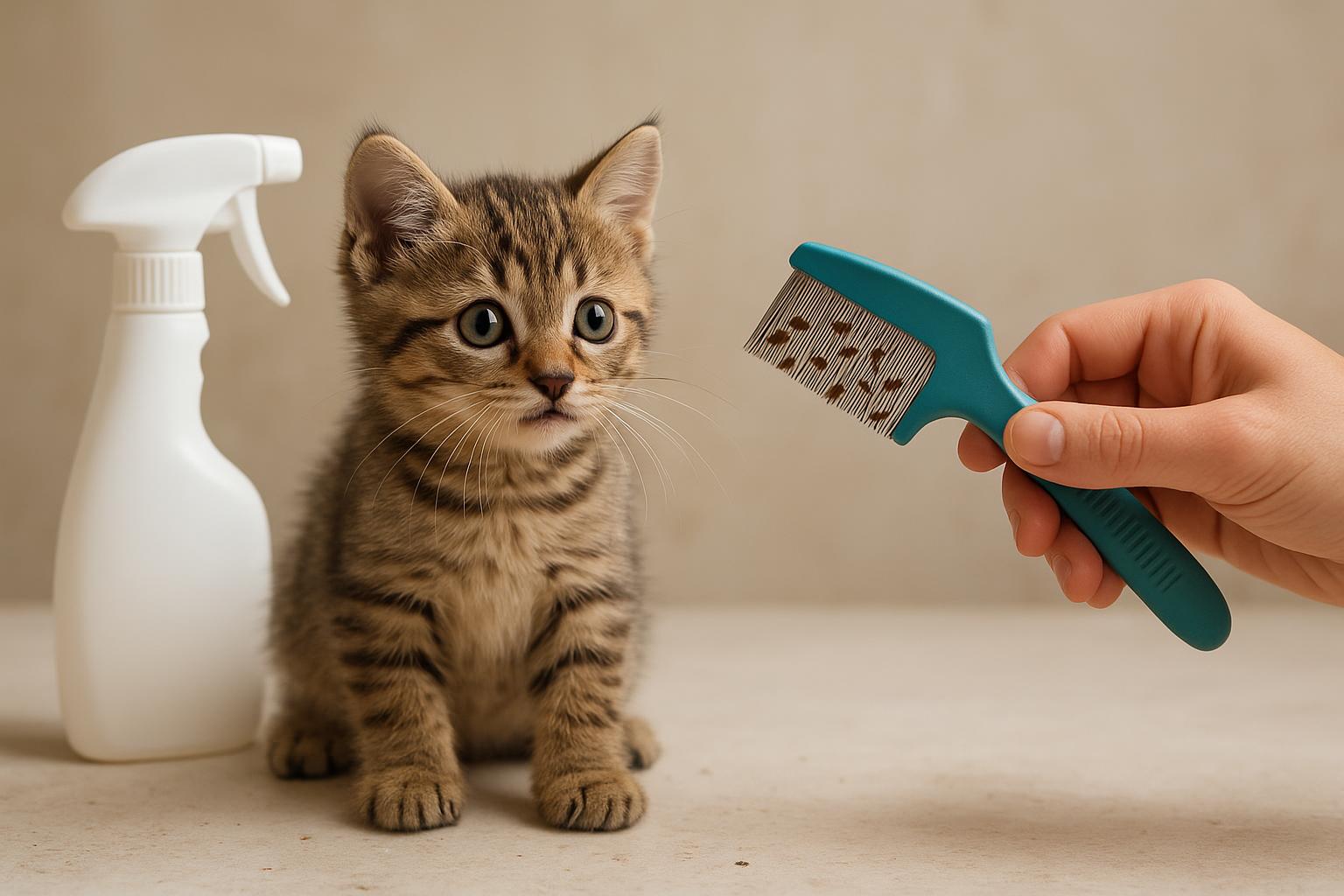
### Remedy 1: Flea Comb Bath For Immediate Relief
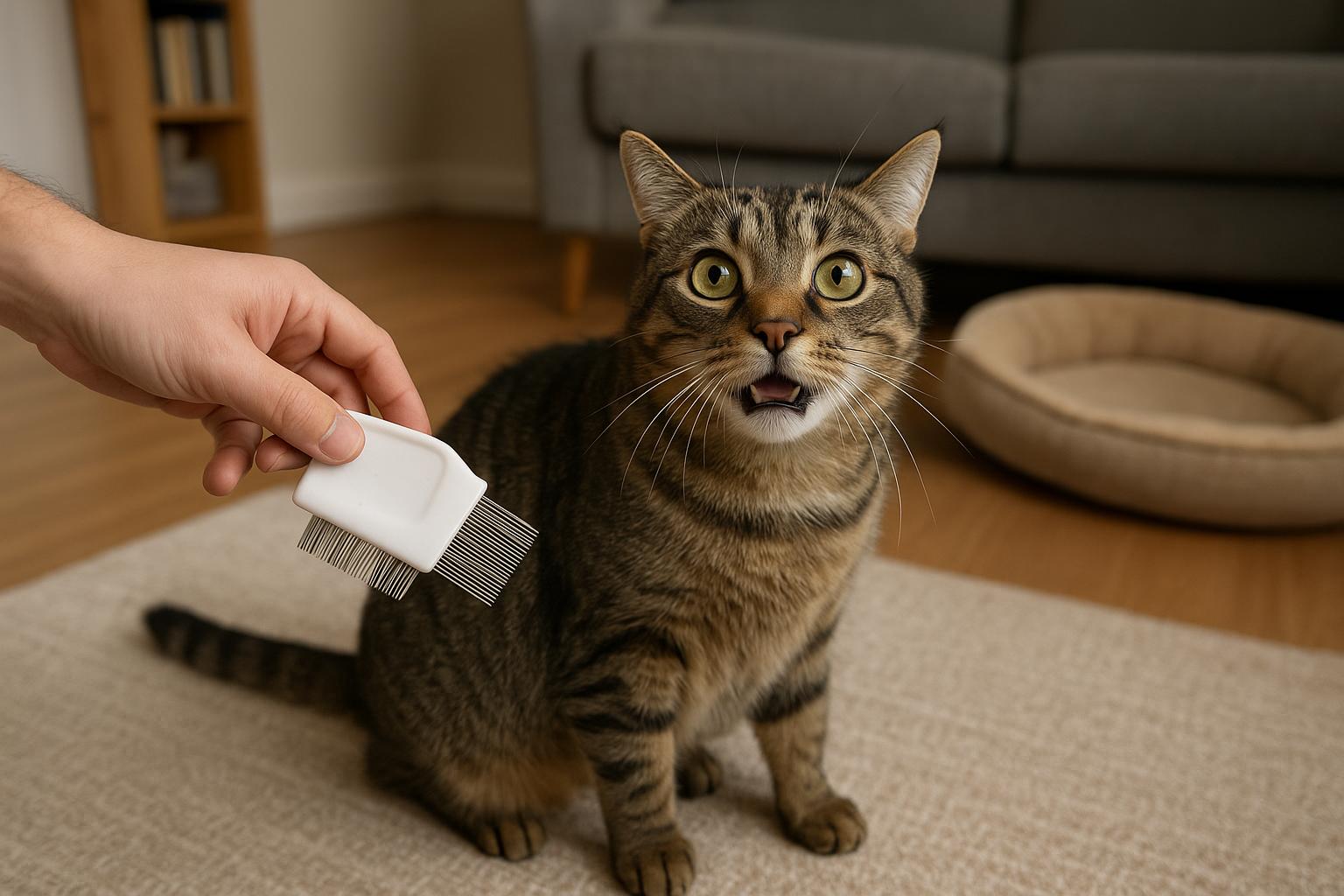
When you need to knock down adult fleas right away, a focused comb-bath routine is a safe, effective, and cat-friendly remedy.
Ingredients / Required Materials:
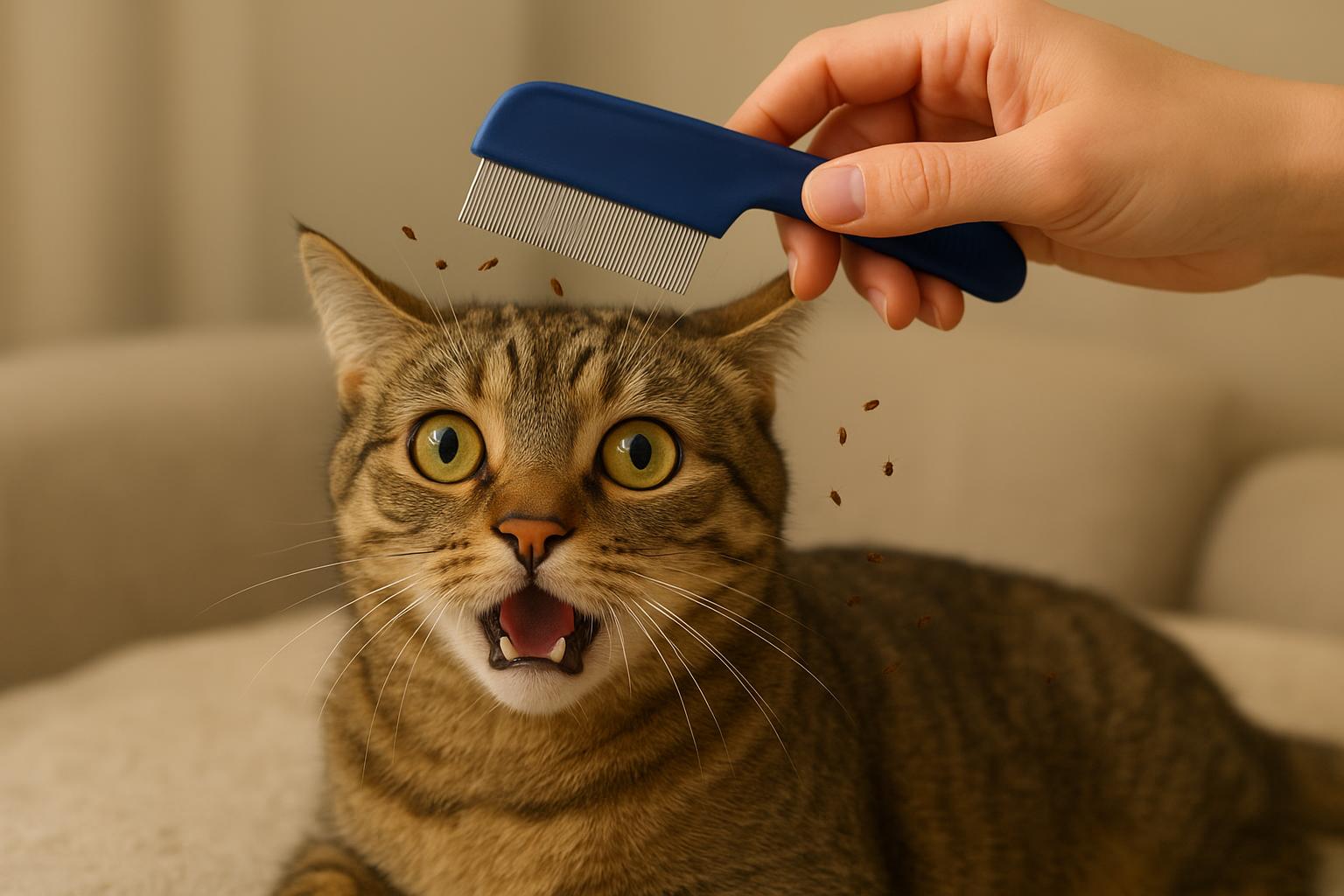
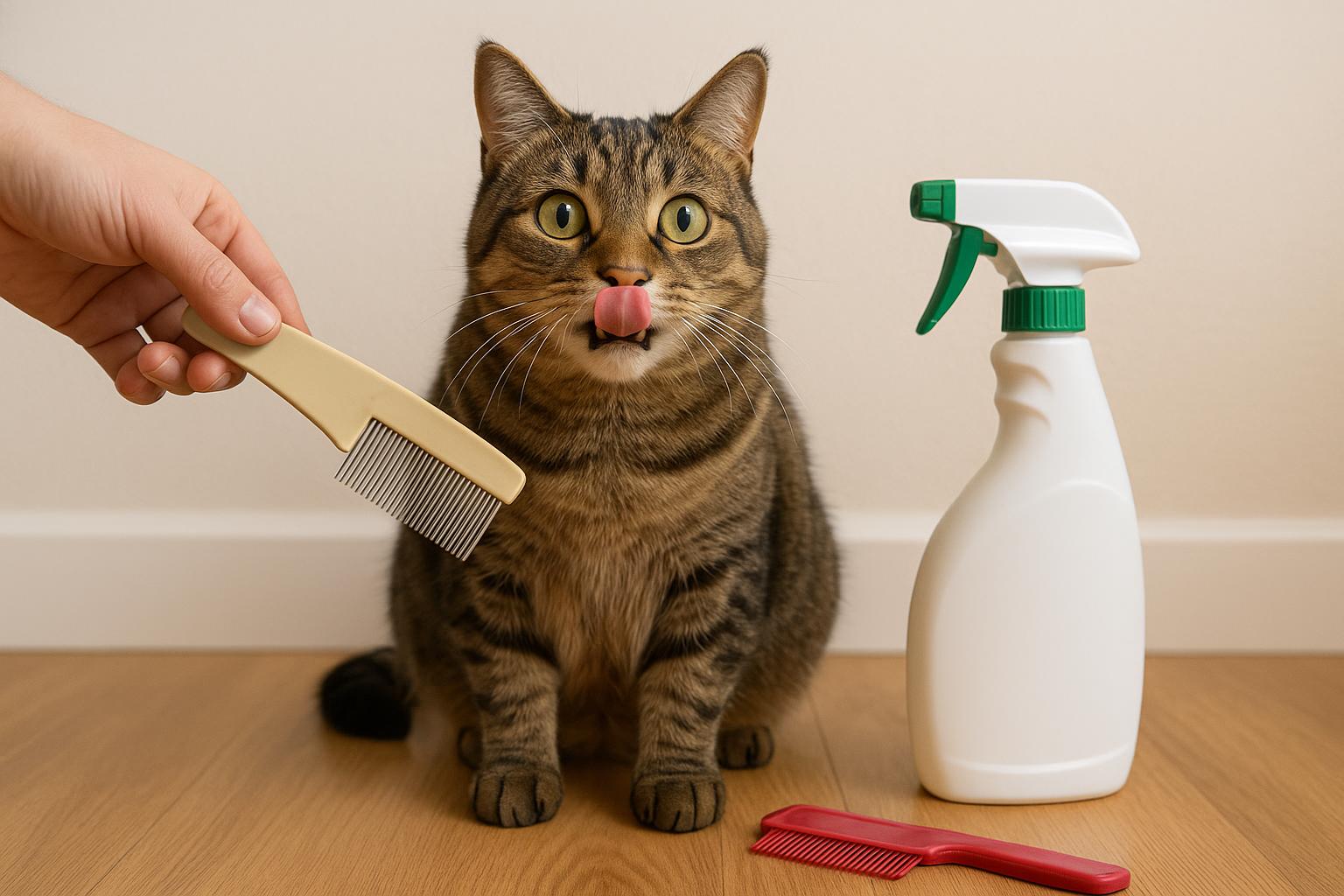
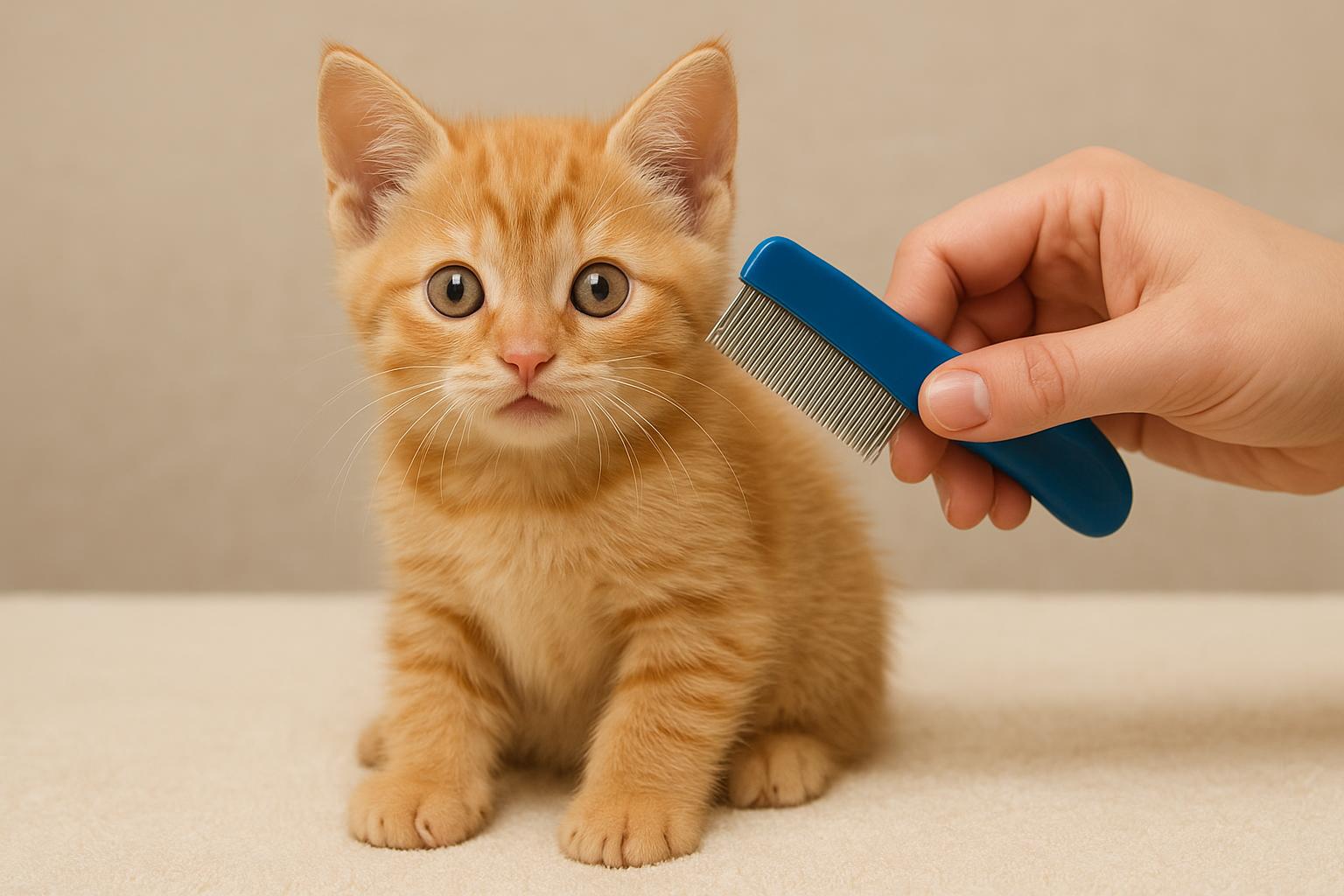
– Fine-toothed flea comb made for cats
– Mild, cat-formulated flea shampoo (vet-recommended)
– Large basin or sink with warm water (if bathing)
– Towels
– Disposable gloves (optional)
– Small bowl with soapy water to dunk combed-out fleas
– A safe, quiet room
Step-By-Step Creation And Application:
1. Prepare the Area: Close windows and doors to prevent escapes, lay down towels, and have everything within reach.
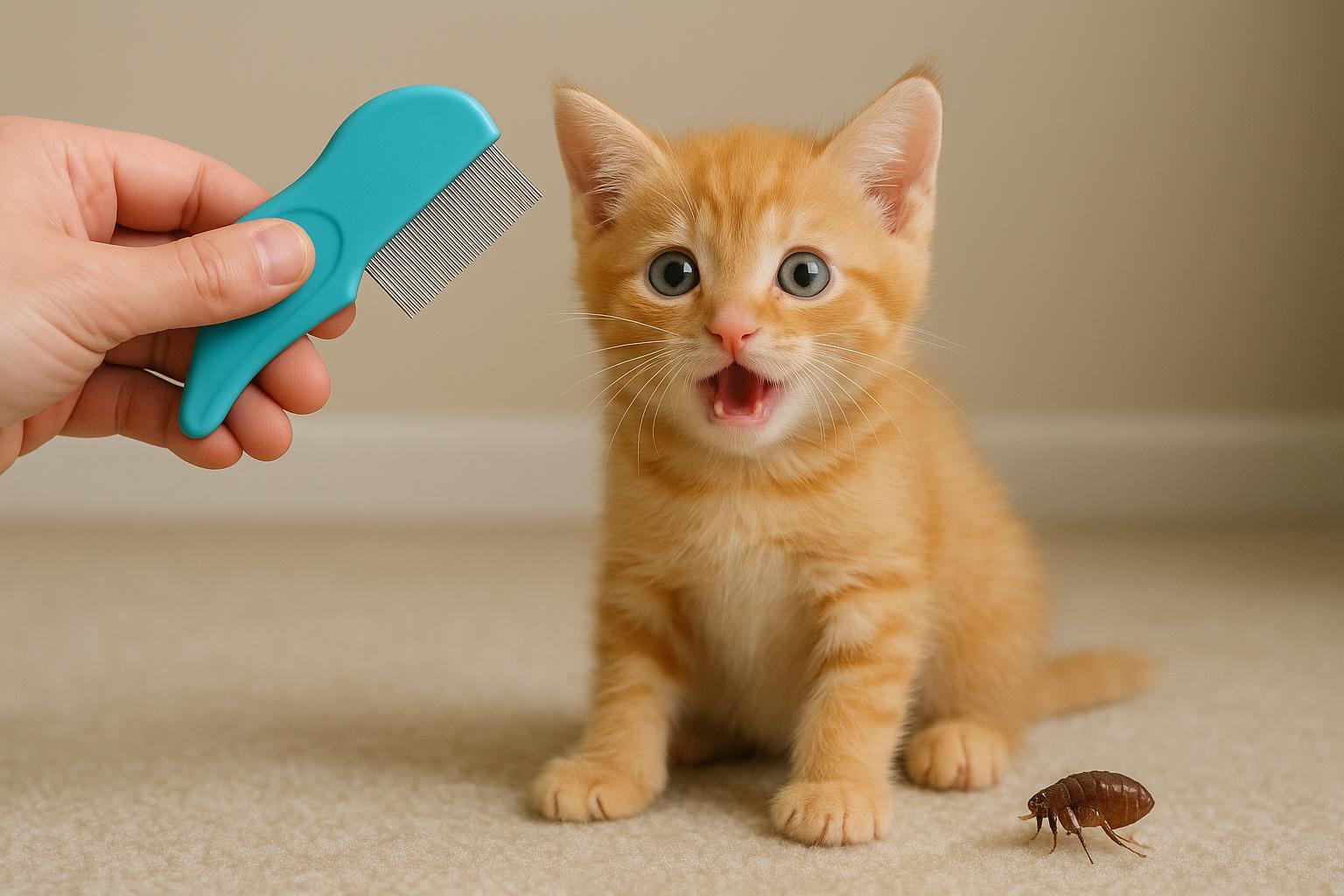
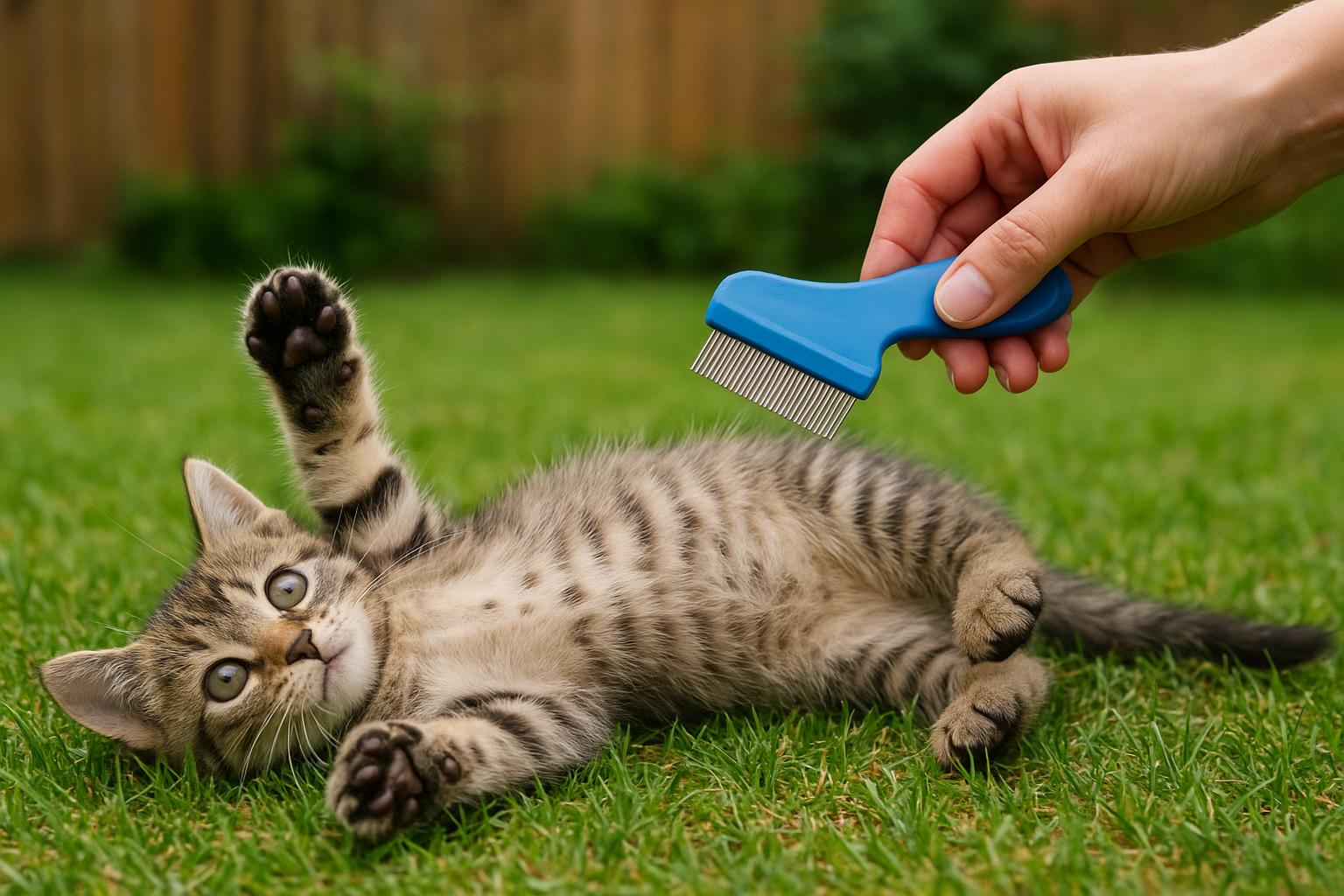
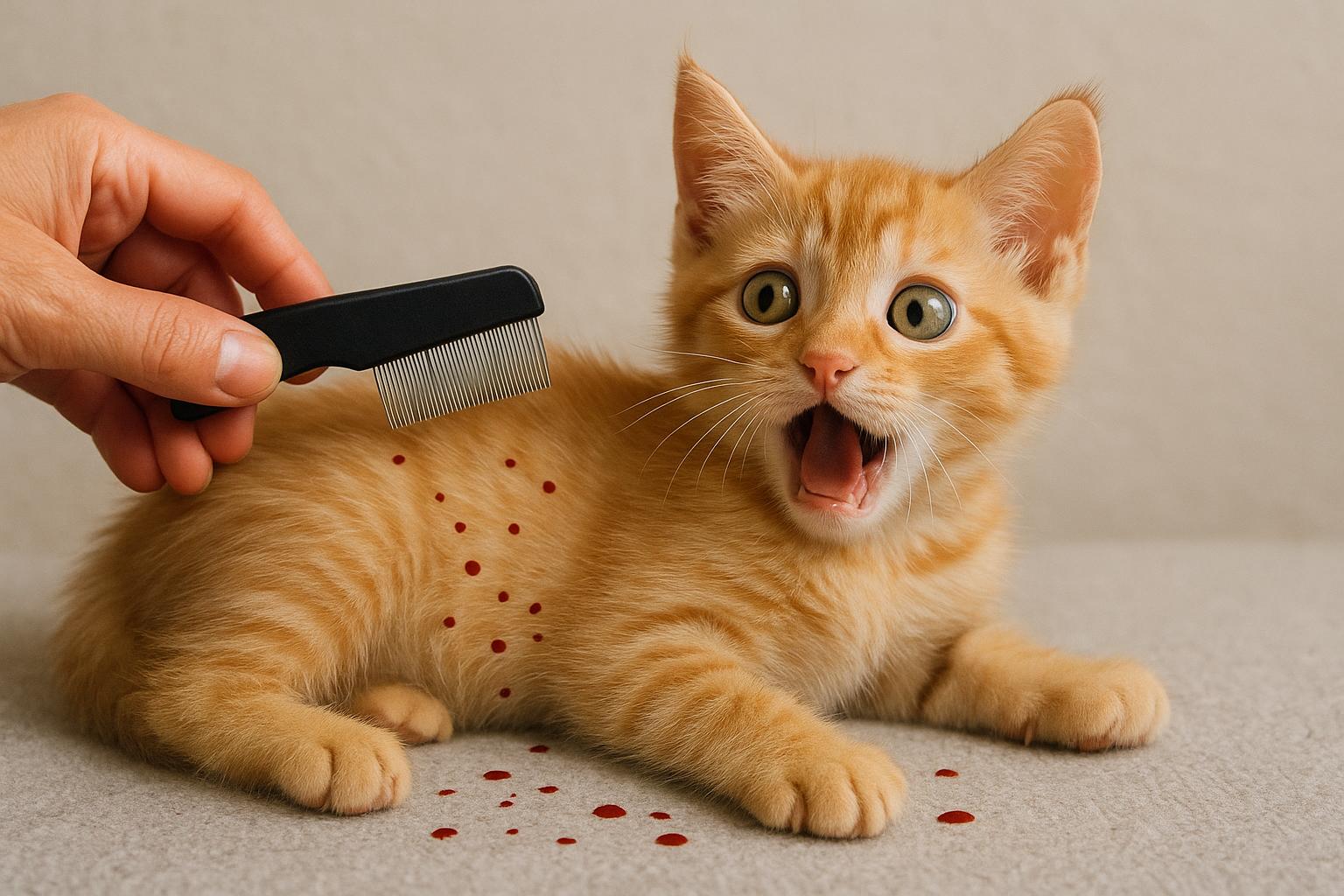
2. Comb Thoroughly: Hold the cat gently. Using the flea comb, comb from neck to tail in short strokes, focusing behind the ears, around the neck, under the legs, and near the base of the tail—areas fleas love. Wipe the comb into the bowl of soapy water each pass to drown removed fleas.
3. Spot Clean With Shampoo (If Needed): If you see many fleas, a quick bath with a cat-safe flea shampoo can break the adult flea cycle. Wet the coat, lather shampoo according to label, and rinse thoroughly.
4. Dry And Comfort: Towel-dry gently and keep the cat warm. Offer treats and calm praise.
5. Repeat Regularly: Comb every 2–3 days for at least two weeks to catch newly hatched fleas before they reproduce. Pair this with environmental controls for best results.
This method is safe for kittens older than the shampoo label allows if you use age-appropriate products; always follow manufacturer and vet advice.
### Remedy 2: Home Environment Treatment With Food-Grade Diatomaceous Earth (Numbered Remedy)
For persistent infestations, addressing the environment stops fleas from coming back. This remedy uses food-grade diatomaceous earth (DE) to desiccate flea larvae in carpets and bedding. Use caution and protective gear to avoid inhaling dust.
Ingredients / Required Materials:
– Food-grade diatomaceous earth (not pool-grade)
– Dust mask or respirator (N95 recommended)
– Gloves
– Broom or hand brush
– Vacuum cleaner with HEPA filter (if available)
– Laundry detergent and hot water for washing bedding
– Garbage bags
Step-By-Step Creation And Application:
1. Clean First: Vacuum carpets, rugs, and furniture thoroughly to remove eggs, larvae, and adults. Dispose of vacuum bag contents or empty canister outside into sealed garbage bags.
2. Apply DE Lightly: Wearing a dust mask and gloves, sprinkle a thin, even layer of DE onto carpets, pet bedding, and along baseboards. Do not pile into thick layers—finer dispersion works best.
3. Work It In Slightly: Use a broom or brush to work the DE into carpet fibers where larvae hide.
4. Leave For 48–72 Hours: Keep people and pets away from treated areas during this time for minimal exposure.
5. Vacuum Thoroughly Again: After the wait period, vacuum up DE thoroughly and dispose of debris outside.
6. Wash Bedding: Launder all pet bedding and washable fabrics in hot water and dry on high heat if safe for the fabric.
7. Repeat As Needed: For heavy infestations, repeat the process weekly for 2–4 weeks while also treating pets with veterinary-approved products.
Use DE only as directed; avoid breathing the dust and keep it away from eyes and respiratory systems of pets and people.
## How To Use A Top Flea Collar Safely On Your Cat
– Read The Label Carefully: Follow all manufacturer instructions regarding fit, replacement interval, and age/weight restrictions.
– Breakaway Feature: Ensure collars on cats have breakaway clasps to reduce entanglement hazards.
– Monitor For Reactions: Check the skin under the collar weekly. If you see redness, hair loss, or the cat is excessively licking at the area, remove the collar and consult your vet.
– Combine Methods Sensibly: Use the collar as part of an integrated plan—comb-baths, home cleaning, and vet-recommended spot treatments may be needed for full control.
– Avoid Mixing Chemicals: Don’t pair a flea collar with other topical flea products unless your vet says it’s safe. Some combinations increase toxicity risk.
#### Signs Of A Problem To Watch For
– Tremors, drooling, vomiting, or lethargy after collar application.
– Persistent coughing, wheezing, or breathing difficulty.
– Allergic skin reaction at the contact site.
#### When To Stop Using A Collar Immediately
If your cat shows systemic signs—neurological or respiratory—remove the collar and contact your veterinarian or emergency clinic immediately.
## Realistic Expectations From A Top Flea Collar
A top flea collar can be highly effective, but it’s rarely a magic wand when fleas have already embedded in your home. Think of the collar as a long-term defender that reduces new infestations and complements active treatments. For best outcomes, pair it with good hygiene, environmental measures, and veterinary guidance.
If you’re the kind of cat owner who likes convenience with results, a high-quality collar installed correctly and monitored for safety can be a game-changer. Just remember: when in doubt, check with your vet—especially when your feline is finicky, fragile, or fabulously fluffy.








Leave a Reply