
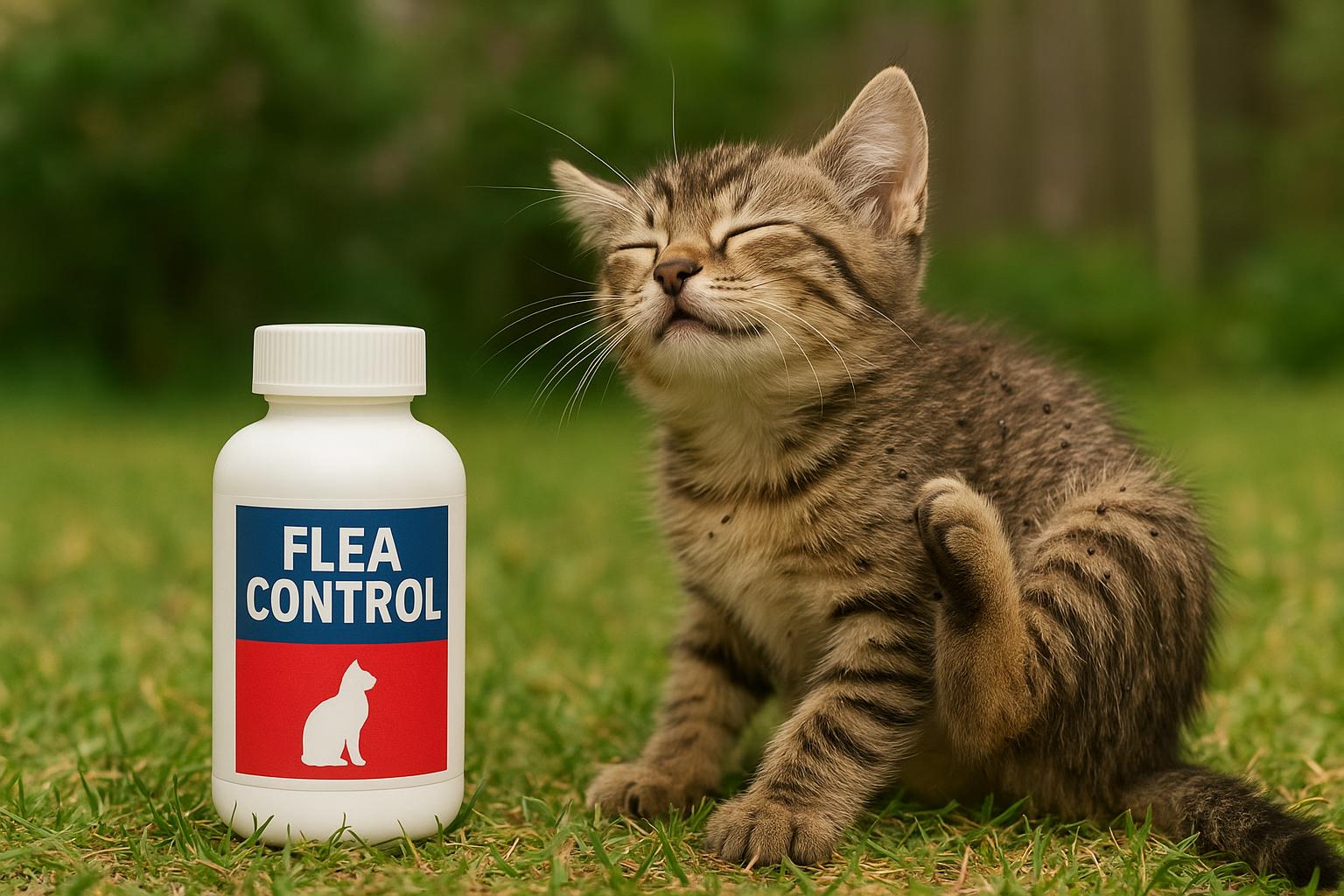
You know that moment when your dog starts scratching like they’ve suddenly remembered every mosquito they’ve ever met? That frantic pawing and the tiny hopping black dots in the fur can be shocking — and that’s where flea response time becomes a surprisingly important topic. Whether you’re a seasoned pet parent or new to the itchy-itch game, understanding how fast treatments work can save you time, sanity, and a few sleepless nights.
## Why Flea Response Time Matters
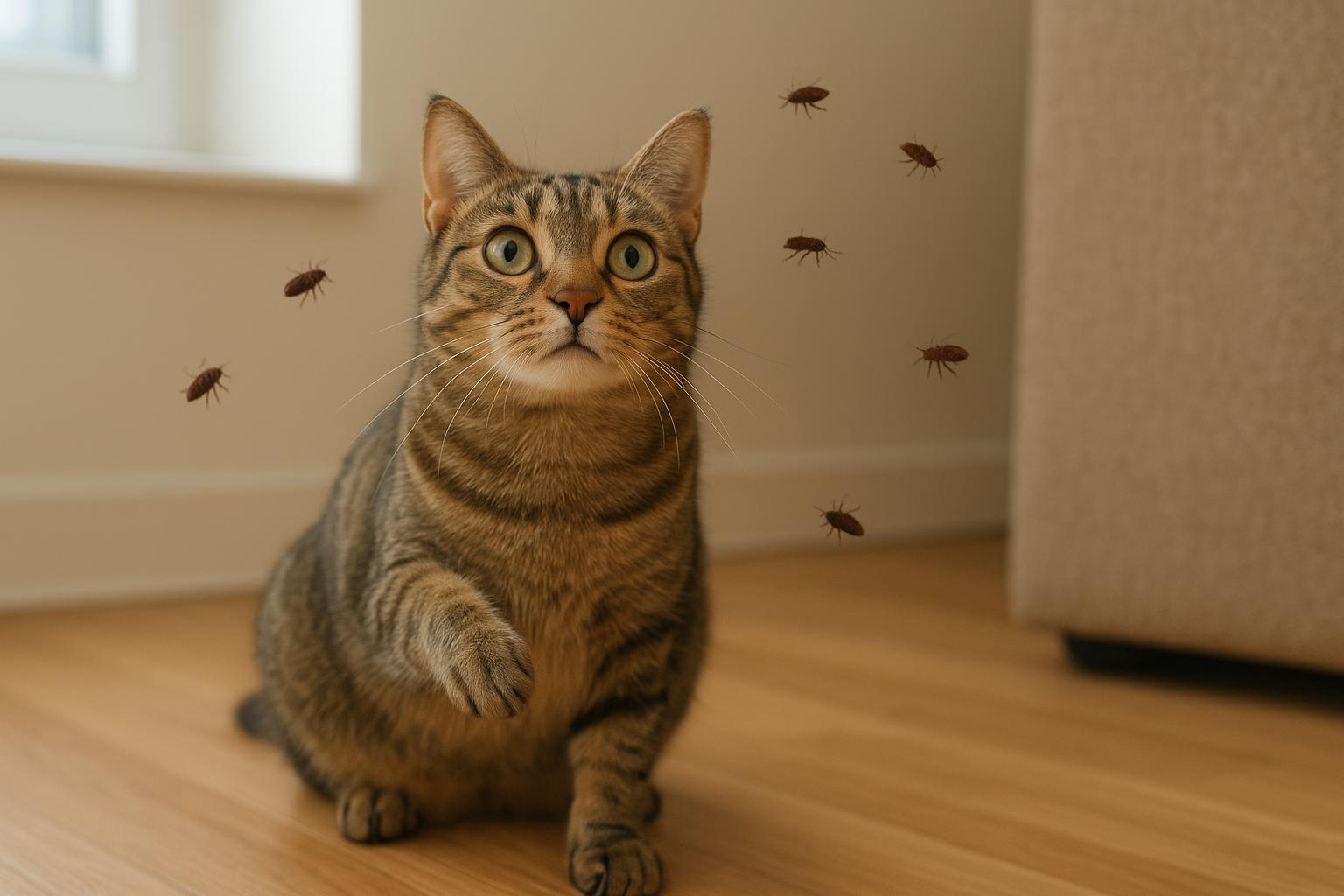
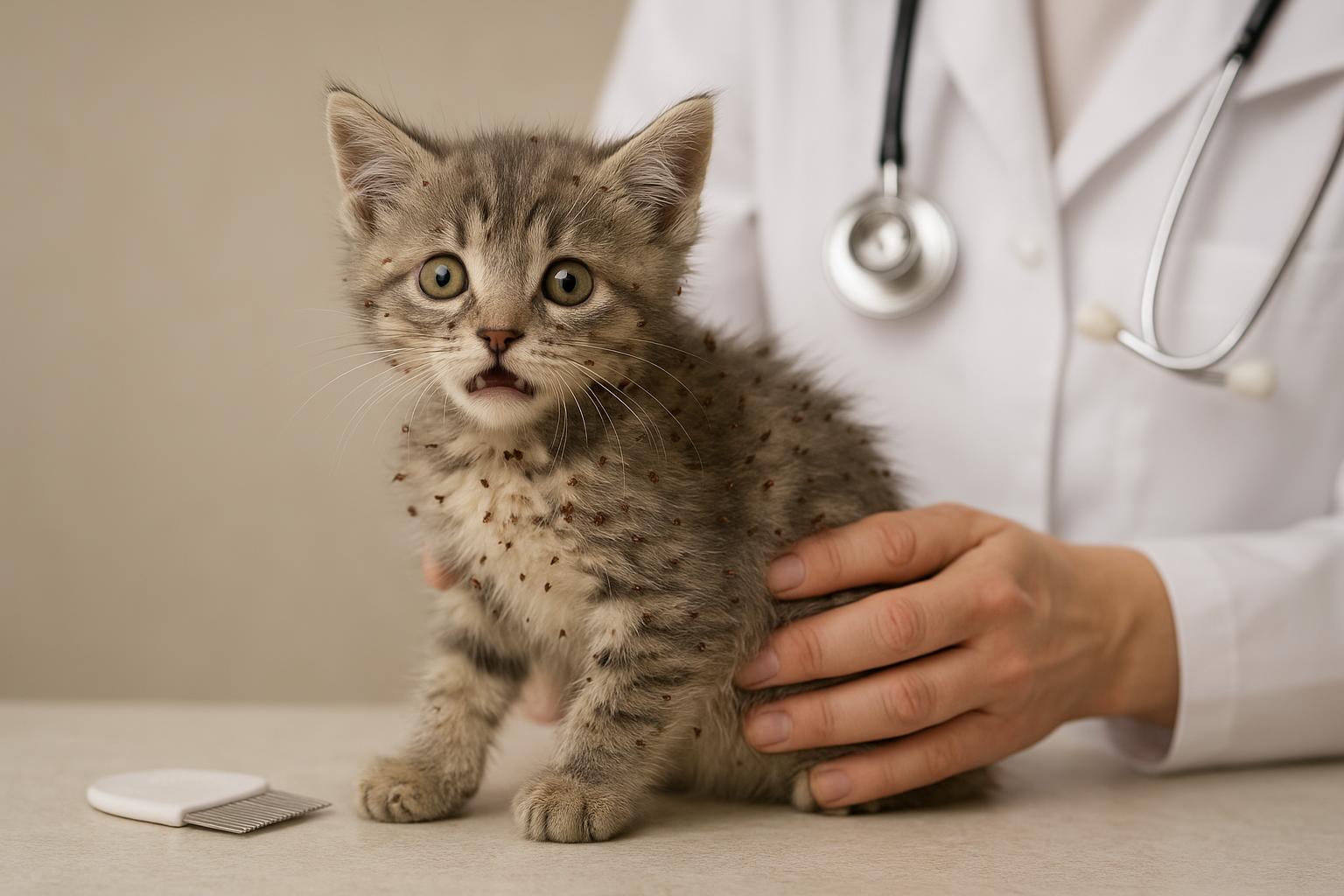
Flea response time is basically how long it takes for a treatment to reduce biting, itching, and the actual flea population on your pet. Fast relief isn’t just about comfort; it reduces the chances of flea allergy dermatitis, anemia in young animals, and the spread of fleas throughout your home. Quick-acting treatments also mean fewer flea eggs get laid, which lowers the long-term infestation risk.
If you’ve ever tried a remedy that promised overnight miracles and delivered nada, you’ll appreciate knowing realistic expectations. Some products kill fleas on contact, others need to be absorbed into the skin and act systemically. The formula, active ingredient, and your pet’s size and health all affect flea response time.
## 1. Flea Response Time: Vet-Recommended Spot-On Drops
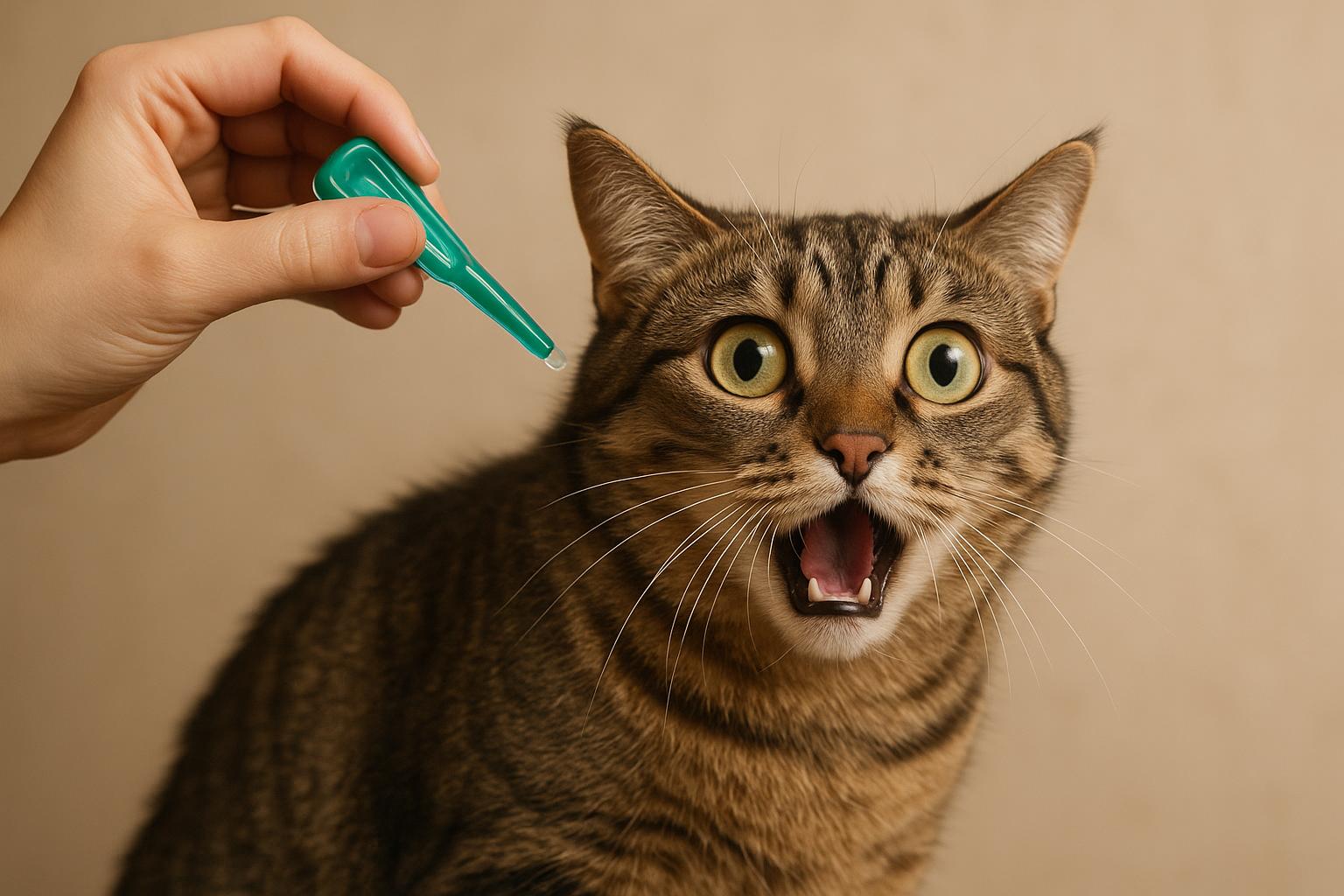
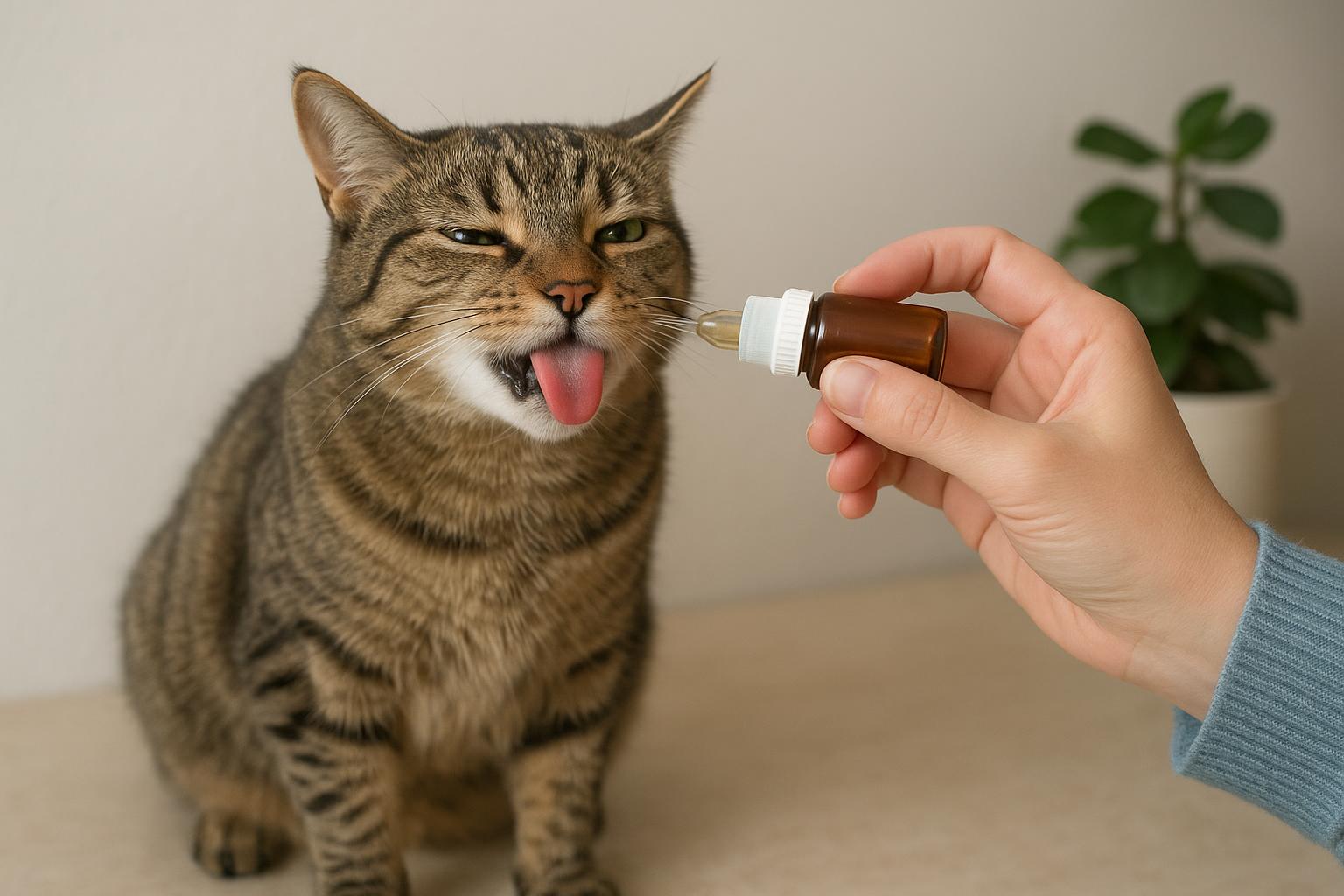
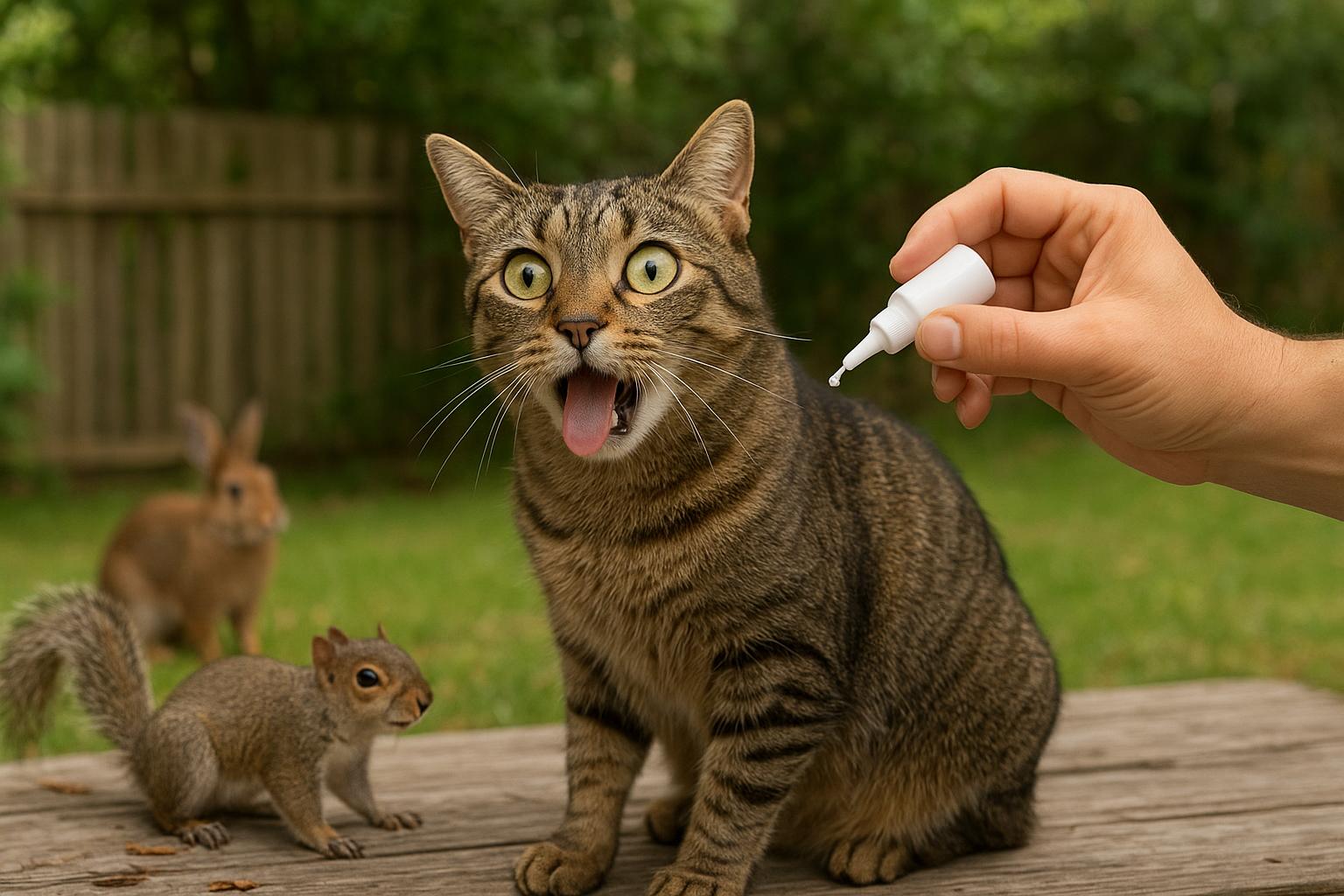
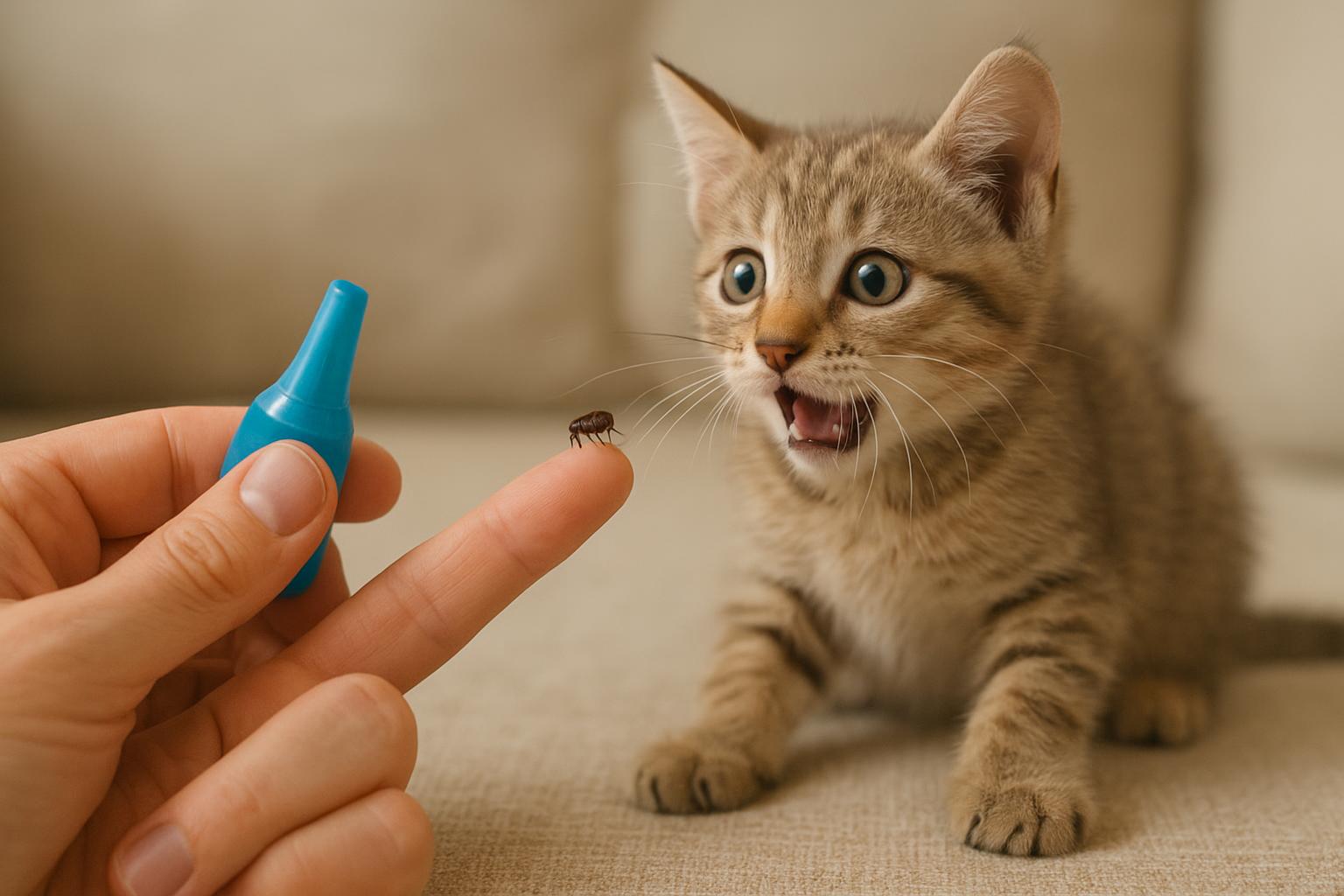
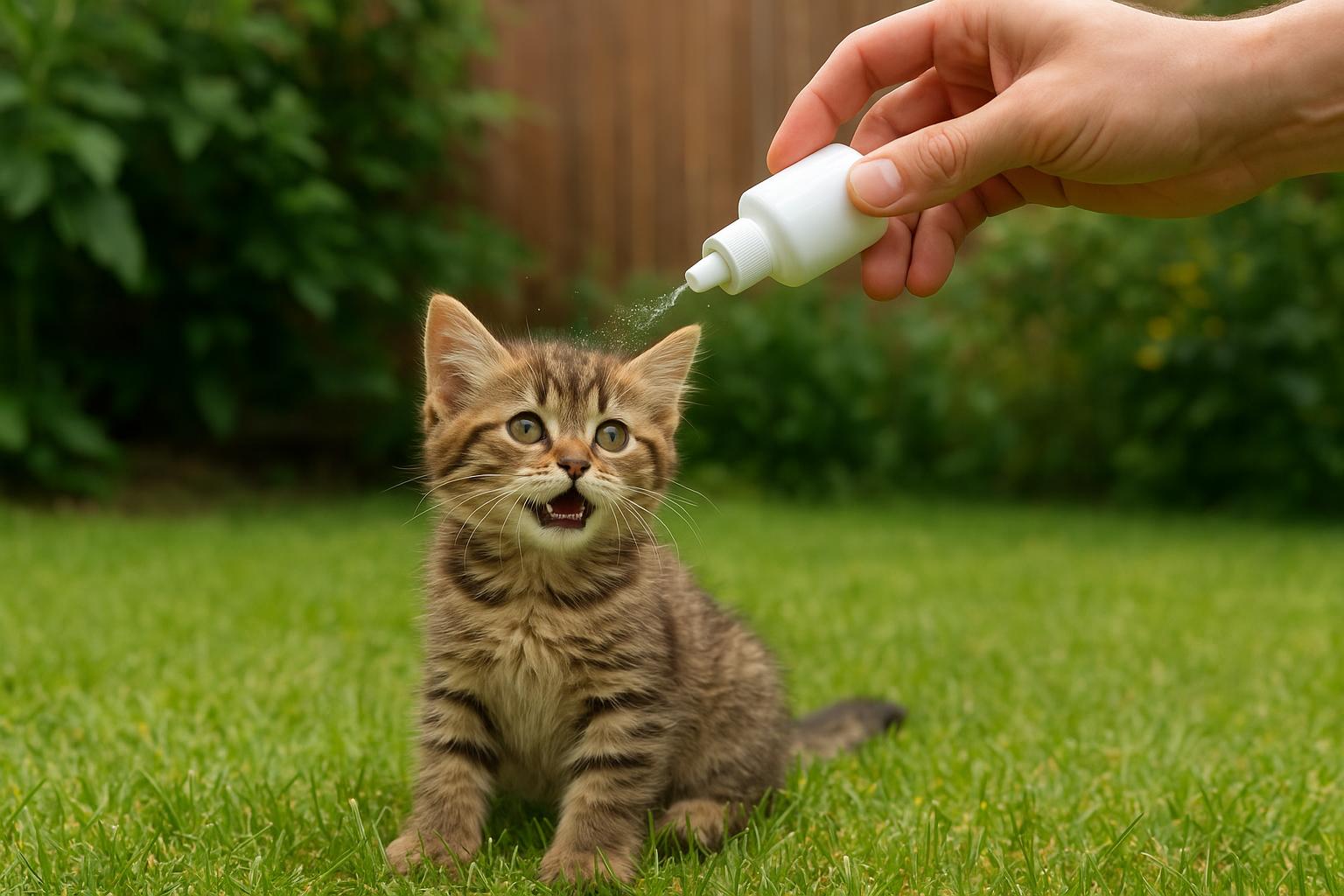
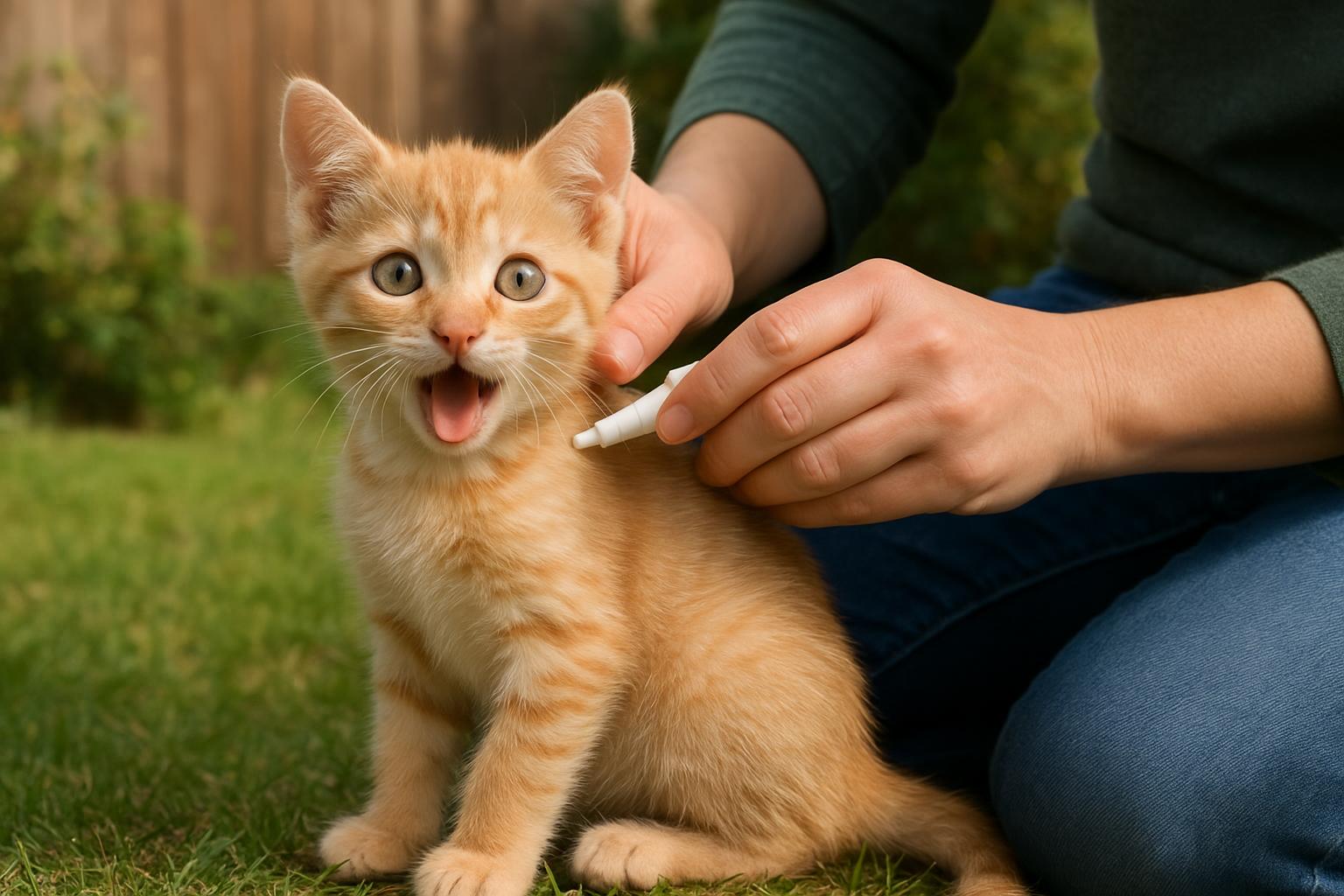
Spot-on drops (topical treatments) are a common veterinary recommendation because they often combine rapid action with months-long protection. Let’s get formal for a minute: these products contain specific active ingredients—such as imidacloprid, fipronil, selamectin, or newer isoxazolines—that target fleas’ nervous systems or disrupt development. Applied correctly, many drop formulations begin reducing the flea load within hours, and significant reduction is often seen within 24 to 48 hours.
Materials And Ingredients
– Vet-recommended spot-on product sized for your pet’s weight (prescription or over-the-counter as advised)
– Clean towel
– Gloves (optional, to protect your hands while applying)
– A calm pet and occasional helper if needed
Step-By-Step Application (Formal Instructions)
1. Read The Label: Confirm the product is correct for your pet’s species (dog vs. cat), weight, and age, and check contraindications such as pregnancy or existing medical conditions.
2. Prepare Your Pet: Place your pet on a stable surface. If they’re anxious, have a calm helper hold them gently.
3. Open The Applicator: Remove the pipette from its packaging and hold it upright.
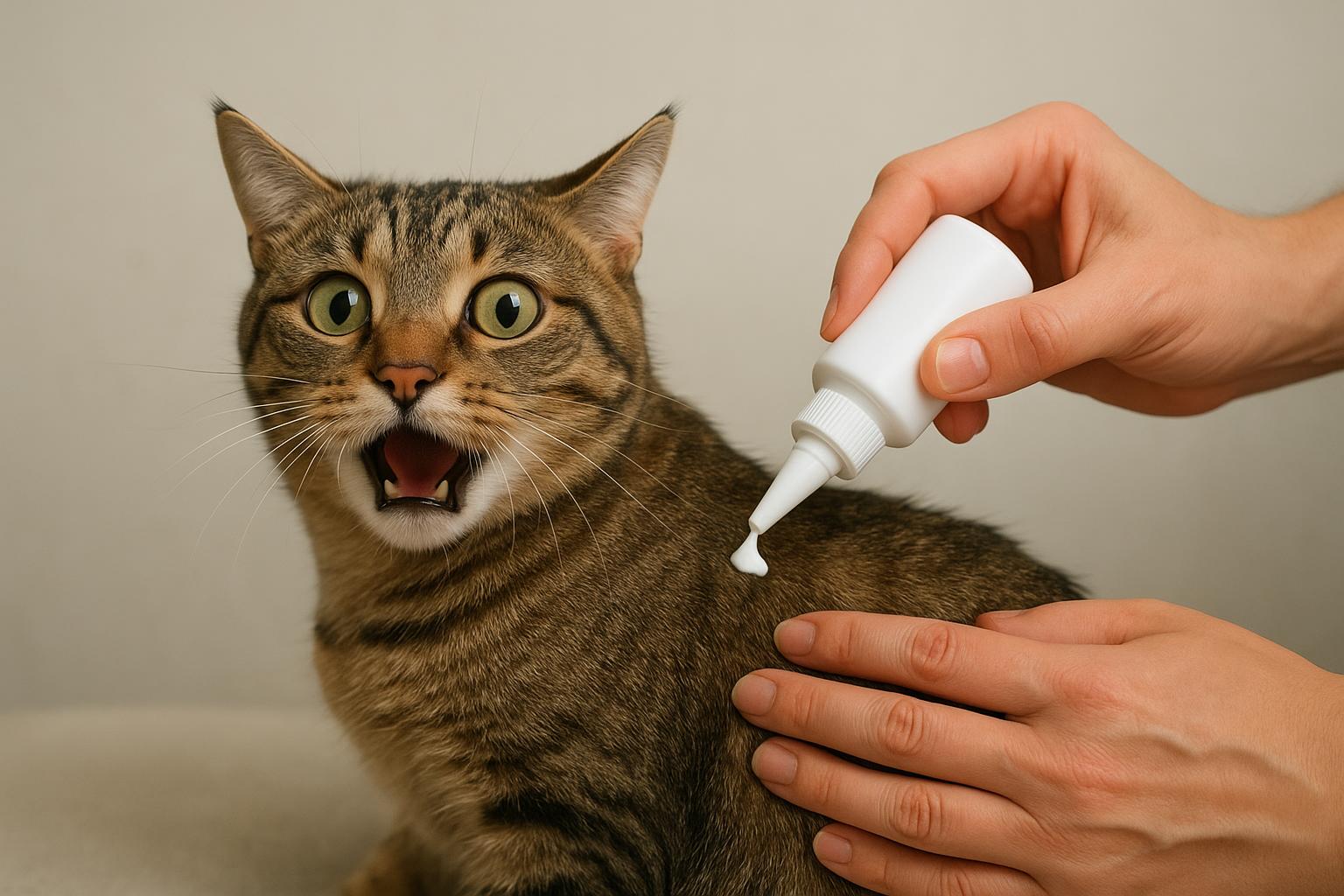
4. Part The Fur: Using your fingers, part the fur at the base of the neck, between the shoulder blades, exposing the skin.
5. Apply Drops Directly To Skin: Place the tip of the applicator on the skin and squeeze all contents directly onto the skin in one spot. Do not rub or spread with your hands.
6. Avoid Contact Until Dry: Keep your pet from grooming or touching other animals until the product is dry. Drying time varies by formula but usually is a few hours.
7. Monitor For Reaction: Watch the application site for irritation for 24–48 hours and contact your vet if you notice excessive redness, lethargy, vomiting, or neurological signs.
Expected Flea Response Time With Spot-On Drops
– Initial Reduction: Some products begin to kill fleas within 1–4 hours.
– Significant Improvement: Most pets show clear relief in 24–48 hours.
– Full Control: Depending on household contamination, expect several weeks to break the full lifecycle unless environmental measures are used.
## 2. Home And Environmental Treatment For Faster Flea Response Time
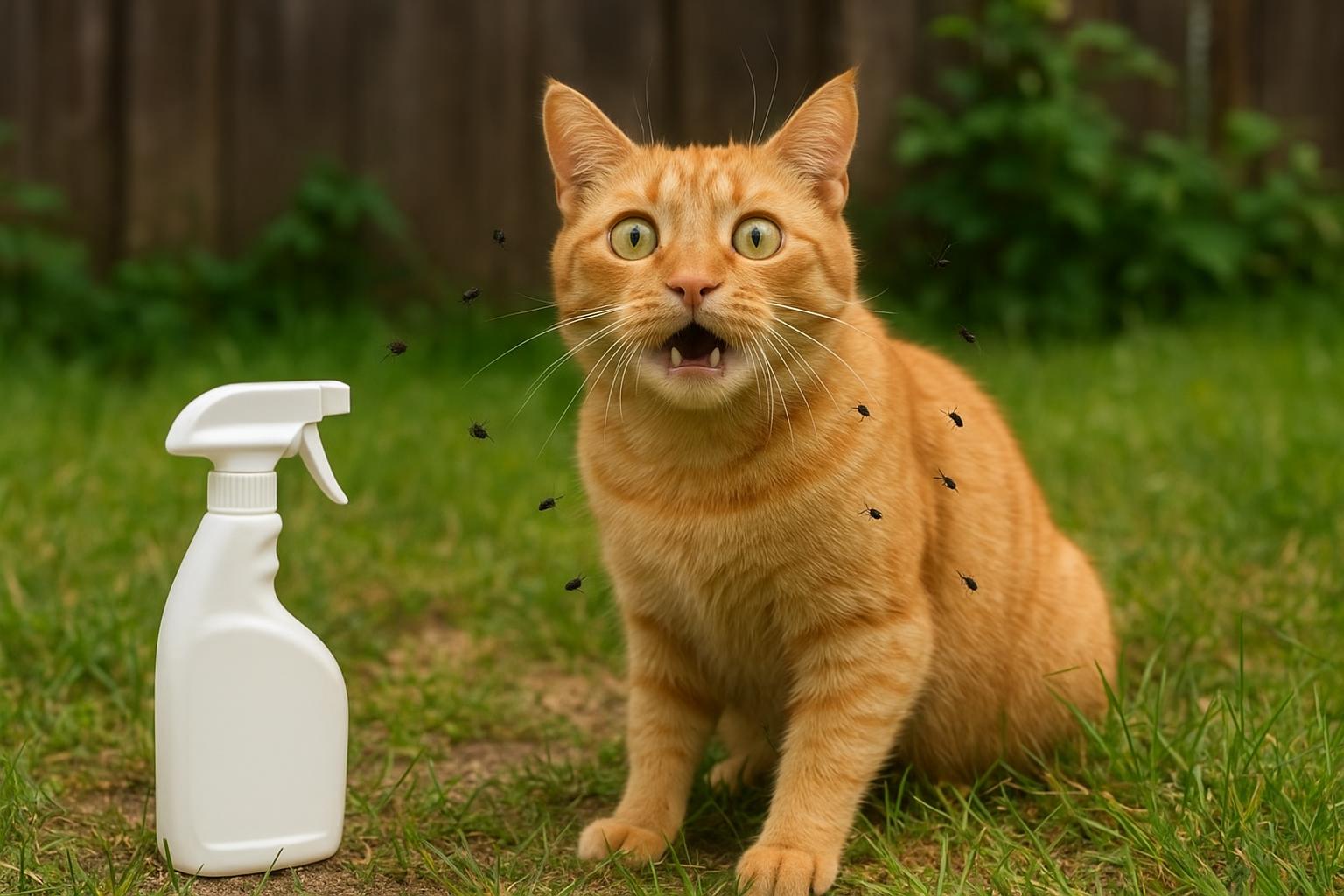
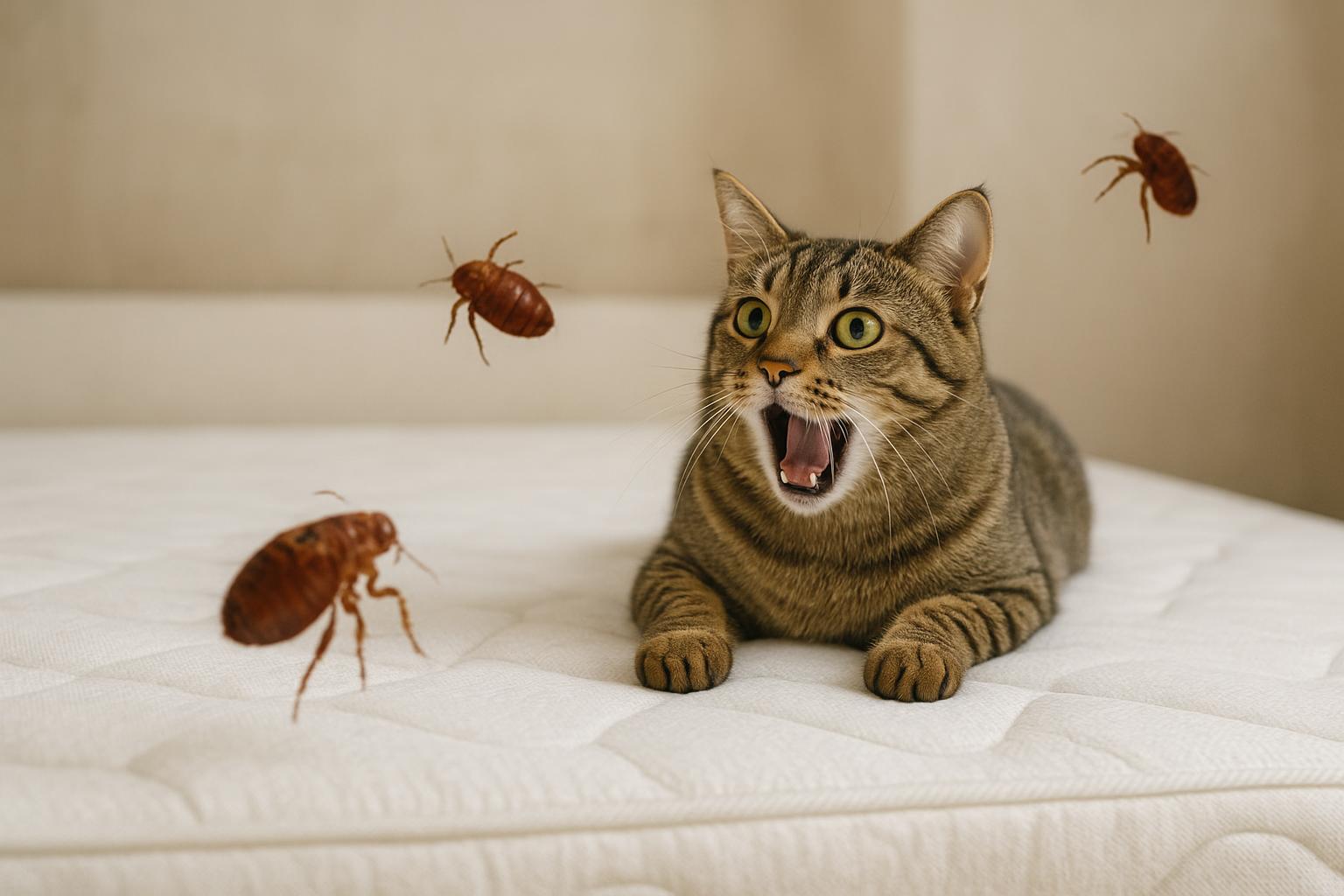
Spot-on drops handle the fleas on your pet, but untreated larvae and eggs in the environment will keep the problem alive. Combining pet treatment with environmental control speeds up overall flea response time in the home.
Materials And Ingredients
– High-efficiency vacuum cleaner with a disposable bag or easy-empty canister
– Pet-safe laundry detergent and hot-water access
– Insect growth regulator (IGR) spray (e.g., pyriproxyfen or methoprene) labeled for home use
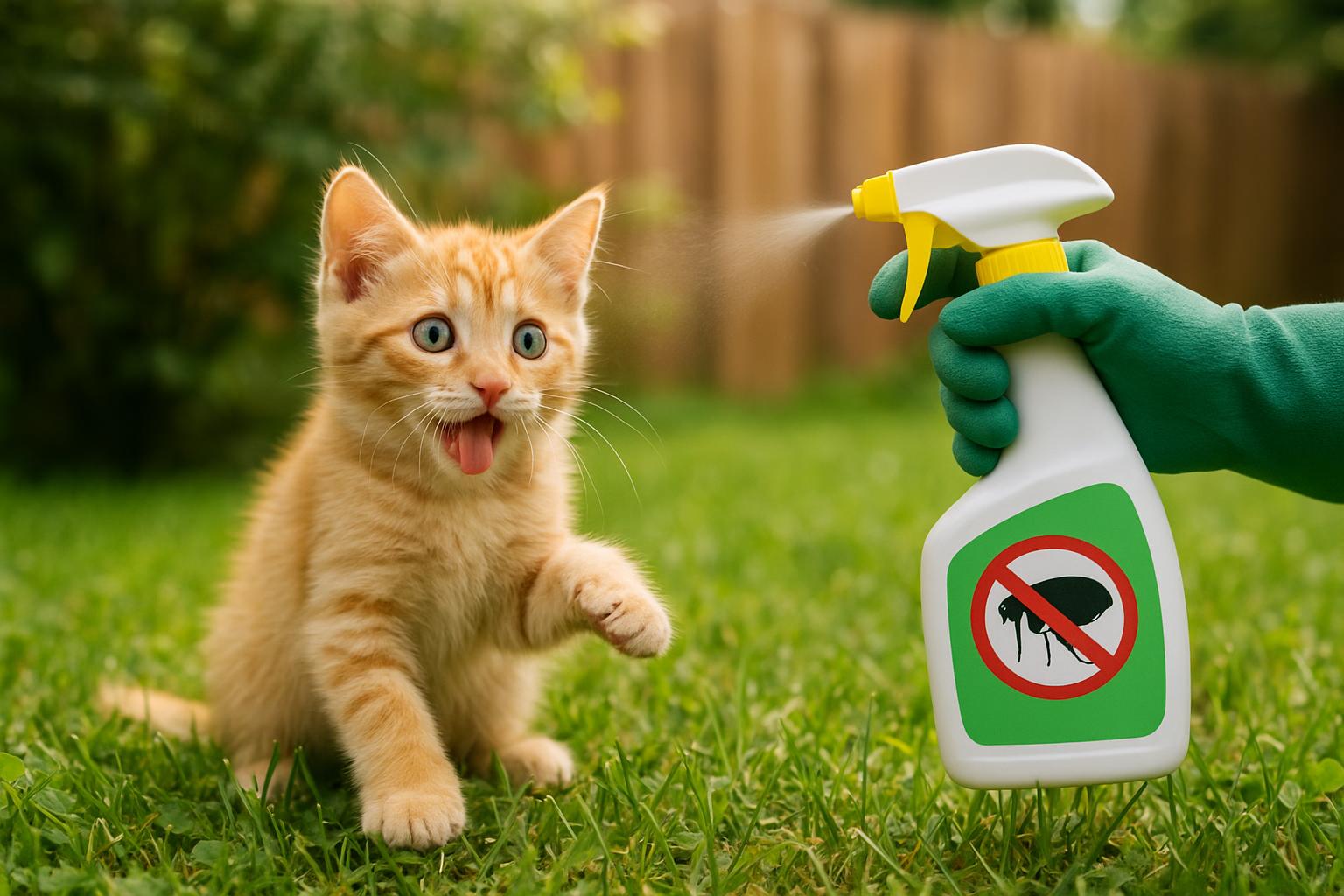
– Household flea spray for carpets/upholstery (follow label for pet safety and re-entry time)
– Garbage bags for disposing of vacuum contents
– Optional: Steam cleaner for deep cleaning
Step-By-Step Environmental Control (Formal Instructions)
1. Wash Bedding: Remove all pet bedding and wash in hot water (at least 60°C/140°F if fabric allows) and dry on high heat. Do this weekly for at least four weeks.
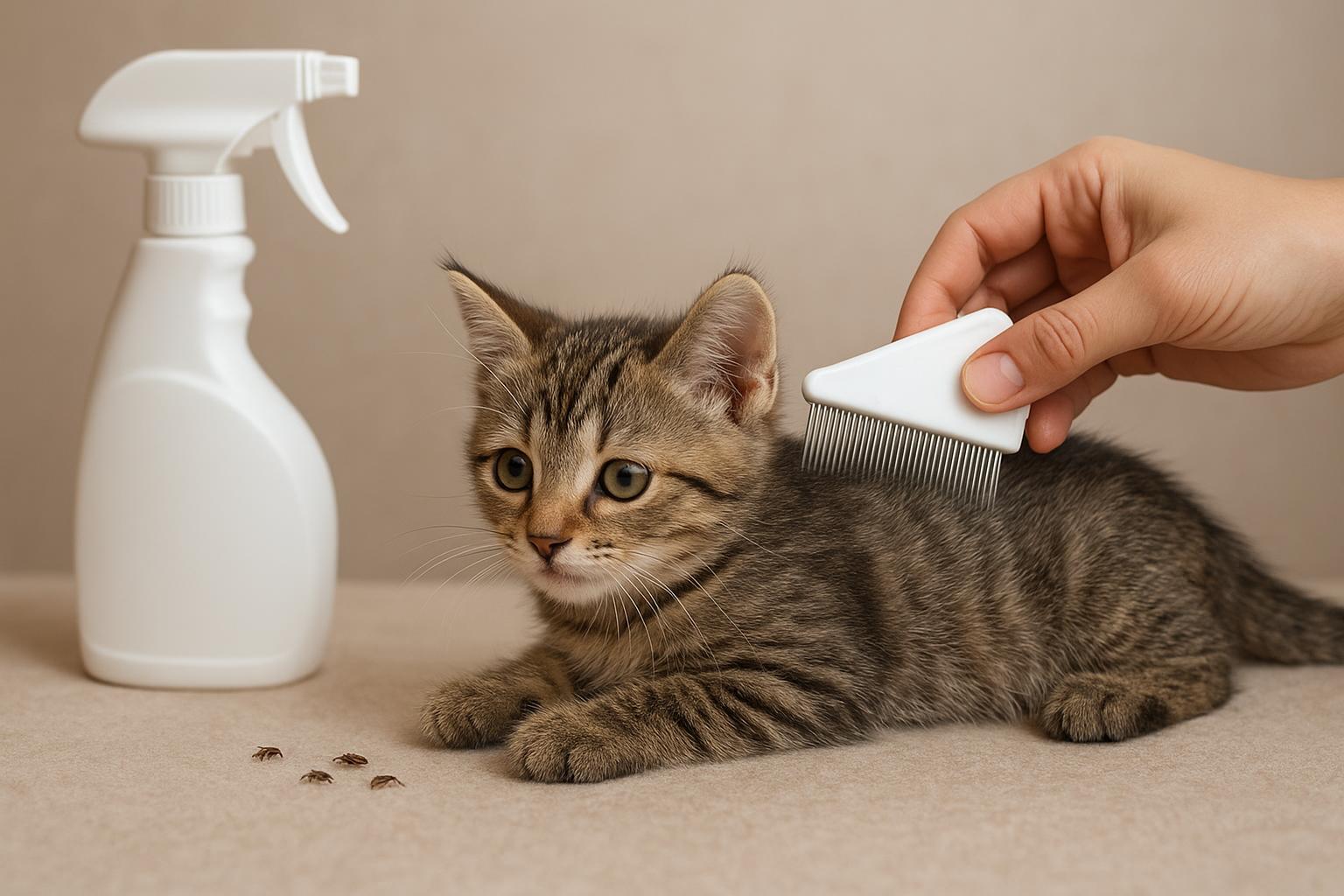
2. Vacuum Thoroughly: Vacuum carpets, rugs, furniture seams, baseboards, and under cushions daily for the first week, then every other day for several weeks. Immediately dispose of vacuum contents in a sealed bag outside the home.
3. Apply IGR: Use an IGR spray according to the label to prevent eggs and larvae from maturing into biting adults. Focus on carpeted areas, pet sleeping spots, and crevices.
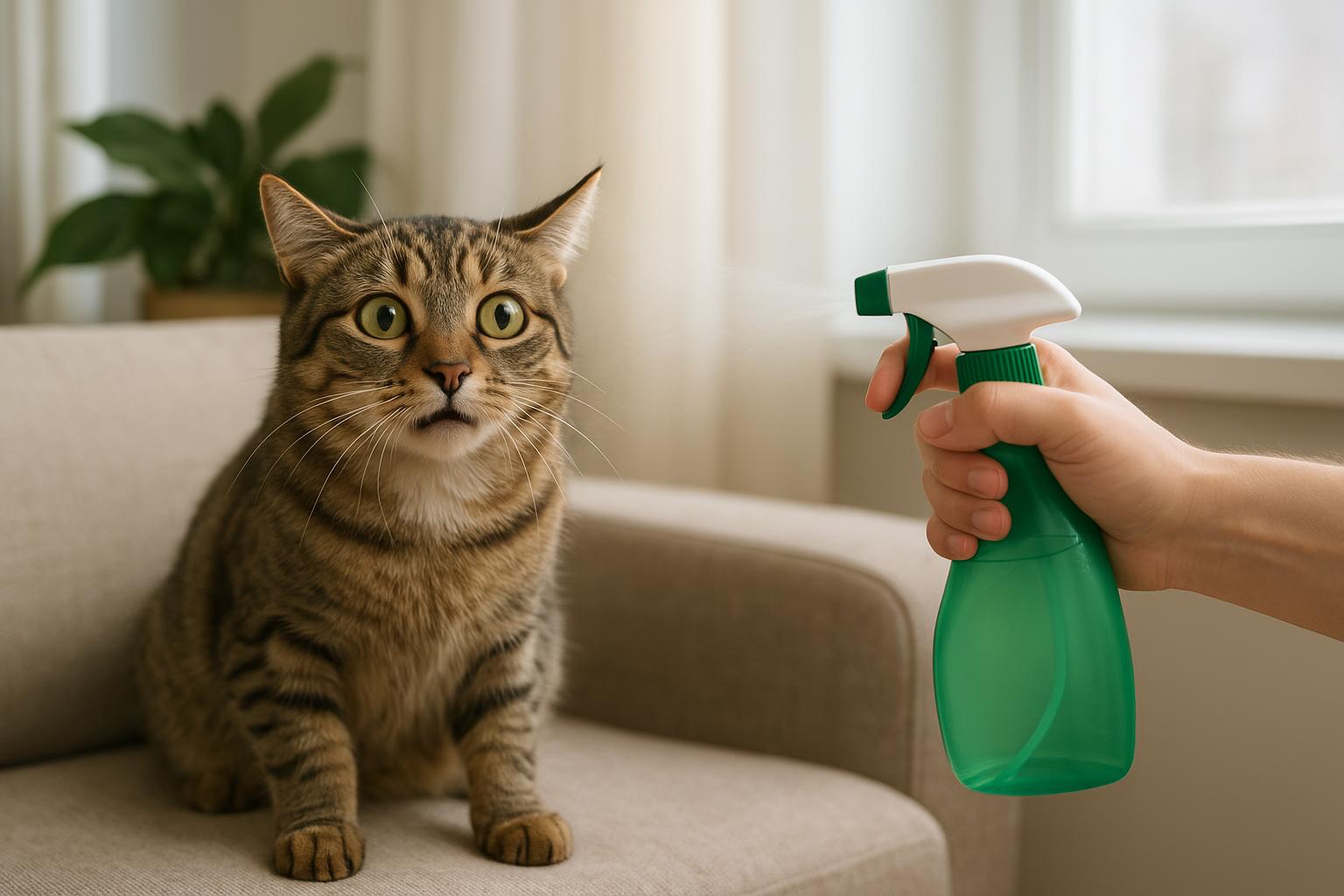
4. Treat Soft Furnishings: Follow label directions for any flea spray used on upholstery; ensure the area is ventilated and pets are kept away until safe.
5. Consider Steam Cleaning: Steam cleaning carpets and upholstery can kill fleas at all stages by heat; combine this with IGR for best results.
6. Outdoor Yard Care: Keep grass short, remove debris, and treat shaded, moist areas where fleas and wildlife congregate if infestation is heavy (use outdoor-labeled products).
Expected Household Flea Response Time
– Immediate Relief: Vacuum and wash bedding will remove many eggs and larvae immediately.
– Reduced Reinfestation: IGRs prevent new adults from emerging, typically working over 4–8 weeks to break the lifecycle.
– Combined Effect: When you pair prompt spot-on treatment on the pet with rigorous environmental control, the perceived flea response time in the home shortens dramatically — often pets are much improved within 48–72 hours and household flea pressures drop substantially within weeks.
### How To Monitor Flea Response Time In Your Pet
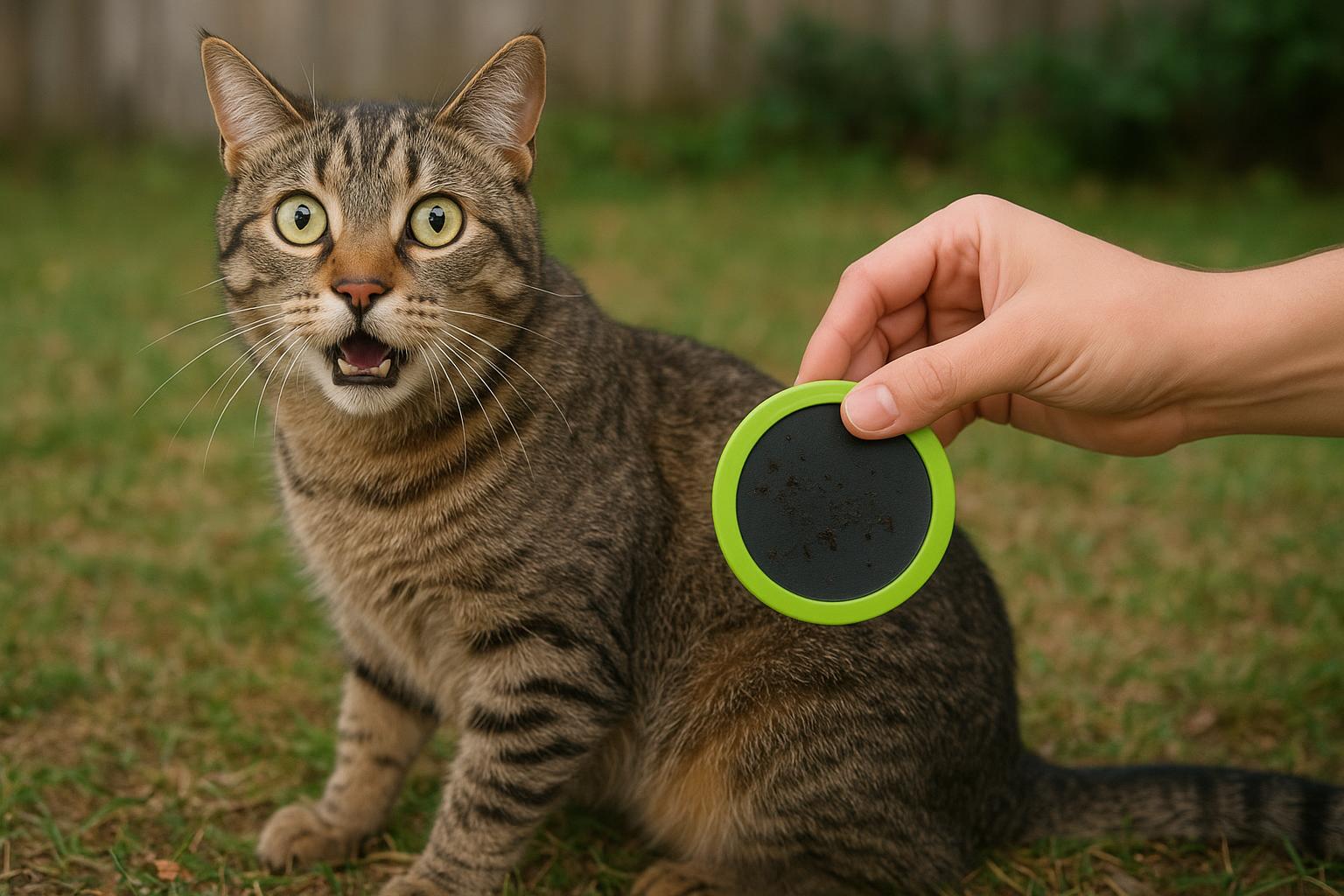
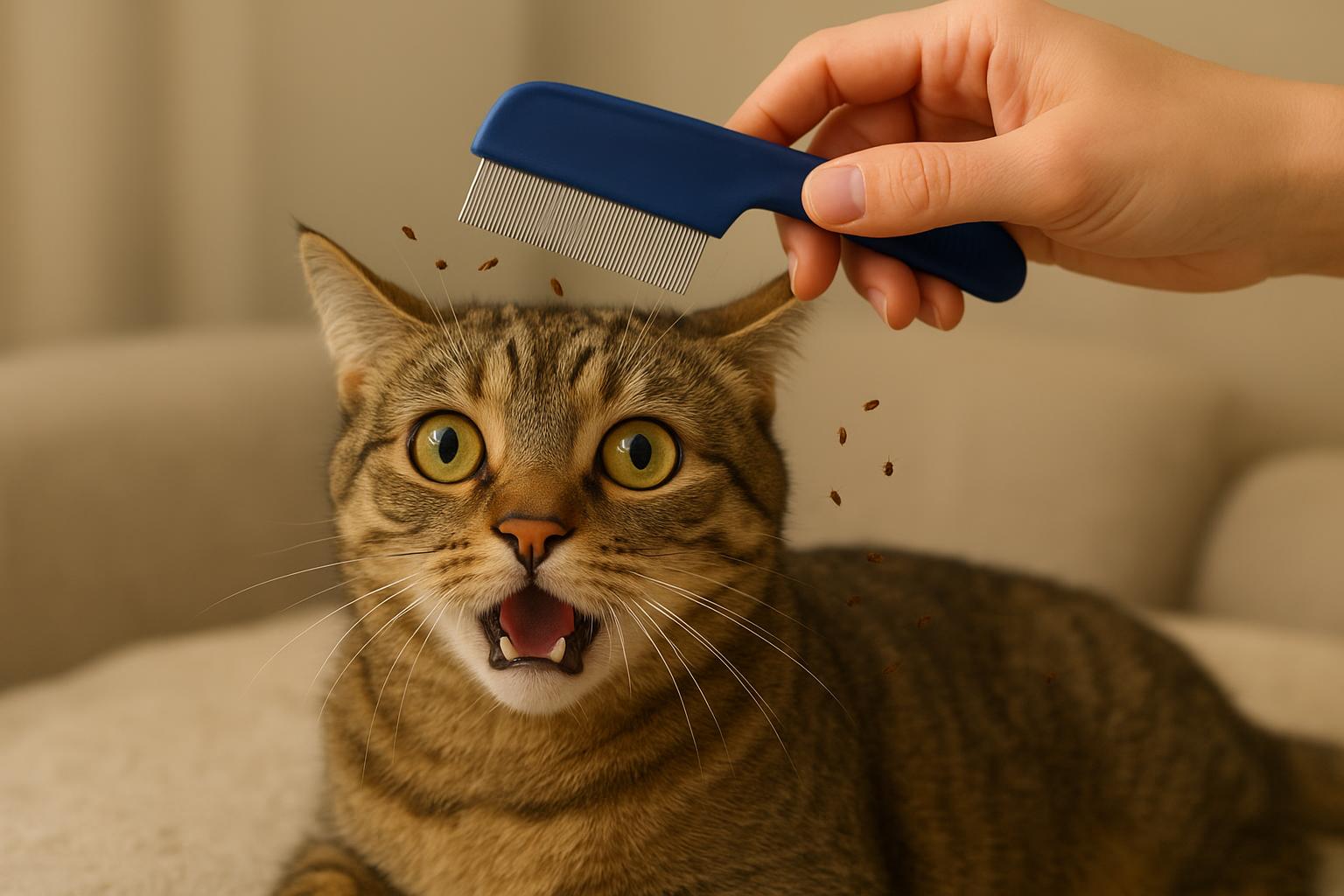
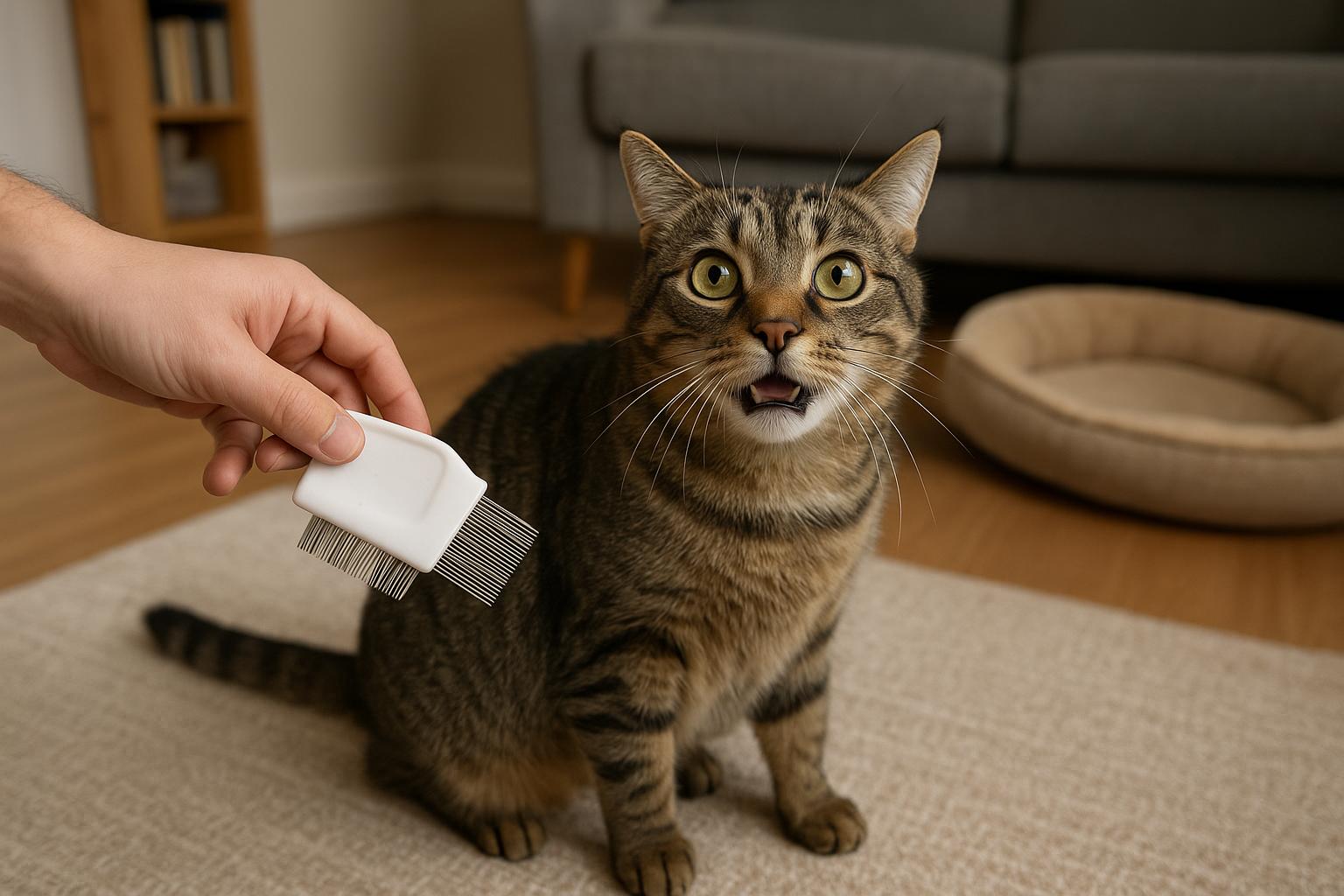
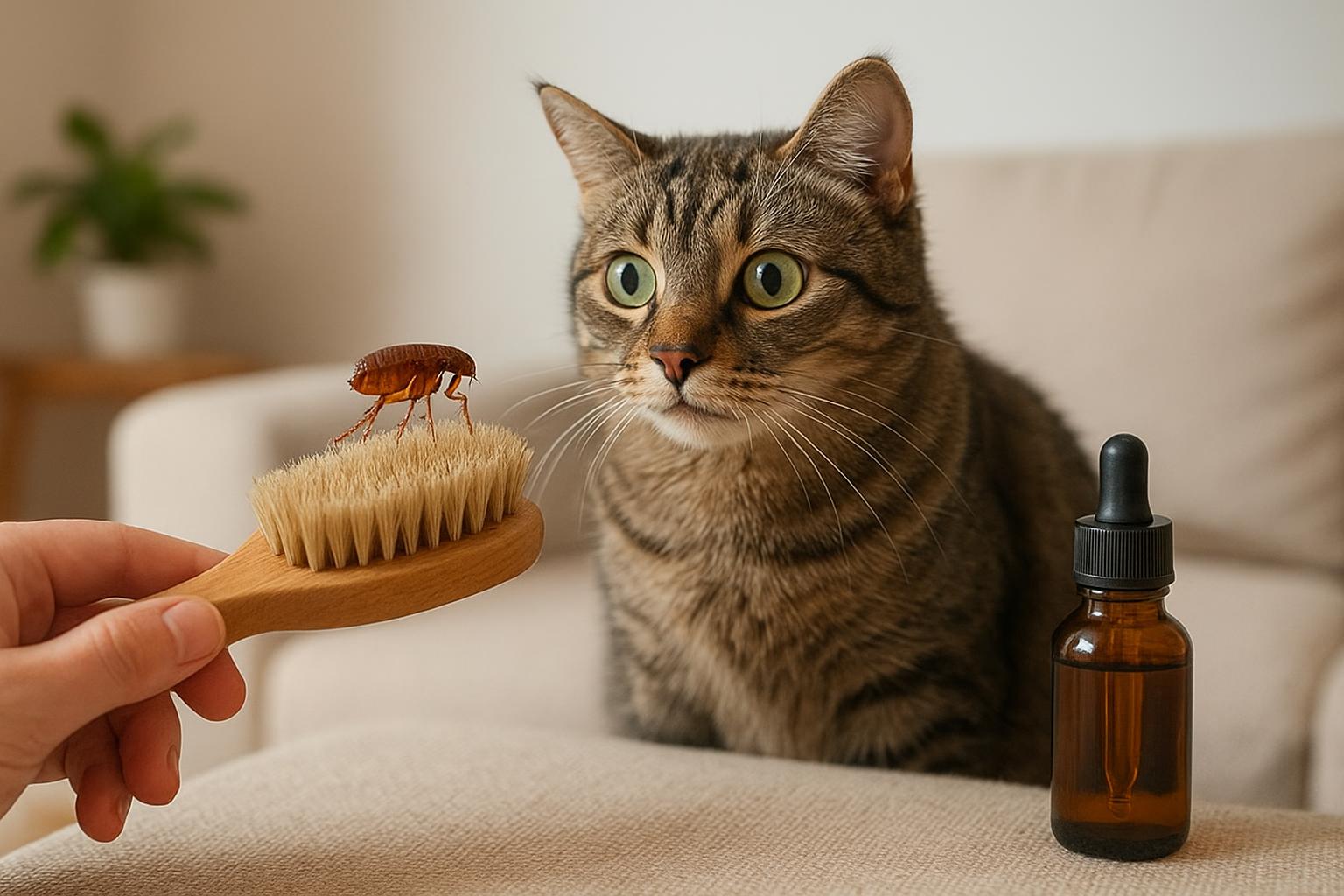
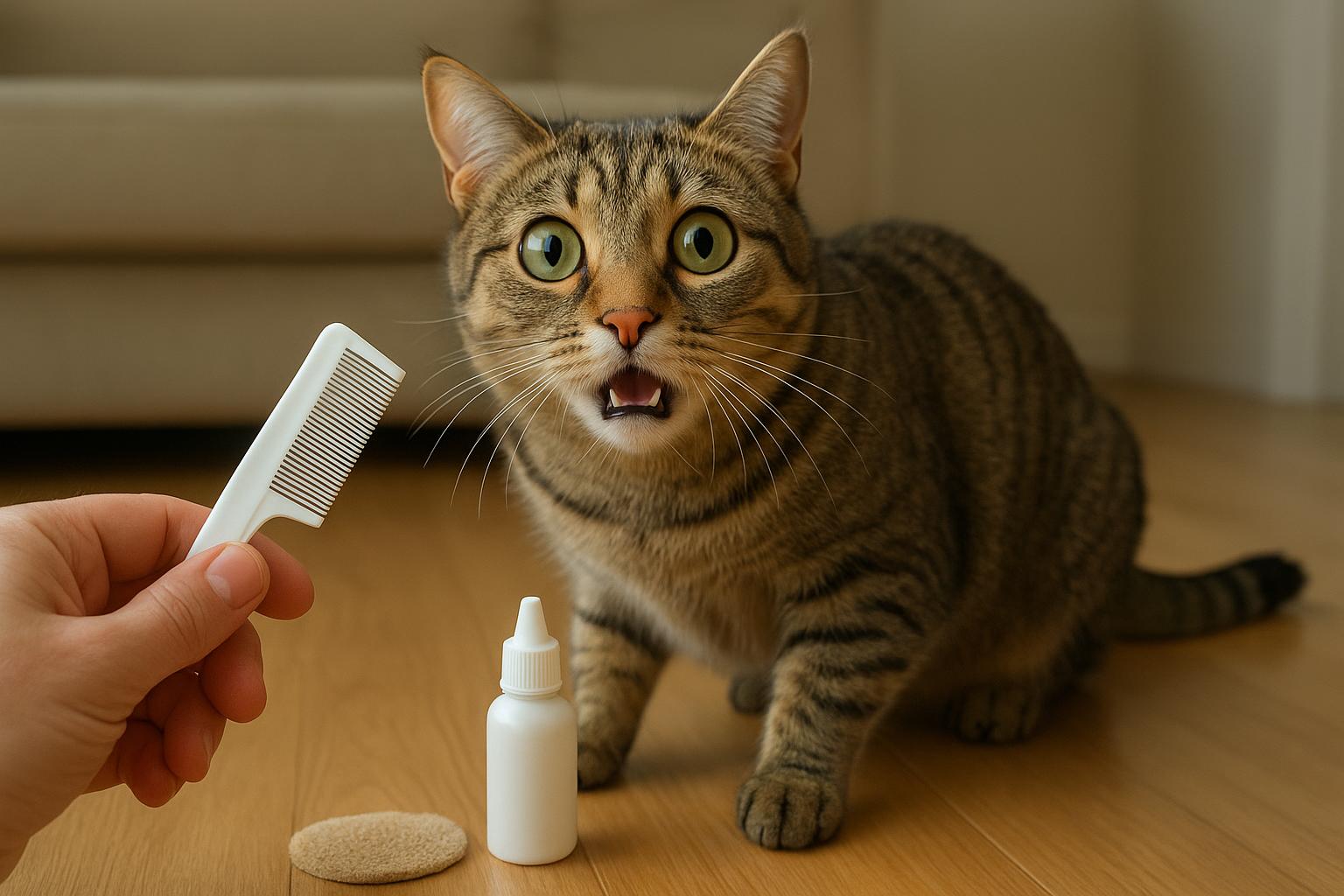
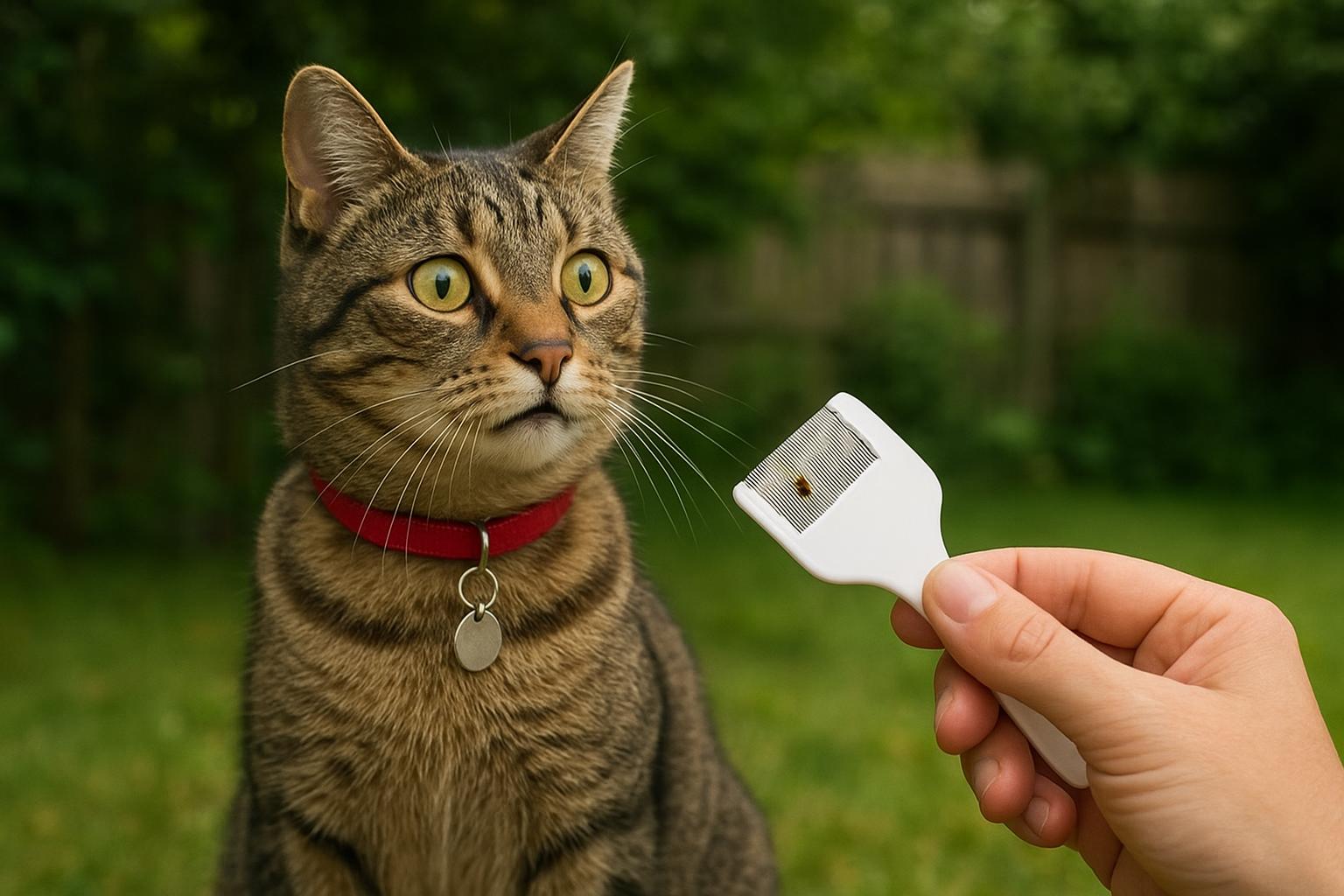
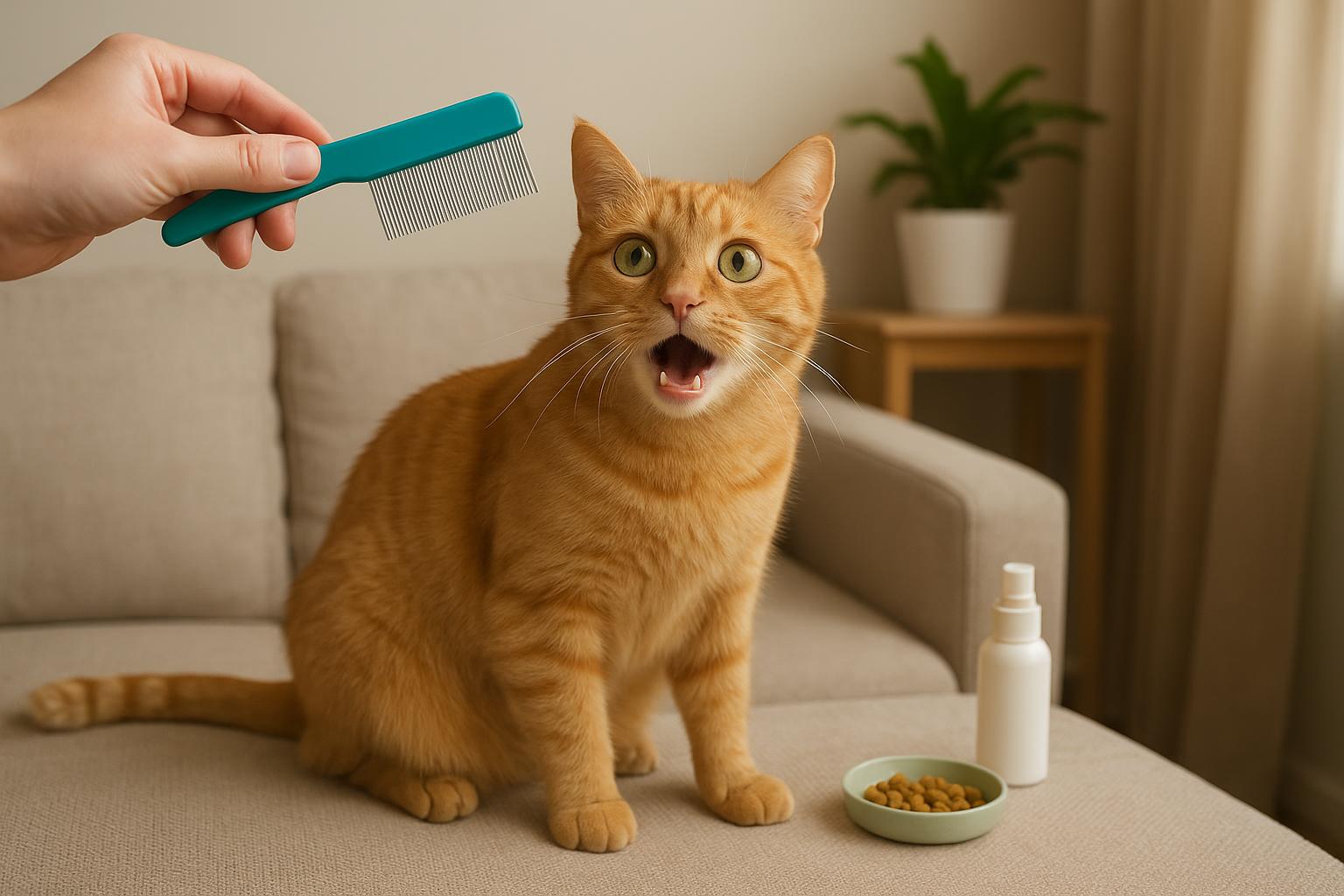
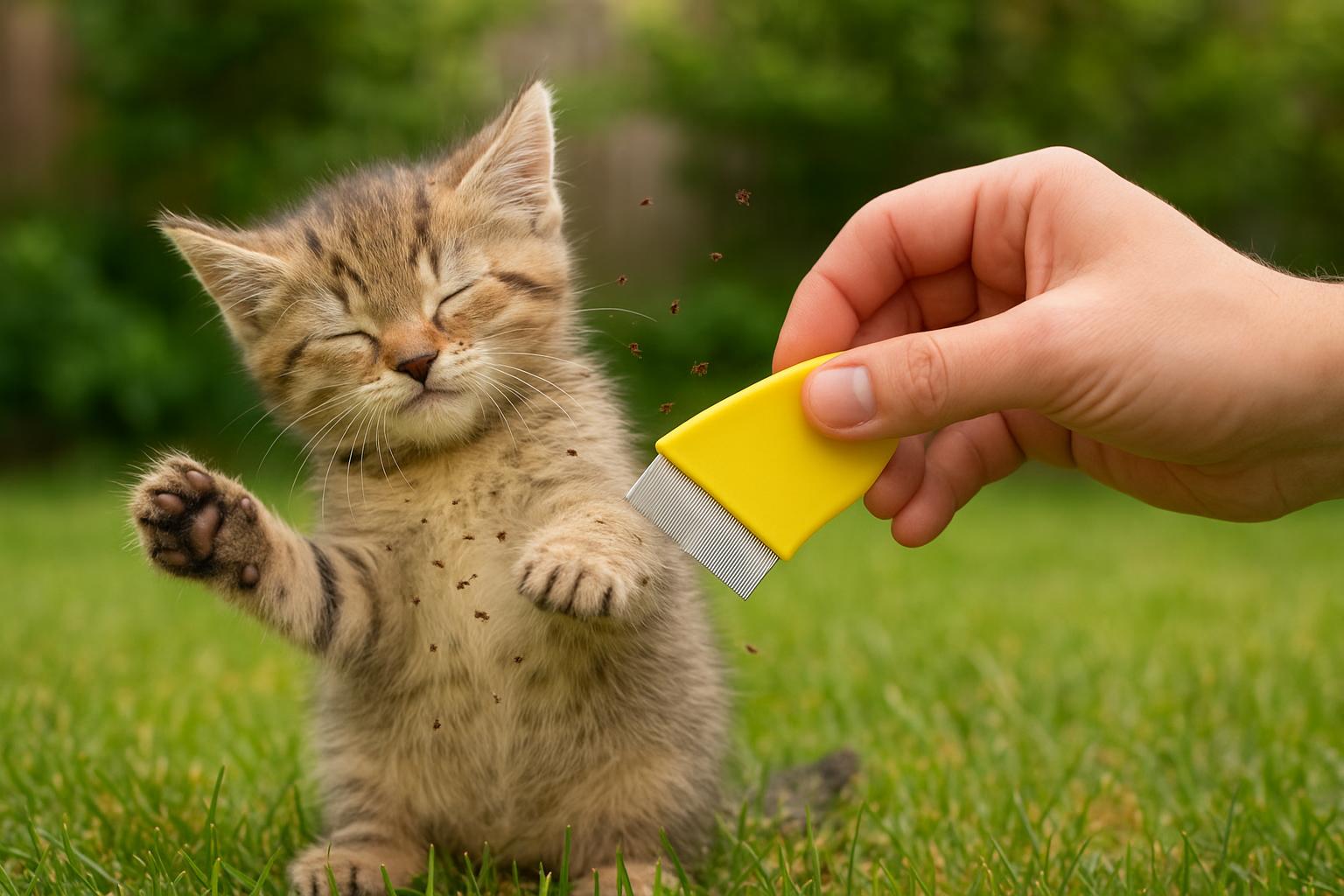
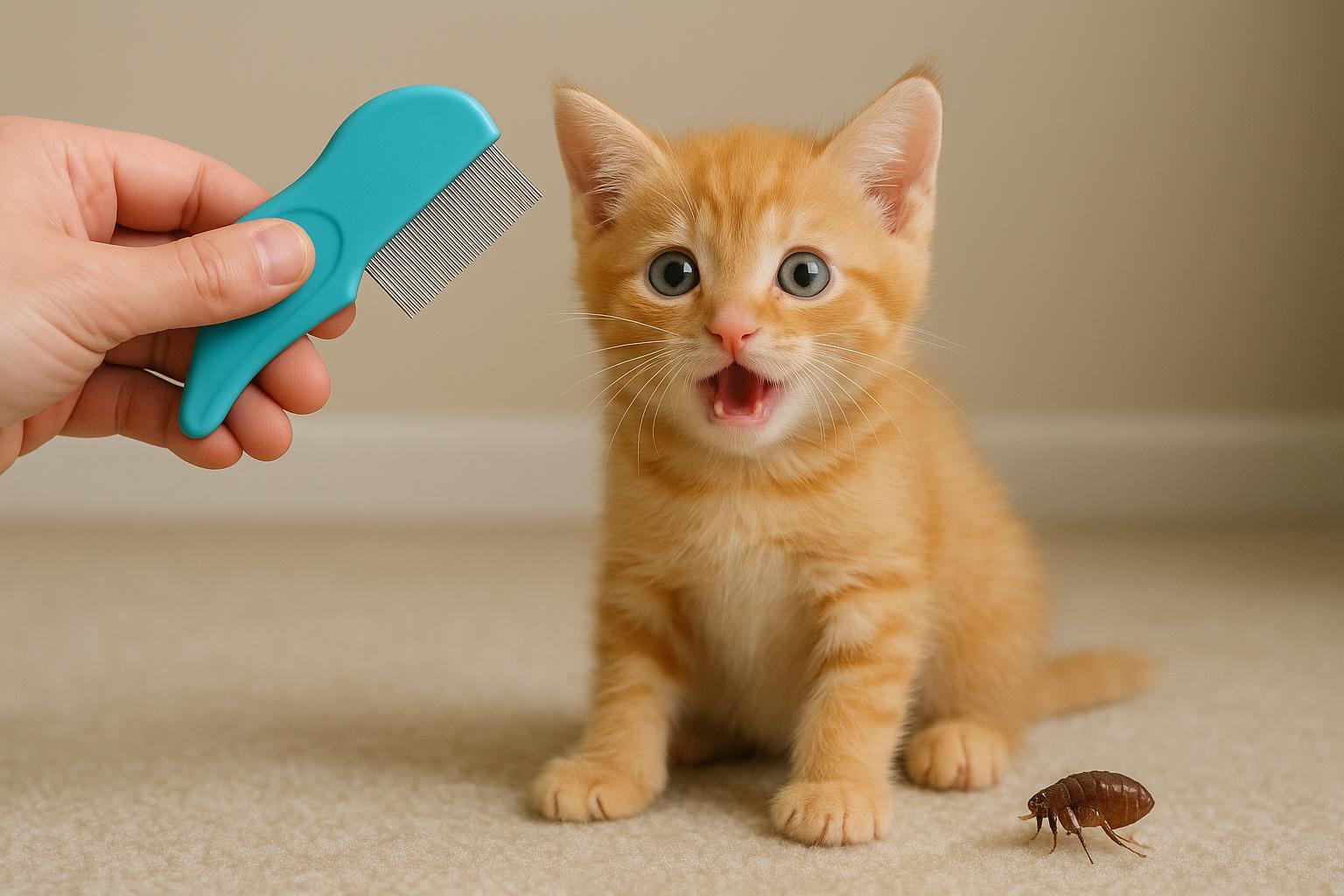
Keep a simple log: note the time of treatment, observe scratching frequency, and check for visible fleas at 12, 24, 48, and 72 hours post-treatment. A flea comb used over a white towel can help quantify live flea counts. If you don’t see improvement in 72 hours, re-evaluate: Was the product suitable for your pet’s weight and species? Was the application done correctly? Are there untreated animals or a heavy environmental infestation prolonging the issue?
### When Flea Response Time Isn’t Fast Enough
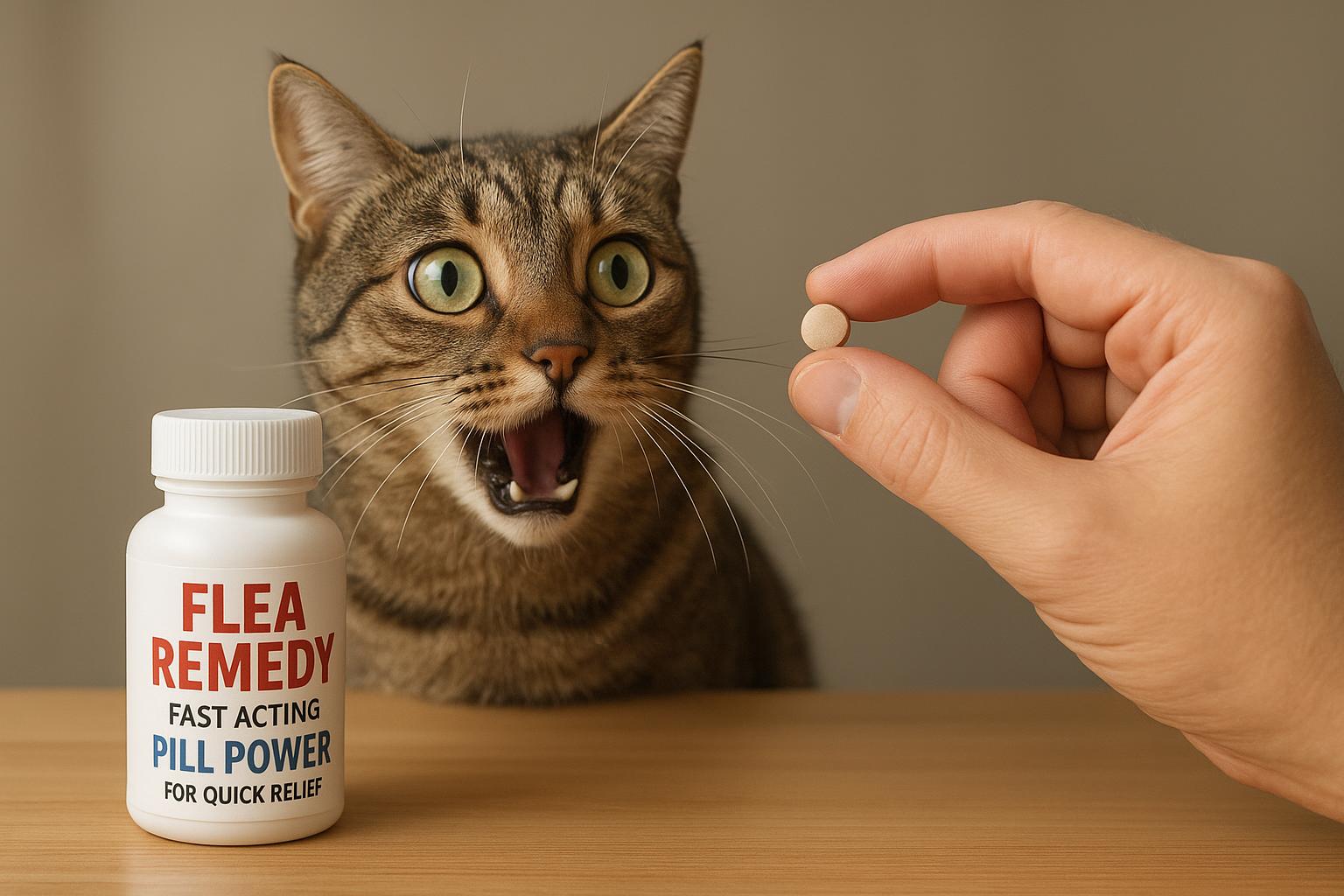
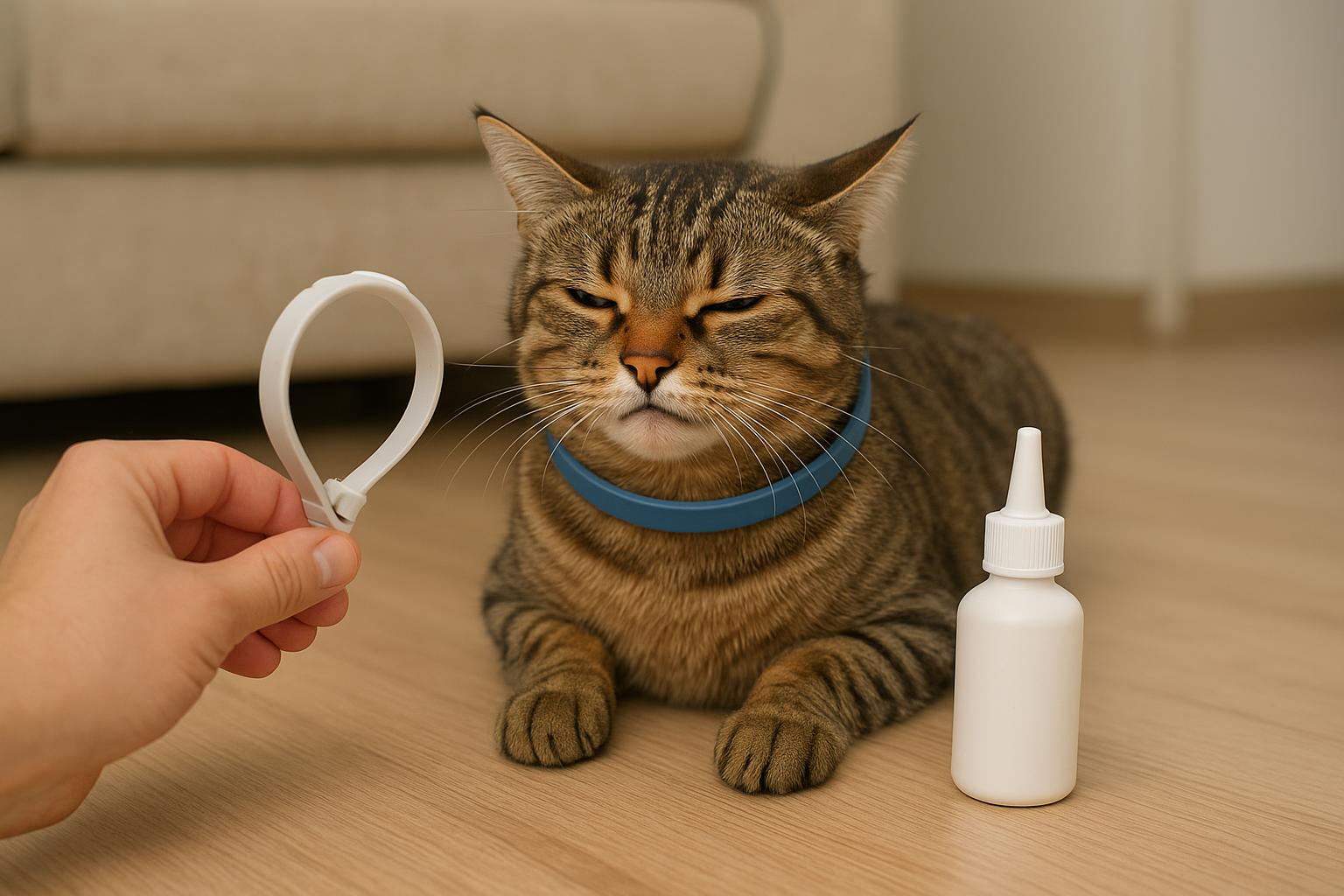
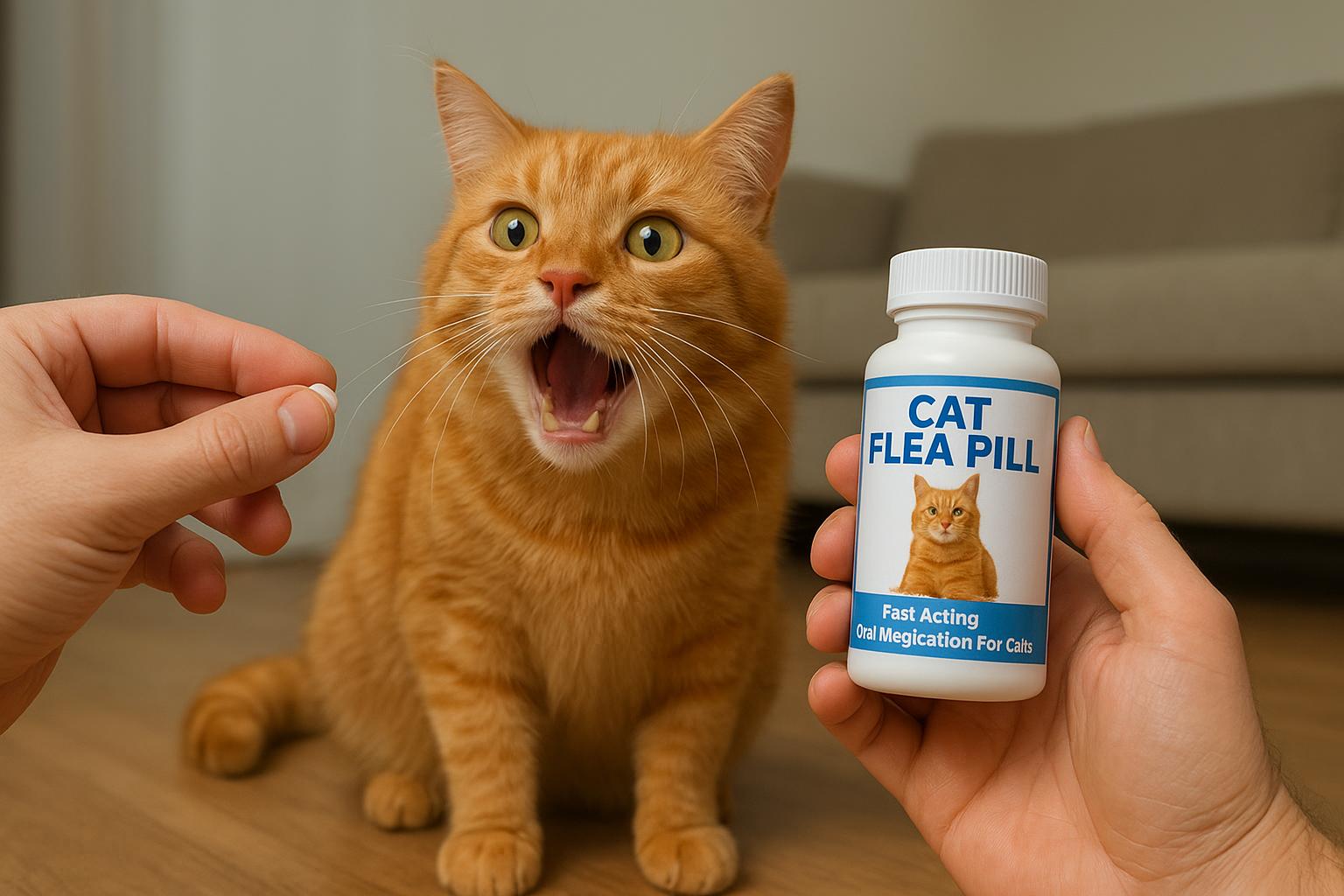
If relief is slow, don’t panic. Several factors can lengthen flea response time: incorrect product choice, improper application, bathing the pet soon after treatment (which can wash off topical products), or a heavily infested environment serving as a reservoir. In such cases, consult your veterinarian. They may recommend an oral systemic product, a different topical, or integrated pest control measures for your home.
#### Safety Notes And Precautions
Always use products labeled for the specific species: some dog-only products are toxic to cats. Follow dosage instructions closely. Keep products away from children and handle applicators as directed. Pregnant, nursing, or medically compromised animals need veterinary approval before treatment.
#### Quick Tips To Improve Flea Response Time
– Treat all pets in the household simultaneously.
– Delay bathing your pet for 48 hours after topical application unless product guidance states otherwise.
– Maintain regular preventative schedules even when fleas seem gone to avoid future surprises.
– Keep outdoor access limited during intense treatments to prevent immediate reintroduction.
A little preparedness goes a long way. With the right combination of an effective product applied correctly and household measures that interrupt fleas’ lifecycle, the often-frustrating flea response time can become shockingly quick — and a whole lot less itchy for everyone involved.





Leave a Reply