

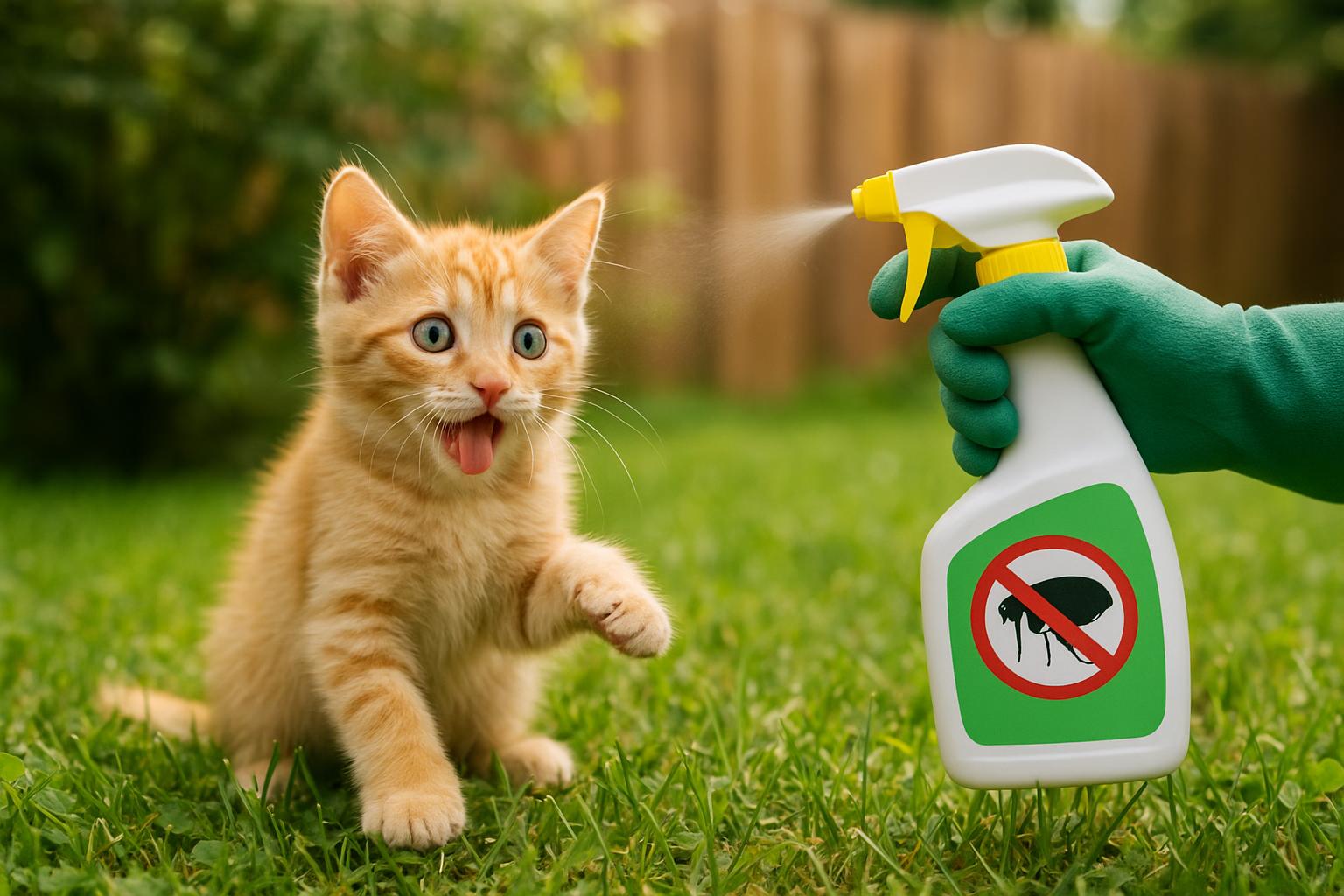
If you’ve ever watched a neighbor clip a glinting plastic collar around their dog and wondered, “Is that safe?” — you’re asking the right kind of question. Backyard pest control often comes with surprises: some helpful, some head-scratching, and some downright worrying. Let’s take a friendly stroll through what’s really going on with those chemical collars, how they can affect animals and people, and practical steps you can take to reduce harm without turning your yard into a no-fun zone.
## Understanding Flea Collar Risk In Your Backyard
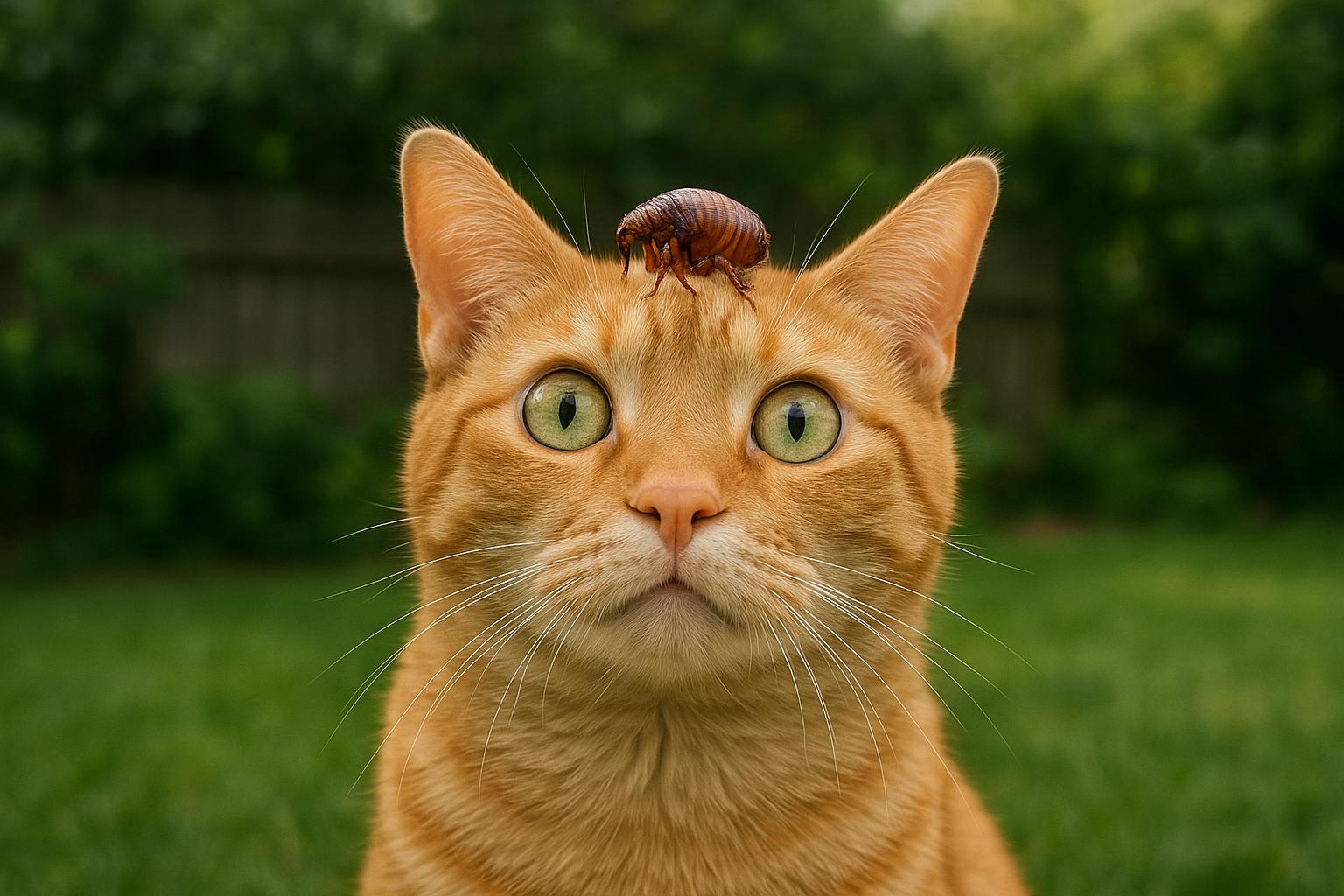
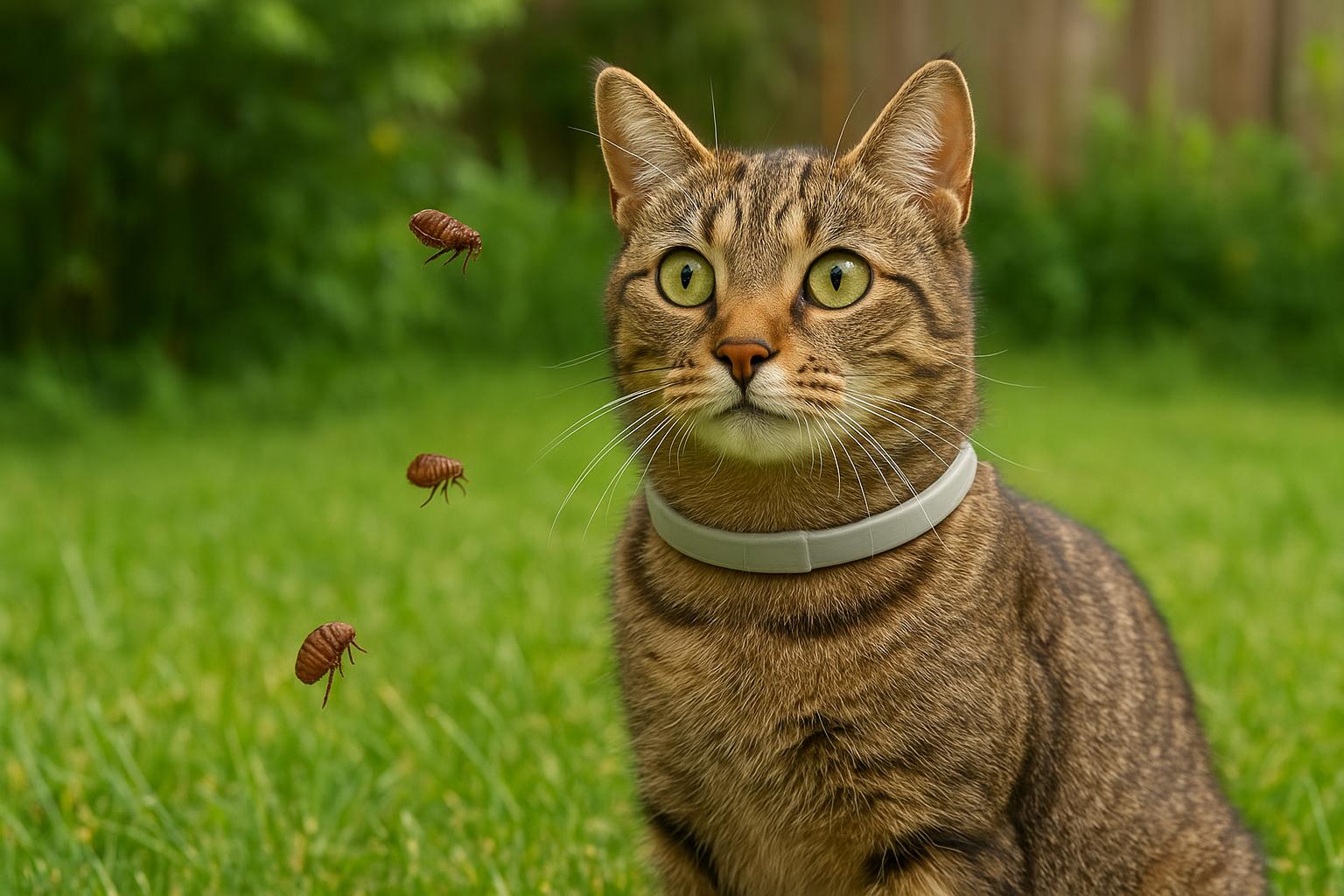
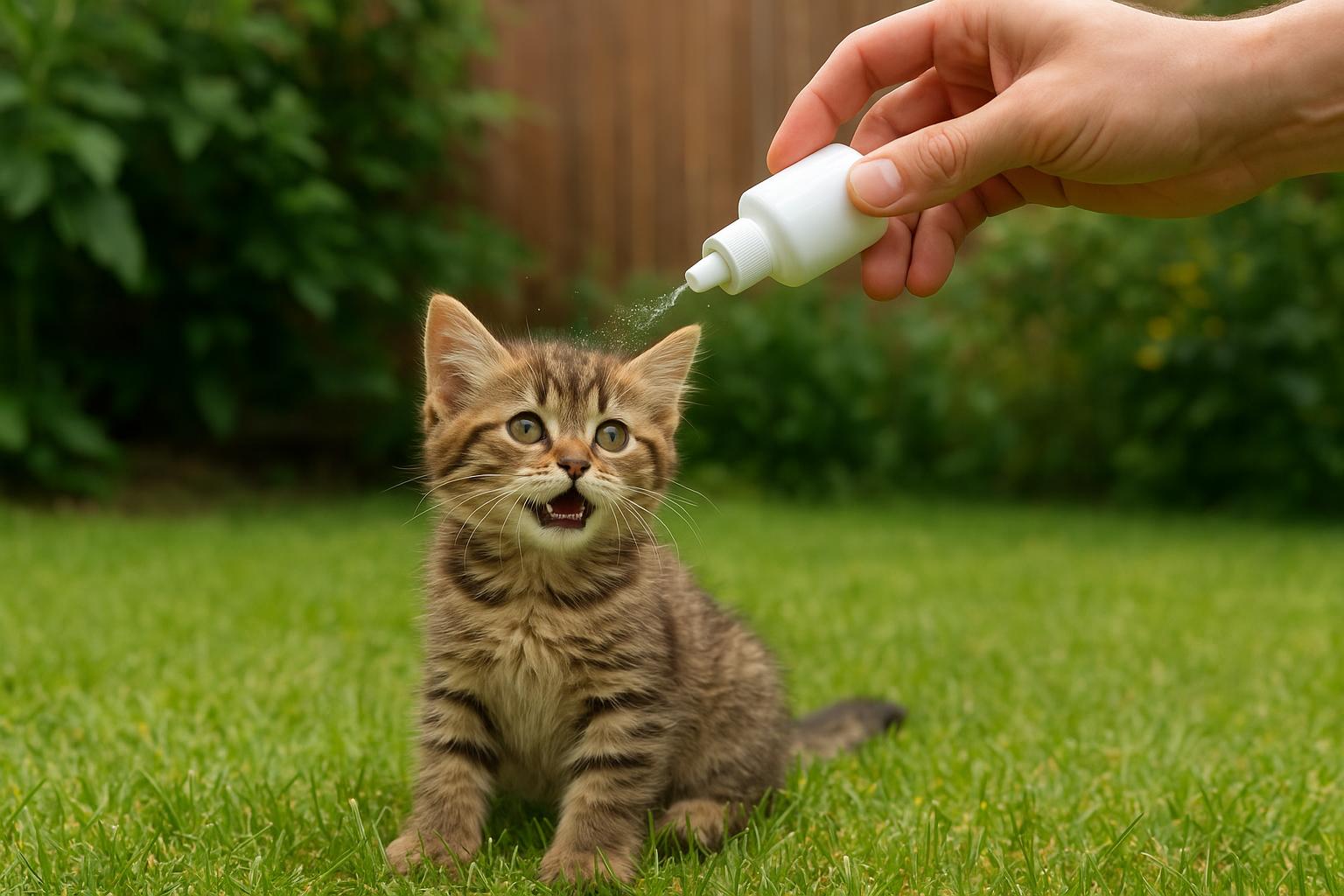
The flea collar risk is more than a scare headline; it’s a mix of real toxicology, variable pet sensitivity, and environmental persistence. These collars rely on insecticides — pyrethroids, organophosphates, or newer isoxazoline compounds — to kill or repel fleas. Applied closely to a pet’s neck, the chemicals spread over fur and skin. From there, some gets absorbed systemically, some transfers to surfaces, and some breaks down in the environment. For most pets, the level is low enough to prevent infestation. For others, particularly sensitive animals and young children in close contact, those low levels can be meaningful.
### Flea Collar Risk To Pets
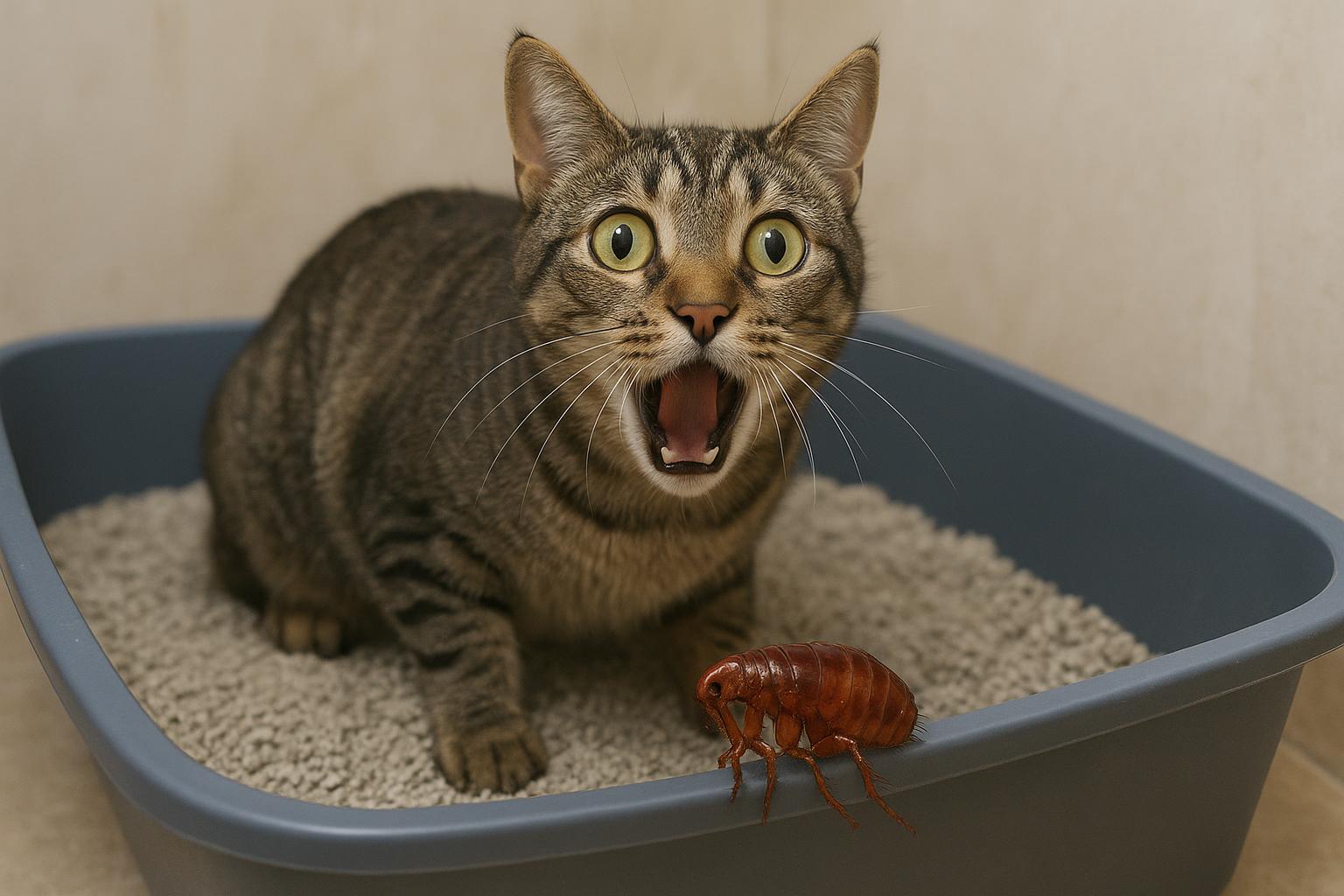
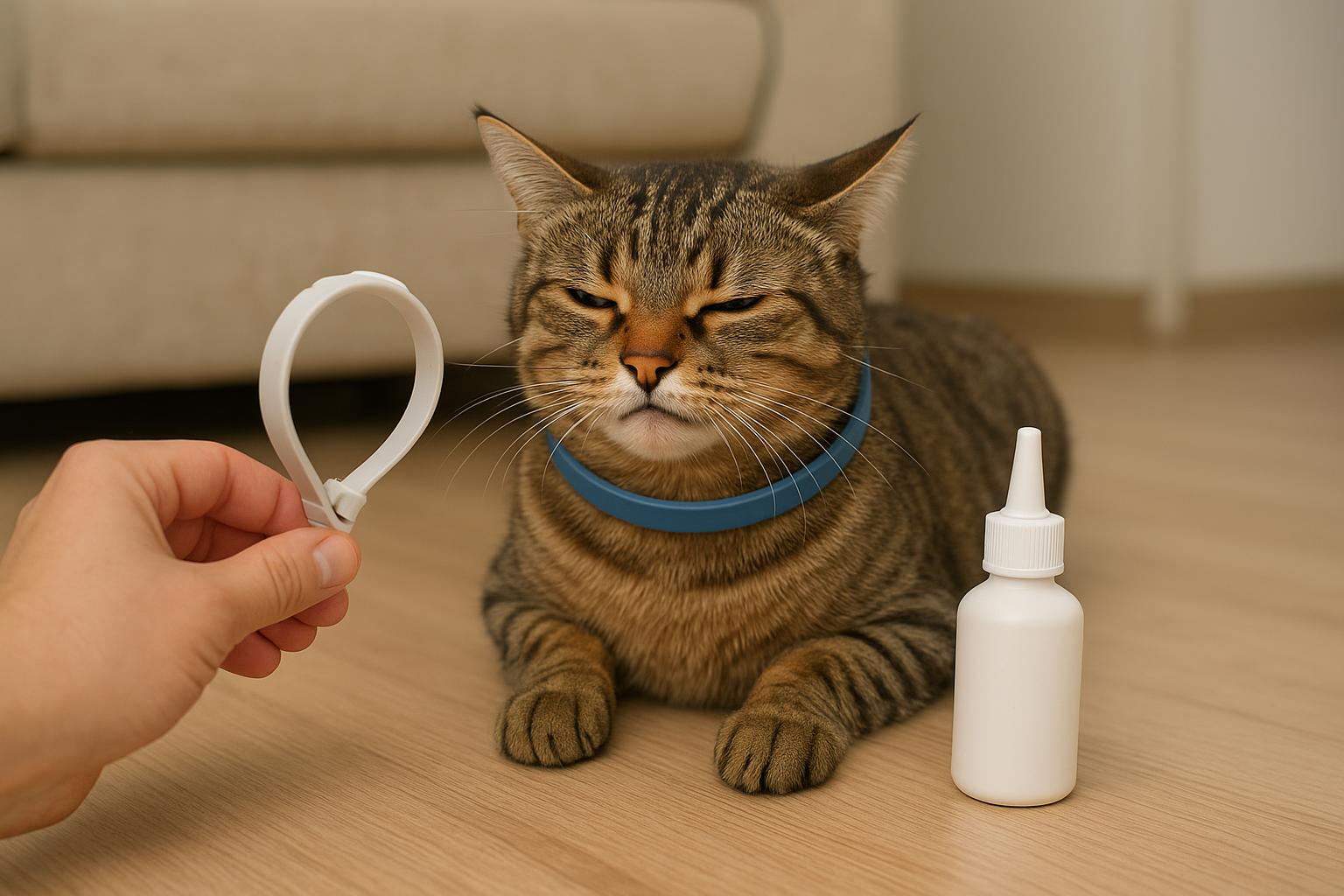
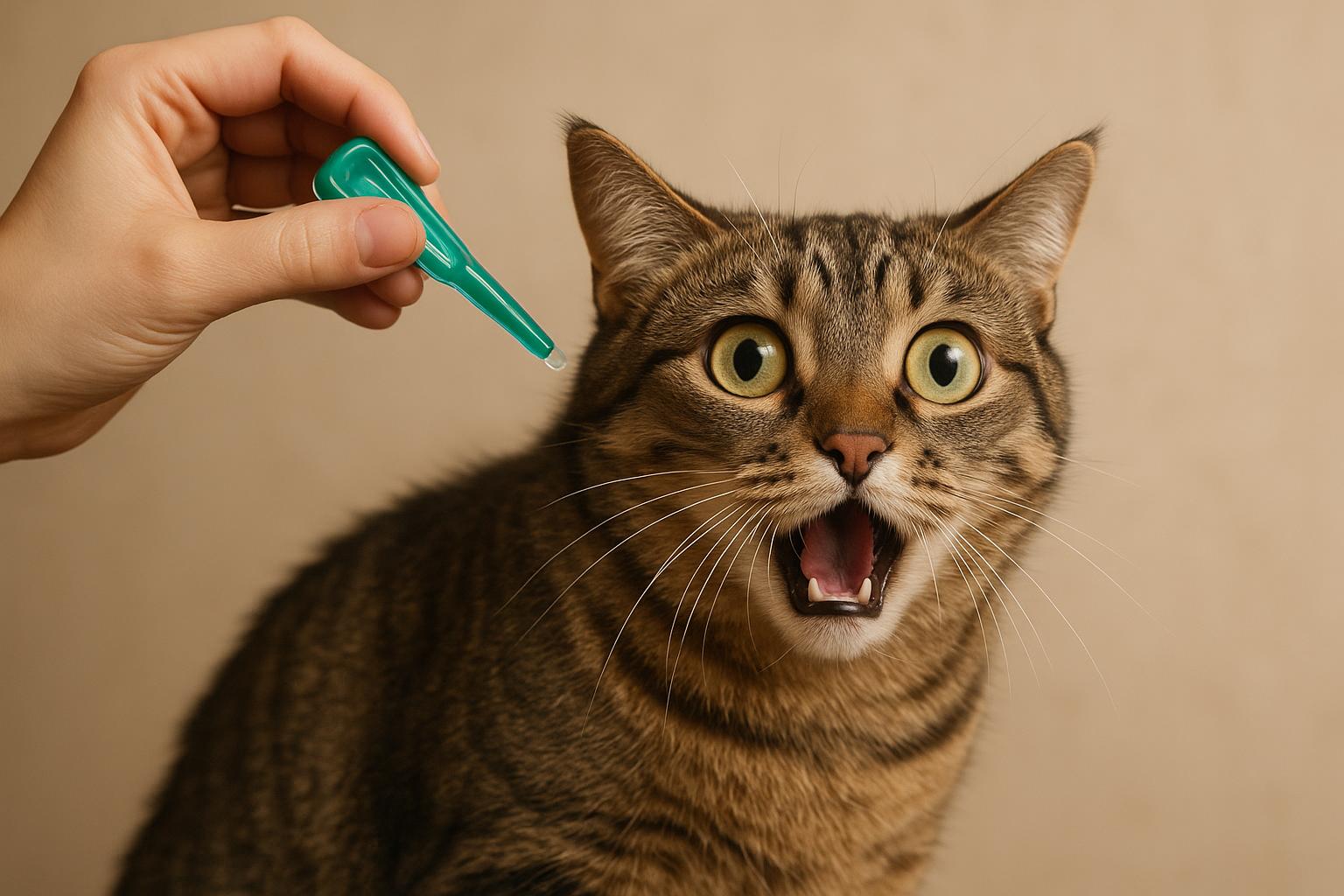
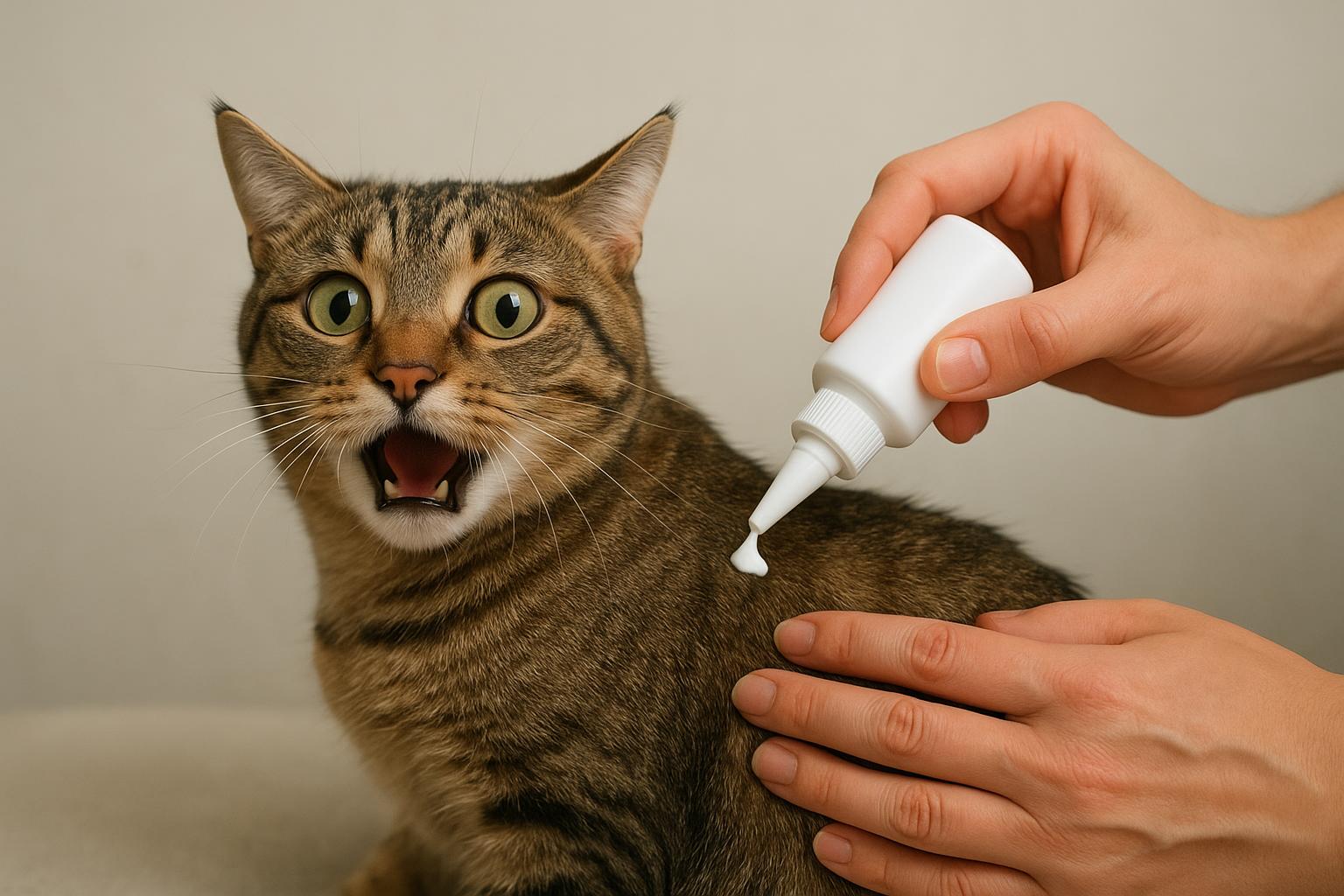
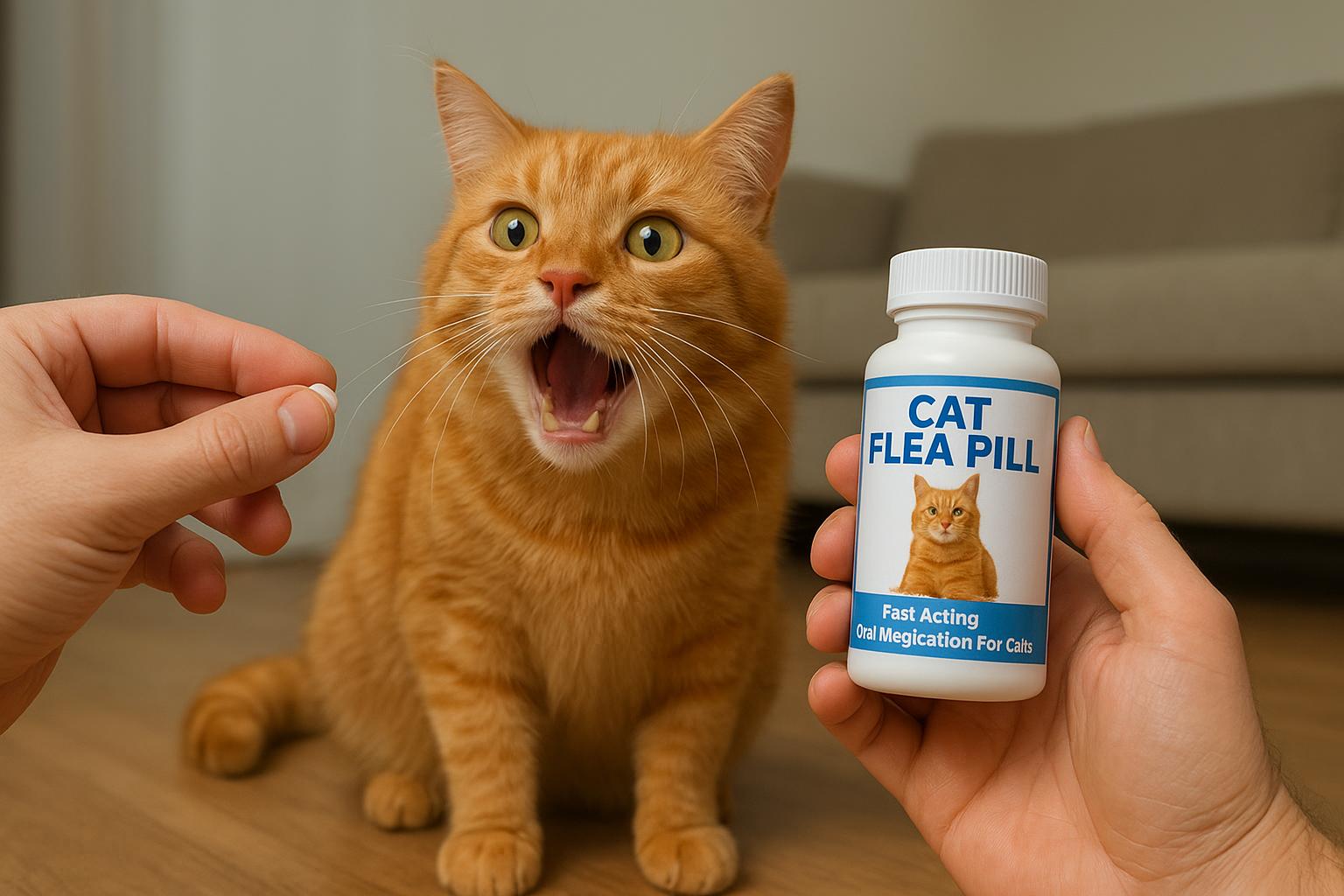
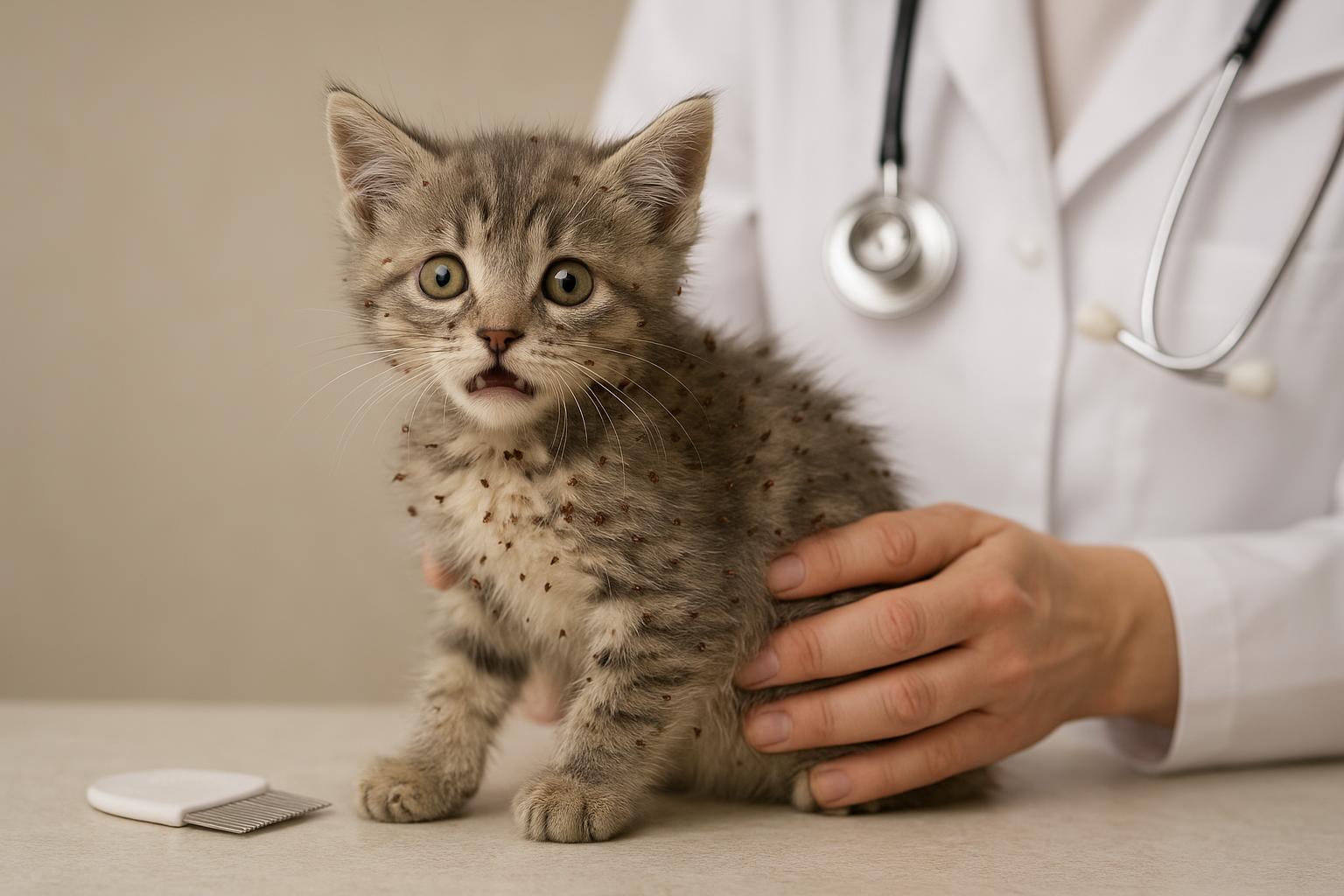
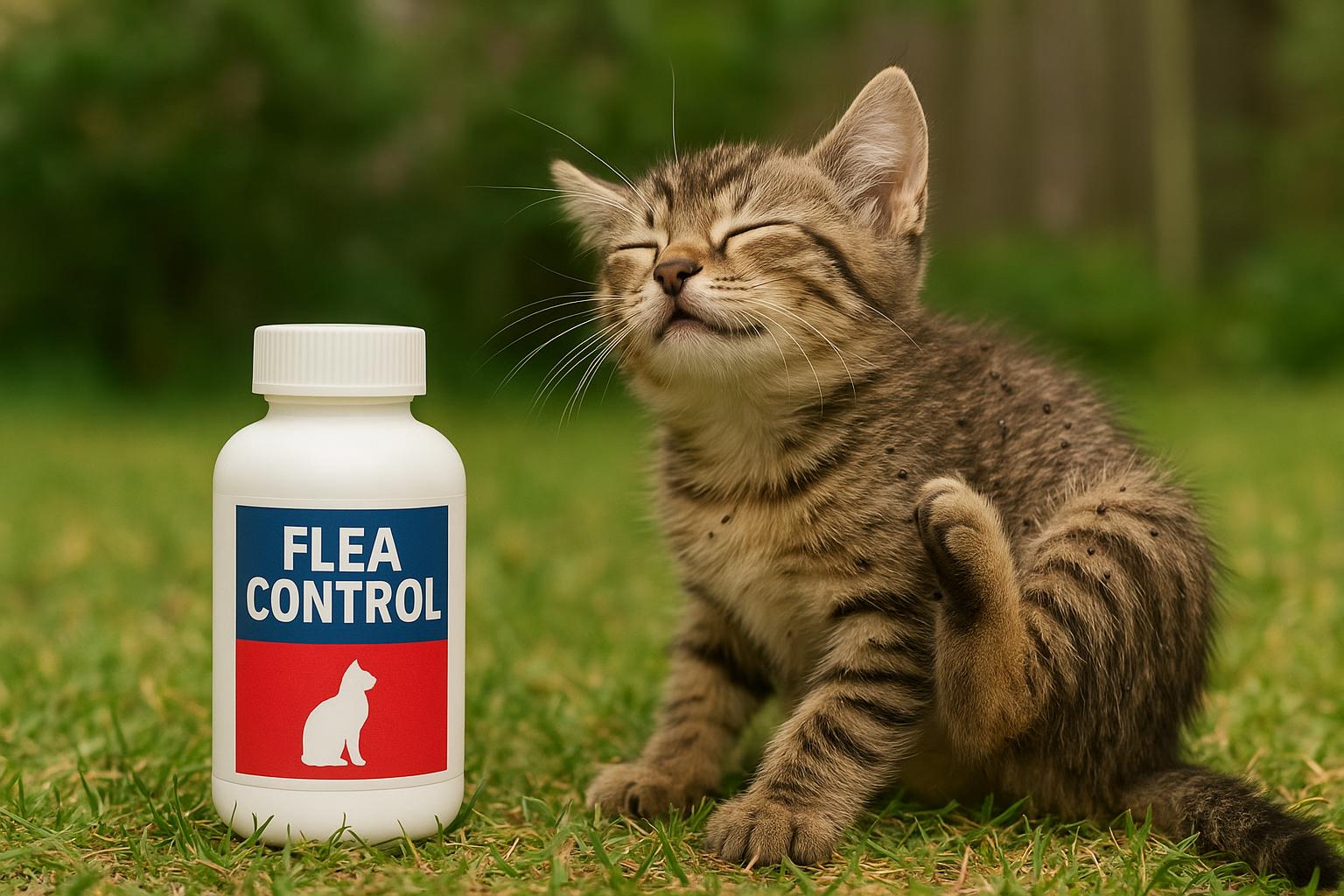
Pets show a range of reactions. Many tolerate collars with no obvious side effects, but some develop skin irritation, hair loss, excessive salivation, tremors, or neurological signs. Cats are generally more susceptible to certain compounds because they metabolize some insecticides poorly. Older pets, those with liver or kidney disease, and animals on multiple medications may be at higher risk. If you notice scratching that gets worse after applying a collar, or any signs of weakness, a veterinary consult is warranted. The flea collar risk is not always immediate; chronic low-level exposure can subtly affect behavior and health over time.
### People And Flea Collar Risk
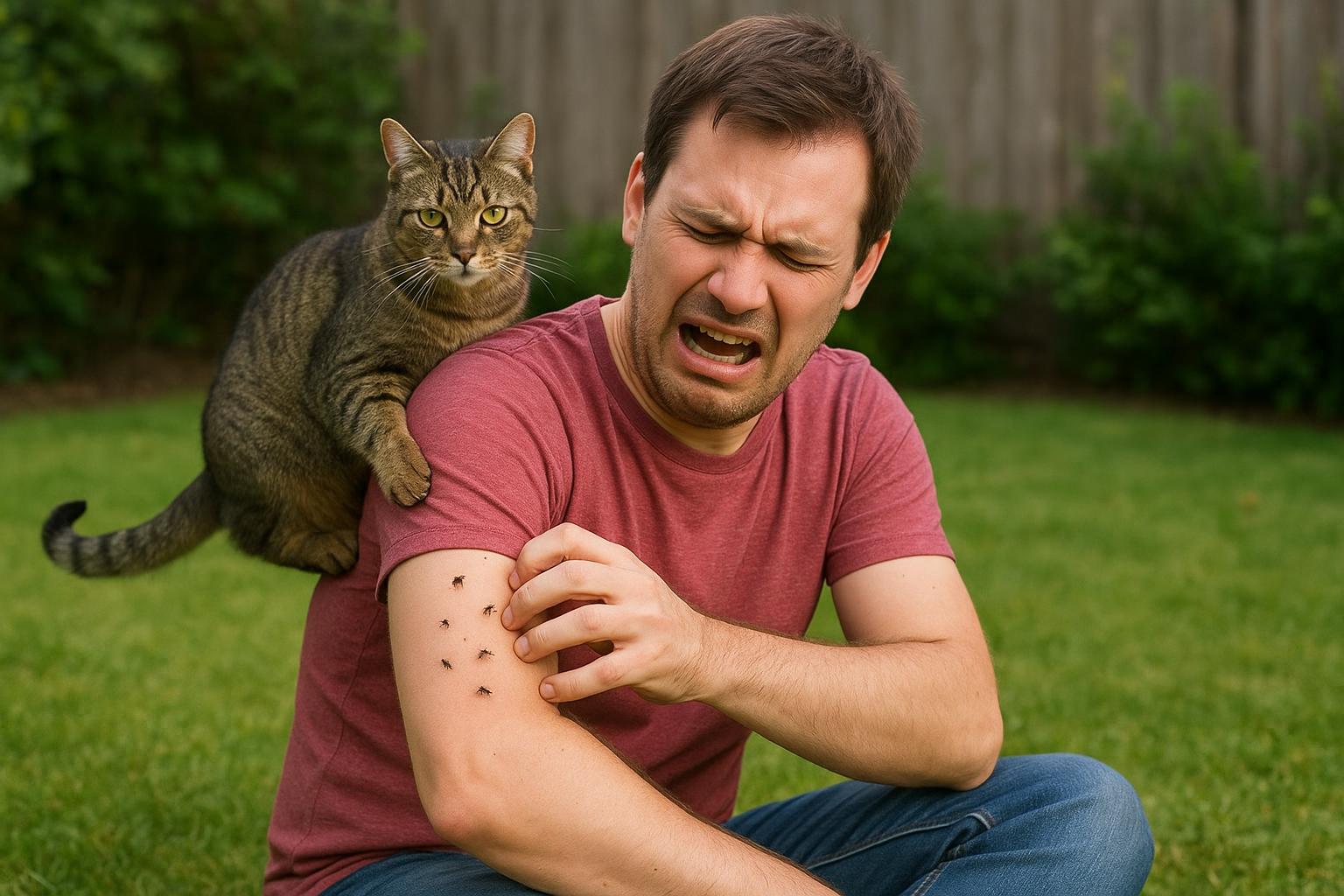
Kids are natural explorers, and pets are cozy loungers — that combination increases contact. The primary human concerns are skin irritation from handling treated collars, inhalation of chemical dust if collars degrade, and accidental ingestion by curious toddlers. Washing hands after petting and keeping collars out of reach during storage are simple mitigations. Remember: pet exposure does not equal immediate human harm, but children, pregnant people, and those with chemical sensitivities should be especially cautious because household transfer is possible. The more collars in your backyard ecosystem, the larger the area of potential exposure and the greater the flea collar risk to the household.
#### How Collar Chemicals Work
Most flea collars use one of two approaches: repellency (keeping fleas off using volatile compounds) or insecticidal action (killing fleas that contact treated fur). Pyrethroids disrupt insect nervous systems but can affect mammals at higher doses. Isoxazolines are systemically absorbed in the animal and target insect-specific receptors — generally effective, but not without reported adverse reactions in some animals. Environmental persistence varies: some active ingredients break down quickly in sunlight, others linger in shaded soil or on bedding. That persistence contributes to the flea collar risk in a yard ecosystem.
## Backyard Signs That Point To A Problem
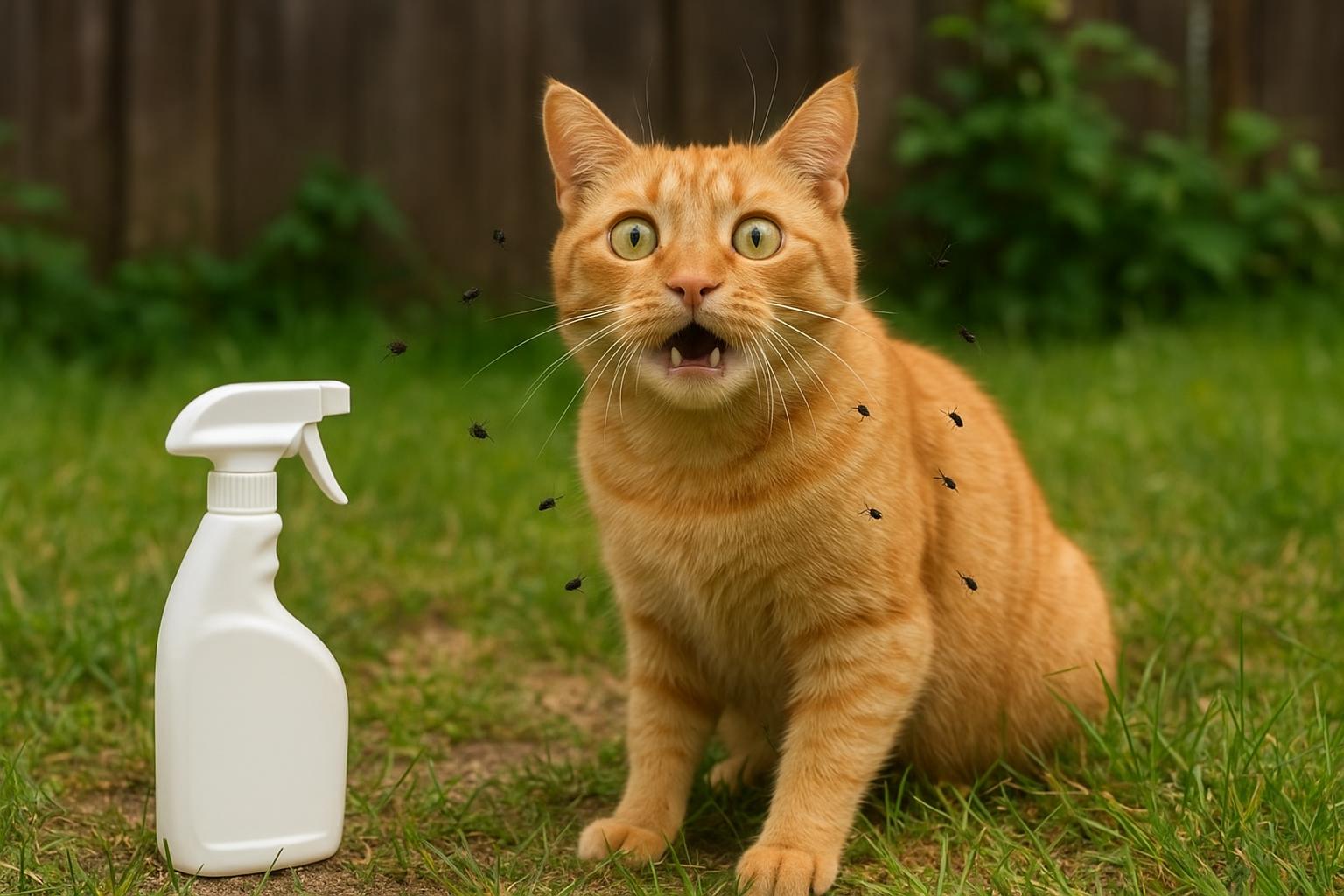
If your backyard feels like a flea hotel, or if you notice unusual health changes in animals or family members, look for patterns. Is the problem worse where a particular dog sleeps? Do several neighbors use the same brand? Are there patches of bare skin on pets near the neck, or increased scratching? The flea collar risk often announces itself through patterns of localized irritation and recurring infestations despite treatment.
### Immediate Practical Steps If You Suspect Harm
1. Remove the collar and wash the pet’s neck with mild soap and water; avoid aggressive scrubbing that could irritate skin further.
2. Isolate any removed collars in sealed plastic while you identify the product and lot number for reporting.
3. Contact your veterinarian with photos and a timeline. For humans with symptoms, seek medical advice and bring the product information.
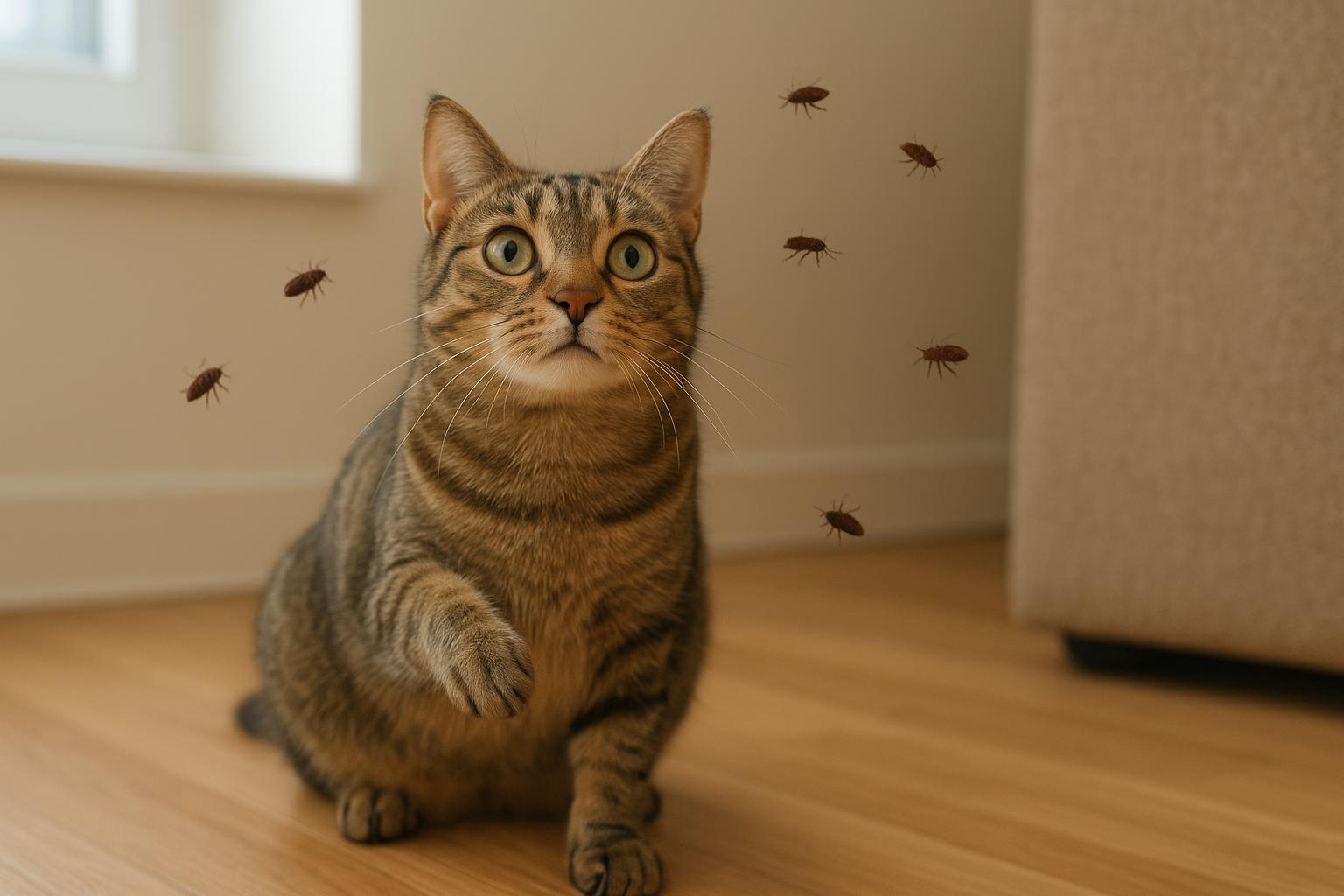
4. Clean bedding and vacuum areas where the pet lounges to reduce environmental residues and flea eggs. Discard vacuum bag contents outside to prevent reinfestation.
## Remedies 1-3: Safer Options To Reduce Flea Collar Risk
Below are three practical, lower-toxicity strategies that reduce reliance on chemical collars and address the flea collar risk in your yard and home. Each remedy includes required materials and step-by-step instructions. These are general best-practice options; consult your veterinarian before changing a flea-control program, especially for cats or medically fragile animals.
### Remedy 1: Yard Treatment With Beneficial Nematodes
Materials:
– Food-grade beneficial nematodes (Steinernema/ Heterorhabditis species) from a reputable supplier
– Water source and sprayer or hose-end applicator
– Thermometer to avoid applying during extreme heat
Step-by-Step:
1. Purchase nematodes labeled for flea control. Confirm they are live and stored per supplier instructions.
2. Plan application in the evening or early morning when soil temperature is between 50–85°F (10–30°C) and no direct sun will immediately hit treated areas.
3. Mix the nematodes in the sprayer tank following the supplier’s dilution instructions; use clean, non-chlorinated water if possible.
4. Spray areas where pets rest, under shrubbery, and other shady spots where fleas lay eggs and larvae develop. Keep the treatment moist for several hours.
5. Repeat applications as recommended (often every 2–4 weeks during flea season) to maintain control and reduce environmental reservoirs.
Note: Beneficial nematodes are a biological control, target insect larvae, and do not rely on synthetic insecticides — reducing the flea collar risk by lowering the need for continual chemical collars.
### Remedy 2: Grooming, Trapping, And Environmental Cleaning
Materials:
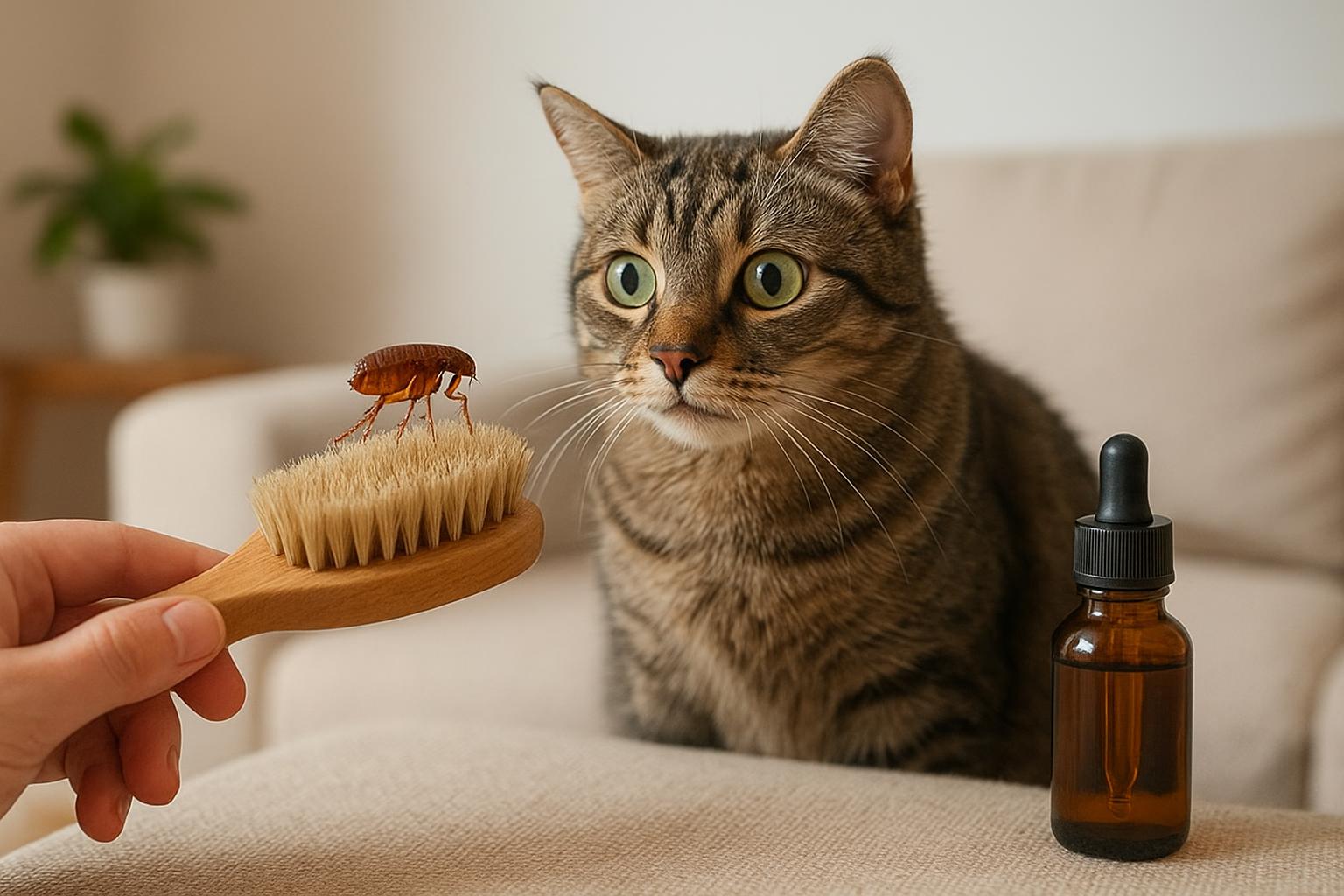
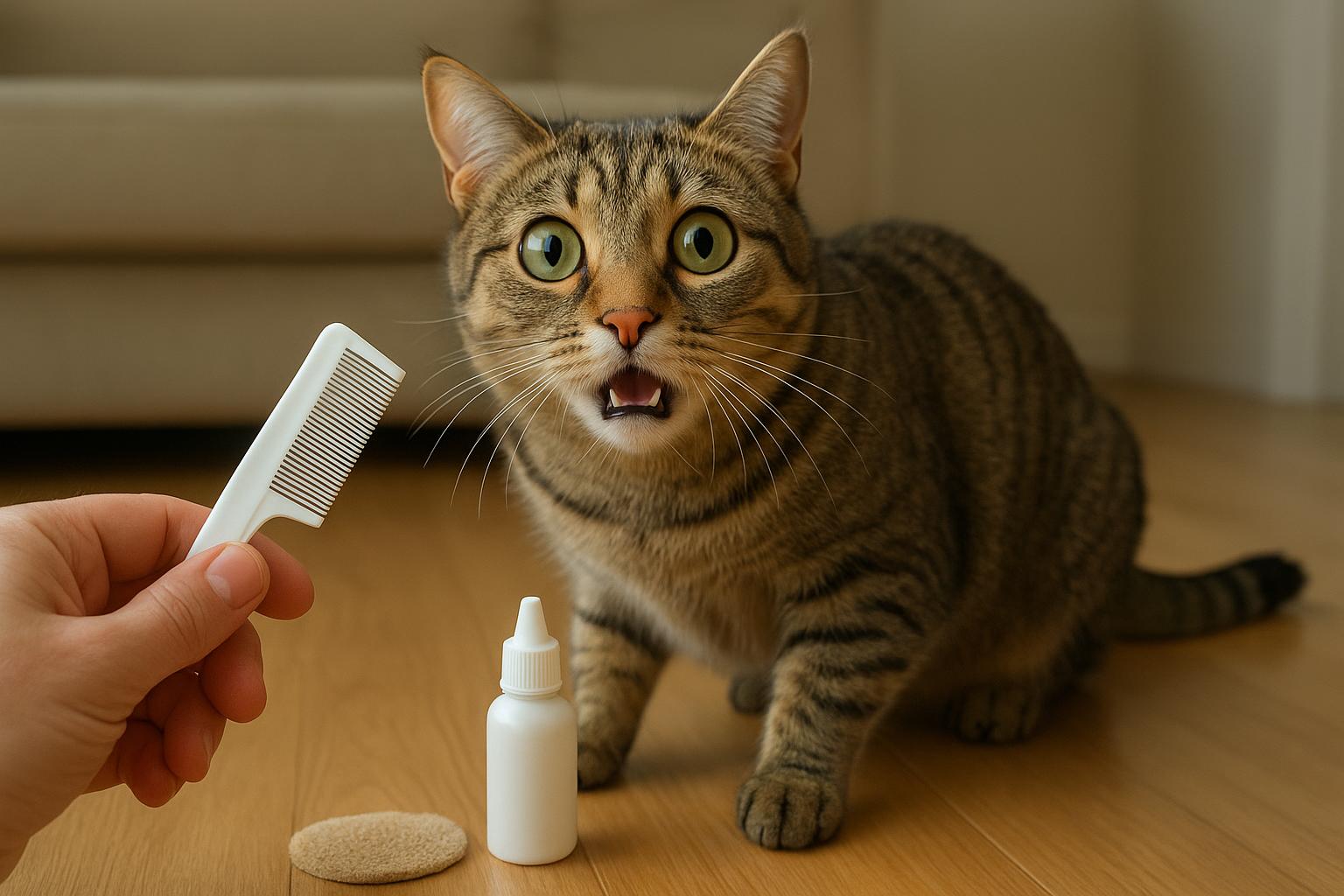
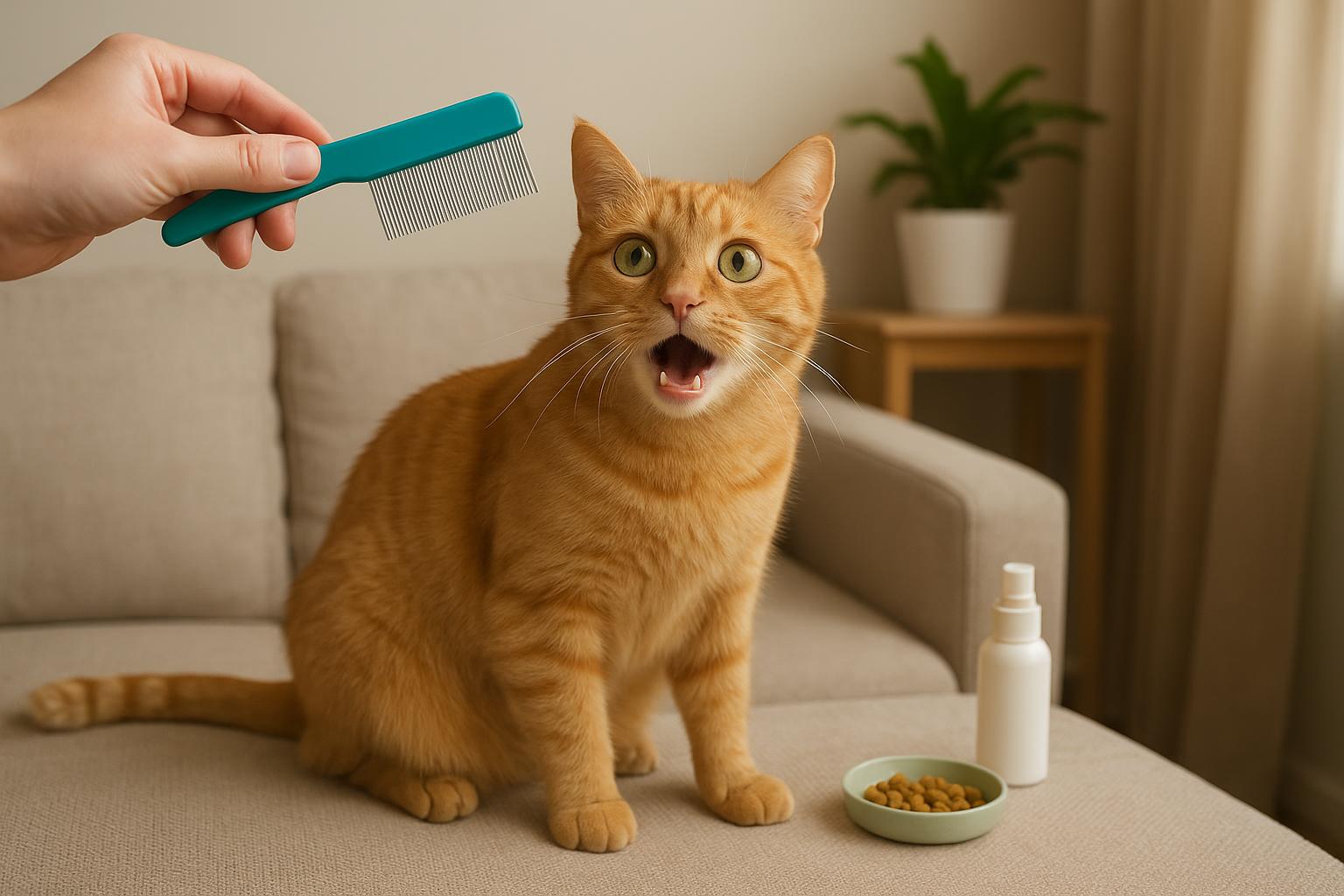
– Fine-toothed flea comb
– Dish with soapy water (mild dish soap)
– Vacuum with disposable bag or sealed canister
– High-temperature washer/dryer for pet bedding
Step-by-Step:
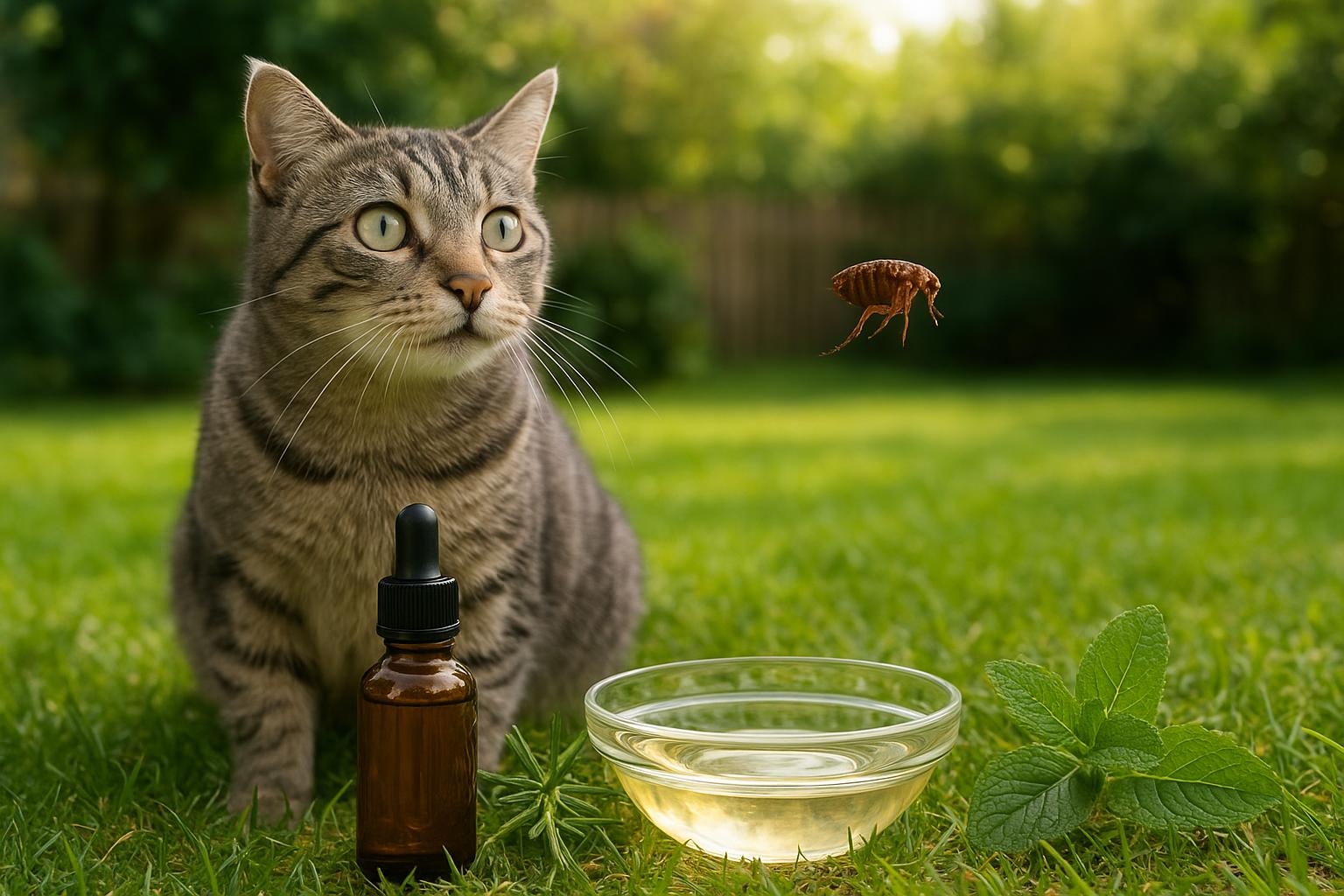
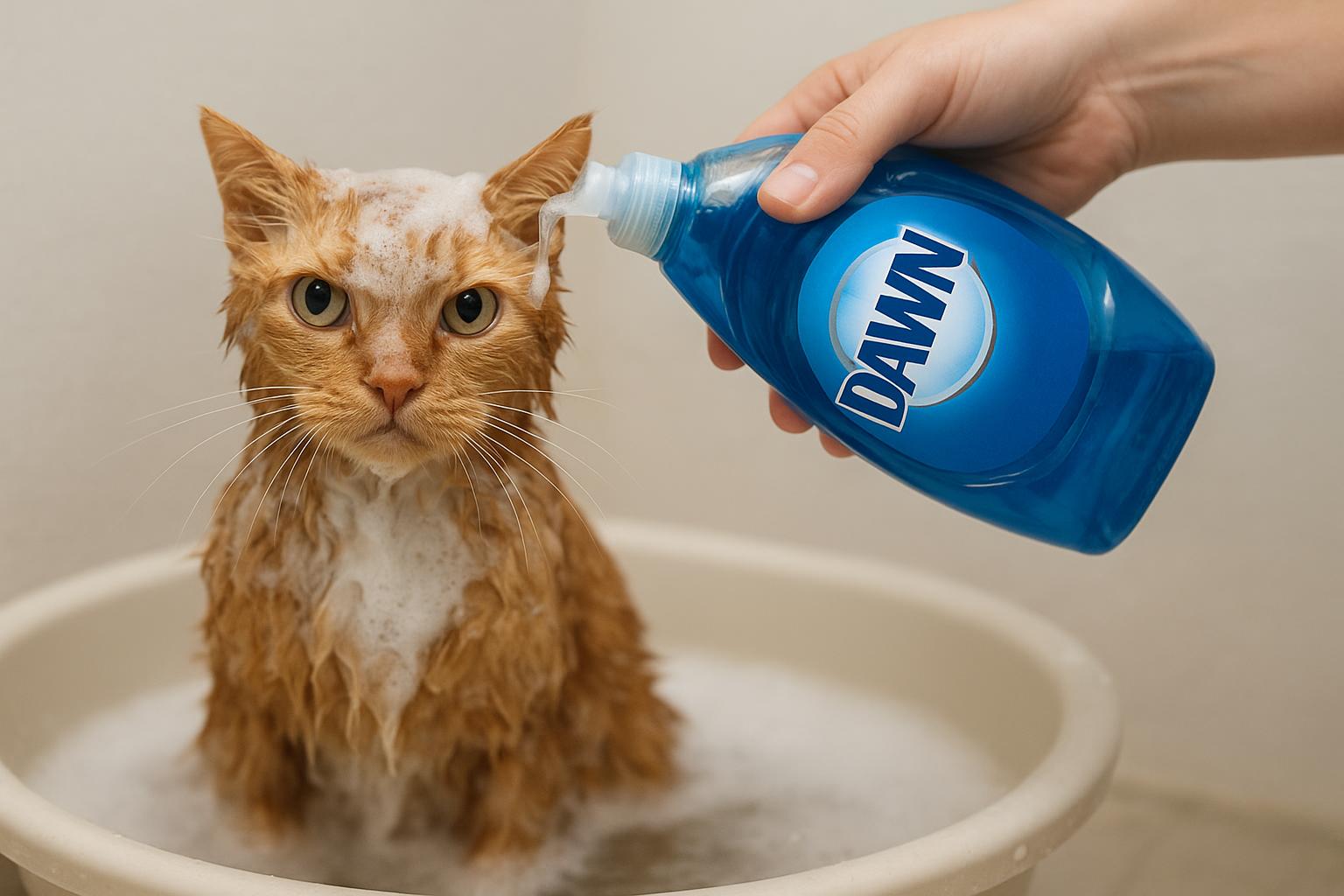
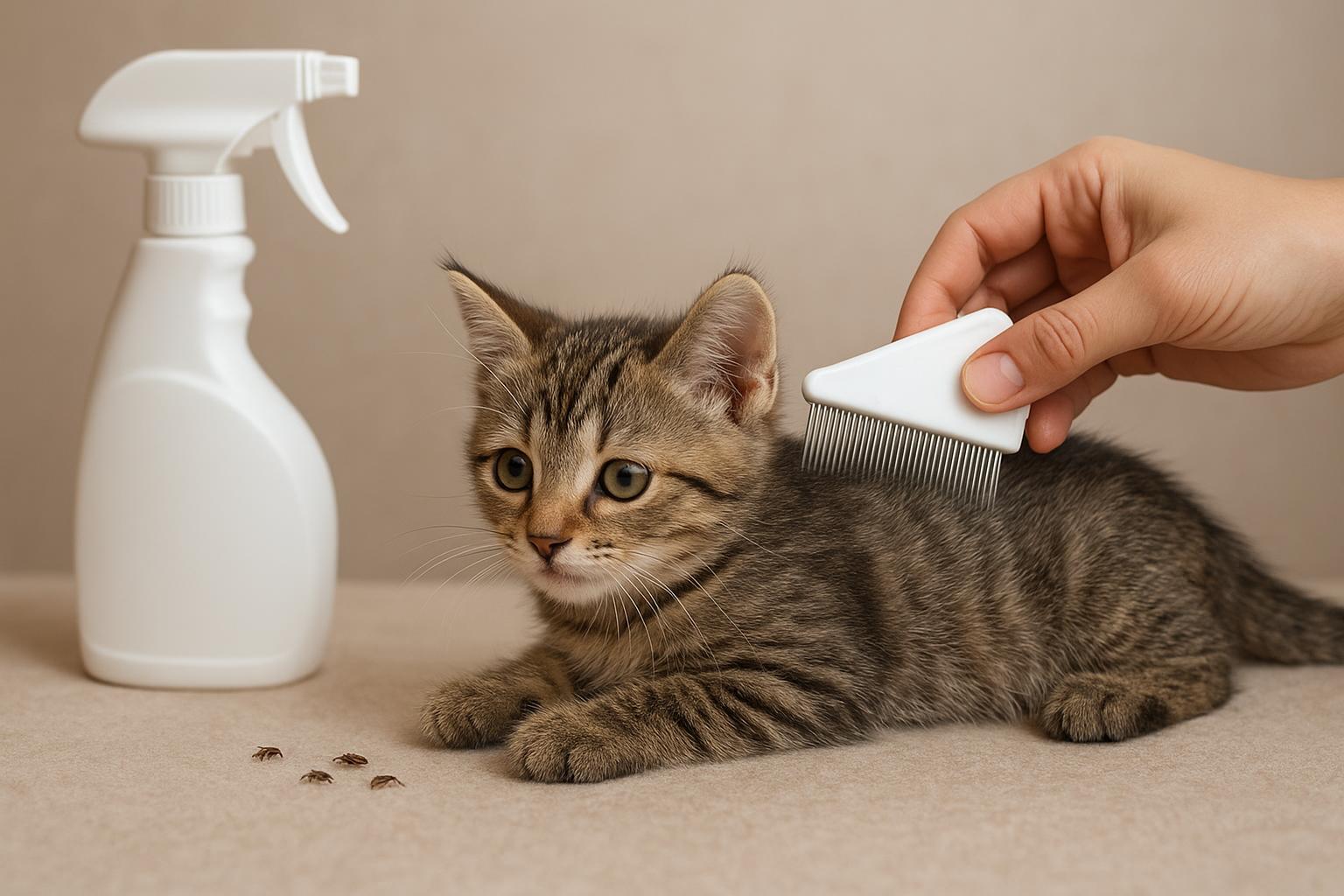
1. Create a flea trap: fill a shallow dish with warm water and a drop of dish soap; place near where pets sleep during evening hours (optionally with a nightlight) to attract adult fleas.
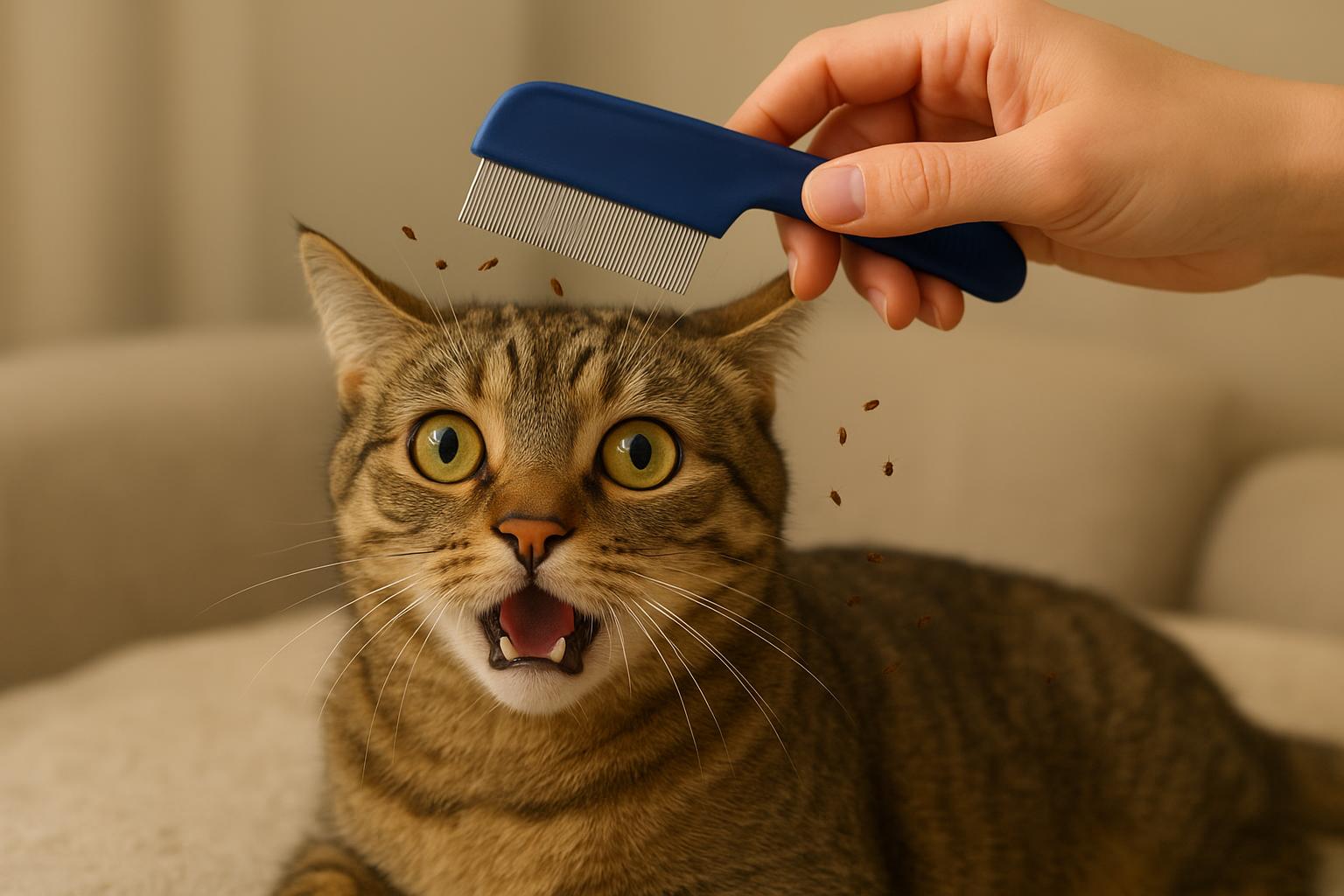
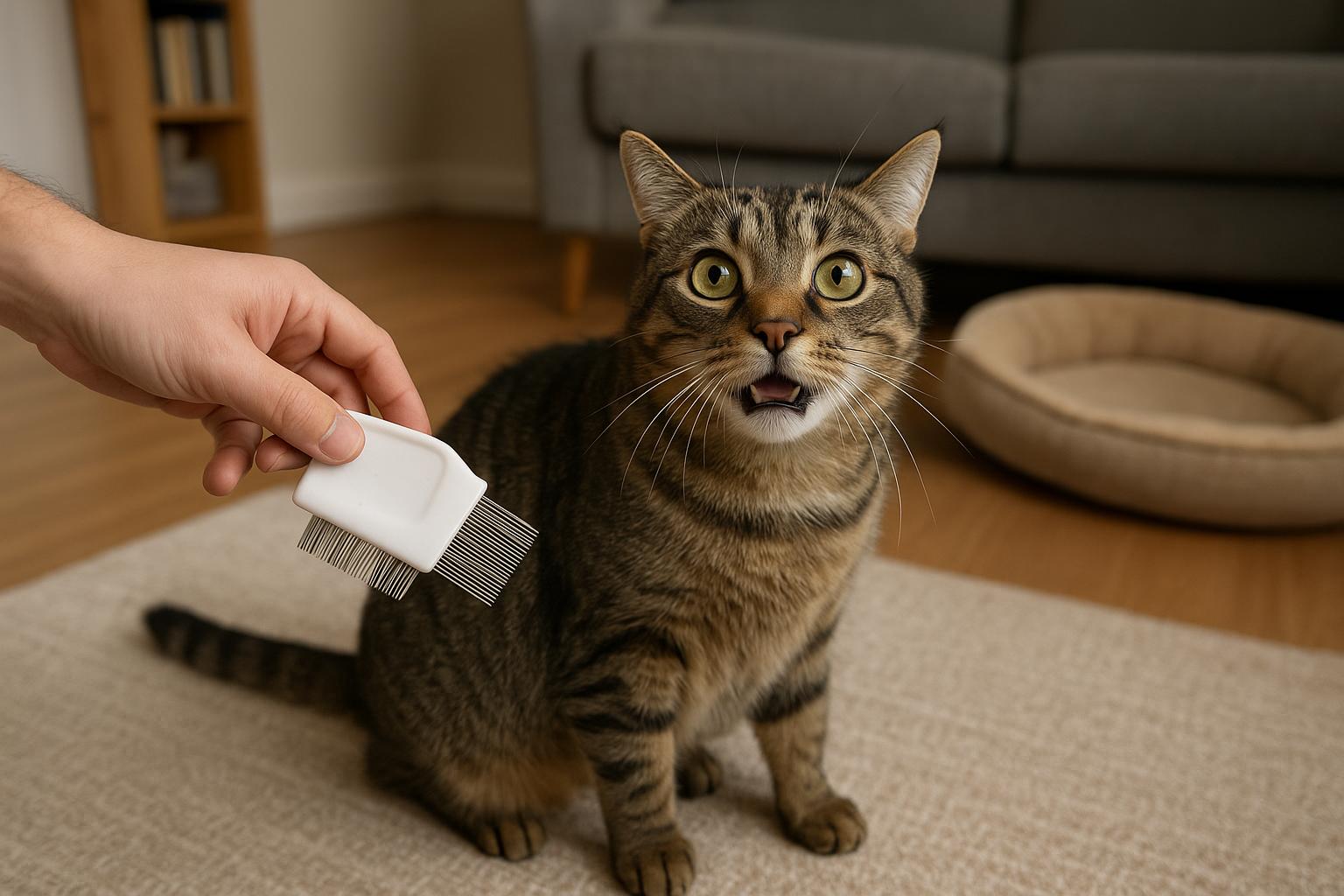
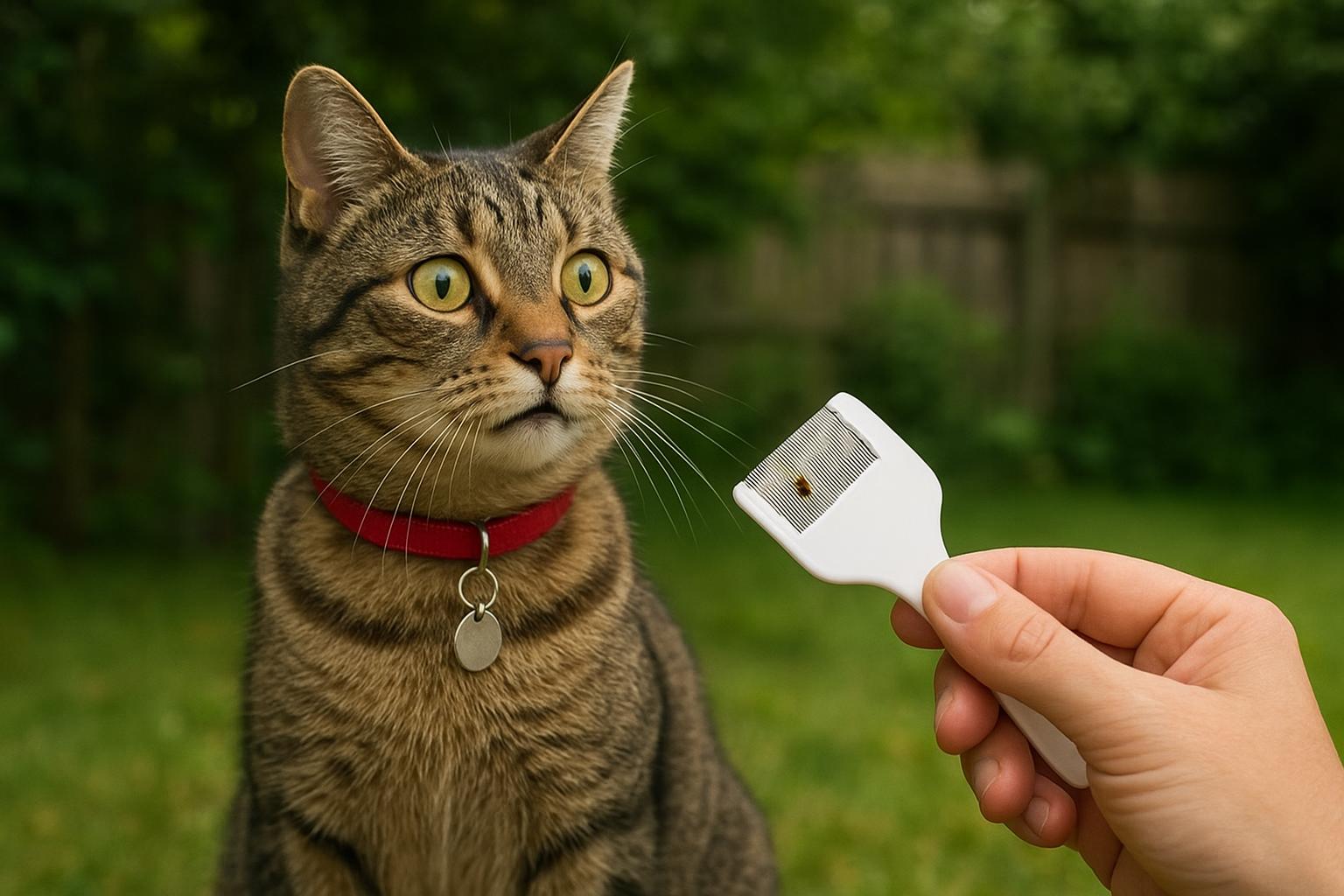
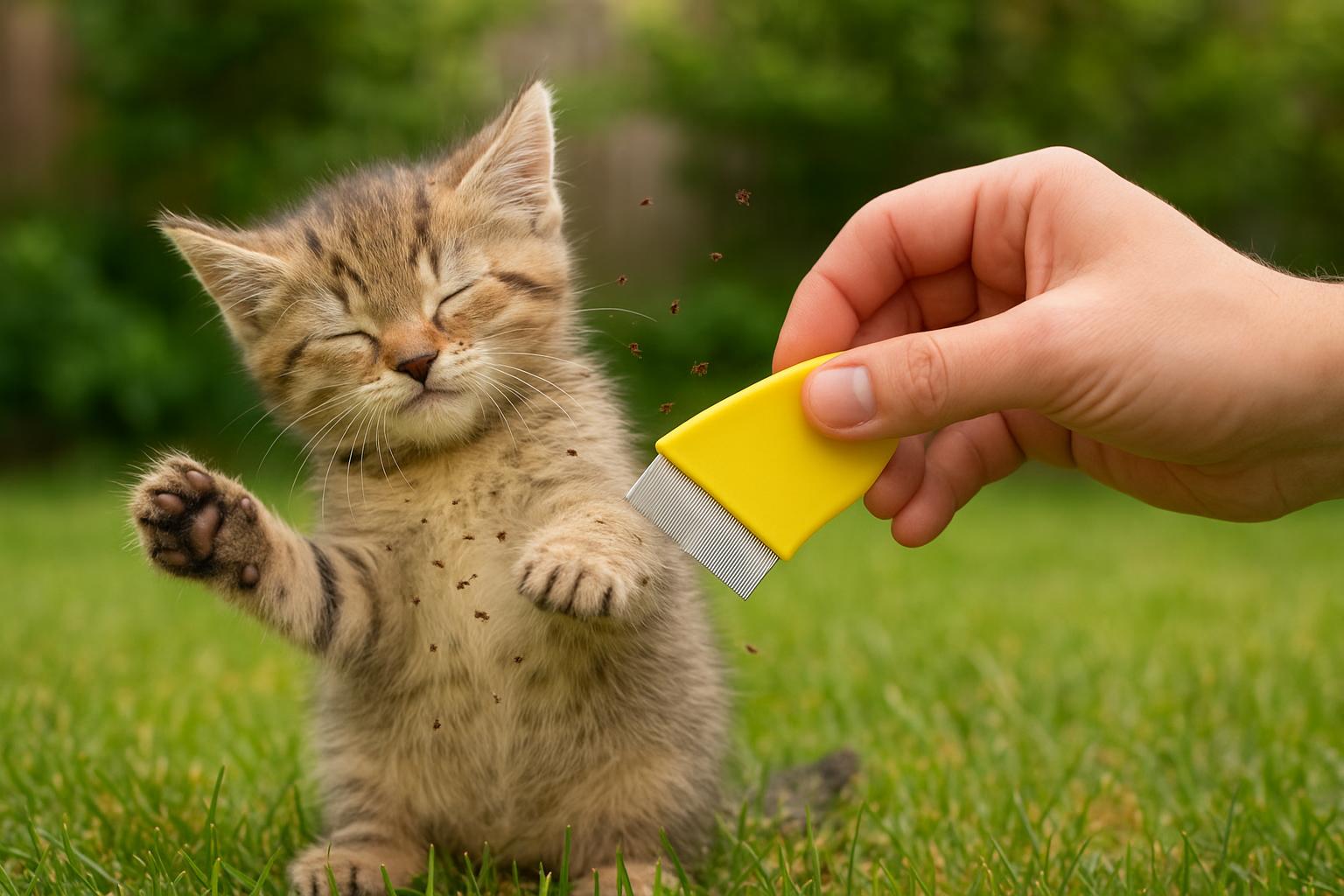
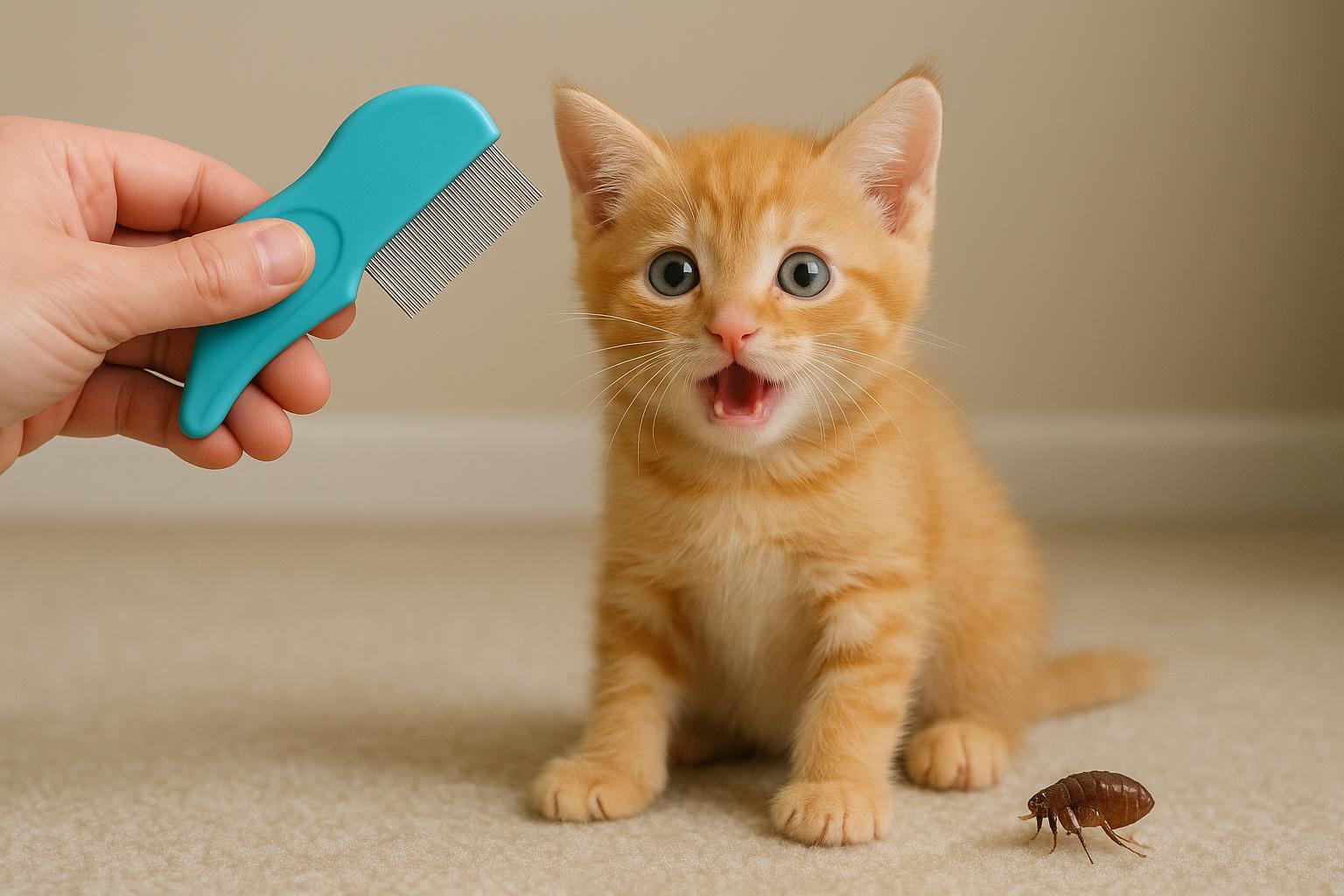
2. Comb pets daily with the flea comb. After each stroke, dip comb in the soapy water to kill collected fleas.
3. Vacuum carpets, rugs, and upholstered furniture thoroughly at least twice a week. Immediately seal and dispose of vacuum debris in an outdoor trash container.
4. Wash pet bedding, blankets, and affected clothing on the hottest cycle safe for the fabric; tumble-dry on high heat to kill fleas and eggs.
5. Repeat grooming and cleaning consistently for several weeks to break the flea lifecycle. This reduces reliance on chemical collars and therefore diminishes the flea collar risk around your home.
### Remedy 3: Low-Irritant Soothing Bandana Alternative (Temporary Repellent)
Materials:
– Natural cotton bandana or lightweight fabric collar
– Apple cider vinegar (ACV) — 1 part
– Clean water — 3 parts
– Spray bottle
– Cotton towel
Step-by-Step:
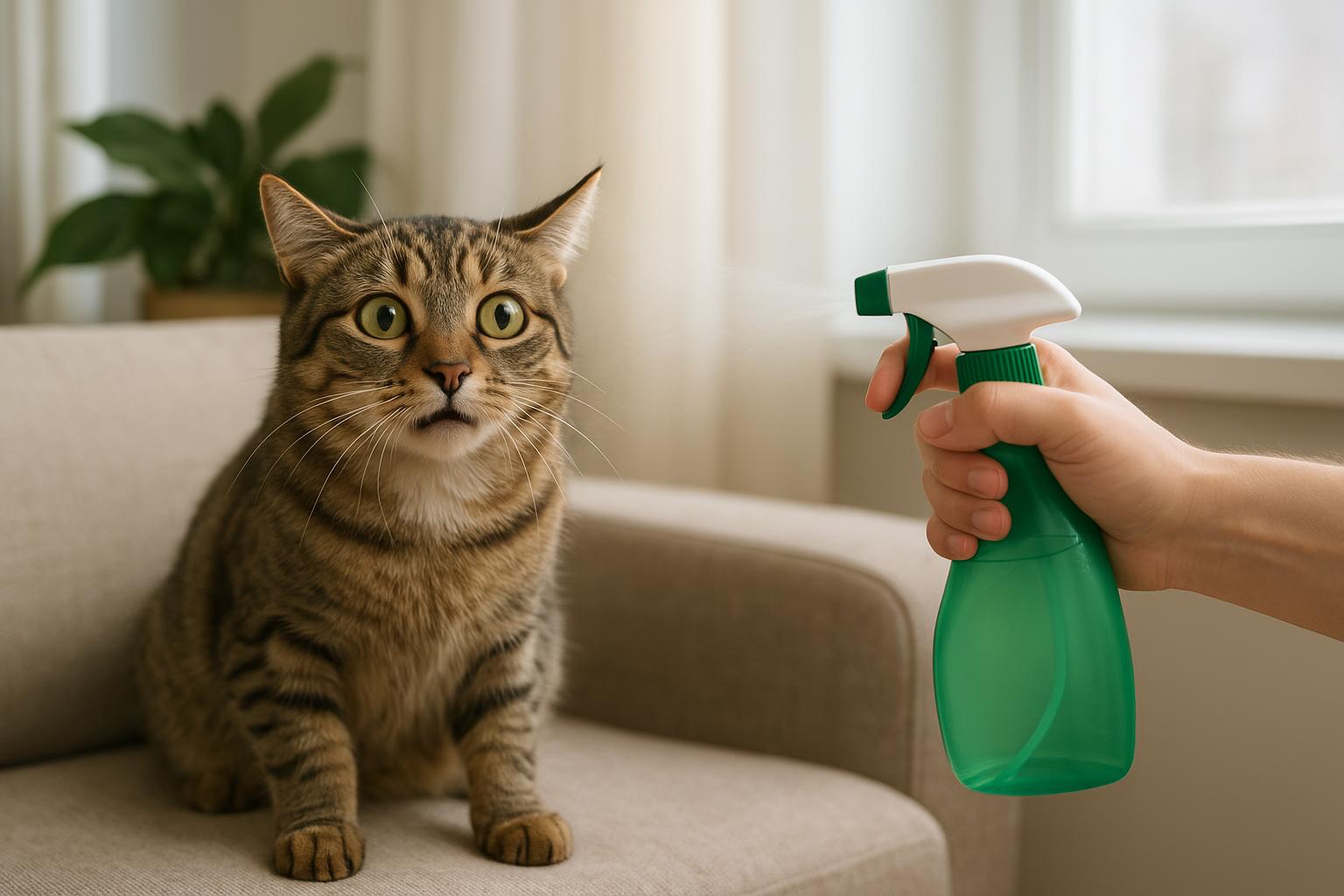
1. Prepare a dilute solution: combine 1 part apple cider vinegar with 3 parts clean water in a spray bottle and shake gently.
2. Lay the bandana flat and lightly mist it with the diluted ACV solution. Do not soak to dripping; the fabric should be damp.
3. Allow the bandana to air-dry partially until no wet residue transfers to hands, then tie snugly (but not tight) around your pet’s neck, ensuring it does not rub the skin aggressively.
4. Replace and re-treat the bandana every 24–48 hours, or sooner if it becomes soiled.
5. Monitor your pet for irritation. Remove immediately if any redness, rubbing, or behavioral changes appear.
Note: This is a temporary, low-toxicity approach intended to be part of a broader integrated strategy. Consult a veterinarian before using on cats or animals with sensitive skin. This method helps reduce immediate flea attraction without introducing potent insecticides into the yard, thereby lowering the overall flea collar risk.
## Reporting And Recordkeeping
If you suspect a product caused harm, document the product name, lot number, purchase location, and timeline of events. Report adverse reactions to the manufacturer and your local regulatory authority (such as the EPA in the U.S.) and seek veterinary or medical evaluation. Keeping clear records helps protect others and contributes to broader awareness about flea collar risk.
Throughout all of this, remember that gardens and backyards are shared spaces: what we do to control pests affects our animals, our neighbors, and the local ecosystem. A thoughtful, informed approach that favors multiple low-risk tactics often gives the best long-term results and lowers the chances that a simple flea-control choice becomes a persistent flea collar risk.







Leave a Reply