

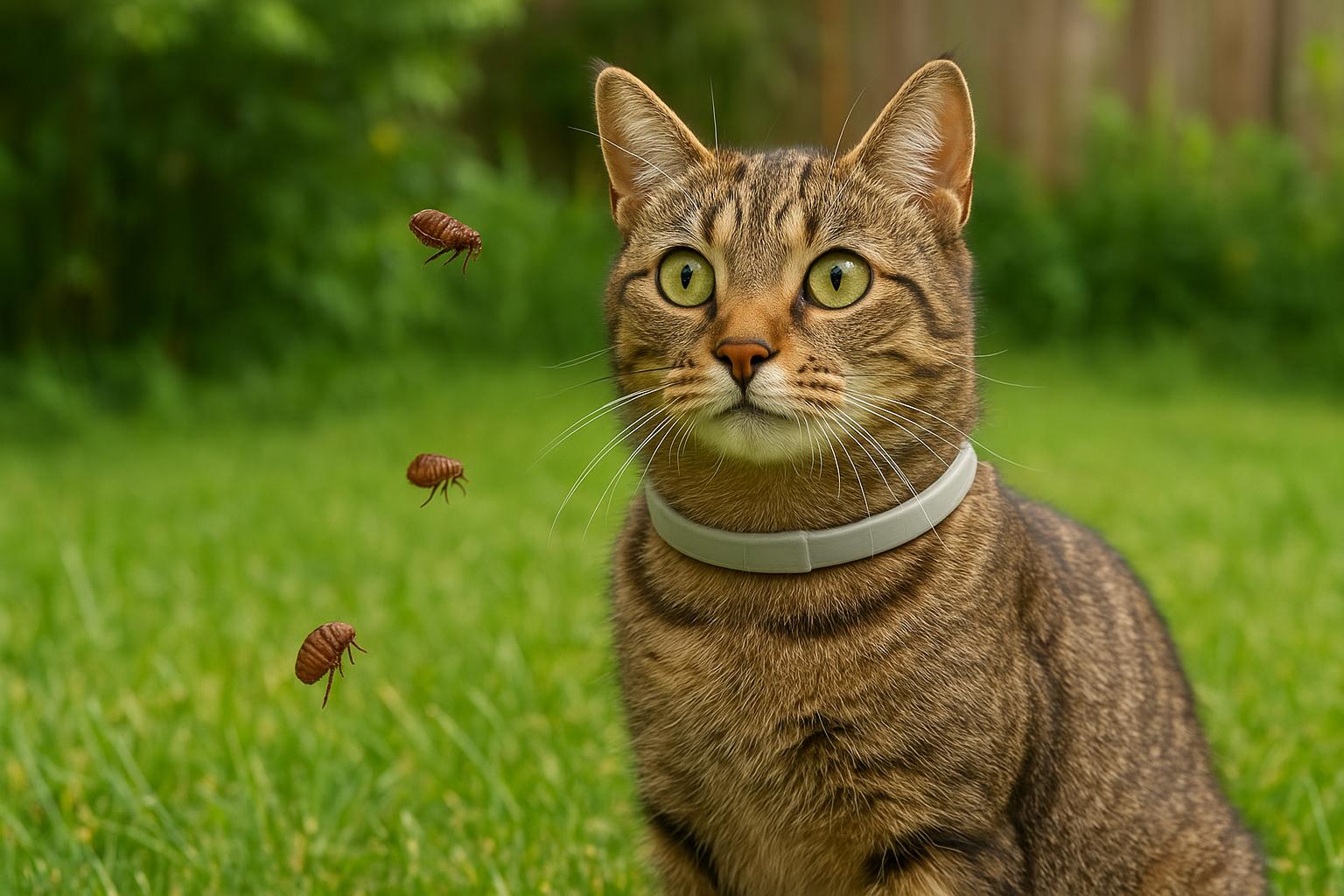
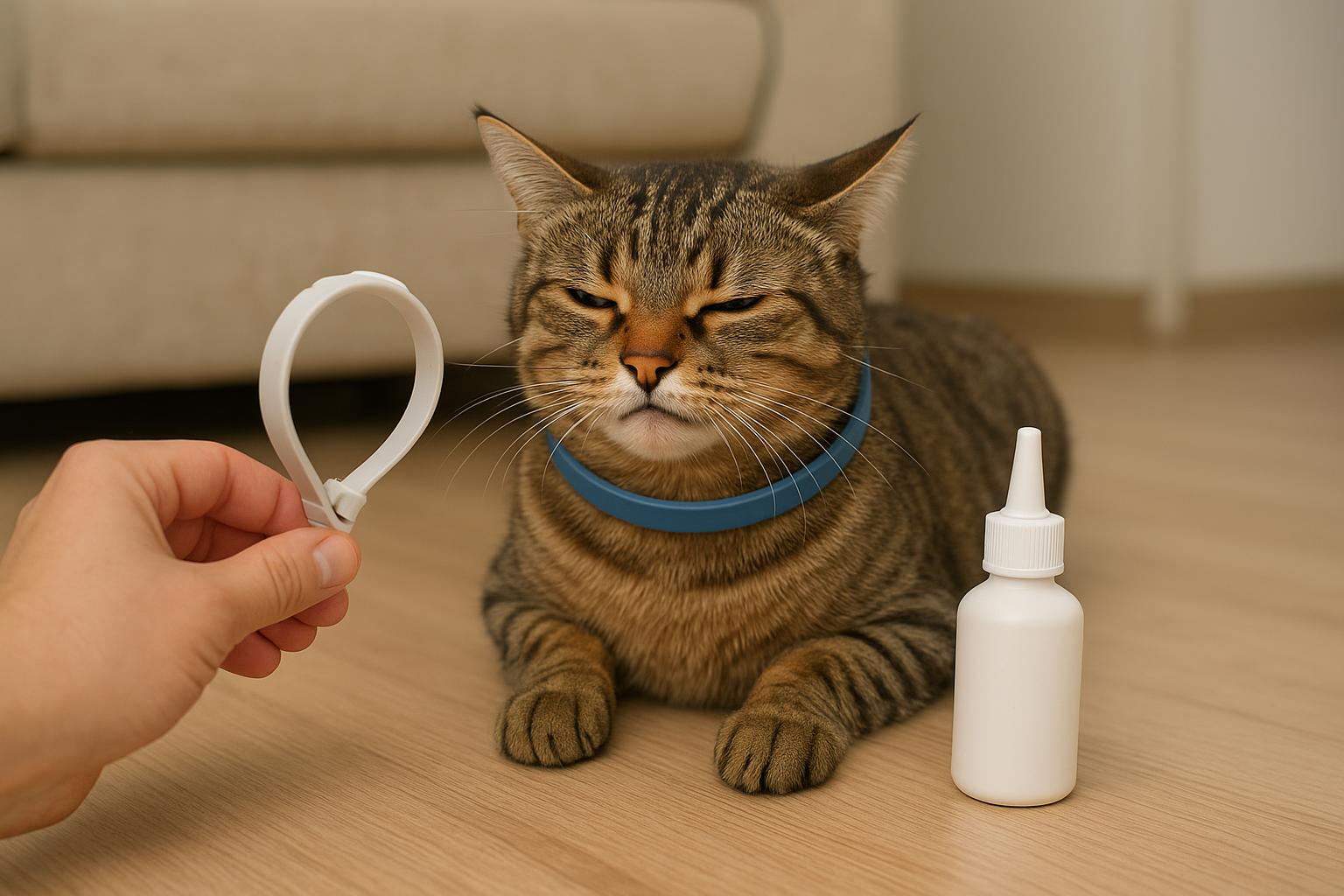
You love your cat, you hate fleas, and somewhere between the two lives a little device that promises peace: the flea collar. But do those claims hold up? Pull up a chair, pour yourself a catnip tea (or coffee — I won’t judge), and let’s dig into what flea collars can and can’t do.
## Understanding Flea Collar Efficacy
Flea collar efficacy is a topic that brings out passionate opinions from groomers, vets, and the friend who swears by the “ancient remedy” from their aunt. At its core, flea collar efficacy means how well a collar reduces flea populations on your cat and in your home, over time. Performance varies wildly by product, active ingredient, and environmental context.
### How Collars Work
Flea collars work in one of a few ways: by emitting volatile active ingredients that repel or kill fleas on contact, by slowly releasing chemicals absorbed into the cat’s skin and coat, or by acting as a deterrent that interrupts flea behavior. Some collars target adult fleas directly; others also interfere with flea life cycles by stopping egg development.
#### Active Ingredients And Modes Of Action
Active compounds range from older organophosphates (now rarely used) to modern insect growth regulators (IGRs) and synthetic pyrethroids or neonicotinoids. IGRs don’t kill adult fleas instantly, but they prevent eggs and larvae from maturing, which boosts long-term flea control. Understanding the label is key to understanding flea collar efficacy.
### Limitations You Should Know
Real-world performance often falls short of glossy packaging. Common limitations include:
– Variable fit and contact area on cats with thick fur.
– Reduced effectiveness in heavy infestations or flea-heavy households.
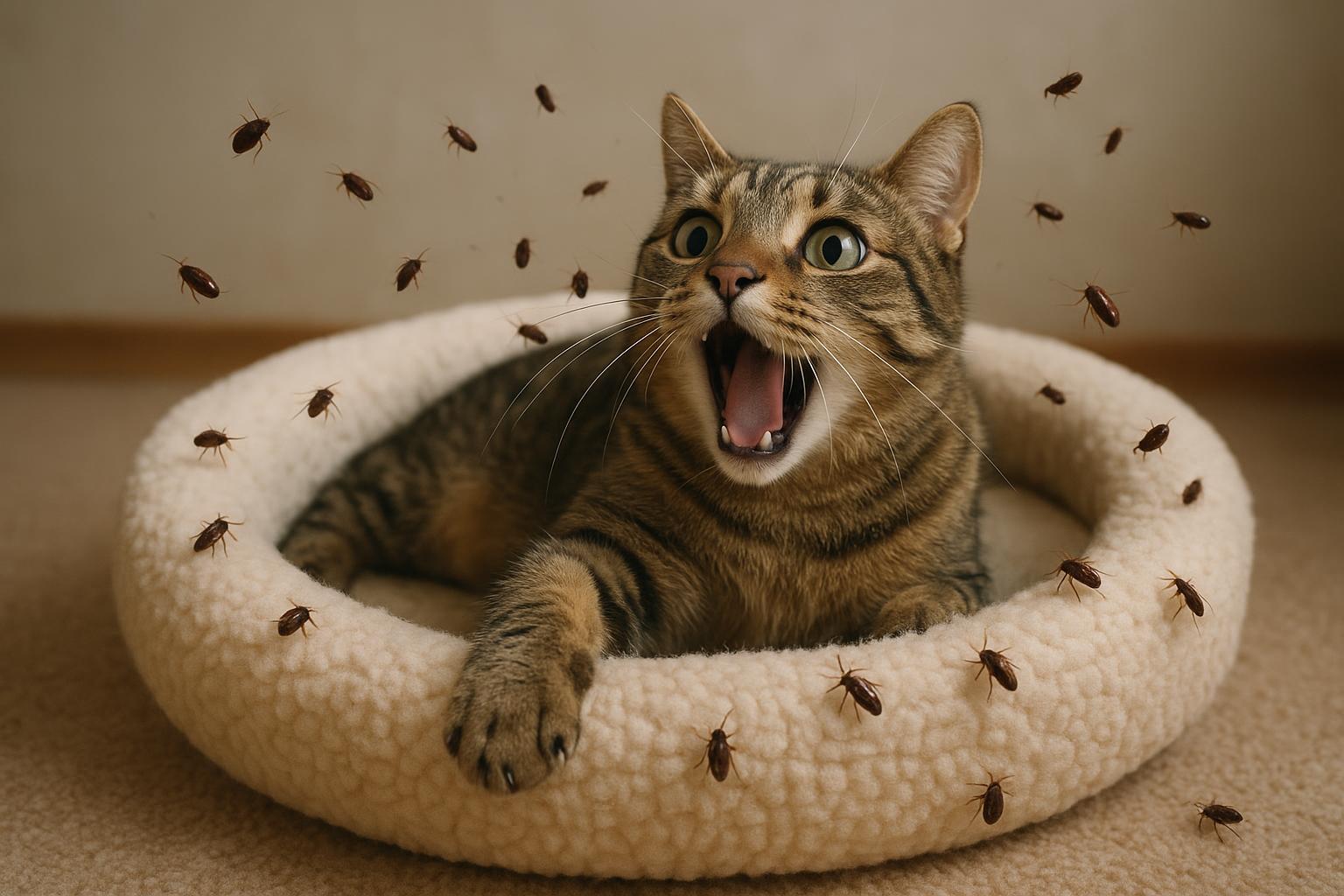
– Environmental reservoirs: fleas in carpets, bedding, and wildlife hosts can re-infest pets despite a working collar.
A collar that works in one home might fail in another due to these factors.
## Shocking Flea Collar Efficacy Observations From Real-World Use
Many cat owners report dramatic improvements, while others see almost no change. That gap is where the “shocking” part comes in — not because collars are secretly magical or malicious, but because context matters so much.
### What The Studies And Pet Owners Say
Controlled studies often show that some collars are highly effective at reducing flea burdens within a few weeks, particularly those combining an adulticide with an IGR. Field reports, however, vary: indoor-only cats in flea-light homes may see near-perfect results, while those in multi-pet homes with outdoor access may experience persistent fleas.
#### Factors That Skew Efficacy
– Environmental load: Flea eggs in the environment can hatch long after you put a collar on your cat.
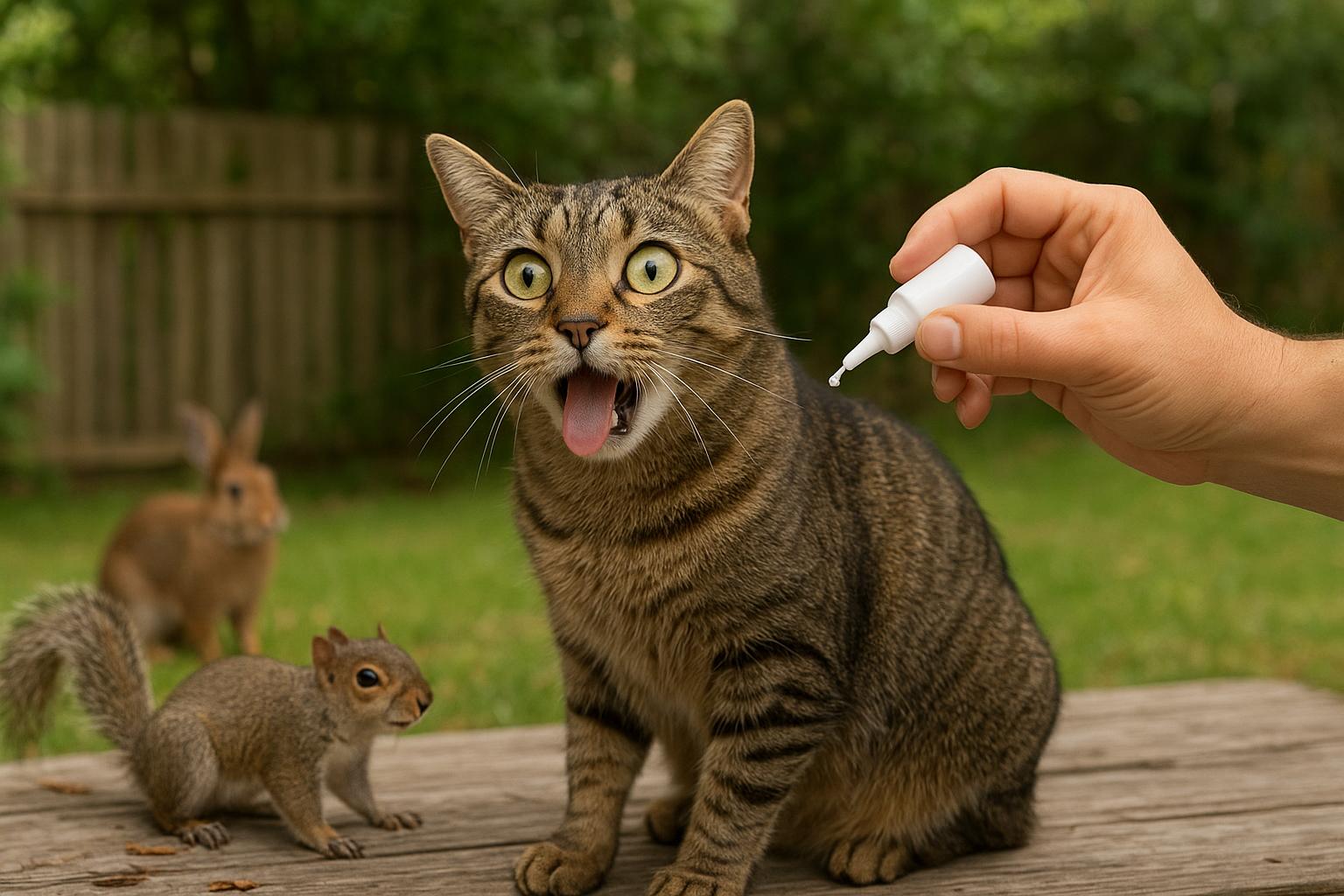
– Wildlife hosts: Squirrels, feral cats, and raccoons can reintroduce fleas.
– Cat behavior: Grooming and swimming can reduce a collar’s active emission or contact time.
– Resistance: Flea populations adapt; local resistance to certain actives will reduce flea collar efficacy.
## Evaluating Flea Collar Efficacy For Your Cat
Choosing a collar should be based on evidence, not just marketing. Here are practical steps to evaluate whether a collar will work for your situation.
### Check The Label And Manufacturer Claims
Look for clear statements of active ingredients, duration of protection, and whether the product includes an IGR. Labels that explain mode of action and list peer-reviewed studies or independent testing are more trustworthy.
### Signs The Collar Is Working Or Not
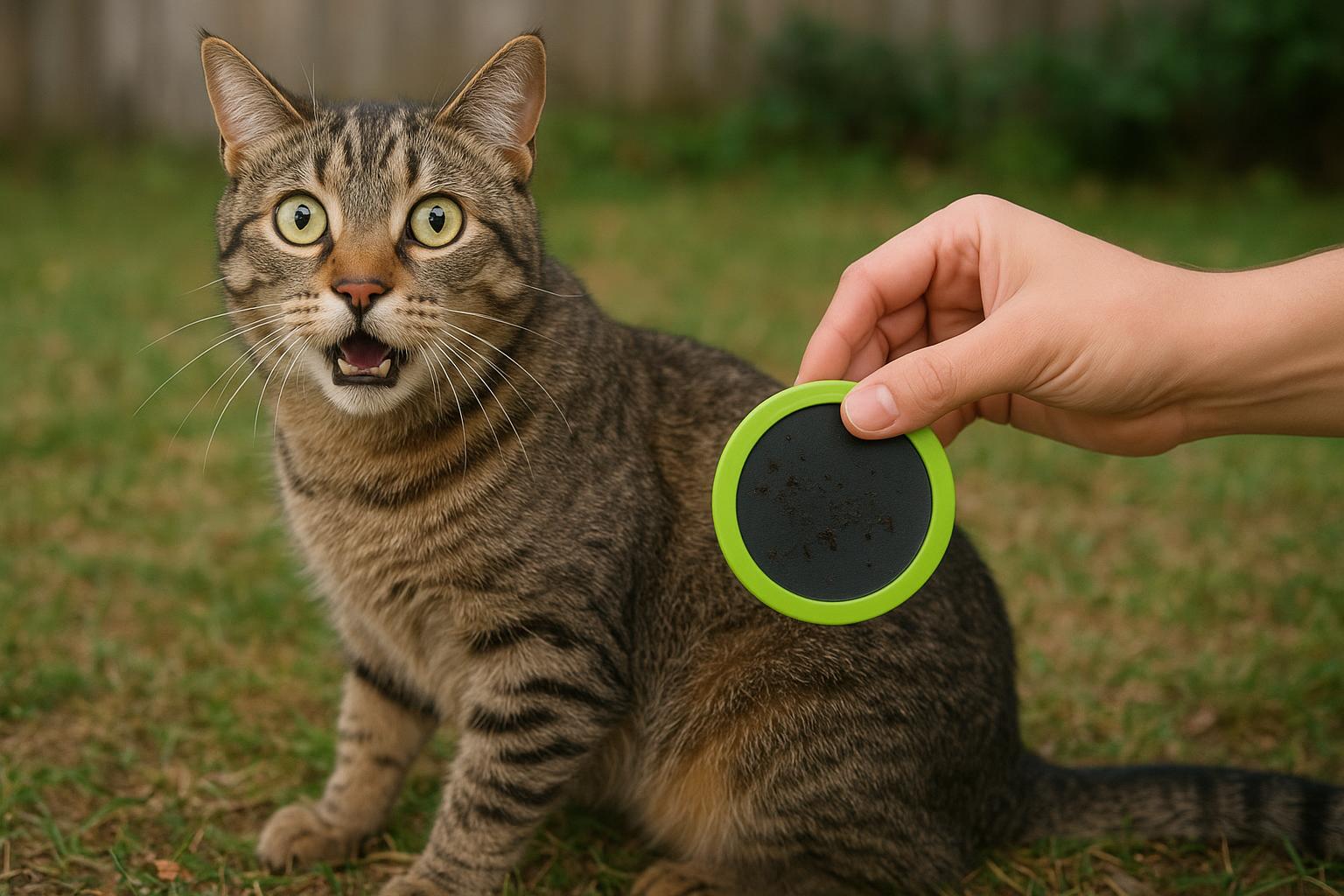
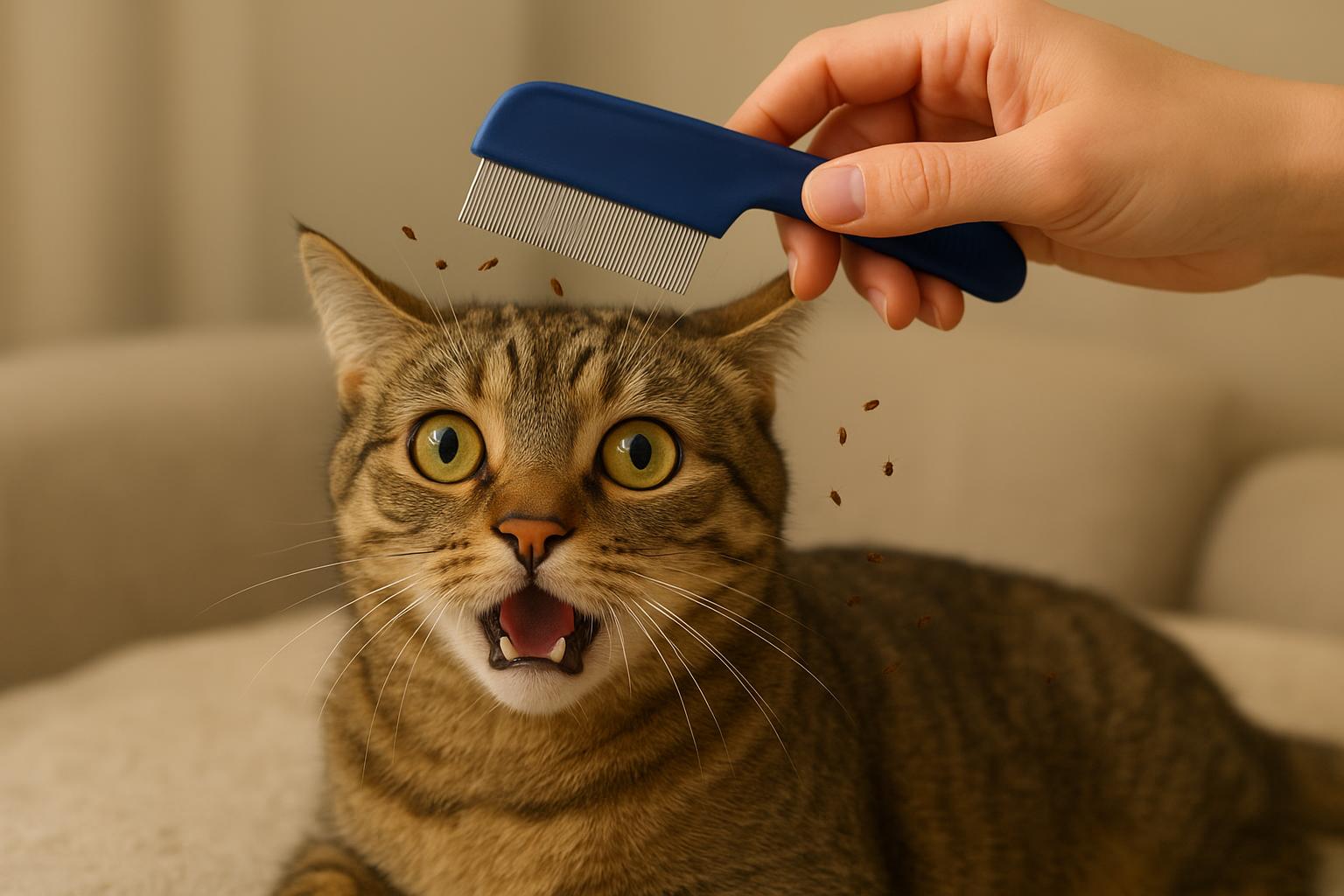
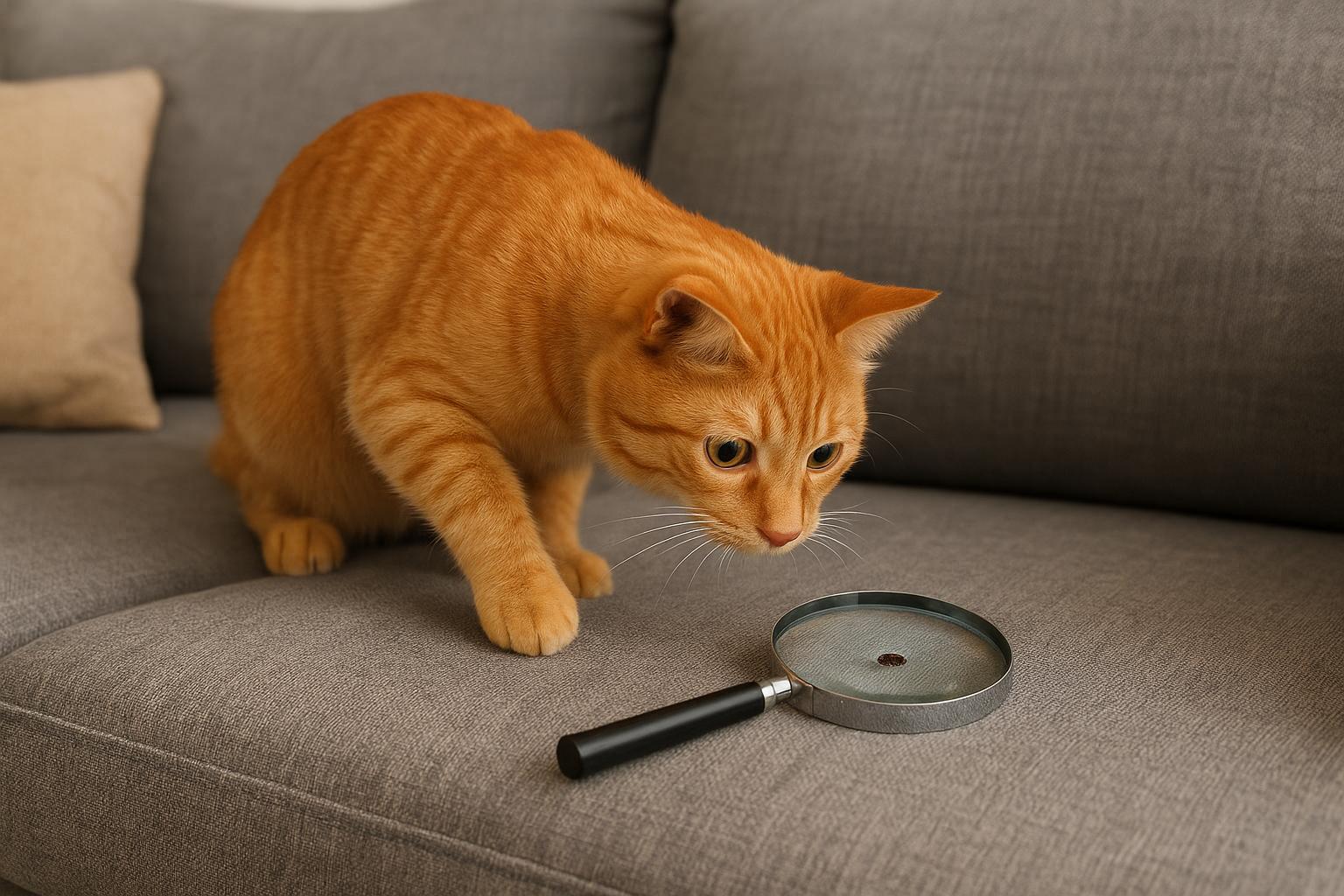
Give a new collar 4–8 weeks before passing final judgment. Signs it’s helping include reduced flea sightings, fewer bites on you and the cat, and fewer flea dirt specks on bedding. If you still see adult fleas after two months and you’ve addressed environmental sources, the flea collar efficacy is likely limited in your situation.
## Alternatives And Complementary Methods
Flea collars aren’t the only tool. Combining approaches often yields the best results: regular vacuuming, washing bedding, treating carpets where recommended, and using vet-approved topical or oral treatments. Comparing flea collar efficacy to other methods shows that integrated pest management (IPM) — combining chemical and non-chemical tactics — usually delivers superior results.
## A Formal Remedy: Home Flea Trap (To Complement Collars)
If you’re dealing with persistent fleas, a flea trap can reduce adult flea numbers and help you evaluate how many fleas are active in your home. This remedy is complementary — it does not replace veterinary-approved treatments or properly labeled flea collars — but it is a low-cost, evidence-based tool you can use in conjunction with collars to enhance overall flea control.
Materials Required
– Wide, shallow bowl or pie tin (ceramic or metal recommended)
– Dish detergent (clear or mild)
– Warm water
– Small desk lamp or LED nightlight (with a narrow beam)
– Sticky tape (optional, for lamp placement)
– One or two small elevated platforms (books or boxes) to position the lamp safely
– Gloves (nitrile or latex) for handling contents when disposing
Step-by-Step Creation and Application
1. Choose Placement: Place the trap where your cat spends time at night or where you’ve seen the most flea activity (often near pet bedding or carpeted areas). Avoid placing it where the cat can knock it over.
2. Prepare the Dish: Fill the shallow bowl with warm water to about 1 inch (2–3 cm) depth. Add 1–2 teaspoons of dish detergent and mix gently. The detergent breaks surface tension so fleas sink rather than bouncing.
3. Position the Light: Place the lamp on an elevated platform so its light is directed over the bowl. The light attracts flea hosts; fleas are phototactic and will jump toward it, falling into the soapy water.
4. Secure the Setup: Use tape to secure the lamp base if needed, ensuring it’s stable and not a fire hazard. Keep cords away from pet access.
5. Run Overnight: Operate the trap overnight for 6–12 hours. Check in the morning and note flea counts as a gauge of infestation severity.
6. Dispose Safely: Wearing gloves, pour the liquid into a secure plastic bag and seal it, then discard according to local waste guidelines. Rinse and refill for continued use.
7. Repeat And Monitor: Use nightly for a week to gauge trends. If counts decrease, your combined strategy is working. If counts stay high, additional measures (vacuuming, washing, or professional pest control) may be needed.
Formal Notes On Safety And Efficacy
– This trap reduces adult flea numbers but does not disrupt eggs or larvae hidden deep in carpets or furniture.
– Use it as part of an integrated plan with labeled veterinary products for maximum effect.
– Avoid DIY chemical applications on cats; only use products labeled for feline use and recommended by your veterinarian.
## When To Seek Veterinary Guidance
If you find that flea collar efficacy is inconsistent in your home despite using reputable collars and environmental controls, consult your veterinarian. They can recommend prescription oral or topical treatments, check for flea-borne illnesses, and advise on safe combinations: not all flea products are compatible with each other, and cats can be sensitive to certain actives.
### Practical Questions To Ask Your Vet
– Is this collar safe for my cat’s age, weight, and health status?
– Does this product include an IGR or just an adulticide?
– What combination of treatments and home measures would you recommend?
– Could my cat’s fleas be resistant to common actives in collars?
#### Tracking Progress Like A Pro
Keep a simple log: date you put a collar on, other treatments used, flea trap counts, and any observed fleas. This log helps you and your vet judge flea collar efficacy over time and decide when to escalate or change tactics.
Now that you’ve got the lowdown on flea collar efficacy — and a practical, formal remedy to add to your toolkit — you can make a more informed choice about how to protect your cat and your household.













Leave a Reply