
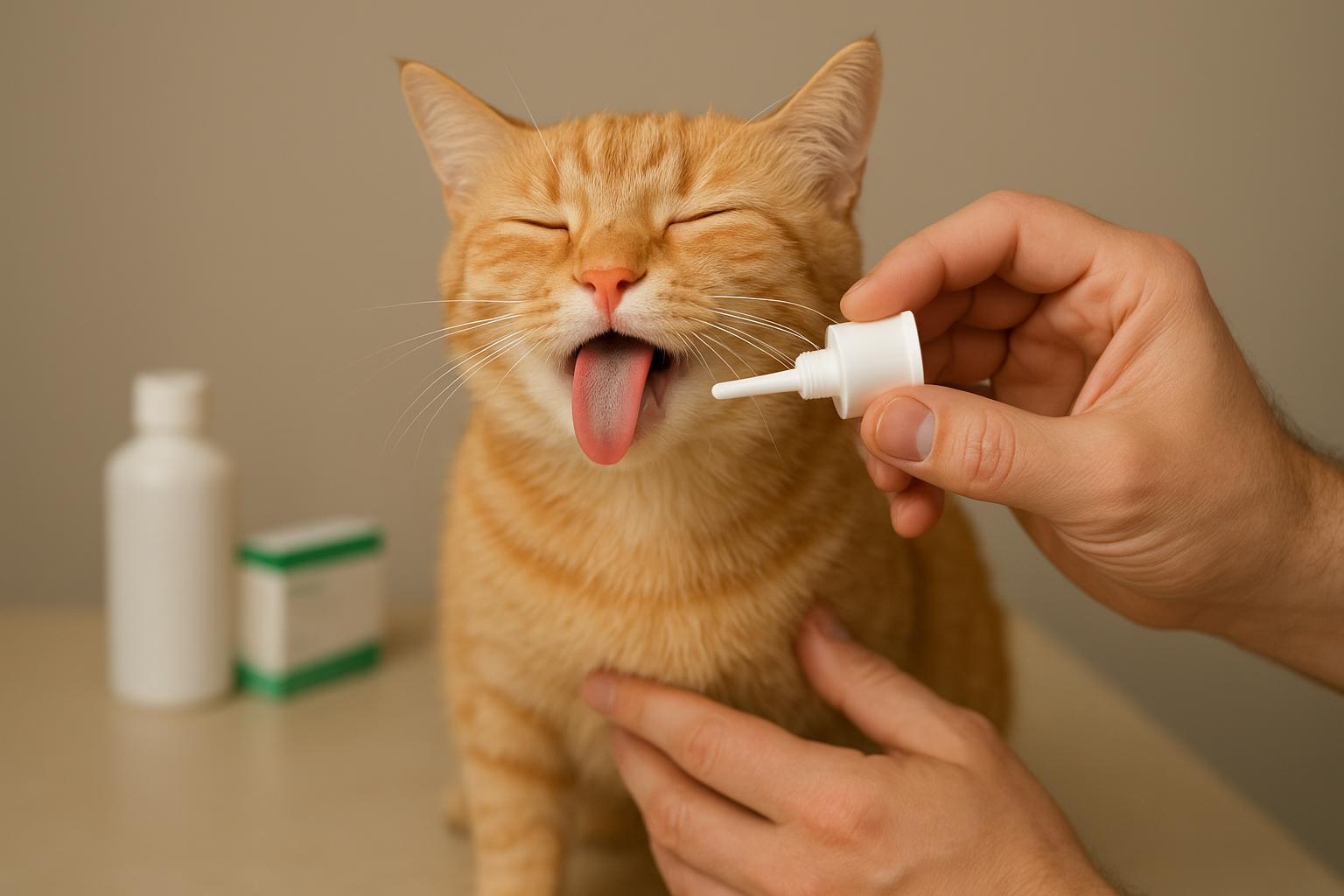
## How Oral Medication Works For Flea Control
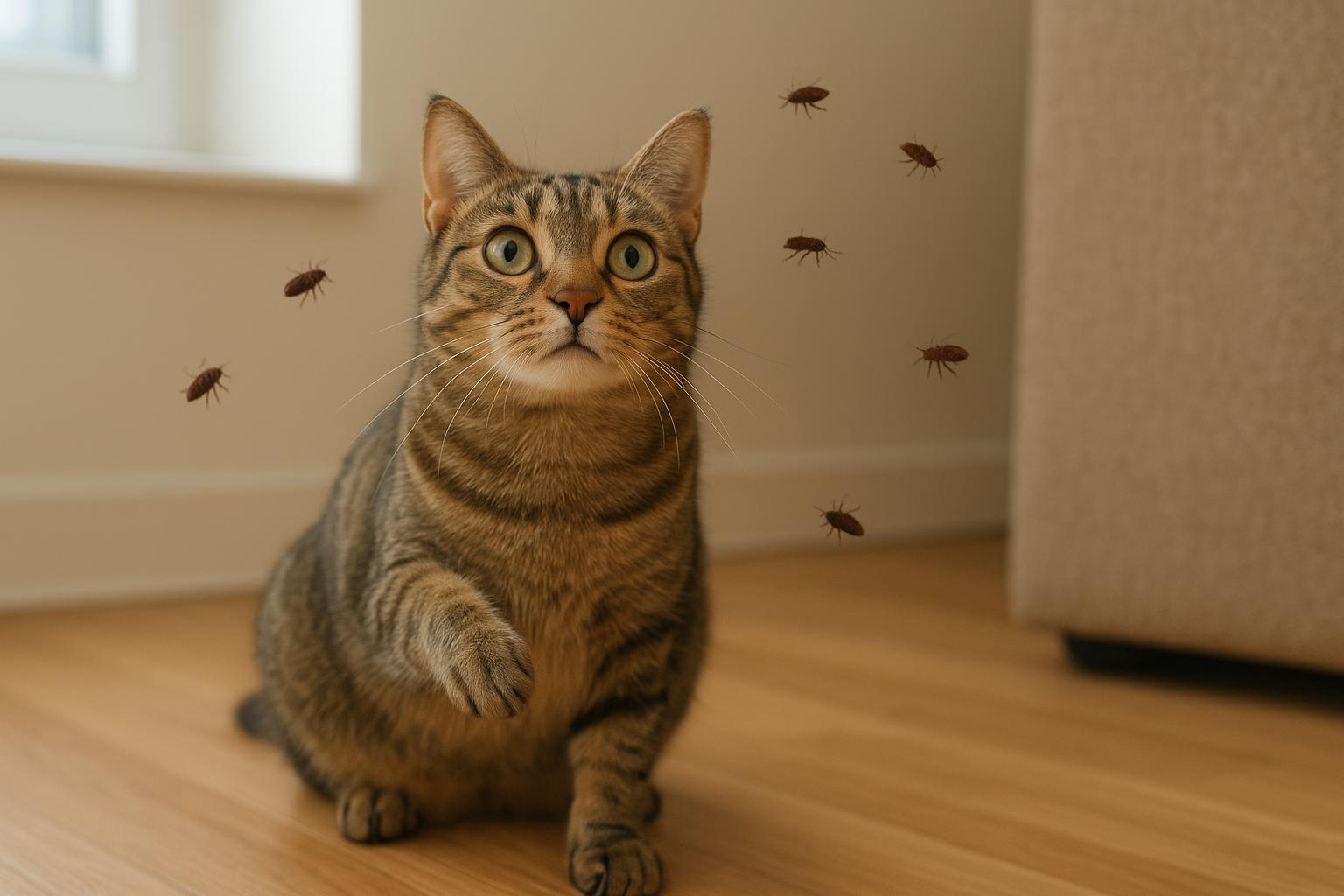
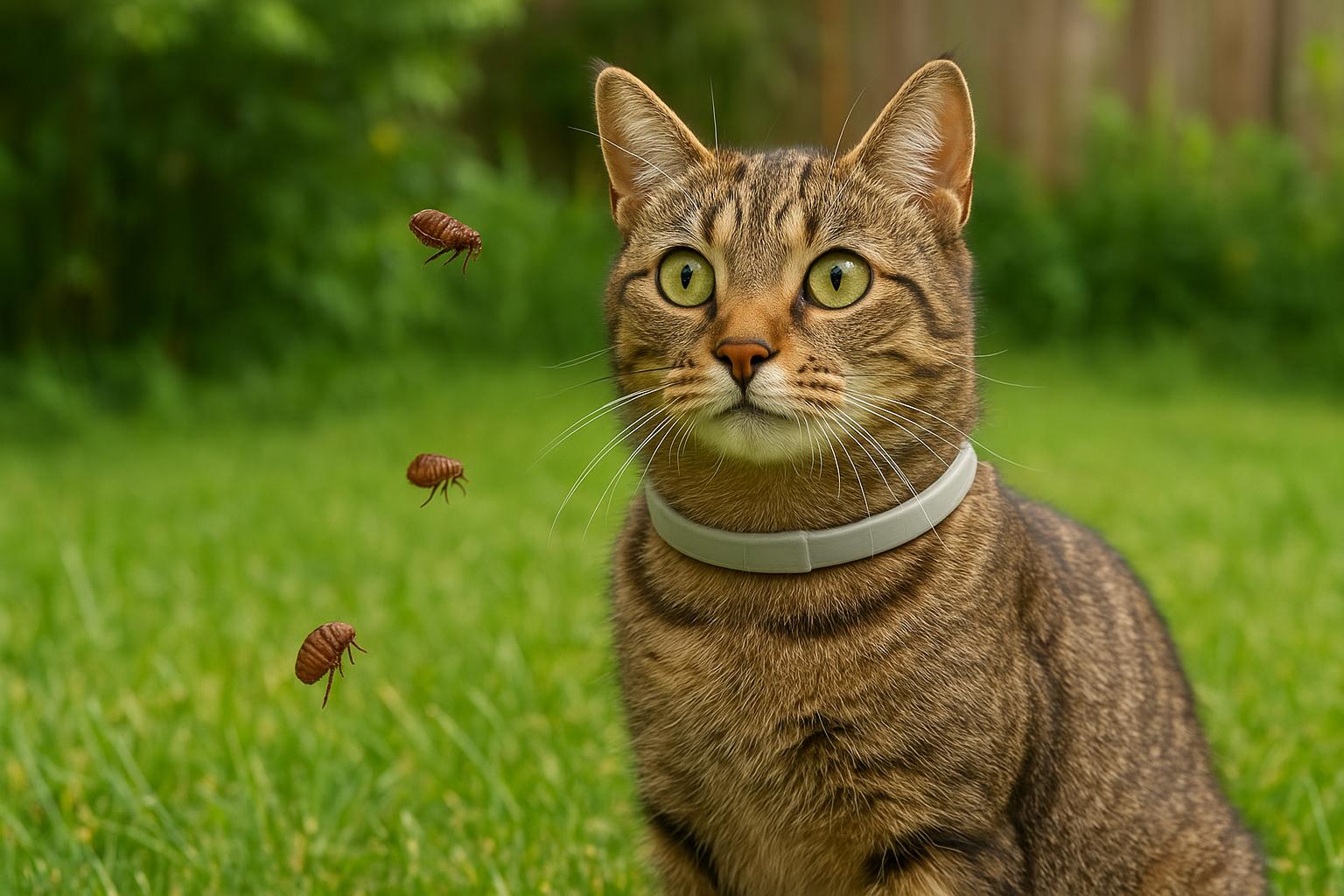
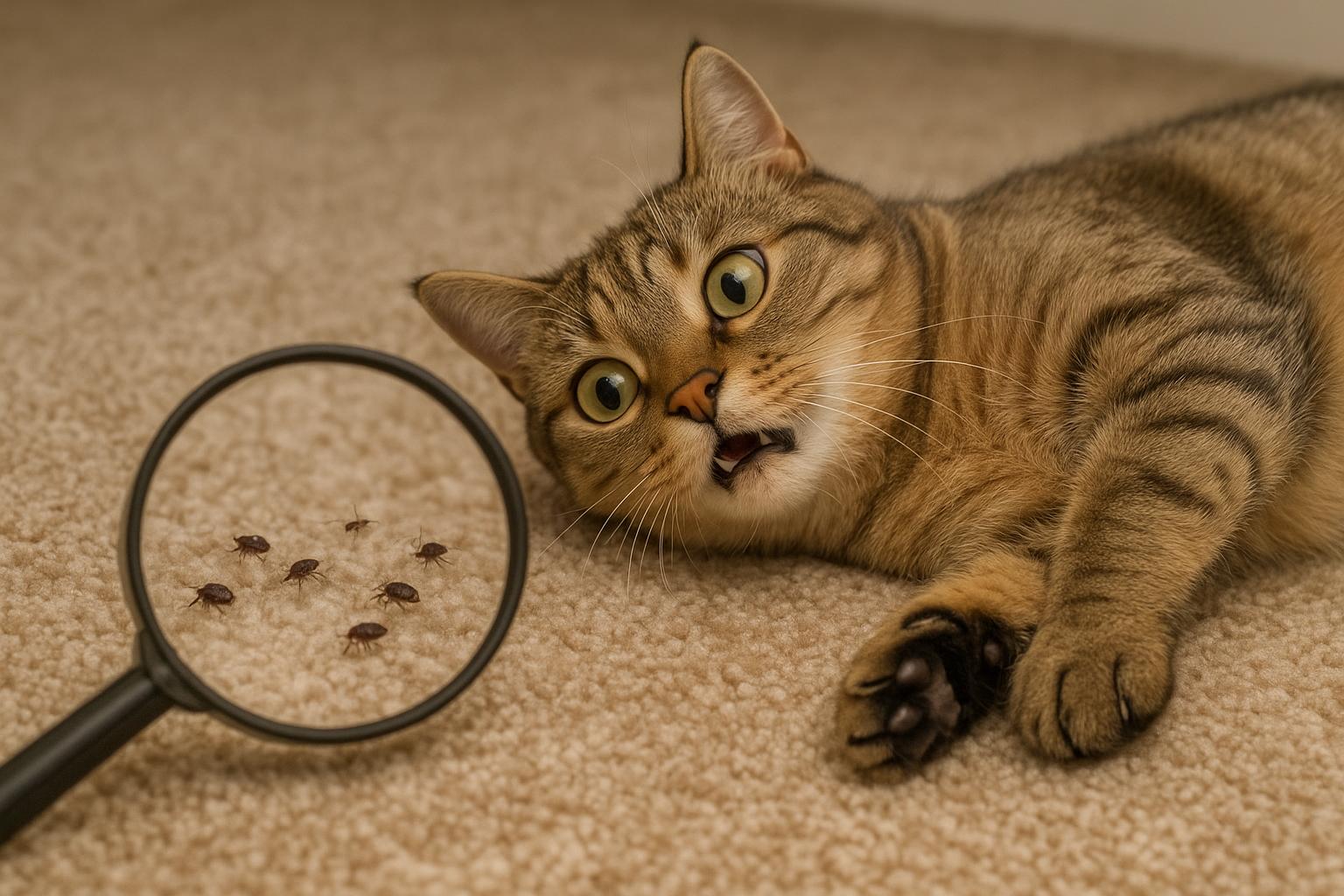
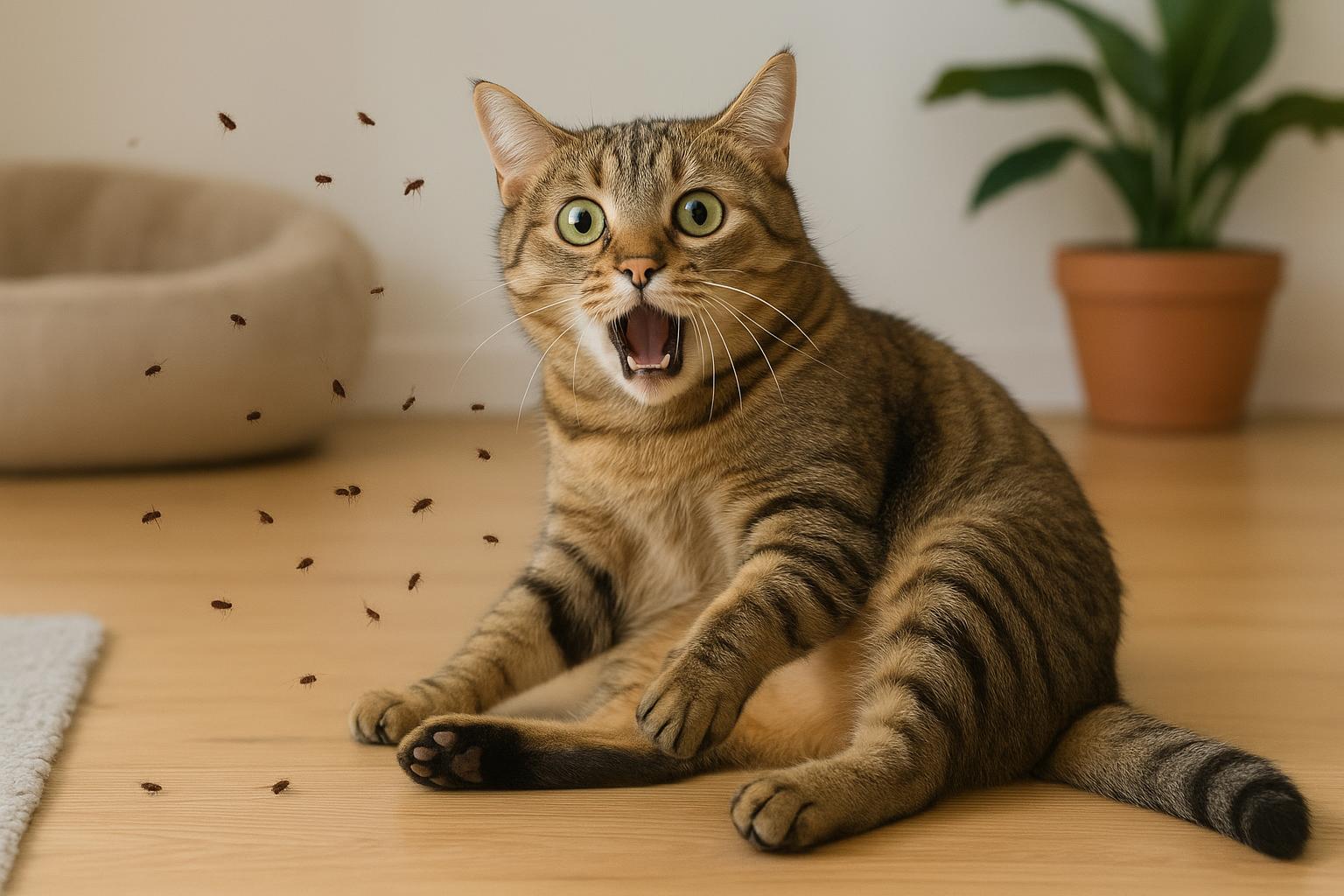
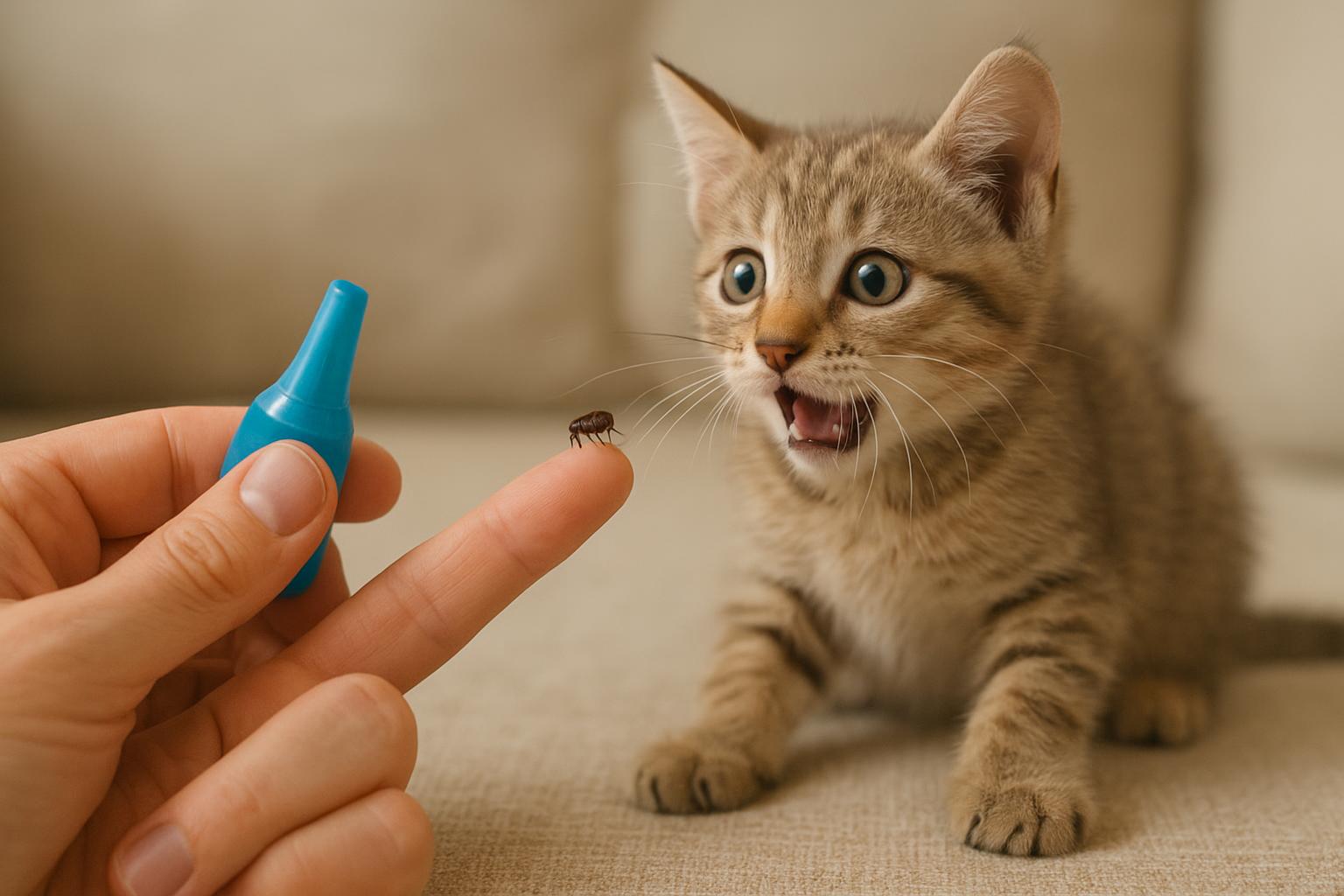
Fleas are external parasites that reproduce rapidly and cause irritation, allergic reactions, and potential disease transmission to pets and people. An oral medication works systemically: the active ingredient is absorbed into the bloodstream after the pet ingests a tablet or chewable. When fleas bite and ingest the pet’s blood, they consume the active compound and are affected internally. Different oral compounds act by disrupting the insect nervous system, interfering with growth and development, or preventing egg viability. The net effect can be rapid adult flea mortality, interruption of the reproductive cycle, or both.
Oral medication is commonly formulated for dogs and cats and includes fast-acting agents that kill adult fleas within hours as well as longer-acting agents that provide weeks to months of protection. Understanding the pharmacology—how the drug is absorbed, distributed, metabolized, and excreted—helps explain onset of action, duration, and potential side effects.
### What Mechanisms Are Used By Oral Flea Medicines
Oral medication targeting fleas typically uses one of the following mechanisms:
– Neurotoxic action on the flea’s nervous system, producing paralysis and death.
– Inhibition of egg or larval development, reducing subsequent generations even if adults are not immediately killed.
– Acute metabolic disruption specific to arthropods, leaving mammalian physiology relatively unaffected.
Examples of mechanistic categories include nACh receptor modulators, GABA receptor antagonists, and compounds that interrupt chitin formation or larval moulting. These mechanisms account for differing speed of kill and safety profiles.
### Speed Of Action And Clinical Effects
Some oral medication options kill adult fleas within 30 minutes to a few hours, offering rapid relief from biting. Others act more slowly but provide longer-lasting control. Rapid-kill products are particularly useful in severe infestations or when immediate cessation of biting is clinically necessary (for instance, in flea-allergic dermatitis). Longer-duration systemic agents reduce the need for frequent dosing and improve owner compliance, an important factor in effective flea management.
## Comparing Oral Medication To Topical And Environmental Measures
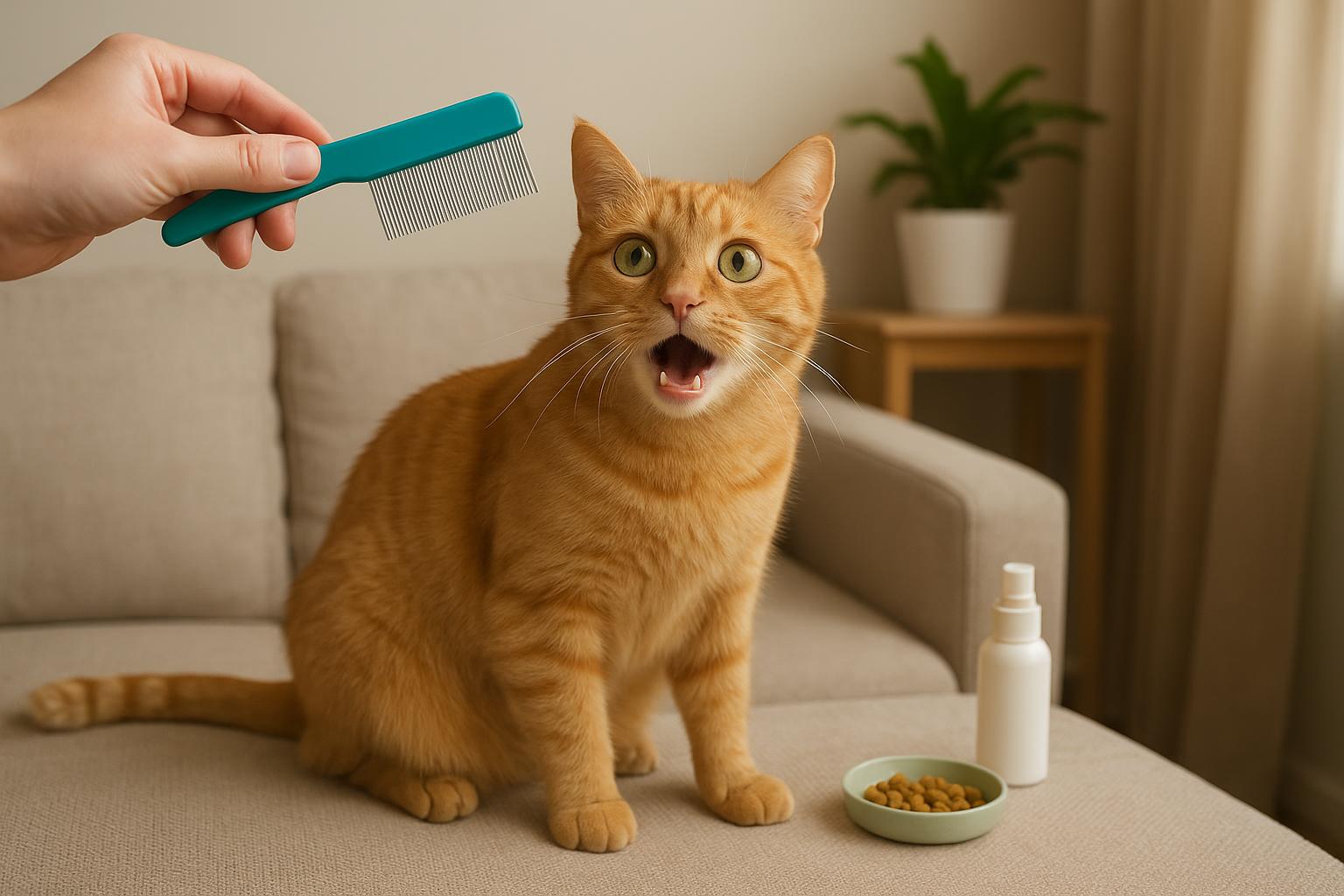
Relying exclusively on any single control measure is rarely effective. Oral medication addresses the flea directly on the pet, but it does not remove eggs and larvae in the environment. Topical spot-on products and household measures (vacuuming, washing bedding, treating yards) target life stages or habitat. The most effective programs integrate systemic oral medication with appropriate environmental control.
### Advantages And Limitations Of Oral Medication
Advantages:
– Consistent systemic levels after administration, unaffected by bathing or swimming.
– Often palatable chewables improve compliance.
– Many products rapidly stop biting fleas.
Limitations:
– Prescription requirements for many agents; veterinary oversight is essential.
– Potential side effects and drug interactions in animals with medical conditions.
– No direct effect on non-feeding stages in the environment; environmental measures still required.
## When Oral Medication Is Preferred
Oral medication is preferred in several circumstances:
– Pets that swim or are bathed frequently where topical efficacy might be compromised.
– Households with multiple animals where ease of dosing improves compliance.
– Cases of intense infestation requiring rapid relief from biting.
– Animals with known sensitivity to topical carriers or residues.
Use of oral medication must be individualized by a veterinarian, considering species (dog versus cat), size, concurrent medications, age, pregnancy status, and health history.
## Remedy 1: Administering Prescription Oral Medication Safely
This section provides a formal, step-by-step protocol for administering a prescribed oral flea medication to a pet. Follow all veterinary instructions and product labeling.
#### Materials Required
– Vet-prescribed oral medication (tablet or chewable)
– Pill dispenser or piller (optional)
– Treats or a small amount of food (if recommended)
– Clean water and bowl
– Record-keeping sheet or app to track dosing dates
#### Preparation And Safety
1. Confirm the correct product and dose with the prescribing veterinarian before administration.
2. Read the product insert for contraindications, side effects, and storage instructions.
3. Wash hands before and after handling medication.
4. If the pet has a history of seizures, liver disease, or is on other medications, verify safety with the veterinarian.
#### Step-By-Step Administration
1. Position the pet comfortably; remain calm to reduce stress.
2. If using a pill dispenser, load the tablet per the device instructions.
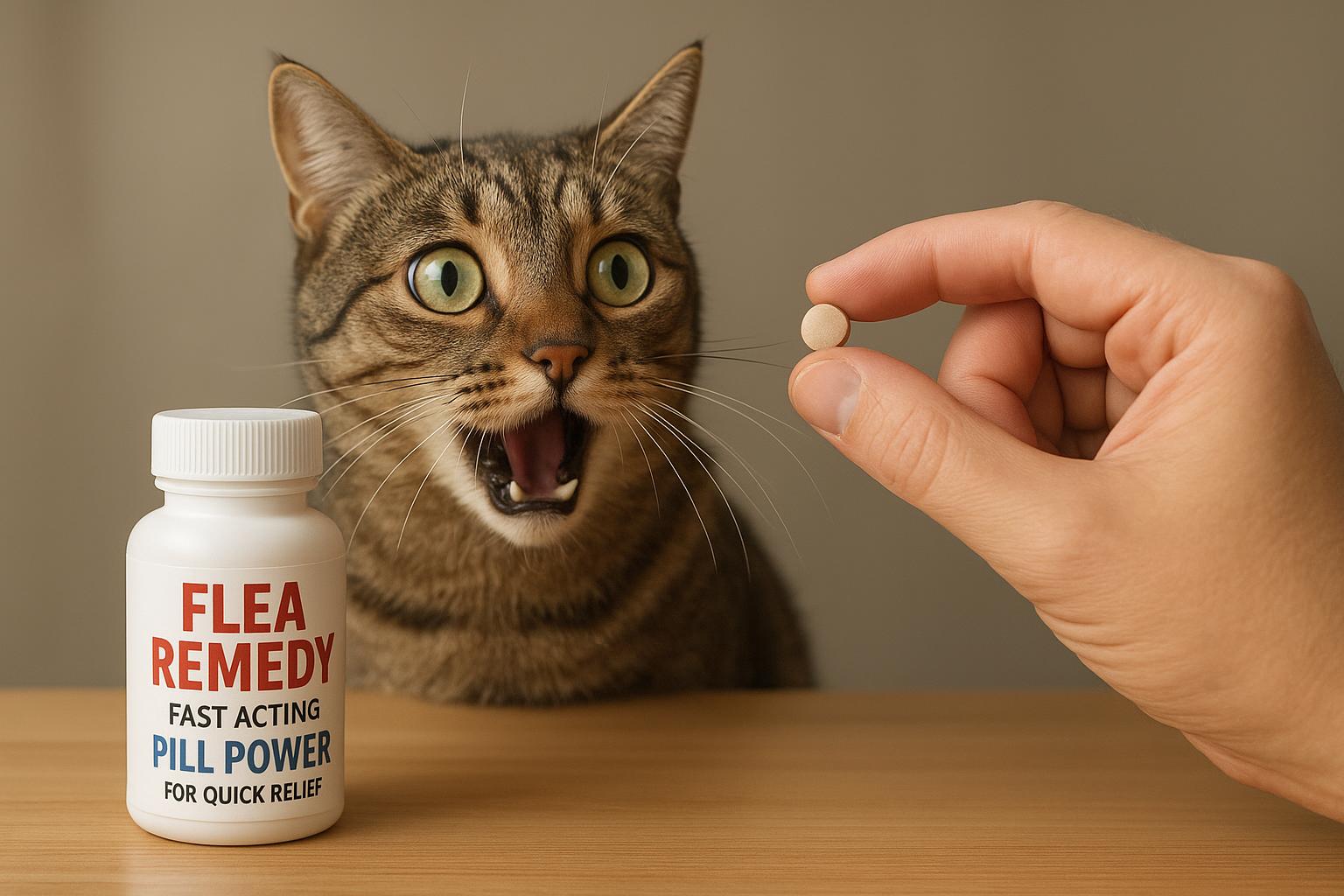
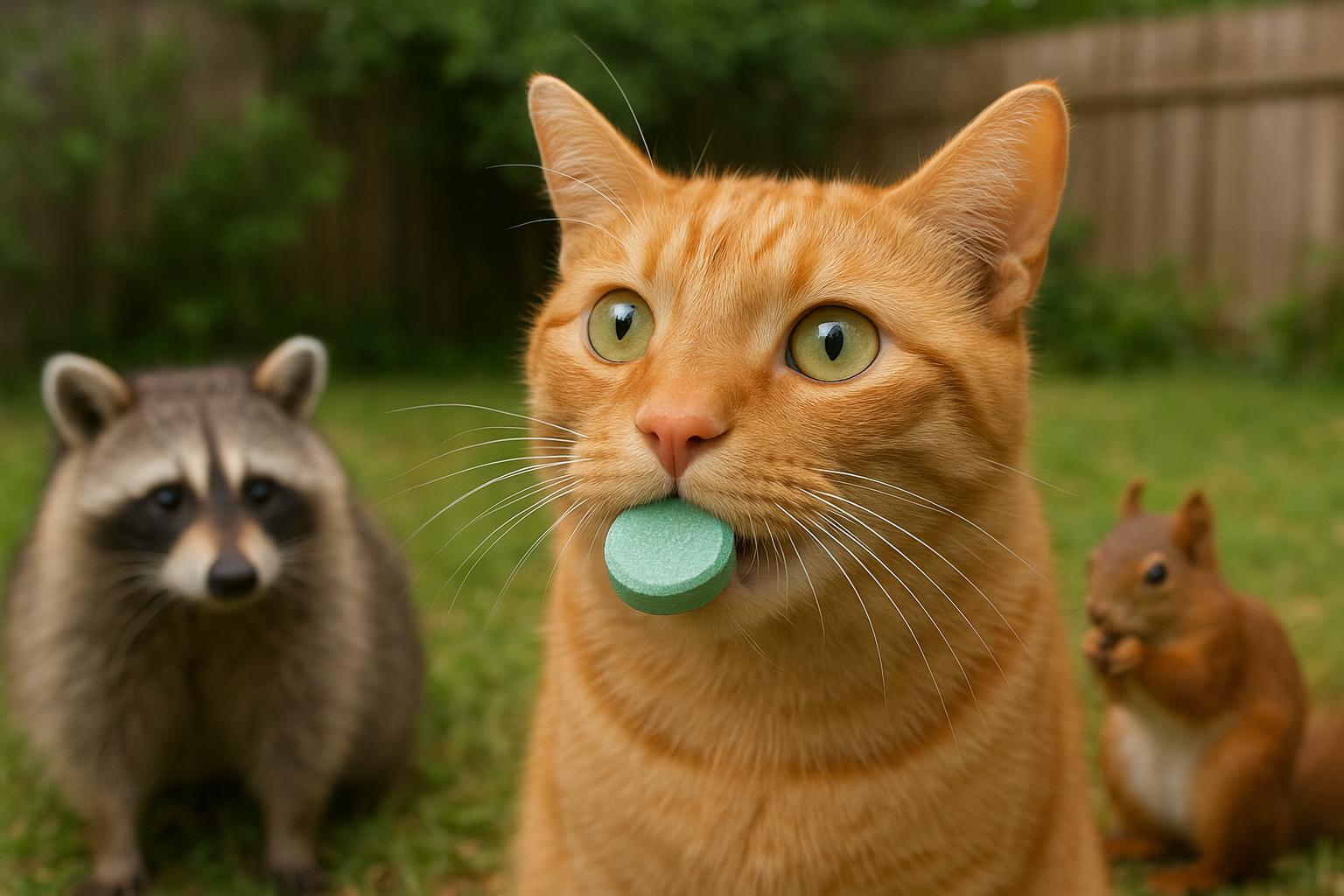
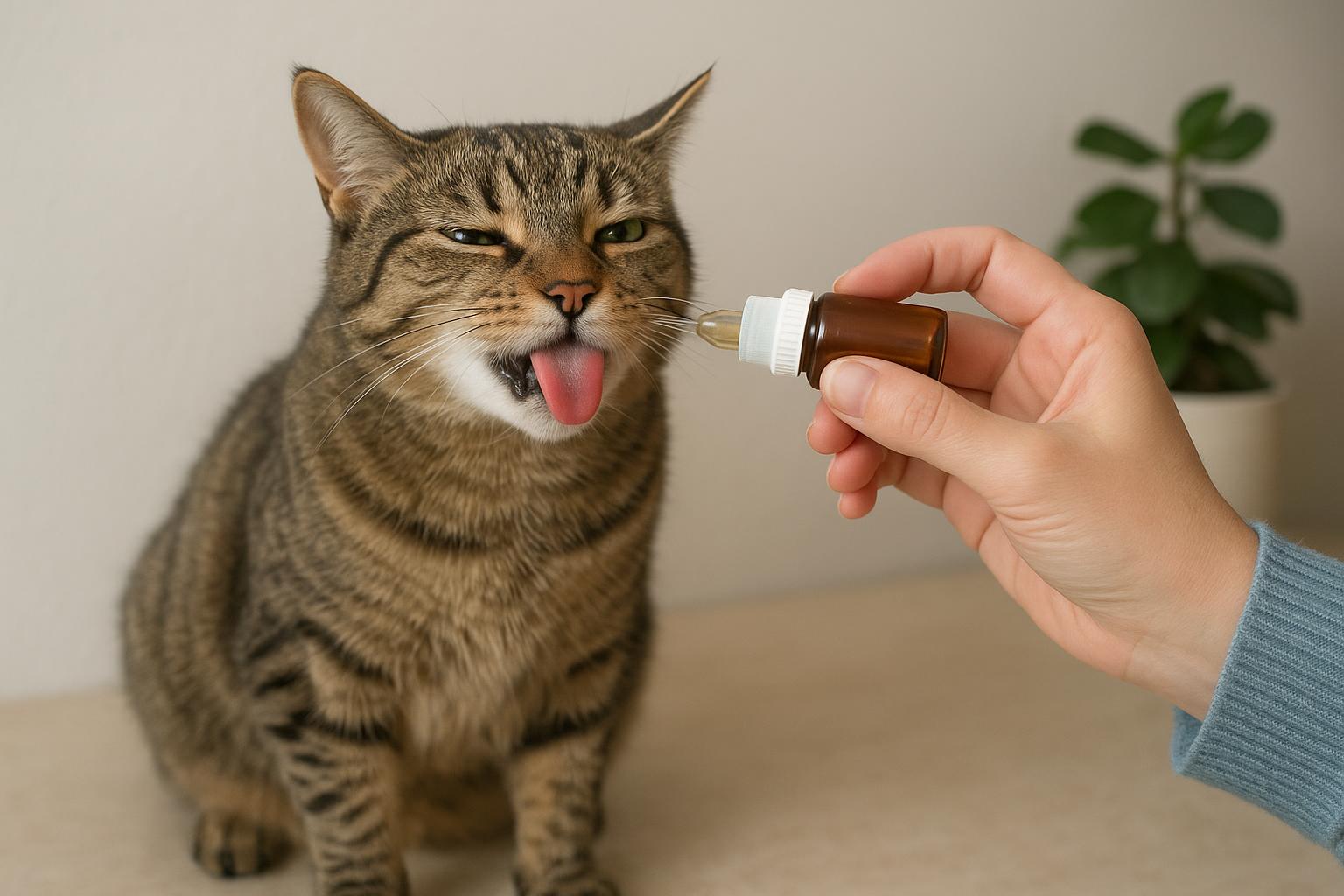
3. Offer the tablet as a treat if the formulation is palatable. If not, gently open the pet’s mouth and place the tablet on the back of the tongue, then close the mouth and encourage swallowing by stroking the throat or offering a small portion of food and water.
4. Observe the pet for a few minutes to ensure the pill was swallowed and not spat out.
5. Record the date and time of administration in your log and set reminders for the next dose, if applicable.
6. Monitor the pet for adverse reactions over the next 24–72 hours (vomiting, lethargy, neurological signs) and contact the veterinarian immediately if concerns arise.
#### Follow-Up And Long-Term Use
– Adhere to the prescribed interval (e.g., monthly, every three months) to maintain efficacy.
– Schedule periodic veterinary checks for weight changes, organ function monitoring, or potential adverse effects.
– Never dose a pet with medication intended for another species without veterinary approval.
## Remedy 2: Home Environmental Flea Control Using Diatomaceous Earth (DE)
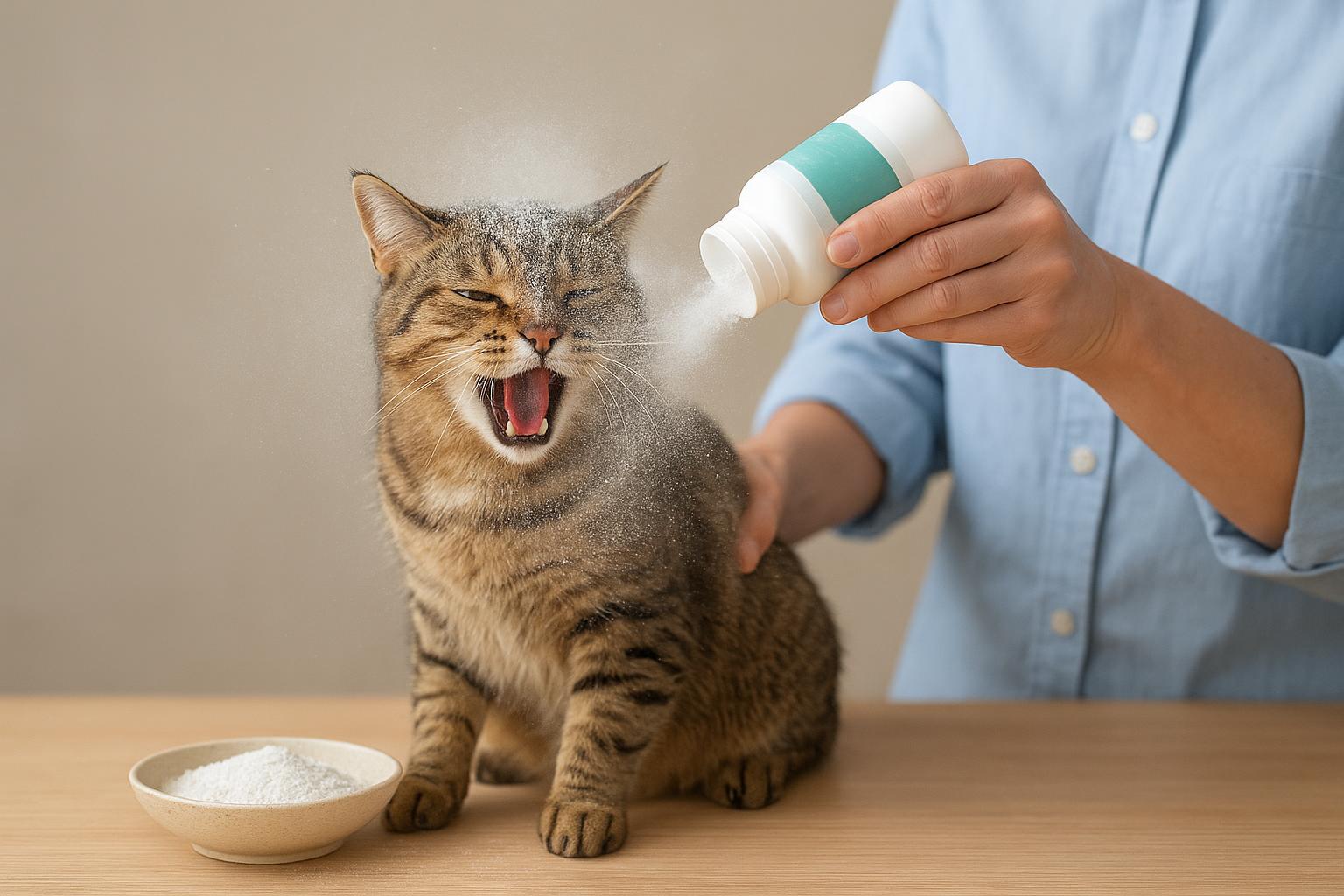
To complement systemic control, environmental remedies reduce immature flea stages. The following natural method uses food-grade diatomaceous earth (DE) as a mechanical insecticide. Exercise caution around respiratory exposure for humans and animals.
#### Materials Required
– Food-grade diatomaceous earth (not pool-grade)
– Fine-mesh hand duster or applicator
– Vacuum with bagless canister or disposable bags
– Protective mask and gloves
– Microfiber cloths and hot-water laundry capacity
– Yard spreader for outdoor use (optional)
#### Preparation And Safety
1. Use only food-grade DE. Keep away from eyes and avoid inhalation; use a mask while applying.
2. Remove pets from the area during application and until dust has settled and area is vacuumed.
3. Test a small area for surface sensitivity.
#### Step-By-Step Application Indoors
1. Wash all pet bedding, human bedding, and removable upholstery covers in hot water and dry on high heat.
2. Vacuum carpets, rugs, furniture crevices, baseboards, and pet areas thoroughly. Immediately dispose of vacuum contents in a sealed bag outside.
3. Apply a light, even dusting of DE to carpets, under furniture, and along baseboards using the duster. Apply sparingly; a thin layer is sufficient.
4. Allow the DE to sit for 48–72 hours to physically abrade and dehydrate larvae and adults.
5. Vacuum again thoroughly to remove DE and dead flea material; dispose of vacuum contents outside.
6. Repeat the process weekly for 2–4 weeks or until infestation indicators cease.
#### Step-By-Step Application Outdoors
1. Mow and rake the yard to expose areas where fleas may hide.
2. Apply a light dusting of DE to shaded, moist areas under shrubs, woodpiles, and pet pathways. Avoid windy application days.
3. Reapply after heavy rain or as necessary, observing the same safety precautions for humans and animals.
## Safety Considerations And Veterinary Guidance
Oral medication is an effective component of an integrated flea control plan, but appropriate use requires veterinary input. Particular attention should be given to:
– Species-specific product approvals and contraindications.
– Age and weight restrictions for available formulas.
– Potential drug interactions and history of hypersensitivity.
– Monitoring for adverse effects, especially after the first dose.
Natural or mechanical environmental remedies such as diatomaceous earth supplement systemic control but do not replace the need for veterinary-approved oral medication when fleas are present on the pet. Combining systemic oral medication with targeted environmental steps yields the most reliable suppression of both adult fleas and immature life stages.
### Record-Keeping And Monitoring
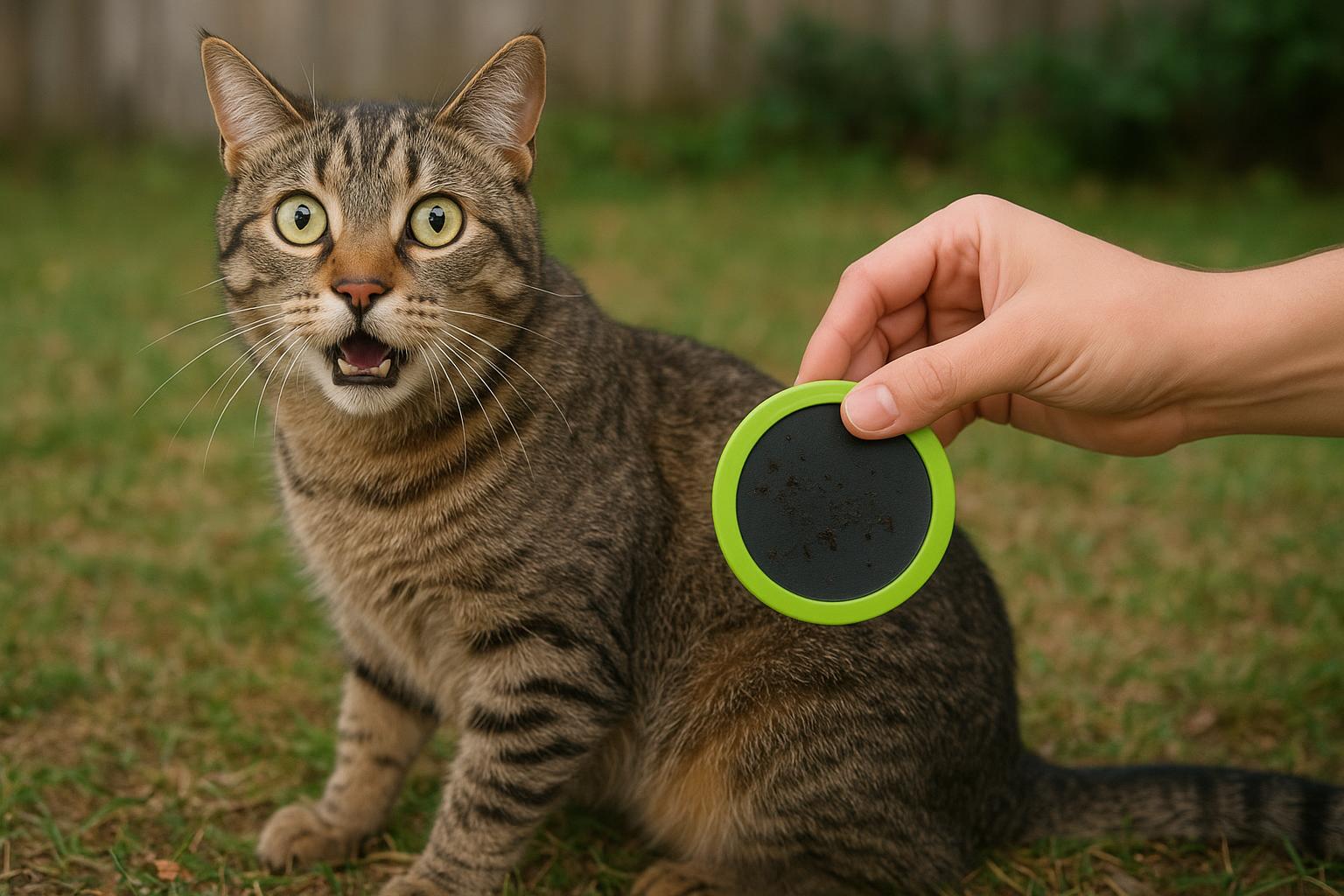
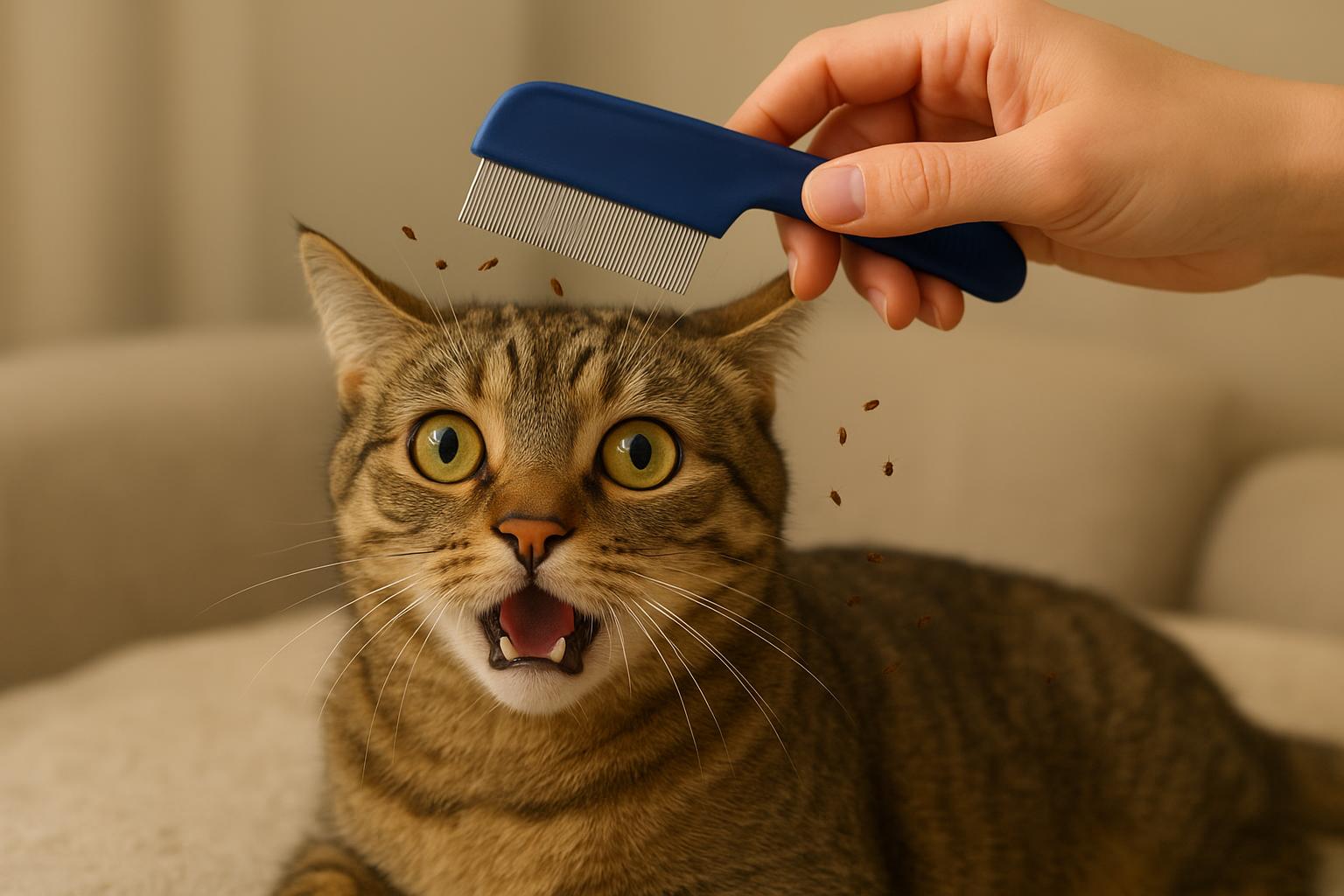
Maintain a log of oral medication administration, environmental treatments, and observations of flea activity or skin irritation. Timely documentation supports informed veterinary follow-up and helps to identify patterns or treatment failures that may indicate resistance or re-infestation from outside sources.
### When To Contact A Veterinarian Immediately
– Onset of neurological signs (tremors, seizures) after administration of oral medication.
– Persistent vomiting, refusal to eat, or rapid behavioral changes.
– Severe skin reactions or continued intense irritation despite treatment.
Oral medication remains a cornerstone of modern flea control when used correctly within an integrated program. Responsible administration, adherence to veterinary instructions, and complementary environmental measures will maximize effectiveness while maintaining pet safety.




Leave a Reply