
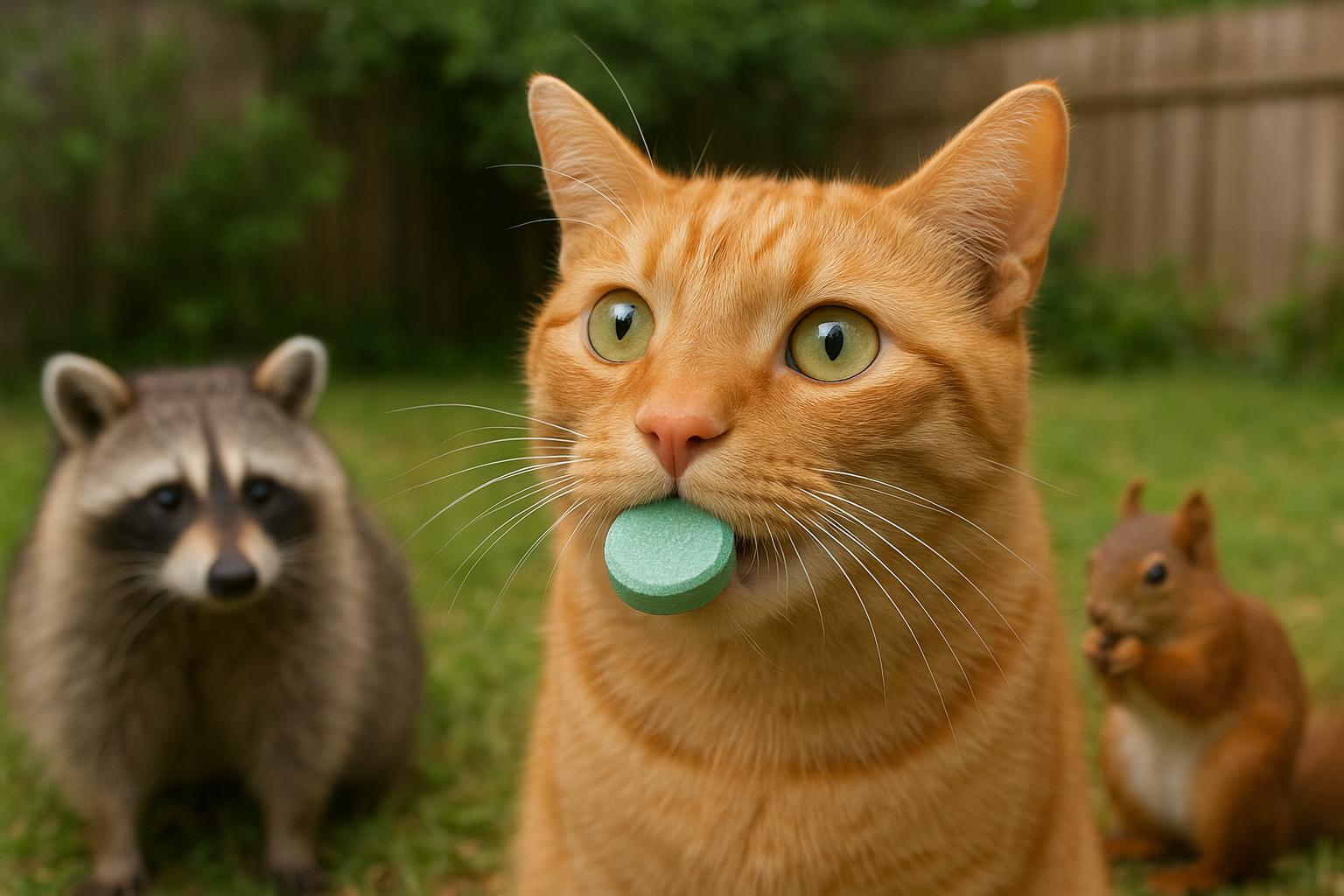
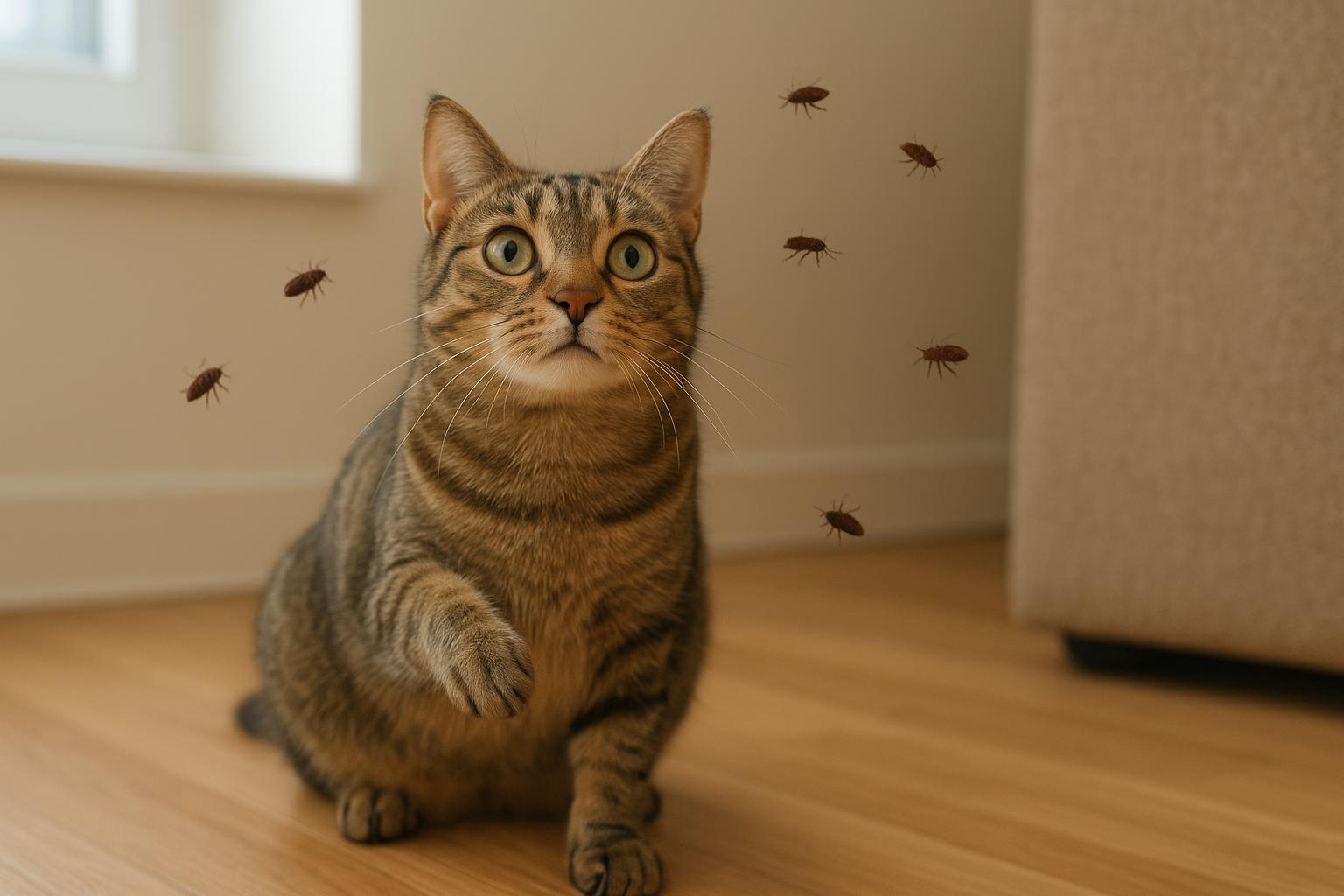
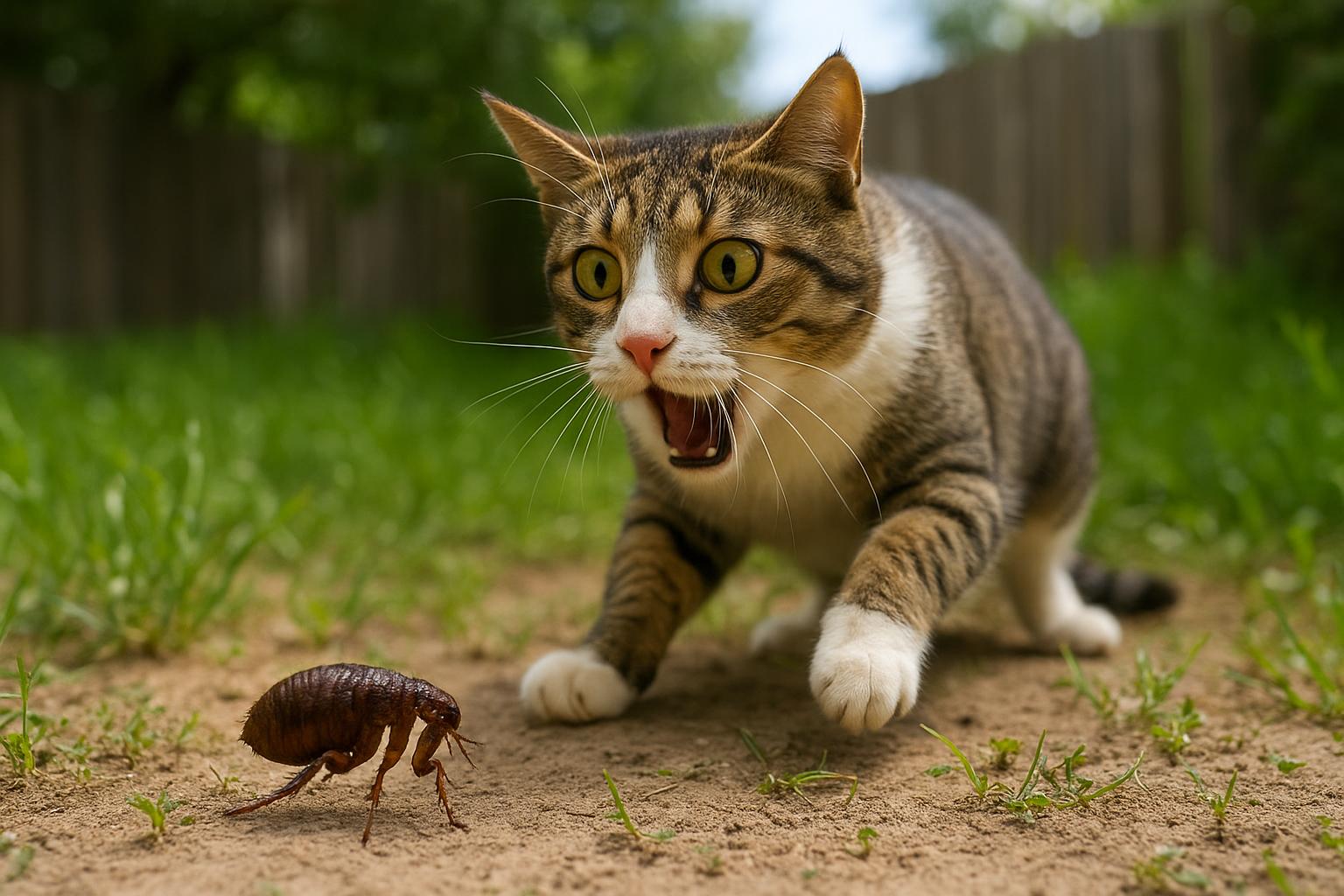
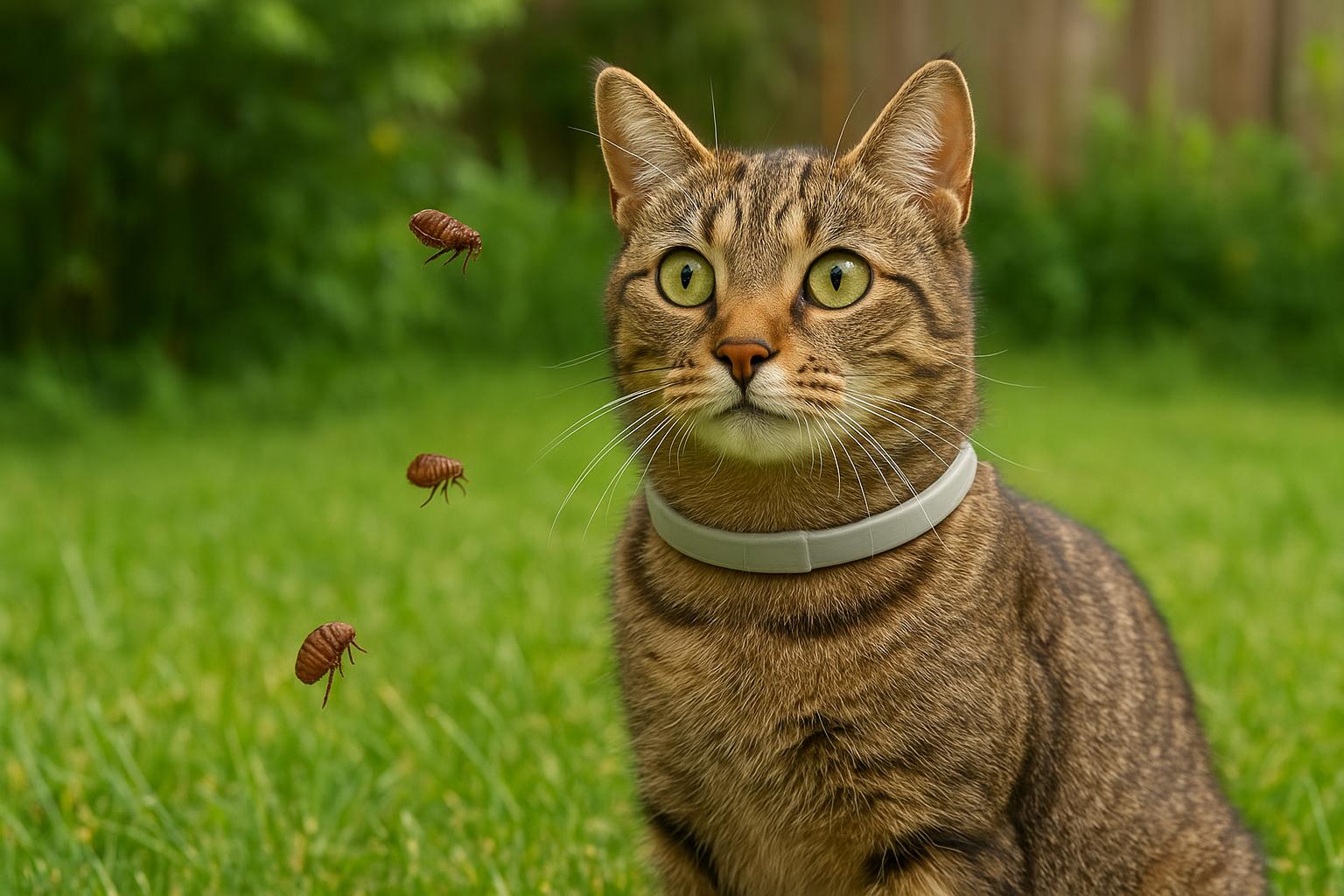
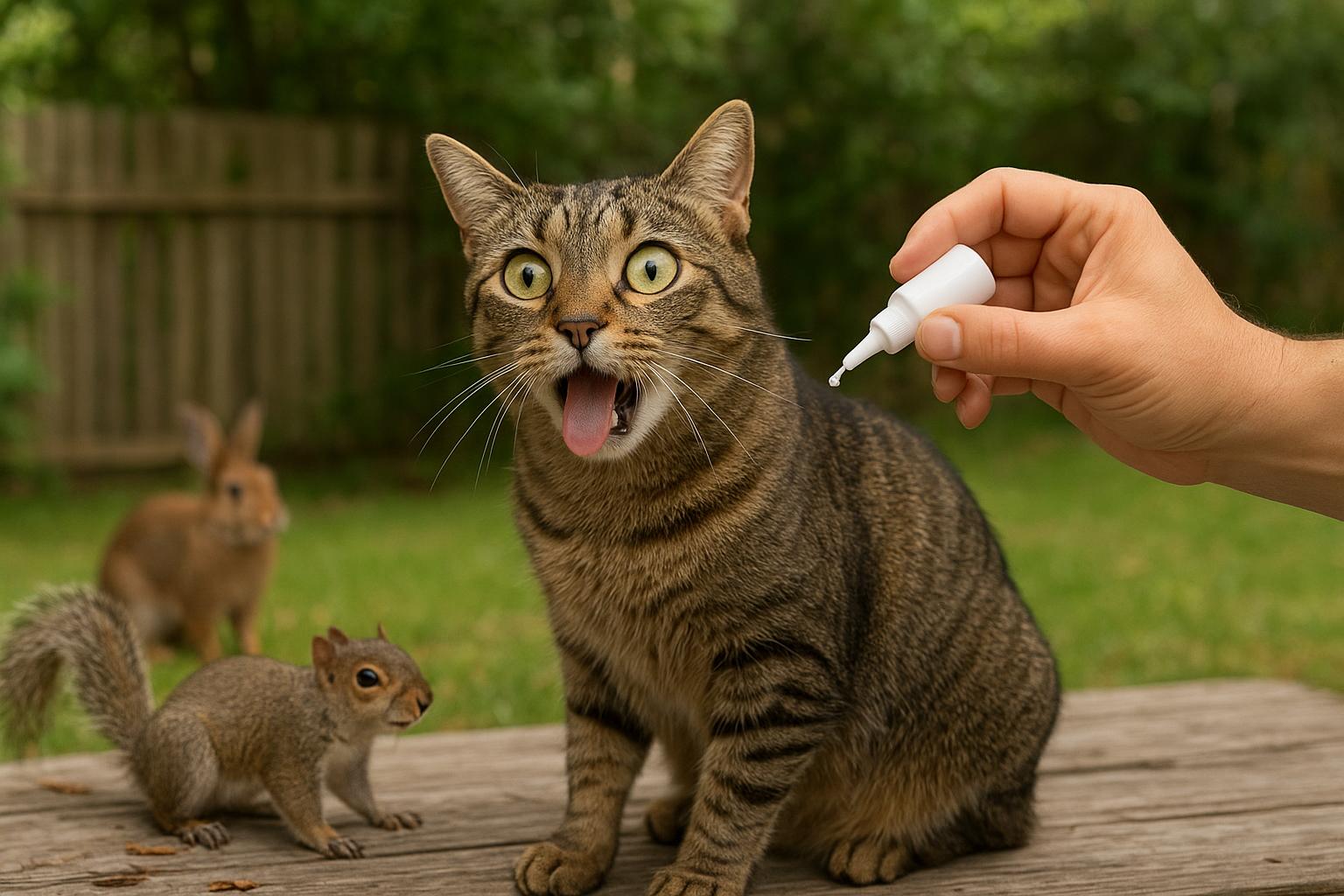
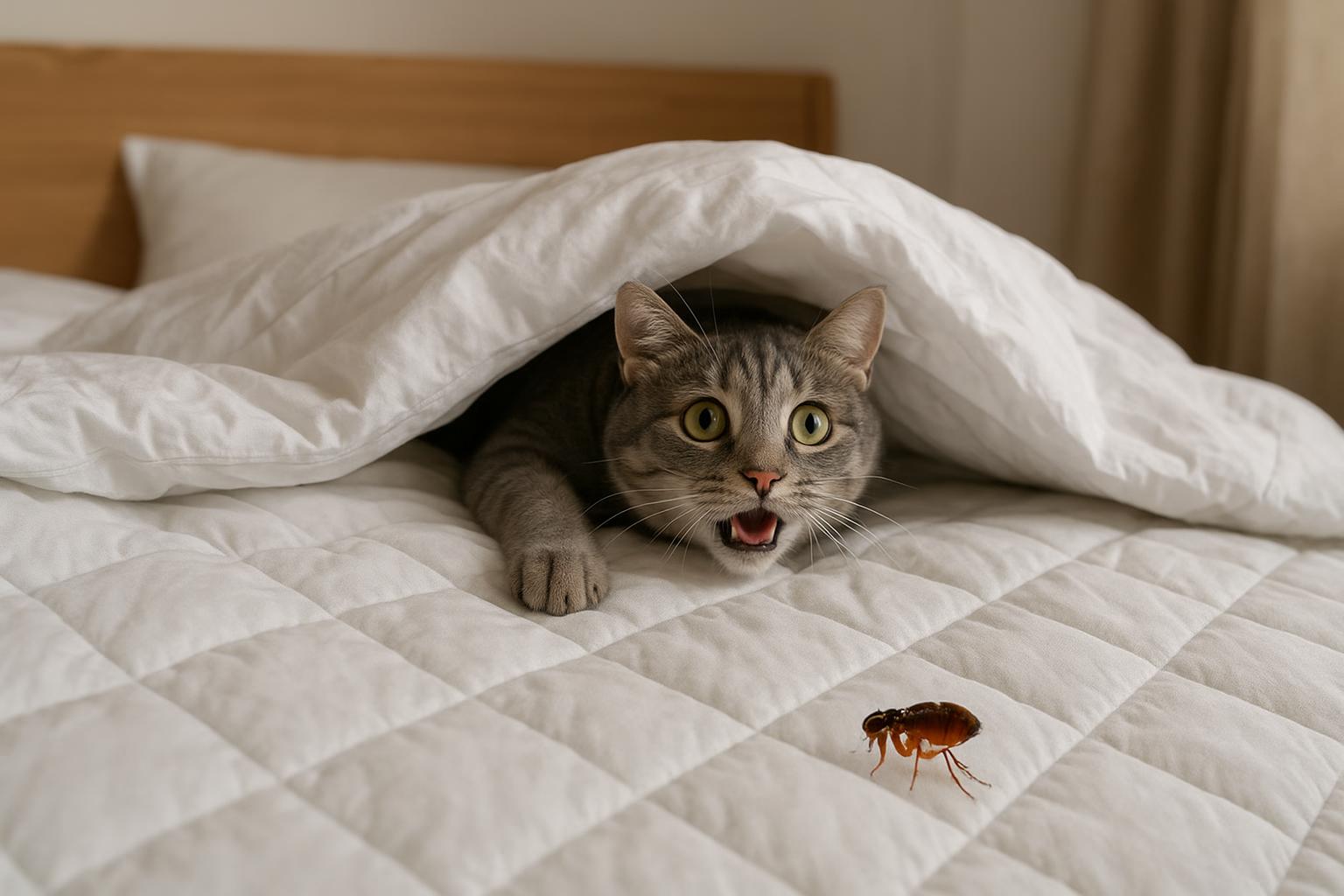
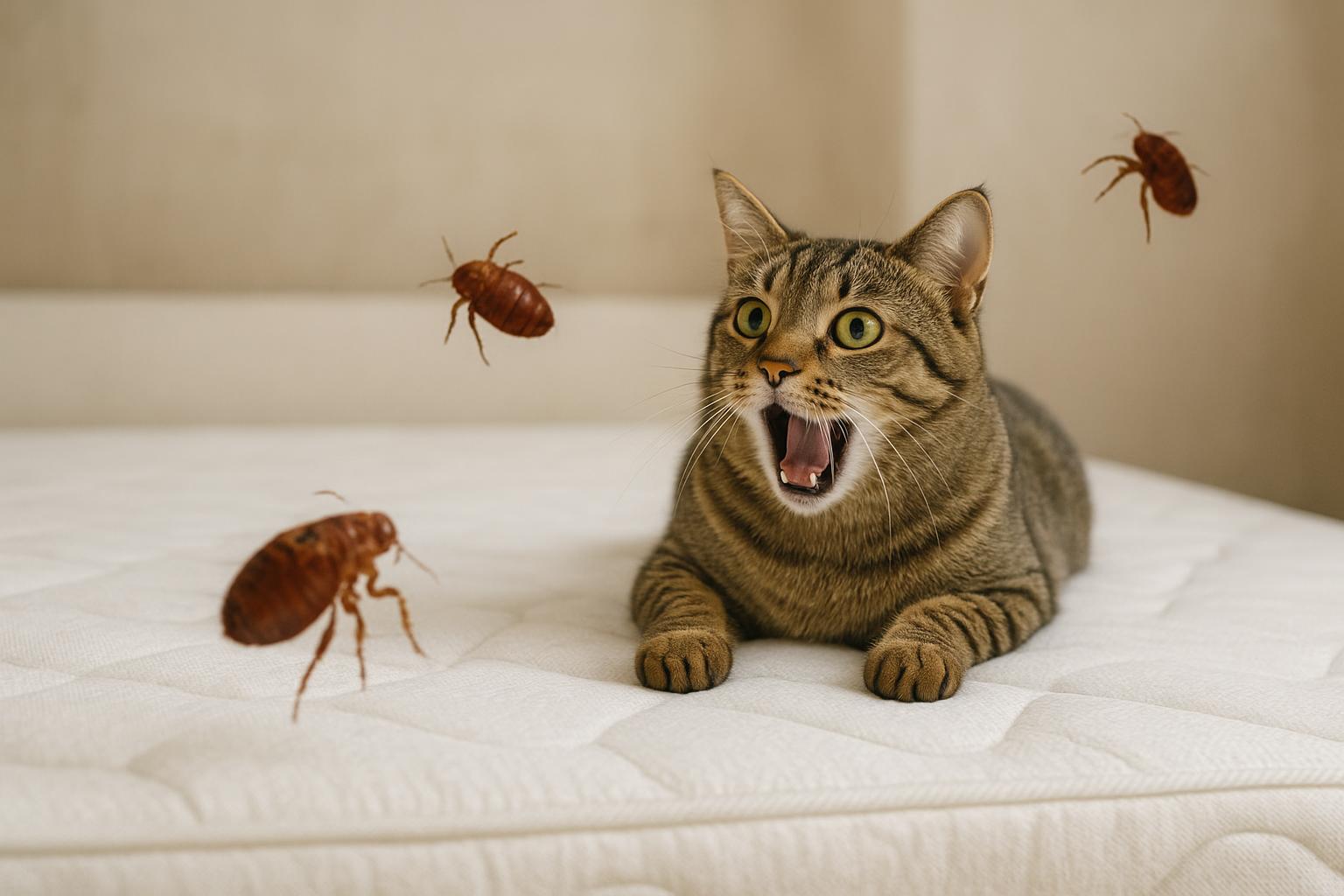
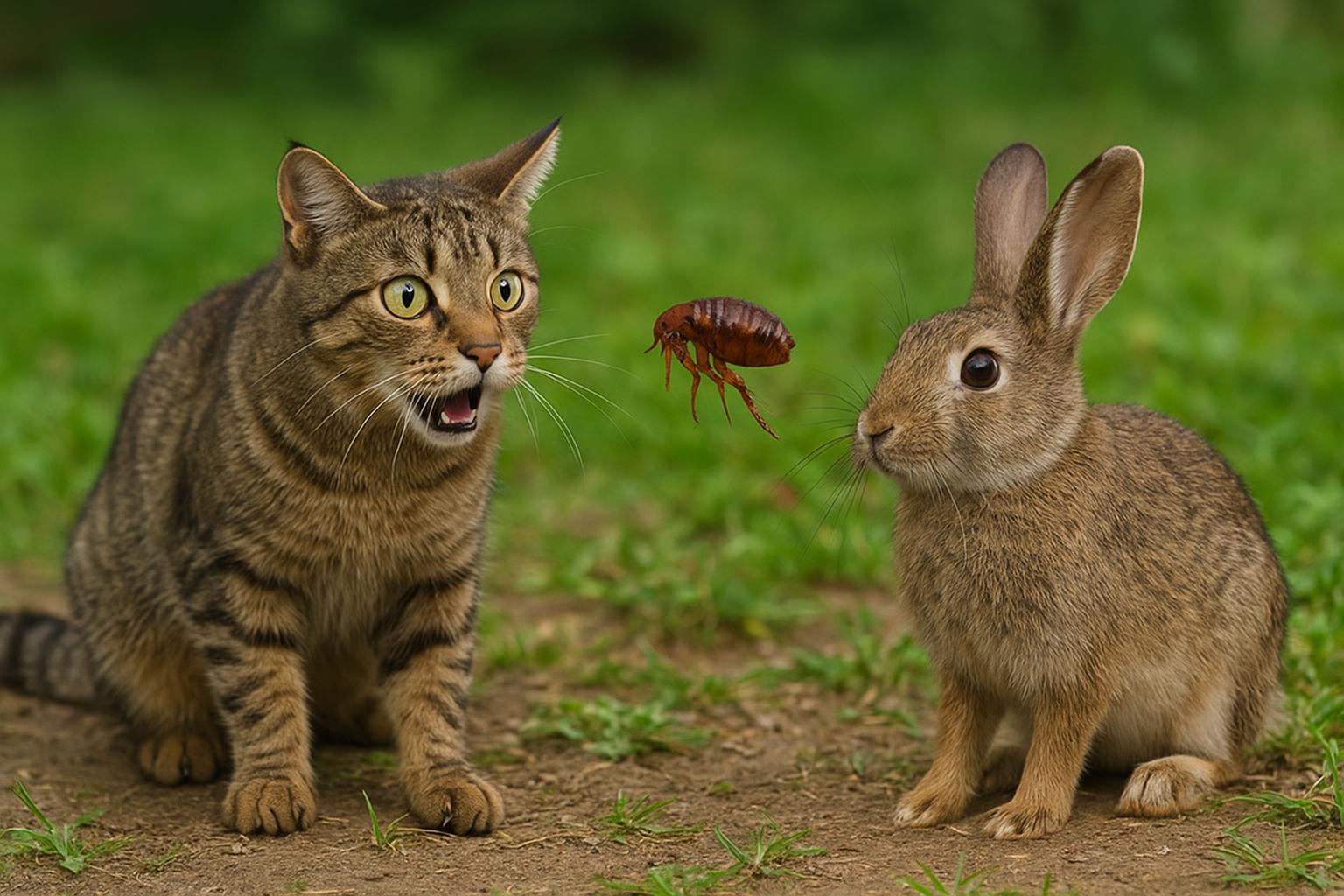
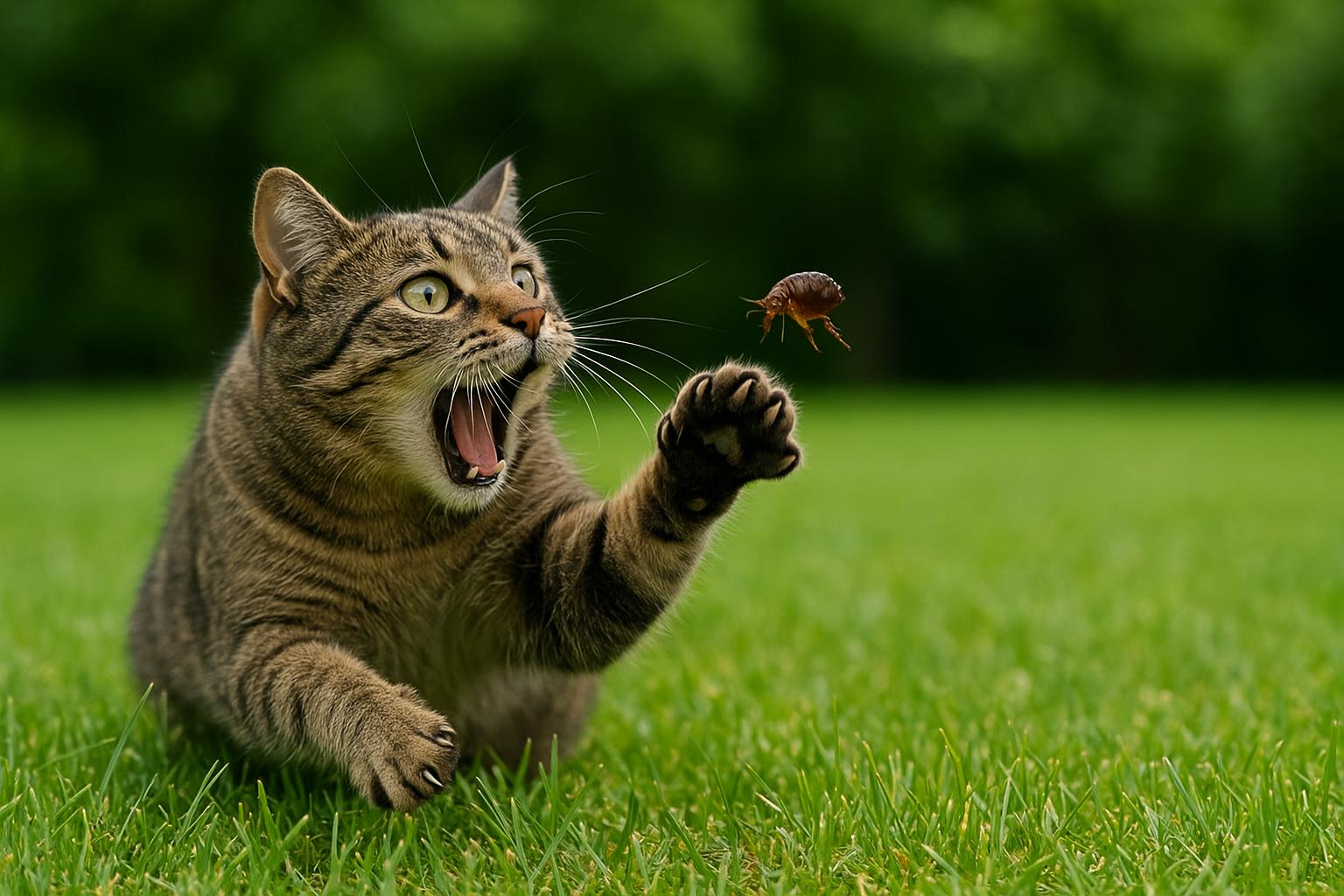
Welcome to your yard—home to birds, bunnies, the occasional raccoon with stage presence, and yes, those tiny vampires we all love to hate. Fleas are part of the backyard ecosystem, but when they leap from wildlife onto pets (or people), it’s time for a plan. This piece walks through how oral flea control works and how it fits into a humane, effective backyard approach.
## Oral Flea Control: What It Is And Why It Matters
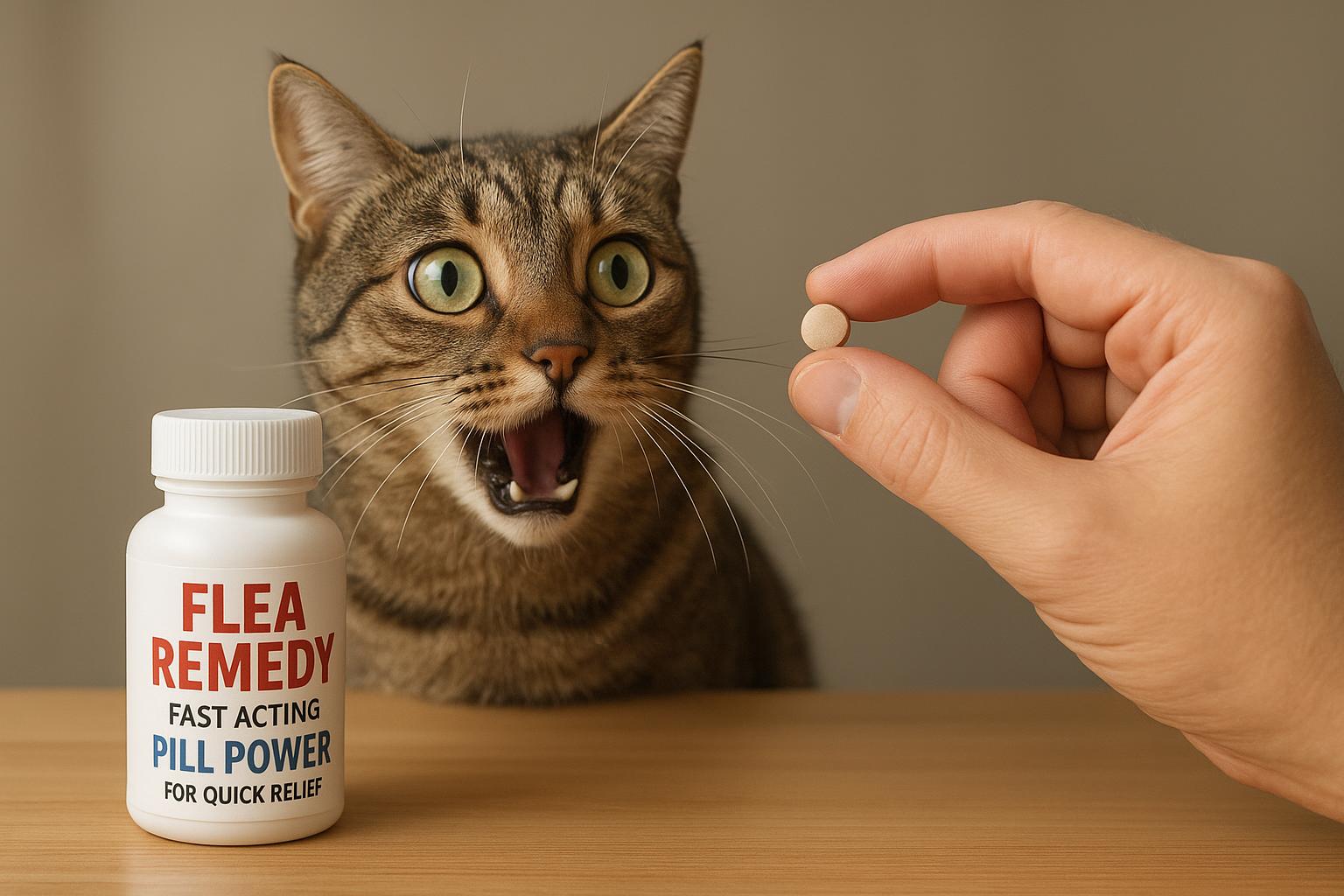
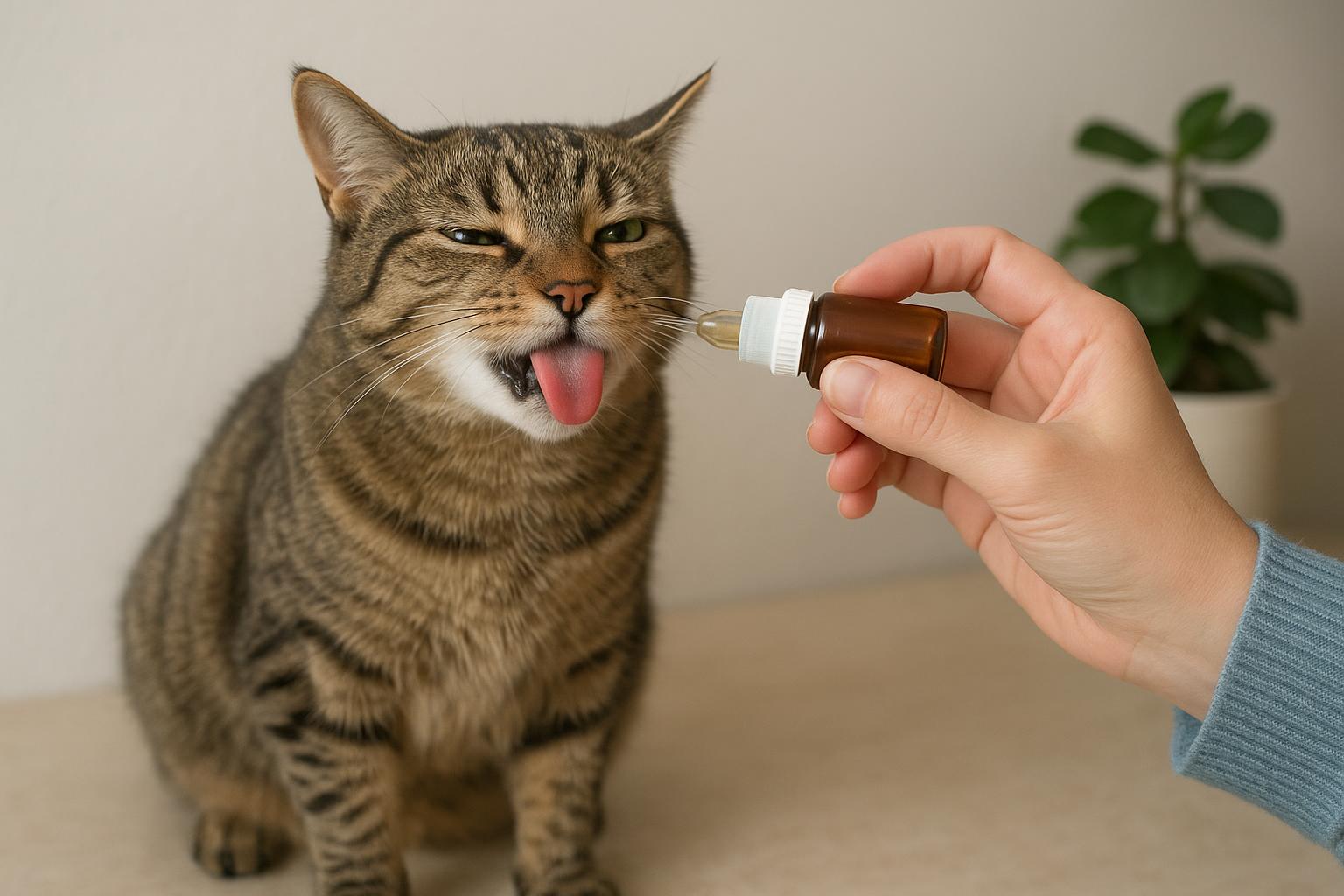
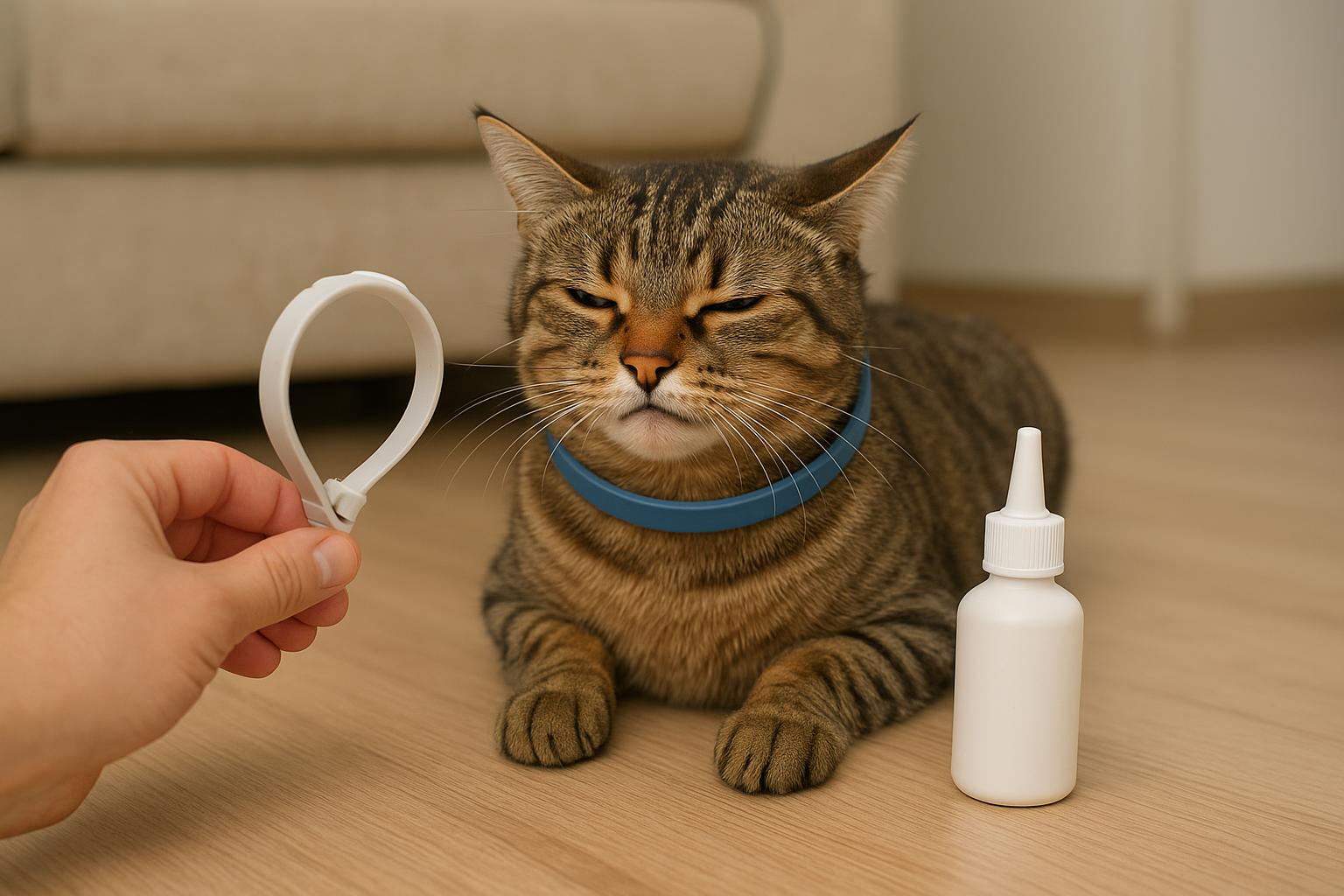
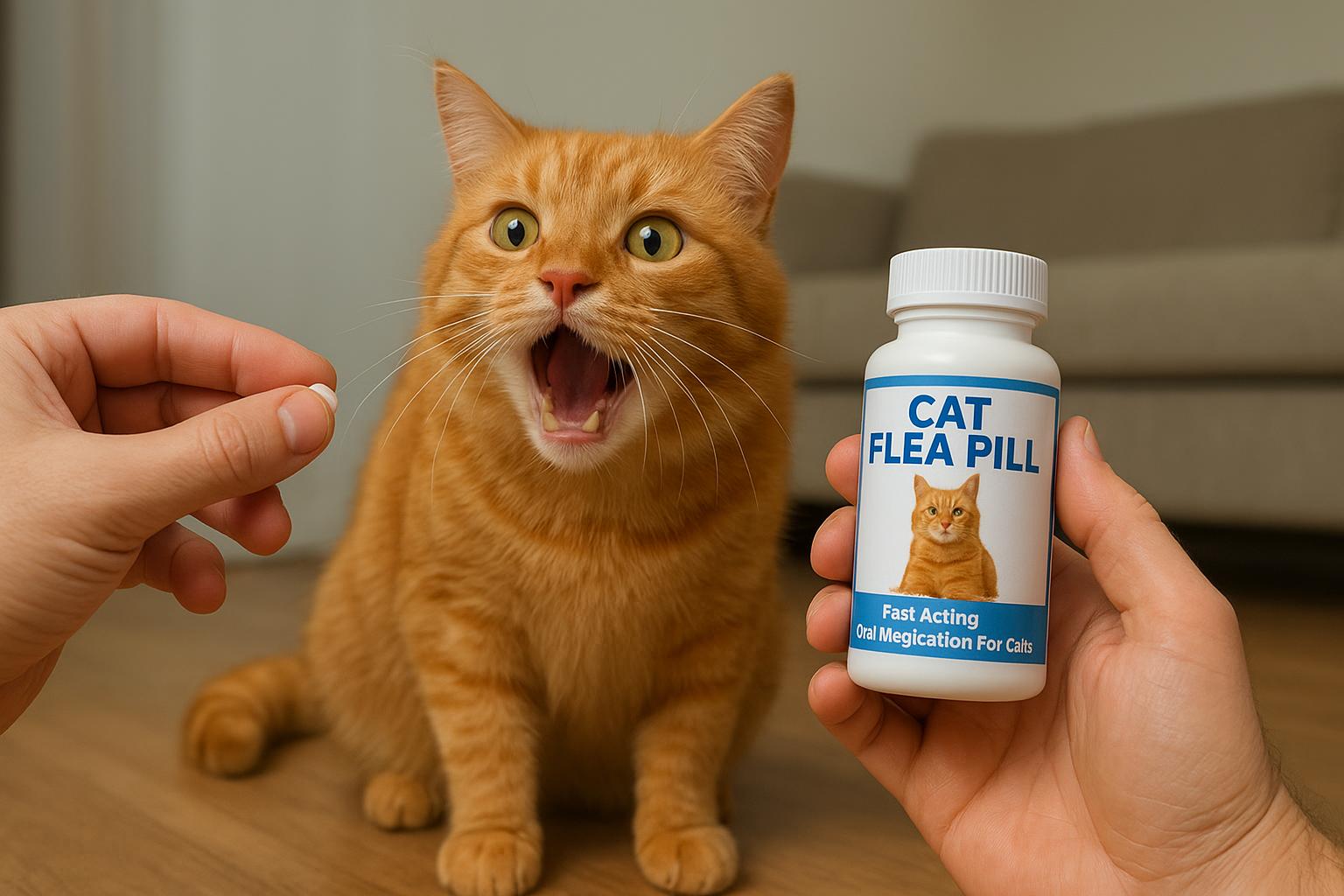
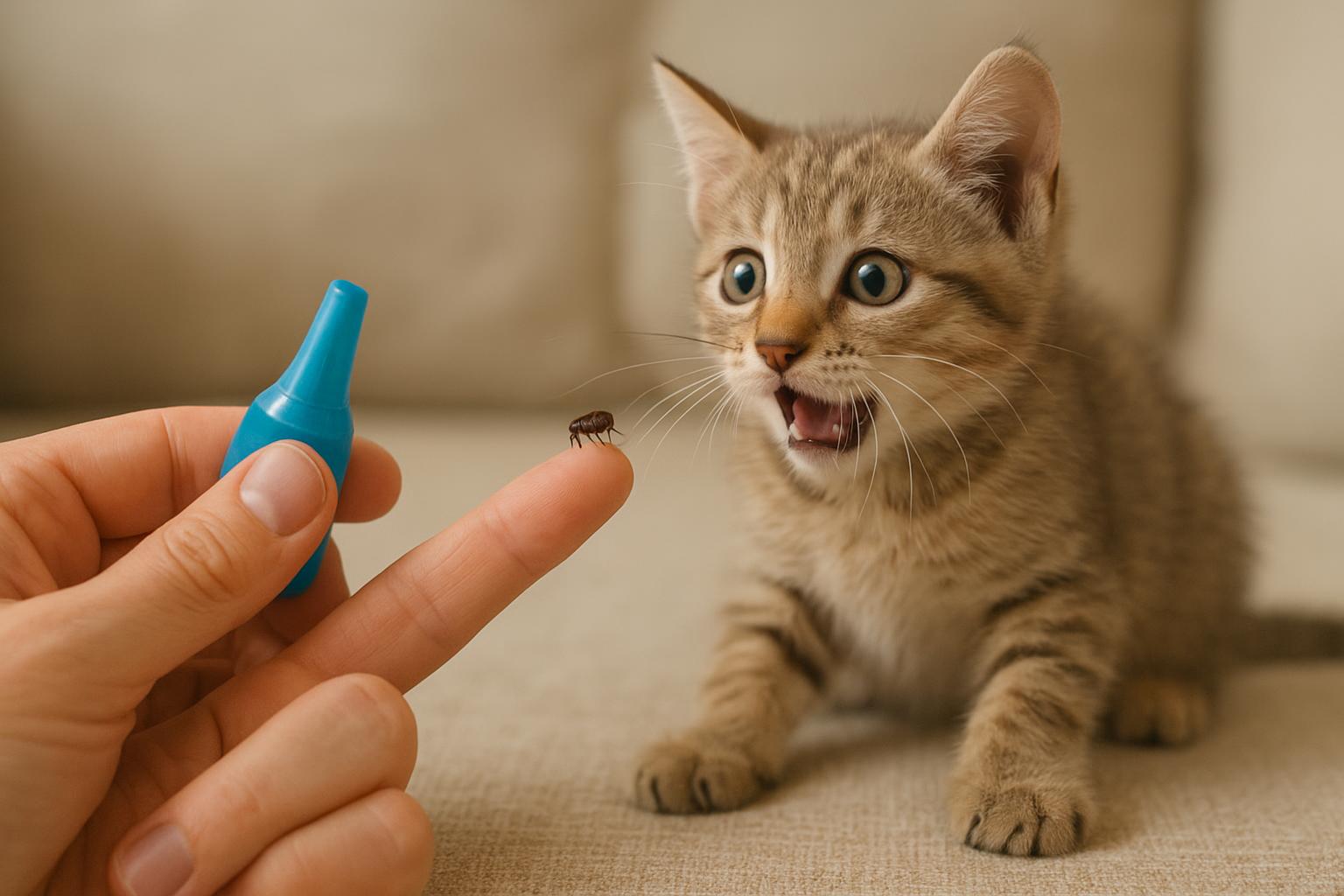
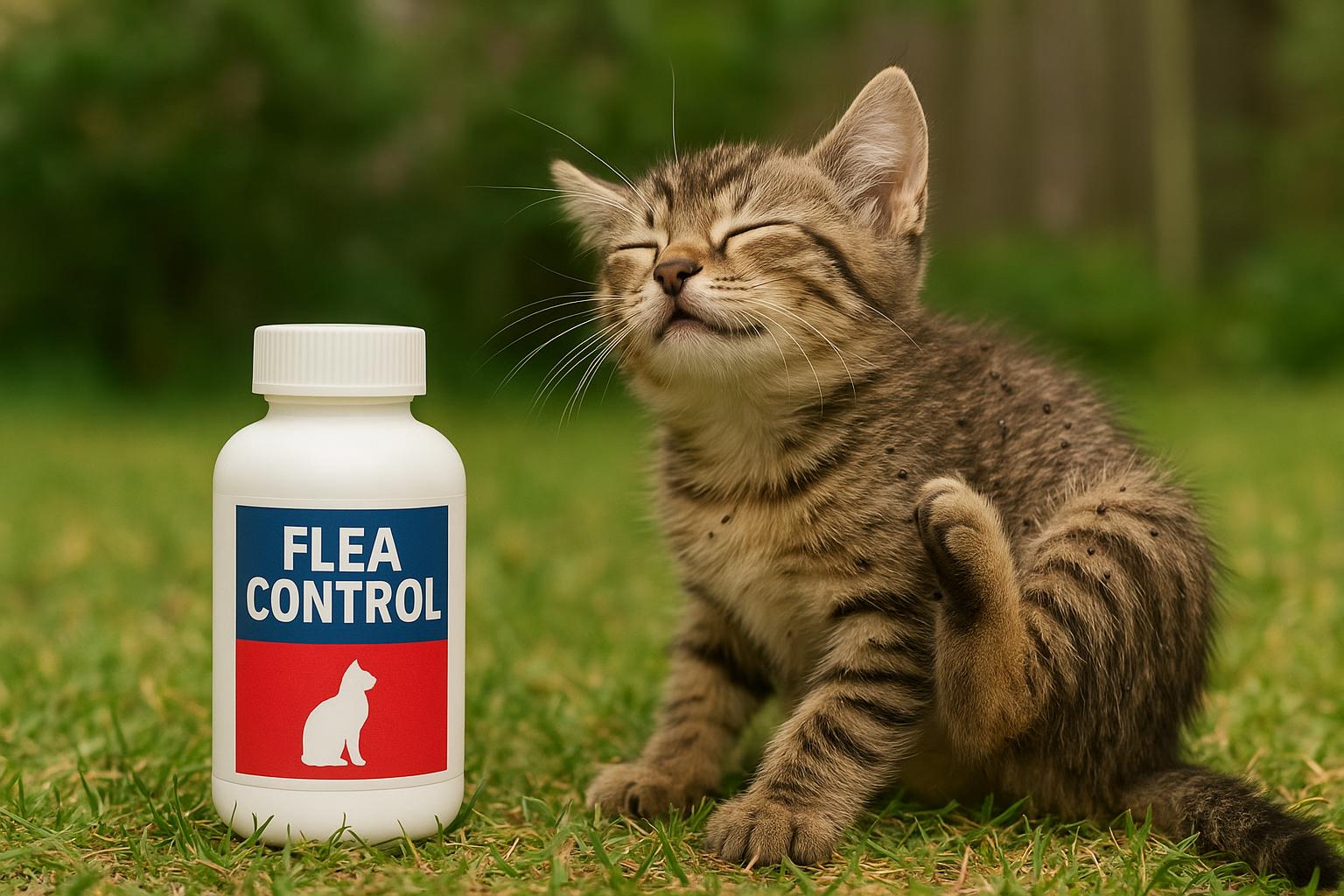
Oral flea control is a category of systemic insecticides given by mouth to a host animal—typically pets—that kill fleas when they feed on that animal’s blood. Unlike spot-on topical treatments that act on the skin and coat, oral flea control circulates through the bloodstream, making the treated animal an inhospitable host. Think of it as turning Fido into a flea-free snack. That’s a good thing for your pets and, indirectly, for backyard wildlife, because lowering flea numbers on domestic animals removes a key bridge between wildlife and your home.
### How Oral Flea Control Works Inside The Animal
When a flea bites a treated animal, it takes in blood containing the active compound. Different oral products act by different mechanisms: some target insect neurotransmitter receptors (causing paralysis and death), others disrupt metabolic pathways unique to insects. Common classes include the isoxazolines (e.g., fluralaner, afoxolaner, lotilaner) and older agents like nitenpyram and spinosad. These drugs are dosed so they affect fleas but are safe for the intended mammal species when used per label and under veterinary guidance.
Efficacy timelines vary—some oral treatments start killing fleas within hours and protect for a month or longer. Because they act systemically, oral flea control often works well even if the animal swims, rolls in dirt, or is groomed, which can be advantages over topical options.
### Why Treating Pets Helps Backyard Wildlife
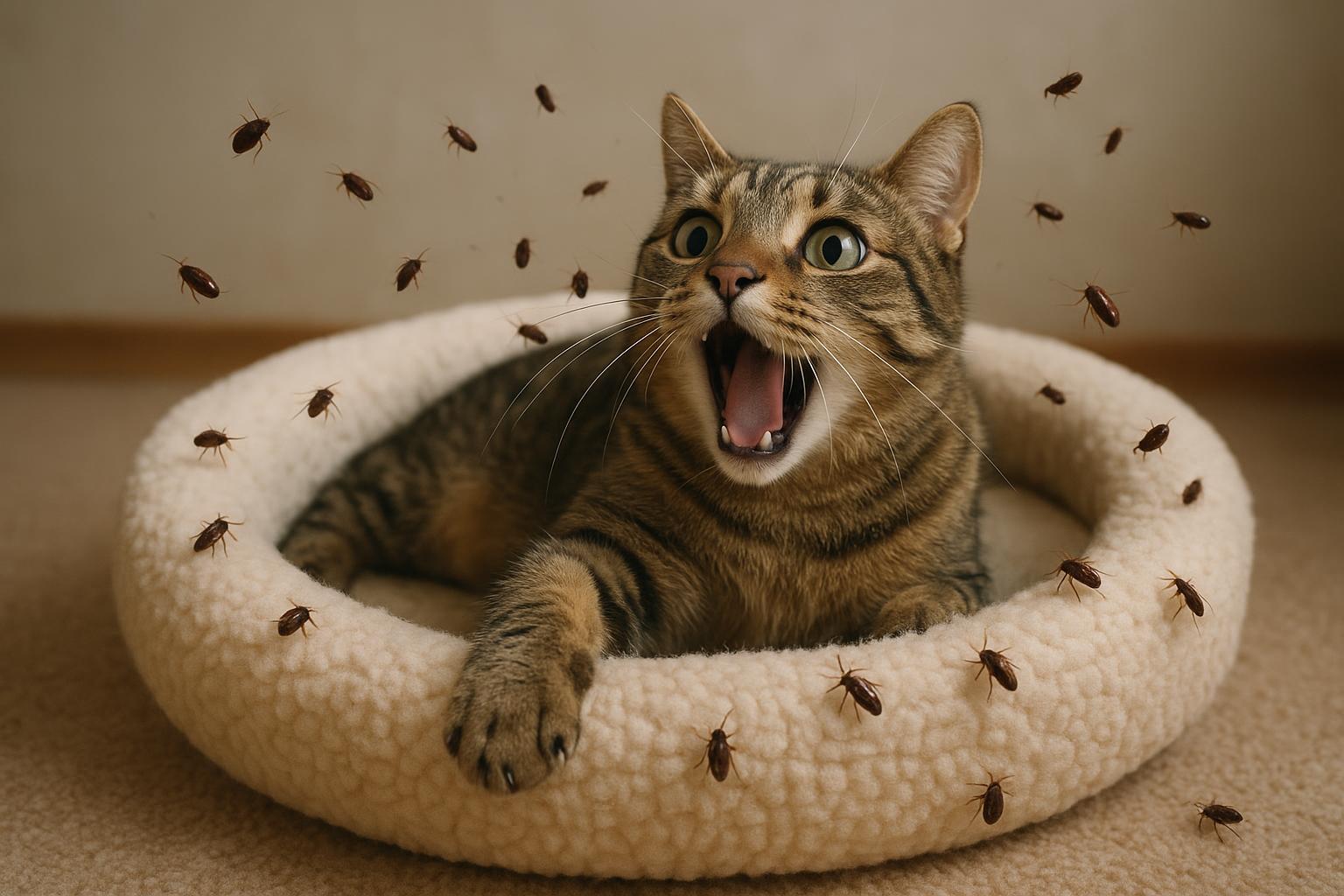
You might wonder how treating Fido helps the sparrows in your maple tree. Fleas reproduce quickly and move between hosts. Many backyard flea populations are maintained by a mix of wildlife, feral animals, and pets. When domestic animals are left untreated, they can carry and amplify flea numbers, which then spill back into wildlife nests and dens. By applying oral flea control to owned pets, you reduce a major reservoir of fleas in your immediate environment. This lowers overall flea pressure and can decrease the likelihood of heavy infestations in wildlife—particularly juveniles and nestlings that have limited defenses against pests.
## Assessing Flea Pressure In Your Backyard
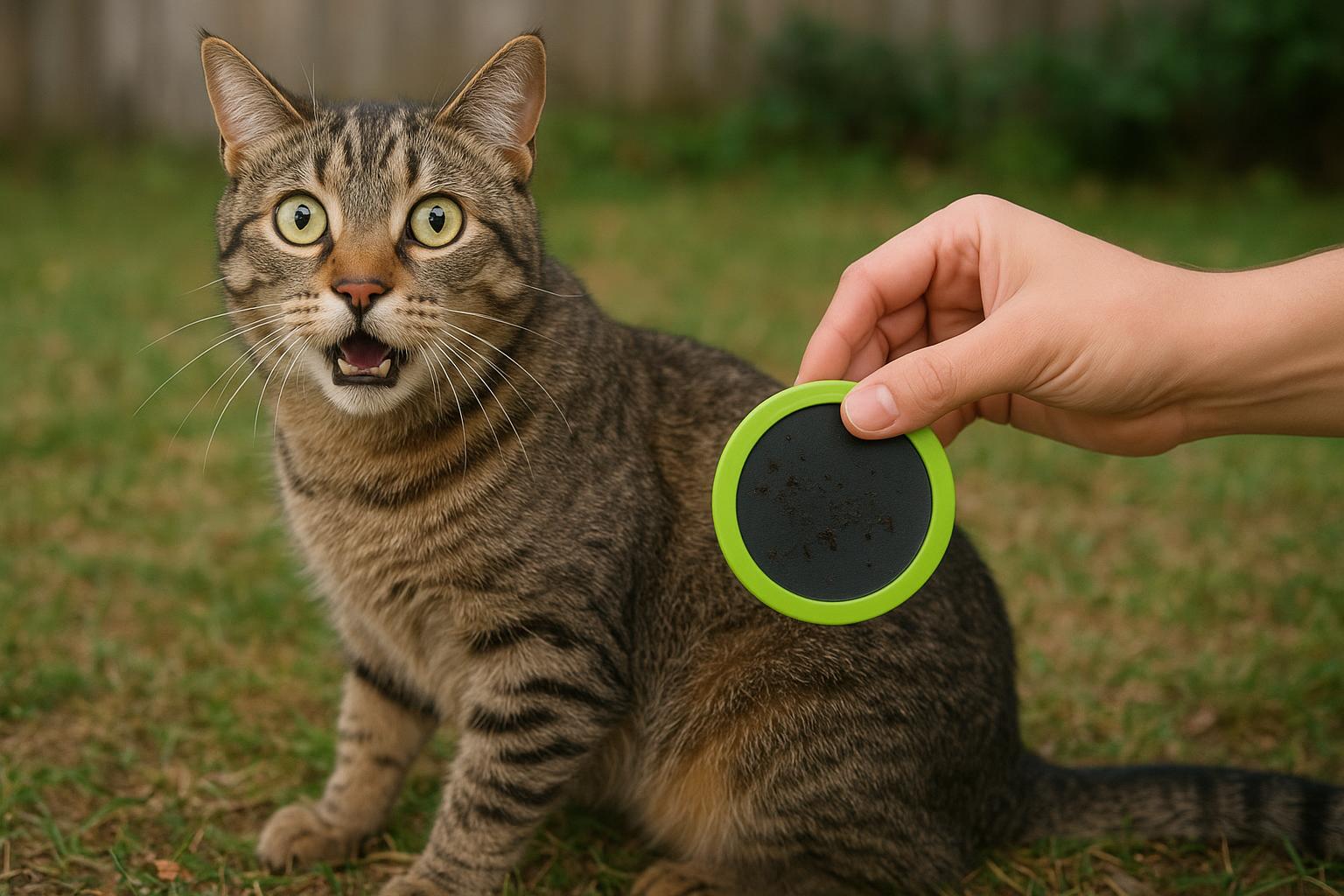
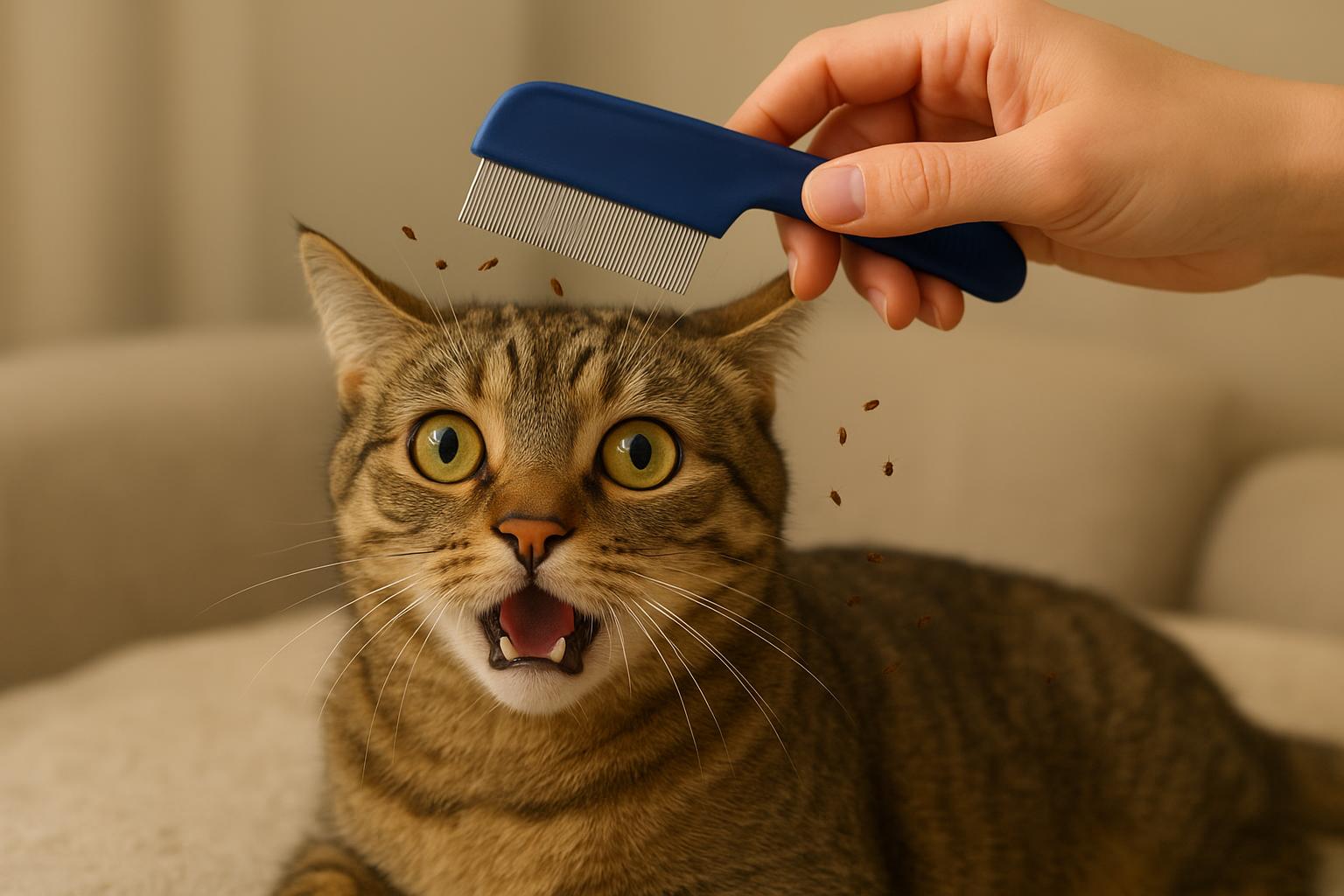
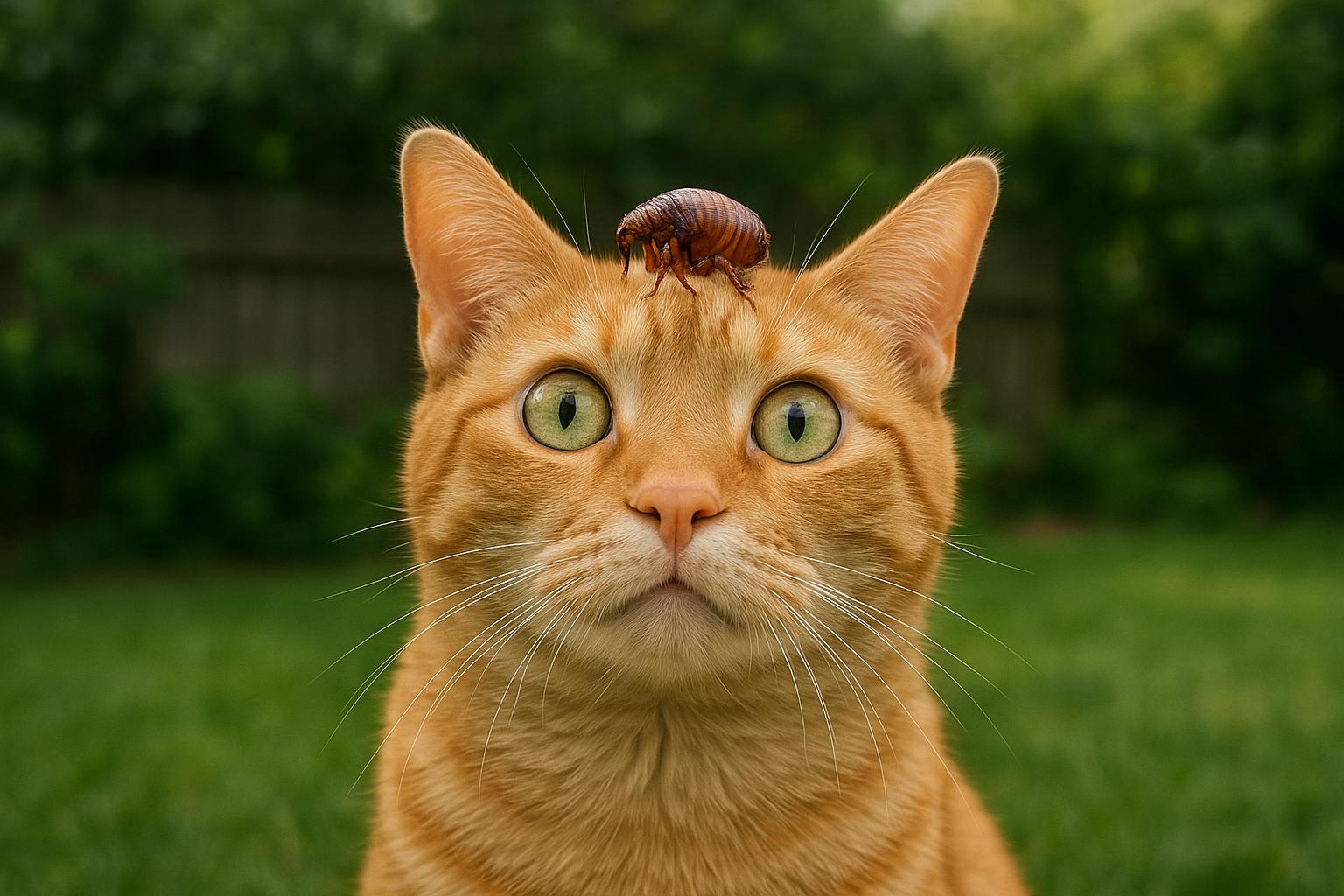
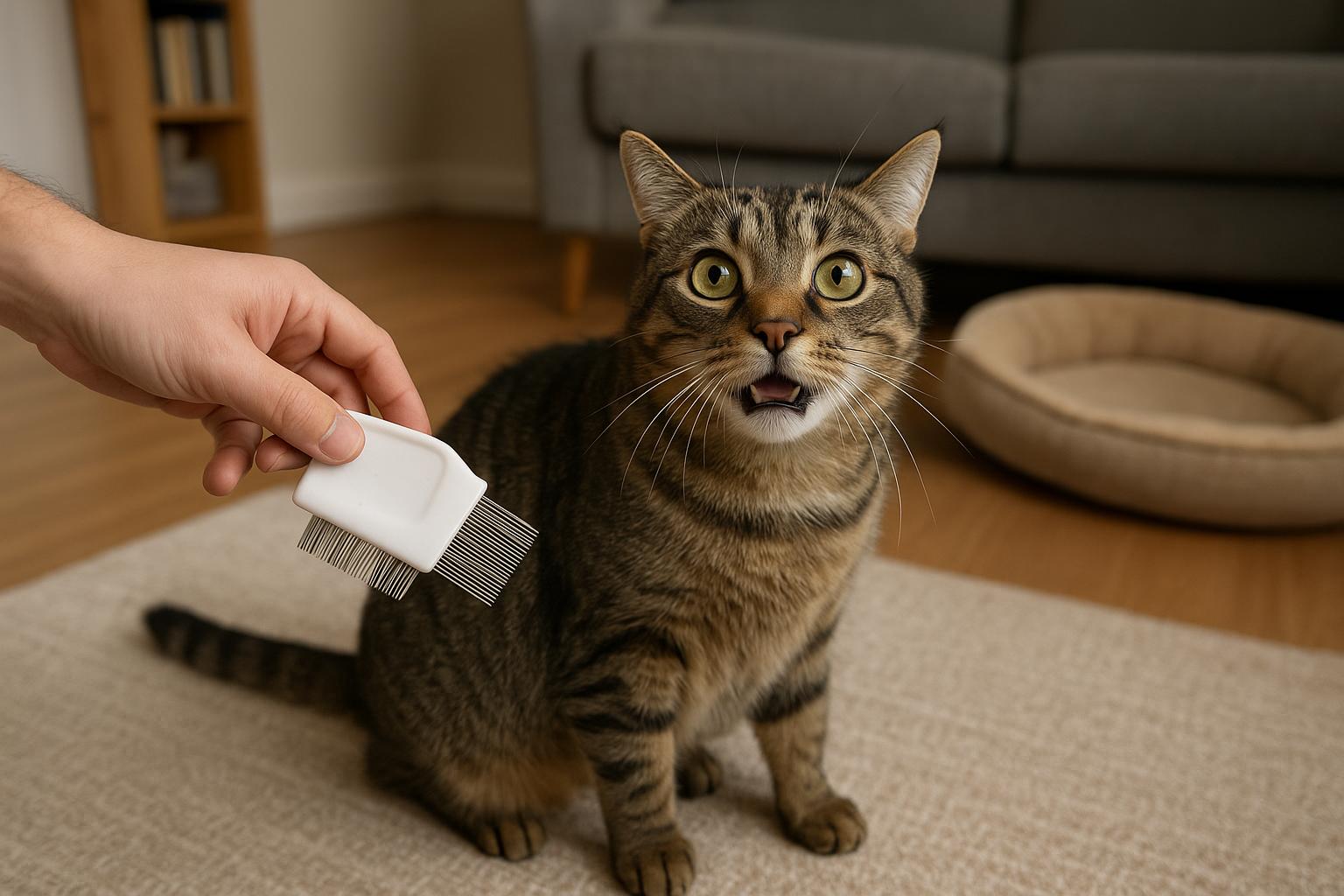
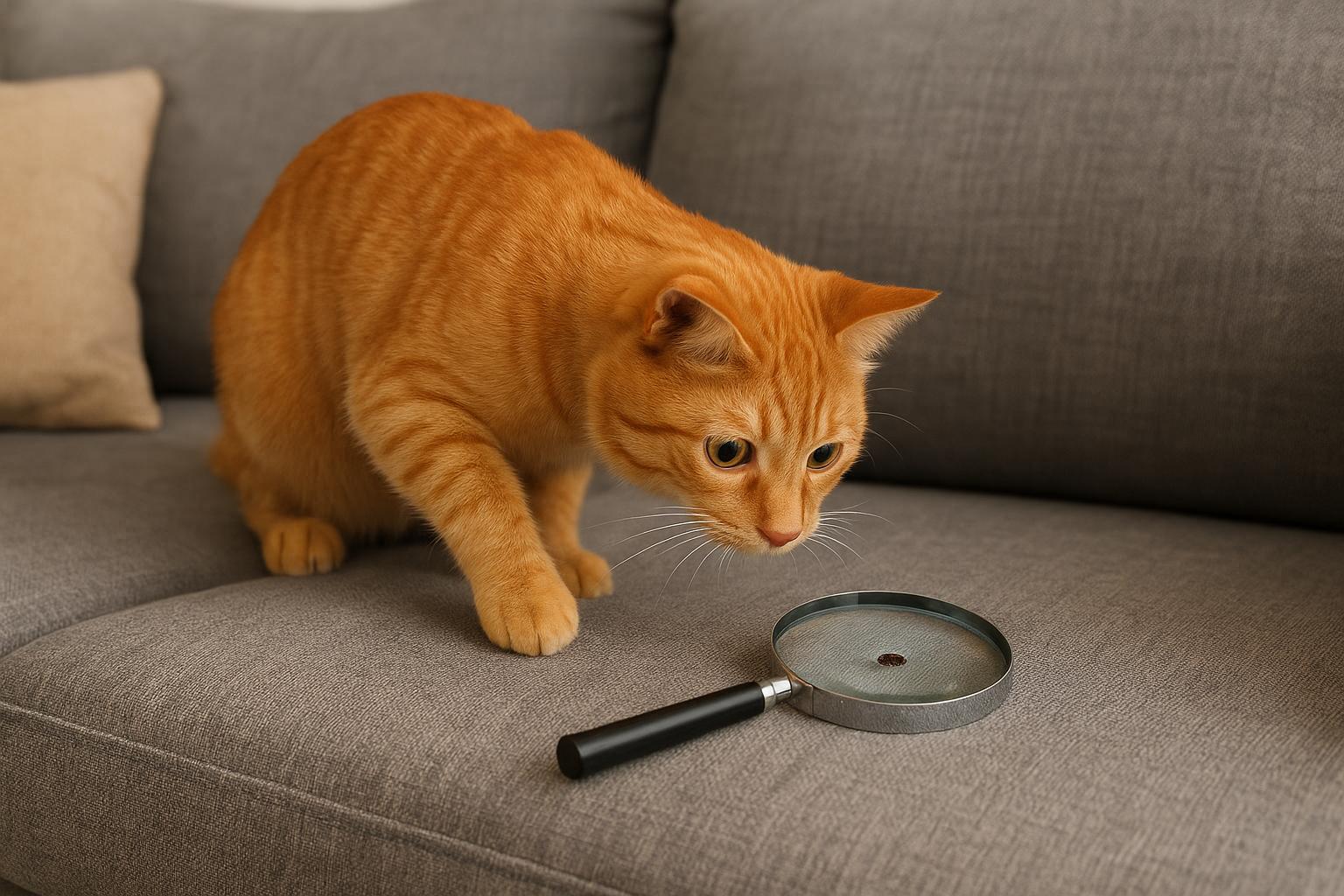
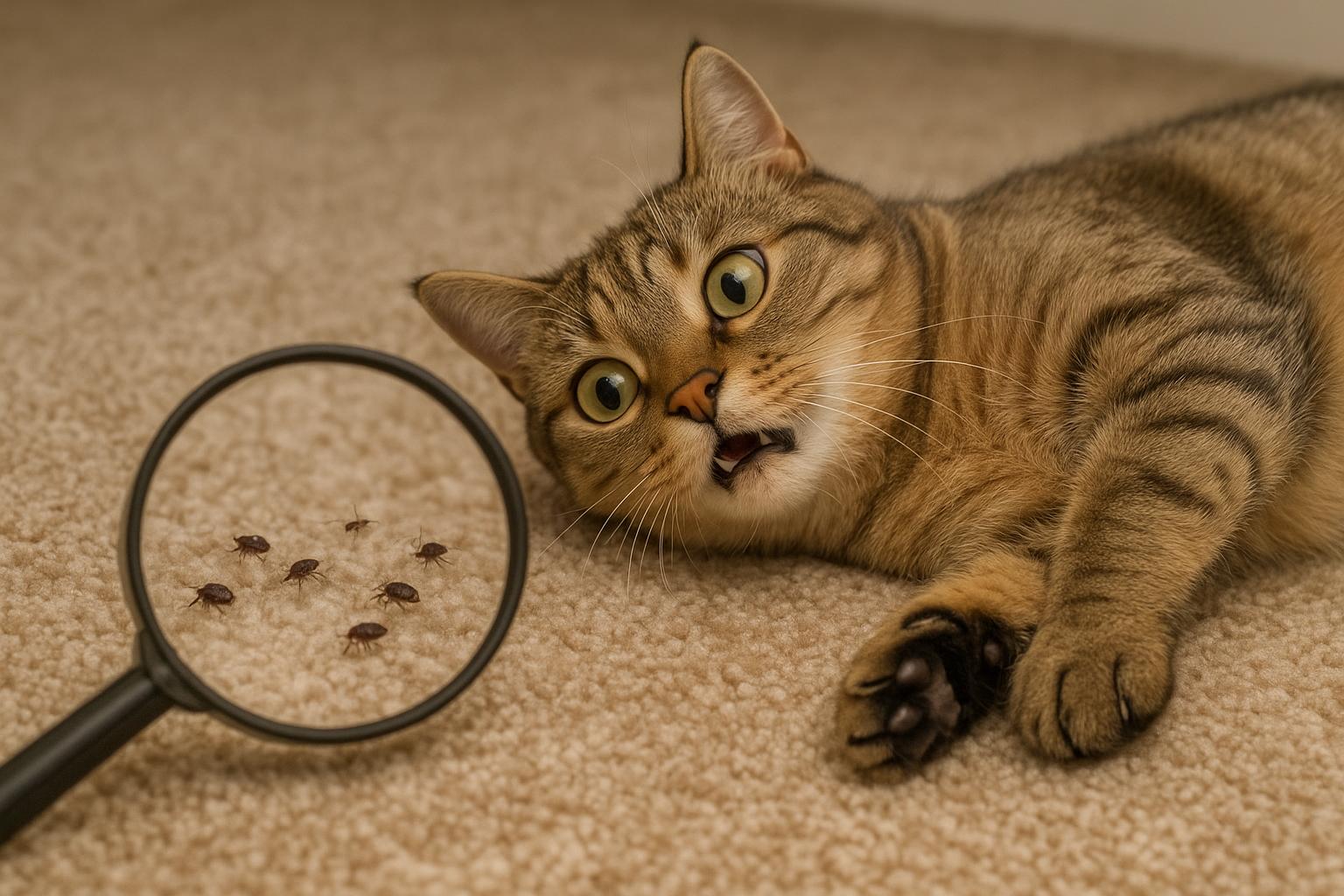
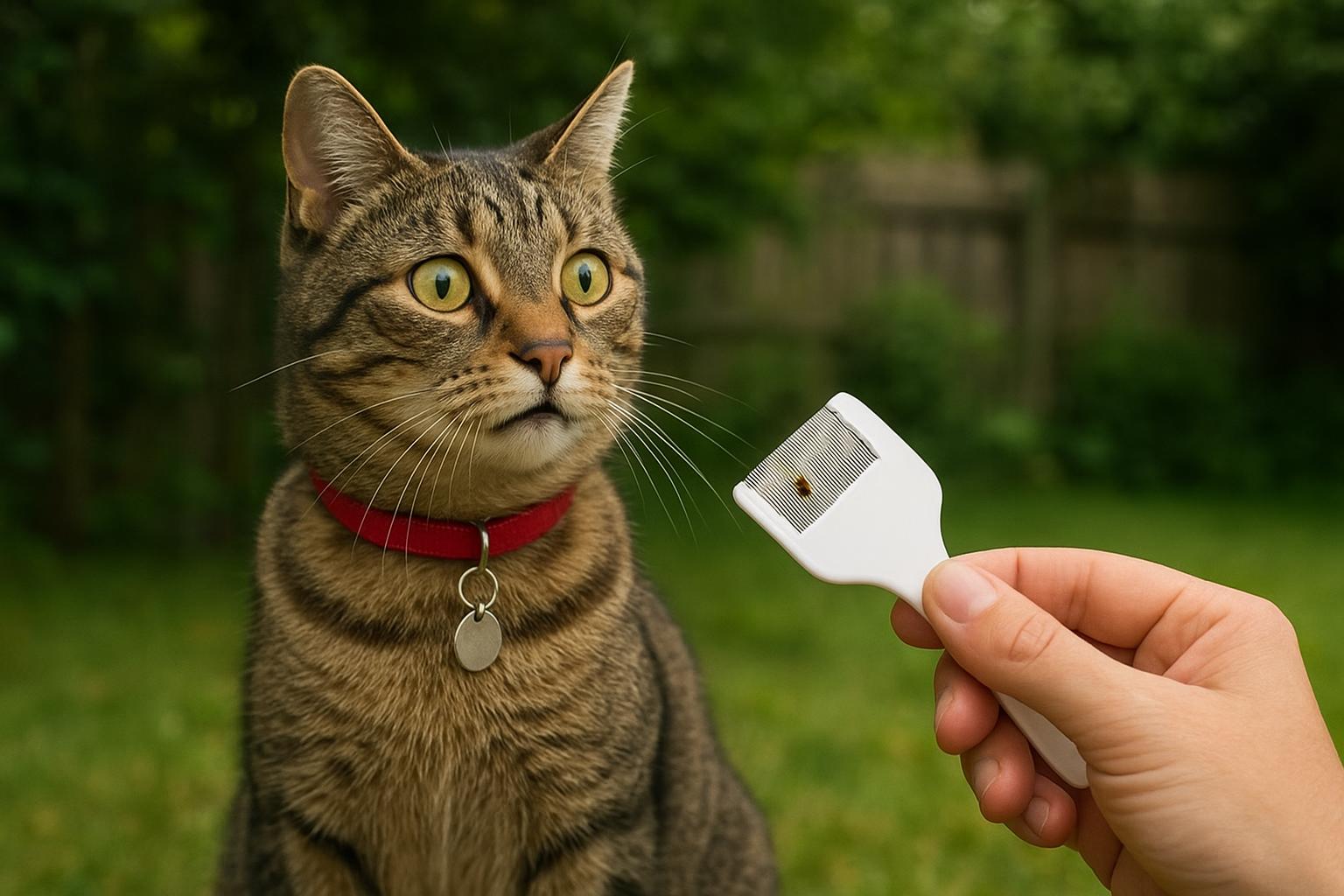
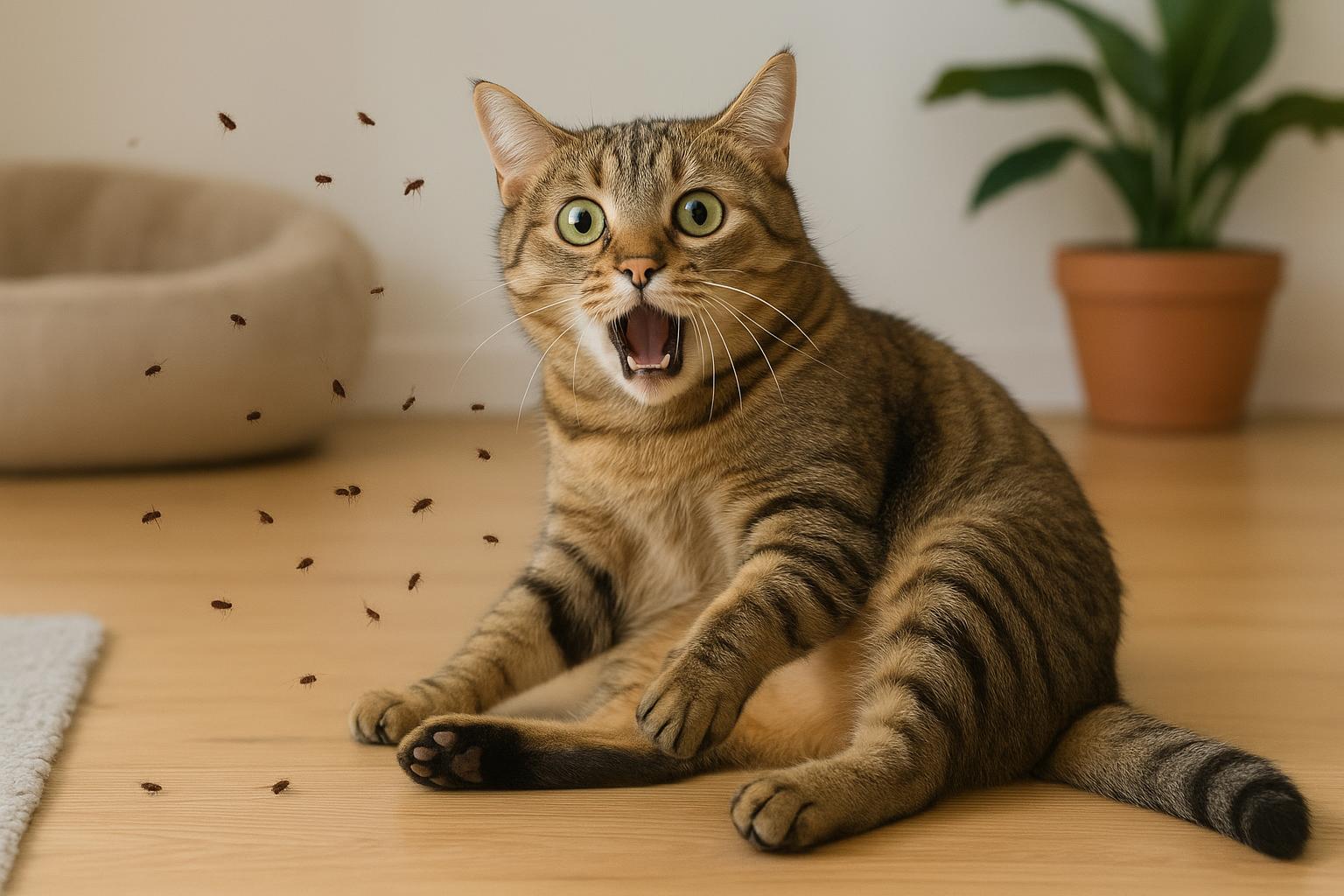
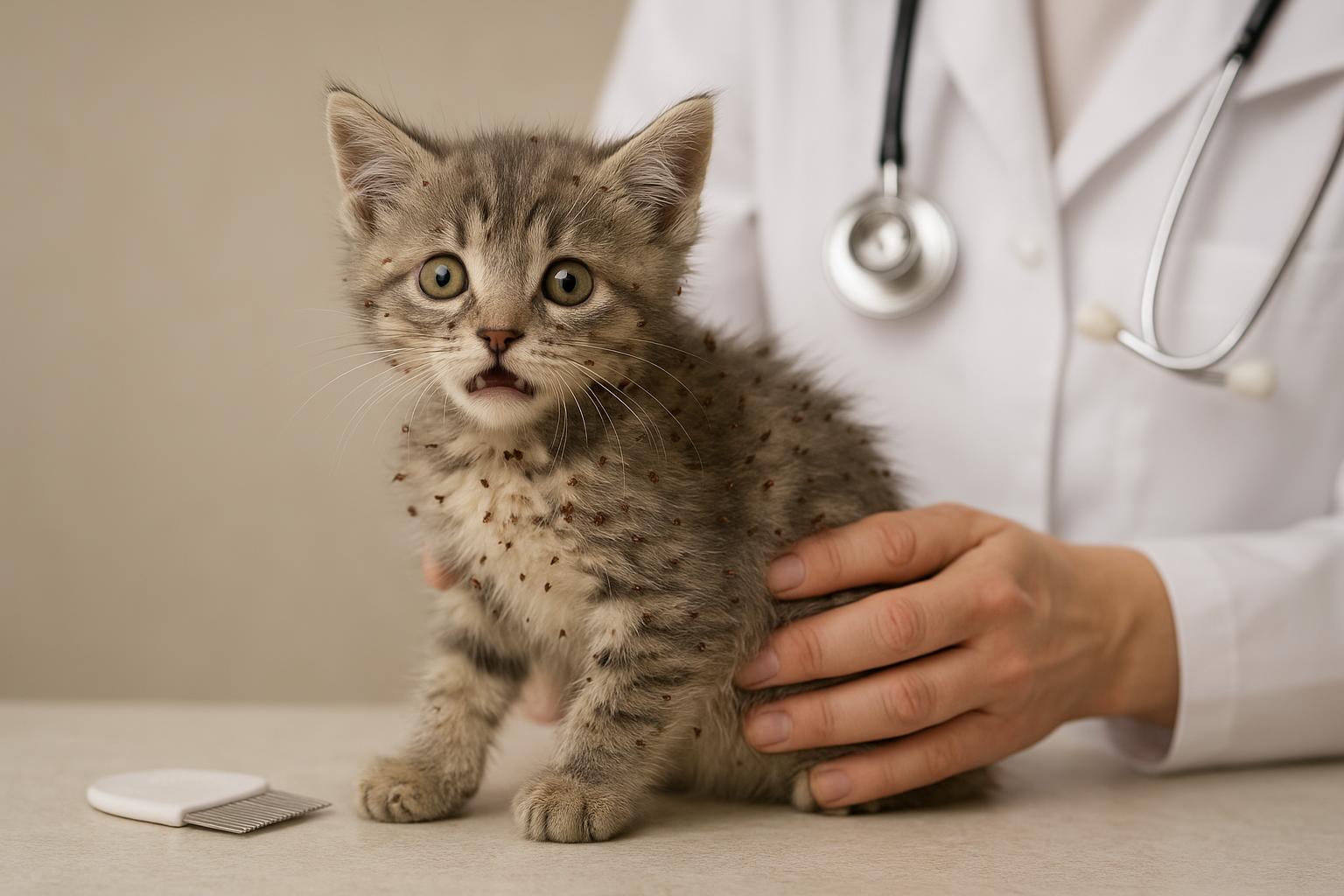
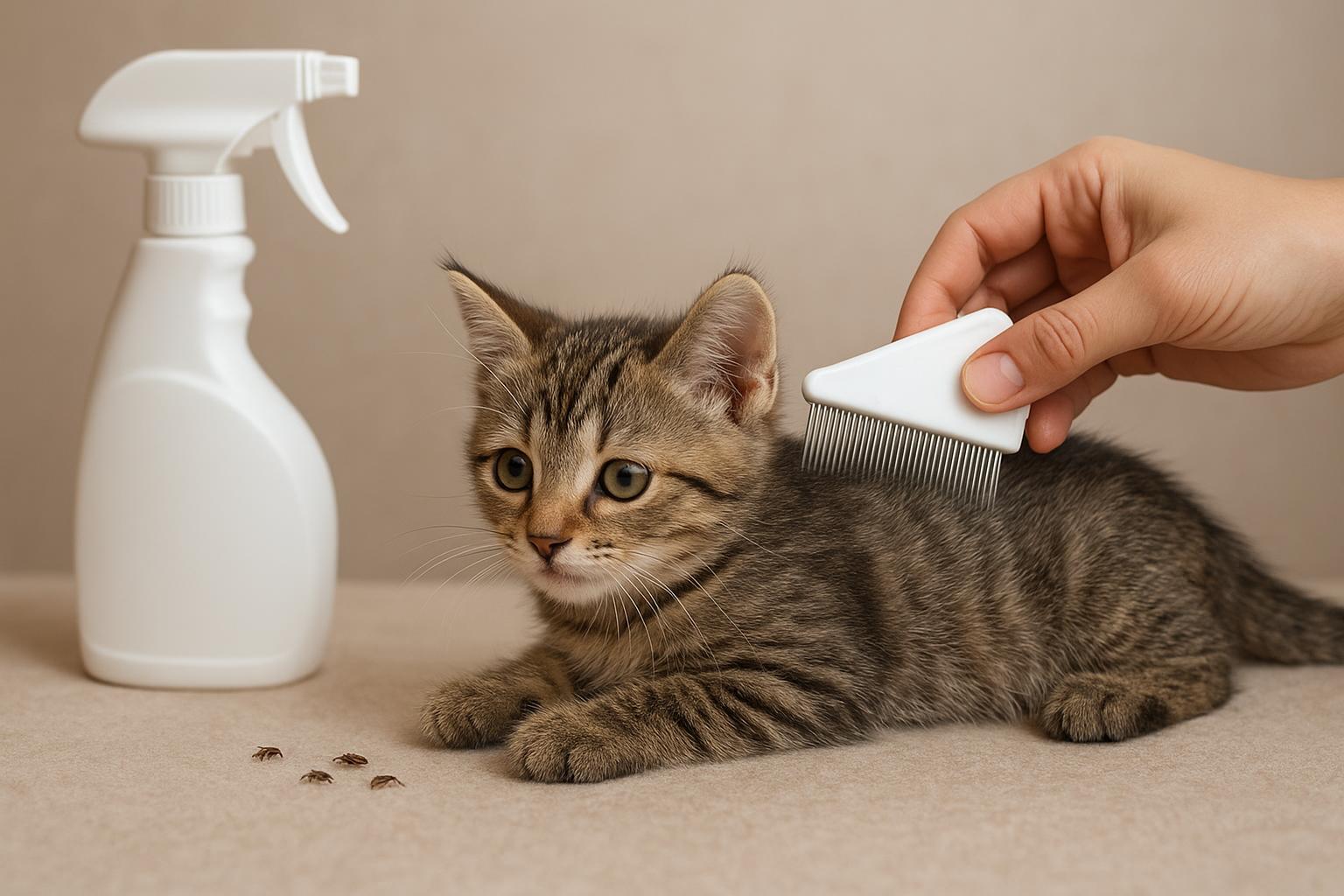
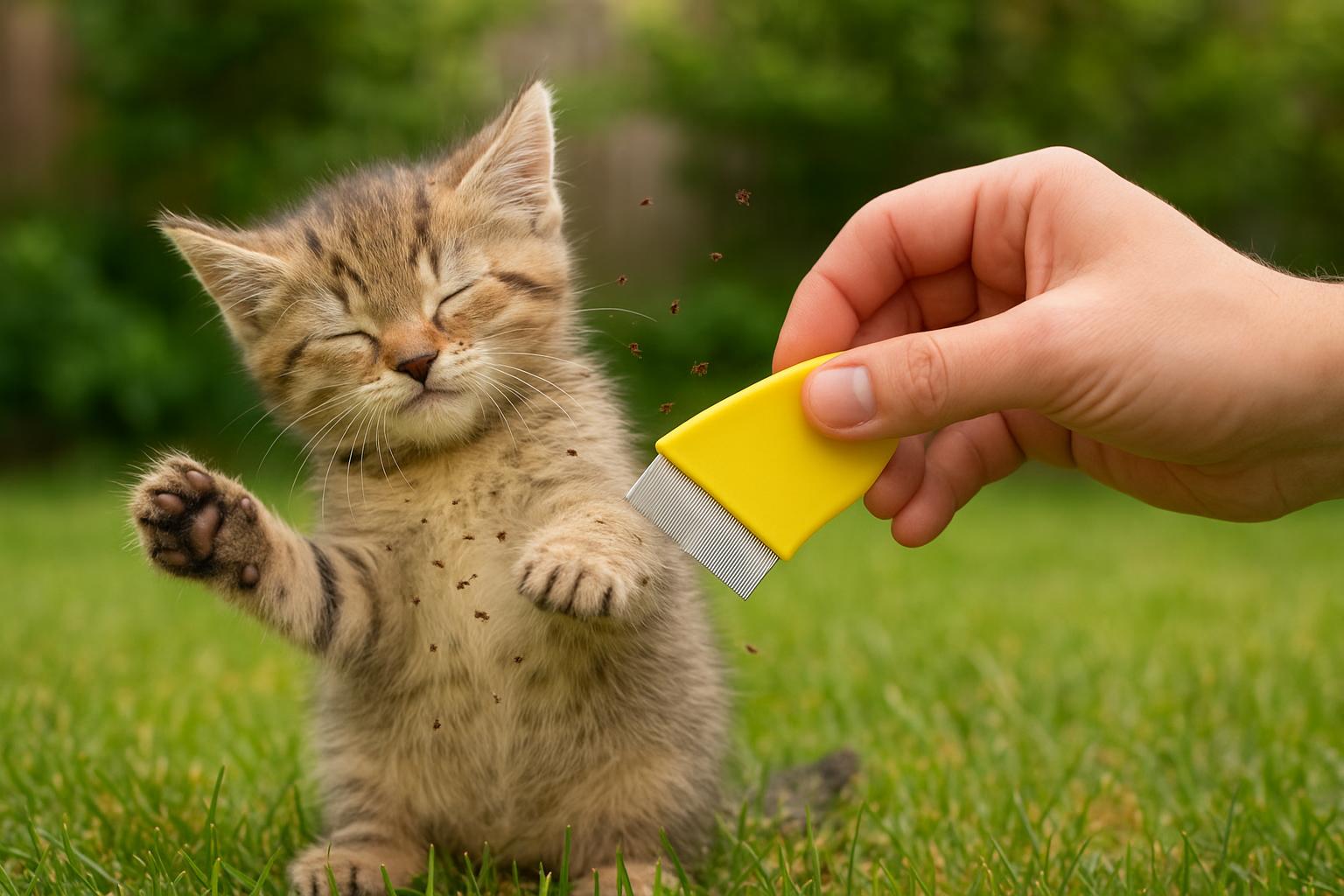
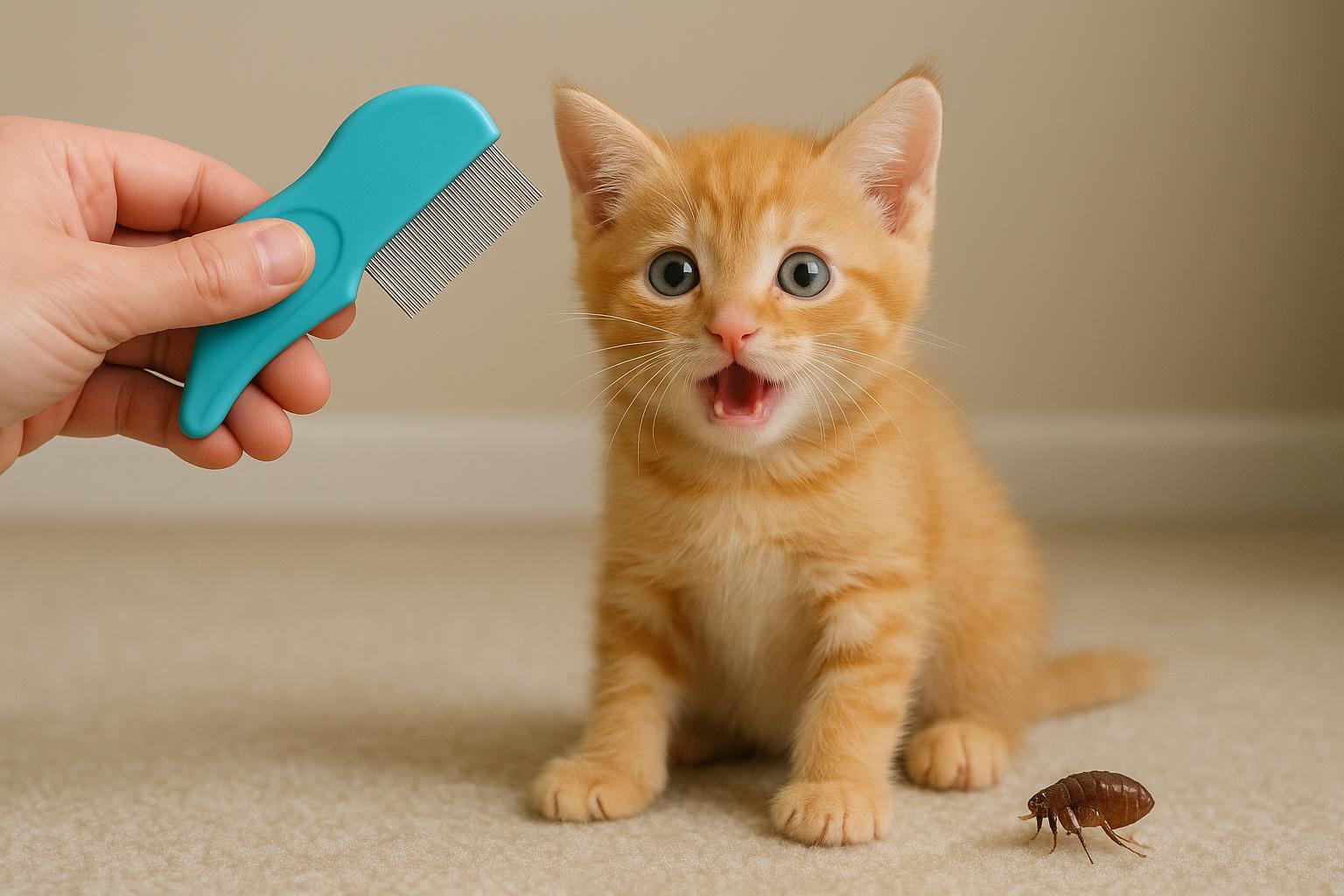
Fleas in yards often show up as restless pets, tiny black specks that move like pepper (flea dirt), or animals scratching more than usual. For wildlife, signs include adult birds excessively preening, fledglings losing feathers, or small mammals with patchy fur. If you find small animals with heavy flea loads, avoid handling them yourself—wildlife can carry diseases and can be stressed by human contact. Instead, photograph, note location, and contact a licensed wildlife rehabilitator or local animal control for guidance.
## Remedy 1: Vet-Prescribed Oral Flea Control For Pets
This is the most direct application of oral flea control for protecting your household and reducing backyard flea reservoirs.
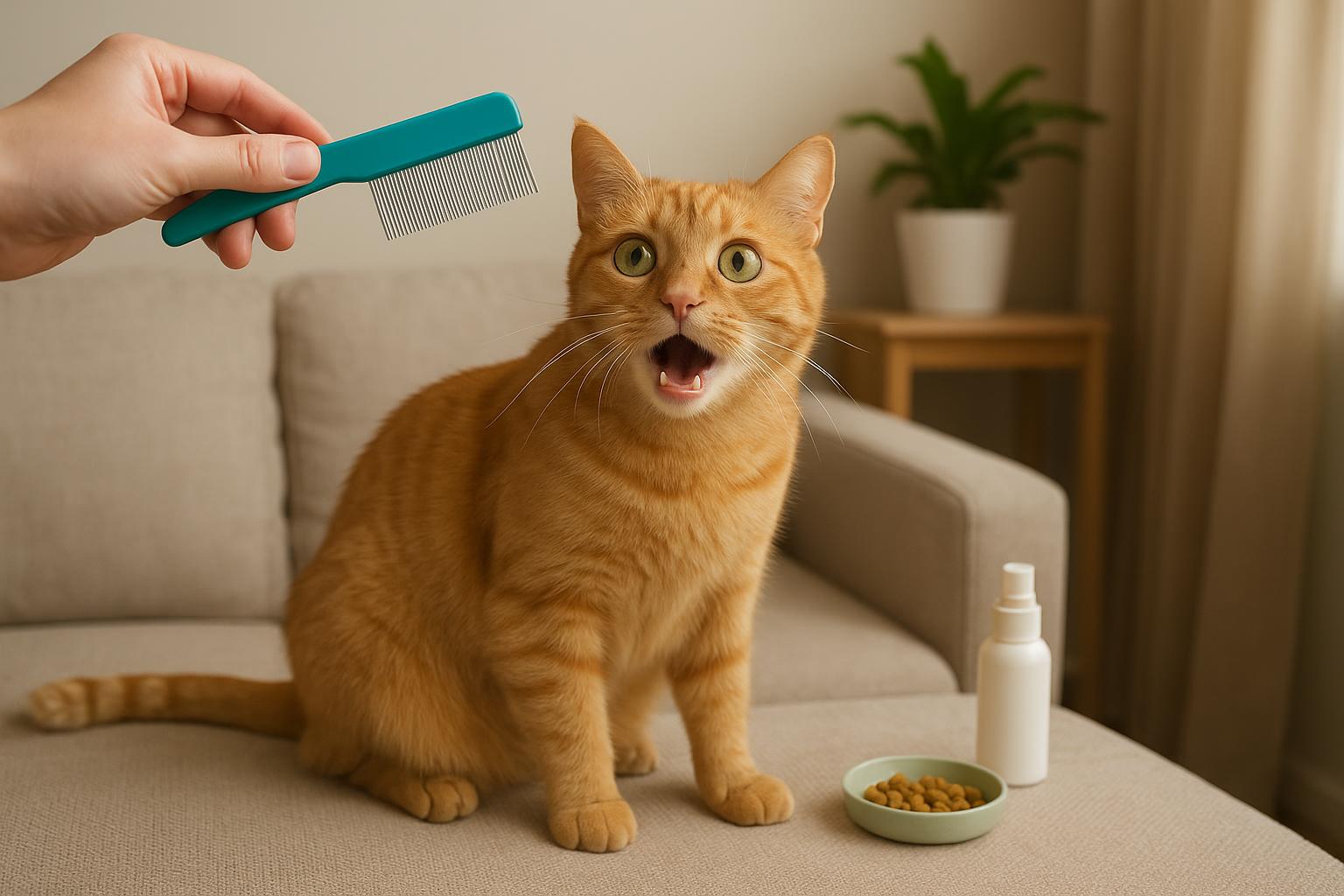
Materials:
– Veterinary prescription oral flea medication appropriate for species and weight (tablet, chew, or liquid).
– A record sheet/calendar or smartphone reminder.
– Treat or food to help administer, if needed.
– Veterinary contact information.
Application Steps (Formal Guidance):
1. Consult Your Veterinarian: Schedule a consultation to discuss which oral flea control product is safe and effective for your animal. Provide full medical history and any other medications.
2. Obtain The Correct Product: Acquire the vet-prescribed oral flea control product in the appropriate dosage. Do not substitute human medications or medications intended for other species.
3. Prepare For Administration: Read package instructions and vet recommendations. Have treats or a small amount of food if the tablet is to be given with food.
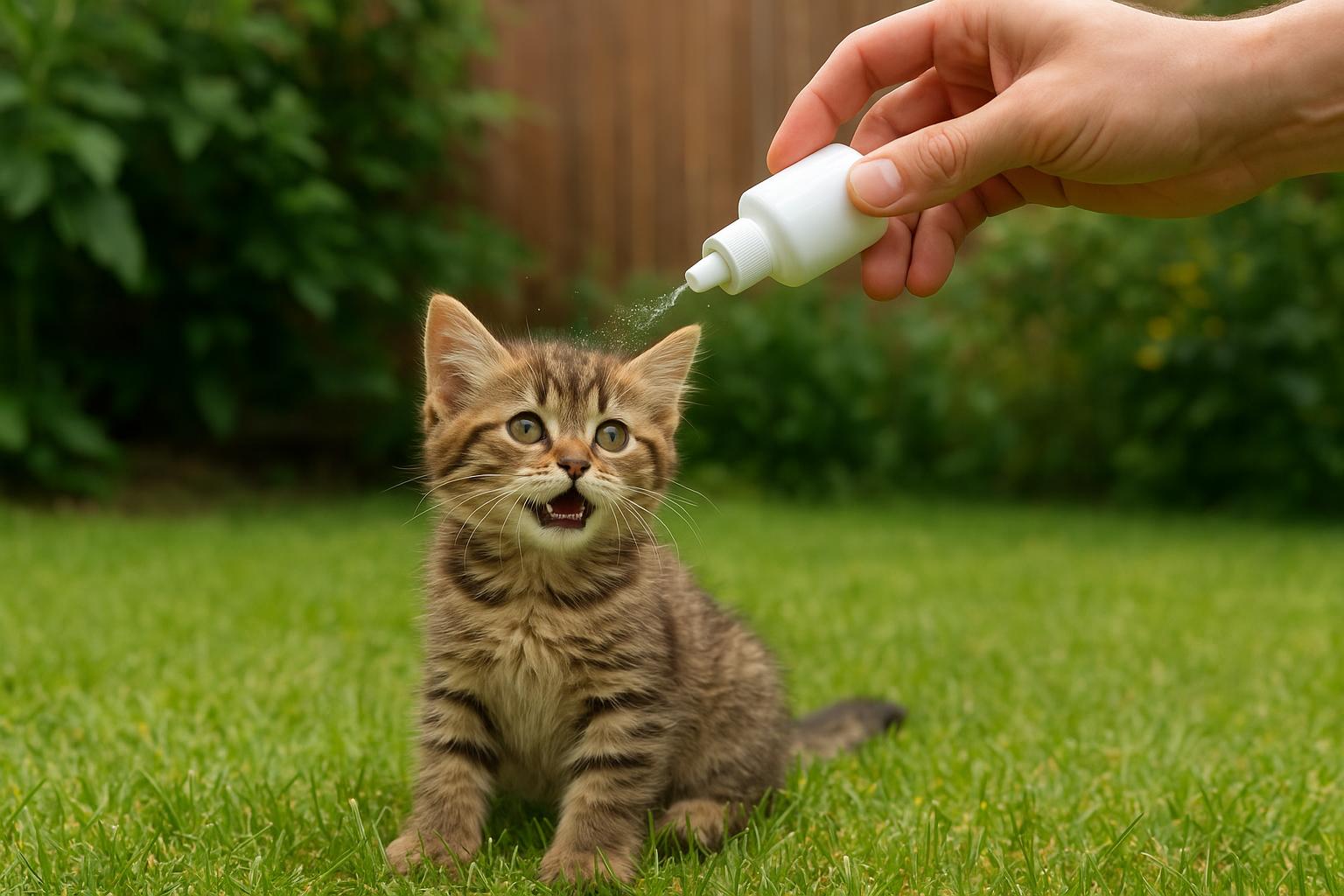
4. Administer As Directed: Give the oral flea control product at the recommended interval (often monthly, though some agents last longer). Ensure the animal ingests the full dose; monitor for immediate adverse reactions for at least an hour.
5. Record Dates: Log administration dates and set reminders for future doses to maintain consistent protection.
6. Treat All Household Pets: To prevent reinfestation, treat all animals in the household that could host fleas.
7. Monitor And Report: Observe for efficacy (reduced scratching, fewer fleas) and any side effects. Report concerns to your veterinarian immediately.
Using oral flea control correctly minimizes risk and maximizes community-level benefits. Never try to medicate wildlife with pet products; doing so risks toxicity, legal issues, and poor animal welfare outcomes.
## Remedy 2: Habitat And Nest Management (Wildlife-Safe)
While oral flea control targets hosts, habitat management addresses environmental stages of the flea life cycle—eggs, larvae, and pupae. This remedy is non-chemical (unless professional-grade, targeted treatments are needed) and wildlife-friendly.
Materials:
– Gloves and masks for personal safety.
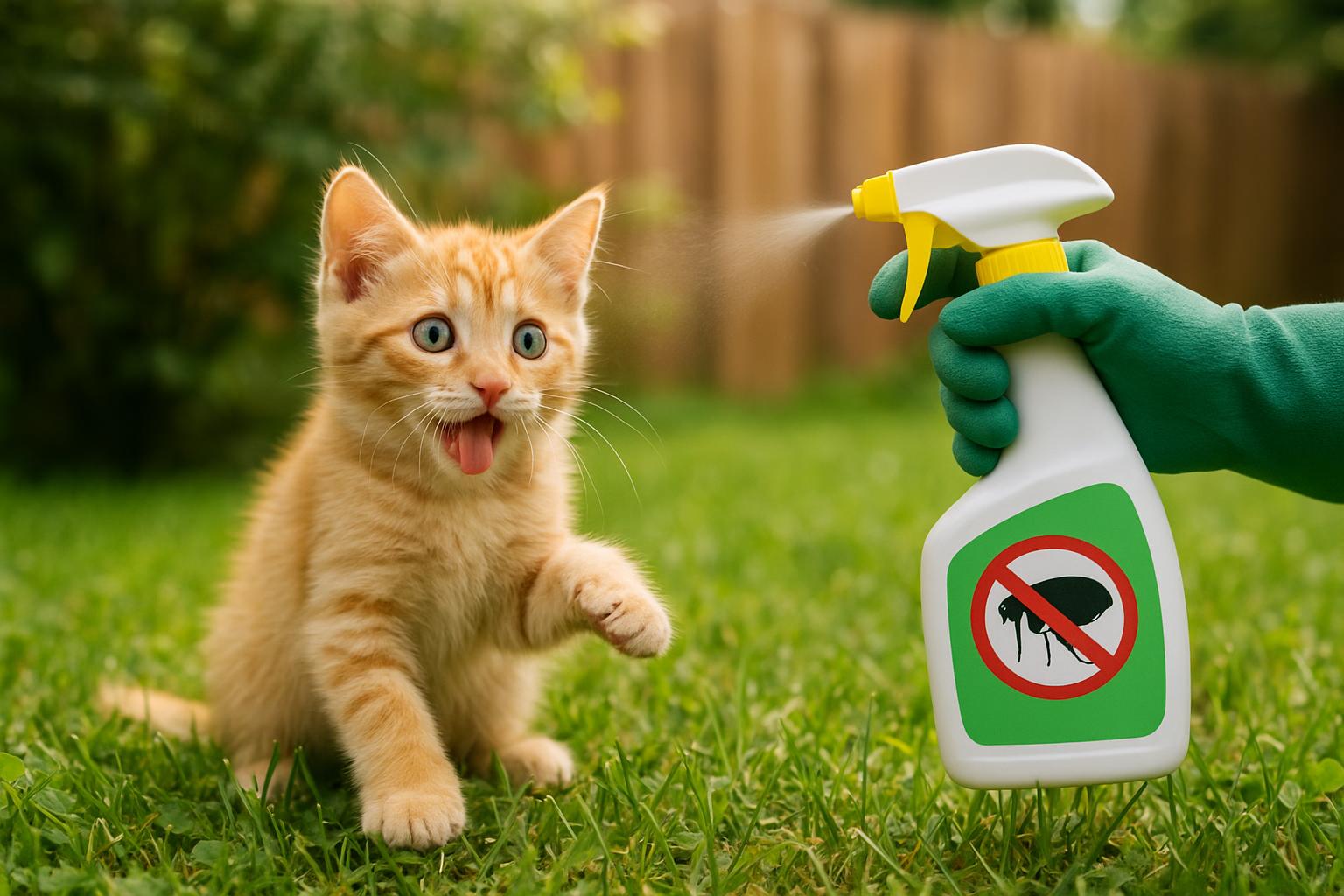
– Stiff brush and bucket of soapy water or a pet-safe insecticidal spray if directed by professionals.
– Vacuum with disposable bag or immediate emptying.
– Replacement nesting material (clean, dry natural fibers).
– Tools to inspect and maintain nest boxes (if used).
Application Steps:
1. Inspect From A Distance: Observe nest boxes and dens without disturbing occupants. Only approach when sites are vacant (after breeding season or when confirmed empty).
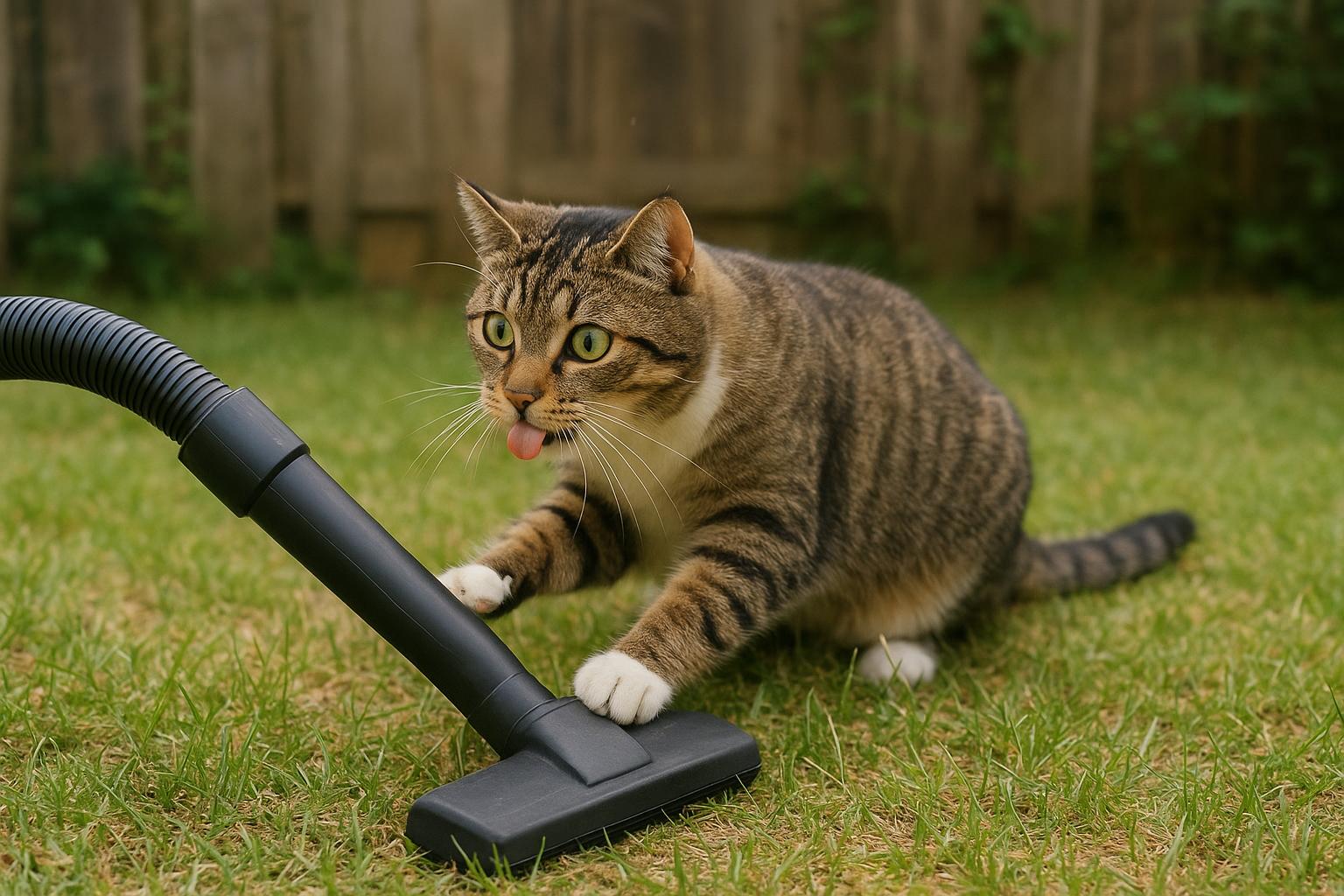
2. Clean Nest Boxes Safely: Remove old nesting material wearing gloves. Brush out debris and vacuum to remove eggs and larvae. Dispose of vacuum contents in sealed bags.
3. Replace Bedding With Clean Materials: Provide fresh, dry nesting material. Use appropriate materials for the species (consult local wildlife rehab resources).
4. Reduce Yard Microhabitats For Flea Development: Move woodpiles away from the house and pet areas, store compost properly, and reduce heavy thatch. Flea larvae prefer humid, protected areas.
5. Discourage Unnecessary Wildlife Congregation Near Pets: Place bird feeders and water sources at reasonable distances from pet play areas to reduce cross-host contact.
6. When Chemical Control Is Necessary: If you discover heavy infestations in barns or outbuildings, consult a pest professional experienced with wildlife-safe products. Avoid broadcast insecticides that harm beneficial insects and non-target species.
#### How To Safely Treat Nesting Boxes
If you manage nest boxes for birds or bats, timing is everything. Clean and treat boxes in late winter or early spring before nesting starts. Use gentle brushing and sunlight exposure to dry and heat the box; avoid residual chemicals unless advised by wildlife authorities. If you detect persistent flea problems, contact a rehabilitator—the wrong treatment can harm the very animals you’re trying to protect.
### When Oral Flea Control Isn’t Enough
Oral flea control is powerful, but it’s not a silver bullet for every backyard flea scenario. Flea populations are sustained by multiple hosts and environmental reservoirs. If wildlife in your yard shows signs of distress, or if human household members develop flea-borne illnesses or severe reactions, escalate to professionals. Heavy rodent infestations, for example, may require integrated pest management directed by public health or wildlife experts. Likewise, if your lawn or outbuildings harbor large flea populations, an integrated approach combining pet treatment, habitat modification, and targeted environmental controls is most effective.
## When To Call A Professional
Call a veterinarian for pet reactions, persistent flea problems, or if you’re considering treating animals that aren’t yours. Contact your local wildlife rehabilitator if you find baby animals infested with fleas—they can safely treat and care for them. For large-scale yard or building infestations, professional pest managers or public health officials can identify appropriate, wildlife-conscious treatments.
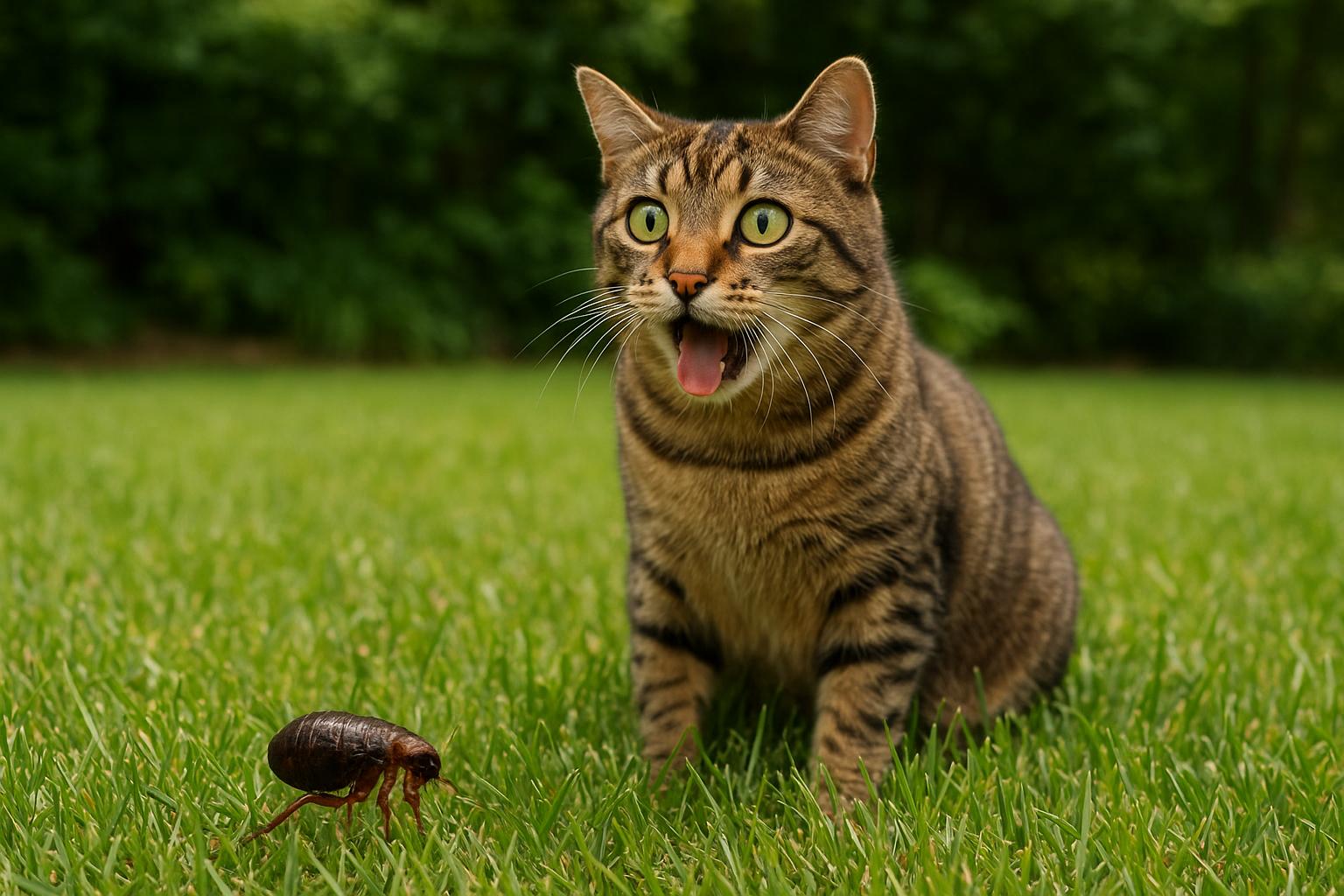
A relaxed backyard with fewer fleas is within reach: combine responsible use of oral flea control for pets with habitat management, and keep wildlife welfare in mind. If you’re ever unsure, a quick photo and a call to a pro will keep you and your yard’s critters happier—less itching, more bird song, and fewer dramatic flea jumps during family BBQs.



Leave a Reply