
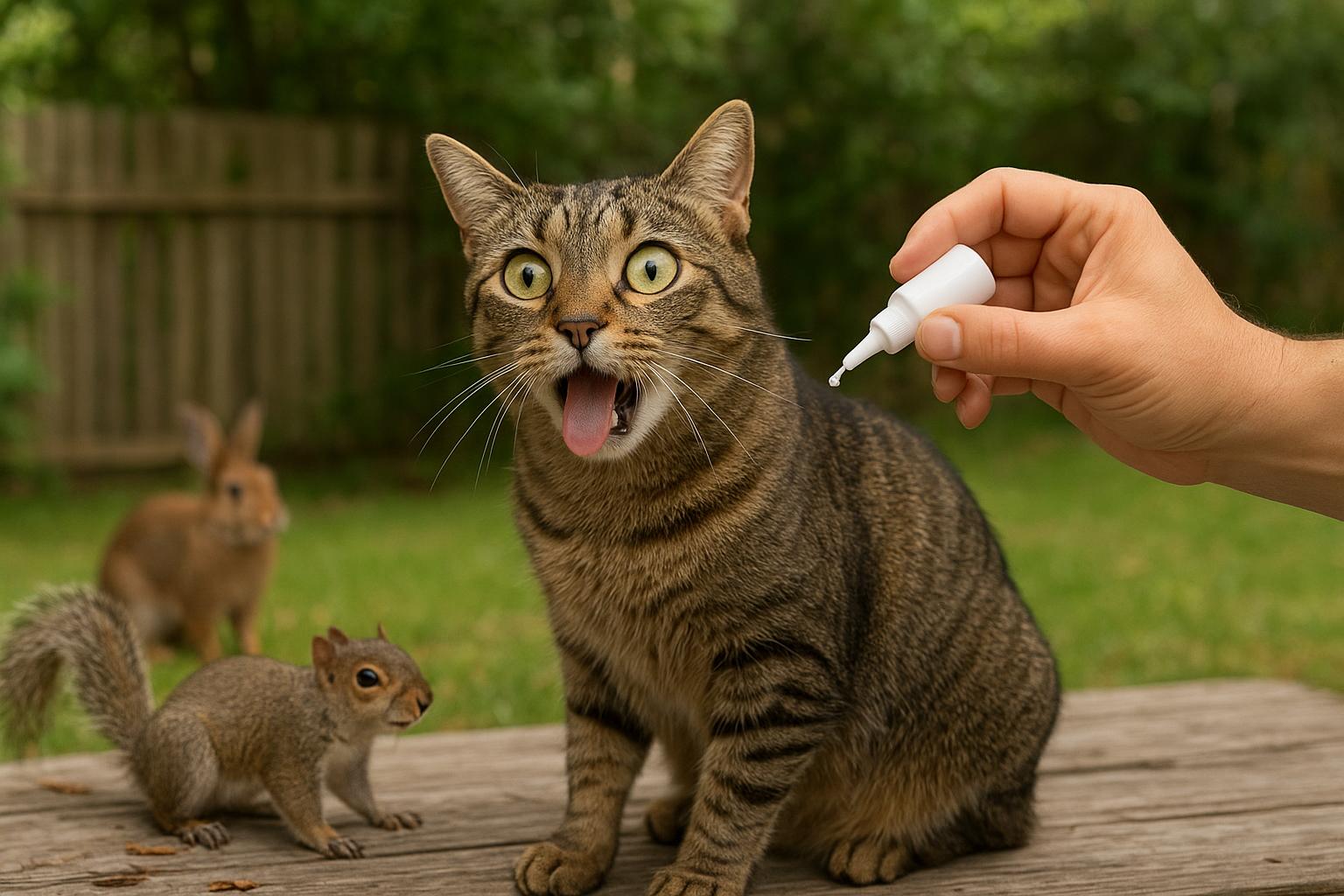
## How Fleas Work In Backyard Wildlife
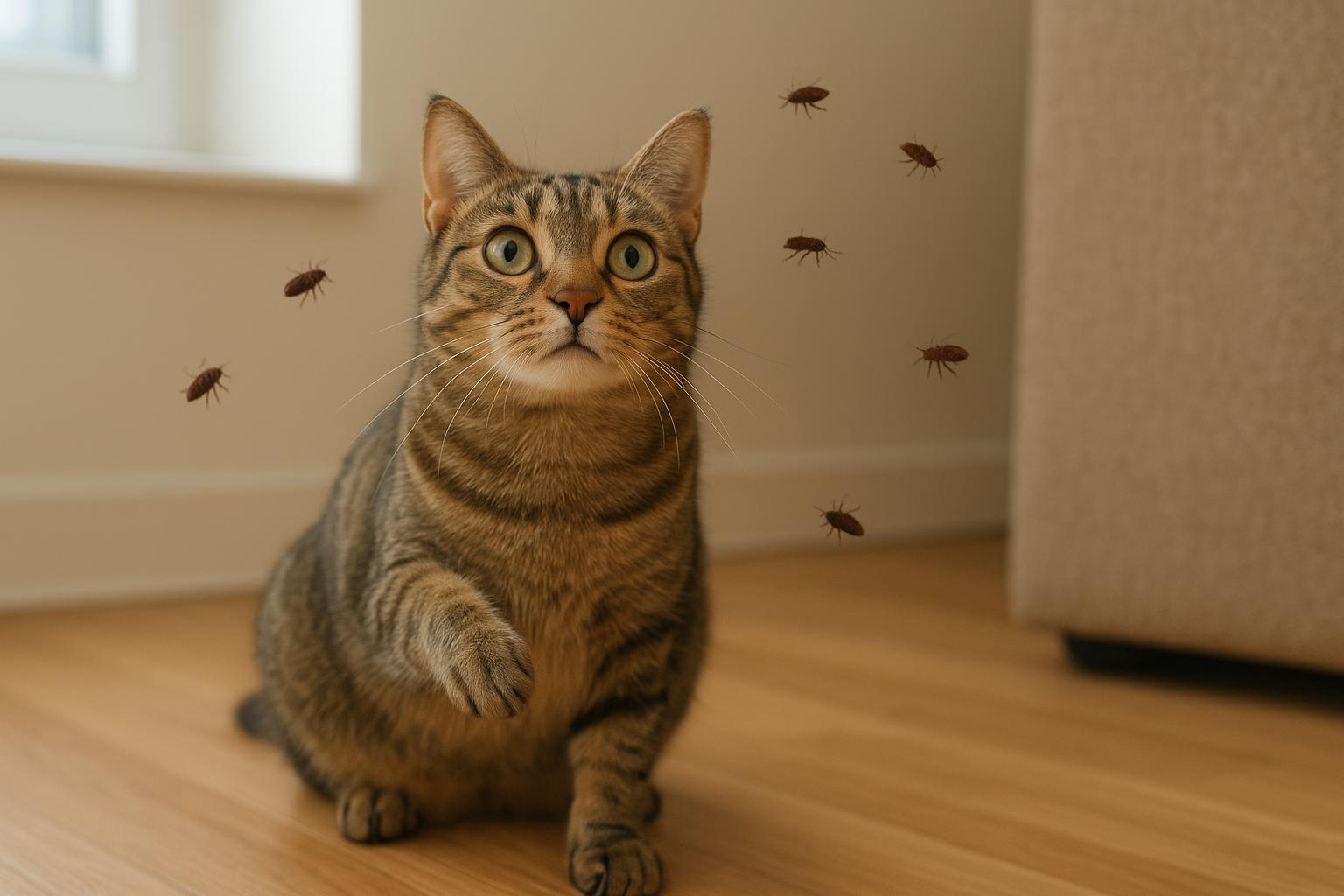
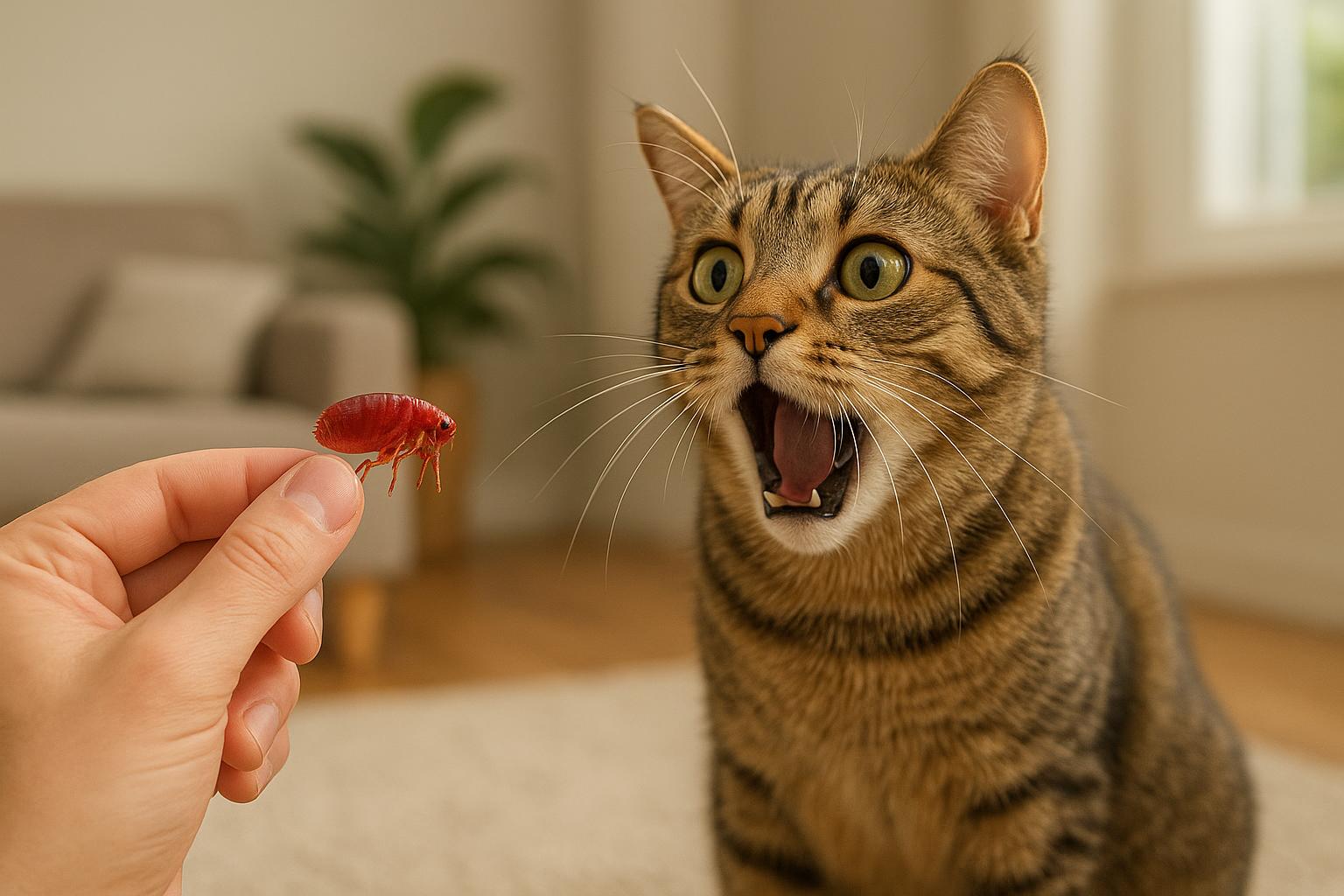
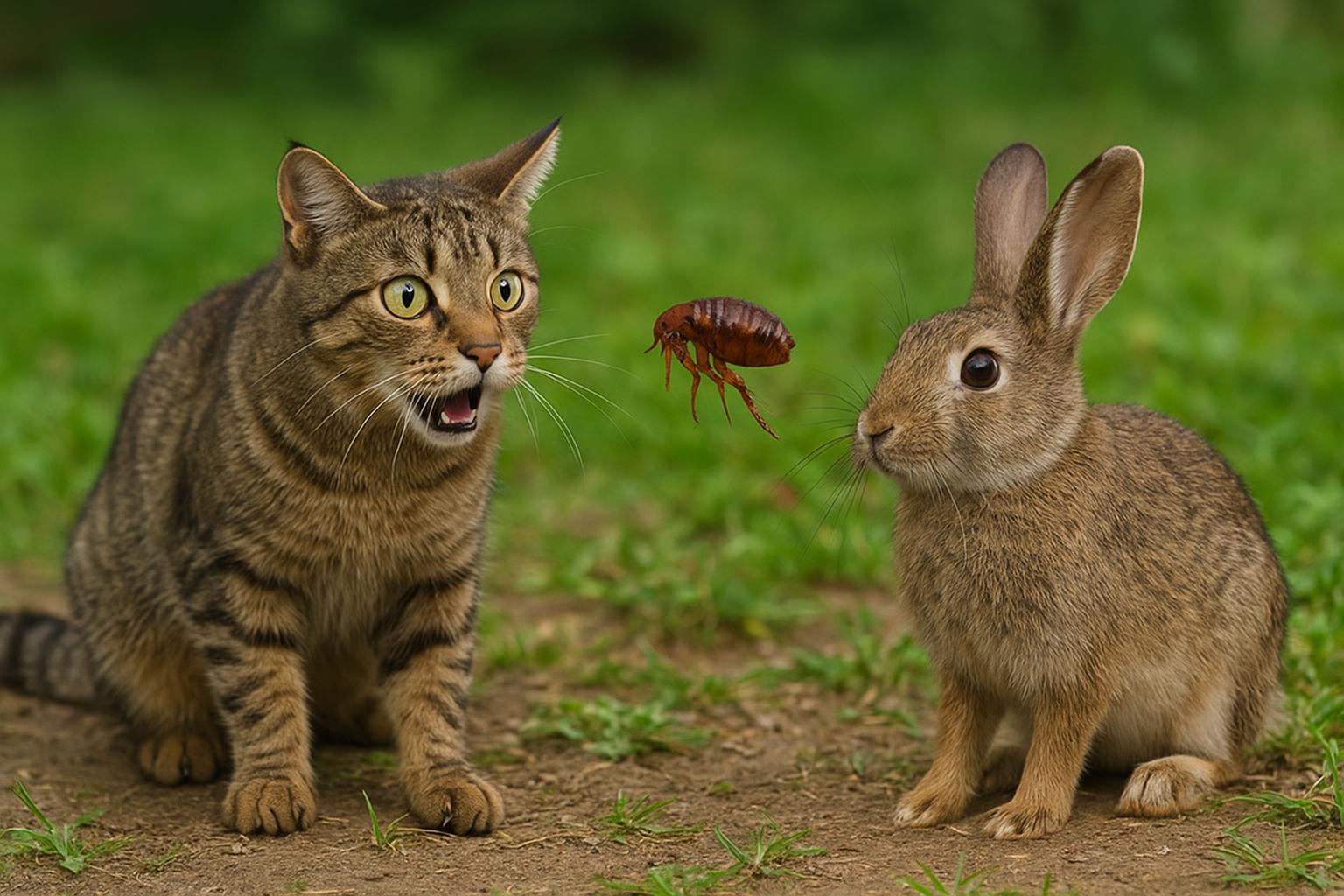
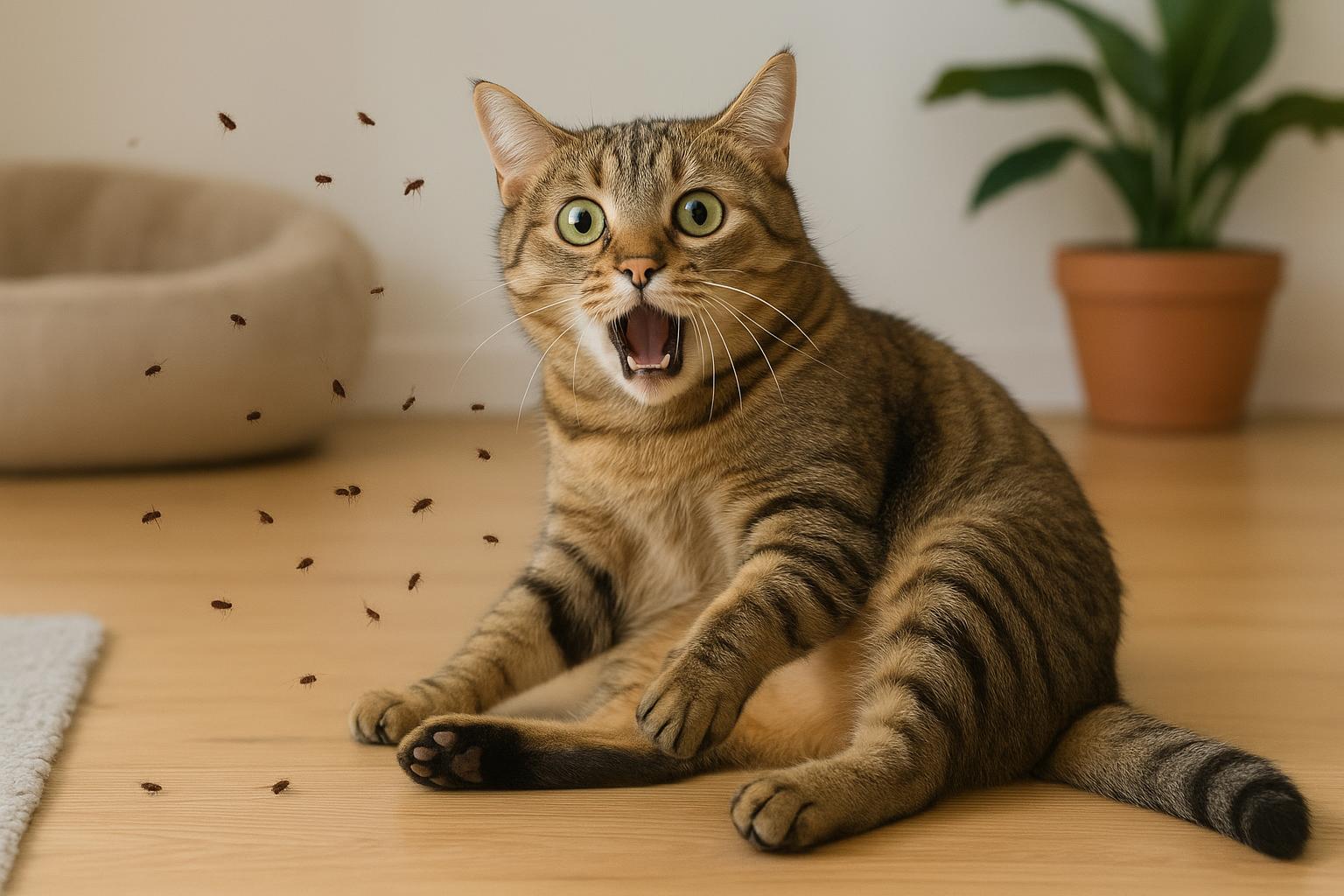
If you’ve noticed tiny, energetic vampires hopping through the fur of a stray cat or the nesting area of a rabbit, you’re witnessing one of nature’s most successful freeloaders. To manage them in a backyard wildlife context you first need to understand how fleas work — not just the cute-but-creepy hop, but their life cycle, behavior, and the way they interact with hosts and habitats.
### The Tiny Mechanics Of A Flea
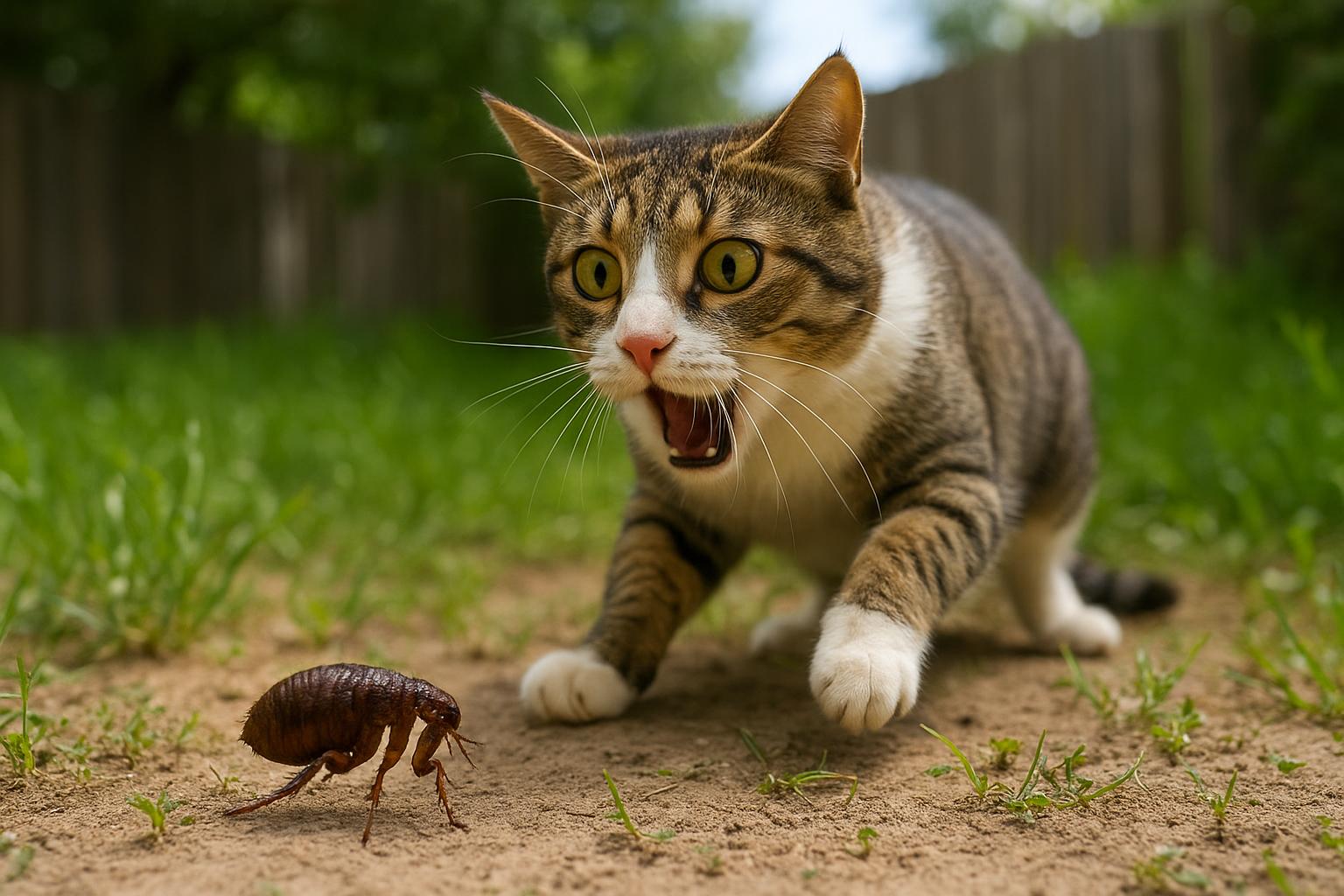
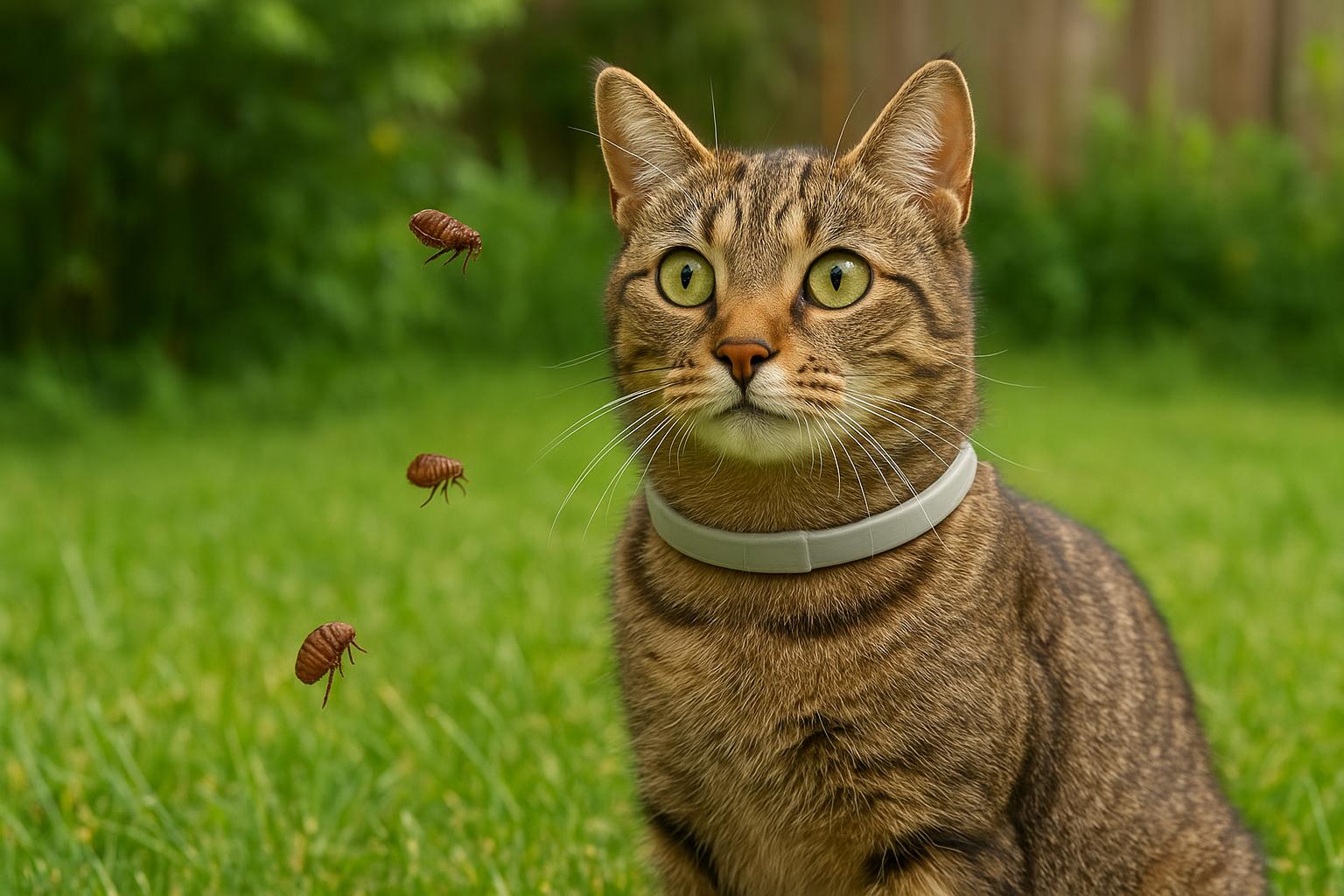
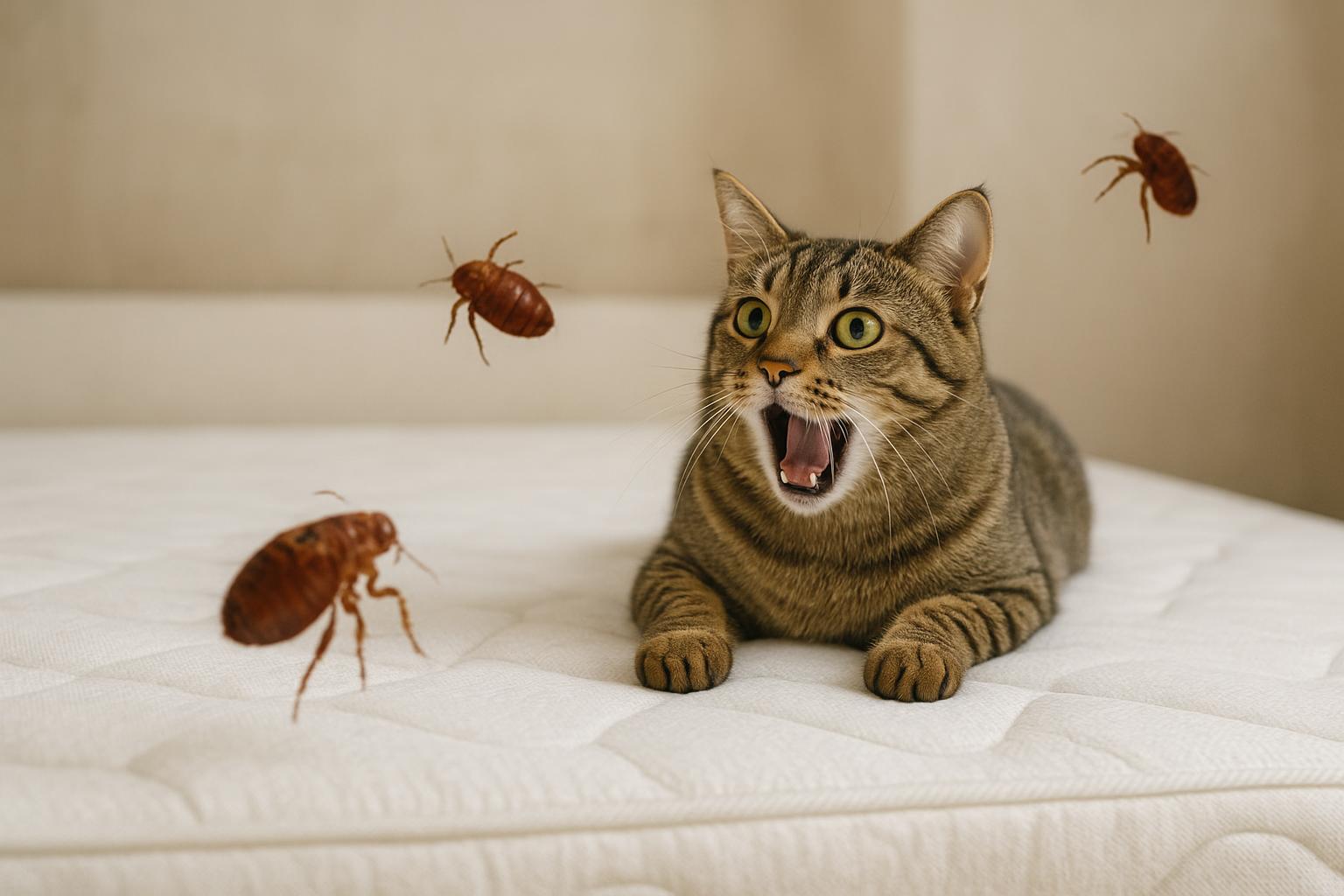
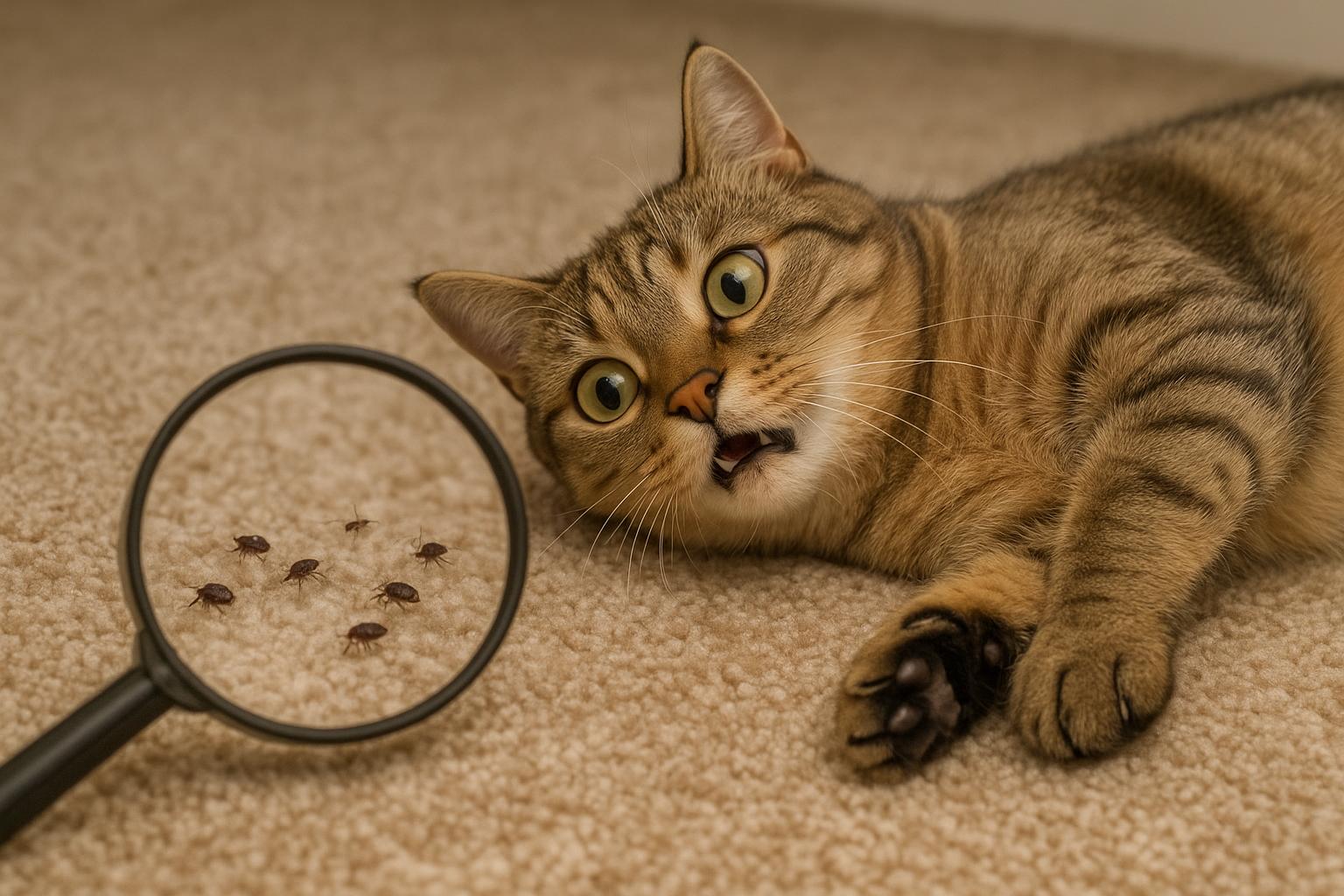
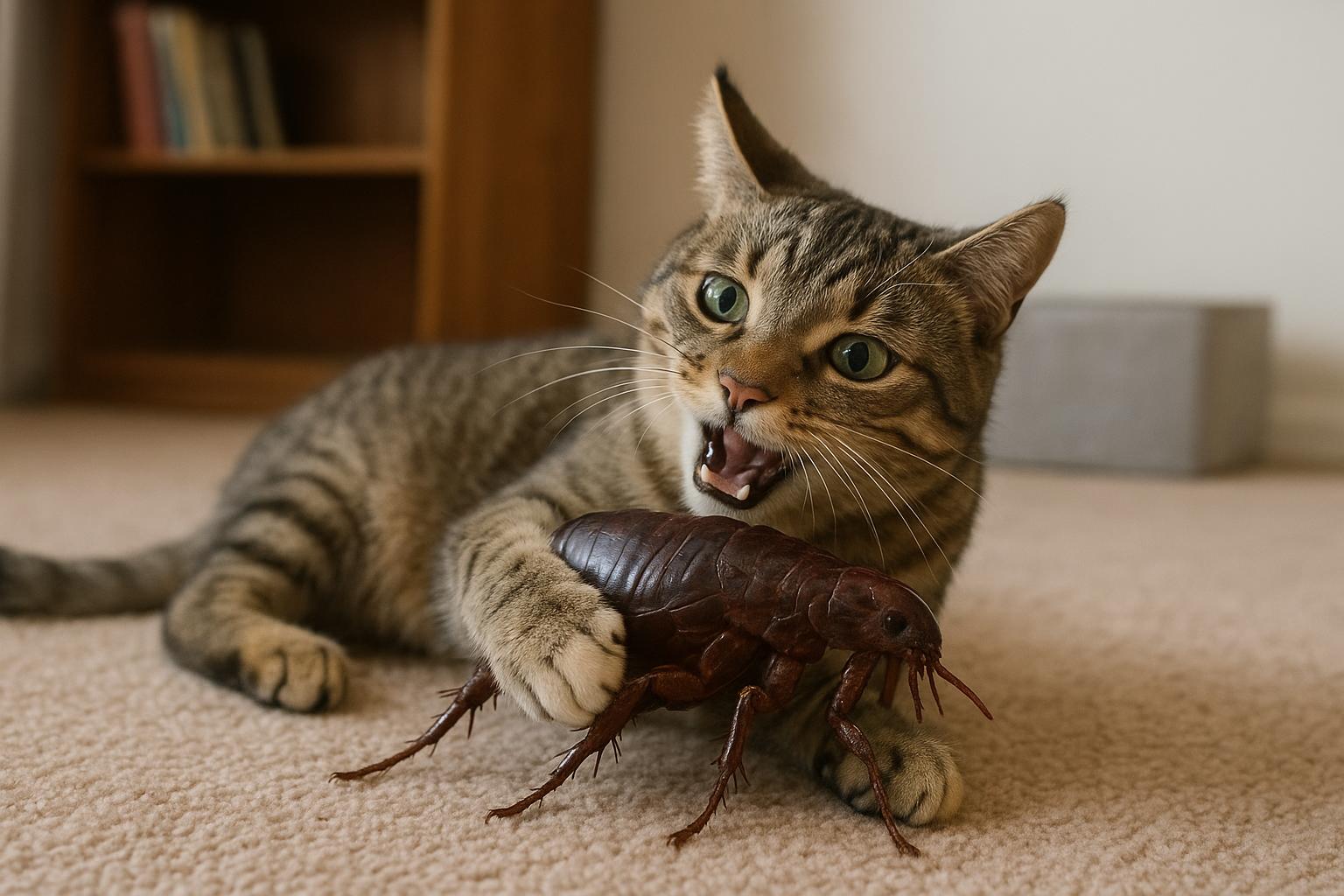
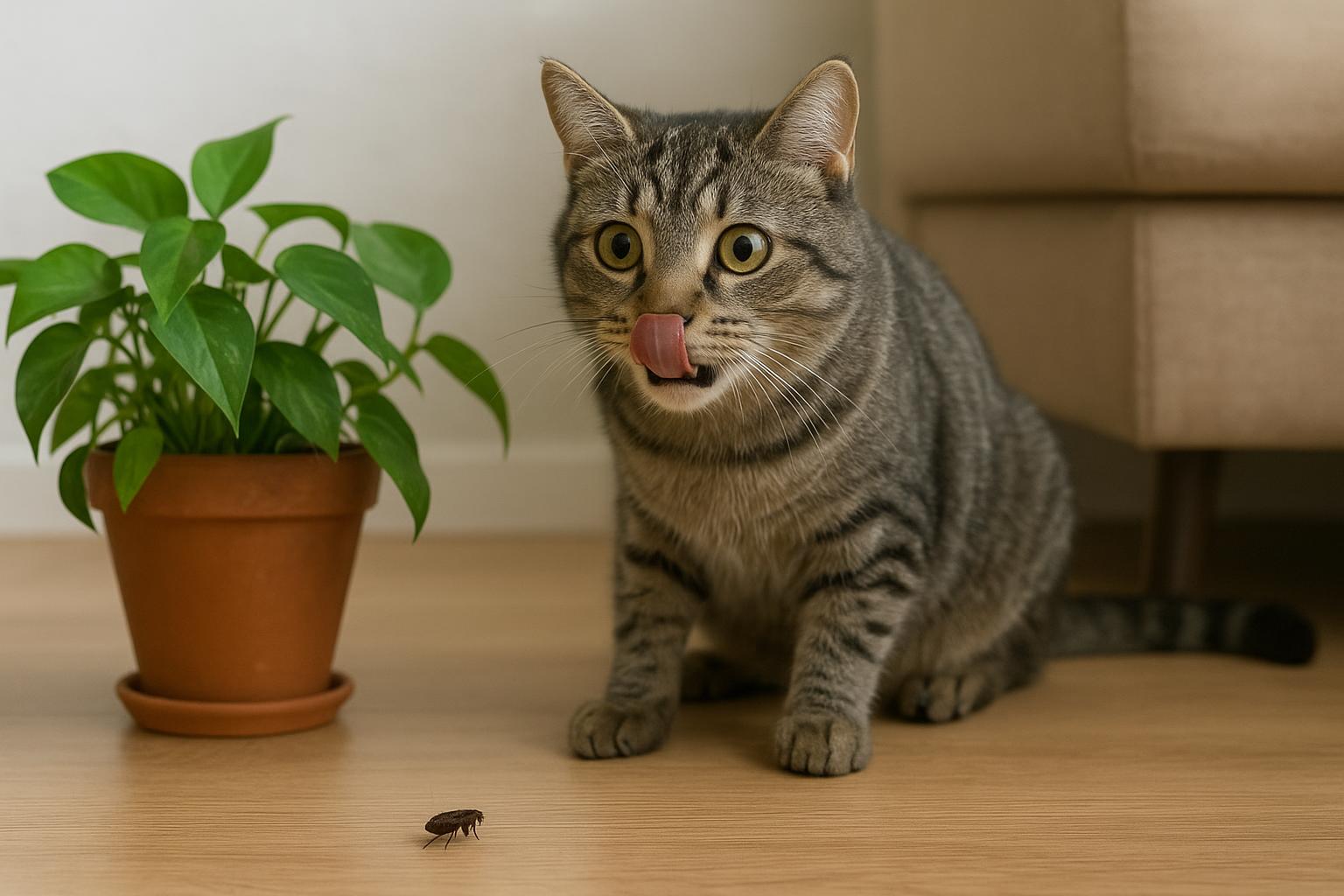
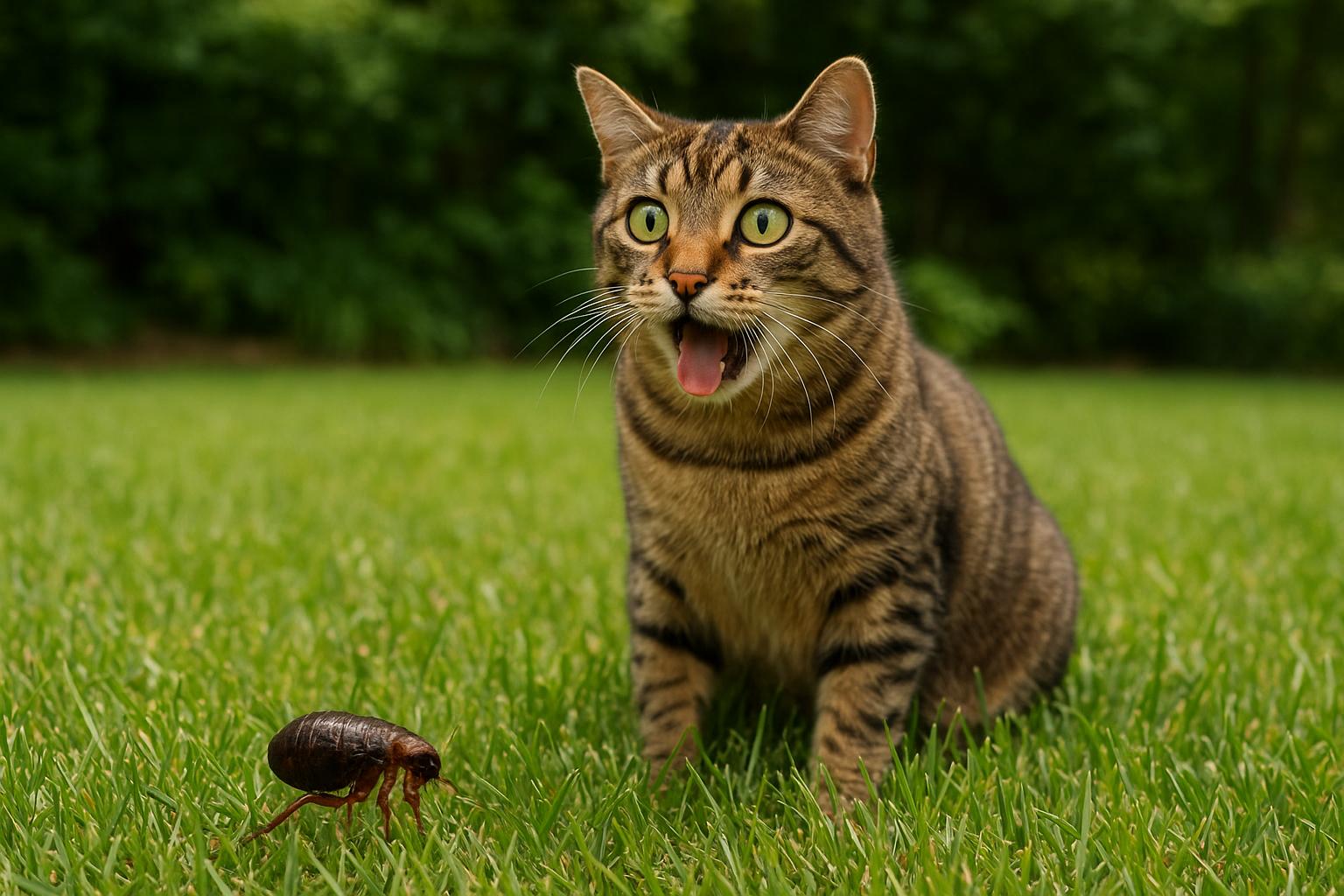
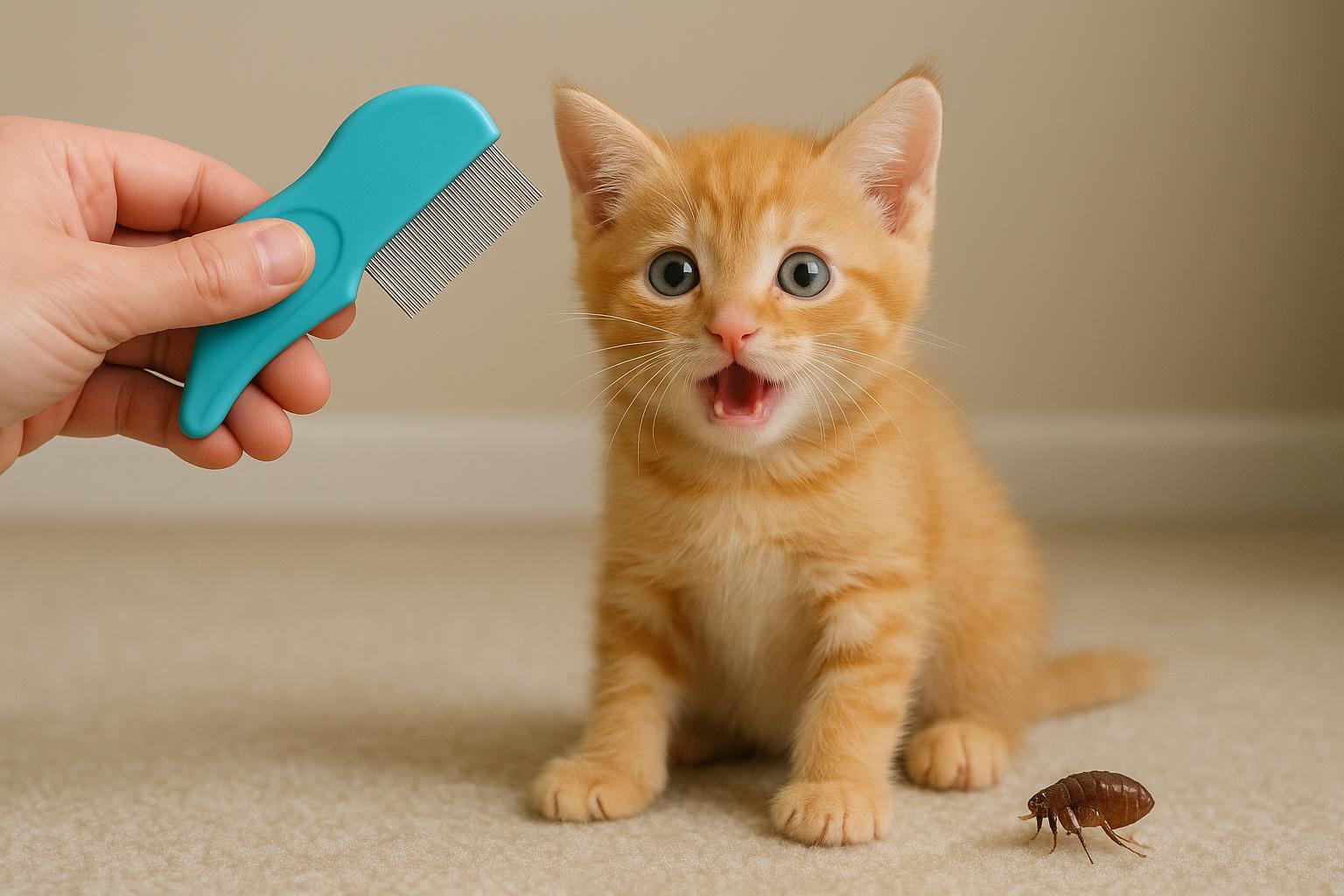
Fleas are wingless insects that specialize in blood meals. They’re laterally flattened, which makes them excellent at moving through fur, and their powerful hind legs let them jump enormous distances relative to their size. The real trouble, though, isn’t the adult flea alone — it’s the lifecycle. An adult female can lay dozens of eggs after a single blood meal, scattering eggs into bedding, leaf litter, and nest sites. Those eggs hatch into larvae that feed on organic debris (including adult flea feces), then pupate into a cocooned stage that can sit dormant for months until conditions — like warmth, carbon dioxide, and movement — cue a newly hatched flea to emerge.
Understanding how fleas work explains why treating a single animal often isn’t enough: you’re also dealing with eggs, larvae, and pupae in the environment.
### Where Fleas Live In Your Yard
Fleas prefer shaded, humid microhabitats: under porches, in tall grass, among leaf litter, and in wildlife nests or bedding. Wildlife like skunks, opossums, raccoons, feral cats, and some ground-nesting birds can carry heavy flea loads and act as local reservoirs. Because pupae can wait for months, a flea problem can reappear even after adult fleas are reduced.
### Signs That Wildlife Has A Flea Problem
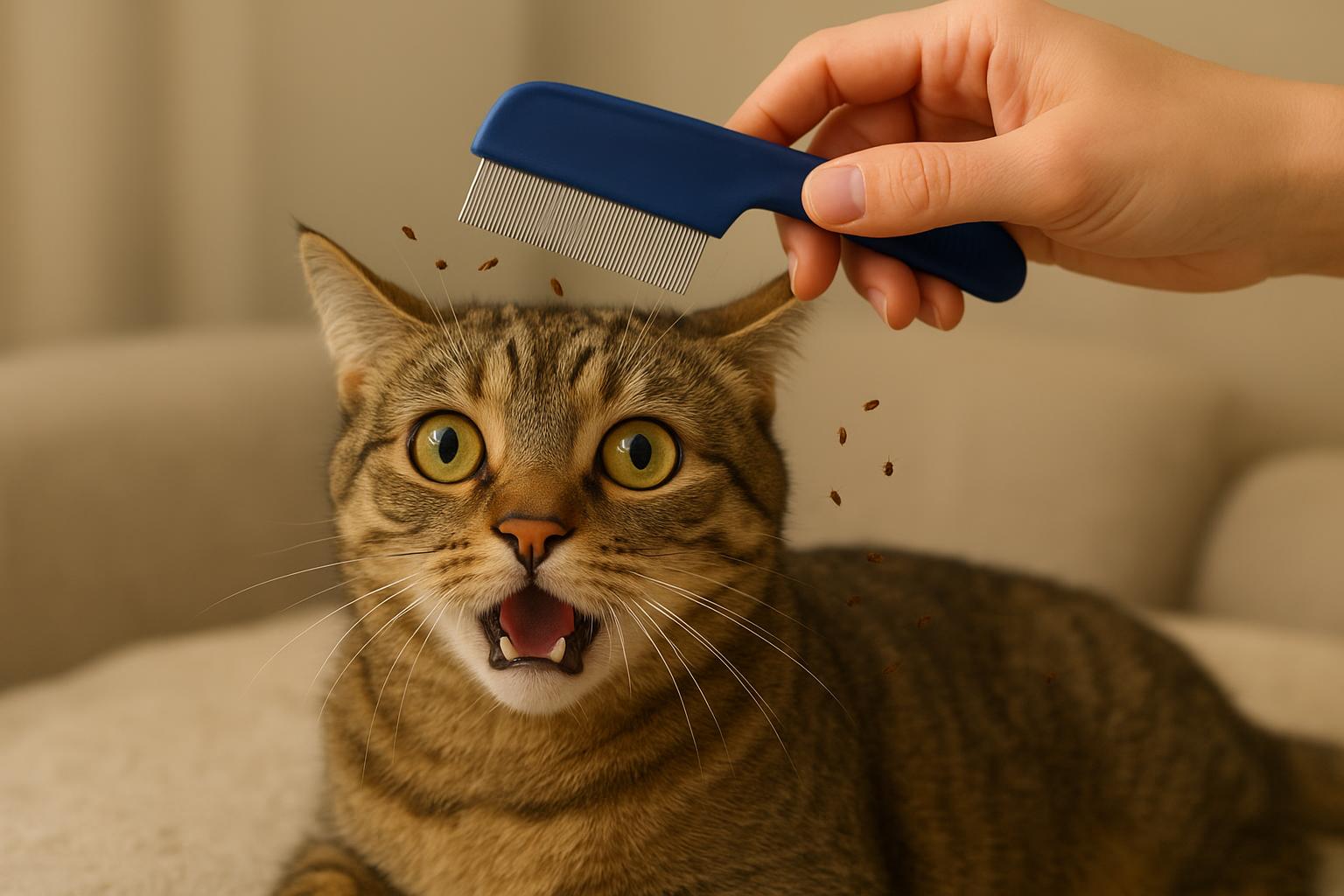
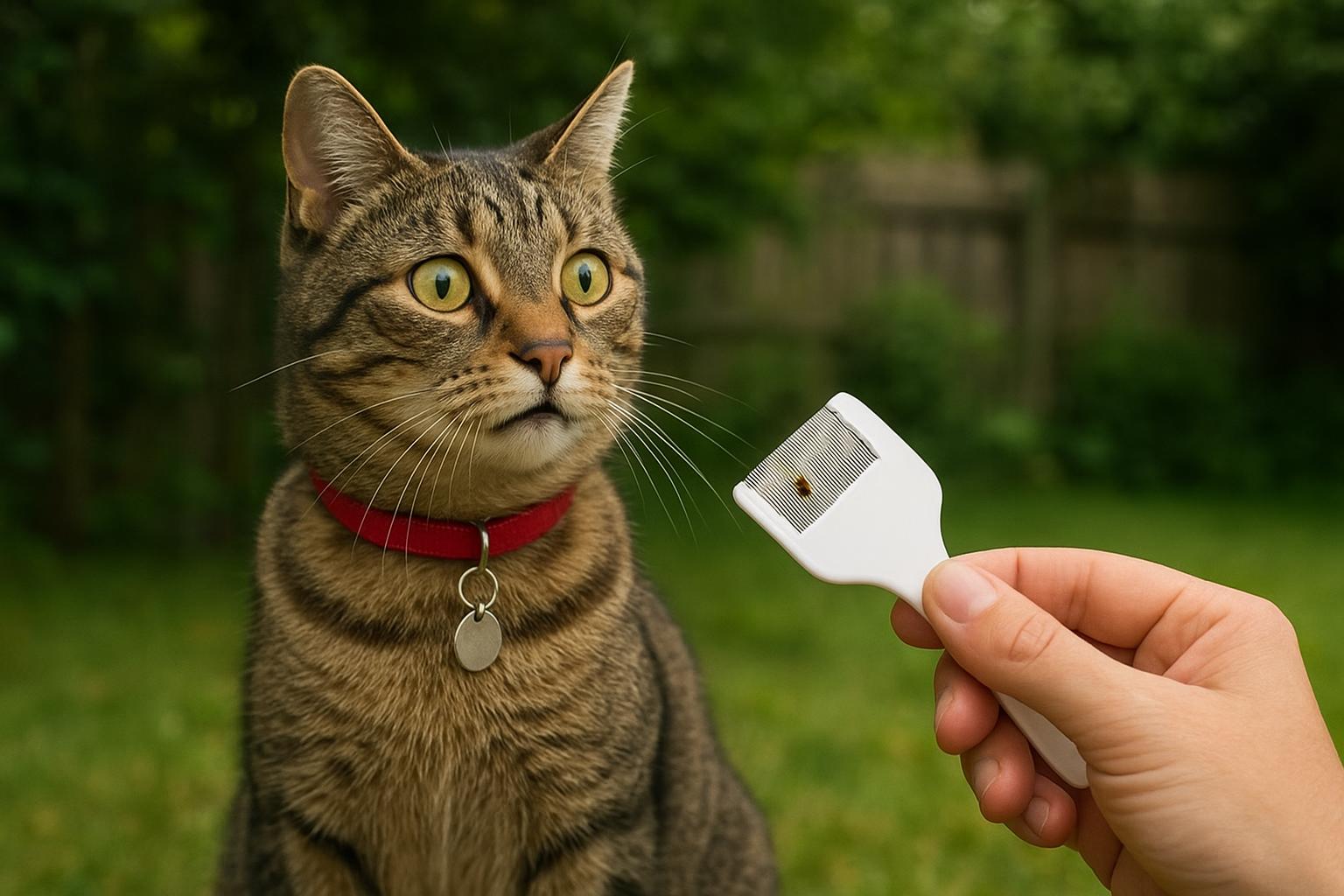
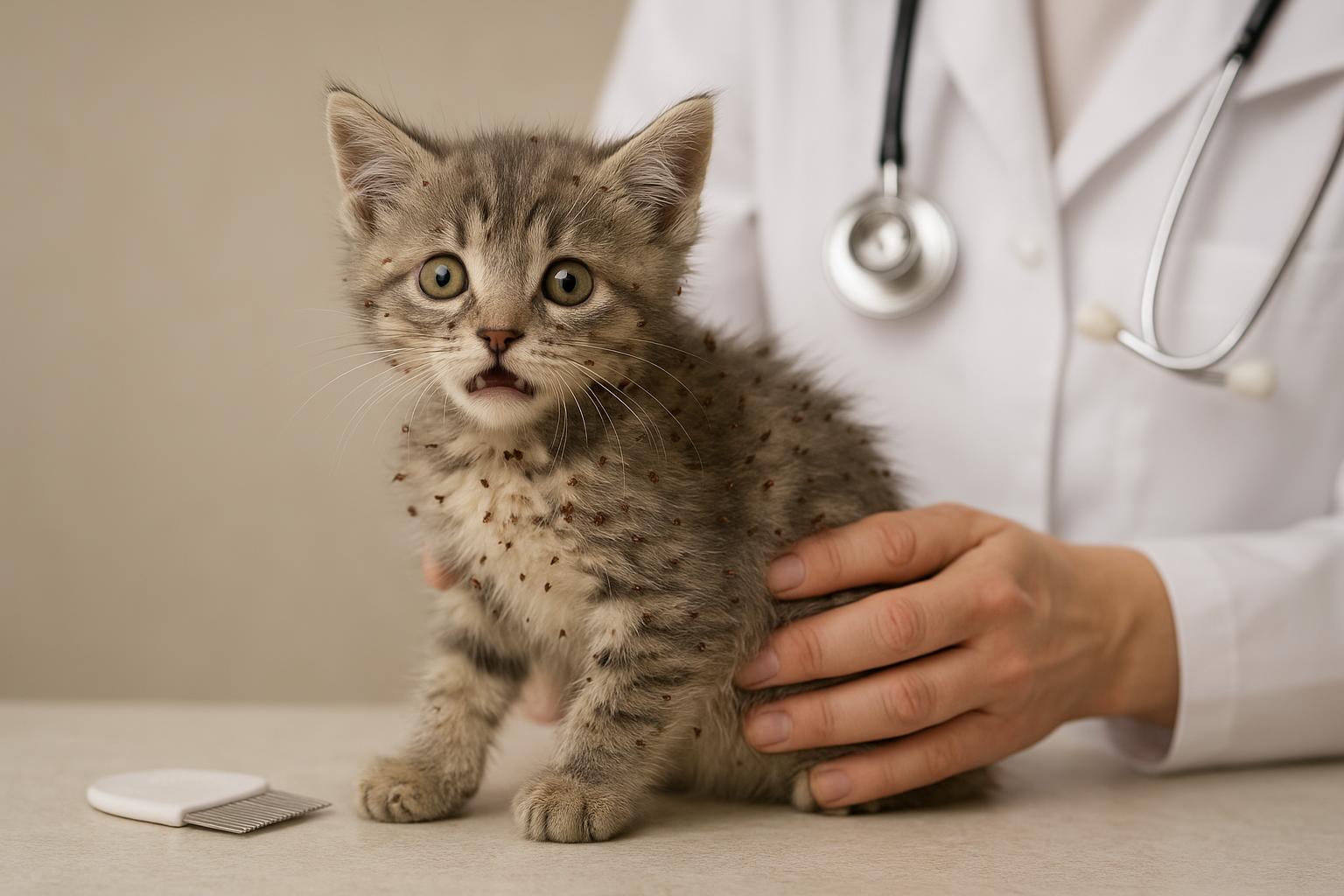
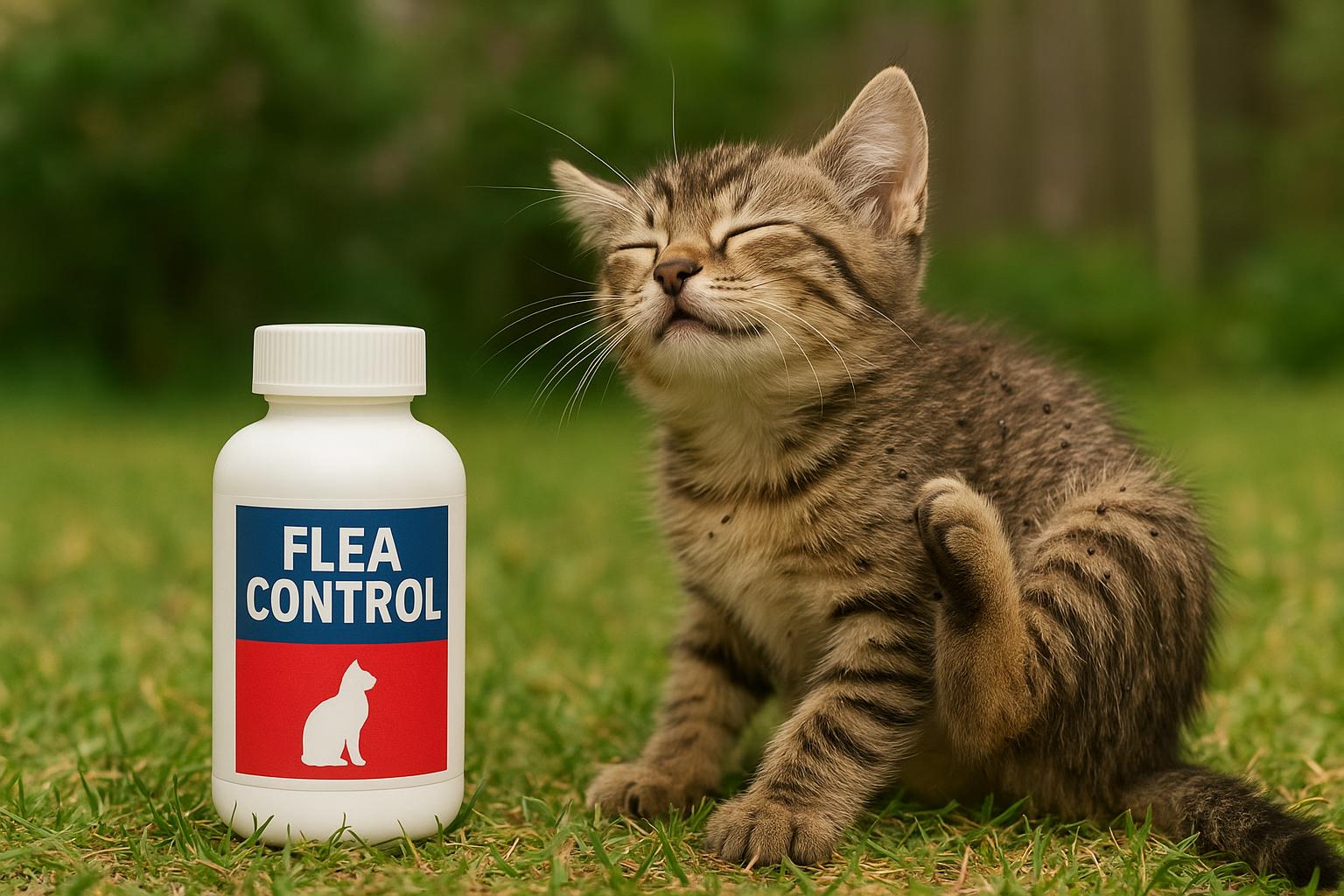
– Visible tiny black or brown specks moving in fur
– Animals excessively scratching, biting, or grooming
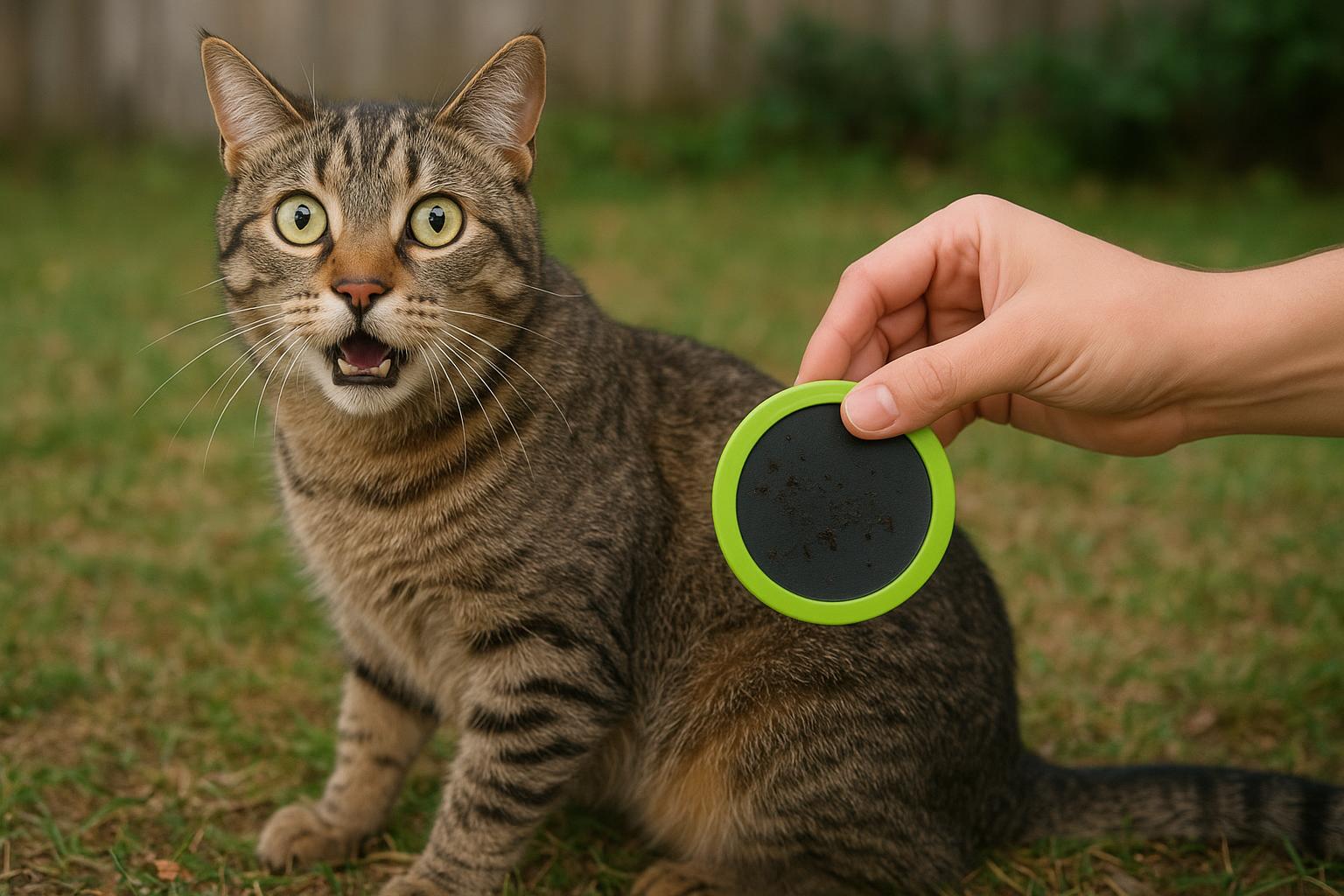
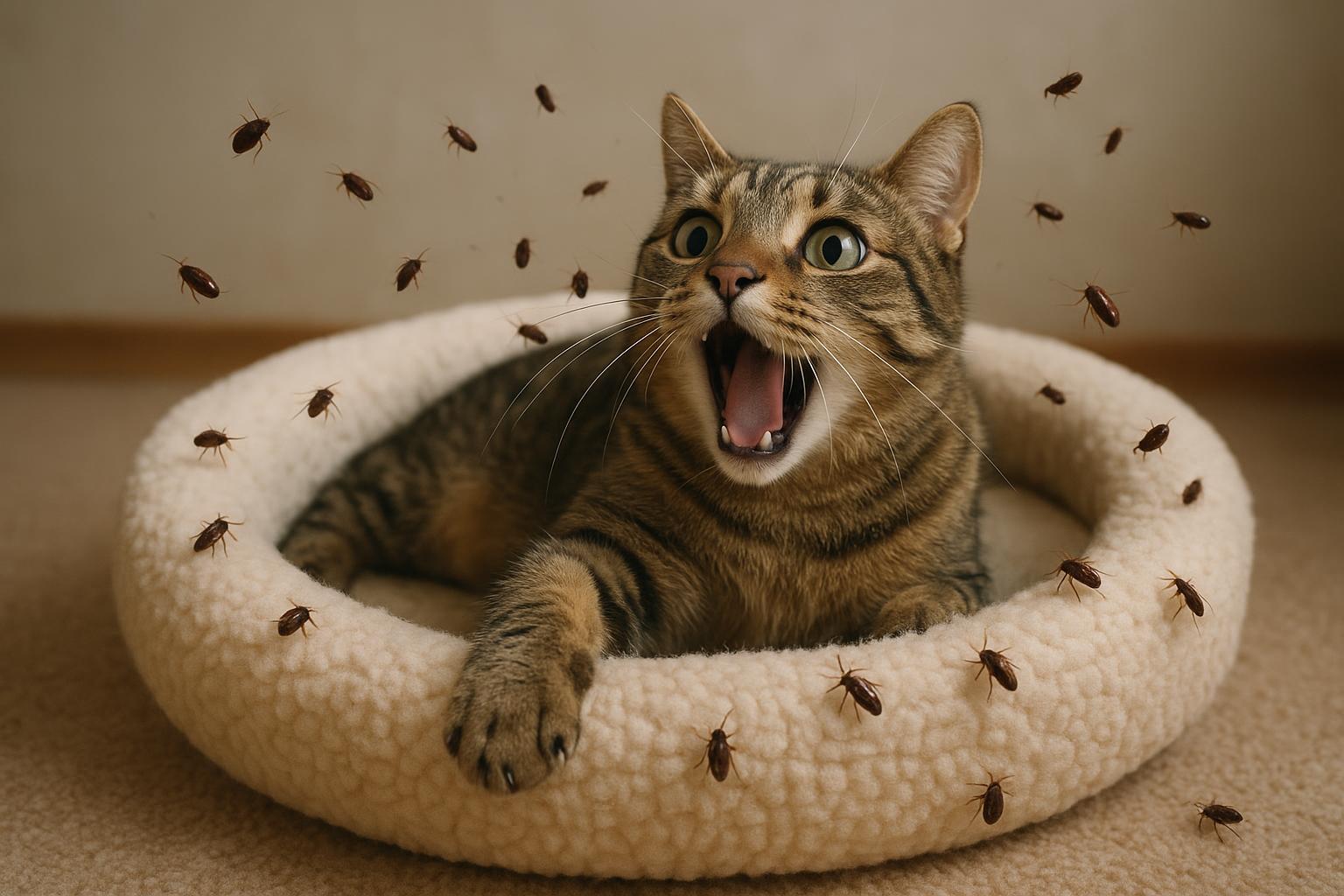
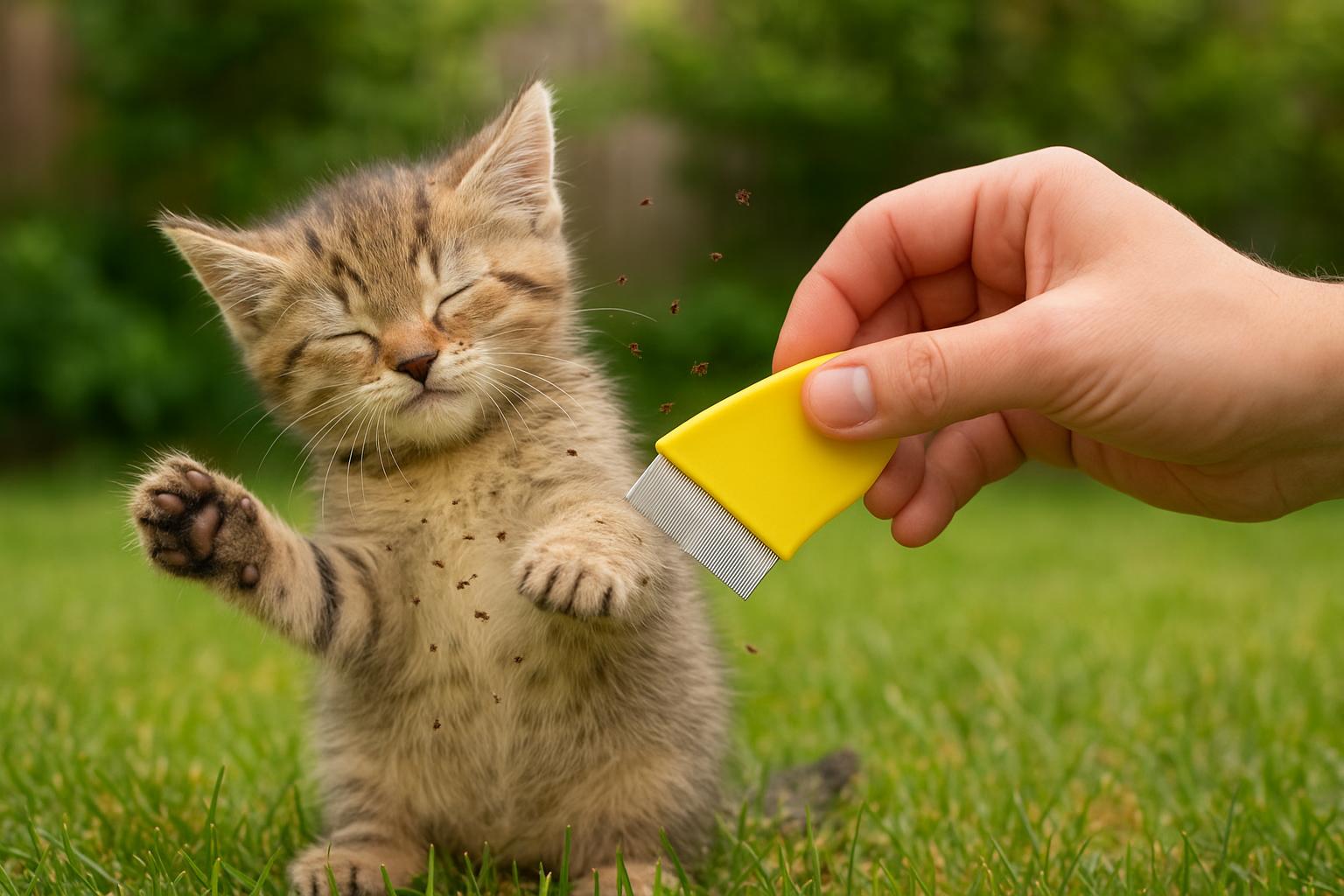
– Soiled bedding or nests full of tiny eggs or dark flea dirt (digested blood)
– An increase in flea bites on pets, people, or other animals that use the same area
Spotting these signs helps determine whether intervention is necessary. Again, understanding how fleas work helps you prioritize: treat hosts, and treat habitat.
## Topical Drops As A Tool: What They Do
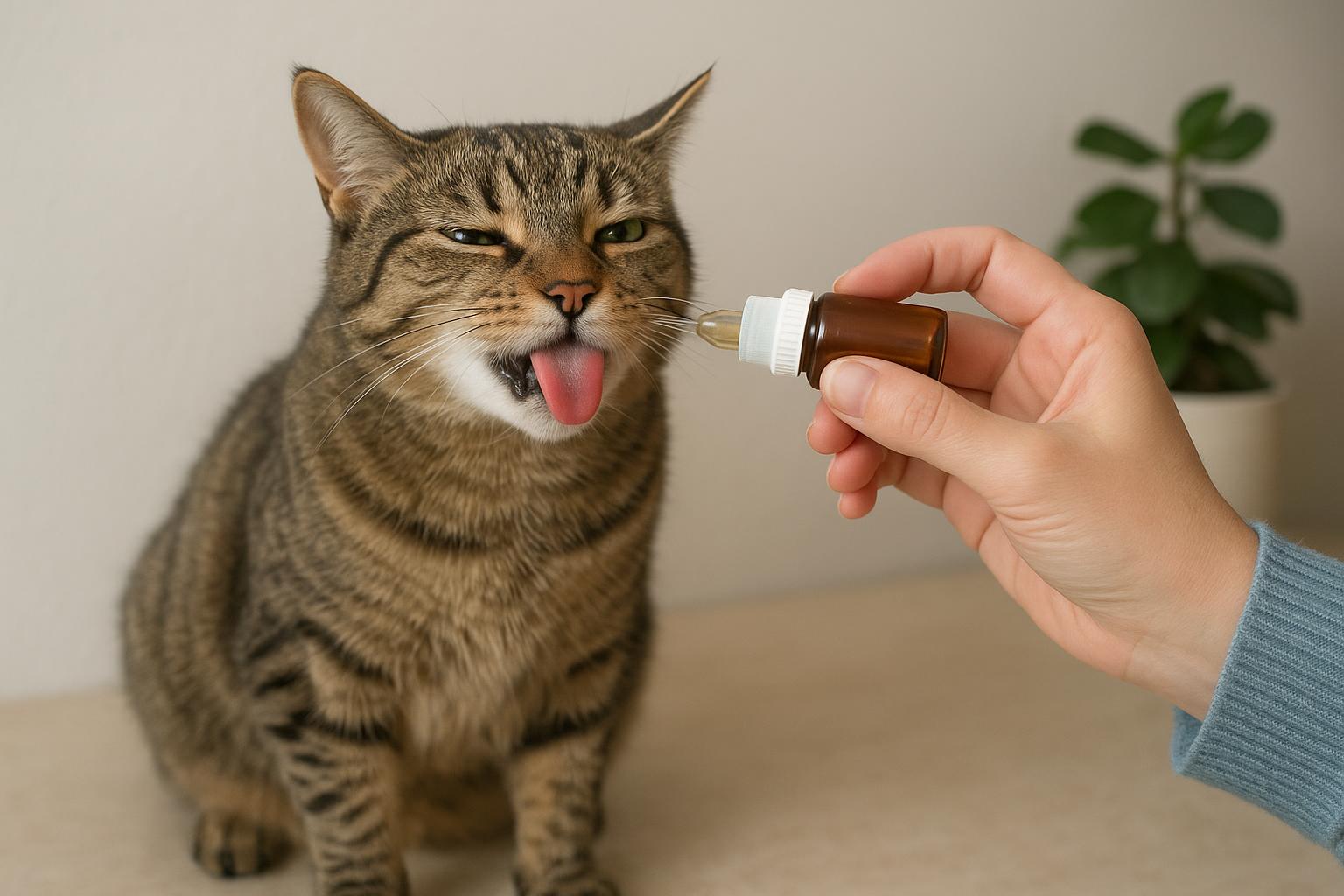
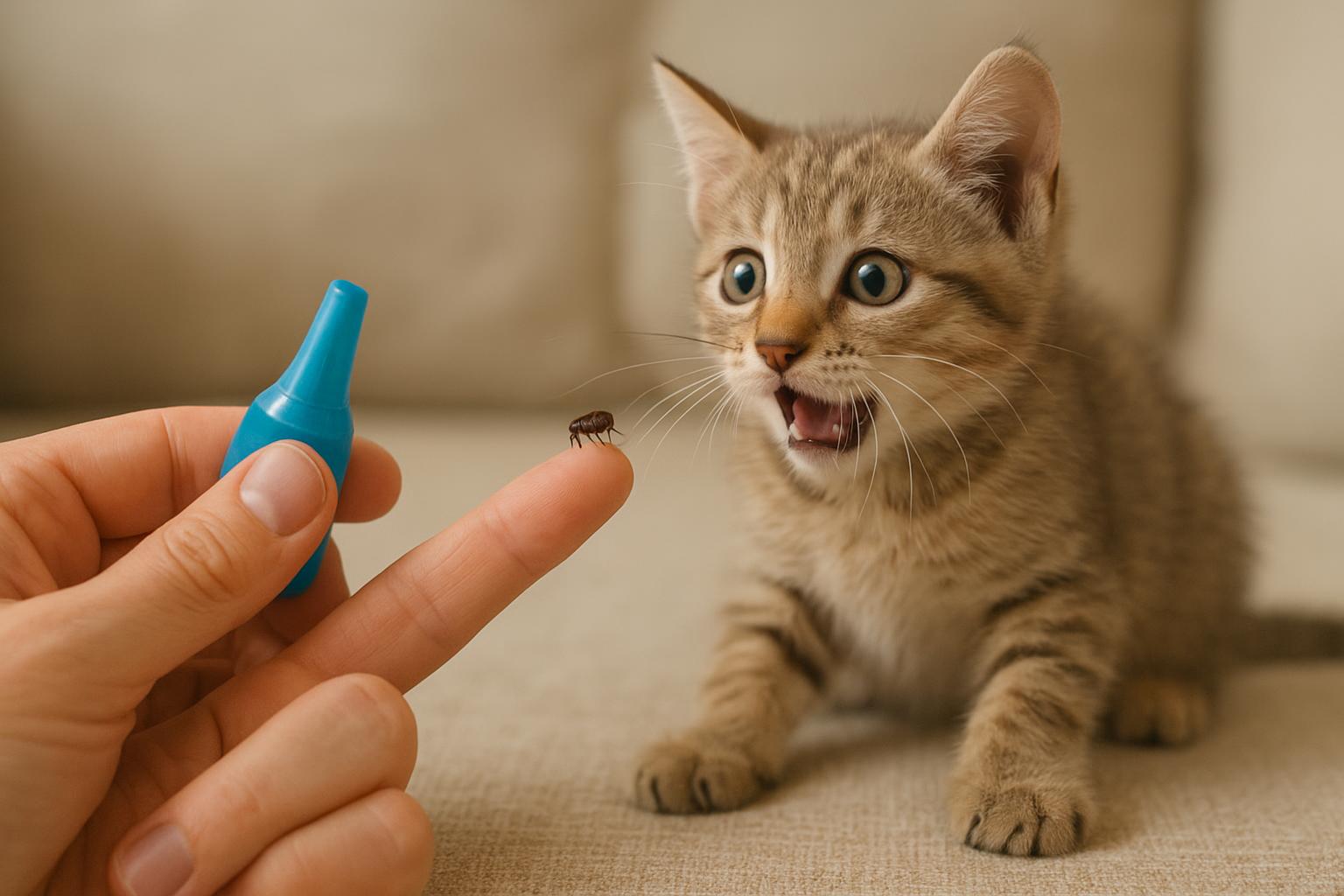
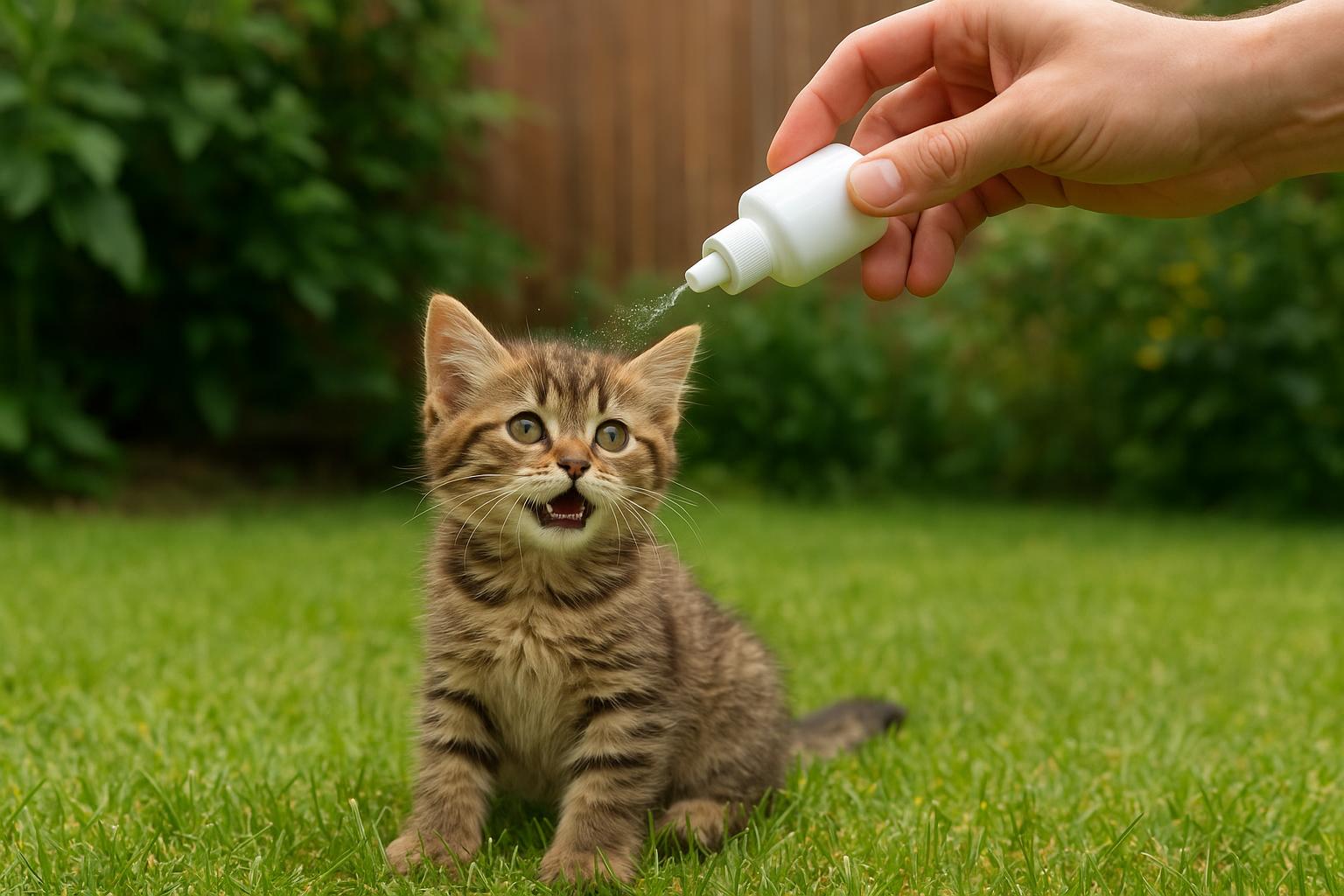
Topical “spot-on” products are a common and effective method to control adult fleas and sometimes their immature stages. Applied to the skin, many of these formulations spread through the oils of the animal’s coat or are absorbed systemically depending on active ingredient. They can:
– Kill adult fleas on contact or shortly after feeding
– Reduce egg production in adult females, lowering environmental contamination
– In some formulations, repel or interrupt development of immature stages
While topical drops are convenient and frequently effective, the exact mechanism and safety vary by active ingredient (e.g., fipronil, selamectin, imidacloprid, metofluthrin), species, and product formulation. That’s why responsible application and species-appropriate selection matter.
### Safety And Legal Considerations
Treating wildlife is legally and ethically sensitive. Many regions restrict who can handle or medicate wild animals. Always contact a licensed wildlife rehabilitator or veterinarian before administering medication to wild animals. Misuse of products (wrong species, wrong dose, off-label ingredients) can harm or kill the animal. Domestic pet products are not automatically safe for wildlife.
## Remedy: Topical Drop Application For Backyard Wildlife
The following is a formal, step-by-step guide for applying commercially approved topical spot-on products to a wild mammal when treatment is authorized by a wildlife rehabilitator or veterinarian. This is not a how-to for casual backyard handling — it’s a protocol for permitted, professional or supervised situations.
#### Required Materials And Ingredients
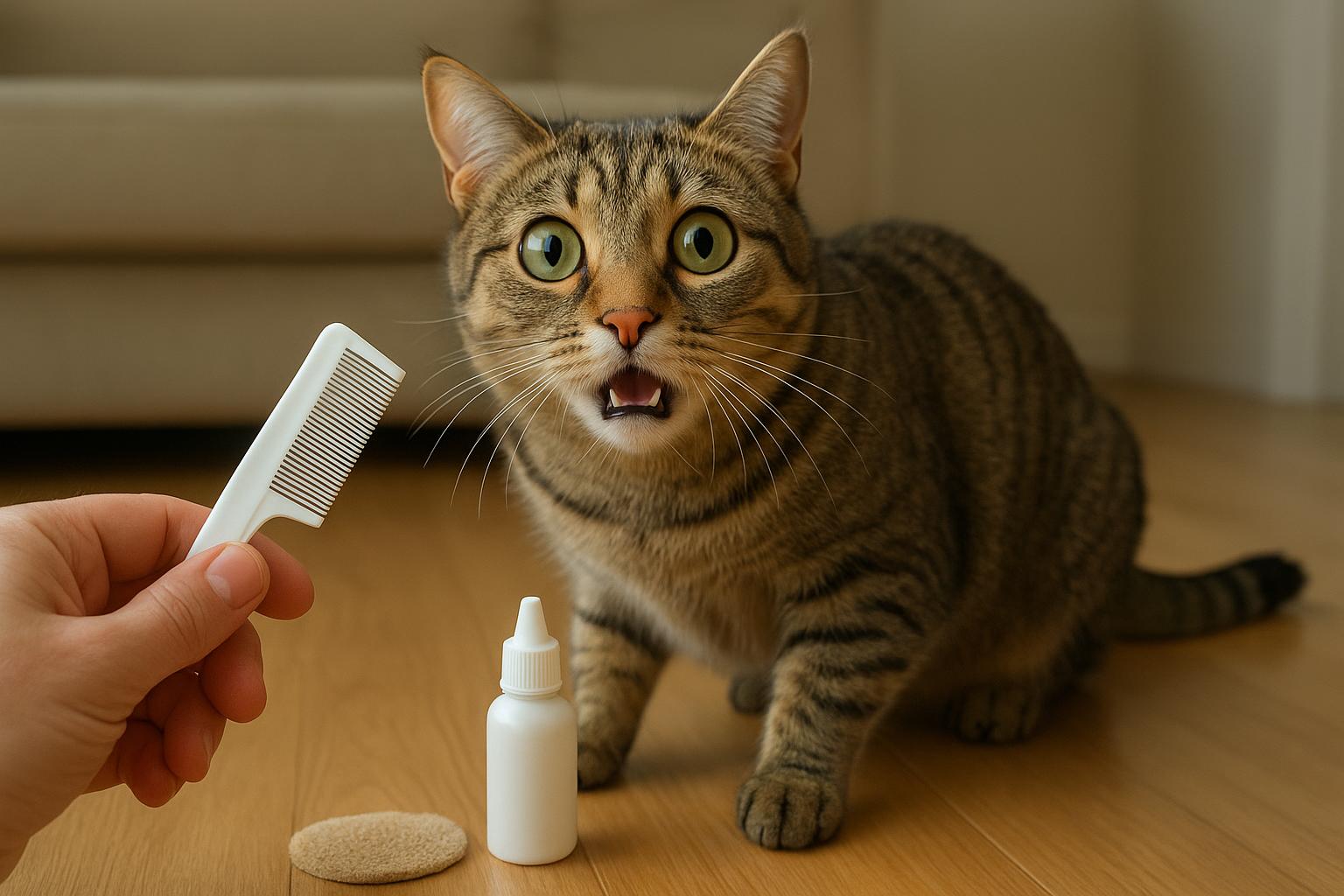
– Commercial veterinary topical flea product labeled for the specific species (consult a veterinarian or rehabilitator)
– Personal protective equipment (gloves, long sleeves, eye protection)
– Accurate scale for weighing the animal
– Clean towels and a secure containment carrier or handling box
– Disposable absorbent pads
– Contact information for a wildlife veterinarian or rehabilitator
– Records log (date, product lot number, dose, responder)
#### Step-By-Step Application Procedure
1. Authorization: Obtain explicit permission from a wildlife rehabilitator or veterinarian. If you’re that professional, ensure you are following local laws and protocols.
2. Assessment: Conduct a quick health check. If the animal is severely dehydrated, hypothermic, injured, or showing signs of distress, move to veterinary stabilization first.
3. Weigh: Use an accurate scale to determine body mass. Many topical products dose by weight; correct dosing is essential.
4. Product Selection: Confirm the product is labeled for the species or is approved by a vet for off-label use. Read the label and manufacturer insert thoroughly.
5. Restraint and Handling: Use minimal-stress handling techniques. Wrap the animal in a towel to restrain and calm it. A second person may be needed to maintain safety and speed.
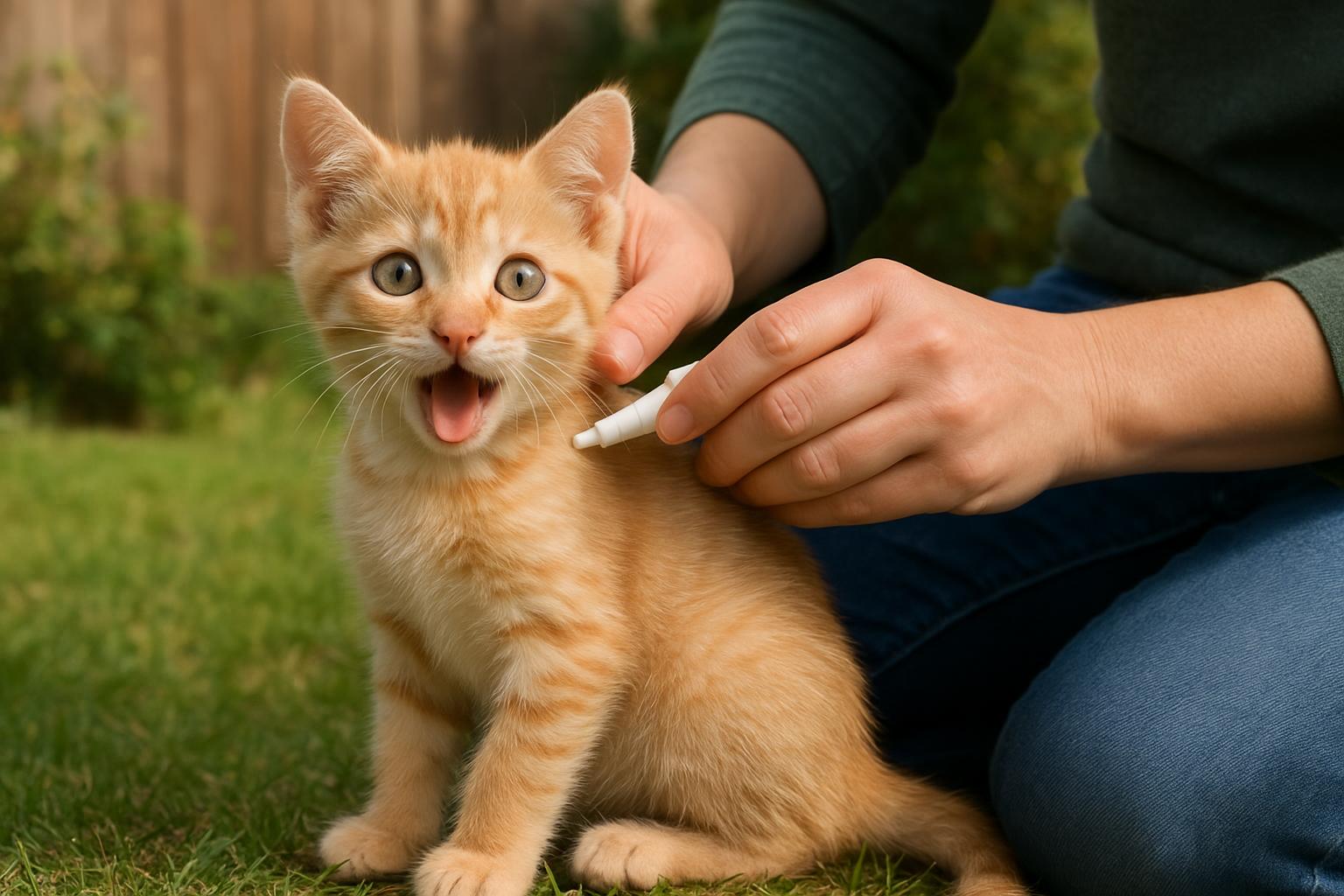
6. Application Site Preparation: Part the fur at the base of the neck between the shoulder blades so you can see the skin. This site prevents the animal from licking the application area.
7. Dose Calculation: Calculate the dose strictly following the product label or vet instructions. Do not estimate.
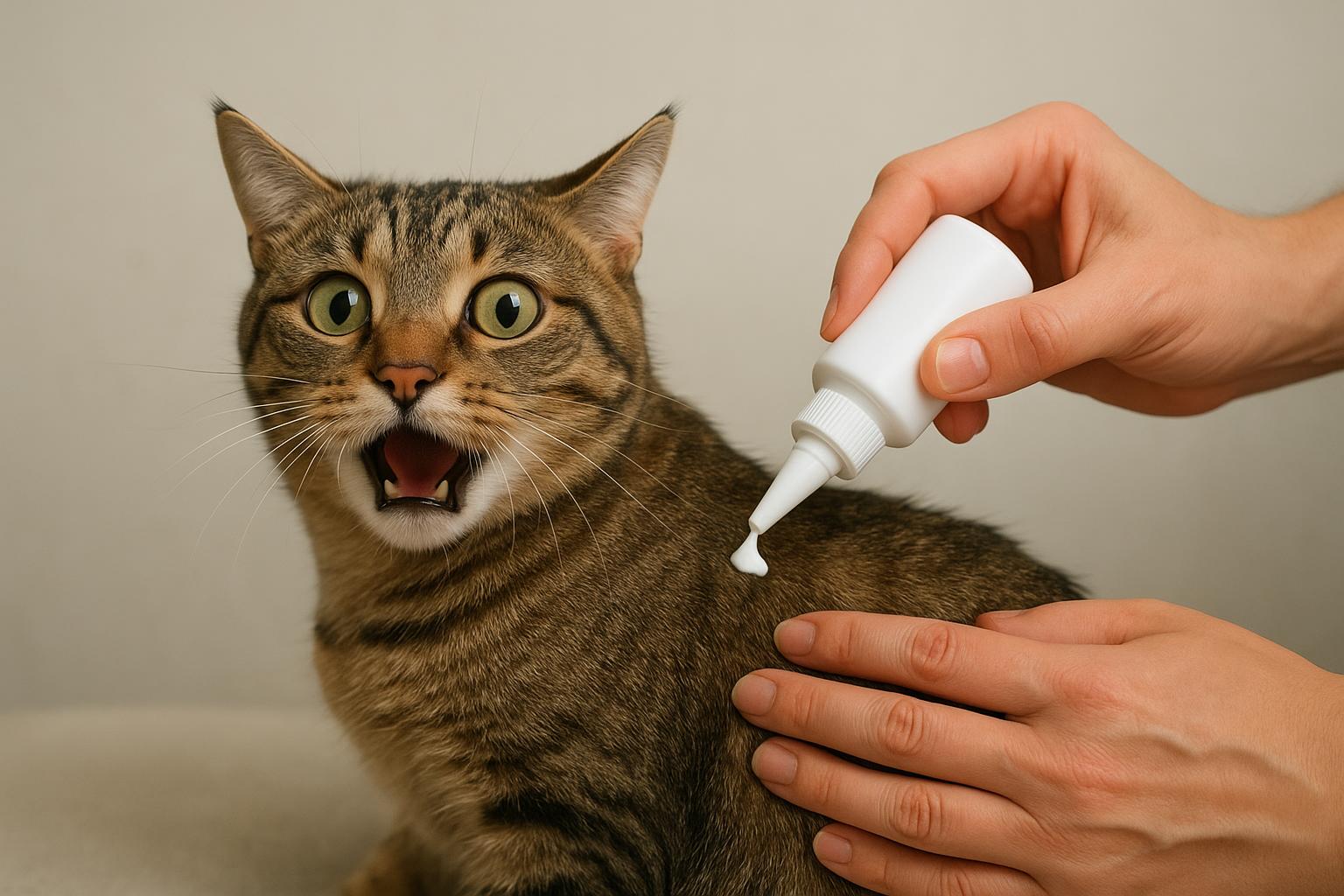
8. Apply: Depress the applicator directly onto the skin and squeeze the entire dose at one or two spots along the midline between the shoulder blades. Do not apply into the fur only.
9. Post-Application Monitoring: Allow the animal to dry in a warm, safe place. Observe for adverse reactions for at least 24–48 hours. Note any excessive salivation, ataxia, tremors, or behavioral changes and contact the veterinarian immediately.
10. Environmental Measures: Coordinate removal or treatment of nests, bedding, or den sites as advised by a professional (see environmental steps below).
11. Documentation: Record product, lot number, dose, weight, and responder name in the records log.
12. Follow-Up: Schedule or advise follow-up checks per vet or rehabber guidance to confirm effectiveness and animal health.
This procedure is formal for a reason: topical insecticides are potent, and wildlife handling is high-risk for both the animal and the handler if done improperly.
### Environmental Steps To Complement Topical Treatment
Because understanding how fleas work shows that many life stages live off the host, environmental control is crucial. Under the direction of a rehabilitator or pest professional, actions may include removing contaminated bedding and leaf piles near den sites, washing removable materials in hot water, vacuuming and disposing of debris, and selectively treating den sites with products approved for the situation. Avoid indiscriminate pesticide use around wildlife habitats.
#### Low-Impact Habitat Recommendations
– Reduce tall grass and brush where wildlife nests and fleas thrive.
– Remove piles of debris and leaf litter near structures.
– Offer alternative humane wildlife shelters (elevated, cleaned nesting boxes) relocated slightly away from human dwellings if necessary and permitted.
## When To Get Professional Help
If you find an animal with heavy flea loads, open wounds, anemia (pale gums in mammals), or signs of illness, contact a licensed wildlife rehabilitator or veterinarian immediately. They can weigh the animal, choose appropriate products, and treat secondary issues like anemia or infections. Professionals balance efficacy with safety — remembering that the best outcomes for wild animals are often achieved with specialized knowledge and tools.
### The Bottom Line About How Fleas Work With Topical Drops
Topical drops can be an effective component of a flea-control strategy for wildlife when used by trained personnel using product-labeled instructions and accompanying environmental management. Keep in mind that knowing how fleas work — from egg to hungry adult — will tell you why a one-off treatment rarely solves the problem by itself. If you’re ever unsure, err on the side of calling a pro; your backyard’s wild residents (and your conscience) will thank you.




Leave a Reply