
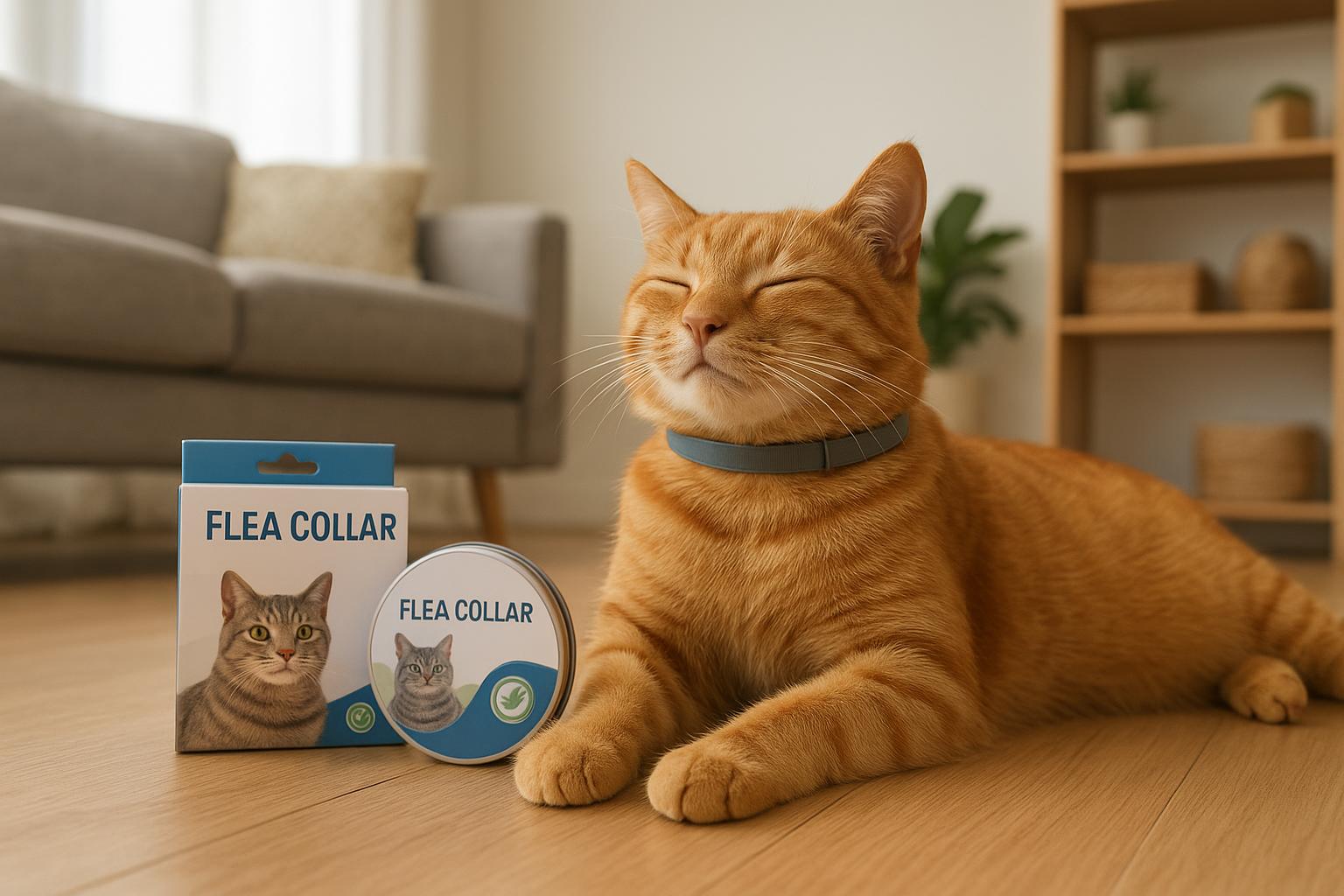
## Why Understanding Flea Collars Safe Matters For Your Cat
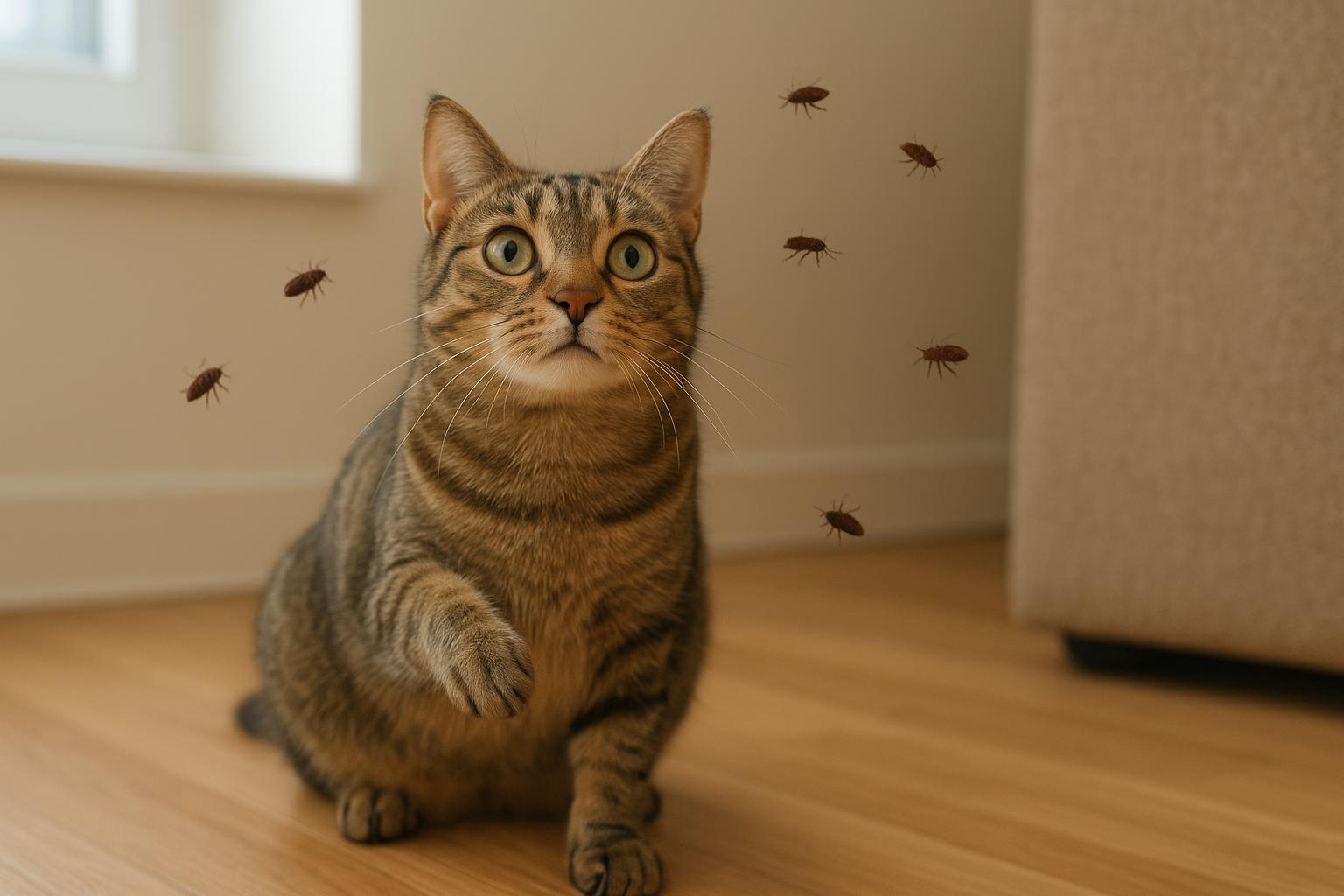
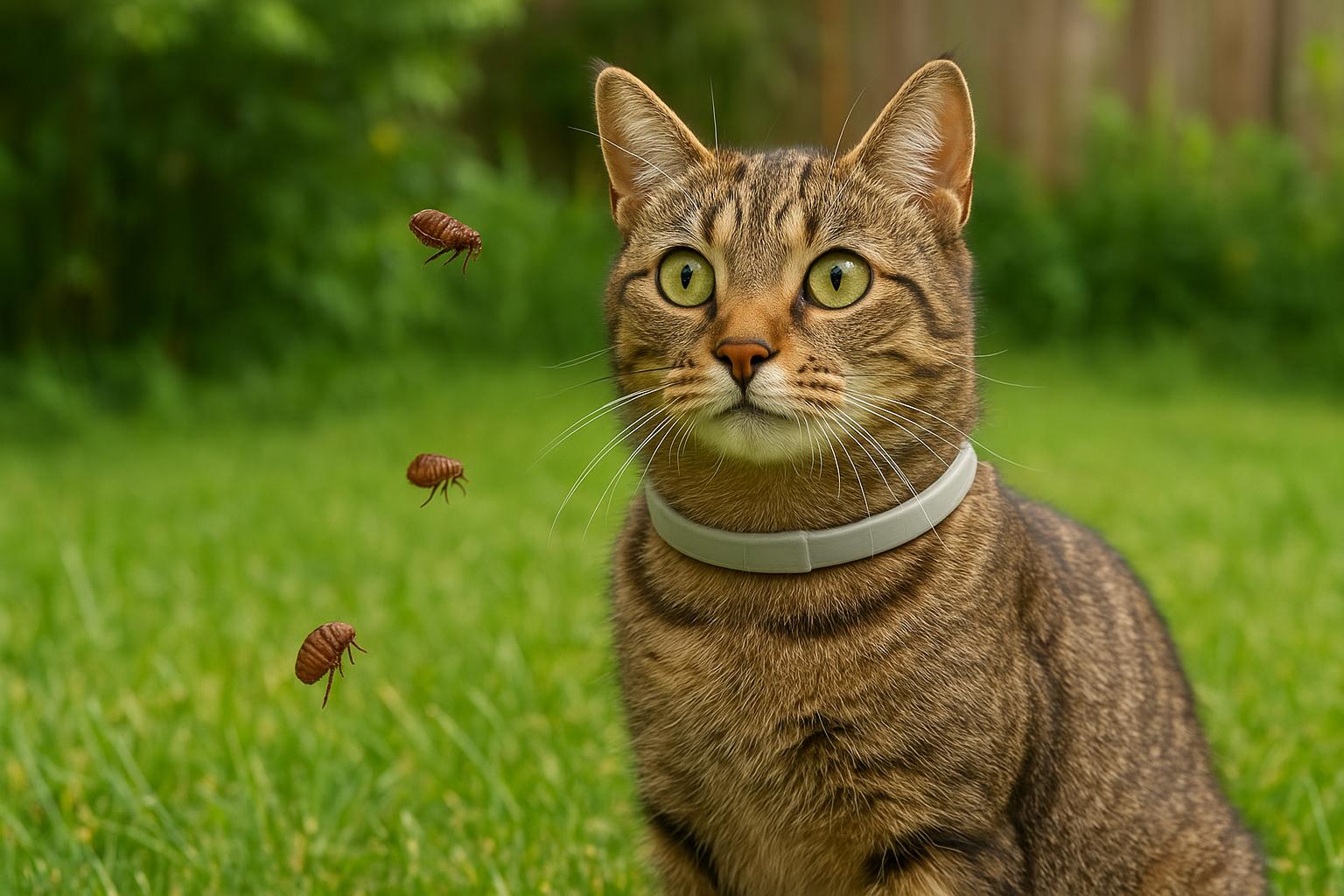
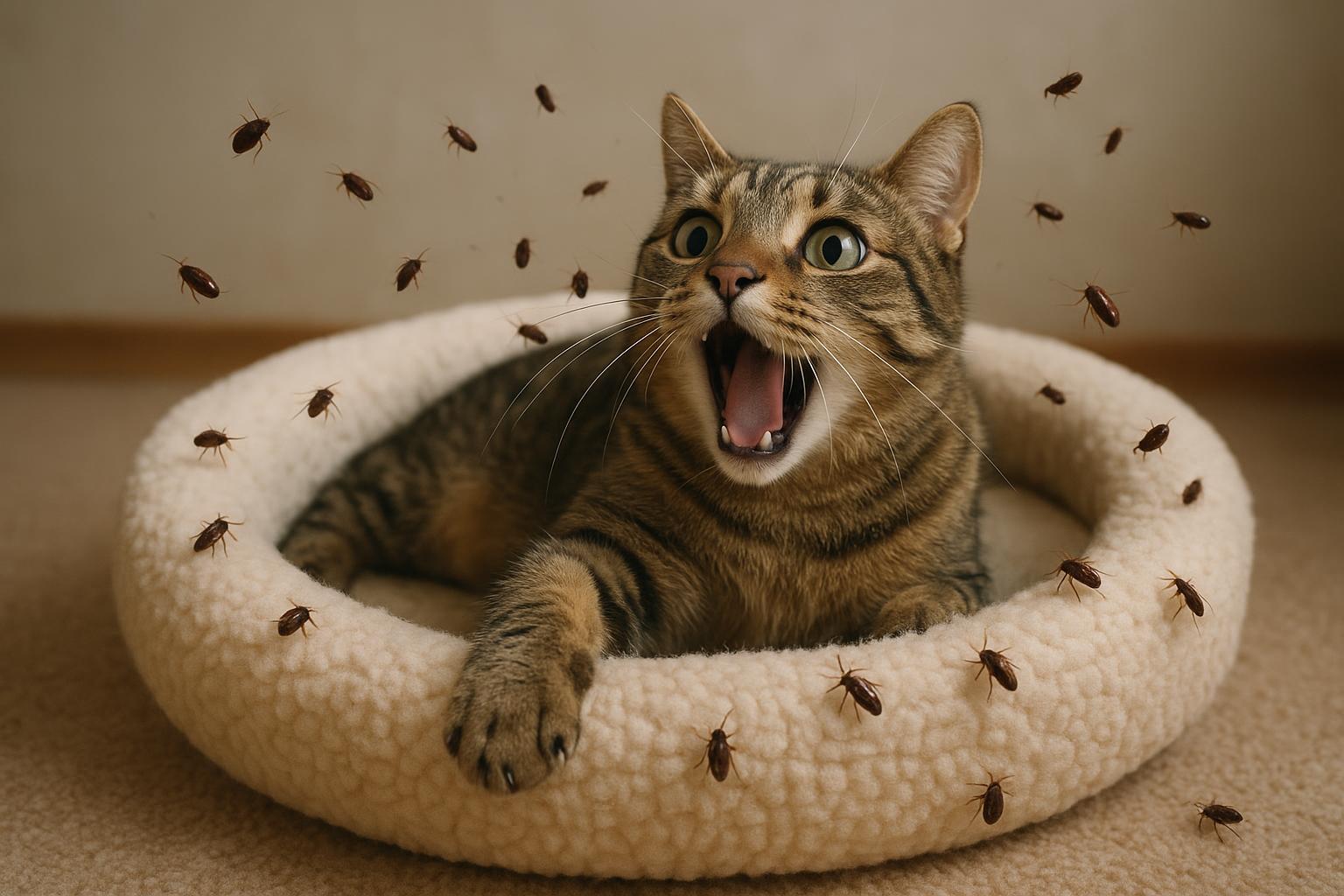
Welcome. You love your cat, you adore the way they zoom through the house at 3 a.m., and you definitely do not love the idea of tiny vampiric hitchhikers. Searching for “flea collars safe” is a smart first step — fleas aren’t just itchy nuisances, they can carry tapeworms and spread skin irritation. Let’s take a calm walk through what makes flea collars safe (and what doesn’t), with practical steps you can use at home without turning your living room into a chemistry lab.
### How Flea Collars Work
Flea collars come in a few flavors: some release an active ingredient that spreads across the pet’s fur by skin oils, others emit small amounts of insecticide into the air around the neck. Modern designs aim to kill or repel fleas, break the flea life-cycle, and sometimes protect against ticks. The effectiveness and safety depend on the active ingredient, the dose, the species (yes, dogs and cats differ), and how the collar is used.
### Common Active Ingredients And What They Mean
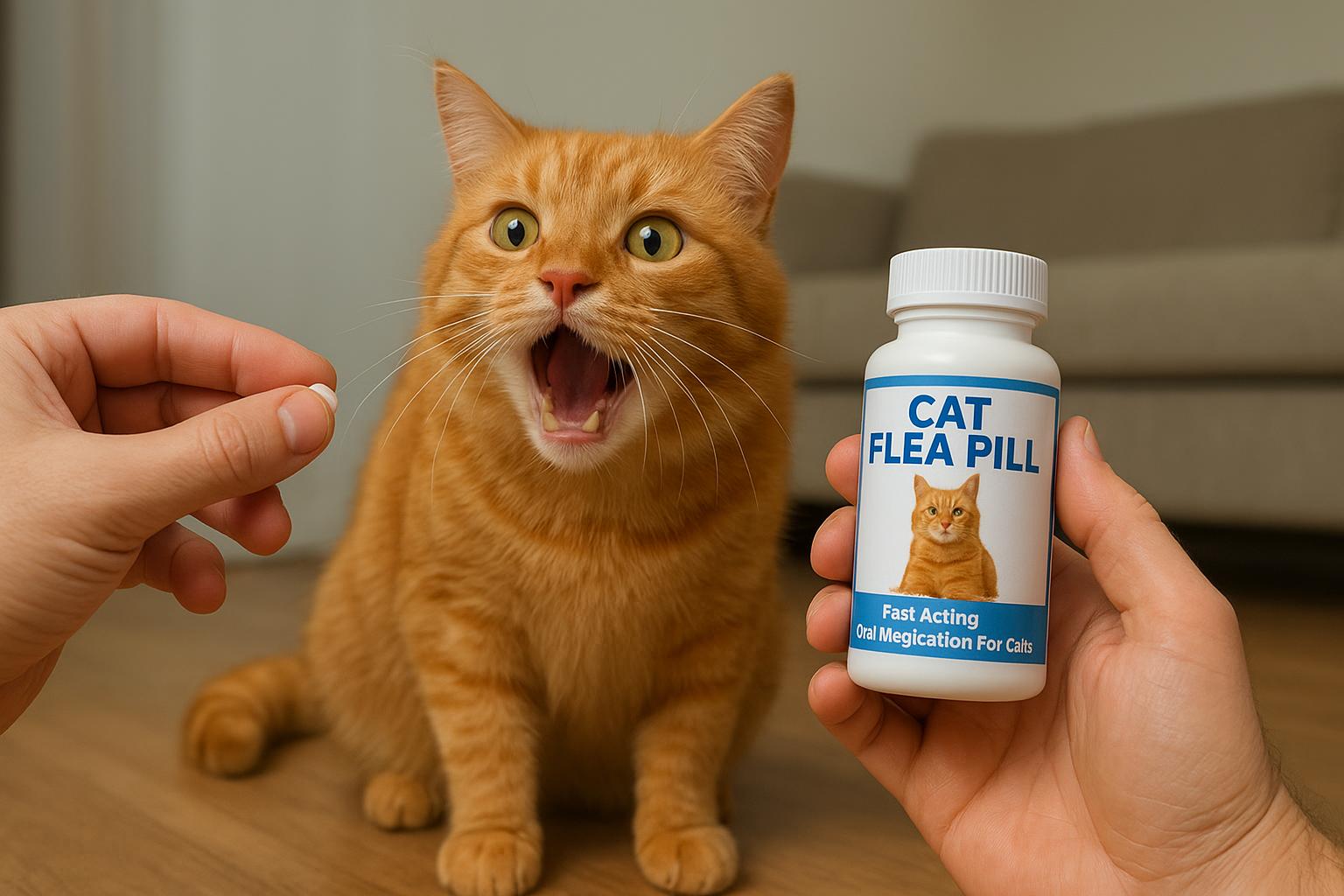
Knowing ingredients helps you pick a product that’s both effective and appropriate for a cat. Common actives include imidacloprid, flumethrin, selamectin, and newer systemic agents used in oral medications (note: oral meds aren’t collars, but veterinarians sometimes recommend them). Be aware: permethrin, often found in dog-only products, is toxic to cats. That’s why the phrase flea collars safe isn’t just marketing — it’s a specific requirement when choosing a product for cats.
### Risks And Sensitivities To Watch For
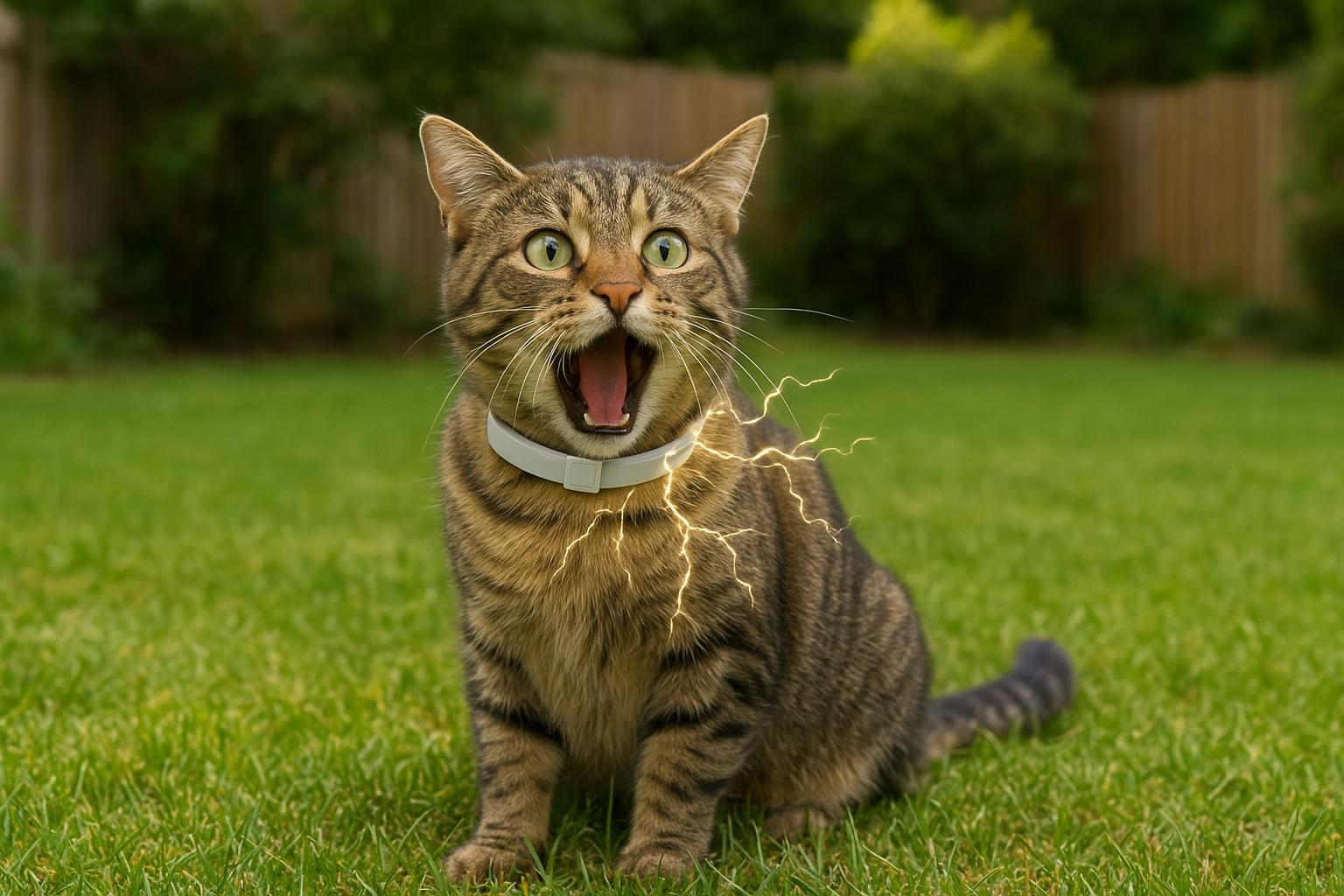
Cats can be sensitive to certain insecticides, and reactions range from mild (excessive grooming, redness) to severe (seizures, respiratory distress). Kittens, elderly cats, pregnant or nursing animals, and those with preexisting conditions are higher risk. Always read the label, double-check that the product is formulated for cats, and monitor your furry friend for any changes after application.
## Flea Collars Safe: What To Know Before You Buy
Picking the right collar matters. Look for these points on the packaging and in product literature:
– Clearly labeled for use on cats (not just dogs).
– Active ingredient listed and recognized by veterinary sources.
– Manufacturer instructions on correct sizing, fit, and replacement interval.
– Safety data regarding children and other pets.
If you hesitate, the safest move is a quick call or message to your vet to see if that specific product is appropriate for your cat’s age, weight, and health status.
### Reading Labels And Avoiding Pitfalls
Labels can be dense. Key things to scan for: age/weight limits, warnings about use on pregnant or nursing animals, and contraindications like “do not use on kittens under X weeks.” Also: avoid products that advertise essential oils or concentrated fragrances as the active ingredient for cats — many essential oils are toxic to felines. When in doubt, seek veterinary guidance.
### When To Consult A Veterinarian
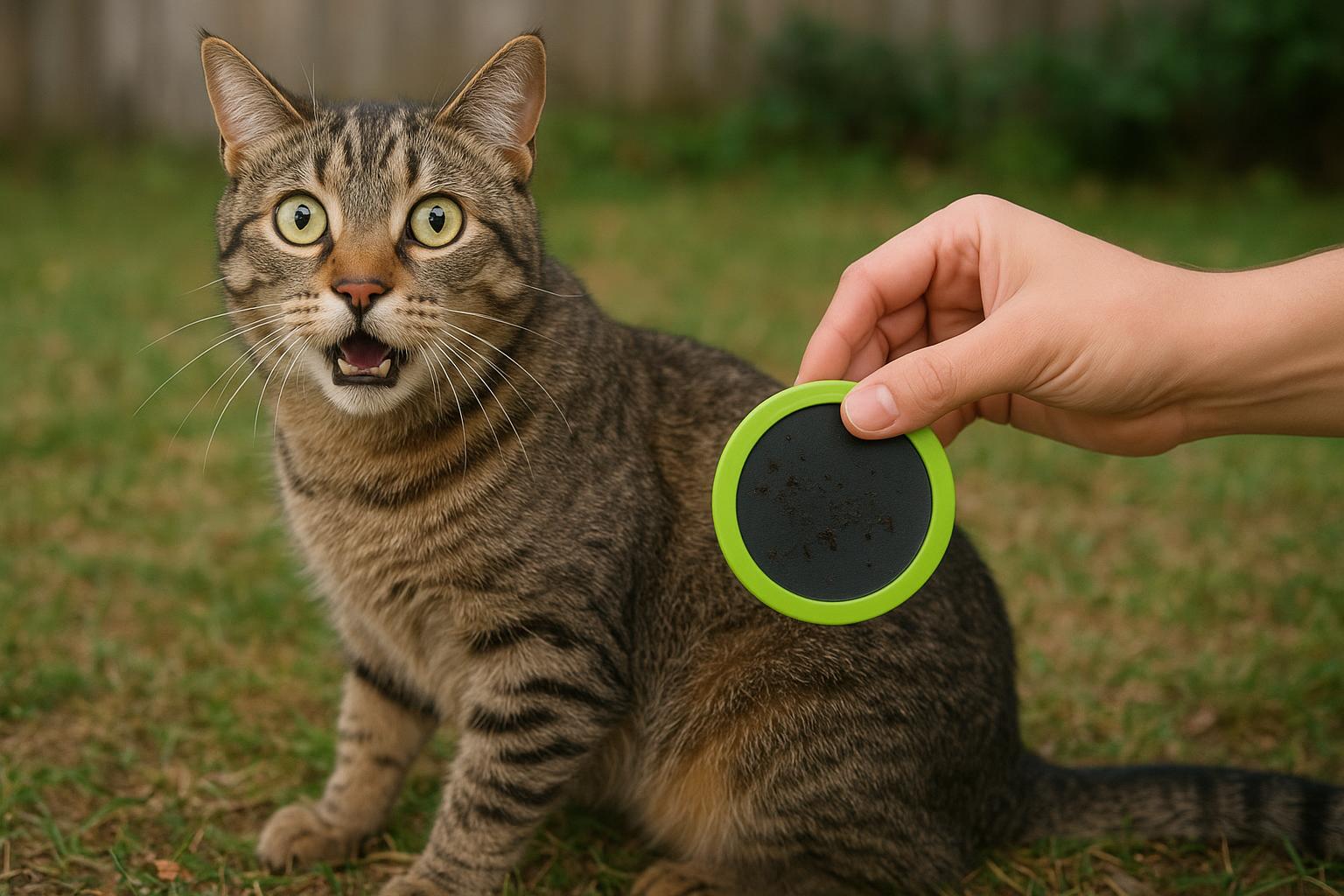
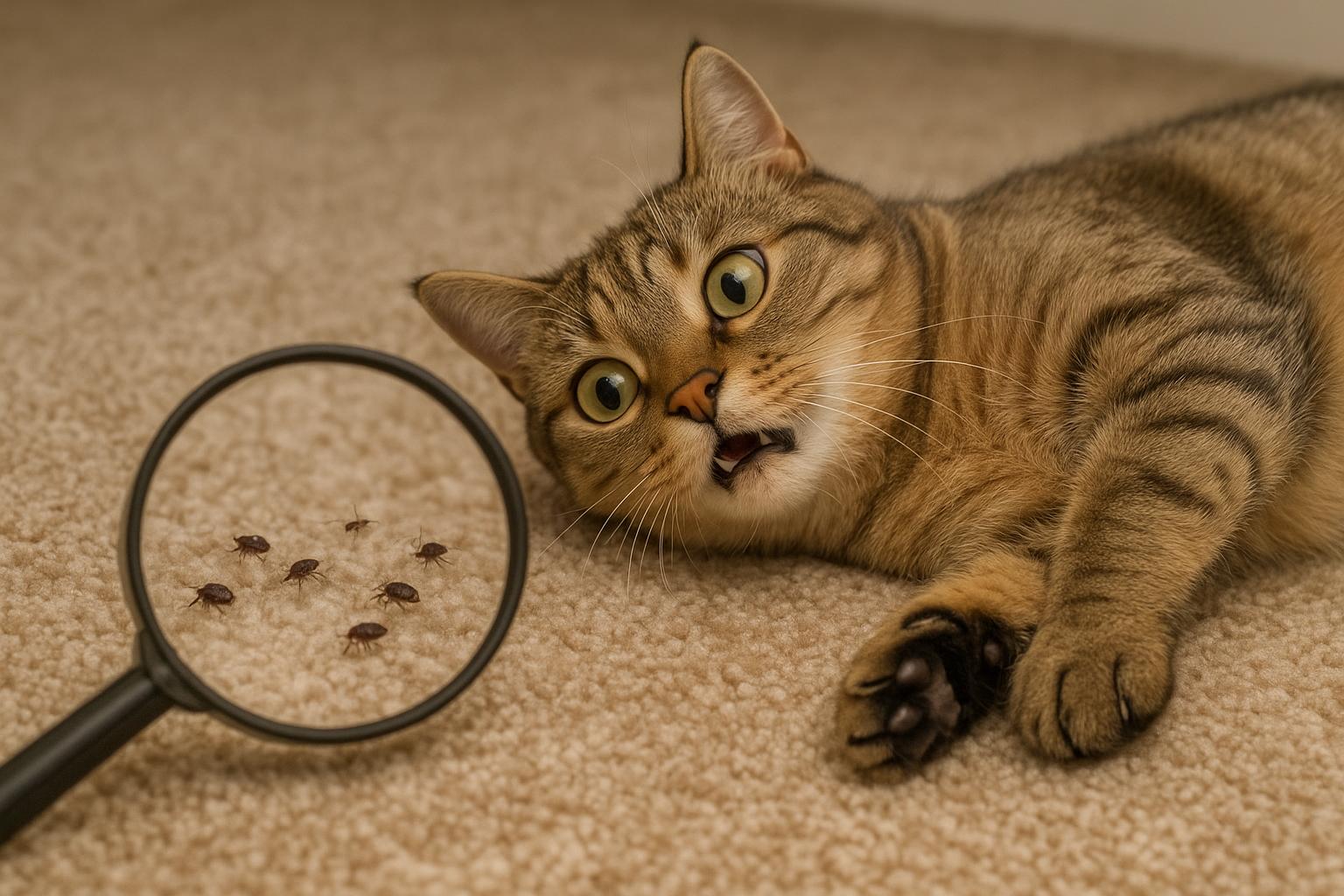
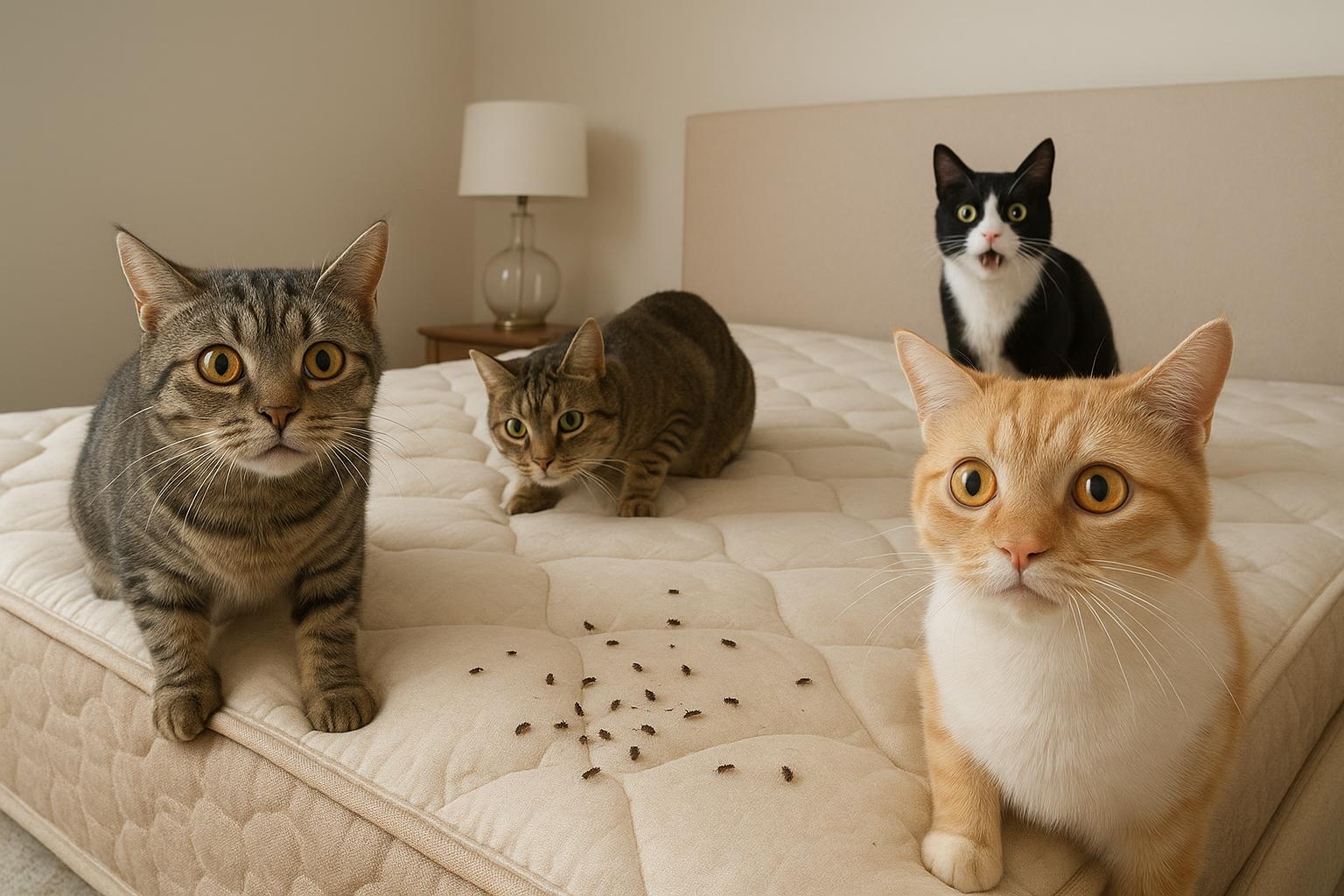
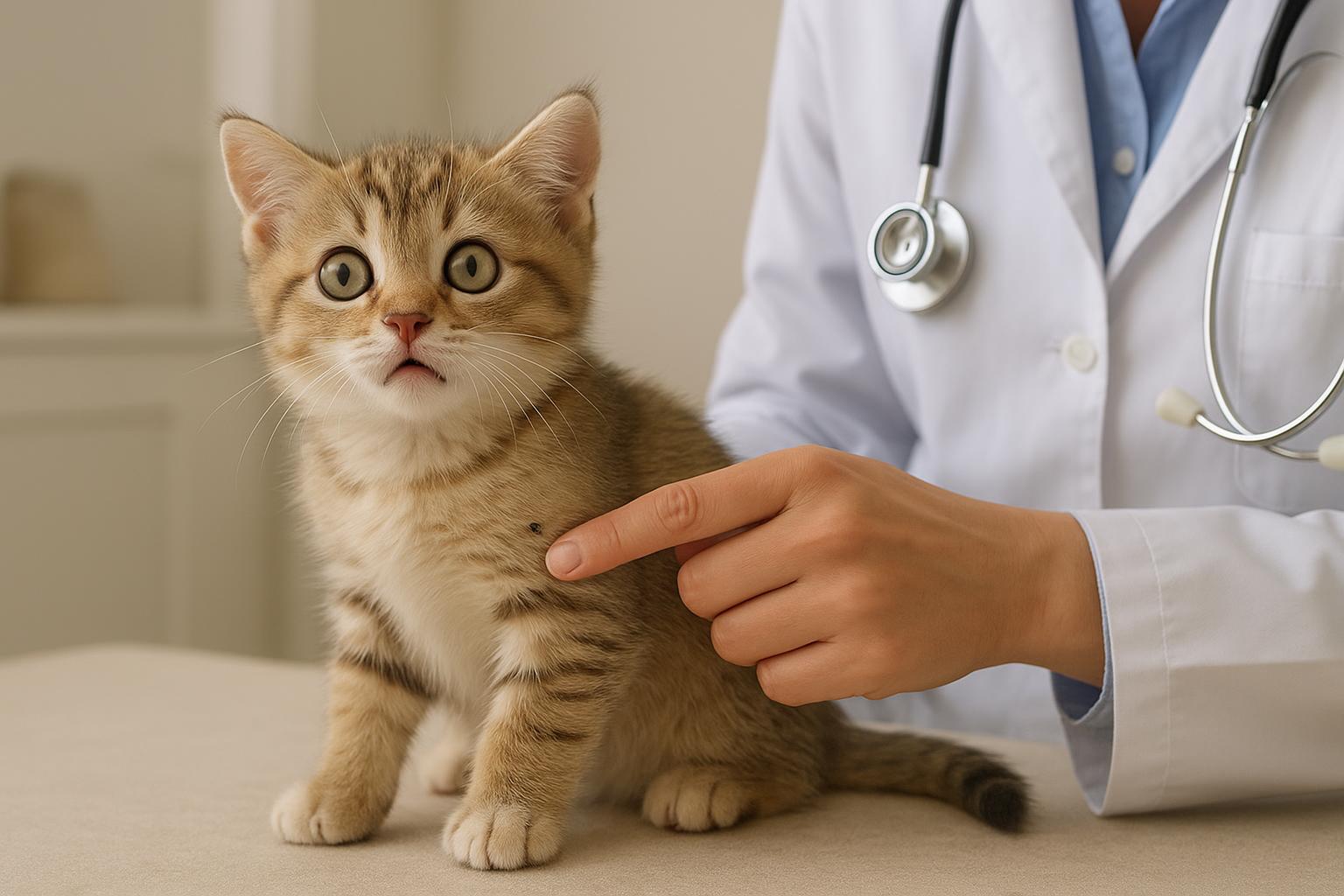
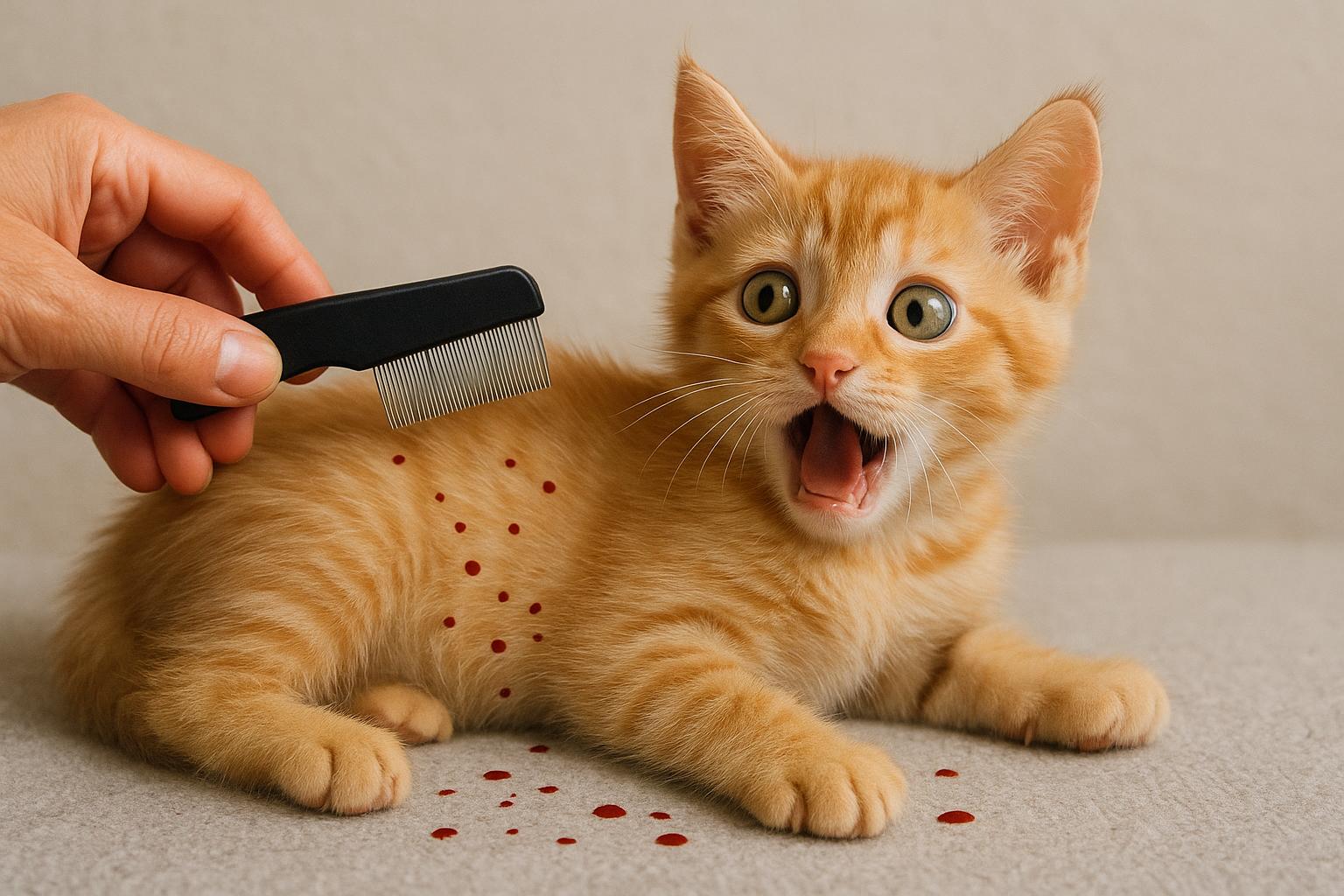
If your cat is showing signs of a flea infestation (constant scratching, visible fleas or flea dirt, hair loss, red bumps), consult your vet. Also seek advice if your cat has neurologic signs, vomiting, diarrhea, or unusual lethargy after a product is applied. Your vet can advise on safe choices, alternative treatments, and whether a broader household treatment is necessary.
## Remedies: Two Safe Approaches For Home Use
Below are two remedies that fit the “flea collars safe” mindset: one is the correct, formal use of a vet-approved collar; the other is a non-toxic home tool to reduce adult flea numbers in your living space. The tone here will be more formal to ensure clear, step-by-step instruction.
### 1. Vet-Approved Flea Collar: Materials And Application
Materials Required:
– Veterinary-recommended flea collar labeled for cats
– Scissors (if collar needs trimming)
– Clean towel
– Gloves (optional, for handlers with sensitive skin)
– Treat or favorite toy to reward calm behavior
Step-By-Step Application:
1. Read the Product Insert: Carefully read the manufacturer’s instructions and veterinarian guidance. Confirm the collar is specifically labeled for cats and appropriate for your cat’s age and health.
2. Prepare Your Cat: Place the cat on a stable surface. Use a towel to gently wrap the cat if they’re nervous; this protects both of you.
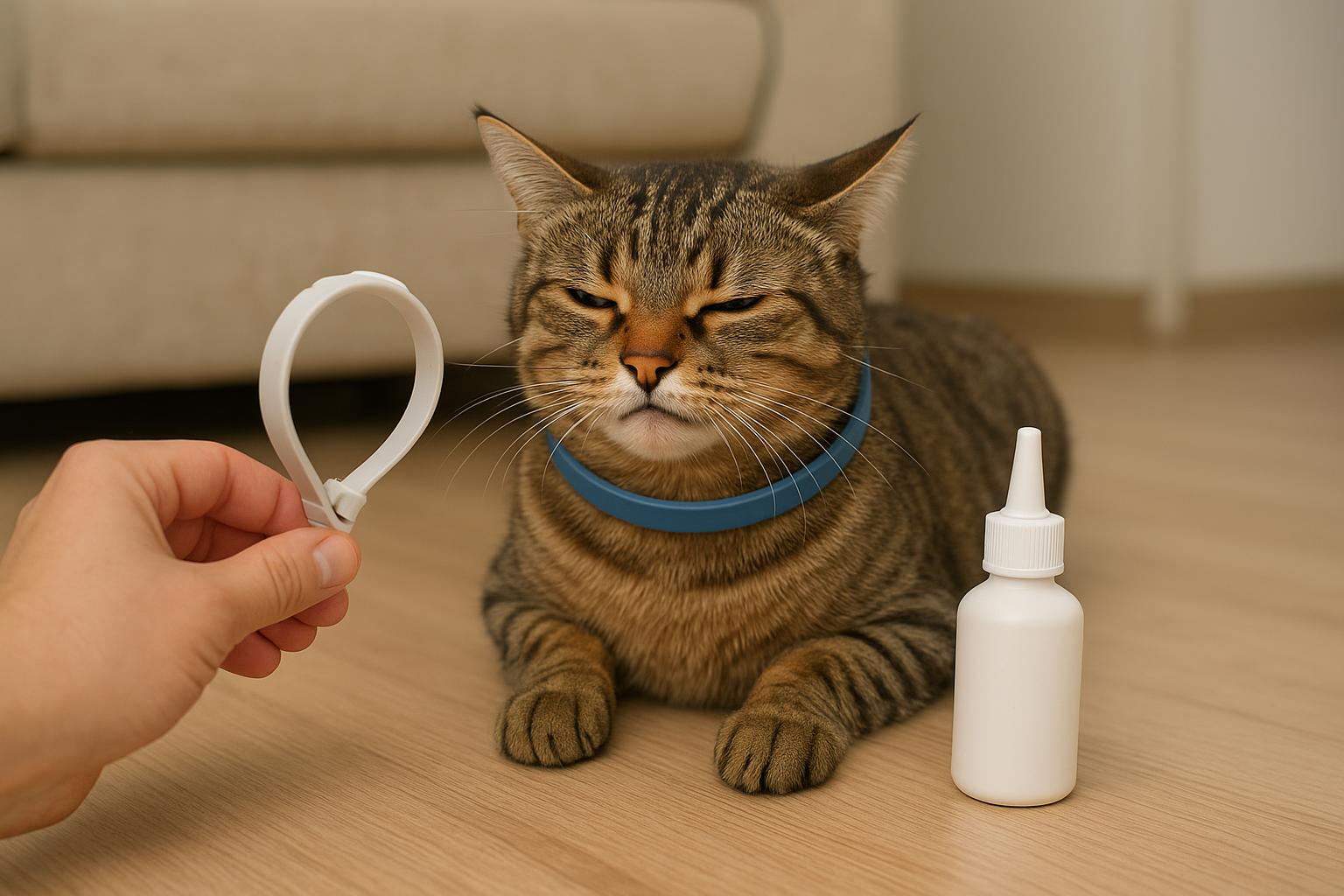
3. Size And Fit: Unroll the collar. Slide it through your cat’s fur, positioning it around the base of the neck, not too close to the throat. Use the “two-finger rule”: you should be able to fit two adult fingers between the collar and the cat’s neck. If the collar has a breakaway safety clasp, ensure it’s functioning.
4. Trim Excess: If the collar has excess length after fastening, trim to leave about 1–2 inches beyond the buckle, so it doesn’t get hung up on things. Smooth any cut edges to avoid irritation.
5. Monitor For Reaction: Over the next 24–72 hours, observe for excessive drooling, panting, tremors, vomiting, or skin irritation. If any of these occur, remove the collar and contact your veterinarian immediately.
6. Replace As Directed: Adhere to the replacement interval recommended by the manufacturer or your vet. Do not layer multiple collars or combine with other products unless advised by a vet.
Important Notes:
– Do not use dog-formulated collars on cats.
– If you have multiple pets, check if the product is safe for the others; some dog cats-safe collars still pose risks if animals groom one another.
### 2. DIY Non-Toxic Nighttime Flea Trap: Materials And Steps
Materials Required:
– Wide, shallow bowl or pie dish
– Warm water
– A few drops of unscented liquid dish soap
– Night light or small LED lamp
– Sticky tape (optional) or non-skid mat to stabilize the bowl
Step-By-Step Creation And Application:
1. Prepare The Trap: Fill the shallow bowl with warm water and add 2–3 drops of unscented dish soap. The soap reduces surface tension so fleas sink.
2. Positioning: Place the bowl on the floor near a likely flea hotspot—usually along baseboards, near pet bedding, or close to where your cat sleeps. Keep the bowl away from direct access by pets and children.
3. Add Light: Place a night light or small LED lamp so it shines on the water. Fleas are attracted to warmth and light, especially overnight.
4. Run Overnight: Turn on the lamp and leave the trap overnight. Check and empty the trap each morning. Replace water and soap as needed.
5. Repeat For Several Nights: Use the trap for at least 3–5 nights to reduce adult flea population. This is not a standalone solution but helps reduce the immediate biting adult fleas while you treat the pet and environment.
Safety And Efficacy Notes:
– Avoid using open flames or candles near pets or bedding.
– This trap captures adult fleas; it will not eliminate eggs or larvae, so pair it with other measures such as vacuuming and washing bedding.
#### Follow-Up Home Care And Environmental Steps
Materials And Tools:
– Vacuum with attachments
– Laundry supplies (hot water, pet-safe detergent)
– Flea comb
– Food-grade diatomaceous earth (optional, used with caution)
– Sealable trash bag
Steps For Household Management:
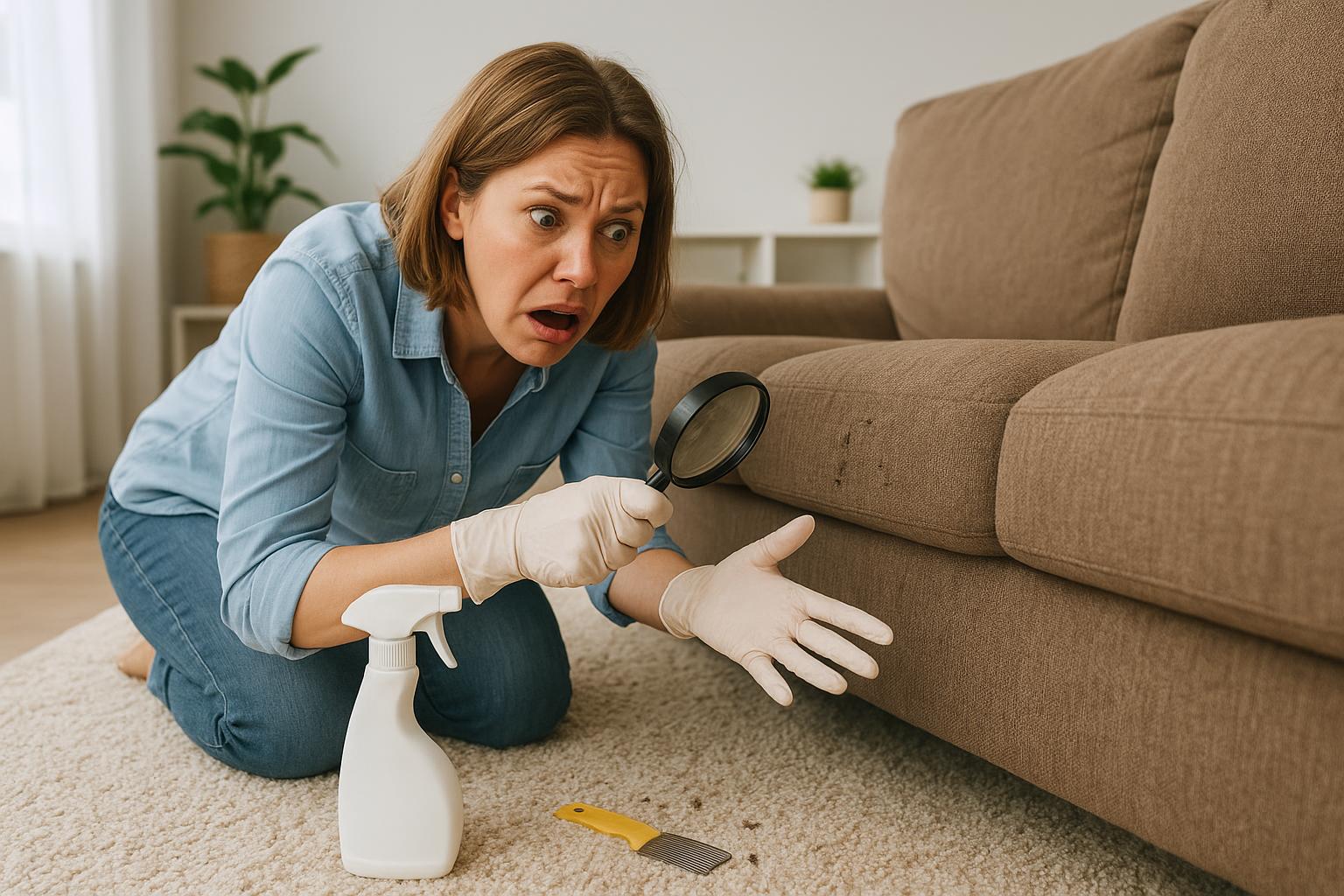
1. Vacuum Thoroughly: Vacuum floors, rugs, furniture crevices, and under cushions daily during an infestation. Empty the vacuum contents into a sealed bag and discard outdoors to interrupt the flea life cycle.
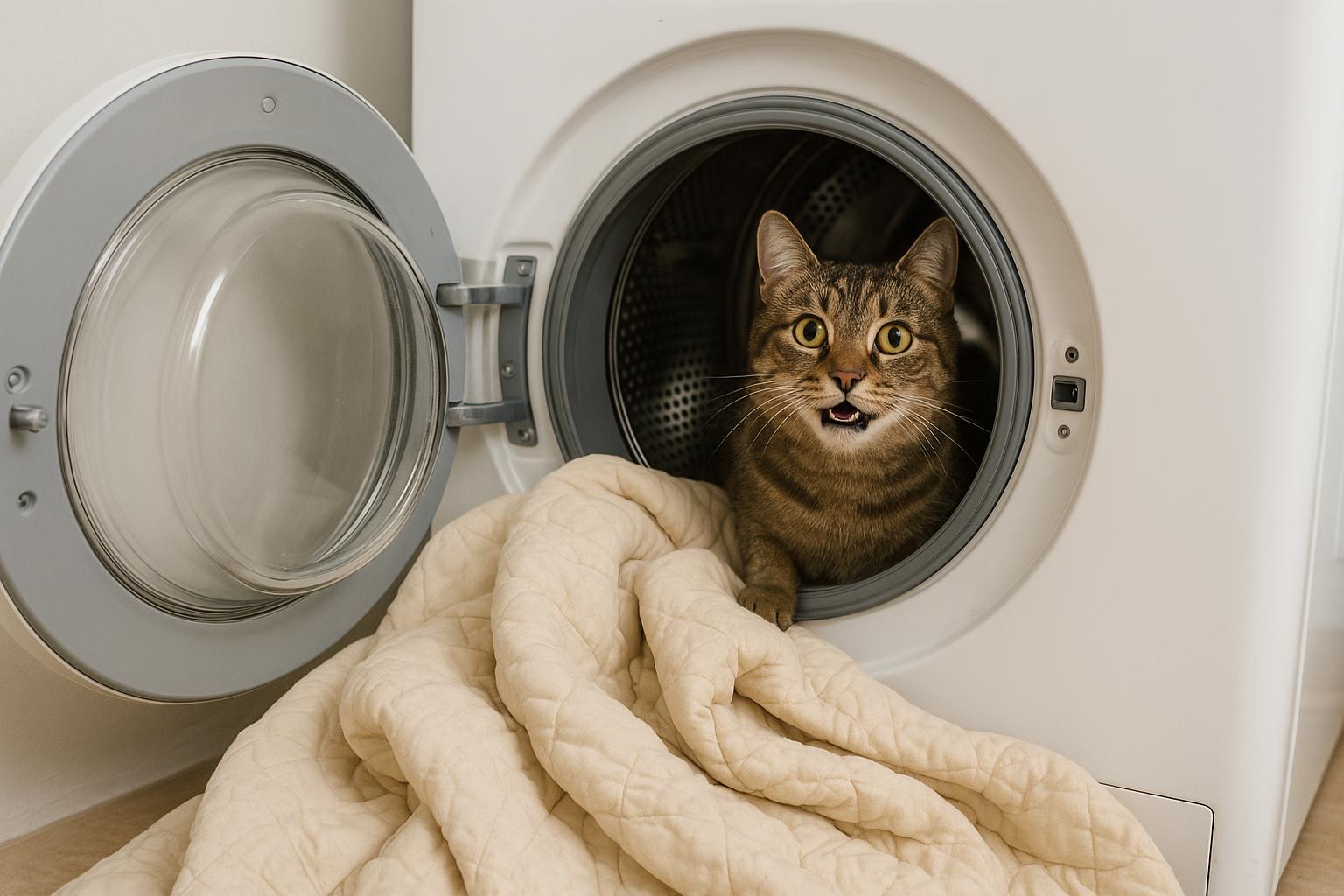
2. Wash Bedding: Wash pet bedding, cushion covers, and any washable rugs in hot water (at least 130°F/54°C) and dry on high heat. Repeat weekly until the infestation abates.
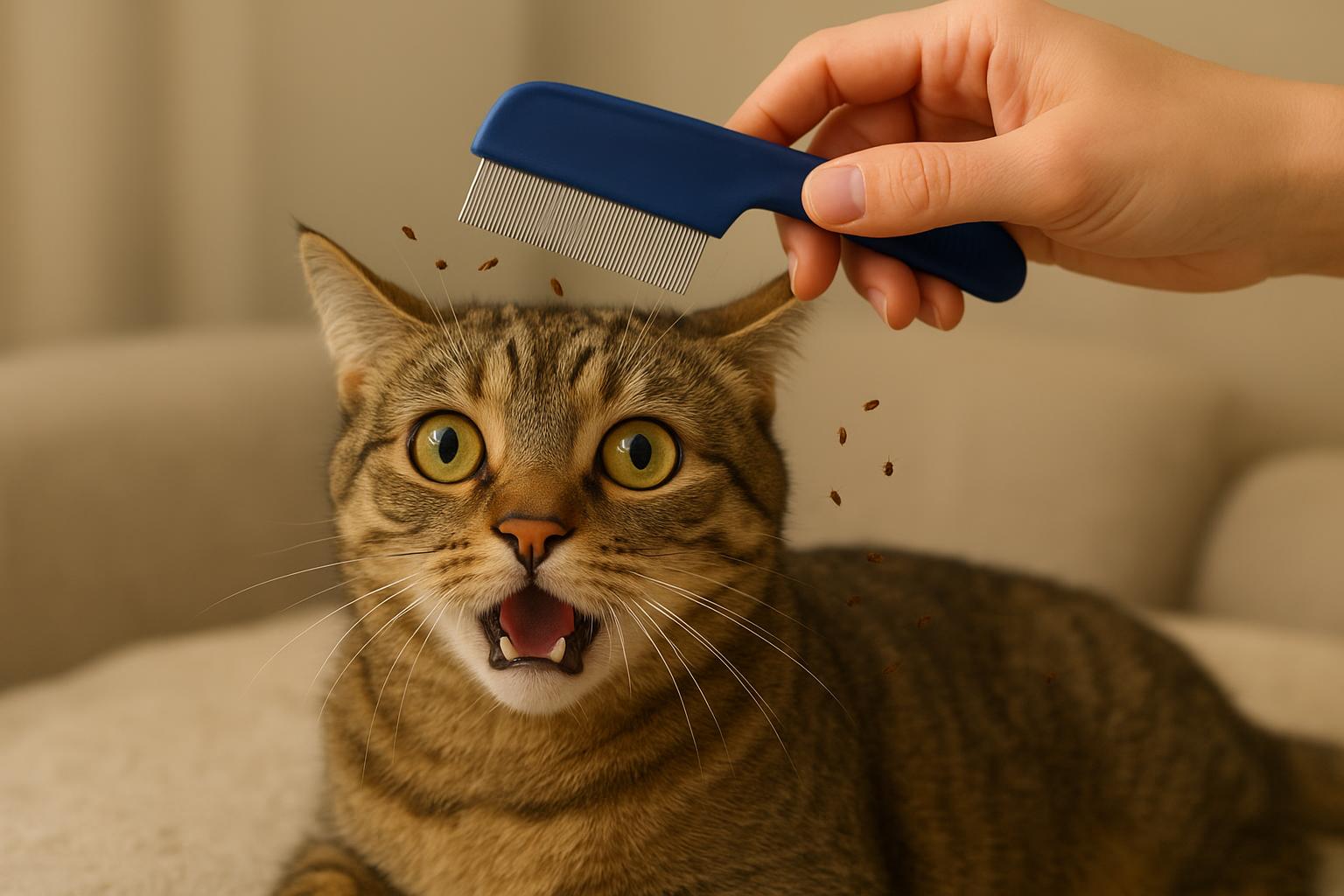
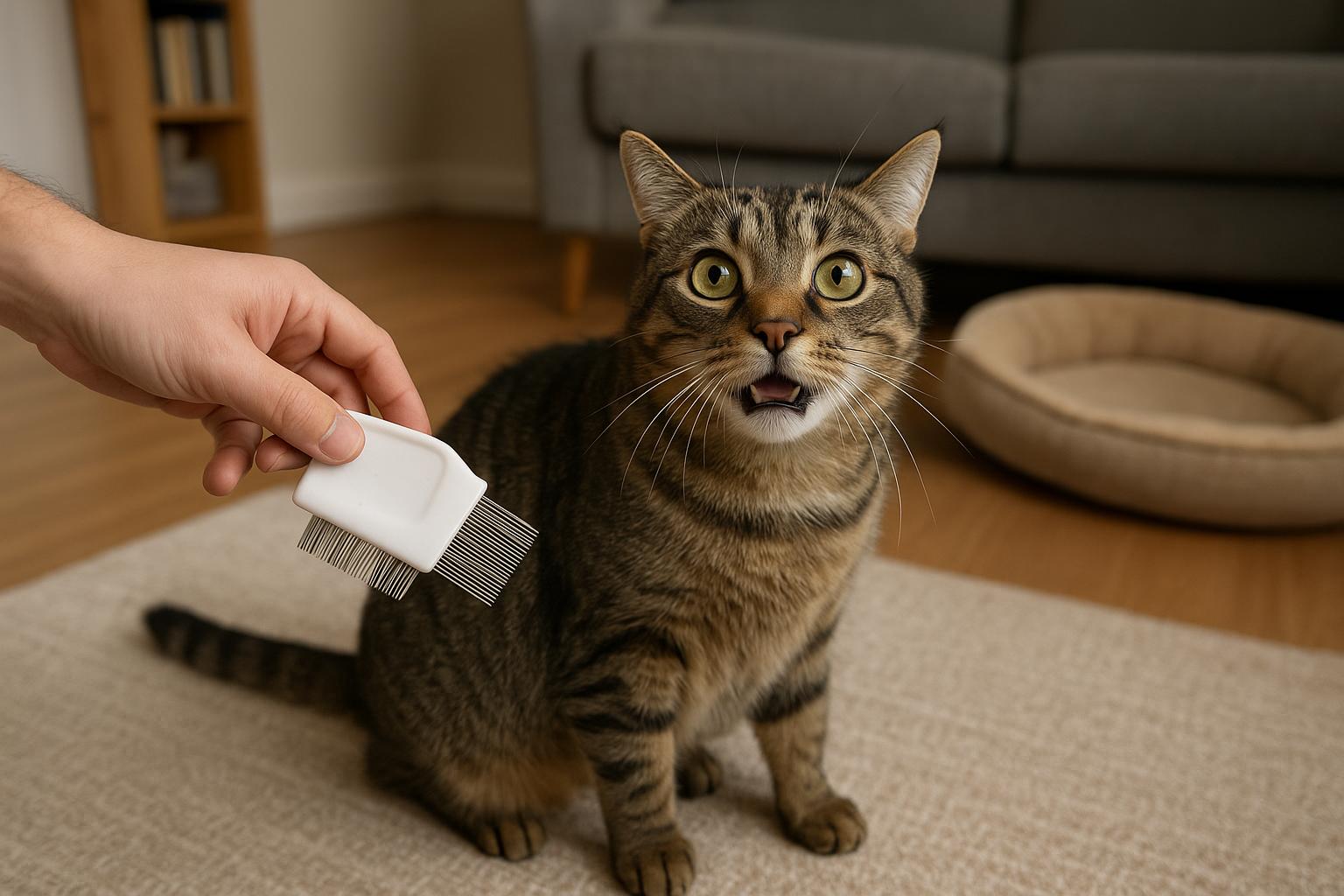
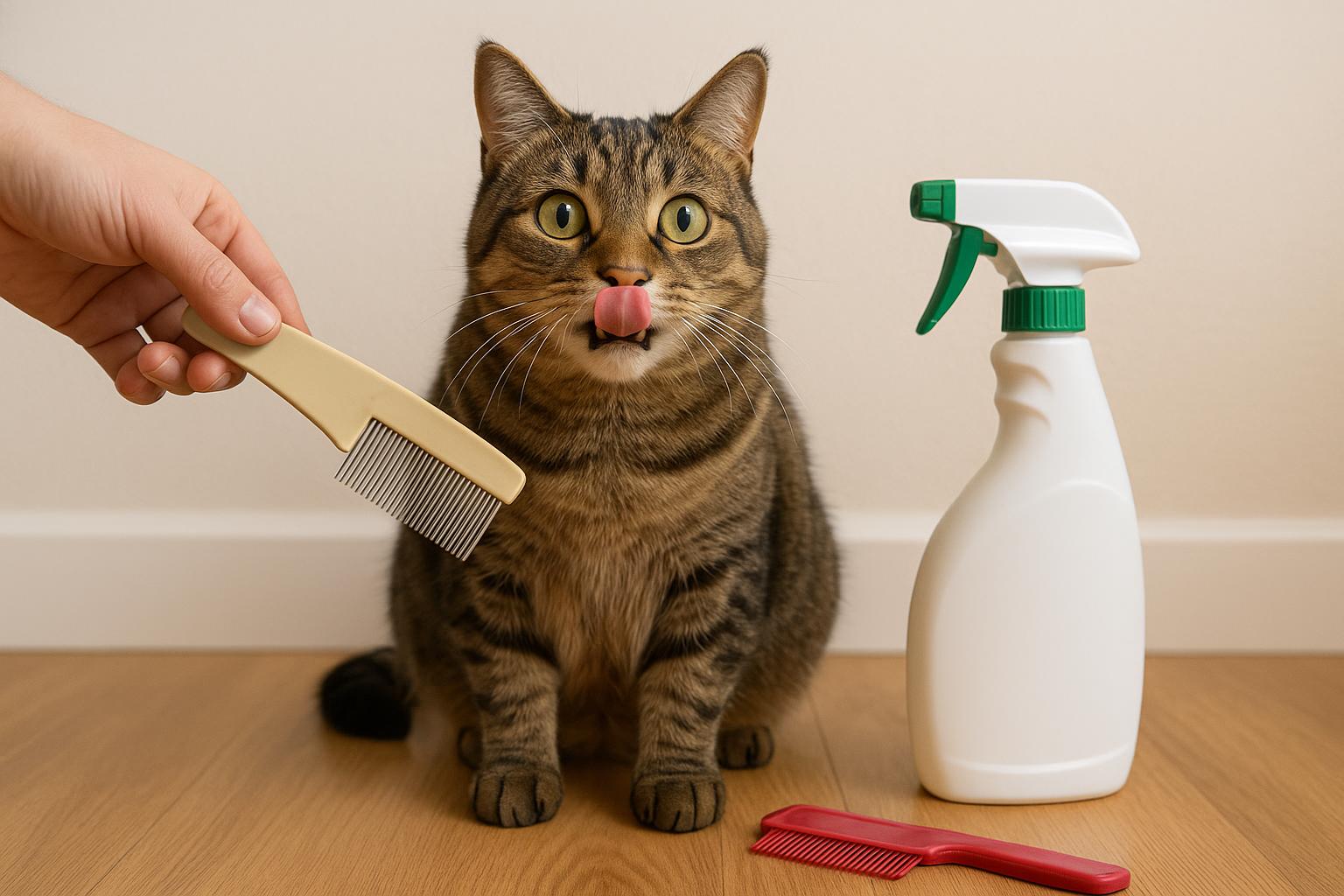
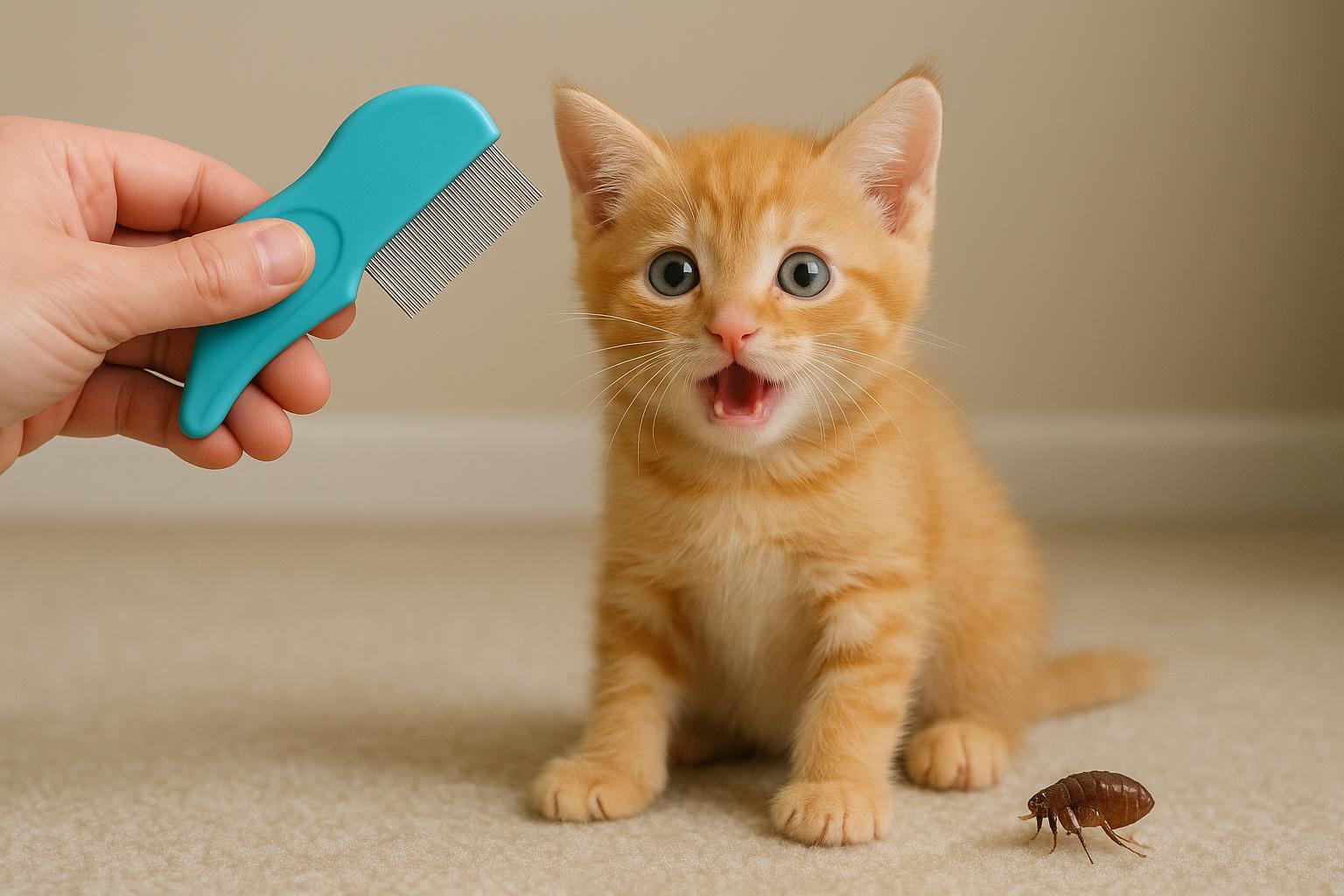
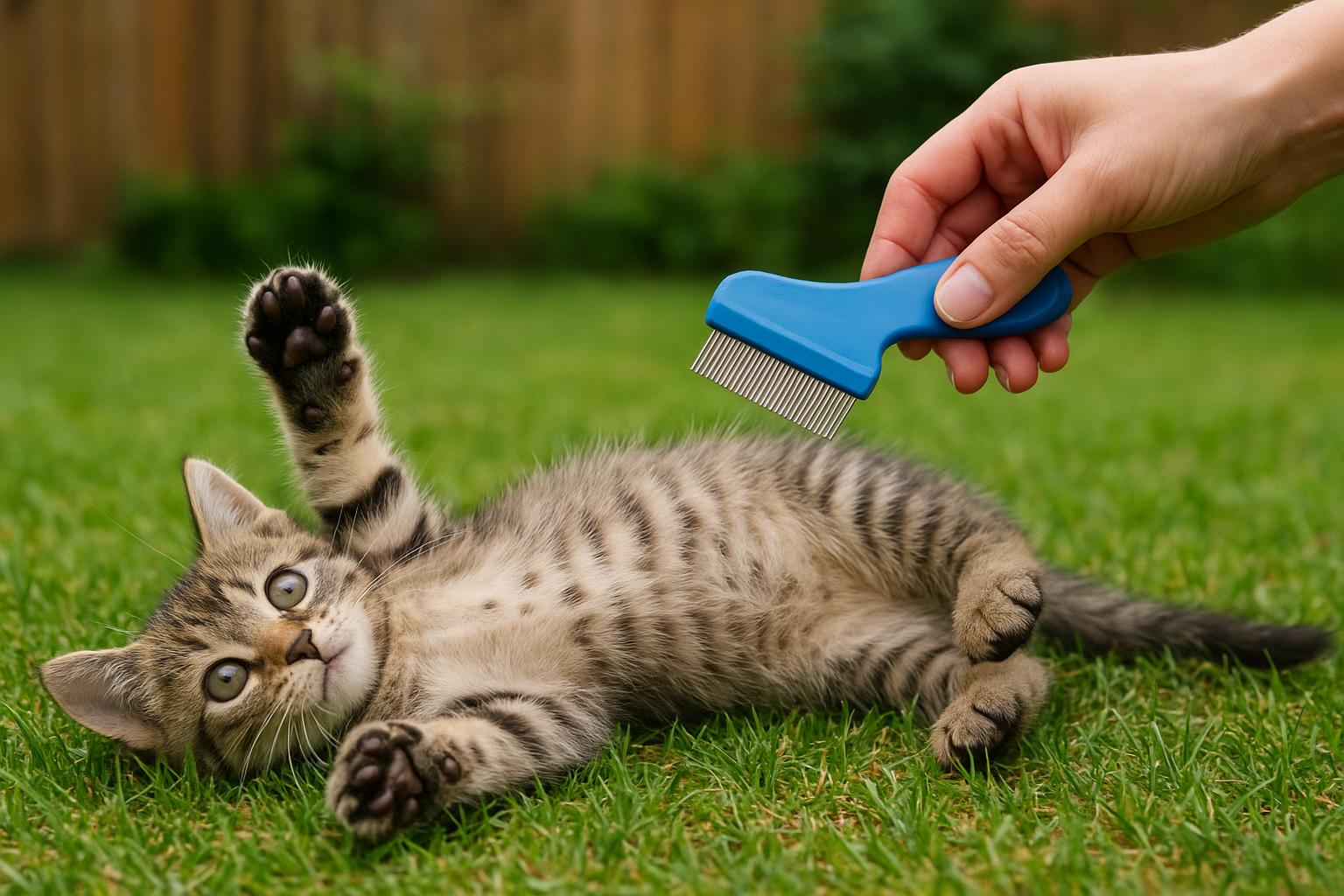
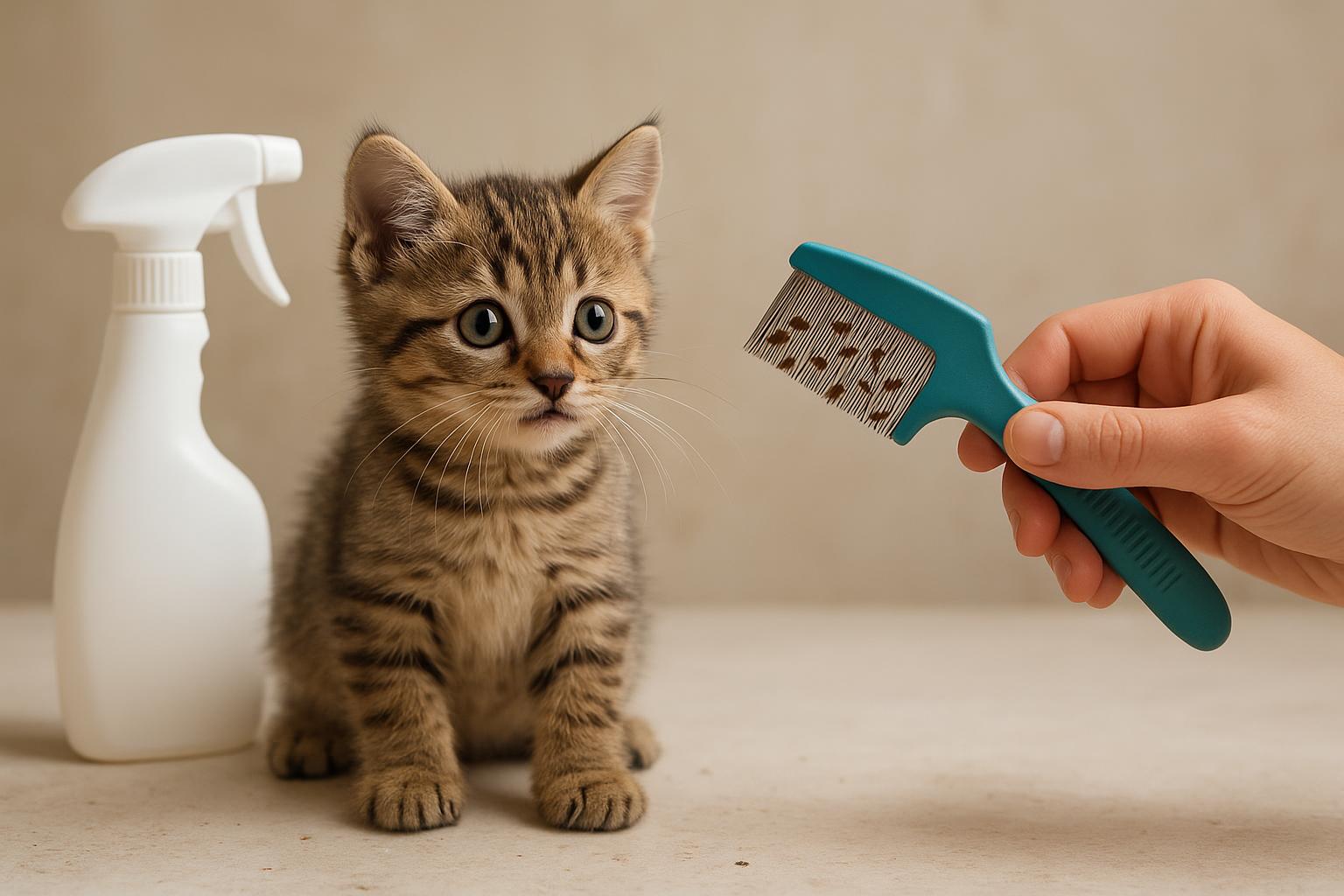
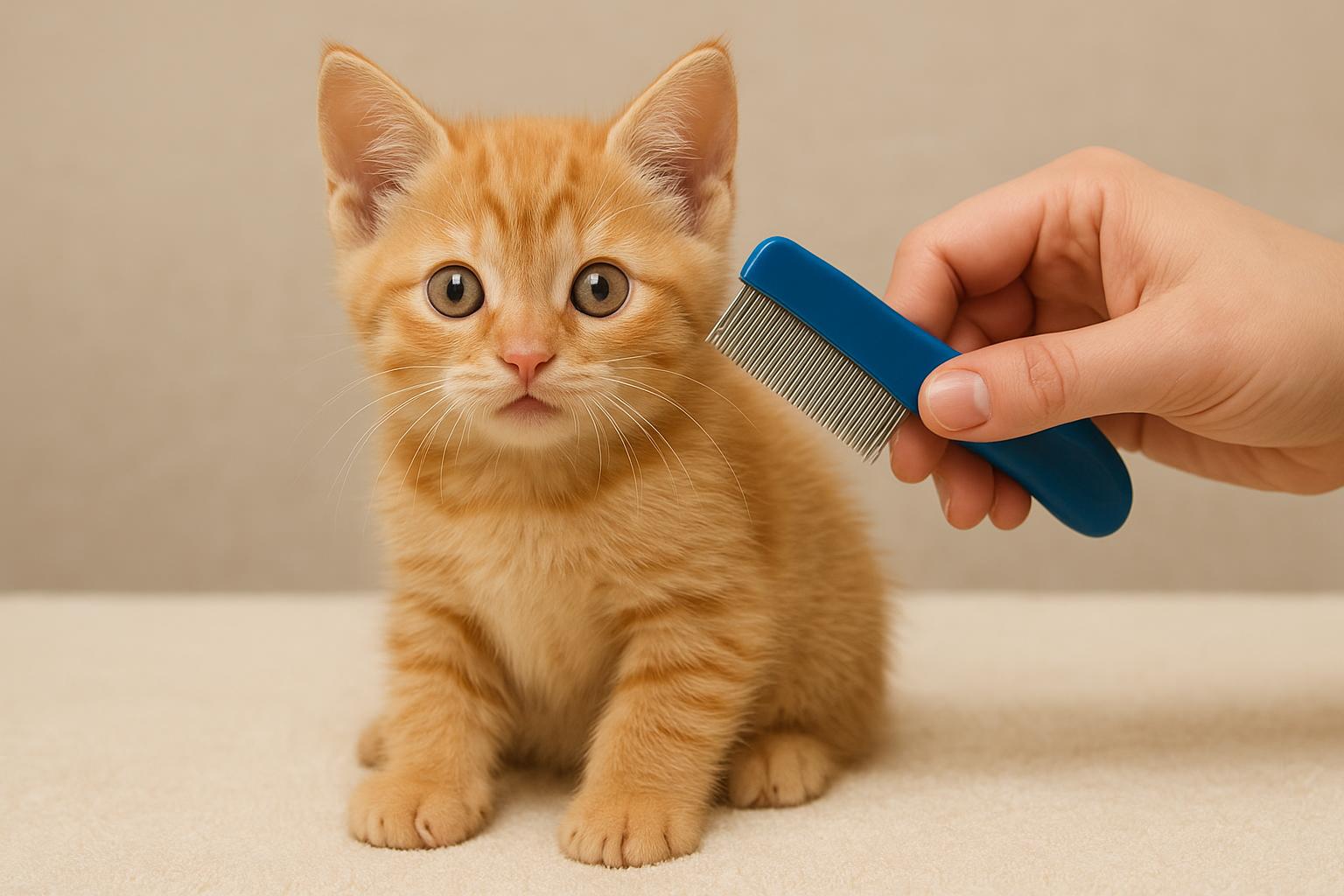
3. Comb Your Cat: Use a fine-tooth flea comb on your cat, especially around the neck and tail base. Dip combed fleas into soapy water to kill them.
4. Consider Environmental Treatments Carefully: If necessary, use household flea treatments recommended by your vet or a licensed pest professional. If you choose to use food-grade diatomaceous earth, apply it as directed, keep pets and people away during application, and vacuum after an appropriate dwell time. Avoid garden-grade or chemically treated varieties.
5. Recheck And Treat Repeat Exposures: Flea life cycles can make infestations rebound. Stay vigilant for a few months and re-treat according to veterinary recommendations.
### Monitoring And When To Escalate
If infestations persist despite correct use of a vet-approved flea collar and diligent environmental control, escalate the approach. Persistent infestations often require integrated pest management: veterinary-prescribed medications (oral or topical), professional home treatments, or coordinated treatment of all pets in the household. Contact your veterinarian for a tailored plan.
### Practical Safety Tips For Chill Cat Care
– Keep collars away from curious kittens until they’re old enough per label instructions.
– Store all flea products out of reach of children and pets.
– Introduce any new product slowly, and don’t combine treatments without veterinary approval.
– Document reactions or improvements to share with your vet — it helps pinpoint what’s working.
If you need, I can list brands and active ingredients used in commercially available collars (with vet-recommended options highlighted), or help you prepare a question list to bring to your vet so you can be confident that the flea collars safe choice you make fits your cat’s specific needs.






Leave a Reply