
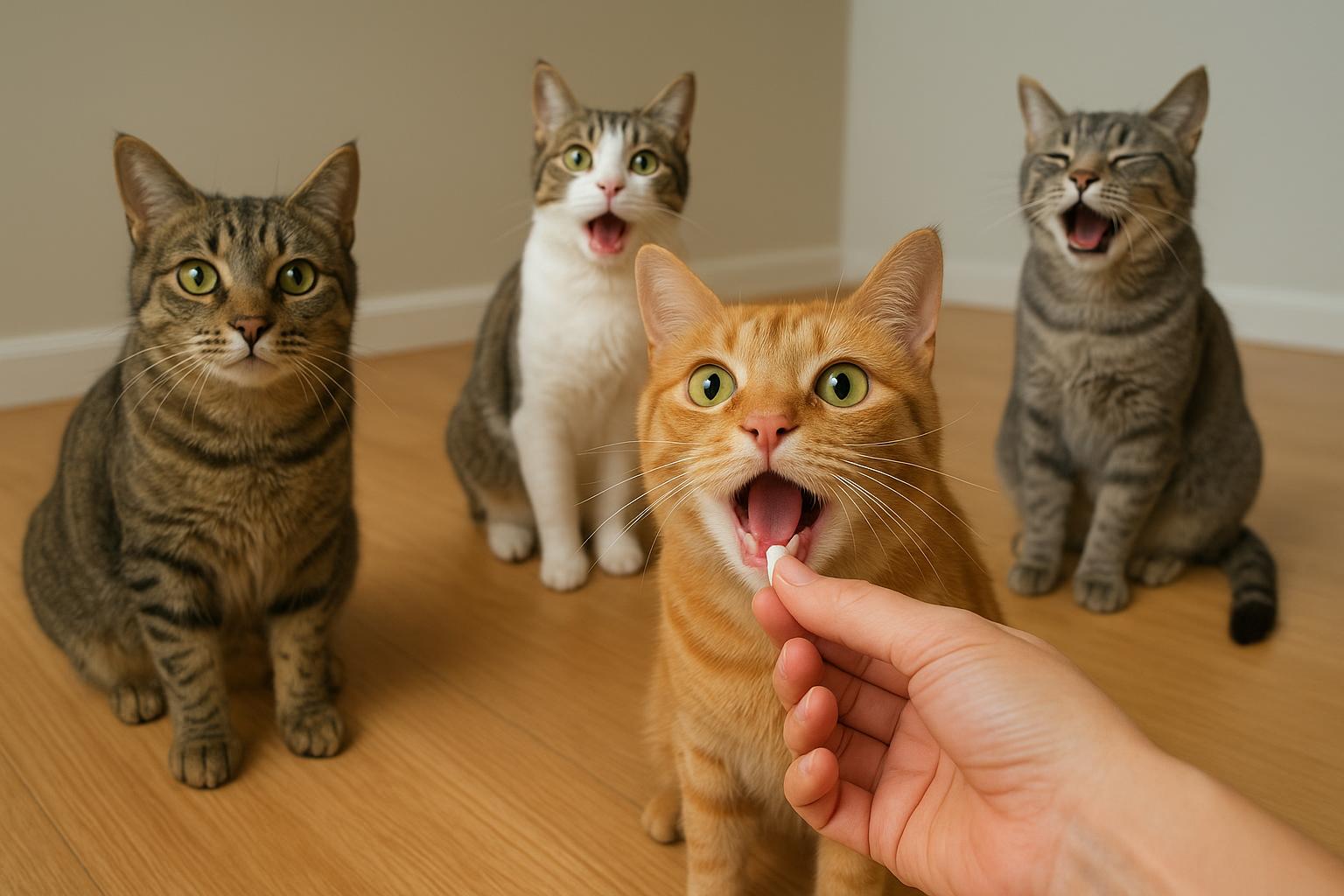
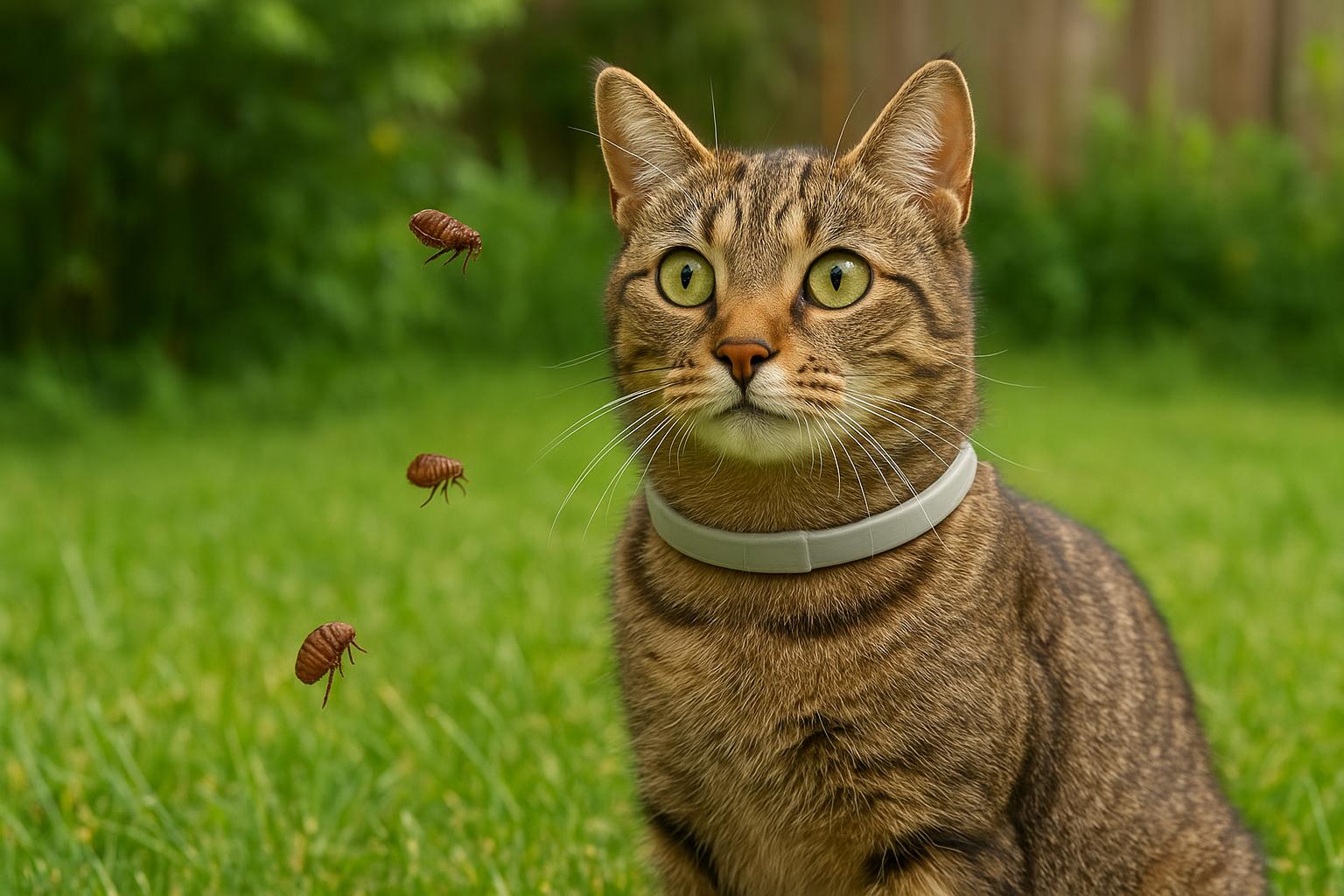
If you’re the kind of person who loves a purring cat and loathes the idea of tiny vampires hopping on them, welcome — pull up a chair and a cat (if they’ll tolerate it). Fleas are one of those household battles that feel personal: itchy pets, stressed humans, and a carpet that resents you. This article is relaxed but practical, and it focuses on the best flea medicine for cats with an emphasis on an easy oral medicine approach that works quickly and safely when used correctly.
## Best Flea Medicine For Quick Relief
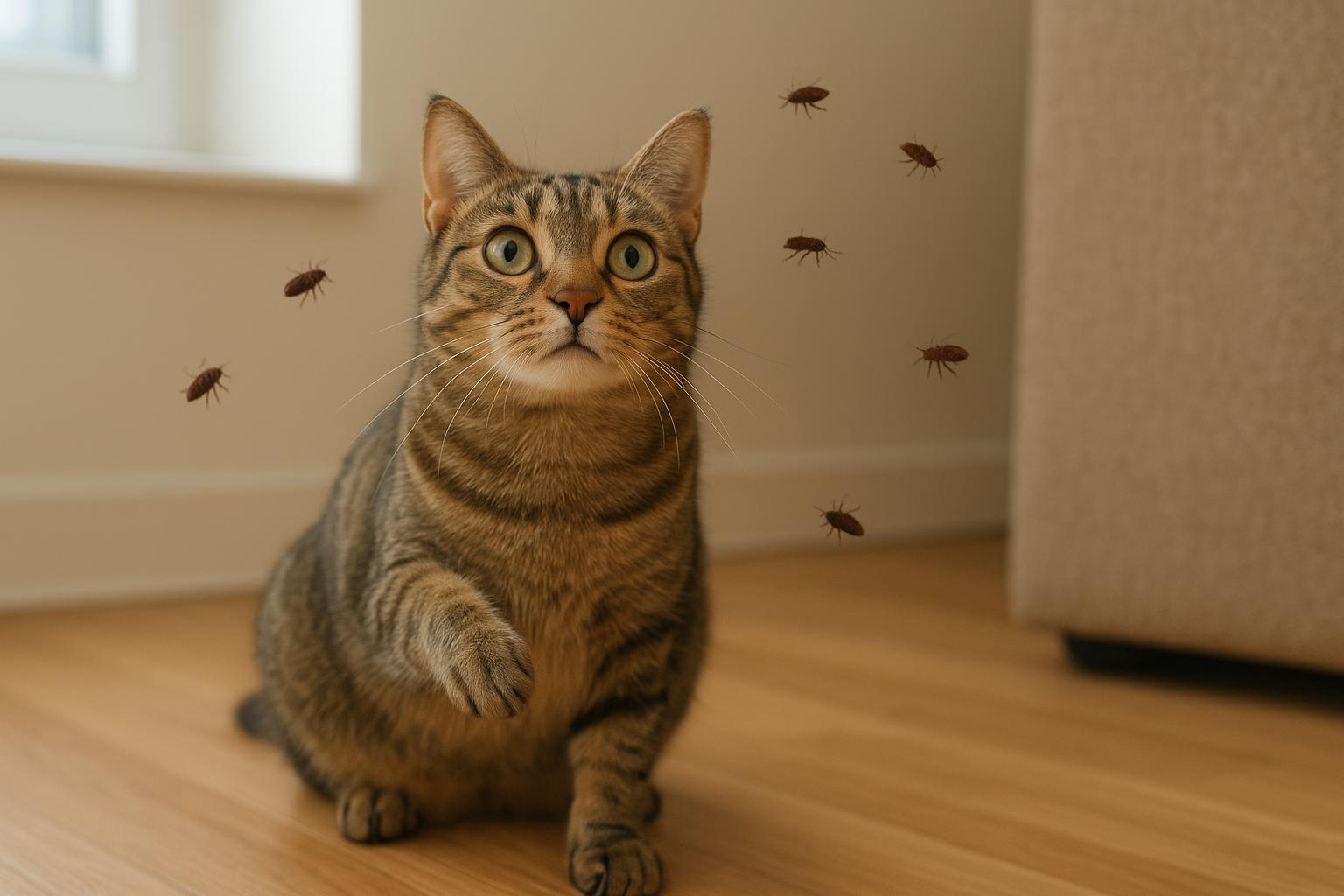
Fleas reproduce fast. An adult flea infestation can explode in a matter of weeks, so choosing the best flea medicine early saves time, discomfort, and multiple laundry cycles. For immediate, reliable knockdown of adult fleas on cats, oral nitenpyram (brand name Capstar in many countries) is often the go-to. It begins killing adult fleas in as little as 30 minutes and is a useful first step while you start longer-term control measures.
### Why An Oral Medicine Can Be A Smart Move
Oral options have a few advantages:
– Rapid bloodstream exposure: Thorough contact treatment without worrying about the cat grooming off topical products.
– Good for multi-cat households: Dosing individual cats avoids accidental transfer of topical treatments between animals.
– Minimal residue in the home environment: Topicals can rub off on bedding or furniture; properly dosed oral meds act internally.
That said, oral medicines often target adult fleas and may not affect eggs or larvae. So the best flea medicine strategy usually combines immediate oral therapy with environmental and longer-term preventive measures.
### 1 Nitenpyram (Capstar) — Fast-Acting Oral Remedy
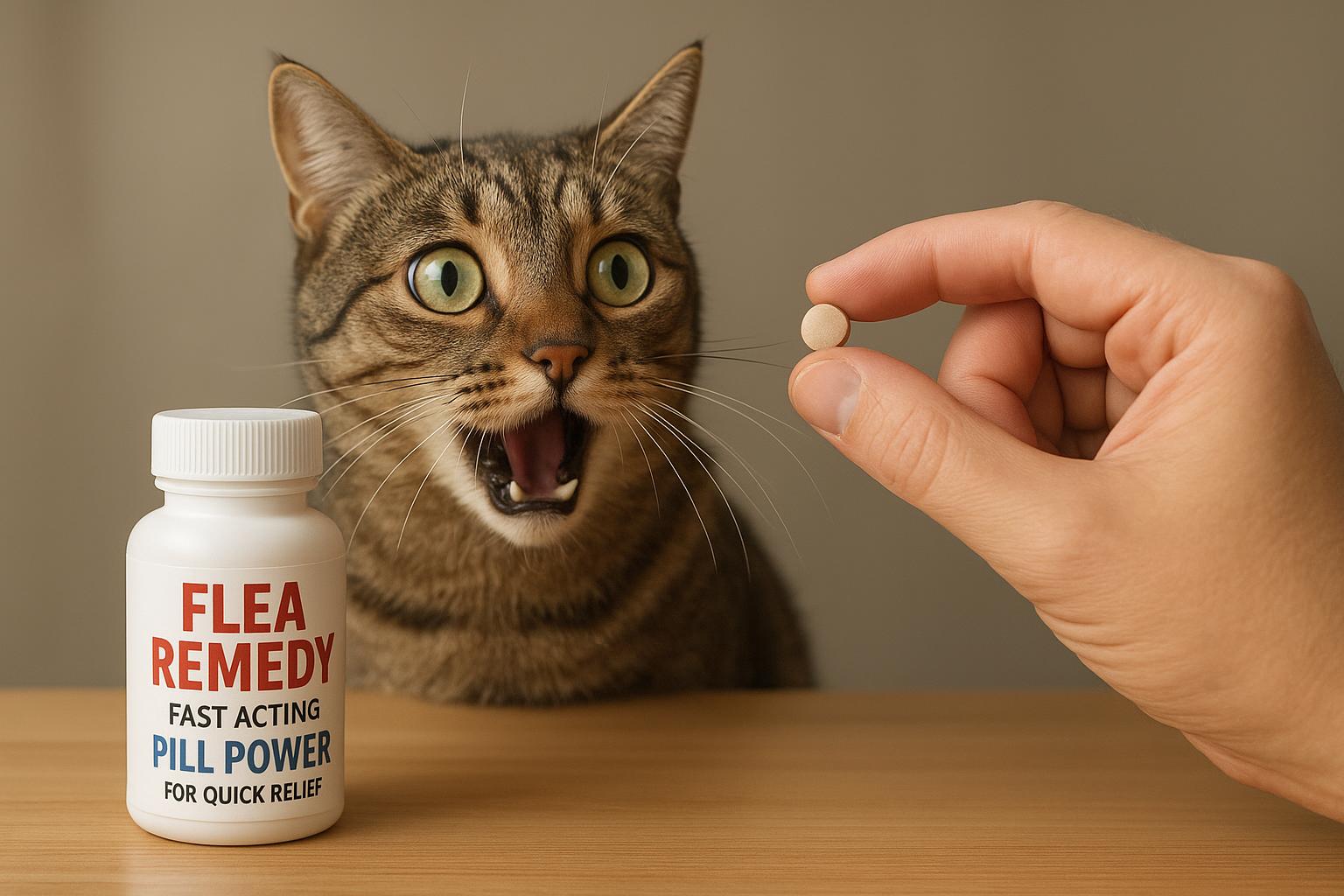
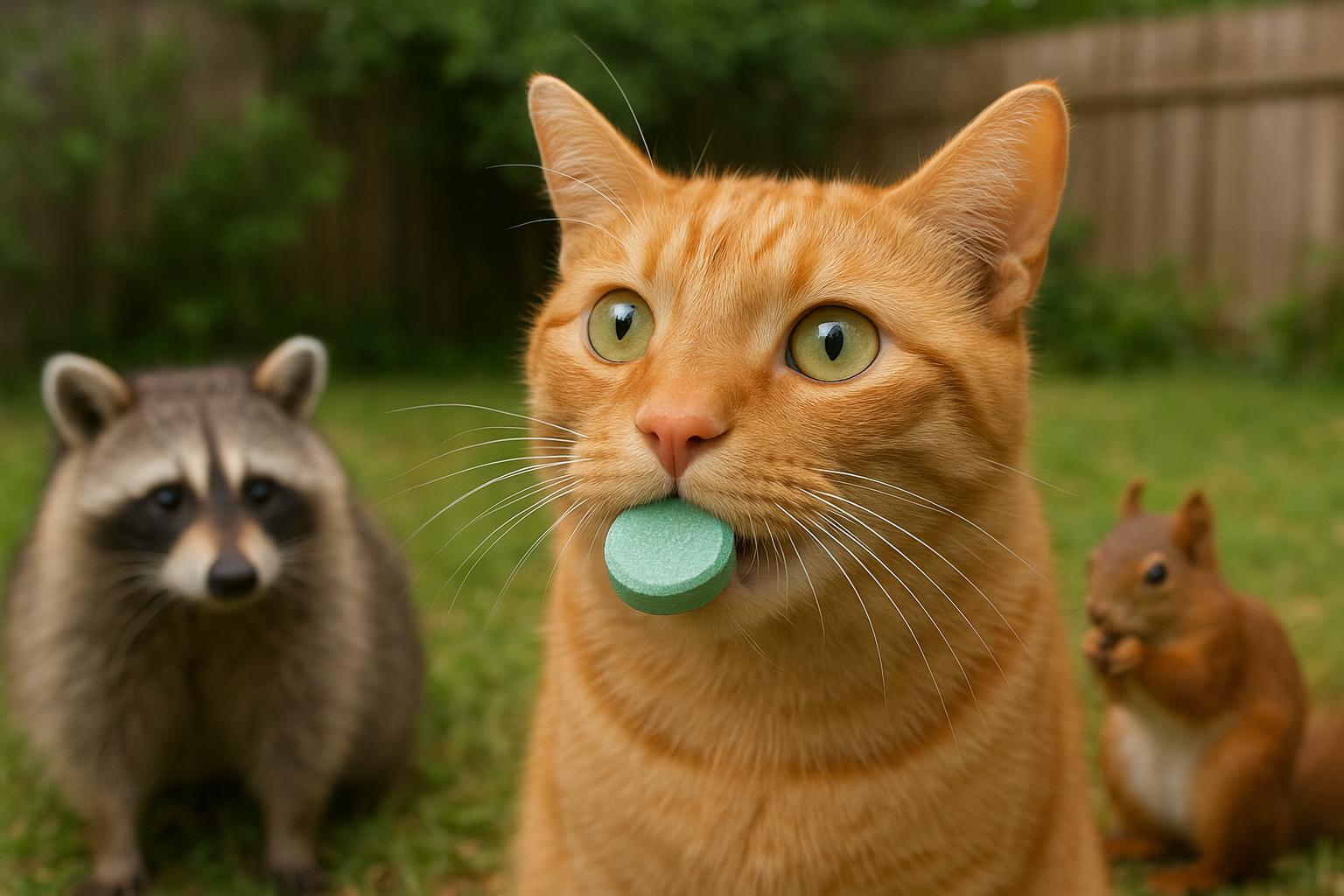
Nitenpyram is an oral tablet that kills adult fleas quickly. It’s not a monthly preventive, but it excels as an emergency or short-term fix when fleas are already present.
Ingredients / Required Materials
– Nitenpyram tablet(s) in the correct dose for your cat (veterinary prescription/OTC depending on region).
– Pill popper or treat suitable for pill hiding (optional).
– Gloves if you prefer handling small pills without direct touch.
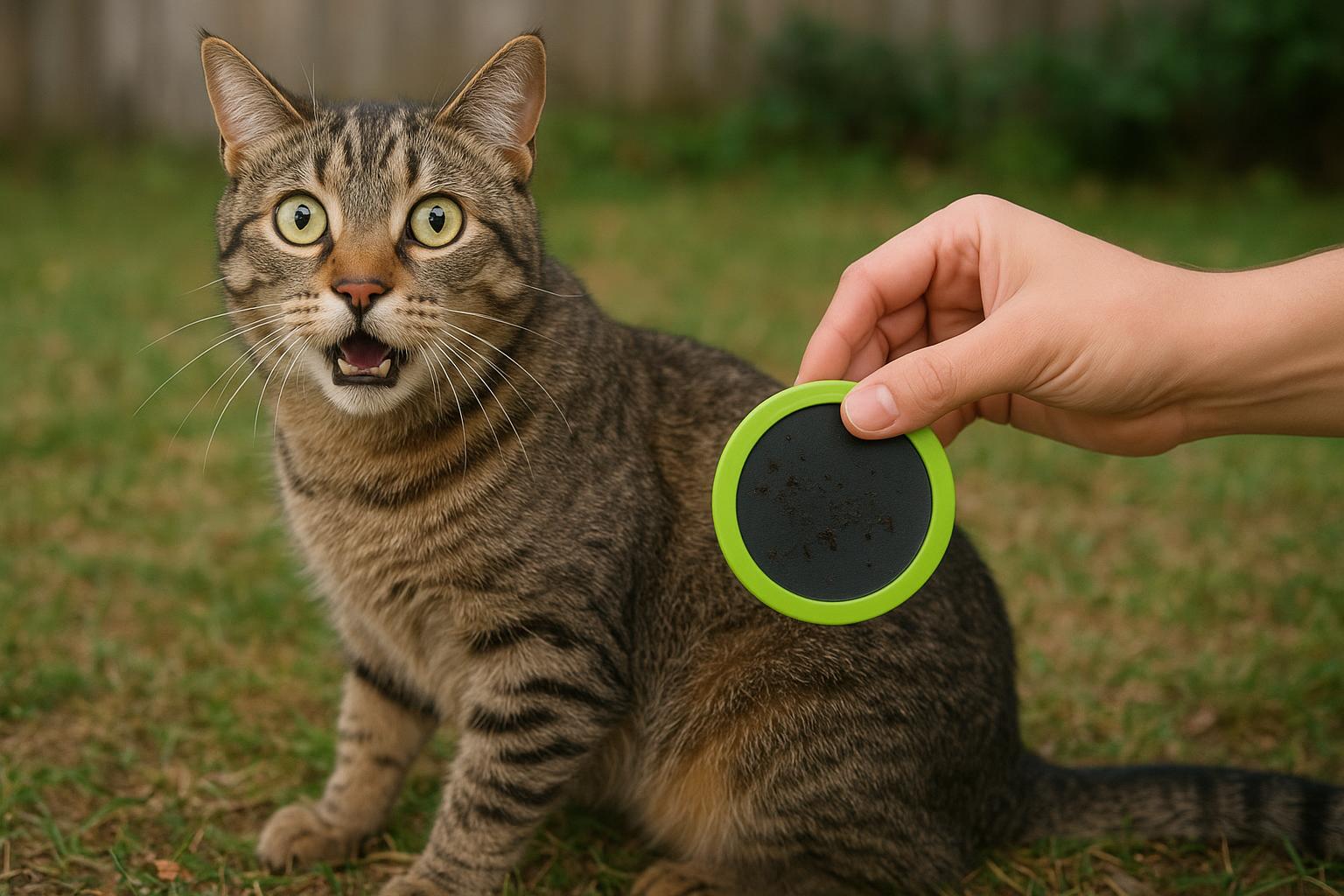
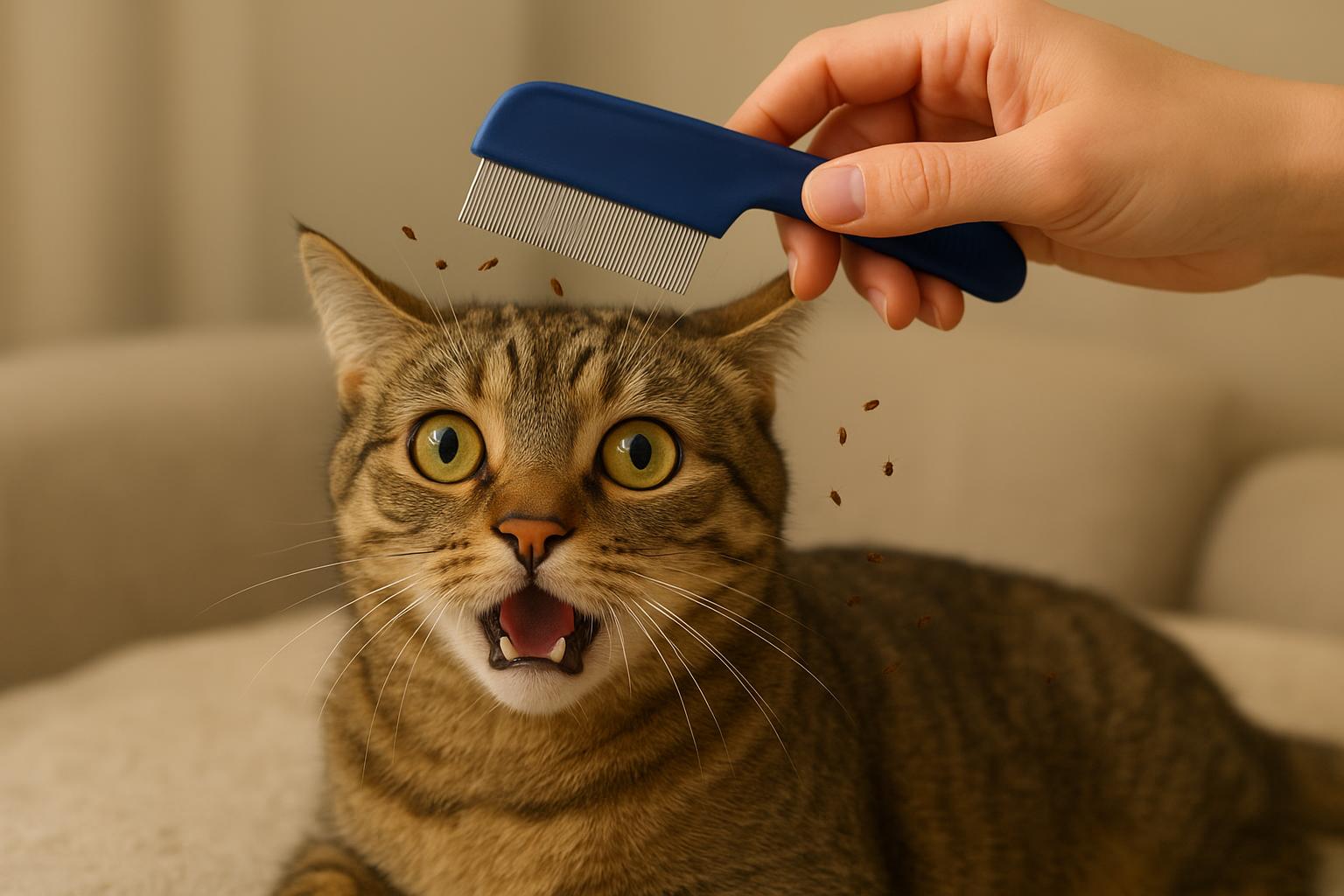
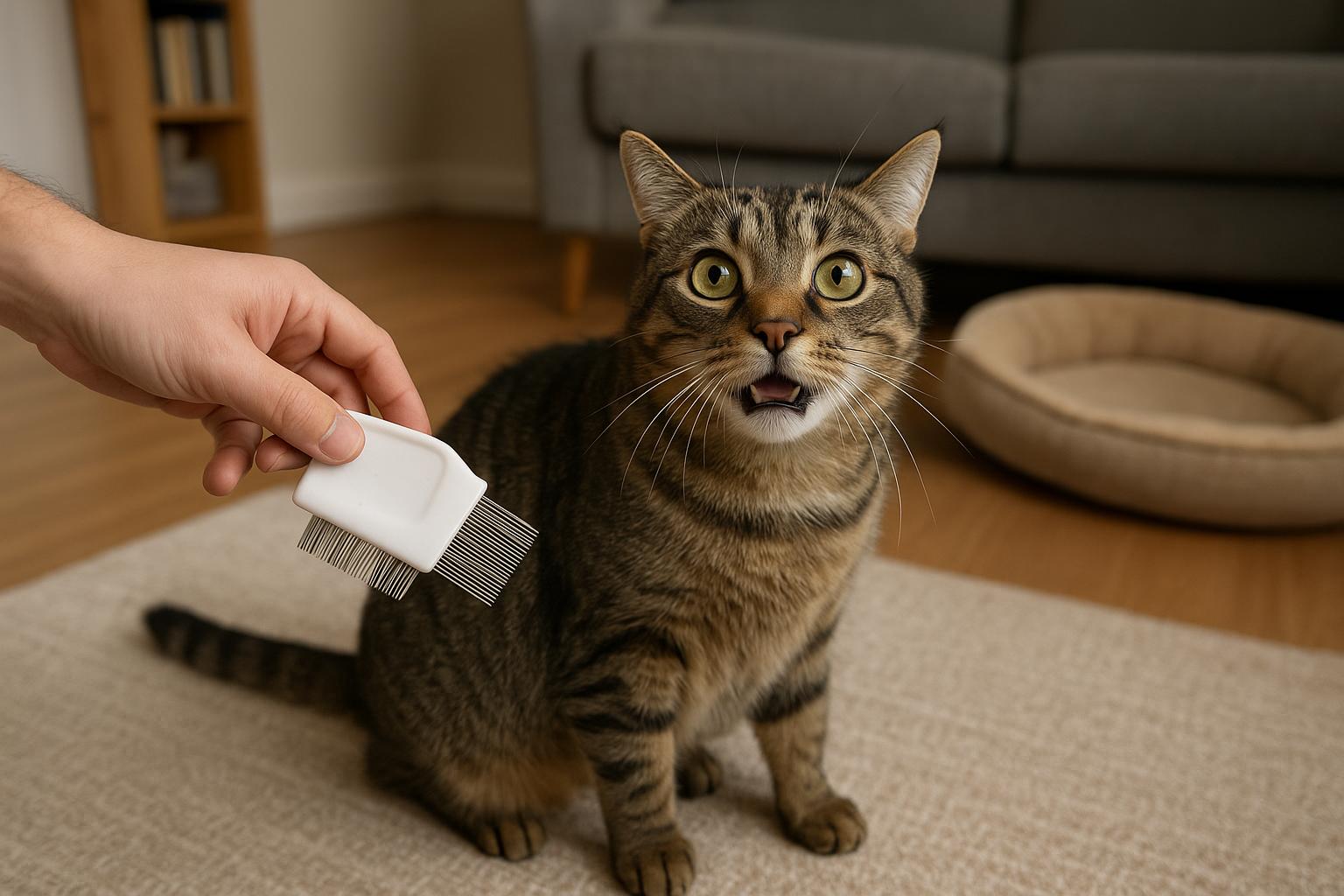
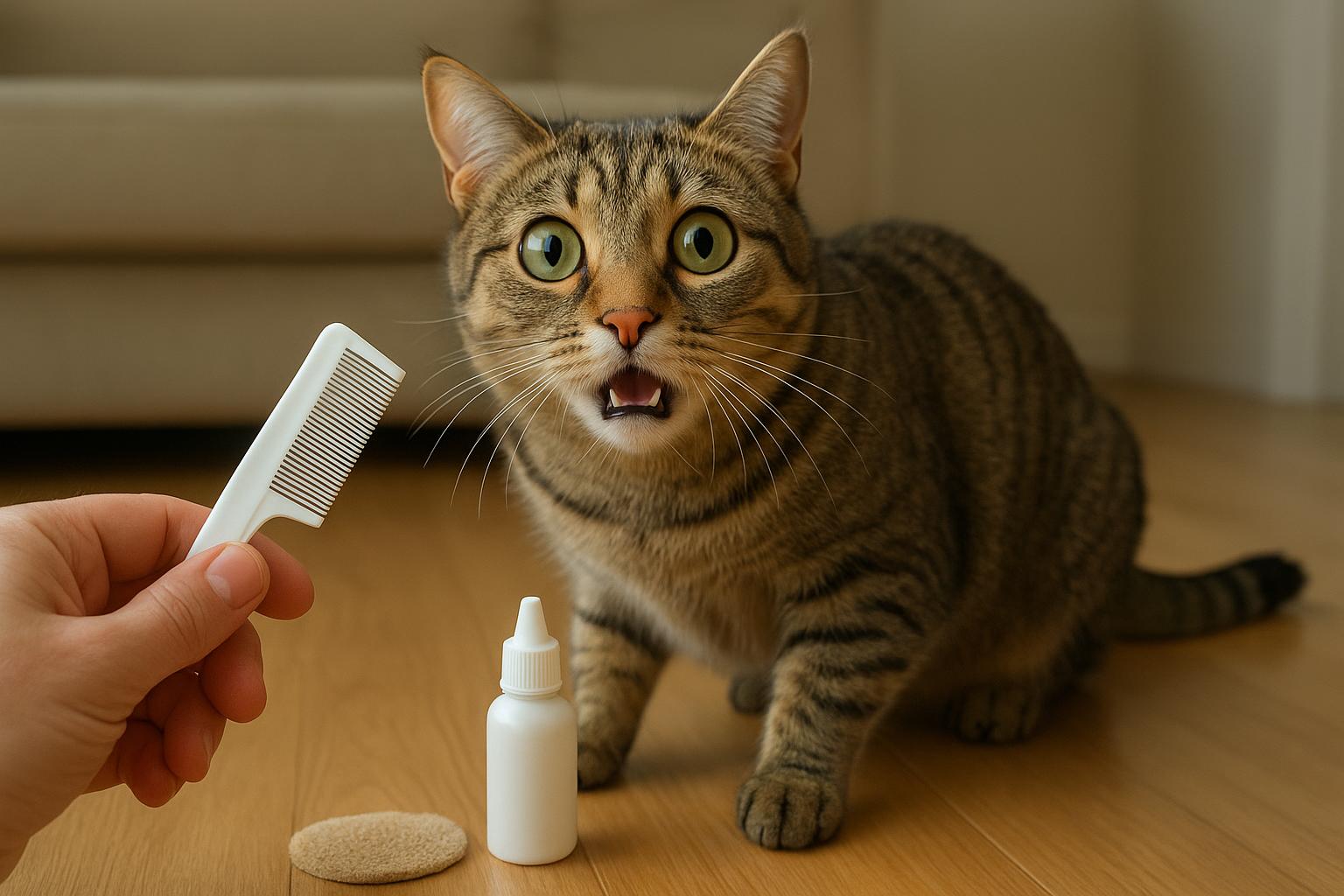
– Towels and a comb for post-treatment flea removal and grooming.
Step-By-Step Creation And Application
1. Confirm Suitability: Before administering, check with your veterinarian. Nitenpyram is generally safe for most cats but dosing for kittens, pregnant/nursing cats, or those with health issues requires veterinary guidance.
2. Read The Label: Verify dose based on your cat’s weight and read any administration notes. Use only products labeled for cats.
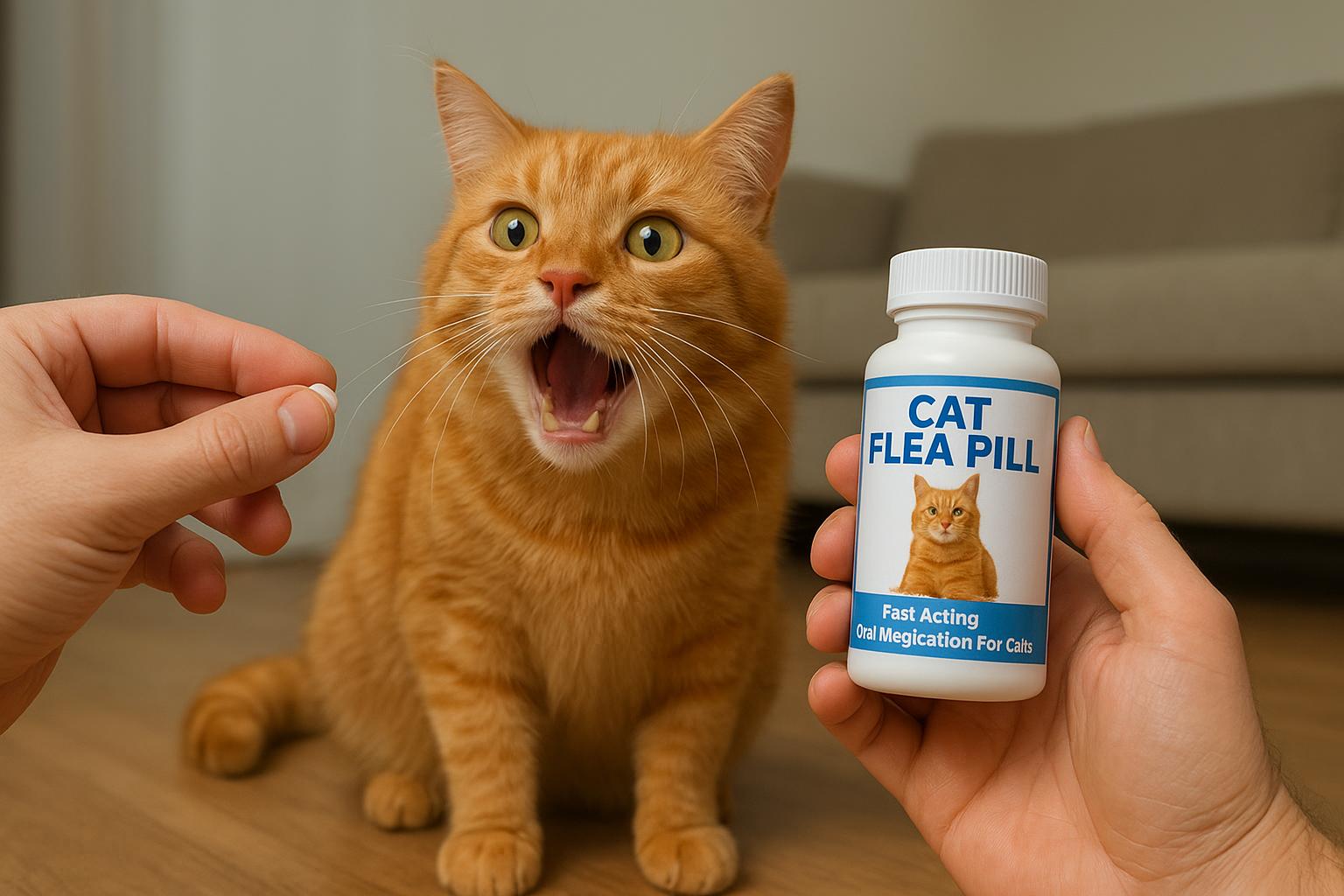
3. Prepare The Pill: If your cat is cooperative, hold the tablet ready. If your cat refuses pills, hide it in a tasty bite-sized treat or use a pill popper.
4. Administer: Offer the tablet directly by placing it at the back of the cat’s tongue and encouraging swallowing, or give the pill-filled treat.
5. Monitor: Fleas typically begin dying within 30–60 minutes. Keep an eye on the cat for several hours for any adverse reaction.
6. Reassess: Because nitenpyram works only on adult fleas, re-treatment may be necessary every 24 hours for up to a few days if fleas persist, but follow your vet’s instructions.
7. Follow-Up Steps: Combine with environmental cleaning (vacuuming, washing bedding) and use a long-term preventive to break the life cycle.
Clinical Notes And Cautions
– Use Only Veterinary-Approved Products: Don’t substitute with untested human flea products or other species-specific treatments. Cats are sensitive to many insecticides.
– Treatment Duration: Nitenpyram’s adulticidal effect is short-lived. It’s ideal for immediate control but not as a sole long-term preventive.
– Side Effects: Rare but may include lethargy or vomiting. Contact your vet if you notice concerning signs.
### 2 Monthly Or Long-Term Oral Options (Where Appropriate)
While nitenpyram is great for immediate relief, many pet owners want a monthly oral that handles fleas and possibly other parasites. Historically, some systemic oral medications have been developed for cats, but product availability and labeling vary by country. Always consult a veterinarian about monthly oral prescriptions appropriate for your cat and location.
Ingredients / Required Materials
– Prescribed monthly oral tablet (name and formulation as directed by your vet).
– Dosing chart and calendar.
– Pill administration tools as needed.
– Ongoing vet supervision and periodic fecal/health checks.
Step-By-Step Creation And Application
1. Veterinary Evaluation: Have a vet examine your cat and review medical history. Some systemic medicines interact with health conditions or other drugs.
2. Prescription And Education: Obtain the prescribed product and review dosing frequency, possible side effects, and contraindications.
3. Consistent Administration: Give the tablet on schedule — monthly intervals are common for many preventives. Use the same time of day and keep a log to avoid missed doses.
4. Monitor For Effectiveness: Track flea presence and any adverse events. If fleas persist, bring data to your vet for re-evaluation.
5. Comprehensive Plan: Pair monthly oral prevention with environmental control (vacuuming, laundry), and treat all in-contact animals to prevent reinfestation.
#### Dosing Considerations
Accuracy matters. Under-dosing can lead to treatment failure and possible resistance; overdosing risks toxicity. Weight-based dosing is standard. For multi-cat homes, calculate and prepare each animal’s dose separately.
#### Safety And Side Effects
Some cats tolerate oral preventives very well; others may experience gastrointestinal upset or rare neurologic signs. Pregnancy, kittens, senior cats, or animals with pre-existing conditions should be handled with extra caution. Your veterinarian will weigh benefits and risks and may recommend bloodwork before starting some systemic products.
### How To Administer An Oral Pill Safely (General Procedure)
Materials
– Medication tablet
– Towel (for wrapping if necessary)
– Pill popper or pill pocket
– Treats and positive reinforcers
– Hand sanitizer or gloves (optional)
Step-By-Step
1. Calm Environment: Choose a quiet spot where your cat feels comfortable. A towel-wrapped cat may remain calmer if necessary.
2. Hold Securely: Support the cat without squeezing. If the cat is squirmy, have a helper gently hold the cat.
3. Open Mouth: Tilt the head slightly back; gently press at the jaw hinge to encourage mouth opening.
4. Place Tablet: Place the tablet far back on the tongue but not so far it causes gagging.
5. Close Mouth And Encourage Swallowing: Hold the mouth closed and gently stroke the throat or blow on the nose to stimulate swallowing.
6. Reward: Give a tasty treat afterward to create a positive association.
7. Record: Note the date and any reactions.
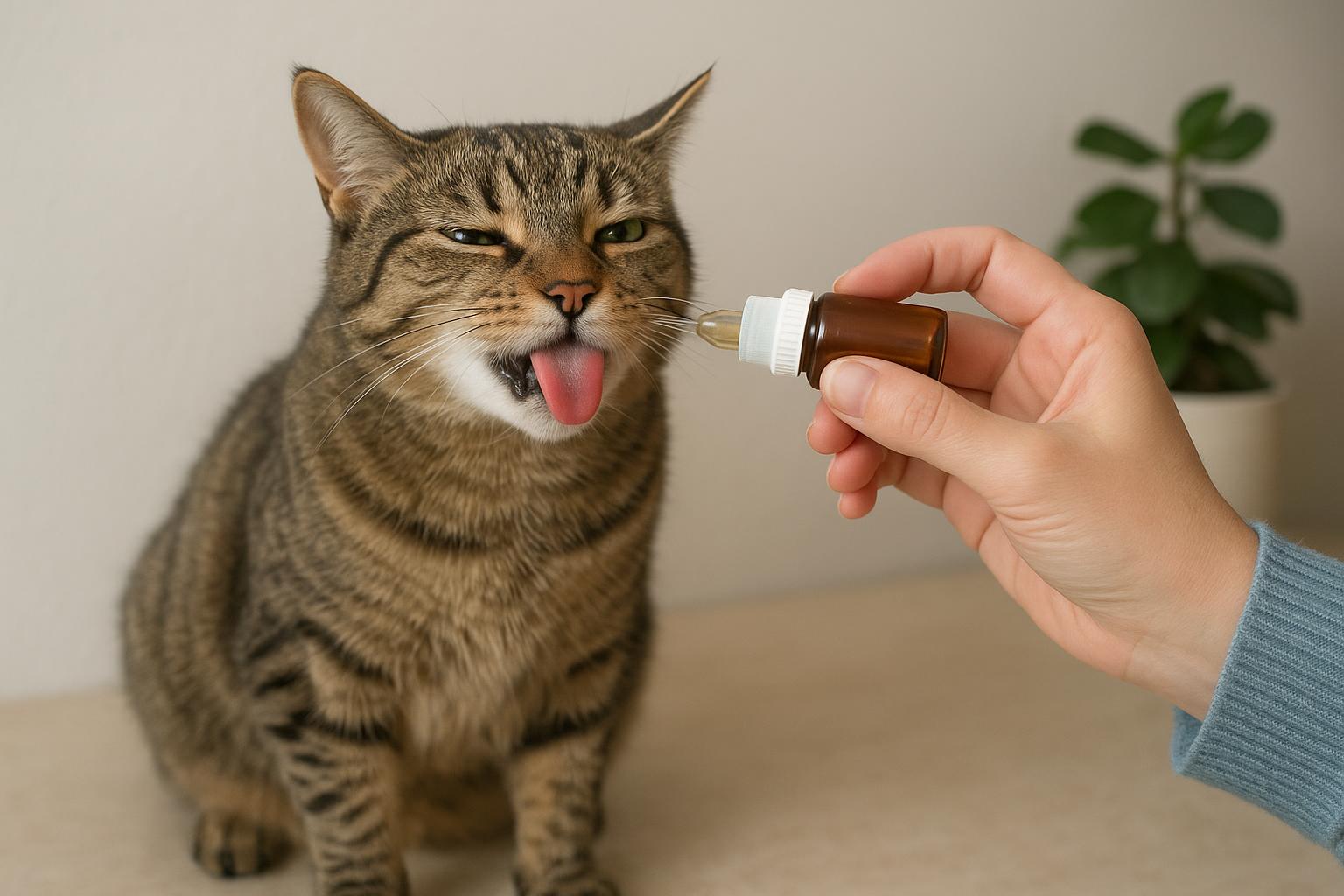
If pill-giving is consistently stressful for you or the cat, discuss alternative formulations with your vet — some products come as liquids, chewables, or transdermals.
### Boosting Effectiveness: Environment And Household Steps
An oral medicine is one part of the equation. To stop reinfestation:
– Vacuum thoroughly and often (including under furniture), then empty the vacuum bag or canister outdoors.
– Wash bedding, blankets, and removable furniture covers in hot water weekly during treatment.
– Treat all pets in the household per a veterinarian-approved plan.
– Consider treating the indoor environment with an insect growth regulator (IGR) product recommended for households with pets.
### Choosing The Best Flea Medicine For Your Cat
“Best” depends on your goals: immediate relief, monthly prevention, multi-parasite coverage, or convenience. For a quick, easy oral option to knock down adult fleas, nitenpyram is frequently recommended by veterinarians. For ongoing prevention, talk to your vet about approved monthly products that fit your cat’s health and lifestyle. A professional can combine immediate oral control with an appropriate longer-term solution to deliver the most effective, safest outcome.
If you’re not sure whether an oral route is ideal — for example, if your cat grooms other animals or if topical transfer is a concern — discuss these household dynamics with your veterinarian. Practical concerns like multi-cat homes, indoor/outdoor access, and kitten or senior status all influence which product is the best flea medicine for your situation.
You and your cat deserve a plan that’s effective, safe, and as low-drama as possible. With the right meds, a little environmental work, and a consult with your vet, fleas become a solved problem rather than an ongoing headache.




Leave a Reply