

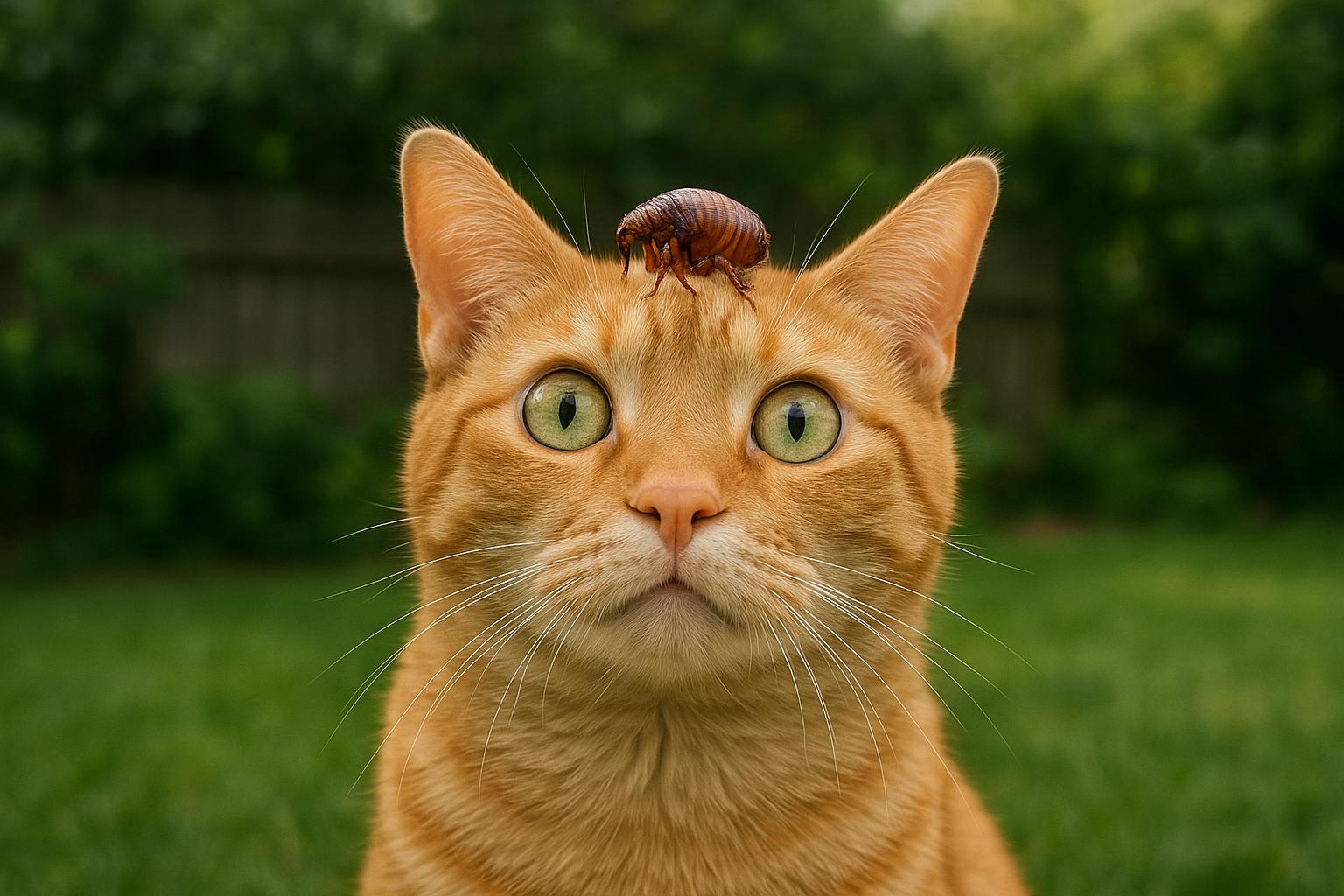
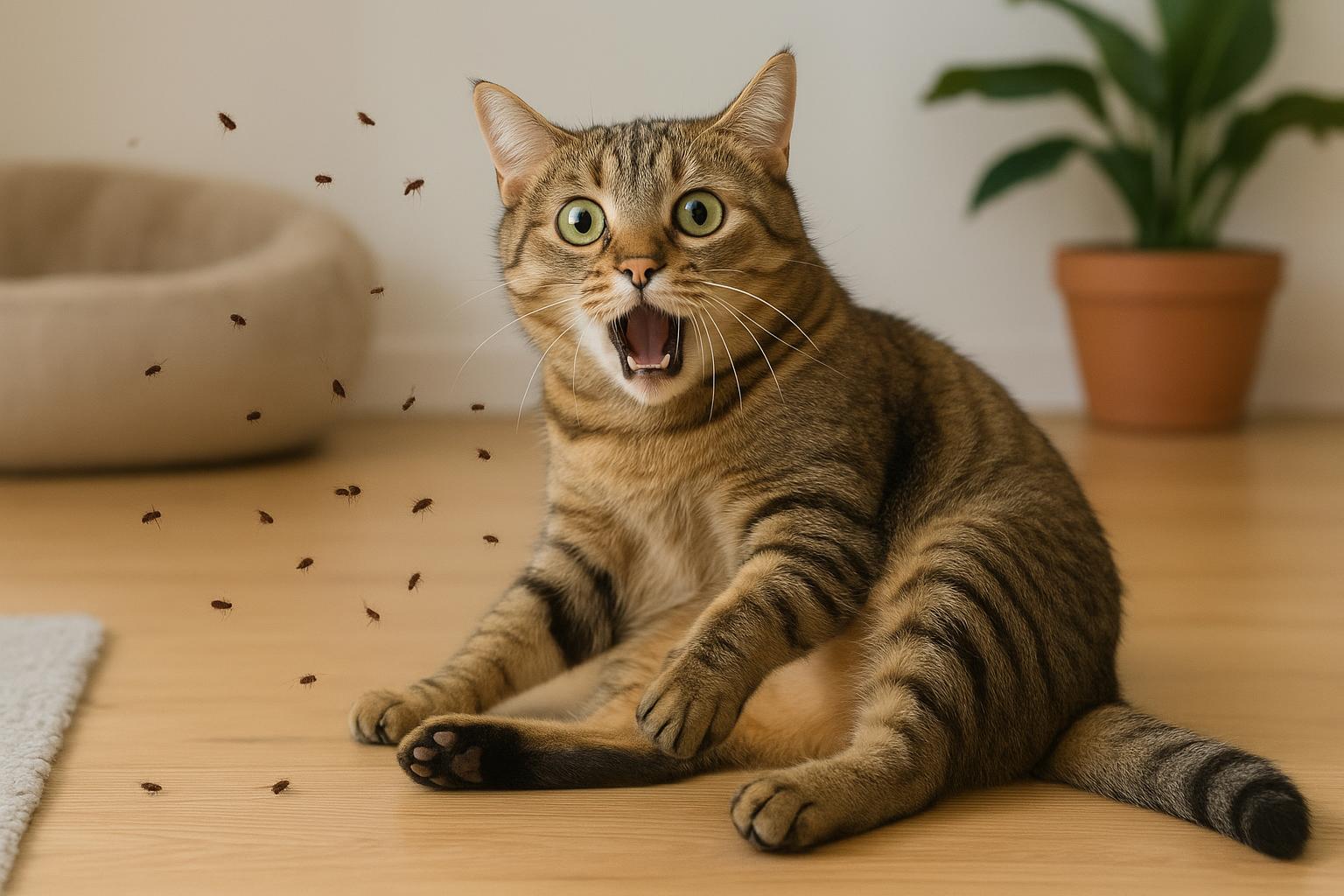
If you share your yard and home with furry roommates, you know the drill: the dog sniffs, the cat grooms, and somehow the house gains a minute army of bloodsuckers. Crafting a real flea plan means more than waving a spray can like a magic wand — it’s a year-round system of prevention, elimination, and habitat management that keeps pets and people comfortable.
## Flea Plan For Year-Round Control
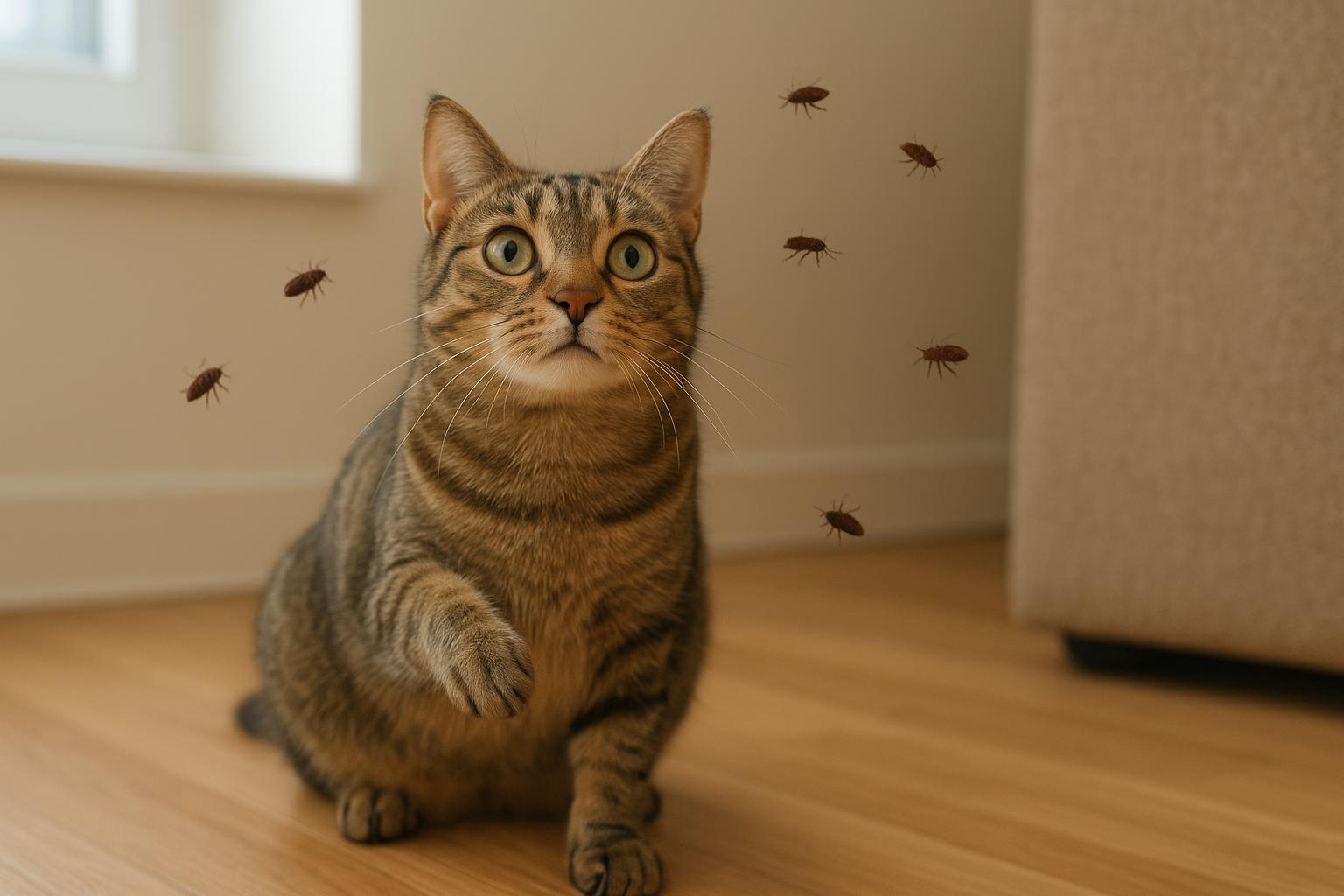
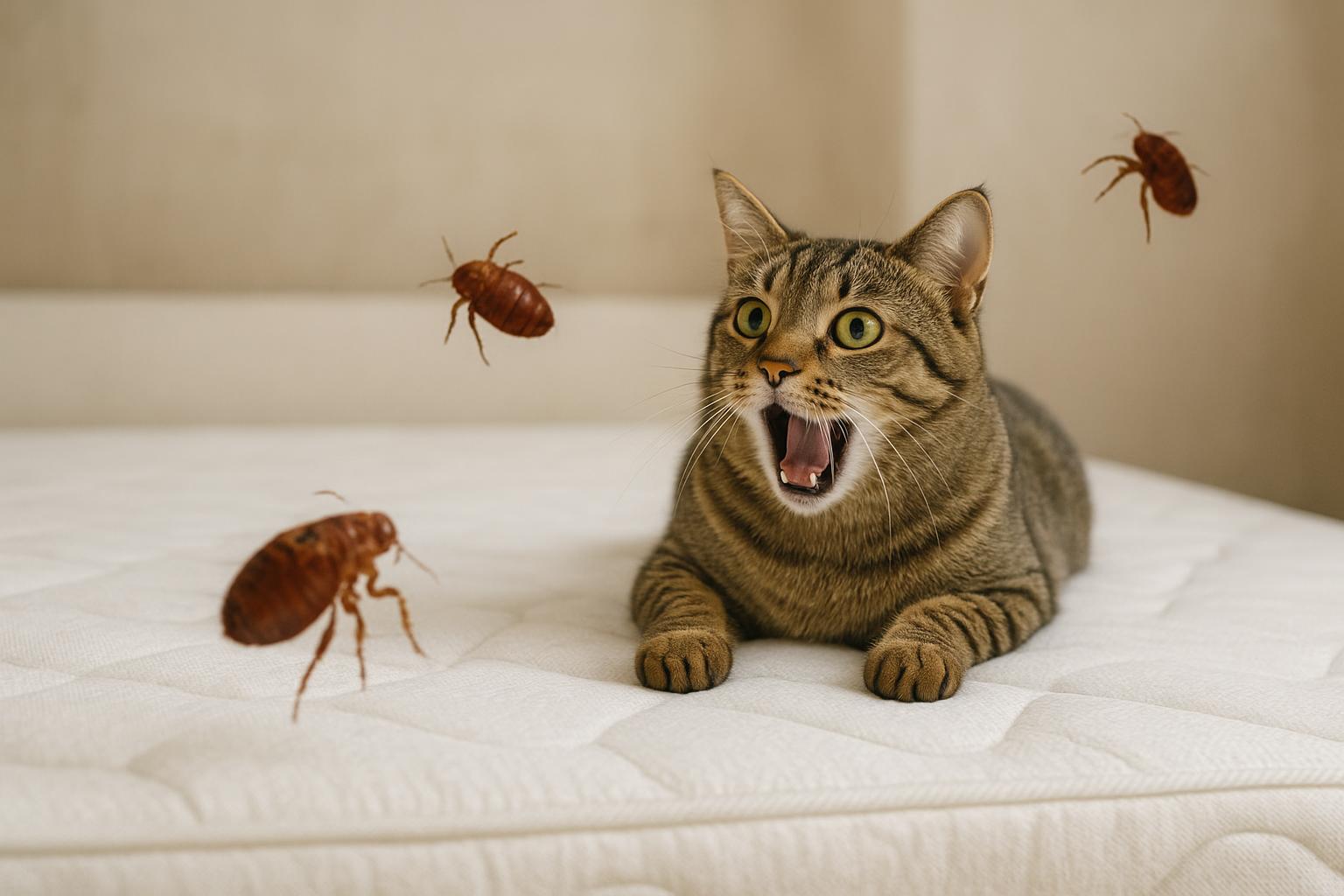
Understanding why fleas are so stubborn helps you design a practical strategy. Adult fleas are only part of the problem; eggs, larvae, and pupae hide in carpets, pet bedding, and soil, ready to hatch when the conditions are right. A comprehensive flea plan targets every life stage: the adult on the animal, the immature stages in the environment, and the conditions that let populations rebound.
### Why Fleas Are Persistent
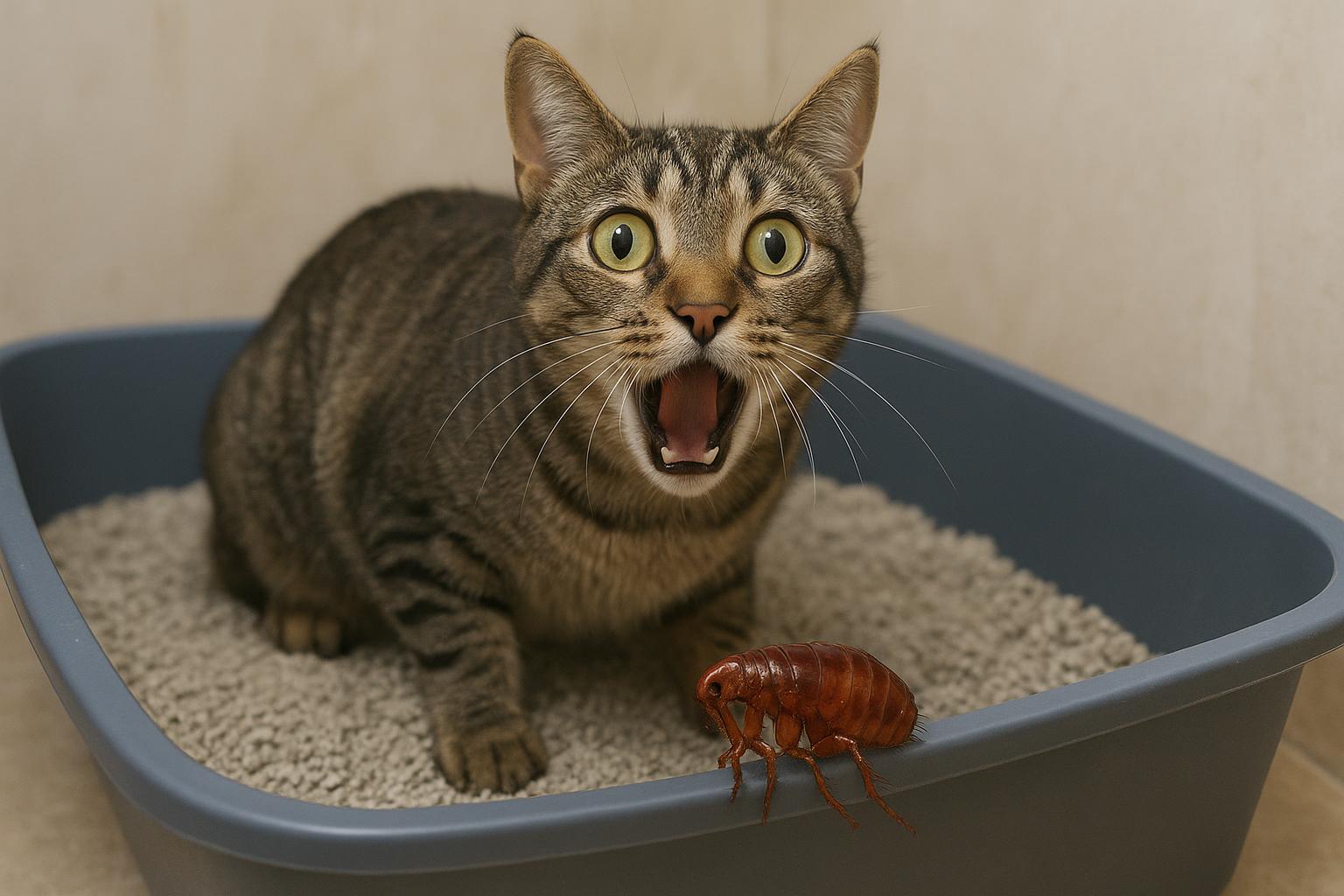
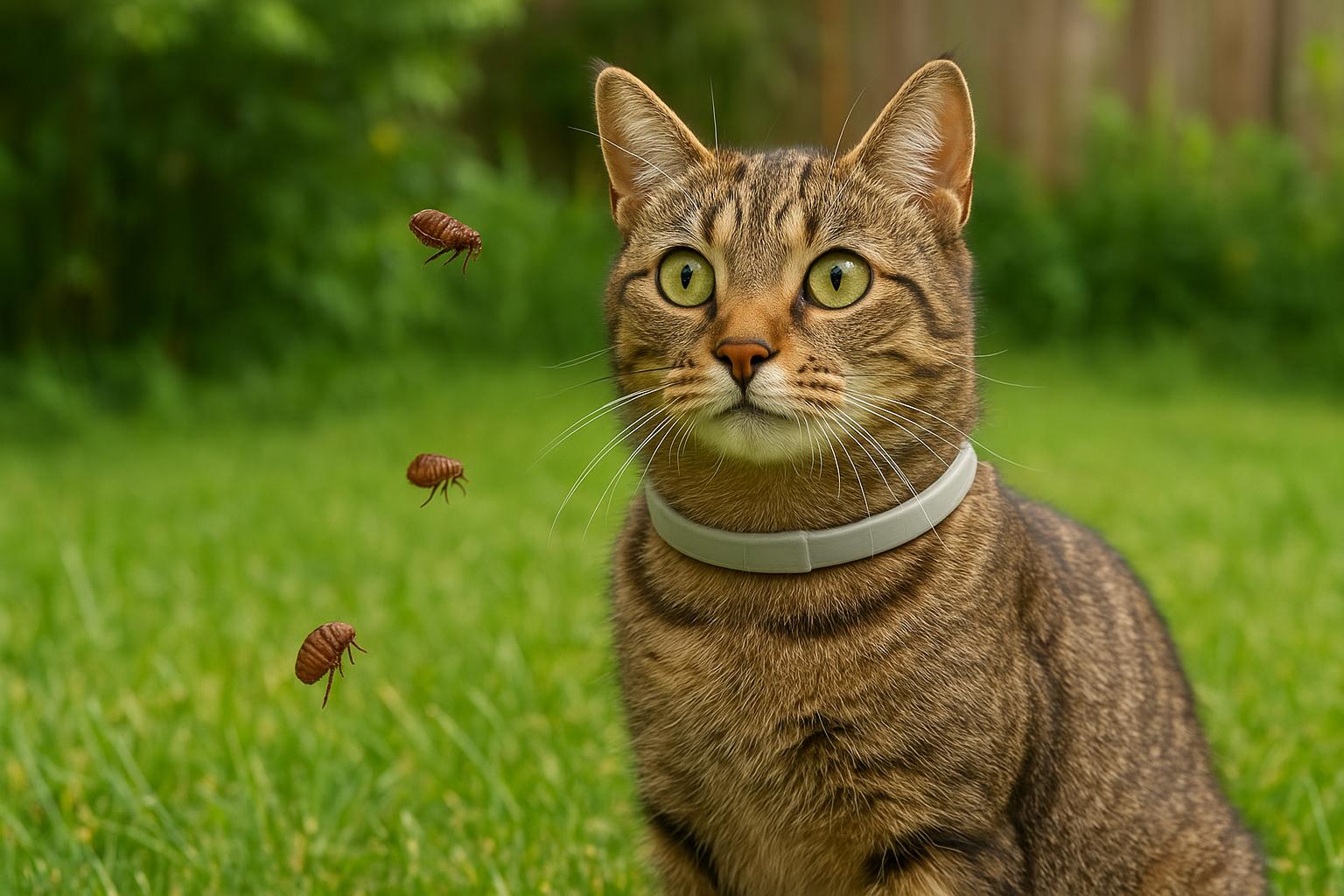
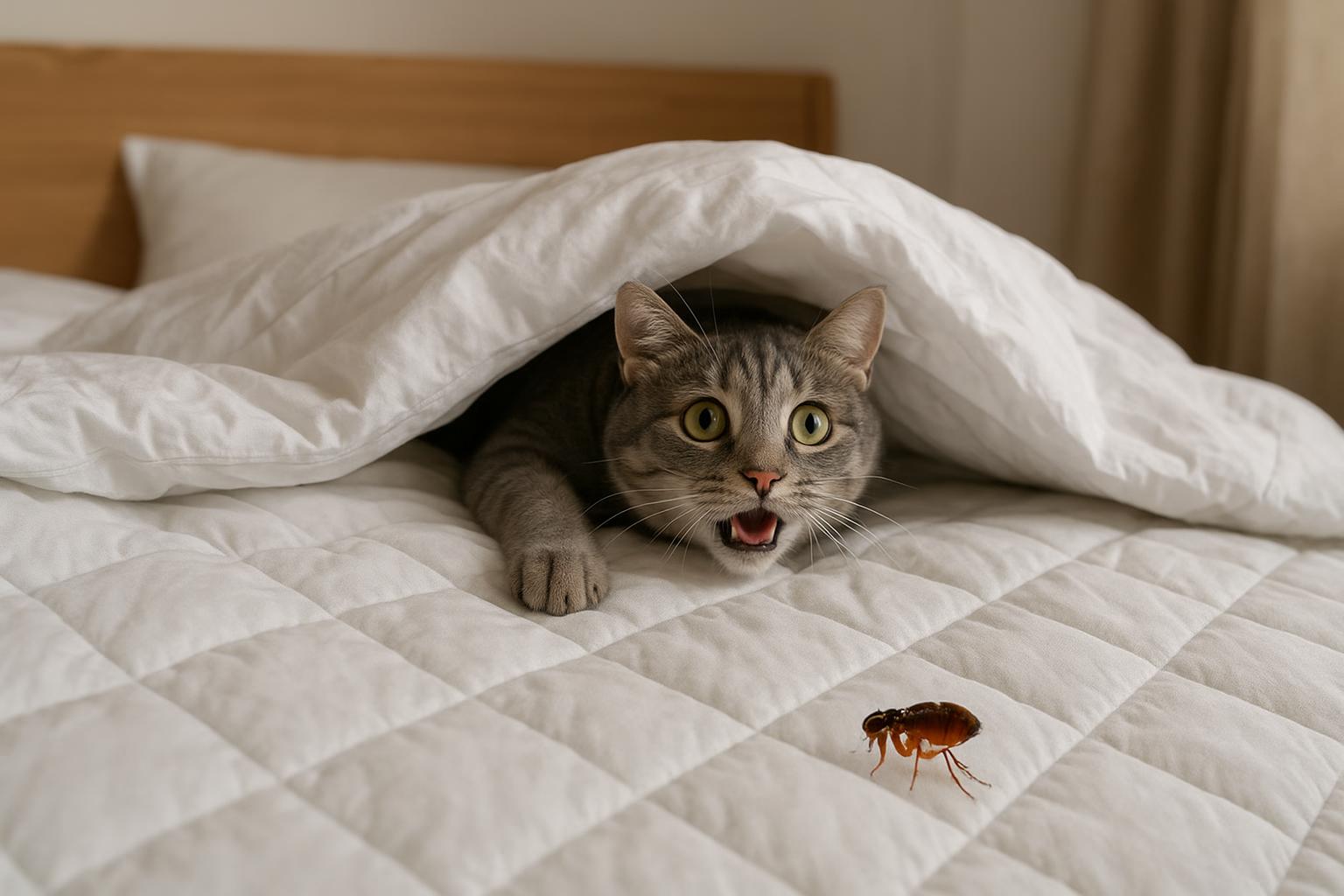
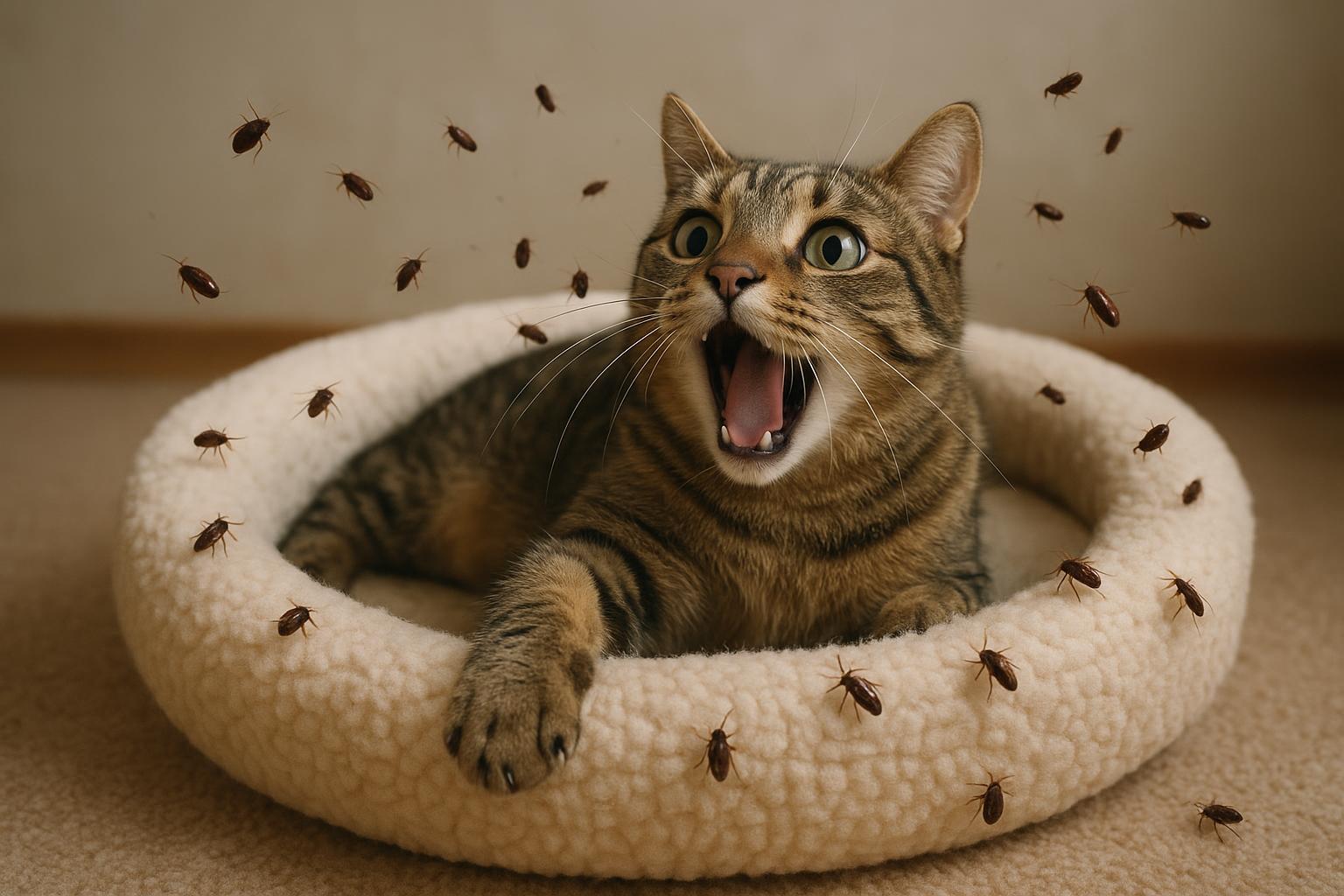
Fleas reproduce quickly. A single female can lay dozens of eggs per day, and those eggs fall off the host into your environment. Larvae feed on organic debris and flea dirt, pupae can stay dormant for months, and adults can live long enough to keep a household infested if not broken by coordinated action. Temperature and humidity accelerate development, so a seasonal approach alone isn’t enough in many climates — that’s why you need a consistent flea plan.
### The Basics Of Prevention
Prevention is the backbone of any effective flea plan. The goal is to keep adult fleas away from your pets and simultaneously reduce the environmental reservoir so reintroduction becomes unlikely. Preventive measures include routine pet treatments, strict bedding and vacuuming protocols, and outdoor habitat modification to make yards less hospitable. Consistency is more valuable than sporadic “deep clean” days.
#### Environmental Considerations
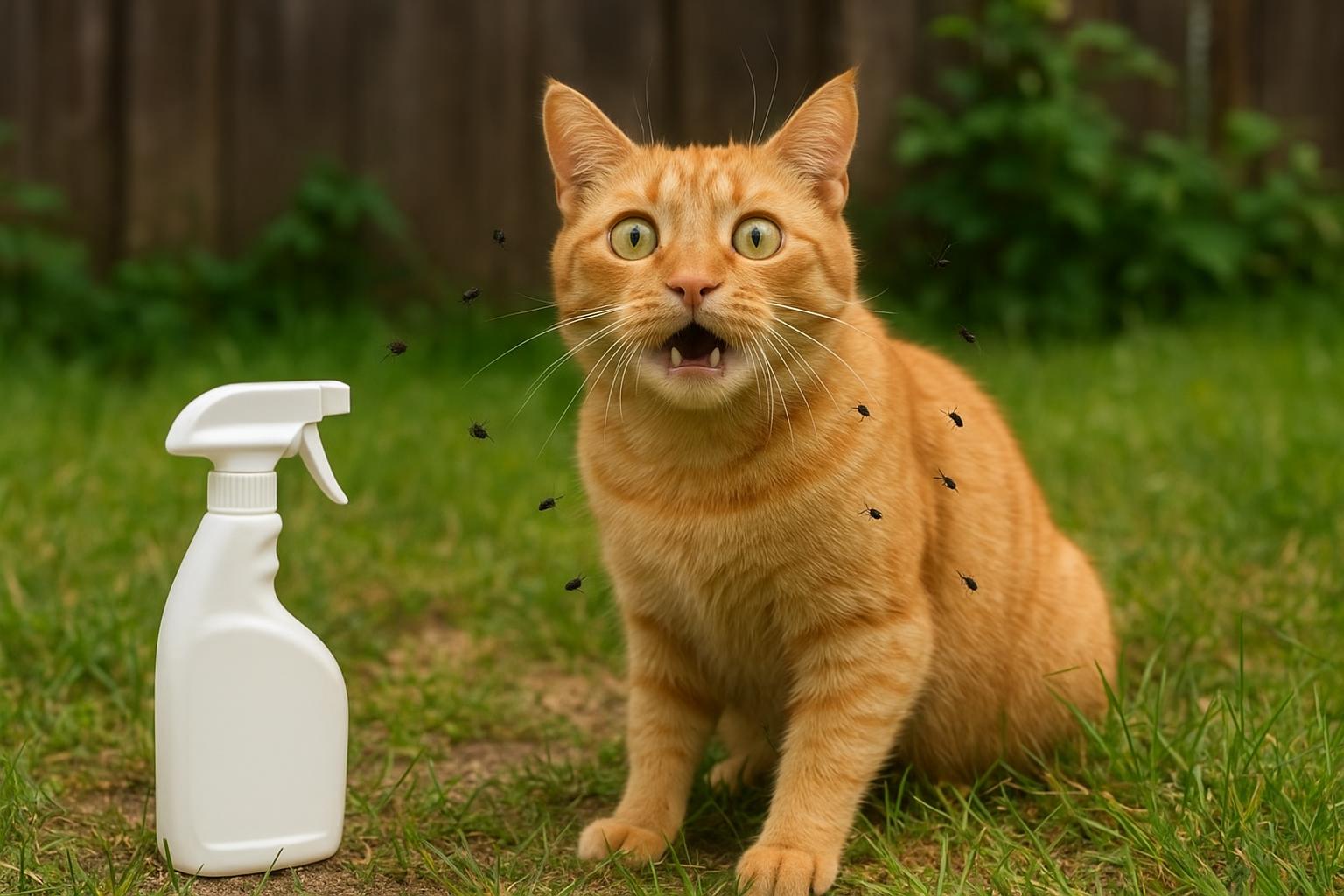
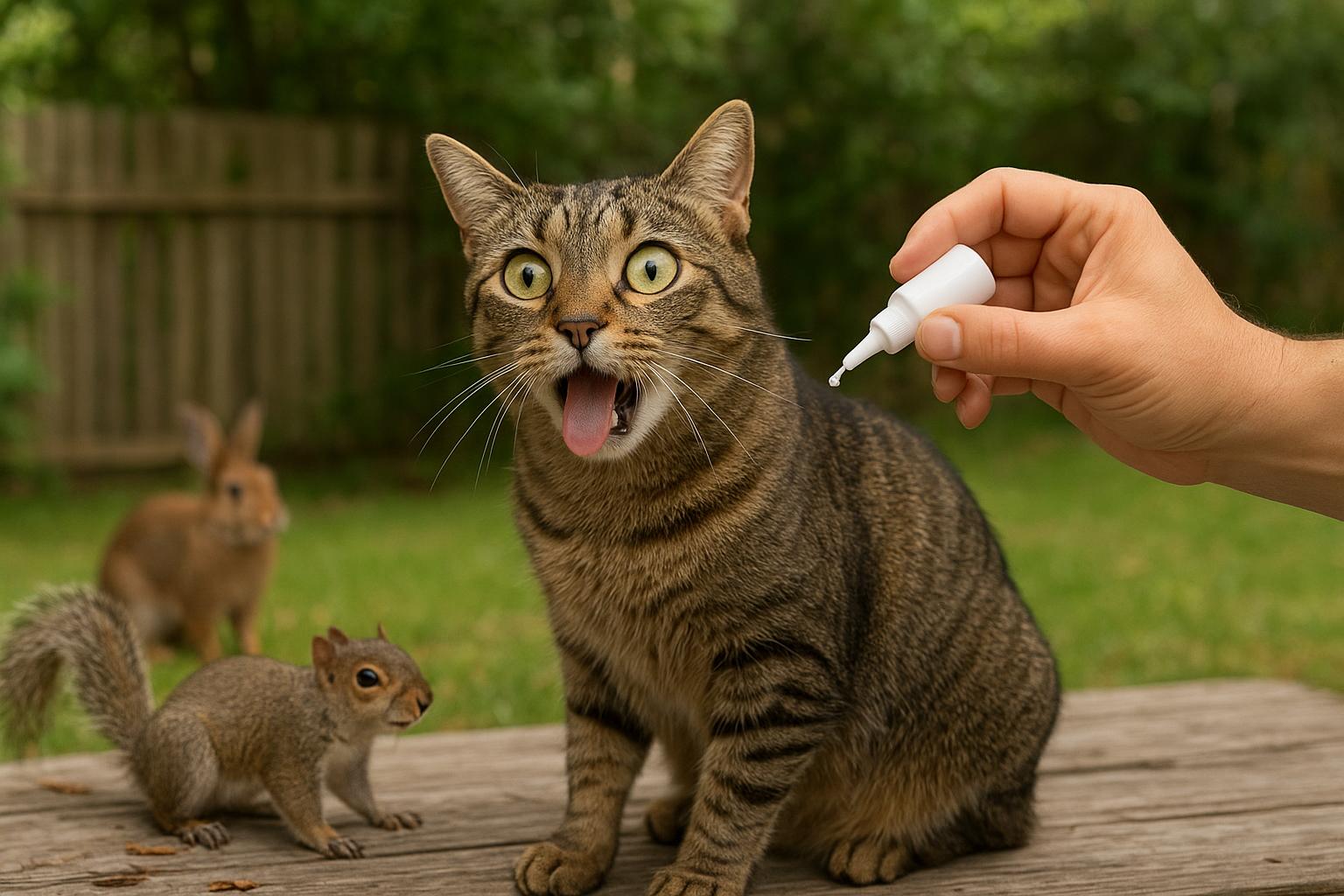
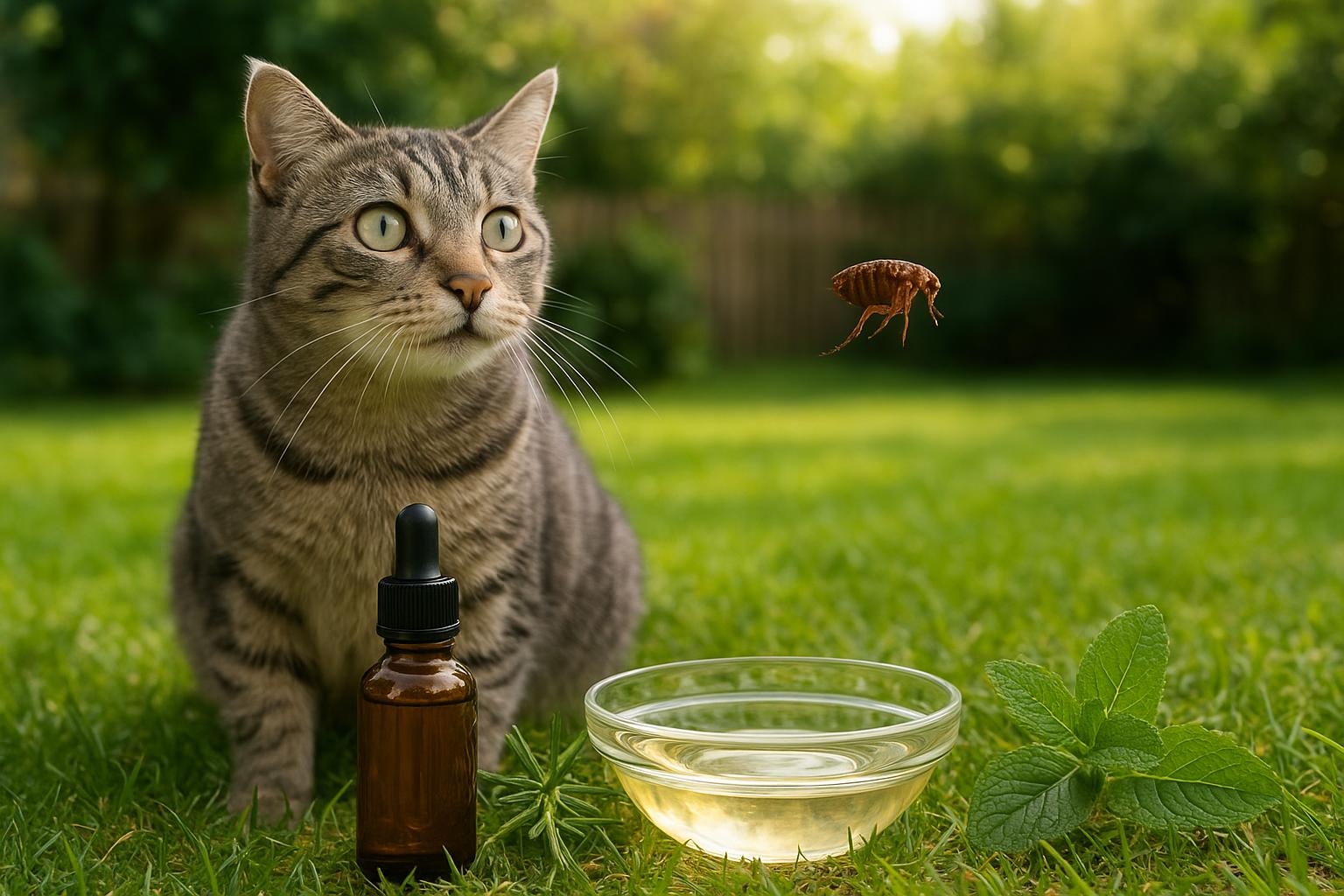
Your outdoor spaces are part of the flea plan too. Shady, damp areas under decks and along hedgerows are ideal flea nurseries. Pets that nap outdoors or frequent tall grass bring eggs inside. Addressing outdoor reservoirs reduces the number of juveniles that ever make it to adulthood, cutting infestations at the source.
## Remedy 1: Indoor Veterinary-Grade Treatment
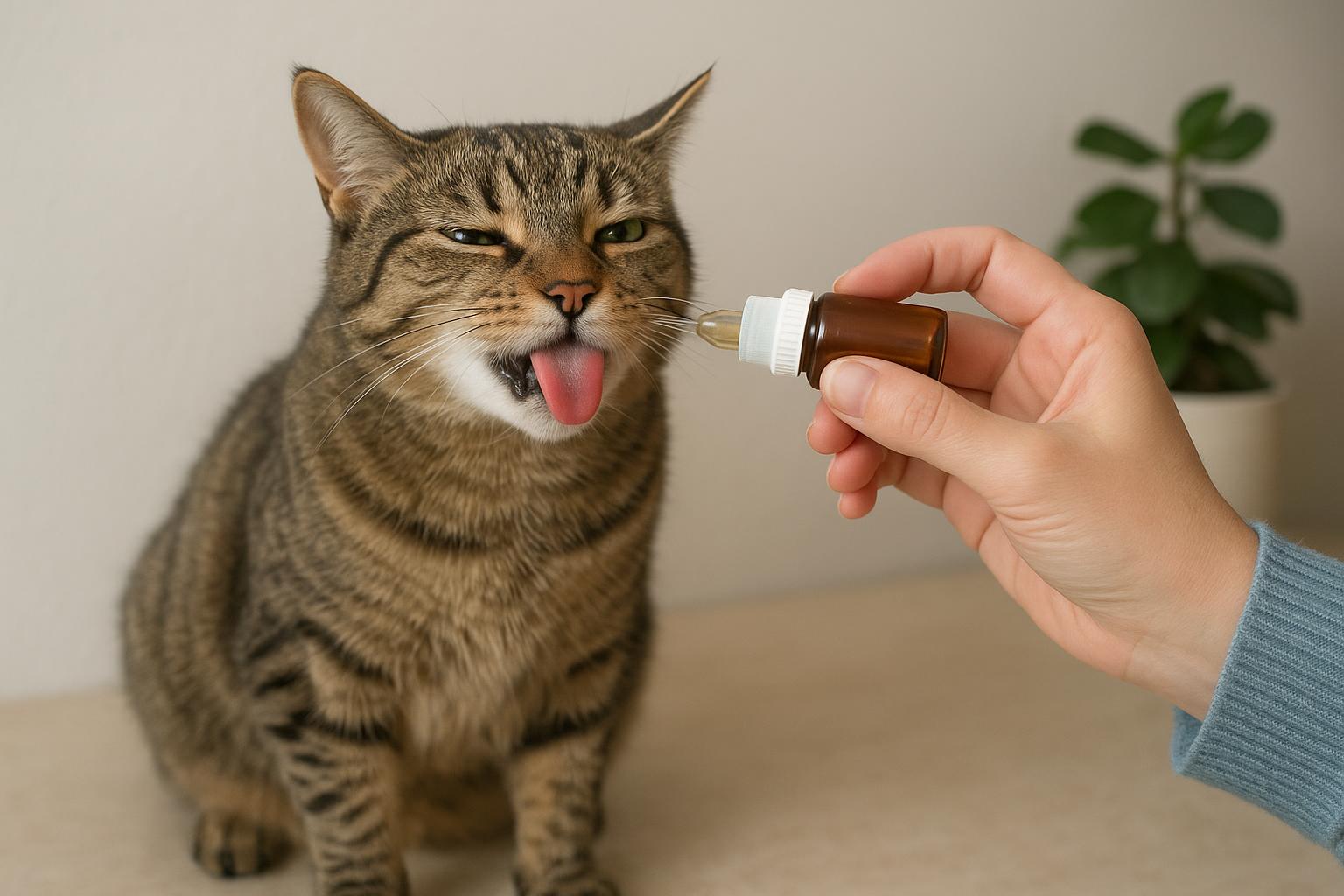
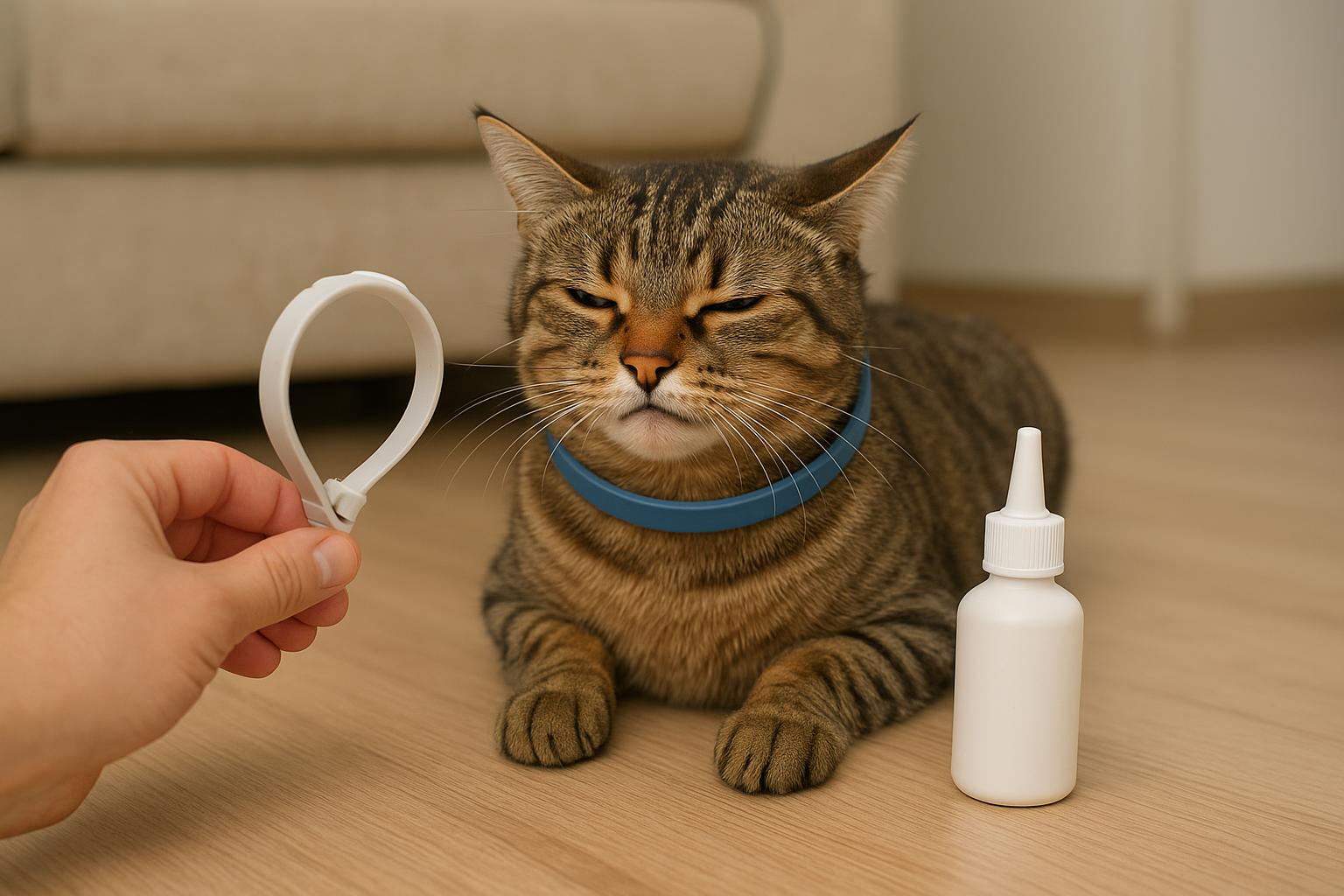
This remedy should be an integral component of your flea plan. When treating pets, prioritize approved veterinary products with proven efficacy and safety. Over-the-counter shortcuts may seem appealing, but they often lack the residual protection or proper dosing needed to stop the life cycle.
Ingredients / Required Materials:
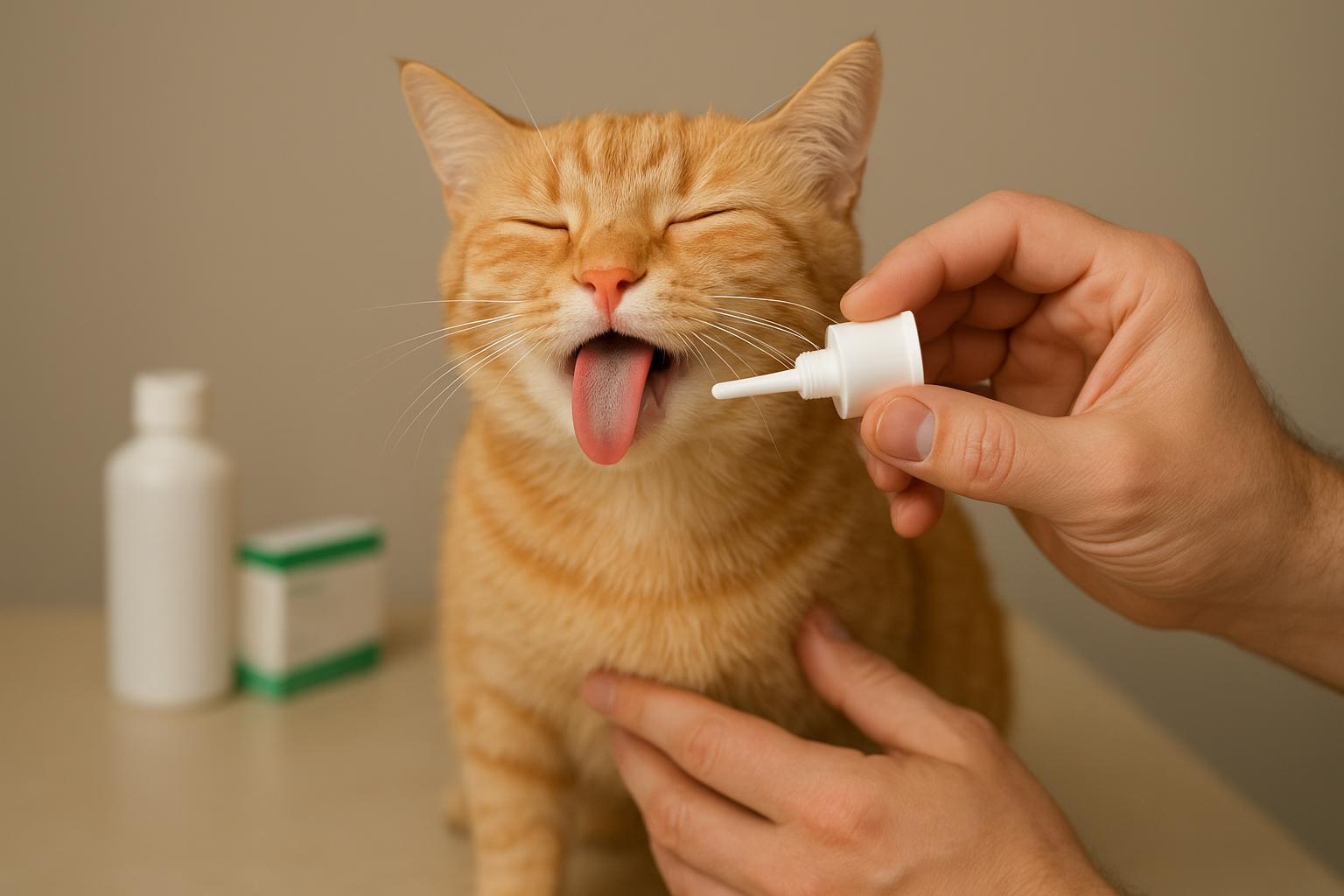
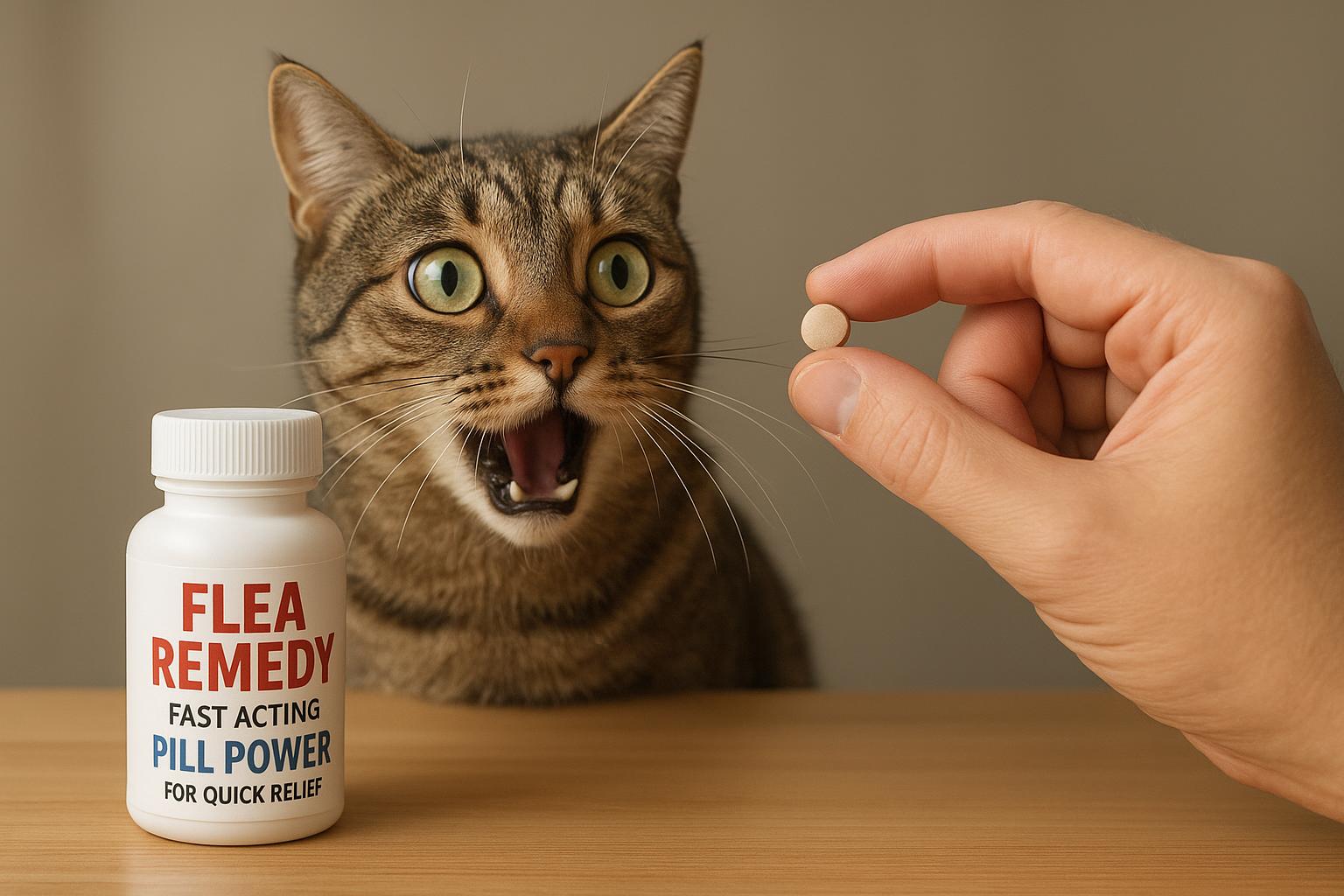
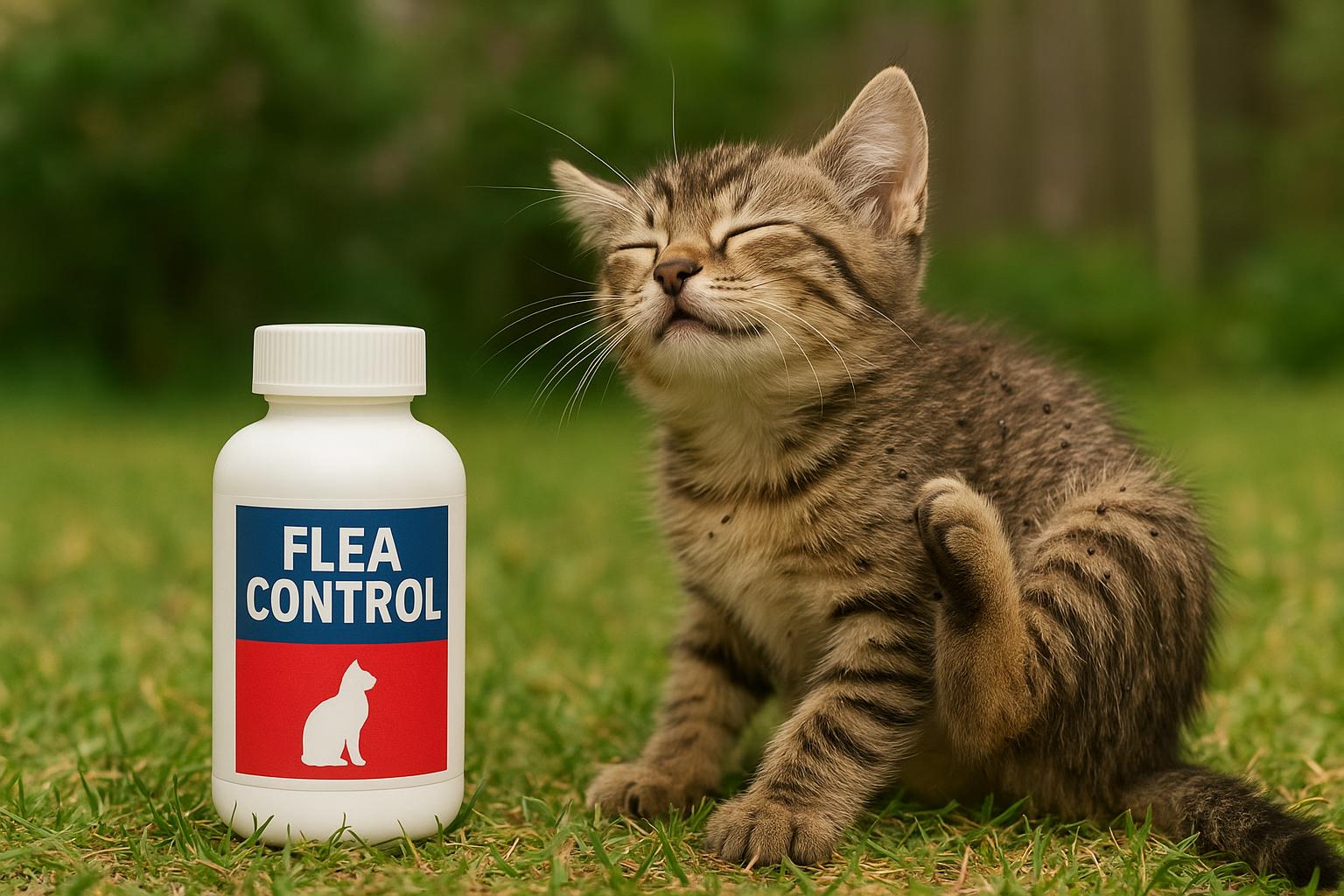
– Prescription or vet-recommended spot-on topical (e.g., fipronil/(S)-methoprene combination) or oral systemic flea control (e.g., isoxazoline class such as fluralaner, afoxolaner)
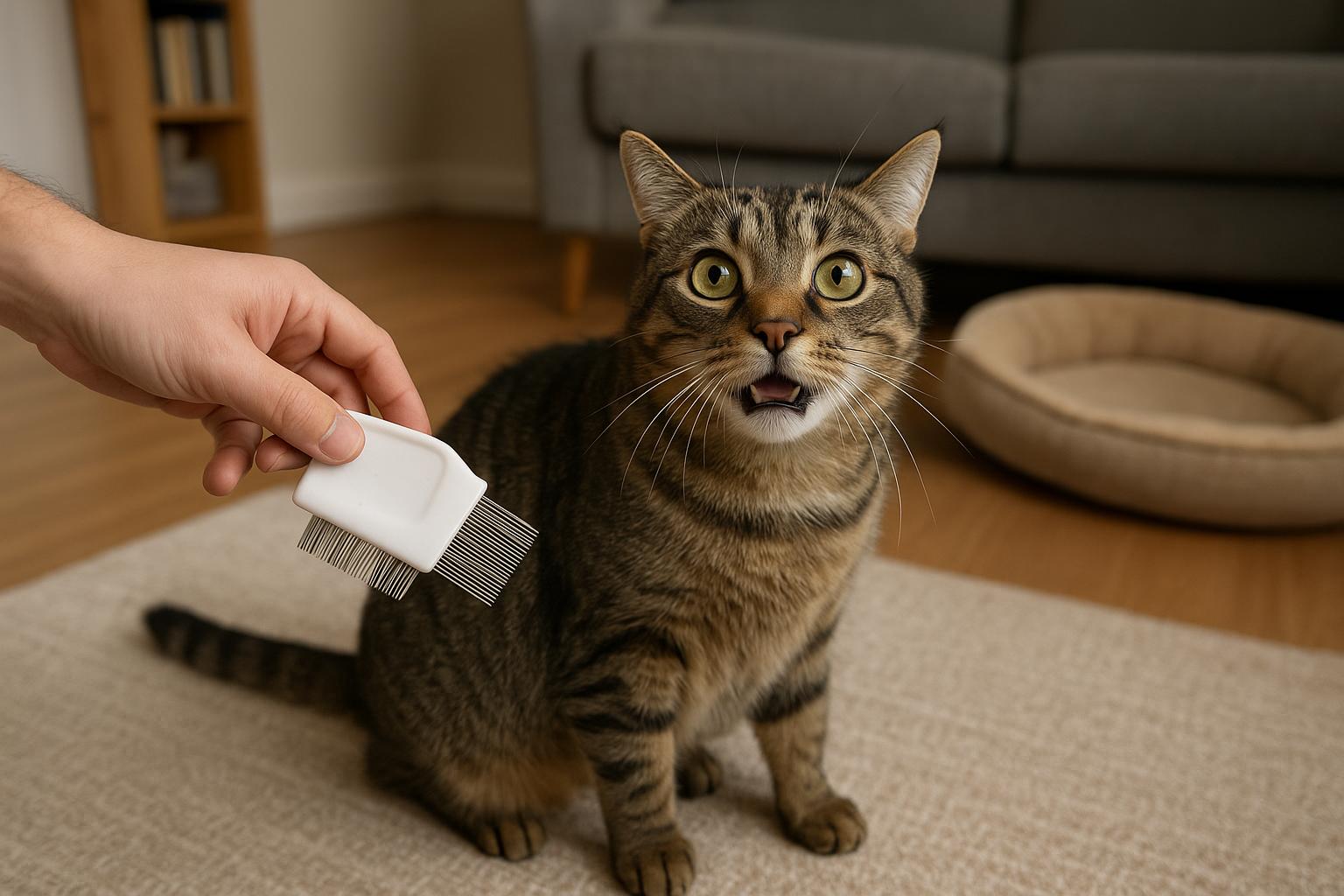
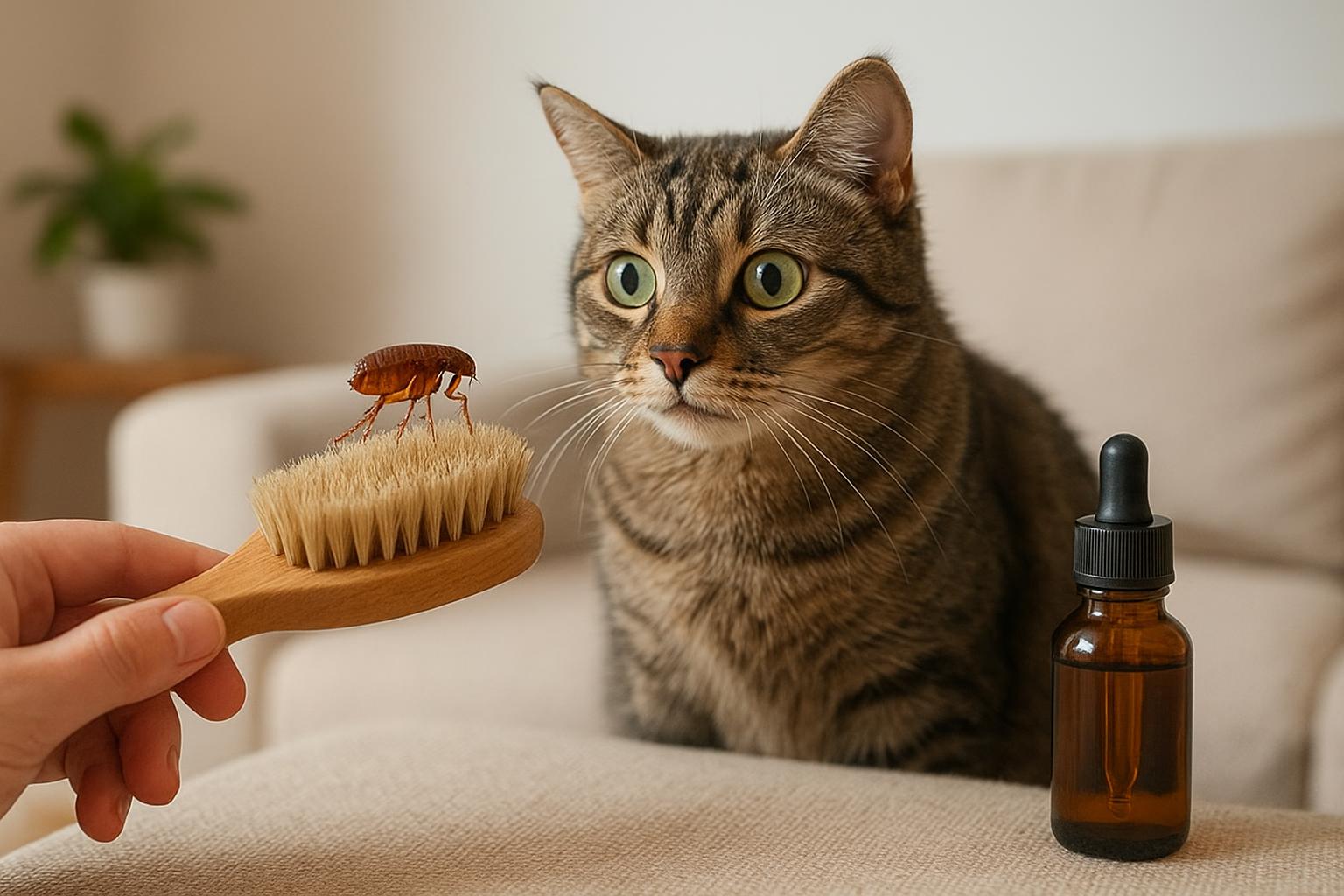
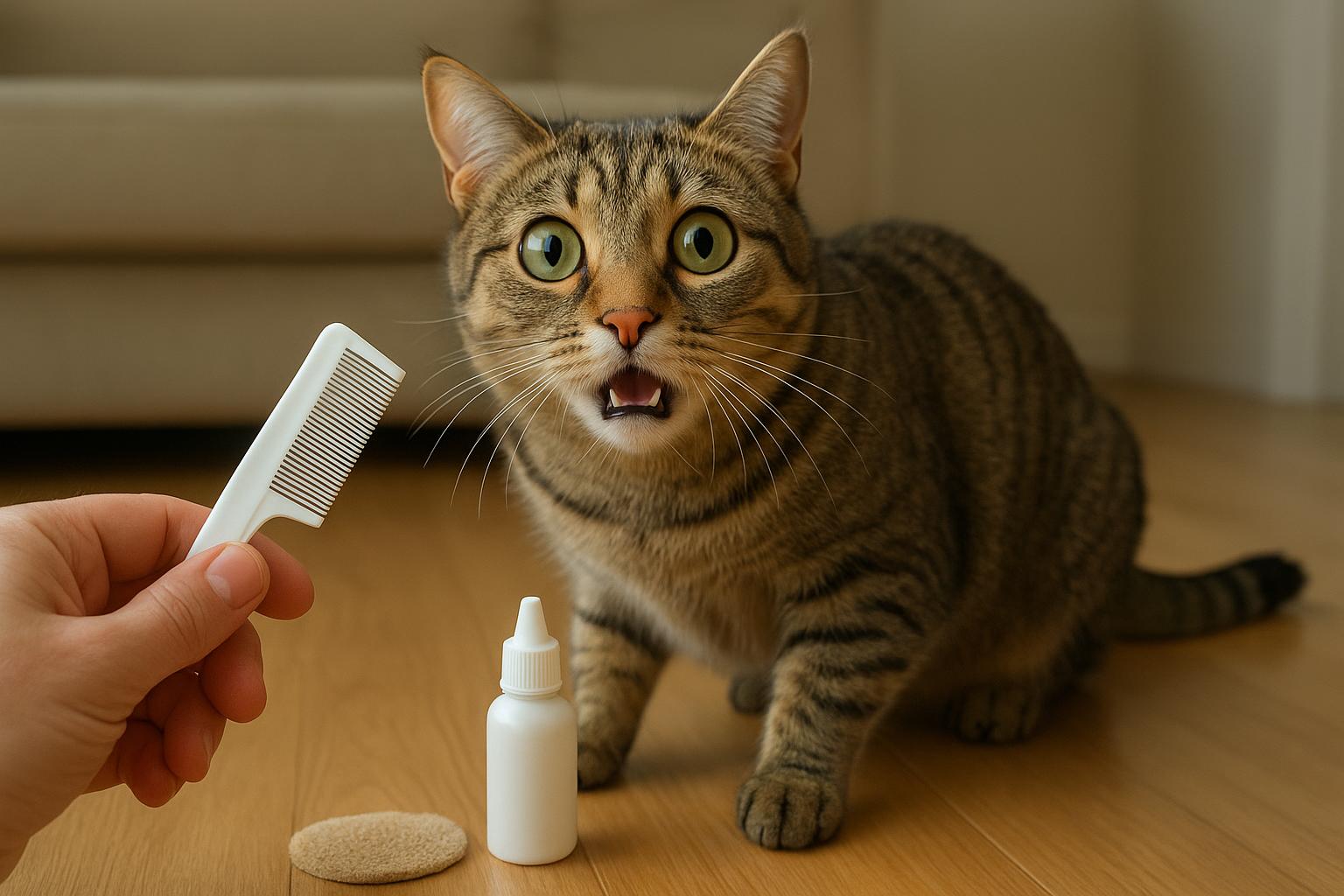
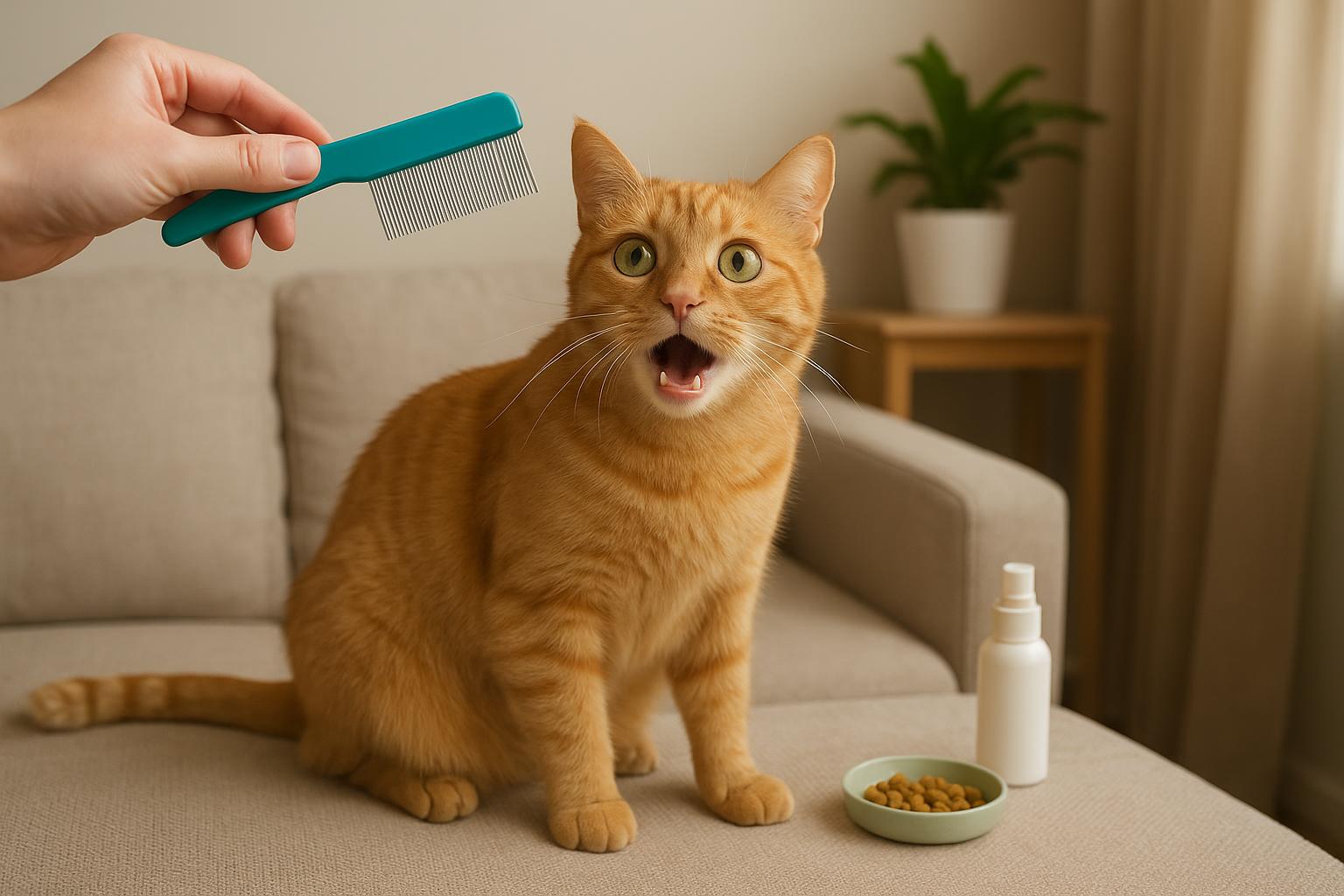
– Flea comb and a bowl of soapy water for manual removal
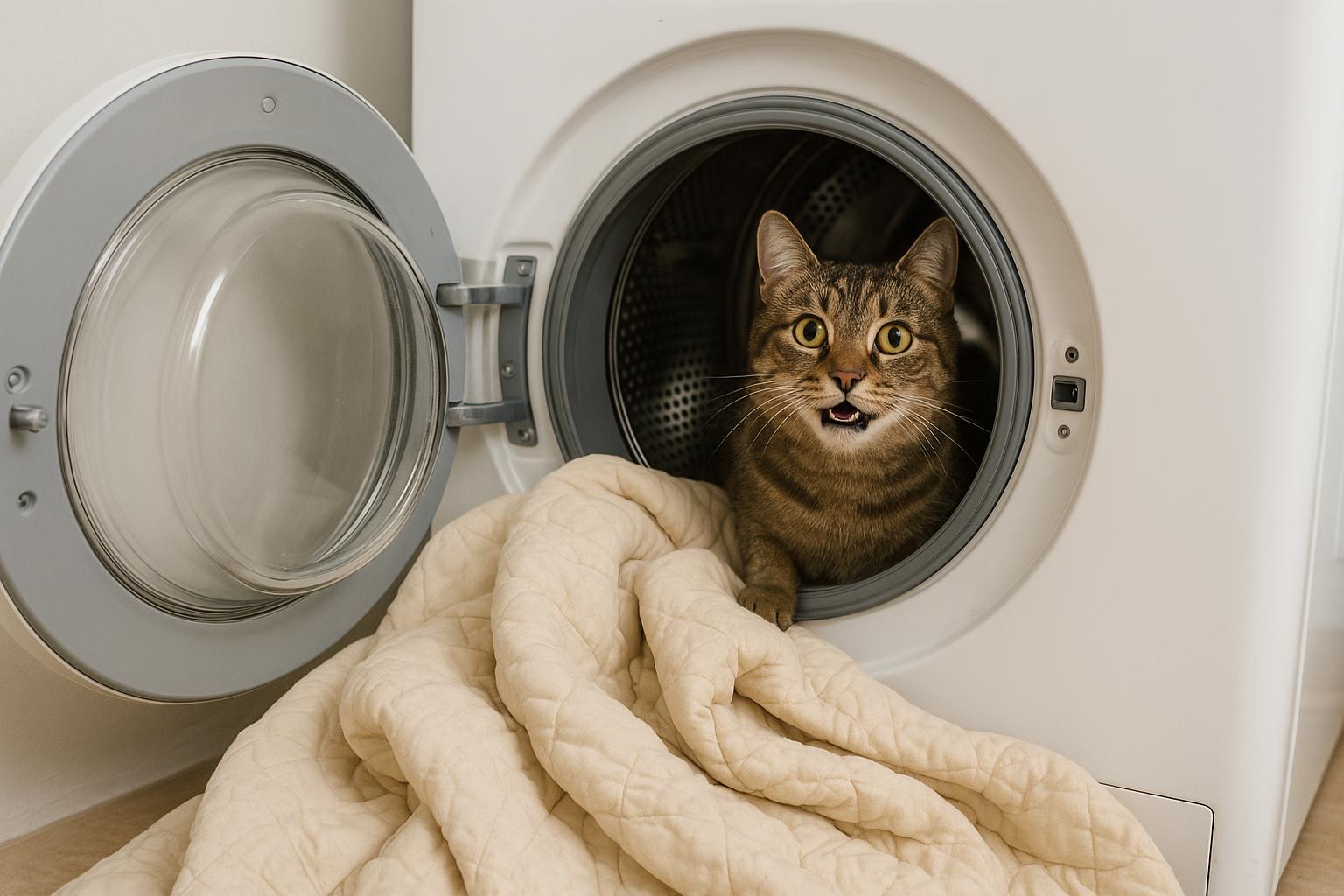
– Washable pet bedding and access to a washing machine (hot water cycle)
– High-powered vacuum with attachments
– Enzyme cleaner for any soiled areas
Step-by-Step Creation And Application:
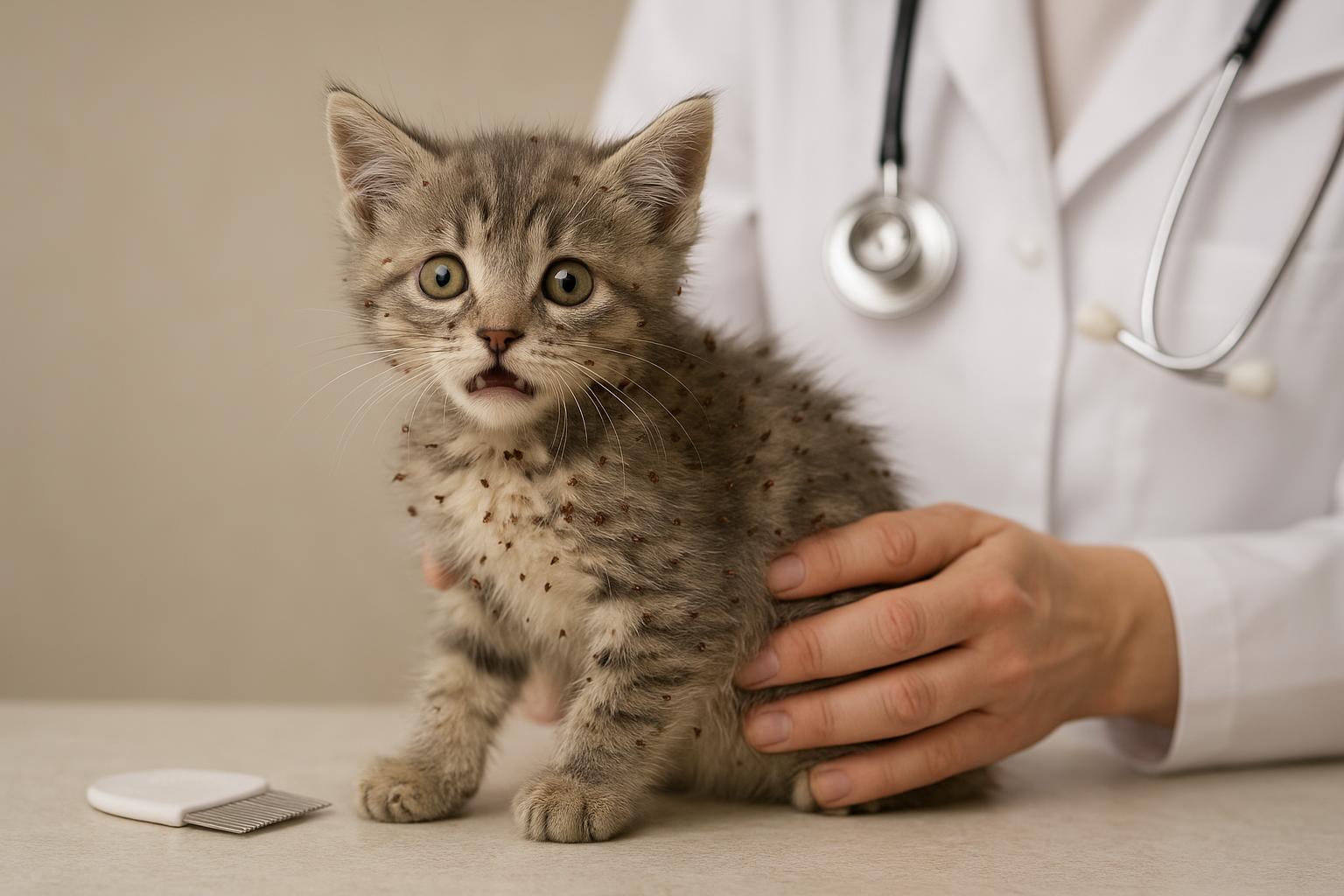
1. Consult Your Veterinarian: Determine the appropriate product for species, age, weight, health conditions, and concurrent medications. Formal evaluation is required for safe systemic treatments.
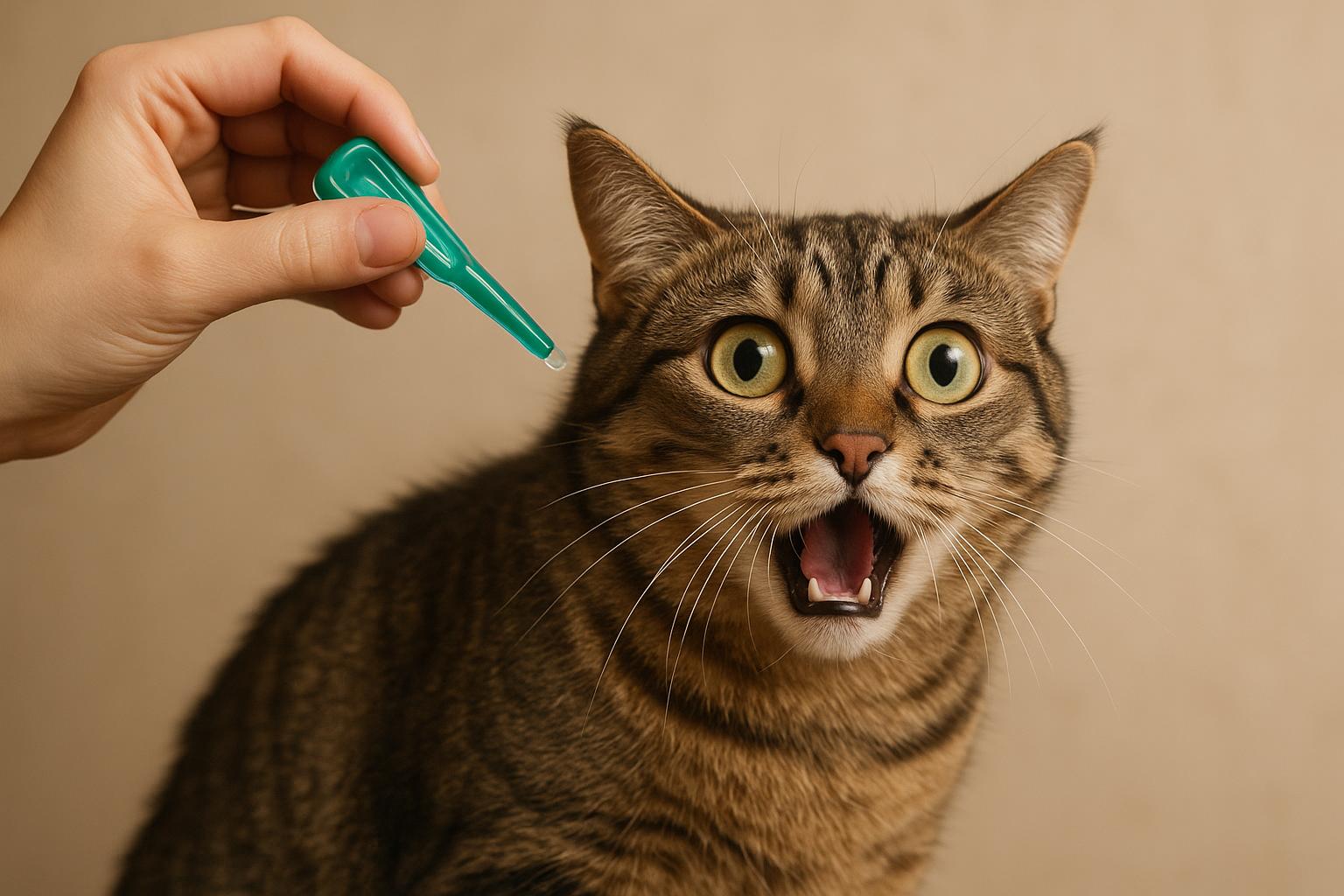
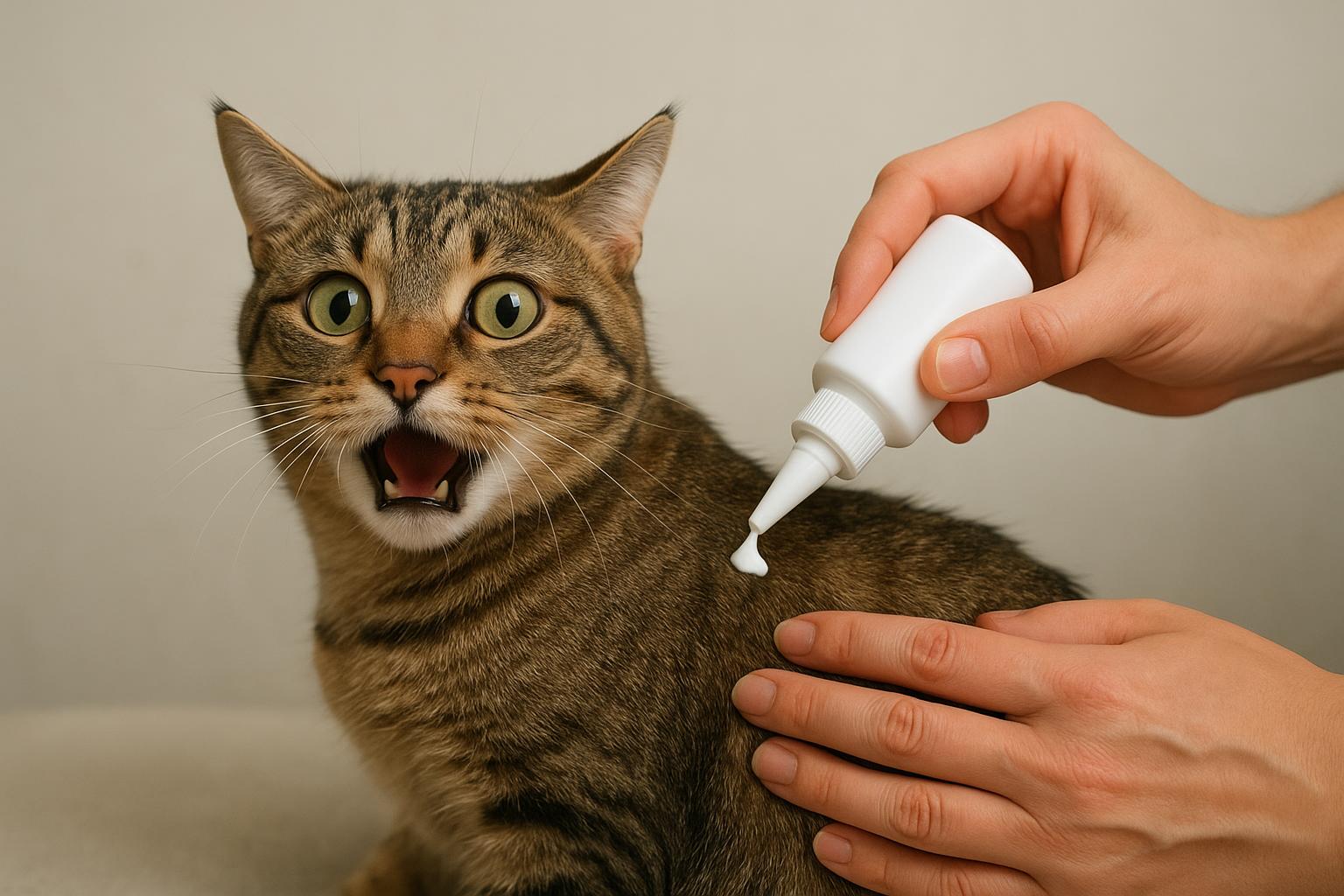
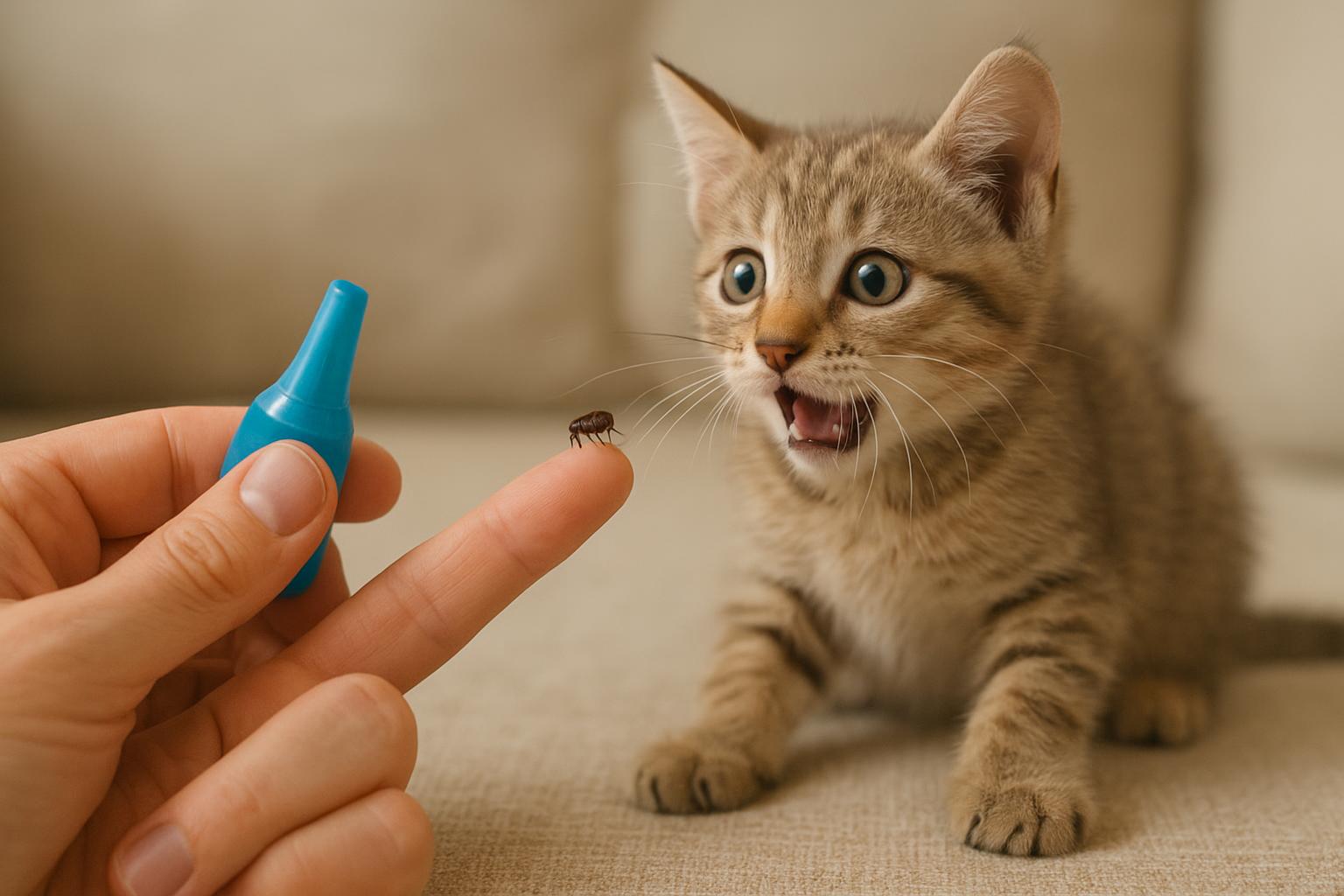
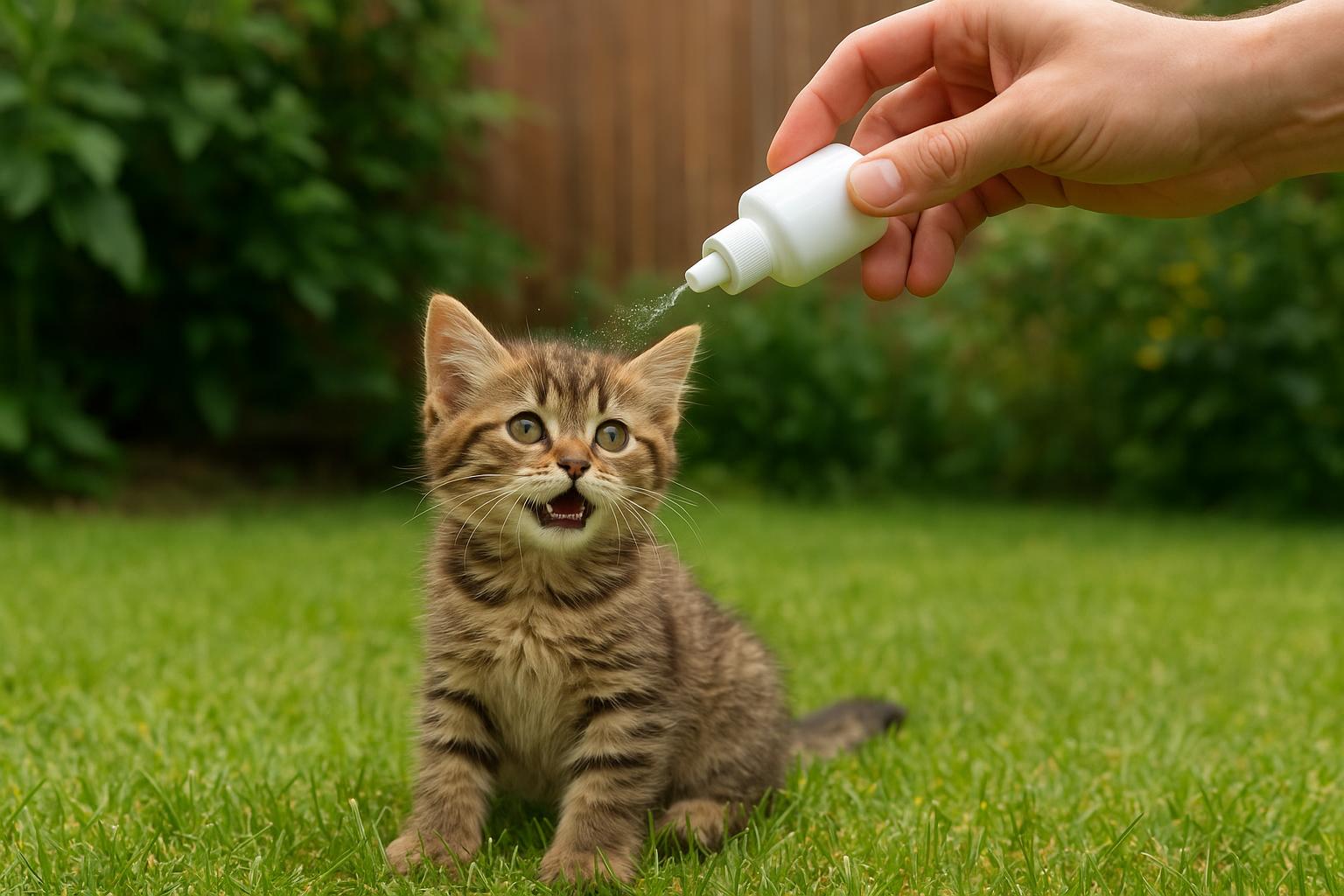
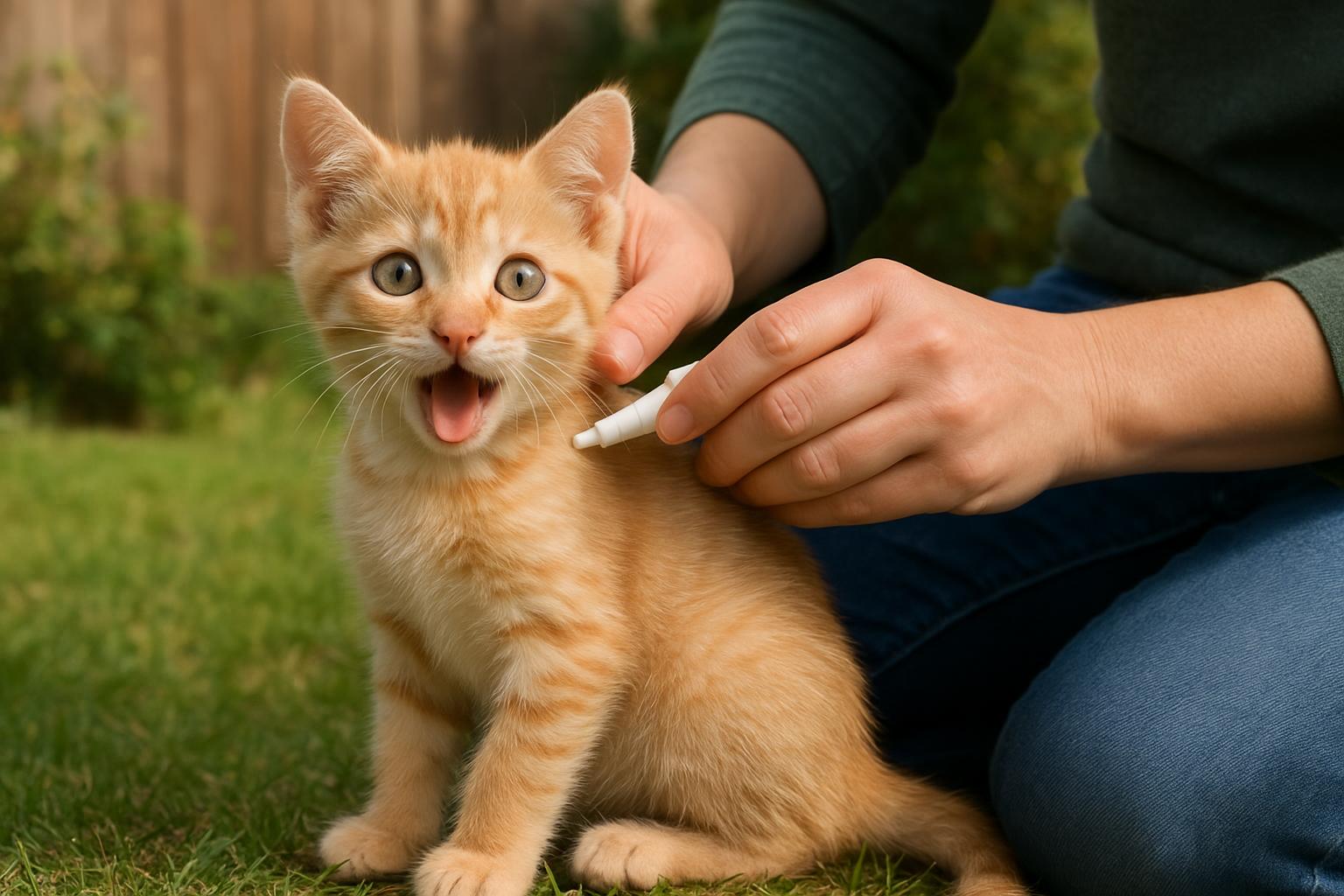
2. Administer Medication Exactly As Directed: For topicals, apply to the skin at the base of the neck and part the fur to ensure contact with the skin. For oral products, confirm the full dose was ingested. Follow re-dosing intervals established for the product.
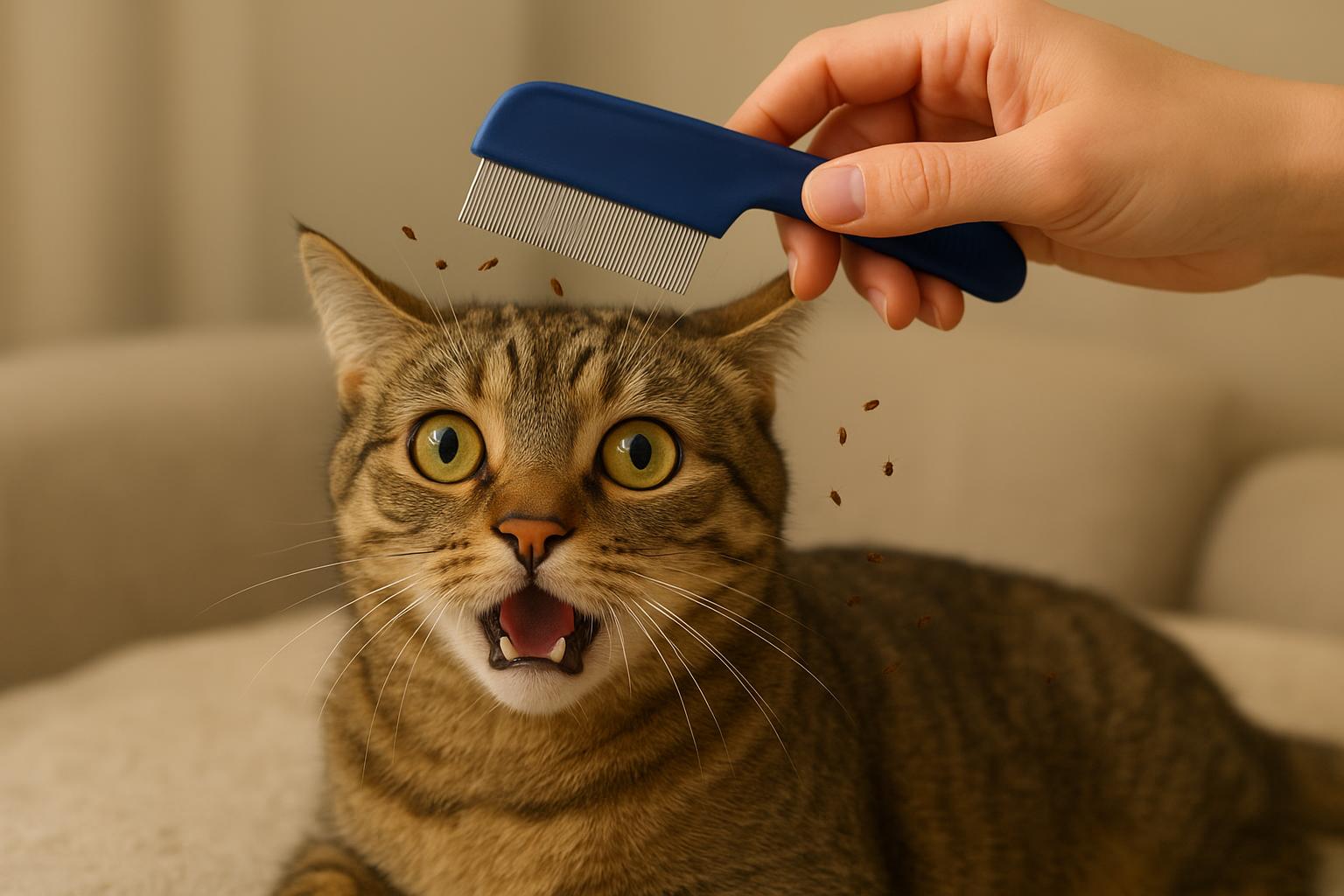
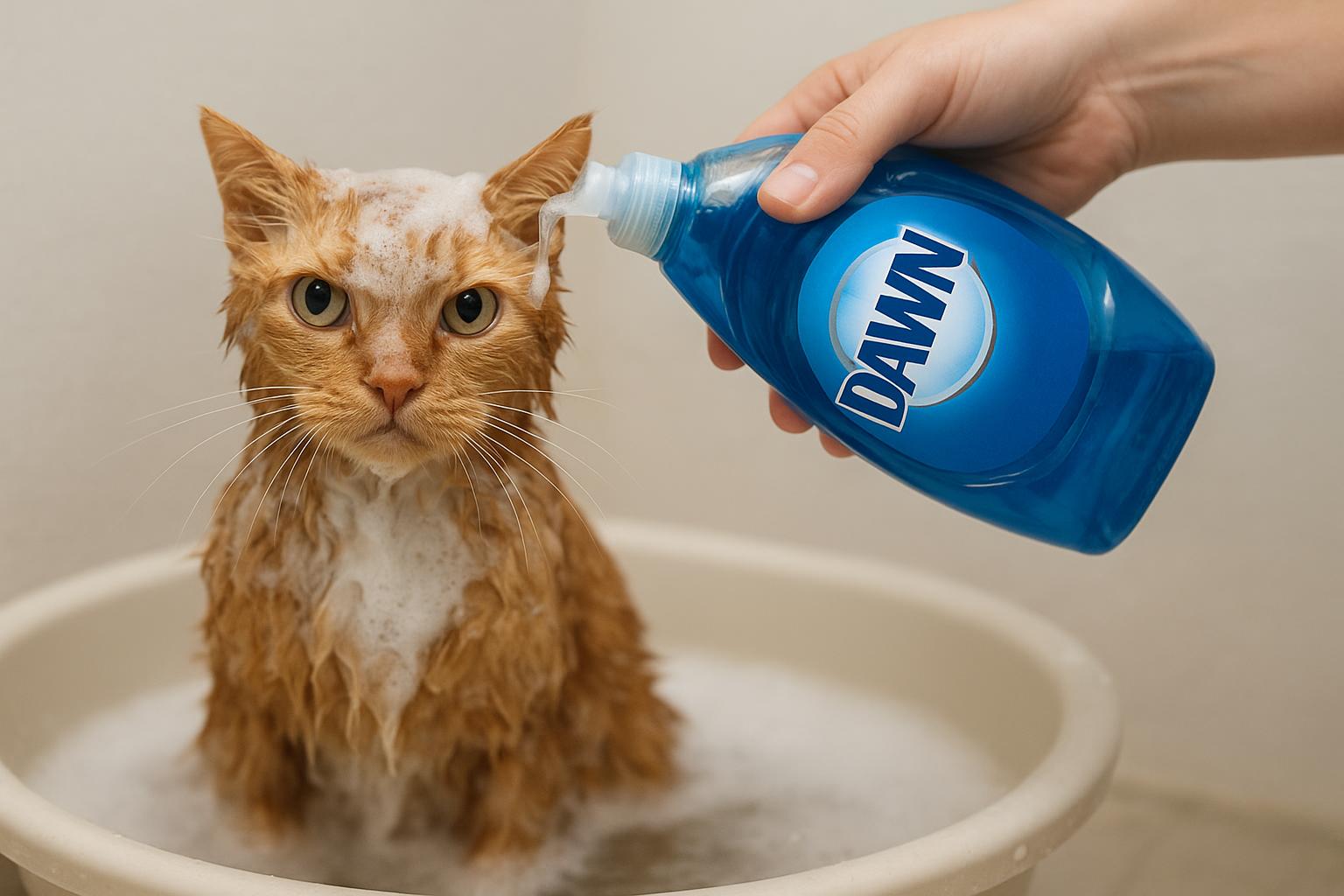
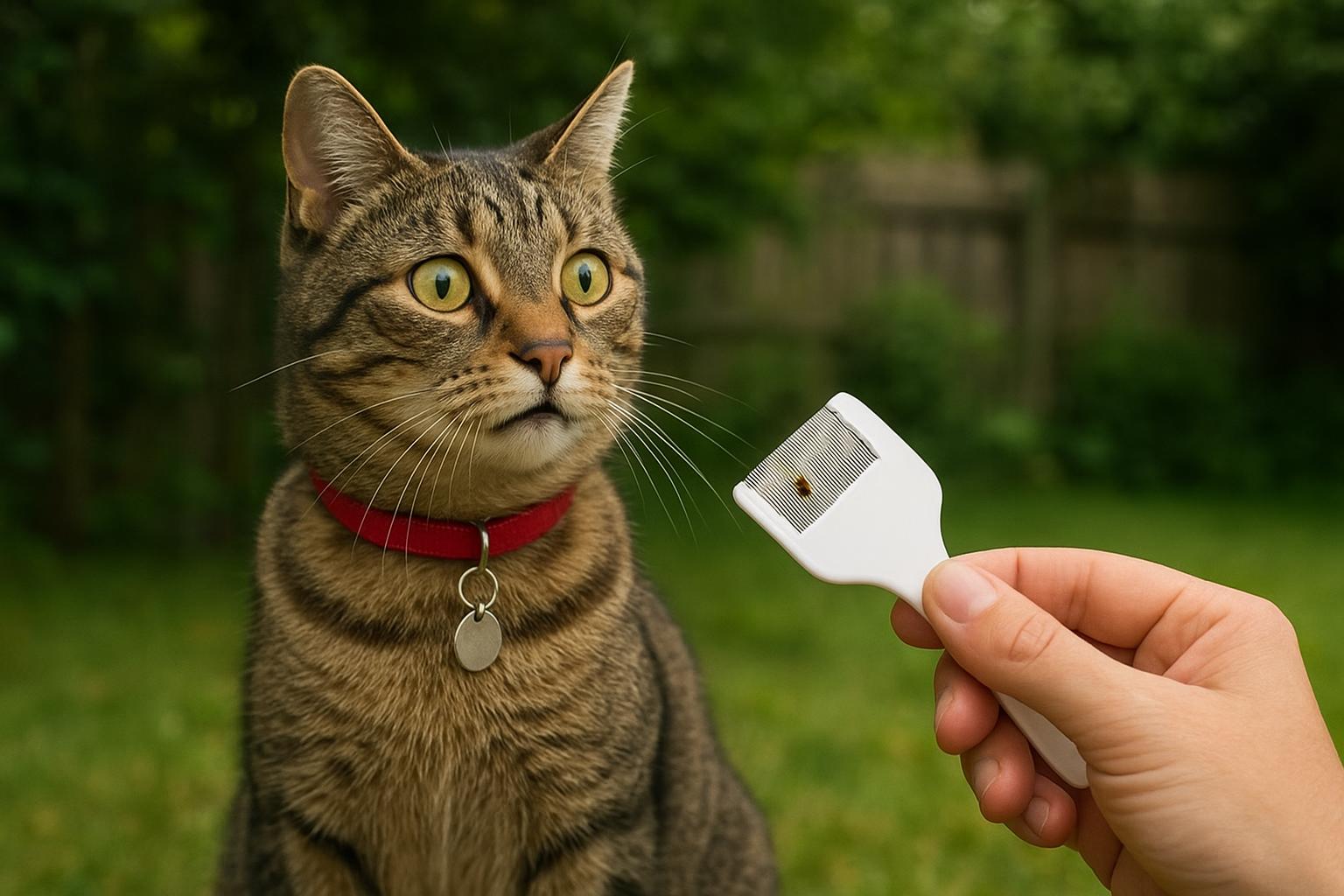
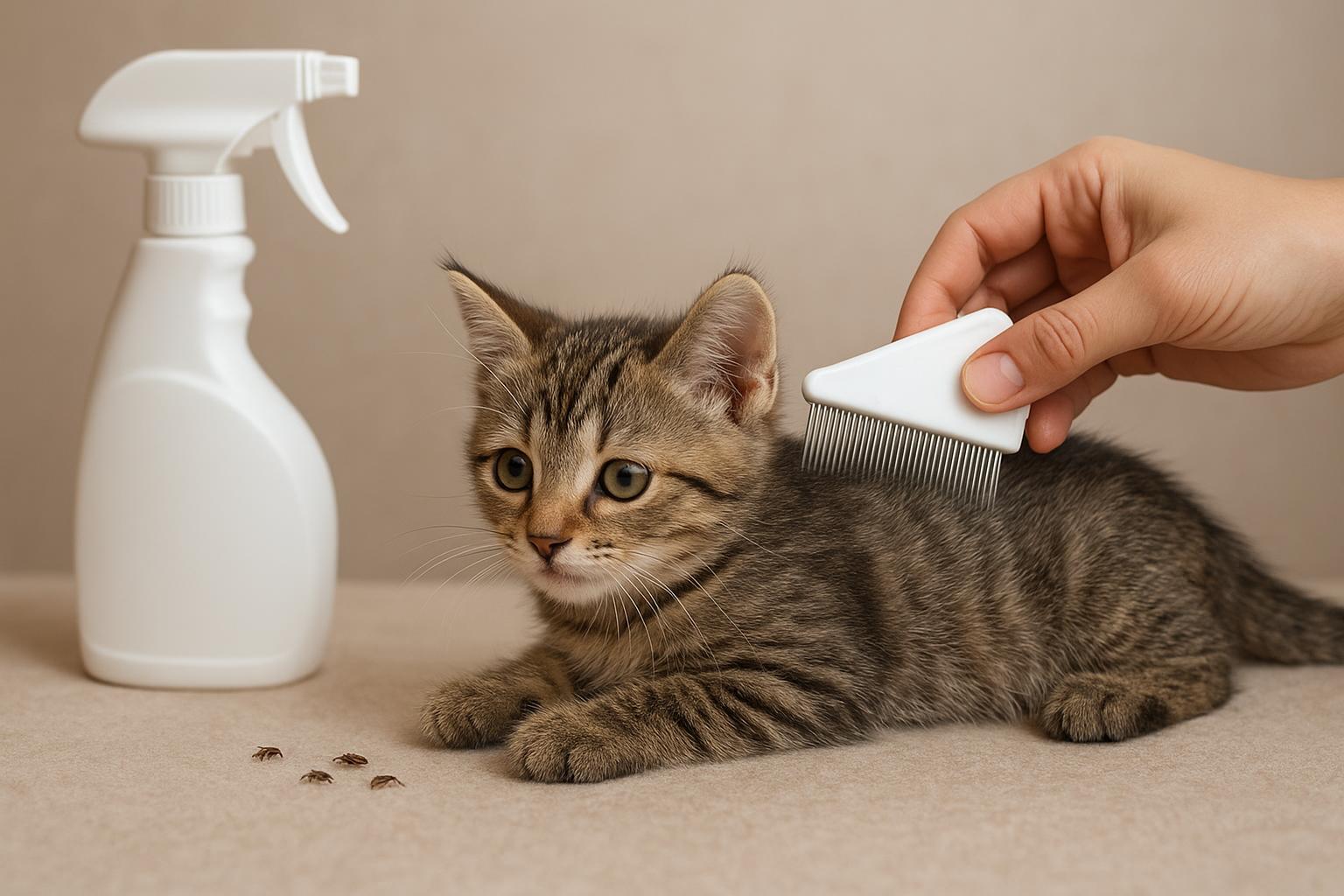
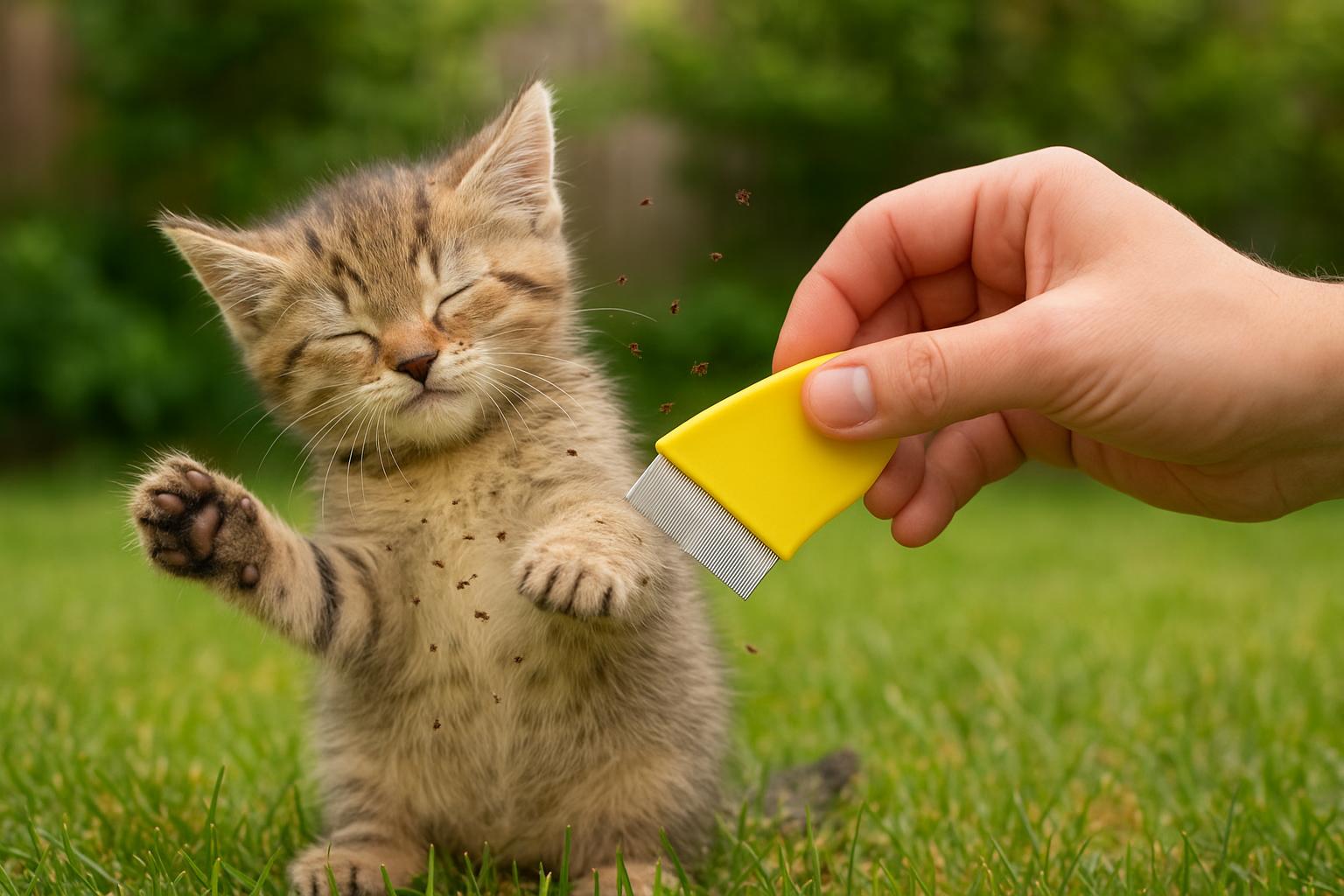
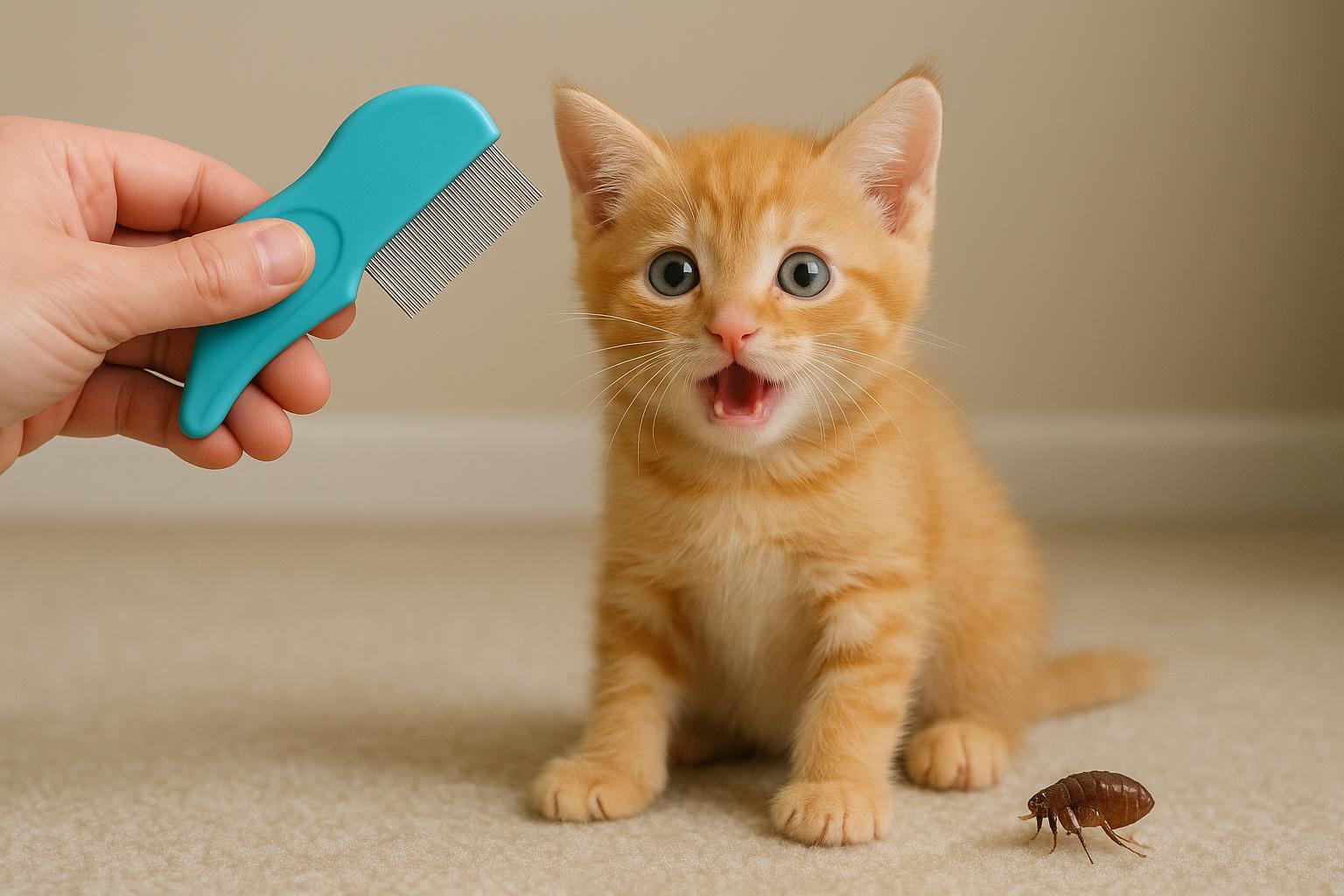
3. Combine With Physical Removal: Use a flea comb daily during an outbreak. Dip the comb directly into soapy water to kill trapped fleas.
4. Launder Bedding Weekly: Use hot water and a hot dryer cycle to kill eggs, larvae, and adults in fabrics. Replace or wash pet bedding and any throw rugs.
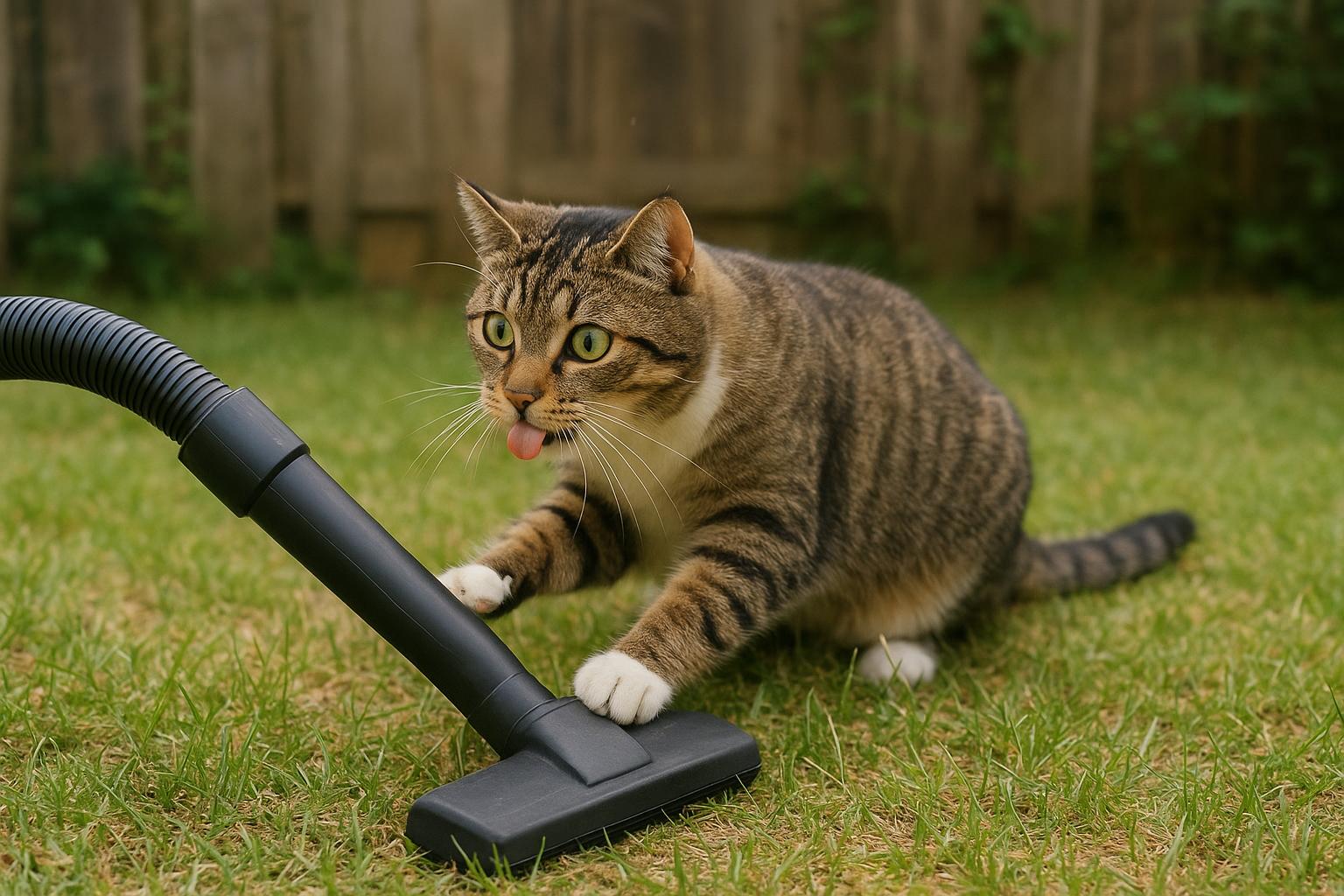
5. Vacuum Thoroughly and Frequently: Vacuum carpets, rugs, upholstery, and crevices at least twice weekly during active infestations. Empty or seal vacuum bags/containers promptly.
6. Monitor Response: Recheck pets weekly for signs of fleas or flea dirt. Continue treatments as recommended (some products provide monthly protection; others have longer intervals).
Be formal and precise with dosing and timing: stray from label directions only under veterinary guidance. Over- or under-dosing compromises safety and efficacy, hampering the flea plan.
## Remedy 2: Outdoor Yard Management And Diatomaceous Earth
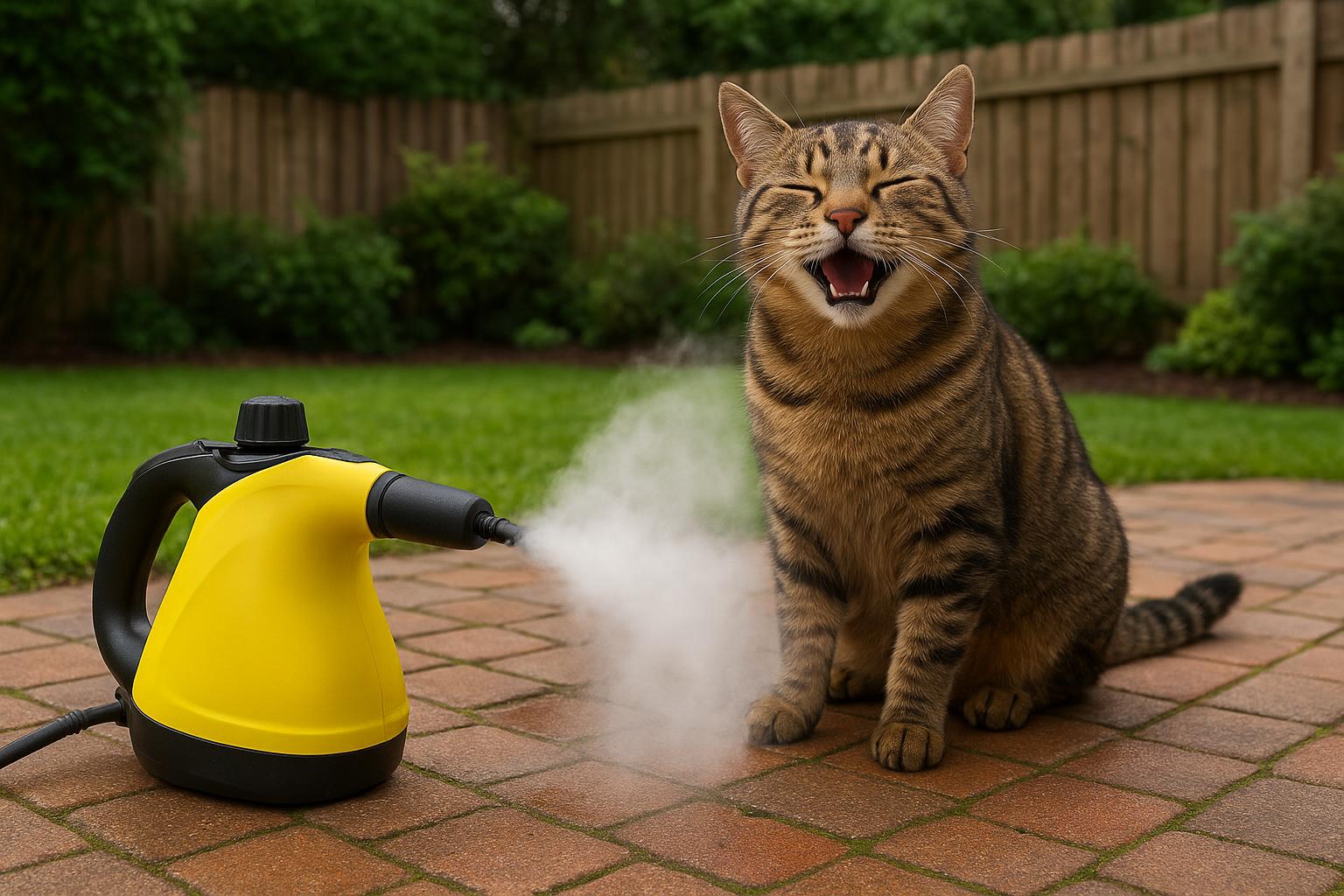
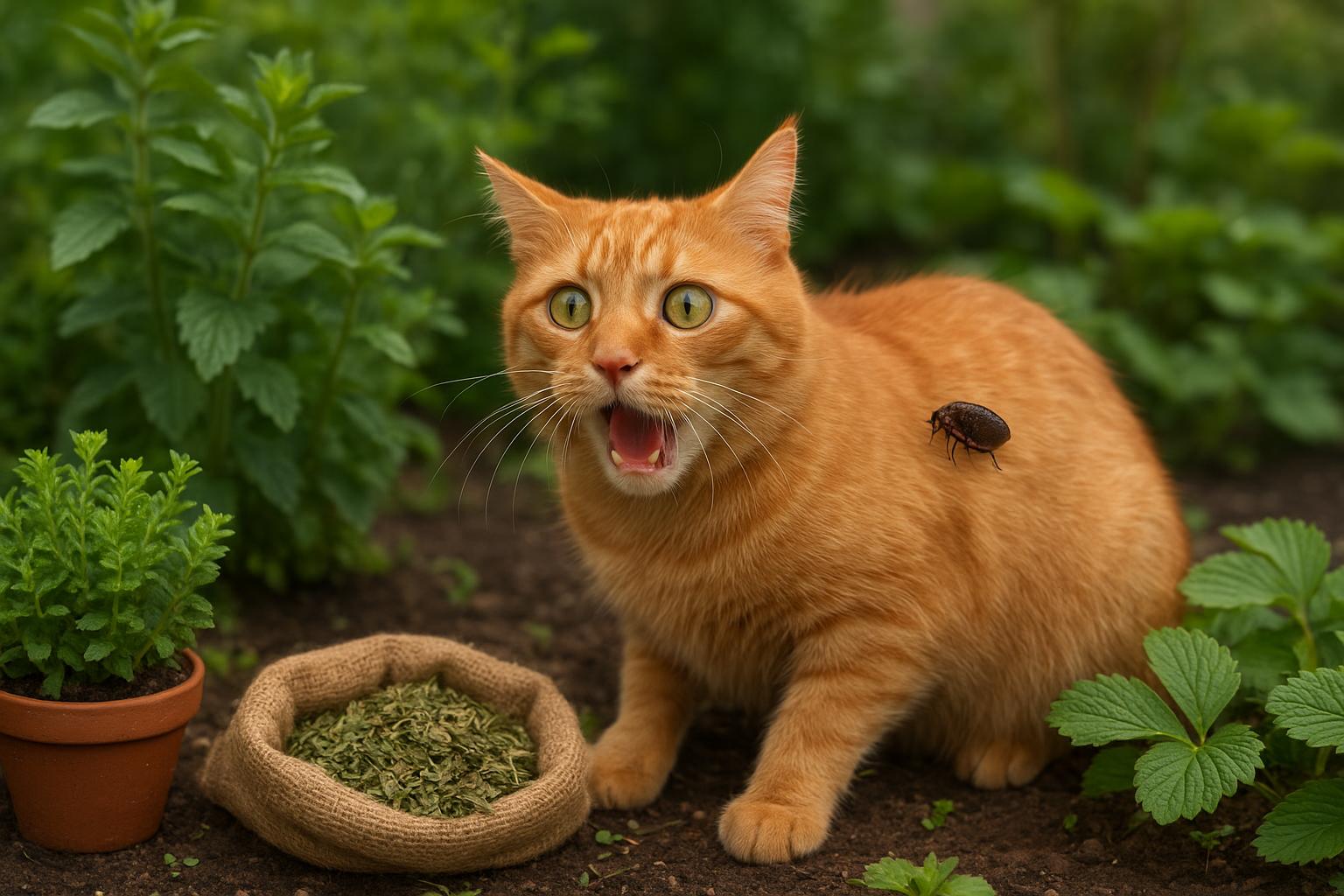
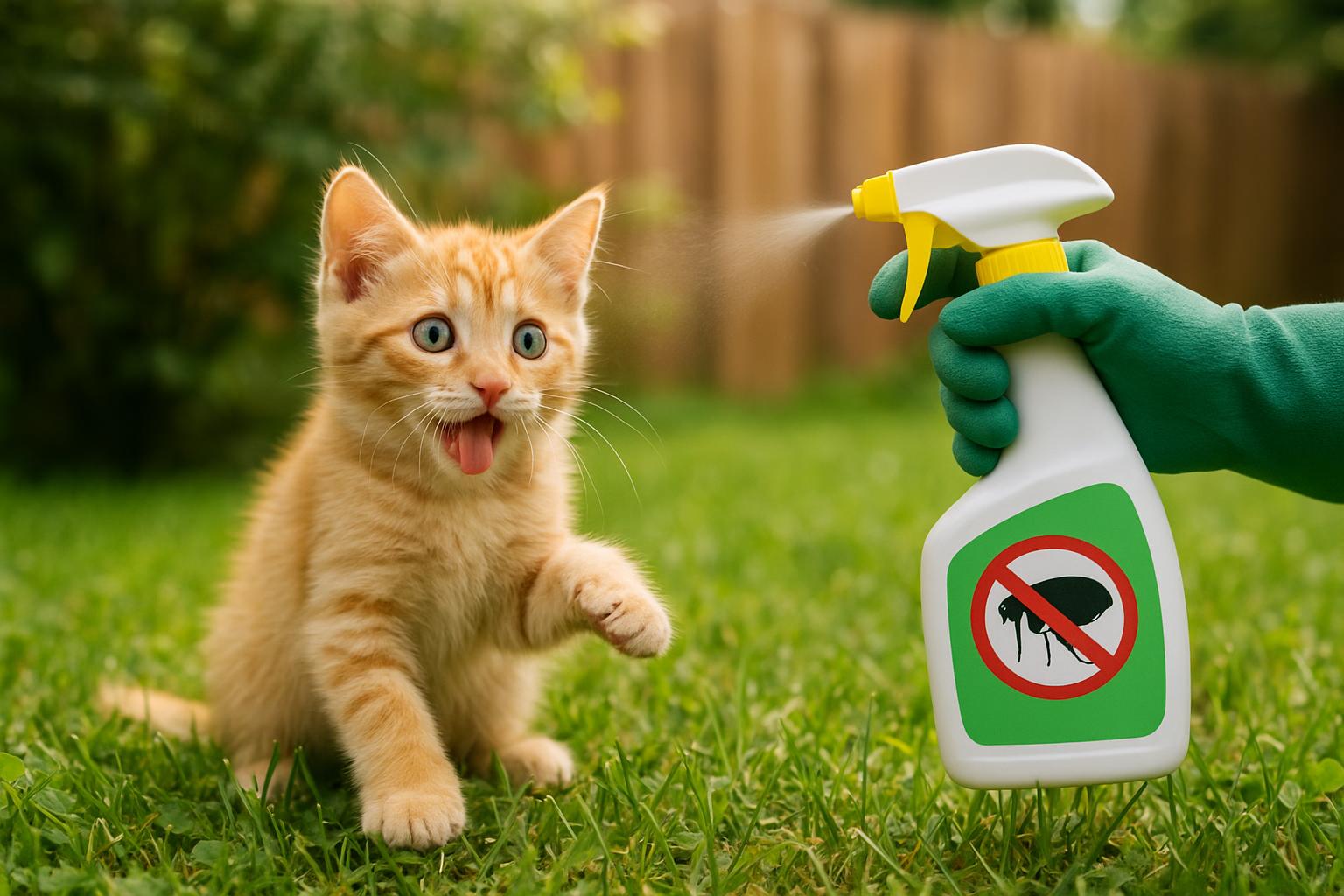
Make the yard a key point in your flea plan by reducing suitable habitat and using targeted, safe treatments. Outdoor control complements pet-focused methods and reduces re-infestation pressure.
Ingredients / Required Materials:
– Food-grade diatomaceous earth (DE)
– Protective mask, gloves, and eye protection
– Stiff broom or blower for application control
– Beneficial nematodes (Steinernema and Heterorhabditis species) in damp weather windows, if desired
– Yard rakes and pruning shears
– Optional: professional-grade outdoor insect growth regulator (IGR) or insecticide applied by licensed applicator
Step-by-Step Creation And Application:
1. Assess Problem Areas: Identify shady, moist microhabitats under decks, along foundations, and in leaf litter where pets or wildlife rest.
2. Clean and Modify Habitat: Rake leaves, trim overgrown vegetation, reduce mulch depth, and create sunny, dry zones that are less hospitable to fleas.
3. Apply Diatomaceous Earth: Wear protective gear. Lightly dust DE in targeted zones (not broadcast over lawn) — along foundation edges, under decks, and in pet toys/storage areas. Apply on a dry day when the product will remain where placed for several hours. Avoid heavy wind or rain.
4. Use Beneficial Nematodes: In moist soil and during appropriate seasons (spring or fall), release nematodes according to supplier instructions to target larvae and pupae biologically. Keep soil moist for 48–72 hours post-application.
5. Consider IGRs or Professional Sprays: If infestations are severe and persistent, consult a licensed pest control professional to apply insect growth regulators that prevent larvae from maturing, integrated into the broader flea plan.
6. Monitor Yard Regularly: Reassess moisture, shade, and wildlife activity. Repeat DE applications monthly during peak seasons and after treatments if needed.
When applying outdoor remedies, emphasize safety and environmental stewardship. Food-grade DE is abrasive and kills by physical means; it’s safe for pets when used correctly but avoid inhalation during application.
### Monitoring And Maintenance
Regular checks will confirm your flea plan is working. Maintain a schedule: monthly pet treatments as directed, weekly bedding washes during high-risk months, and yard inspections every few weeks. Keep a log of products used, dates, and any observed pest activity; tracking makes it easier to detect trends and decide when to escalate measures.
### When To Call A Professional
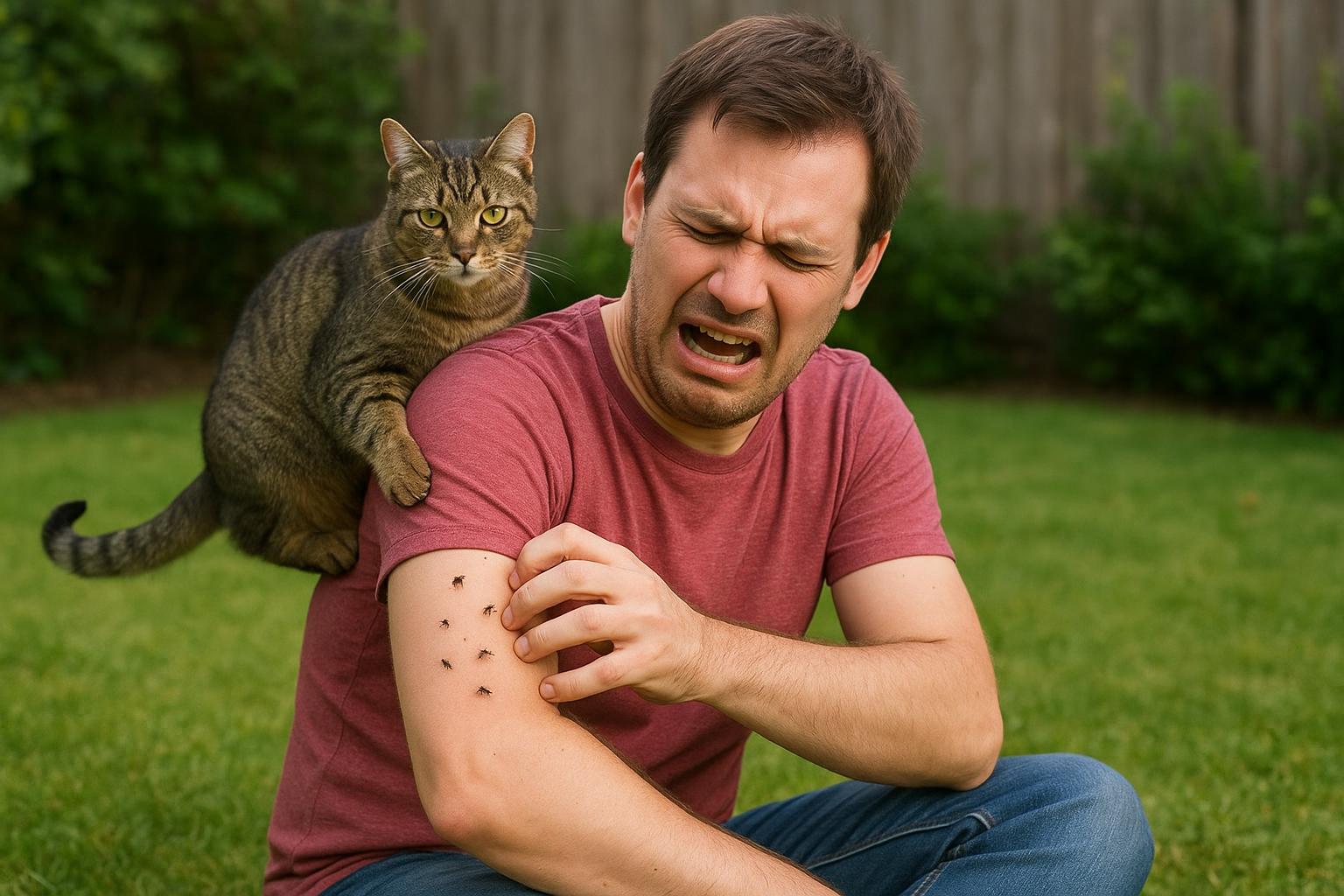
If after following the flea plan your pets still show signs of heavy infestation, or if household members develop persistent bites and reactions, enlist professional help. Pest control technicians can identify hotspots you might miss, apply targeted treatments safely, and offer follow-up plans. Also contact your veterinarian if pets show adverse reactions to treatments or severe flea-allergic dermatitis.
#### Quick Tips To Keep The Flea Plan On Track
– Treat all pets in the household simultaneously to avoid cross-reinfestation.
– Avoid mixing products without veterinary approval; interactions between topicals and orals can cause harm.
– If you have wildlife access points (gaps under porches, chimneys), seal them to reduce wild hosts that sustain flea populations.
– Consider year-round prevention in areas where climate supports fleas outside the warm season.
Stay diligent and patient — breaking the flea life cycle takes coordinated, repeated effort. Your pets will thank you with fewer scratchy evenings and more restful naps, and you’ll enjoy a home that isn’t a tiny archaeological dig for flea dirt.








Leave a Reply