

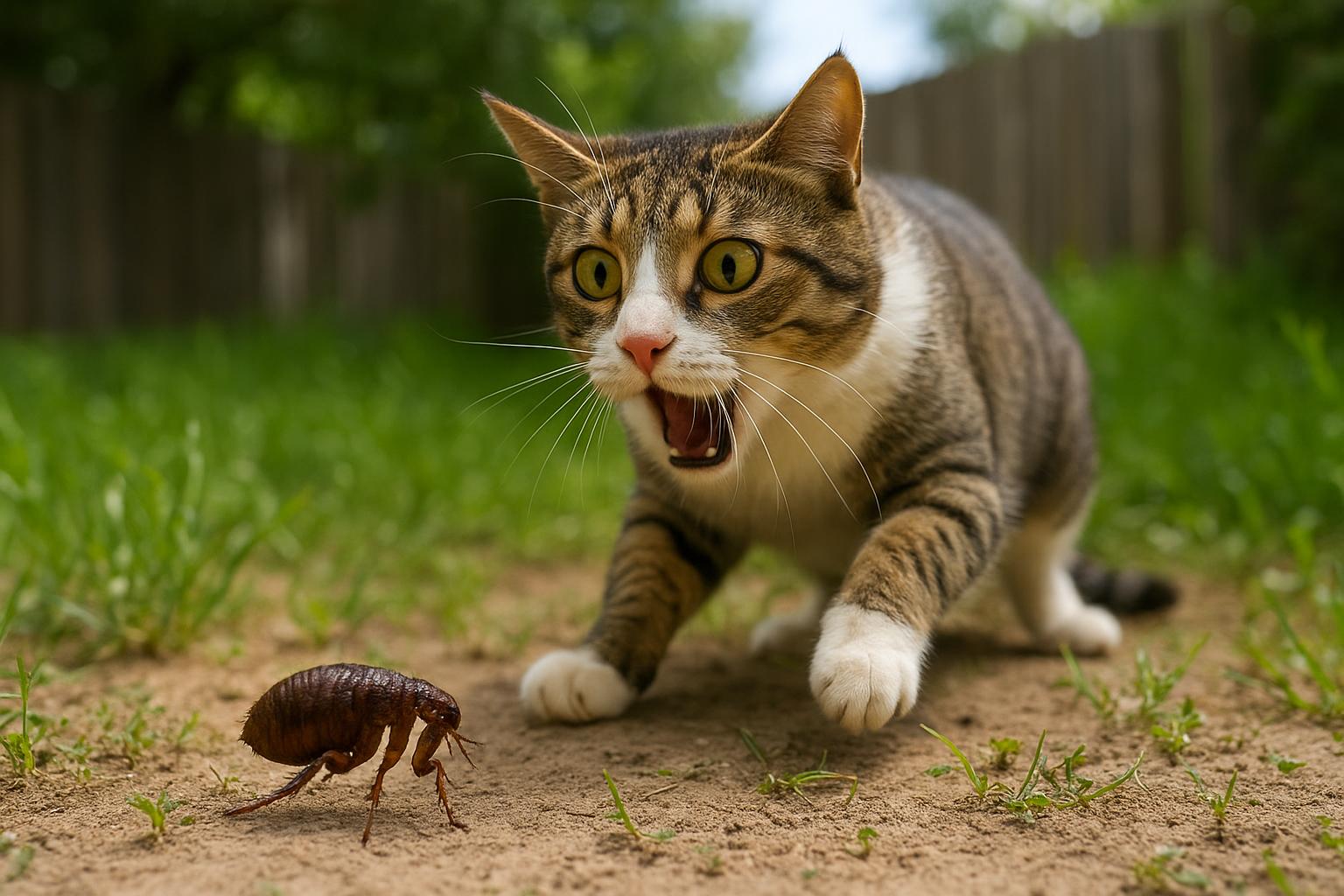
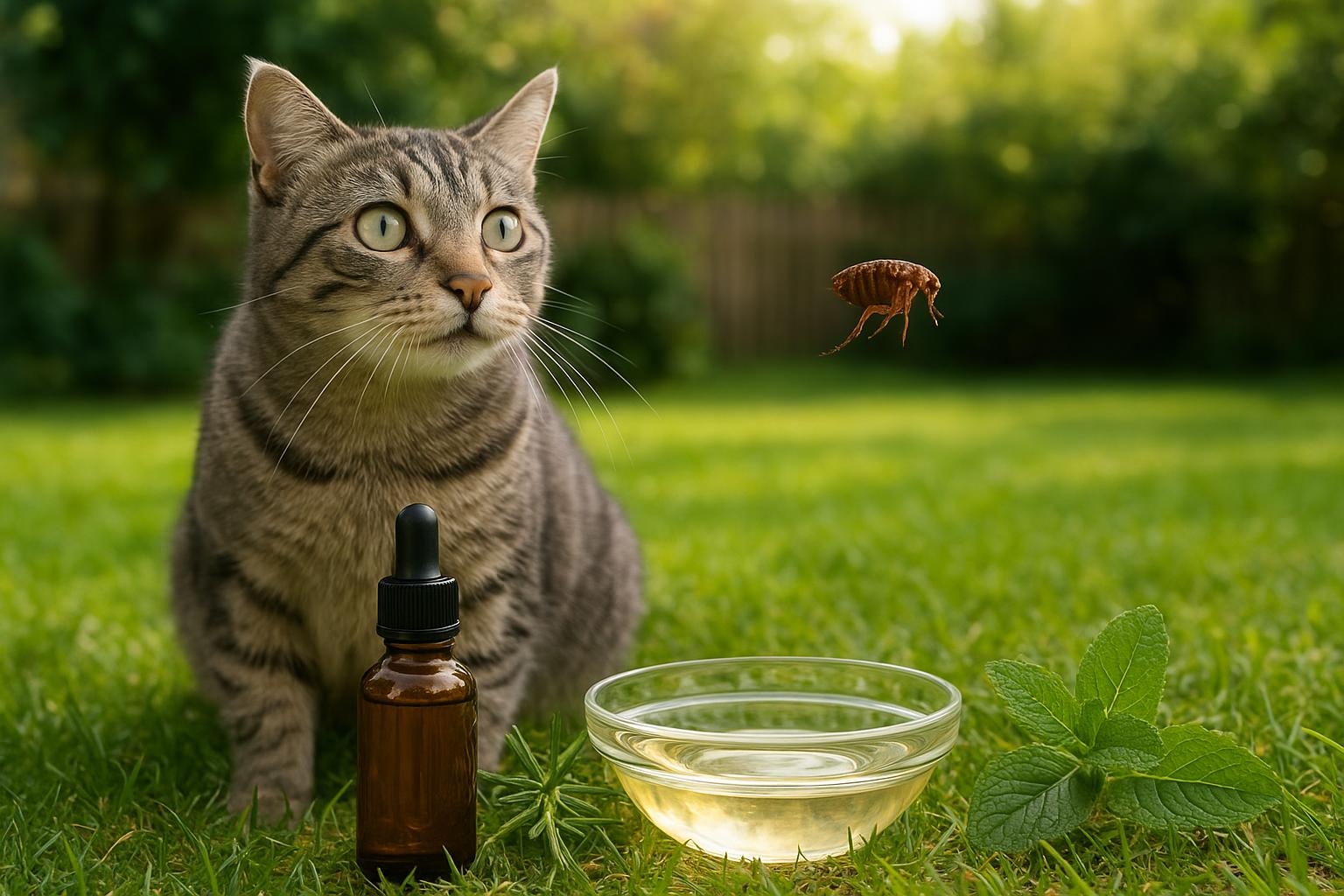
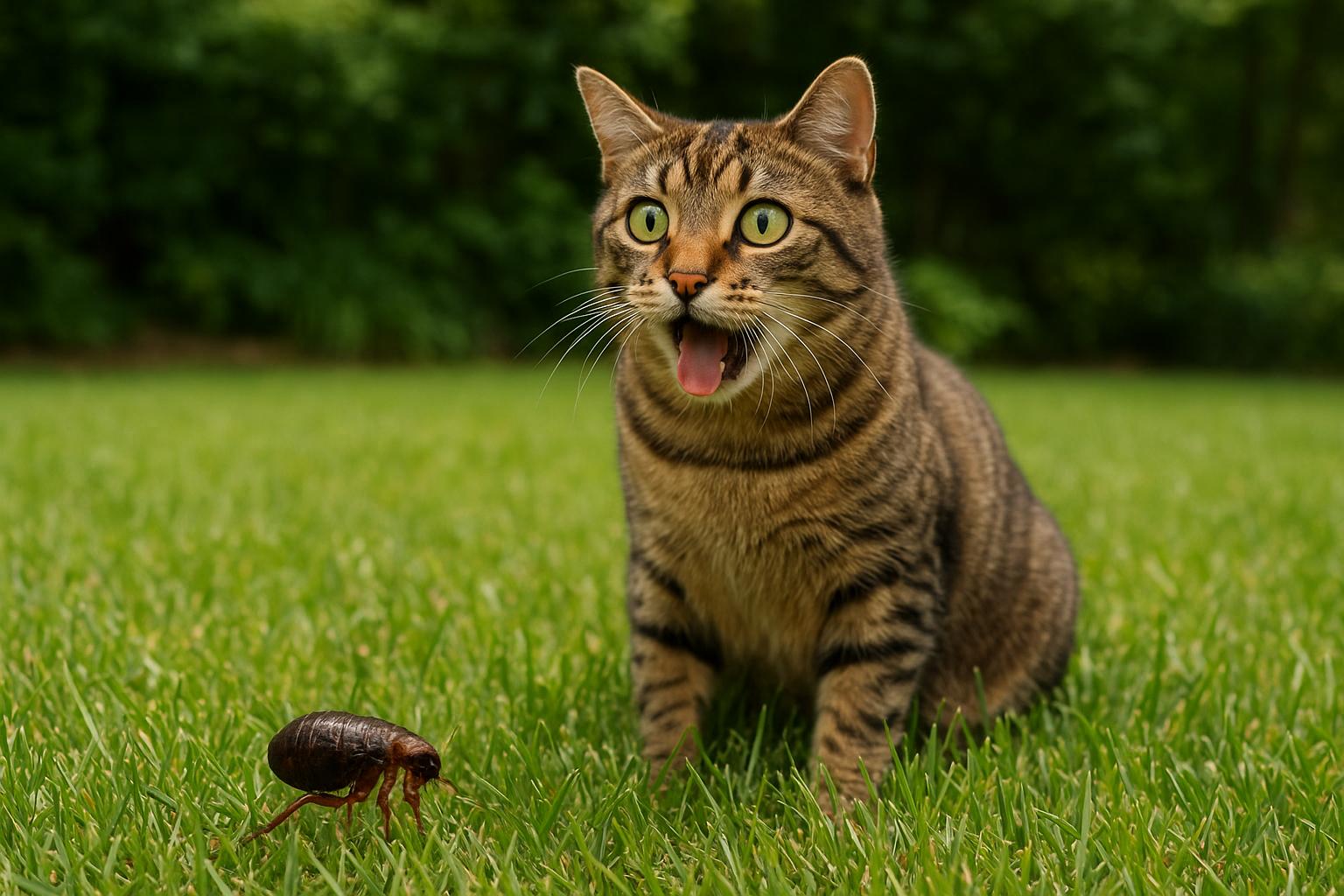
A warm afternoon can feel like the backyard is whispering secrets: a parade of ants, the hum of grasshoppers, and sometimes the stealthy leap of a flea. These tiny somersaulting invaders begin their missions outdoors, and if you listen carefully to the landscape, you can read the clues they leave on their way inside.
## How Fleas Reach Homes From Yard: Signs And Pathways
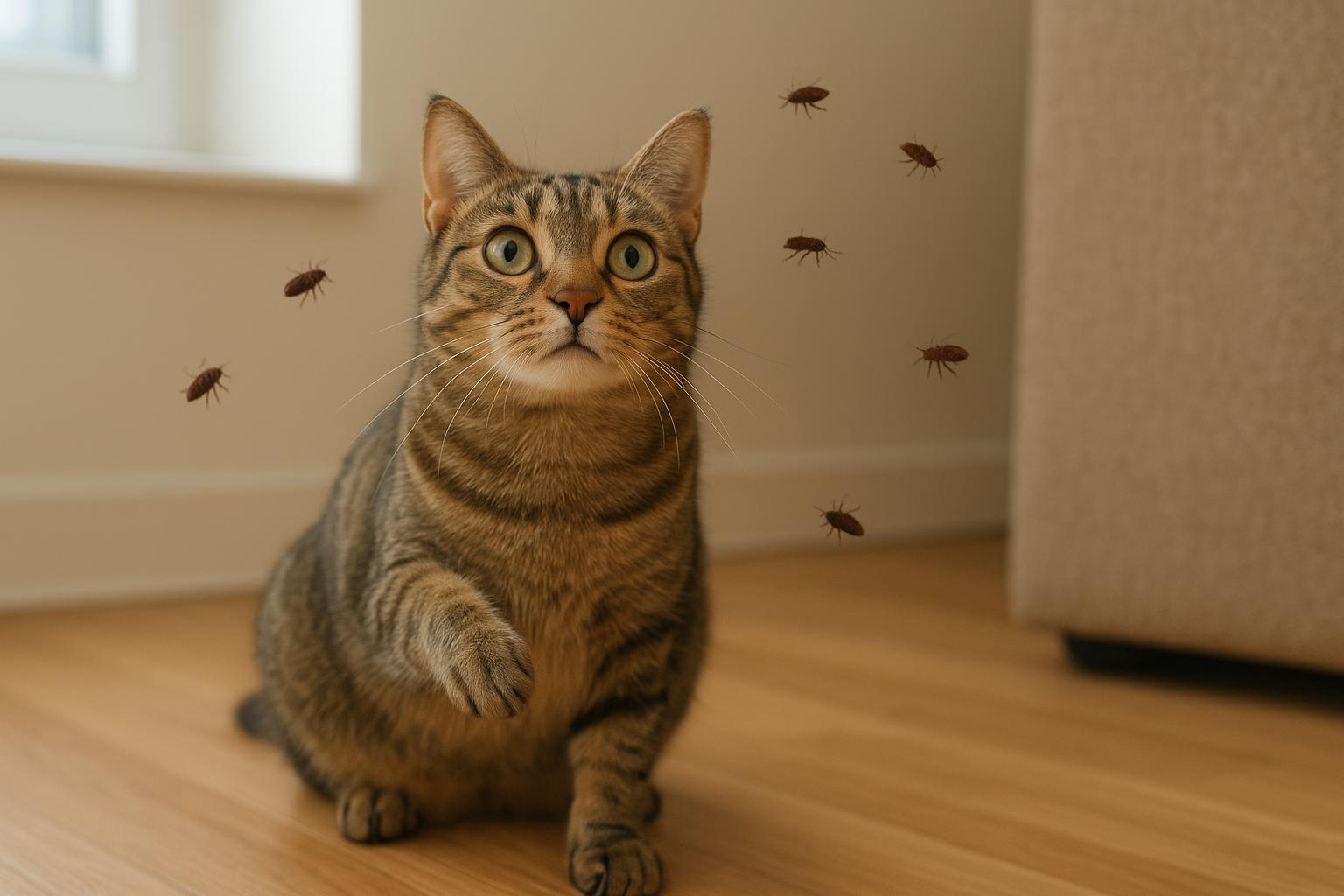
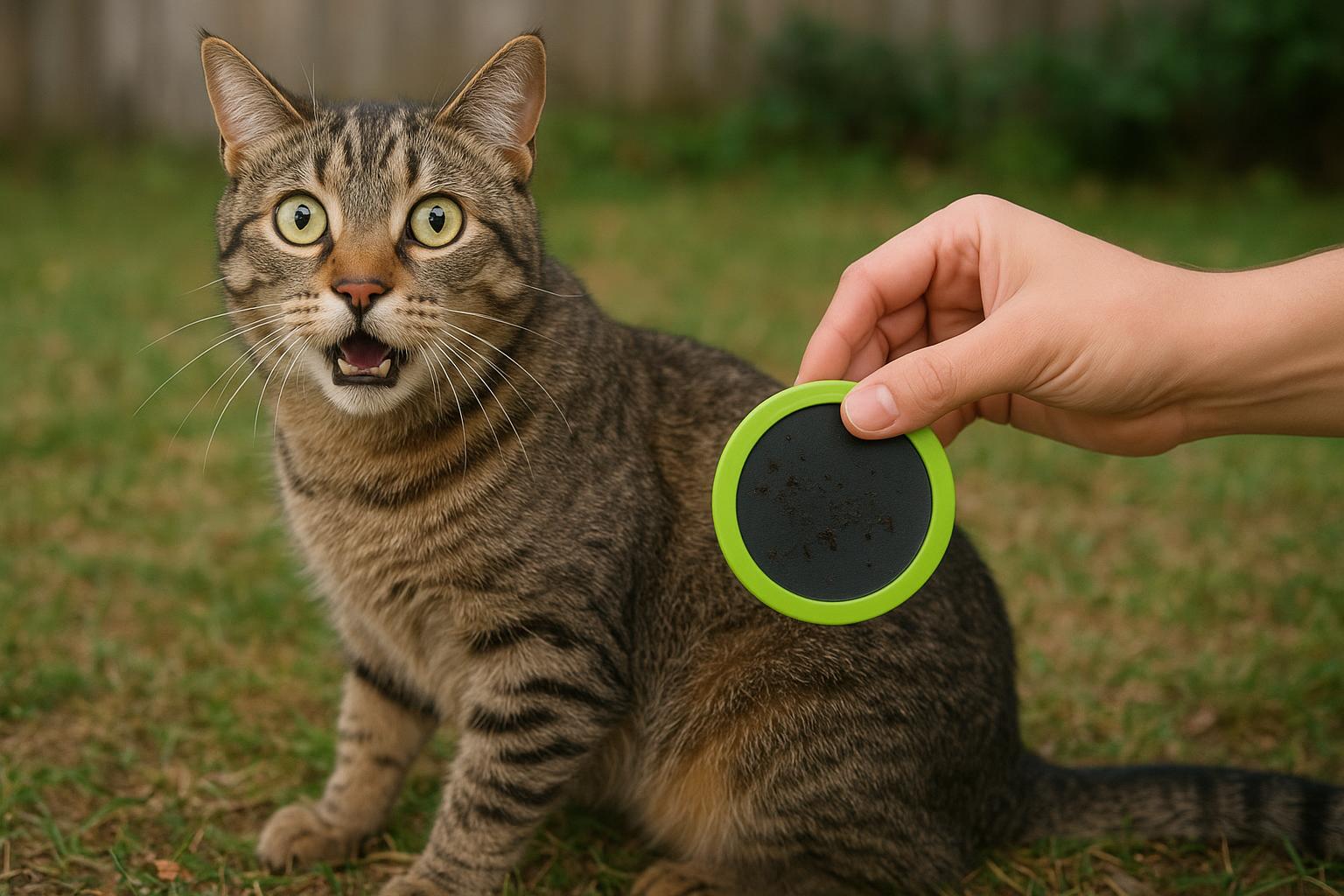
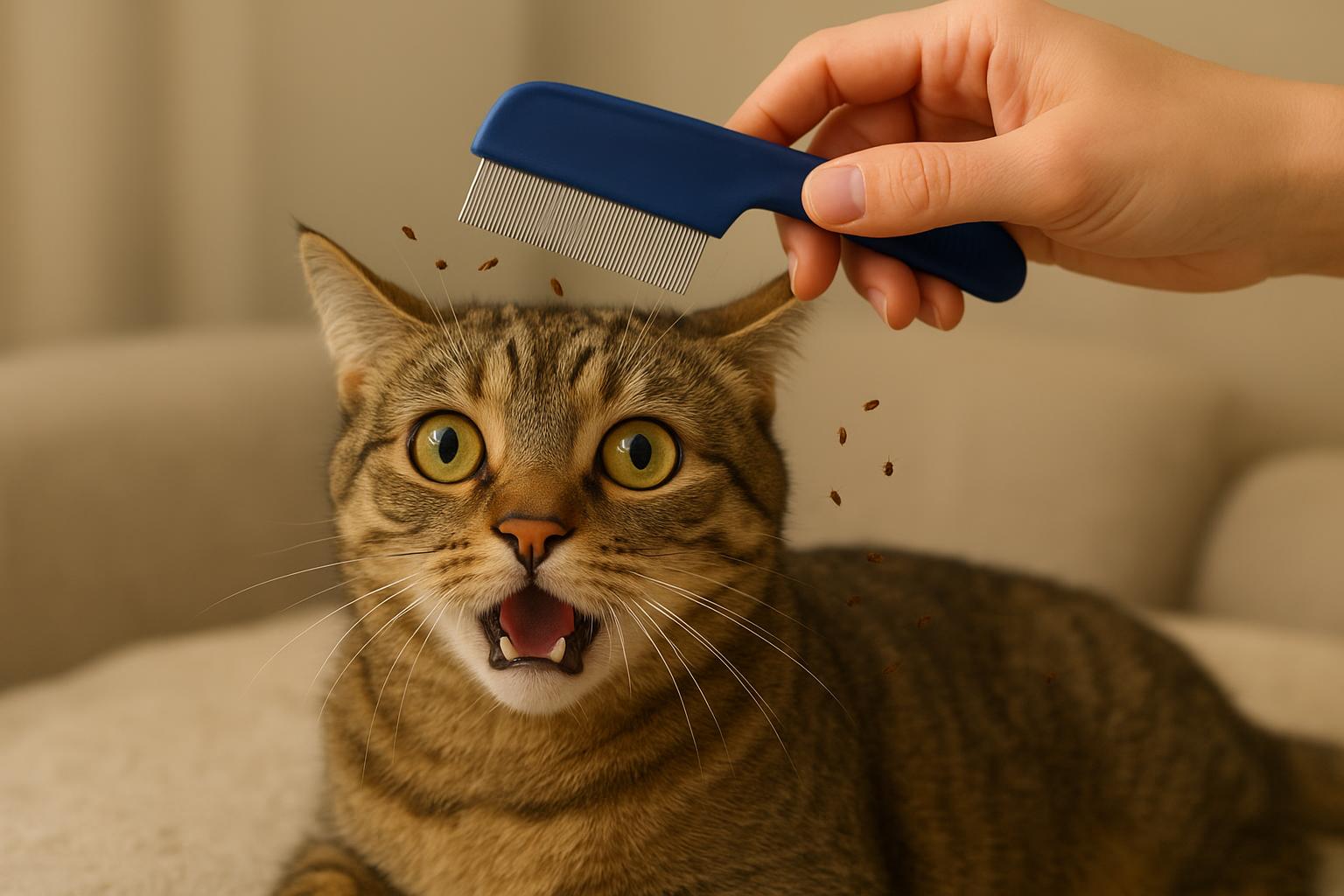
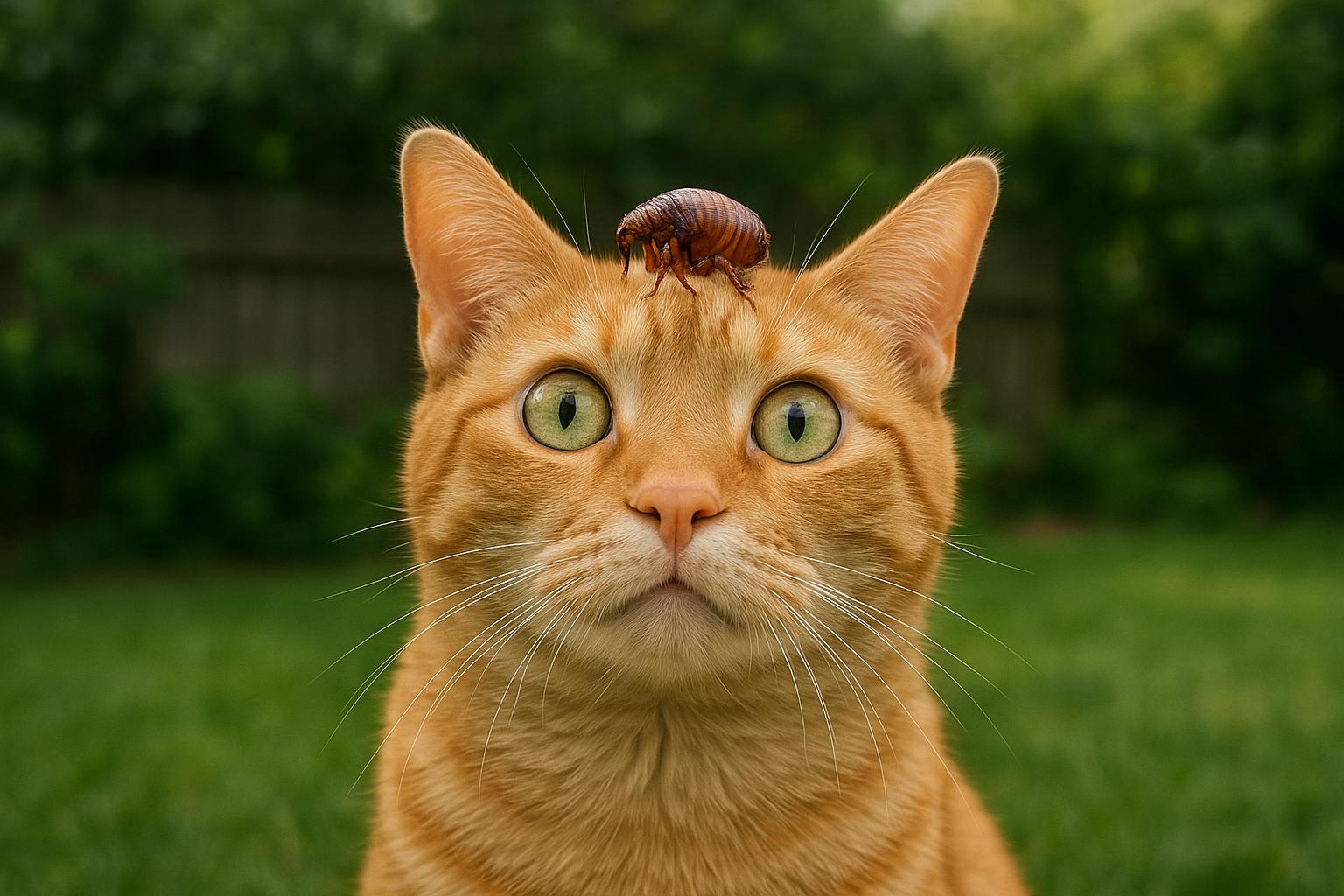
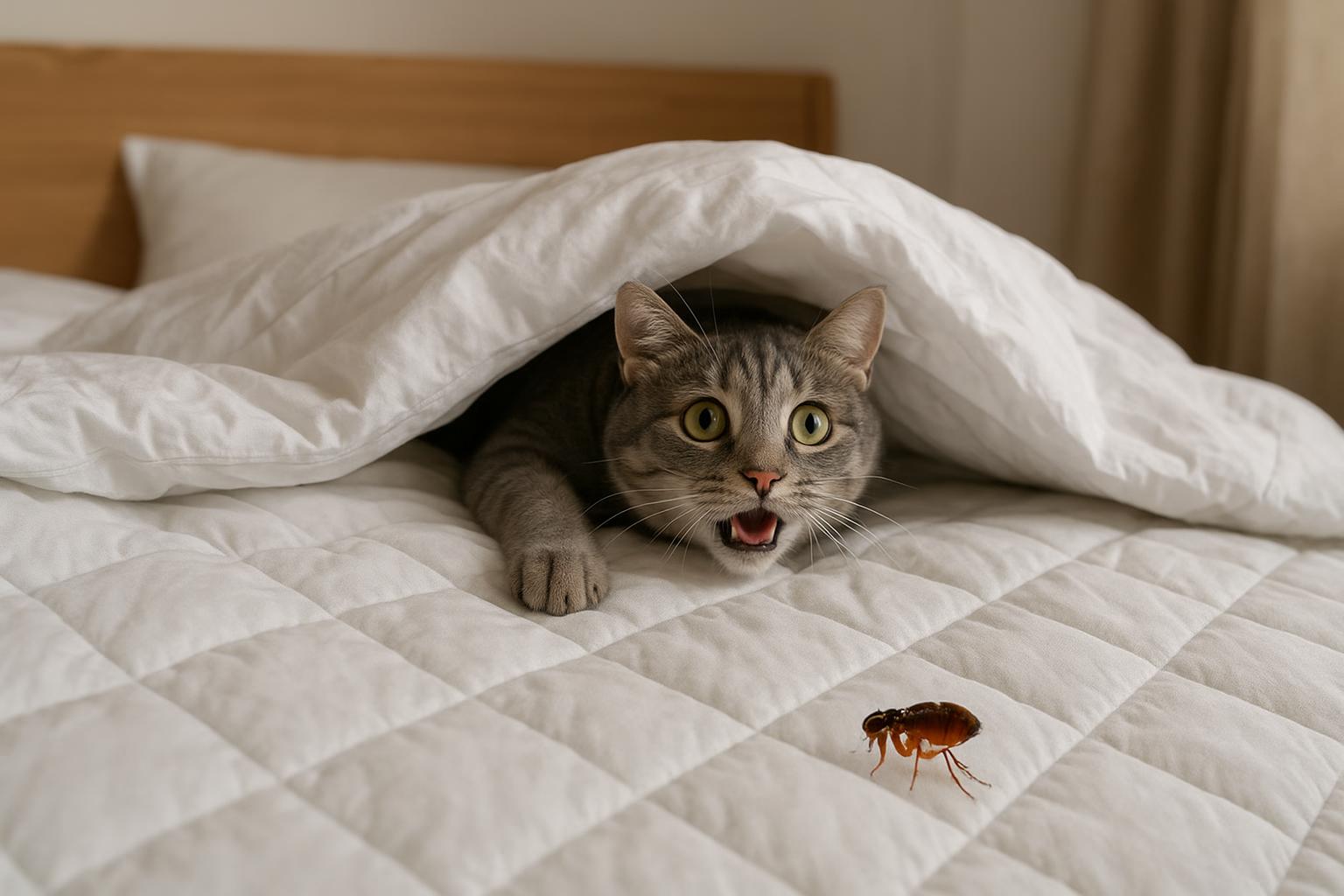
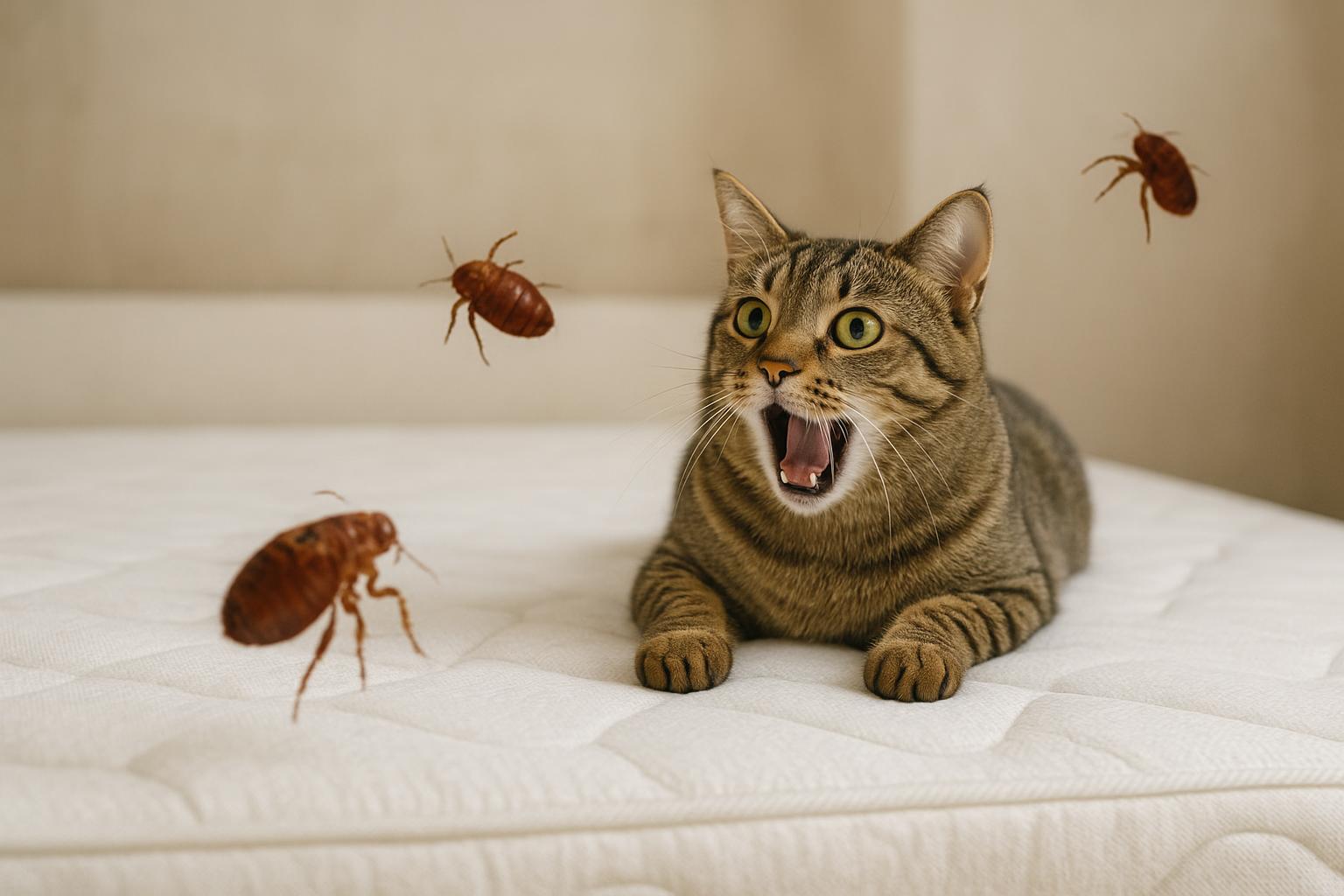
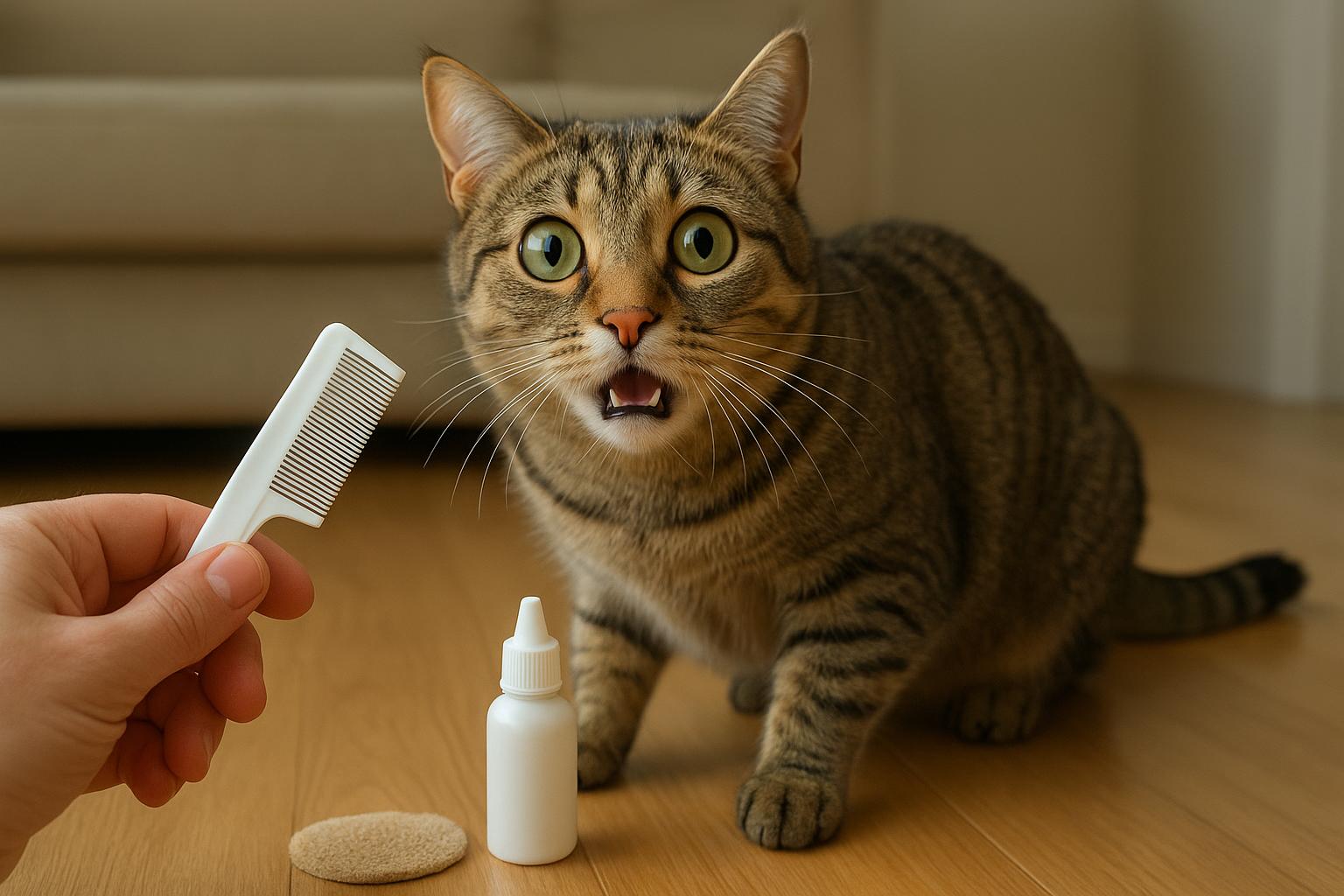
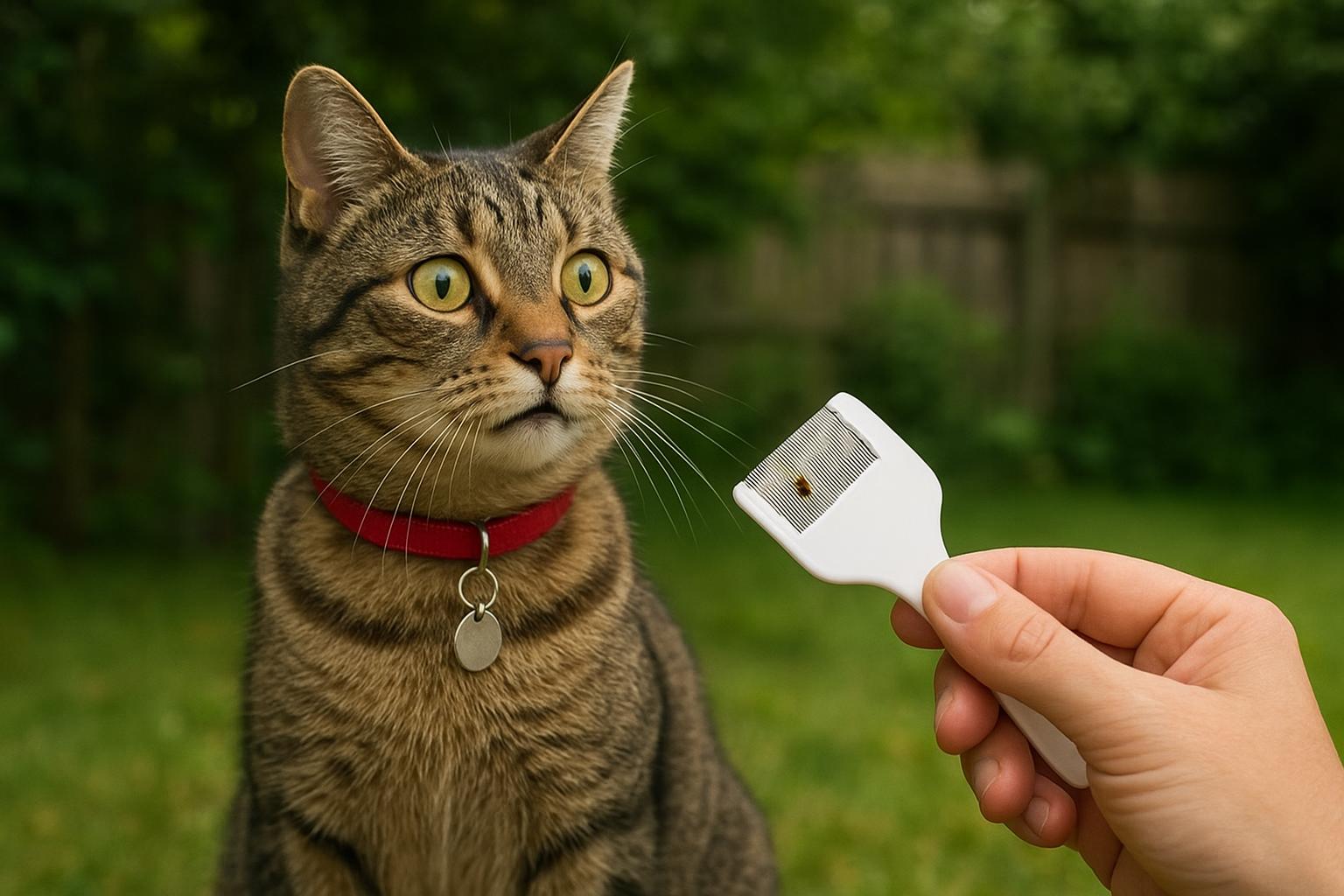
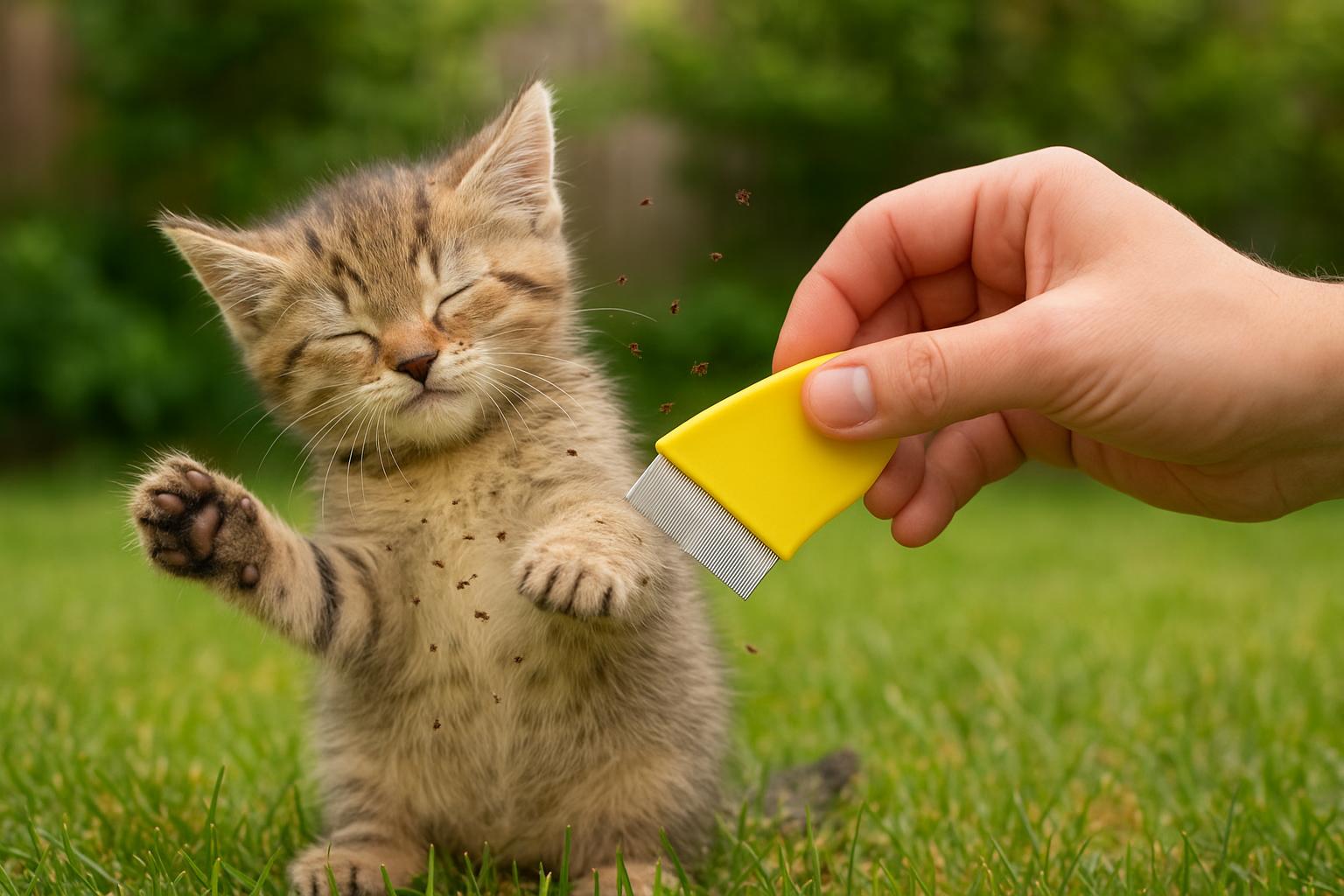
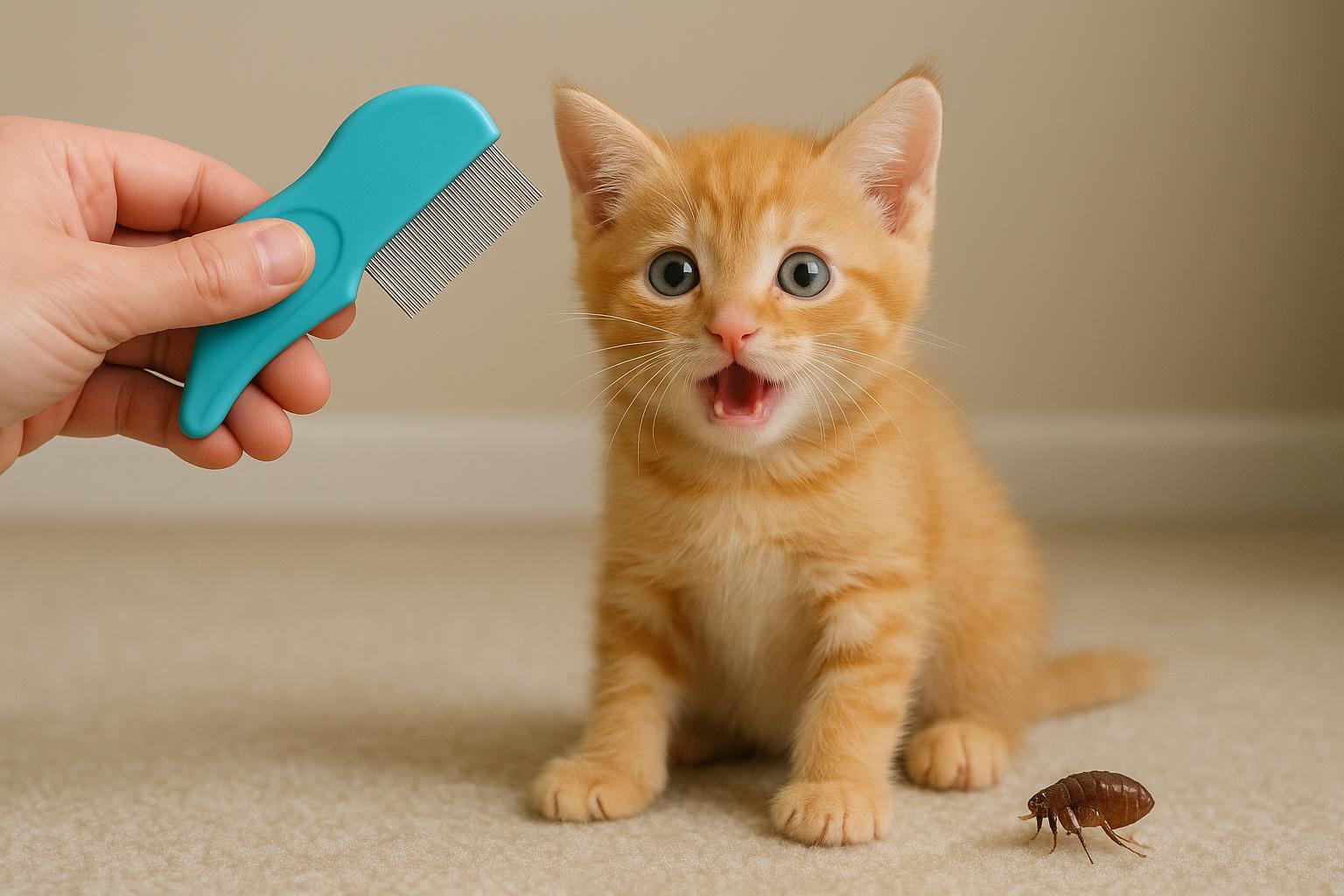
Fleas are evolutionary hitchhikers, and understanding how fleas reach homes from yard spaces turns the backyard from a mystery into a map. Look for concentrated dark dust on your pet’s fur (flea dirt), persistent scratching, or small black specks around entryways. These are the breadcrumbs of a silent, four-stage lifecycle—egg, larva, pupa, adult—that begins in shaded soil, leaf litter, or beneath decking. Adult fleas jump onto a host outside, breed rapidly, and adults or eggs can then be transported indoors on animals, humans, or objects.
### Where Yard Fleas Love To Hide
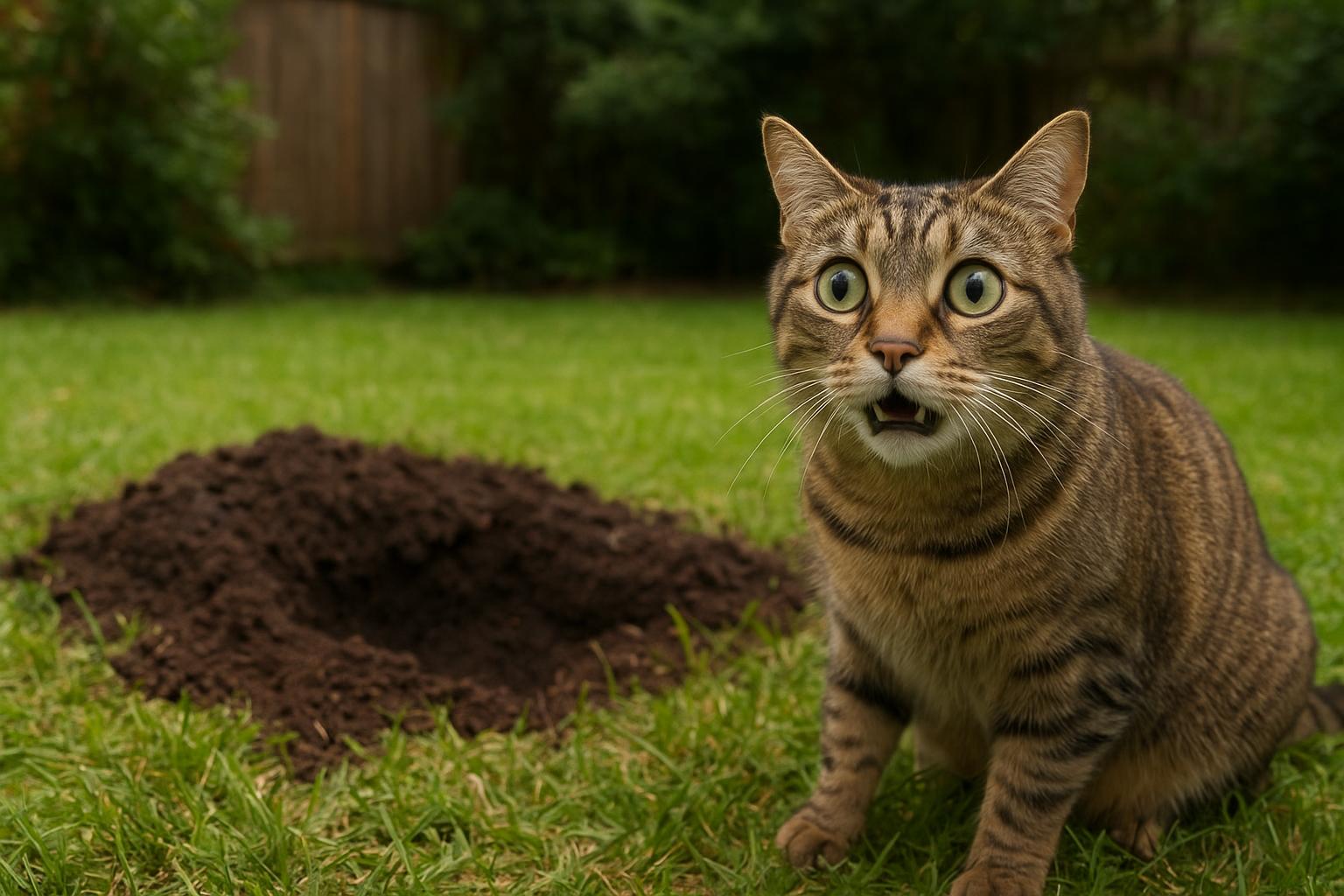
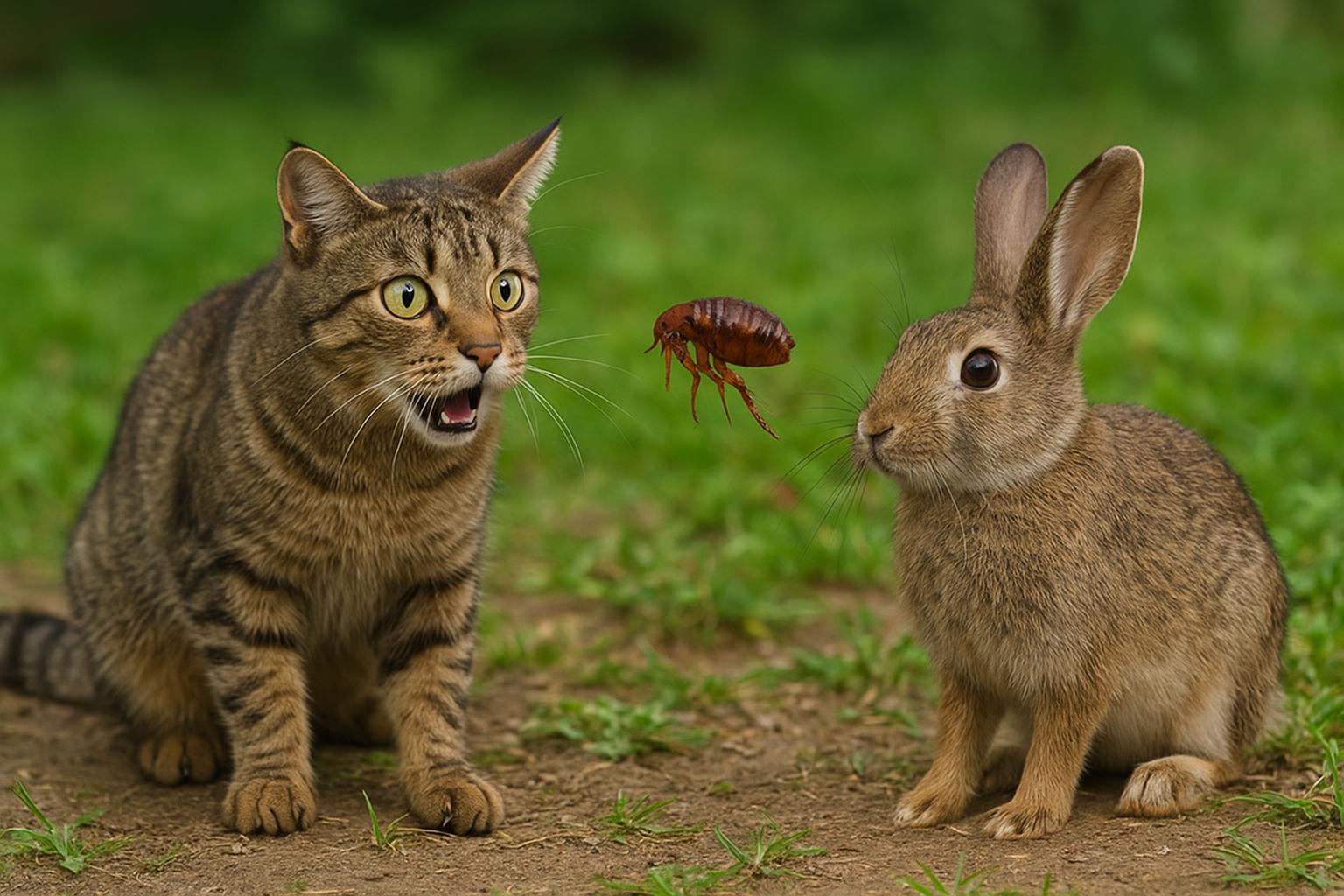
Shaded, humid zones are flea nurseries: beneath bird feeders, near compost piles, under outdoor furniture, and along the perimeter of fences. Patches of tall grass and mulched planting beds keep temperature and moisture steady—perfect for larvae. If you notice a congregation of critters—stray cats, raccoons, or rodents—these are often the mobile landlords of yard fleas, seeding infestations near property edges.
### The Usual Suspects: Vectors And Hosts
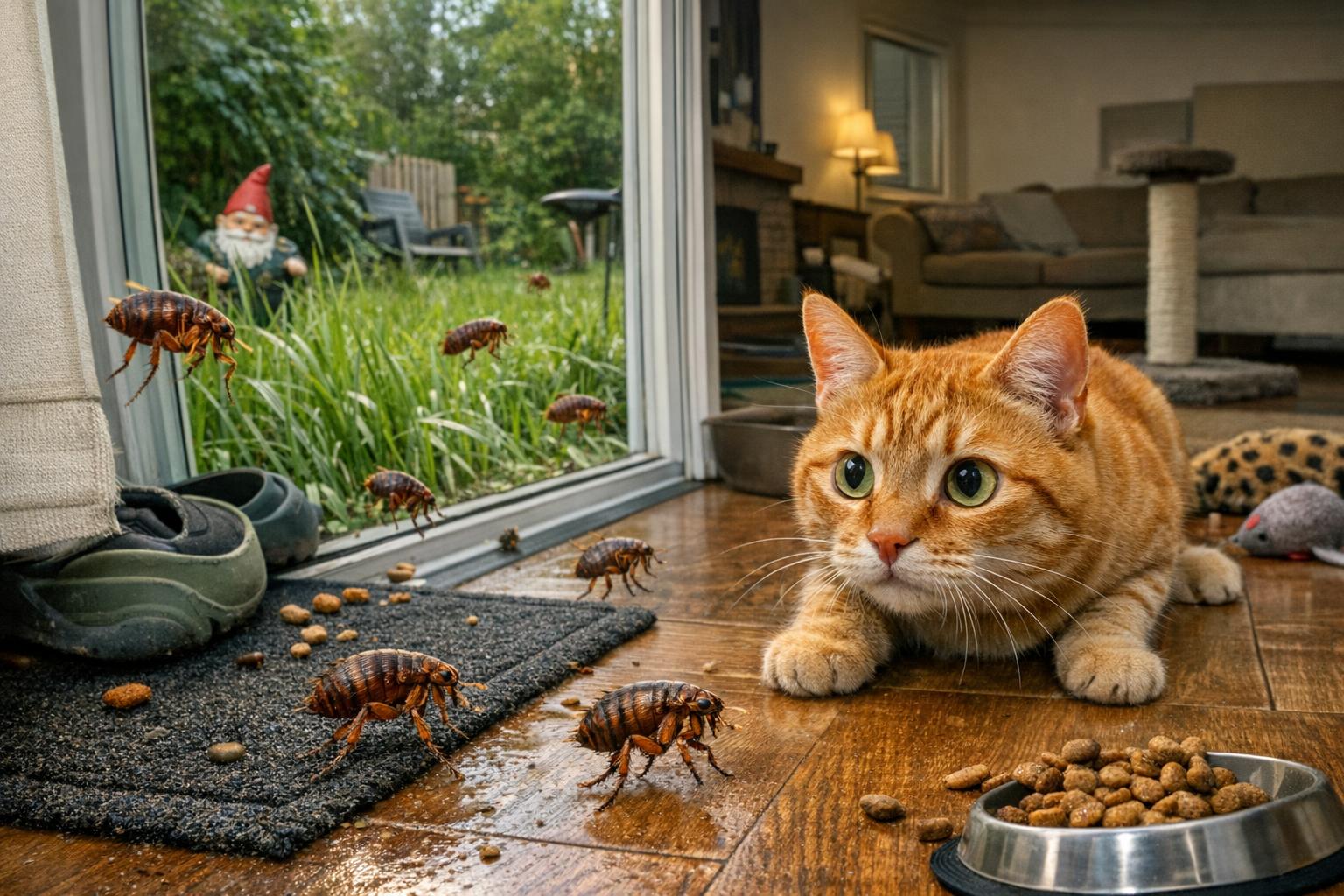
Domestic pets, wildlife, and even neighbors’ animals act as biological taxis. A single jumpy adult can hitch a ride on a dog or cat and be carried through open doors, pet flaps, or while you carry soiled bedding inside. People’s shoes, gardening tools, and potted plants can also bring eggs or larvae straight into living spaces. When you connect these vectors to visible signs, you’ll start to predict routes before you see them.
## 1. Backyard Remediation: Natural Yard Flea Control
When addressing how fleas reach homes from yard, an outdoor-first strategy reduces the reservoir of infestation. The remedies below use natural care principles combined with proven sanitation practices. The tone here is formal and actionable: follow materials and steps precisely for best results.
#### Materials And Ingredients
– Diatomaceous earth (food-grade), 4–8 cups depending on yard size
– Beneficial nematodes (Steinernema carpocapsae or Heterorhabditis bacteriophora), as per product directions
– Cedar chips or cedar oil spray
– White vinegar, 1 gallon diluted for spot spraying
– Rake, broom, and a sturdy leaf blower
– Stiff bristle broom or scrubbing brush
– Gloves, dust mask, and eye protection
#### Step-By-Step Backyard Treatment
1. Survey The Yard: Map shaded, humid zones, pet pathways, under-deck spaces, and areas with high animal traffic. Mark hotspots for targeted treatment.
2. Clean And Reduce Debris: Remove leaf litter, old pet bedding, and piles of organic matter. Use a rake and leaf blower to expose soil and reduce larval habitats.
3. Apply Beneficial Nematodes: Follow product instructions to water nematodes into affected soil and mulch. They prey on flea larvae and pupae and are safe for pets and plants.
4. Dust With Diatomaceous Earth: Wearing a dust mask and gloves, apply a thin layer of food-grade diatomaceous earth to dry, shaded areas where you observed activity. Reapply after heavy rain.
5. Use Cedar As A Barrier: Scatter cedar chips around the foundation and under sheds, or spray cedar oil diluted per product guidance along edges where your pet roams. Cedar repels many insects, creating a natural border.
6. Maintain The Landscape: Keep grass trimmed, avoid overwatering, and relocate compost or bird feeders away from foundations to make the yard less hospitable to yard fleas.
7. Monitor And Retreat: Inspect every 7–10 days for four weeks, focusing on flea entry points like door thresholds and pet run areas. Reapply treatments as needed according to weather and product longevity.
## 2. Indoor Remediation: Stopping Fleas At Entry Points
Once you know how fleas reach homes from yard, sealing and sanitizing interior access points prevents repeat invasions. The steps below are precise and intended for consistent, safe results.
#### Required Materials
– Vacuum with crevice tool and disposable bags
– Washing machine, hot water setting
– Boric acid powder or enzyme-based cleaner (pet-safe)
– Weatherstripping, door sweeps, and sealing caulk
– Pet-safe flea spray for indoor use (as directed by manufacturer)
– Disposable gloves and sealed trash bags
#### Step-By-Step Indoor Protocol
1. Identify And Seal Flea Entry Points: Inspect thresholds, pet doors, gaps in siding, and vents. Install door sweeps, add weatherstripping around frames, and caulk cracks. These mechanical fixes reduce the chances of adult fleas entering through flea entry points.
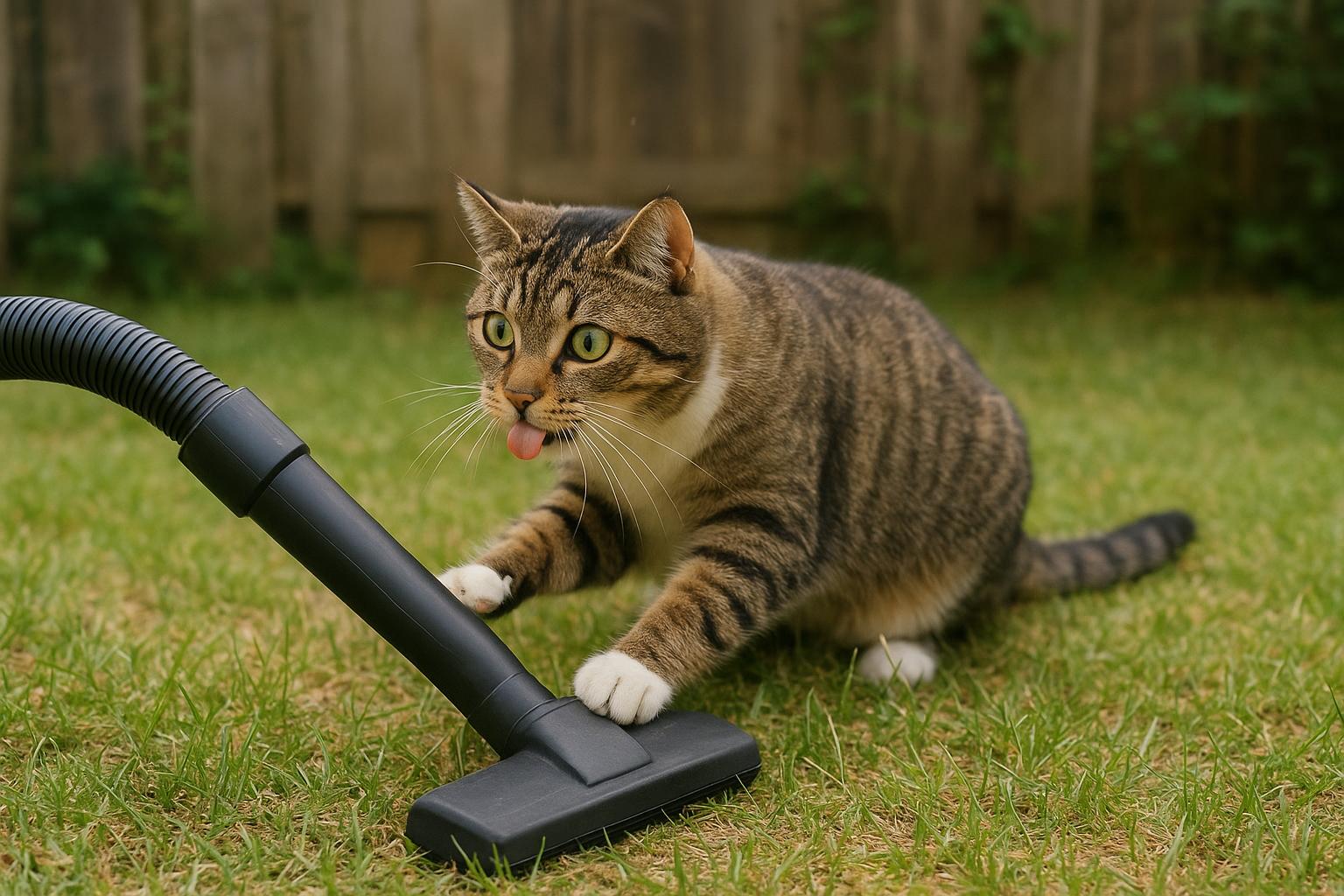
2. Intensive Vacuuming: Vacuum carpets, rugs, upholstery, baseboards, and floor cracks daily for two weeks. Immediately dispose of vacuum bags or empty canisters into sealed trash bags outdoors. Vacuuming removes eggs, larvae, and adults before they mature.
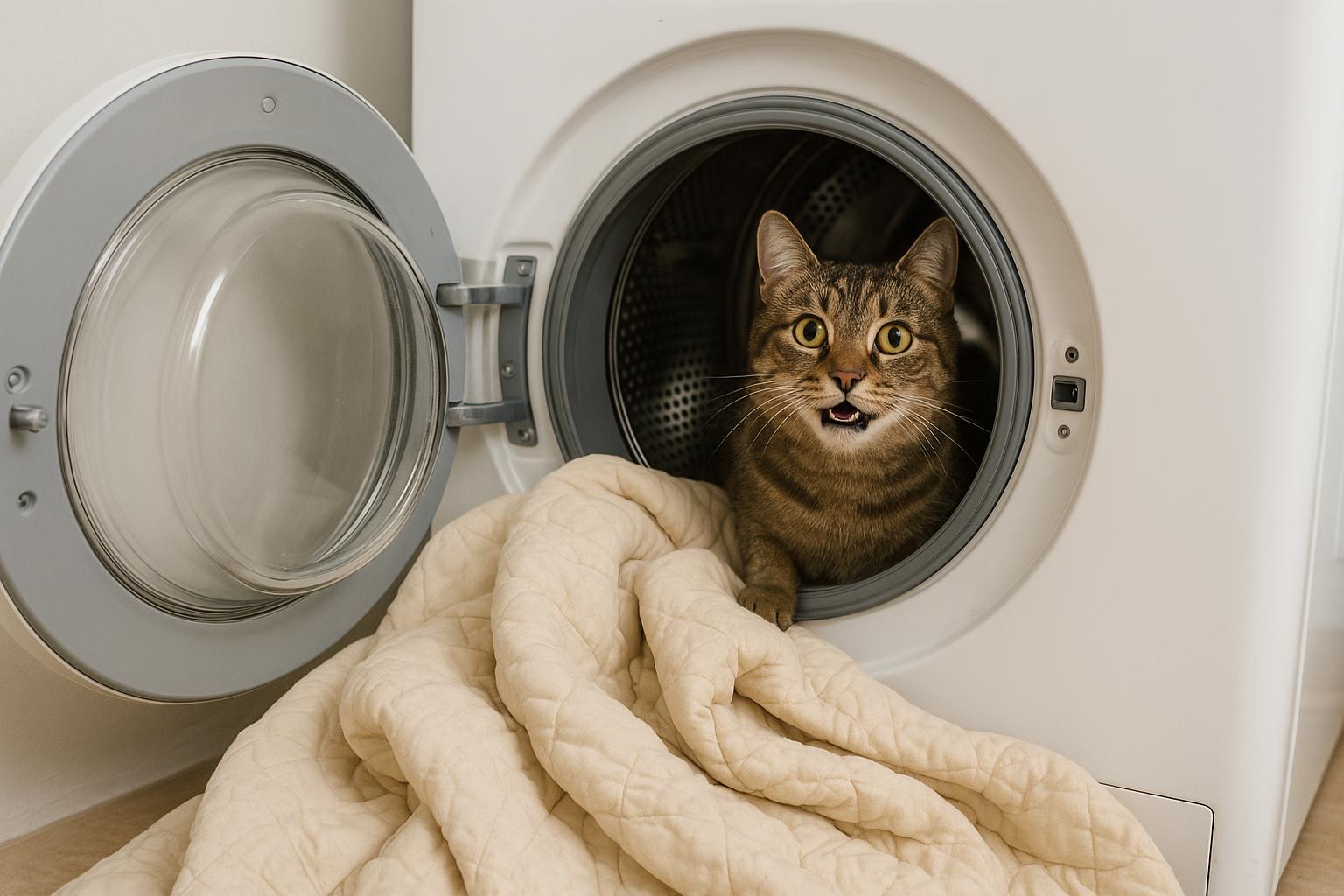
3. Launder Textiles: Wash pet bedding, throw rugs, cushion covers, and any washable fabrics in hot water and dry on high for at least 30 minutes to kill eggs and larvae.
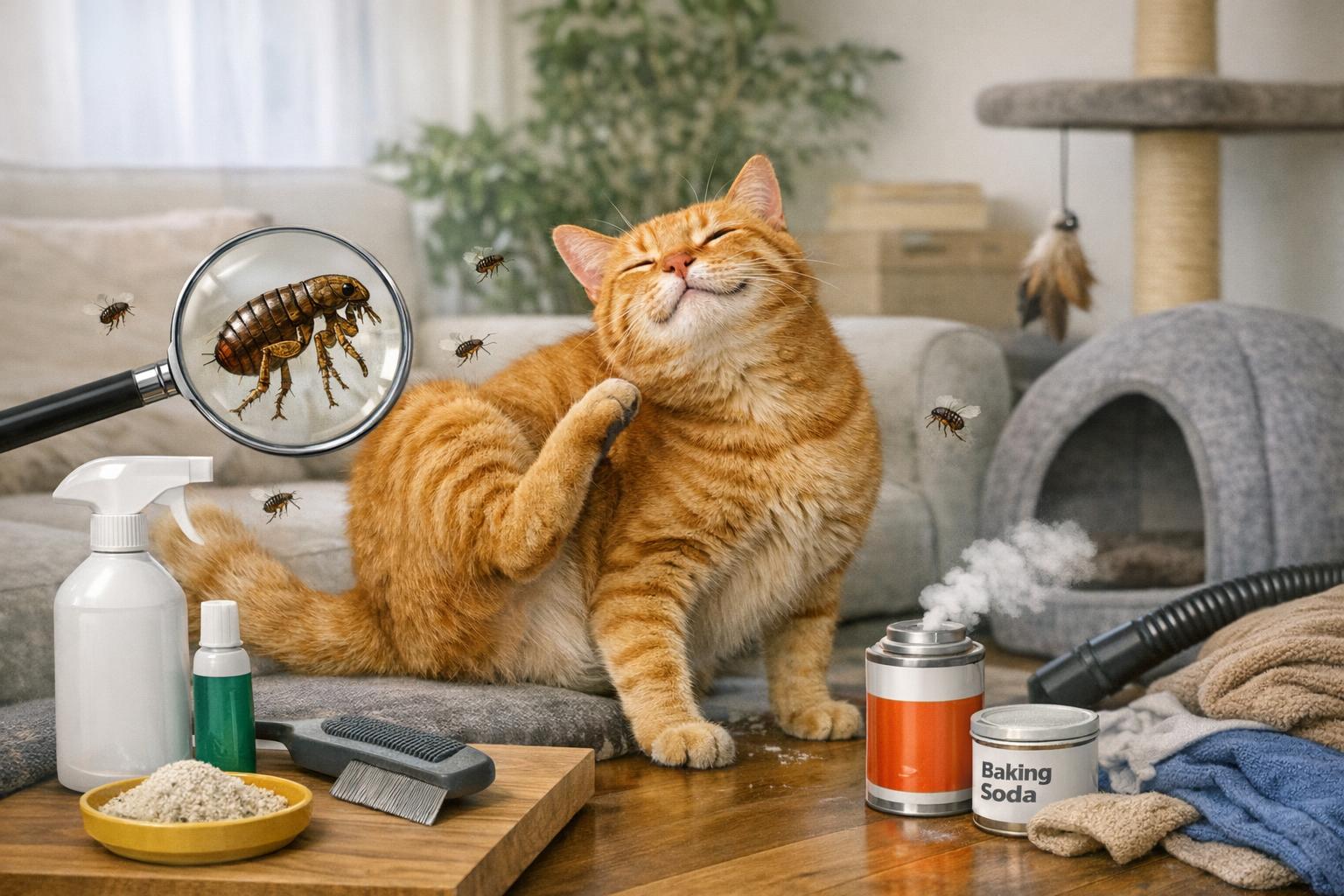
4. Apply Indoor Treatments: Use a pet-safe flea spray in corners, under furniture, and along baseboards where fleas hide. If using boric acid, apply sparingly in crevices, avoid areas accessible to pets, and follow label safety instructions.
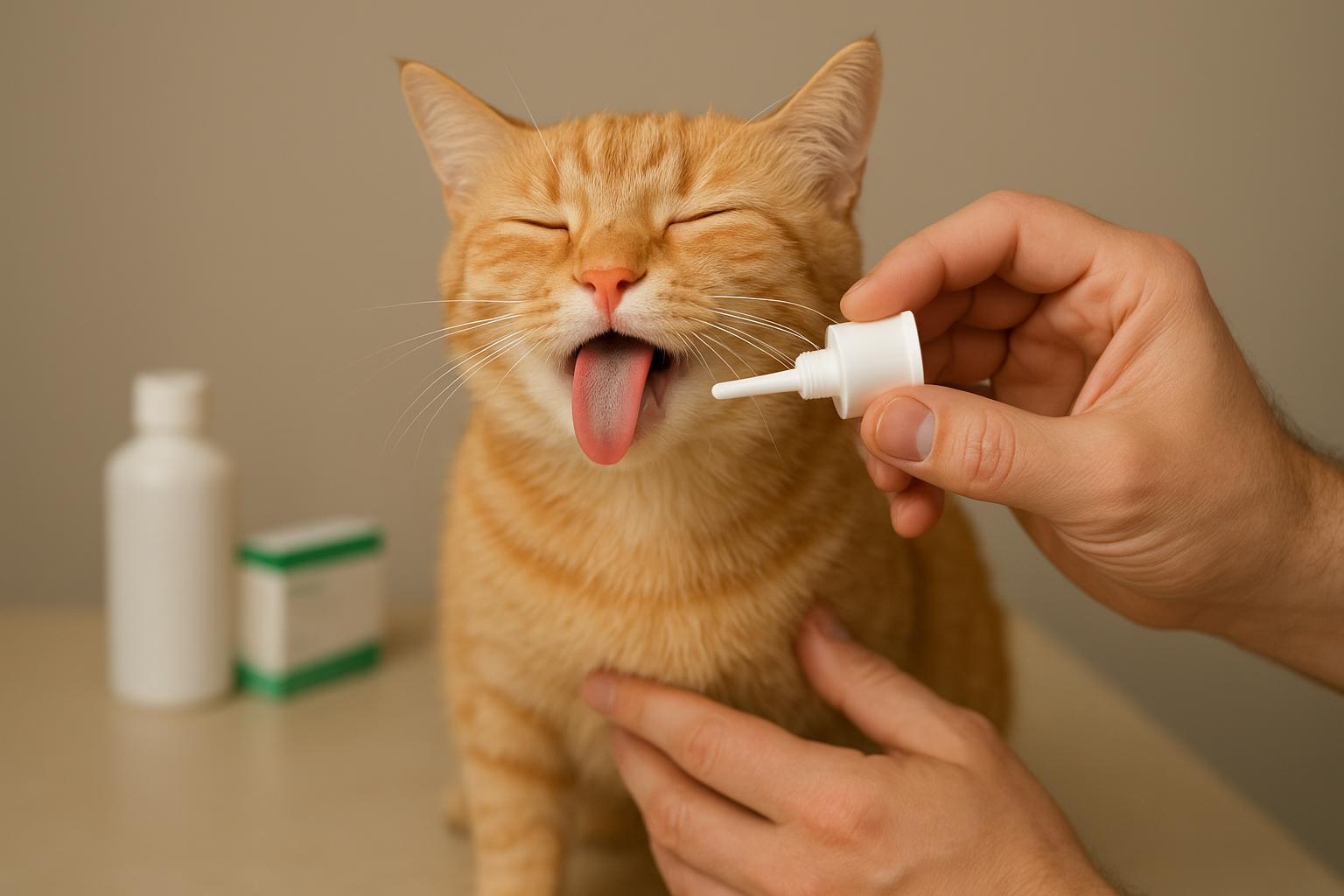
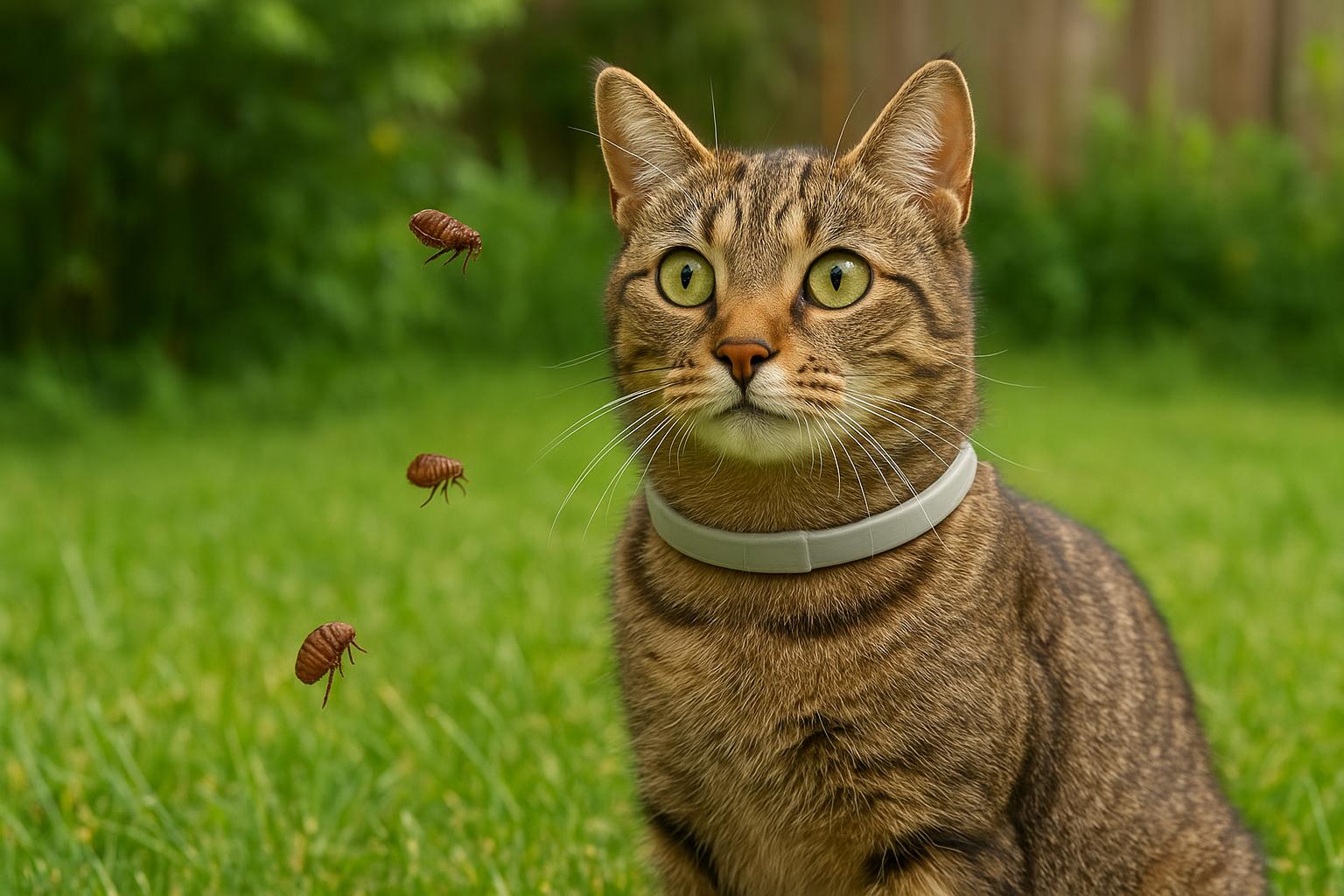
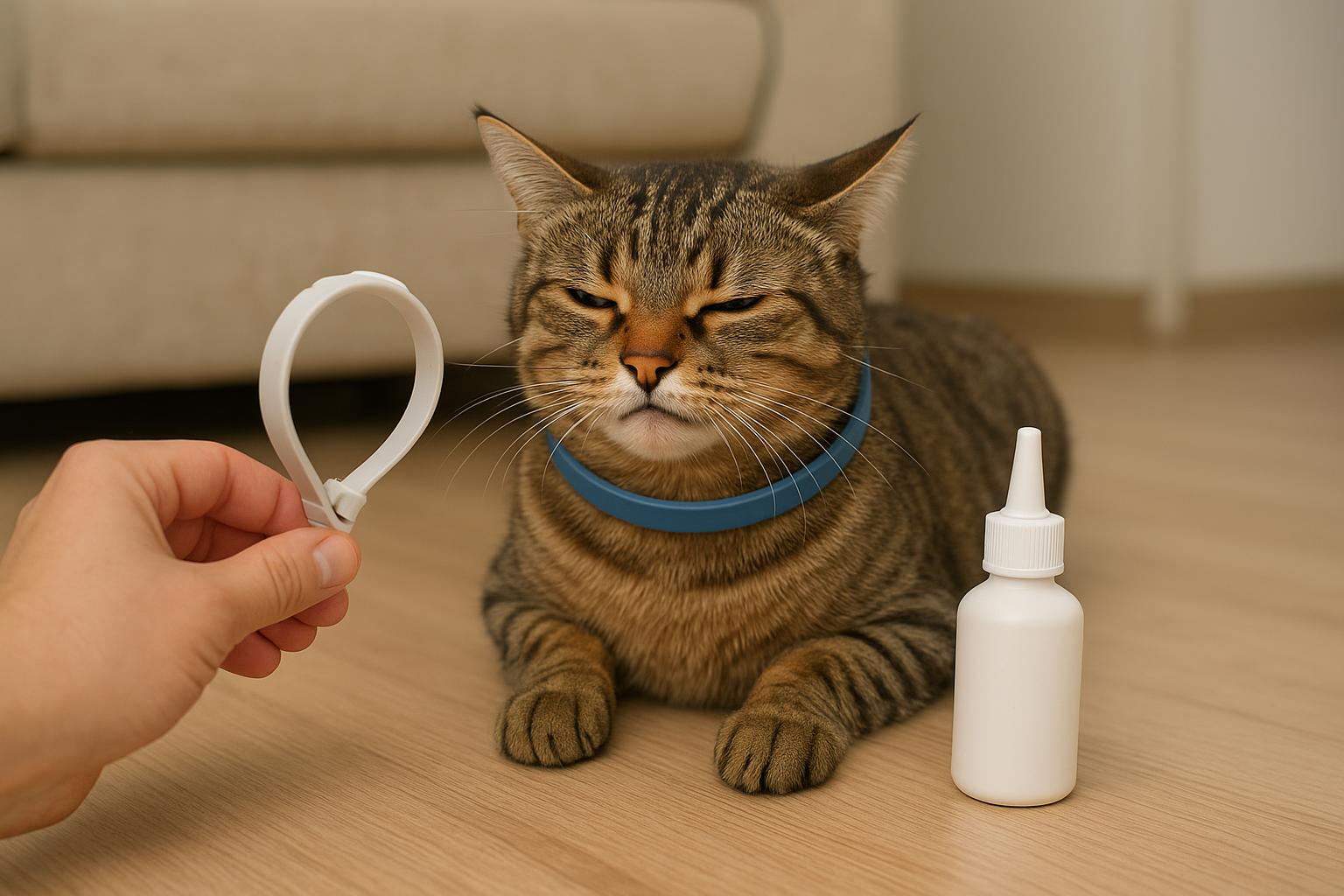
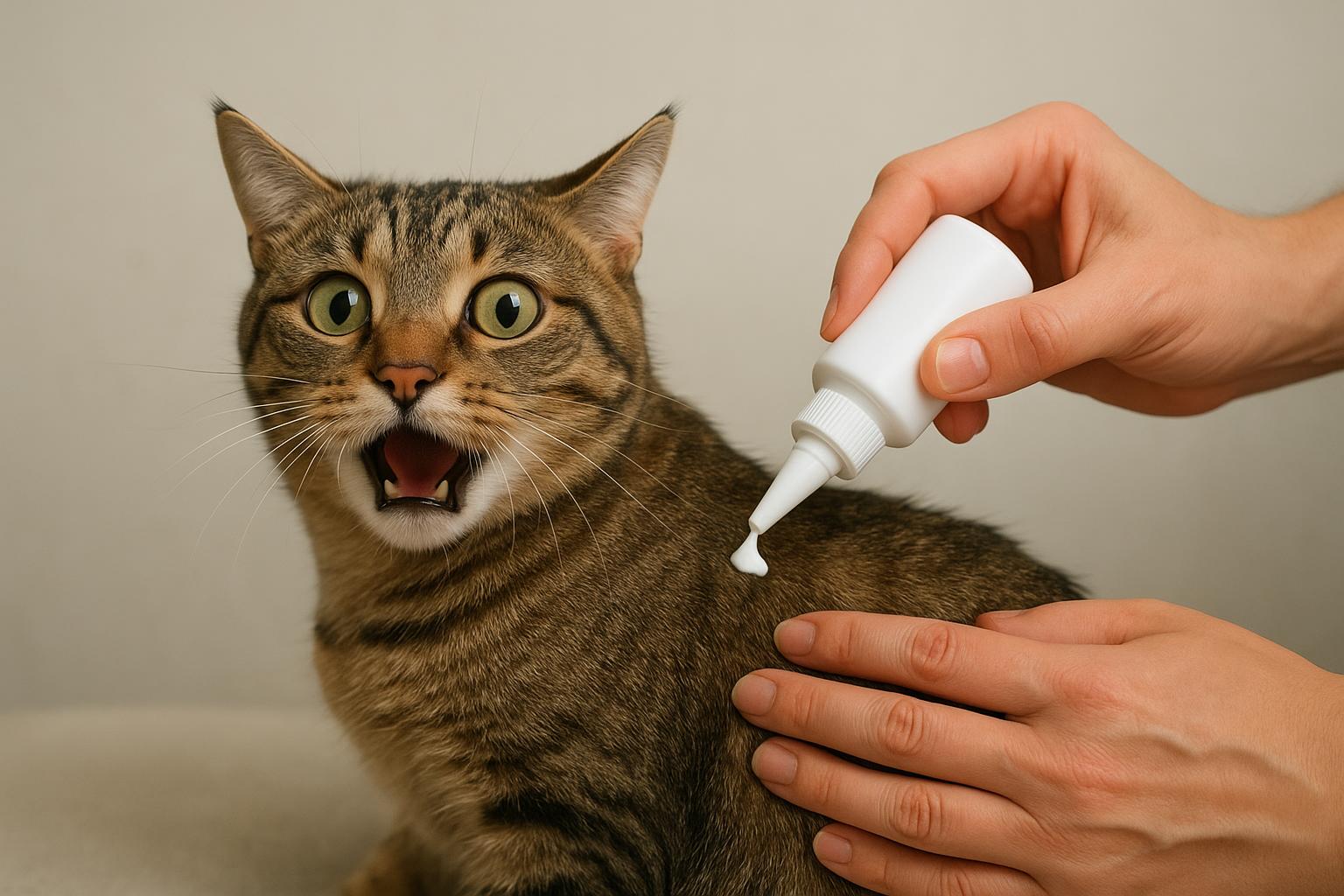
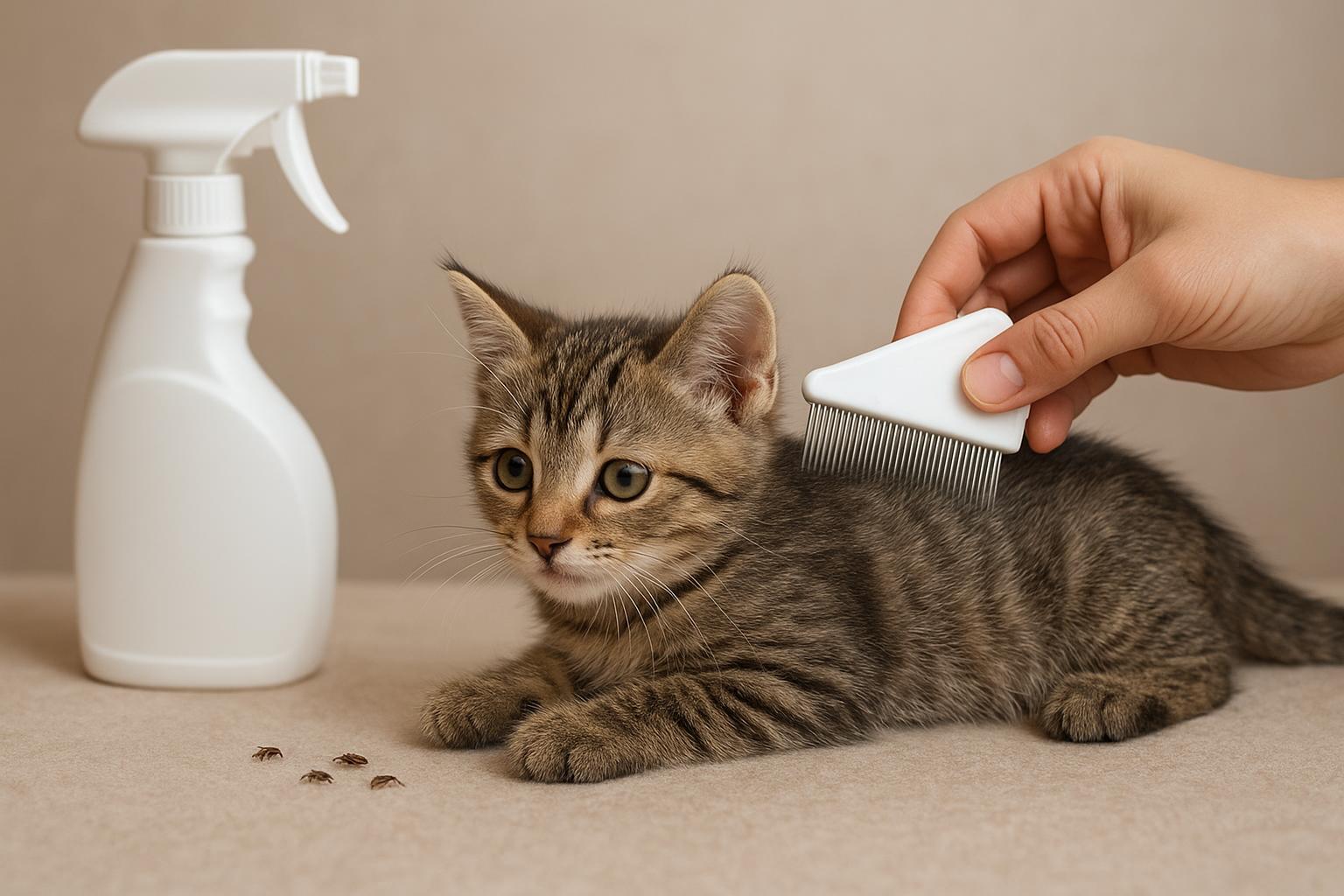
5. Treat Pets Concurrently: Have pets treated with veterinarian-approved topical or oral flea preventatives. Treating animals and the environment simultaneously breaks the lifecycle and is critical to preventing further introductions.
6. Monitor Entry Points: Check sealed areas for gaps created by settling or weather. Reinforce seals seasonally, particularly before warm months when flea populations spike.
### Small Clues That Tell Big Stories
Flea activity rarely appears randomly. You may find clustering around the back door mat, or fleas concentrated on a sun-warmed windowsill where a pet naps after outdoor play. These micro-locations are clues: the nearest flea entry points. A sudden increase in bites after a walk in overgrown neighborhoods signals outdoor sources. Take photos and document where you saw the first fleas—patterns help target solutions more efficiently.
### Wildlife, Neighbors, And Shared Landscapes
Fleas cross property lines as easily as animals do. Stray cats, foxes, or raccoons can deposit eggs in your compost or under your deck. Talk to neighbors about shared hotspots like communal compost heaps or unattended pet food—addressing the broader ecology minimizes reinvasion and gives context to how fleas reach homes from yard spaces beyond your fence.
#### Practical Prevention Hacks
– Create A Sand Ring: Lightweight sand or coarse gravel around foundations can reduce humidity and larval survival.
– Designated Entry Mats: Install chew-proof, washable mats outside and inside doors and clean them frequently to capture hitchhiking debris.
– Limit Nighttime Animal Access: Secure trash, remove outdoor pet food, and close access to crawl spaces where wild animals might rest and seed yard fleas.
### Recognizing Reinfestation Early
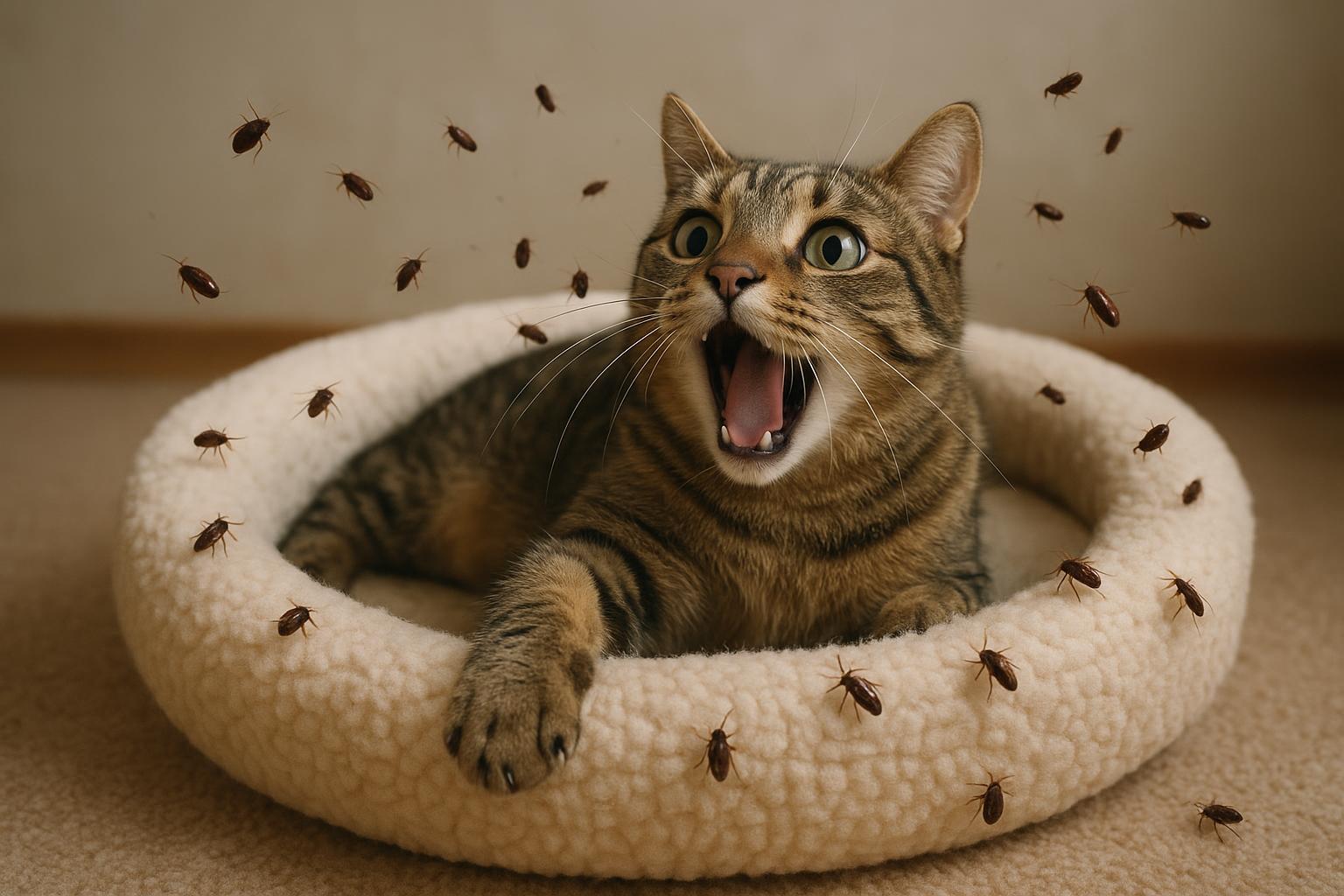
If the first-line measures are followed and you still see fleas, revisit the yard. Pupae in the soil can emerge weeks later when disturbed. Repeated treatments timed across the flea lifecycle (eggs to adults) ensure long-term control. Use monitoring tools like sticky traps in suspected flea entry points to capture adults and evaluate pressure points.
#### When Professional Help May Be Needed
A pervasive infestation that persists after consistent backyard and indoor remediation may call for professional pest control. Professionals can target large or inaccessible flea reservoirs, treat surrounding properties (with permission), and recommend integrated pest management plans tailored to your landscape.
Follow these steps, watch for the subtle signs, and you’ll transform how fleas reach homes from yard mystery into a manageable, predictable process—one you can plan around and prevent.




















Leave a Reply