
## Flea Prevention Guide For Indoor Cats: Core Principles
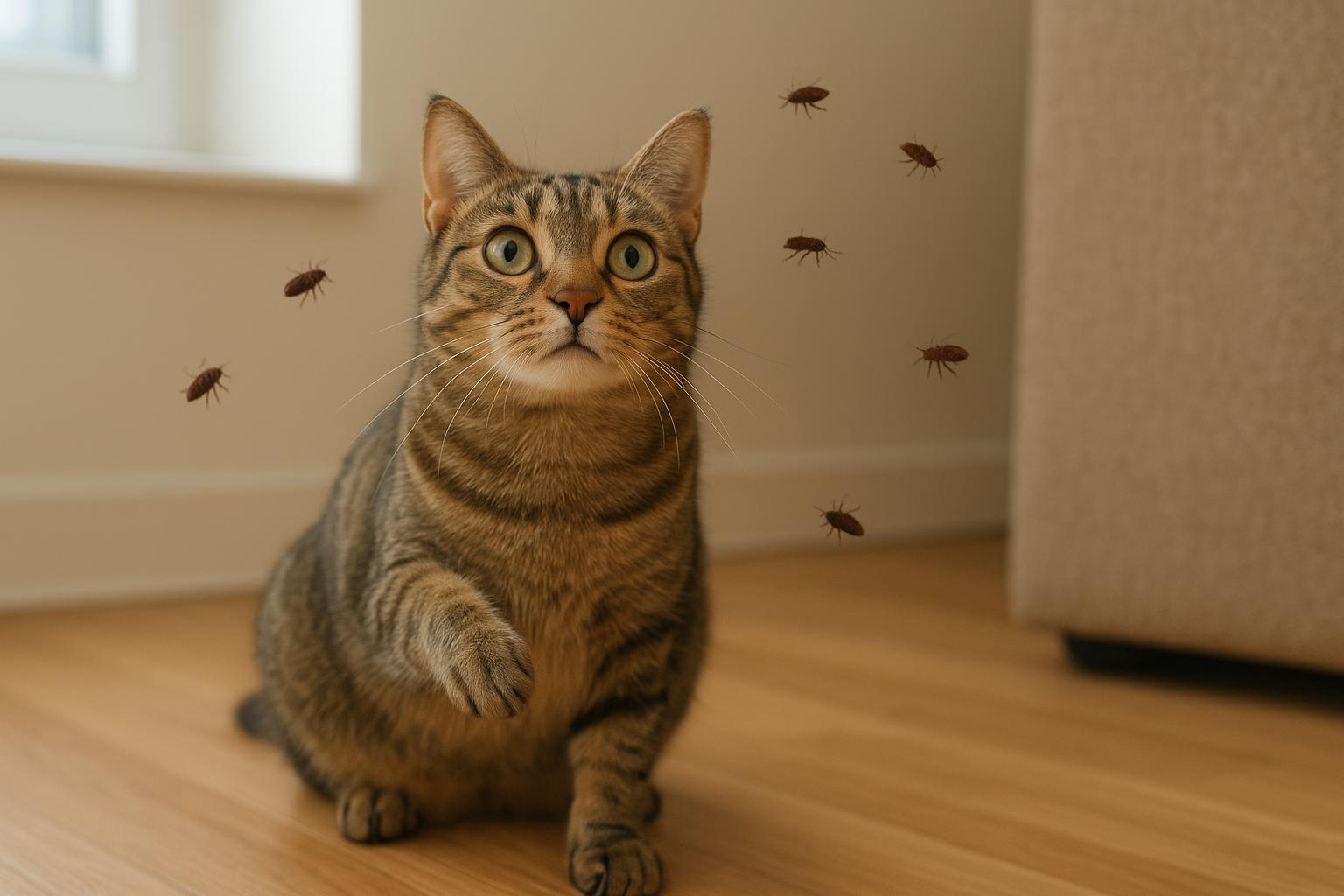
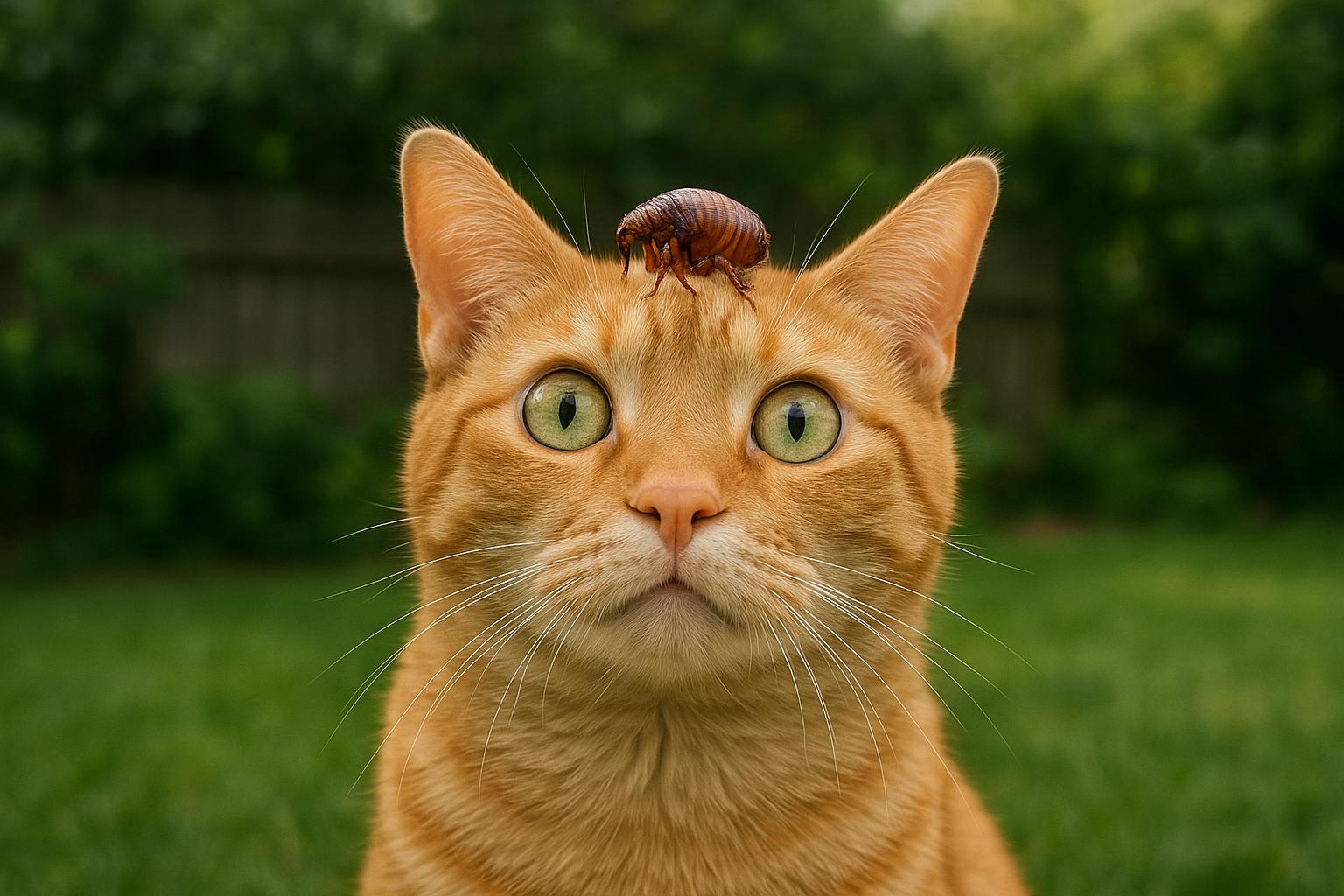
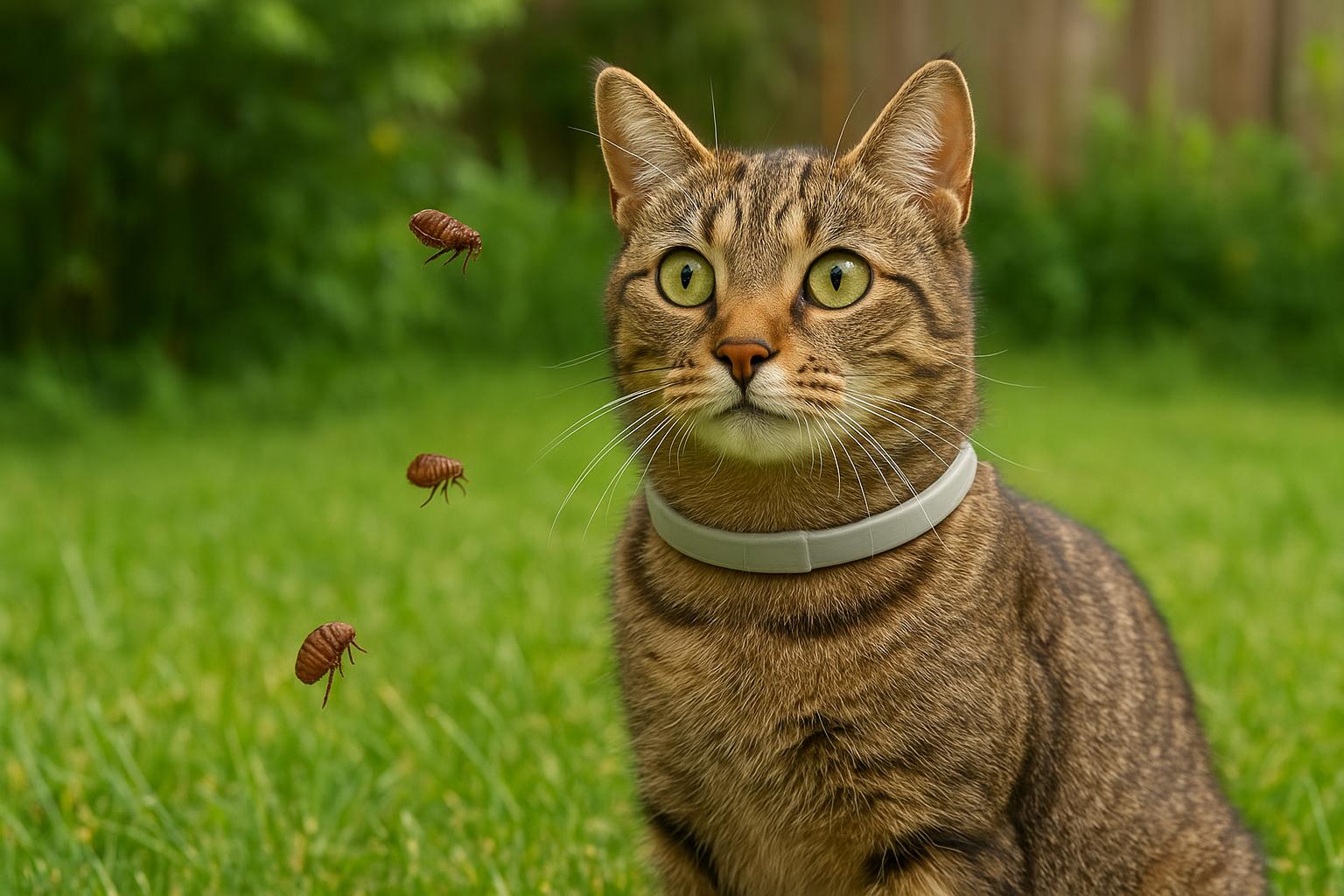
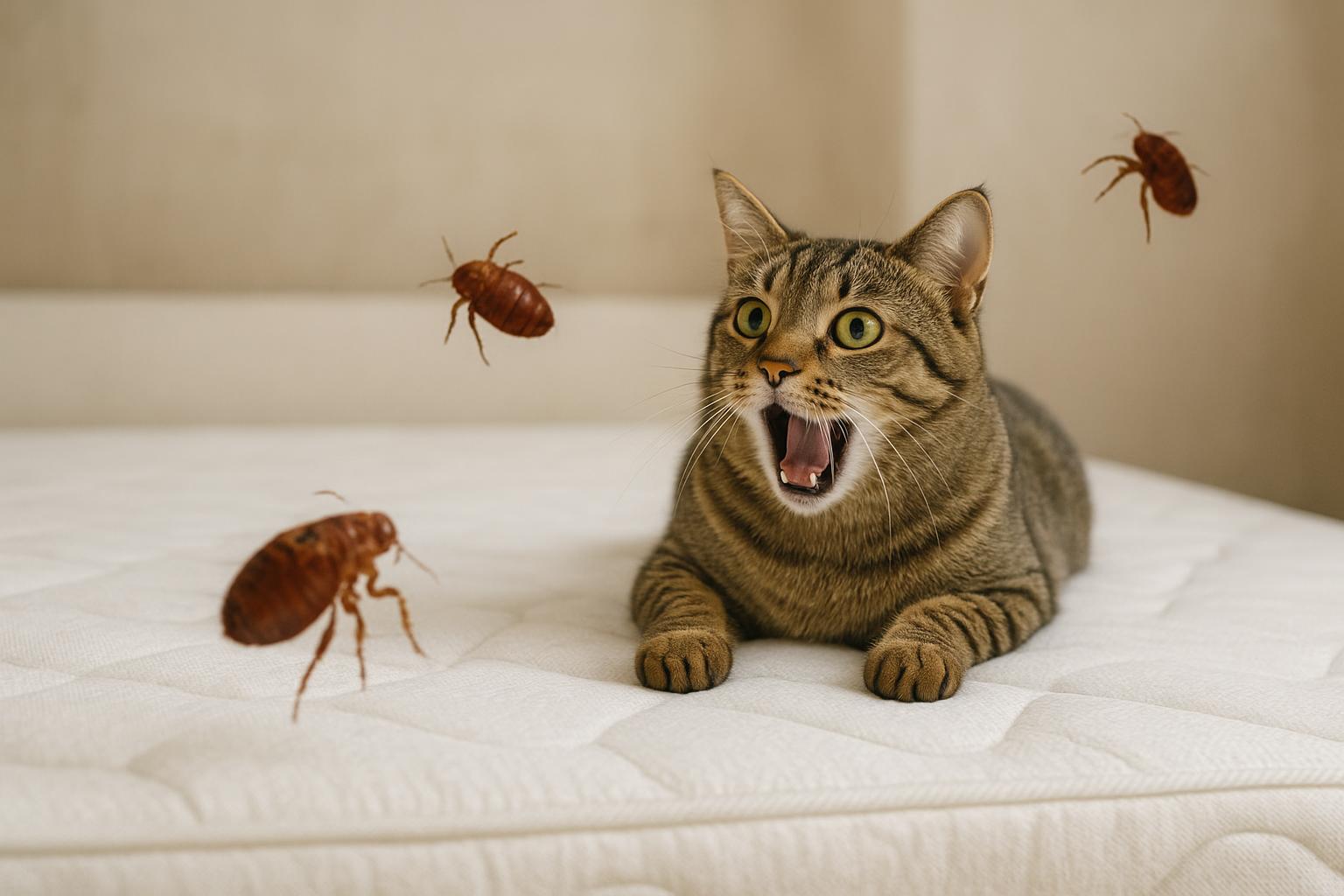
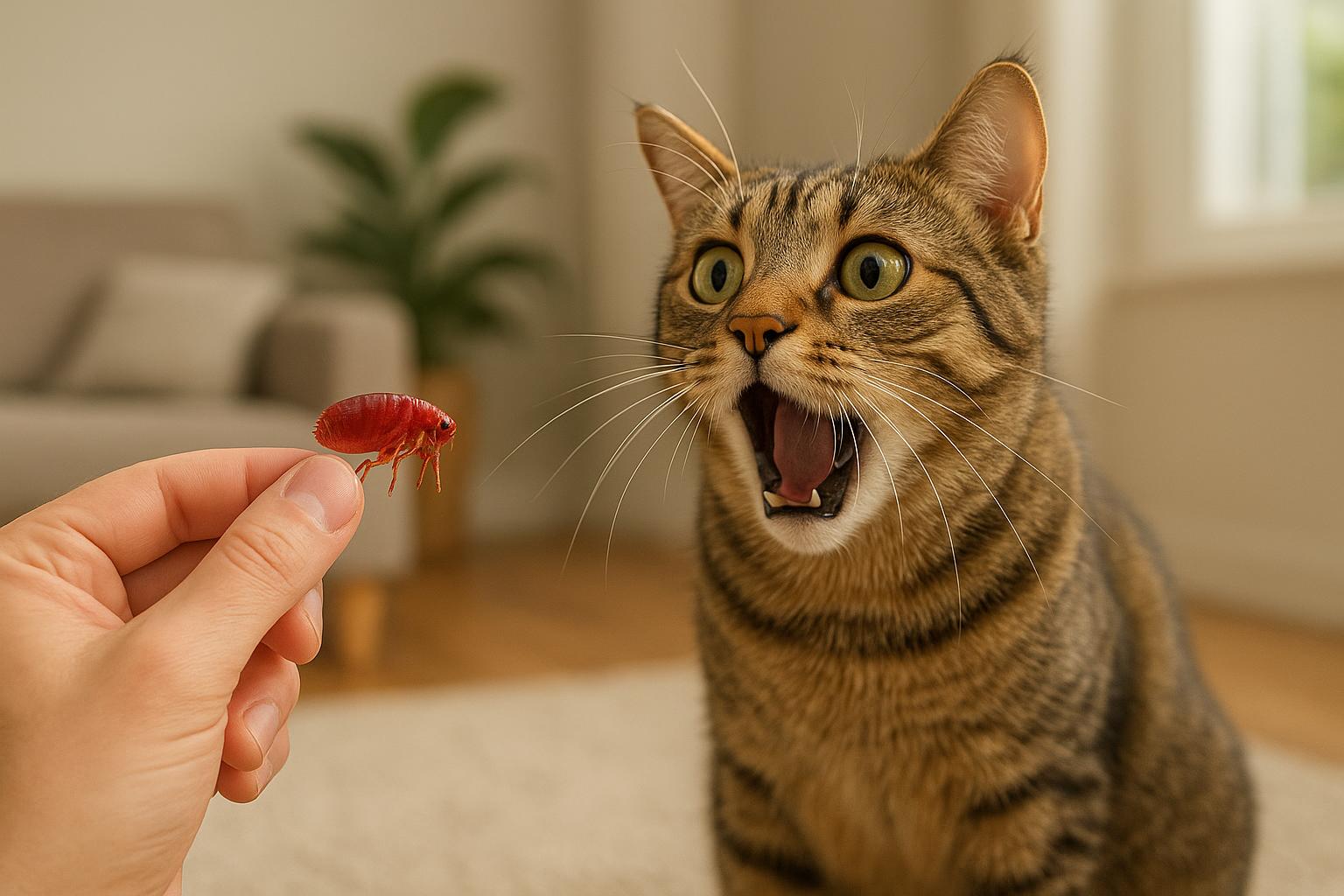
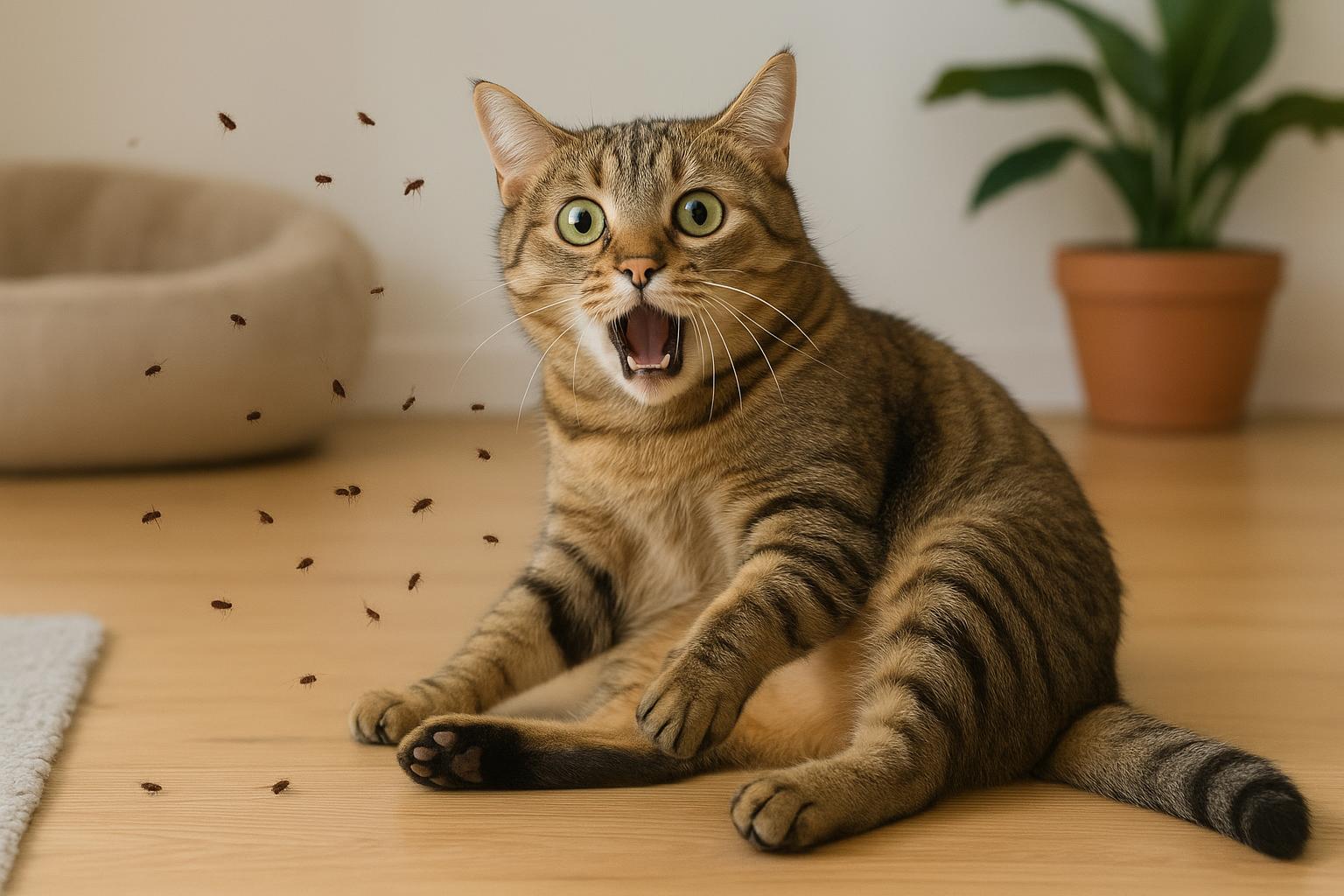
Indoor cats are not immune to fleas. Fleas can be introduced on people’s clothing, other pets, or new items brought into the home, and once established they reproduce quickly. This flea prevention guide outlines core principles for prevention, monitoring, and safe home-based interventions so you can reduce the chance of infestation while protecting your cat’s health.
### Understanding Flea Biology
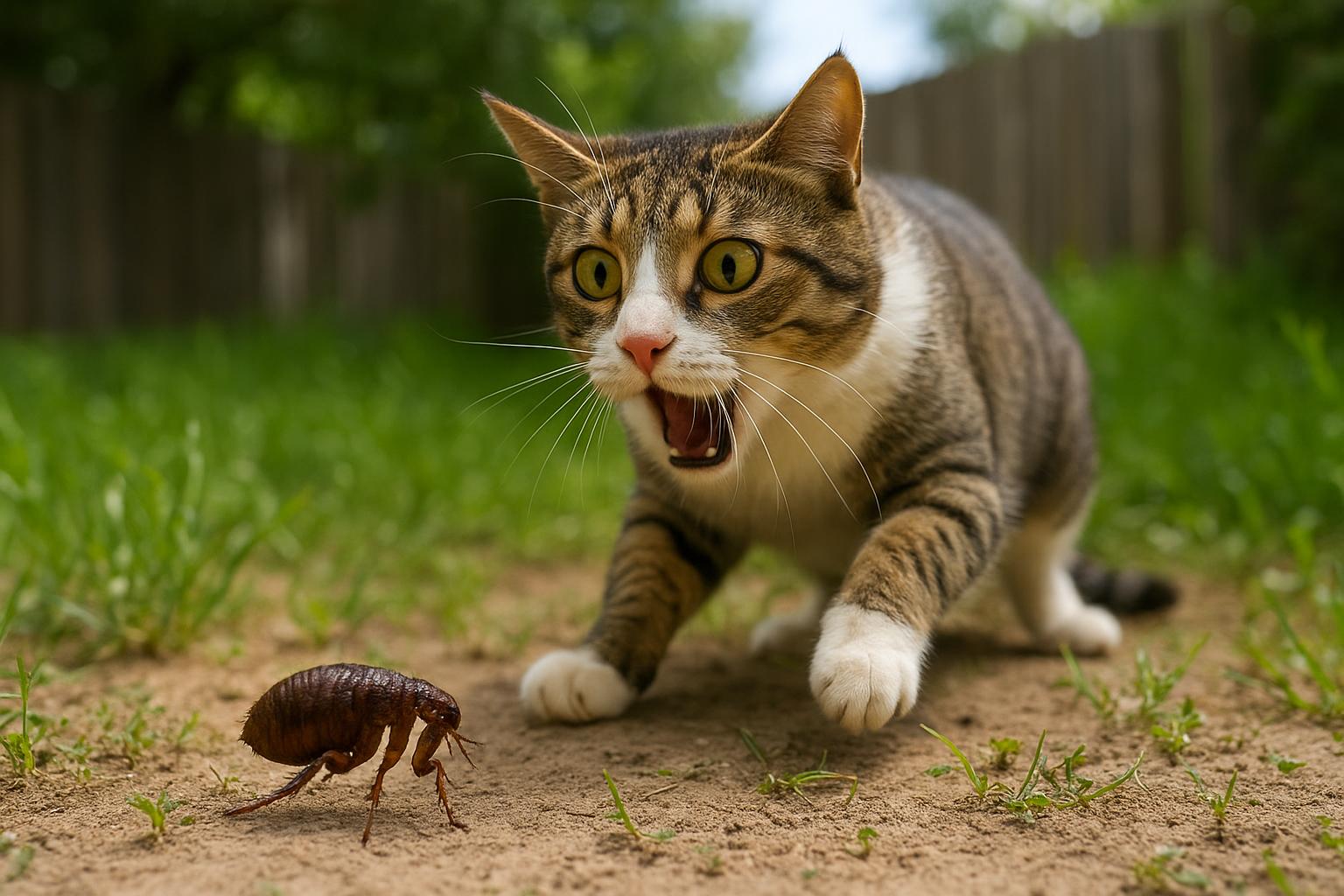
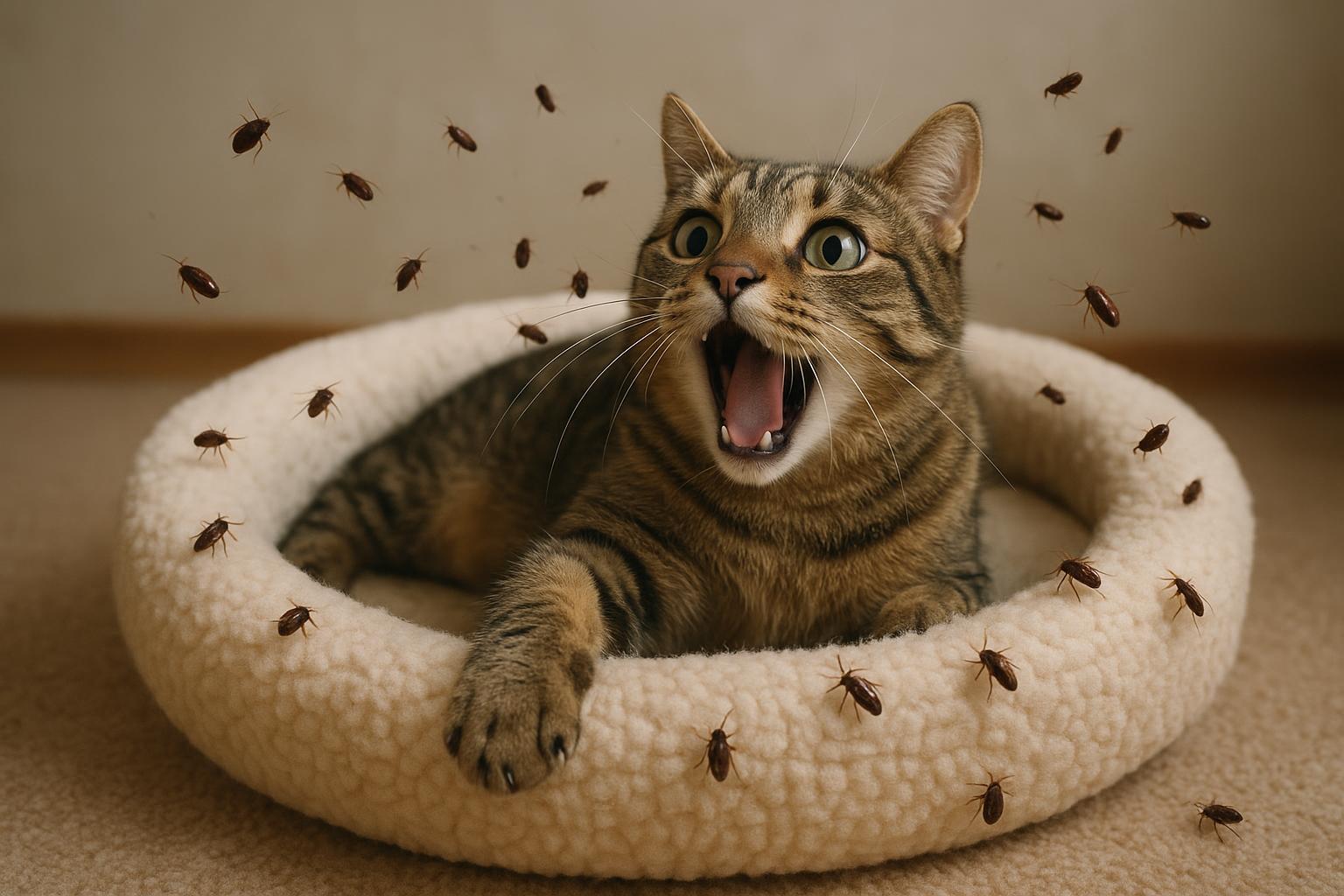
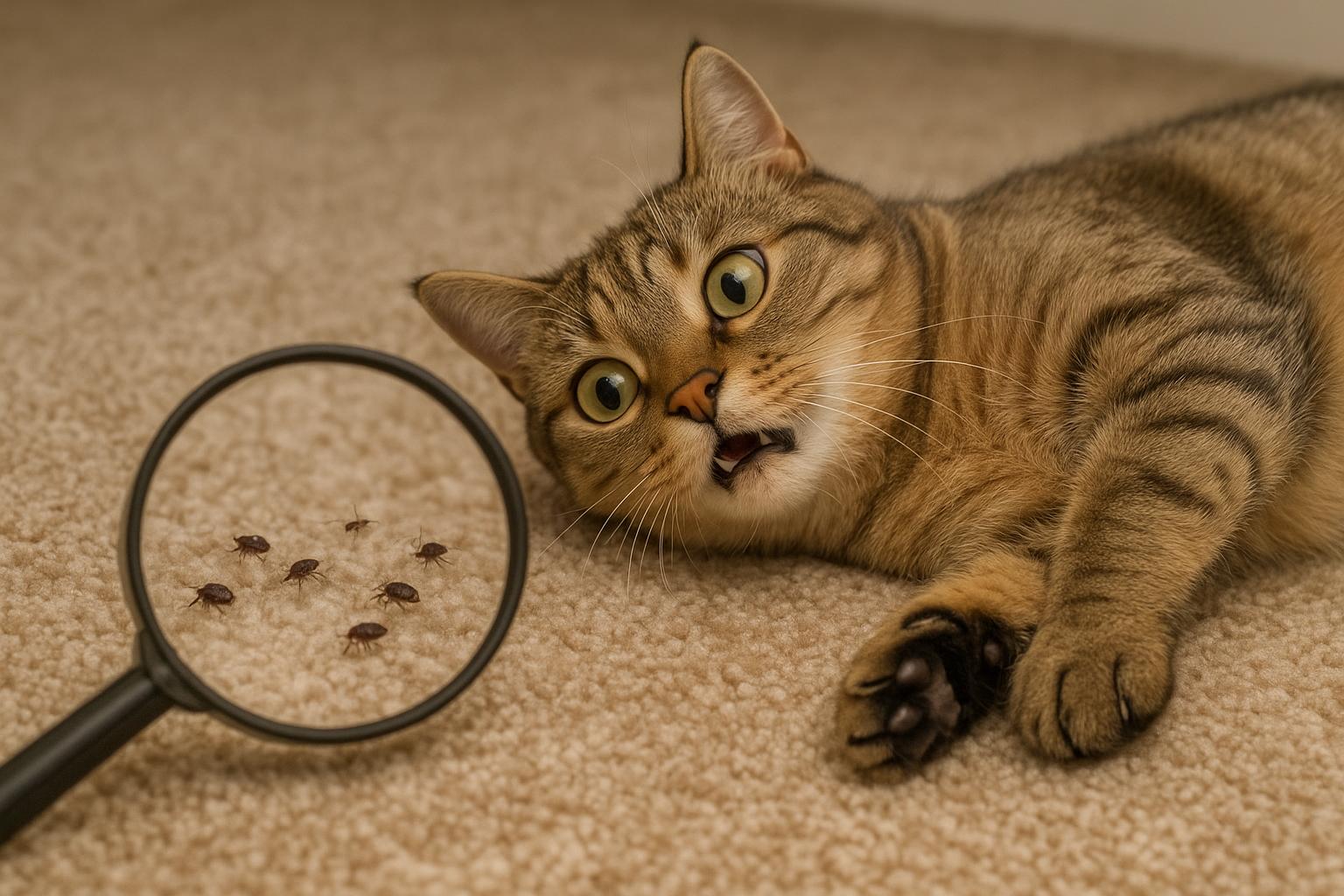
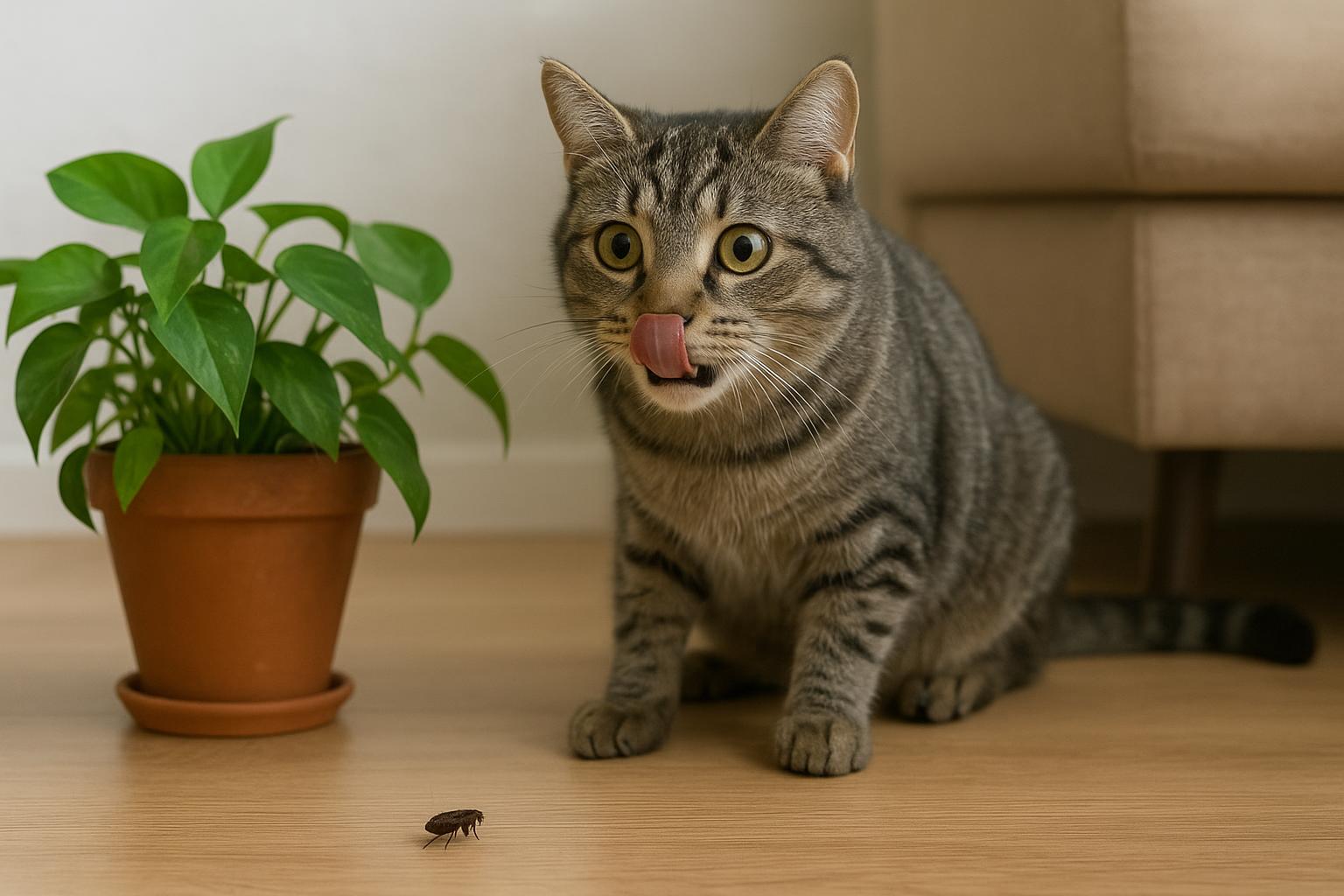
Fleas spend most of their lifecycle off the host: eggs, larvae, and pupae live in carpets, bedding, and crevices. Adult fleas jump onto an animal to feed and reproduce. Knowing that the environment stores most of the problem explains why a successful flea prevention guide must address both the cat and the home.
### Risk Factors For Indoor Cats
Indoor cats that live with dogs or go outdoors occasionally are at higher risk. Other risk factors include infrequently cleaned bedding, infrequent vacuuming, and visitors with pets. A practical flea prevention guide evaluates these risk factors and creates a routine that minimizes them.
## Daily And Weekly Practices To Reduce Flea Risk
### Grooming And Regular Inspections
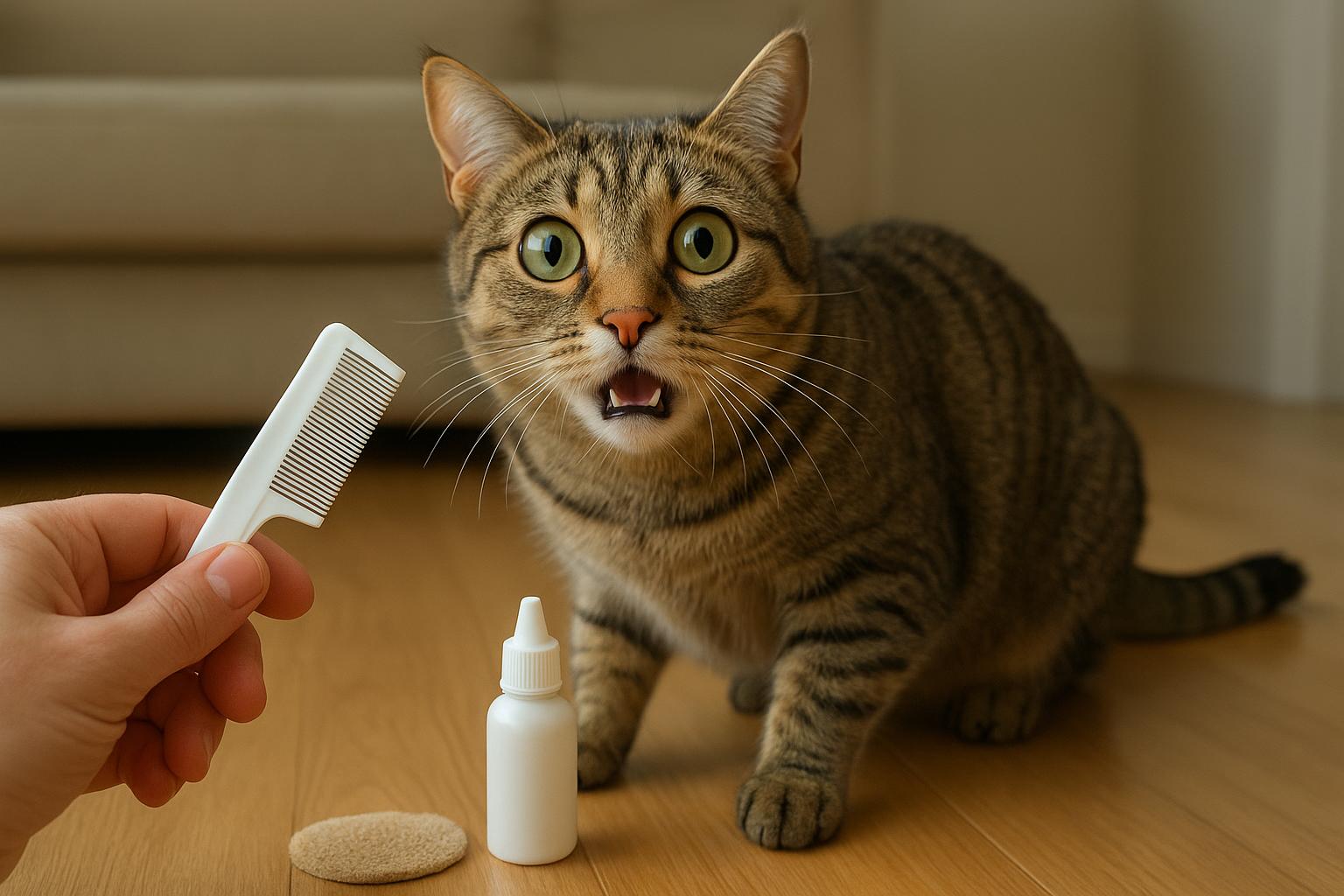
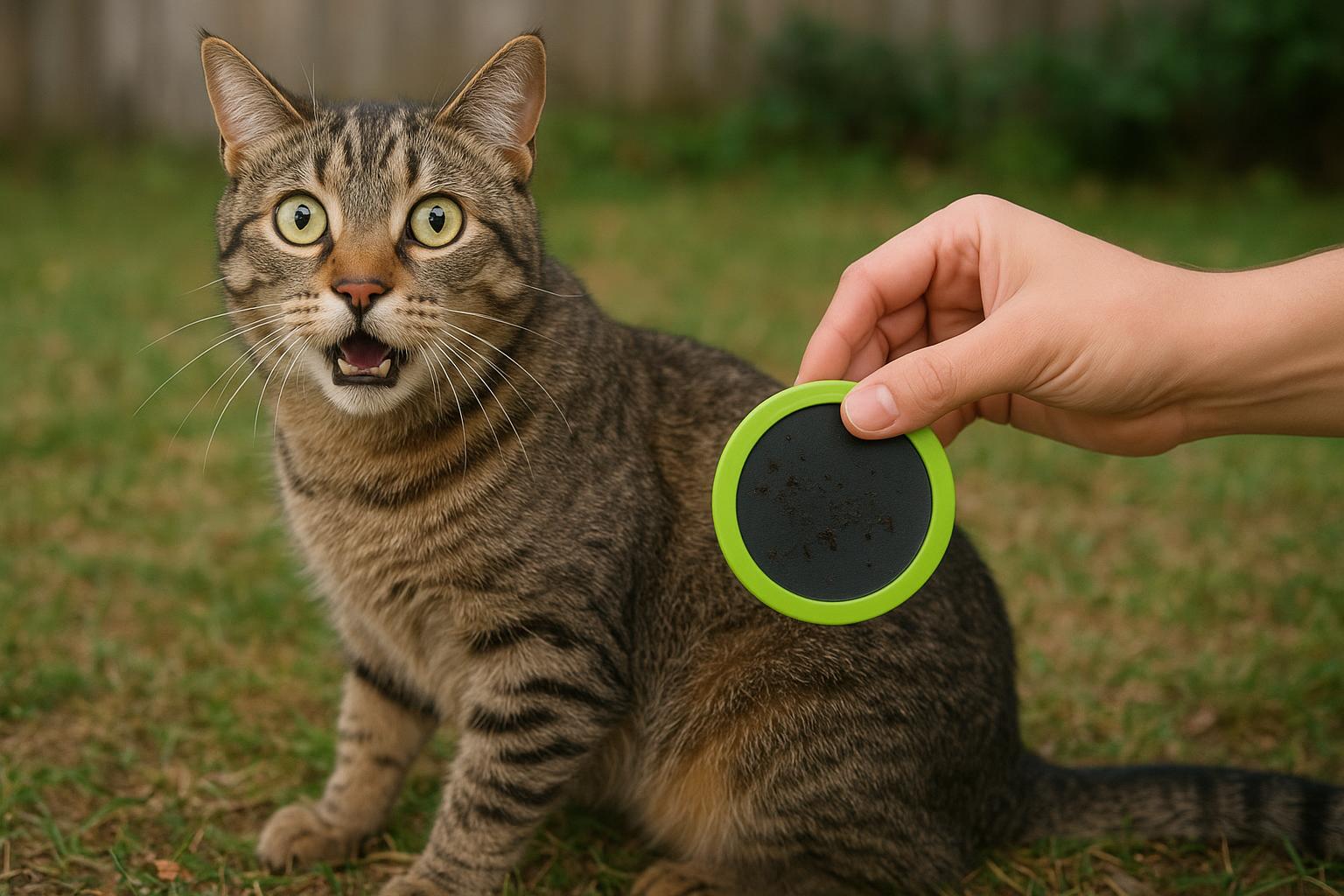
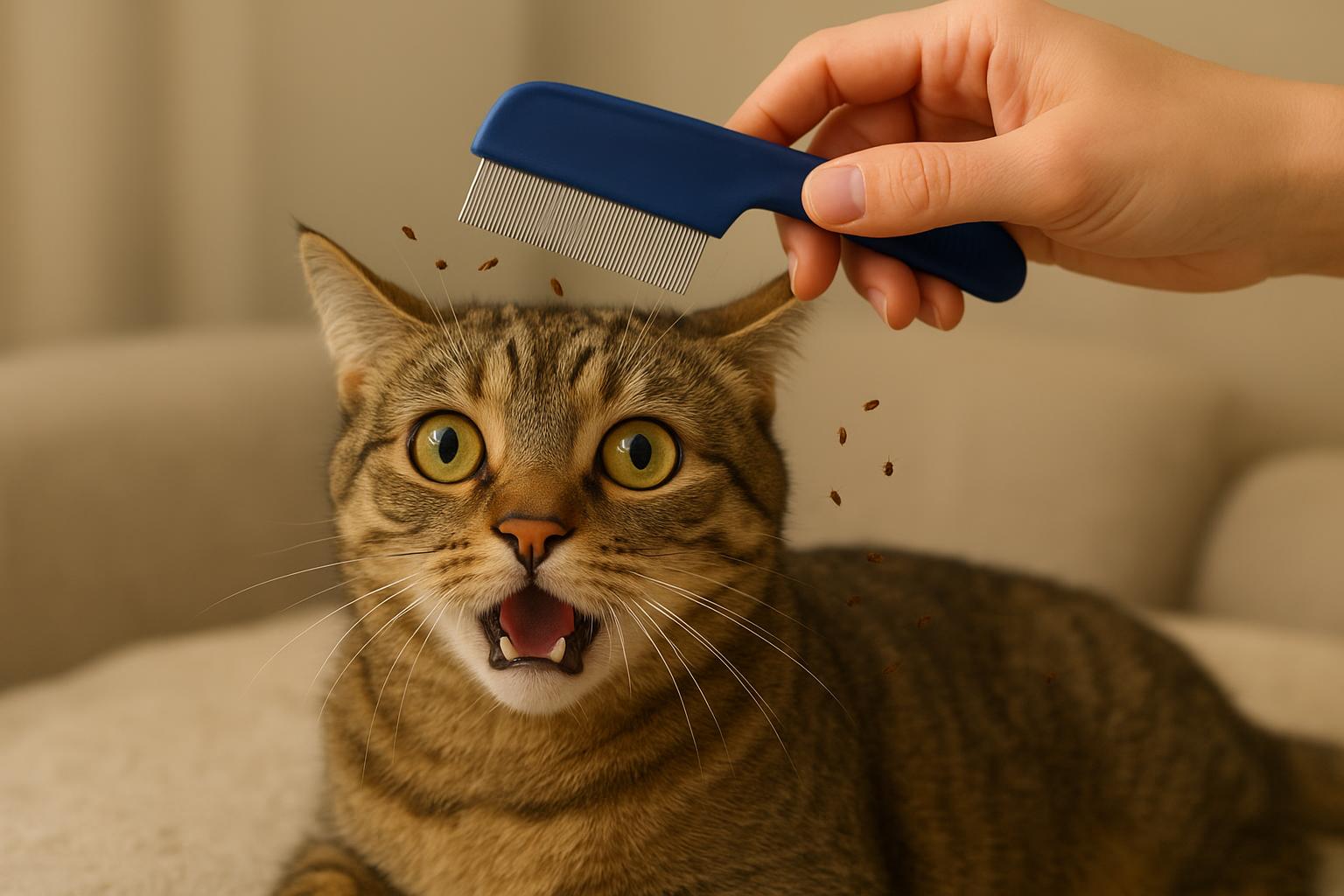
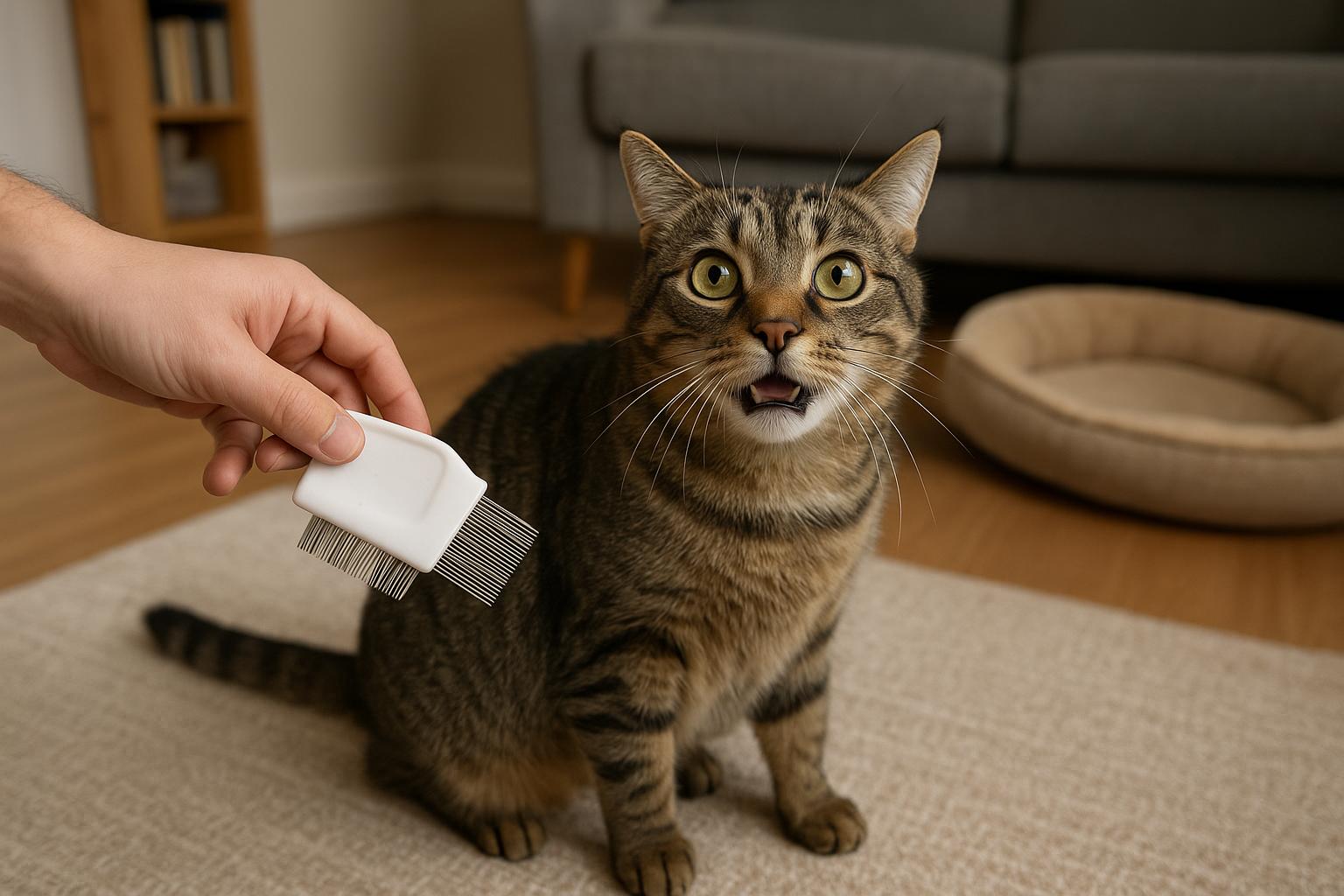
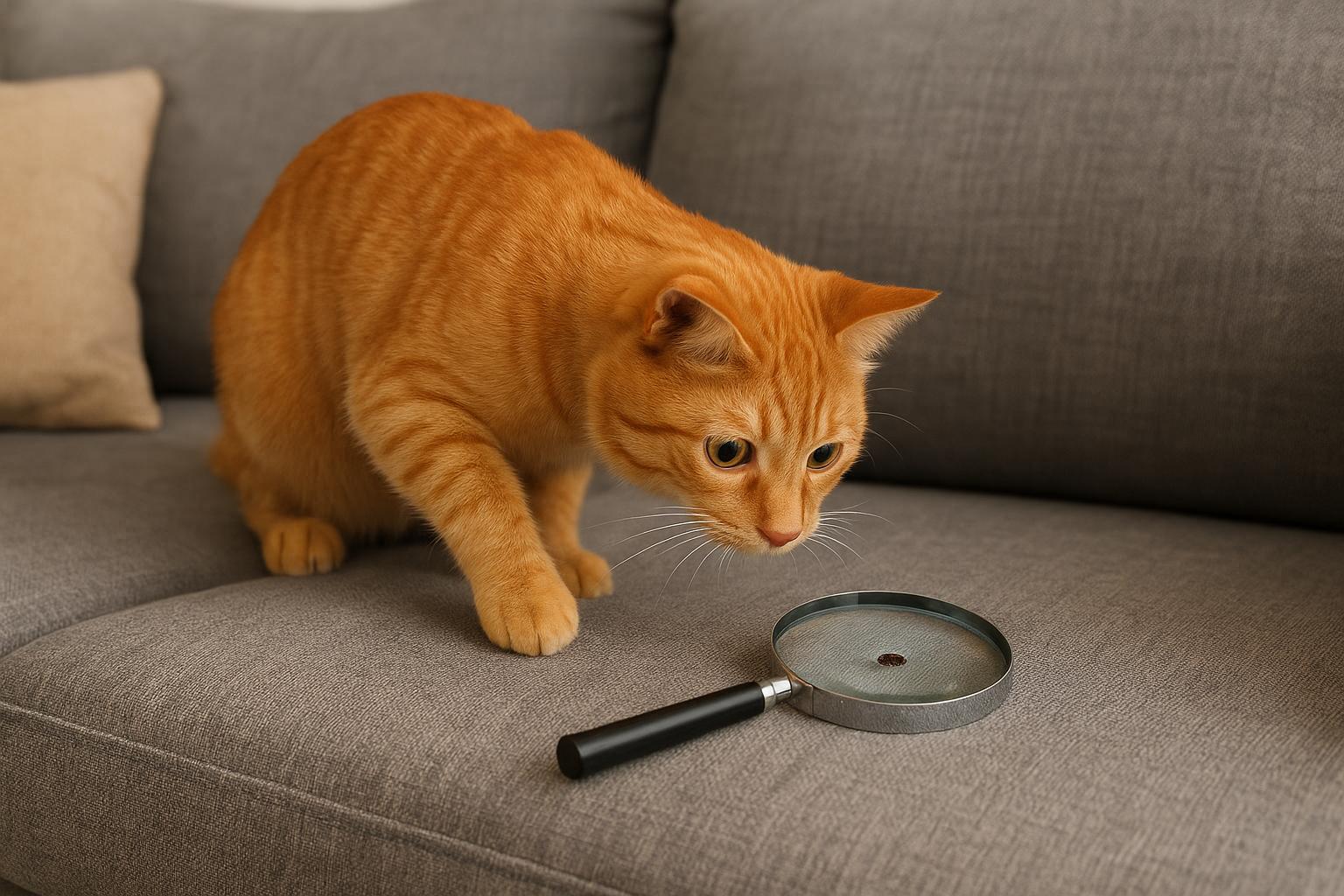
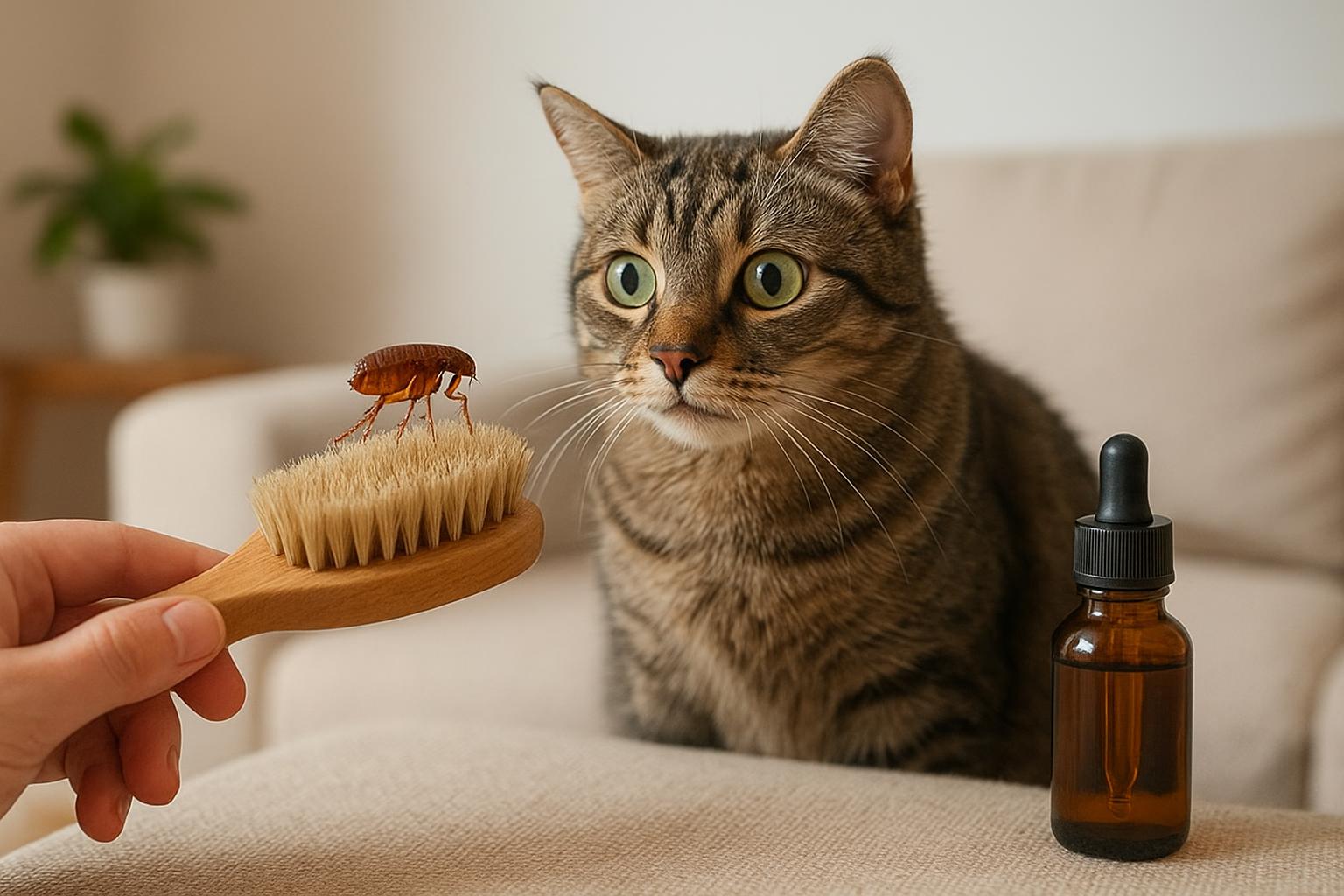
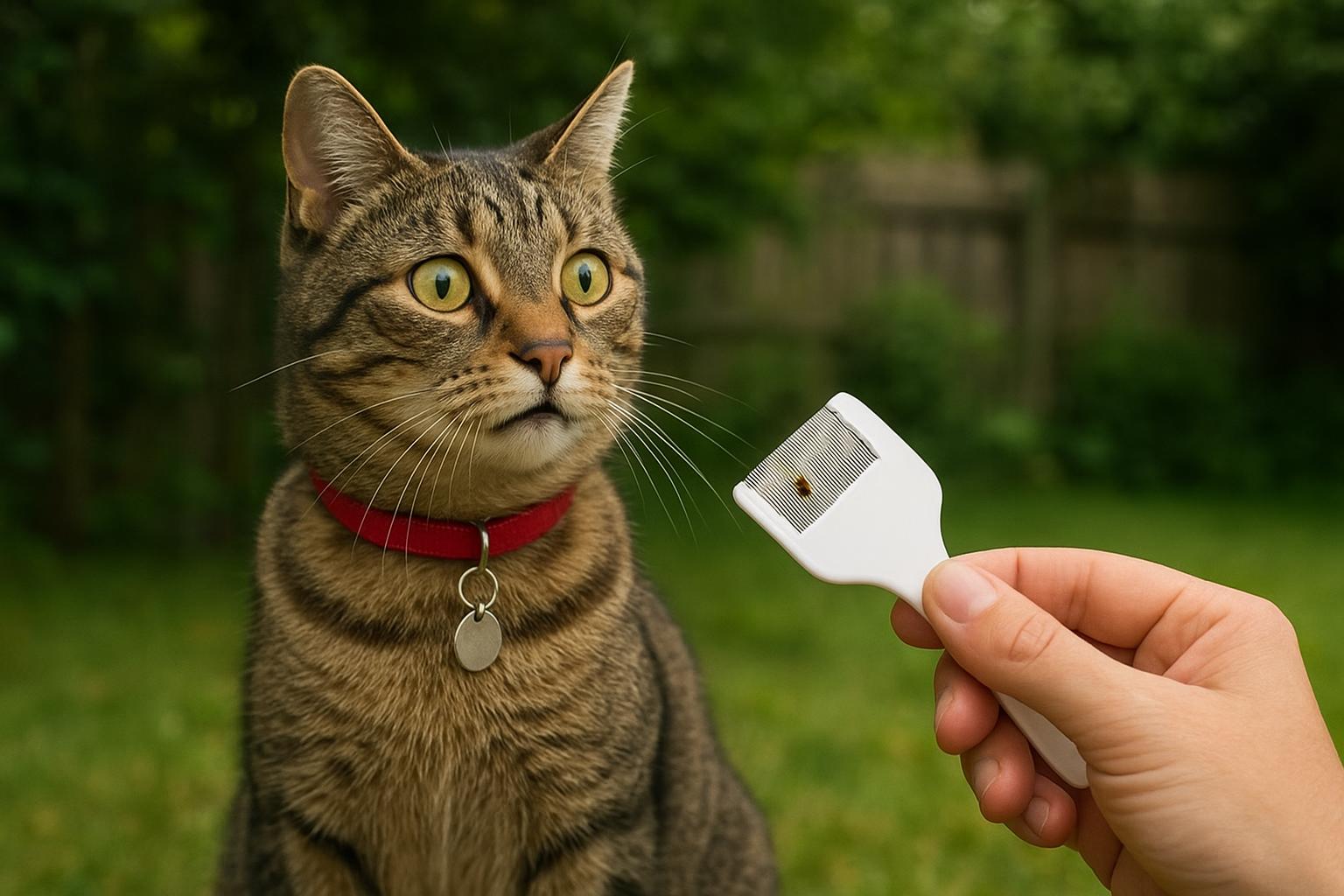
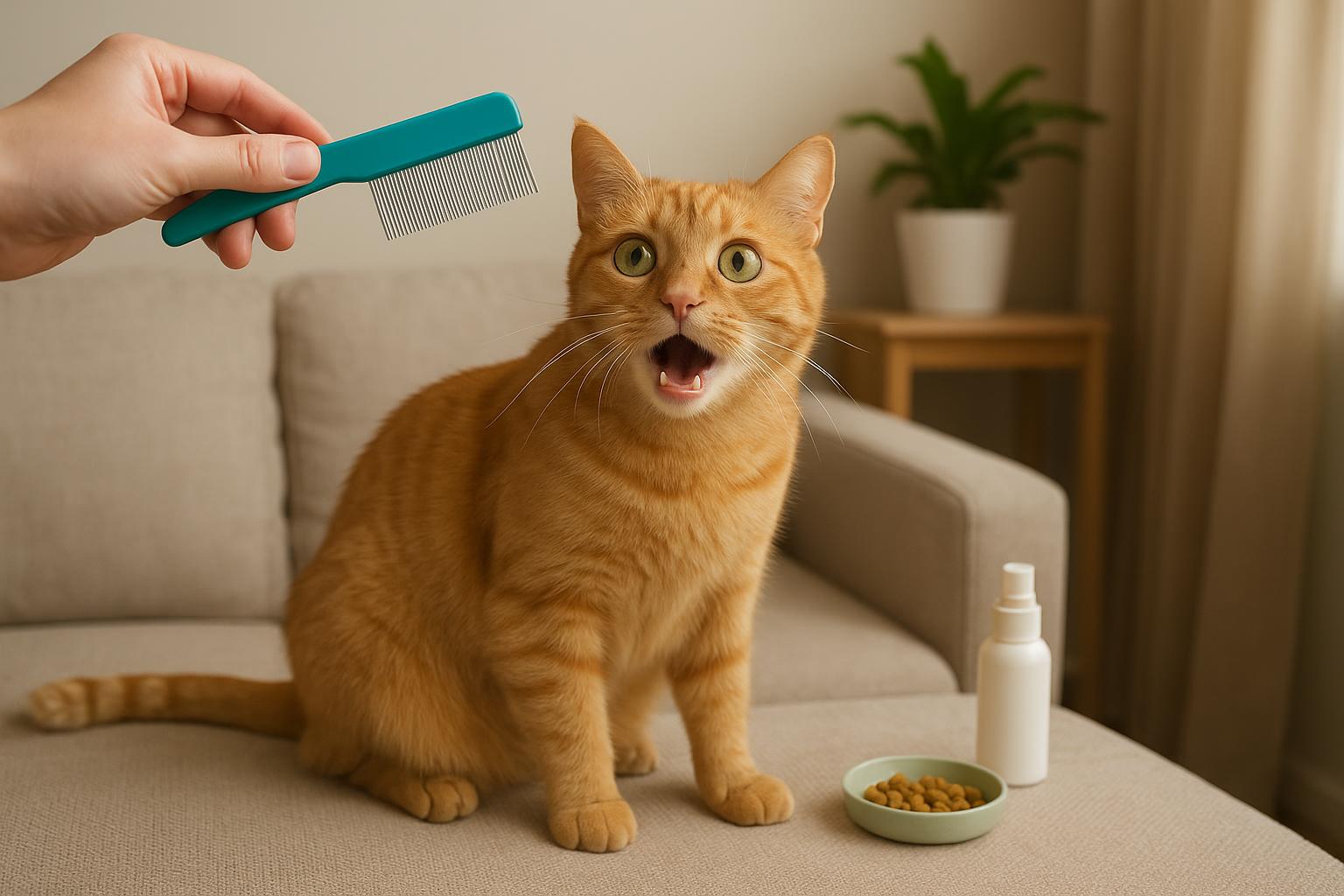
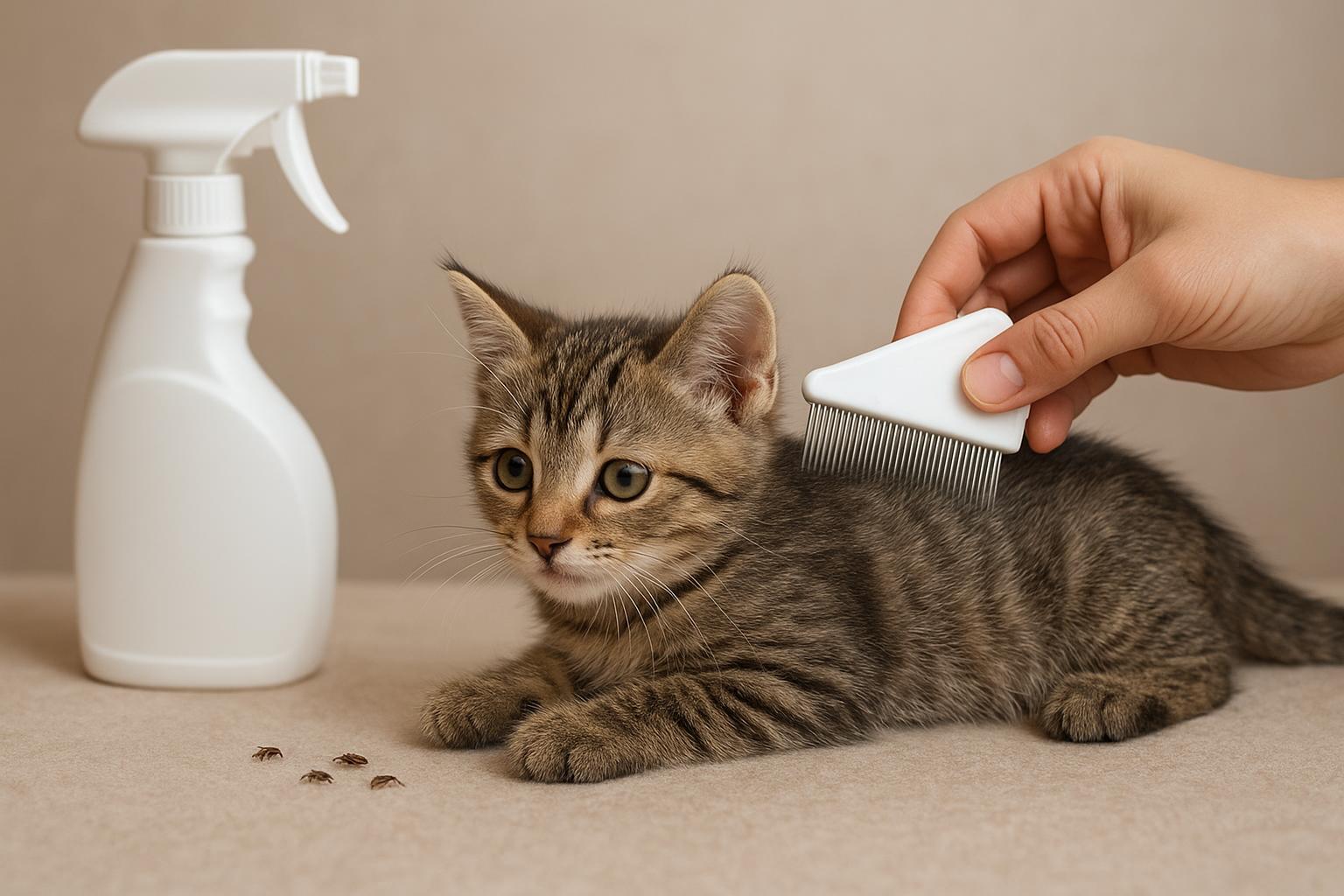
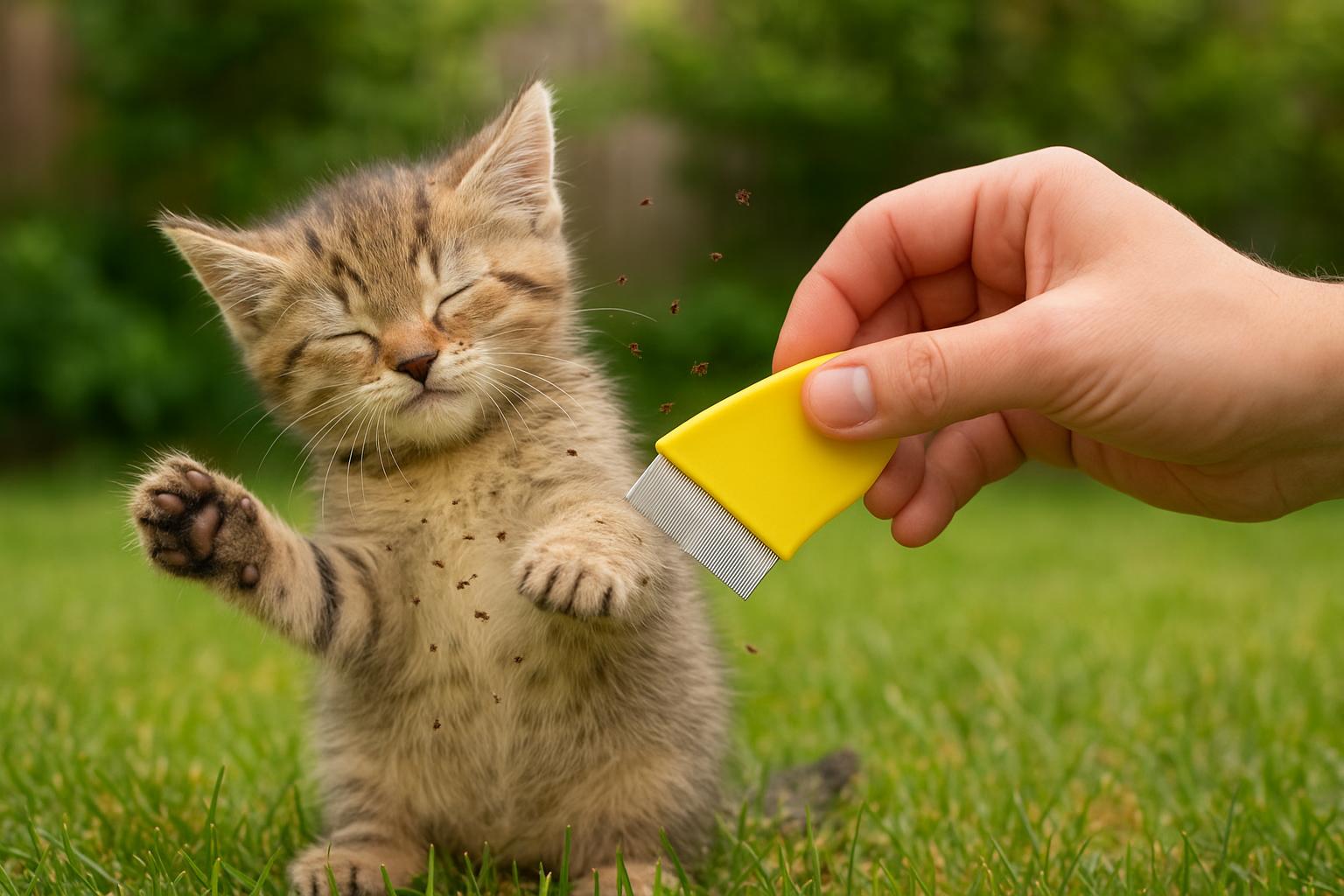
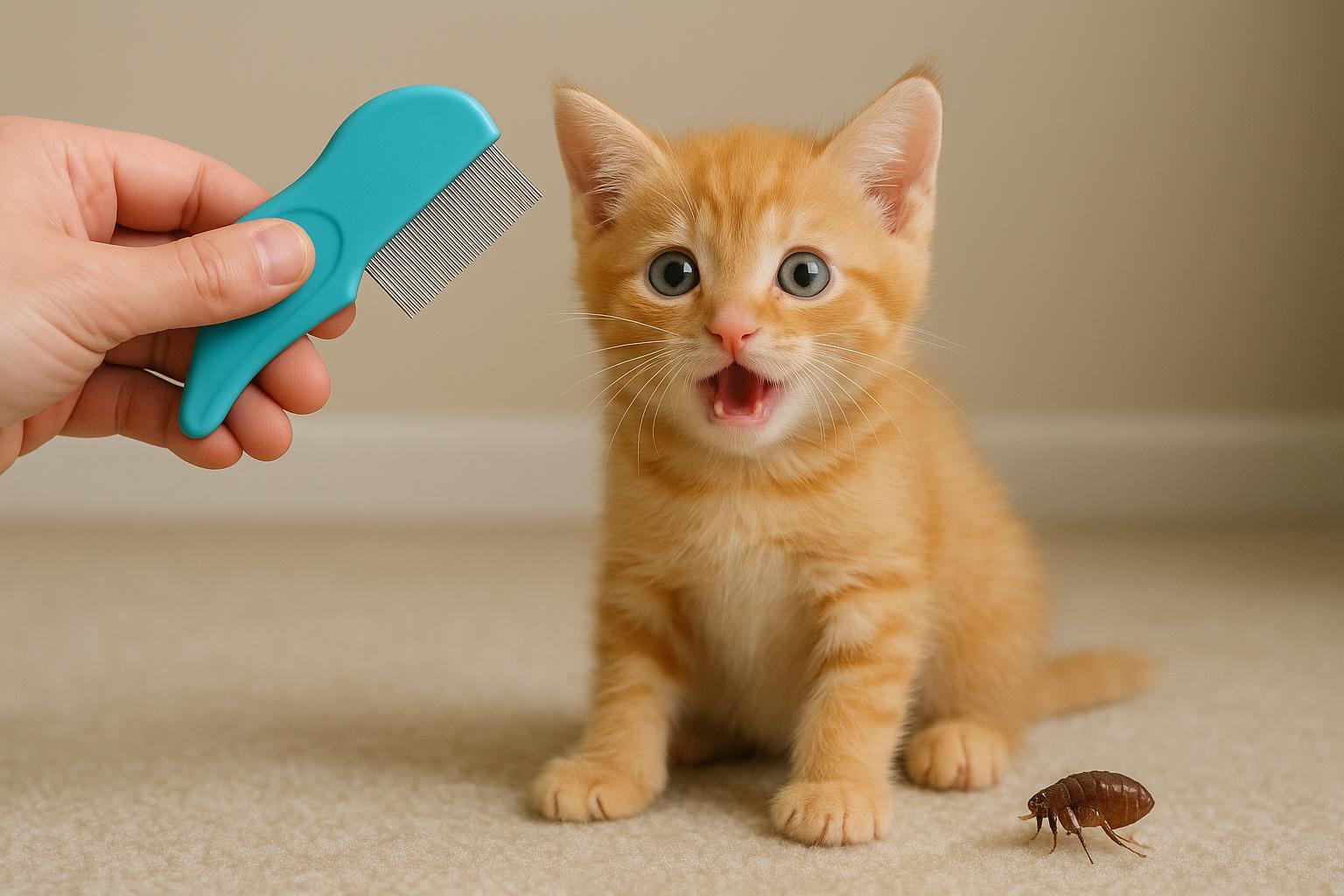
Daily visual checks and weekly combing are the first and safest lines of defense. Use a fine-tooth flea comb and a white shallow dish with soapy water to remove and neutralize adult fleas you find.
### Household Sanitation Habits
Frequent vacuuming (including furniture and under beds), washing cat bedding in hot water at least weekly, and drying on high heat remove eggs and larvae. Carpets and upholstery should be treated with an IGR-containing product only if recommended by a veterinarian or pest professional.
### Veterinary Care And Approved Preventatives
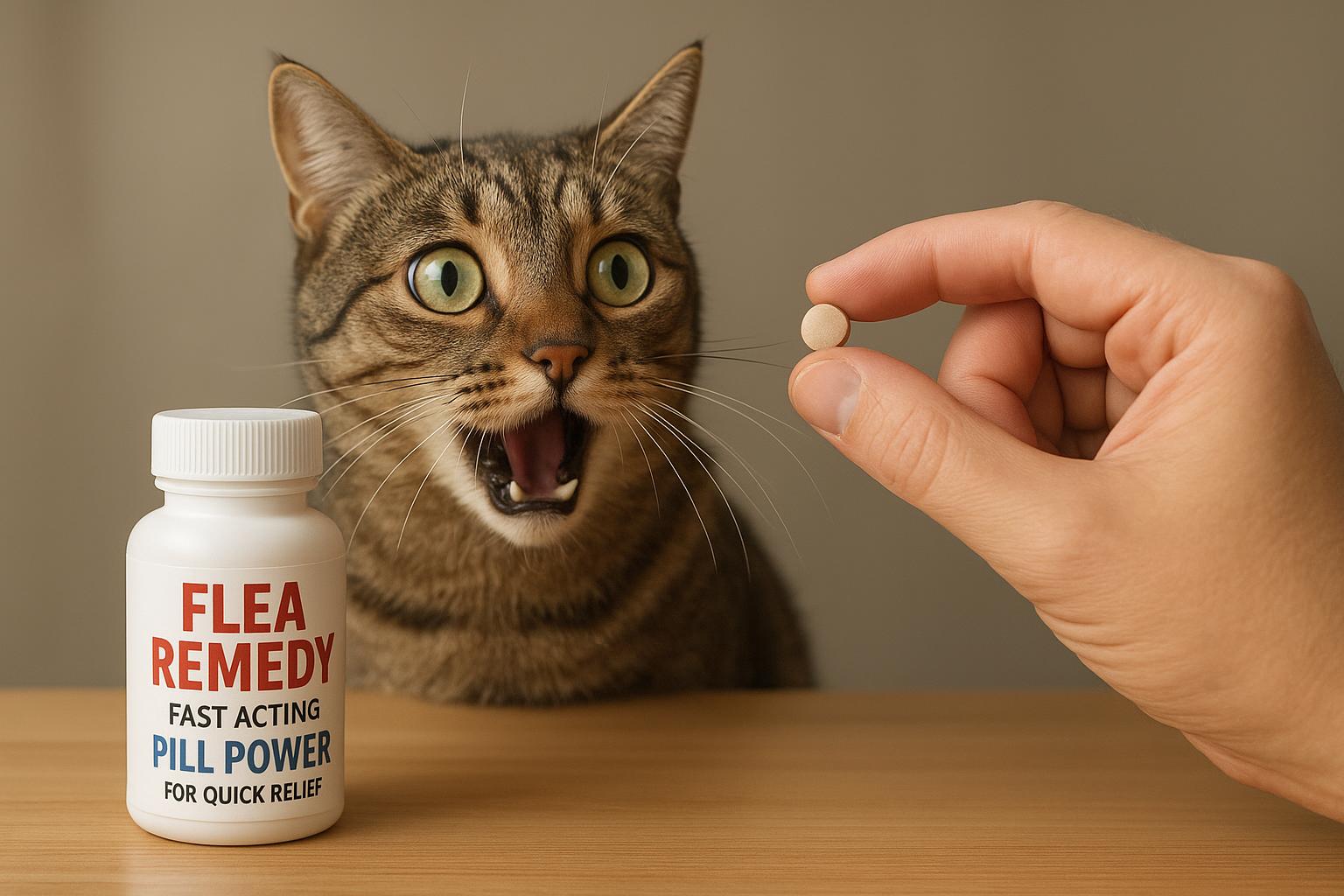
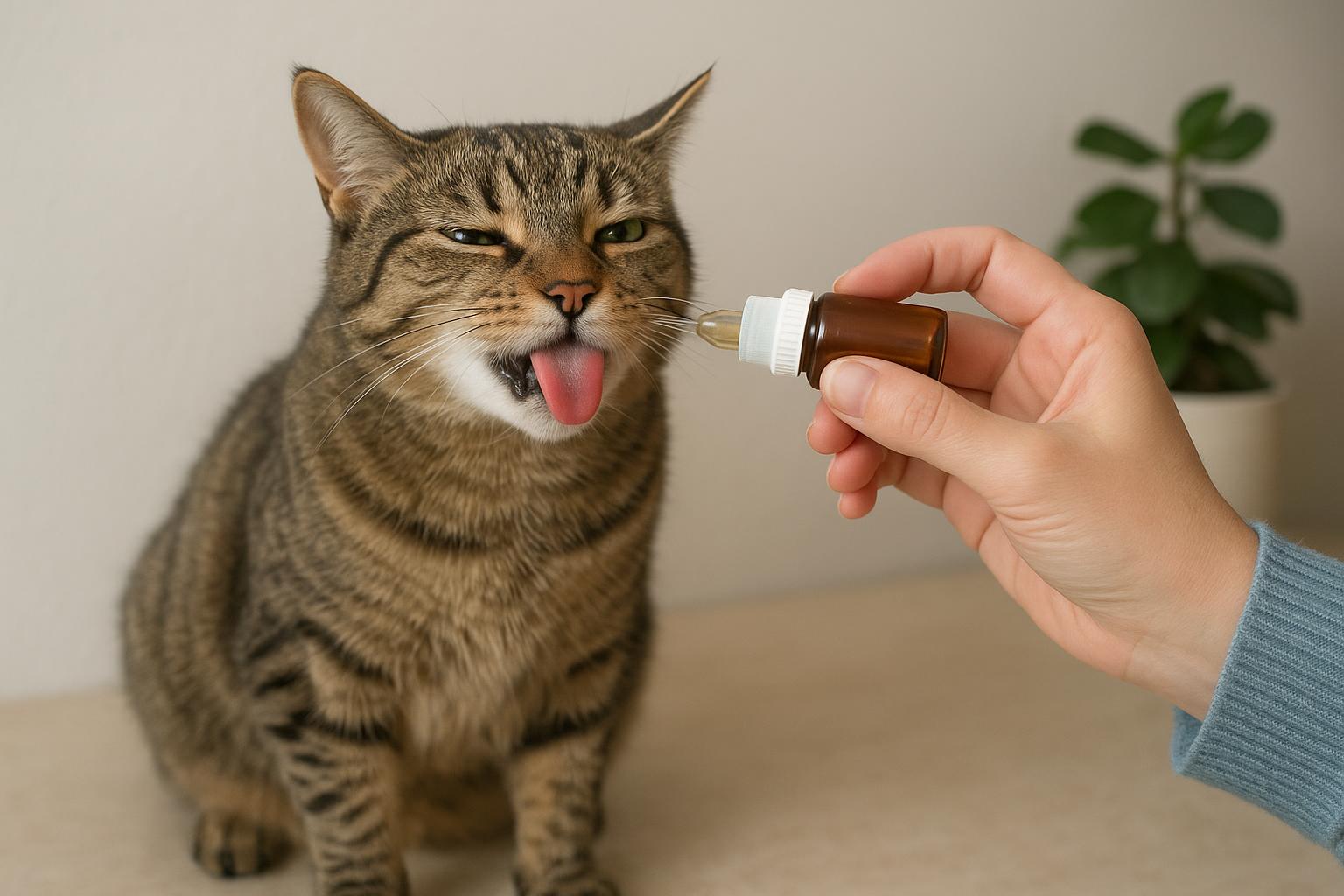
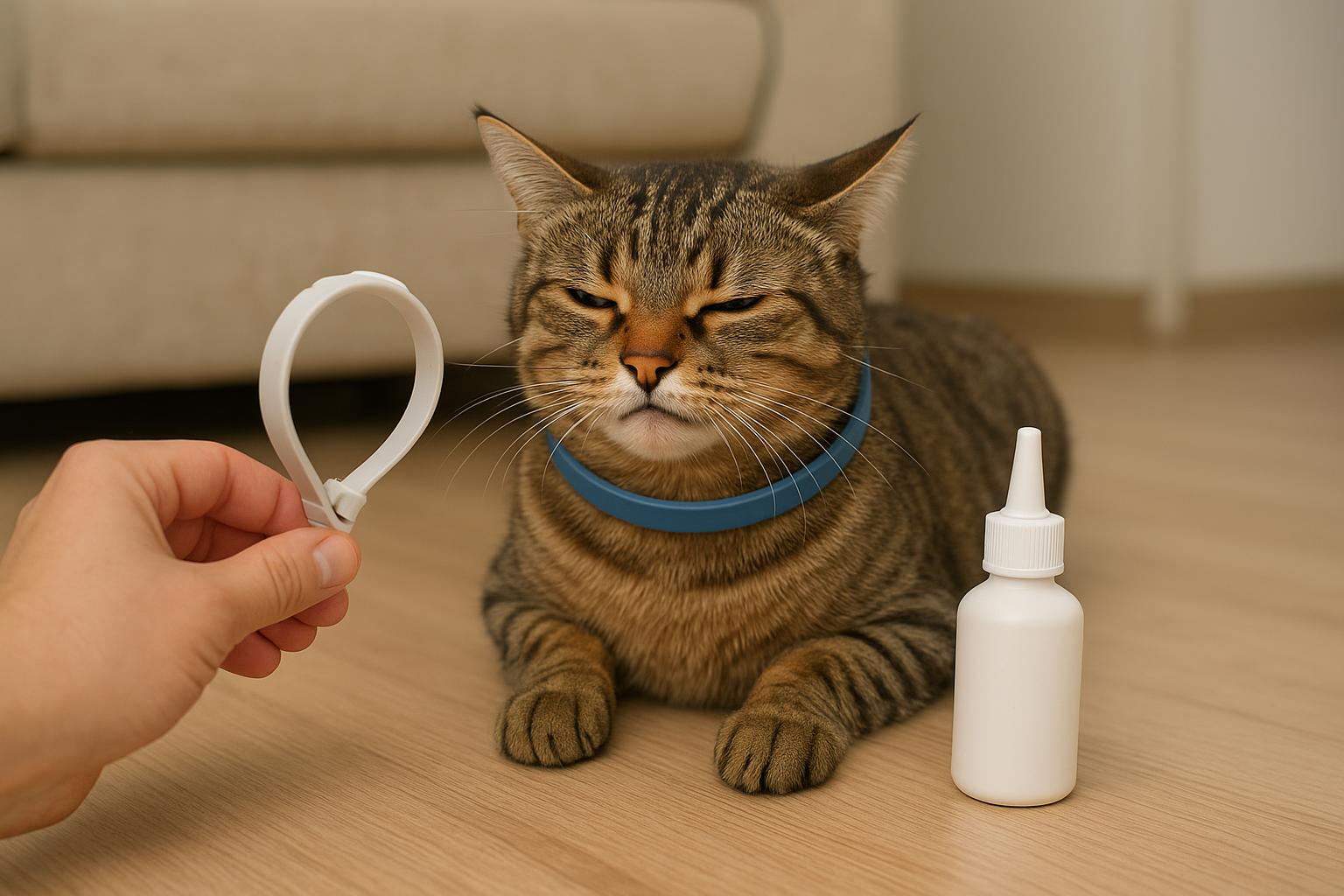
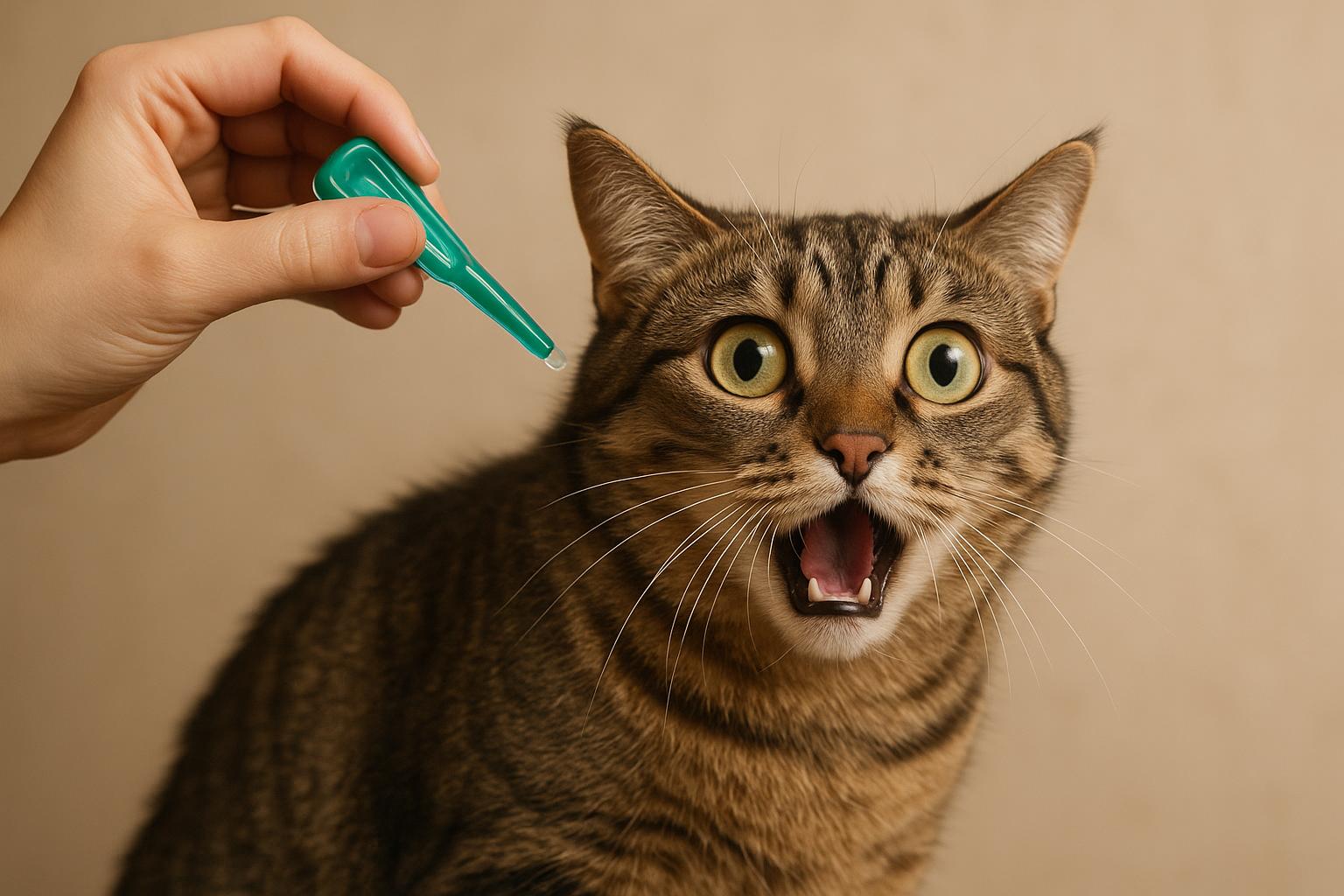
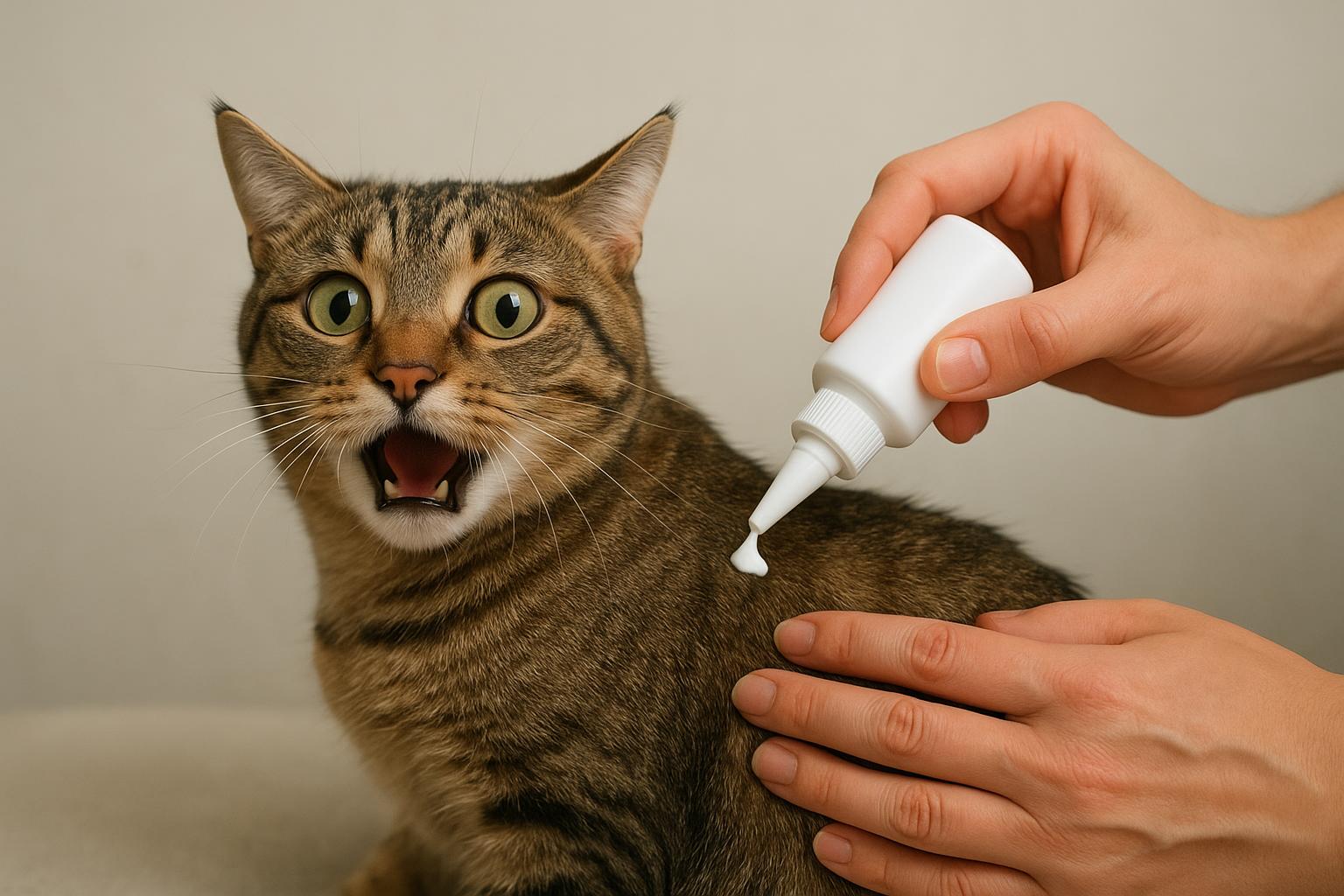
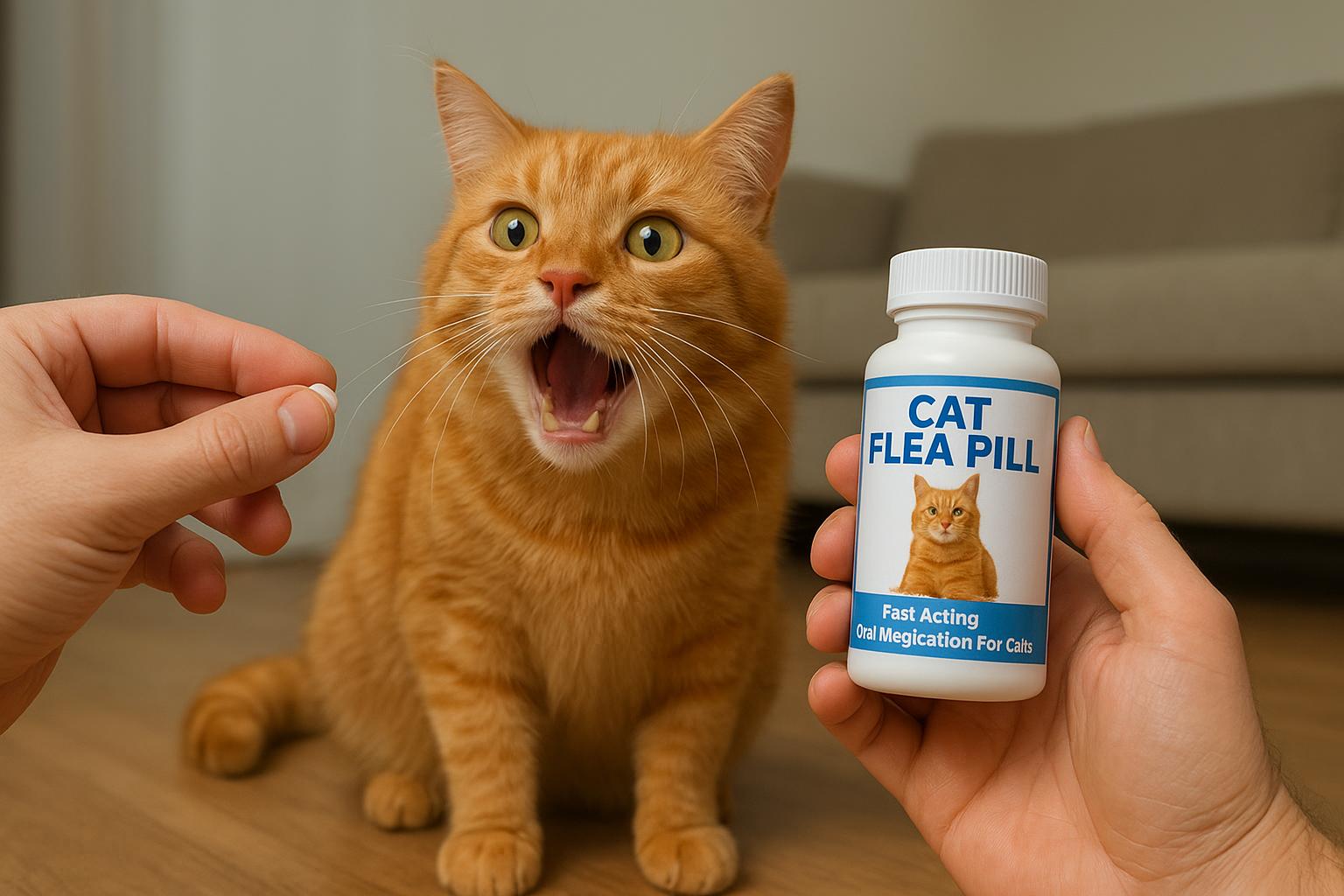
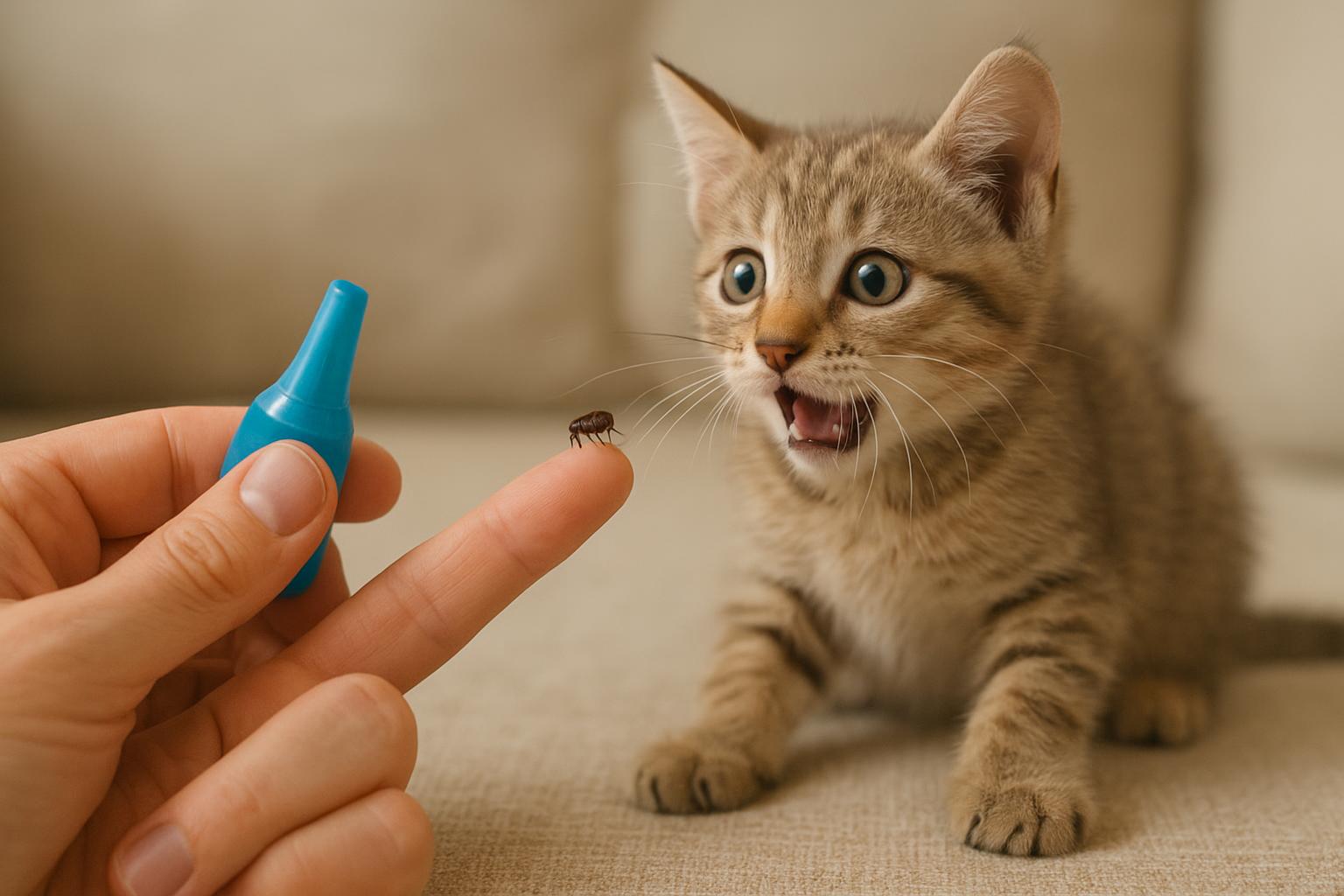
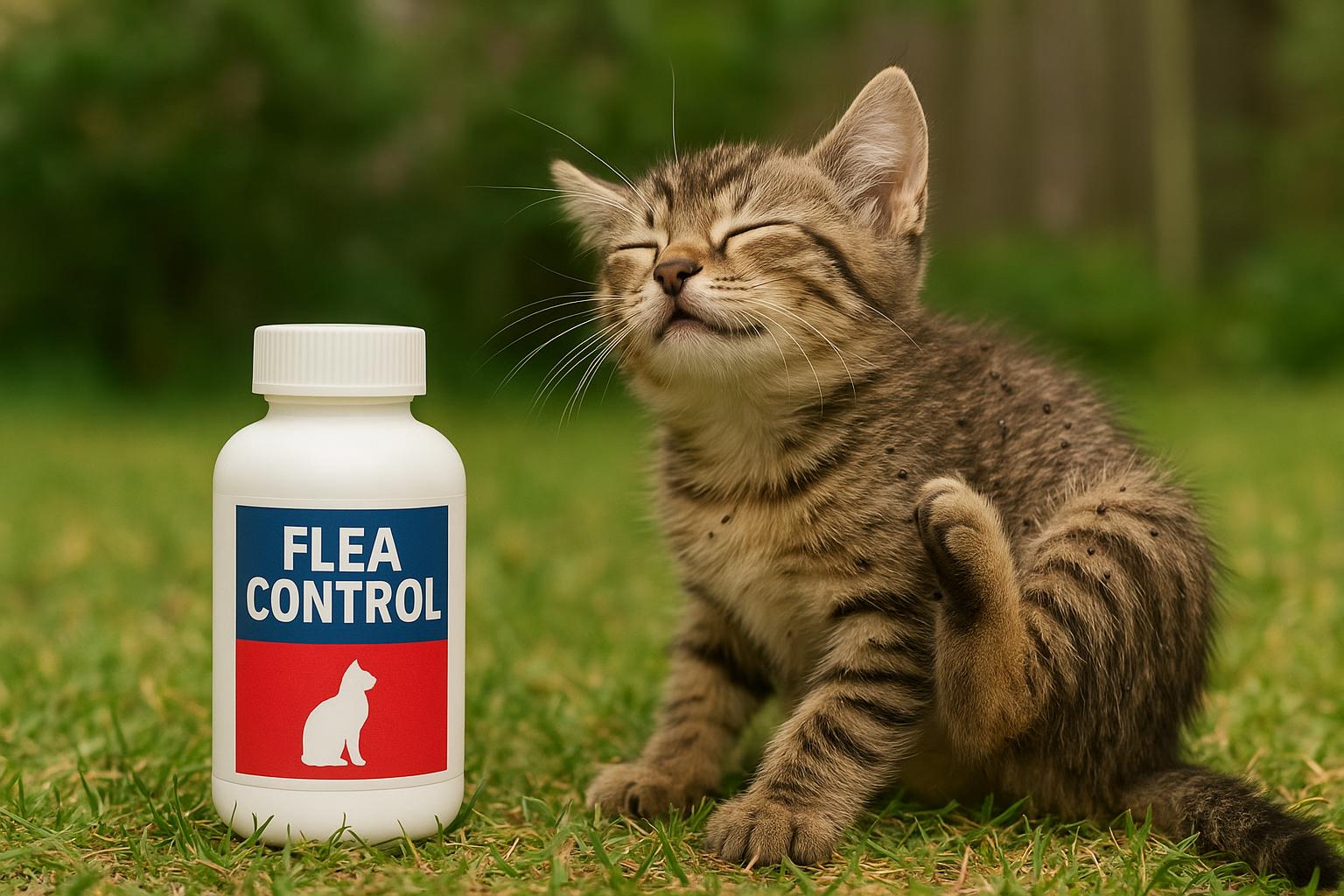
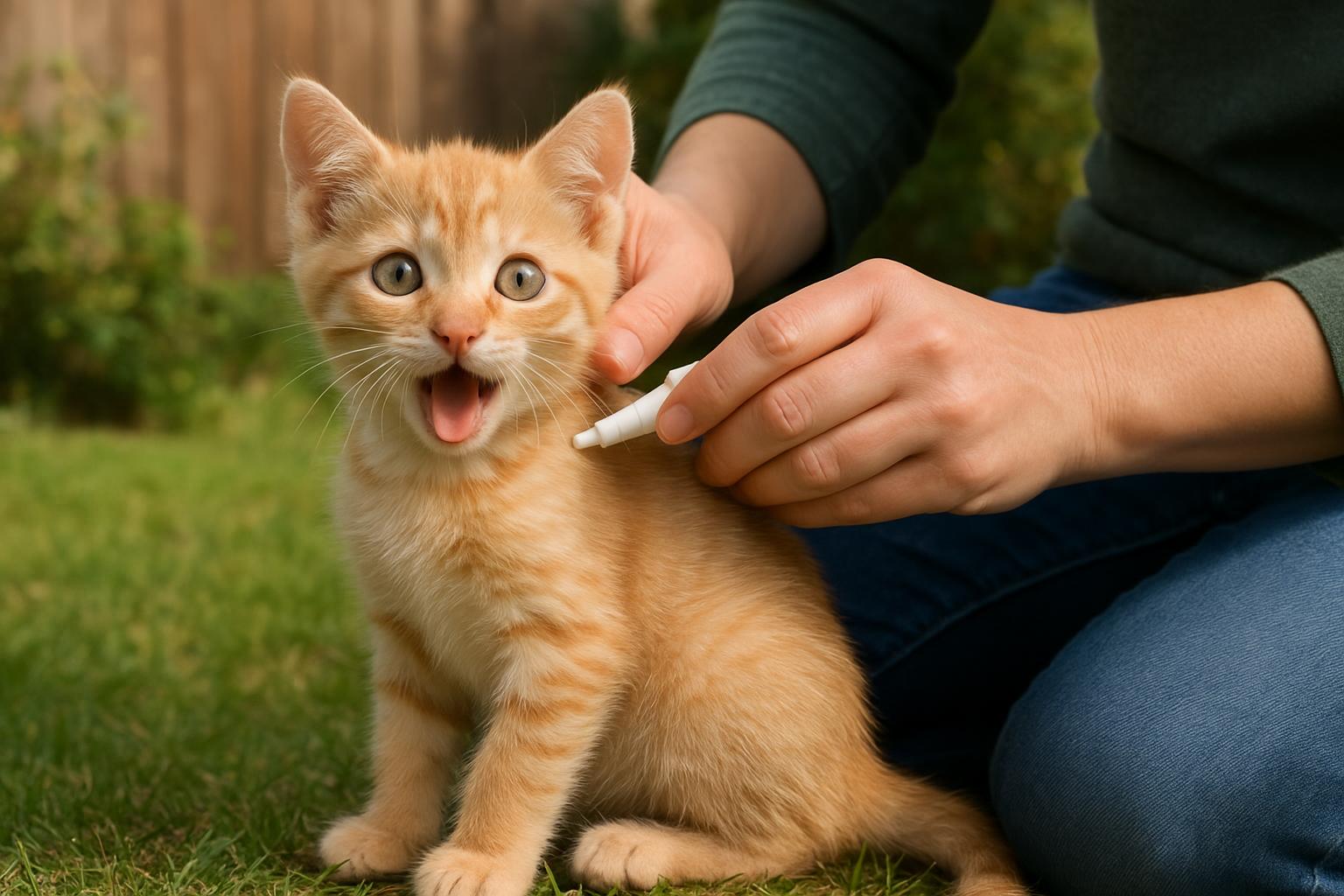
The most reliable, science-backed measures remain veterinarian-prescribed monthly topical or oral preventives and environmental IGR treatments. This flea prevention guide recommends consulting your veterinarian before starting any chemical or new home remedy so you match the treatment to your cat’s age, weight, medical history, and household context.
## Remedies (Numbered) For Indoor Flea Control
### Remedy 1: Mechanical Removal With A Flea Comb
Materials:
– Fine-toothed flea comb designed for cats
– White shallow dish or bowl
– Mild dish soap and warm water
– Clean towel
Formal Instructions:
1. Prepare the soaking dish: fill a shallow bowl with warm water and 1–2 drops of dish soap; place within reach.
2. Secure the cat: sit in a comfortable position, wrap your cat gently in a towel if stressed, leaving the head exposed to reduce escape and sudden movements.
3. Comb methodically: comb the fur in the direction of hair growth, concentrating on the neck, base of tail, and belly—common flea sites. After each pass, tap the comb into the soapy water to drown any captured fleas.
4. Repeat routinely: perform combing sessions at least twice weekly during peak flea season or daily if fleas are detected.
Safety Note: Mechanical removal is low risk and appropriate for all cats. Record observations of flea counts and skin irritation for the veterinarian.
#### Remedy 1 Safety Considerations
Avoid using flea combing as the sole long-term solution in heavy infestations. Document findings and consult a veterinarian if you find eggs (small white specks), numerous live fleas, or skin lesions.
### Remedy 2: Environmental Sanitation Routine
Materials:
– Vacuum with attachments
– Washing machine and dryer
– Steam cleaner (optional)
– Sealed garbage bags
Formal Instructions:
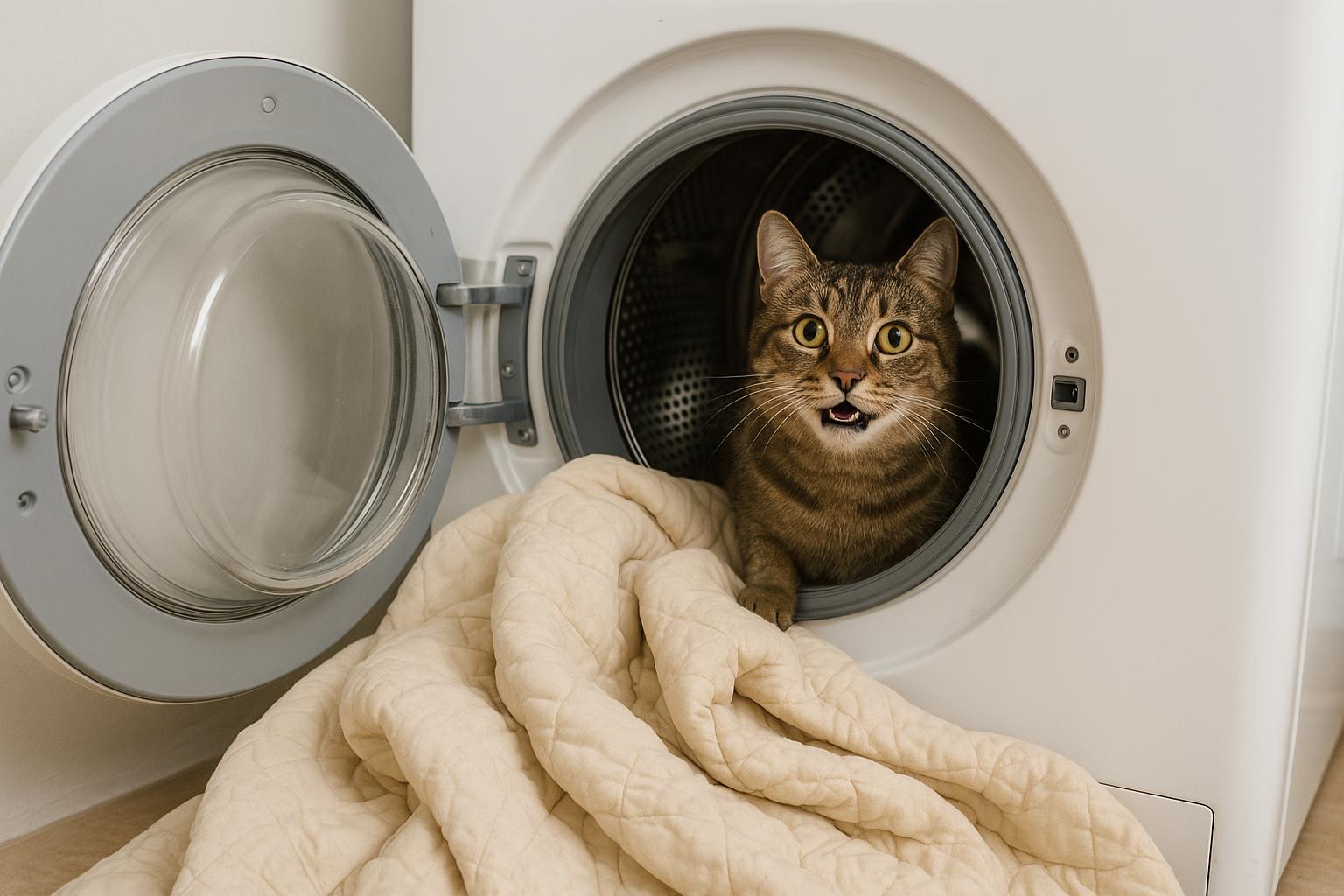
1. Remove and launder bedding: place cat bedding, cushions, and removable upholstery covers into the washing machine. Wash with hot water (≥60°C/140°F) when fabric care permits; dry on high heat.
2. Vacuum comprehensively: vacuum floors, baseboards, under furniture, and upholstered surfaces daily for 1–2 weeks when treating an infestation, then resume to at least twice-weekly preventive schedule.
3. Dispose of vacuum contents: after vacuuming, remove the canister bag or empty the canister into a sealed garbage bag and discard outdoors to prevent reinfestation.
4. Steam clean problem areas: where feasible, steam cleaning at high temperature will kill eggs and larvae in carpets and upholstery.
Formal Rationale: Because most flea life stages reside in the environment, diligent sanitation is essential. This step-by-step regimen is a core component of any effective flea prevention guide.
#### Remedy 2 Safety Considerations
When using chemical products for the environment, follow label directions and seek veterinary advice if you have infants, immunocompromised people, or birds present.
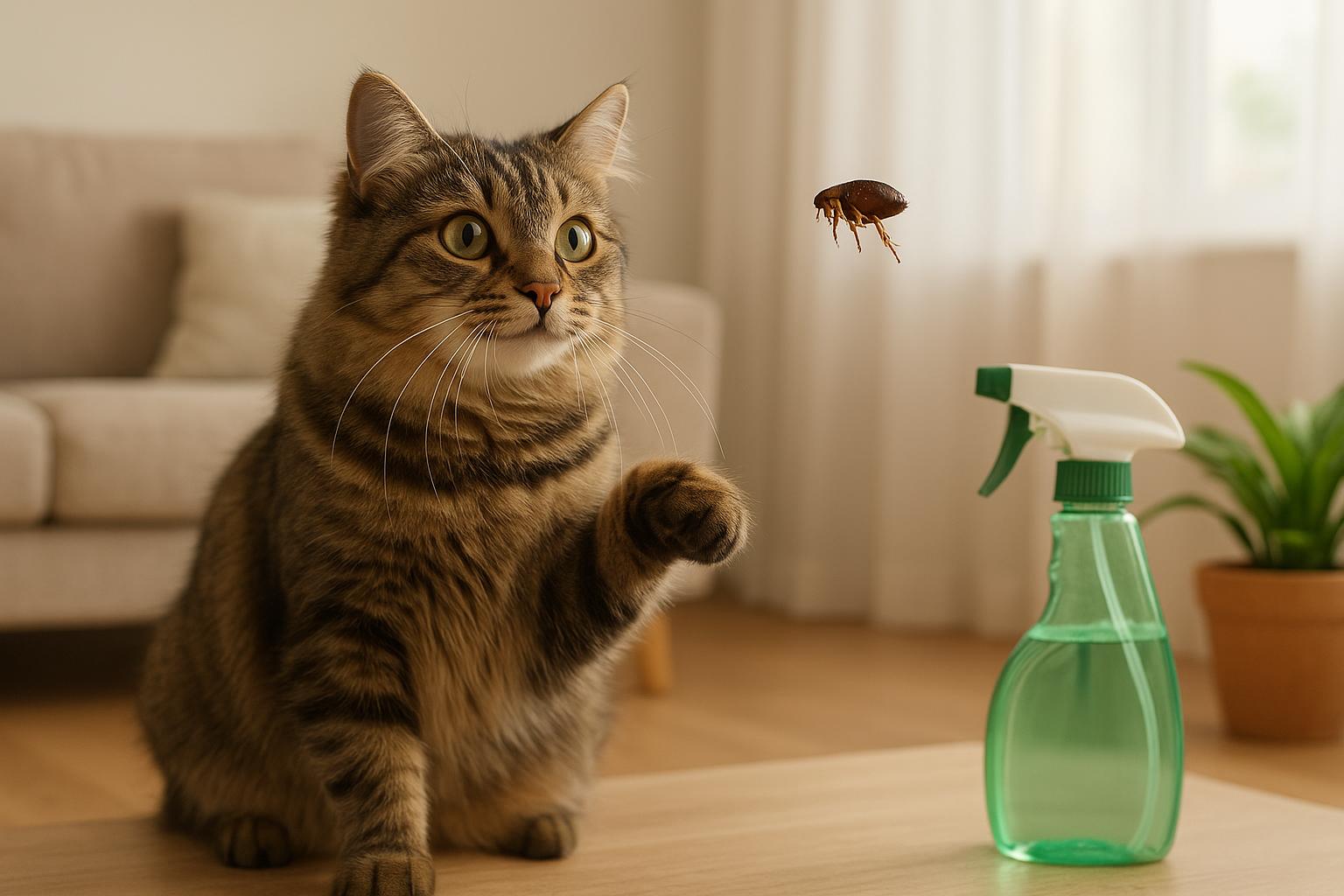
### Remedy 3: Herbal Infusion Spray (Cat-Safe Application)
Materials:
– 4 cups boiling water
– 1/2 cup fresh rosemary or 2 tablespoons dried rosemary (not rosemary essential oil)
– Spray bottle (clean)
– Fine-mesh strainer
– Optional: 1 teaspoon apple cider vinegar (ACV) — use only if cat tolerates the scent and skin is intact
– Gloves
Formal Creation And Application (Formal Tone):
1. Prepare the infusion: place rosemary in a heatproof container and pour 4 cups boiling water over it. Steep for 30–45 minutes.
2. Strain and cool: strain the infusion through a fine-mesh strainer into a clean container. Allow it to reach room temperature.
3. Optional ACV addition: if you choose to add apple cider vinegar to the cooled infusion, add no more than 1 teaspoon per cup and mix thoroughly. Do not use ACV on cats with open wounds or on sensitive skin without veterinary approval.
4. Transfer to a spray bottle and label it clearly.
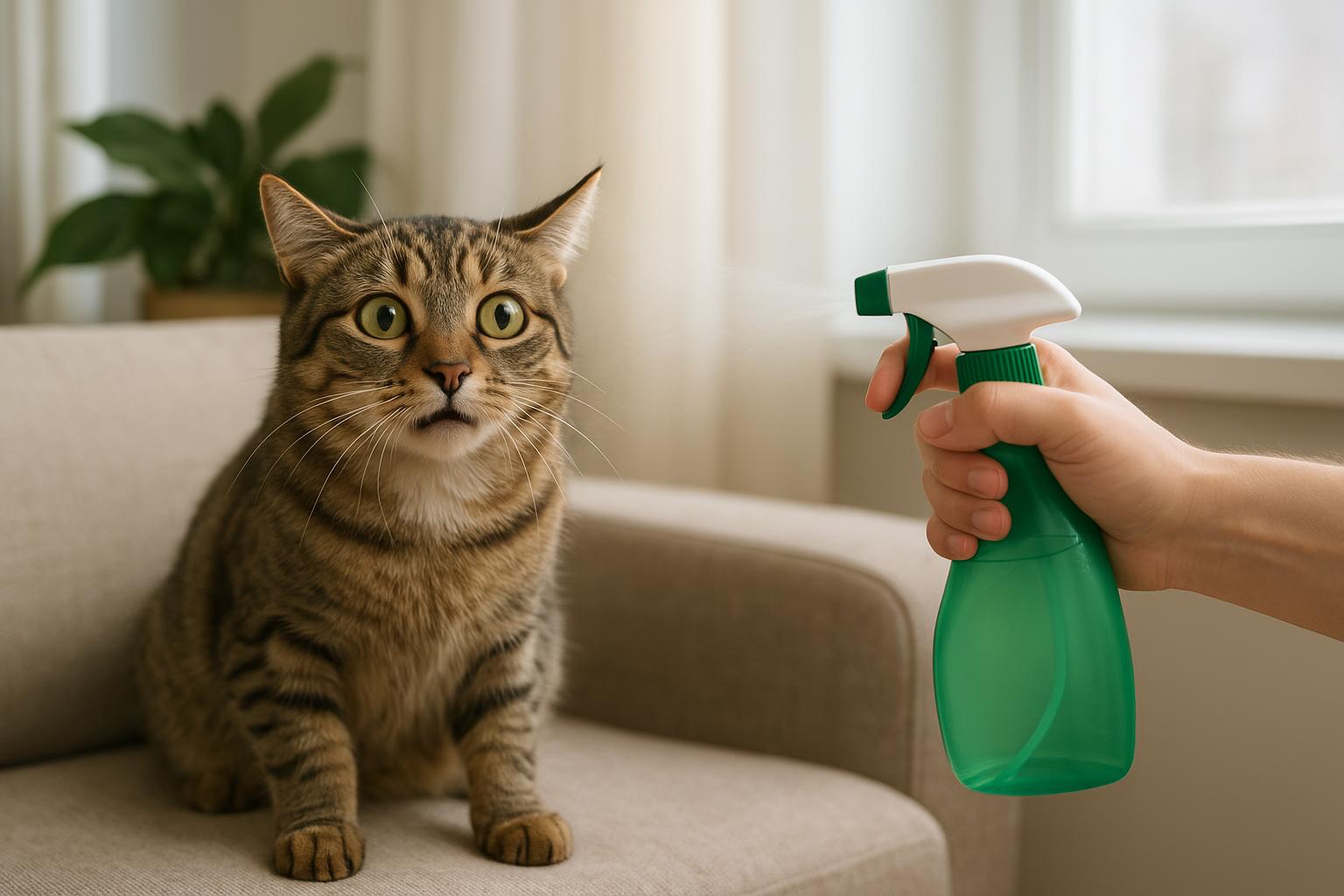
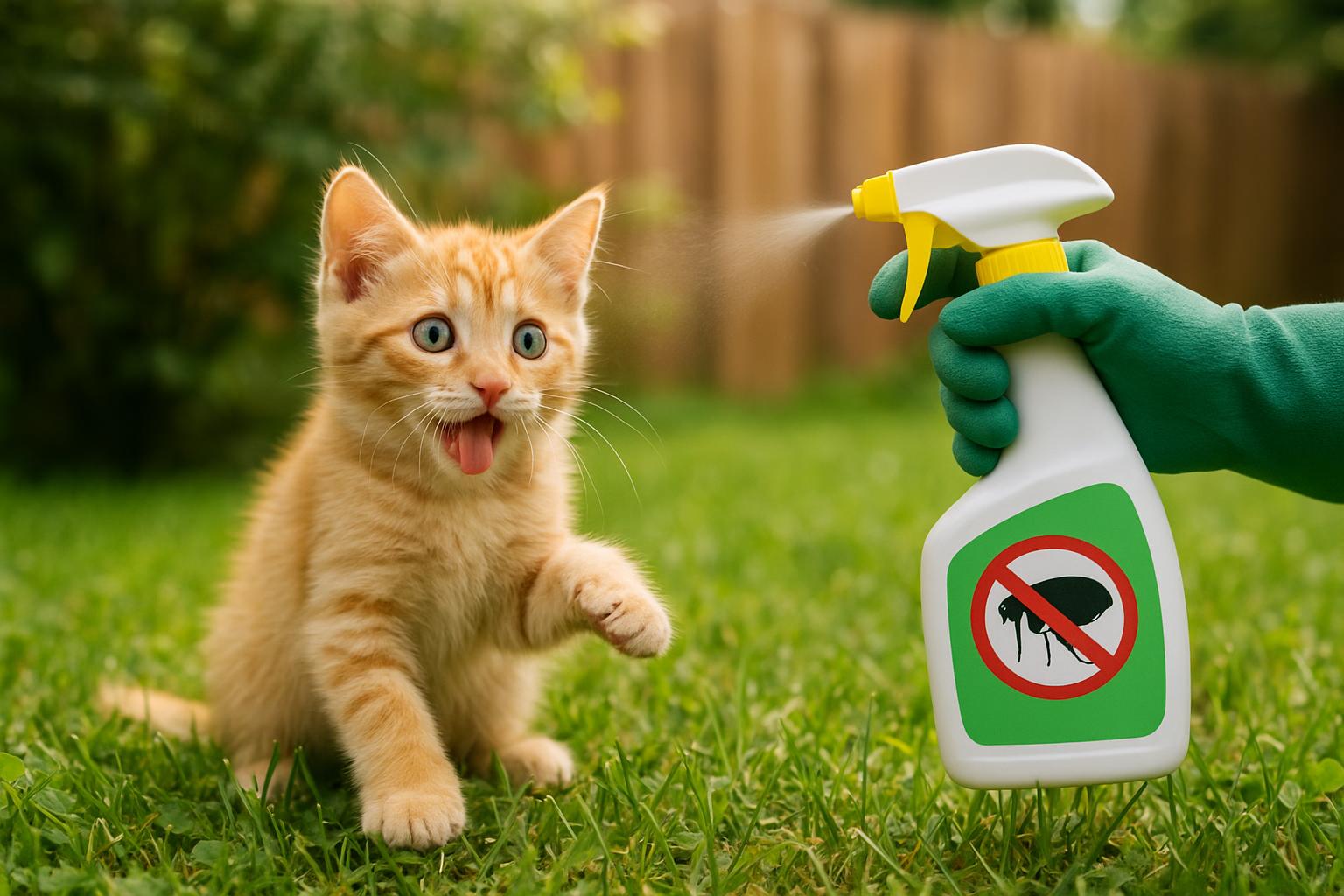
5. Application protocol: lightly mist the cat’s coat from a safe distance—avoiding face, eyes, ears, genitals, and any broken skin—once a day. Use on the cat only if they tolerate light sprays; otherwise apply to bedding and areas where the cat rests.
Precautions: Do not use essential oils or concentrated plant oils on cats; they are frequently toxic. This product uses whole-herb infusion only; avoid over-application and discontinue if any signs of irritation appear.
#### Remedy 3 Safety Considerations
Consult a veterinarian before topical application of any home-made spray. Monitor for respiratory or skin reactions. Never use tea tree oil, citrus oils, or other essential oils on cats.
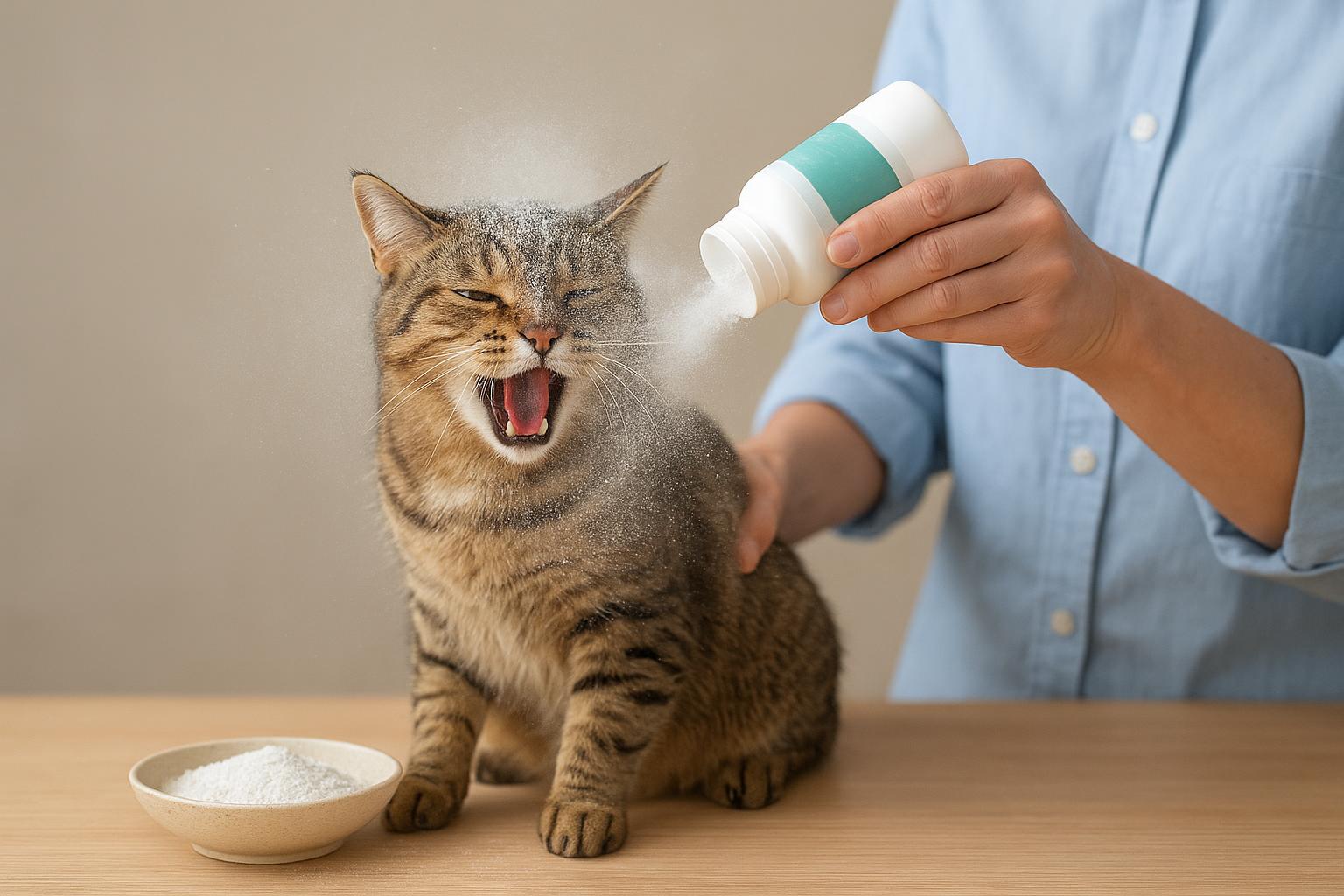
### Remedy 4: Food-Grade Diatomaceous Earth For The Home
Materials:
– Food-grade diatomaceous earth (DE)
– Dust mask and gloves
– Duster or sieve
– Household broom and vacuum
Formal Creation And Application:
1. Select the correct product: purchase only food-grade DE labeled for pet or household use. Do not use pool-grade DE.
2. Prepare the area and yourself: close windows, keep pets (especially cats) and people out of the room during application, and wear a dust mask and gloves to avoid inhalation.
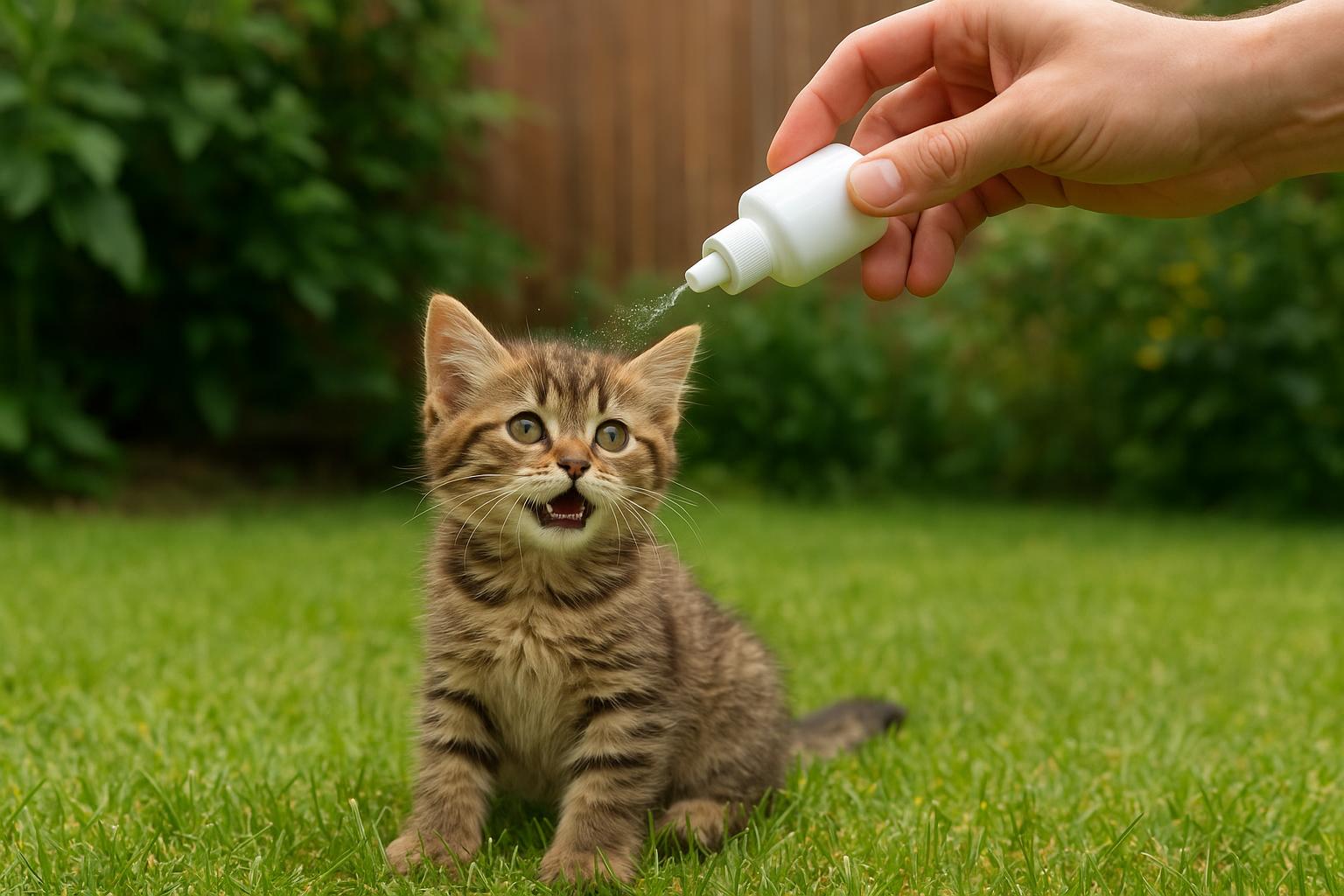
3. Light dusting: apply a thin, even layer of DE to carpets, along baseboards, under furniture, and on pet bedding areas using a duster or sieve. Avoid piling DE; a fine coating is sufficient.
4. Leave in place 24–48 hours to allow abrasive action on insect exoskeletons.
5. Clean up: vacuum thoroughly and dispose of vacuum contents in a sealed bag outside. Reapply only if needed, and avoid applying directly to the cat.
Formal Rationale: DE can reduce larvae and adult flea numbers in the environment without chemical insecticides when used responsibly. It is part of a multi-pronged approach recommended in a comprehensive flea prevention guide.
#### Remedy 4 Safety Considerations
Avoid direct application to the cat’s fur. Repeated inhalation of fine DE dust is a respiratory hazard for humans and animals; limit exposure and ventilate treated areas before re-entry.
## Monitoring, Recordkeeping, And When To Consult A Veterinarian
### Signs That Warrant Professional Care
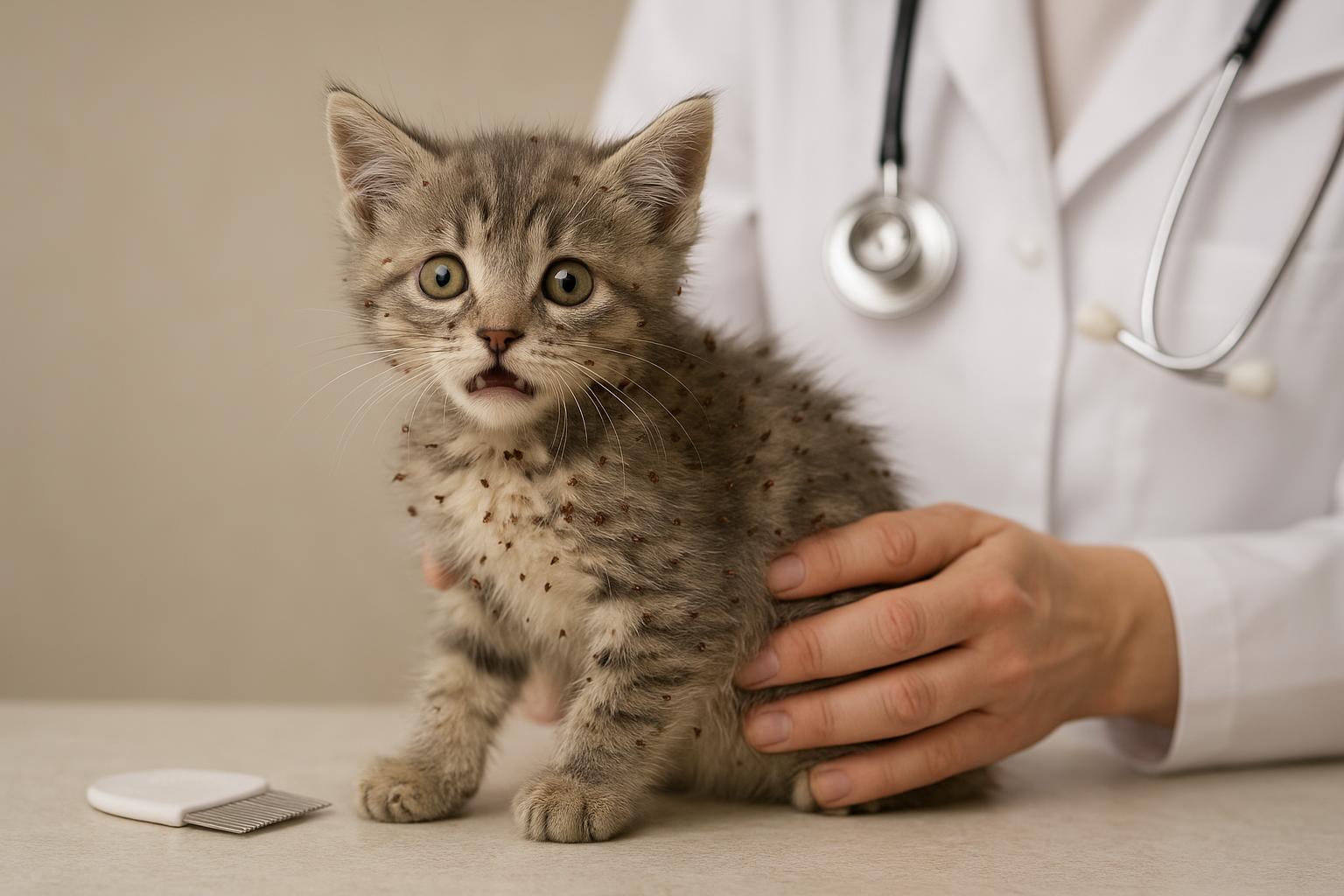
If your cat shows allergic dermatitis, hair loss, persistent scratching despite home measures, visible anemia (pale gums), or if you detect high flea counts, seek veterinary care promptly. This flea prevention guide emphasizes that home measures reduce risk but do not replace veterinary diagnosis and prescription treatments when infestation is significant or the cat is medically vulnerable.
### Creating A Practical Schedule
Use a simple checklist: daily visual check, weekly combing, twice-weekly vacuuming, weekly bedding laundering, and monthly review of flea control products with your veterinarian. Record findings (number of fleas seen, skin changes, medication dates) to track trends and evaluate the effectiveness of your program.
### Final Implementation Notes
A coordinated approach—mechanical removal, environmental sanitation, safe topical or oral preventives approved by a veterinarian, and carefully chosen home remedies—gives the best chance of preventing and eliminating fleas indoors. Keep records, follow safety precautions, and consult professionals when home measures are insufficient. Use this flea prevention guide as a practical framework to protect your indoor cat while minimizing chemical exposure and maximizing safety.







Leave a Reply