
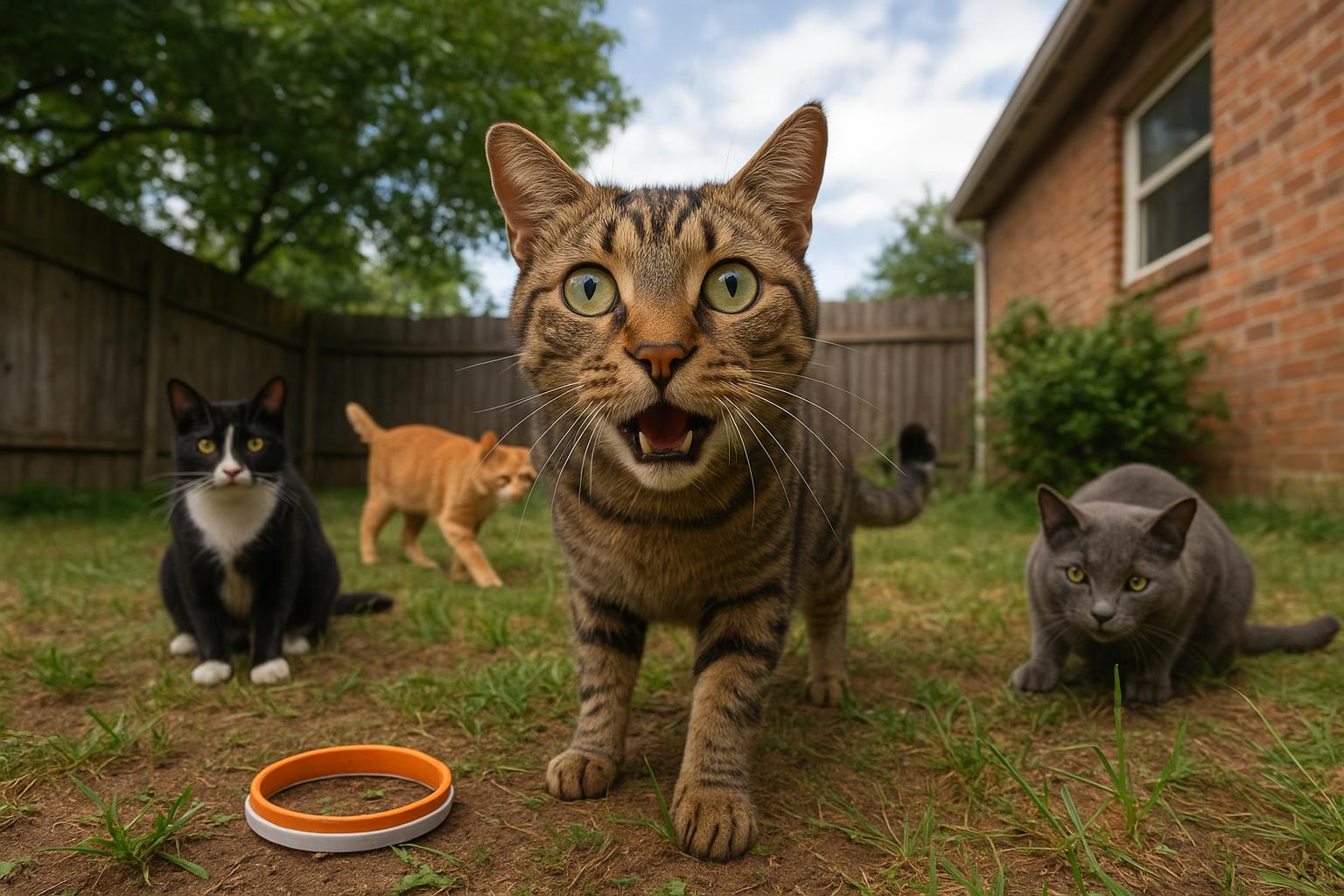
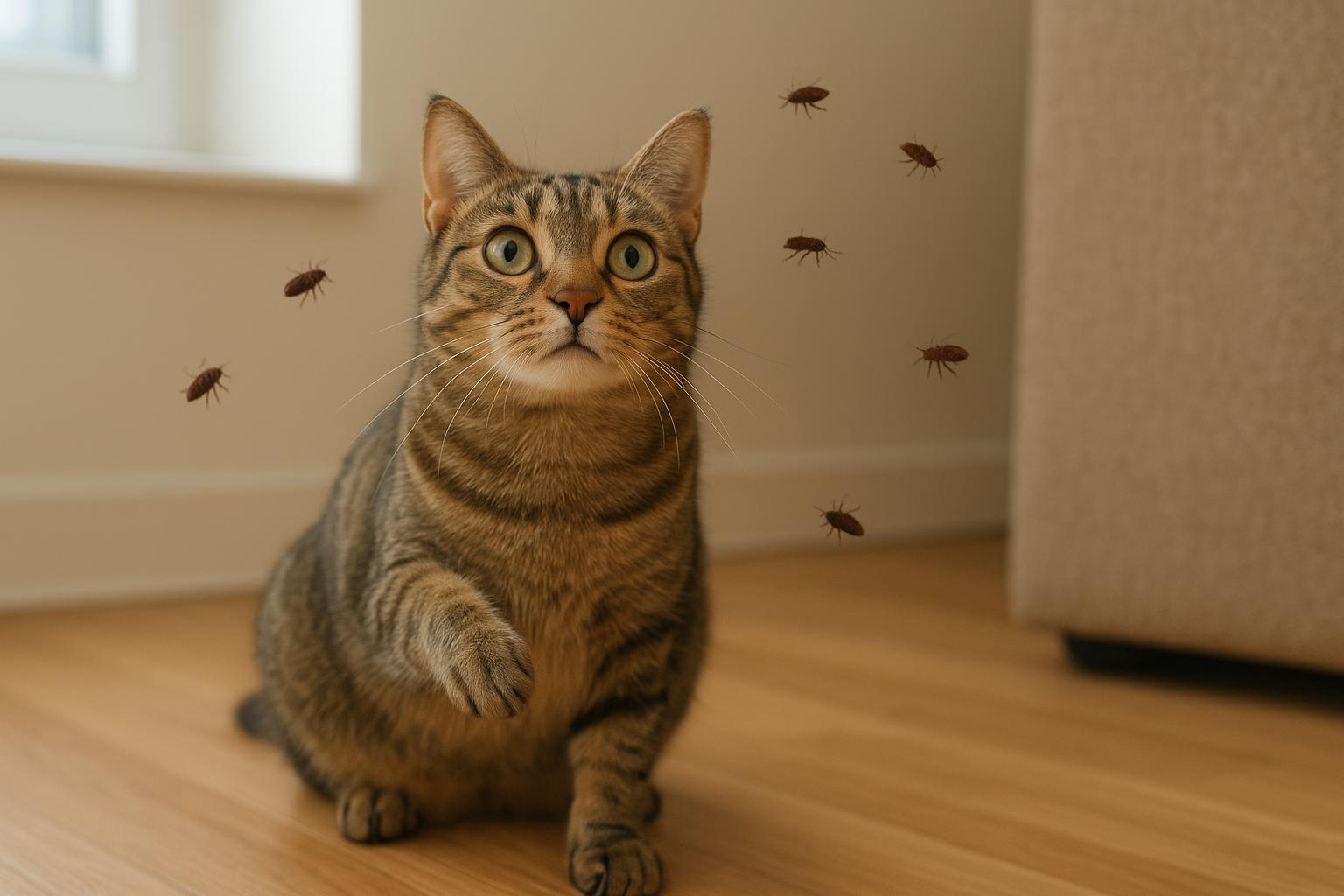
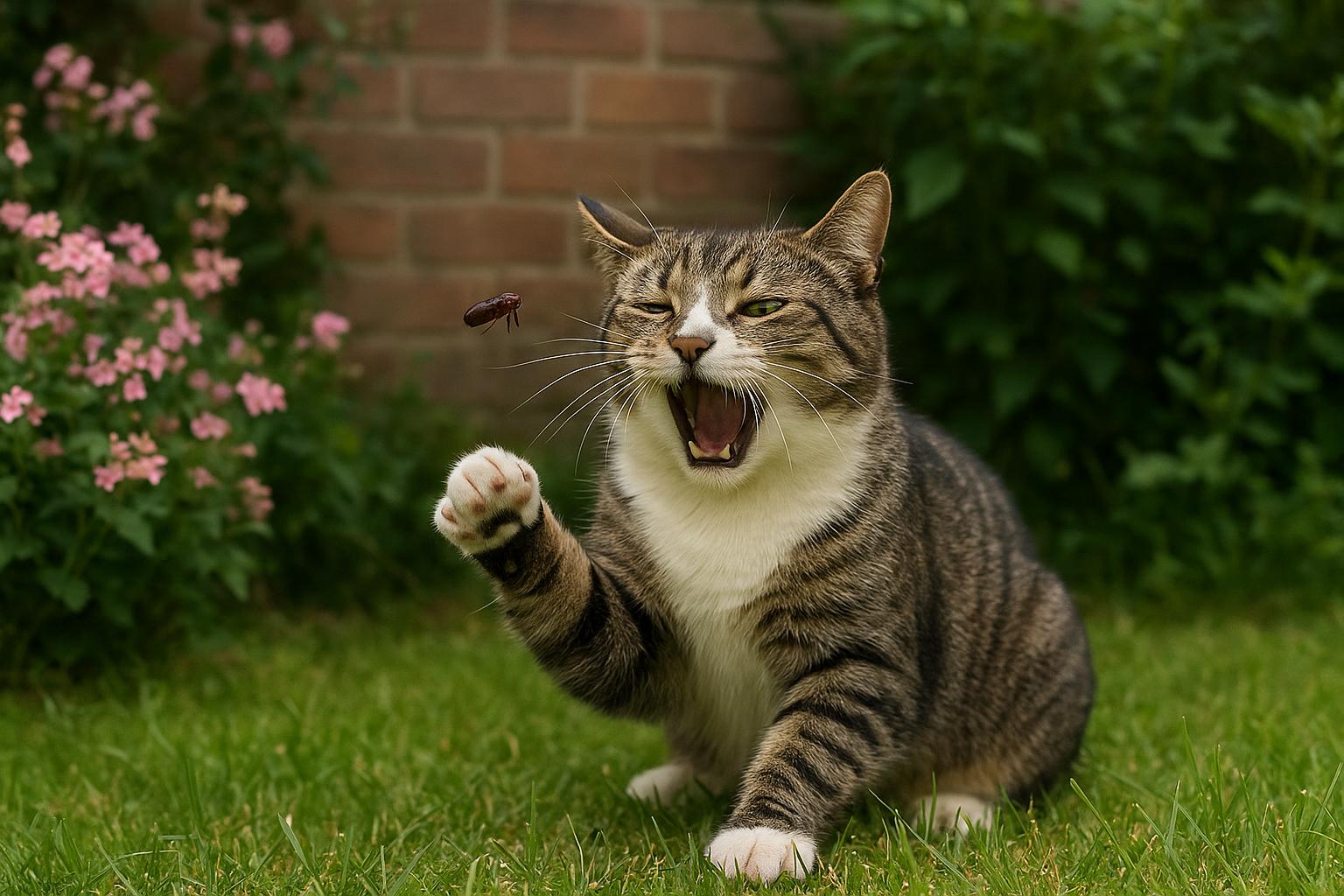
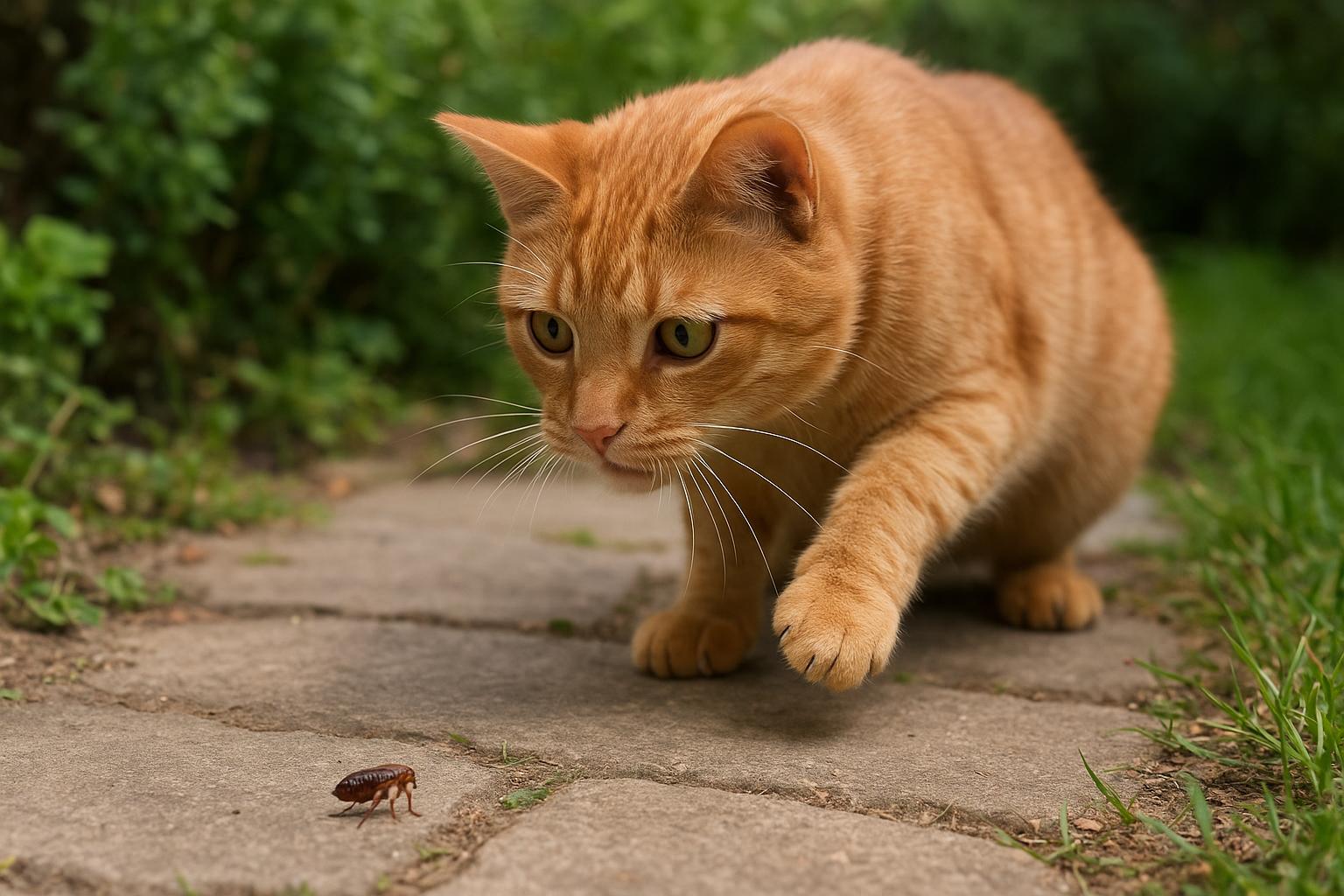
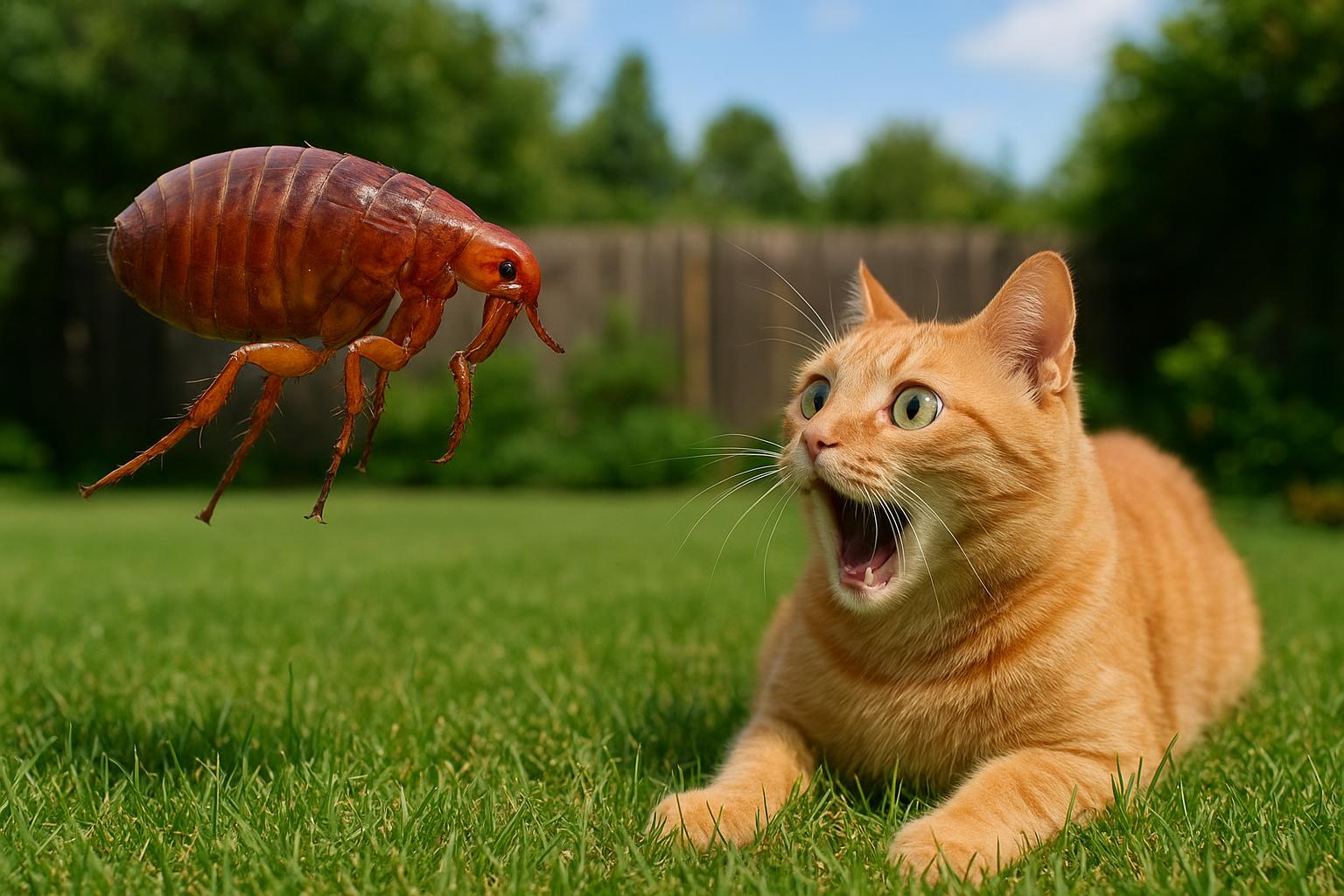
If you love watching your cat patrol the yard like a tiny, furred sheriff, you also probably worry about what tiny villains might be hitching a ride. This article walks through practical, cat-safe steps to reduce fleas and make your outdoor space safer — with a few friendly nudges and a lot of useful detail.
## Backyard Flea Control For A Safer Outdoor Cat Space
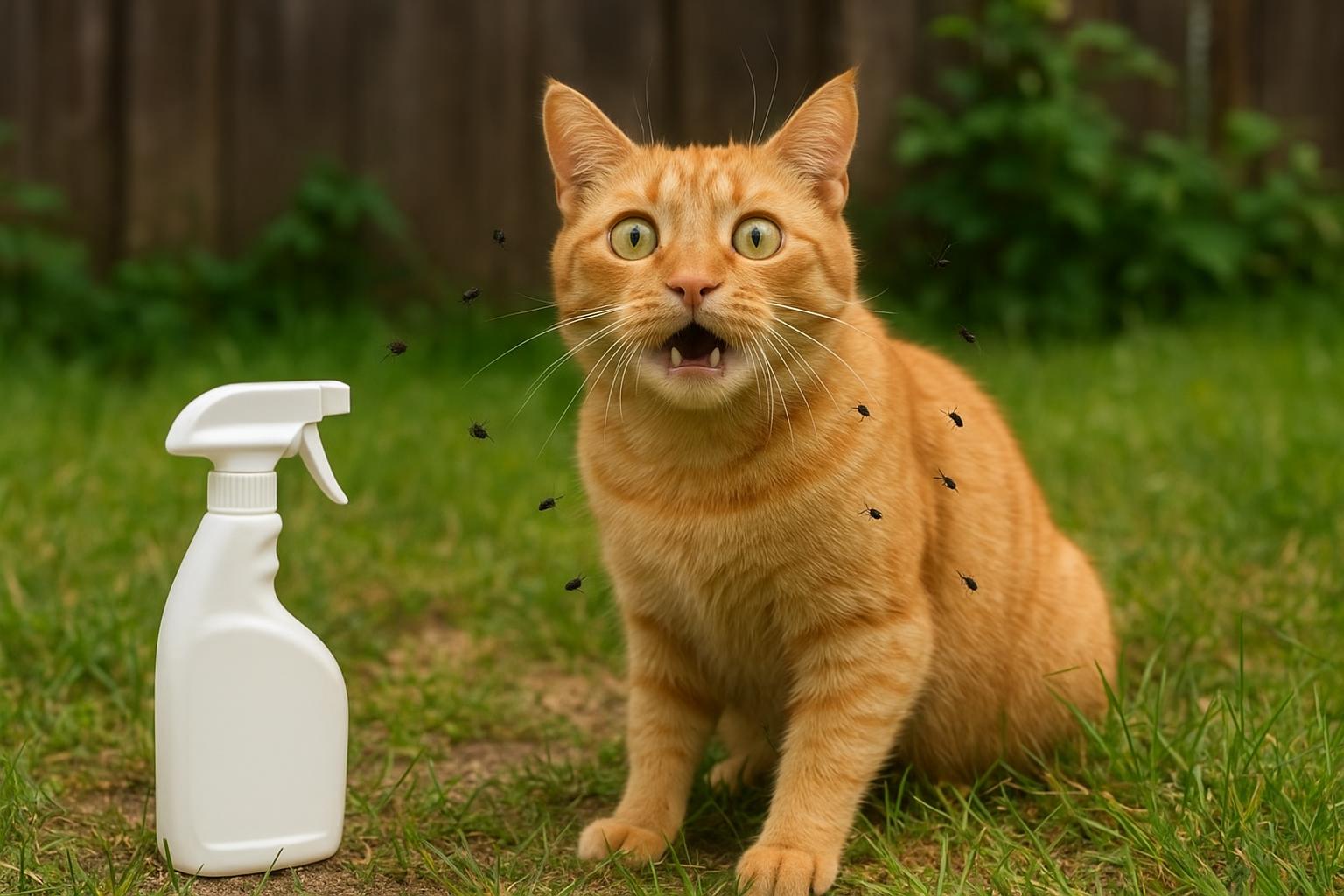
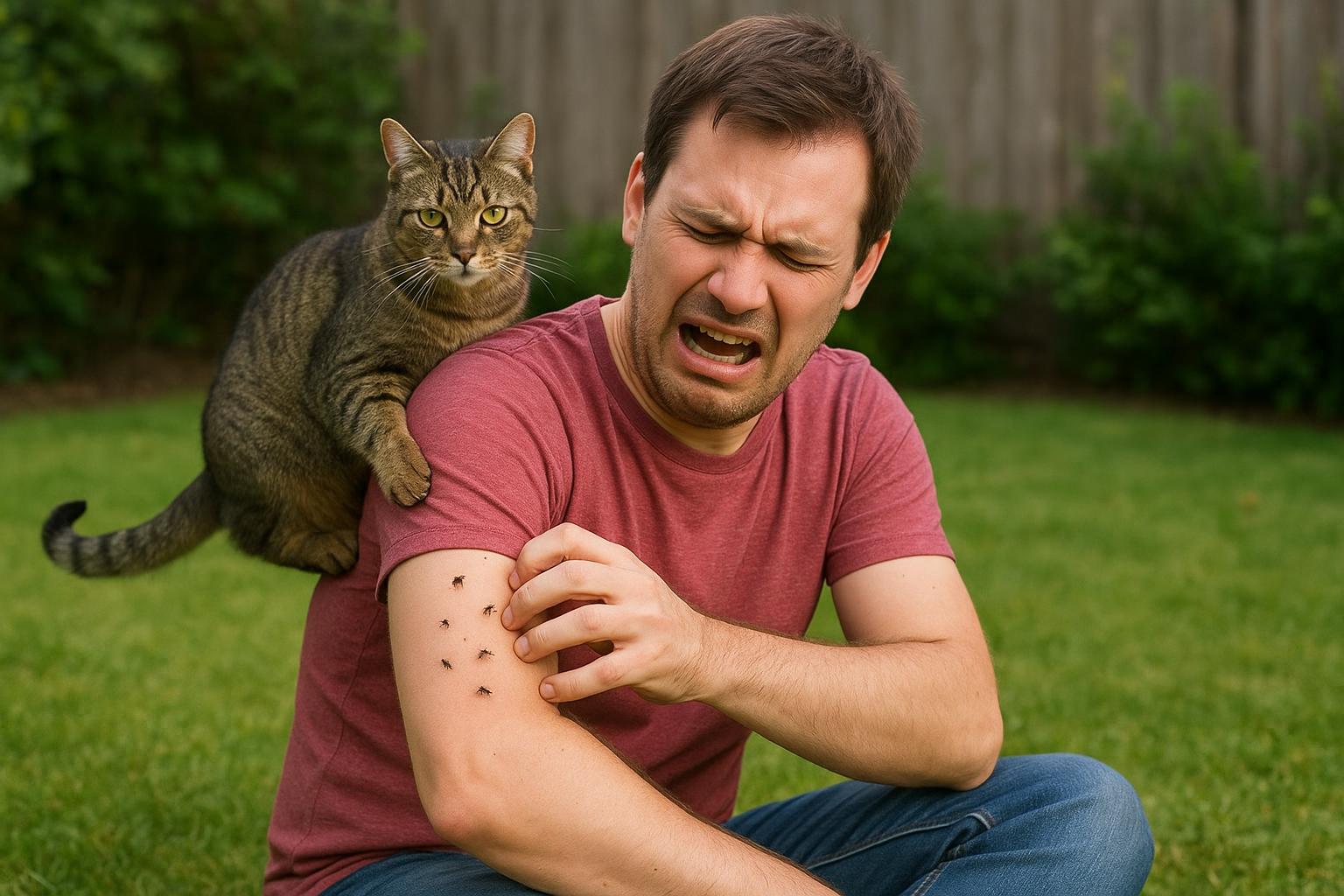
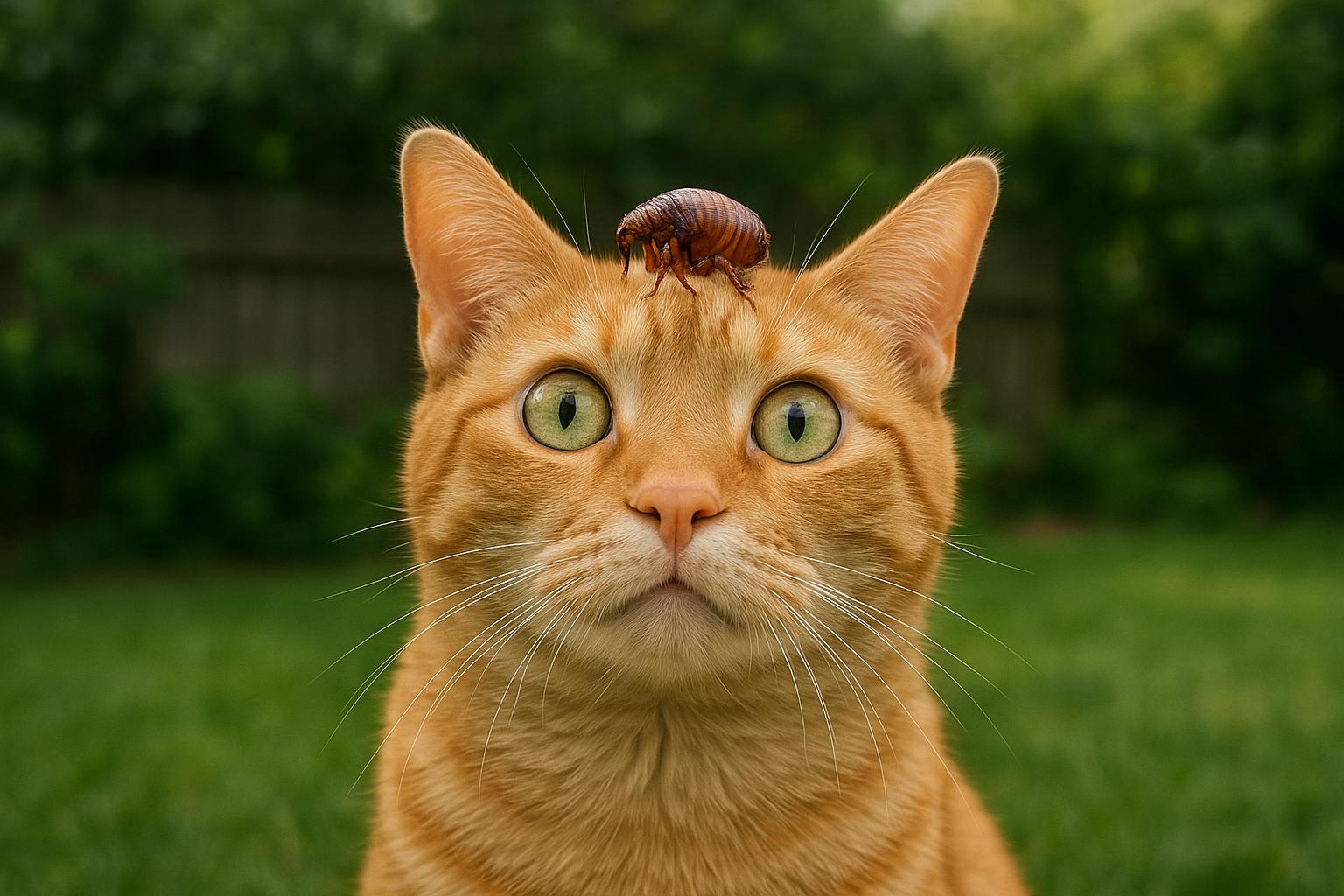
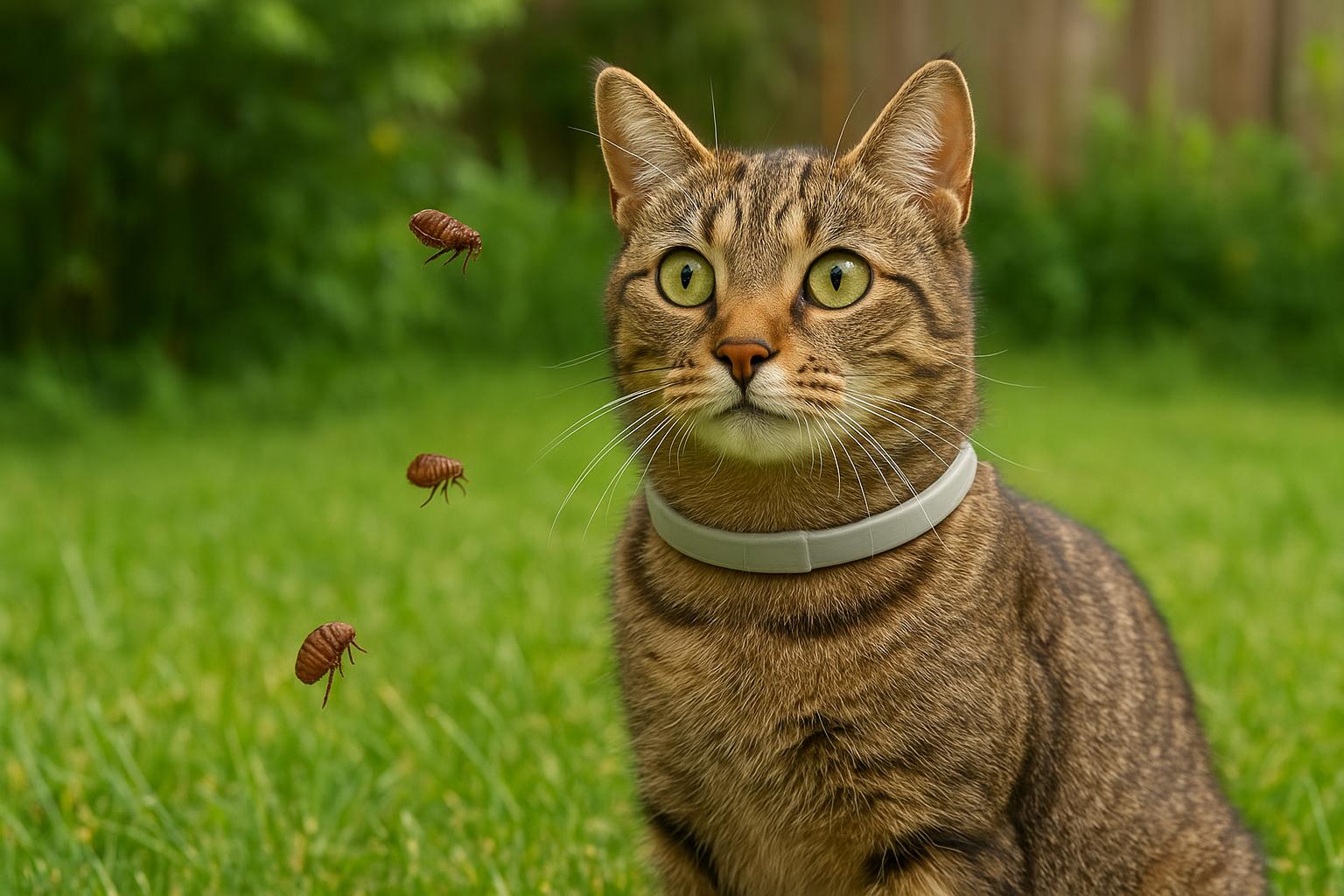
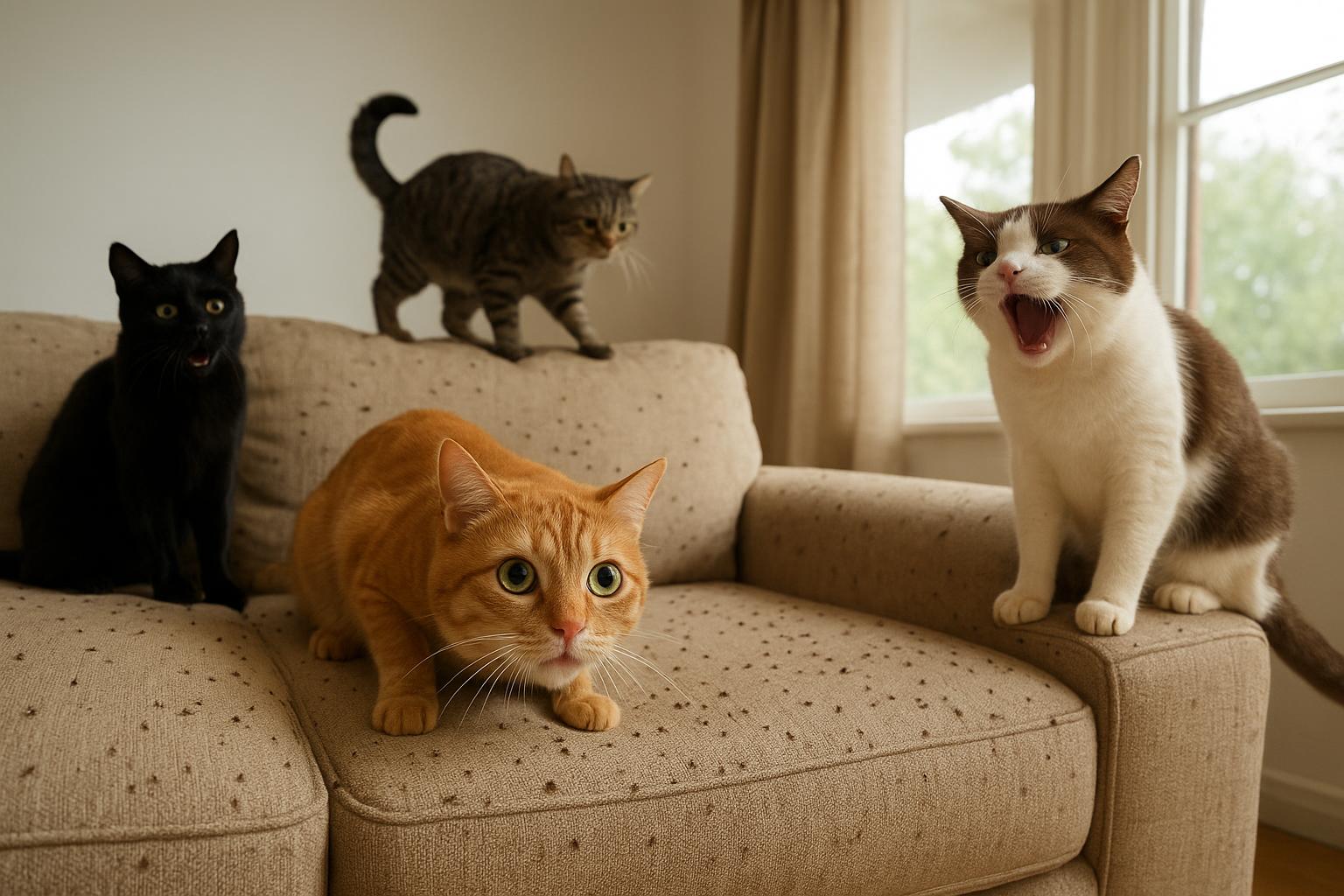
Fleas don’t just bite—they set up shop. Good backyard flea control protects your cat, reduces allergic reactions, and keeps your home from becoming an unintended flea hotel. Below I’ll explain what makes your yard attractive to fleas, then go into three proven remedies you can use (two DIY-friendly and one professional) to keep things in check.
## Understanding Fleas And Why They Love Your Yard
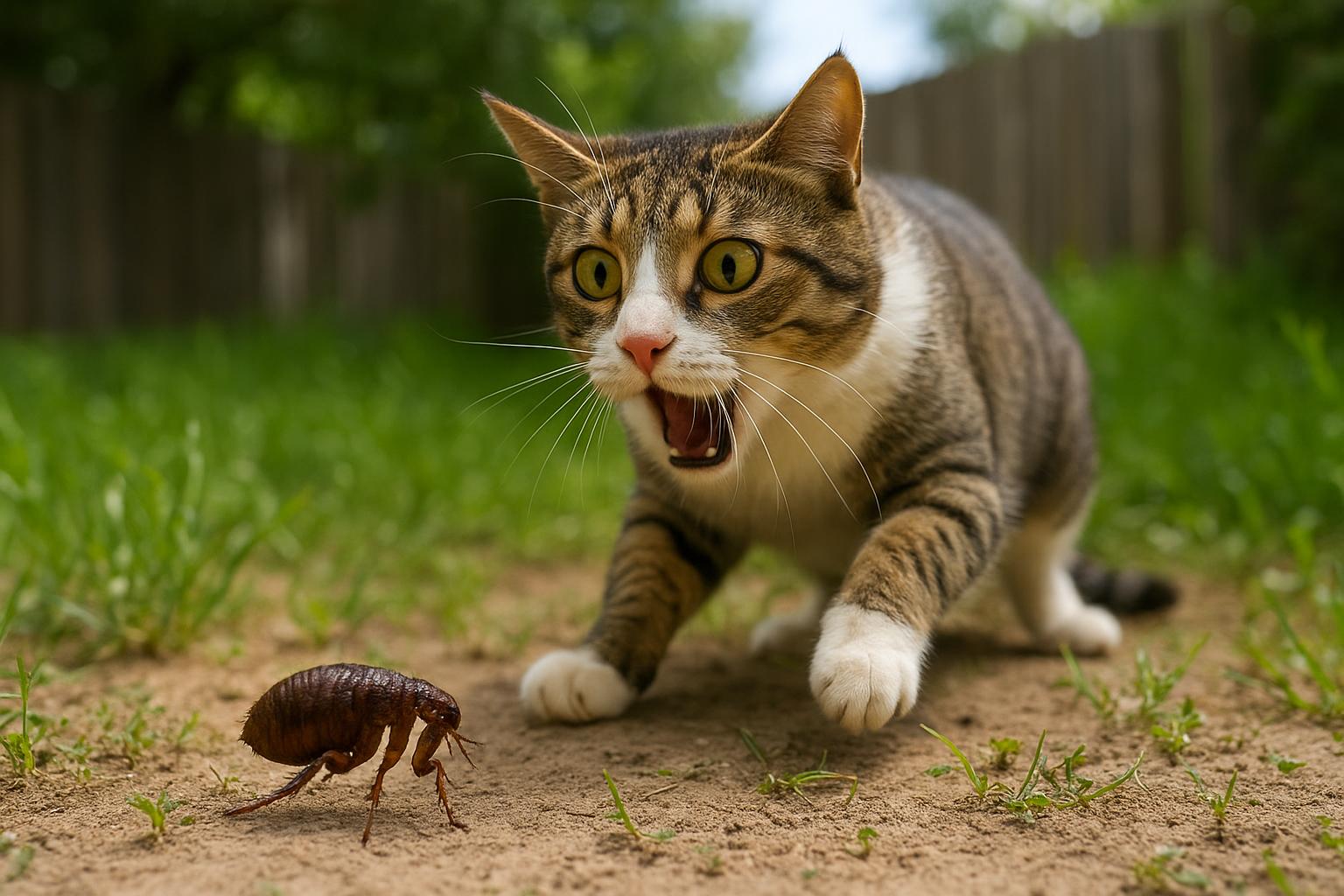
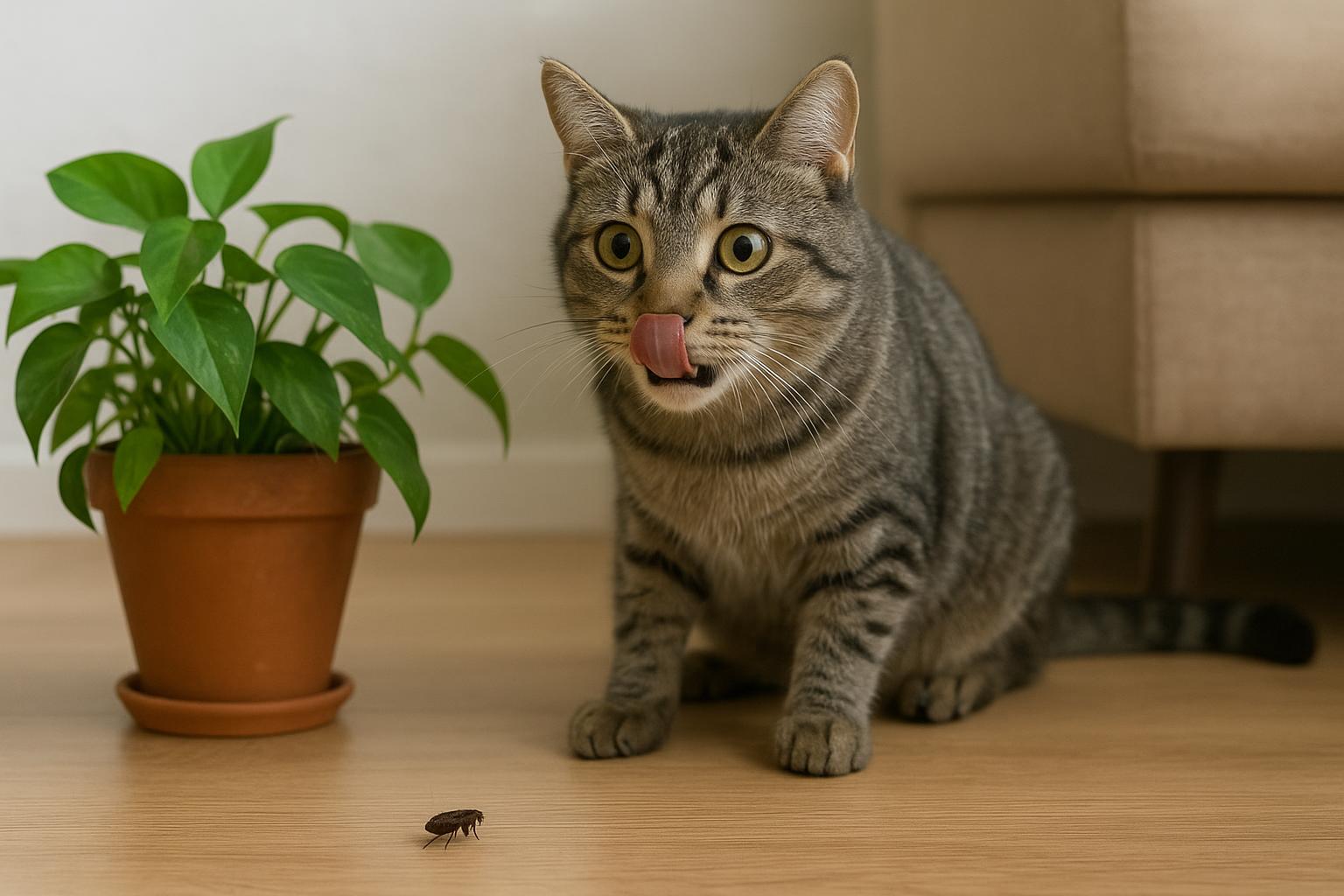
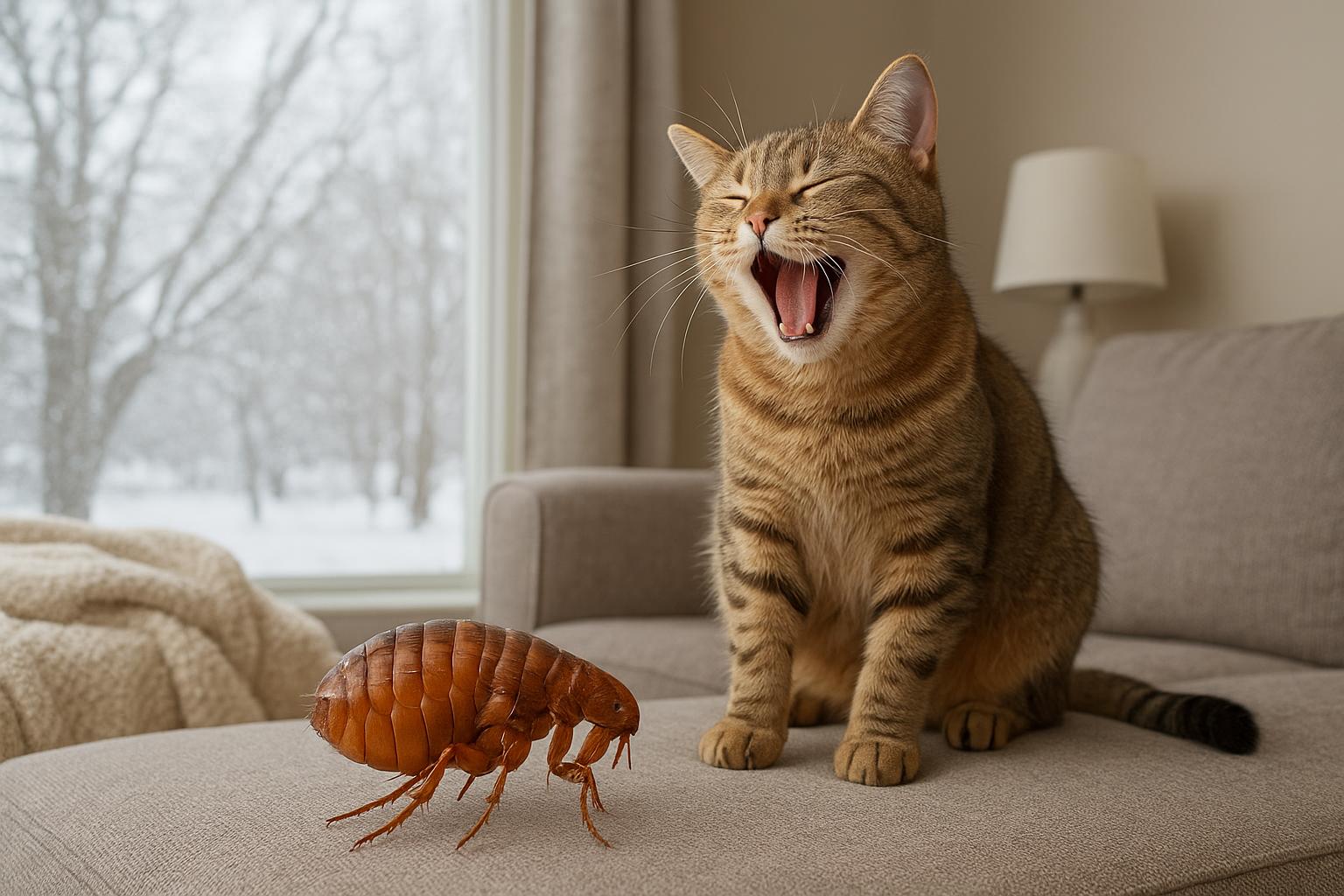
Fleas thrive in shaded, humid pockets with organic debris and animal traffic. They’re tiny survivors: they lay eggs in your yard, those eggs fall into soil or leaf litter, and most of the life cycle happens out of sight. Good backyard flea control focuses on breaking that cycle and making the environment less hospitable.
### The Flea Life Cycle In A Nutshell
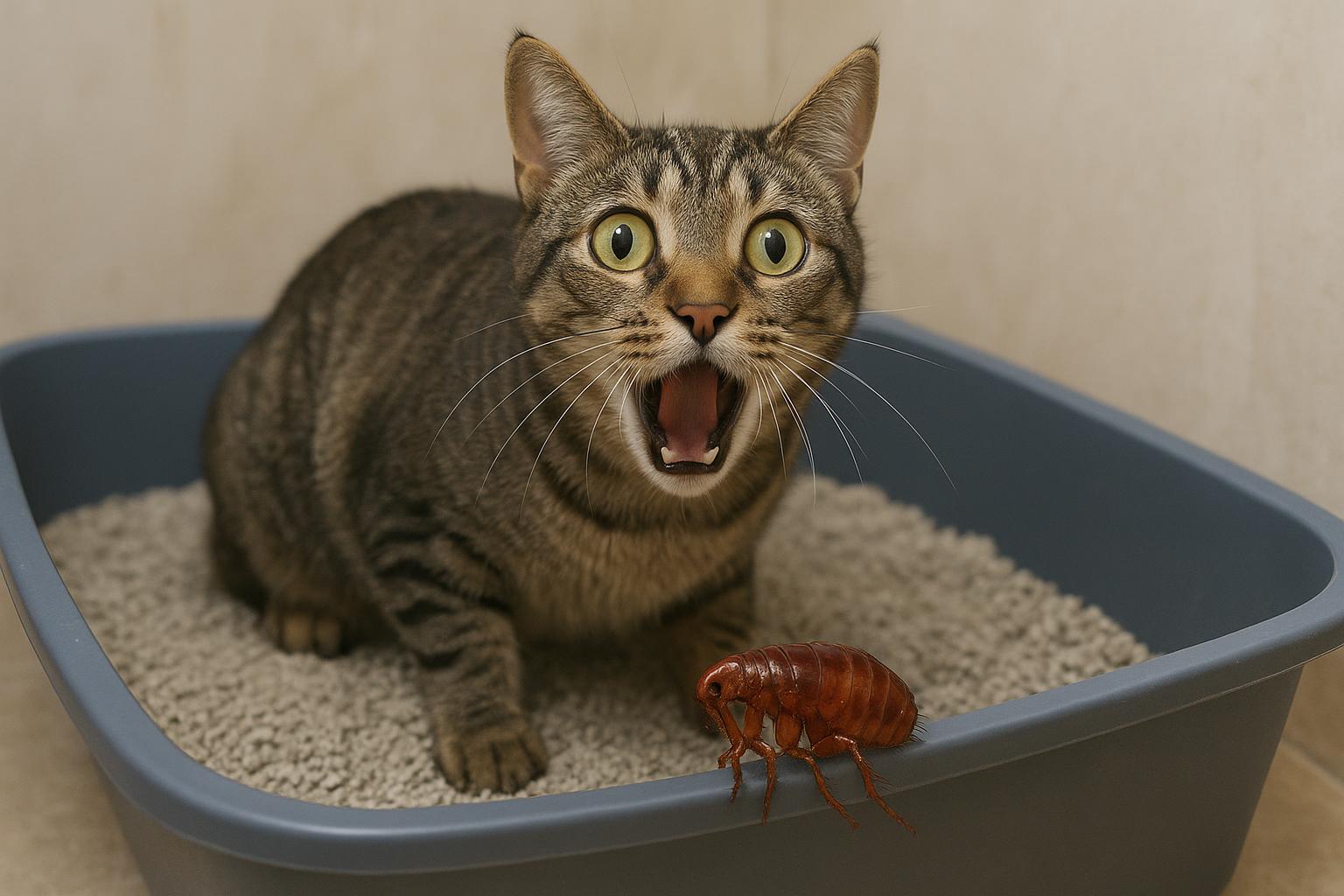
Adult fleas live on hosts, but 90% of the population may be in the environment as eggs, larvae, and pupae. Larvae feed on organic debris and flea feces, pupae hide in cocoons, and adults emerge when they sense a host. Interrupting any stage reduces numbers dramatically, which is why environmental treatments matter as much as treating your cat.
### Hotspots Around Your Yard
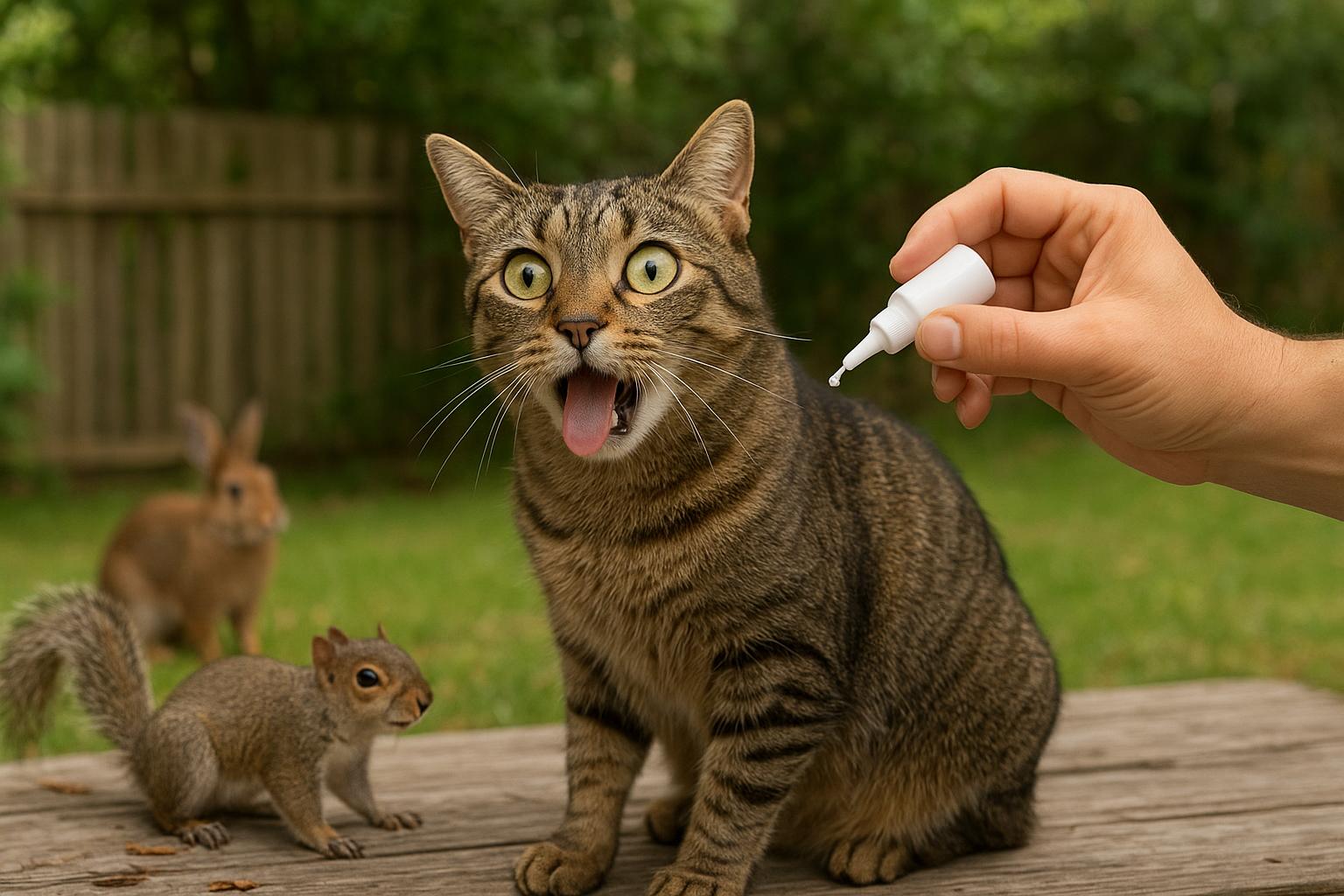
Look for shady areas under bushes, piles of leaves, dense groundcover, and spots where neighborhood wildlife passes through. These are go-to places for flea populations and primary targets for backyard flea control.
## 1. Natural Barrier Remedy: Diatomaceous Earth And Beneficial Nematodes
This is a low-toxicity, ecological approach that targets larvae and pupae in the soil. Be formal and precise here: follow measurements and application windows carefully.
#### Ingredients And Materials
– Food-grade diatomaceous earth (DE) — not pool-grade
– Beneficial nematodes (Steinernema carpocapsae or Heterorhabditis bacteriophora)
– Garden sprayer with fine mist setting
– Gloves, dust mask, and eye protection
– Water source and hose with nozzle
– Measuring cup
#### Step-By-Step Application
1. Read product labels. Confirm nematode species suitability for fleas and follow storage/handling instructions for live nematodes.
2. Timing: Apply nematodes in the evening or on a cool, overcast day; they are light-sensitive and require moisture to survive.
3. Prepare DE: Lightly dust DE in dry, shaded hotspots where fleas are likely (edge of patios, under bushes). Use a dust mask. Avoid windy conditions. Apply at the label-recommended rate (commonly 1–2 pounds per 1000 sq ft for light treatment).
4. Hydrate soil: After dusting DE, lightly water the area to set the DE and create micro-habitats for nematodes later (do not soak).
5. Mix nematodes: Rehydrate nematodes according to supplier instructions in a garden sprayer. Typical concentration is listed on the product; adhere to the recommended rate.
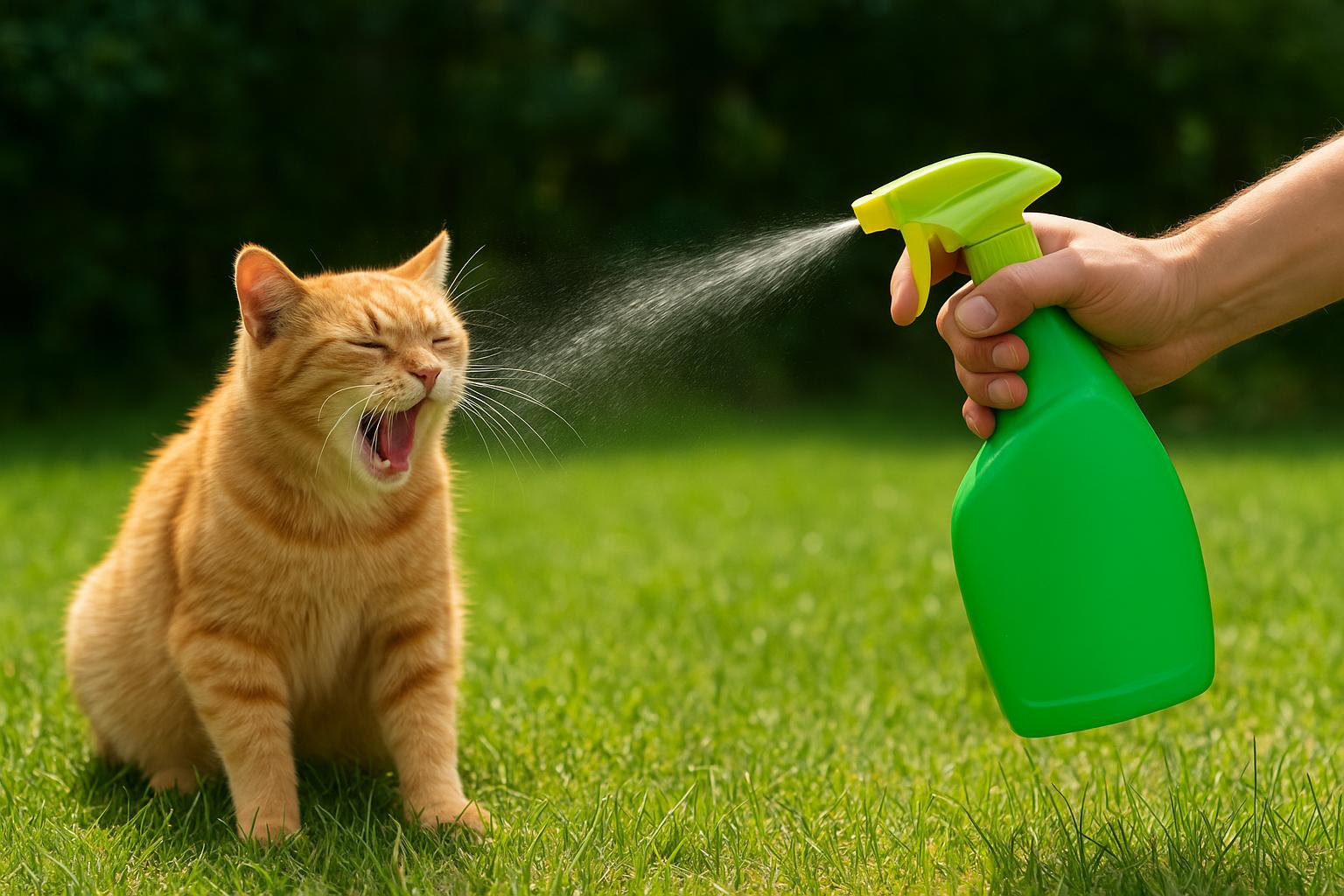
6. Apply nematodes: Spray treated areas thoroughly, focusing on shaded soil, leaf litter, and turf edges. Keep spray movement steady to distribute evenly.
7. Repeat: Reapply nematodes 2–3 times at 10–14 day intervals to target successive generations. Reapply DE every 2–4 weeks during peak flea season, or after heavy rain.
8. Safety: Keep pets away until DE dust settles and application sites are dry. DE can be irritating in powdered form; avoid inhalation.
This remedy is chemical-light and can reduce flea pressure effectively when combined with other measures.
## 2. Habitat Modification And Maintenance Plan
Reducing flea habitat is the most sustainable long-term strategy. This section is practical and prescriptive: follow these maintenance steps with consistency.
#### Materials Needed
– Garden rake and leaf bagging supplies
– Lawn mower and trimmer
– Leaf blower or mulching mower (optional)
– Mulch or gravel for high-traffic paths
– Motion-activated sprinklers or lighting (optional)
– Heavy-duty gloves
#### Implementation Steps
1. Remove Leaf Litter And Debris: Weekly or biweekly, clear fallen leaves, grass clippings, and organic debris where flea larvae feed. Bag or compost responsibly.
2. Mow And Thin Overgrowth: Keep grass trimmed to sunlight-penetrated heights (2–3 inches depending on grass type) to reduce shade and humidity. Prune dense shrubs and remove groundcover in high-use zones.
3. Create Clean Corridors: Lay gravel or mulch paths in areas where your cat travels frequently to reduce soil contact and break flea habitat continuity.
4. Manage Wildlife Access: Secure trash, use wildlife-proof feeders, and close access under decks. Consider humane fencing or deterrents where raccoons or feral animals frequent.
5. Maintain Drainage: Fix pooling water and improve soil drainage; fleas favor moist microclimates.
6. Schedule Regular Treatments: Combine habitat work with periodic targeted applications (DE, nematodes, or professional sprays) during peak seasons.
Consistent habitat management reduces the need for frequent chemical intervention and supports overall backyard flea control.
## 3. Professional And Veterinary Treatments For Severe Infestations
When DIY measures aren’t enough, professional tools and veterinary products provide faster, more thorough control. This section is formal and directive: consult professionals when in doubt.
#### Materials And Products To Consider
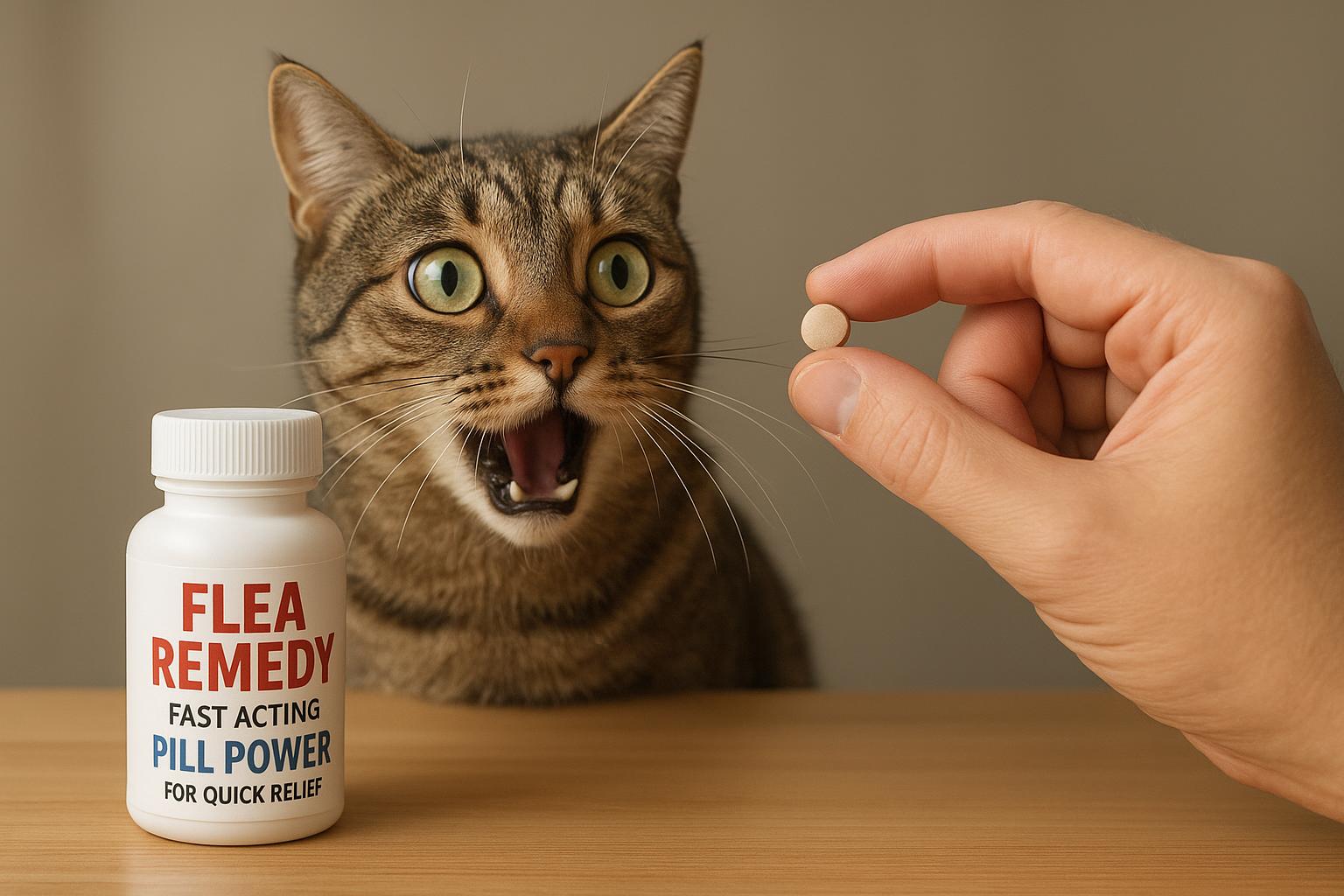
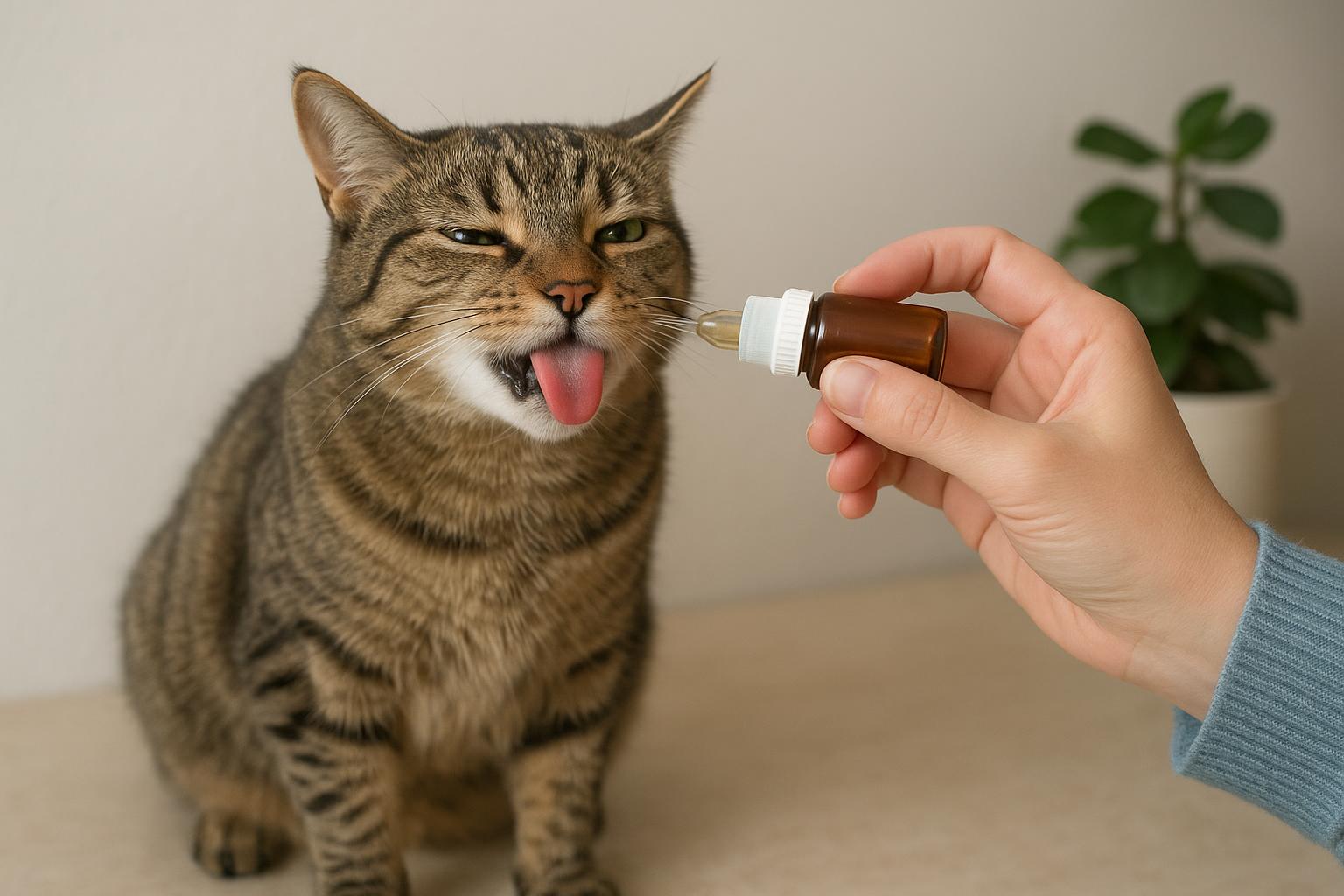
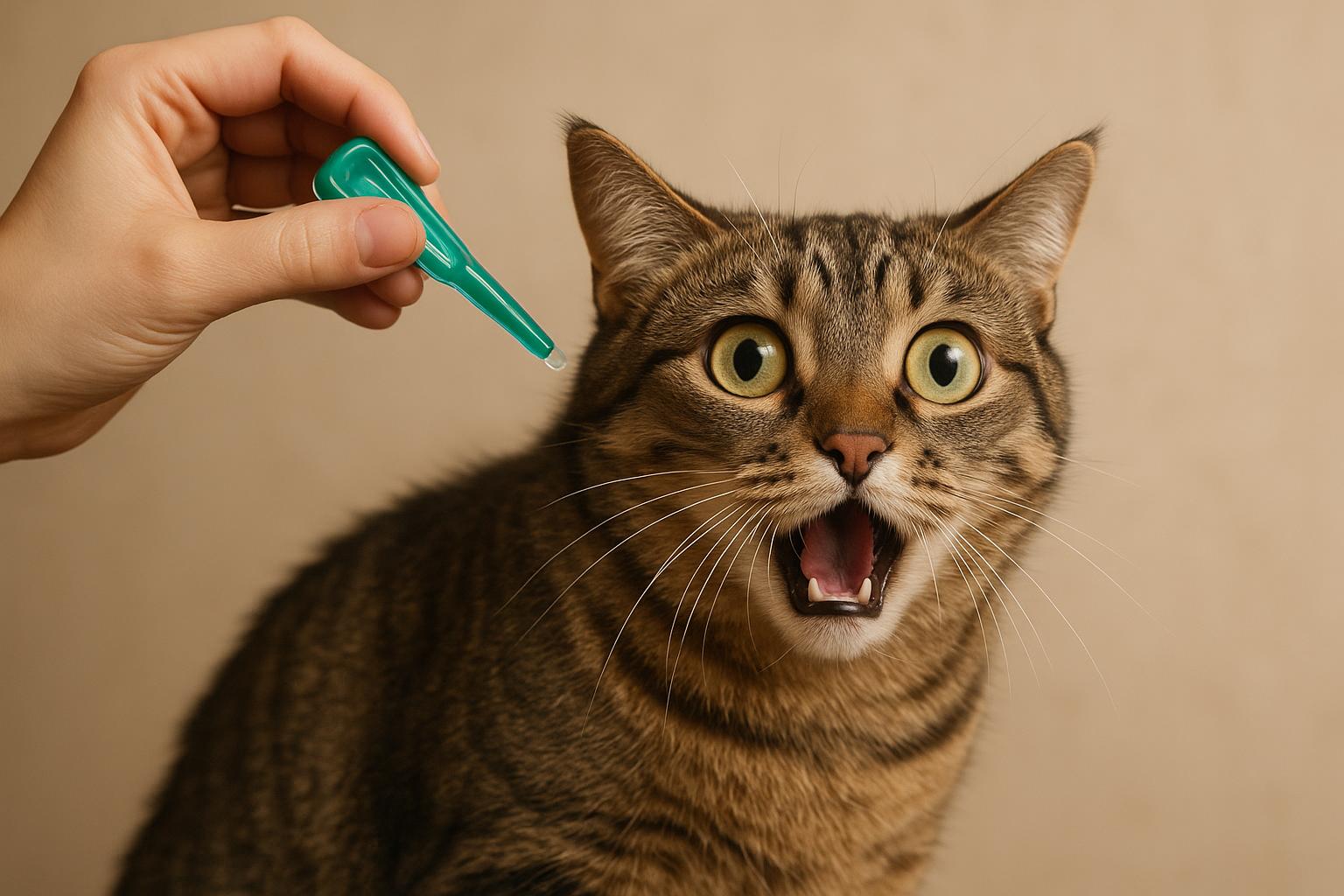
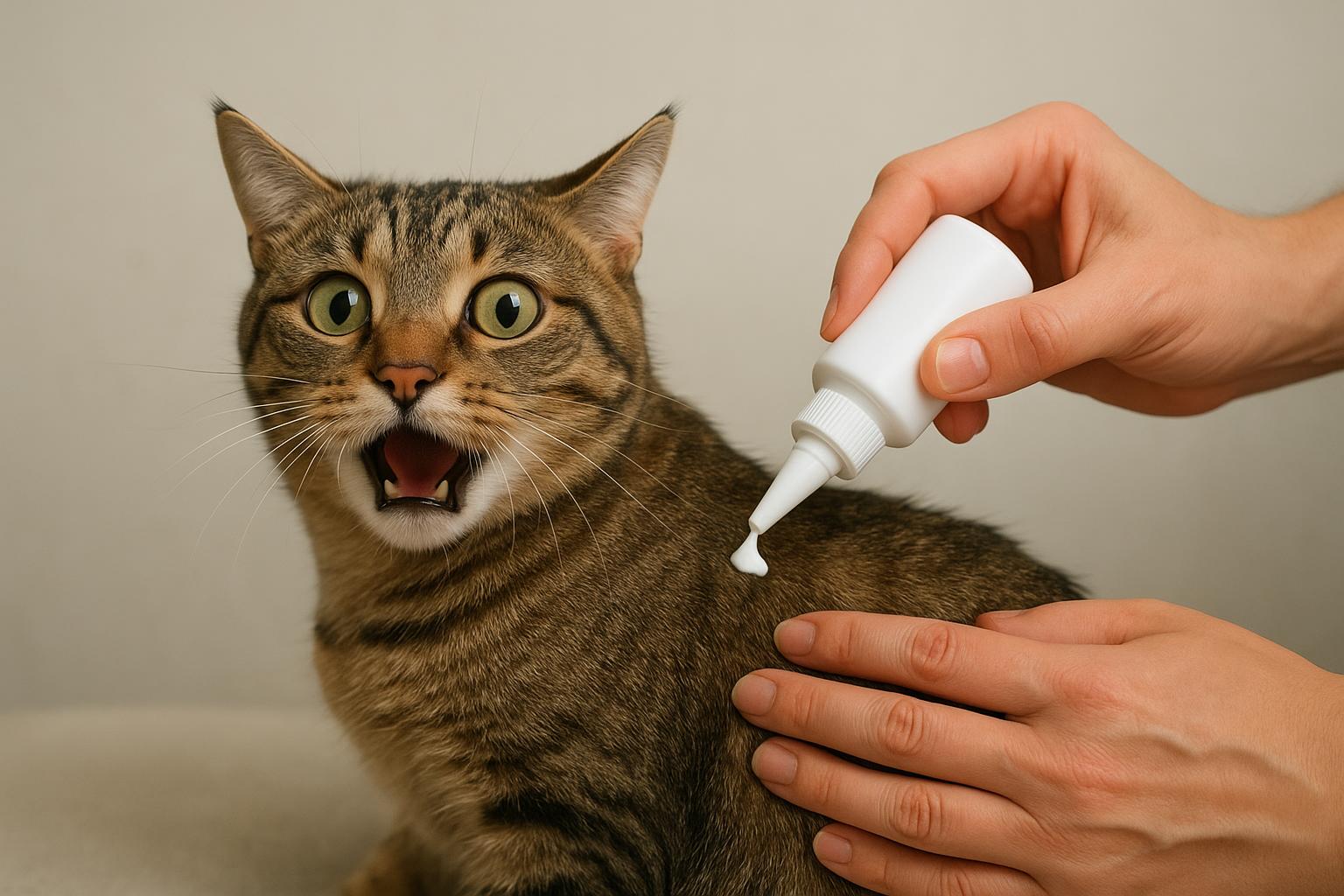
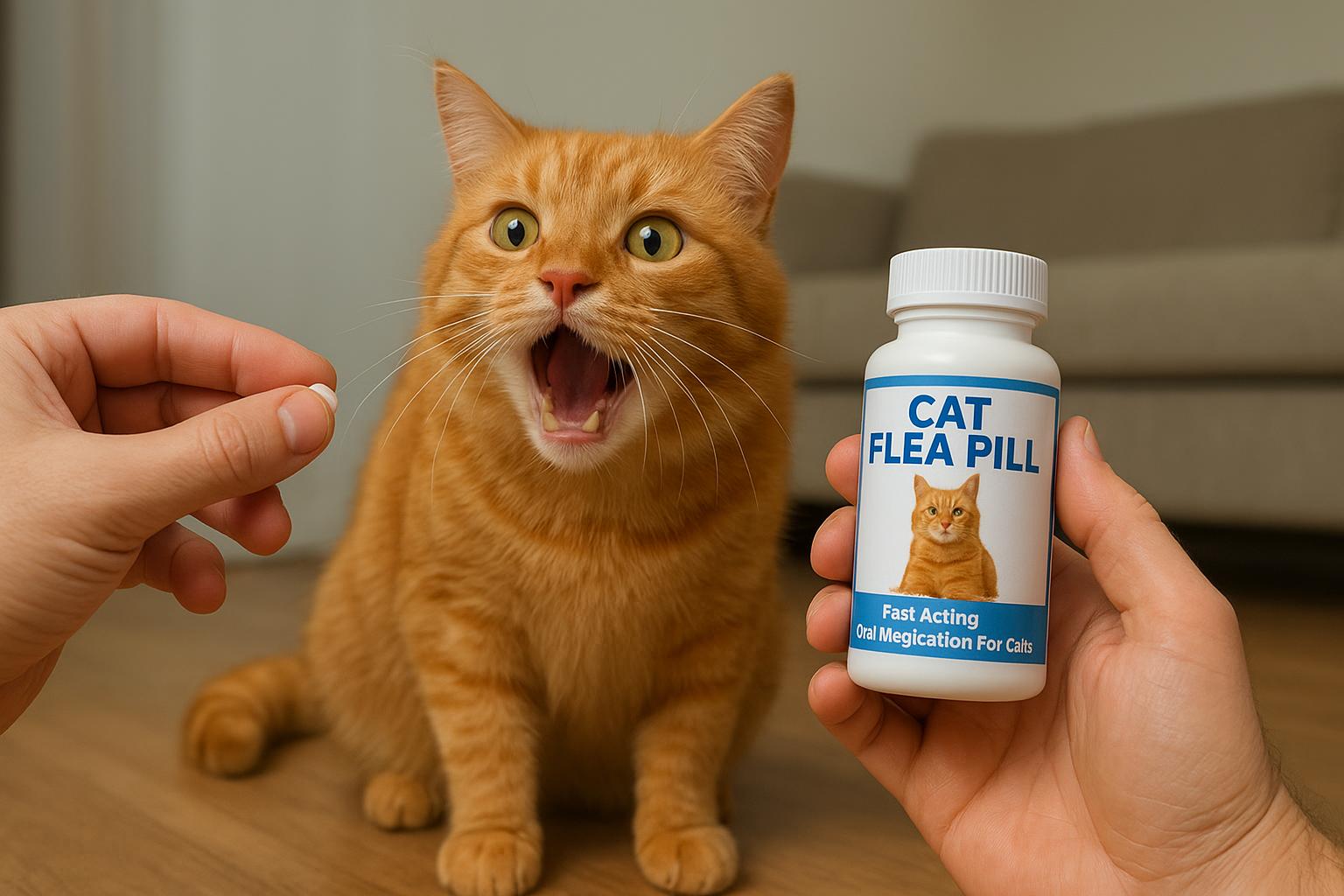
– Veterinary-prescribed systemic flea preventives for cats (oral or topical; vet-prescribed)
– Yard perimeter insect growth regulators (IGRs) and professional-grade sprays
– Professional pest control service with pet- and family-friendly options
– Protective gear if applying any chemical treatments yourself
#### Step-By-Step Guidance For Seeking Professional Help
1. Evaluate Severity: If fleas persist despite environmental steps and proper cat treatments, document flea activity (photos, frequency) to inform a professional.
2. Consult Your Veterinarian: Provide history of your cat’s preventives and symptoms. Only use vet-recommended systemic products for cats—never apply dog products to cats.
3. Choose An Appropriate Service: Select pest control companies that offer pet-safe programs and use IGRs to prevent eggs and larvae from becoming adults.
4. Coordinate Treatments: Synchronize yard treatments with your cat’s flea preventive dosing for best results. Follow vet and pest-control timelines precisely.
5. Follow Safety Protocols: Keep pets and family away for the recommended period after chemical applications. Ventilate and secure treated areas per label instructions.
6. Monitor Post-Treatment: Reassess hotspots and repeat professional treatment only if recommended. Maintain habitat steps ongoing to prevent reinfestation.
Professional and veterinary measures should be used judiciously and in coordination to maximize efficacy and safety.
### Safety Tips For Outdoor Cats
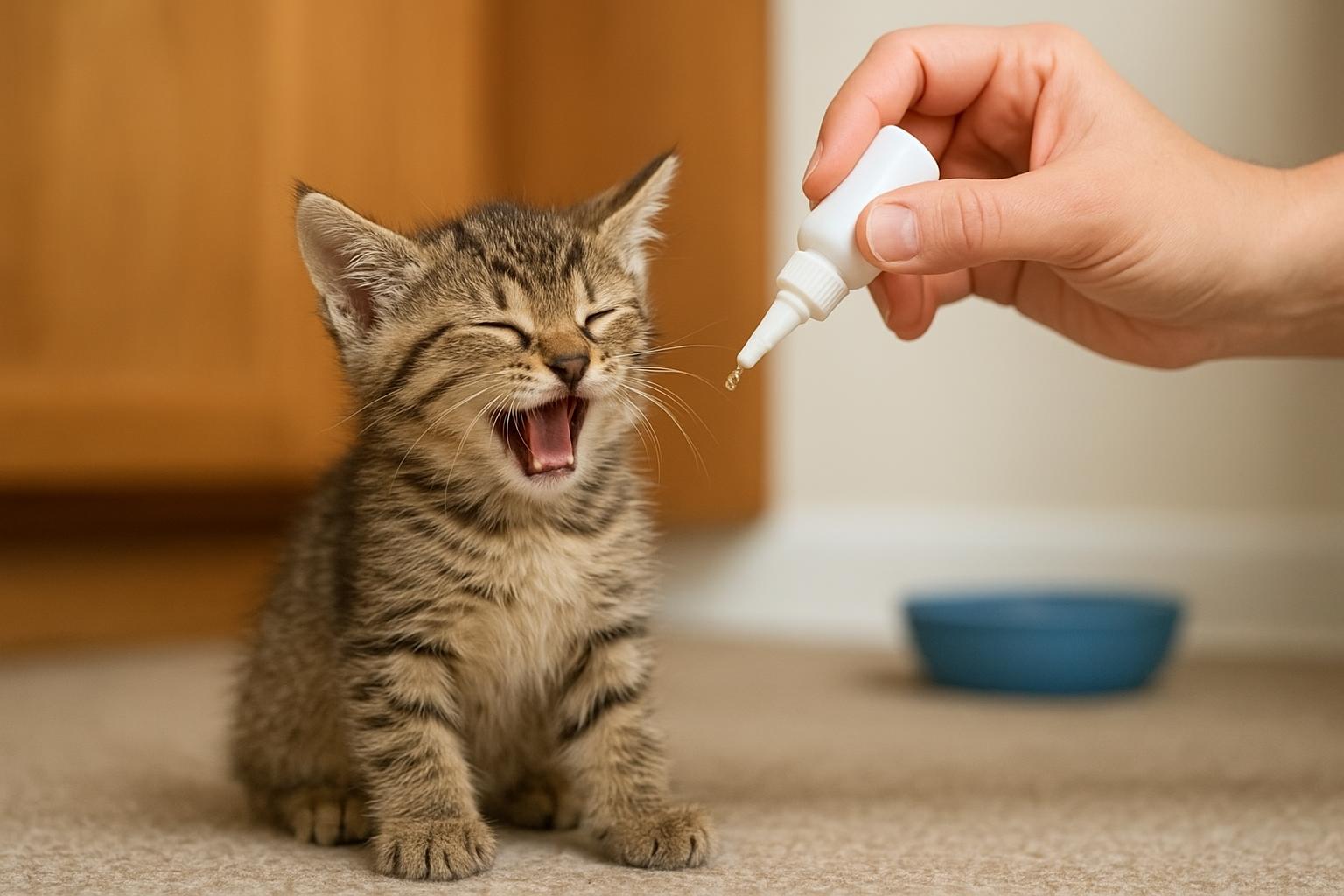
– Always use veterinarian-approved flea preventives for your cat; they are central to any backyard flea control plan.
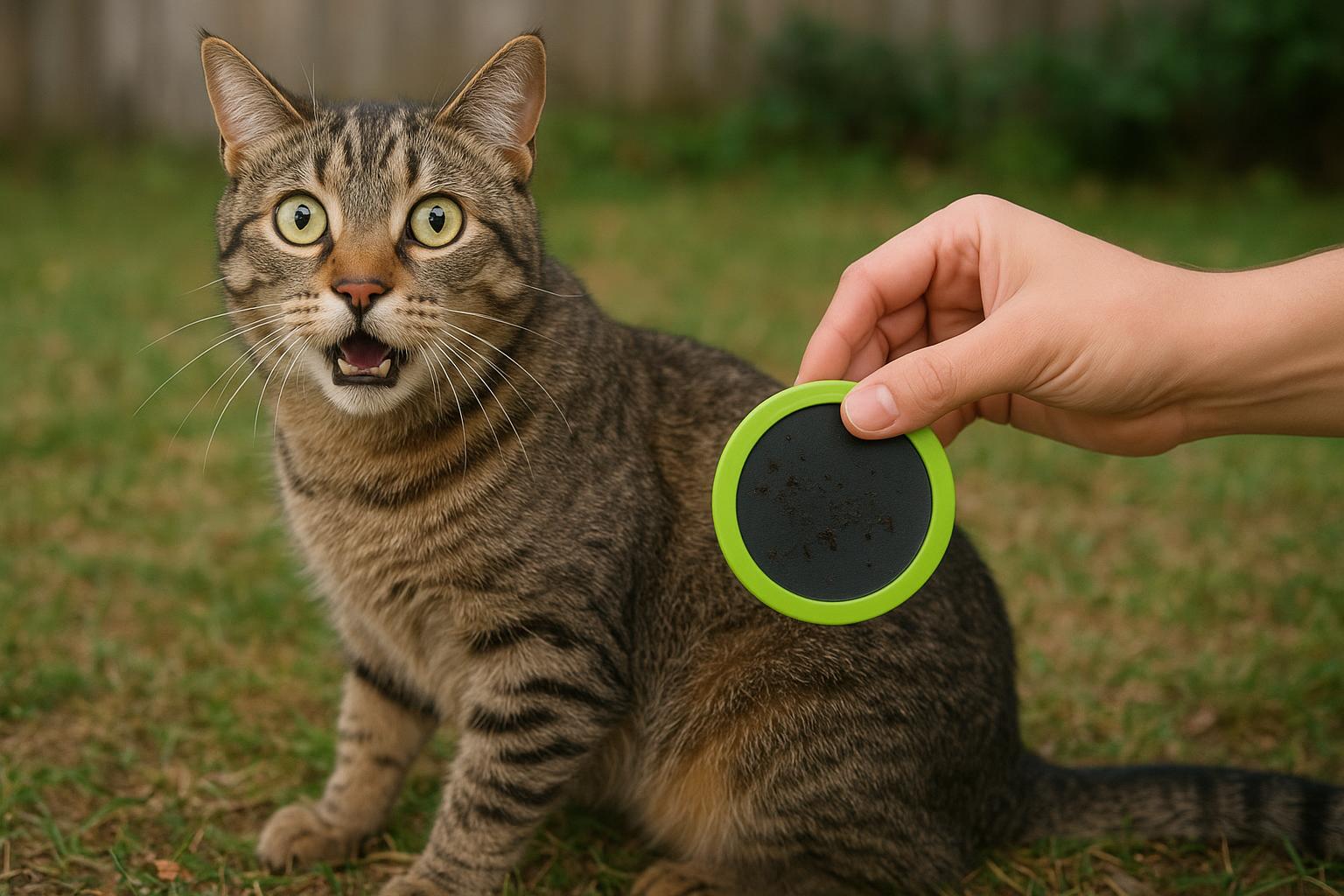
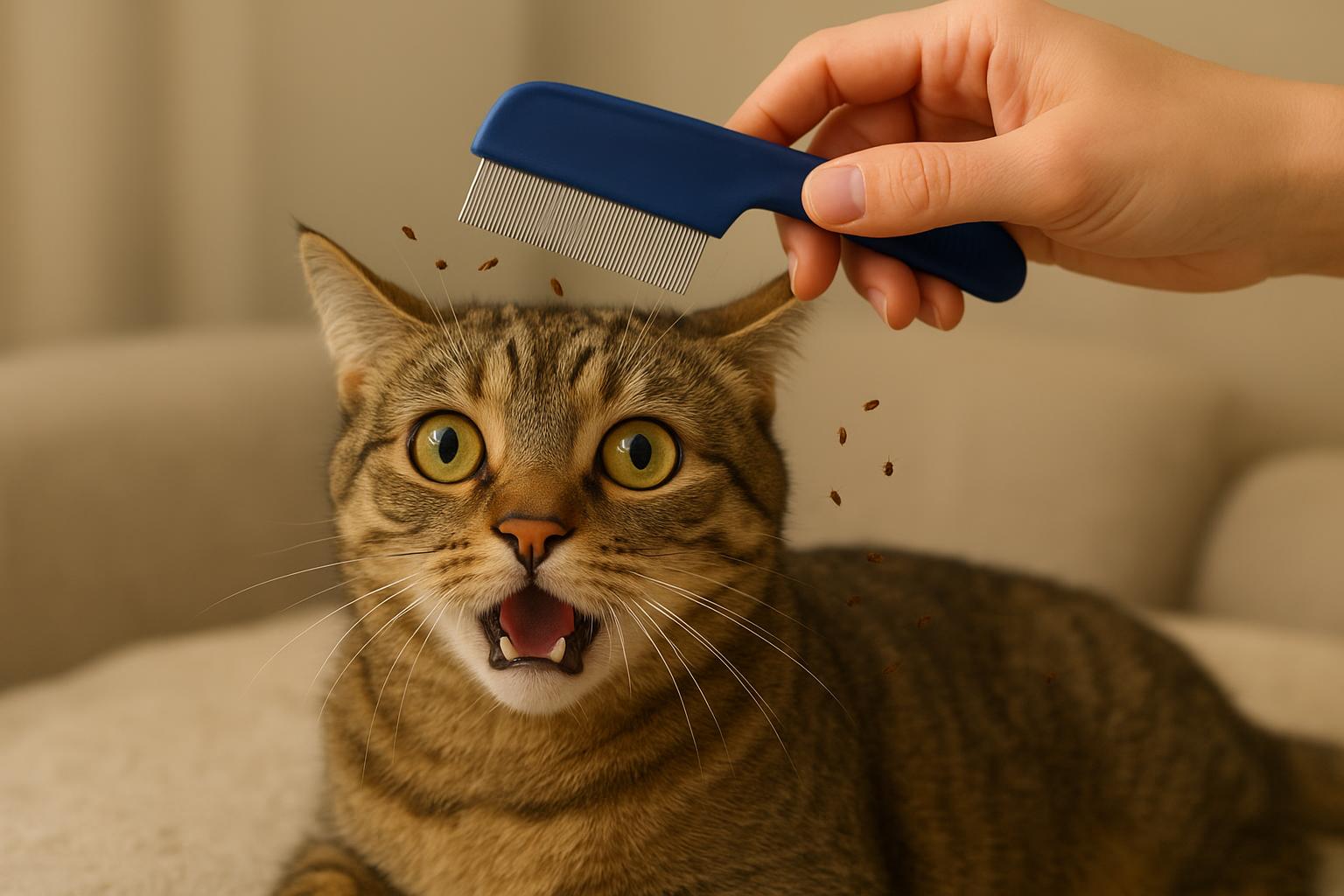
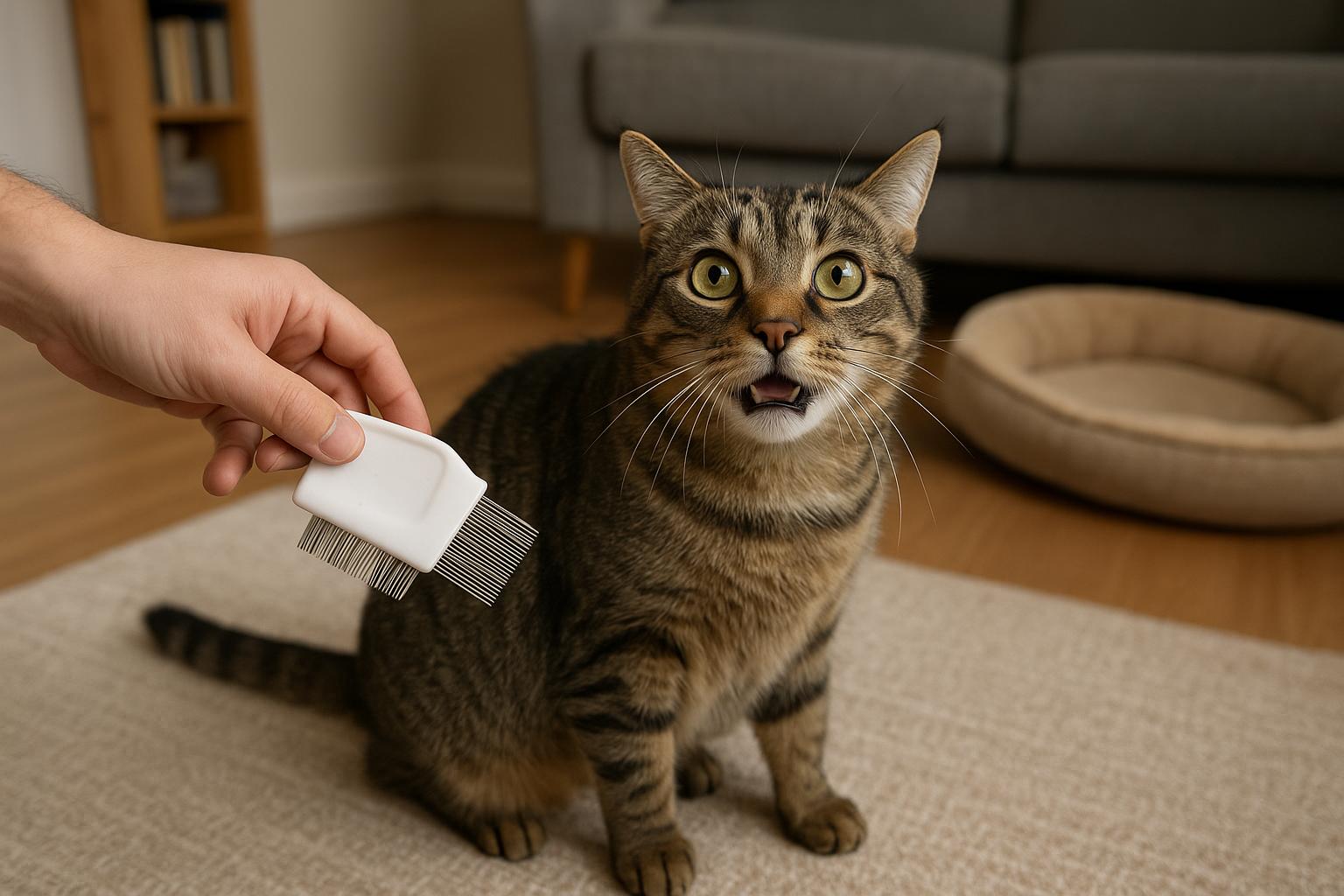
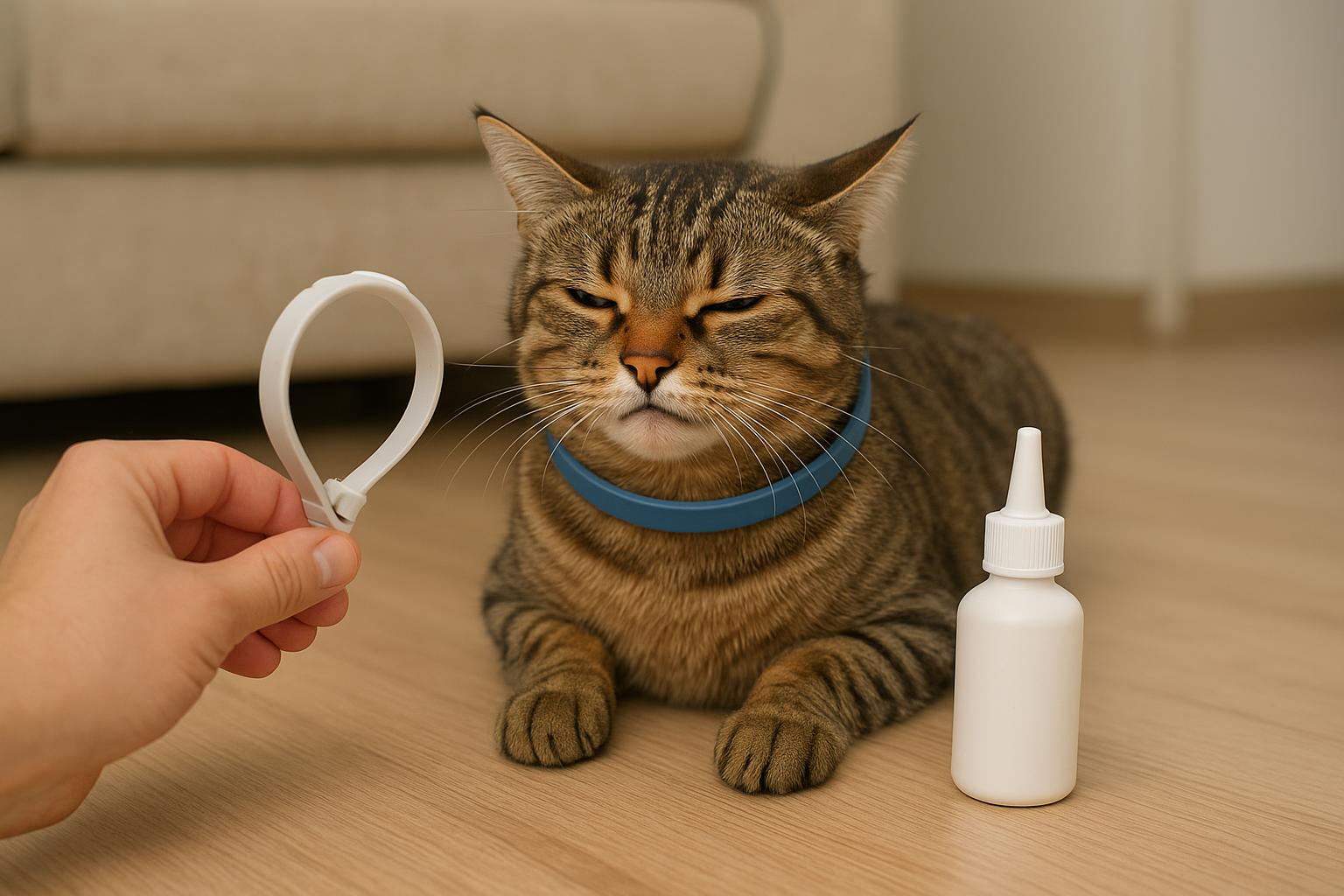
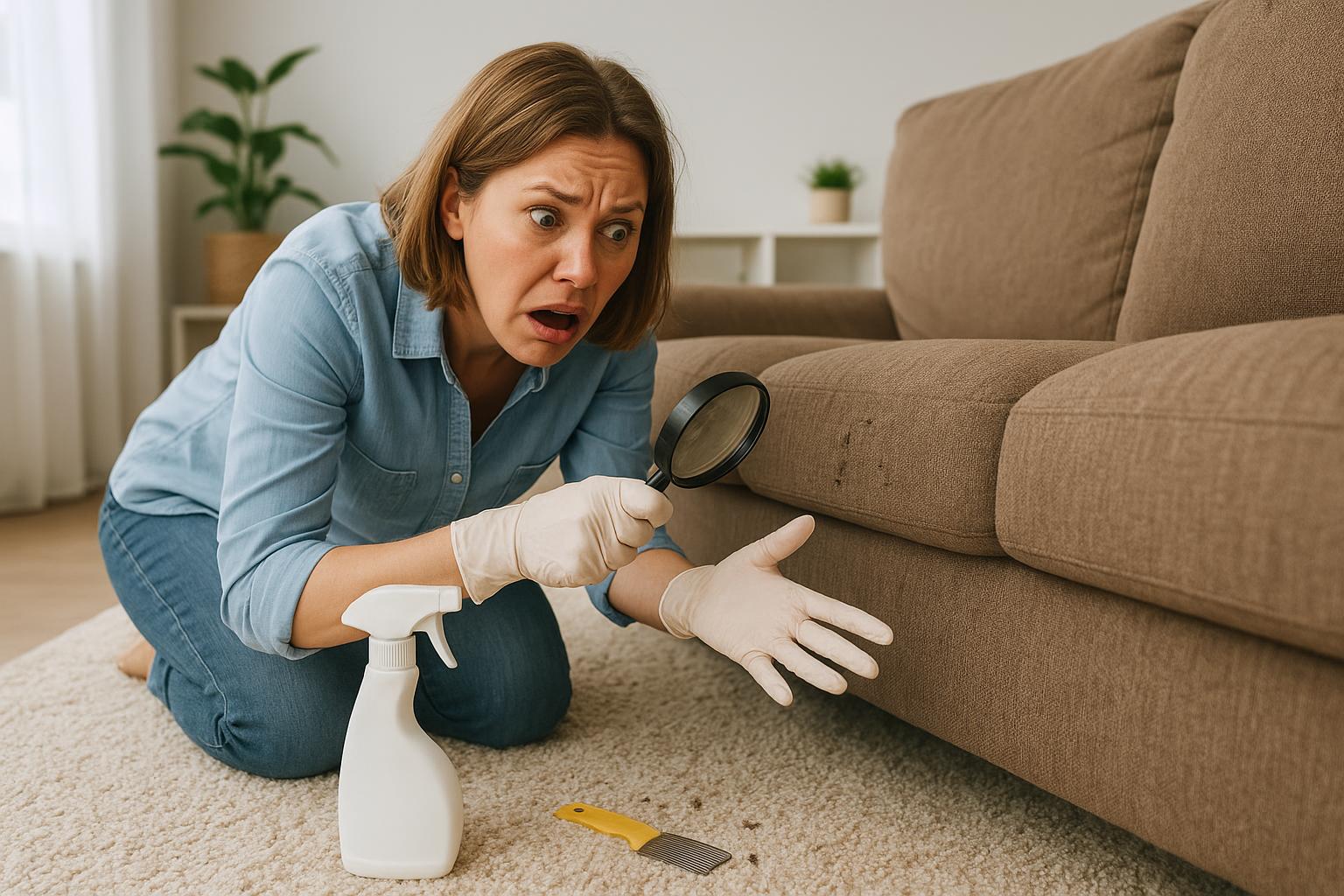
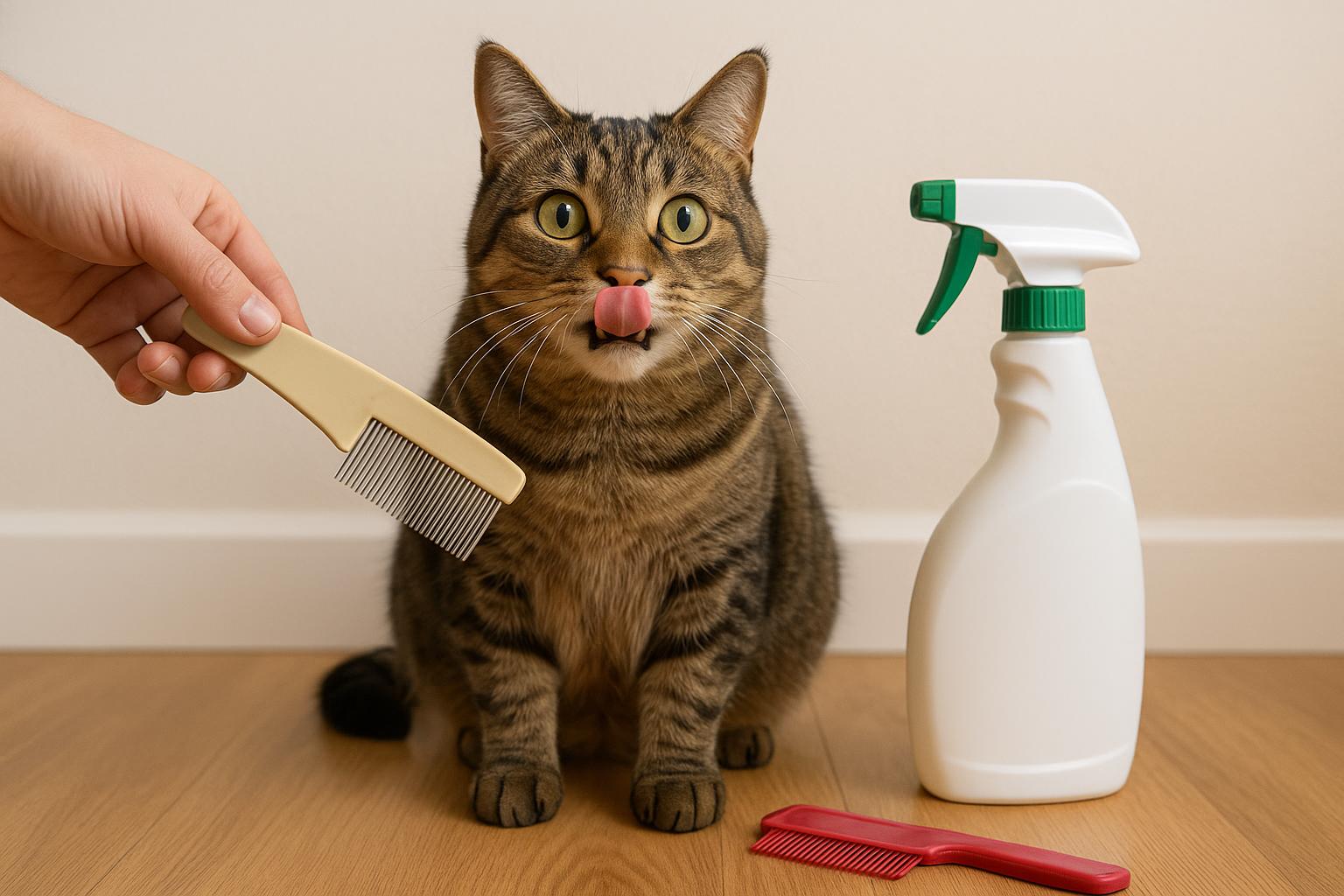
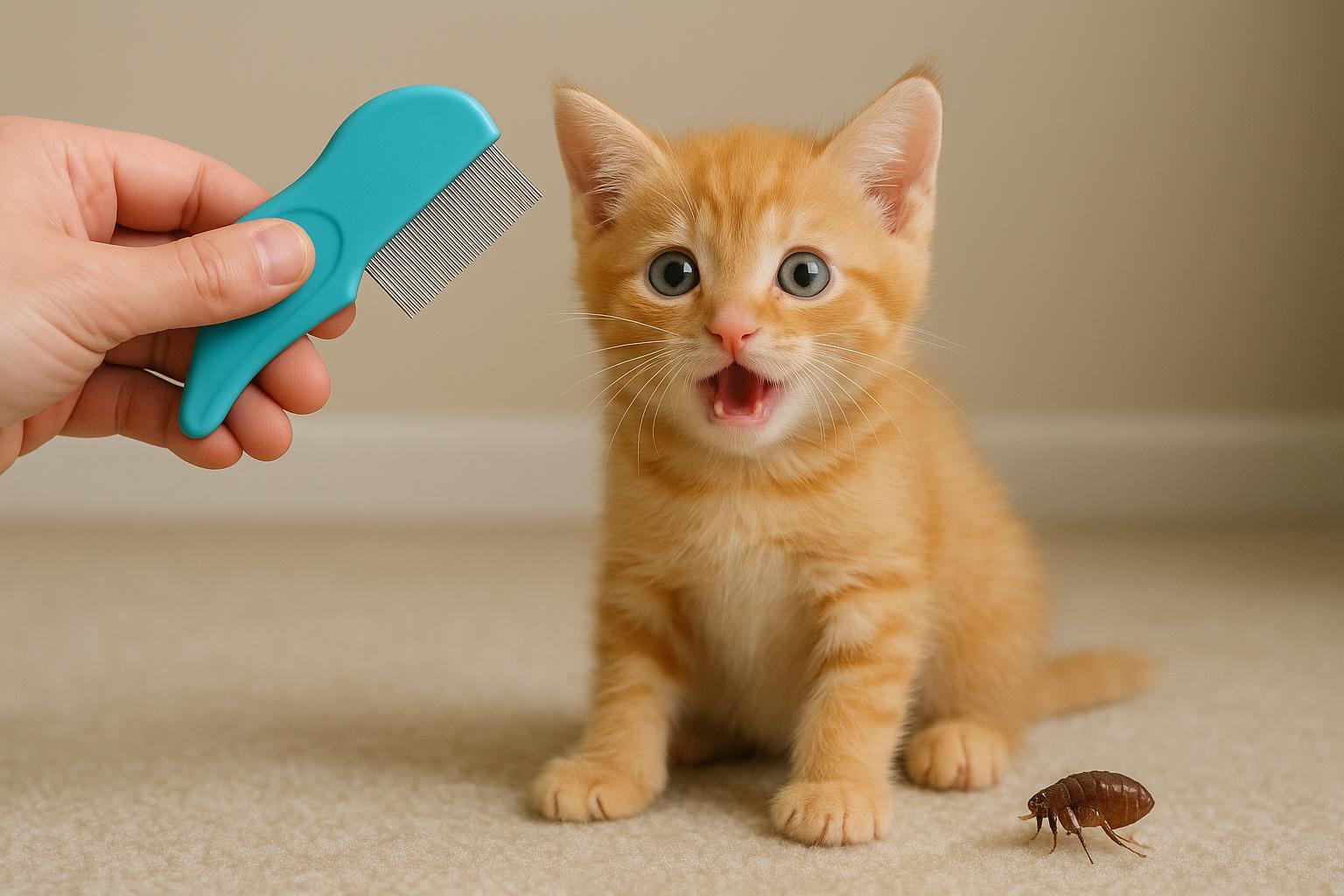
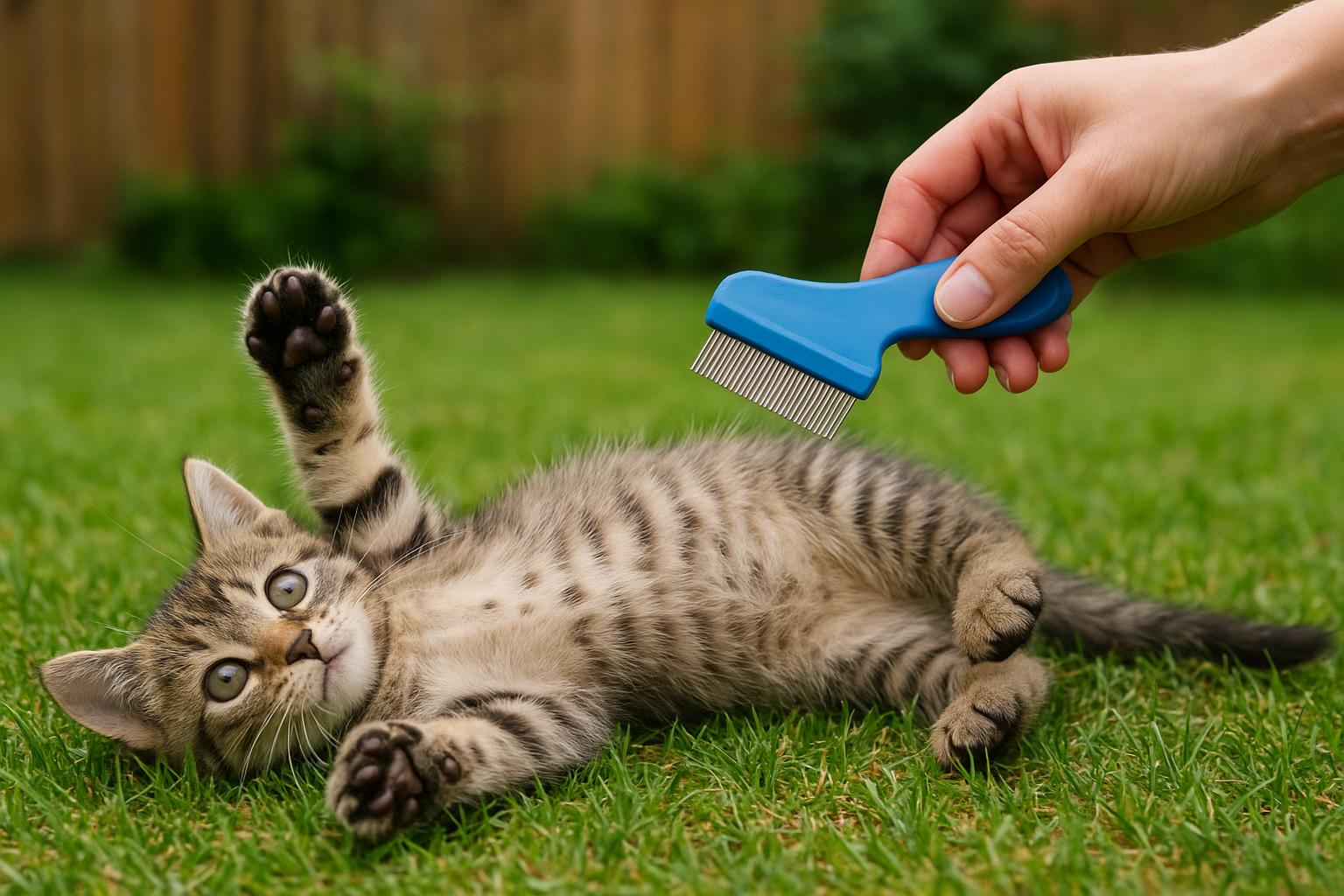
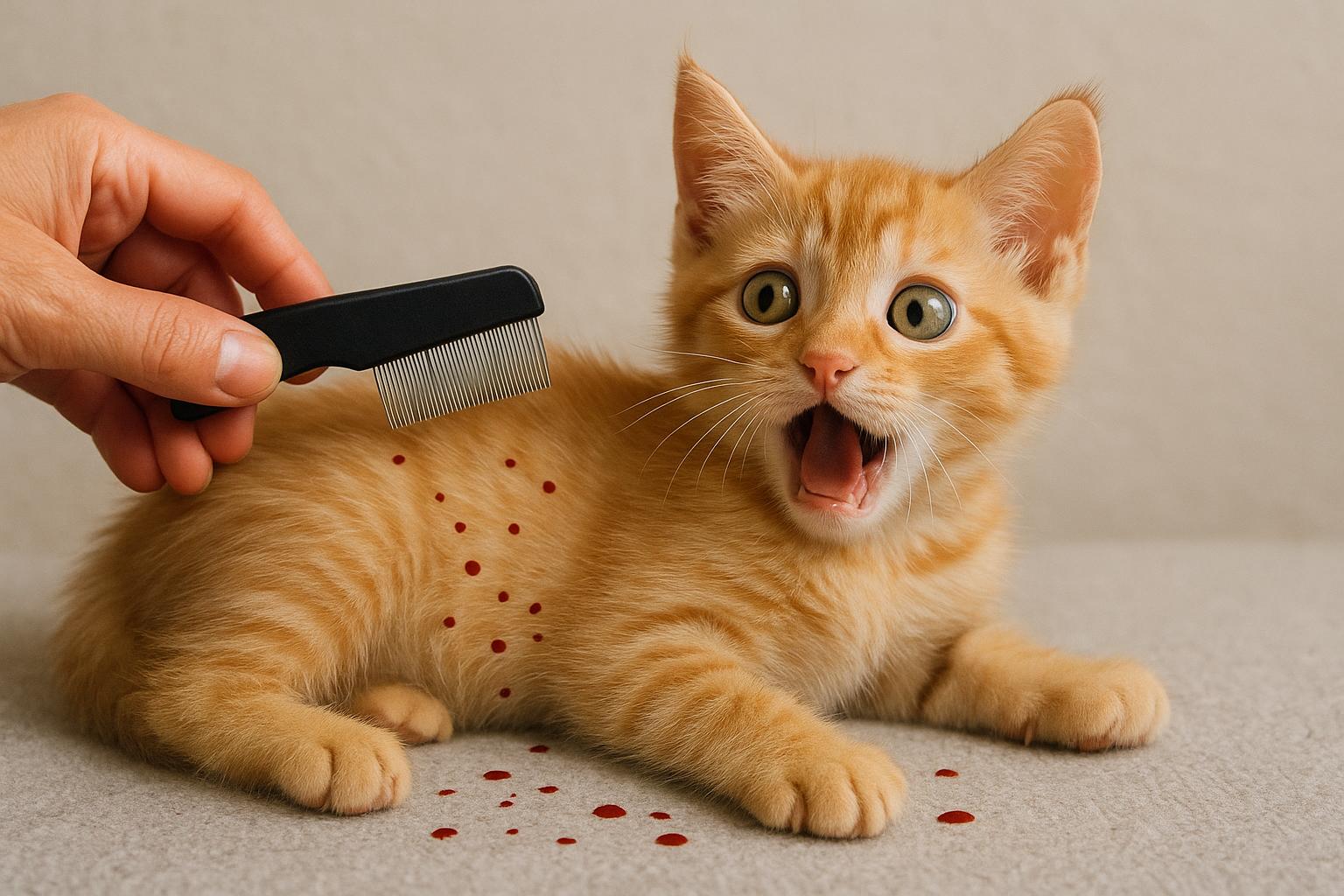
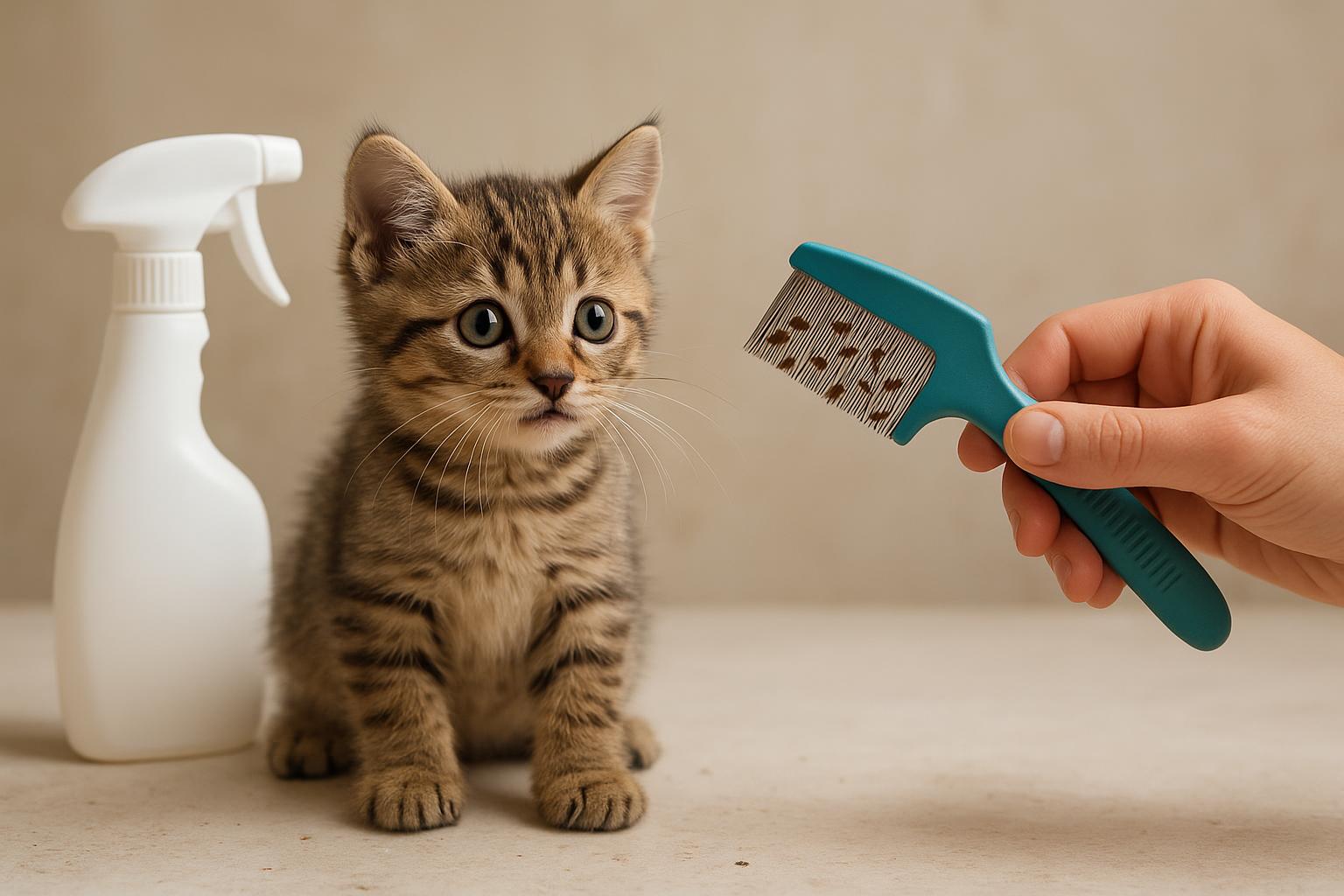
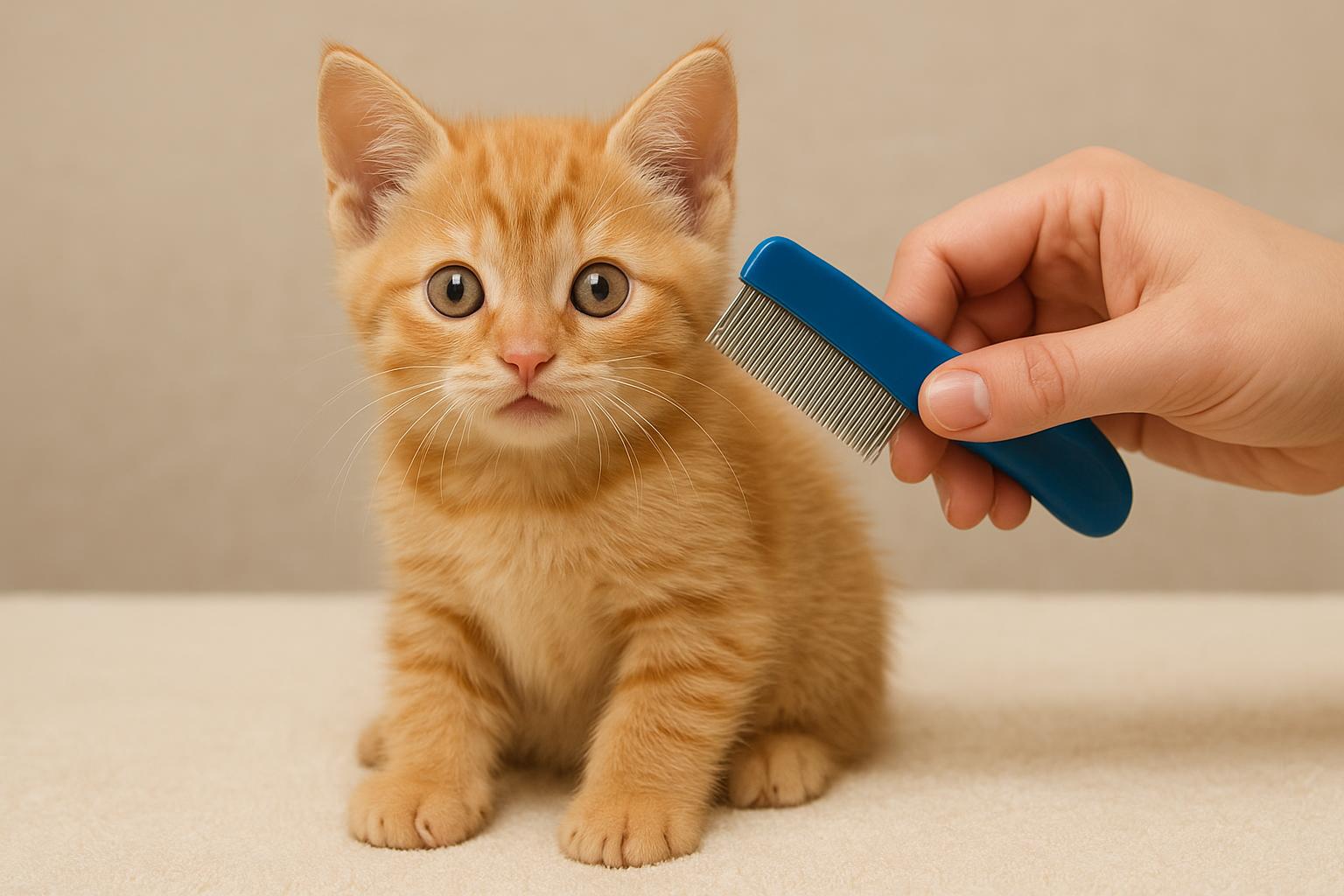
– Check collars and bedding weekly for flea dirt; a fine-tooth comb over a white towel helps spot evidence.
– Avoid home remedies that are toxic to cats (e.g., essential oils like tea tree or citrus concentrates), and never use dog-specific flea medications on cats.
– When applying any yard product, follow label instructions and keep pets indoors until areas are dry and safe.
## Monitoring And Long-Term Prevention
Effective backyard flea control is not a single event; it’s a cycle of monitoring, habitat care, and targeted interventions. Inspect vulnerable areas monthly during warm months, comb and check your cat weekly, and schedule nematode or DE reapplications seasonally as needed. Keep records of treatments and pest activity so you can adjust your approach intelligently rather than guessing.
If you run into something unexpected or your cat shows irritation or signs of flea allergy, consult your veterinarian promptly. Your yard, like your cat, will thank you for steady attention and thoughtful care.








Leave a Reply