
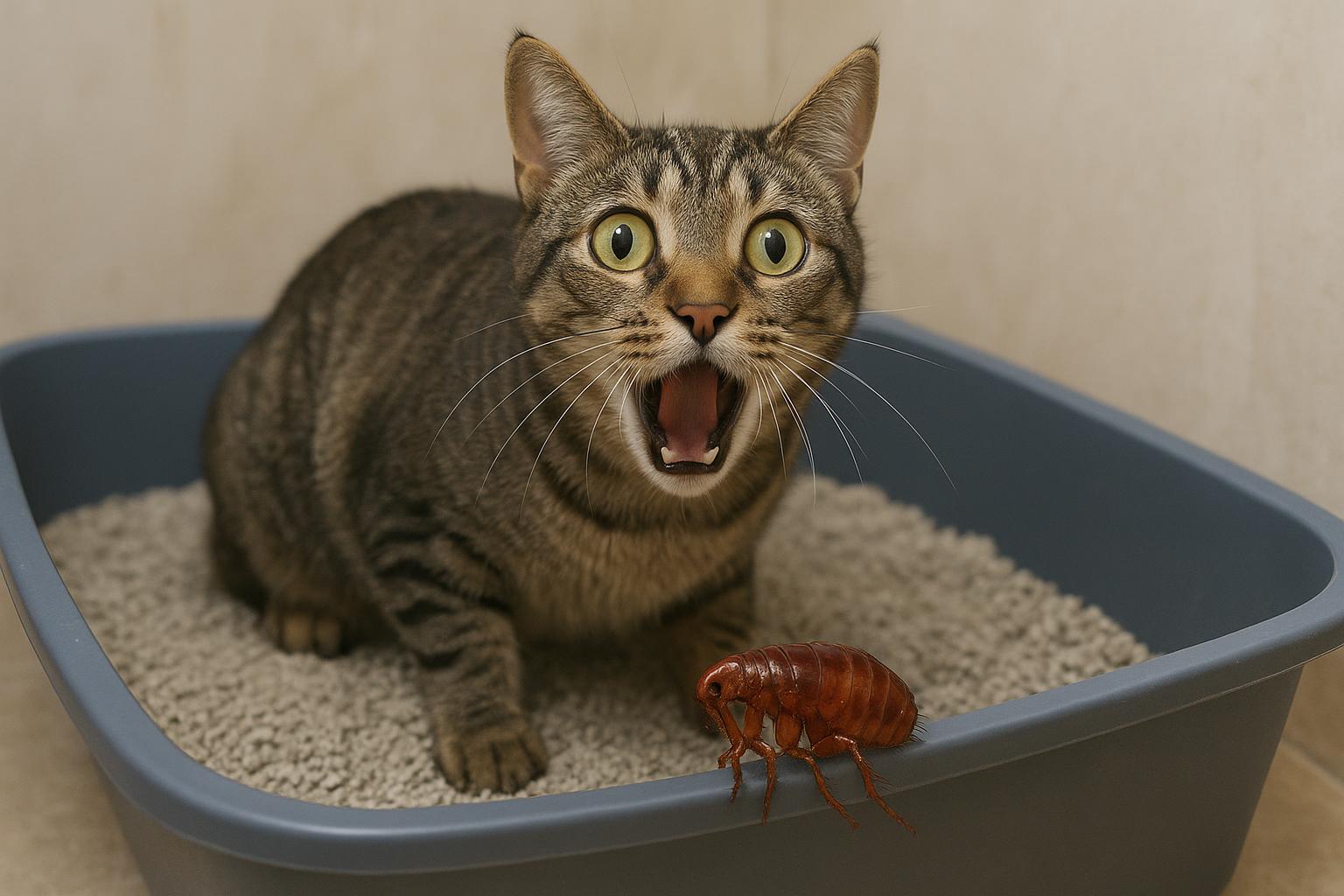
You open the laundry basket and find what looks like tiny black pepper, only to discover it’s not pepper at all but the aftermath of an unwelcome visitor. Cue dramatic violin: fleas have been here, and they left a trail called flea litter. Before you panic and vow to become a full-time cat bubble-wrap technician, let’s calmly walk through what flea litter is, why it’s a real risk for your cats, and—most importantly—how to tackle it.
## What Is Flea Litter And Why It Matters
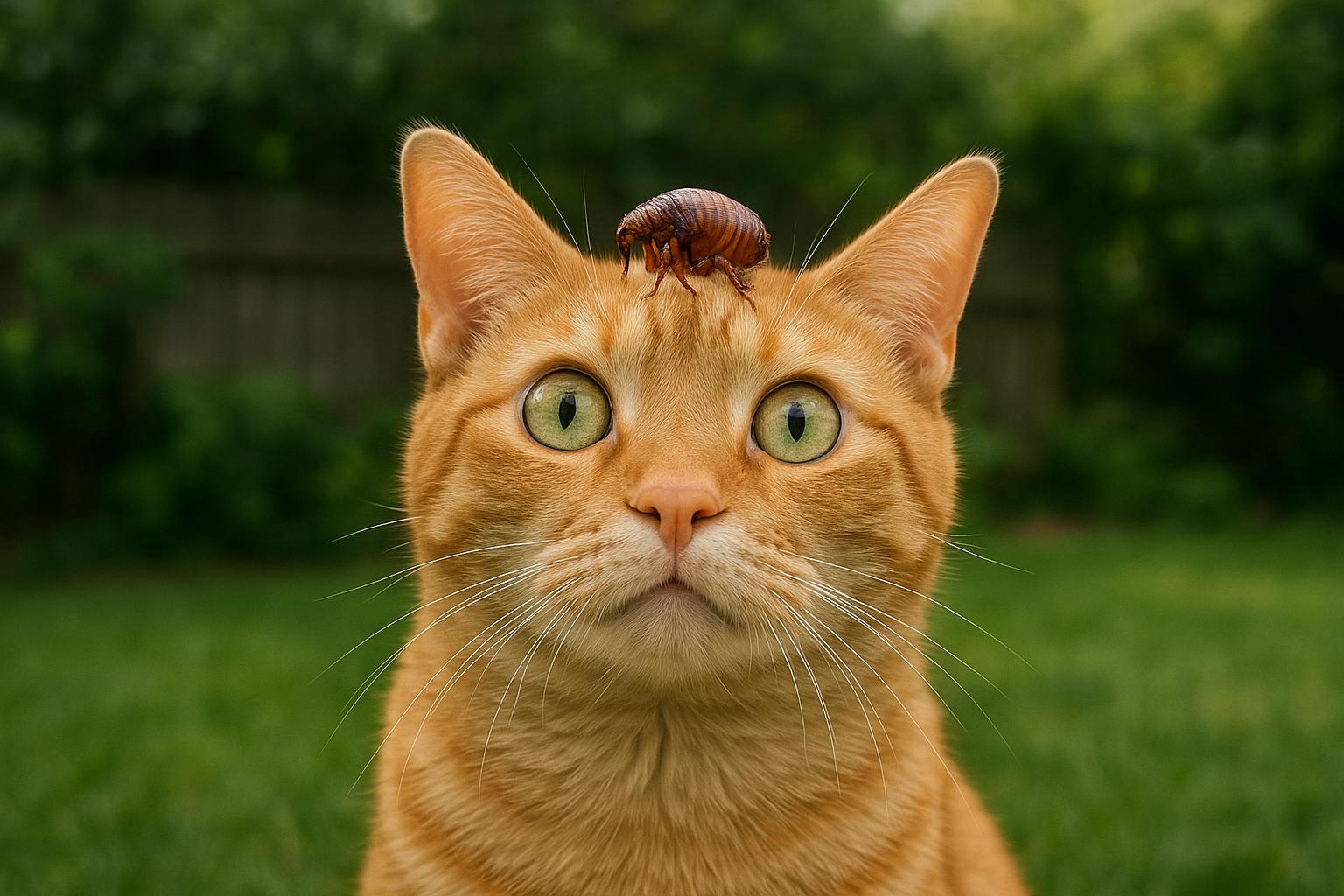
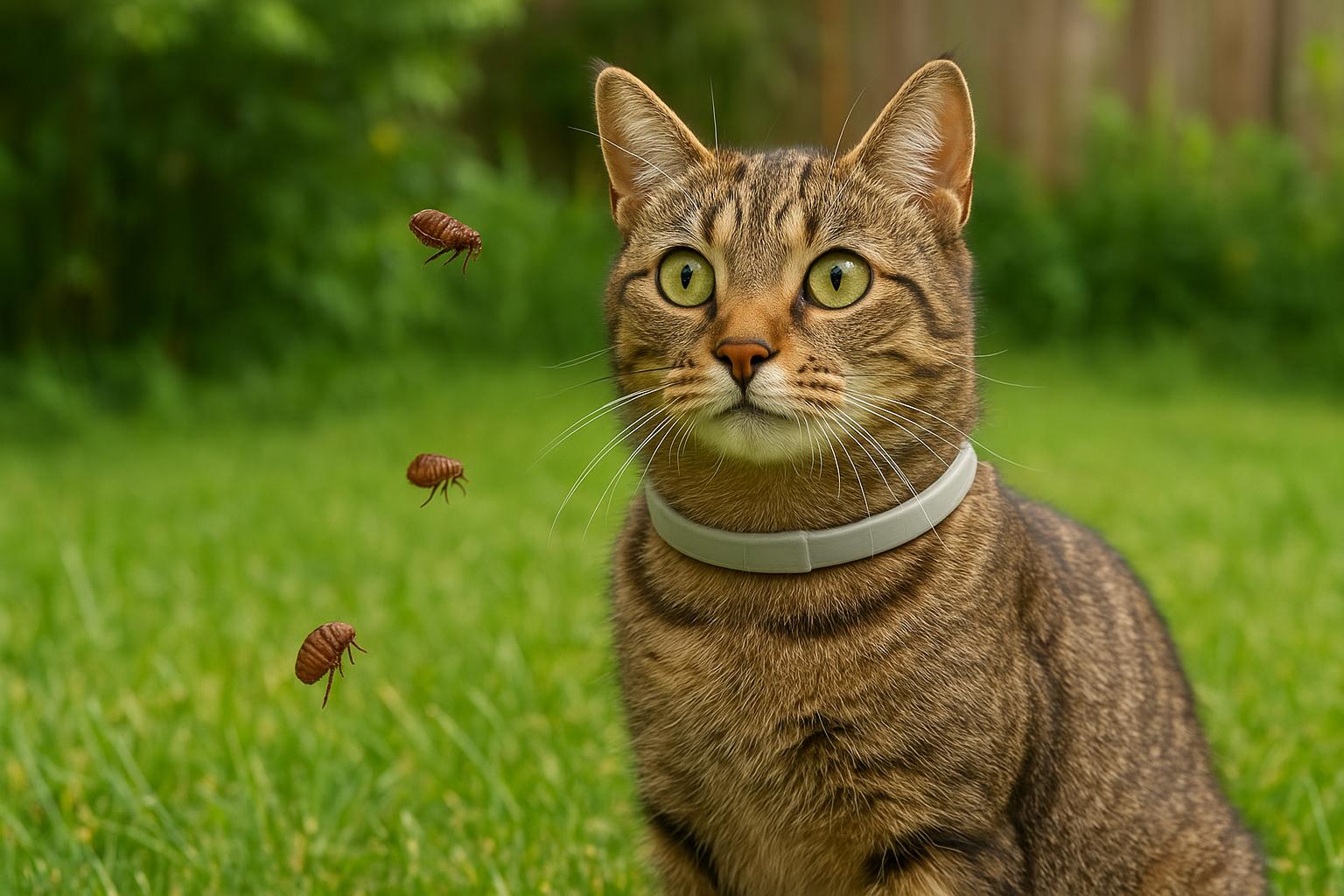
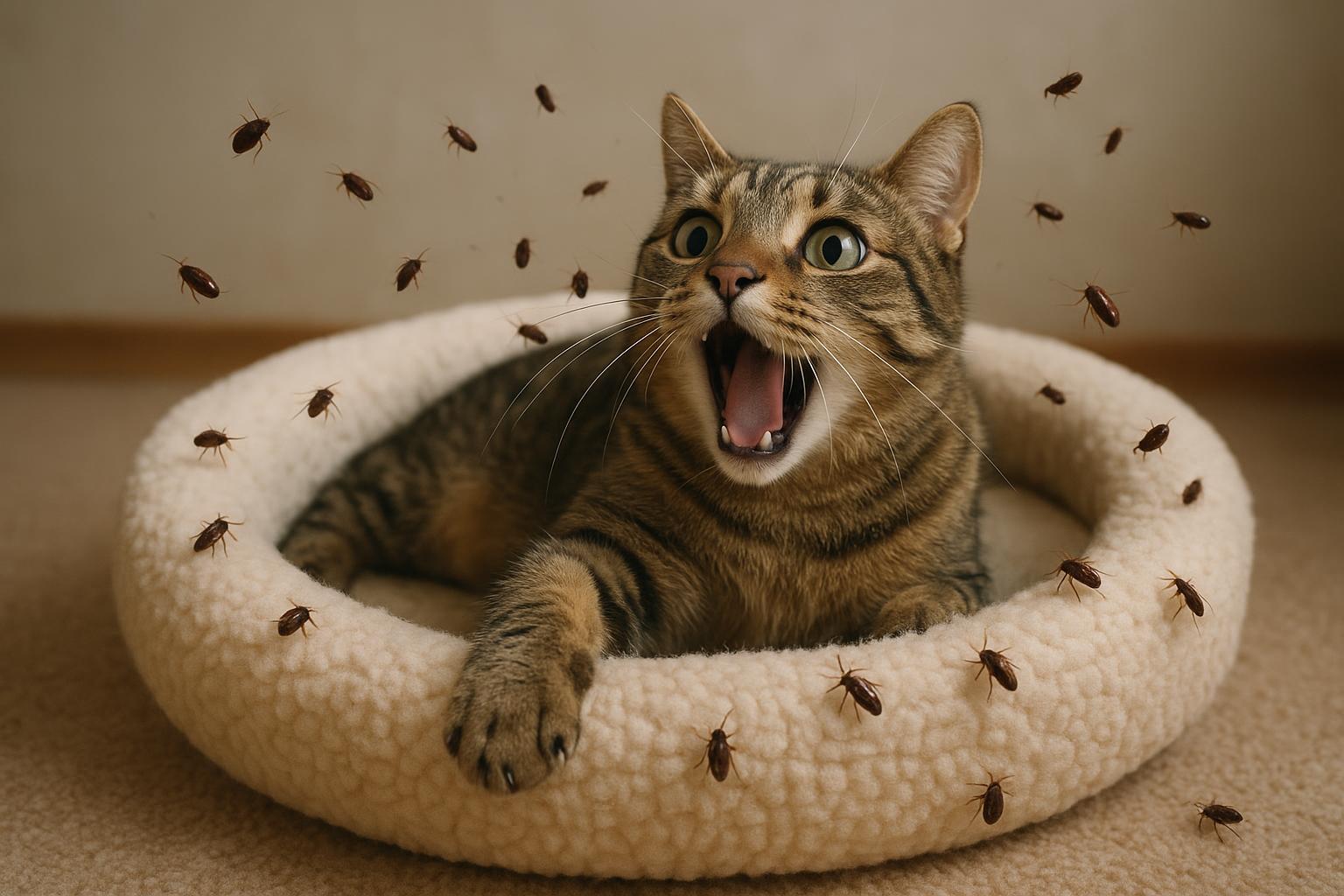
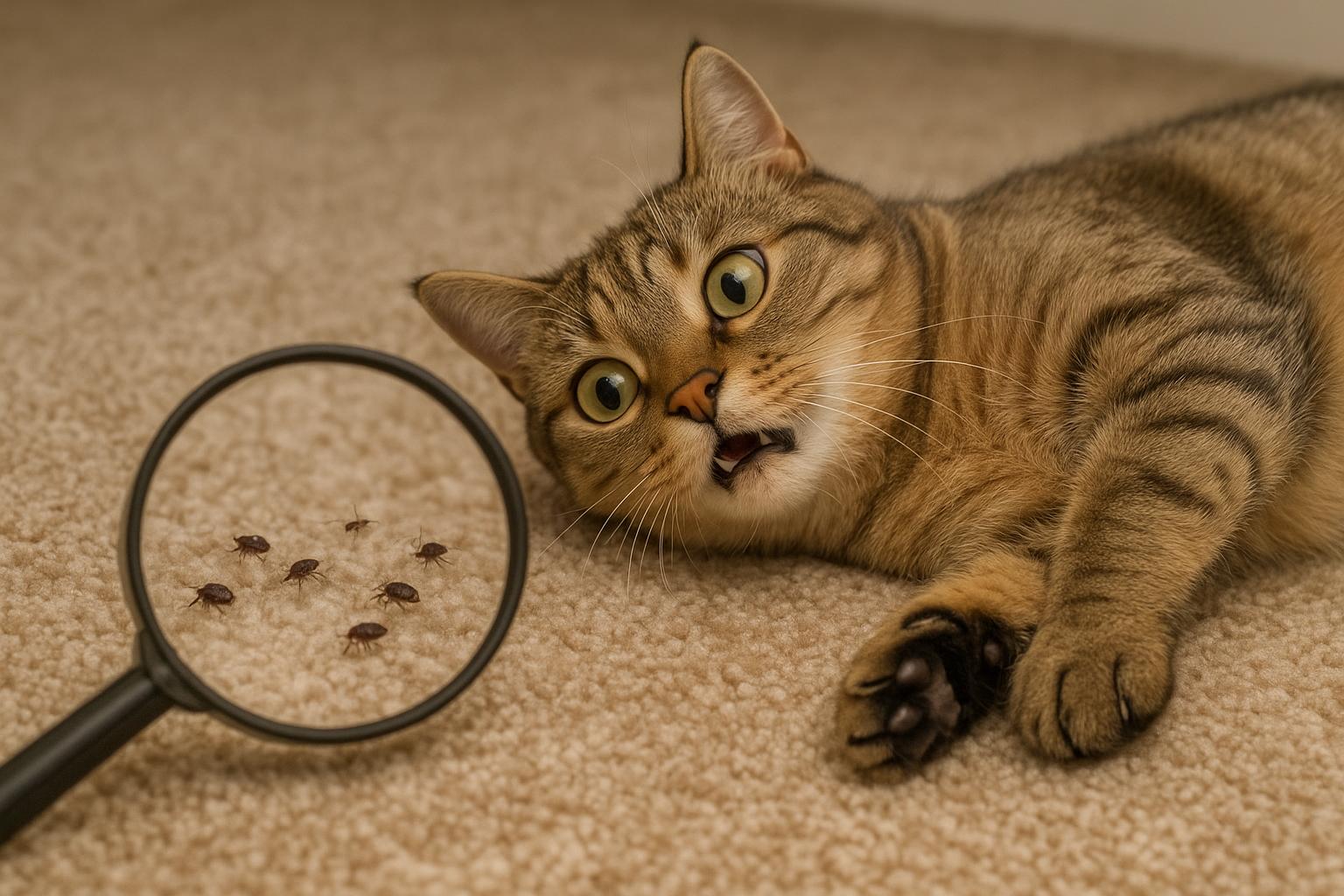
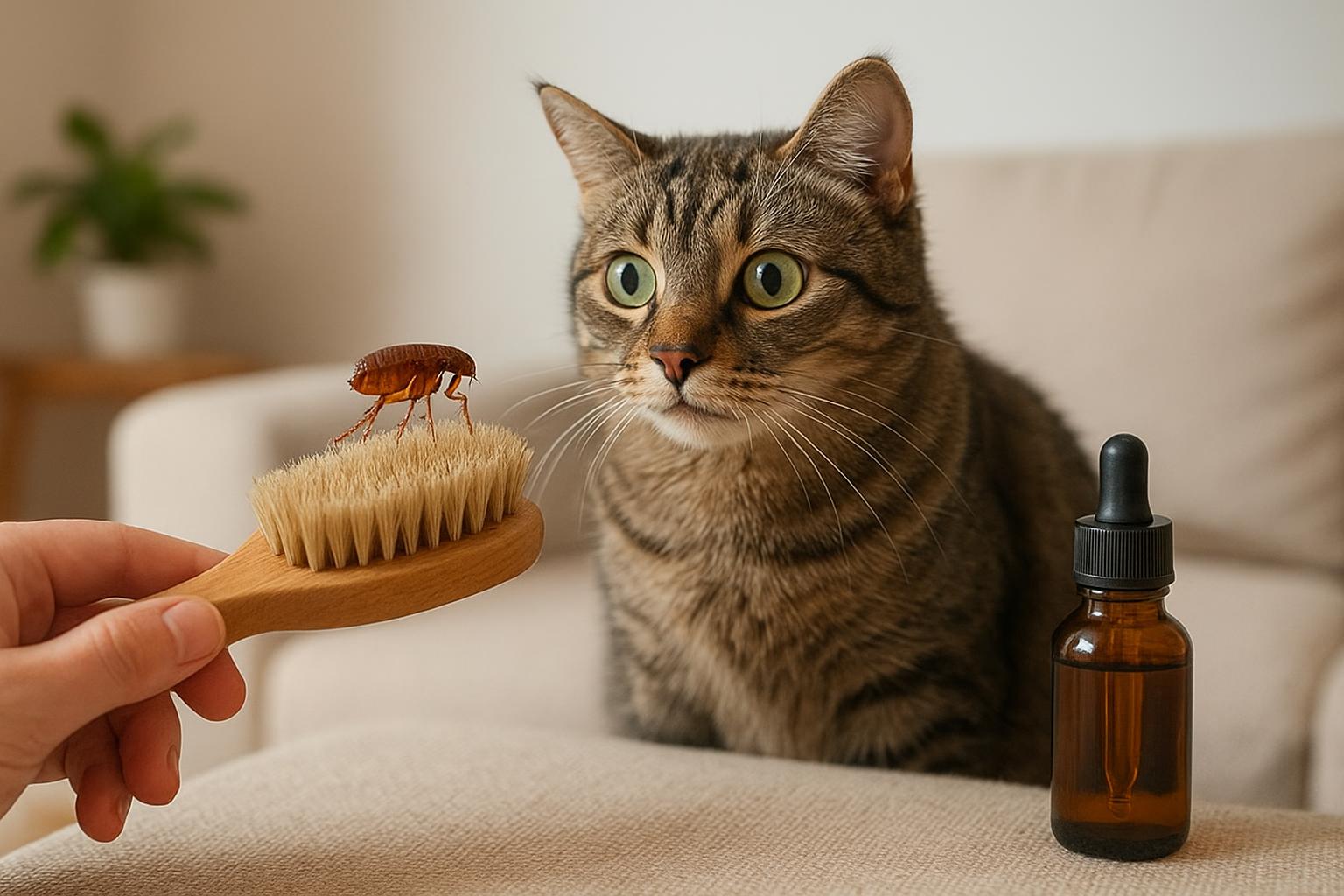
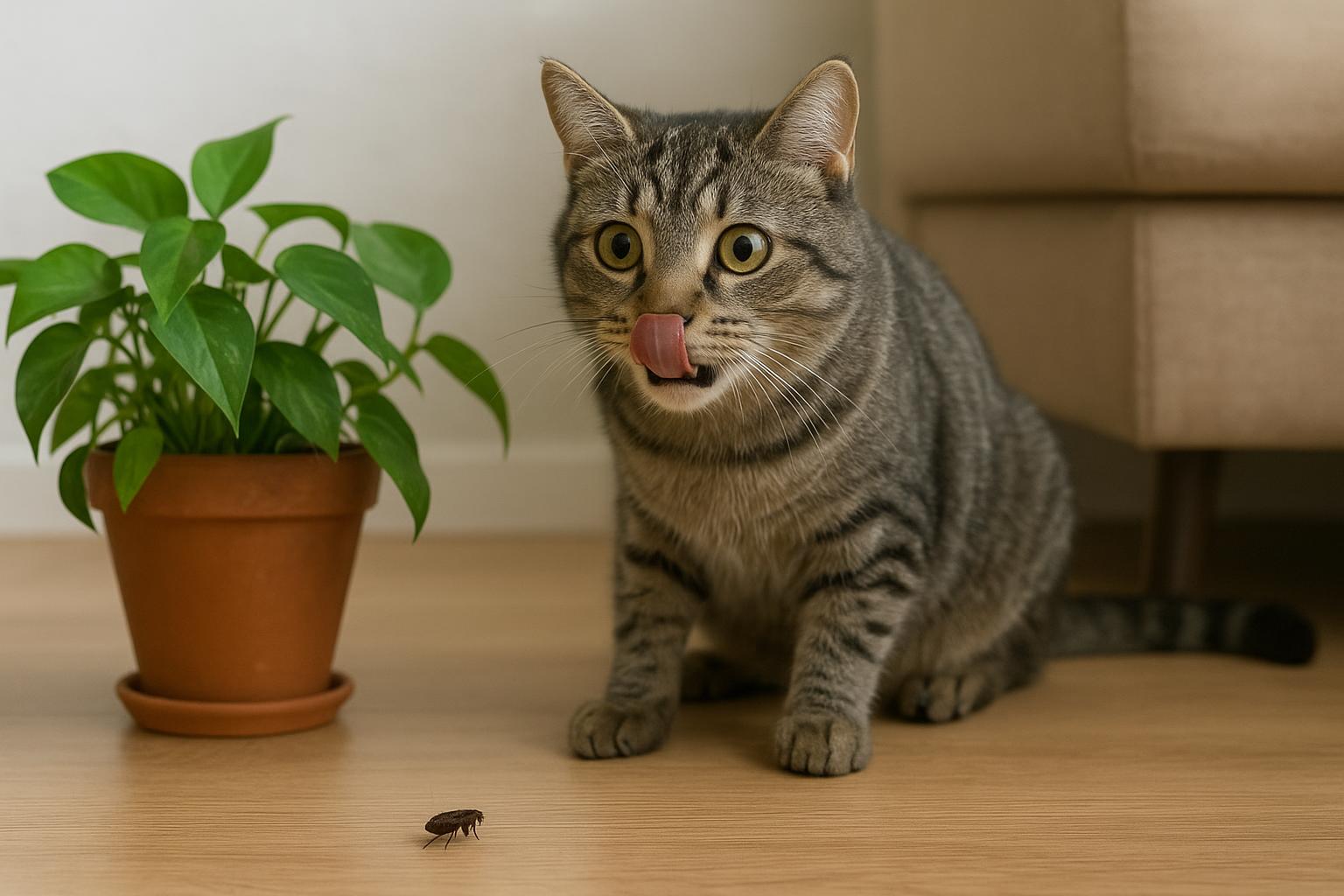
Flea litter isn’t trash you can sweep up and forget. It’s actually flea feces—digested blood—left behind where fleas hang out: on your cat’s bedding, favorite couch spots, carpet fibers, and even in seams of furniture. It looks like tiny black or rust-colored specks and often turns reddish-brown when wet (that’s the blood). Flea litter itself won’t jump onto your cat, but it’s a clear sign of an active infestation nearby, and an infestation means a huge potential for bites, allergic reactions, tapeworms, and discomfort for your pets and your household.
### Why Cats Are Especially Vulnerable
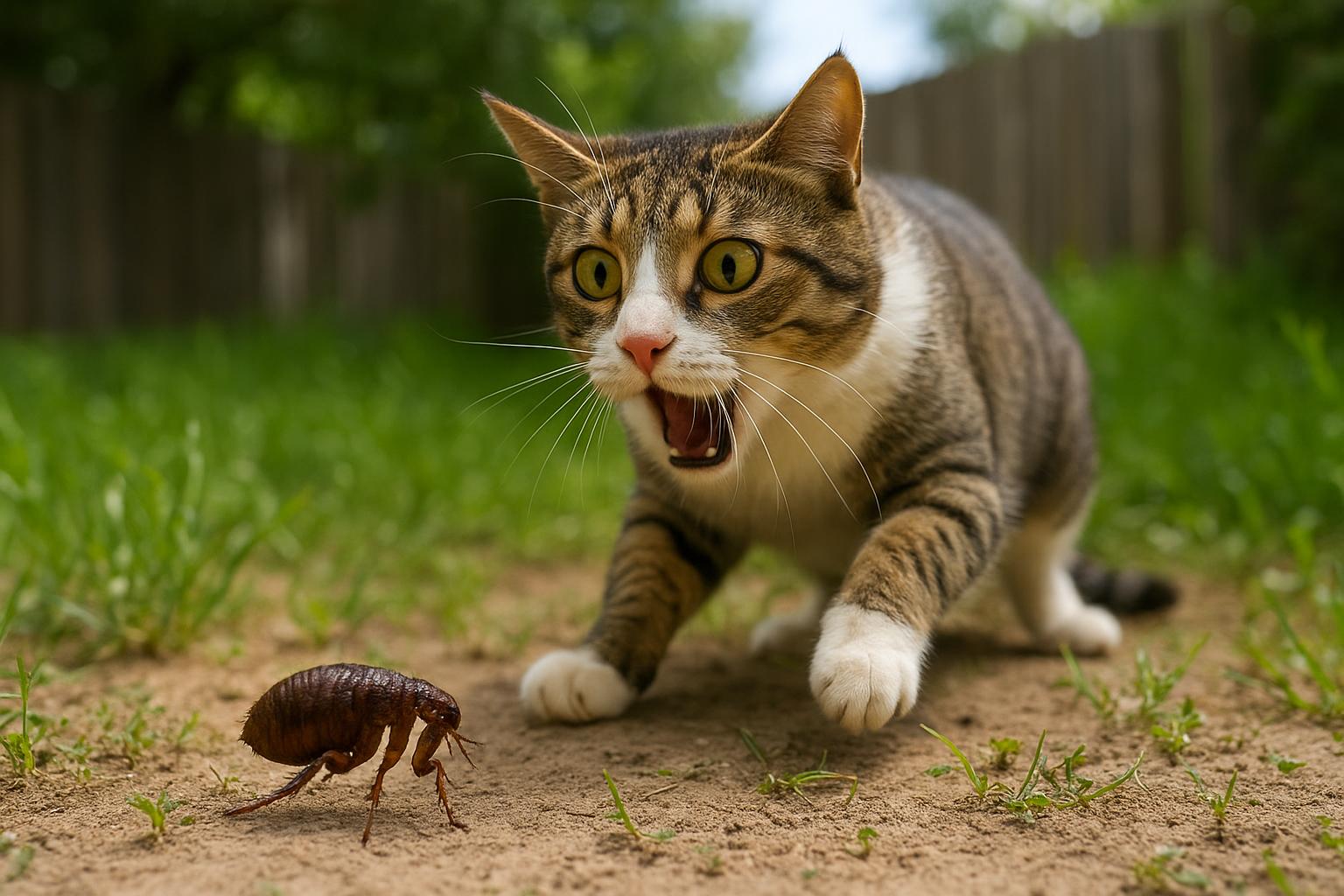
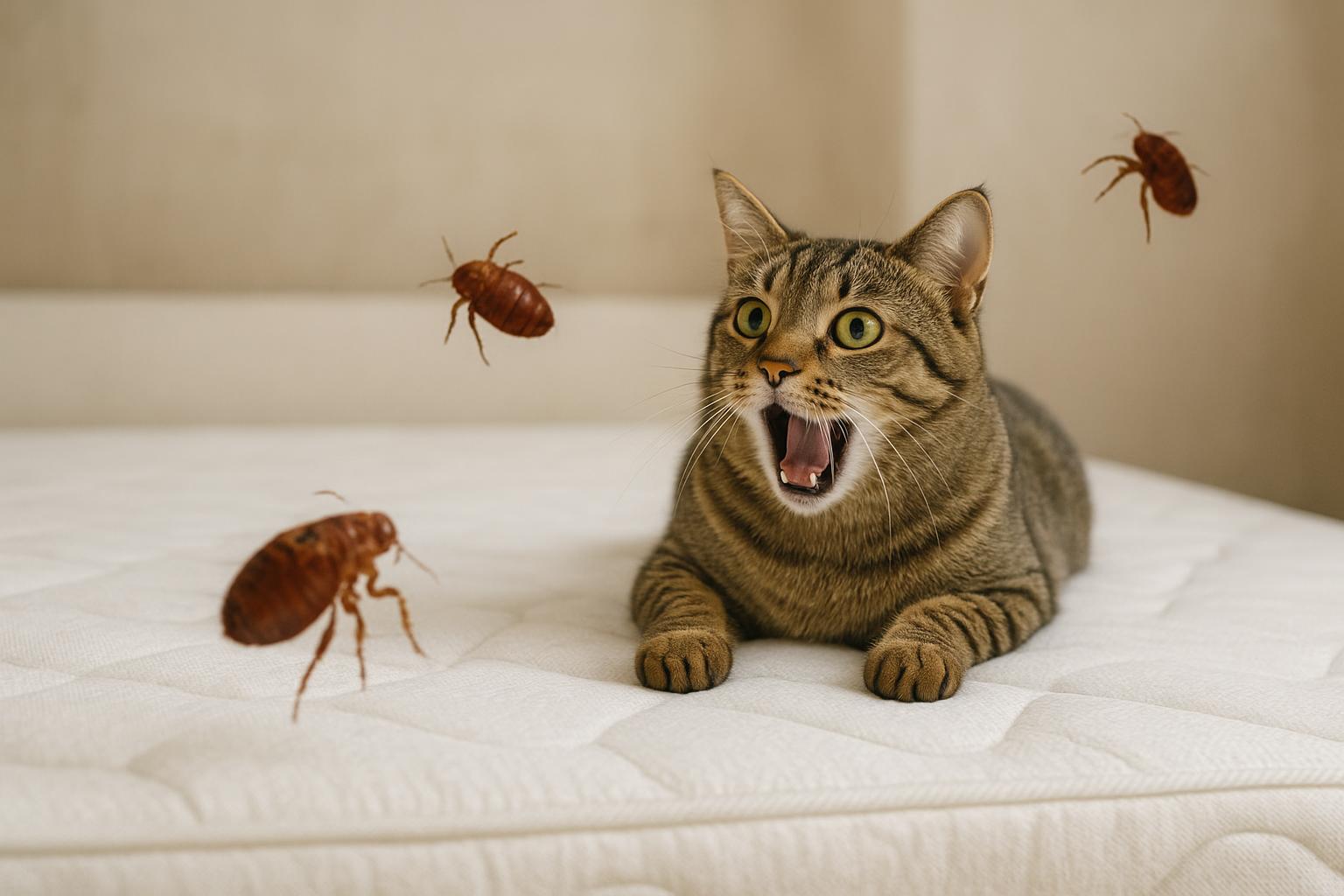
Cats groom themselves obsessively. That’s adorable and also problematic: a single adult flea can take several blood meals on a cat in quick succession, and the flea life cycle is designed to keep reproducing. A few fleas can quickly become dozens or hundreds when eggs, larvae, and pupae are hiding out in carpets and cracks—where flea litter accumulates. Cats with flea allergy dermatitis can develop severe itching from just one or two bites, and kittens or elderly cats can suffer anemia.
### How Flea Litter Signals Hidden Problems
Spotting flea litter is like seeing breadcrumbs to a hidden bakery of bugs—only less delicious. These tiny specks point to adults feeding nearby, and because most of the flea life cycle occurs off the host, flea litter often indicates eggs and larvae are in your home environment, waiting to mature. If you see it in multiple rooms, that’s a red flag that the entire house may need attention.
## How To Identify Flea Litter Properly
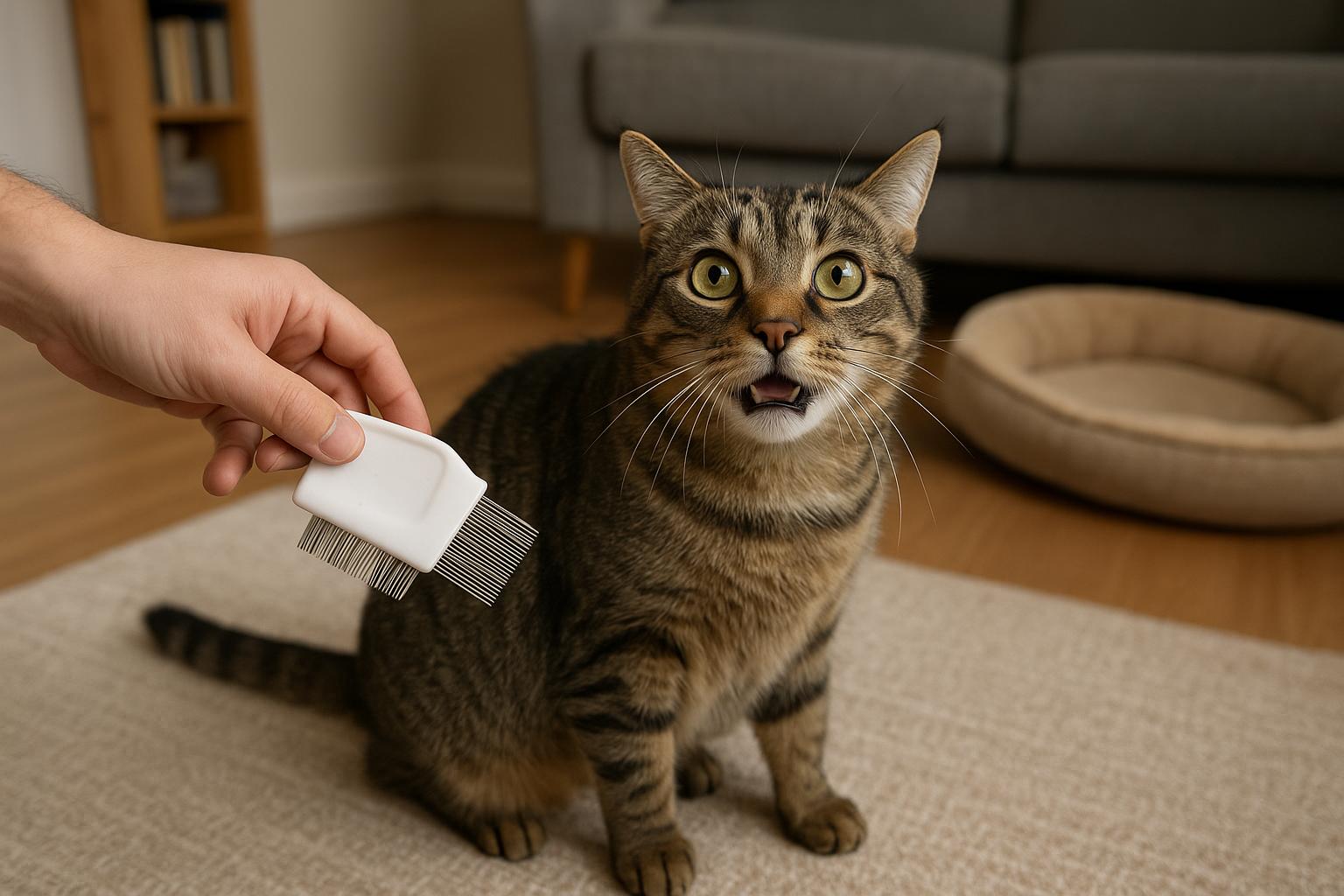
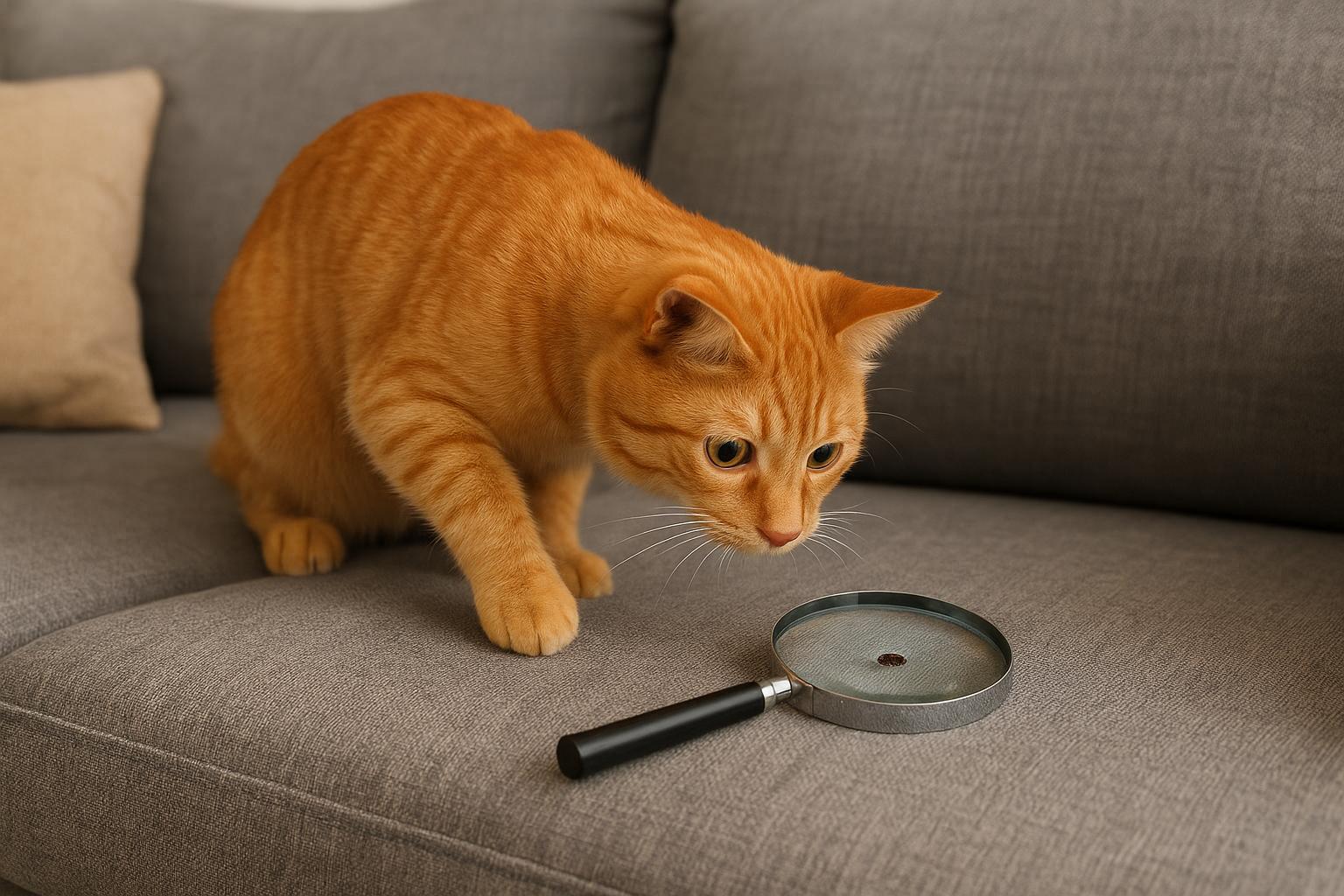
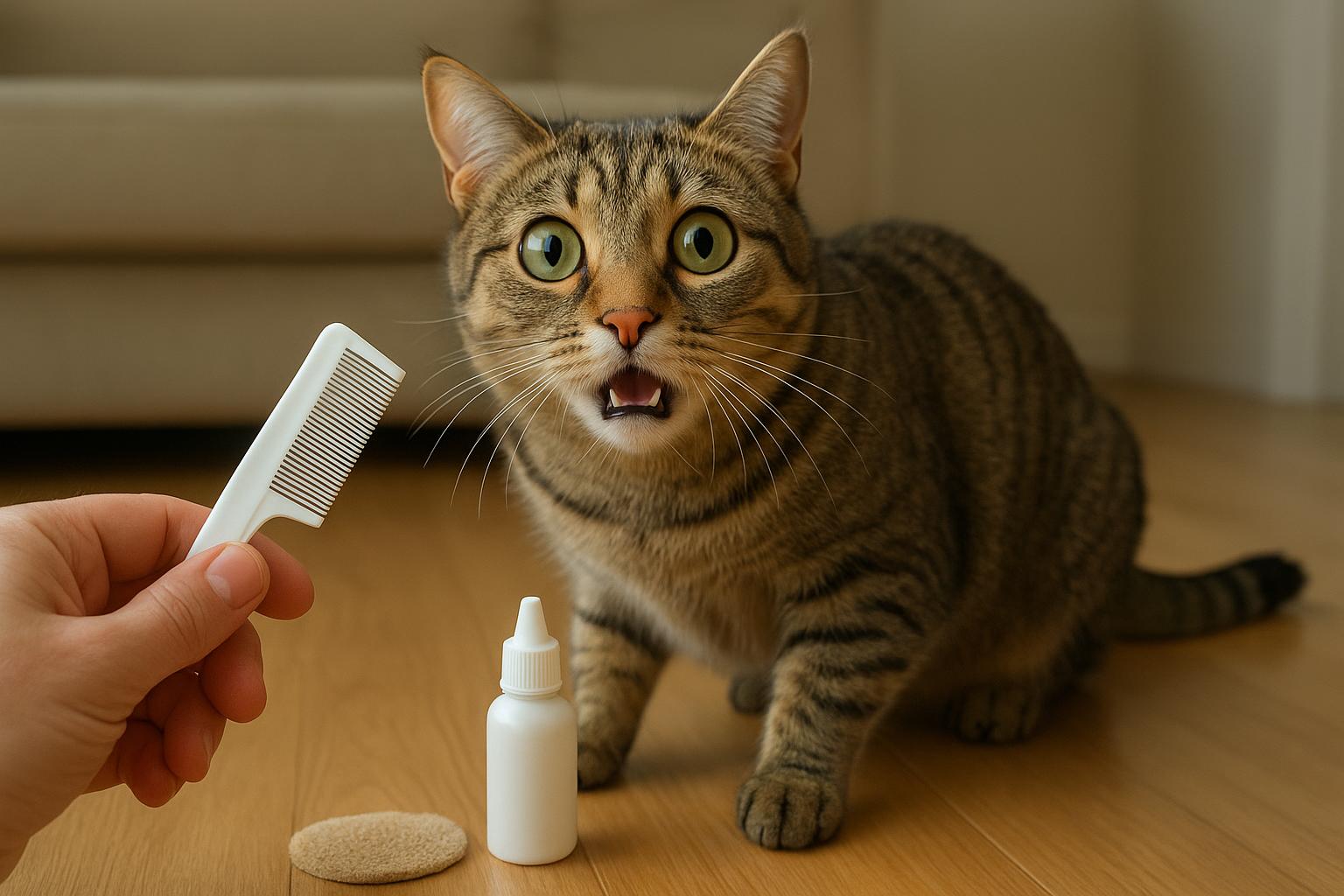
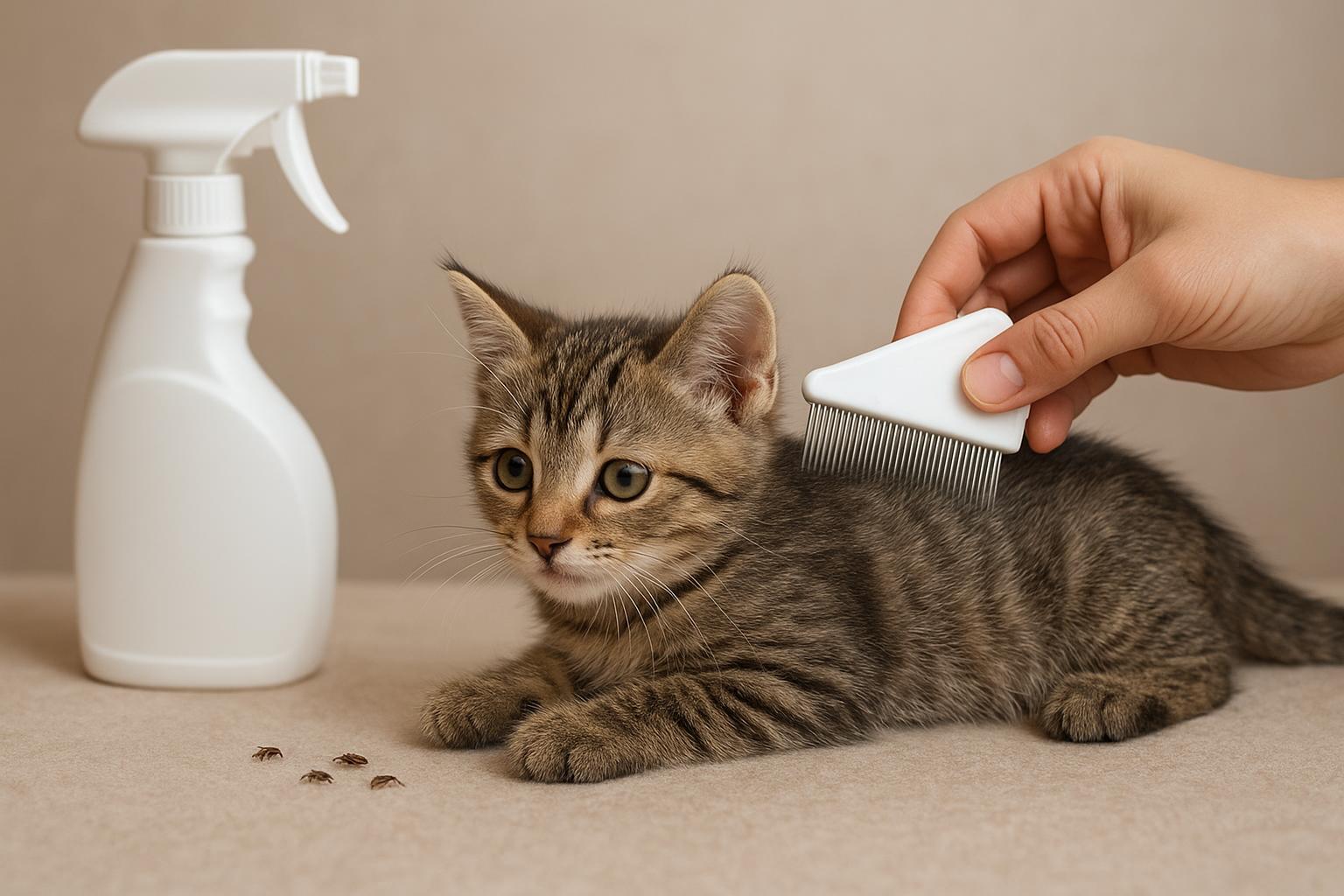
If you’re unsure whether the specks you found are flea litter or just regular dust, try the wet paper towel test: pick up a few specks and moisten them on a white paper towel. Flea litter will smear rusty-red because of the digested blood. This simple test helps you confirm what you’re dealing with without needing to magnify things like a CSI technician.
### Where To Look First
Start with the obvious: pet beds, favorite napping spots, the underside of cushions, and floorboard cracks. Don’t forget curtains, rugs, and your cat’s favorite window sill. Flea eggs and larvae prefer dark, humid areas near a host; scatters of flea litter in these places are a tip-off.
### Signs On The Cat
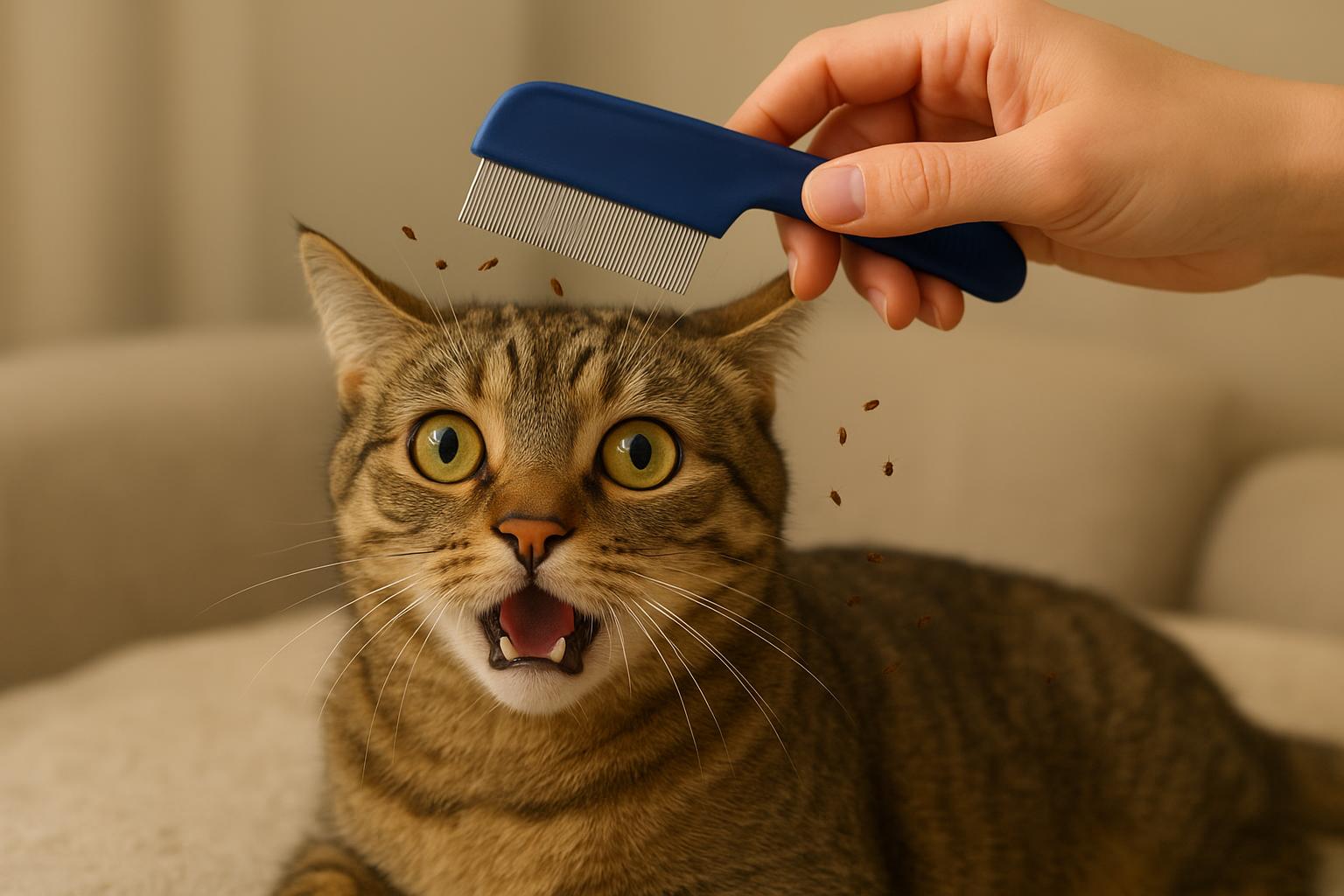
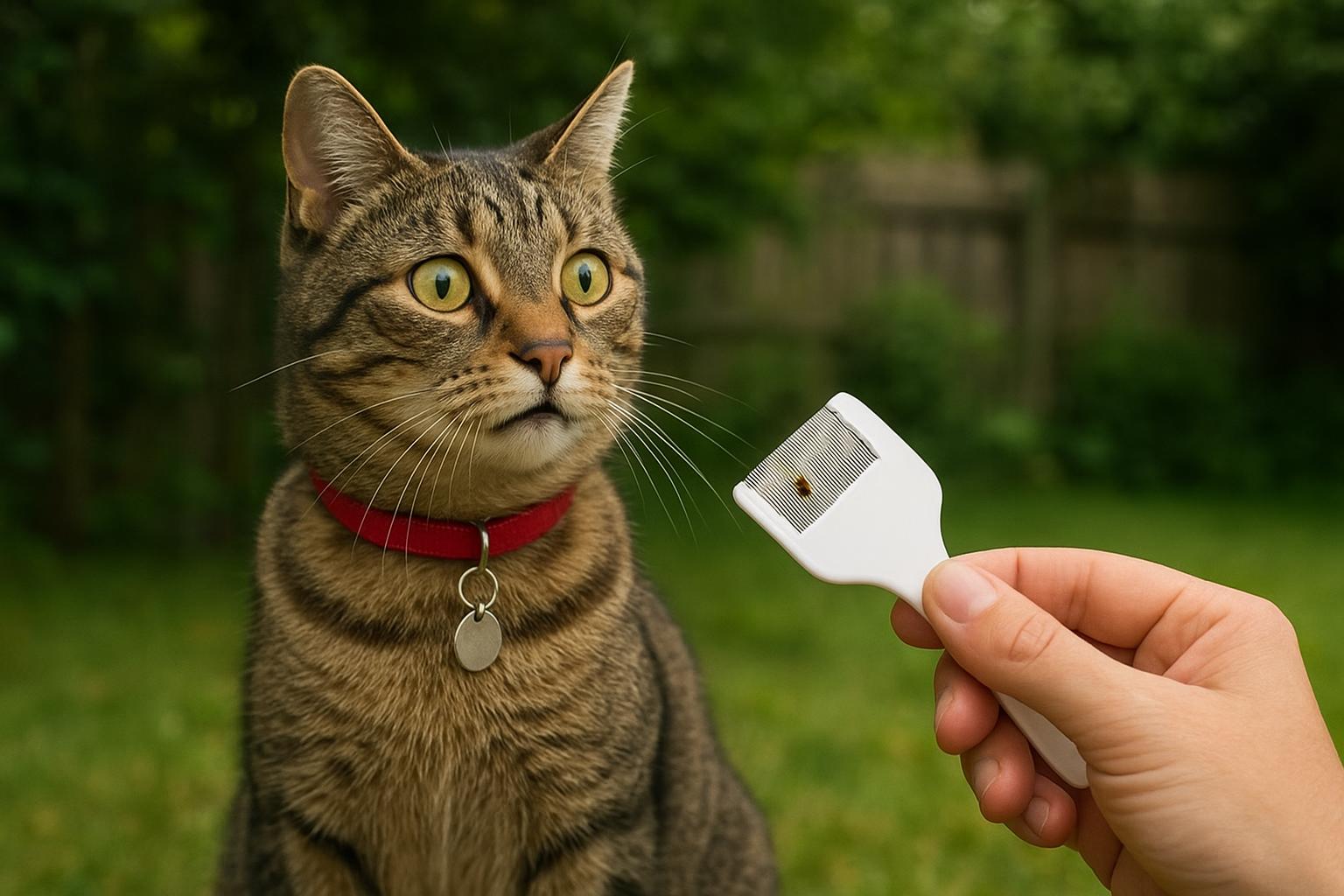
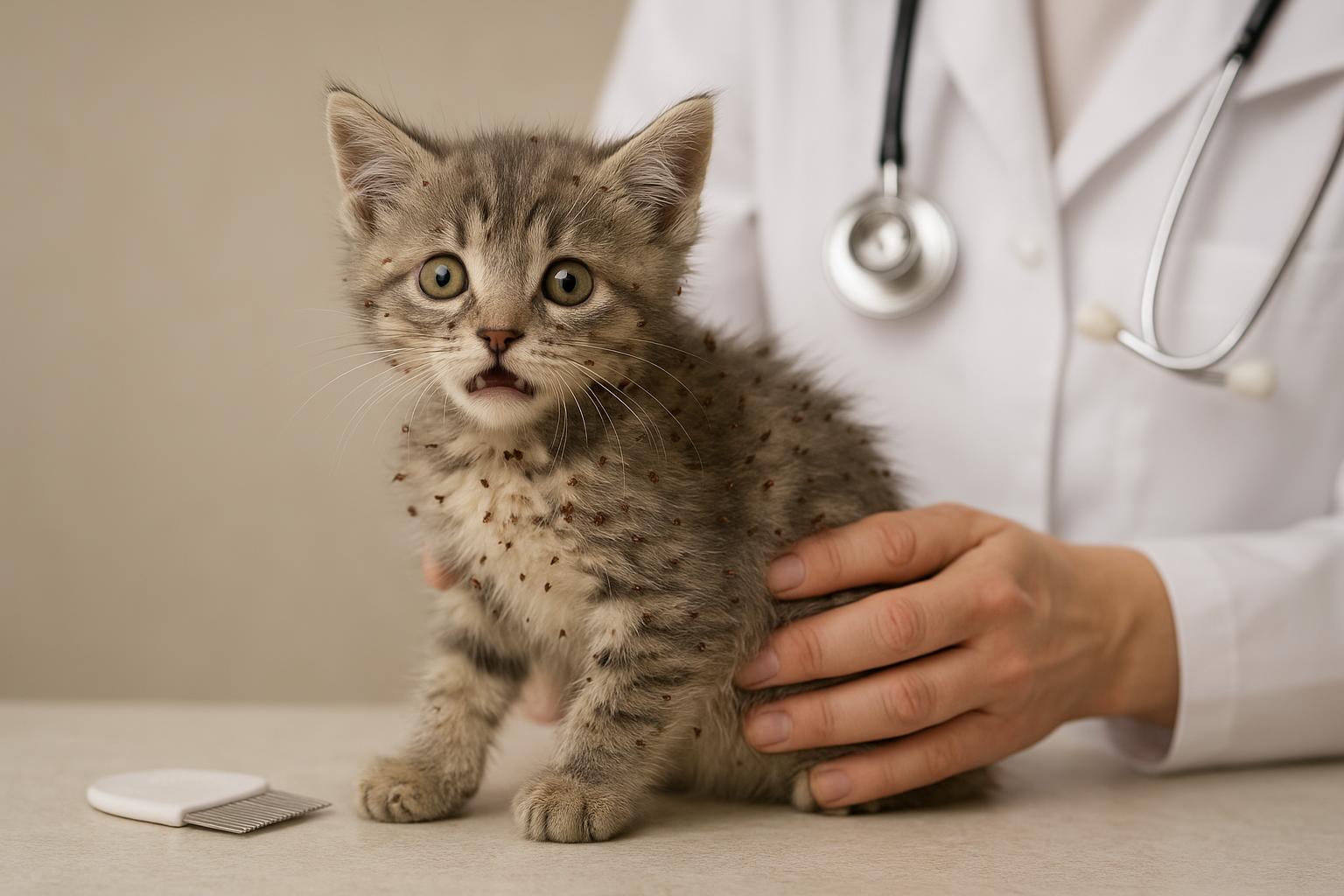
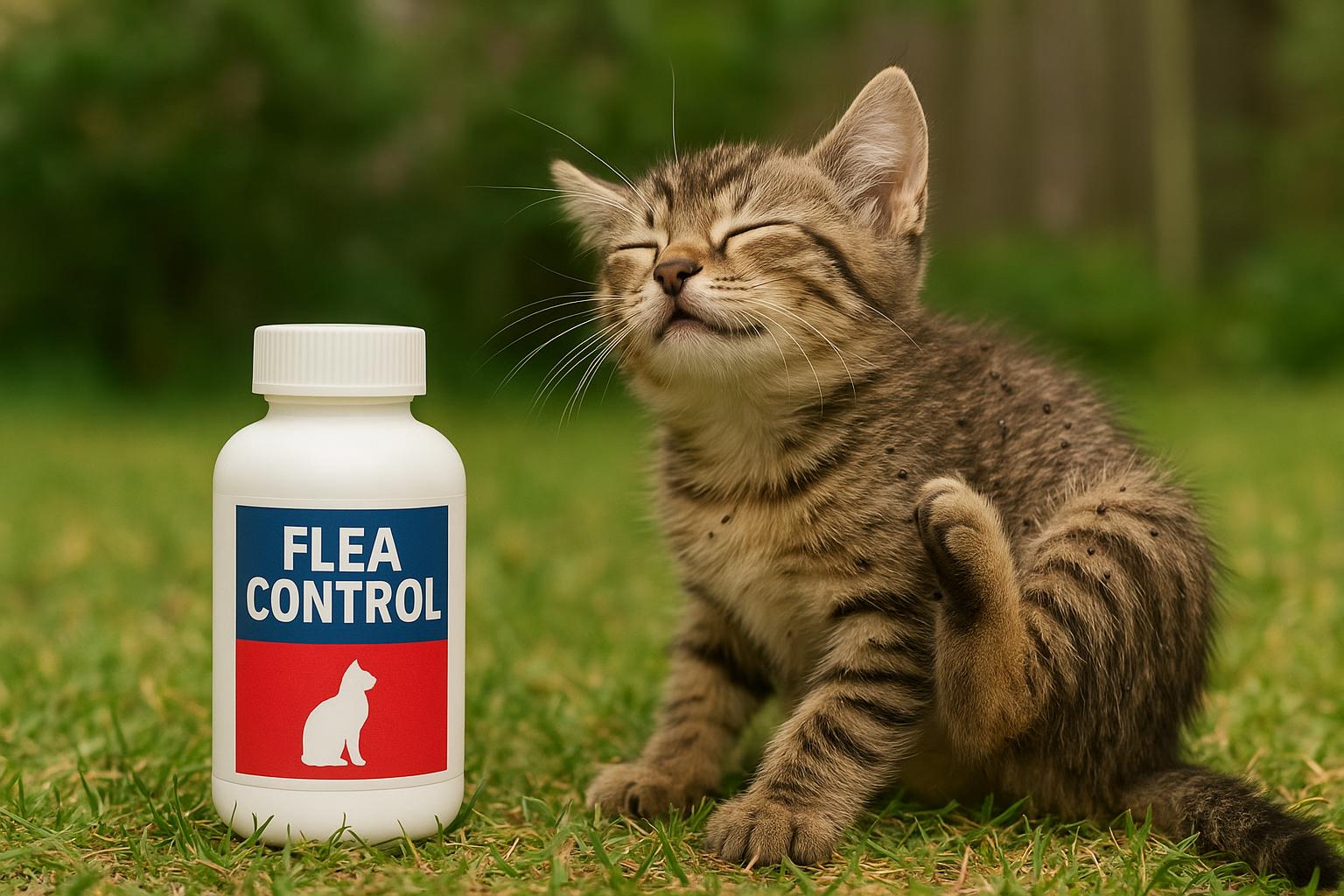
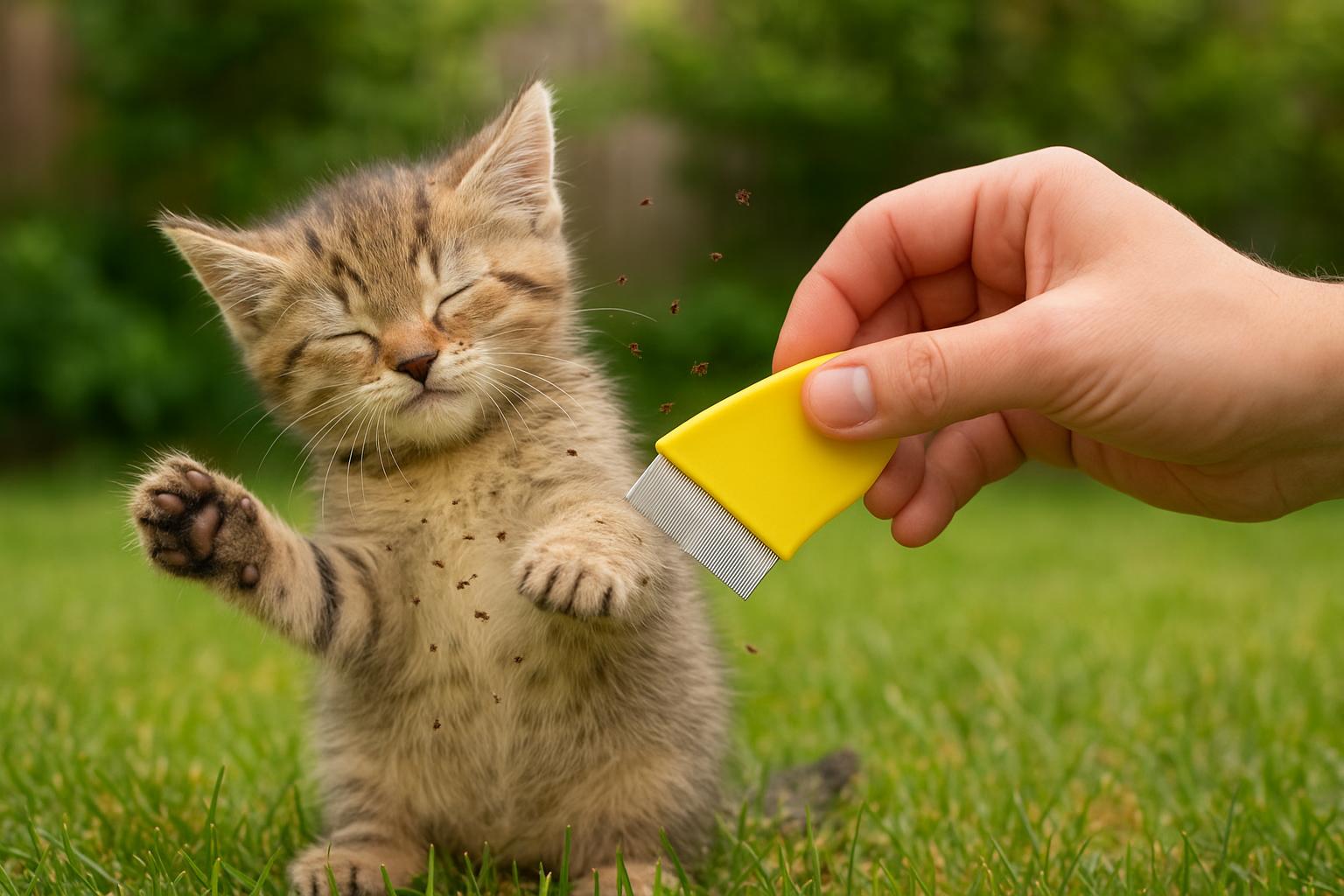
Scratching, hair loss in patches, scabs, and visible fleas or flea dirt on the fur are signs your cat is being affected. Kittens often show pale gums when anemia is present. If you find flea litter near a cat bed and the cat is itchy, assume active infestation until proven otherwise.
## The Flea Life Cycle In Plain English
Understanding the life cycle is oddly calming: adult fleas feed on your cat, mate, and the females produce eggs that drop into the environment. Those eggs hatch into larvae that hide in dark crevices, feed on organic matter (including adult flea feces—yes, the worm circle of life), and eventually pupate. Pupae can remain dormant for months, making eradication tricky.
#### Why That Makes Flea Litter Dangerous
Because flea litter feeds the larvae, its presence close to a host means a local, self-sustaining flea population. Addressing adult fleas alone won’t stop new adults emerging from pupae, which is why both environmental treatment and pet treatment are necessary.
## Flea Litter And Health Risks For Humans
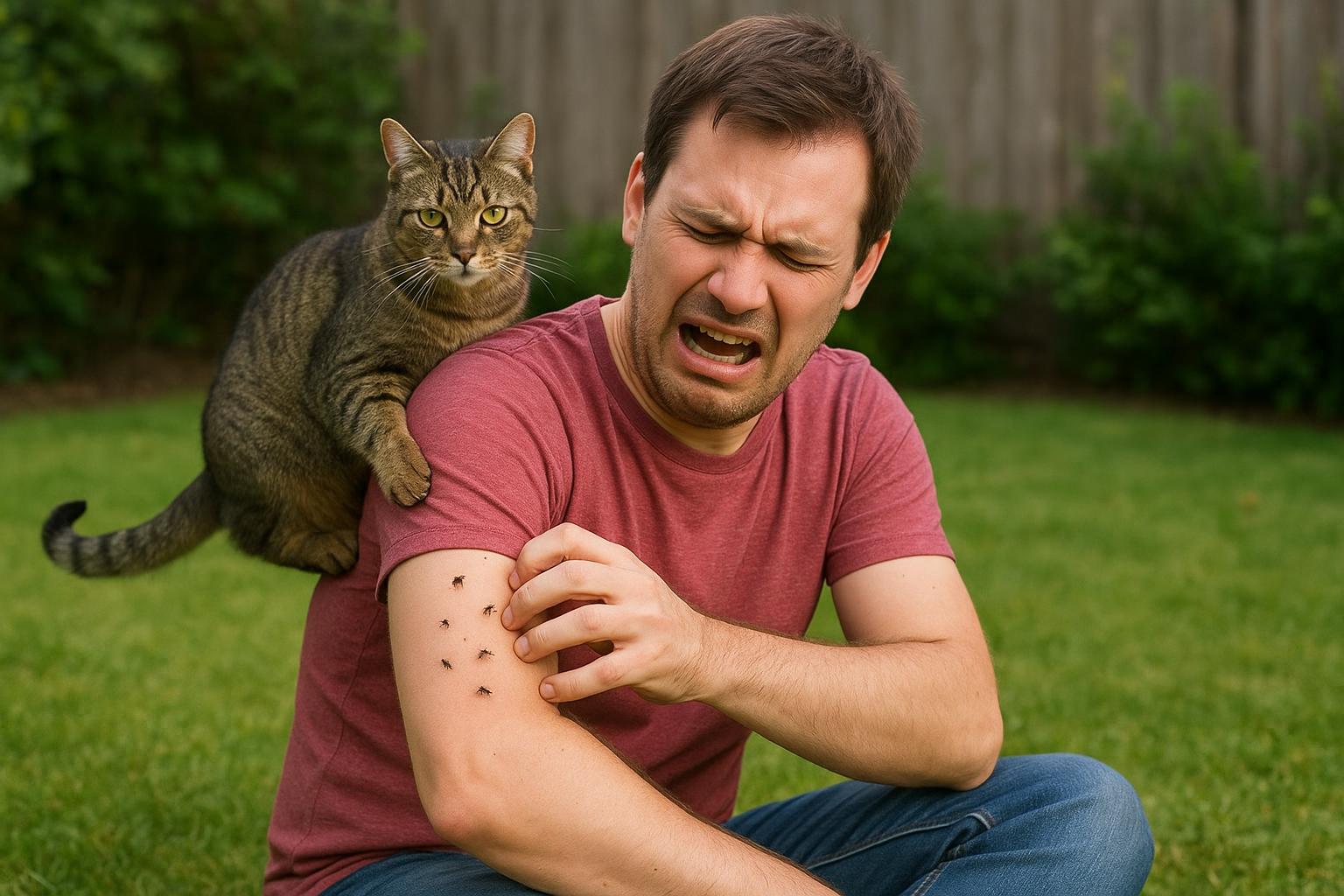
Fleas can bite people, too. You might get small red bumps, especially around the ankles. In rare cases, fleas transmit diseases or carry tapeworm segments (through fleas ingested by pets), so keeping flea litter under control isn’t just for the cats’ comfort, it’s for the household’s health.
## Remedy 1: Professional-Grade Home Treatment For Flea Litter
When the situation calls for a methodical, reliable approach, the following home treatment protocol is designed to eliminate flea litter and disrupt the flea life cycle. This is written in a more formal and instructive manner; follow each step carefully for best results.
Materials and Ingredients Required:
1. Vacuum cleaner with a HEPA filter and a crevice attachment.
2. Laundry detergent and hot water (capable of 60°C/140°F or as high as fabric care allows).
3. Boric acid powder or a pet-safe insect growth regulator (IGR) spray (e.g., pyriproxyfen or methoprene) labeled for home use.
4. Residual insecticide spray labeled for indoor flea treatment (pyrethroid-based or oil-based formulations; check label for pet safety and follow instructions).
5. Microfiber cloths and scrub brush for upholstery seams.
6. Sealable plastic bags for bedding and removable fabric items.
7. Protective gloves and a mask for handling powders and sprays.
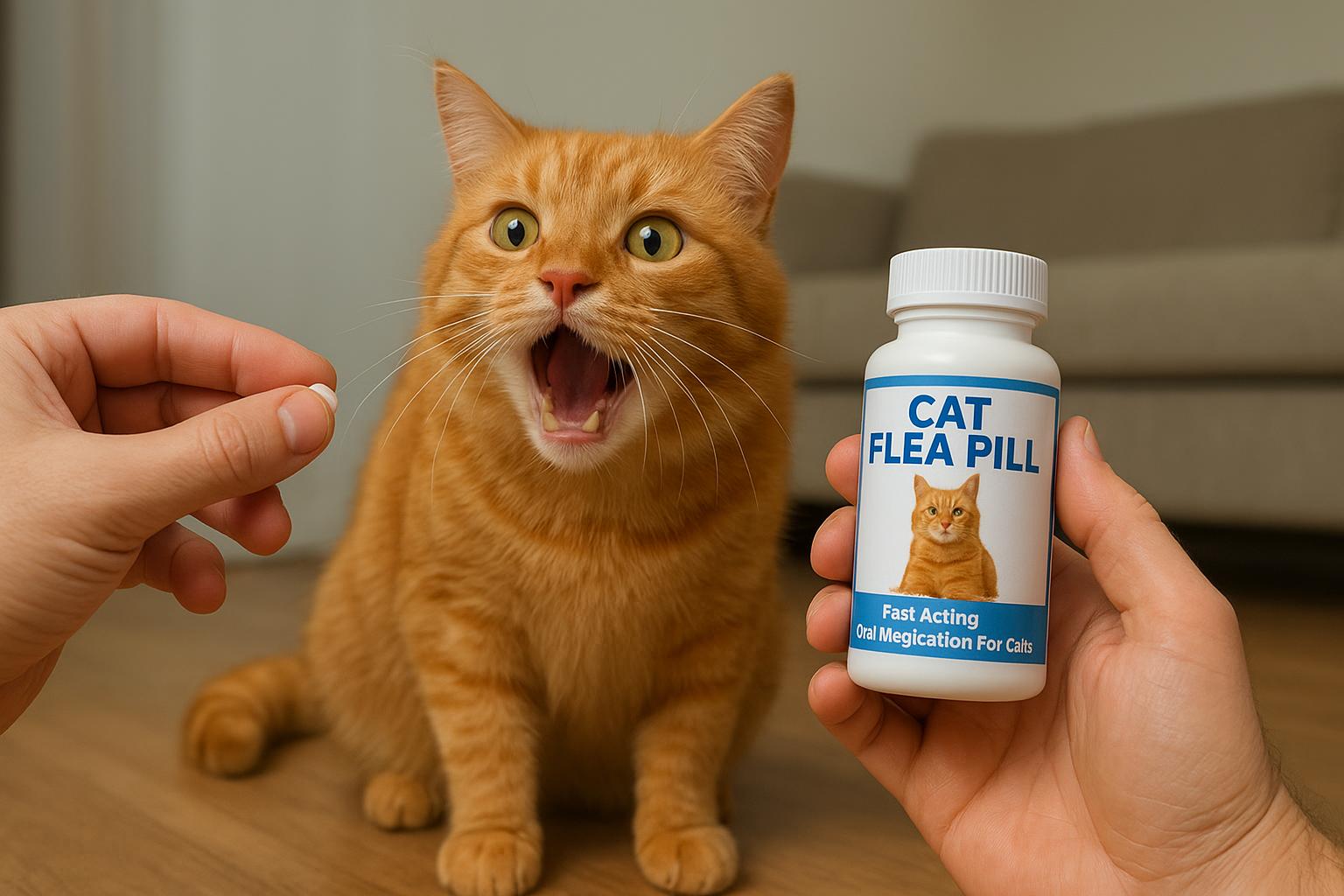
8. Professional veterinary flea treatment product for your cat (topical or oral), as prescribed or recommended by your veterinarian.
9. Optional: A steam cleaner that reaches at least 100°C/212°F steam.
Step-by-Step Application:
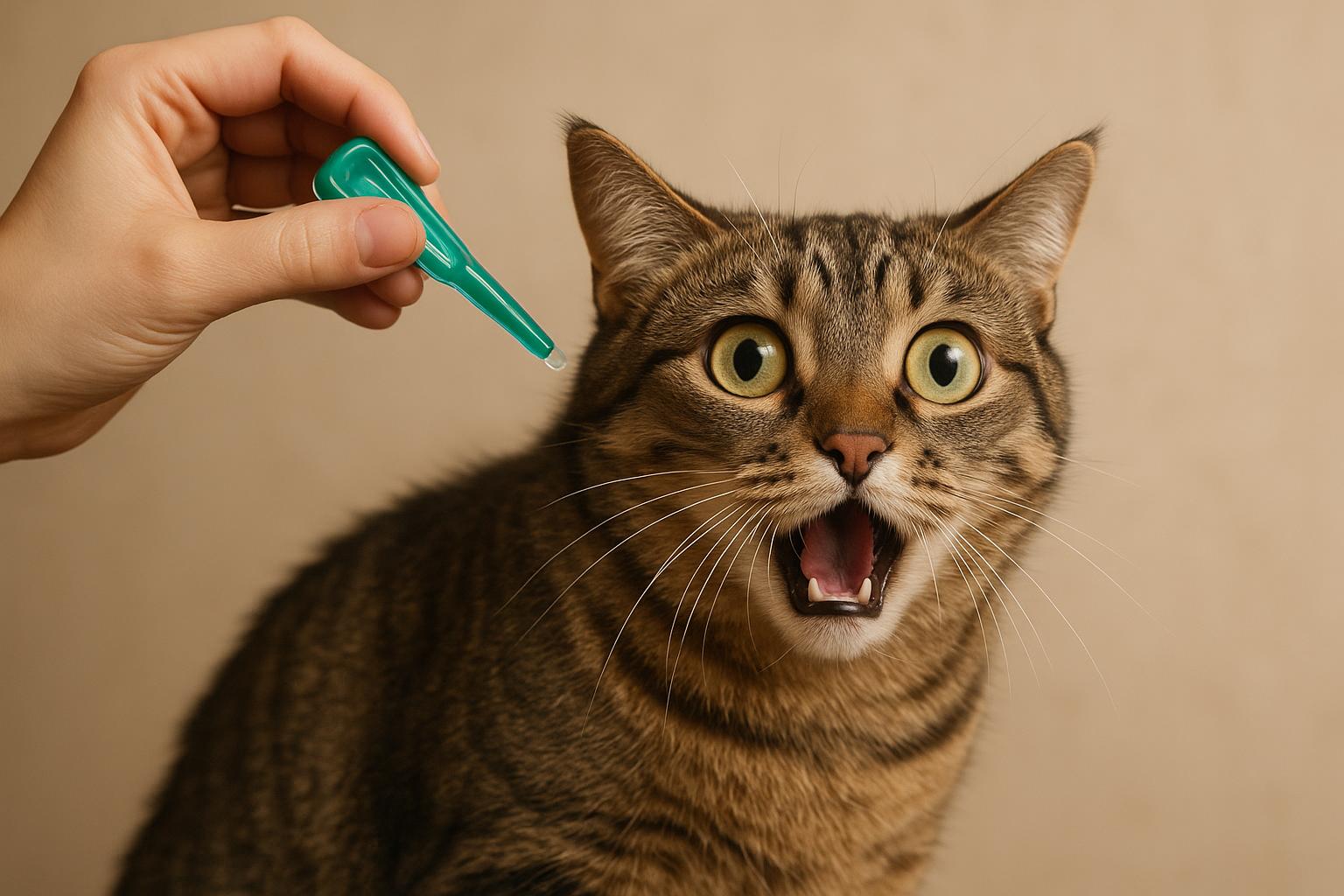
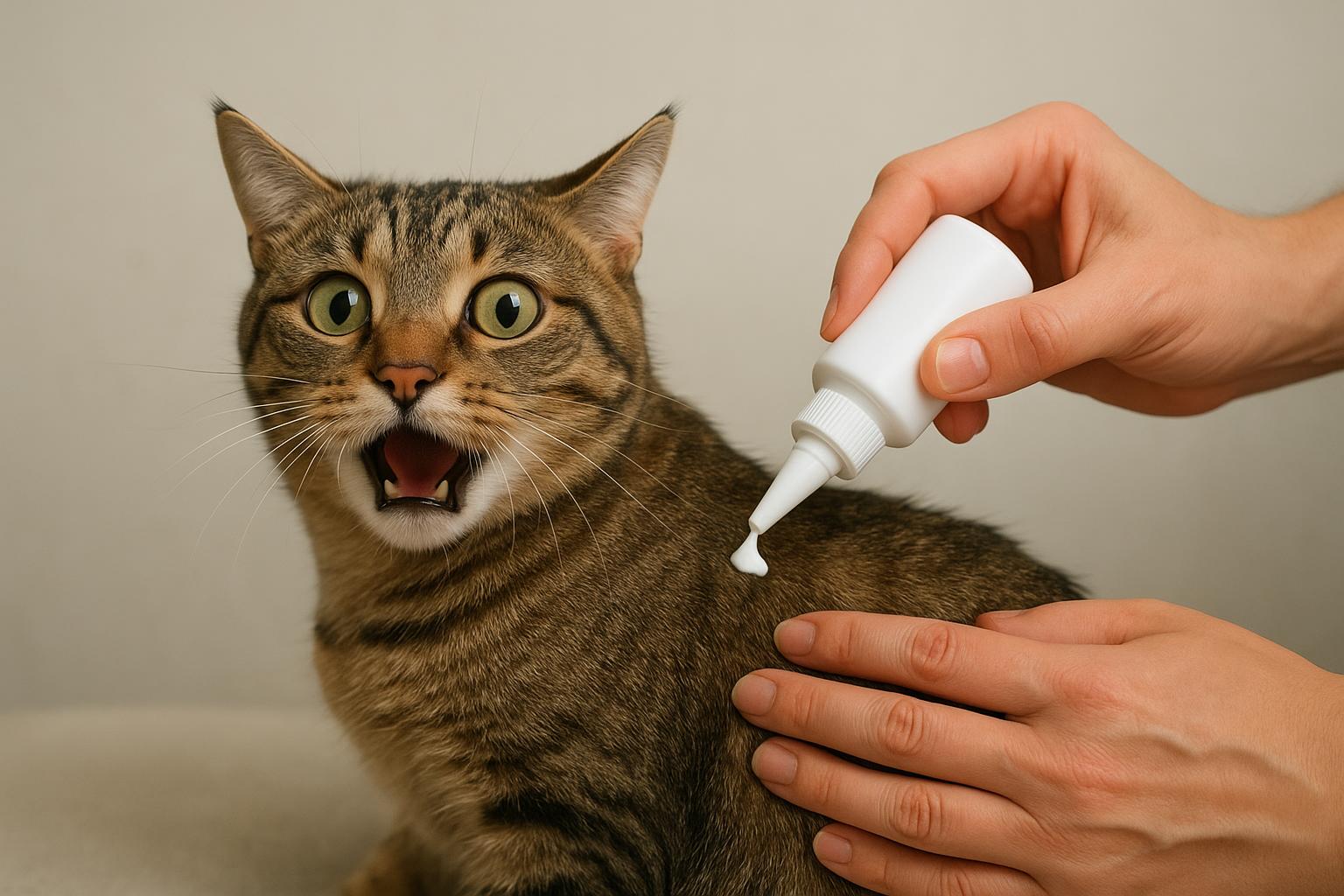
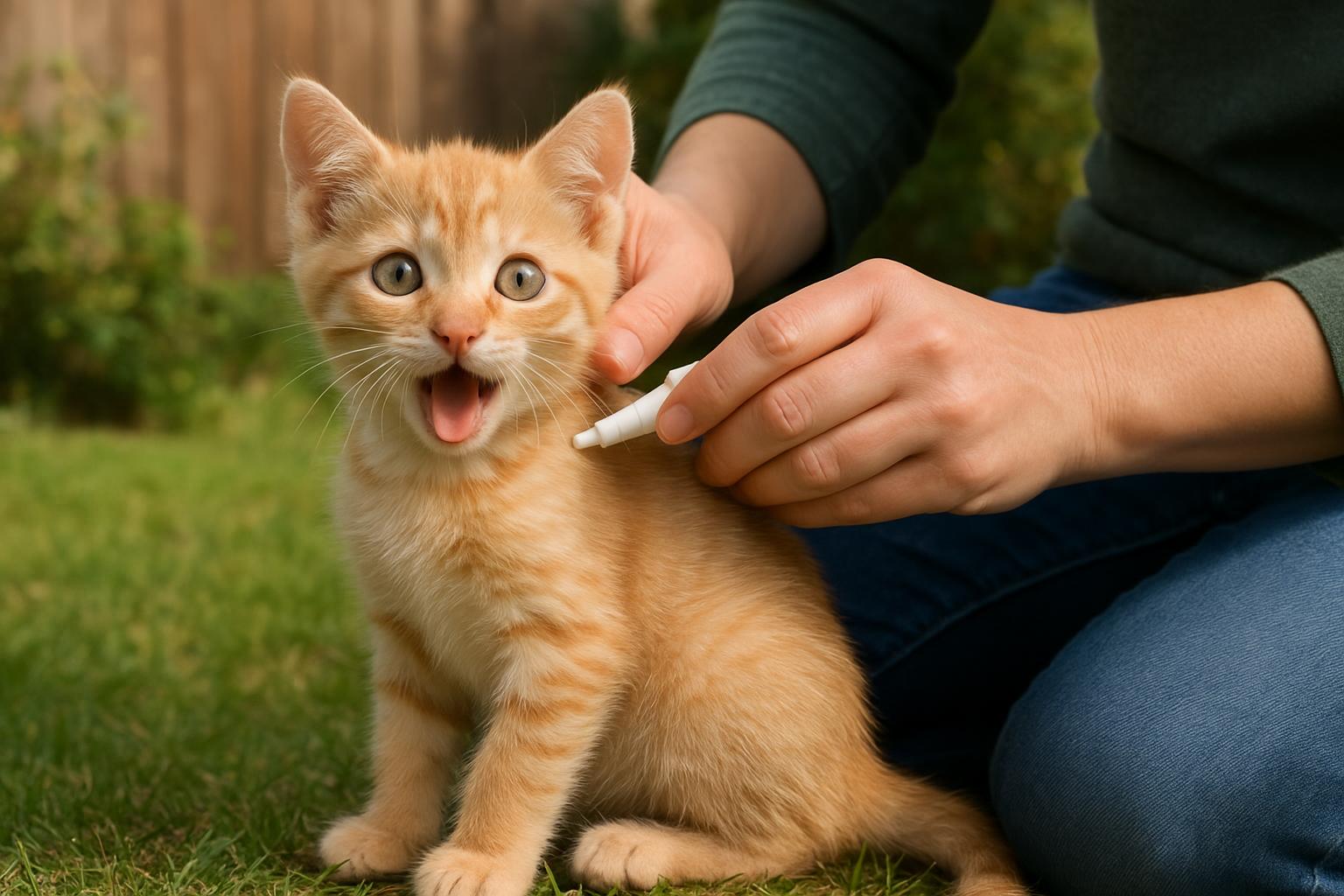
1. Begin With The Pets: Consult your veterinarian and administer an approved flea treatment to every cat in the household. Treat all pets simultaneously to prevent re-infestation. Do not use dog products on cats.
2. Remove And Launder Fabrics: Collect all bedding, throws, and removable cushion covers. Place them directly into sealable bags to avoid spreading eggs. Wash on the hottest temperature safe for the fabric using detergent. Dry on high heat when fabric care permits—a full dryer cycle helps kill eggs and larvae.
3. Vacuum Thoroughly: Vacuum carpets, rugs, baseboards, furniture seams, and under cushions. Use the crevice tool to reach cracks and the edges of rooms. Empty the vacuum canister or dispose of the bag into an outdoor trash bin immediately to prevent escape.
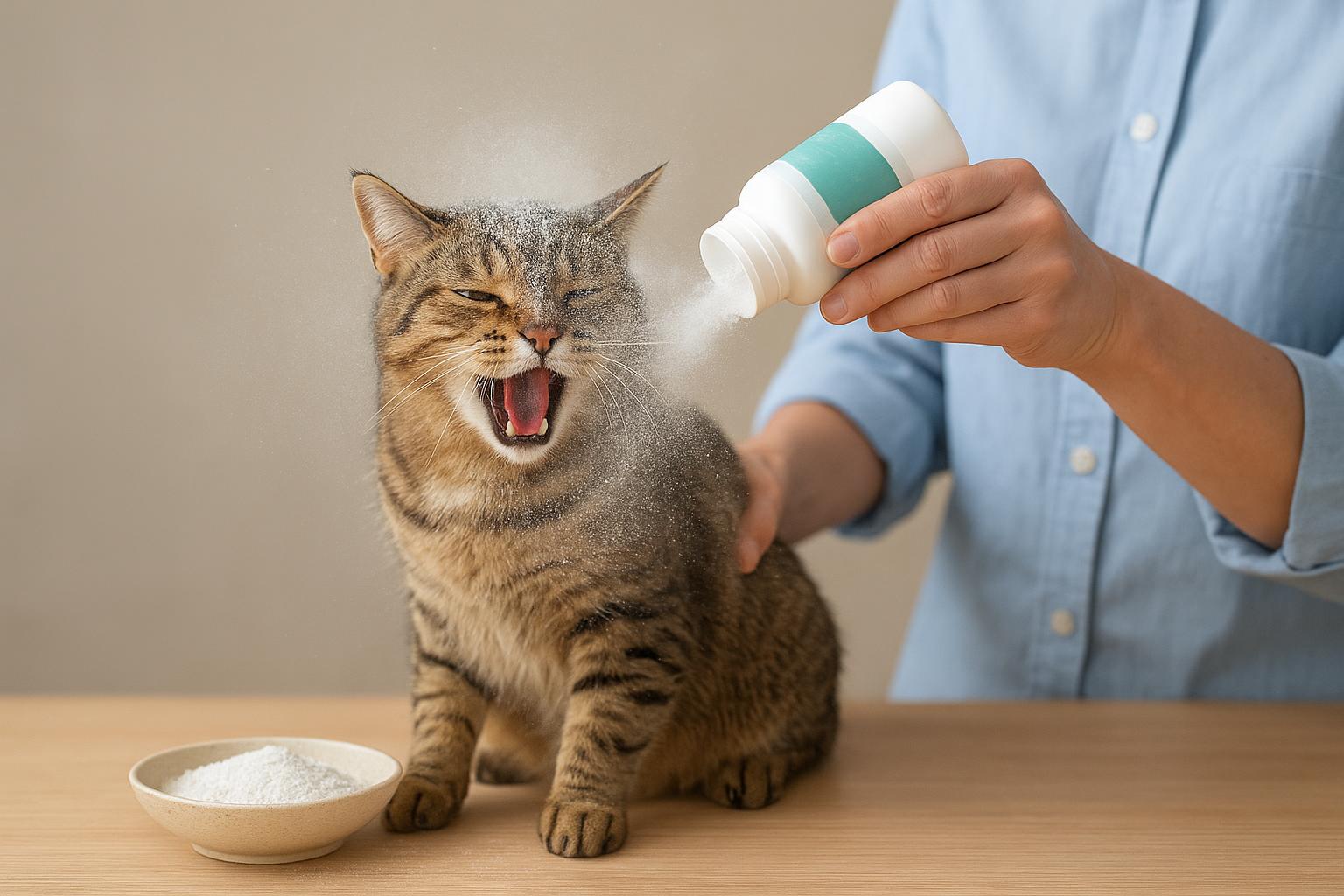
4. Apply Boric Acid Or IGR: Lightly apply boric acid powder to carpets and upholstery and work it into the fibers with a brush, or alternatively use a pet-safe IGR according to label directions. Boric acid acts as a desiccant and can help reduce larvae; an IGR prevents larvae from maturing. Avoid over-application; follow safety instructions.
5. Treat With Residual Insecticide: Where indicated by product label, apply a residual indoor insecticide to affected areas—carpets, floor edges, furniture undersides. Allow sufficient drying time and ventilate rooms. Keep pets and people out of treated areas until completely dry and as directed.
6. Steam Cleaning (Optional/Complementary): For a chemical-free complementary step, steam-clean carpets and upholstery. High heat from steam can kill eggs and larvae on contact. Combine steaming with vacuuming for best results.
7. Repeat Vacuuming And Treatments: Re-vacuum high-traffic areas daily for 10–14 days to remove newly hatched fleas. Reapply IGR or residual sprays per manufacturer instructions; many recommend reapplication at 2–4 week intervals to catch newly emerged adults from pupae.
8. Monitor And Maintain Pet Protection: Maintain continuous flea prevention on your cats as recommended by your veterinarian—most products require monthly or bi-monthly reapplication. Replace or clean pet bedding regularly and continue to check for flea litter.
9. Consider Professional Pest Control If Needed: If infestation persists despite diligent home treatment, hire a licensed pest control professional with experience in flea control. Inform them you’ve used IGRs and veterinary treatments to coordinate strategies.
### Safety Notes And Timing
Always read and strictly follow label directions for any chemical used in the home. Keep treated areas isolated from pets until surfaces are dry and meet the product’s safe re-entry time. Maintain veterinary-recommended flea prevention continuously—stopping treatment prematurely often results in relapse.
#### Preventive Habits To Reduce Future Flea Litter Problems
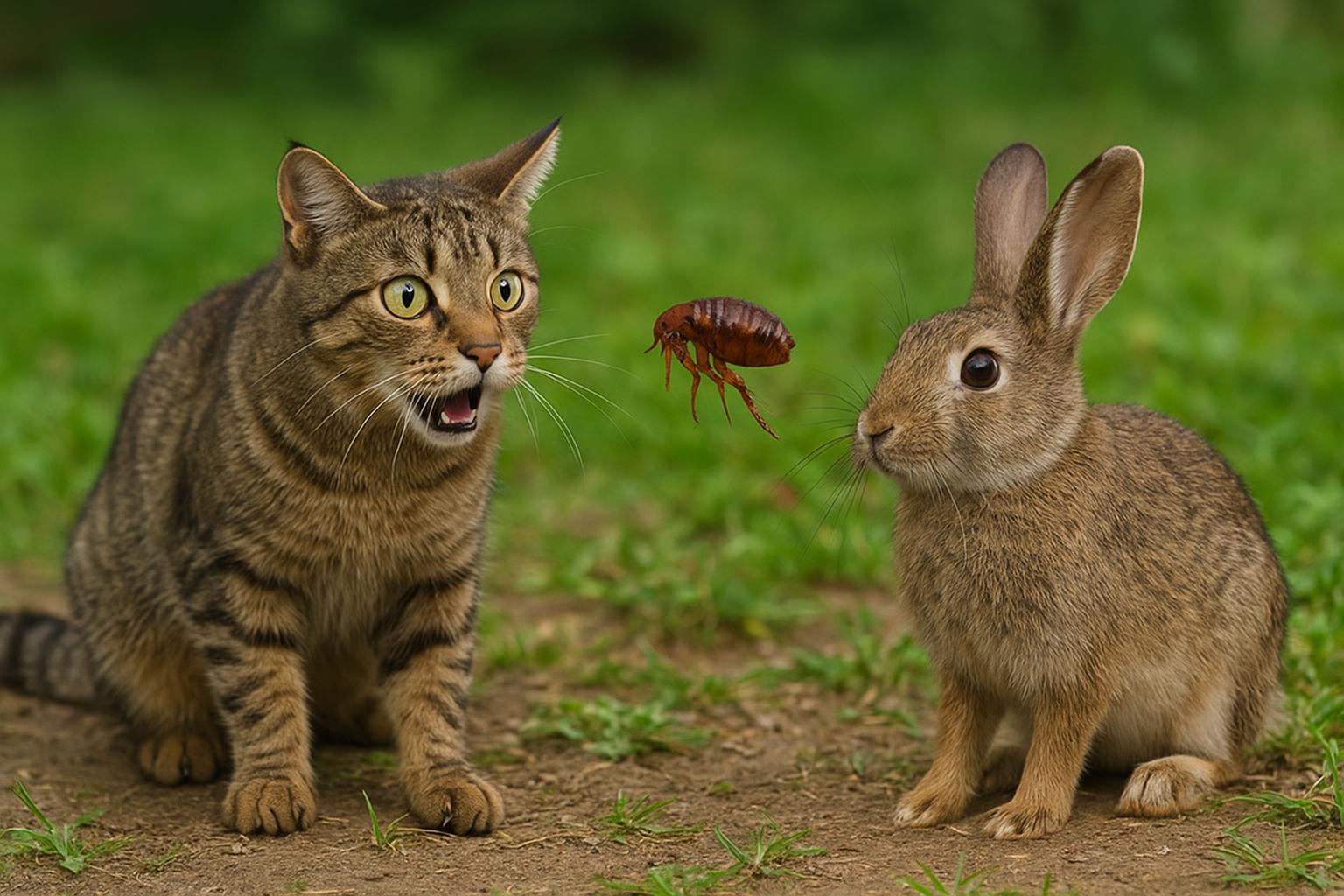
Regular vacuuming, monthly pet flea prevention, washing bedding, and minimizing rodent access (rodents can carry fleas) all help prevent the flea life cycle from re-establishing. Keep screens and door seals in good repair so neighborhood wildlife don’t bring hitchhikers indoors.
## When To Call Your Veterinarian Or An Exterminator
If your cat shows signs of severe allergic reaction, hair loss, lethargy, or signs of anemia (pale gums), contact your veterinarian immediately. If your home treatment does not significantly reduce flea activity after several weeks, hire a licensed pest control operator who uses integrated pest management and can target persistent pupae and breeding sites.
Now go check that laundry basket—the specks you find could be more than seasoning, and a little focused effort will get you back to a flea-free household.












Leave a Reply