
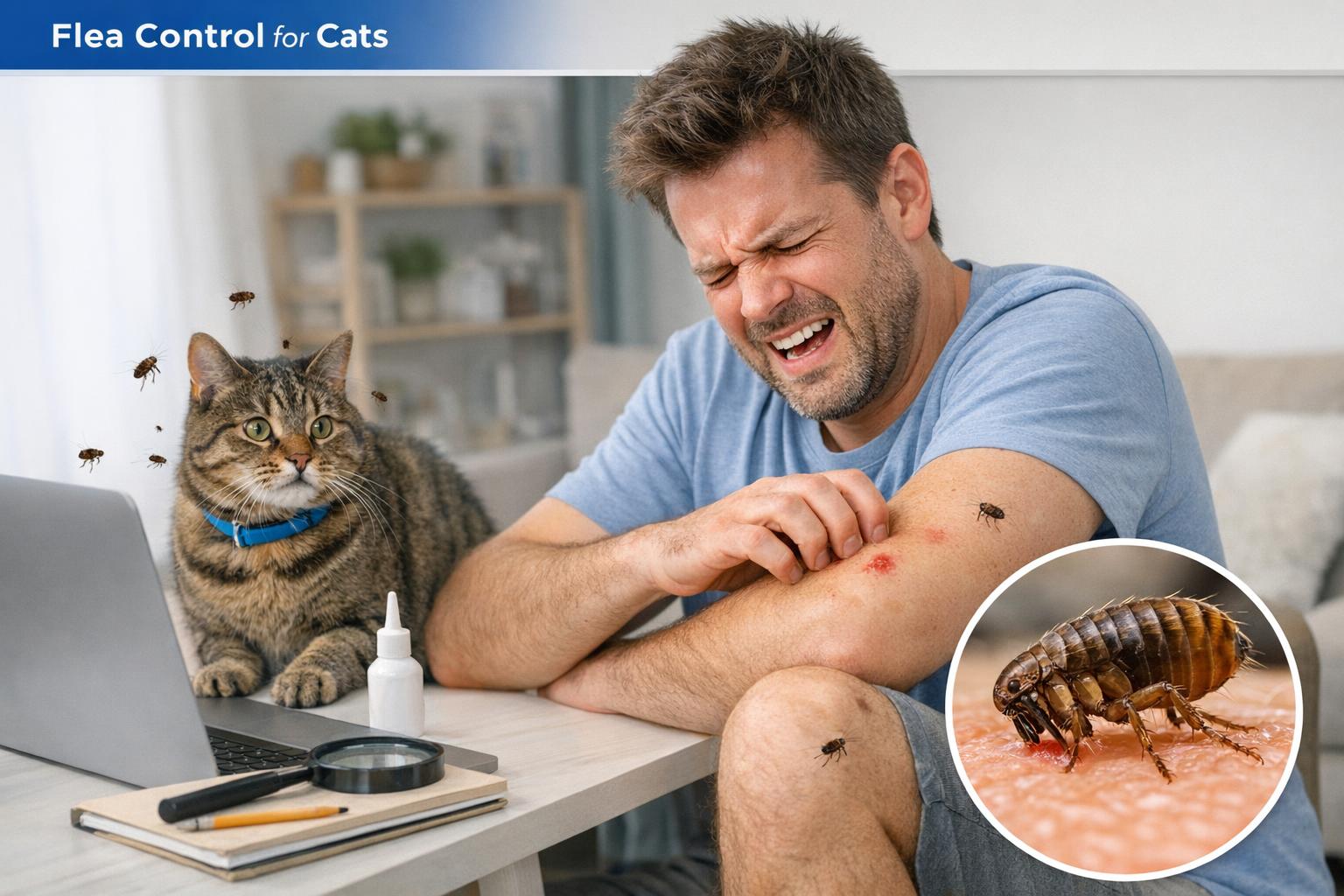
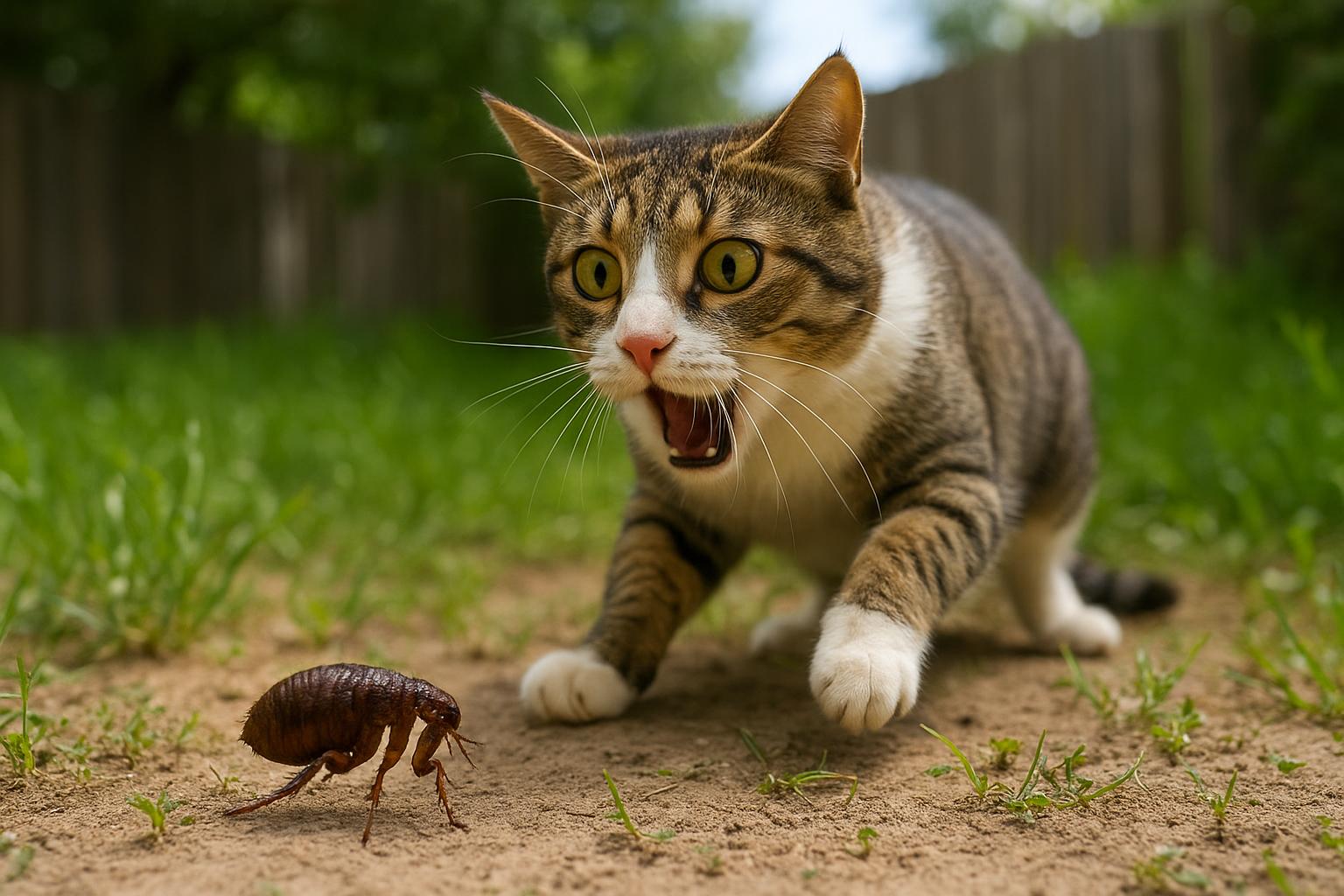
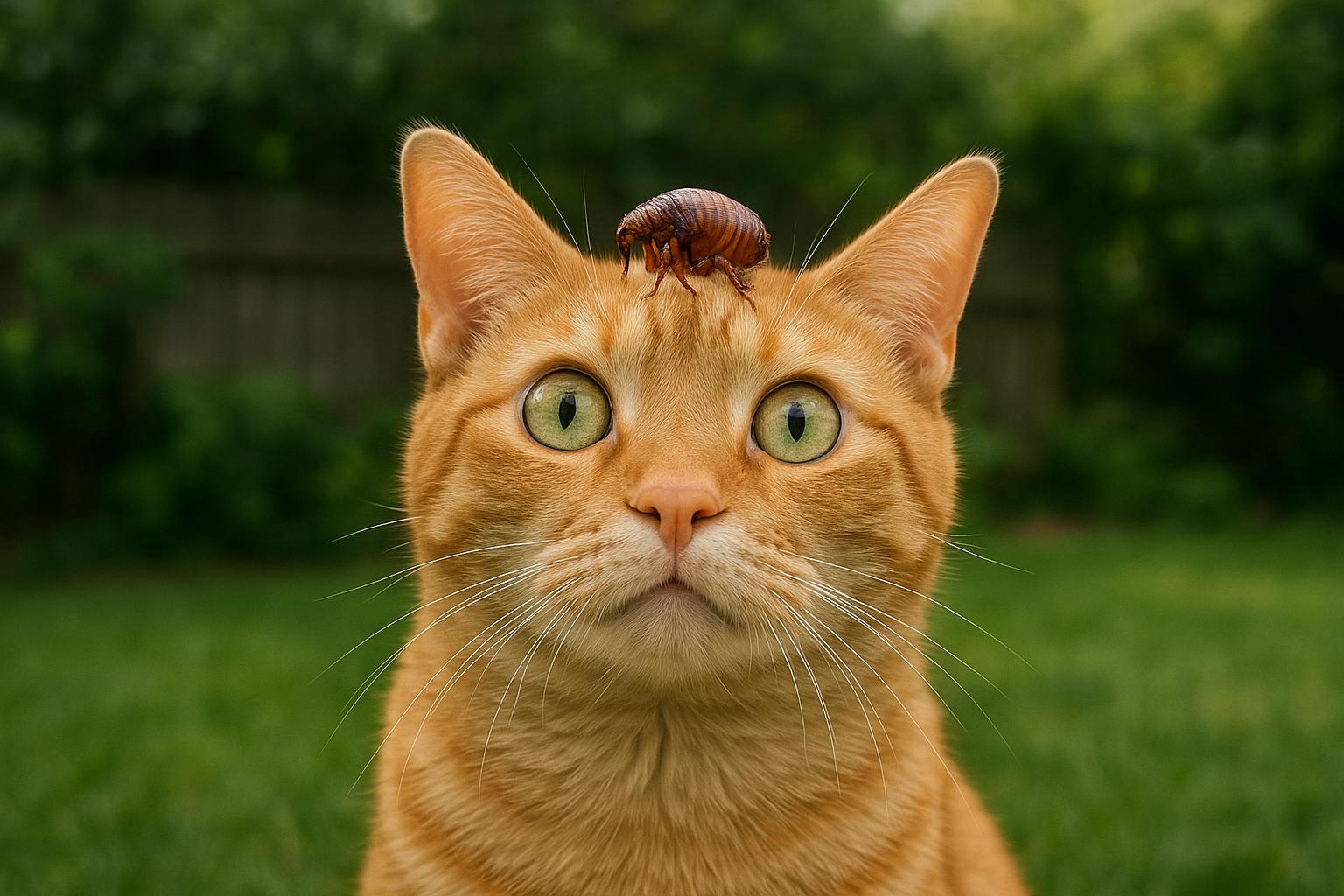
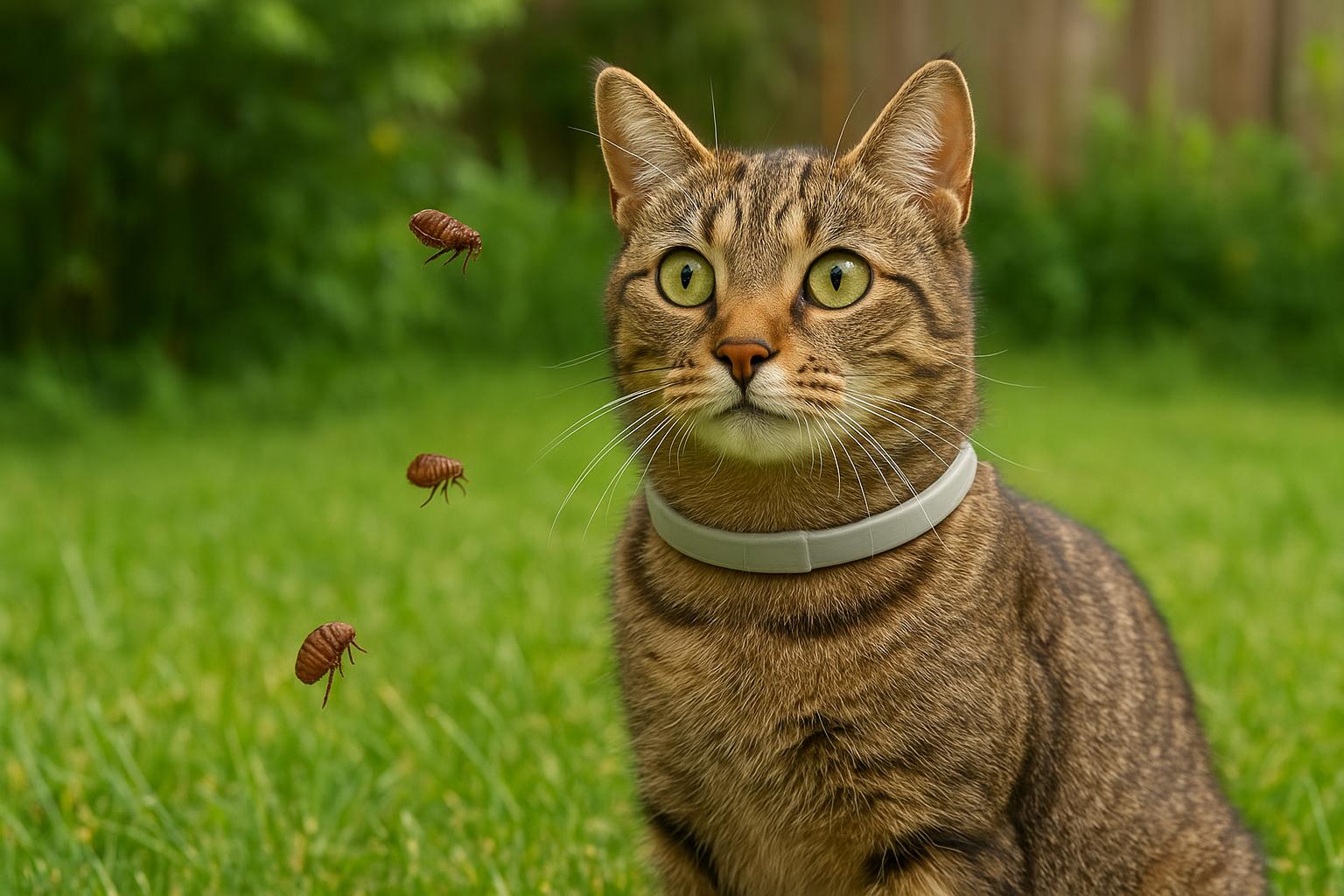
The microscopic invaders that leap from the fur of your beloved pet can turn a calm home into a scratching, swelling, and paranoia-filled zone overnight. Fleas are tiny, ruthless, and surprisingly adaptable — which begs the question: can fleas bite humans today, and what happens next? The truth is more dramatic than you think.
## How Fleas Affect Humans: The Human Cost
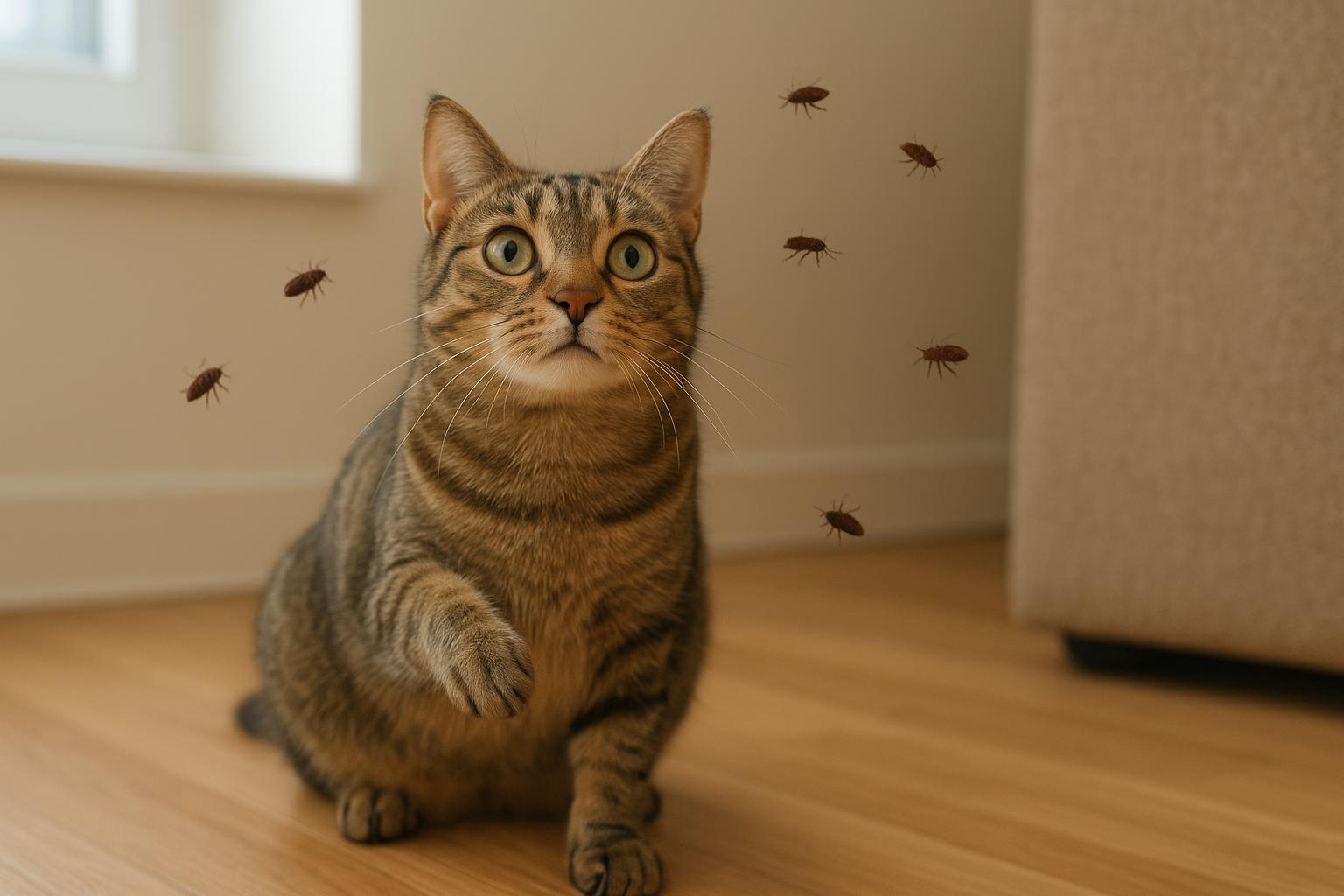
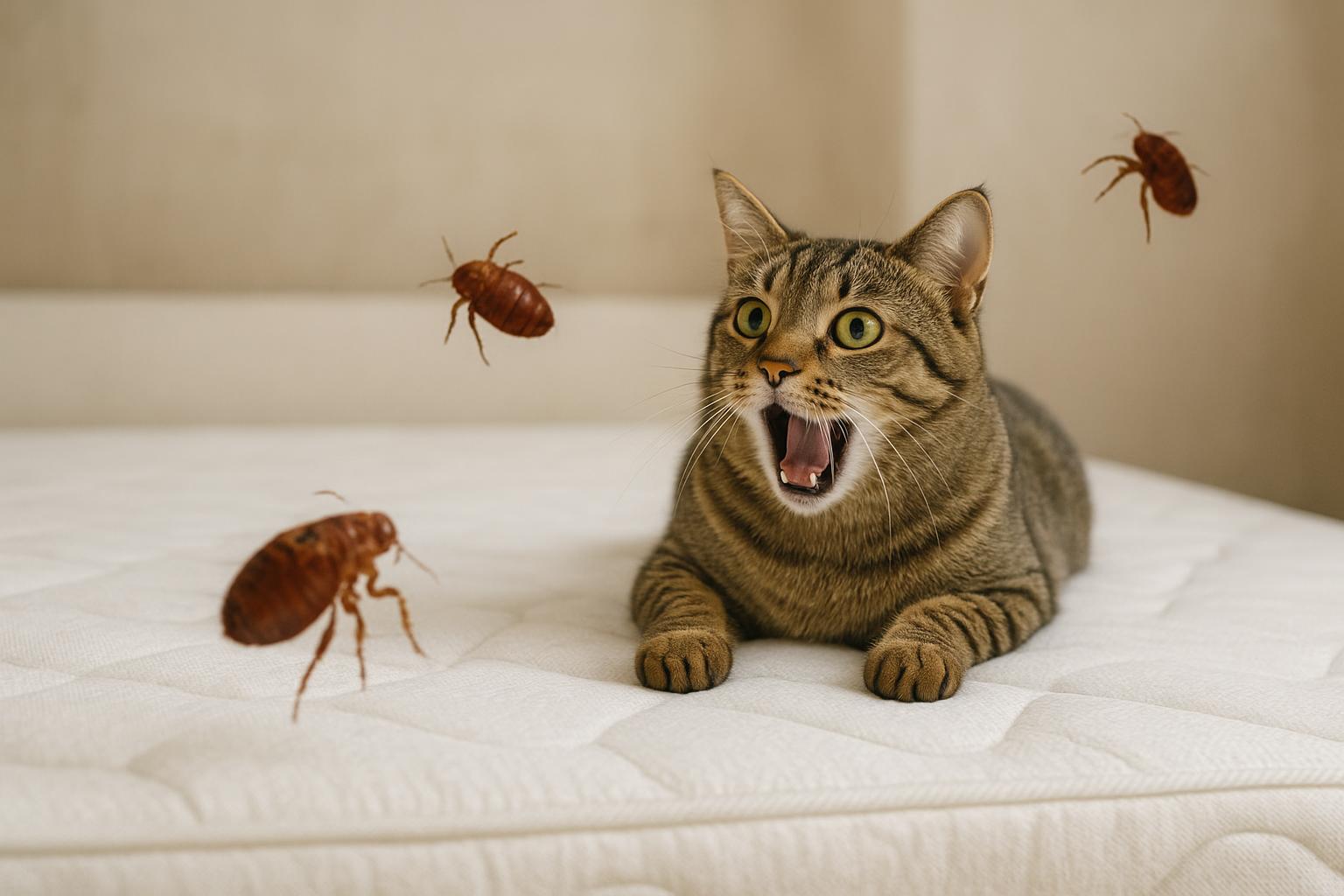
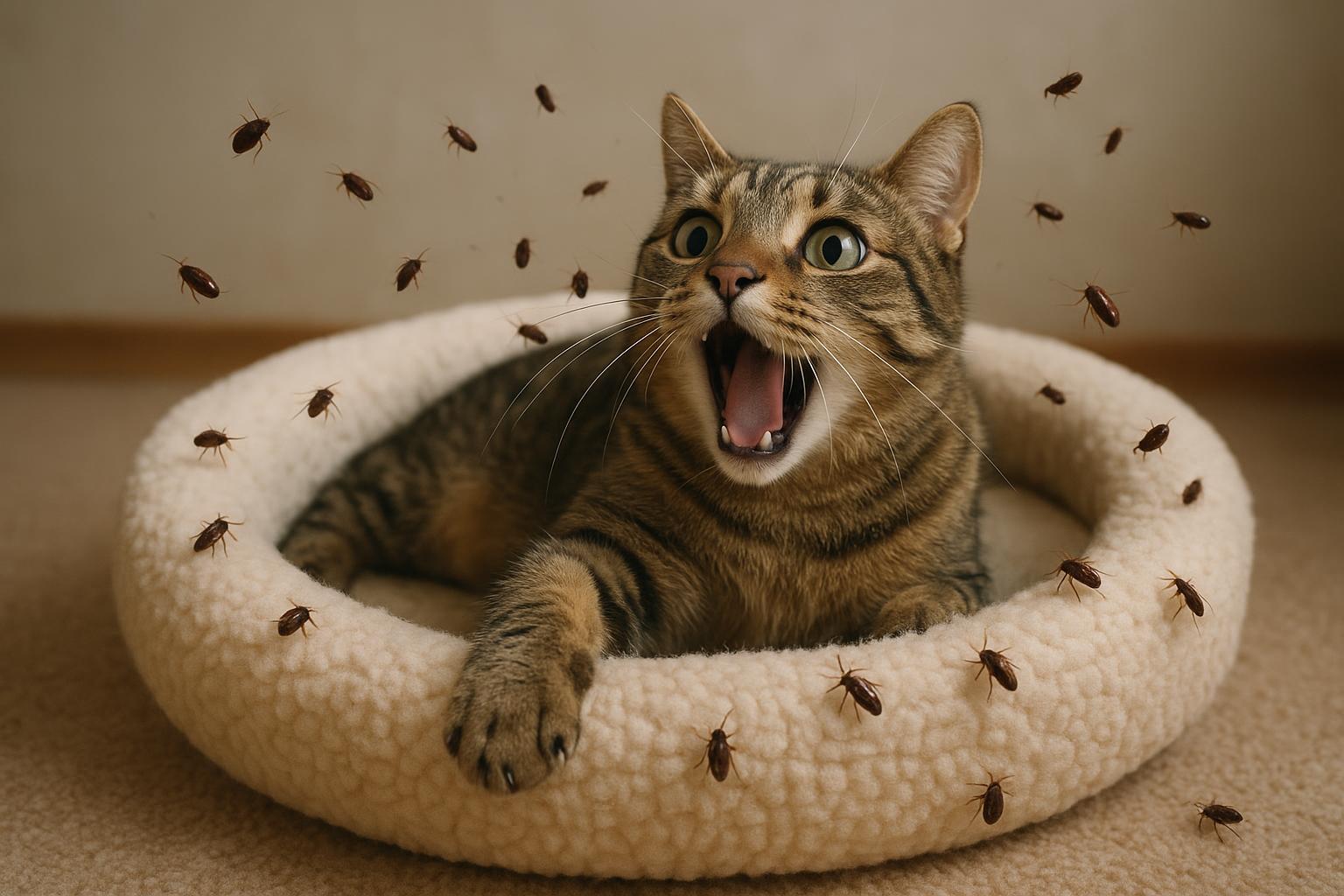
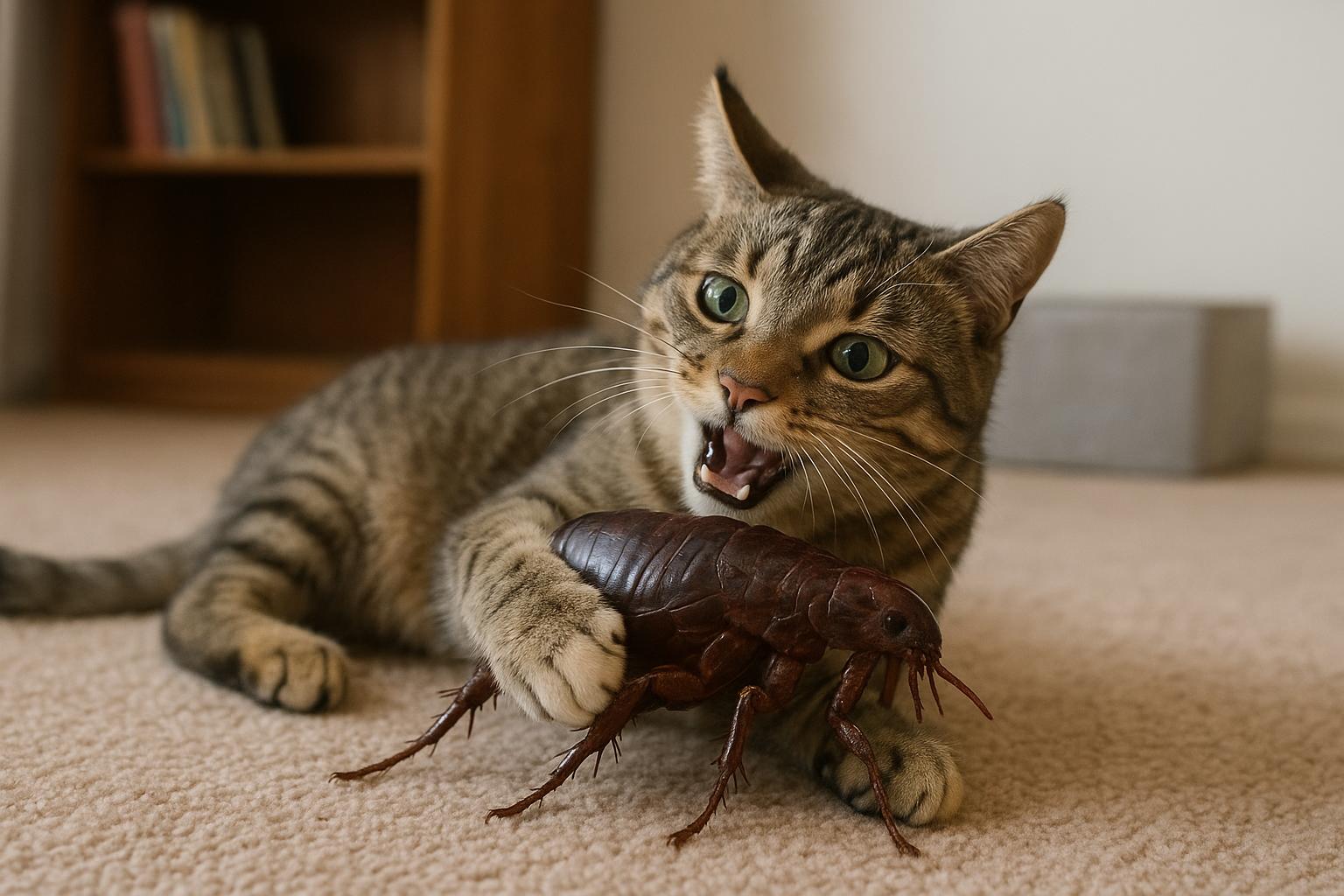
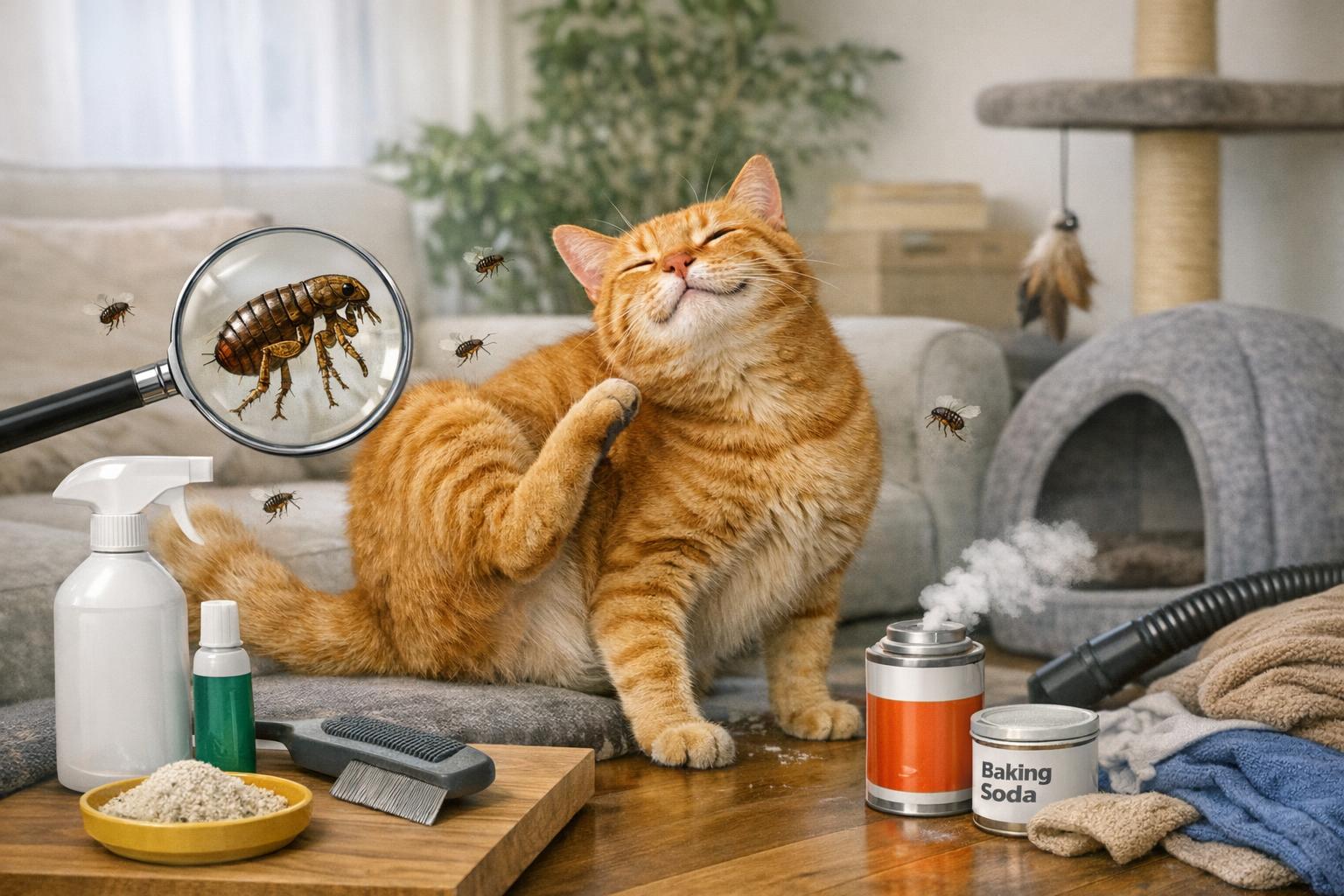
Knowing how fleas affect humans is essential for anyone who shares their life with animals or lives in flea-prone areas. These pinhead parasites don’t just irritate; they transform living rooms into battlegrounds. A single female flea can lay dozens of eggs each day, and a carpet or pet bed can become a hatching ground for an army. When pets bring fleas inside, human flea contact becomes unavoidable — and with contact comes the immediate bite risk.
### Can Fleas Bite Humans Today? The Shocking Reality
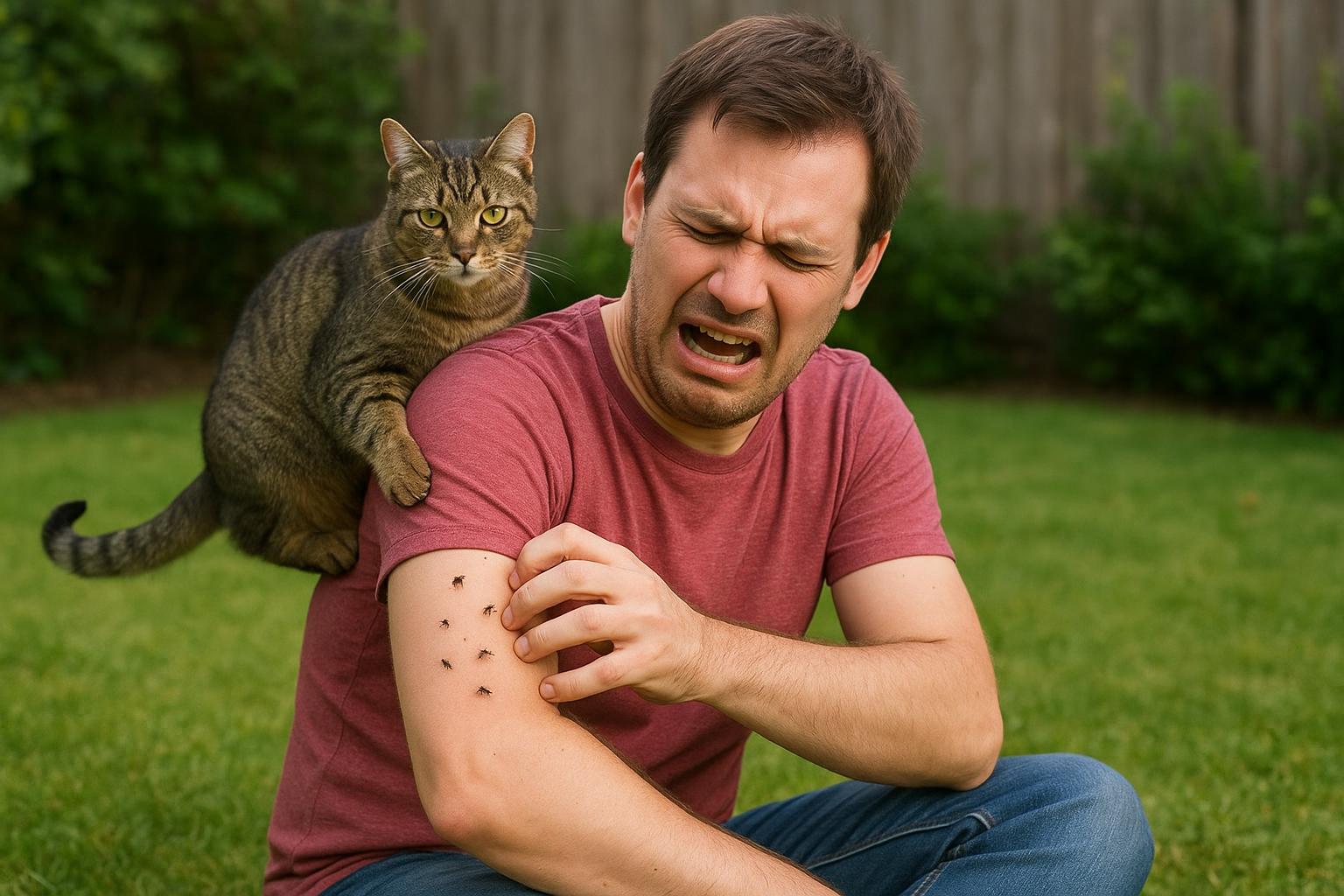
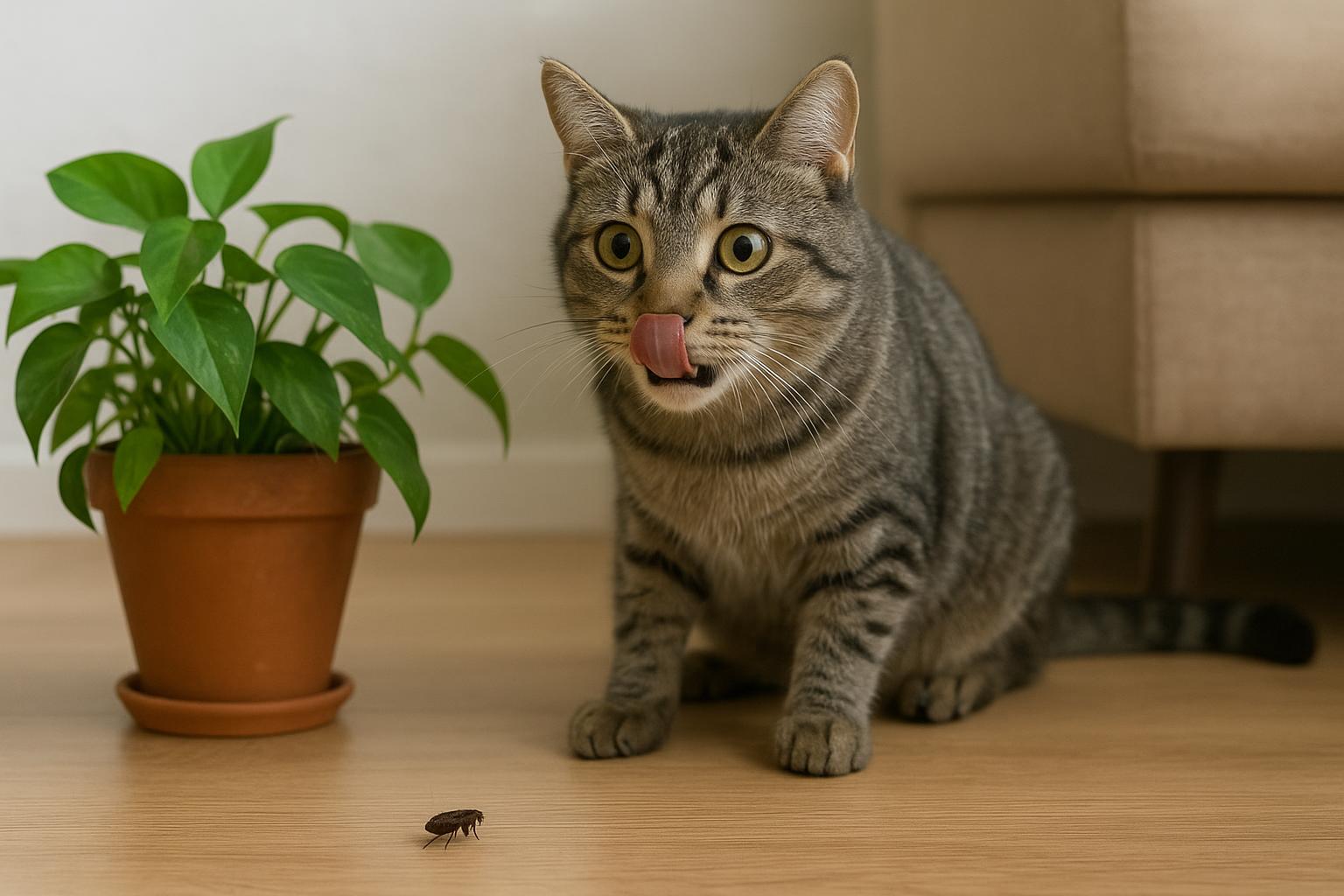
Yes — fleas can and do bite humans today. Fleas are opportunistic blood-feeders, evolved to bite mammals and birds. In a household infestation, humans are often the backup food source when pets are not available, and those bites can be numerous, clustered, and intensely itchy. The sheer volume of bites during an active infestation can cause cuts, scabs, and secondary infections as people scratch compulsively.
### The Physical Signs Of Flea Bites And The Bite Risk
The bite risk from fleas is not just about irritation. Typical flea bites appear as small, red bumps often grouped in lines or clusters, commonly on ankles, legs, and sometimes on exposed arms. Some people develop a pronounced allergic reaction to flea saliva, resulting in large, painful welts that can persist for days or weeks. Reactions vary widely: some feel nothing; others face blistering and severe inflammation.
Human flea contact can also trigger secondary issues:
– Intense itching leading to broken skin and bacterial infection.
– Allergic dermatitis with persistent swelling.
– Sleep disruption from night-time itching, causing stress and fatigue.
### Can Fleas Transmit Disease To Humans?
It’s terrifying but true: fleas have been vectors for serious diseases historically. Today the most notorious is the bacterium Yersinia pestis — the cause of plague — transmitted by certain flea species in specific regions. More commonly, fleas can carry Bartonella (cat-scratch fever), Rickettsia, and tapeworm eggs (Dipylidium caninum) that, in rare cases, infect humans. The chance of disease depends on geography, flea species, and the intensity of human flea contact. This is why understanding how fleas affect humans is more than skin-deep; it’s a public health concern in hotspots.
### Psychological And Social Impact Of Infestations
Beyond physical bites and disease, infestations spark fear and social stigma. People who experience severe flea exposure report anxiety, social withdrawal, and embarrassment at having an insect problem. Pets can be blamed, relationships strained, and daily routines disrupted. This psychological side is a major but often overlooked facet of how fleas affect humans, particularly when infestations persist despite attempts to eradicate them.
### Who’s Most Vulnerable?
Children, the elderly, and immunocompromised individuals face a higher bite risk and greater likelihood of complications. Children often sit or play on carpets and floors where flea larvae and eggs accumulate, increasing human flea contact. Pets that roam outdoors or interact with stray animals elevate household exposure. Identifying who’s most at risk helps prioritize interventions.
### Spotting An Infestation Before It’s A Crisis
Dramatic as it sounds, early detection prevents escalation. Signs to watch for include:
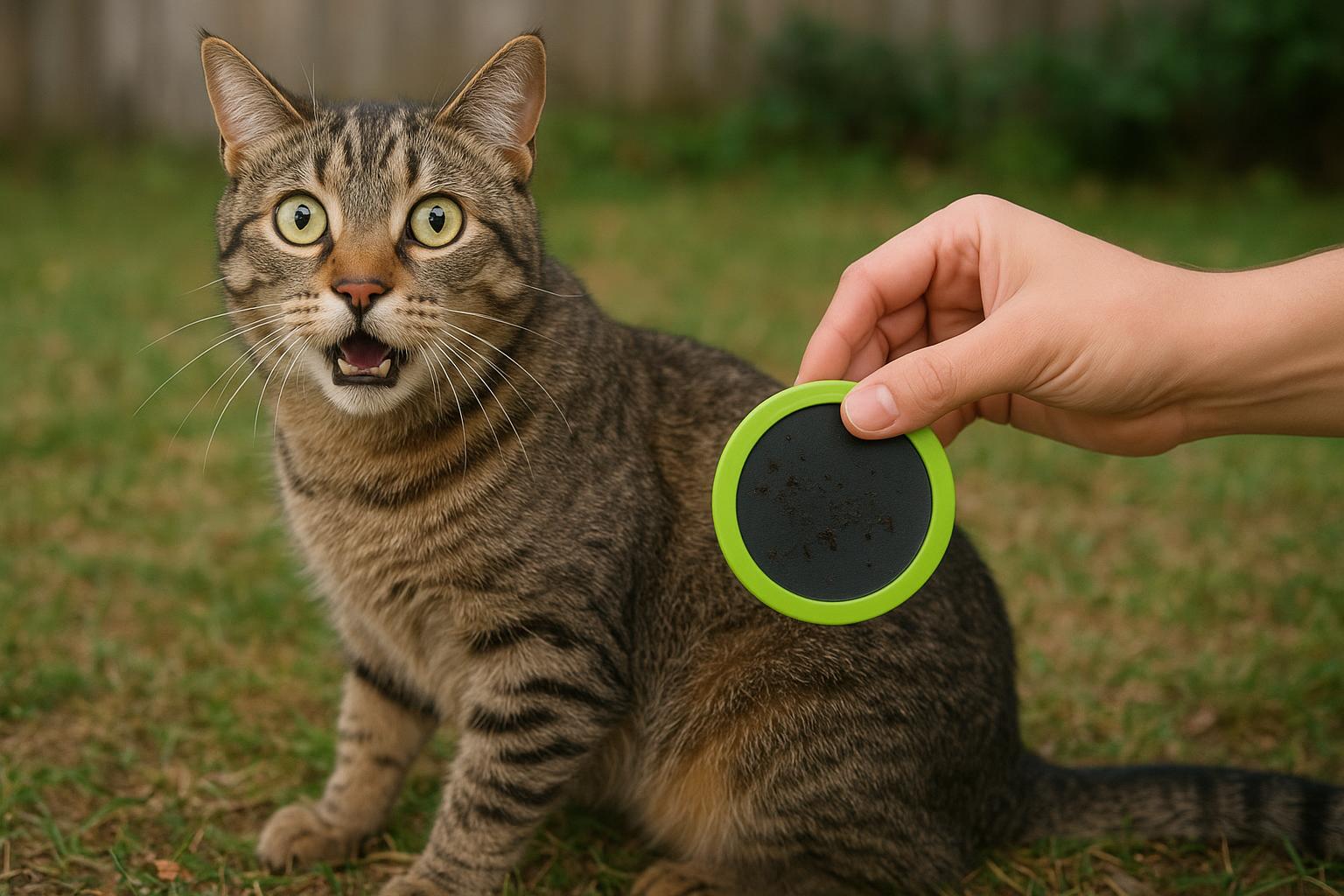
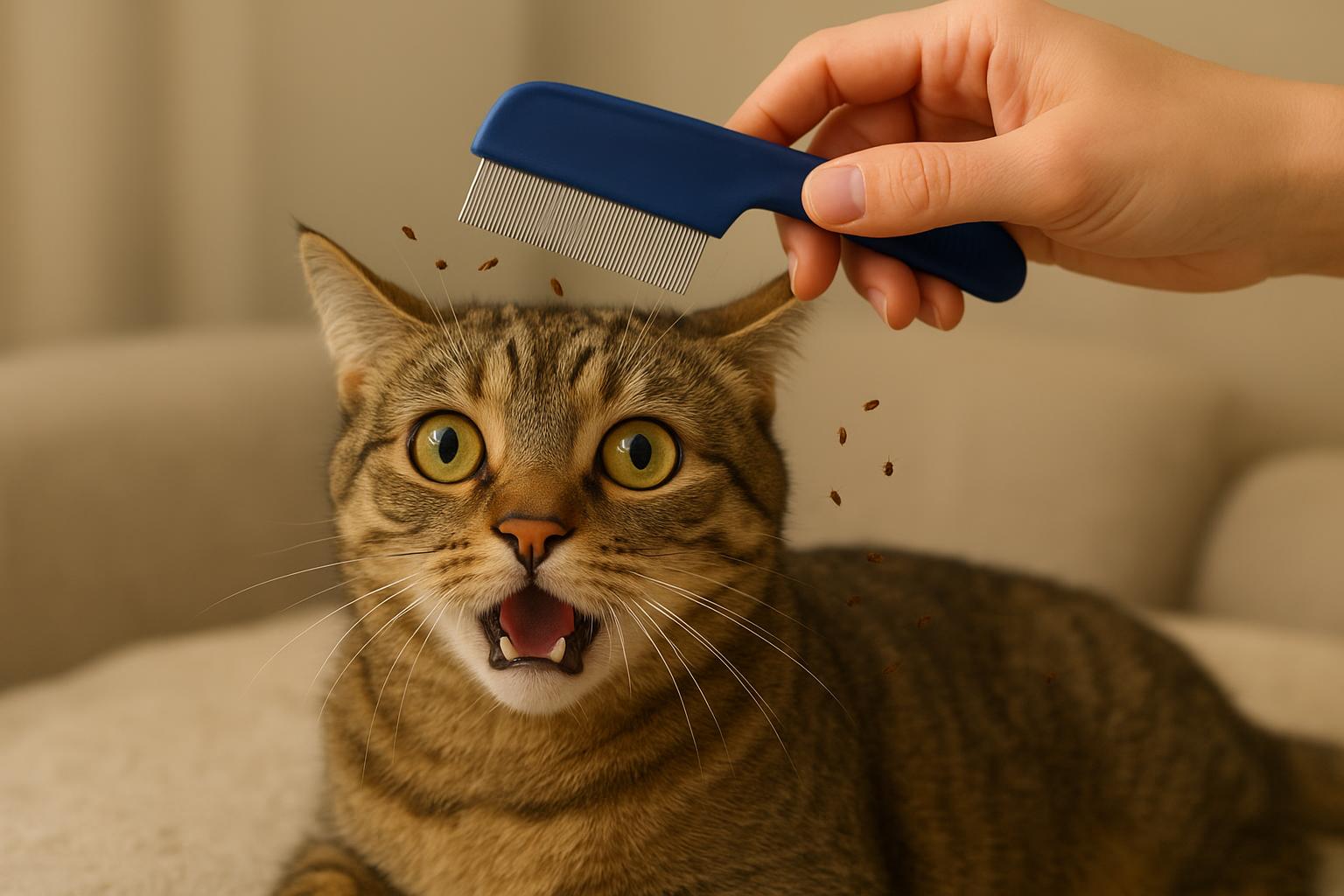
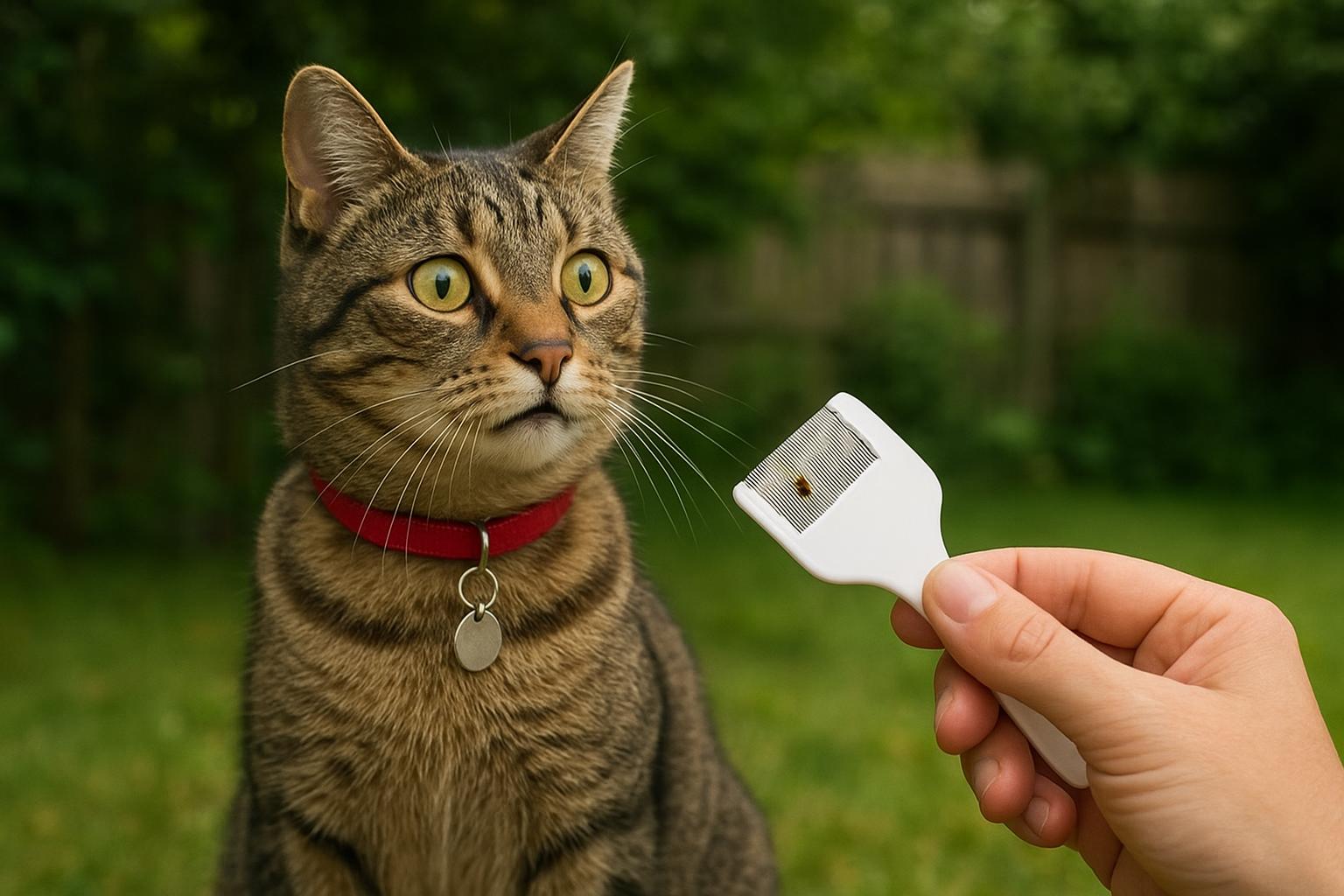
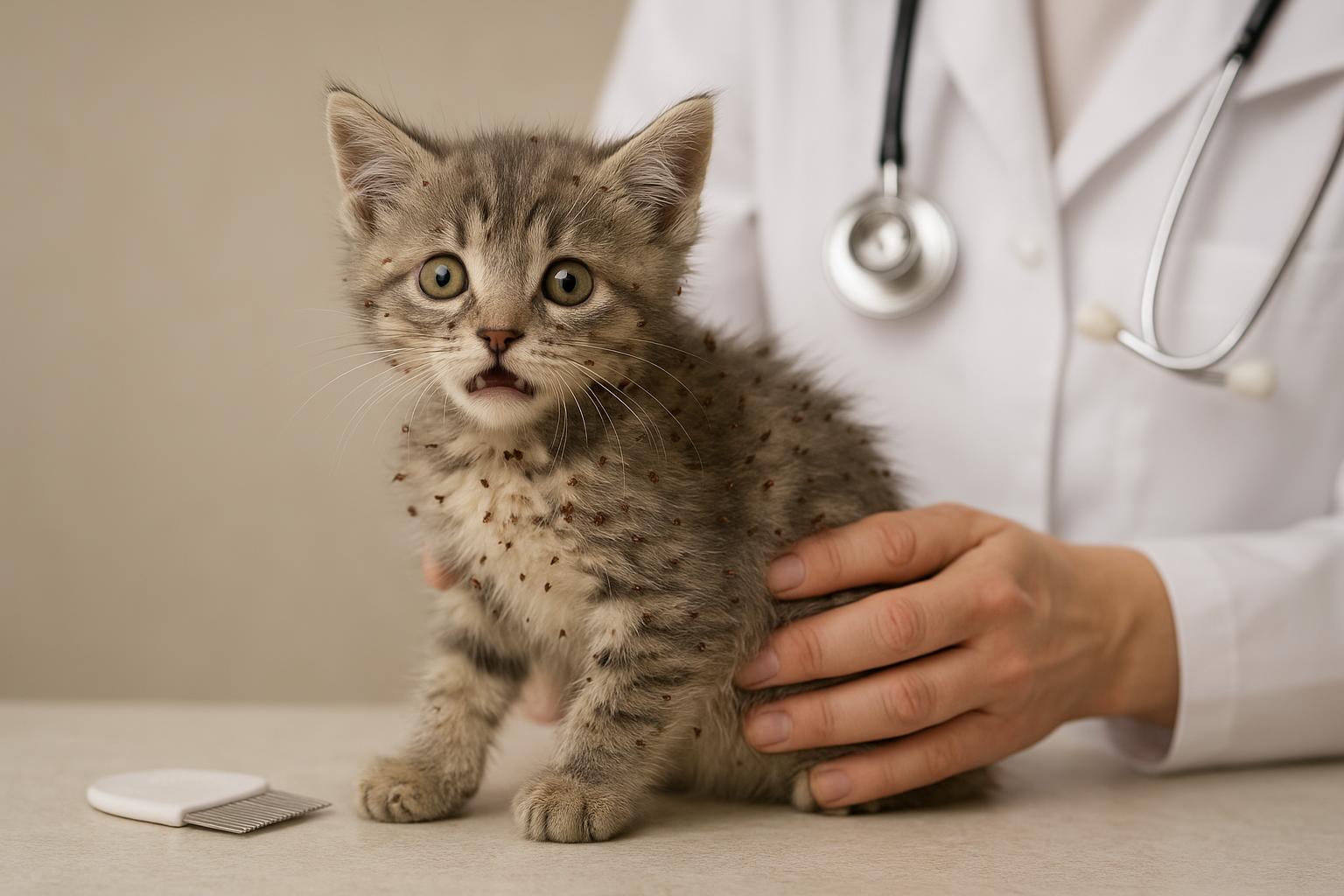
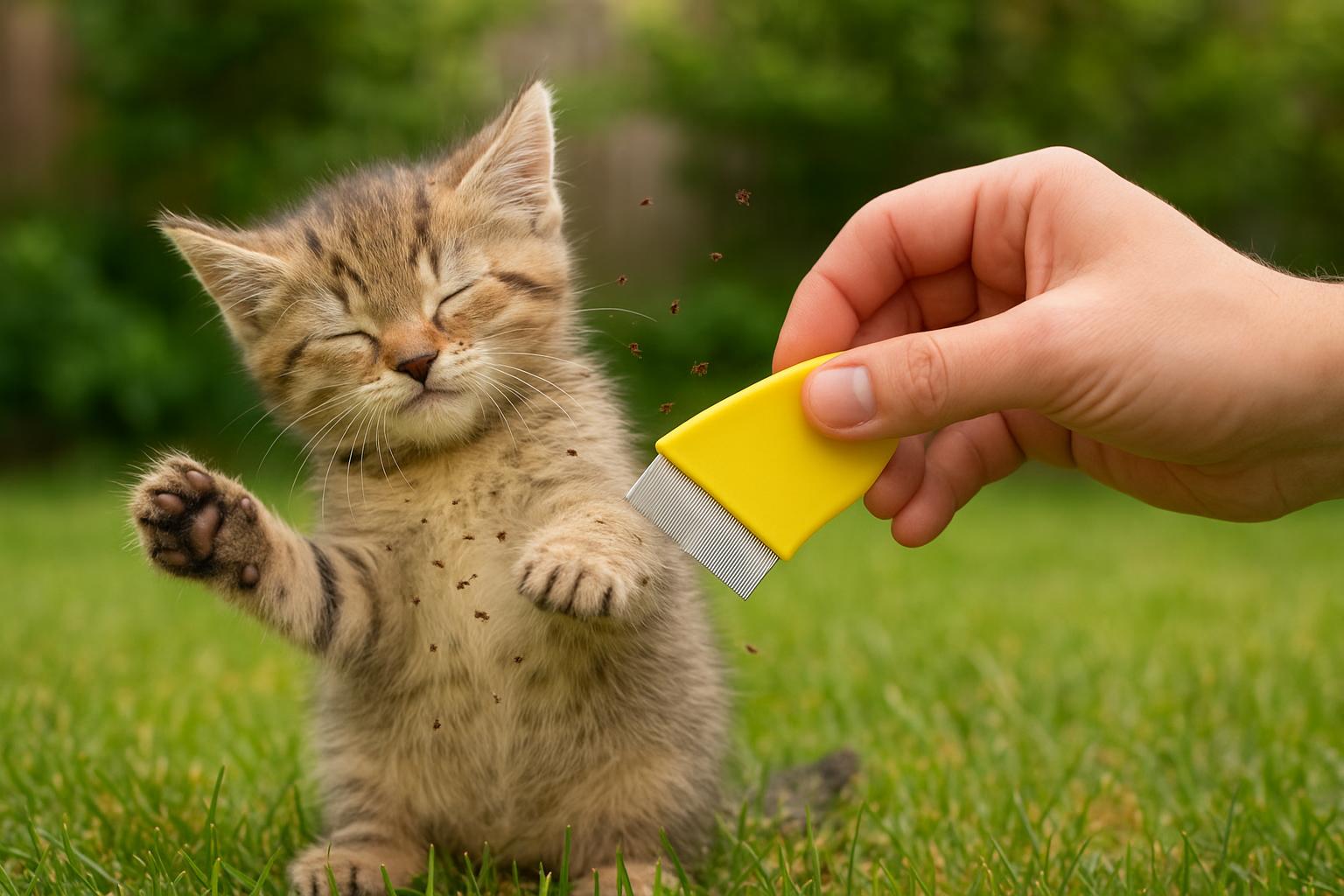
– Pets scratching excessively or showing hair loss and small dark “flea dirt” specks.
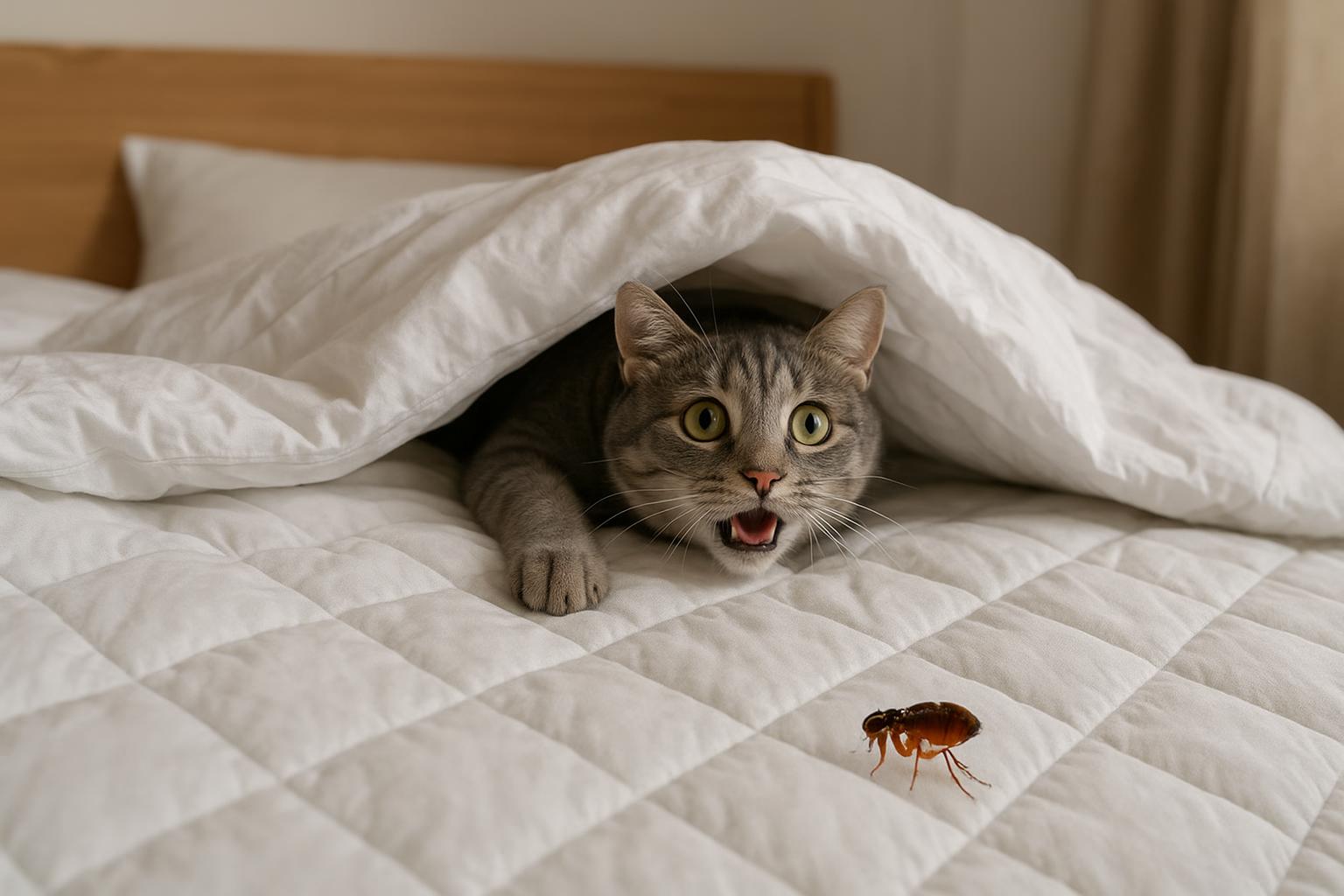
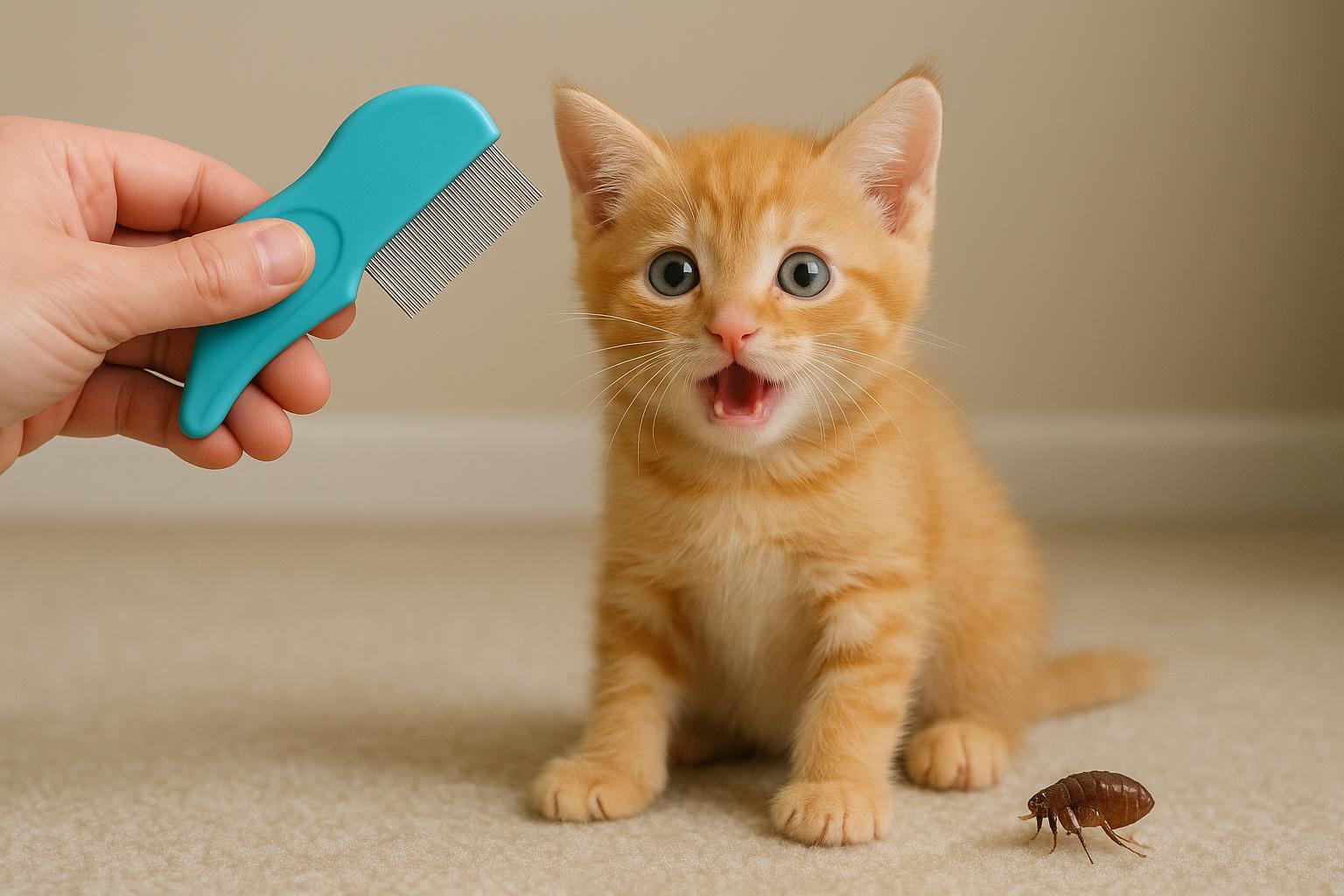
– Visible adult fleas hopping in bedding or furniture.
– Small red bumps on the skin of household members, particularly around the feet and lower legs.
– Sudden, unexplained bites after time spent at home.
Understanding how fleas affect humans includes recognizing these early cues so you can act before the bite risk becomes a full-blown siege.
### Preventing Human Flea Contact
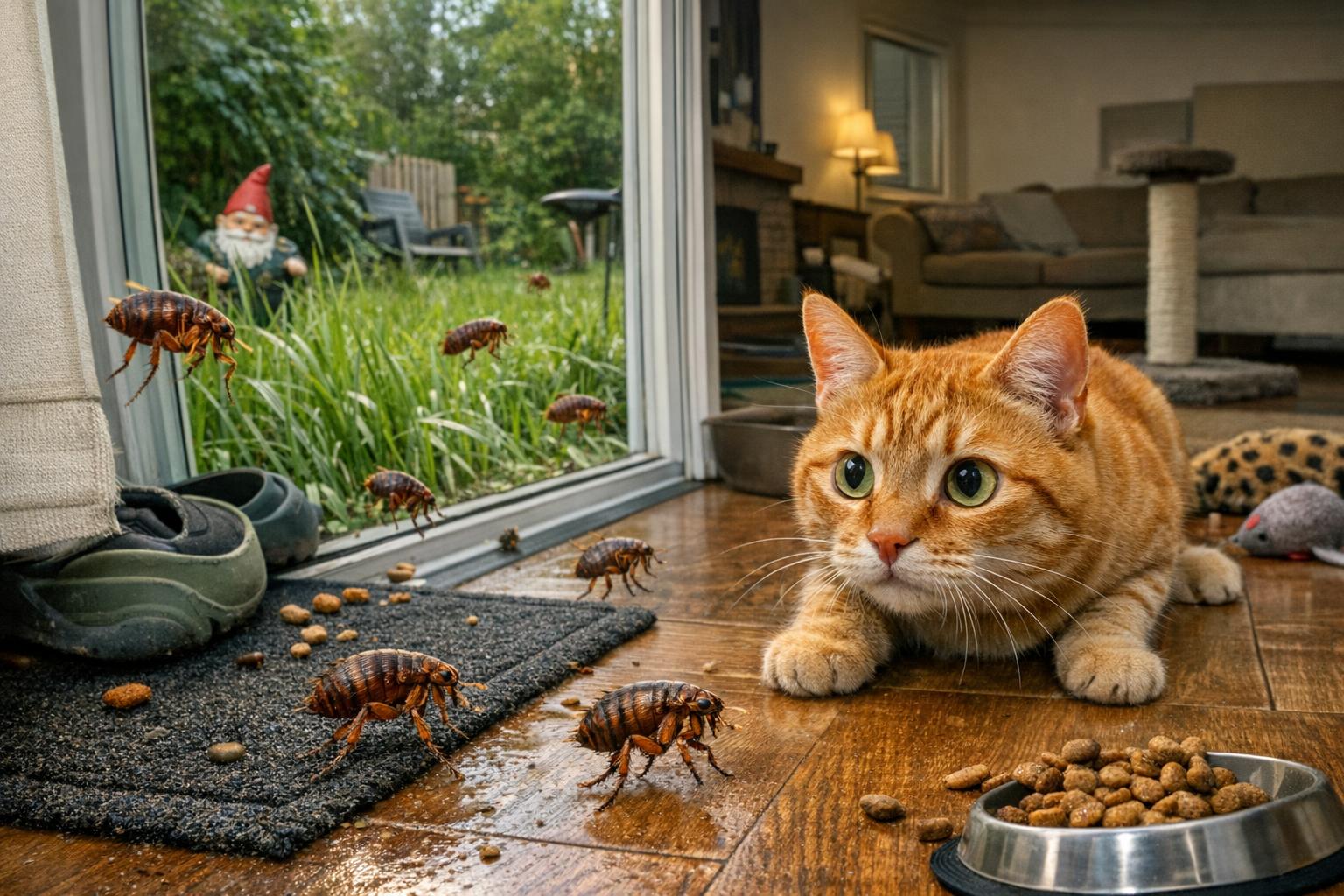
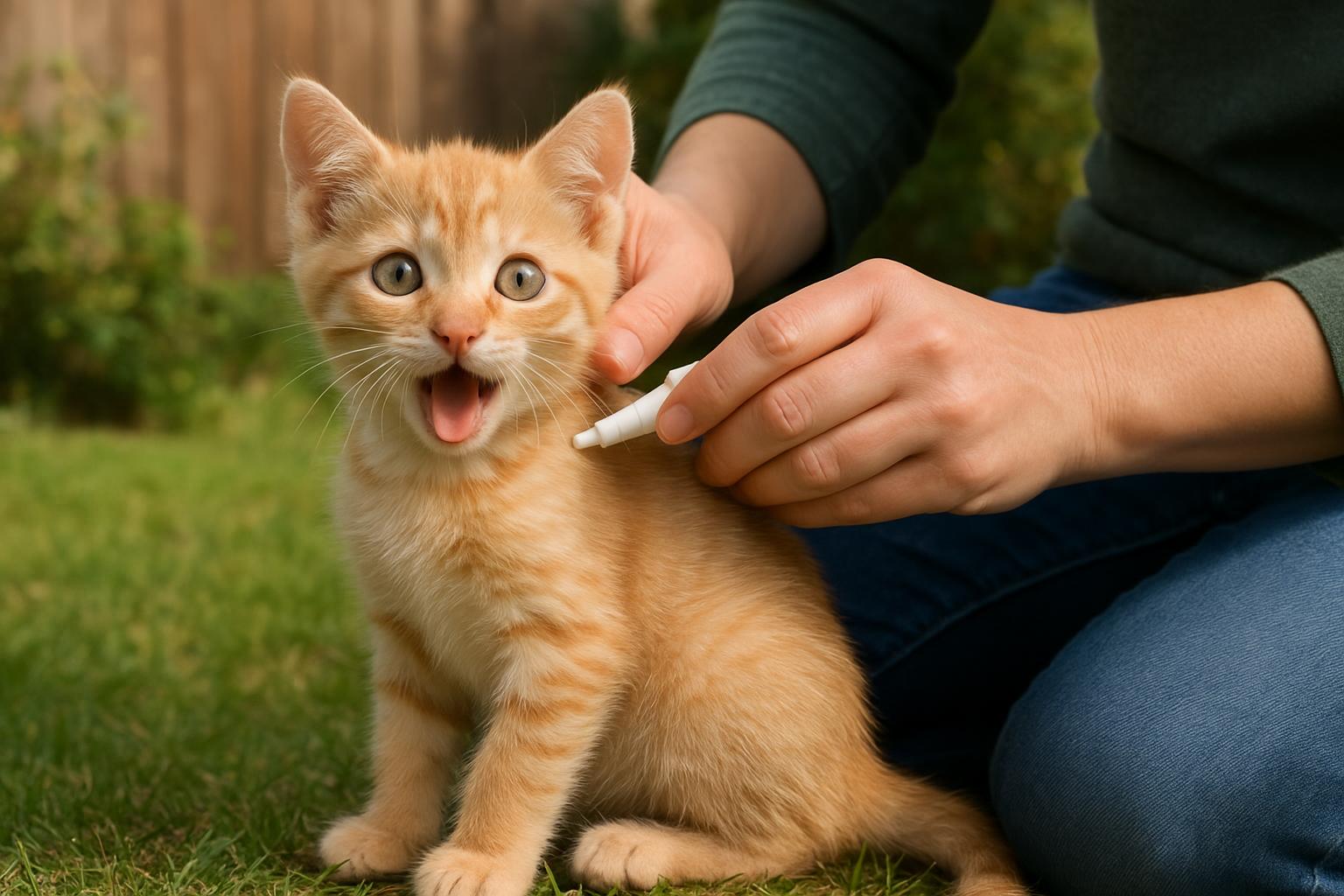
Prevention is sensationally simple in concept but requires diligence. Limiting human flea contact hinges on treating pets, cleaning living spaces, and reducing outdoor exposure that brings fleas inside. Quick action reduces bite risk and helps protect vulnerable household members.
### ### Remedy 1: Dry Desiccant Treatment For Flea Infestations (Formal, Informative)
This remedy targets flea eggs and larvae in carpets and upholstery by dehydrating them. It is non-toxic to pets and humans when used properly, but always follow precautions.
#### #### Ingredients / Materials
– Food-grade diatomaceous earth (DE), labeled for pet use
– Stiff broom or brush
– Vacuum cleaner with bag (or emptying canister outdoors)
– Protective mask and gloves
#### #### Step-By-Step Creation And Application
1. Test a small, inconspicuous area of carpet for colorfastness before widespread application.
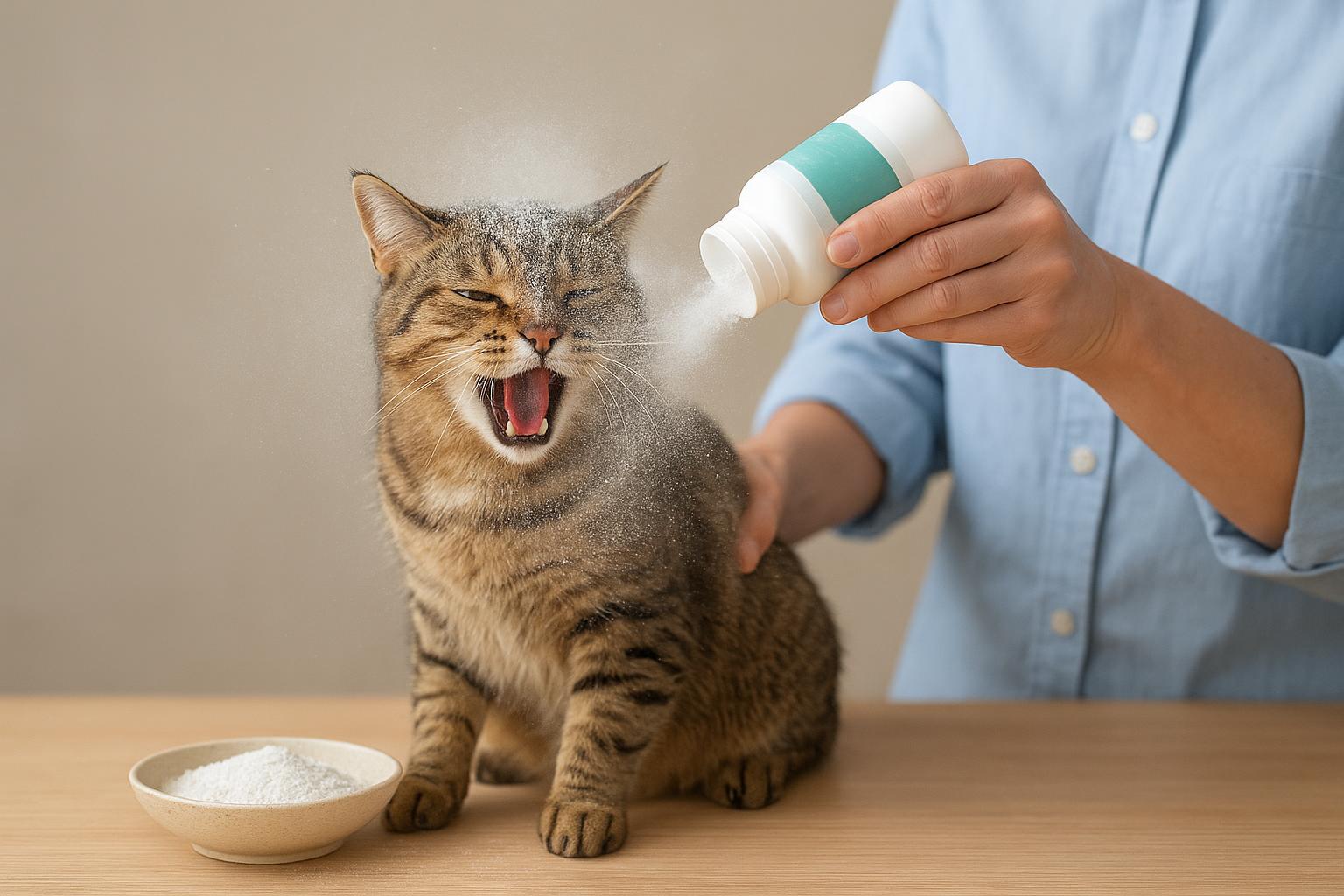
2. Wearing gloves and a mask, sprinkle a light, even dusting of food-grade DE over carpets, pet bedding, and upholstery. Do not use pool-grade DE.
3. Use a stiff brush to work the powder into the carpet fibers and around baseboards where larvae may hide.
4. Leave the DE undisturbed for 24–48 hours to allow desiccation of flea eggs and larvae.
5. Thoroughly vacuum the treated areas, paying special attention to corners and under furniture. Seal and dispose of vacuum bag or empty canister contents outdoors immediately.
6. Repeat weekly for three weeks to break the flea life cycle.
Note: Keep children and pets out of treated rooms until the DE is vacuumed up. DE can be drying to respiratory systems if inhaled in large amounts.
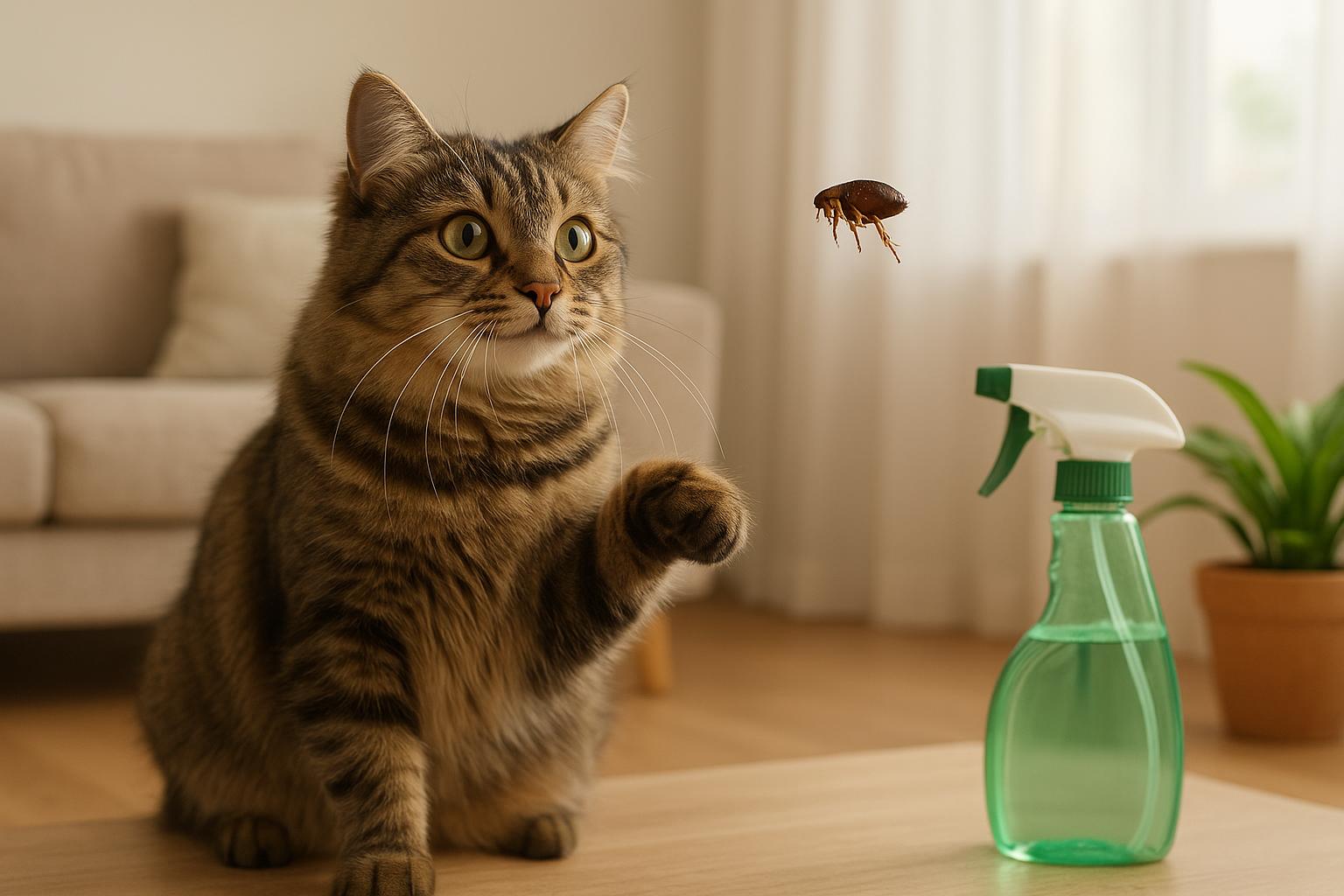
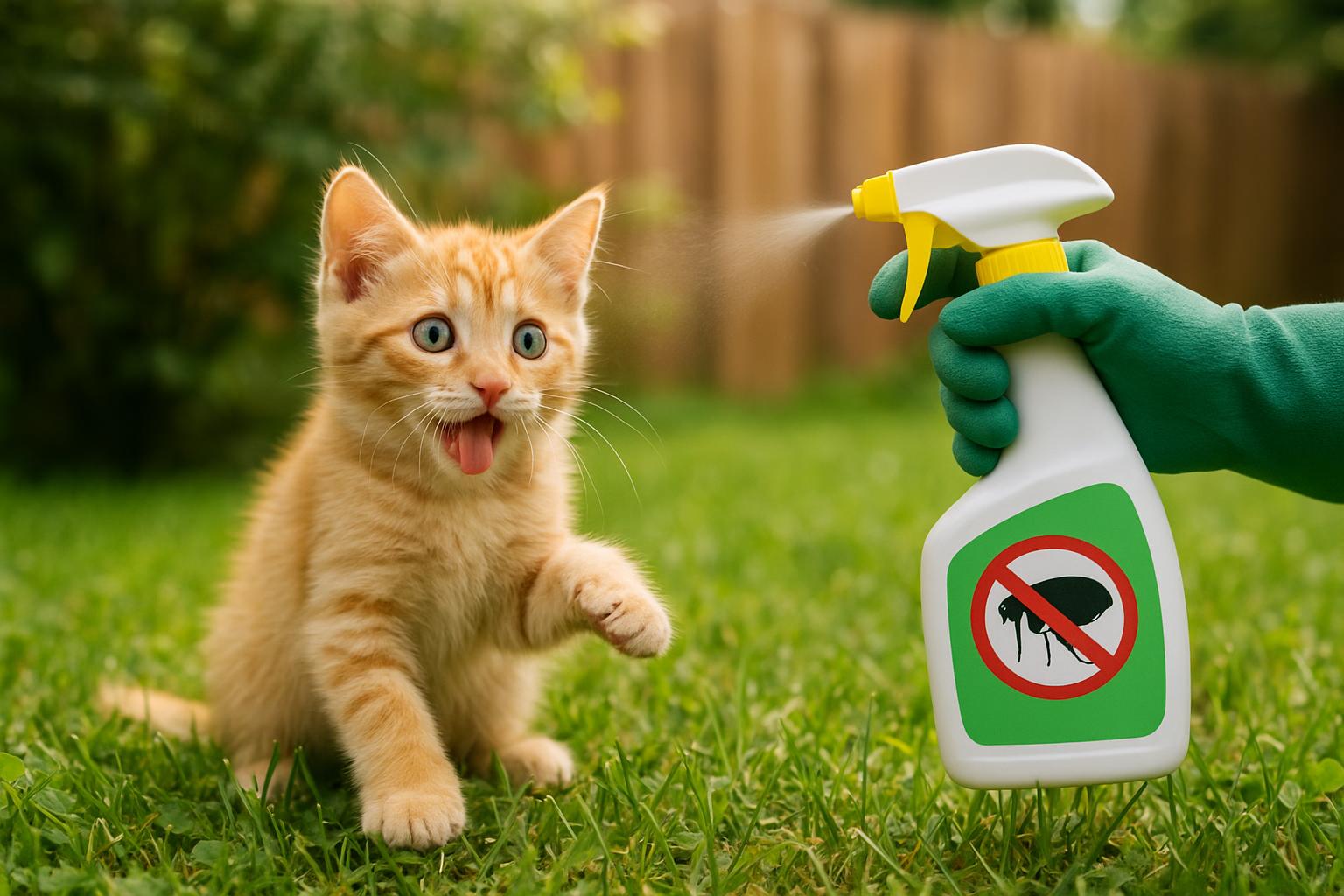
### ### Remedy 2: Natural Flea Spray For Pets And Home (Formal, Informative)
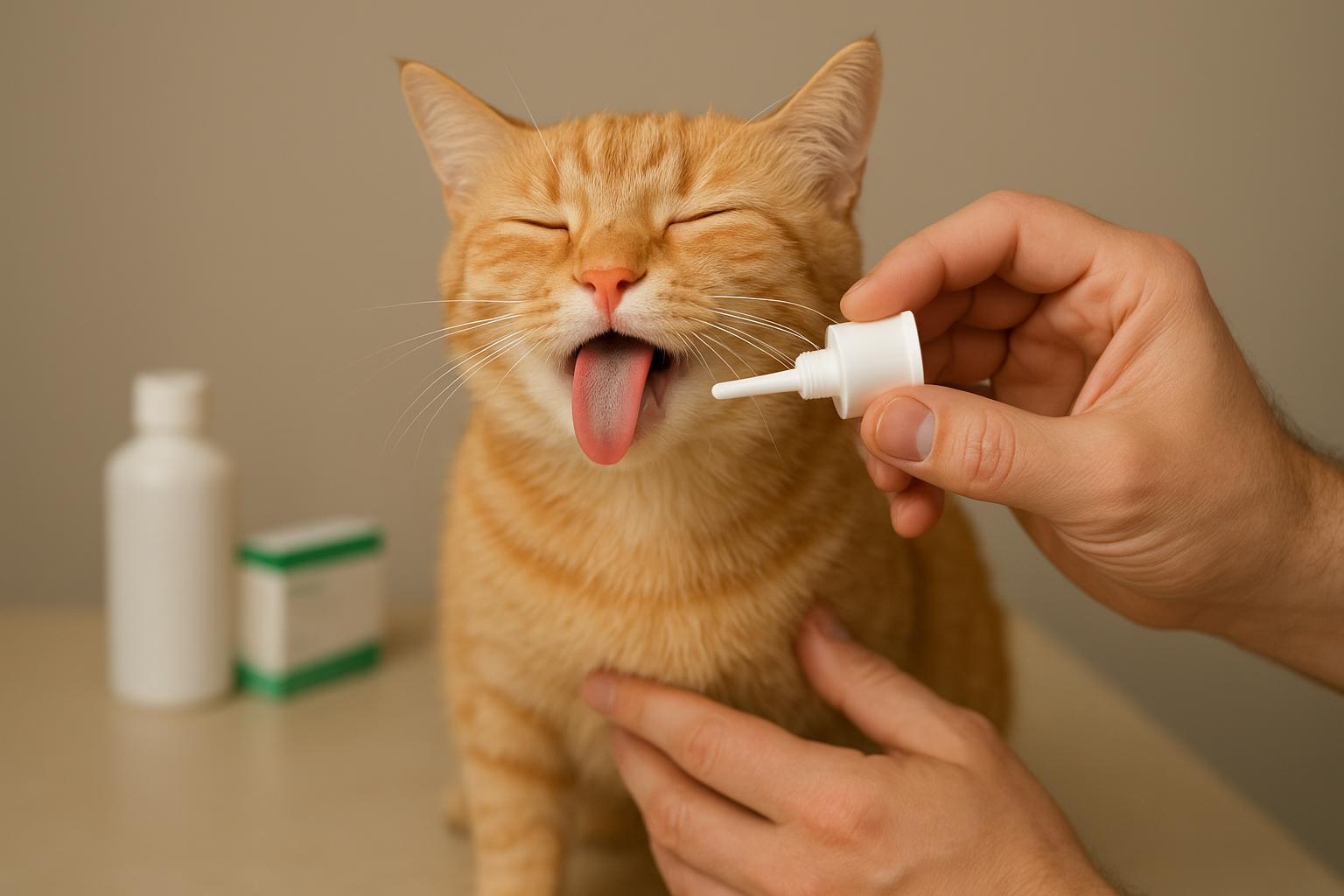
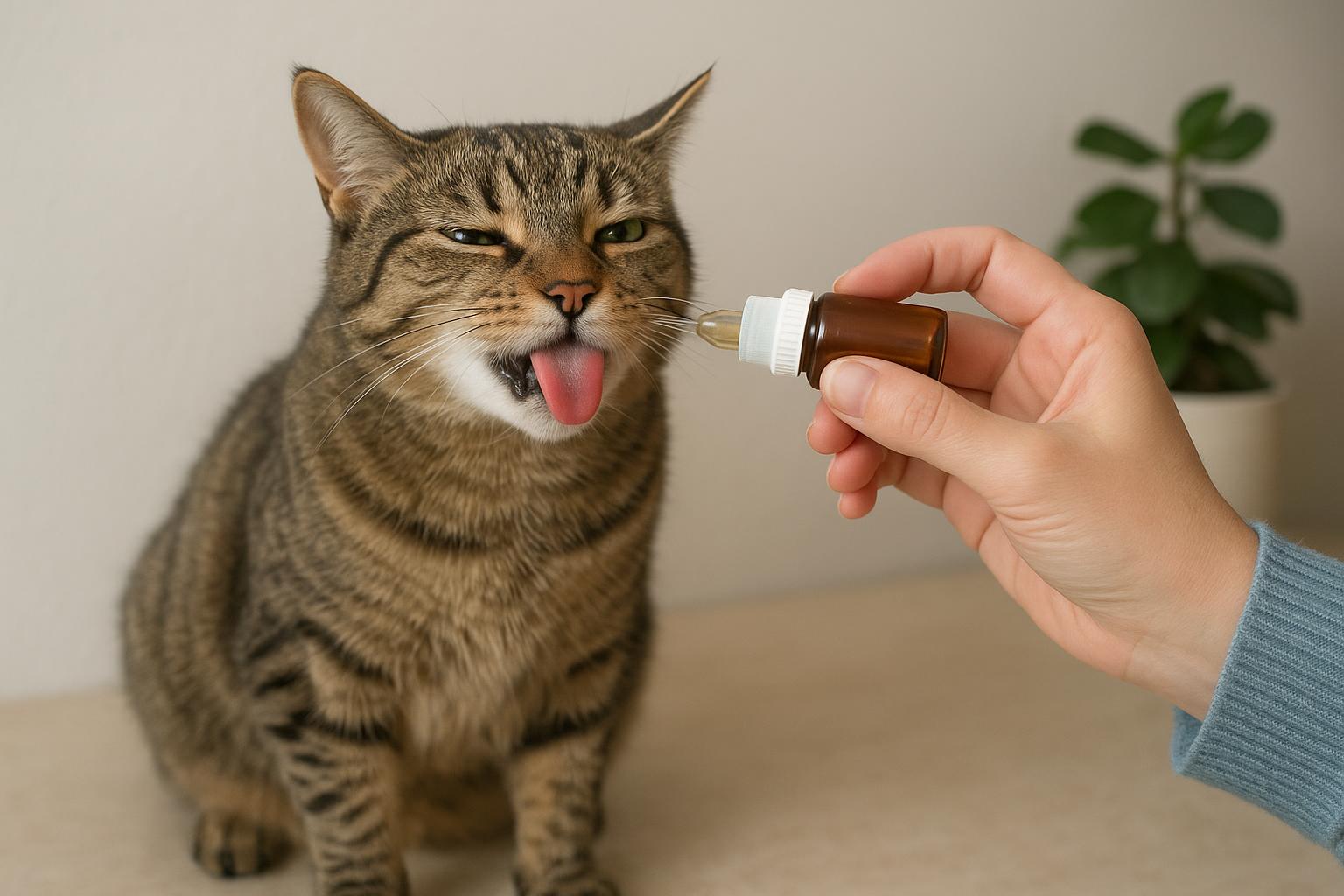
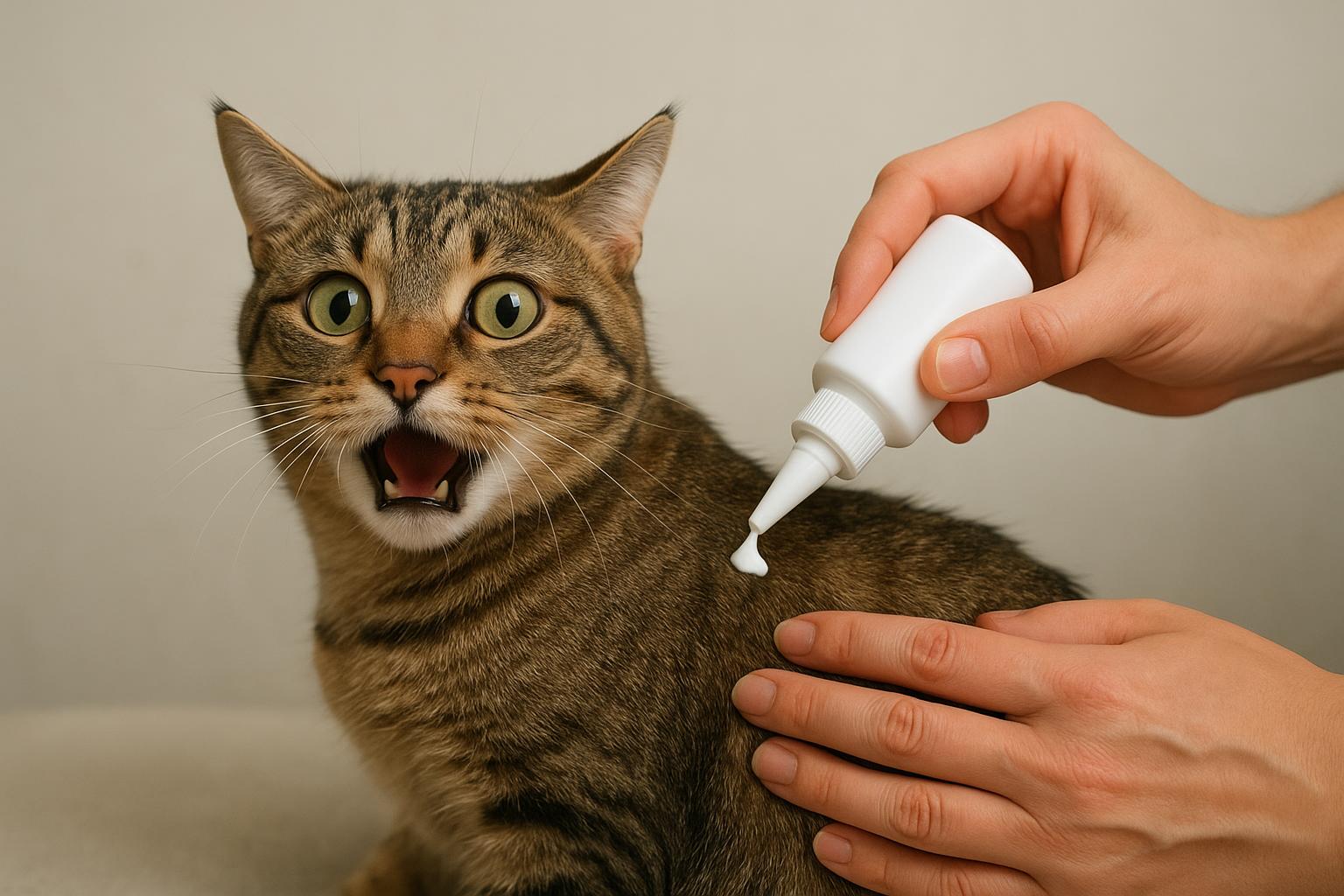
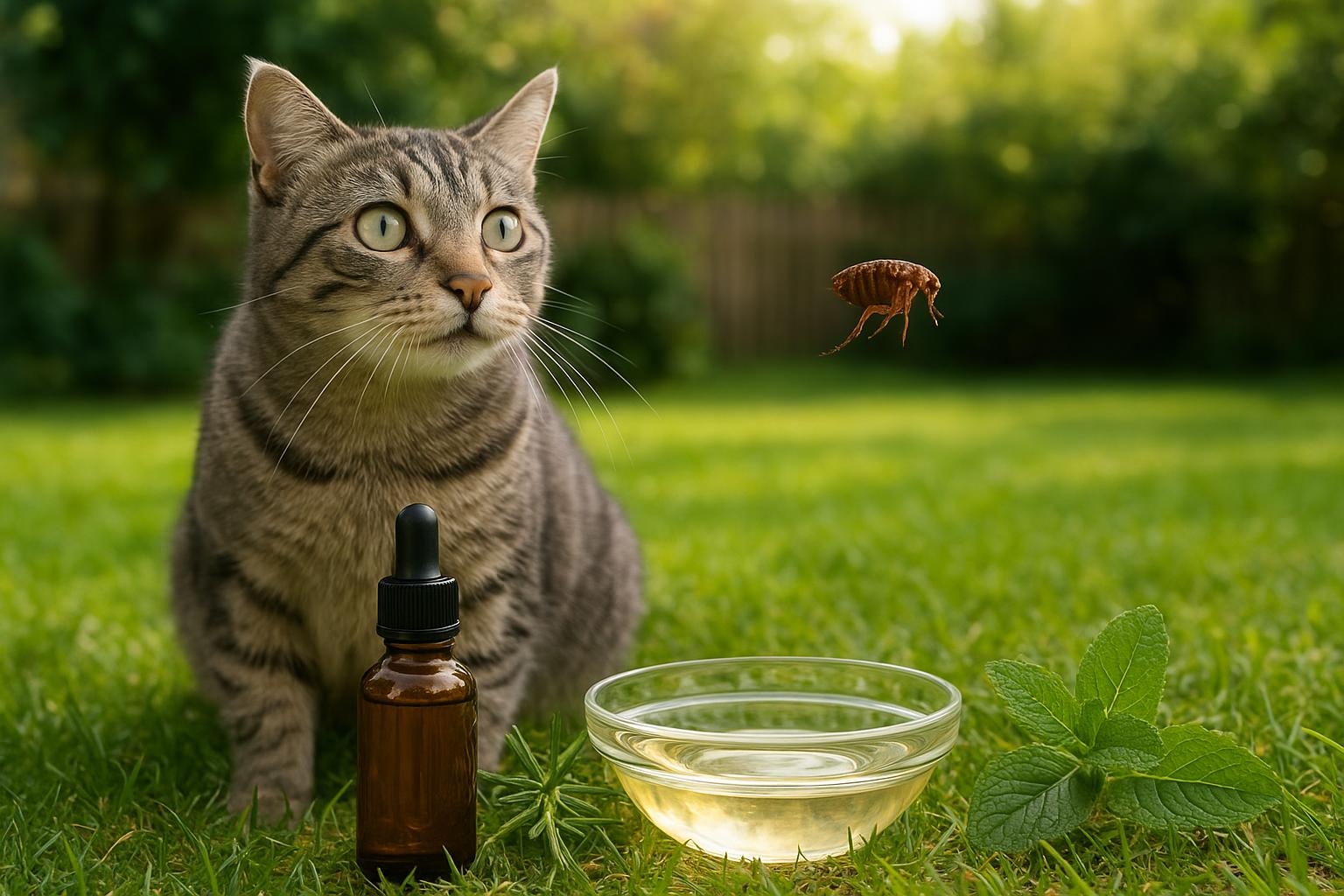
A botanical spray can reduce adult fleas and provide a repellant barrier. This formulation is generally safe for dogs and for surfaces, but caution is critical for cats — many essential oils are toxic to felines. Use a cat-safe variant (e.g., avoid tea tree and citrus oils) and consult your veterinarian.
#### #### Ingredients / Materials
– 2 cups of distilled water
– 2 tablespoons of apple cider vinegar
– 1 tablespoon of unscented witch hazel
– 10 drops of peppermint essential oil (for dogs only; omit or substitute lavender at 3 drops for cats after vet approval)
– Spray bottle (opaque preferred)
– Funnel
#### #### Step-By-Step Creation And Application
1. Combine distilled water, apple cider vinegar, and witch hazel in the spray bottle using the funnel.
2. Add the essential oil(s) as specified — do not exceed recommended amounts.
3. Shake the bottle well to disperse oils. Label the bottle with contents and date.
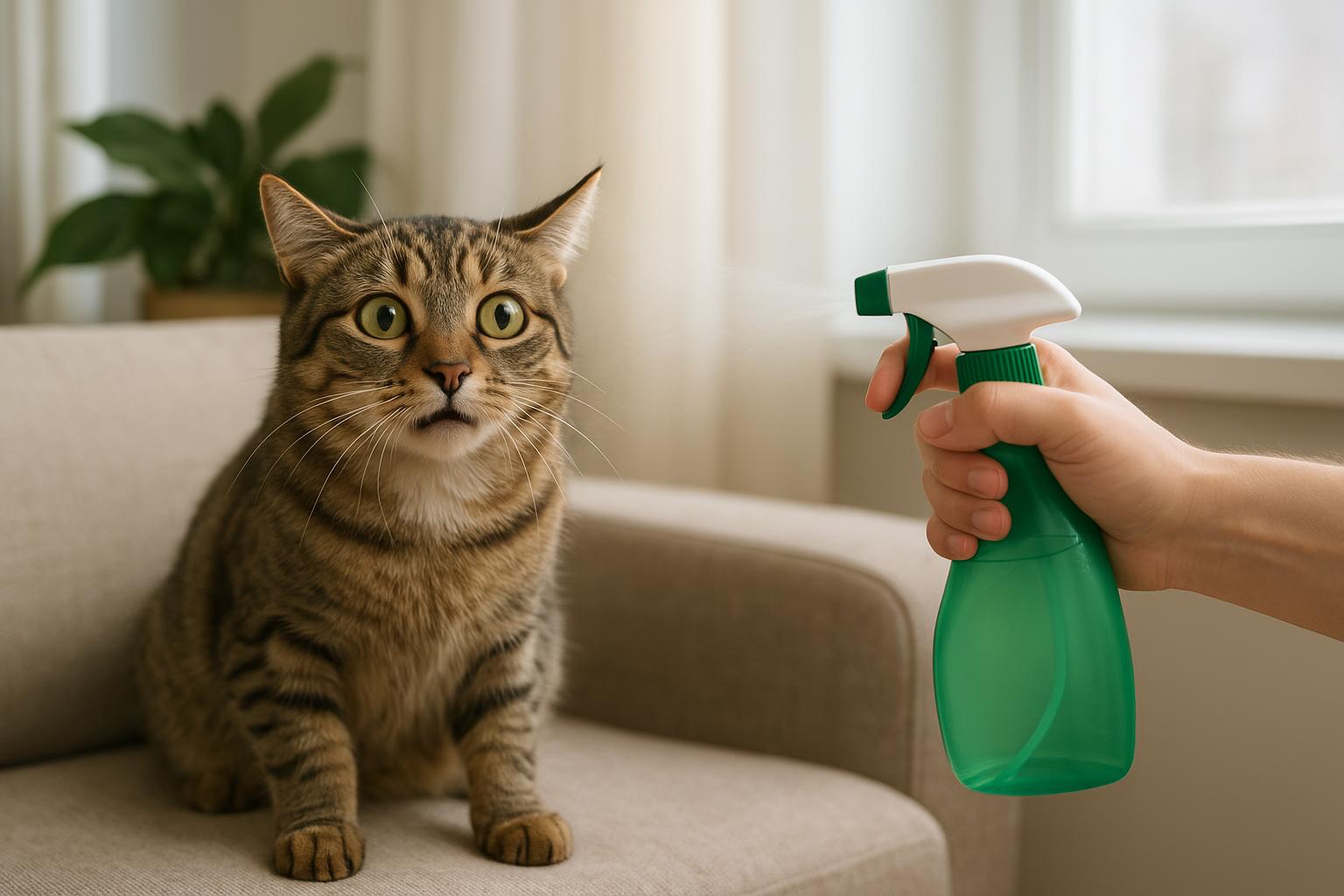
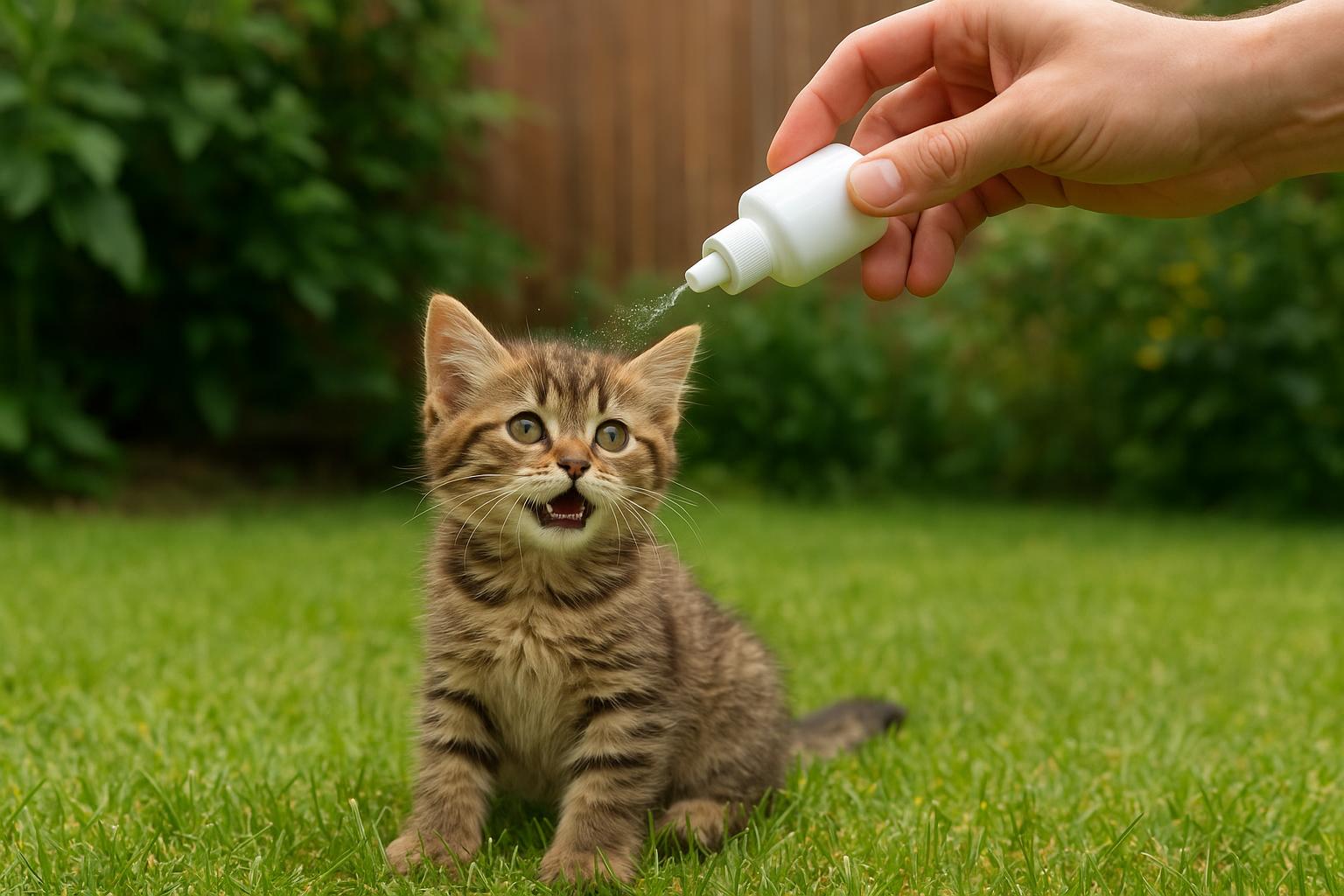
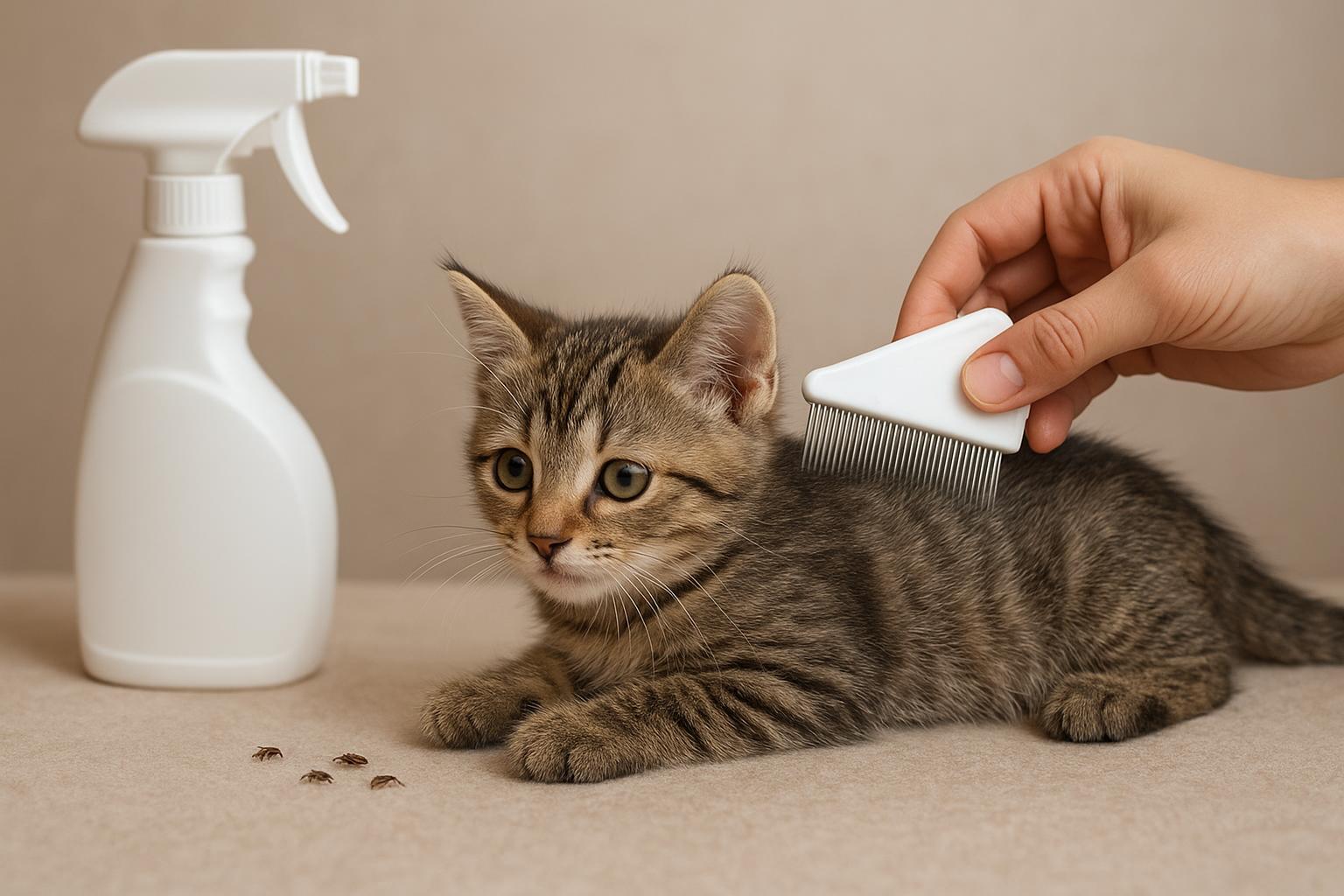
4. For pets: Lightly mist the animal’s coat from a distance, avoiding eyes, nose, mouth, and any open wounds. Rub into the fur with your hands and monitor for adverse reactions for 24 hours. Reapply weekly or after bathing.
5. For home surfaces: Lightly spray carpets, pet beds, and furniture; do not saturate. Allow areas to dry. Reapply weekly or after cleaning.
6. Store out of direct sunlight and out of reach of children.
Caution: Always test on a small patch of fabric first. Consult a veterinarian before using any essential oil products on puppies, kittens, pregnant animals, or animals with pre-existing conditions.
### When To Call A Professional
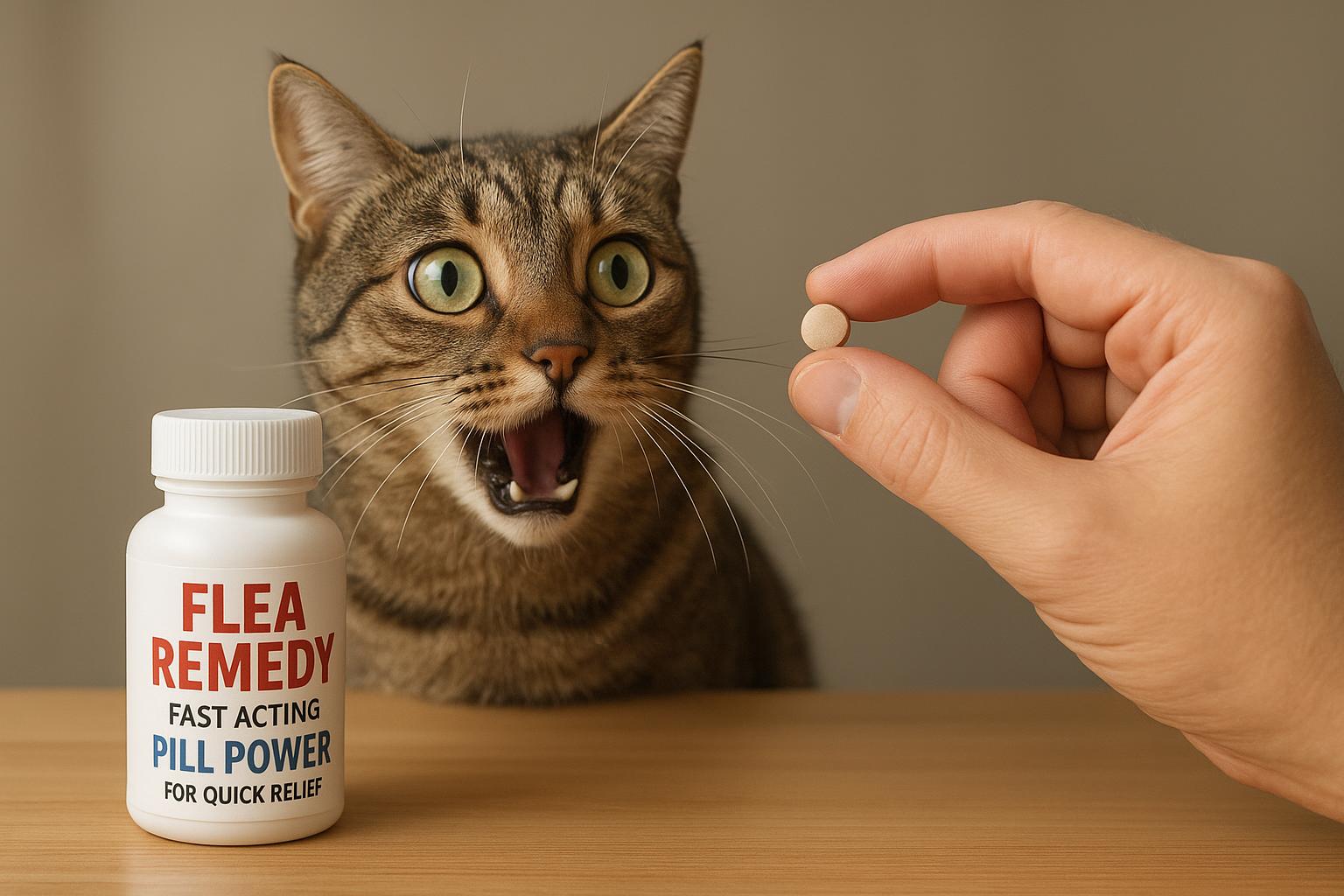
If bites continue despite your best efforts, pets are heavily infested, or vulnerable household members are reacting severely, professional pest control and veterinary care are essential. Professionals can assess species-specific flea threats and apply targeted interventions that reduce both human flea contact and disease bite risk.
Recognizing how fleas affect humans today — from the tiny, maddening bites to the potential for disease transmission and psychological stress — is the first step toward reclaiming your home. The right combination of vigilant prevention, safe home remedies, and professional help when needed will dramatically lower bite risk and end the siege.

















Leave a Reply