
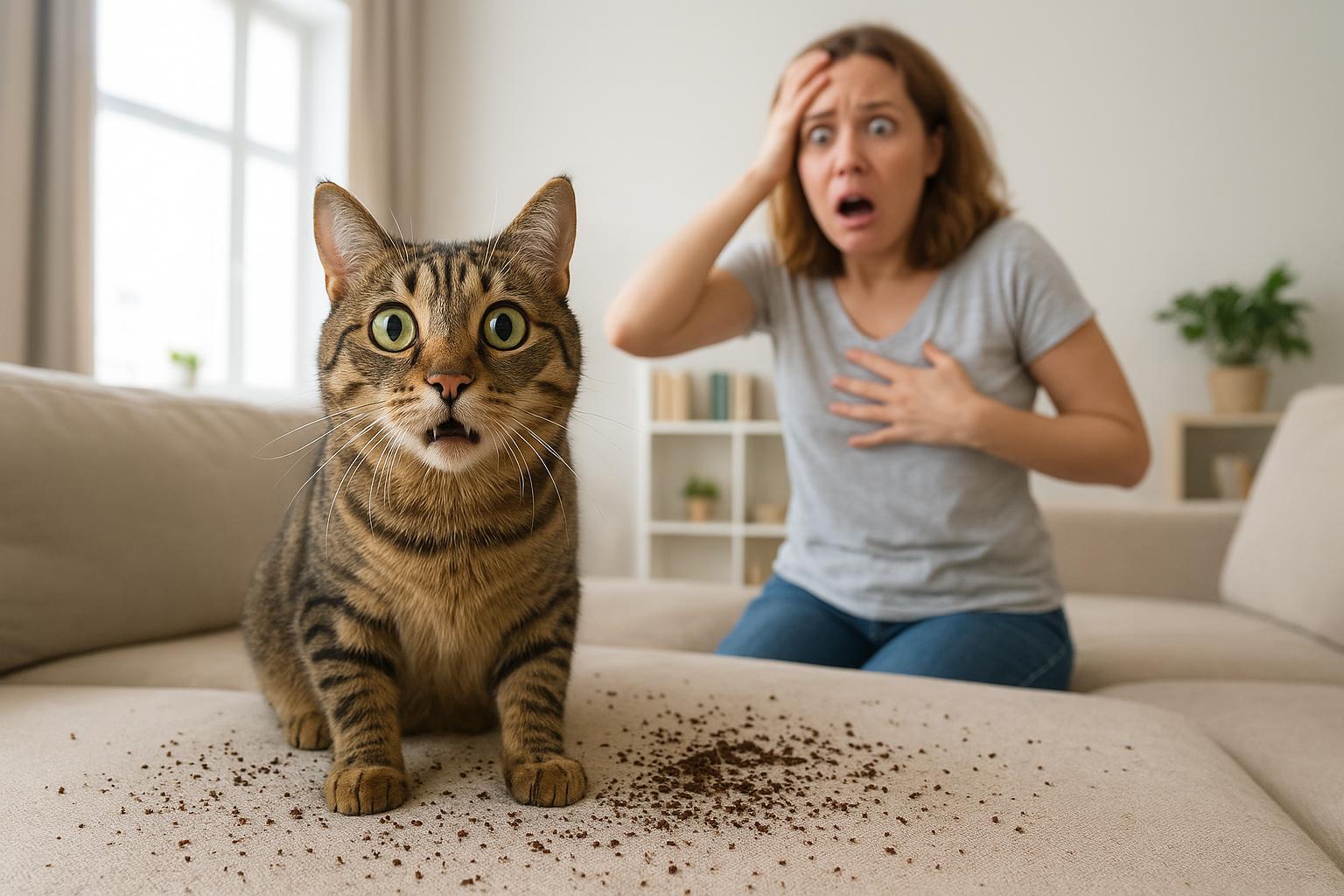
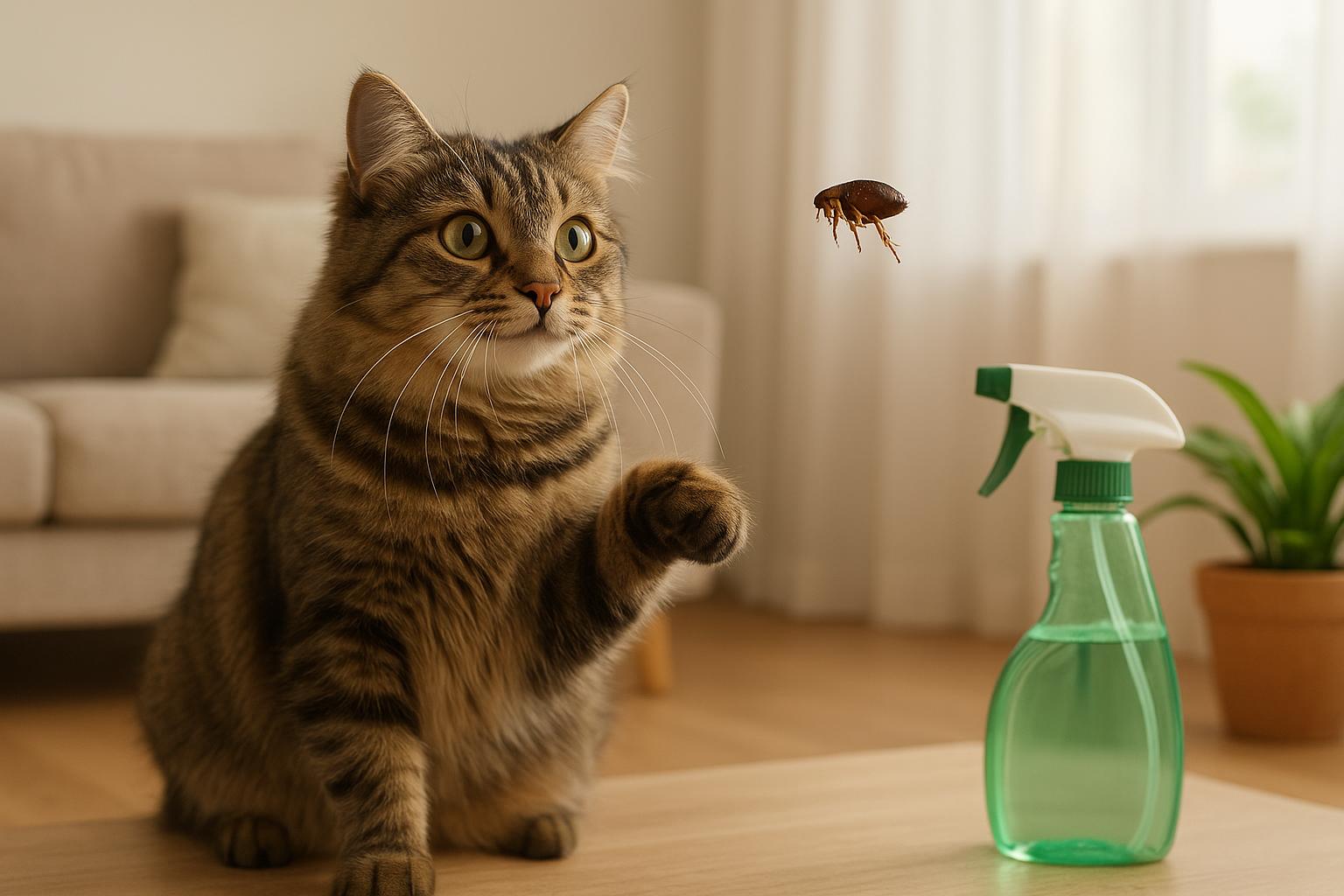
It started with a dusty little pile on a windowsill and a social media post that snowballed into a global whisper campaign: cat owners posting photos, vets fielding frantic calls, and advice columns scrambling to separate fact from fuss. The sensation might sound like the latest viral pet trend, but the concern behind it is real — and it centers on a tiny, gritty-sounding culprit that’s been turning up in homes: flea litter.
## Flea Litter Revelation Sparks Cat Owner Alarm Worldwide
### What Is Flea Litter?
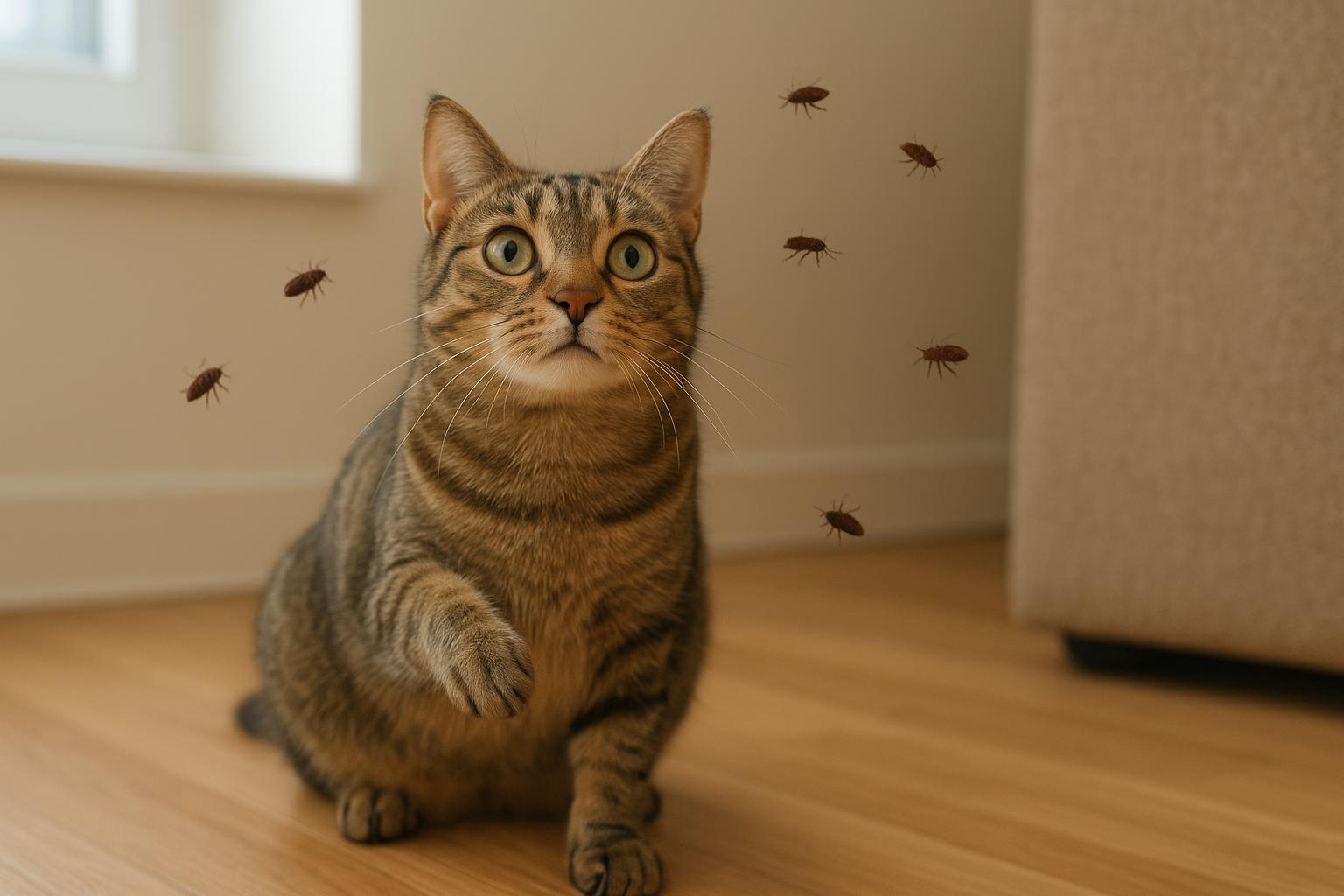
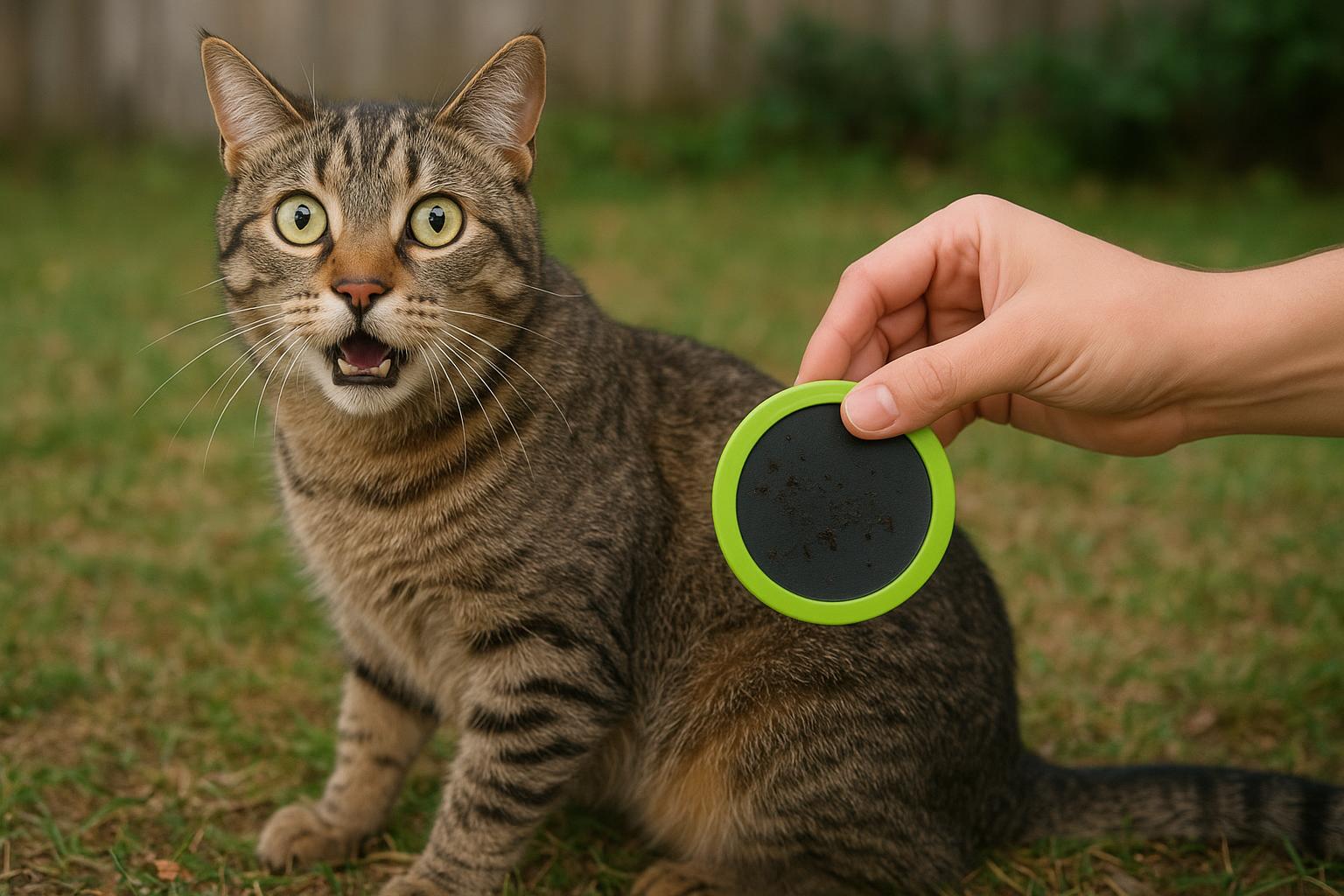
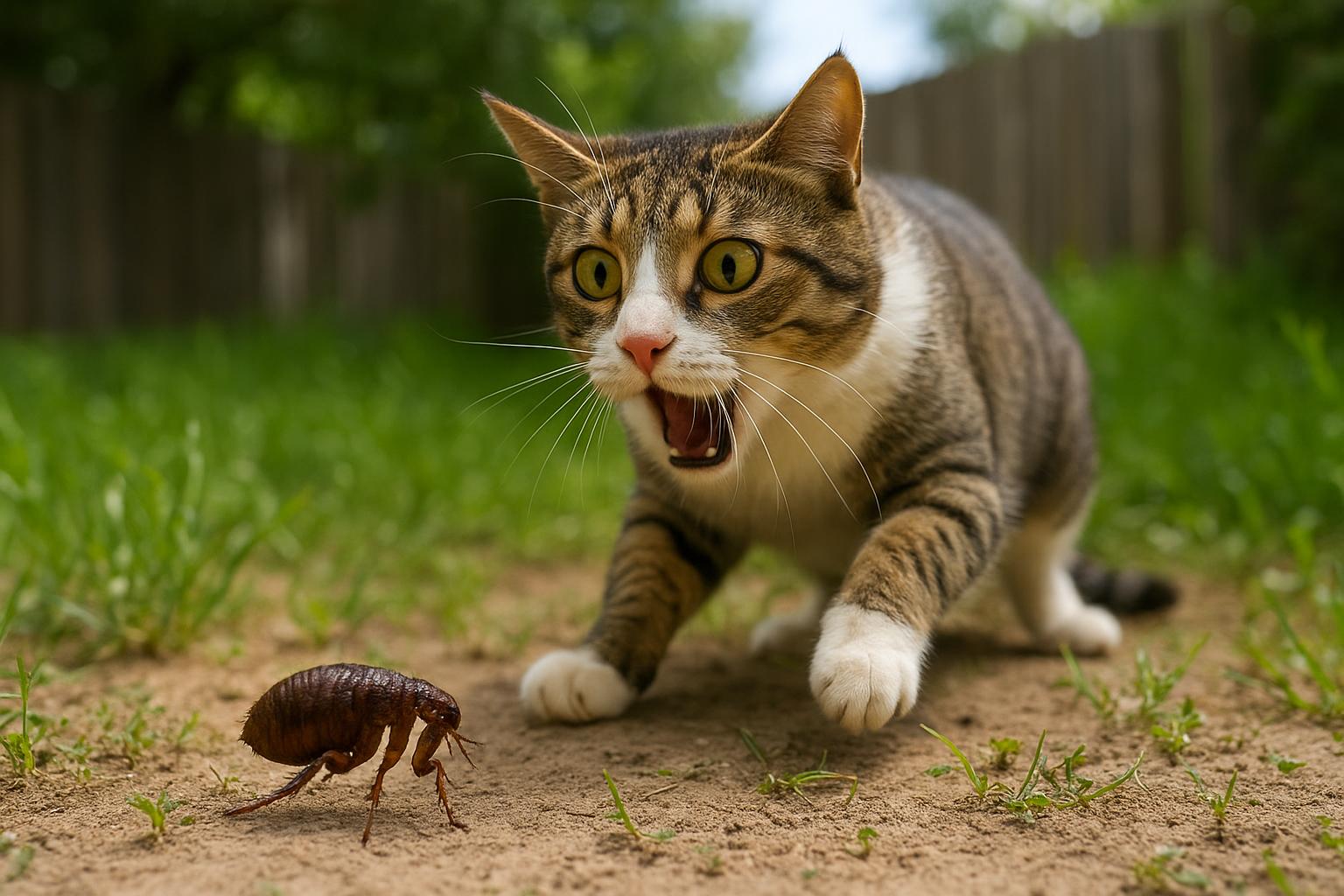
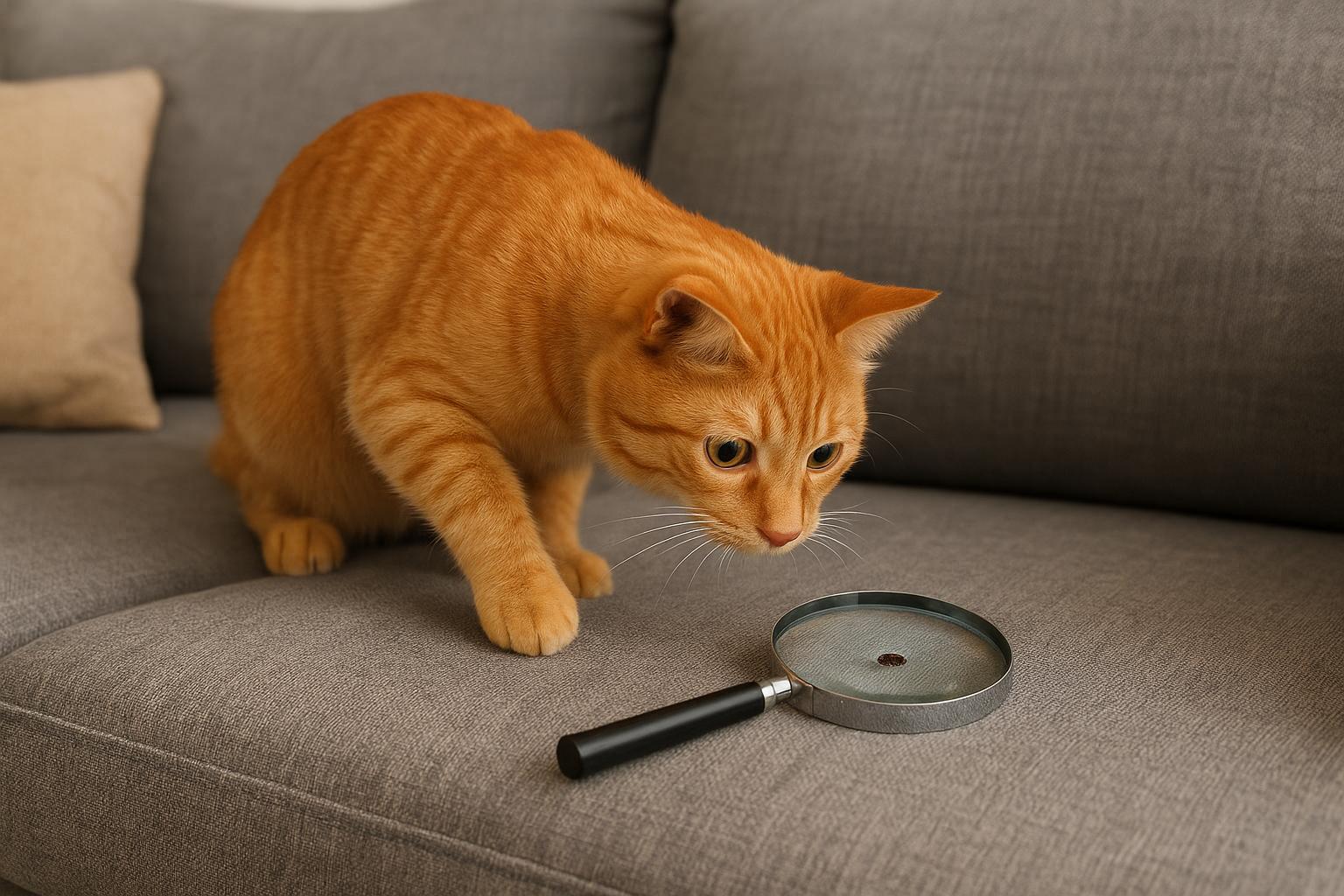
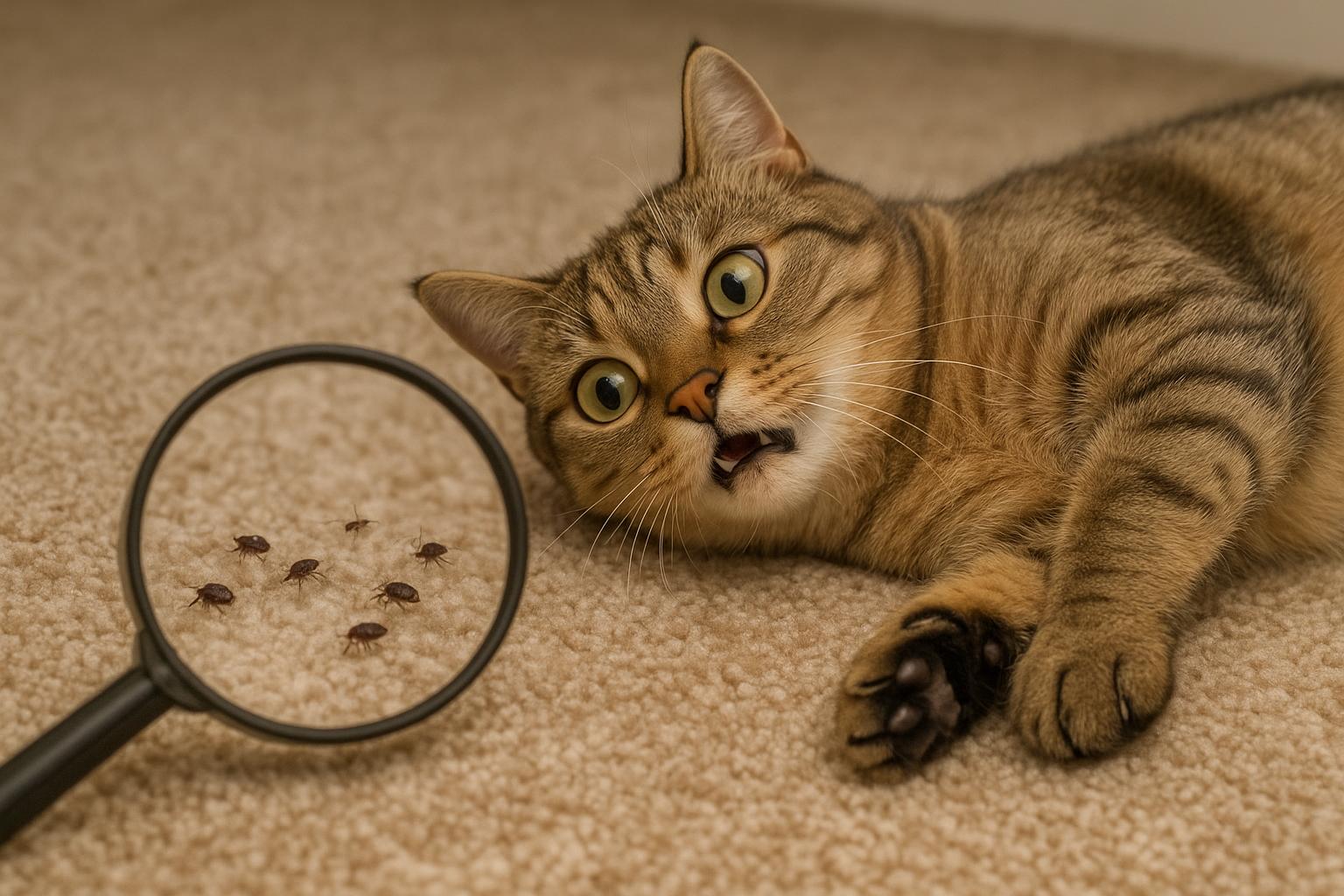
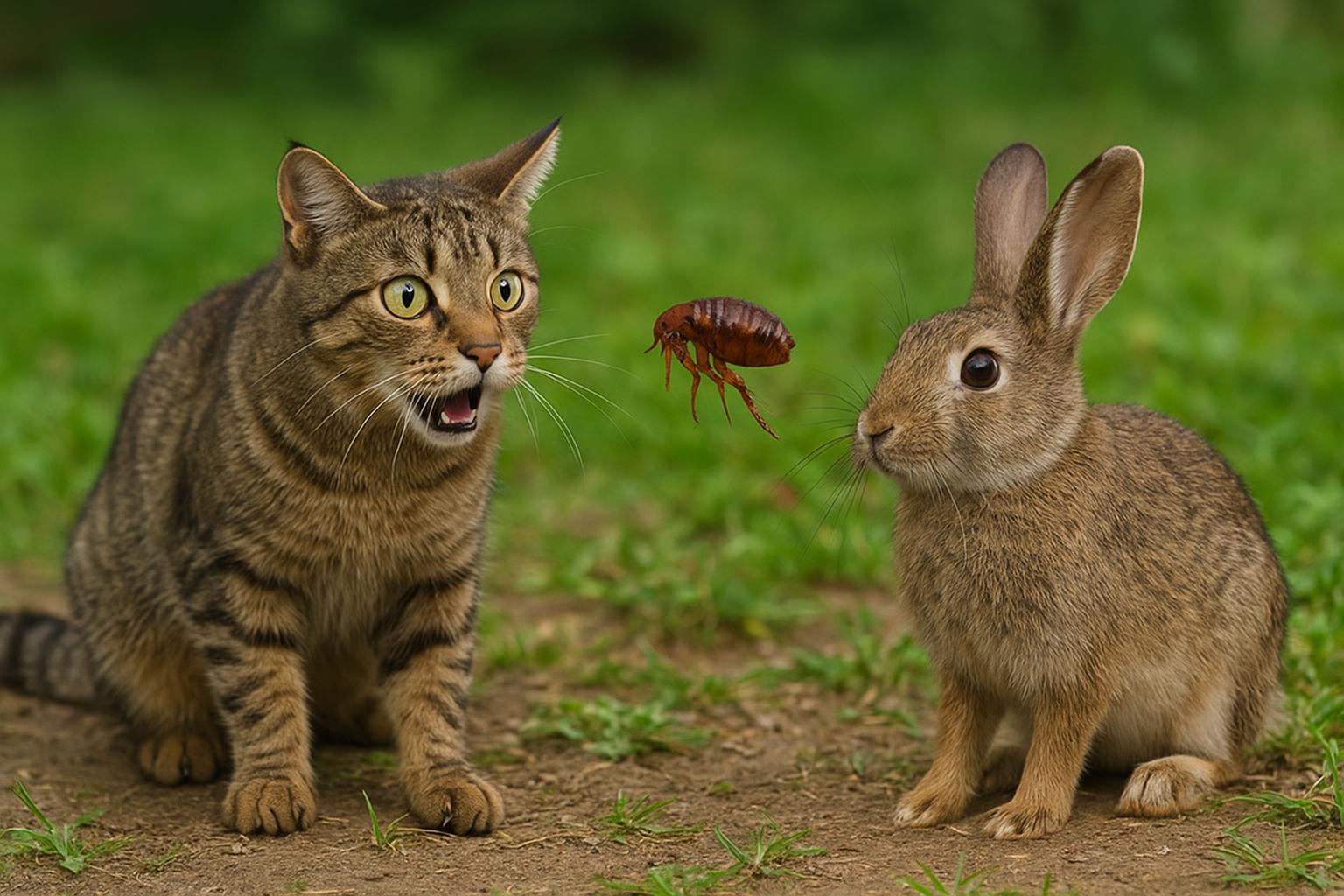
If you’ve never heard the term before, you’re not alone. In simple terms, flea litter refers to the tiny, sand-like debris often found near pet resting areas. It’s not dirt — well, not just dirt. Flea litter is largely composed of adult flea feces (that’s digested blood) and flea eggs, sometimes mixed with bits of fur and skin. The particles can appear like black pepper, reddish specks, or fine brown dust, depending on how fresh they are.
For many pet owners, spotting flea litter is an unsettling discovery. It’s one tangible sign that fleas — or the leftovers of their activity — are present in your environment. While the sight alone doesn’t always mean your cat will be overwhelmed by fleas tomorrow, it is a red flag that deserves attention.
### How Flea Litter Spreads Around The Home
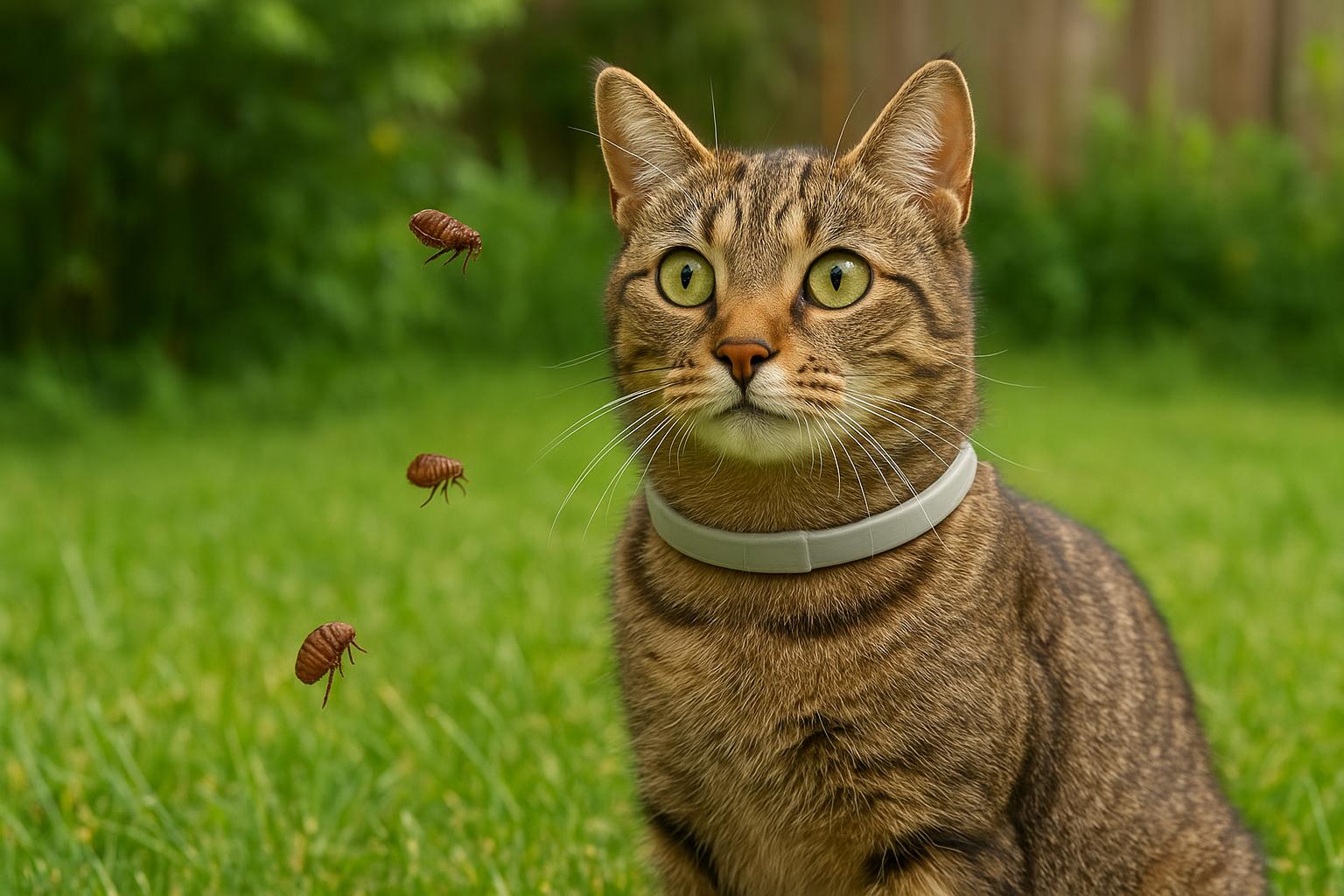
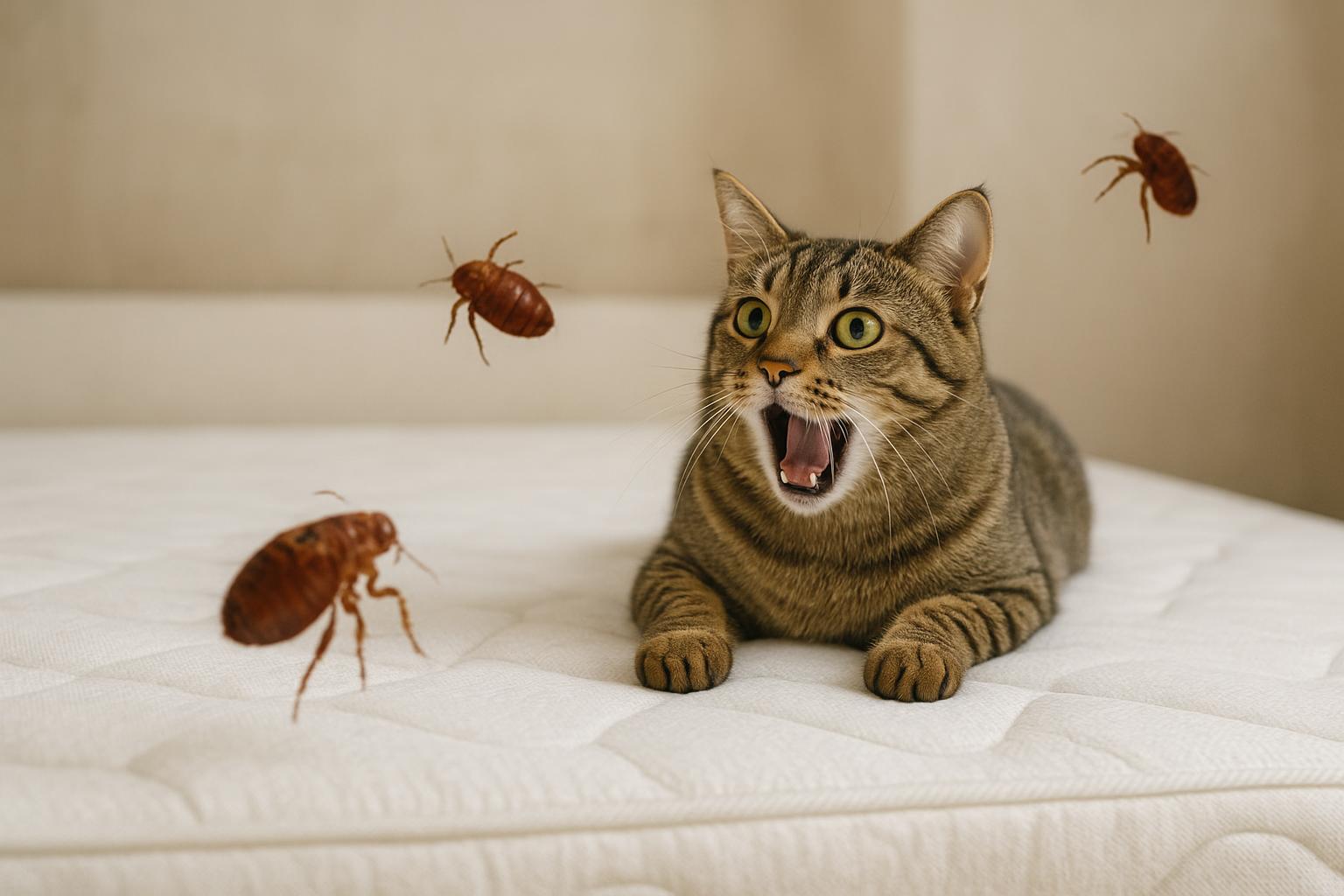
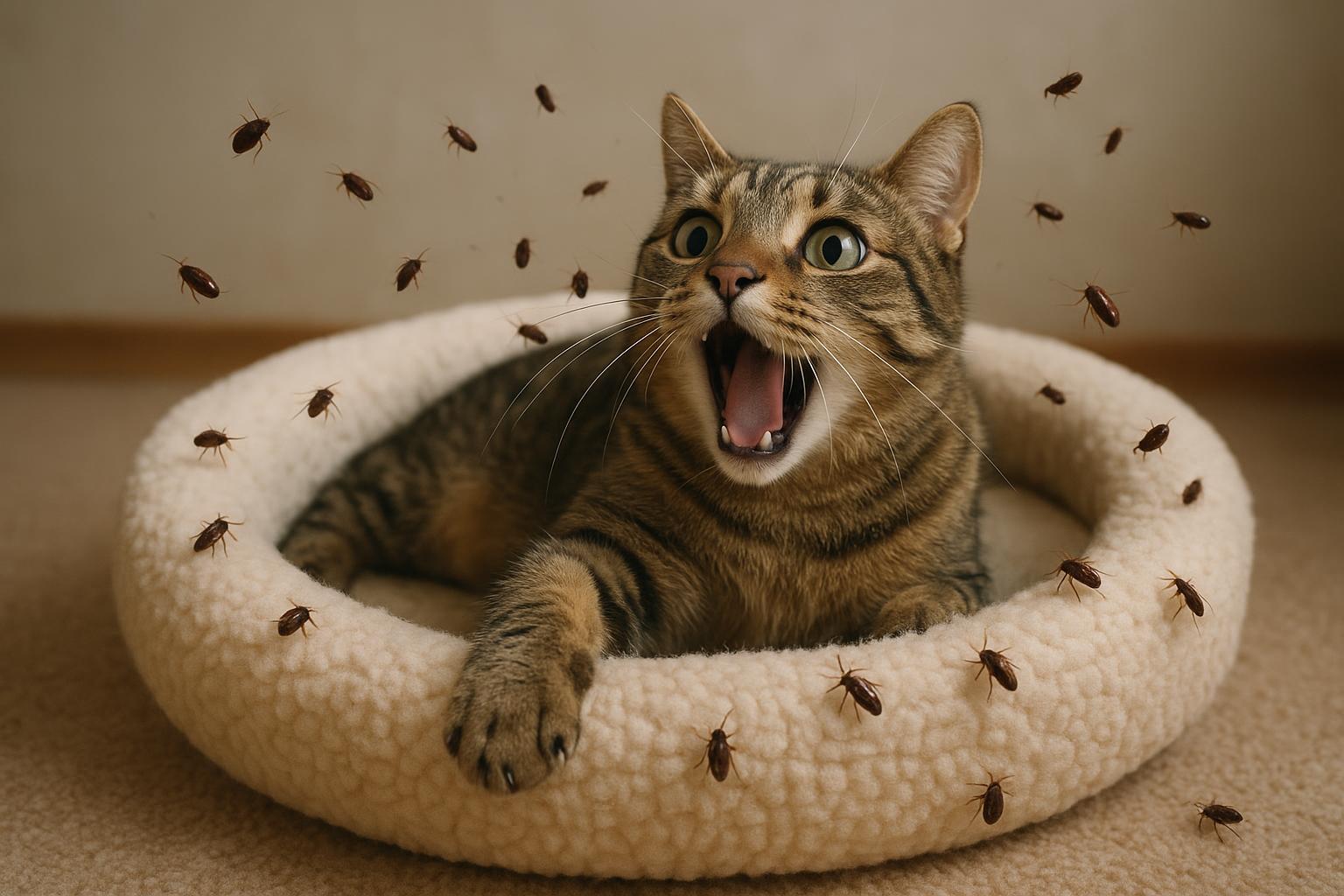
Flea litter is usually found where pets rest, groom, or sleep: on cushions, in bedding, along baseboards, and inside soft furniture. Fleas lay eggs on your pet, and those eggs can fall off into the surrounding environment. The eggs develop into larvae that feed on flea litter (the fecal matter), pupate in fibers or crevices, and eventually hatch into adult fleas. A seemingly harmless sprinkle of debris can therefore be part of an ongoing life cycle.
Cats are natural groomers, and their habits mean eggs and flea waste get distributed in and around their beds, toys, and favorite sunbeams. Outdoor access expands the potential for bringing in parasites, but indoor-only cats are not immune — fleas can hitch a ride on clothing, other pets, or—rarely—on small rodents that find their way into basements or crawl spaces.
### Why Cat Owners Are Panicking (And Why You Needn’t Lose Sleep)
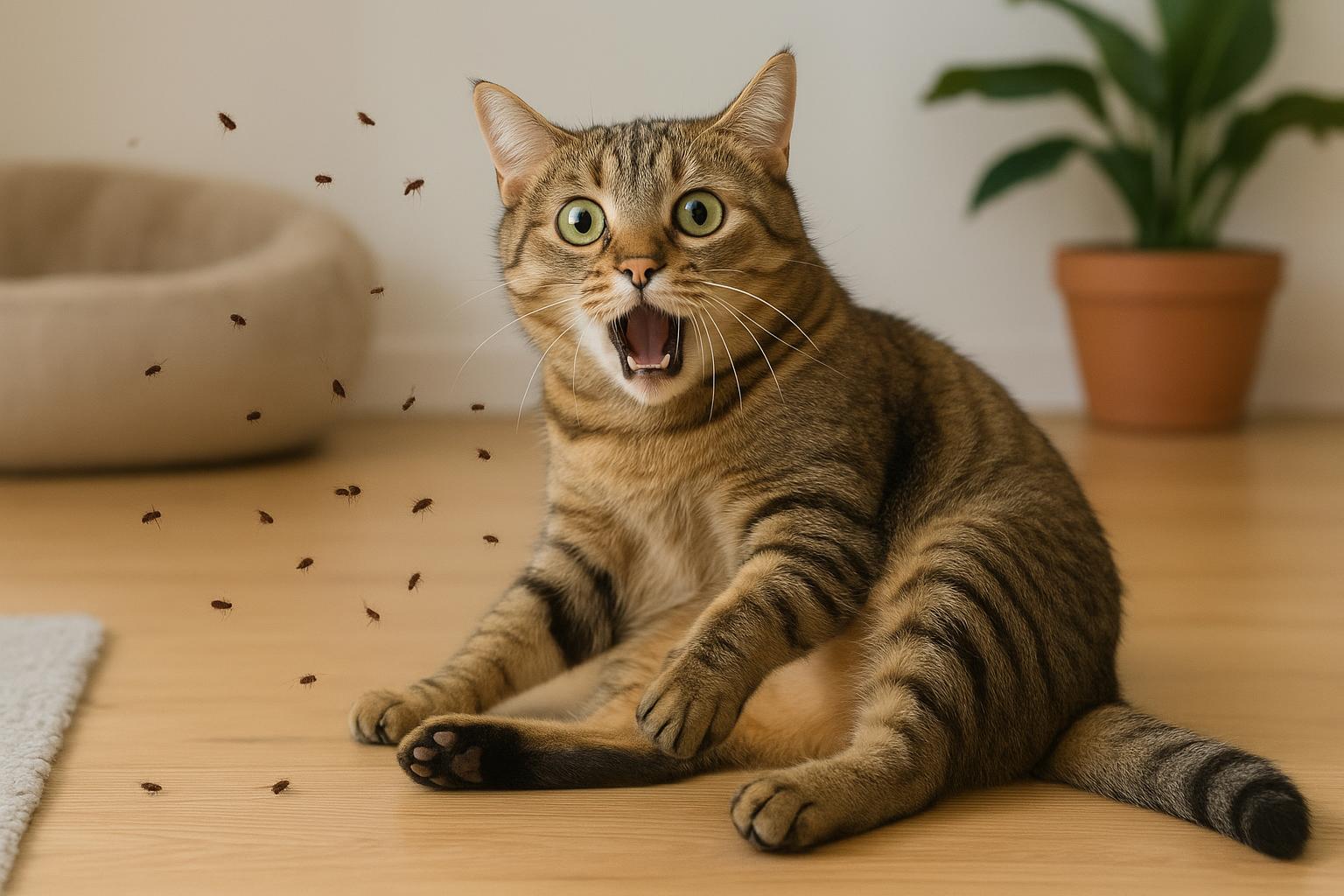
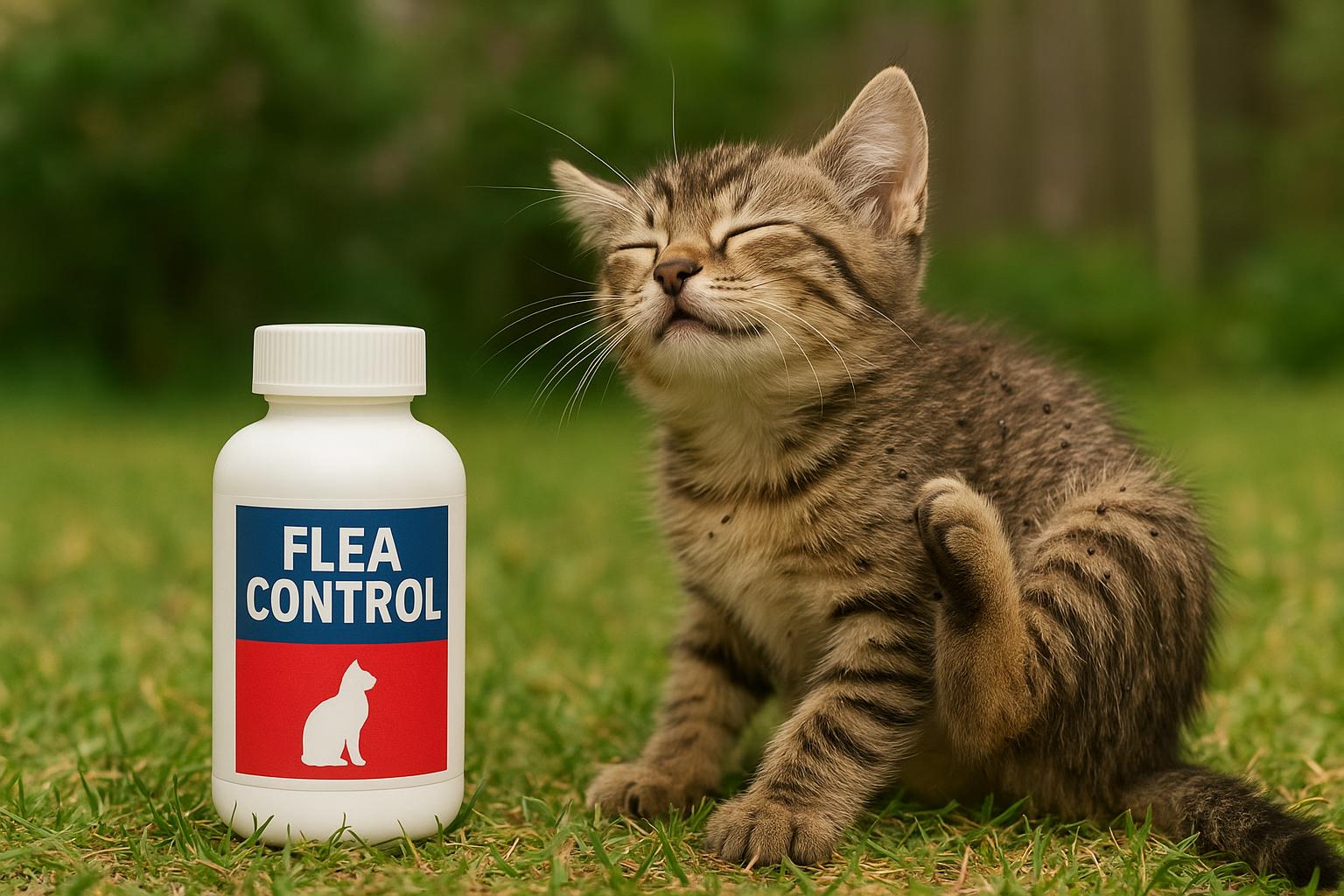
Seeing flea litter can trigger immediate alarm — and understandably so. Fleas can cause itching, skin irritation, allergic reactions, and even serious conditions like anemia in young or weakened animals. However, panic is not productive. The presence of flea litter is a warning sign, not a verdict. There are practical steps you can take to manage the environment and protect your pets without succumbing to doomscrolling or expensive impulse buys.
On the lighter side, think of flea litter as nature’s confetti — unwelcome, poorly timed, and definitely not biodegradable in the way we’d like. The key is acting methodically and promptly.
### The Risks Flea Litter Poses To Pets And People
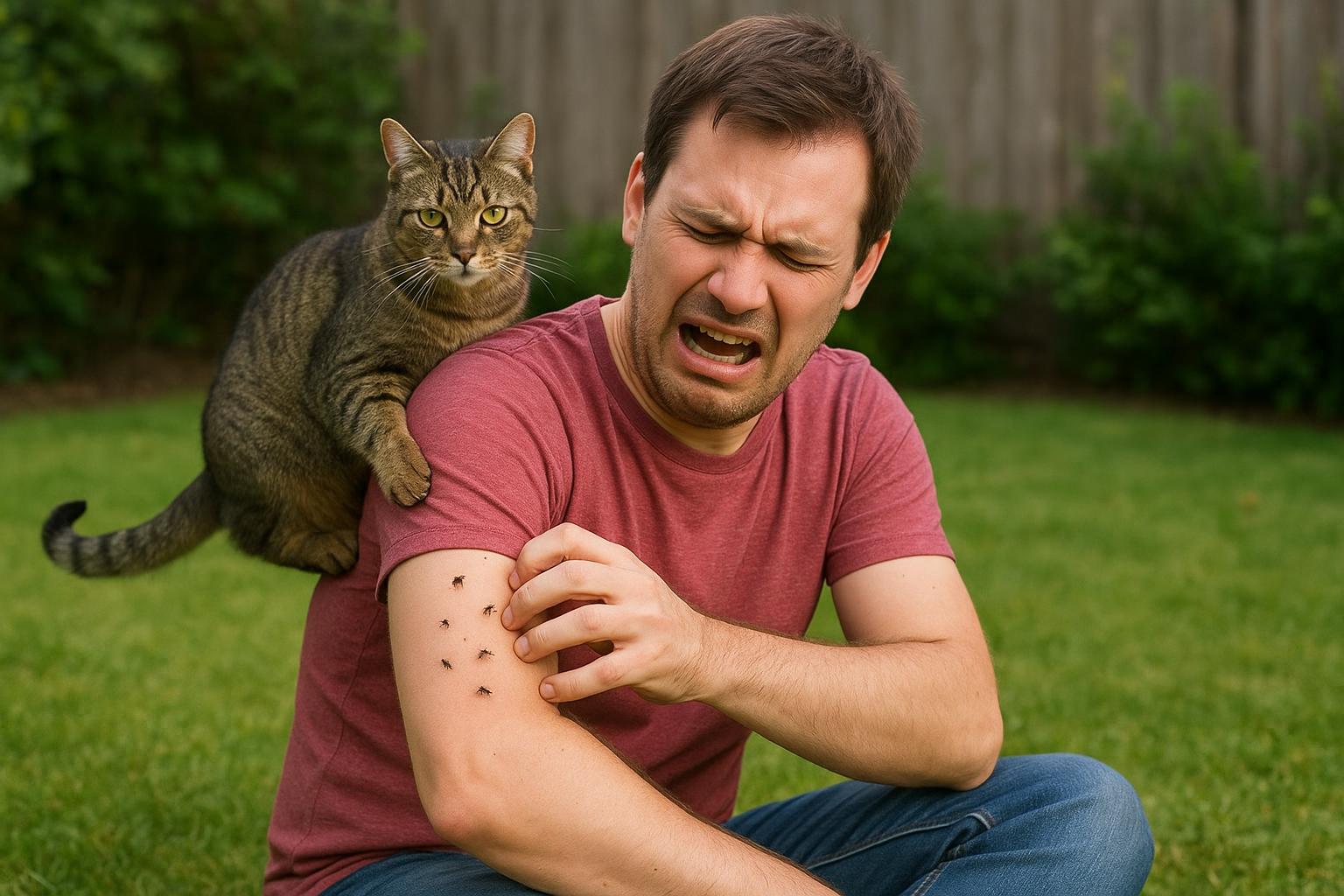
Fleas can transmit tapeworms if a pet ingests an infected flea while grooming, and flea bites will certainly make sensitive animals miserable. Humans can get itchy bites too, especially children and people with sensitive skin. Infestations, when left unchecked, can multiply quietly because flea life cycles can hide in carpets, upholstery, and cracks before becoming obvious.
Regular monitoring of bedding and pet rest areas is the best defense. If you see small dark specks that smear red on a damp tissue (the classic test for flea feces), it’s time to act.
#### When To See A Veterinarian
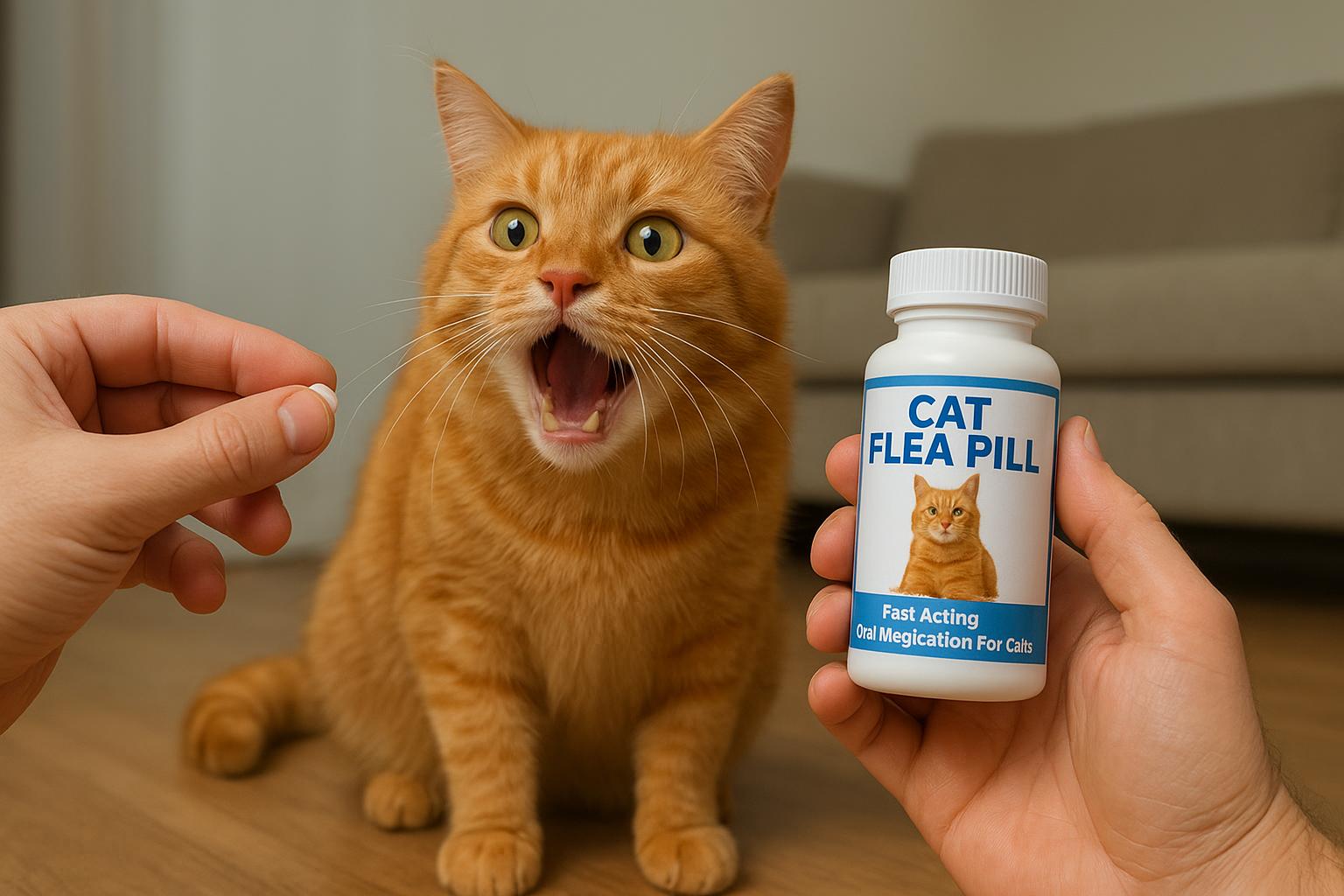
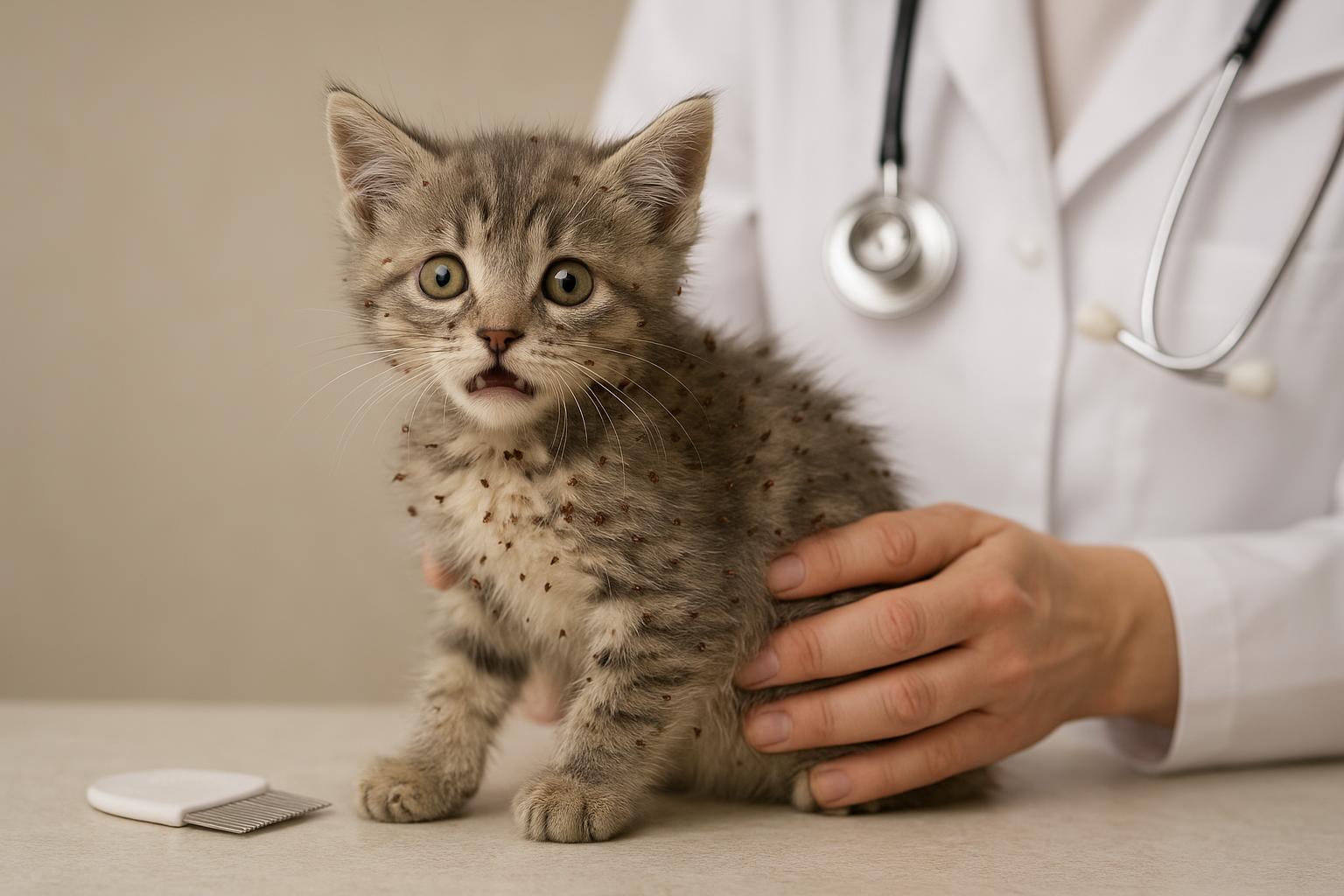
If your cat shows signs of excessive scratching, hair loss, red or scabbed skin, lethargy, pale gums (possible anemia), or if you find large numbers of fleas on the pet, consult your veterinarian promptly. The vet can assess severity, recommend appropriate topical or oral flea control products, and test for related conditions like anemia or tapeworms.
## Remedy 1: Neutralizing Flea Litter At Home (DIY)
When discussing solutions, it helps to be formal and clear. The following remedy is evidence-based household management intended to reduce flea litter and interrupt the flea life cycle. Follow each step carefully, and consult your veterinarian for product recommendations tailored to your pet.
Materials Required
– High-efficiency vacuum cleaner with a HEPA filter
– Steam cleaner or hot-water extraction carpet cleaner
– Laundry detergent and hot water
– Enzyme-based bedding cleaner (optional)
– Pet-safe upholstery cleaner
– Sealed plastic bags for bedding and soft toys
– Pet-safe flea treatment as prescribed by your vet (topical or oral)
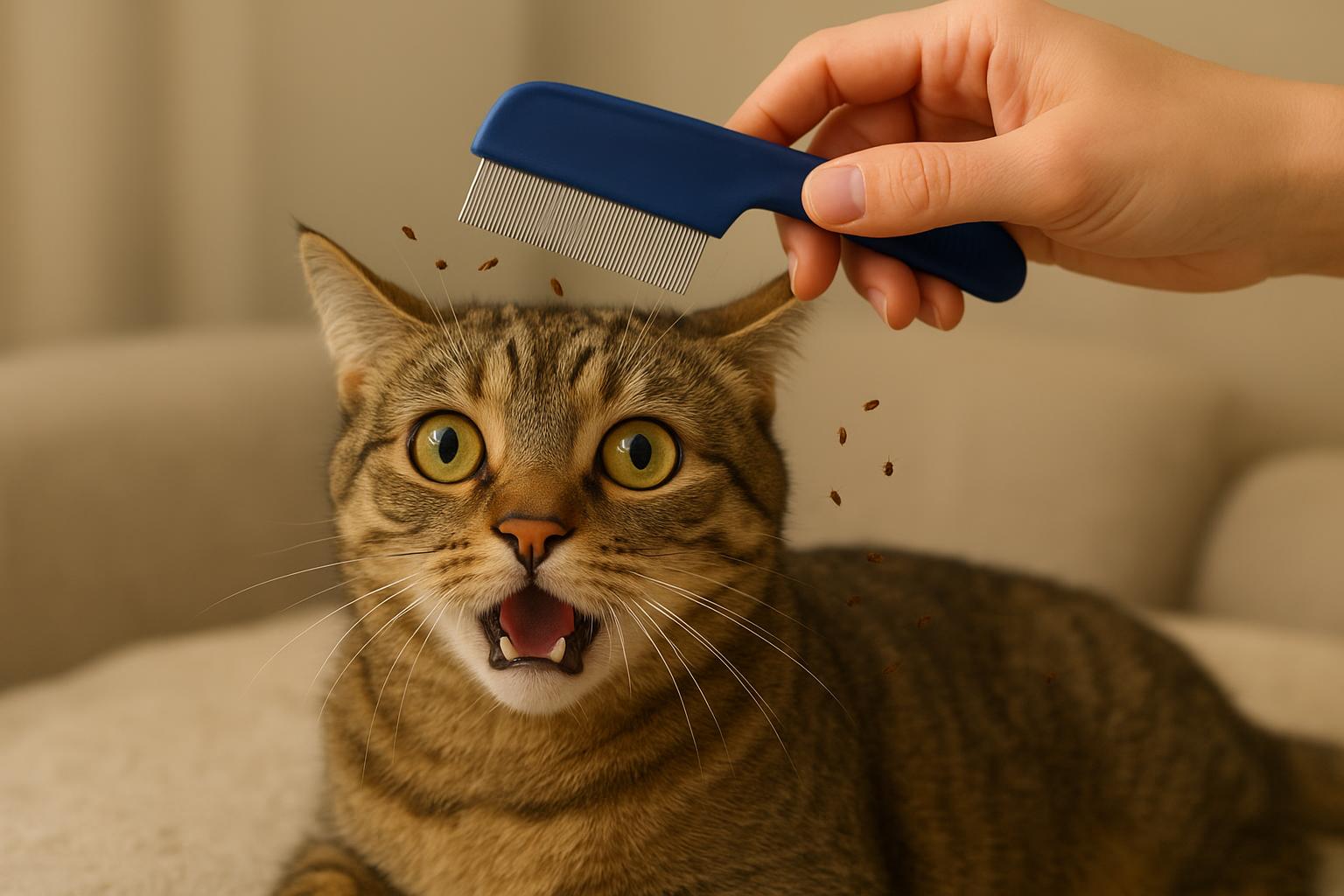
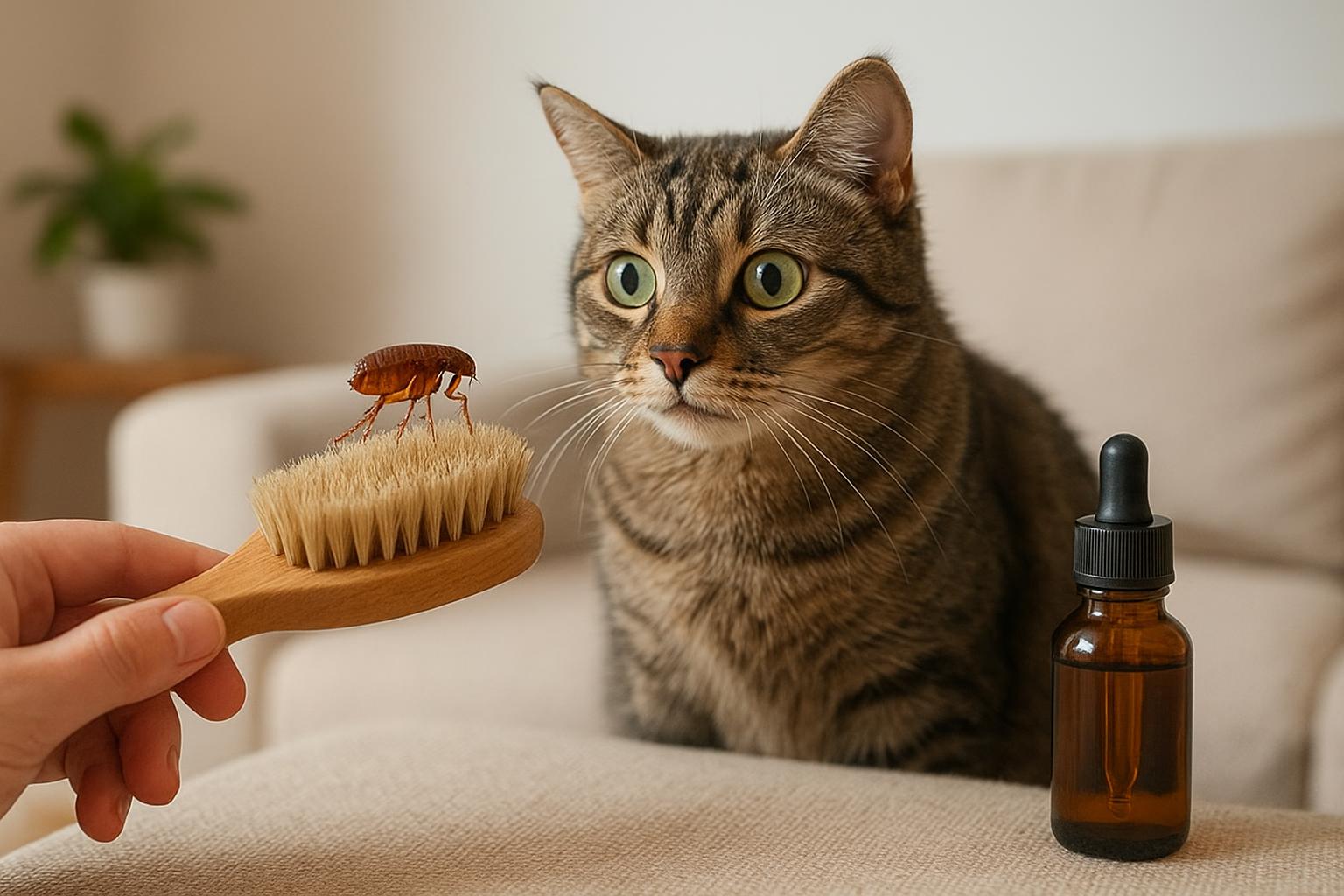
– A stiff-bristled brush for grooming (to find and remove adult fleas)
– Disposable gloves
Step-by-Step Procedure
1. Isolate Bedding: Remove all pet bedding and soft toys and place them in sealed plastic bags to transport to the washing machine. Wear gloves to avoid contact with flea debris.
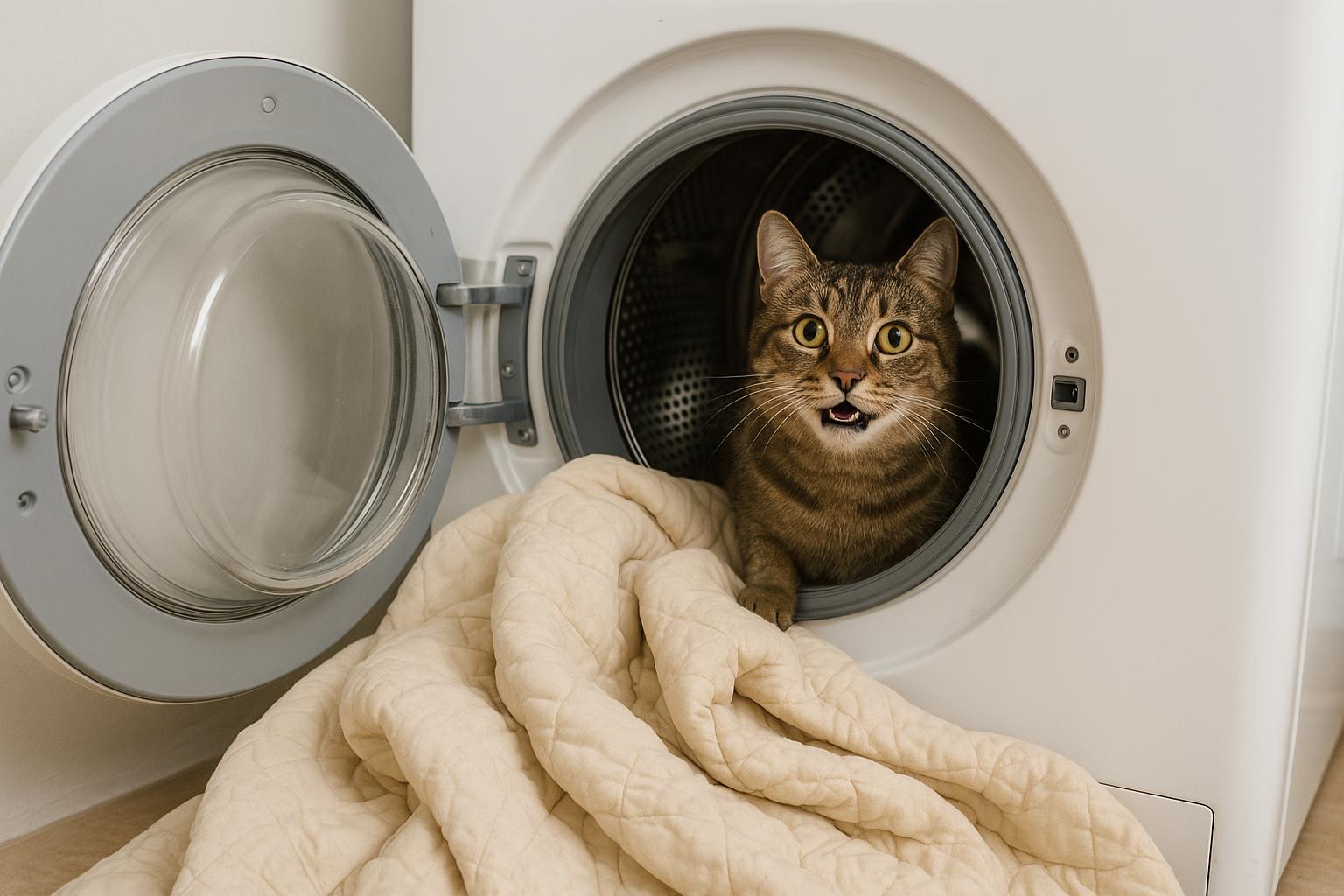
2. Wash Bedding: Launder bedding and washable items in the hottest water the fabric allows, using a full cycle and a high-heat dryer setting. Heat kills flea eggs, larvae, and adults.
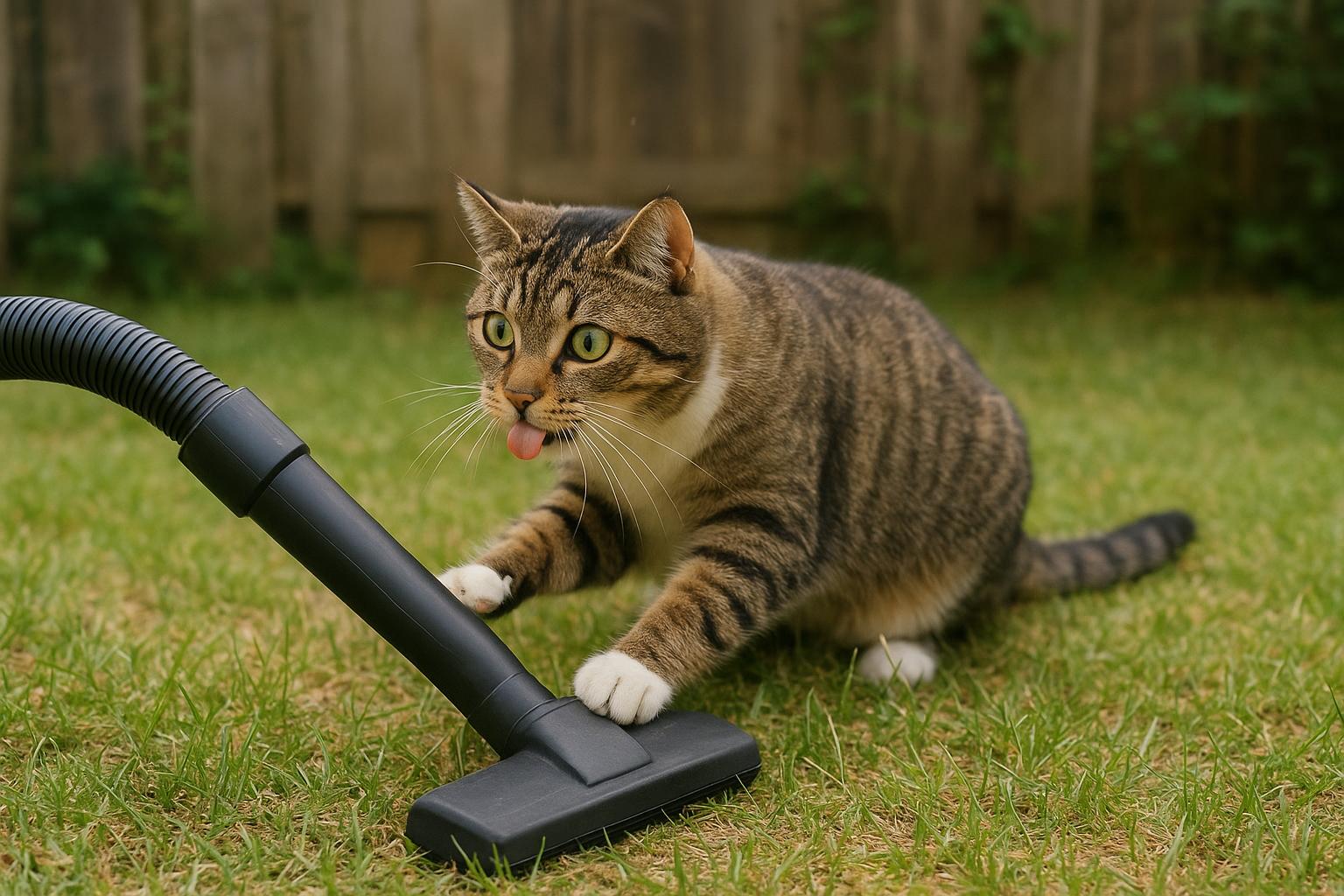
3. Vacuum Thoroughly: Vacuum all carpets, rugs, upholstered furniture, baseboards, and under cushions. Move furniture where possible. Pay special attention to cracks and crevices. Immediately empty the vacuum canister or dispose of the vacuum bag into an outdoor trash can and seal it.
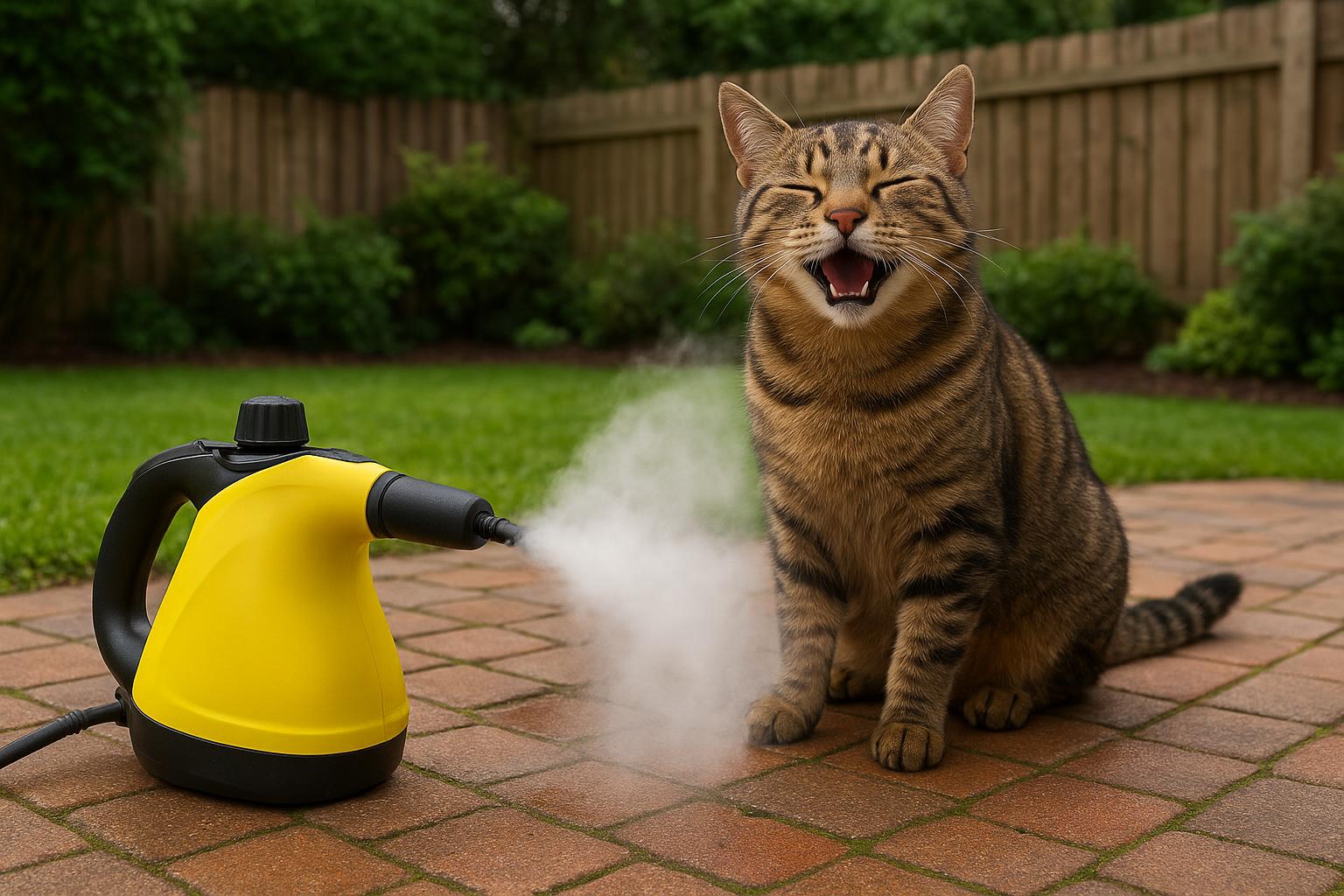
4. Deep Clean Carpets and Upholstery: Use a steam cleaner or hot-water extraction for carpets and upholstery, following manufacturer instructions. Hot water and mechanical action remove and kill flea stages that vacuuming alone may miss.
5. Clean Hard Floors: Mop hard floors with hot water and a pet-safe cleaning solution. Pay attention to edges and under furniture.
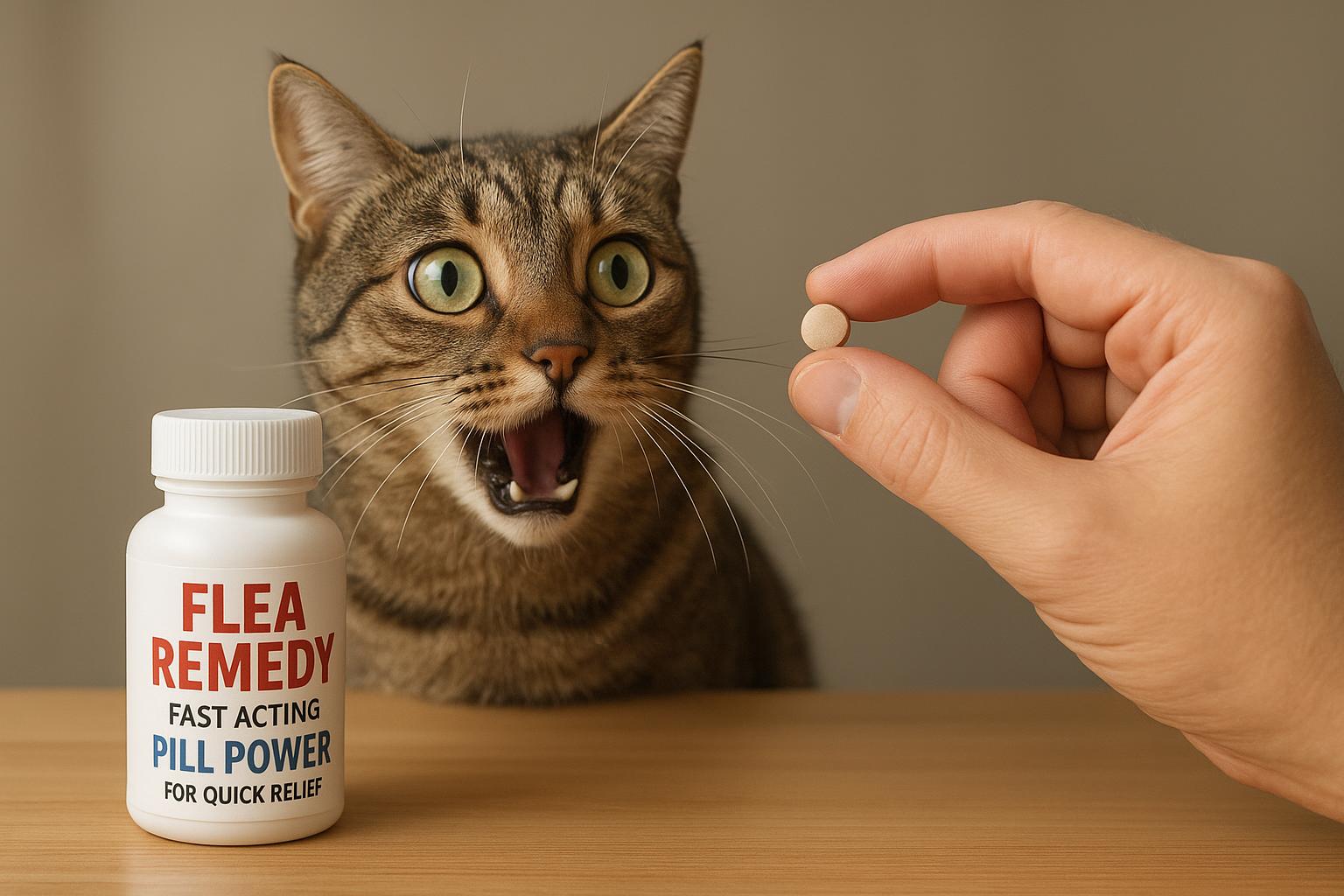
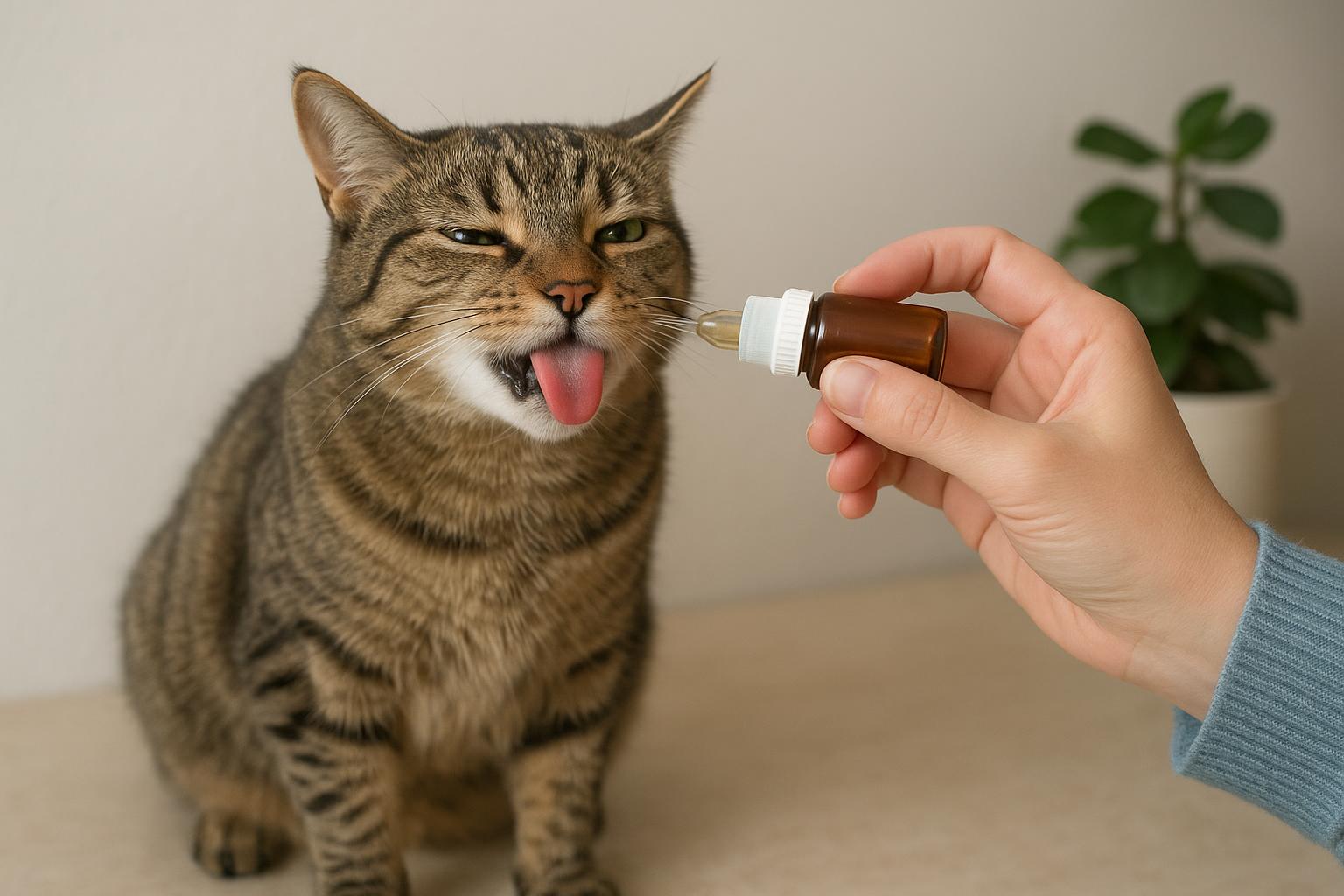
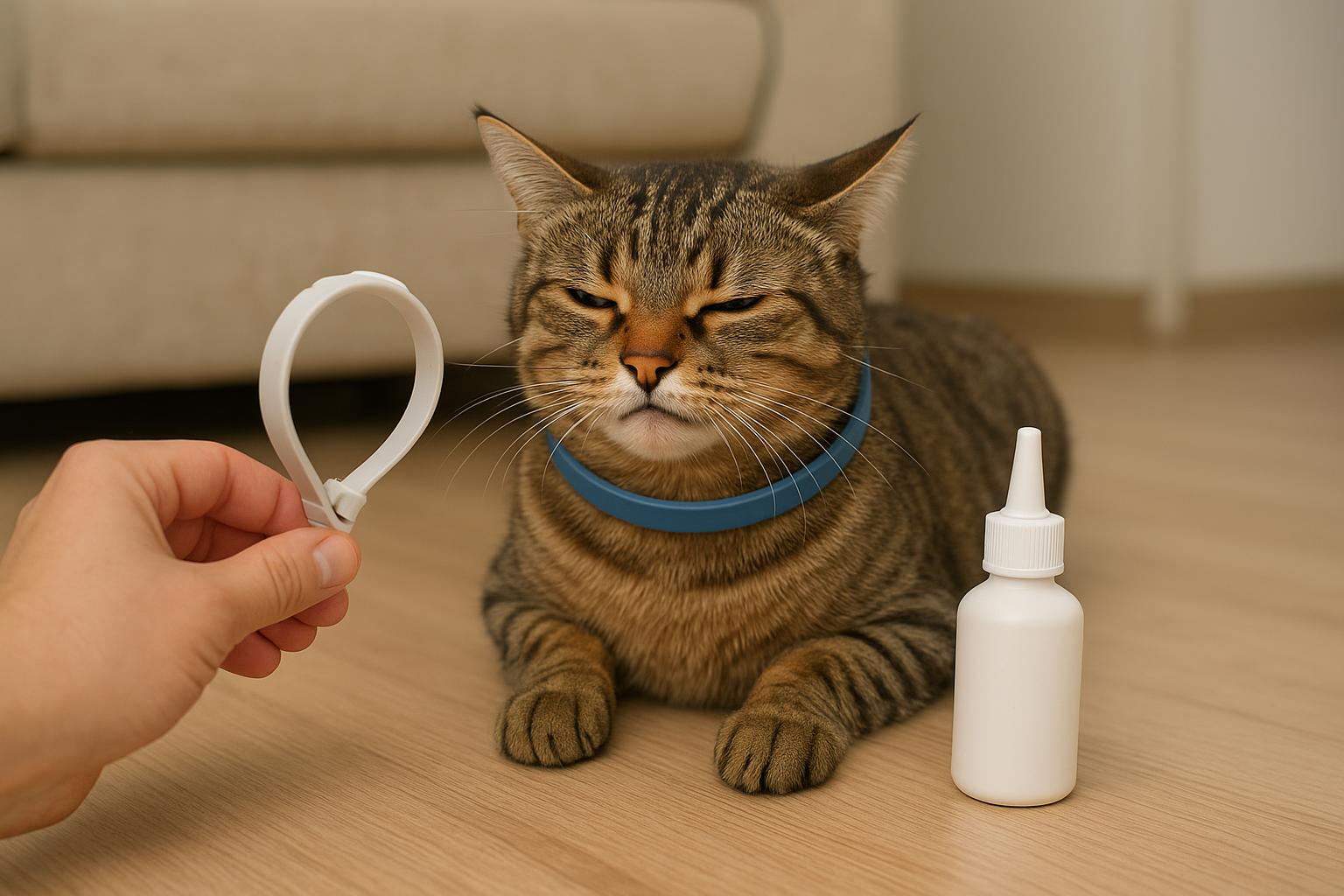
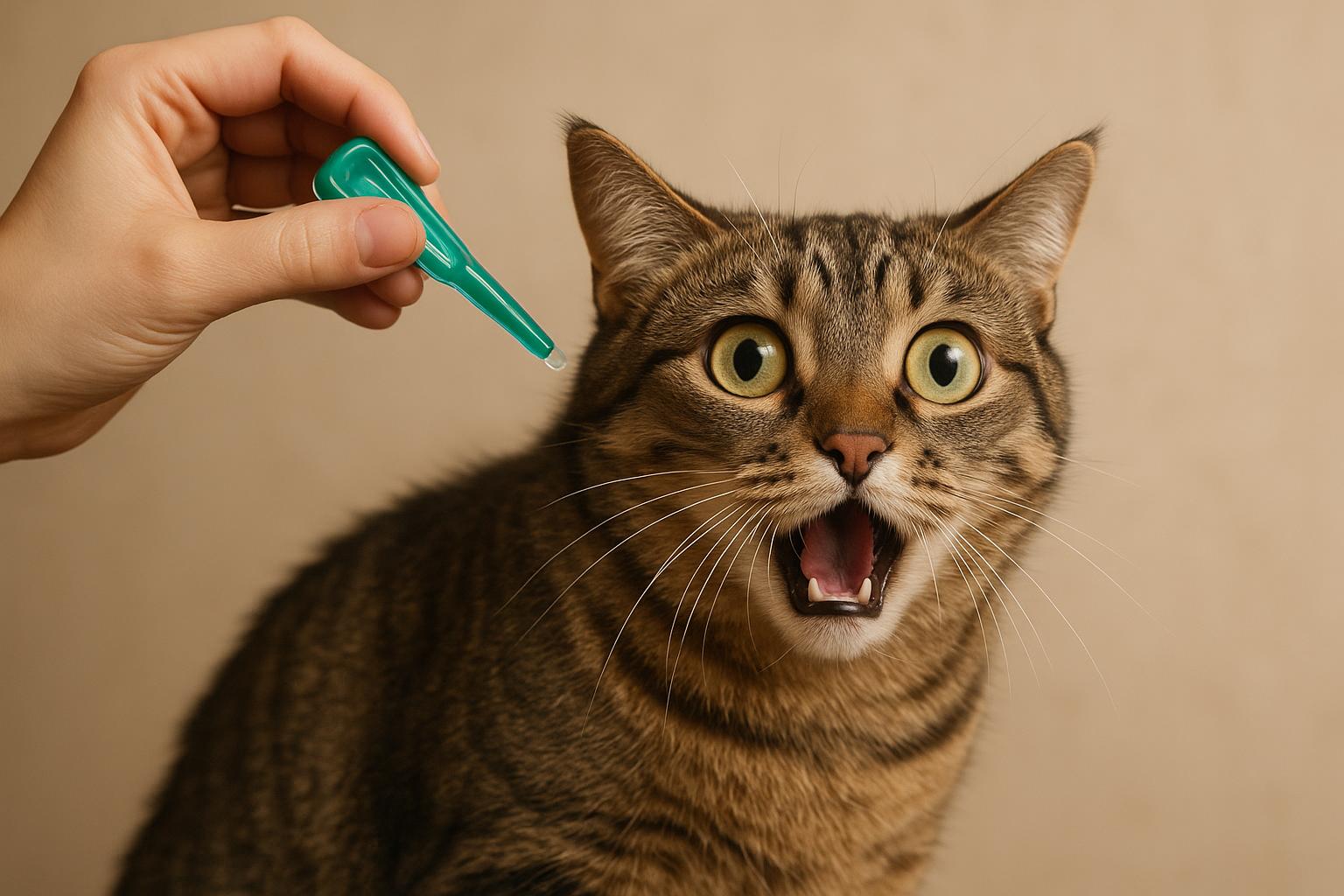
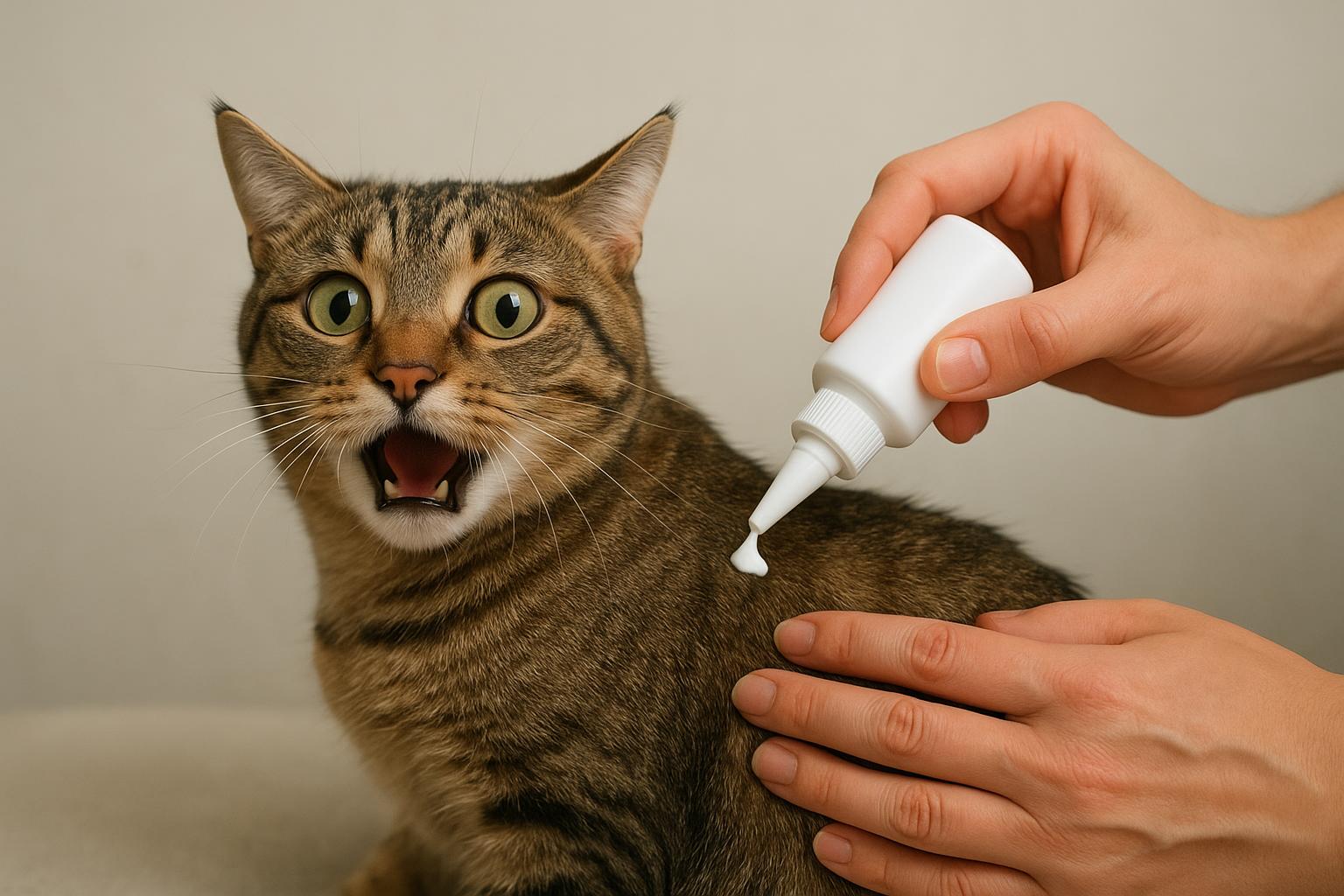
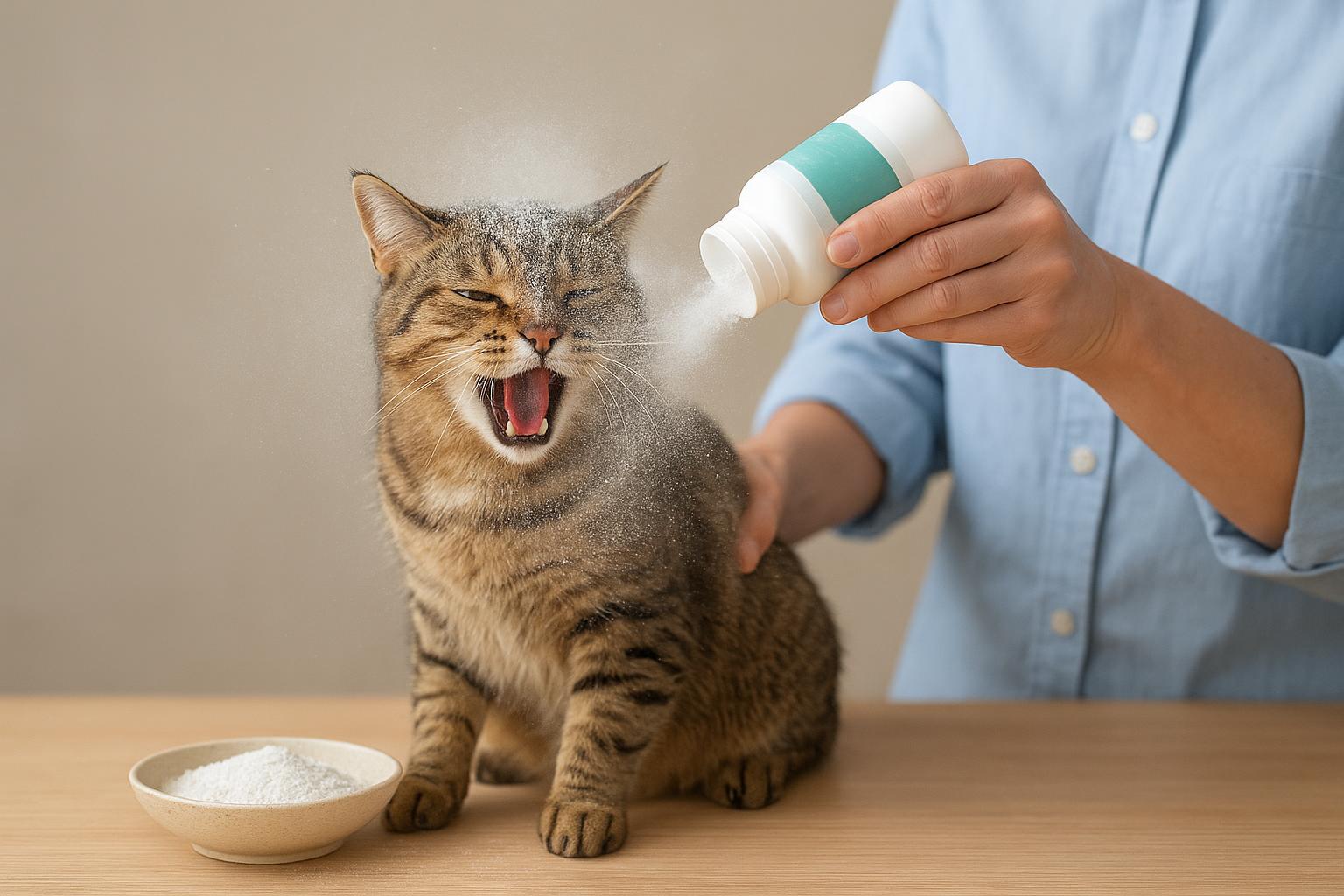
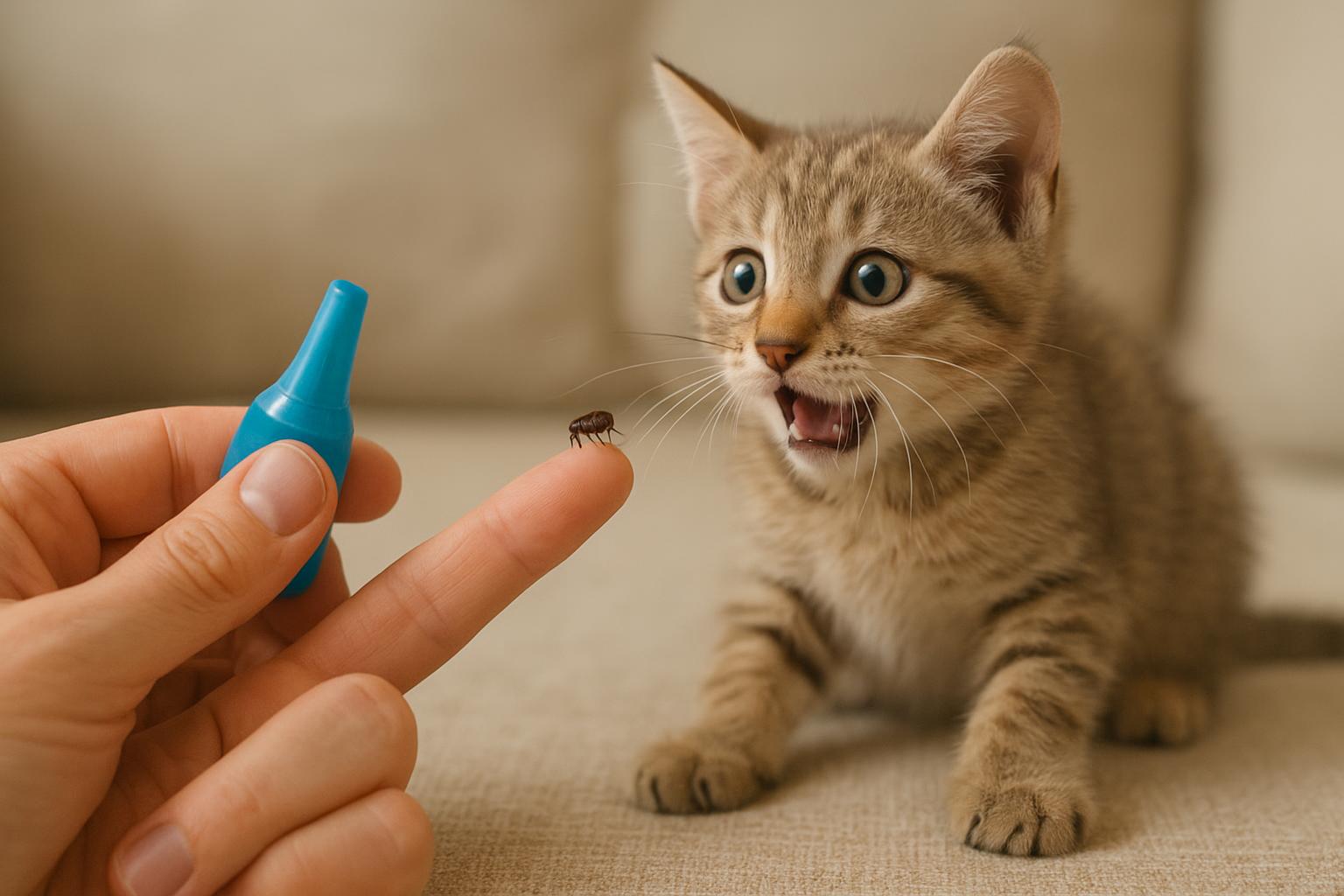
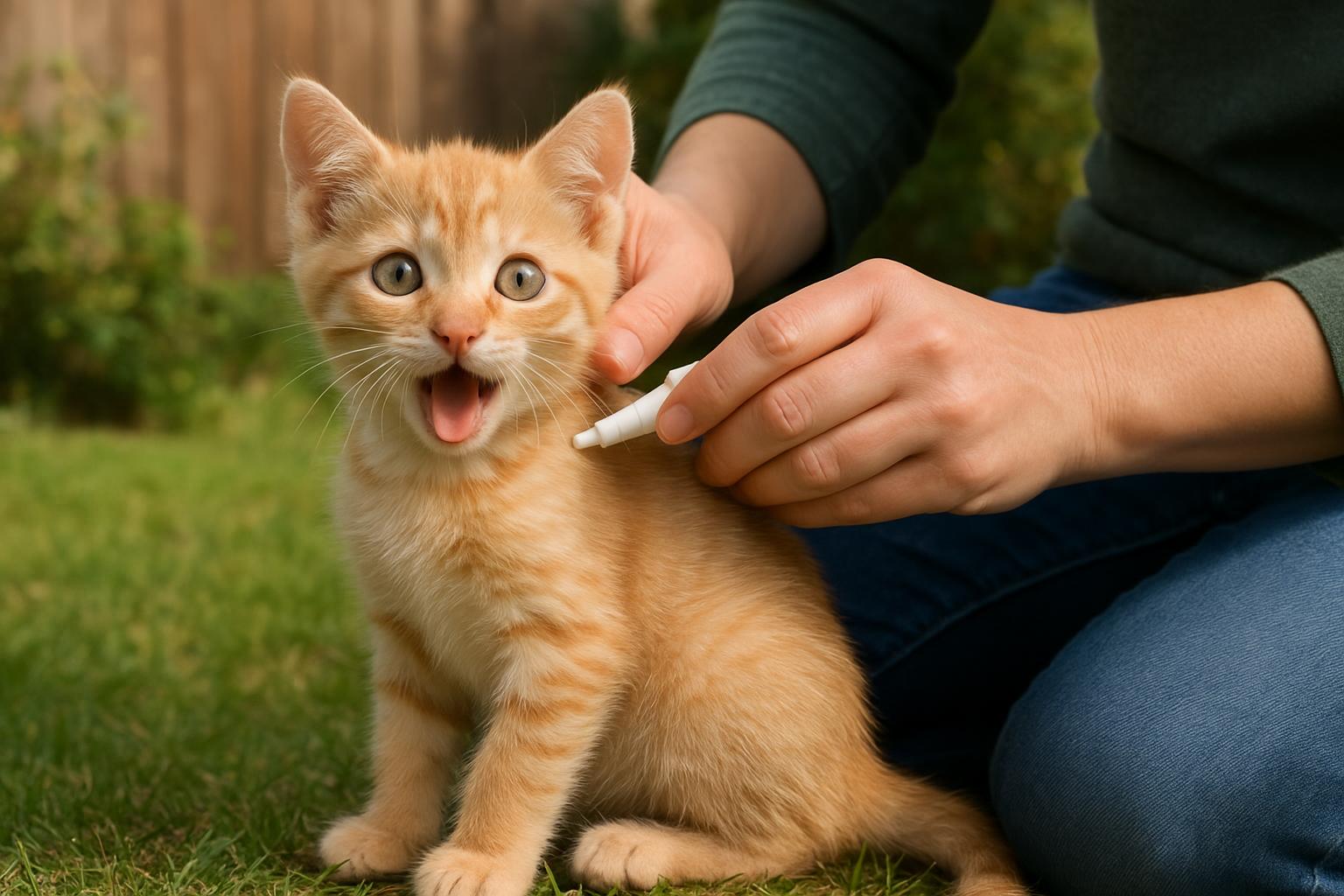
6. Treat The Pet: Administer a veterinarian-recommended flea treatment to your cat. Follow dosage and reapplication schedules precisely; inconsistent use undermines effectiveness.
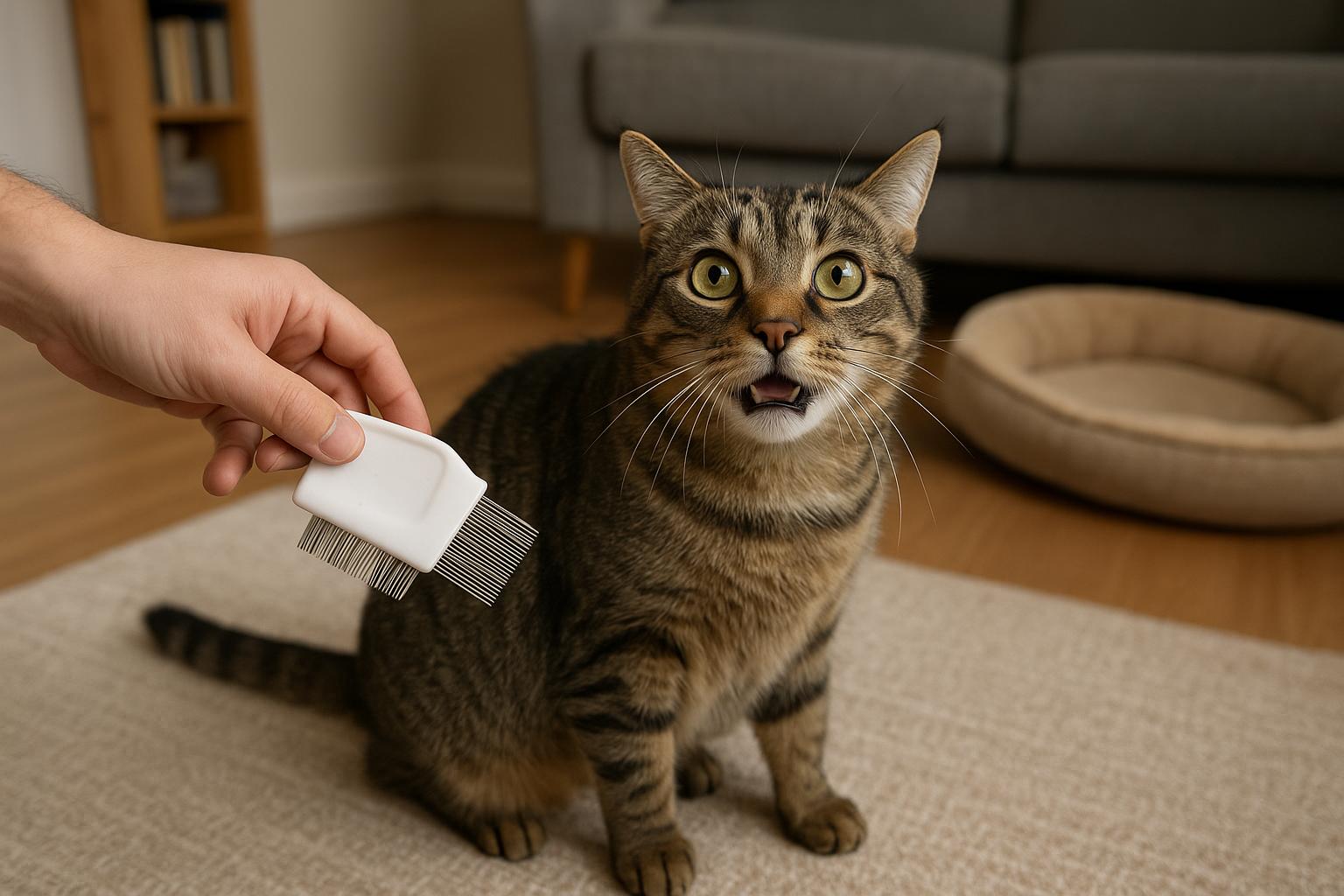
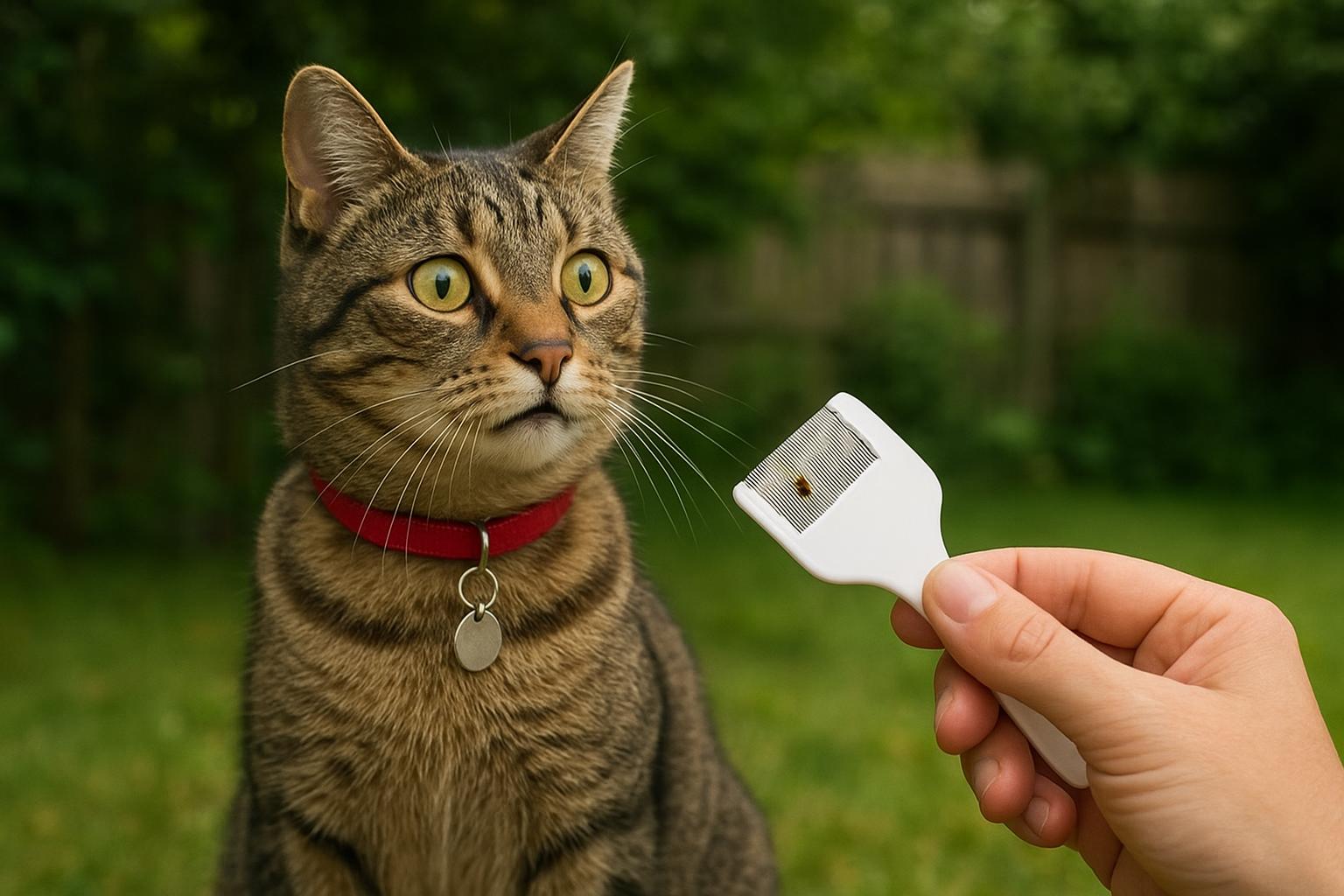
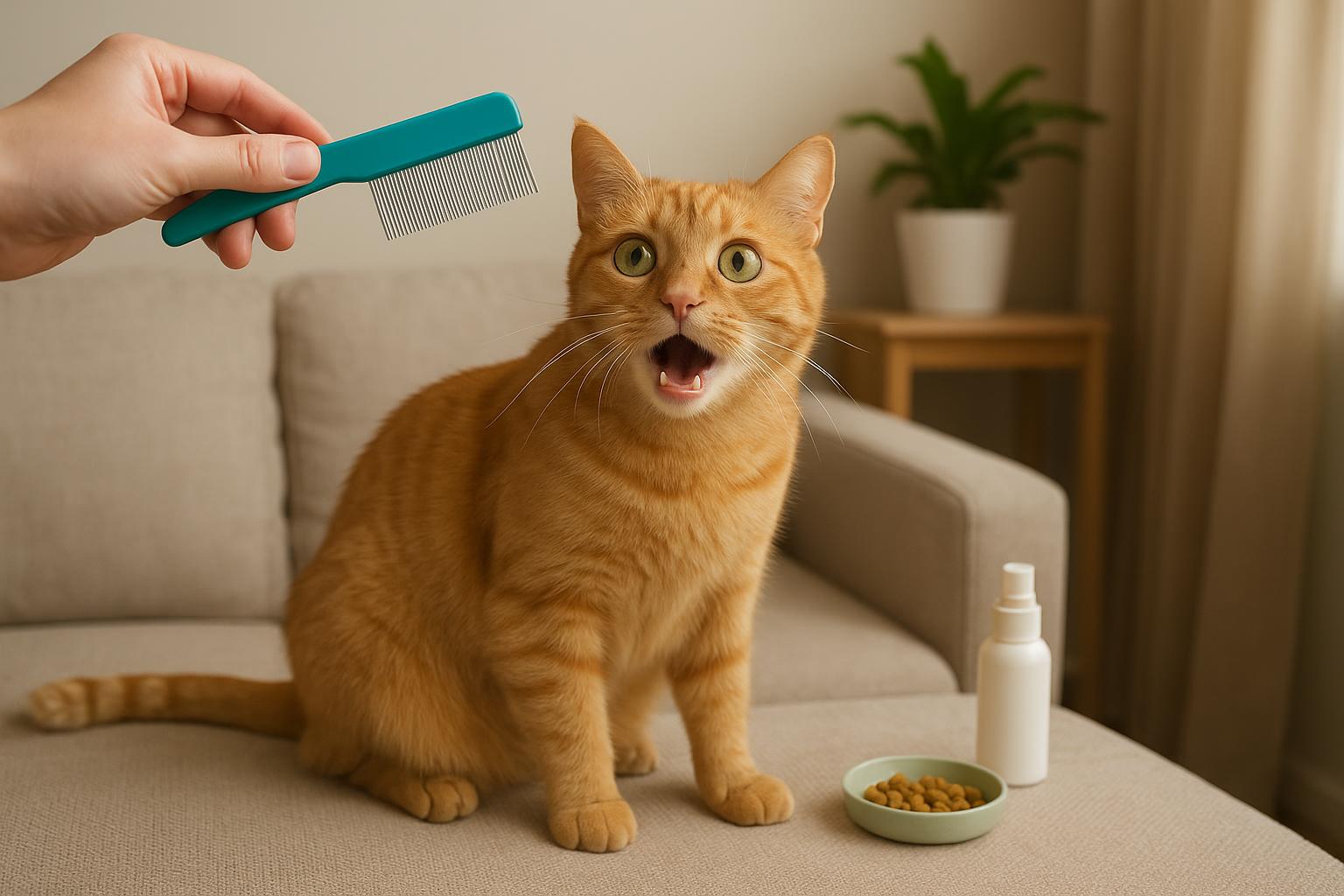
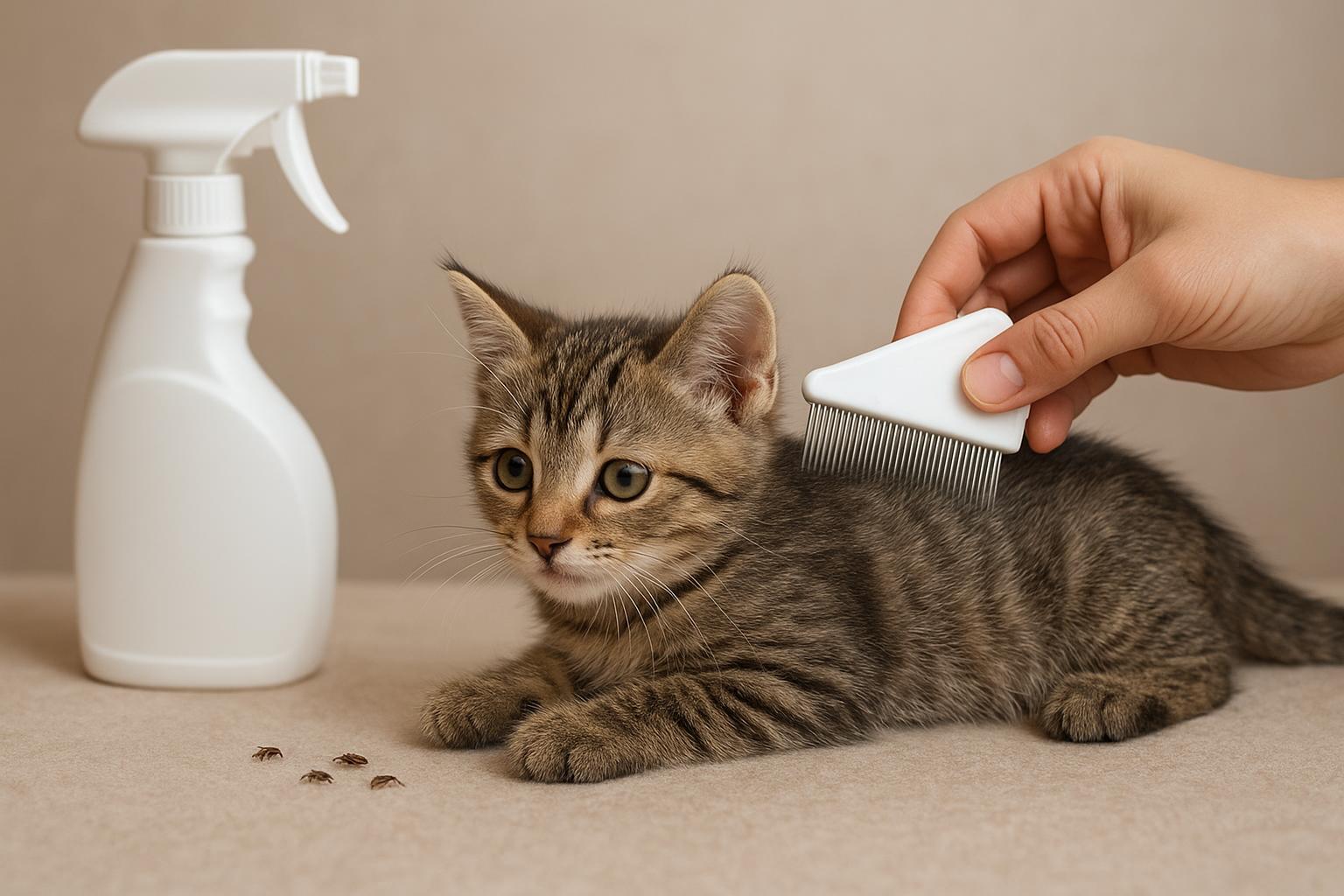
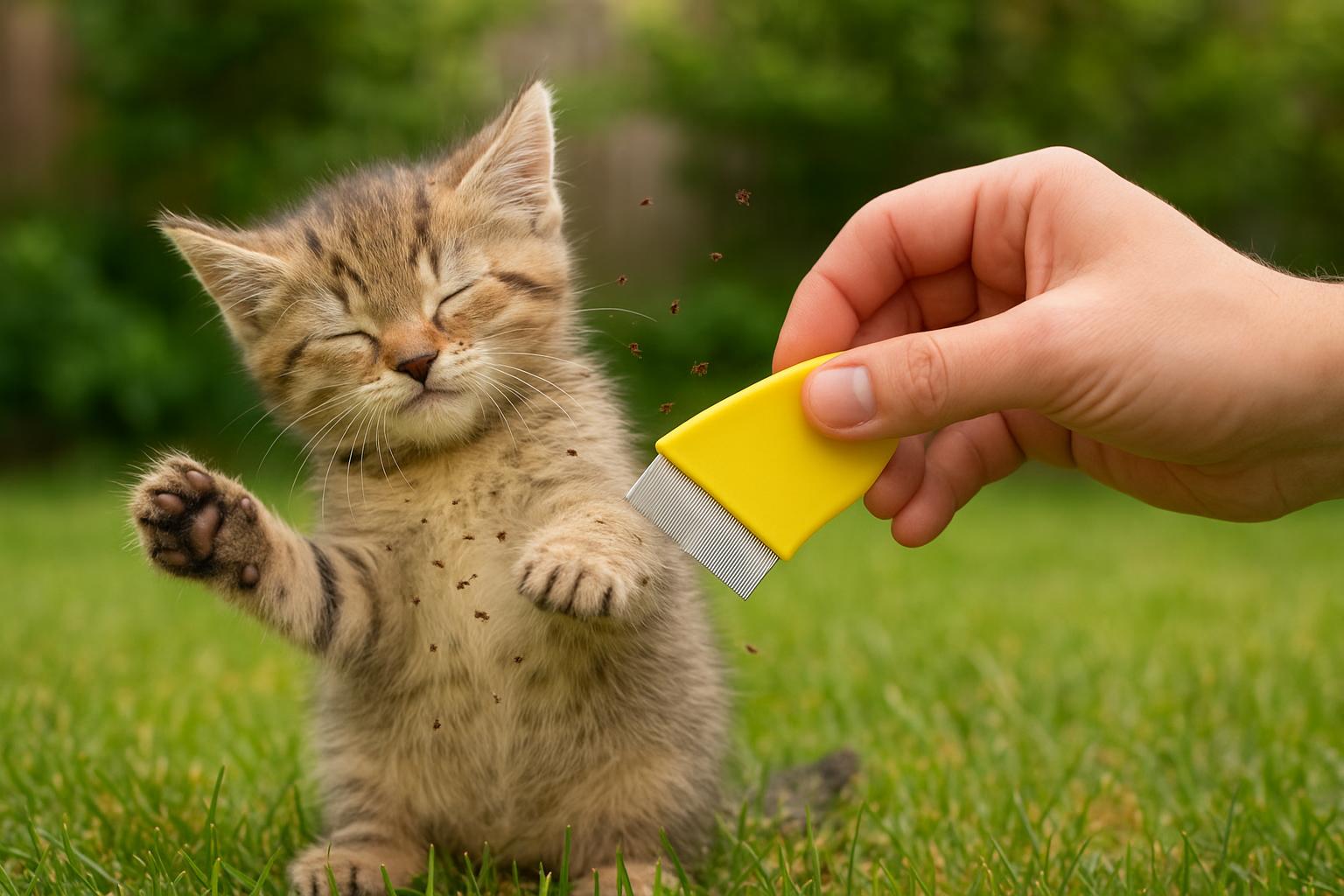
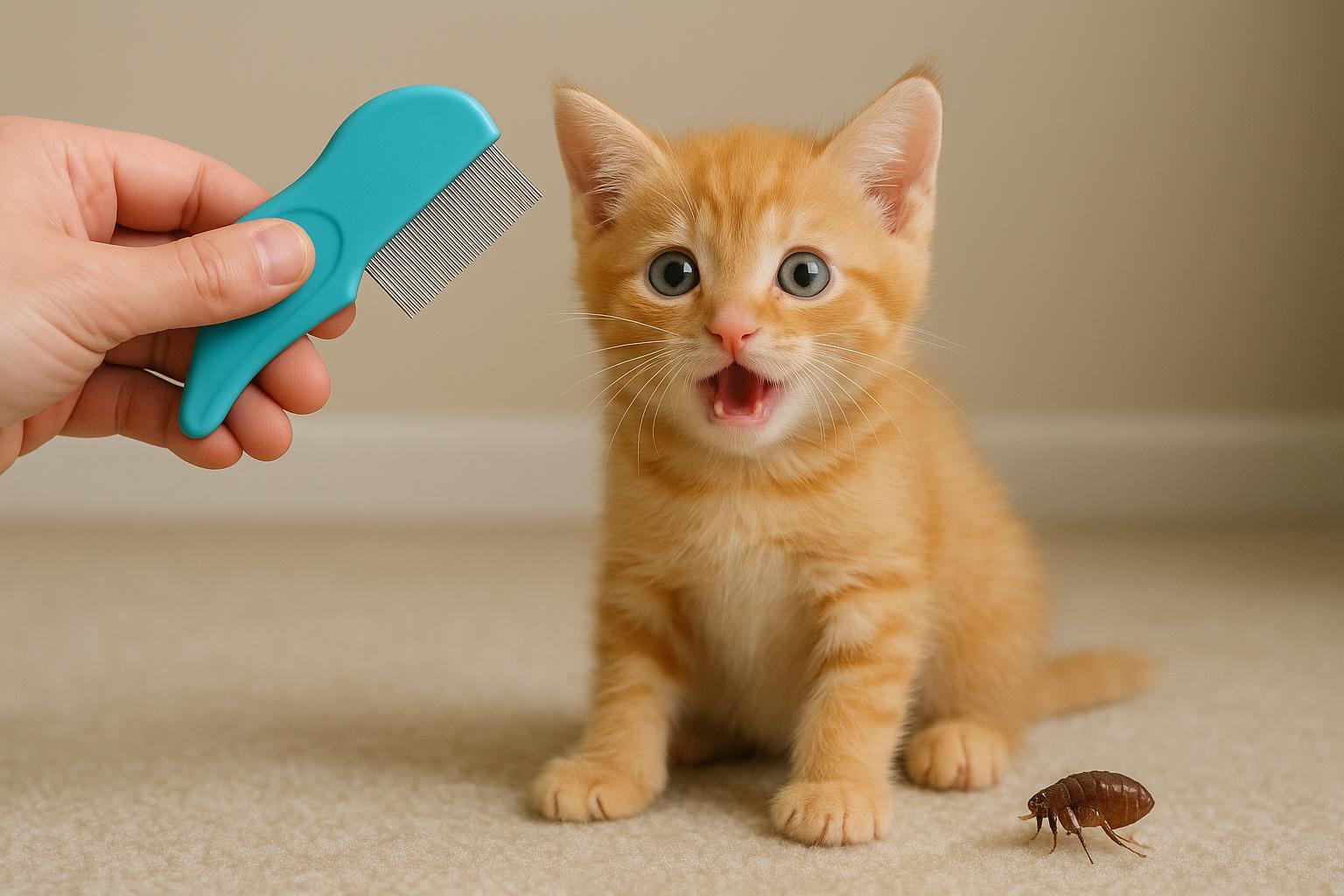
7. Groom And Inspect: Brush your cat over a light-colored towel to monitor flea presence. Remove any visible fleas manually and dispose of them in soapy water.
8. Monitor And Repeat: Repeat vacuuming at least every other day for two to three weeks and wash bedding weekly. Continue using the prescribed flea control product as directed by your veterinarian.
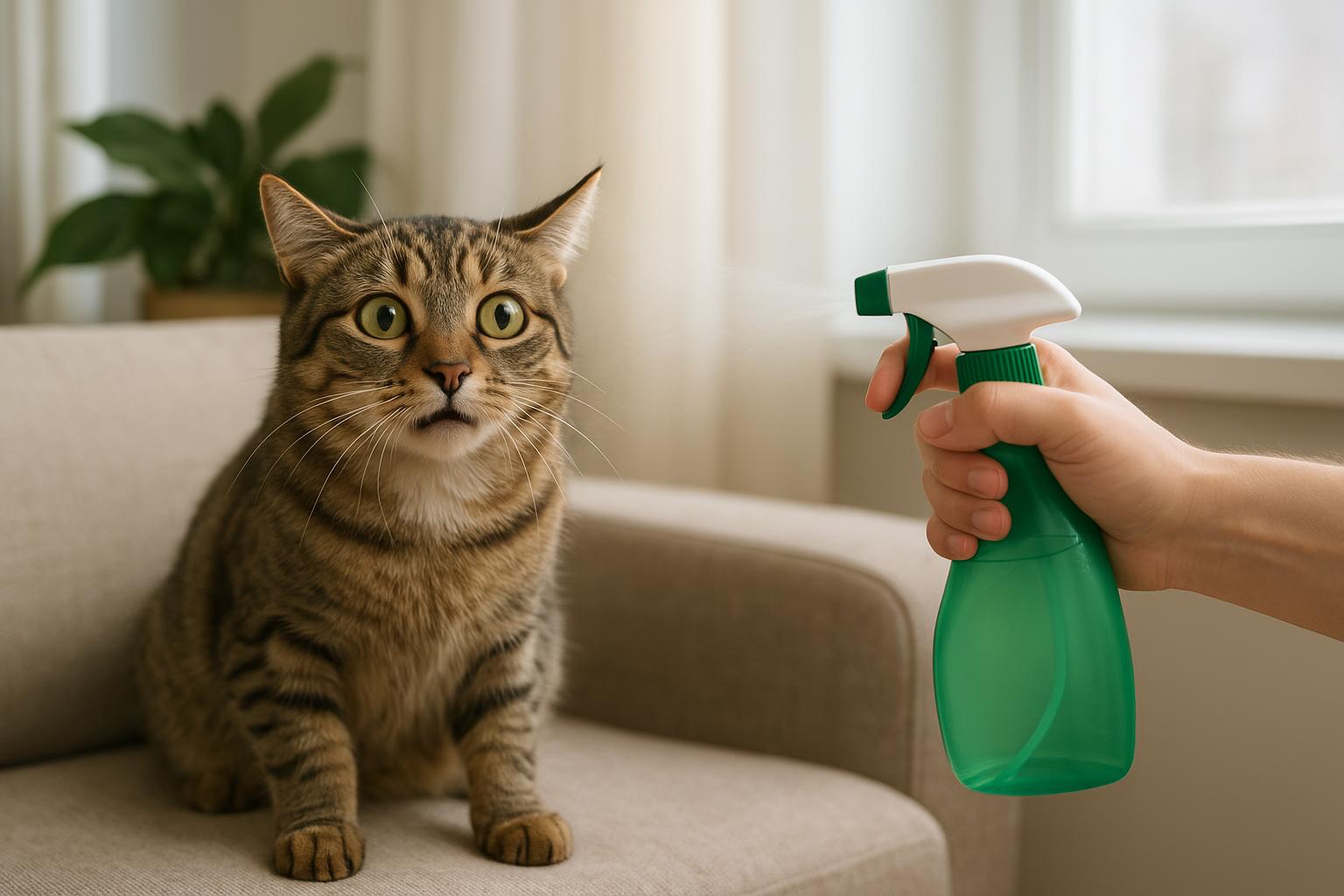
Note: Do not use over-the-counter flea bombs or foggers without consulting a professional; misuse can be hazardous to pets and people, and may not reach where flea stages are hiding.
## Remedy 2: Professional Pest Control And Veterinary Measures
1) Professional Pest Control Intervention
– Hire a licensed pest control professional experienced with flea infestations. They can assess the extent, treat environments safely, and advise on follow-up measures. Professional treatments often combine targeted insecticides with insect growth regulators (IGRs) that prevent eggs and larvae from maturing.
2) Veterinary Medical Management
– Schedule a veterinary visit for diagnosis and treatment options. Vets may prescribe systemic oral products or higher-efficacy topical agents based on the cat’s age, weight, and health status. They can also treat secondary infections, anemia, or parasitic complications.
Materials/Requirements
– Evidence of infestation (photos or samples)
– List of pet’s medical history and current medications
– Access to treated areas for repeat applications (follow the pest professional’s schedule)
Procedure
– Coordinate timing between home treatments and professional applications to avoid redundant or conflicting measures.
– Follow the pest professional’s safety instructions regarding re-entry times, ventilation, and removal of food or water bowls.
– Ensure all pets in the household are treated simultaneously to prevent re-infestation.
### Practical Prevention Tips Moving Forward
Keeping flea lifecycles from restarting is primarily a matter of continued vigilance. Maintain regular grooming routines, keep bedding washable and frequently laundered, vacuum high-traffic and pet-favorite areas, and adhere to a year-round flea prevention schedule recommended by your veterinarian. For multi-pet households, treat all animals concurrently, even if only one shows signs.
#### Minimizing Outdoor Risks
If your cat goes outdoors, check frequently for ticks and fleas after outings. For indoor-only cats, inspect any new items (used furniture, bedding) before bringing them inside. Seal gaps where rodents might enter, since they can introduce fleas.
There’s no shame in taking a pragmatic approach to flea litter — it’s common, it’s manageable, and with the right combination of household diligence and professional or veterinary assistance, you can reclaim your home and keep your cat comfortable and itch-free.











Leave a Reply