
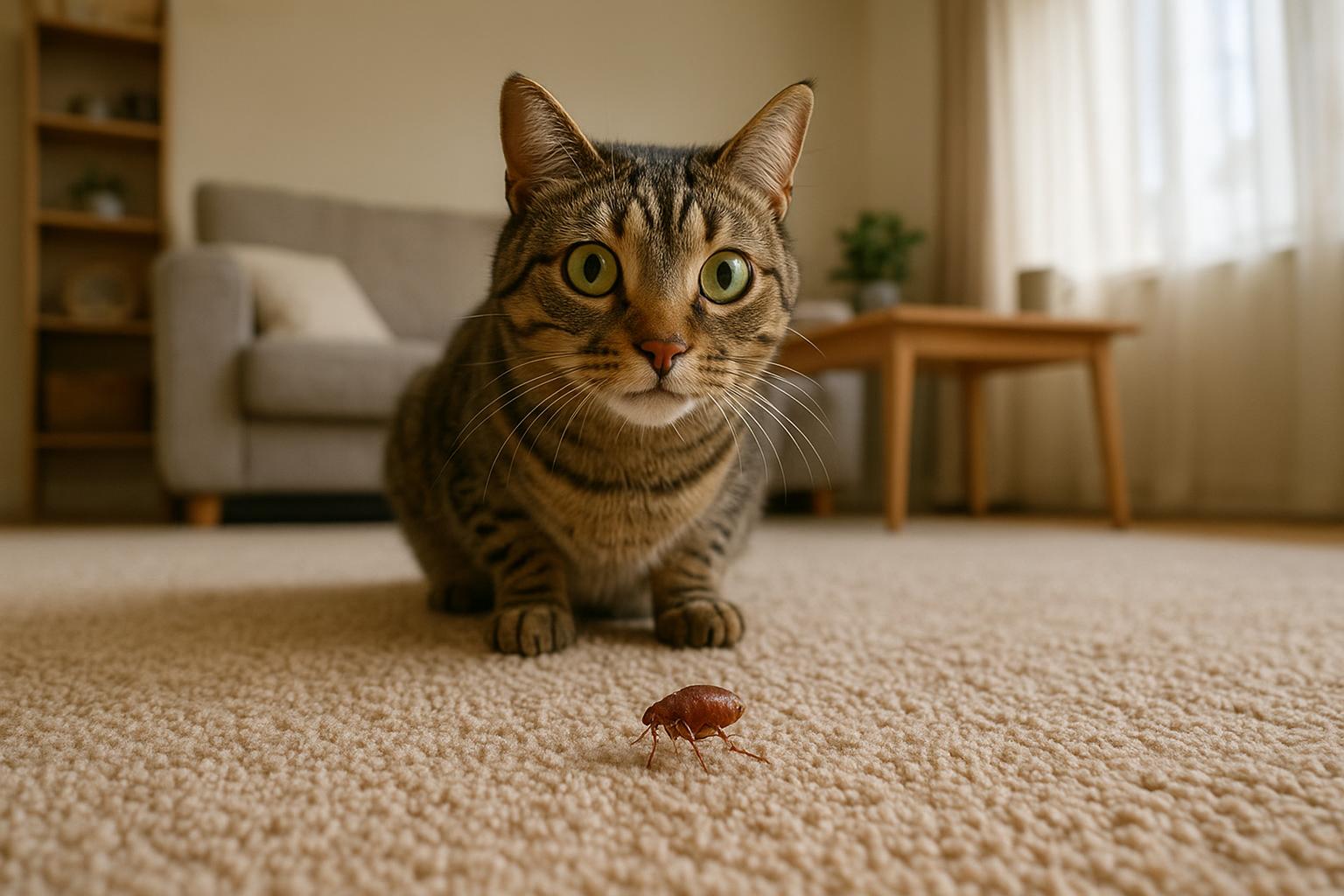
You’re looking at tiny, fast-moving critters and trying to figure out whether they’re fleas or just dirt. Totally relatable. This guide will help you read the visual cues — especially flea color — and recognize what cat fleas look like when they show up at home. Think of it as a gentle field guide for your living room.
## Flea Color Cues And What Cat Fleas Look Like At Home
### Why Flea Color Is A Useful Clue
Flea color can tell you a surprising amount about what you’re dealing with. Fleas aren’t wildly colorful like butterflies, but differences in shade and shine help distinguish life stages, recent feeding, and even species at a glance. For a pet owner trying to spot a problem early, paying attention to flea color is one of the simplest tricks in the book.
#### Color Across Life Stages
– Eggs: Tiny, pearl-like, and white — eggs are easiest to miss against light fabrics.
– Larvae: Creamy white with a slightly translucent look; they avoid light and hide in fibers.
– Pupae: Encased in a sticky cocoon; often appear as small, darkish specks because of trapped debris.
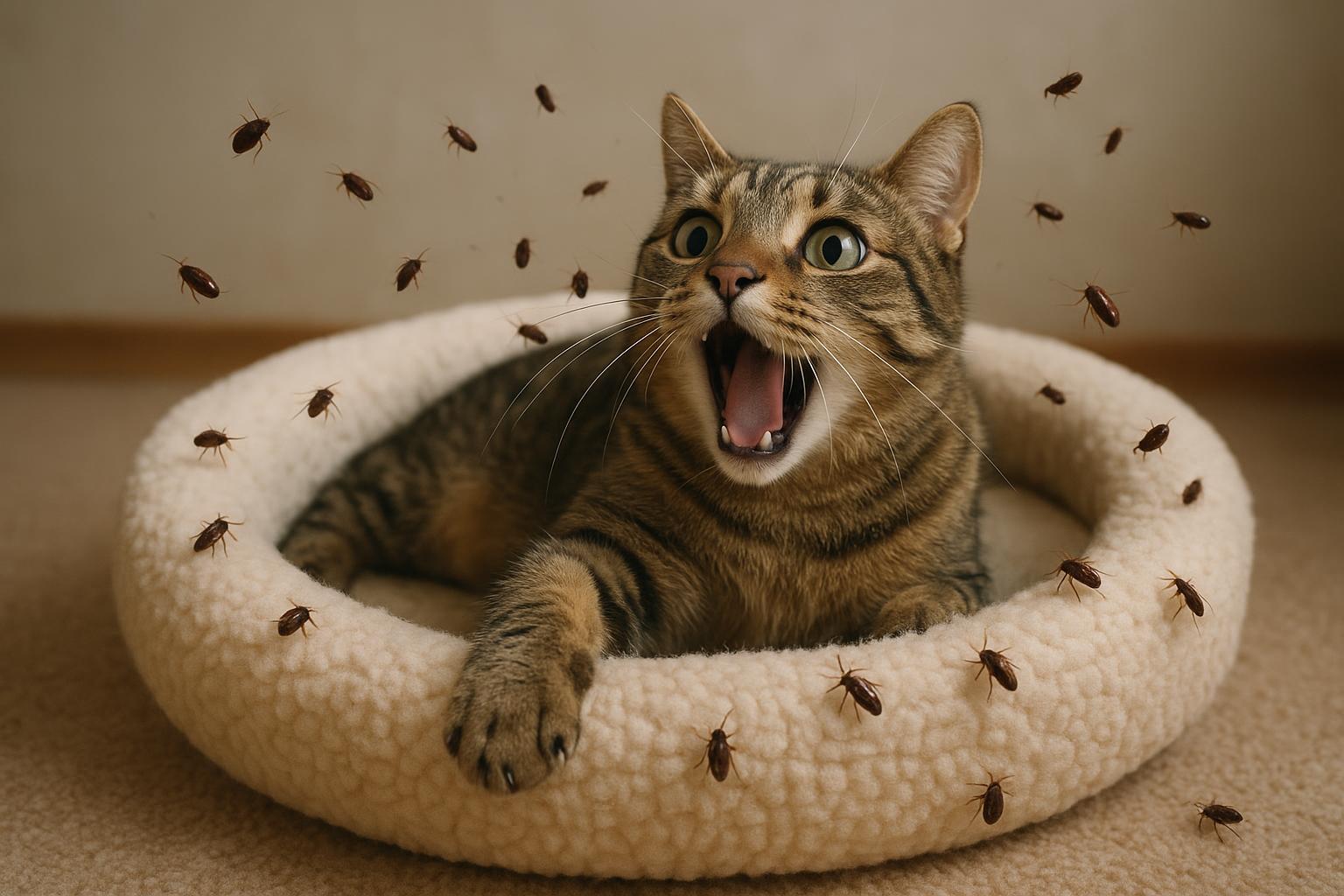
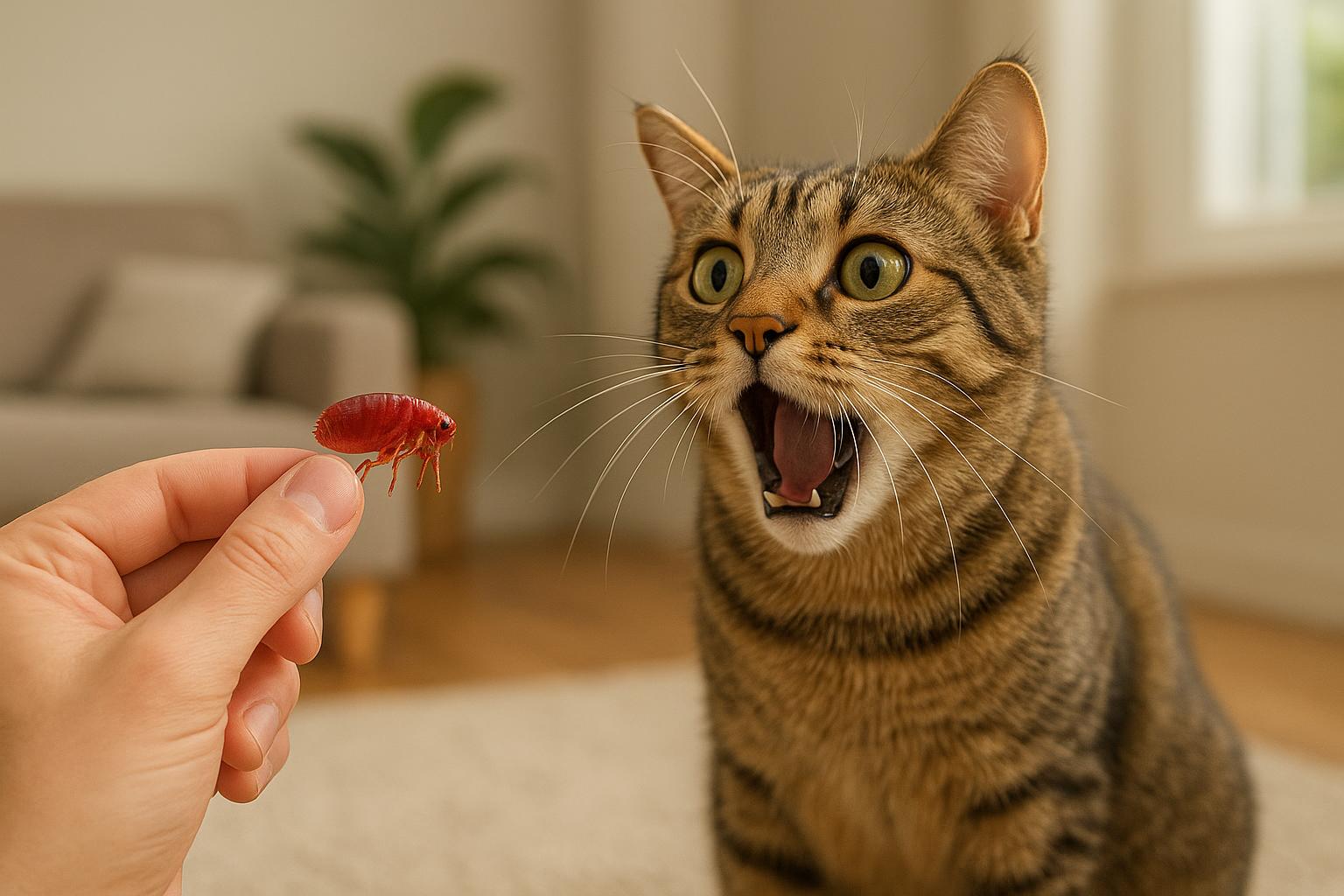
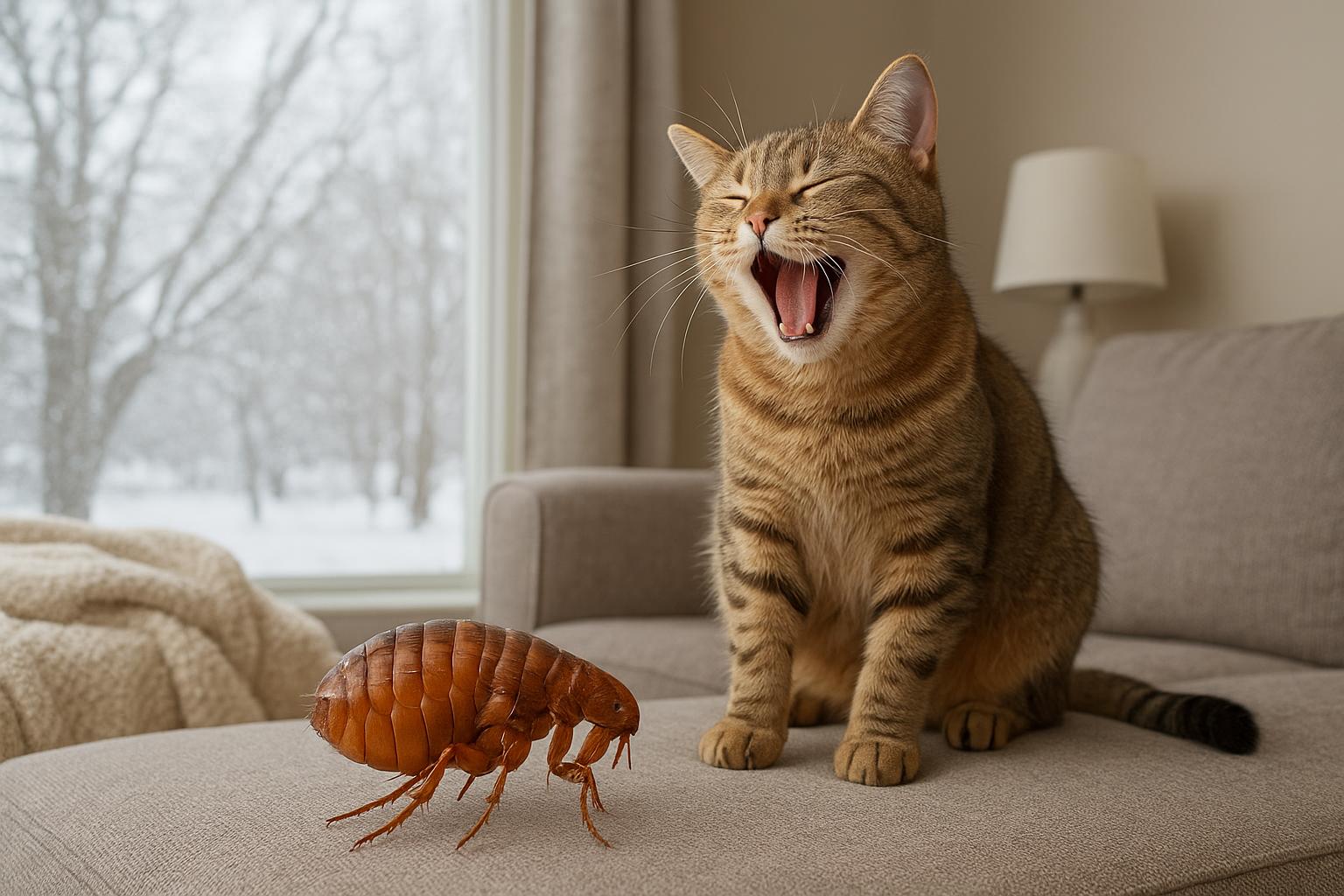
– Adults: Typically brown to reddish-brown when unfed; after a blood meal they may look darker, sometimes almost blackish-red.
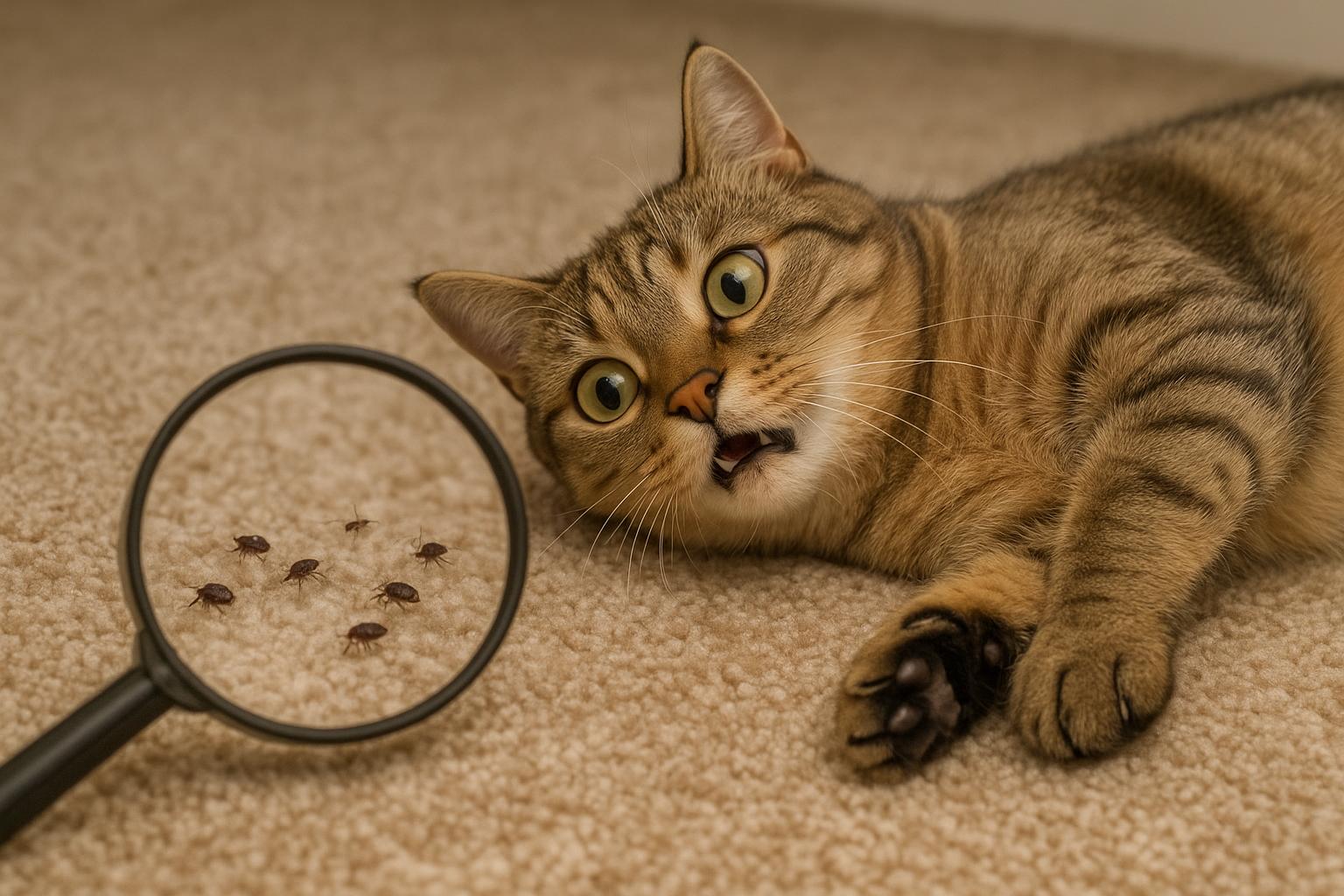
The adult flea’s flea color shifts after feeding because of the blood in their gut. So if you see a very dark speck moving, it’s likely a recently fed adult flea.
### What Cat Fleas Look Like Up Close
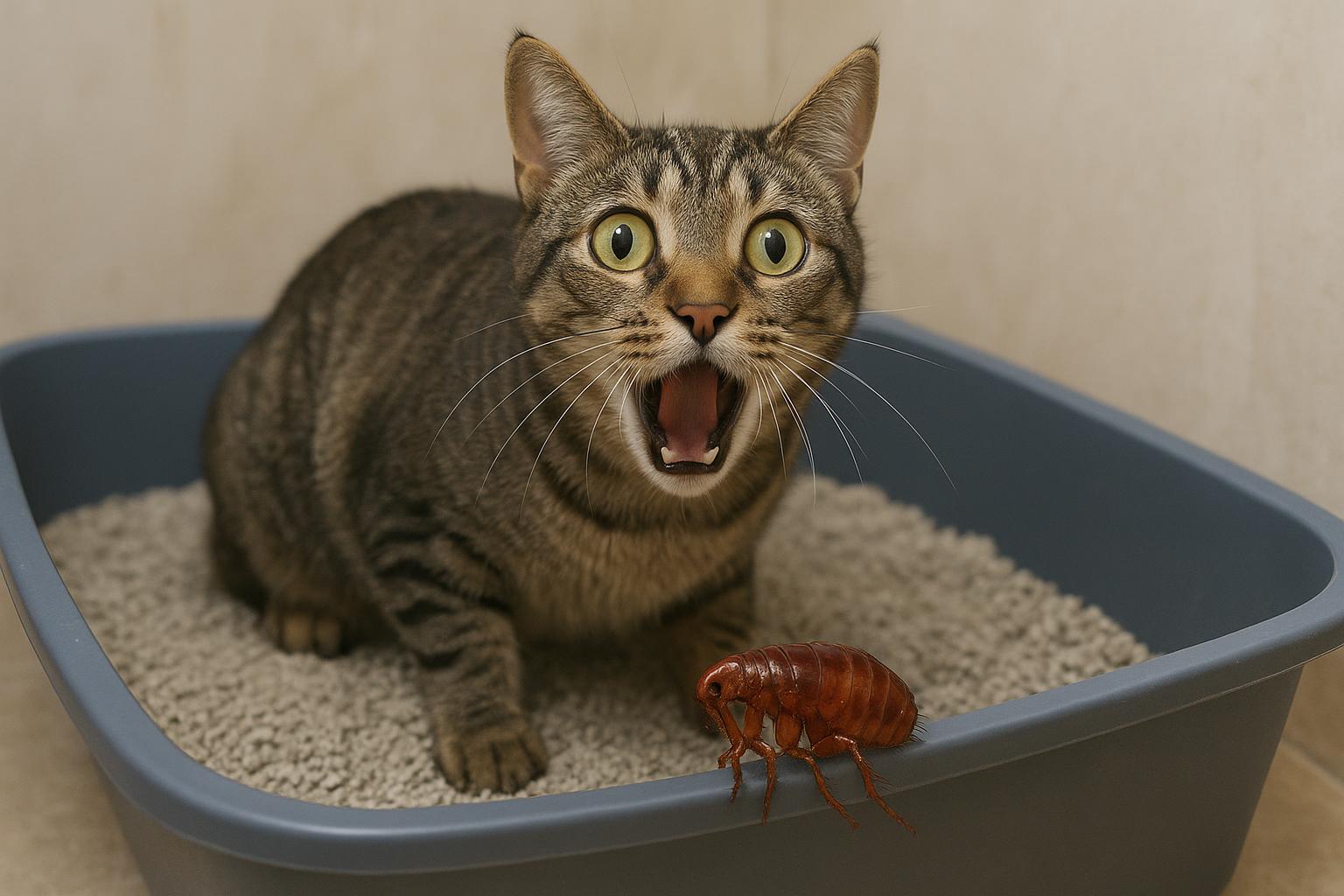
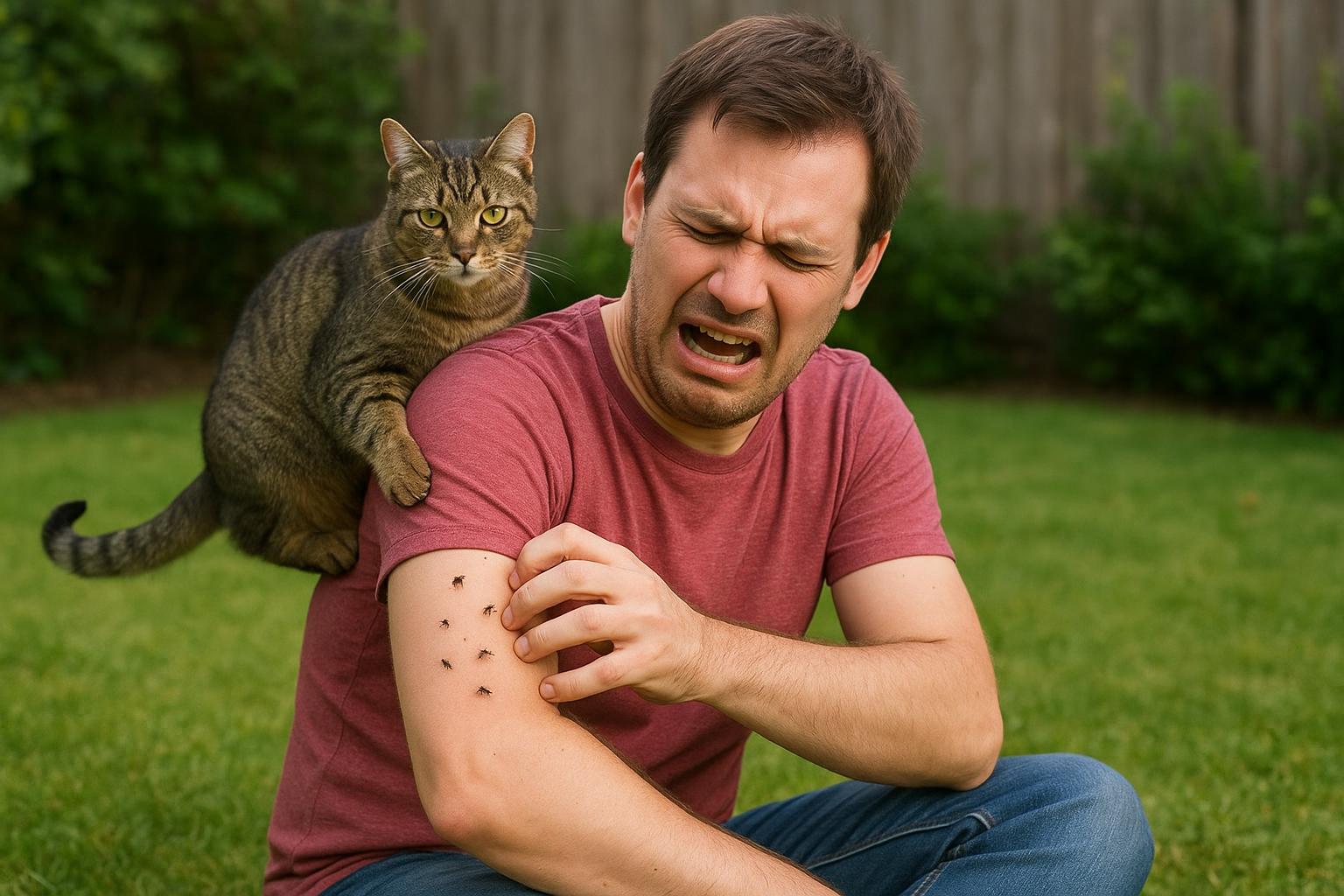
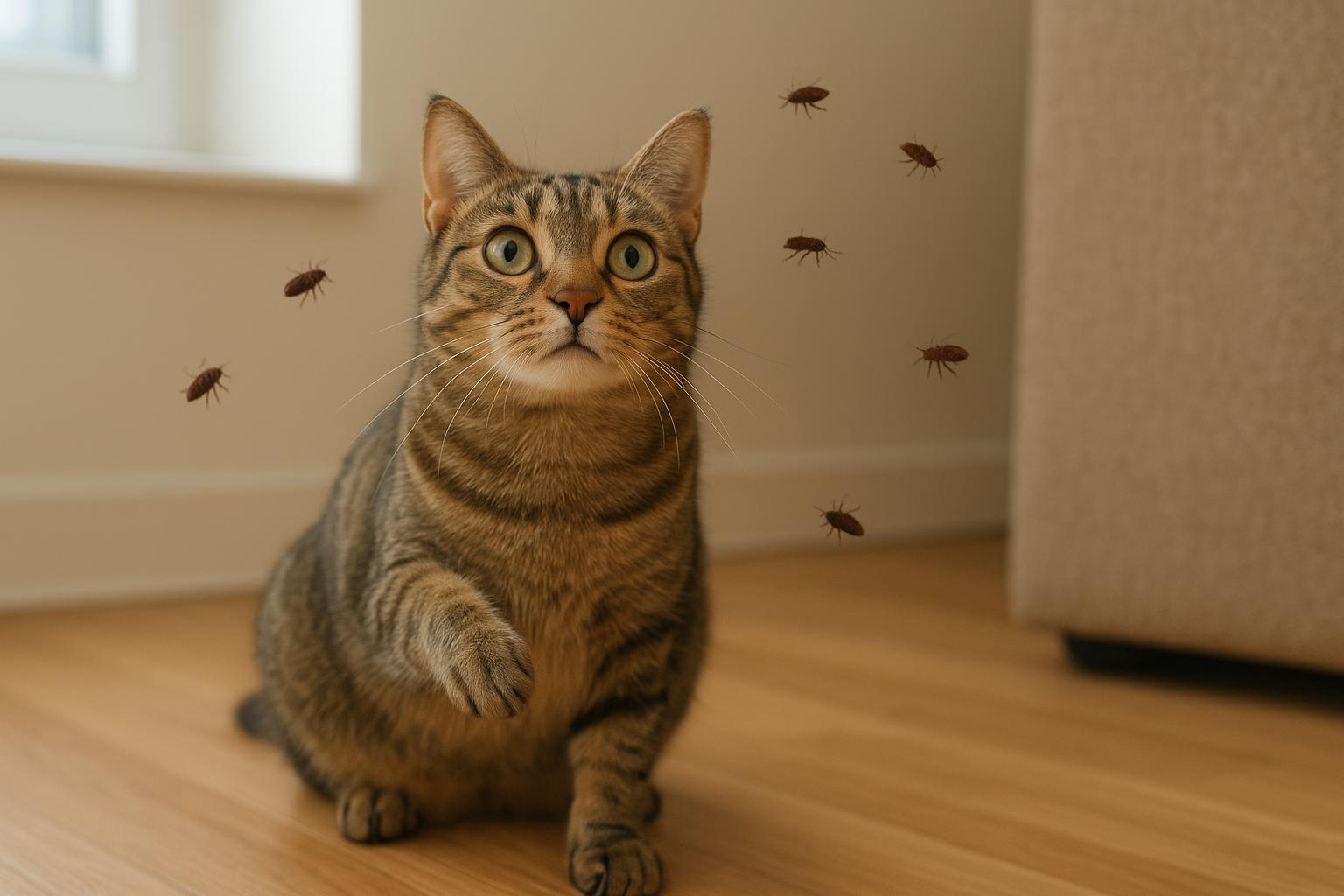
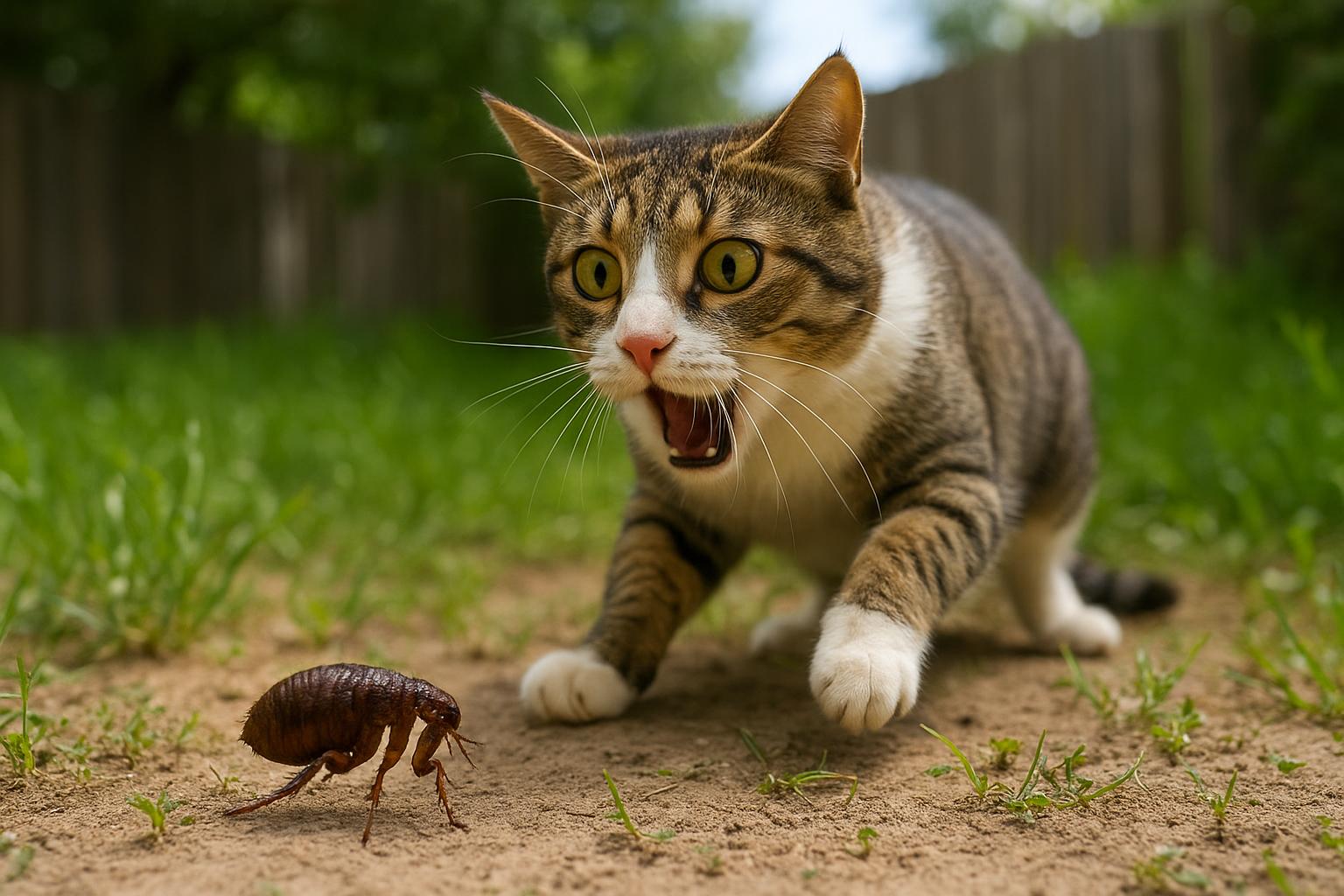
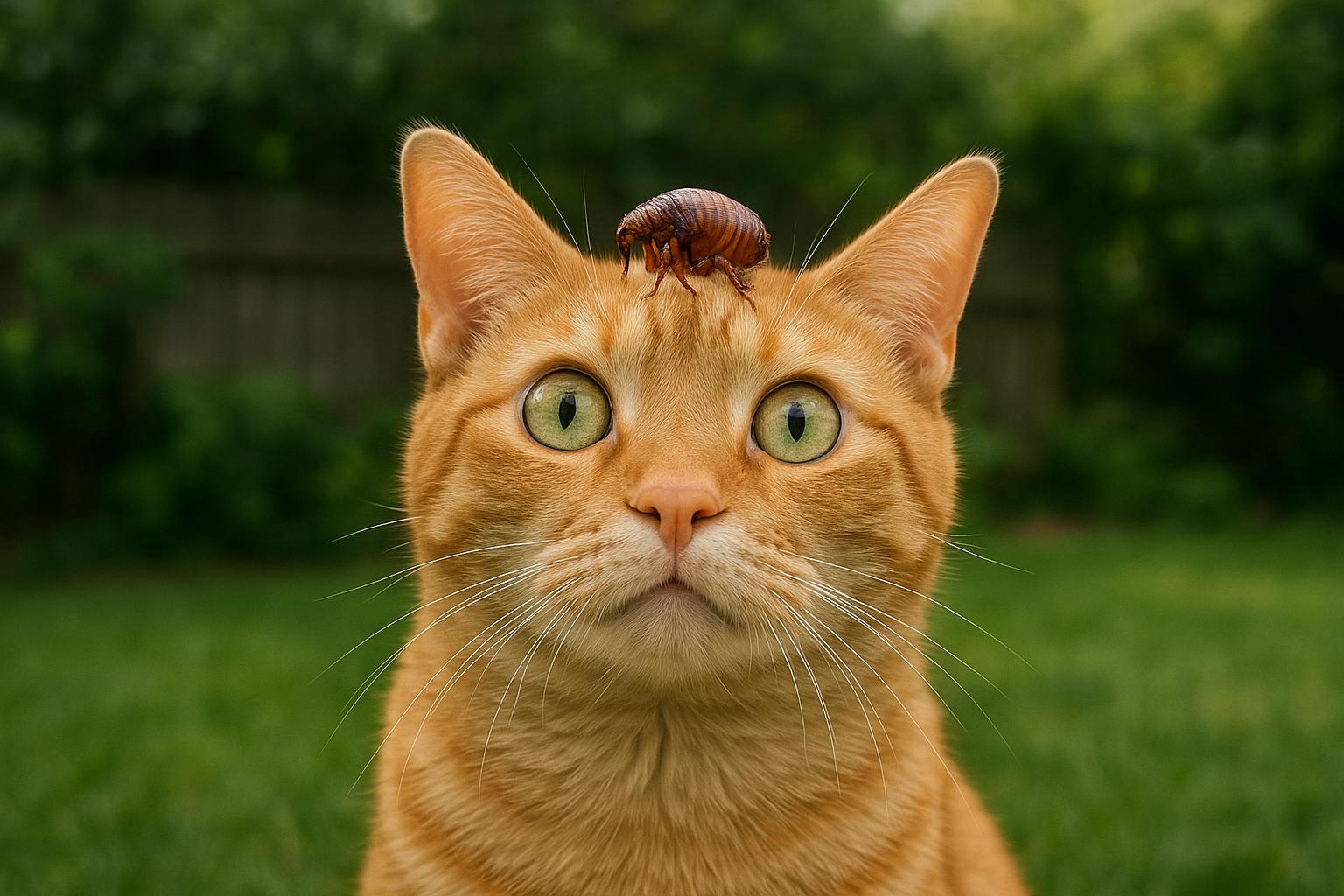
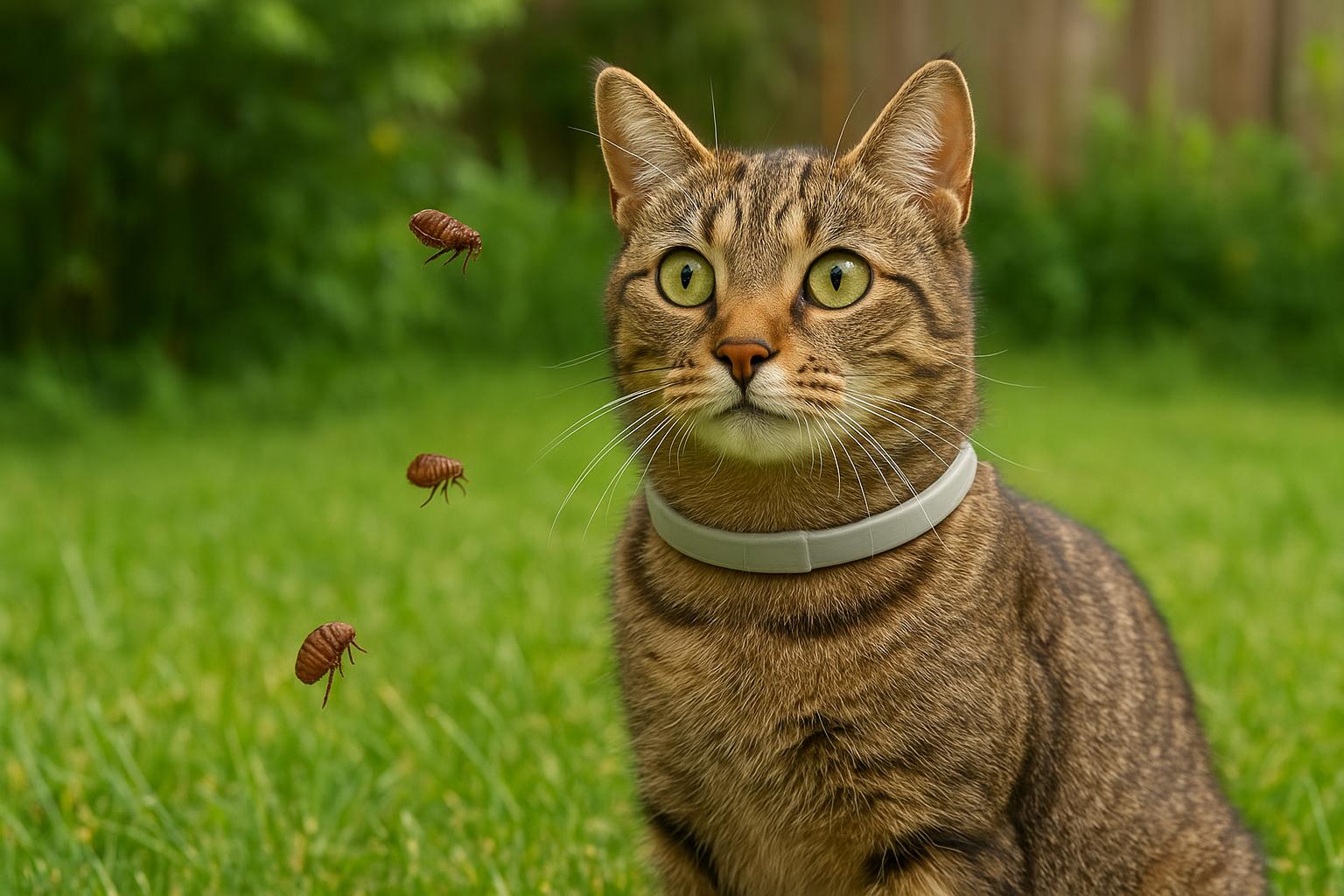
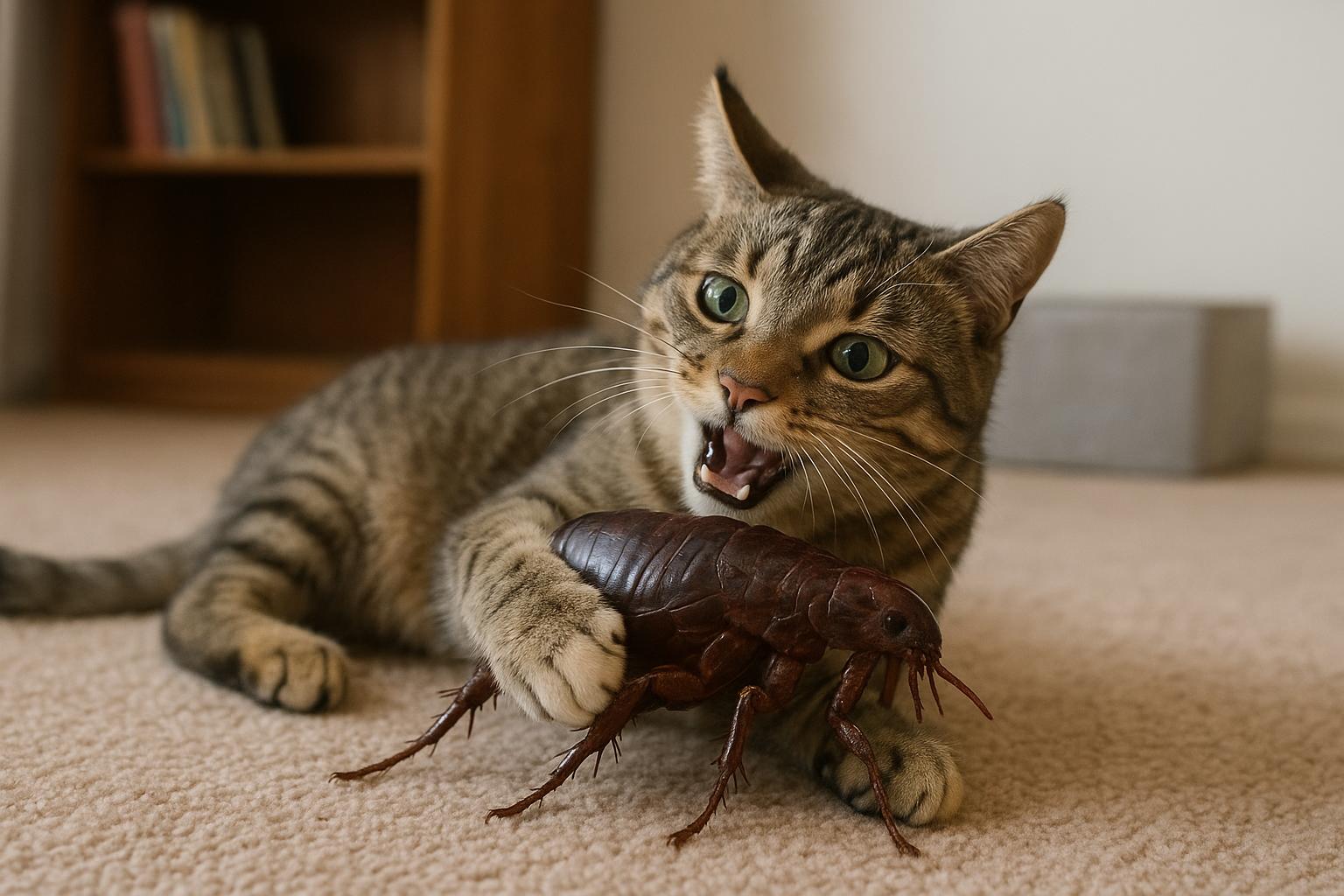
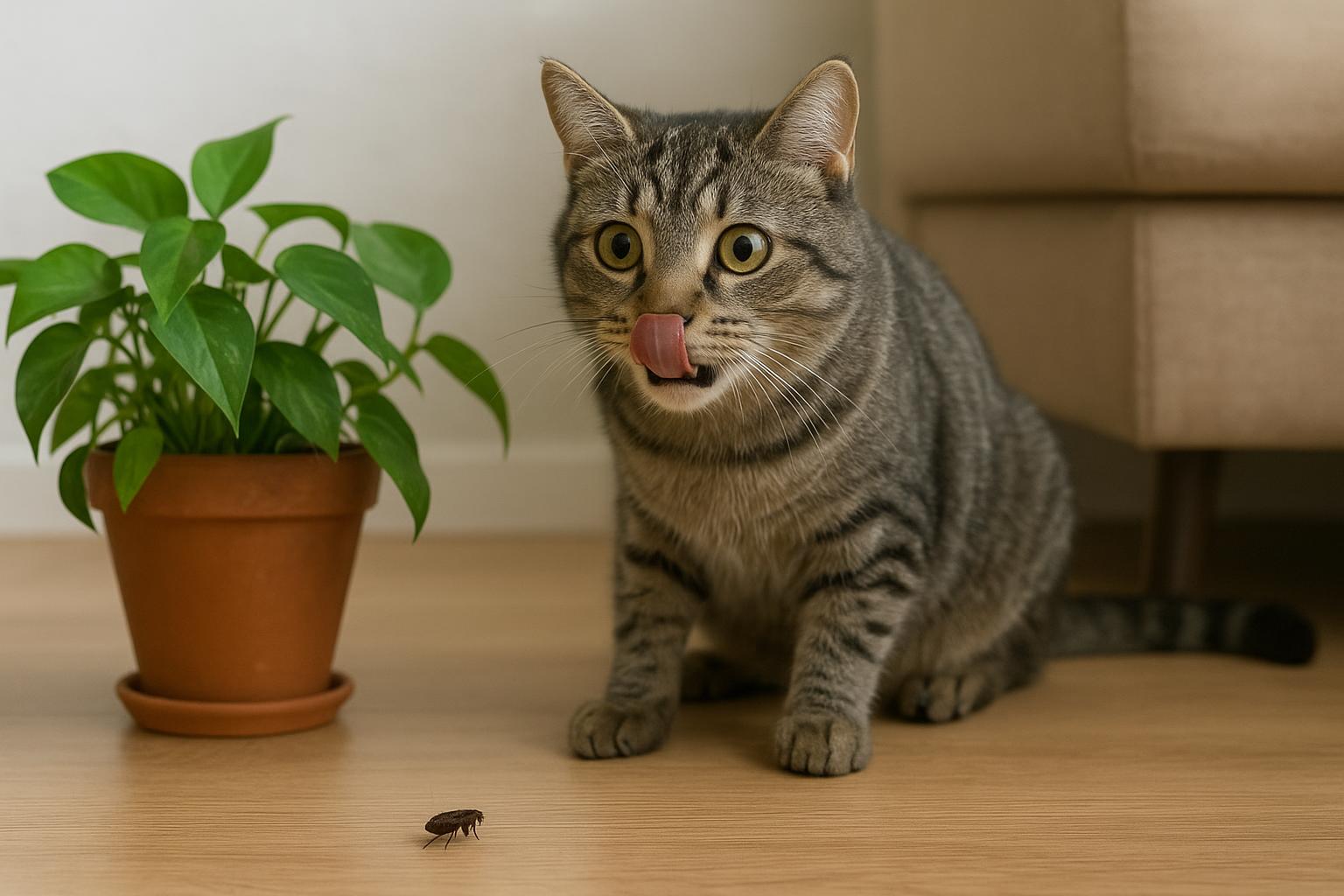
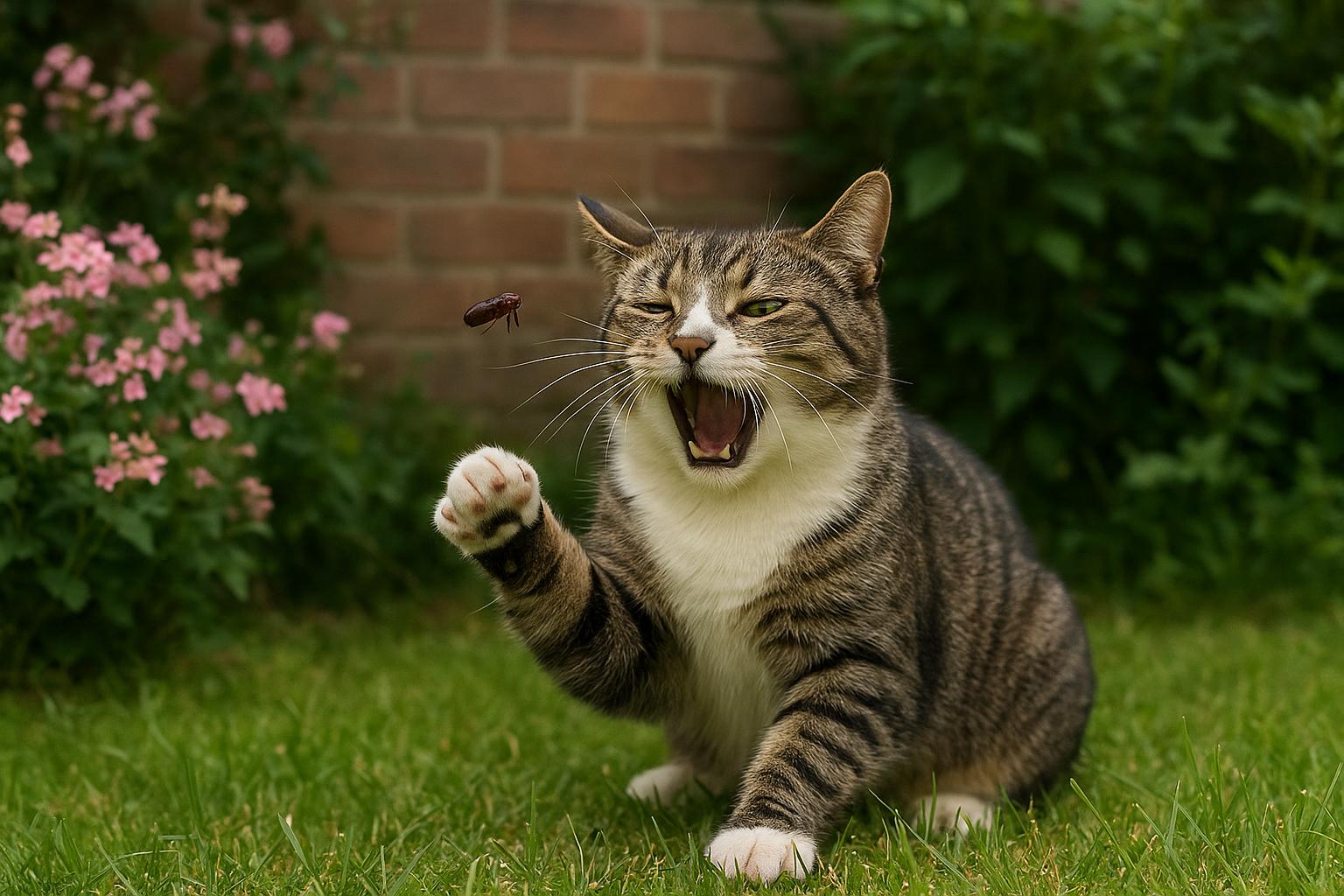
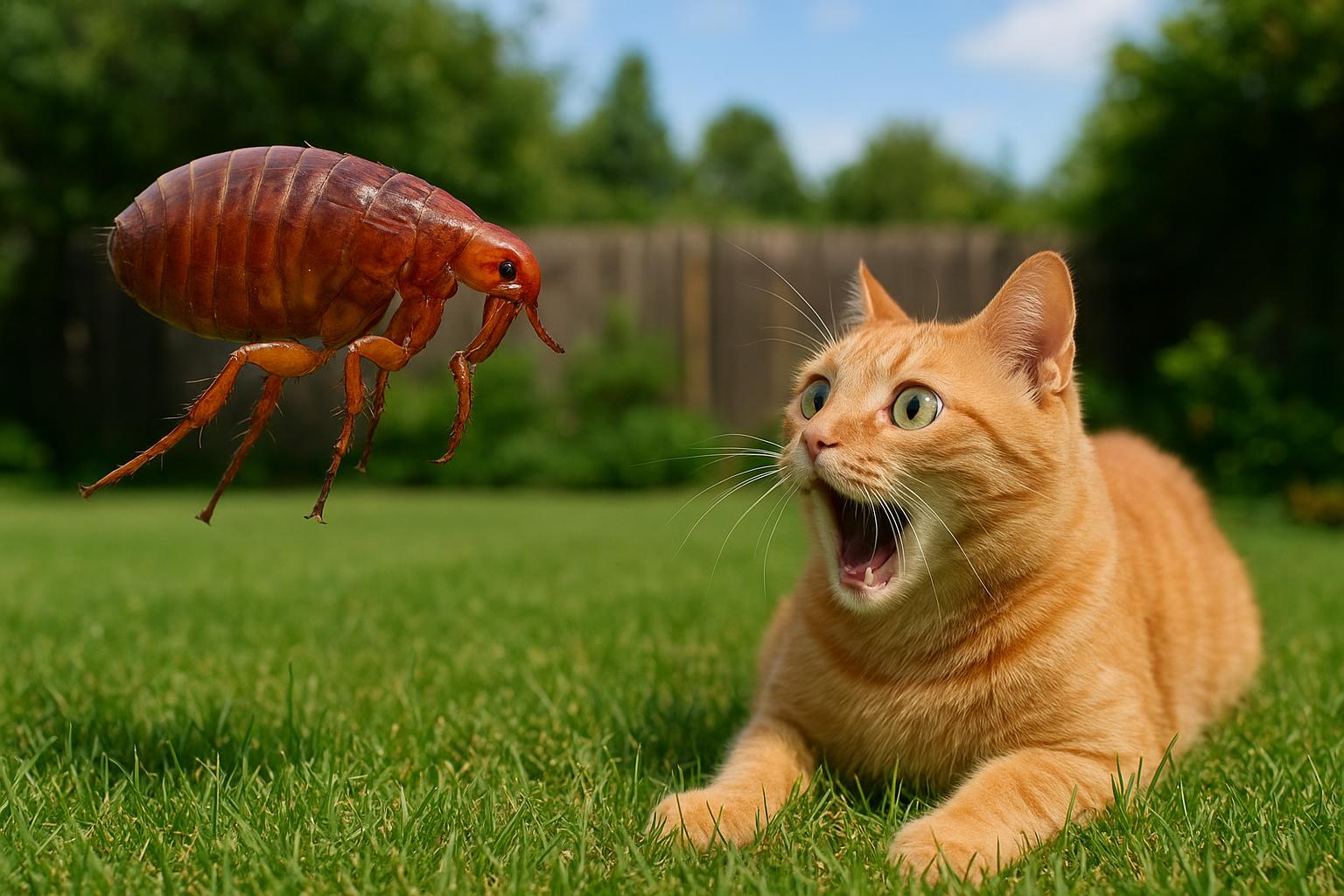
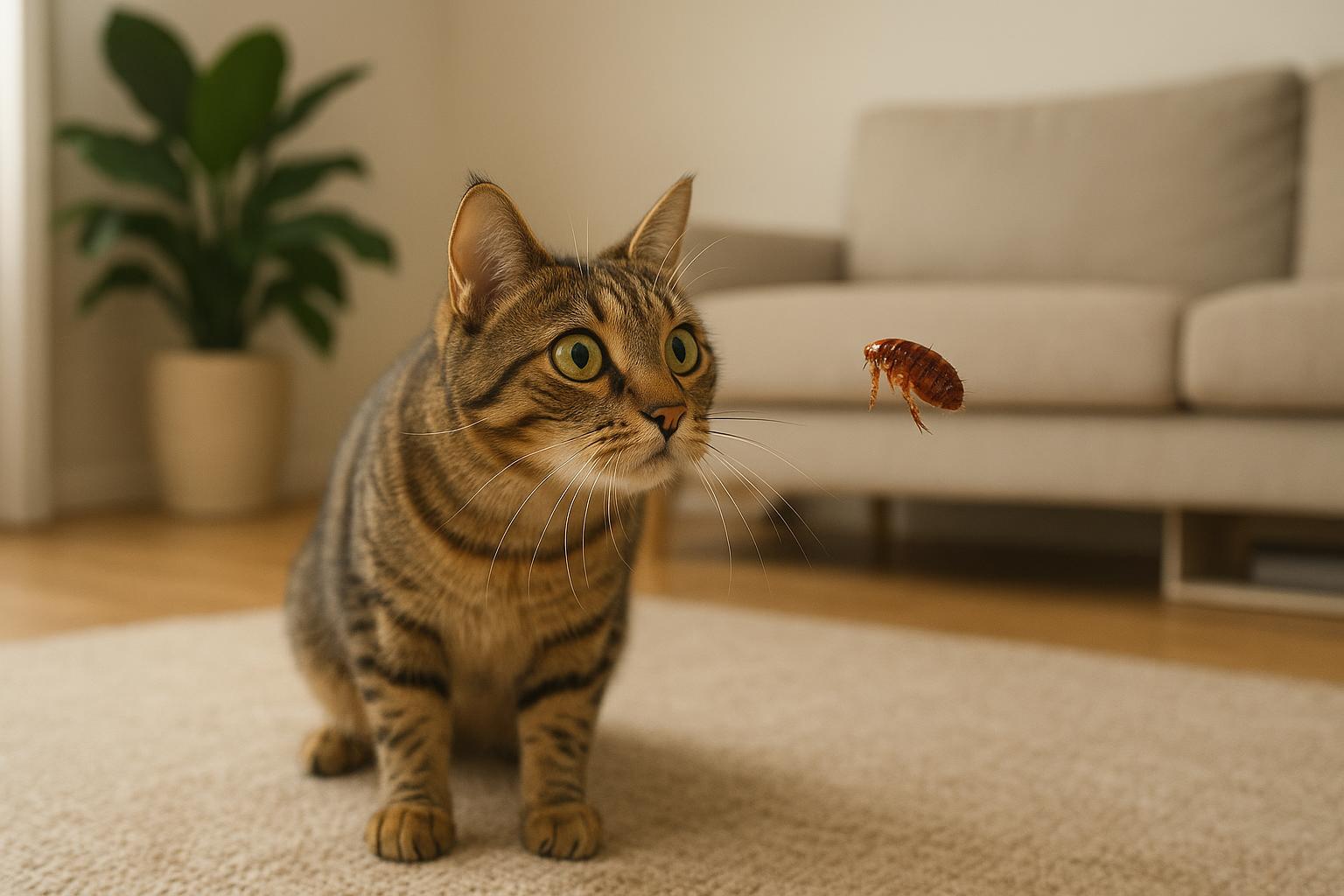
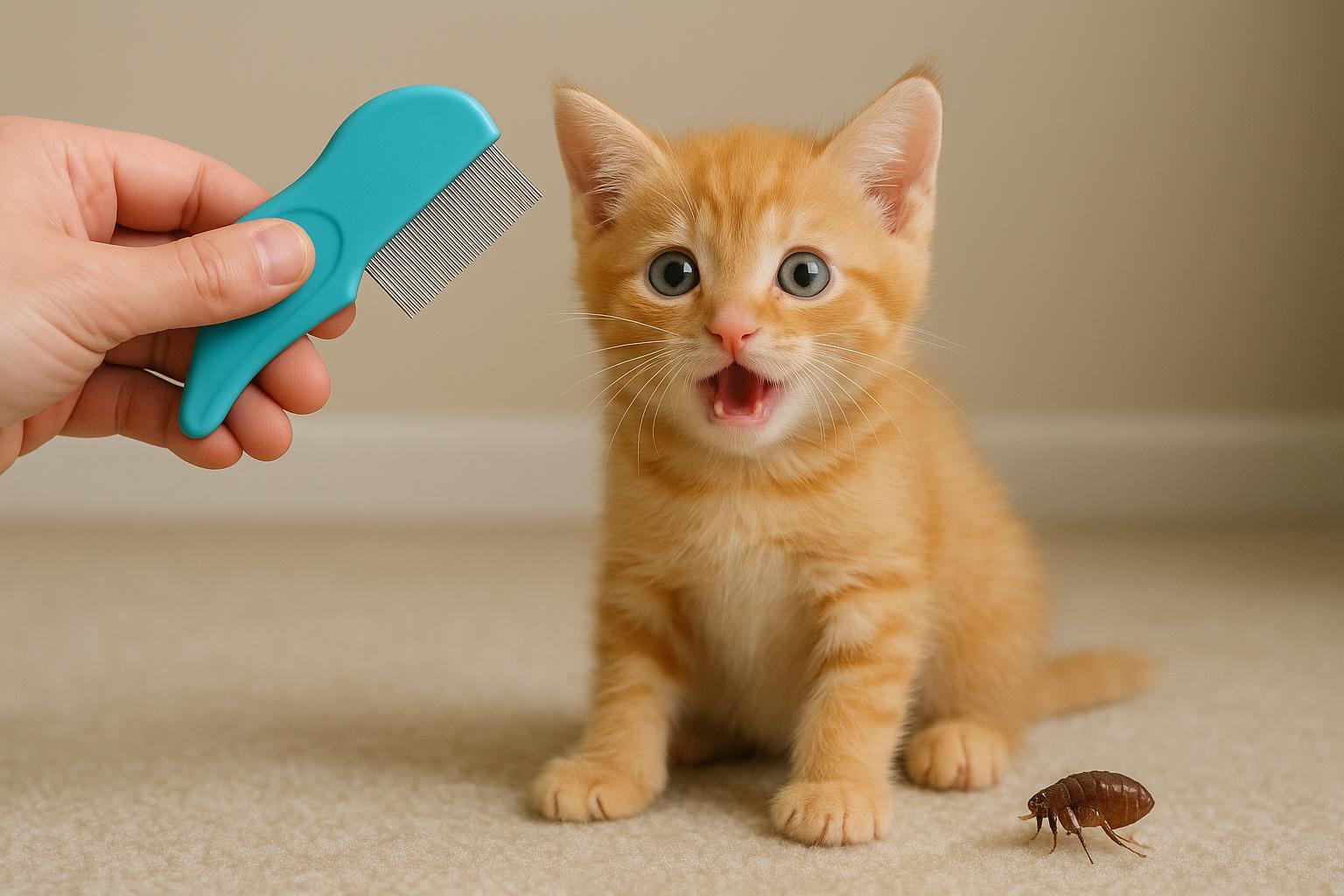
Cat fleas (Ctenocephalides felis) are the usual suspects in homes with cats — and yes, they readily feed on dogs and people too. They’re tiny, laterally flattened (squashed side to side), and have strong hind legs for jumping. Expect 1.5–3.3 mm long, shaped a bit like a flattened grain of rice.
#### Visual Details To Watch For
– Shape: Narrow and compressed, which helps them move through fur.
– Legs: Long rear legs for jumping; if you can see movement, you’ll notice quick, flea-like hops.
– Antennae and Bristles: Under magnification you’ll see comb-like bristles that help ID cat fleas from other species.
– Flea Color: Usually a warm brown; look for darker hues after feeding. On light upholstery a moving dark speck is often a fed adult flea.
### Where Fleas Hide In Your Home
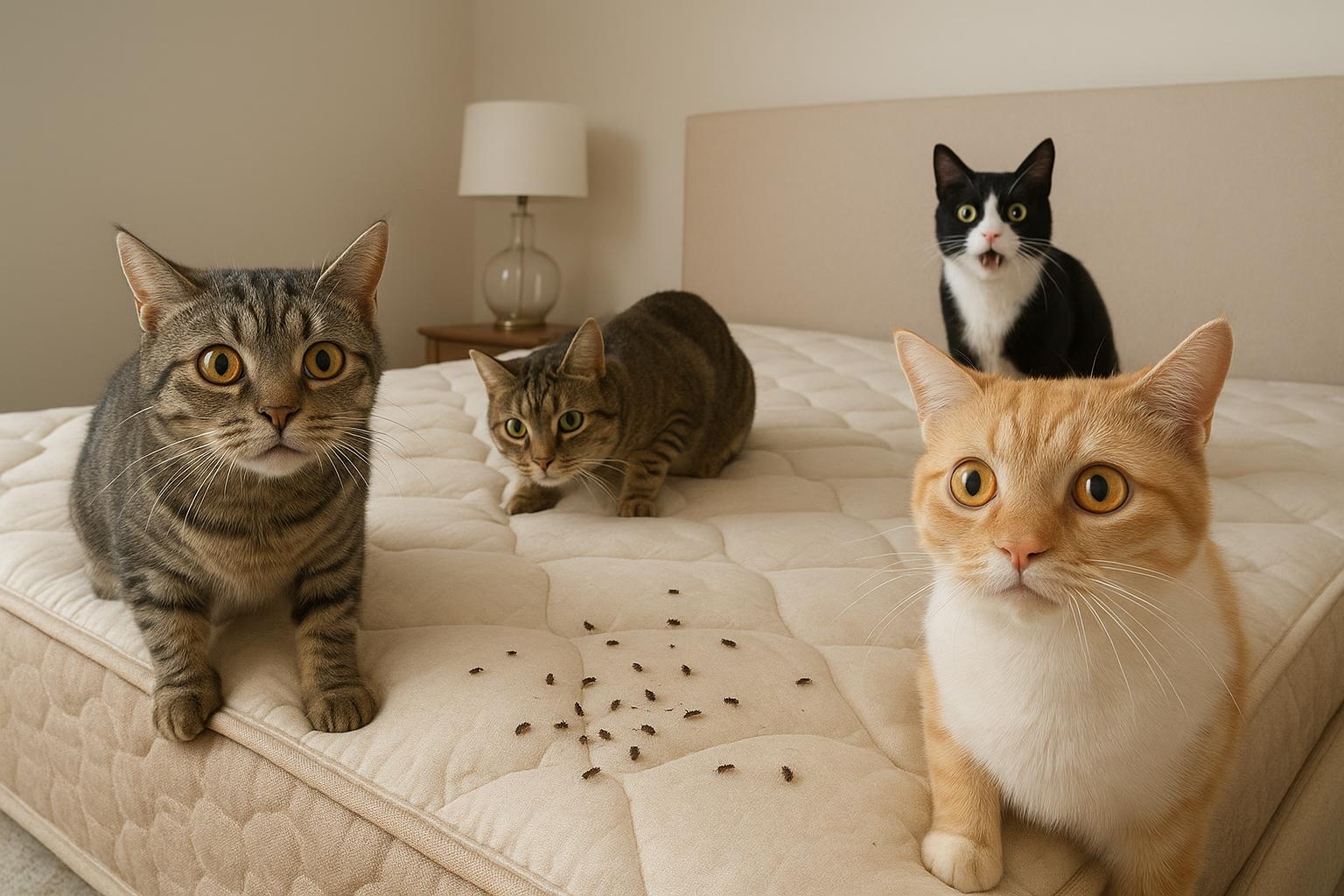
Fleas aren’t only on the pet. They spend much of their lifecycle in carpets, bedding, upholstered furniture, and cracks in floors. Flea color cues like pale larvae against dark carpet or dark pupal cases in creases can help you pinpoint hotspots.
#### Signs Beyond Sight
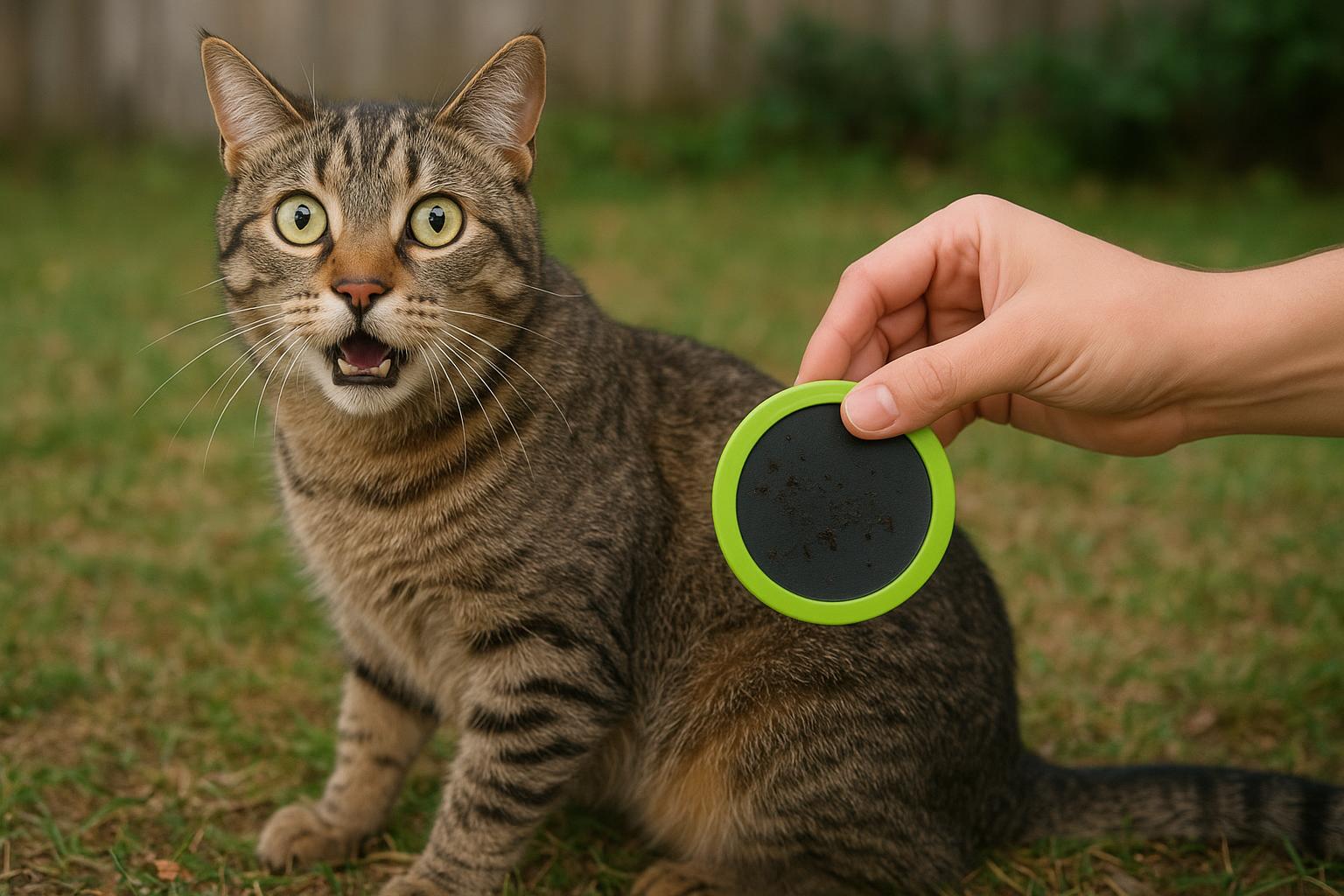
Even if you don’t spot an actual flea, you’ll notice other hints: pets scratching, tiny black flecks (flea dirt — digested blood) that turn rusty when moistened, or clusters of eggs and larvae in quiet, undisturbed areas.
## How To Check Your Cat And Home For Flea Color Clues
### Checking Your Cat Without Stressing Them Out
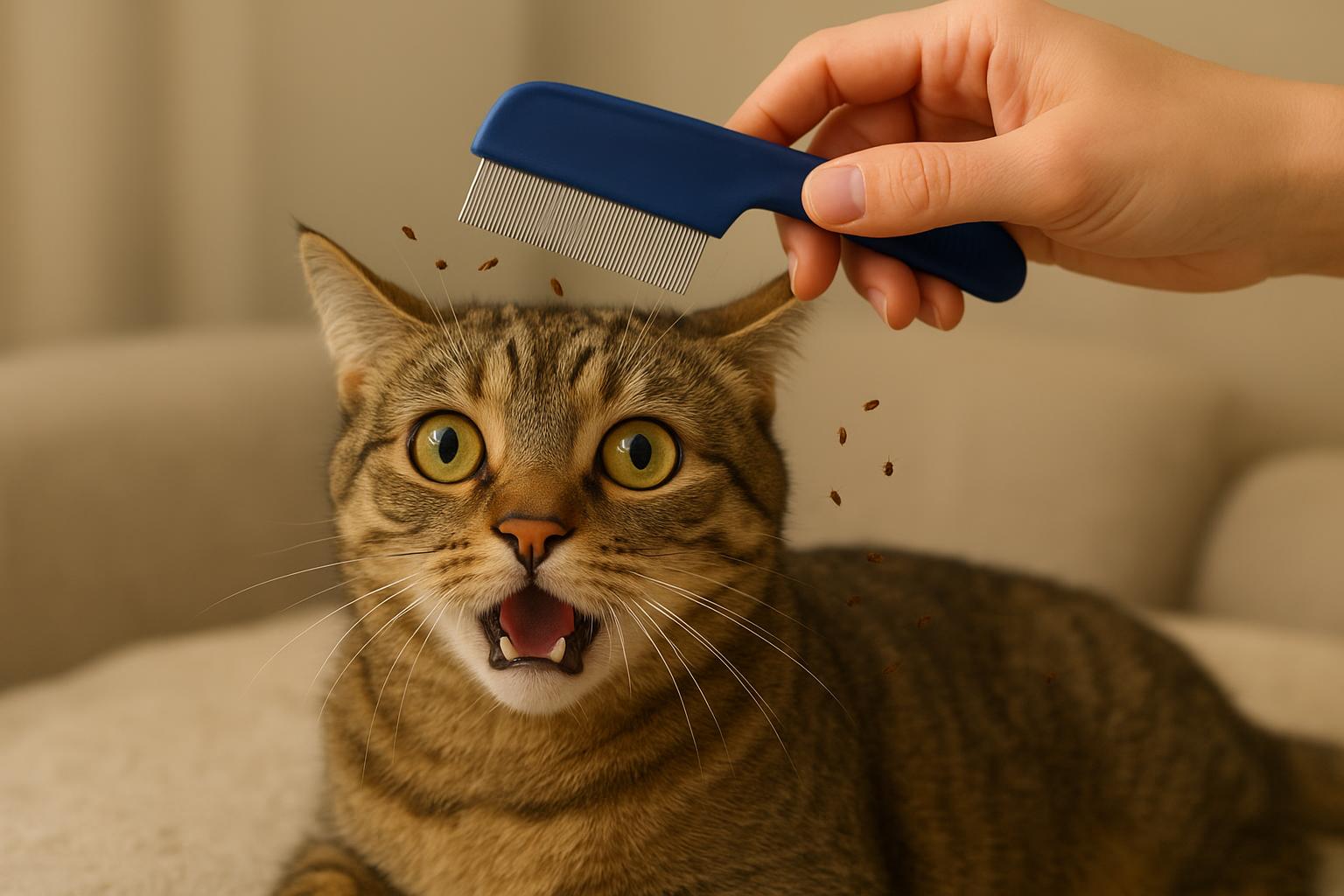
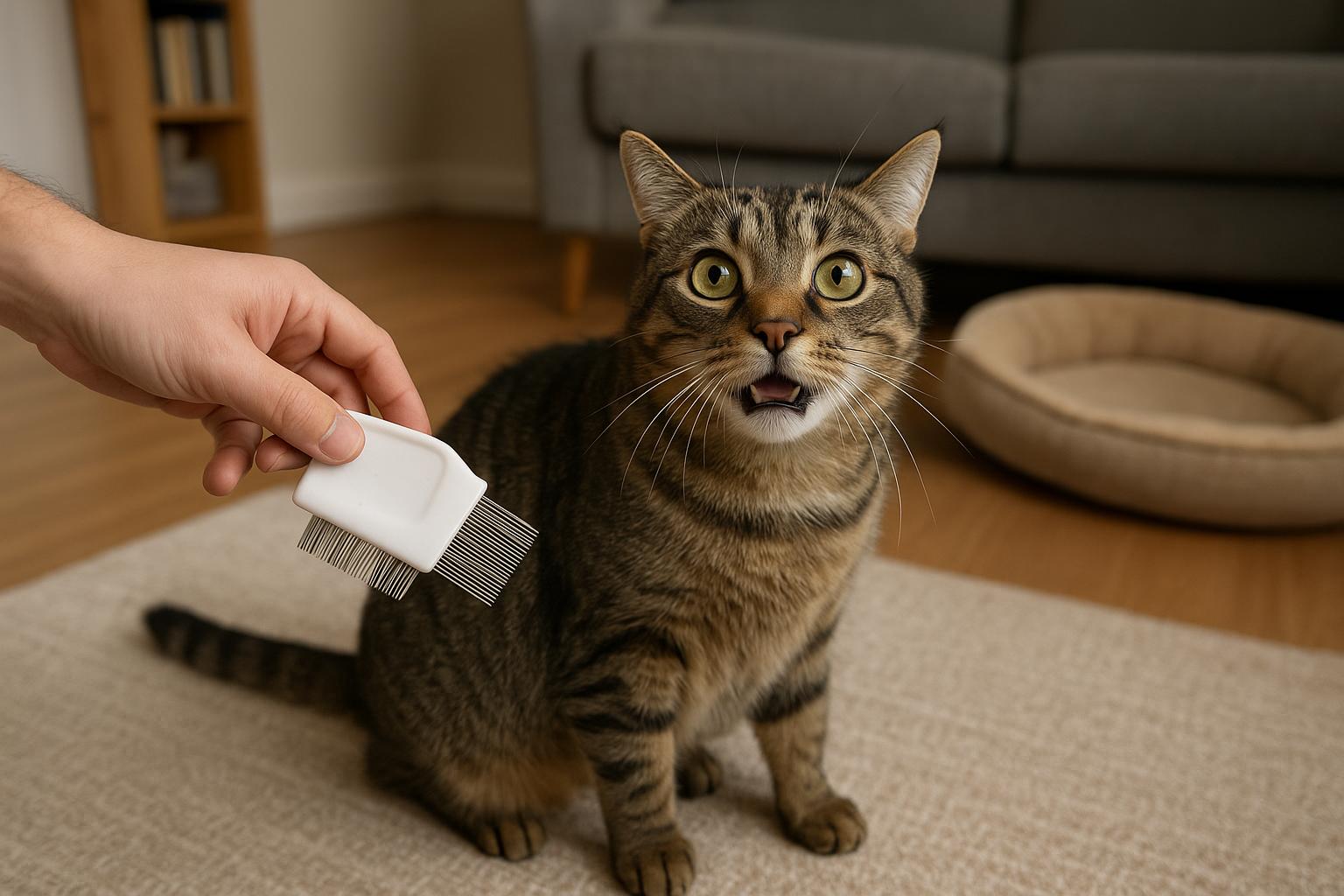
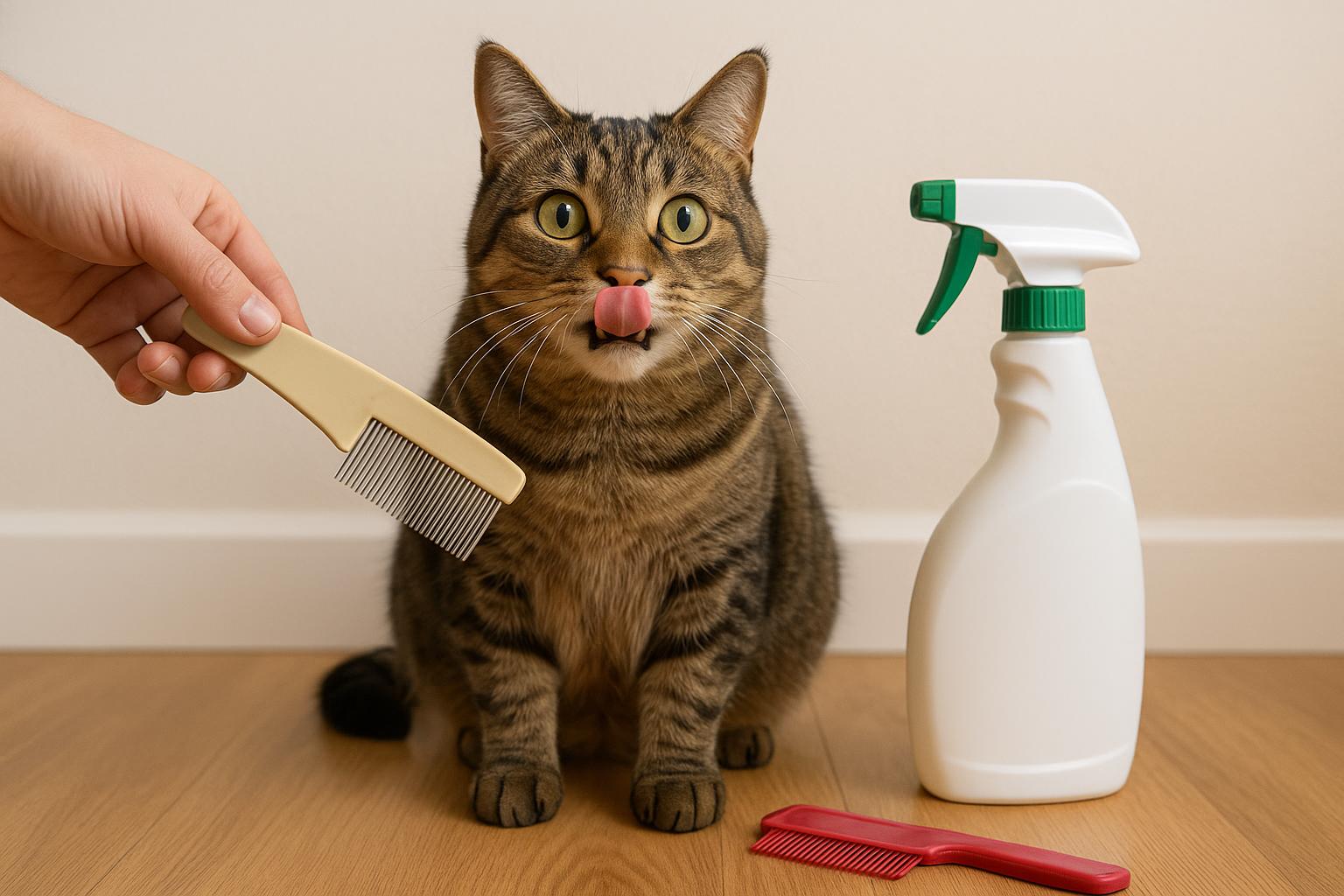
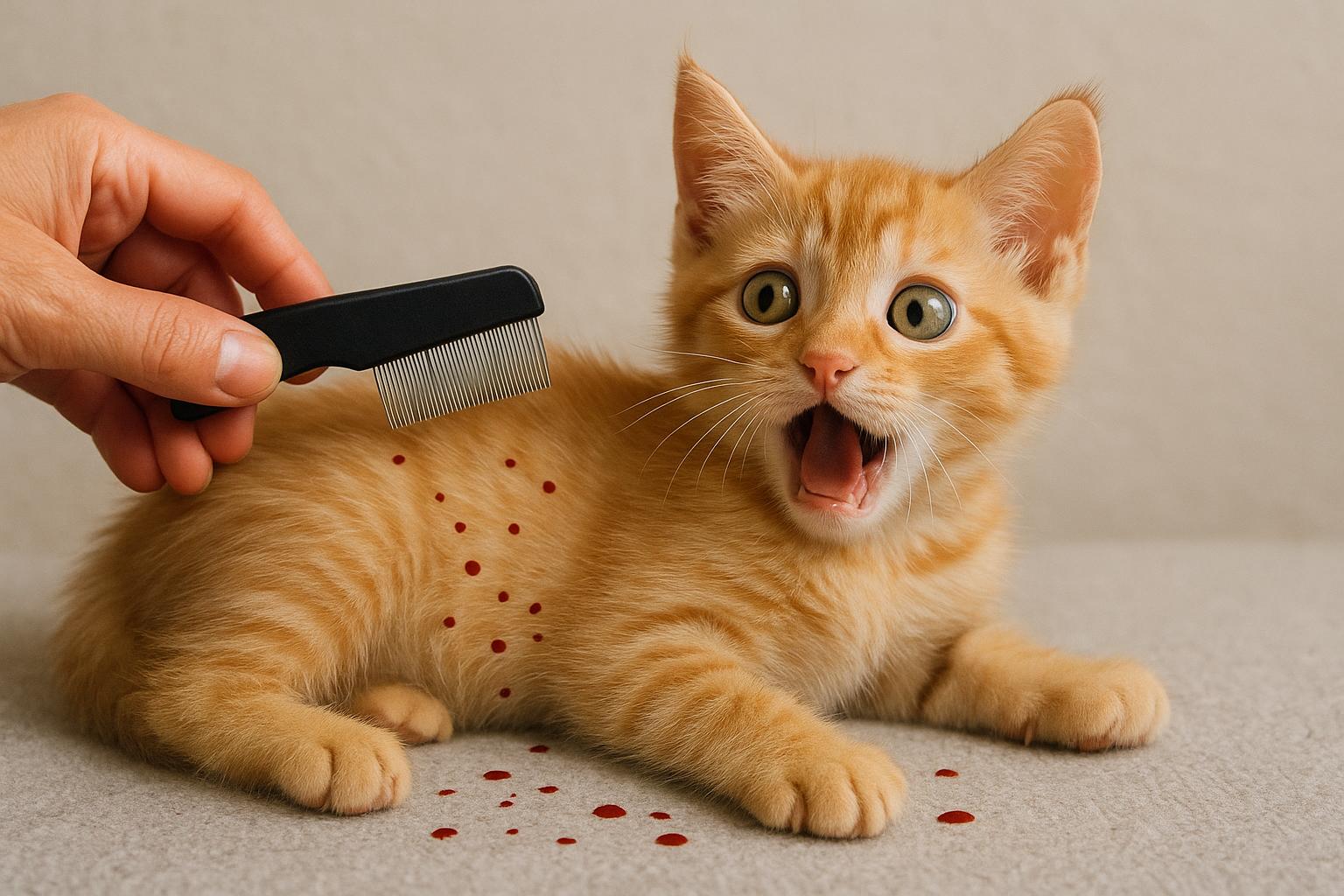
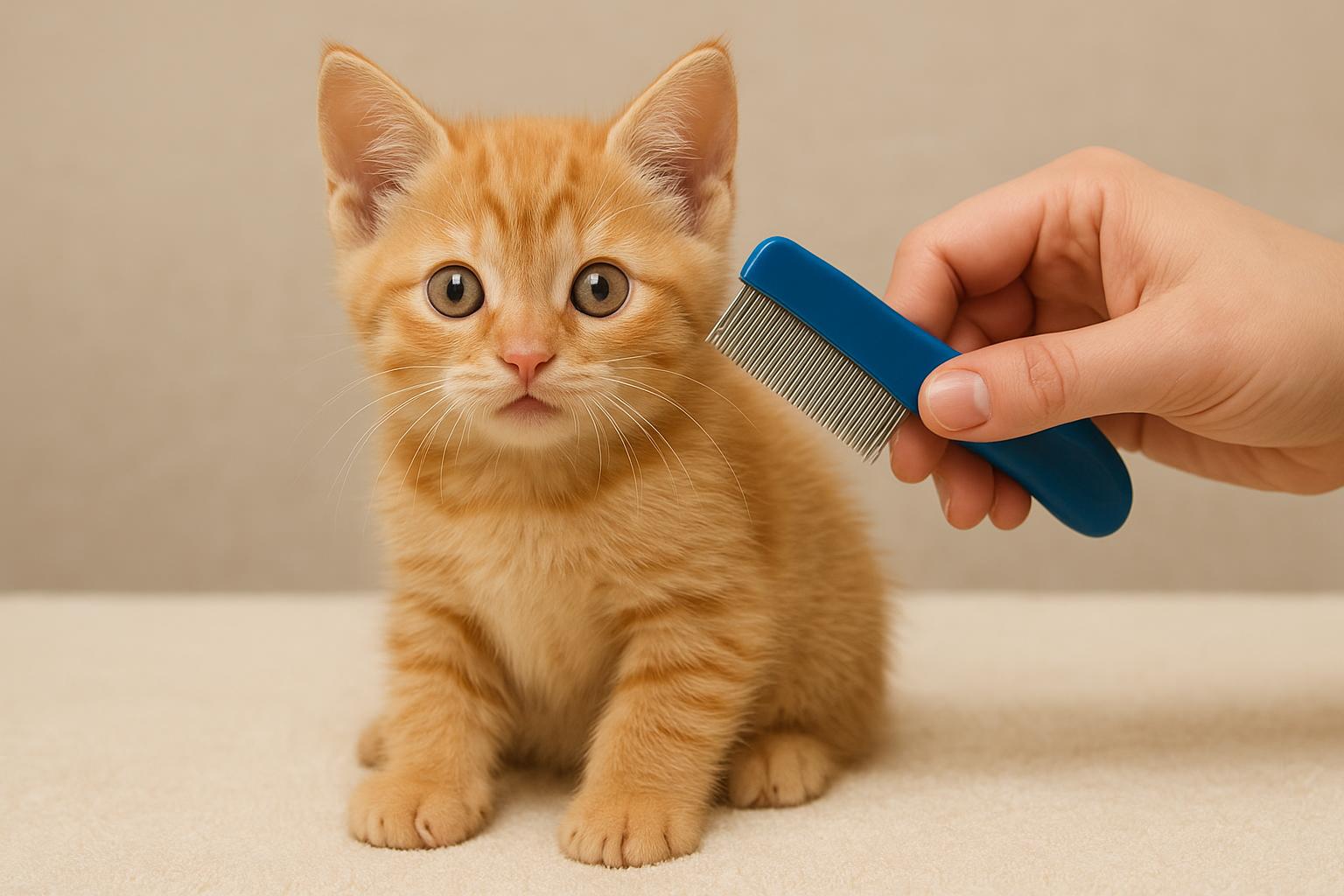
Start with a calm pet. Part the fur, especially around the neck and base of the tail. Look for moving brown specks and flea dirt (tiny black grains). A white paper towel and a fine-tooth comb are your best friends here.
#### Quick Test For Flea Dirt
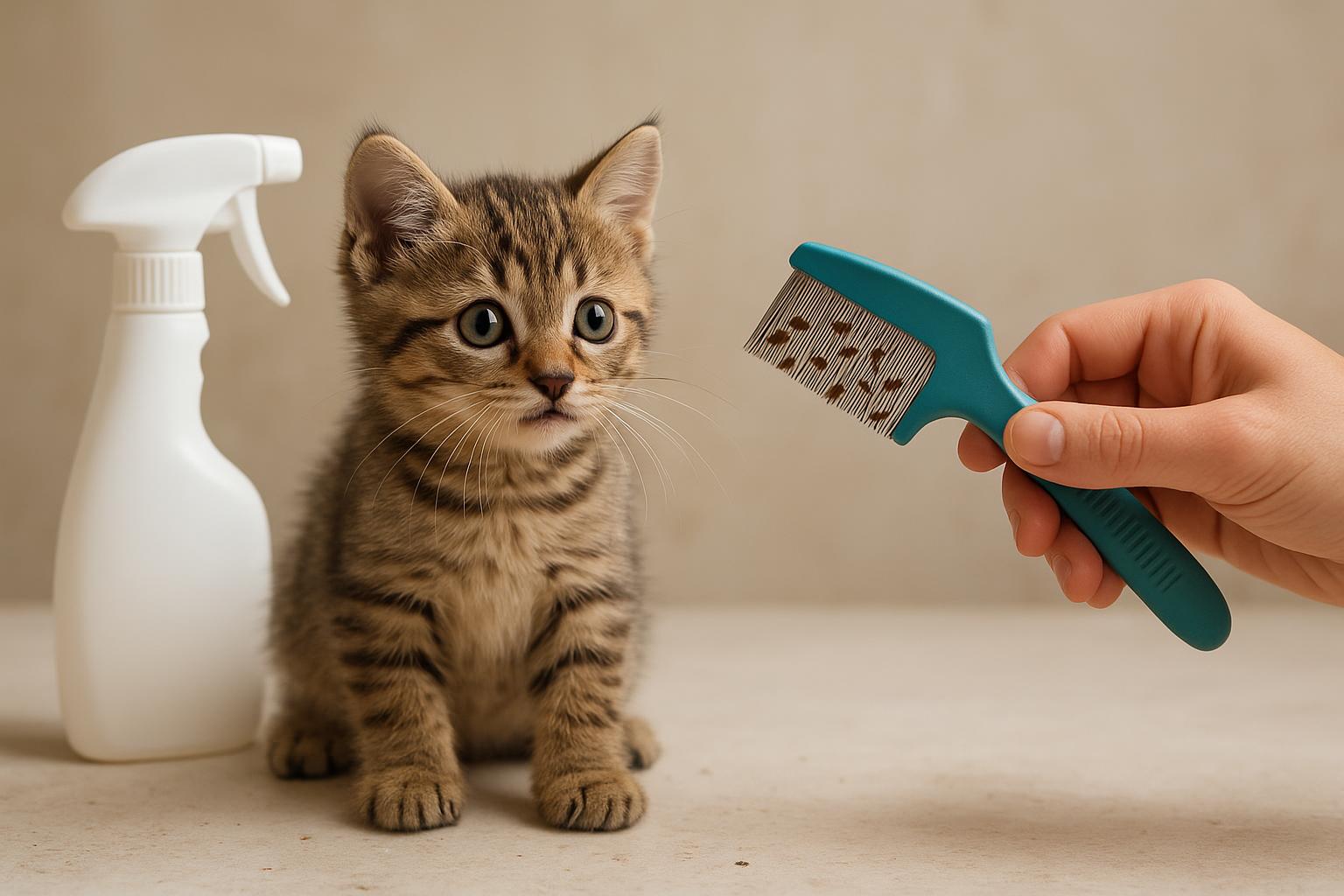
Comb the cat over a white paper towel. If the dark specks turn reddish when moistened, that’s flea dirt — another flea color cue indicating feeding activity.
### Inspecting Your Home
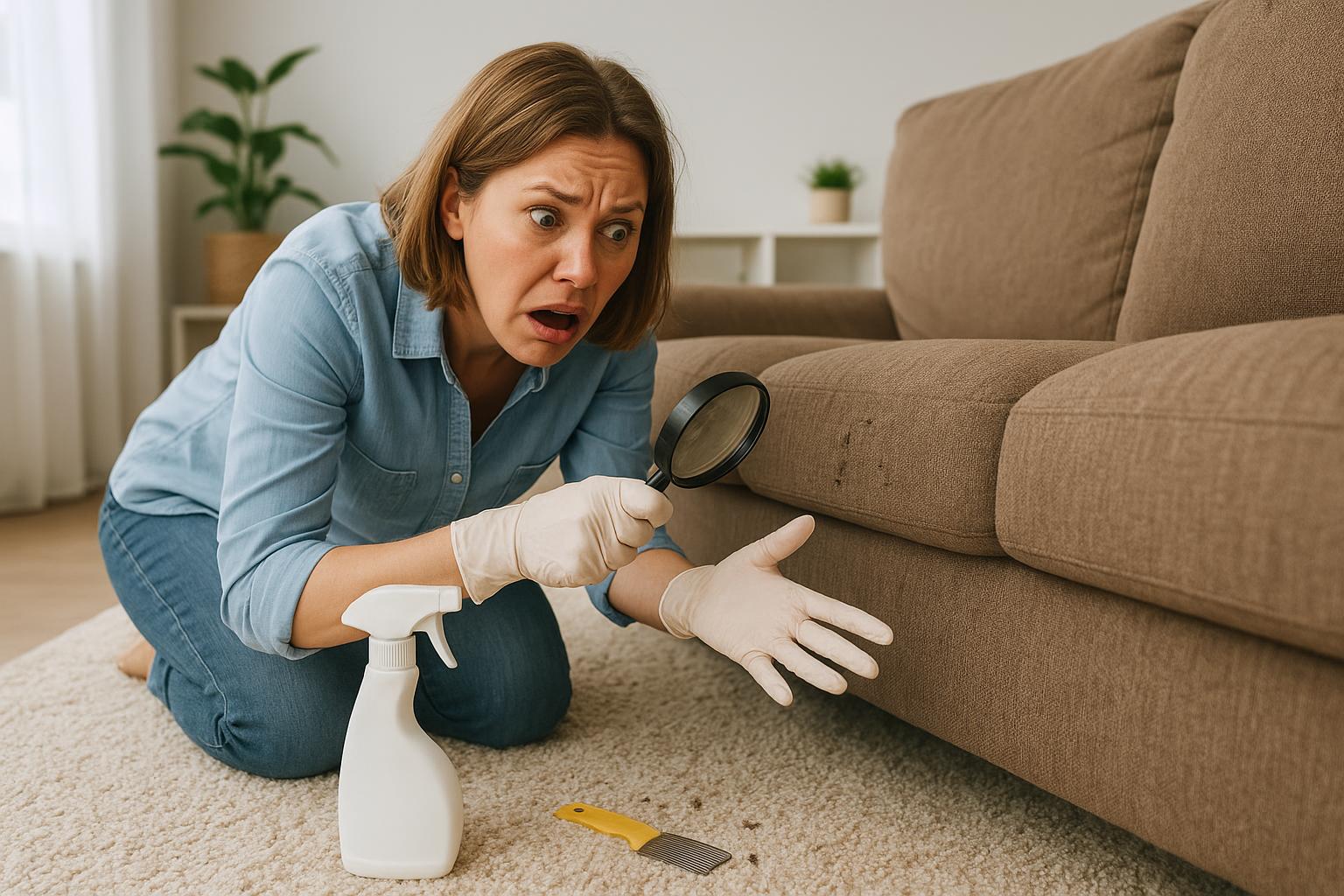
Check carpets, pet bedding, under furniture, and along baseboards. Look for pale larvae (creamy white), tiny white eggs, and darker pupae. The adult flea’s flea color — brown or reddish-brown — will stand out if they’re active, especially on lighter surfaces.
## Remedy 1: Household Vacuum And Soapy Water Method (For Immediate Reduction)
When it comes to remedies, let’s be formal and clear: this is an evidence-backed, non-chemical approach that reduces flea numbers significantly but may not eliminate a heavy infestation alone.
Materials Required:
1. High-suction vacuum cleaner with attachments
2. Fine-tooth flea comb
3. Stiff brush
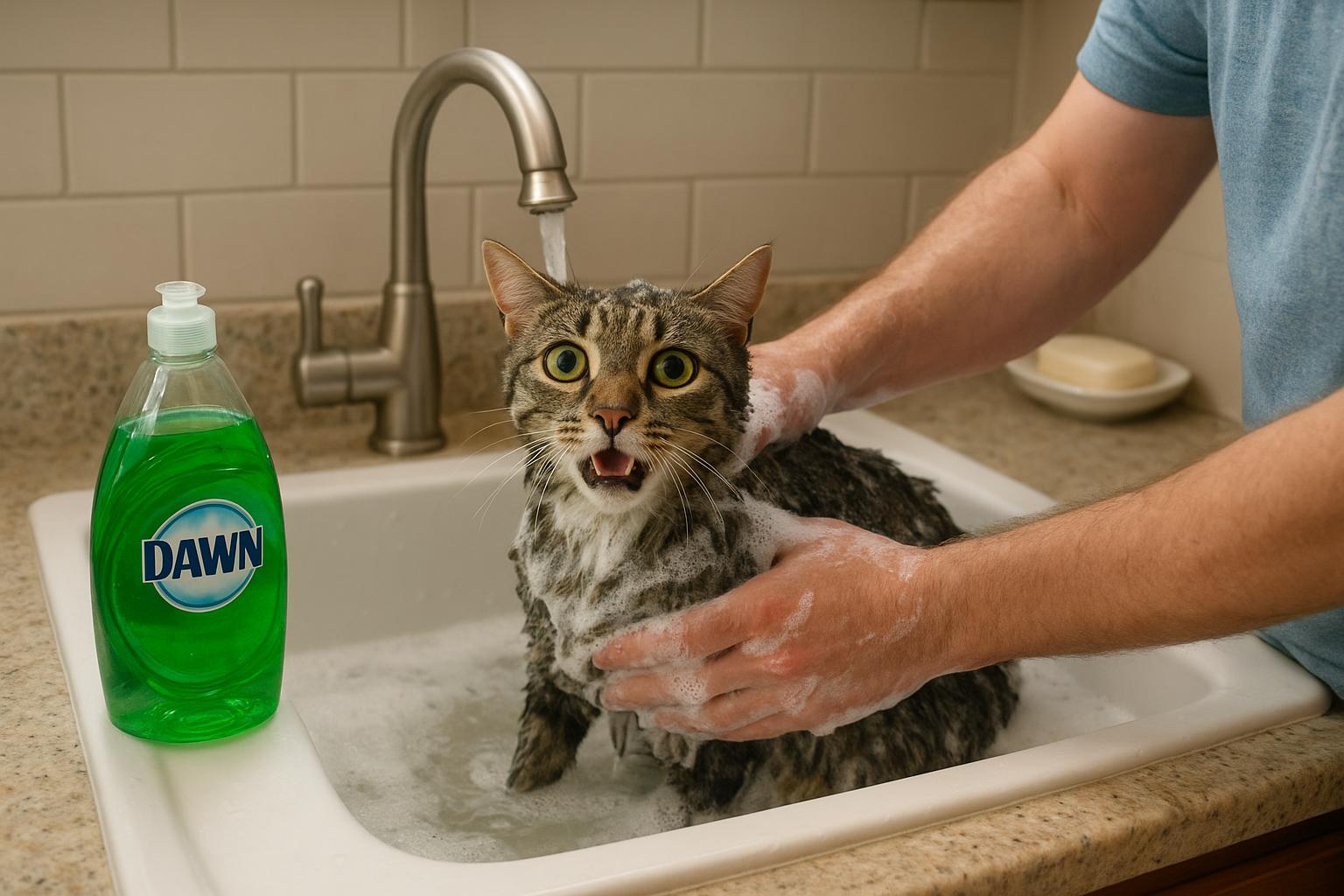
4. Dish soap (liquid)
5. Two buckets or a deep bowl
6. Washable trash bags and access to hot water
Step-by-Step Creation And Application:
1. Prepare Traps: Fill one bucket or deep bowl with warm water and add a few drops of dish soap. This will capture fleas that jump into it.
2. Treat Pet Bedding: Remove all pet bedding and place in hot water (minimum 60°C/140°F) with detergent; launder thoroughly. Dry on high heat for at least 20–30 minutes to kill all life stages.
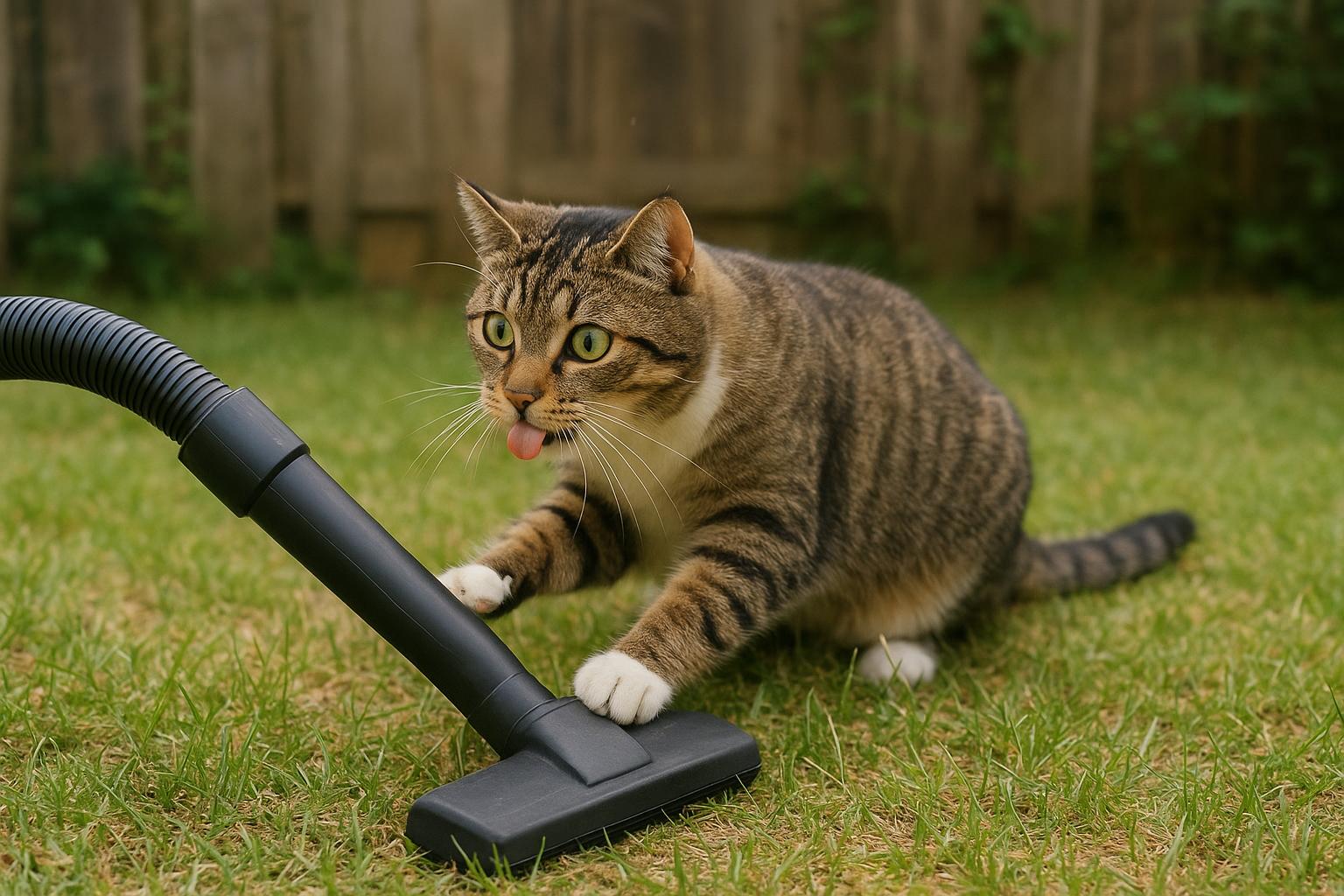
3. Vacuum Methodically: Vacuum carpets, rugs, upholstered furniture, baseboards, and anywhere your pet rests. Use crevice tools to reach edges and under cushions. Vacuuming dislodges eggs and larvae and captures adults. Empty vacuum canister or bag immediately into a sealed plastic bag.
4. Capture Escaped Fleas: After vacuuming a hotspot, place the soapy water trap near the area. Fleas disturbed by cleaning may jump and fall into the soapy water and drown.
5. Repeat Often: Vacuum daily for at least two weeks, then several times weekly for a full month. Consistency interrupts the flea life cycle — remember flea color cues: newly hatched larvae are pale and easy to miss if you skip sessions.
6. Dispose Safely: Seal collected debris and vacuum contents in a trash bag and remove from the home promptly.
Notes: This method reduces populations and is safe for homes with children and pets. It’s most effective as part of an integrated plan.
## Remedy 2: Natural Spray With Essential Oils (Use With Caution)
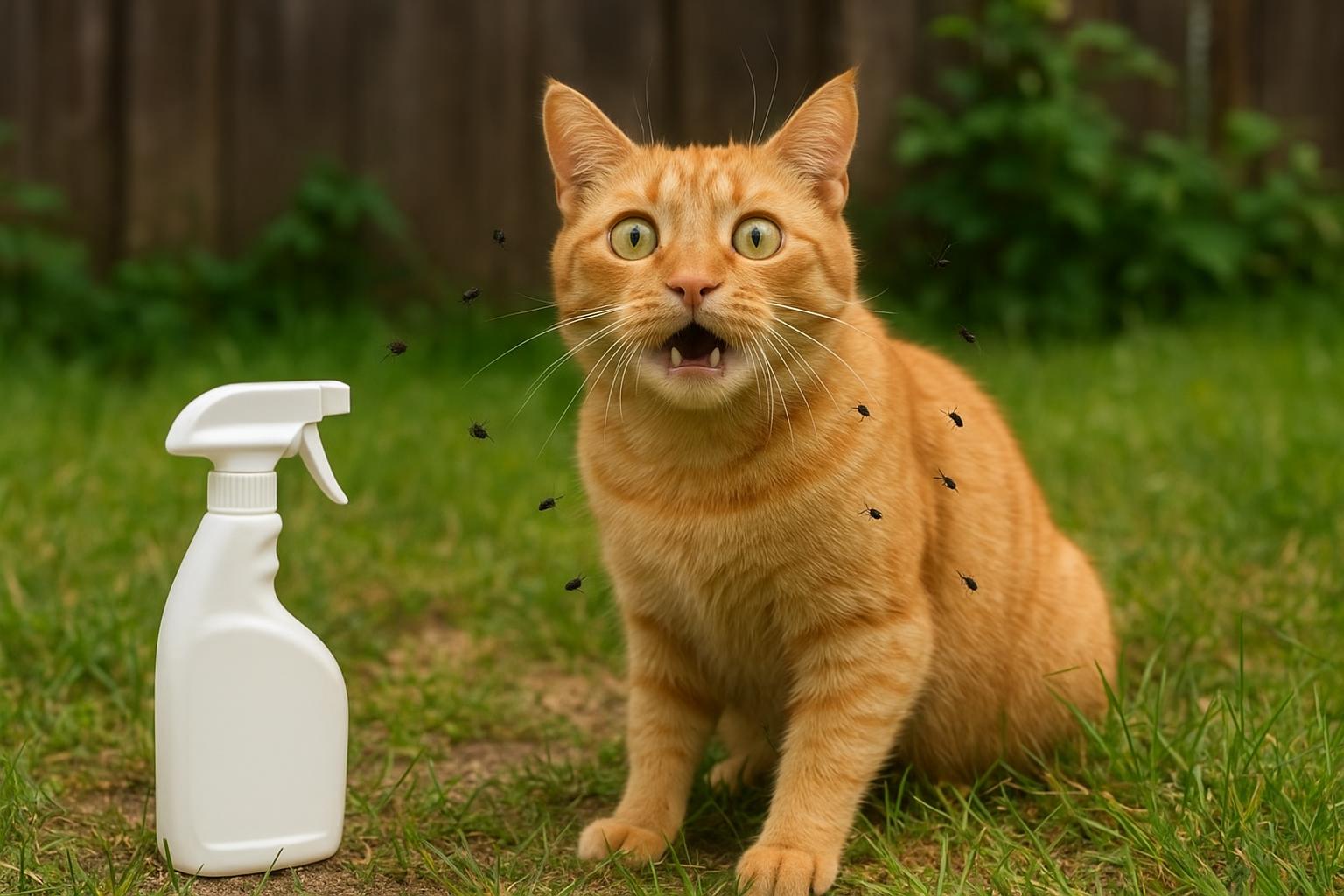
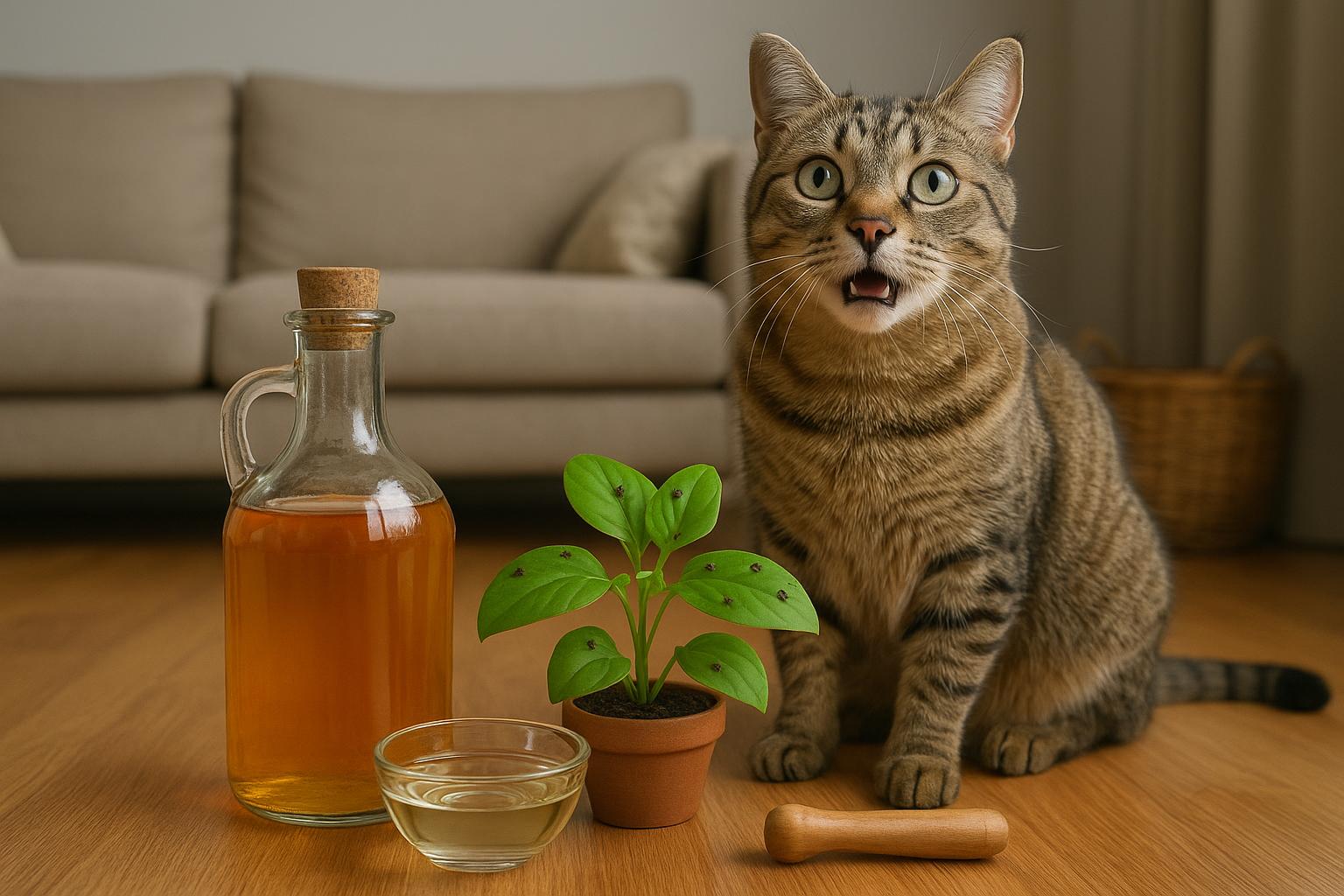
Natural sprays can help lower flea numbers but must be used with caution — some essential oils are toxic to cats. This remedy is more formal: follow dilution and safety guidelines strictly, and consult a veterinarian before applying to pets.
Ingredients And Materials:
1. Distilled water — 500 mL
2. Rubbing alcohol (isopropyl) — 50 mL (optional as a preservative)
3. Cedarwood essential oil — 5 drops (generally safer for cats at low dilutions than others)
4. Lemongrass or geranium oil — avoid for cats; for dog-only households consider 5 drops
5. A 500 mL spray bottle with fine mist
6. Label and storage instructions
Step-by-Step Creation And Application:
1. Prepare Workspace: Work in a well-ventilated area and wear gloves. Measure accurately.
2. Mix Base: Pour distilled water into the spray bottle. Add rubbing alcohol if using; it helps mix oils and acts as a mild preservative.
3. Dilute Essential Oils: Add only the recommended number of drops. For homes with cats, stick to cedarwood at no more than 5 drops per 500 mL. Overuse can be hazardous.
4. Shake To Combine: Cap and shake vigorously to emulsify.
5. Test A Small Area: Spray a hidden spot on upholstery and wait 24 hours to confirm no staining or adverse reaction.
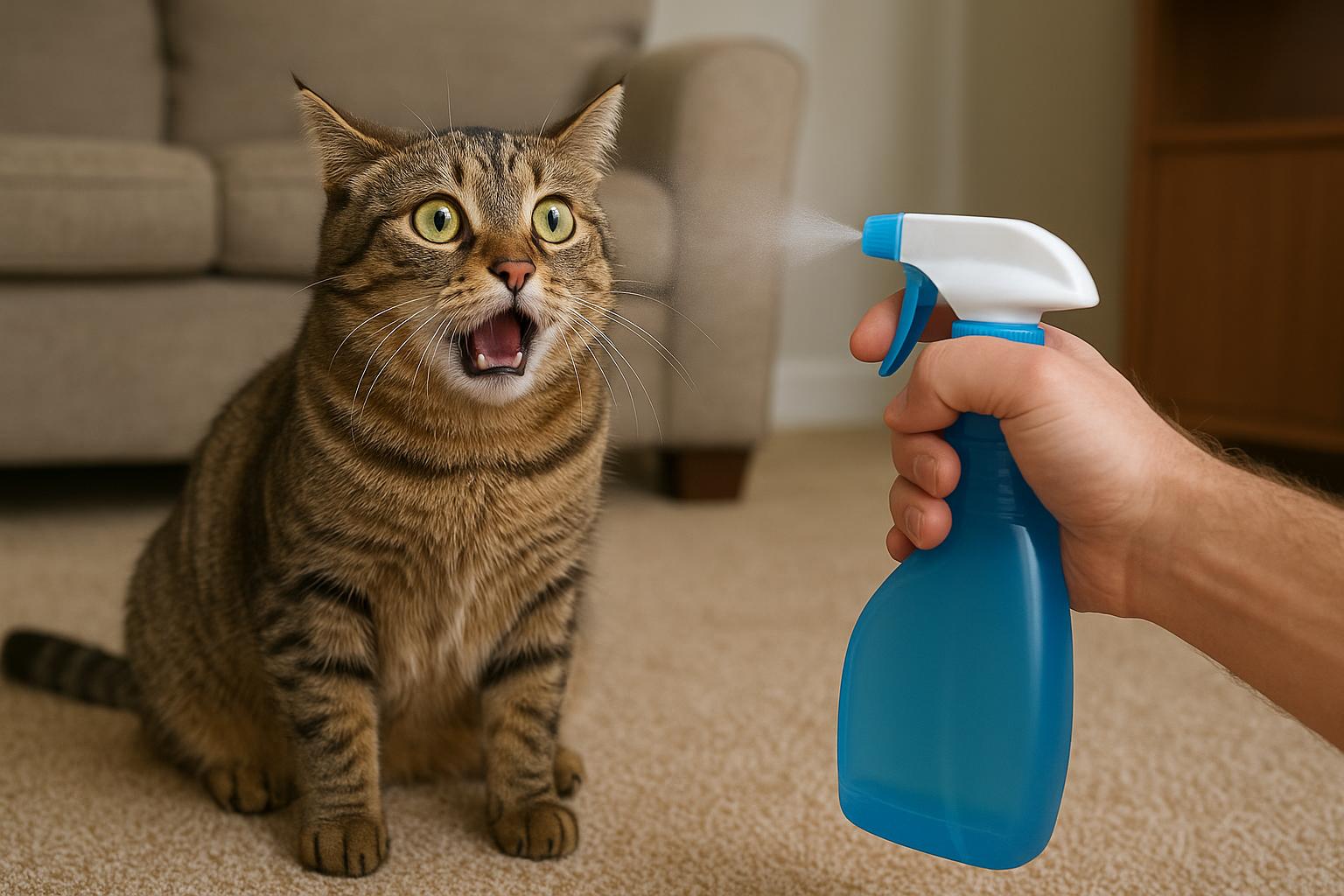
6. Application: Lightly mist carpets, furniture, and pet bedding when the pet is not present. Do not spray directly on cats unless advised by a veterinarian. Reapply every 3–5 days during an infestation.
7. Storage: Label the bottle and store out of reach of pets and children. Discard after 6–8 weeks.
Safety Emphasis: Essential oils are potent. Cats lack certain liver enzymes and can be sensitive to many oils (tea tree, citrus, peppermint, etc.). If uncertain, skip oils and use the vacuum-and-soap method plus veterinary products.
### When To Call A Professional
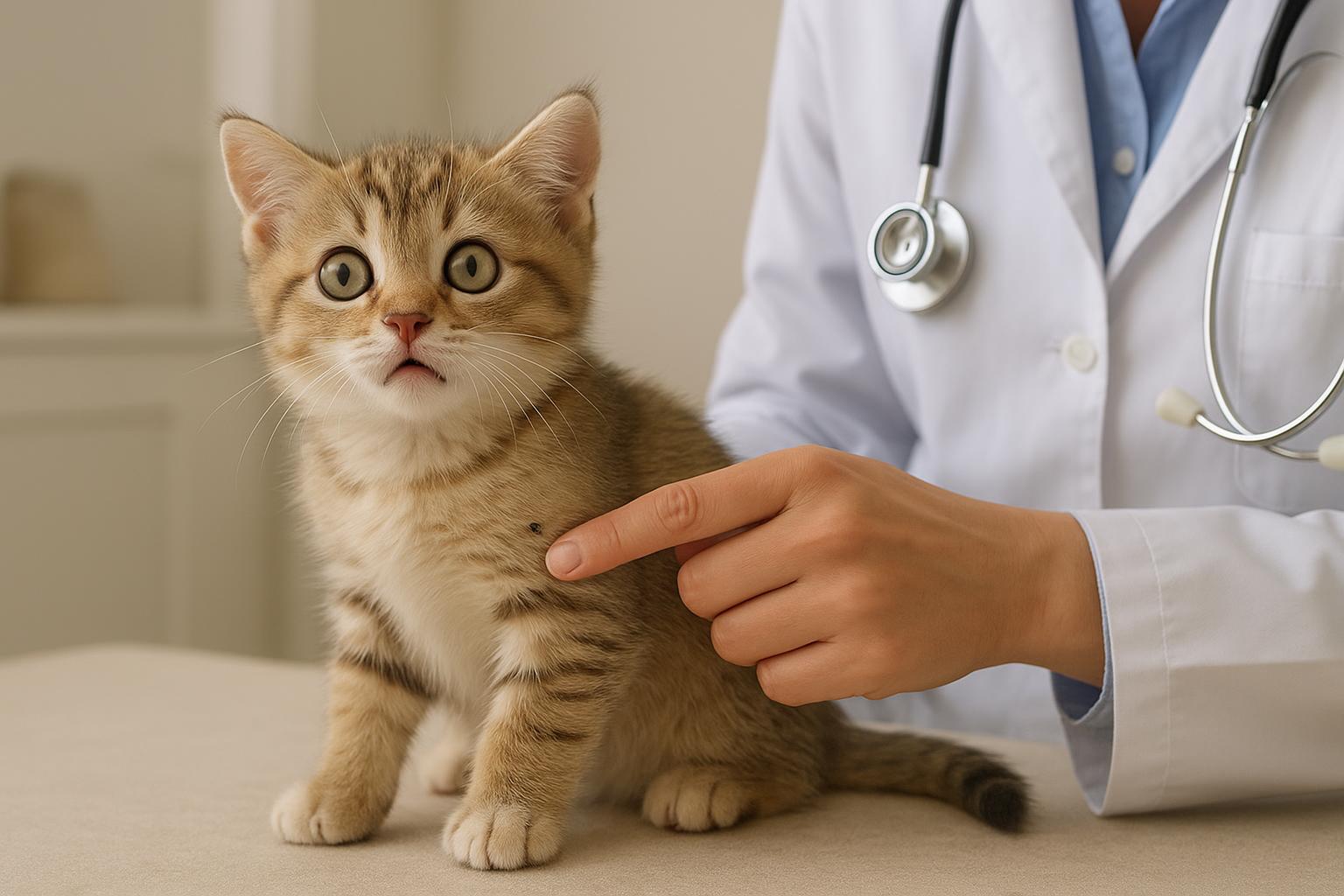
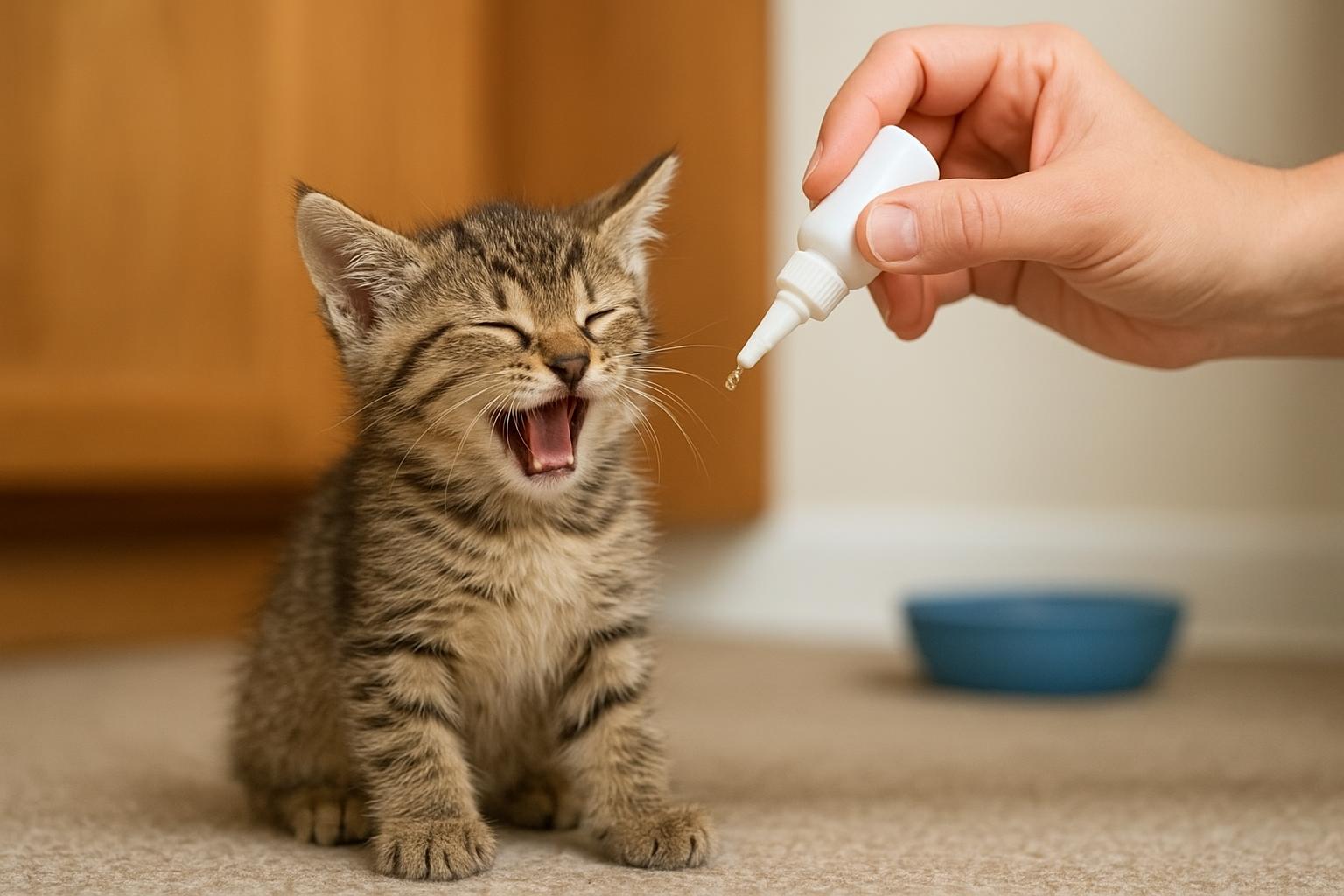
If flea color cues show a heavy infestation — lots of dark adult fleas, numerous eggs and larvae across multiple rooms, or if household members show allergic reactions — professional pest control and veterinary treatment for pets are recommended. Professionals can apply targeted treatments, treat the environment thoroughly, and advise on safe, species-appropriate pet products.
### Tips To Prevent Reinvasion
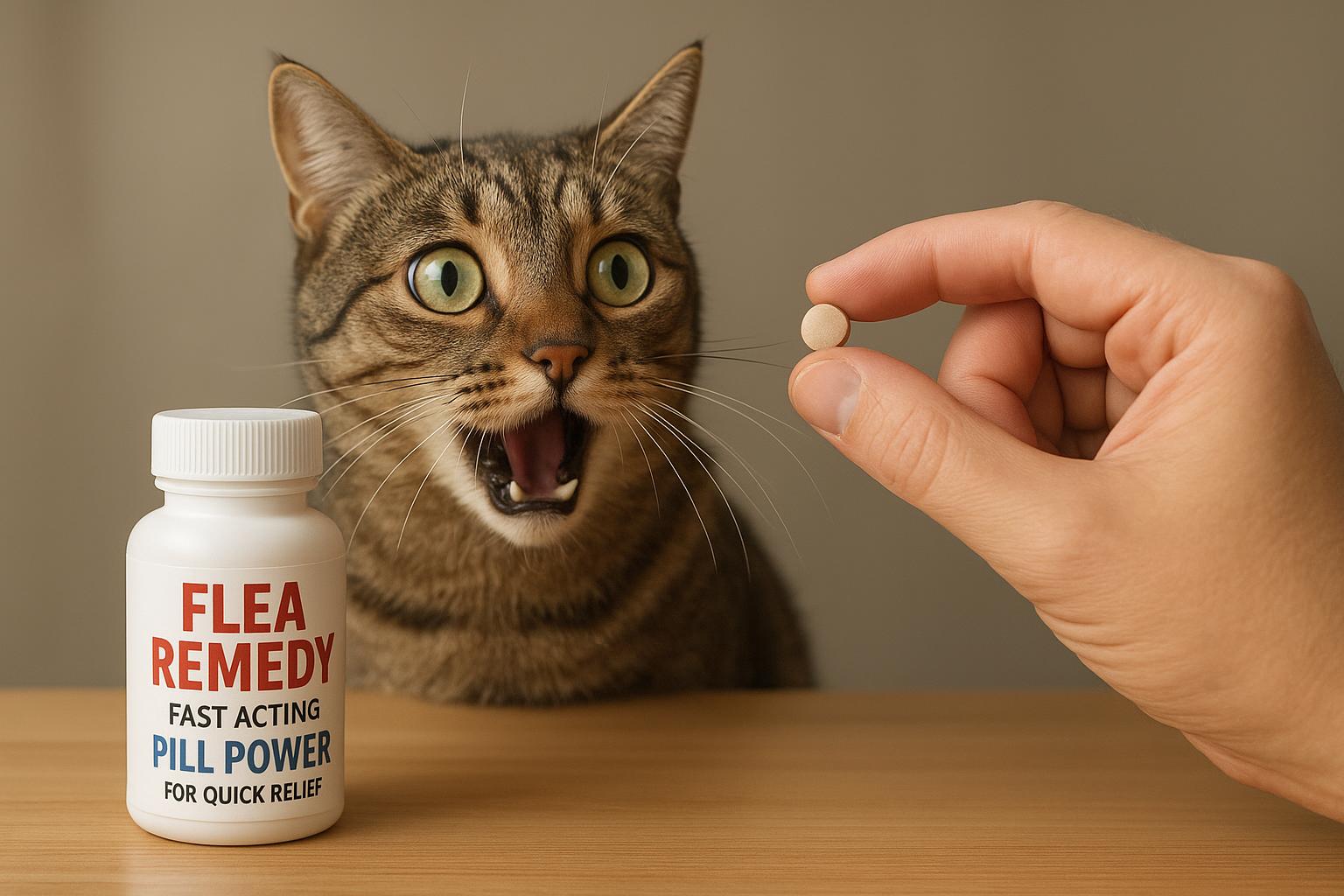
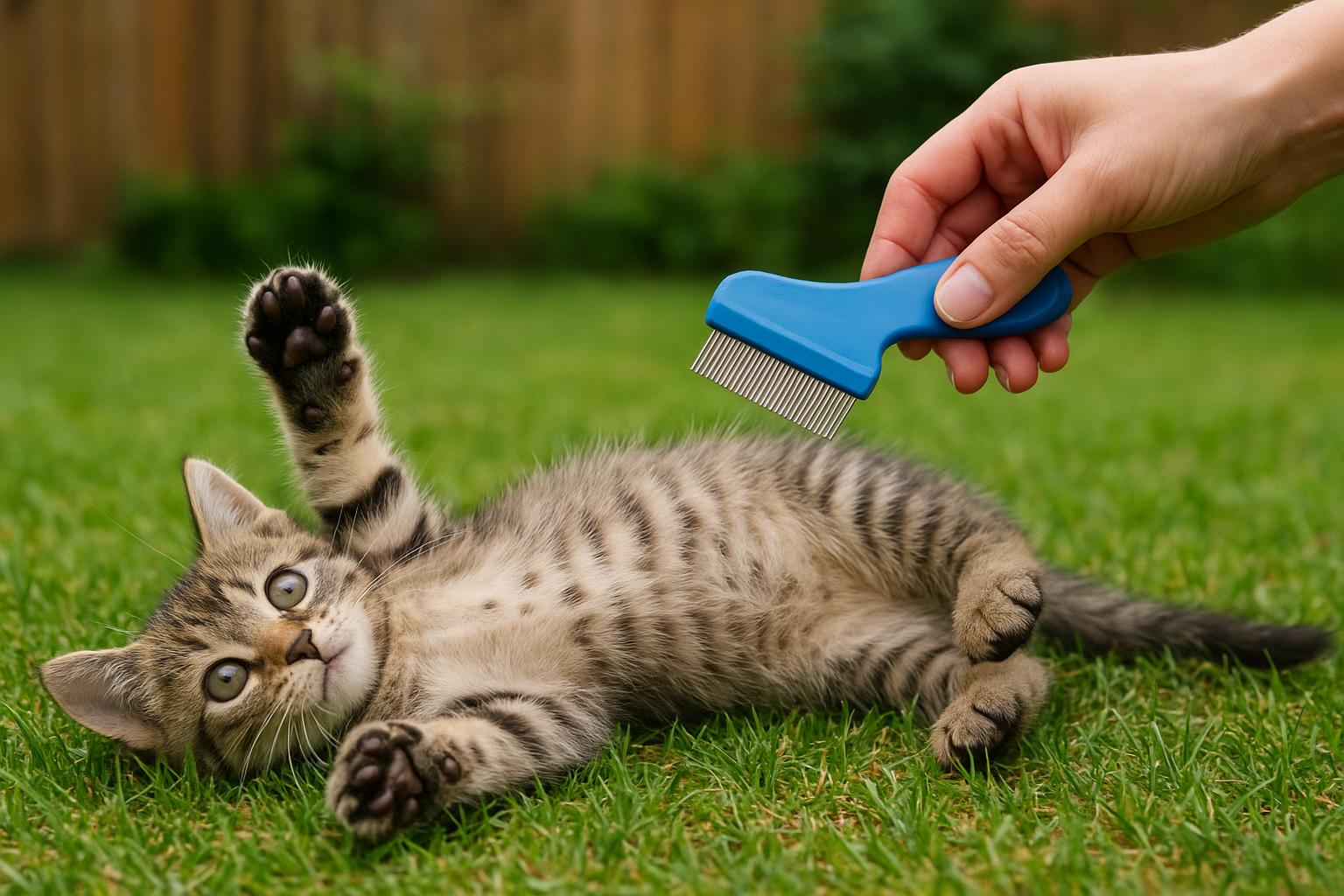
Keep up regular grooming with a flea comb to spot flea color changes early. Wash bedding weekly, maintain lawn and perimeter vegetation, and consider veterinarian-recommended monthly preventatives for your cat. Prevention is easier than eradicating an established population — and your floors will thank you.
Now go inspect that favorite couch corner. Look closely at those tiny specks — the flea color and behavior will tell you most of what you need to know.




Leave a Reply