
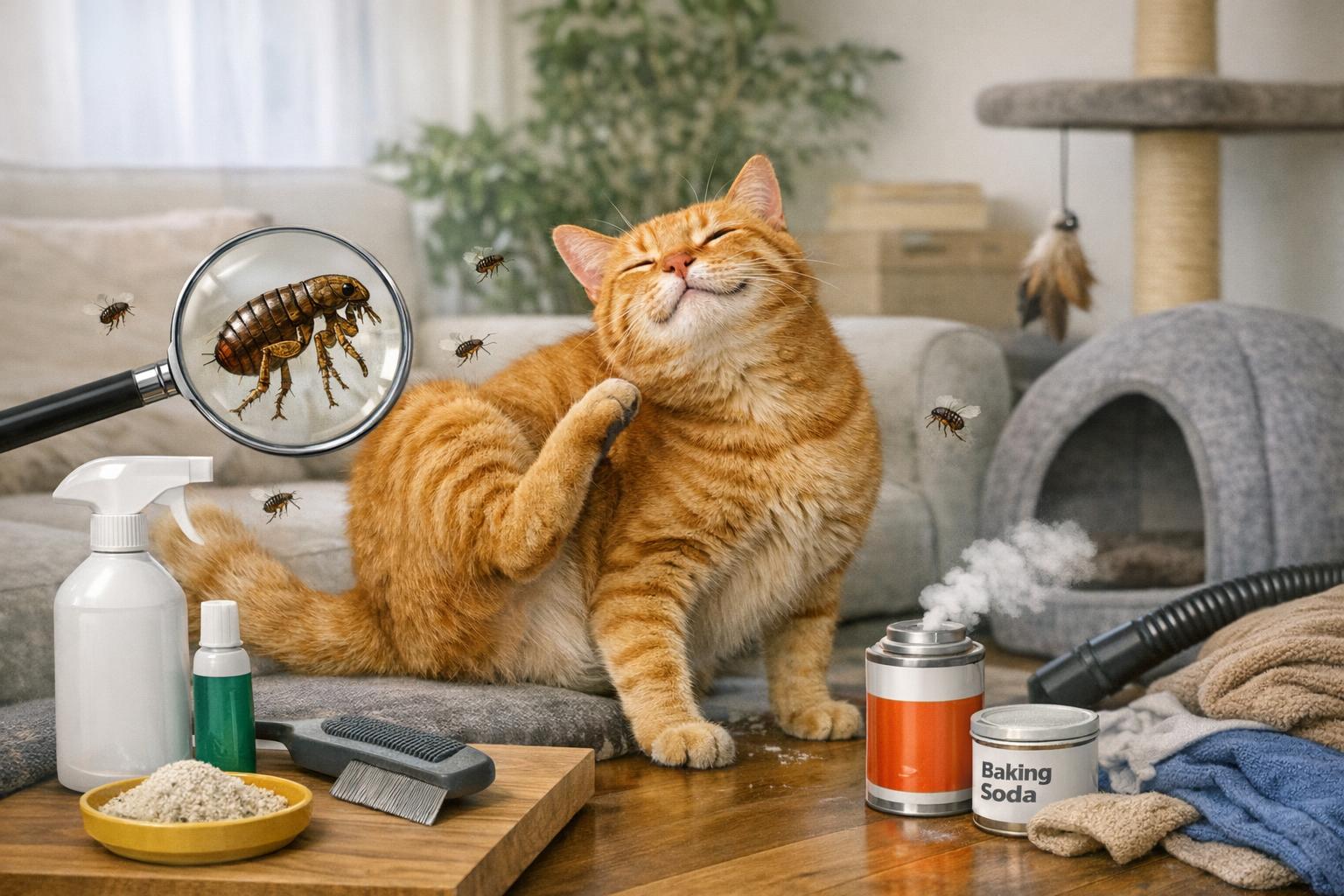
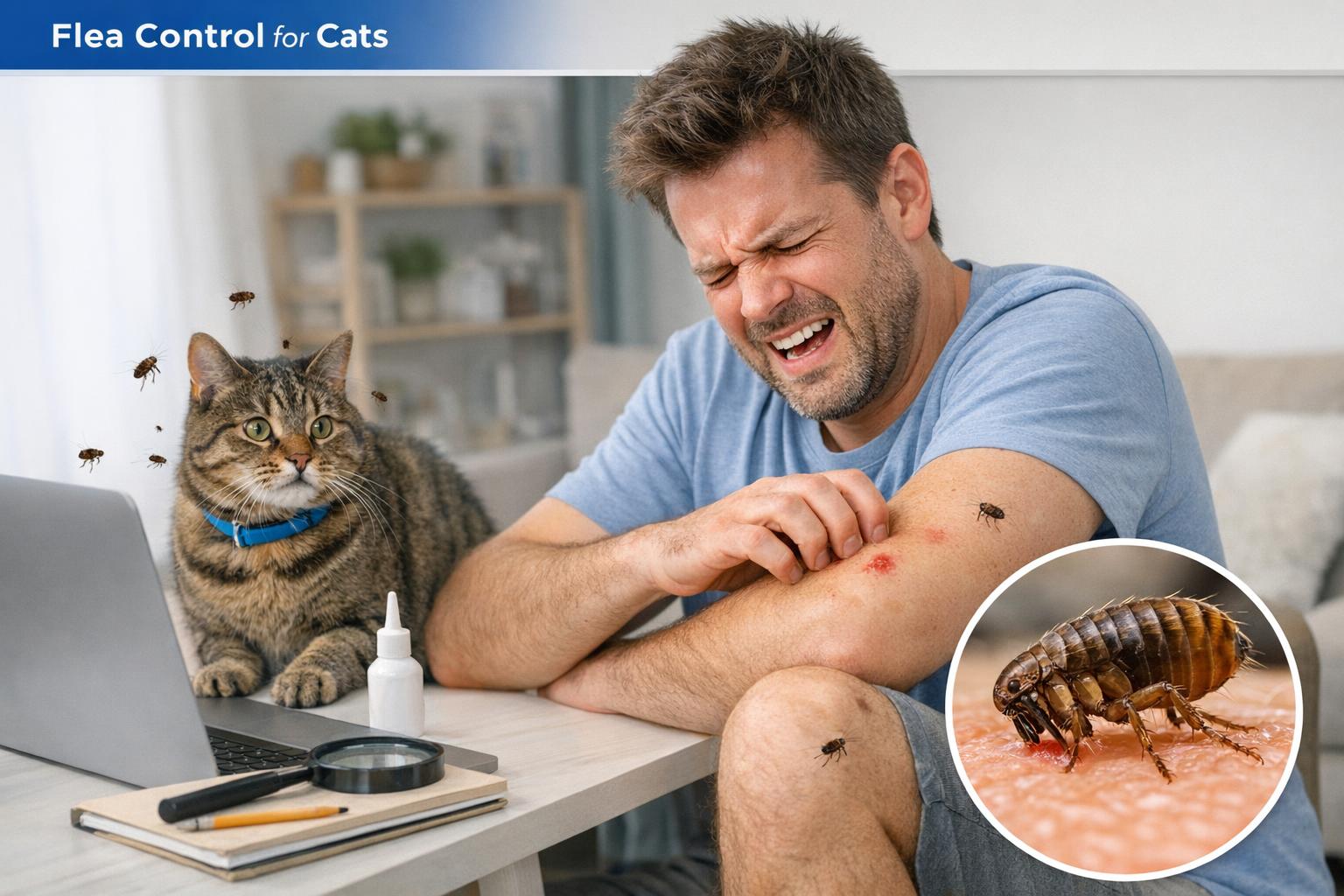
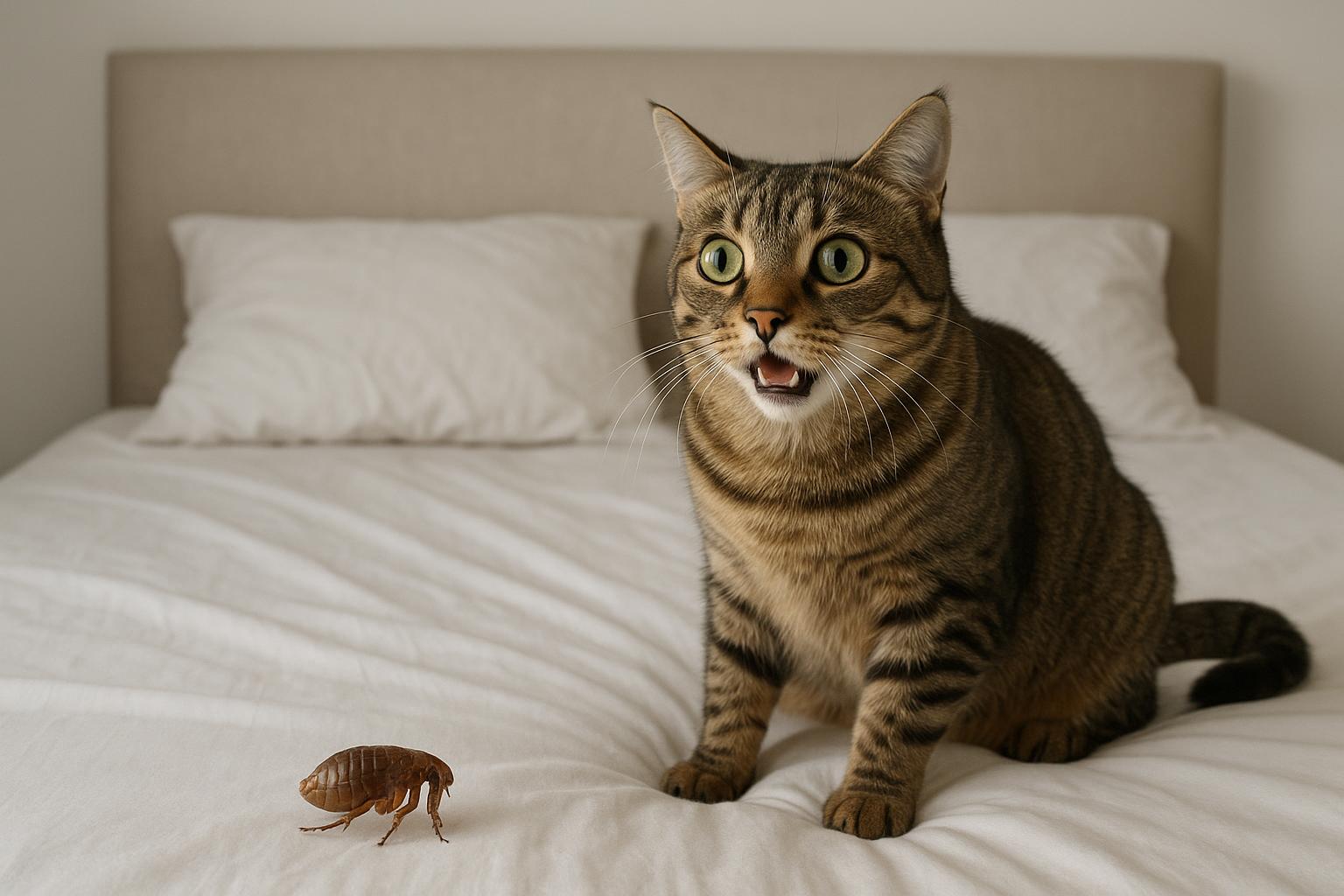
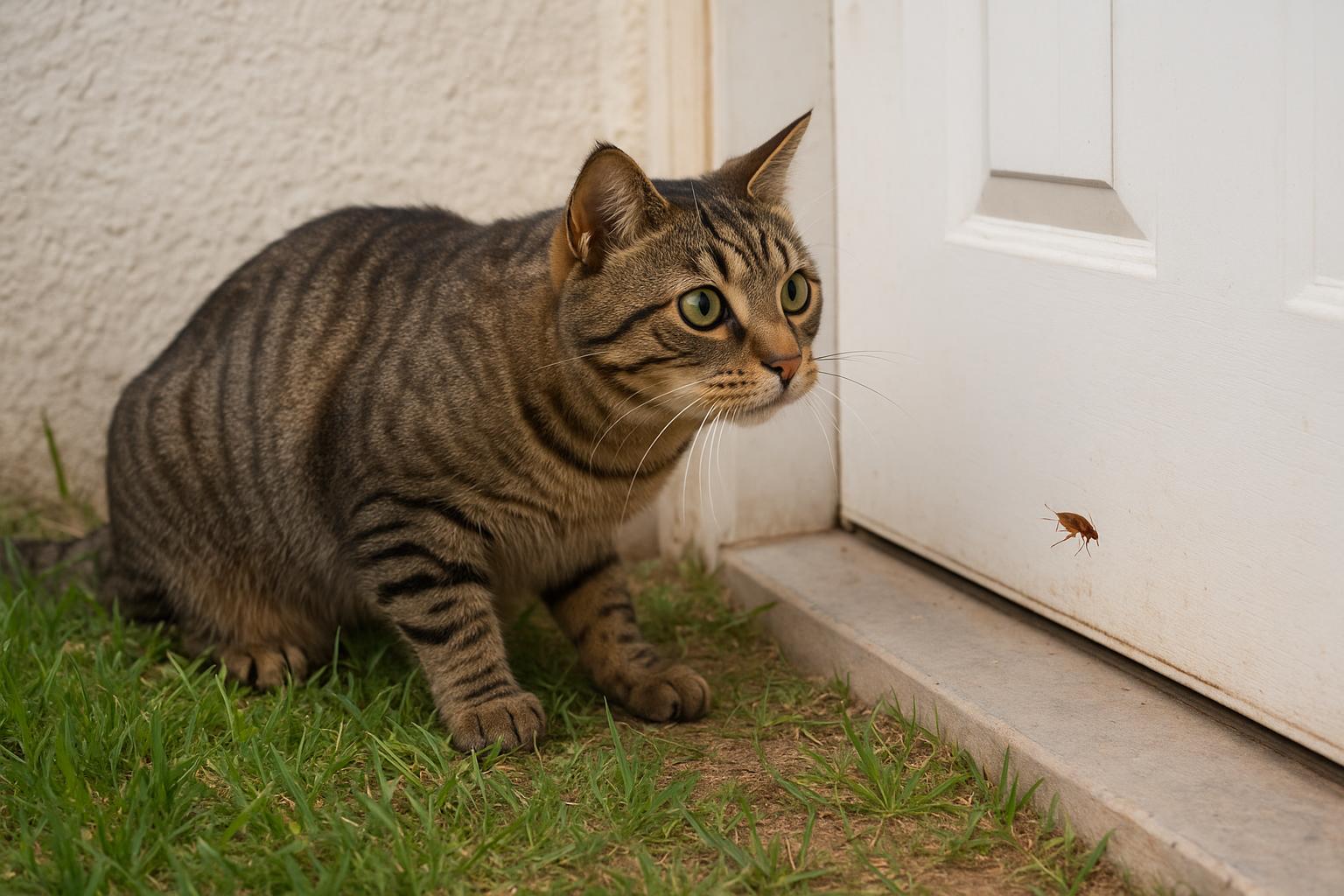
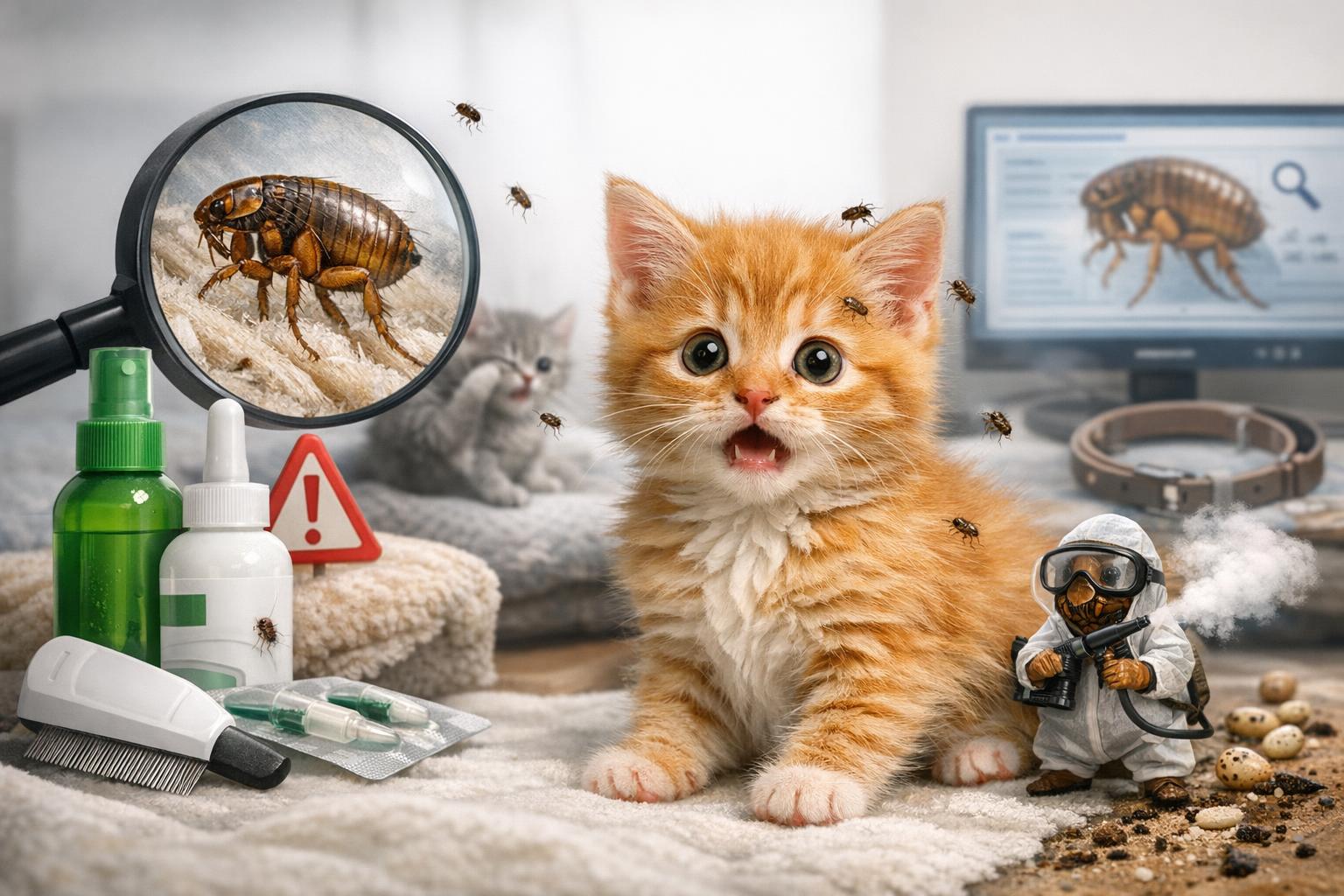
Indoor cats are often assumed to be safe from fleas, but fleas can hitch a ride on people, other pets, or even come from an open window. Effective flea prevention for indoor cats combines regular grooming, environmental control, and vet-approved preventives. Below are practical, vet-conscious home care tips and a set of numbered home remedies you can safely use as part of a comprehensive plan.
## Flea Prevention For Indoor Cats: Key Strategies
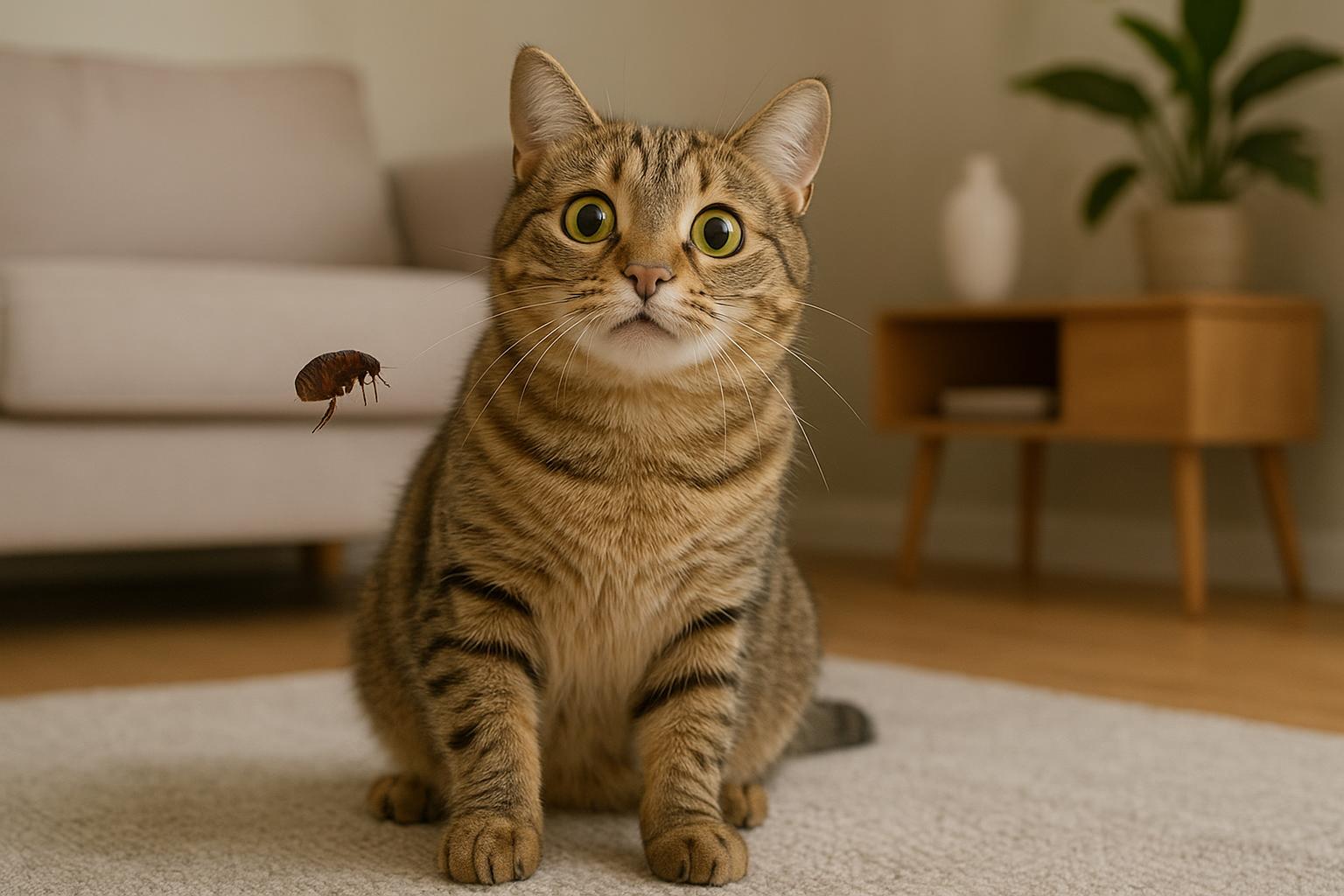
Indoor flea prevention for indoor cats starts with a layered approach: prevent flea entry, monitor your cat closely, maintain a clean environment, and use safe treatments if fleas appear. Even with strict indoor routines, a single flea can reproduce rapidly; therefore, ongoing vigilance is essential.
### Monitor And Inspect Regularly
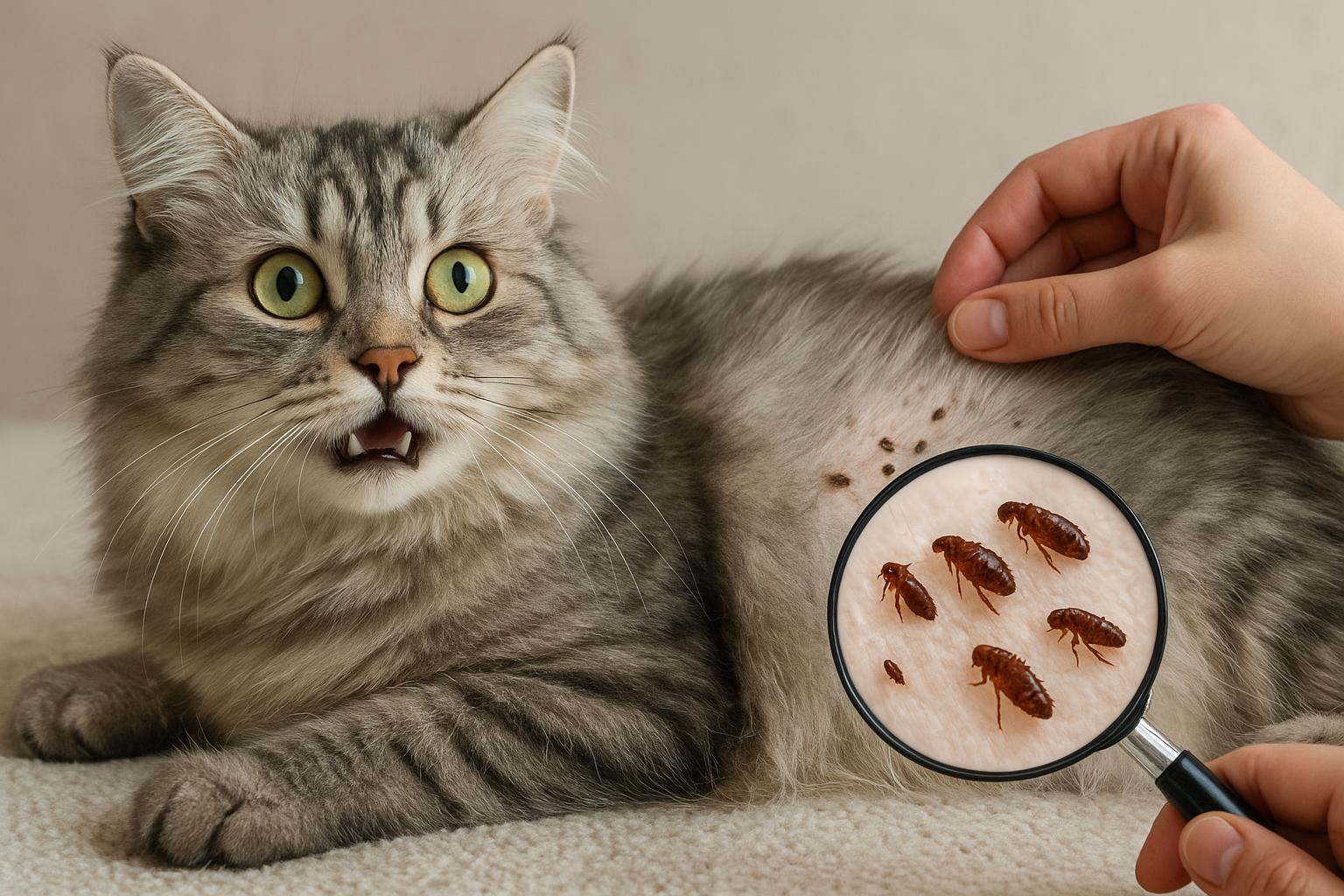
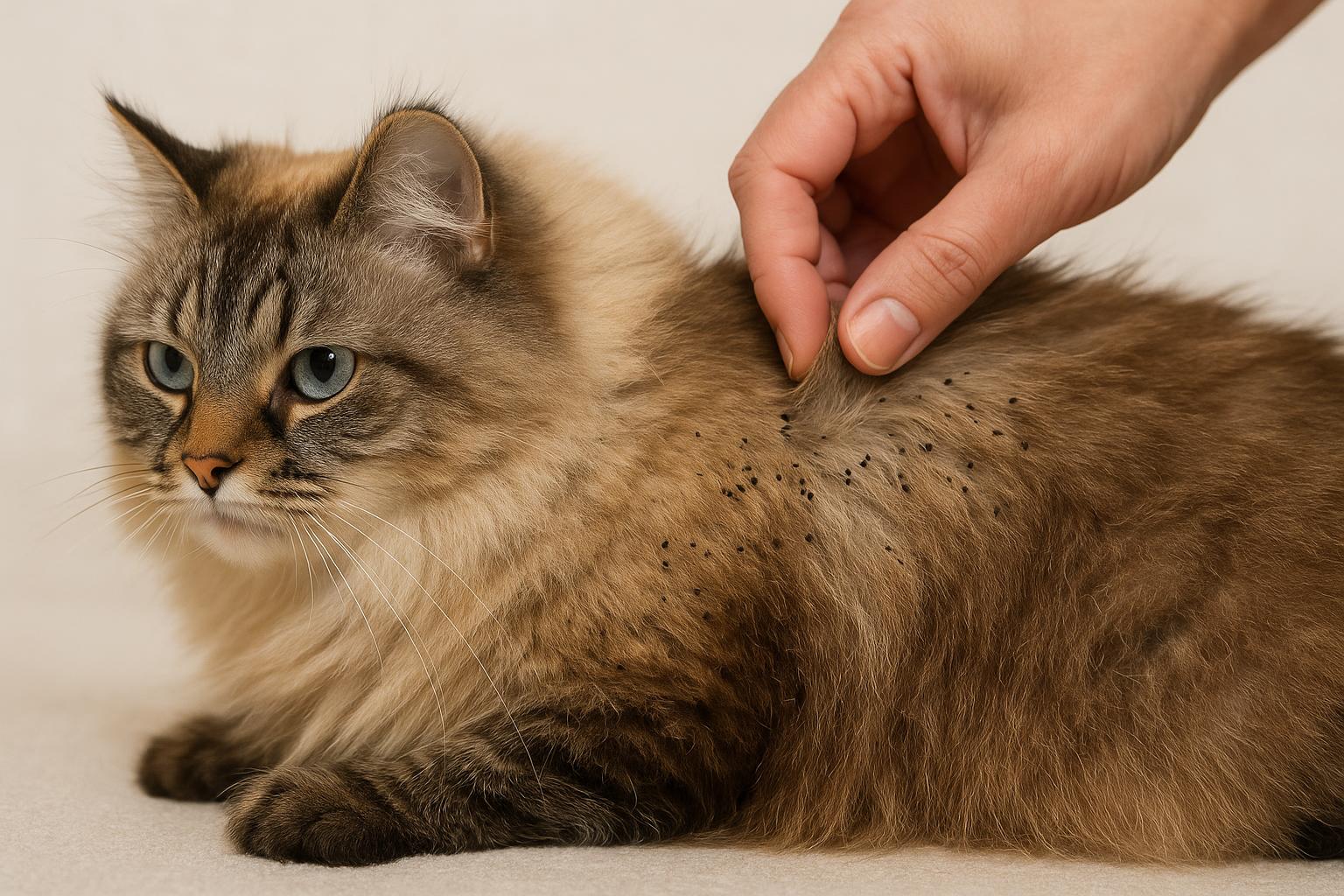
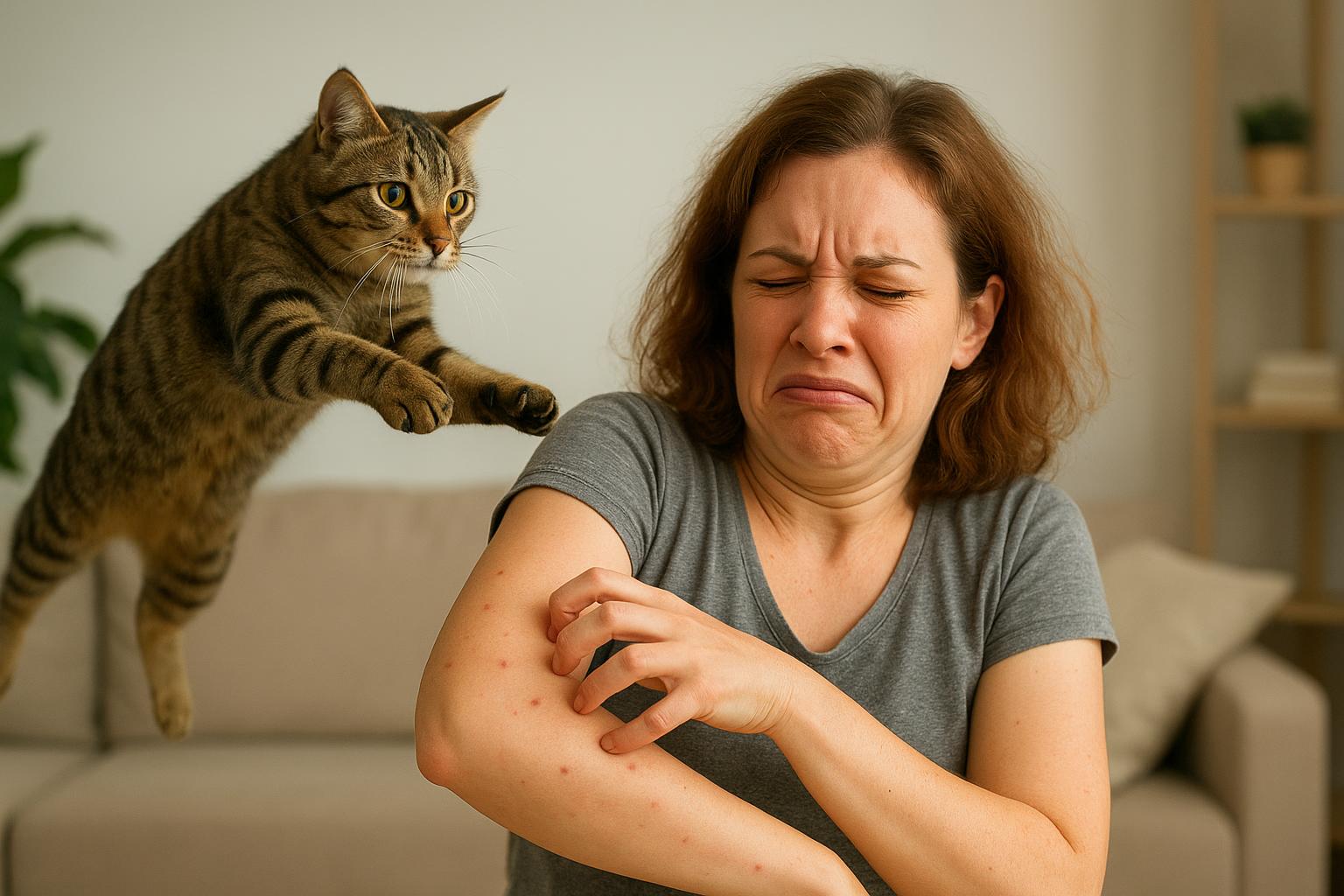
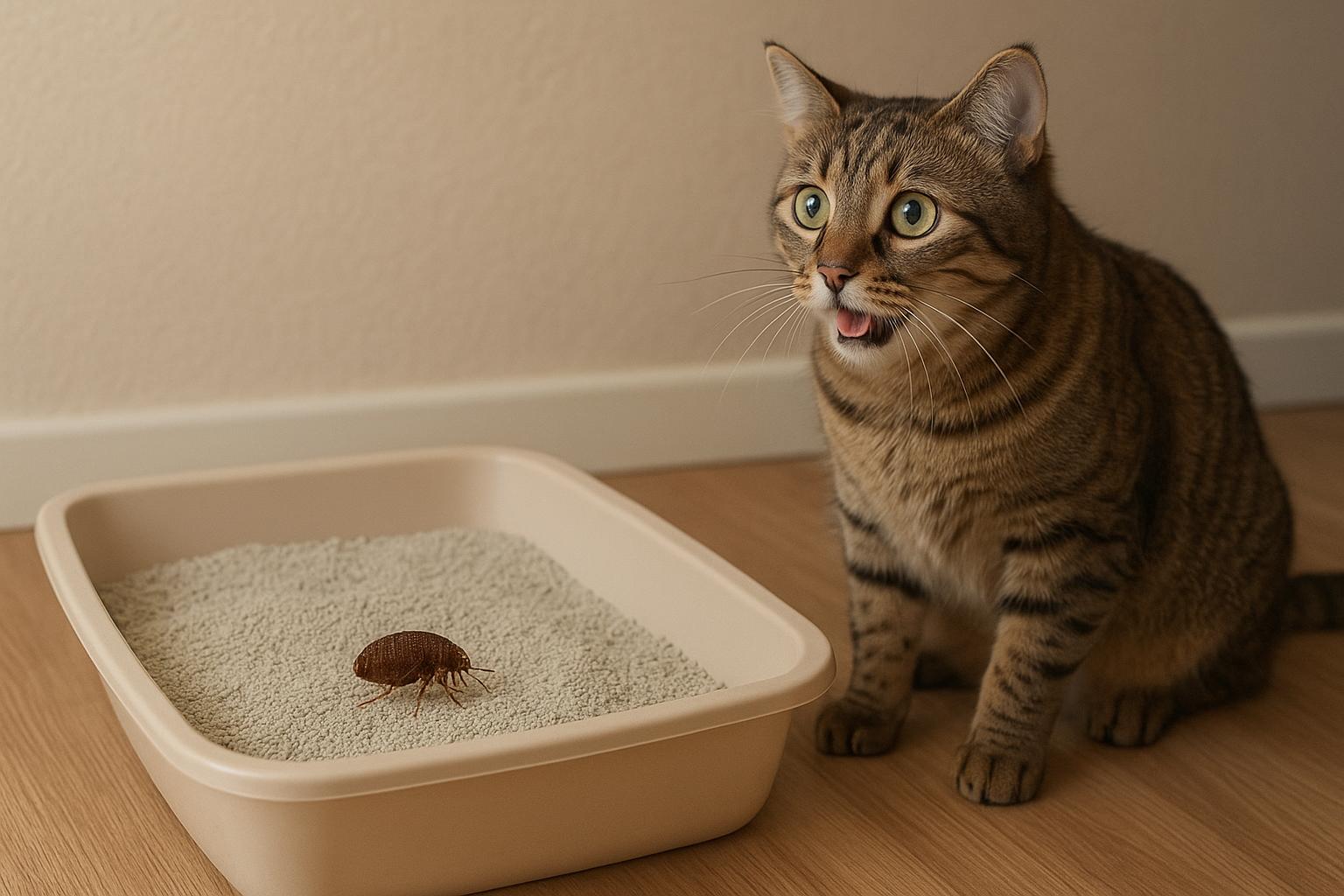
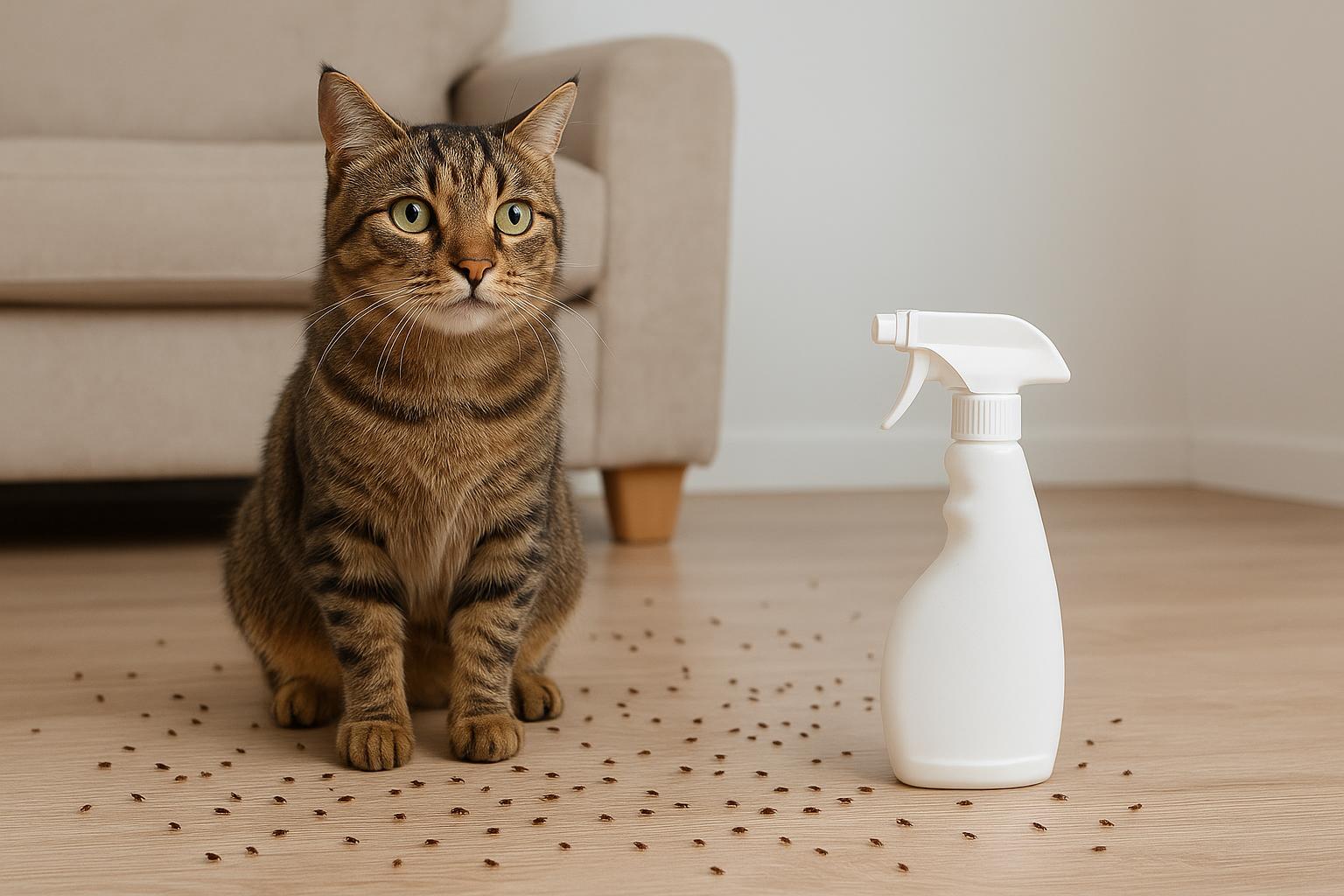
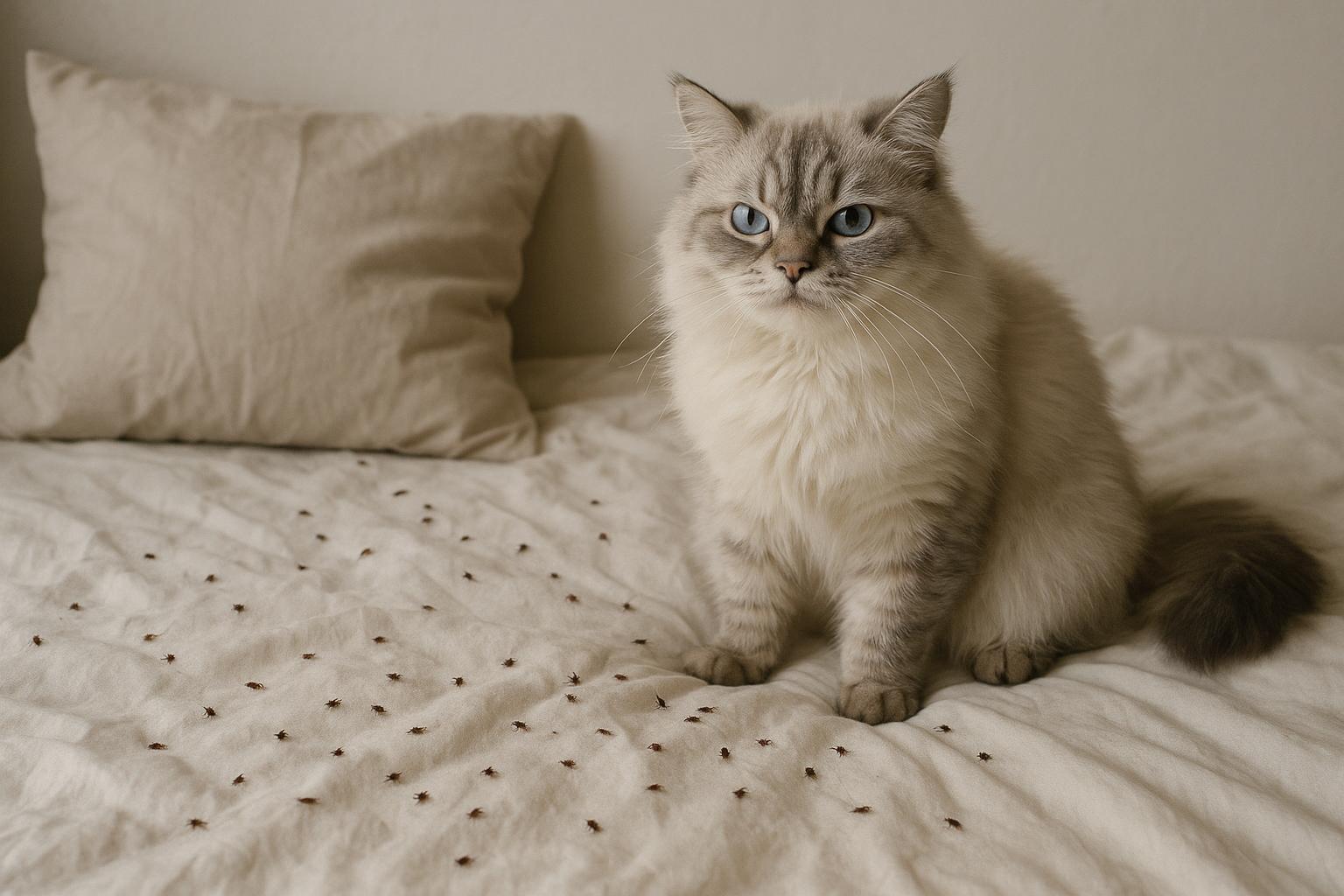
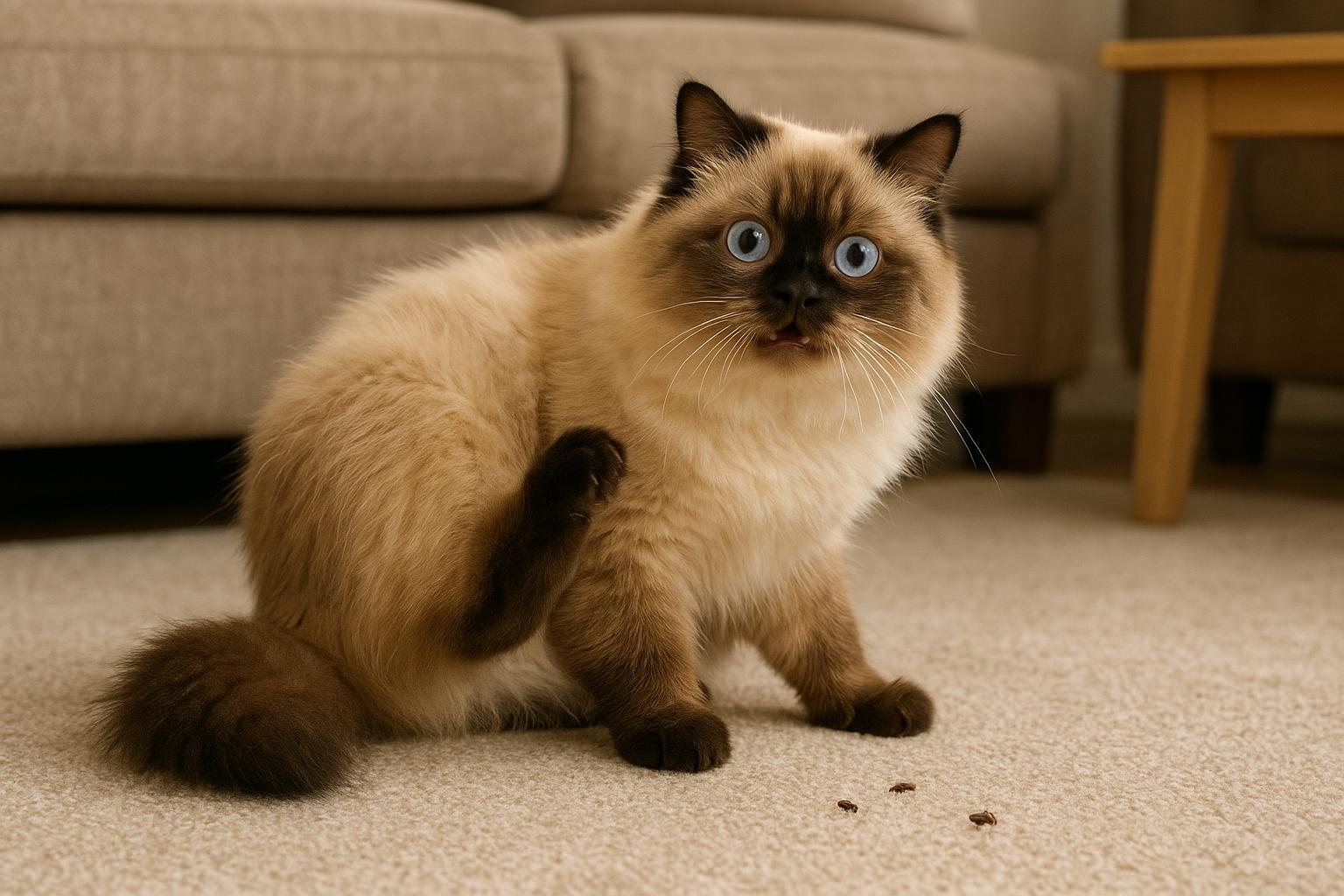
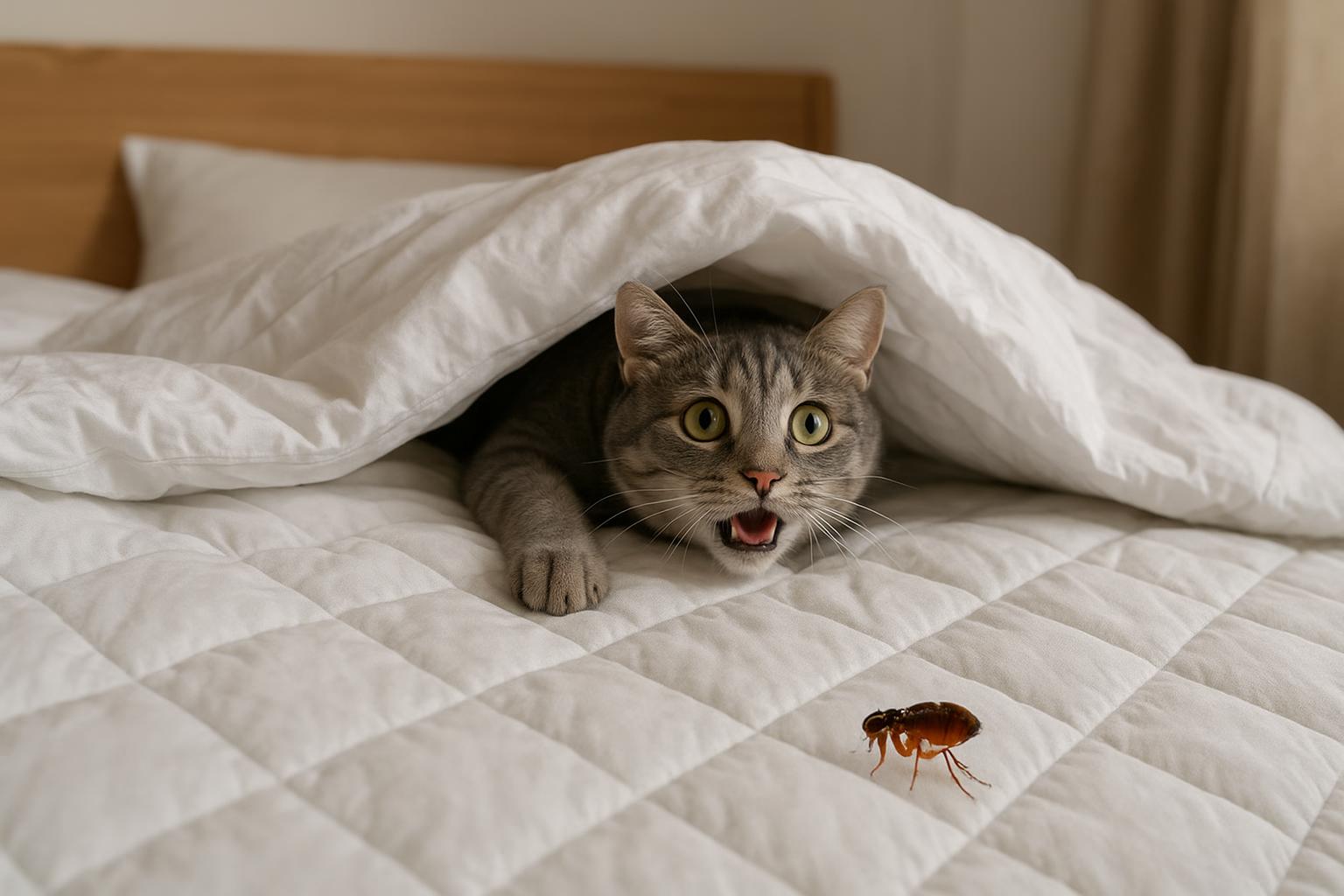
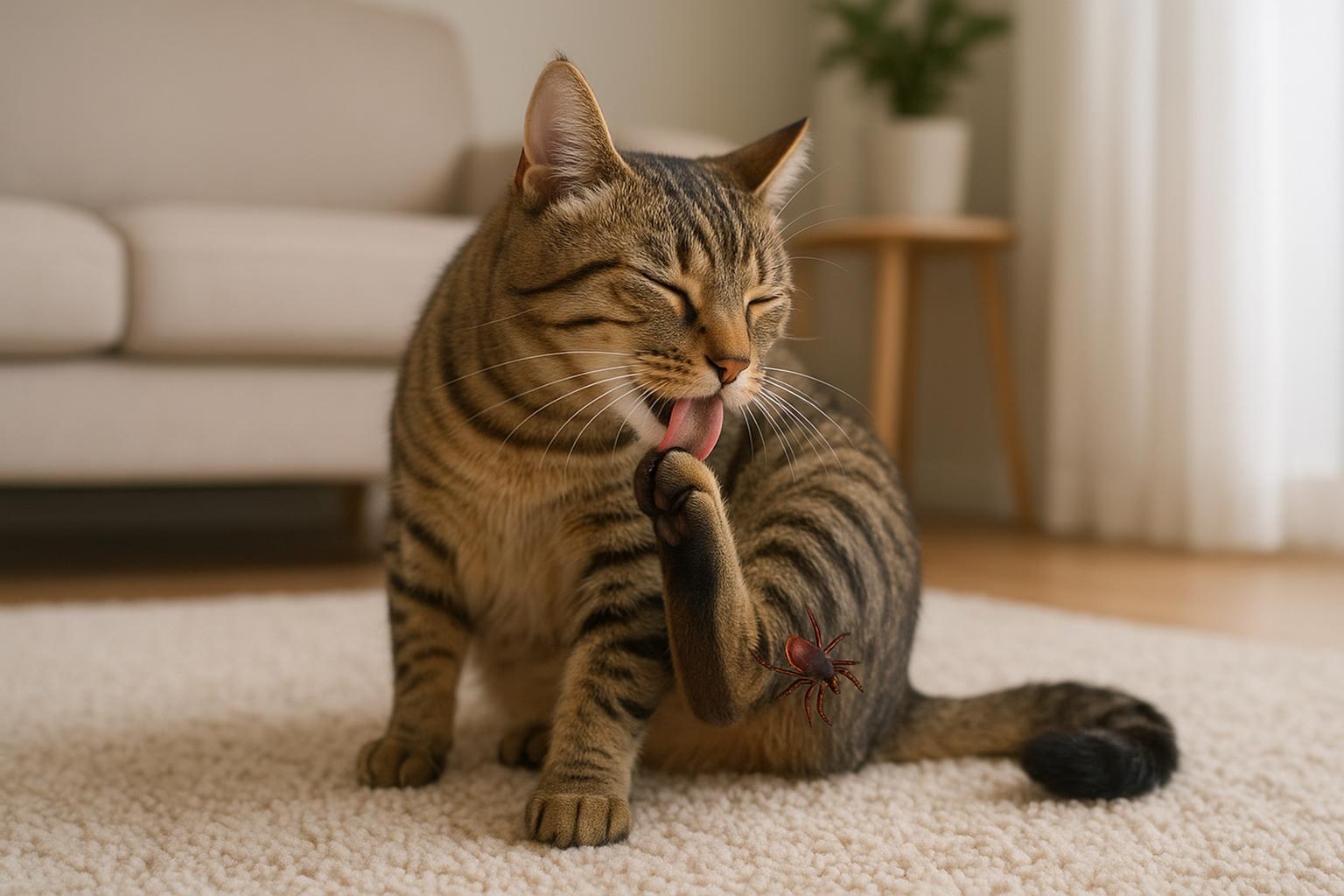
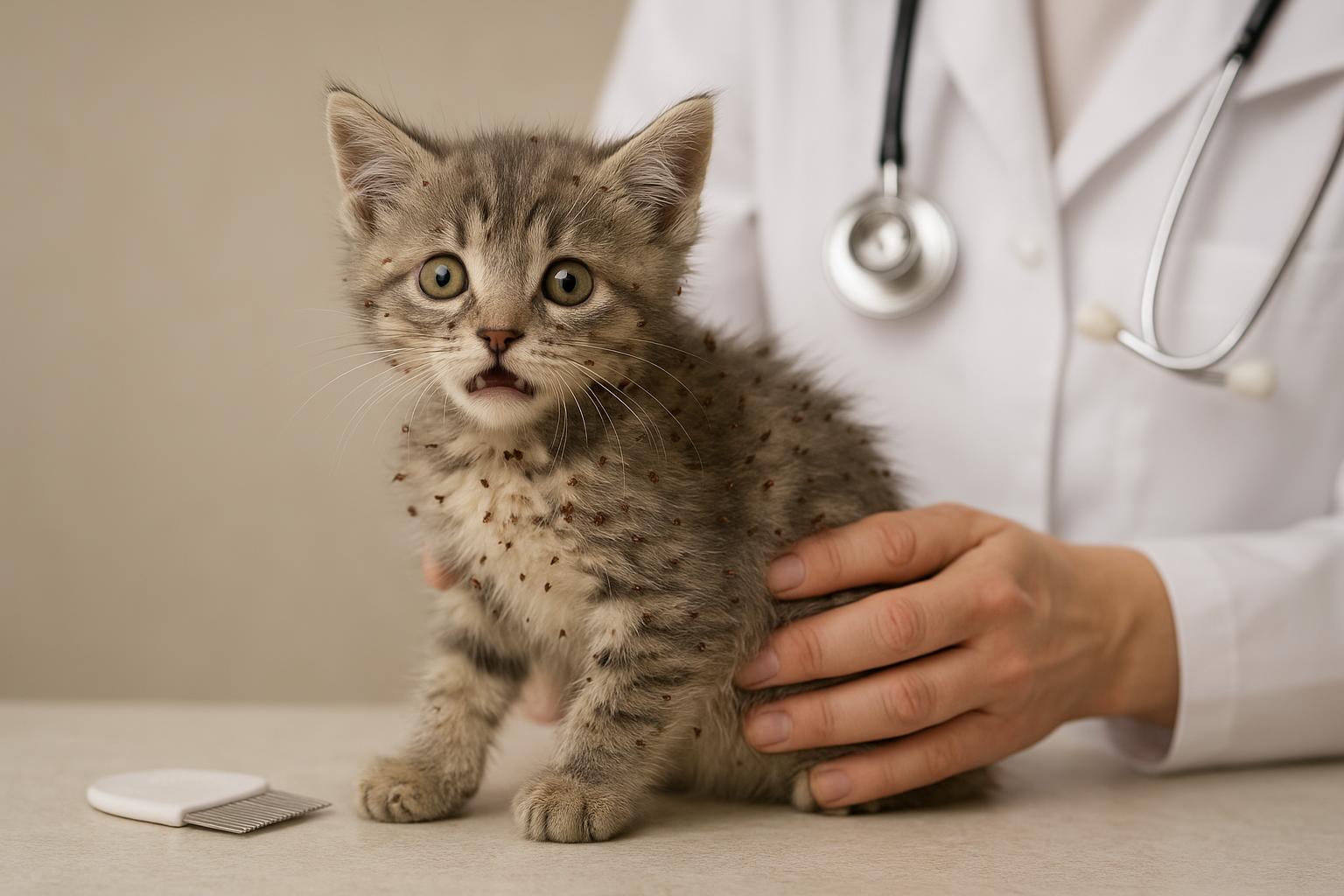
– Check your cat weekly for signs of fleas: small, moving dark specks (adult fleas), flea dirt (small black specks that turn reddish when wet), or excessive scratching and restlessness.
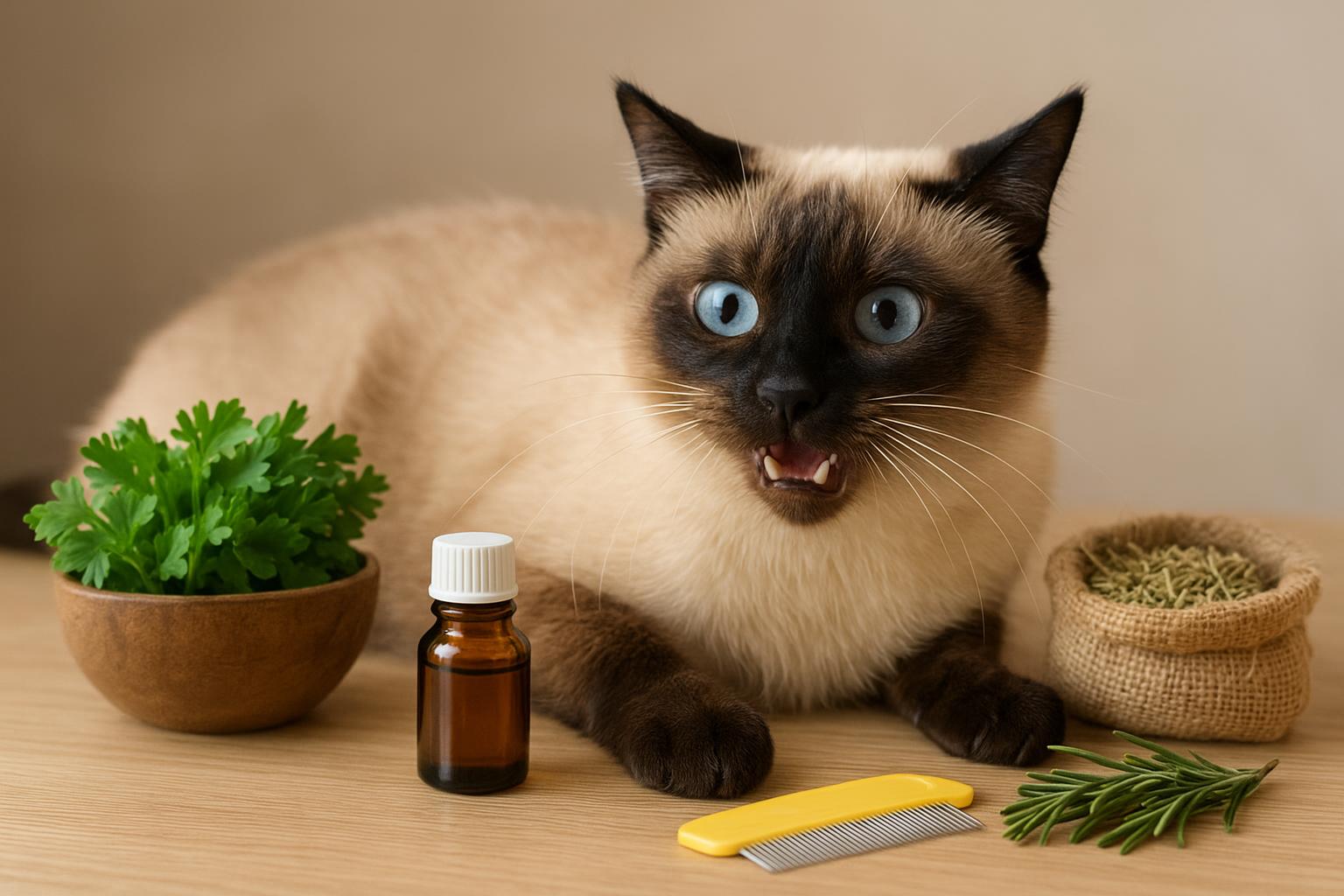
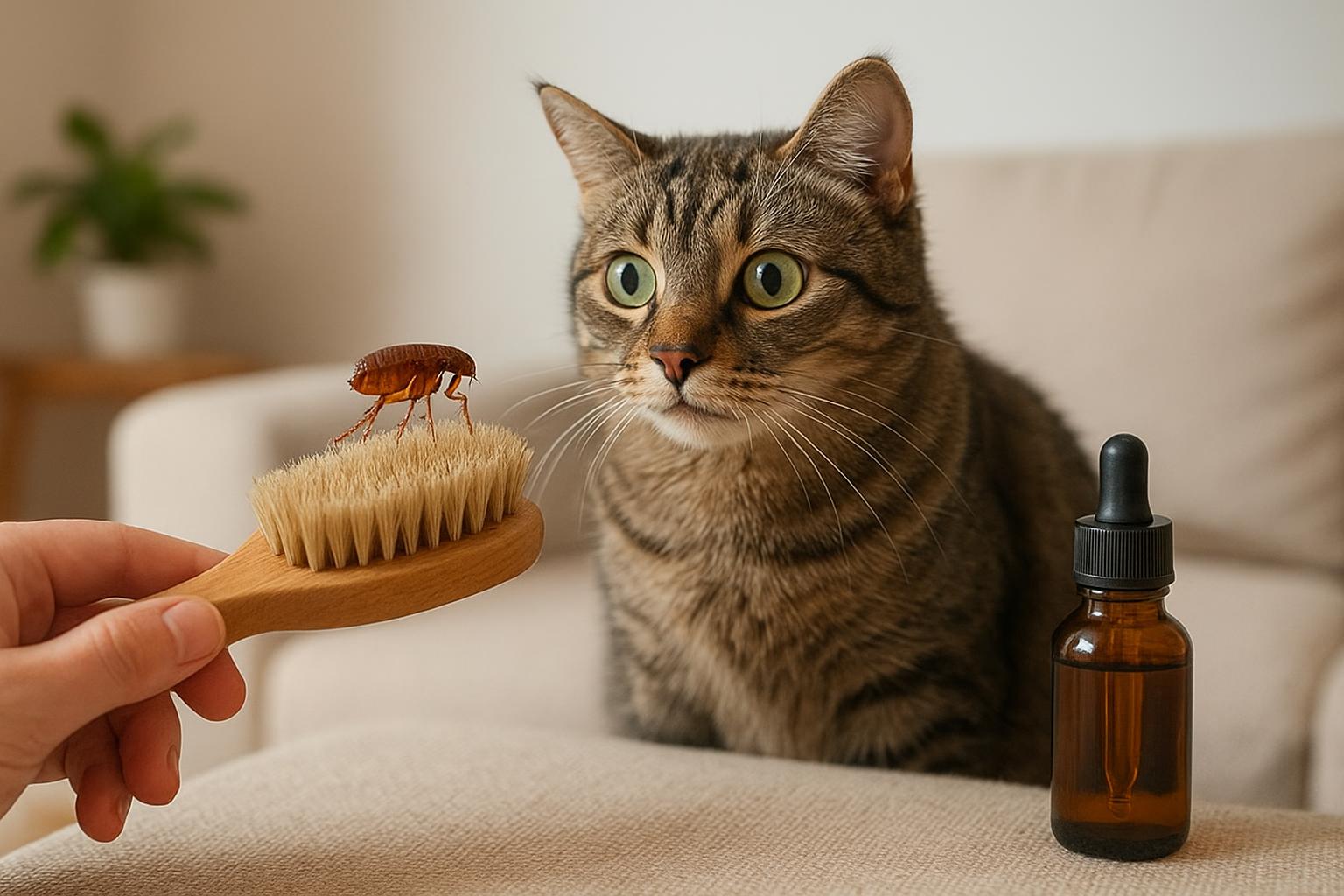
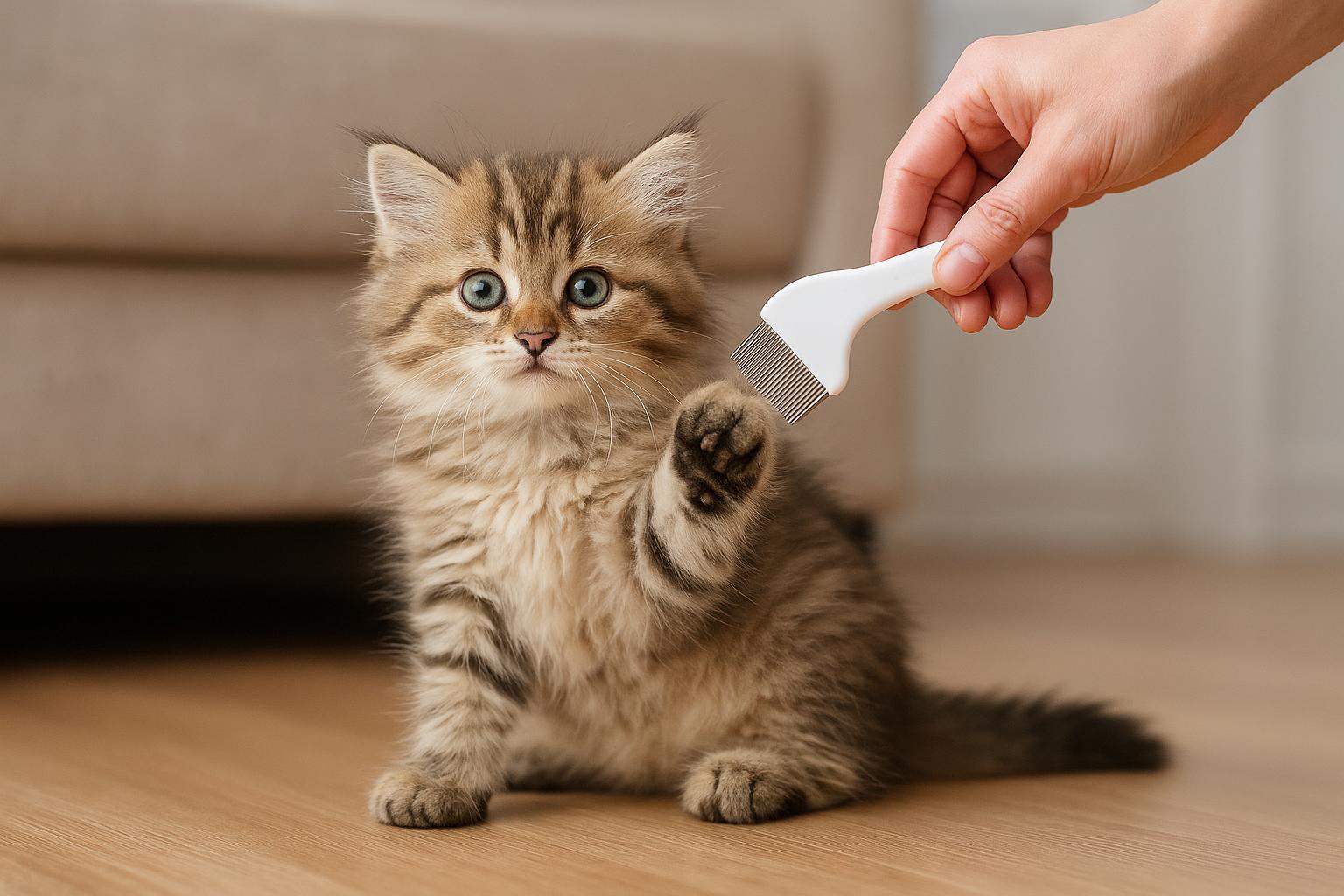
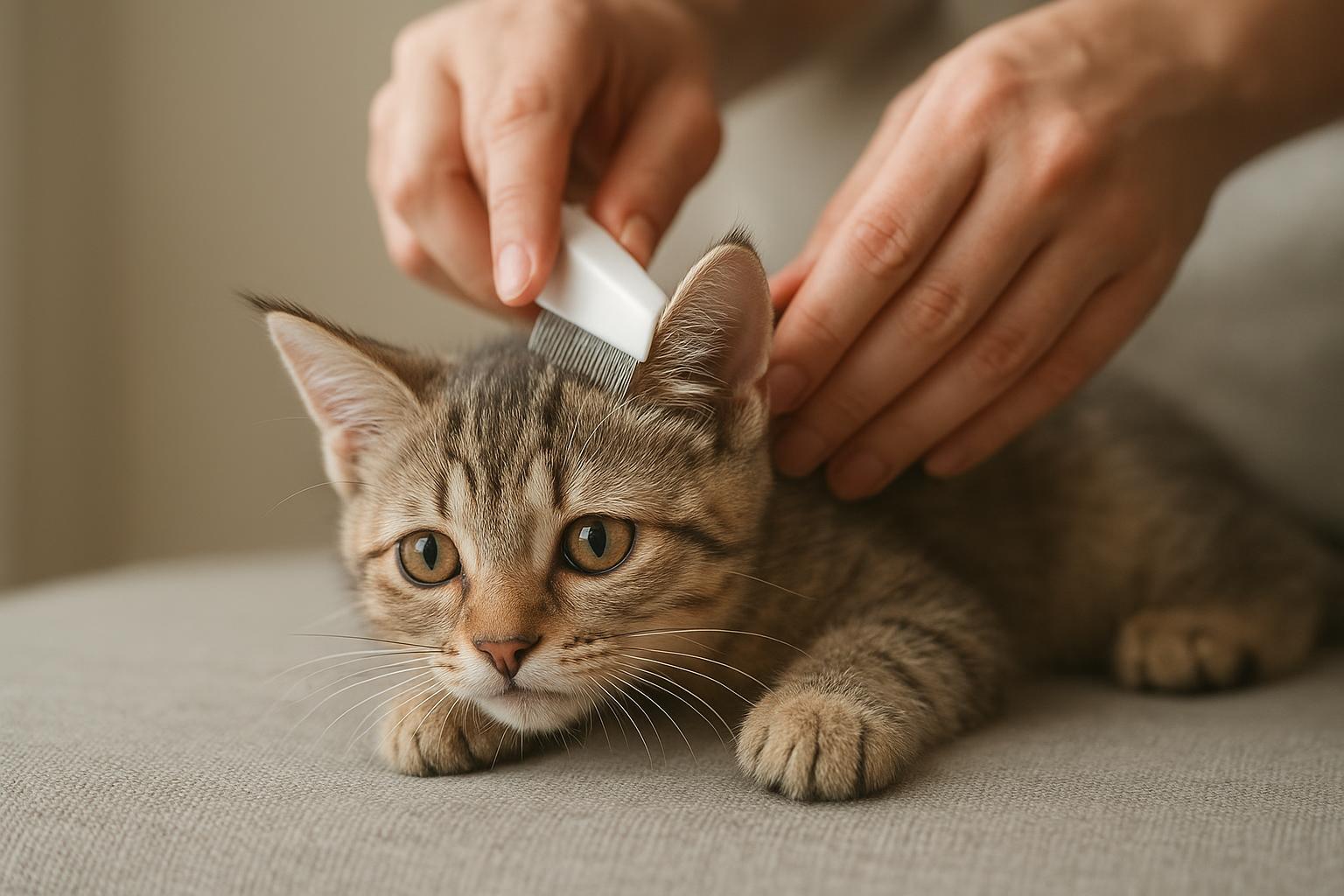
– Use a fine-toothed flea comb over light-colored paper to detect fleas and flea dirt; this simple step is one of the most effective early-detection tools in home flea care.
### Work With Your Veterinarian
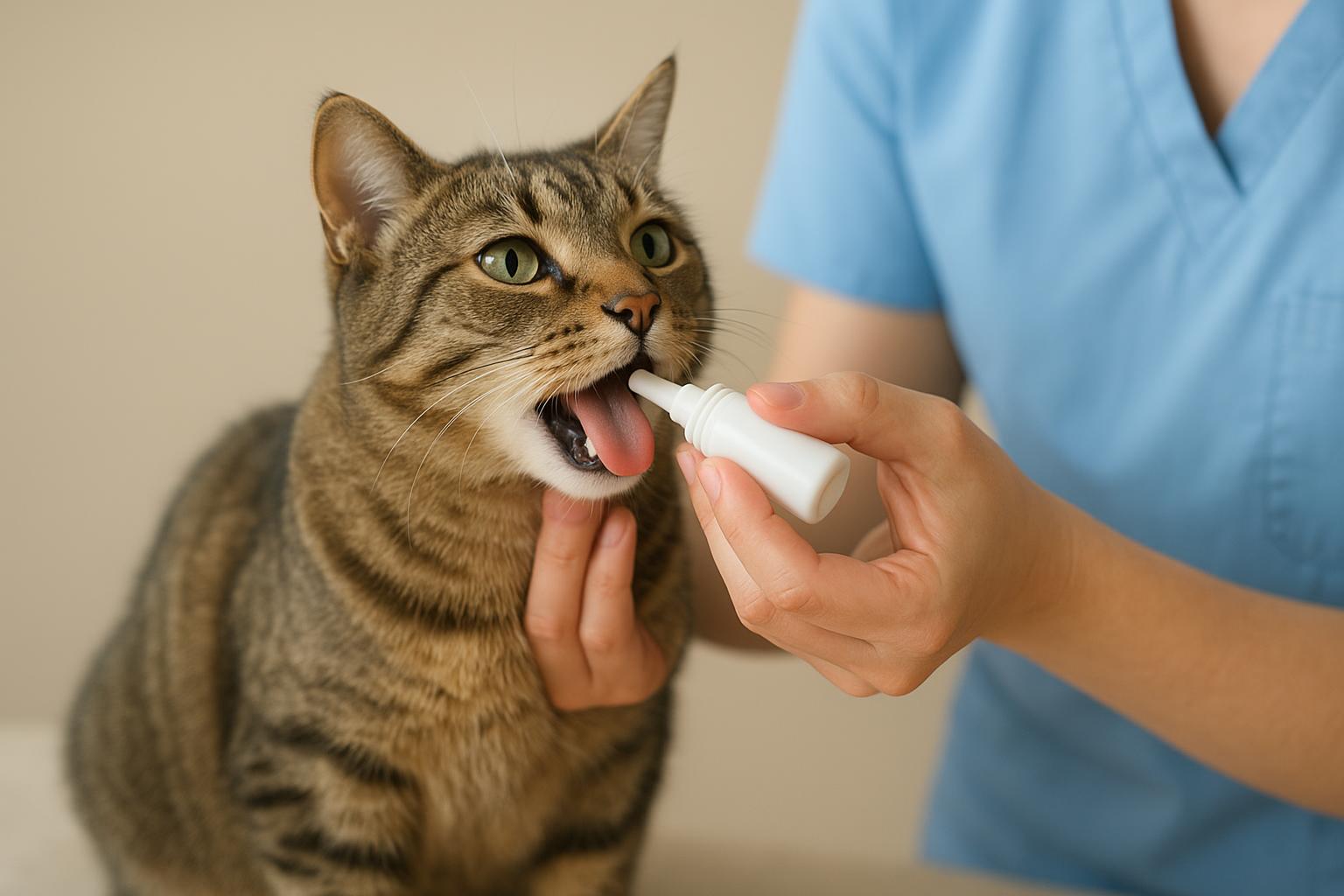
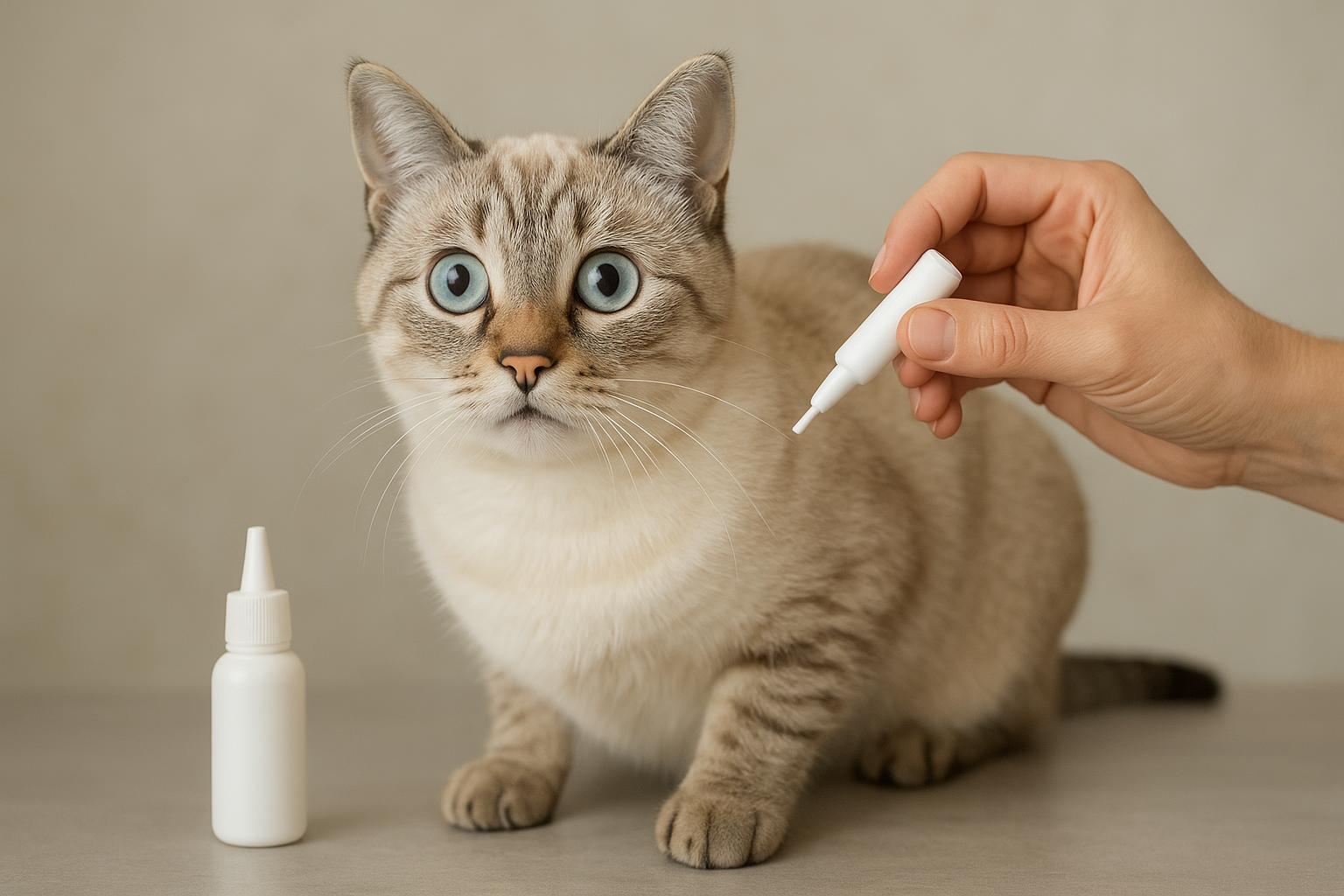
– Discuss a preventative regimen with your vet. Many indoor cats benefit from monthly topical or oral flea preventives that are far more reliable than DIY measures alone.
– Inform your vet about any home flea care or natural flea remedies you plan to use so they can advise on safety and possible interactions.
### Reduce Indoor Habitat For Fleas
– Wash cat bedding and any fabric your cat uses weekly in hot water (at least 60°C/140°F if the fabric allows) to kill eggs and larvae.
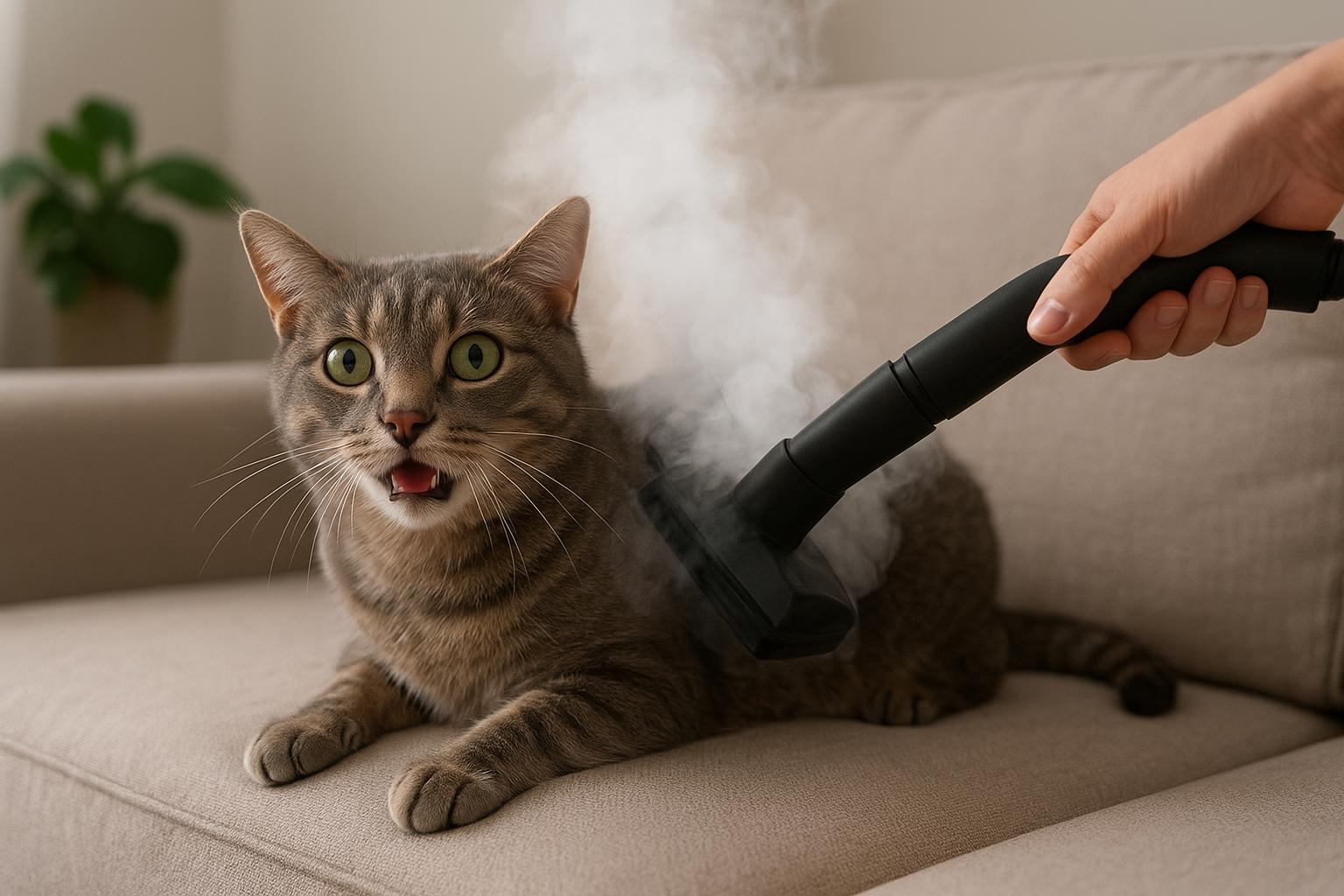
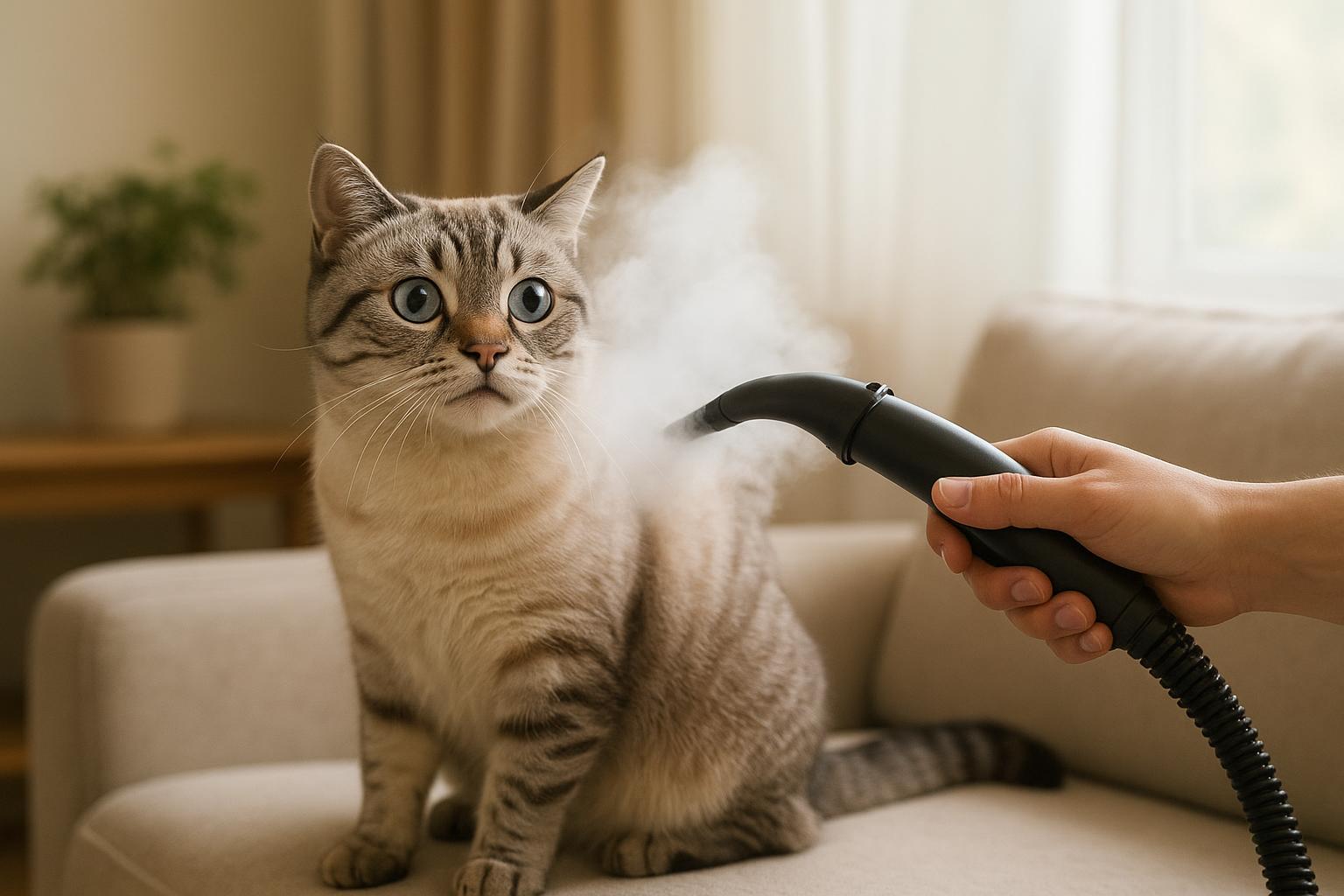
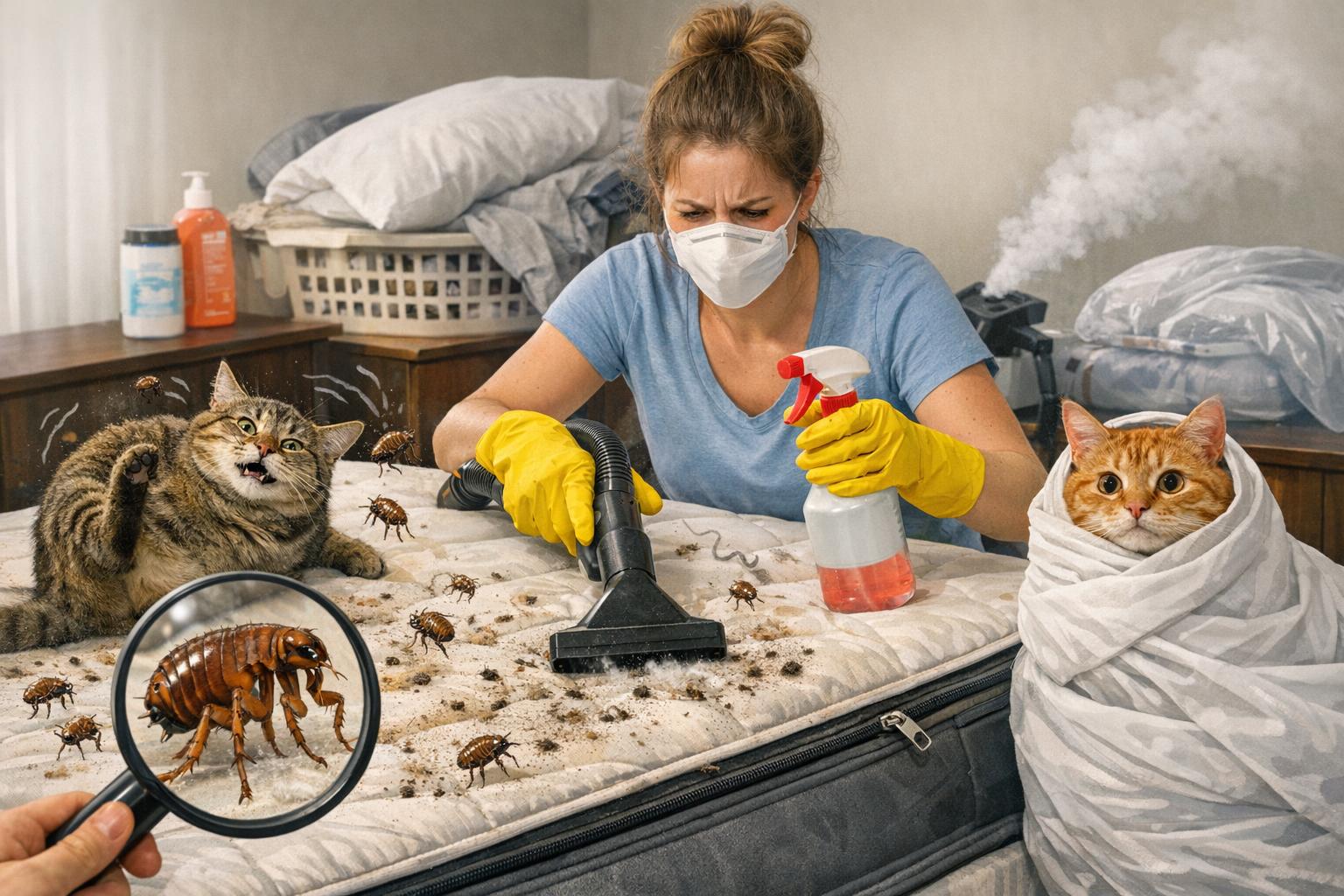
– Vacuum carpets, rugs, and upholstery thoroughly and frequently; empty vacuum bags or canisters outdoors to prevent reintroduction.
– Keep clutter to a minimum so there are fewer places for flea larvae to hide and develop.
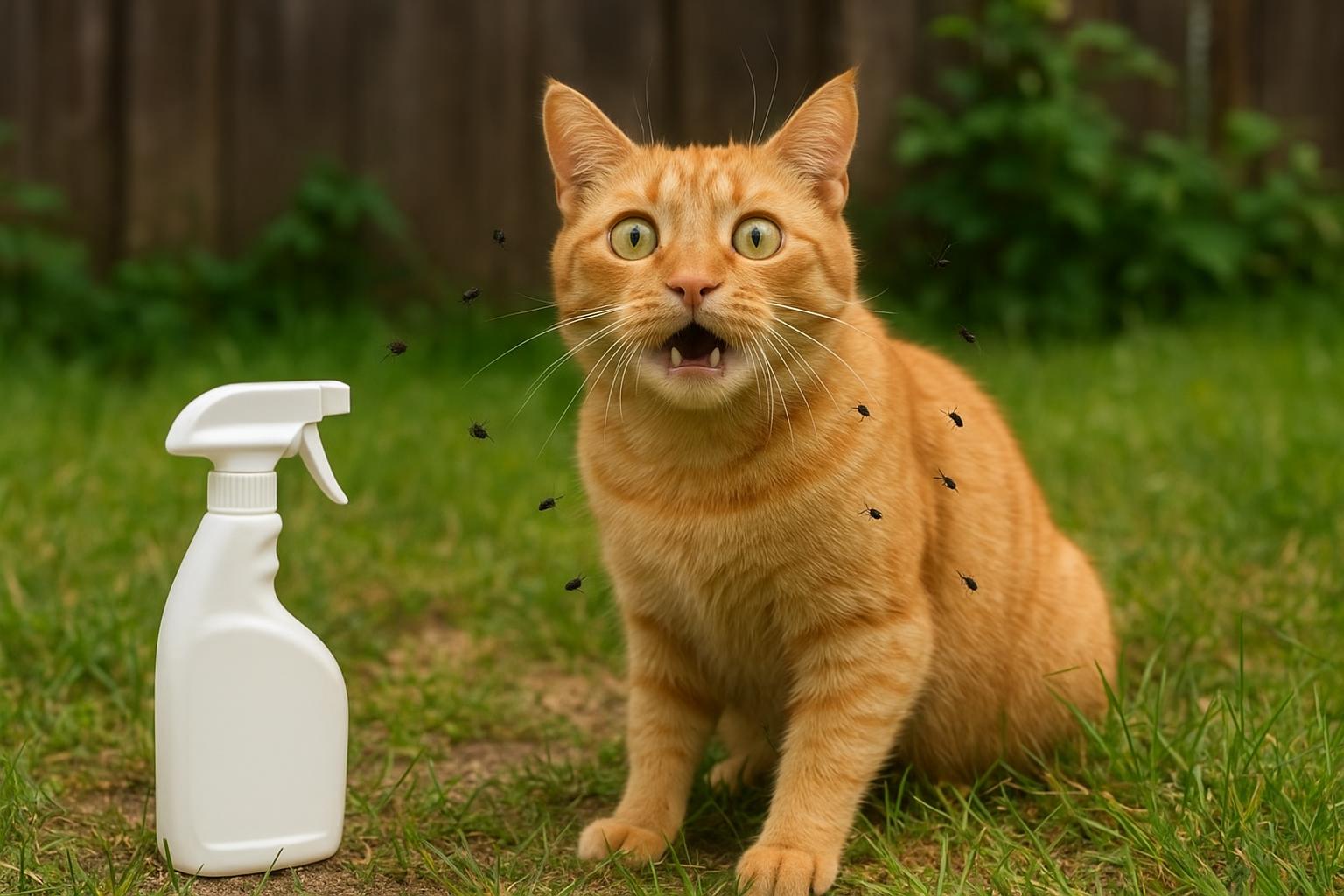
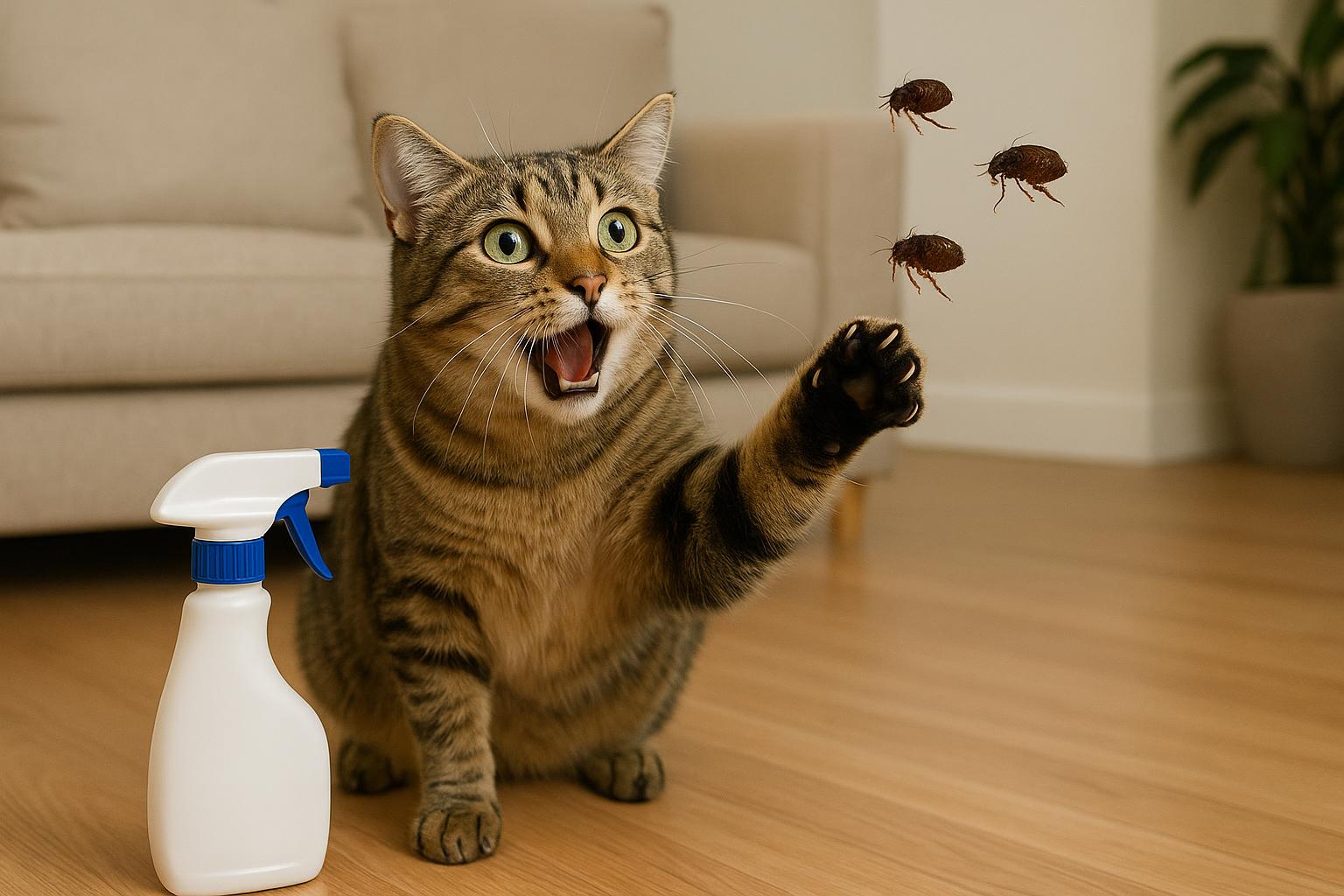
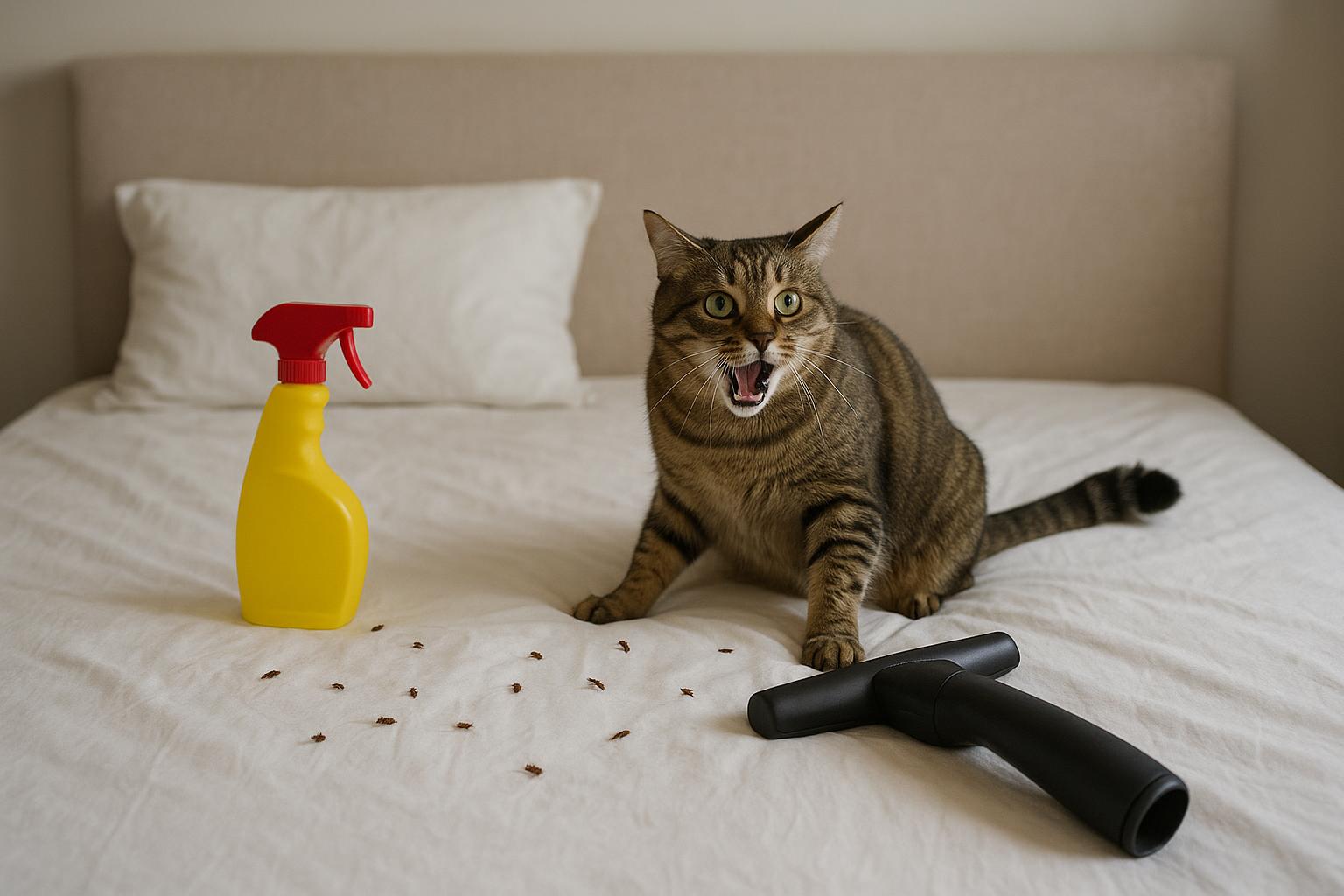
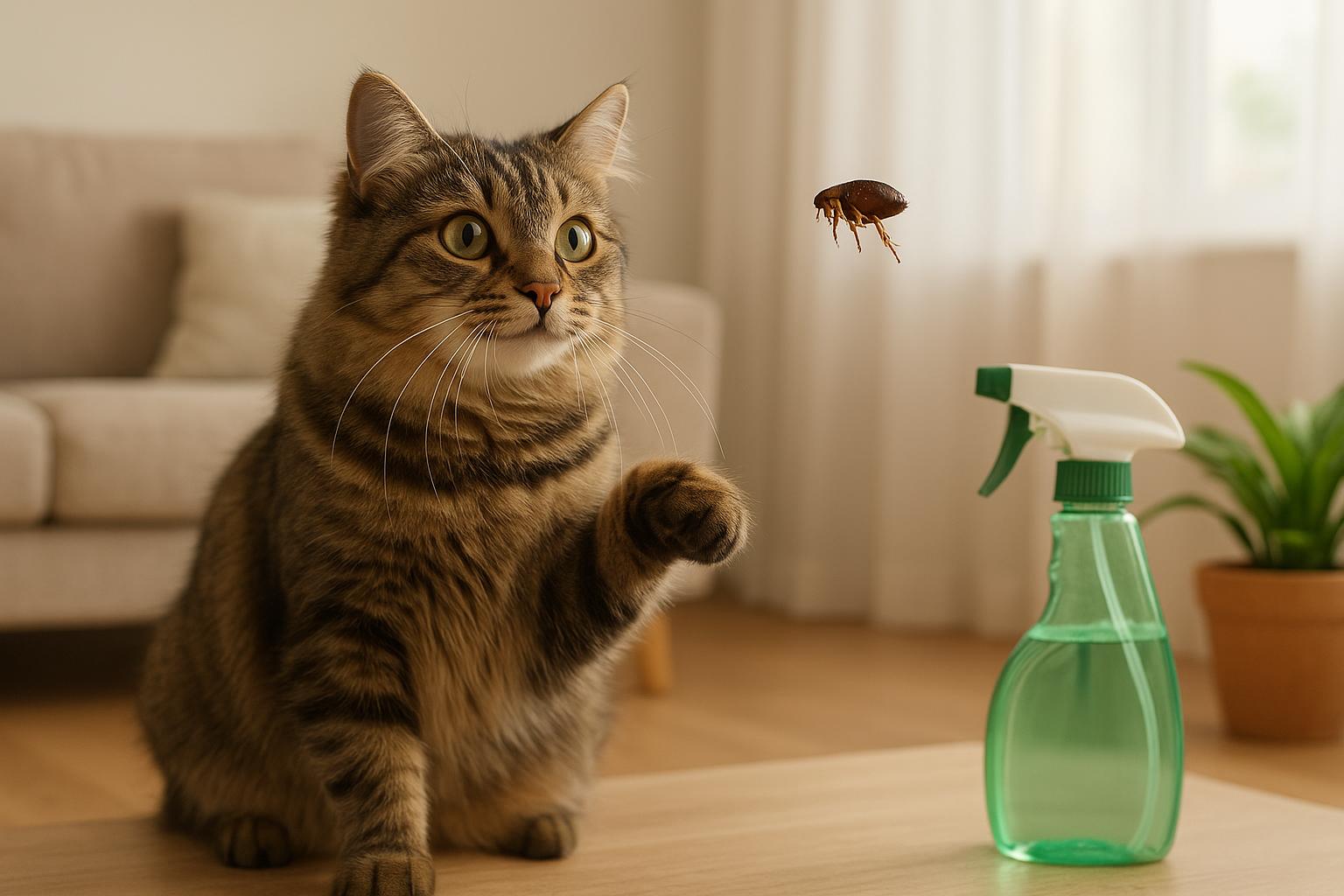
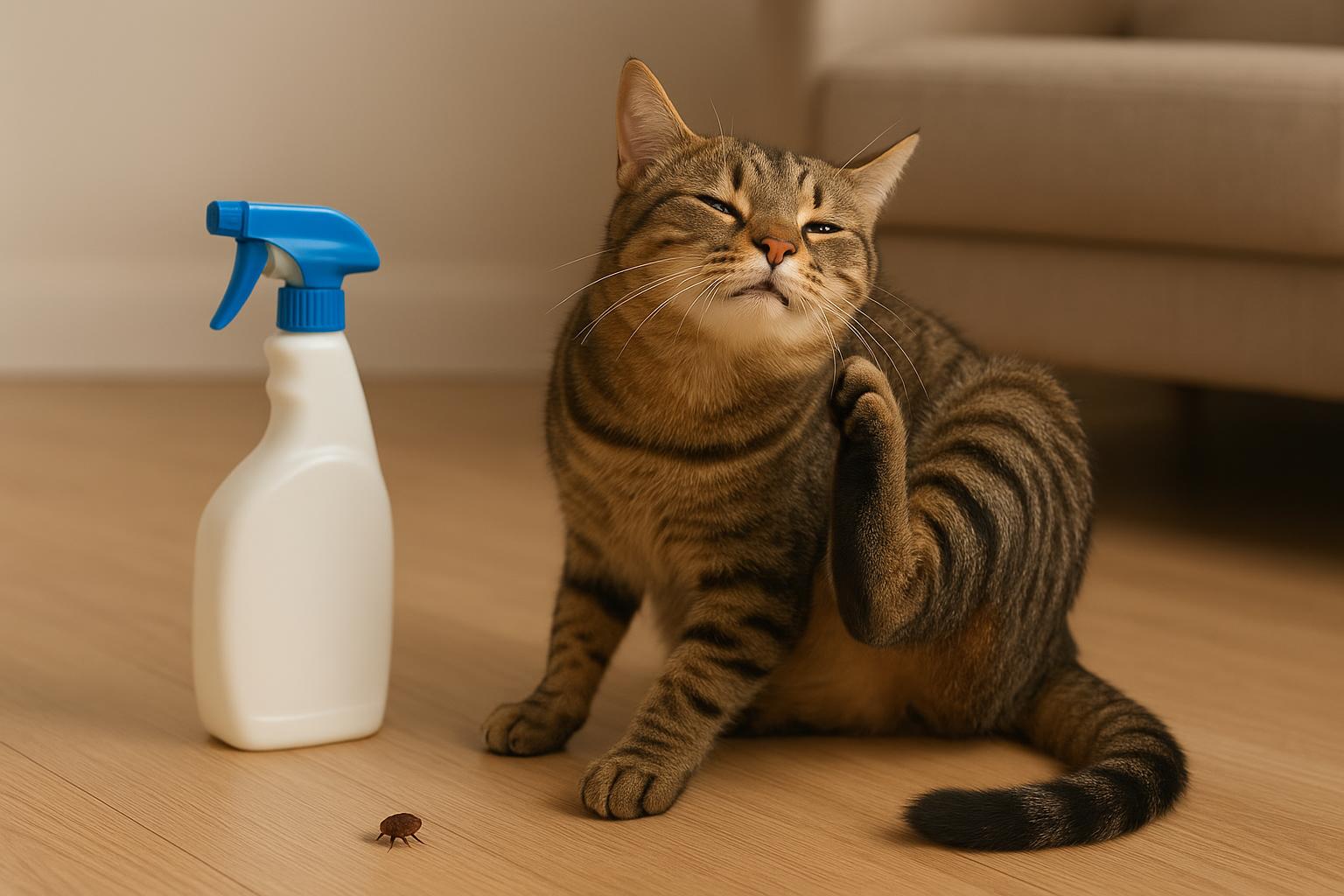
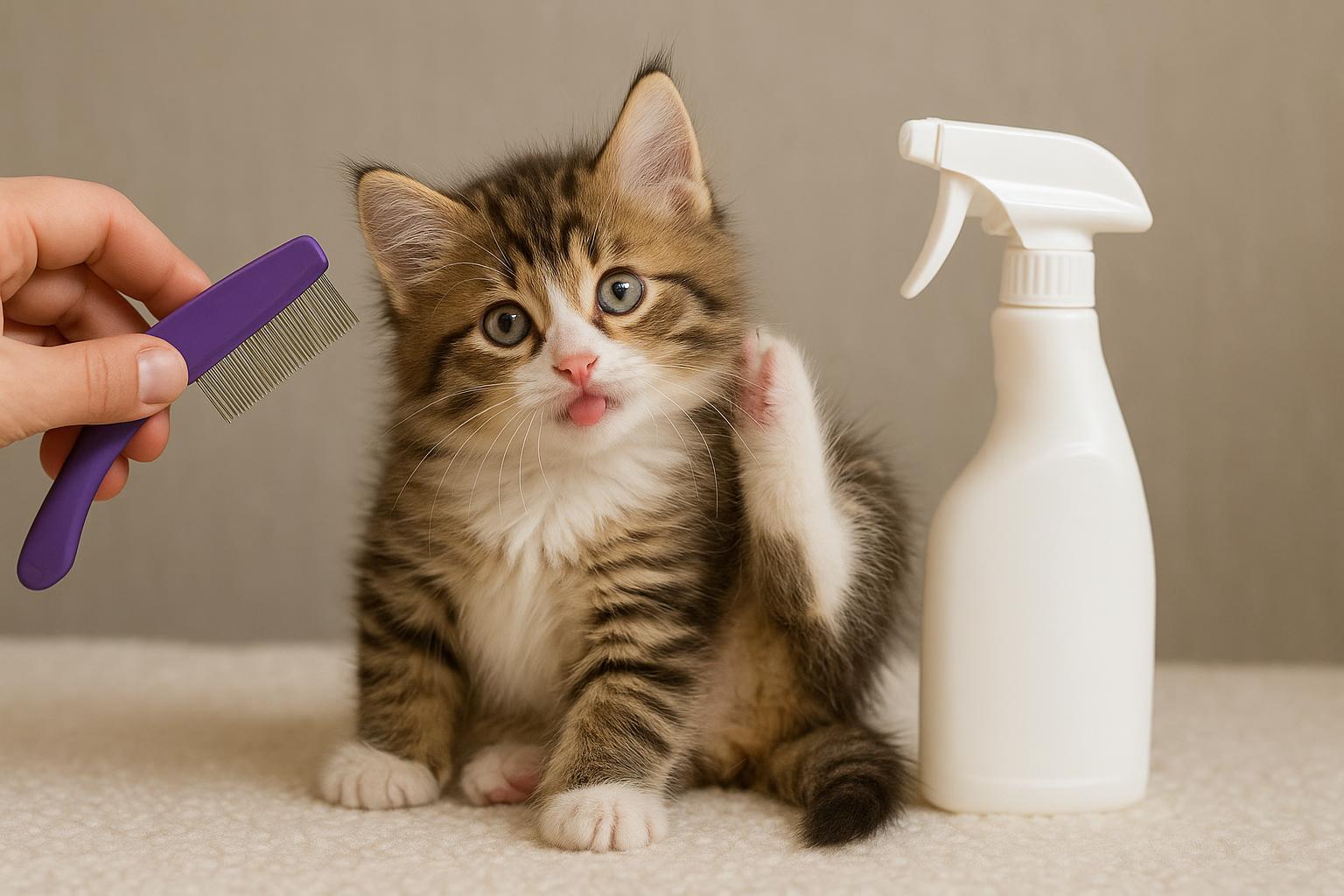
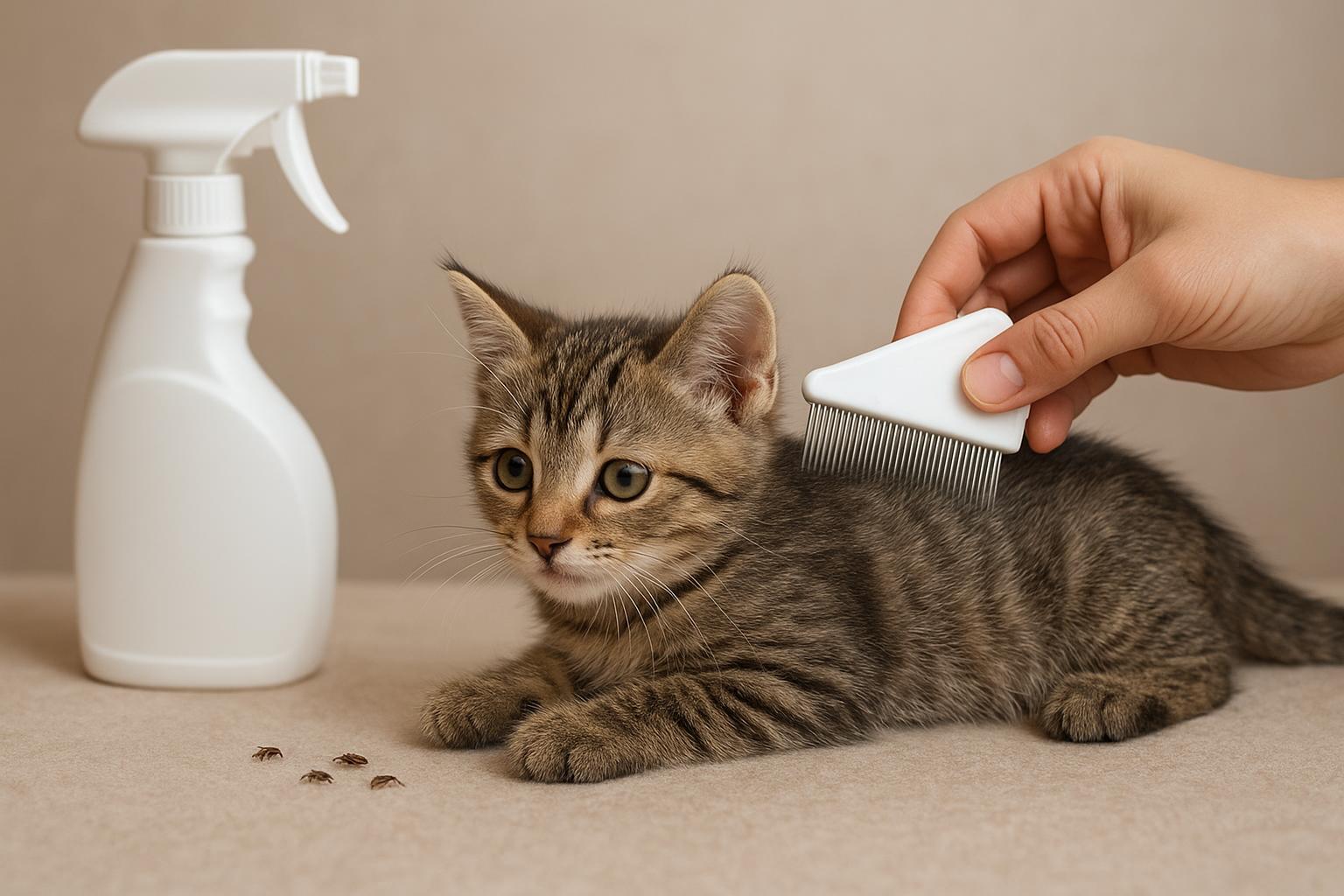
## 1. Natural Flea Spray (Apple Cider Vinegar) — Ingredients And Steps
This natural flea remedy can help repel fleas on coat and reduce itching when used cautiously. It is supportive home flea care, not a replacement for veterinary flea control when infestation is present.
Ingredients / Materials:
– 1 cup lukewarm distilled water
– 1/4 cup apple cider vinegar (ACV) — unfiltered if available
– 1 clean spray bottle (opaque preferred to avoid light degradation)
– A towel and a quiet space for application
Step-by-Step Creation:
1. Combine the lukewarm distilled water and apple cider vinegar in the spray bottle. Shake well to mix.
2. Label the bottle with contents and date. Store out of direct sunlight and use within 2–3 weeks.
Step-by-Step Application:
1. Test a small patch: Spray a little formula on a small area of your cat’s scruff and wait 24 hours. If there is redness, irritation, or increased scratching, discontinue use and rinse the area with water.
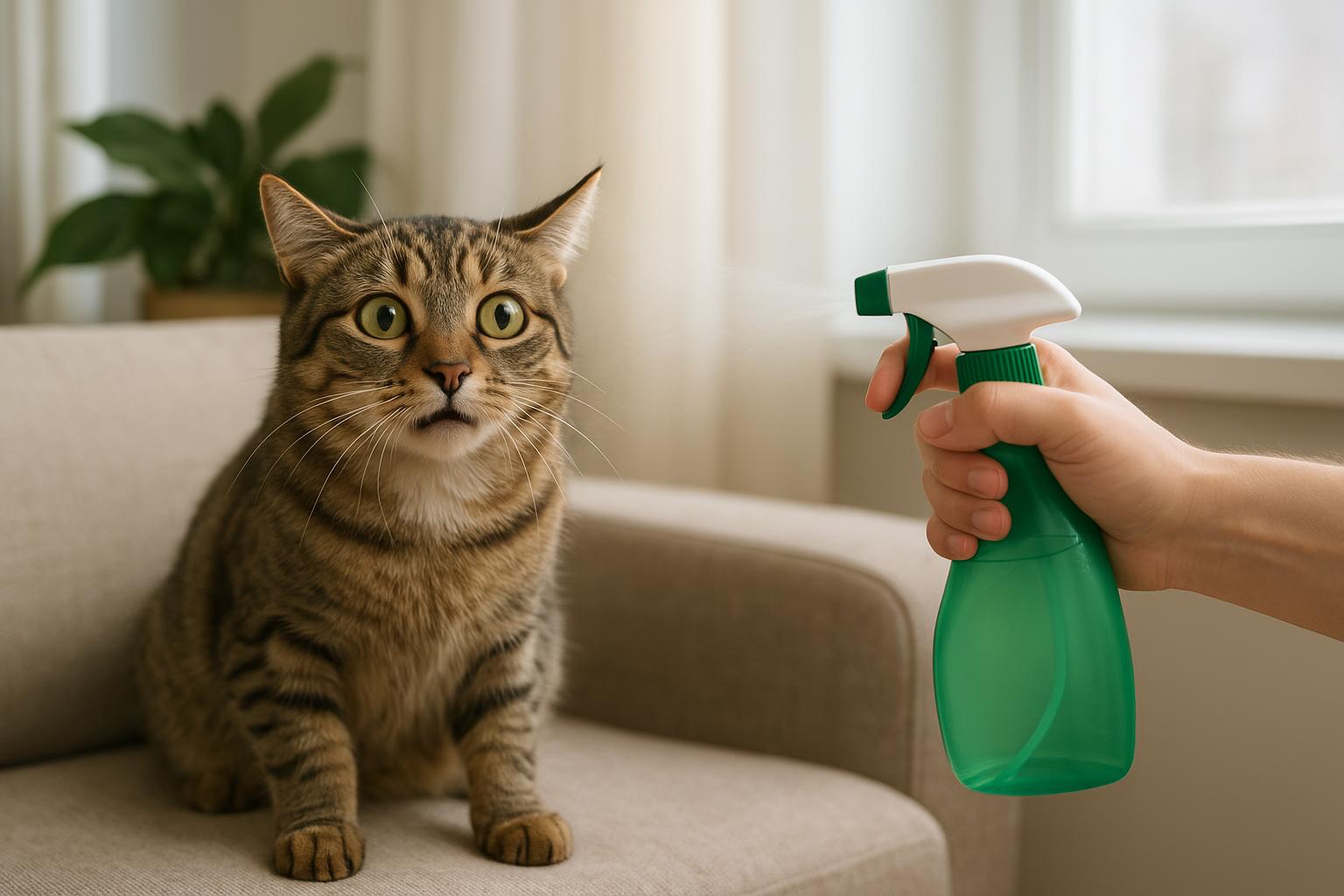
2. If no reaction, lightly mist the cat’s fur avoiding face, eyes, ears, and any open wounds. Do not spray directly toward the face; instead, spray onto your hands and then rub gently through fur around the neck and back.
3. Use once or twice weekly as a preventive support measure. Do not rely on this method alone for active infestations; consult your veterinarian for comprehensive treatment.
Formal Note: Apple cider vinegar works primarily as a repellent via odor and acidity modification. It does not kill adult fleas or break the flea life cycle effectively on its own. For active infestations, use vet-recommended adulticide products in addition to any natural flea remedies.
### Safety And Limitations
– Avoid using essential oils on cats; many are toxic (tea tree oil, citrus oils, peppermint, eucalyptus, etc.). Do not add essential oils to this mix.
– Never use concentrated vinegar undiluted on skin. If ingestion or eye contact occurs, flush with water and contact your vet.
## 2. Home Environment Treatment With Food-Grade Diatomaceous Earth (DE) — Ingredients And Steps
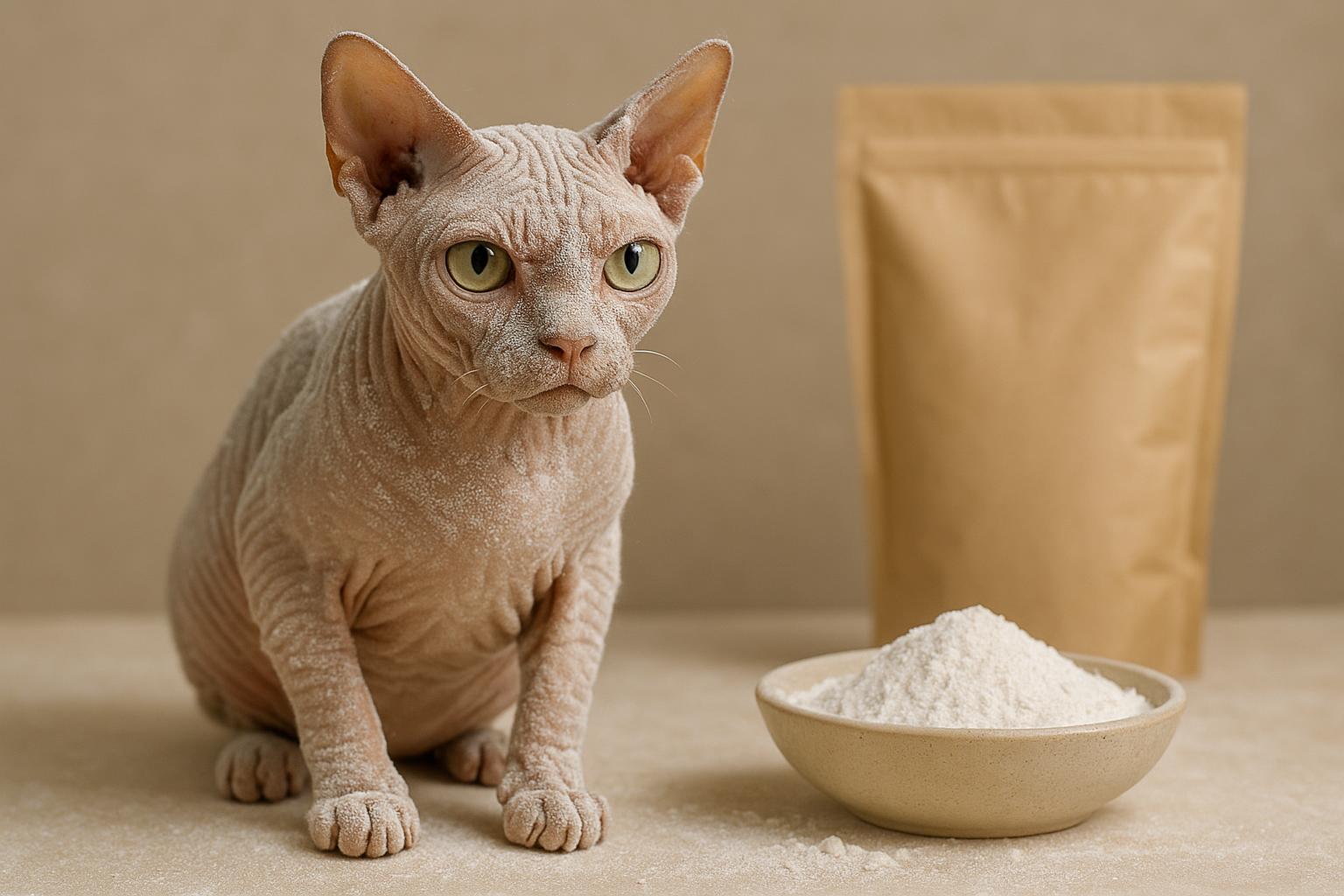
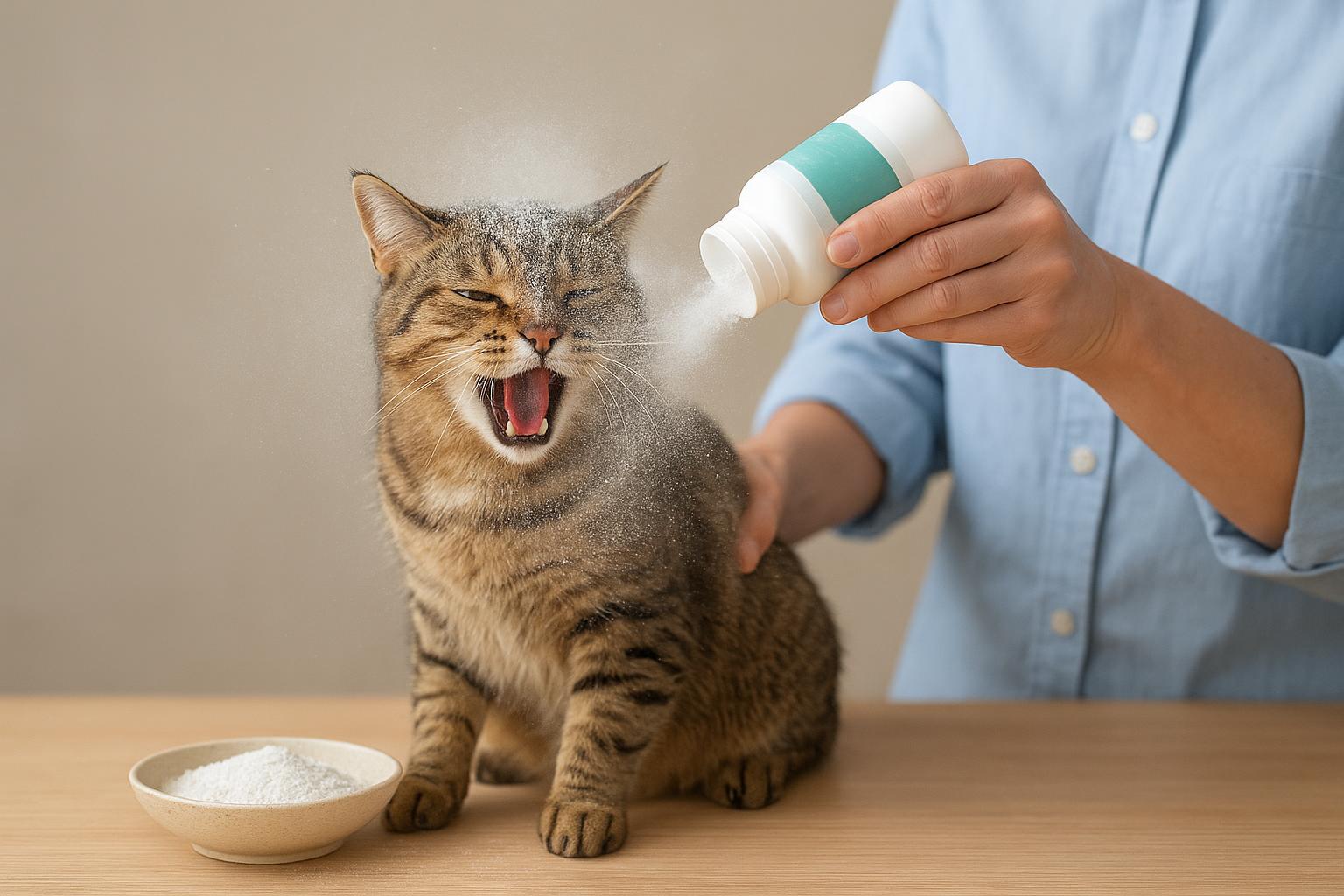
Diatomaceous earth can be an effective environmental control when used correctly. This is an environmental home flea care step focused on killing larvae and adult fleas in carpet and crevices.
Ingredients / Materials:
– Food-grade diatomaceous earth (not pool-grade)
– A mask (N95) and gloves for your protection
– A hand duster or shaker applicator
– A broom or vacuum with HEPA filter
Step-by-Step Creation:
1. Purchase only food-grade DE and read the product label for safety instructions.
2. Fill the duster or shaker container with a modest amount of DE.
Step-by-Step Application:
1. Ventilate the area well. Wear an N95 mask and gloves to avoid inhalation and skin irritation.
2. Lightly dust carpets, baseboards, under furniture, and pet bedding areas. Apply a thin, even layer; heavy piles are unnecessary.
3. Leave DE in place for 48–72 hours to allow contact with fleas and larvae.
4. Vacuum thoroughly and dispose of vacuum contents outdoors. Repeat application every 7–10 days for three cycles if infestation was present.
Formal Note: DE is abrasive to insects’ exoskeletons and causes desiccation, but it poses inhalation risk to humans and pets. Use food-grade DE and avoid applying directly to your cat or in areas where DE can be easily inhaled. DE should not replace veterinary-approved household sprays for severe infestations.
### When To Avoid DE
– Do not use DE around birds, reptiles, or small mammals that are sensitive to dust.
– If anyone in the household has respiratory issues, consult a professional pest provider or rely on alternative measures.
## 3. Flea Comb And Mechanical Removal — Ingredients And Steps
Mechanical removal is a safe, drug-free method to remove adult fleas and flea dirt and is a cornerstone of immediate home flea care.
Ingredients / Materials:
– Fine-toothed flea comb
– A shallow bowl of warm, soapy water (mild dish soap) or diluted alcohol for killing trapped fleas
– Towels and a calm environment
Step-by-Step Creation:
1. Prepare the bowl with warm, soapy water and place it on a stable surface near your work area.
2. Keep towels handy to calm and secure the cat if needed.
Step-by-Step Application:
1. Hold your cat gently and comb through small sections of fur from head to tail, especially around the neck, base of tail, and belly.
2. After each comb stroke, tap the comb into the soapy water to drown any fleas captured.
3. Continue daily until no live fleas are found for at least two weeks.
Formal Note: Flea combing removes adults and some eggs; it does not affect larvae hidden in carpets or furnishings. Combine combing with environmental cleaning and vet-recommended products for complete control.
### Integrating Natural Flea Remedies With Vet Care
– Use natural flea remedies as supportive measures rather than sole treatment for infestations. Integrating simple home flea care steps—frequent grooming, vacuuming, washing bedding—with vet-approved monthly preventives offers the most reliable protection.
– If your cat shows signs of allergy (flea allergy dermatitis), has kittens, is pregnant, very young, elderly, or ill, consult your veterinarian before trying any home treatments or natural flea remedies.
### Practical Household Habits To Support Prevention
– Establish a routine cleaning schedule: wash bedding weekly, vacuum main resting areas three times weekly during high-risk seasons, and treat infested rooms promptly.
– Quarantine and inspect any new or outdoor-exposing items (blankets, secondhand furniture) before introducing them to your cat’s space.
– Keep indoor access points screened and use gate control if you allow supervised outdoor time to minimize flea exposure.
By combining careful inspection, targeted home flea care measures, and regular veterinary guidance you reduce the chance that a stray flea becomes a full-blown infestation. Flea prevention for indoor cats requires persistence, but practical steps and safe, numbered remedies can keep your cat comfortable and flea-free.



Leave a Reply