
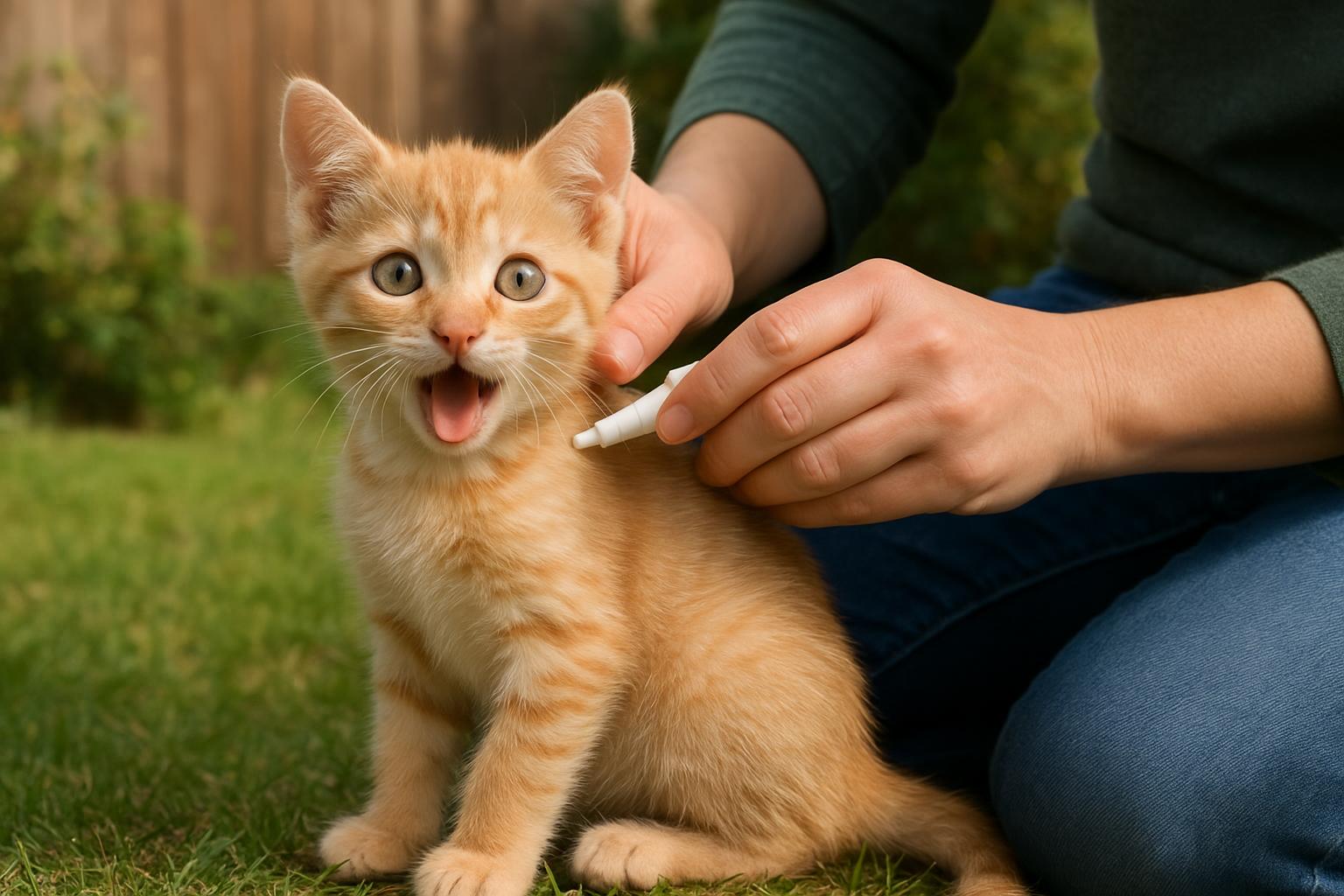
Kittens are tiny bundles of curiosity — and sometimes tiny bundles of fleas. If you’ve found yourself crouched in the grass with a comb and a suspiciously nervous furball, welcome. This article walks through realistic, kitten-safe approaches to flea control that combine gentle hands-on treatment with sensible backyard care. Think of it as a partnership between you, your kitten, and the yard where they chase leaves and occasionally plot world domination.
## Safe Flea Treatment For Kittens Backed By Backyard Care
Before you roll up your sleeves: not every flea remedy is kitten-safe. Young cats have sensitive skin, immature metabolisms, and special product restrictions. A truly safe flea treatment strategy uses age-appropriate direct care for the kitten, vet-approved medications when necessary, and environmental measures that reduce flea pressure in the yard and home.
### What Makes A Flea Treatment Safe For Kittens
Safety hinges on three things: product suitability for age and weight, correct dosing and application, and minimizing toxic exposures in the home and yard. Avoid permethrin products formulated for dogs (toxic to cats), do not use undiluted essential oils on kittens, and resist the temptation to try human flea remedies. When in doubt, consult your veterinarian — especially for kittens under 8 weeks or under the minimum weight for a given treatment.
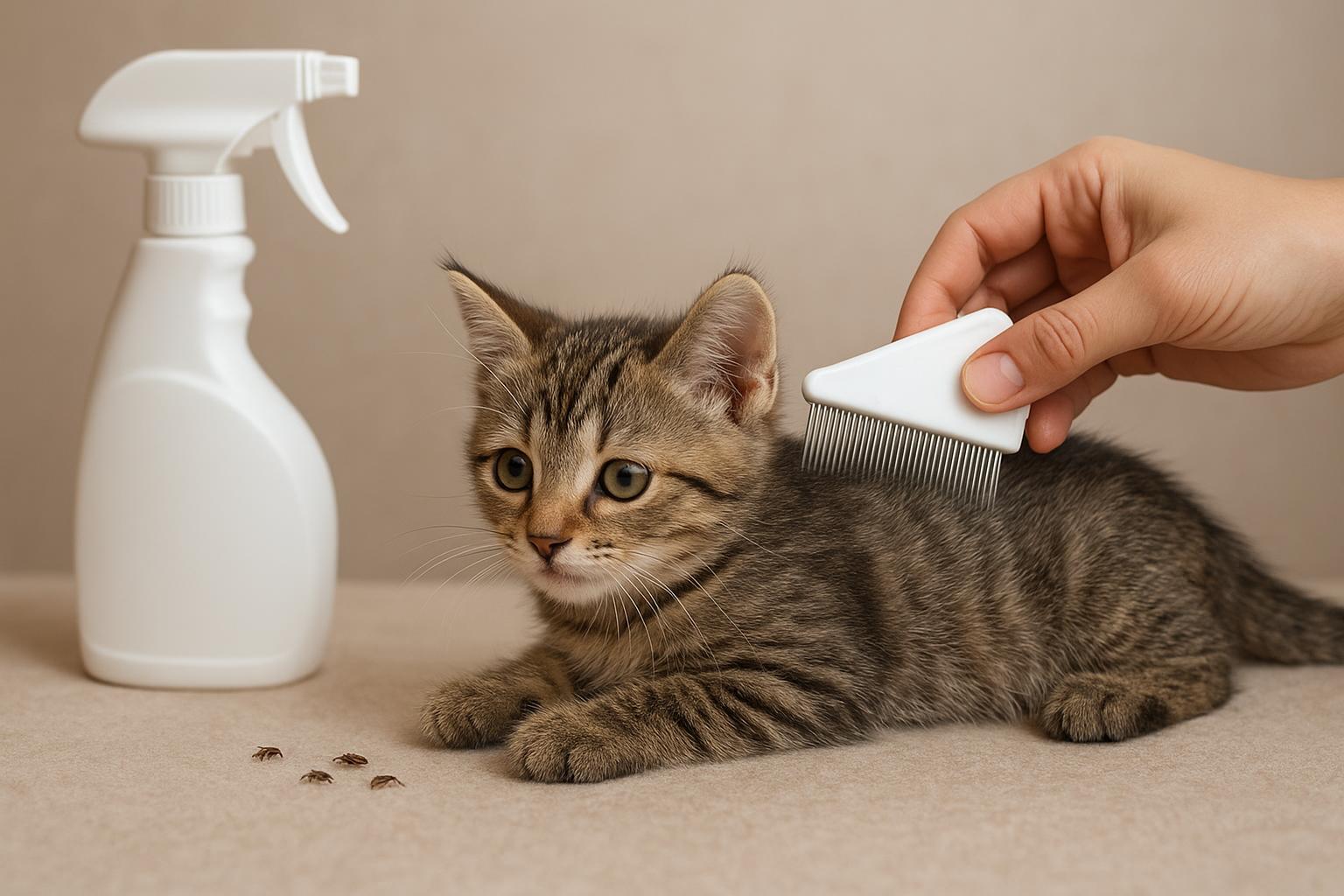
### 1. Gentle Comb-And-Bath Method (Home Remedy)
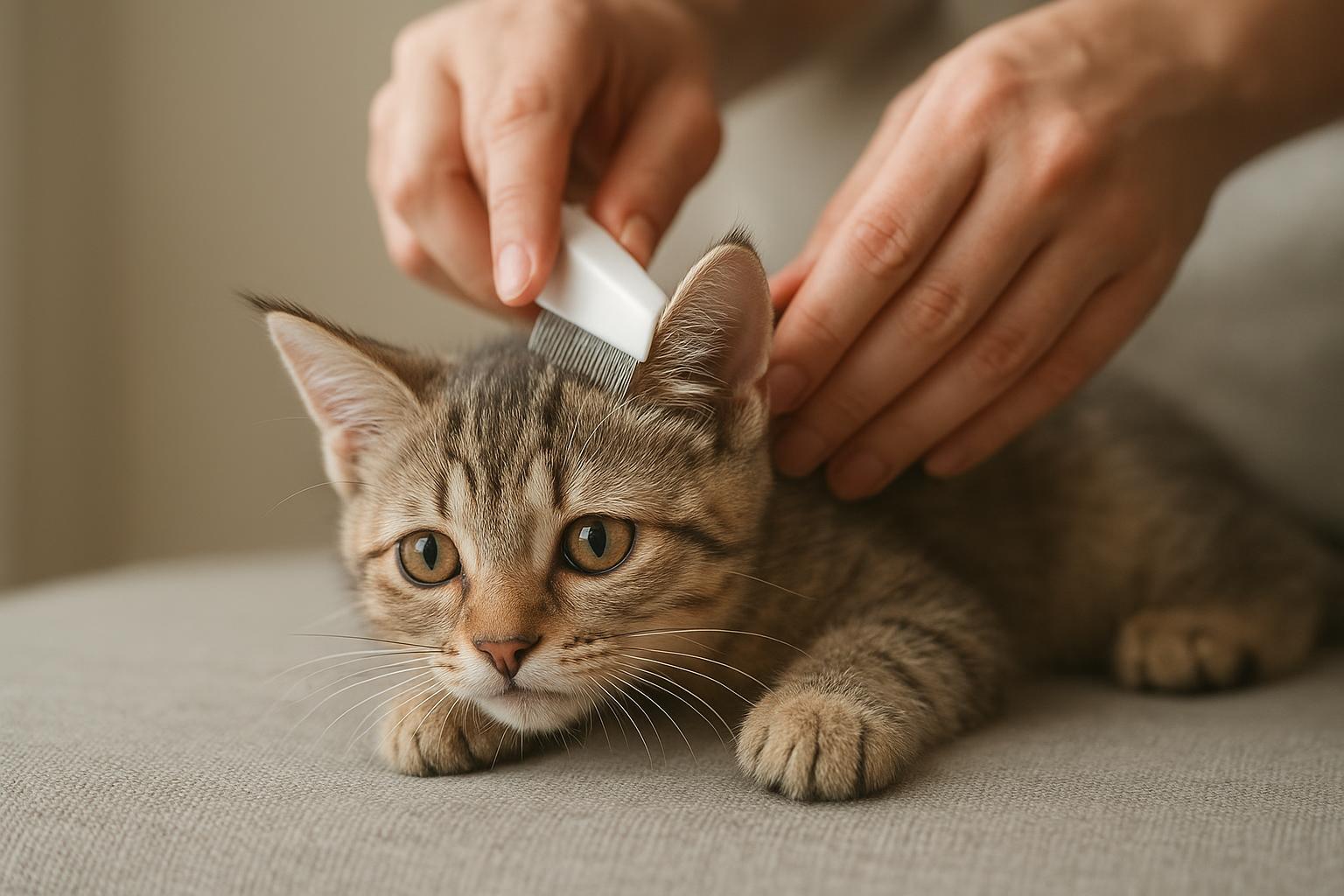
This is the first-line, low-risk approach for young kittens or for owners preferring non-chemical control. It’s effective when flea loads are light to moderate and is great for getting immediate relief.
#### Materials
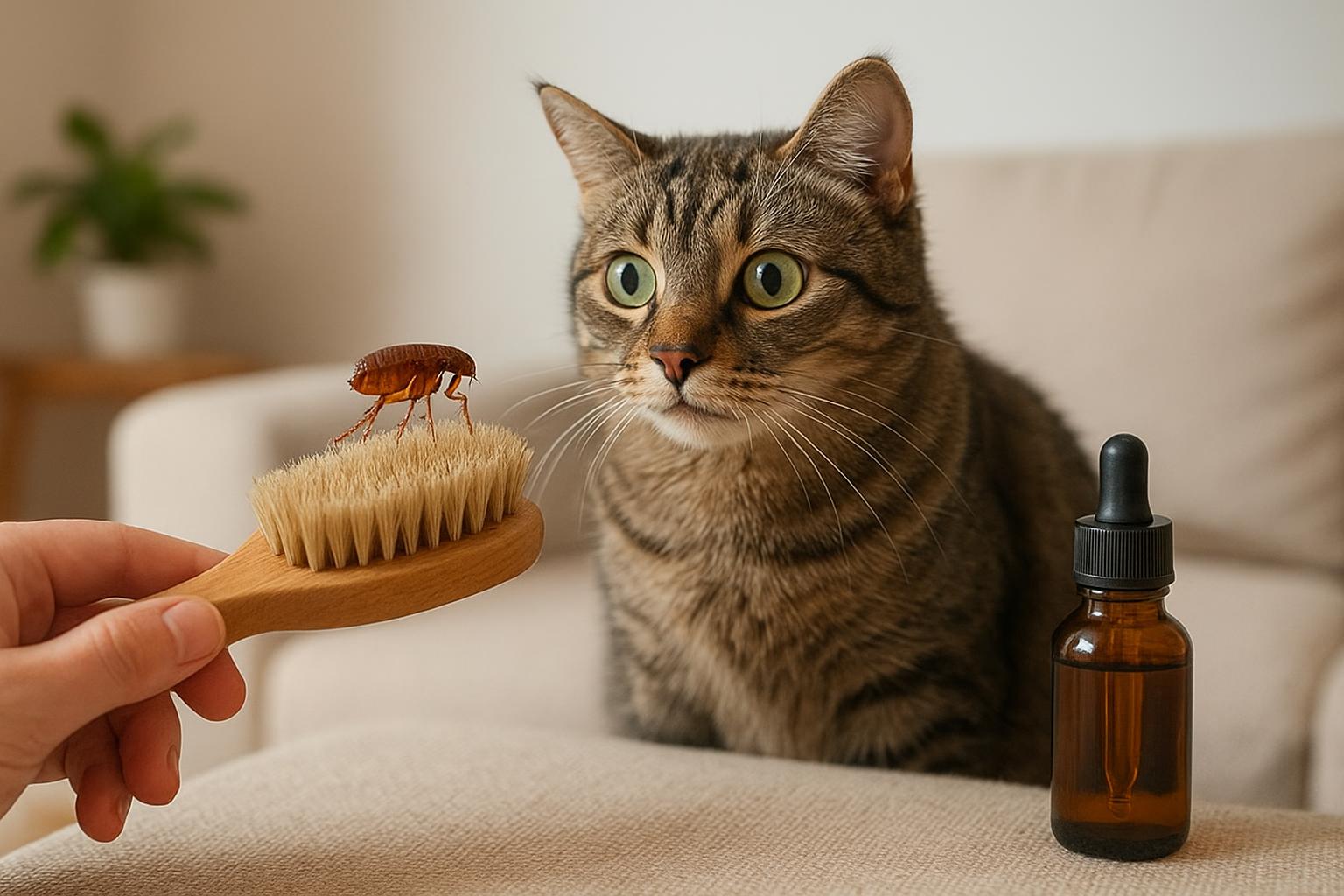
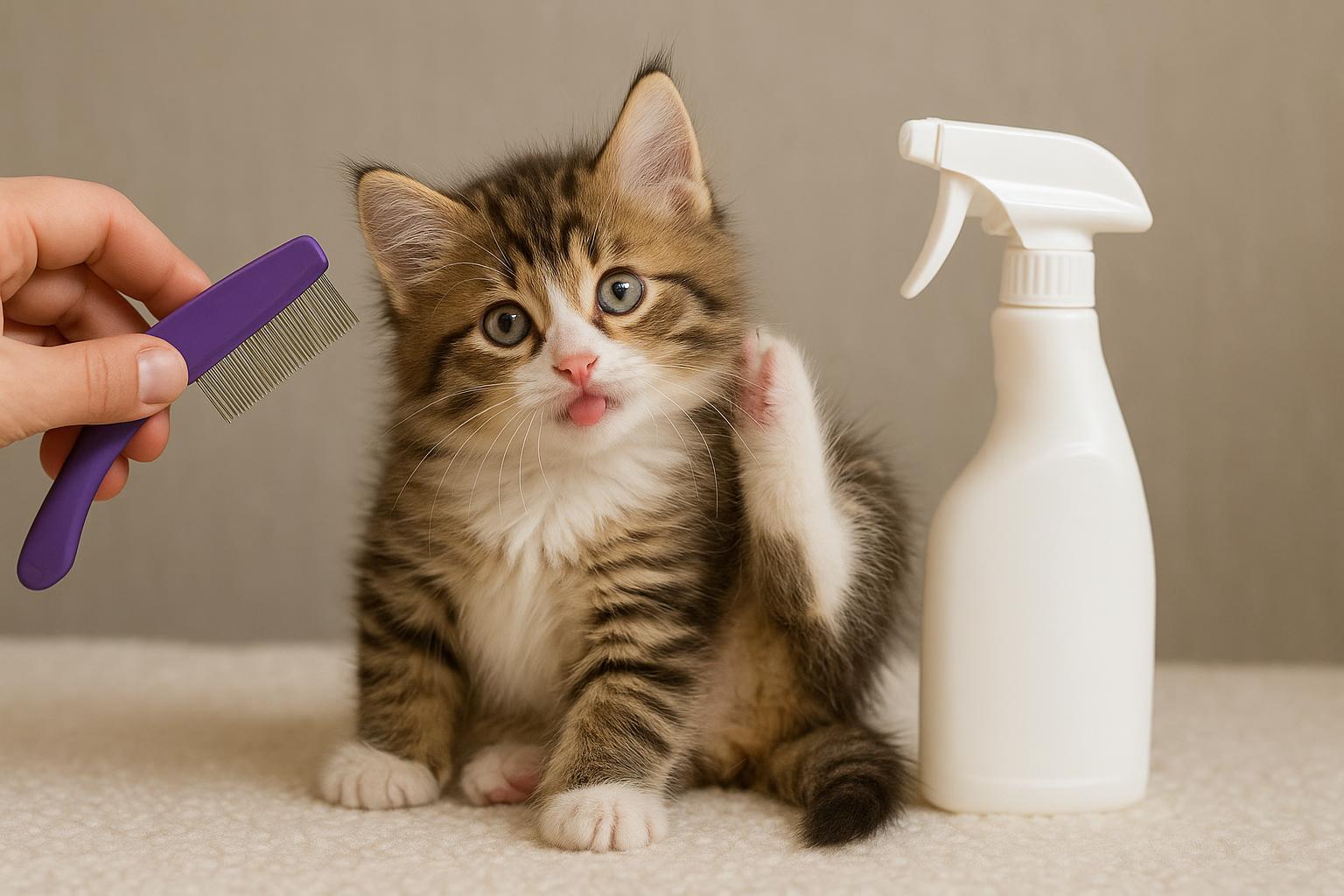
– Fine-toothed flea comb designed for kittens
– A shallow basin or sink
– Lukewarm water
– Kitten-safe shampoo (or a gentle dish soap like Dawn in emergency situations; use sparingly and rinse thoroughly)
– Towels and a warm place to dry the kitten
– A container of soapy water to dunk out fleas from the comb
– Gloves (optional)
#### Steps
1. Prepare the area: Fill the basin with a few inches of lukewarm water and place towels nearby. Keep the room warm to prevent chill.
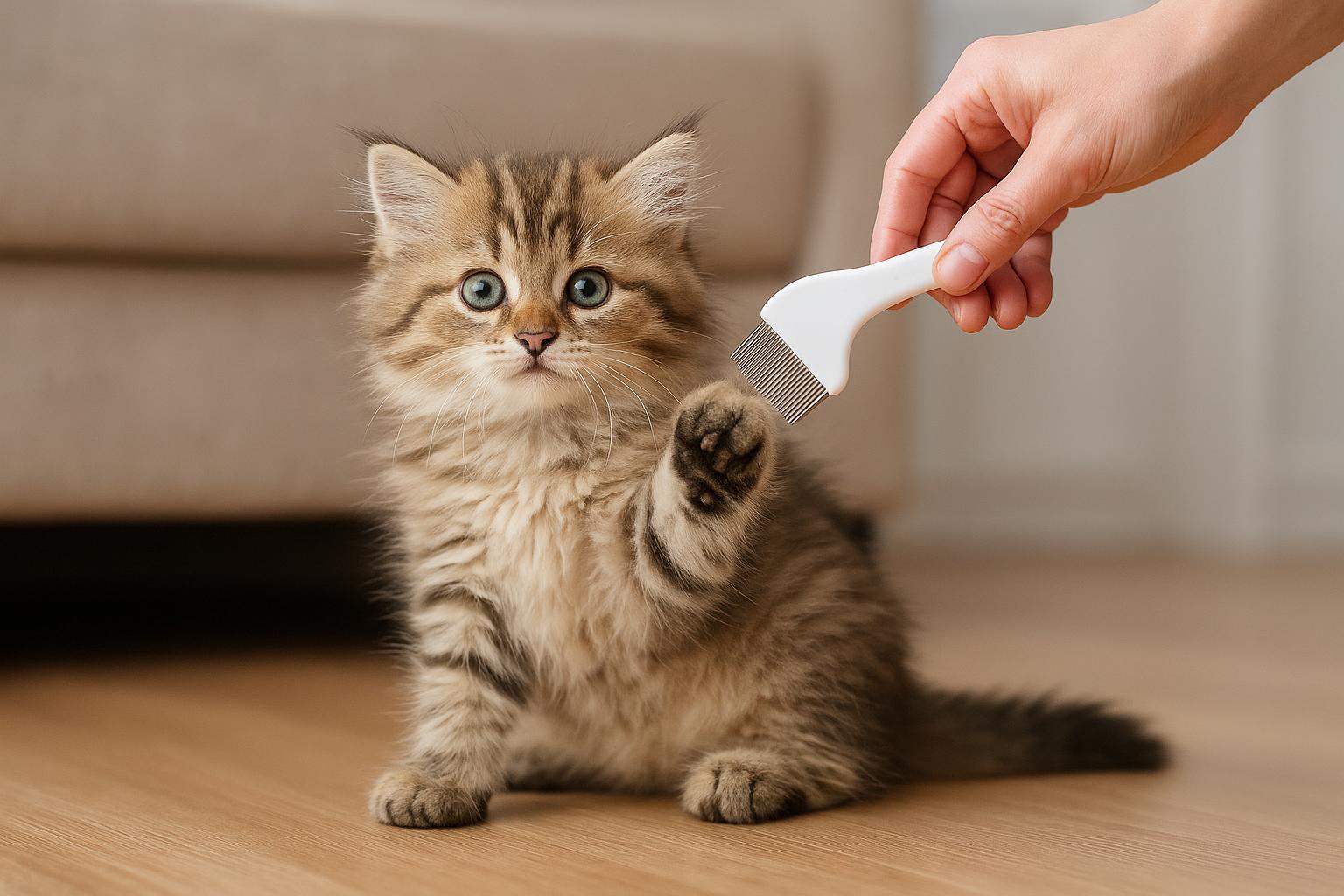
2. Comb methodically: Hold the kitten securely and comb from head to tail, concentrating on the neck, under the legs, and around the base of the tail. After each stroke, swipe the comb through the soapy water to drown captured fleas.
3. Flea bathing: If flea counts are high and the kitten tolerates it, bathe using a small amount of kitten-safe shampoo. Use short, calm sessions; avoid the face and ears. Rinse completely.
4. Dry and monitor: Towel-dry the kitten thoroughly and place them in a warm, safe spot. Repeat combing every 24–48 hours for at least two weeks to catch newly hatched fleas.
5. Record and follow up: Note flea counts and any skin irritation. If fleas persist despite good combing and bathing, move to professional options.
This approach is a practical, non-chemical safe flea treatment suitable for most kittens and can be used immediately after discovery of fleas.
### 2. Vet-Approved Topical And Oral Options
When flea pressure is too high for combing alone, professional treatments become necessary. This section describes safe, evidence-based options and how to use them responsibly. Be formal and precise here: dosages and age limits matter.
#### Materials
– Veterinary consultation (in-person or telehealth)
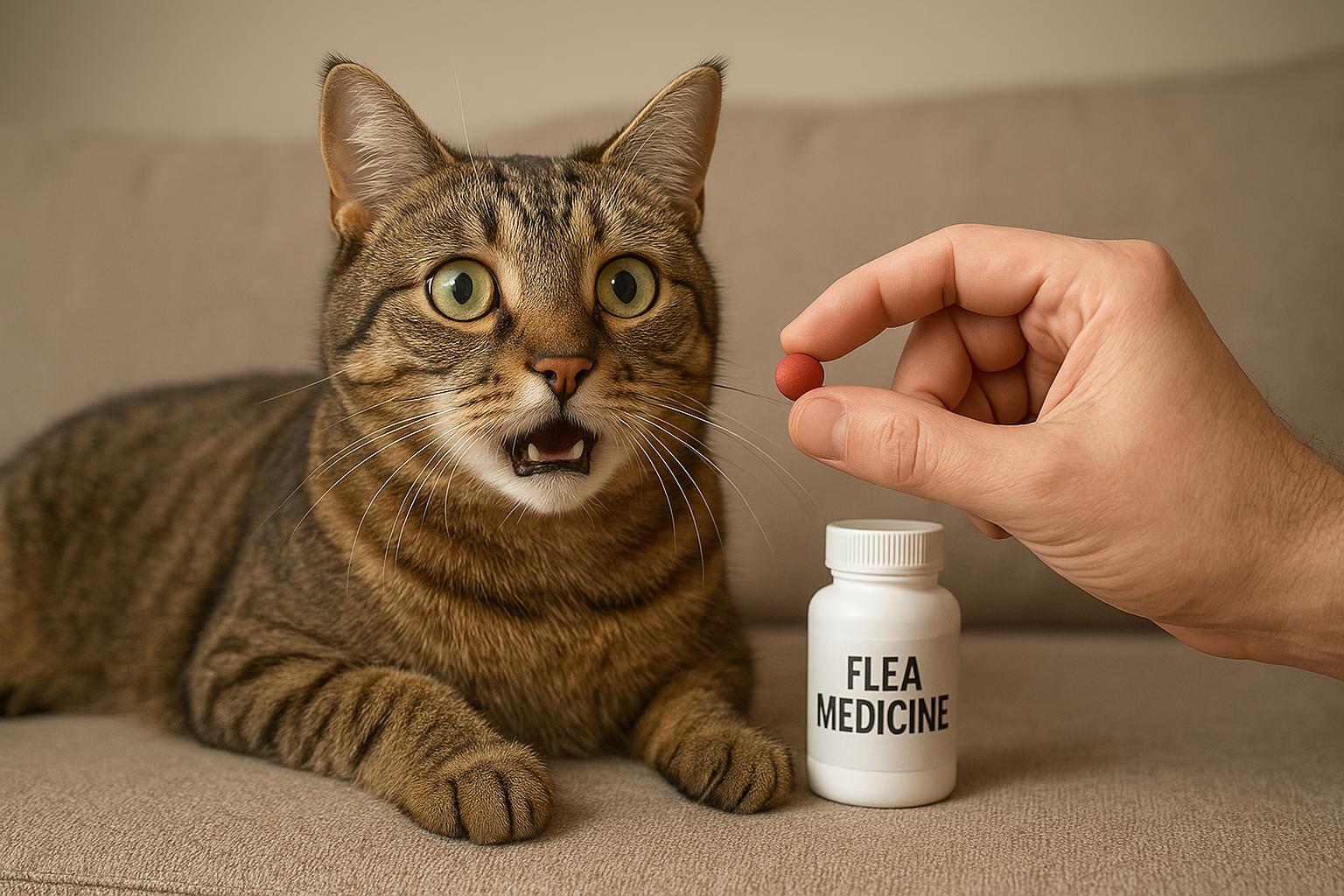
– Product prescribed by a veterinarian (examples include topical spot-ons labeled for kittens, or oral medications approved for kittens)
– Weighing scale to determine accurate weight
– Records of vaccinations and deworming (for vet reference)
– Gloves for application (if recommended by product instructions)
#### Steps
1. Seek veterinary guidance: Provide the kitten’s age, weight, medical history, and any previous reactions. The vet assesses if topical or oral treatment is appropriate.
2. Confirm product suitability: Use only products explicitly labeled for kittens and confirm the minimum age and weight. Do not use dog products on cats.
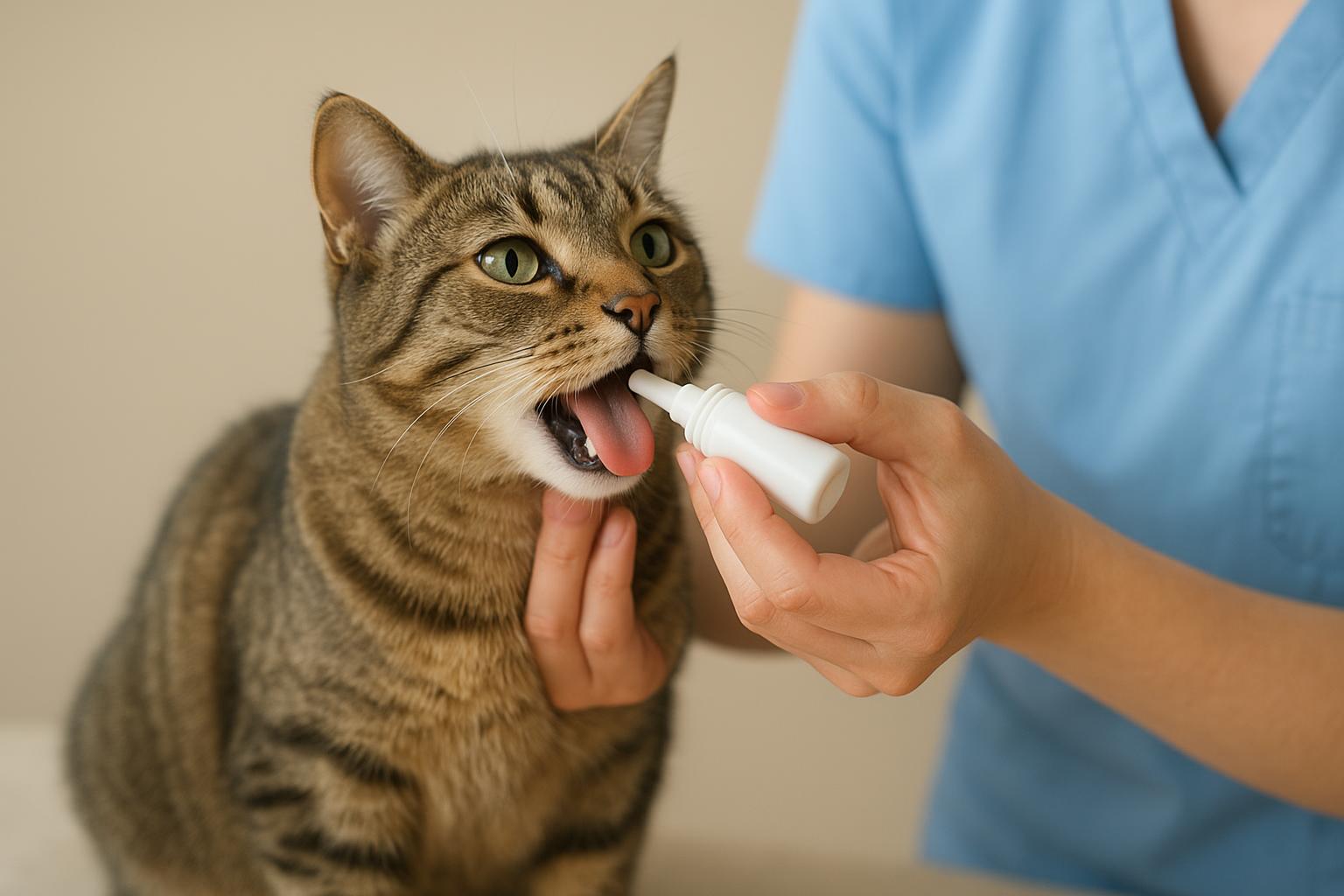
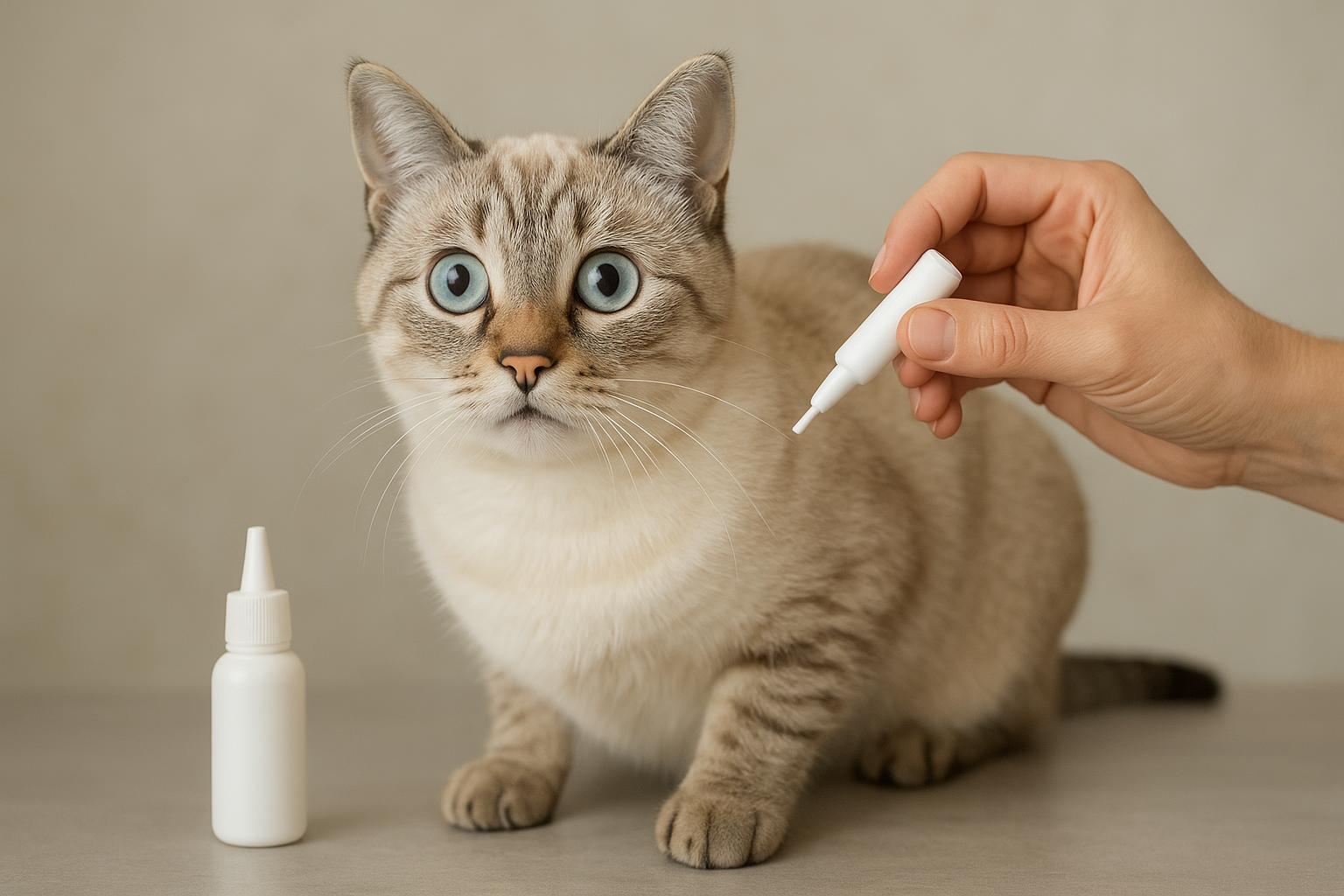
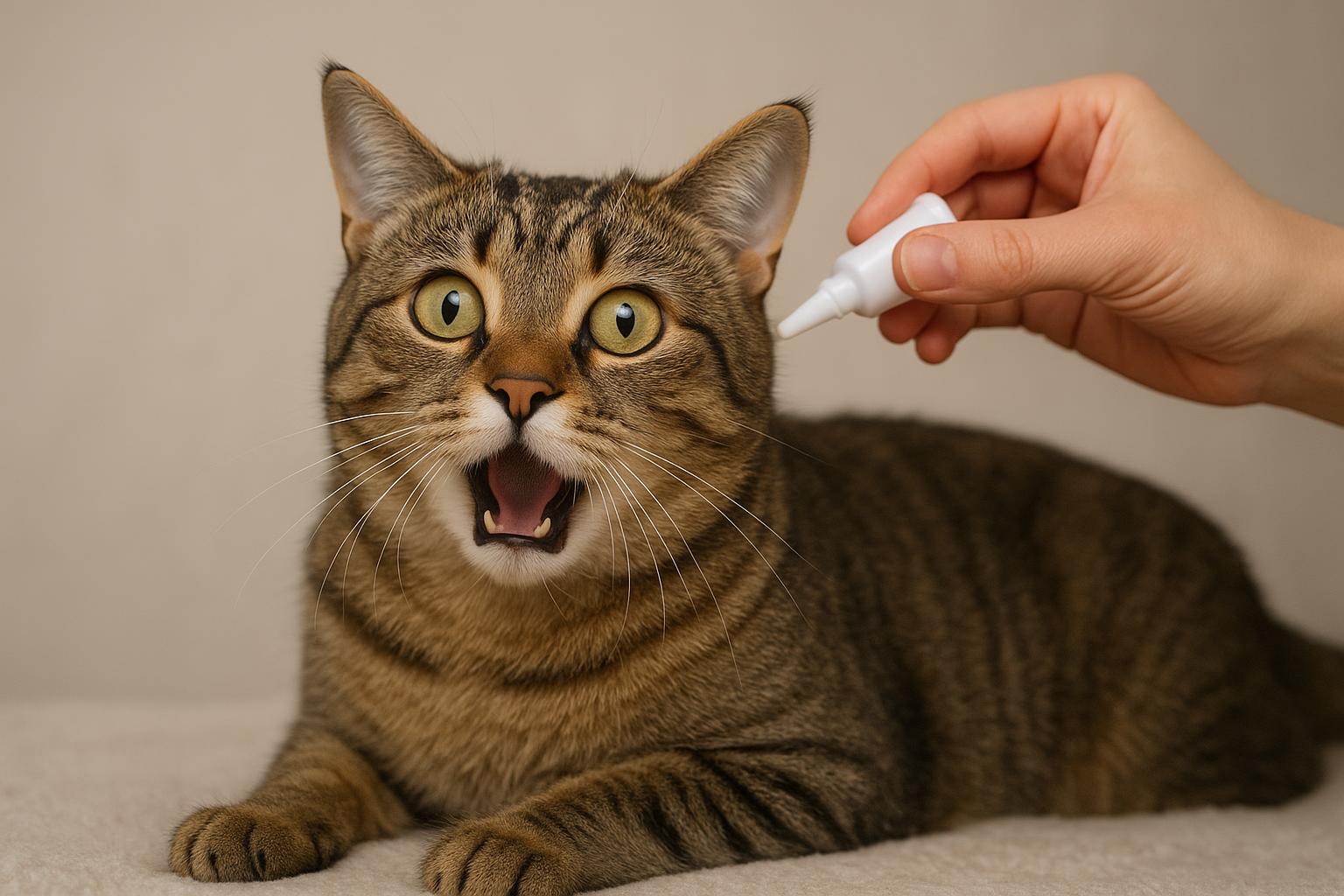
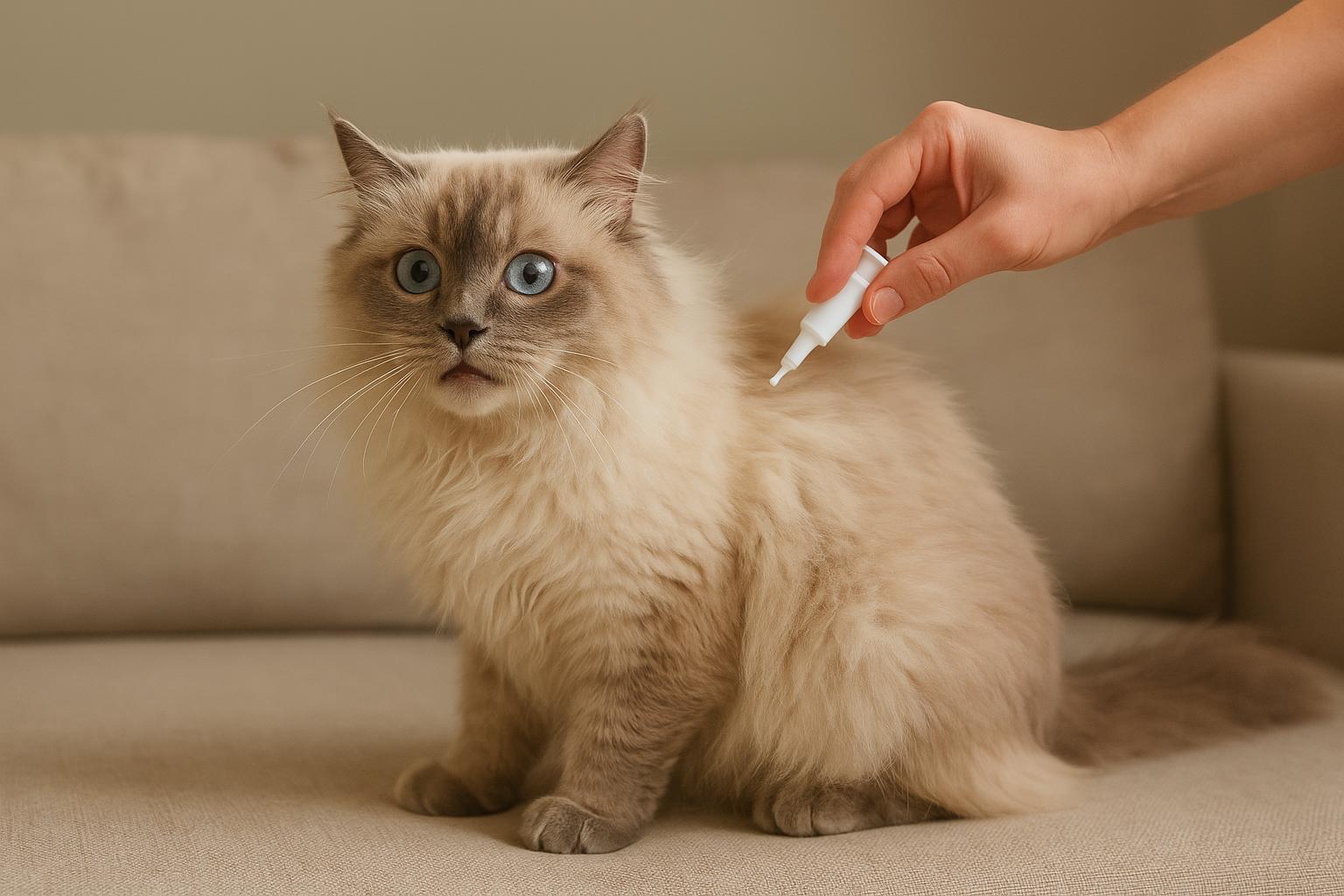
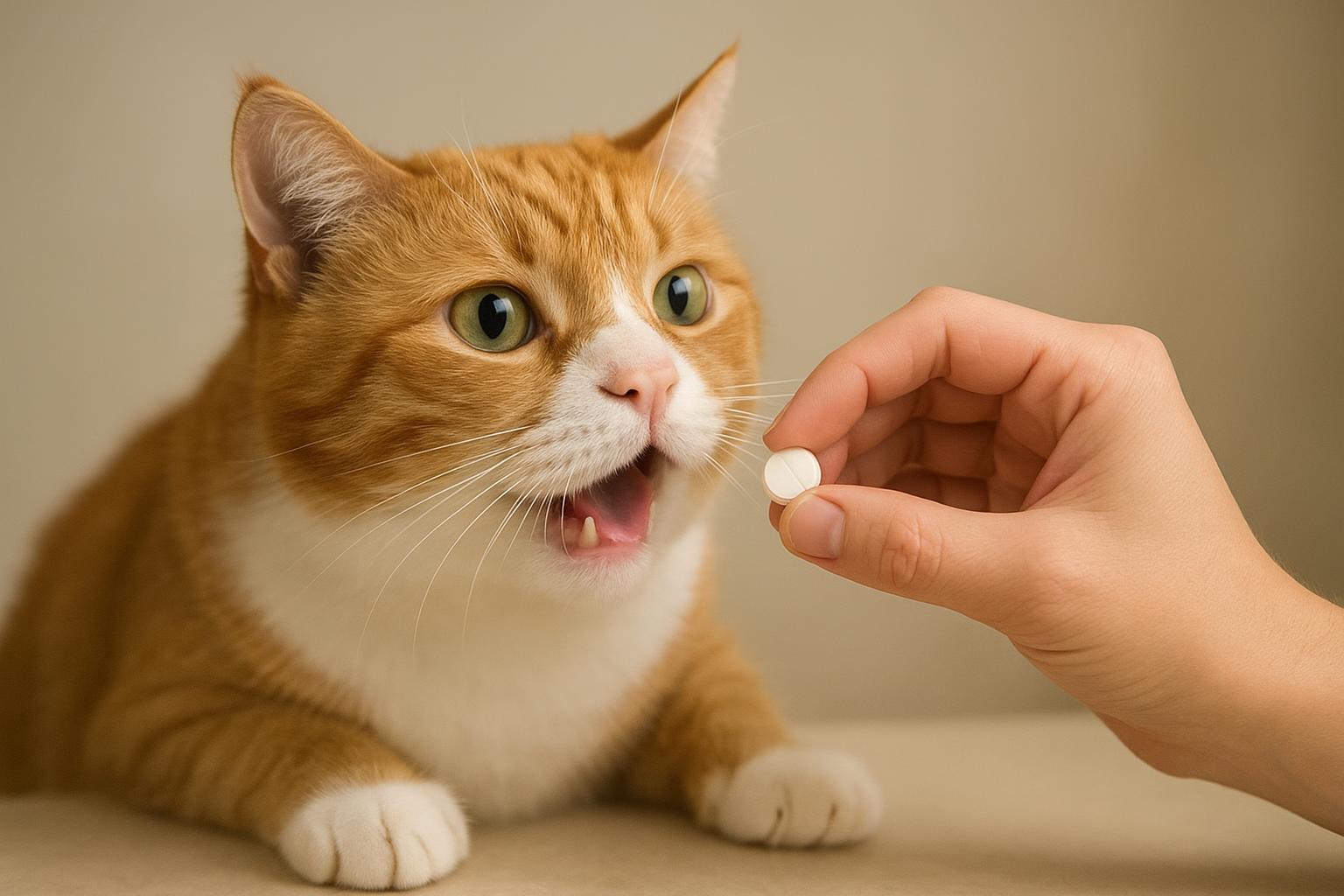
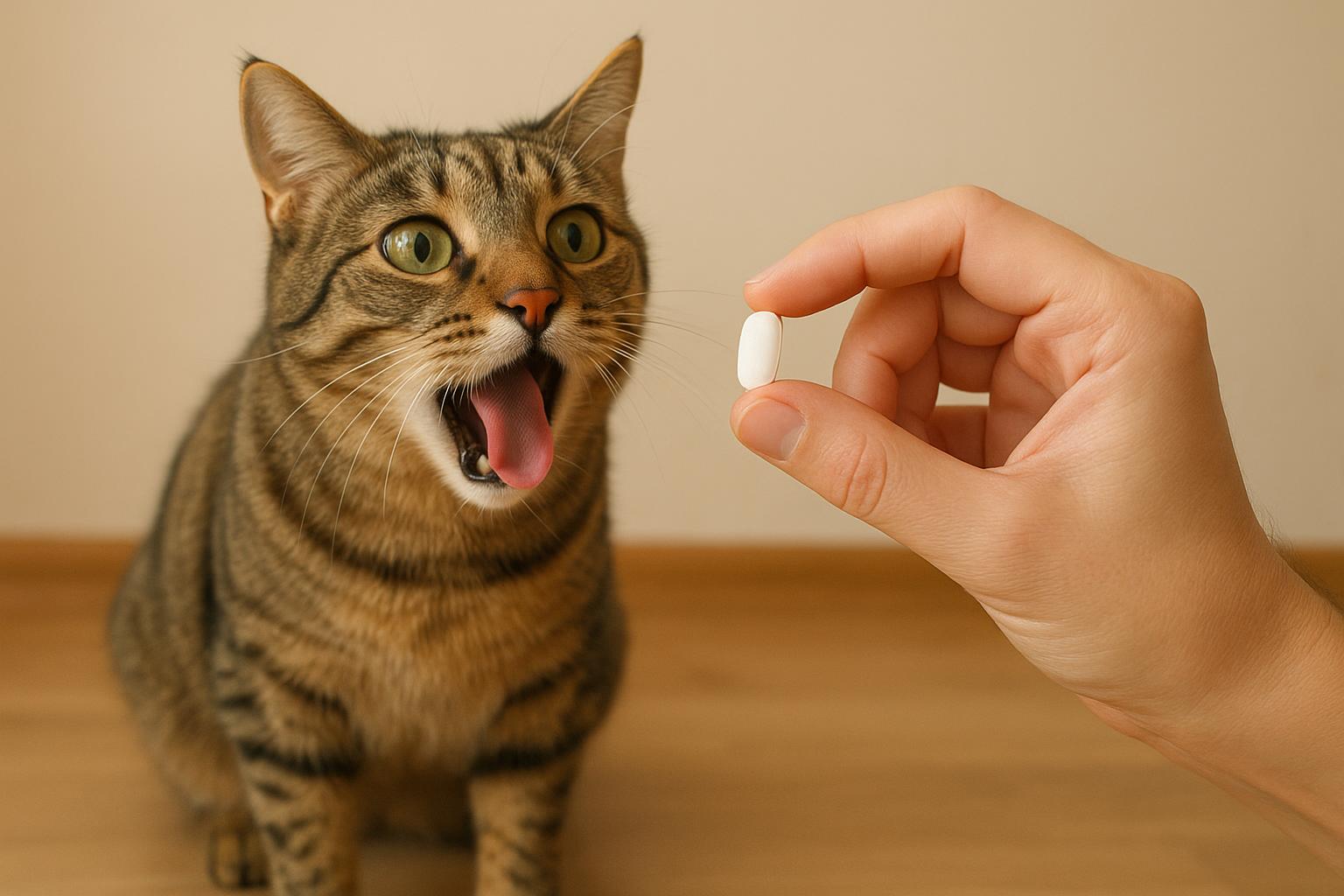
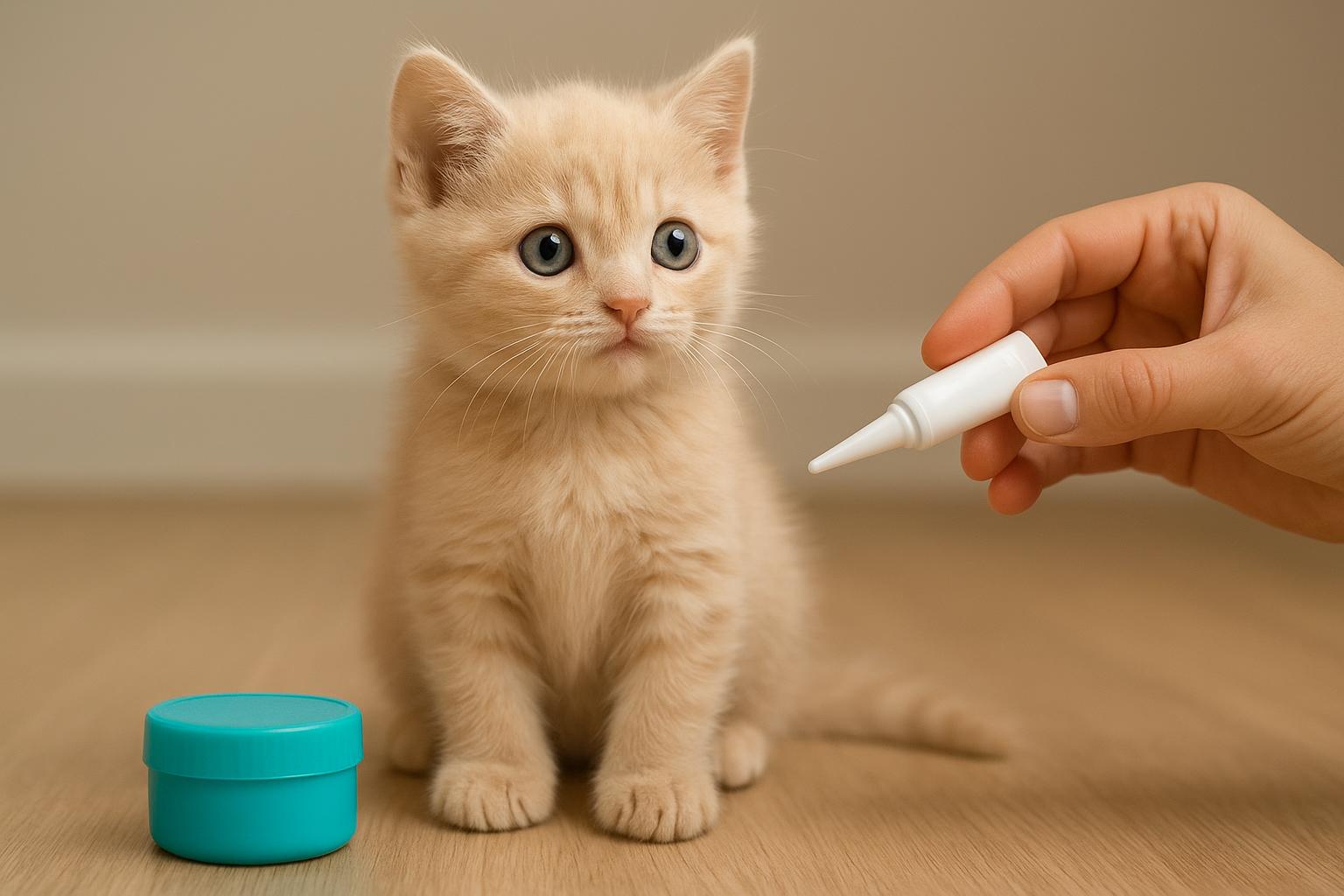
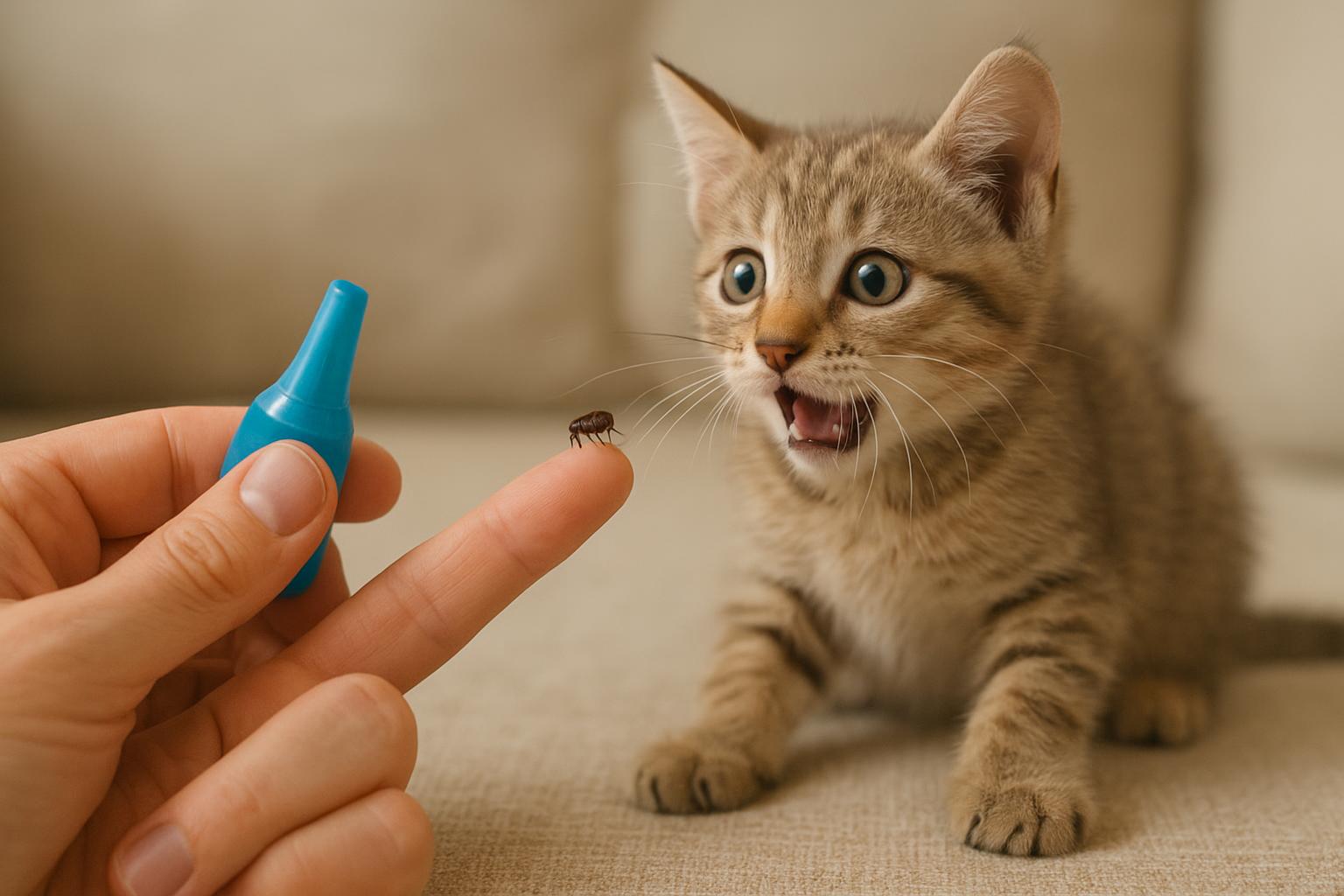
3. Administer exactly as instructed: For spot-ons, part the fur at the base of the neck and apply directly to the skin. For oral treatments, confirm acceptance and observe for vomiting or reactions.
4. Monitor for adverse effects: Watch for lethargy, tremors, excessive drooling, or skin irritation for 24–48 hours after first administration. Contact your vet if any signs occur.
5. Follow the recommended schedule: Many products require monthly doses. Maintain consistent dosing intervals as advised.
Examples of vet-recommended active ingredients may include selamectin, topical imidacloprid formulations labeled for kittens, or newer oral agents that have specific kitten approvals. Always follow the product label and veterinary directions; this is the core of a safe flea treatment plan.
### 3. Backyard And Home Environmental Control
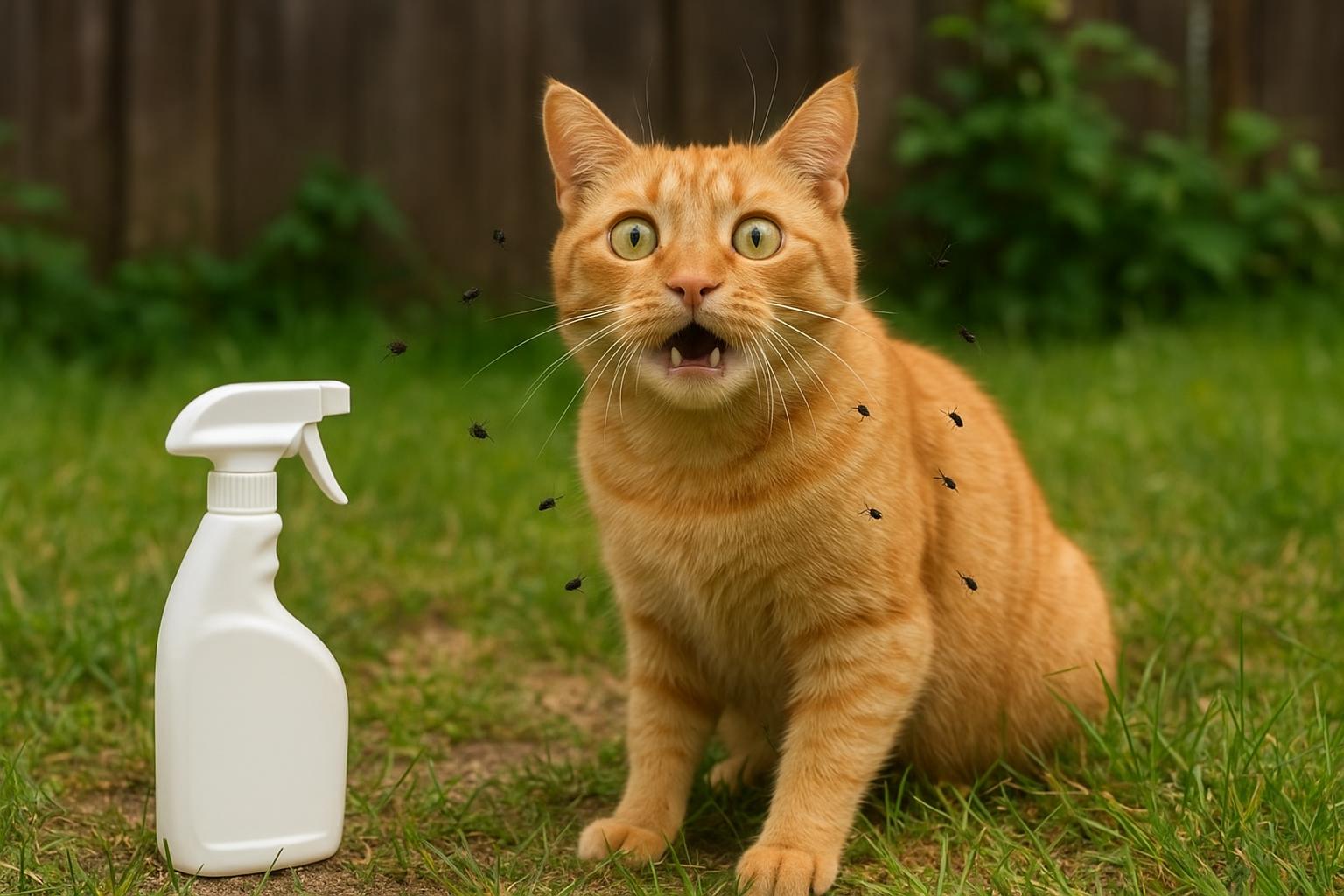
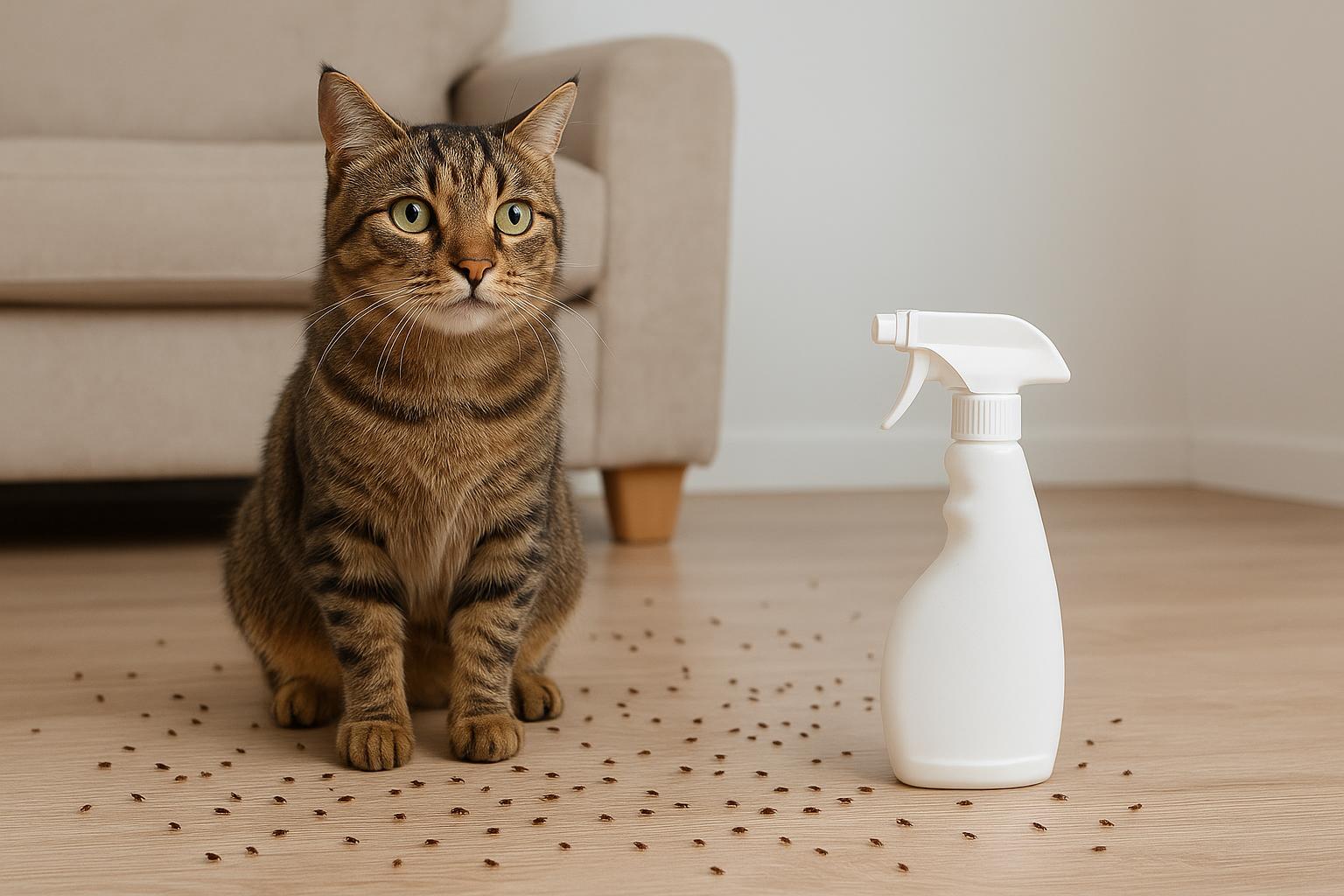
Treating the kitten without addressing the environment is like bailing a leaky boat with a teaspoon. Here’s how to reduce flea numbers in your yard and home using pet-safe methods.
#### Materials
– Vacuum cleaner with bag or canister
– Hot-water-capable washer and dryer
– Food-grade diatomaceous earth (DE) — optional and used with caution
– Beneficial nematodes (Steinernema carpocapsae) for shaded yard areas (pet-safe biological control)
– Broom, rake, and trash bags
– Sturdy gloves and dust mask (for DE application)
– Landscaping materials (mulch replacement, shade management tools)
#### Steps
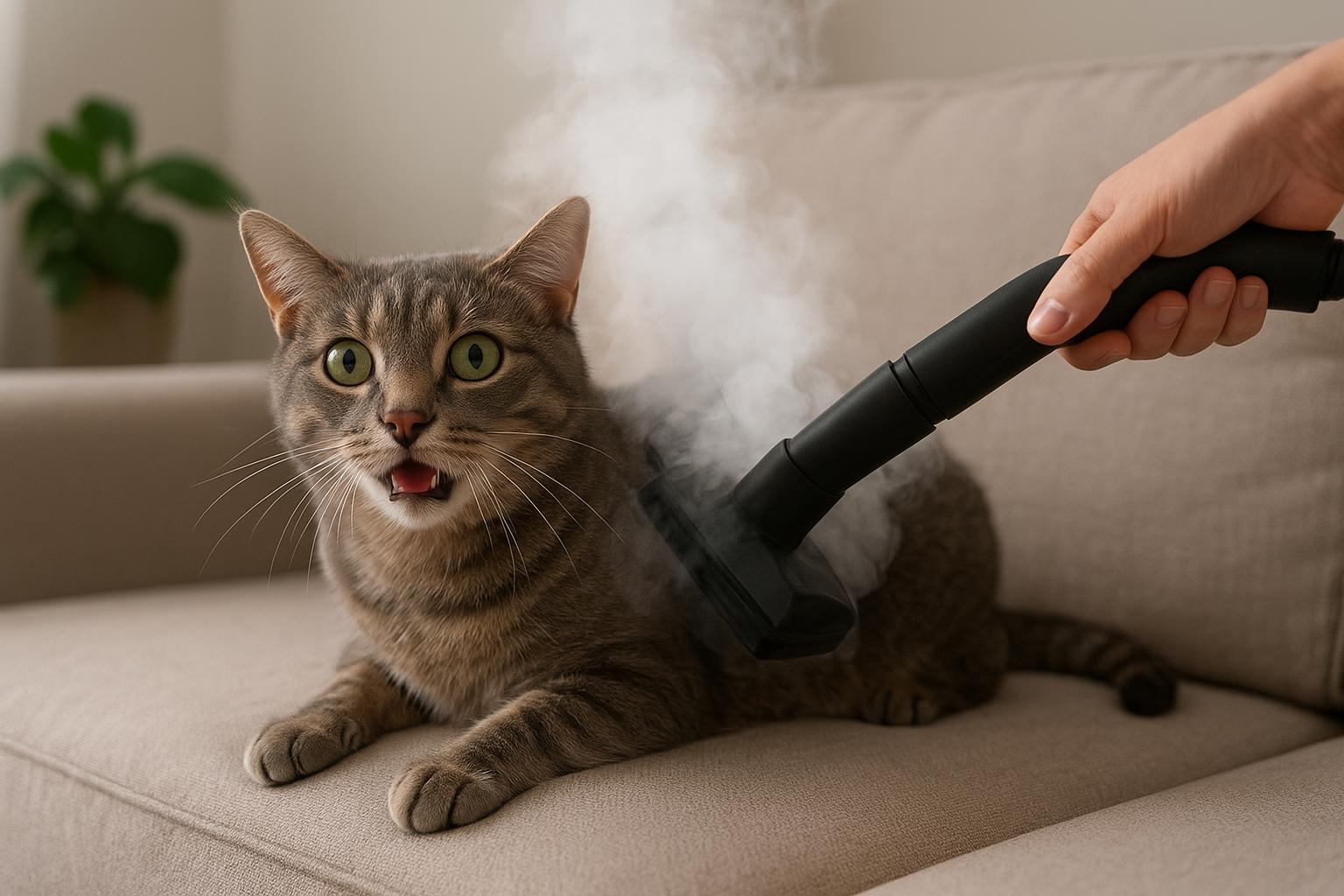
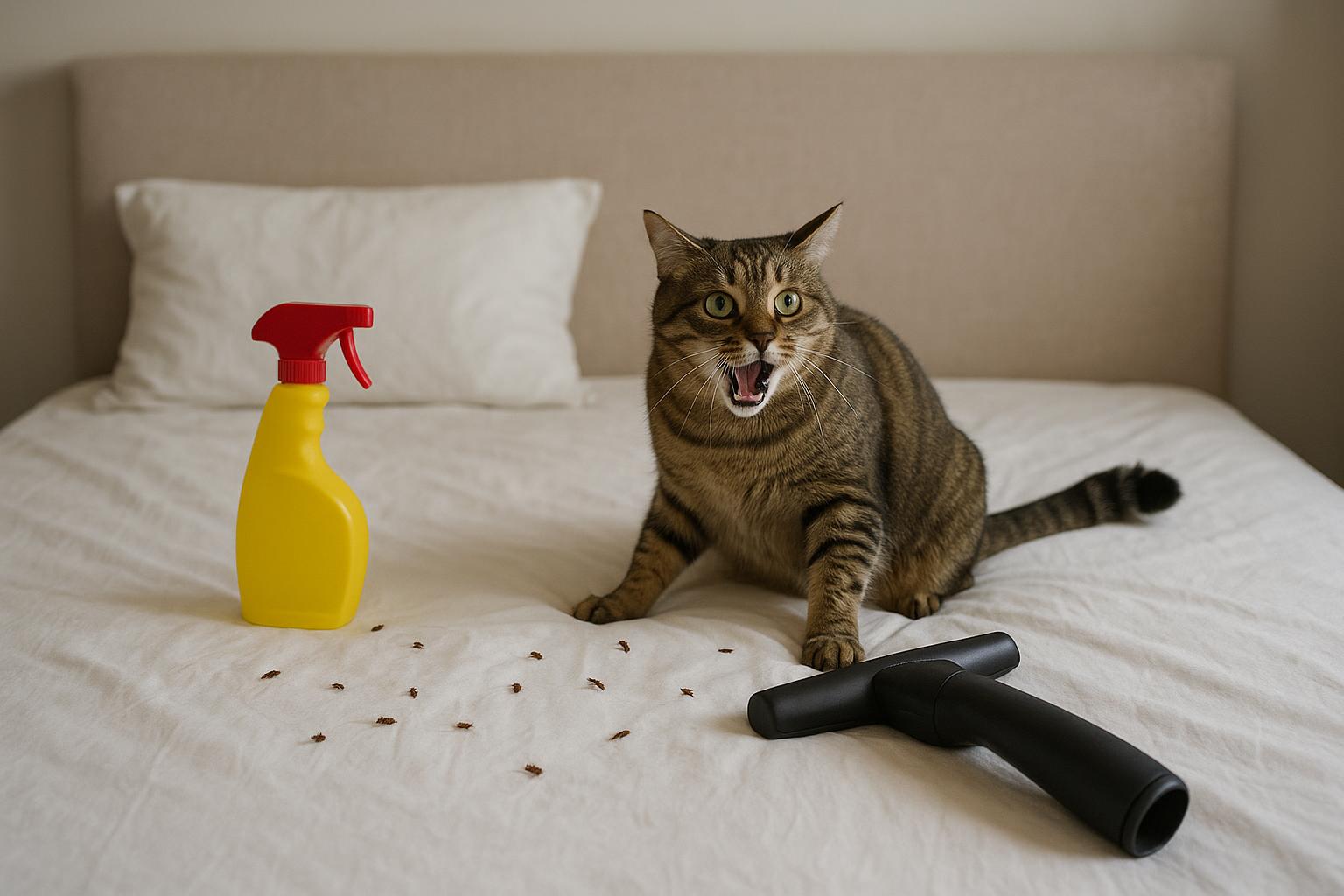
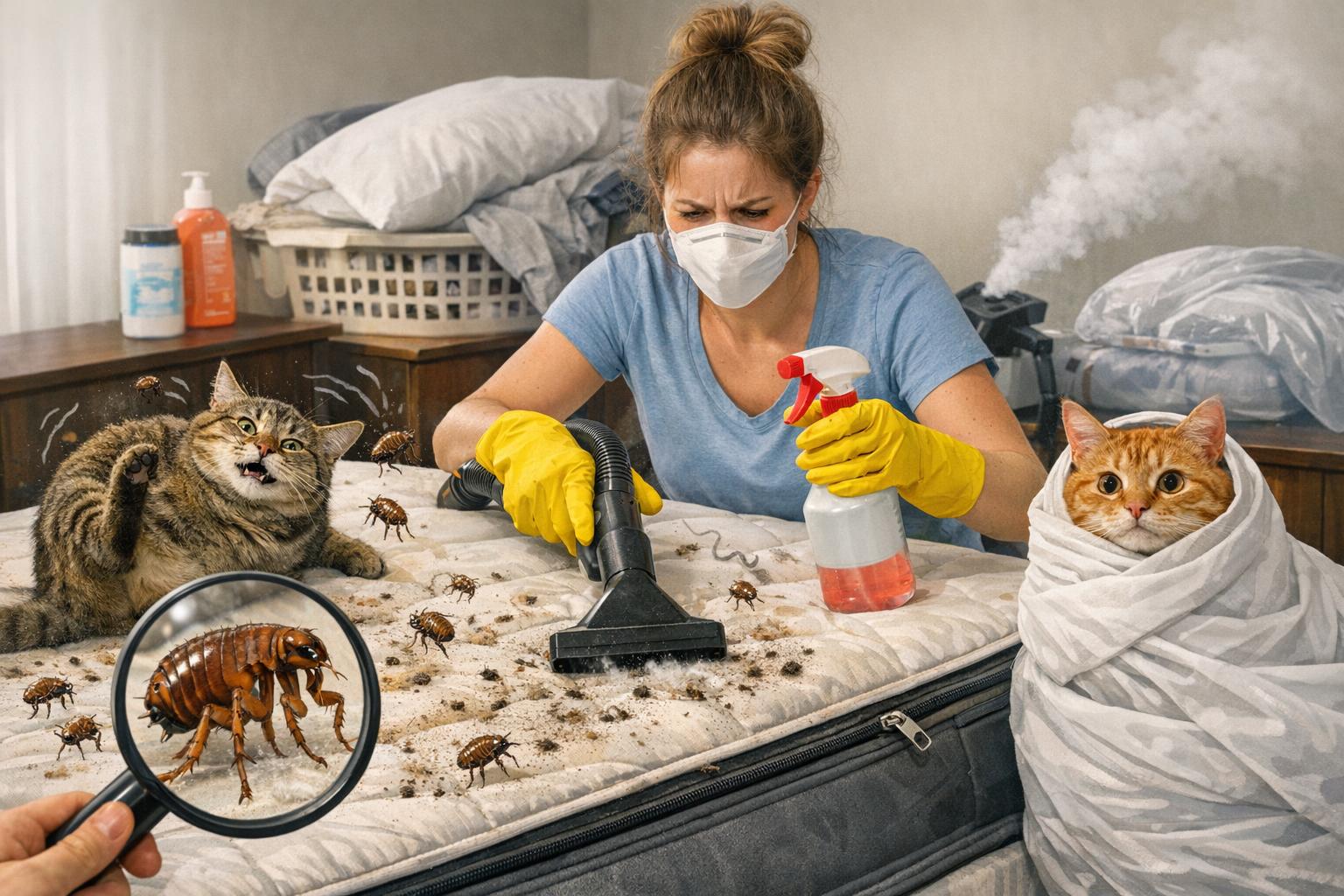
1. Interior sanitation: Vacuum carpets, rugs, fabric furniture seams, under cushions, and along baseboards daily for two weeks, then weekly. Immediately empty vacuum bags or canisters into sealed trash outside the home.
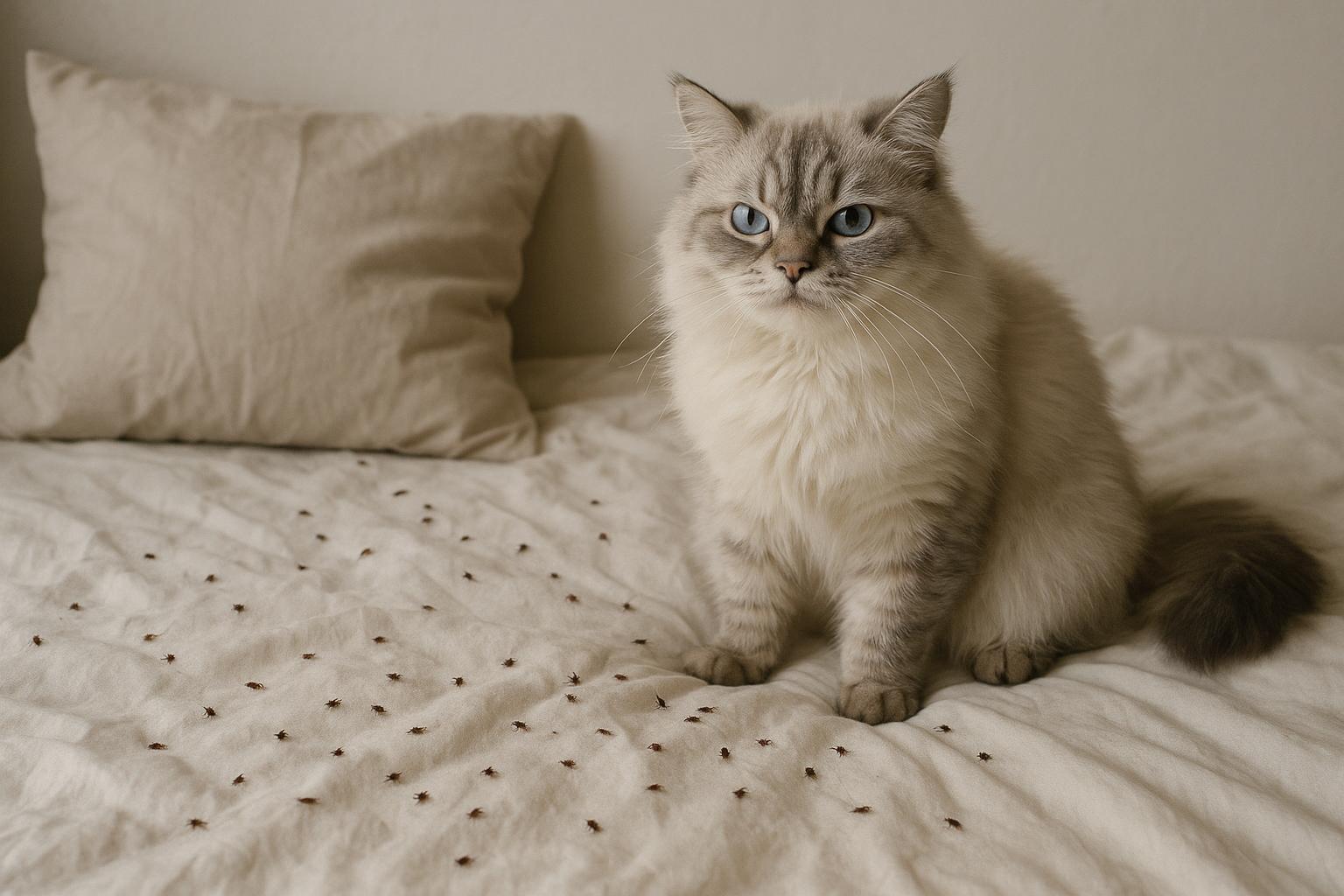
2. Bedding care: Wash all pet bedding, blankets, and removable fabric toys in hot water and tumble-dry on high for at least 20 minutes. Replace or launder frequently during treatment.
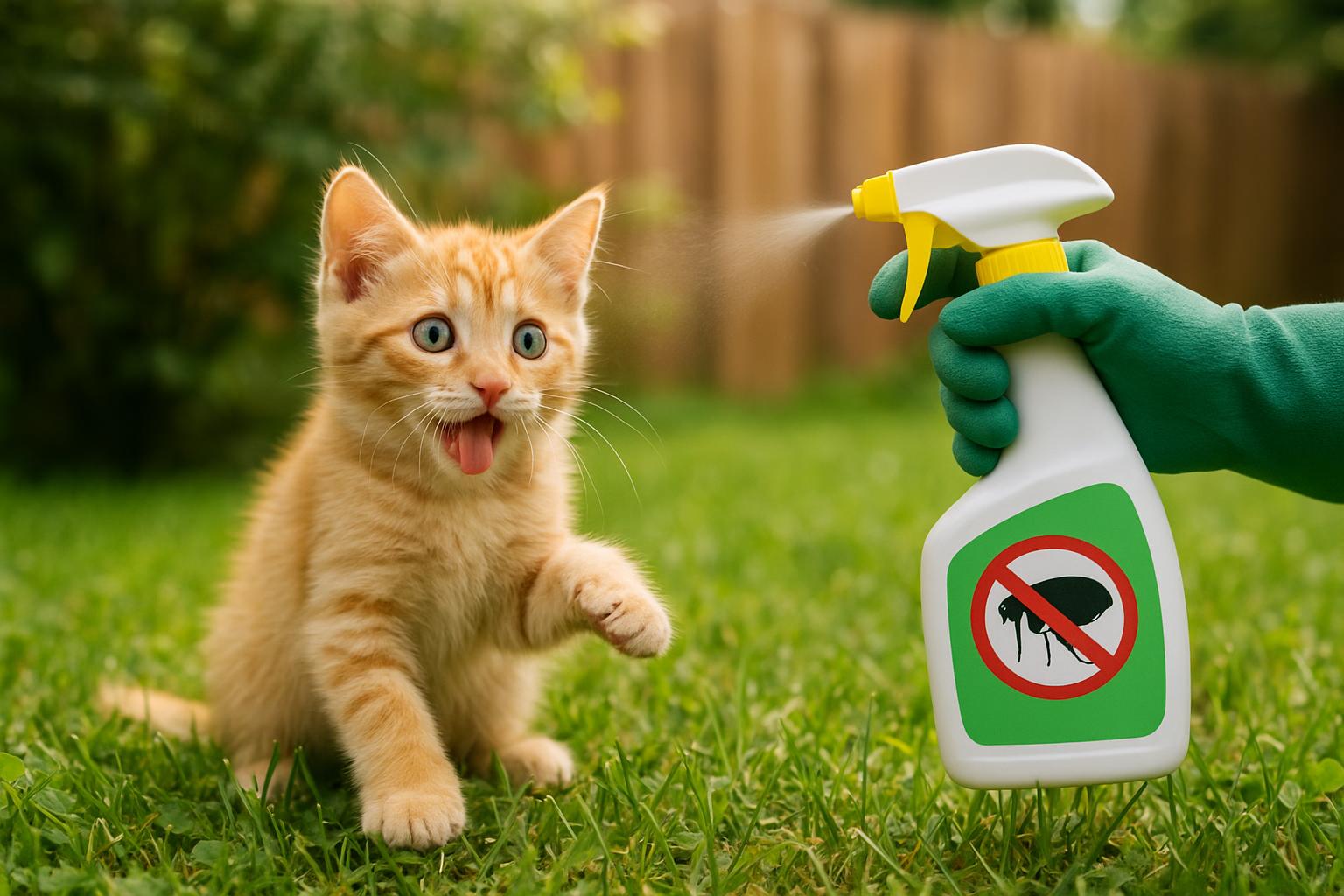
3. Yard maintenance: Rake leaf litter, mow the lawn regularly, remove tall grass and debris where fleas thrive, and keep play areas sunny and dry where feasible.
4. Biological yard treatment: Apply beneficial nematodes to damp, shaded soil areas according to product instructions. These microscopic organisms prey on flea larvae and are non-toxic to pets and people.
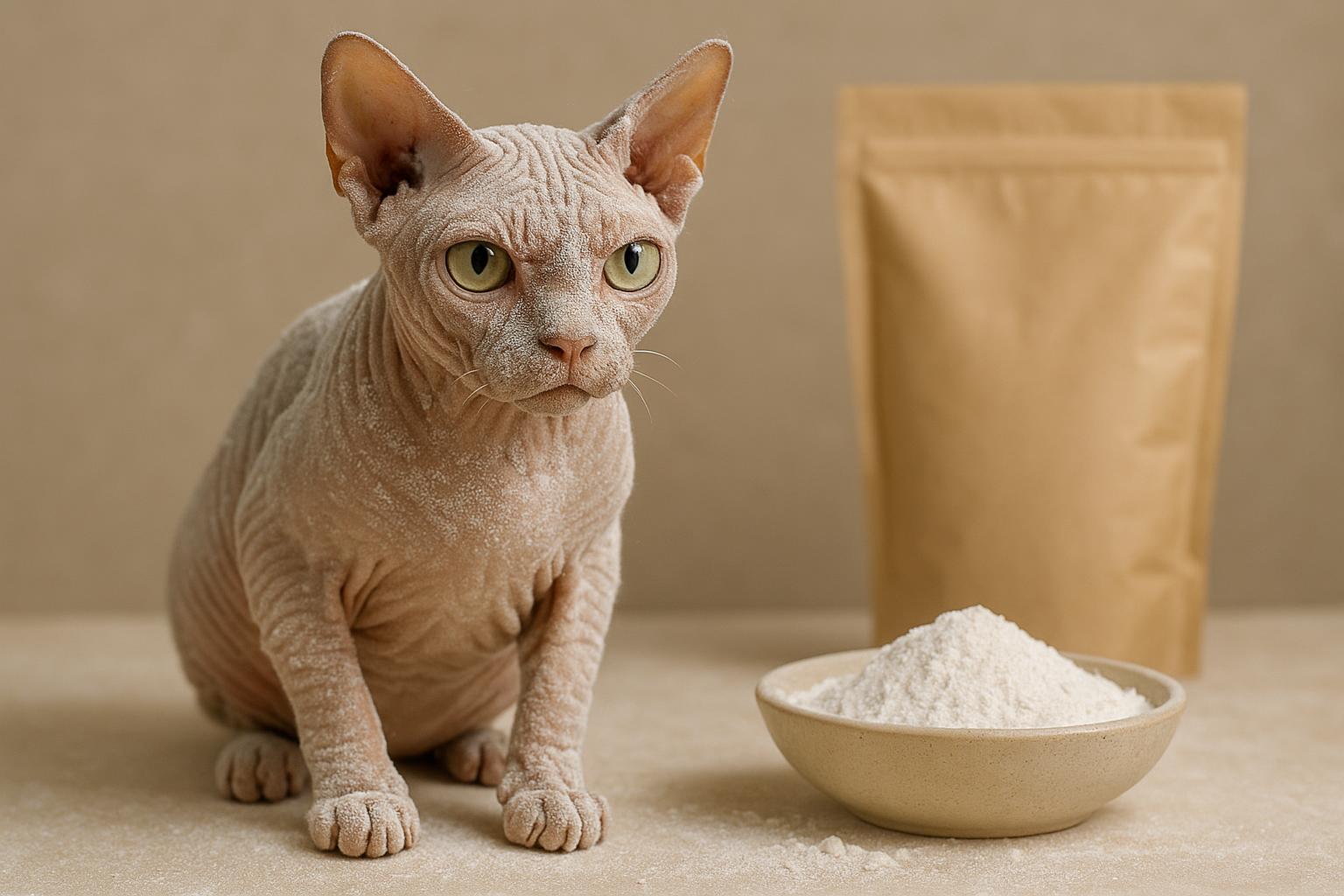
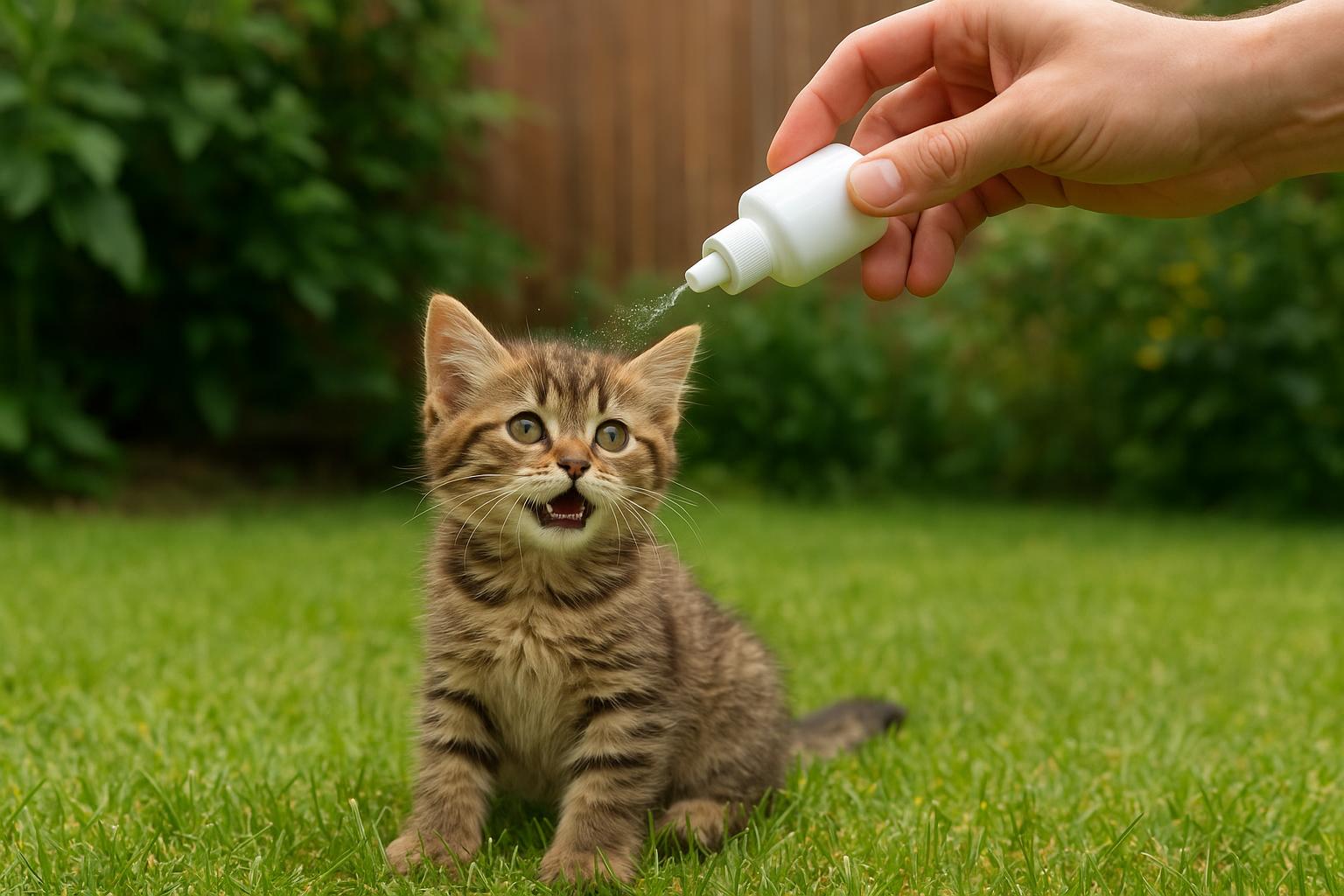
5. Diatomaceous earth option (use sparingly): If using food-grade DE outdoors, apply lightly to dry, shaded areas, avoiding windy conditions and keeping pets and children away until settled. Wear a mask to avoid inhaling the dust. Do not use DE on kittens directly.
6. Ongoing monitoring: Inspect outdoor spaces monthly during warm months and reapply biological treatments as directed by the manufacturer.
Combining these environmental measures with direct kitten treatment creates a comprehensive safe flea treatment program that reduces reinfestation risk.
### When To Call The Vet Right Away
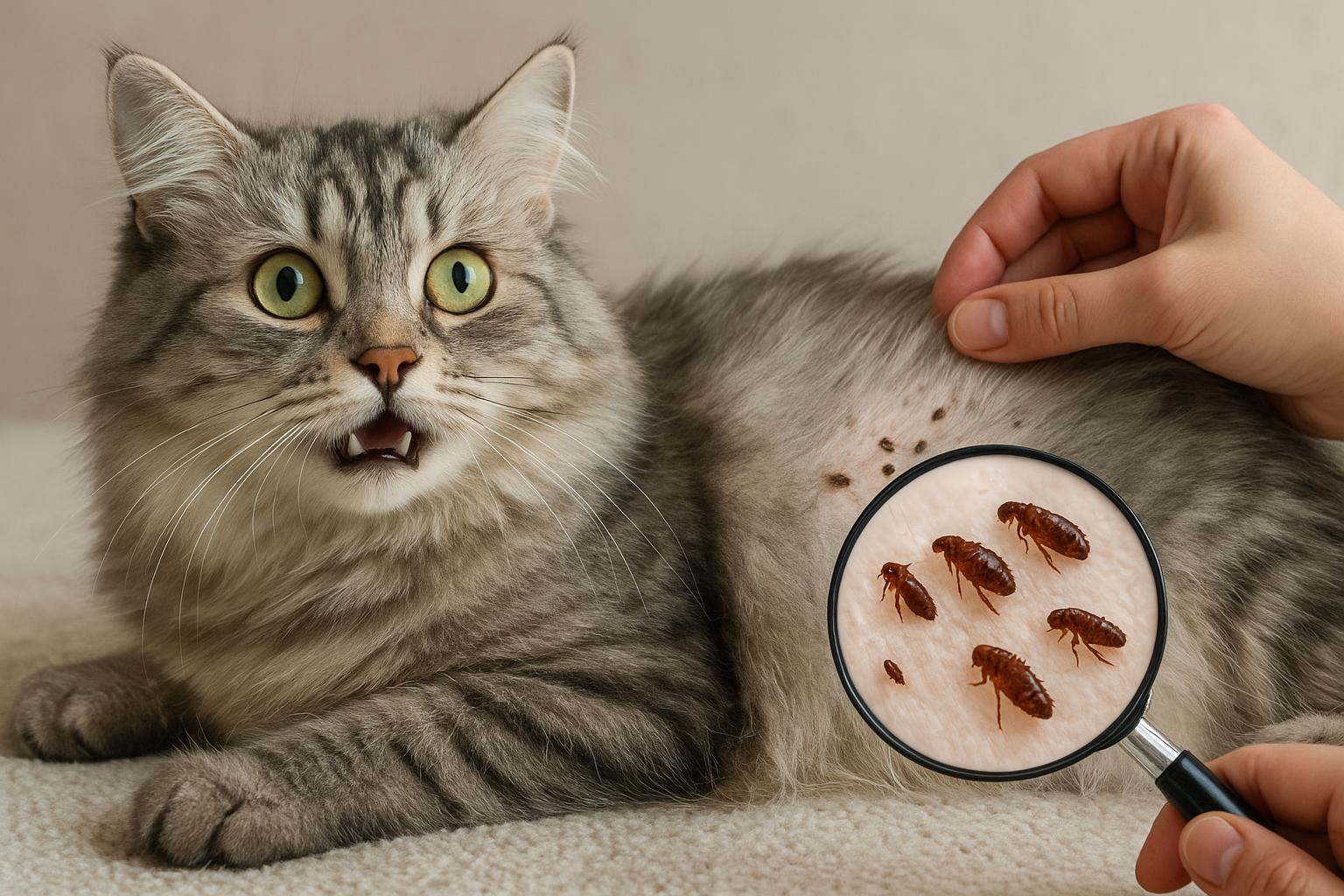
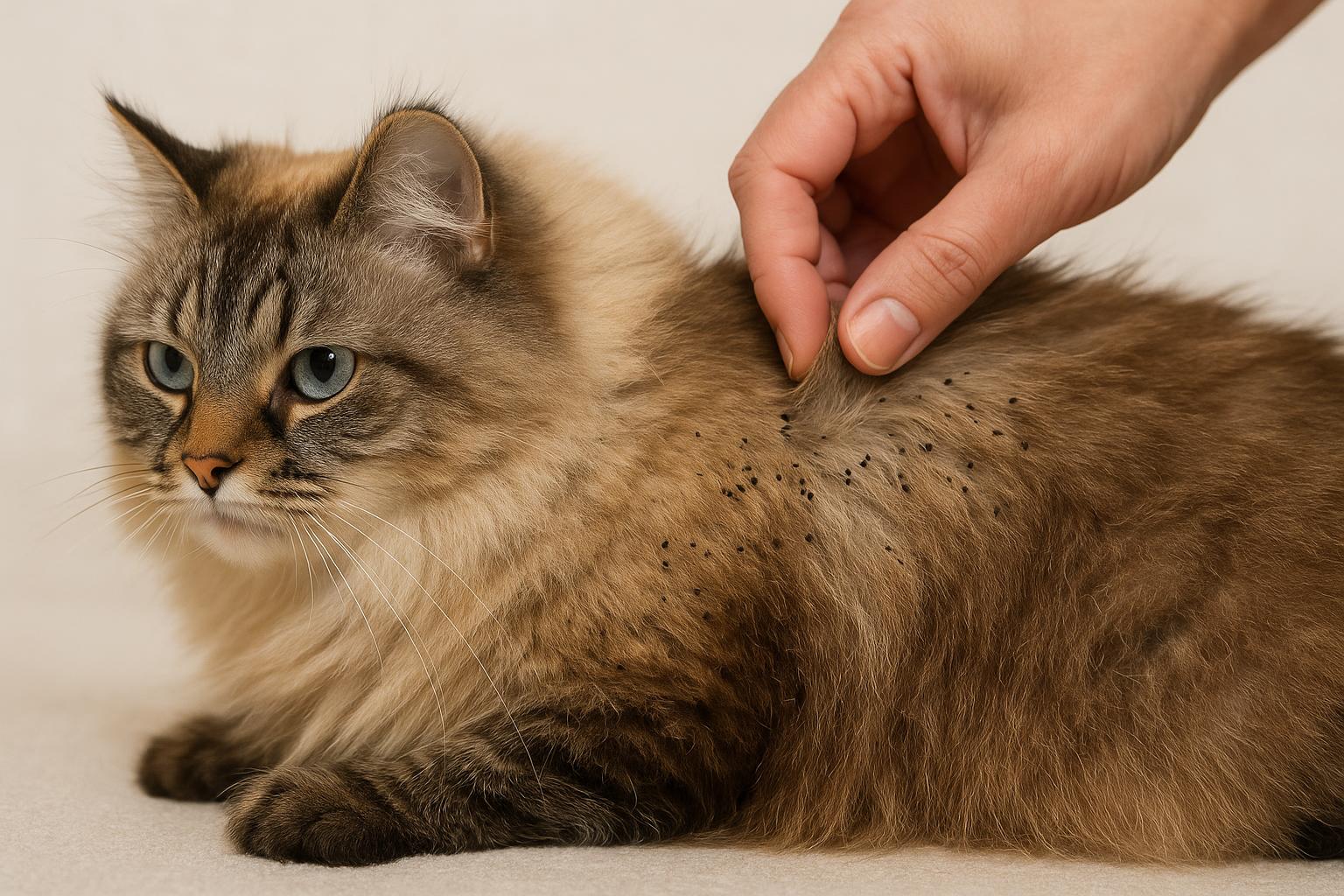
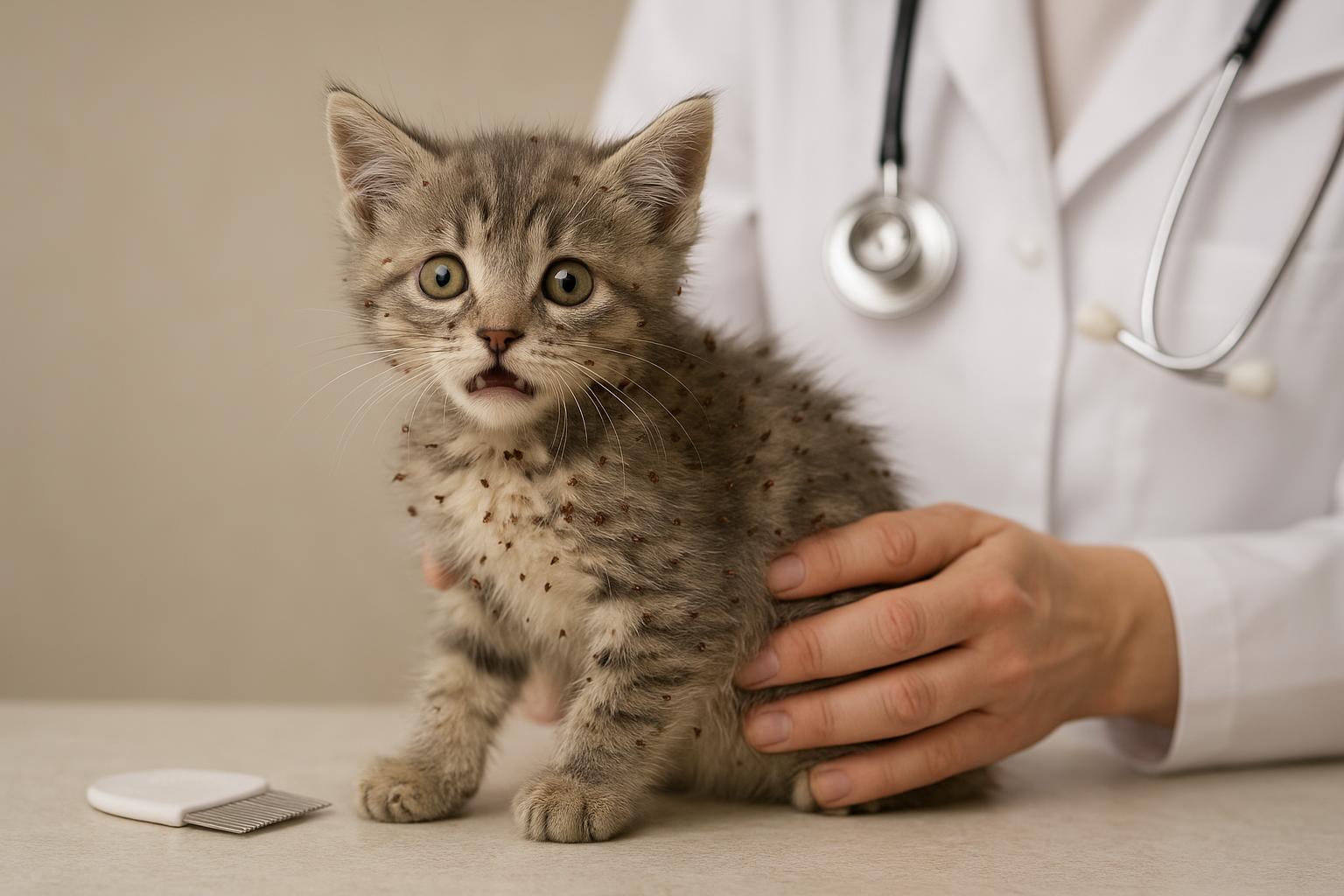
If the kitten is extremely young (under 8 weeks), shows signs of anemia (pale gums, weakness), is vomiting, has diarrhea, or the flea problem is extensive, seek veterinary attention immediately. Heavy flea infestations can cause serious blood loss in small kittens. A vet can provide professional, safe flea treatment and supportive care, such as fluids or iron if needed.
### Preventing Future Infestations
Prevention is easier than treatment. Keep up with monthly, vet-approved preventives once the kitten reaches the appropriate age and weight. Regular grooming sessions and periodic backyard maintenance will dramatically reduce the chance fleas stage a comeback. Remember: a kitten-safe flea treatment strategy pairs smart, age-appropriate medications with practical home and yard management.
If you want, I can help create a checklist for weekly backyard tasks or draft questions to ask your vet before starting a new flea medication.
Leave a Reply