
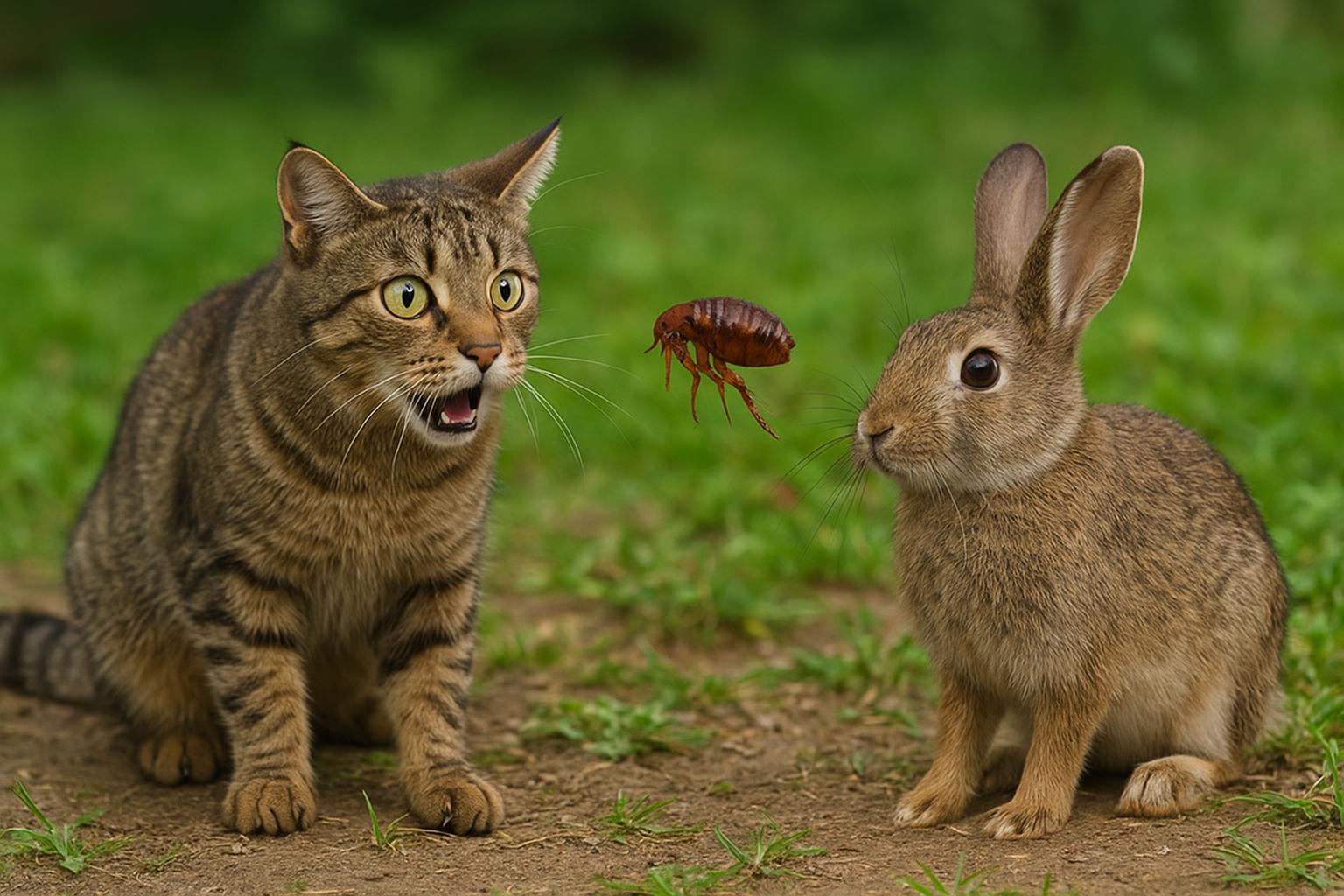
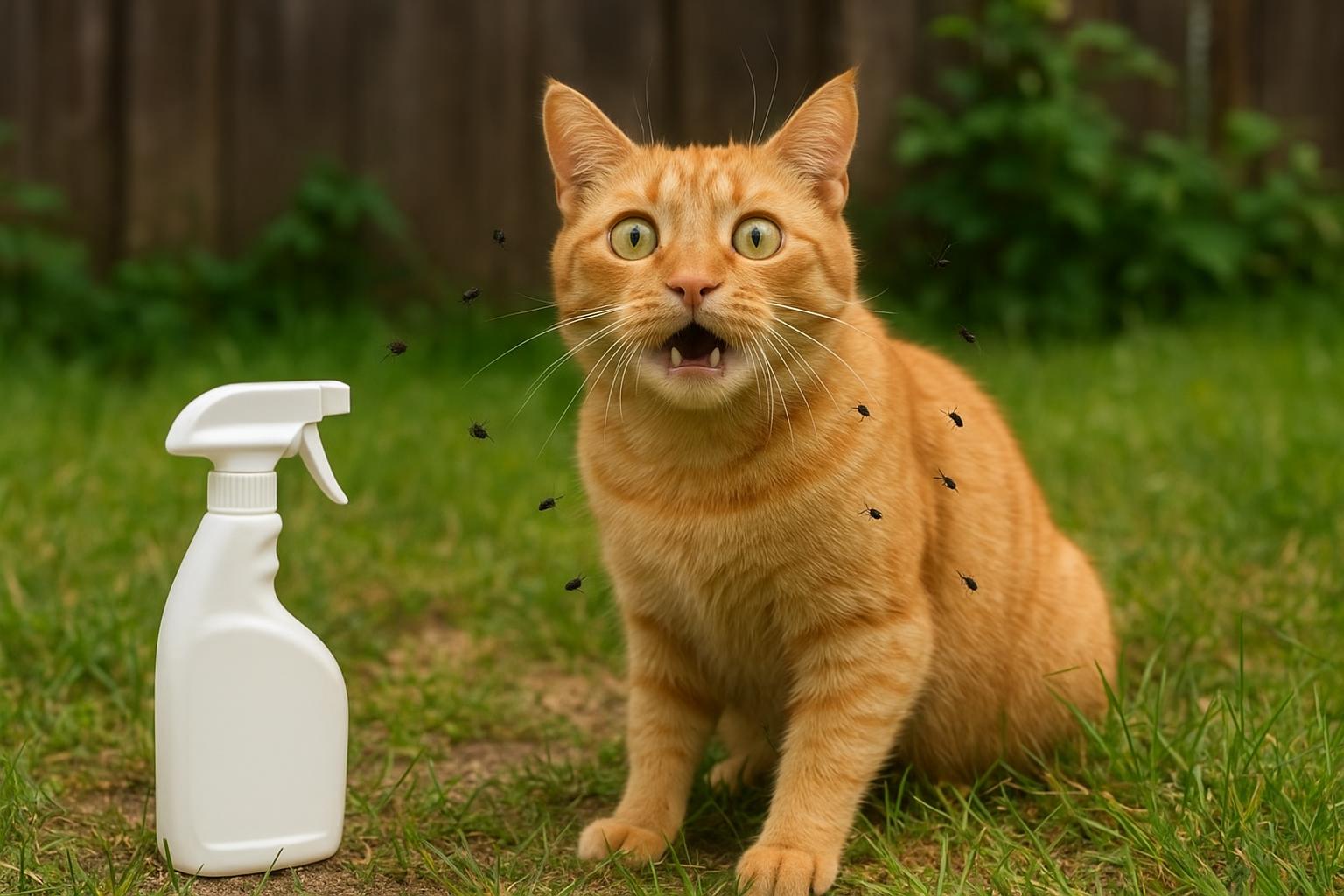
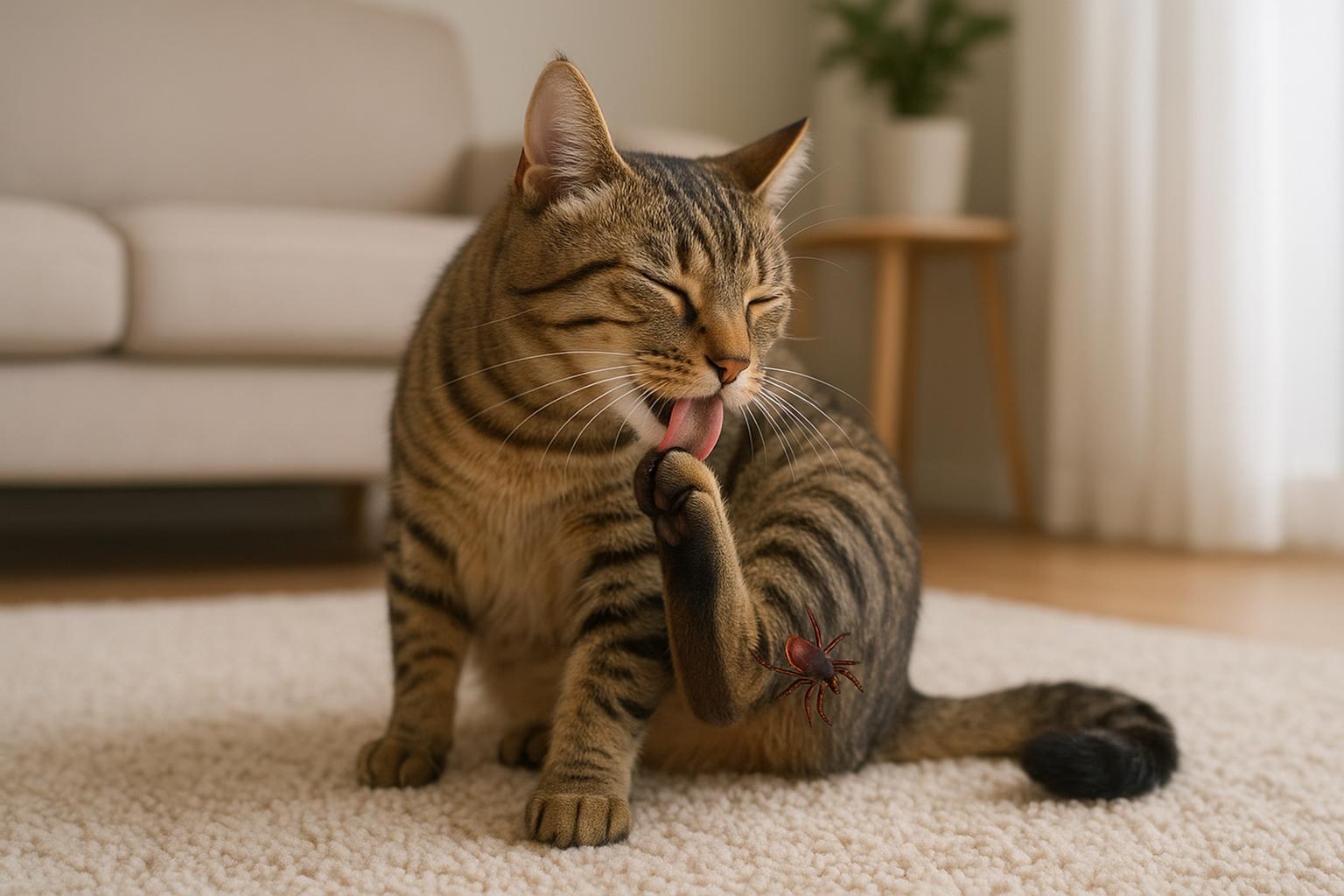
A warm hello to neighbors, nature lovers, and anyone who’s ever been outfoxed by a flea that seemed to arrive with a raccoon. If your yard is a magnet for birds, chipmunks, skunks, or the occasional opossum, you share space with creatures that can bring along tiny hitchhikers: wildlife fleas. They’re part of the ecosystem, but when they leap from critter to carpet, things get… itchy. No panic, though — this article walks a friendly path through seasonal risks and practical, year-round strategies to keep people, pets, and wildlife healthier and happier.
## Seasonal Wildlife Fleas Prevention Year Round Strategies
Knowing the title feels a bit like putting a big sign on the garden gate. But let’s dig into why seasonality matters: flea life cycles are temperature and humidity sensitive, and wildlife activity changes through the year. Where your property sits — urban edge, rural, or suburban — will shape risk and the best tactics. The following guidance balances habitat respect with practical prevention.
## Wildlife Fleas: Seasonal Risks And Why They Matter
Fleas associated with wild animals are not one-size-fits-all. Some species prefer rodents, others prefer rabbits, and a few will hop on a dog or cat in a heartbeat. Winter tends to slow flea reproduction, but fleas persist in nests and dens, especially in mild climates. Spring and summer bring the largest surge: warmer temperatures accelerate development from egg to adult, and increased wildlife movement spreads fleas more widely. Fall can produce another bump as animals prepare dens and gather in closer spaces.
Why care? Besides the nuisance factor, wildlife fleas can transmit pathogens to pets and occasionally people (think Bartonella or tapeworm intermediates). Addressing them is both a public-health and humane wildlife-management concern. Preventing fleas means limiting suitable habitat for breeding, reducing host access to your house and pets, and applying targeted treatments when necessary.
## Year-Round Prevention Philosophy
Prevention isn’t a single magic spray. It’s a combination of habitat modification, exclusion, pet protection, and smart monitoring. Think of your yard as an ecosystem where tiny choices influence flea survival: trim, tidy, and modify to interrupt the flea lifecycle and make your yard less attractive for nesting wildlife. A steady, gentle nudge away from your immediate living areas keeps animal health intact and reduces the need for heavy-handed interventions.
## 2 Remedies For Dealing With Wildlife Fleas
Below are two remedies that cover both non-toxic perimeter control and habitat-focused mitigation. Each remedy is presented with materials and step-by-step application. The instructions are formal and specific to ensure safe and effective use.
### Remedy 1: Outdoor Perimeter Treatment (Targeted, Pet-Safe Product)
This remedy uses EPA-registered products appropriate for outdoor perimeter treatments. Always read and follow label instructions; local regulations vary.
#### Ingredients And Materials
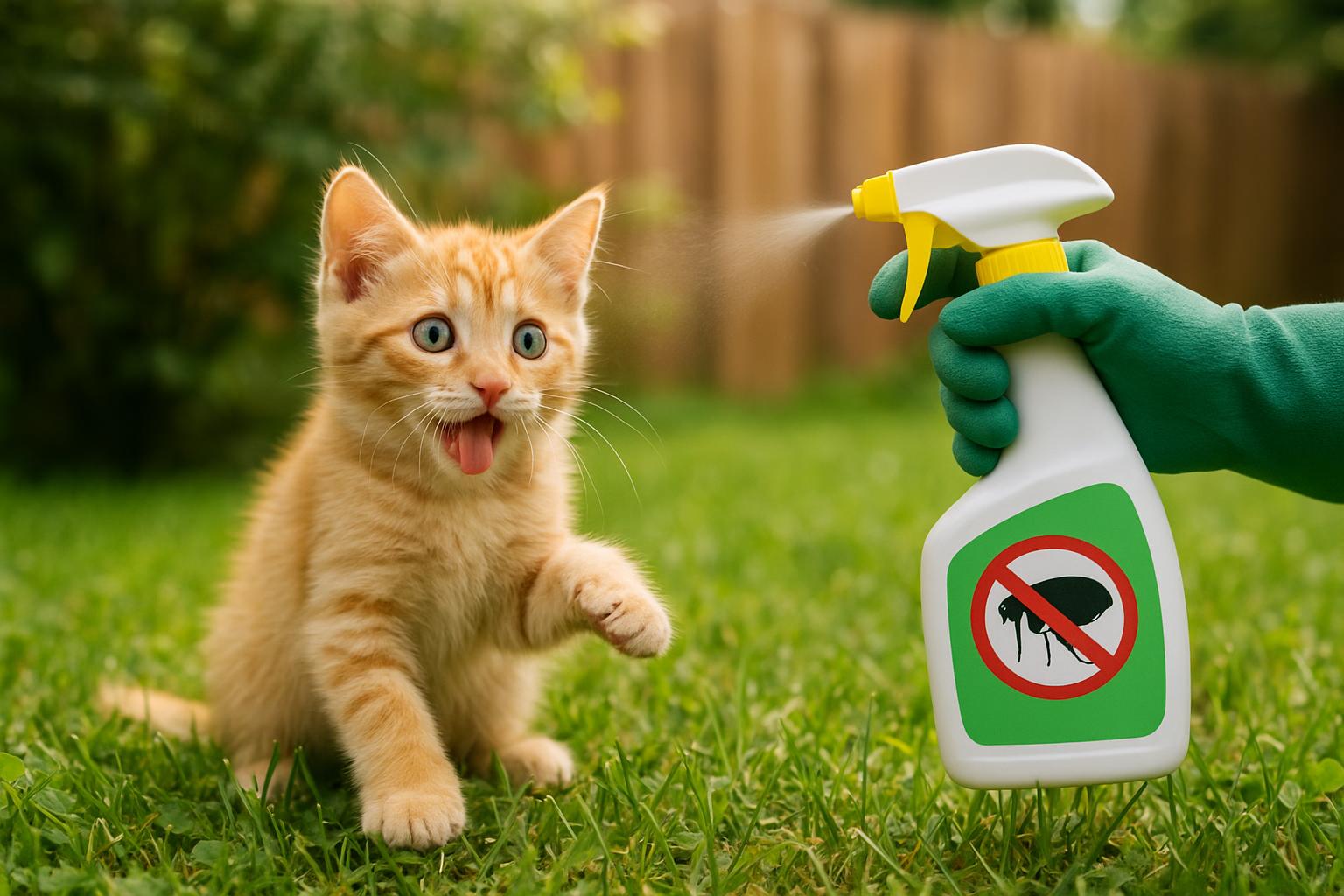
– EPA-registered outdoor flea control granules or spray containing insect growth regulator (IGR) such as pyriproxyfen or methoprene, or an adulticide labeled for outdoor use (permethrin products for lawns — NOT for pets).
– PPE: nitrile gloves, protective eyewear, long sleeves and pants.
– Garden spreader (for granules) or pump sprayer (for liquid).
– Tape/markers to indicate treated zones.
– Weather forecast (choose a calm, dry period).
#### Step-By-Step Creation And Application
1. Read Product Label: Confirm the product is labeled for perimeter lawn and landscape application, and note pet re-entry time and application rates.
2. Prepare Equipment: Calibrate the spreader or sprayer per label instructions. Wear PPE during mixing and application.
3. Target Zones: Focus on the foundation perimeter, under shrubs and eaves, animal trails, and shaded, moist areas where wildlife might nest. Avoid flowering plants frequented by pollinators unless product is pollinator-friendly.
4. Apply IGR First (If Using): Apply an IGR in targeted zones to interrupt egg and larval development; this reduces emergence for weeks to months. Follow rate directions precisely.
5. Apply Adulticide If Needed: If flea populations are high, apply an adulticide labeled for outdoor use over treated zones. Do not use pet products (like dog spot-on) on lawns.
6. Post-Application Care: Keep pets and children off treated areas until the product drying or re-entry period listed on the label. Reapply as specified seasonally or after heavy rain per product guidance.
7. Monitor Efficacy: Use visual checks and pet grooming to see if fleas decrease. If conditions don’t improve, consult a licensed pest professional.
Note: This formal remedy is a targeted approach for reducing flea pressure without broad, continuous pesticide use. It’s designed to be integrated with habitat measures.
### Remedy 2: Habitat Modification And Wildlife Exclusion (Non-Chemical)
This remedy is environmentally focused and prevents hosts from creating flea reservoirs on your property. The tone here is practical and procedural.
#### Materials Required
– Sturdy lids or netting for compost bins.
– Hardware cloth (1/4″ mesh) or heavy-duty wire for sealing crawlspaces and under-deck areas.
– Motion-activated lights or sprinklers (optional deterrents).
– Birdfeeders placed thoughtfully (hung away from house and with seed guards).
– Native plantings and regular yard maintenance tools (loppers, mower, rake).
#### Step-By-Step Application
1. Deny Nesting Sites: Inspect under decks, porches, and between rock piles. Seal access to crawlspaces with hardware cloth and remove brush piles within a 20–30 foot zone of the home.
2. Tidy Feeding Stations: Move birdfeeders and seed piles at least 10–15 feet from the house. Clean up spilled seed regularly to avoid attracting rodents, which are common flea hosts.
3. Compost Management: Use enclosed compost bins with tight lids. If you have a rodent problem around compost, consider hot-composting methods or removing compost from the immediate perimeter of living spaces.
4. Landscape Adjustments: Reduce dense groundcover and create a sunlit buffer near foundations; fleas and some wildlife prefer shaded, moist cover. Maintain lawn height and trim shrubs to increase airflow and reduce humidity.
5. Install Deterrents: Motion-activated lights or sprinklers can discourage nocturnal visitors like raccoons or opossums from frequenting close-in yards, reducing flea-host interactions.
6. Provide Alternative Habitat: If you value wildlife, create buffer garden zones further from the house — a small wildflower patch or brush pile at a safe distance gives critters a place to be without being right next to your door.
These steps reduce the number of potential hosts and interfere with the microhabitats where wildlife fleas thrive.
## Seasonal Action Checklist
Spring: Focus on perimeter treatments and habitat cleanup. Inspect nests, seal denning opportunities, and consider an early-season IGR application if you’ve had repeated flea problems.
Summer: Maintain regular yard maintenance. Replace or clean pet bedding more frequently. Watch for spikes in pet scratching after outdoor activity; treat pets promptly through your veterinarian.
Fall: Seal small openings into the house and inspect gutters and eaves for den entrances. With cooling weather, animals may seek sheltered spots and bring fleas closer to the house.
Winter: In cold climates, flea activity slows but doesn’t always stop — nests and den areas remain reservoirs. Continue monitoring pets and inspect for localized warm pockets where animals shelter.
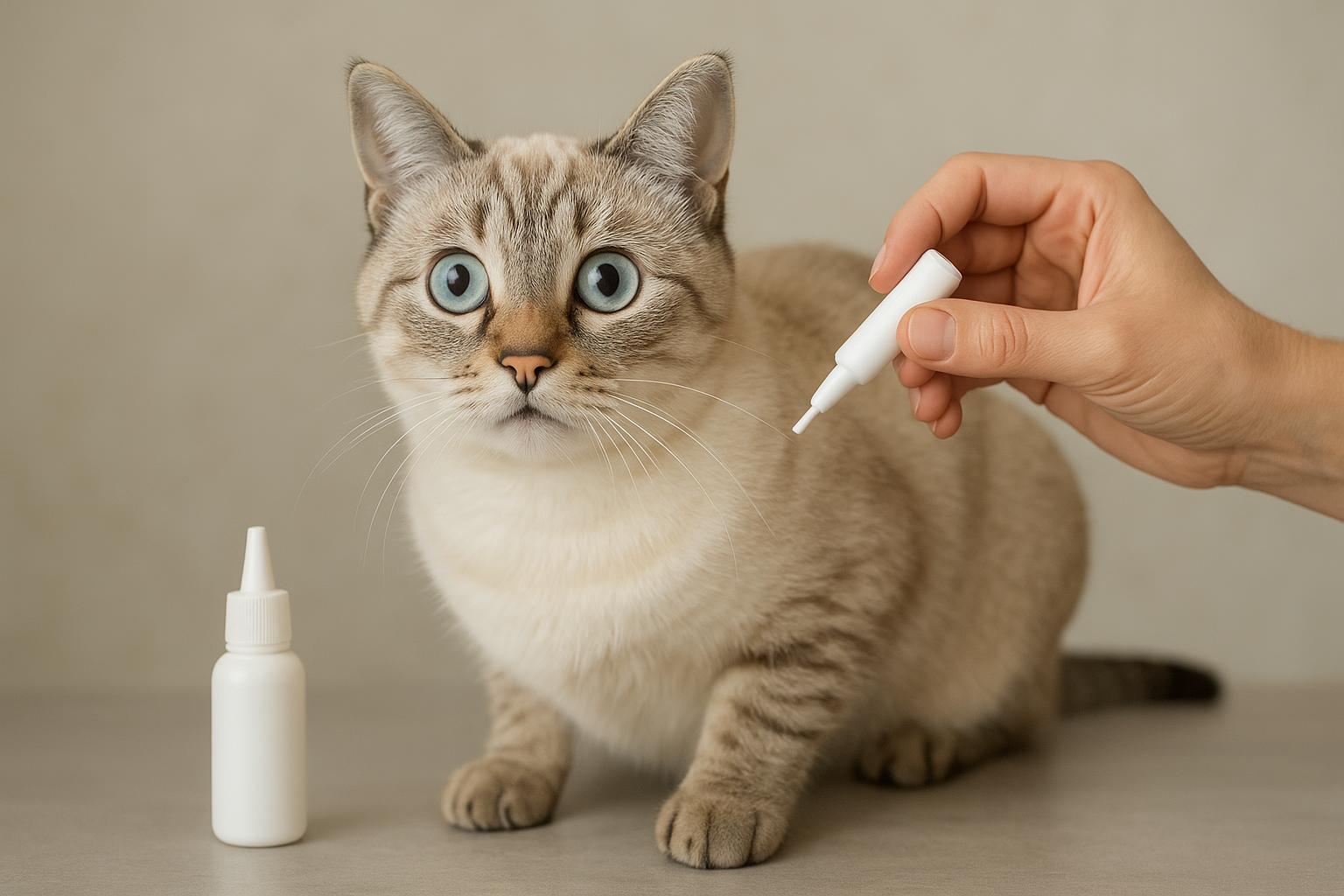
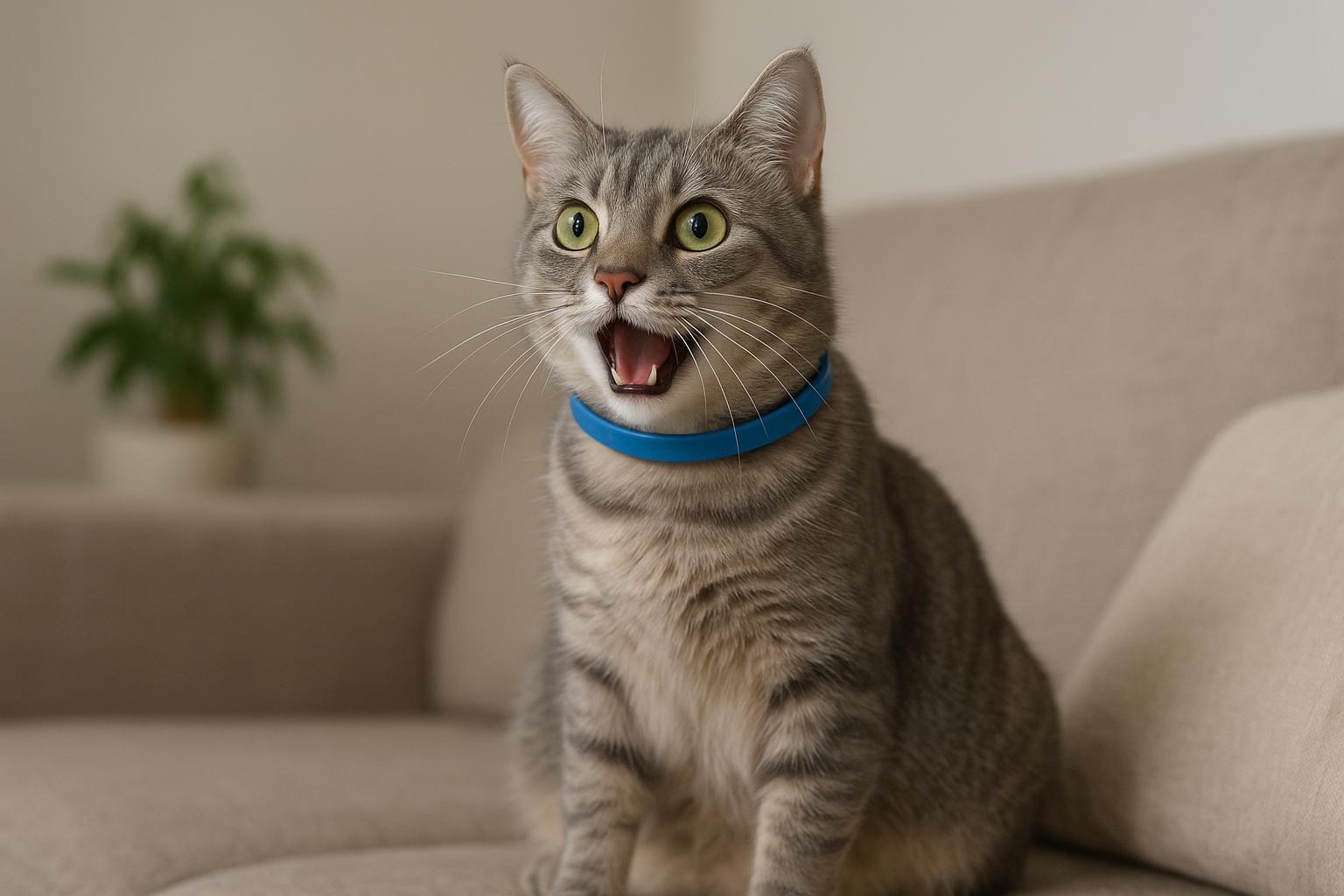
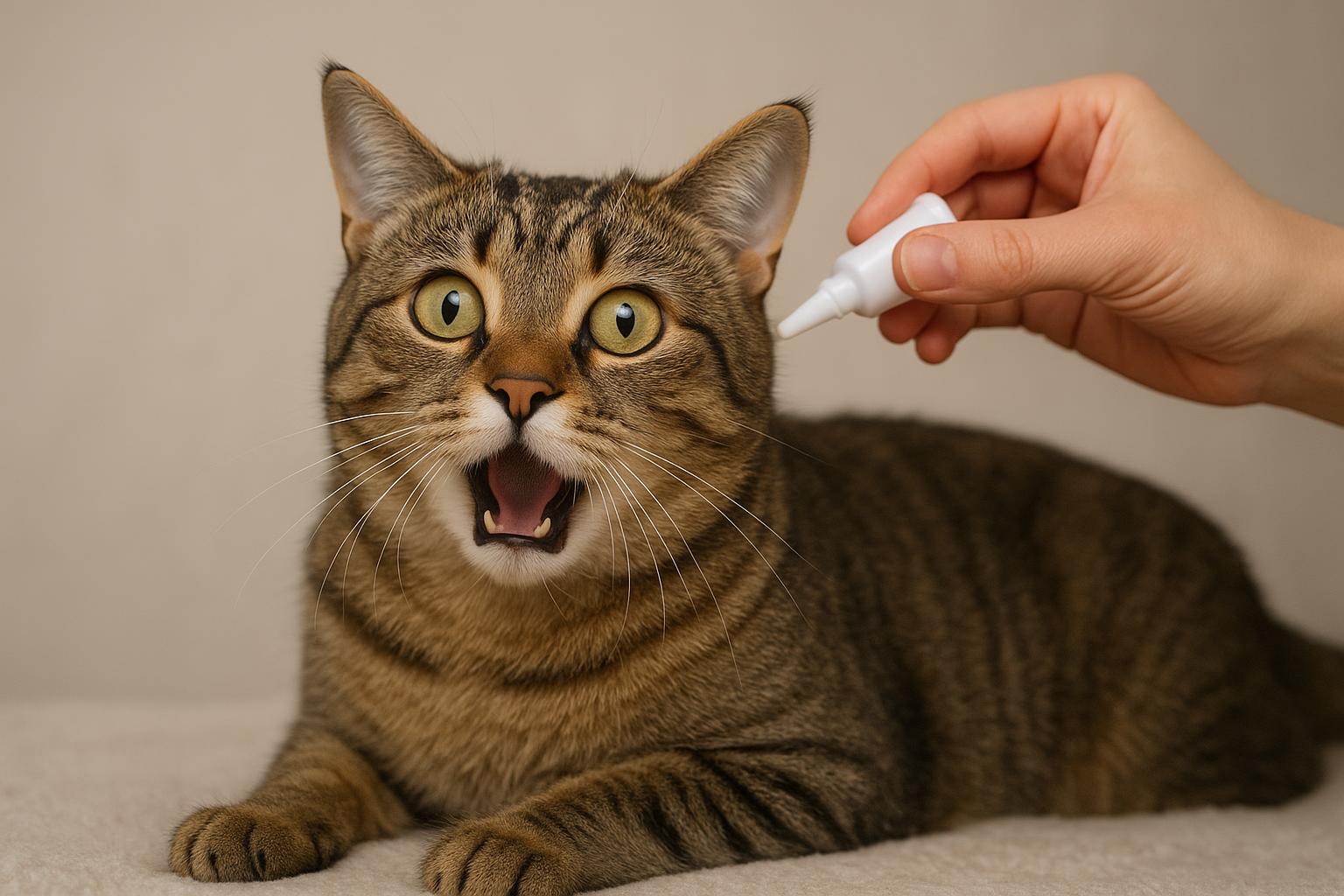
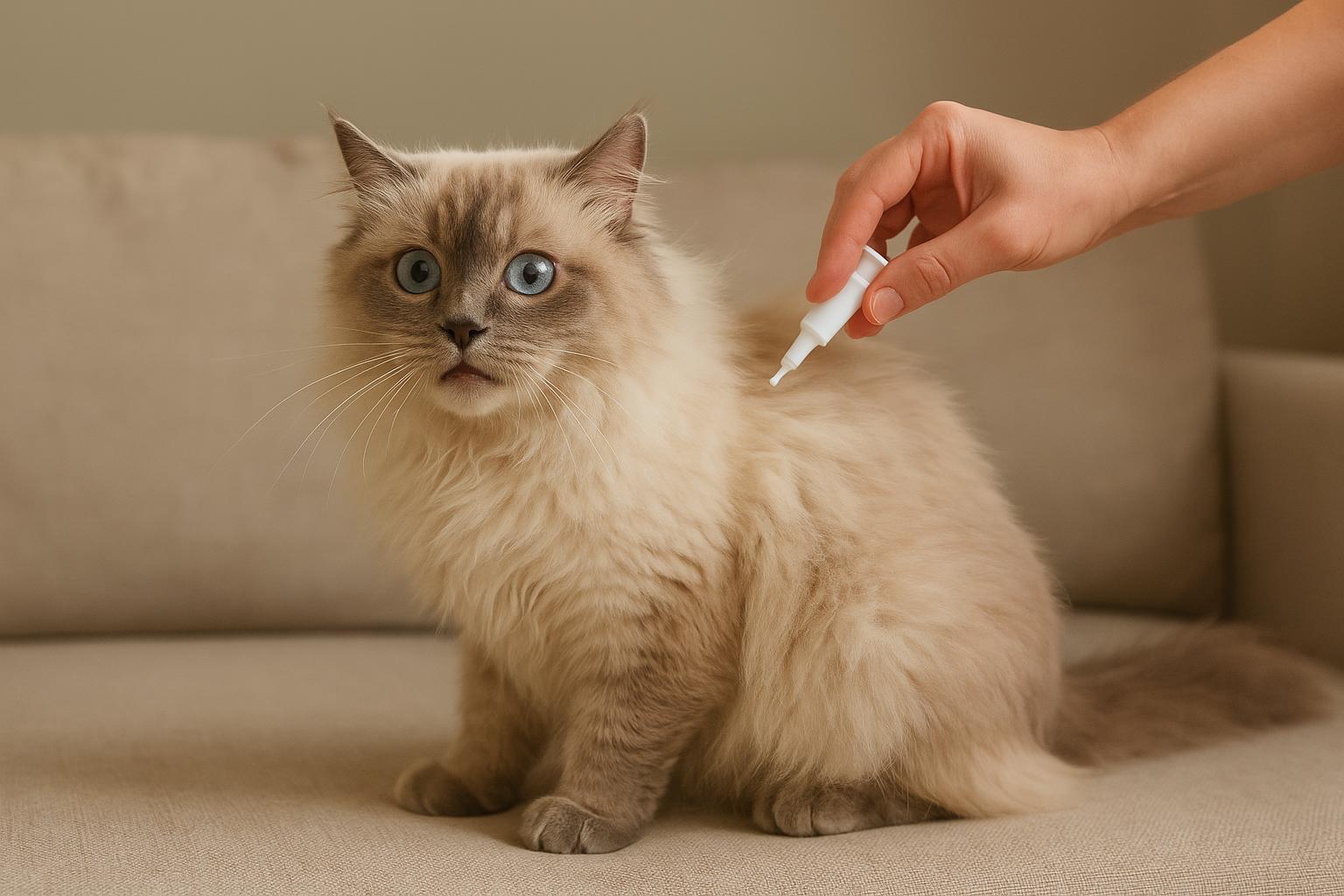
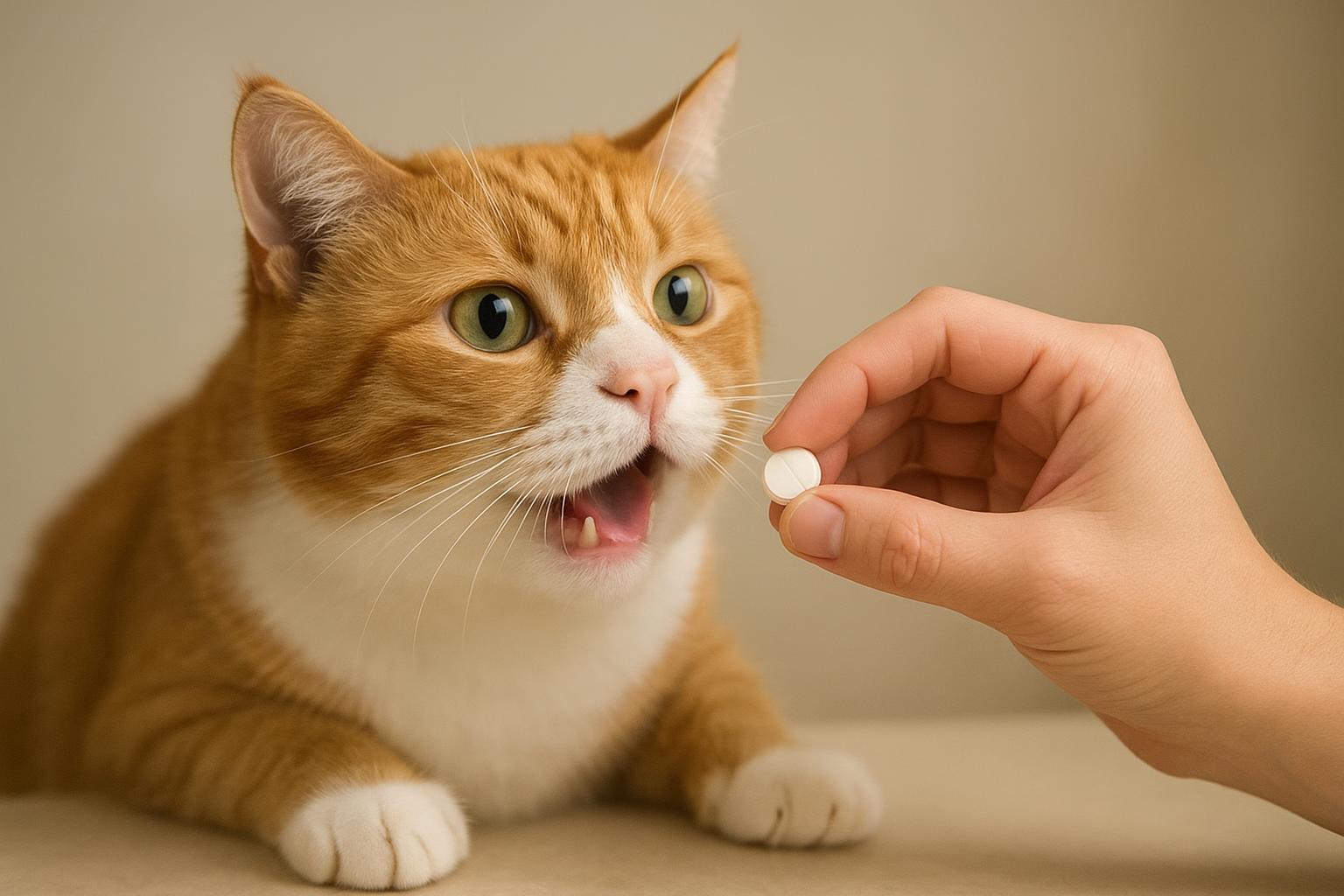
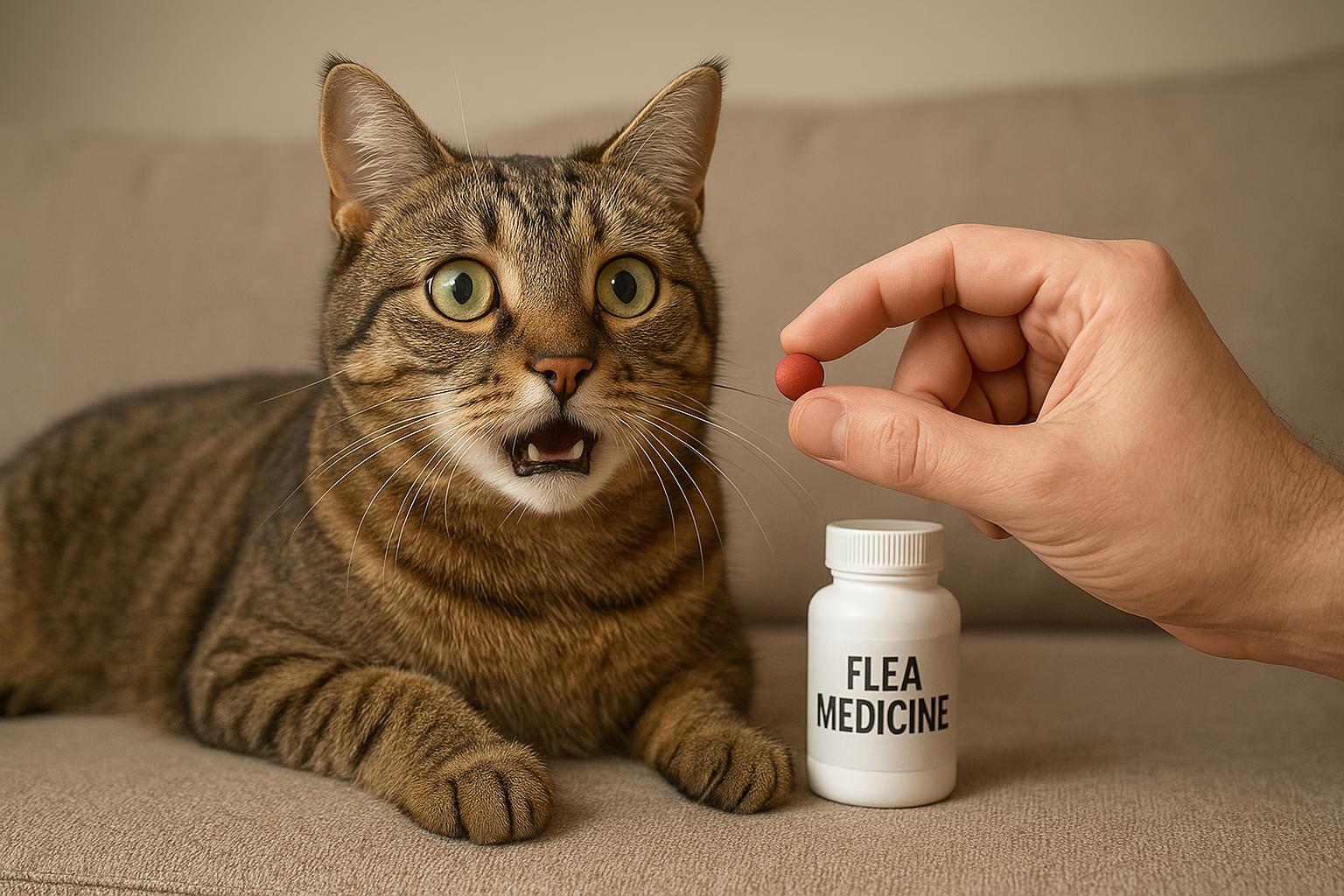
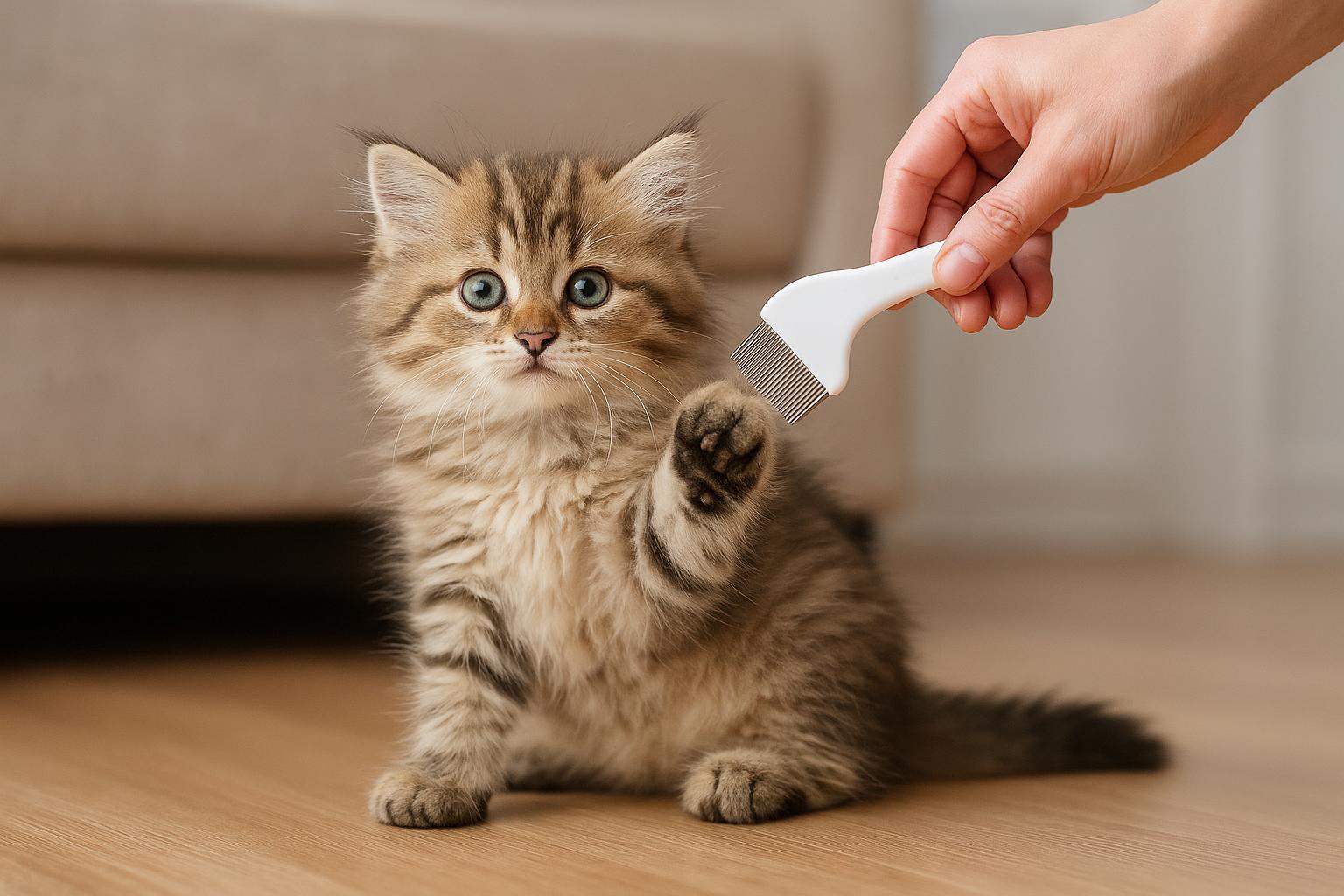
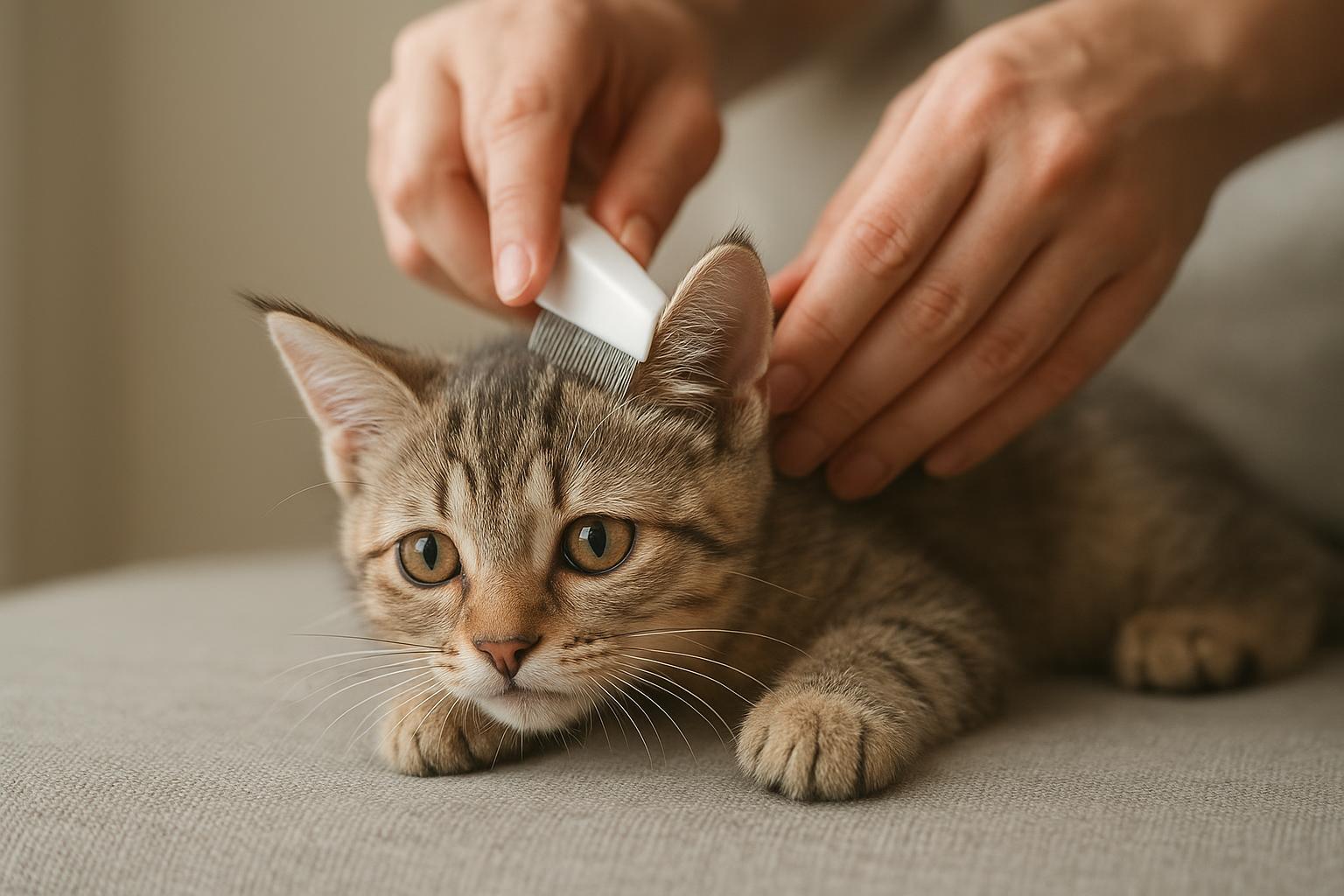
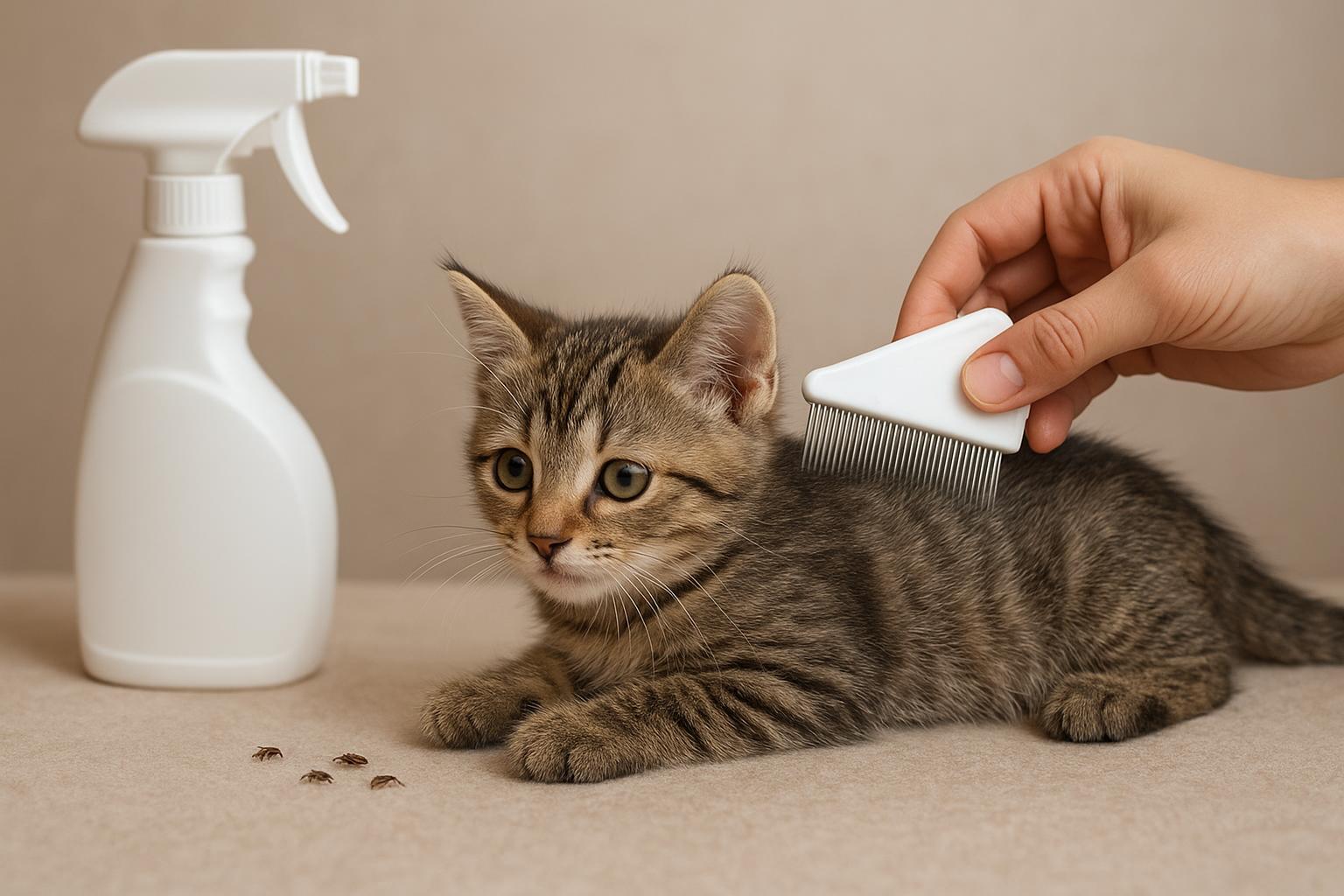
Throughout each season, grooming pets (weekly brushing and use of veterinarian-approved topical or oral preventives) is the single most effective personal defense against fleas brought in by wildlife.
## Monitoring, Pet Protection, And When To Call A Pro
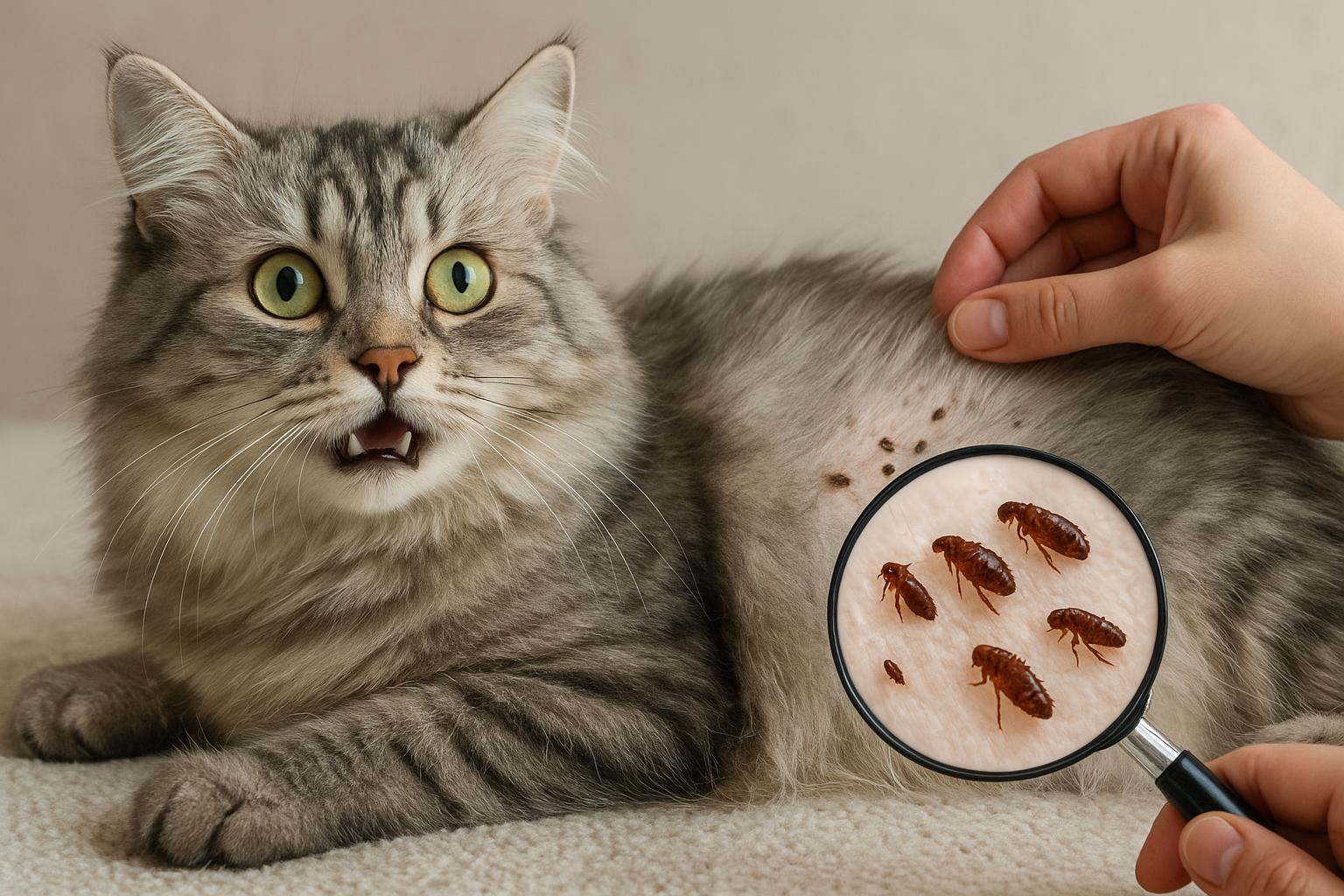
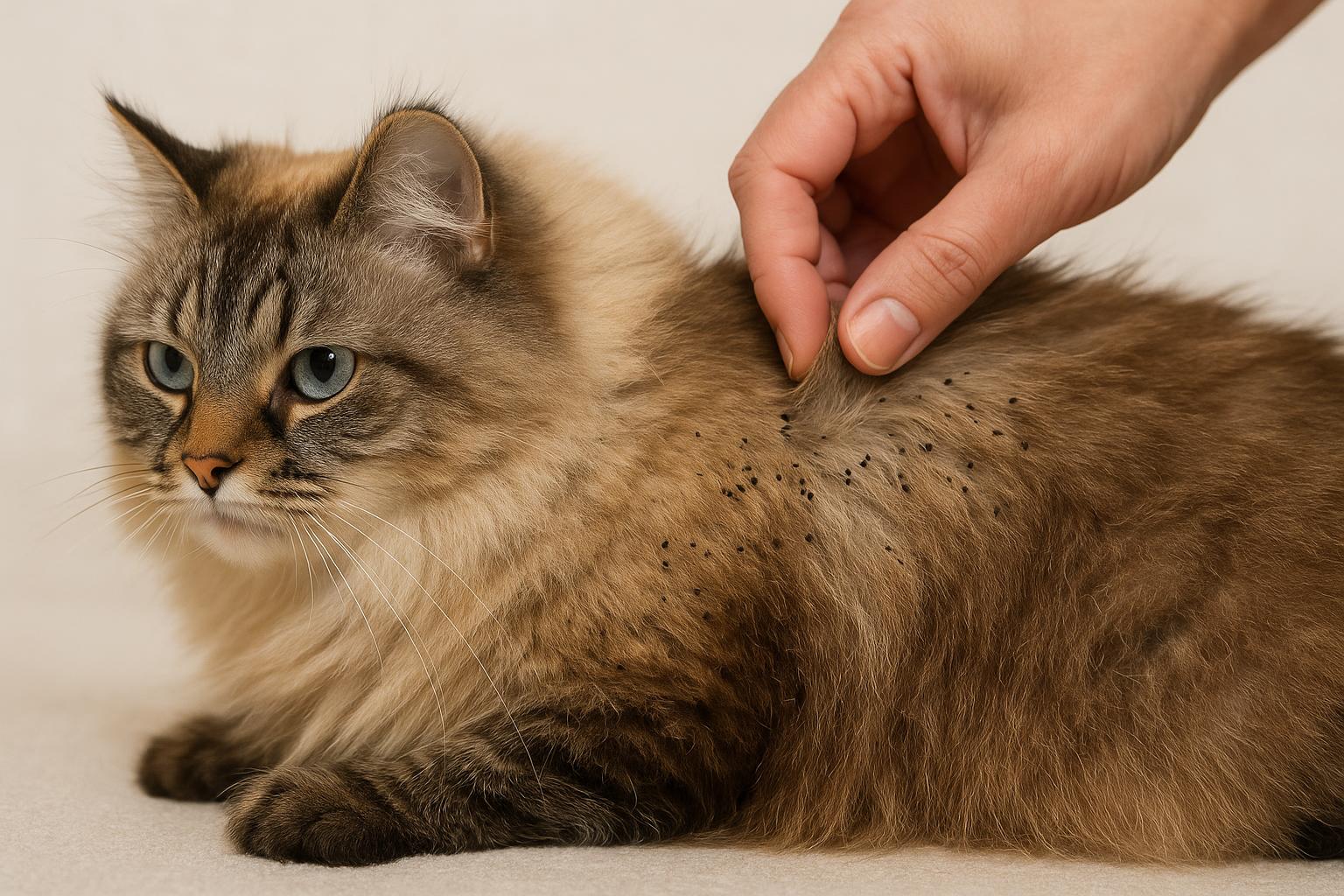
Keep a log of wildlife sightings, pet flea incidents, and any signs of infestation (frequent scratching, flea dirt on bedding, or fleas on pets). Engage in monthly checks rather than panic-driven actions.
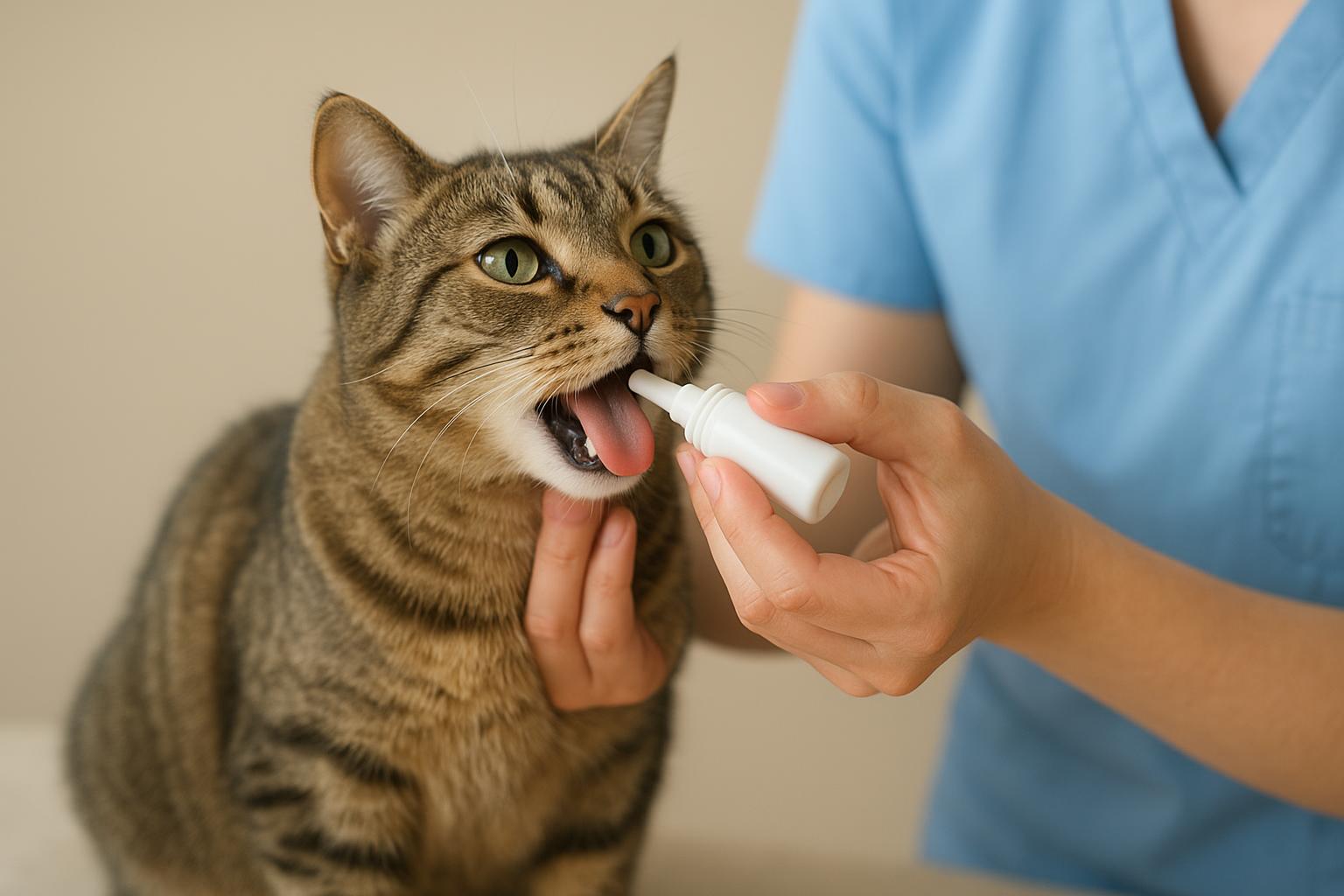
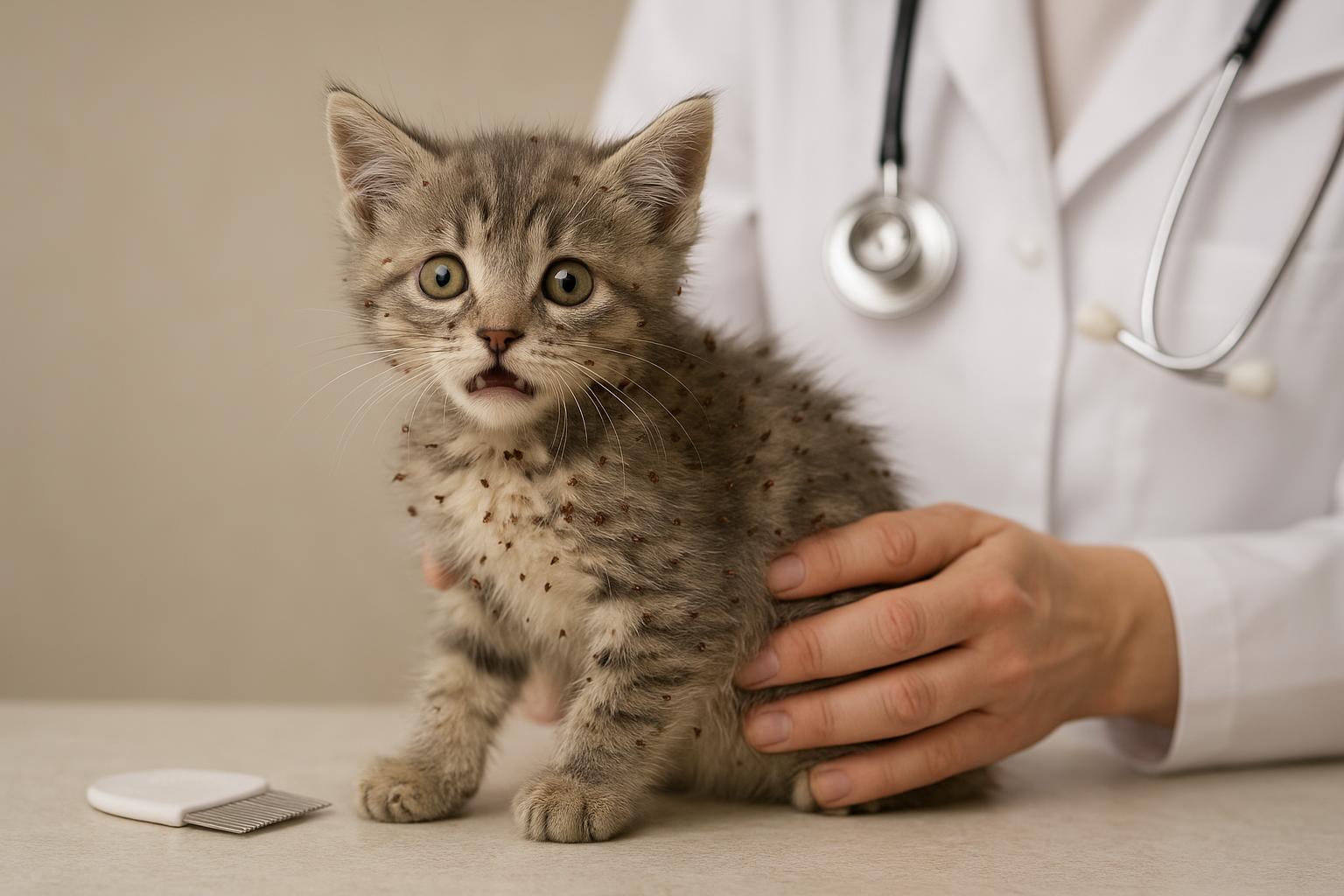
For pets: Use vet-recommended flea preventives; do not substitute lawn pesticides for treatments on animals. If your pet shows signs of flea-borne illness or severe flea loads, seek veterinary care promptly.
When to call a professional: If you observe persistent flea problems despite hygiene, habitat modification, and product use; if you’re uncertain about product choices near pollinators or water sources; or if a large wildlife den (e.g., raccoon family) is present and requires humane removal. Licensed wildlife rehabilitators and pest management professionals can coordinate safe removal and targeted treatments.
A little effort throughout the year keeps the critters where they belong — outside and mostly in their own spaces — while protecting your family and pets from the tiny freeloaders known as wildlife fleas. No single tip is a miracle, but combined, they make your place a less flea-friendly neighborhood.





Leave a Reply