
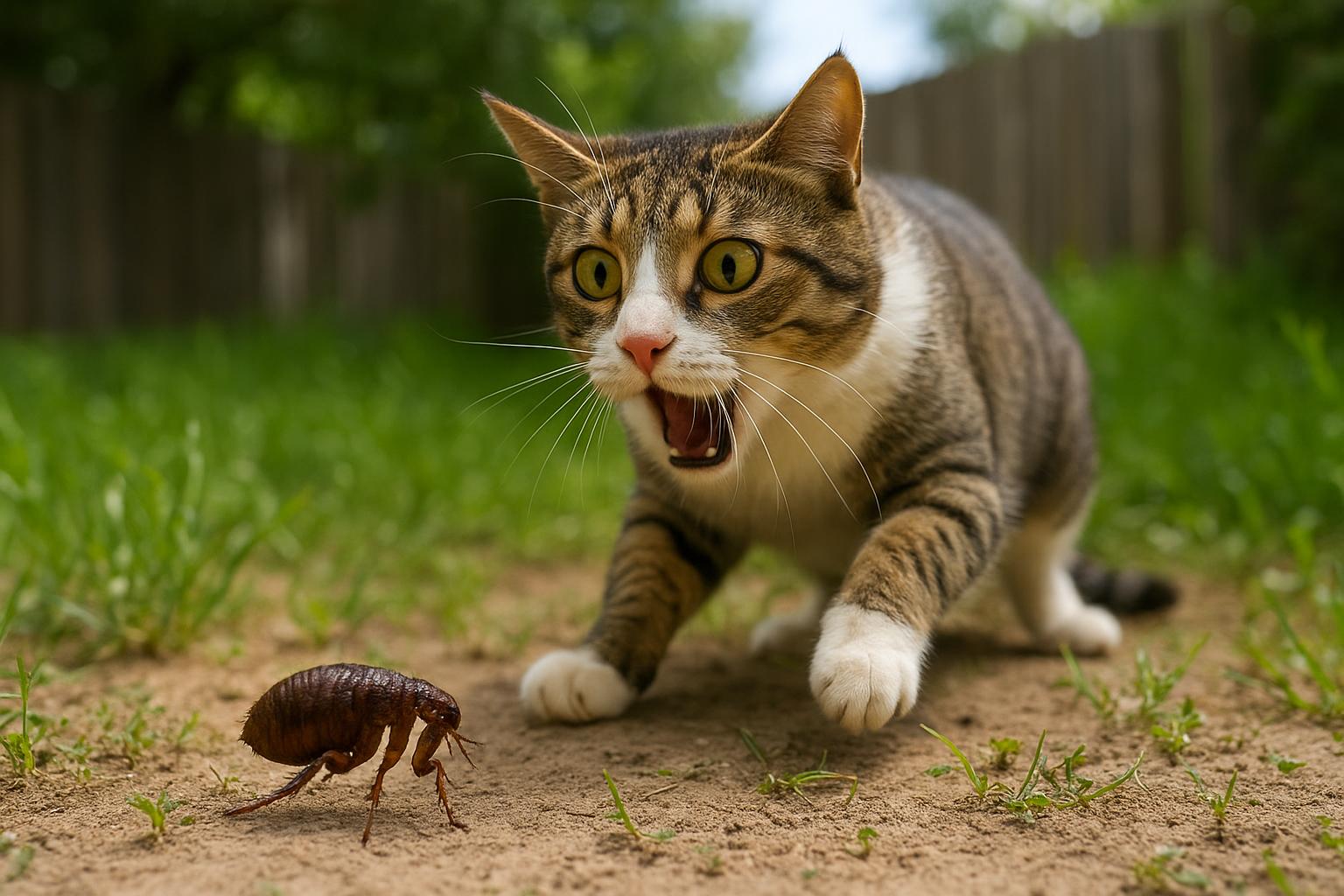
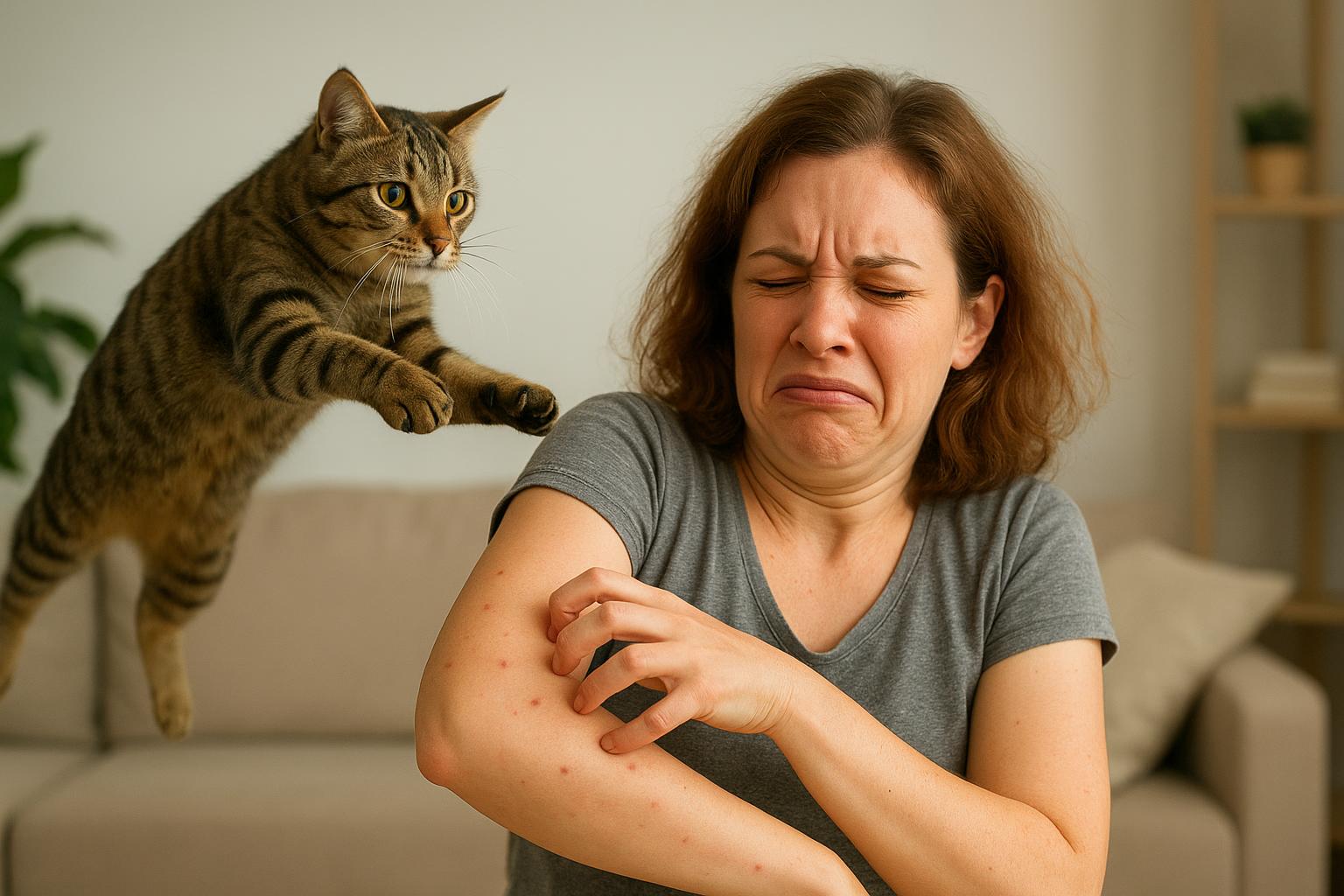
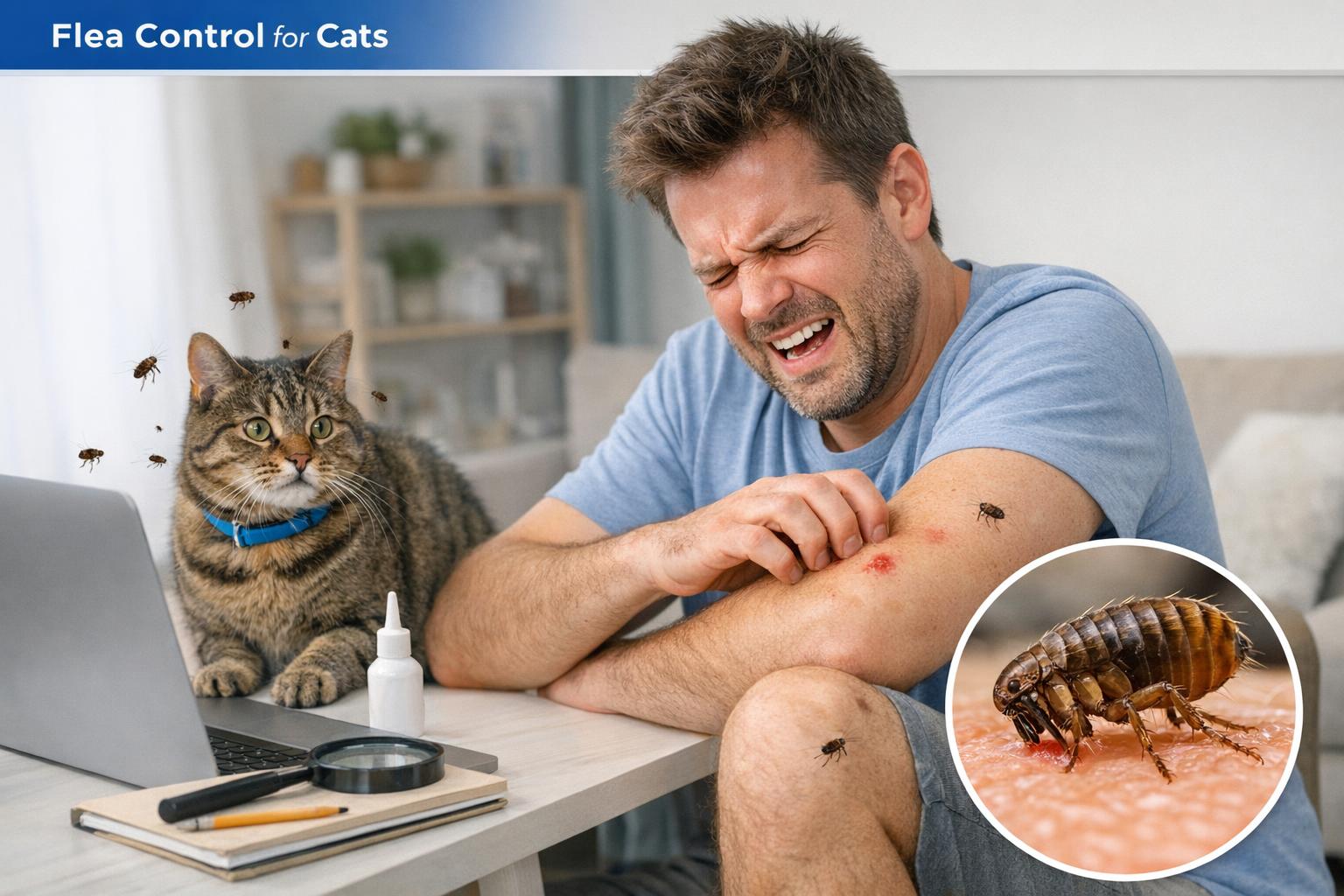
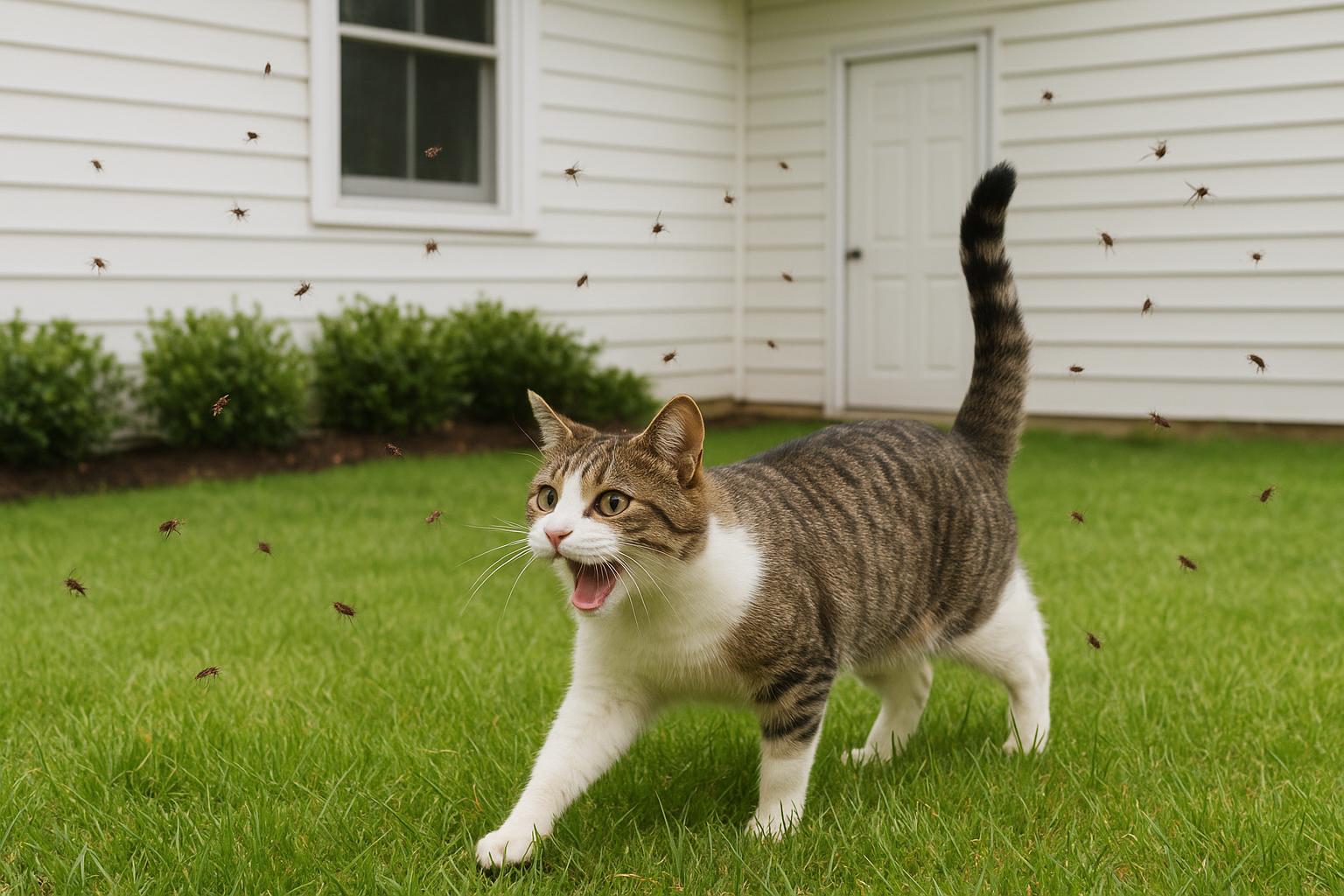
Hello, backyard stewards and cat lovers — pull up a lawn chair, grab a cuppa, and let’s talk about tiny jumpy invaders that make your cat do that dramatic sneeze-scratch-hop combo. Fleas are more than a nuisance; understanding their timing, hiding spots, and vulnerabilities helps you reduce them without losing your sanity (or your cat’s dignity).
## Cat Flea Lifecycle: What To Expect
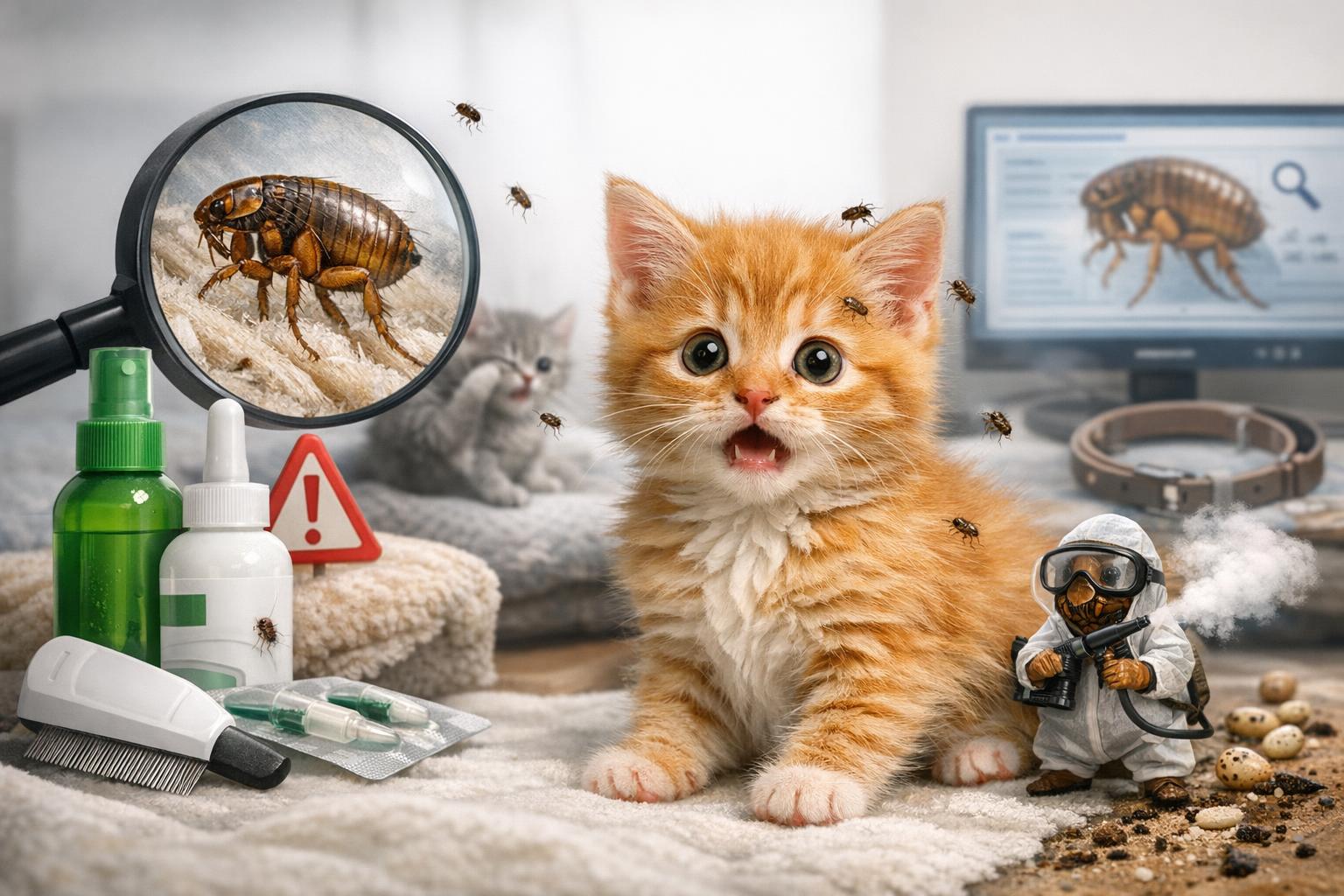
Understanding the cat flea lifecycle is the first step to breaking their party chain in your yard. Fleas don’t appear out of nowhere; their life cycle has four distinct stages — egg, larva, pupa, and adult — and each stage responds differently to heat, humidity, and disturbance. Backyard conditions can either speed things up (hello, warm shady beds of leaves) or slow them down (dry sunbaked lawns). Knowing what stage is present helps you pick the right tool at the right time.
### Egg Stage
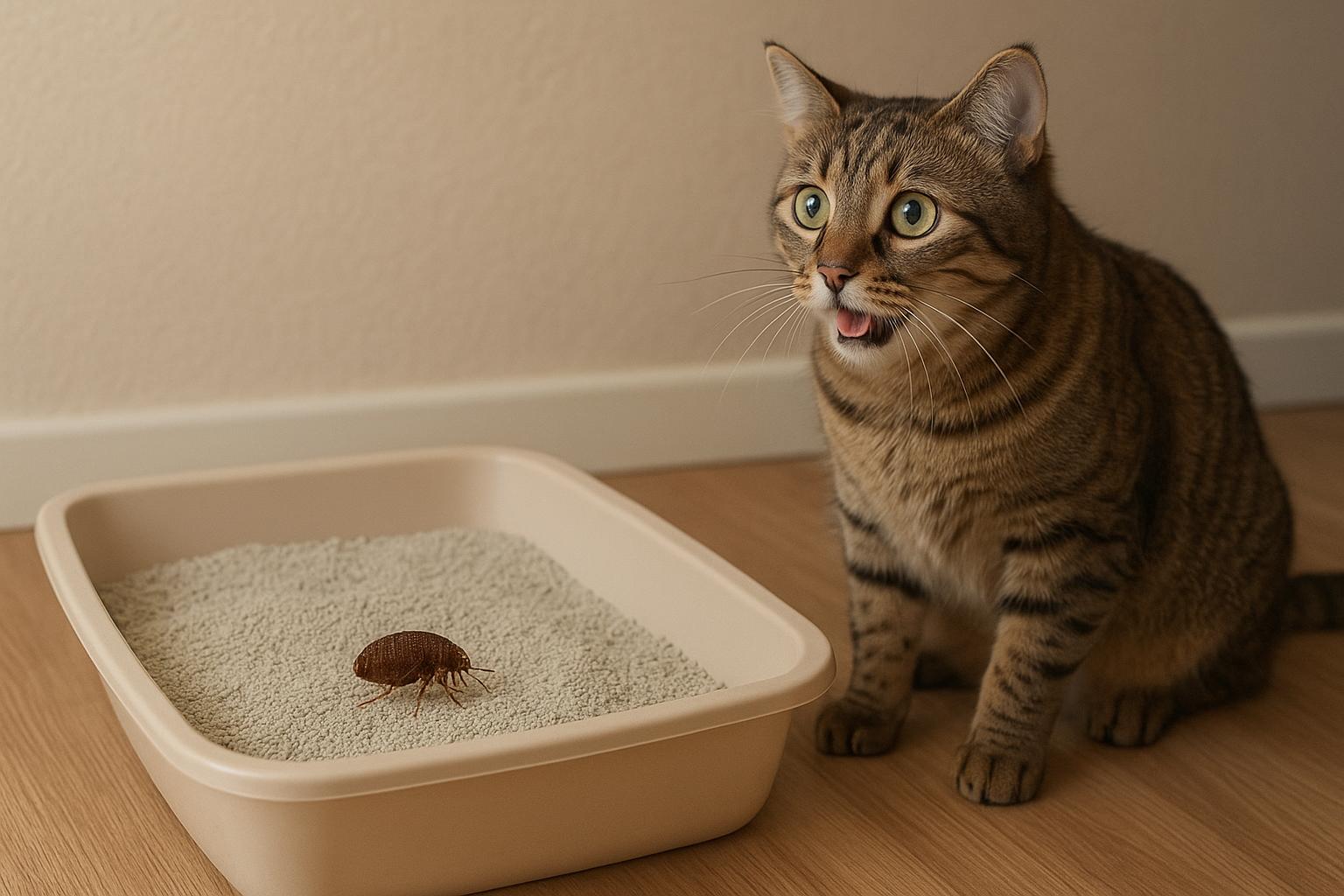
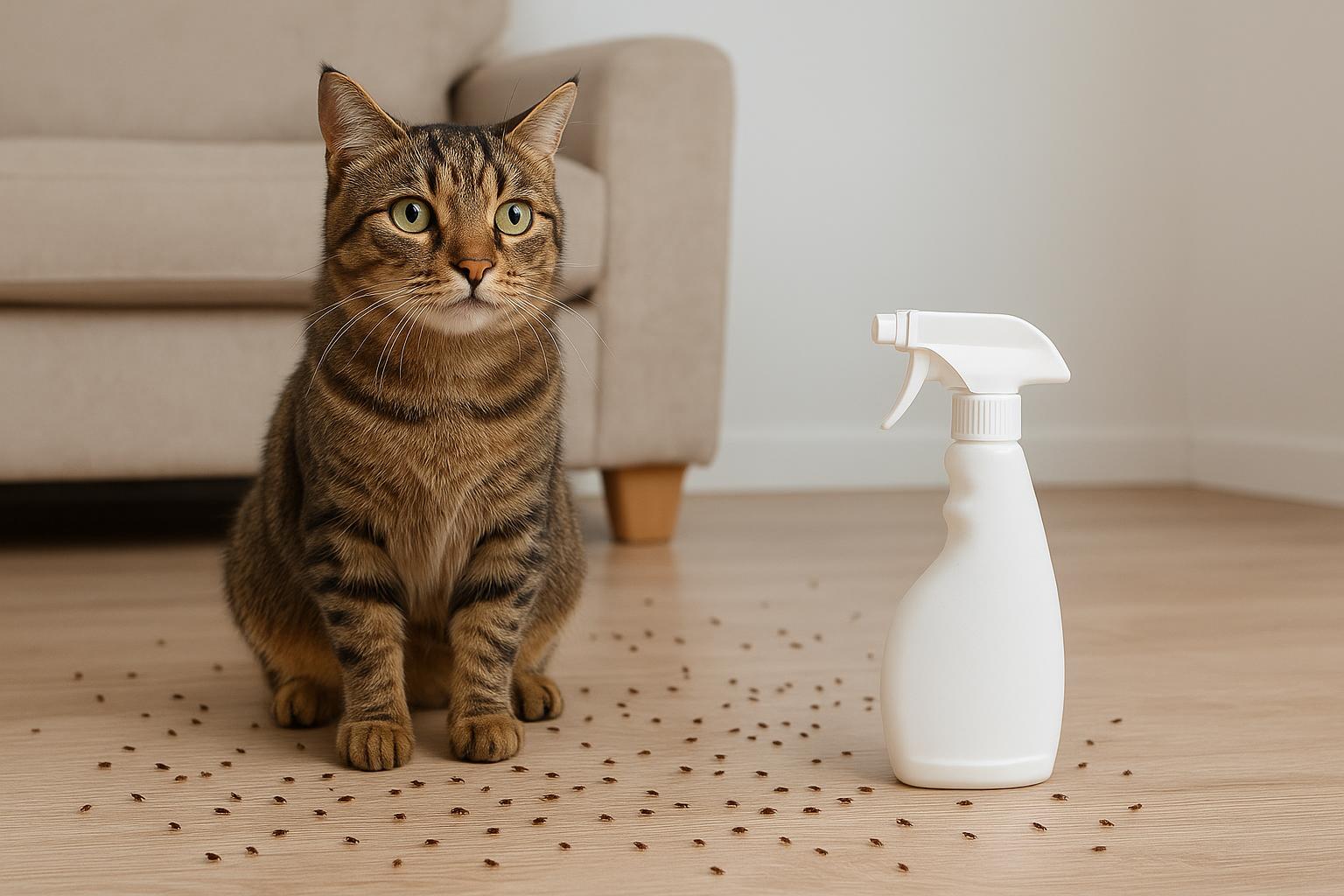
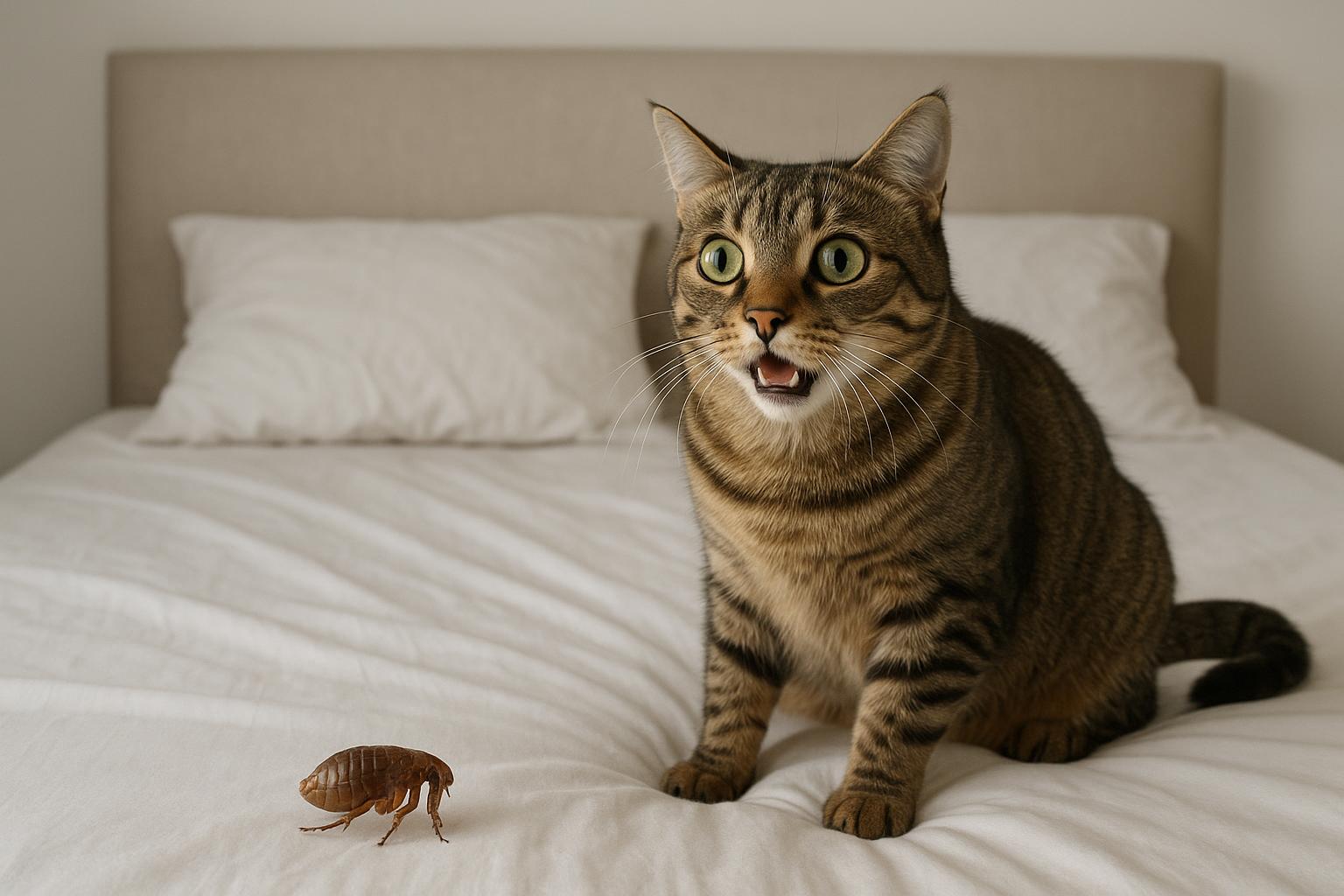
Flea eggs are tiny, pearly, and about the size of a grain of salt. Female fleas lay eggs on your cat, but the eggs aren’t sticky — they tumble off into the environment. In the yard, eggs settle into grass, leaf litter, or under porches. Eggs typically hatch in 2–14 days depending on temperature and humidity. If you find flea eggs, remember that this is the beginning of the cat flea lifecycle — easy to miss but easy to target with sanitation and vacuuming.
### Larva Stage
Larvae look like tiny, whitish worms that avoid light and feed on organic debris — including adult flea feces (which are basically digested blood). Larvae prefer moist, cool microhabitats: under shrubs, inside tall grass, and in shaded soil pockets. They develop over 5–20 days, again depending on conditions. Because larval fleas need organic matter and dark microclimates, cleaning up yard debris and relocating pet resting spots can make your property less hospitable.
### Pupa Stage
The pupa is the cocoon stage, fully enclosed and protected by a sticky silk covering. Pupae can remain dormant for weeks or even months waiting for a cue — vibrations, carbon dioxide, or warmth that signals a host is near. This delay makes the pupa stage the trickiest part of controlling fleas because they emerge when conditions suddenly suit them. That quiescent period complicates the cat flea lifecycle and is why sudden flare-ups happen after a rainy spell or when animals return from a trip.
### Adult Stage
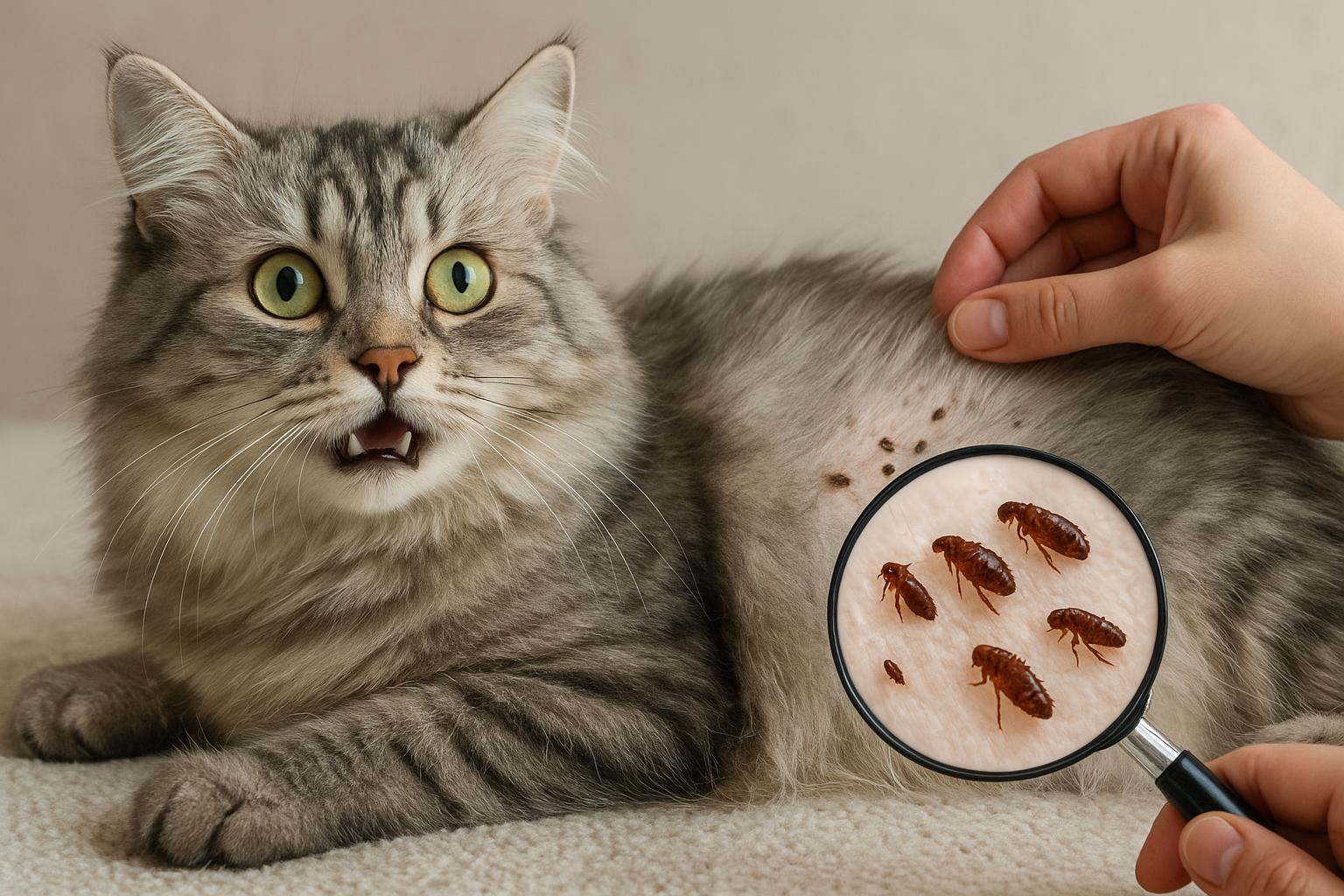
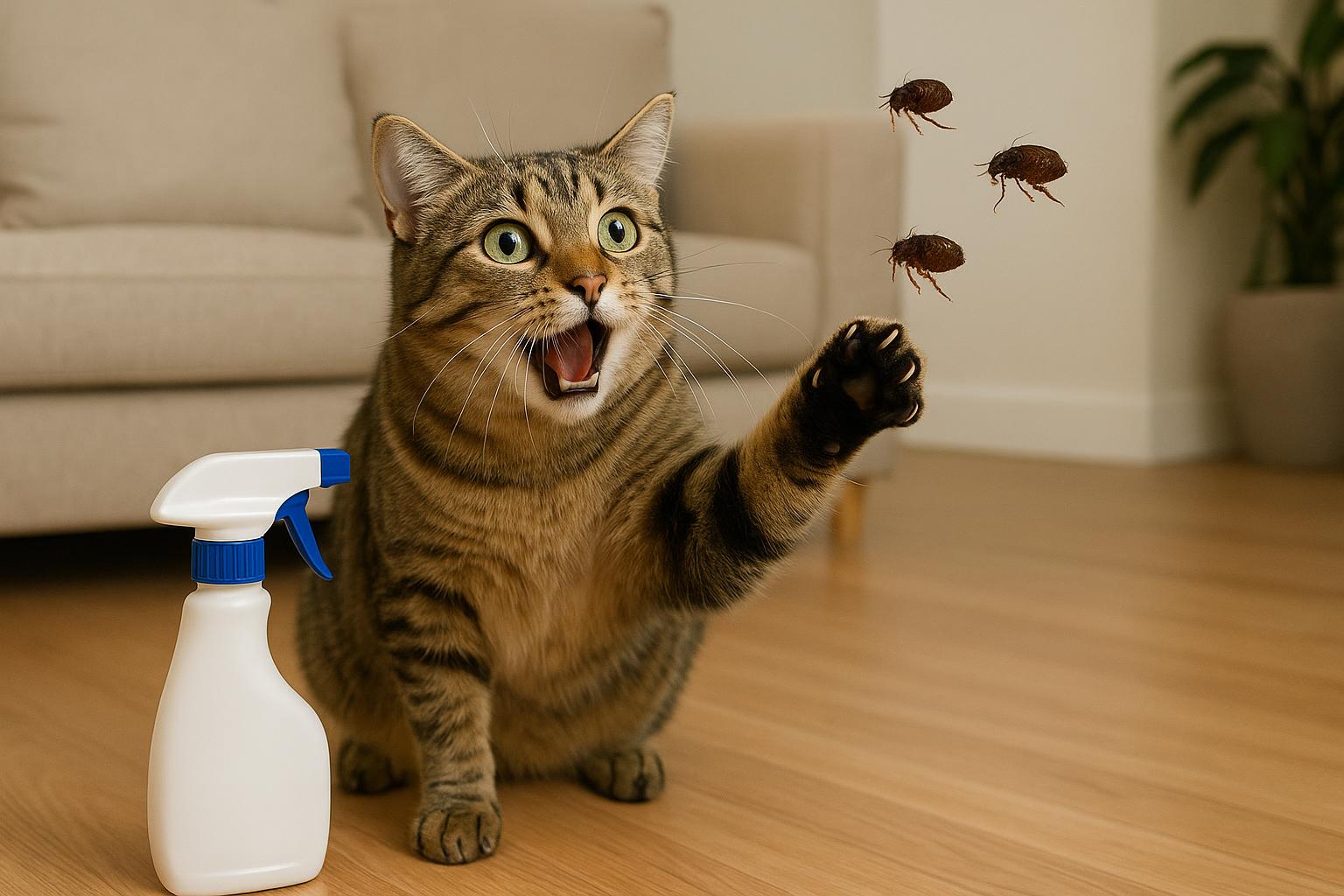
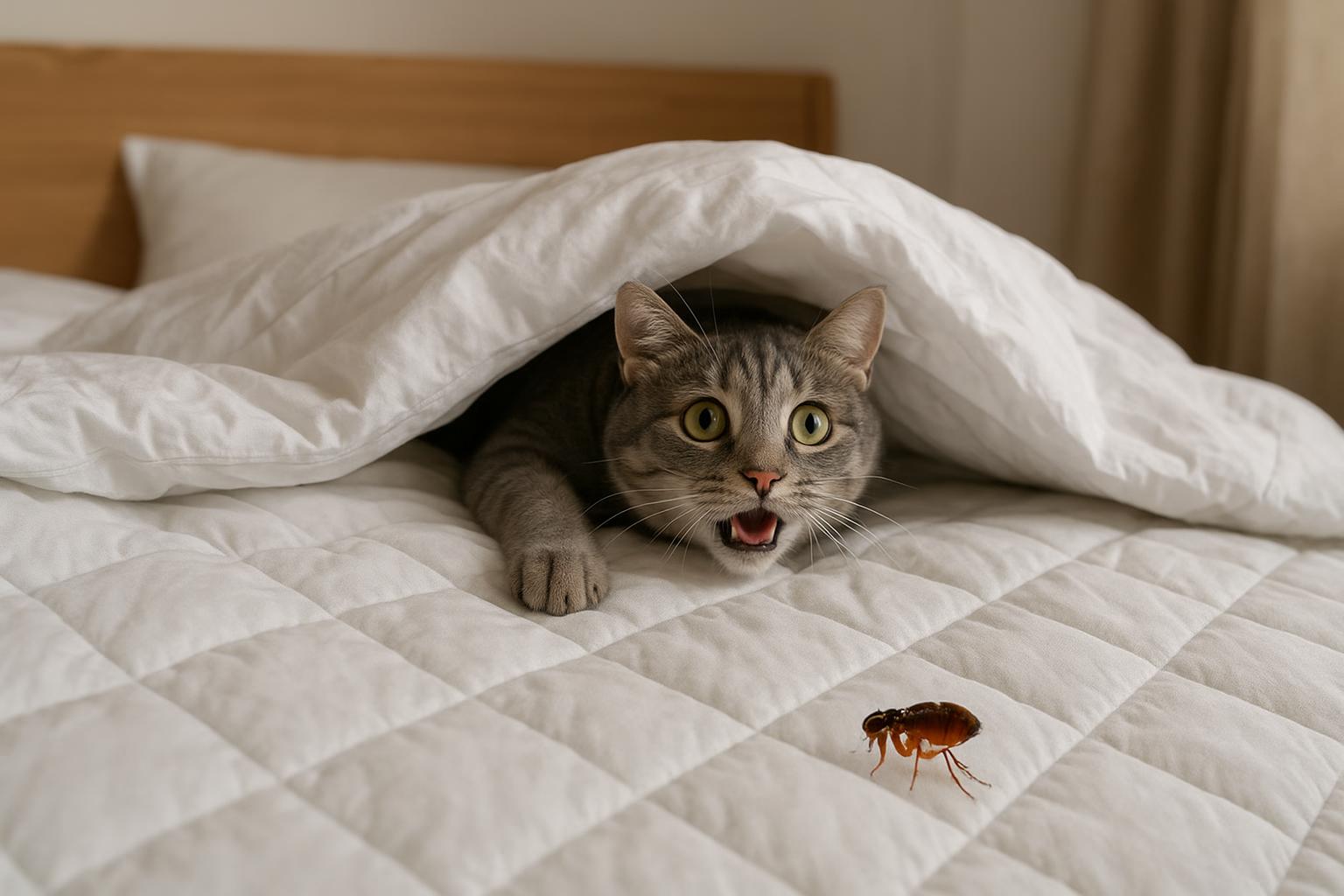
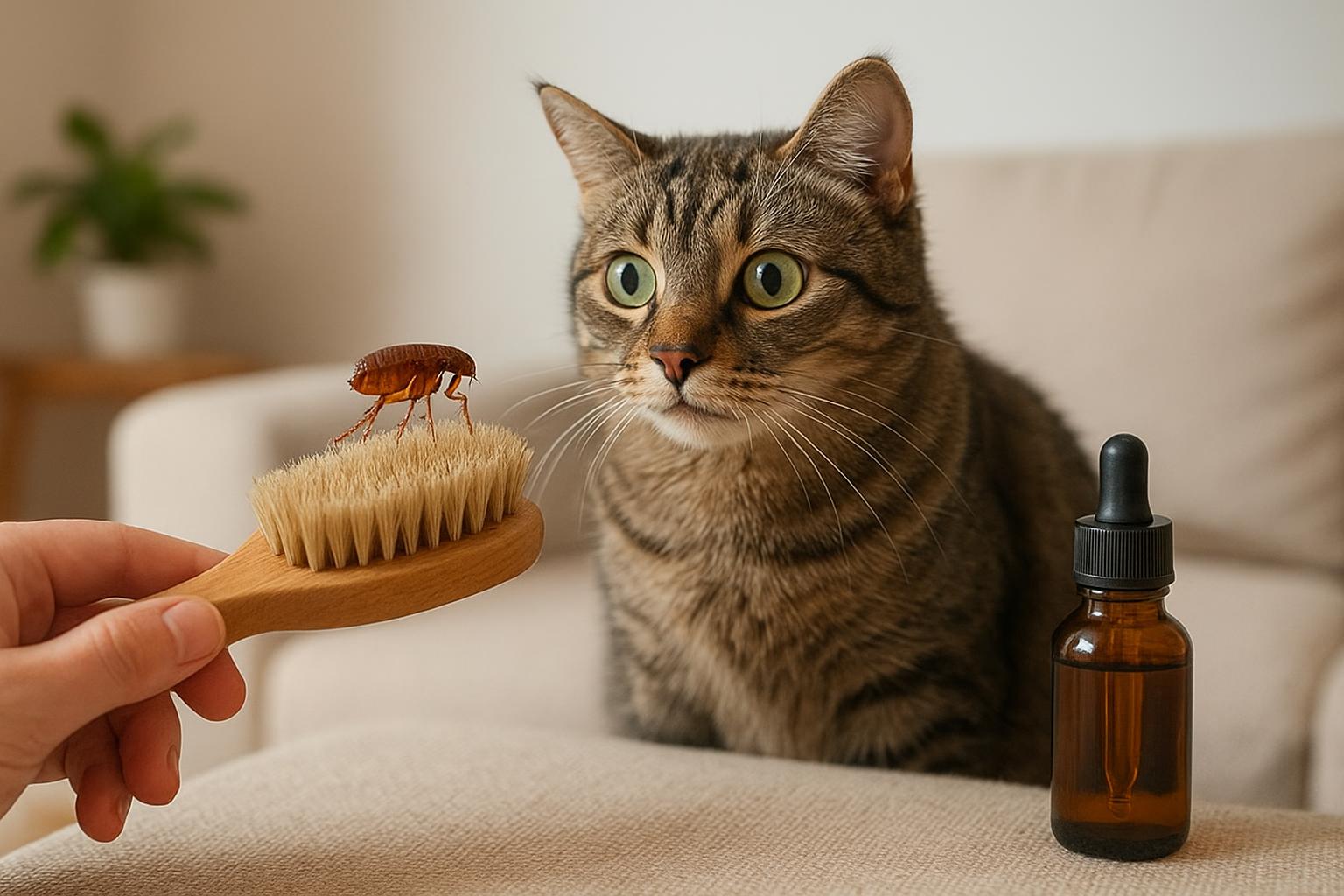
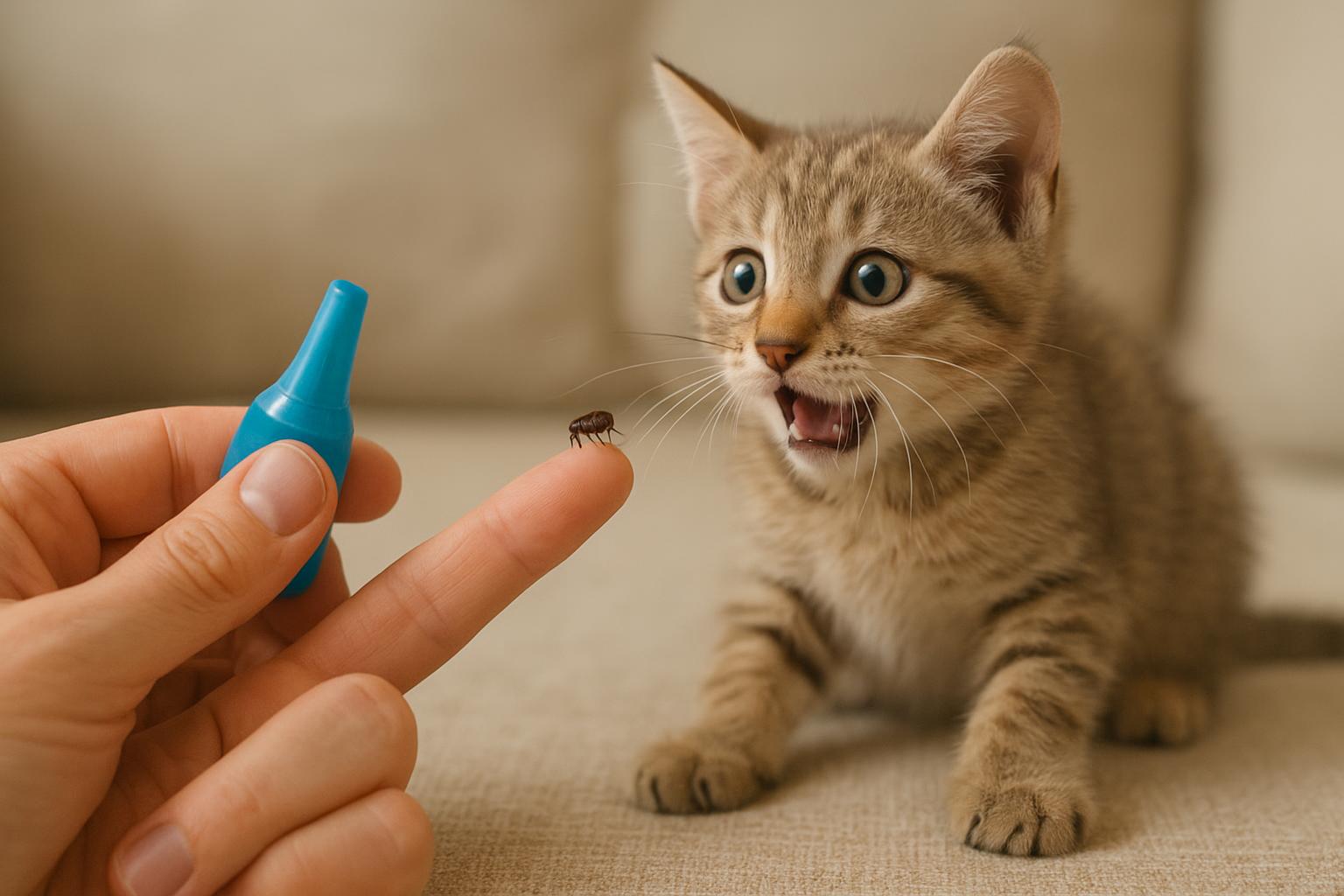
Once an adult flea emerges, it has a single-minded drive: find a host, feed, and reproduce. Adult females begin laying eggs within 24–48 hours of their first full blood meal. Adults can live for several weeks on a host if uninterrupted. The faster you interrupt feeding and reproduction, the quicker you break the cat flea lifecycle in your yard and home.
## How Your Backyard Environment Encourages Fleas
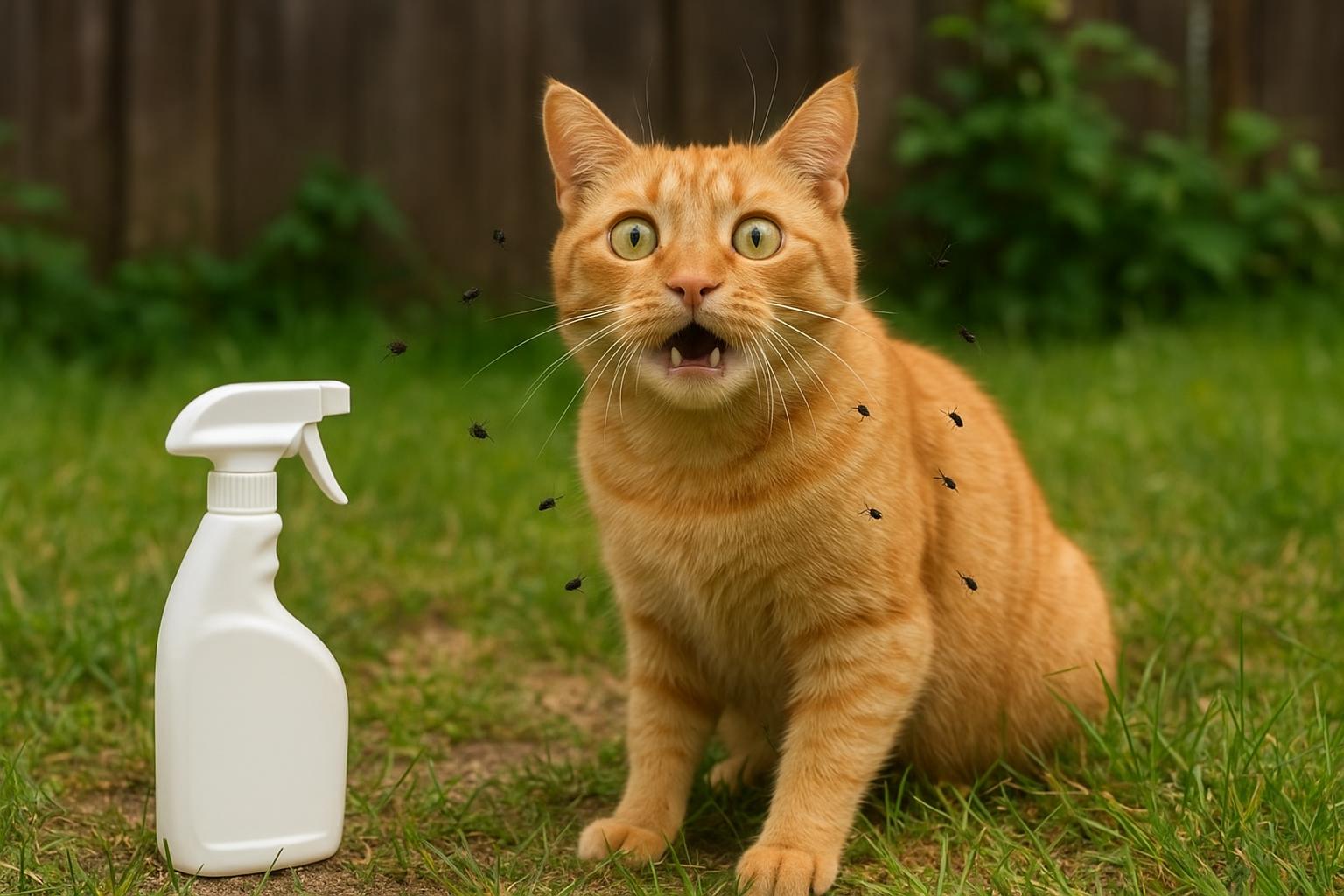
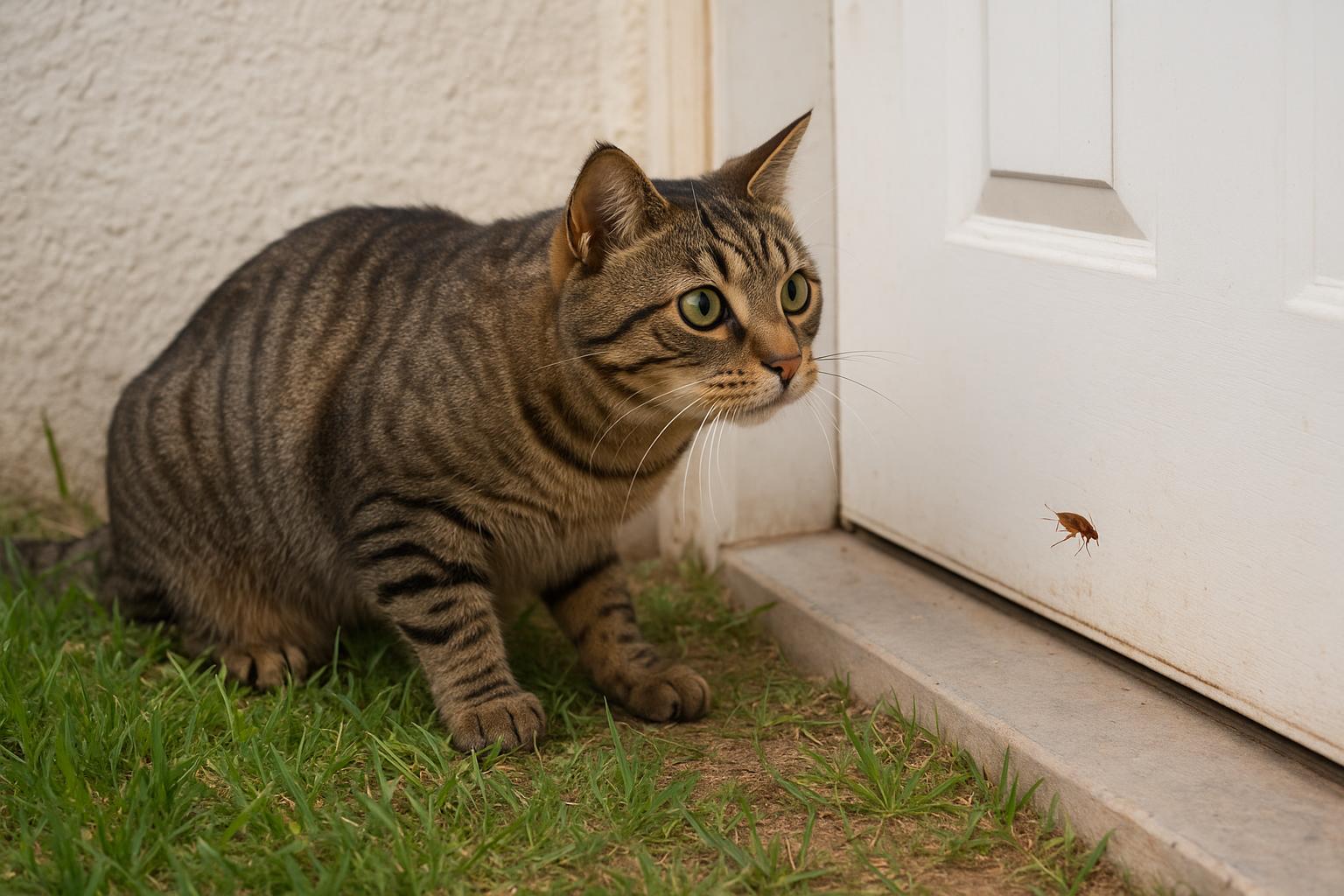
Fleas favor microclimates — small pockets of shade and moisture within your yard that protect juvenile stages. Leaf litter, tall grass, yards with heavy shade, and areas where pets nap (like under trees or along foundation walls) are prime flea nurseries. Organic debris equals food for the larvae, and shaded warm areas mean faster development. Even neighbors’ cats and wildlife can reintroduce fleas, so think of your yard as part of a neighborhood ecosystem rather than a sealed unit.
### Hotspots To Check
Pay attention to pet pathways, under decks, inside dog houses, and along hedgerows. Also check patios, furniture cushions, and any fabric that pets use outdoors. These are the places the various stages of the cat flea lifecycle congregate.
#### Under Decks And Leaf Litter
Clearing a few inches of leaf litter, trimming tall grass, and improving sunlight penetration can drastically reduce suitable habitat for eggs and larvae.
#### Pet Bedding And Outdoor Soft Furnishings
Washable pads and cushions should be laundered frequently in hot water. Replace or move bedding temporarily while you treat the yard.
## Remedy 1: Diatomaceous Earth Yard Treatment
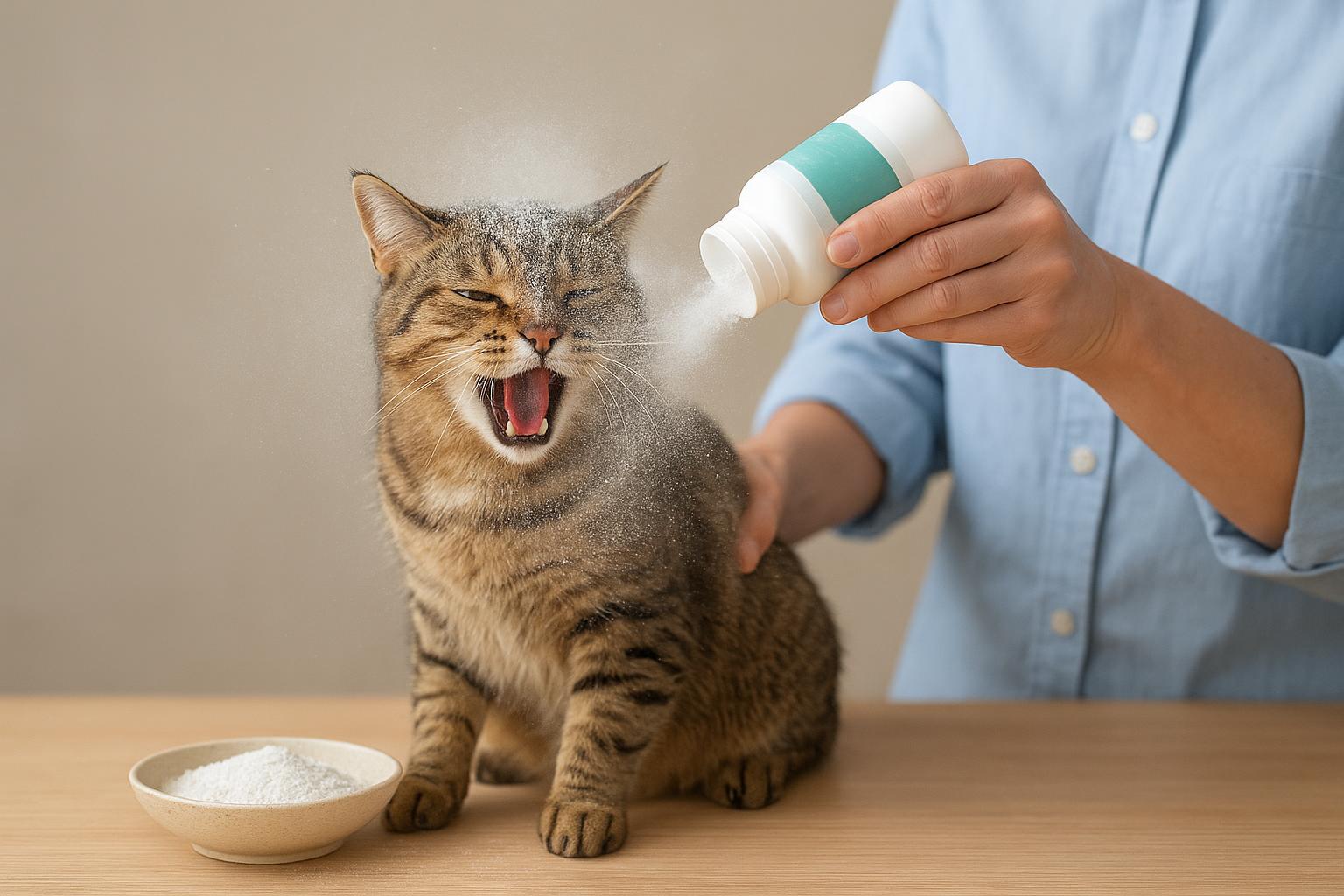
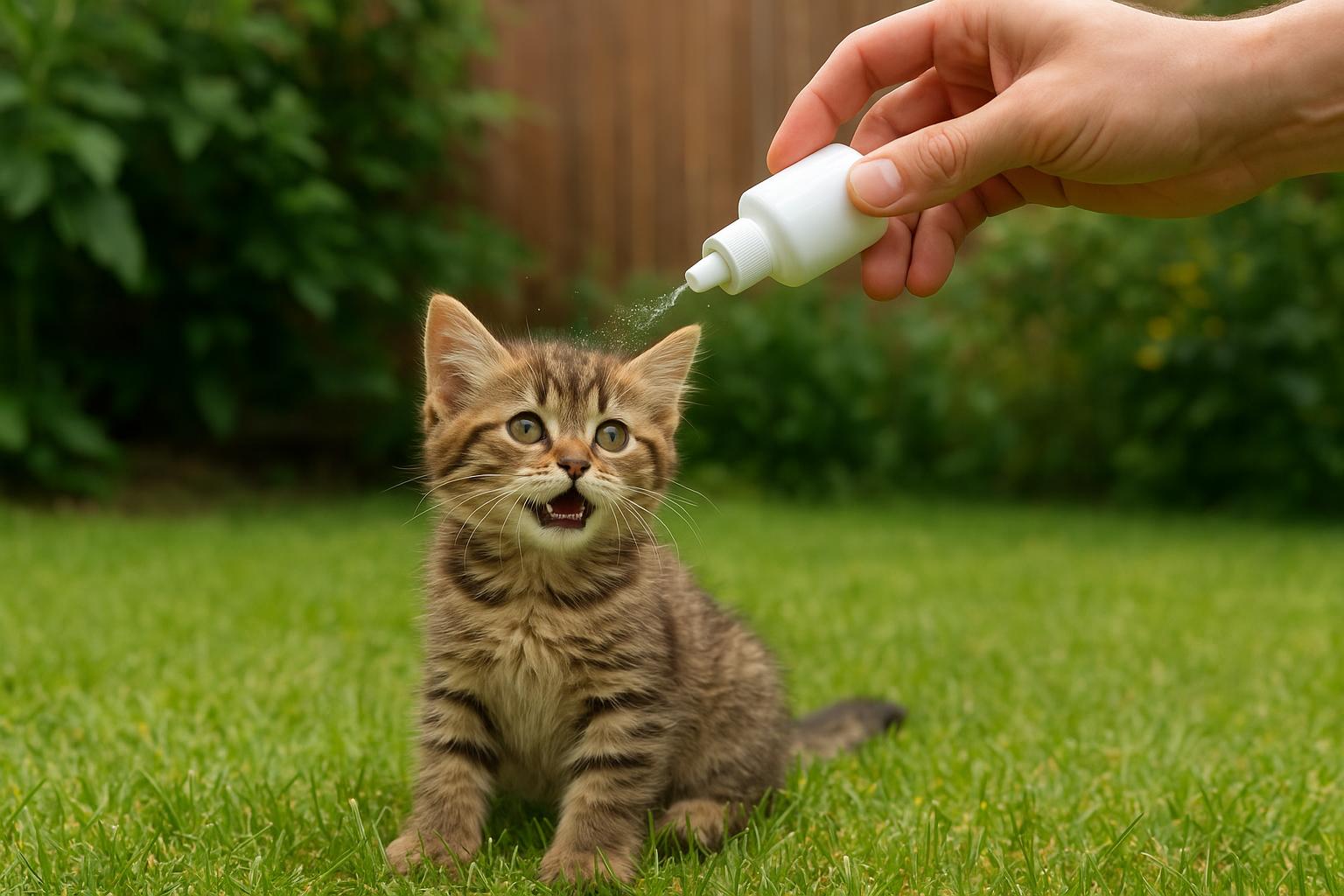
Diatomaceous earth (food-grade) is a mechanical insecticide that dehydrates insects and can be effective against flea larvae and adults in dry conditions. This remedy targets off-host stages in the cat flea lifecycle and is best used as part of a broader plan.
Materials And Ingredients
– Food-grade diatomaceous earth (DE)
– Protective gloves and N95 mask (to avoid inhalation)
– Long-sleeve clothing and eye protection
– A hand spreader or shaker jar for even application
– Broom, leaf rake, or blower
– Vacuum for indoor follow-up
Step-By-Step Application
1. Survey the yard and identify shady, moist hotspots and pet resting sites.
2. Rake or clear away excess leaf litter and tall grass to expose the soil surface; this reduces larval shelter and increases DE contact.
3. Put on gloves, mask, and eye protection. Keep pets and children away during application.
4. Lightly moisten very dry areas with a fine mist of water — not wet, just slightly damp. Very dry soil encourages DE to float; slightly damp conditions help it settle.
5. Evenly apply a thin layer of food-grade DE to targeted areas using a spreader or shaker jar. Focus on the perimeter of shady spots, under decks, and along animal pathways.
6. Reapply after heavy rain, or every 7–10 days for three applications to cover the typical emergence window of eggs and larvae.
7. Sweep or rake DE into shaded crevices where fleas are most likely to hide.
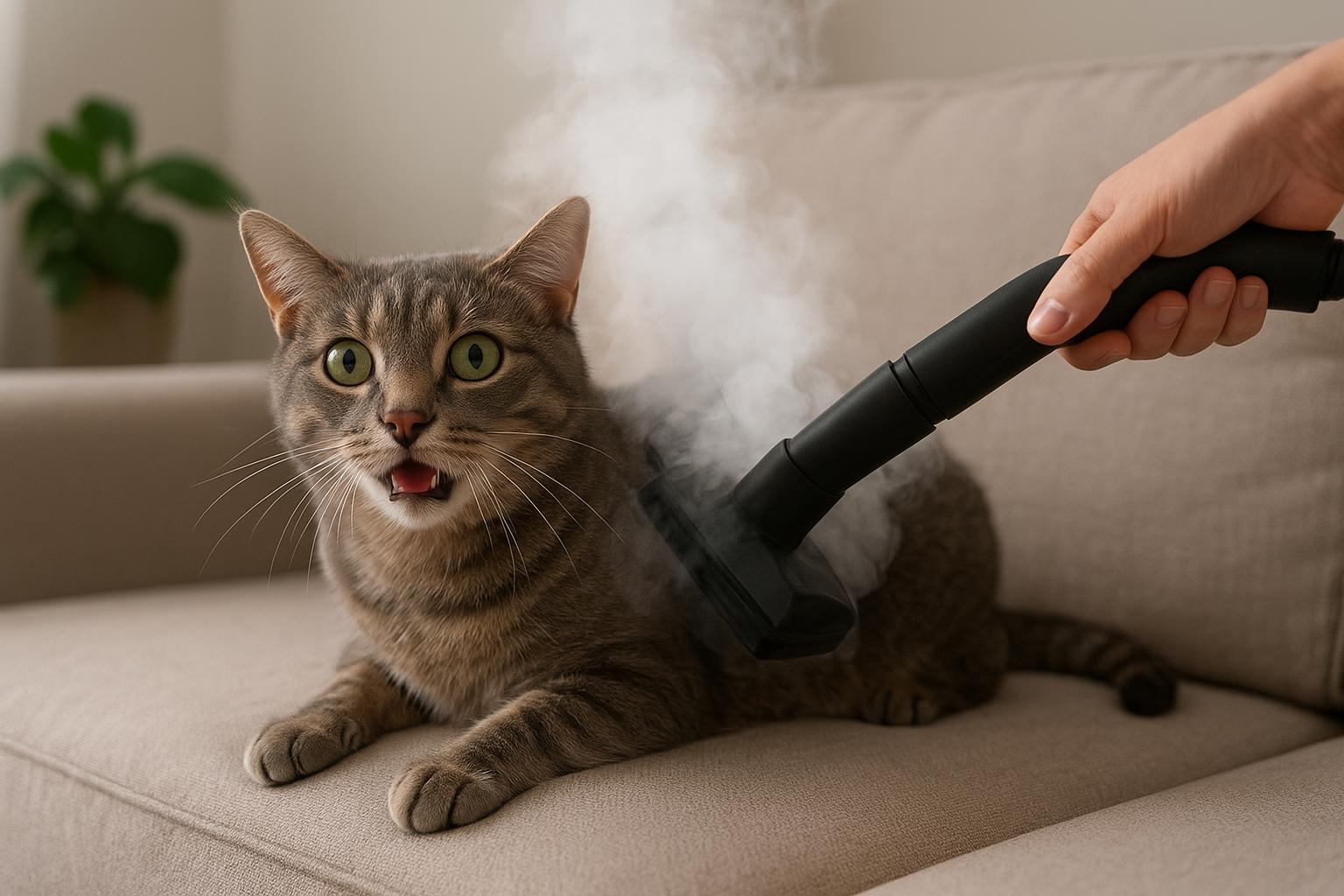
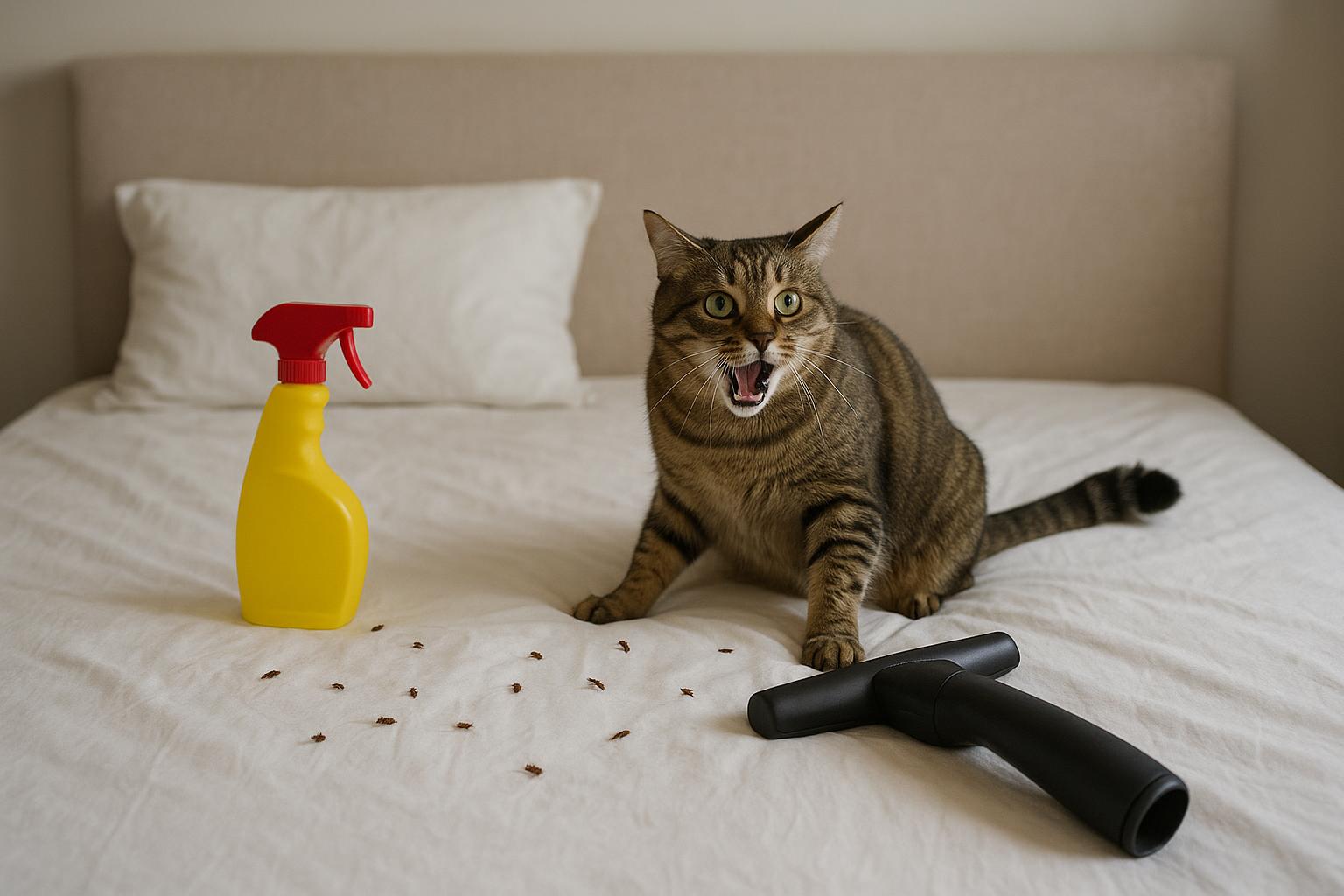
8. Indoors, vacuum carpets, pet beds, and furniture to physically remove eggs and larvae. Dispose of vacuum bag contents or empty canister to outdoors.
Safety Notes
– Use food-grade DE only; the filter-grade variety is not safe for pets or humans.
– Avoid inhaling DE dust; wear a mask and keep pets away until dust settles.
– DE is less effective in wet conditions and may require reapplication after rain.
## Remedy 2: Integrated Flea Management For Pets And Yard
An integrated approach combines pet-based treatments, environmental controls, and habitat modification to interrupt the cat flea lifecycle comprehensively. This formal plan focuses on breaking reproduction and reducing the immature stages in the environment.
Materials And Ingredients
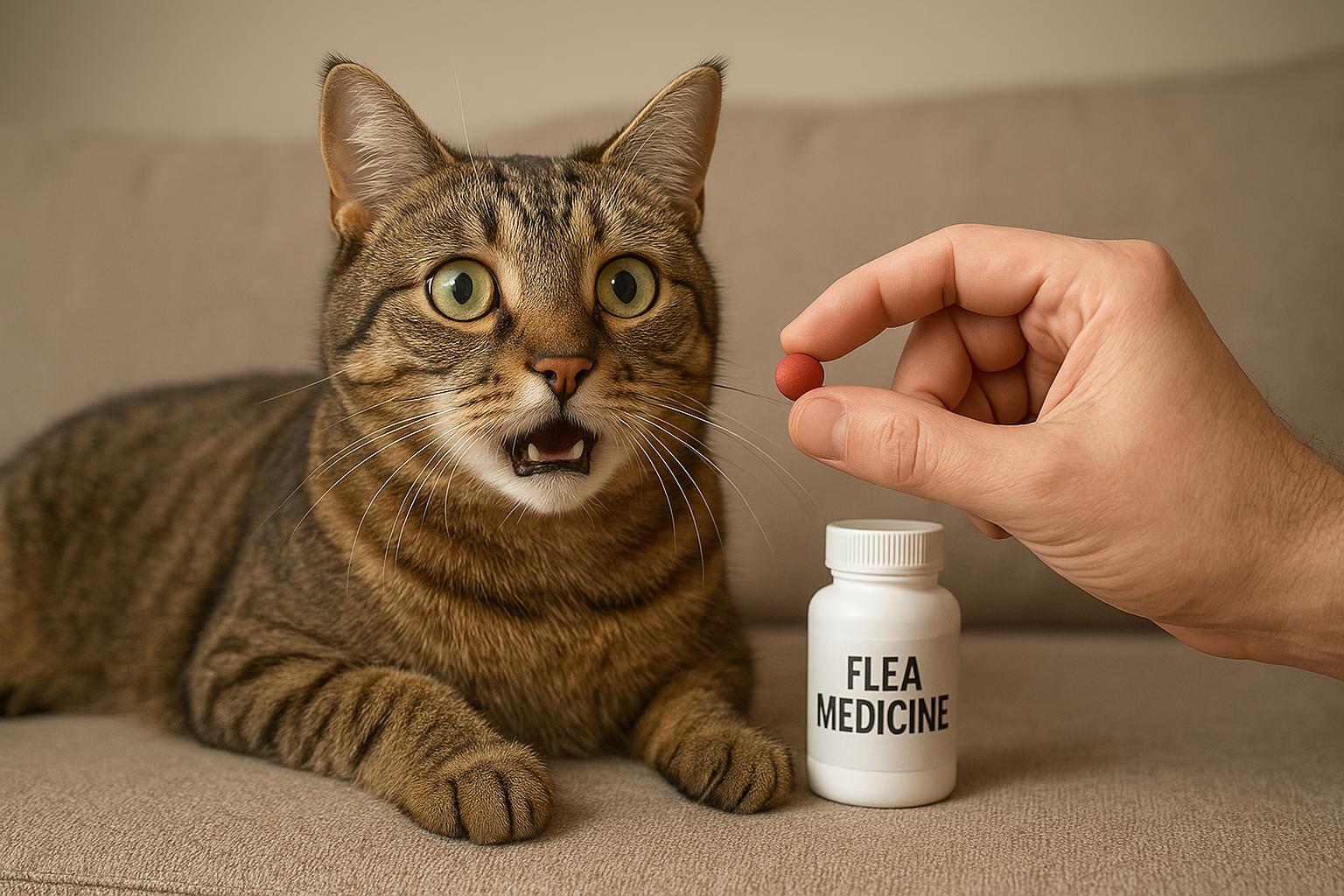
– Vet-recommended topical or oral flea control for pets (e.g., adulticide and IGR-containing product)
– Flea comb and pet shampoo (if bathing is recommended by your vet)
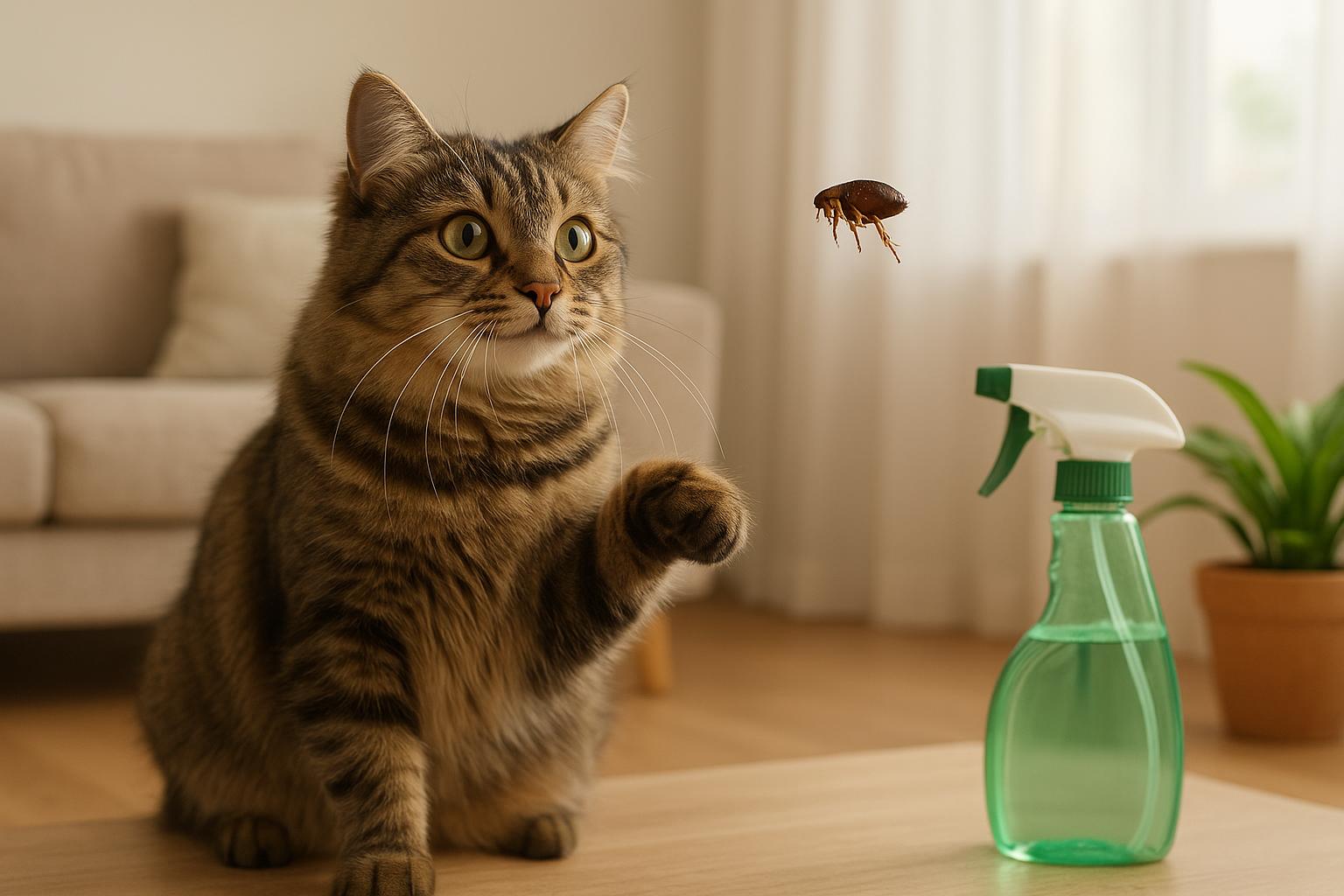
– Insect growth regulator (IGR) spray or yard granules labeled for fleas
– Garden sprayer or spreader for yard products
– Outdoor gloves, long sleeves, and eye protection
– Trash bags for debris removal
– Vacuum and laundry supplies for indoor cleanup
Step-By-Step Implementation
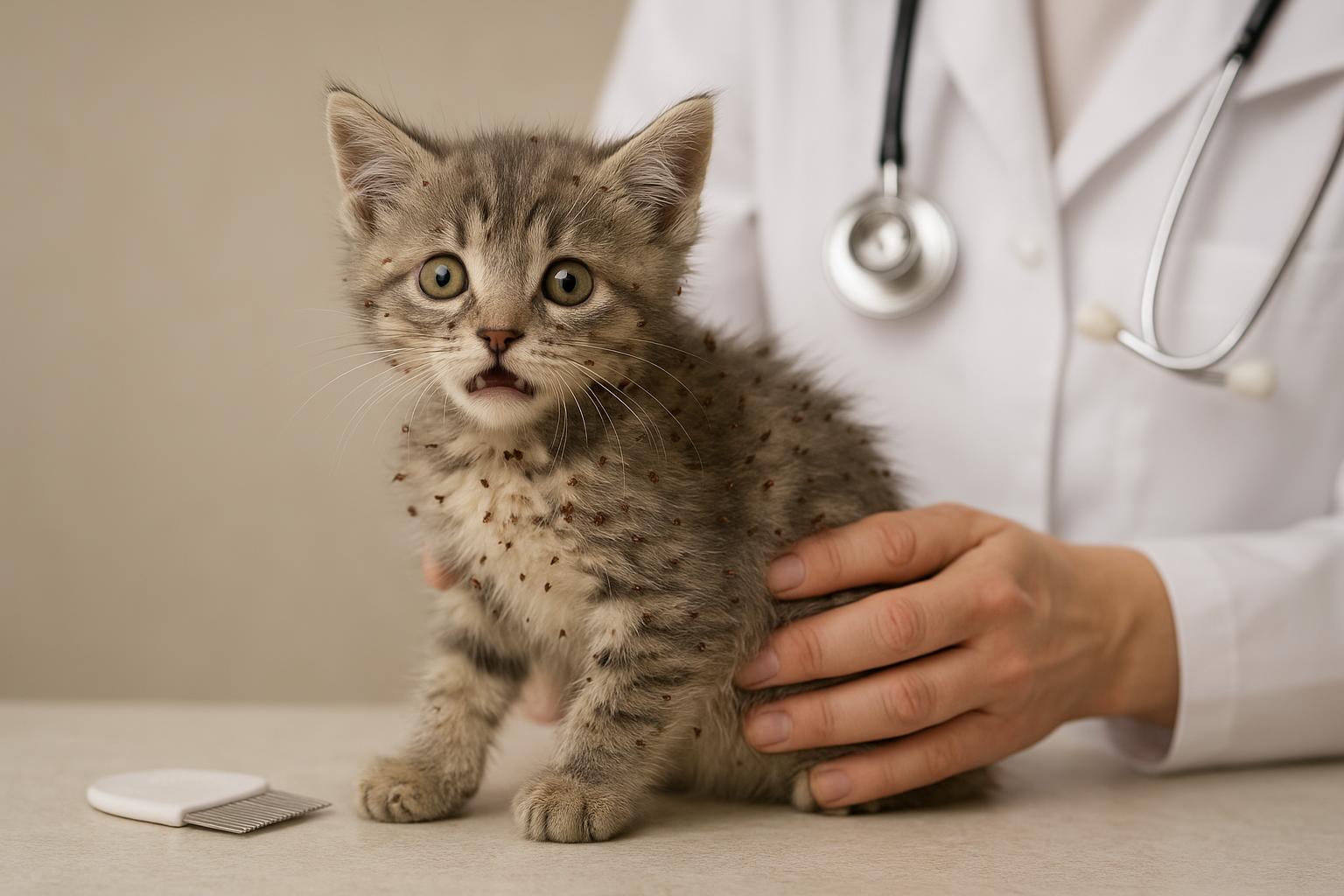
1. Consult Your Veterinarian
– Confirm a safe, effective flea control product for your cat(s). Some topical or oral products are prescribed specifically for cats and differ from dog products.
– Ask about combining an adulticide with an IGR to stop reproduction.
2. Treat Pets As Directed
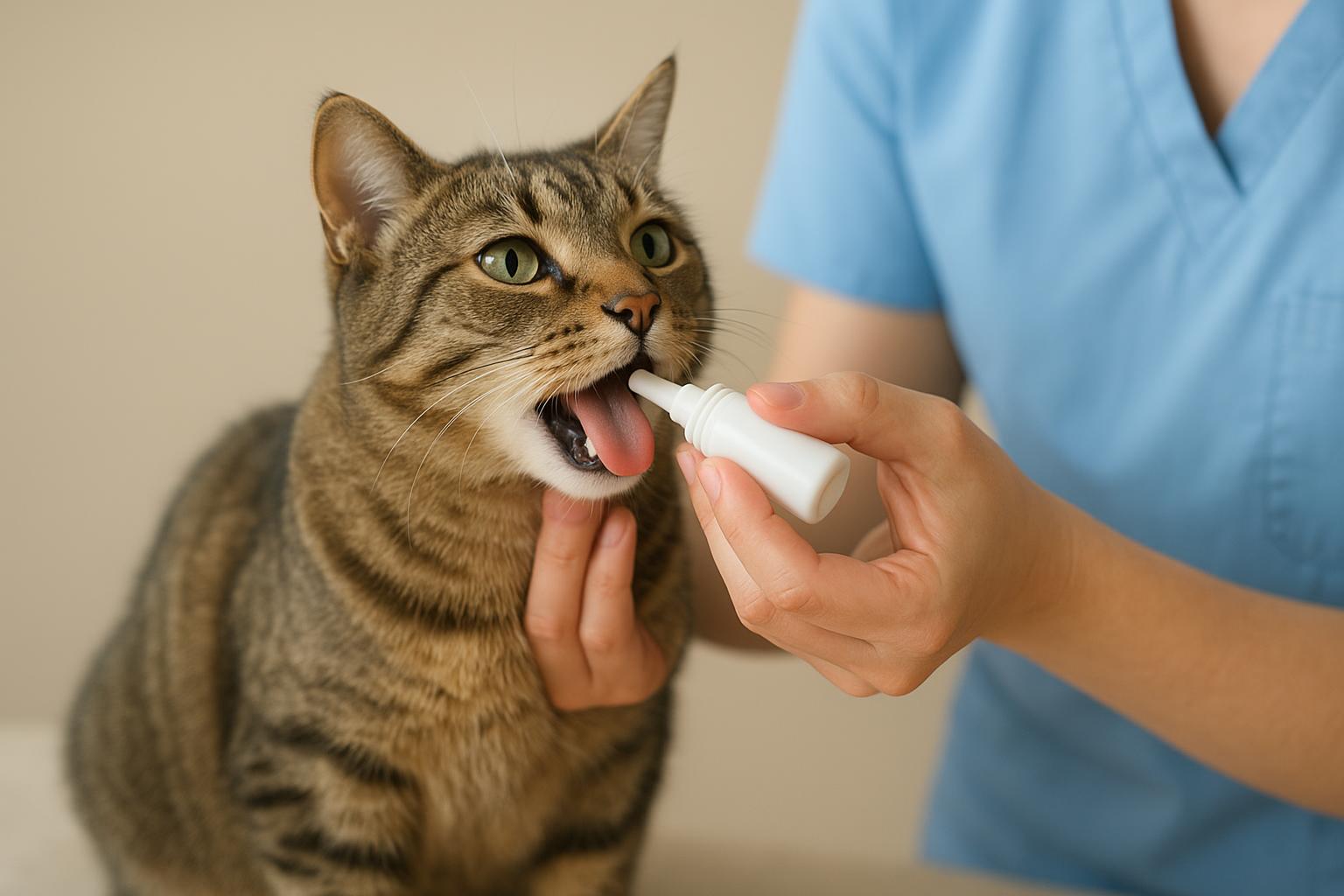
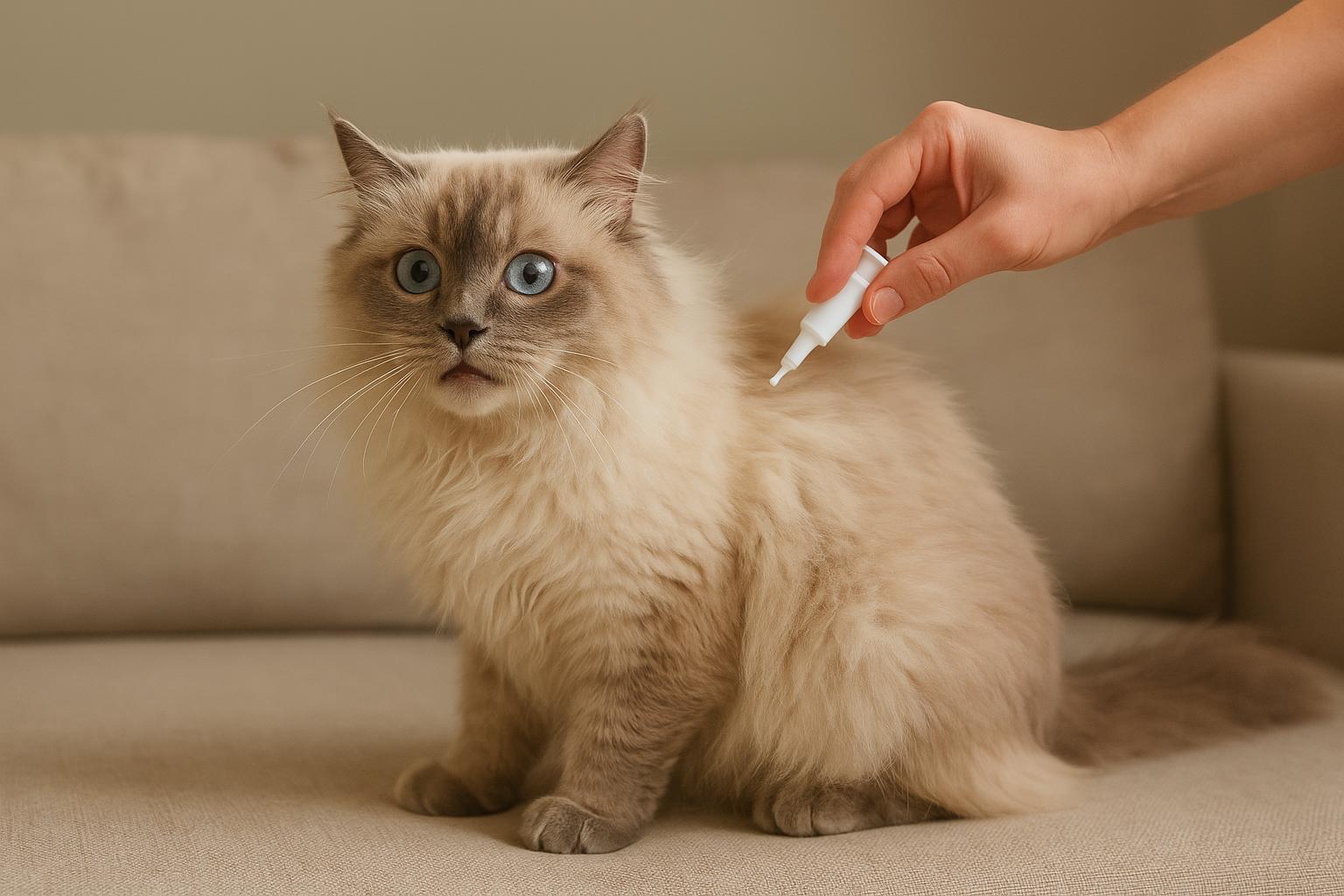
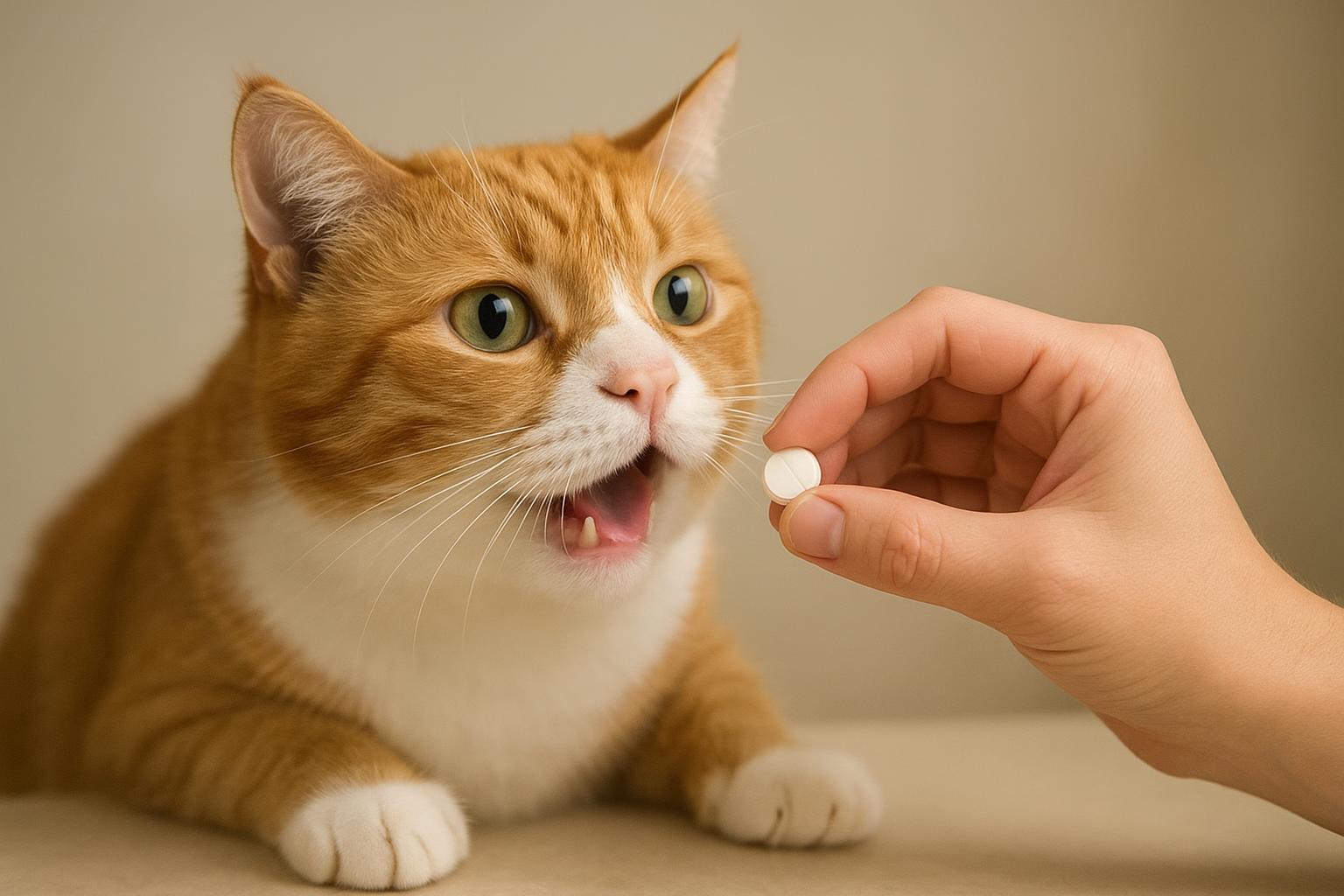
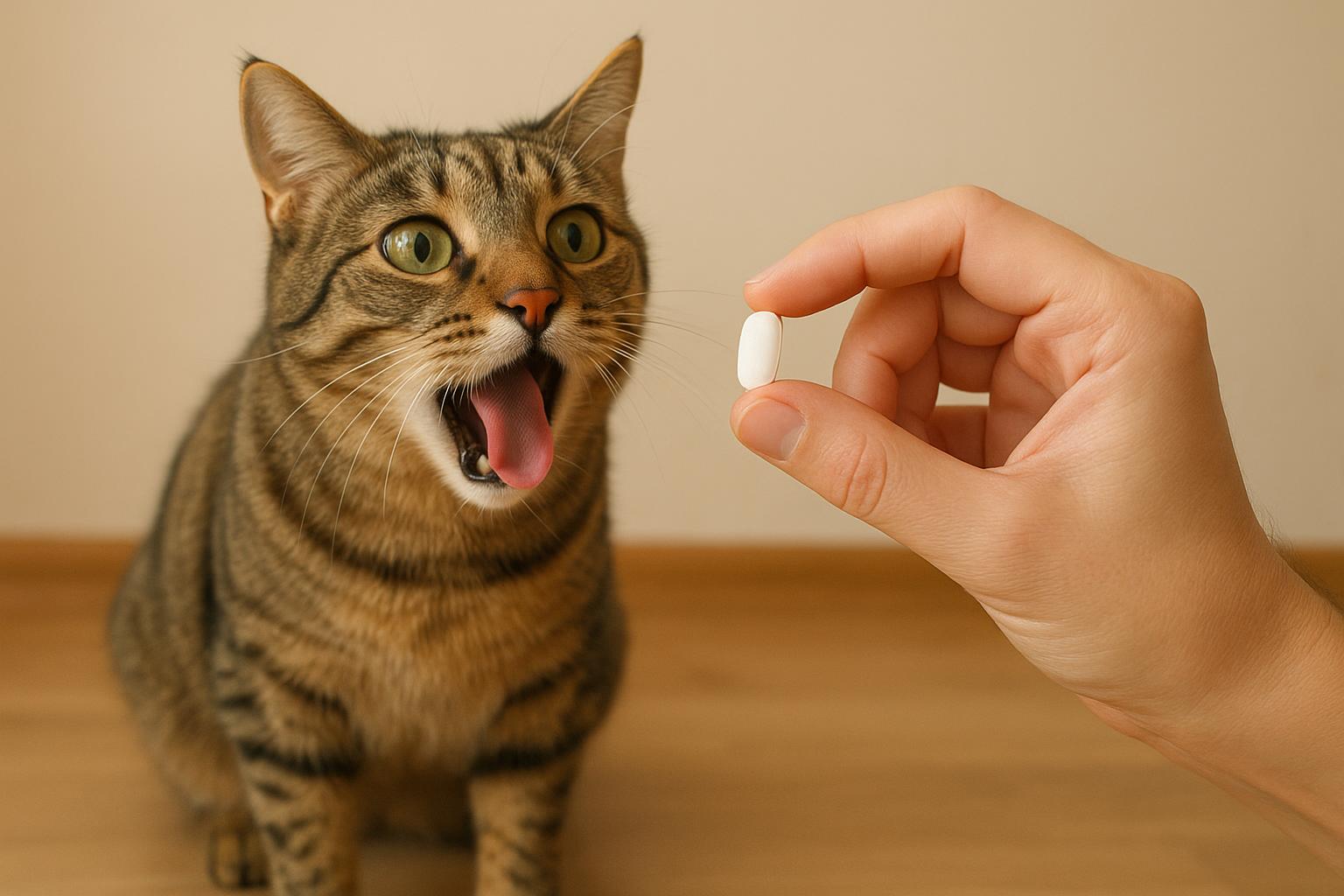
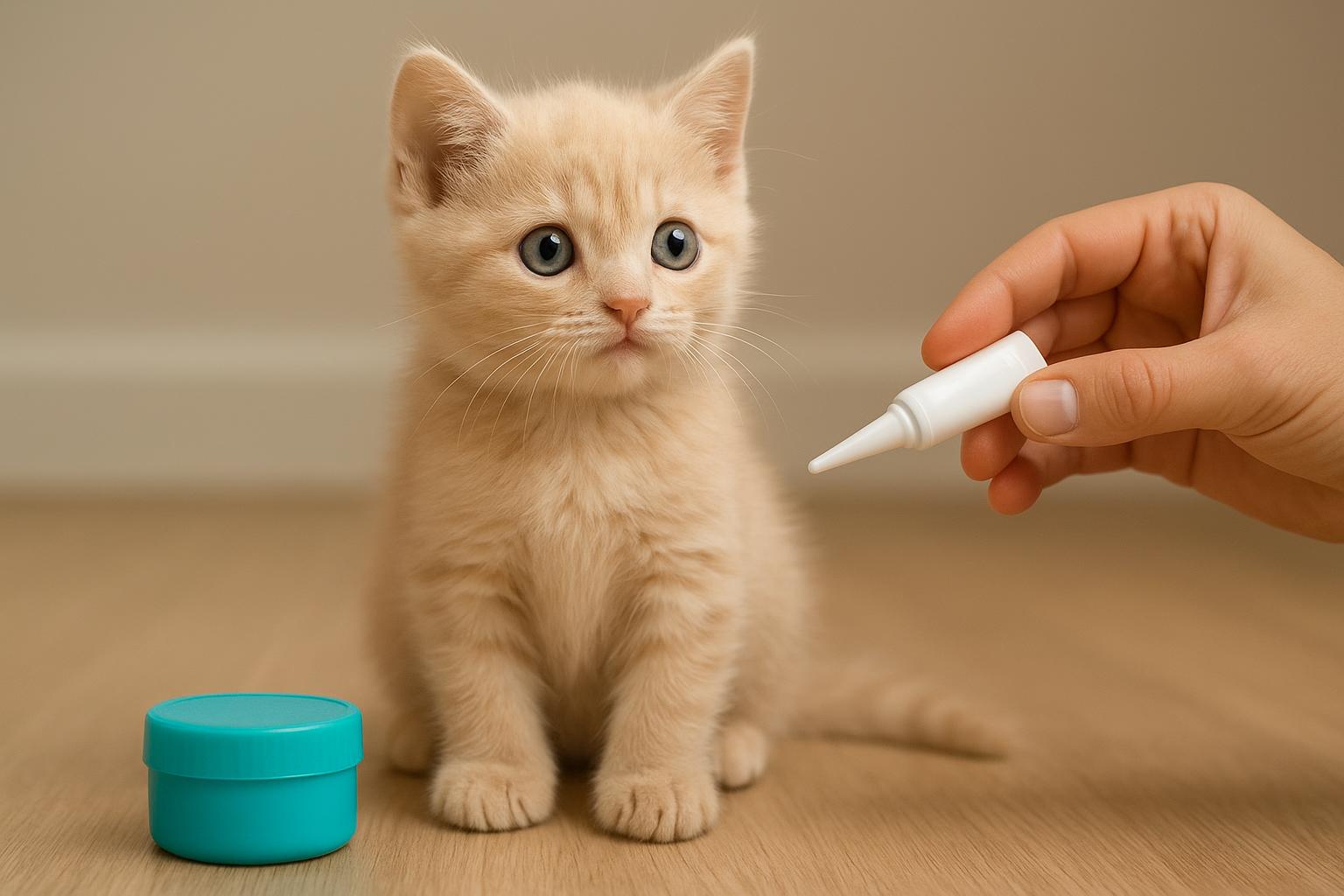
– Administer regular, vet-recommended flea control on schedule. This reduces adult fleas on the host and prevents egg-laying.
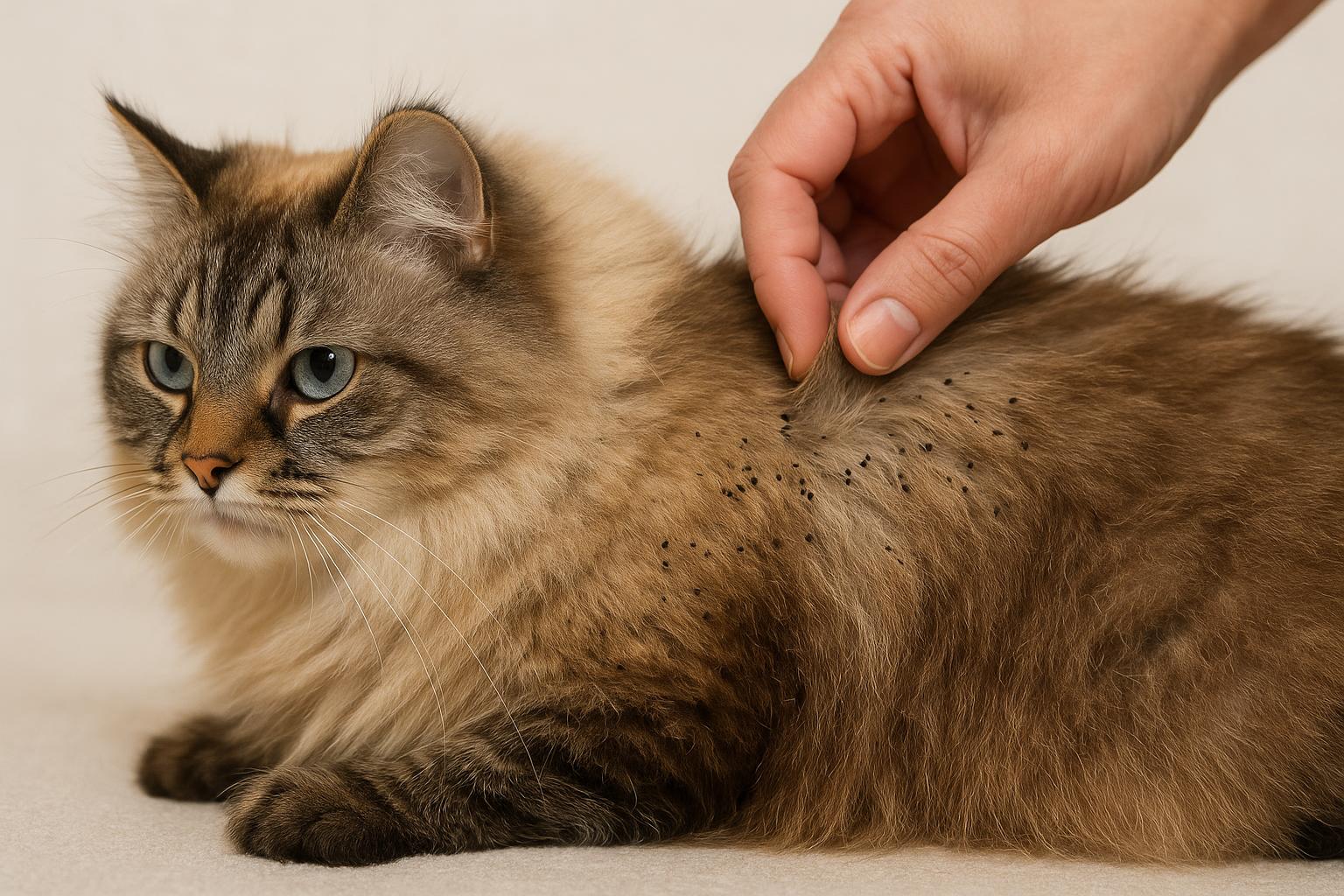
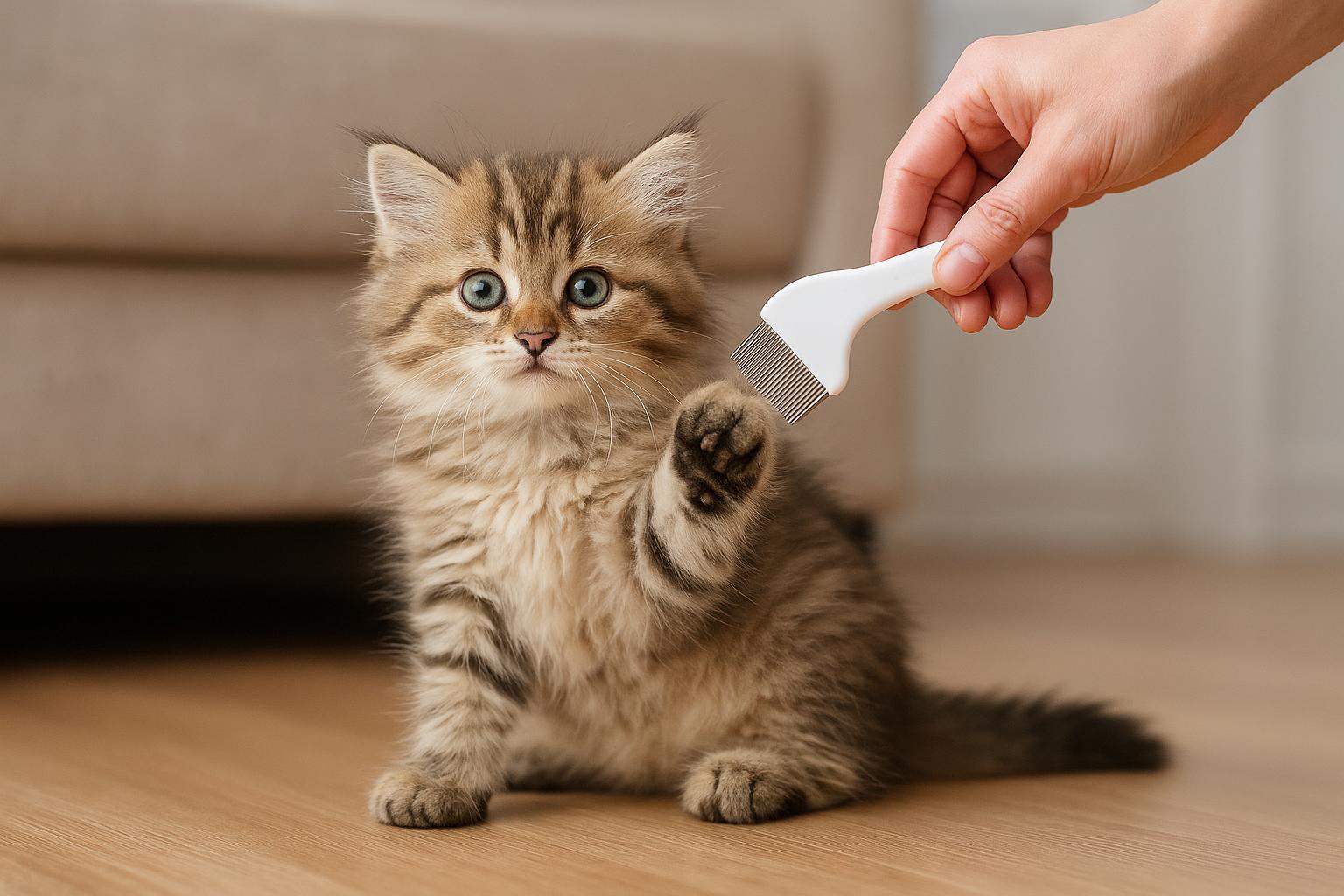
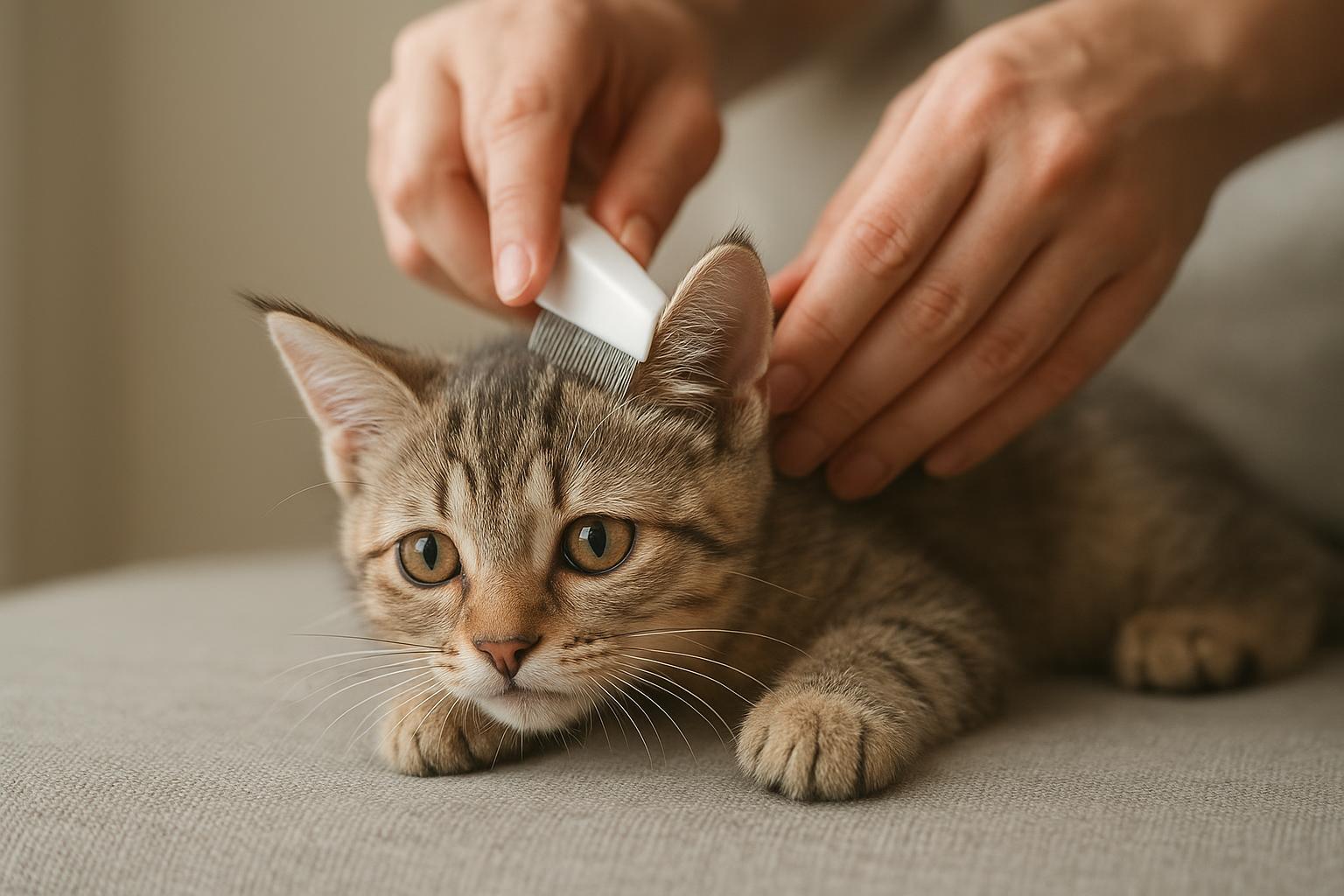
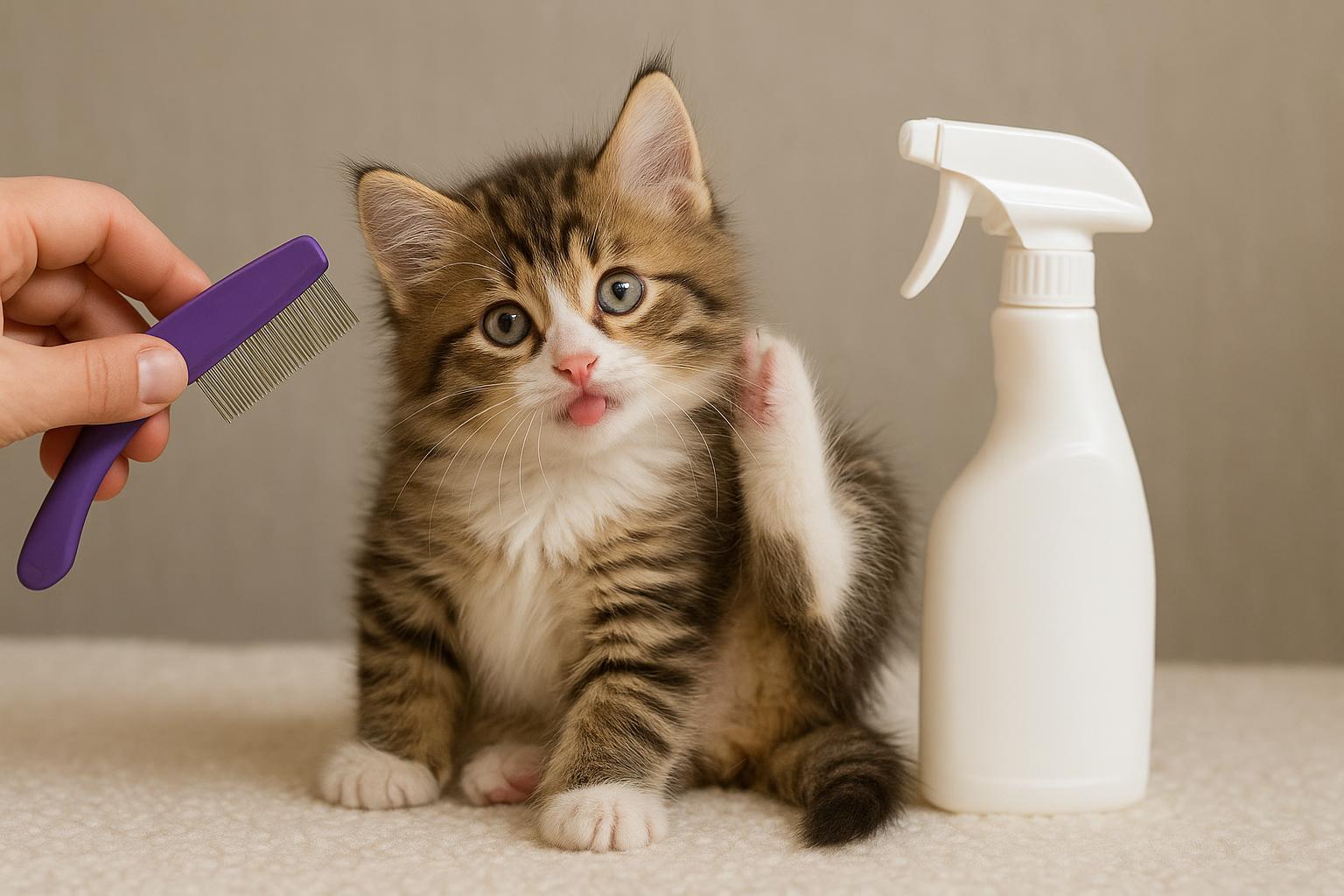
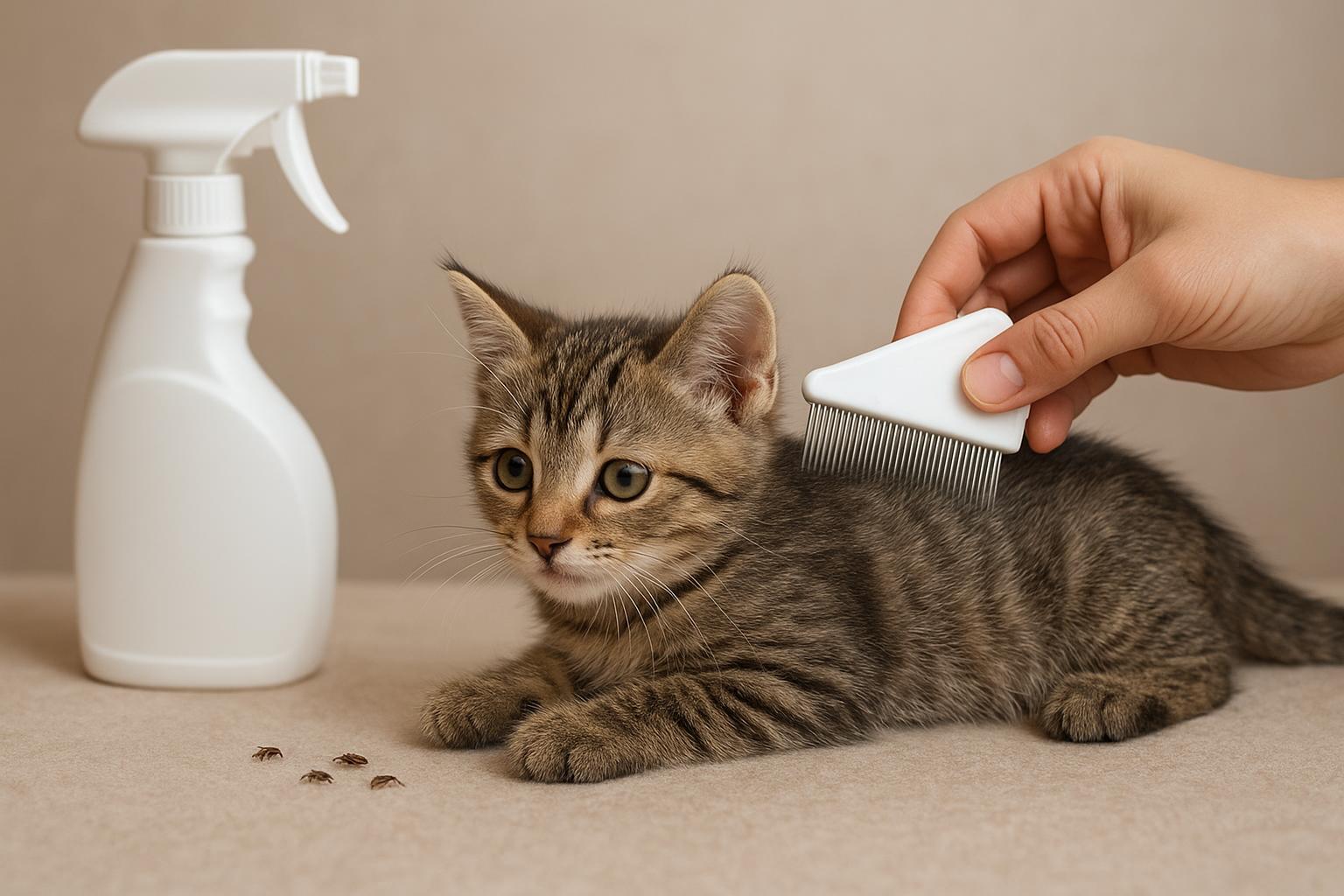
– Use a flea comb weekly to remove fleas and eggs, and bathe only if the product and vet advise it.
3. Clean High-Use Areas
– Wash pet bedding and outdoor cushions in hot water weekly.
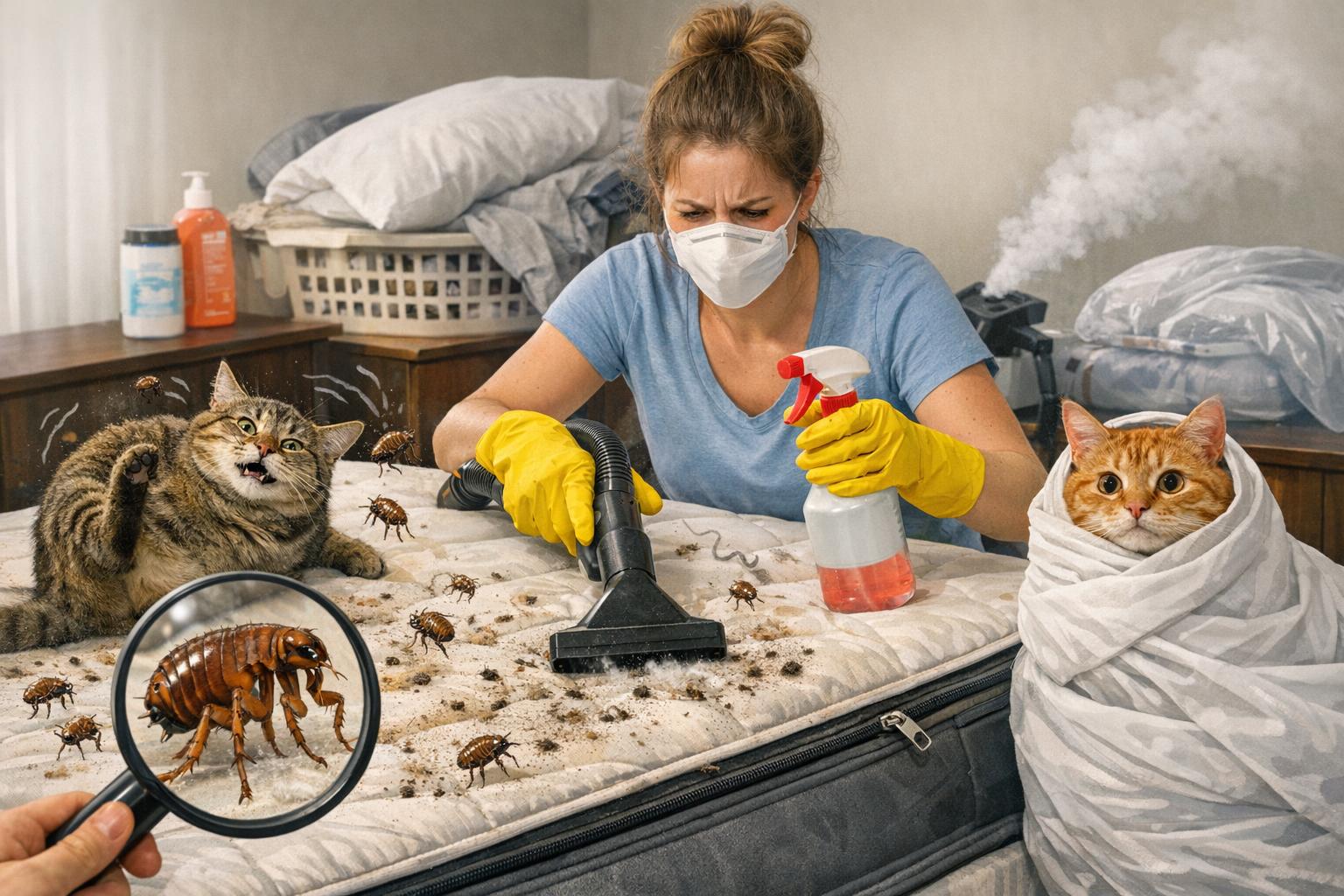
– Vacuum indoor areas daily during active infestations to remove eggs and larvae; empty contents outdoors.
4. Apply Yard IGR And Targeted Adulticides
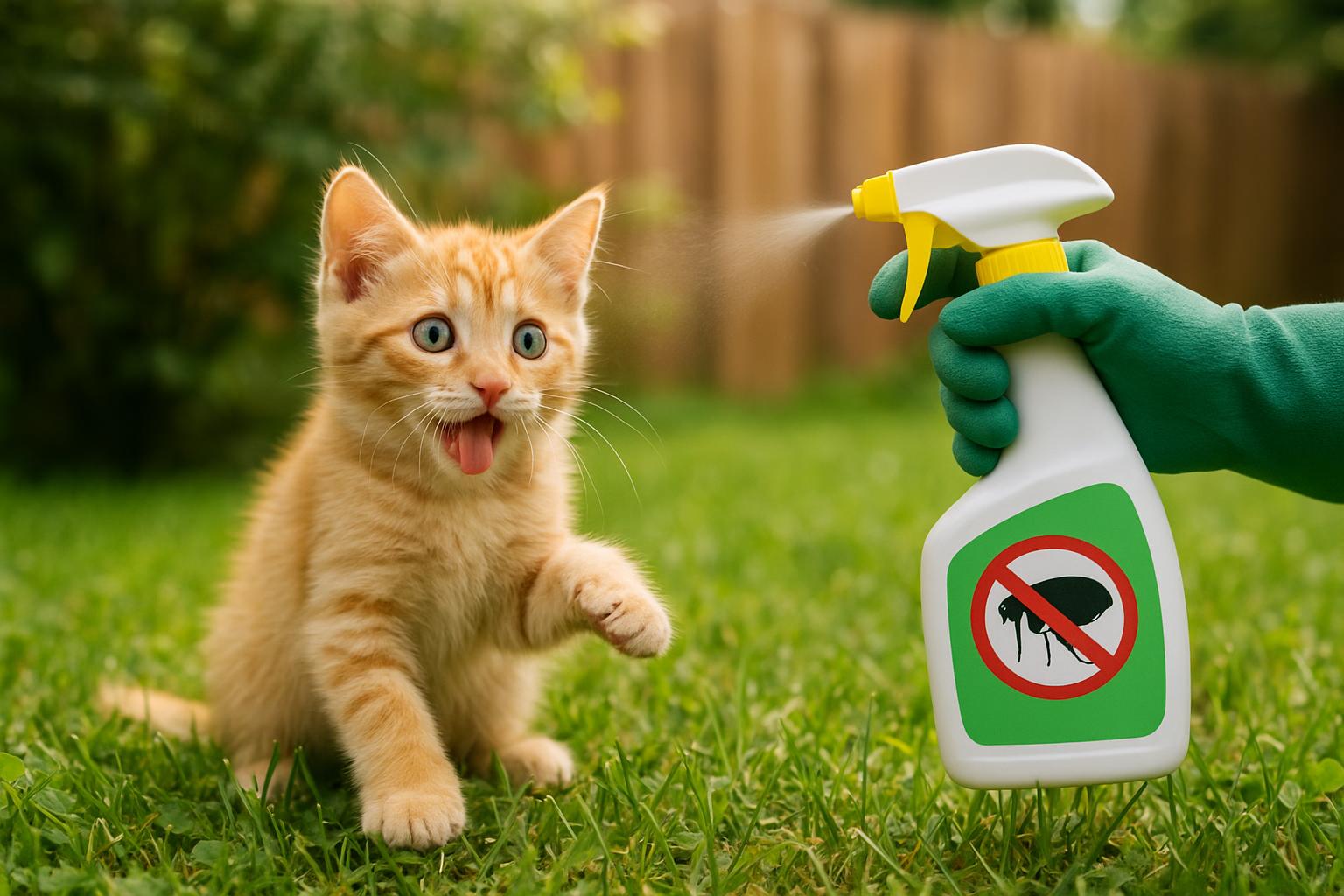
– Select a garden product explicitly labeled for flea control and follow label instructions carefully.
– Apply IGRs to shaded, organic-rich areas where larvae develop. IGRs prevent immature stages from maturing into adults, which interrupts the cat flea lifecycle.
– Use adulticides for quicker reduction of adults in the environment, focusing on pet pathways and resting spots.
5. Modify Habitat
– Mow lawn regularly, trim shrubs to reduce shade, and remove leaf litter.
– Move pet resting locations to sunny, dry spots where fewer fleas survive.
– Install barriers or gravel in high-traffic areas to reduce organic debris accumulation.
6. Monitor And Repeat
– Treatments may need repeating according to product labels and life stage timing. Expect at least a month of consistent effort to reduce an established infestation.
– Check pets weekly for fleas and adjust your protocol with veterinary advice.
### Timing And Follow-Up
Most flea populations will decline within several life cycles if pets are under continuous control and environmental stages are addressed. Because pupae can delay emergence, maintain measures for several weeks and re-treat or reapply products as per labels and veterinarian guidance.
## Preventive Habits To Keep Fleas At Bay
Small daily habits make a big difference. Regularly inspect your pets, keep grass trimmed, restrict wildlife access to areas where your pets rest, and maintain a cleaning routine for bedding. Remember, interrupting any point of the cat flea lifecycle reduces the overall population — and your cat will thank you (in purrs, not in grammatical English).
Now go forth and reclaim your backyard from tiny airborne ninjas. Your cat will probably look at you like you did something mildly heroic.










Leave a Reply