
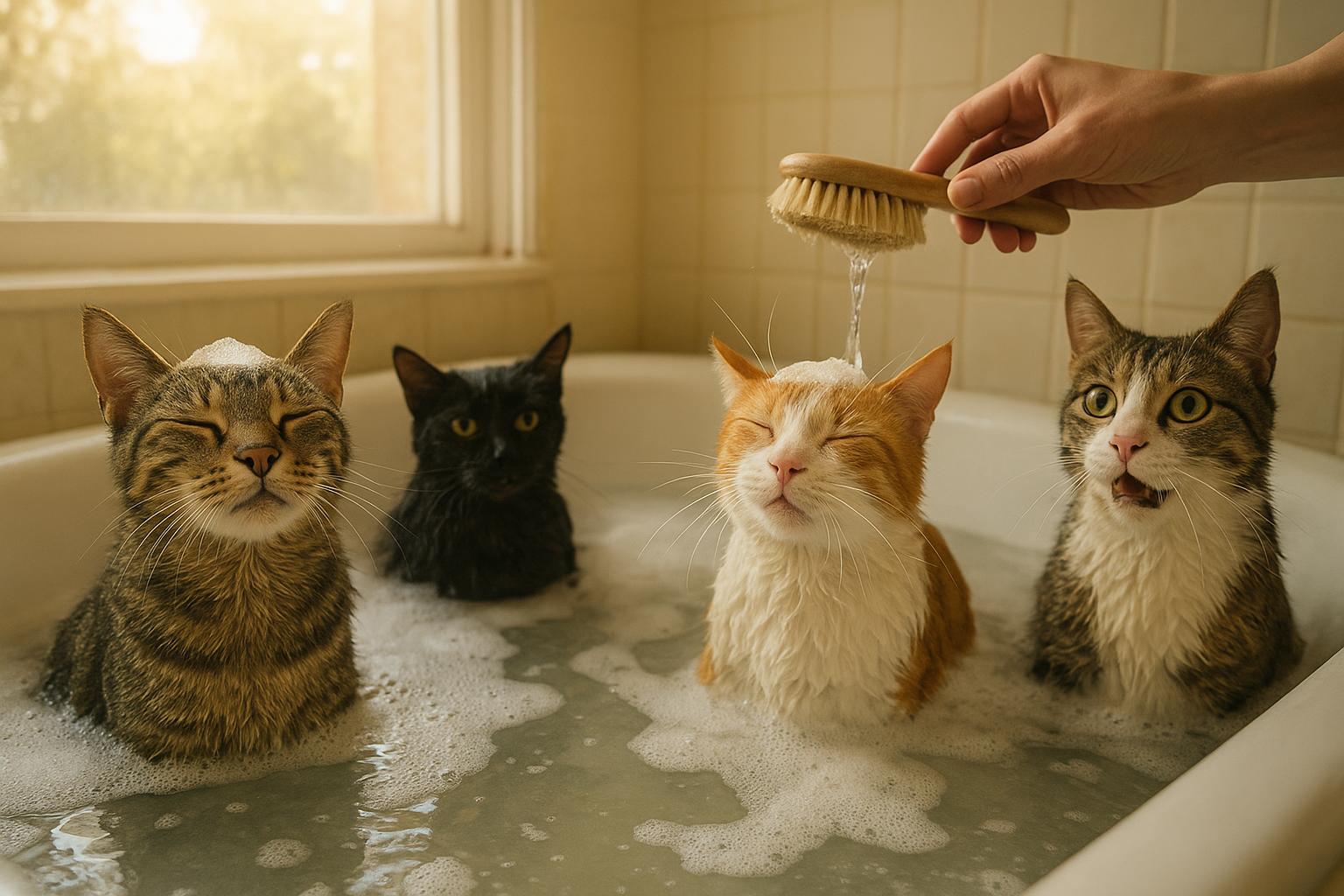
## Dawn Flea Bath: A Gentle Home Remedy
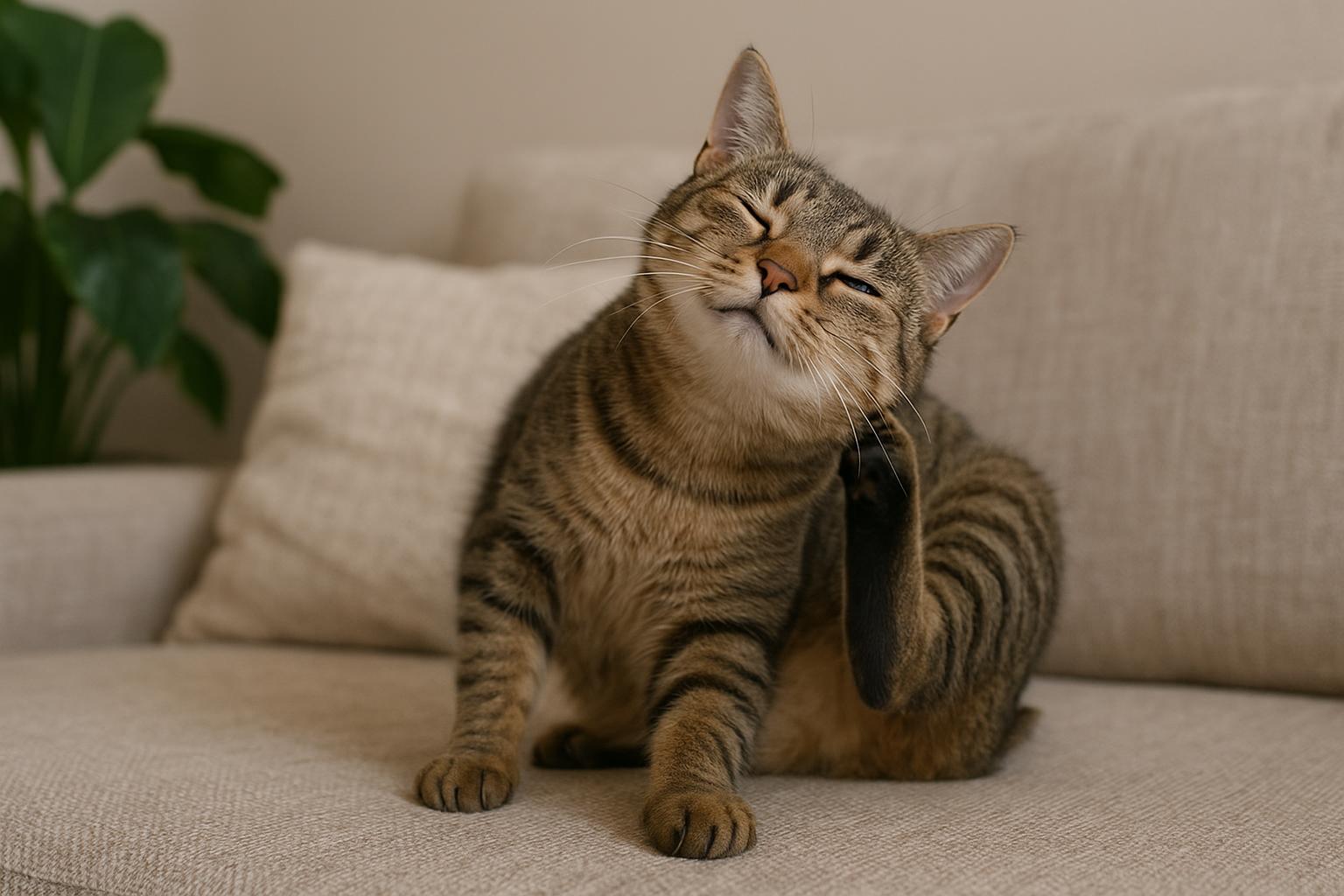
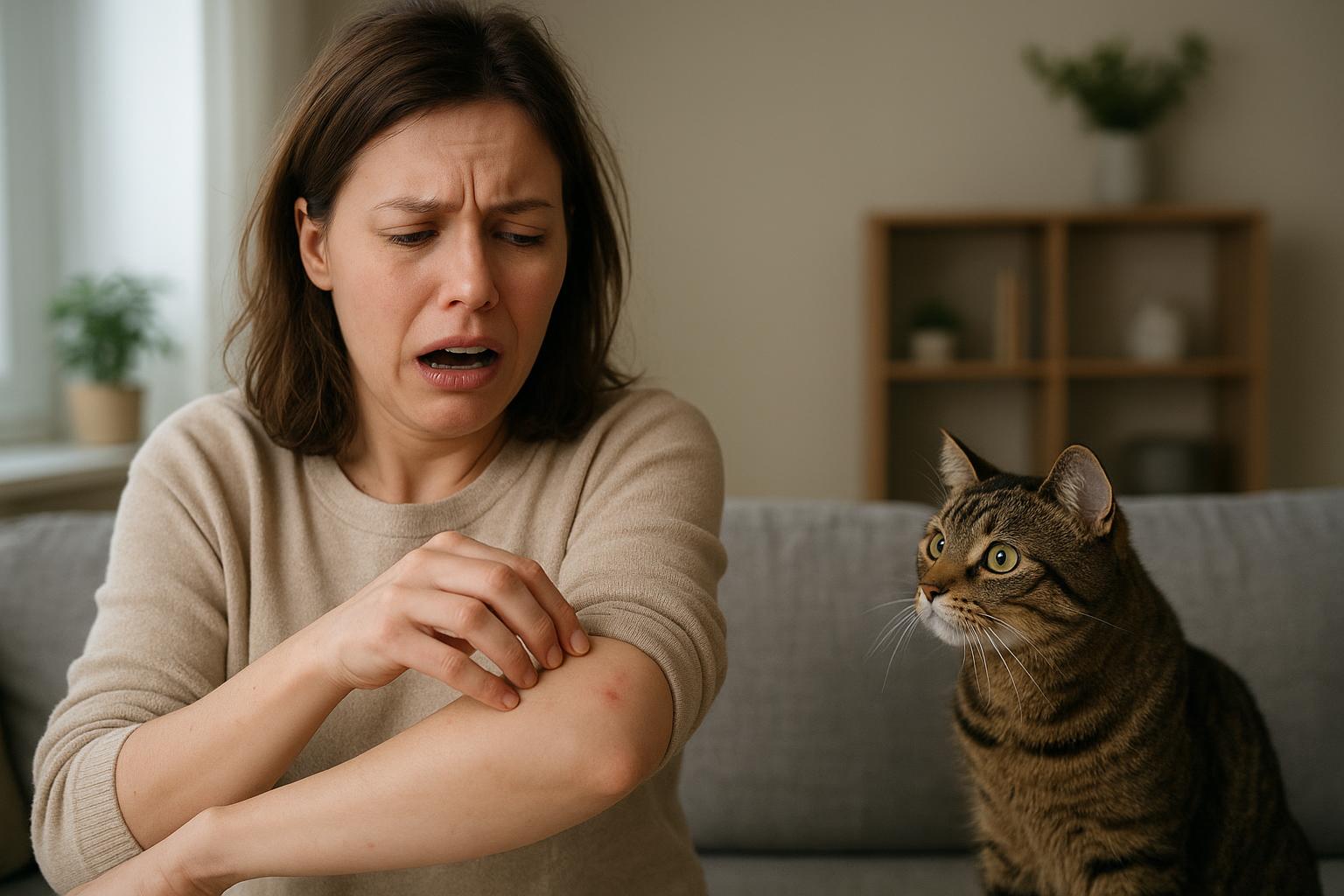
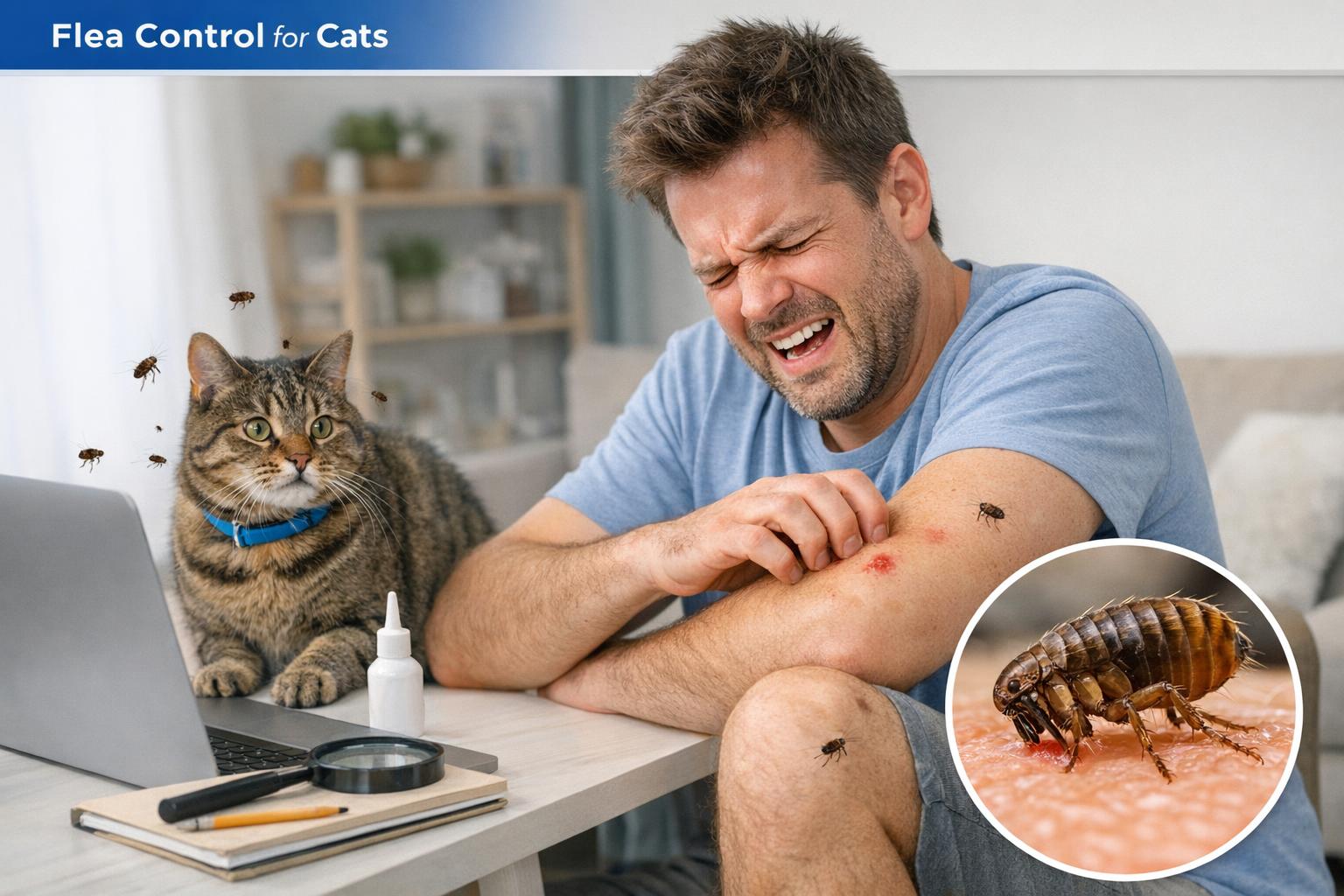
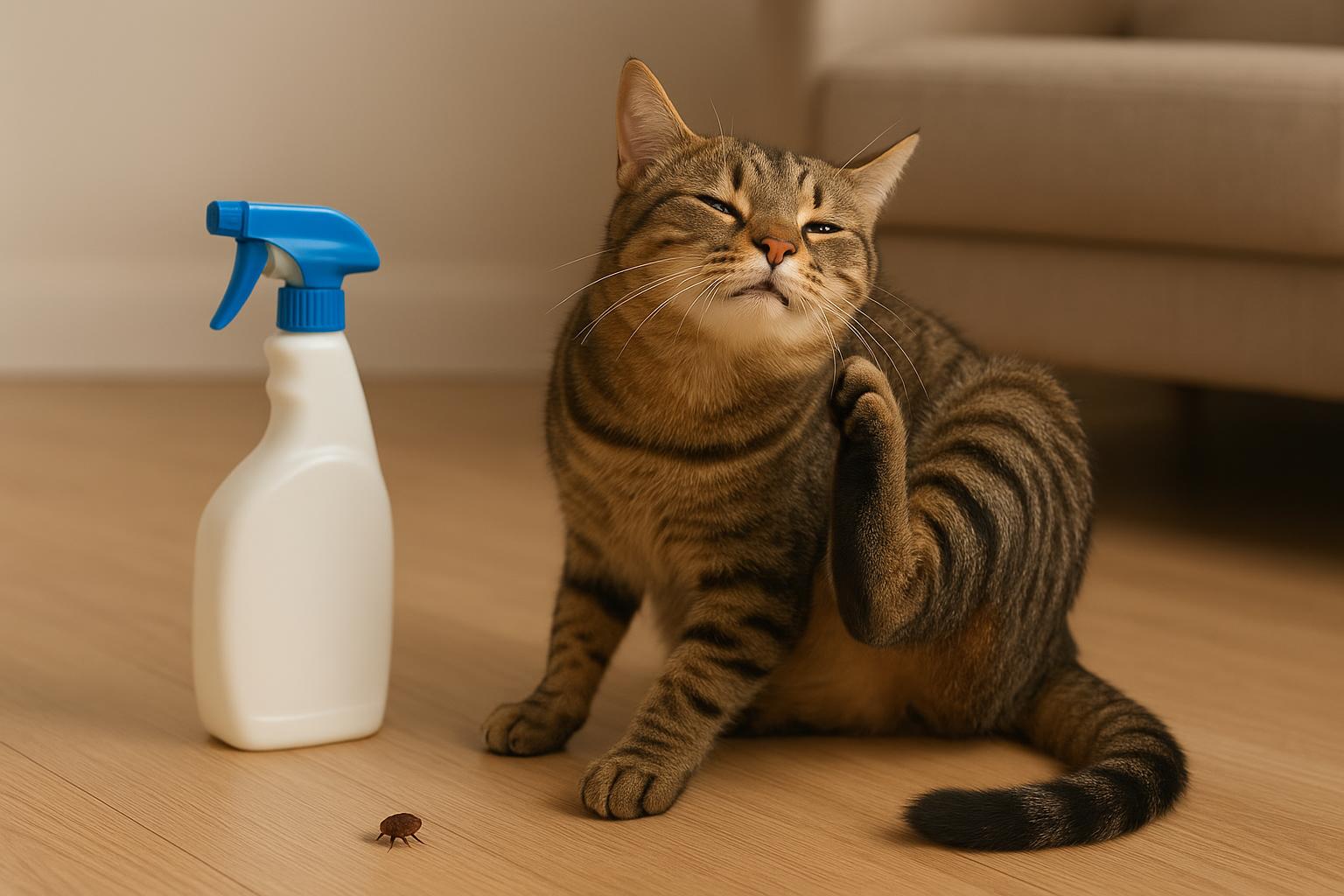
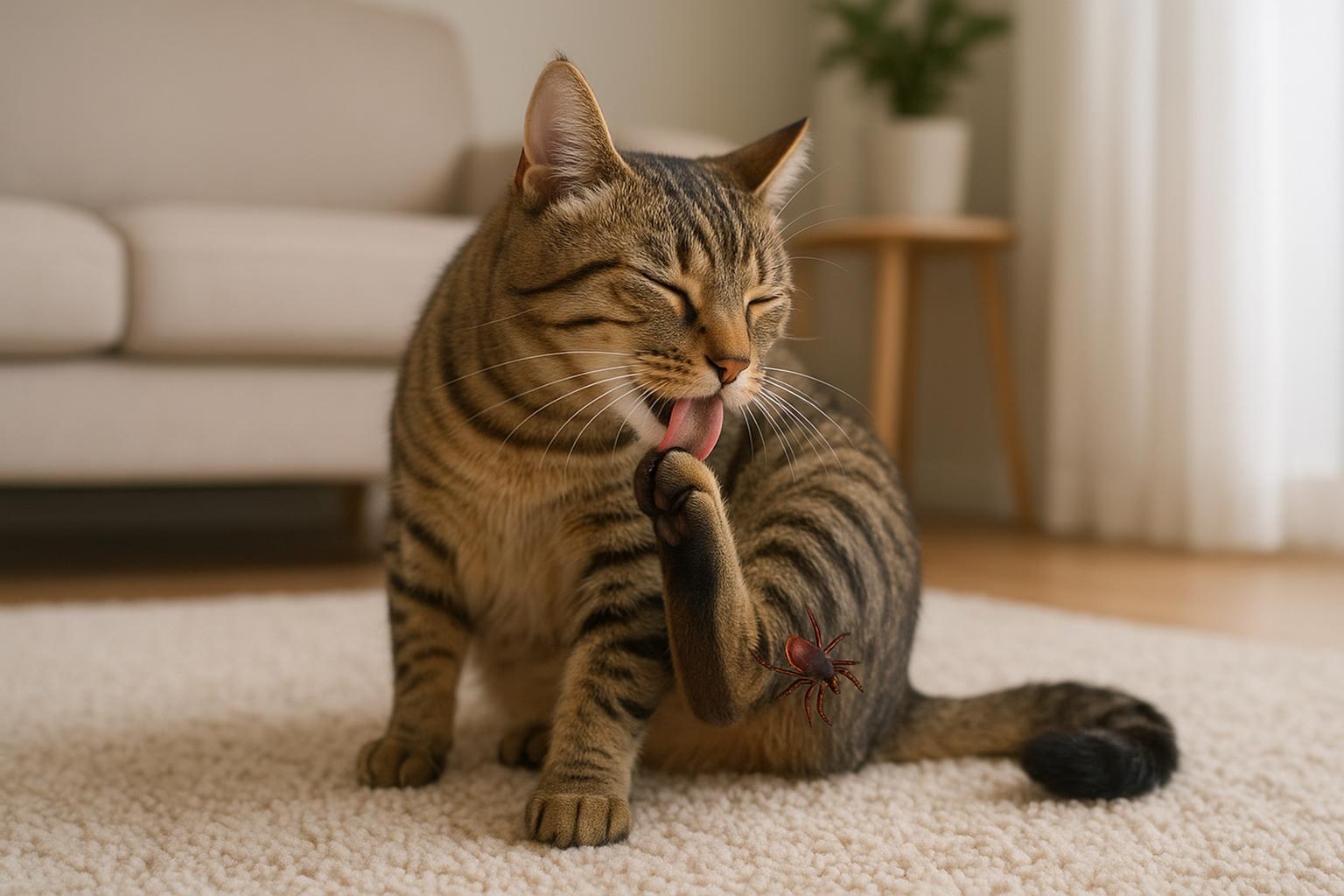
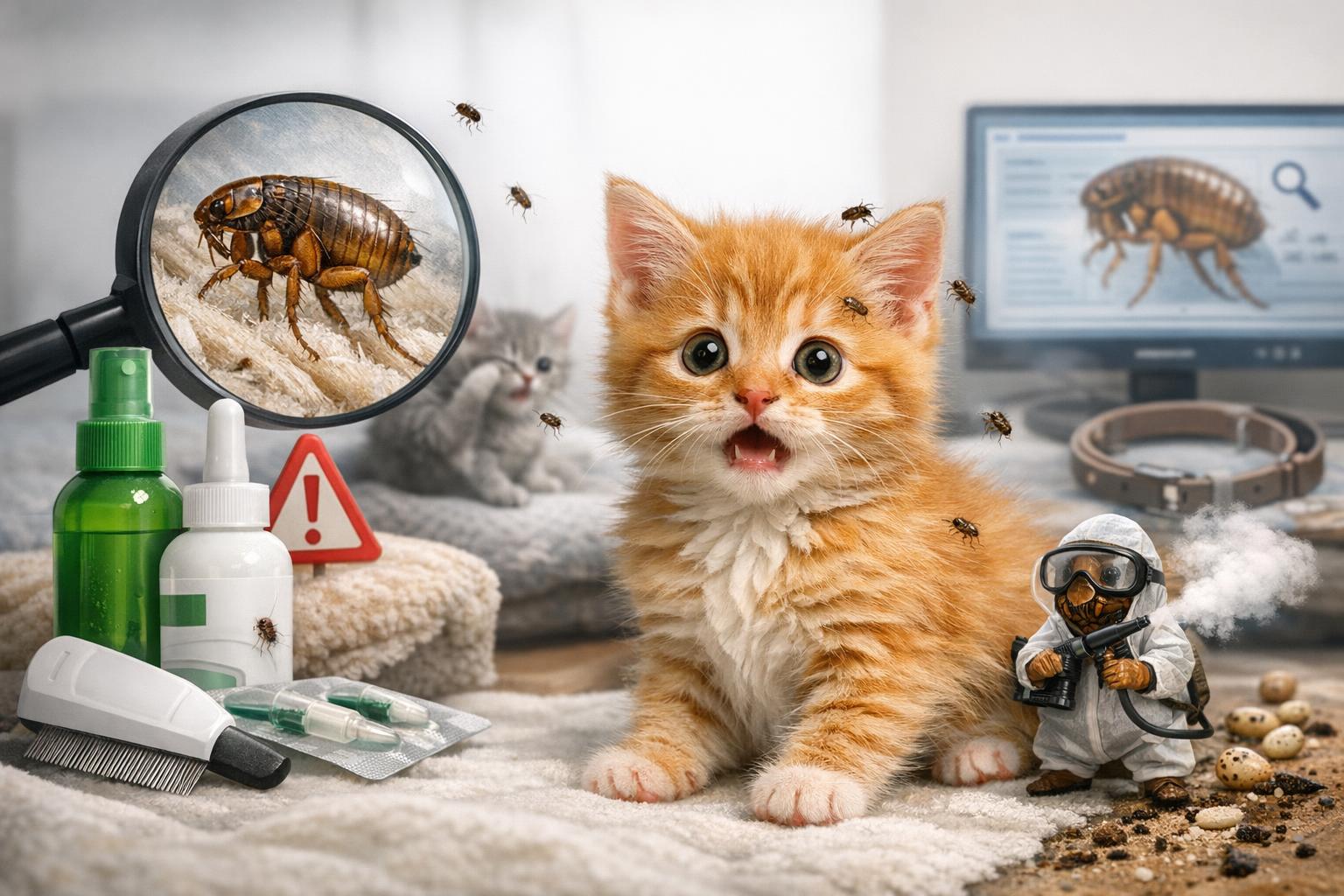
If you’ve ever watched your cat perform an Olympic-level scratchathon and wondered whether the forces of nature could be politely persuaded to leave Fido’s distant cousin alone, you’re not alone. A dawn flea bath is one of those classic household remedies many pet owners reach for—simple, inexpensive, and usually effective at removing live fleas quickly. This article walks you through what it does, how to do it safely, and what else you should do to keep your home flea-free.
## Why Some People Use A Dawn Flea Bath
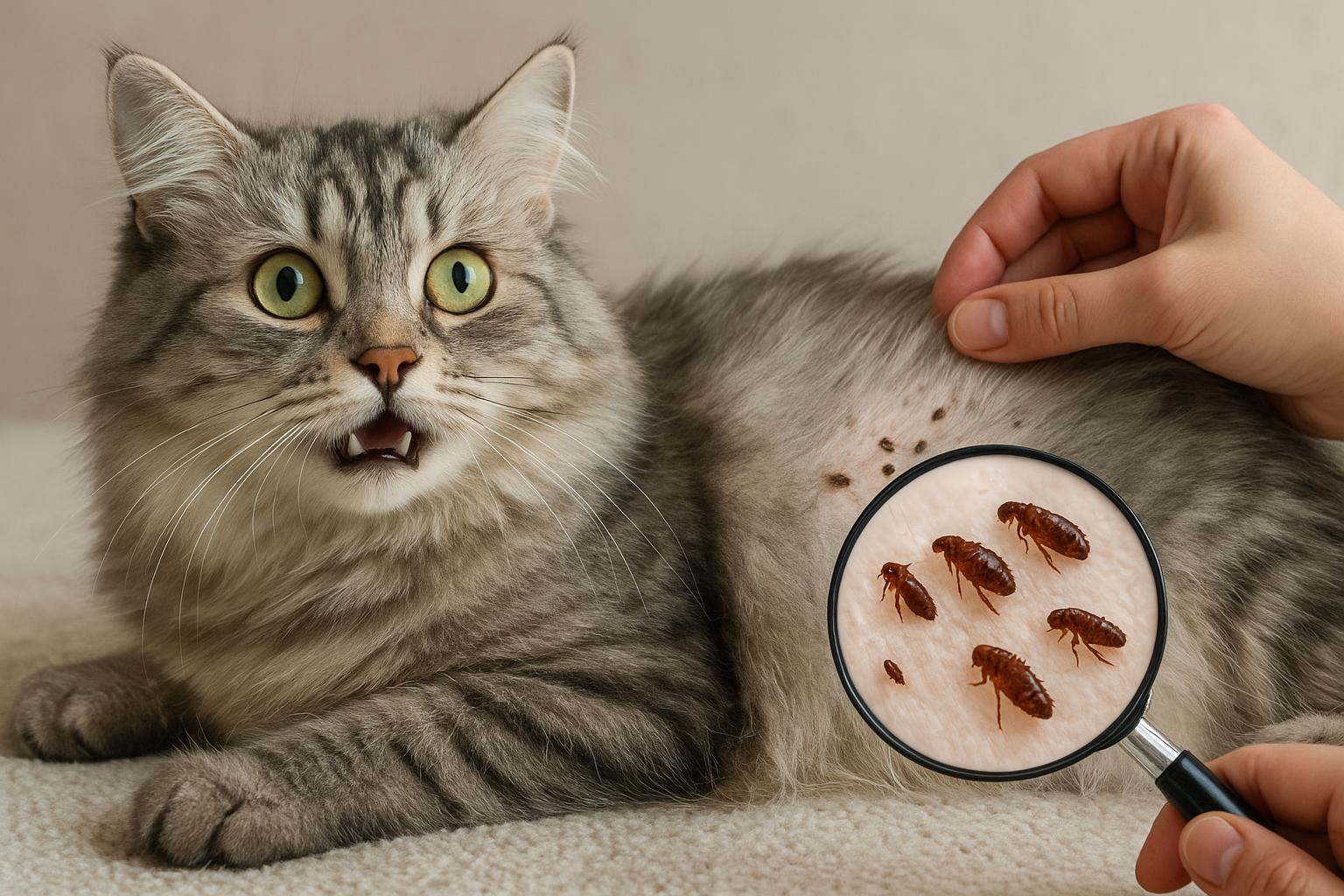
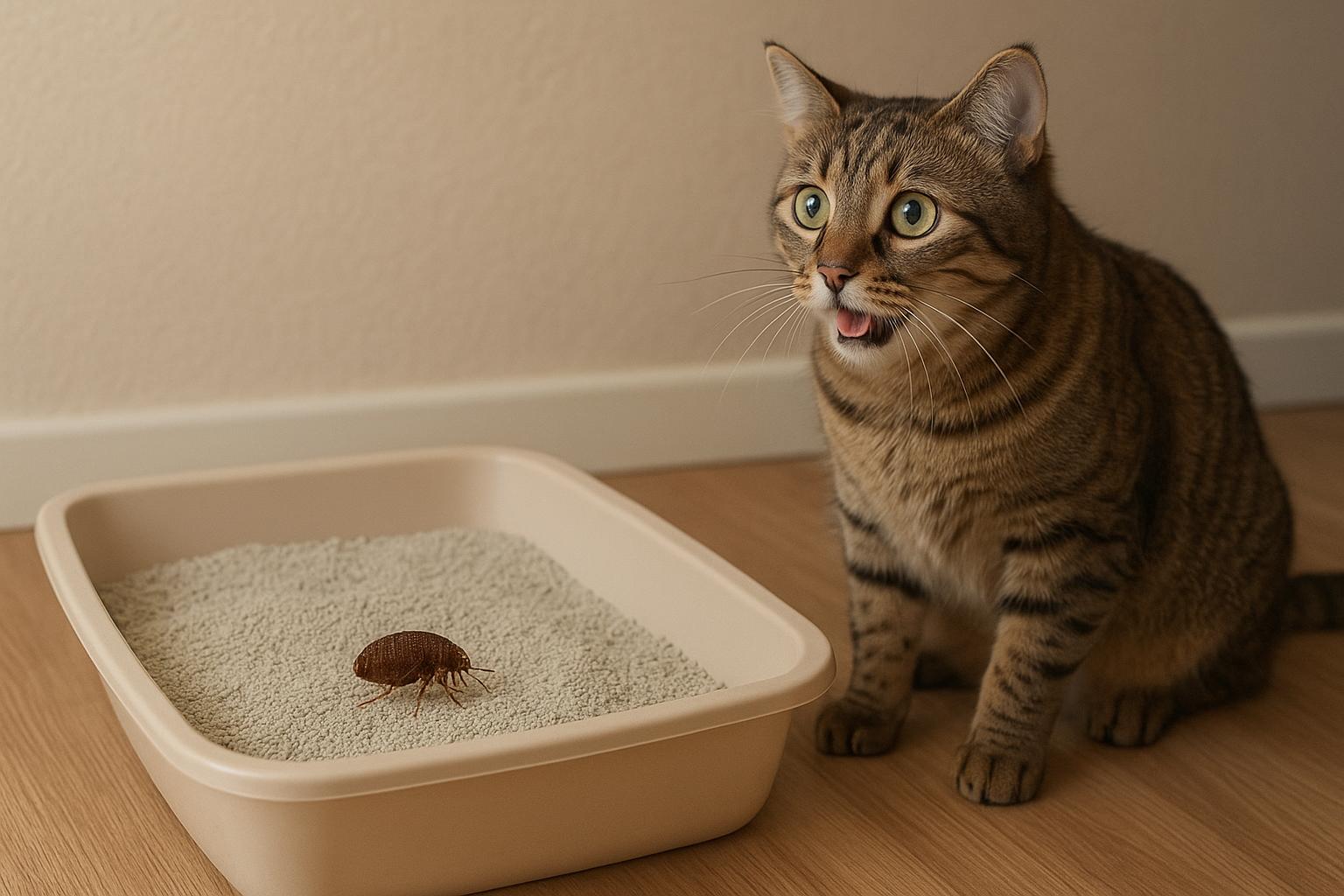
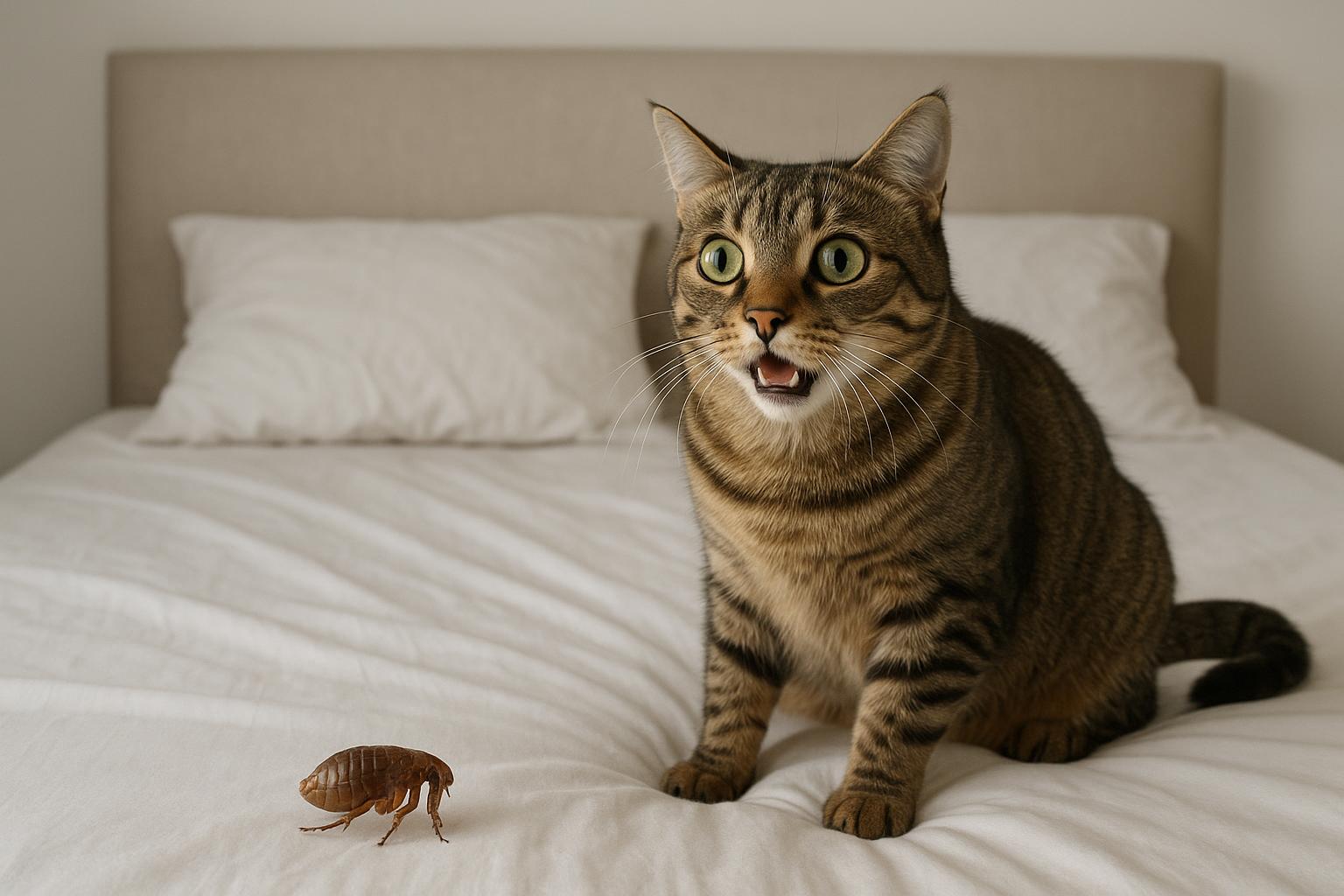
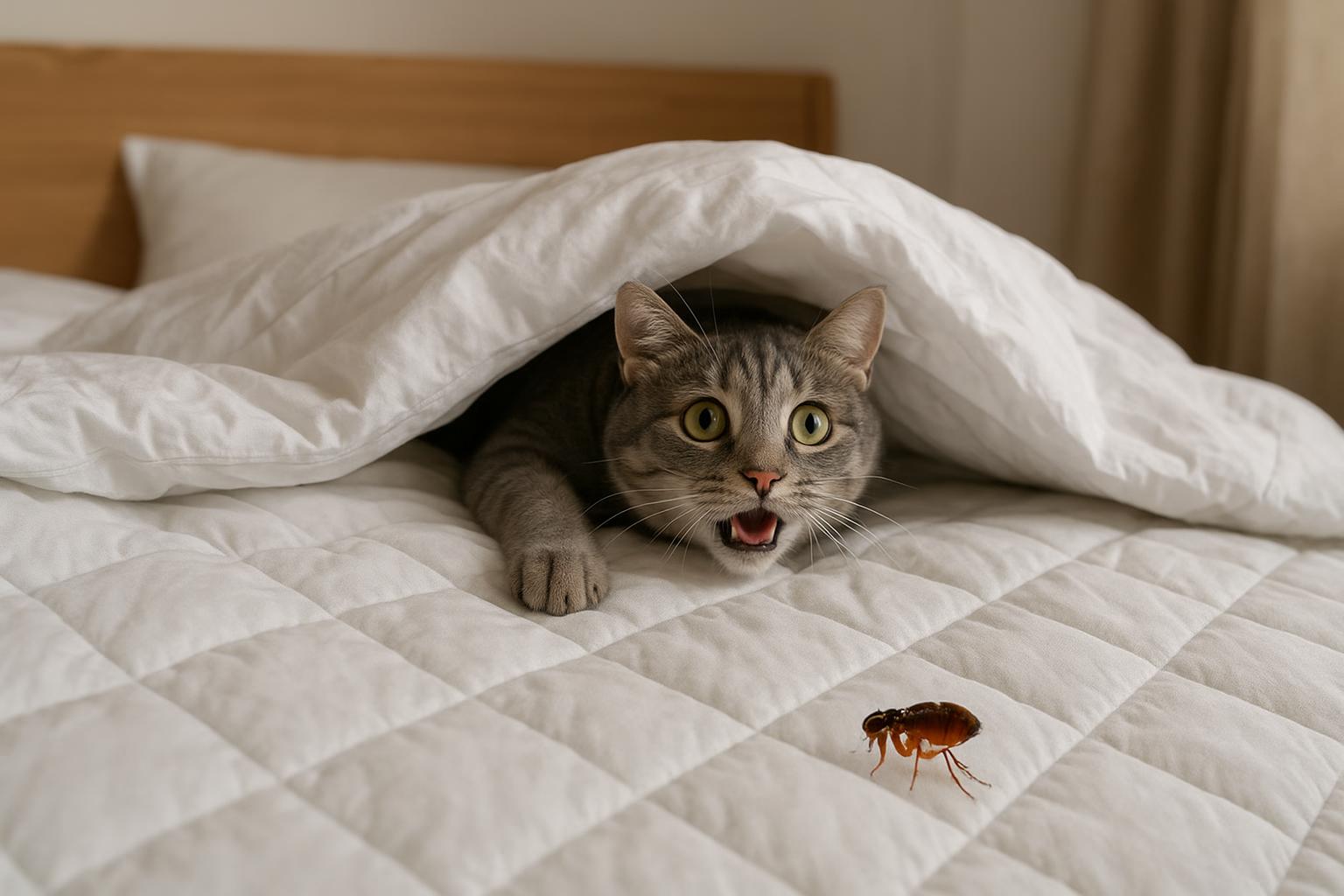
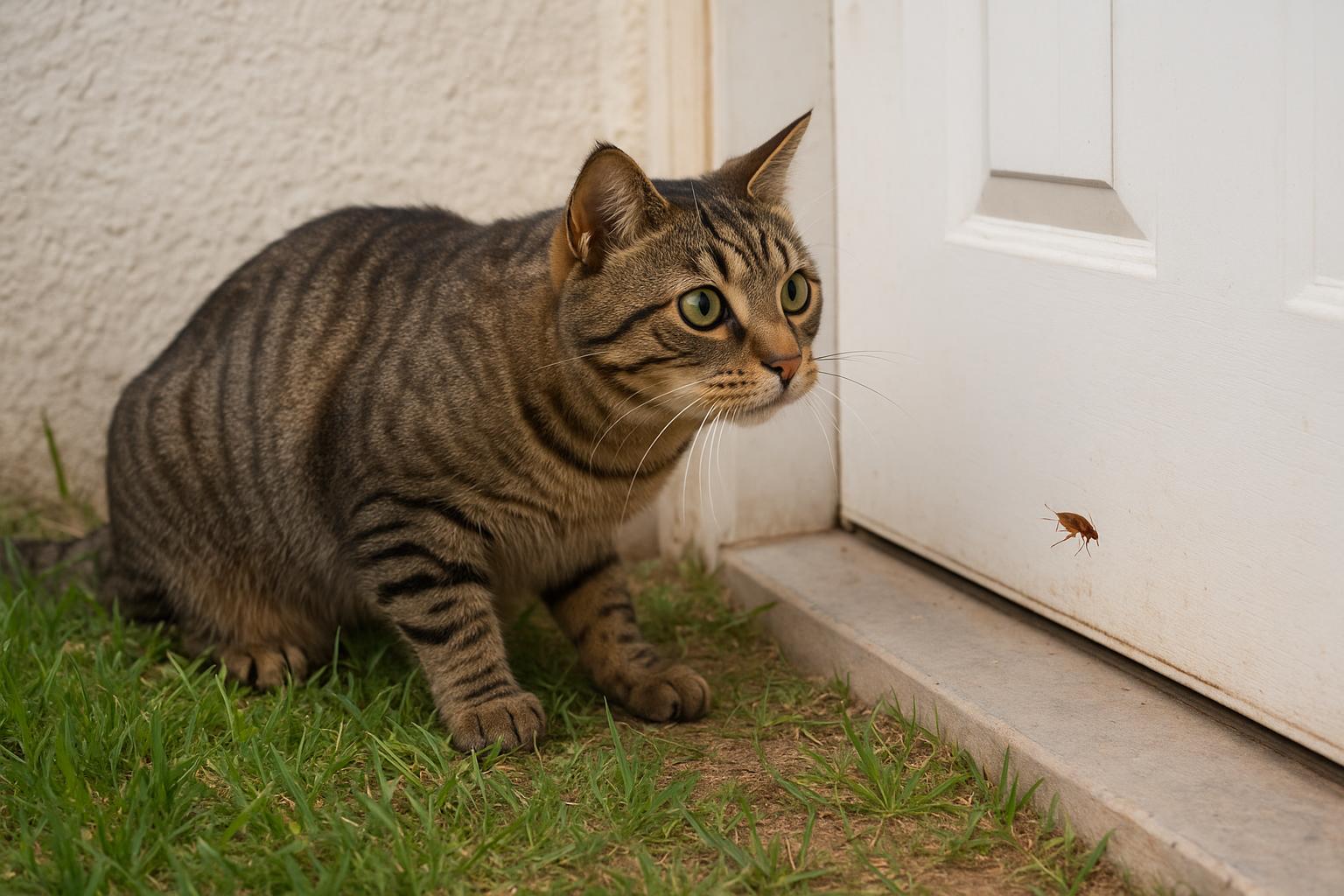
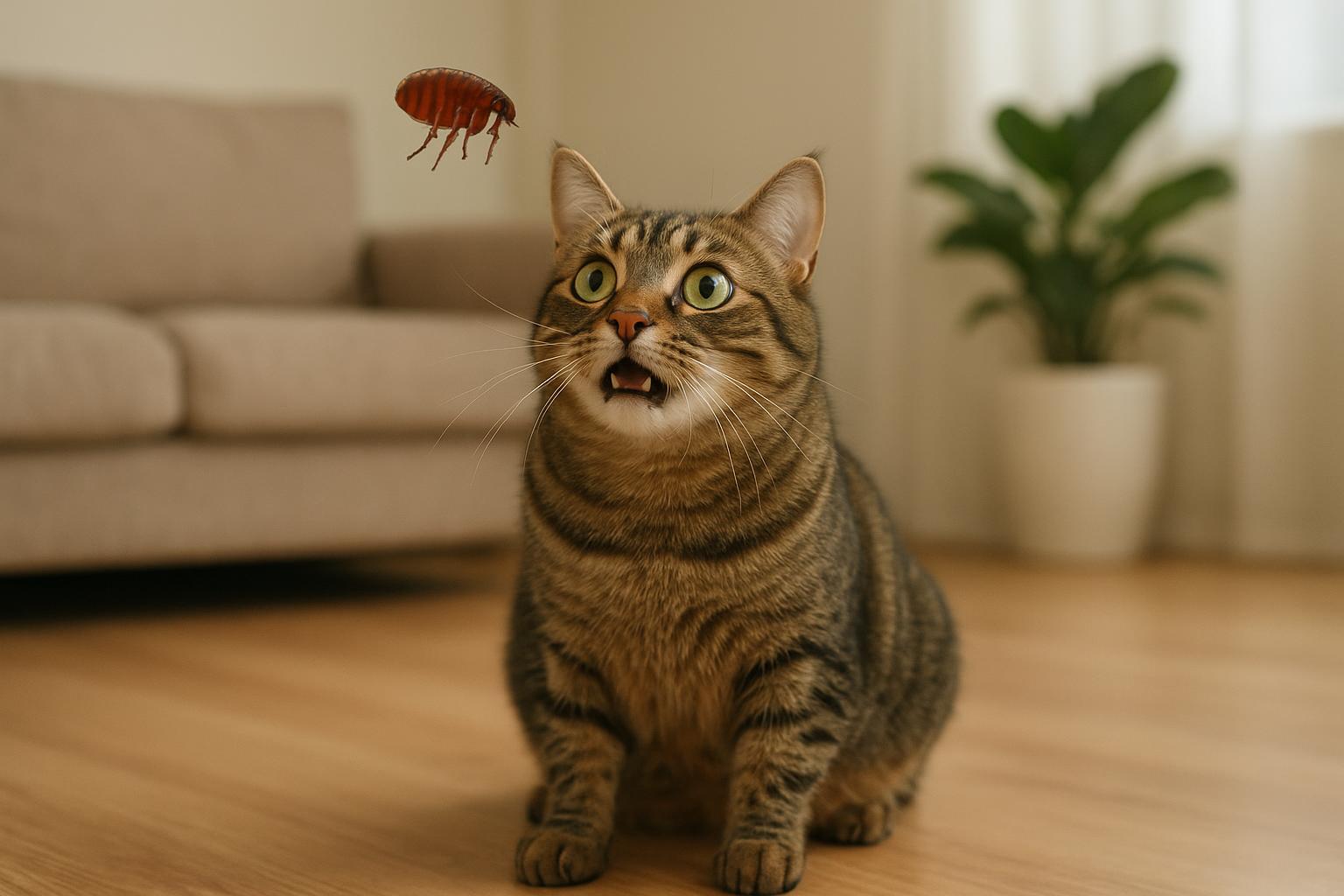
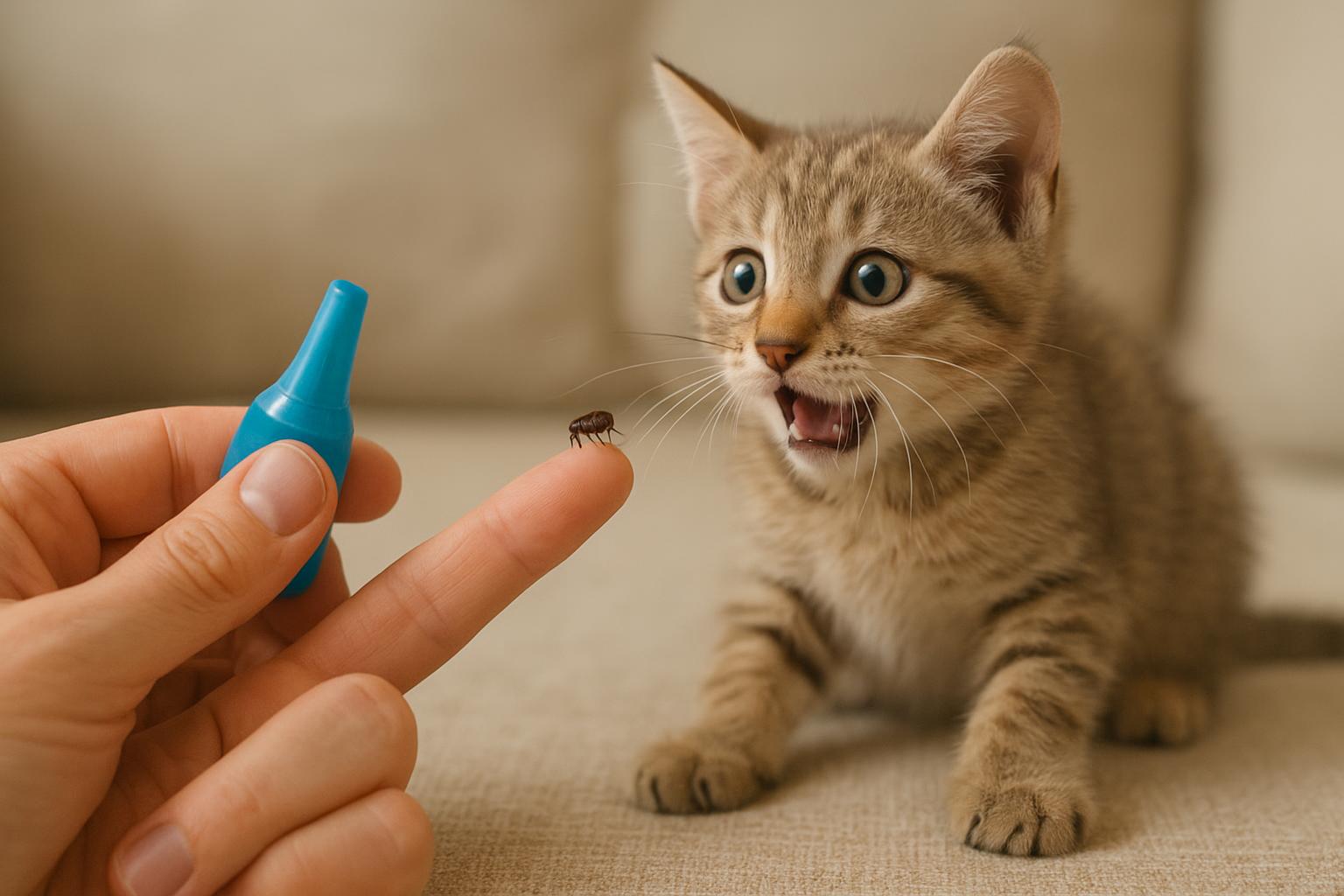
Fleas are crafty little pests: they bite, live in fur, and reproduce rapidly in carpets and bedding. A dawn flea bath—using Dawn dish soap, especially the original blue formula—works because the surfactants in the soap break down the protective oils on a flea’s exoskeleton. When those oils are gone, fleas can’t stay buoyant or retain moisture and they drown. It’s a short-term, targeted solution to knock down active fleas on a cat quickly.
This approach is often chosen because:
– It’s accessible and affordable.
– It’s capable of killing live fleas on contact.
– It can be done at home when immediate relief is needed before other flea-control measures take effect.
## How Dawn Works On Fleas
Scientifically speaking (and with the formal hat on for a moment), Dawn contains detergents called surfactants. These molecules reduce surface tension and dissolve lipids. Fleas rely on lipid coatings for water resistance; once those are compromised, fluid balance fails and the flea dies. The method is mechanical and chemical—no insecticide is involved—so it’s useful for instantly reducing a heavy infestation on the animal itself.
Important veterinary caveat: a dawn flea bath addresses fleas on the cat only, not flea eggs or larvae in the environment. It is not a substitute for veterinarian-prescribed systemic or topical flea control products that interrupt the flea lifecycle. Use this remedy as an acute, short-term measure and coordinate long-term control with your vet.
### When Not To Use A Dawn Flea Bath
– Do not use this on kittens under 8–12 weeks old without veterinary approval.
– Avoid use on cats with open wounds, severe dermatitis, or respiratory conditions.
– If your cat is elderly, frail, or has underlying health issues, consult a vet first.
– Do not rely on it as the sole method for controlling heavy or persistent infestations.
## Preparing For The Bath
Getting set up before you bring the cat in is the quiet key to reducing stress for both of you. Have everything within reach so the bath can be efficient and calm.
### Ingredients And Materials
– 1–2 teaspoons of plain Dawn dish soap (original blue is commonly recommended)
– Warm water (not hot), enough to submerge the cat’s lower body when bathing in a sink or small tub
– A cup or gentle sprayer for wetting and rinsing
– A towel (preferably two: one for drying, one for lining the sink)
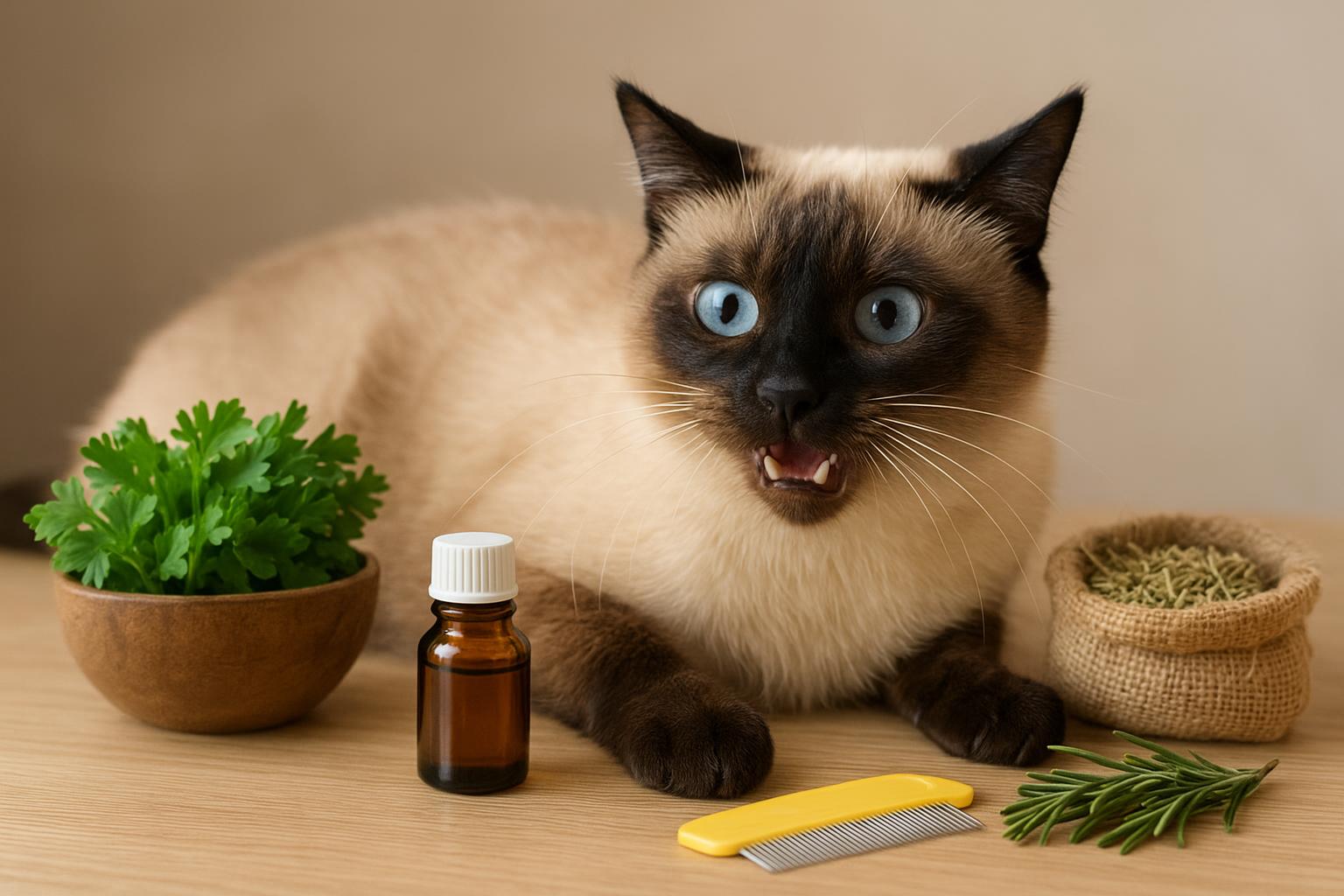
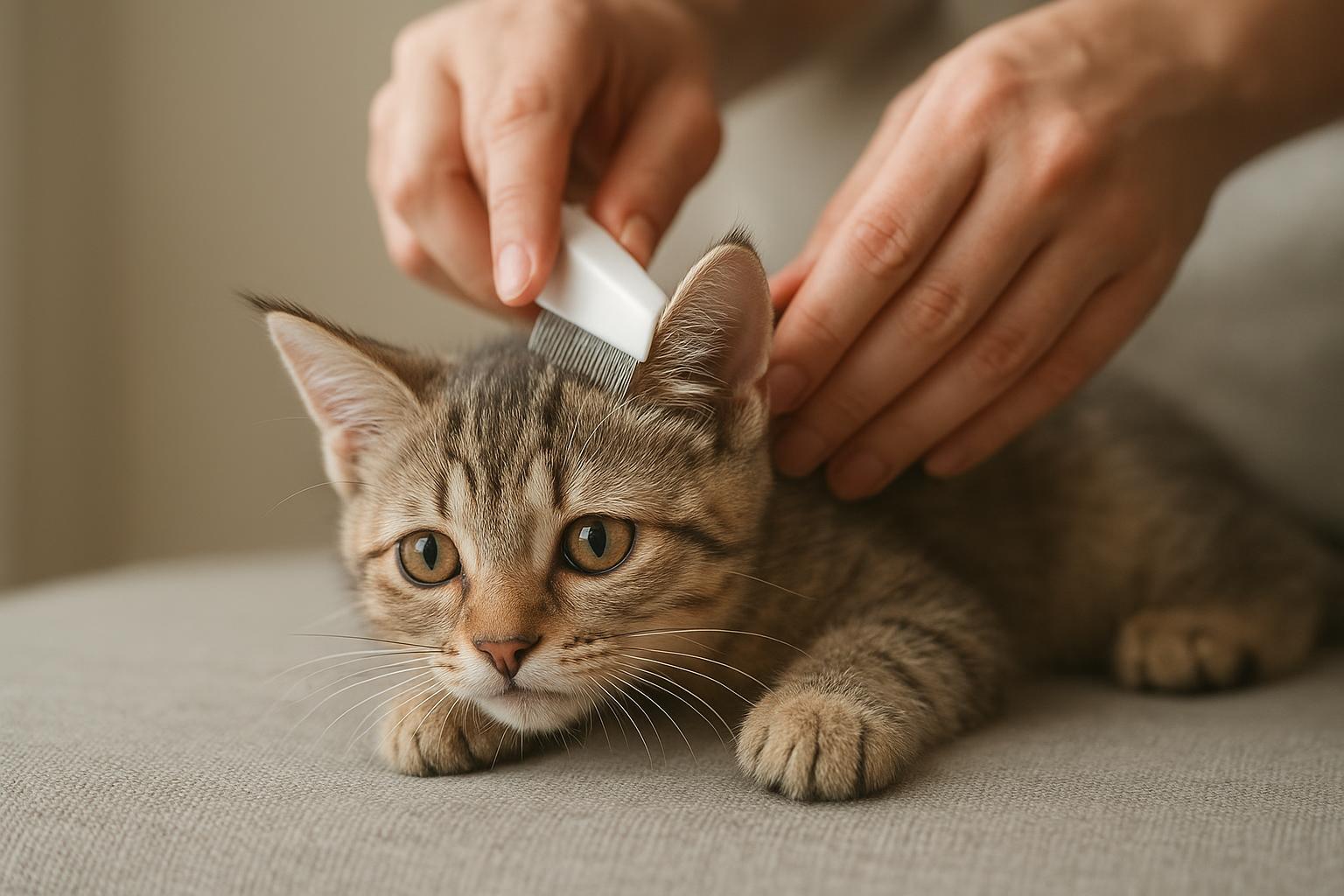
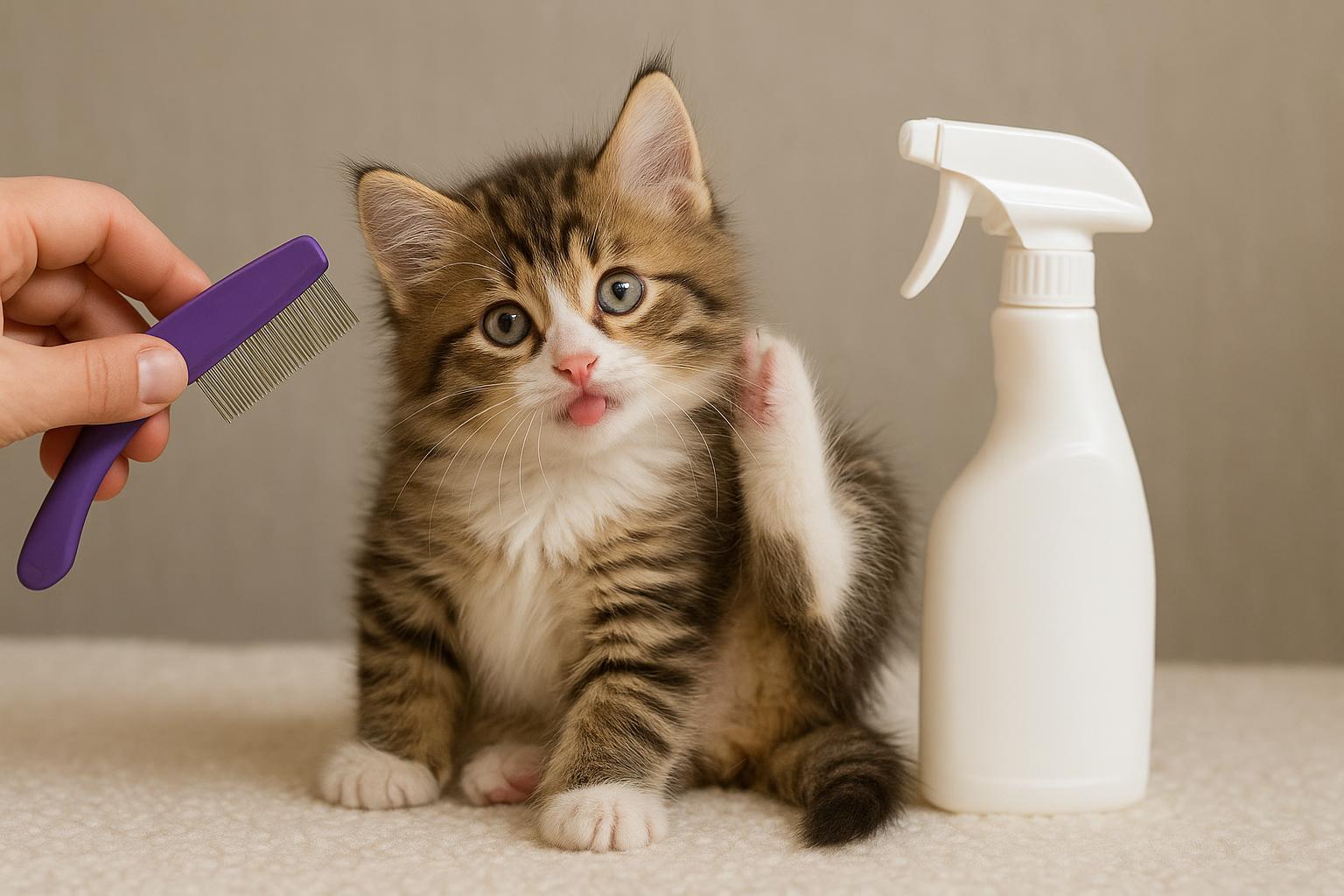
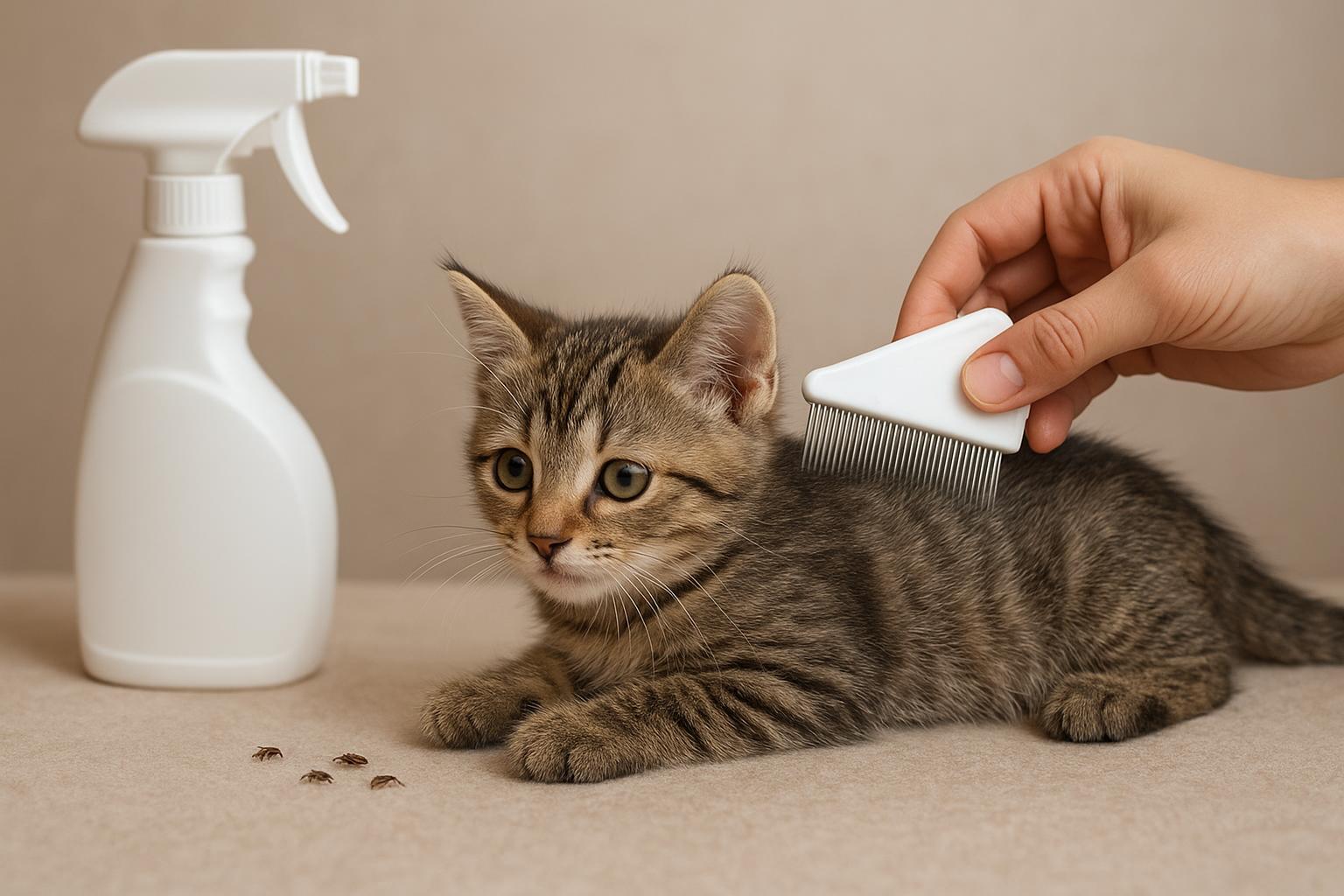
– A flea comb
– A small basin or sink with a non-slip towel at the bottom
– Rubber gloves (optional, for handlers)
– A second person to help hold the cat calmly, if available
Note: Use only a small, diluted amount of dish soap. The goal is to wet and coat the fleas, not to lather your cat like a bubble party.
### Safety Precautions
– Avoid the cat’s face, eyes, ears, and mouth. Use a damp cloth to gently wipe the head area instead of applying soap directly.
– Keep sessions brief—typically a few minutes of soap-on time is sufficient.
– Rinse thoroughly. Any soap residue left on the skin will dry out the coat and can cause irritation.
– Monitor breathing and behavior during and after the bath. If you see signs of distress, stop and call your veterinarian.
## Step-By-Step Bath Procedure
Below is a formal, numbered protocol for administering a dawn flea bath safely and effectively.
1. Prepare the Space
– Fill the sink or small tub with warm water to a shallow depth (a few inches), just enough to cover the cat’s legs and belly when standing.
– Place a towel in the bottom for traction.
2. Gather Your Assistant (If Possible)
– Have a calm helper gently hold the cat. A second pair of hands reduces struggle and shortens the time in the water.
3. Wet The Cat
– Using a cup or sprayer, gently wet the cat’s coat, avoiding the head. Keep water warm but not hot.
4. Apply The Soap
– Dispense 1–2 teaspoons of Dawn into your hands and rub briefly to distribute.
– Apply sparingly from the neck back, focusing on areas fleas favor—base of tail, lower back, belly. Do not apply near eyes or ears.
– Work the soap just enough to wet the fur and coat the fleas; you do not need heavy suds.
5. Let Sit Briefly
– Allow the soap to remain in contact with the fur for 3–5 minutes. This time lets the surfactants act on the fleas. Keep the cat calm and warm during this short period.
6. Comb And Rinse
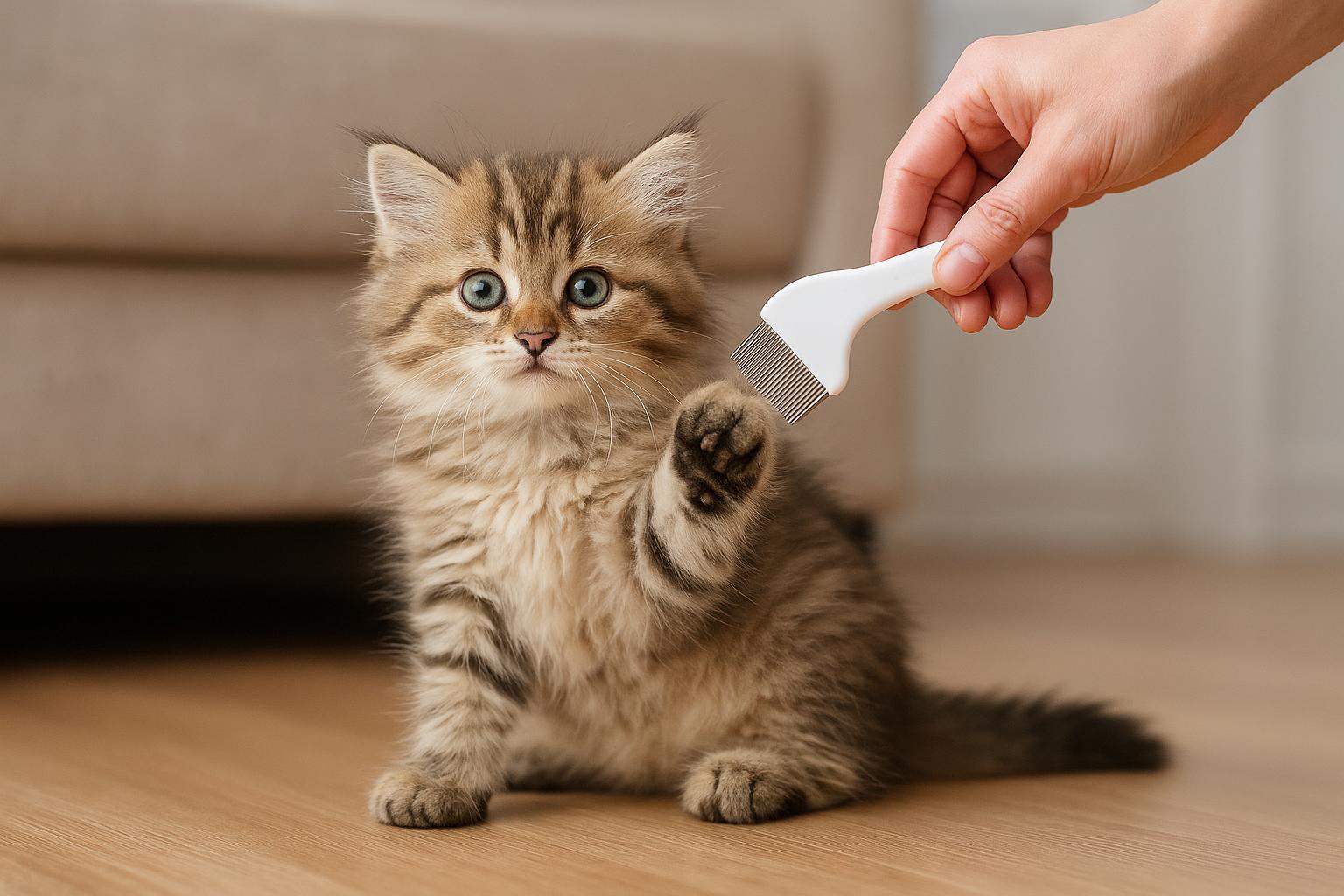
– Use a flea comb to remove dead fleas and eggs while the soap is present, if the cat tolerates it.
– Rinse thoroughly with warm water until all soap residue is gone.
7. Dry And Inspect
– Wrap the cat in a towel and pat dry. Use another towel if needed. Avoid blow dryers unless the cat is used to them and the heat setting is low.
– Inspect the coat with a flea comb for any remaining fleas. Repeat the combing and manual removal as needed.
8. Dispose Properly
– Soak up dead fleas with the towel, flush them (if local guidelines allow), or seal them in a bag and dispose of them. Clean and disinfect the bathing area afterward.
## Aftercare And Environmental Steps
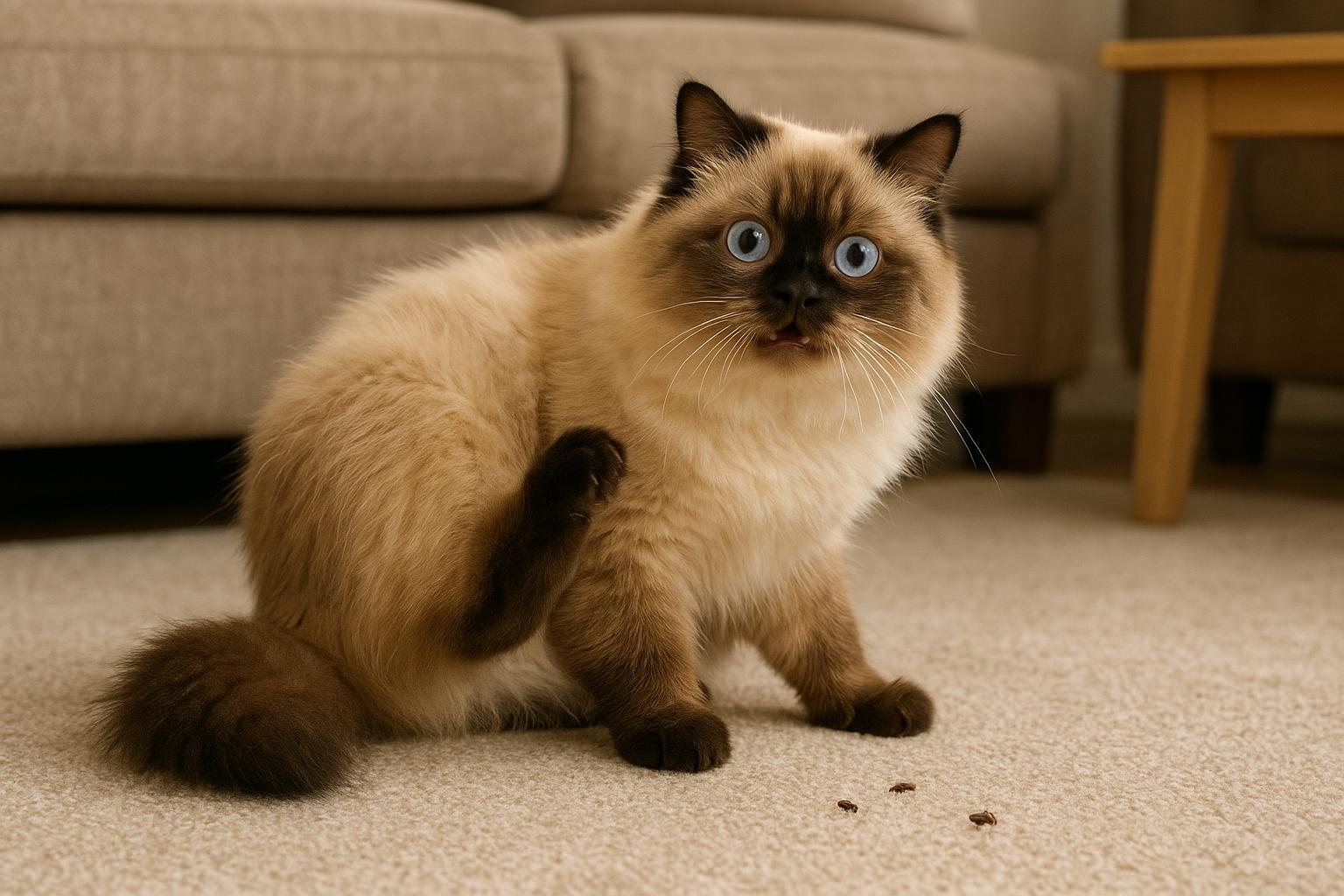
A dawn flea bath deals with present adult fleas on the cat, but the environment needs attention to prevent reinfestation.
### Treat The Home
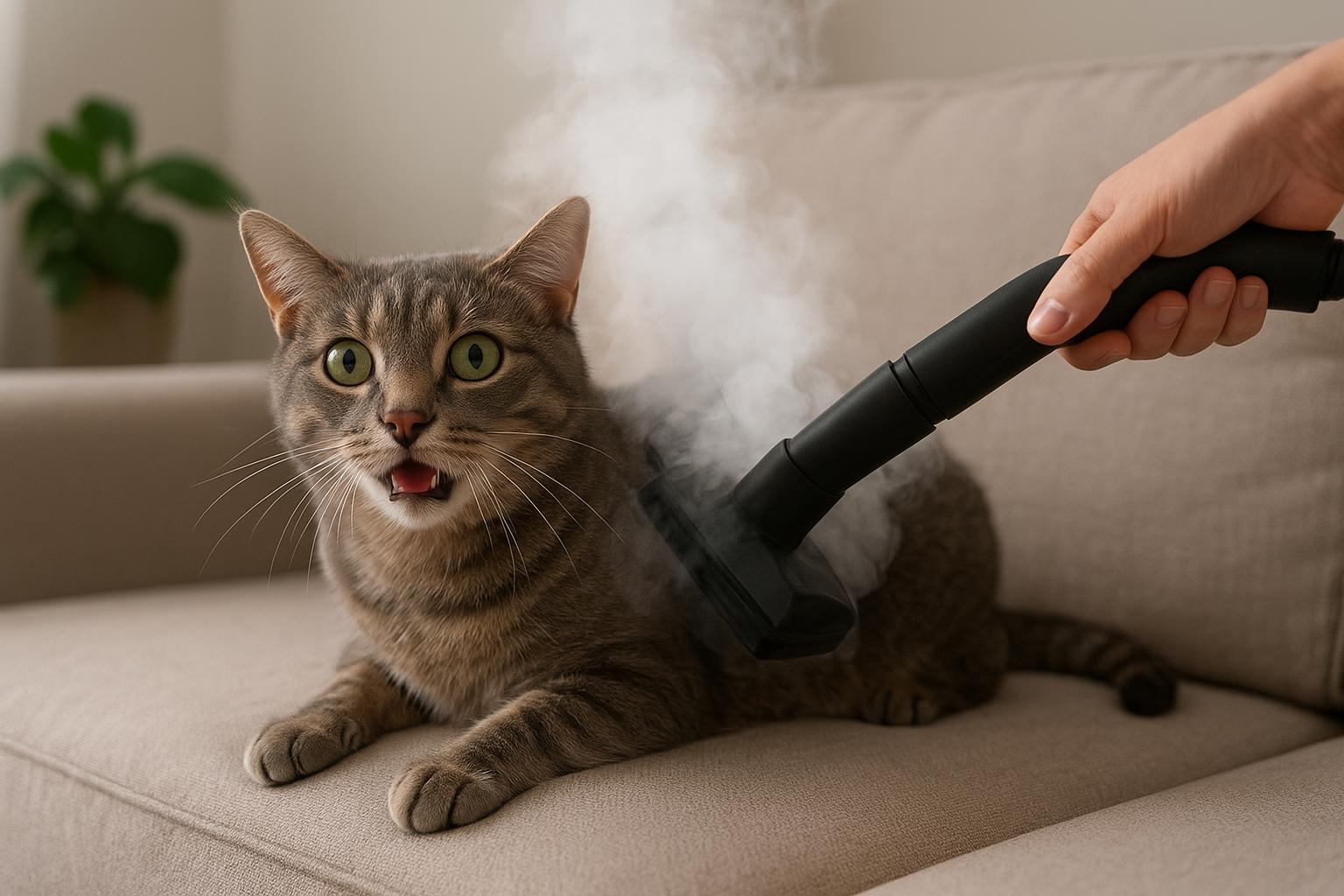
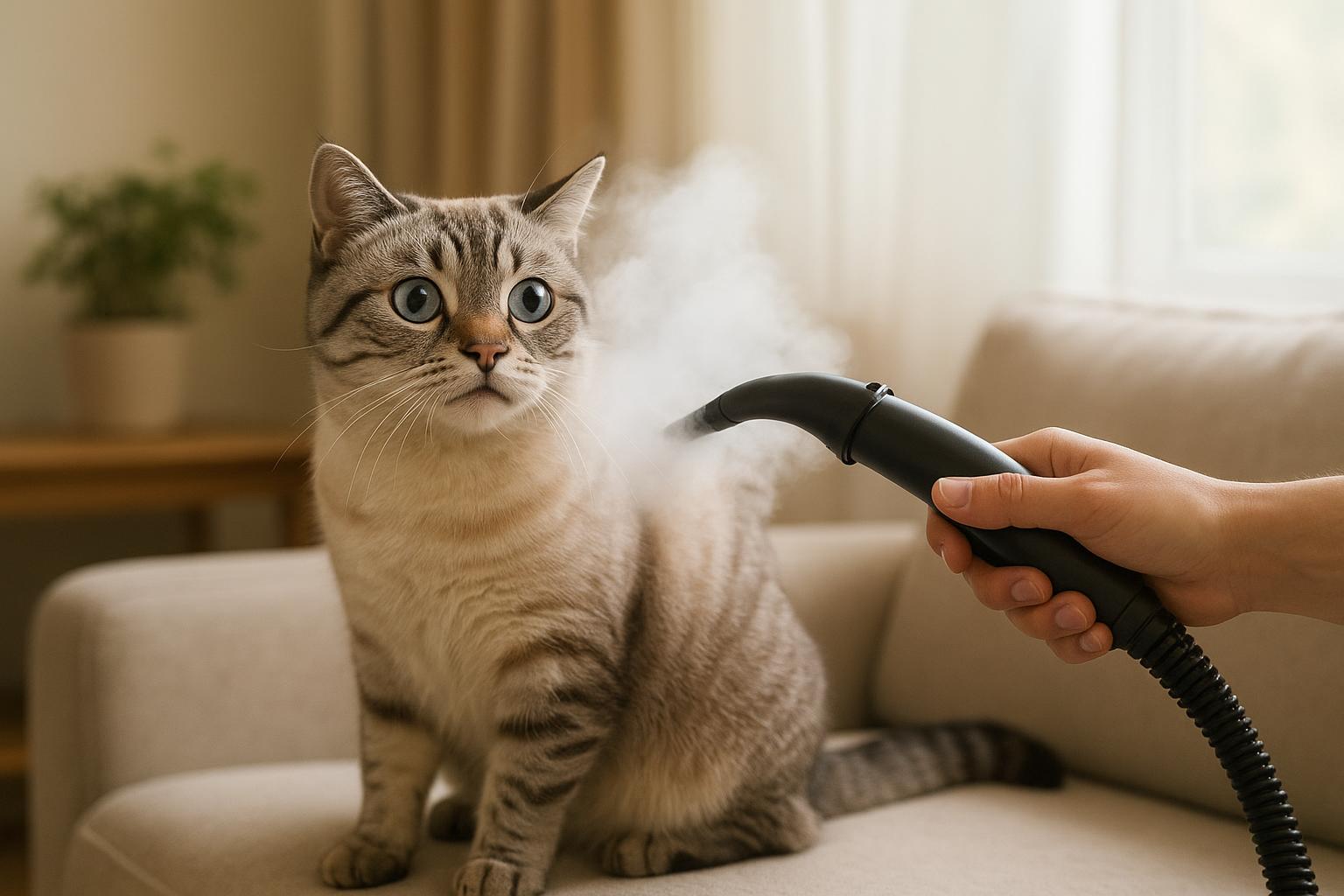
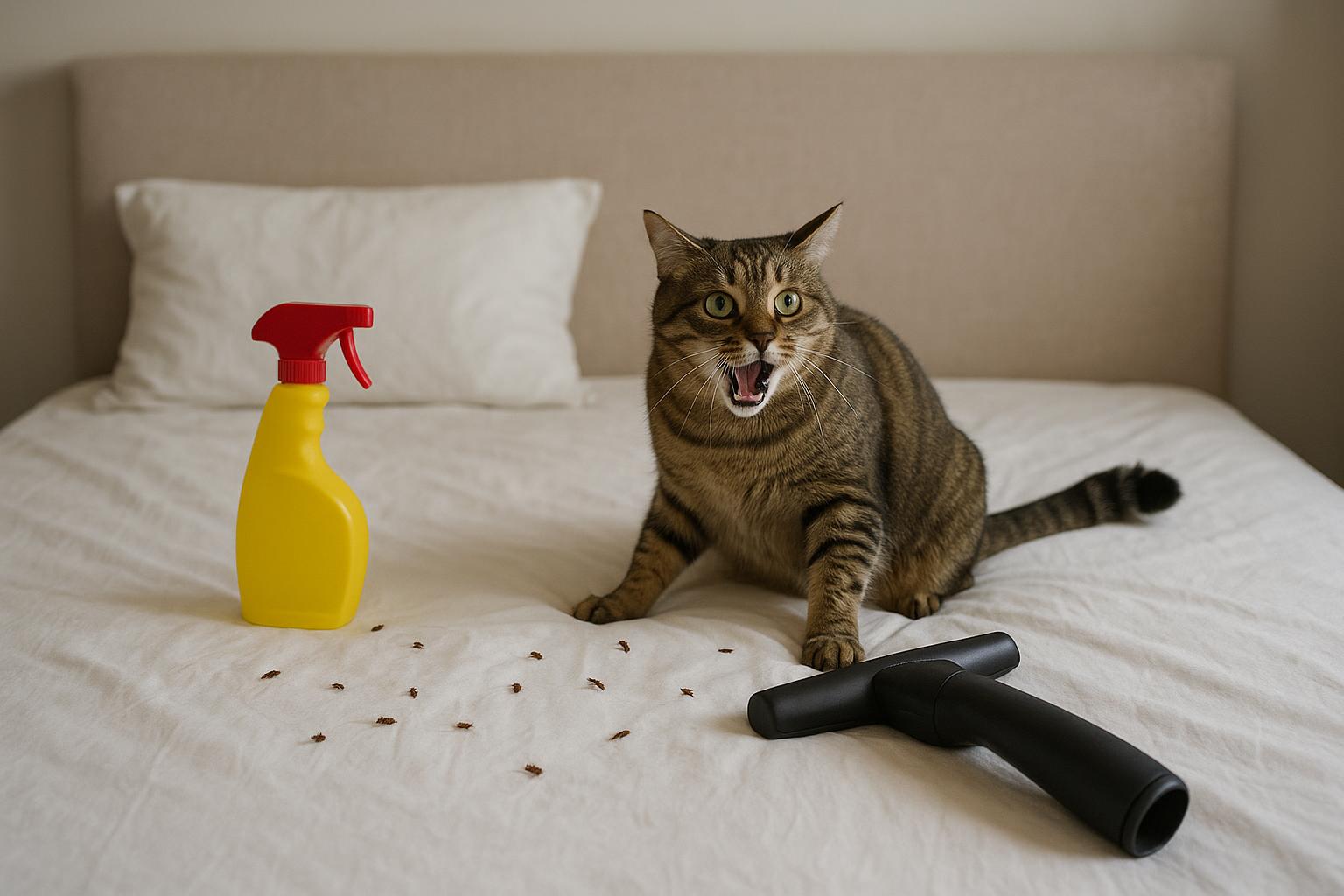
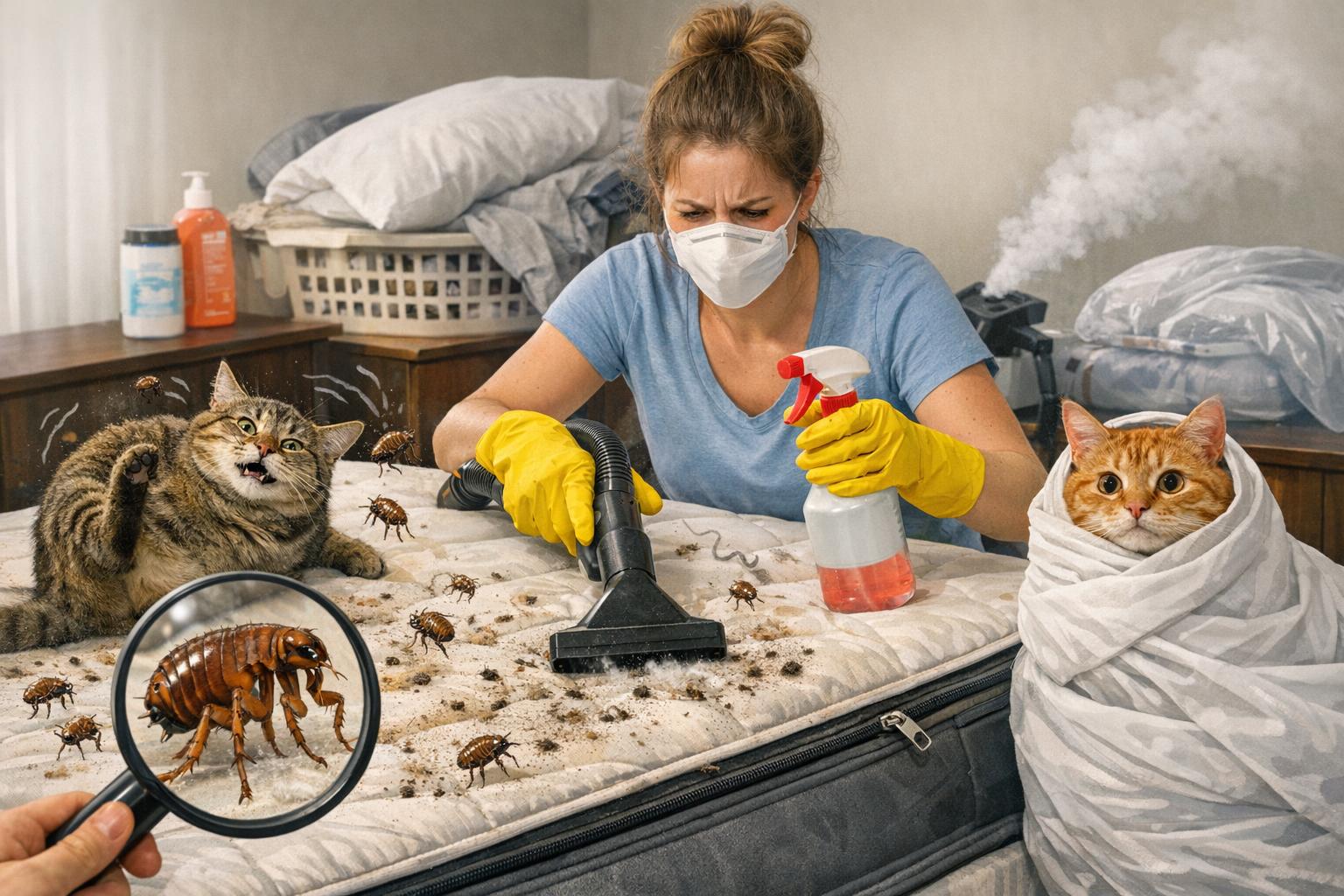
– Vacuum carpets, rugs, and upholstery thoroughly and dispose of vacuum bags or empty canisters outdoors.
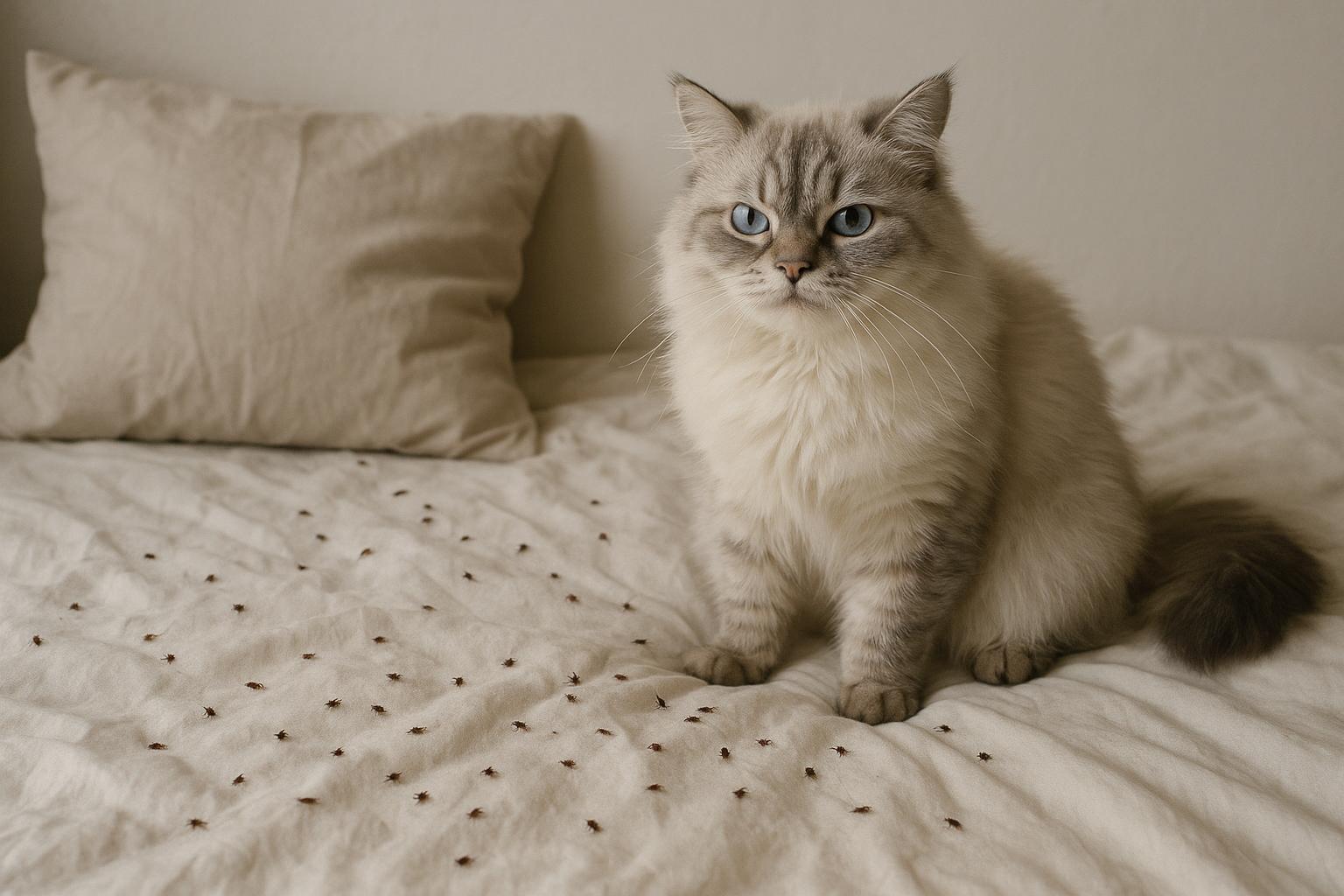
– Wash bedding, blankets, and any washable items in hot water and dry on high heat.
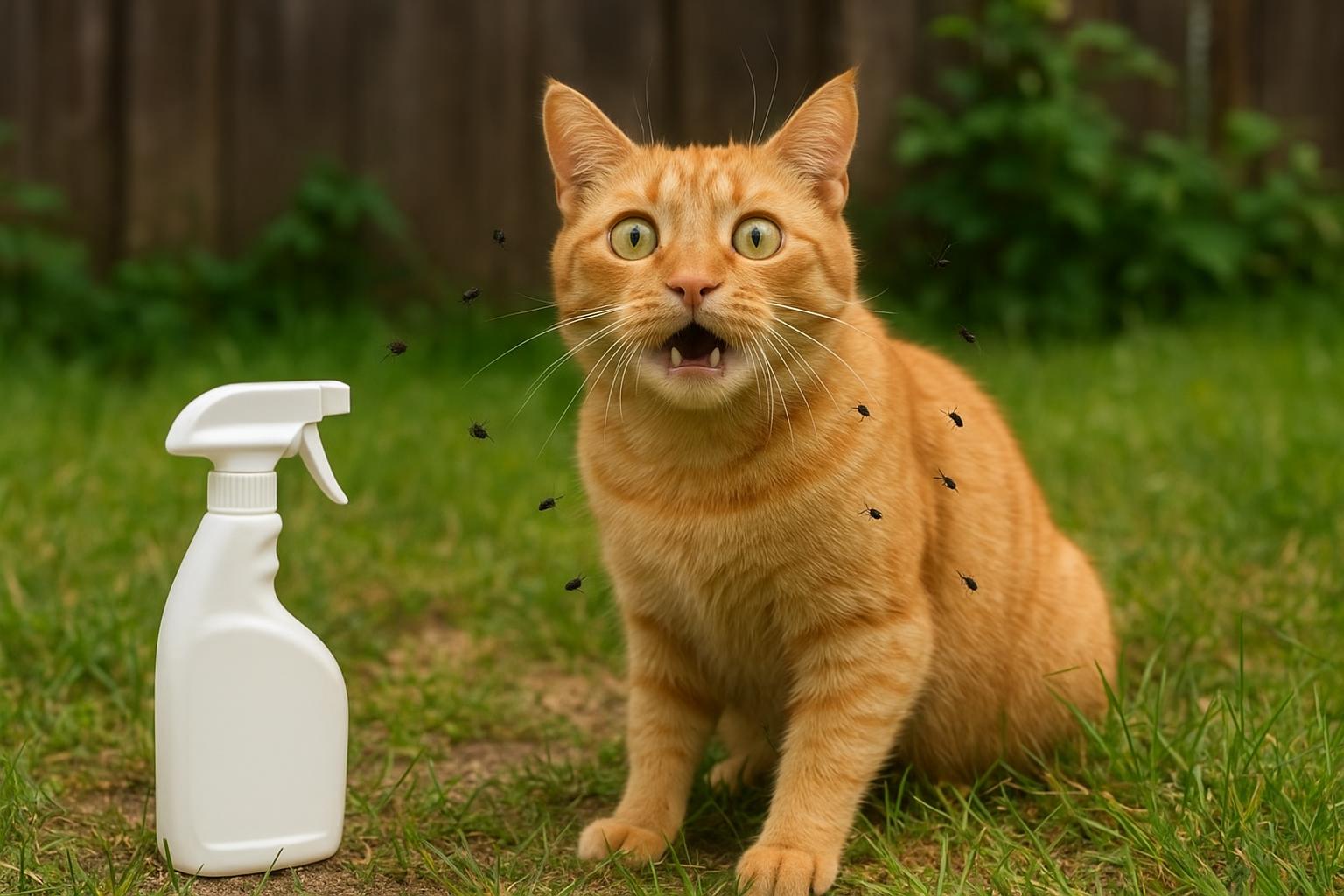
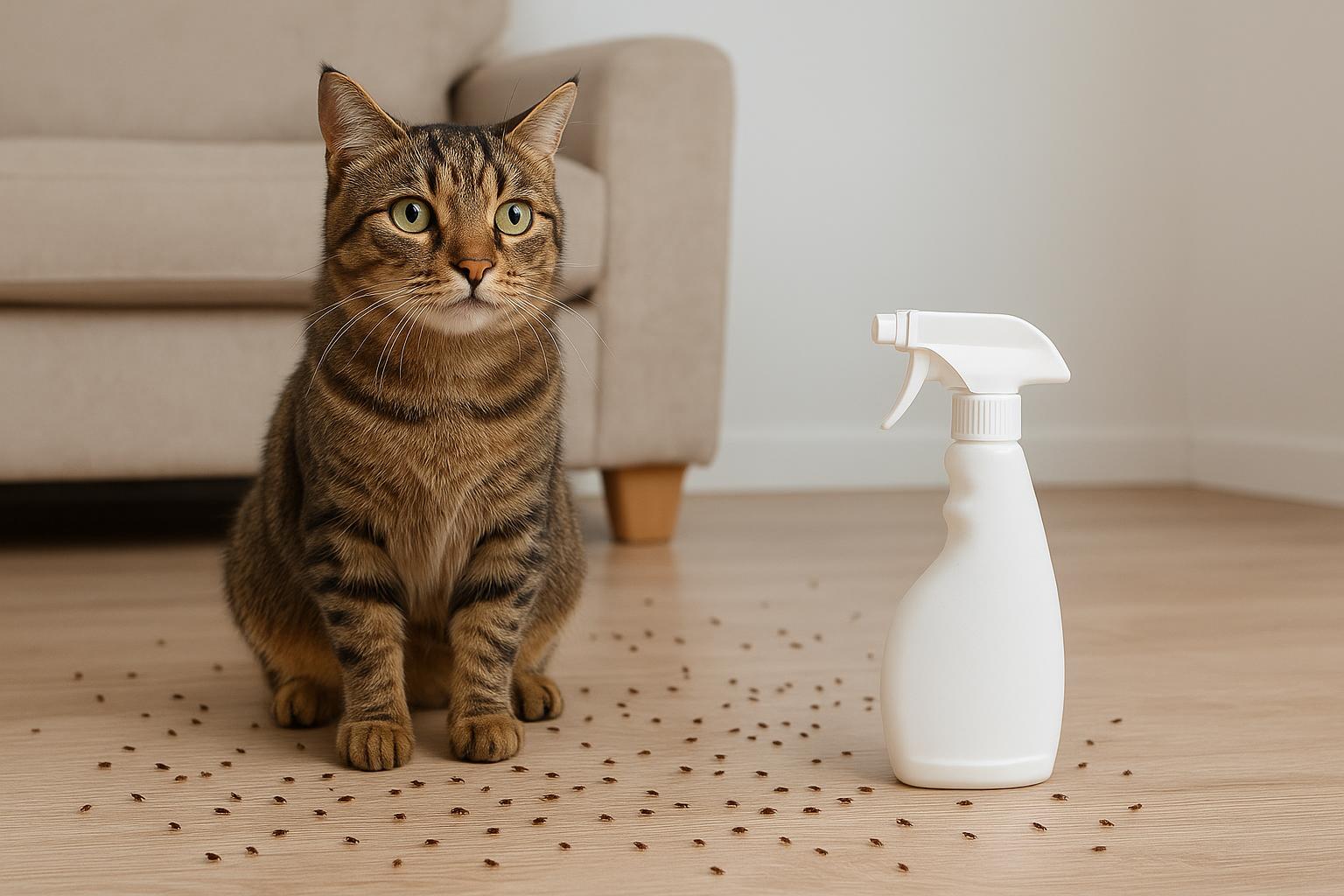
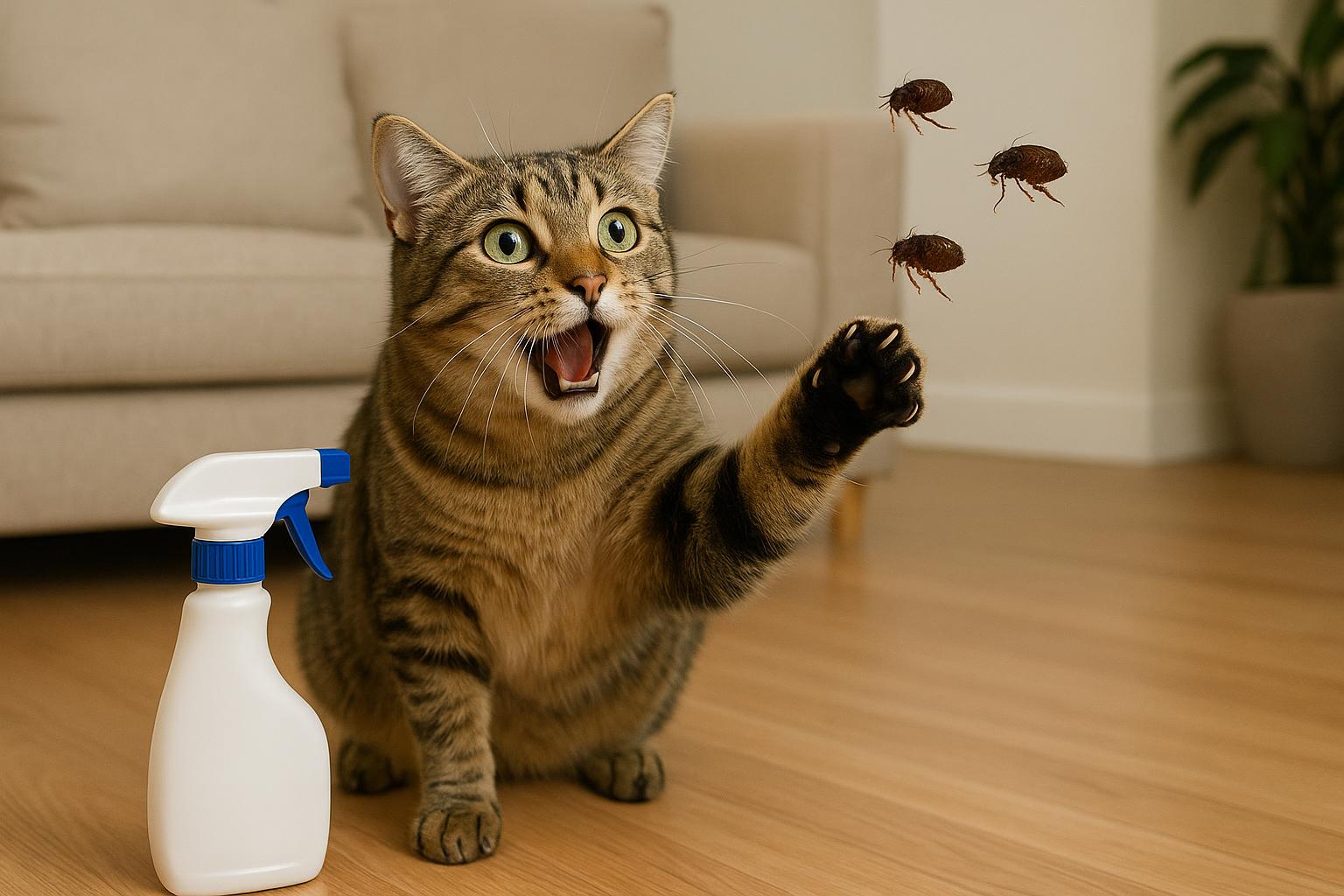
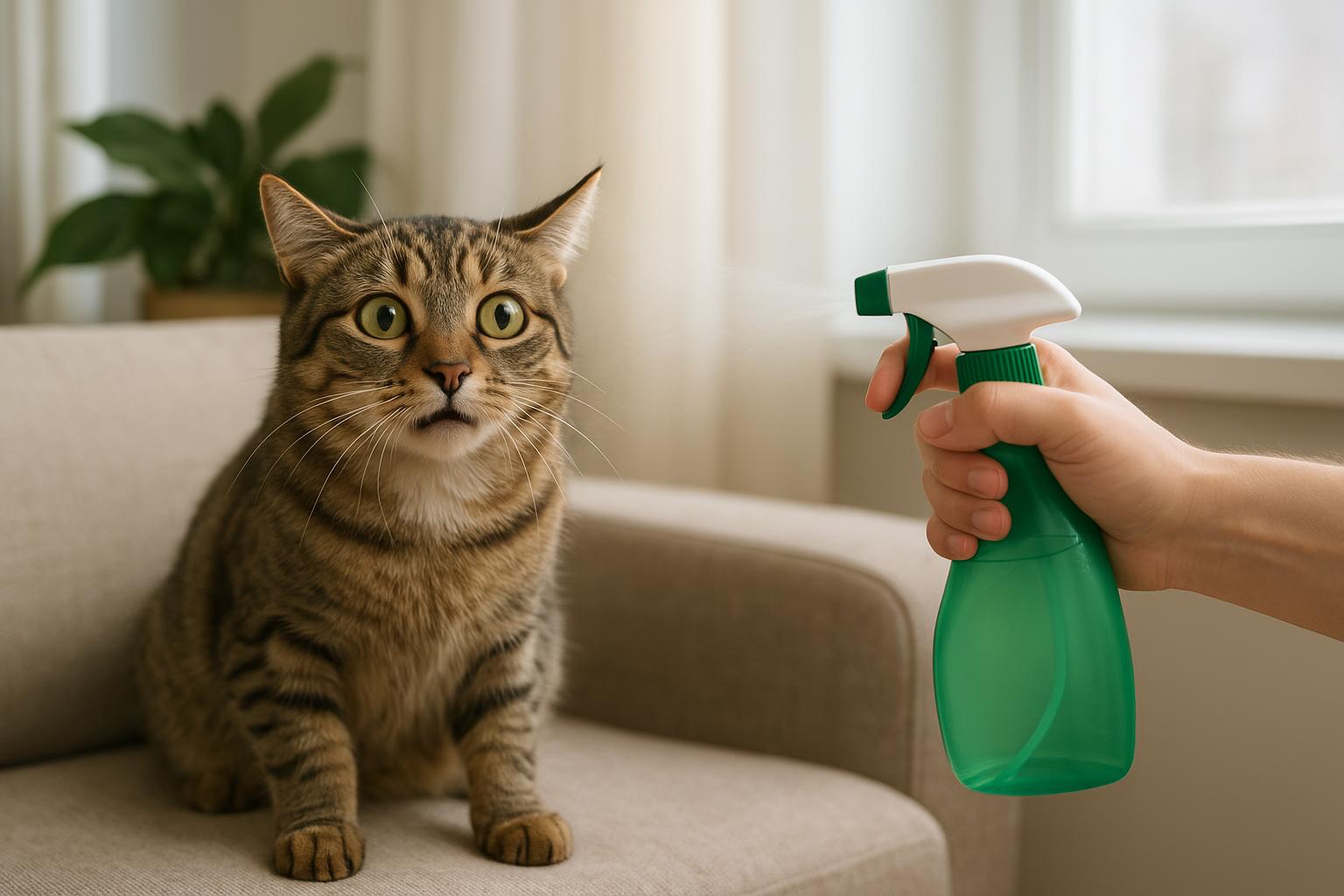
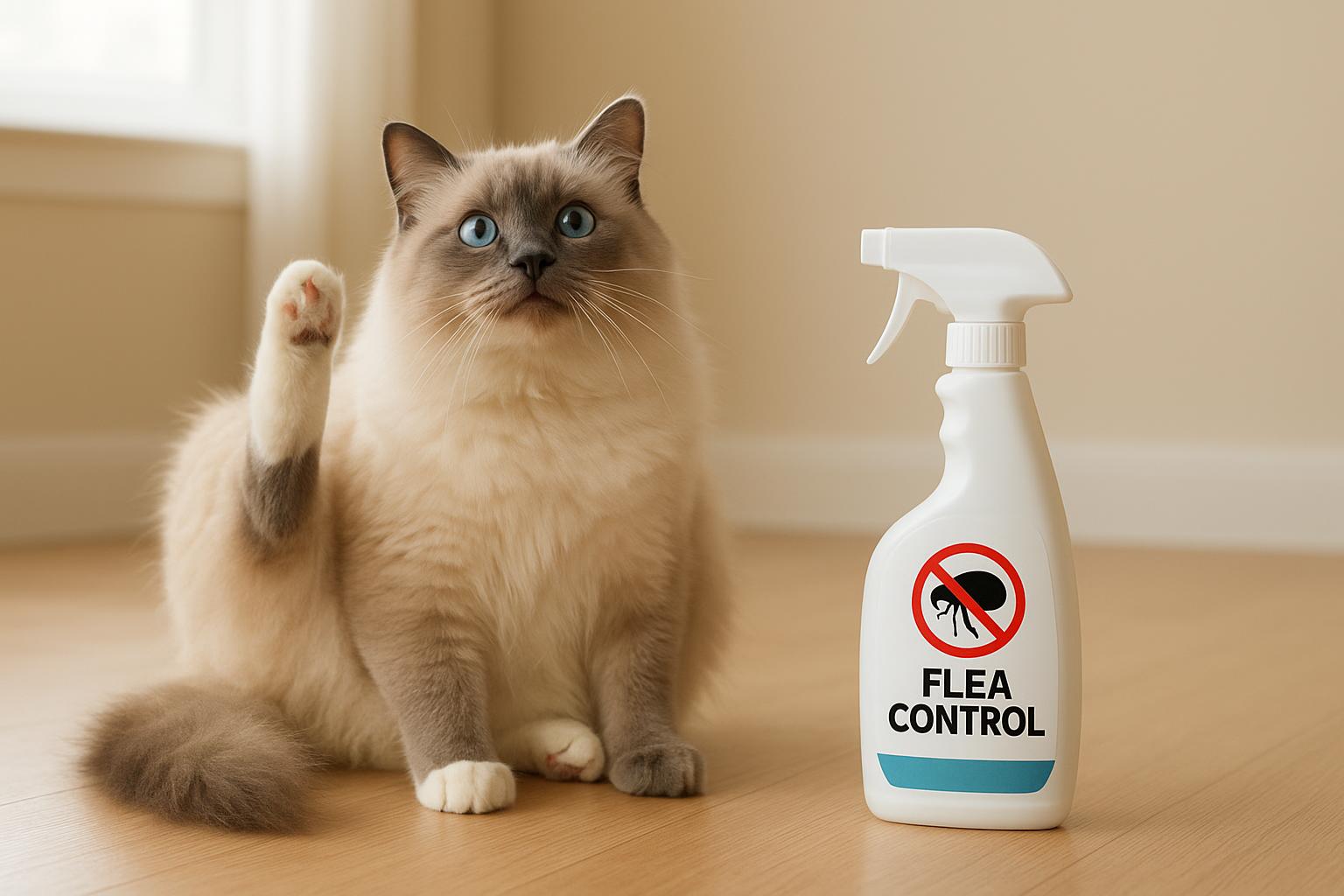
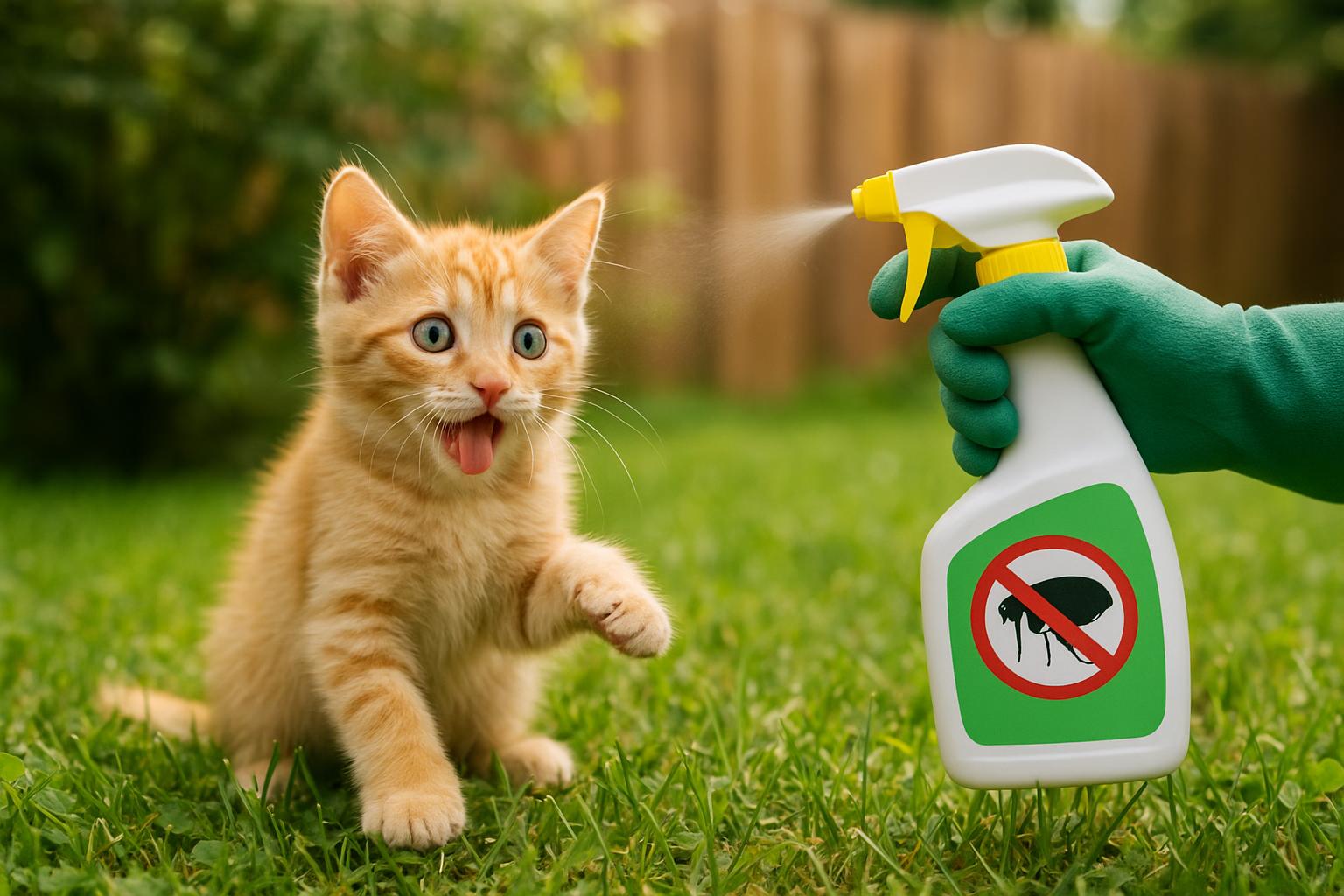
– Consider using an environmental flea spray or an insect growth regulator (IGR) to halt egg and larval development—these products treat the home rather than the animal and should be used per label instructions.
### Manage Other Pets
– Treat all household pets for fleas simultaneously, per your veterinarian’s advice. Fleas will migrate between hosts.
### Follow-Up Veterinary Care
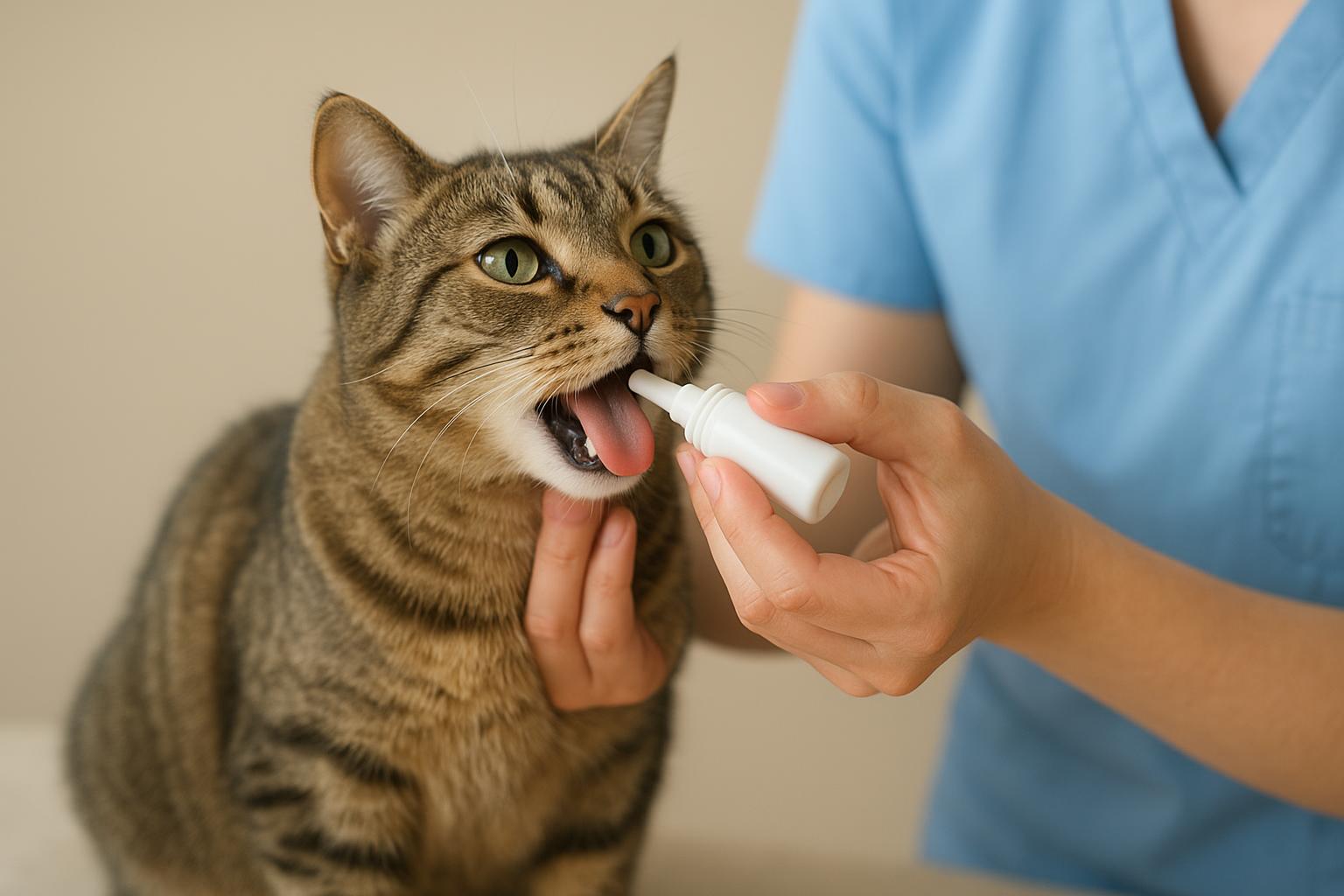
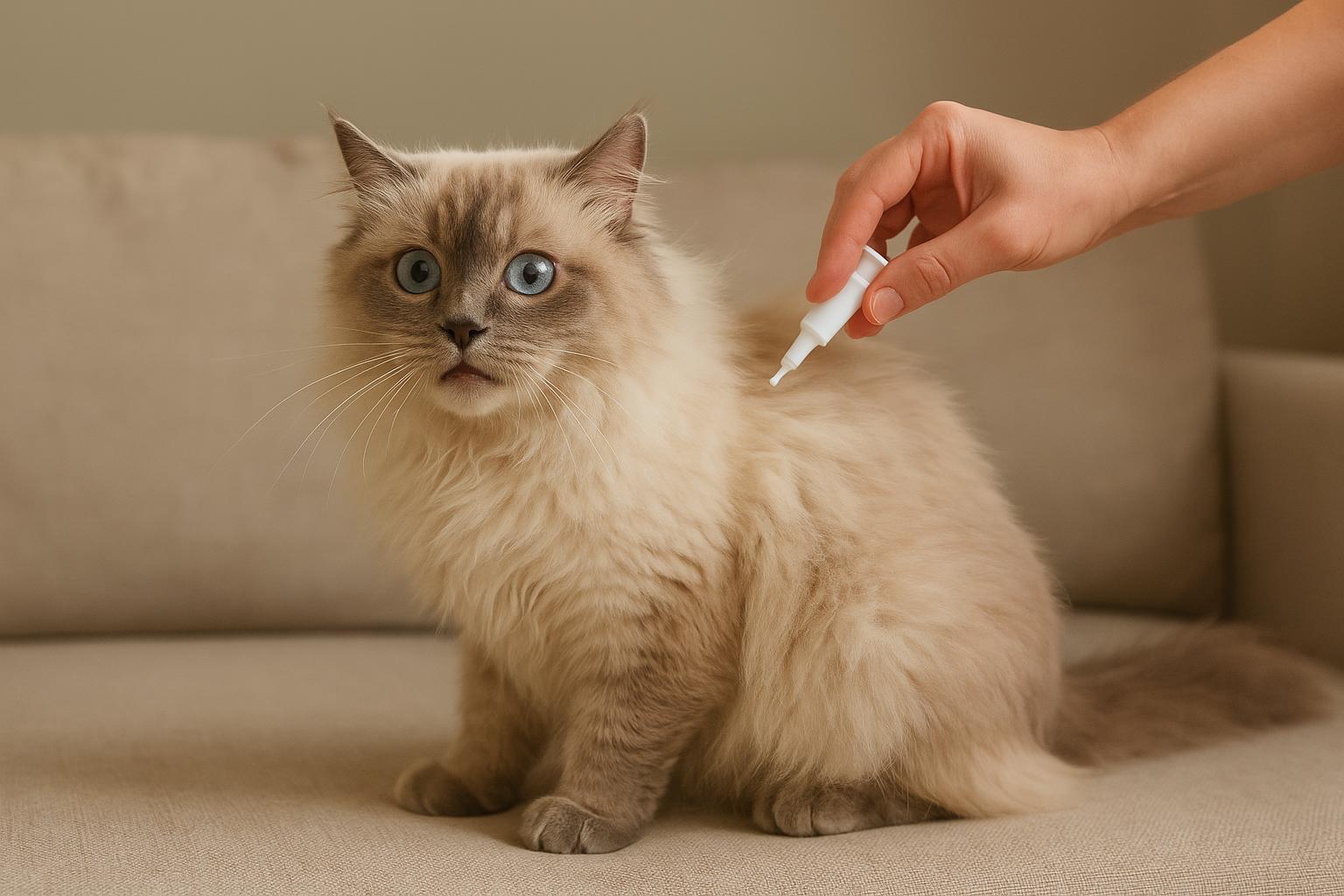
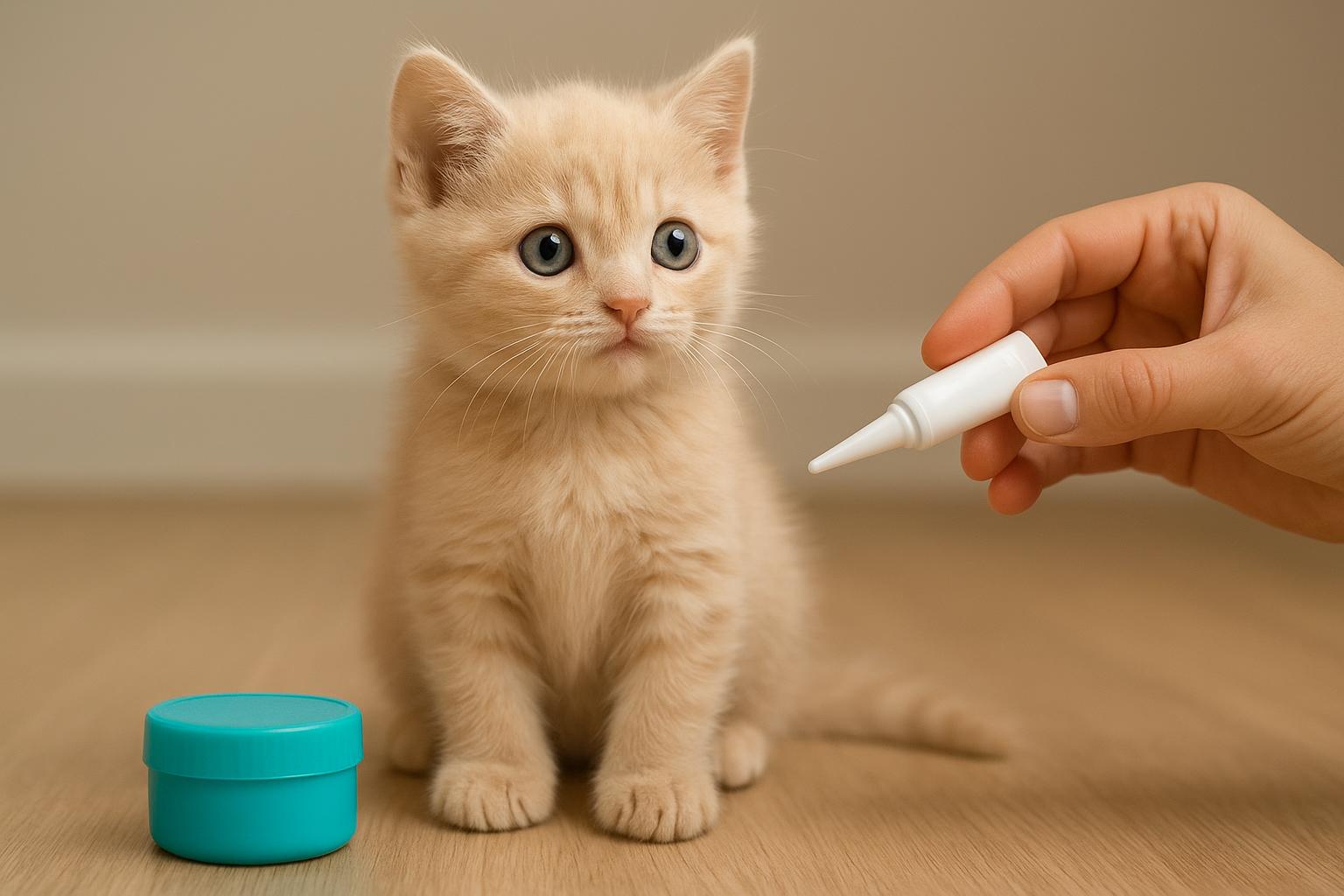
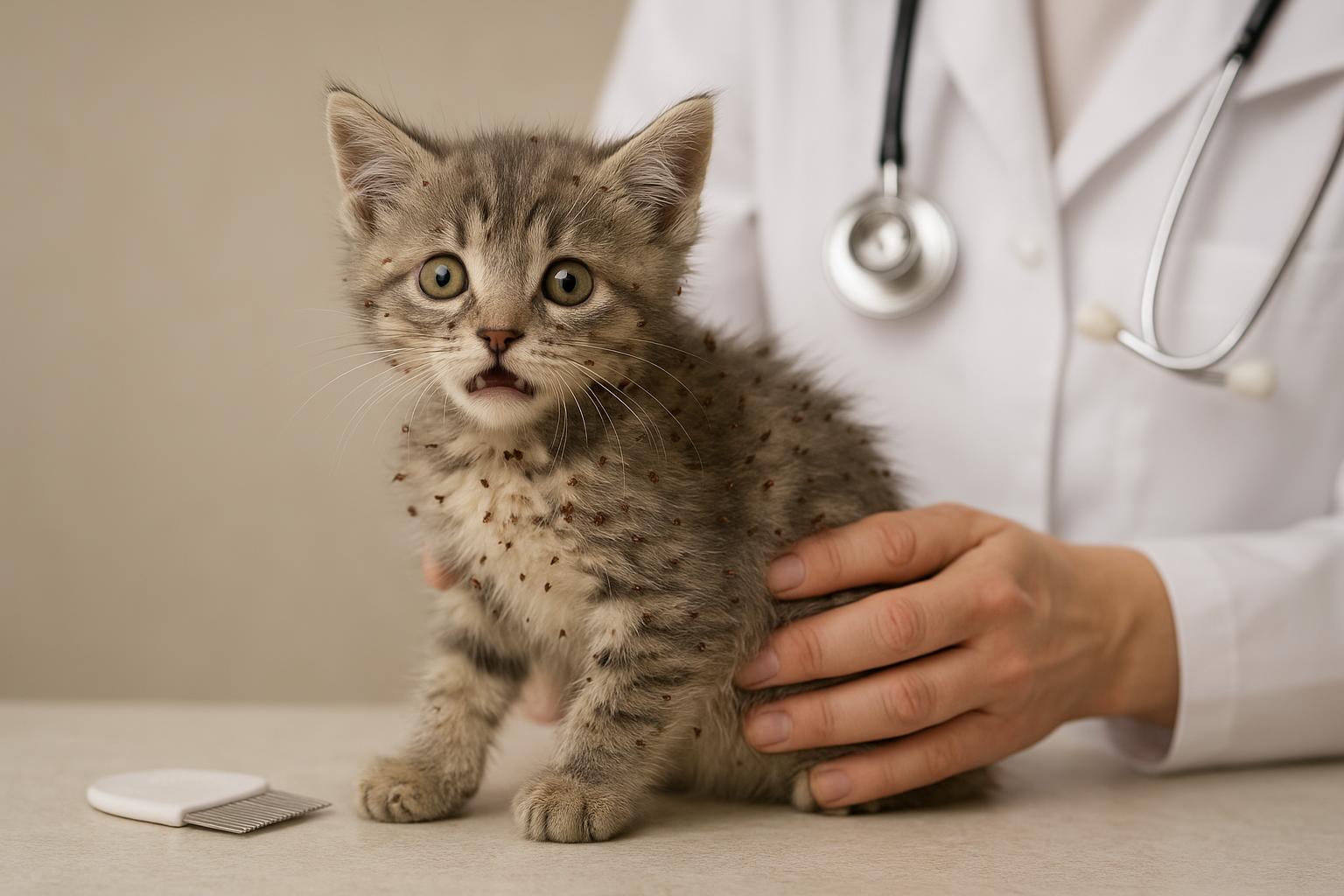
– Book a consultation with your veterinarian to discuss long-term flea control. Prescription options (topicals, oral treatments, or collars) are often necessary to fully control fleas and protect your cat’s health over time.
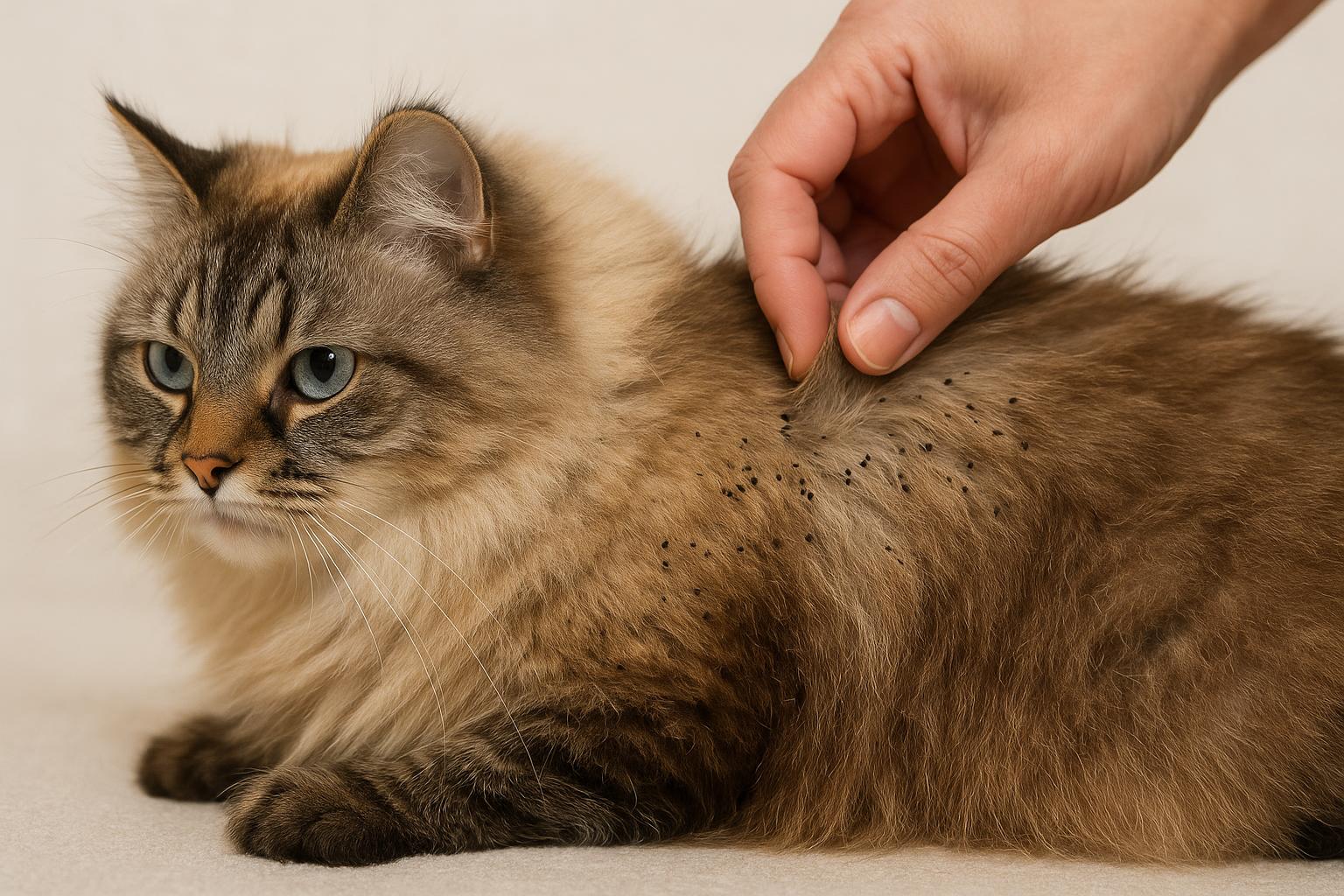
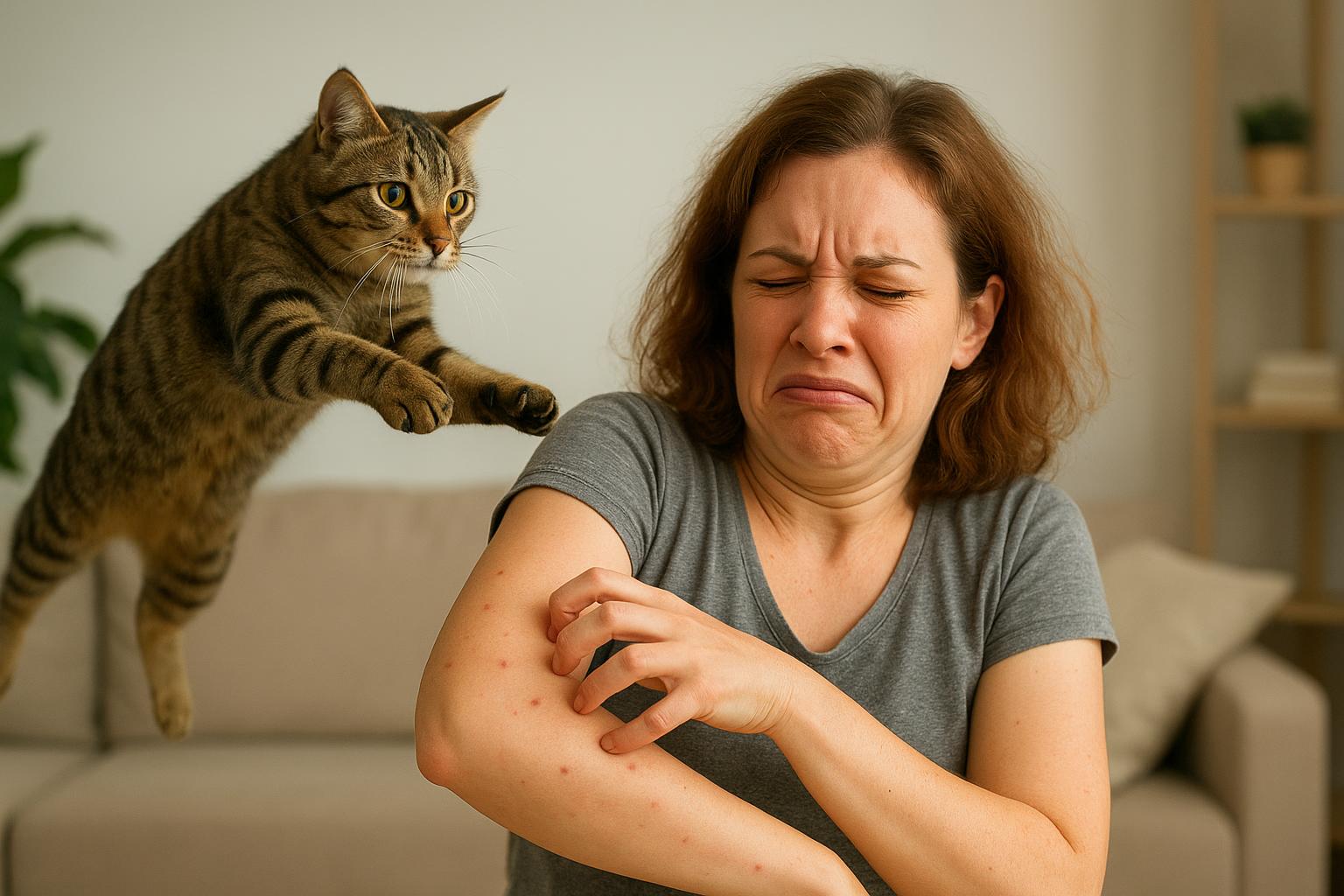
– If your cat shows signs of flea allergy dermatitis (intense scratching, hair loss, scabs), medical treatment may be required.
#### Tips For Cats That Hate Water
Some cats will stage a soap opera about bath time. If your cat is water-averse:
– Use a calm, quiet room, and move quickly but gently.
– Use treats and positive reinforcement before and after bathing.
– Consider bathing in a vet clinic or grooming professional if the cat becomes too stressed.
#### Recordkeeping And Monitoring
Keep a simple log of treatments and observations. Note dates of baths, flea counts (estimated), and any signs of skin irritation. Routine monitoring helps you and your vet make informed decisions about ongoing flea control.
## When To Call The Vet Immediately
If your cat becomes lethargic, shows signs of breathing difficulty, has vomiting or diarrhea after the bath, or develops increased skin irritation, contact your veterinarian right away. Also seek veterinary help if the infestation is severe, if the cat is very young or old, or if there’s evidence of secondary skin infection.
Using a dawn flea bath can be a pragmatic, quick-response tool when fleas are an immediate problem. It’s useful, accessible, and can provide fast relief. But remember: it’s part of a broader strategy—environmental treatment, treating all pets, and veterinary-approved preventive measures are essential to truly evict fleas from your home for good.
Leave a Reply