
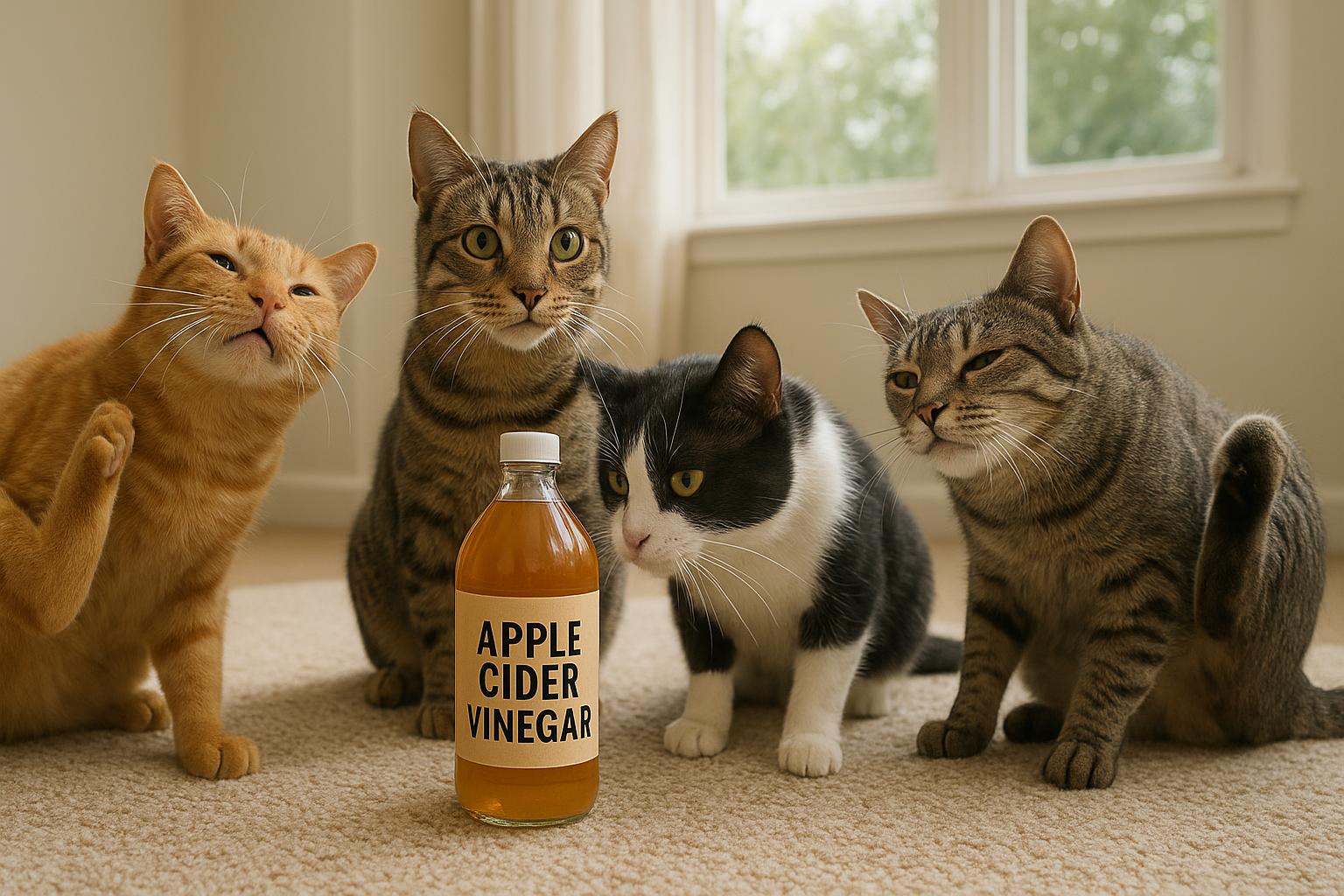
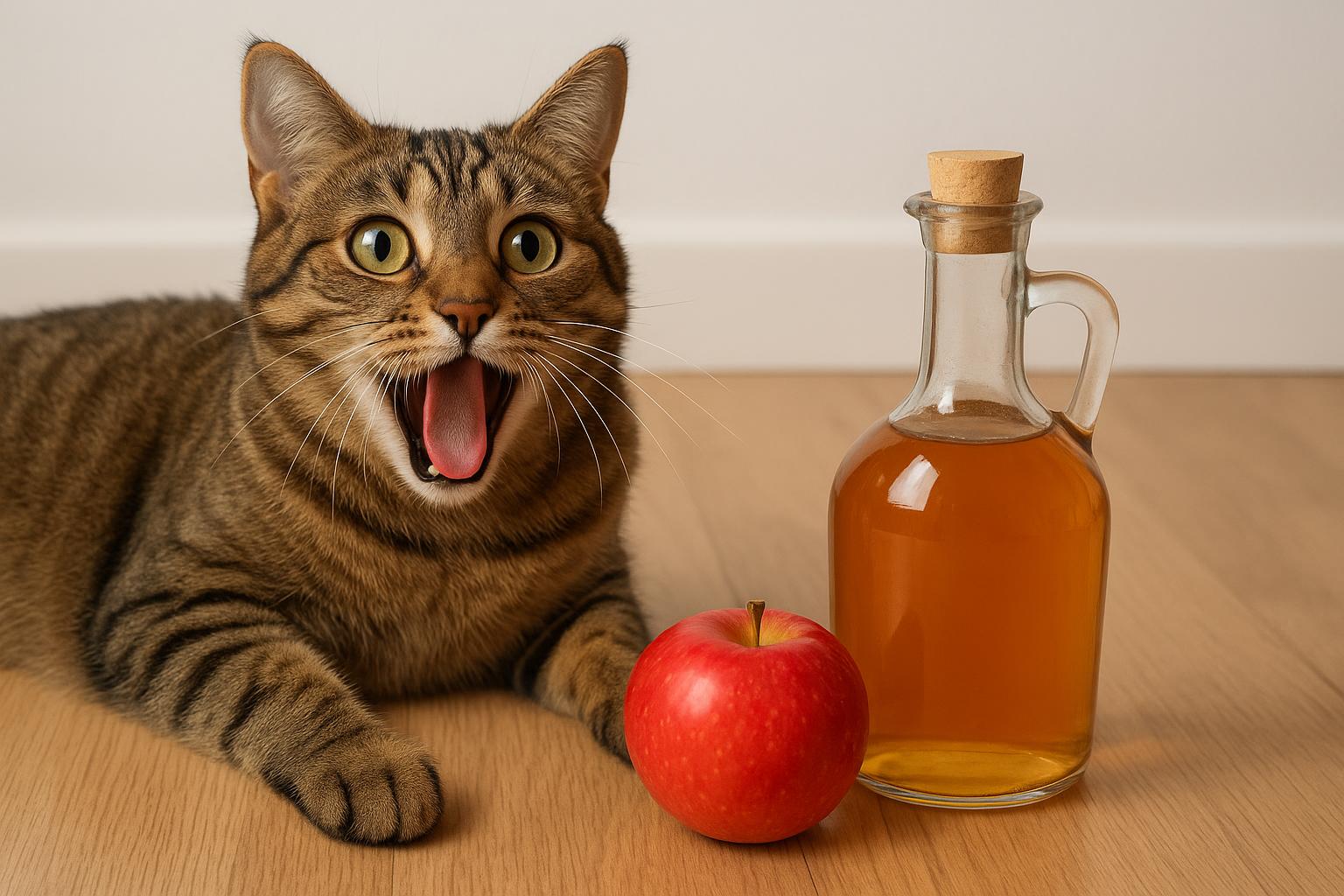
Hello there—pull up a chair, pour yourself something non-vinegary, and let’s talk about a pantry classic that some cat owners swear by: apple cider vinegar. This article walks through what it does (and doesn’t do), why many people reach for it against fleas, and clear, step-by-step, vet-friendly ways to use it safely around your feline friend.
## How Apple Cider Vinegar Helps Cats Fight Fleas Naturally
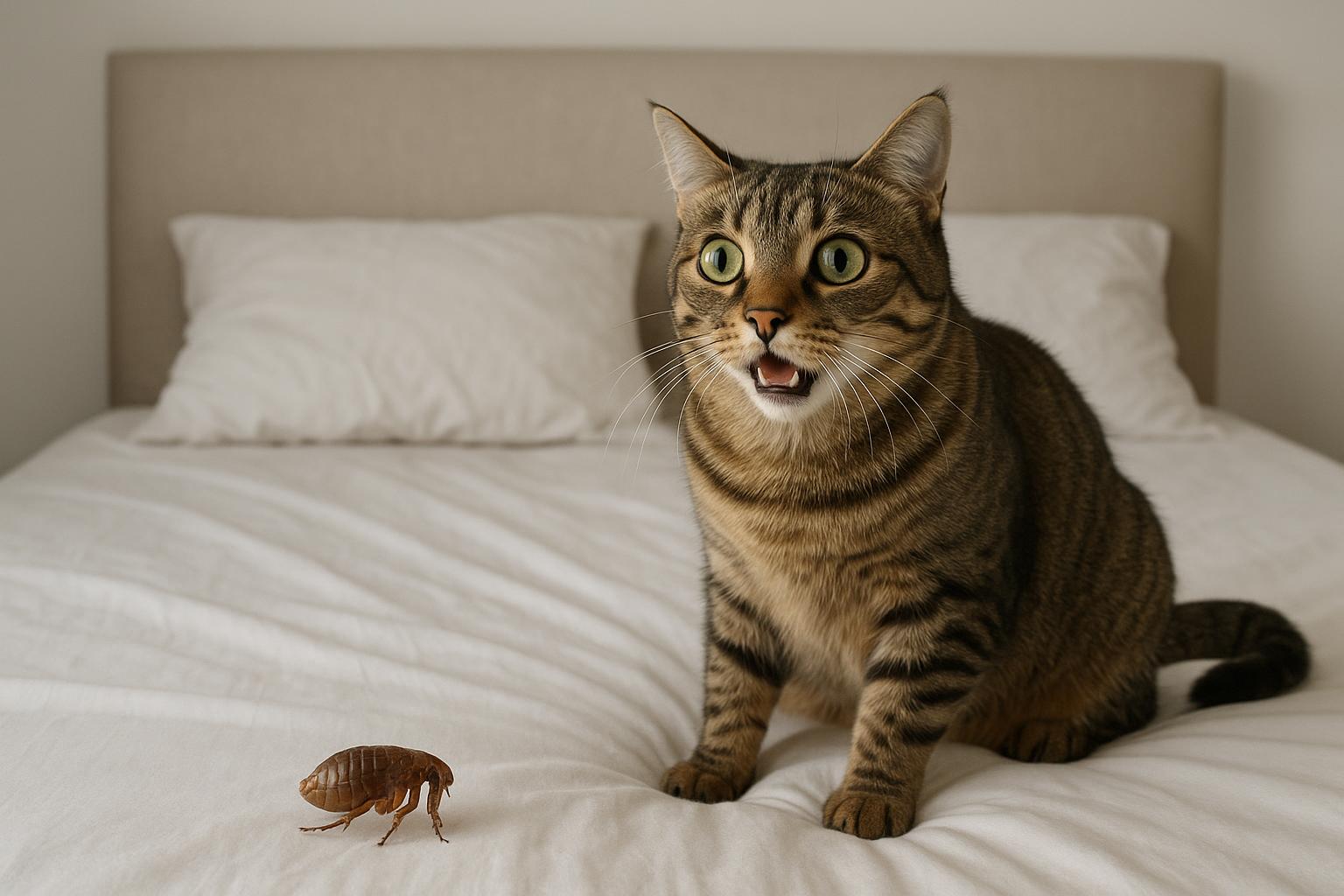
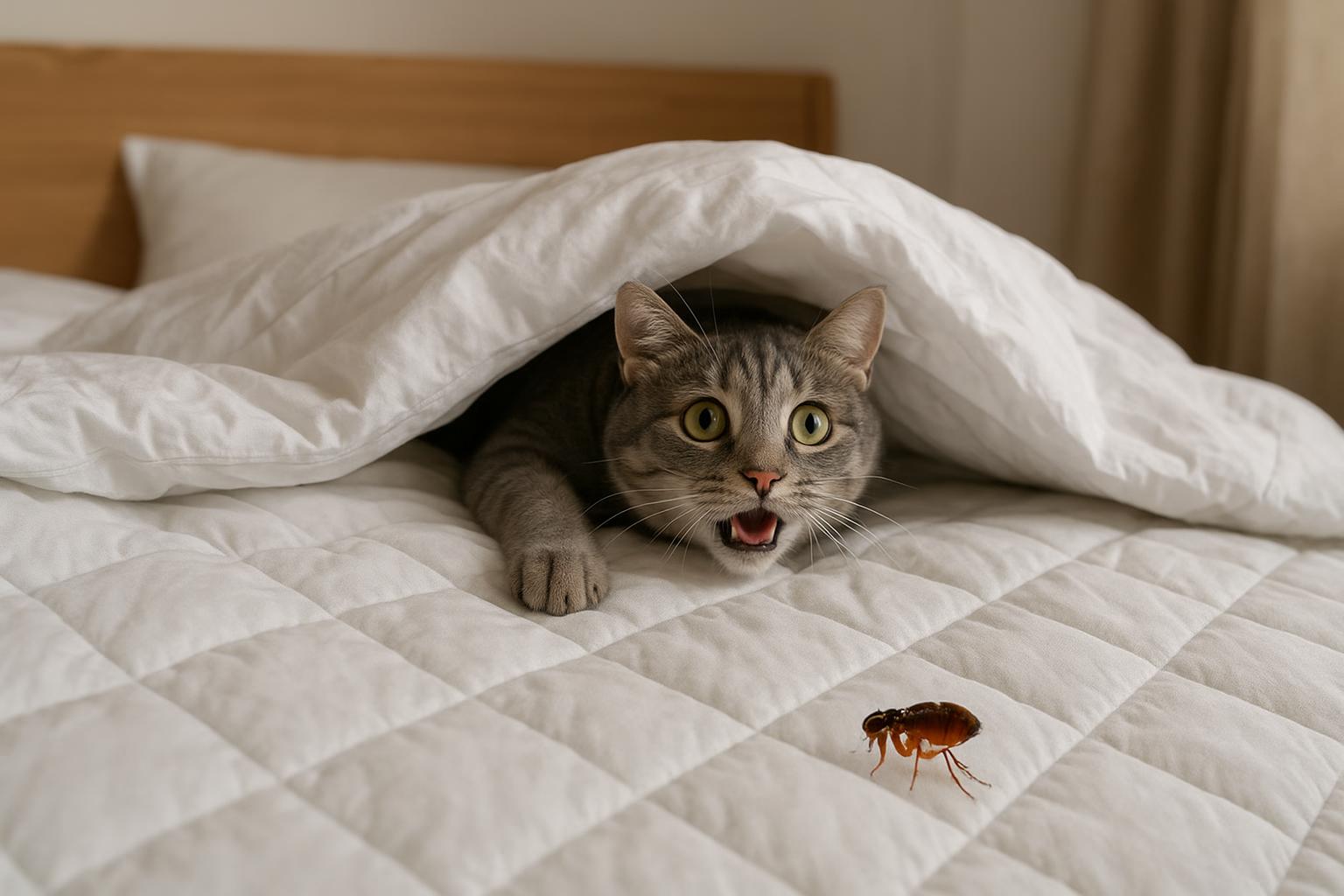
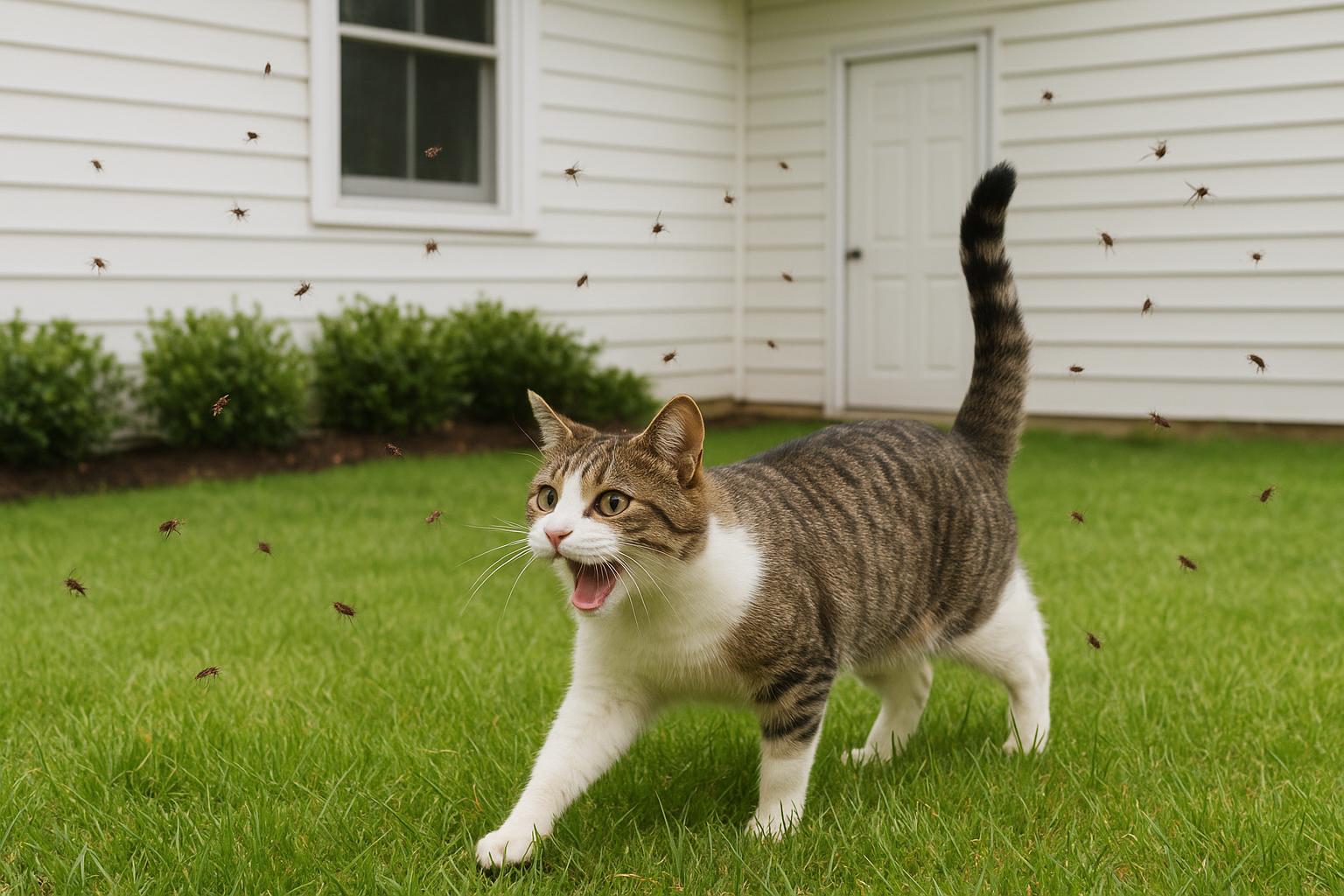
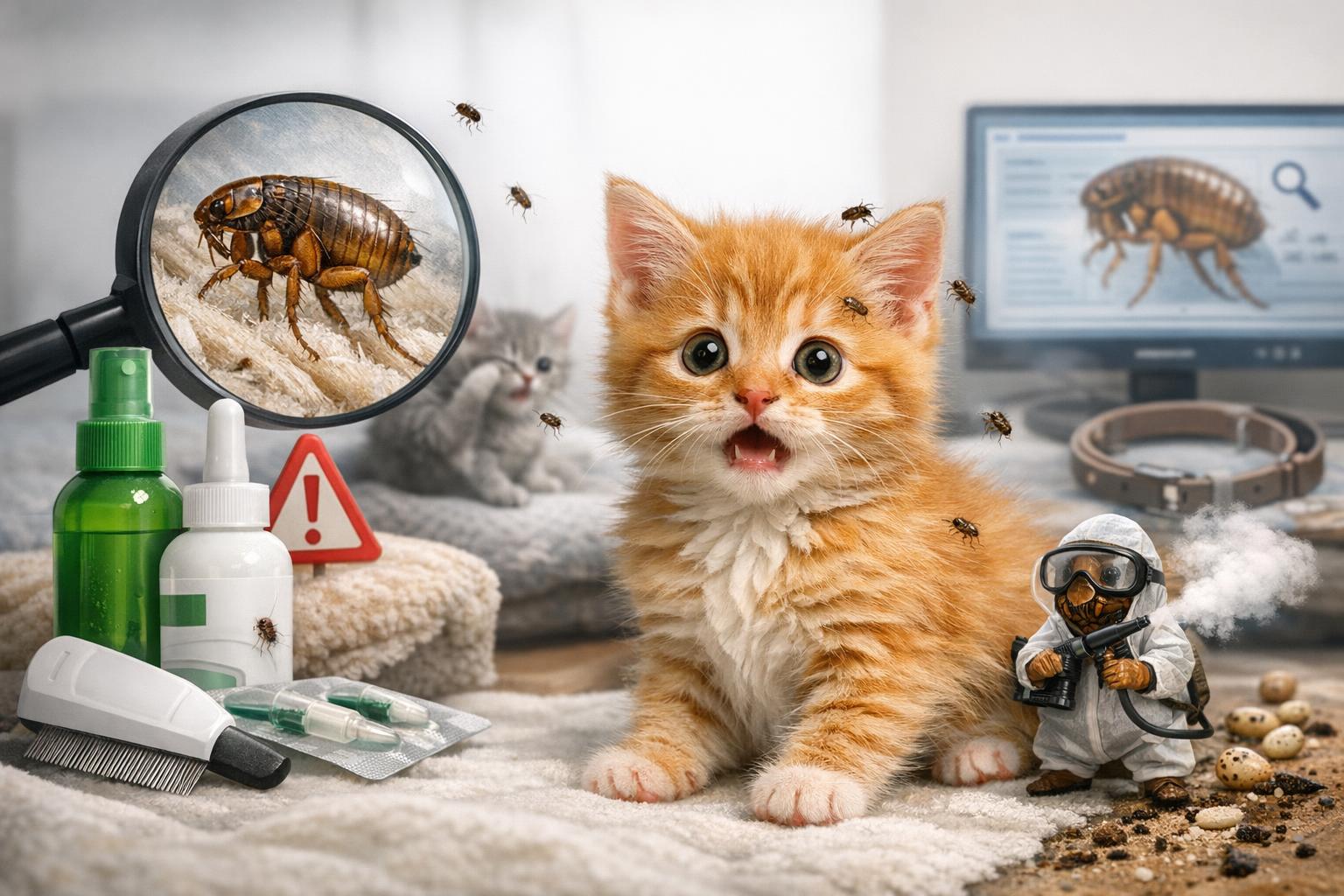
Apple cider vinegar has a long backyard-bench reputation as a mild insect repellent and skin conditioner. For cats, its role is mostly supportive: it can make your pet’s fur less hospitable to hungry fleas, soothe minor skin irritation caused by scratching, and complement conventional flea control methods. Importantly, apple cider vinegar is not a pesticide that will reliably kill a heavy infestation or the eggs and larvae hiding in your home. Think of it as a gentle ally in a broader strategy rather than a one-stop cure.
### The Science Behind The Scent And pH
Fleas rely heavily on scent cues to locate hosts. The acetic acid and other volatile compounds in apple cider vinegar can interfere with those cues, making a cat slightly less attractive to fleas. Additionally, the mildly acidic pH of a properly diluted solution can help balance skin surface conditions, potentially reducing itch and bacterial overgrowth from scratching. These effects are subtle and variable; they depend on concentration, application method, and environmental flea pressure.
### What Apple Cider Vinegar Won’t Do
#### Not A Complete Flea Eradication Solution
Apple cider vinegar is not an insect growth regulator, and it won’t reliably eliminate flea eggs, pupae, or established infestations on its own. If you have more than a few fleas, or if household members are getting bitten, prioritize veterinary-approved topical or oral flea treatments and environmental control (vacuuming, washing bedding, treating carpets).
#### Use With Caution Around Wounds And Kittens
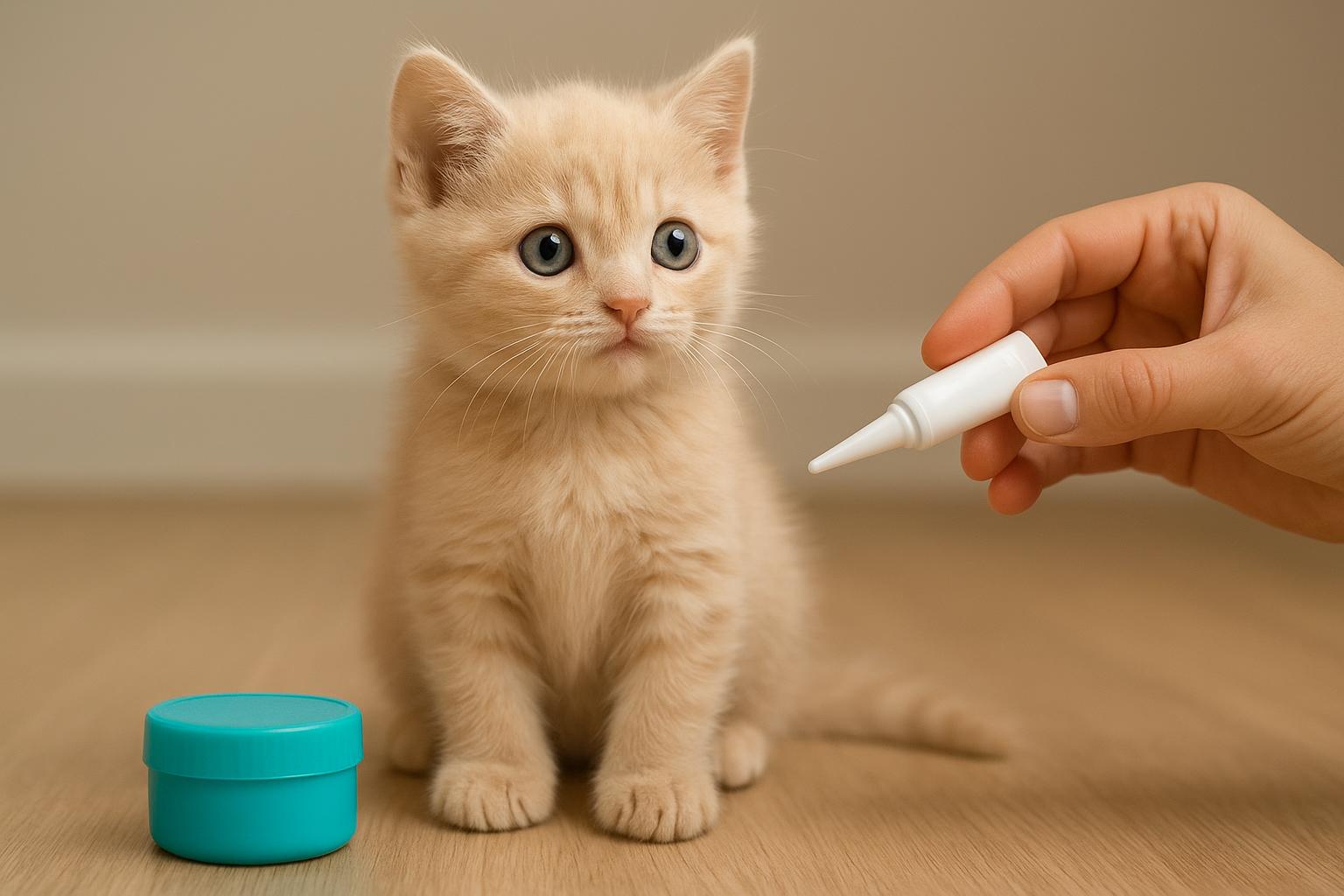
Do not apply vinegar solutions to open sores, raw skin, or mucous membranes. Kittens under 12 weeks and cats with sensitive skin or certain medical conditions may react poorly to even diluted vinegar. When in doubt, check with your veterinarian.
## 1. Apple Cider Vinegar Spray For Spot Treatment
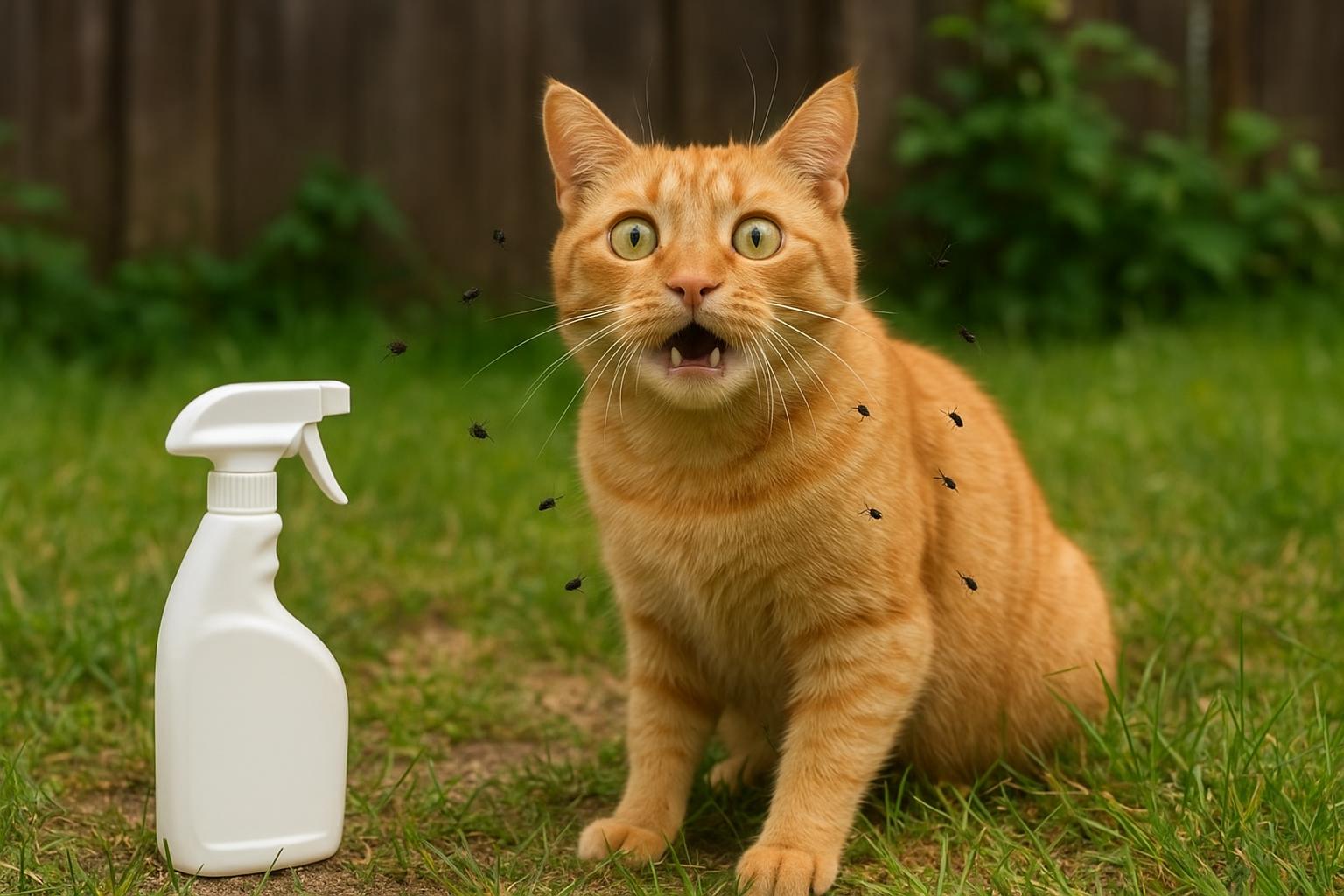
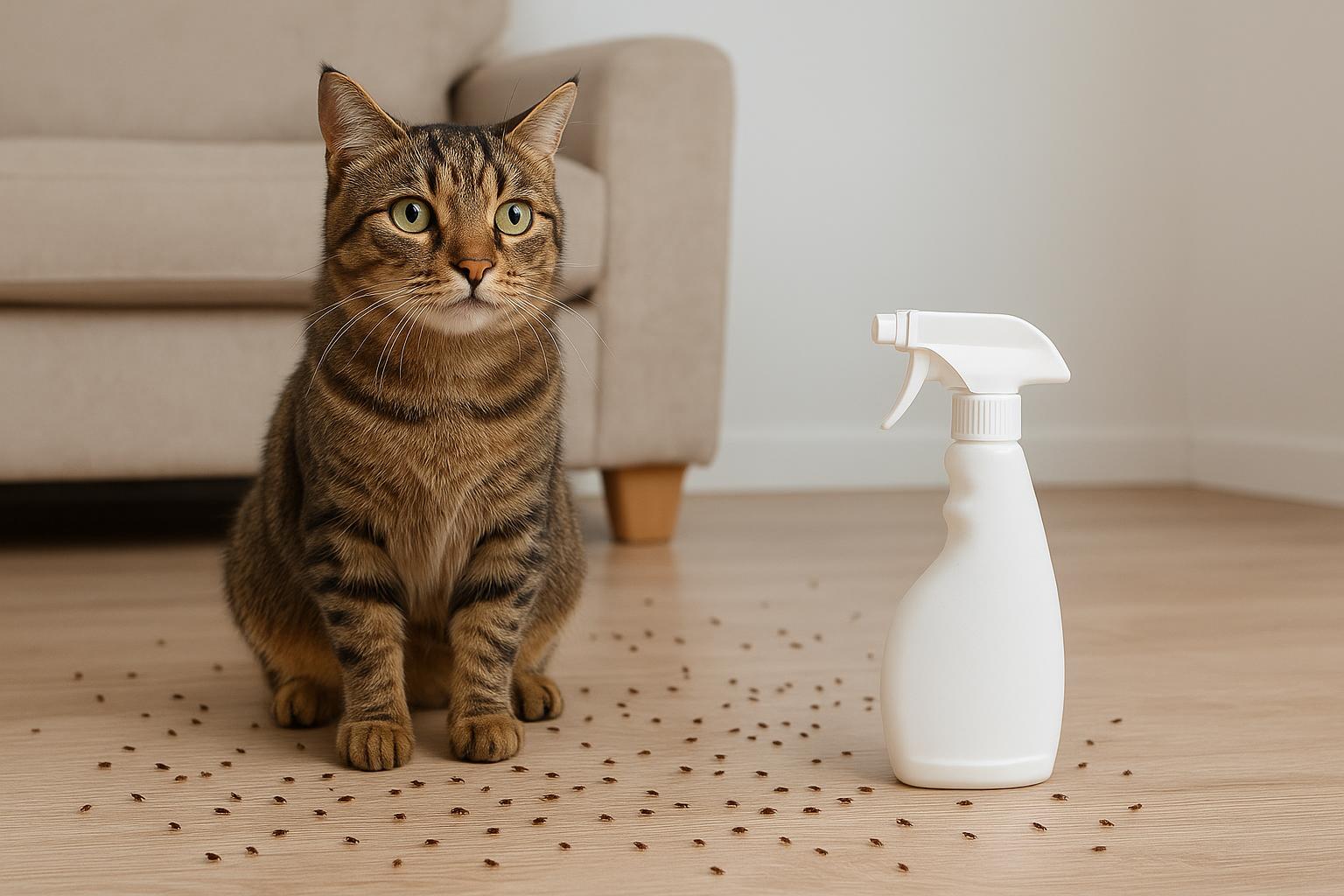
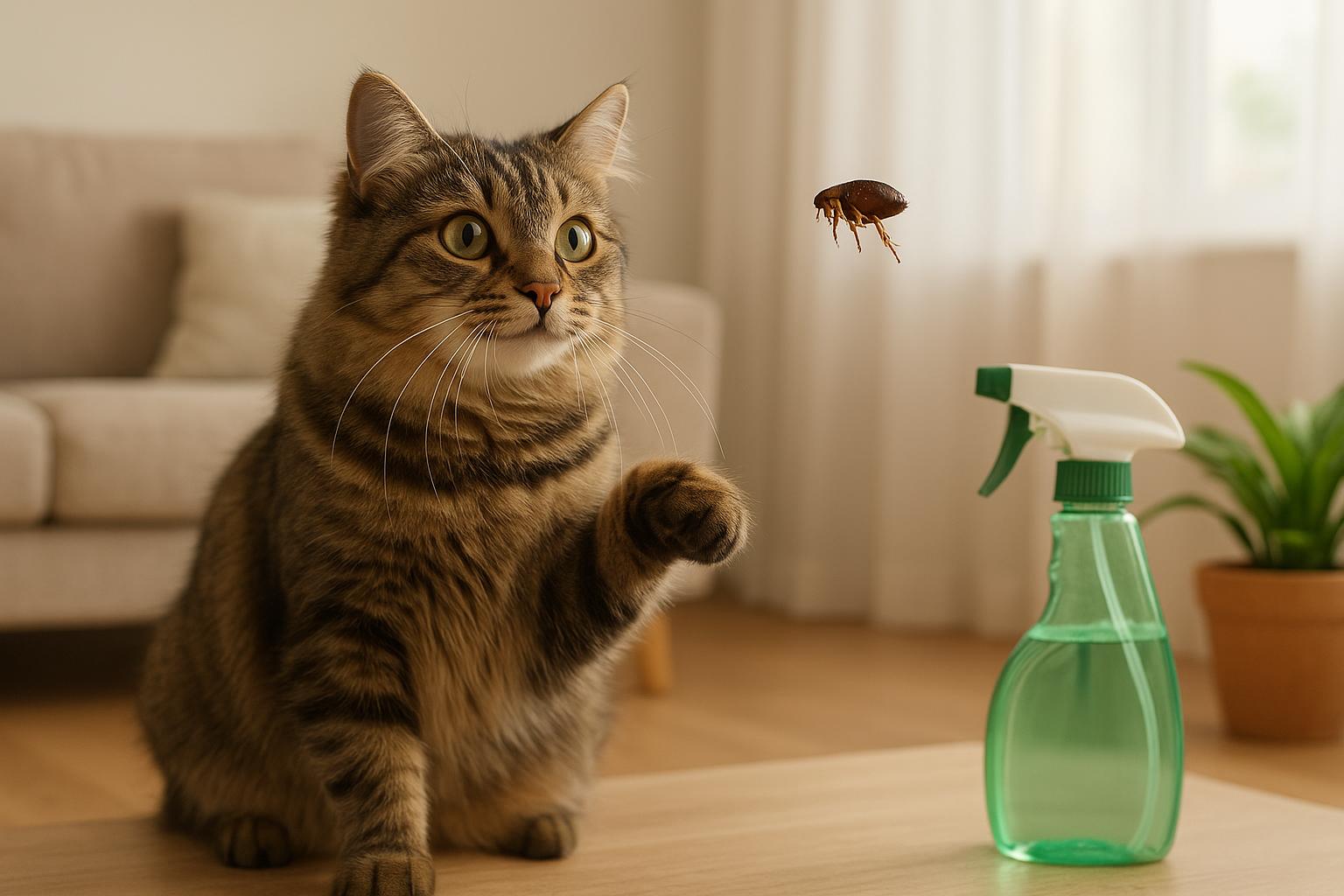
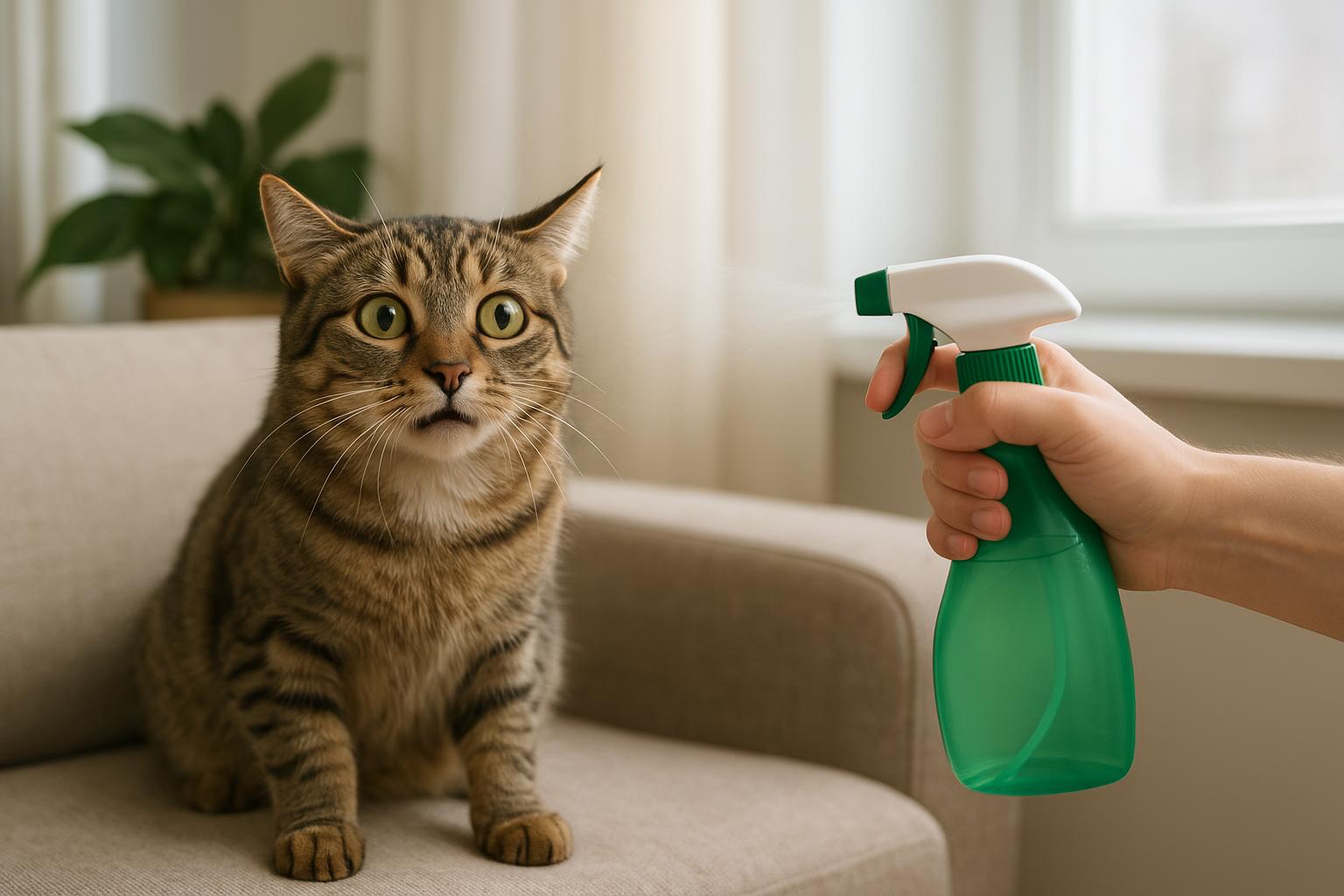
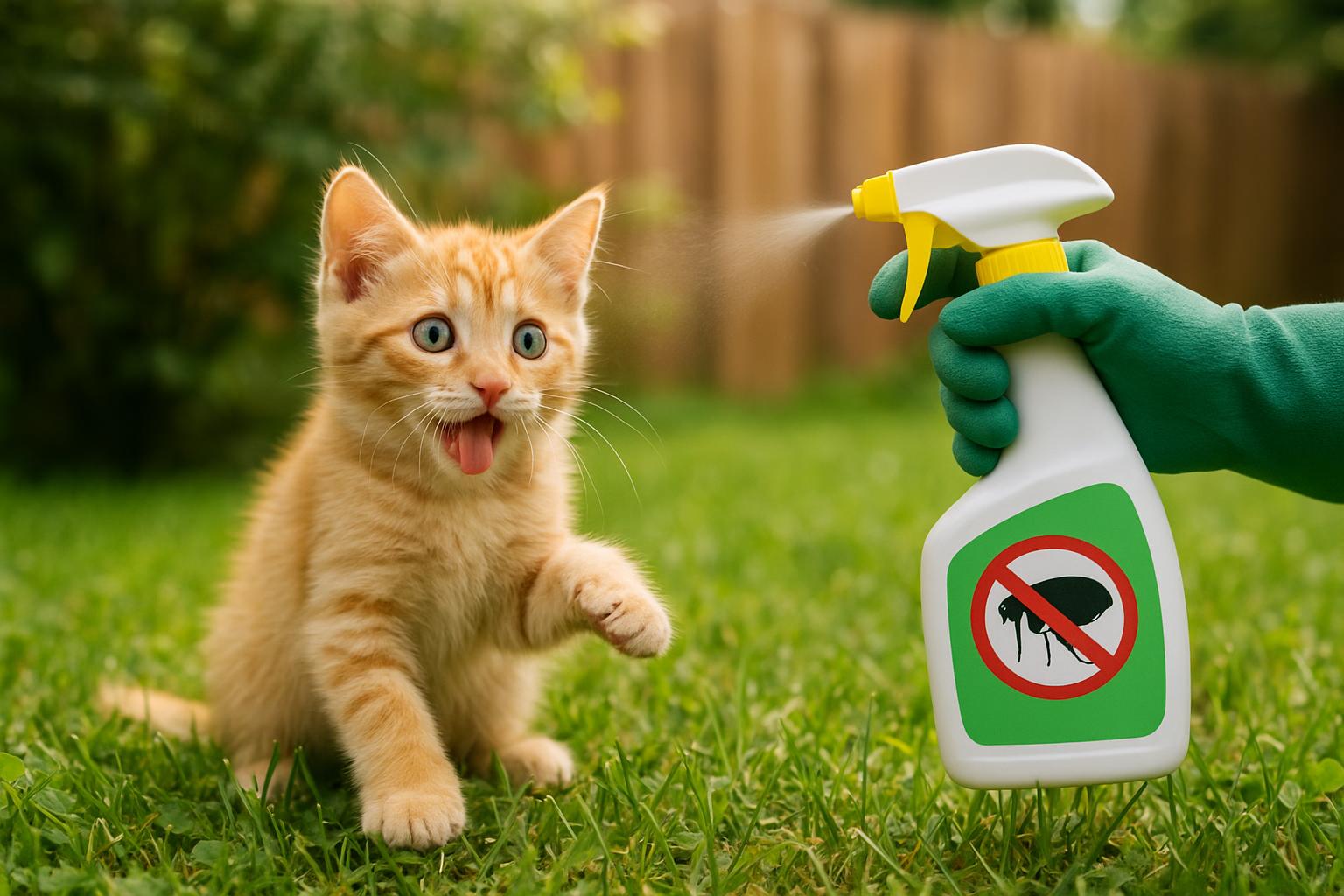
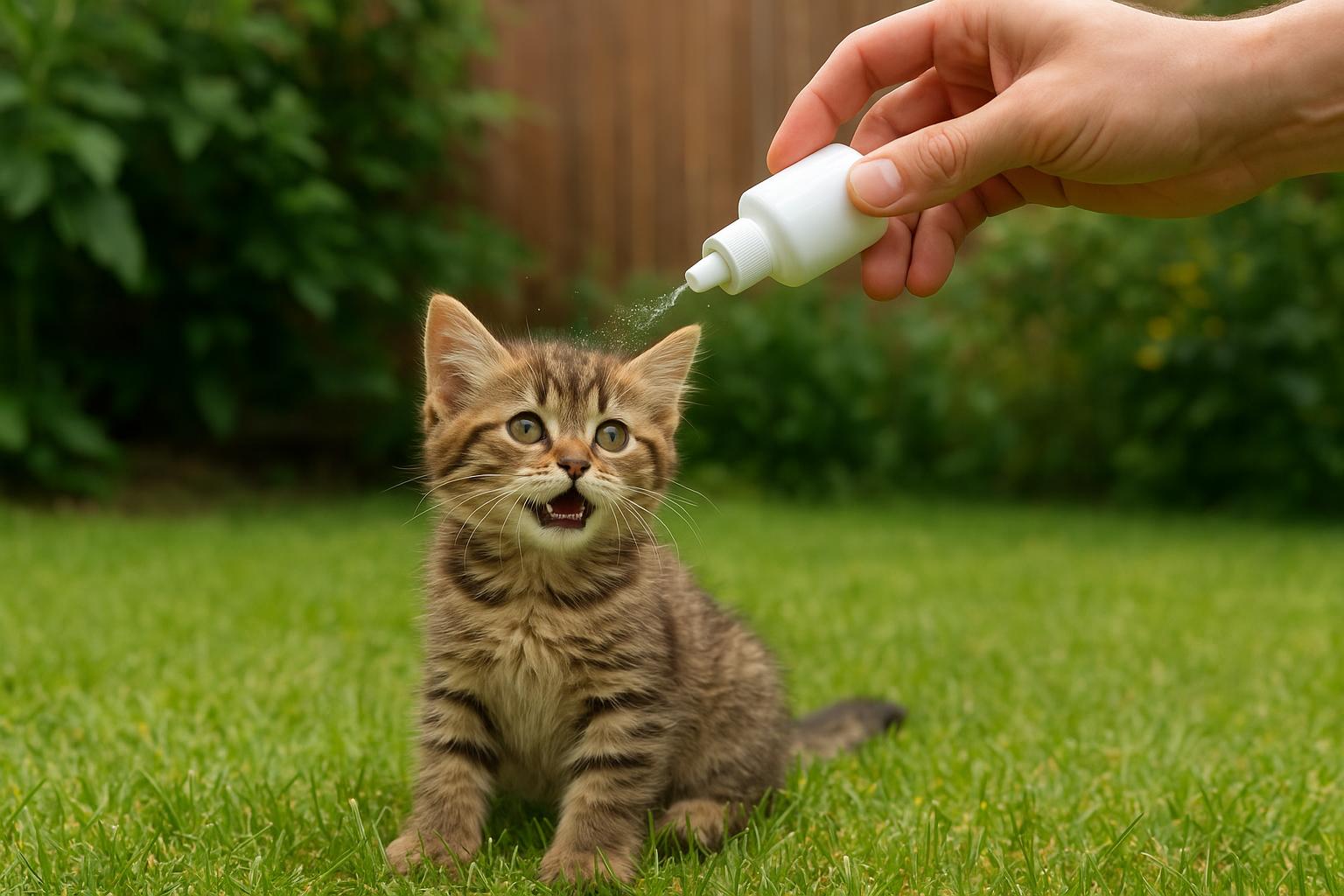
When you want a quick, targeted approach for outdoor time or to treat a mildly flea-prone cat, a diluted spray can help. This is practical for spot-treating scruffs, collars, harnesses, or bedding where direct ingestion is unlikely.
Ingredients / Required Materials
– 1 cup distilled or filtered water
– 1/4 cup apple cider vinegar (preferably raw, unfiltered)
– Clean spray bottle (dark plastic or glass preferred)
– Optional: a few drops of cat-safe essential-free pet calming spray (only if vet-approved)
Step-by-Step Creation and Application
1. Sanitize the spray bottle with hot water, then allow it to cool.
2. Combine 1 cup water with 1/4 cup apple cider vinegar in the bottle. Shake gently to mix.
3. Test a tiny patch on your cat: mist a small area of the scruff from about 12 inches away and wait 15 minutes to see if there is redness or an adverse reaction.
4. If no irritation appears, lightly mist the fur avoiding the face, eyes, nose, mouth, and any broken skin. Focus on the back, base of tail, and neck where fleas like to hide.
5. Reapply once daily in low-to-moderate flea seasons. After swimming or bathing, consider reapplying once the coat is dry.
6. Wash your hands after use. Do not allow your cat to groom the misted area excessively for a few minutes.
Be precise about dilution: too strong and you risk irritation; too weak and the effect is negligible. This spray is adjunctive—pair it with combing and environmental control.
### When To Use The Spray Versus Other Measures
Use the spray as a preventive option if your cat spends time outdoors or around other animals. If you find fleas on the comb regularly, move to a stronger, vet-recommended treatment rather than increasing vinegar concentration.
## 2. Apple Cider Vinegar Bath Rinse For Flea Control
A full rinse can help dislodge debris, soothe irritated skin, and make it harder for fleas to cling. Baths should be done sparingly and gently; over-bathing can strip protective oils and worsen skin problems.
Ingredients / Required Materials
– 4 cups warm water
– 1/2 cup apple cider vinegar
– Mild cat shampoo (optional and fragrance-free)
– Basin or tub suitable for cats
– Towels and a non-slip mat
Step-by-Step Creation and Application
1. Prepare your workspace so everything is within reach: towel, shampoo, rinse mixture, and a non-slip mat.
2. If using shampoo, wet your cat gently with lukewarm water, lather using a small amount, and rinse thoroughly.
3. Mix 4 cups warm water with 1/2 cup apple cider vinegar in a separate container.
4. Pour the rinse slowly over your cat’s coat, avoiding the face and ears. Let it sit for about one minute to allow the mild acidity to work.
5. Rinse lightly with plain warm water if your cat is sensitive to the smell; otherwise, towel-dry thoroughly.
6. Comb with a fine-toothed flea comb while the coat is damp to remove any remaining fleas. Dispose of collected fleas by drowning them in soapy water.
7. Limit baths to every 2–4 weeks unless advised differently by your veterinarian.
This method is more involved and should be reserved for cats that tolerate bathing well. Always monitor for signs of stress or skin irritation.
### Flea Combing: Non-Negotiable Part Of Any Plan
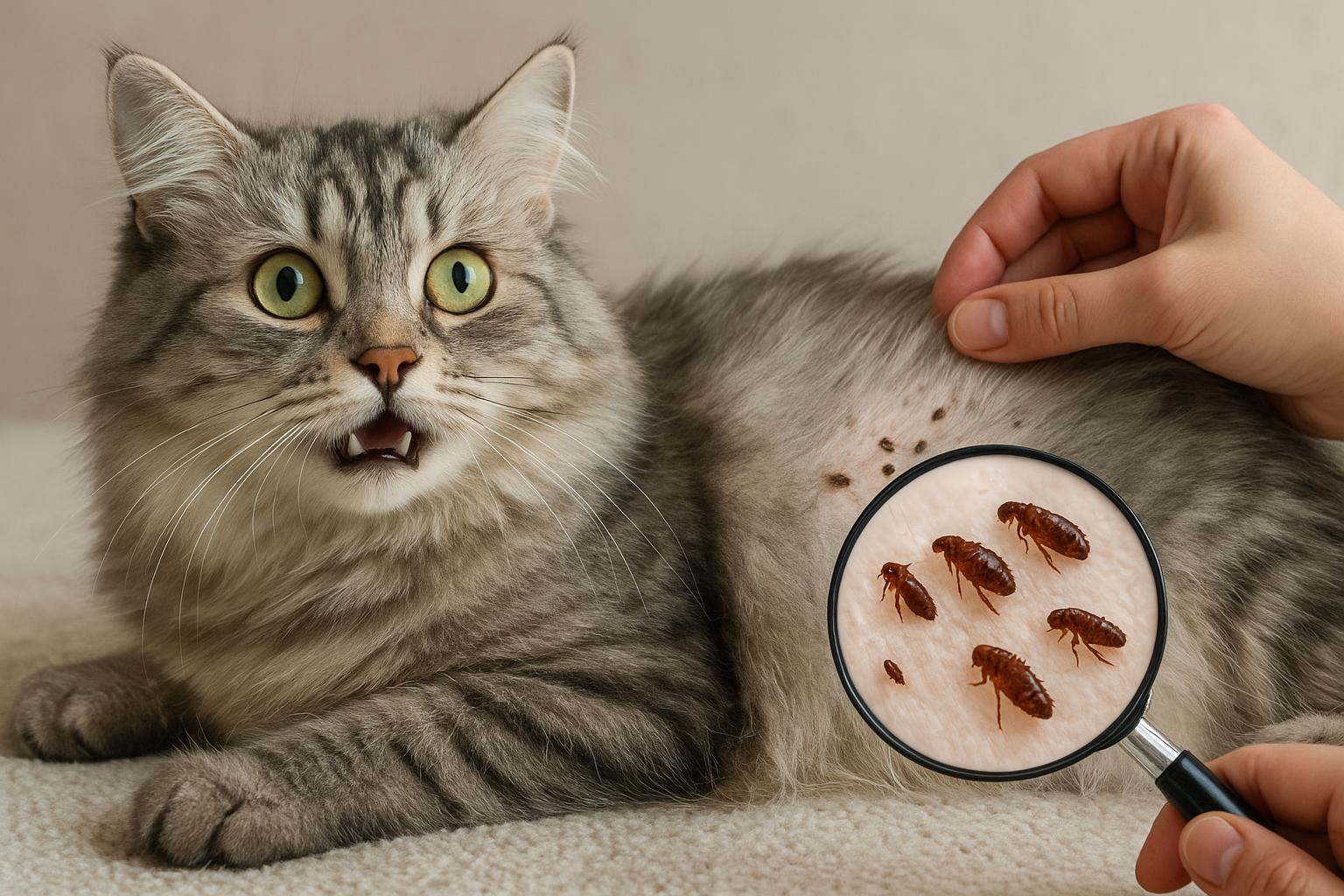
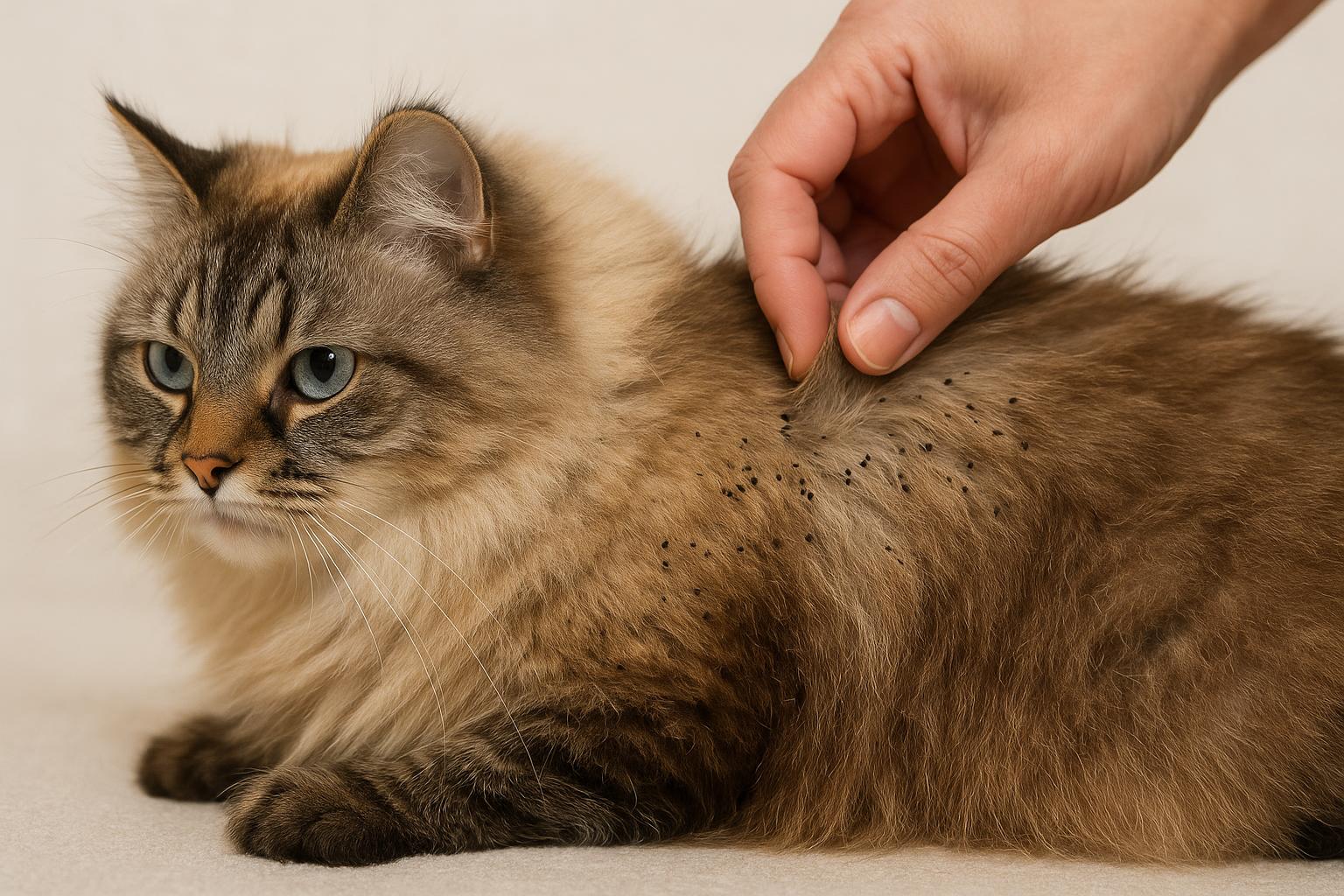
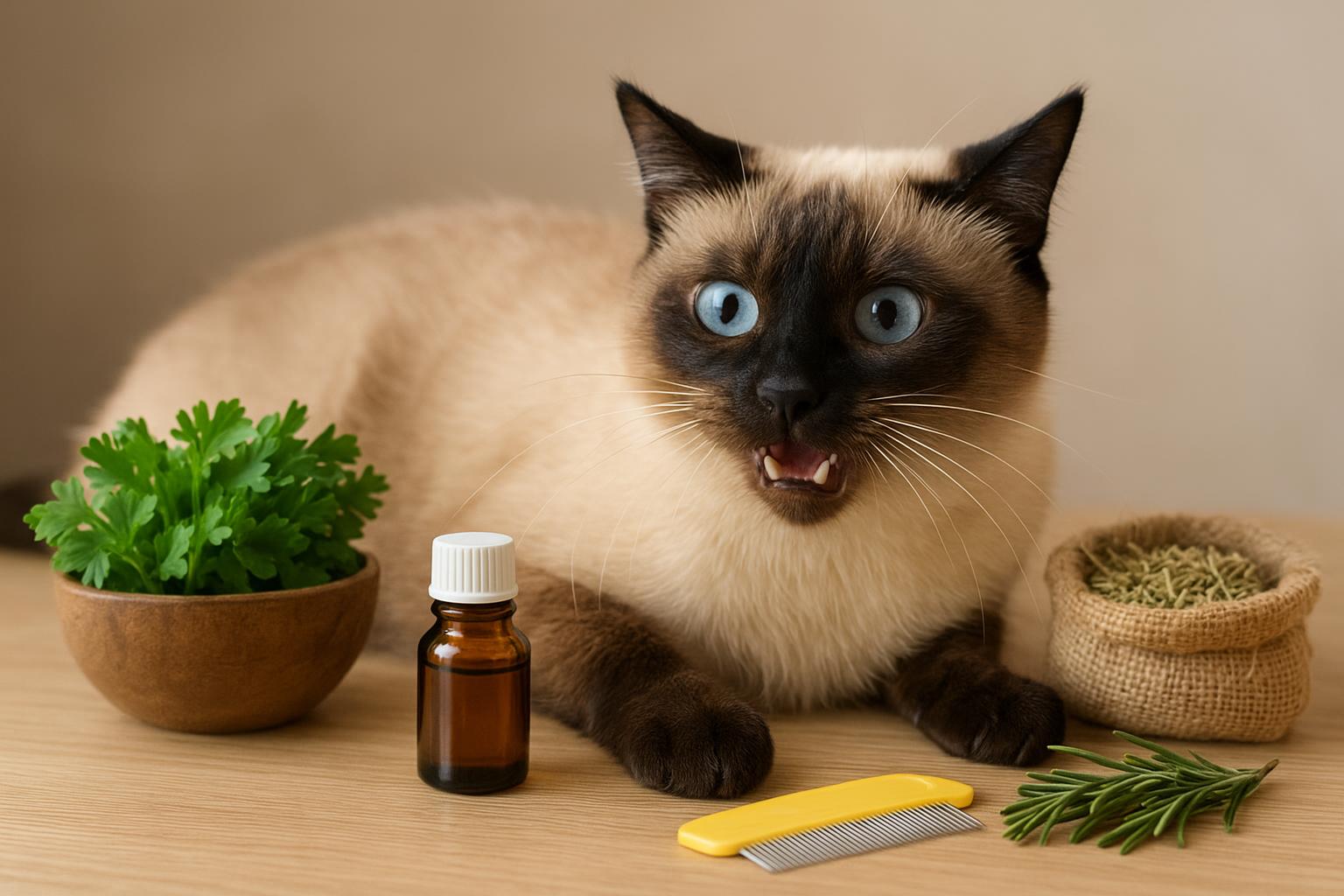
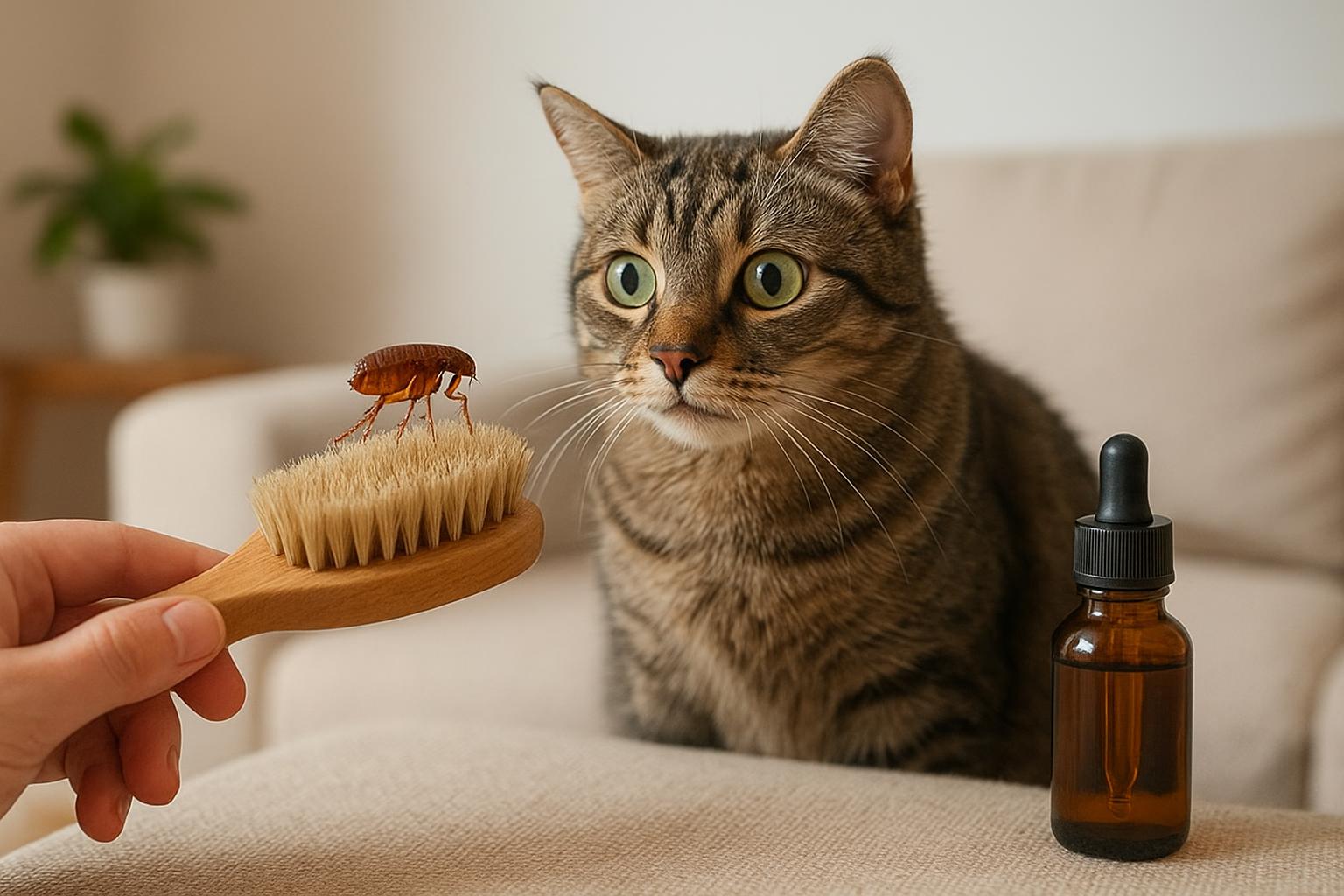
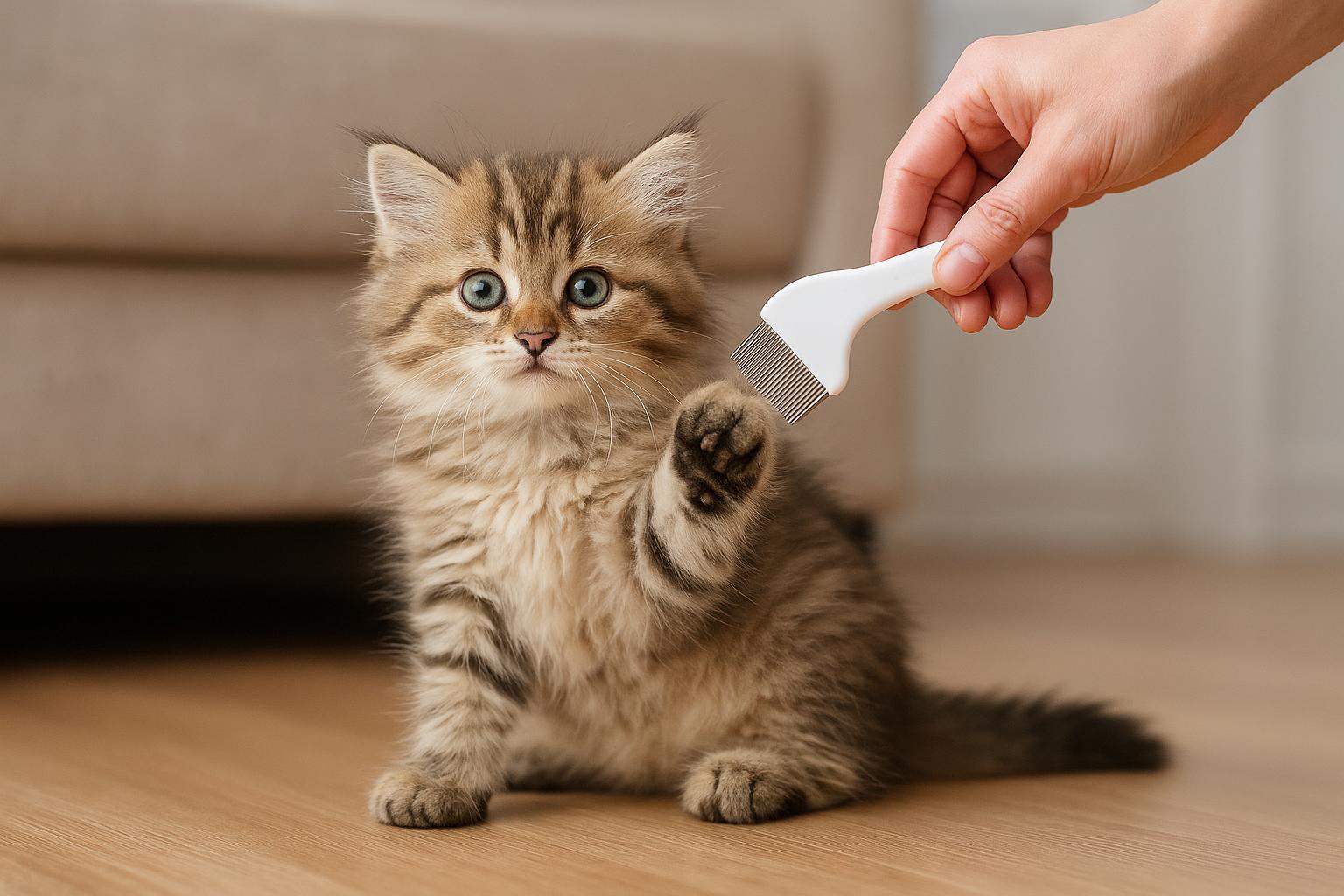
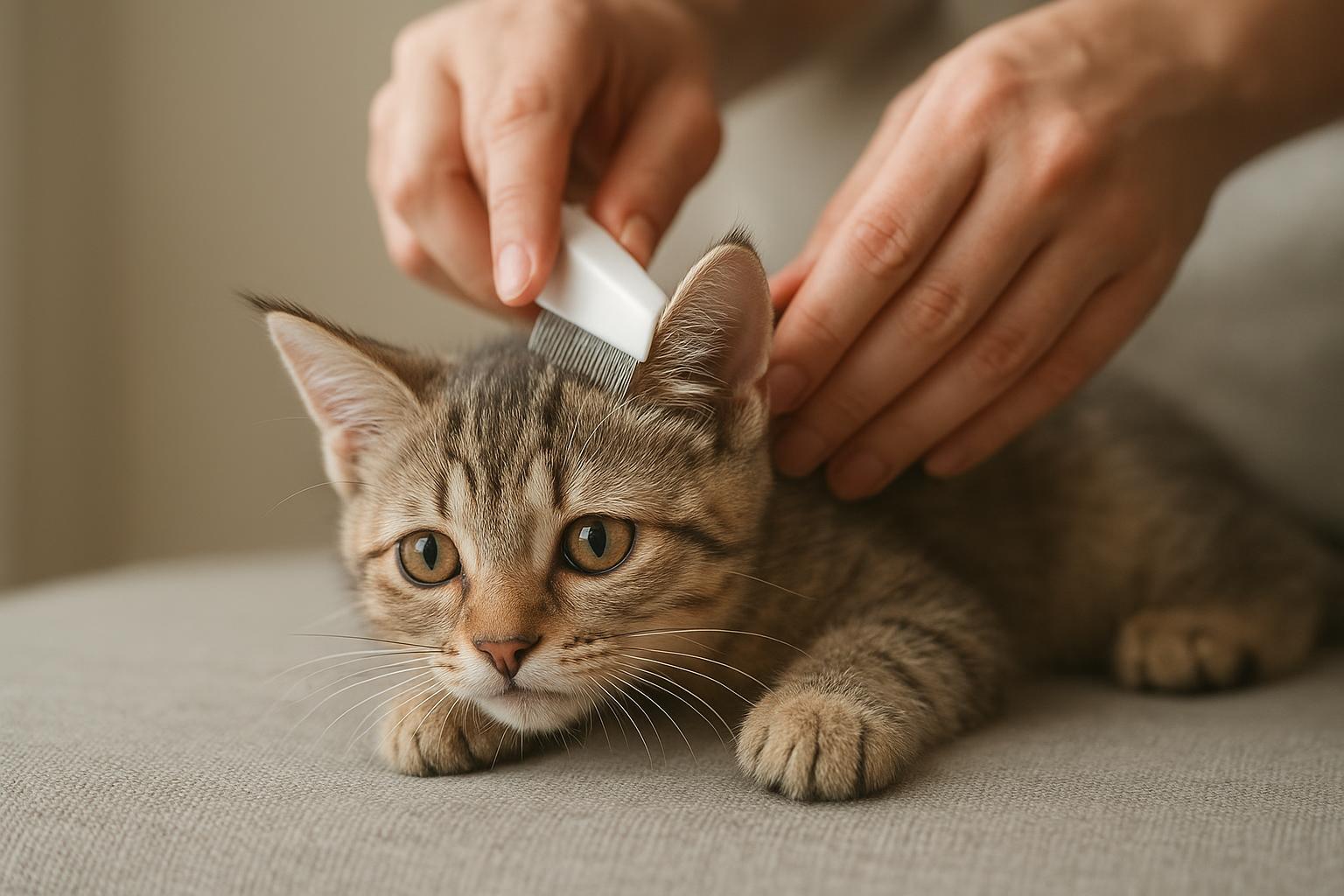
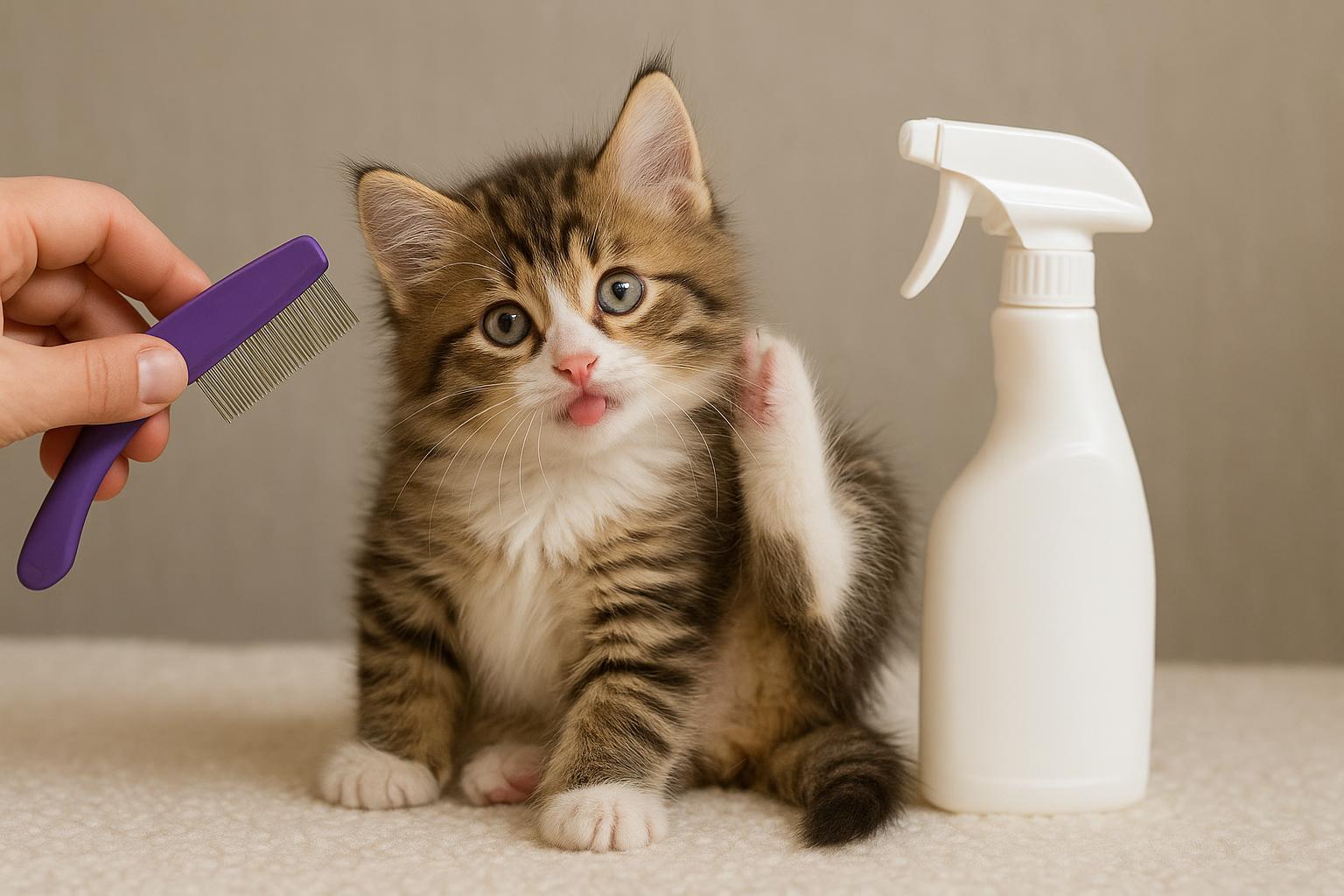
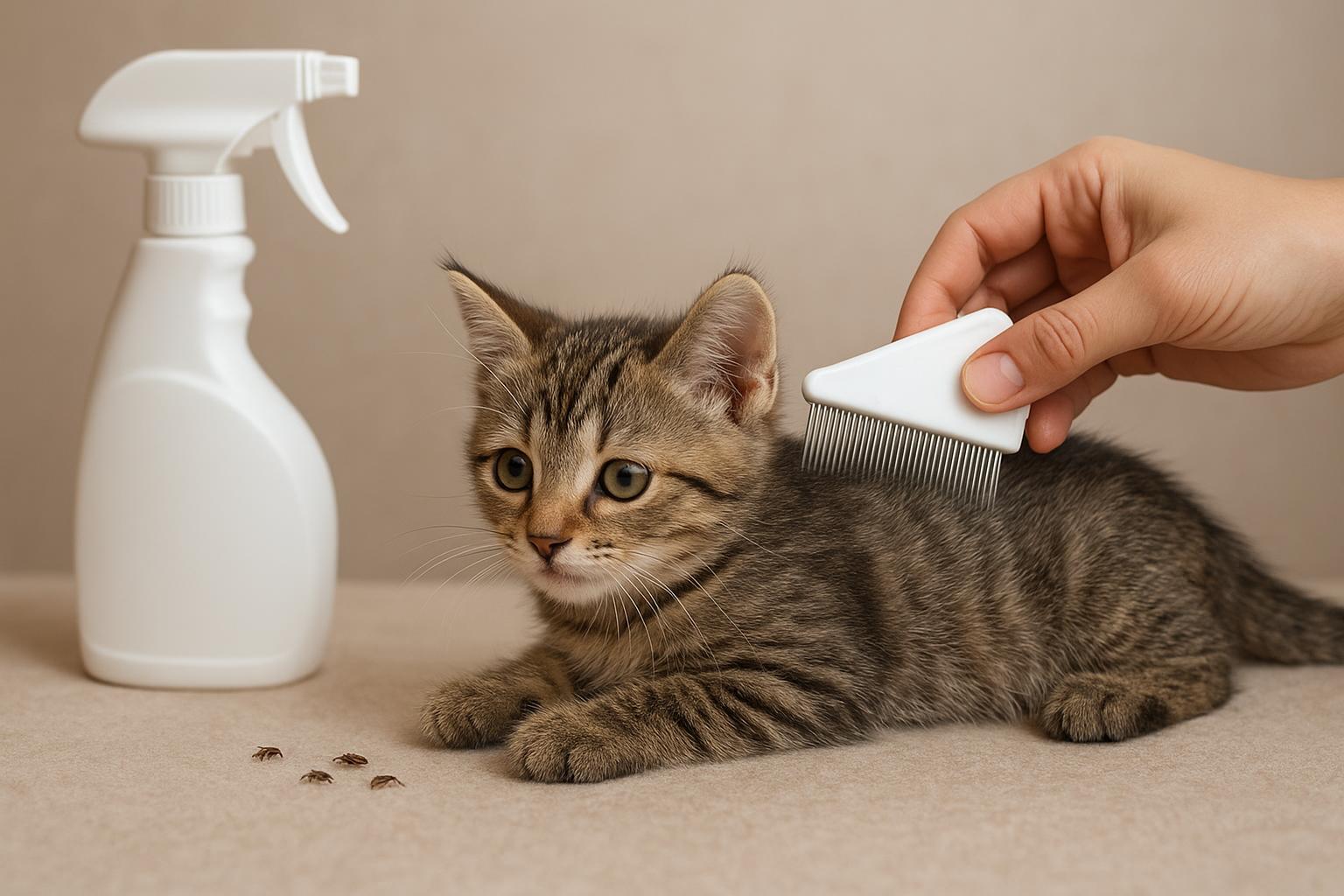
A fine-toothed flea comb is one of the most effective, low-tech tools you have. Combine combing with either the spray or rinse: the vinegar treatment helps disturb flea behavior, while the comb physically removes adults. Check the comb after every pass and remove and destroy any fleas you collect.
#### How To Use A Flea Comb Properly
Comb slowly from the head toward the back, holding the cat gently to keep them calm. Focus on behind the ears, neck, and base of tail. Rinse the comb after each pass into a bowl of soapy water. Repeat daily for two weeks, then every few days during peak season.
### Environmental Steps You Shouldn’t Skip
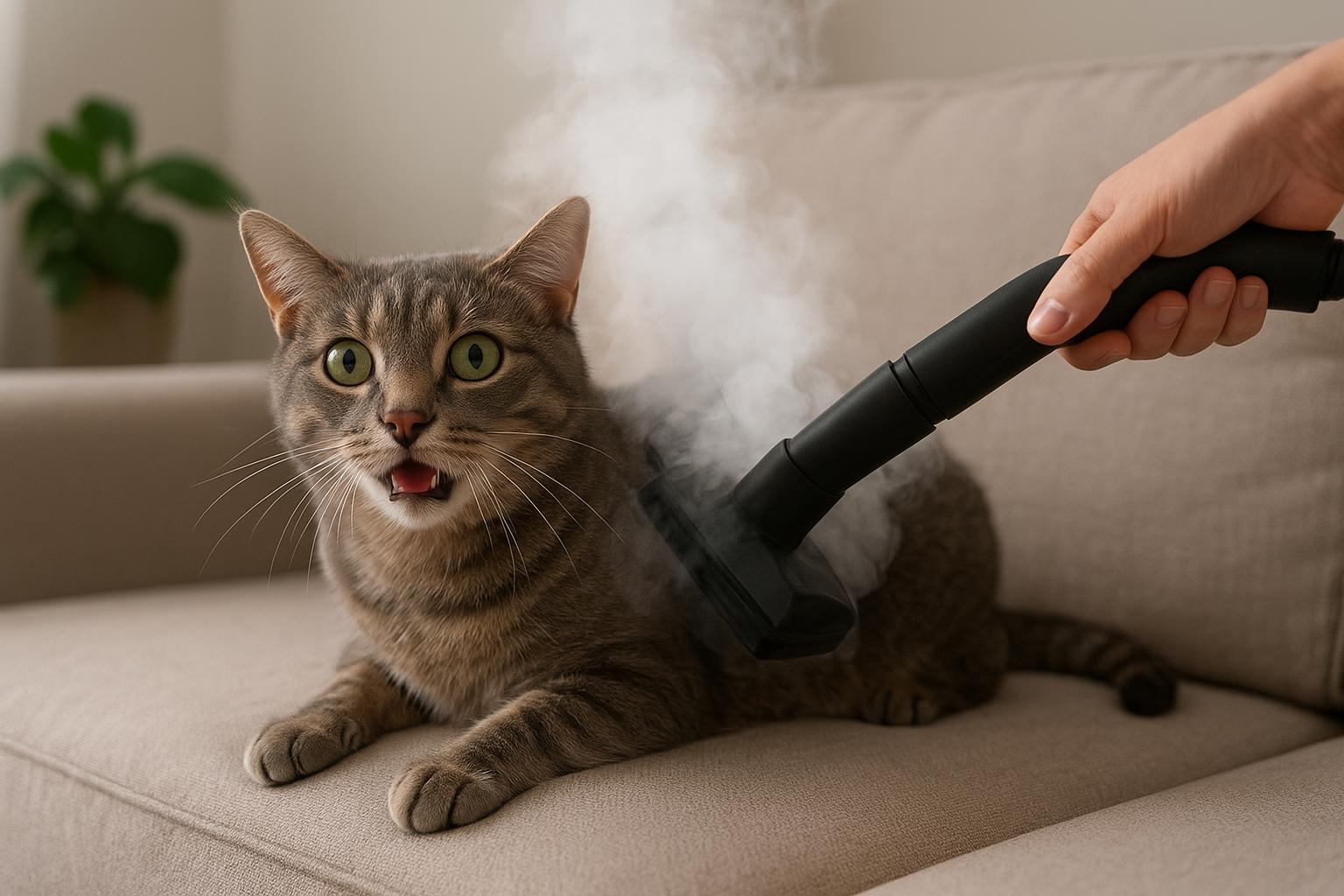
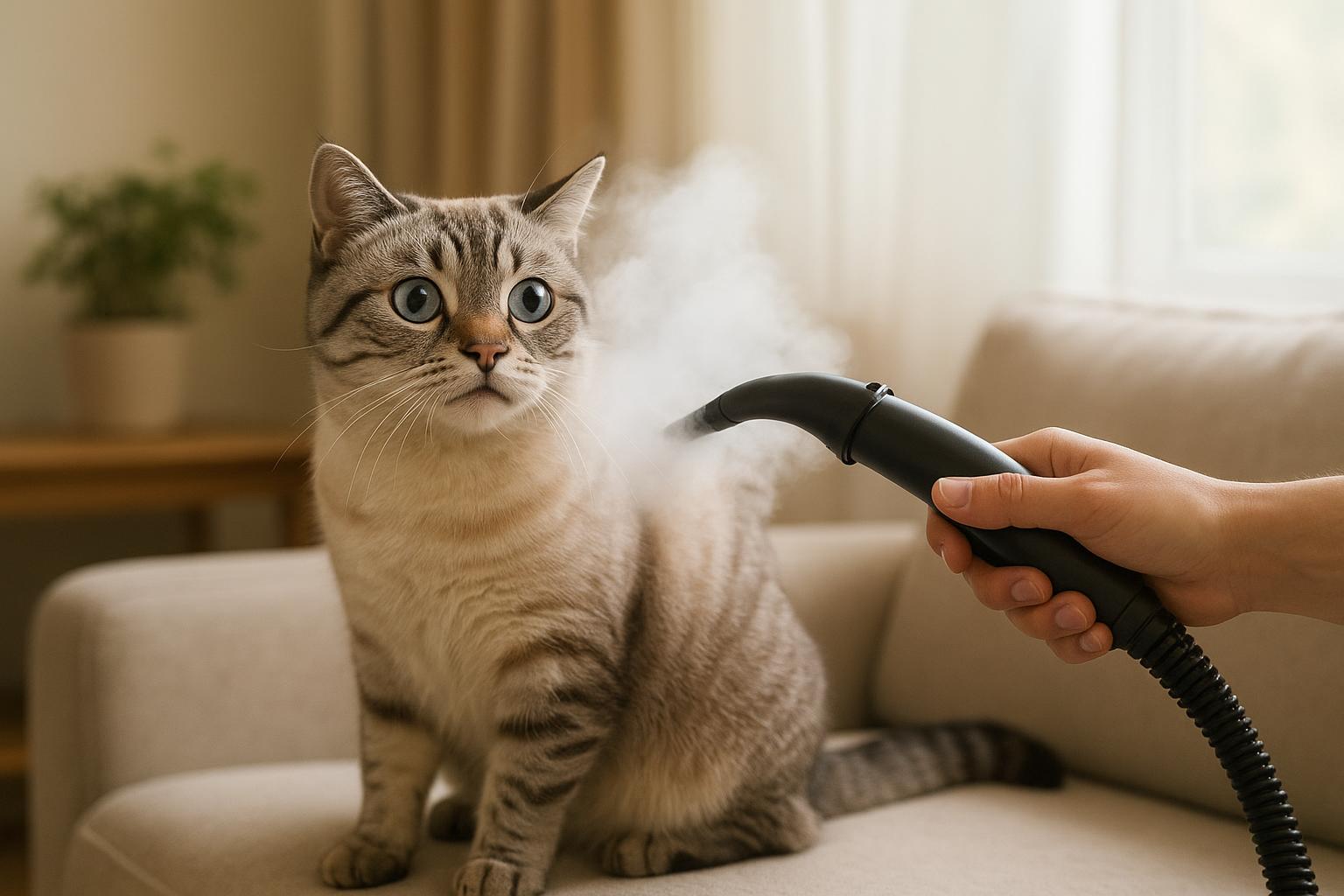
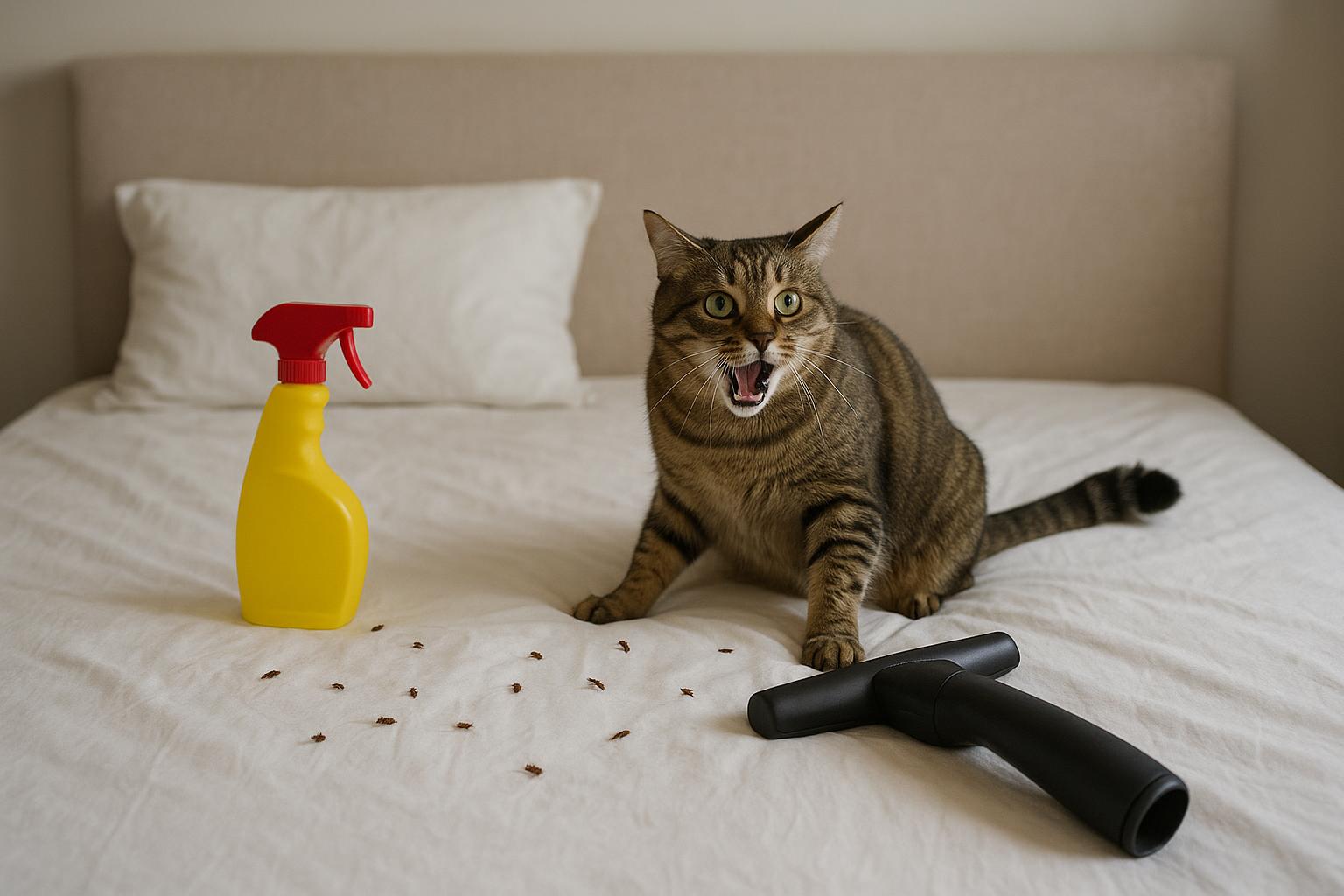
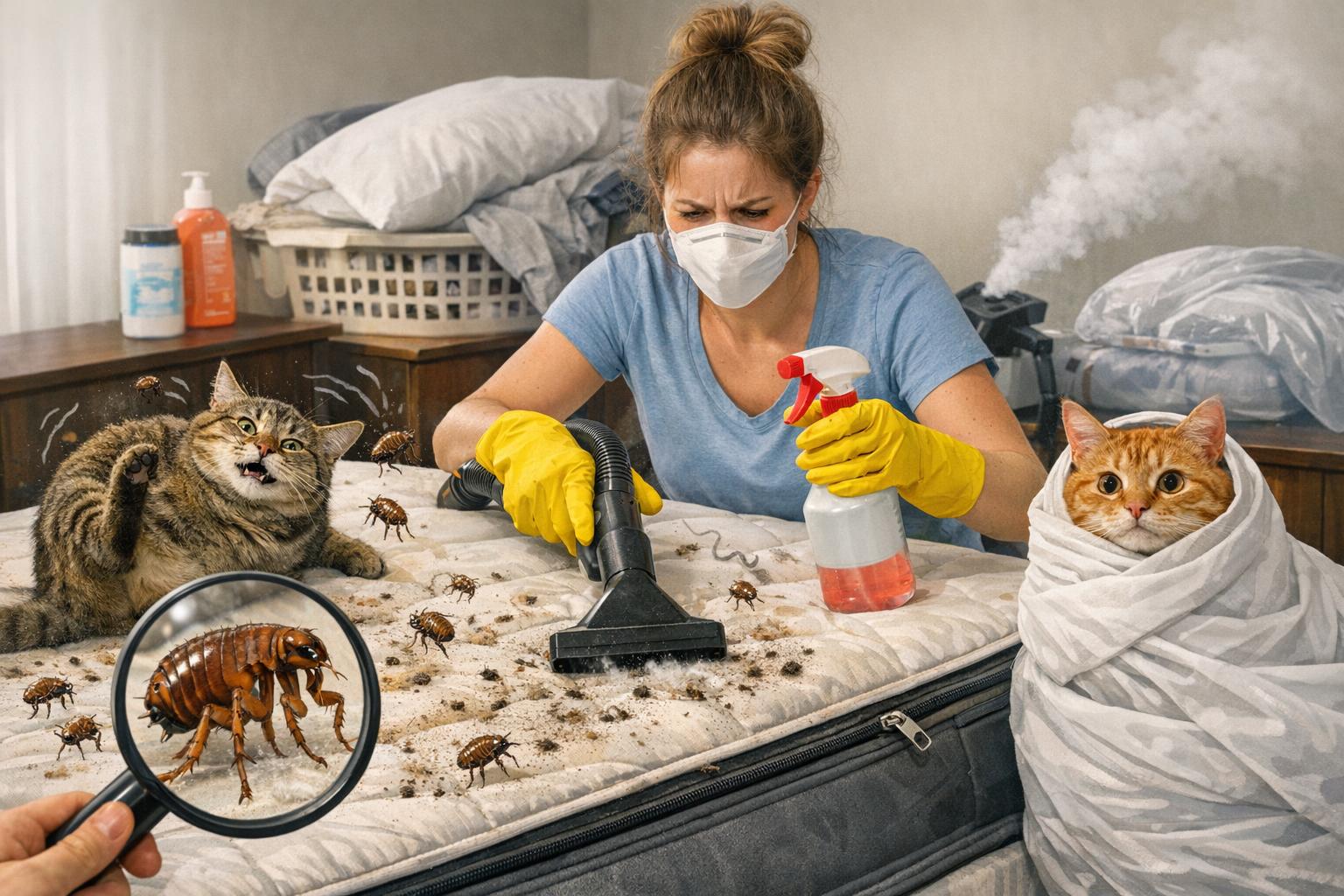
Even the best topical or natural approach won’t help if eggs and larvae are thriving in carpets, bedding, and furniture. Vacuum thoroughly, wash pet bedding in hot water weekly, and consider steam-cleaning carpets. For heavy infestations, use insect growth regulators in the home and treat outdoor areas where pets rest.
### Safety Considerations For Using Apple Cider Vinegar Around Cats
– Always dilute apple cider vinegar before use. Undiluted ACV is acidic enough to burn sensitive skin.
– Never allow vinegar to get in the cat’s eyes, ears, or mouth.
– Watch for signs of an allergic reaction: redness, swelling, persistent rubbing, or changes in behavior. If these occur, stop use immediately and consult your vet.
– Do not substitute apple cider vinegar for veterinary flea prevention, especially in multi-pet households or where flea-borne diseases are a risk.
– Pregnancy, nursing, illness, and kittens require veterinary guidance before any home remedy is applied.
### When To Call The Vet
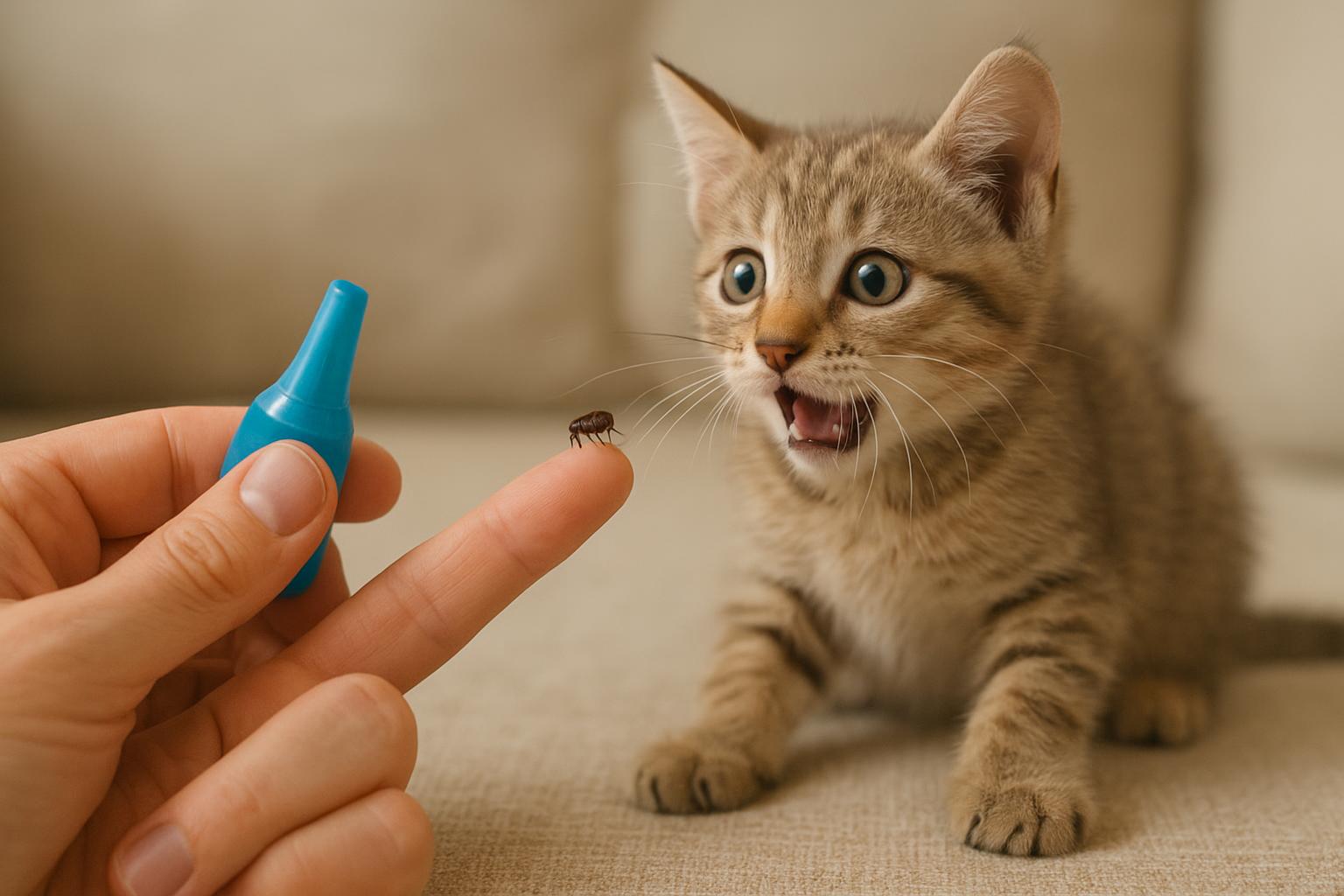
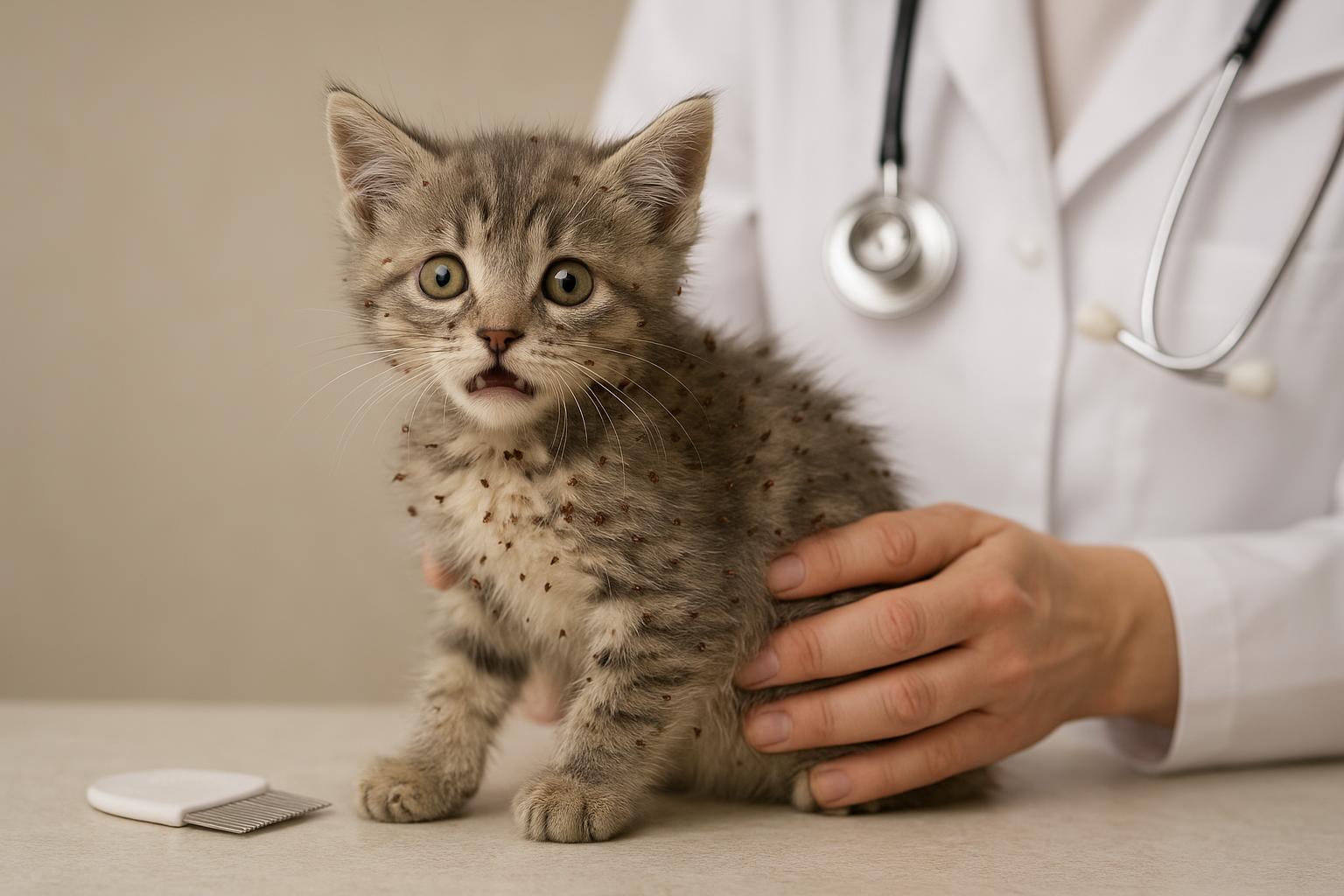
If fleas persist despite combing, topical or oral treatments, and environmental steps; if your cat is losing hair, has open sores, or shows lethargy or pallor (signs of anemia), contact your veterinarian promptly. Fleas can transmit tapeworms and other problems, and professional intervention may be needed.
Keep in mind that apple cider vinegar is a companion approach—gentle, inexpensive, and useful for some cats. If you combine it with routine combing, good environmental hygiene, and vet-recommended treatments, you’ll be far more likely to keep fleas at bay without turning your home into an amateur chemistry lab.


Leave a Reply